
Lake James Bass Fishing Guide
Lake James Bass Fishing, Season by Season
The first and highest lake on the Catawba, sitting at 1,200 feet with the Blue Ridge over your shoulder. James is really two lakes joined by a canal — one clear and cold and full of smallmouth, one warmer and stained and full of largemouth. Pick your arm and pick your species.
Two Rivers, Two Species, One Lake
Lake James was formed between 1916 and 1923 by four earthen dams impounding the Catawba and Linville rivers, making it the first reservoir on the Catawba—Wateree chain and by some distance the highest — 1,200 feet of elevation, against Norman's 760. At roughly 6,800 acres with 150 miles of shoreline it's a fraction of the size of the lakes downstream, and it fishes nothing like them.
What makes it worth a drive is the split. The Linville arm heads up toward Linville Gorge and Grandfather Mountain, running over a limestone bottom that produces almost no sediment. It's the deepest, clearest, coldest water on the whole chain, and it's smallmouth country. The Catawba arm drains lower ground east of Old Fort, carries more colour after rain, warms faster, and holds more largemouth. A man-made canal joins the two, so you can fish both in a morning.
Pisgah National Forest runs along the north shore of both arms, and that matters practically — heavy forest soaks up rainfall before it can wash silt into the lake, which is a large part of why the water stays clear and cool enough for smallmouth to thrive this far south.
Clarity is also the challenge. Local guides will tell you plainly that catching James smallmouth on artificials is hard work, and plenty of them fish live bait for exactly that reason. If you're throwing lures here, downsize, lengthen your leader, and accept that you'll be refused more often than on stained water.
Clear Water, Cold Water
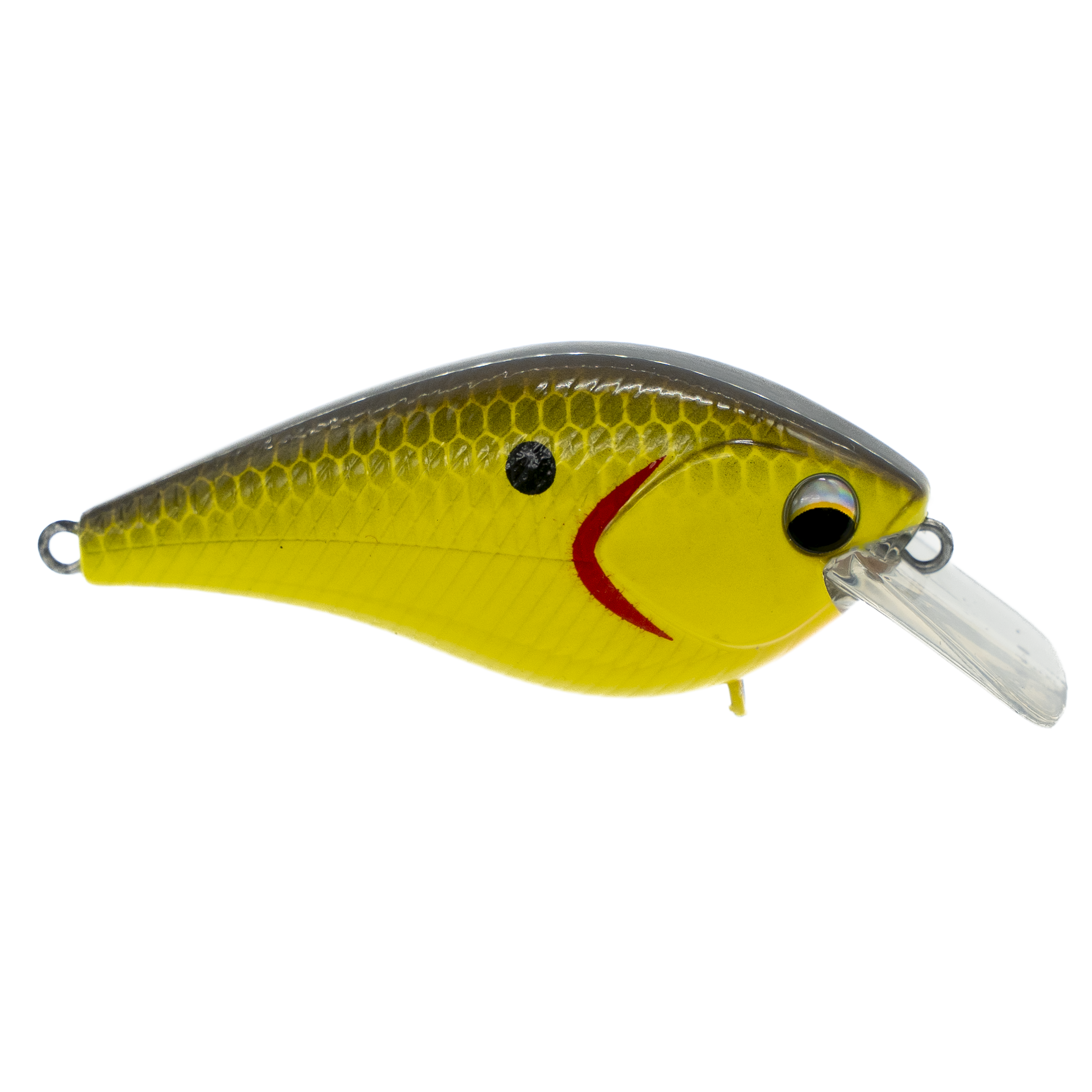
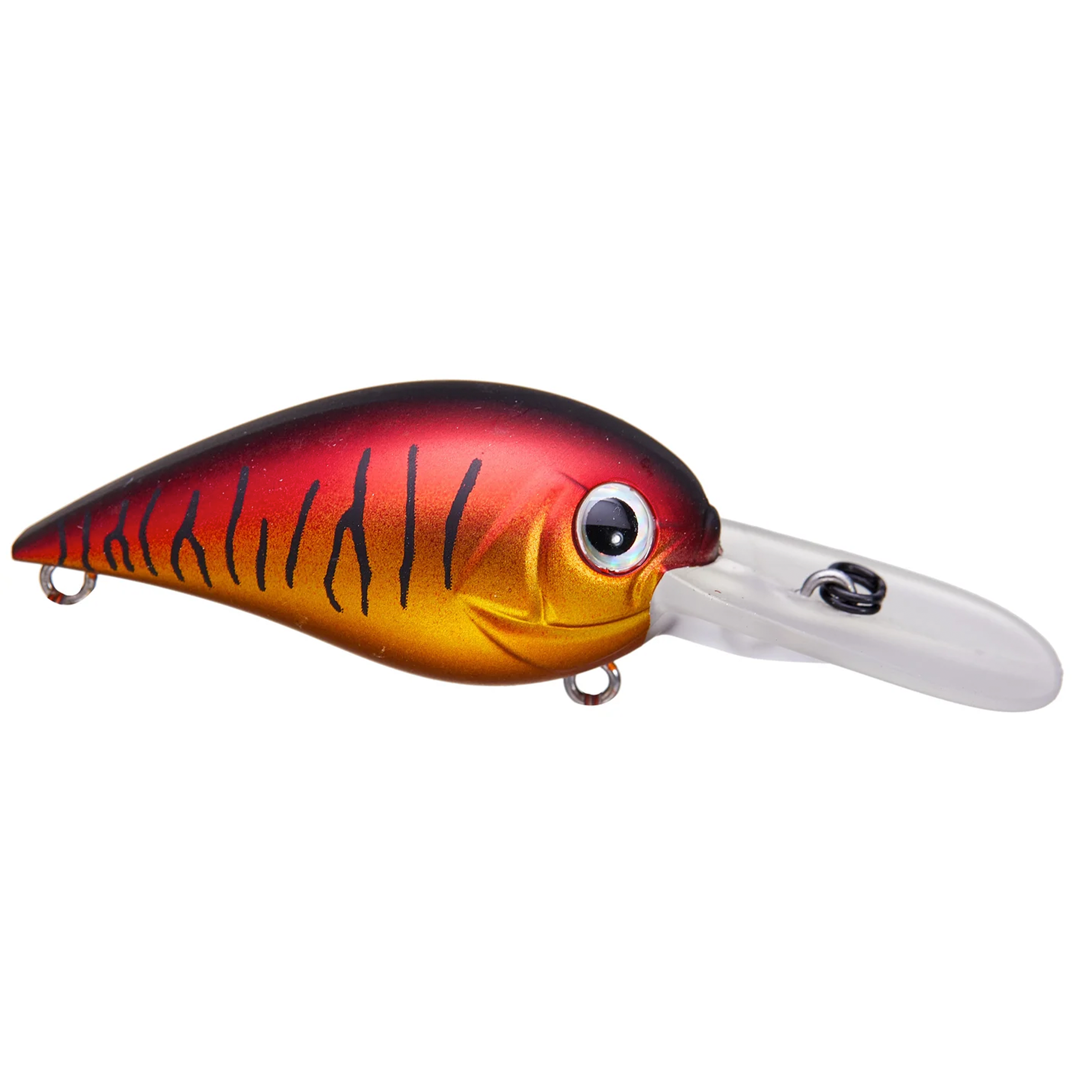
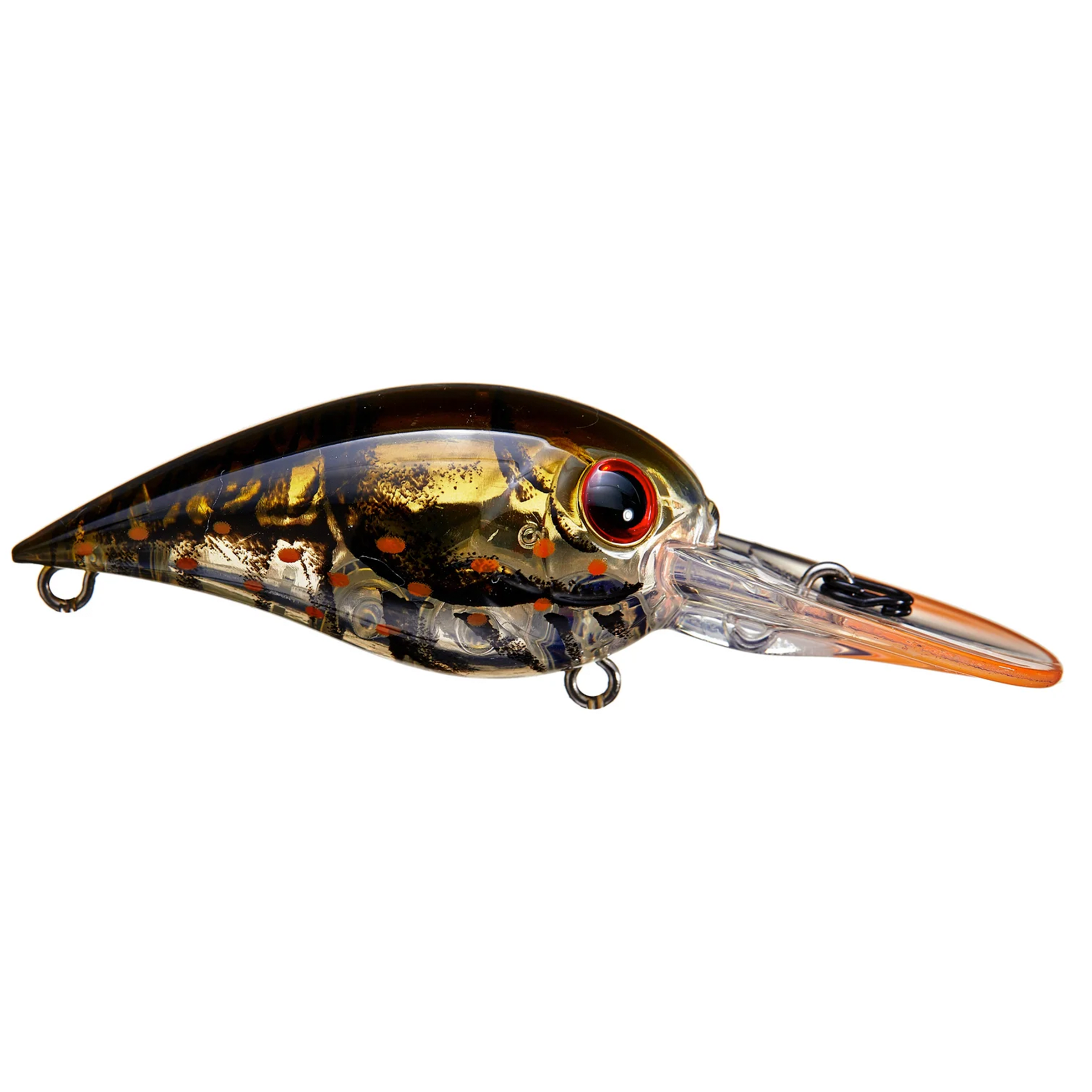
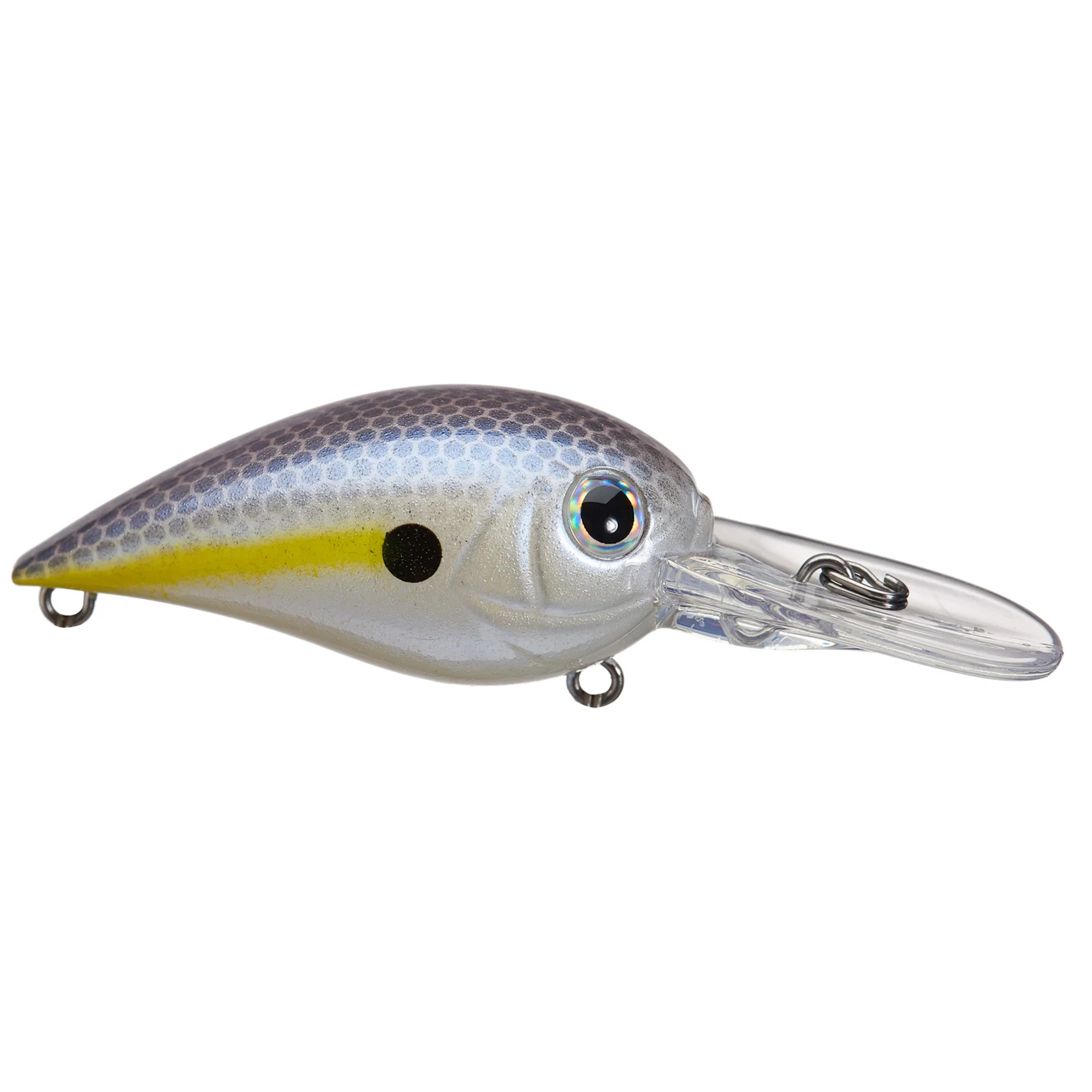
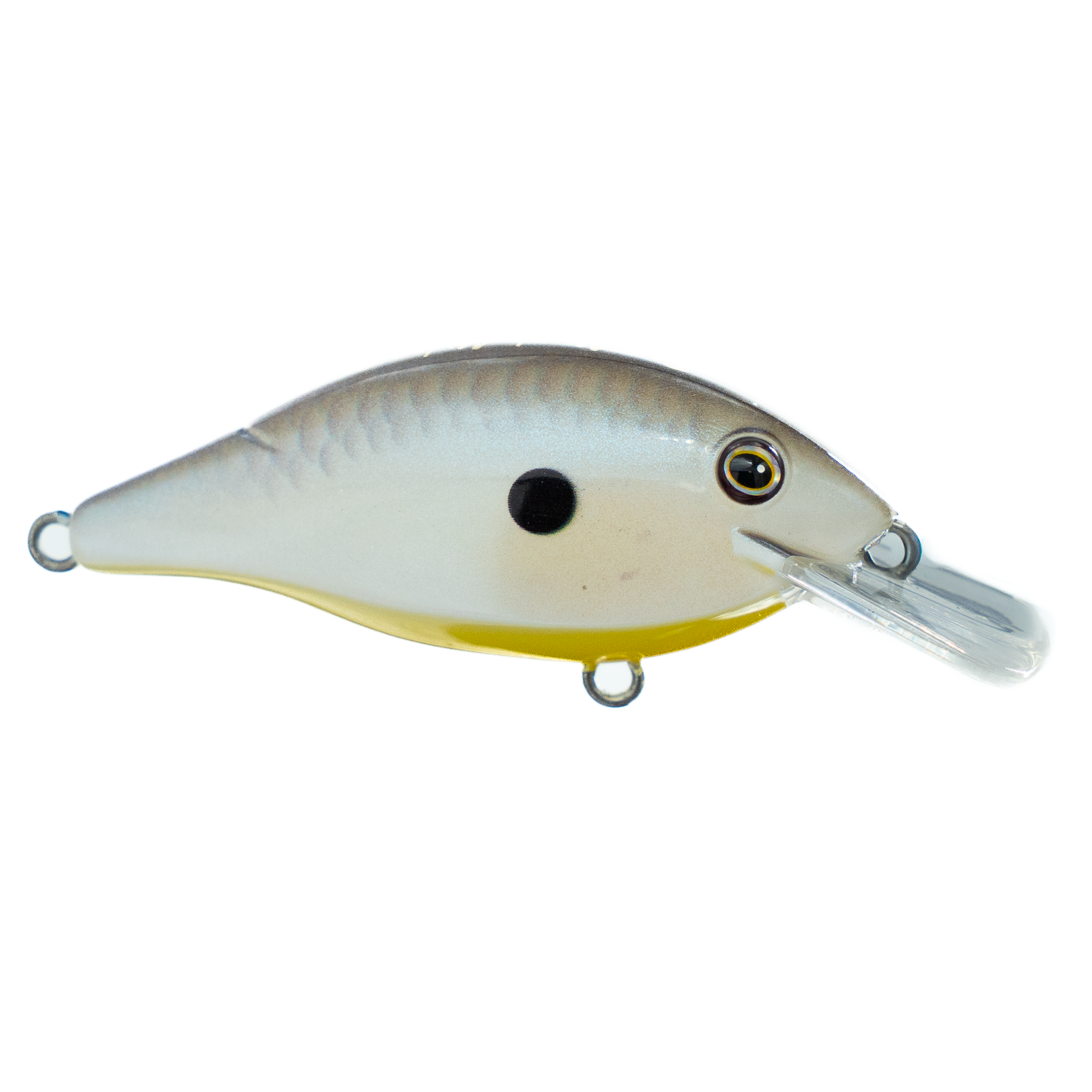
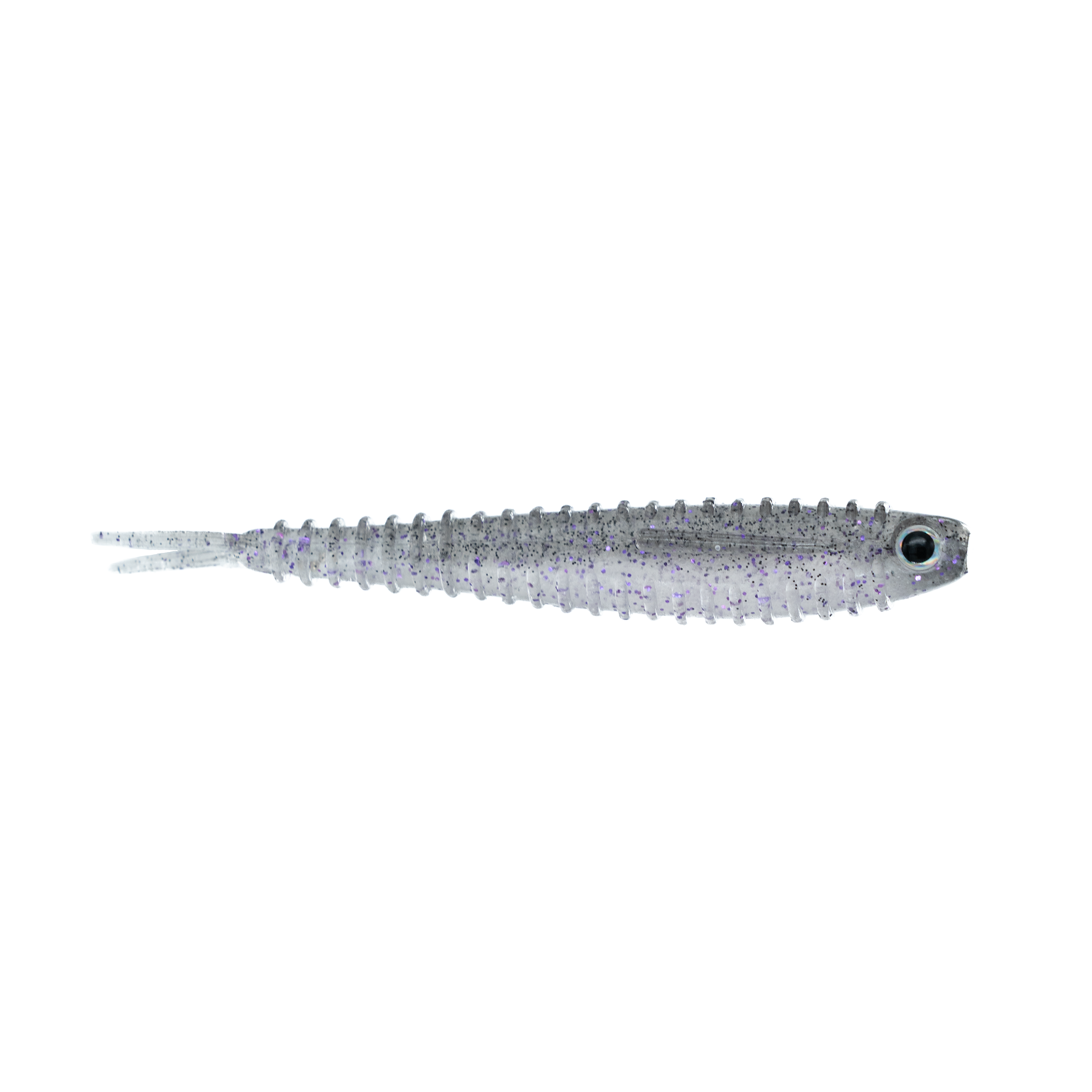
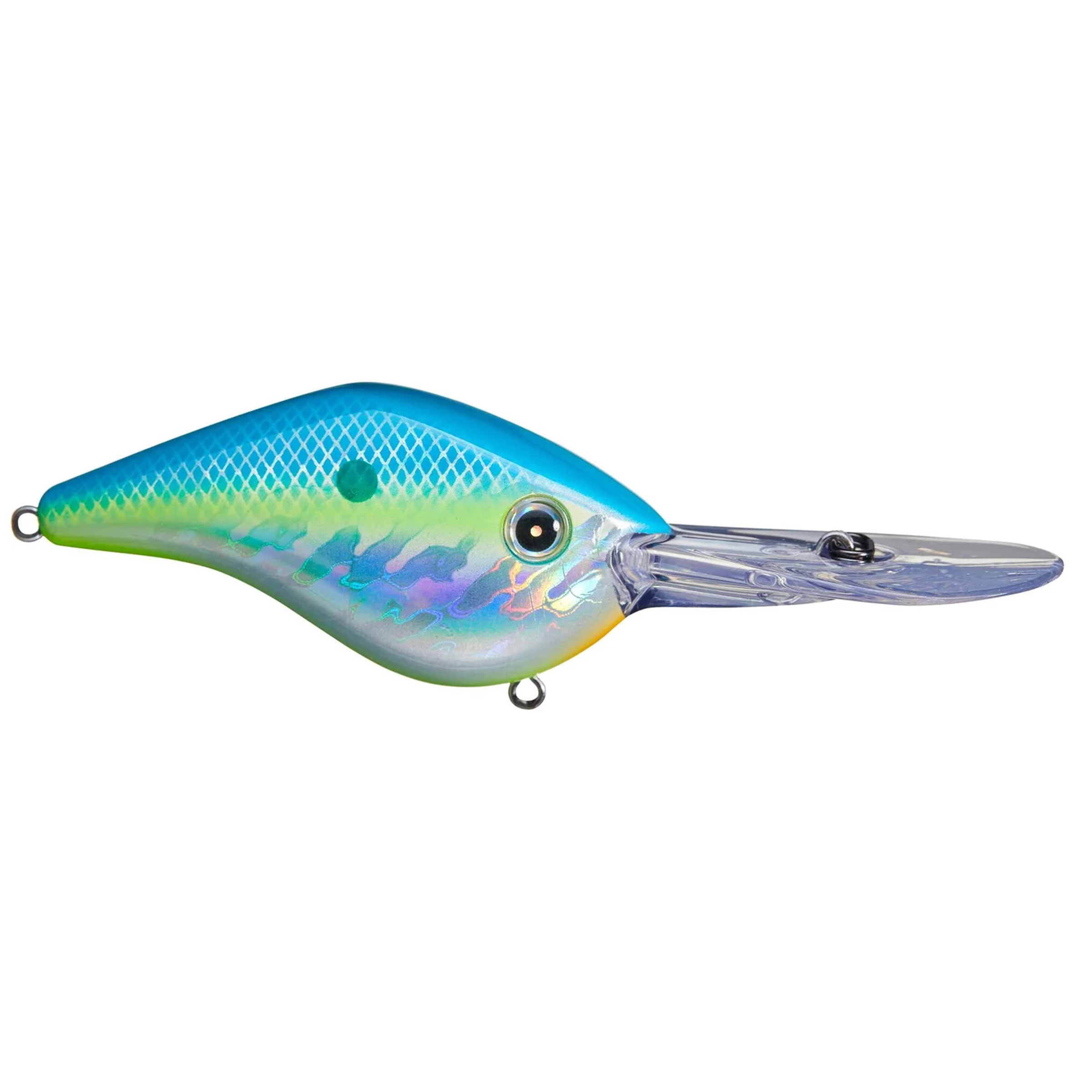
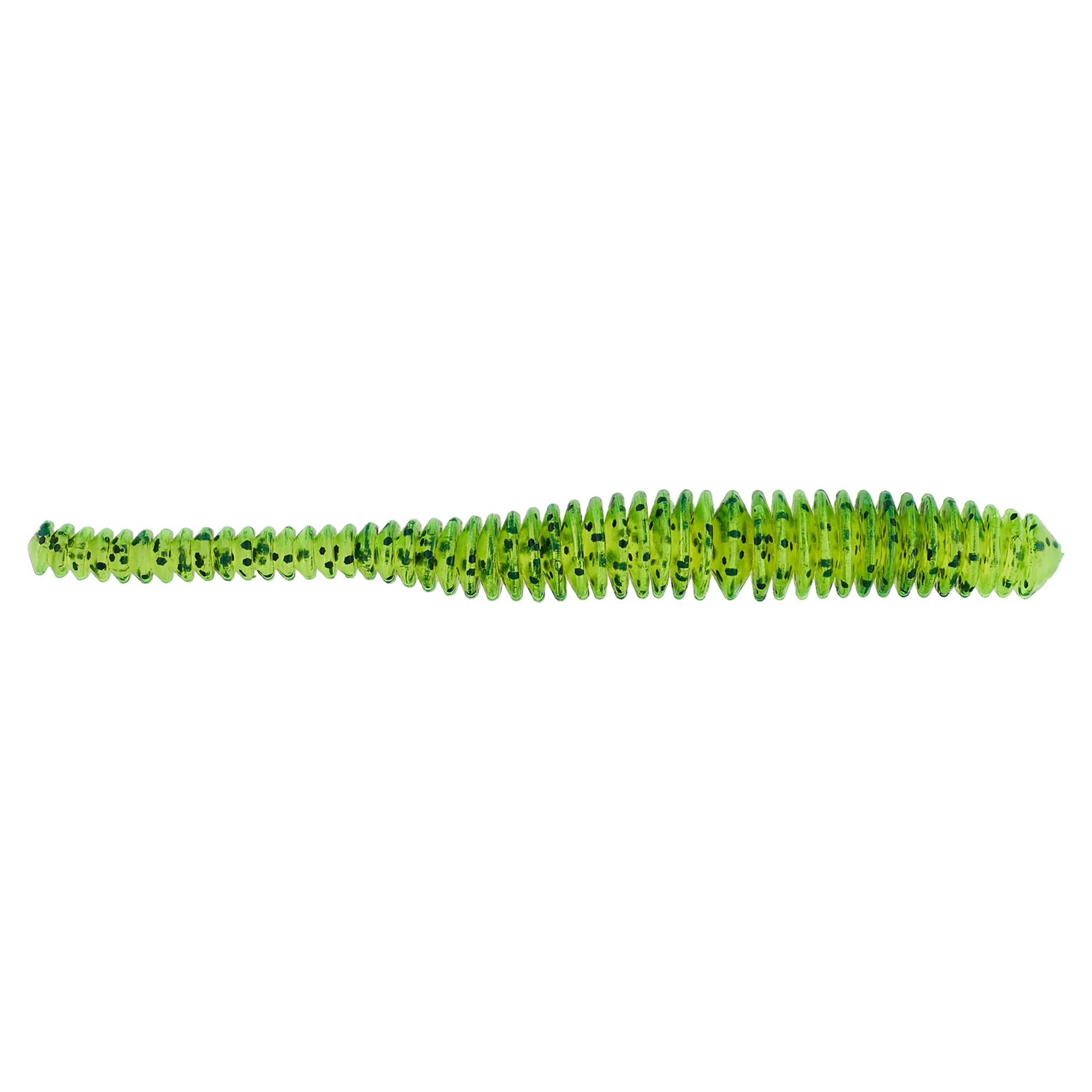
Four patterns cover the year. Each one pairs the technique with the baits we'd actually tie on.
Rock, Shoals and 55 Degrees
The smallmouth bite here has a trigger temperature: it starts when the water hits 55 degrees and gets serious between 60 and 65. Pre-spawn smallmouth stage on rocky points and ledges — and crucially, on the rocky shoals out in the middle of the lake, well away from any bank. They don't care about the shoreline. They care about depth and rock. Largemouth do the conventional thing in the shallower, warmer Catawba arm.



Deep, and Watch the Mud Line
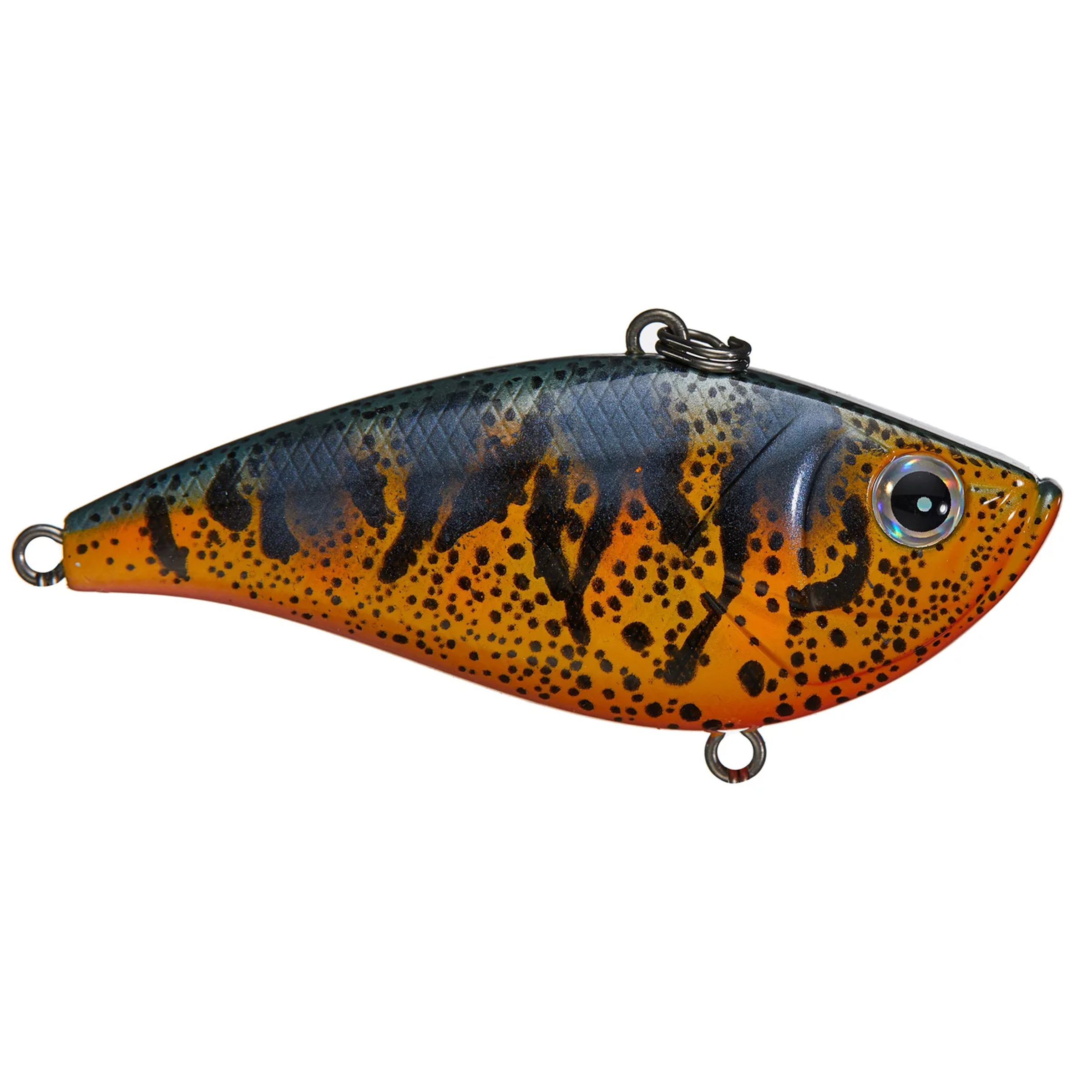
Summer pushes fish deep in water that reaches 120 feet, and clarity works against you — on the Linville side especially, artificial baits get inspected. There's a quirk worth knowing: heavy boat traffic in summer stirs a defined mud line along the Linville bank, so you get clear cold water offshore and dirty shallow water tight to the shore. That edge is worth fishing.


Wait Out the Turnover
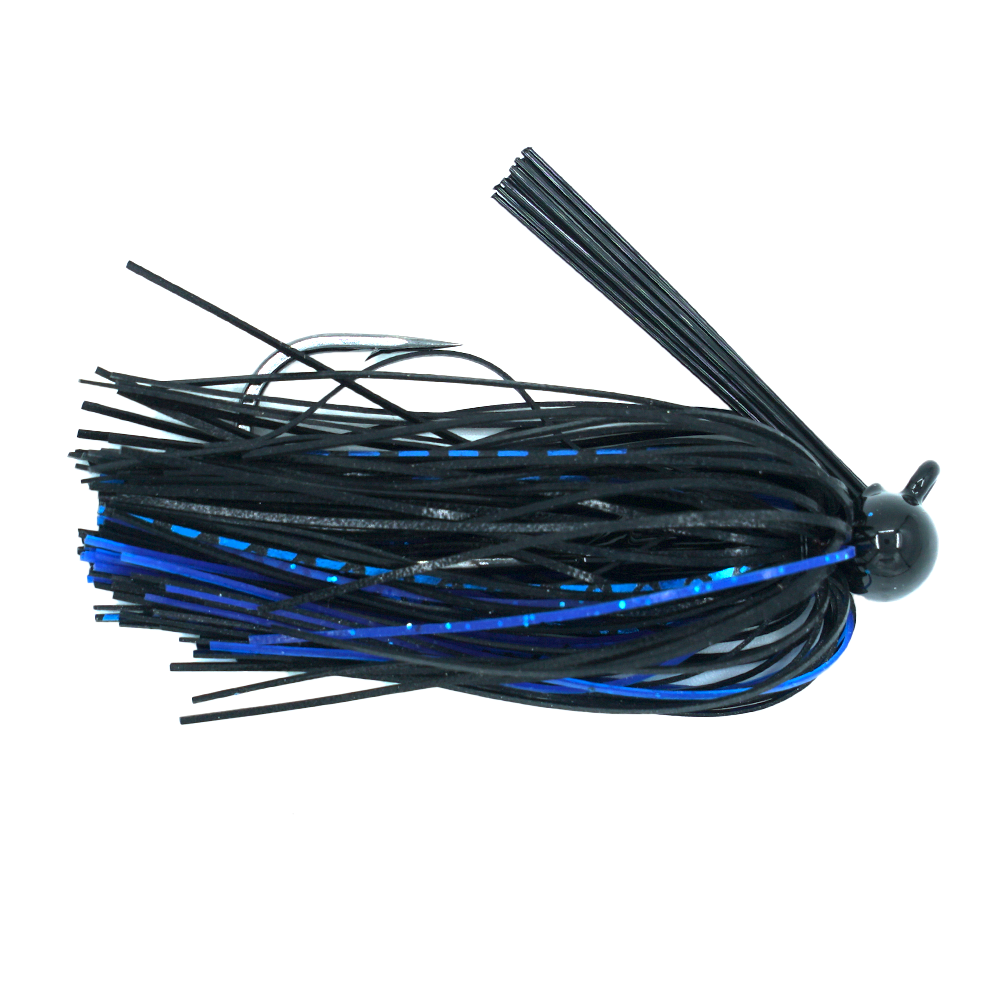
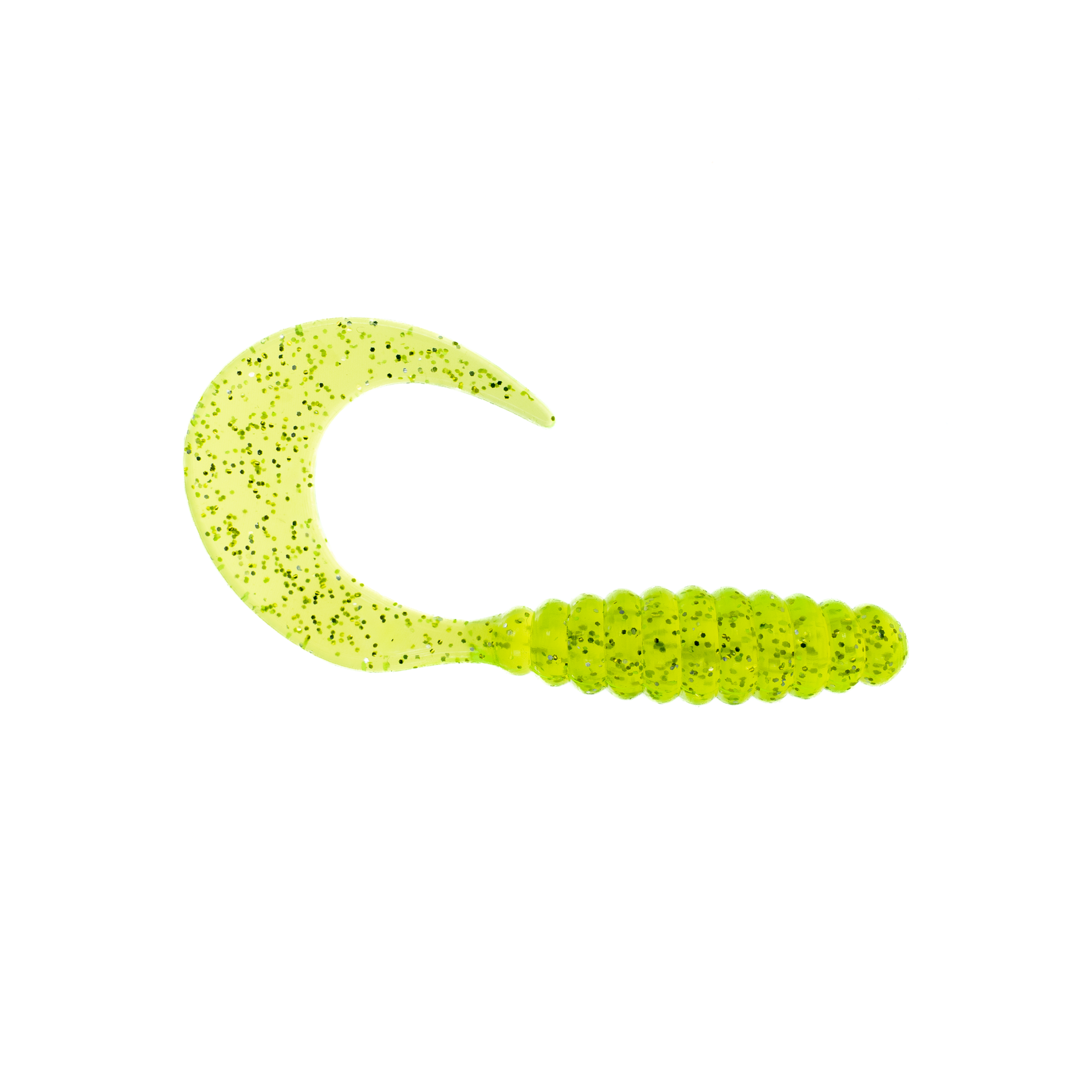
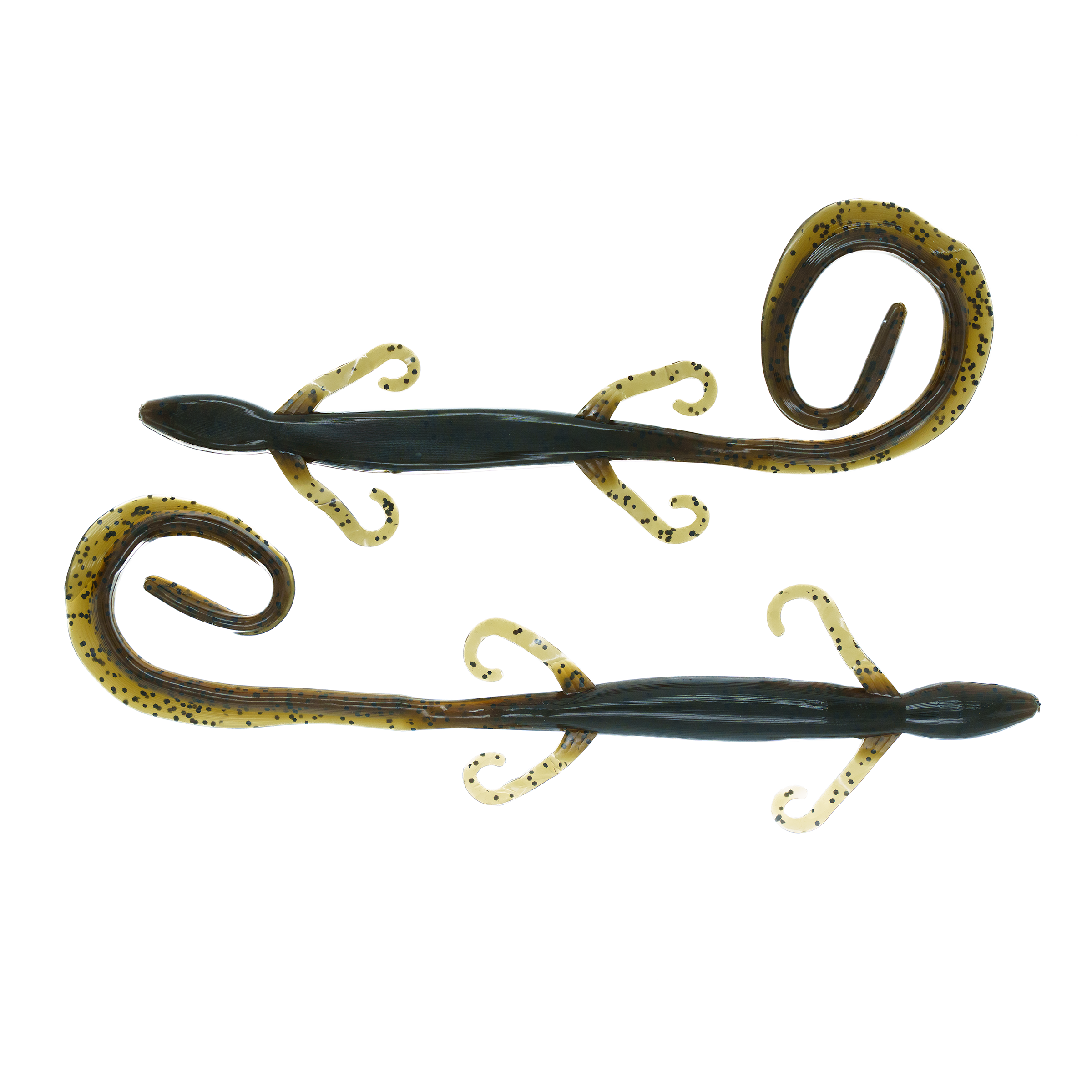
Lake James turns over from late September into early October, and for a week to ten days the water goes murky and the fishing goes with it. Most anglers write the period off. The ones who pay attention know what comes next: when the surface clears at the end of turnover, the fall topwater bite kicks off. Smallmouth follow baitfish into coves and bays in five to ten feet.



Drawdown Concentrates Everything
Duke pulls the lake down in winter for hydro generation, and that drawdown does something useful: it keeps vegetation growth minimal and concentrates the fish. Cold, clear, deep water with fewer places to hide means the fish that are catchable are findable. It's a small lake in the mountains in January — you'll likely have it to yourself.




Lake James Access
Decide which species you're after before you decide where to launch — the two arms are genuinely different fisheries.
Linville River Arm
The smallmouth side. Deeper, clearer and a couple of degrees cooler, with rocky points, ledges and mid-lake shoals. The Linville ramp off Highway 126 sits at the northern tip.
Catawba River Arm
The largemouth side. Shallower, warmer, more colour after rain, and more conventional shoreline cover. The better bet in early spring when the Linville is still cold.
Canal Bridge
The man-made canal linking the two arms, and a natural place to start a day because it puts both fisheries within reach. Fish move through it, which makes it worth working in its own right.
Lake James Bass Fishing FAQ
Can you catch smallmouth and largemouth in the same day on Lake James?
Yes, and that's the reason to come. The lake has two main arms with genuinely different character. The Linville arm is deeper, clearer and a couple of degrees cooler, and it favours smallmouth. The Catawba arm is shallower, warmer and carries more colour, and it favours largemouth. Historically the split was sharp; tournament releases have redistributed both species, so you'll find each on either side now — but the tendency holds.
Why is Lake James so clear?
Geography and forest. The Linville River drops out of Linville Gorge over a limestone bottom with very little sediment to stir up, and Pisgah National Forest covers the north shore, absorbing rainfall before it can carry silt into the lake. The result is the clearest and deepest water on the Catawba chain, reaching about 120 feet.
When does the smallmouth bite start on Lake James?
At 55 degrees. That's the trigger temperature local guides watch for, and the bite really takes off once the water sits between 60 and 65. Good smallmouth fishing generally runs from the first week of May through October. Average fish run under two pounds, with plenty of three and four pounders in the mix.
What happens during turnover on Lake James?
Late September into early October the surface water cools enough to mix with the cold water below, and the whole lake goes murky for a week to ten days. Fishing suffers. The useful part is what follows — when the surface clears at the end of turnover, the fall topwater bite starts. Time your trip for after it, not during.
Are there striped bass in Lake James?
No fishable population. James and Wylie are the only North Carolina lakes on the Catawba chain without one. What James has instead is an exceptional smallmouth fishery, plus walleye and a white bass population that runs in cycles.
What baits work best on Lake James?
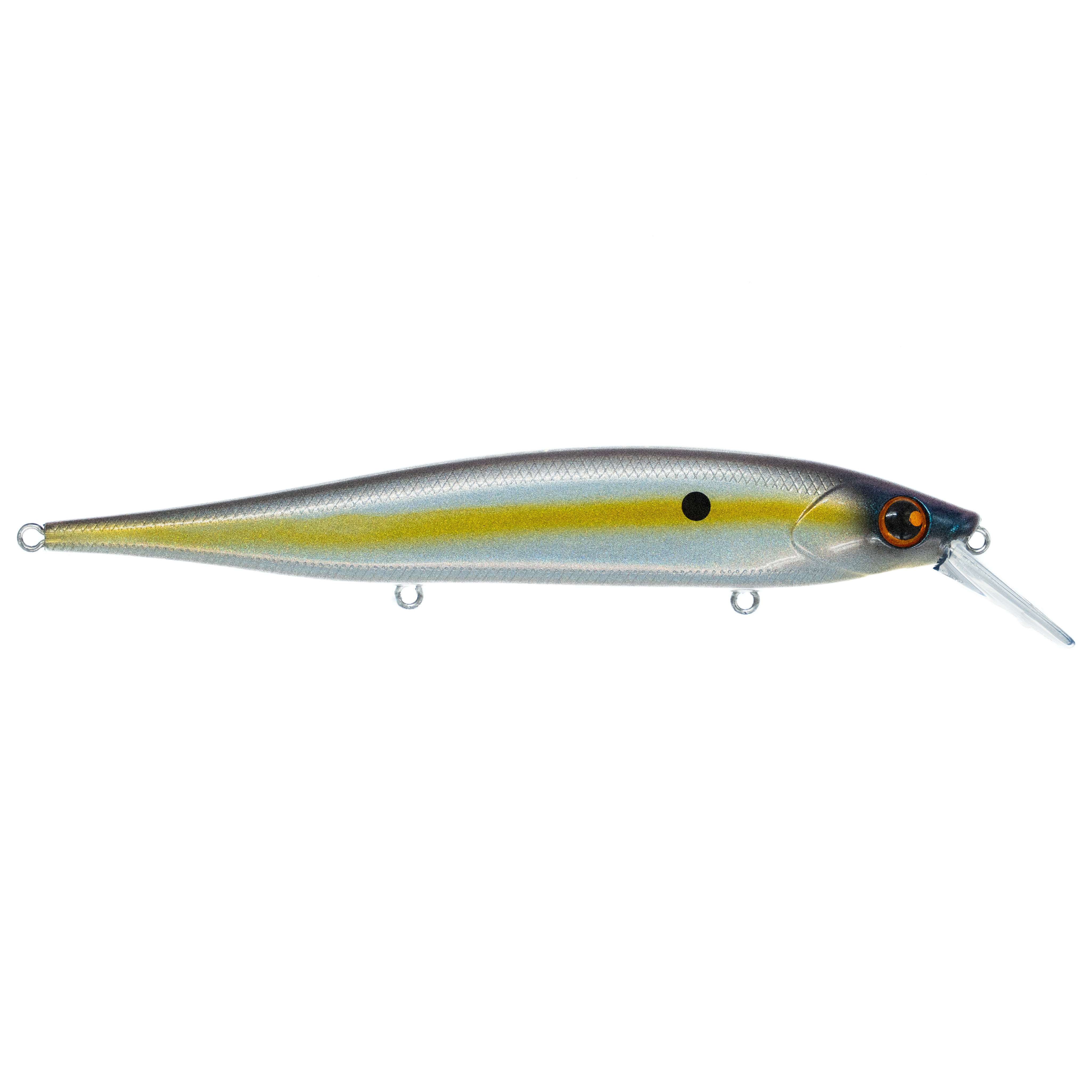
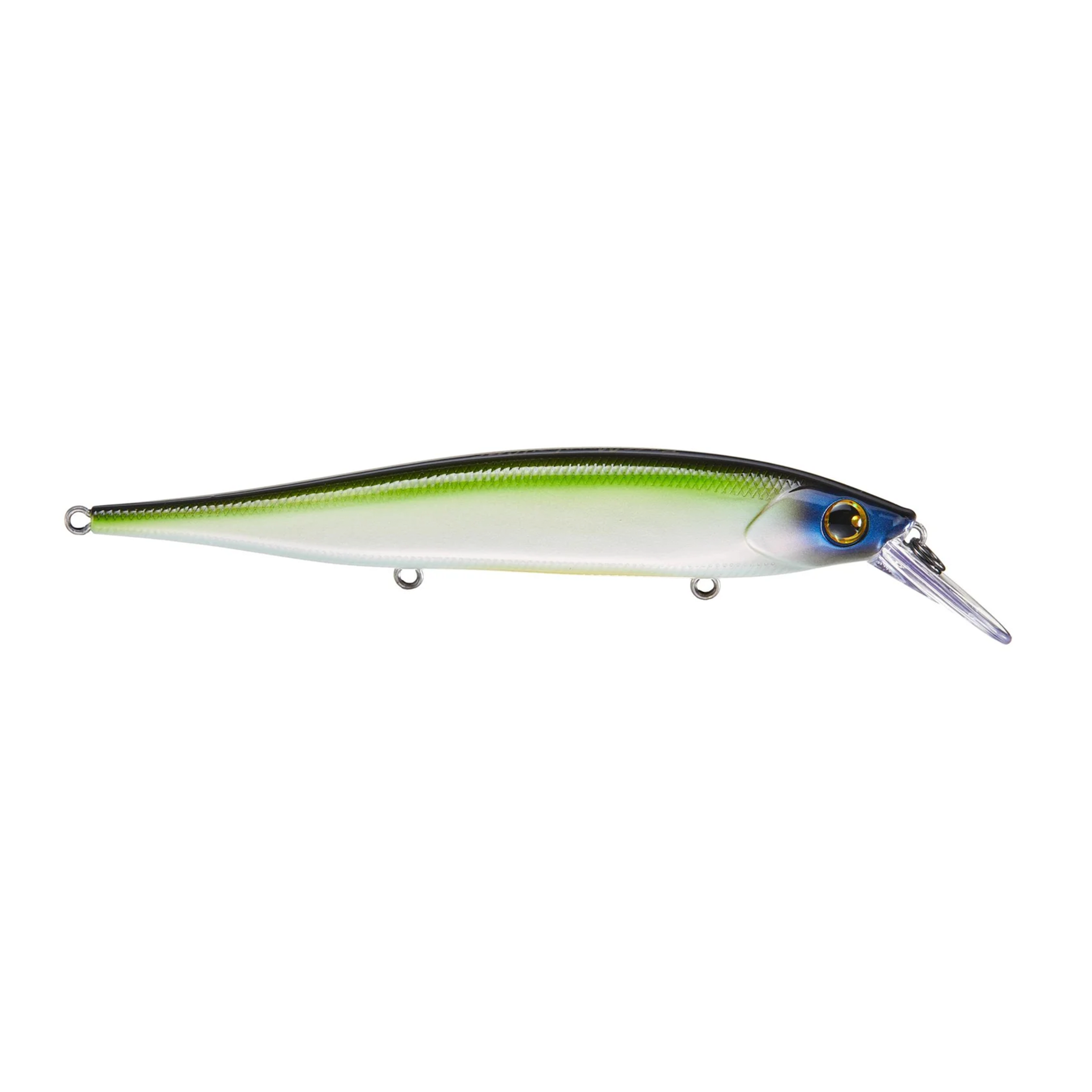
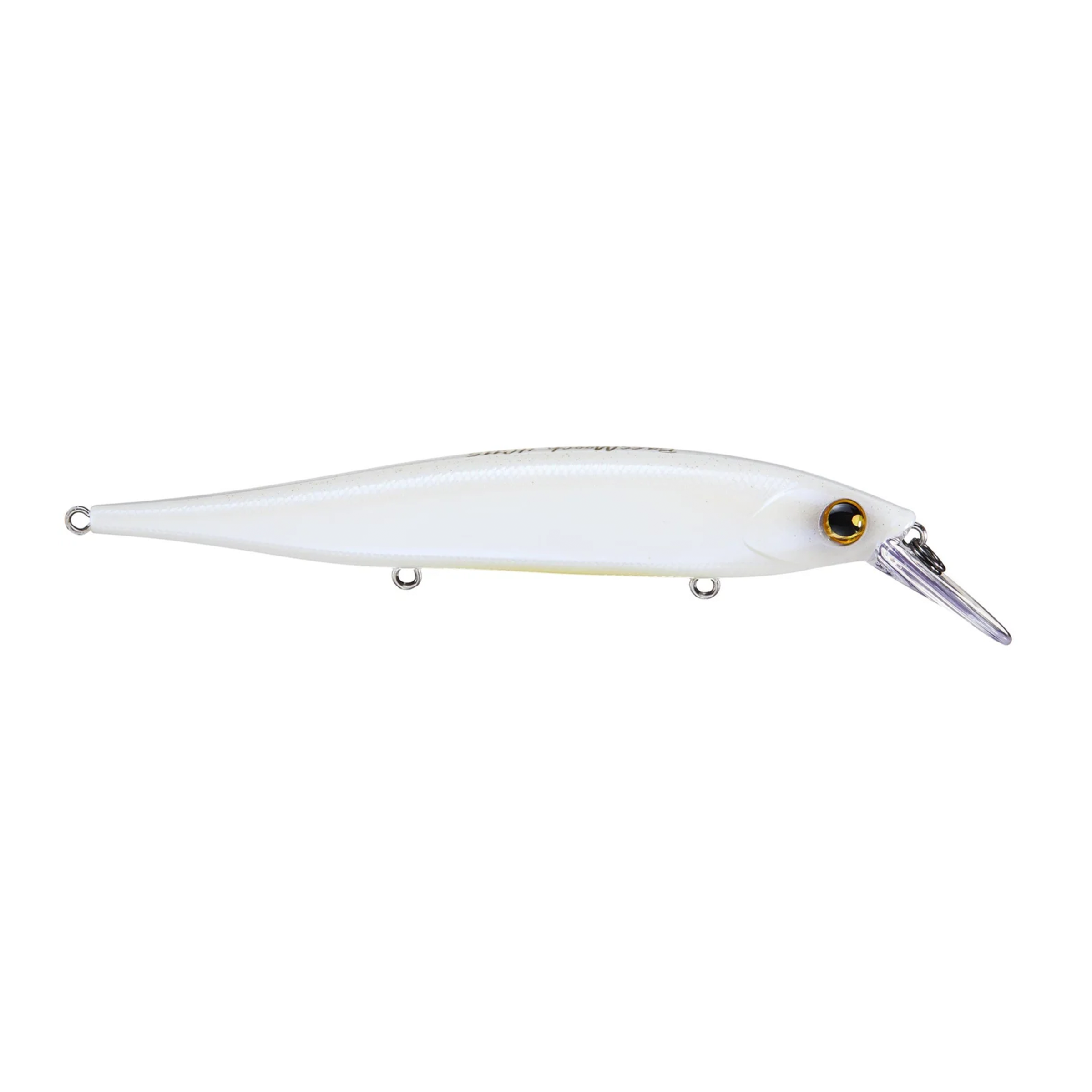
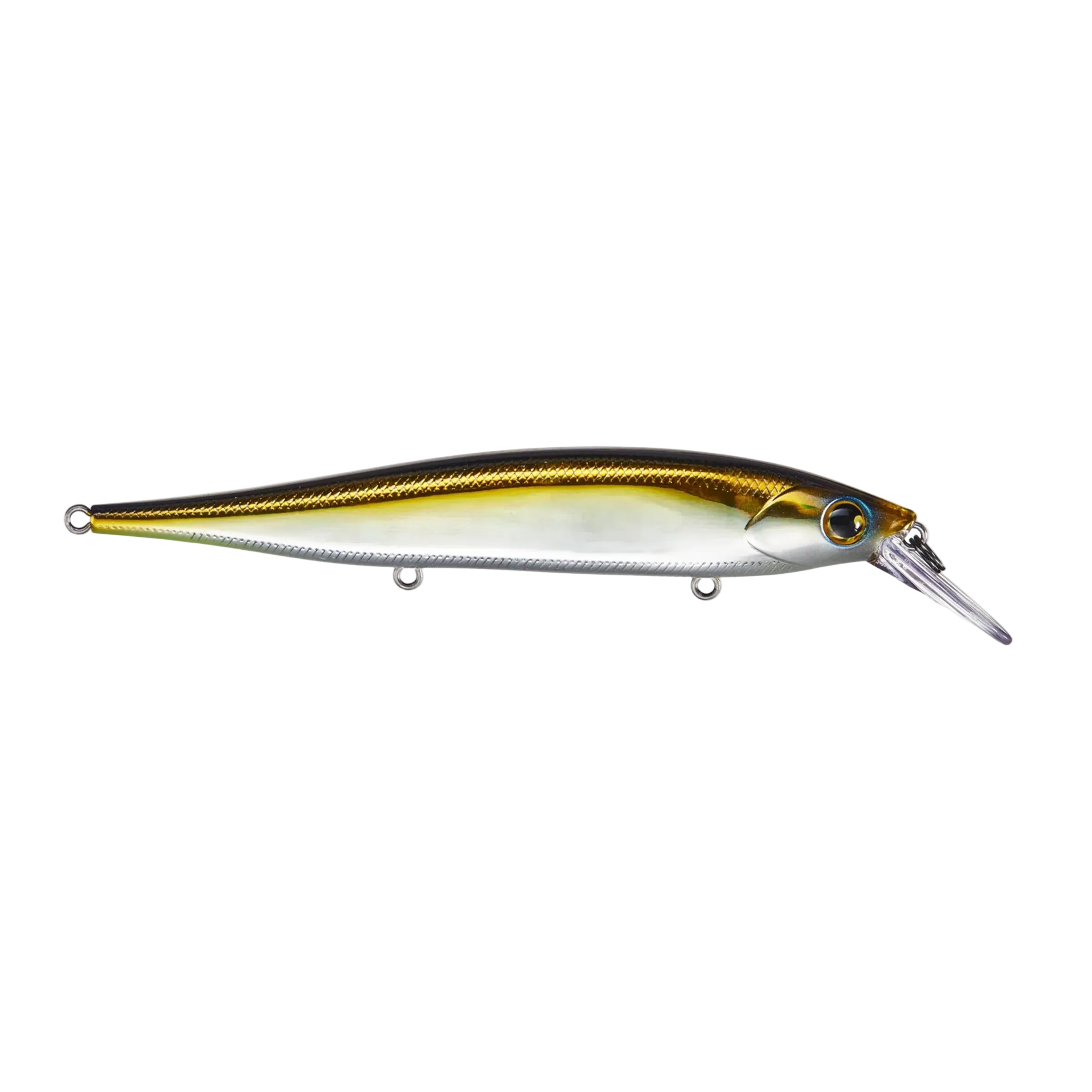
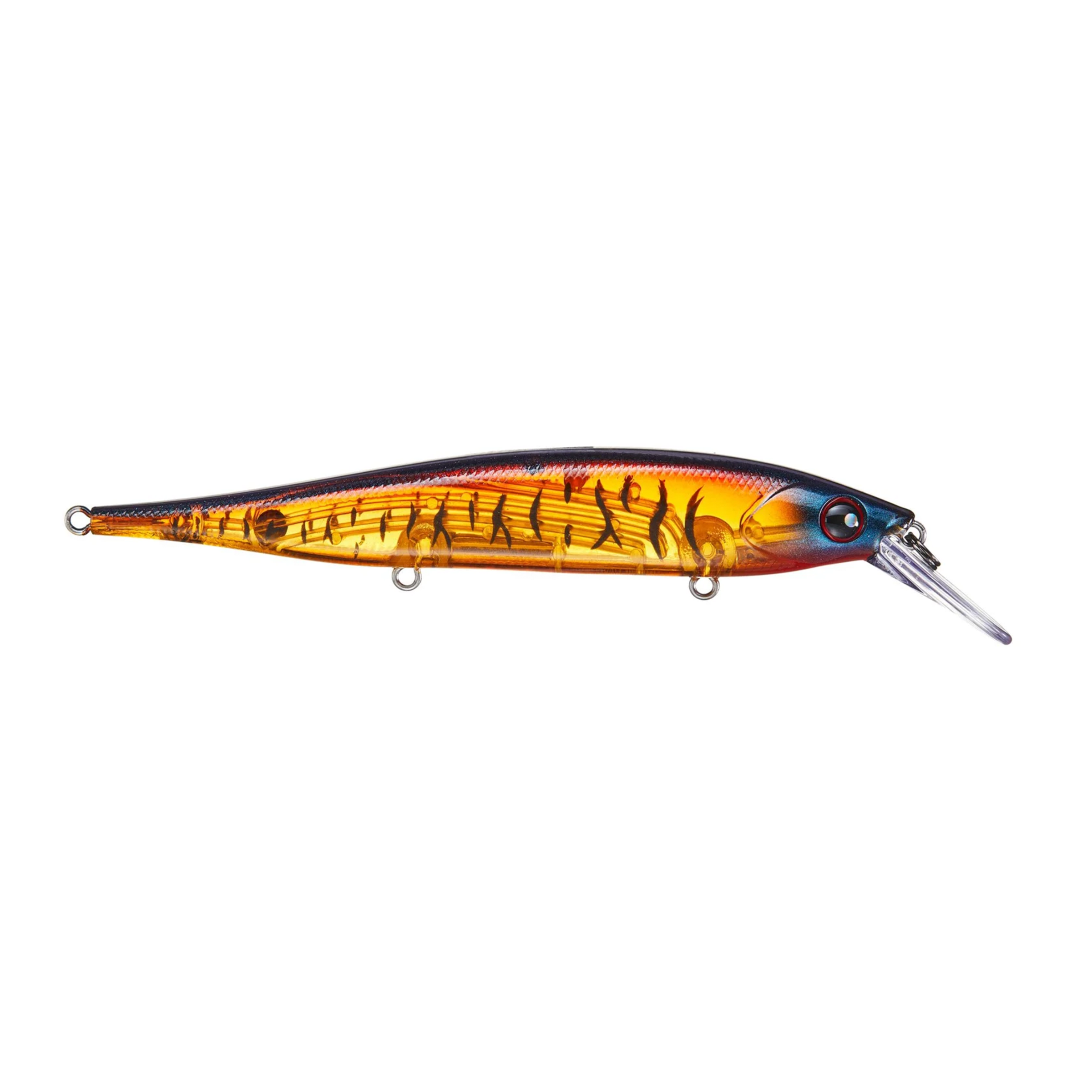
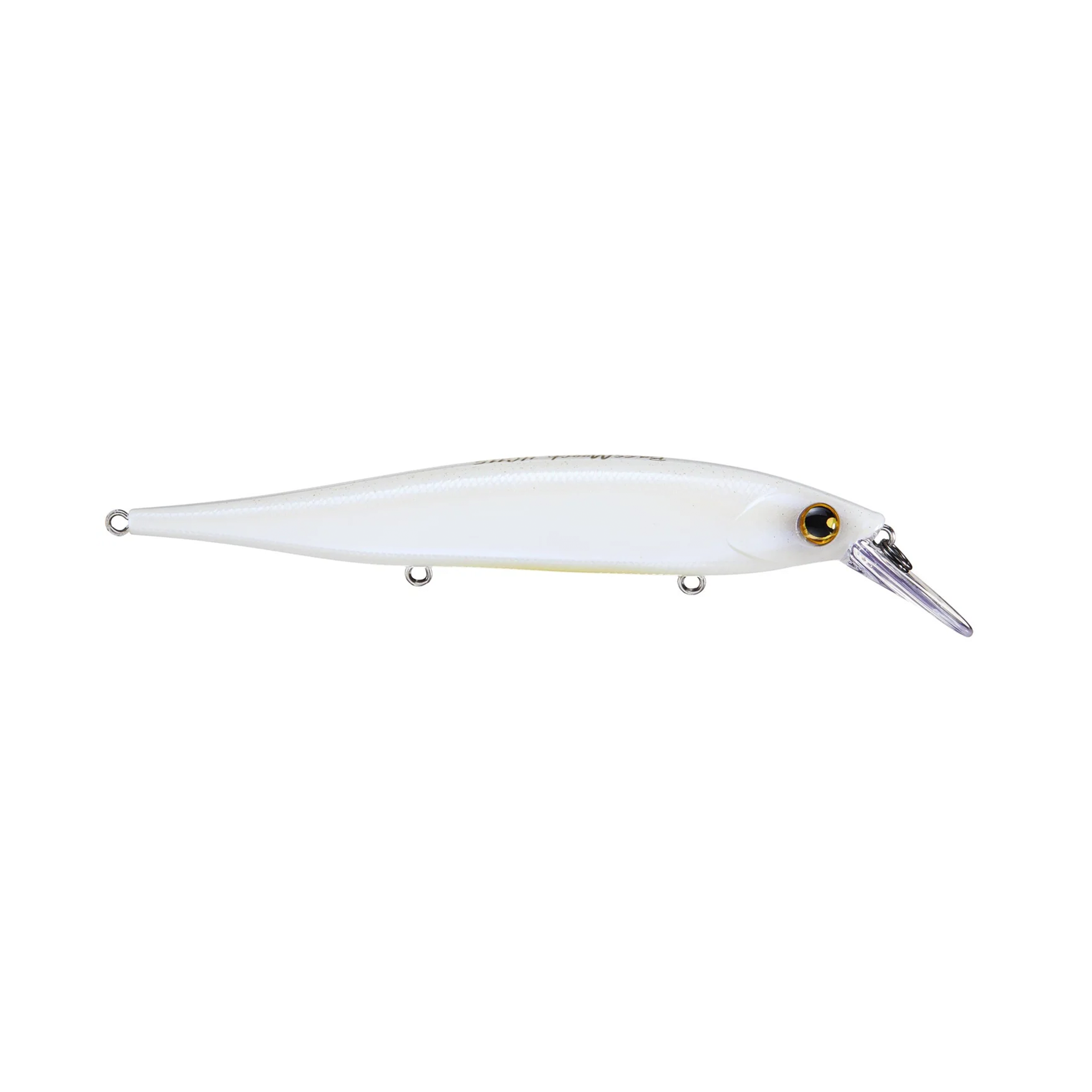
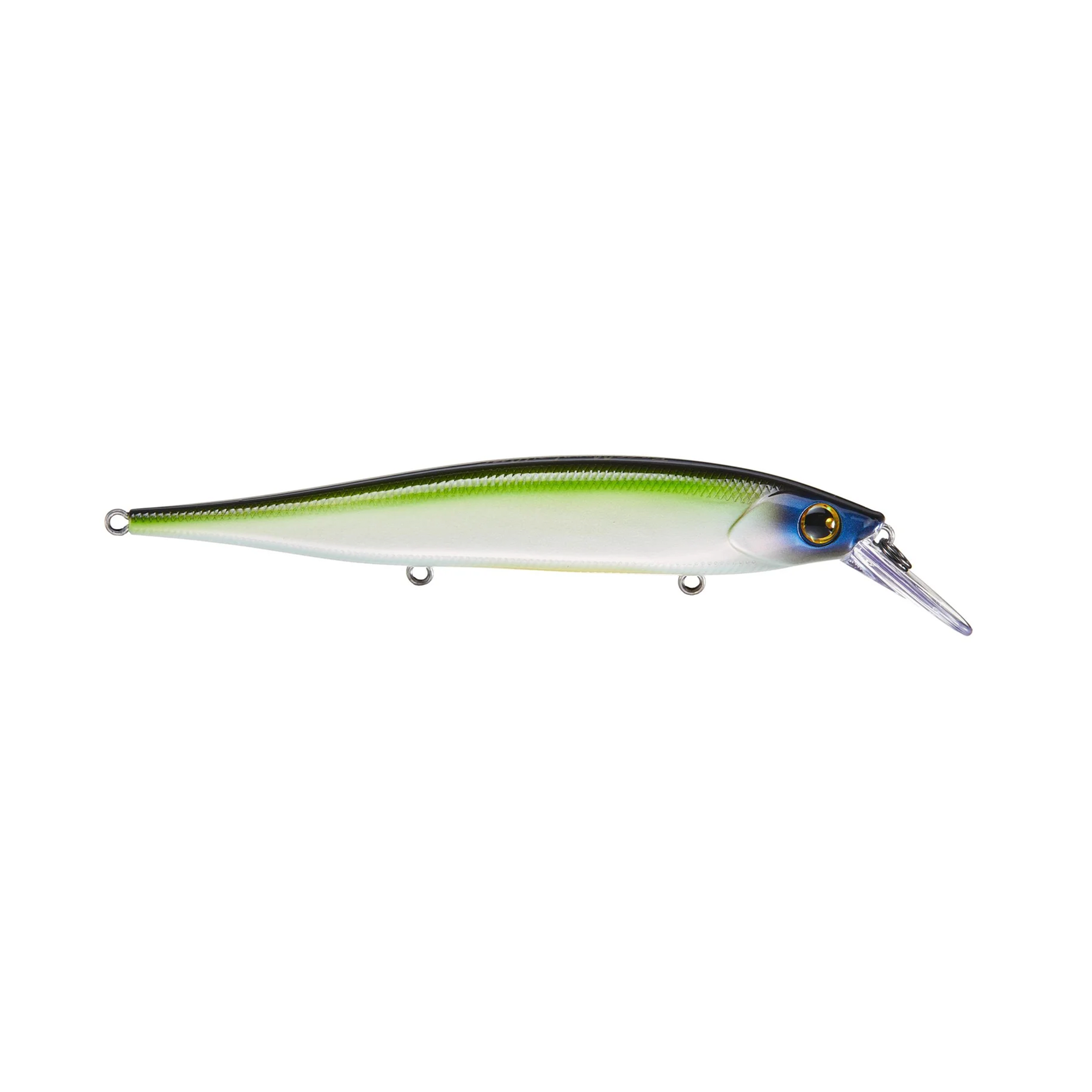
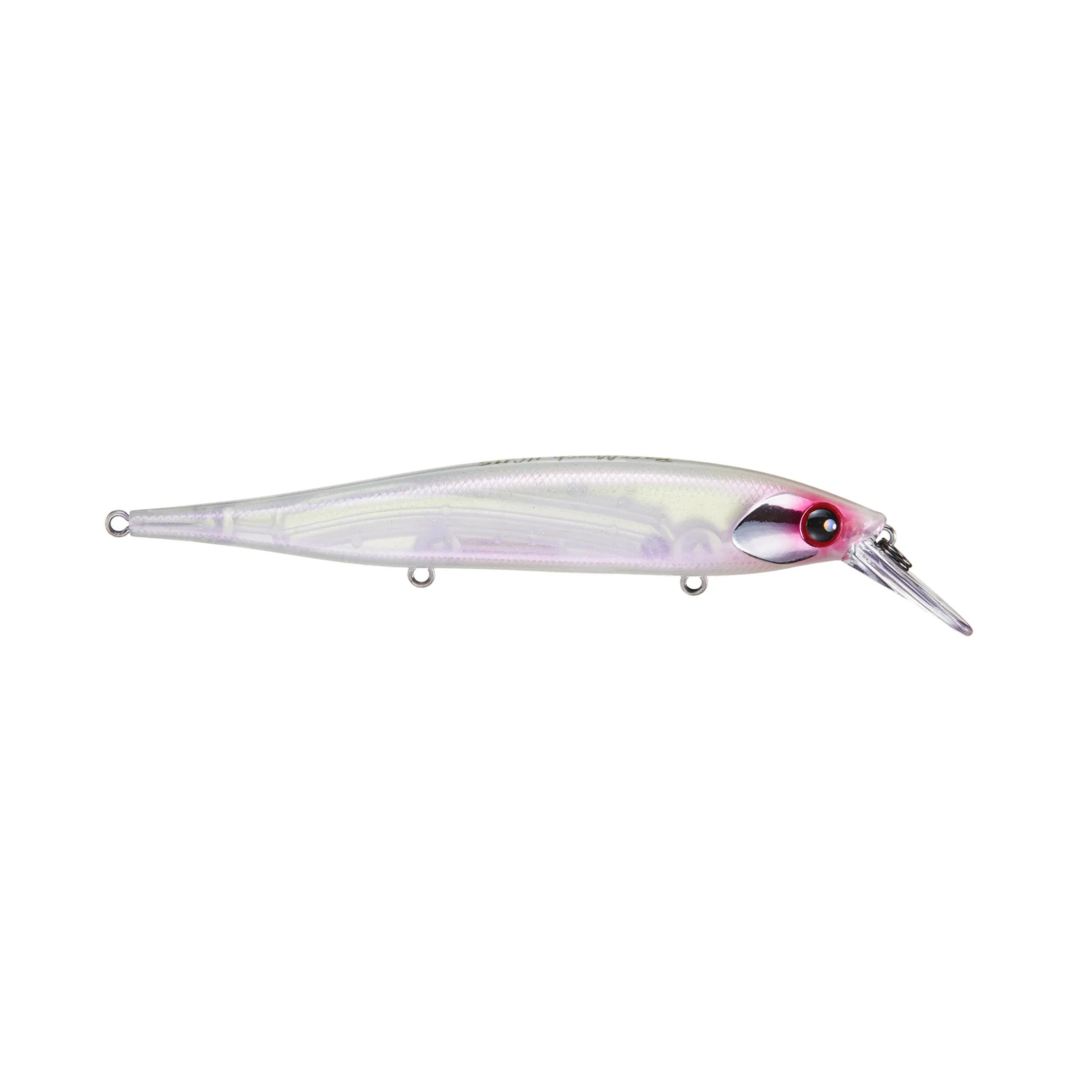
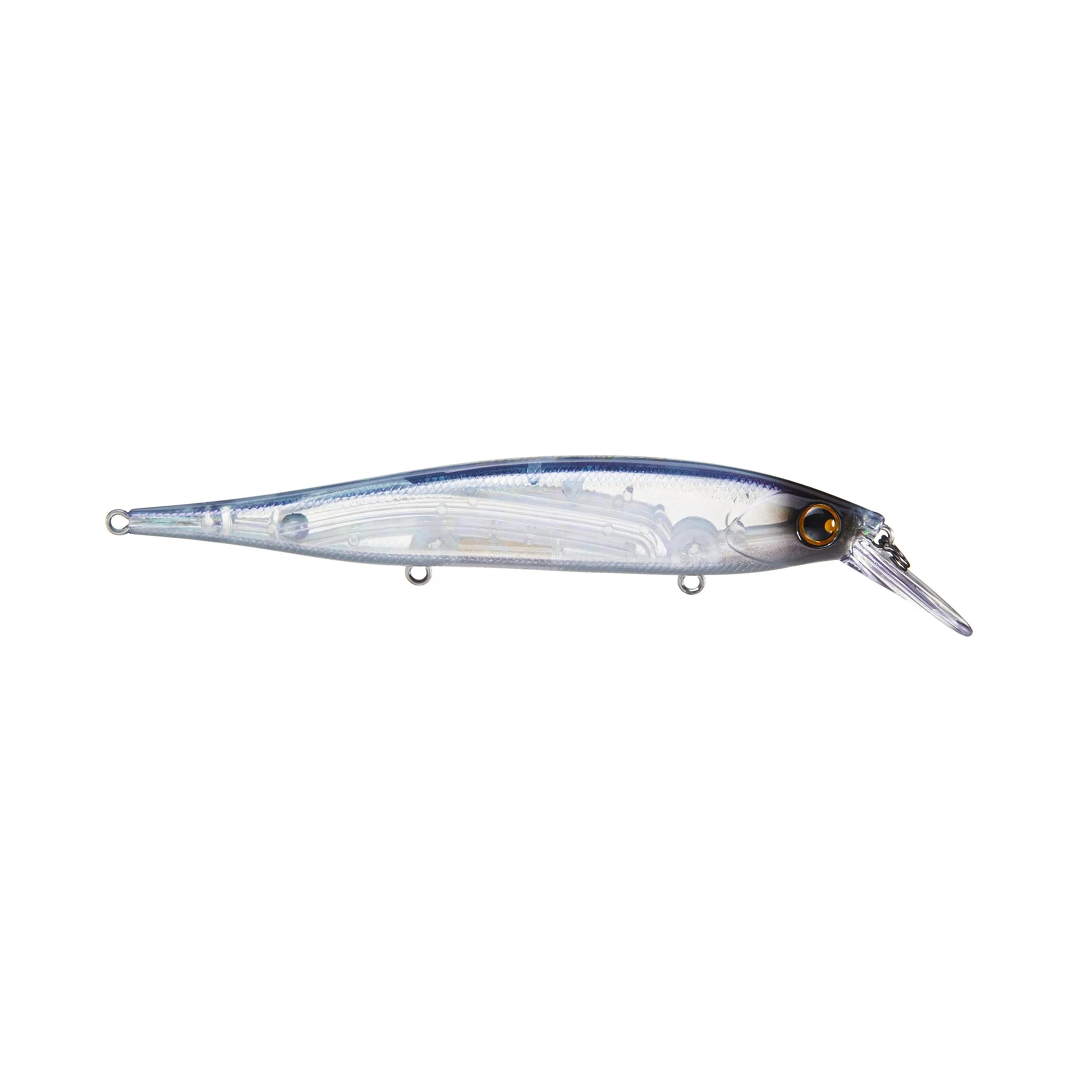
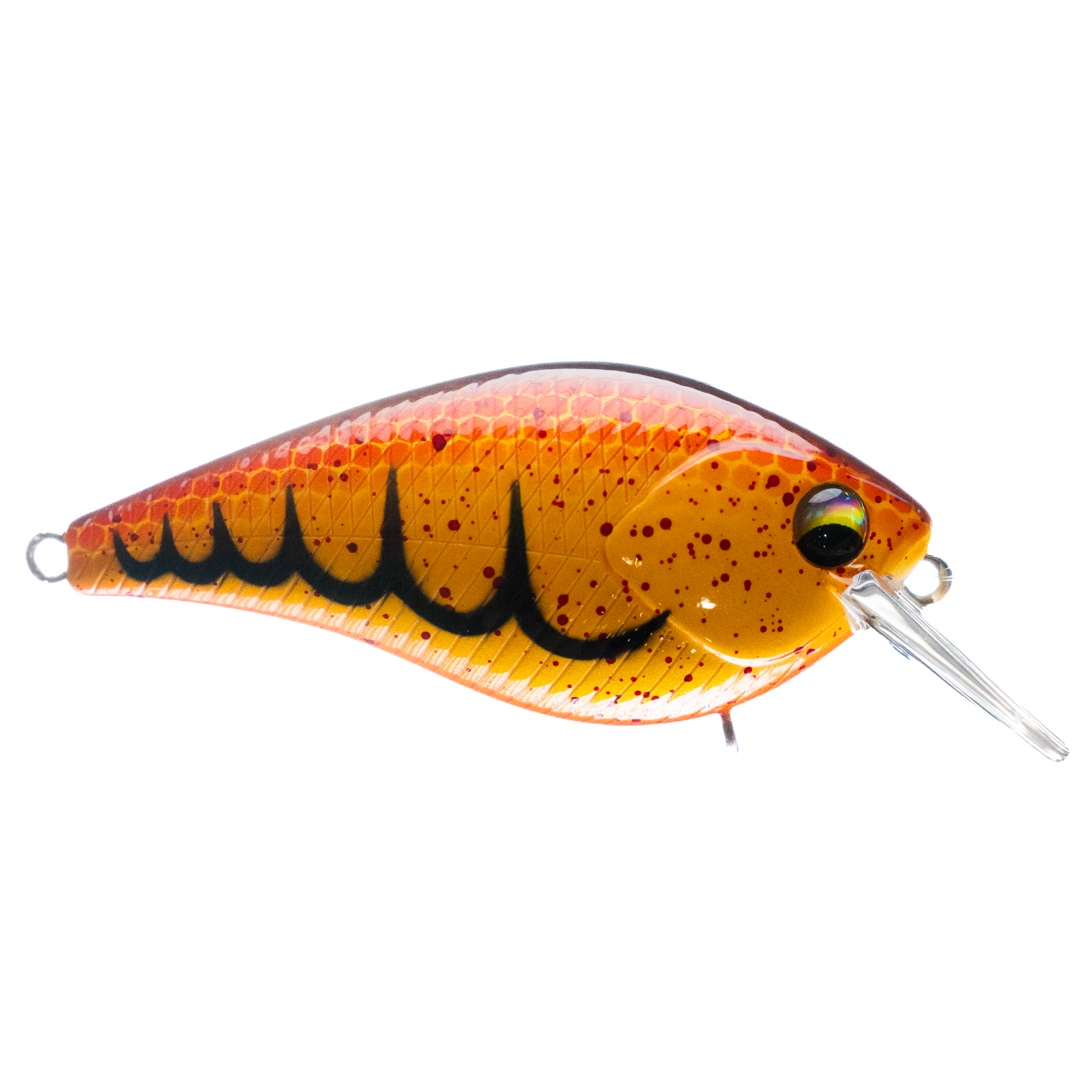
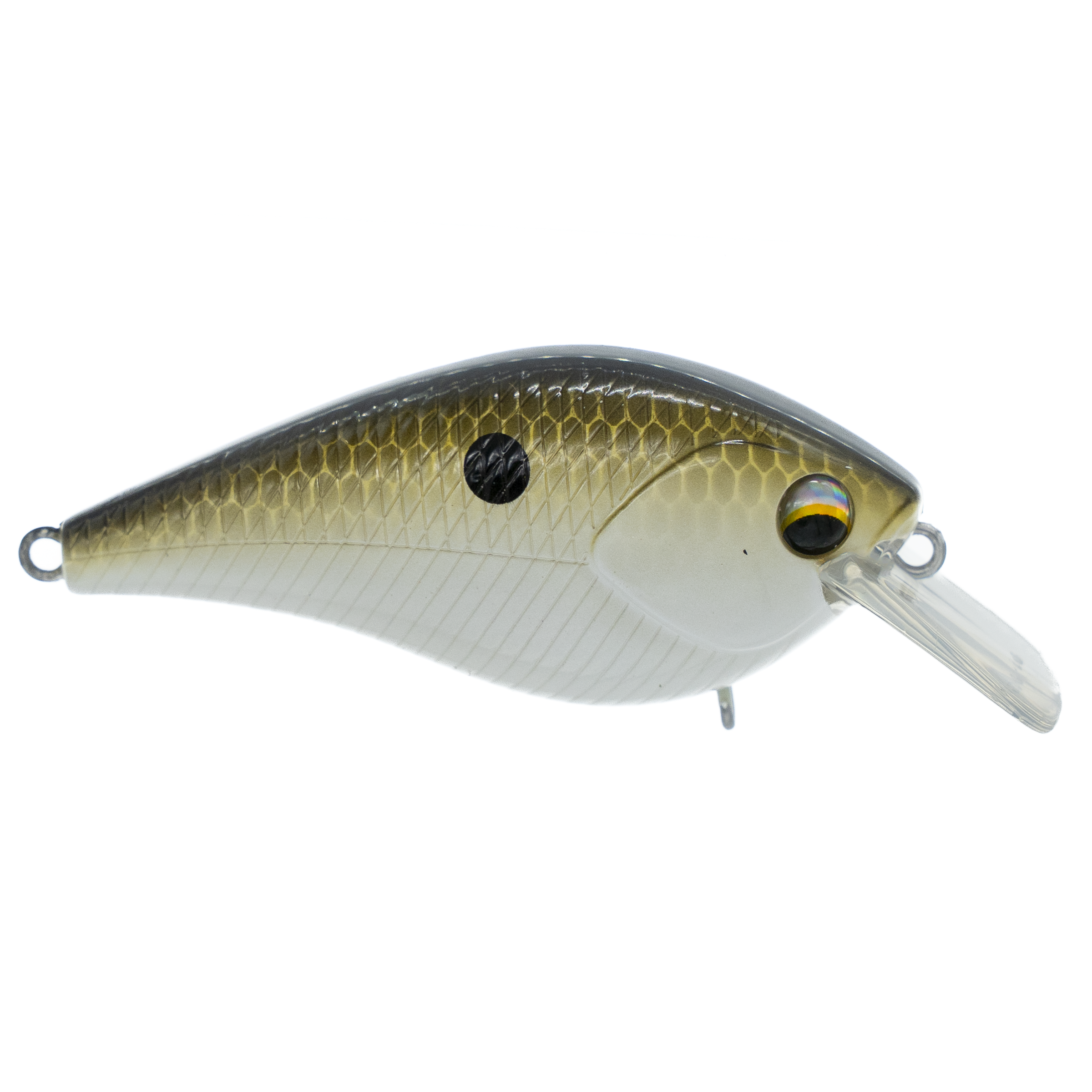
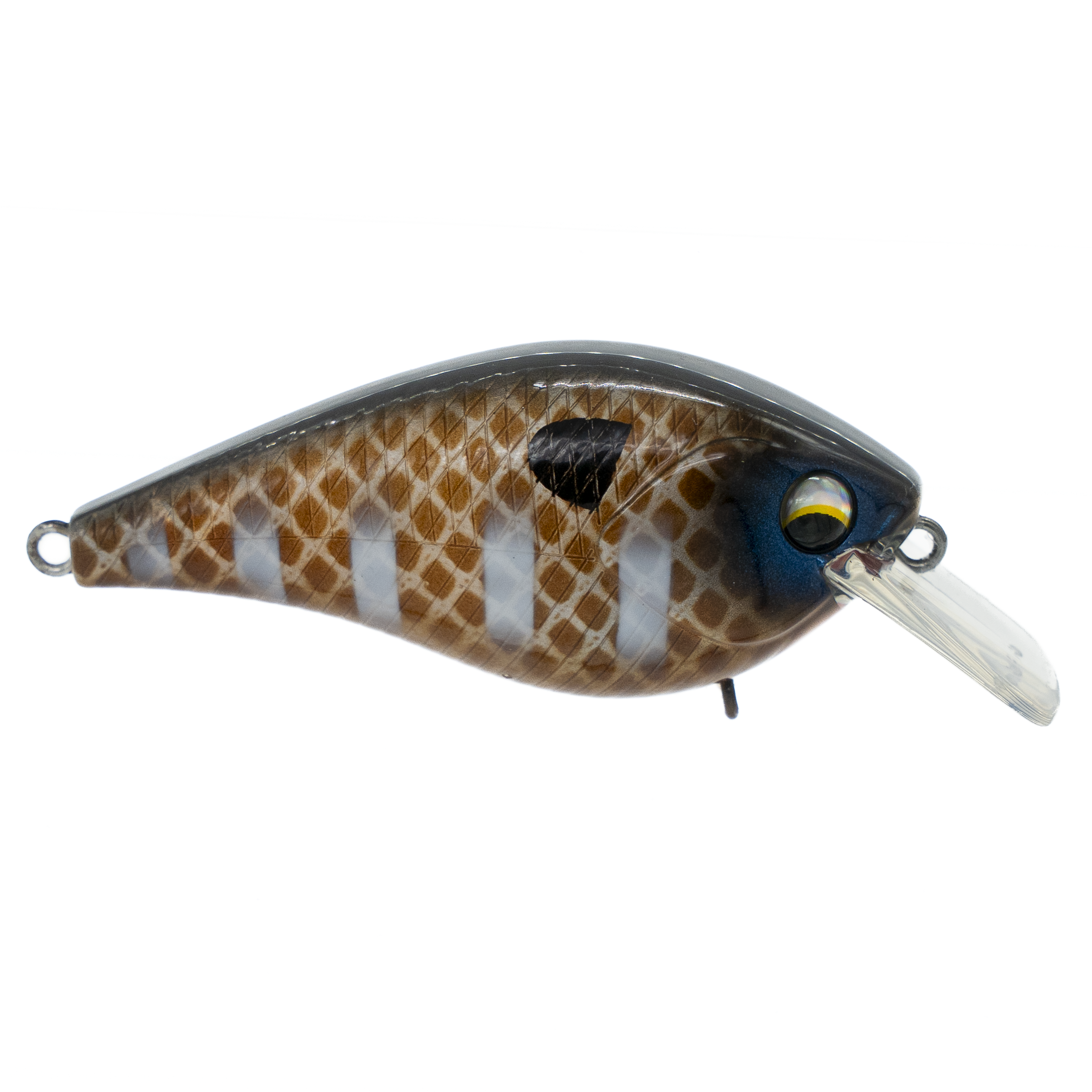
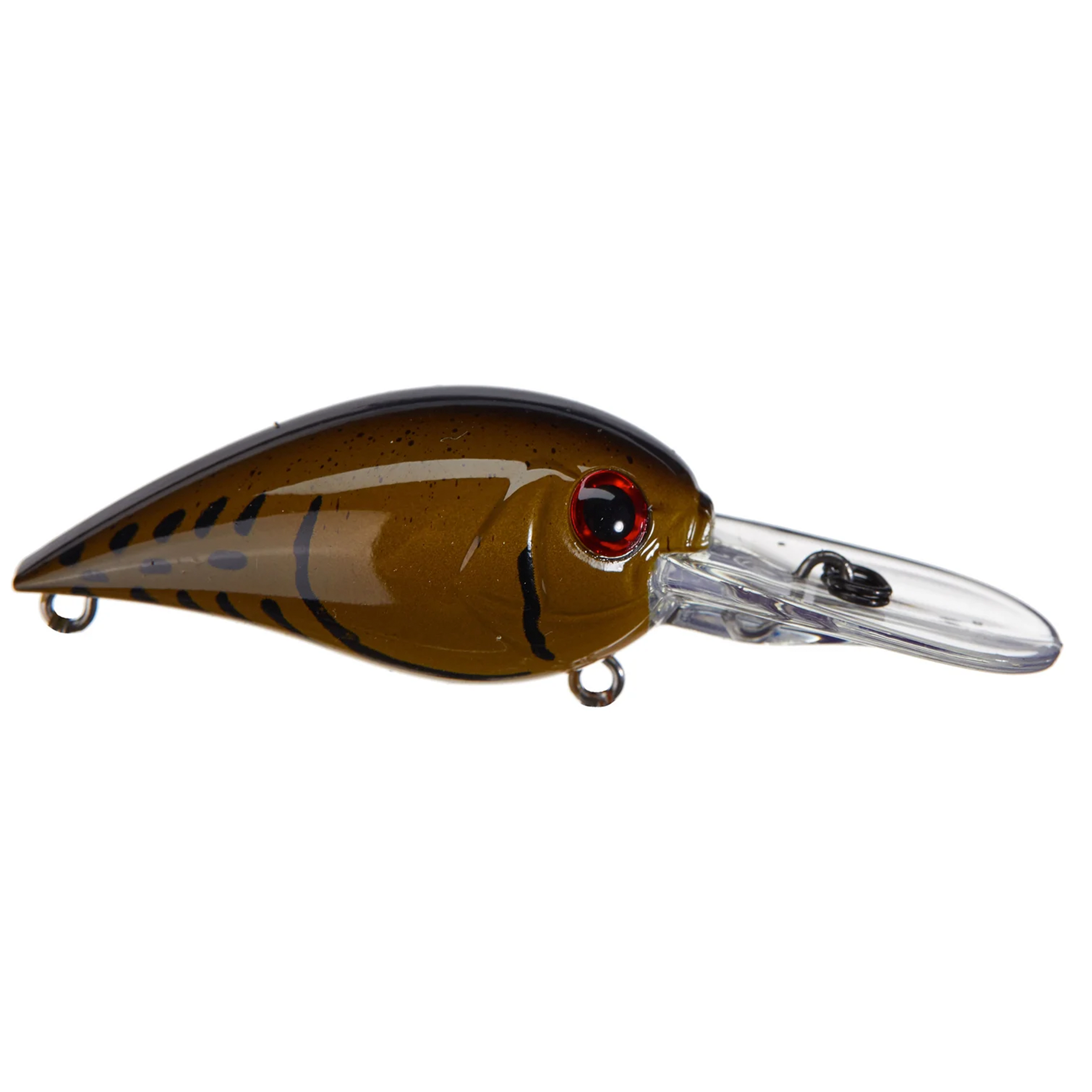
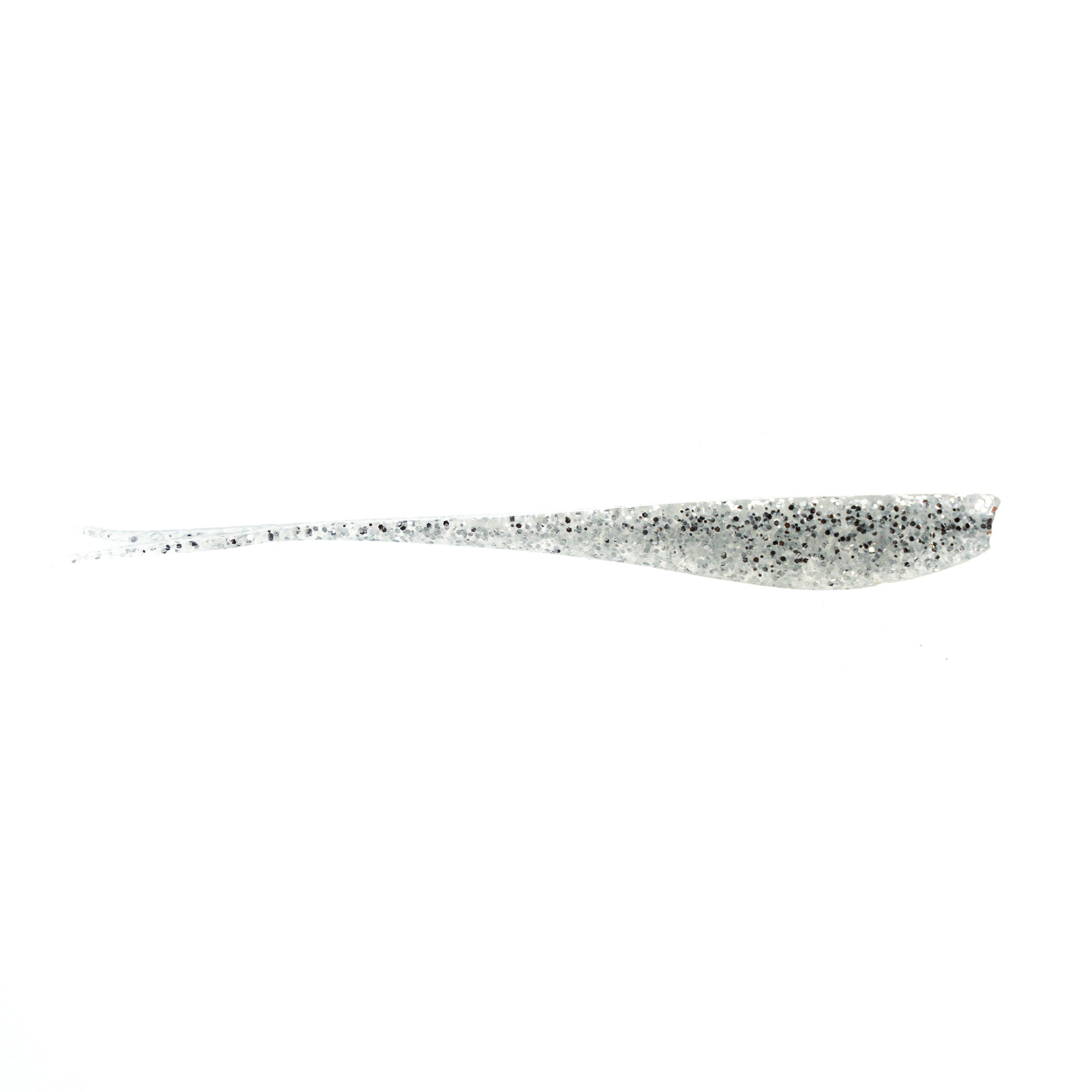
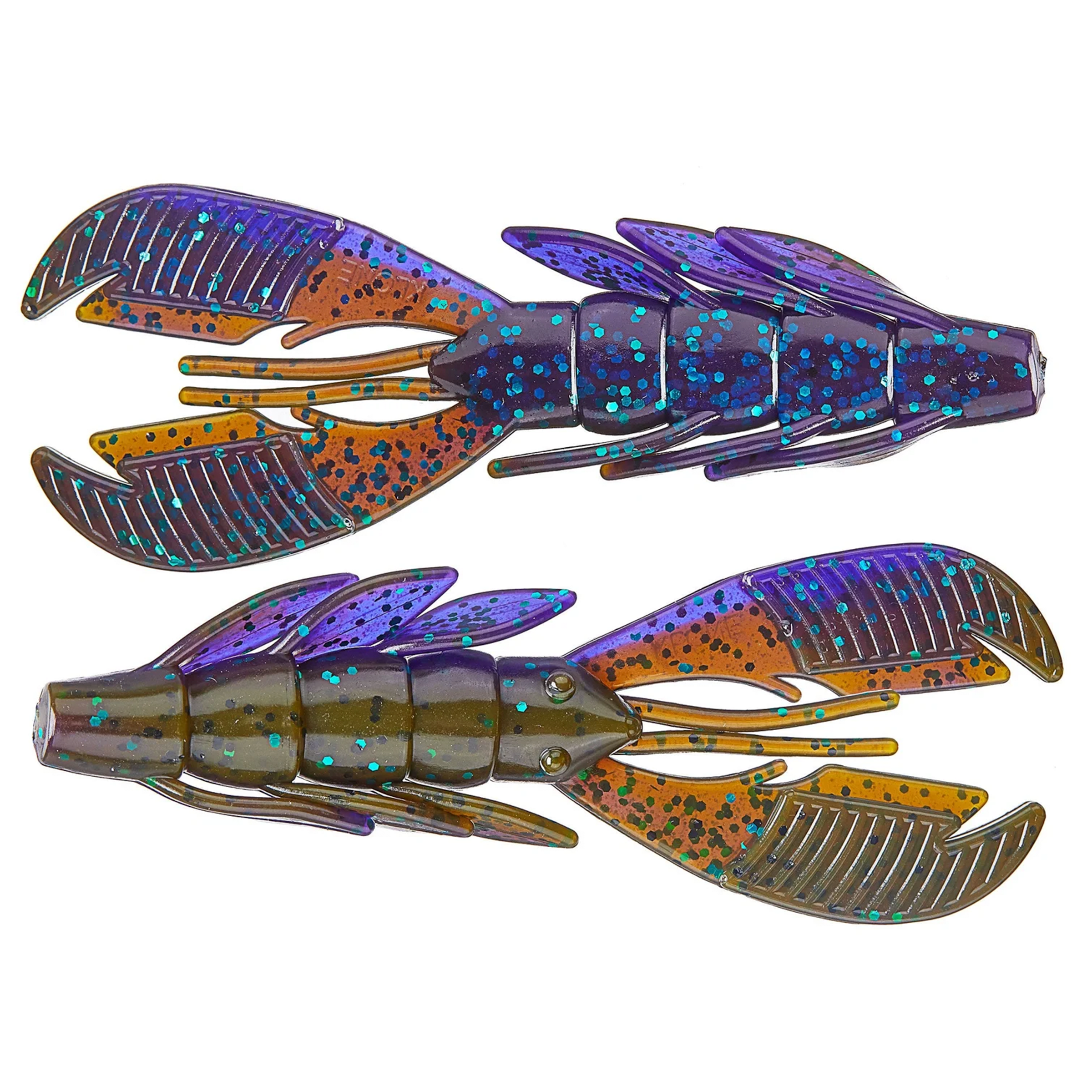
Clear water makes this a finesse lake more often than not. Spring is rock — craws and finesse worms on mid-lake shoals and points, with a soft jerkbait to cover water. Summer means topwater early then deep structure. Fall is moving baits and topwater once turnover ends. Winter is a suspending jerkbait and slow bottom work. Our full bait lineup covers all four.
How big is Lake James?
About 6,800 acres with roughly 150 miles of shoreline, sitting at 1,200 feet of elevation in the mountains near Marion and Morganton. It was formed between 1916 and 1923 by four earthen dams impounding the Catawba and Linville rivers, making it the first and highest reservoir on the Catawba–Wateree chain.
Finesse Is Not Optional Here
Clear mountain water means light line, small baits and long casts, and it means feeling a smallmouth pick something up thirty feet down without ever seeing your line move. Level Rods builds spinning models with the tip to register that and enough backbone to keep a hot three-pounder out of the rock.
Tournament Winning Baits & Gear
Designed, crafted and tested by anglers who fish the Catawba chain every week. Free shipping on orders over $75.
Shop All Baits