Lake Istokpoga Bass Fishing Guide
Lake Istokpoga Bass Fishing, Season by Season
Twenty-eight thousand acres in Highlands County with one of the highest bass catch rates in Florida, five grassy islands in the middle of it, and a slot limit that keeps the quality fish swimming. Istokpoga is the numbers lake that also holds giants.
Shallow Water, High Catch Rates
Lake Istokpoga sits five miles northeast of Lake Placid in Highlands County, covering 27,692 acres — the fifth largest lake in Florida, about an hour from either Tampa or Orlando. It is fed by Arbuckle Creek and Josephine Creek to the north and drains south through the Istokpoga Canal toward the C-41.
The name is Seminole and it is not cheerful. It translates roughly as people have died there, from an account of a crossing that went wrong in the early 1900s.
It is shallow even for Florida — four to six feet on average, with the deepest water, about ten feet, in the southwest corner. Vegetation is diverse and abundant: spatterdock, bulrush, cattail, pondweed and Kissimmee grass, which locals call bonnets, buggy whips and pepper grass respectively. Most of the shoreline remains agricultural or undeveloped, with pockets of residential and several fish camps.
Five islands sit in the middle. Grass Island is a small outcropping to the north, Big Island is central, Bumble Bee Island sits in the middle of the southwest corner and Long Island lies west of it. Trails and channels subdivide Big Island and Bumble Bee into smaller stands of land and emergent vegetation, and the island areas with their associated grass hold bass at any time of year.
The regulations differ from the rest of Florida and it is important to know them. A slot limit protects quality fish: all bass between fifteen and twenty-four inches must be released immediately. The daily bag is three, of which only one may exceed twenty-four inches. Istokpoga is a designated Fish Management Area, so verify current rules before you go.
The reputation is for catch rate rather than pure trophy potential, and the numbers back it. Since TrophyCatch launched in 2012 the lake has produced well over four hundred approved bass of eight pounds or better, with dozens over ten — but it is the sheer number of bites that brings people back.
Islands, Bonnets and Moving Water
Four patterns cover the year. Each one pairs the technique with the baits we'd actually tie on.
Bulrush on the North Shore
Bass begin spawning in late January here and move into the bulrush — the buggy whips — along the northern shoreline, and into the submerged vegetation in the channels south of Big Island and Bumble Bee Island. Water clarity varies, so sight fishing depends on where you are; the protected pockets tend to be clearer because they are out of the wind.


Islands and Pads Through the Heat
Summer keeps the fish around the big grassy islands in the southern half of the lake. Big Island and Bumble Bee are perennial bass water and they hold fish through the hottest stretch, along with the spatterdock fields and the pad edges. Bream and shellcracker bed around the bulrush and cattails at the same time, which brings bass in behind them.



Kissimmee Grass and the Canal
Autumn is about flow. The Kissimmee grass on the south end becomes particularly productive when water is running into the Istokpoga Canal, and the mouths of Arbuckle and Josephine creeks fish well whenever there is current through them. On a lake with almost no natural current, any moving water is a magnet.
Between the Fronts
Winter is productive here between cold fronts, and that qualifier matters — on four to six feet of water the fish feel a front immediately. Specks school in the open water of the northeast and southwest corners and draw most of the boat traffic. Henderson's Cove and the north end produce on the outside edges of the pads and grass near deeper water.

Lake Istokpoga Access
Public ramps sit on the north, northeast and southwest shorelines — off U.S. Route 98, off Lake Boulevard from Cow House Road, and off Highland Lake Drive from County Route 621 respectively. Six fish camps and resorts are on the lake, and there is wade fishing off the Cow House Road ramp.
Big Island and Bumble Bee Island
The two large grassy islands in the centre and southwest of the lake, subdivided by trails and channels into smaller stands. They hold bass at any time of year, and the channels south of them are prime spawning water. If you only learn one area on this lake, learn these.
The Istokpoga Canal and the South End
The Kissimmee grass on the south end is particularly productive when water is flowing into the canal. The canal itself, off County Highway 621, offers excellent bank fishing for largemouth when the gates are open — genuinely rare on a Florida lake of this size.
Arbuckle and Josephine Creek Mouths
The two inflows at the north end. Both are good whenever there is flow through them, for the same reason the canal is: moving water is scarce here and the bass know exactly where to find it. The northern bulrush lines nearby hold the spring spawn.
Lake Istokpoga Bass Fishing FAQ
What is the slot limit on Lake Istokpoga?
All bass between fifteen and twenty-four inches must be released immediately. The daily bag limit is three fish, of which only one may be longer than twenty-four inches. So you could keep three under fifteen inches, or two under fifteen plus one over twenty-four. This differs from statewide Florida regulations — check current rules and any tournament exemptions on myfwc.com.
How big is Lake Istokpoga?
27,692 acres, making it the fifth largest lake in Florida. It sits five miles northeast of Lake Placid in Highlands County, roughly ten miles long by five wide, and averages only four to six feet deep with a maximum of about ten in the southwest corner.
What does Istokpoga mean?
It is a Seminole name meaning roughly people have died there, from an account of a crossing that went badly in the early 1900s. Worth knowing chiefly as a reminder that this is a big shallow lake that turns rough quickly.
Is Lake Istokpoga good for numbers or for big fish?
Both, but it is known first for numbers — it has one of the highest largemouth catch rates in Florida. The trophy record is strong too, with well over four hundred bass of eight pounds or better approved through TrophyCatch since 2012 and dozens over ten, though it has yet to register a thirteen-pounder.
Where are the islands on Lake Istokpoga?
Five of them sit in the middle of the lake. Grass Island is a small outcropping in the north, Big Island is central, Bumble Bee Island is in the middle of the southwest corner, and Long Island lies to the west of Bumble Bee. Trails and channels cut them into smaller stands of land and emergent vegetation.
When is the best time to fish Lake Istokpoga?
The spawn starts in late January and runs through spring, which is the strongest window. Fishing between cold fronts in winter can be excellent. Autumn is good whenever water is moving into the Istokpoga Canal or through the creek mouths.
What baits work best on Lake Istokpoga?
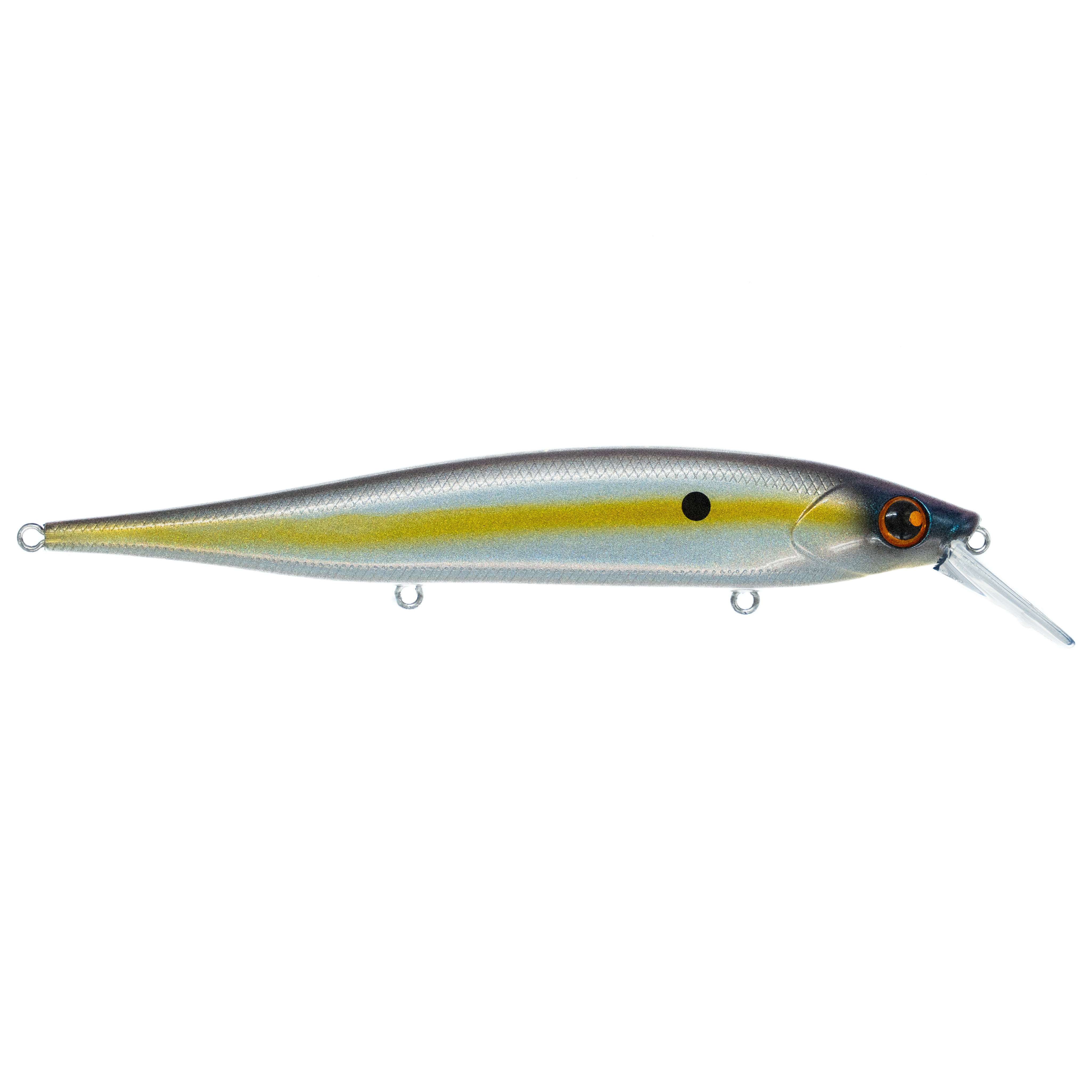
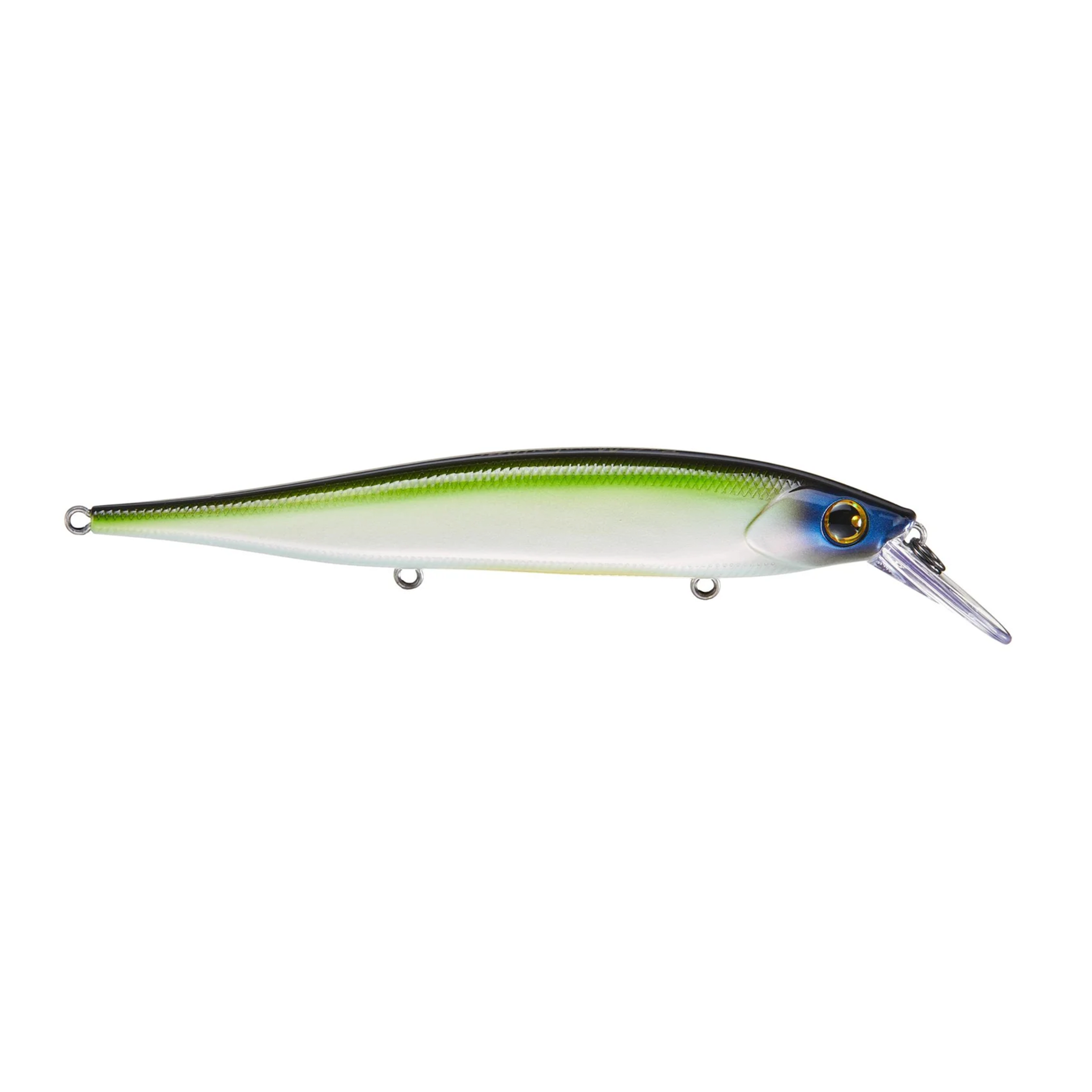
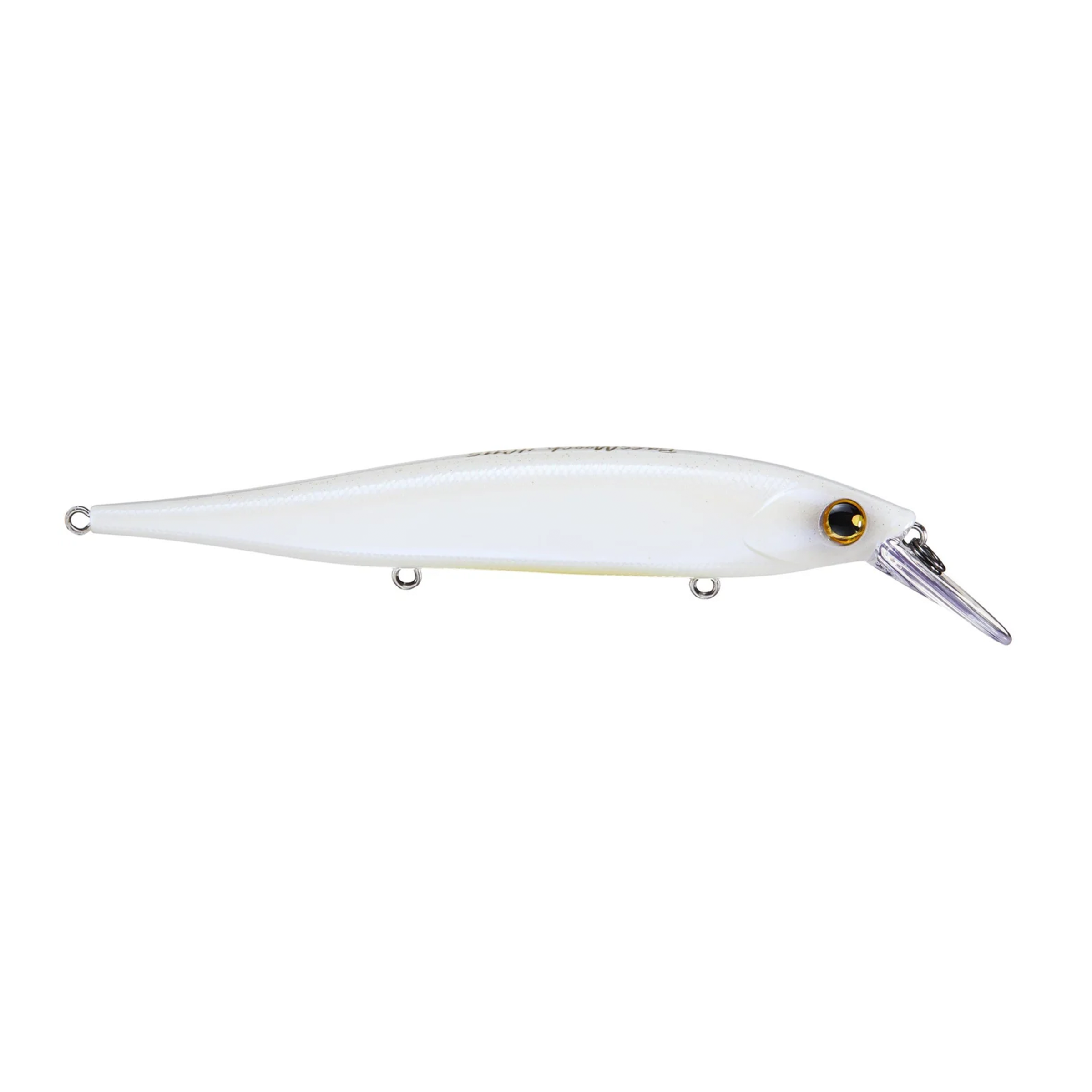
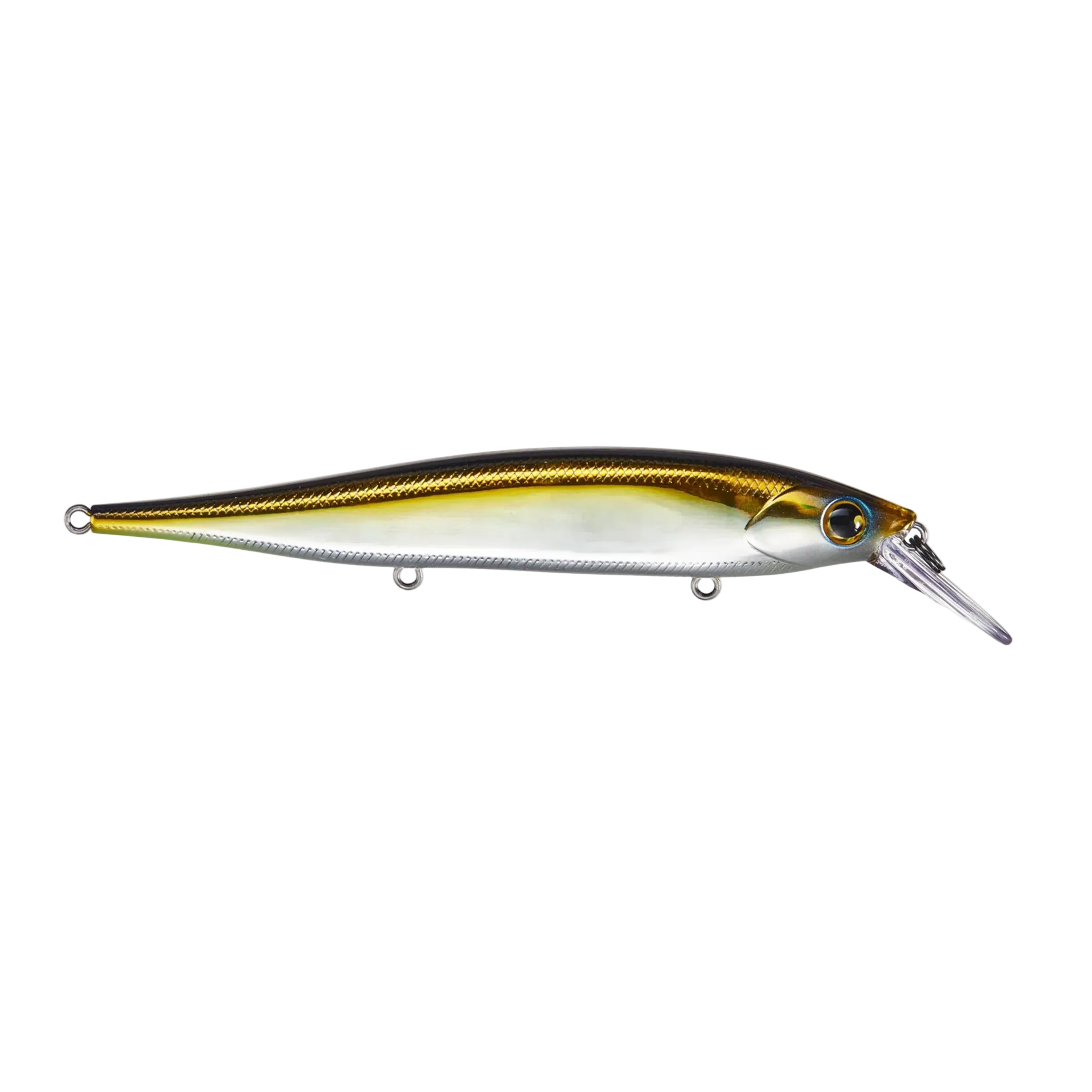
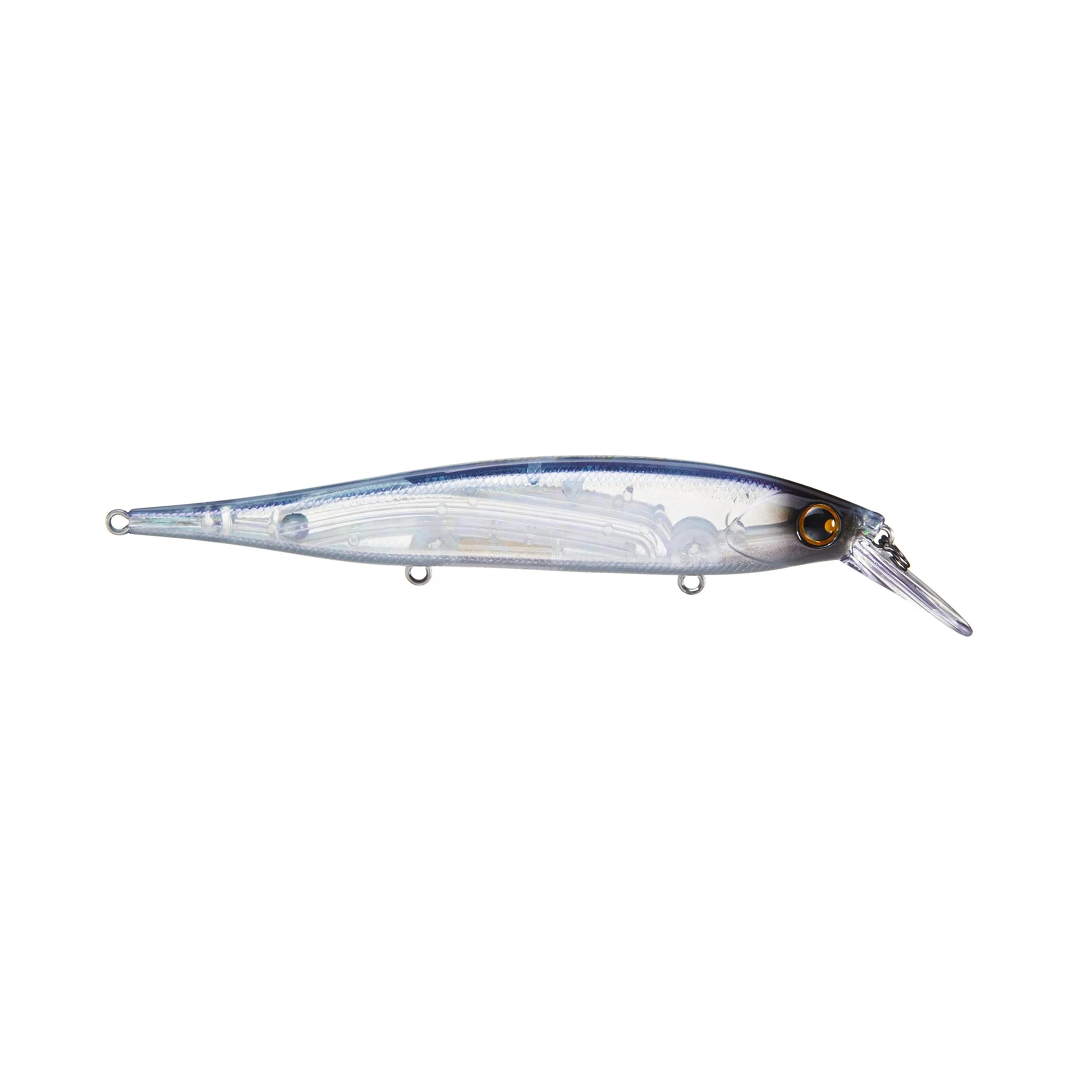
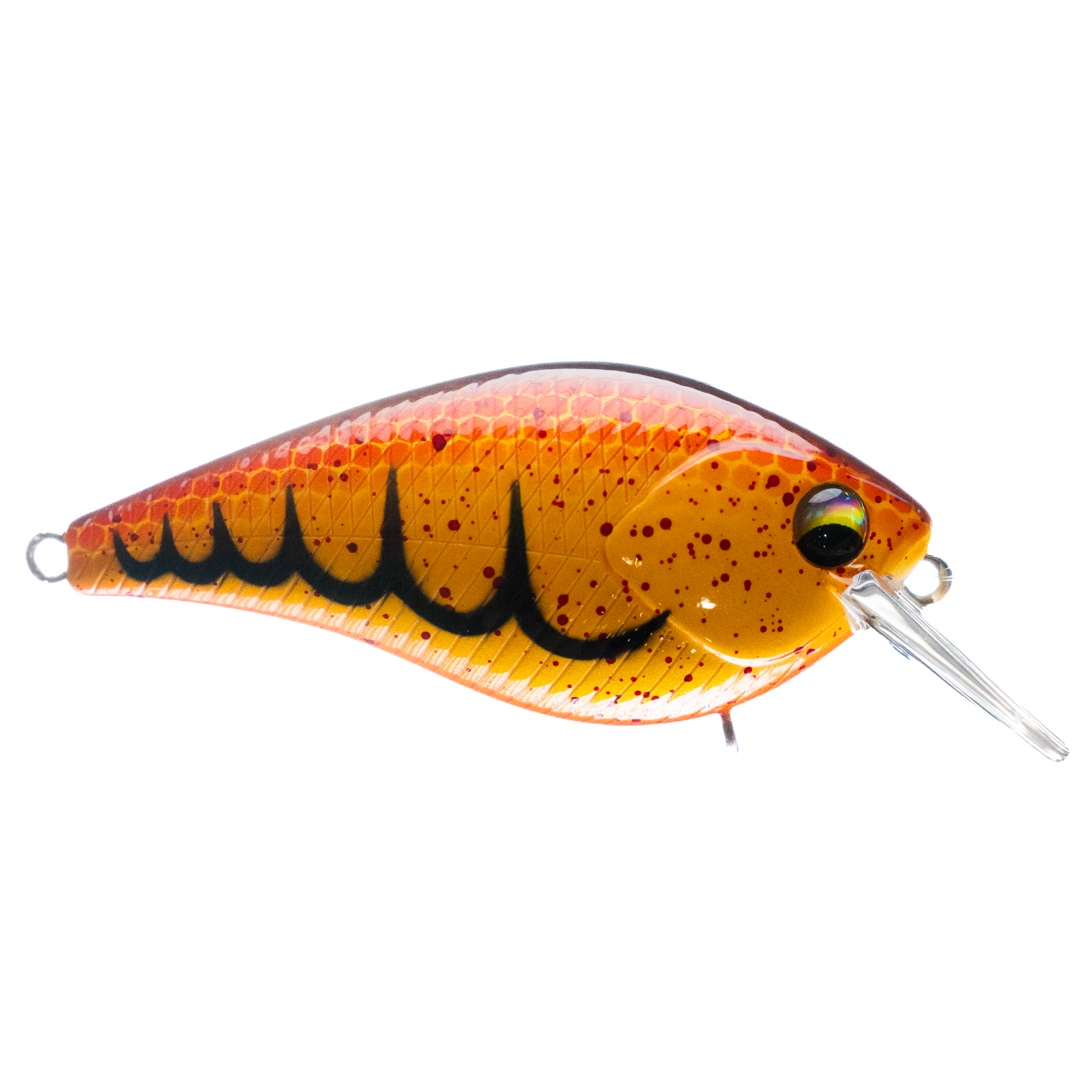
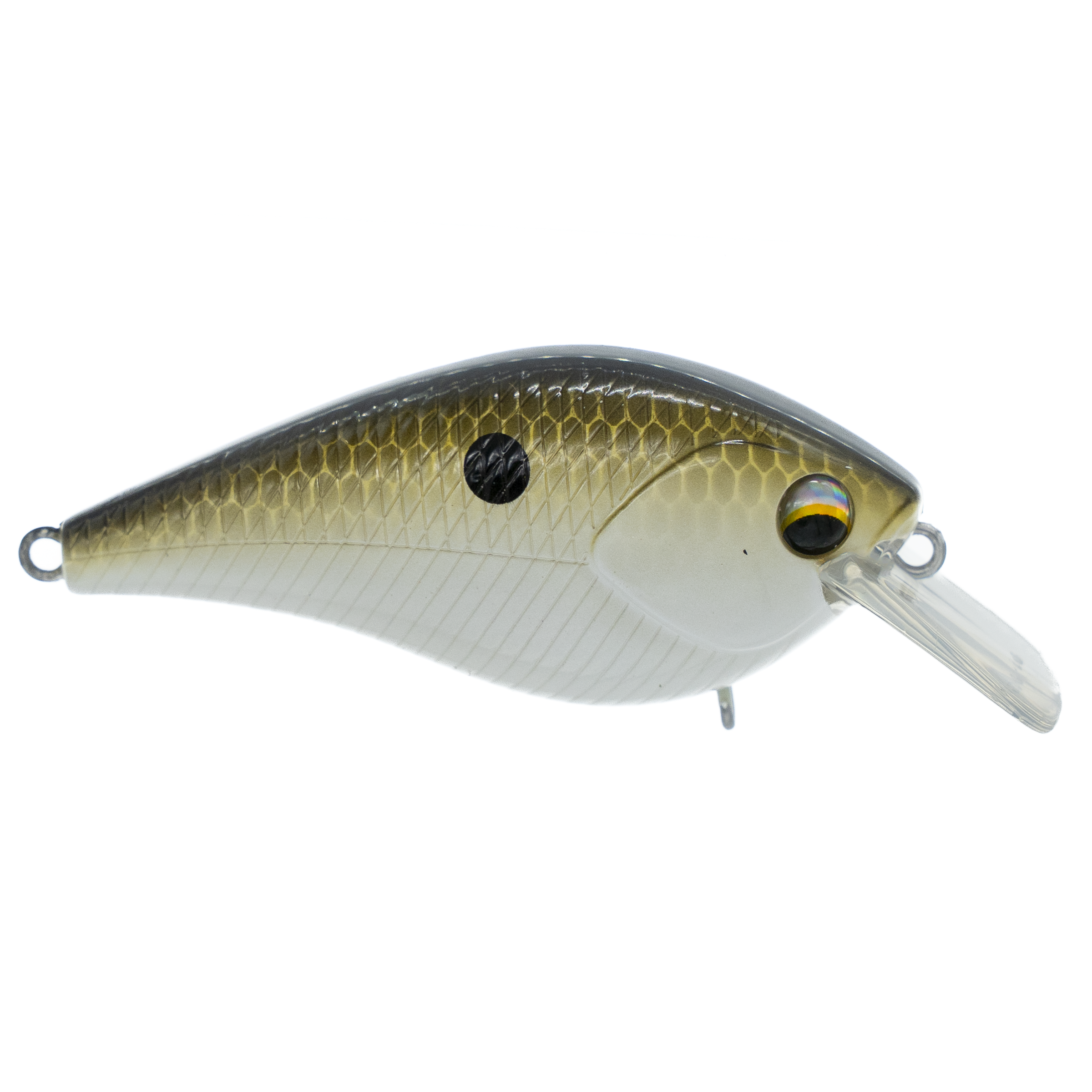
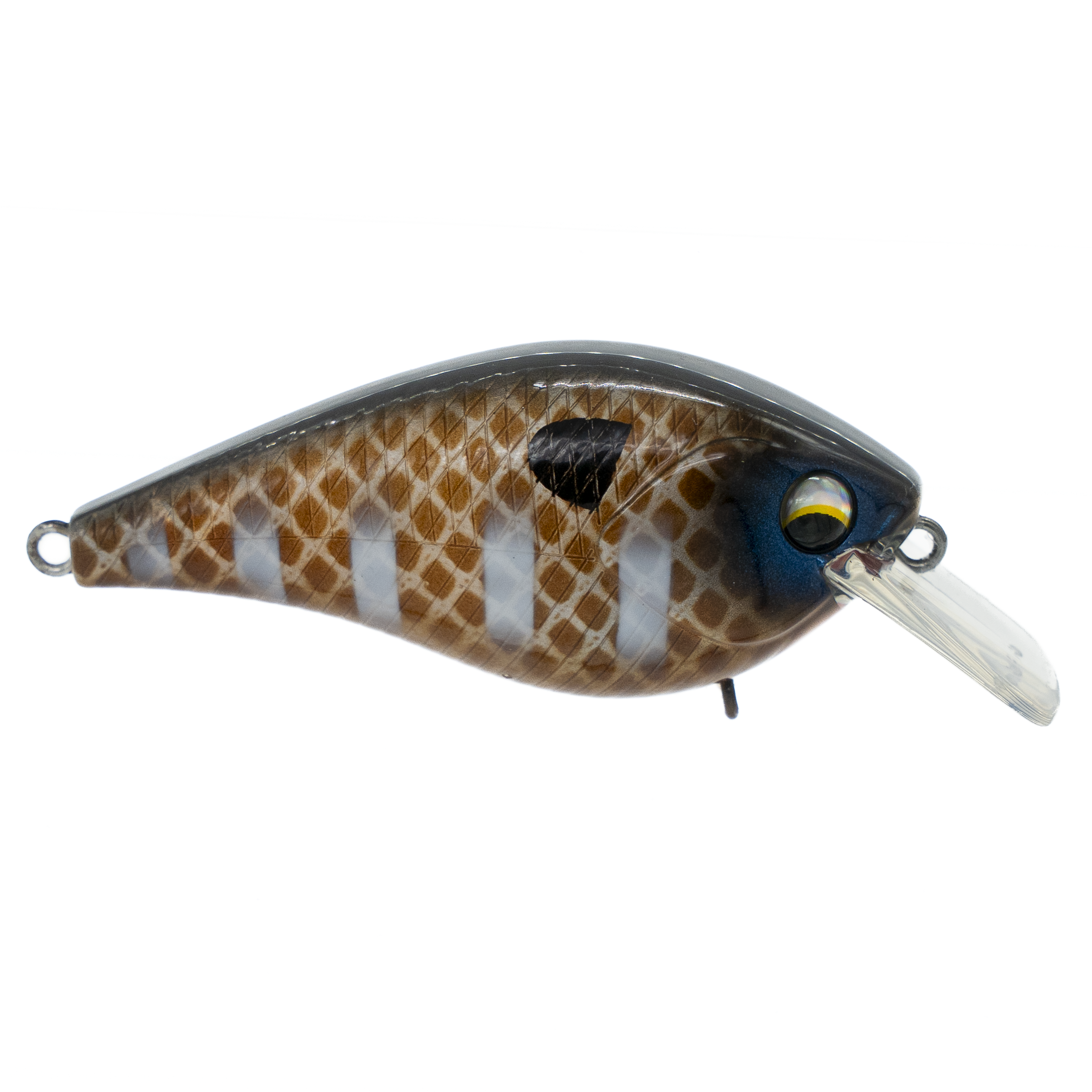
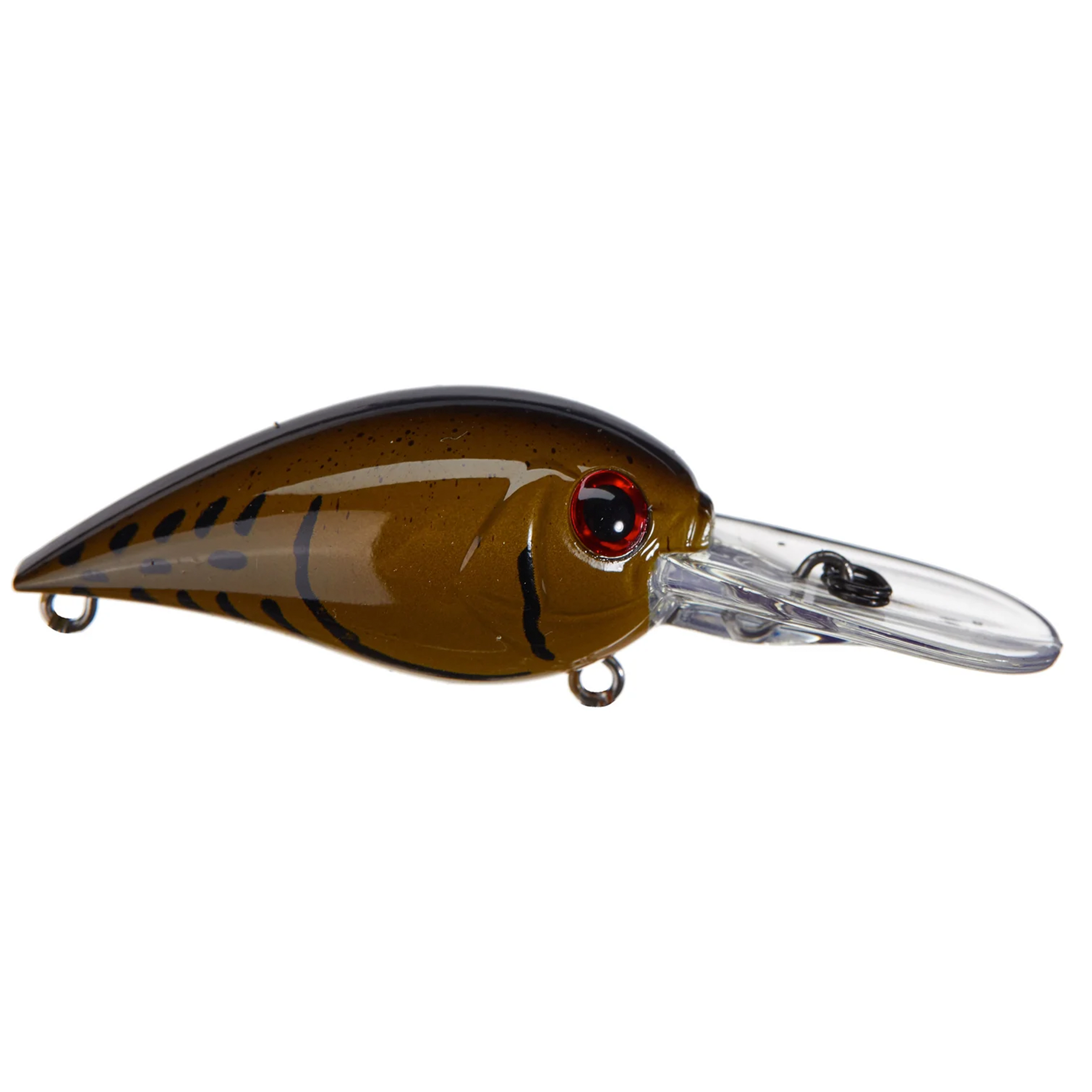
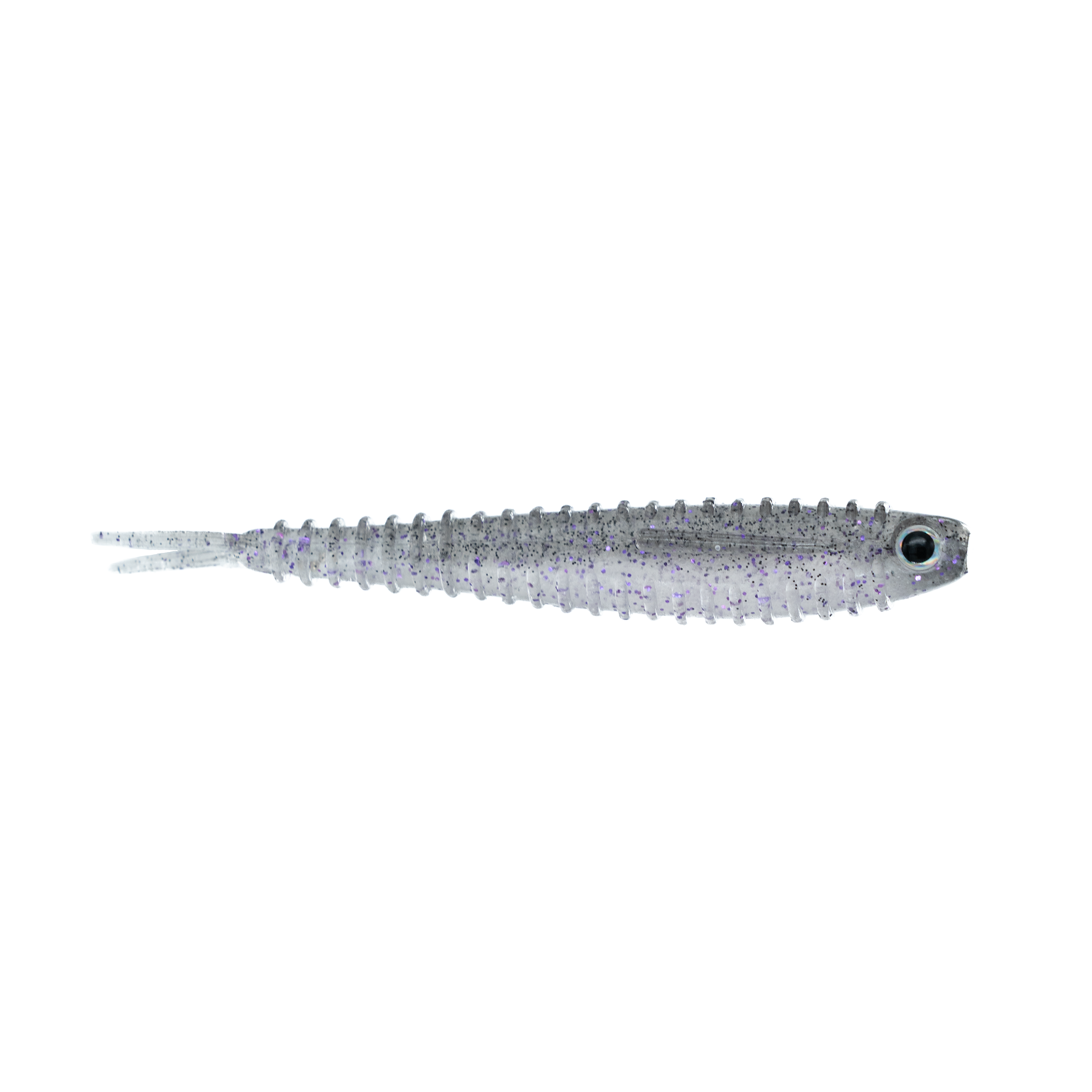
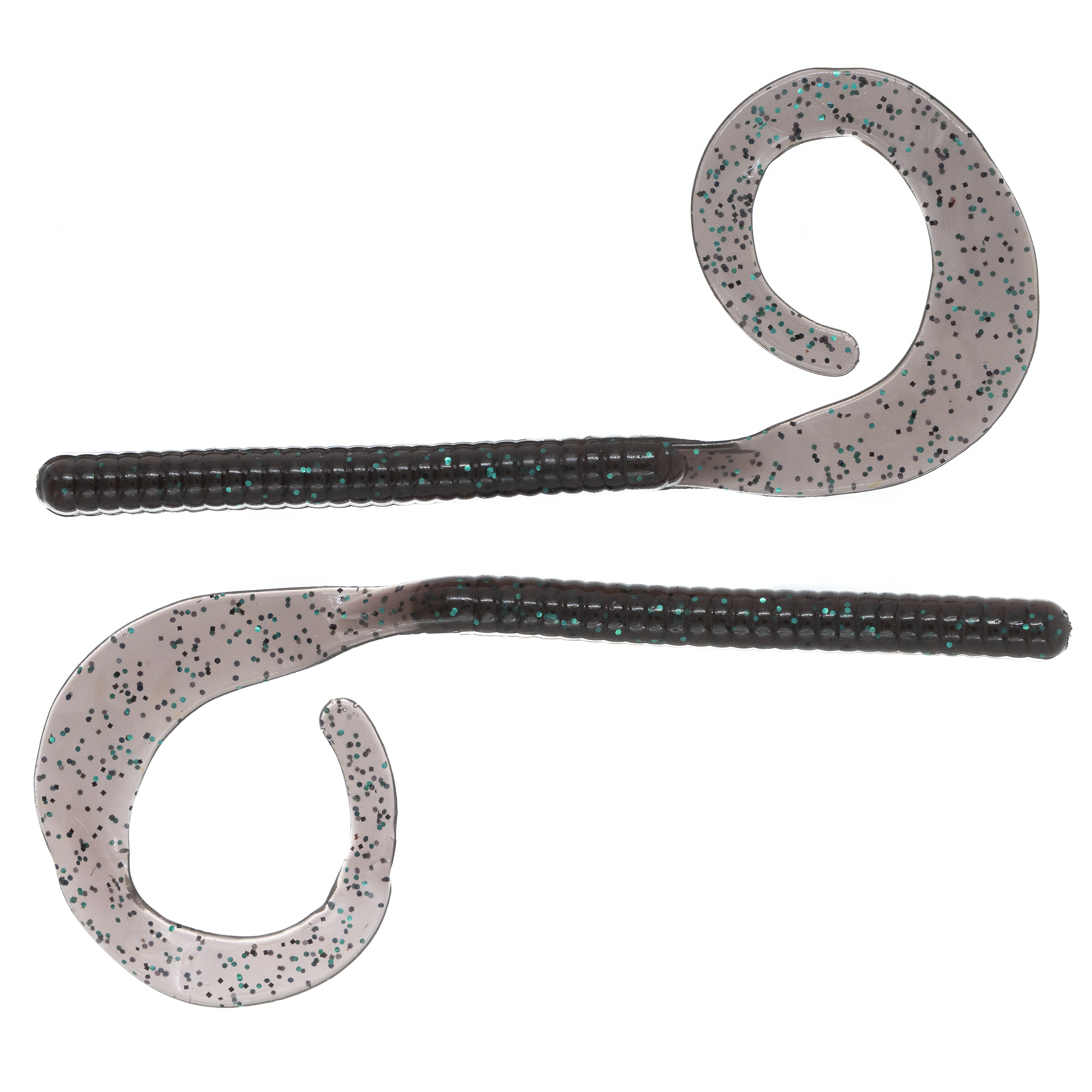
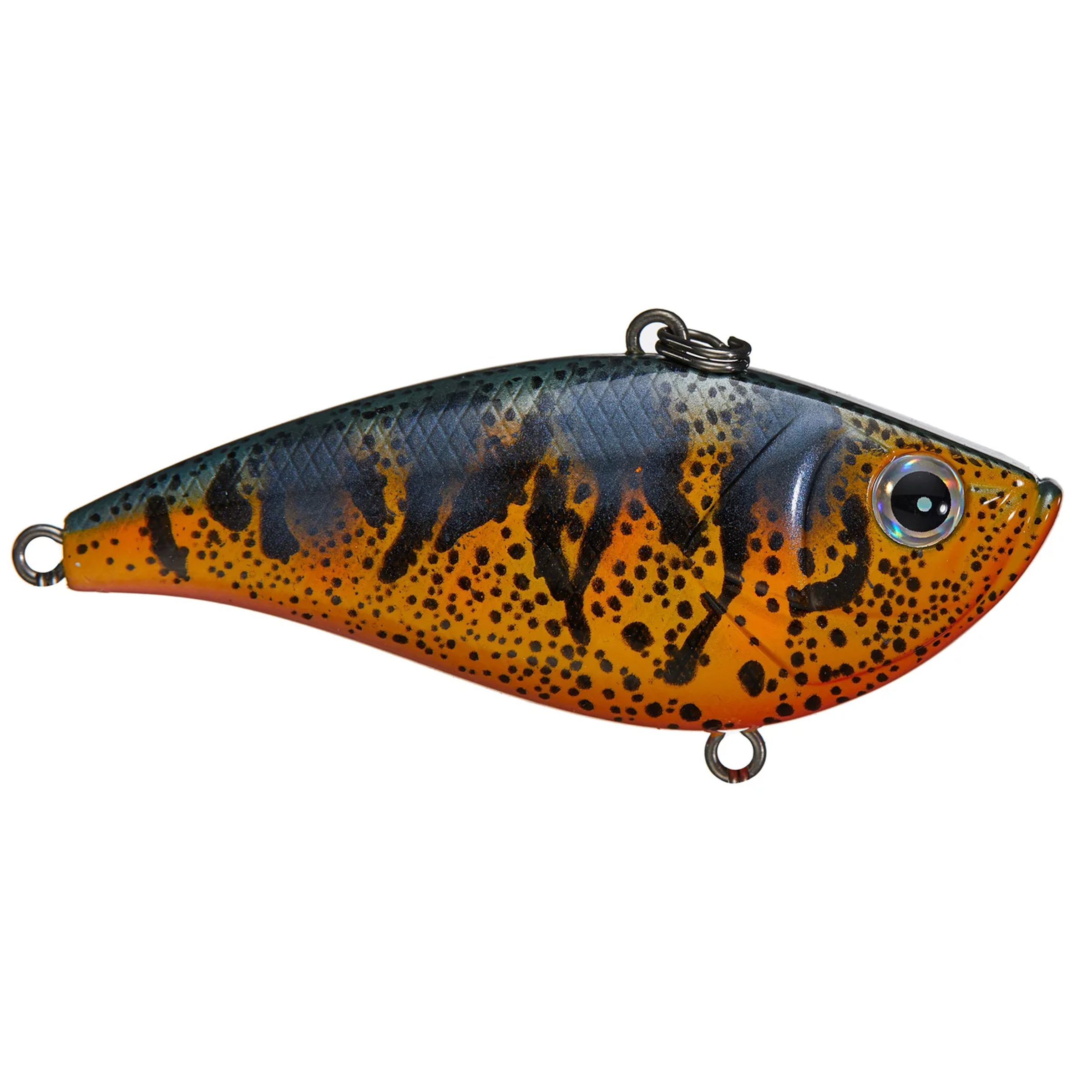
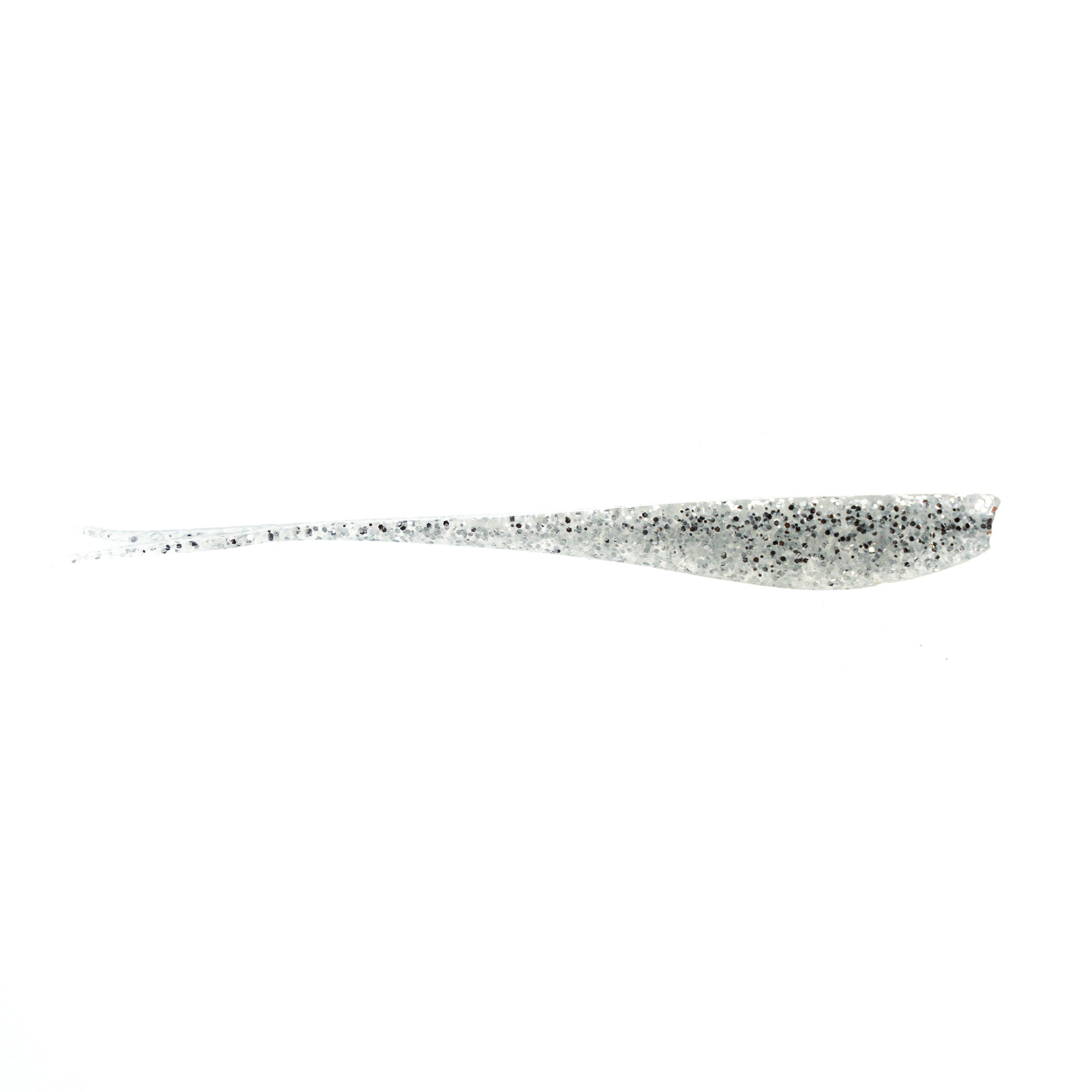
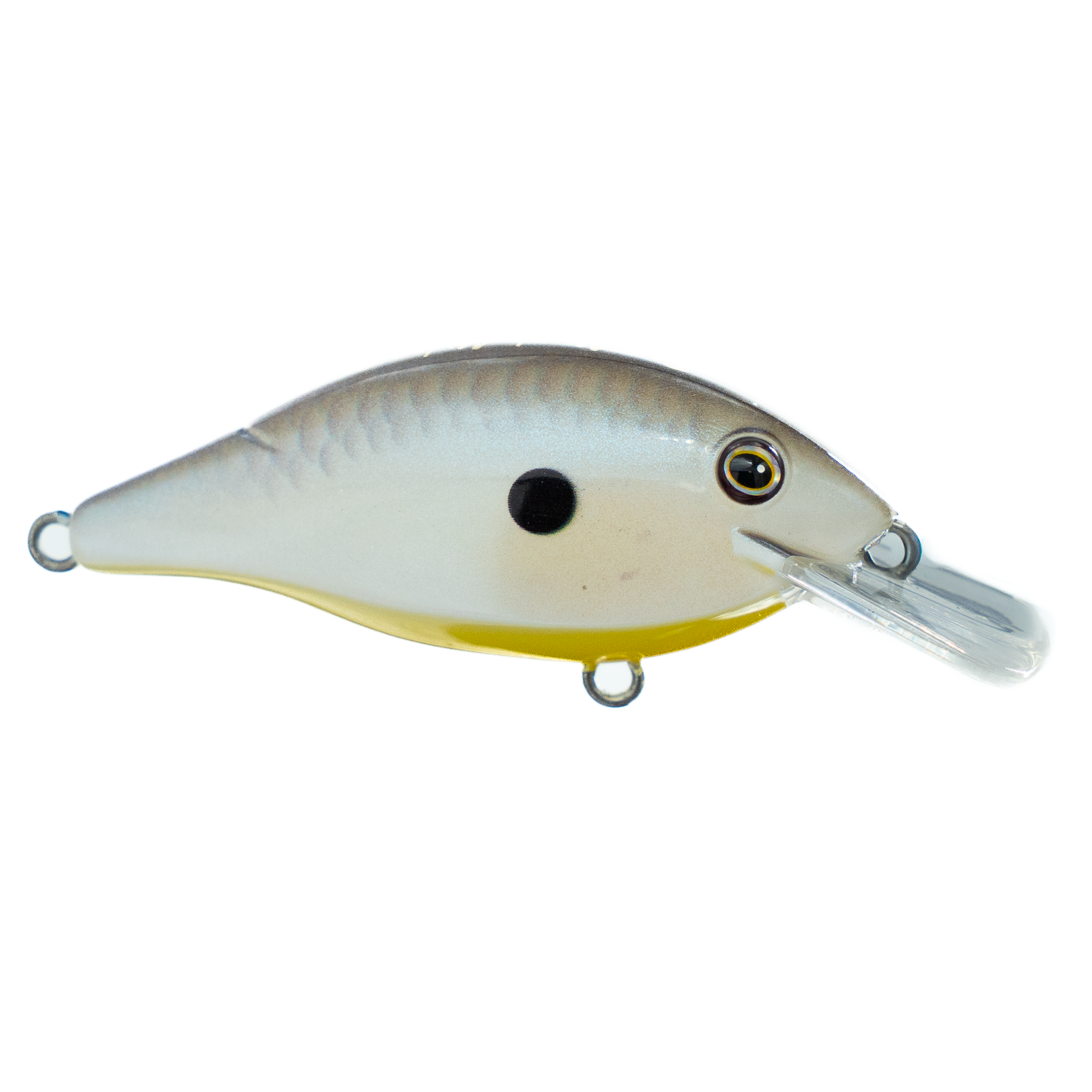
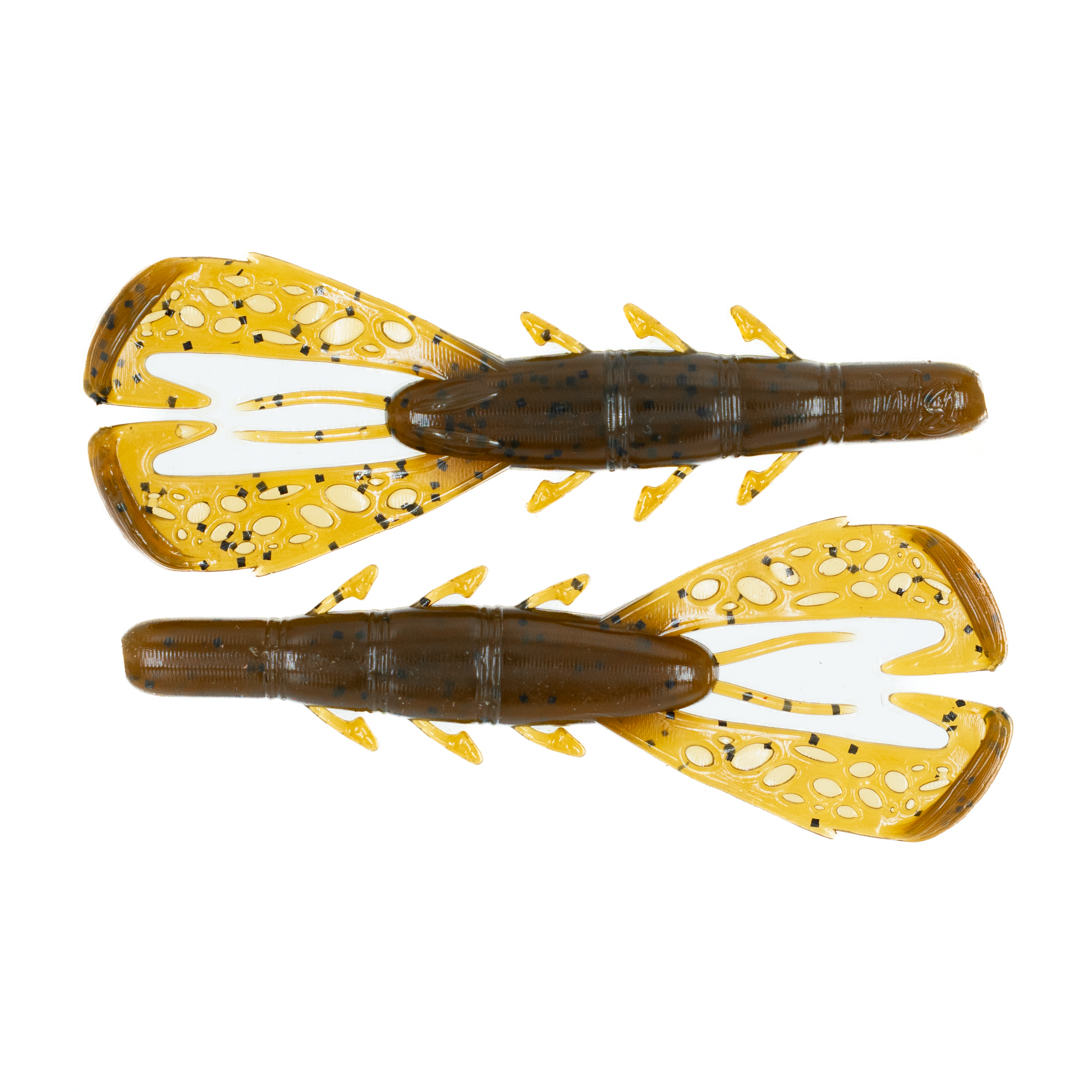
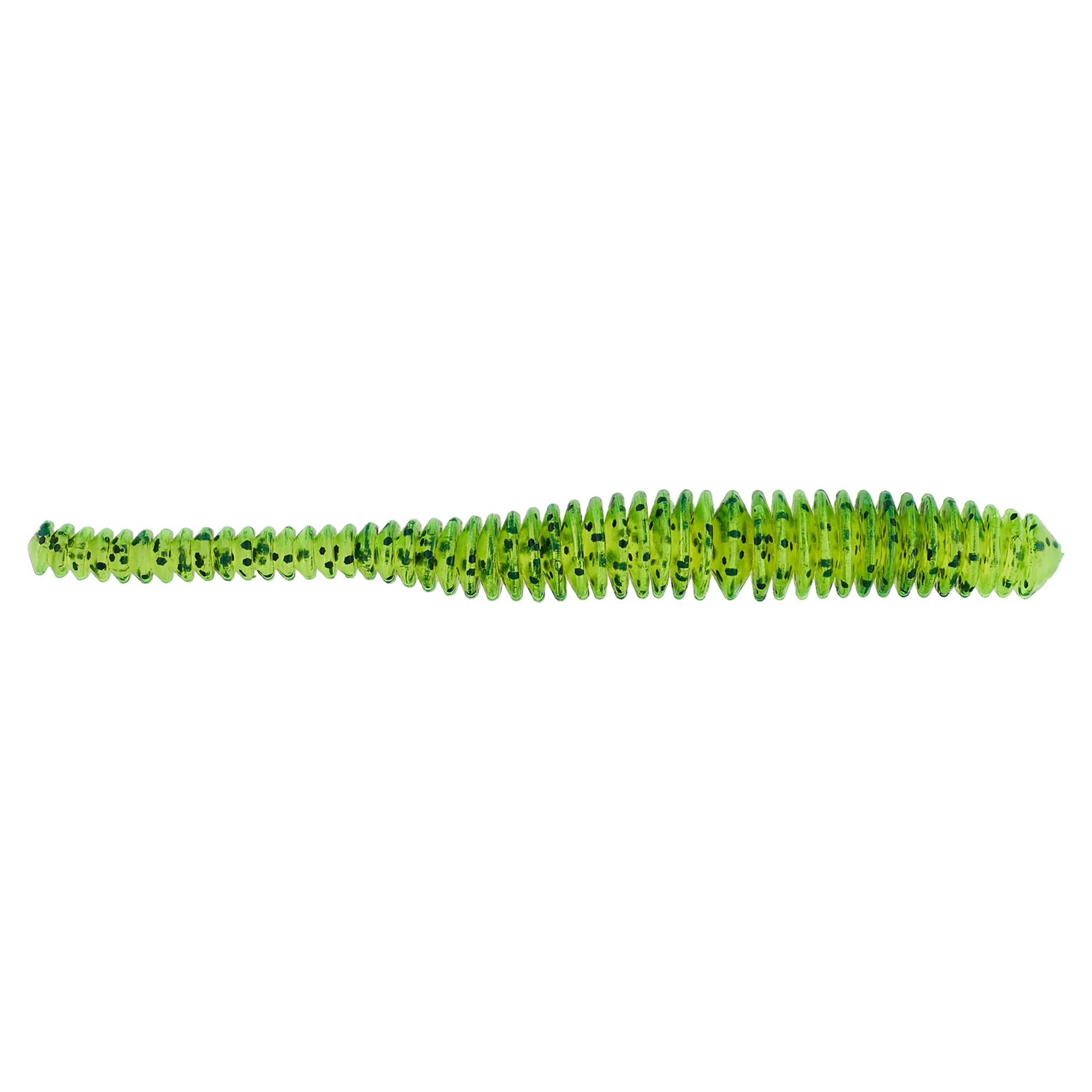
Soft plastics, weightless speed worms and swimbaits flipped into bulrush and island grass through the spawn, topwater around the pads in summer, and slow-worked plastics plus a suspending jerkbait between winter fronts. Our full bait lineup covers all four seasons.
Do I need a fishing license?
Yes. A Florida freshwater fishing license is required for anglers 16 and older through the Florida Fish and Wildlife Conservation Commission. Istokpoga is a designated Fish Management Area with its own slot limit for bass, so read the local regulations rather than assuming statewide rules apply.
Shallow Water, Long Days
A lake with this many bites means a lot of hooksets, and a lake this shallow means most of them happen in cover. Level Rods builds models light enough to flip all day without wearing you out and strong enough that the hundredth hookset drives as well as the first.
Tournament Winning Baits & Gear
Designed, crafted and tested by anglers who fish shallow grass every week. Free shipping on orders over $75.
Shop All Baits