Lake Hopatcong Bass Fishing Guide
Hopatcong Bass Fishing, Season by Season
Twenty-four hundred acres in northern New Jersey, the largest body of fresh water in the state and the one that appears on every list of its best bass lakes. Water quality has improved dramatically over twenty-five years and the fishing has improved with it.
New Jersey's Best Lake
Lake Hopatcong covers roughly 2,400 acres in northern New Jersey, which makes it the largest body of fresh water in the state. No lake is more consistently named among New Jersey's best for bass, and it holds an abundance of both largemouth and smallmouth.
The trajectory matters. Water quality has improved dramatically over the last twenty-five years, and the bass fishing has improved accordingly. Fish of both species in the one to three pound range are very abundant, with genuine trophies available.
It is also a strong multi-species lake. Bass anglers are just as likely to encounter yellow perch, crappie, walleye and pickerel, while the open water holds hefty hybrid stripers and trout. That variety means a slow bass day is rarely a blank day.
The local approach is consistent: work the edges of weedy areas and the docks near shorelines, using bladed jigs, spinners, jigs with soft plastics and swimbaits. Two areas come up repeatedly as starting points — River Styx on the western side, with steep drop-offs favoured for largemouth, and the Bertrand's Island area.
Some anglers use forward-facing sonar to locate structure here, though it is worth knowing that a number of locals frown on the practice. Whether that matters to you is your business, but it is part of the culture on this lake.
Summer weekends get busy with both anglers and recreational watercraft. Early morning and evening are the prime windows, and topwater lures like frogs and poppers can be extremely effective during those hours.
Weed Edges, Docks and Drop-Offs
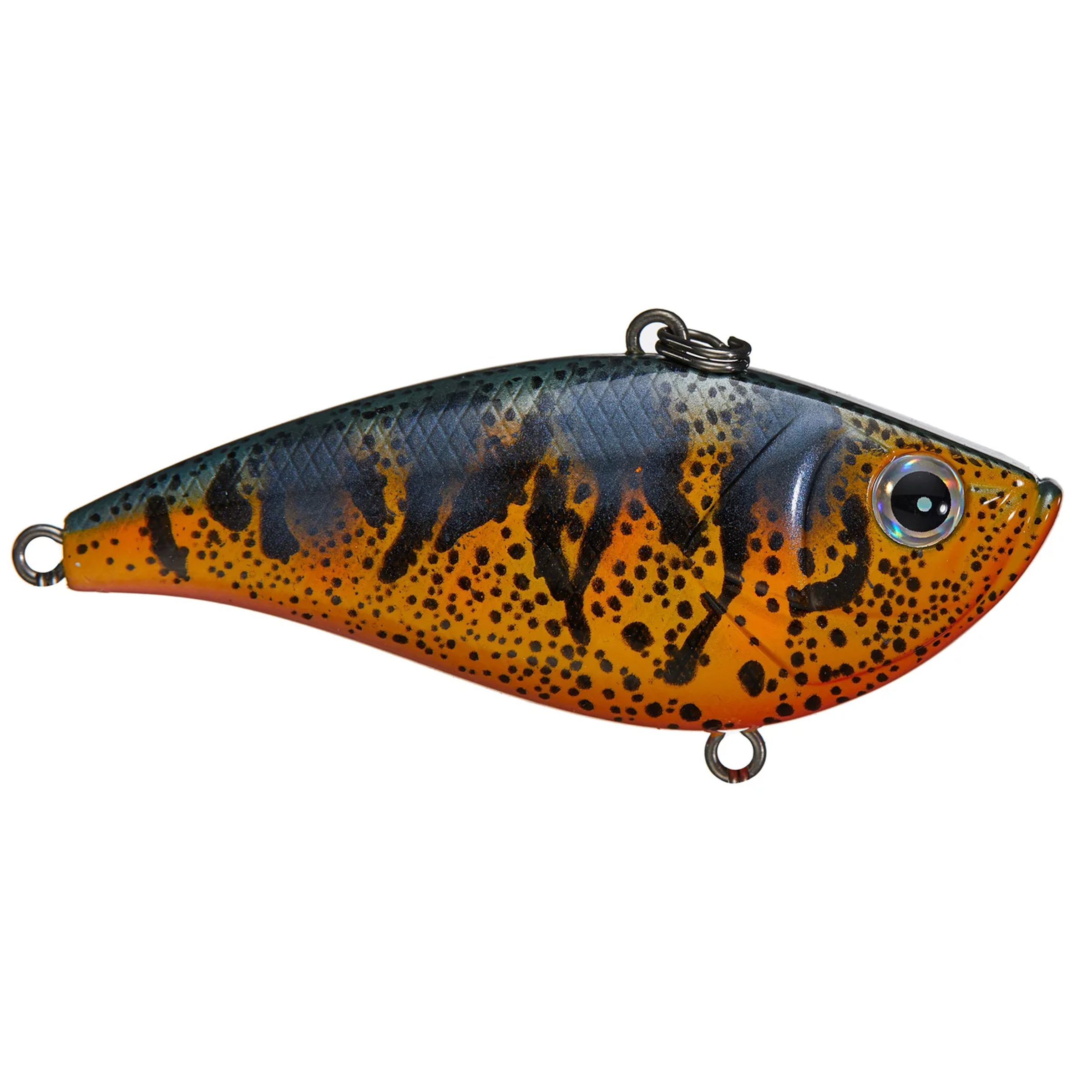
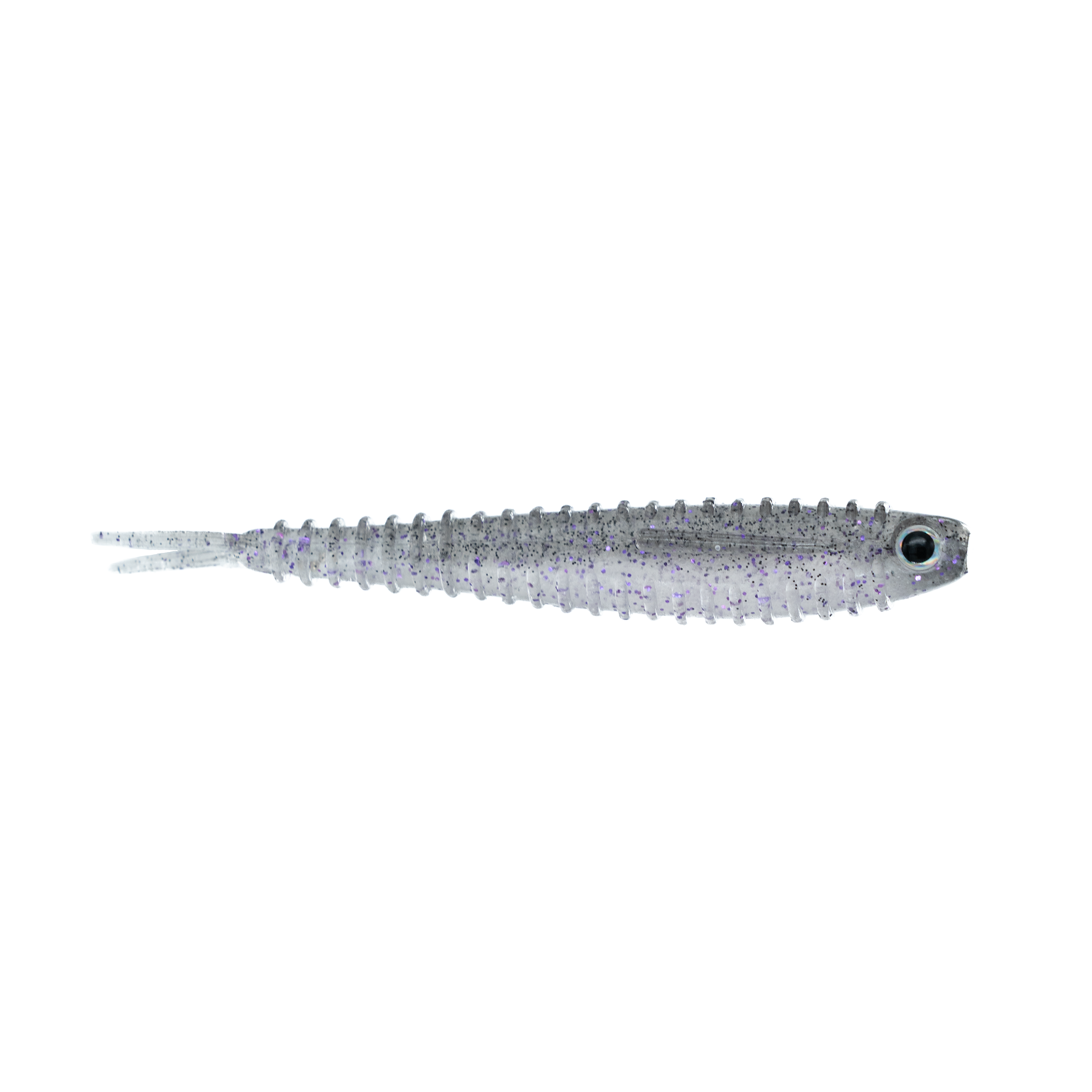
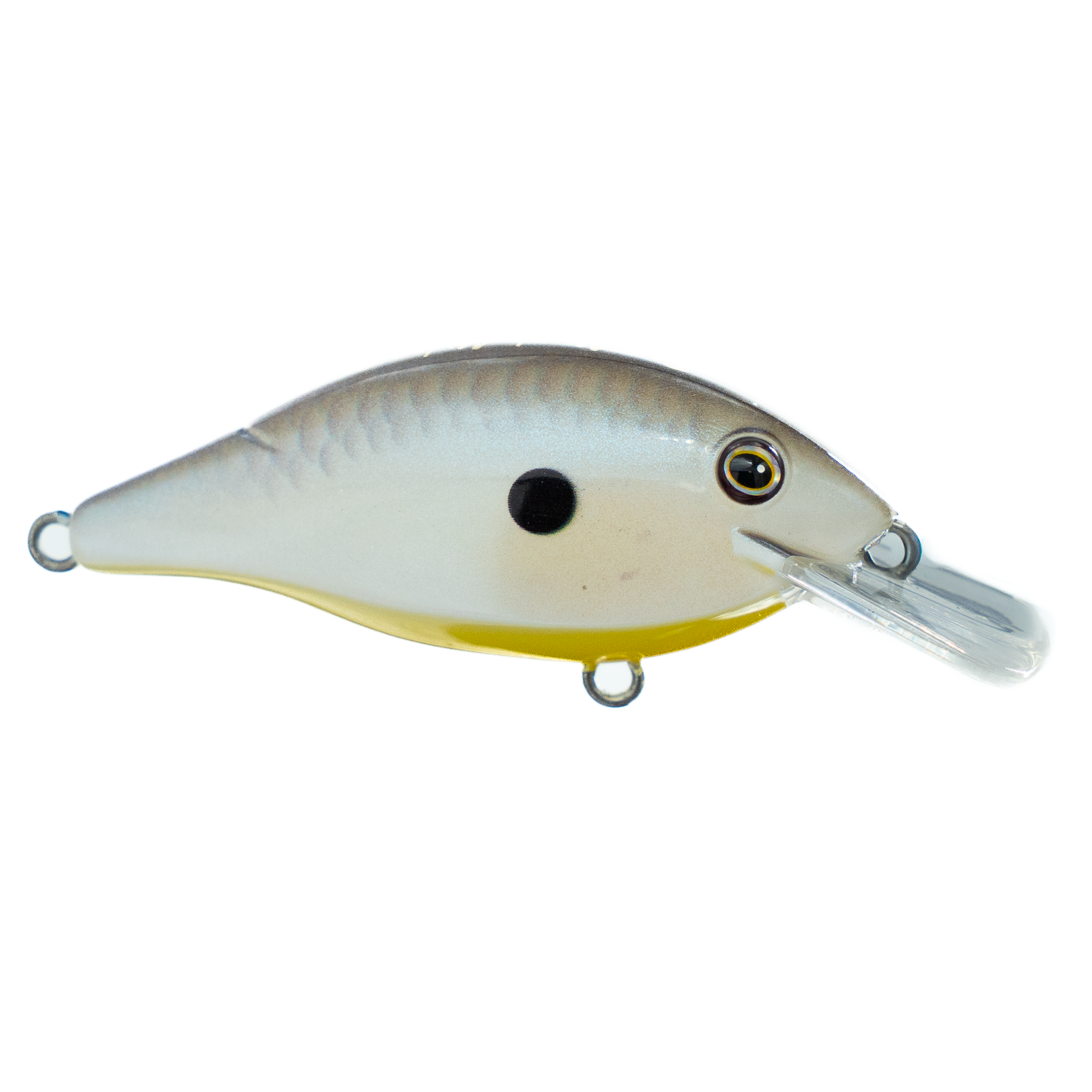
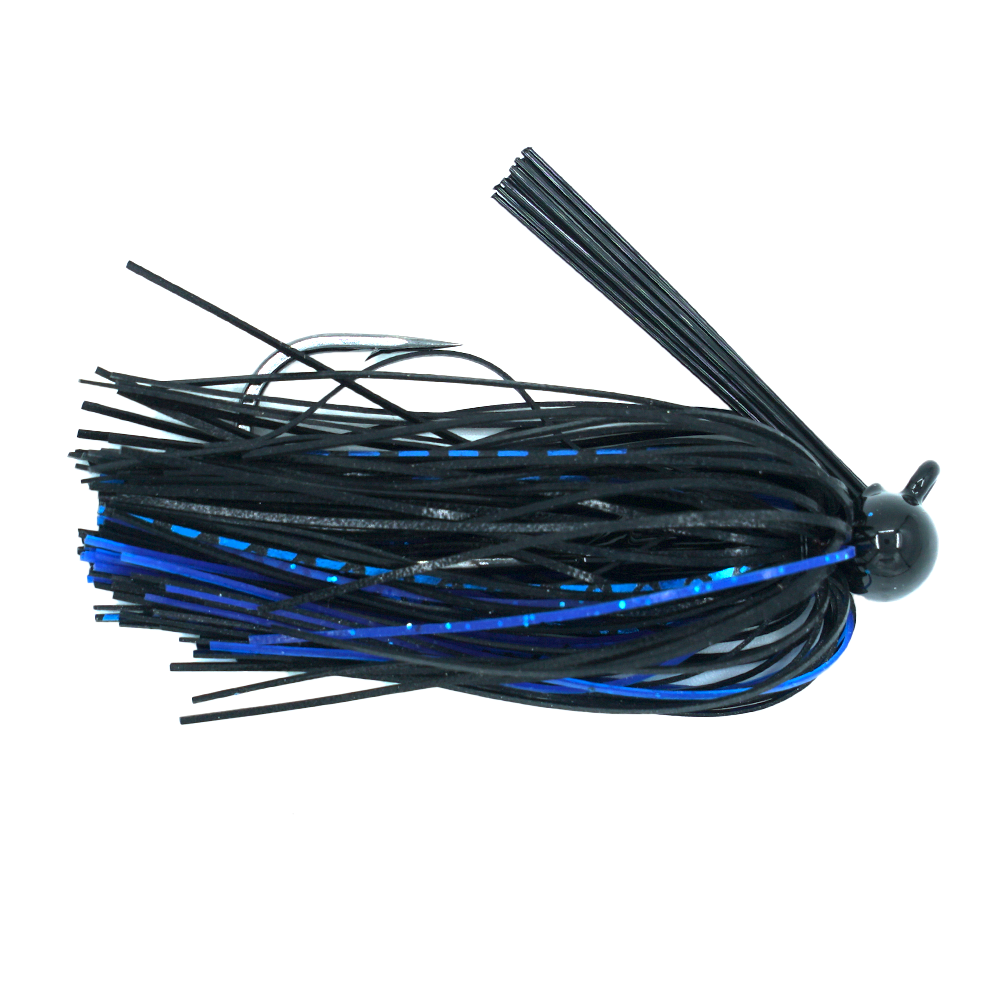
Four patterns cover the year. Each one pairs the technique with the baits we'd actually tie on.
Coves, Bays and Warming Weed
Spring brings both species shallow into the numerous coves and bays as the weed growth starts. Largemouth take the shallower vegetated water and the docks; smallmouth use the rockier structure and the drop-offs. Northern New Jersey warms later than the southern part of the state.



Deep by Day, Shallow at Dawn
Summer sends both species to deeper water through the day and brings them into the shallows early morning and at night. That pattern is well established here and it is worth planning around, particularly given how busy the lake gets at weekends.


Weed Edges and Quieter Water
Autumn thins the weed, pulls fish onto the edges and into open pockets, and empties the lake of the summer traffic. Both species feed hard before a northern New Jersey winter, and moving baits work in a way they do not through the busy months.
Deep Structure and Ice
Winter concentrates fish on the deepest structure and the steep drop-offs, and northern New Jersey usually brings ice. Open-water fishing is weather-dependent and short. The average size holds up when you can get out.


Lake Hopatcong Access
Lake Hopatcong State Park provides public access with a boat launch, and there are marinas around the lake. It sits in Morris and Sussex counties in northern New Jersey, within easy reach of the New York metropolitan area.
River Styx
On the western side, with steep drop-offs, and the area guides name first for largemouth. Deep structure close to shallow water is the combination, and it produces through summer and winter alike.
Bertrand's Island
The other named starting point on the lake. Structure and shoreline cover, and a sensible area to work if you do not know the water.
The Weed Edges and Docks
The standard pattern here across most of the year — working the edges of weedy areas and the docks near shorelines with bladed jigs, spinners, jigs with soft plastics and swimbaits.
Lake Hopatcong Bass Fishing FAQ
Is Hopatcong the best bass lake in New Jersey?
No lake is more consistently named among the state's best. At 2,400 acres it is the largest body of fresh water in New Jersey and it holds an abundance of both largemouth and smallmouth, with fish in the one to three pound range very common and trophies available.
Has the fishing improved?
Substantially. Water quality has improved dramatically over the last twenty-five years and the bass fishing has improved along with it. That trajectory is one of the better things you can say about a lake this close to a major metropolitan area.
Where should I start?
River Styx on the western side, with its steep drop-offs, is the area guides name first for largemouth. Bertrand's Island is the other. Beyond that, work the edges of weedy areas and the docks near shorelines.
What is the standard approach?
Bladed jigs, spinners, jigs with soft plastics and swimbaits, worked off the edges of weedy areas and around docks. Topwater frogs and poppers early and late. That covers most of what this lake asks for.
What about forward-facing sonar?
Some anglers use it here to locate structure, though a number of locals frown on the practice. It is worth knowing that before you turn one on, simply as a matter of how the lake's culture works.
What else can I catch?
Yellow perch, crappie, walleye and pickerel are all common, and the open water holds hefty hybrid stripers and trout. It is a genuine multi-species lake, which means a slow bass day is rarely a blank one.
Is it crowded?
Summer weekends get busy with both anglers and recreational watercraft. Early morning and evening are the prime windows for that reason as much as for the fishing, and autumn is considerably quieter.
What baits work best on Hopatcong?
Bladed jigs, spinnerbaits, jigs with soft plastics and swimbaits along weed edges and docks, plus frogs and poppers in the low-light windows. Our full bait lineup covers all four seasons.
Edges and Docks
A lake fished by working weed edges and dock lines all day asks for accuracy and repetition more than power. Level Rods builds models that skip cleanly under a dock, throw a bladed jig all afternoon without wearing you out, and still turn a good fish at the piling.
Tournament Winning Baits & Gear
Designed, crafted and tested by anglers who fish weed edges every week. Free shipping on orders over $75.
Shop All Baits