Lake Hartwell Bass Fishing Guide
Lake Hartwell Bass Fishing, Season by Season
56,000 acres straddling the Savannah River on the South Carolina–Georgia line, and a four-time Bassmaster Classic venue. Finding the herring on Hartwell is only half the job. The other half is finding somewhere the bass can sit while they wait for them.
Chairs in the Dining Room
Lake Hartwell was formed by damming the Savannah River where it meets the Tugaloo and the Seneca, and it sits directly on the South Carolina–Georgia border. At 56,000 acres with an average depth around 45 feet and a maximum near 185, it's deep for this part of the country, and clear enough that presentation matters.
Like a lot of Southeastern reservoirs, Hartwell's fishery was reshaped by blueback herring — but here they arrived entirely by accident, most likely mixed in with shad being stocked from the Santee Cooper lakes decades ago. Herring are nomadic, fast-moving and anadromous, and they turned a large share of Hartwell's bass into roamers that follow bait through open water instead of living on cover.
The insight that makes this lake click is simple once someone says it out loud. Herring spawn on soft bottom — sand and flat ground. But bass won't sit on a bare sand bank with nothing to relate to. They need something to position on while they wait. So the productive water isn't the flat where the herring are spawning; it's the flat point with scattered rock on it right beside them. Find the chairs, not just the dining room.
One more thing that separates Hartwell from a herring monoculture: the forage base is genuinely diverse. Alongside bluebacks there are threadfin shad, some gizzard shad, crawfish and sunfish. When one forage species has a down year another tends to fill the gap, which is a large part of why the lake fishes consistently enough to have hosted the Classic four times.
What It Took to Win Here
Patterns that produced at the highest level on this lake, and the baits to fish them with.
Casey Ashley — Home Water, Ten Degrees
Hartwell has hosted four Bassmaster Classics, and 2015 belongs to a local. Ashley, from Donalds just up the road, won the coldest Classic in the event's history — air temperatures around ten degrees — on water he had grown up fishing.
He didn't win it shallow and he didn't win it on the bottom. He targeted bass suspended in the water column over deep structure, using a homemade underspin to get a small, flashing profile in front of fish that were sitting still and not chasing anything. On a clear herring lake in brutal cold, that is where the fish live and almost nobody fishes.
Worth adding: Paul Marks won the 2025 Elite here in his rookie season, then won Lake Murray in 2026. Both of his career wins have come on herring lakes, which says something about how transferable this style of fishing is once you learn it.


Chasing Roamers All Year
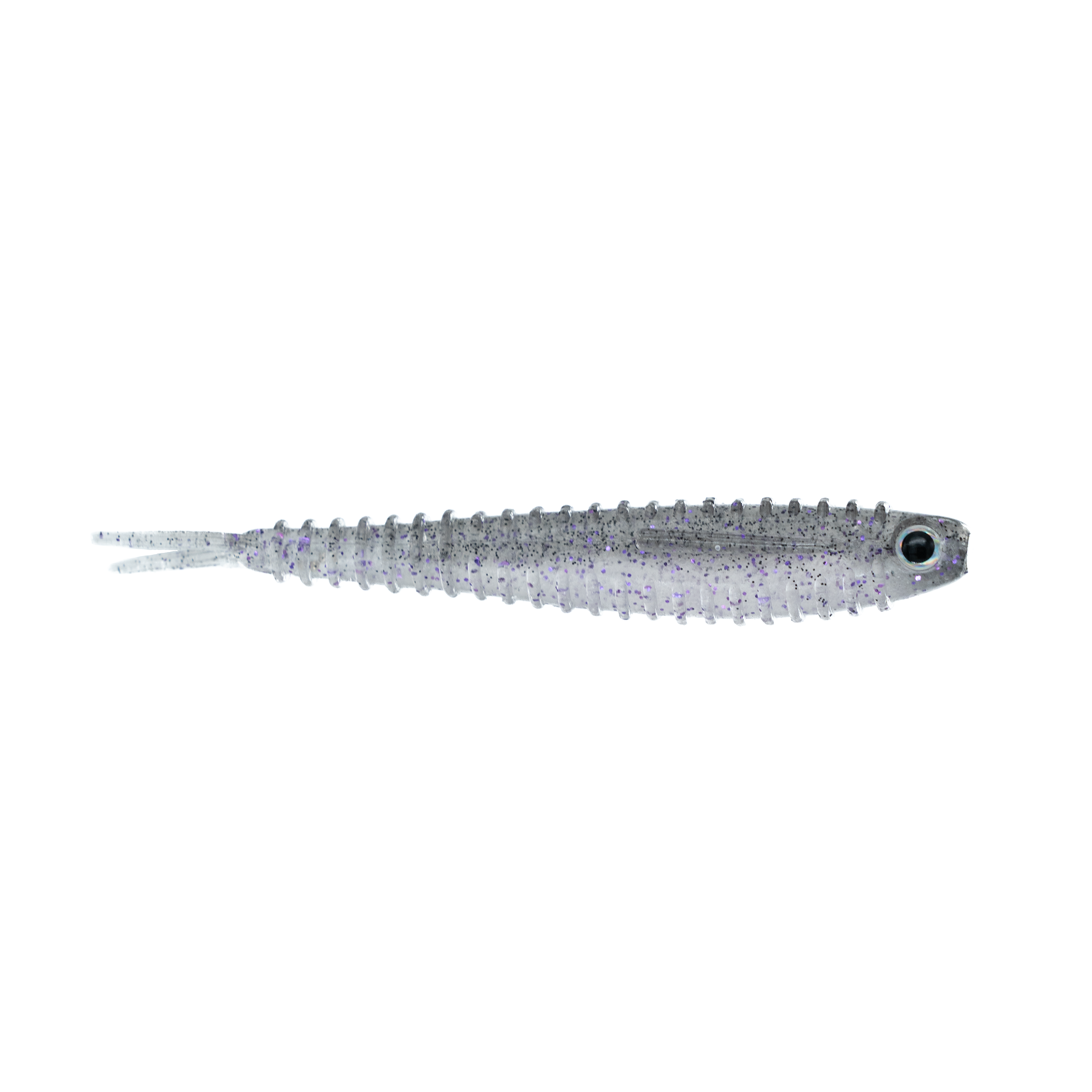
Four patterns cover the year. Each one pairs the technique with the baits we'd actually tie on.
The Herring Spawn Is the Event
Largemouth mostly finish spawning before the herring get going, and then the herring spawn arrives and rewrites everything. Spotted bass often spawn on the very same points the herring are using. Look for flat points with a little scattered rock, and riprap, though the flat stuff is the priority. Bass spawning elsewhere favour dock walkways and shallow sandy pockets, and the ones worth finding are on something isolated and out of the ordinary.



Offshore, With a Window at Dawn
Once water temperatures climb into the upper 70s the spawn is done and bass group up on offshore structure across the lake — points, humps, brush piles, standing timber and open-water bait schools. There's still a shallow bite early and late, and the first few hours of daylight can be excellent as spotted bass push herring to the surface on long points.



Schooling Season
Herring drive great schooling activity through summer and into fall, and this is when Hartwell rewards paying attention rather than grinding. Bass push bait to the surface without much warning, and a school that erupts a hundred yards away is worth the run. Between blowups, fish are relating to points and humps and the creek arms as bait moves back.


Ditches, Structure and Patience
Cold water pulls Hartwell's bass into the ditches formed by creek channels and tight to structure, where they hold and move very little. The clarity is at its best, which means they'll look at everything you throw for longer than you'd like. Fewer bites, better quality, and far fewer boats.


Lake Hartwell Access
Hartwell has three distinct arms and a state line running through the middle. Pick a launch and a state before you go.
The Lower Lake & Dam
Deepest and clearest water, and where the summer brush pile pattern is most reliable. Also the closest access to Hartwell Dam, which sits on the Georgia side.
Seneca River Arm
The South Carolina side, running up toward Clemson and Anderson. Creek arms here hold fish through fall as bait pushes back.
Tugaloo River Arm
The northern arm, with more river character and colour after rain. A useful alternative when the main lake is bright, calm and difficult.
Lake Hartwell Bass Fishing FAQ
Which state's fishing license do I need for Lake Hartwell?
Hartwell straddles the South Carolina–Georgia line, so it depends where you're fishing and where you launch. Check current rules with both the South Carolina Department of Natural Resources and the Georgia Department of Natural Resources before you go — reciprocal arrangements on border waters change, and the answer isn't the same for every part of the lake.
Where do bass position during the herring spawn on Hartwell?
Not where the herring are. Bluebacks spawn on soft, flat bottom, but bass won't hold on a bare sand bank with nothing to relate to. Look for flat points with a little scattered rock beside the spawning areas, and riprap as a secondary option. The bass need something to sit on while they wait.
What time of day is the herring spawn bite best?
Later than you'd expect. Threadfin shad spawn mostly at night and into the first hour of daylight, so that bite dies early. Blueback herring tolerate sunlight much better, which means the herring spawn bite keeps producing well into the day.
How did blueback herring get into Lake Hartwell?
By accident. They were most likely mixed in with shad being stocked from the Santee Cooper lakes decades ago. They've since become a major forage species and turned much of Hartwell's bass population into open-water roamers that follow bait rather than living on cover.
What baits work best on Lake Hartwell?
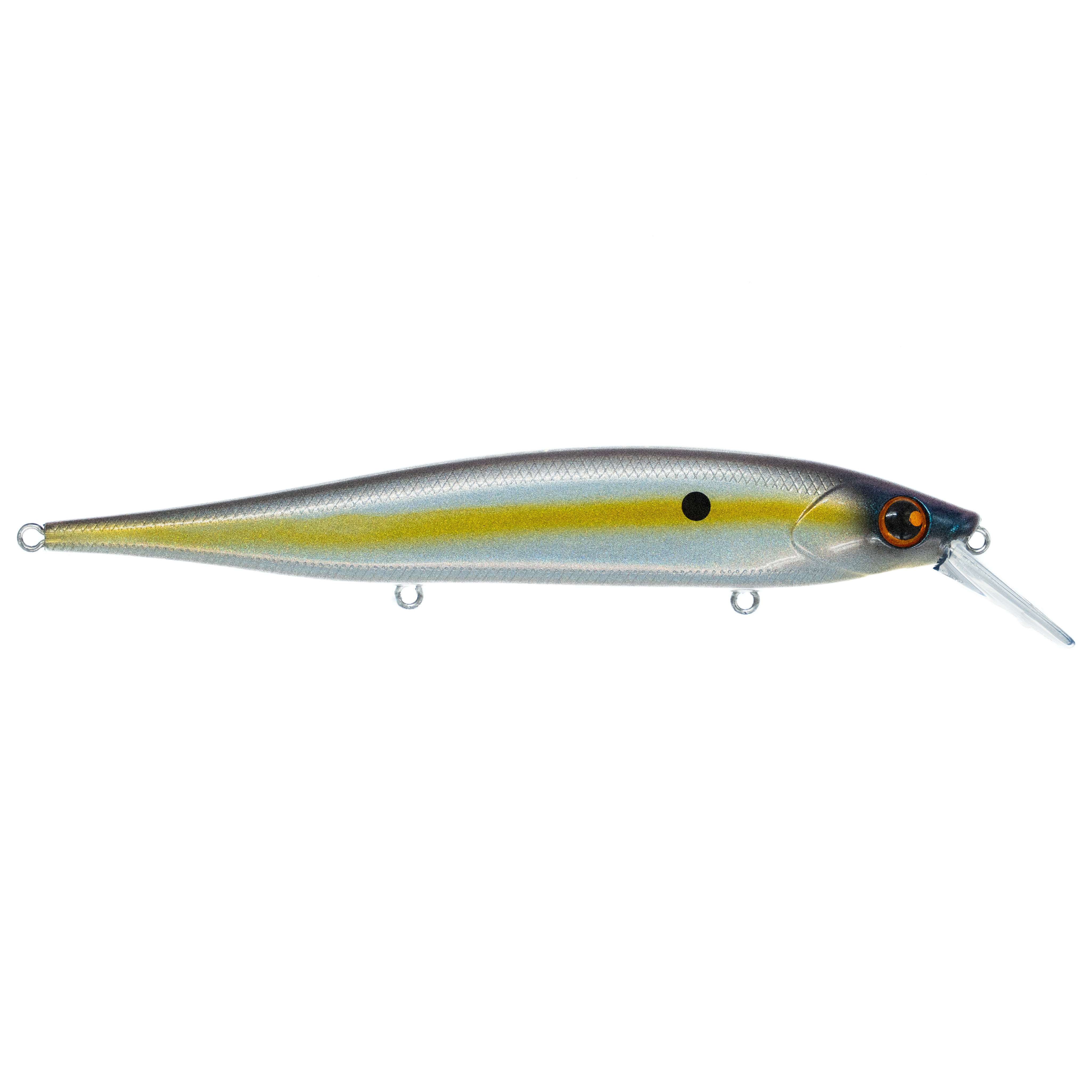
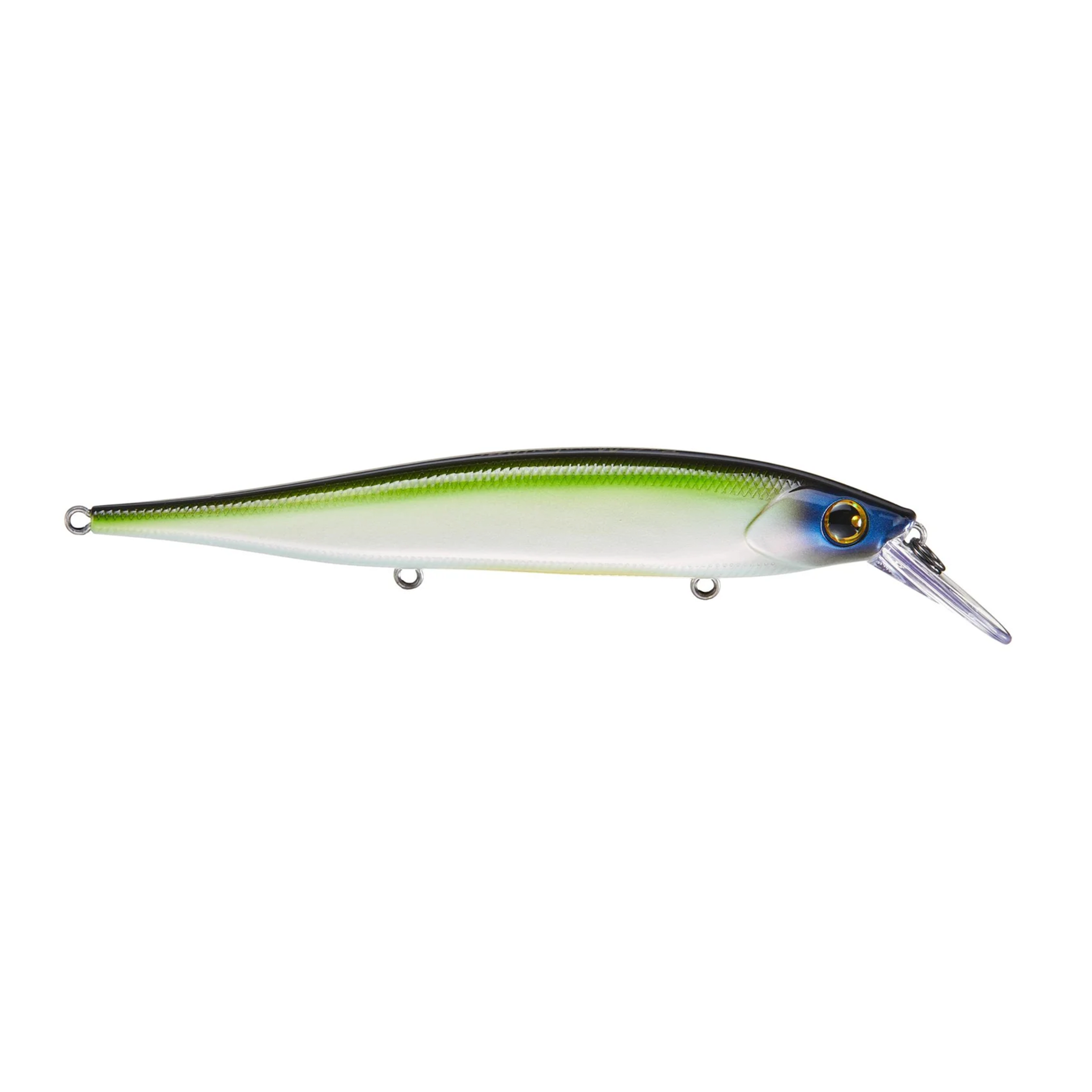
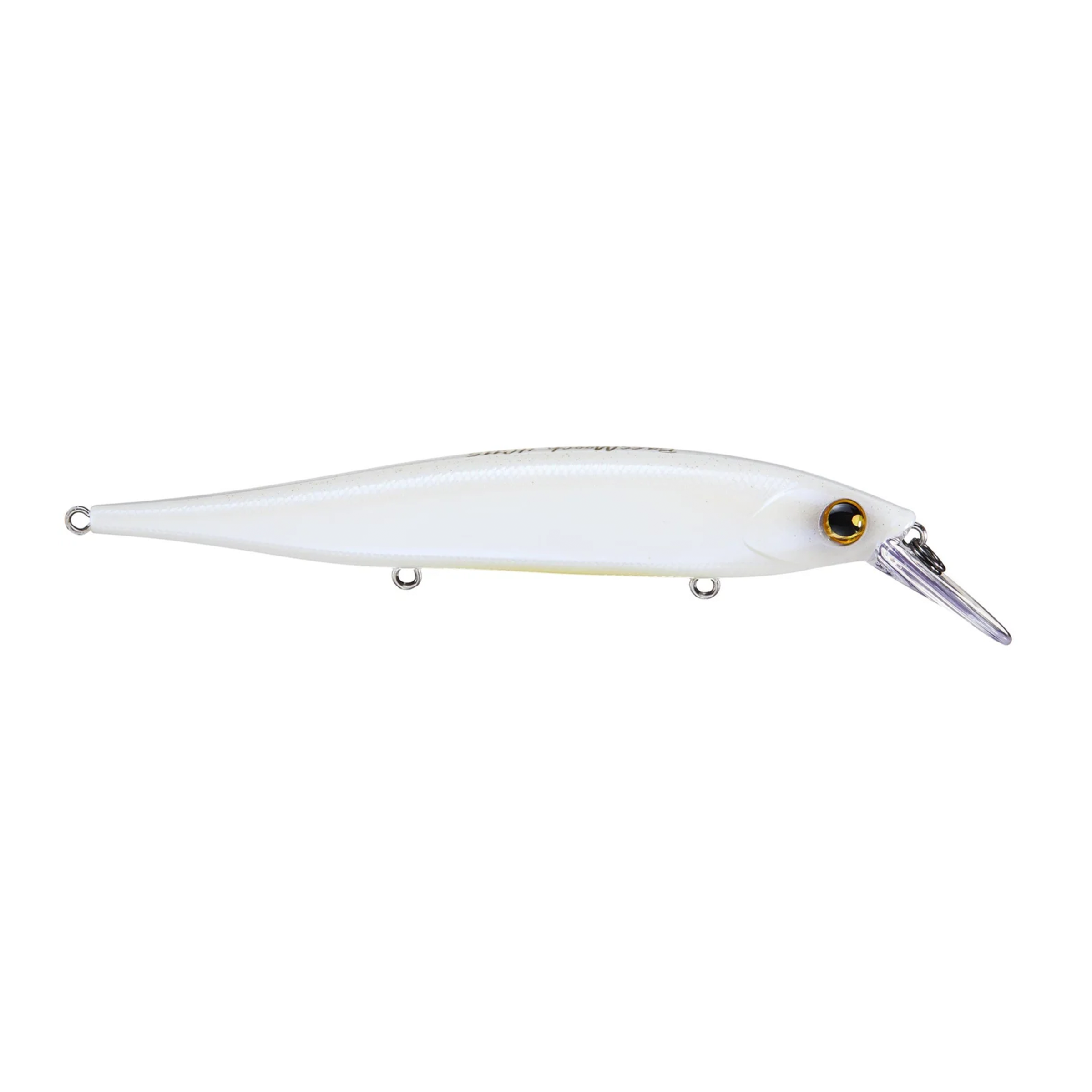
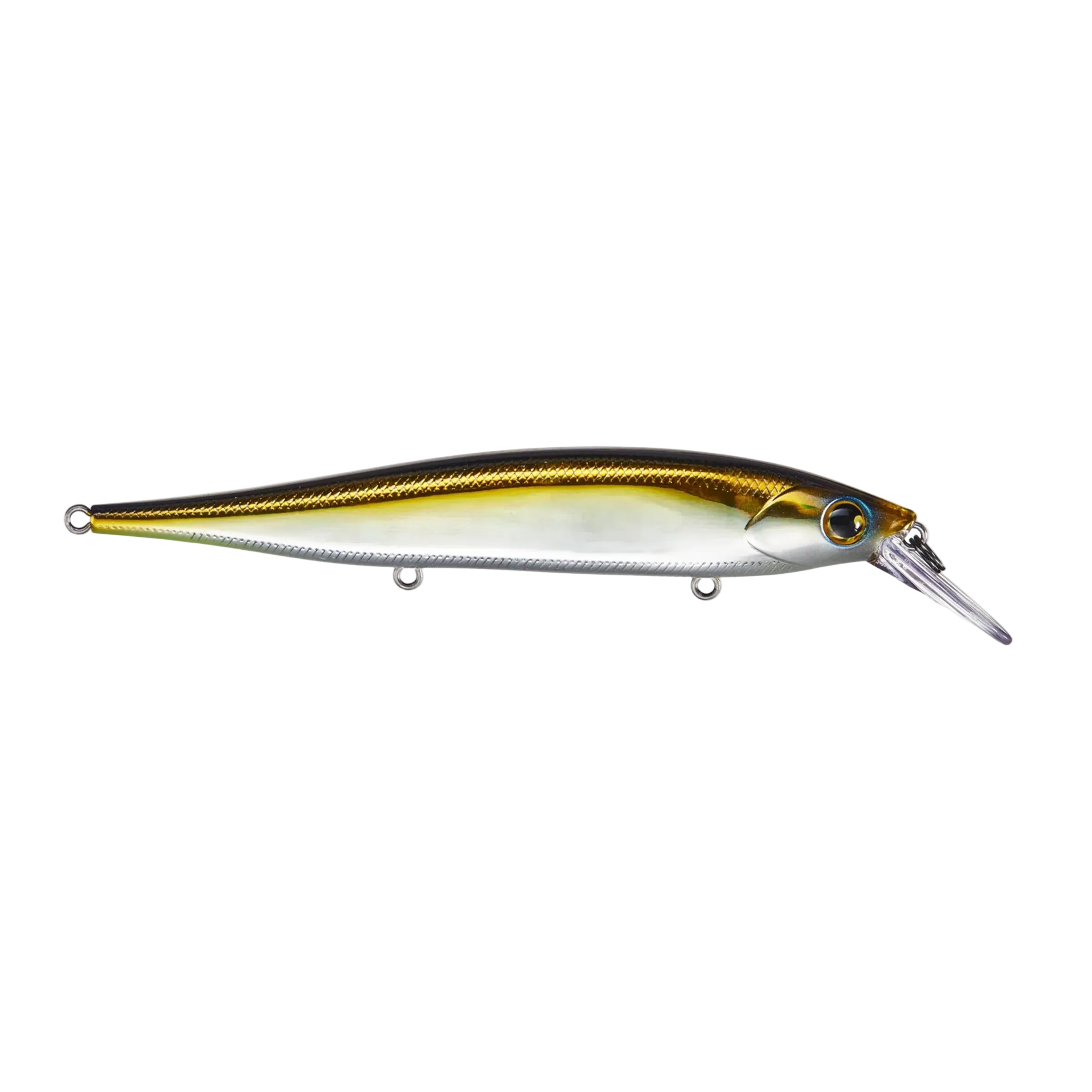
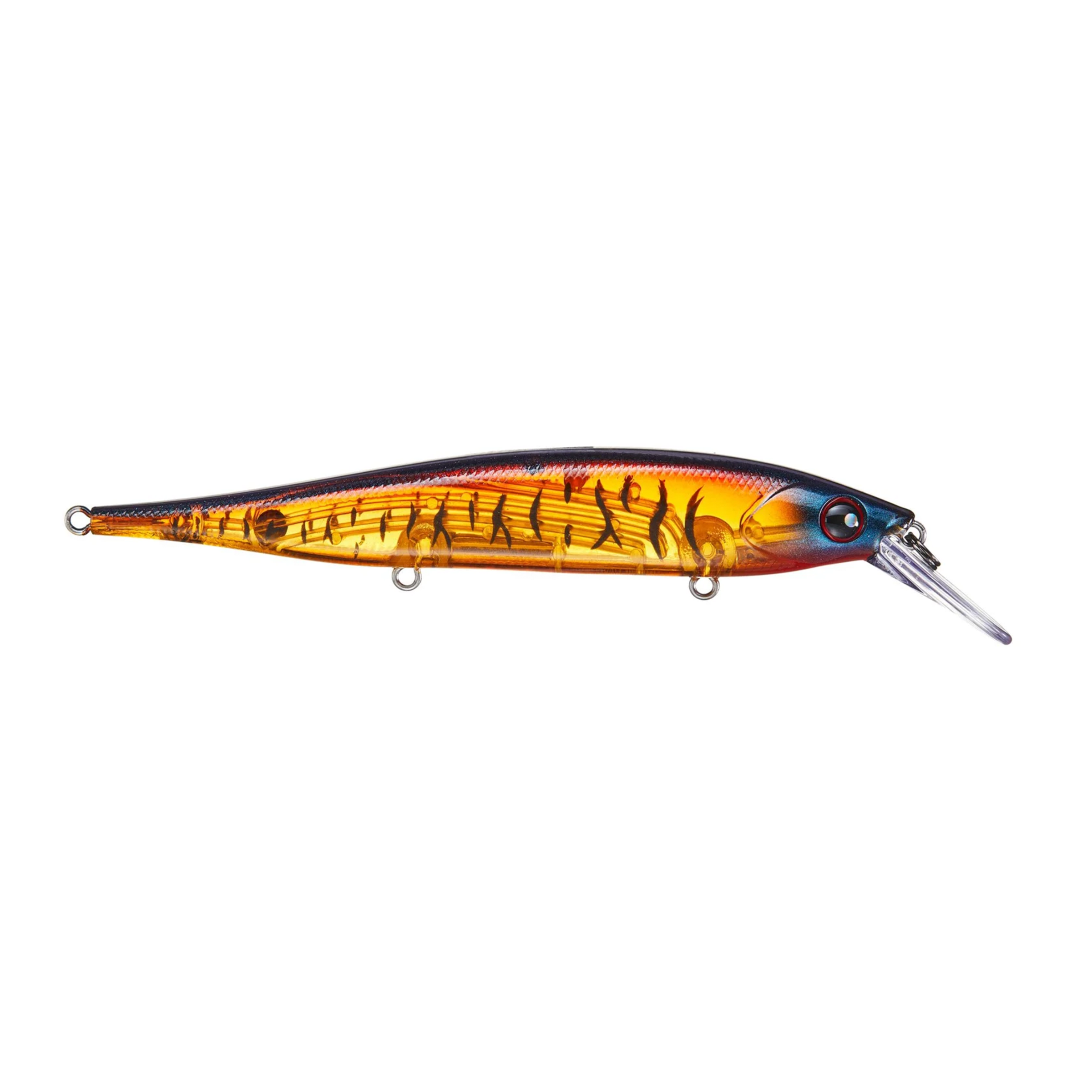
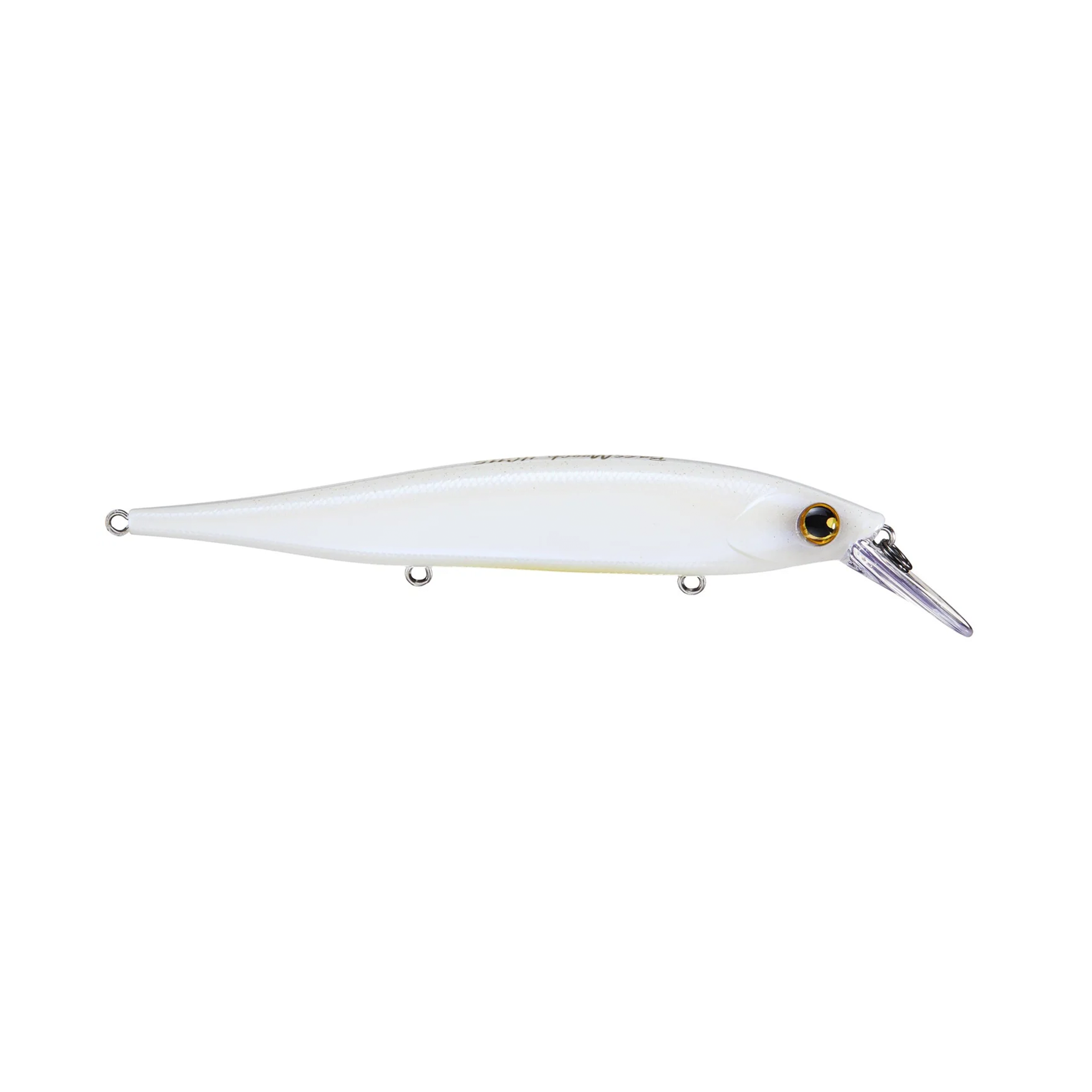
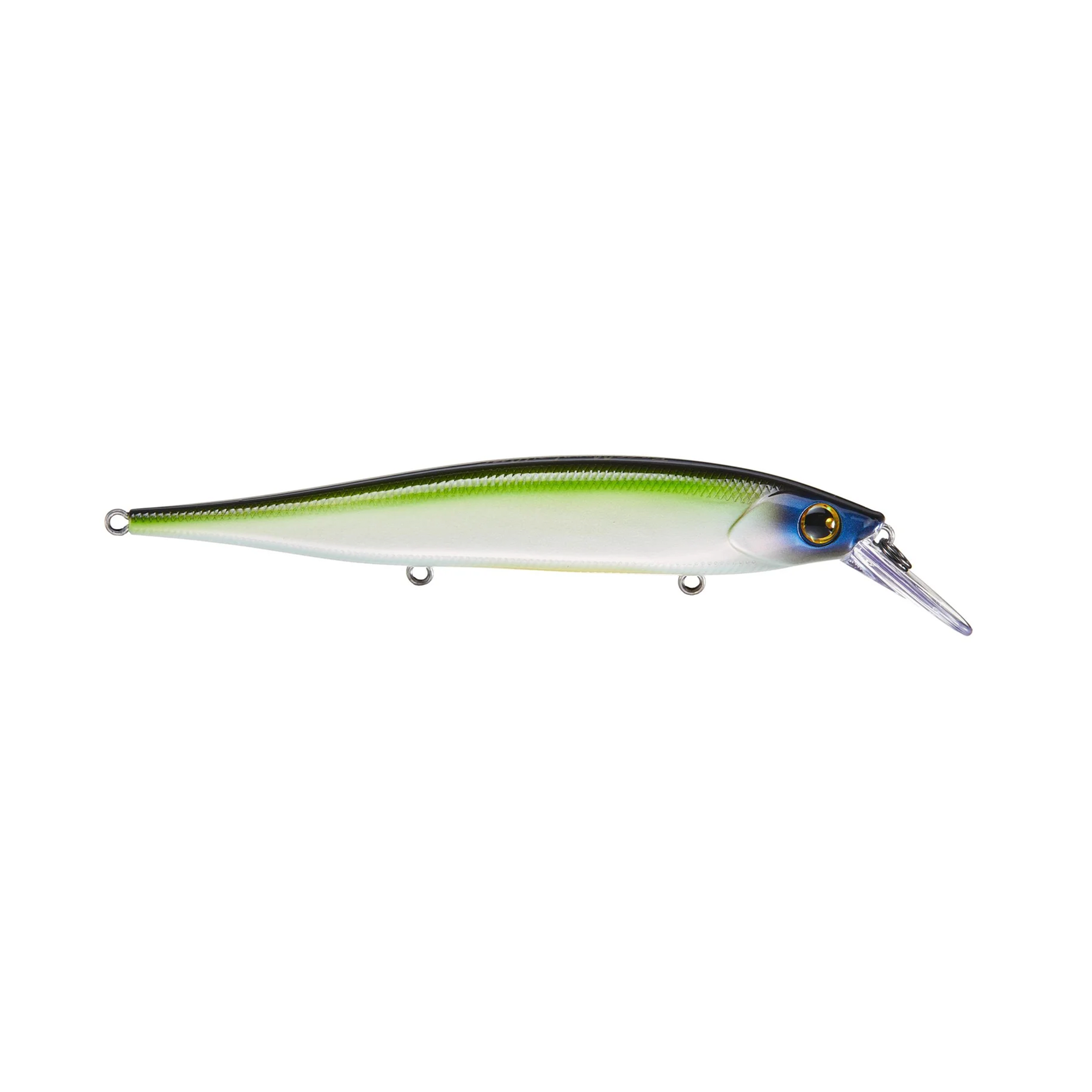
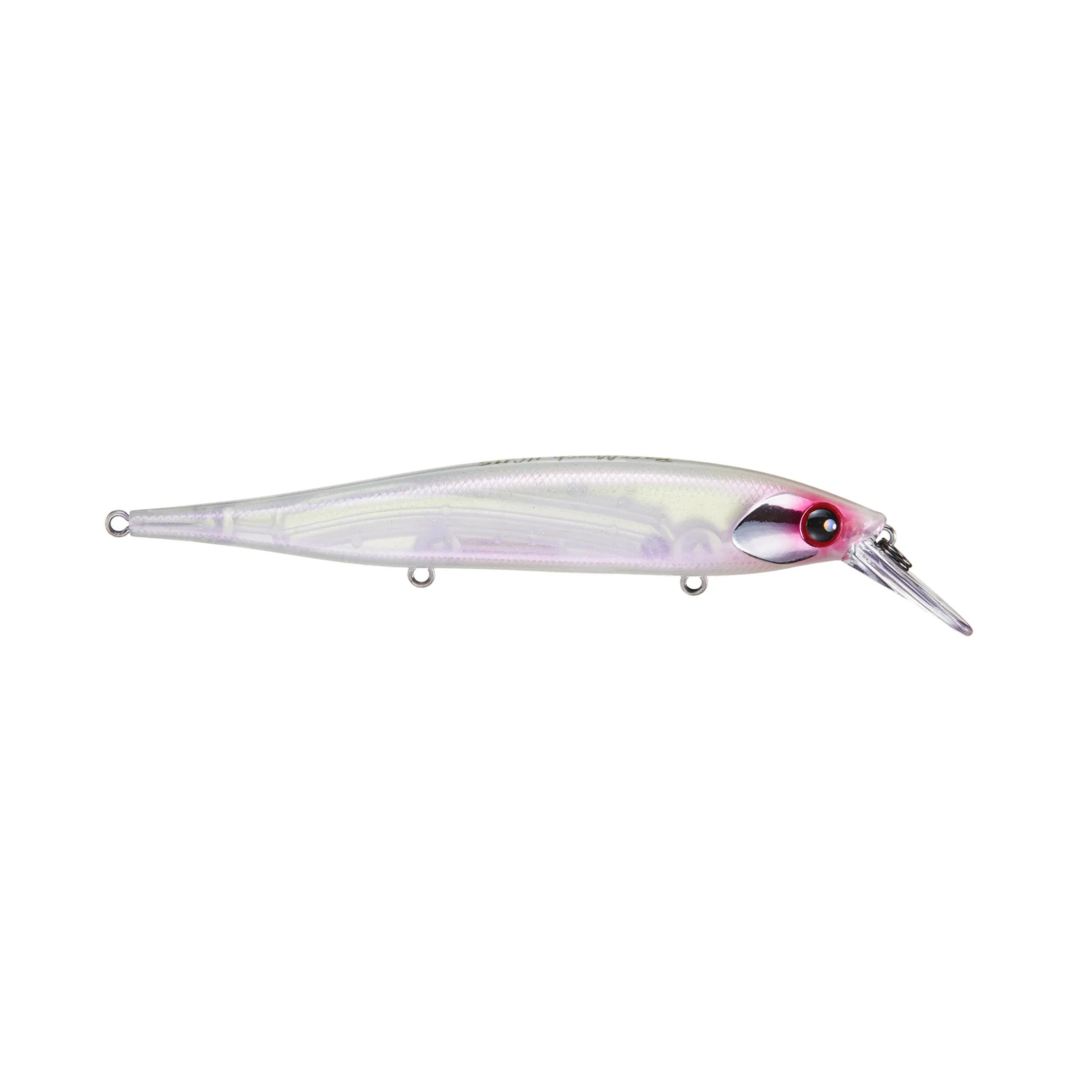
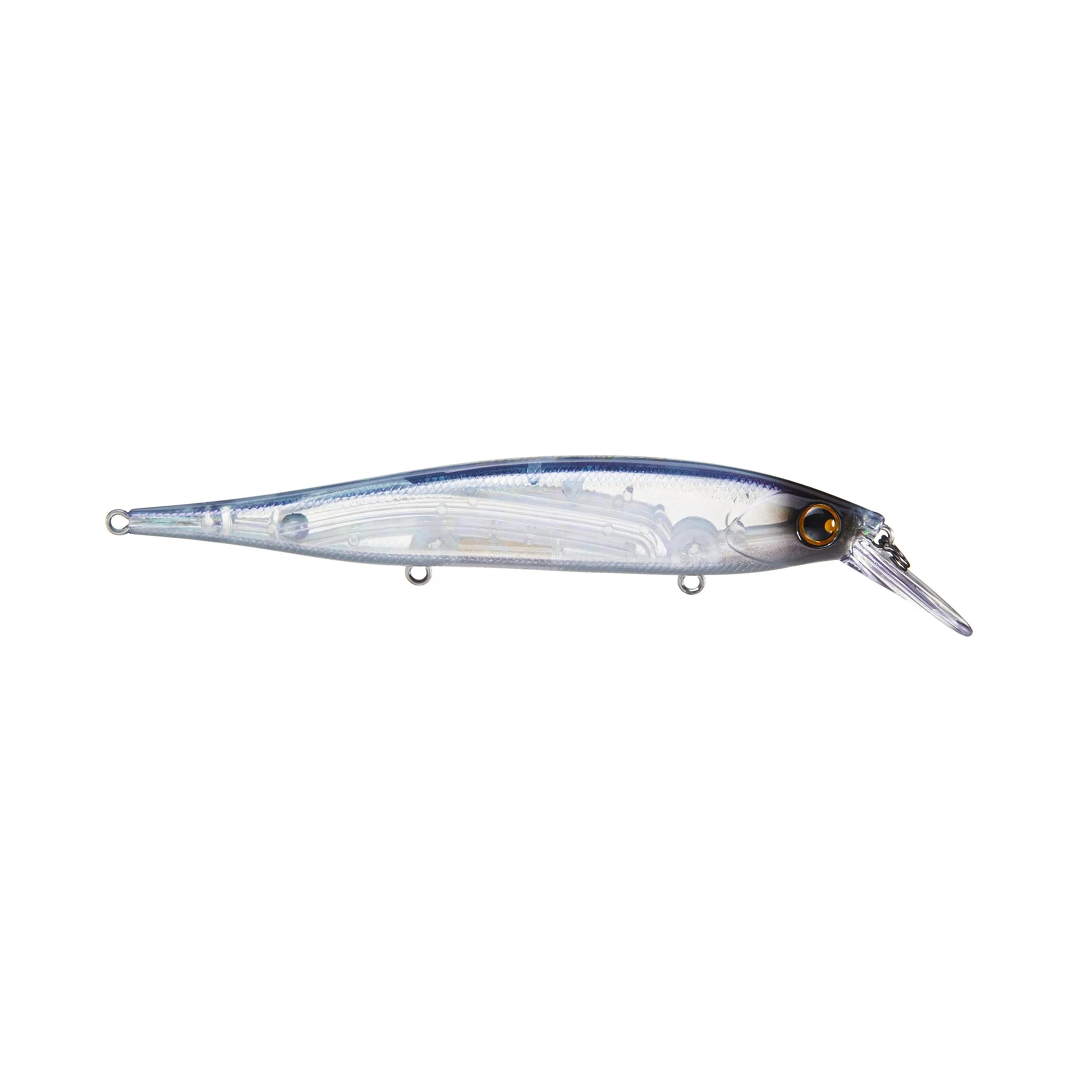
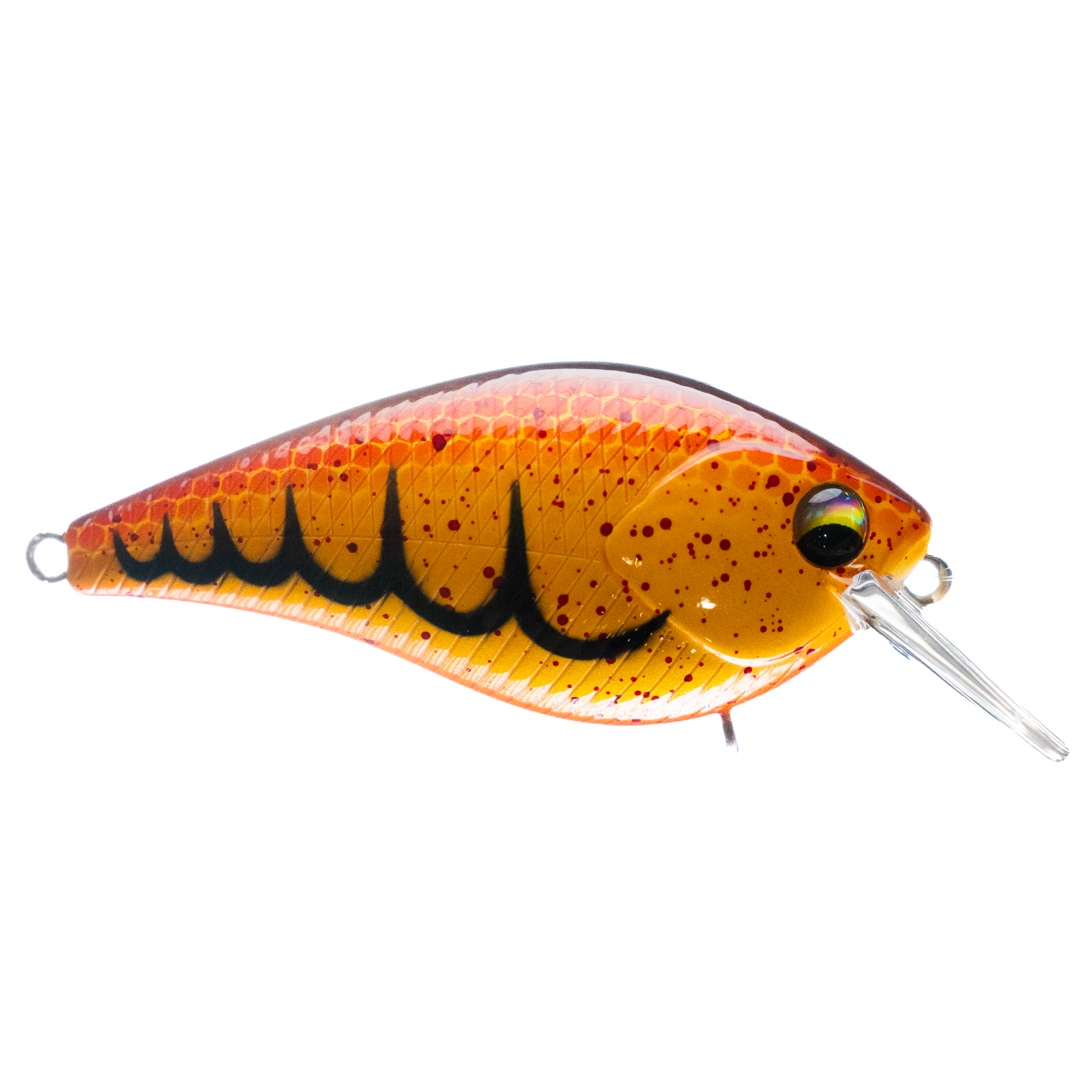
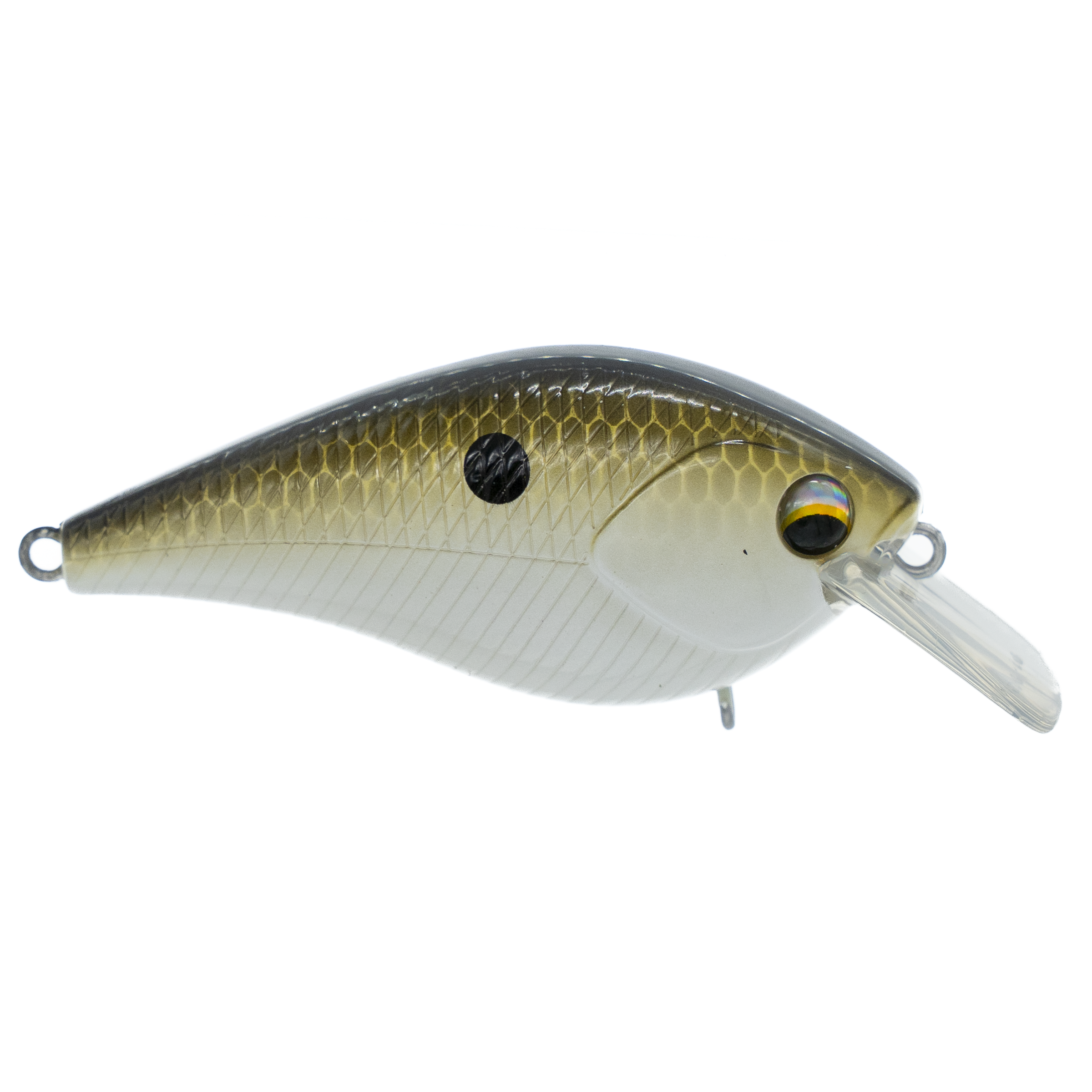
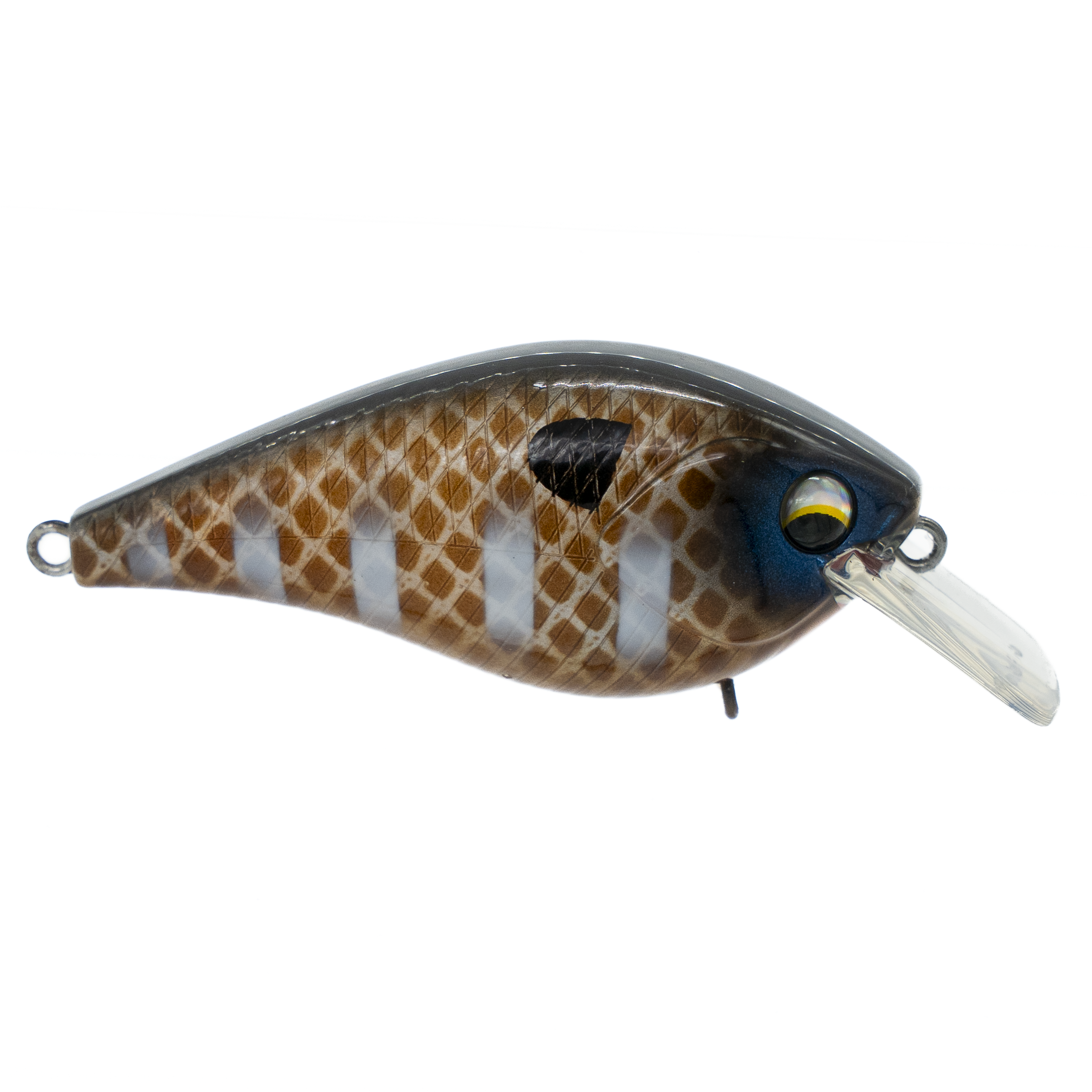
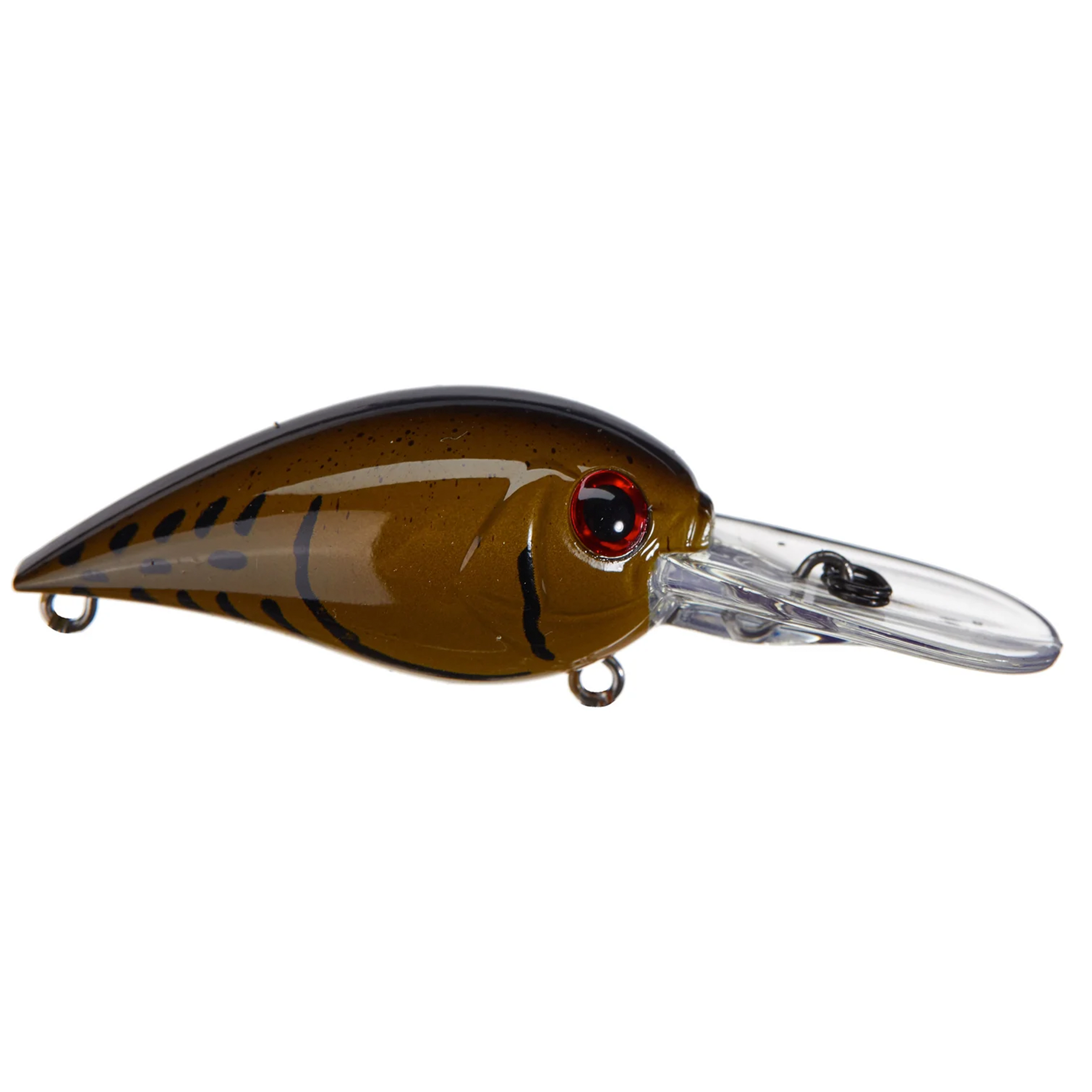
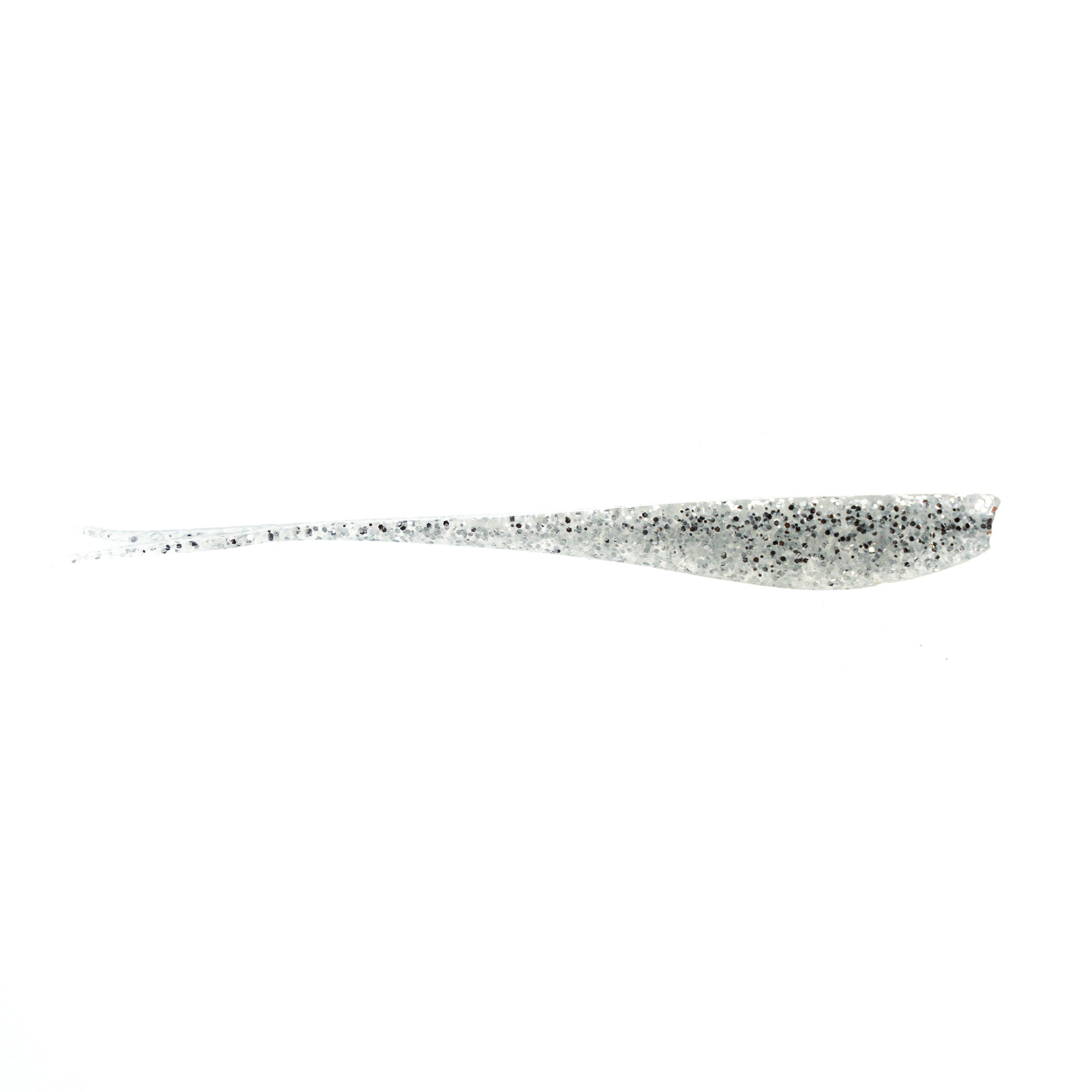
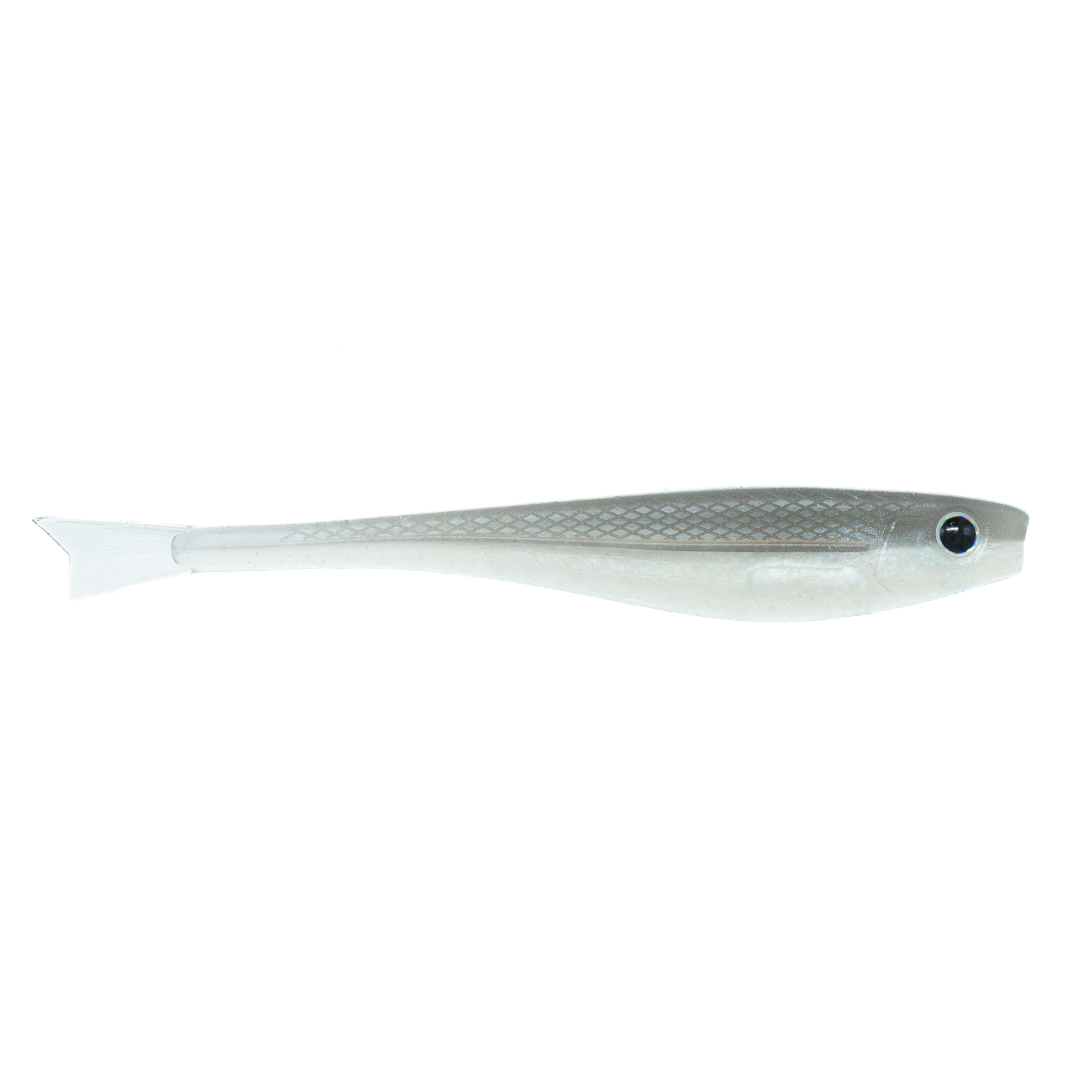
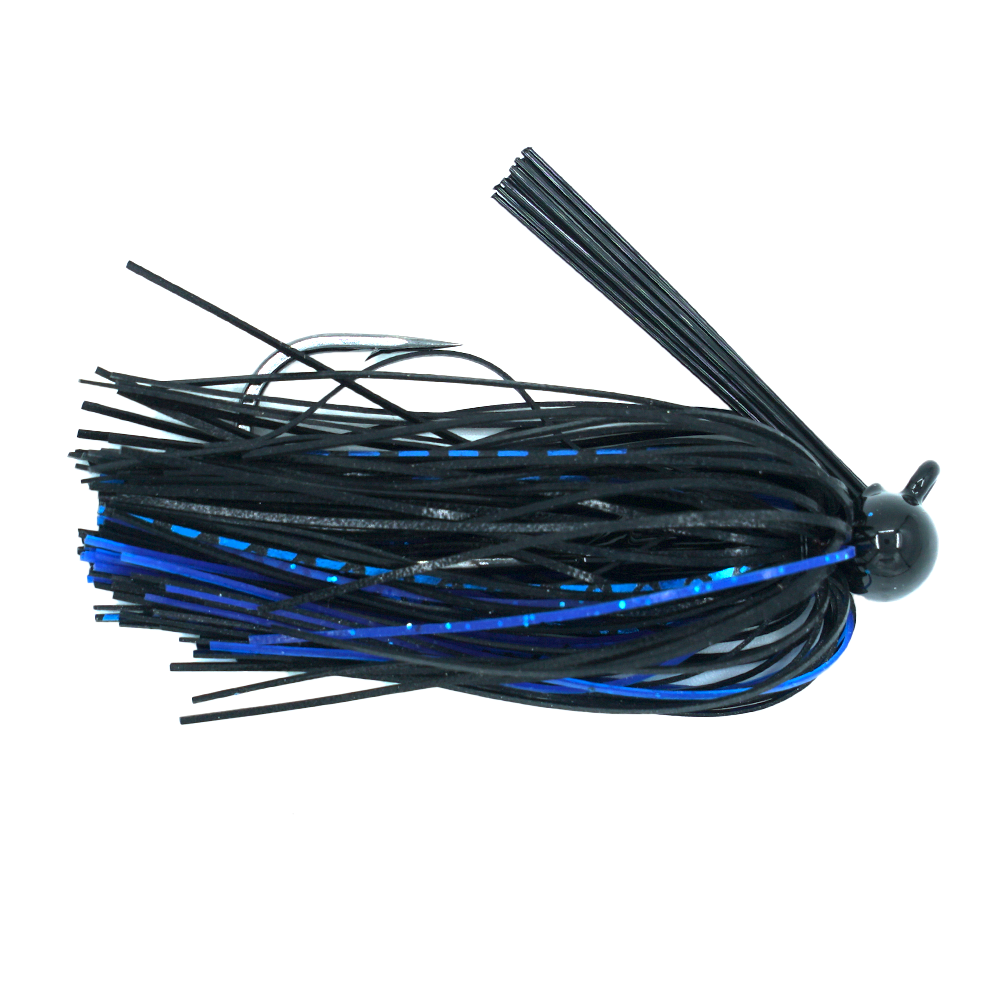
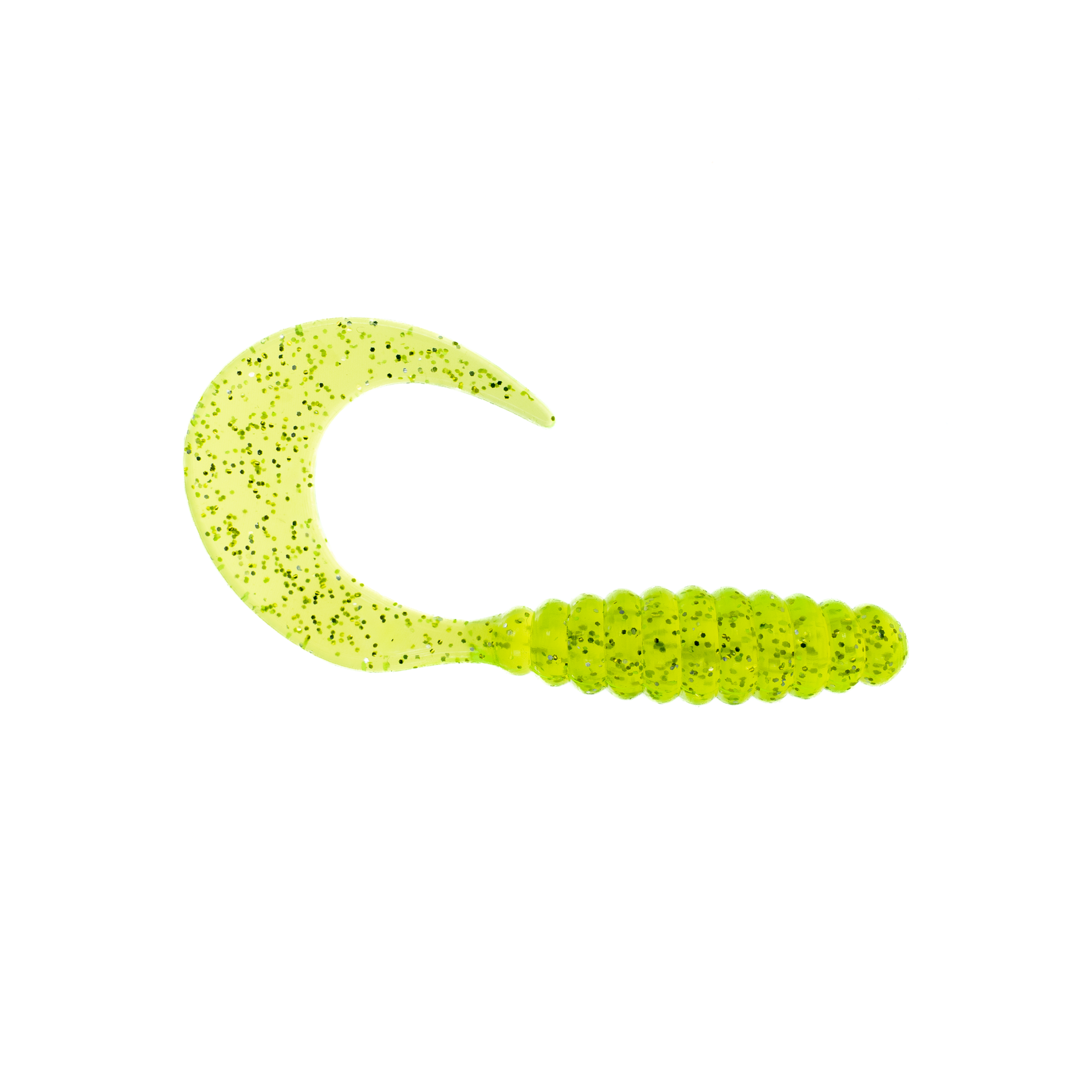
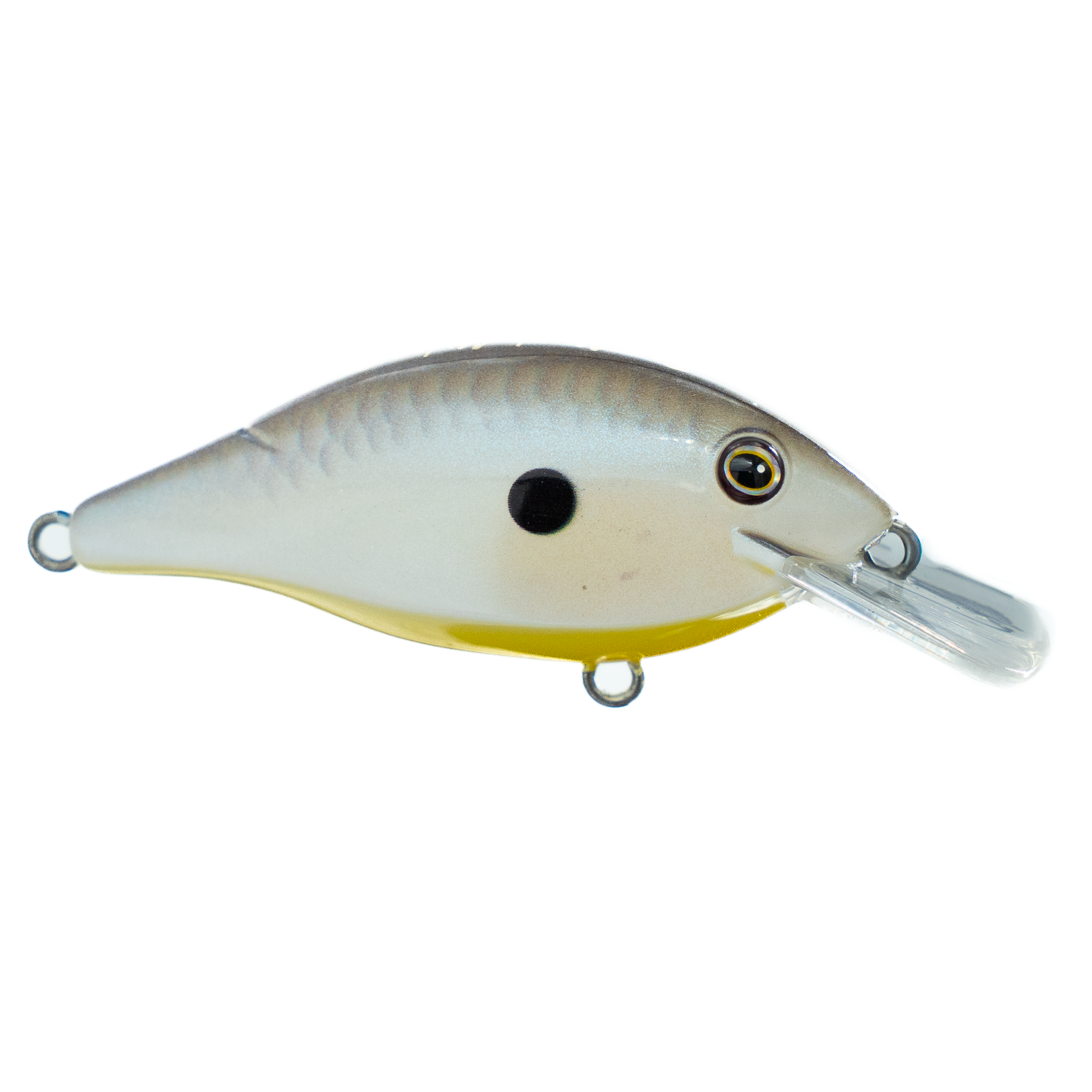
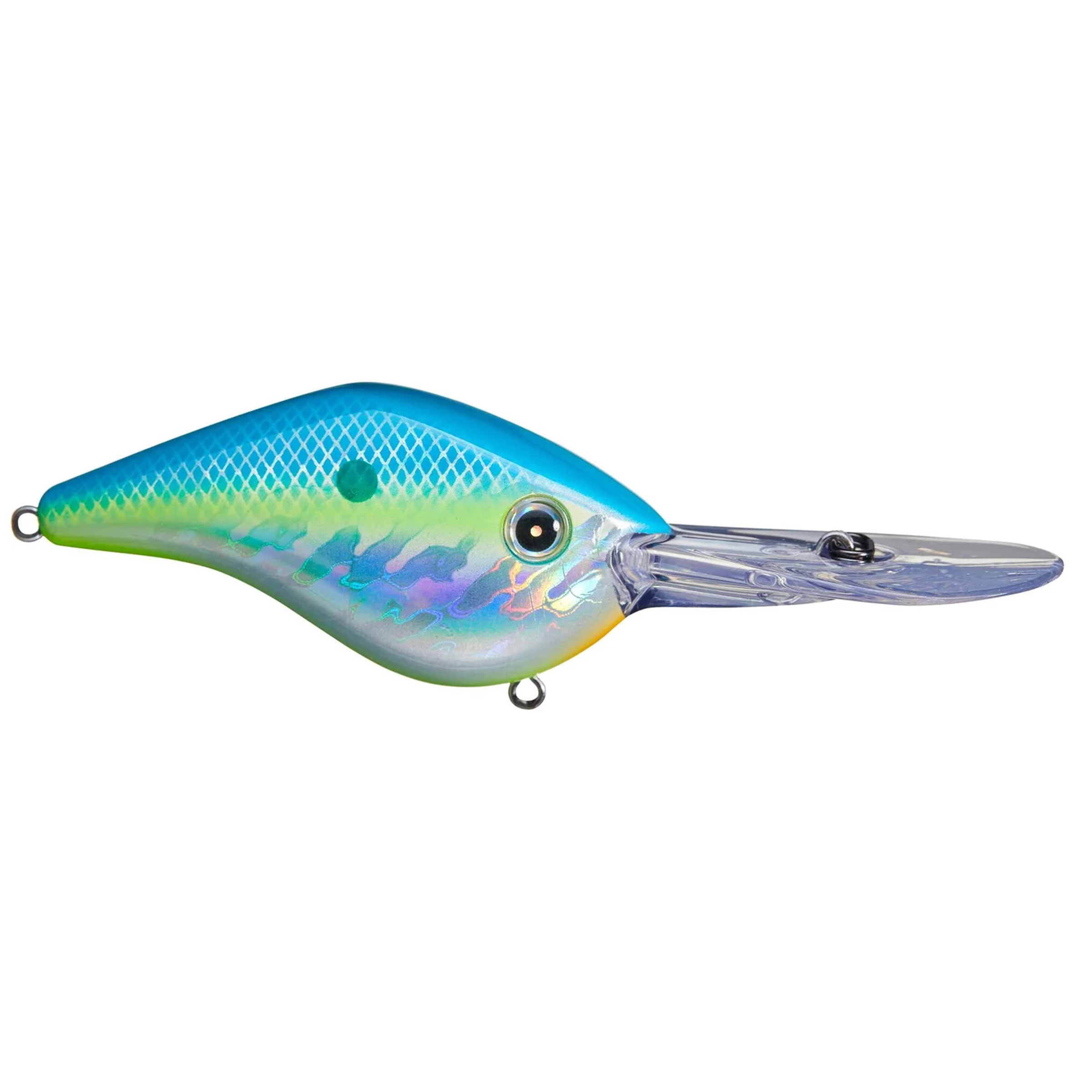
Spring is soft jerkbaits and topwater across flat points during the herring spawn, with finesse plastics for bed fish. Summer means drop shot on lower-lake brush with a topwater window at dawn. Fall is schooling — moving baits, fast. Winter is slow jig-and-trailer work along creek channel ditches. Our full bait lineup covers all four.
How big is Lake Hartwell?
About 56,000 acres, formed where the Savannah, Tugaloo and Seneca rivers converge on the South Carolina–Georgia border. Average depth is around 45 feet with a maximum near 185, making it deep for the region. It has hosted the Bassmaster Classic four times.
Are there largemouth and spotted bass in Hartwell?
Both. Spotted bass aren't native to the Savannah River drainage but have increased steadily since first appearing in surveys, and they school well and offer good numbers. Largemouth carry more big-fish potential, and the heaviest tournament limits almost always include a couple of them.
Long Casts on Clear Water
Herring fish spook, and on water this clear the cast that reaches the school without announcing you is the one that gets bit. Level Rods builds longer models that load properly and put a light bait a long way out, with the tip to work a jerkbait all day without wearing your wrist out.
Tournament Winning Baits & Gear
Designed, crafted and tested by anglers who fish herring lakes every week. Free shipping on orders over $75.
Shop All Baits