Lake Guntersville Bass Fishing Guide
Lake Guntersville Bass Fishing, Season by Season
Alabama's largest lake, 75 miles of Tennessee River wrapped in hydrilla and milfoil, and the water where our own Hank Cherry won the 2026 Bassmaster Elite. Here's how it fishes through the year — and what it took to win here in February.
A Grass Lake, First and Last
Lake Guntersville runs 75 miles of the Tennessee River from Nickajack Dam down to Guntersville Dam in north Alabama, covering roughly 69,000 acres with close to 900 miles of shoreline. It's the state's largest lake and, by most measures that matter to a bass angler, one of the best in the country. Bassmaster ranked it fourth in the Southeast for 2026.
Everything here comes back to vegetation. Hydrilla, milfoil, eelgrass, primrose and lily pads cover enormous areas, and on top of that the lake is full of submerged stump fields left behind when the forest was cut before flooding. That combination — grass over stumps, in a fertile river system with current — is why Guntersville grows the fish it does.
The other thing to know is that this is not a deep lake. Average depth is around 15 feet with a maximum near 45. On Guntersville, "going deep" often means twelve to fourteen feet. The ledges that produce in summer aren't canyon walls, they're the edges where a flat drops into the old river channel, and the ones that matter usually have hard bottom — shell or rock — underneath.
TVA holds the lake near 593 feet through winter and runs it at 594 to 595 in summer. That's a small swing compared with a flood-control reservoir, but it's enough to change how much of the grass is fishable, and it's worth checking before a trip.
What It Took to Win Here
Patterns that produced at the highest level on this lake, and the baits to fish them with.
Hank Cherry — Old-School Grub, Cold Water
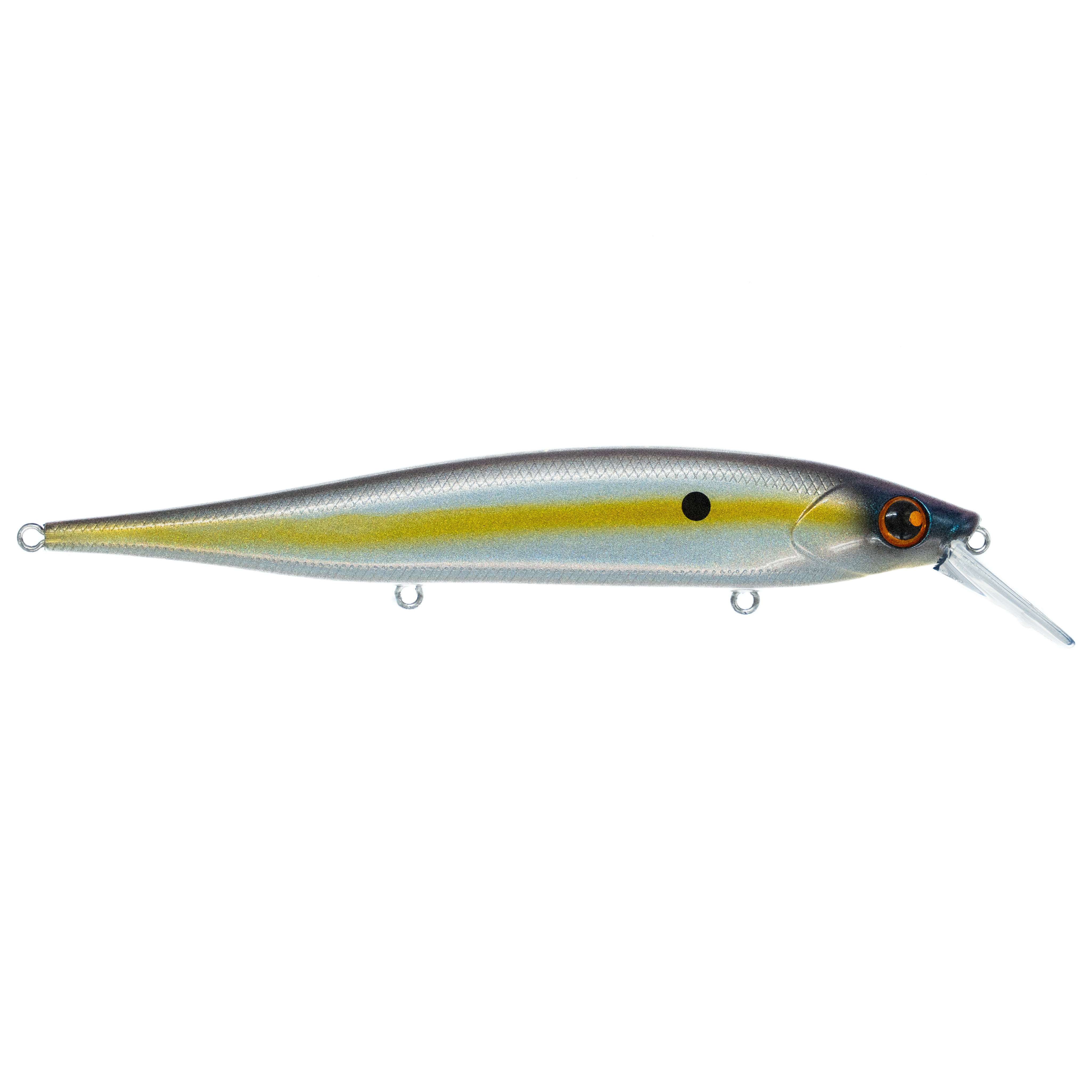
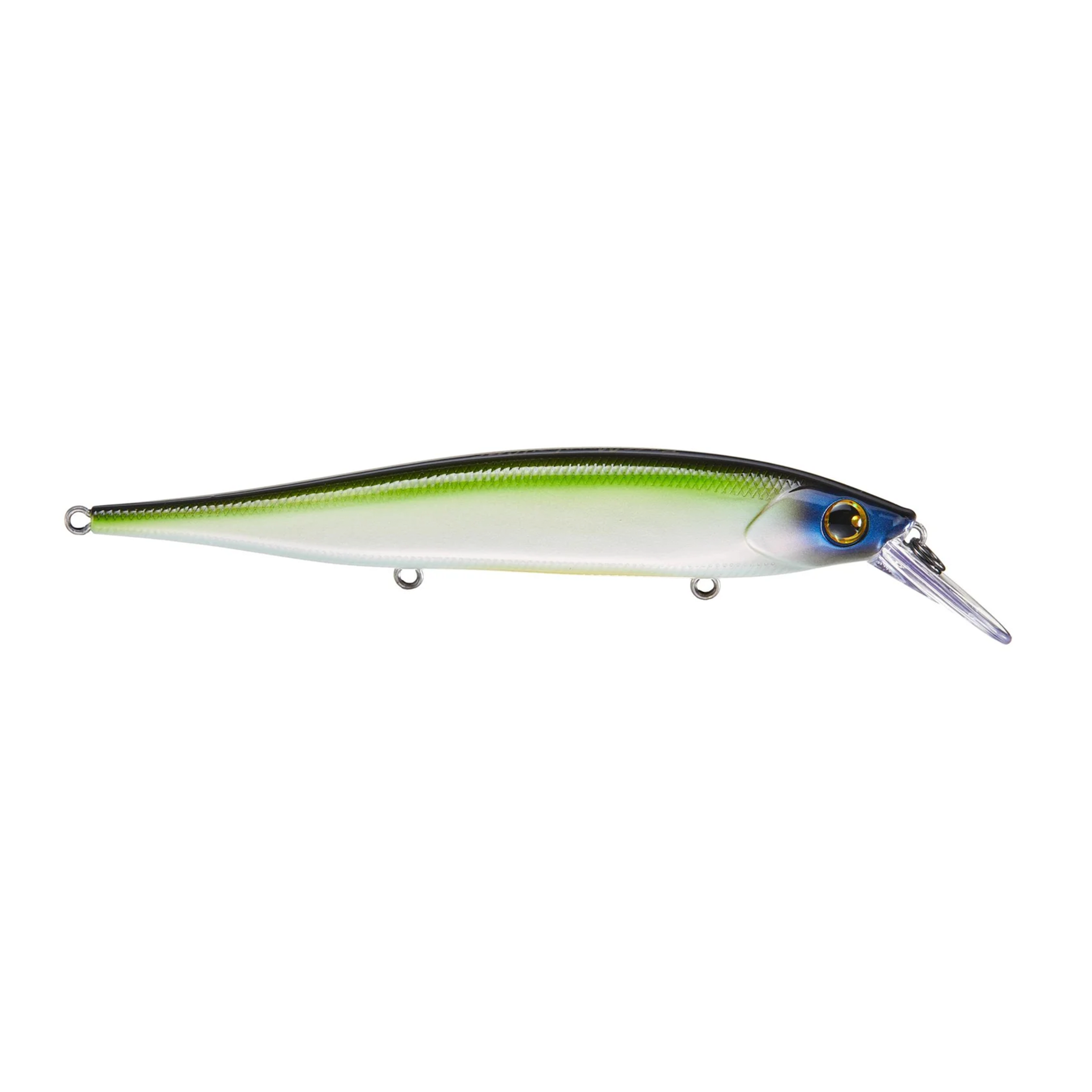
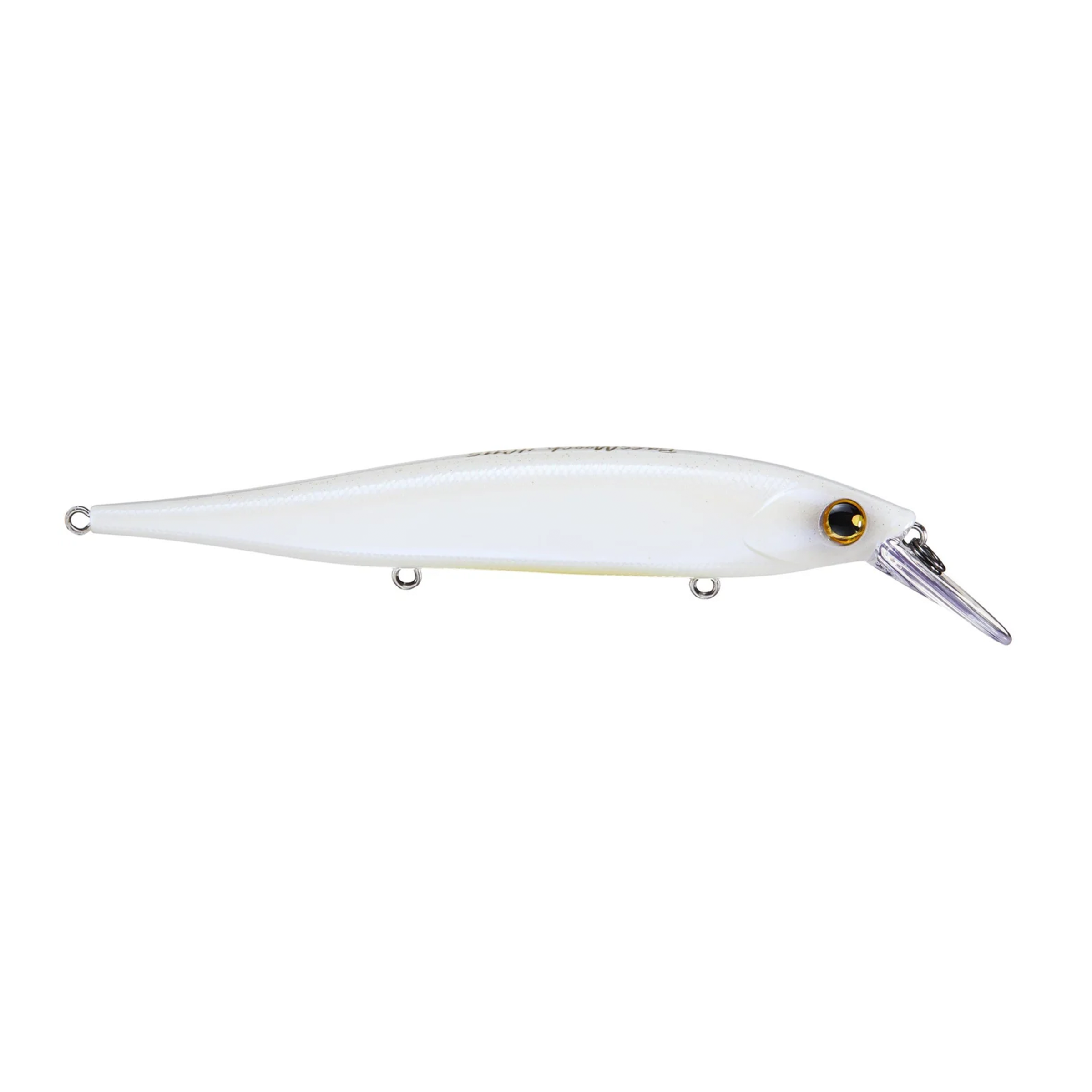
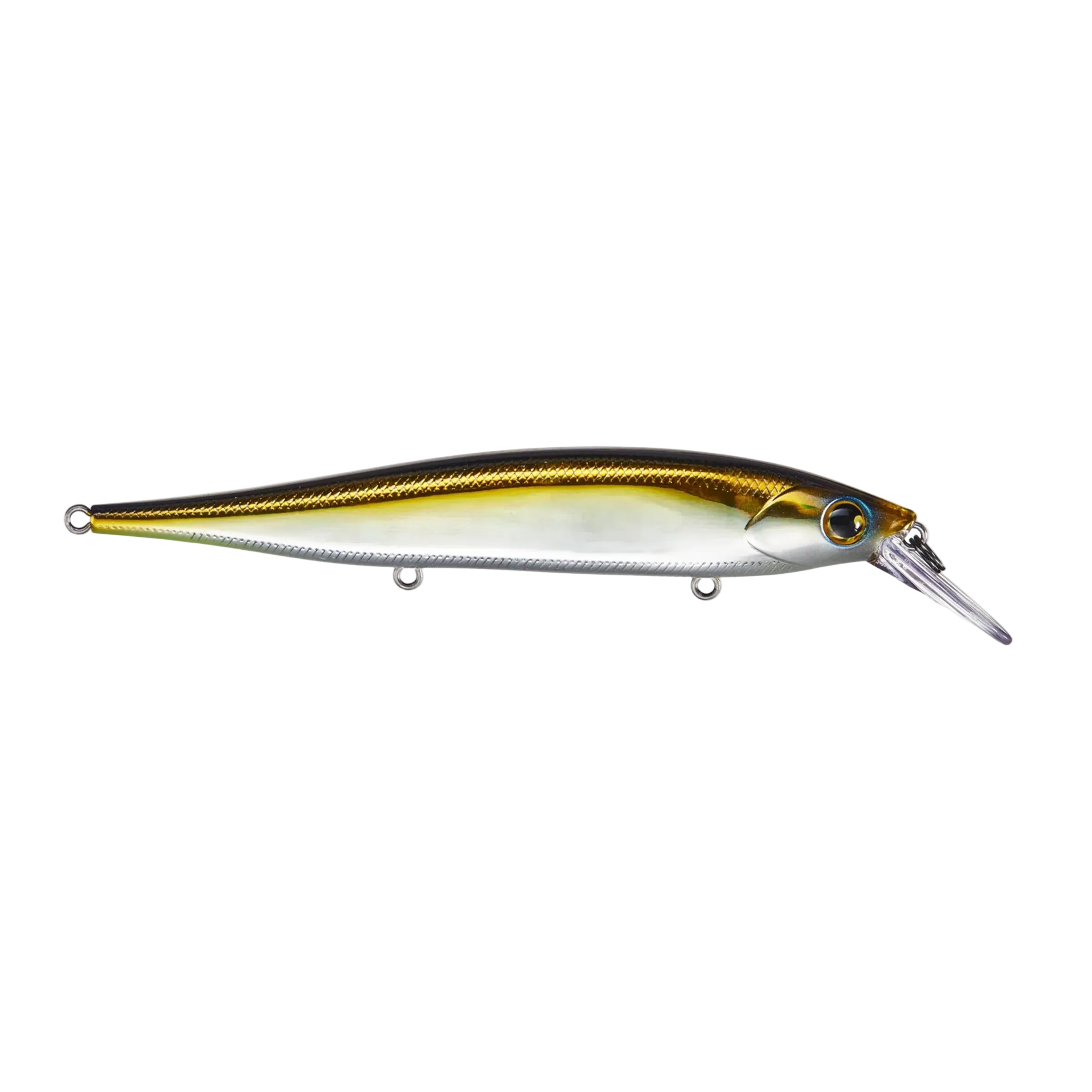
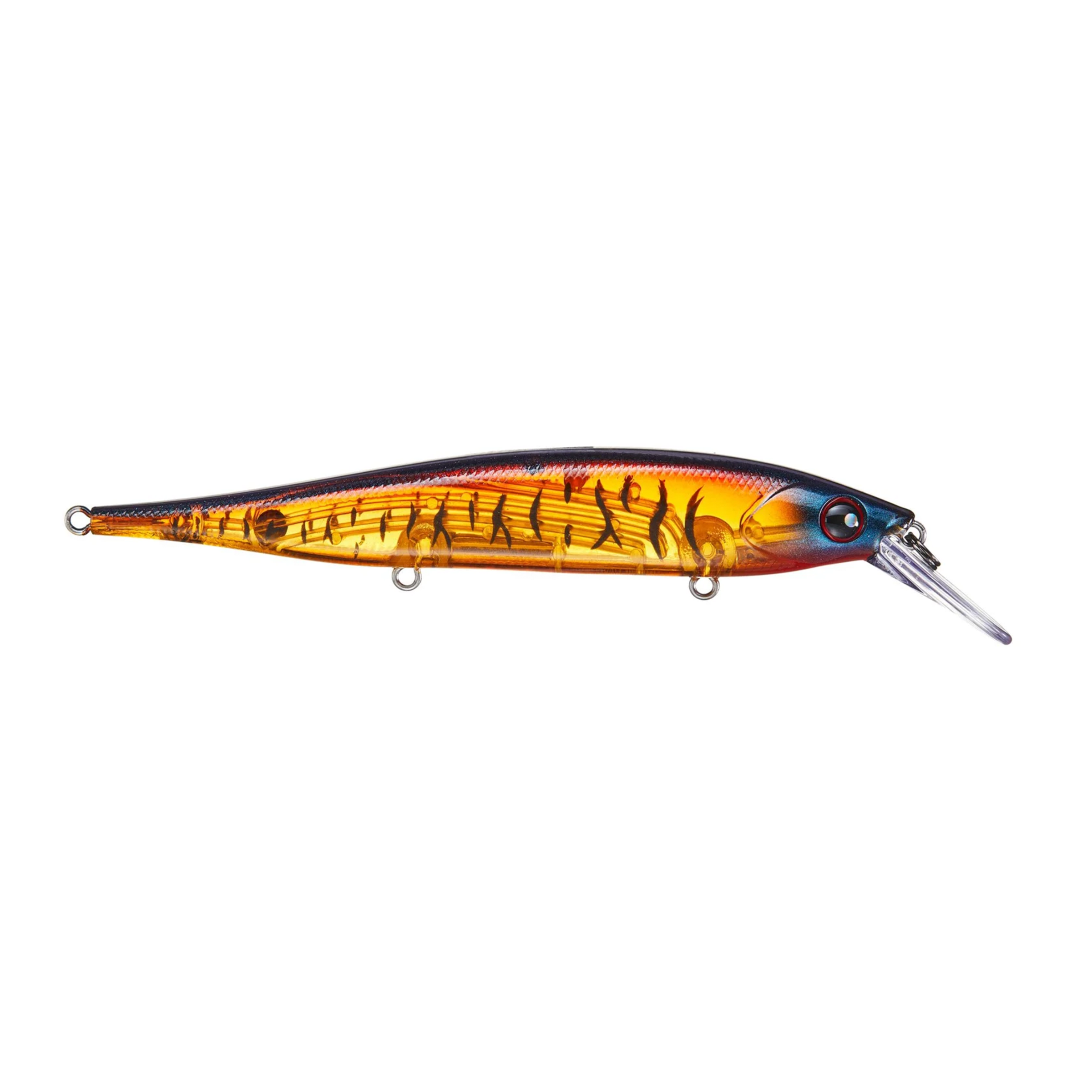
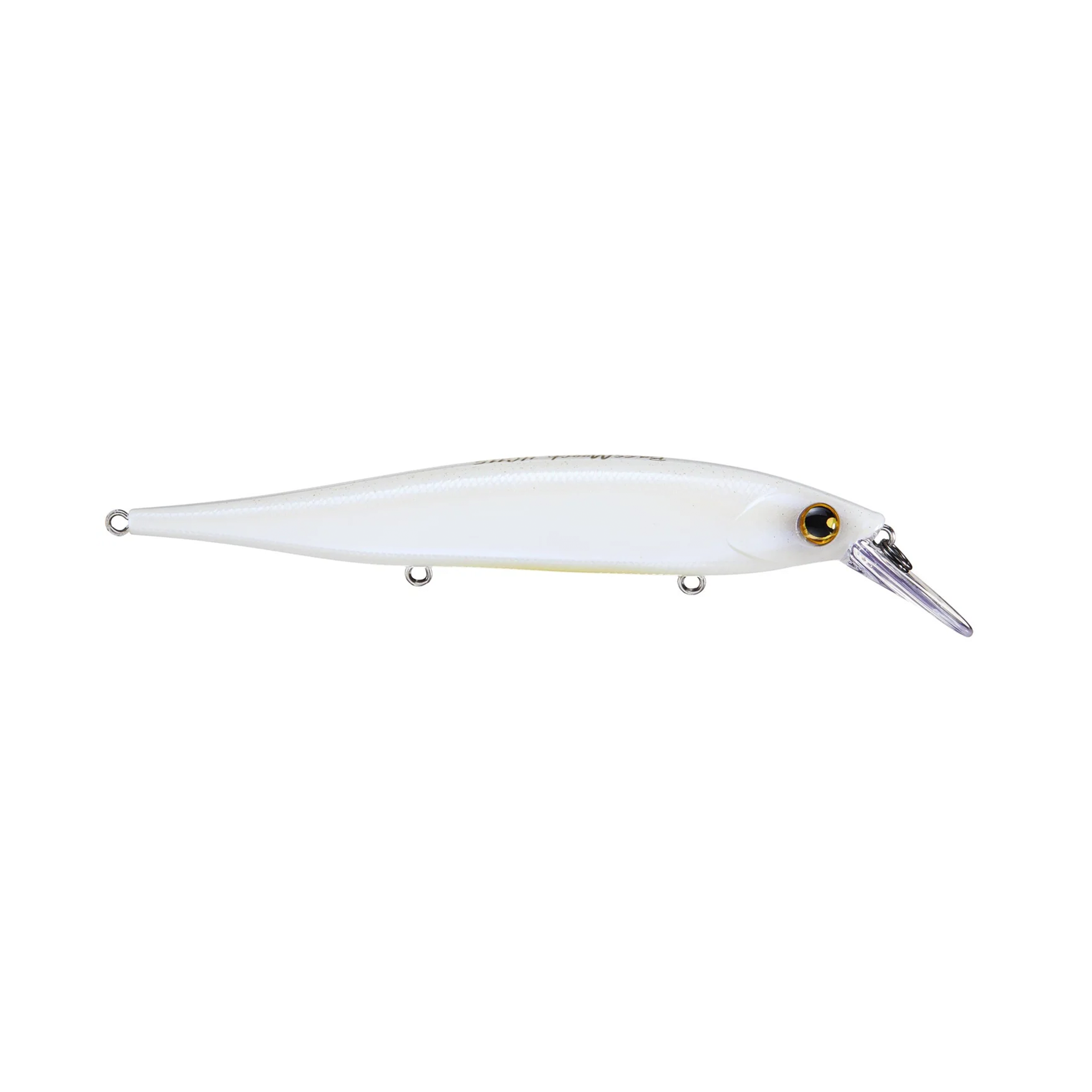
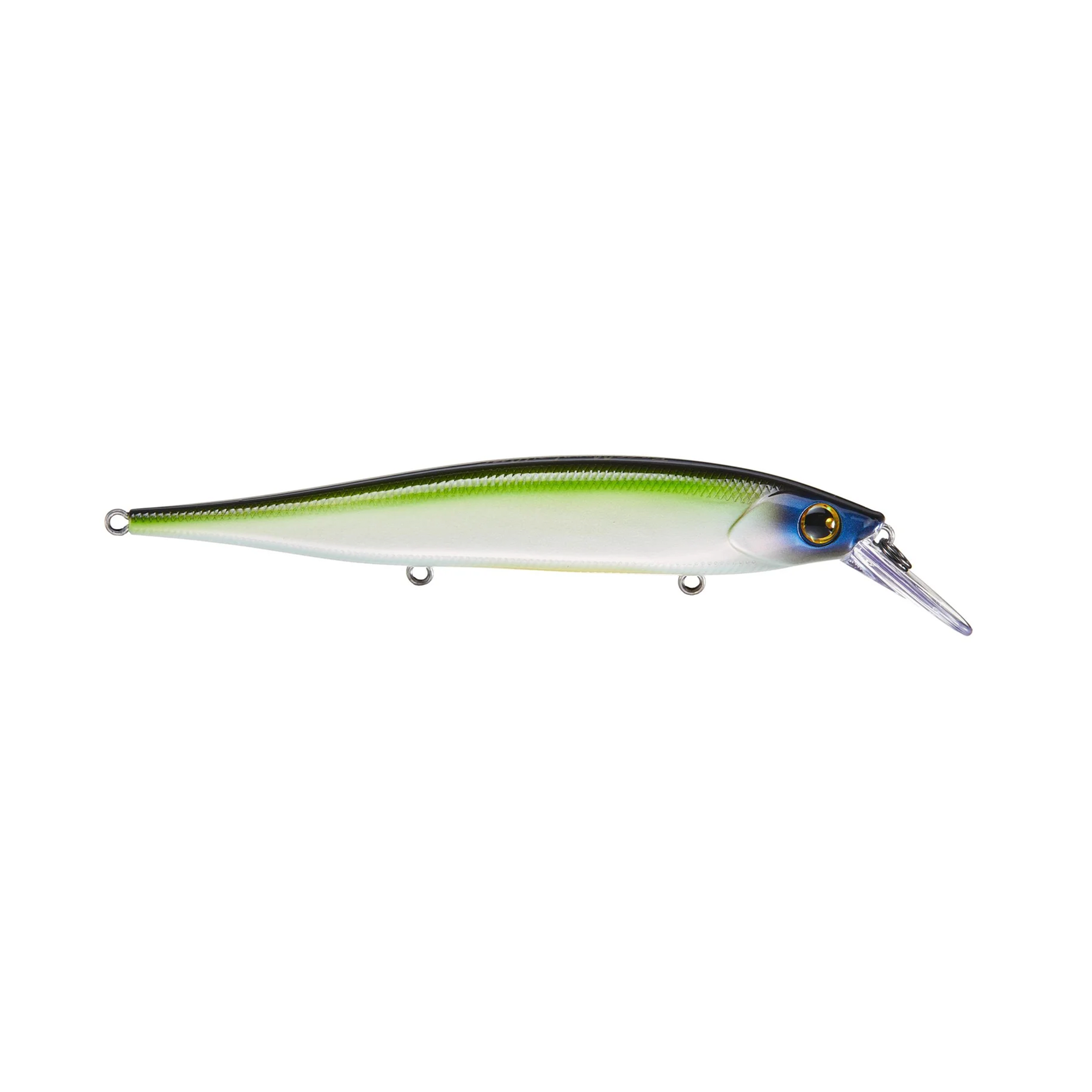
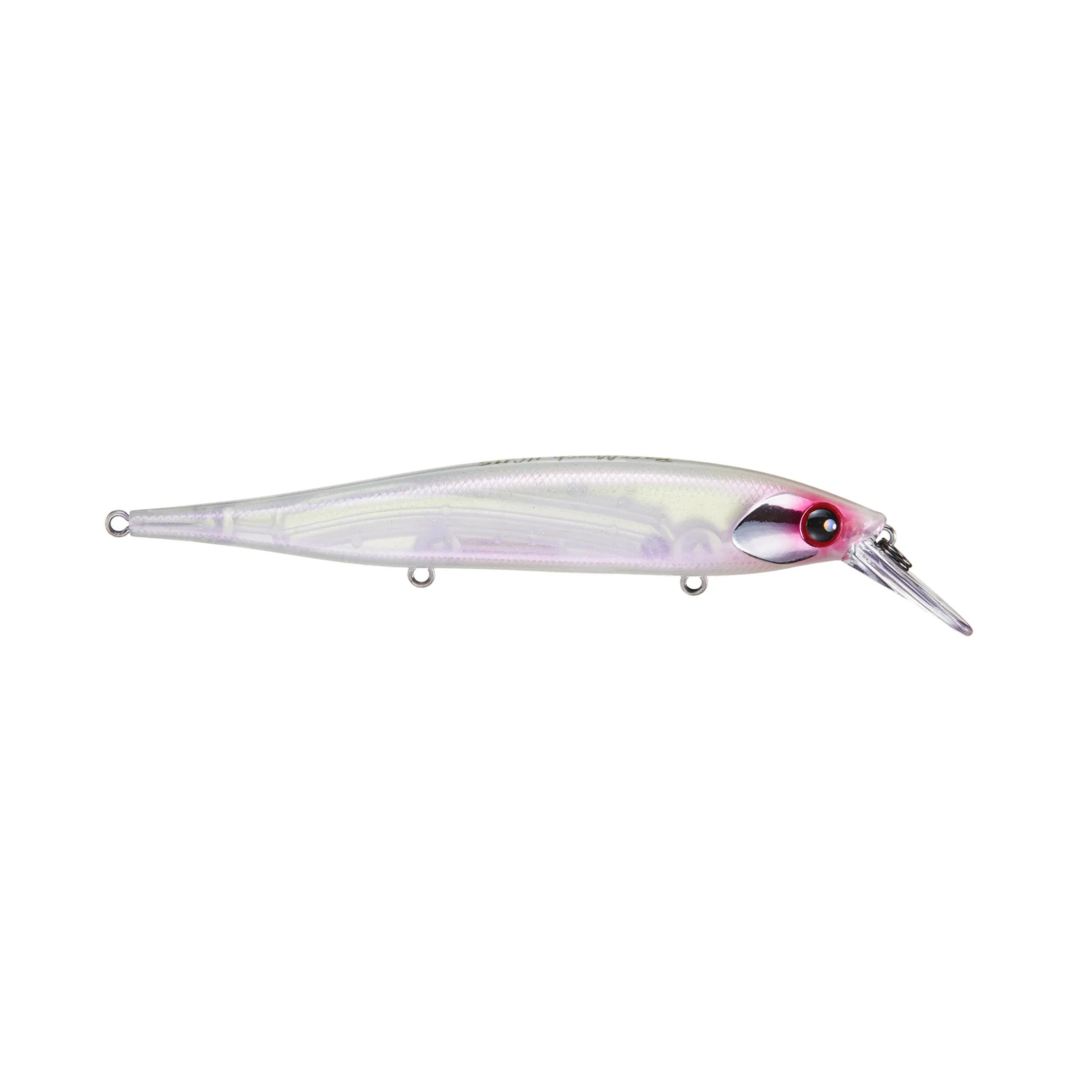
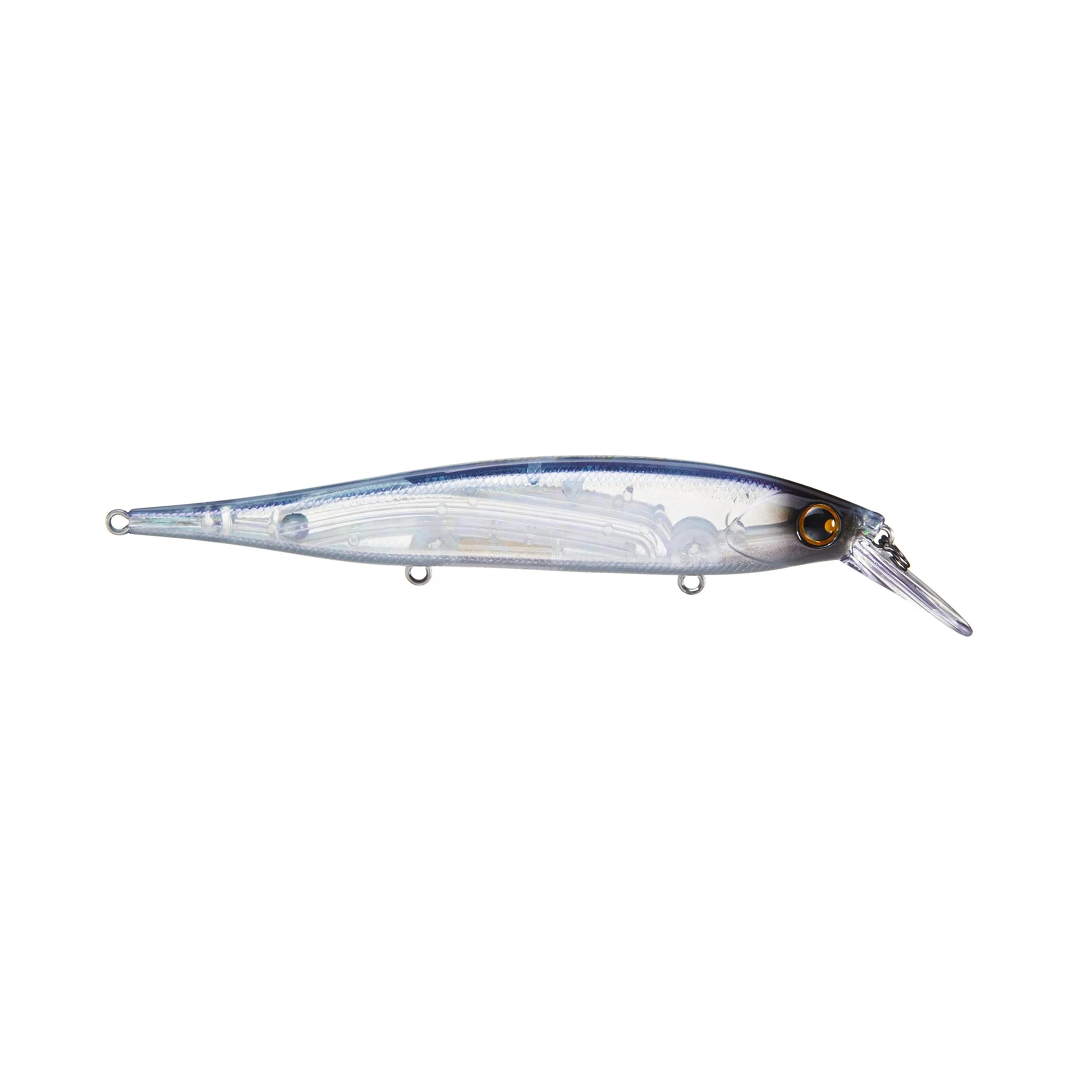
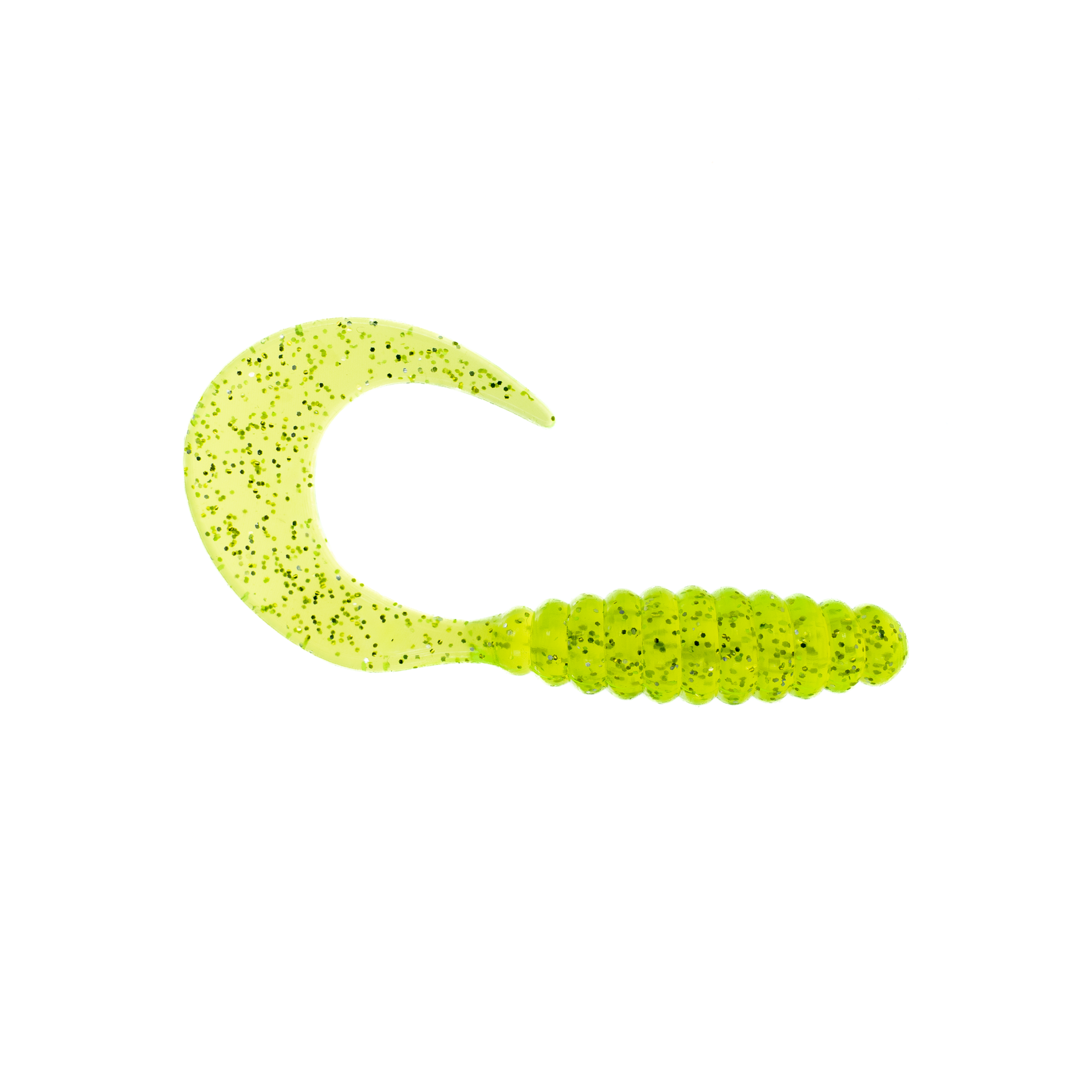
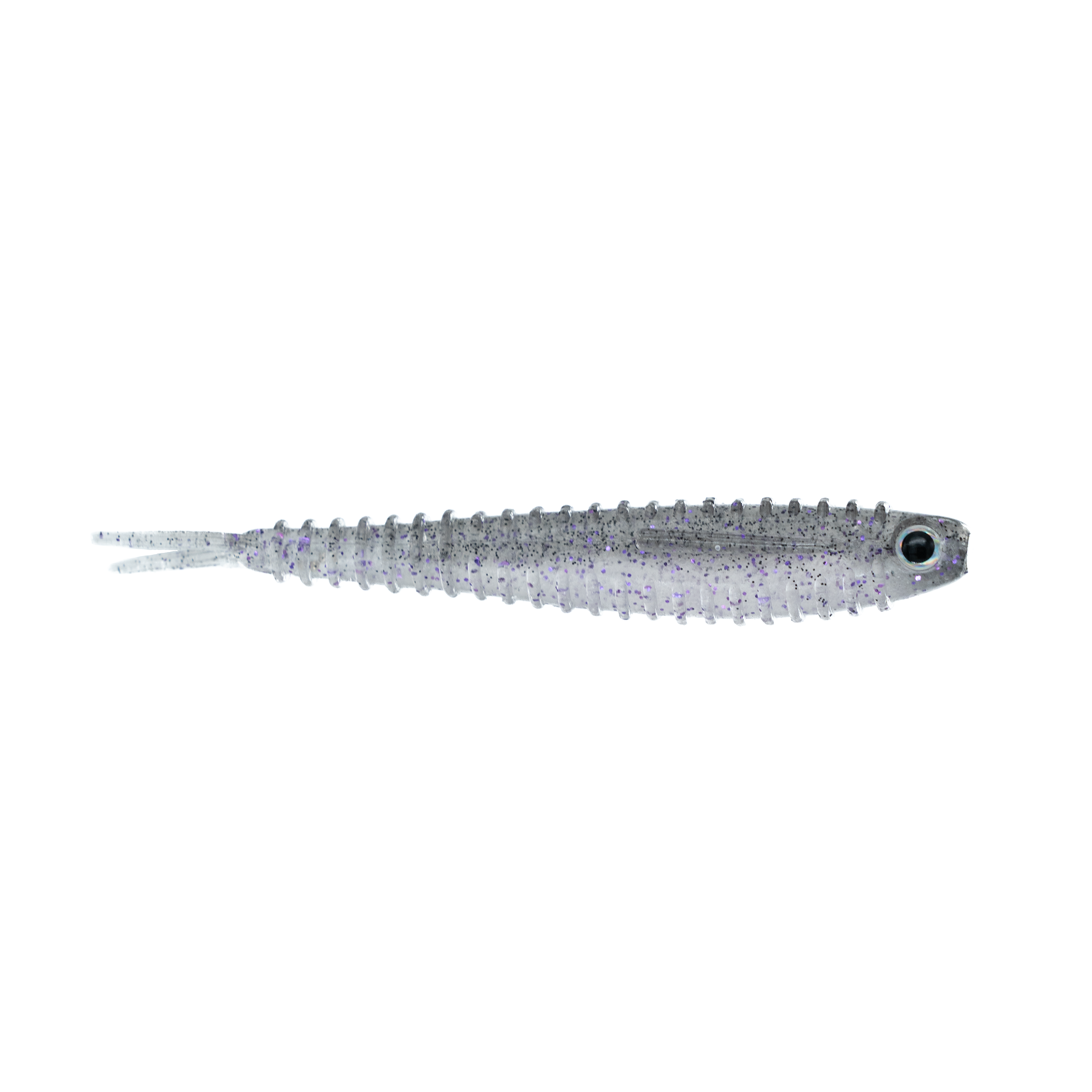
Cherry, from Lincolnton, North Carolina, won the first Elite Series event ever contested without forward-facing sonar — and he did it with a technique older than most of the field. Fishing cold, prespawn water, he located fish with a suspending jerkbait and then caught the bulk of his weight on a three-inch chartreuse curly-tail grub on a light darter head, in eighth and sixteenth ounce.
His reasoning on colour was simple: in cold water, bass respond to chartreuse. He fished the grub on ten-pound fluorocarbon and the jerkbait on twelve, both on a 6'10" medium-light Level NGX rod. He built his final-day 27-11 — the biggest bag of the tournament — out of that combination, and it was his second win on this lake after the 2020 Bassmaster Classic.


Grass, Ledges and Current
Four patterns cover the year. Each one pairs the technique with the baits we'd actually tie on.
Grass Flats and Spawning Pockets
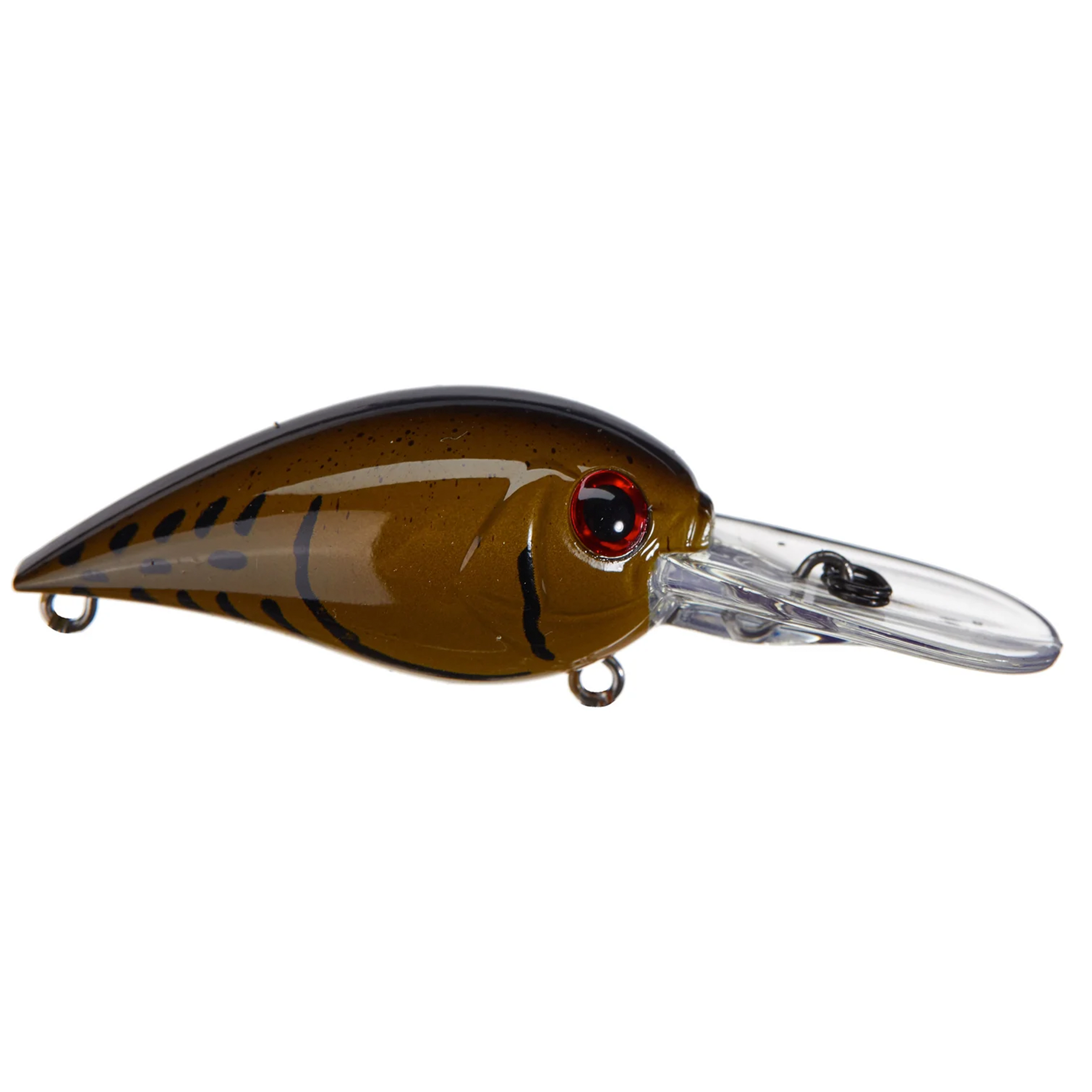
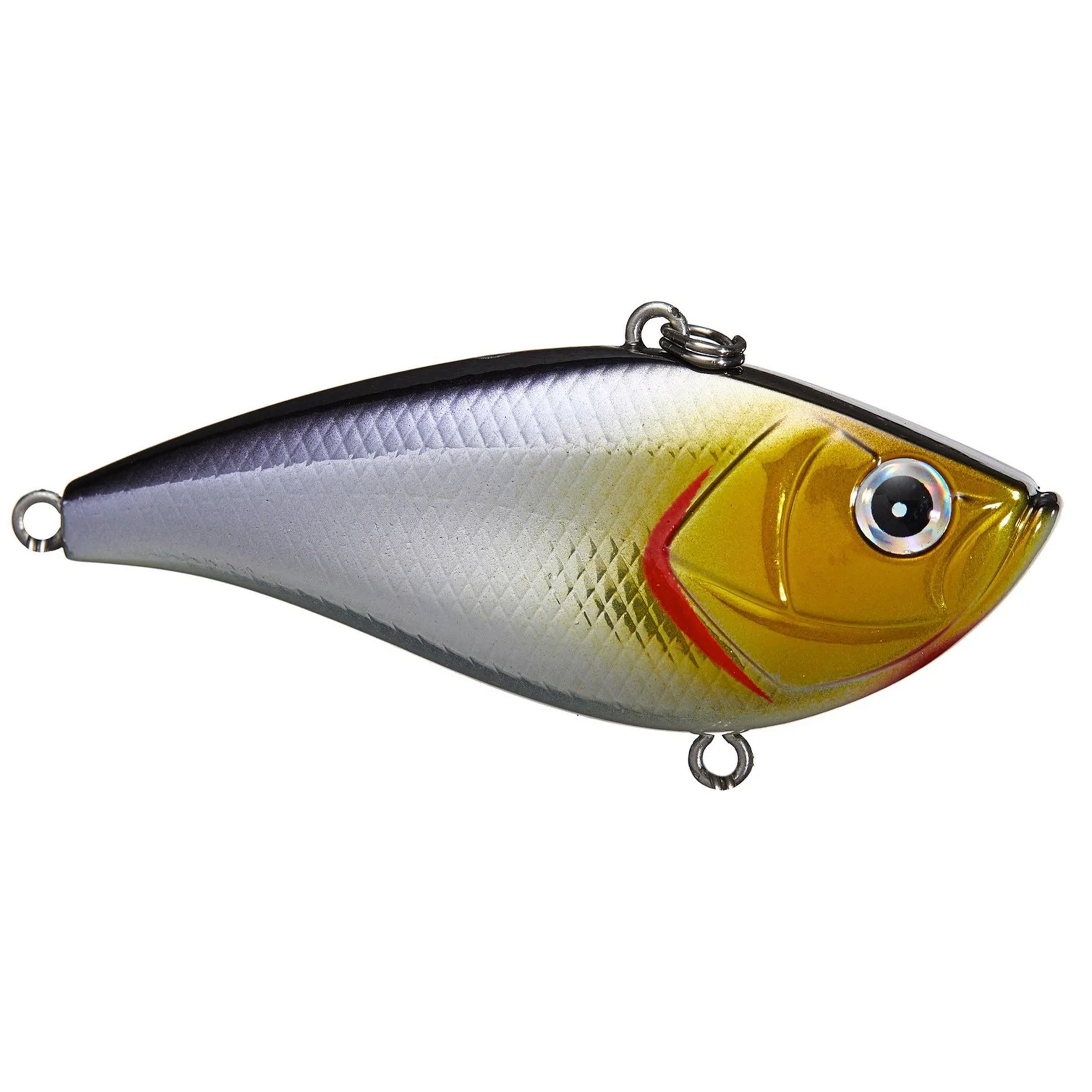
Guntersville is big enough that spring happens in several places at once. One creek will have fish staging on secondary points while another already has them sliding onto shallow grass flats, and a cold front can push the whole thing back toward depth overnight. Brown's Creek, Town Creek, North Sauty and South Sauty all warm and load up at slightly different times.



Mats Early, Ledges All Day
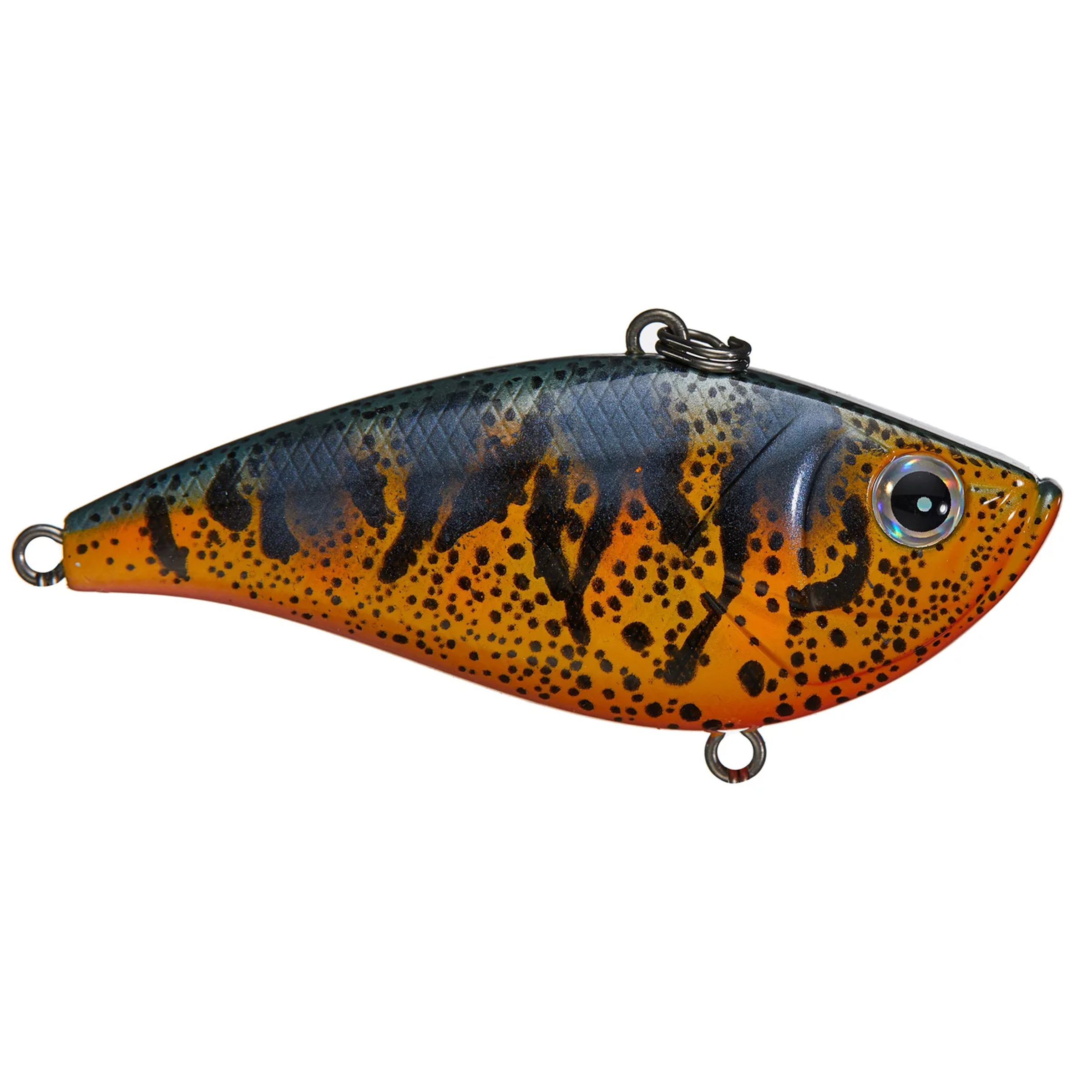
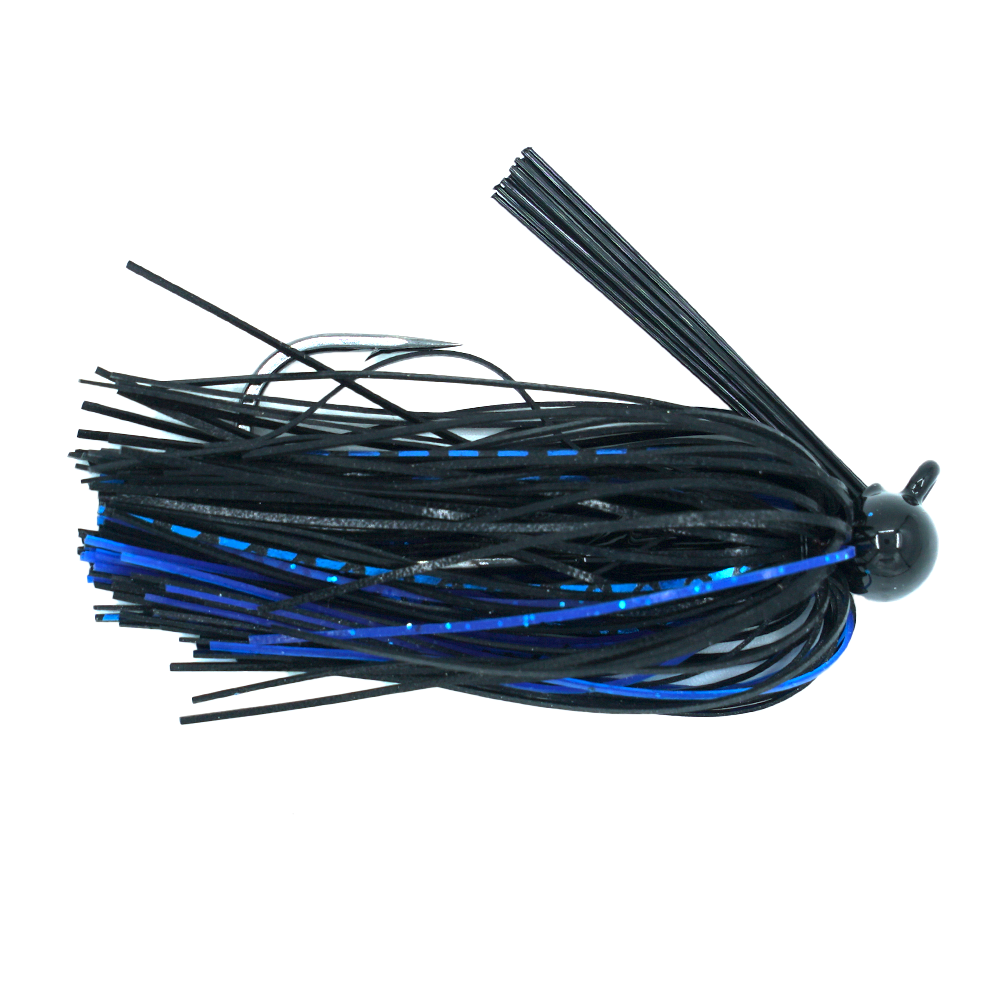
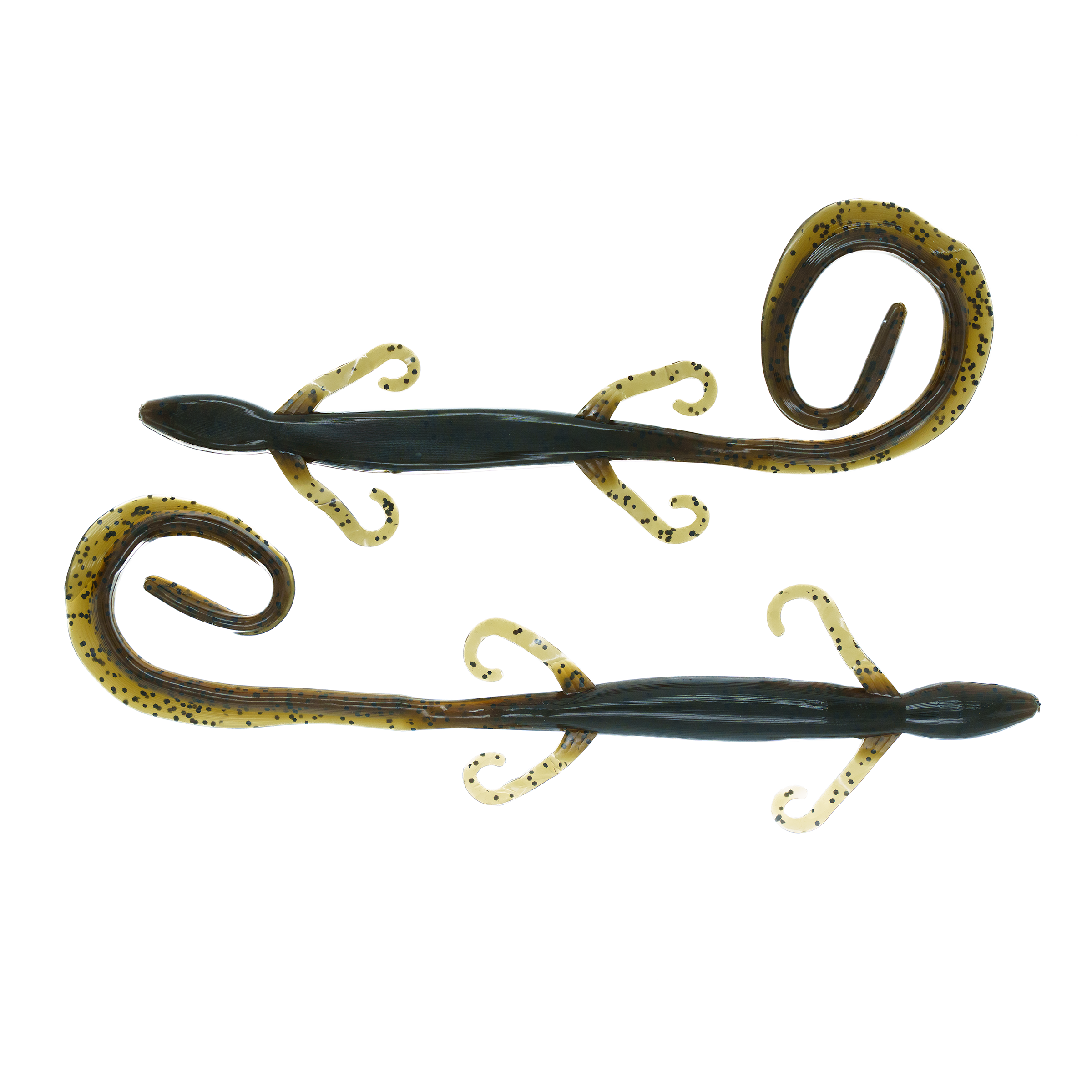
Summer splits Guntersville's bass into two populations. Some stay under the hydrilla and milfoil canopies for the shade and oxygen; the rest drop onto main river channel ledges. Fish the grass at first light in the major tributaries, then move offshore as the sun climbs. The ledges that matter have hard bottom — shell or rock — and drop from around 15 feet into 25 or more.


Shad, Grass Edges and Topwater
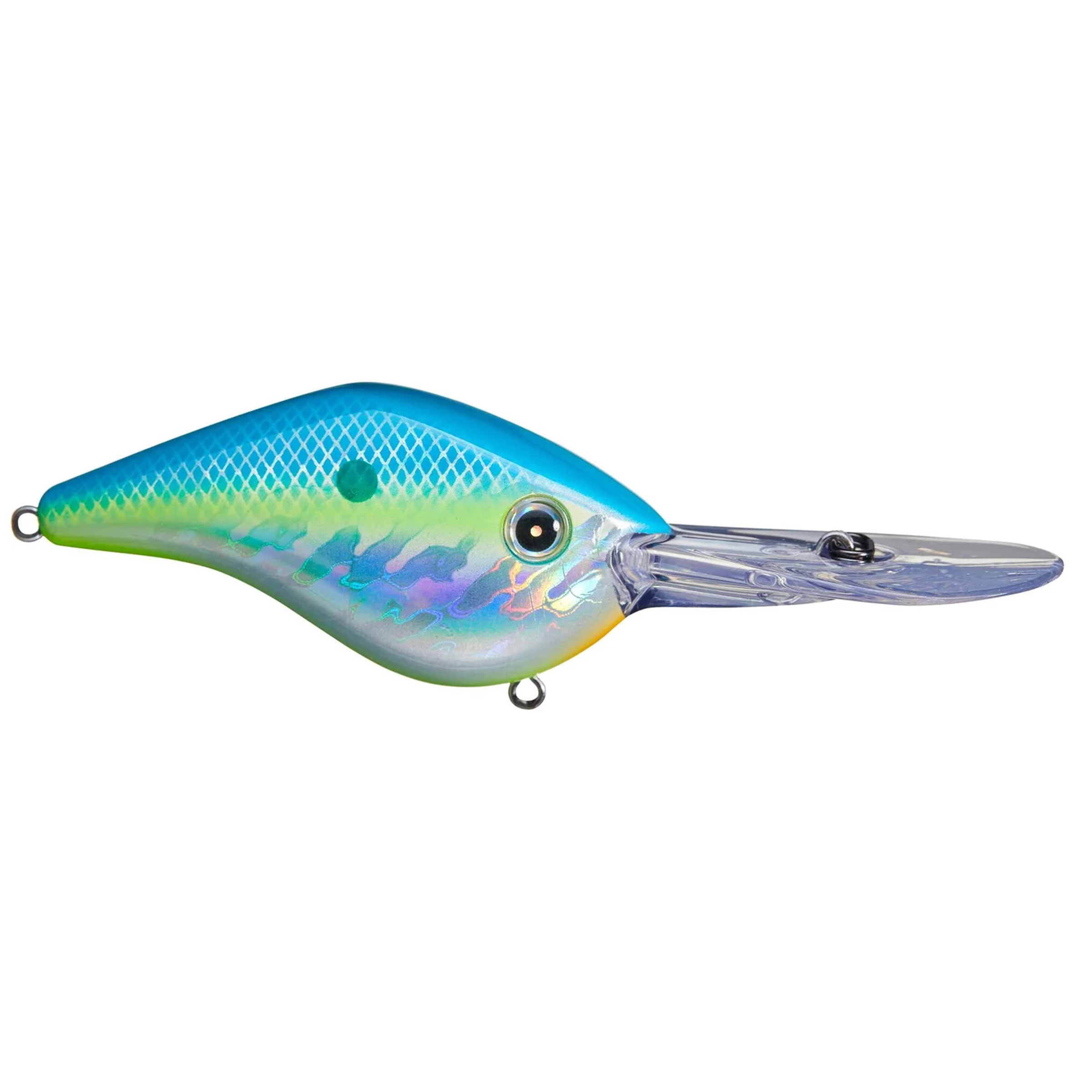
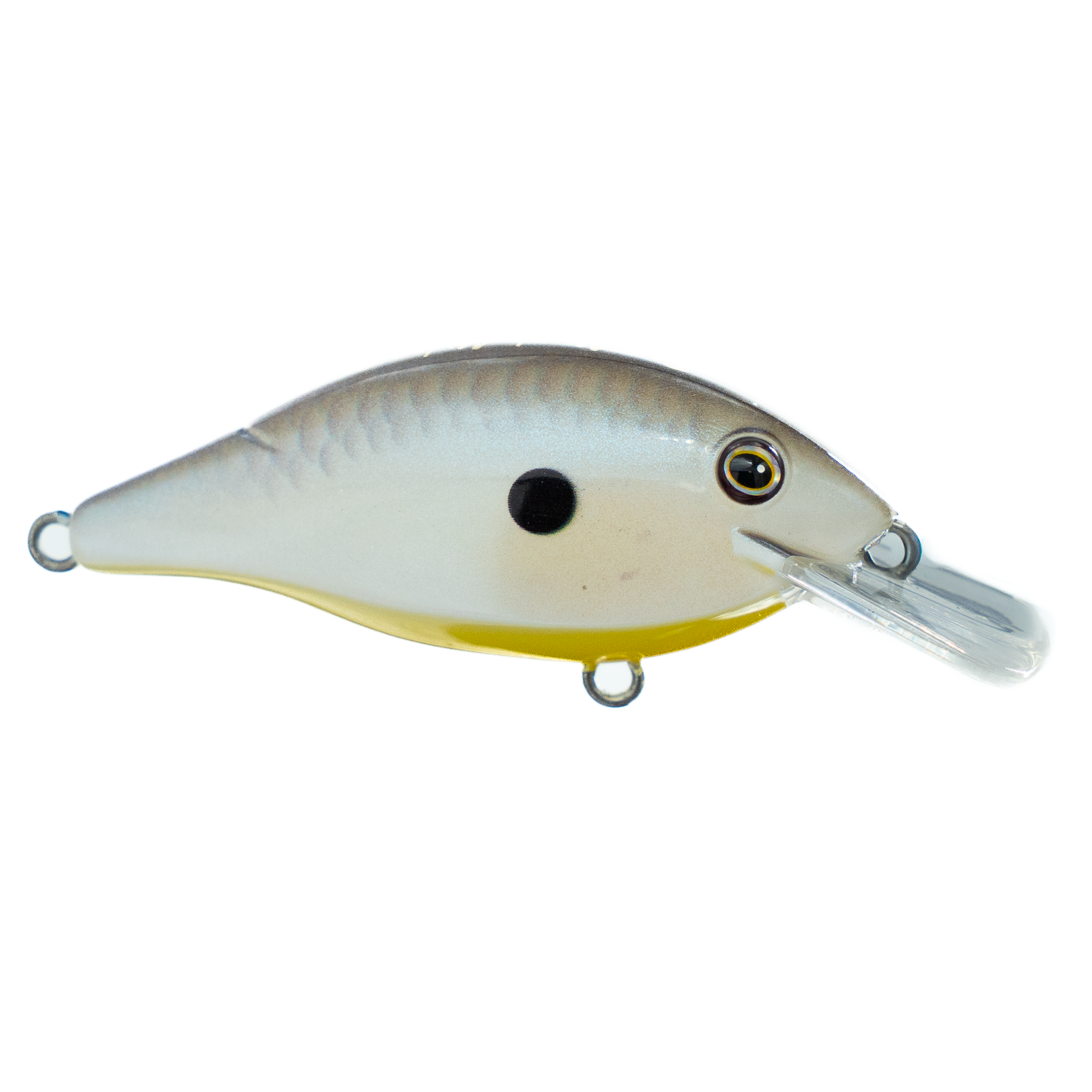
Cooling water pulls shad into the creeks and the bass go with them, and the grass is at its thickest and healthiest. This is the season Guntersville's reputation for topwater explosions is earned — big largemouth blowing up on baits worked over and along the vegetation. The creek mouths and the outside grass lines are the places to be.




Cold Water, Chartreuse, Big Weights
February on Guntersville is not a consolation season — it's when the Elite Series came here in 2026 and the winning weight was 88 pounds over four days. Cold, prespawn bass group up hard, and the water is often dingy after rain. Fish are catchable and they're heavy, but you have to slow down and you have to find them first.

Lake Guntersville Access
Free ramps and private marinas ring the lake. Seventy-five miles is a lot of water, so pick an end and commit to it.
North & South Sauty Creek
Two of the most reliable tributaries on the lake, with pad fields, grass and channels running back to shallow ponds. Strong in spring and again in fall when shad move back.
Brown's Creek & Town Creek
Major creek arms with grass, riprap and creek-mouth structure. Good starting points when you want cover and depth in the same trip.
The Guntersville Dam End
Deeper water and current-driven main-channel ledges near the dam. Where the summer offshore bite is most dependable, and where sauger show up in winter.
Lake Guntersville Bass Fishing FAQ
What won the 2026 Bassmaster Elite at Lake Guntersville?
Hank Cherry won with 88 pounds, 11 ounces over four days, closing with a tournament-best 27-11 on the final day. He used a suspending jerkbait to locate fish in cold prespawn water and caught the majority of his weight on a three-inch chartreuse curly-tail grub on a light darter head. It was the first Elite Series event ever held without forward-facing sonar, and Cherry's second win on the lake after the 2020 Bassmaster Classic.
Why does Lake Guntersville grow such big bass?
Fertile Tennessee River water, current, and enormous amounts of vegetation growing over submerged stump fields left when the forest was cleared before flooding. Hydrilla, milfoil, eelgrass and pads give bass cover and hold bait at every depth they use. Guntersville consistently rates among the best lakes anywhere for the time it takes to catch a five-pound fish.
How deep is Lake Guntersville?
Shallower than its reputation suggests. Average depth is around 15 feet with a maximum near 45 at the dam. On this lake, "deep" often means twelve to fourteen feet, and the productive summer ledges are typically where a flat drops from around 15 feet into 25 or more over hard shell or rock bottom.
When is the best time to fish Lake Guntersville?
Early spring and fall are the classic windows, but February deserves more respect than it gets — the 2026 Elite Series event in early February was won with 88 pounds. Summer splits between an early grass bite and an all-day ledge bite. There's no genuinely bad month here.
What baits work best on Lake Guntersville?
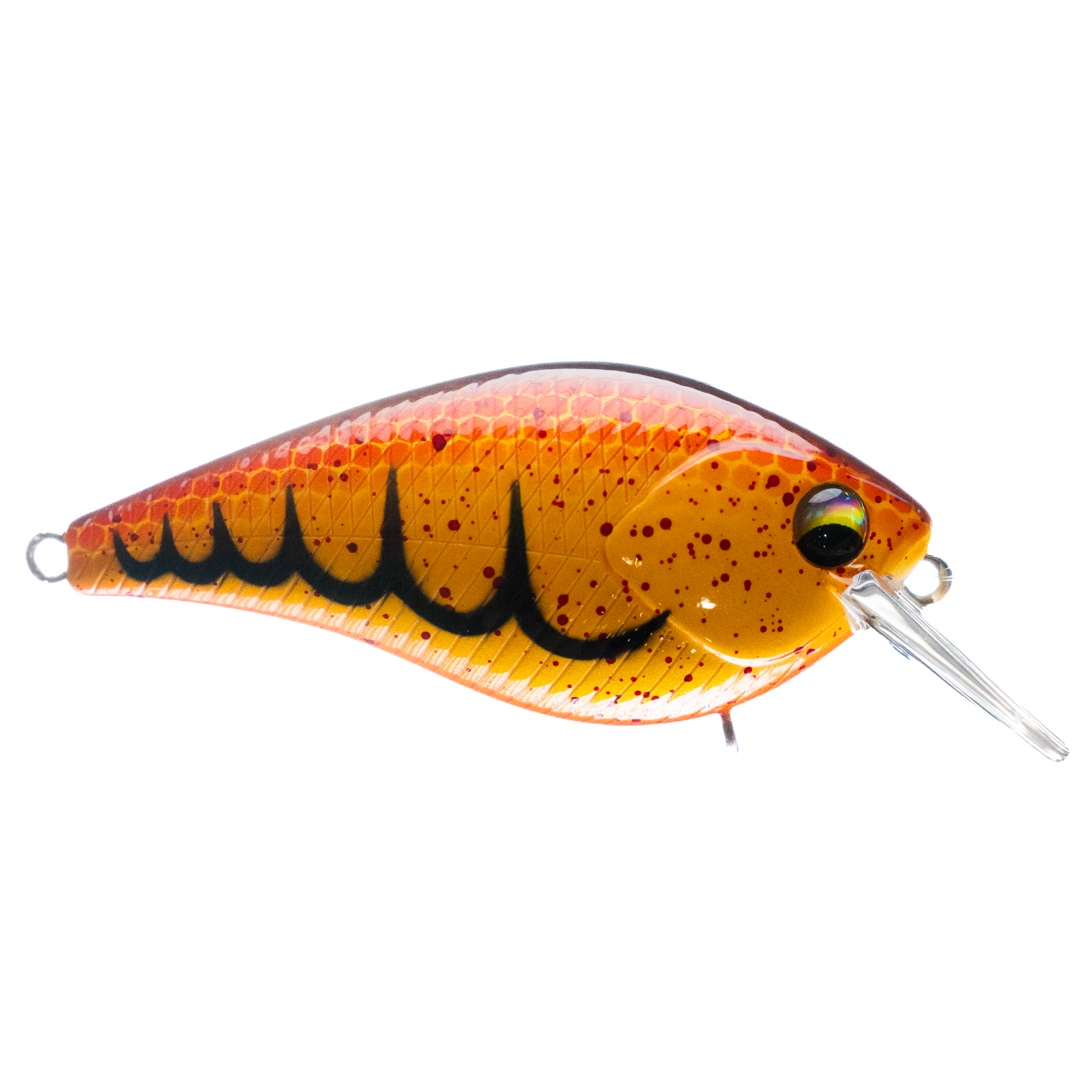
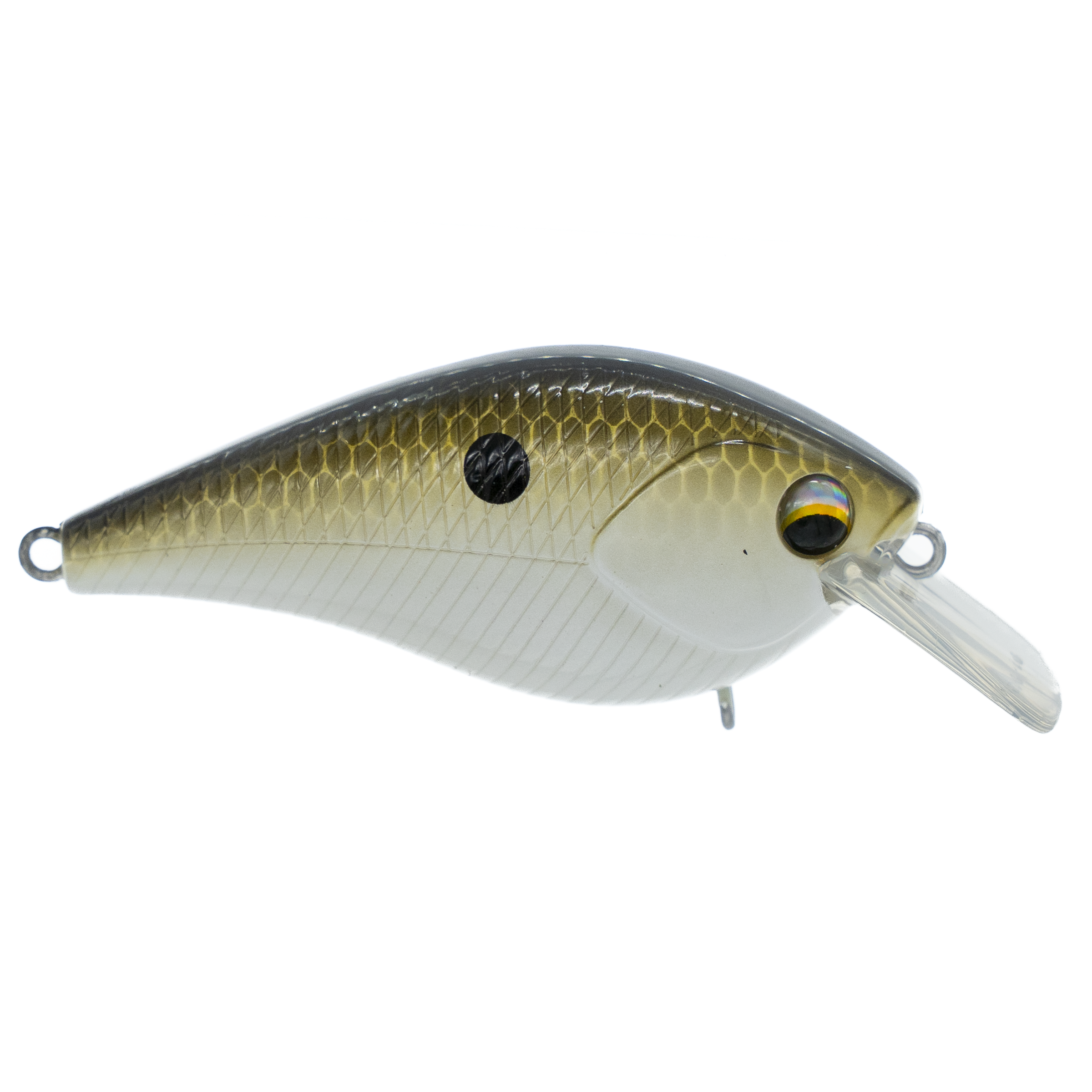
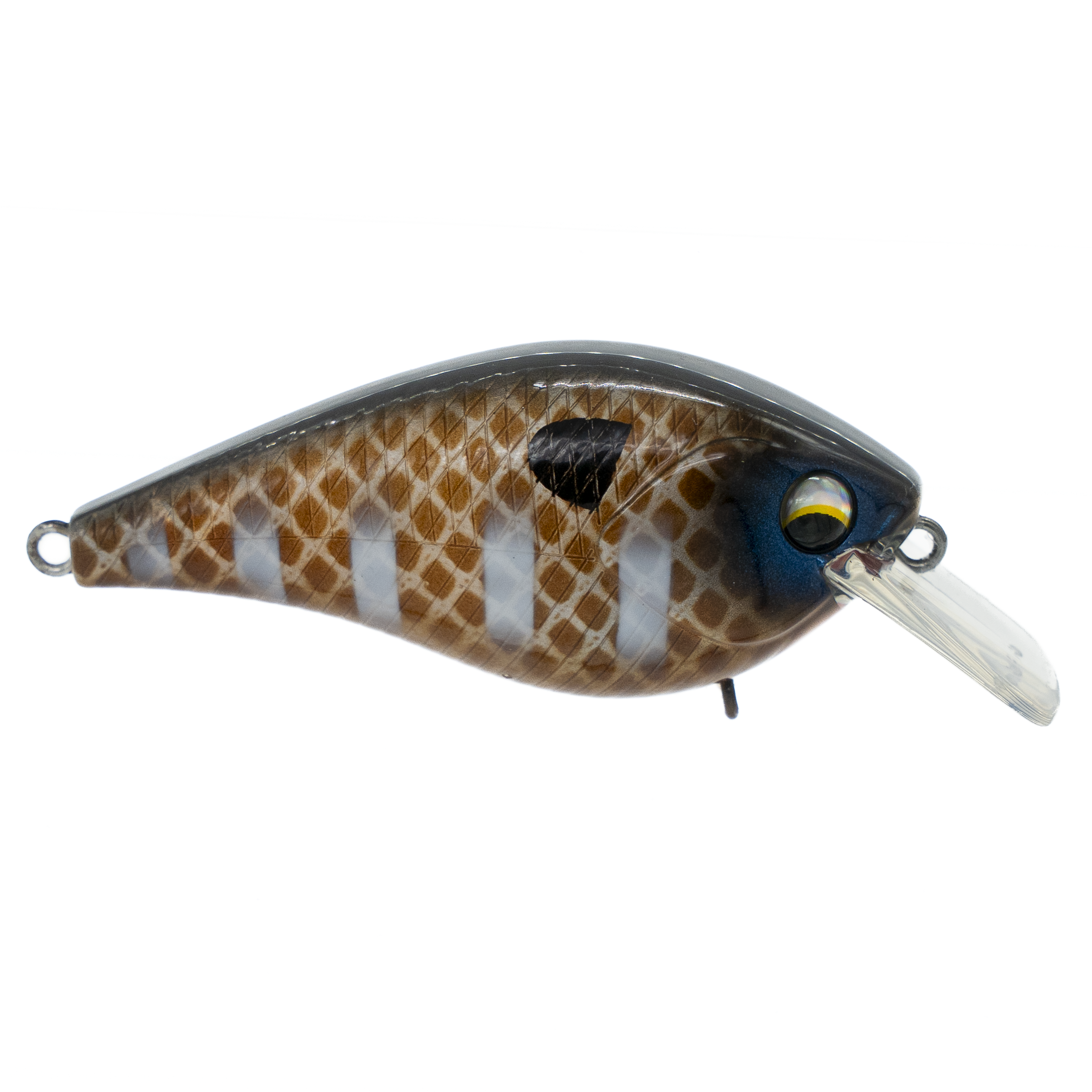
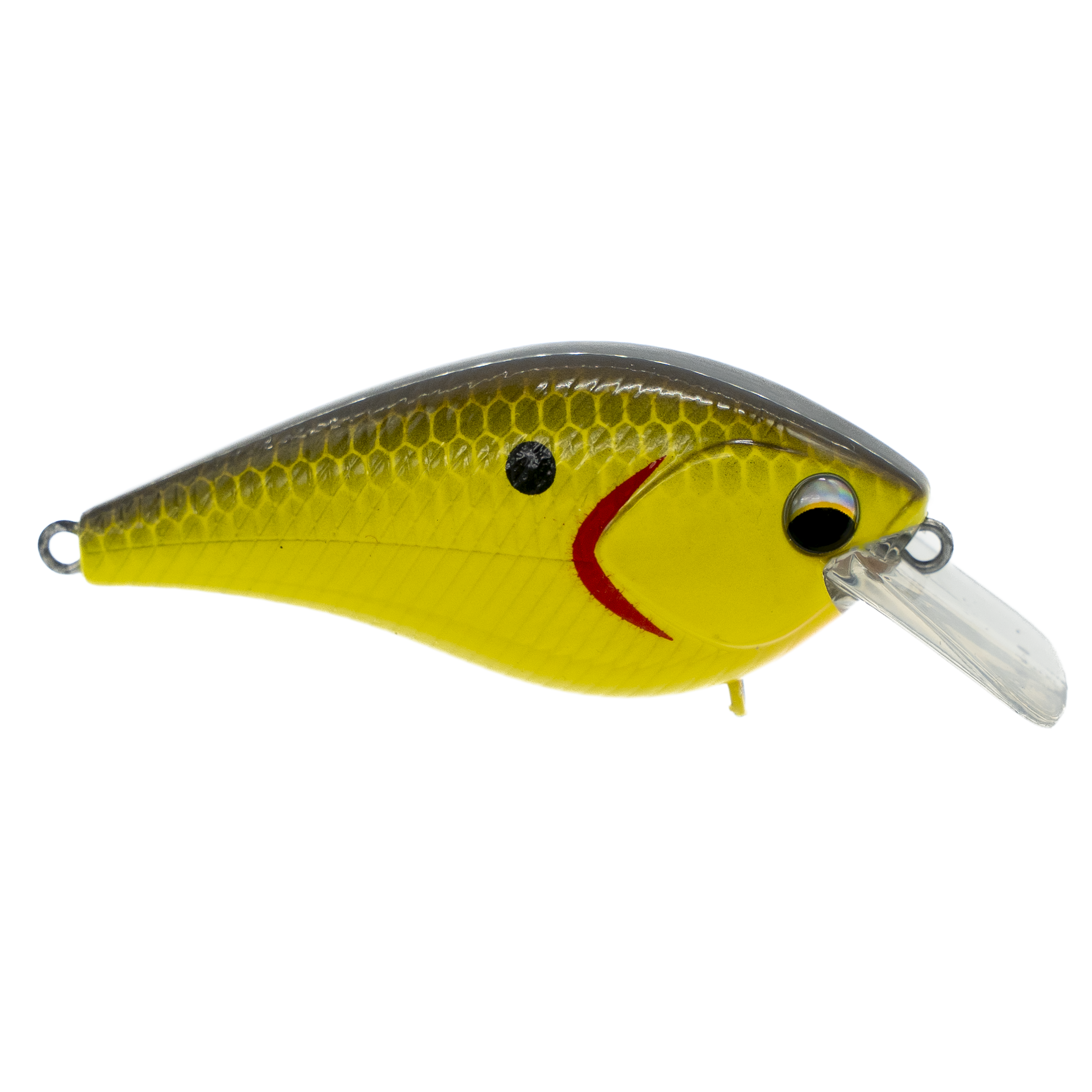
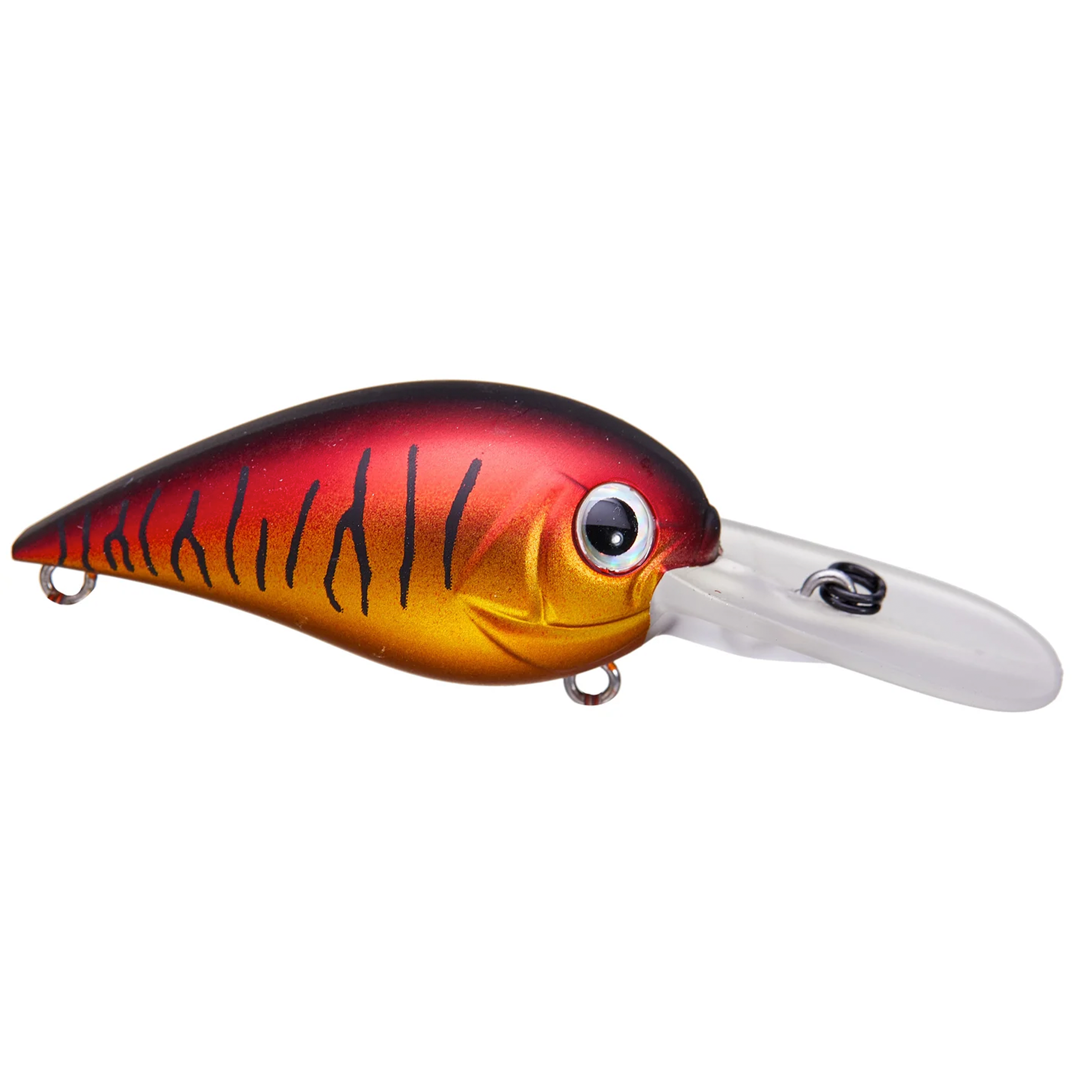
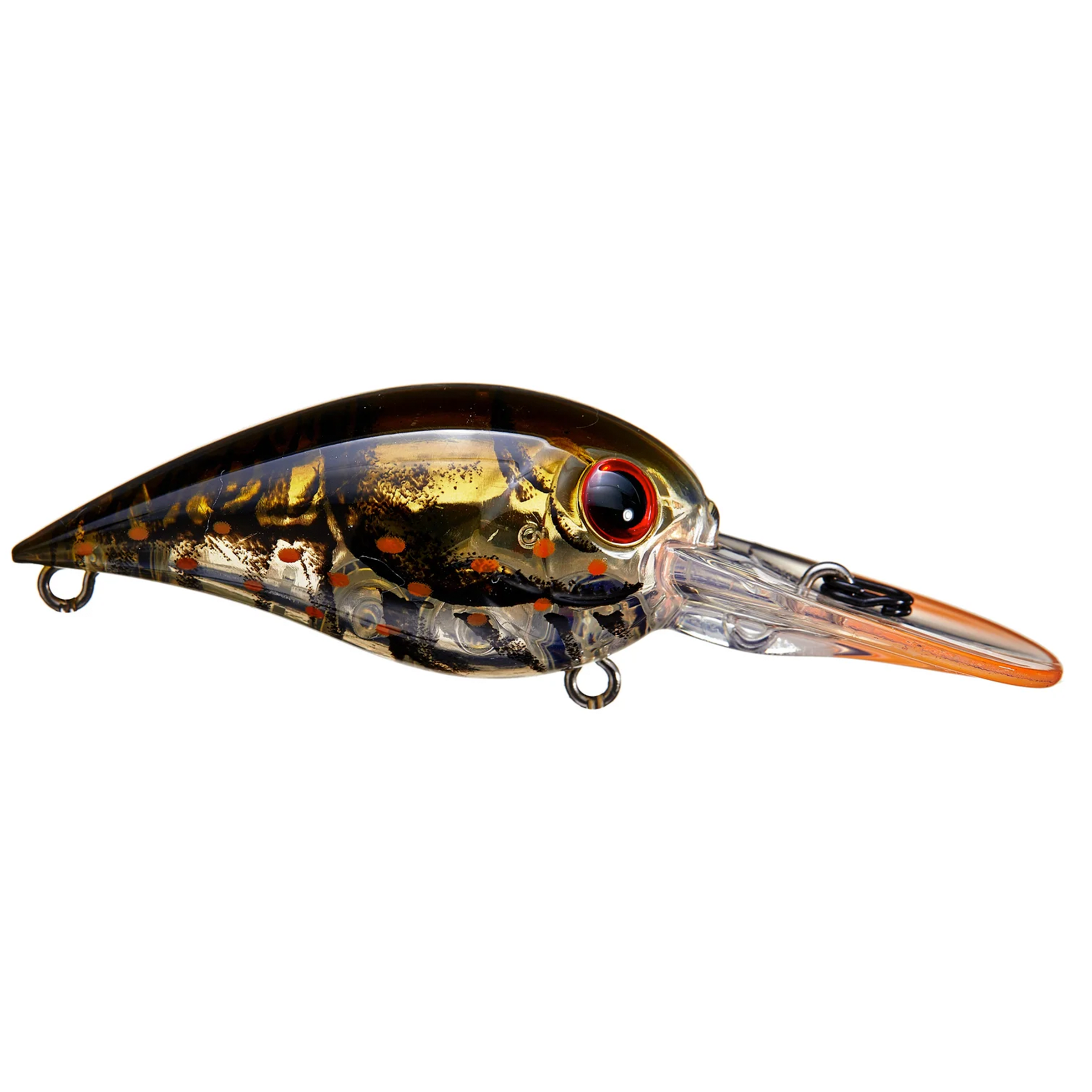
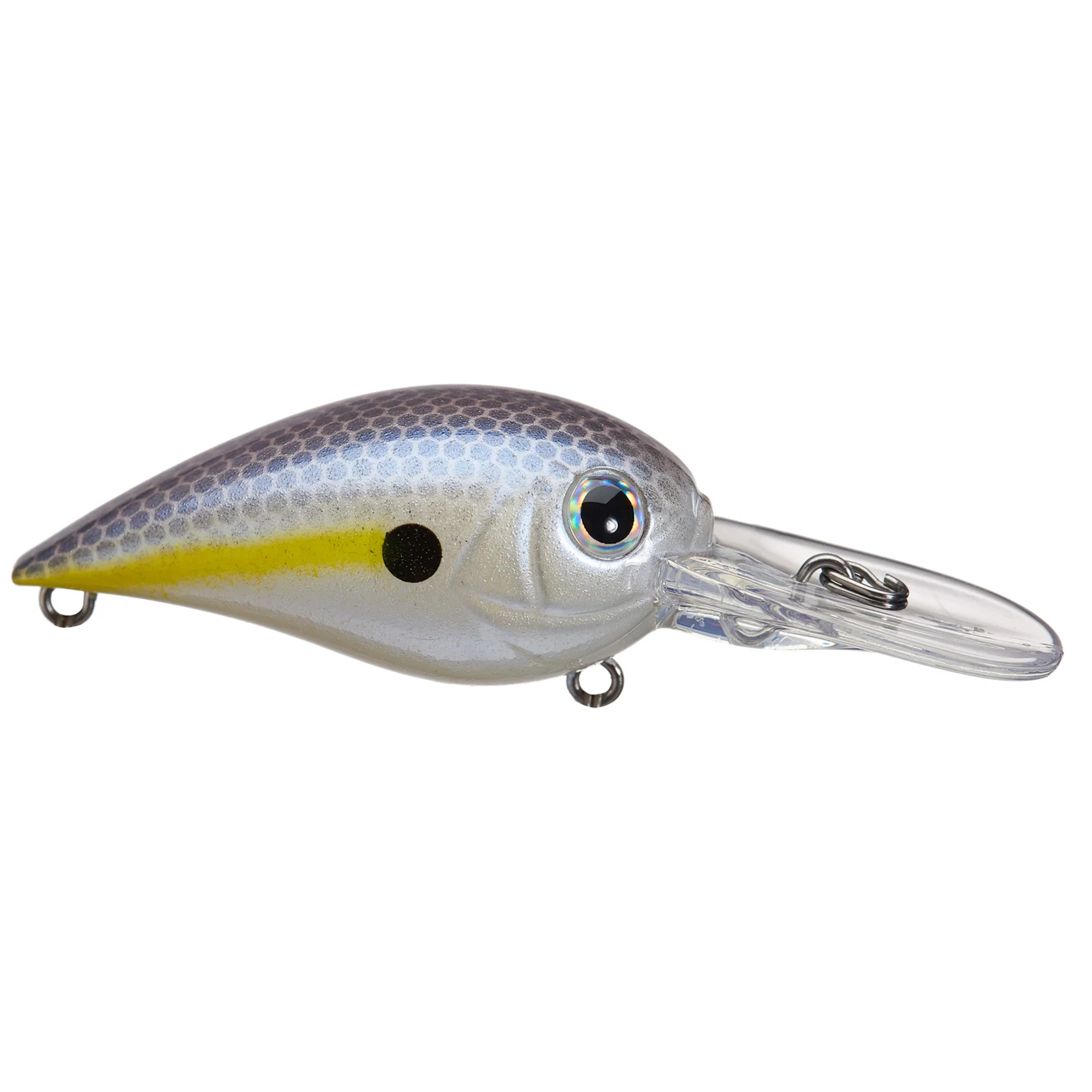
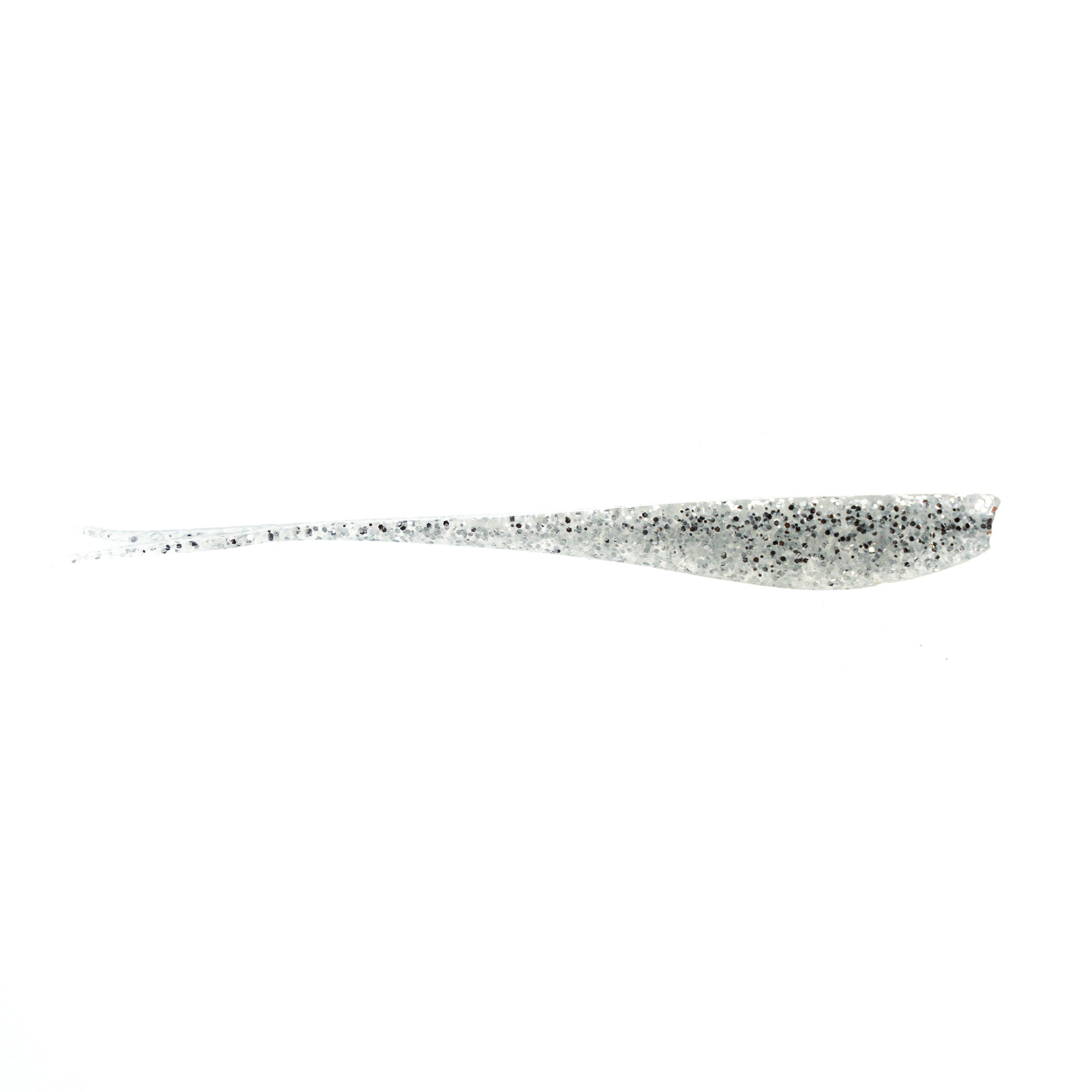
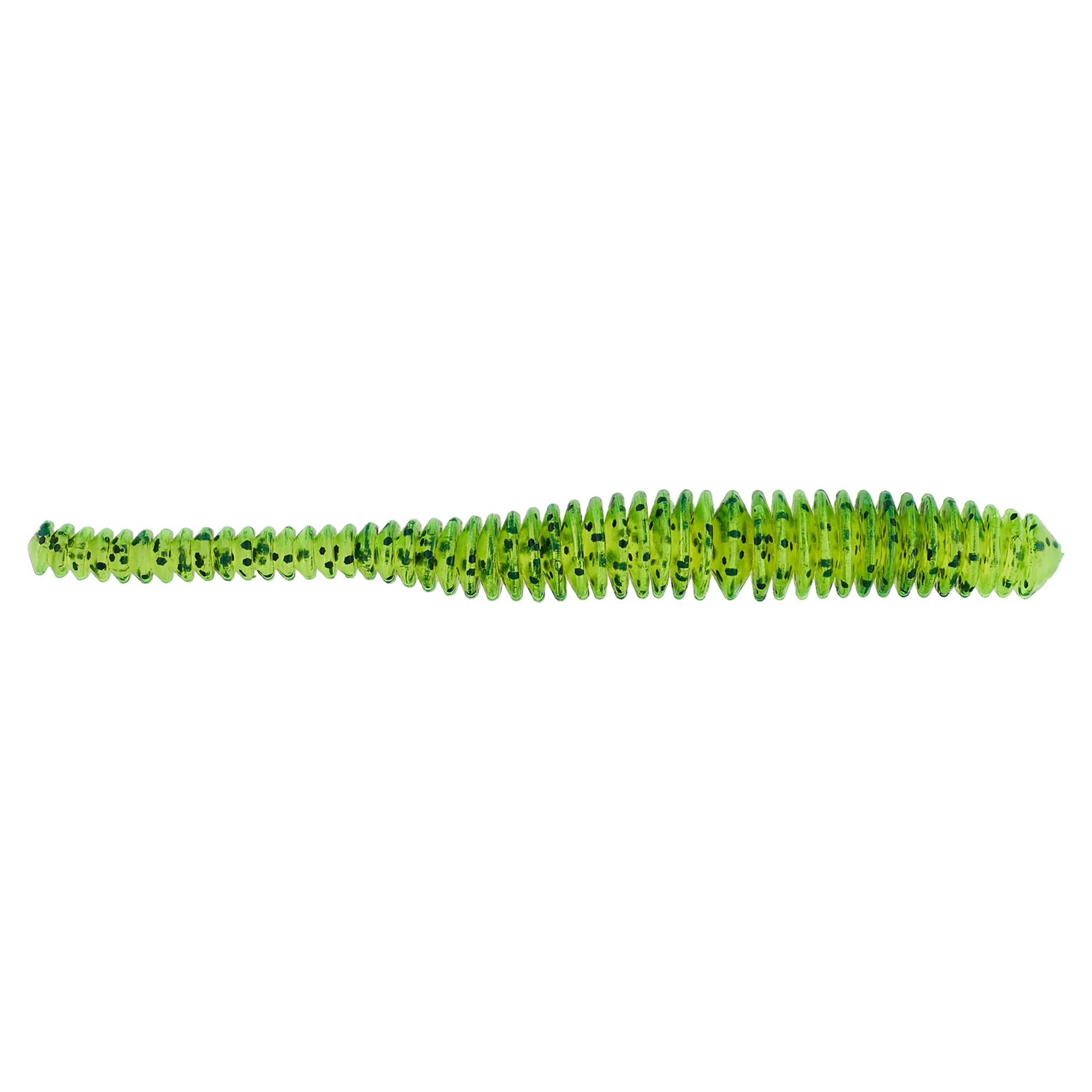
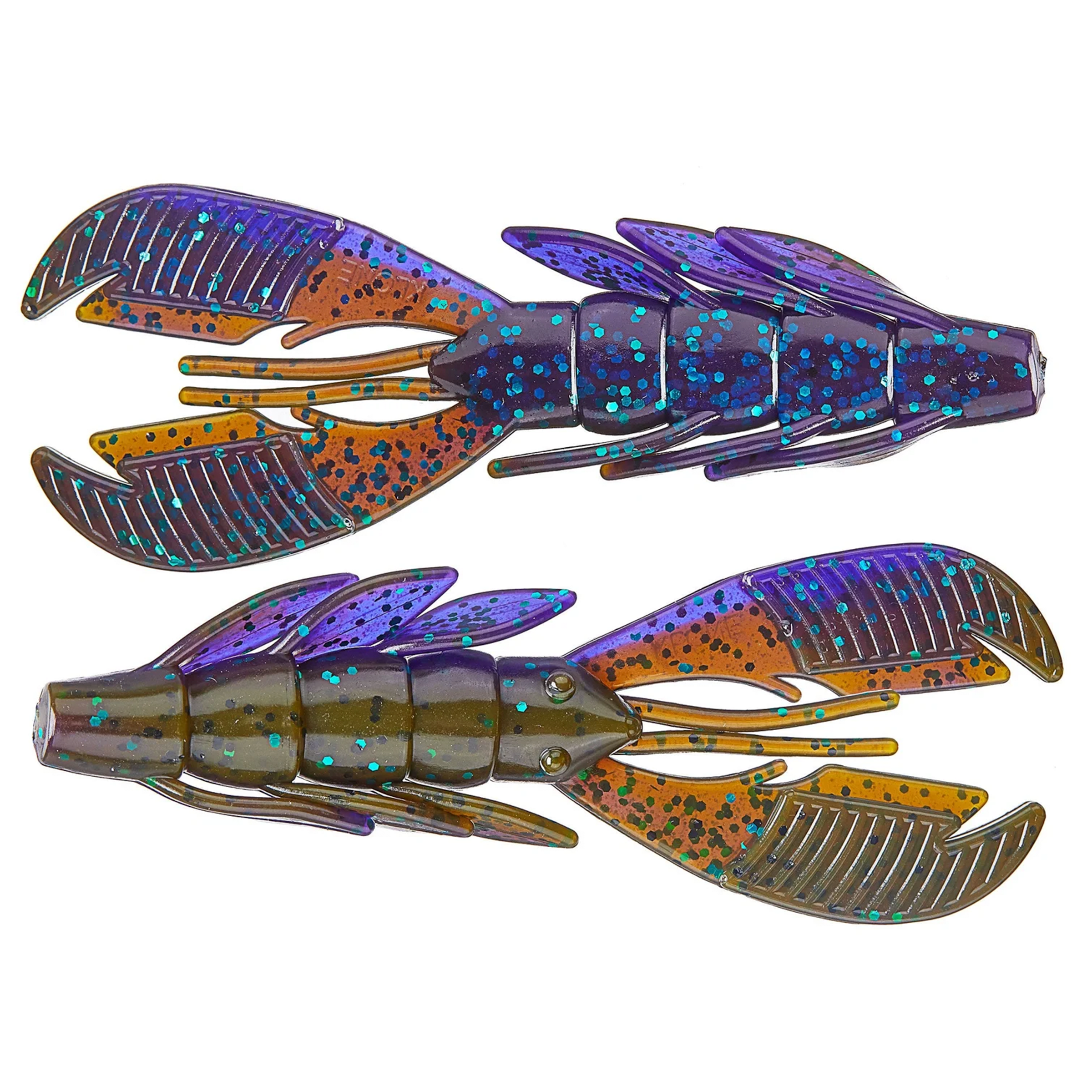
Spring is a lipless crankbait ripped through emerging grass, plus squarebills along the edges and jigs flipped into thicker cover. Summer means deep crankbaits and heavy jigs on the ledges, plus punching mats. Fall is moving baits along outside grass lines. Winter rewards a suspending jerkbait as a locator and a small grub on a jighead to finish. Our full bait lineup covers all four.
How big is Lake Guntersville?
Roughly 69,000 acres, stretching 75 miles along the Tennessee River from Nickajack Dam to Guntersville Dam, with close to 900 miles of shoreline. It's Alabama's largest lake, and Bassmaster ranked it fourth in its Southeastern division for 2026.
Do I need a fishing license for Lake Guntersville?
Yes. An Alabama fishing license is required, available through the Alabama Department of Conservation and Natural Resources, with short-term and annual options. A small portion of the lake extends into Tennessee, so check current regulations if you're fishing the upper end.
The Rod That Won Here
Hank Cherry designed the NGX series, and he fished a 6'10" medium-light NGX for both the jerkbait and the grub on his way to the 2026 Elite win at Guntersville. Light enough to work a small bait on ten-pound fluorocarbon all day, with enough backbone to land a five-pounder out of grass.
Tournament Winning Baits & Gear
Designed, crafted and tested by anglers who win. Free shipping on orders over $75.
Shop All Baits