Lake George Bass Fishing Guide
Lake George Bass Fishing, Season by Season
Forty-six thousand acres of the St. Johns River gone wide — eleven miles long, six across, and the second largest lake in Florida. Salt springs feed it, blue crabs live in it, and after two hurricanes stripped out the grass, learning where the remaining cover is has become the whole game.
A Lake That Is Really a Wide Spot in a River
Lake George is a natural impoundment of the St. Johns River in Putnam and Volusia counties, roughly halfway between the river's headwaters and its mouth at Jacksonville. It covers about 46,000 acres, eleven miles long by six wide, which makes it the second largest lake in Florida behind Okeechobee. The west side lies within the Ocala National Forest.
Most of it is under ten feet deep, averaging around eight, with a natural channel that carries boats as large as oil barges. Jetties sit at the south end where the St. Johns enters.
Two things make it unusual. The first is salt. Several springs feed the lake along its western bank — Salt Springs enters the northwest through the four-mile Salt Creek, Silver Glen Springs comes in midway down the west side, and Juniper Creek enters to the southwest. The salinity is high enough that saltwater species live here, including a commercially significant blue crab population.
The second is what is not here any more. Hurricanes Matthew and Irma killed thousands of acres of submerged eelgrass, and the lake has been short of vegetation ever since. That changed how it fishes: with the grass gone, the productive water became whatever cover remains — isolated lily pads, cypress, docks, pilings and hard bottom — and finding it is most of the work.
Restoration is underway. FWC is working to re-establish eelgrass and other submerged plants, and stocked nearly 300,000 Florida bass into the lake in February and March of 2026. The lake still supports an abundant largemouth population and is among the better bets in north Florida for an eight-pound-plus fish, even if it is not a trophy factory in the Orange Lake sense.
Practical note: this is big, shallow, open water. It gets rough quickly and the fetch is long. Watch the forecast rather than the sky.
What It Took to Win Here
Patterns that produced at the highest level on this water, and the baits to fish them with.
Bryan New — Isolated Pads, and Nothing Else Left
Fishing his first event as an Elite rookie, New won on Lake George in the years after the hurricanes had taken the grass out. With most of the lake's traditional cover gone, the fish had concentrated on what remained — and the bulk of his weight came from lily pads at the lower end of the lake.
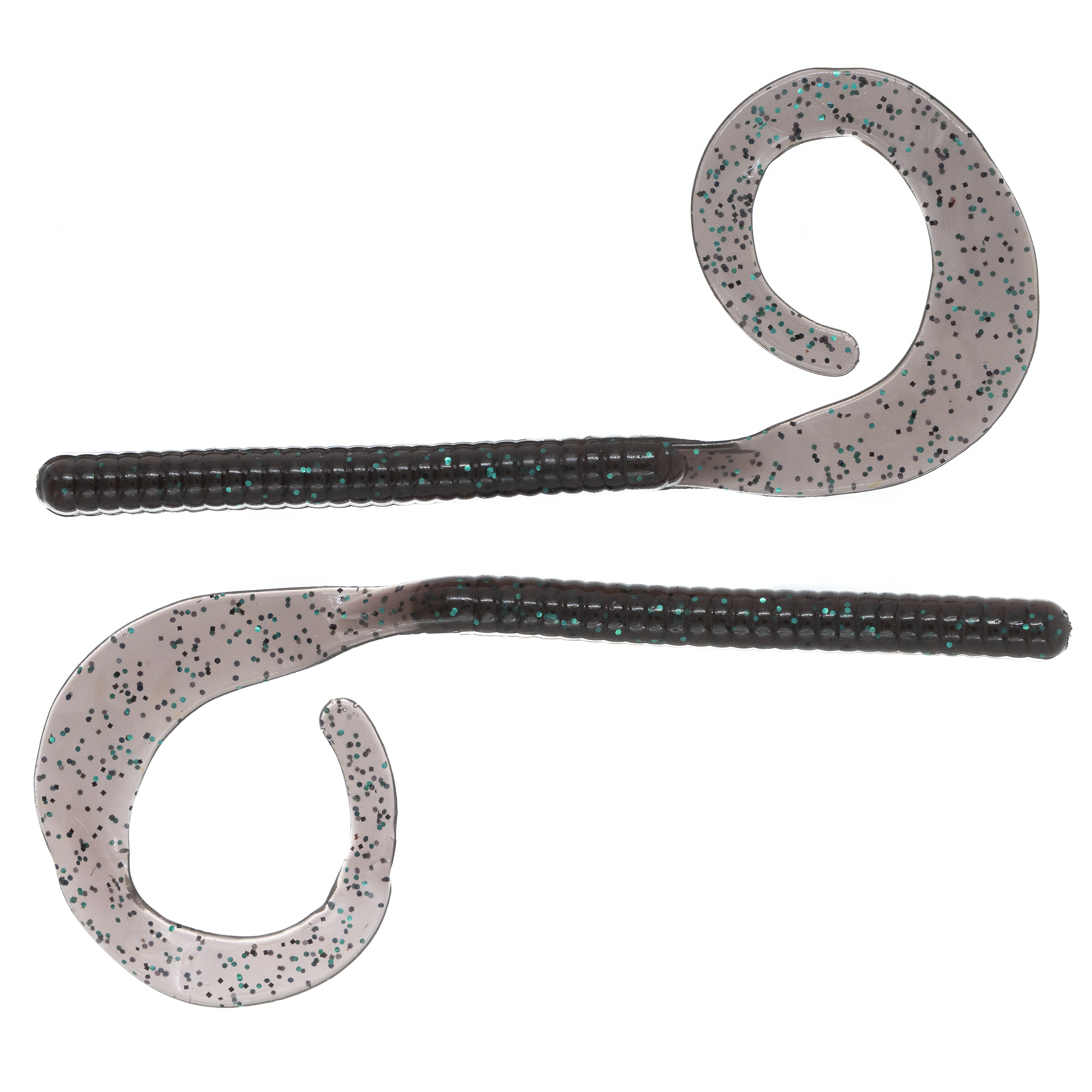
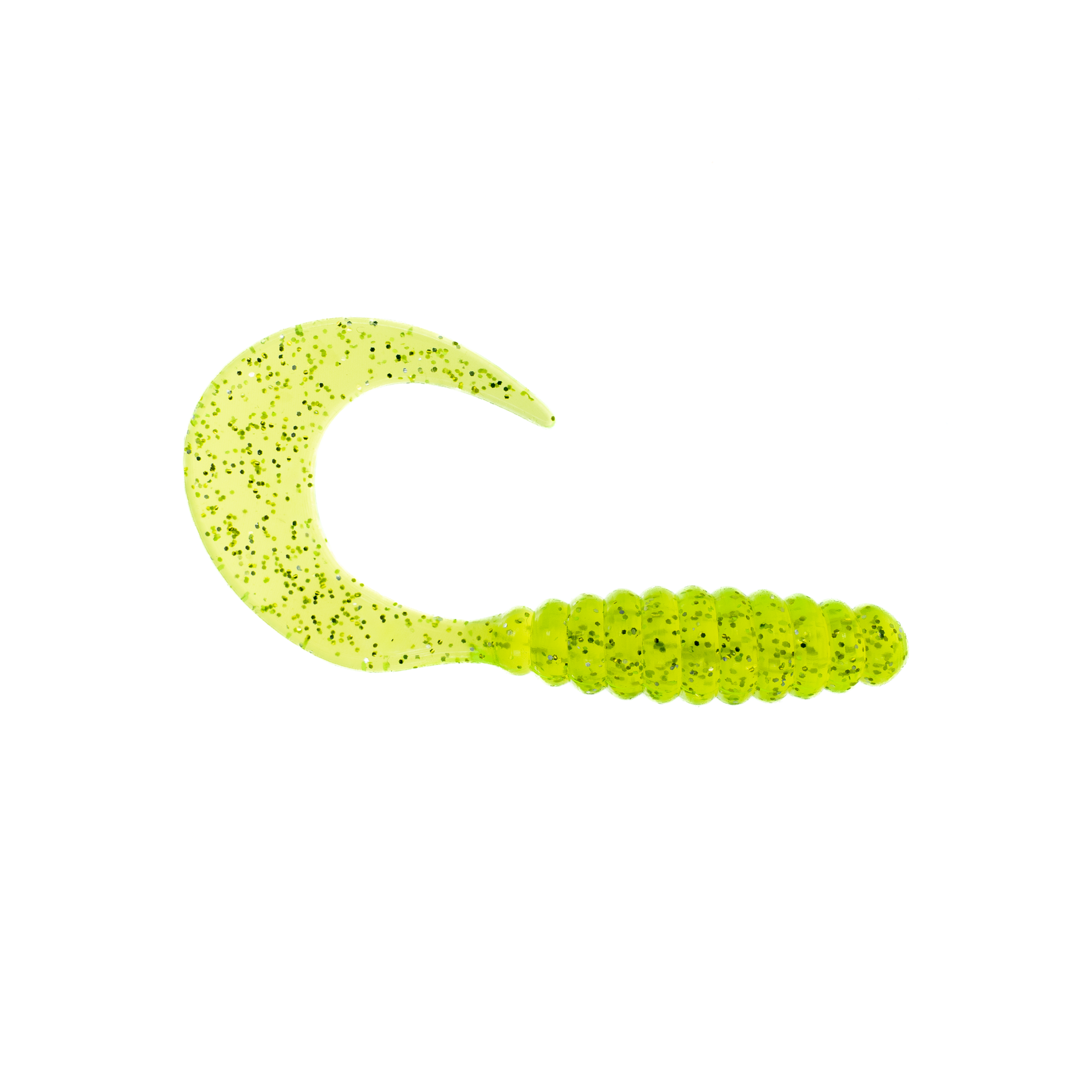
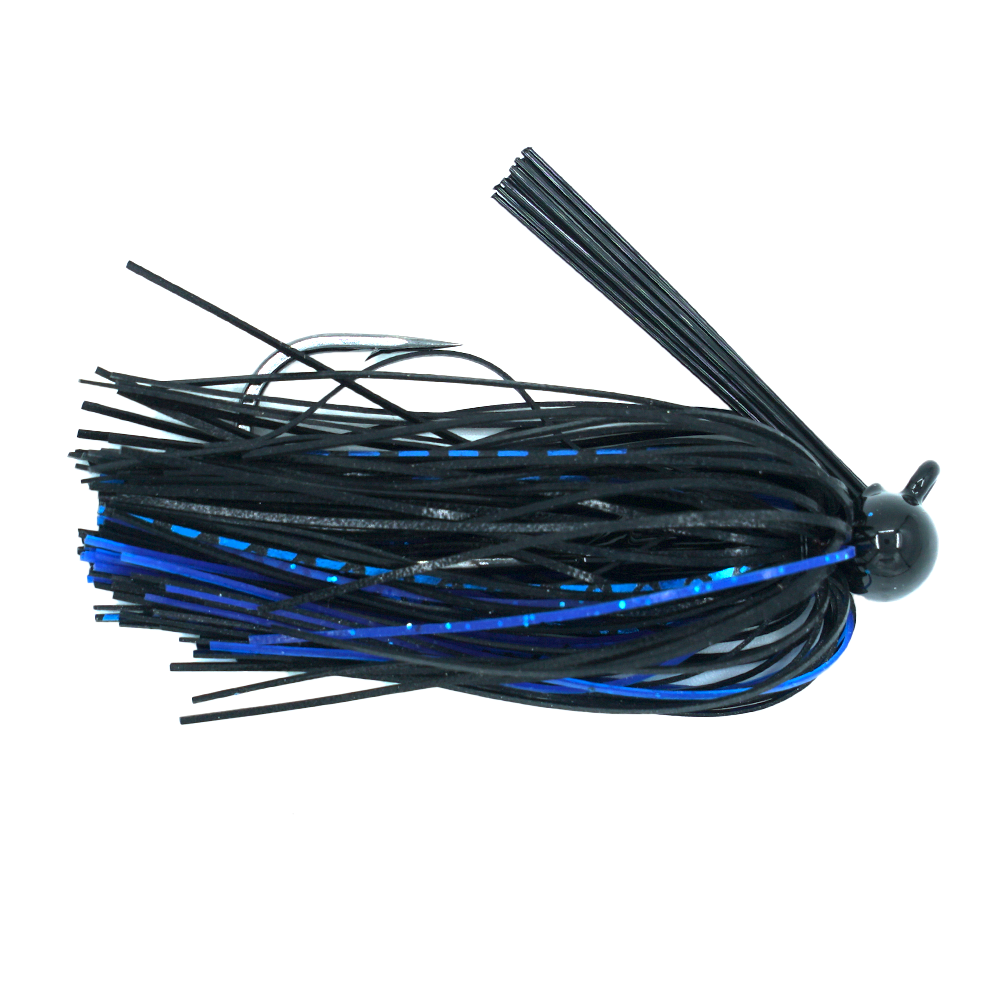
The key detail was which pads. He fished dense pad fields too, but he deliberately preferred sparse, isolated ones, on the reasoning that an isolated target tells you exactly where the fish is sitting and lets more light through. A five-inch black-and-blue worm, Texas-rigged with an eighth or a quarter ounce, was the whole shallow programme.
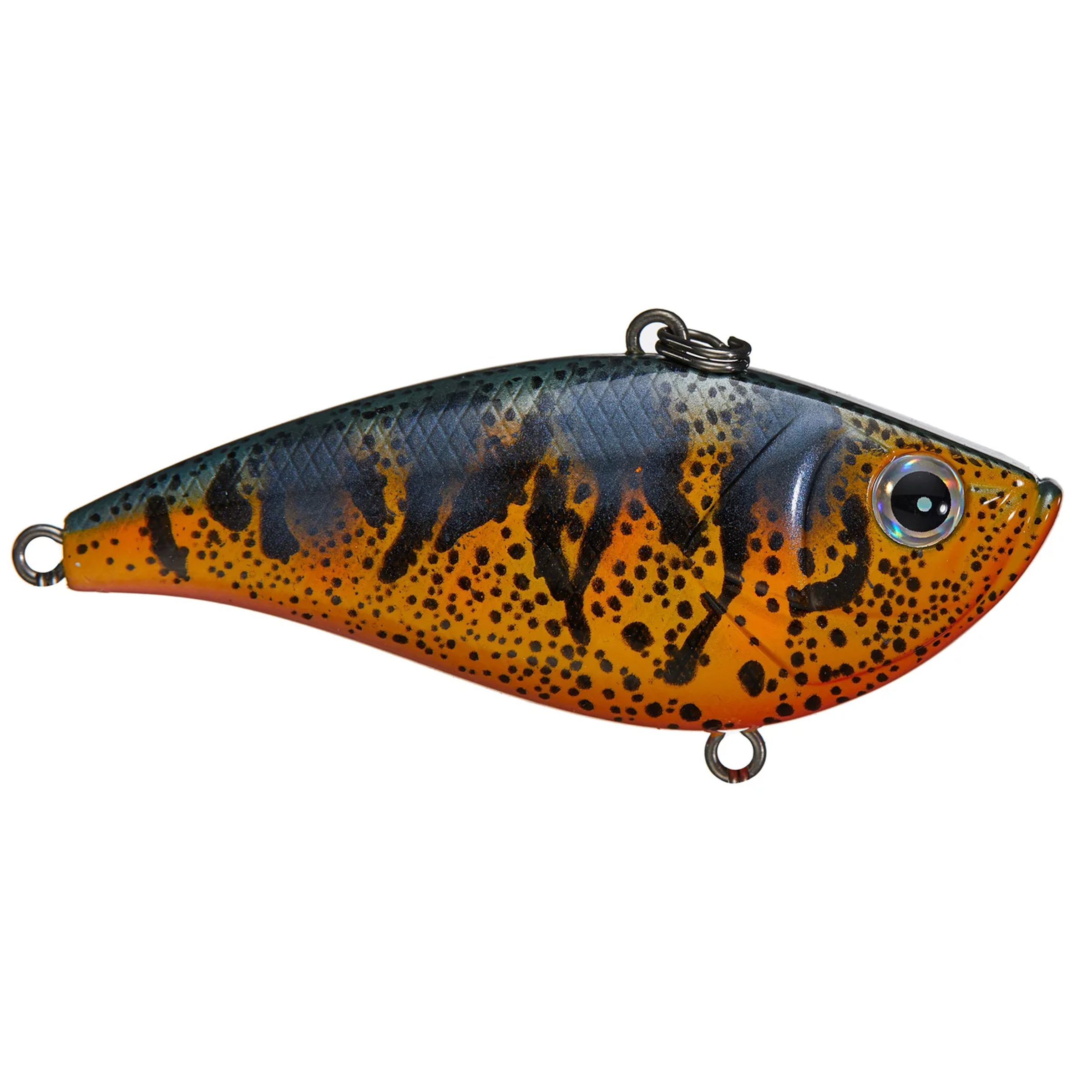
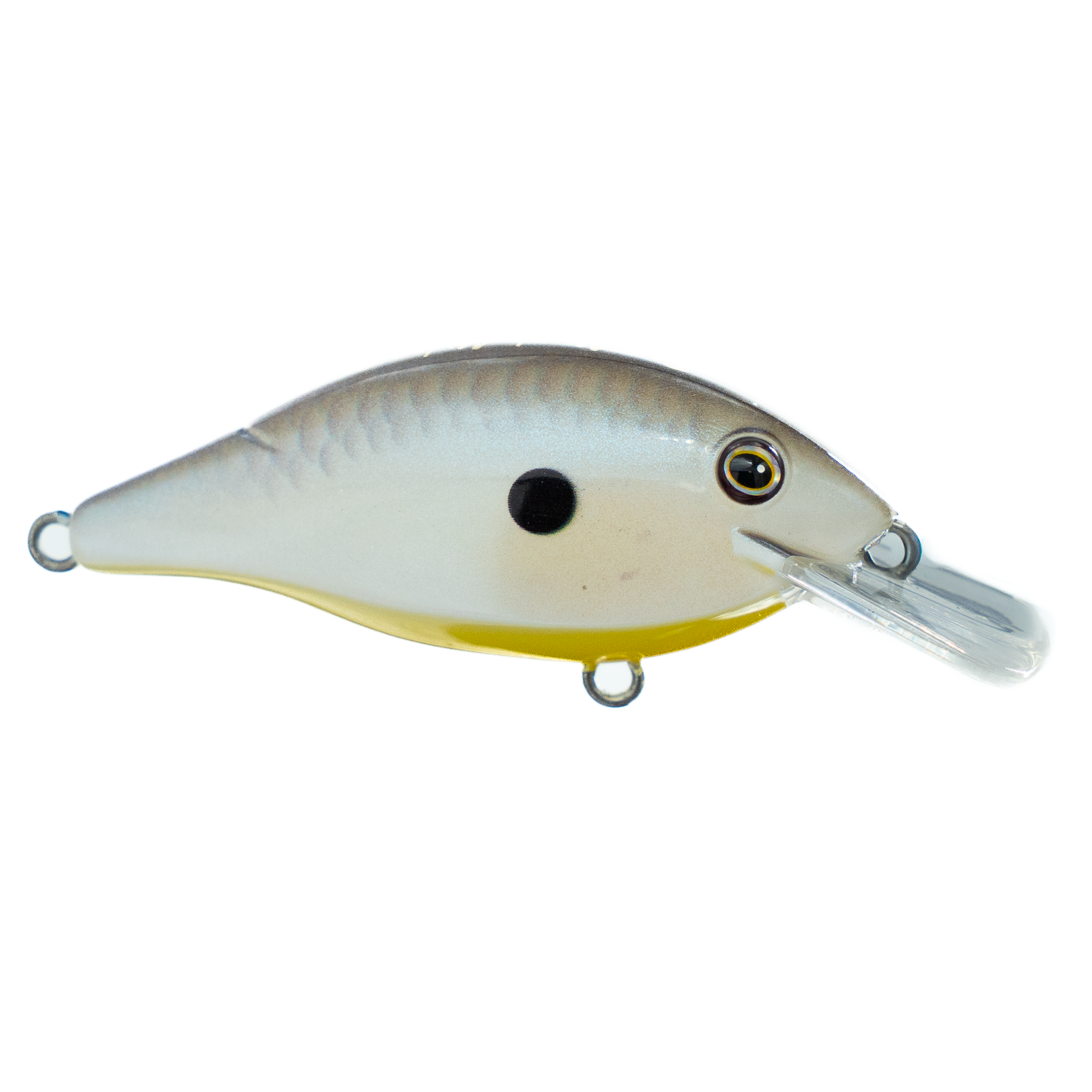
He backed it with main-river shell bars in five to seven feet, roughly halfway between Palatka and Dunn's Creek, worked with a lipless crankbait yo-yoed slowly. By his own account those were not the fish that won it — but without them he does not win.
Starting the final day in sixth, more than five pounds back, he weighed the second-heaviest bag of the tournament and won by nine and a half. The runner-up, meanwhile, spent the whole week on cypress trees on Lake George's east side, having identified them as one of the few areas with enough depth and enough shelter for lake fish to spawn on. Two anglers, two different pieces of the little cover this lake has left.



Pads, Shell Bars and Springs
Four patterns cover the year. Each one pairs the technique with the baits we'd actually tie on.
Spawning on What Cover Is Left
Spring is the strongest season and the pattern follows the cover. With the eelgrass gone, spawning fish use the lily pads at the lower end of the lake, the cypress on the east side, and whatever hard bottom offers protection from the wind. Areas with both depth and shelter are disproportionately important on a lake this exposed.


Deep Edges and Spring Runs
Summer heat makes this lake difficult for bass anglers and pushes the fish to the outer edges of the deeper docks and pilings. The spring runs are the other story — cool water refuges at Juniper Cove and the mouths of Silver Glen and Salt Springs concentrate fish, though stripers and sunshine bass take them over as much as largemouth do.



Shell Bars and Moving Bait
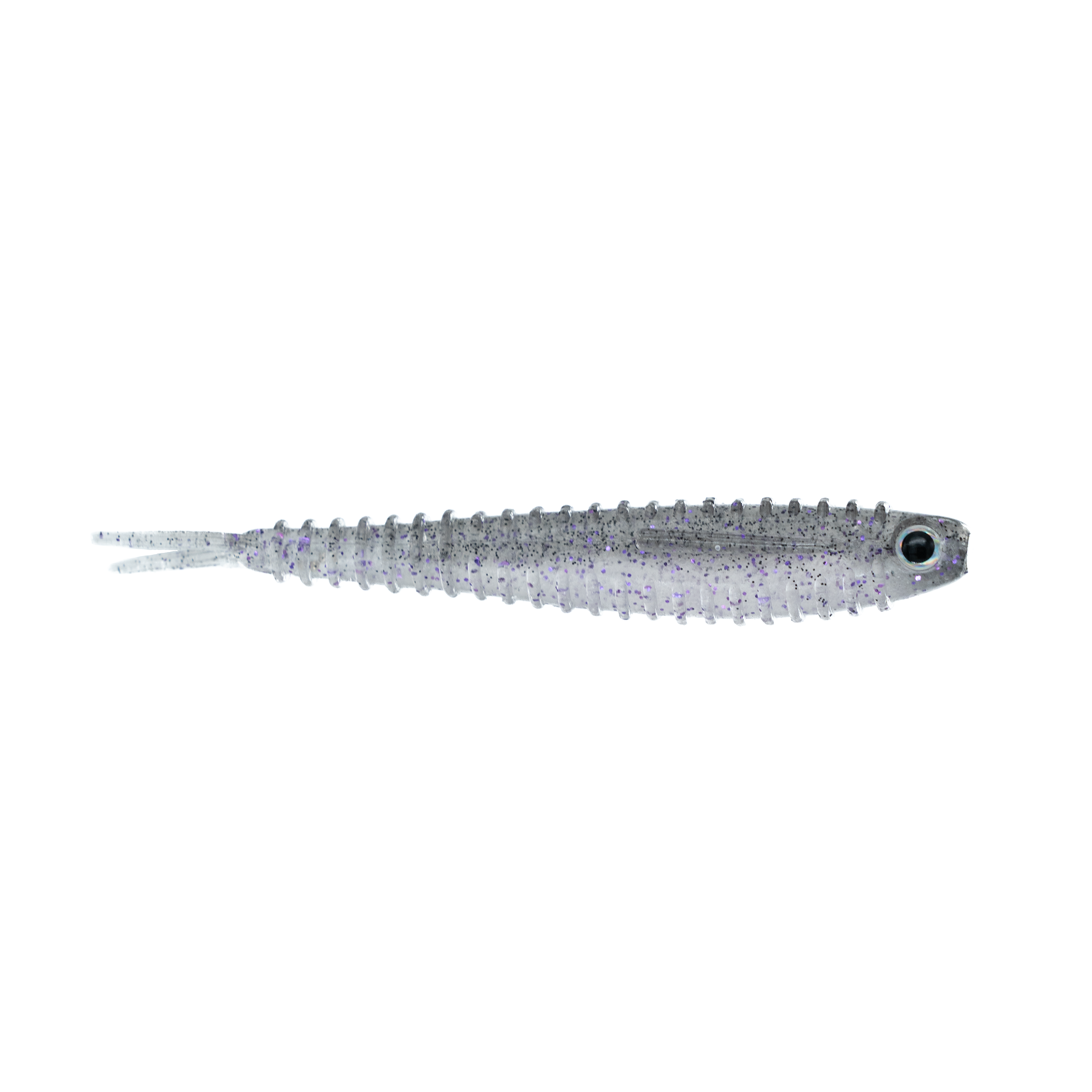
Autumn brings the fish onto the shell bars and the hard bottom, and the main-river bars between the lake and Palatka fish particularly well. Bait moves, the jetties at the south end where the river enters concentrate it, and the striper and sunshine bass fishing picks up around the Croaker Hole and the south-end jetties at the same time.
Prespawn on the Bars
Winter into early spring is prime time. Prespawn fish stage on the main-river shell bars and the deeper edges before pushing into the pads, and this is when the lake gives up its better fish. Cold fronts are less disruptive here than on shallower lakes because the channel and the spring runs offer stable water within reach.

Lake George Access
Public access is available from Blue Creek Road to Lake George Road off Highway 40. Private access is available through Pine Island fish camp on the east side and Georgetown Marina and Lodge. There are fish camps around the northern side, at the south end, and at Volusia Bar, and Astor to the south sits on the river with full facilities.
The Lower End Pads
Where a Bassmaster Elite was won. Lily pads at the southern end of the lake, and the most reliable spring cover on a lake that lost most of its grass to hurricanes. Fish the isolated and sparse pads as hard as the dense fields — often harder.
The Spring Runs
Salt Springs enters the northwest through Salt Creek, Silver Glen comes in midway down the west side, and Juniper Creek enters to the southwest. Cool, clear water in a lake that gets hot and turbid, and refuges that concentrate fish in summer. They are also the source of the lake's unusual salinity.
The Main-River Shell Bars
Between the lake and Palatka, in about five to seven feet. Hard bottom on a lake with a famously featureless bottom, which makes these bars disproportionately valuable. Prespawn staging in winter and a bait magnet in autumn.
Lake George Bass Fishing FAQ
How big is Lake George?
About 46,000 acres, eleven miles long by six wide, making it the second largest lake in Florida after Okeechobee. It is a natural impoundment of the St. Johns River rather than a separate lake, sitting in Putnam and Volusia counties.
Why is Lake George salty?
Several springs feeding the lake along its western bank carry significant salt content — Salt Springs, Silver Glen Springs and the Juniper Creek springs among them. The salinity is high enough to support saltwater species and a commercially fished blue crab population, which is unusual for a lake this far inland.
What happened to the grass in Lake George?
Hurricanes Matthew and Irma killed thousands of acres of submerged eelgrass. The lake has been short of vegetation since, which changed how it fishes — the productive water became the remaining cover such as isolated lily pads, cypress, docks and hard bottom. FWC restoration work to re-establish eelgrass is ongoing.
Is Lake George being restocked?
Yes. FWC stocked nearly 300,000 Florida bass into Lake George in February and March of 2026, raised at the Florida Bass Conservation Center Richloam Fish Hatchery, alongside ongoing habitat work to rebuild submerged vegetation.
Is Lake George a trophy bass lake?
Not in the way Orange Lake or Rodman are. It supports an abundant largemouth population and is one of the better places in north Florida to tangle with an eight-pound-plus fish, but the headline trophy numbers come from elsewhere in the state. What it offers instead is scale and space — 46,000 acres and relatively little boat traffic.
How is Lake George different from the St. Johns River?
It is part of the same system — the river runs through it — but it fishes like a big shallow lake rather than a tidal river. There is no meaningful tide here and the game is cover and hard bottom rather than current direction. Many anglers fish both on the same trip out of Palatka.
What baits work best on Lake George?
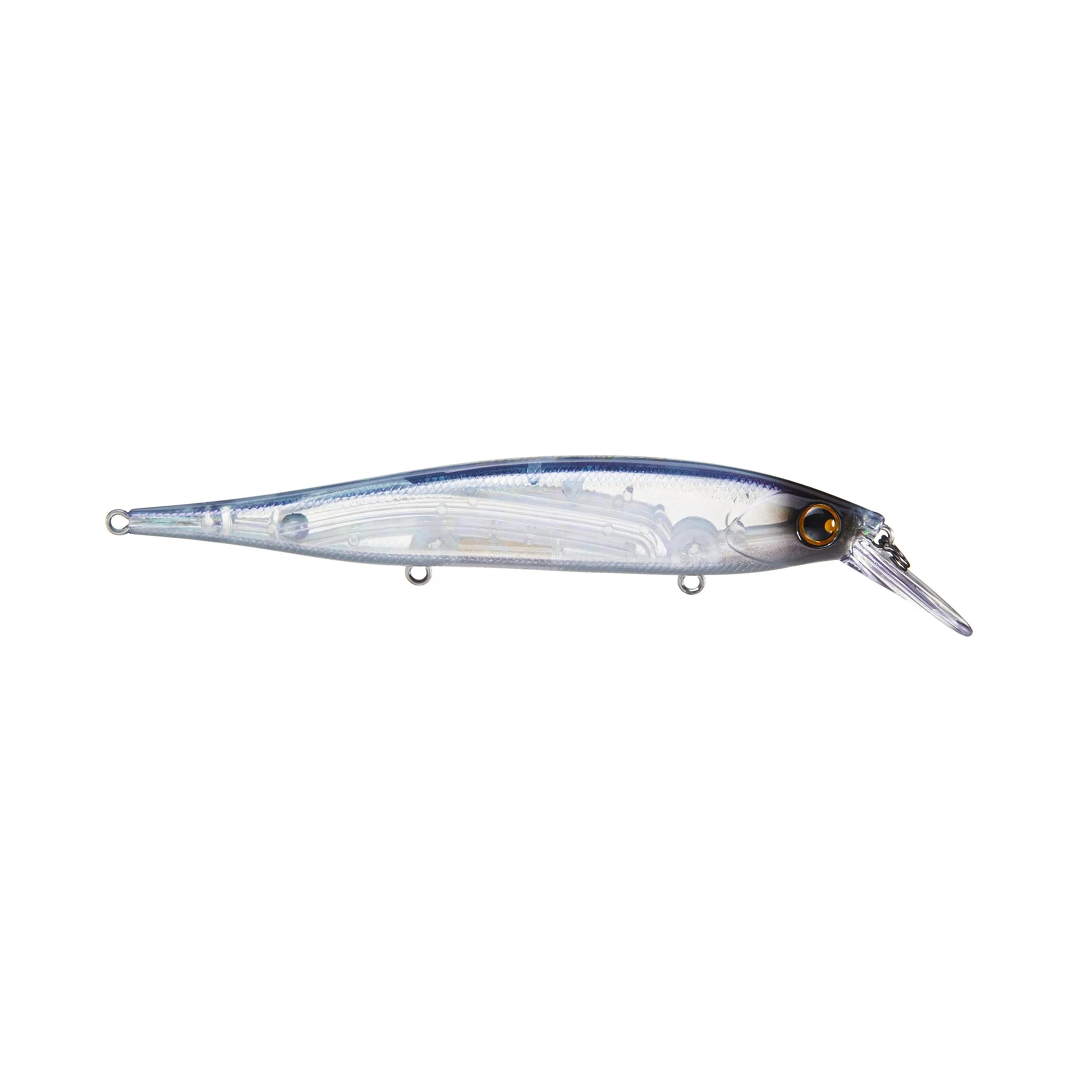
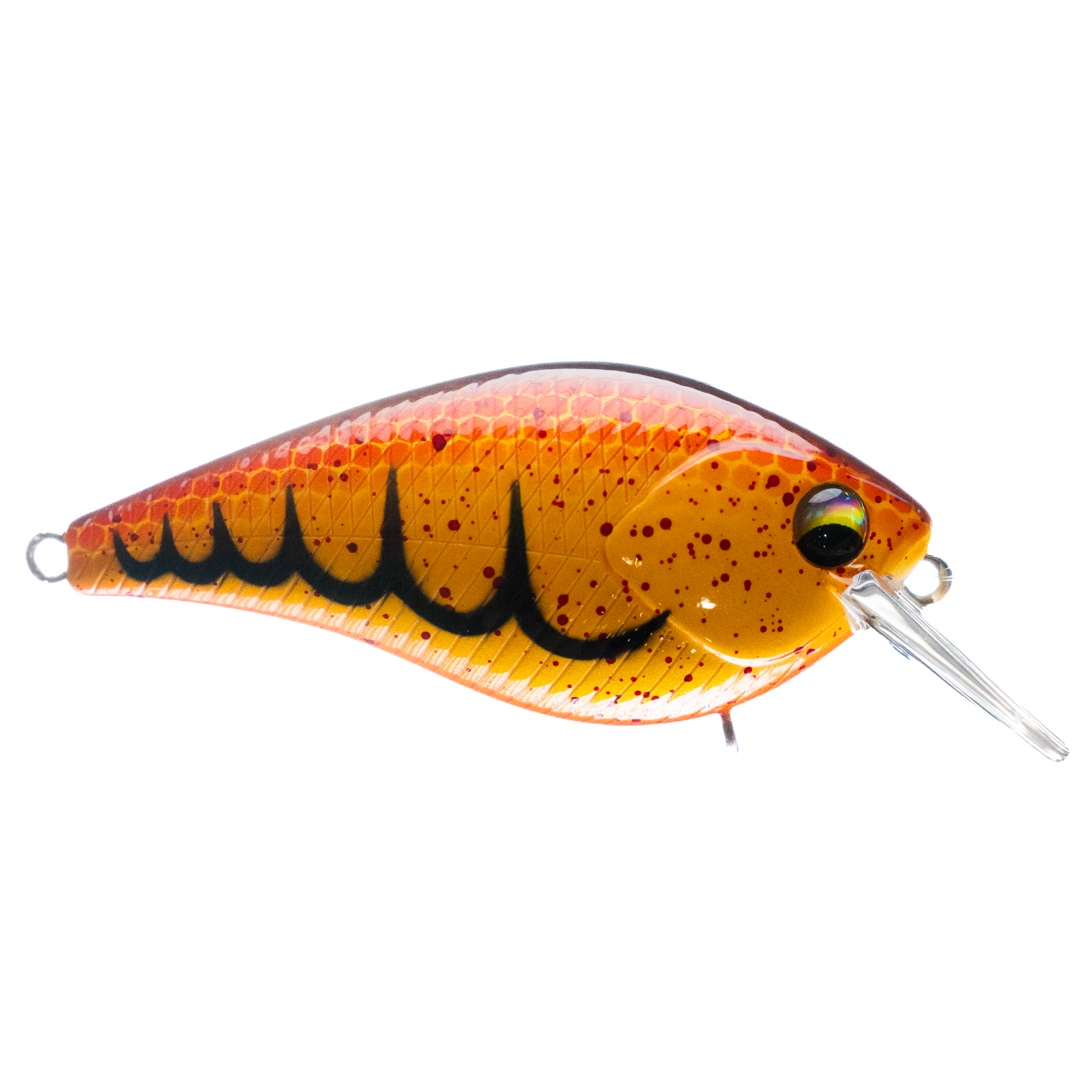
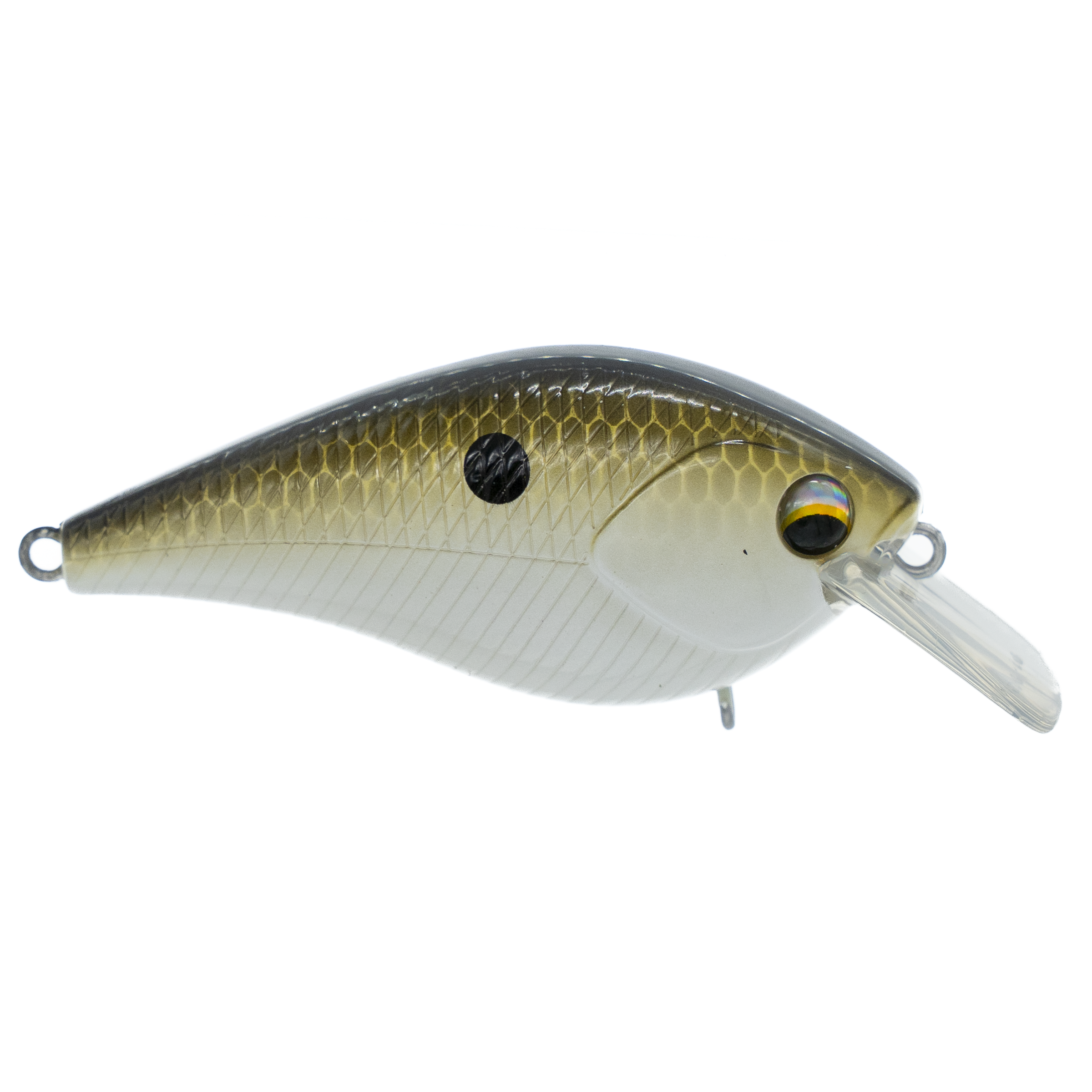
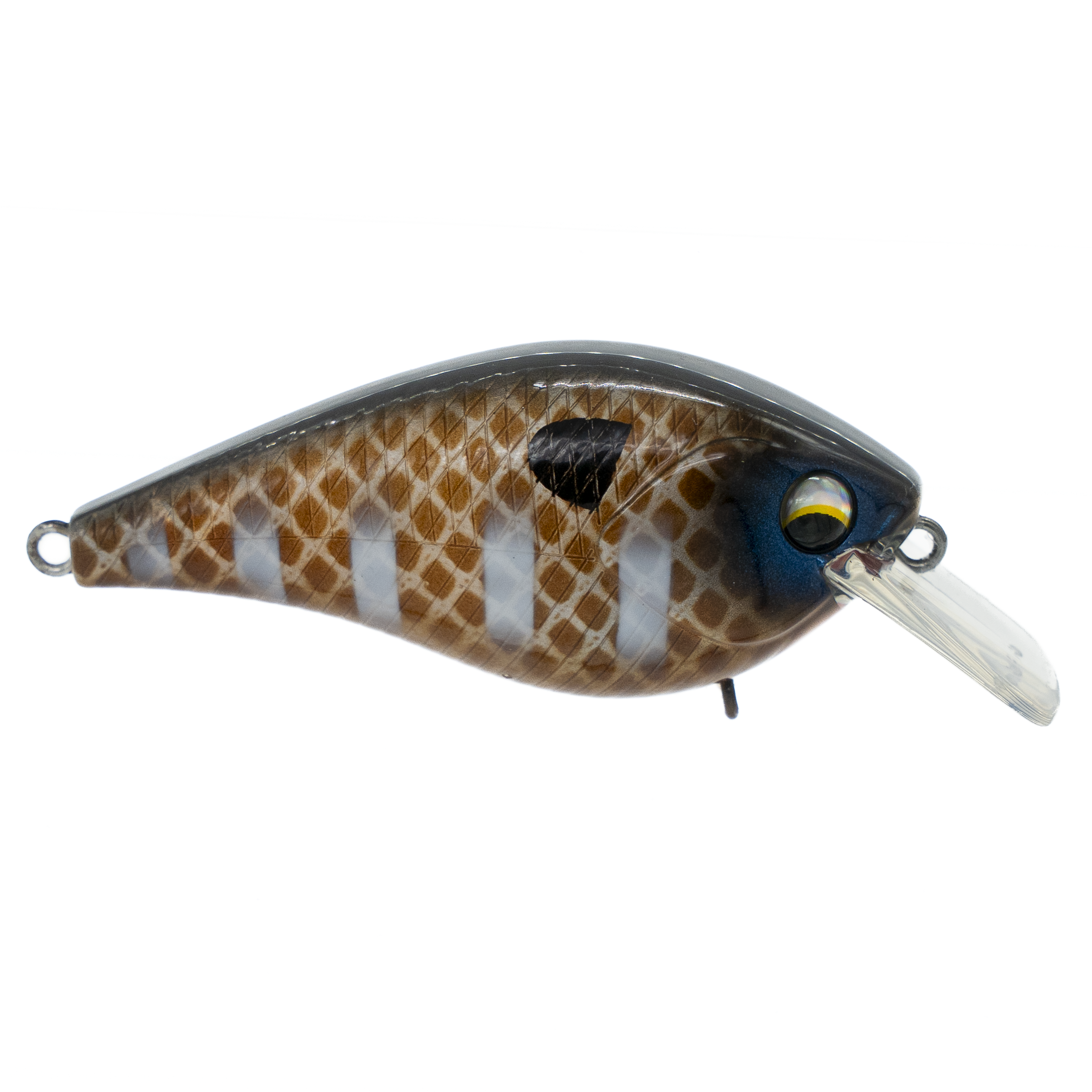
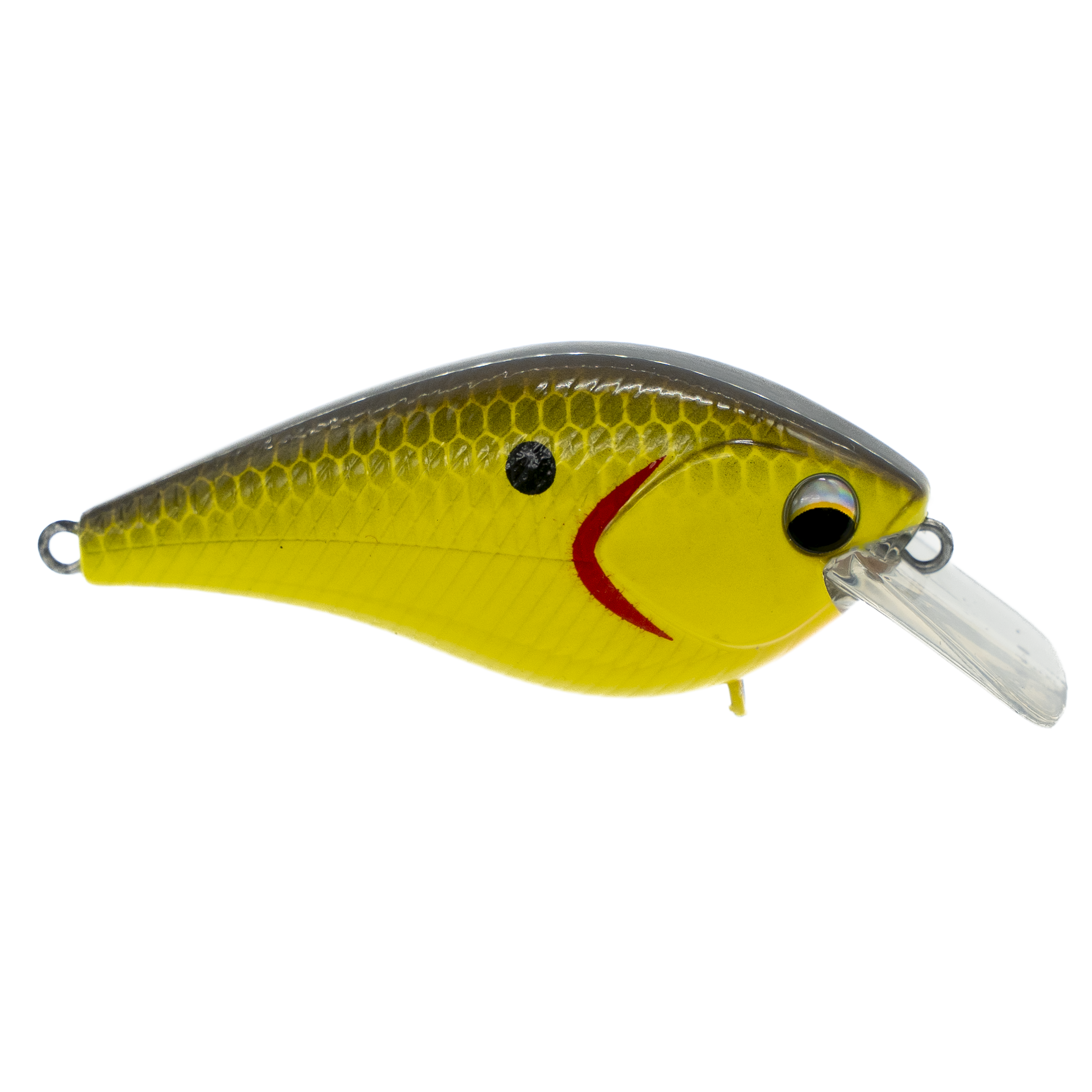
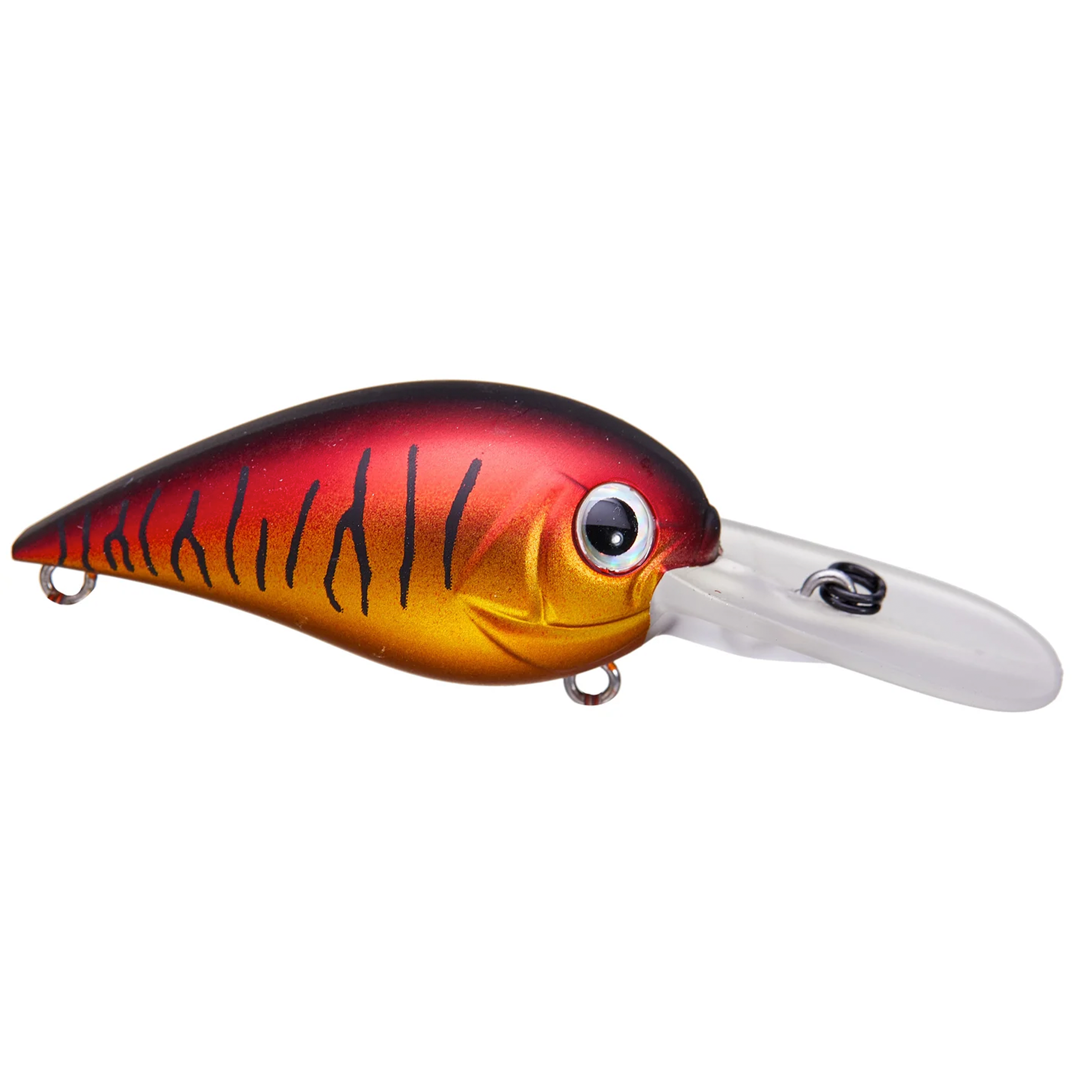
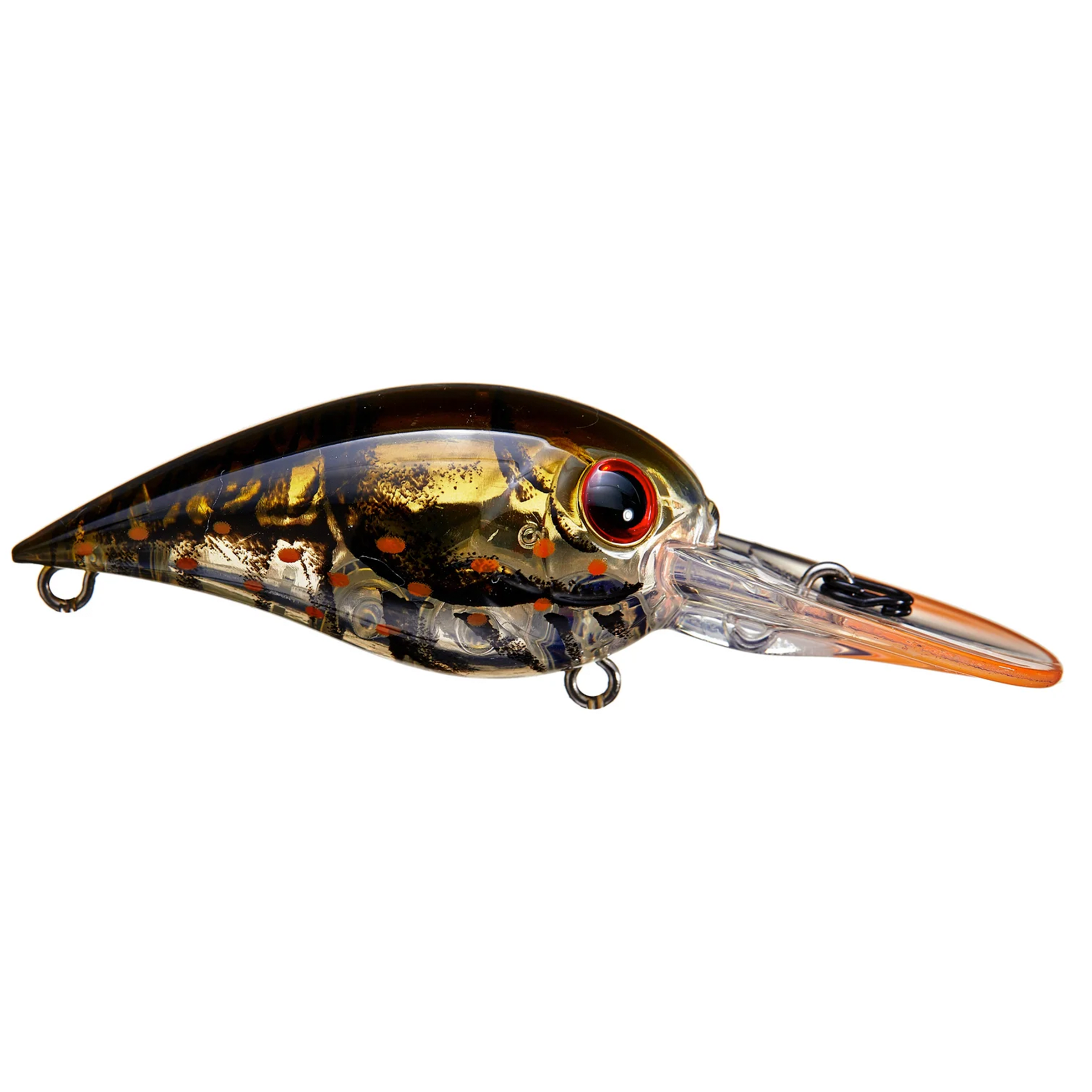
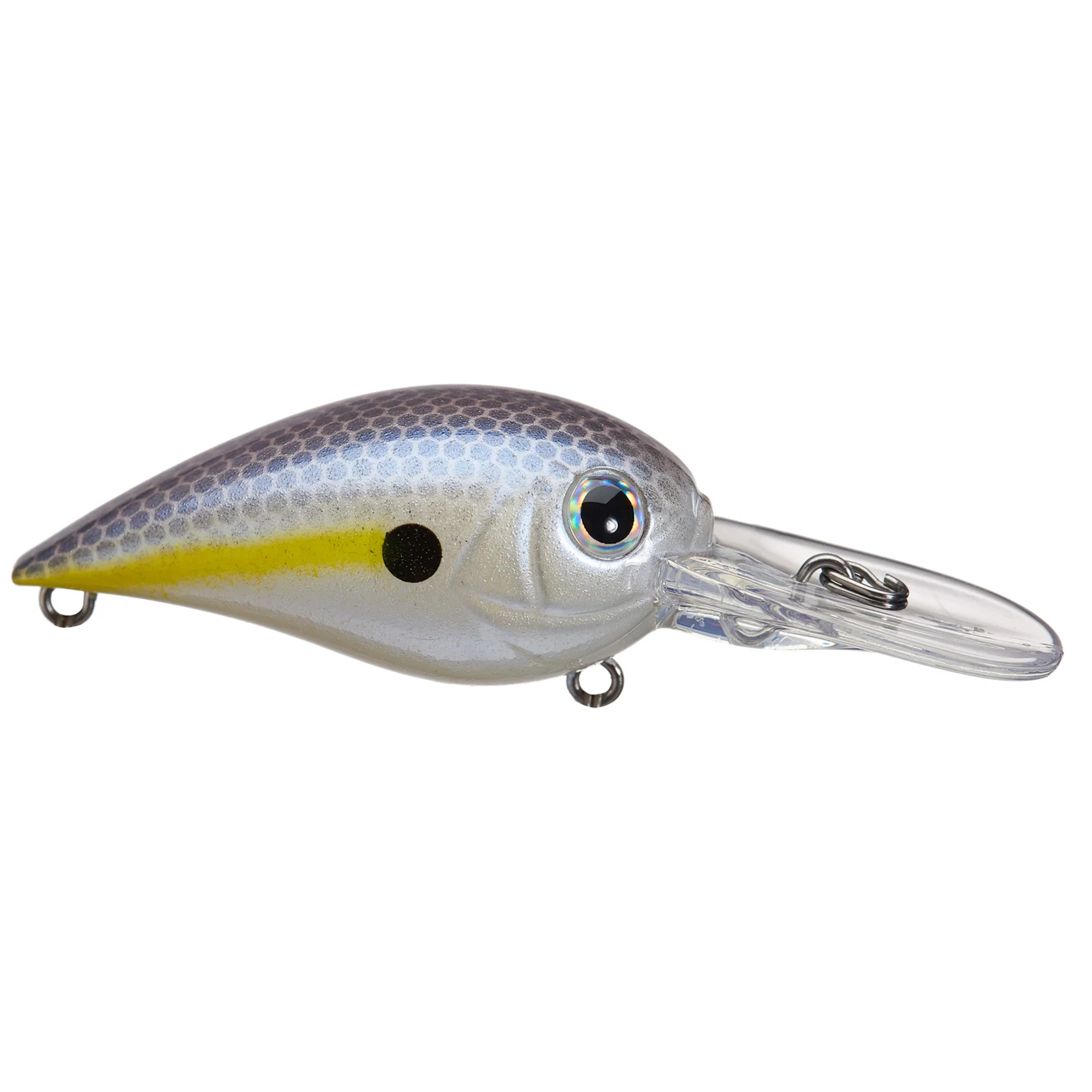
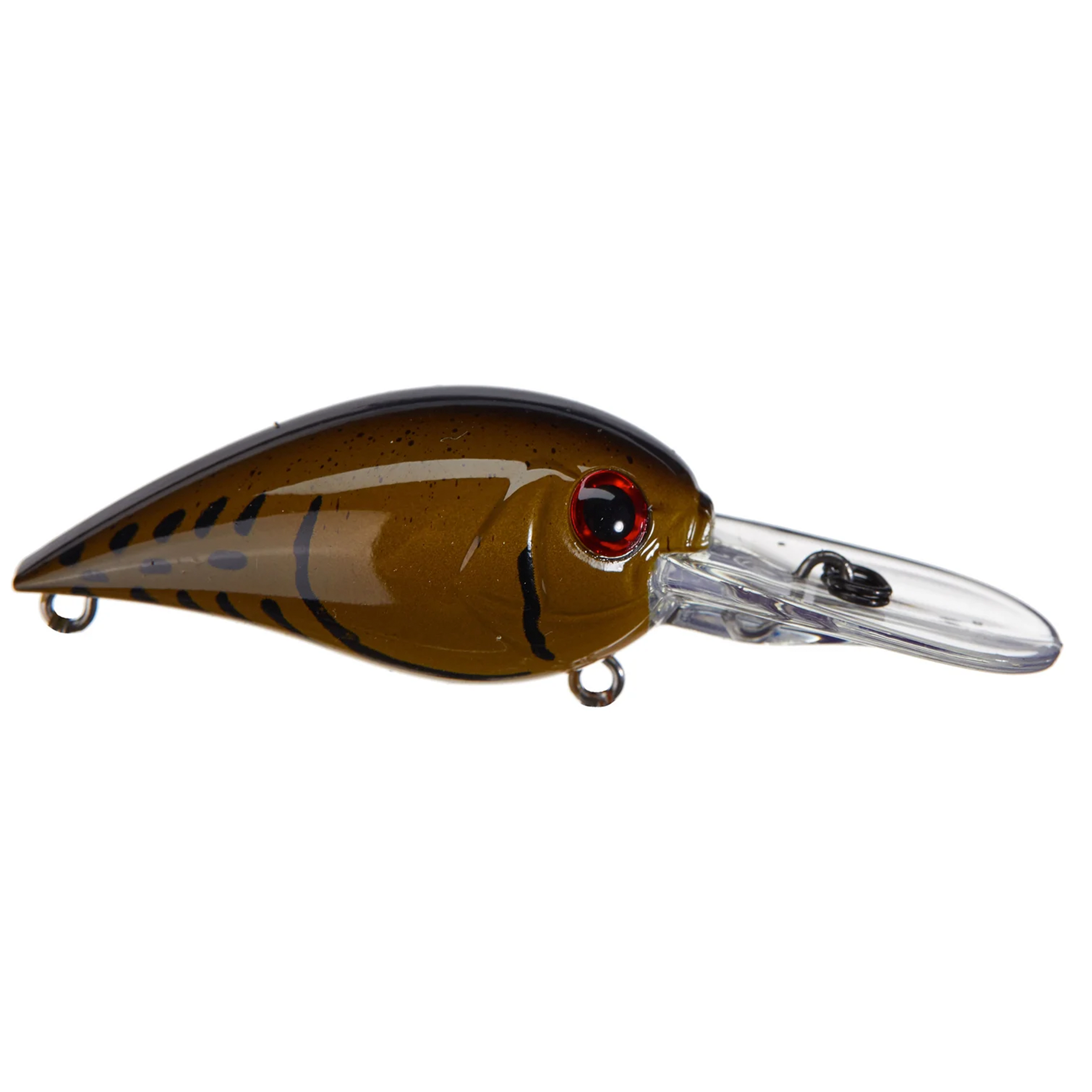
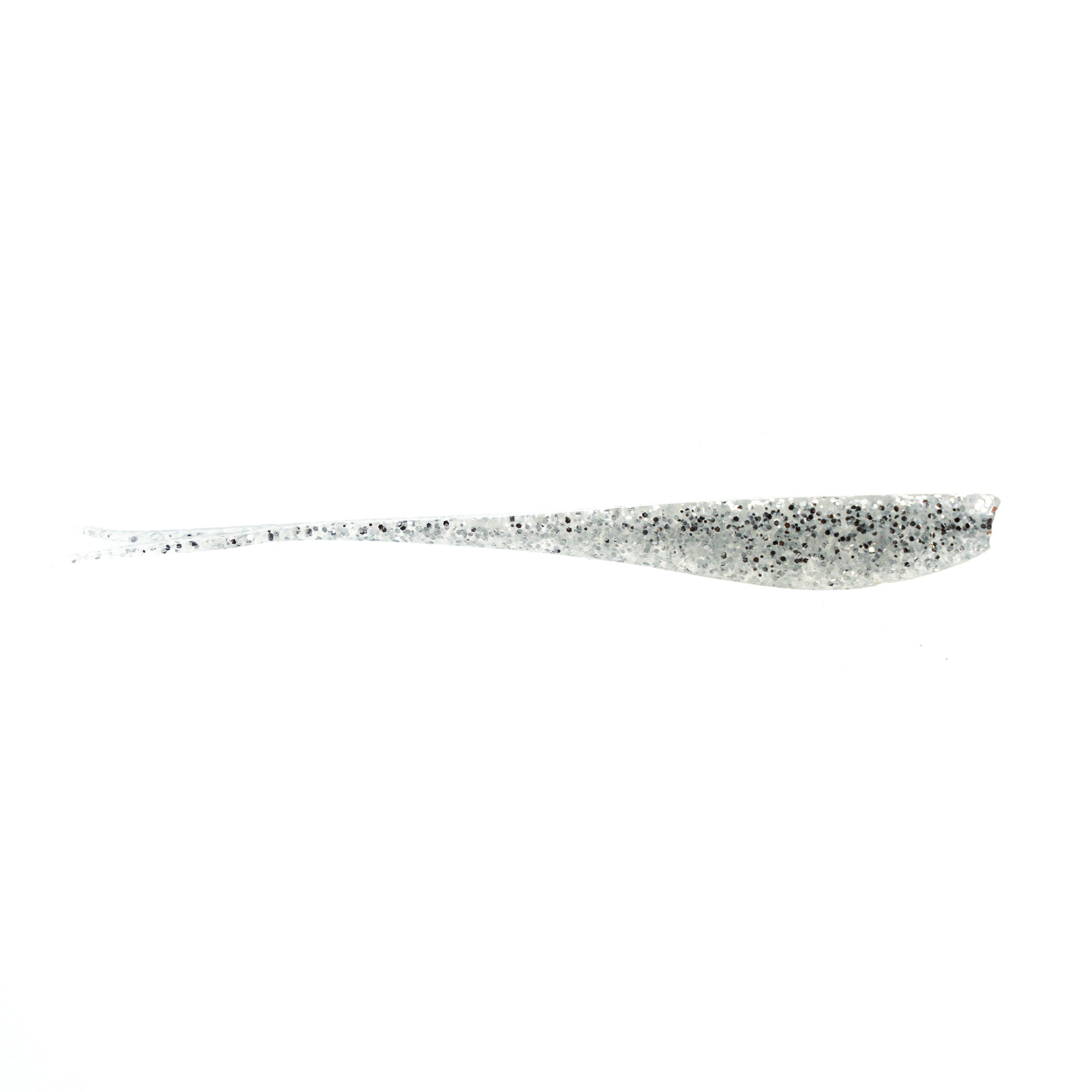
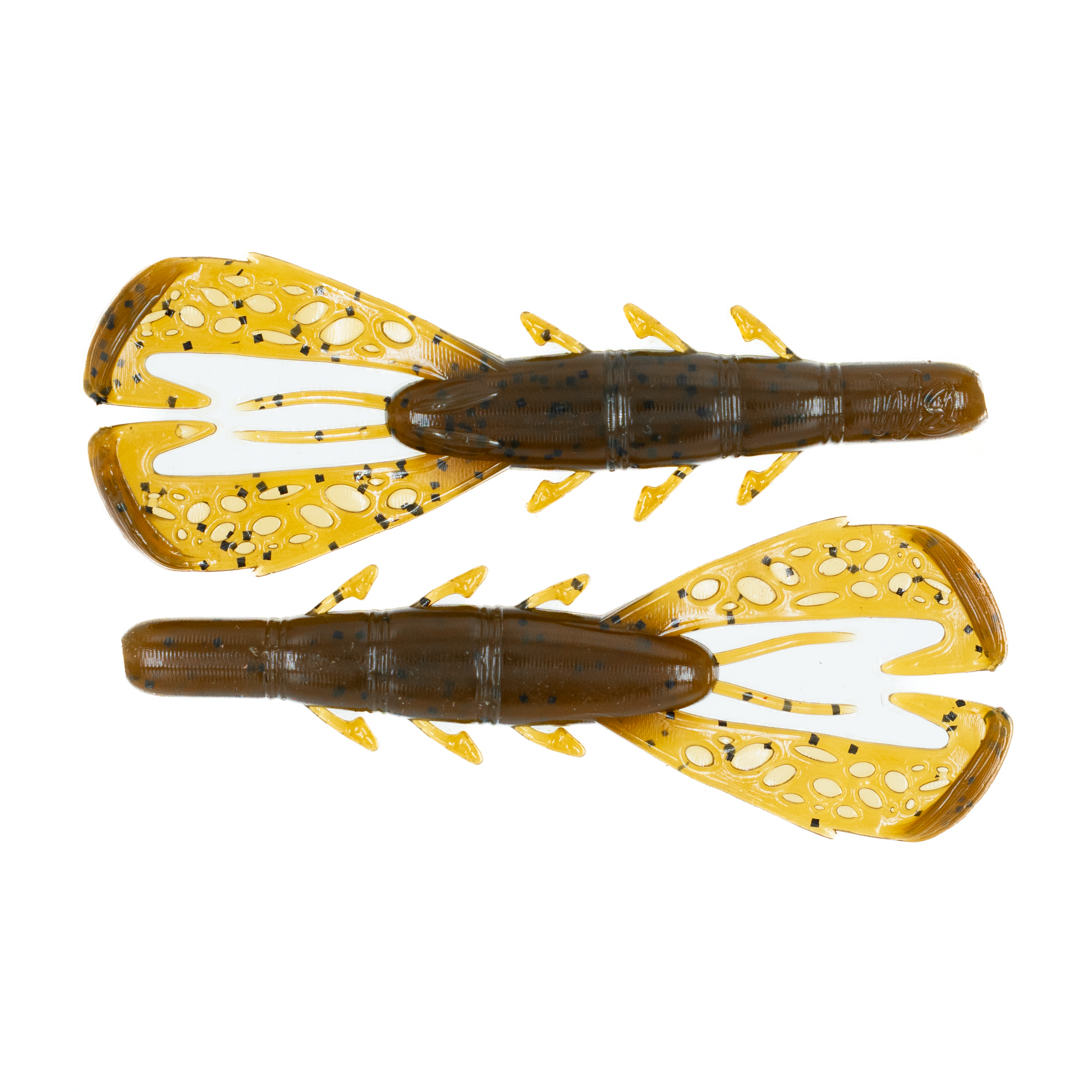
A Texas-rigged worm around isolated pads in spring, a lipless crankbait yo-yoed over shell bars in five to seven feet, and bottom presentations on hard spots in winter. With the grass gone, precision around what cover remains beats covering water. Our full bait lineup covers all four seasons.
Do I need a fishing license?
Yes. A Florida freshwater fishing license is required for anglers 16 and older through the Florida Fish and Wildlife Conservation Commission. Note that the lake holds saltwater species as well — check which licence applies to what you are targeting.
Precision on Isolated Targets
When a lake has lost most of its cover, the fishing becomes about hitting the few pieces that are left, exactly. A pad stem at twenty feet, a piling, a cypress knee. Level Rods builds models accurate enough to put a bait where it needs to be on the first cast, because on water like this you often only get one.
Tournament Winning Baits & Gear
Designed, crafted and tested by anglers who fish big water every week. Free shipping on orders over $75.
Shop All Baits