Lake Gaston Bass Fishing Guide
Lake Gaston Bass Fishing, Season by Season
Twenty thousand acres on the Roanoke River straddling the Virginia and North Carolina line, a few miles below Buggs Island, and frequently called one of the best largemouth lakes in either state. Gaston has grass, docks and creek arms, which is a rare combination this far north.
Grass and Docks on the State Line
Lake Gaston is a 20,300-acre reservoir on the Roanoke River, a few miles downstream of Buggs Island Lake, spanning the Virginia and North Carolina state line. It is frequently described as one of the best largemouth lakes in either state, which for water shared between two good bass states is a real claim.
What sets it apart from most reservoirs in this part of the country is vegetation. Gaston carries genuine grass — hydrilla and other submerged beds — alongside the dock lines and wood that dominate its neighbours. That gives anglers a grass game this far north, which Buggs Island upstream largely does not offer.
The rest of the cover is what you would expect: substantial shoreline development and dock lines, riprap, laydowns and brush, points, and the creek arms running back on both the Virginia and North Carolina sides. The old Roanoke River channel runs the length of it.
Because it sits on a river system below a much larger reservoir, water movement matters here. Generation upstream at Kerr moves water through Gaston, and current positions fish on points, channel edges and grass lines the way it does on any river impoundment.
It also crosses a state line, so check which licence you need for the water you intend to fish. Both states license their own portions.
Practical note: this is a popular recreational lake in summer with substantial residential development, so the same early-and-late logic that applies to Smith Mountain and Anna applies here.
Grass, Docks and Current
Four patterns cover the year. Each one pairs the technique with the baits we'd actually tie on.
Coves, Docks and the First Grass
Spring pushes fish into the creek arms and the backs of the coves on both sides of the state line. Docks in the spawning pockets hold fish, and the first grass of the year begins to show on the shallow flats. Prespawn fish stage on points and channel edges leading into the coves.


Grass Beds and Deep Docks
Summer is when the vegetation earns its place. Hydrilla and submerged grass hold fish through the heat and give Gaston a pattern its neighbours lack, while the docks provide shade and the deeper points and channel edges hold the rest. Recreational traffic is heavy on summer weekends.

Bait, Grass Edges and Quiet Water
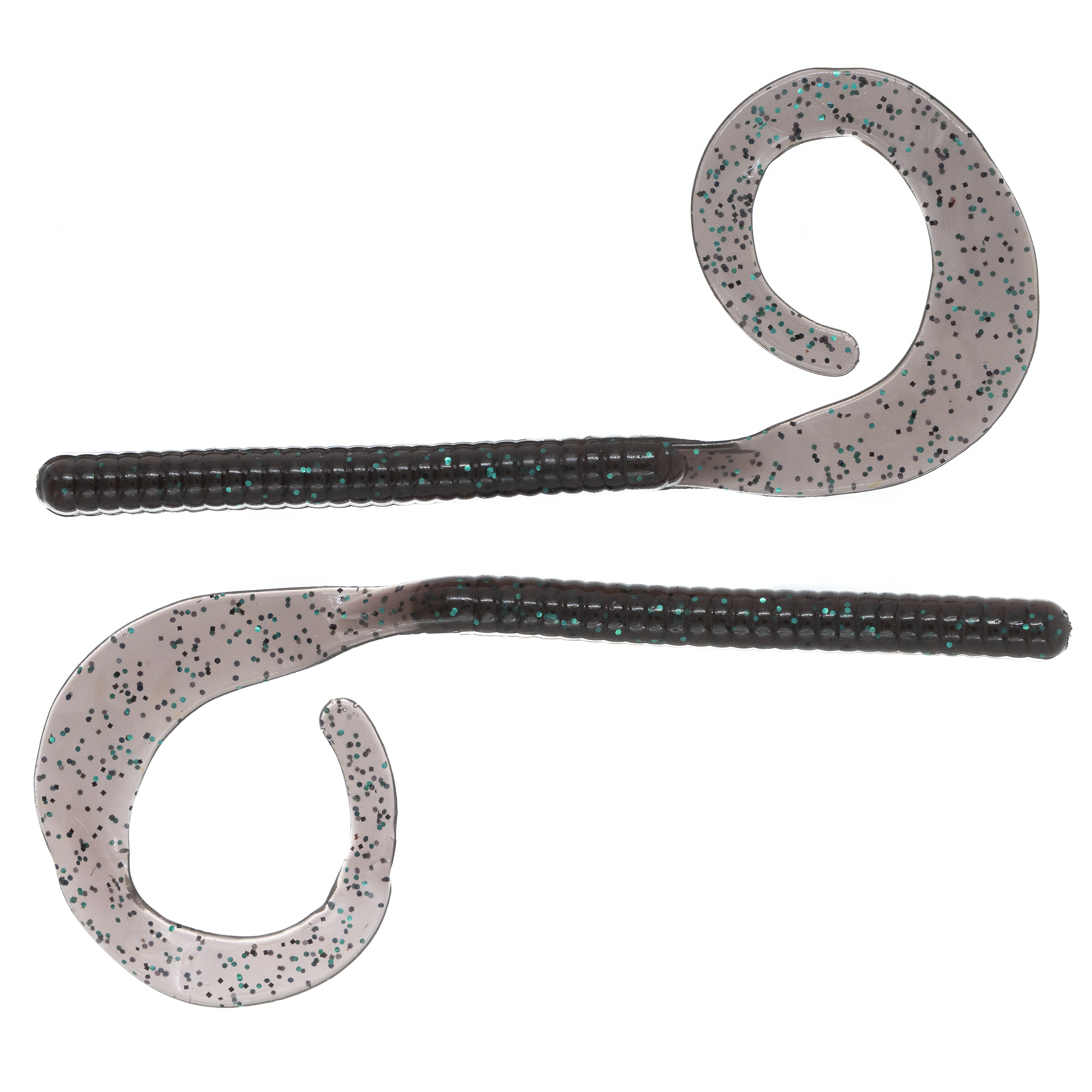
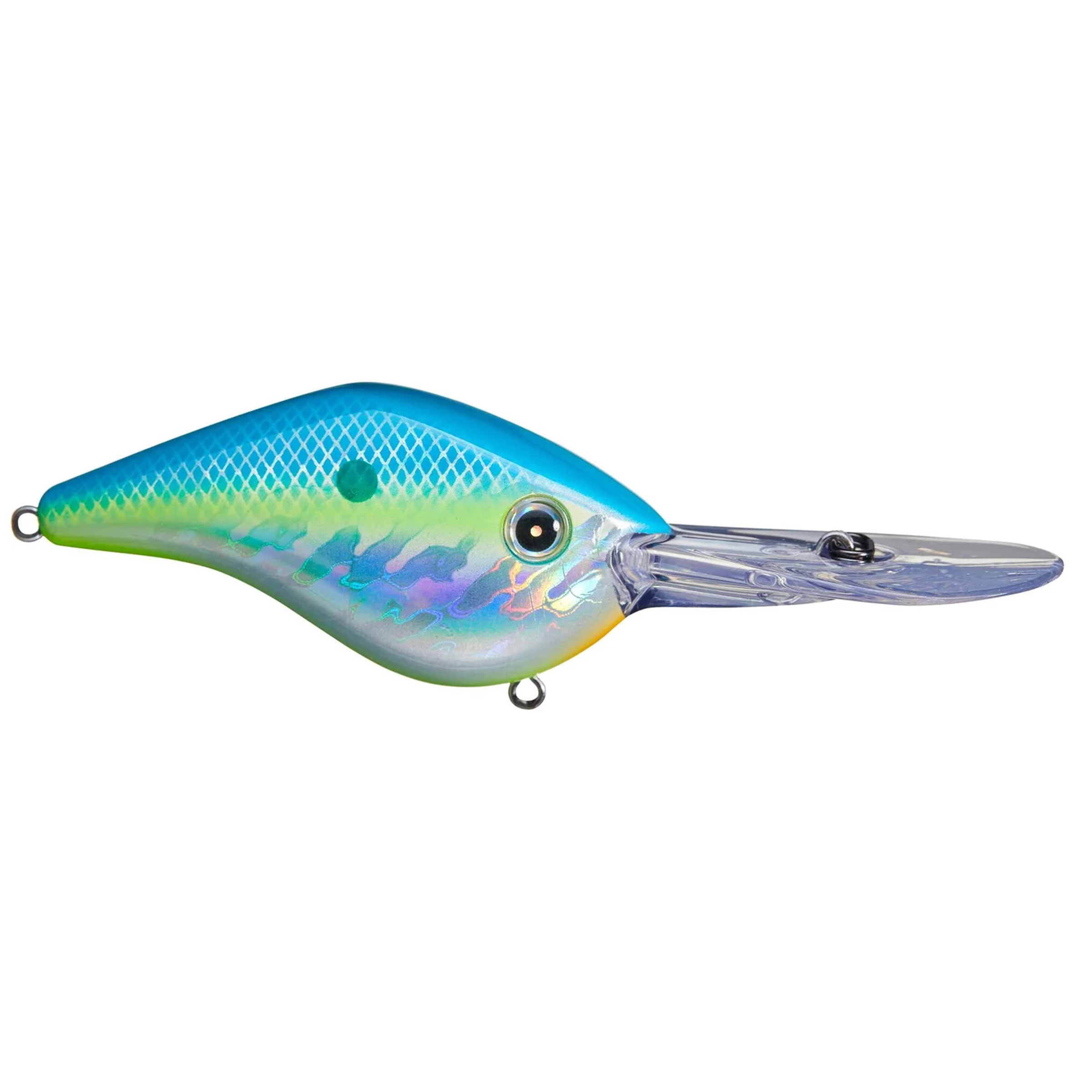
Autumn concentrates bait along the grass edges and in the creek arms, and the summer traffic goes home. Grass is at its best after a season of growth and the fish are aggressive enough to chase, which makes moving baits along the outside edges the most efficient approach of the year.
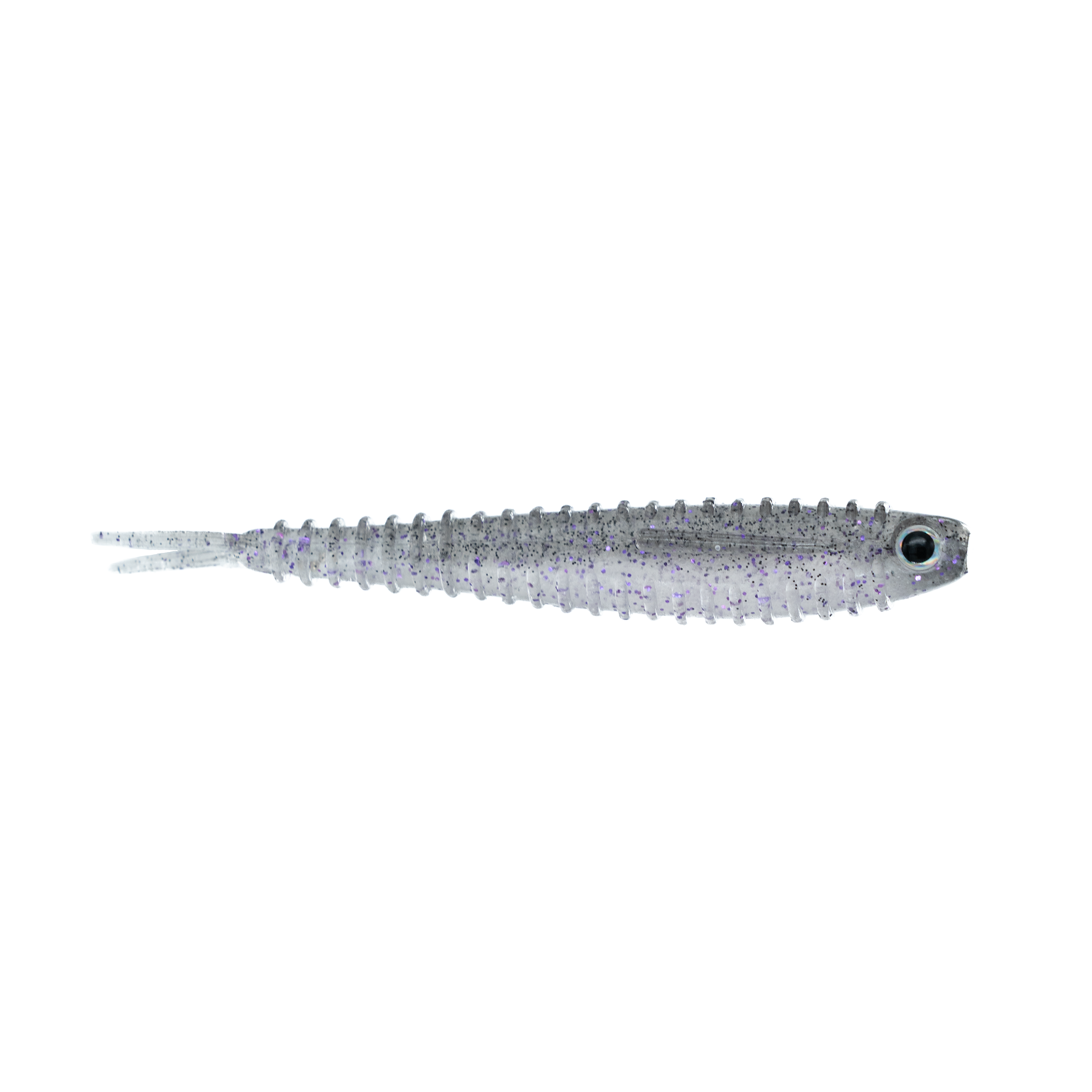
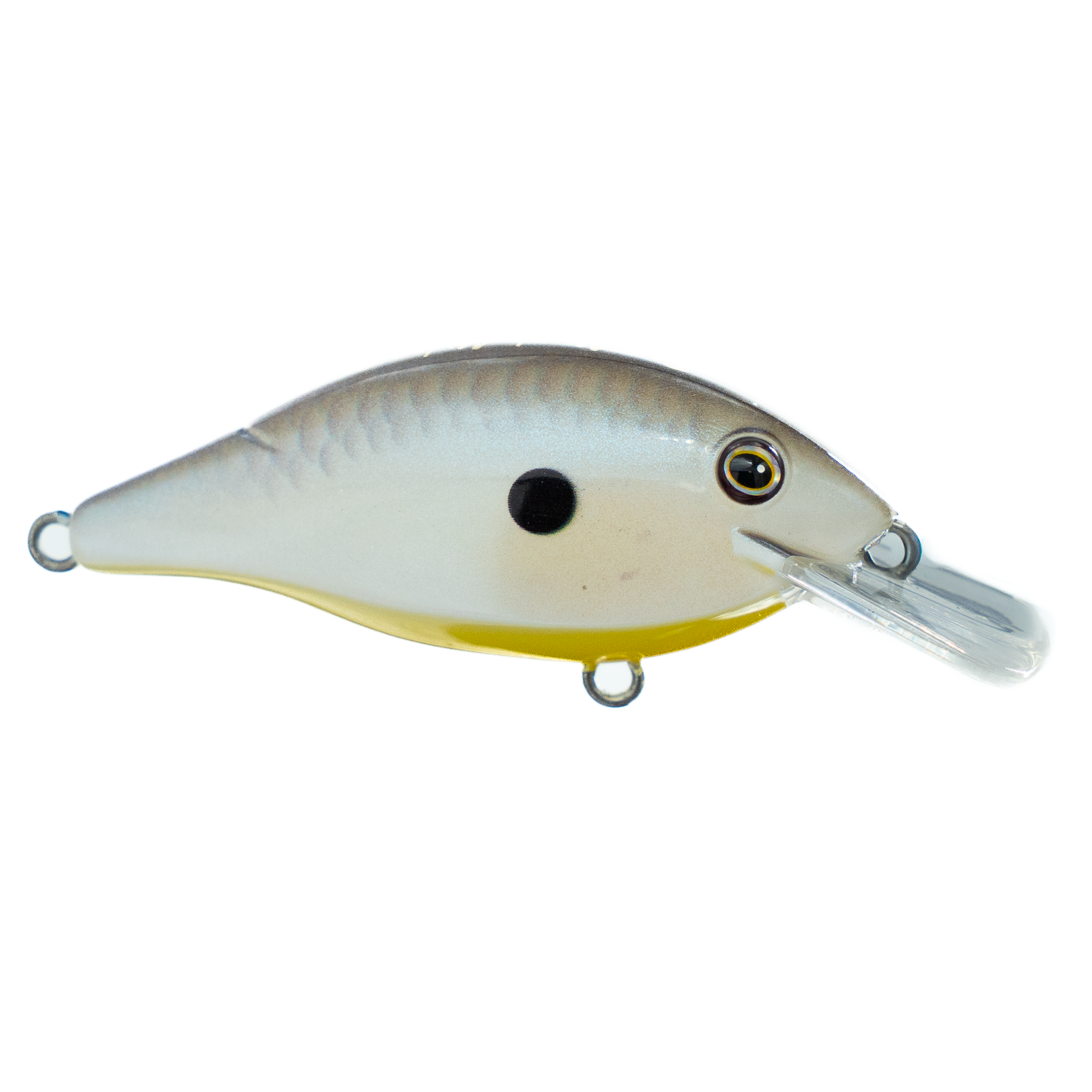
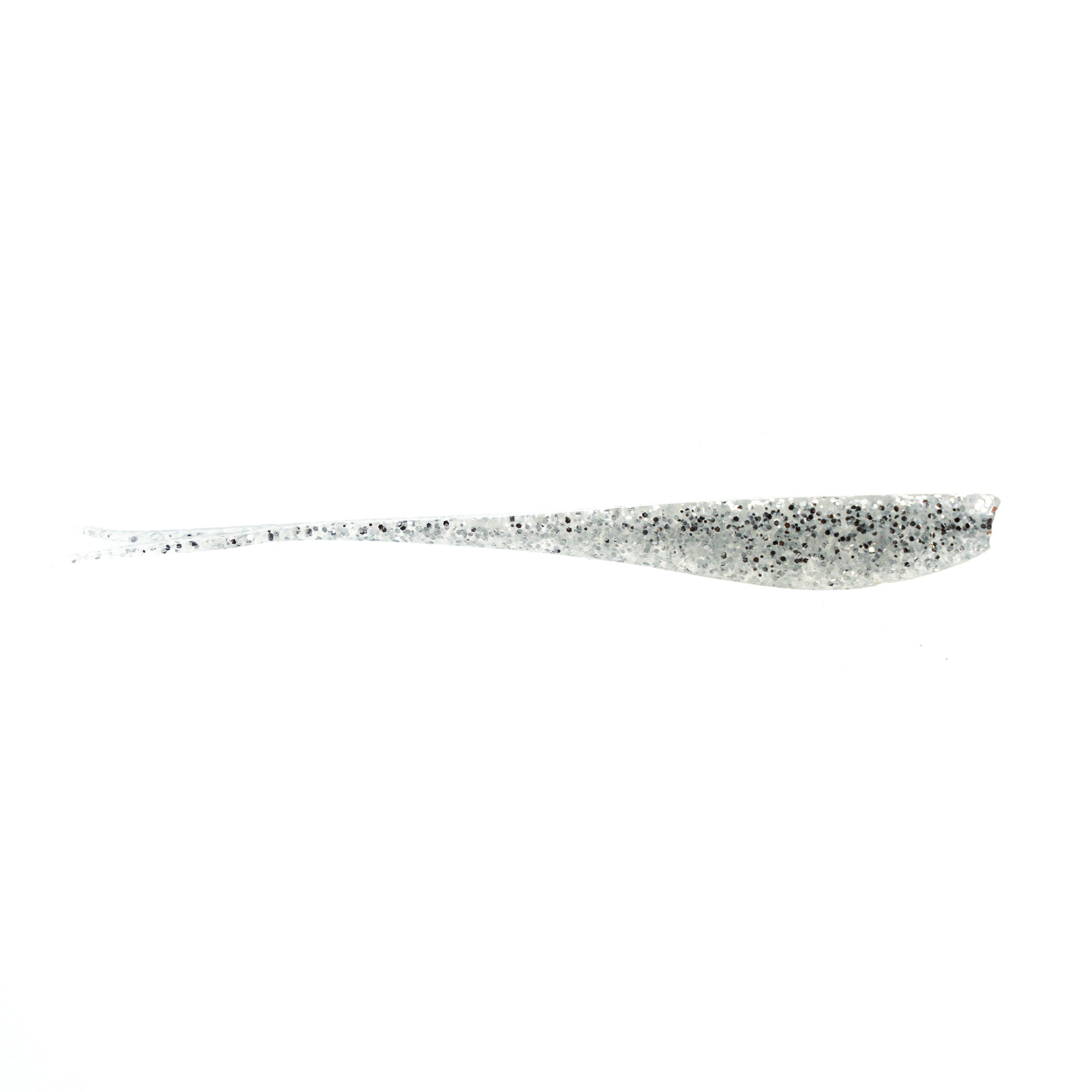
Deep Grass, Docks and Channel Edges
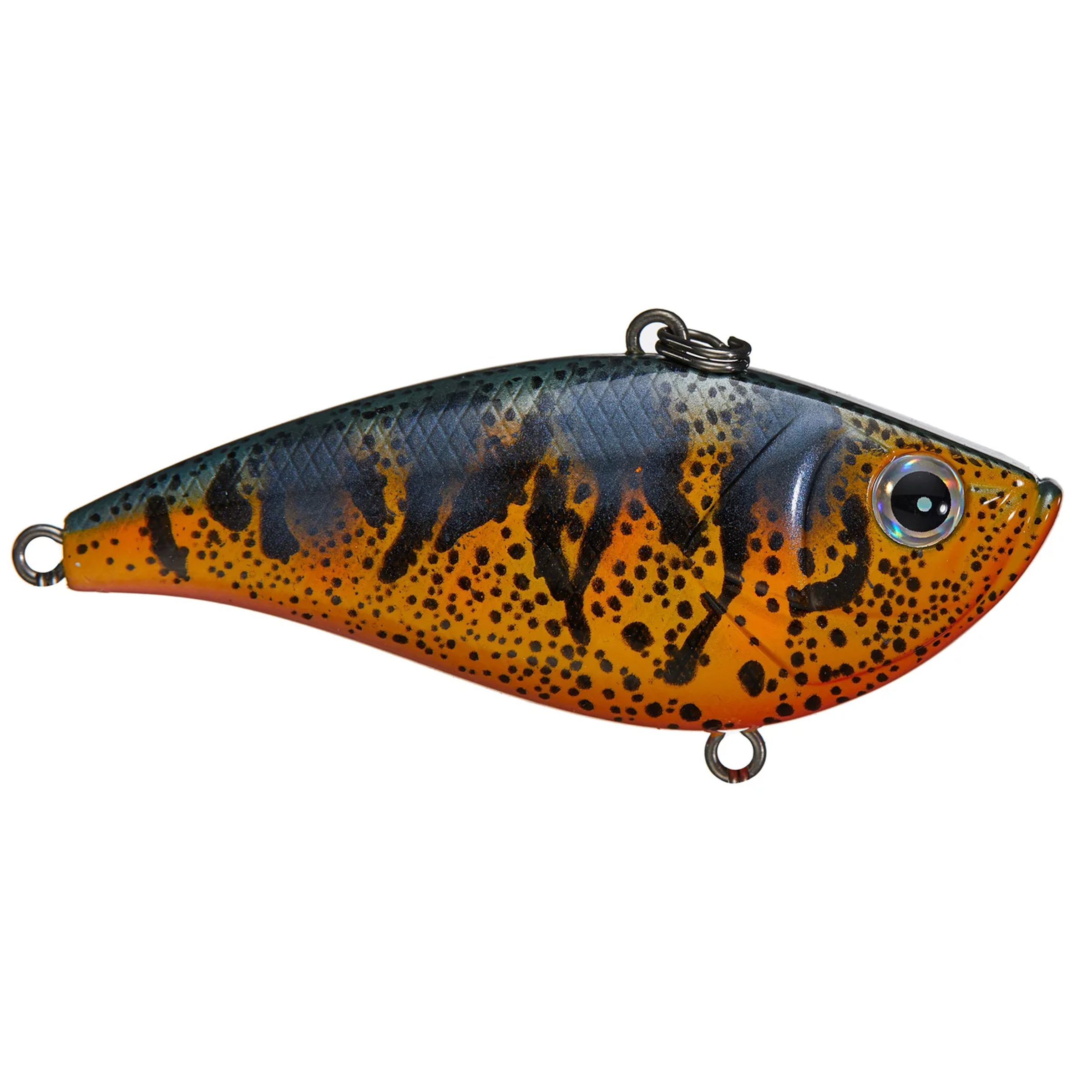
Winter holds fish on the deeper grass, the channel edges and the deepest docks. Grass that dies back leaves the remaining beds disproportionately valuable, and the fish group tightly on them. It is slow fishing on an empty lake with good average size.
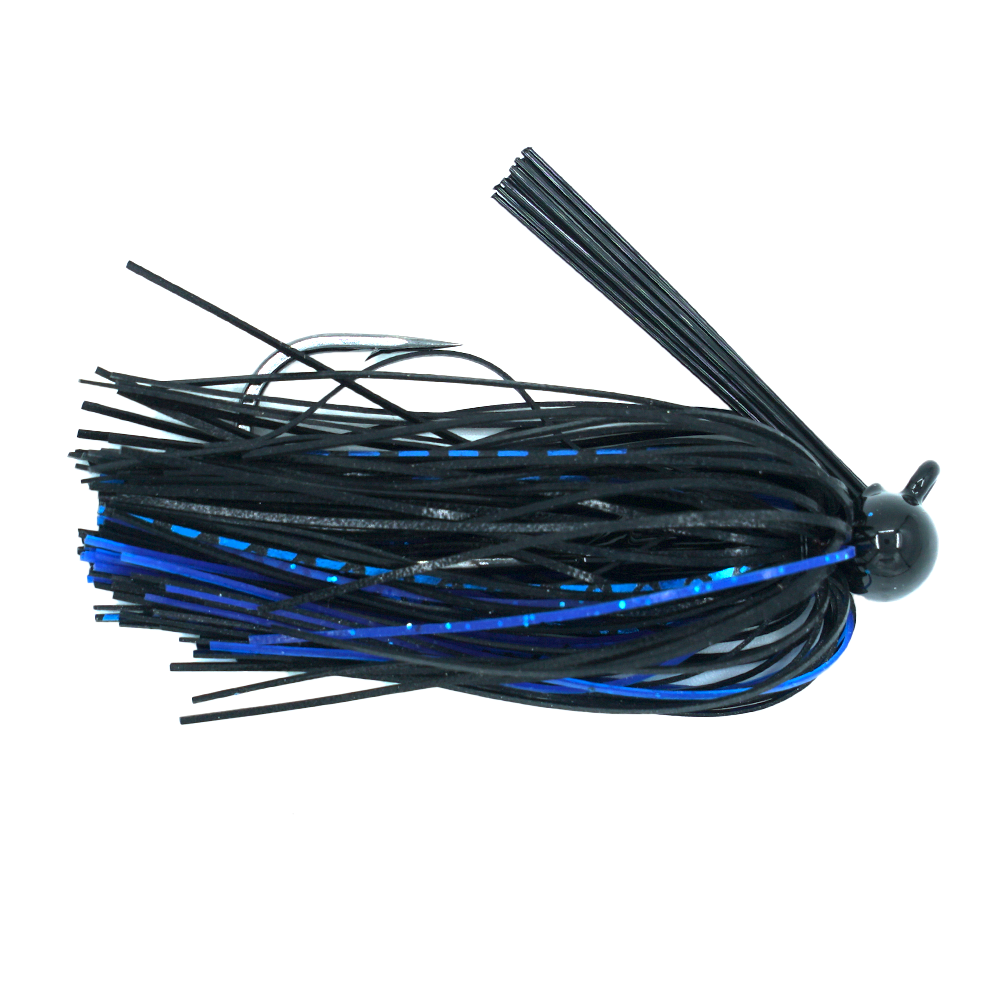


Lake Gaston Access
Public ramps serve the lake on both the Virginia and North Carolina shorelines, with marinas throughout. Littleton and Bracey are the local towns. Check which state's licence you need for the water you plan to fish.
The Grass Beds
Hydrilla and submerged vegetation, and the thing that distinguishes Gaston from Buggs Island upstream and most reservoirs in the region. Frog water at first light, punching water in the heat, and edge water in autumn.
The Dock Lines
Substantial residential development means docks in numbers on both sides of the state line. Year-round cover, shade in summer, and reliable when the grass bite is off.
The Creek Arms and Channel Edges
Arms running back on both the Virginia and North Carolina sides, warming first in spring and holding bait in autumn. The old Roanoke channel and its edges carry current from upstream generation, which positions fish on points and drops.
Lake Gaston Bass Fishing FAQ
How big is Lake Gaston?
About 20,300 acres on the Roanoke River, spanning the Virginia and North Carolina line a few miles below Buggs Island Lake. It is often considered one of the best largemouth lakes in either state.
Do I need a Virginia or North Carolina license?
Depends where you fish. The lake straddles the state line and each state licenses its own waters. Check before you launch, particularly if you plan to move between the two sides during the day.
Is there grass in Lake Gaston?
Yes — hydrilla and other submerged vegetation, which is what sets Gaston apart from Buggs Island upstream and most reservoirs in this region. It gives you a genuine grass game this far north, with frogging, punching and edge patterns all in play.
How is Gaston different from Buggs Island?
Gaston has vegetation and considerably more shoreline development, which means grass beds and dock lines as primary cover. Buggs Island upstream is larger, less developed and structure-driven. They fish quite differently despite being on the same river a few miles apart.
Does current matter on Lake Gaston?
Yes. Generation upstream at Kerr moves water through Gaston, and current positions bass on points, channel edges and grass lines the way it does on any river impoundment. It is worth knowing whether water is moving before deciding where to spend the day.
When is the best time to fish it?
Spring for the spawn in the creek arms and coves, and autumn for the grass edge bite with the summer traffic gone. Summer is genuinely good if you fish the grass early and the docks through the day.
What baits work best on Lake Gaston?
Frogs and topwater over grass, punching and flipping baits for the thicker beds, skipping baits for docks, and moving baits along grass edges in autumn. A bladed or swimming jig through early spring vegetation is the big-fish presentation. Our full bait lineup covers all four seasons.
Are there other species?
Striped bass, crappie, catfish and bream are all present, and the striper fishing on the Roanoke system draws its own following. Largemouth are the main bass attraction.
Grass and Docks
A lake that asks you to punch a hydrilla mat in the morning and skip a dock in the afternoon needs two very different rods and no compromise on either. Level Rods builds heavy models for vegetation and shorter, faster models for dock work, so a single trip covers both properly.
Tournament Winning Baits & Gear
Designed, crafted and tested by anglers who fish grass and docks every week. Free shipping on orders over $75.
Shop All Baits