Lake Fork Bass Fishing Guide
Lake Fork Bass Fishing, Season by Season
Twenty-seven thousand acres of flooded timber ninety miles east of Dallas, and the most productive trophy bass lake in the history of Texas. Fork holds the state record, most of the top fifty, and more ShareLunkers than every other lake combined.
Genetics, Regulations and Timber
Lake Fork sits on the Sabine River in Hopkins, Rains and Wood counties, about five miles northwest of Quitman and ninety miles east of the Dallas-Fort Worth metroplex. It was built by the Sabine River Authority as a water supply, impounded in February 1980 and opened to the public that September. It covers roughly 27,690 acres with 315 miles of shoreline and reaches over seventy feet deep.
Two decisions made this lake what it is, and neither was luck. In 1978, before the dam closed, Texas Parks and Wildlife stocked Florida-strain largemouth into the ponds that would become the lake bottom, giving the population a genetic head start. Then harvest was restricted from the beginning, eventually settling into the 16 to 24 inch slot limit the lake runs today.
The results are difficult to overstate. More than sixty-five percent of the Texas Top 50 largest bass came from Fork, including the state record, and more than half of every fish ever entered into the Toyota ShareLunker programme. Even with O.H. Ivie's recent dominance of the trophy headlines, Fork keeps producing double-digit fish with a consistency nothing else in the state matches.
The habitat is the third ingredient. Standing timber across huge sections of the lake, extensive hydrilla, creek channels dropping to seventy feet, and bridges that hold fish and crappie year round. Water is moderately clear and fluctuates only two to four feet annually, so the cover stays where you found it.
Understand the slot before you launch. Largemouth between sixteen and twenty-four inches must be released. Bass sixteen inches and under, or twenty-four inches and over, may be kept, and only one fish twenty-four inches or longer per day. Daily bag for all black bass is five in combination.
Navigation warning that is not boilerplate: the timber is still standing and the boat lanes are marked for a reason. Anglers who leave them at speed learn an expensive lesson. Use GPS and take it slowly until you know the water.
The Lake That Holds the State Record
What Fork has produced, and the baits to fish the water that produced it.
Barry St. Clair — And a Fish Called Ethel Before Him
Six years before the record, in November 1986, guide Mark Stevenson caught a 17.67-pound largemouth here and named her Ethel. Fork was a young lake then, barely six years old, and a fish that size changed how people thought about it. Ethel became the first fish connected to the programme that grew into Toyota ShareLunker — which means the entire Texas trophy-management system traces back to one bass out of this reservoir.
In January 1992 Barry St. Clair caught the 18.18-pounder that still stands as the Texas state record more than three decades later. Fork holds fifteen of the state's top twenty largemouth.
The mechanism underneath it is worth understanding, because it explains why the record has held. Florida-strain bass reach roughly fifty percent greater maximum weight than northern-strain fish, and live to around sixteen years rather than ten — more spawning cycles, more years of growth. Fork got those genetics before it held water, then protected them with a slot limit. Neither alone would have worked.
For planning: spring fishing here breaks open when water temperature reaches the high fifties, typically in early February, and peak largemouth fishing runs mid-February through April.


Timber, Hydrilla and Creek Channels
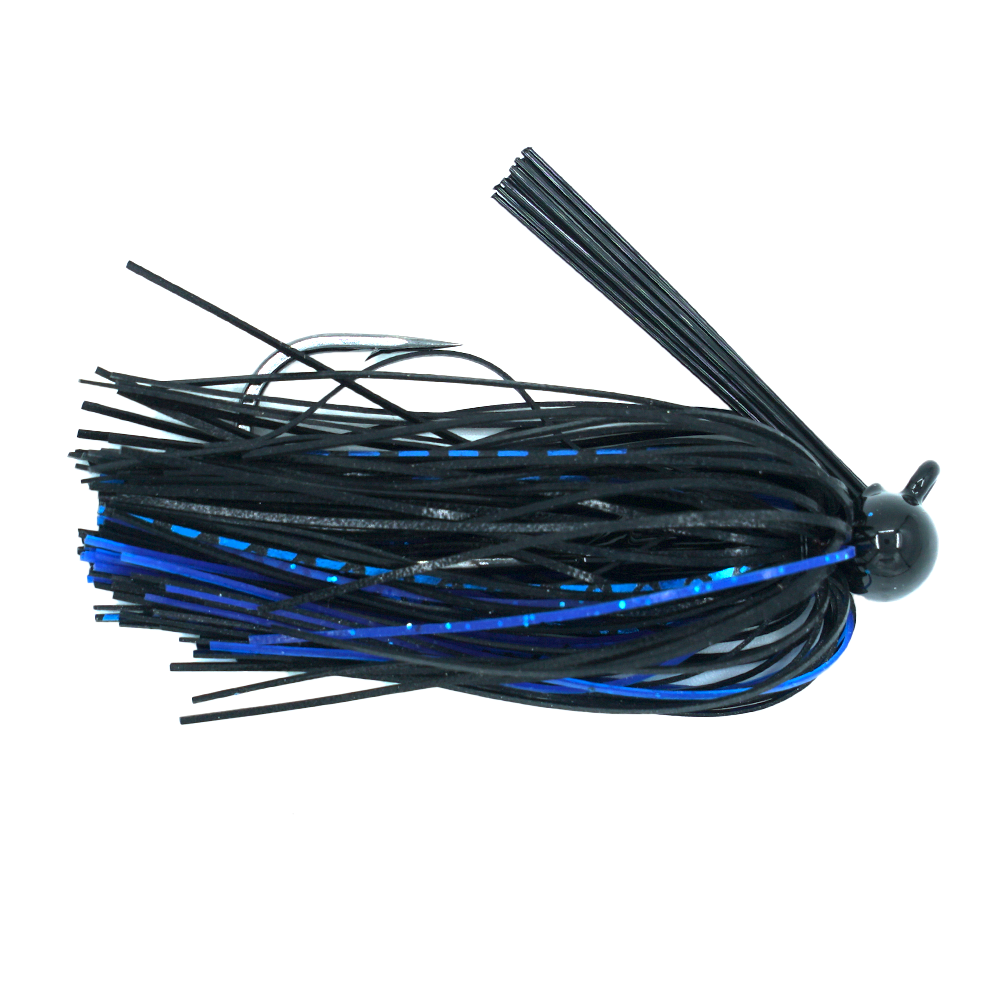
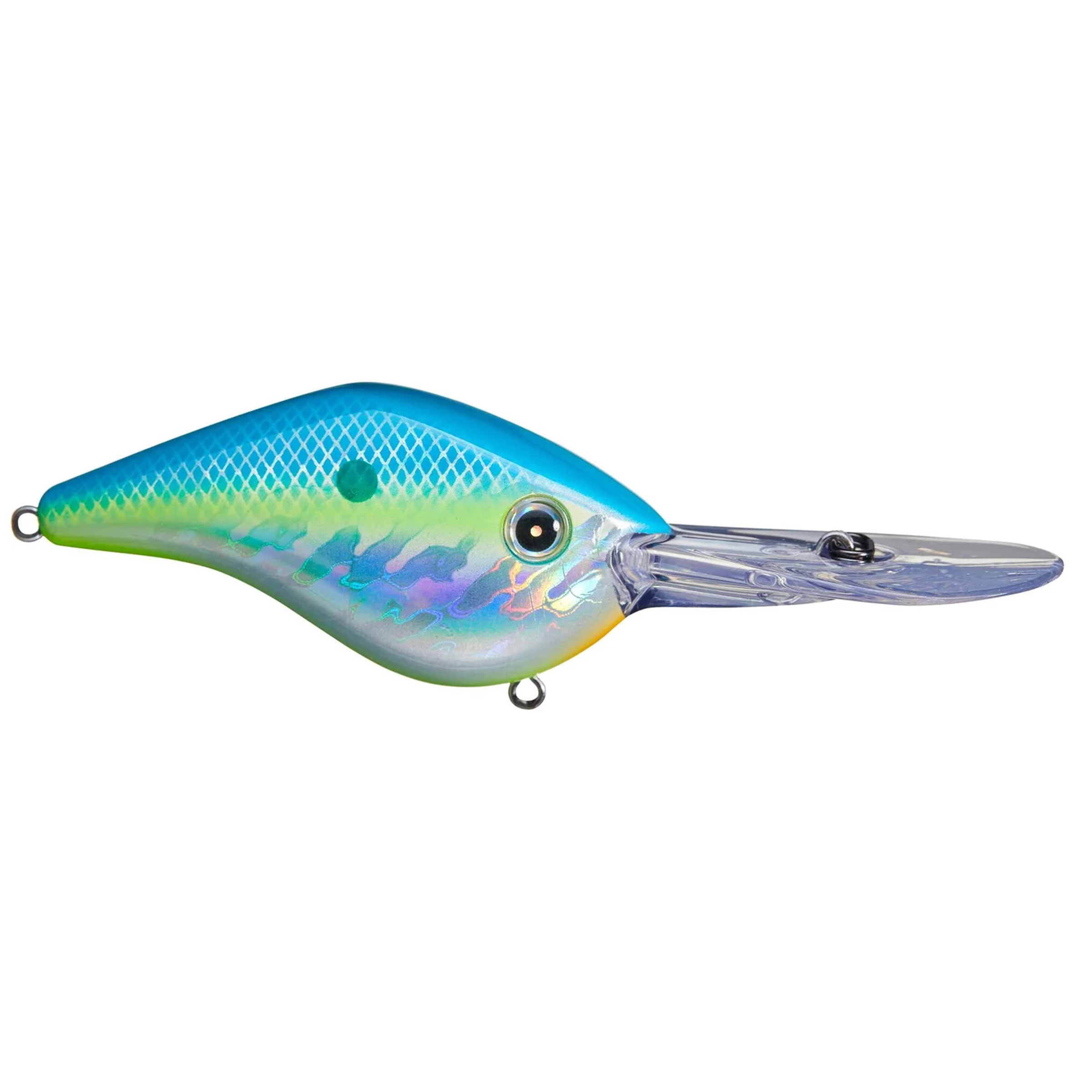
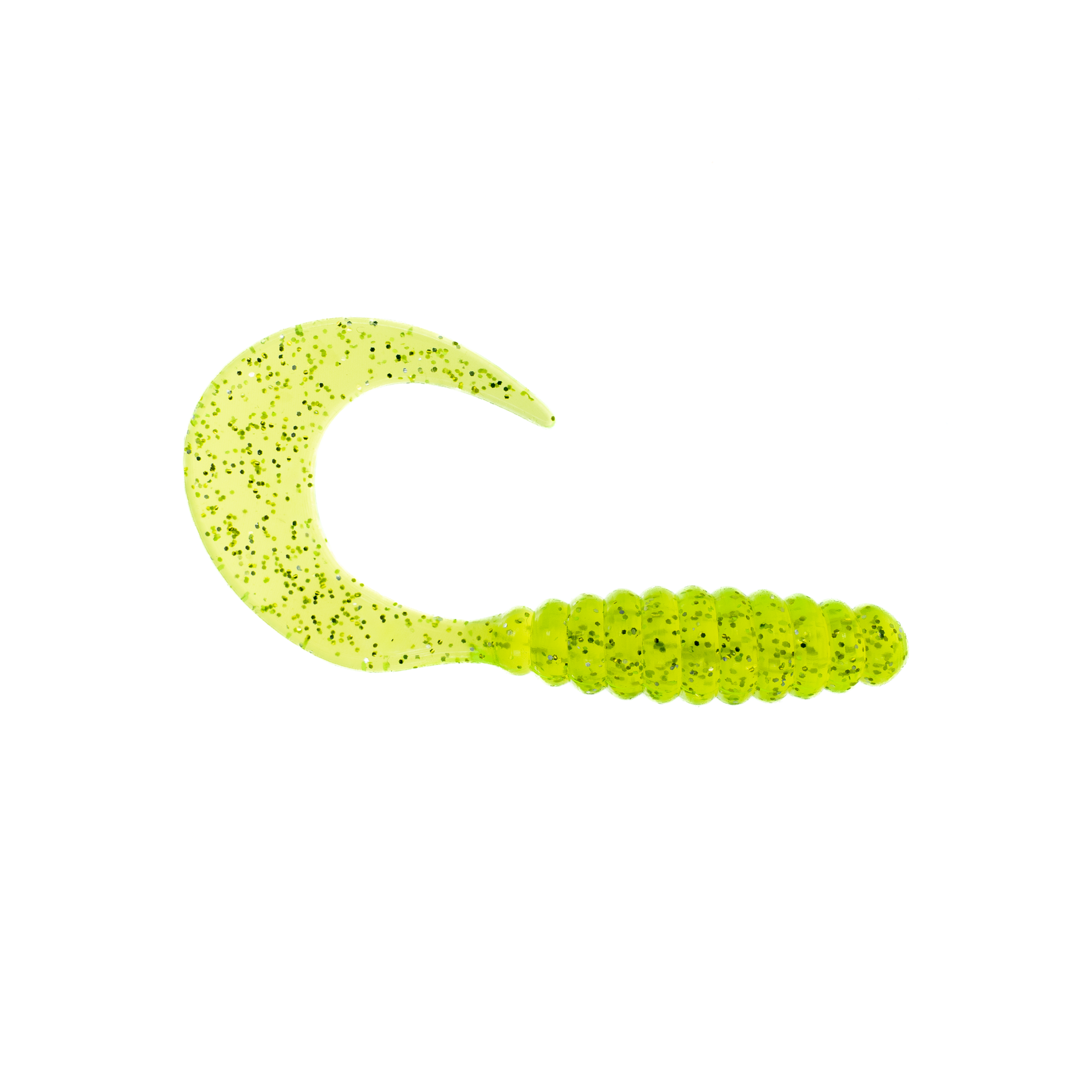
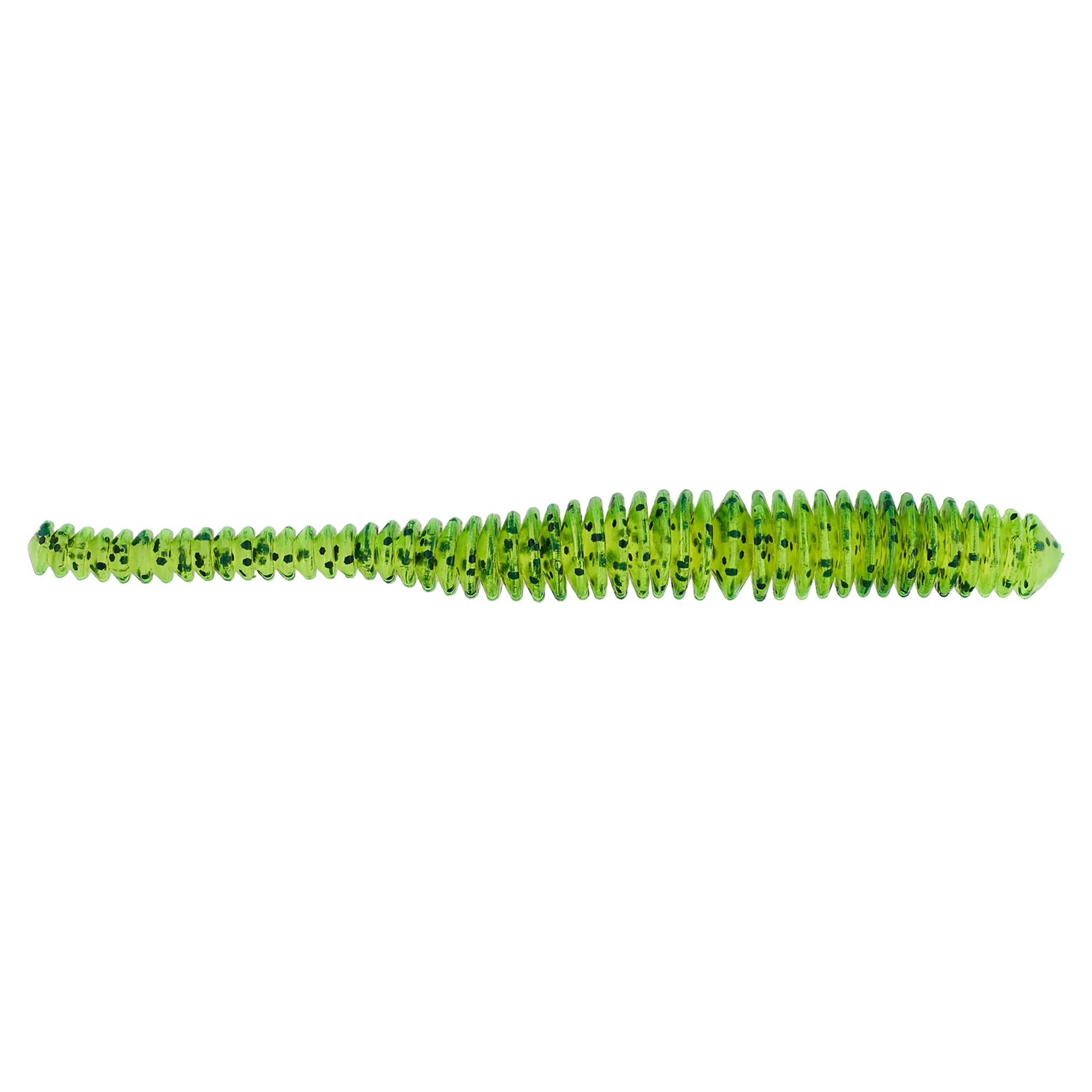
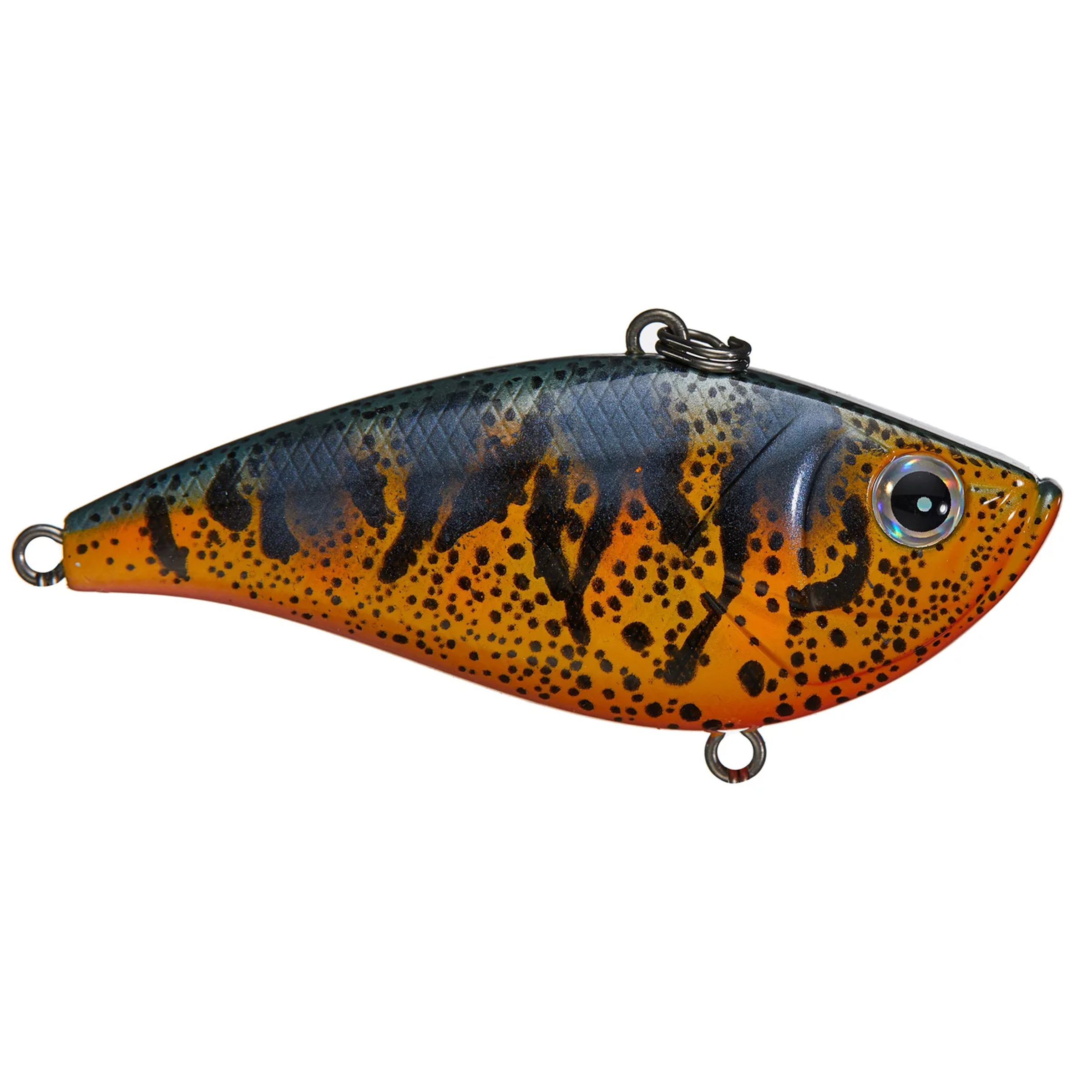
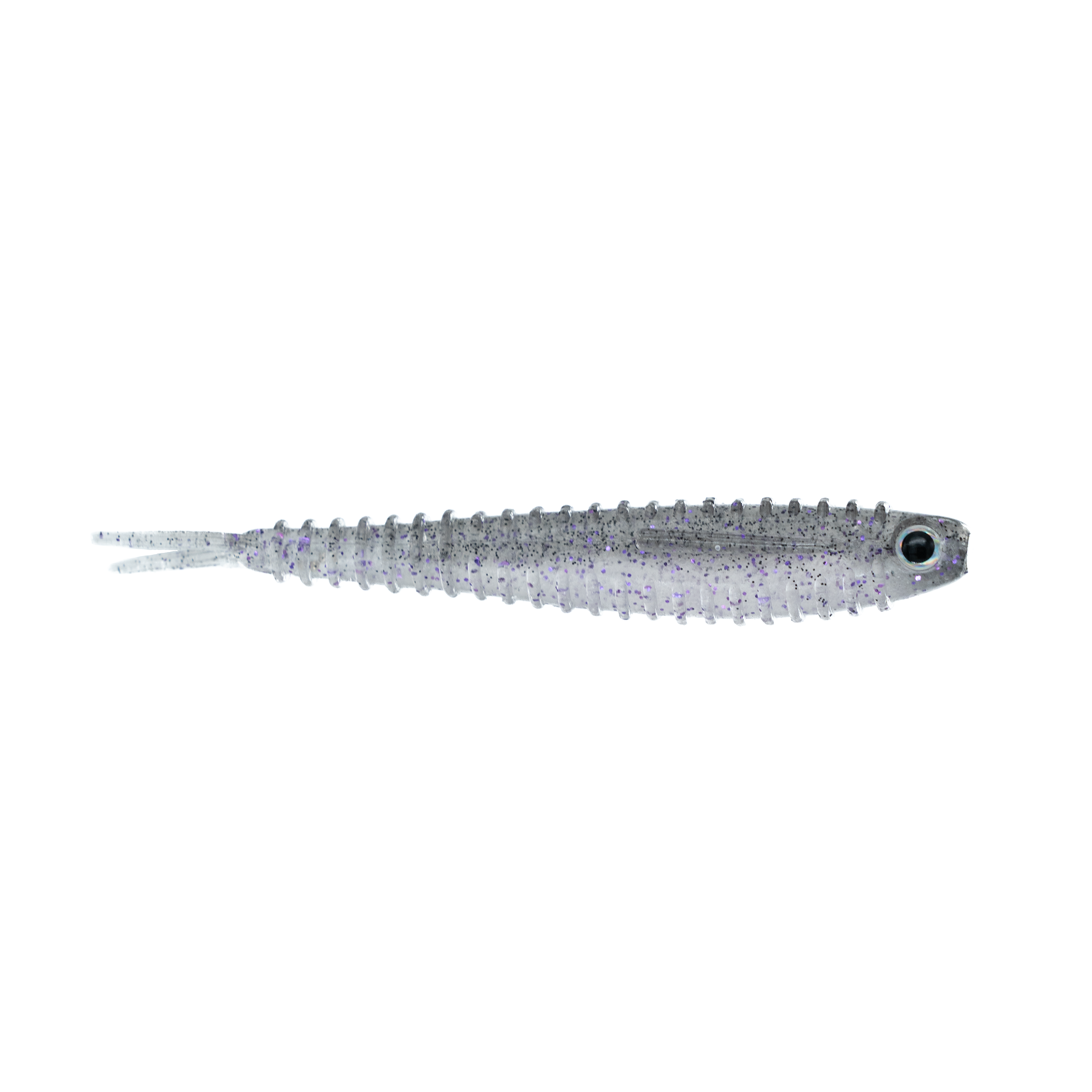
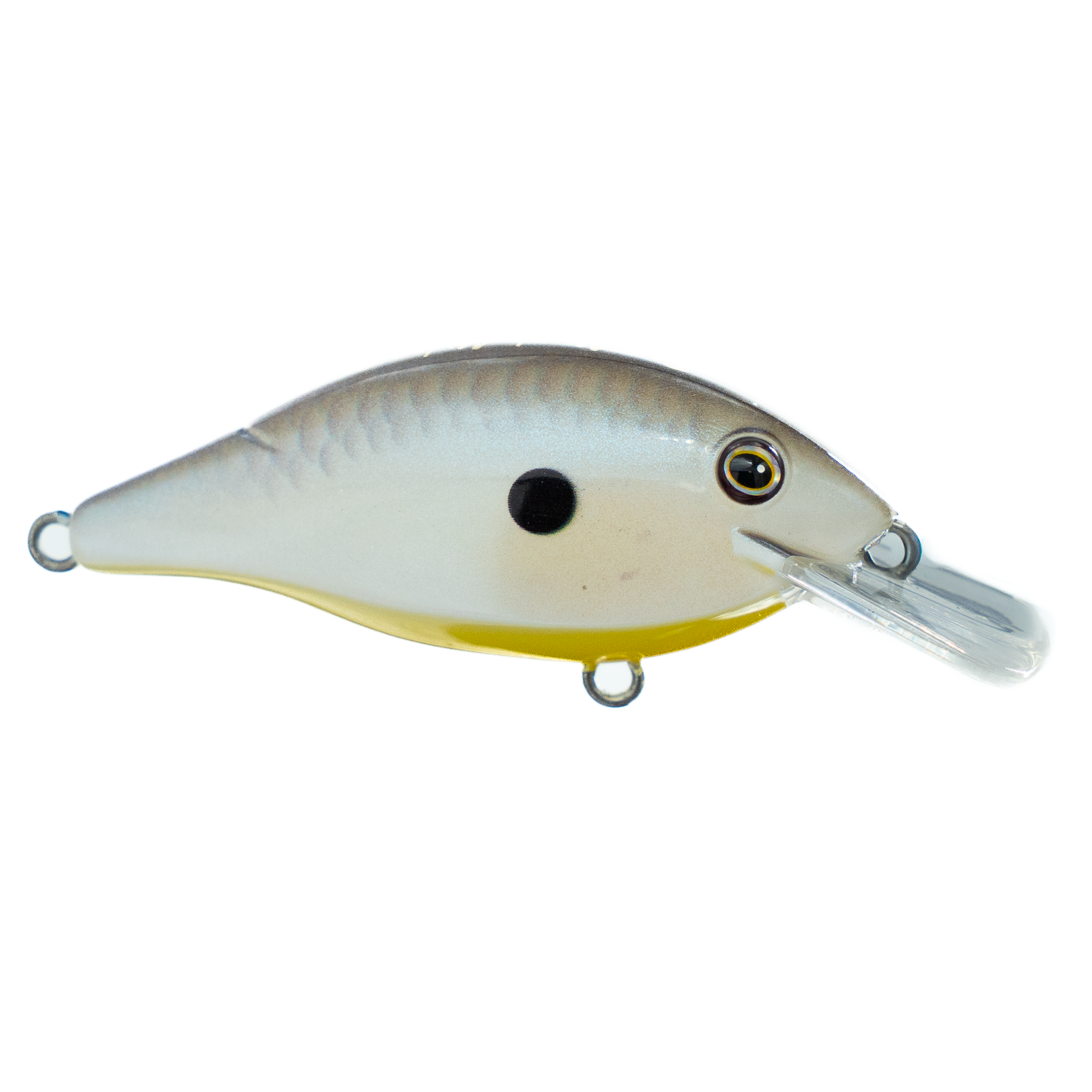
Four patterns cover the year. Each one pairs the technique with the baits we'd actually tie on.
The Six Weeks Everyone Comes For
Peak largemouth fishing runs mid-February through April, and it starts when water temperature climbs into the high fifties. Fish move out of the creek channels onto the flats and into the timber to spawn. This is when the double-digit fish are catchable and when the lake is busiest — the big amateur tournaments are scheduled here for a reason.
Deep Timber and Bridge Pilings
Summer pushes fish off the flats and onto deeper structure. Creek channel edges, the deeper standing timber and the bridge pilings all hold fish, and the thermocline dictates how deep is worth fishing. Early and late are the productive windows on the shallow end; the deep structure fishes through the day.

Shad, and the Backs of the Creeks
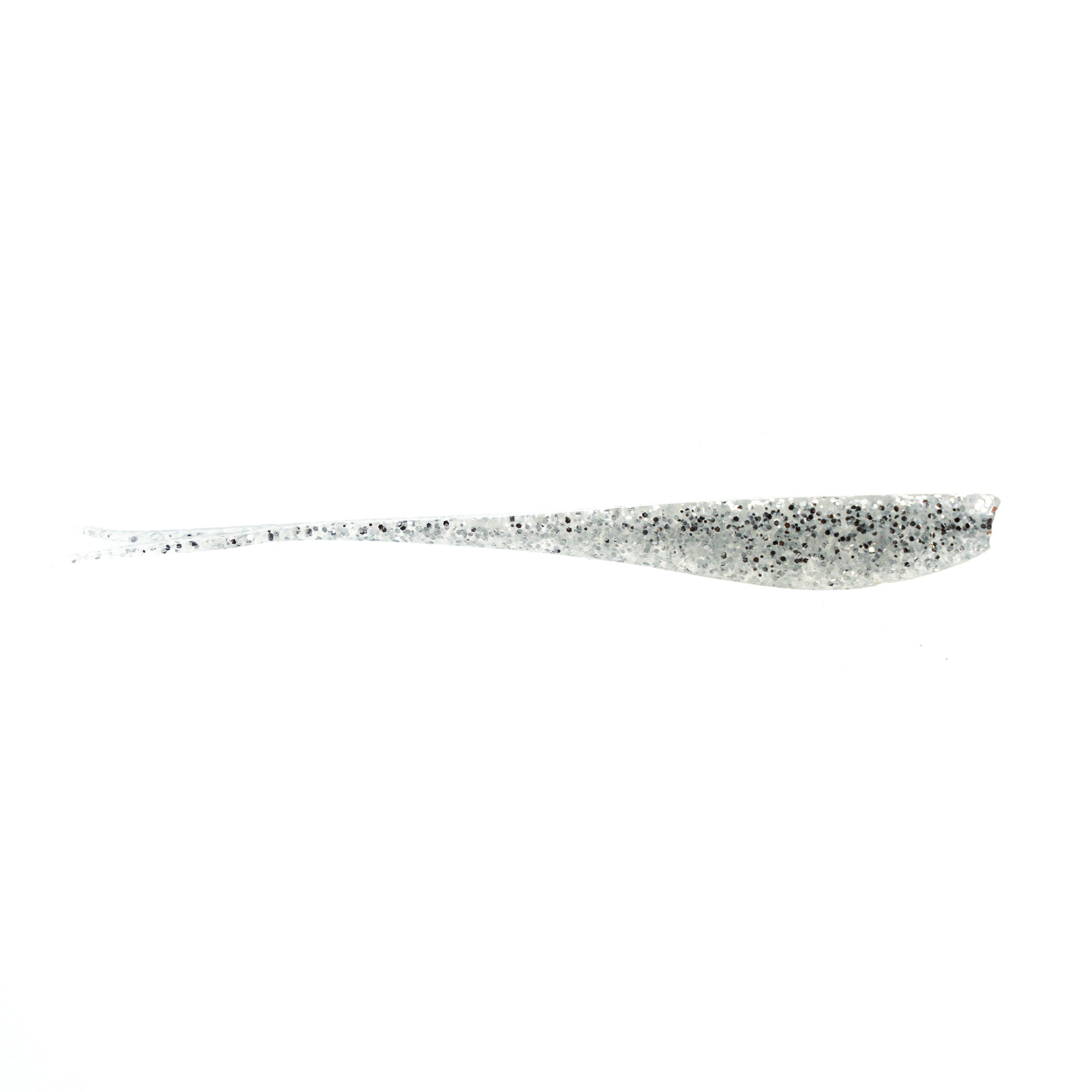
Autumn moves the shad into the creeks and the bass follow them. This is the least crowded good fishing of the year on Fork, and the most forgiving — the fish are eating and they are shallow enough to catch on moving baits. Grass edges near deeper water are the seam to work.


Slow, Deep, and Worth It
Winter is when the biggest fish of the year start showing. December and January stage prespawn females on the deeper structure adjacent to spawning flats, and the crowds are gone. It is slow fishing that pays in size rather than numbers, and it runs straight into the February explosion.


Lake Fork Access
Four public boat ramps serve the lake along with numerous private marinas. Bank access is limited, though the Sabine River Authority maintains a public day-use area and fishing pier. There are no public campgrounds, but private lodges and marinas offer RV and tent camping.
The Standing Timber
Enormous sections of this lake were never cleared, and the timber is the reason the fishery works. It holds bass year round, gives crappie somewhere to live, and provides the ambush cover that grows big fish. Mark the boat lanes on your GPS before you do anything else.
The Creek Channels
Dropping to seventy feet in places, and the highways fish use between deep water and the spawning flats. Learn where a channel swings closest to a timber flat and you have a spot that produces in three seasons out of four.
The Bridges
Fork has several, and they concentrate fish and bait in a way nothing else on the lake does. Crappie fishing under them is excellent and the bass are usually not far away. A reliable stop when the rest of the lake is difficult.
Lake Fork Bass Fishing FAQ
What is the slot limit on Lake Fork?
Largemouth between sixteen and twenty-four inches must be released. Bass sixteen inches or under, or twenty-four inches or over, may be kept, and only one fish of twenty-four inches or longer per day. Daily bag for all black bass is five in combination. This differs from statewide Texas regulations.
What is the Texas state record largemouth?
An 18.18-pound bass caught by Barry St. Clair at Lake Fork in January 1992. It has stood for more than thirty years. Fork holds fifteen of the state's top twenty largemouth records.
Why is Lake Fork so good?
Three things together. Florida-strain largemouth were stocked into the ponds that became the lake bottom in 1978, before it held water. Harvest has been restricted since the beginning, now through the 16-24 inch slot. And the habitat is exceptional — standing timber, hydrilla and deep creek channels. Remove any one and the lake is ordinary.
When is the best time to fish Lake Fork?
Mid-February through April is peak, starting when water temperature hits the high fifties. December and January produce fewer but bigger fish with far fewer boats. Autumn is the most comfortable fishing of the year.
Is Lake Fork dangerous to navigate?
It can be. Large areas of standing timber remain, and while boat lanes are marked, running outside them at speed is how people damage boats here. Use GPS, learn the lanes, and go slowly in unfamiliar water.
How deep is Lake Fork?
Up to about seventy feet at its deepest, in the old creek channels. Water is moderately clear and the level fluctuates only two to four feet in a typical year, which means structure and cover stay put season to season.
What baits work best on Lake Fork?
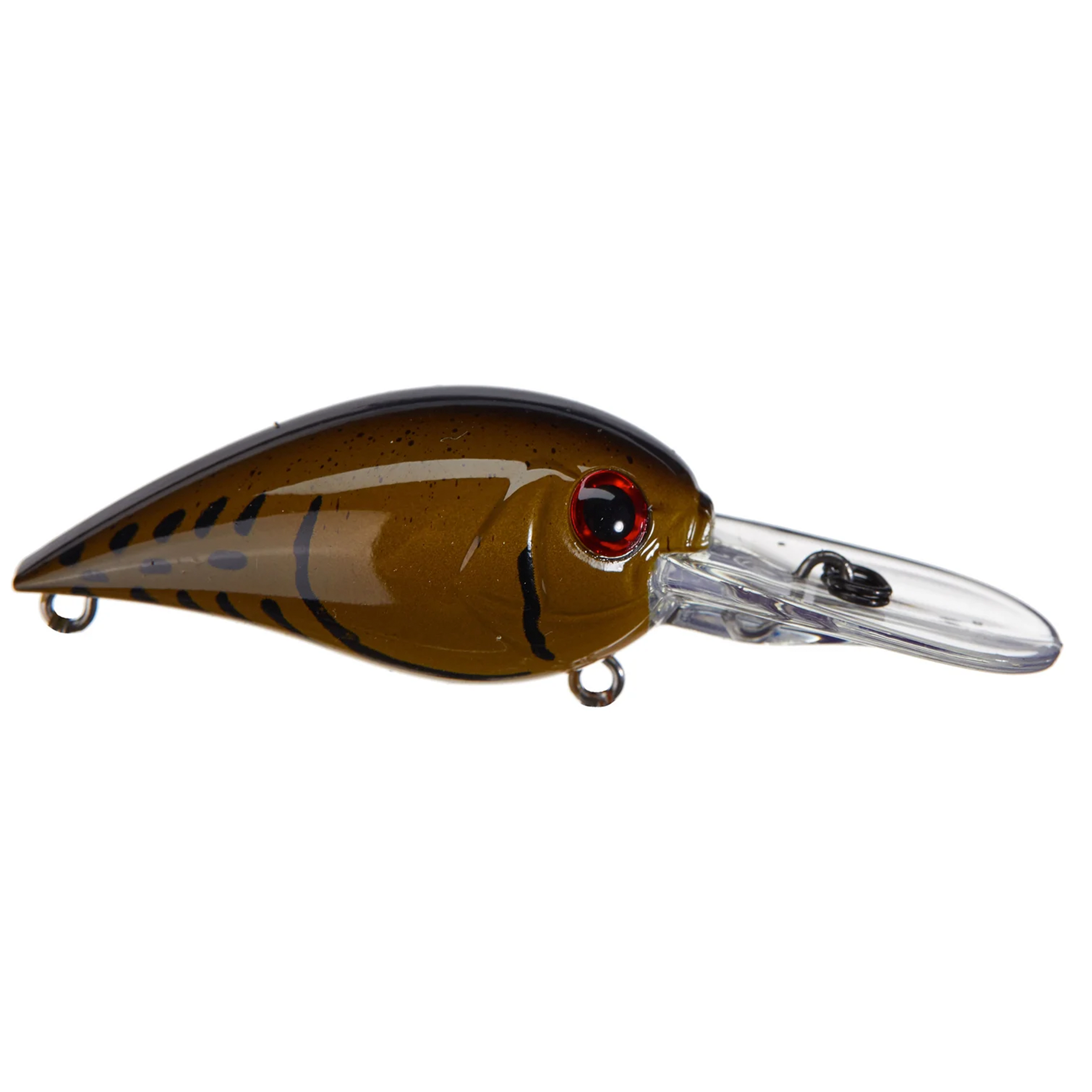
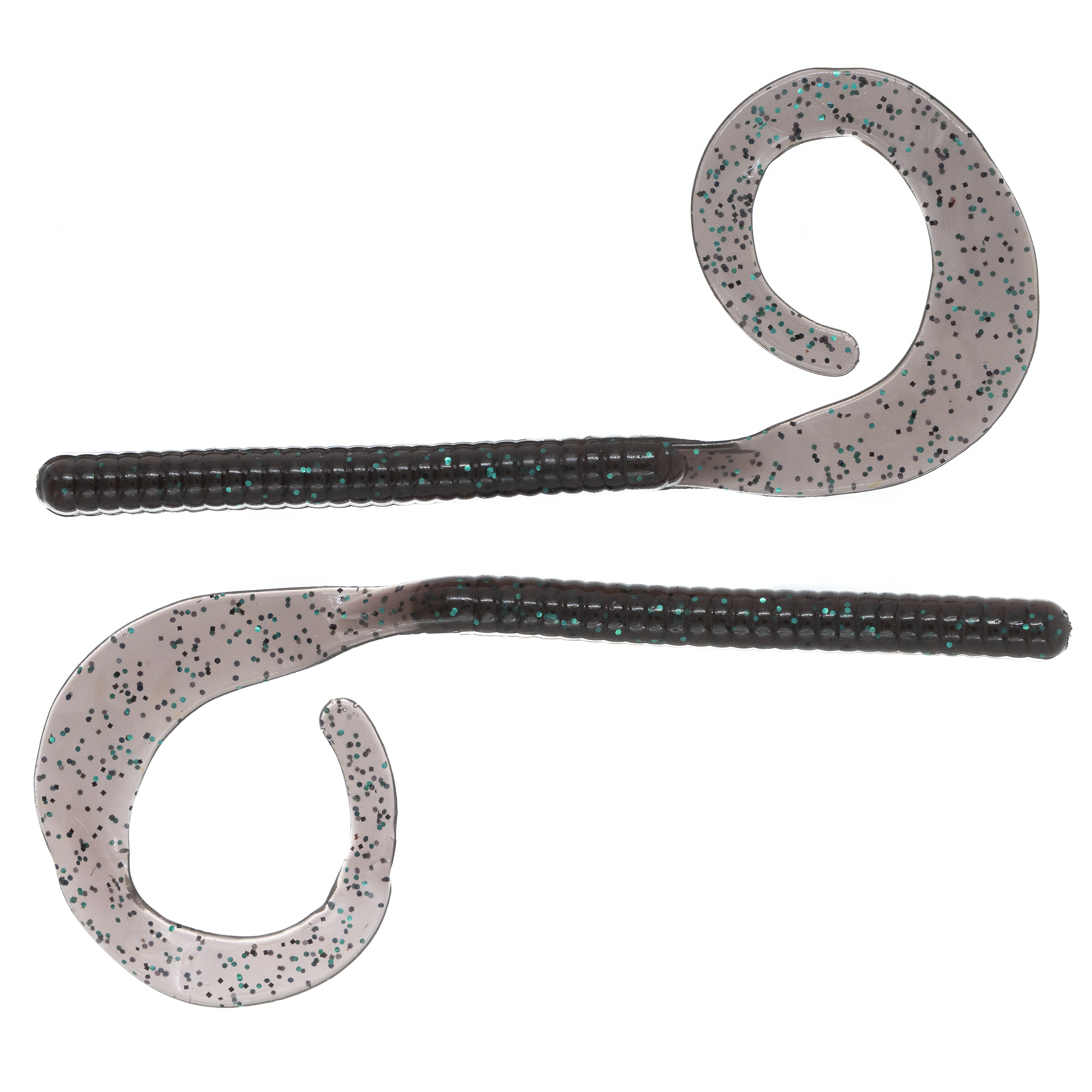
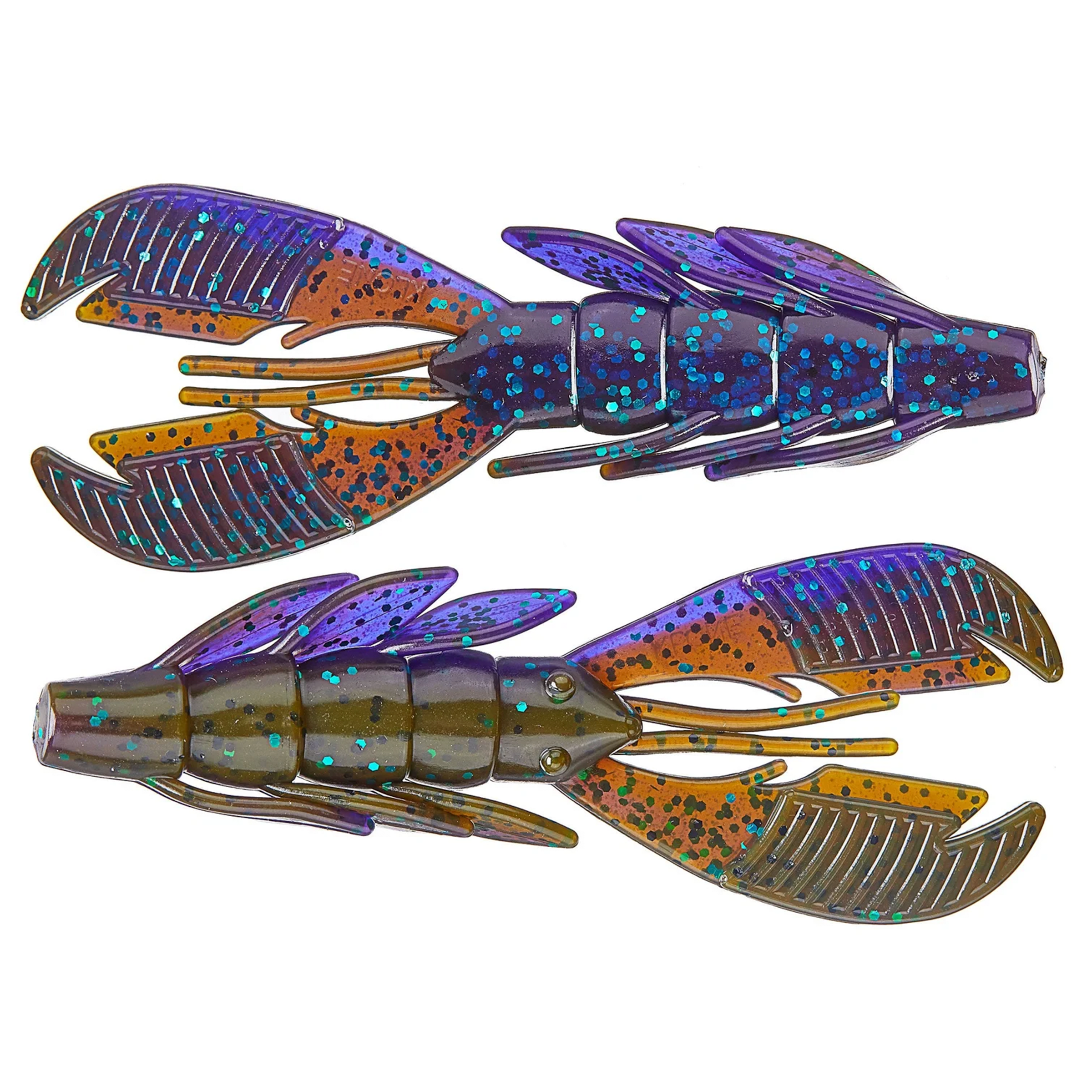
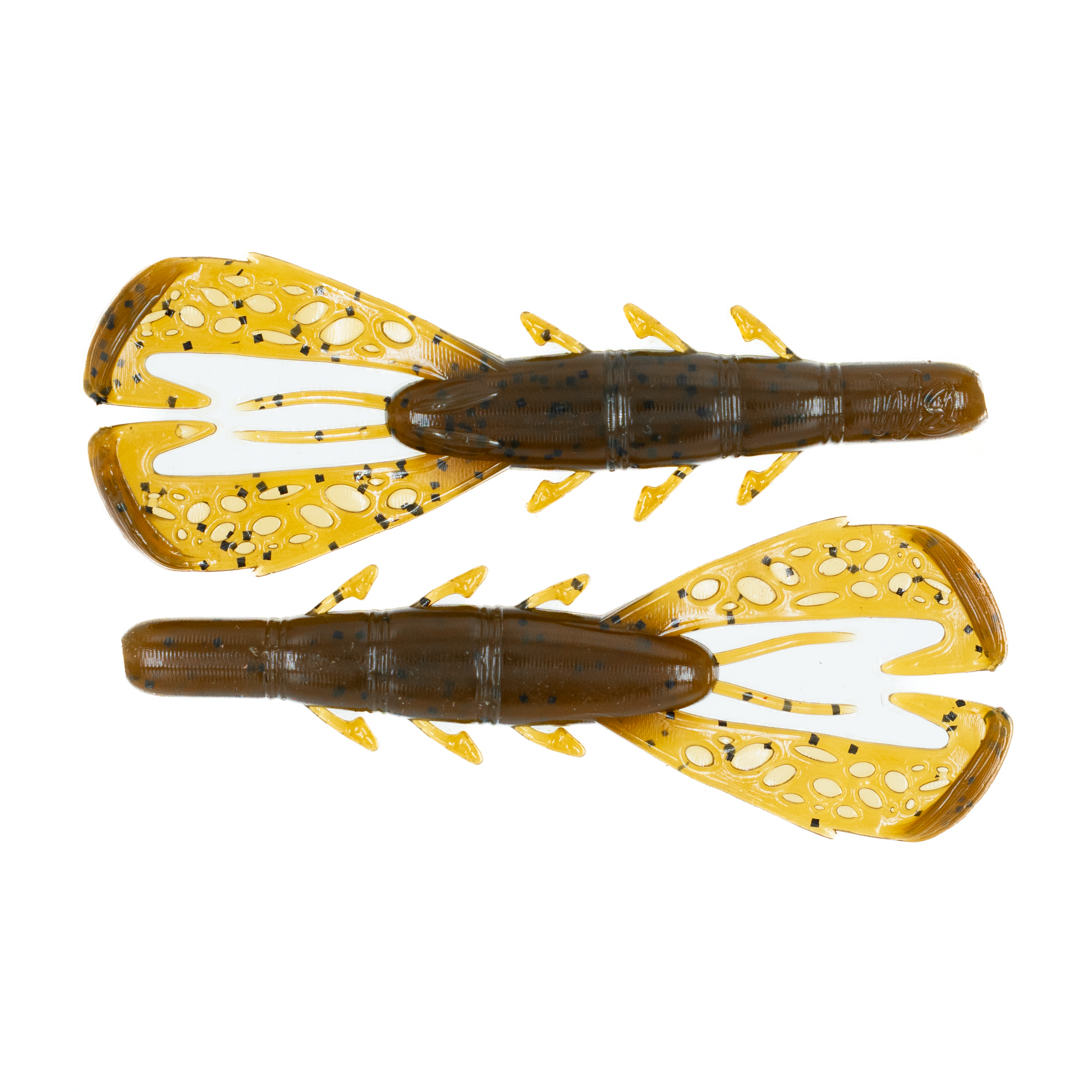
Soft plastics and jigs pitched to timber in spring, deep worms and football jigs on channel edges in summer, moving baits behind the autumn shad, and slow bottom presentations in winter. Weedless matters — everything here is near wood. Our full bait lineup covers all four seasons.
Do I need a fishing license?
Yes, a Texas fishing license with a freshwater endorsement, available from Texas Parks and Wildlife. Read the Lake Fork-specific regulations before you go — the slot limit is enforced and it is not the statewide rule.
Pulling Giants Out of Wood
A thirteen-pounder hooked beside a standing tree gives you about one second to decide the outcome. Level Rods builds heavy models with the backbone to turn a fish immediately and the sensitivity to tell a bite from the hundredth limb you have touched that morning.
Tournament Winning Baits & Gear
Designed, crafted and tested by anglers who fish flooded timber every week. Free shipping on orders over $75.
Shop All Baits