Lake Ferguson Bass Fishing Guide
Lake Ferguson Bass Fishing, Season by Season
A ten-mile oxbow off the Mississippi River at Greenville, with no vegetation, a bottom full of sunken barges and a river that restocks it every year. Local tournaments here are won with twenty-five to thirty pounds, and it may be the second-best bass lake in the state.
An Oxbow the River Keeps Refilling
Lake Ferguson is a ten-mile oxbow lake at Greenville, formerly part of the Mississippi River channel and still connected to it. That connection is the defining fact about the fishery and about fishing it.
Water depth here varies with the Mississippi River rather than with rainfall or a dam. When the river rises, the lake rises; when it falls, the lake falls. Anglers who fish it plan around river stage the way anglers elsewhere plan around generation schedules or lake level.
The river also restocks it. Ferguson holds a large population of three to six pound largemouth that the Mississippi replenishes each year, which is why it can absorb heavy tournament pressure and keep producing. It placed in a Bassmaster national top 100 and has been described as possibly the second-best bass lake in Mississippi on the strength of that sheer volume of quality fish. Local tournaments consistently take twenty-five to thirty pounds for five fish to win.
There is no aquatic vegetation at all. None. That single fact should reset your expectations if you are coming from Ross Barnett or a Delta lake — the cover here is willow trees, barges, sunken barges, floating docks and riprap, and the bottom holds man-made fish structures, rockpiles and sandbars.
The topography changes as you move down it, from sandbars at the south end to deep rocky structures and mud flats elsewhere. The water stays clear year round, which is unusual for anything connected to the Mississippi and is a real advantage.
Greenville is a working river port, so expect commercial traffic, barges and industry as part of the scenery. That infrastructure is not an eyesore to work around — it is the cover, and the sunken barges in particular are among the best structure on the lake.
Twenty-Five to Thirty Pounds to Win a Local
What this lake produces week in and week out, and the baits to fish it.
The Lake the Mississippi River Restocks Every Year
Ferguson made Bassmaster's national top 100 as one of four Mississippi waters on the list, and the case for it is not a single giant fish. It is volume.
The lake holds an enormous population of three to six pound largemouth, and because it remains connected to the Mississippi, the river replenishes that population every year. It is a fishery with an inbuilt restocking mechanism, which is why it can take the pressure it does.
The practical evidence is in the local results. Tournaments here consistently require twenty-five to thirty pounds of five fish to win — weights that would win a good many events on far more famous water. State observers have called it possibly the second-best bass lake in Mississippi on that basis.
It hosts numerous regional and national tournaments as a result, and the structure that makes it work is entirely man-made or river-made: sunken barges, rockpiles, riprap, floating docks, willows and sandbars, in clear water, with no vegetation anywhere.



Barges, Willows and River Stage
Four patterns cover the year. Each one pairs the technique with the baits we'd actually tie on.
Willows and Rising Water
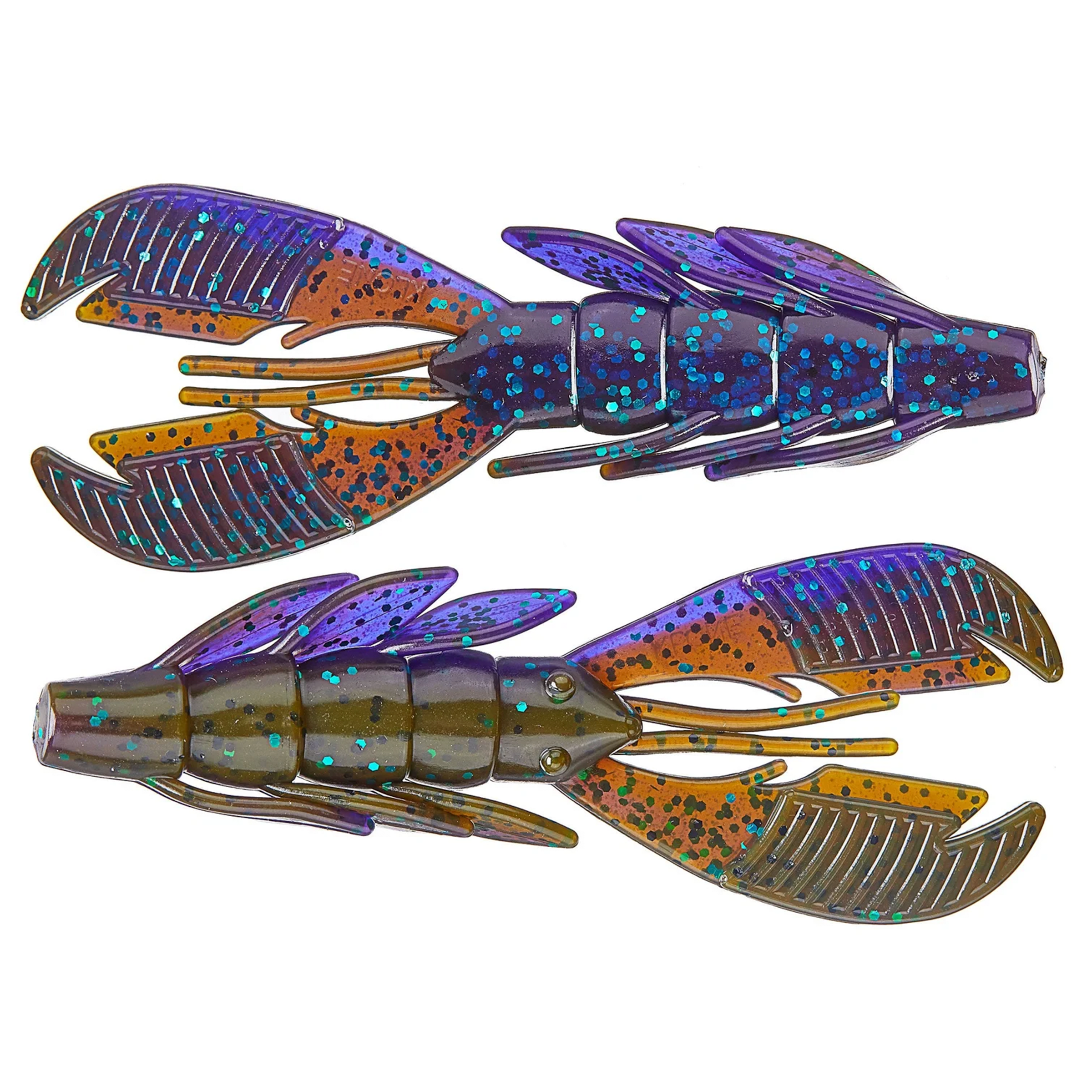
Spring is high-water season on the Mississippi, and rising river stage floods the willows along the bank. That is the spring pattern here: fish push into flooded willow cover to spawn and feed, and the shallow end of the lake comes alive. Check the river stage before you plan the day.


Barges, Docks and Shade
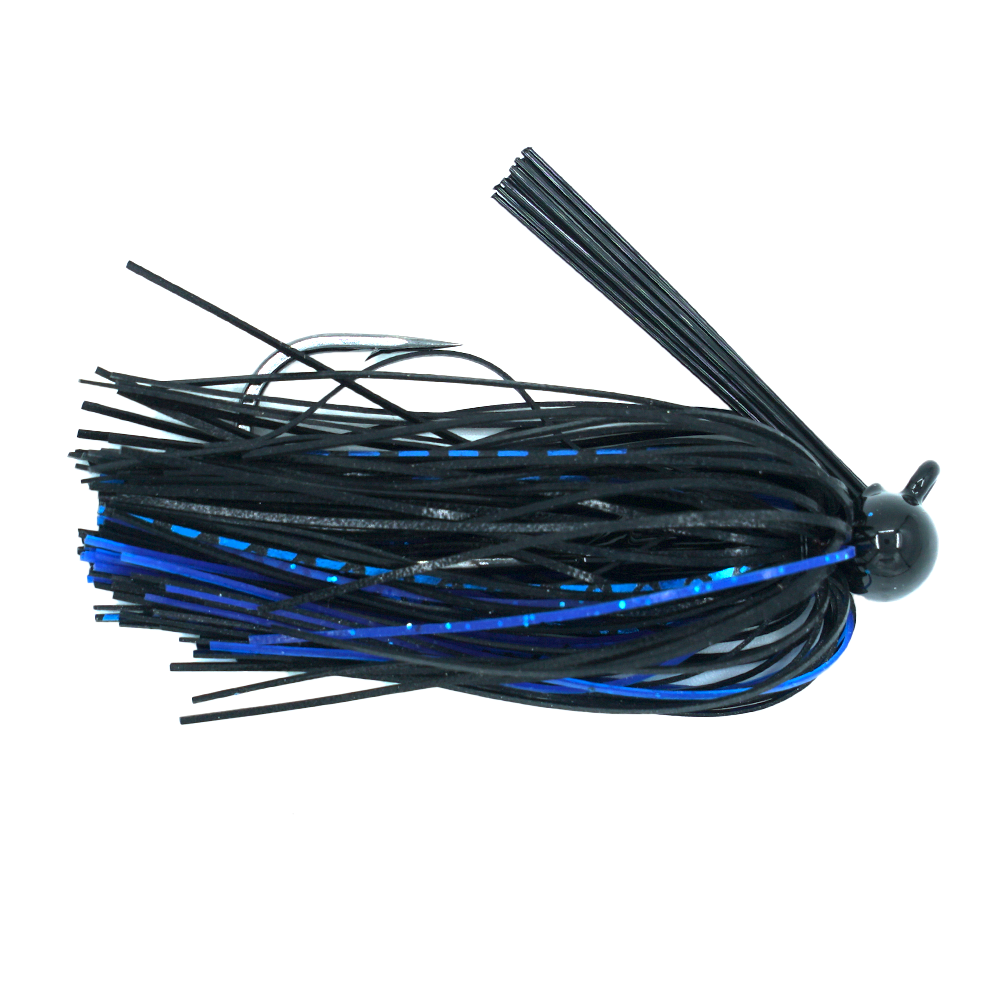
Summer heat pushes fish onto the hard cover and into the shade. Sunken barges, floating docks, rockpiles and riprap are the productive water, and the deeper rocky structures hold fish through the middle of the day. With no vegetation anywhere, shade comes from steel and wood rather than grass.

Falling River, Concentrated Fish
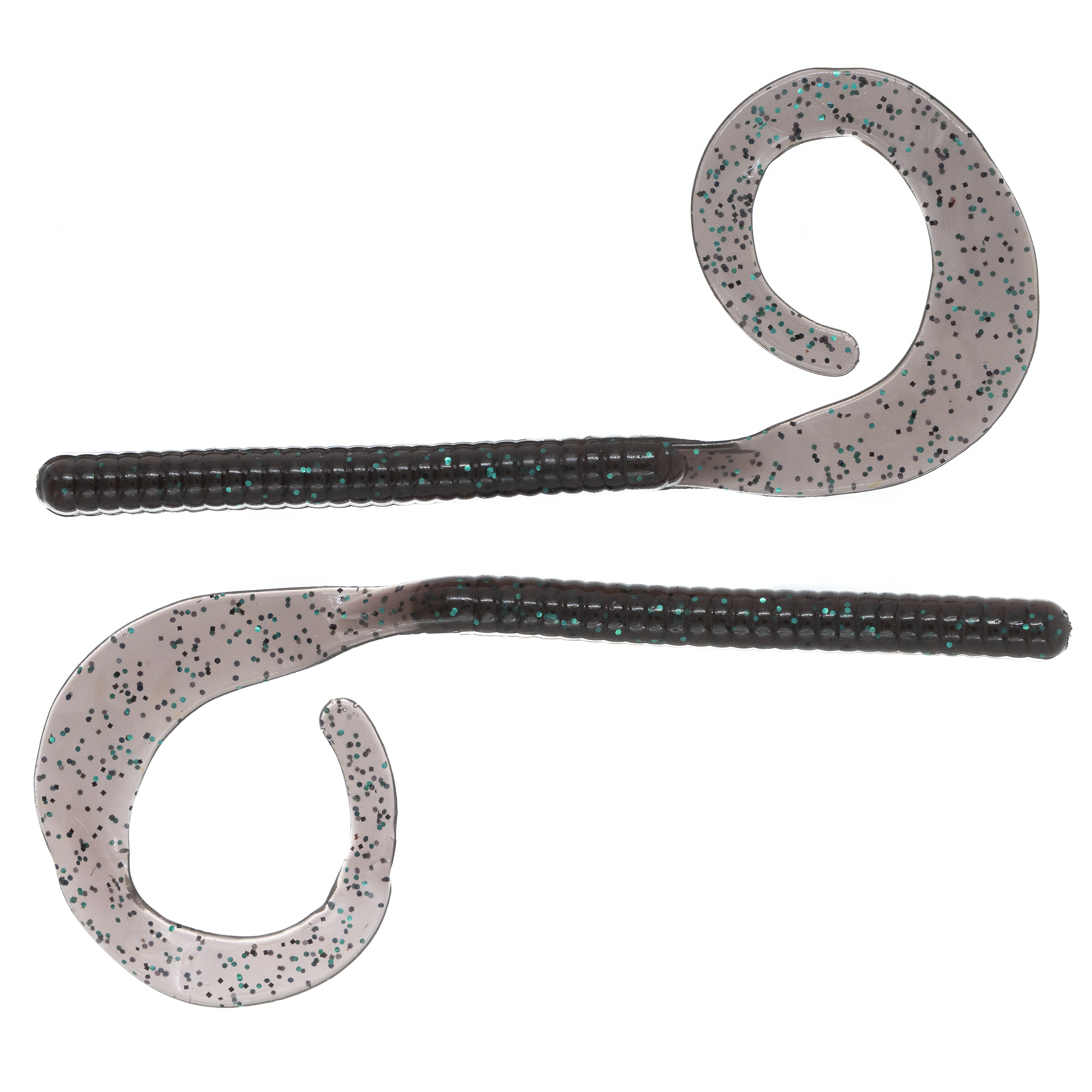
Autumn generally brings the Mississippi down, and falling river stage pulls fish off the shallow flats and concentrates them on the hard structure. Bait moves with them. Clear water plus concentrated fish makes autumn the most efficient fishing of the year here.
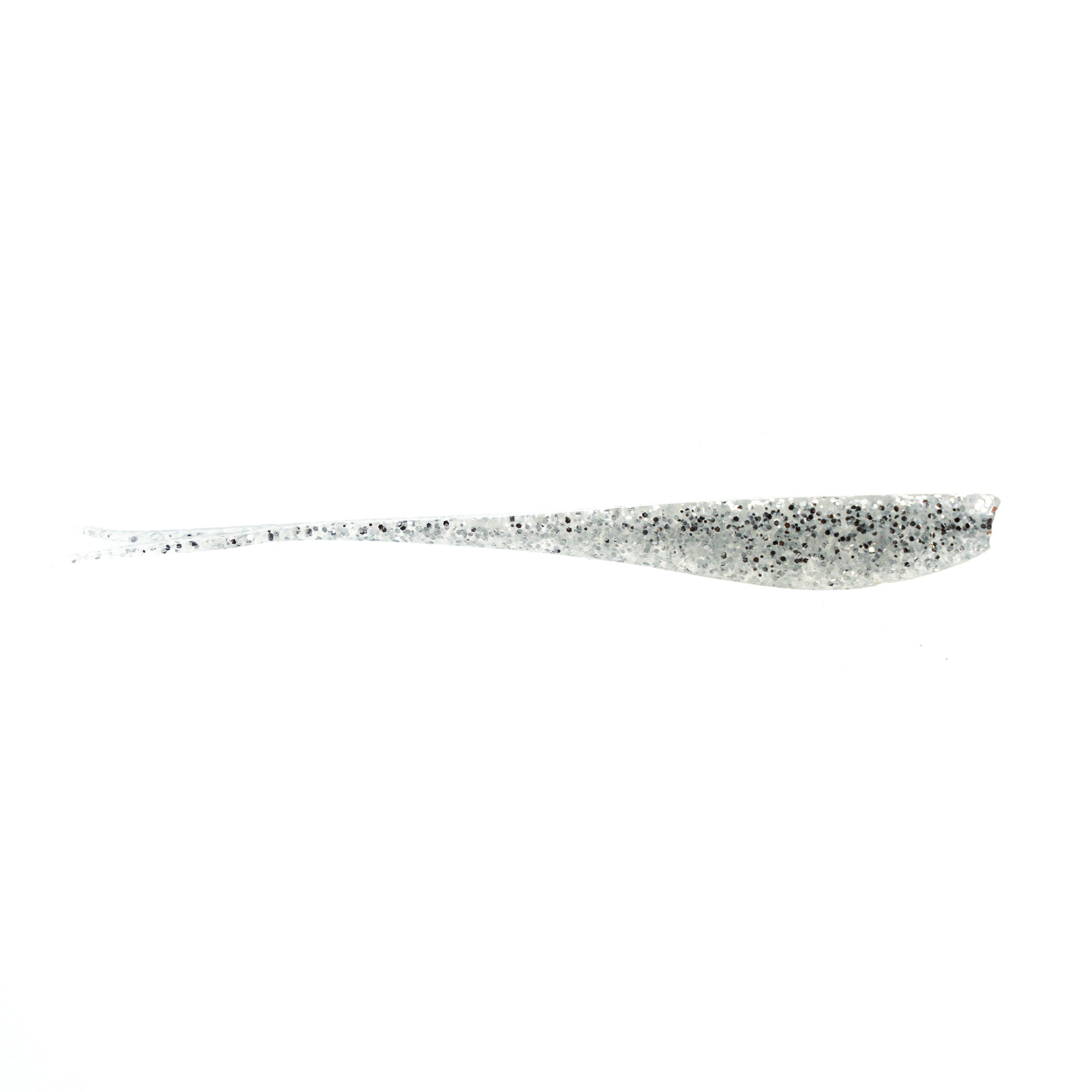
Deep Rock and Clear Water
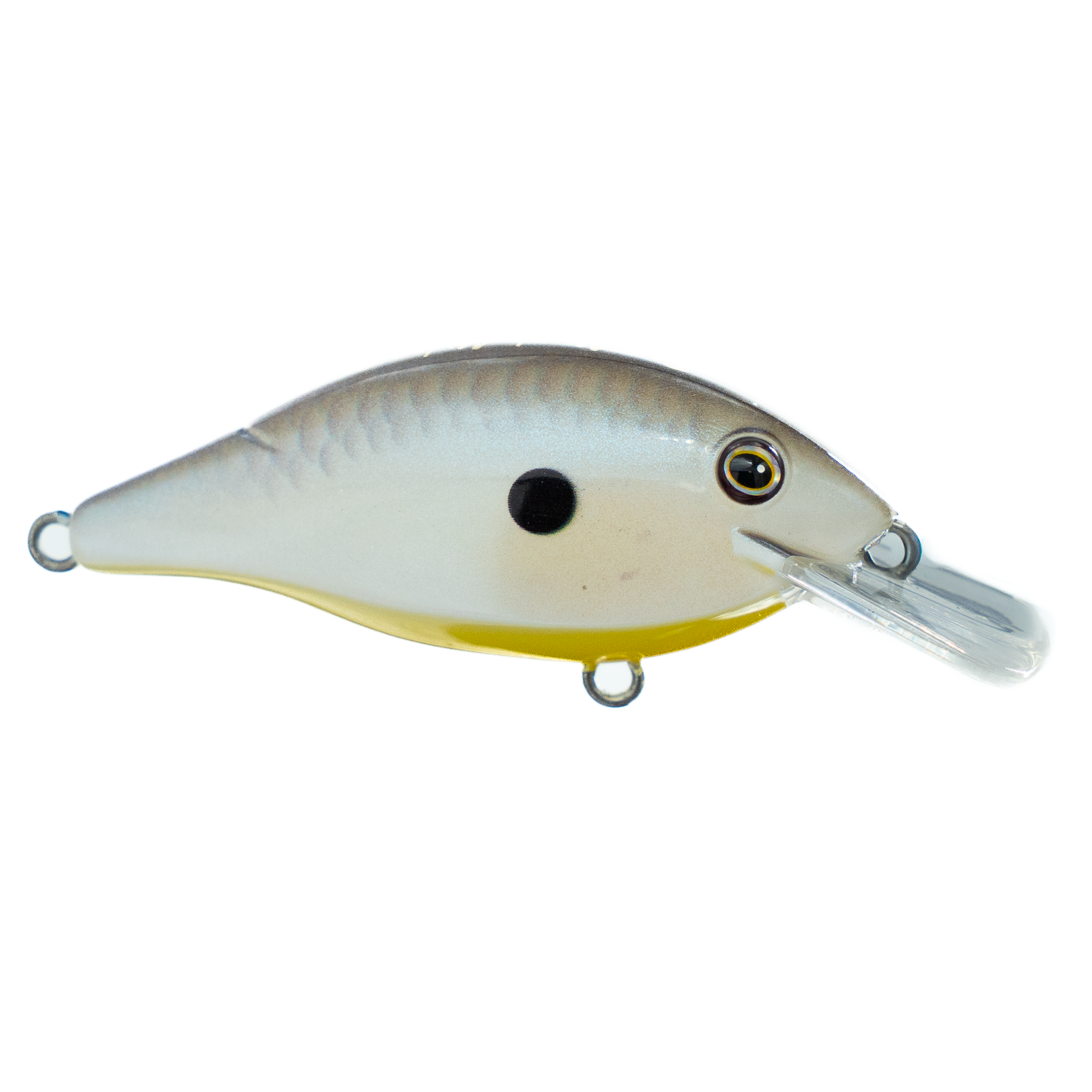
Winter holds fish on the deepest hard structure — rockpiles, the deep rocky sections and the sunken barges. The lake stays clear year round, which means fish can be located and worked precisely rather than searched for blindly. It is slow, cold fishing that produces good average size.
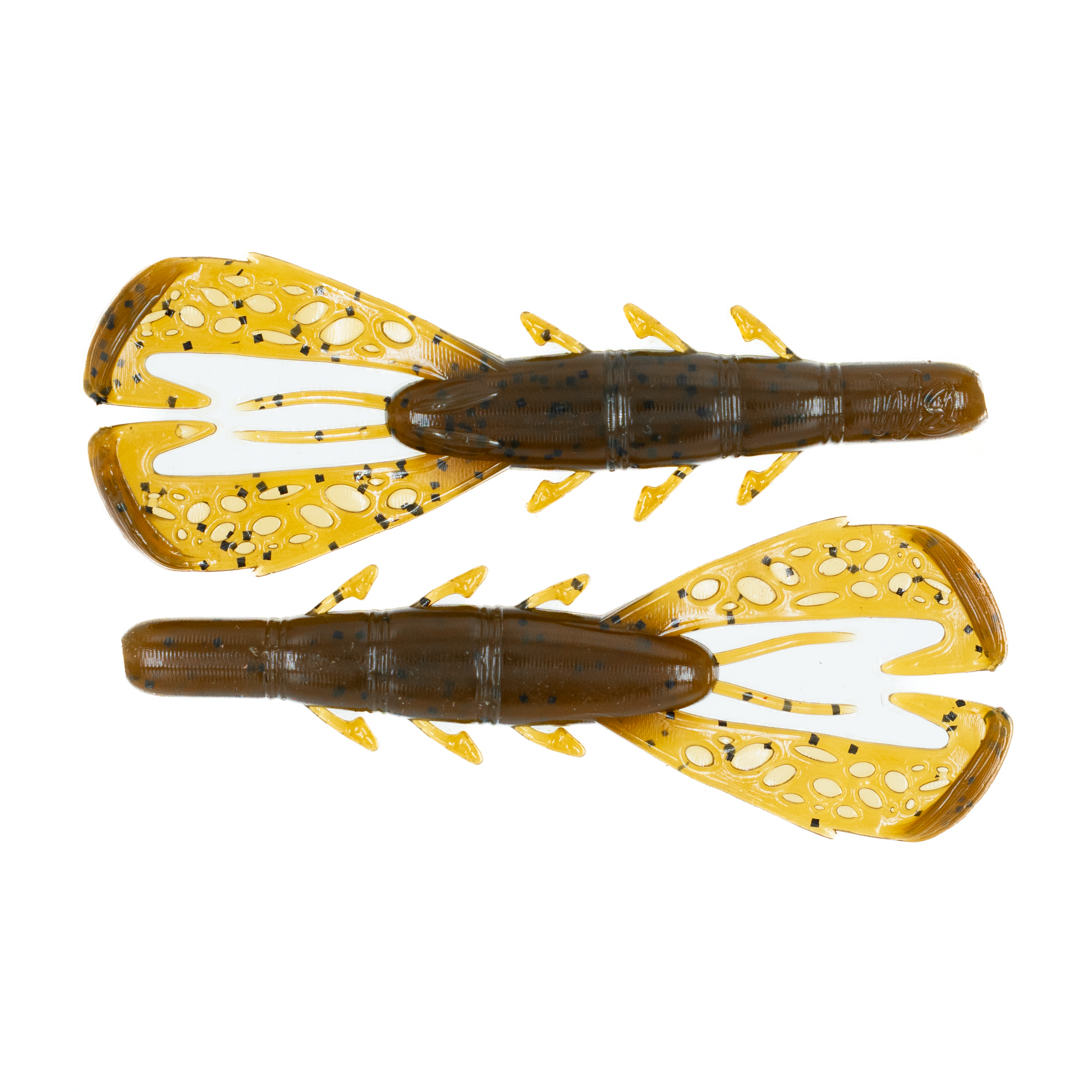


Lake Ferguson Access
Public ramps serve the lake from Greenville, including access off Highway 82 via Mississippi Power and Light Road to the levee and south on Warfield Point Road, and from Thaggard Road at the Wayside community over the levee. Greenville covers lodging and supplies.
The Sunken Barges
The best structure on the lake and the thing that makes it different from anywhere else in Mississippi. Hard cover in deep water, holding fish through summer and winter, and completely reliable because it does not move or grow over. Learn a few and they produce year after year.
The Riprap and Levee Bank
Rock that warms first in spring, holds bait, and fishes in almost any conditions. The dependable option when river stage has scrambled everything else, and the most accessible water for an angler new to the lake.
The Willows and the South-End Sandbars
Flooded willow cover on high water is the spring pattern, and the sandbars at the south end give shallow structure that changes with river stage. Both are stage-dependent — check the river before you commit a day to either.
Lake Ferguson Bass Fishing FAQ
What is Lake Ferguson?
A ten-mile oxbow lake at Greenville, formerly part of the Mississippi River channel and still connected to it. It is a natural feature rather than an impoundment, and its water level rises and falls with the river.
Why is the fishing so good?
The river connection. The Mississippi replenishes the bass population every year, which is why the lake holds a large volume of three to six pound fish and can absorb heavy tournament pressure. Local tournaments consistently need twenty-five to thirty pounds of five fish to win.
Is there vegetation in Lake Ferguson?
None at all. The cover is willow trees, barges, sunken barges, floating docks and riprap, with man-made fish structures, rockpiles and sandbars on the bottom. If you are coming from a grass lake, this will need a complete change of approach.
How does the Mississippi River affect fishing?
Directly and constantly. Depth varies with river stage rather than with rainfall or a dam, and stage determines which cover is fishable. Rising water floods the willows; falling water pulls fish onto hard structure. Check the river gauge before planning a day.
Is the water muddy?
No, and that surprises people. Despite the Mississippi connection, Lake Ferguson stays clear year round. That clarity is a real advantage and it means clear-water presentations and natural colours work here.
How big do the bass get?
The lake is known for volume rather than giants — huge numbers of three to six pound fish, with a genuine trophy possible. Catch rates are high and the action is close to non-stop, which is why it draws both tournament and recreational anglers.
What baits work best on Lake Ferguson?
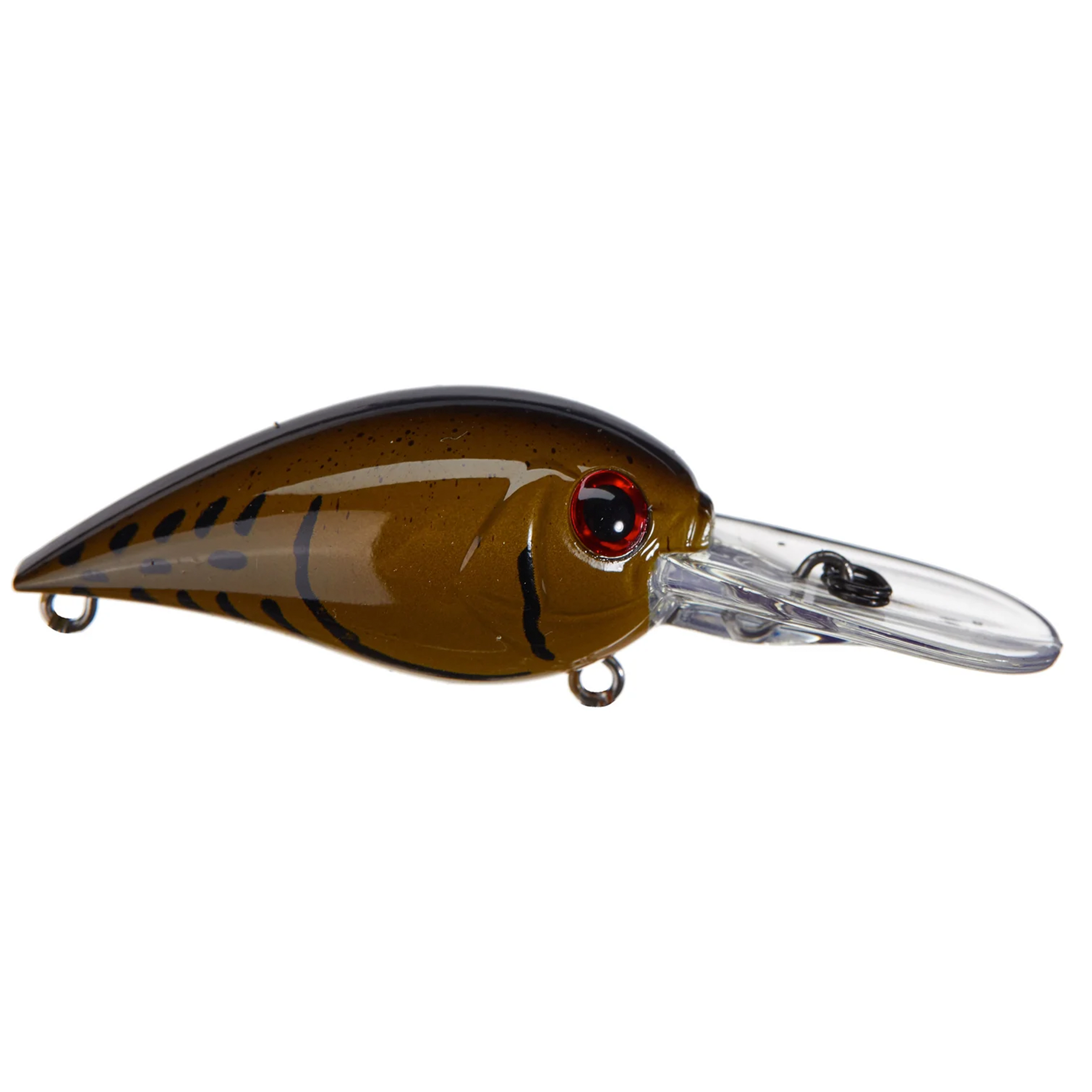
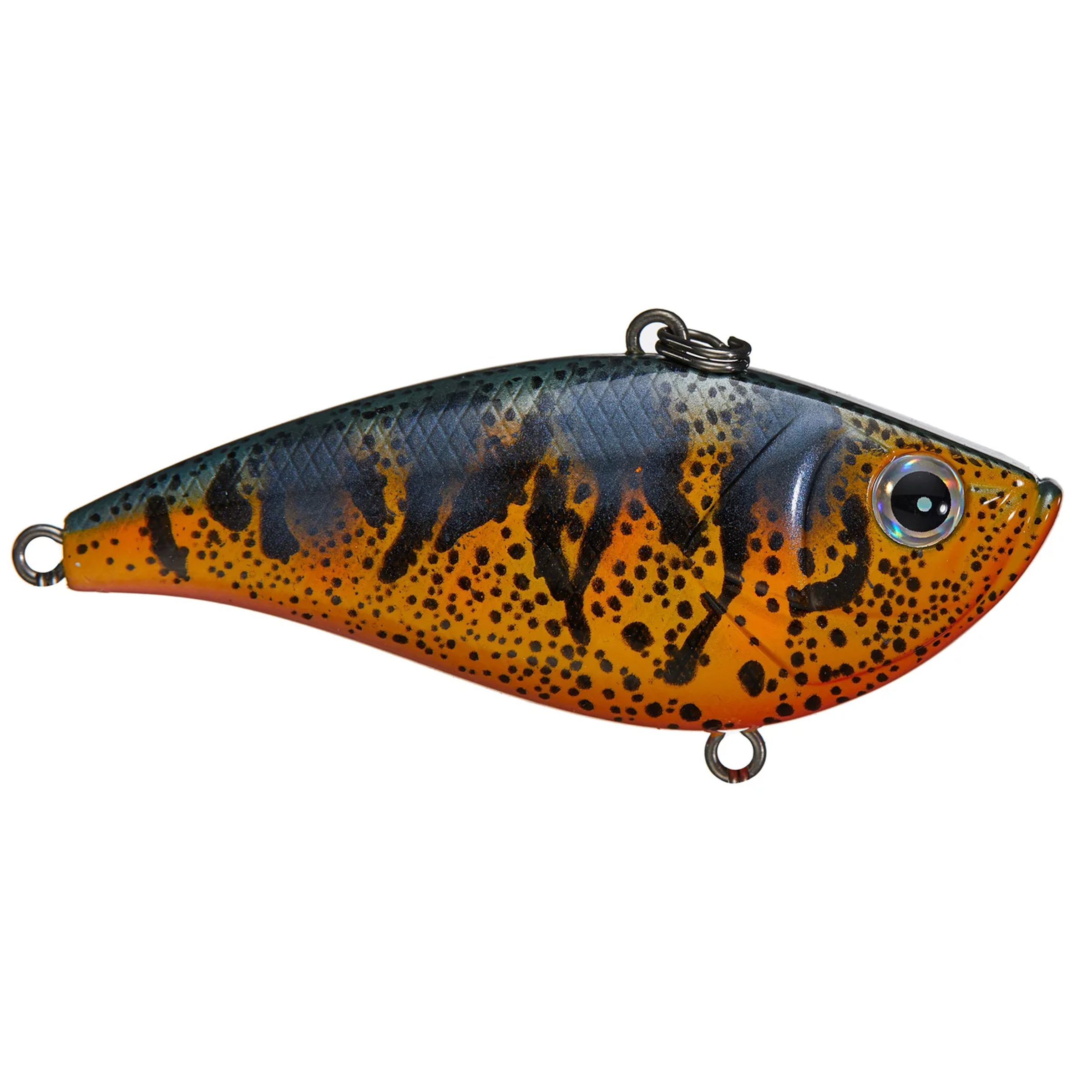
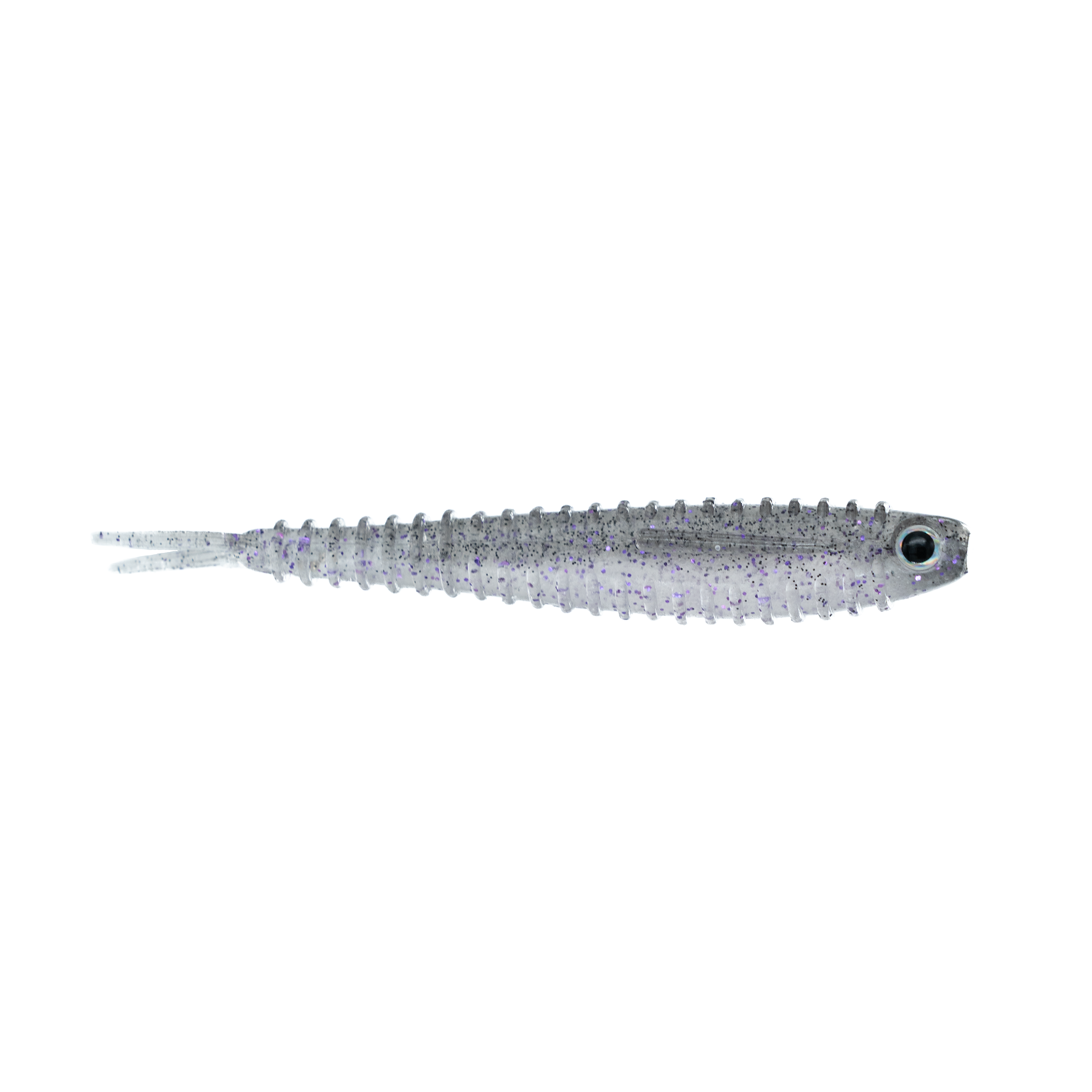
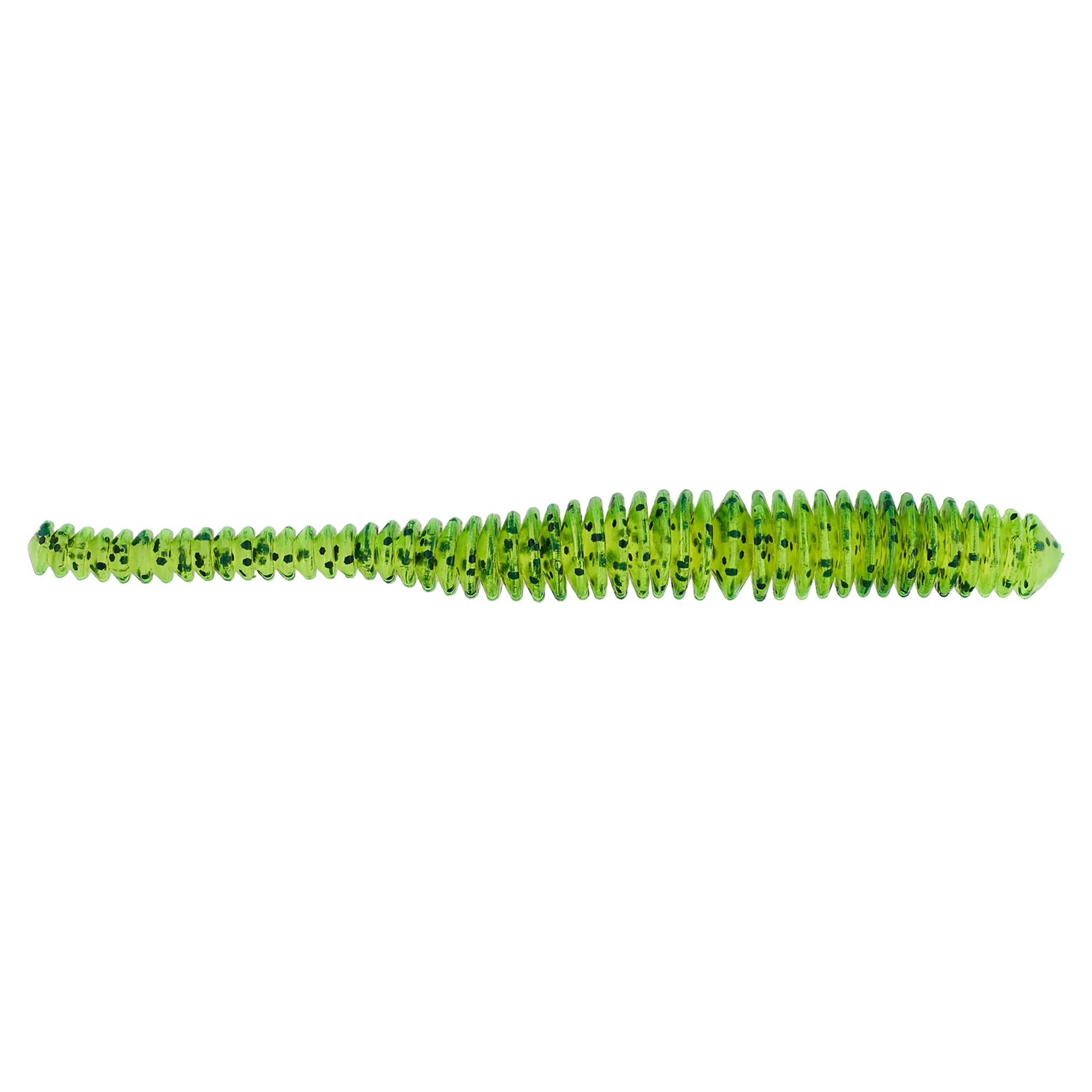
Hard-cover presentations. Skipping baits for docks and barges, squarebills and lipless crankbaits along riprap, flipping baits in the flooded willows on high water, and finesse plastics on deep rock in winter. Our full bait lineup covers all four seasons.
Do I need a fishing license?
Yes, a Mississippi fishing license from the Department of Wildlife, Fisheries and Parks. Check current black bass regulations before you go.
Steel, Rock and Rip-Rap
A lake where every good fish is caught next to a barge, a piling or a rockpile is hard on line and harder on hooksets. Level Rods builds models with the power to move a fish away from steel immediately and the accuracy to put a bait tight to it in the first place.
Tournament Winning Baits & Gear
Designed, crafted and tested by anglers who fish hard cover every week. Free shipping on orders over $75.
Shop All Baits