
Lake D'Arbonne Bass Fishing Guide
D'Arbonne Bass Fishing, Season by Season
Fifteen thousand acres of lowland reservoir near Farmerville, with expansive flats, standing timber and cypress. D'Arbonne has been called a small Toledo Bend, and it has one advantage over the real thing — there is so much protected water that wind is never the problem.
A Small Toledo Bend, Out of the Wind
Lake D'Arbonne covers roughly 15,250 acres southwest of Farmerville in north Louisiana, draining a large portion of the northern part of the state. Lake D'Arbonne State Park sits on it, in rolling hills and pine forest, and Monroe and West Monroe are close enough for anything the lake does not provide.
The best description of it comes from Greg Hackney, who calls it a small Toledo Bend — a lowland reservoir with expansive flats, standing timber and cypress trees. That is exactly what it is, and it means the techniques that work on Toledo Bend transfer directly.
His advice on how to fish it is equally direct: look around, find something you like, and throw a spinnerbait at it. On a lake this full of visible cover, that is not a simplification so much as a description of what actually works.
The real advantage over its bigger namesake is protection. D'Arbonne has a great deal of sheltered water, so wind is never the problem it can be on Toledo Bend. On a day when the big lake is unfishable, this one is fine.
It produces genuinely big fish. Ed Stellner took a 15.31-pound largemouth out of here in February 2000, and Hackney notes that fish pushing the fifteen-pound mark have come out over the years. It was included in Bassmaster's Top 100 Lakes and has been ranked among the top 25 in the Central Division.
Local guidance points to the edges of the feeder creeks where the giant cypress stumps are, and to the lily pad stems, as the areas most likely to hold a big fish. The crappie fishing is excellent and draws its own crowd.
Flats, Timber and Cypress
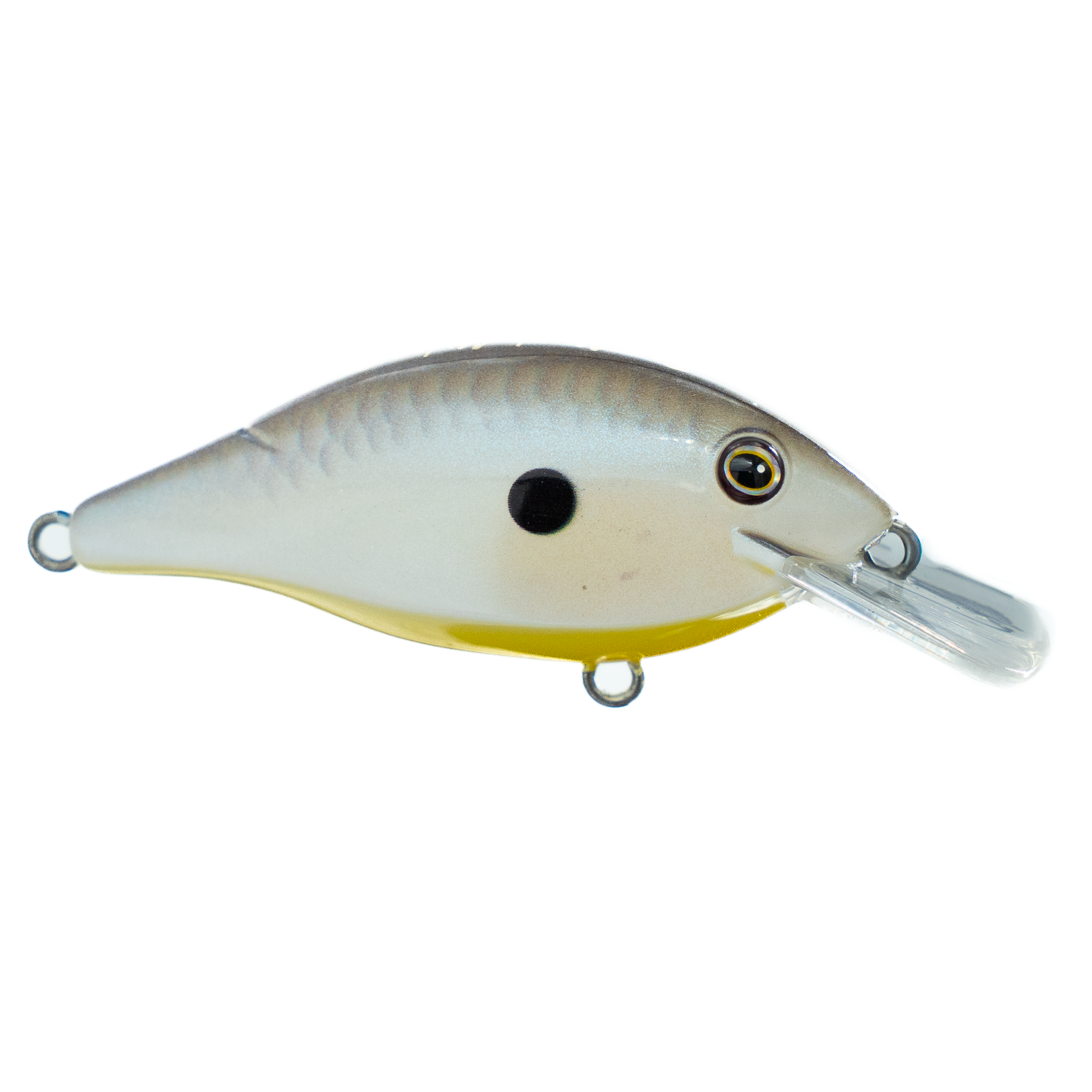
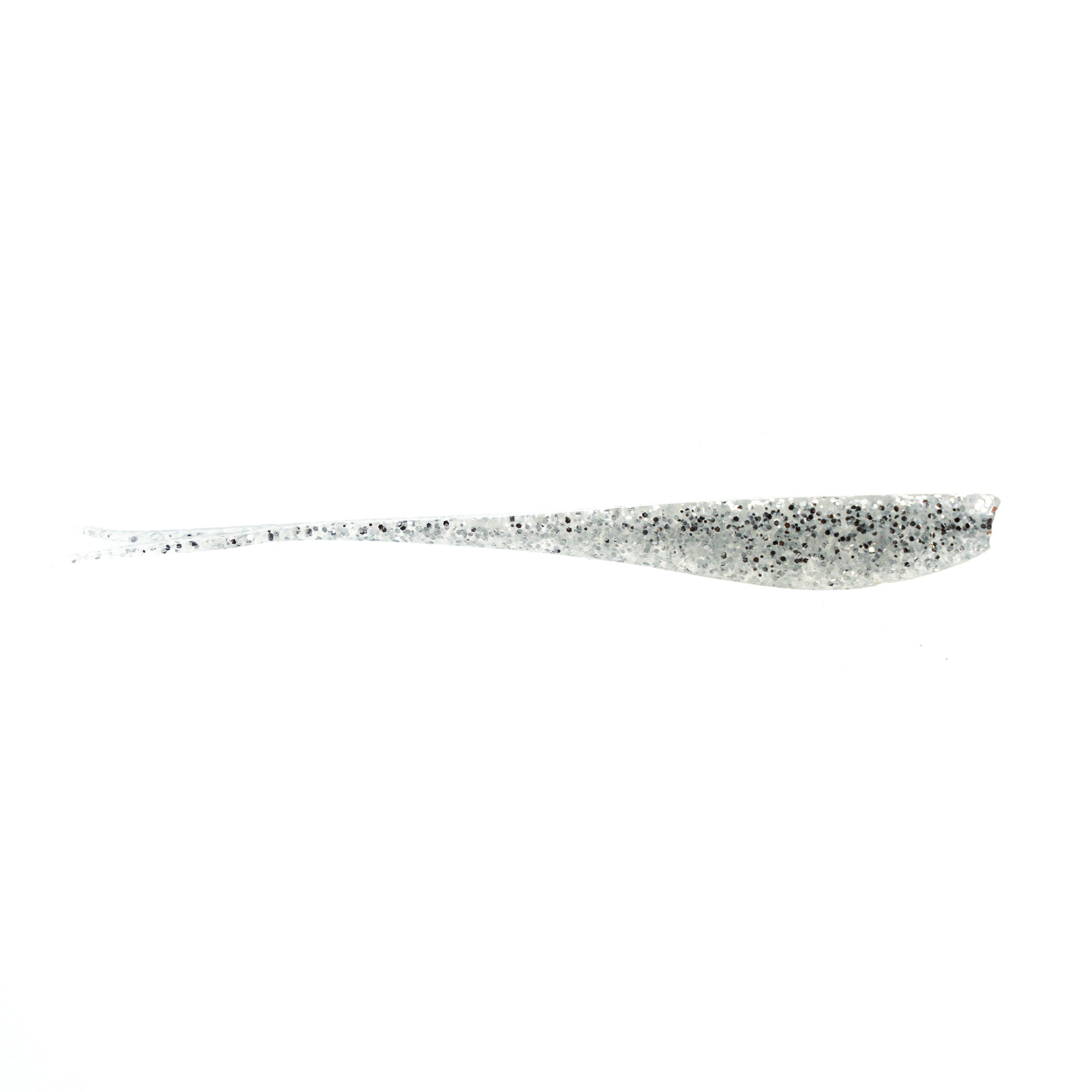
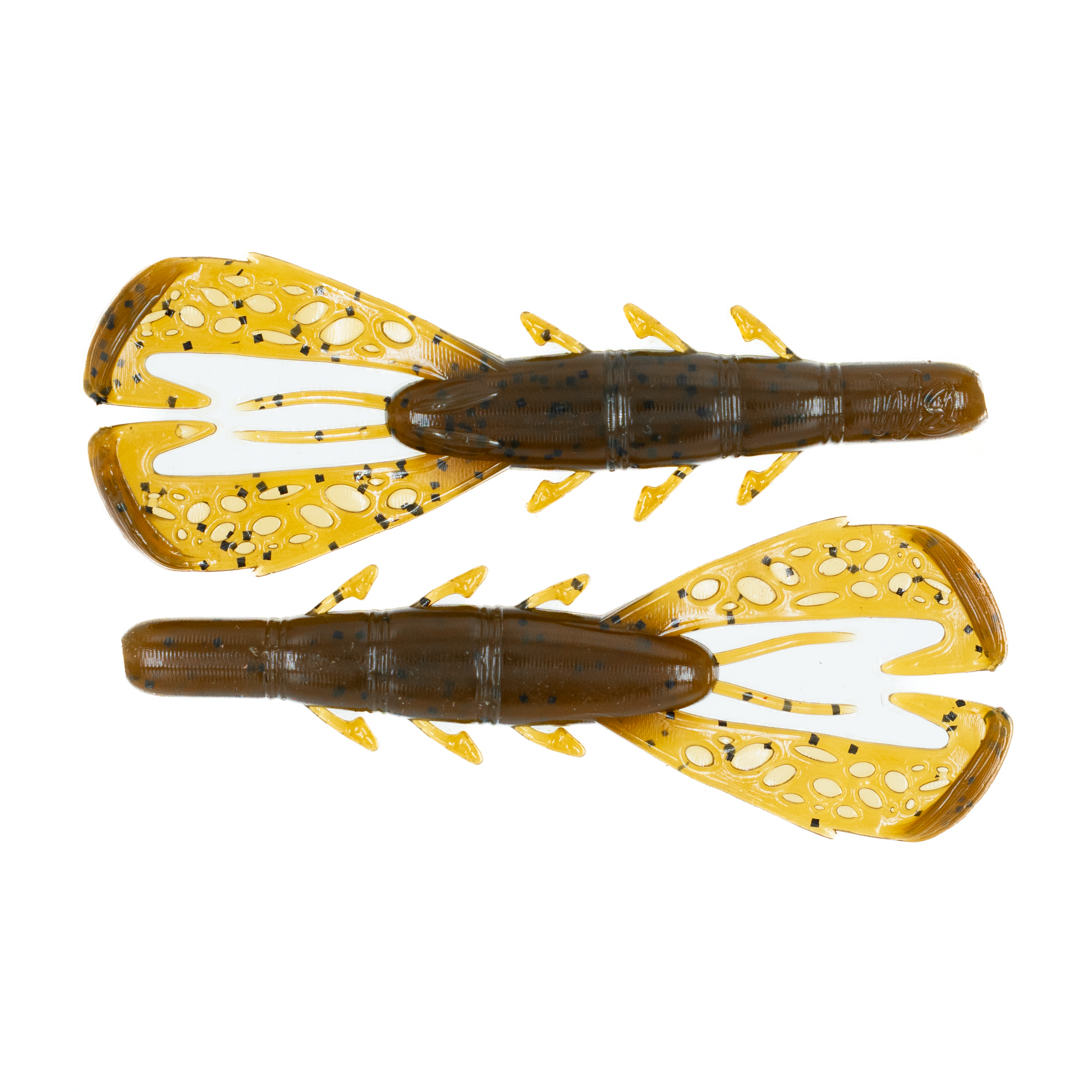
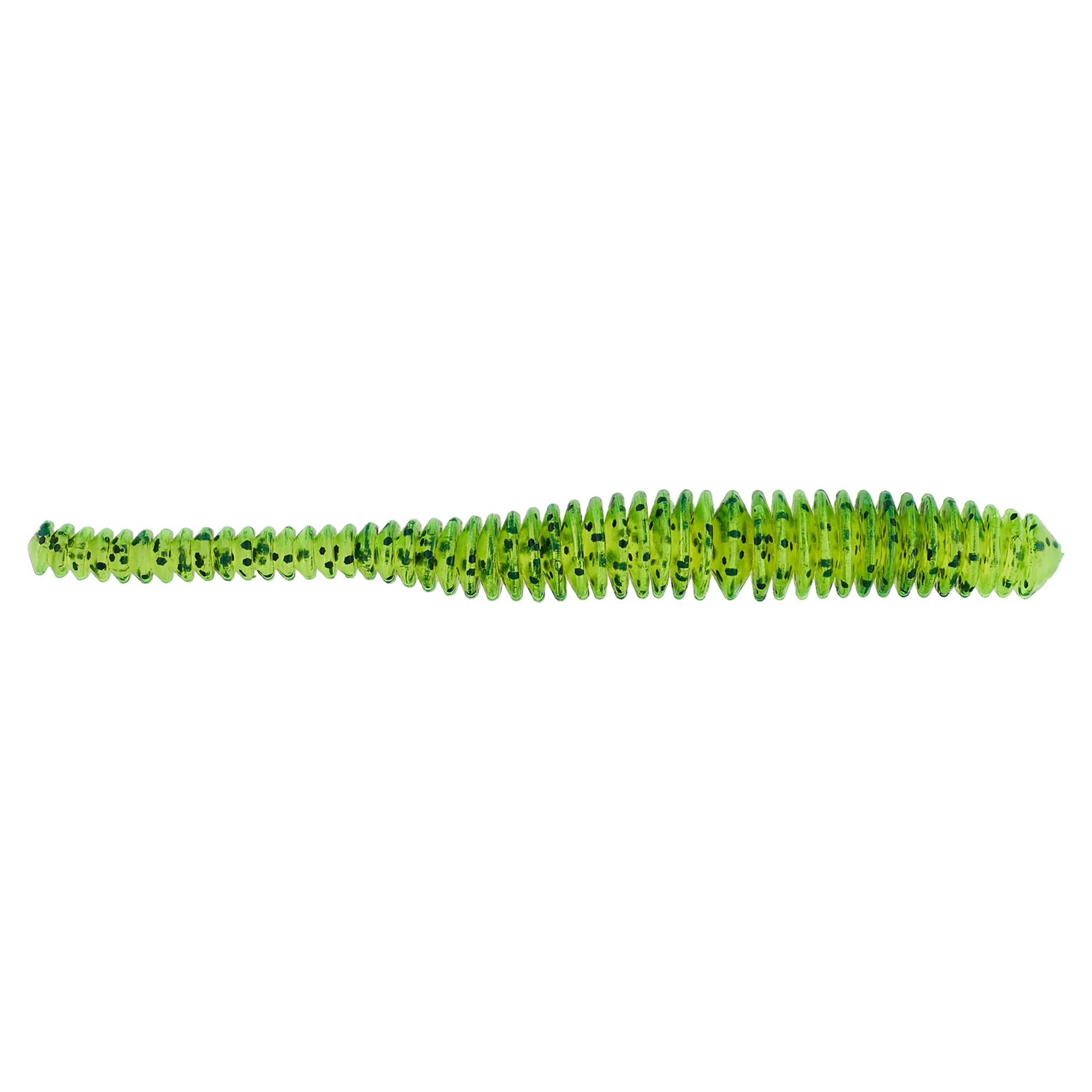
Four patterns cover the year. Each one pairs the technique with the baits we'd actually tie on.
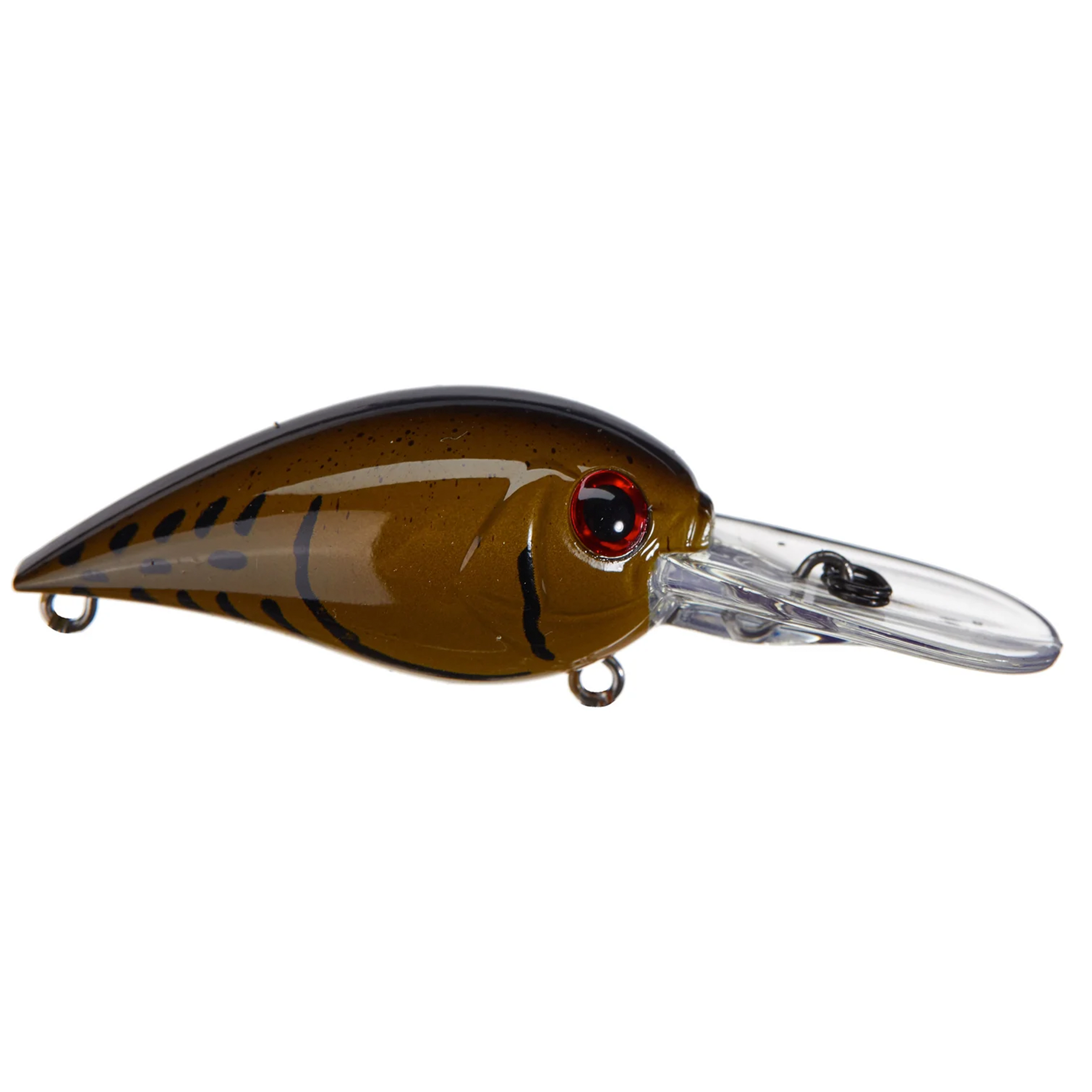
Cypress Stumps and Creek Edges
Spring moves fish onto the flats and into the timber and cypress to spawn, and February has produced the lake's biggest documented fish. The edges of the feeder creeks where the giant cypress stumps sit are the areas local anglers point to first for a big one.



Pads, Timber and Shade
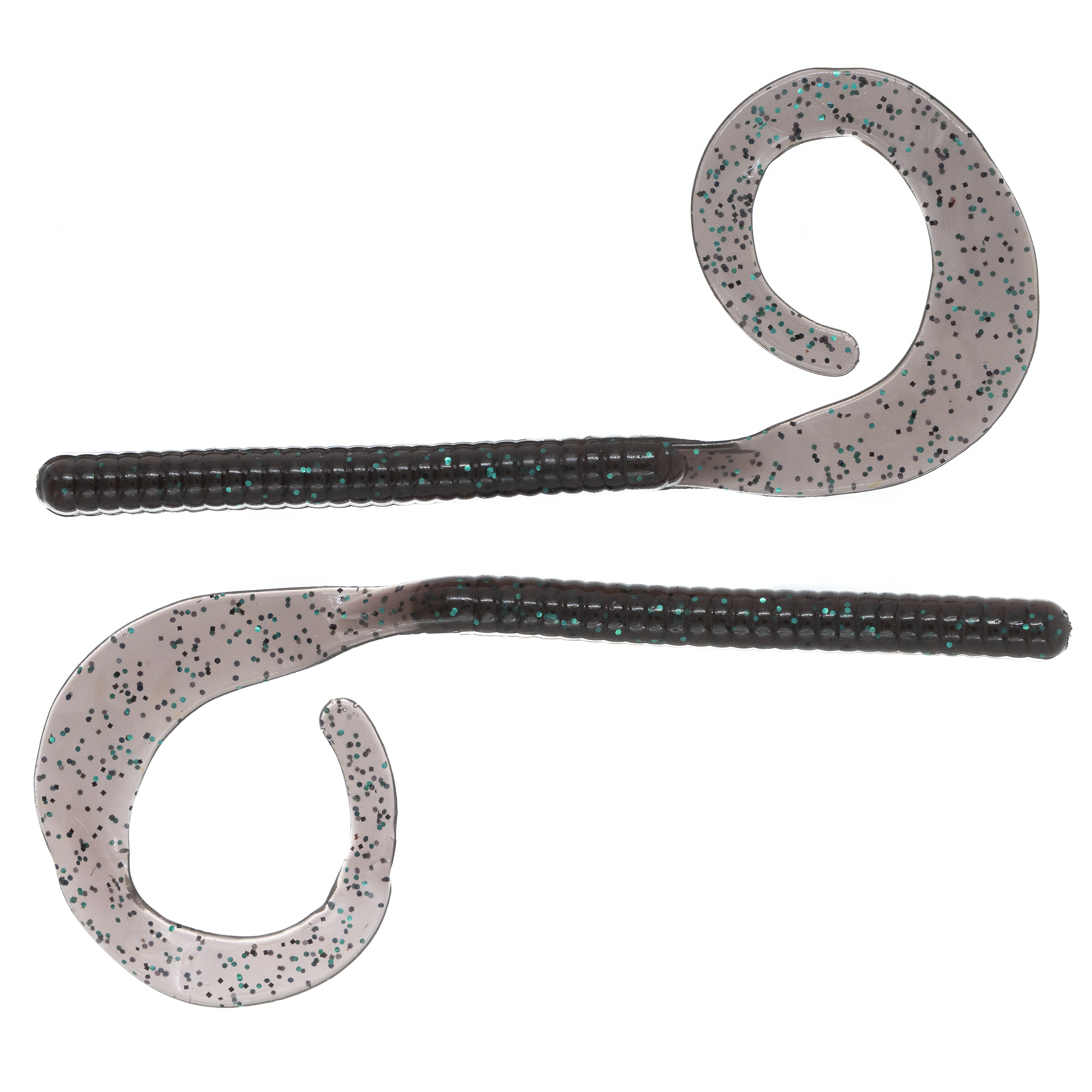
Summer holds fish around the lily pads, the standing timber and the cypress shade. Lily pad stems are named specifically as big-fish areas here. North Louisiana heat compresses the productive fishing into the early and late windows, and the protected water means you can fish comfortably even when it blows.


Bait Onto the Flats
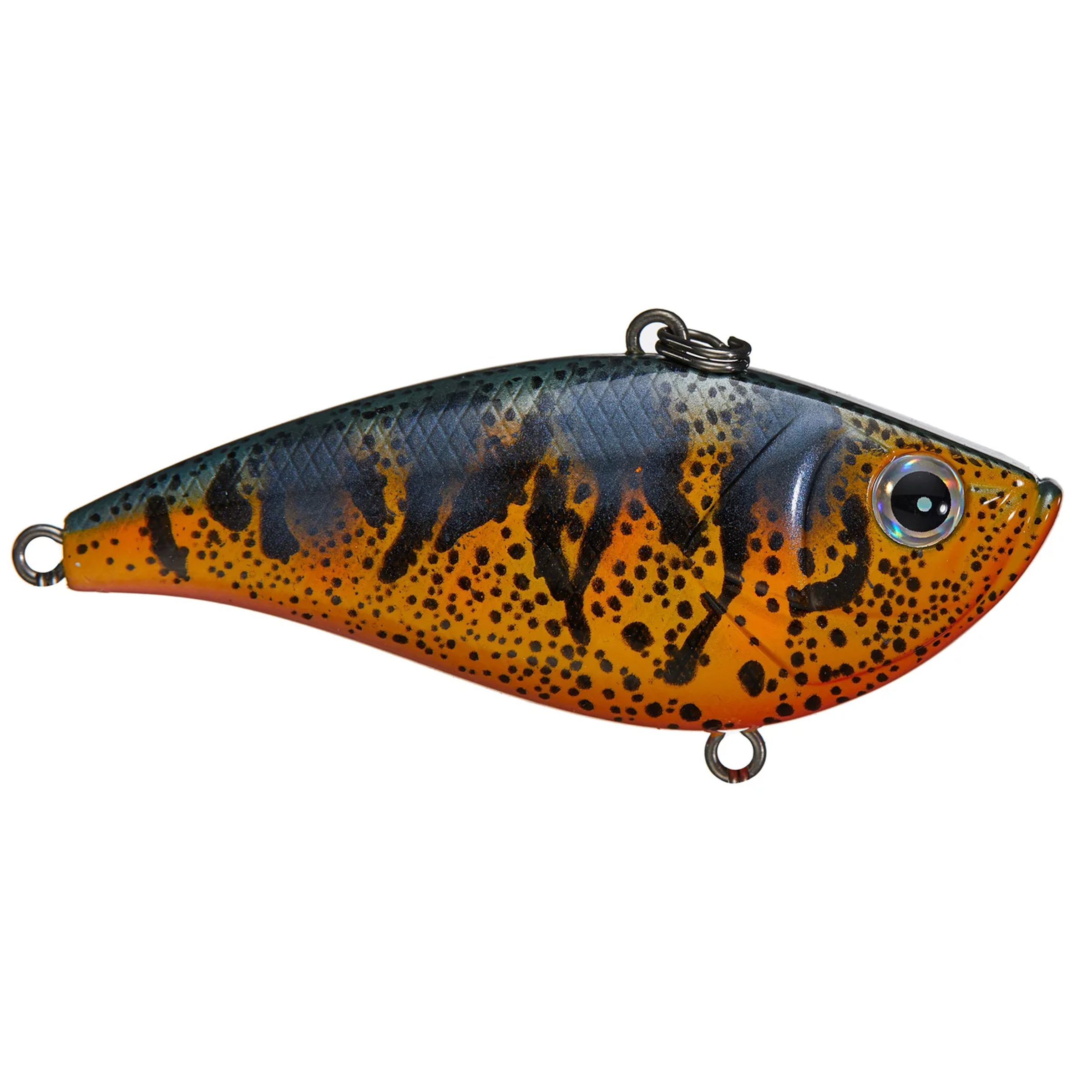
Autumn brings bait onto the expansive flats and along the timber edges, and the fish become catchable on moving baits again. It is the most comfortable fishing of the year here, and the protected water means an autumn front does not end the day.
Deeper Timber and Slow Presentations
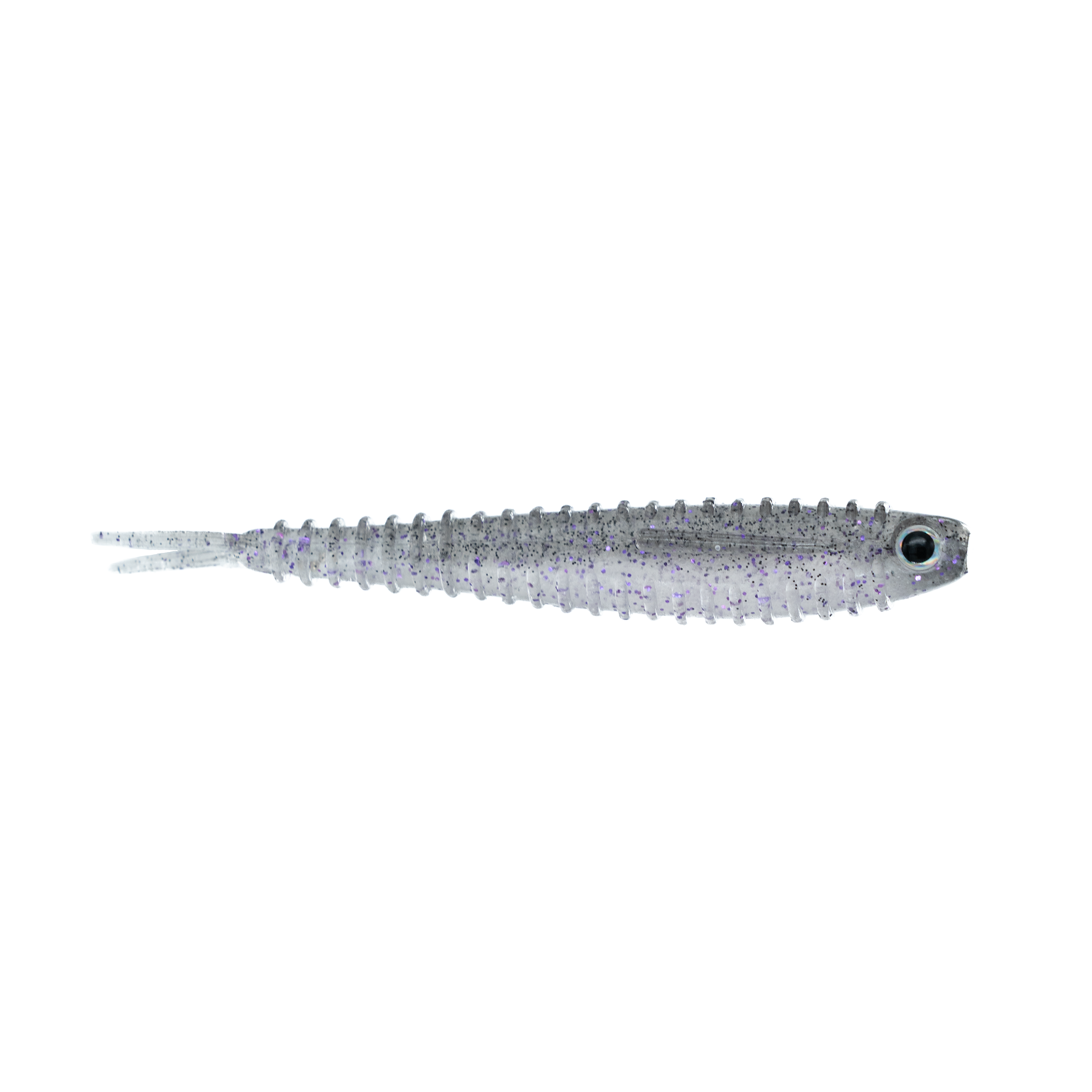
Winter concentrates fish on the deeper timber, the creek channels and around the cypress in the deeper water. February is worth noting — the lake's biggest documented largemouth came in that month, and prespawn movement in north Louisiana starts earlier than the calendar suggests.


Lake D'Arbonne Access
Lake D'Arbonne State Park provides the main access with ramps and facilities, and additional public launches serve the lake. Farmerville is the town on the water, with Monroe and West Monroe about half an hour away for lodging, food and anything else.
The Feeder Creek Edges
Where the giant cypress stumps are, and the areas local anglers name first for a big fish. Structure and cover together on a lake that has plenty of both, and the highest-percentage water in spring.
The Lily Pad Fields
Named specifically as big-bass water. Pad stems hold fish through the warm months and give you something to work with baits that displace water. Topwater at first light, big worms once the sun is up.
The Expansive Flats and Timber
The lowland-reservoir character that earns the small Toledo Bend comparison. Standing timber over broad flats, with more cover than you can fish and a great deal of it sheltered from wind.
Lake D'Arbonne Bass Fishing FAQ
How big is Lake D'Arbonne?
Roughly 15,250 acres southwest of Farmerville in north Louisiana. It is a lowland reservoir with expansive flats, standing timber and cypress, draining a large portion of the northern part of the state.
Why is it compared to Toledo Bend?
Because it is the same kind of water in miniature — a lowland reservoir with flats, standing timber and cypress. Greg Hackney describes it exactly that way. The techniques transfer directly, and so does the character of the fishing.
What is the advantage over Toledo Bend?
Protection. D'Arbonne has a great deal of sheltered water, so wind is never the problem it can be on the bigger lake. On a day when Toledo Bend is unfishable, this one is comfortable.
Does D'Arbonne produce big bass?
Yes. Ed Stellner caught a 15.31-pounder here in February 2000, and fish pushing fifteen pounds have come out over the years. It has been included in Bassmaster's Top 100 Lakes and ranked among the top 25 in the Central Division.
Where should I fish for a big one?
The edges of the feeder creeks where the giant cypress stumps are, and around the lily pad stems. Those are the two areas local guidance names, and they hold the lake's better fish.
What is the simplest approach?
Greg Hackney's, and it is hard to improve on: look around, find something you like, and throw a spinnerbait at it. On a lake this full of visible cover, that genuinely works.
What baits work best on D'Arbonne?
Baits that displace a lot of water — crankbaits, spinnerbaits and big plastic worms. Topwater over the pads at first light, and flipping baits for the timber and cypress. Our full bait lineup covers all four seasons.
Do I need a fishing license?
Yes, a Louisiana fishing license from the Department of Wildlife and Fisheries. Check current black bass regulations before you go.
Timber and Cypress
Fishing standing timber and cypress stumps all day is a tackle problem before it is anything else. Level Rods builds models with the accuracy to place a bait beside a stump from twenty feet and the backbone to get a fifteen-pound-class fish back out of it.
Tournament Winning Baits & Gear
Designed, crafted and tested by anglers who fish timber every week. Free shipping on orders over $75.
Shop All Baits