Lake Cumberland Bass Fishing Guide
Lake Cumberland Bass Fishing, Season by Season
Fifty thousand acres of highland reservoir with 1,255 miles of shoreline and water two hundred feet deep, holding all three species of black bass in the same lake. Cumberland runs clear on the main lake and dirty up the creeks, and where you fish decides what you catch.
One Lake, Three Fisheries
Lake Cumberland was created in 1952 when Wolf Creek Dam impounded the Cumberland River for flood control and hydroelectricity. It covers just over 50,000 acres with a remarkable 1,255 miles of shoreline — more coastline than several US states — and reaches depths approaching two hundred feet, with an average nearer ninety.
It is a highland reservoir and it looks and fishes like one: steep rocky shorelines, bluff walls, deep clear water on the main lake, long timbered creek arms and very little shallow flat anywhere.
The single most useful thing to understand is the water-clarity gradient. The main lake runs clear; the further you push up the creeks, the dirtier it gets. And the three bass species sort themselves along that gradient. Largemouth fish best shallow in the dirtier creek water. Smallmouth hold on main-lake points and bluffs in the clear. Spotted bass sit somewhere between the two.
That means the first decision on this lake is not which bait to throw — it is which species you are fishing for, because that determines which end of the lake you drive to. Anglers who try to fish it as one water body generally struggle.
The national reputation is striped bass, and that is fair; Cumberland is one of the better striper fisheries in the country. It draws attention away from black bass fishing that is genuinely strong across all three species.
One practical note about scale. Twelve hundred and fifty-five miles of shoreline is not a number you fish your way through. Pick an arm, learn it, and come back to it. The anglers who do well here fish a fraction of this lake very well.
Bluffs, Creek Arms and Clarity
Four patterns cover the year. Each one pairs the technique with the baits we'd actually tie on.
Up the Creeks, Then Out to the Rock
Spring is the strongest season and it happens on both ends of the clarity gradient at once. Largemouth push into the stained backs of the creek arms to spawn while smallmouth stage on main-lake points and bluff ends in the clear water. Late winter into early spring is the recognised window for a smallmouth of a lifetime here.
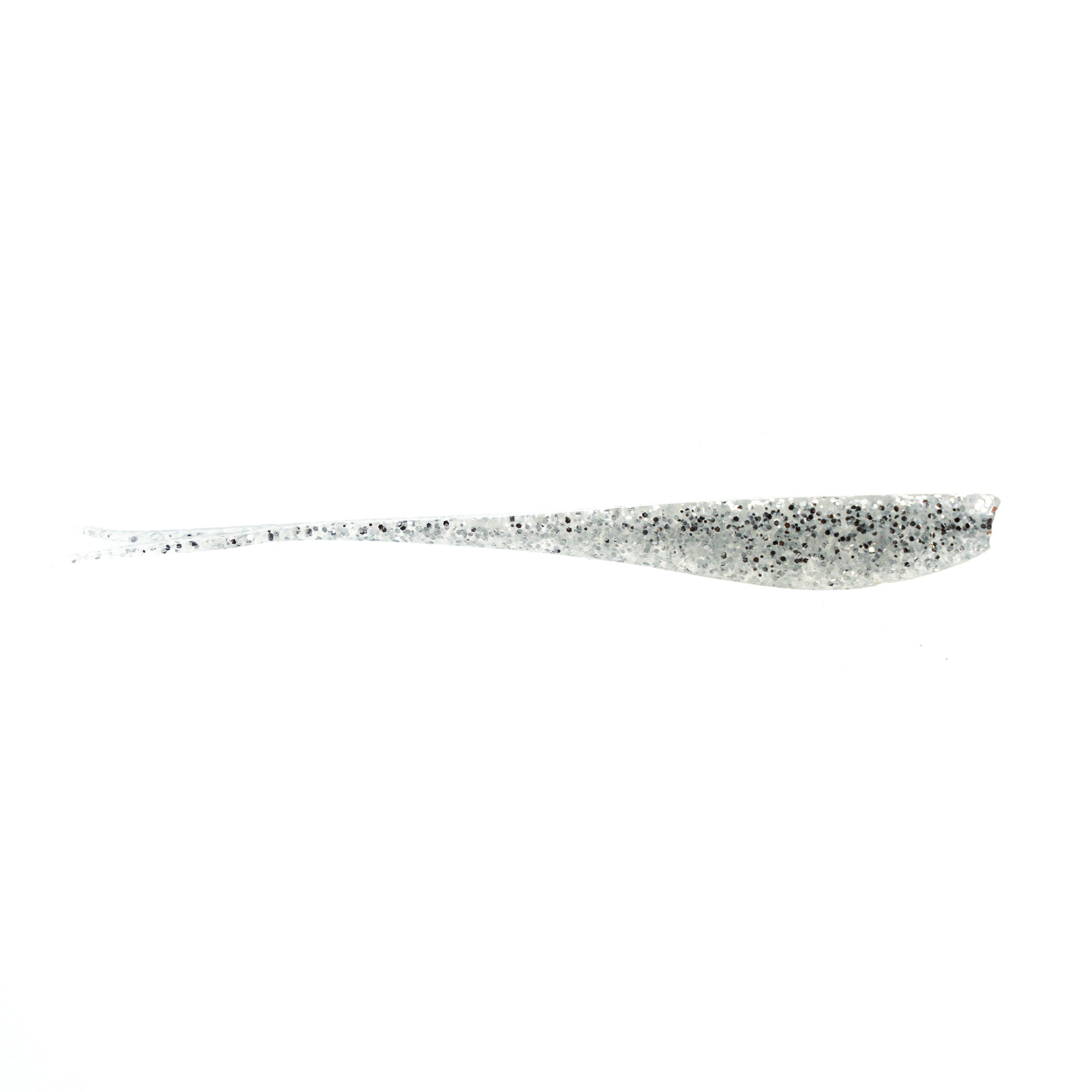


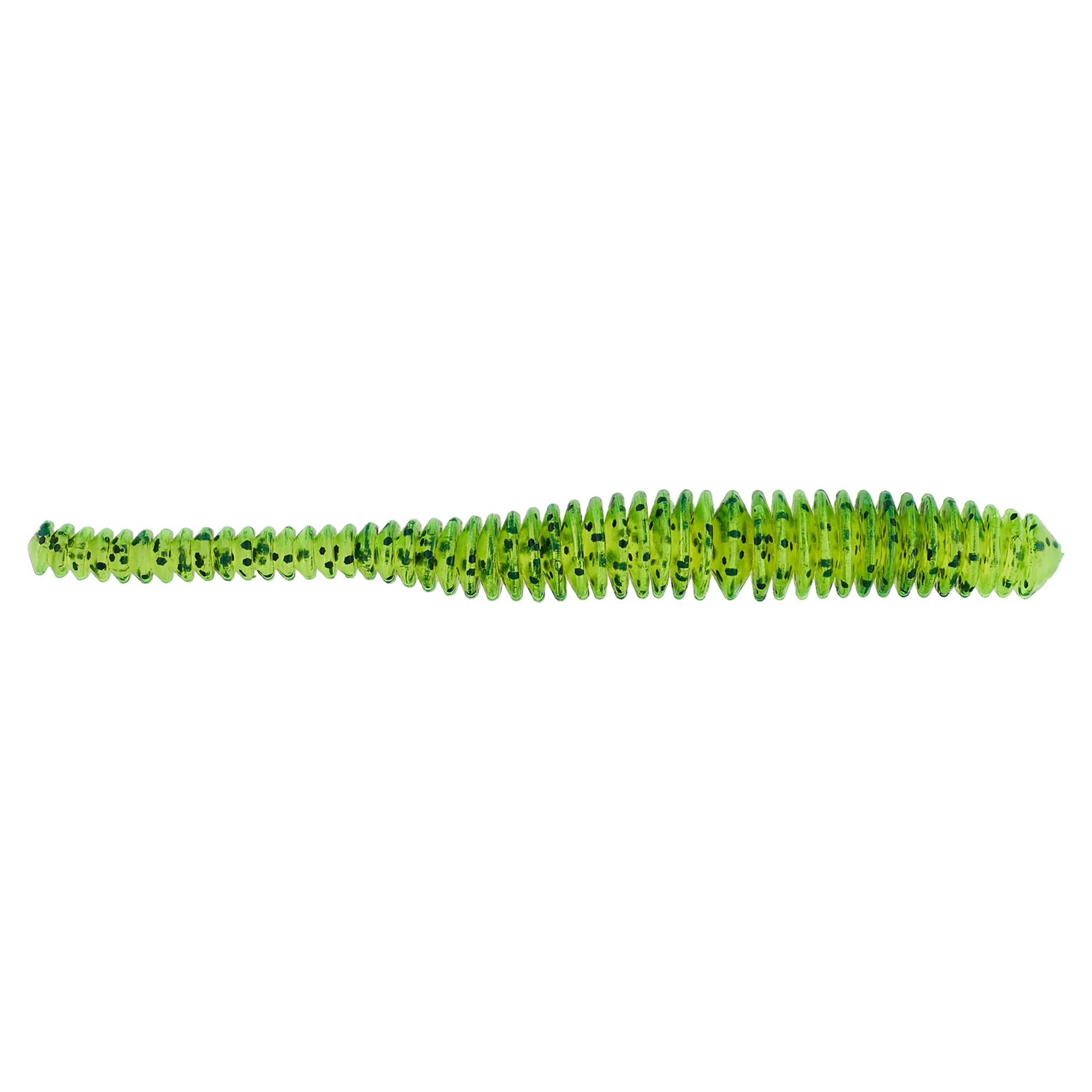
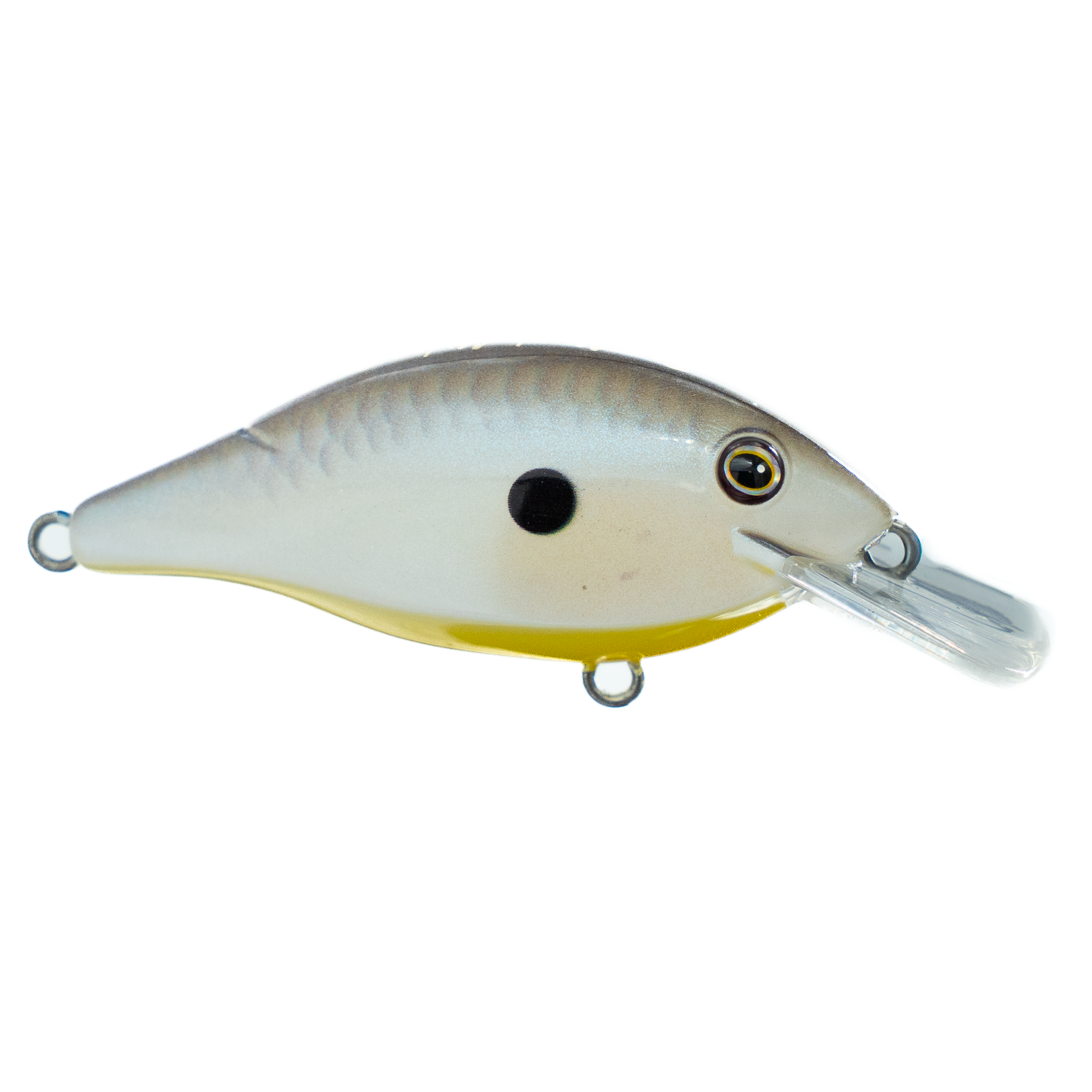

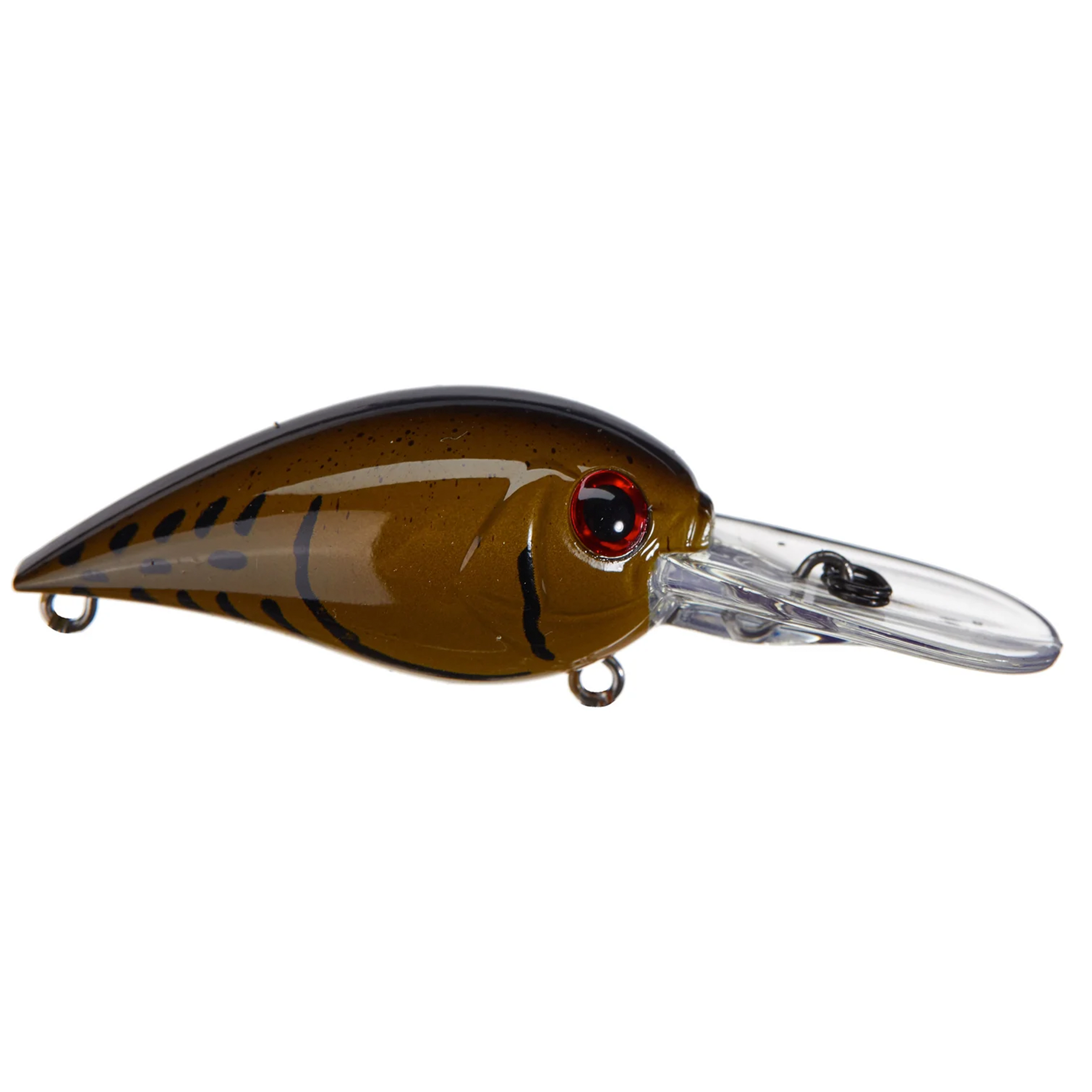
Deep, Steep and Early
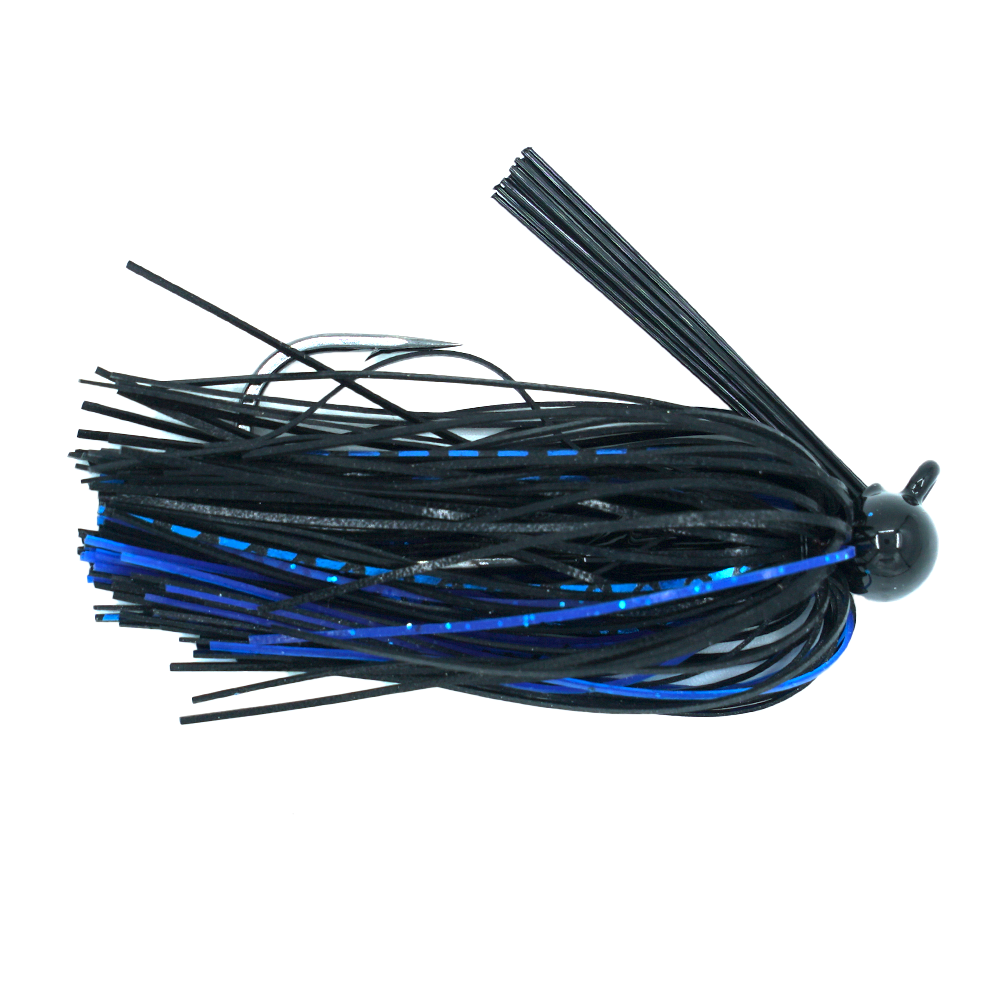
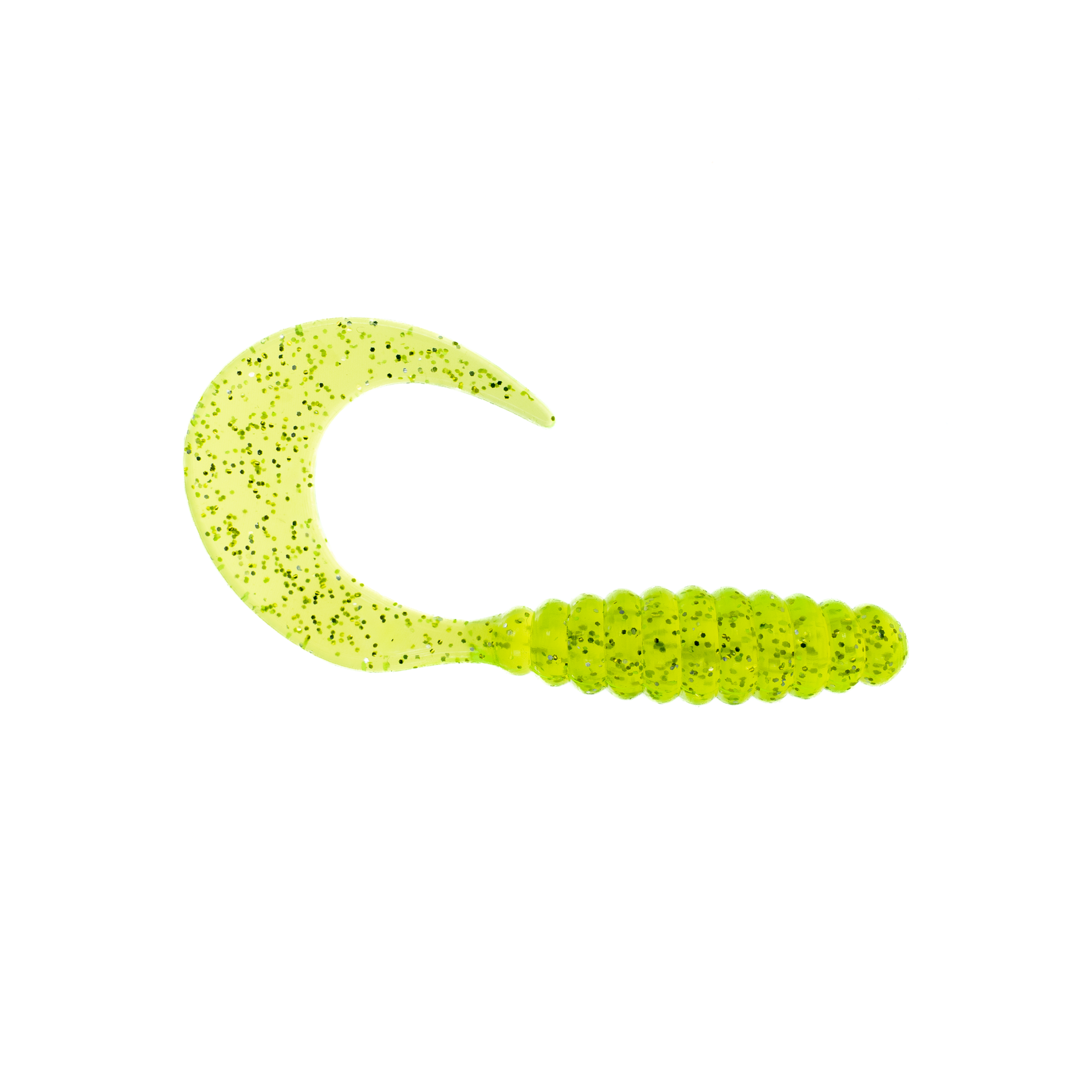
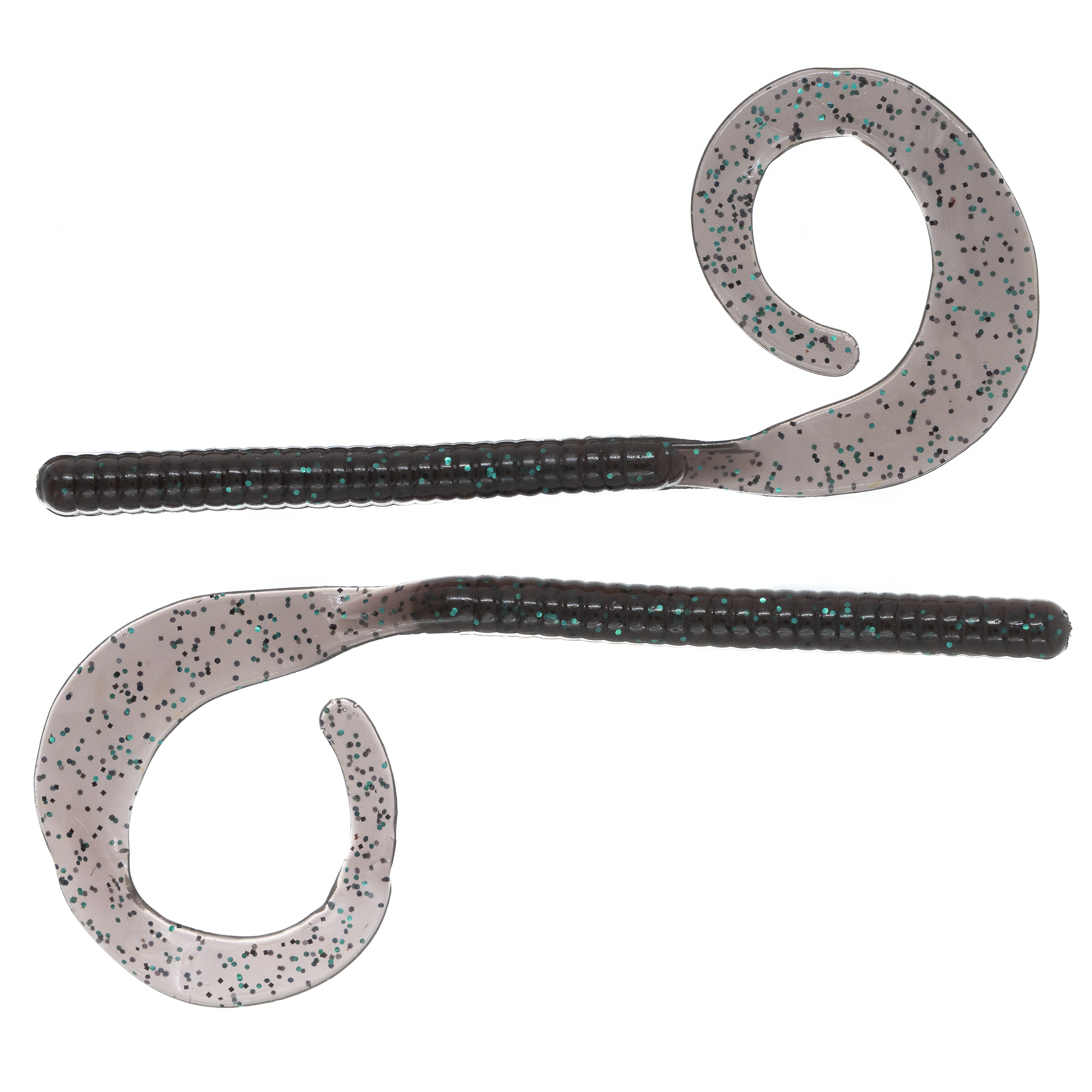
Summer heat and heavy recreational traffic push the fishing into the early hours and the deep water. On a lake averaging ninety feet, deep means genuinely deep. Bluff walls give fish the whole water column within a cast, which makes them efficient places to work out where the fish are sitting on a given day.


Bait Pulls Everything Up the Arms
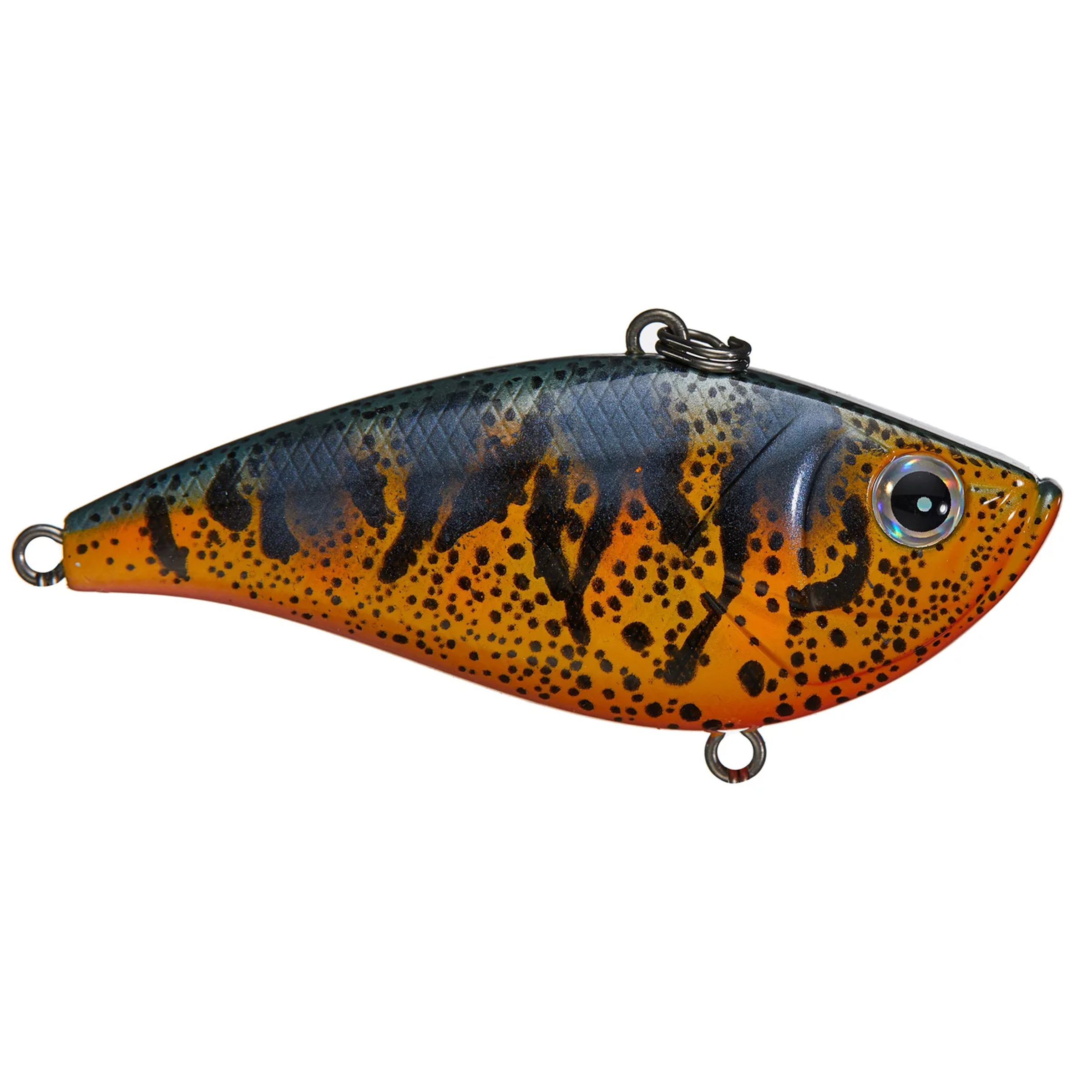
Autumn moves shad up into the creek arms and the bass follow them, which pulls fish out of the deep summer haunts and makes them catchable on moving baits again. The lake is quieter than in summer, the water is cooling, and the fishing is as forgiving as it gets on this reservoir.


The Smallmouth Window
Late winter into early spring is when Cumberland gives a genuine shot at a trophy smallmouth, and it is the season serious anglers plan around. Fish concentrate on the main-lake rock and the deep bluff ends, and the clear cold water makes them locatable. Steep banks mean fish move vertically rather than travelling.
Lake Cumberland Access
Marinas and Corps of Engineers ramps ring the lake, with concentrations near Jamestown, Somerset, Burnside and Monticello. Given 1,255 miles of shoreline, pick an arm and launch into it rather than planning to run the reservoir.
The Main-Lake Bluffs and Points
Clear deep water, steep rock, and where the smallmouth live. Bluff walls give fish the entire water column within a cast, which makes them productive through summer heat and winter cold alike. The late-winter smallmouth window happens here.
The Creek Arms
Long timbered arms running back from the main lake, getting progressively more stained the further you go. This is largemouth water and it fishes like a completely different lake from the main body. Where the stained water meets the clear is the seam worth learning.
The Wolf Creek Dam End
The deepest water on the reservoir and the coldest, clearest part of it. The tailwater below the dam is one of the premier trout fisheries in the country, which is worth knowing if you want a change of pace on a slow day.
Lake Cumberland Bass Fishing FAQ
How big is Lake Cumberland?
Just over 50,000 acres with 1,255 miles of shoreline, created in 1952 by Wolf Creek Dam on the Cumberland River. It reaches close to two hundred feet deep with an average depth near ninety, which makes it one of the deeper reservoirs in the eastern United States.
What kinds of bass are in Lake Cumberland?
All three — largemouth, smallmouth and spotted bass. They sort themselves by water clarity: largemouth in the dirtier creek water, smallmouth on the clear main-lake points and bluffs, and spotted bass somewhere between the two. Deciding which you are after should come before deciding where to launch.
Where is the best smallmouth fishing?
Main-lake points, bluffs and chunk rock in the clear water, with late winter into early spring the recognised window for a trophy. Cumberland is regarded alongside Dale Hollow as offering smallmouth quality that rivals anywhere in the country.
Where is the best largemouth fishing?
Shallow, in the dirtier water up the creek arms. The further back you go, the more stained it gets and the more the lake fishes like a conventional largemouth reservoir. This is the opposite end of the lake from where the smallmouth anglers are.
Is Lake Cumberland good for anything besides bass?
Its national reputation is striped bass, and it is one of the better striper fisheries in the country. Walleye and crappie are both strong, and the Cumberland River below Wolf Creek Dam is Kentucky's premier trout fishery, running over seventy-five miles.
How do you approach a lake with 1,255 miles of shoreline?
By not trying to fish all of it. Pick a creek arm or a section of main lake, learn it properly across the seasons, and come back to it. Anglers who do well on Cumberland fish a small fraction of it very well.
What baits work best on Lake Cumberland?
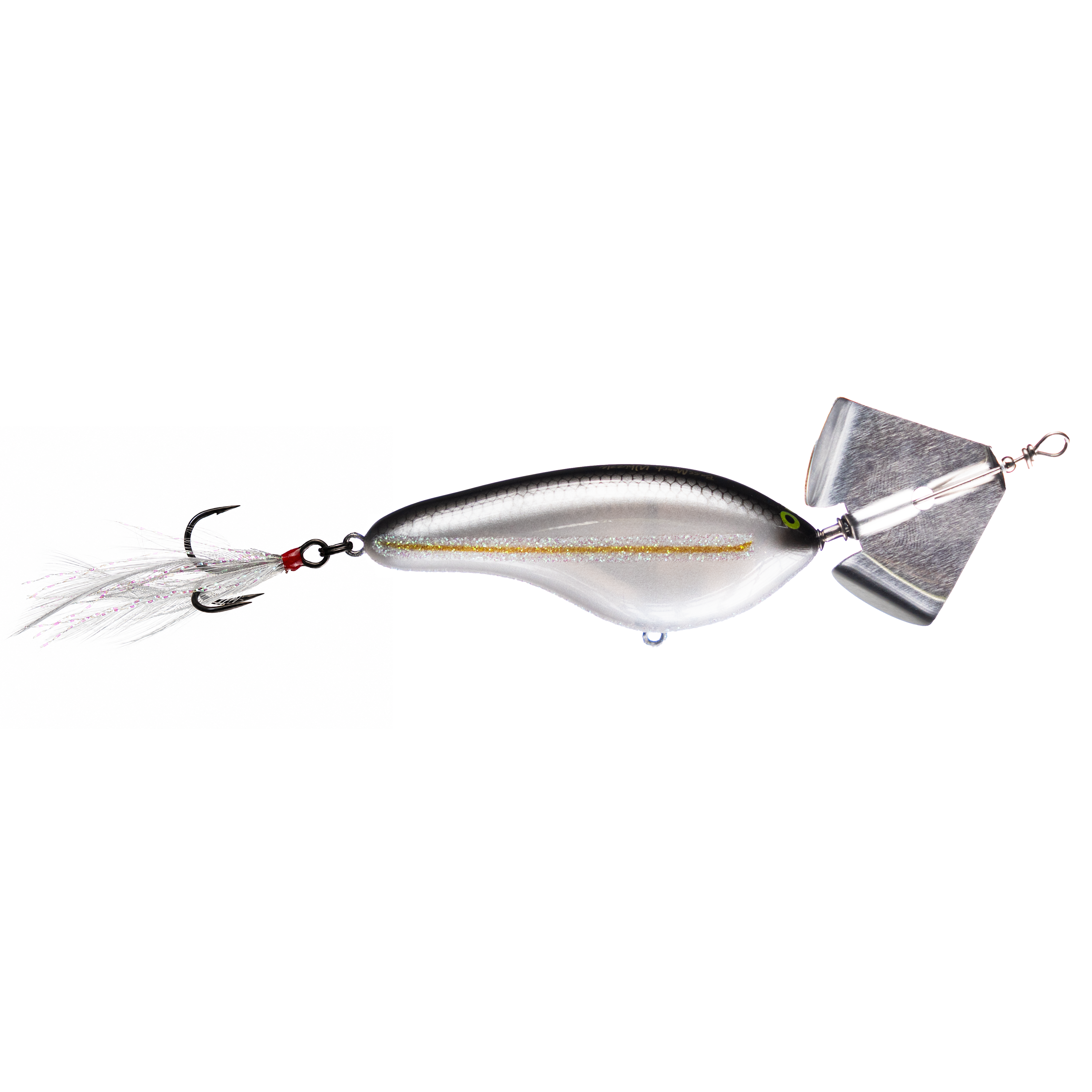
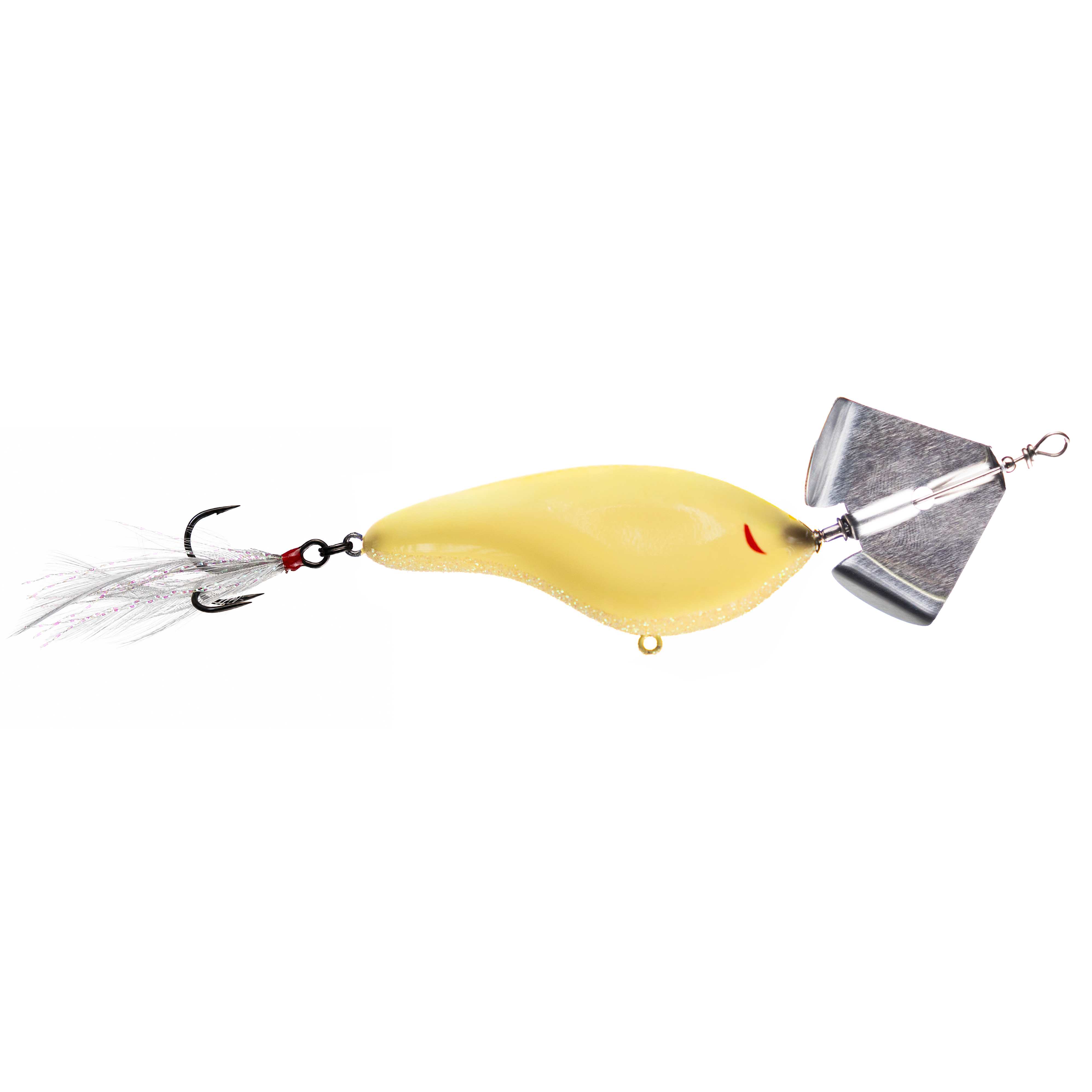
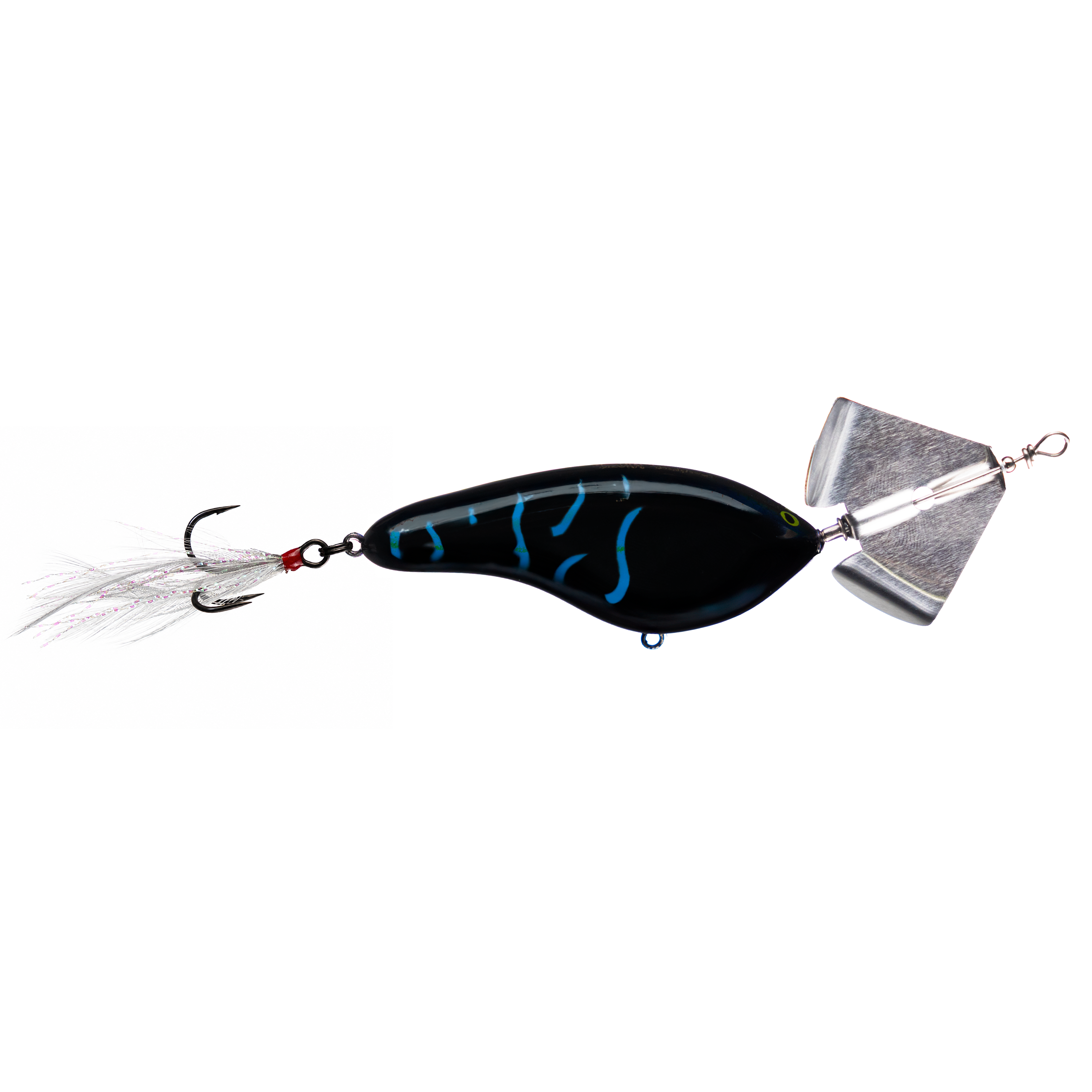
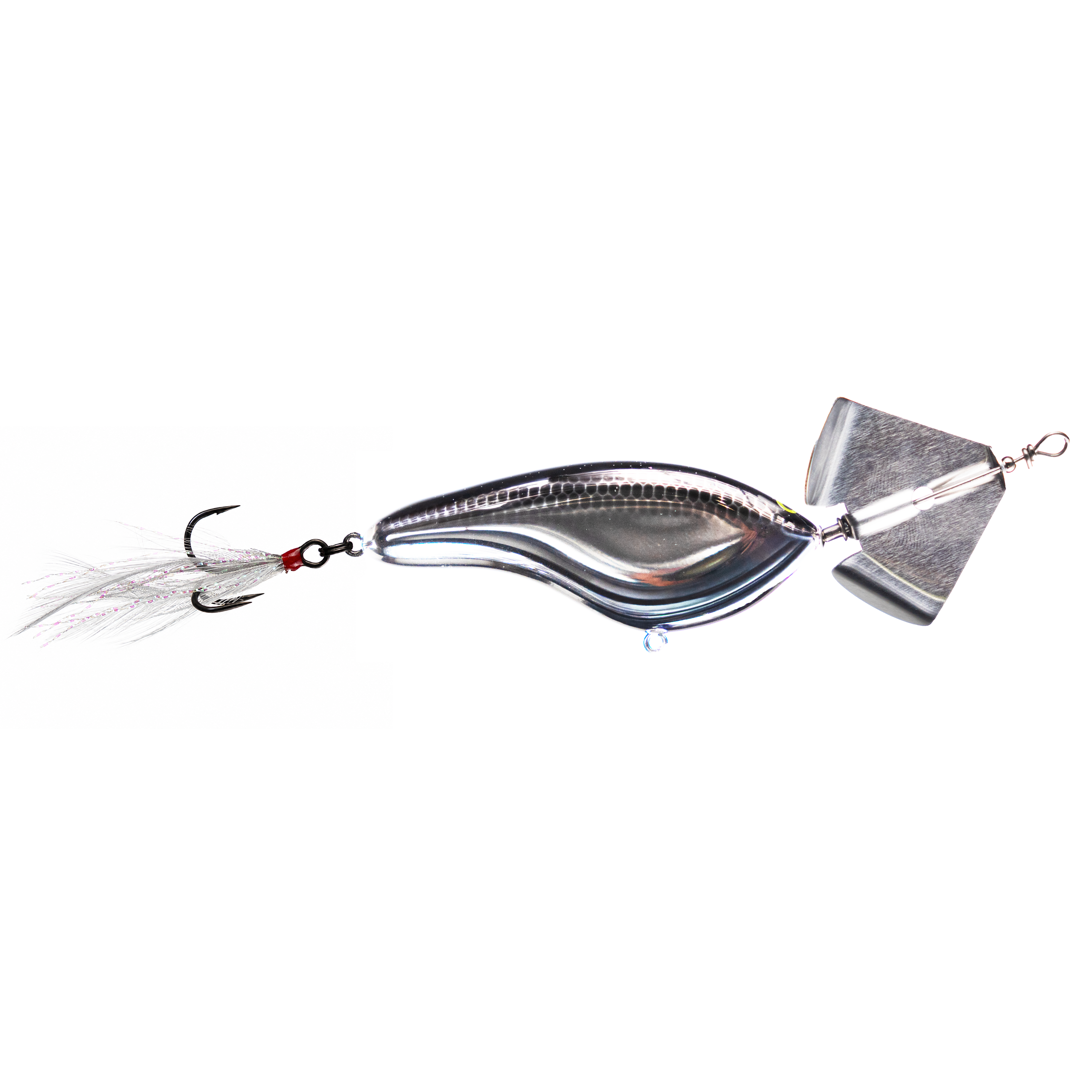
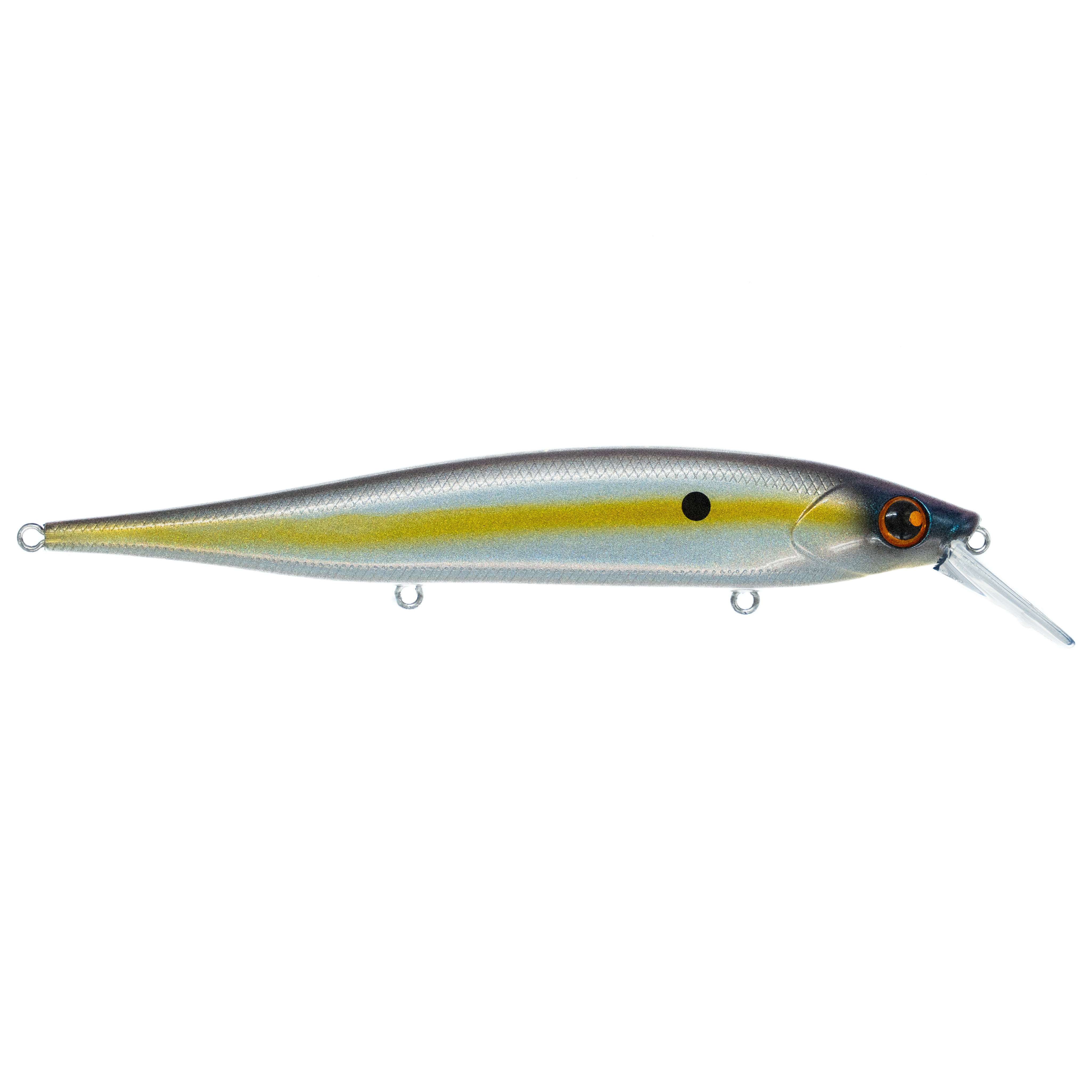
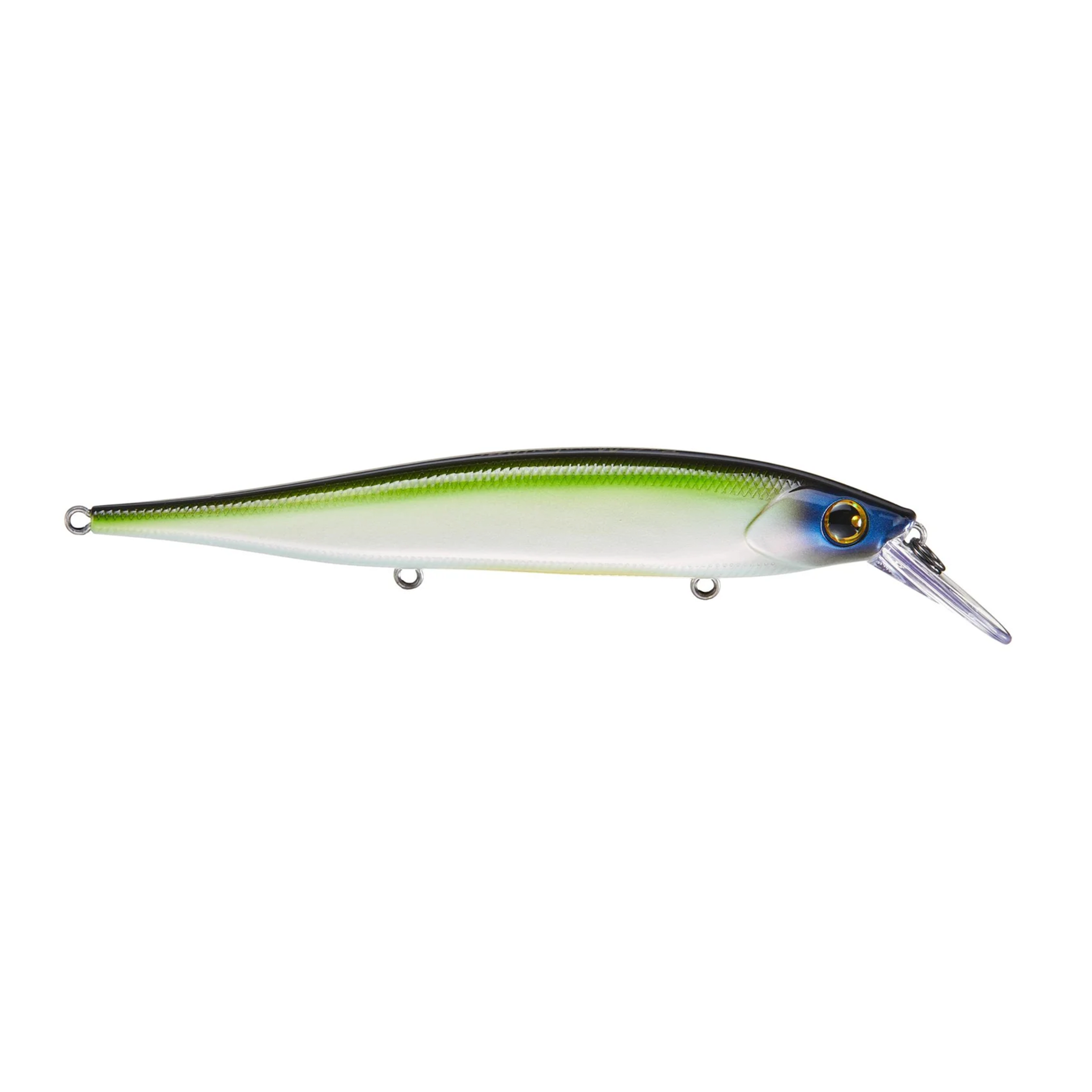
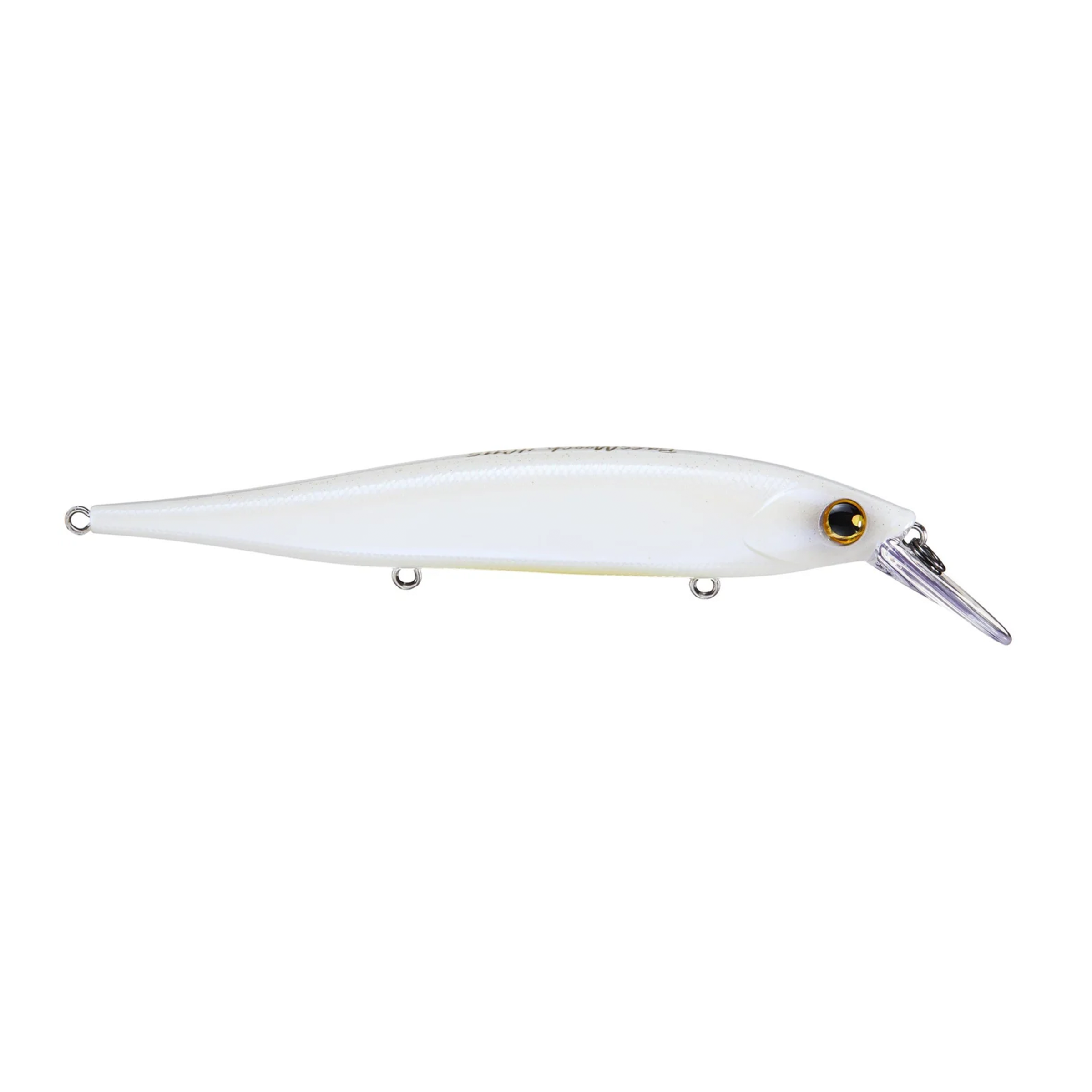
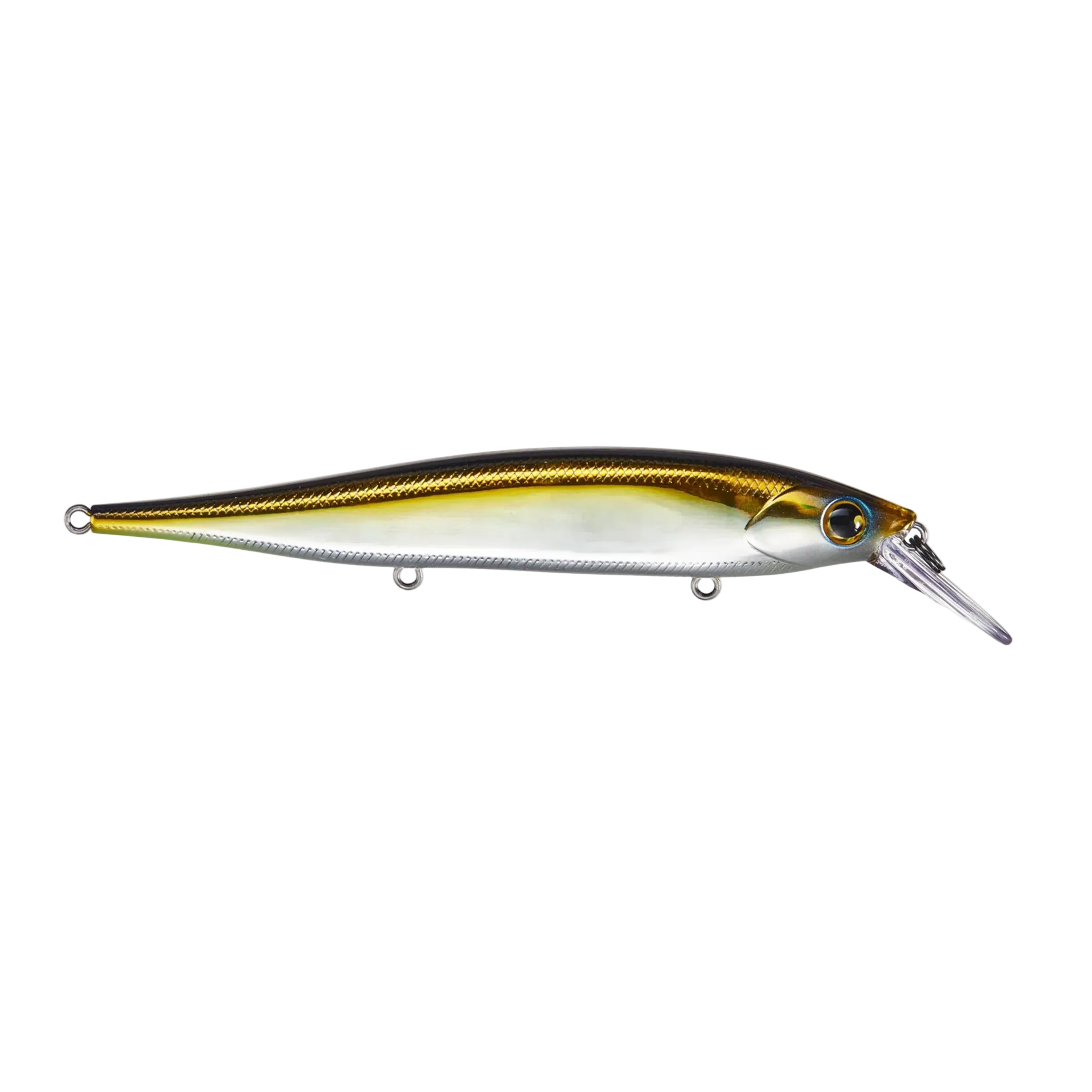
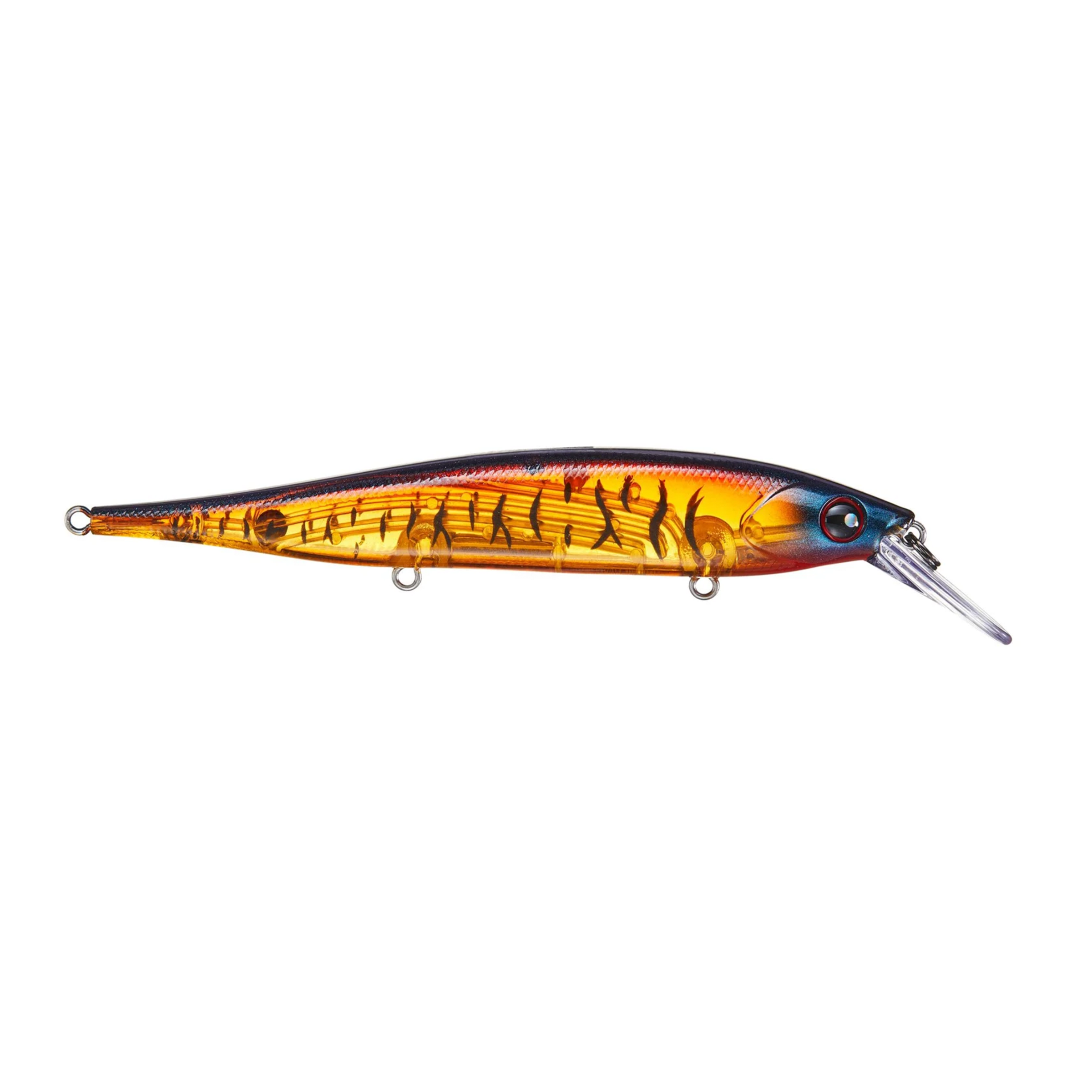
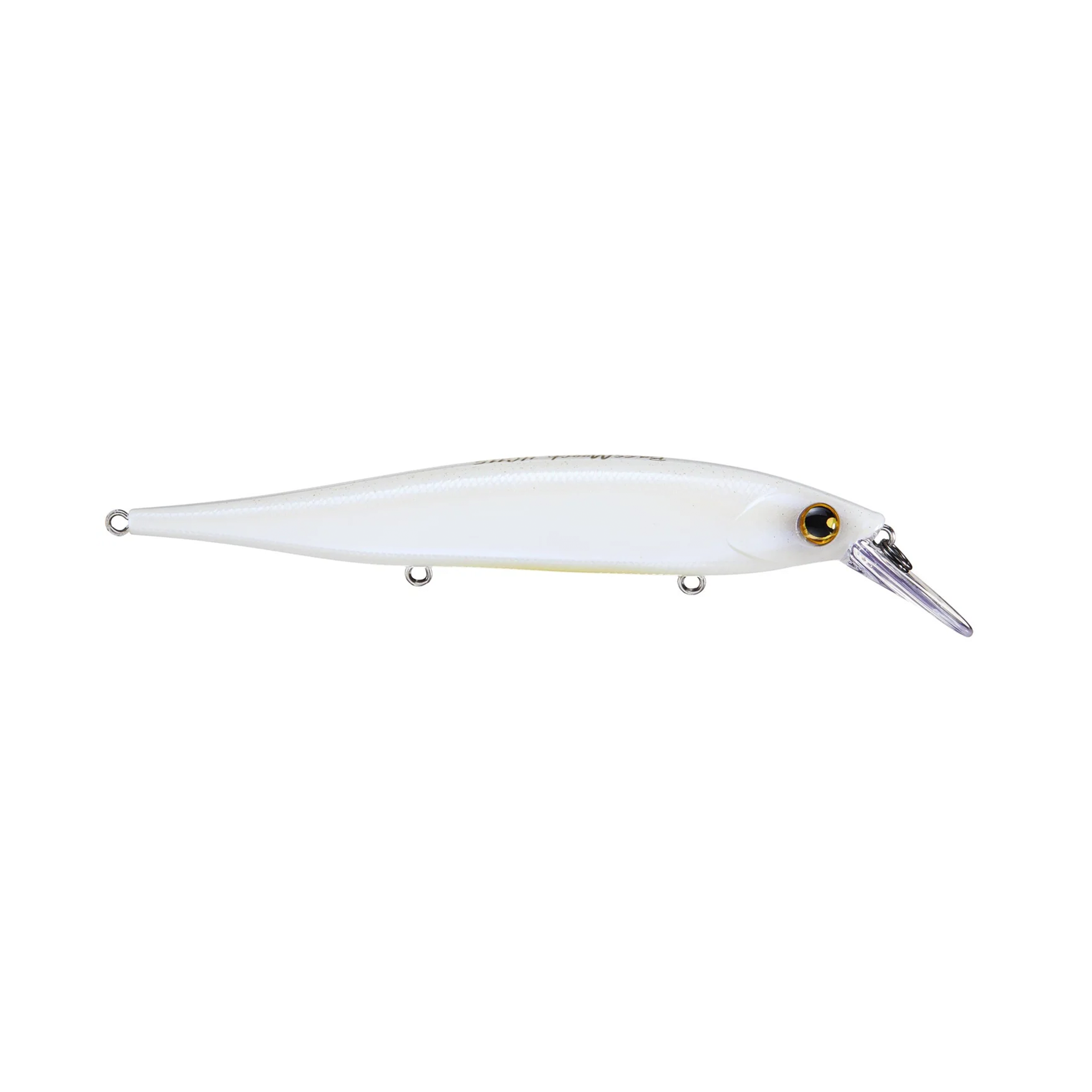
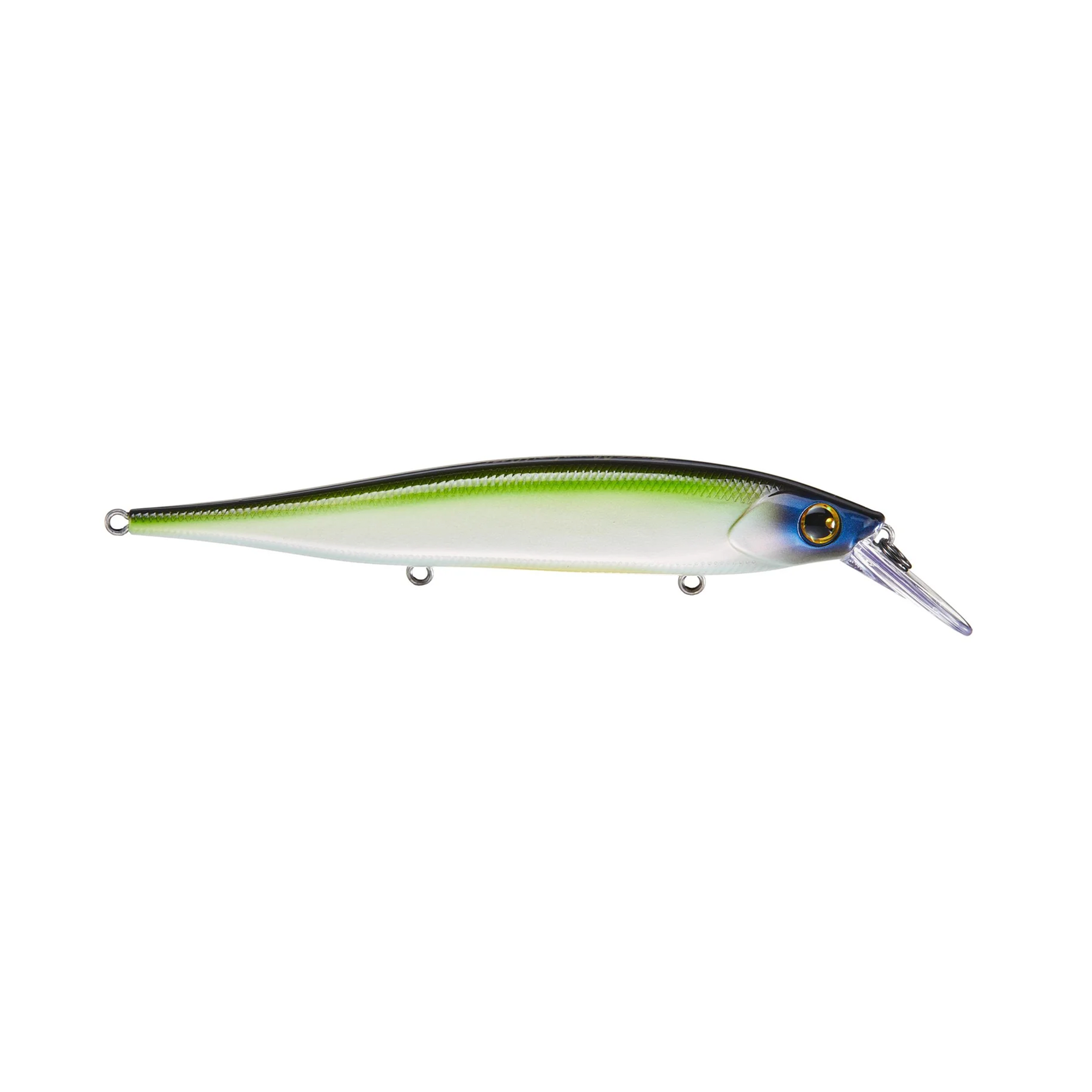
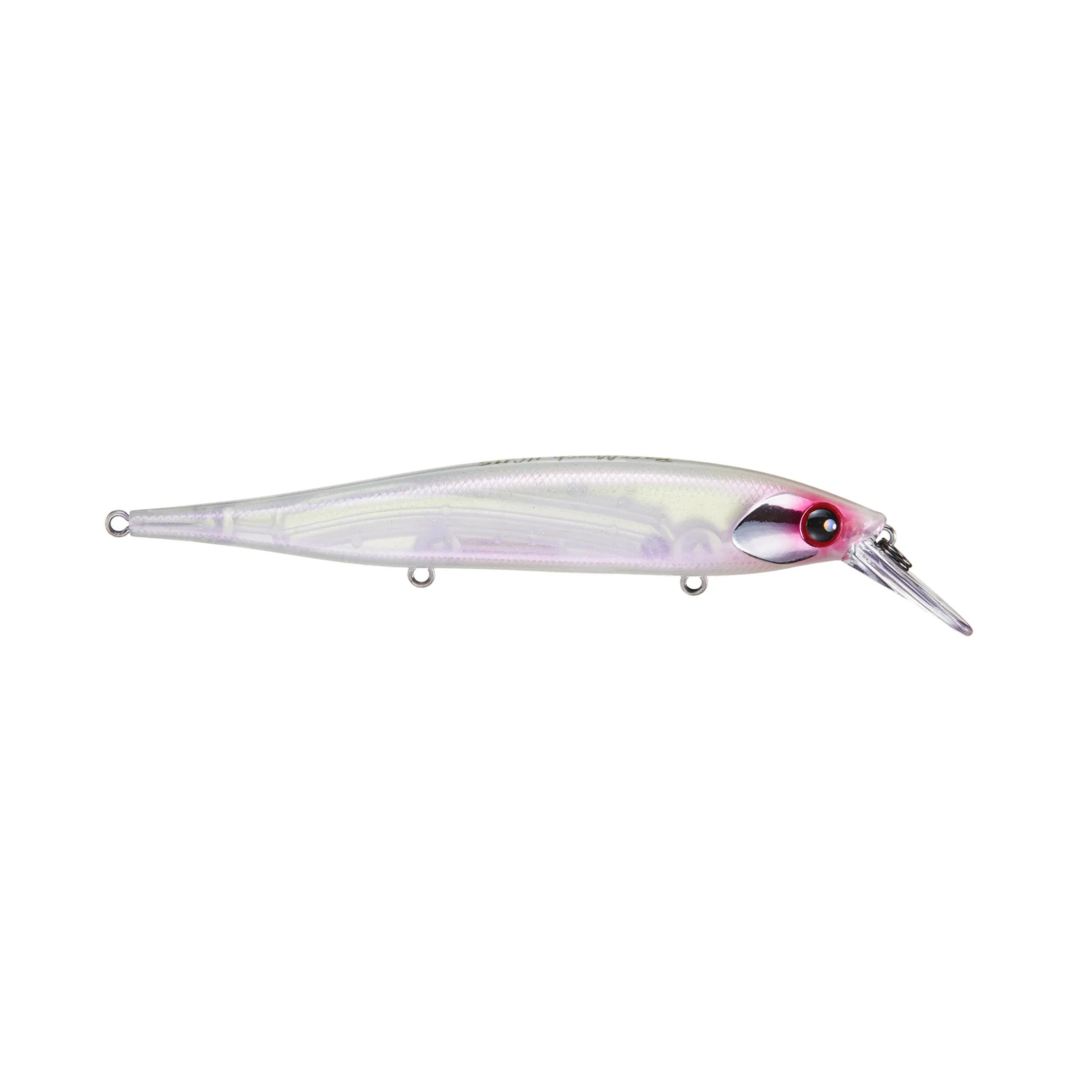
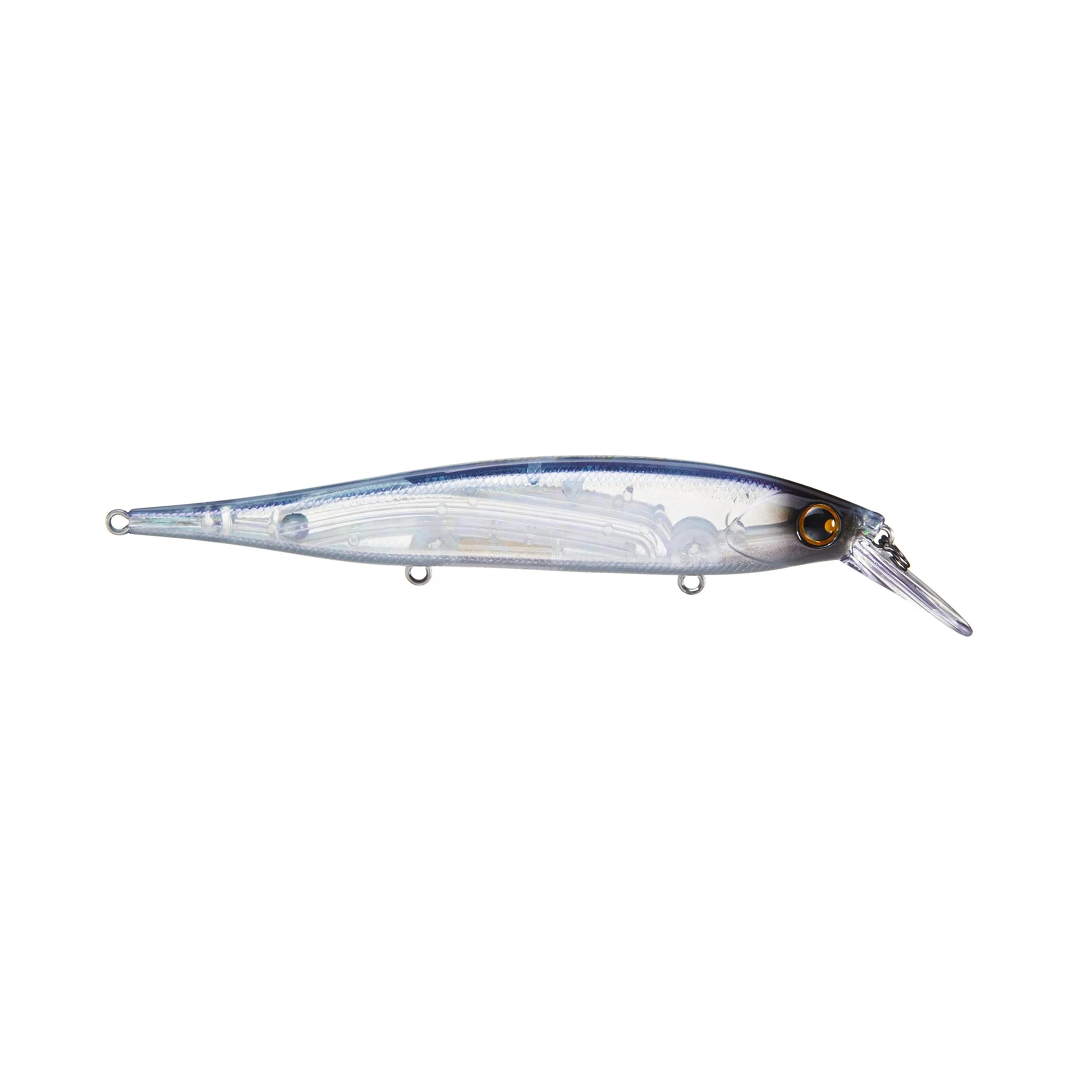
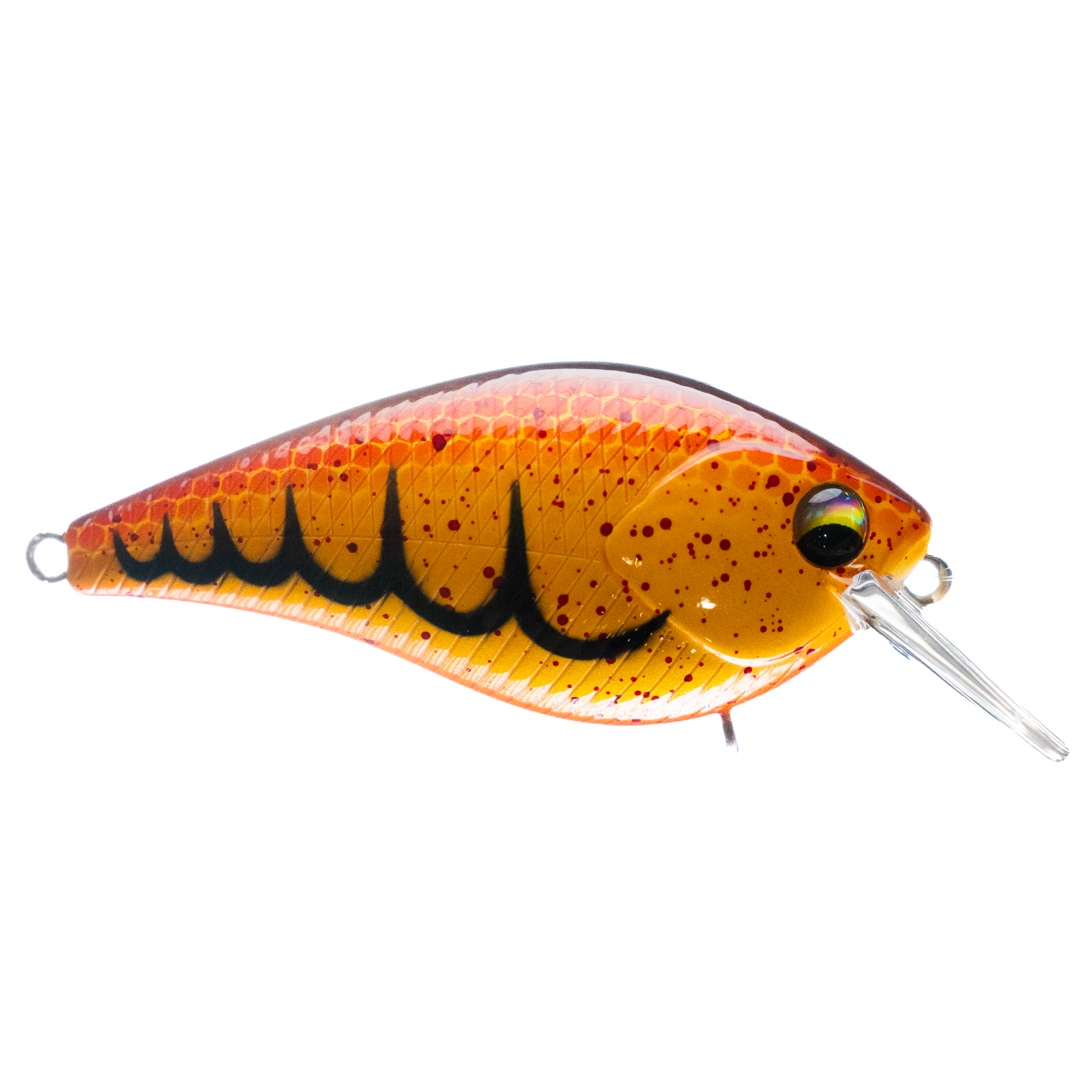
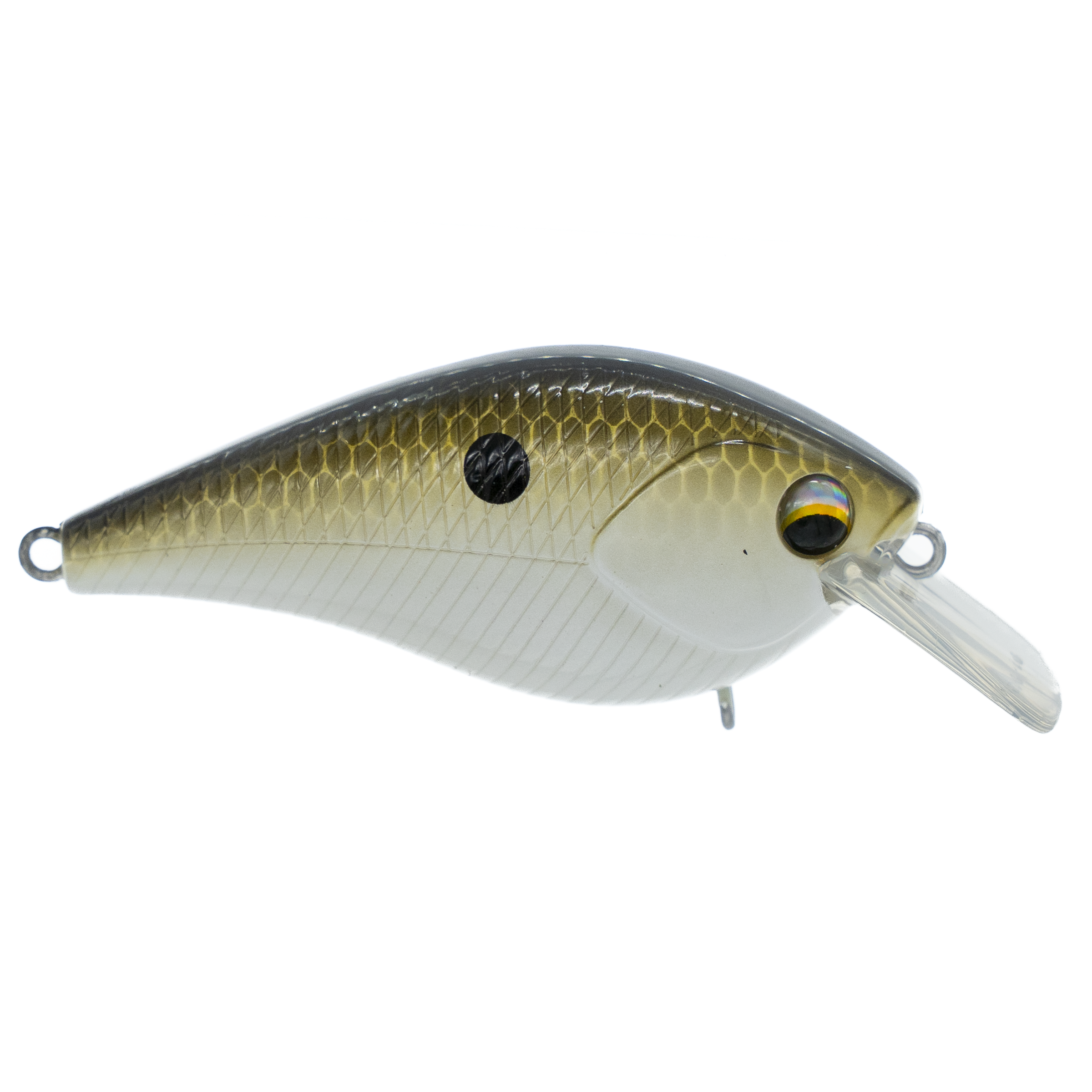
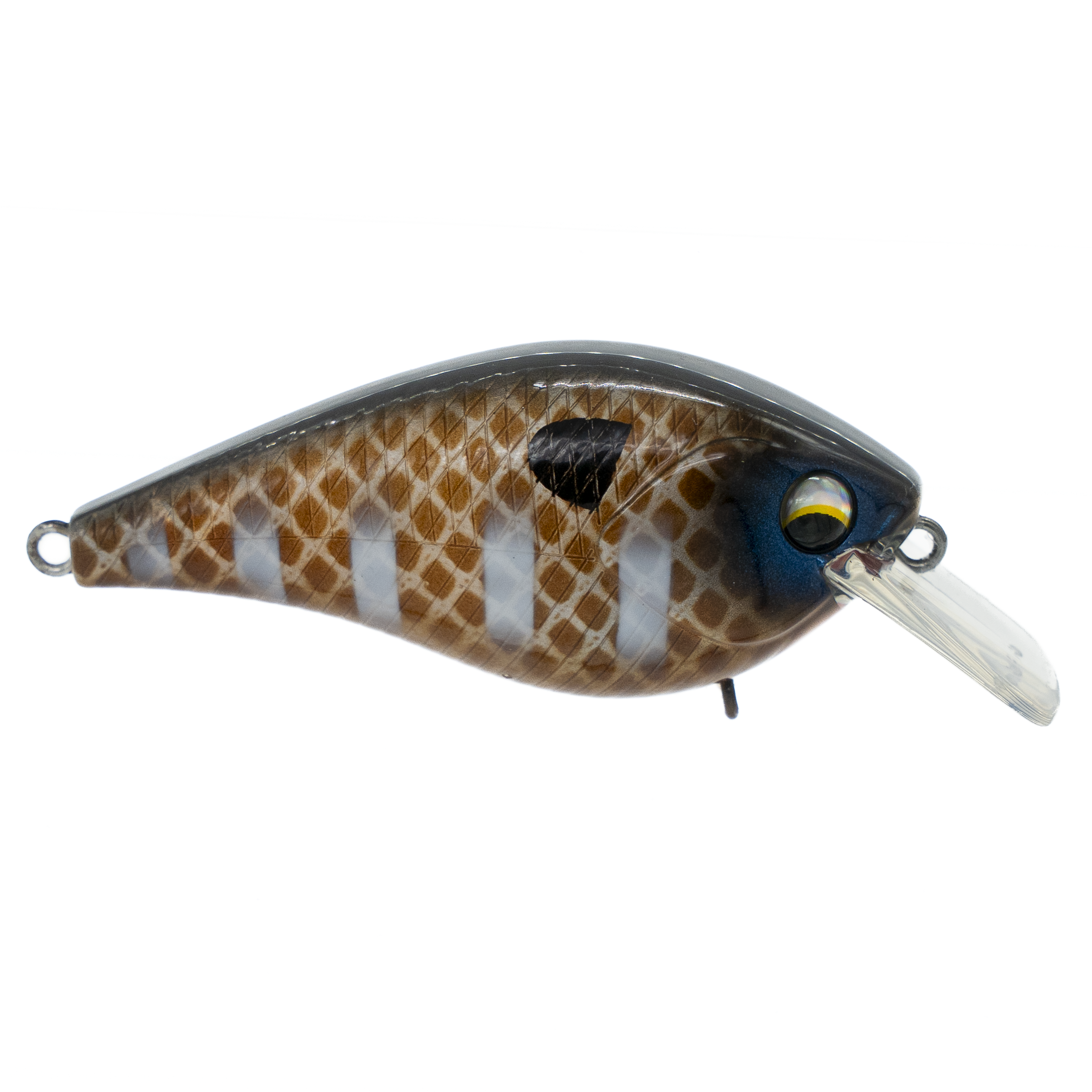
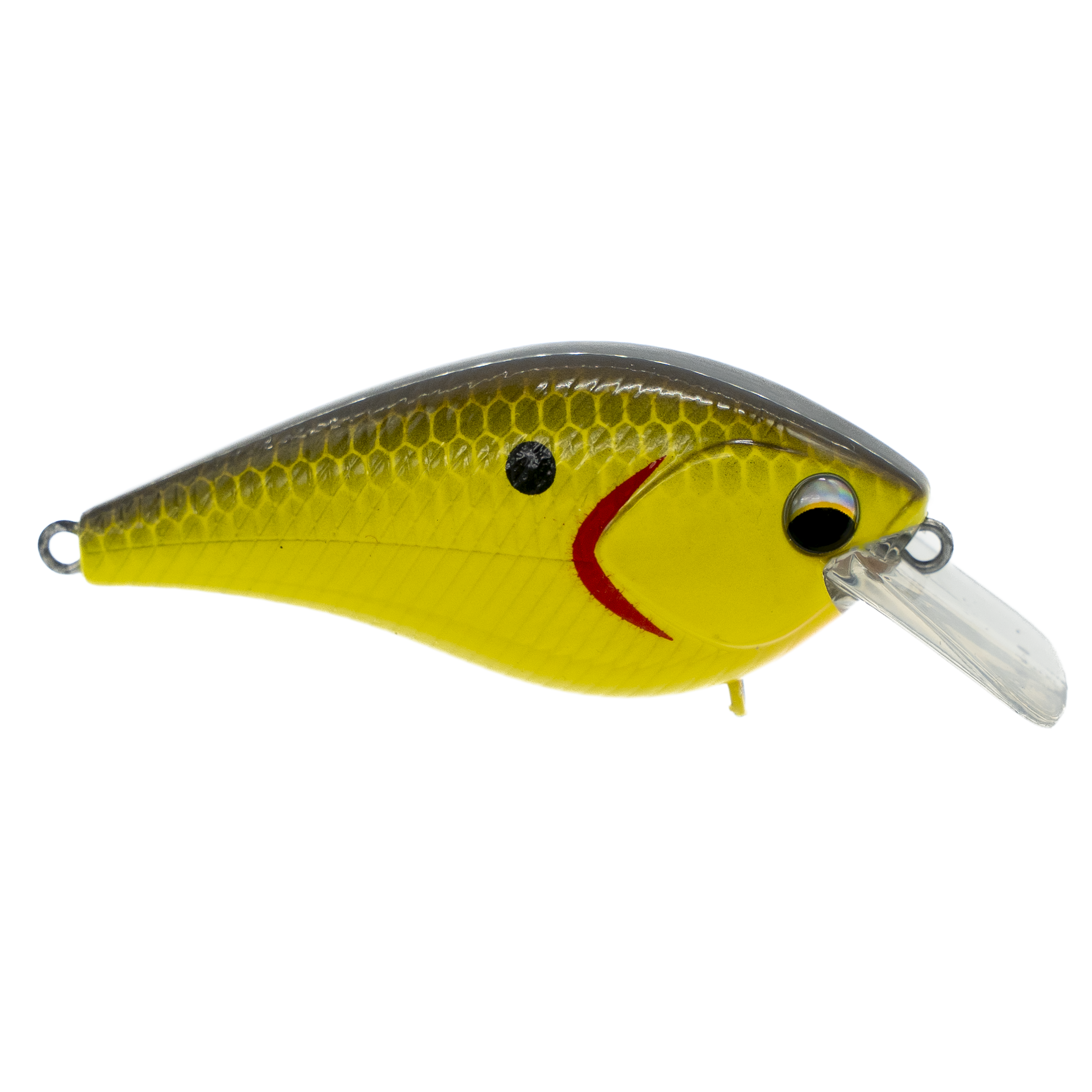
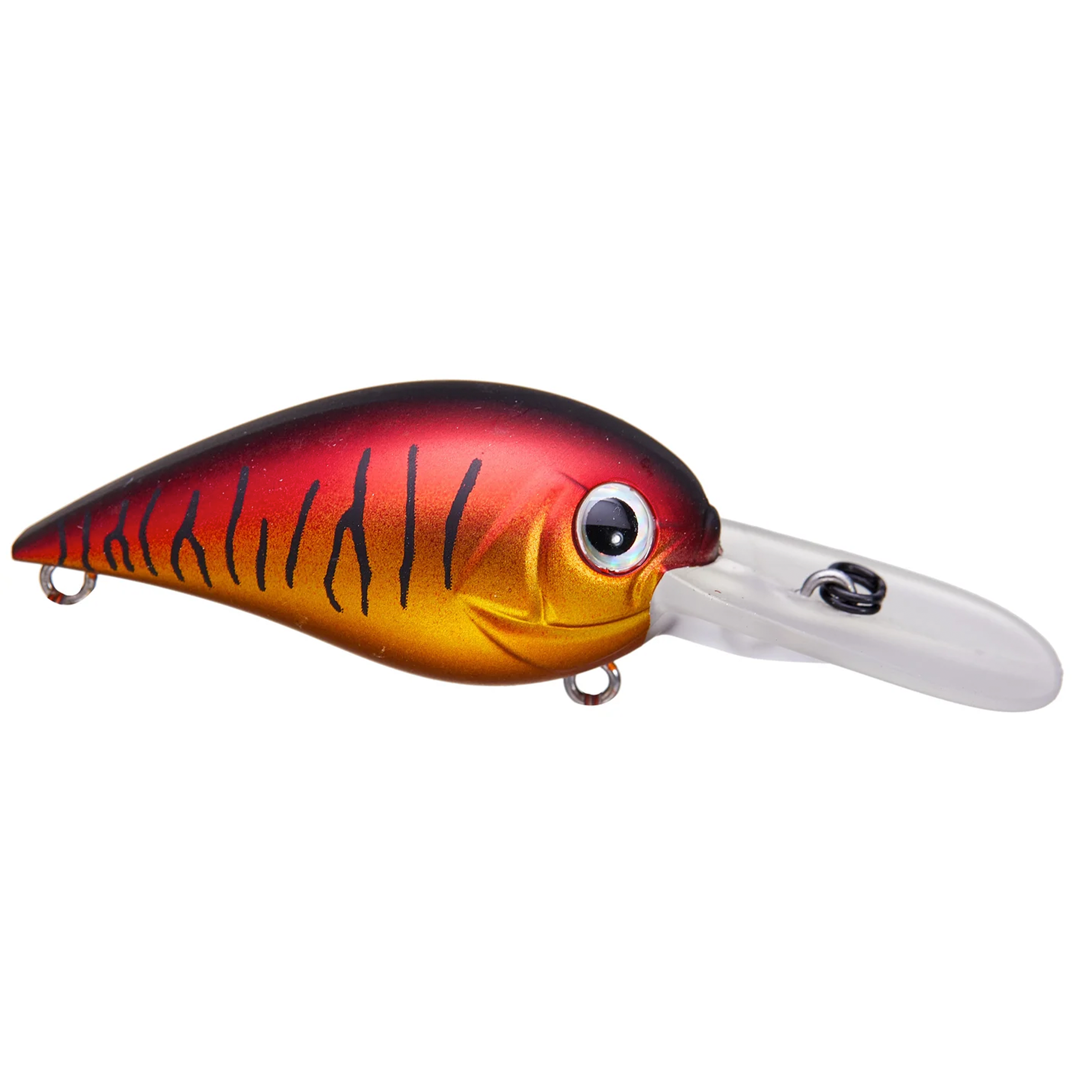
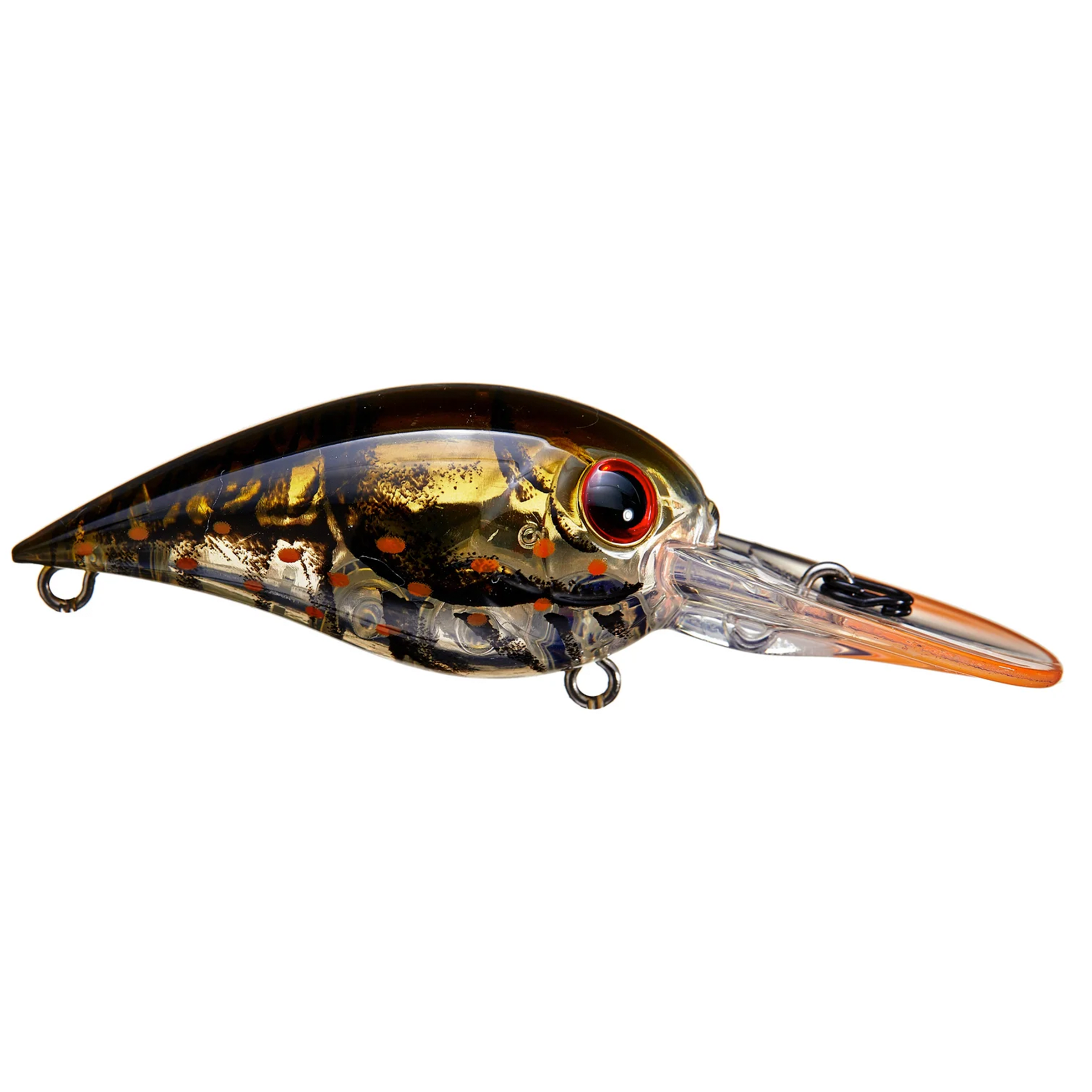
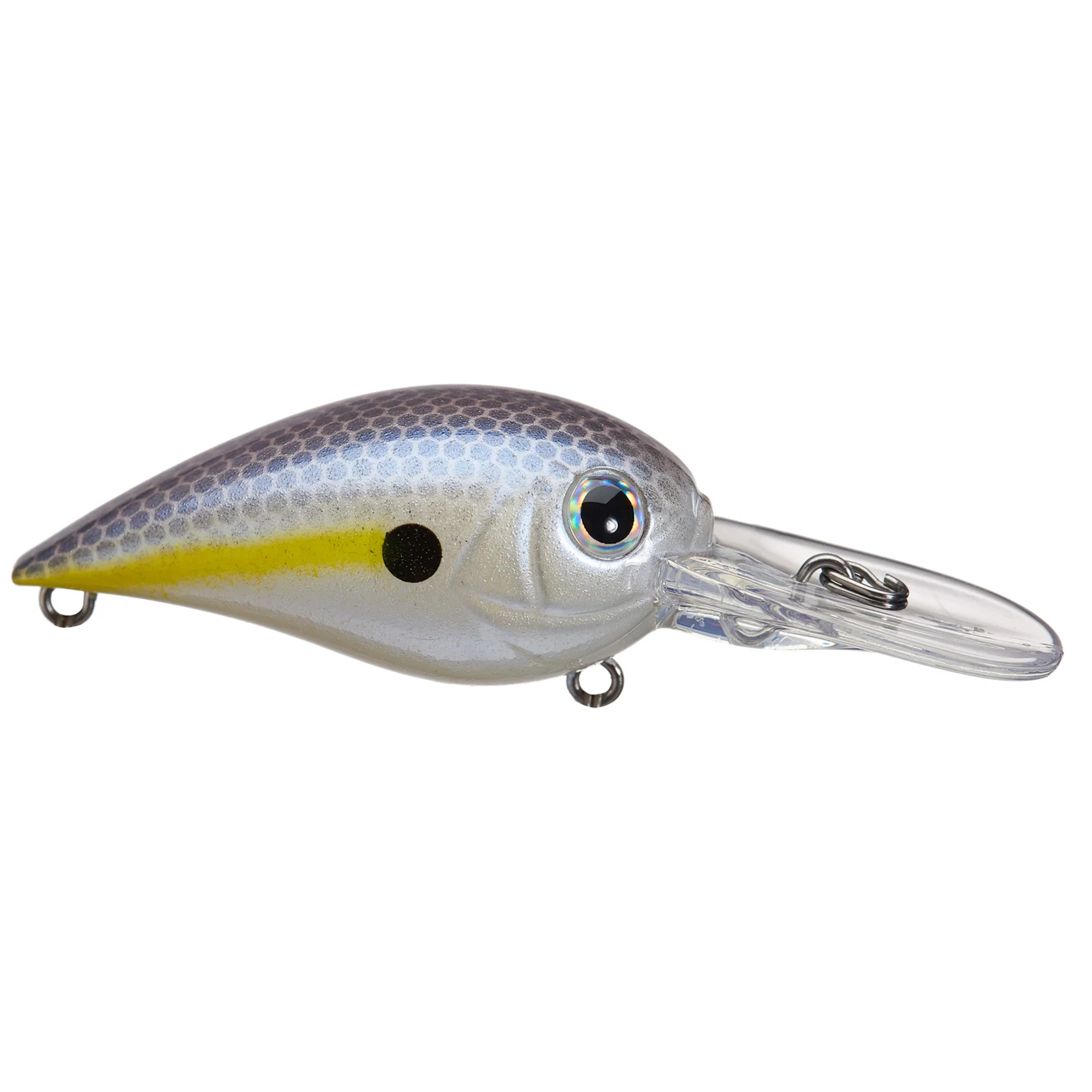
Suspending jerkbaits and finesse plastics on the clear main-lake rock, shallow cover baits in the stained creek arms, and moving baits behind the autumn shad. Clear water rewards natural colours and light line; the creek arms let you fish more aggressively. Our full bait lineup covers all four seasons.
Do I need a fishing license?
Yes, a Kentucky fishing license from the Department of Fish and Wildlife Resources. Check current black bass regulations before you go, and note that a separate trout permit is required if you fish the tailwater.
Clear Water, Deep Rock
A lake where the same day can mean a jerkbait on a bluff wall and a jig in a stained creek back asks for range. Level Rods builds finesse models with the sensitivity for deep clear water and heavier models for shallow cover, so you are not compromising on either end of this reservoir.
Tournament Winning Baits & Gear
Designed, crafted and tested by anglers who fish highland reservoirs every week. Free shipping on orders over $75.
Shop All Baits