
Lake Conroe Bass Fishing Guide
Lake Conroe Bass Fishing, Season by Season
Twenty-one thousand acres in the pines an hour north of Houston, ringed with docks and full of standing timber. Conroe is the metro lake for four million people and it still holds genuinely good bass fishing for anyone willing to fish it properly.
Pines, Docks and Standing Wood
Lake Conroe was impounded in 1973 on the West Fork of the San Jacinto River in Montgomery and Walker counties, about an hour north of Houston. It covers roughly 21,000 acres, with the northern third bordered by the Sam Houston National Forest and the southern end heavily developed.
That split defines the lake. The south end is residential — hundreds of boat docks, bulkheads, marinas and constant recreational traffic. The north end is forest, standing timber and considerably quieter water. Anglers tend to pick one and stay there.
Standing timber is the primary cover and the most reliable thing about the lake. Large areas of the northern half were never cleared, and the flooded wood holds bass year round. Creek channels, points, humps and the riprap around the dam and bridges provide the structure.
Vegetation here has a complicated history worth knowing before you plan around it. Conroe once carried extensive hydrilla, which was substantially removed by grass carp stocking, and aquatic vegetation has only partially returned since. Do not travel here expecting a grass lake — fish the timber and the docks, and treat any grass you find as a bonus.
Docks are the other main pattern and there are a great many of them. Skipping under docks on the developed south end is a genuine year-round approach, and covered docks in eight to ten feet of water are the ones worth the effort.
The lake sees heavy recreational pressure, particularly on summer weekends, and the fishing is best early, late and midweek. Anglers who fish the north end or go out at first light have a considerably different experience from those who launch at ten on a Saturday.
Timber, Docks and Creek Channels
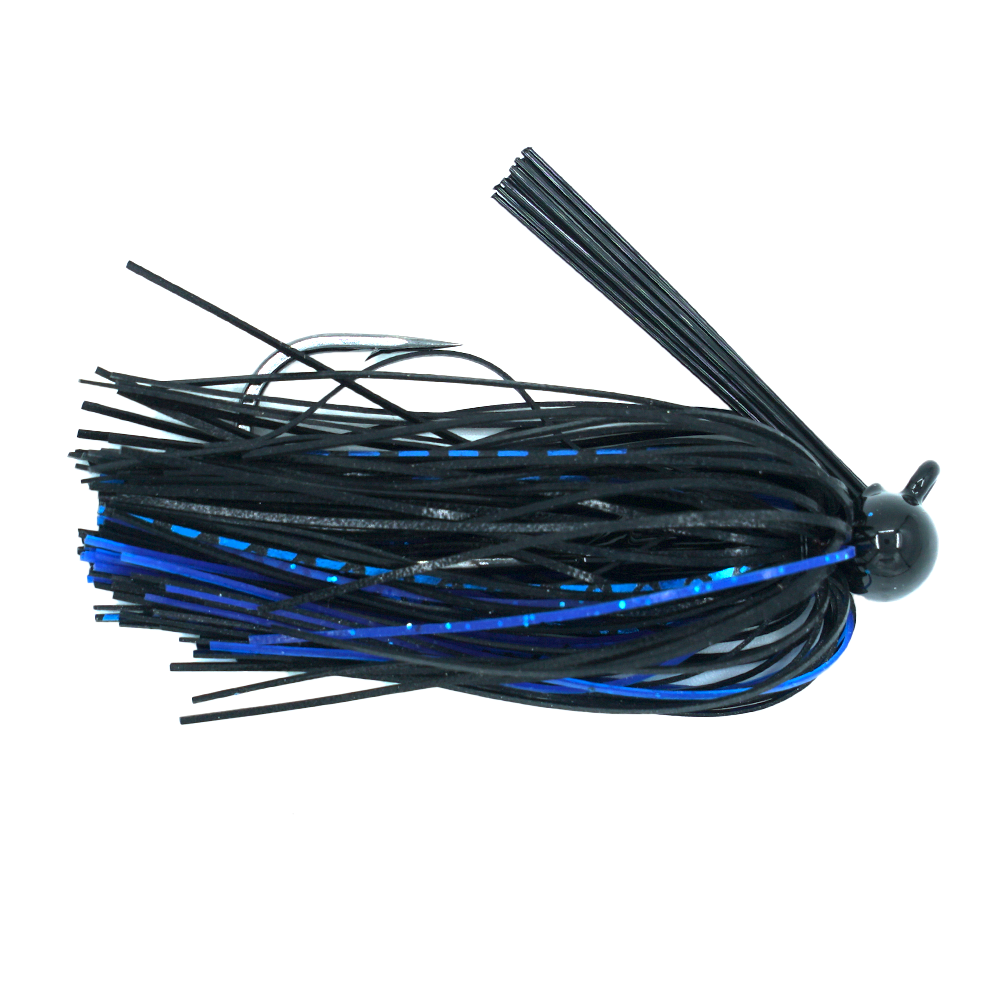
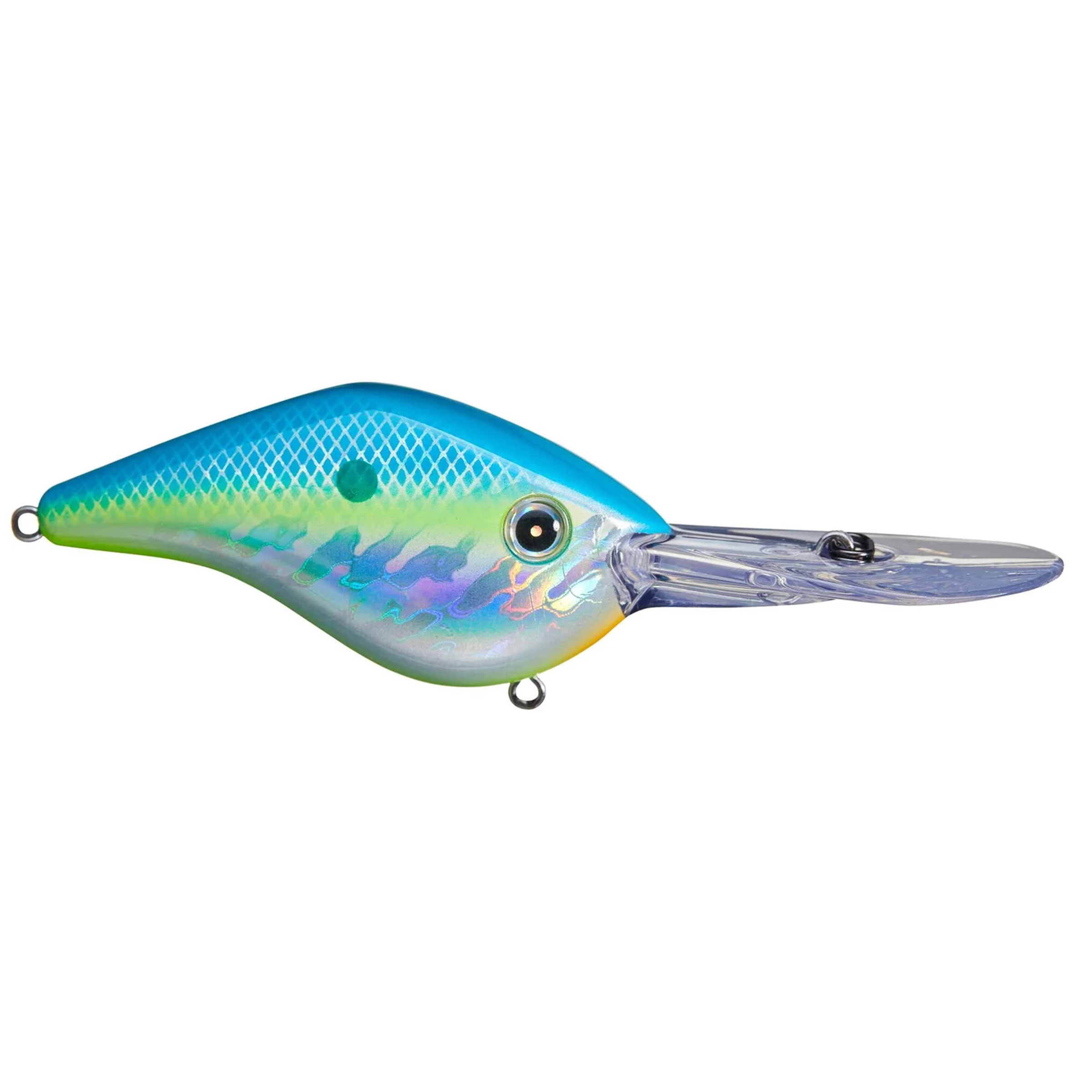
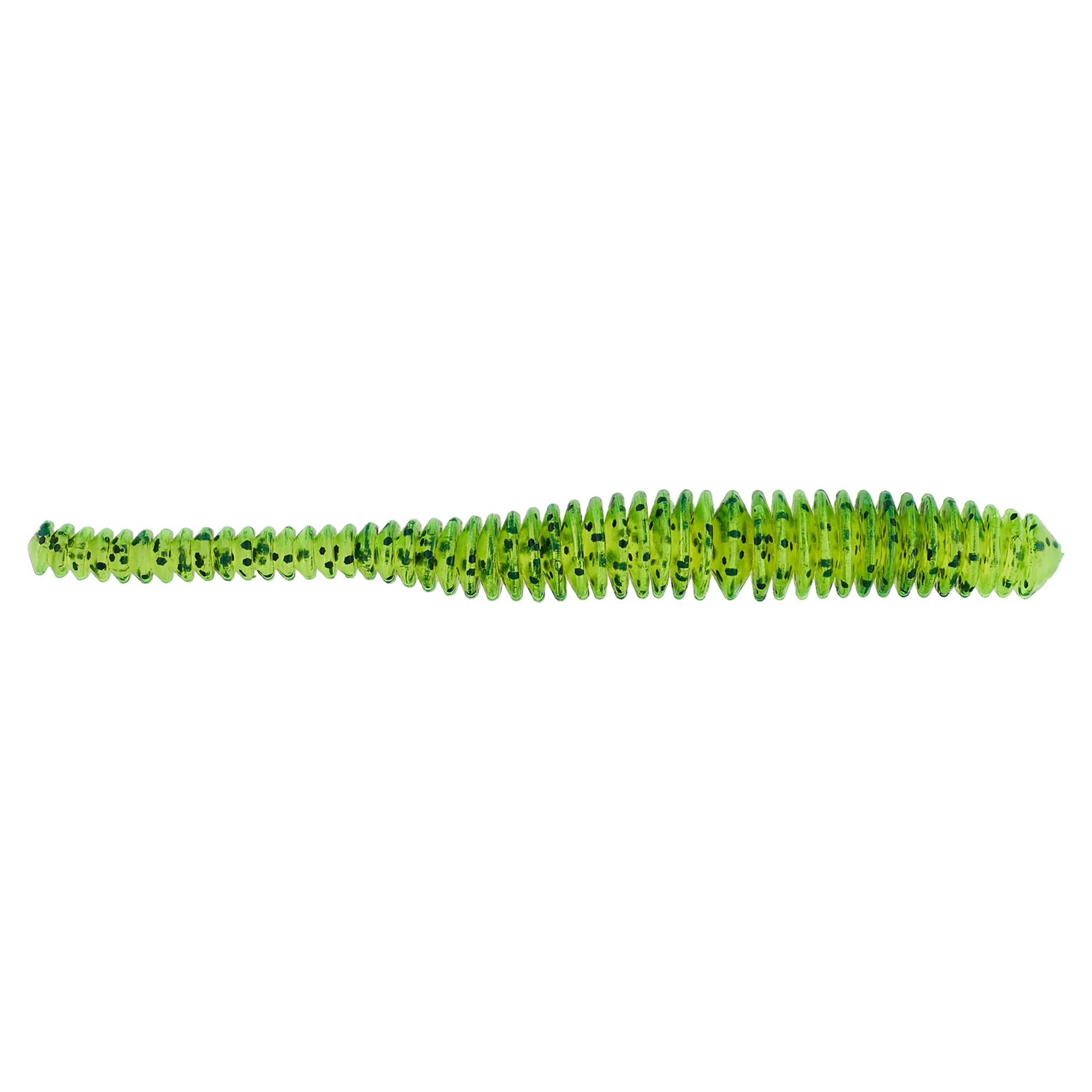
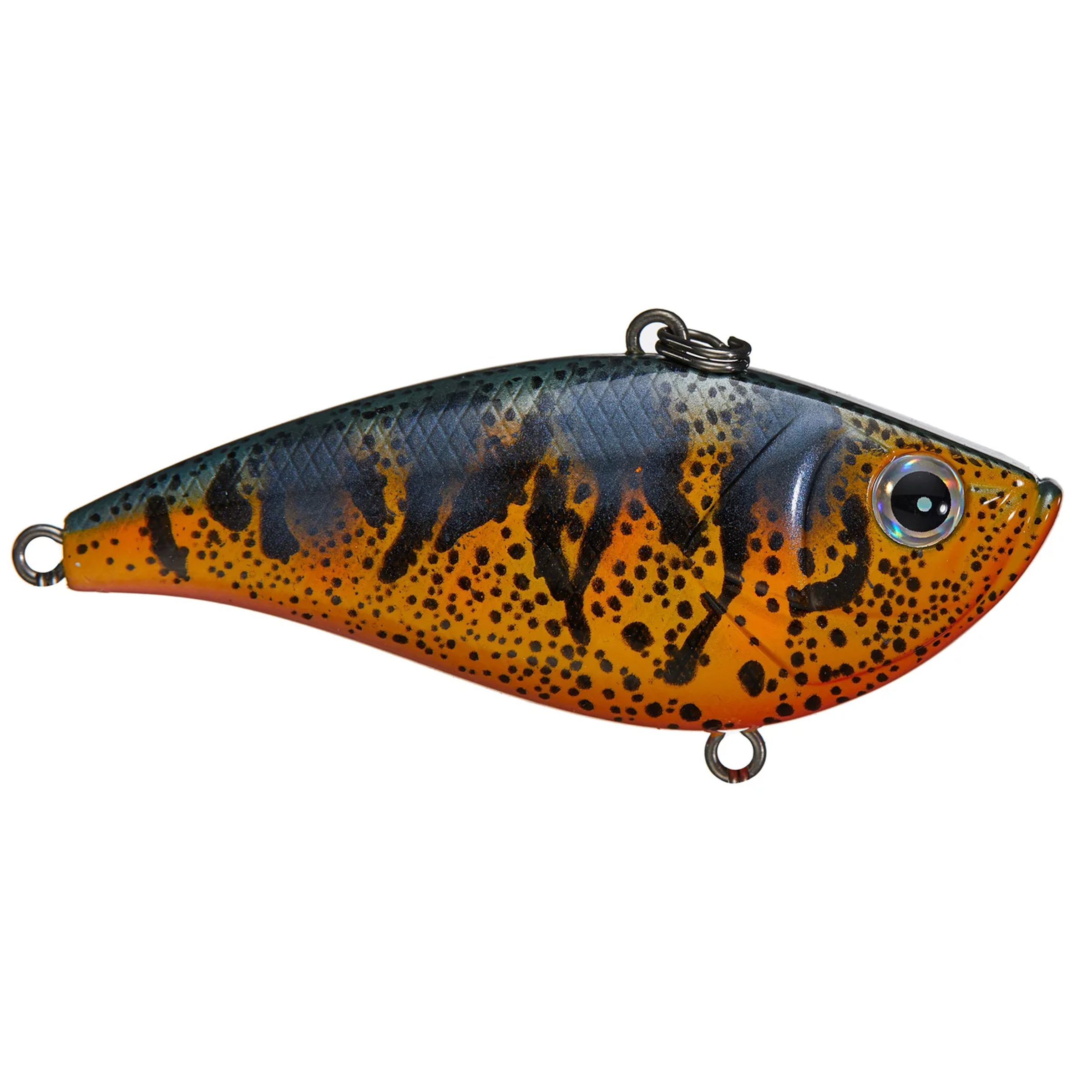
Four patterns cover the year. Each one pairs the technique with the baits we'd actually tie on.
Up the Creeks and Into the Wood
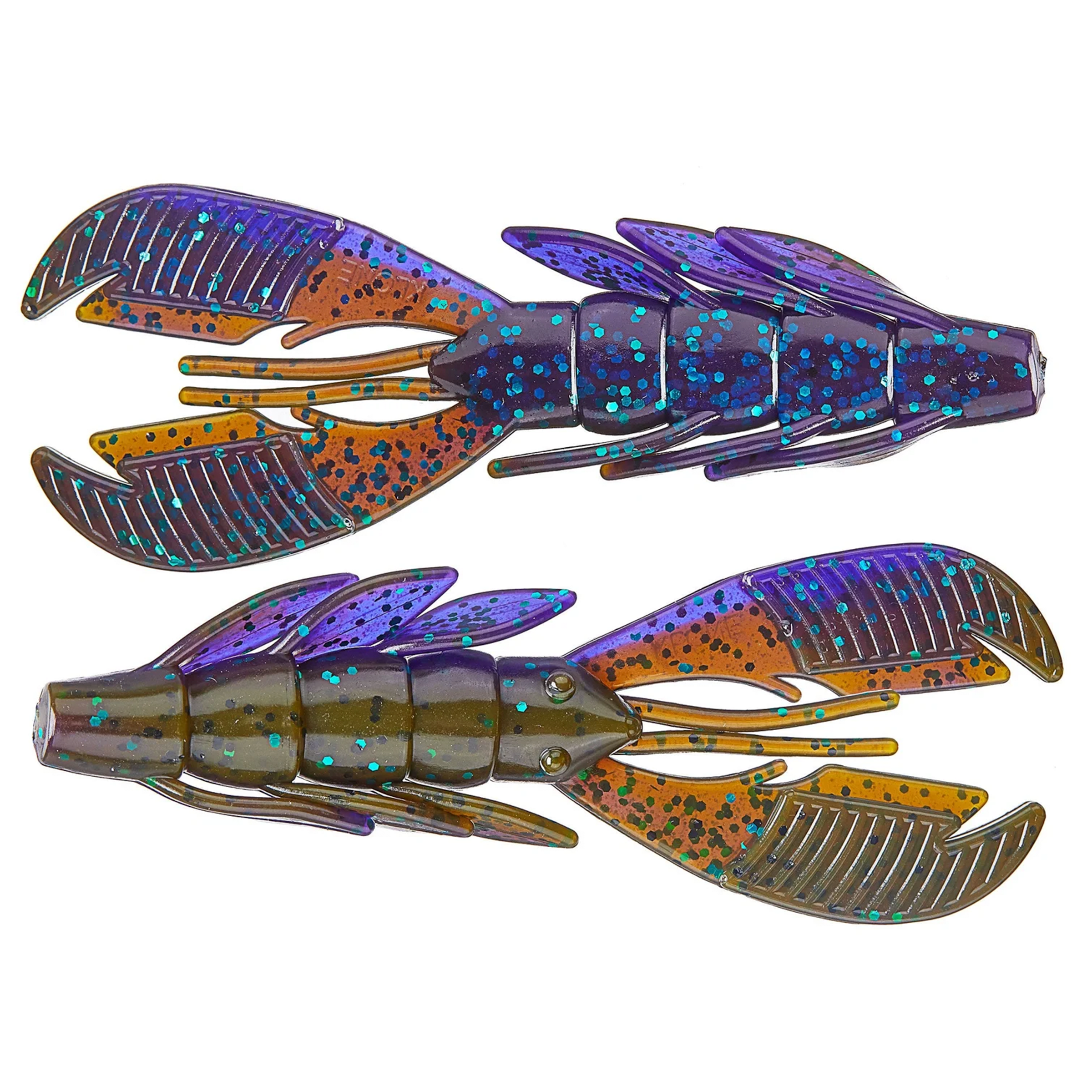
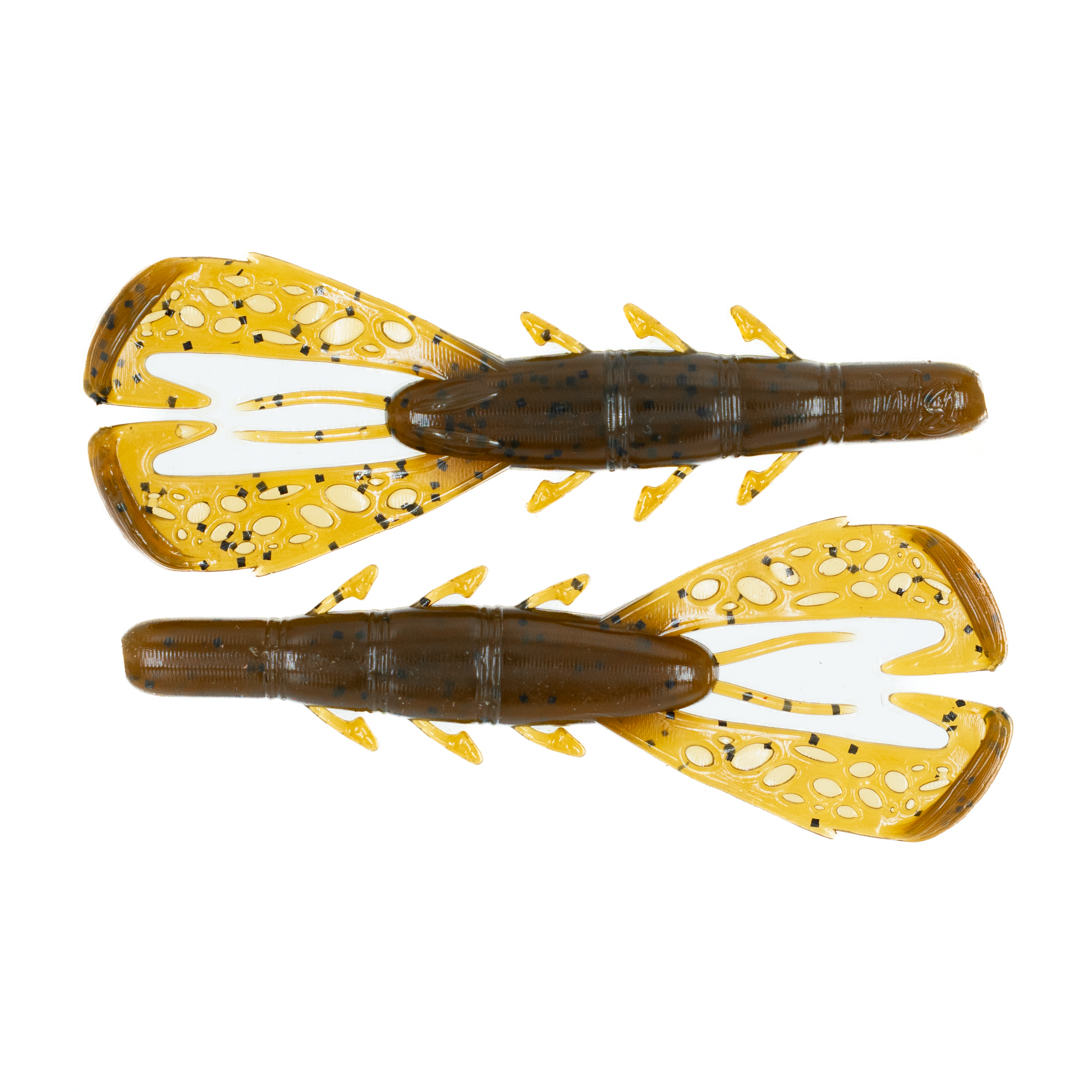
Spring is the strongest season. Fish push up the creek arms and into the timber and the shallow flats to spawn, and the northern half with its heavier wood produces best. Prespawn fish stage on the channel edges leading into the spawning pockets, and the spawn itself runs from roughly late February into April in a normal year.



Deep Timber and Shade
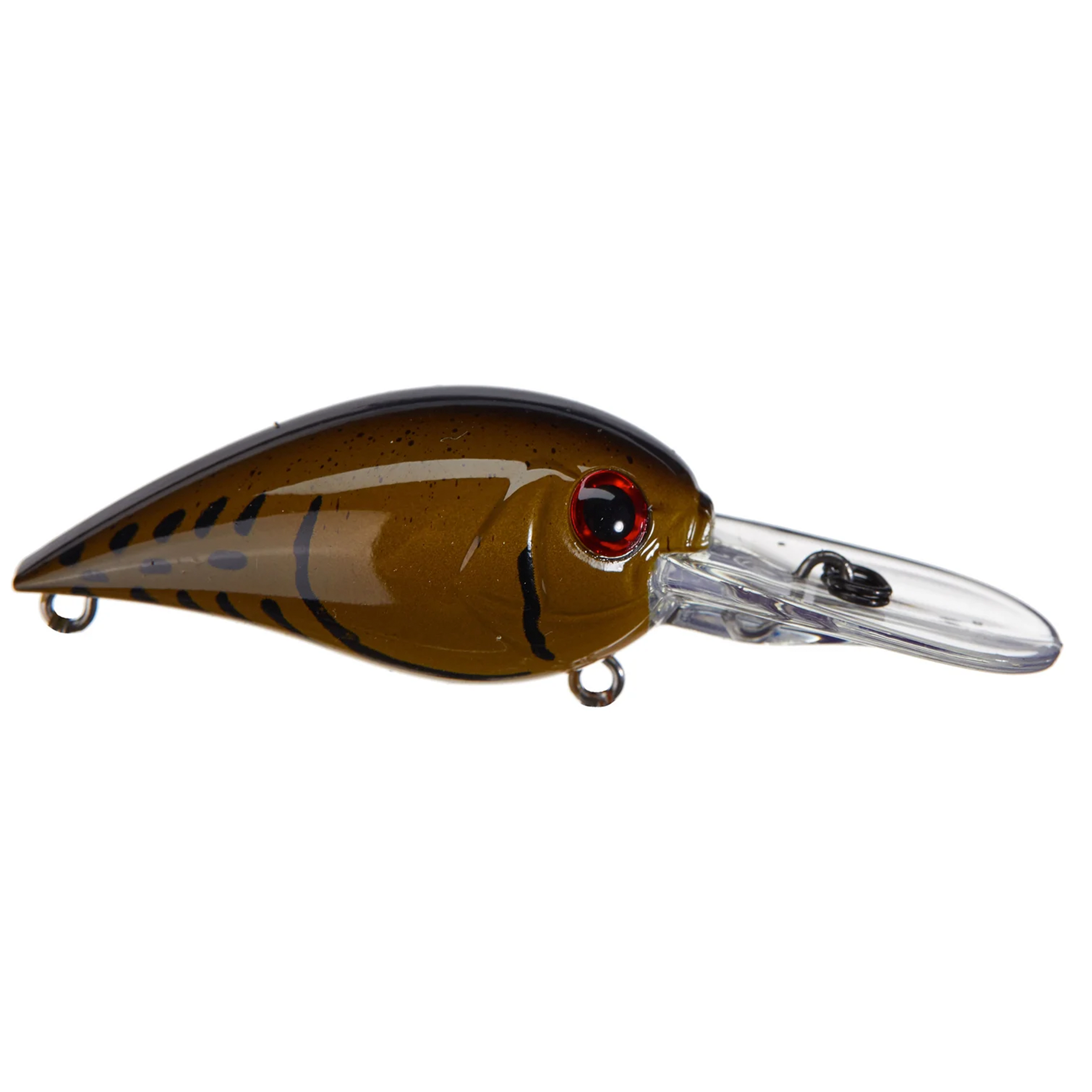
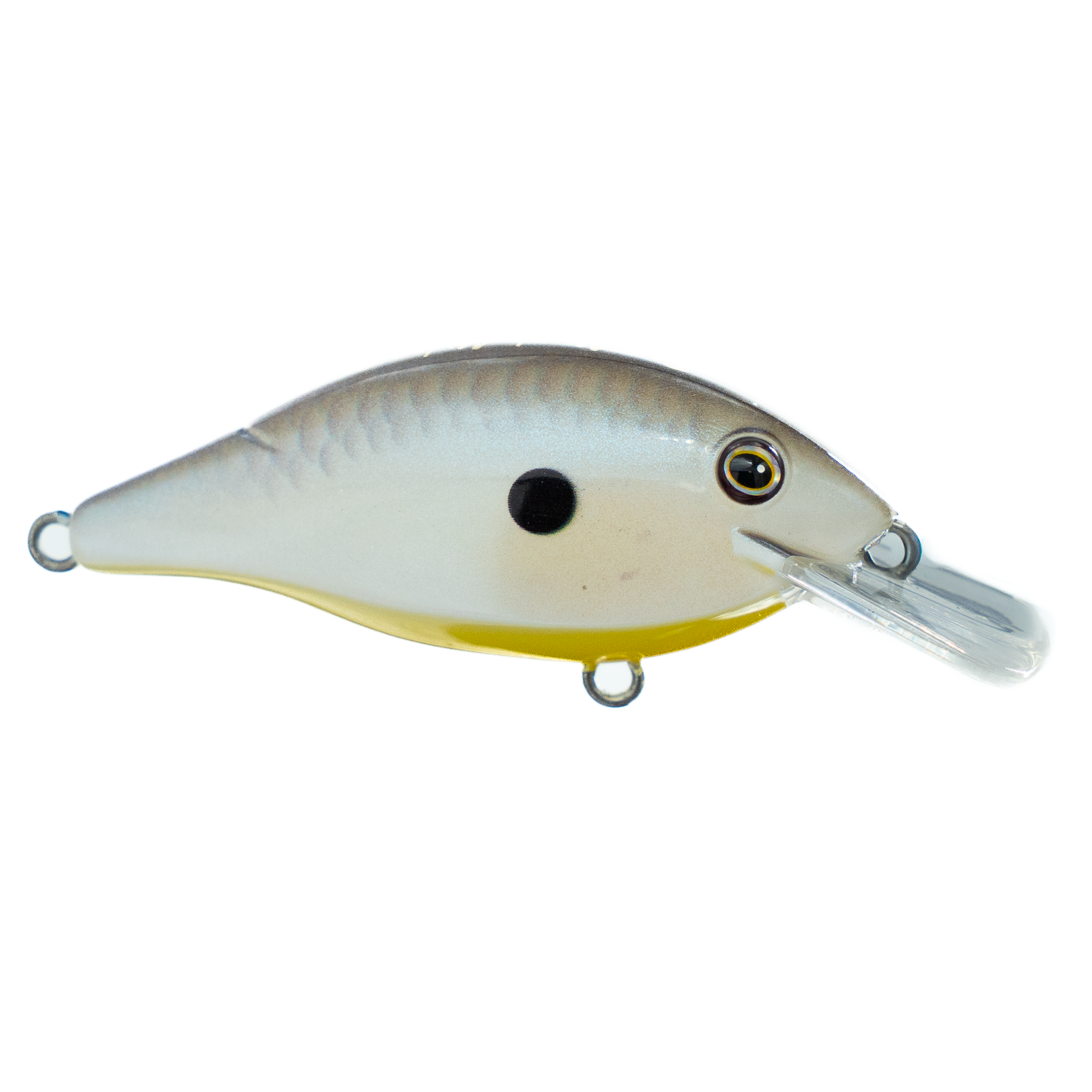
Houston summer is severe and the lake gets busy. Fish move to deeper timber, channel edges and humps, and the docks become genuinely valuable as shade. The productive windows are dawn and dusk on the shallow end, with the deeper structure fishing through the day.

Shad, and the North End
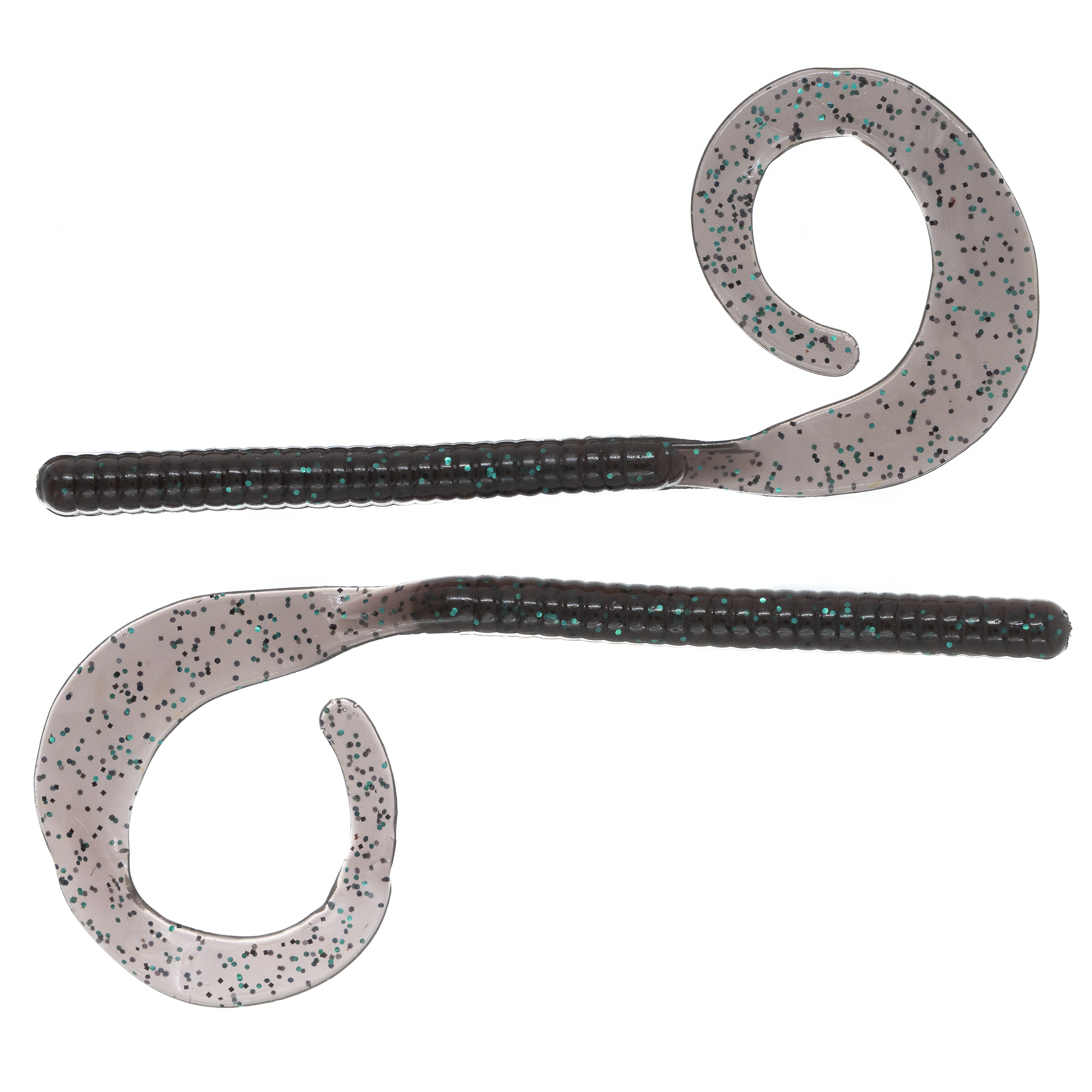
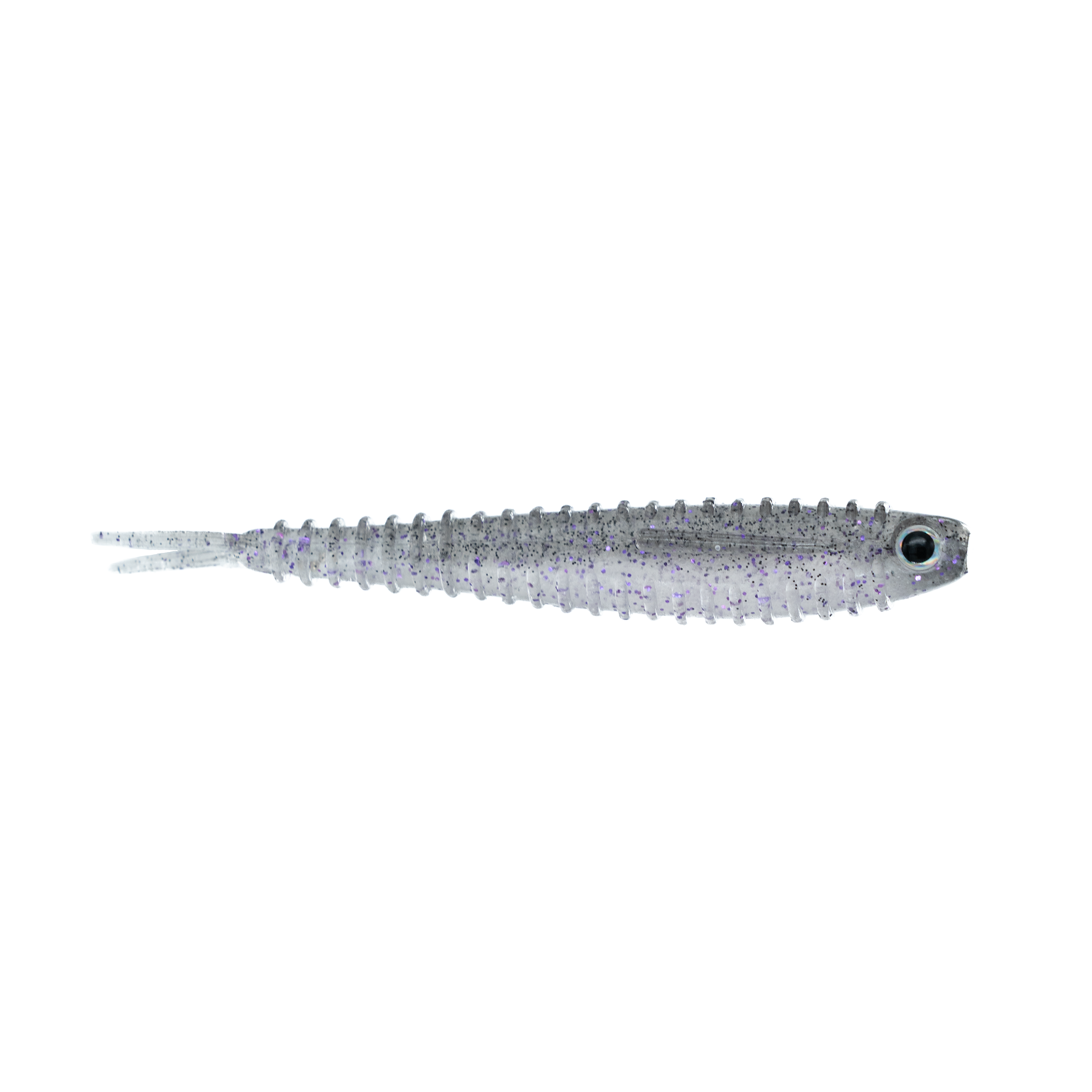
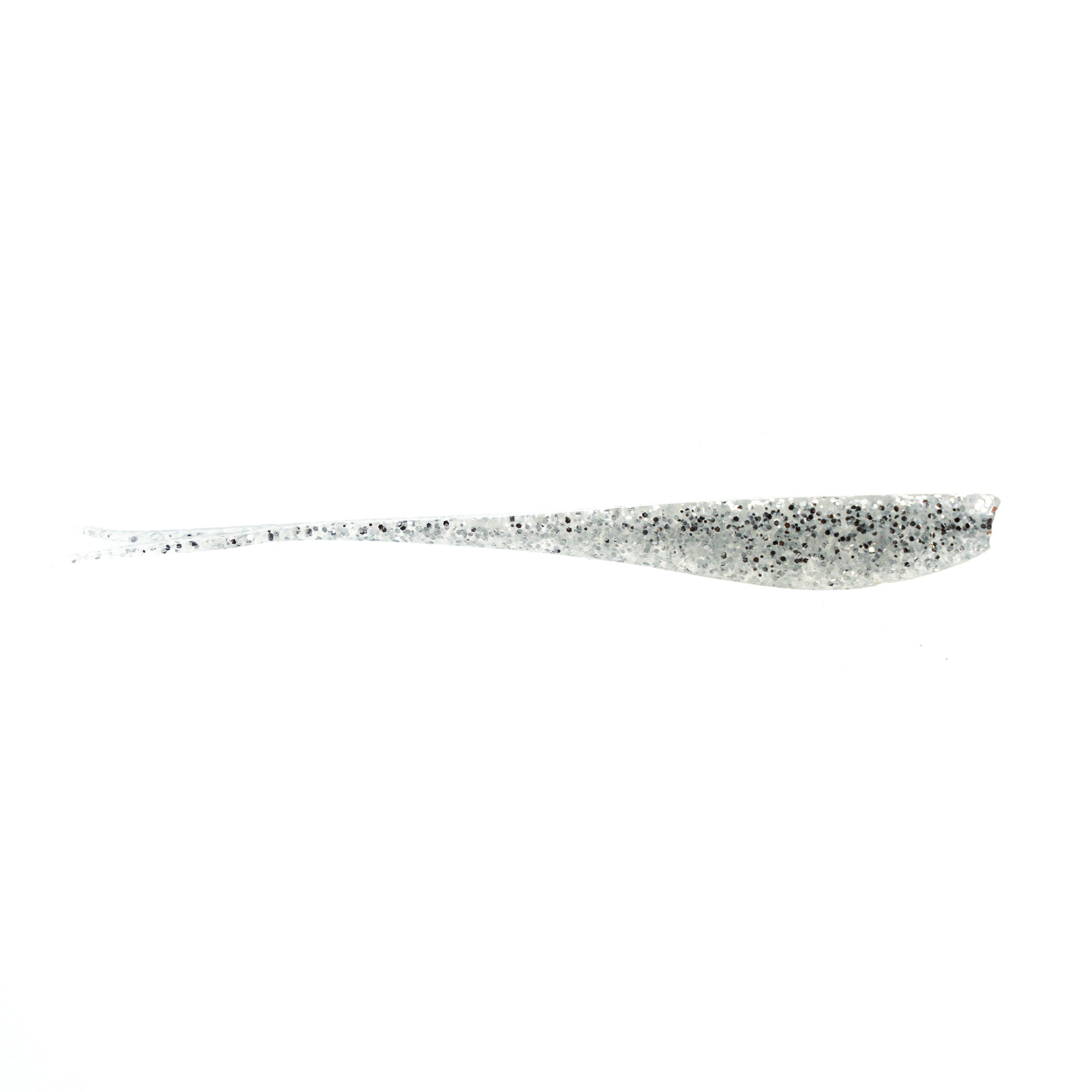
Autumn moves shad into the creeks and the north end comes alive. Recreational traffic drops sharply, the fish become catchable on moving baits, and the timber in the creek arms is the place to be. This is the most enjoyable fishing of the year on Conroe.


Deep Wood and Empty Water
Winter empties the lake of everyone except anglers, and the fish group tightly on deep timber, channel bends and the riprap. It is slow fishing that produces the biggest average size of the year, and the prespawn stage begins earlier here than in most of the state — February is often already productive.


Lake Conroe Access
Public ramps serve the lake at several points including the Lake Conroe Park area on the west side and Cagle Recreation Area in the Sam Houston National Forest to the north. Numerous marinas provide additional access, and the town of Conroe covers everything else.
The North End Timber
Bordered by the Sam Houston National Forest, quieter, and full of standing wood. The best fishing on the lake and the section worth driving the extra twenty minutes to launch into. Spring and autumn in particular.
The South End Docks
Hundreds of them, on the developed residential end. Skipping under docks is a year-round pattern here and a genuine summer answer when shade is the only cover that matters. Look for covered docks ending in eight to ten feet.
The Creek Channels and Riprap
The structure side of Conroe — channel bends, points, humps and the rock around the dam and bridges. Where the fish go in summer and winter, and the most reliable water when neither the timber nor the docks are producing.
Lake Conroe Bass Fishing FAQ
How far is Lake Conroe from Houston?
About an hour north, on the West Fork of the San Jacinto River in Montgomery and Walker counties. It is the closest quality bass water to the Houston metro area, which is both its appeal and the source of its pressure.
Is there hydrilla in Lake Conroe?
Not in the quantities there once was. Conroe formerly carried extensive hydrilla, which was substantially removed through grass carp stocking, and aquatic vegetation has only partly returned. Plan to fish timber and docks rather than grass, and treat any vegetation you find as a bonus.
How big is Lake Conroe?
Roughly 21,000 acres, impounded in 1973. The northern third borders the Sam Houston National Forest and is largely undeveloped; the southern end is heavily residential.
Where is the best fishing on Lake Conroe?
The north end, generally. More standing timber, less development, far less recreational traffic and better spring and autumn fishing. The south end docks are productive too, particularly for shade in summer, but the north is where most serious anglers go.
Is Lake Conroe crowded?
On summer weekends, very. It is the recreational lake for a metro area of several million people. Fish early, fish late, fish midweek, or fish the north end — any of those changes the experience substantially.
When do bass spawn on Lake Conroe?
Roughly late February into April in a typical year, earlier than most of the state because of the southern location. Prespawn staging on channel edges often begins in January, which makes late winter a genuinely productive time here.
What baits work best on Lake Conroe?
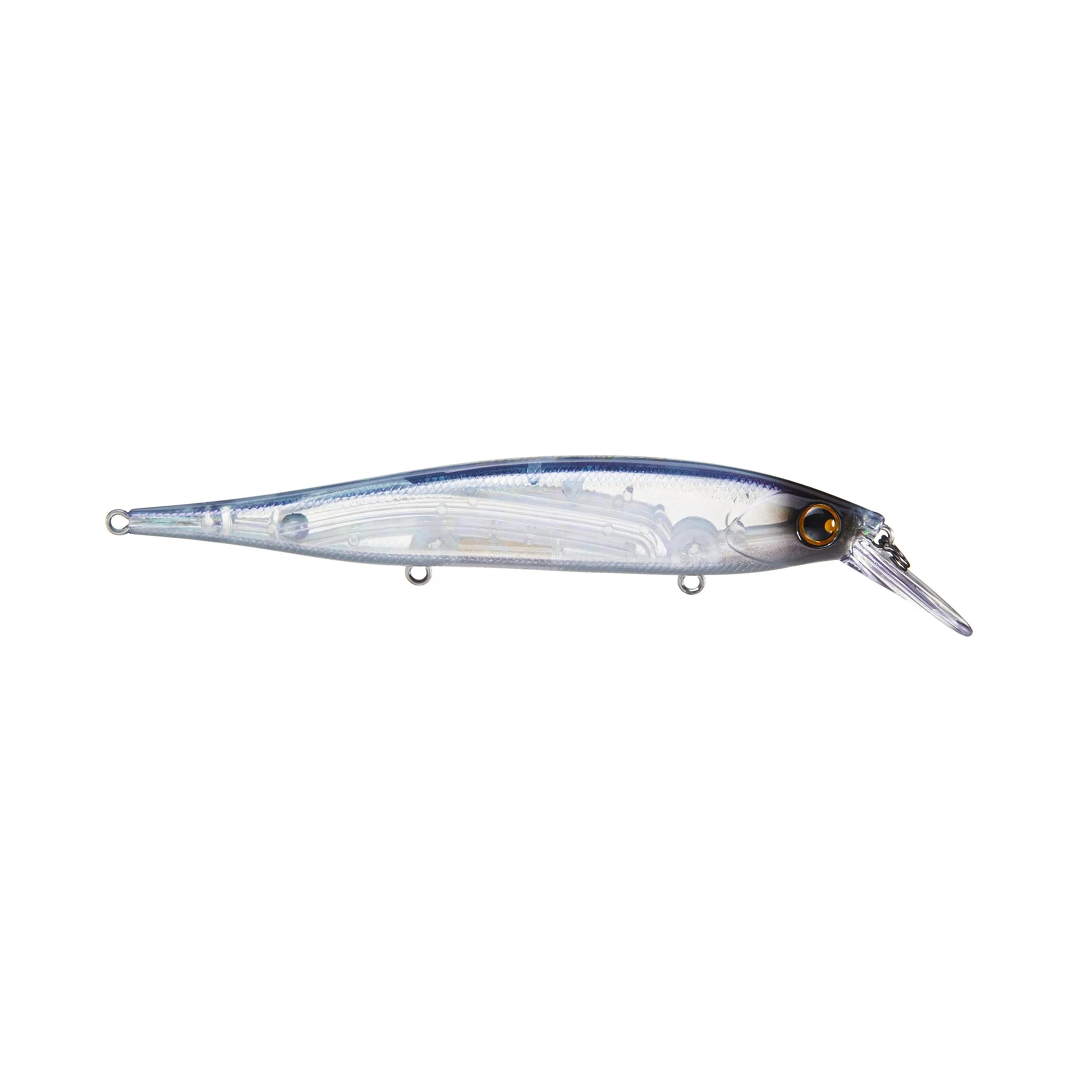
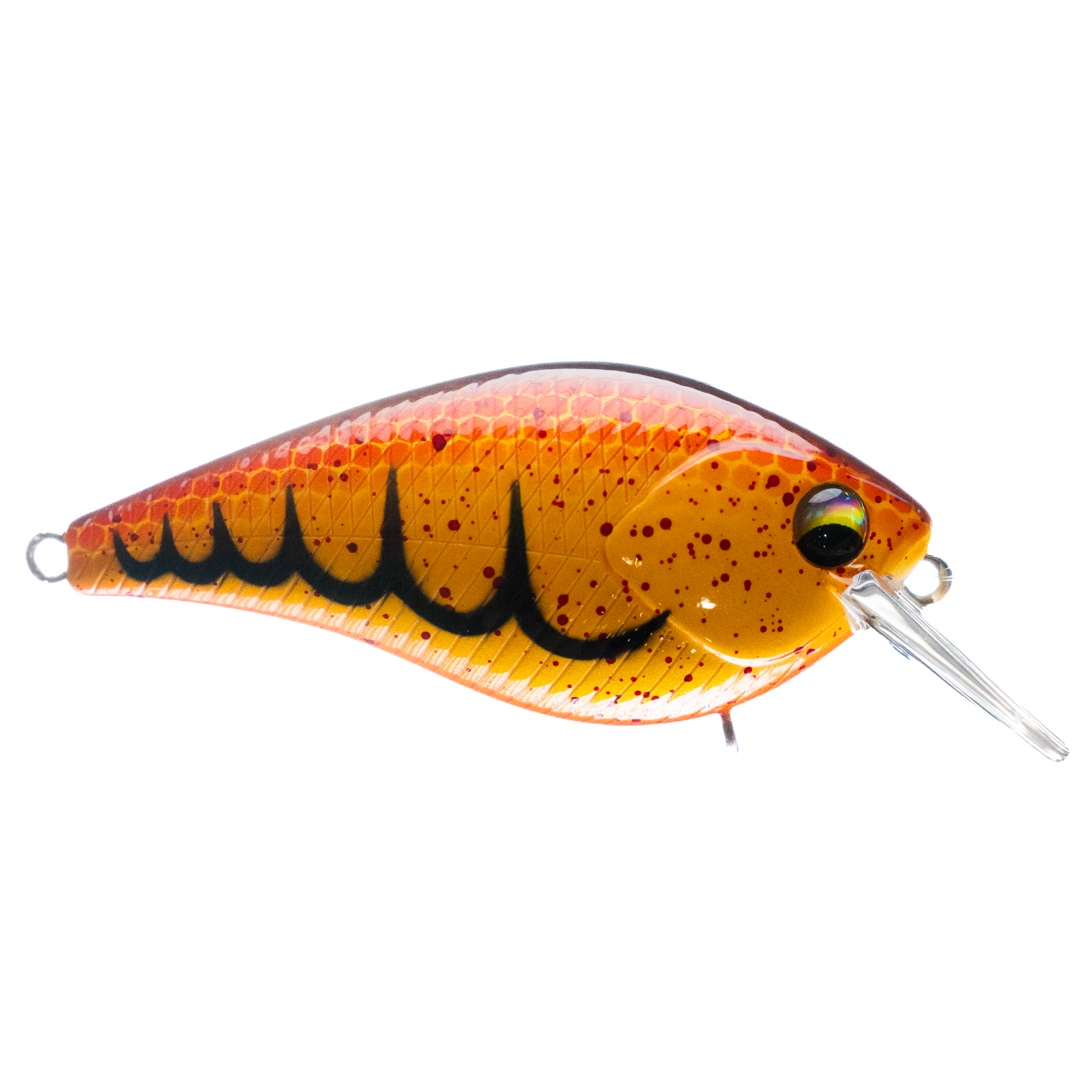
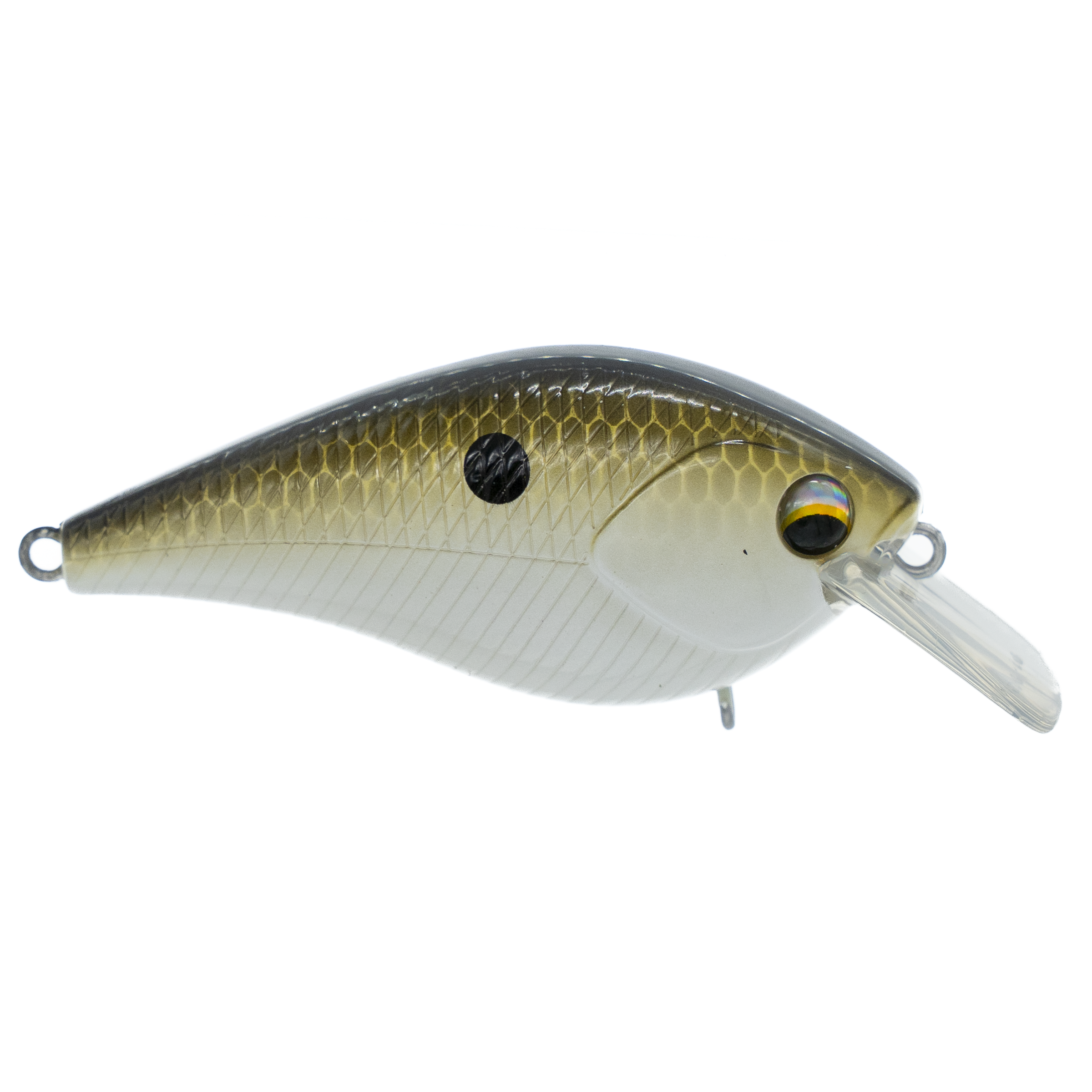
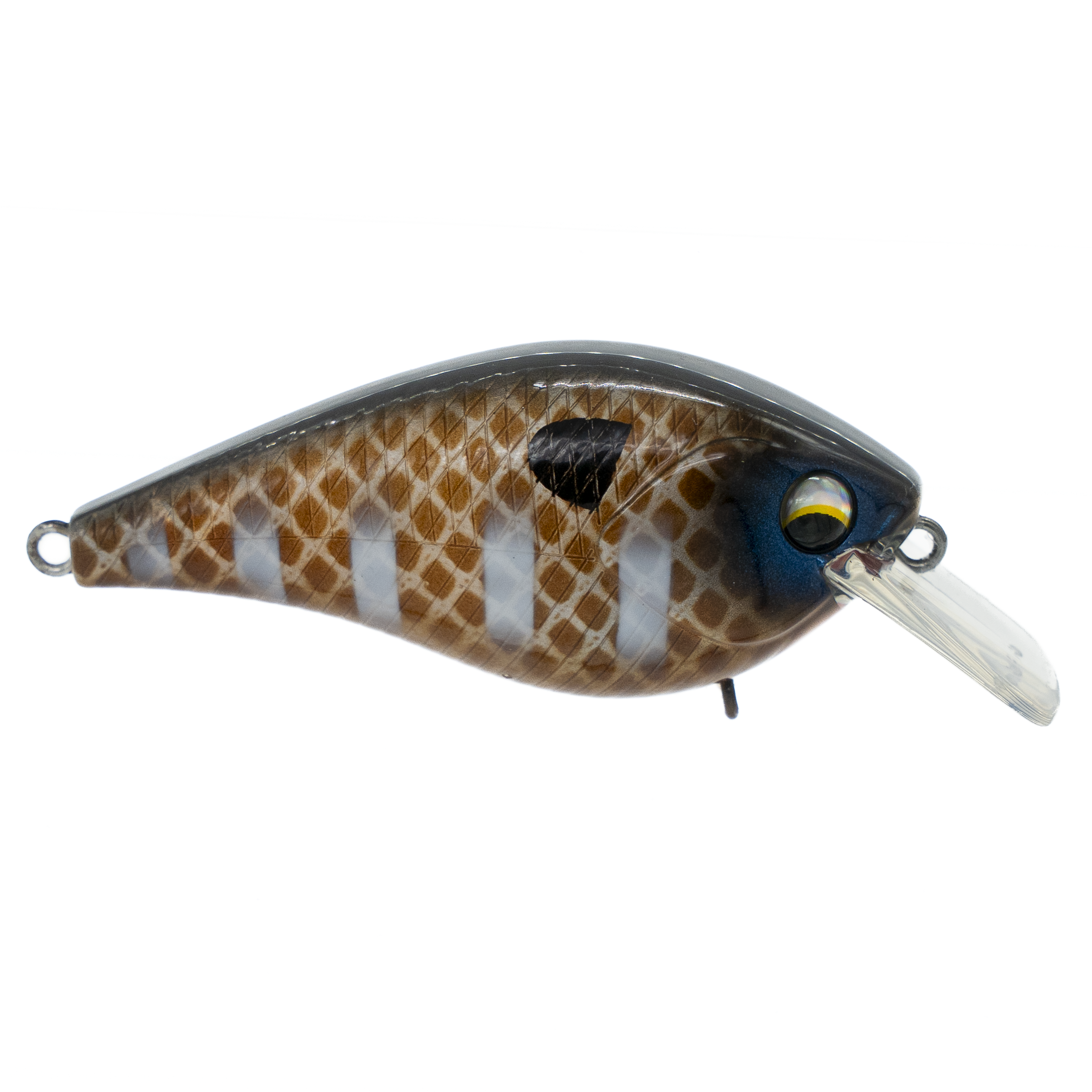
Soft plastics and jigs pitched to timber, skipping baits for docks, deep presentations on channel edges in summer, and moving baits behind autumn shad. Weedless matters — almost everything here is near wood. Our full bait lineup covers all four seasons.
Do I need a fishing license?
Yes, a Texas fishing license with a freshwater endorsement from Texas Parks and Wildlife. Check current bag and length limits for this lake before you go.
Skipping Docks, All Day
Getting a bait four feet under a covered dock, hundreds of times in a day, is a skill and a tackle problem at once. Level Rods builds models with the tip to skip cleanly and the power to stop a good fish before she wraps you around a piling.
Tournament Winning Baits & Gear
Designed, crafted and tested by anglers who fish docks and timber every week. Free shipping on orders over $75.
Shop All Baits