Lake Chickamauga Bass Fishing Guide
Lake Chickamauga Bass Fishing, Season by Season
Thirty-six thousand acres of Tennessee River between Chattanooga and Dayton, and the lake that taught the South what Florida-strain genetics could do to a highland reservoir. Chickamauga is ledges and grass, and it grew Tennessee's state record twice over.
The Lake That Changed the State
Chickamauga is a Tennessee Valley Authority mainstem reservoir on the Tennessee River, impounded by Chickamauga Dam just upriver from Chattanooga and running roughly sixty miles up to Watts Bar Dam. It is one of a stair-stepped chain of nine reservoirs running down the Tennessee, and one of the most heavily fished tournament lakes in the country.
What made it famous was a stocking programme. TWRA began putting Florida-strain largemouth fingerlings into Chickamauga in 2000, and the results took roughly a decade to show. By 2011 anglers were reporting catches that did not belong on a Tennessee reservoir. Genetic testing has since shown the Florida gene averaging better than a third across the lake, against an original target of fifteen percent.
The fishing splits into two games. The first is ledges — the Tennessee River summer classic, where offshore shell beds, gravel bars and channel edges hold schools of fish in the lower and central end of the lake. The second is grass. Milfoil beds grow close to the river channel and hold big fish, and Chickamauga's creeks — Richland, Mud, Sale, Soddy and Harrison Bay — are grass-filled in their own right.
Depths and patterns move through the year in a way Florida lakes never do. Prespawn fish stage on creek channels and ditch edges leading into spawning pockets. Summer splits the population between shallow vegetation in two to fifteen feet and offshore structure down to forty-five. Autumn brings shad migrations and a genuine dock bite. Winter concentrates fish tightly around current breaks and deep structure.
Current matters here more than most anglers coming from natural lakes expect. TVA generation schedules move water, and moving water positions fish on every ledge on the lake. Fishing a ledge with no current is a different and much harder proposition than fishing the same ledge with water pulling.
One more thing to understand: this is a pressured fishery. It draws national events year on year, and the community holes are fished daily. The anglers who do well here find something the crowd has not.
How This Lake Got This Way
What built the fishery, and the baits to fish the water it created.
Gabe Keen — Friday the Thirteenth, and a Sixty-Year Record Broken
TWRA started dropping Florida-strain largemouth fingerlings into Chickamauga in 2000. Nothing much happened for ten years. Then in 2011 the reports started, and in 2012 a five-bass tournament limit came to the scales at nearly forty-five pounds — an average of almost nine pounds a fish, on a Tennessee reservoir.
Three years later Gabe Keen caught a 15-3 here on Friday the thirteenth of February and broke a Tennessee state record that had stood for more than sixty years. He said at the time that he did not expect it to last. His reasoning was simple arithmetic: if the lake holds a 15.2, it holds a 15.3, and probably a sixteen.
He was right, though it took eleven years and it happened one reservoir downstream — Nickajack, which received the same Florida-strain stocking treatment starting in 2015 along with Fort Loudoun, Watts Bar and later Kentucky Lake. The record left Chickamauga in February 2026.
The lesson for anyone fishing here is about timing. Both Tennessee records came in February, on prespawn fish, in cold water. The summer ledge fishing is what Chickamauga is famous for and it is genuinely spectacular. But the giants come in winter.

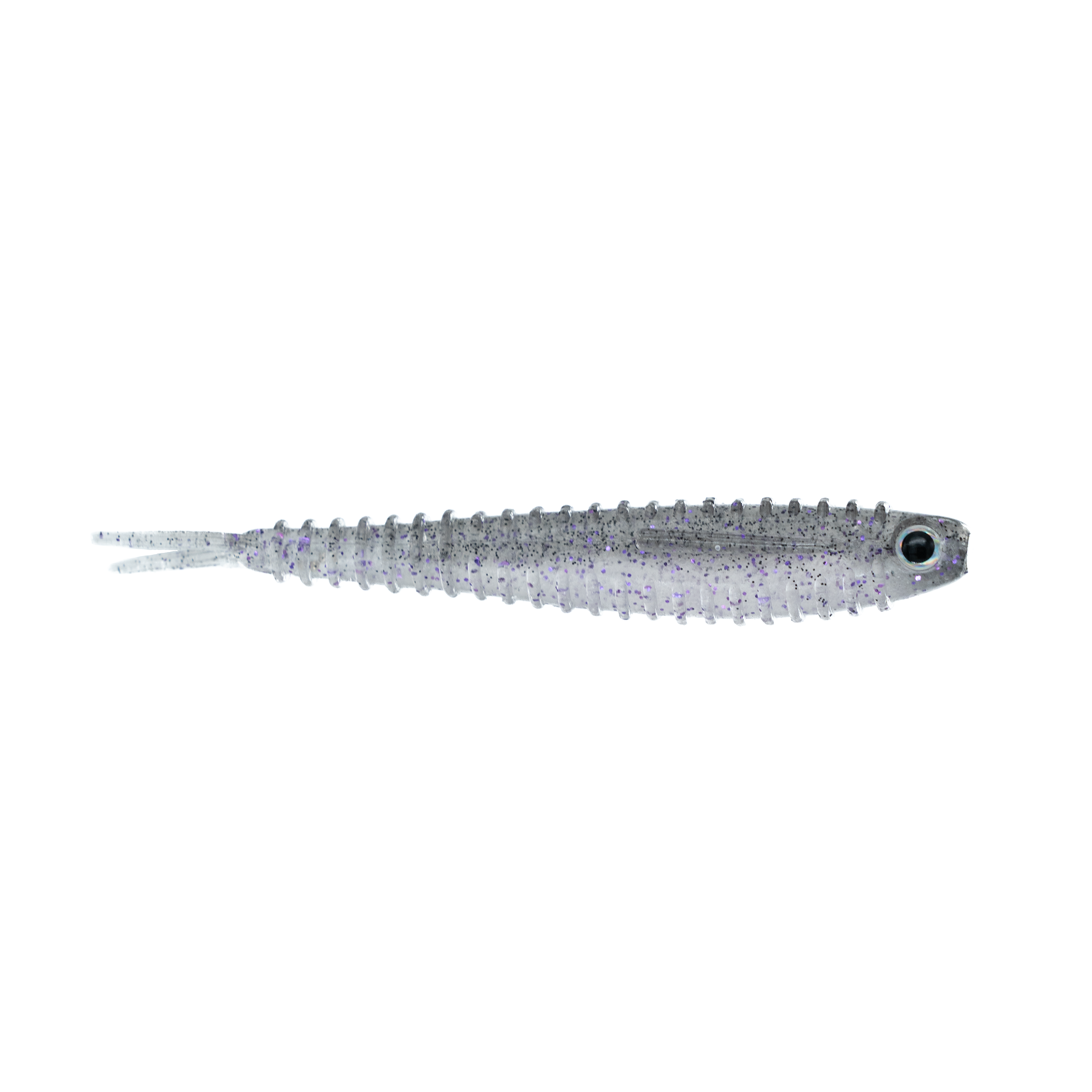
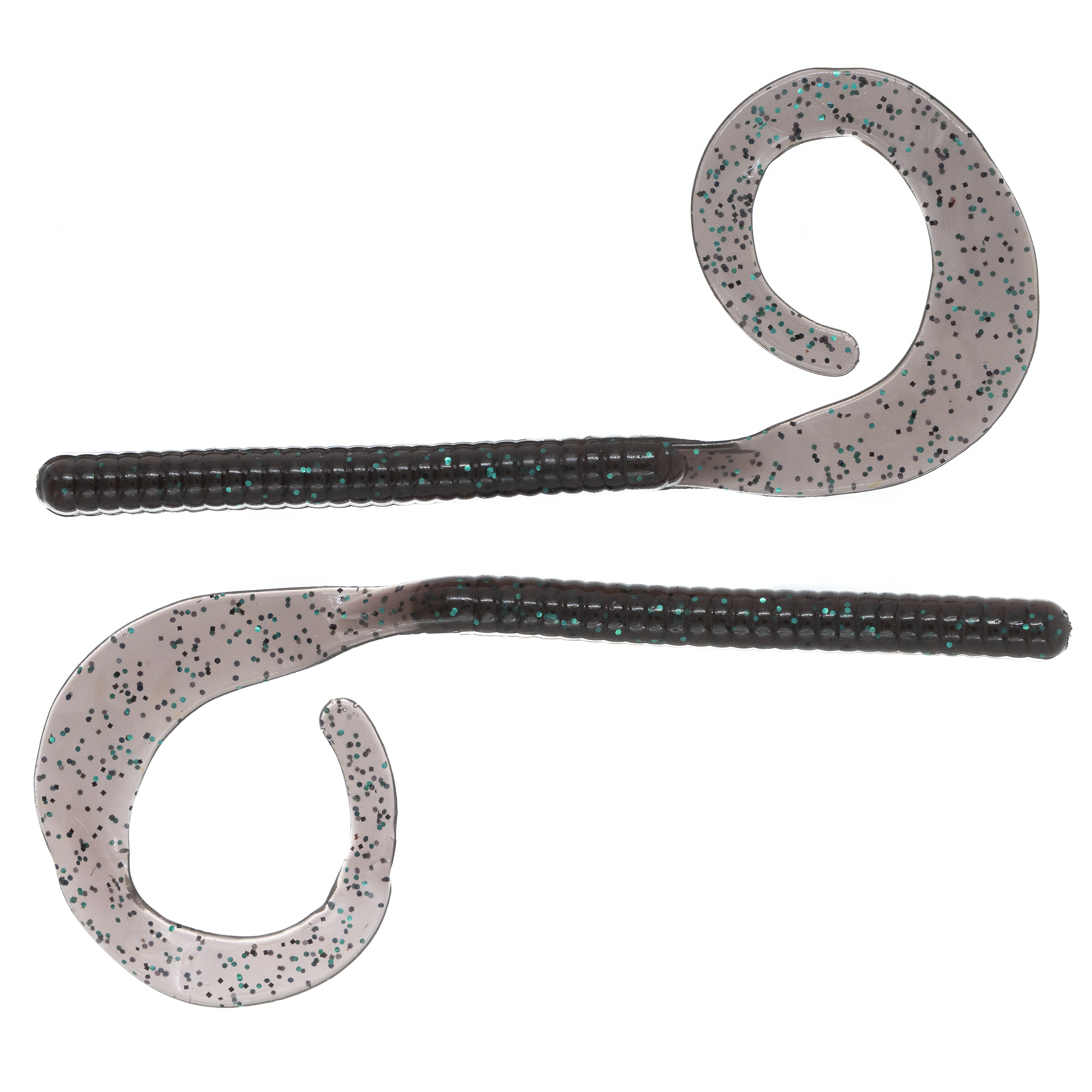
Ledges, Milfoil and Current
Four patterns cover the year. Each one pairs the technique with the baits we'd actually tie on.
Ditch Edges into the Pockets
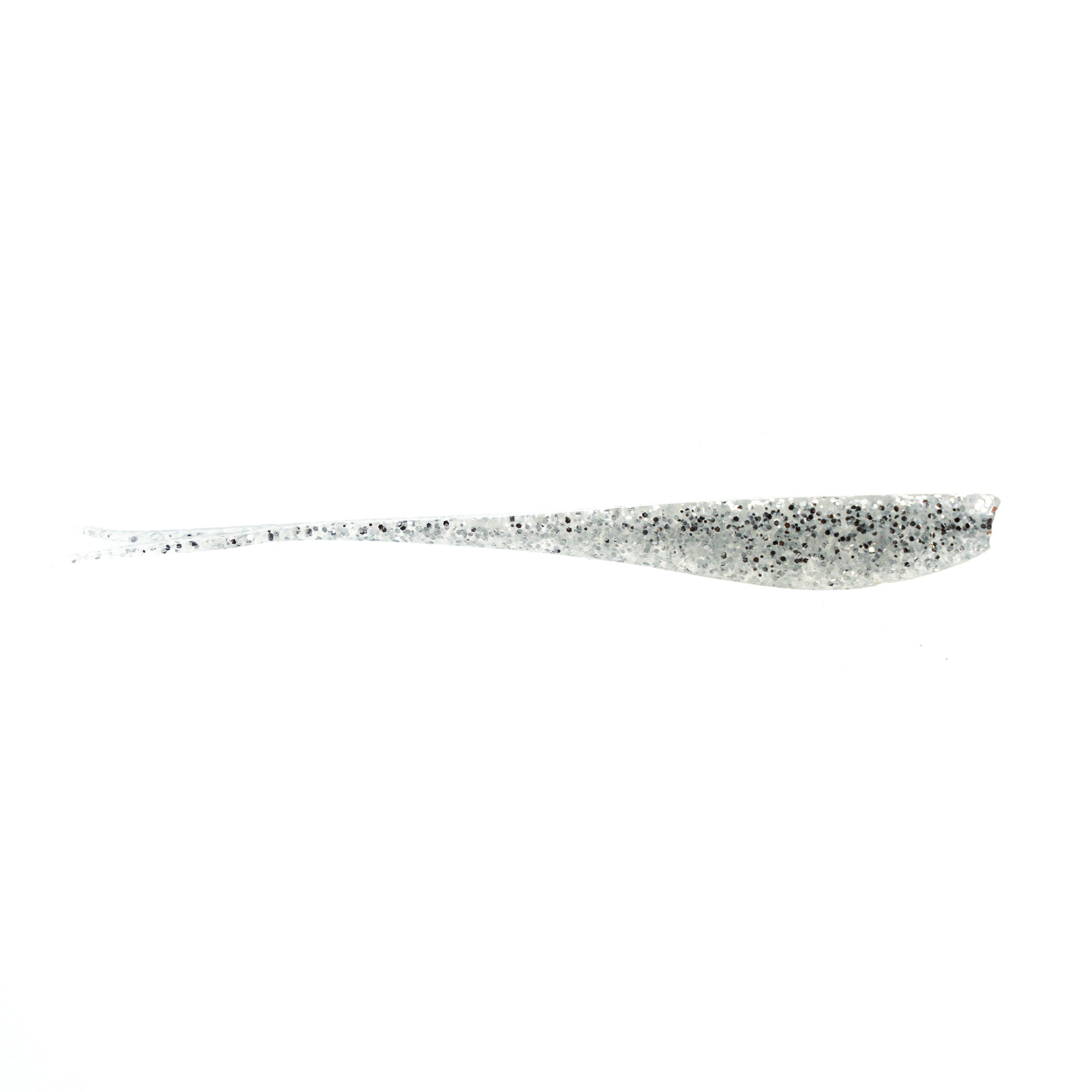
Prespawn fish move along transition routes — creek channels and ditch edges running into the spawning pockets — and stage on main-lake and secondary points, particularly where grass clumps are present. Warming trends push them shallow; cold fronts drop them back onto the deeper structure along the same route. By April the spawn is on and sight fishing plays in the clearer pockets.


The Ledge Game
June is when Chickamauga does the thing it is known for. Offshore shell beds, gravel bars and channel ledges on the lower and central end hold schools of fish, and the whole business runs on current — when TVA pulls water, the schools set up and feed; when the water stops, they scatter and sulk. Meanwhile a second population stays shallow in matted grass and vegetation in two to fifteen feet.

Shad, and Skipping Docks
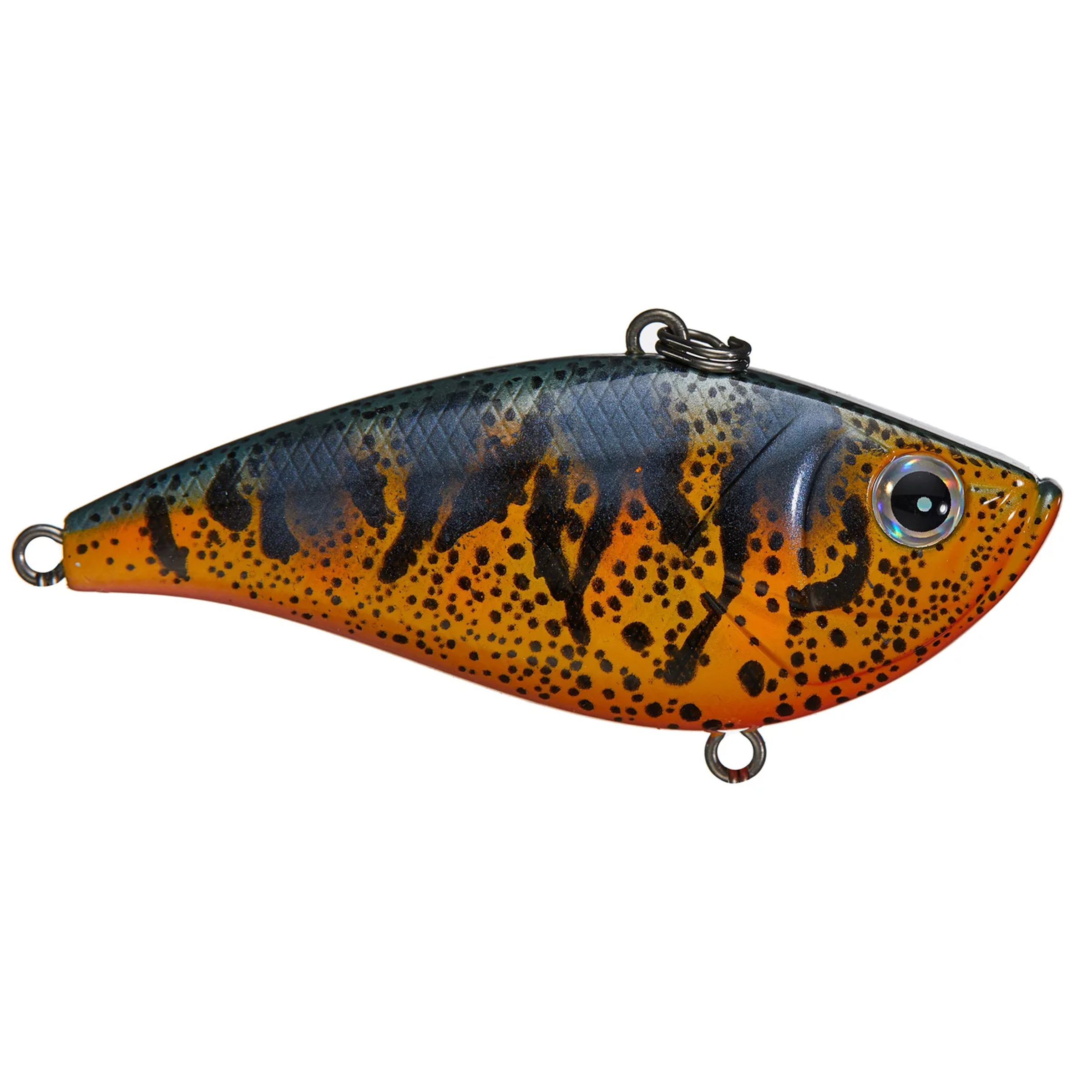
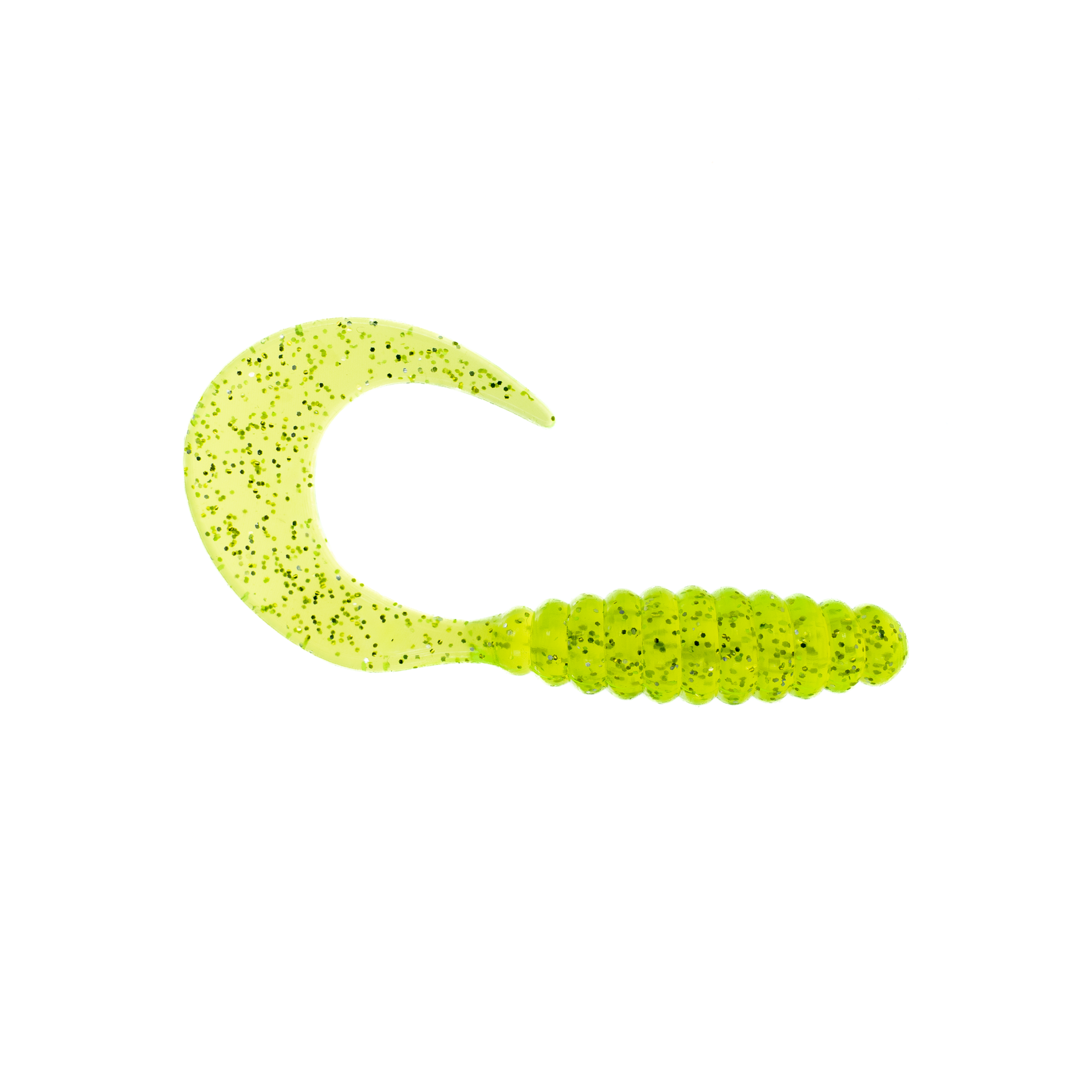
Autumn brings the shad migration and with it the best power-fishing of the year. Fish push into the creeks behind the bait and the grass edges near deep water become the productive seam. Then there is the dock bite — there is no shortage of docks and marinas on Chickamauga, and from late summer into autumn the fish stack under them, particularly covered docks and those ending in eight to ten feet.


Where the Records Come From
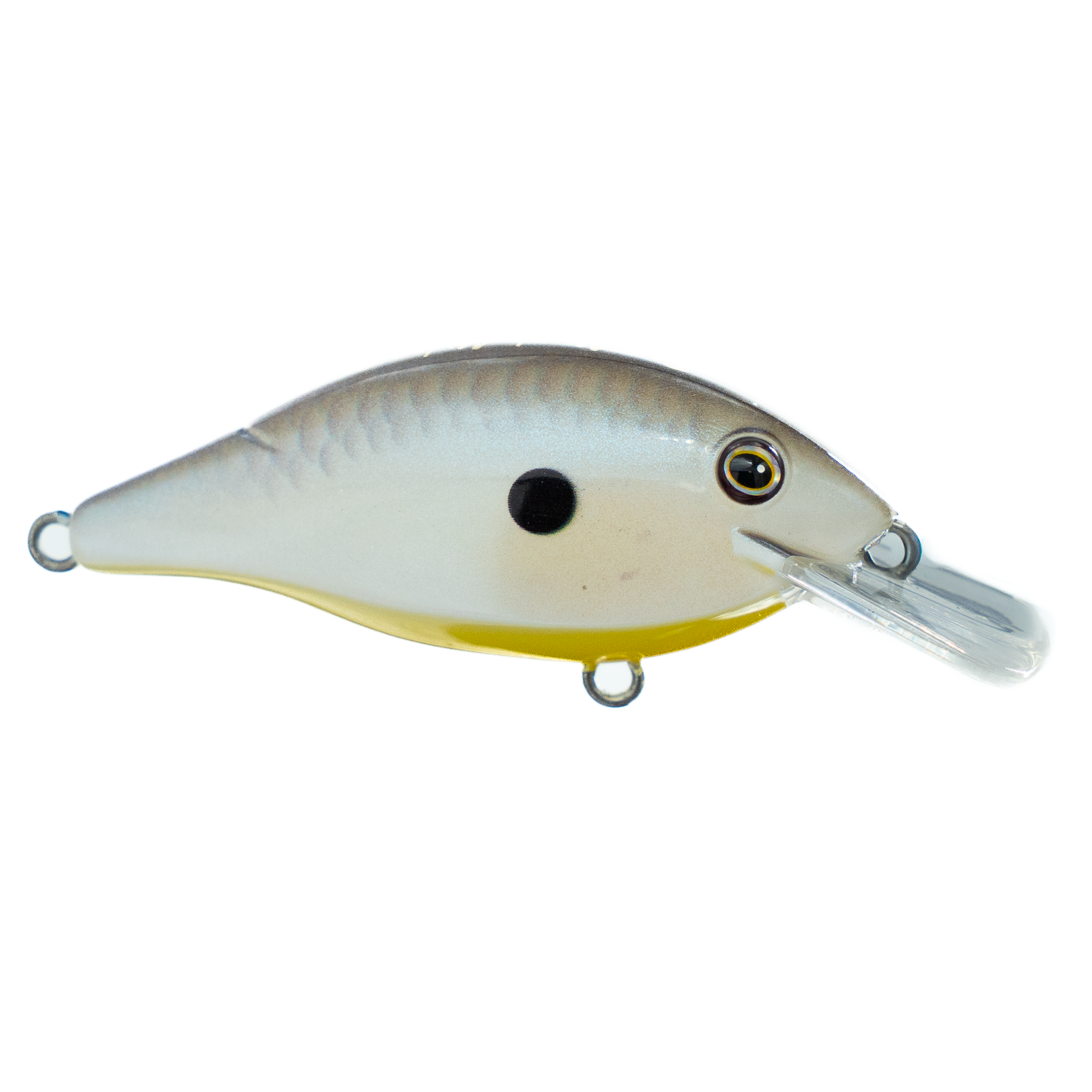
Both Tennessee state records came out of the Tennessee River system in February, and Chickamauga's came from here. Cold water schools the fish tightly on current breaks and deep structure, and the prespawn window from late January into March is when the double-digit fish are catchable. It is also the least crowded fishing of the year.

Lake Chickamauga Access
Chickamauga has ramps and marinas throughout. Dayton Boat Dock at the upper end is the traditional tournament site and weigh-in venue, and there is access at Chester Frost Park on Harrison Bay, Blue Water resort, and along the Chattanooga end near the dam.
The Lower and Central Ledges
From roughly the middle of the lake down toward Chickamauga Dam. Offshore shell beds, gravel bars and channel edges — the classic Tennessee River summer fishery, and where June and July are decided. Everything here depends on current, so check the generation schedule before you commit a day to it.
Richland, Mud and Sale Creeks
Grass-filled creek arms, and the answer when the main lake is blown out or the ledges are dead. Sale Creek gives access to shallow upper water and open water near the mouth in the same trip. Richland and Mud are jungles — frogs, buzzbaits and bladed jigs country.
Harrison Bay and the Dam
The deeper lower end. Harrison Bay produces big fish but carries heavy recreational boat traffic in season. Smallmouth fishing is good against Chickamauga Dam itself, and the tailwater below Watts Bar Dam at the top of the lake is the other end of that same option.
Lake Chickamauga Bass Fishing FAQ
Why is Lake Chickamauga so good for big bass?
A Florida-strain largemouth stocking programme that TWRA began in 2000. Florida-strain fish grow larger than the northern strain, and after roughly a decade the results showed up dramatically. Genetic testing has since found the Florida gene averaging over a third across the lake, well beyond the original fifteen percent target.
What is the Tennessee state record largemouth?
As of 2026, a 15-pound 7.5-ounce fish caught by Darren Nunley on Nickajack Lake in February. Before that it was Gabe Keen's 15-3 from Chickamauga, caught on Friday 13 February 2015, which itself broke a record that had stood for more than sixty years. Both lakes are on the same Florida-strain stocking programme.
When should I fish Chickamauga for a giant?
February and the prespawn window either side of it. Both recent Tennessee records came in February, in cold water, from prespawn fish. Summer is when the lake is most famous and most fun — but it is not when the biggest fish get caught.
What is ledge fishing on Chickamauga?
Fishing offshore structure — shell beds, gravel bars and the edges of the old river and creek channels — where bass school up after the spawn. June is the traditional month, and the lower and central end of the lake holds the best of it. It is a Tennessee River staple and Chickamauga is one of the best places in the country to learn it.
Does current matter on Chickamauga?
Enormously, and it is the single thing visiting anglers underestimate. TVA generation moves water through the reservoir, and moving water positions bass on every ledge in the lake. The same spot that produces a limit with current running can be dead without it. Check the generation schedule when you plan your day.
Is there grass in Chickamauga?
Yes, and it is a real secondary pattern. Milfoil beds grow close to the river channel and hold quality fish, and the creek arms — Richland, Mud and Sale in particular — are heavily vegetated. Anglers who prefer grass to offshore structure can fish this lake their way and still compete.
What baits work best on Lake Chickamauga?
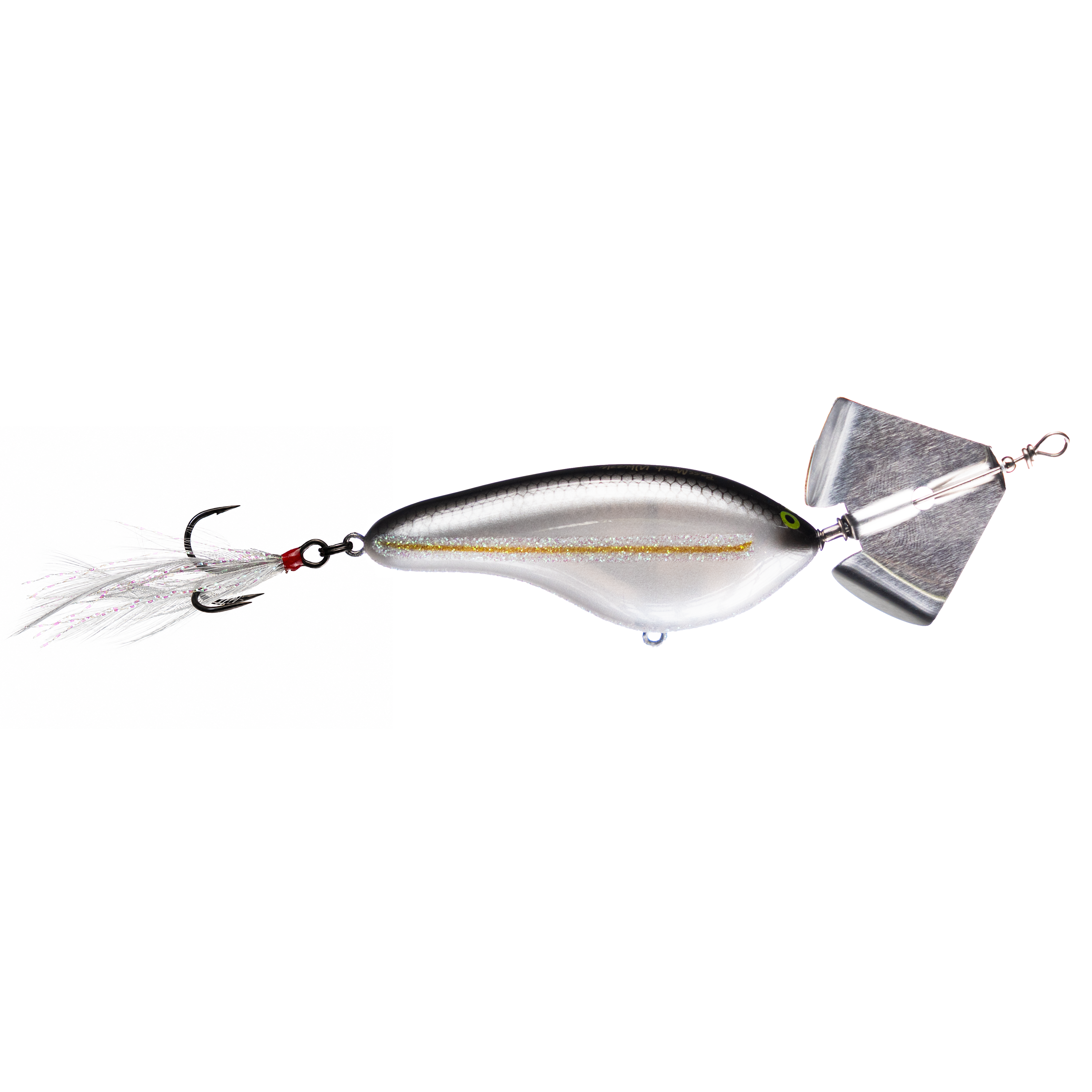
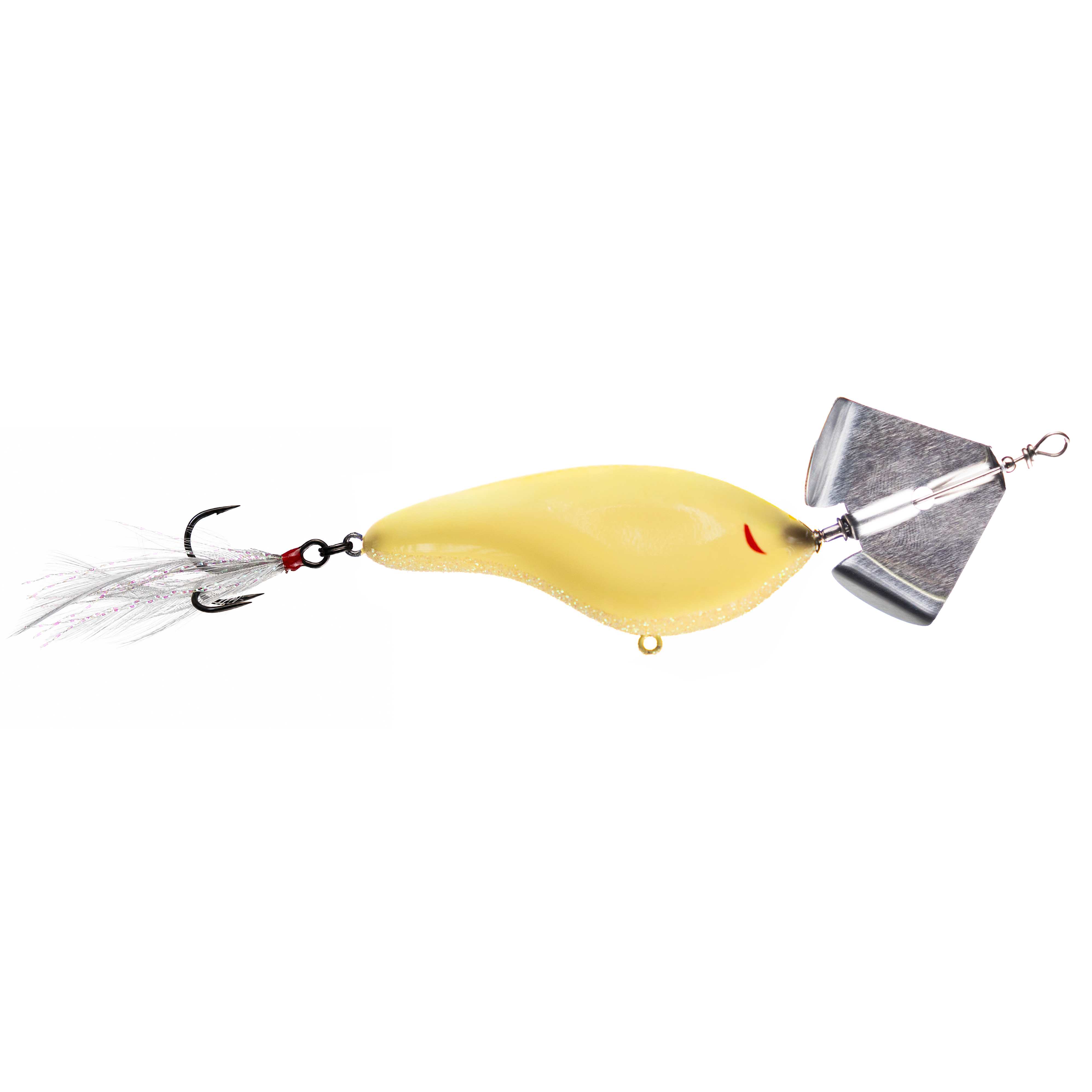
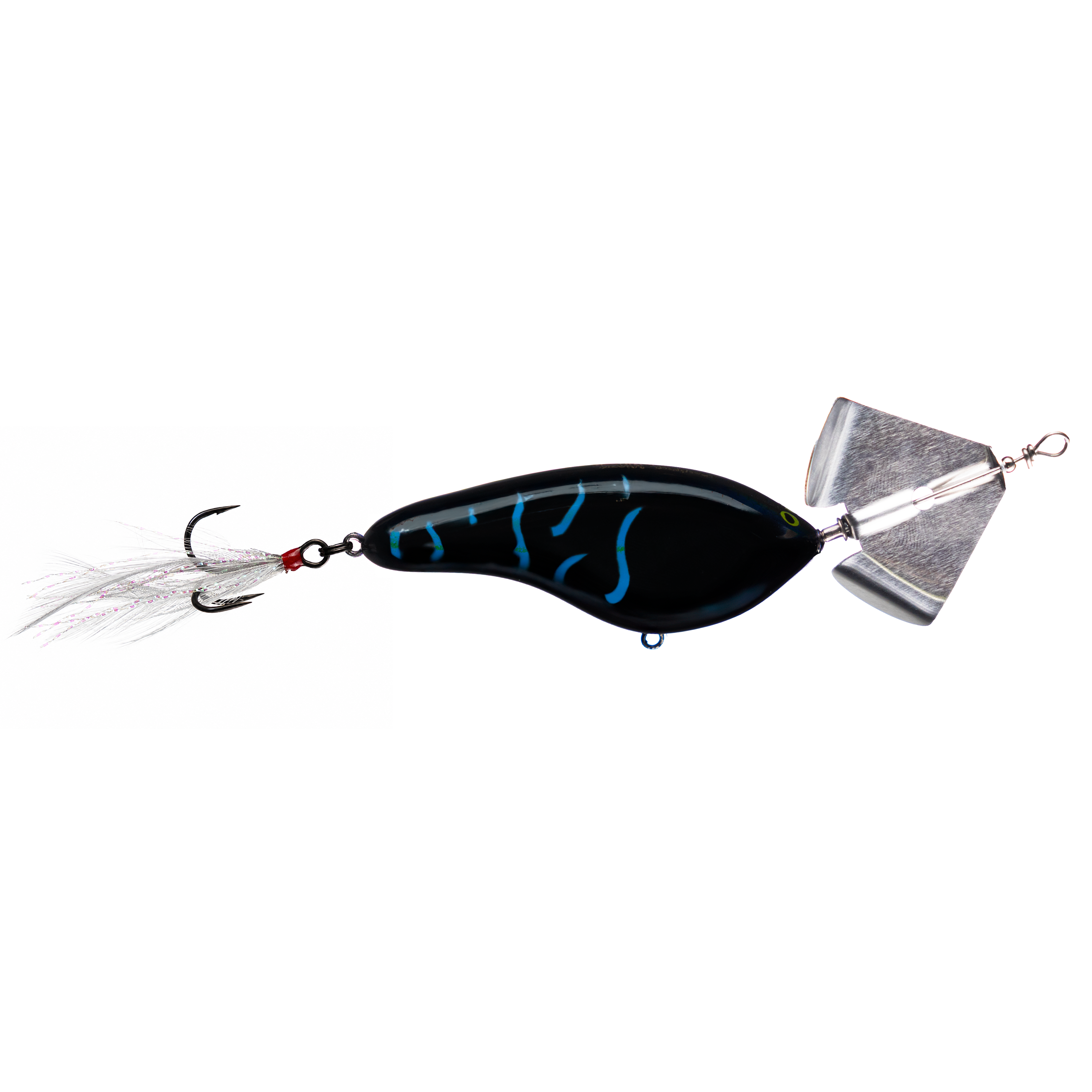
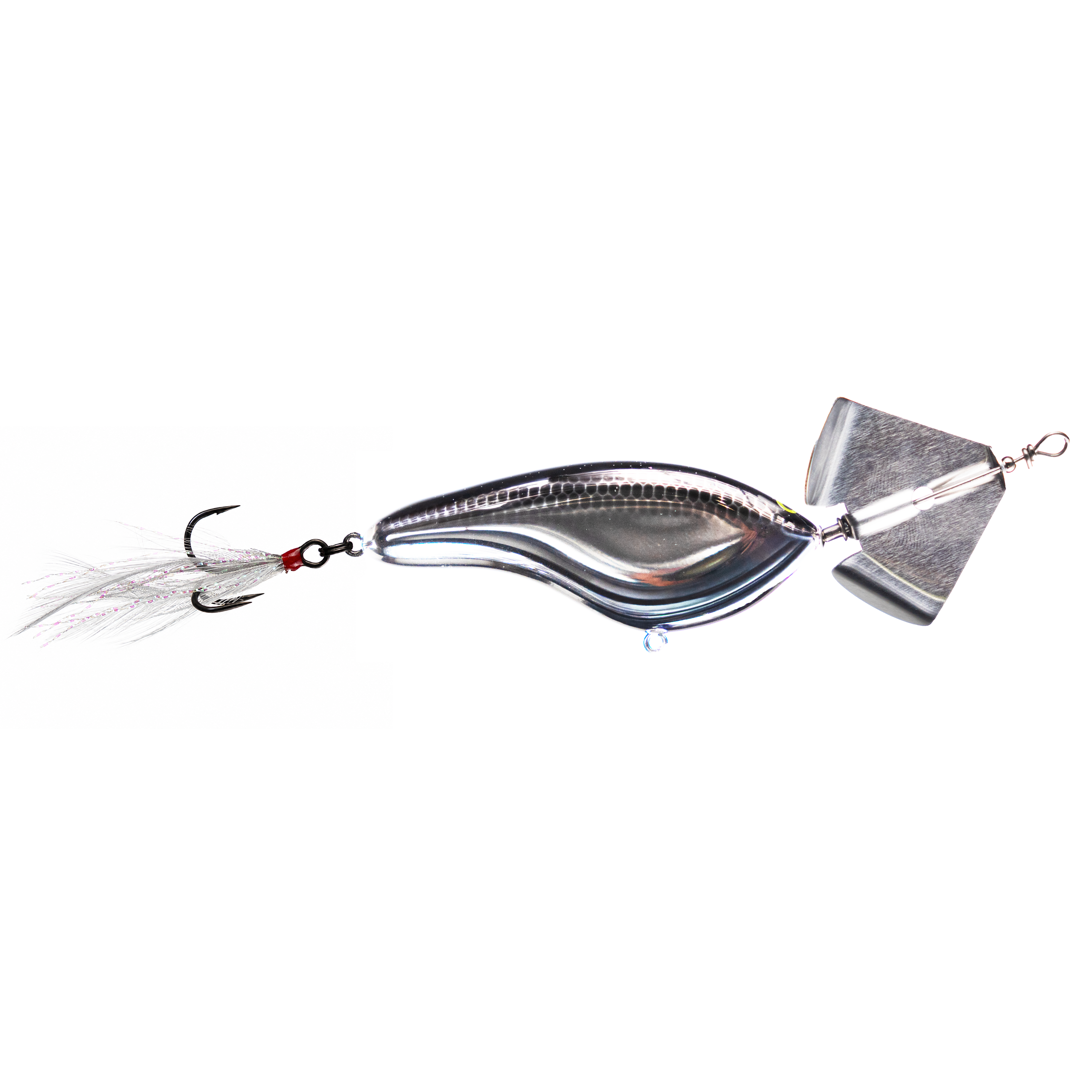
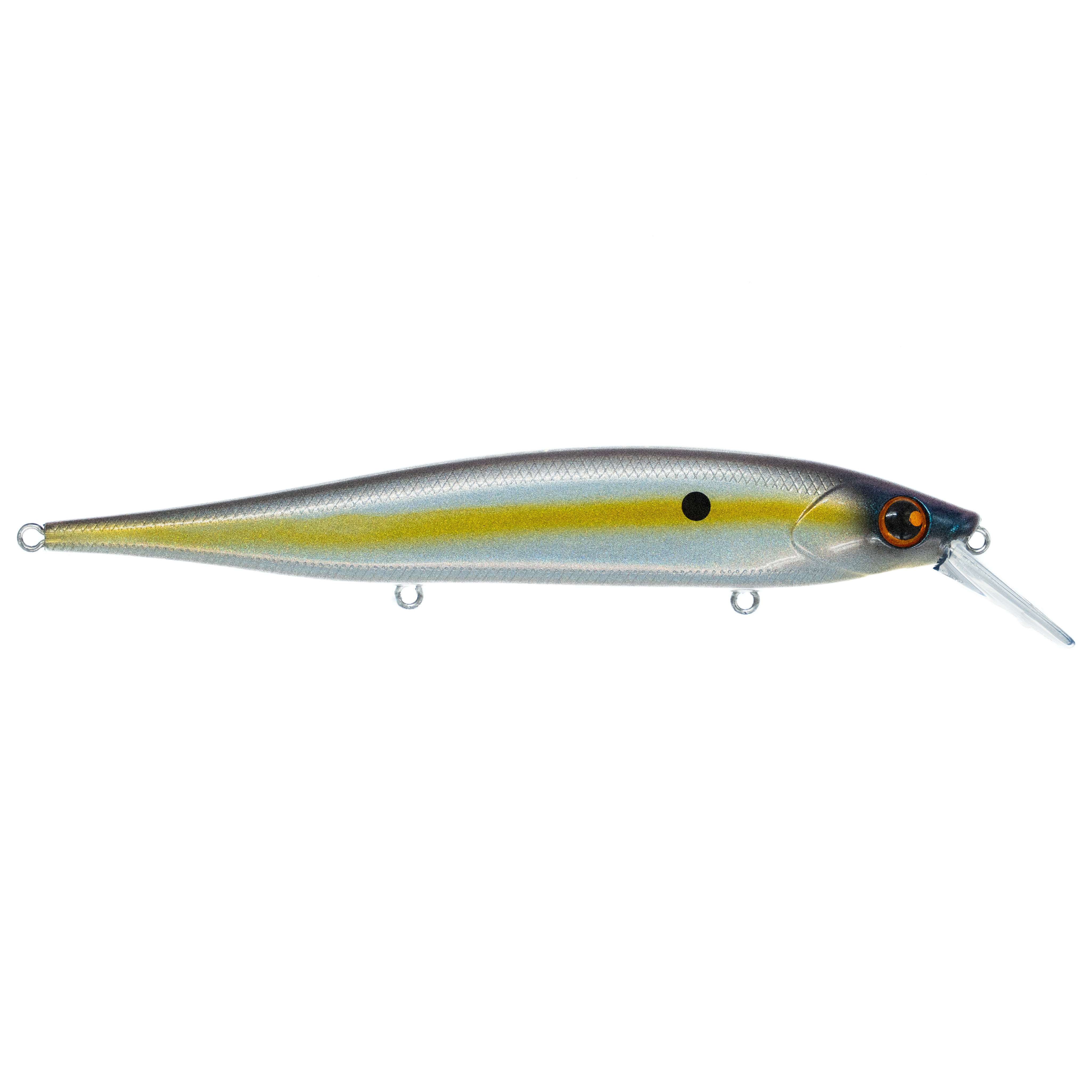
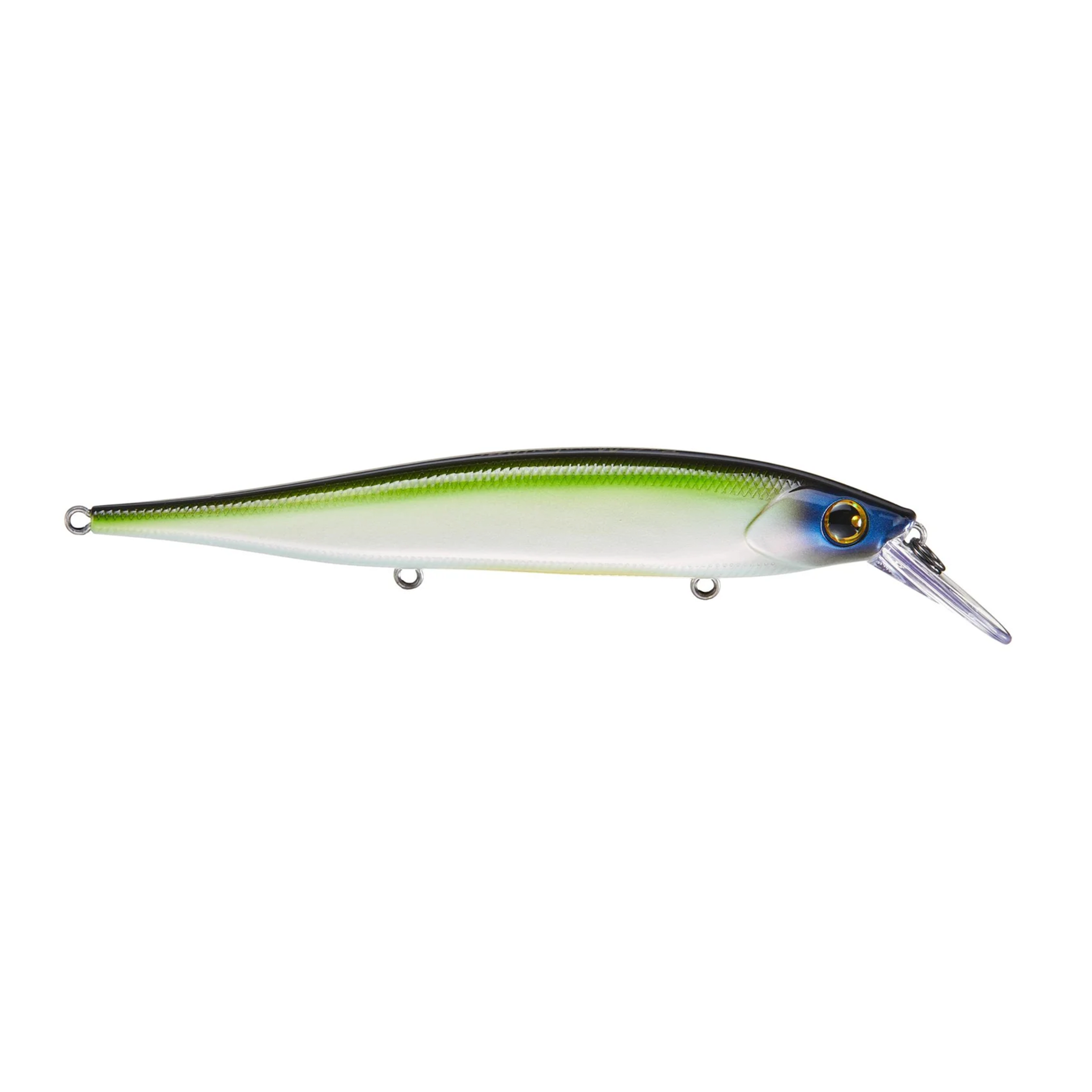
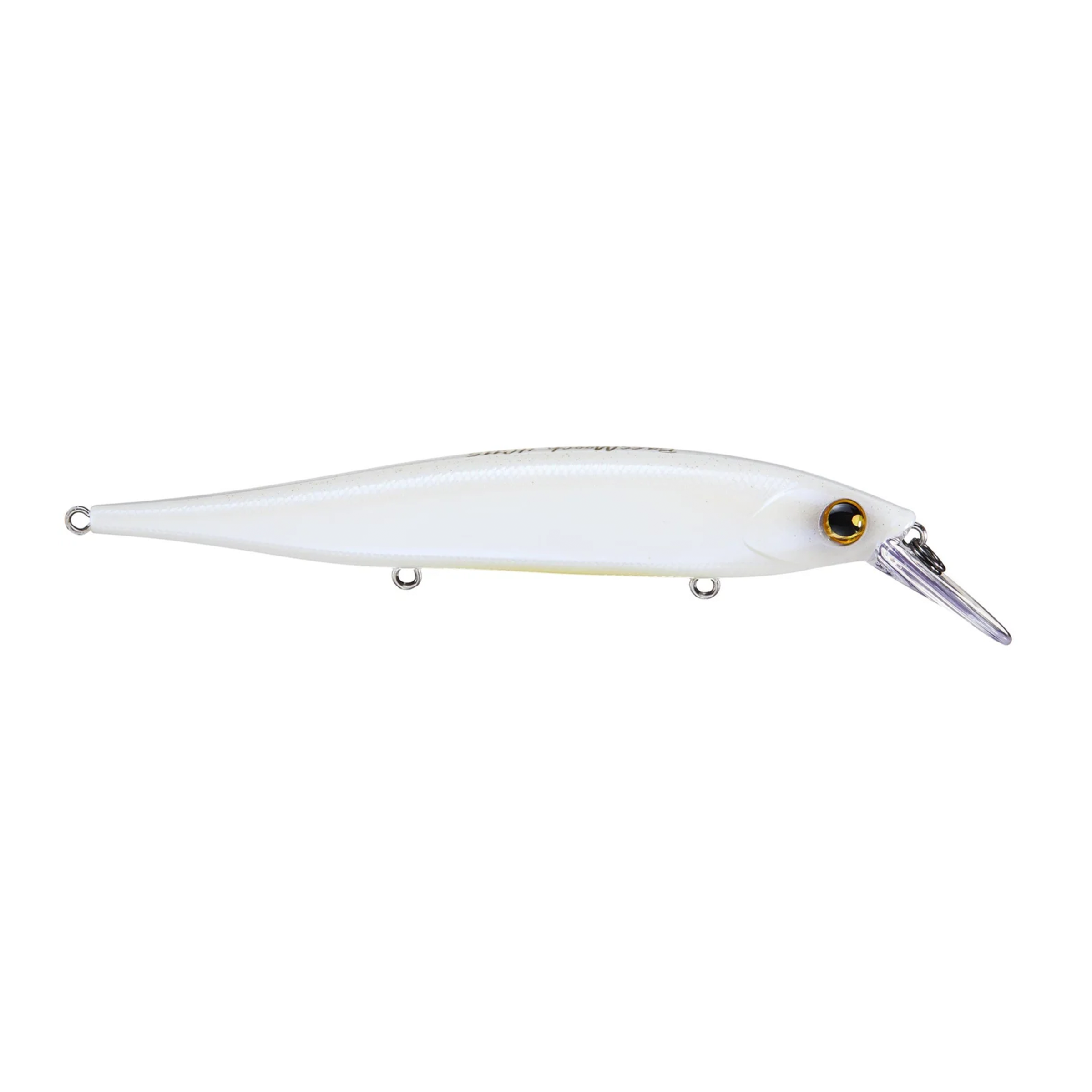
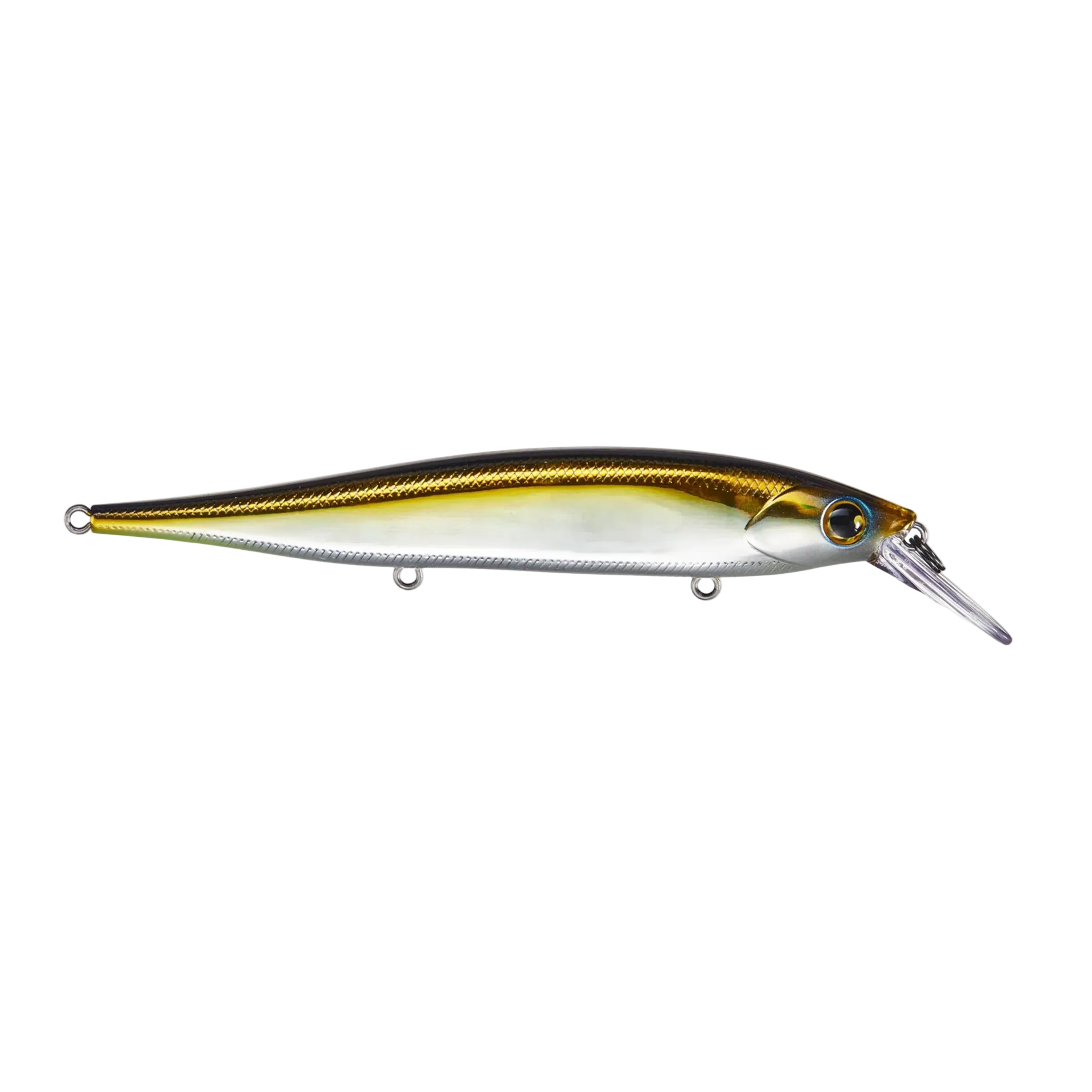
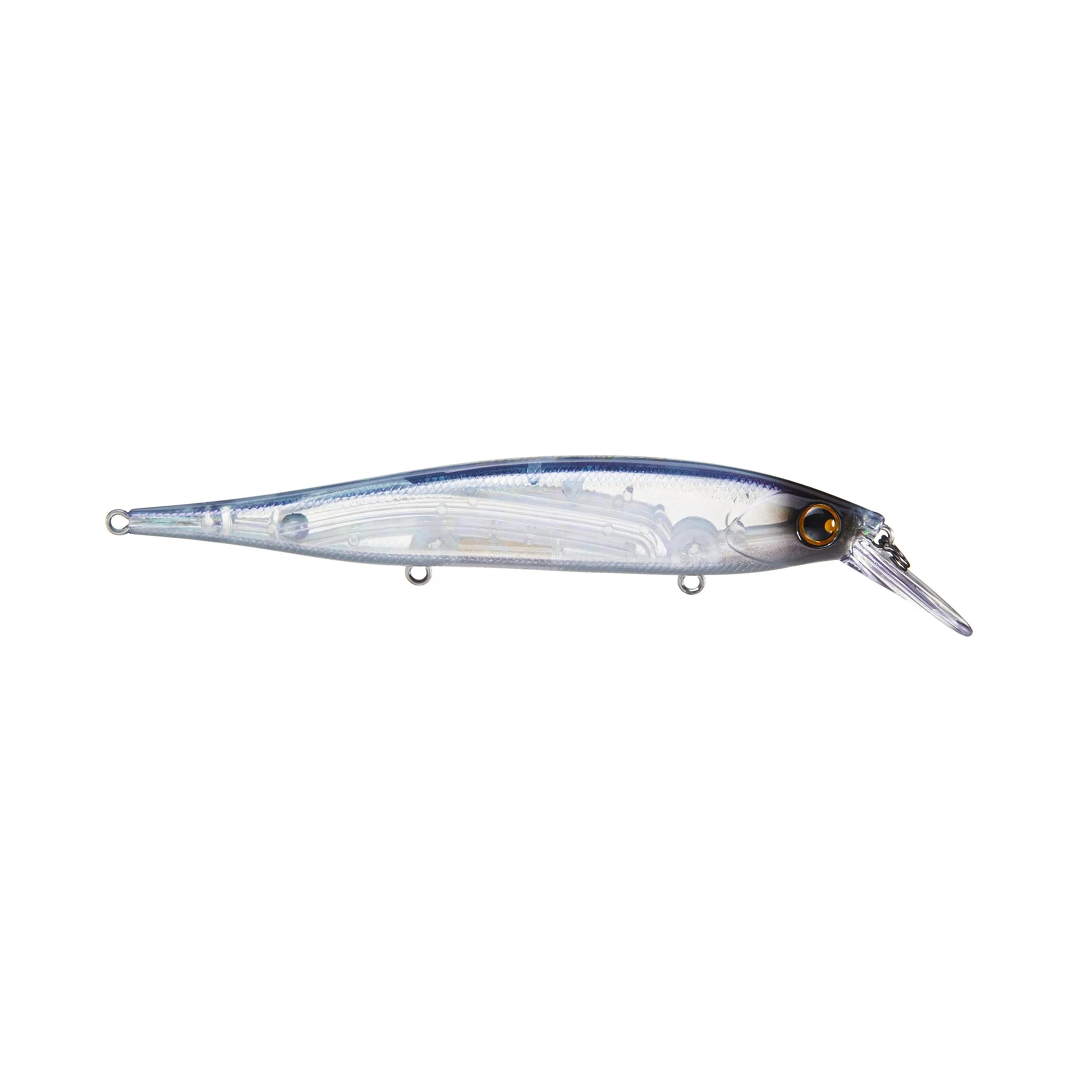
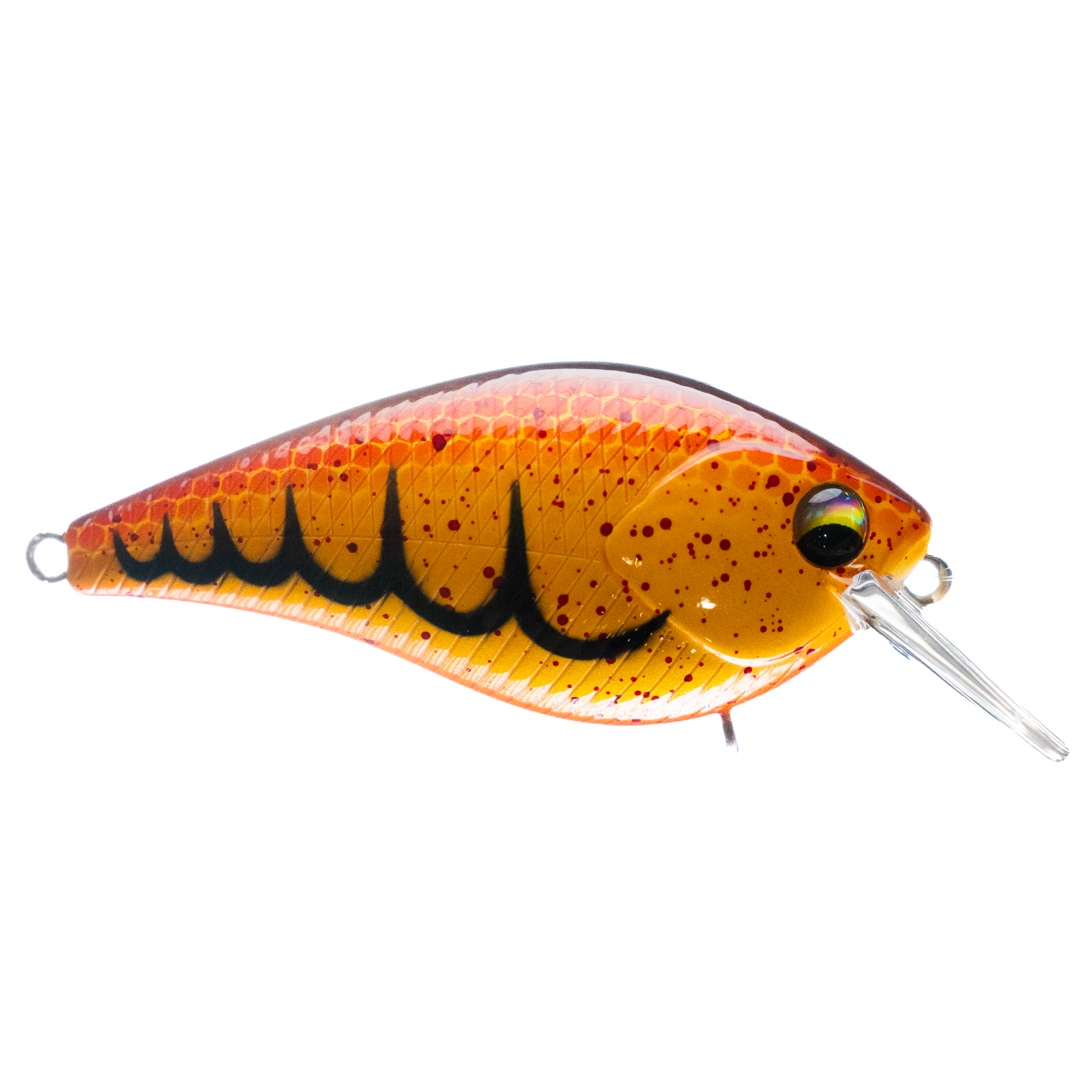
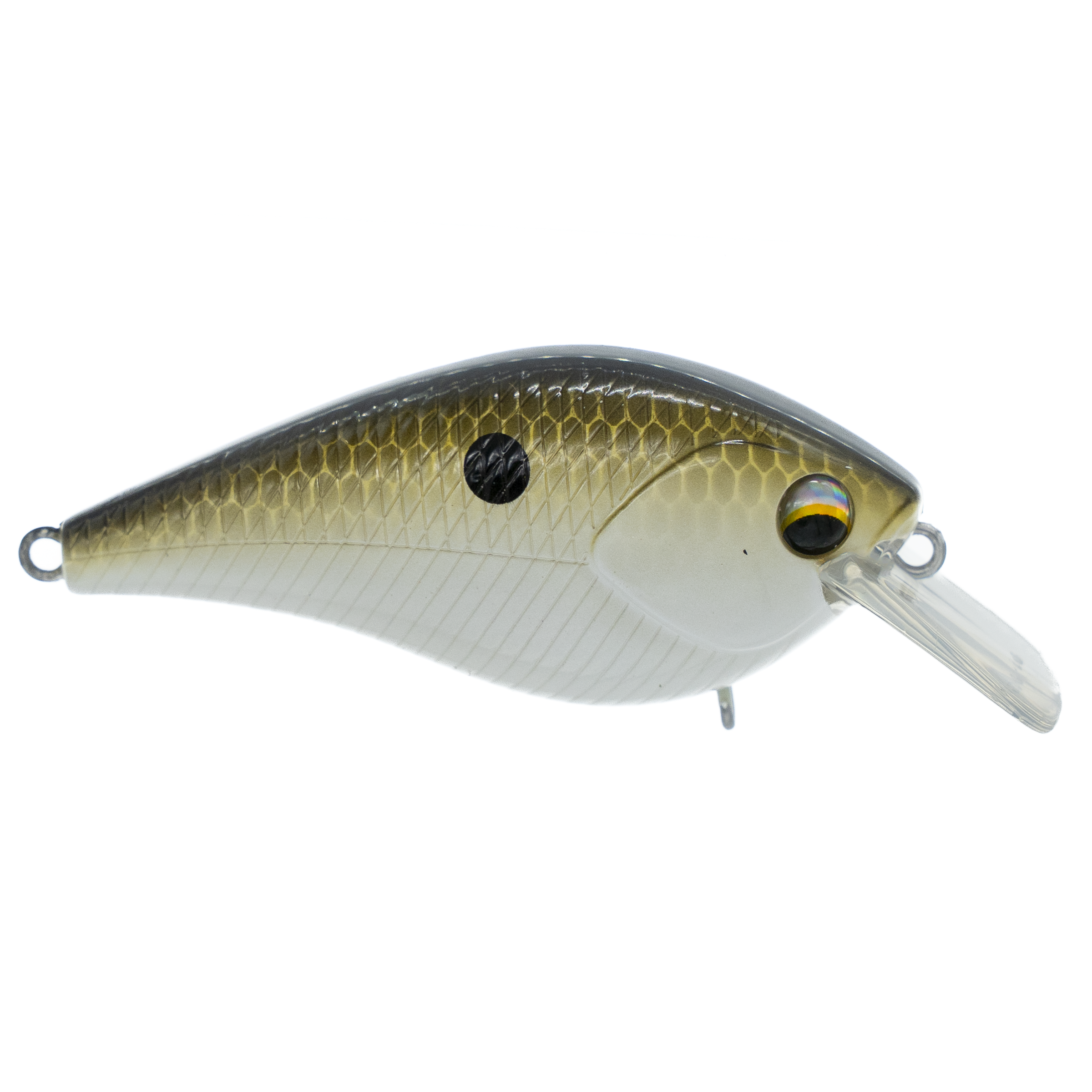
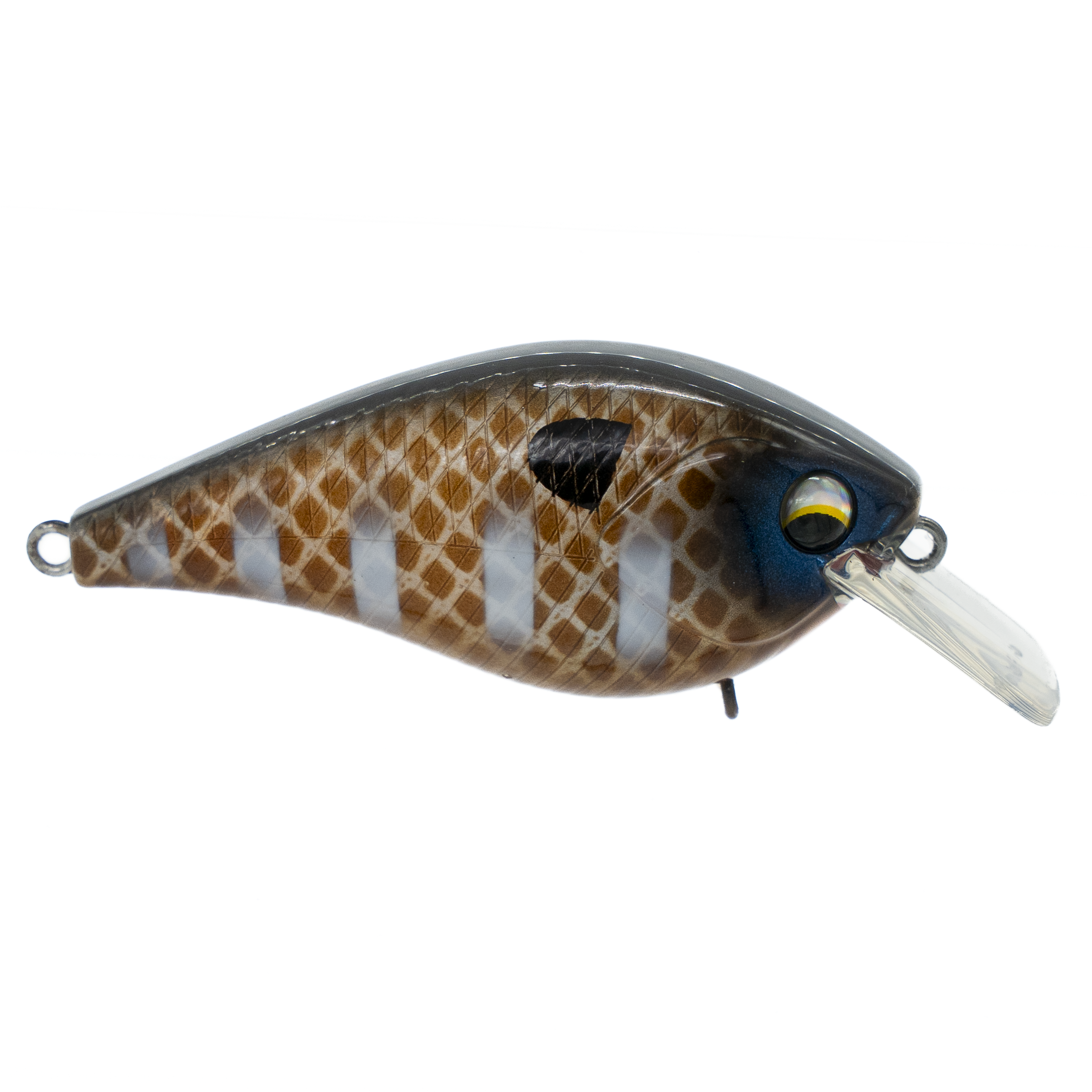
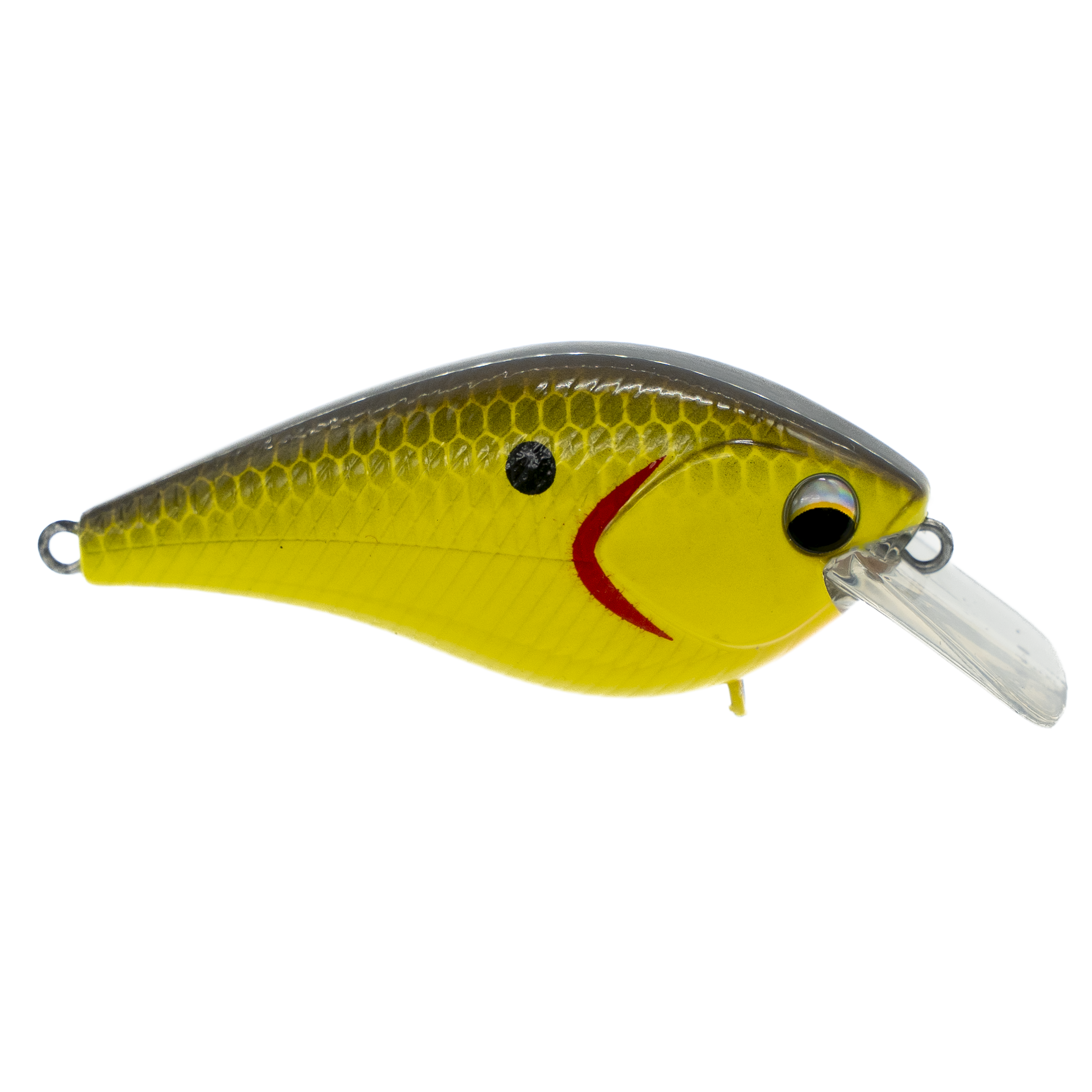
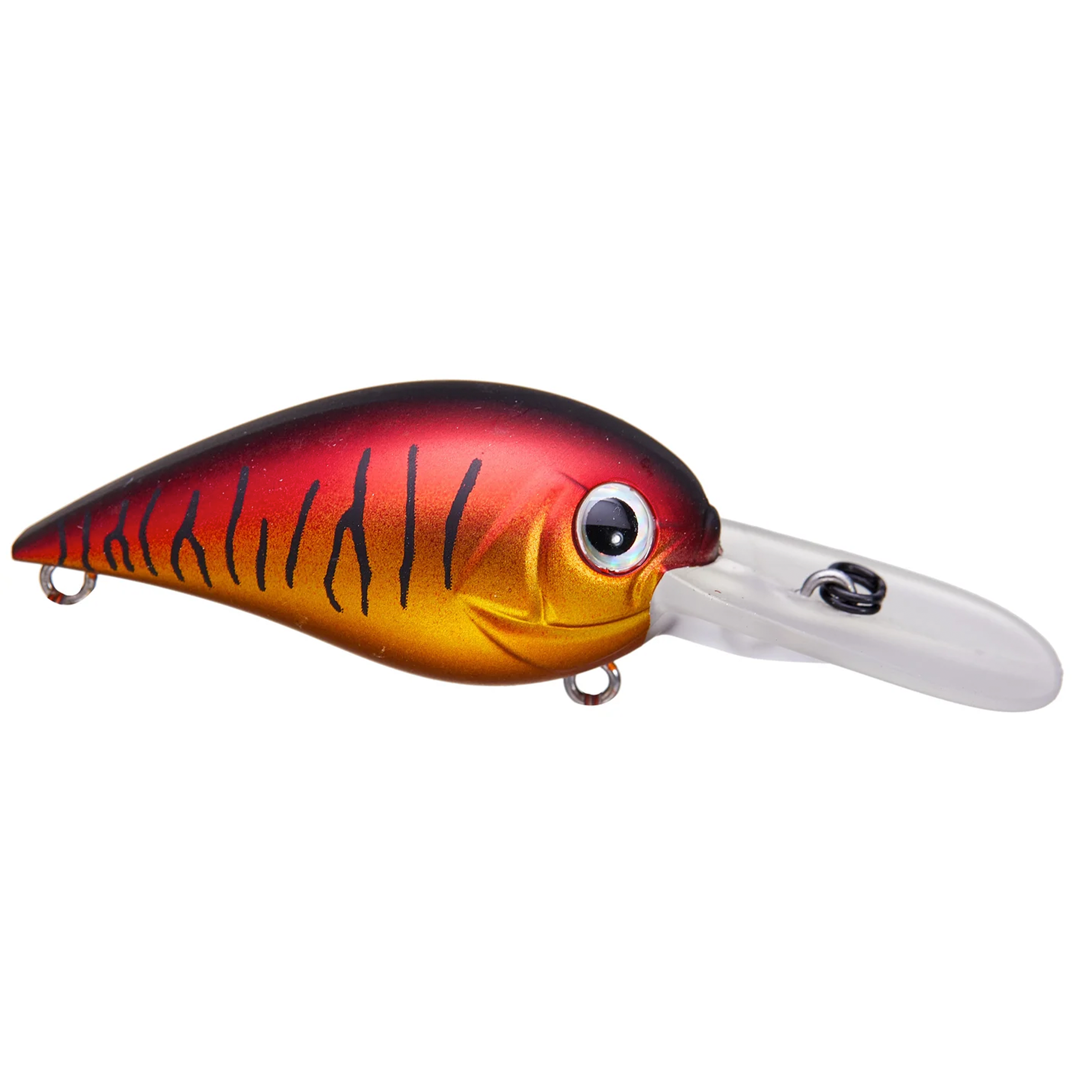
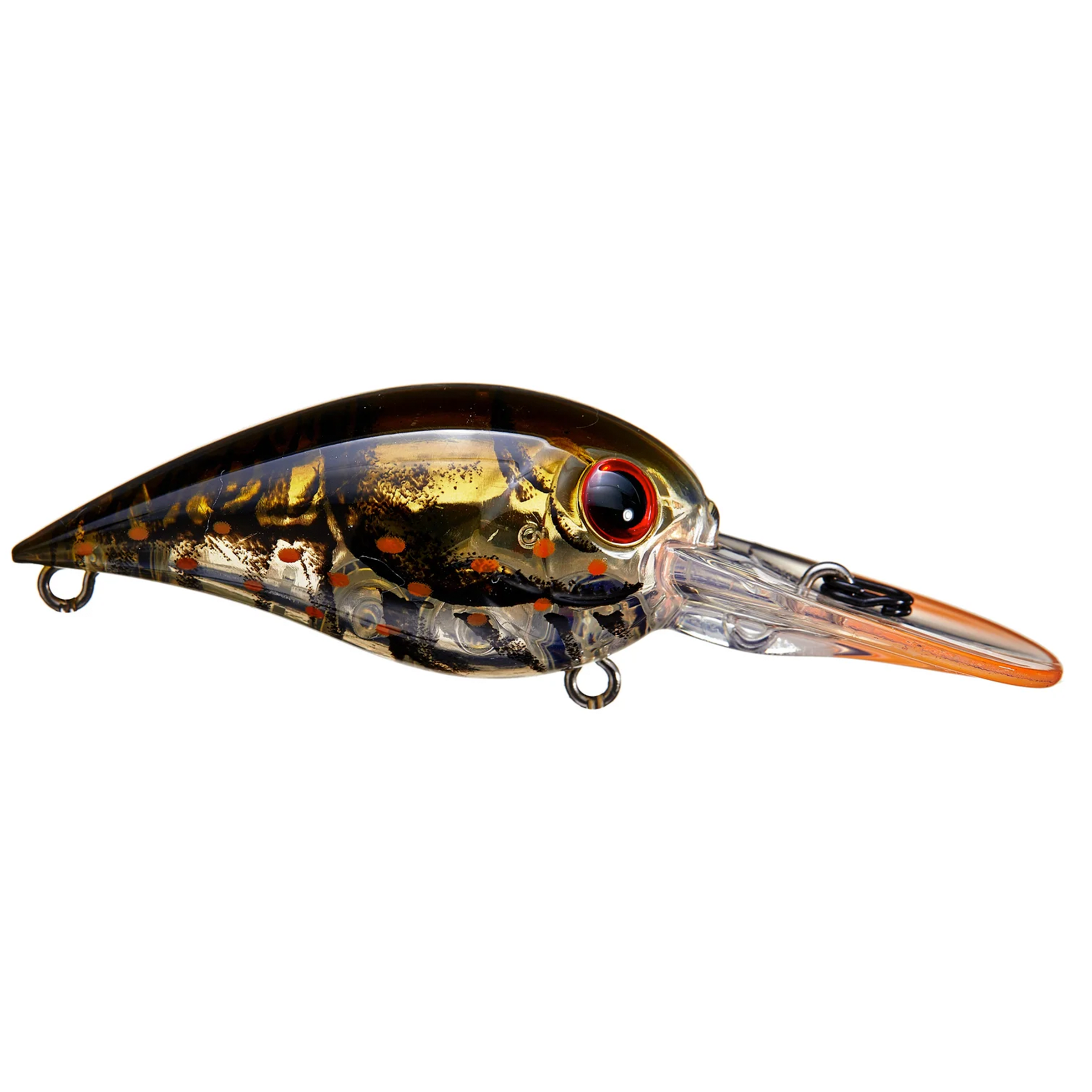
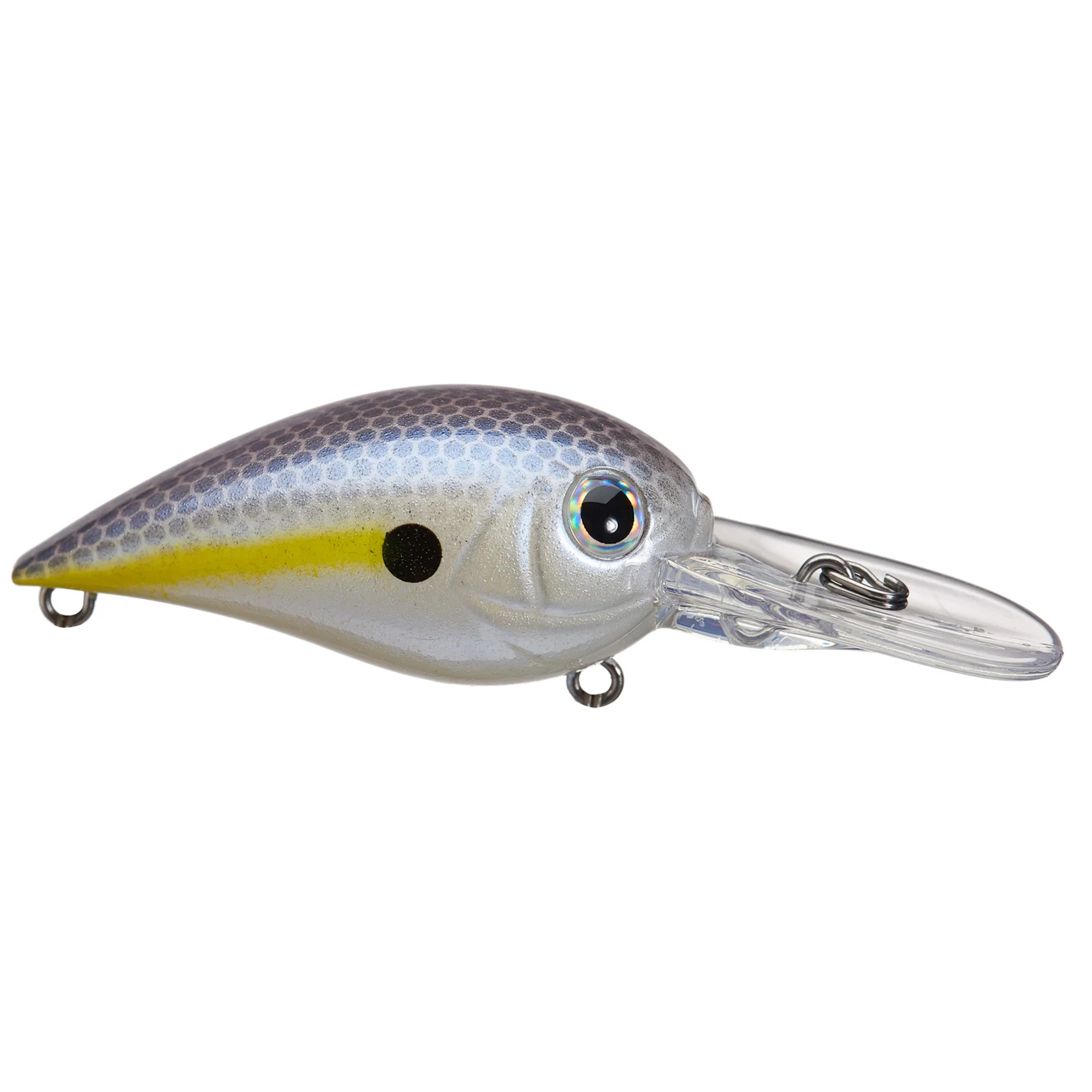
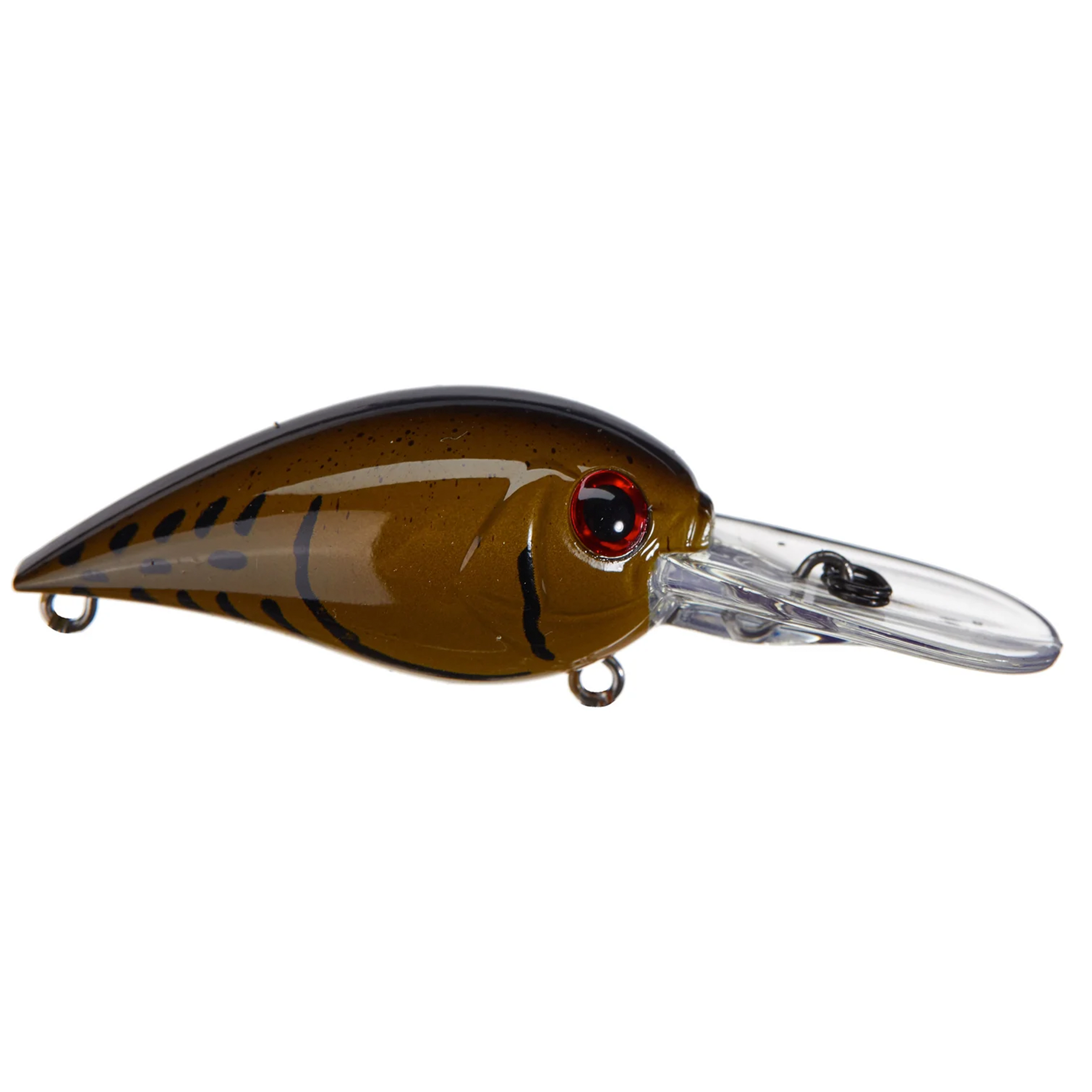
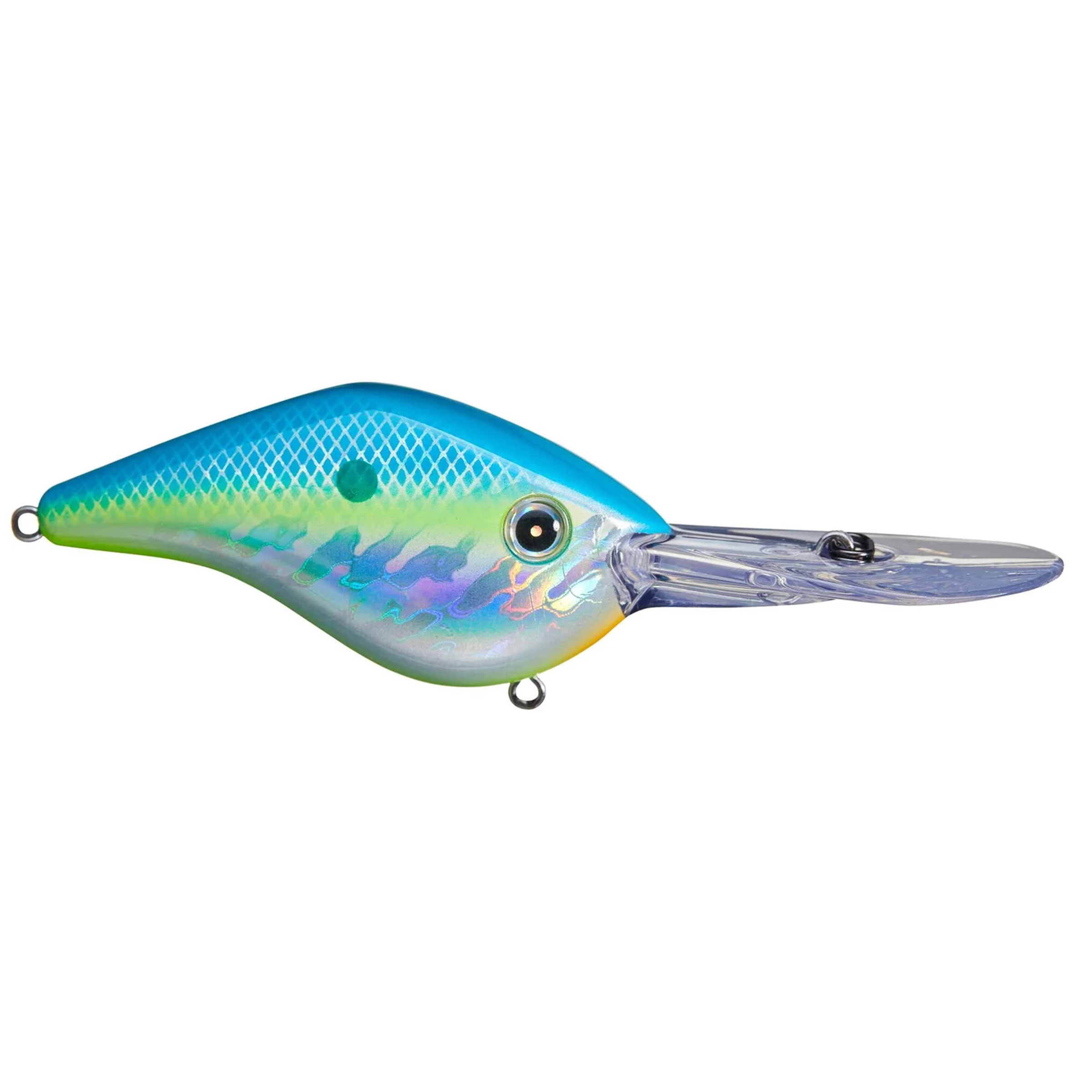
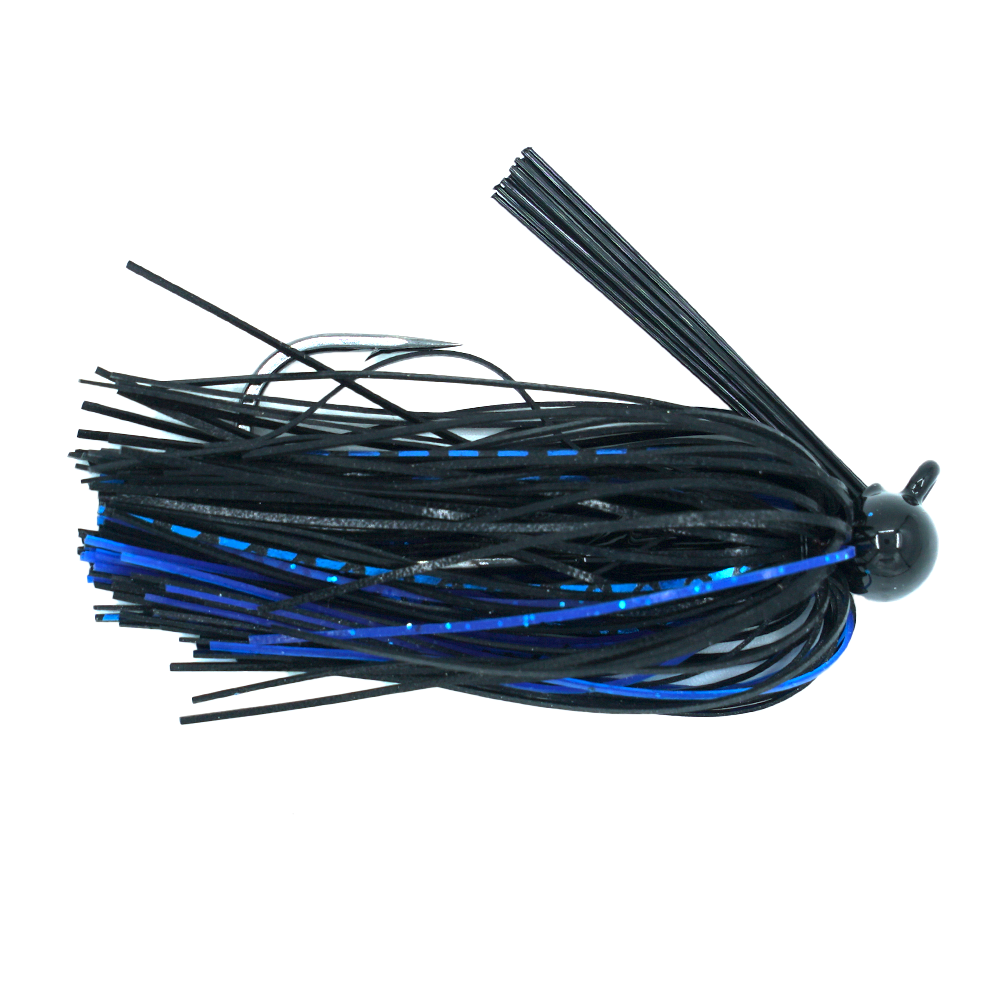
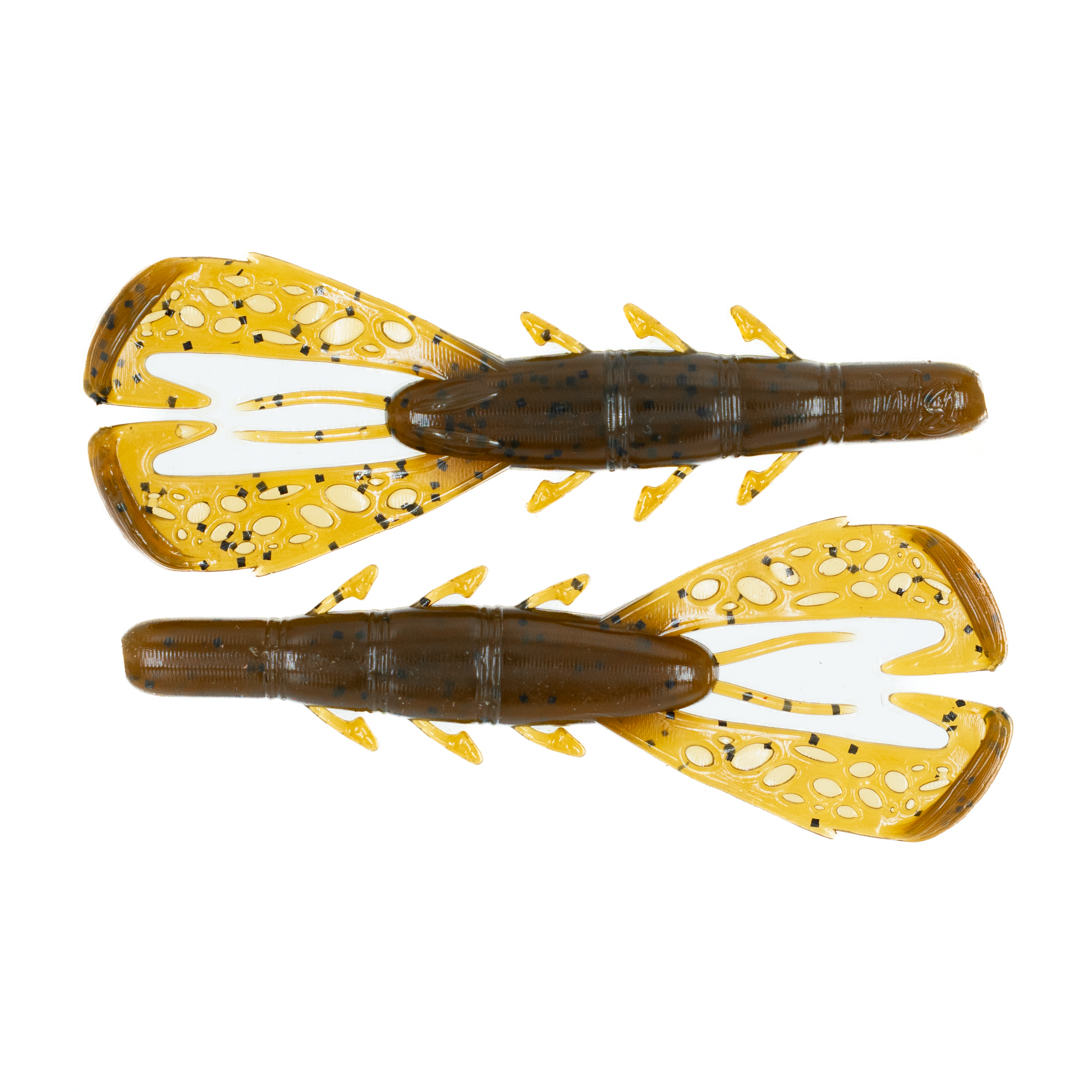
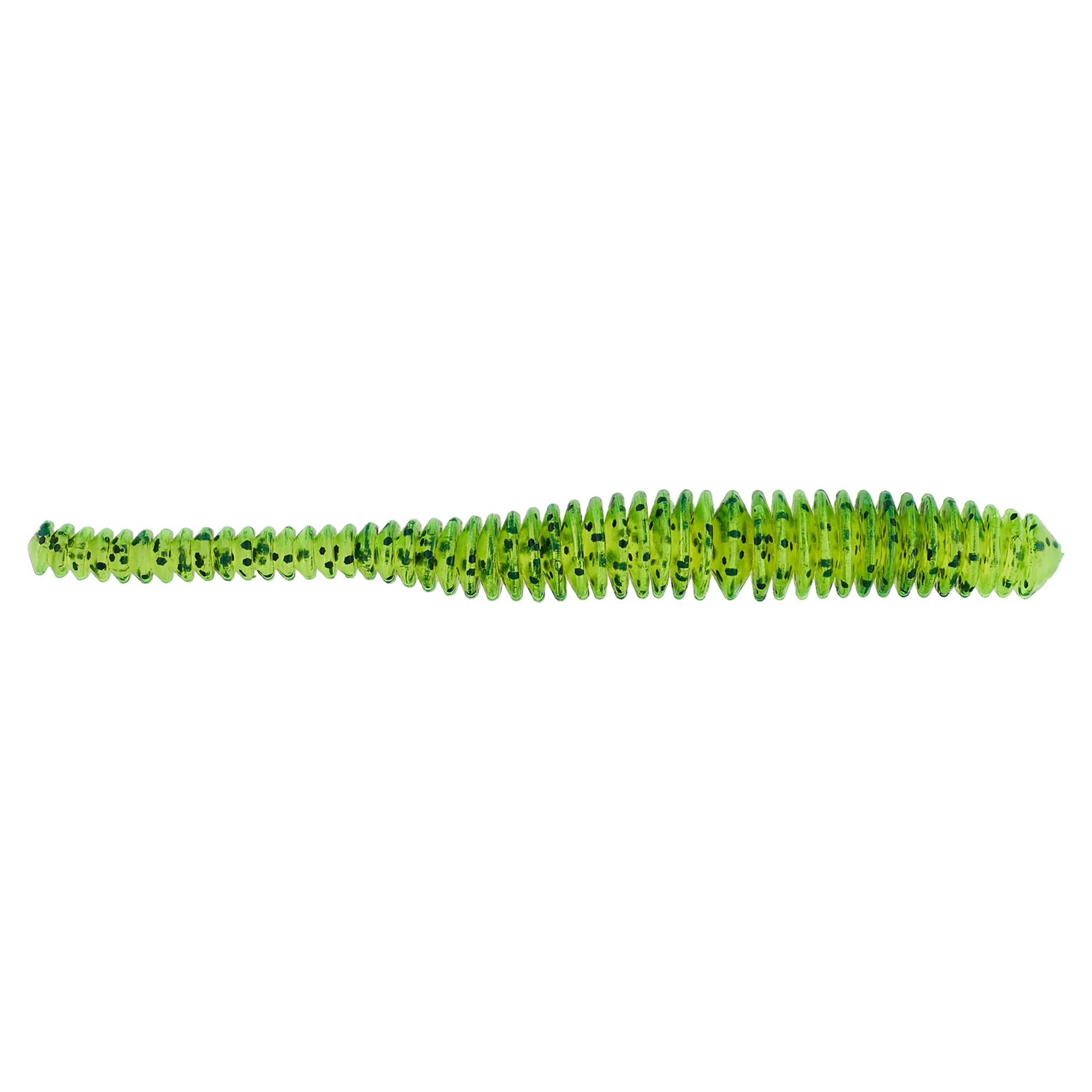
Deep crankbaits, Carolina rigs, big worms and football jigs on the summer ledges. Frogs, buzzbaits, bladed jigs and swim jigs in the grass. Lipless baits and swimbaits behind the autumn shad. A bladed or swimming jig in the prespawn is the big-fish presentation. Our full bait lineup covers all four seasons.
Do I need a fishing license?
Yes, a Tennessee fishing license, available through TWRA. Statewide black bass limits apply on Chickamauga — check current creel and length rules before you go, as Tennessee regulations vary by reservoir.
Ledges and Grass
A lake that asks you to drag a football jig across a shell bed in twenty-five feet in July and then rip a bladed jig out of milfoil in February is asking for two very different rods. Level Rods builds across that range, with the sensitivity to feel shell through a long cast and the power to clear grass on the hookset.
Tournament Winning Baits & Gear
Designed, crafted and tested by anglers who fish the Tennessee River every week. Free shipping on orders over $75.
Shop All Baits