
Lake Barkley Bass Fishing Guide
Lake Barkley Bass Fishing, Season by Season
Fifty-eight thousand acres of the Cumberland River running parallel to Kentucky Lake, separated by a strip of land and joined by a canal. Barkley is the stained twin with the visible cover, and for a lot of anglers that makes it the easier of the two to fish.
Kentucky Lake's Twin, With Cover
Lake Barkley is a 57,820-acre impoundment of the Cumberland River in western Kentucky, running about 134 miles with over a thousand miles of shoreline. It lies a few miles east of Kentucky Lake with a nearly identical north-to-south orientation, separated by the Land Between the Lakes National Recreation Area and connected to its neighbour by a navigable canal. Part of it extends into Tennessee.
The two lakes are near twins and are usually discussed together — combined they make one of the largest freshwater fishing complexes in the eastern United States. But the differences are what matter to an angler deciding where to launch.
First, Barkley's water is generally more stained than Kentucky Lake's. Second, and more usefully, it has far more visible cover: stumps, laydowns, shoreline brush and docks. On Kentucky Lake you are largely fishing structure you cannot see. On Barkley you can fish targets.
That combination makes Barkley the more forgiving of the two for a visiting angler. Stained water means the fish are less spooky and more willing to take a reaction bait, and visible cover means you can fish with your eyes rather than depending entirely on electronics.
Average depth runs around twenty feet with some areas beyond seventy, and the lake is threaded with creeks and bays holding submerged timber, brush piles and man-made fish attractors. Points at the mouths of creeks and coves are the key structural feature, used by bass transitioning toward spawning sites in late March and early April and again heading back out in late May.
Ledge fishing is still in play through summer, when packs of largemouth cruise the Cumberland River channel following gizzard shad. Smallmouth are present but considerably less prominent than on Kentucky Lake.
Creek Mouths, Cover and the River Channel
Four patterns cover the year. Each one pairs the technique with the baits we'd actually tie on.
Points at the Mouths of Creeks
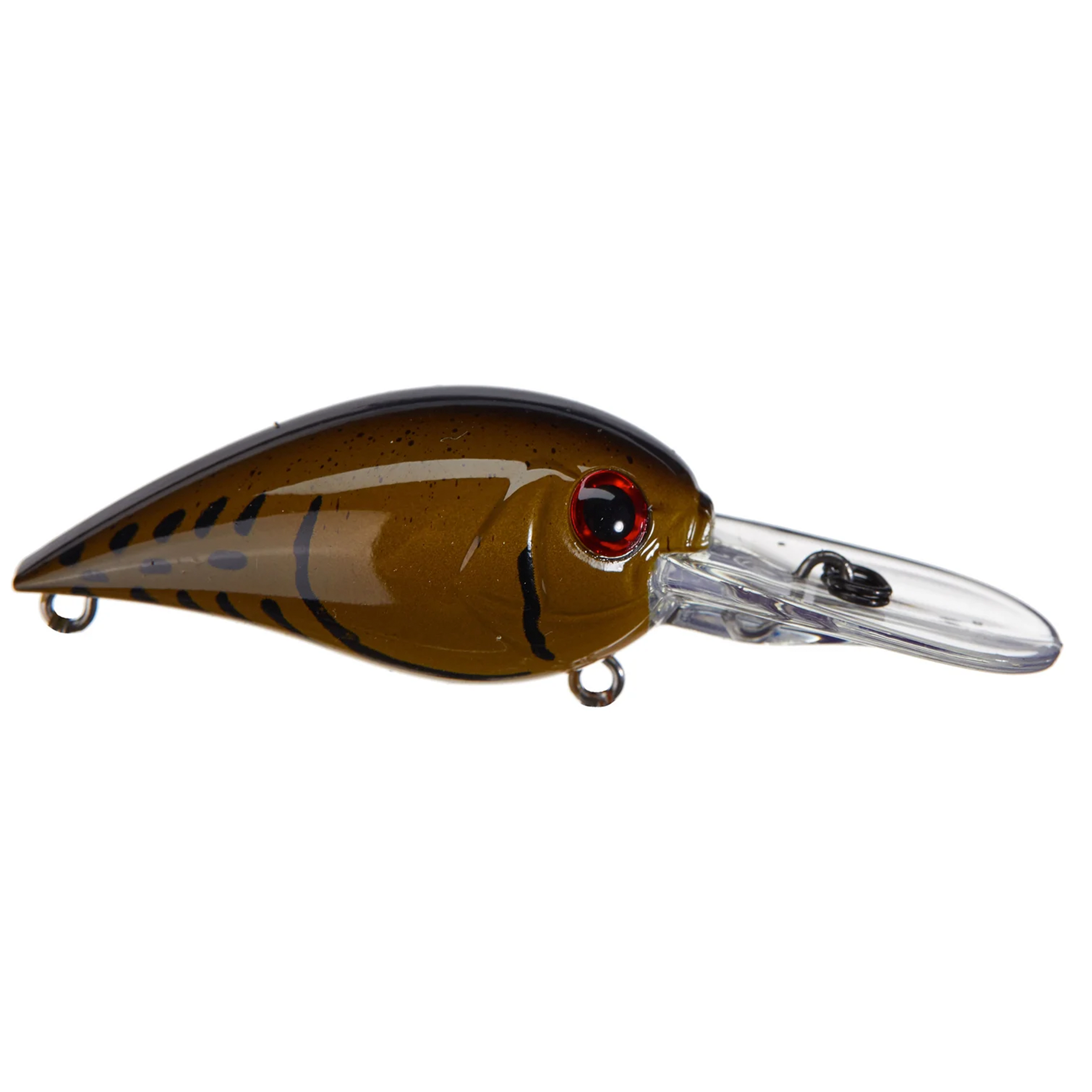
Late March and early April move bass toward spawning sites, and the points at the mouths of creeks and coves are the staging areas they use getting there. Then in late May the postspawn fish use the same points heading back to the main lake. Those points are the single most important structure on this lake.


Ledges and Visible Cover
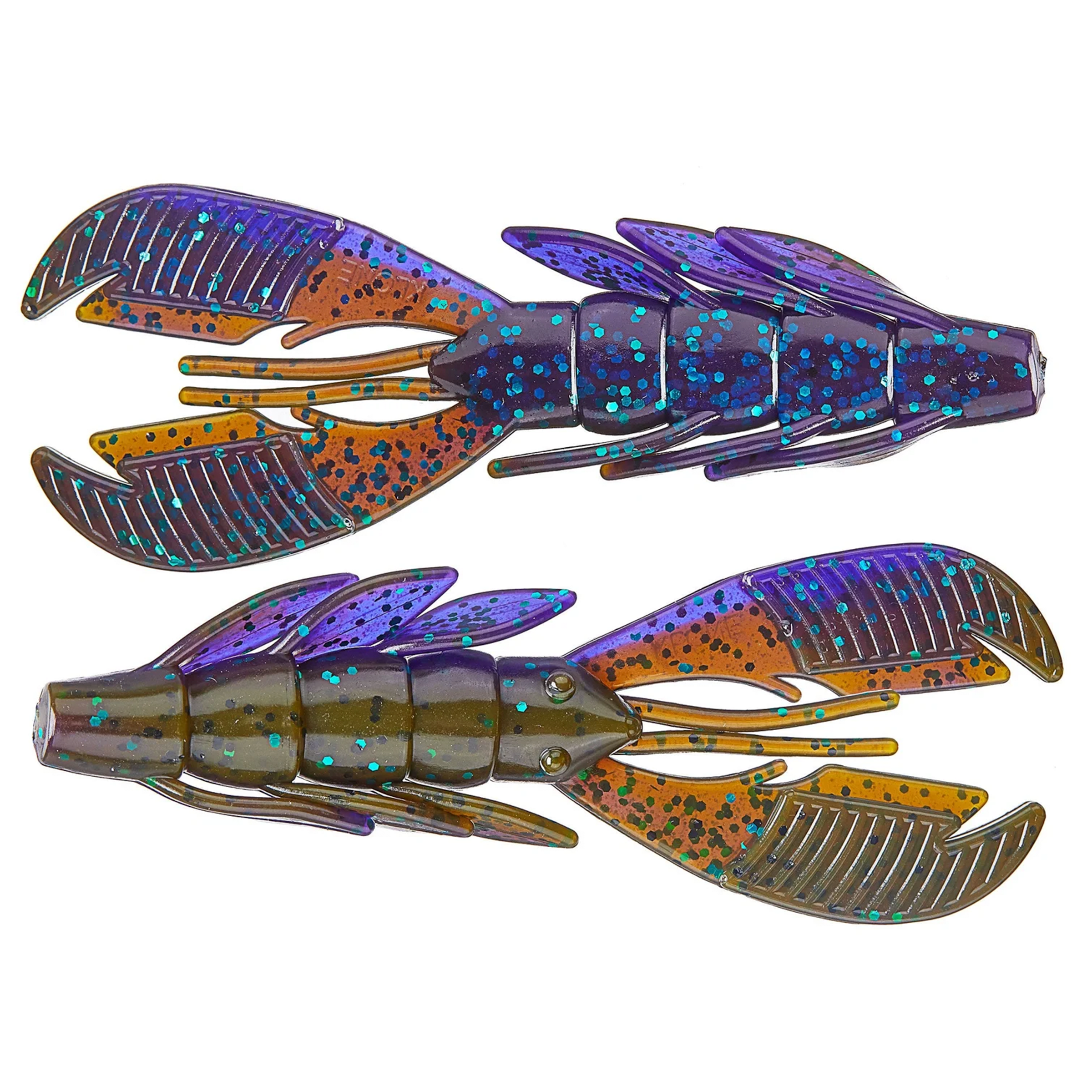
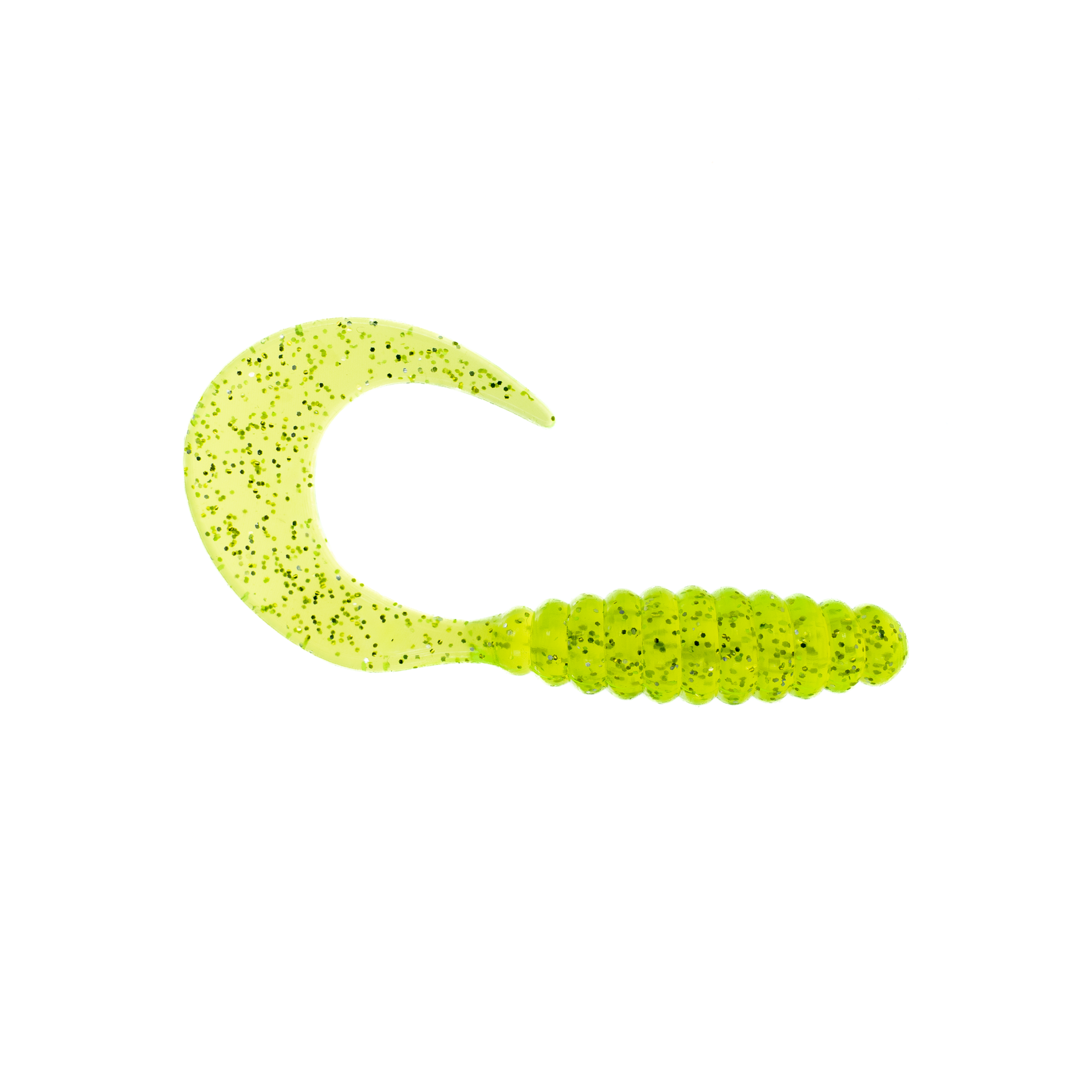
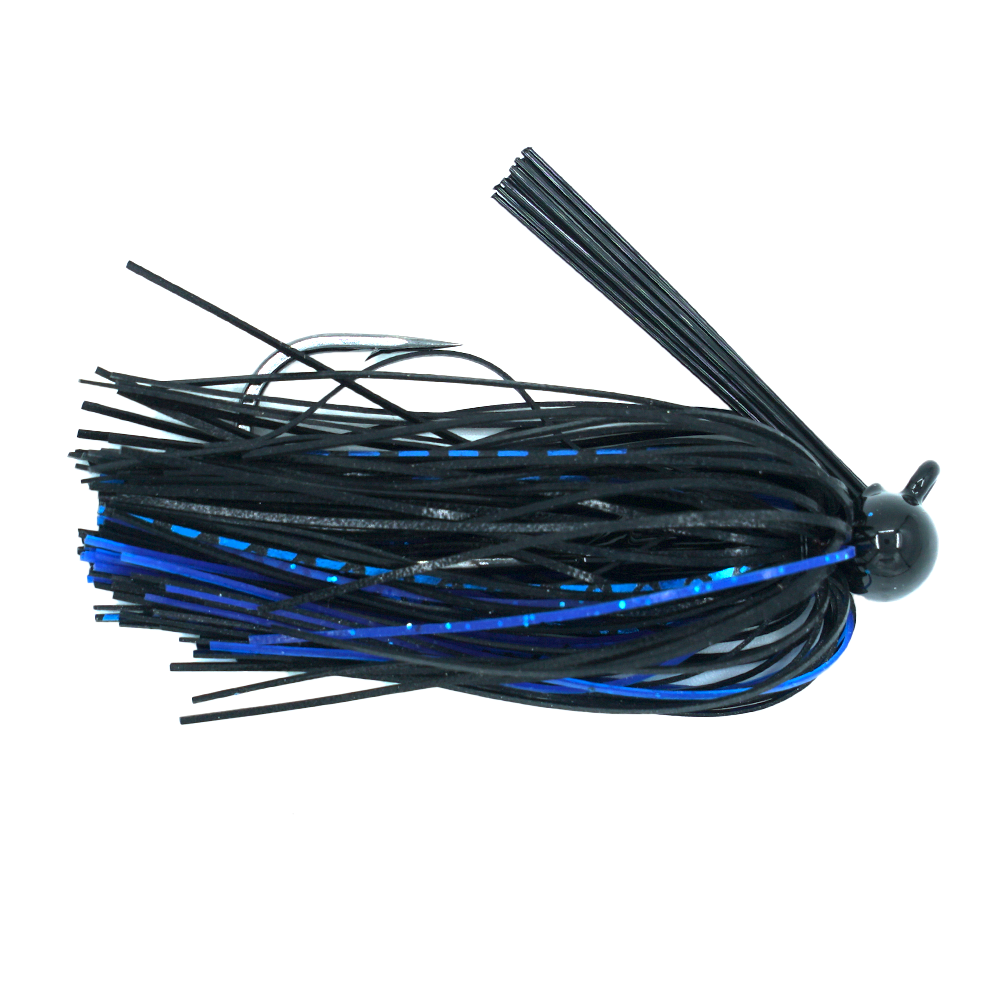
Summer splits into two patterns. Packs of largemouth cruise the Cumberland River channel following gizzard shad, which puts the classic ledge game in play. Meanwhile the stumps, laydowns and docks that make this lake distinctive hold fish shallow through the heat. Both work, often on the same day.

Bait Into the Bays
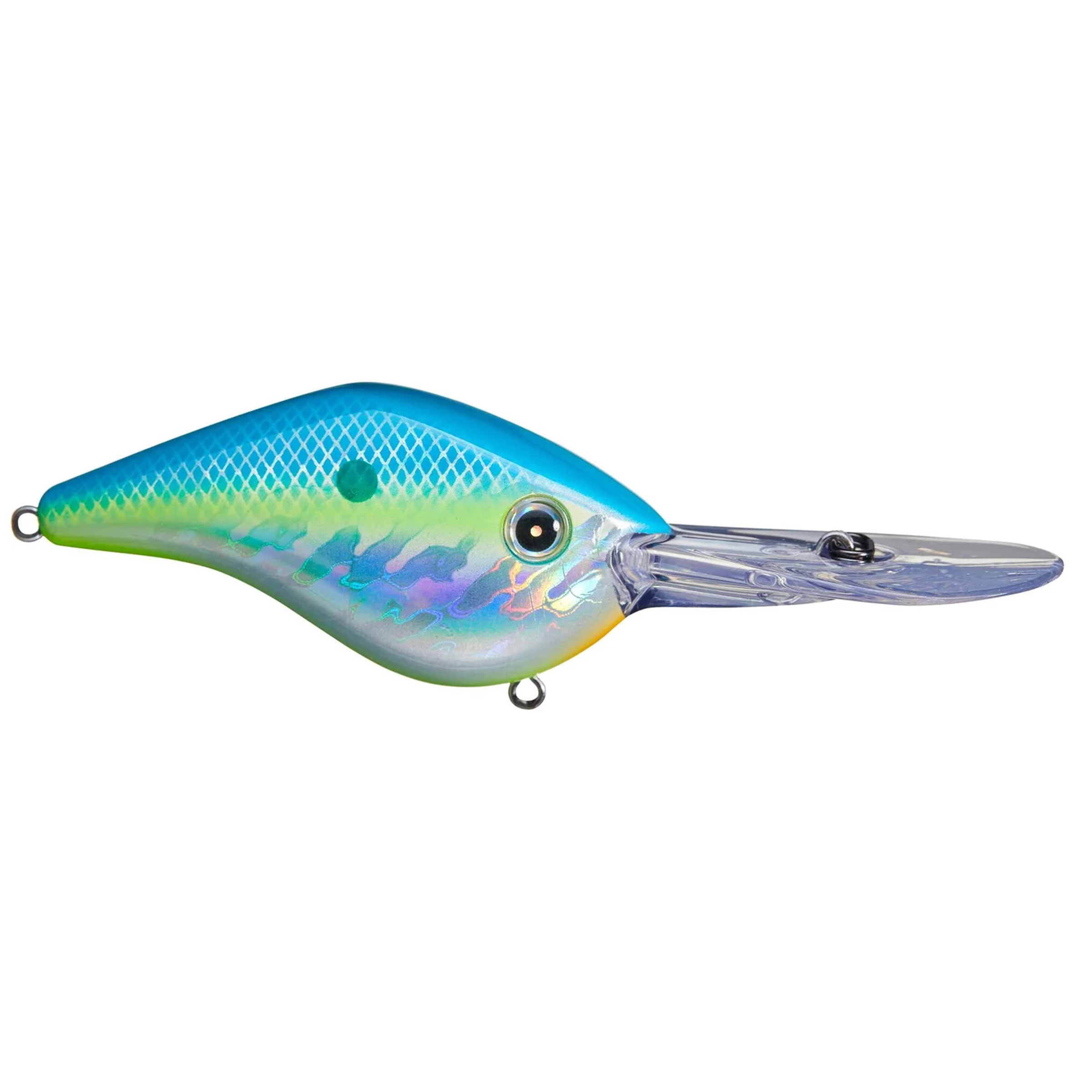
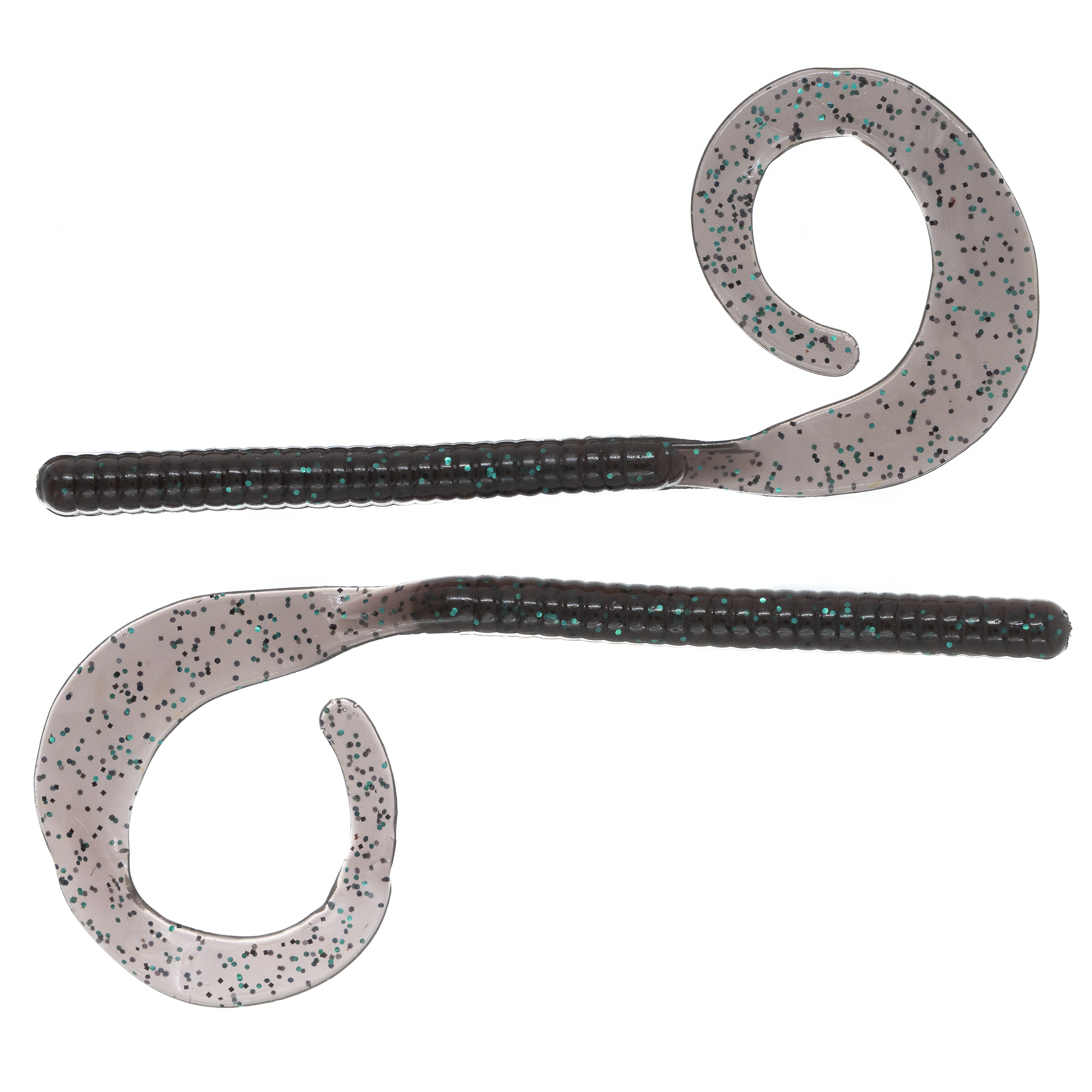
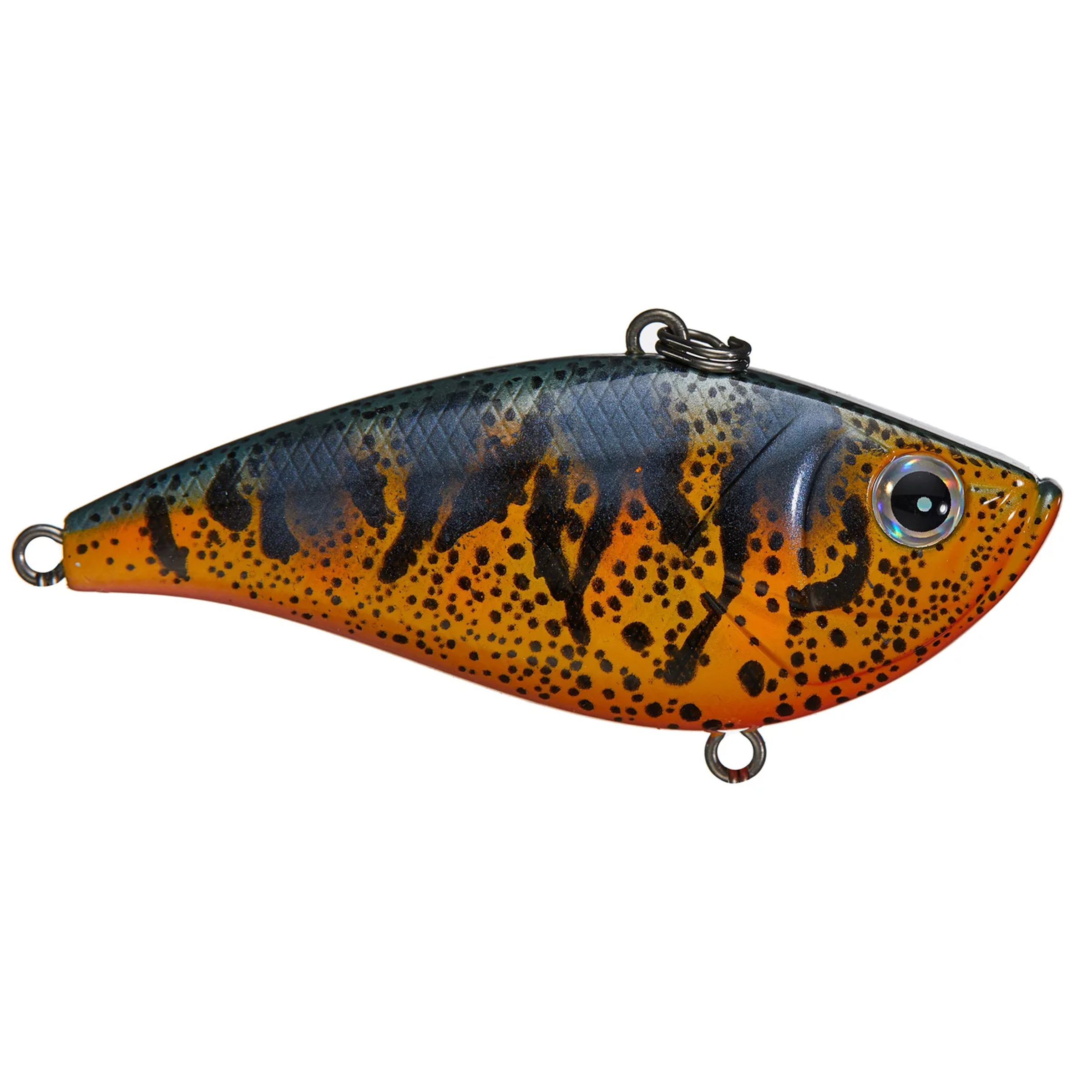
Autumn pulls the shad into the creeks and bays and the bass go with them. Flats around Devil's Elbow and the US-68 bridge area are worth working, and the whole lake becomes more approachable as the summer traffic thins. Stained water and moving baits are a good combination in the fall.
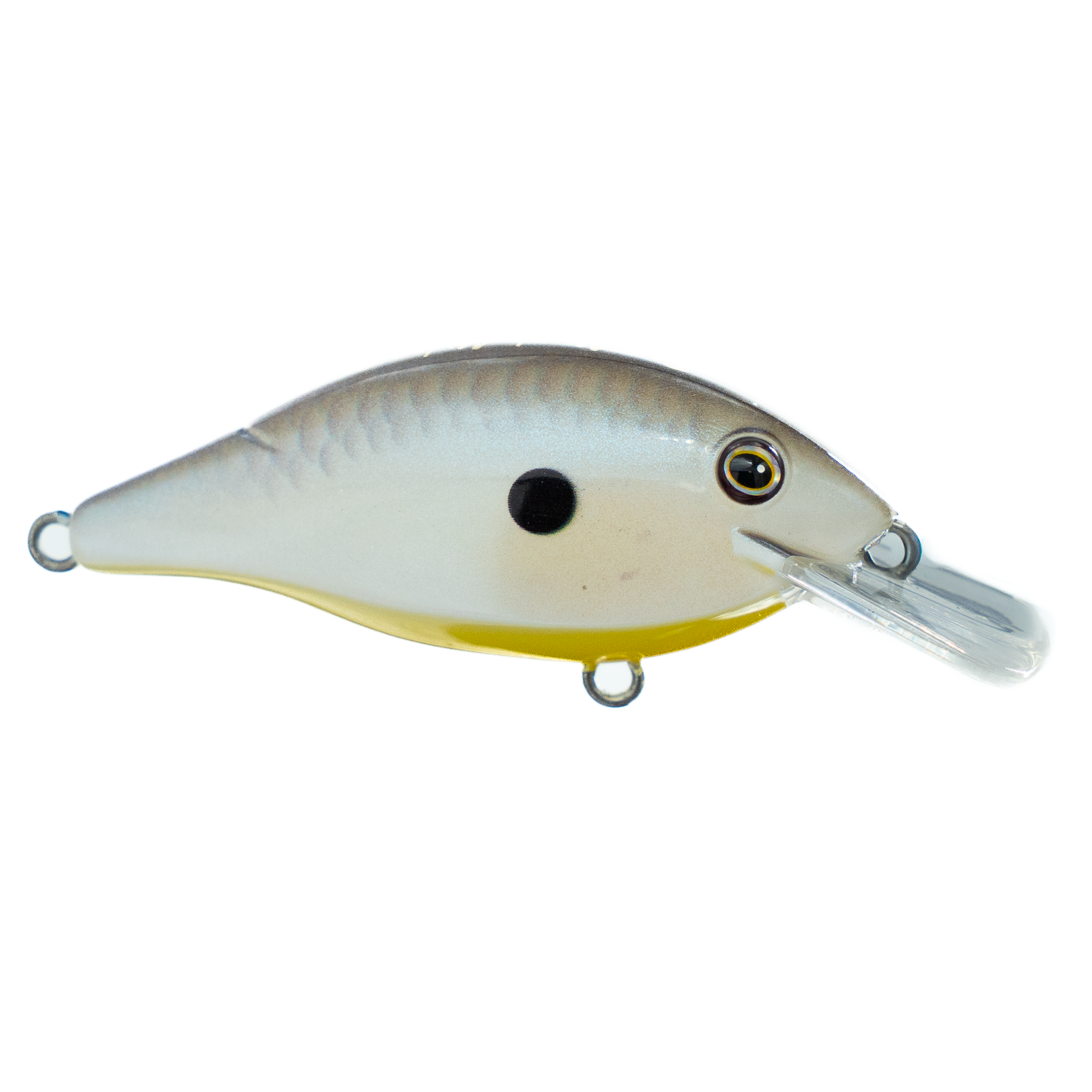
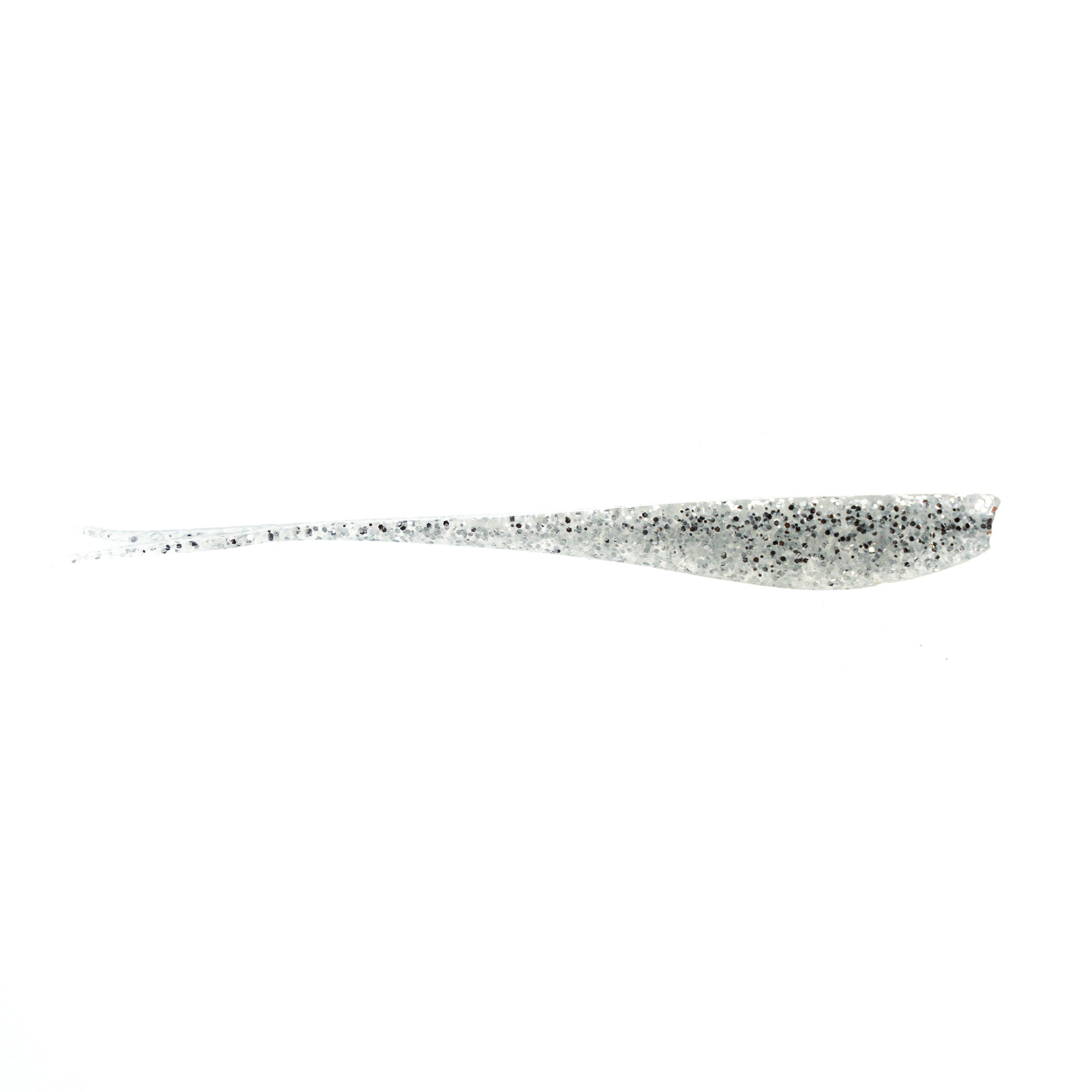
Channel Edges and Deep Cover
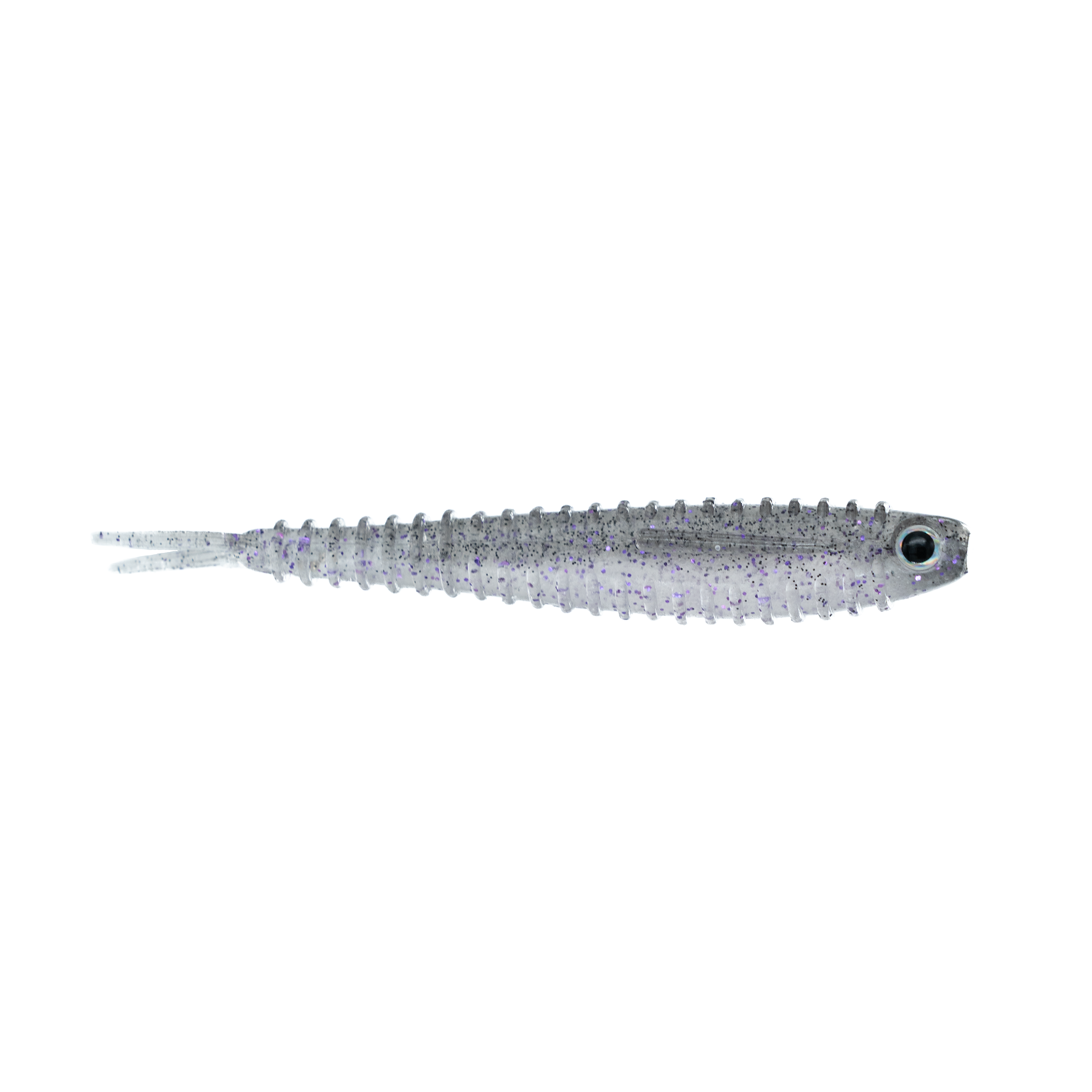
Winter concentrates fish on the deeper channel edges and the submerged timber and brush along them. It is slow fishing on an empty lake, and the average size improves. The stained water actually helps here — fish are less line-shy in cold water than they would be on a clear highland reservoir.
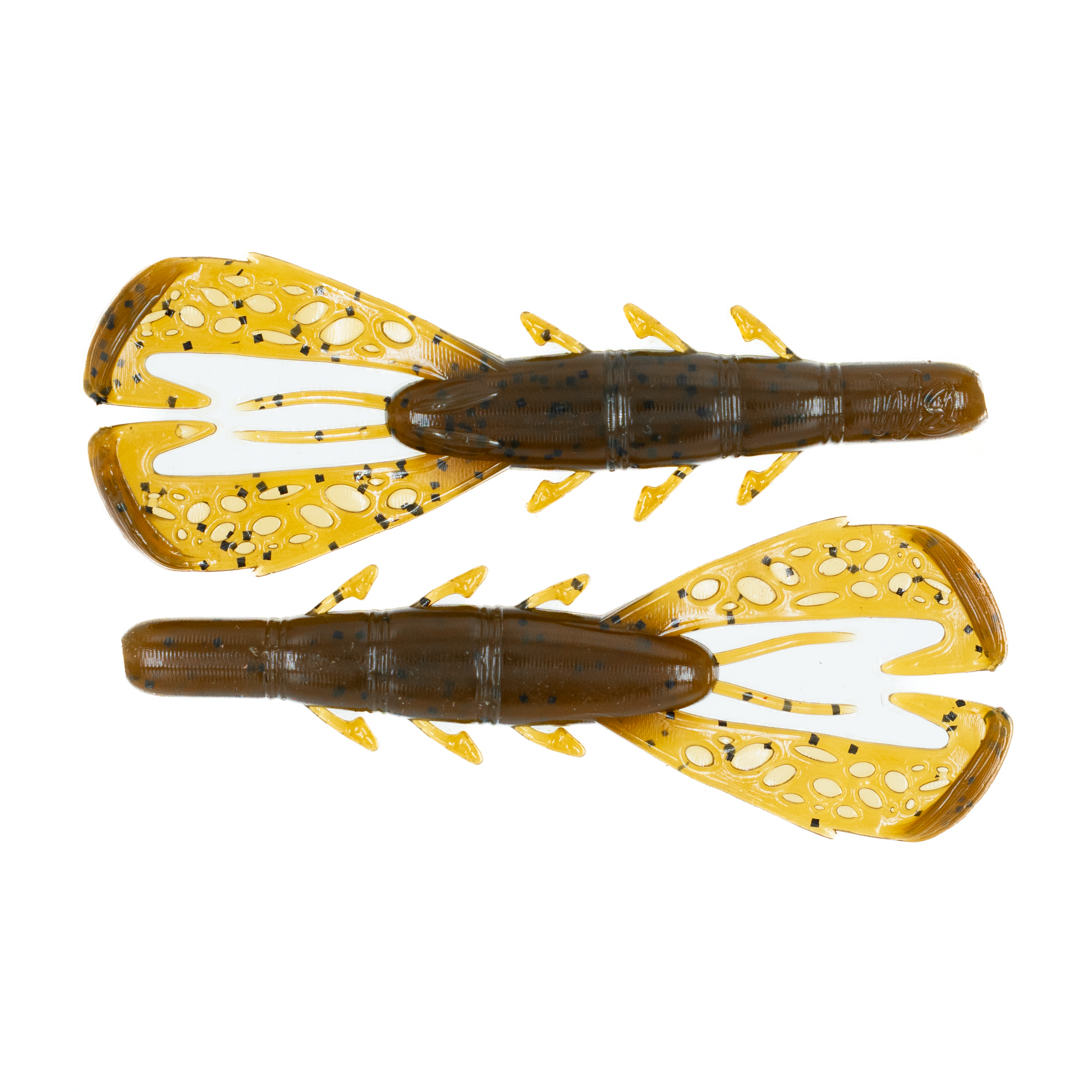
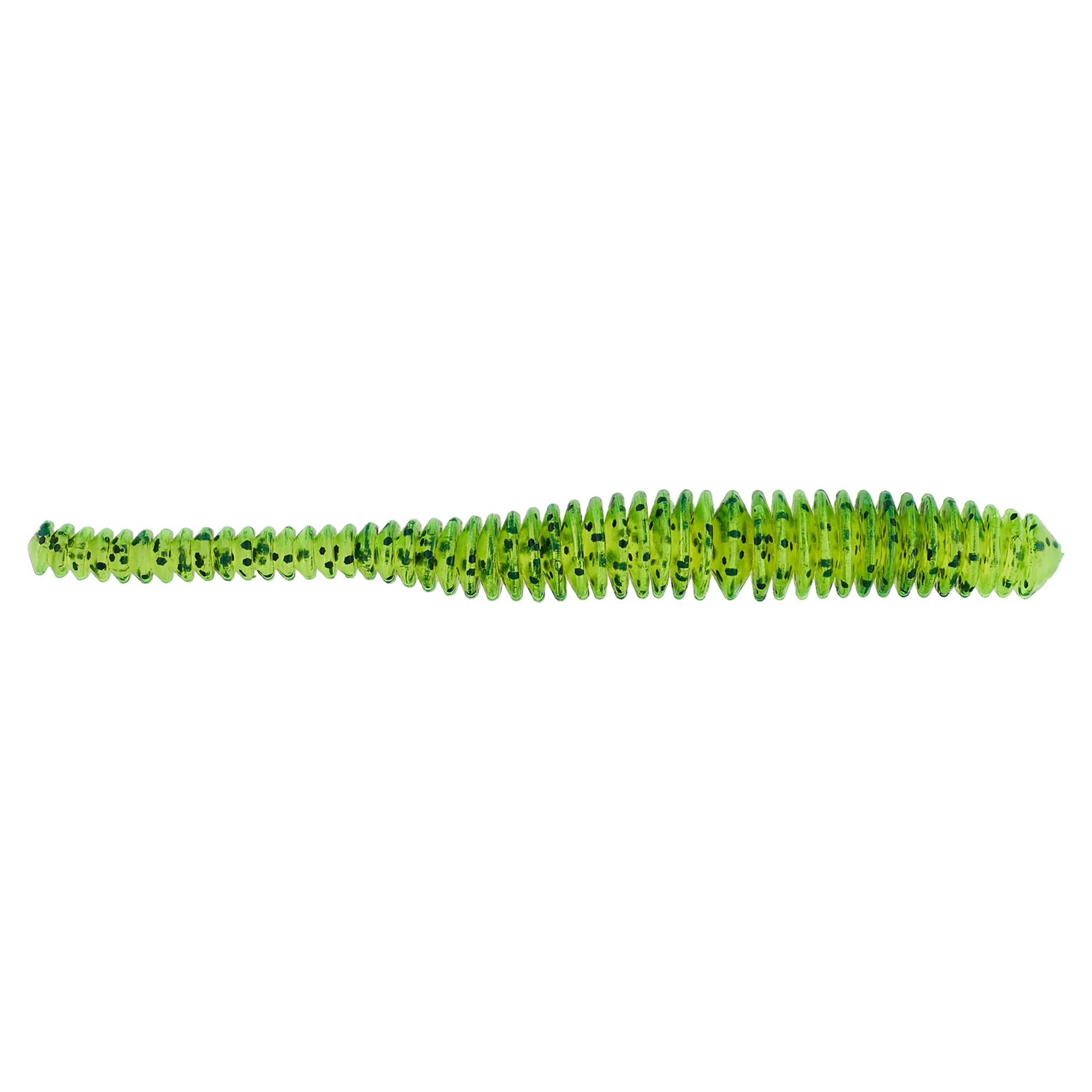

Lake Barkley Access
Cadiz and Eddyville are the main towns on the lake, both with marinas, lodging and bait shops. The State Park Marina in the Little River arm is a popular launch, and Corps of Engineers ramps serve the reservoir along its length.
The Little River Arm
Some of the best bass options on the lake, with the State Park Marina as a convenient launch. Sheltered, cover-rich water that fishes well in spring and holds up when the main lake is rough.
Eddie Creek and the Creek Mouth Points
Points at the mouths of creeks and coves are the key structure on Barkley, used twice a year as fish transition to and from spawning areas. Eddie Creek is one of the names that comes up most consistently.
Devil's Elbow and the US-68 Bridge Flats
Flats that hold bait and fish through autumn, and productive water when the fish are neither shallow nor on the ledges. A good area to search when you are trying to work out what the lake is doing.
Lake Barkley Bass Fishing FAQ
How is Lake Barkley different from Kentucky Lake?
Two things mainly. Barkley's water is generally more stained, and it has far more visible cover — stumps, laydowns, shoreline brush and docks. Kentucky Lake is largely about fishing structure you cannot see. Barkley lets you fish targets, which makes it more forgiving for a visiting angler.
How big is Lake Barkley?
57,820 acres running about 134 miles, with over a thousand miles of shoreline. It impounds the Cumberland River in western Kentucky and extends into Tennessee. Average depth is around twenty feet with some areas beyond seventy.
Are Kentucky Lake and Lake Barkley connected?
Yes, by a navigable canal, with the Land Between the Lakes National Recreation Area between them. Combined they offer roughly 218,000 acres and form one of the largest freshwater fishing complexes in the eastern United States.
What is the most important structure on Barkley?
Points at the mouths of creeks and coves. Bass use them transitioning toward spawning sites in late March and early April, and again as postspawn fish head back to the main lake in late May. If you learn one type of spot on this lake, learn those.
Is there ledge fishing on Lake Barkley?
Yes. Through summer, packs of largemouth cruise the Cumberland River channel following gizzard shad, which puts the classic Tennessee Valley ledge pattern in play. It coexists with the shallow cover fishing rather than replacing it.
Are there smallmouth in Lake Barkley?
Yes, but they are considerably less prominent than in Kentucky Lake next door. If smallmouth are the goal, Kentucky Lake's eastern side has the rock and gravel they want. Barkley is a largemouth lake with smallmouth as a bonus.
What baits work best on Lake Barkley?
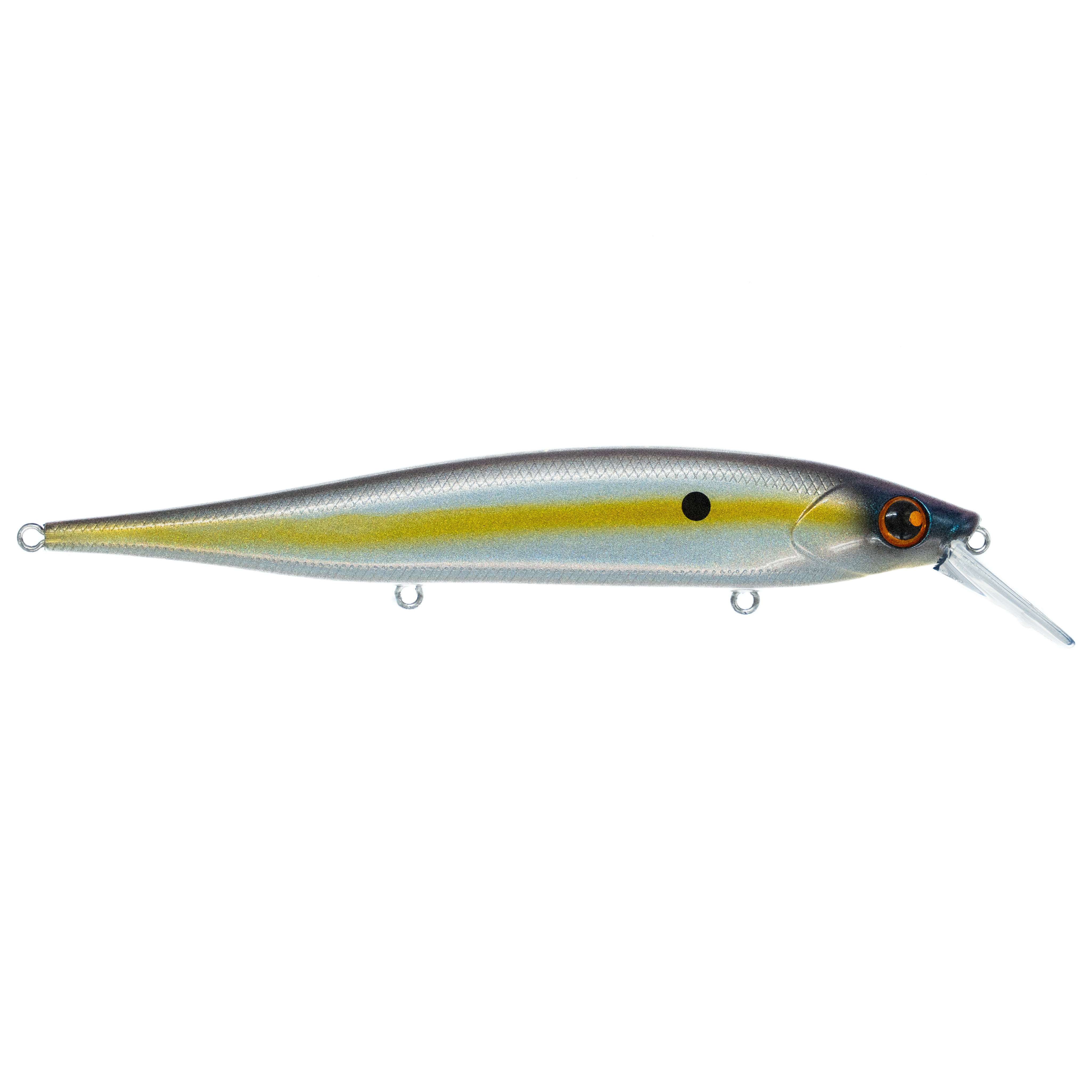
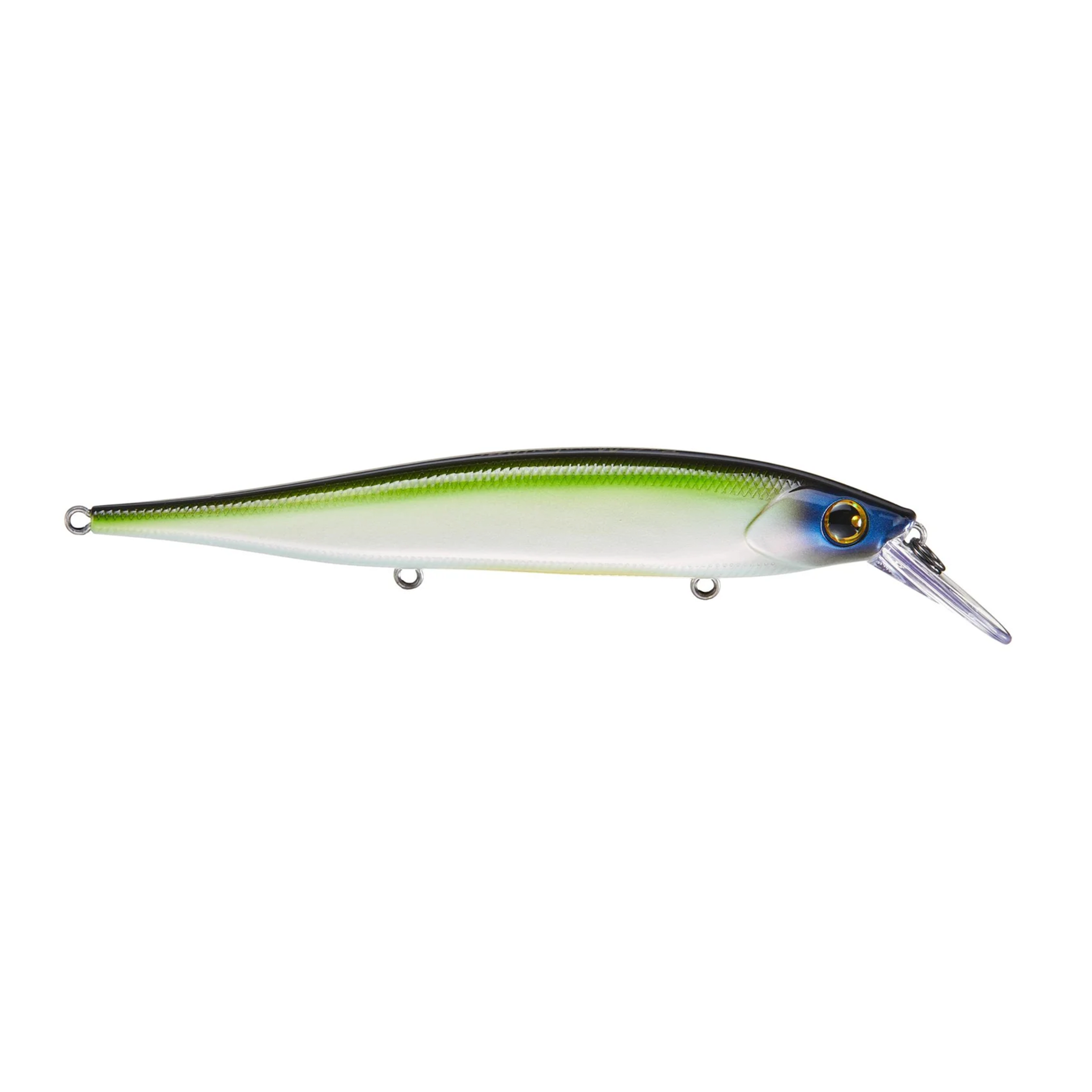
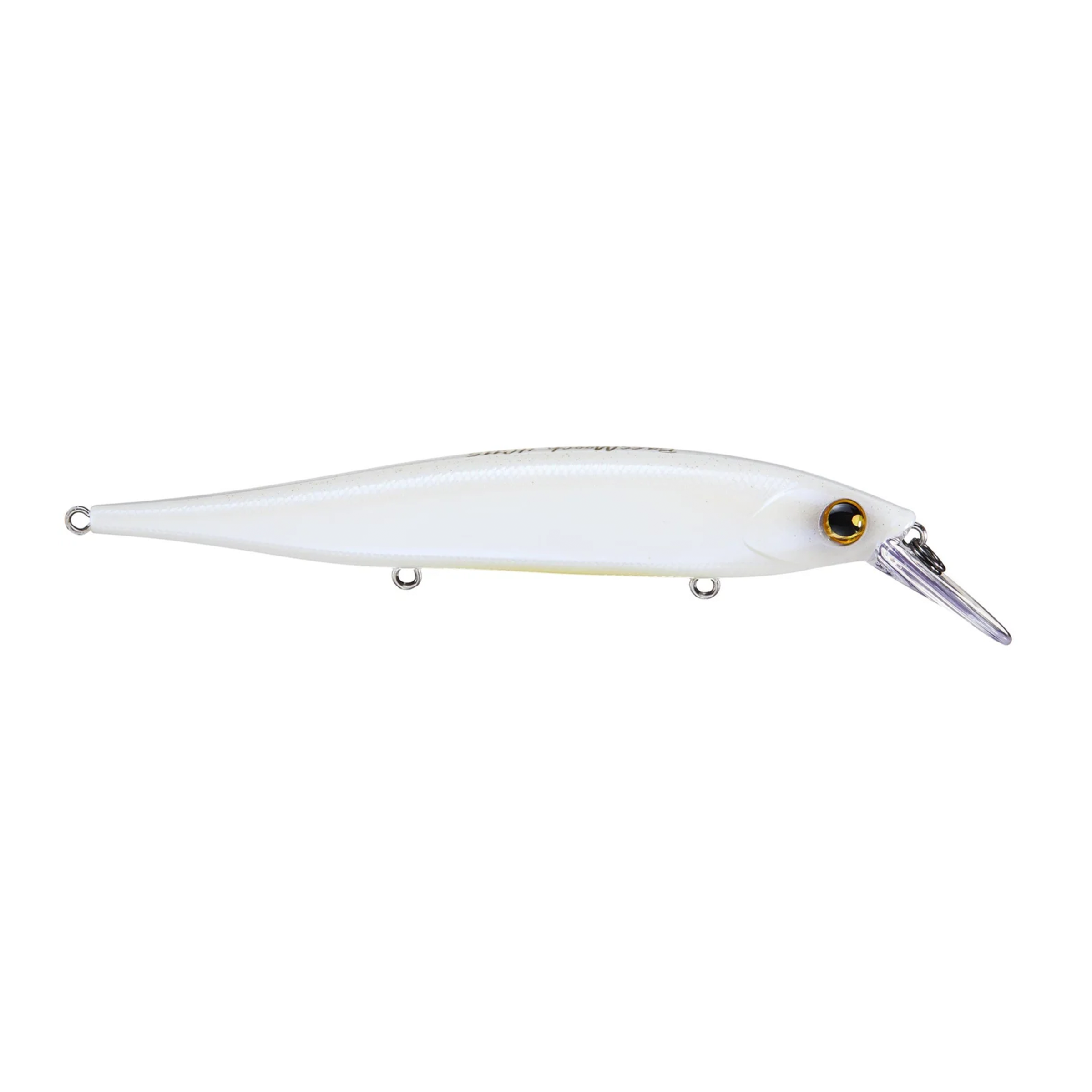
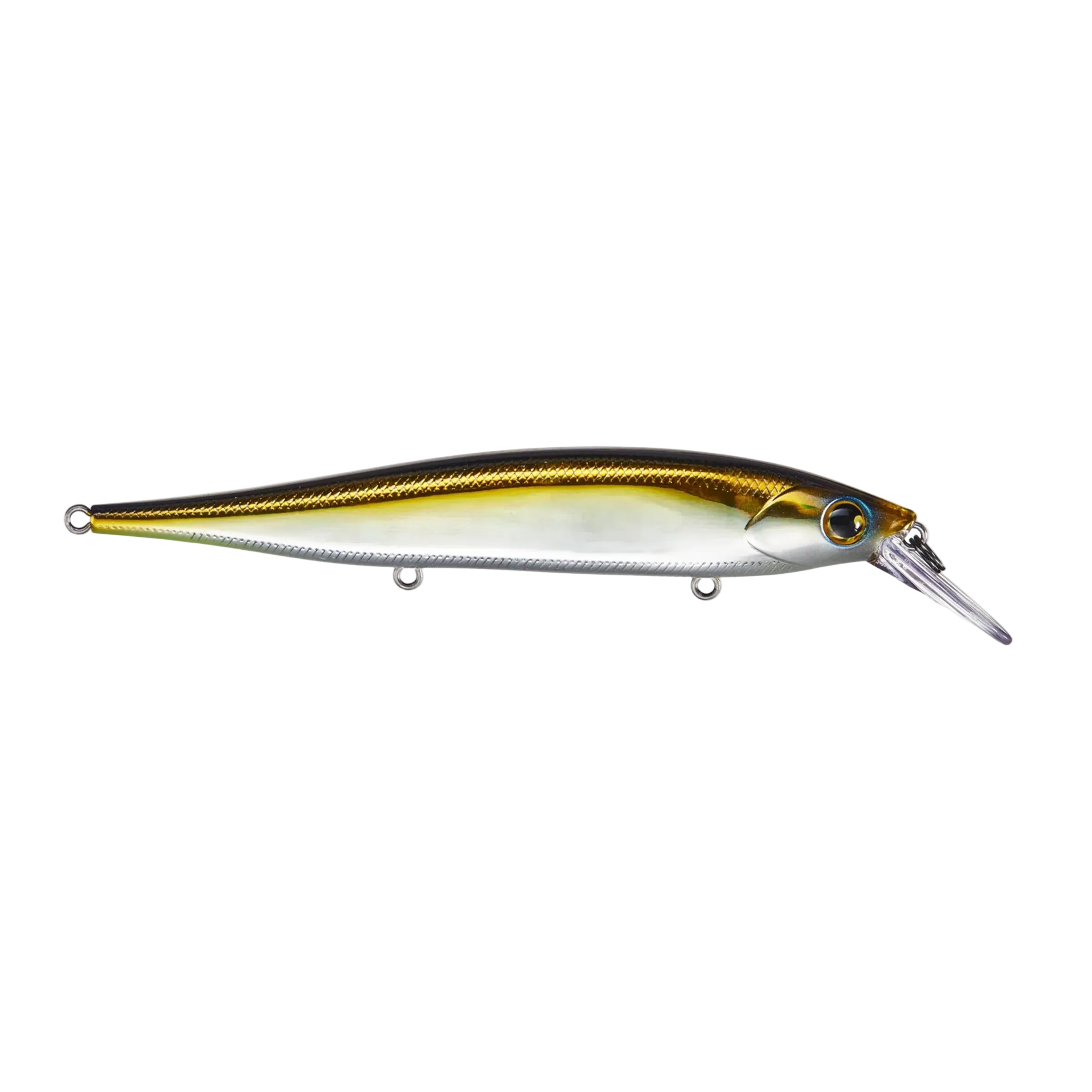
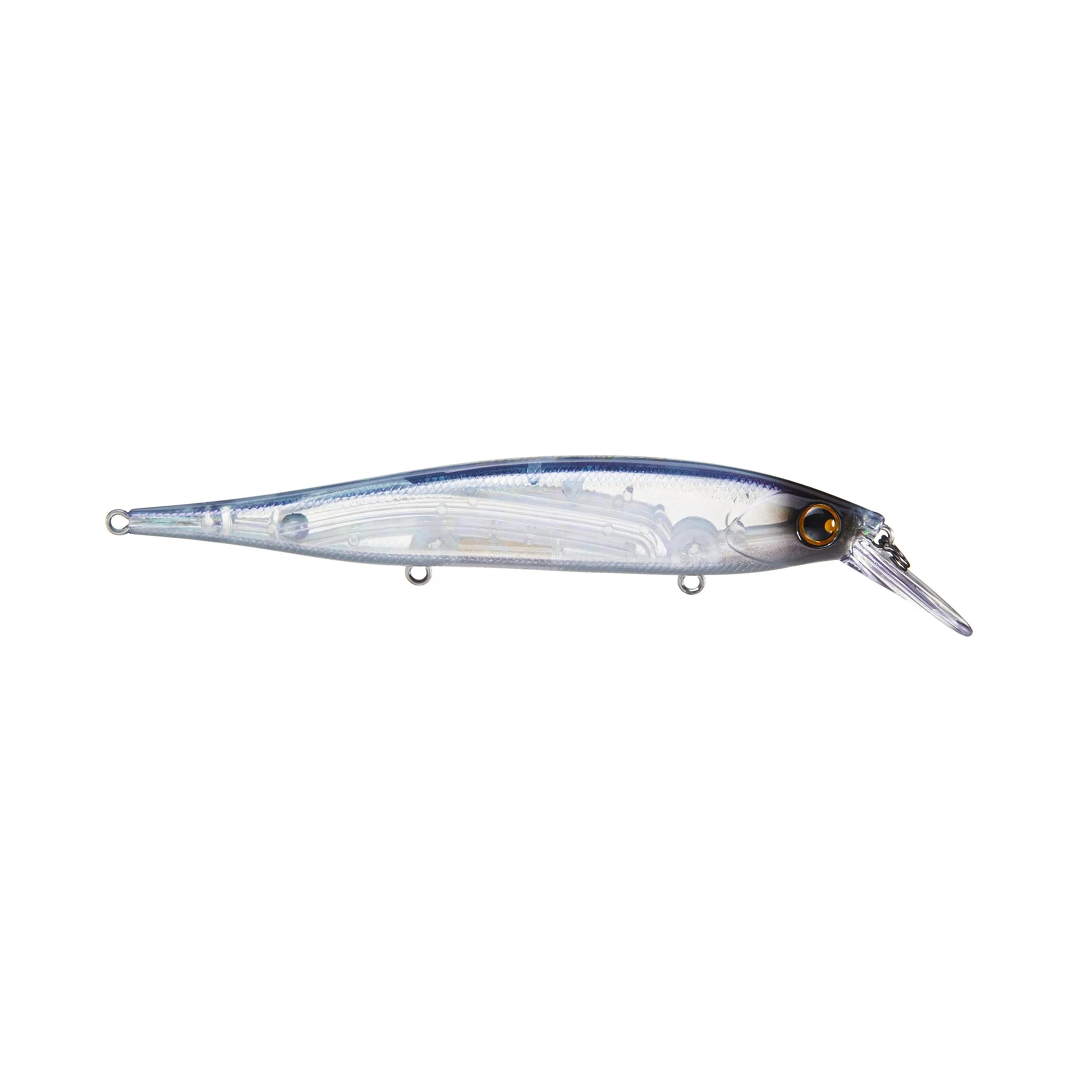
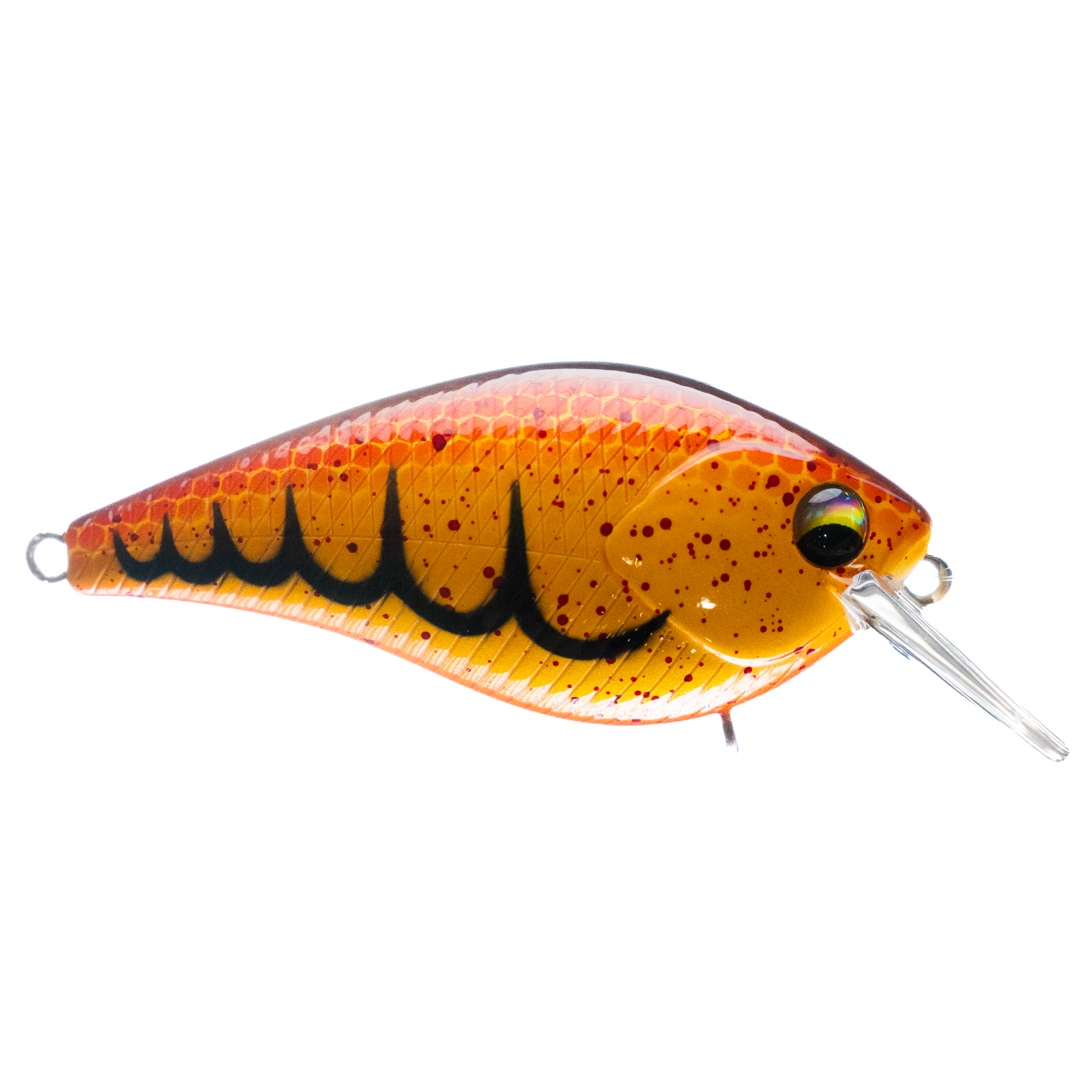
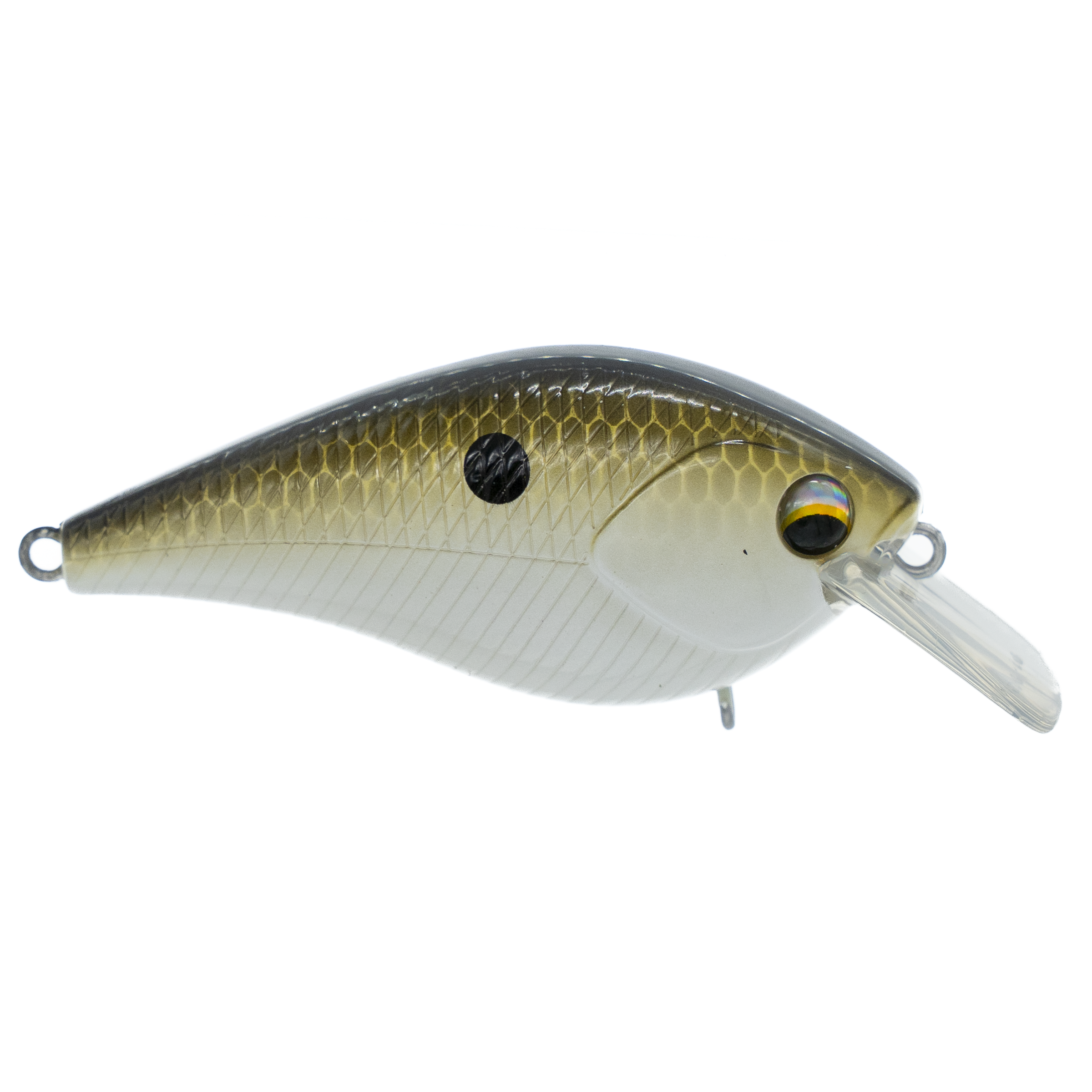
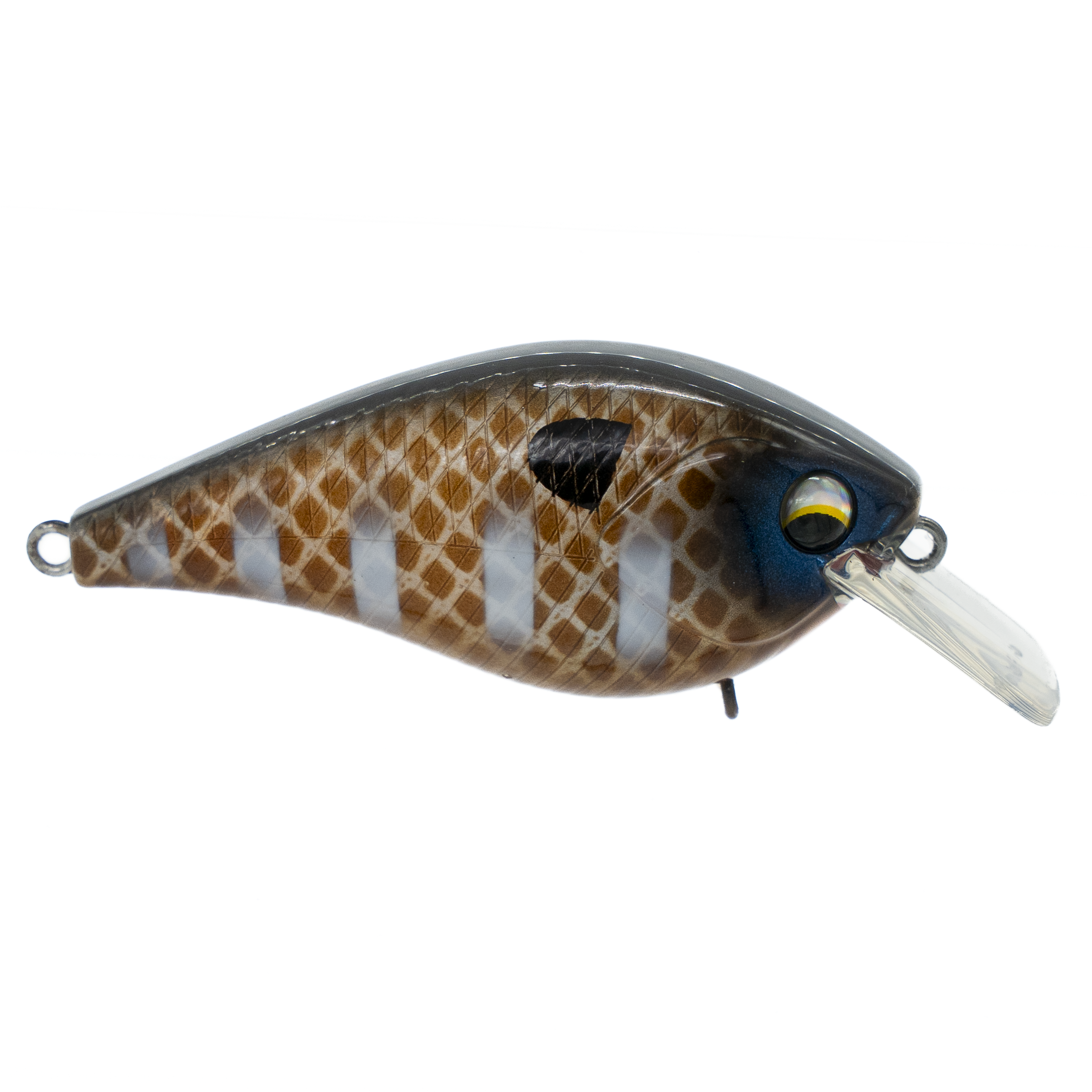
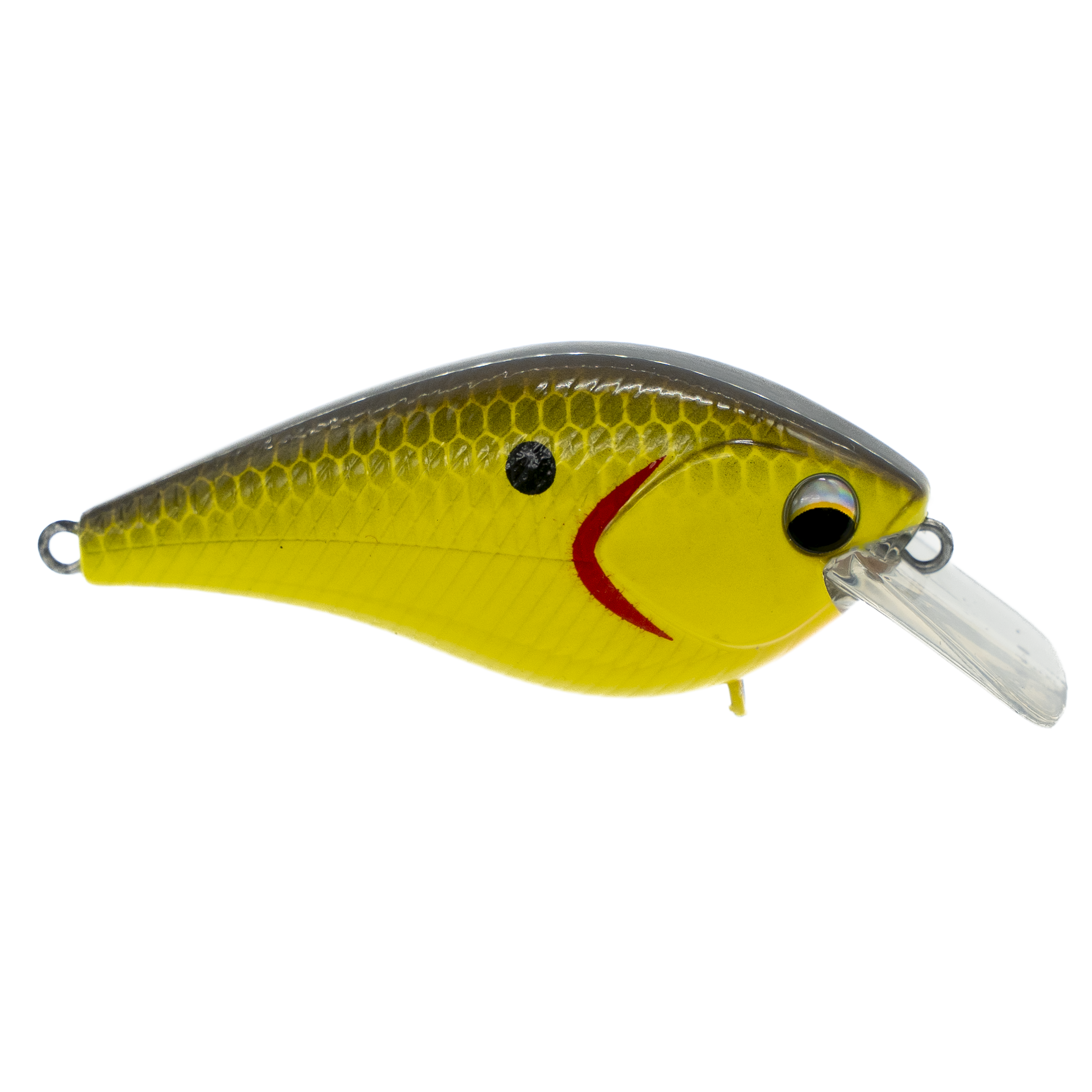
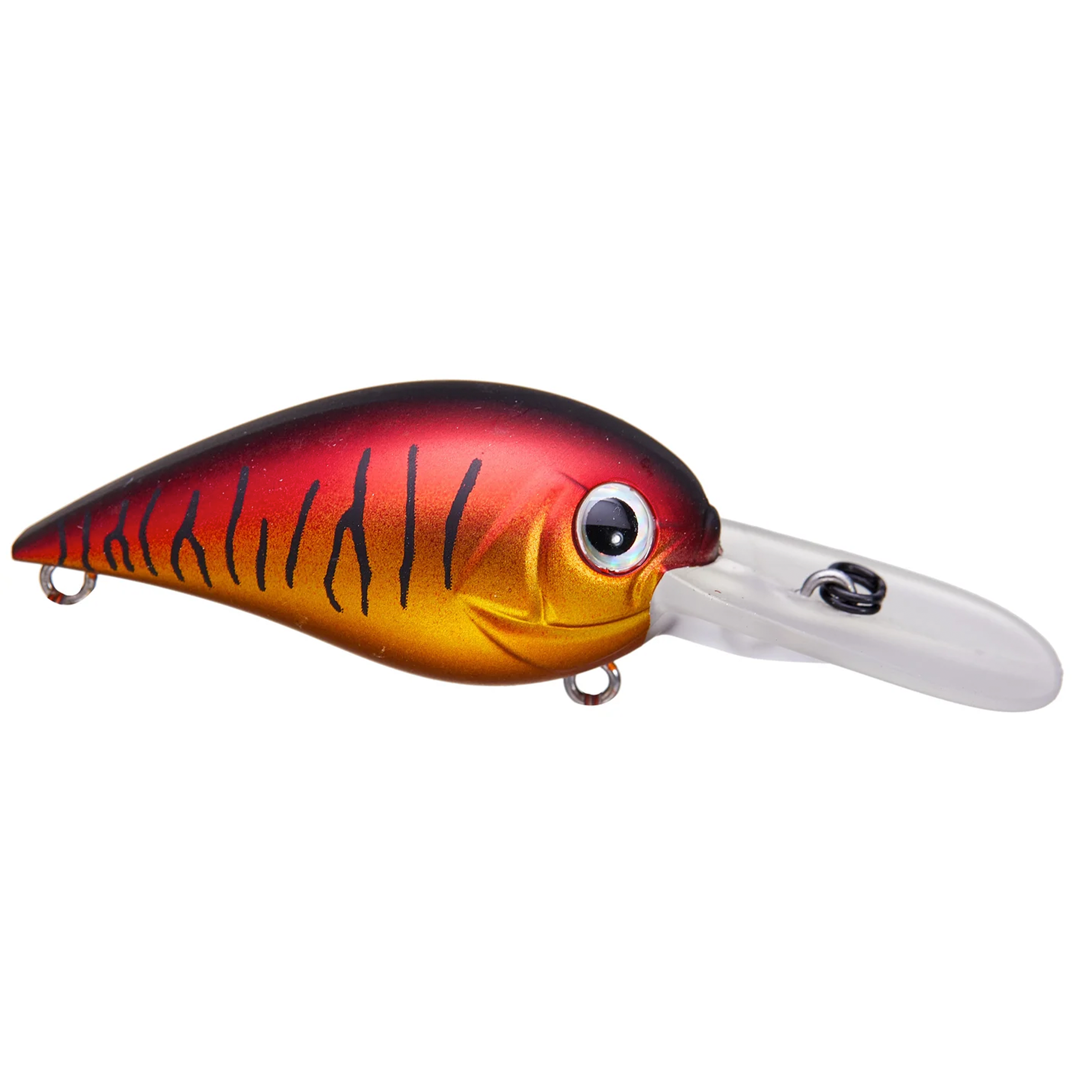
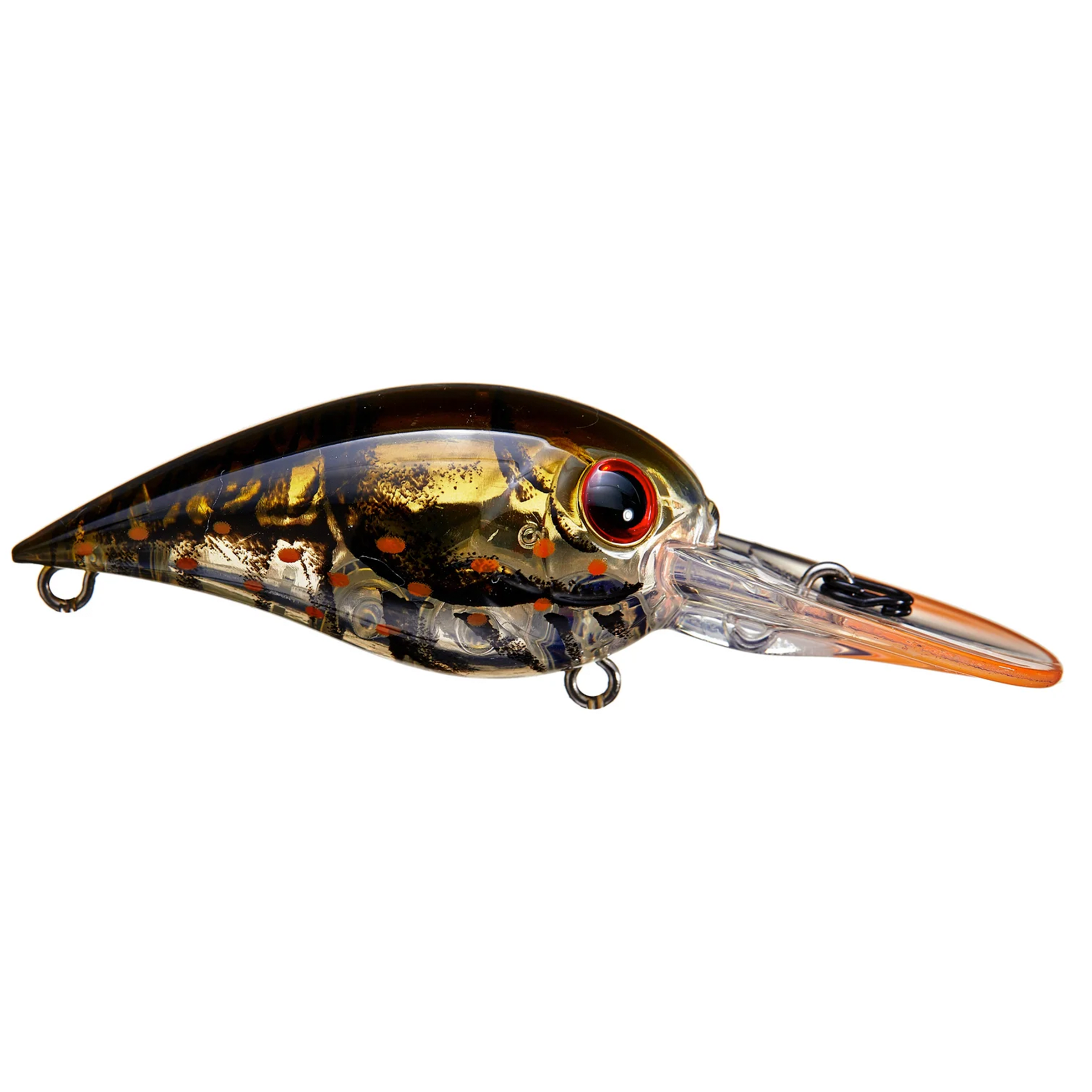
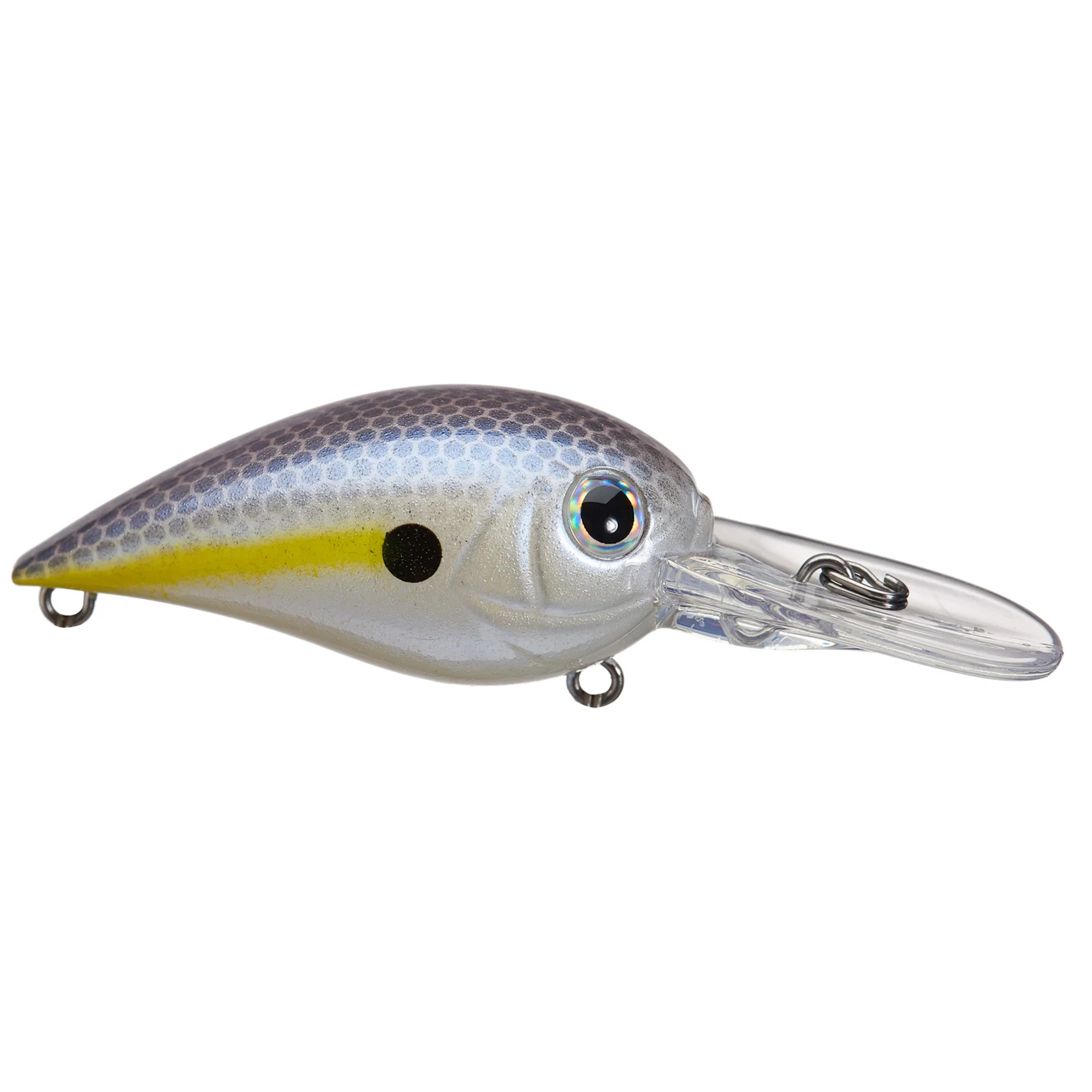
Keep diverse options ready — crankbaits and spinnerbaits along creek channel edges and submerged wood, plastic worms and jigs for the cover and the deeper structure, and finesse plastics in clearer water or bright conditions. Our full bait lineup covers all four seasons.
Do I need a Kentucky or Tennessee license?
Depends where you fish. Most of the lake is in Kentucky but it extends into Tennessee, and each state licenses its own waters. Check before you launch if you plan to fish the southern end.
Cover You Can See
A lake full of stumps, laydowns and docks is an accuracy problem before it is anything else. Level Rods builds models with the precision to put a bait tight to a target from twenty feet and the backbone to get a good fish out of the wood she is sitting in.
Tournament Winning Baits & Gear
Designed, crafted and tested by anglers who fish visible cover every week. Free shipping on orders over $75.
Shop All Baits