Lake Austin Bass Fishing Guide
Lake Austin Bass Fishing, Season by Season
A narrow, deep, dock-lined stretch of the Colorado River running right through Austin, and one of the most improbable big-bass fisheries in Texas. Eighteen hundred acres, city on both banks, and a genuine history of double-digit fish.
A River Through a City
Lake Austin is a narrow impoundment of the Colorado River running roughly twenty miles from Mansfield Dam down through the western side of Austin to Tom Miller Dam. It covers only about 1,830 acres, which makes it small by every Texas standard on this site — but it is deep, it is highly developed, and it has produced bass that belong on much bigger water.
The shape matters more than the size. This is a river impoundment, not a reservoir basin: narrow, with the old river channel running its length, steep banks in places, and residential development along virtually the whole thing. Boat docks are the dominant cover, and there are a great many of them.
Water comes down from Lake Travis through Mansfield Dam, which means the lake runs cold and clear when they are generating and warms when they are not. That flow is a real variable — current positions fish here the way it does on a river, and it is worth knowing whether water is moving before you plan a day.
The vegetation story is the complicated part. Lake Austin was once famous for enormous hydrilla growth that produced exceptional big-bass fishing, and that hydrilla was substantially removed by grass carp stocking. The fishery changed with it. Grass has returned in varying degrees since, and it remains the single most volatile fact about this lake — check current conditions rather than assuming either way.
What has not changed is the potential. This lake has a long record of producing double-digit largemouth, and it does so within the city limits of a major metro area, which makes it one of the more unusual trophy fisheries anywhere.
Practical notes: recreational traffic is very heavy in warm weather, this is a busy urban lake with wake boats and paddlers, and the productive fishing is early morning and late evening for most of the year.
Docks, Current and Whatever Grass There Is
Four patterns cover the year. Each one pairs the technique with the baits we'd actually tie on.
The Big-Fish Window
Late winter into spring is when Lake Austin produces its giants. Prespawn and spawning fish move onto the shallower flats, into the backs of the coves and under the docks, and the double-digit catches this lake is known for cluster in exactly this period. Southern latitude means it starts early — February is already live.


Early, Deep and Out of the Way
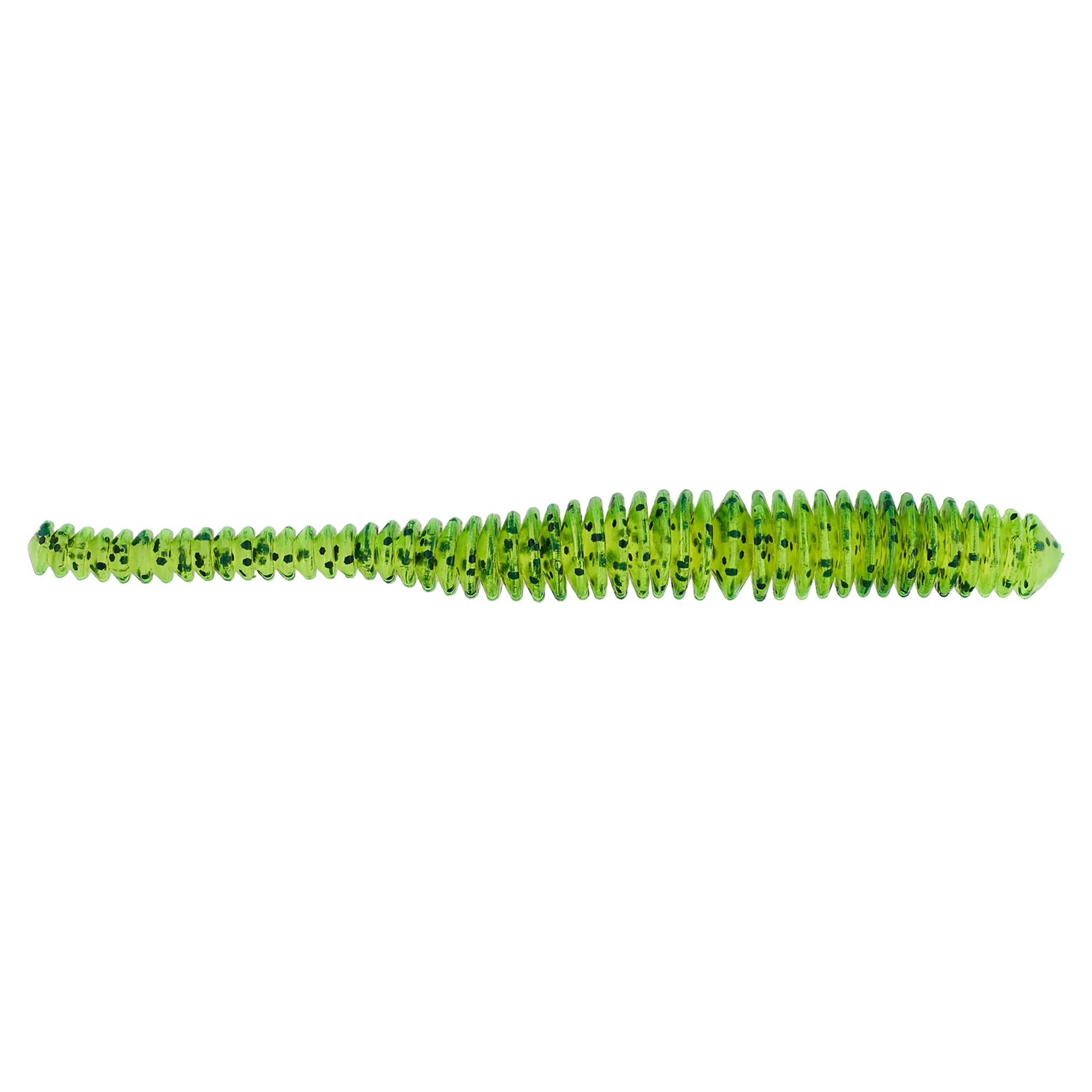
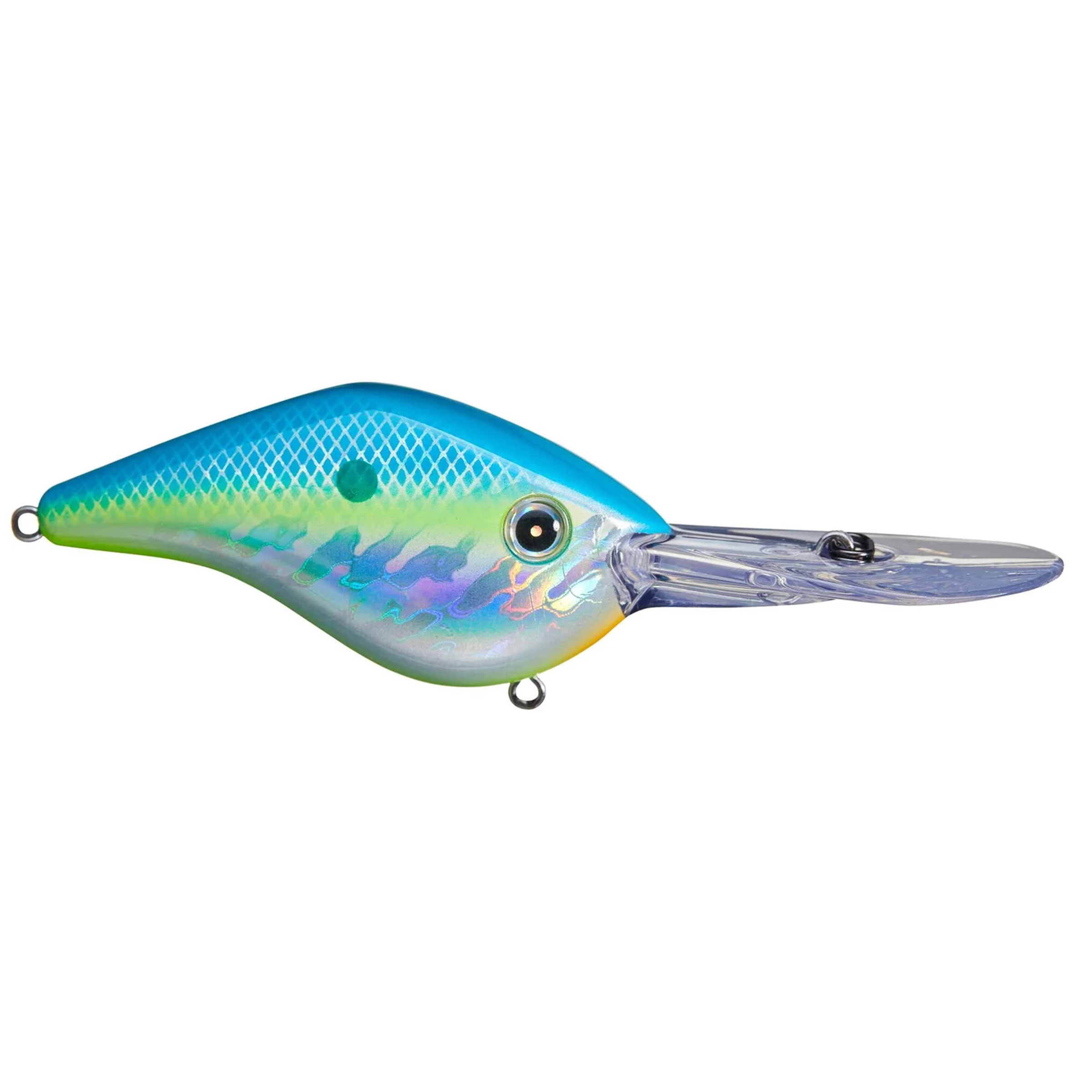
Summer on an urban lake means sharing it. Recreational traffic is heavy from mid-morning, so the fishing compresses into first light and last light. Fish hold on the river channel edges, deeper docks and any remaining deep grass, and cold water coming through Mansfield Dam can concentrate them near the upper end.

Cooling and Quieting
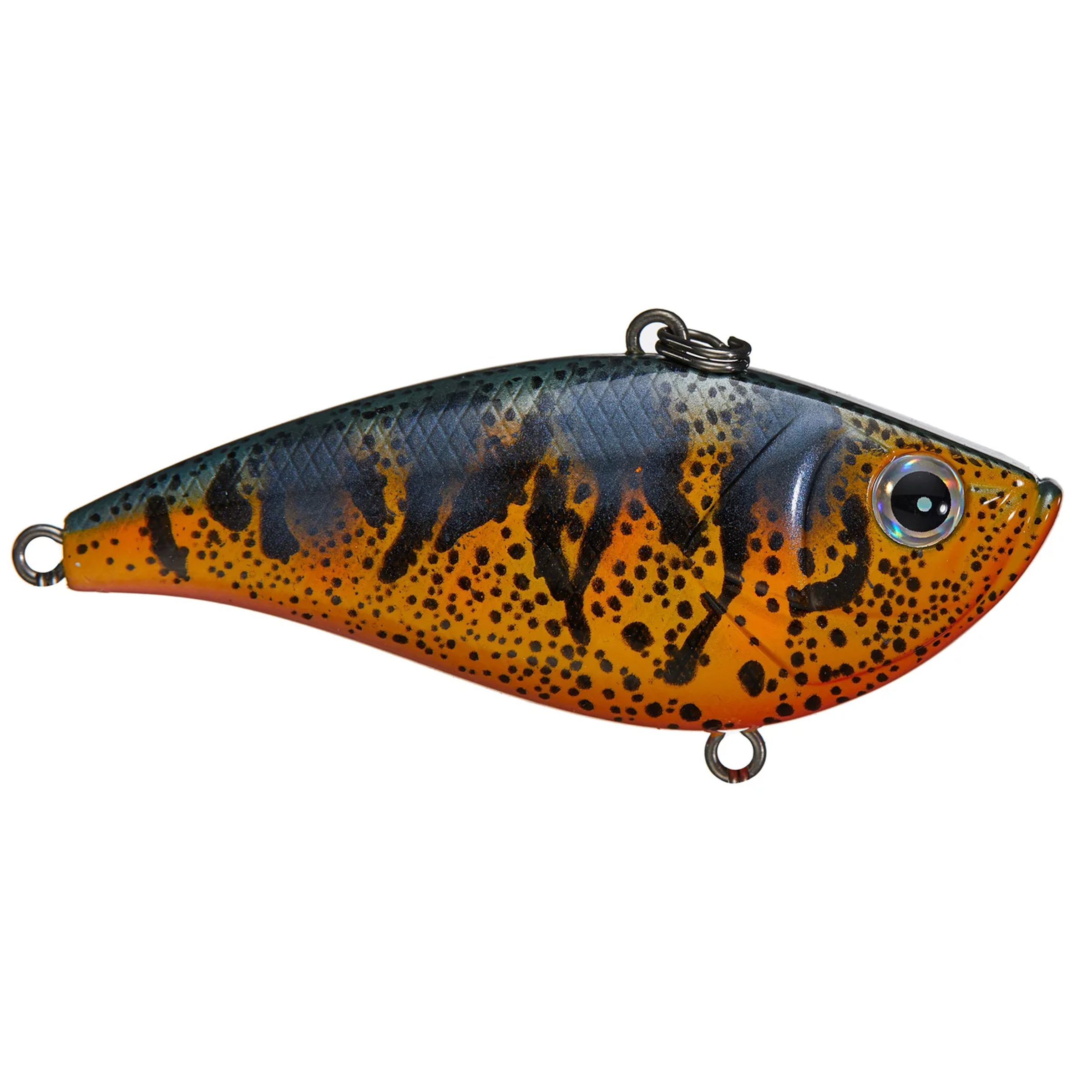
Autumn drops the recreational traffic and brings the fish back up. Bait moves into the coves and the backs of the creeks, and the dock bite improves as the water cools. It is the most comfortable fishing of the year on a lake that can be genuinely unpleasant in July.

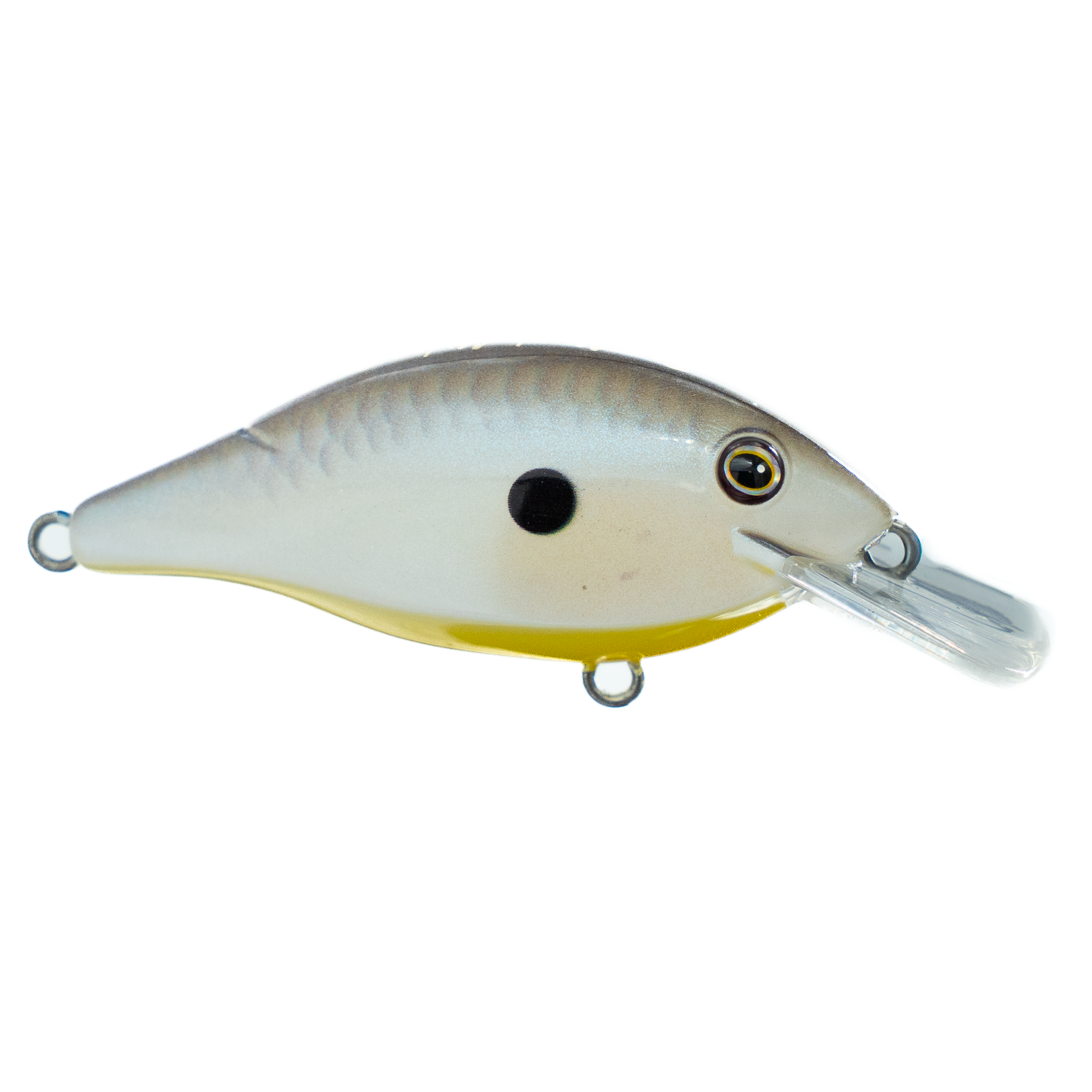
Straight Into Prespawn
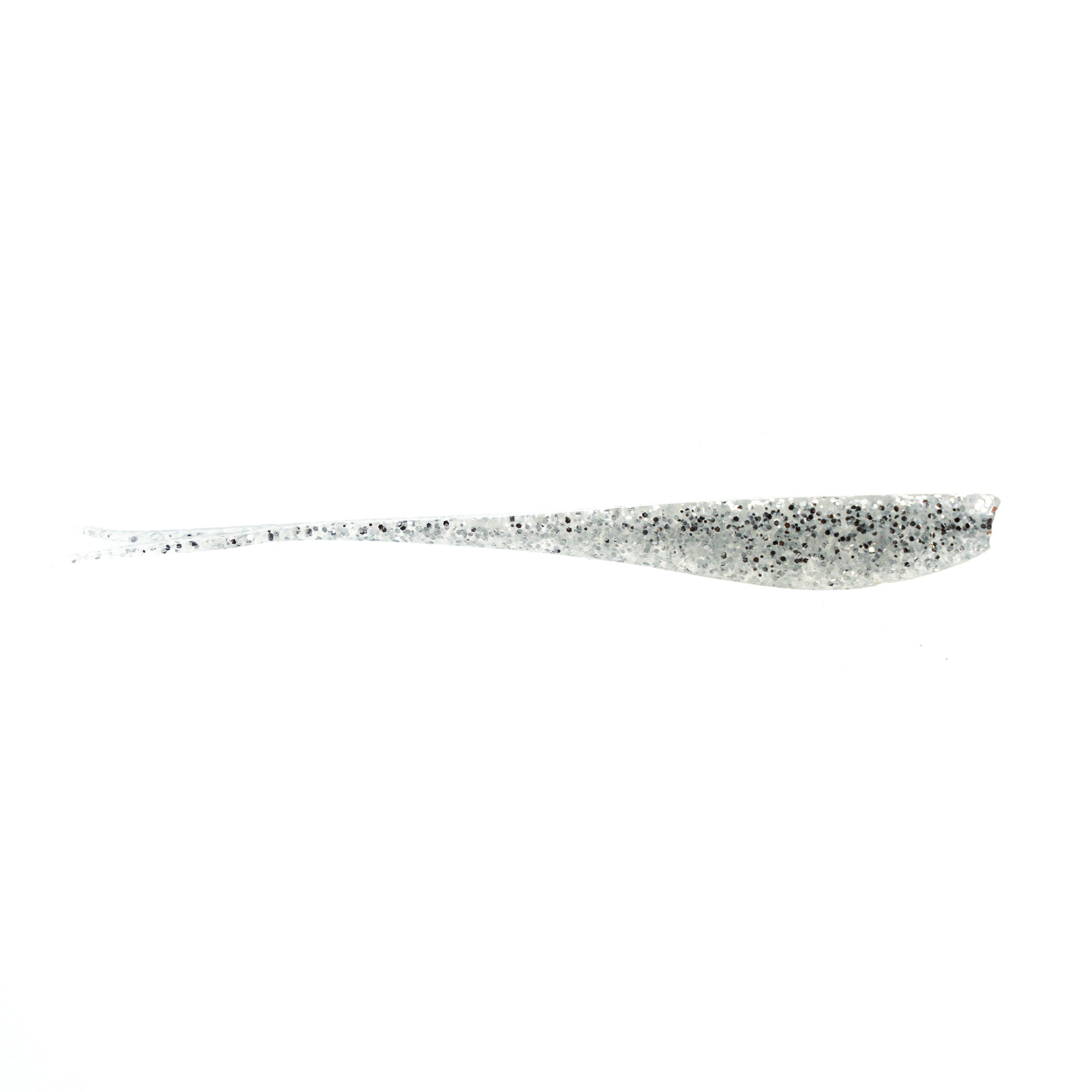
Winter here is short and runs quickly into the prespawn window that produces the lake's biggest fish. Cold, clear water sends fish to the deeper docks and channel edges, and January often already sees the first movement toward the spawning areas. The lake is empty of everyone else.
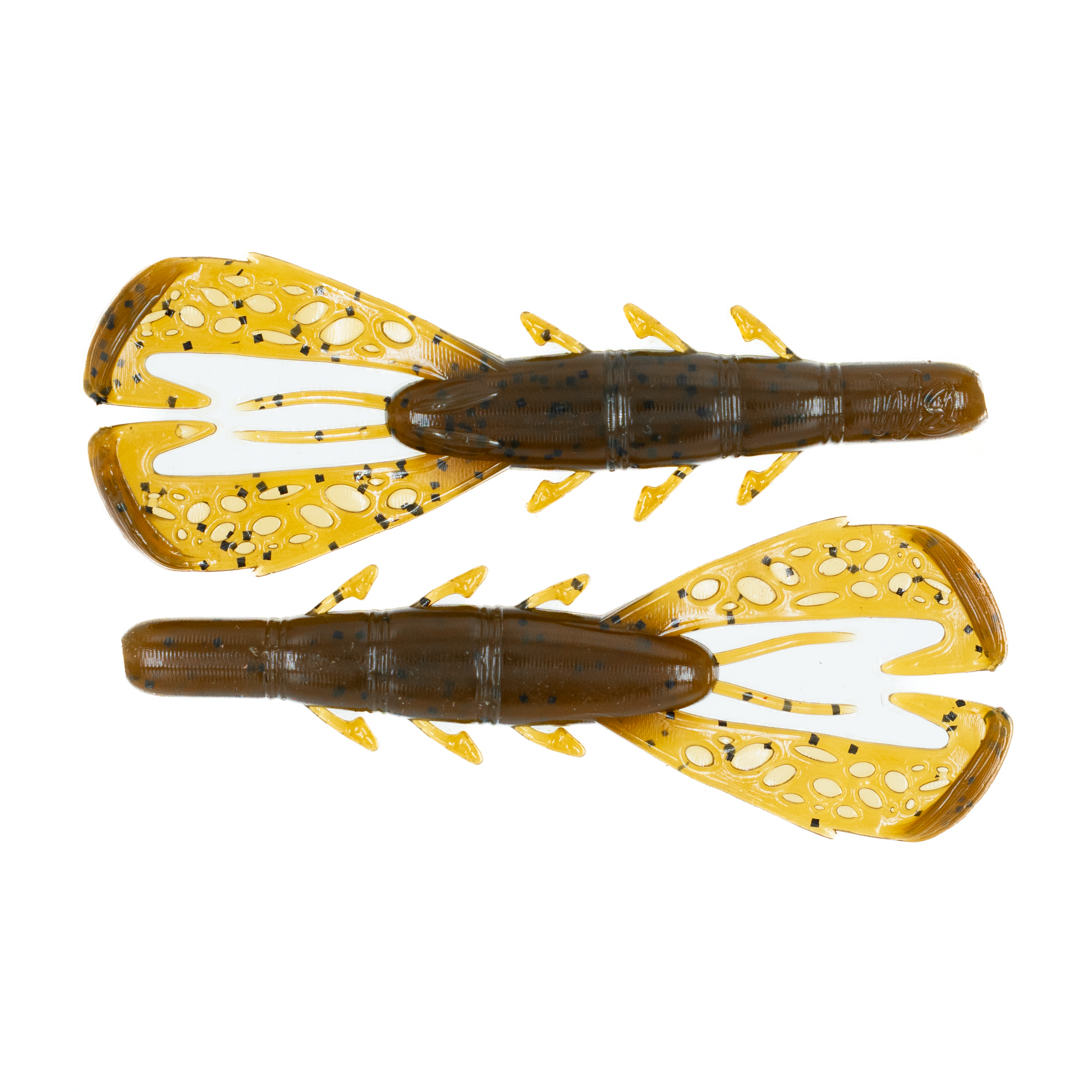

Lake Austin Access
Public access is limited relative to the amount of shoreline, since almost all of it is private. Walsh Boat Landing and Emma Long Metropolitan Park are the main public launches. Expect to share the water with a great deal of non-fishing recreation in warm weather.
The Boat Docks
The dominant cover on the lake and the pattern that works most of the year. Twenty miles of residential shoreline means effectively unlimited targets — the skill is reading which docks have depth, shade and structure rather than fishing all of them.
The River Channel
The old Colorado channel runs the length of the impoundment and gives the lake its depth. Channel edges hold fish in summer and winter, and when water is moving through from Mansfield Dam, current positions fish along it like a river.
The Coves and Grass
Where the spawn happens and where the lake's famous big-fish potential lives, when the vegetation is there. Grass coverage varies considerably year to year following the grass carp era, so check current conditions rather than planning a trip around it.
Lake Austin Bass Fishing FAQ
How big is Lake Austin?
About 1,830 acres, running roughly twenty miles from Mansfield Dam down to Tom Miller Dam through the western side of Austin. It is small in acreage but deep and long, and it fishes more like a river impoundment than a reservoir.
Does Lake Austin still have hydrilla?
Variably, and this is the most volatile fact about the lake. It was once famous for extensive hydrilla that drove exceptional big-bass fishing, and that vegetation was substantially reduced through grass carp stocking. Grass has returned in varying degrees since. Check current conditions before planning a trip around a grass pattern.
Does Lake Austin produce big bass?
It has a long history of double-digit largemouth, which is remarkable for a lake this size inside a major city. The best window is late winter into spring. It is not a numbers lake — fish it for a bite.
How does water release affect the fishing?
Considerably. Water coming down from Lake Travis through Mansfield Dam makes the lake colder and clearer when generation is running, and current positions fish along the river channel much as it would on a river. Worth checking before you plan a day.
Is Lake Austin crowded?
Very, in warm weather. It runs through a major city and carries heavy recreational traffic including wake boats. Fishing is a first-light and last-light proposition through the summer, and autumn and winter are far more pleasant.
What is the difference between Lake Austin and Lady Bird Lake?
Lady Bird Lake sits immediately downstream of Tom Miller Dam, in downtown Austin. It is a separate impoundment with its own fishery and its own regulations, and it recently produced a 14.05-pound lake record. They are often confused but they fish differently.
What baits work best on Lake Austin?
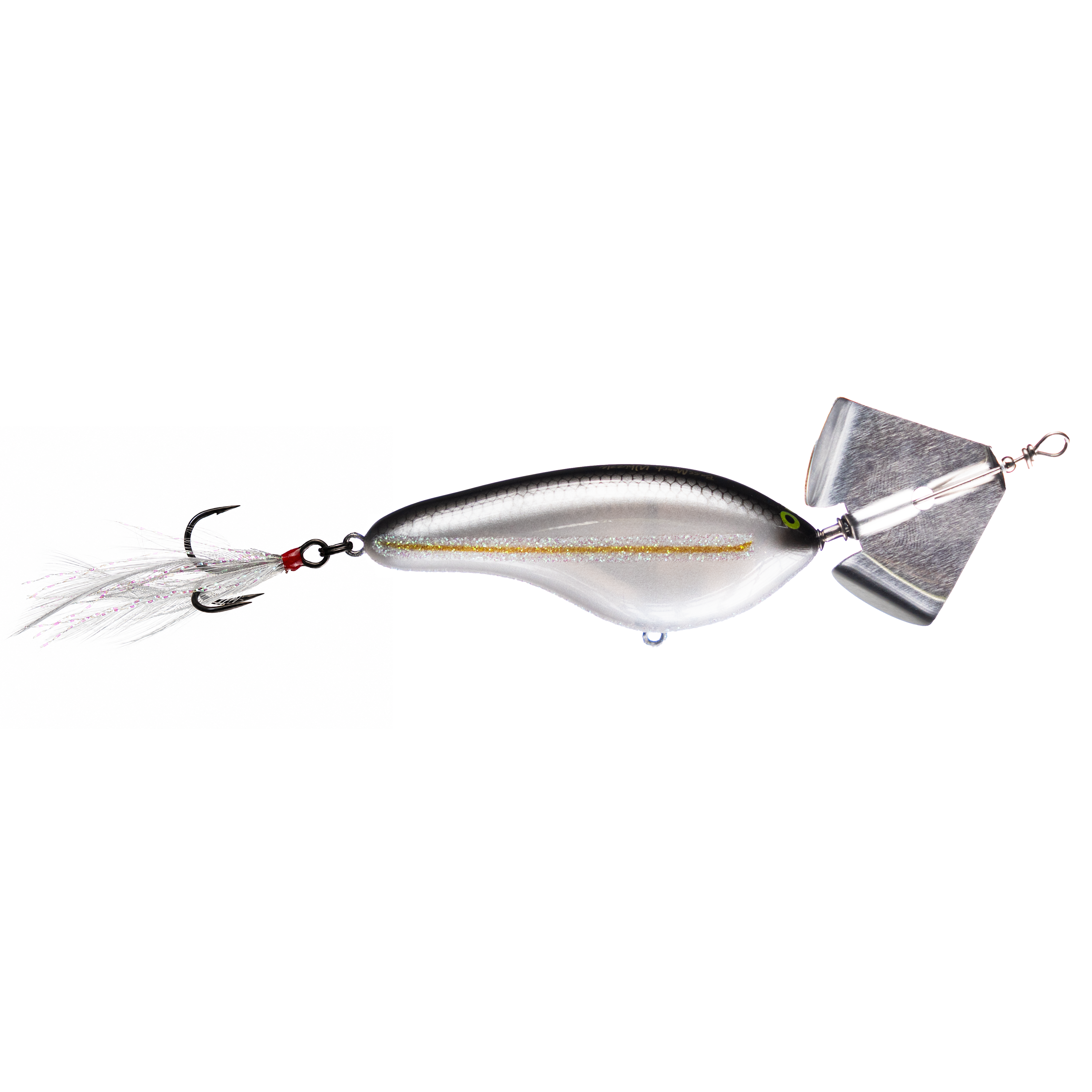
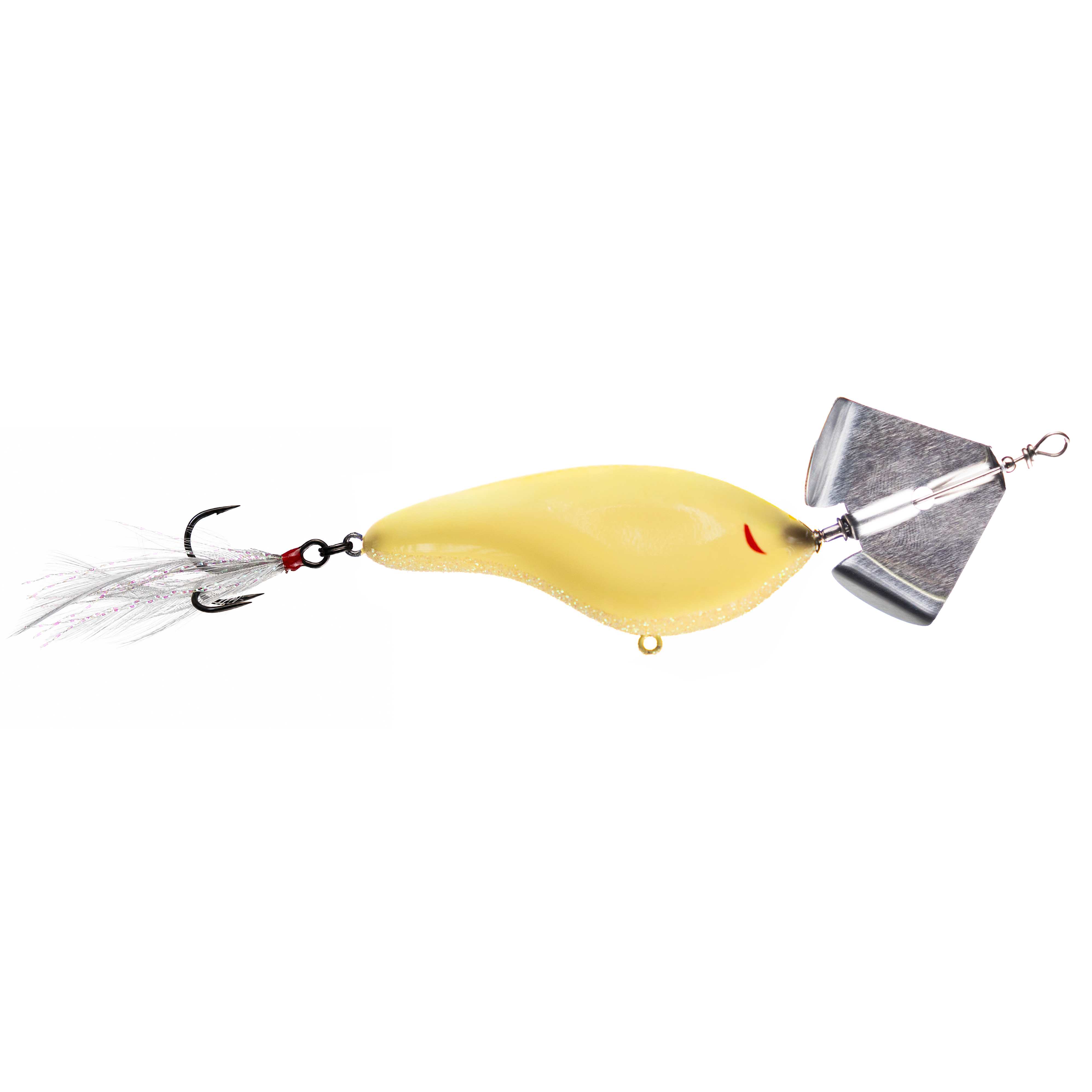
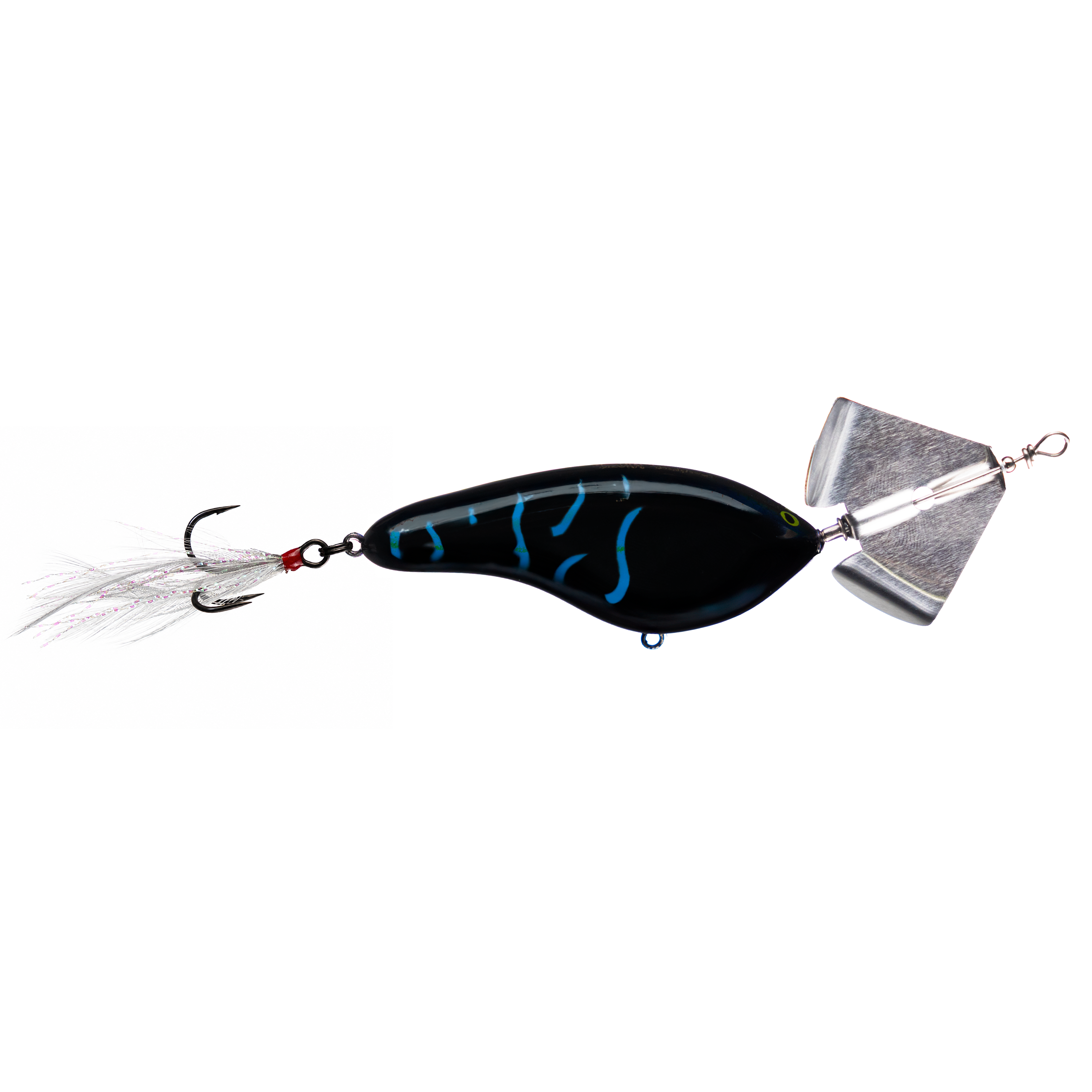
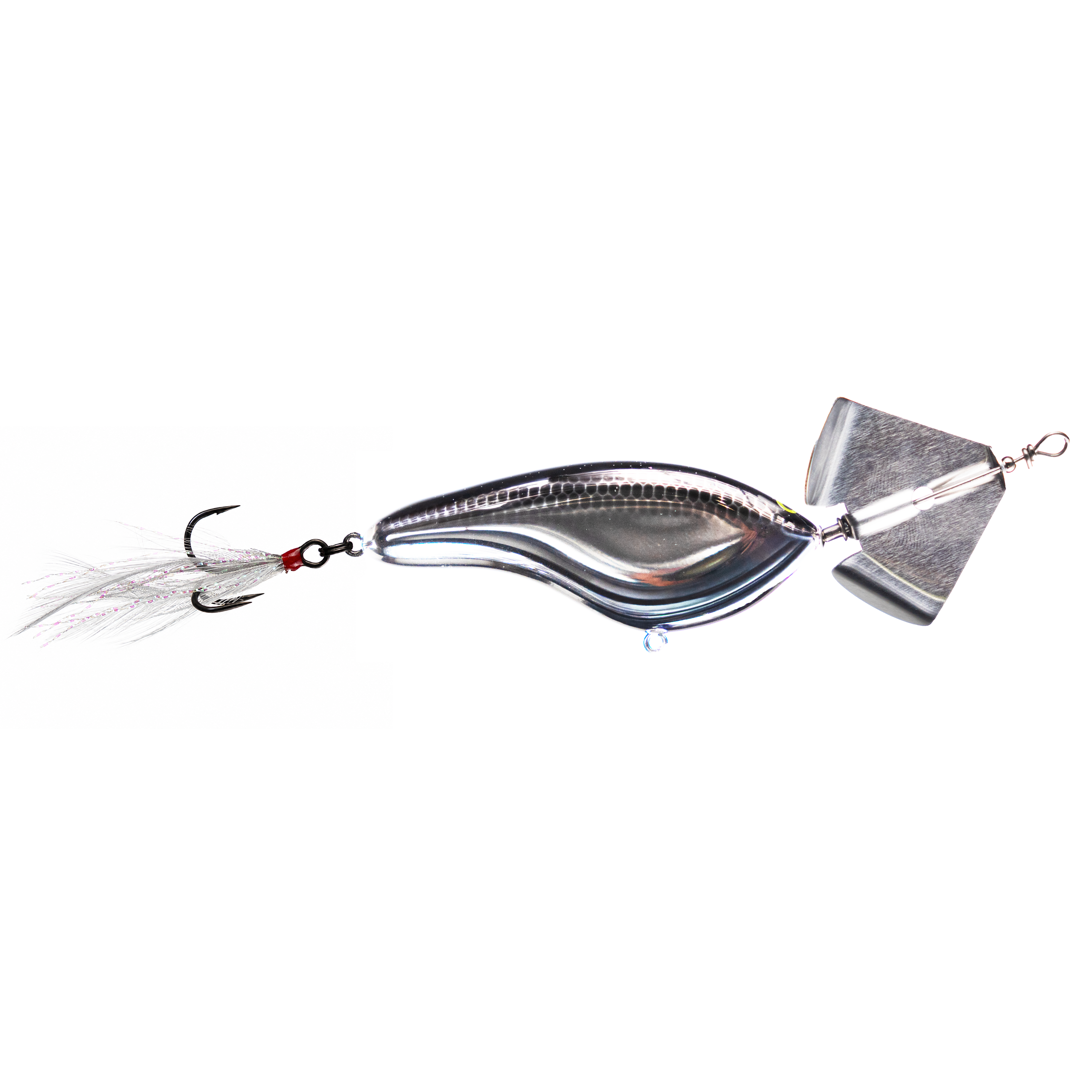
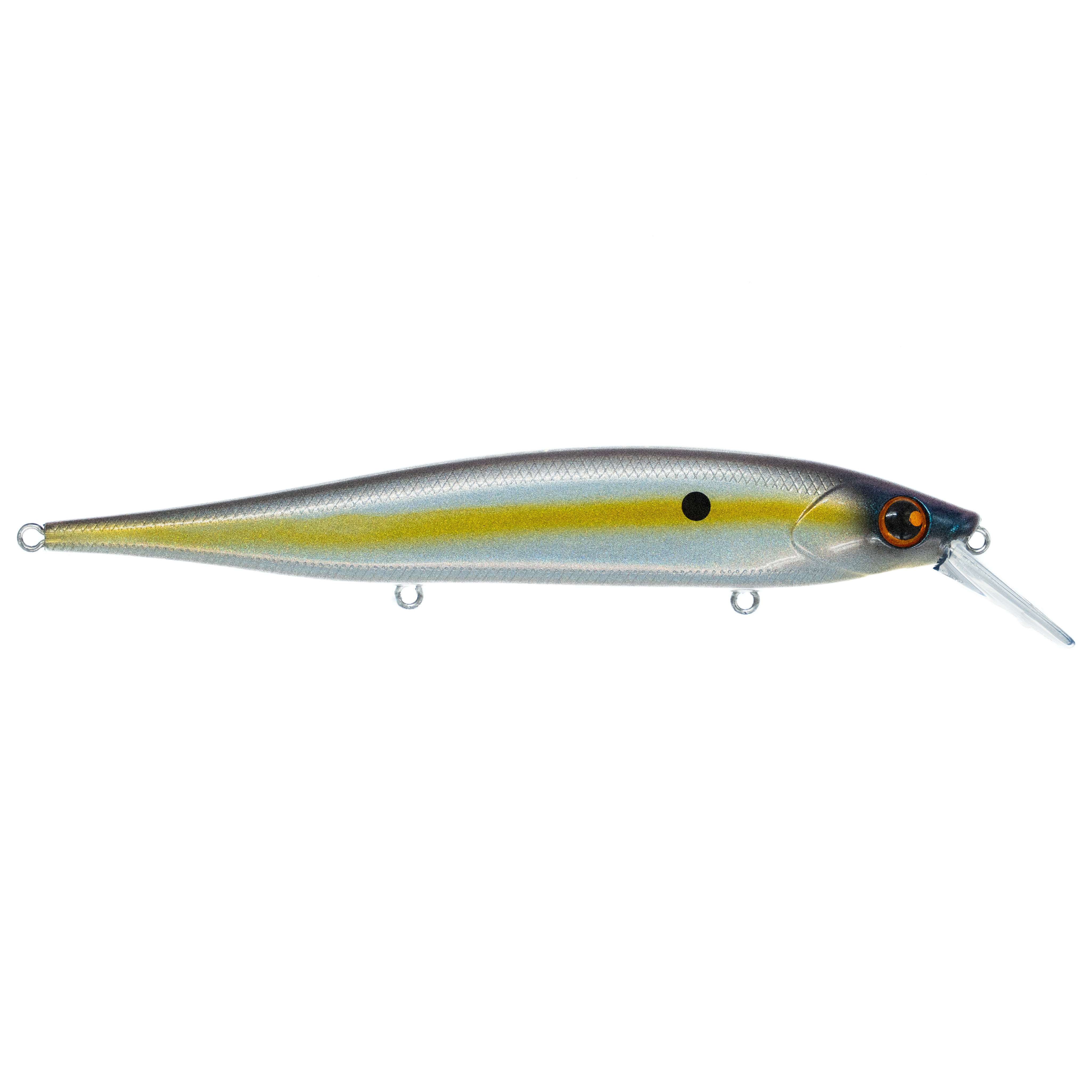
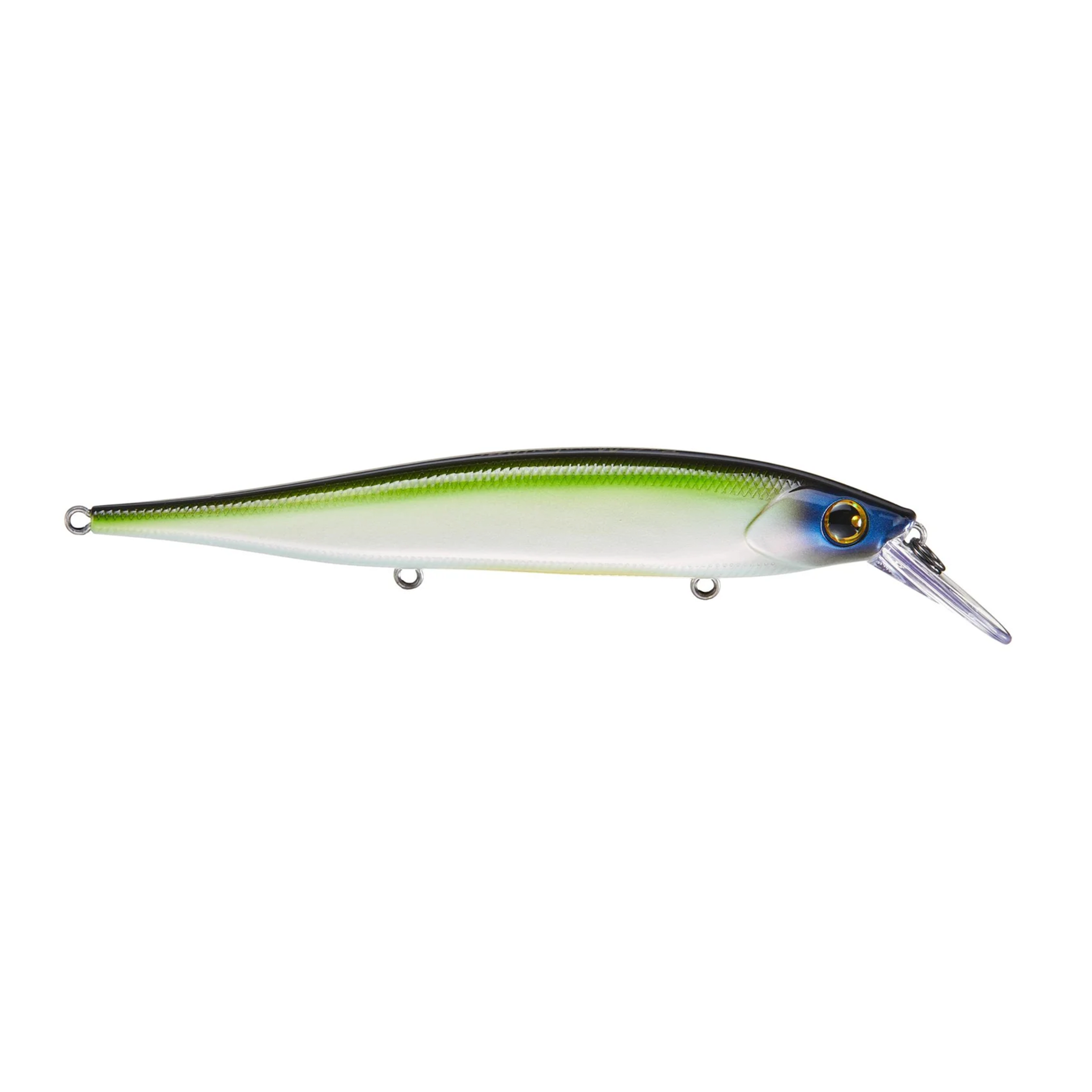
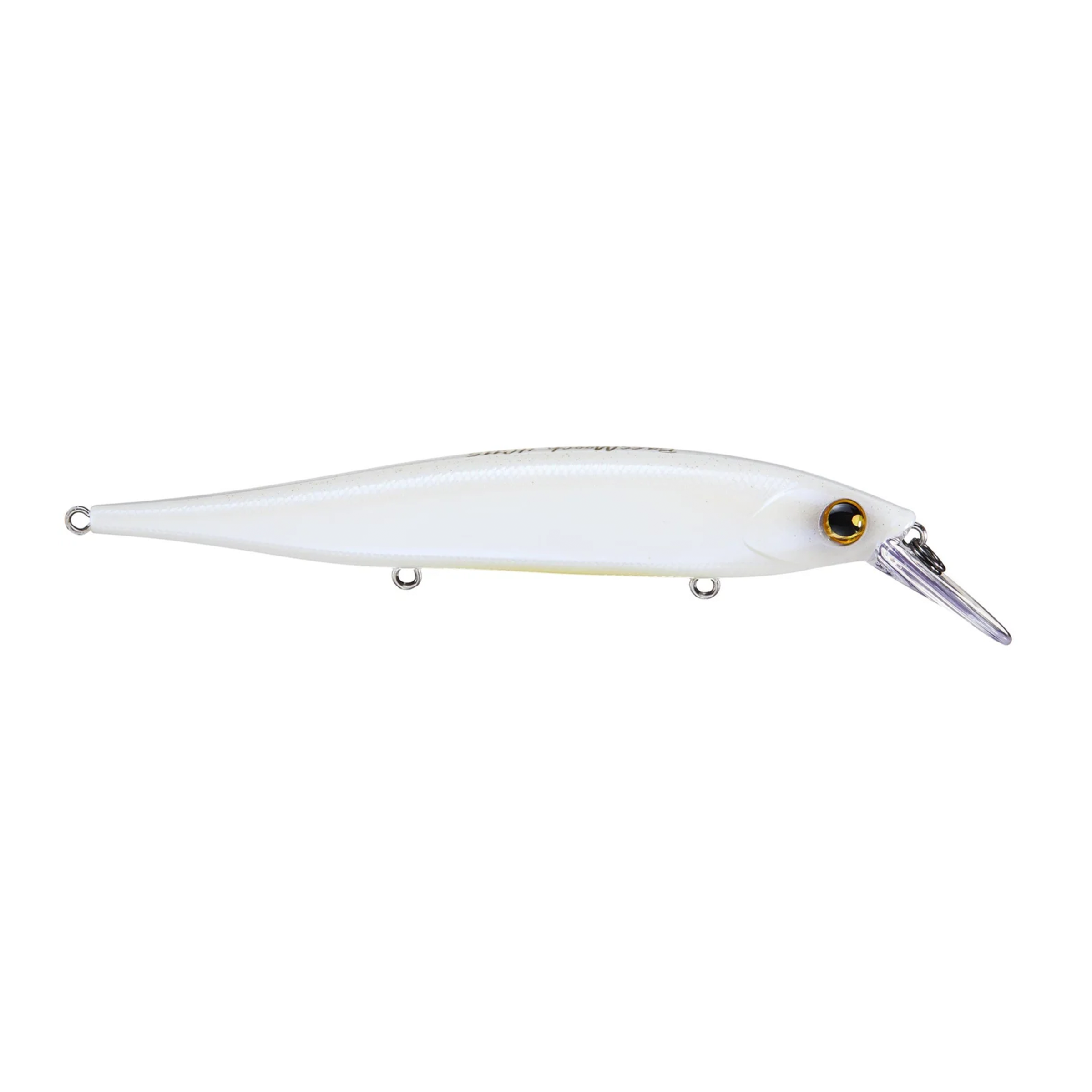
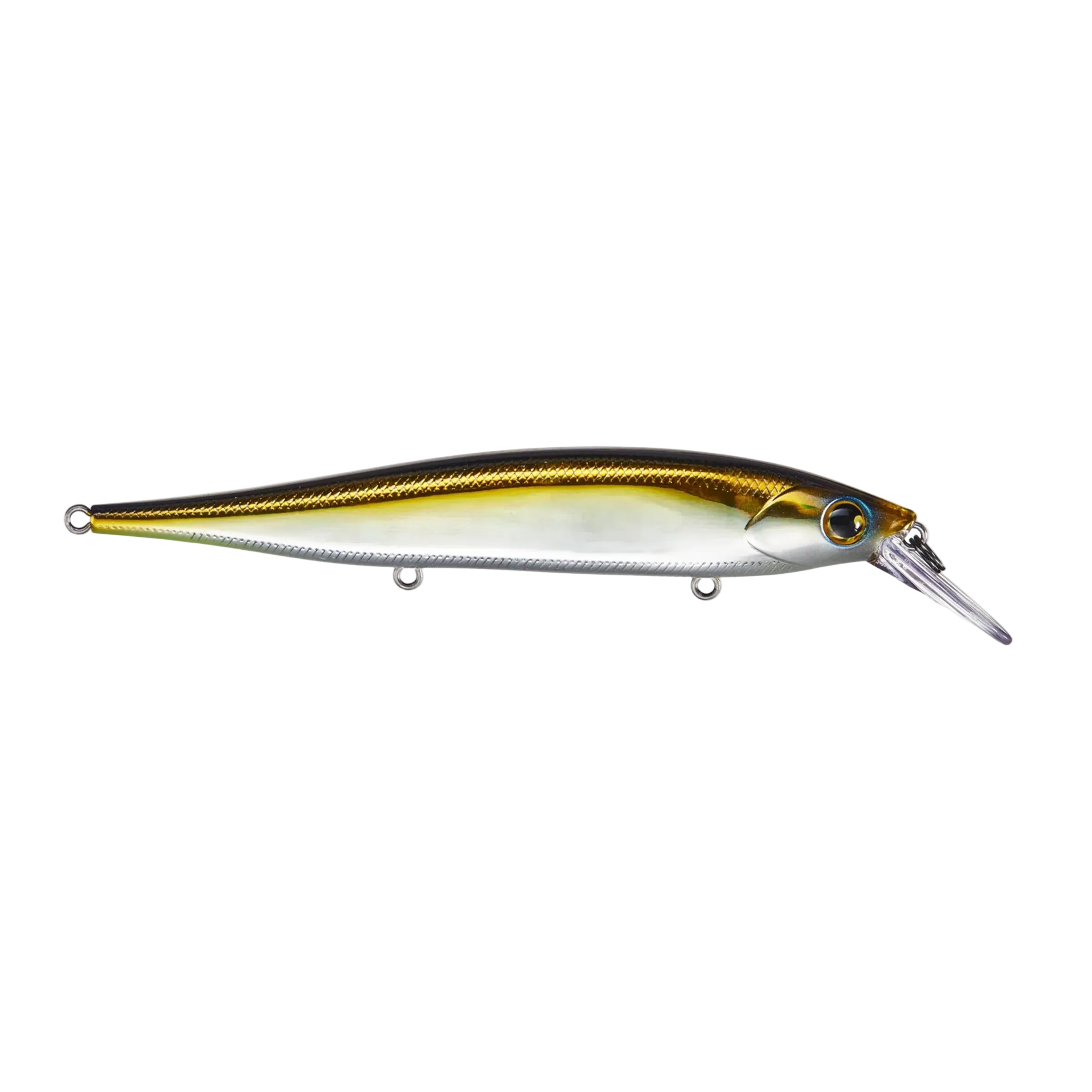
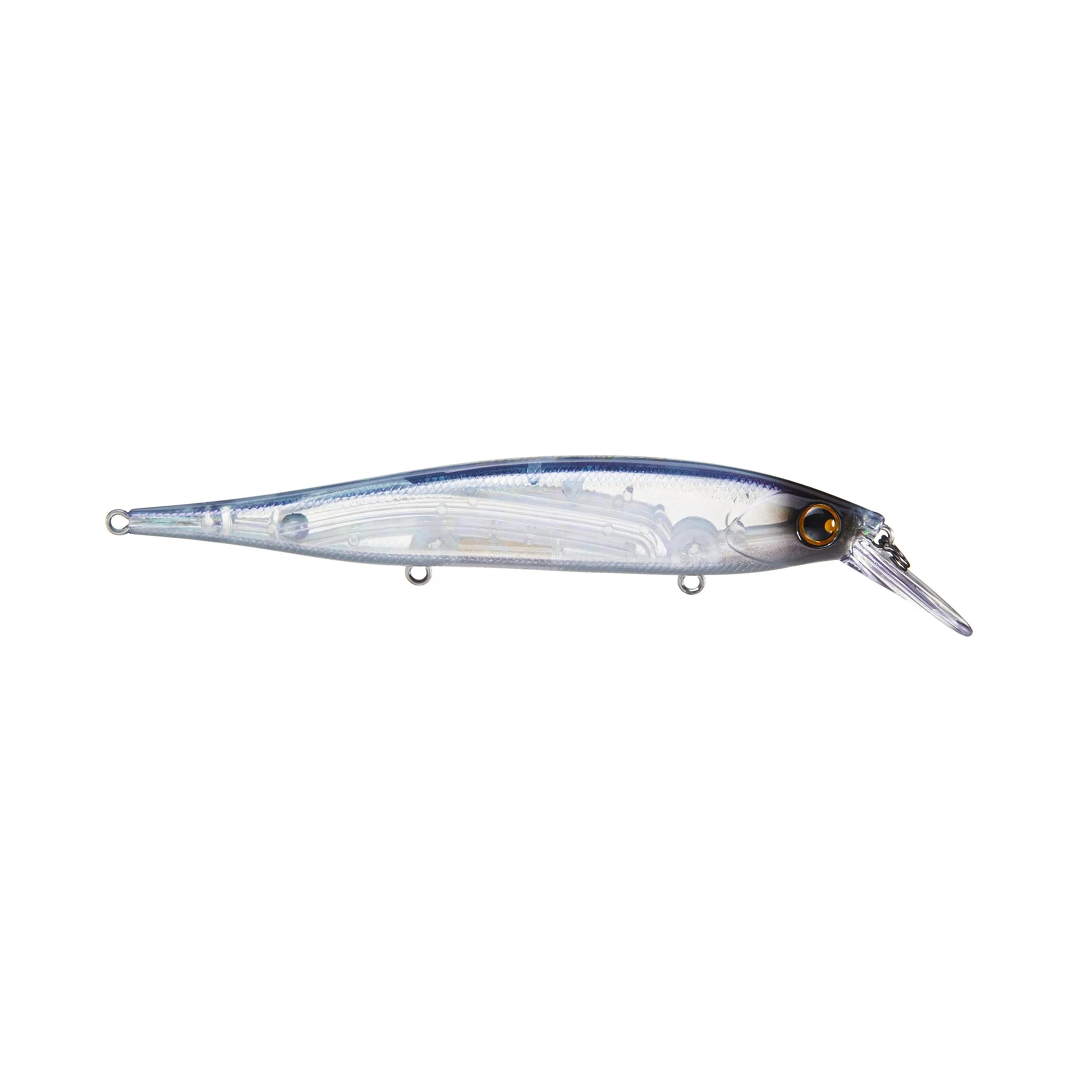
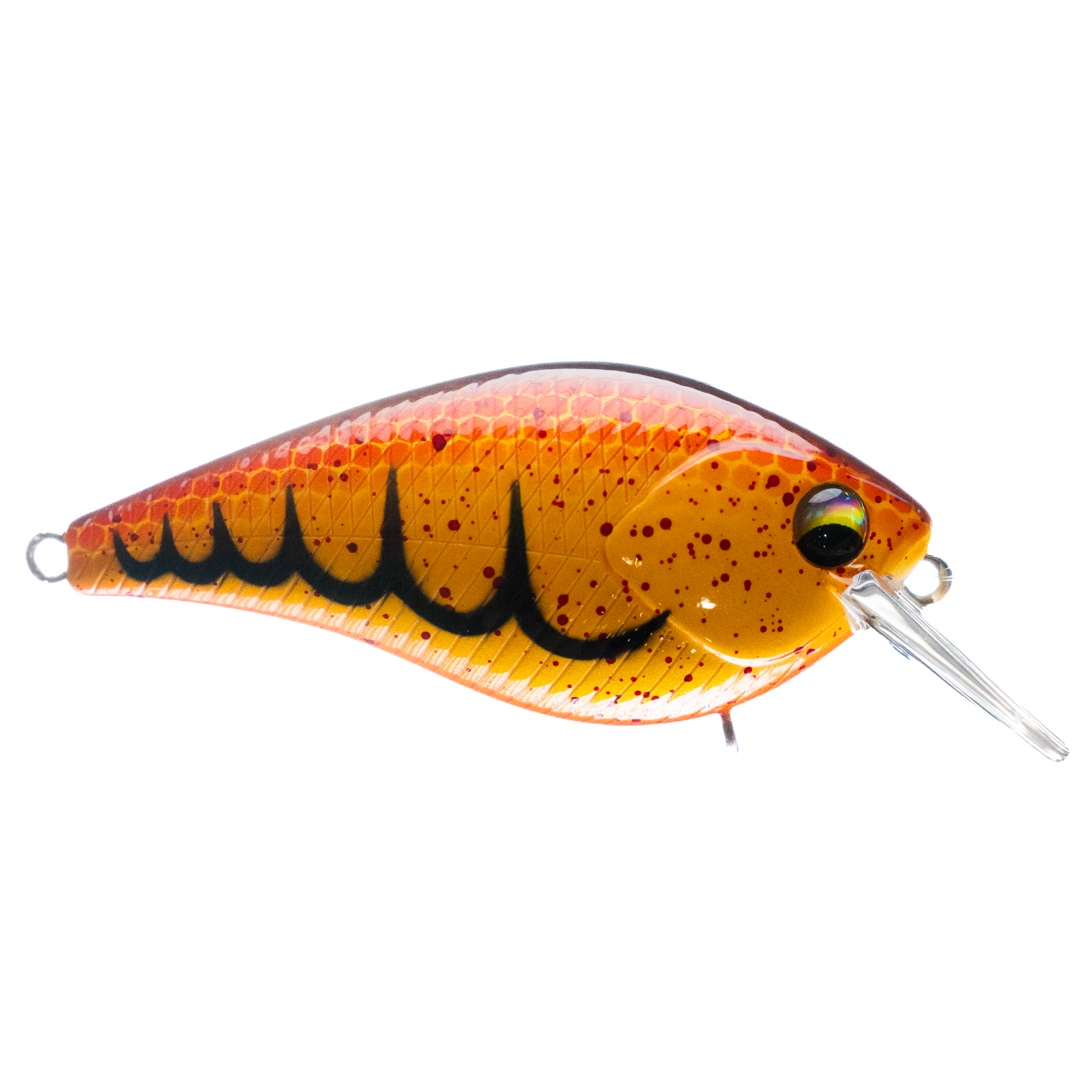
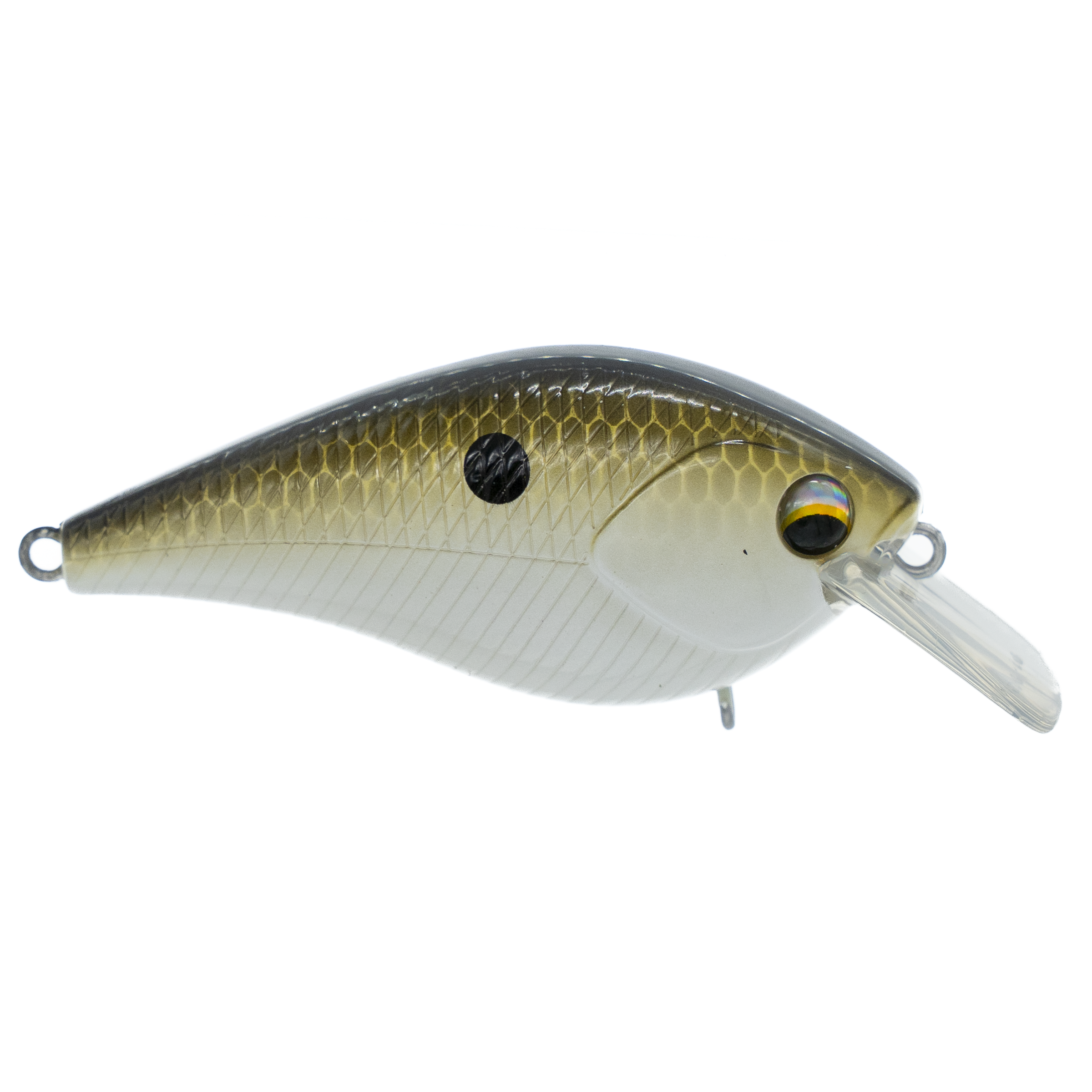
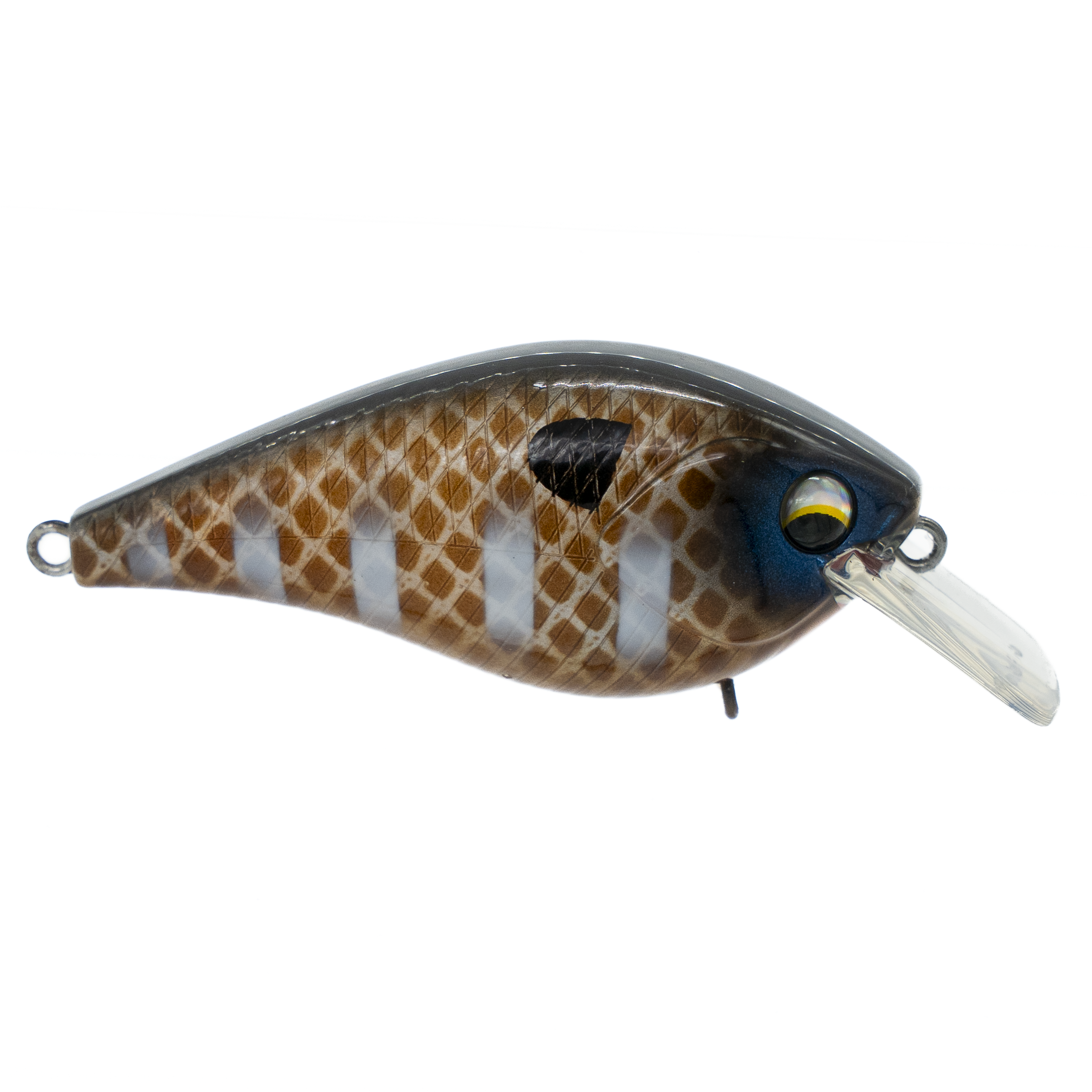
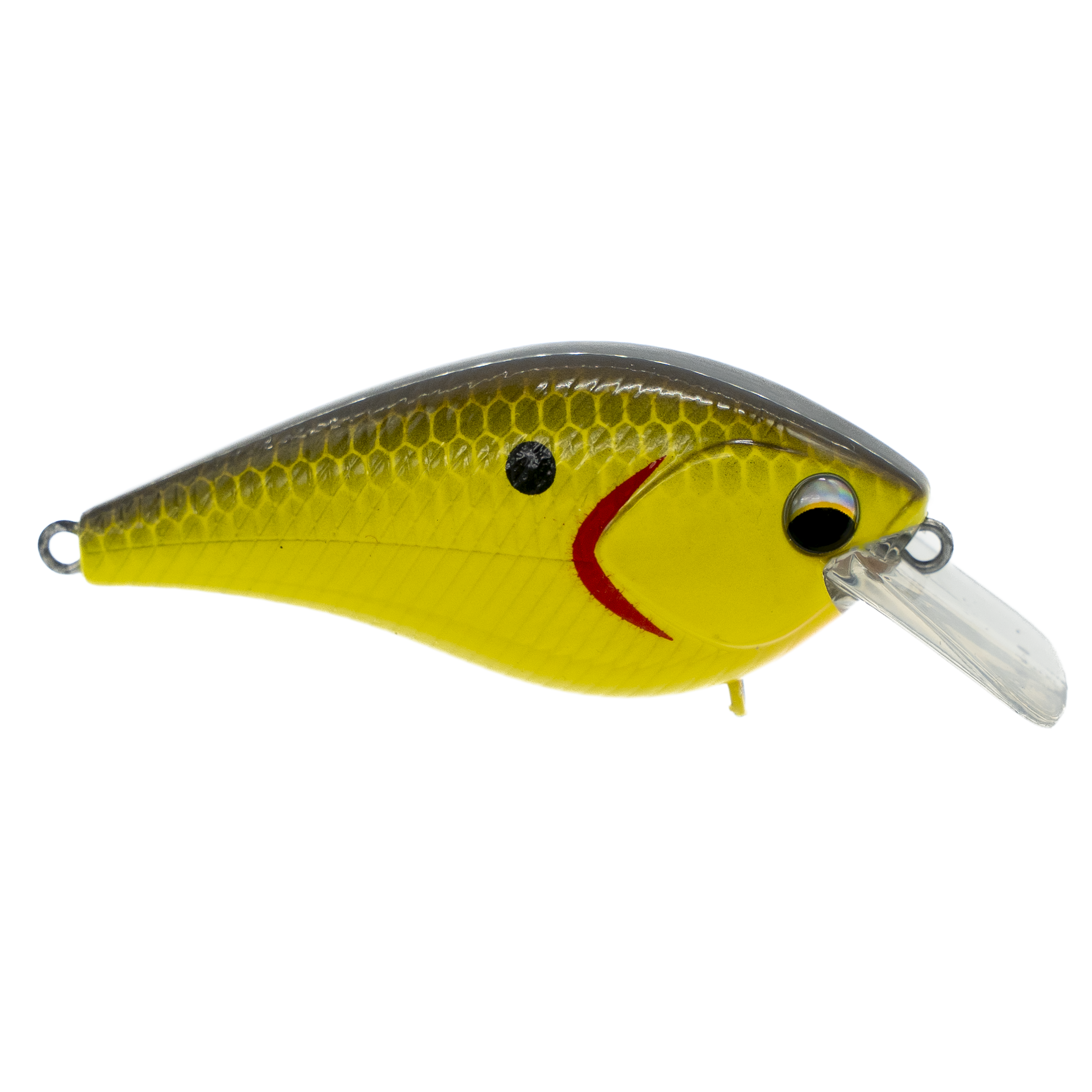
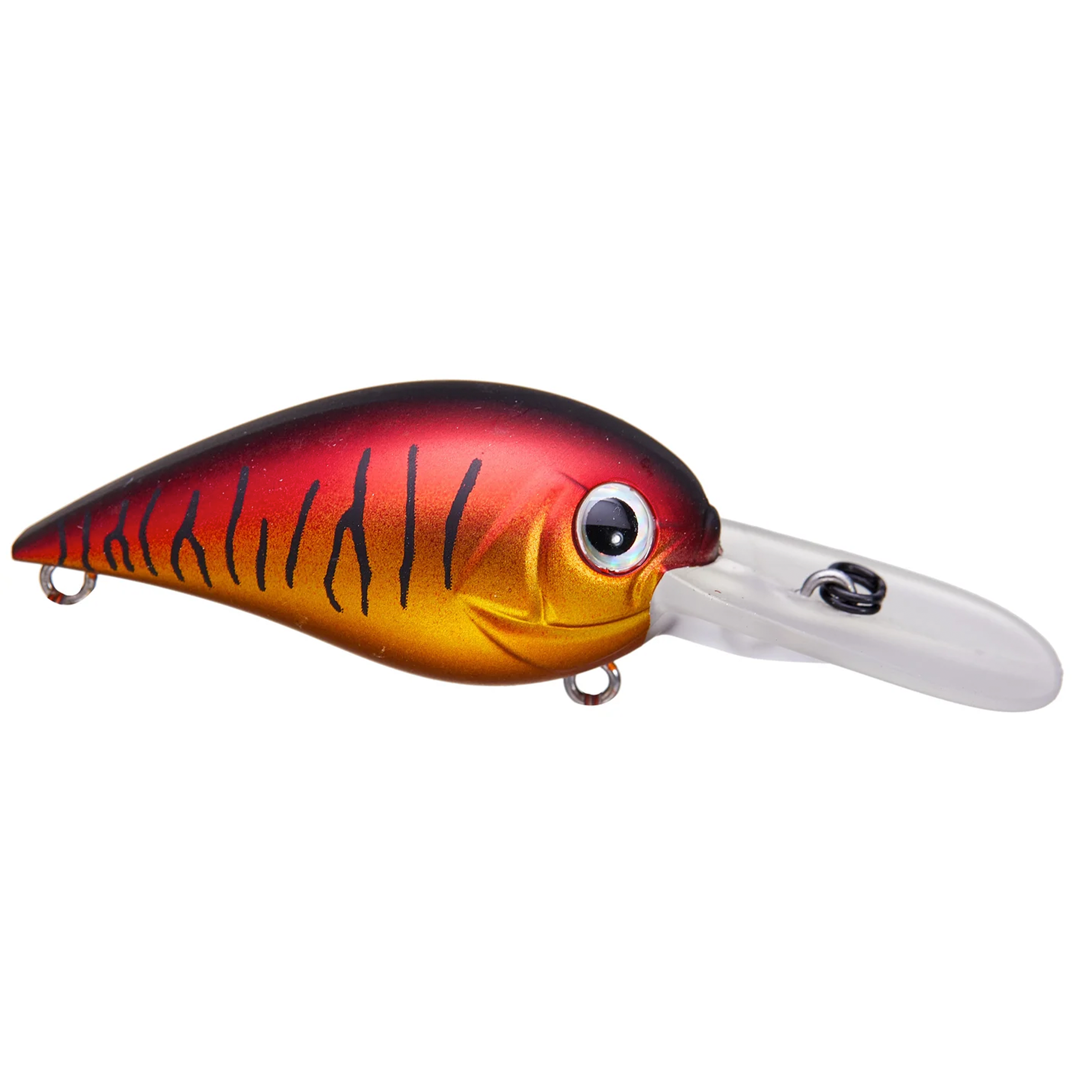
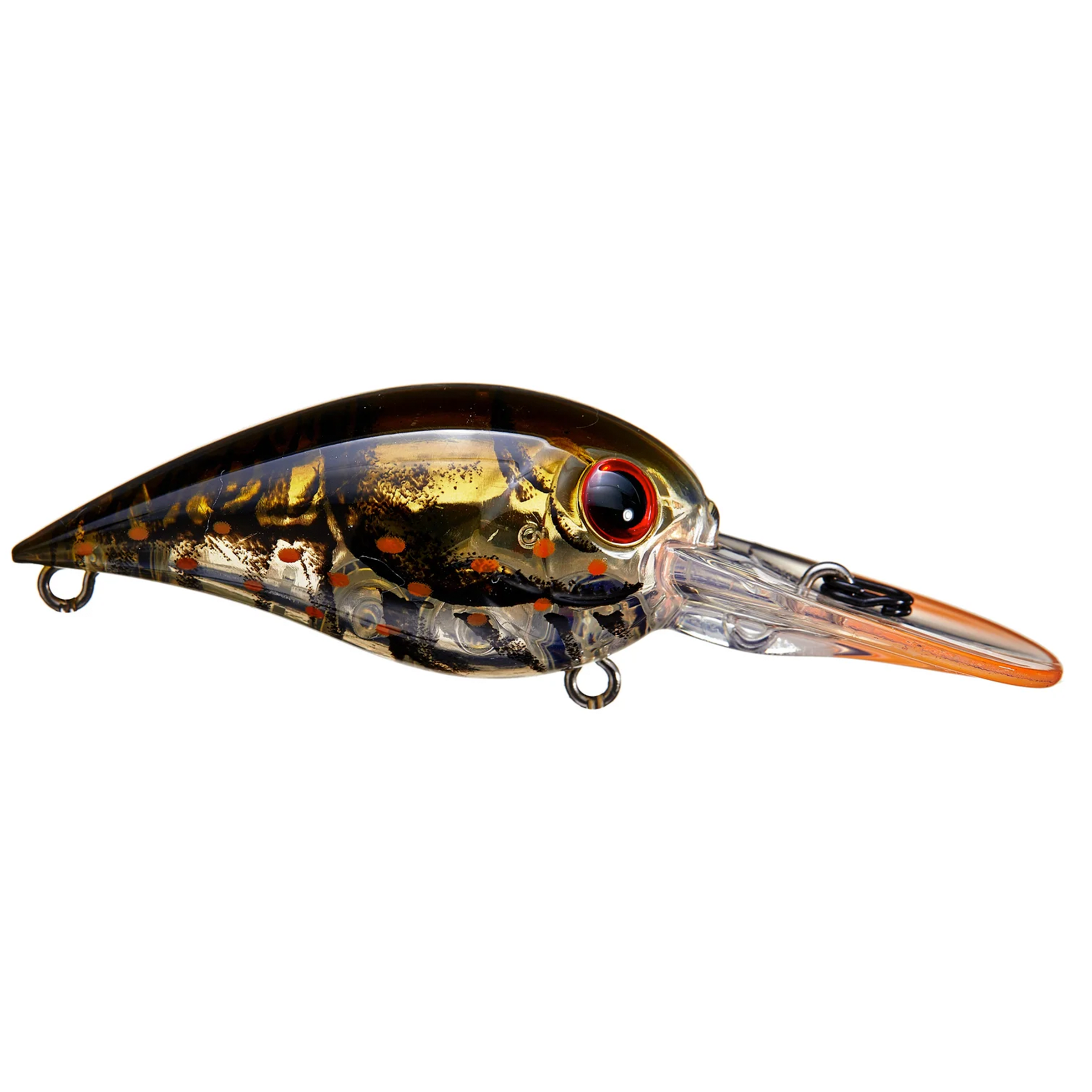
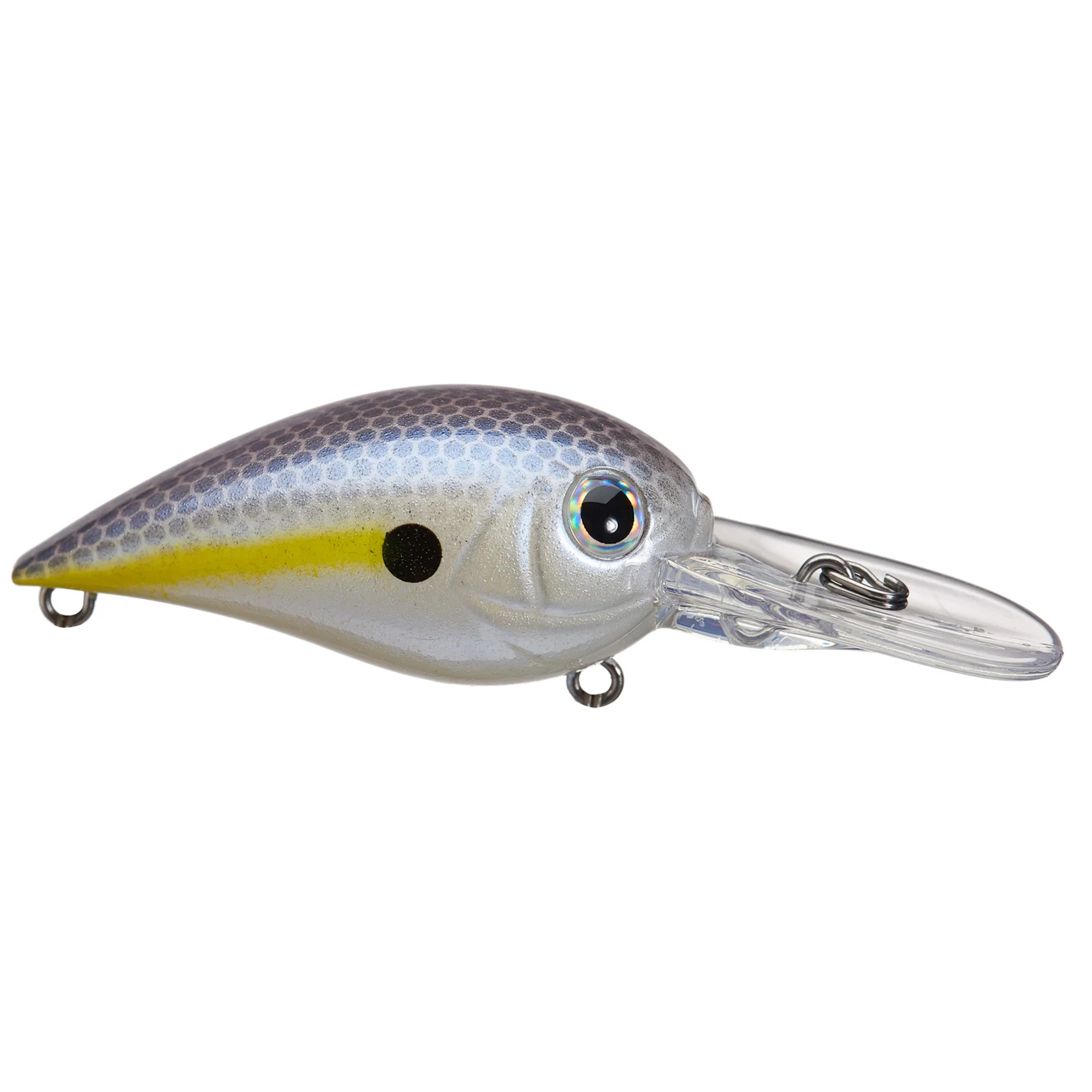
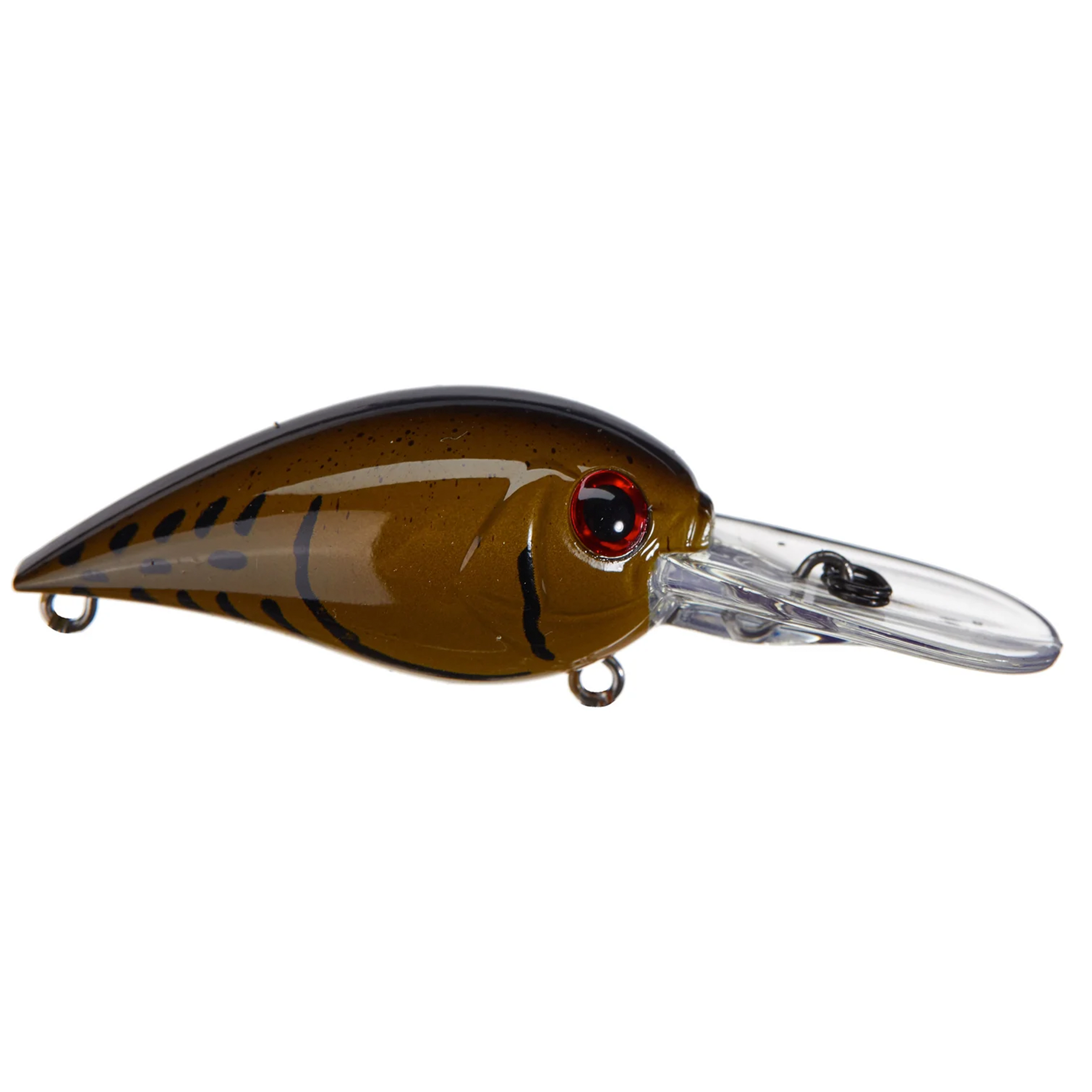
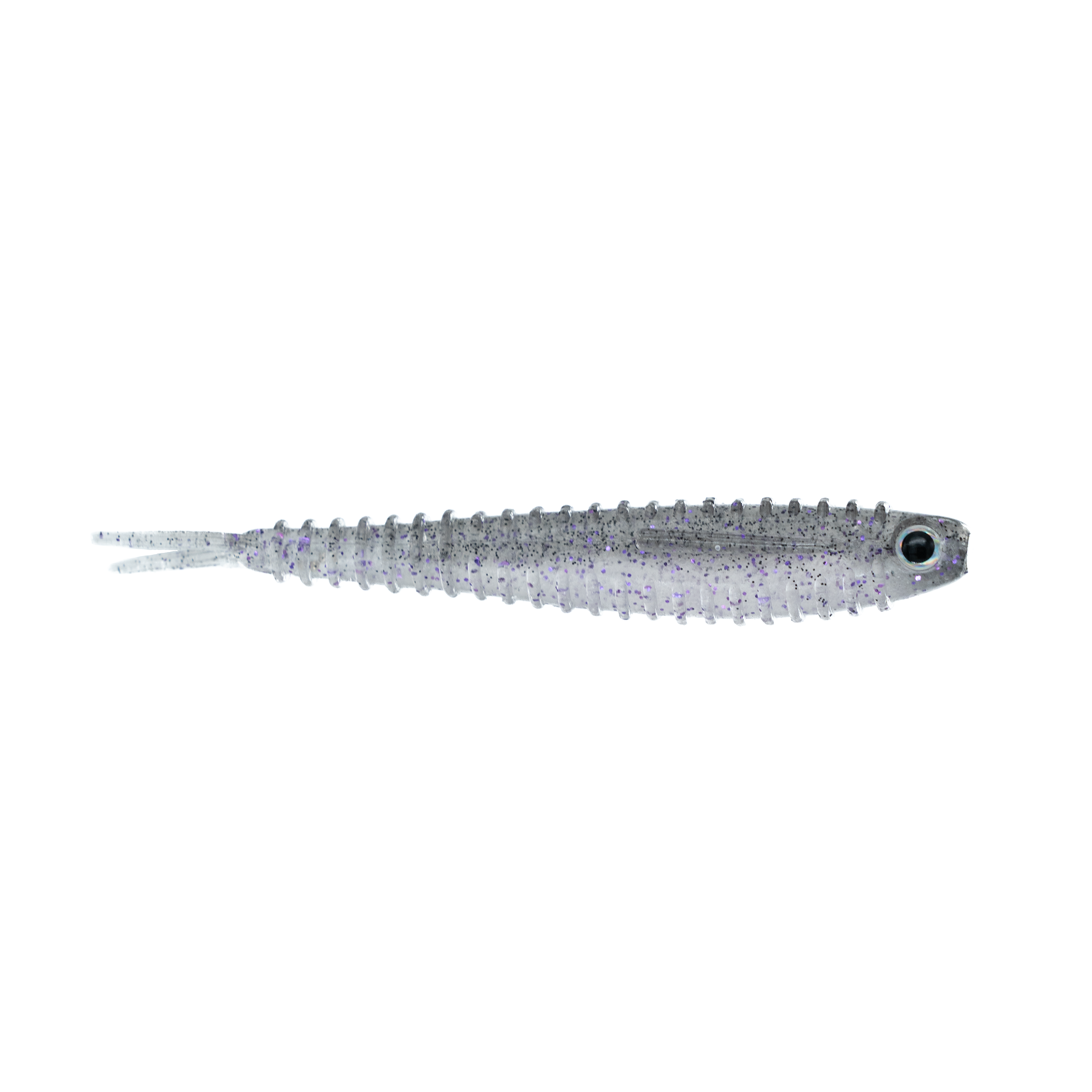
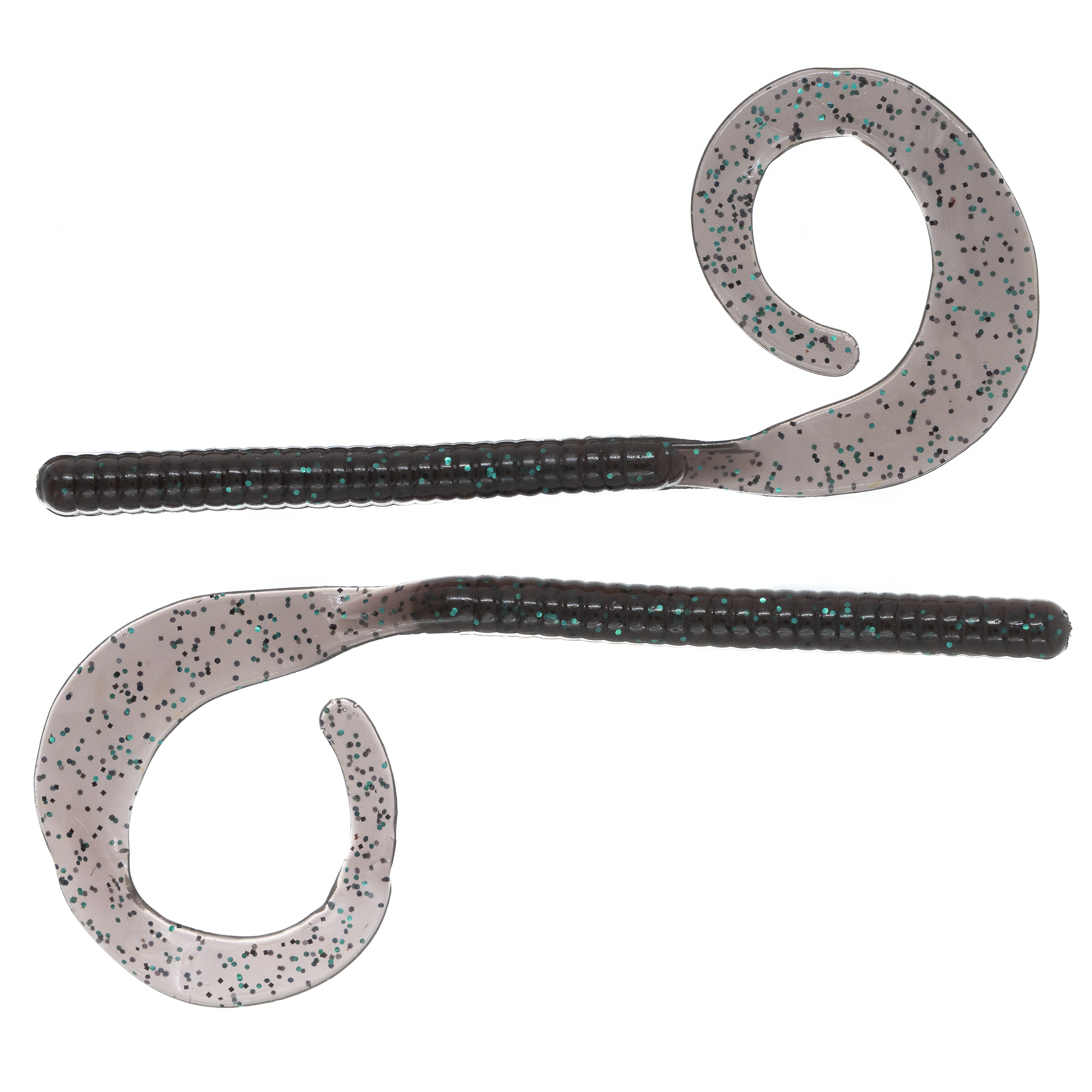
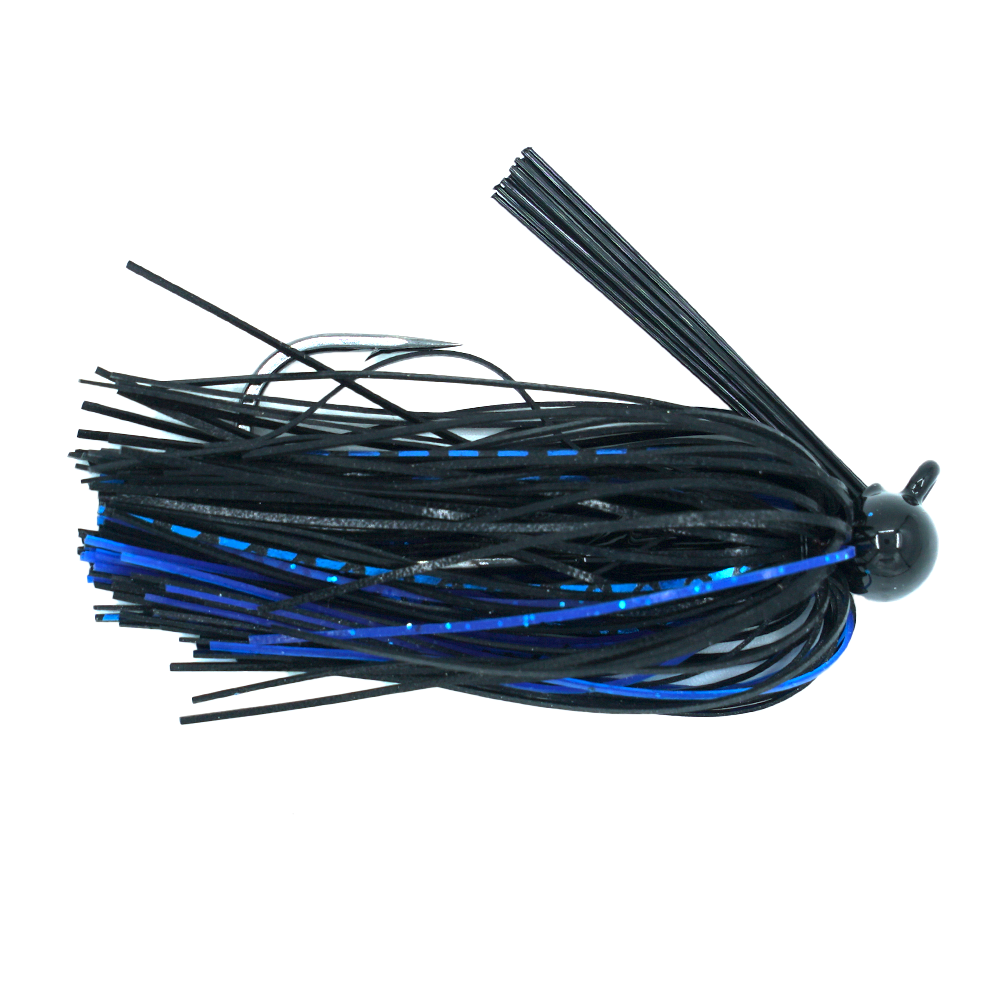
Skipping baits for docks year round, a swimming or bladed jig through any grass in the prespawn window, deep presentations on channel edges in summer, and moving baits along the dock lines in autumn. Our full bait lineup covers all four seasons.
Do I need a fishing license?
Yes, a Texas fishing license with a freshwater endorsement from Texas Parks and Wildlife. Check current bag and length limits for this lake, as urban lakes in the Austin chain sometimes carry their own regulations.
Docks, and Not Much Room
Twenty miles of dock lines means skipping, pitching and accuracy at close range, then stopping a heavy fish before she reaches a piling three feet away. Level Rods builds short-range models with the tip to skip and the power to finish it immediately.
Tournament Winning Baits & Gear
Designed, crafted and tested by anglers who fish docks every week. Free shipping on orders over $75.
Shop All Baits