Keystone Lake Bass Fishing Guide
Keystone Bass Fishing, Season by Season
Twenty-six thousand acres twenty minutes from downtown Tulsa, where the Cimarron and Arkansas rivers meet. Keystone produces better fishing than a lake this close to a city has any right to — provided you go in spring or autumn and stay off it on summer weekends.
Tulsa's Backyard
Keystone Lake sits twenty minutes west of downtown Tulsa at the confluence of the Cimarron and Arkansas rivers, covering roughly 26,000 acres. Its proximity to Oklahoma's second city is the whole story — both its appeal and its problem.
The appeal is obvious. This is quality bass water you can fish after work, with largemouth, smallmouth and sand bass all present, and it produces surprising quality for a metro lake. The problem is equally obvious: Keystone carries a significant amount of pleasure-boat traffic, and summer daytime fishing gets genuinely difficult as a result.
The two river arms give the lake its shape and its variety. The Cimarron runs more stained; the Arkansas arm and the main body carry different water again. Where they meet and where each arm's channel runs are the structural features worth learning.
Cover and structure are points, cove entrances, rock, riprap, brush and standing timber in places. Largemouth typically hold along the bottom on points and at the entrances leading into coves, which is the pattern local anglers describe first.
Keystone is also a striped bass lake — along with the tailwaters below its dam and Tenkiller's, it is named among the places to find big stripers in Oklahoma. That fishery has its own following and its own guides.
The practical advice is straightforward: fish the cool months. Spring and autumn are when bass are most active here as water temperatures drop, and they are also when you have the lake to yourself.
Points, Coves and Two Rivers
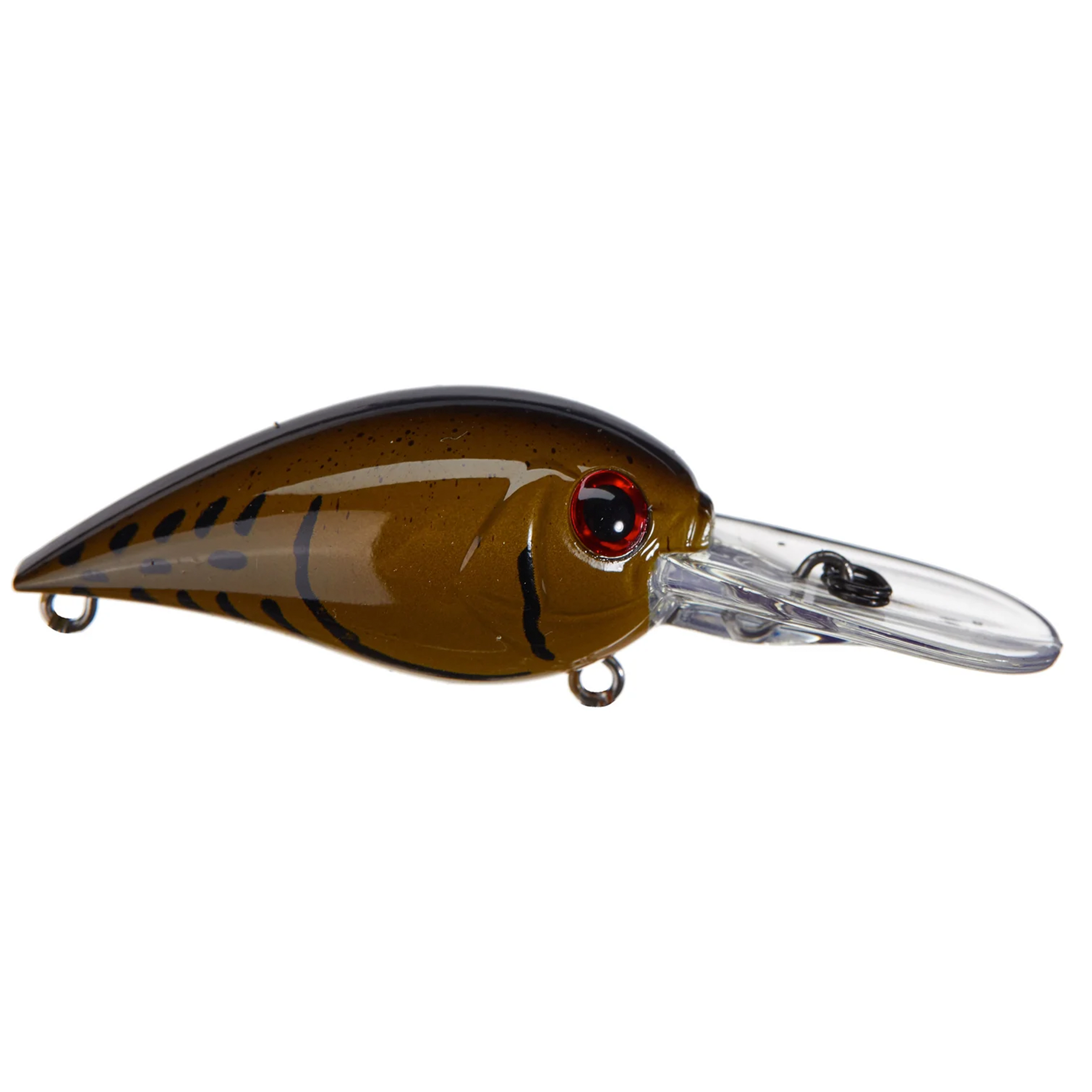
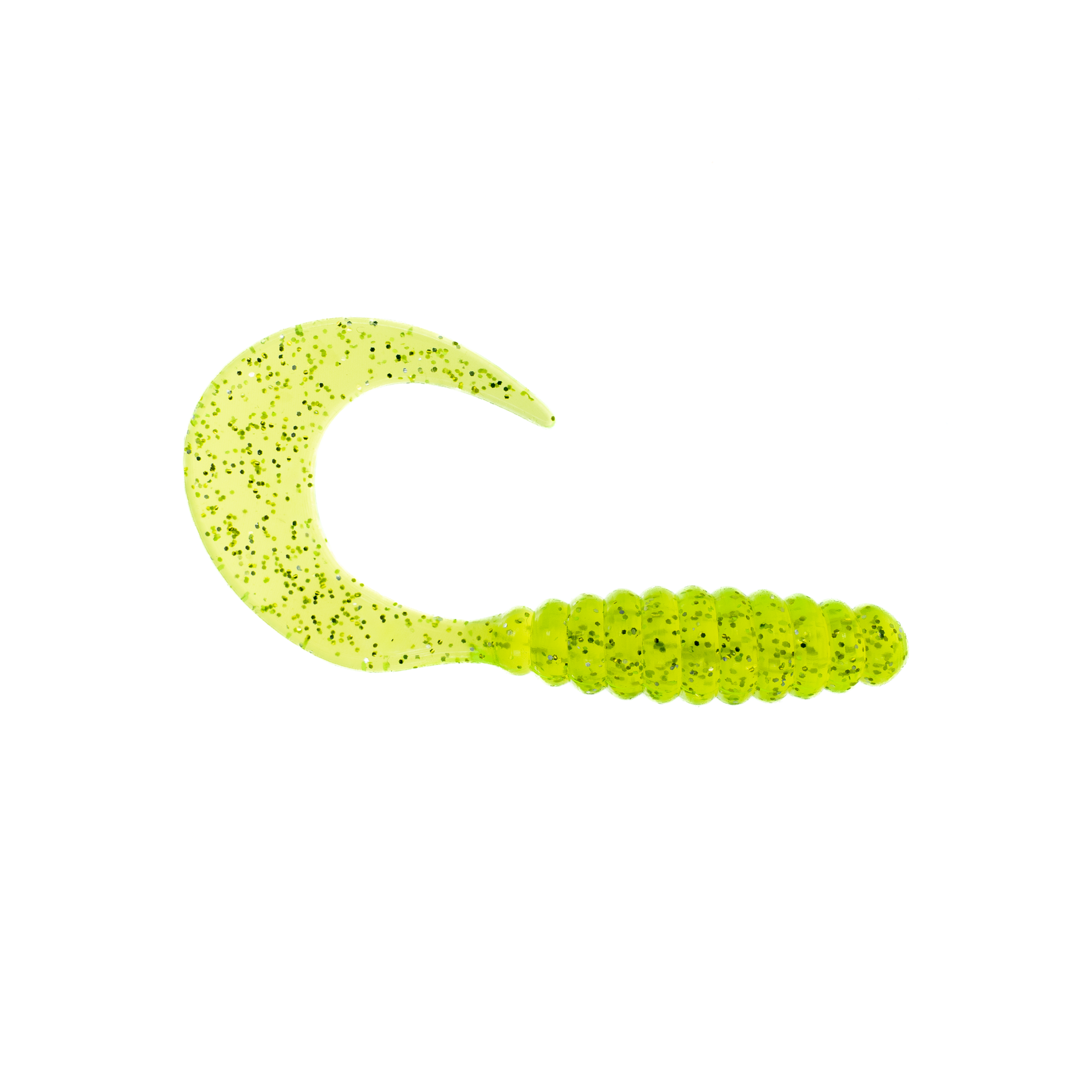
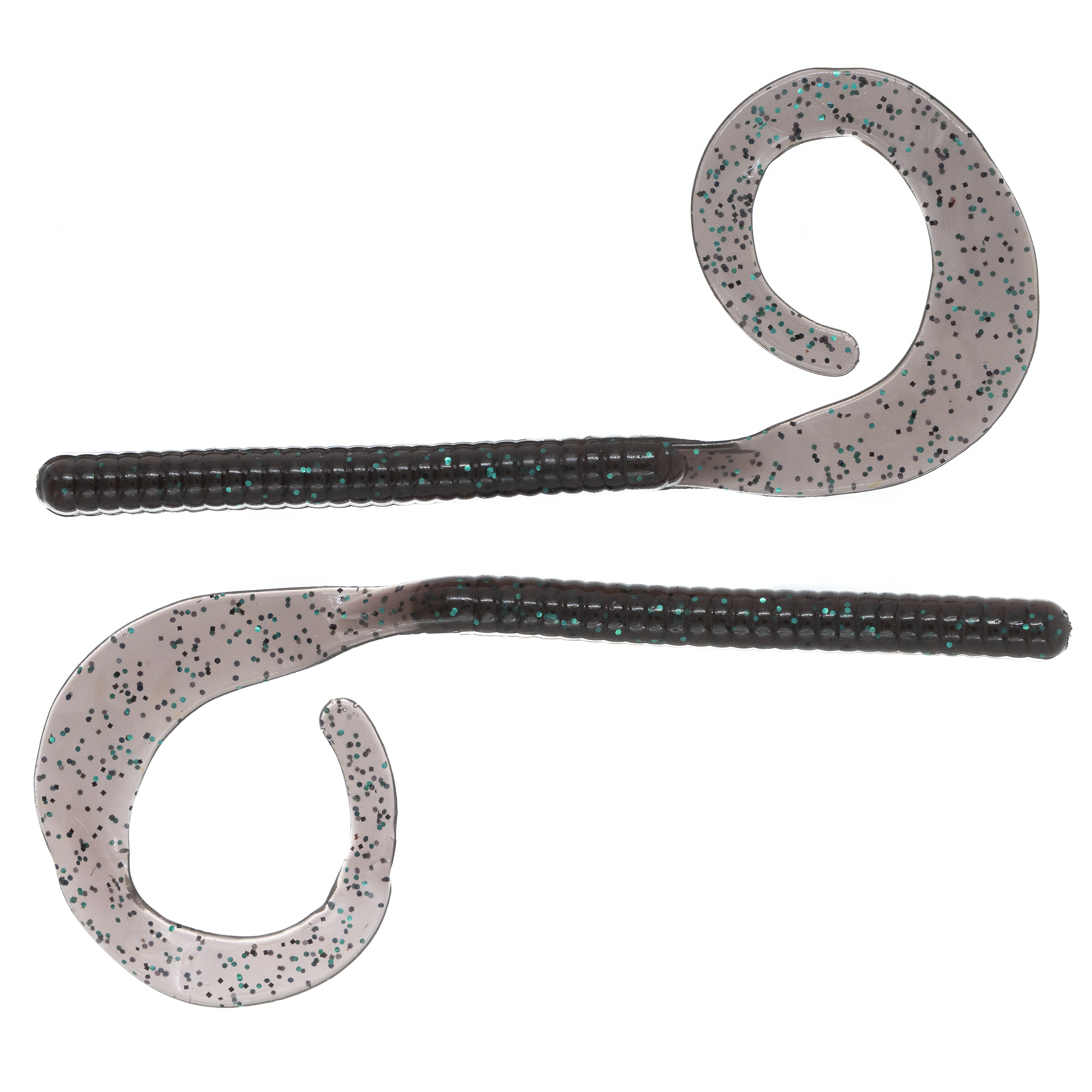
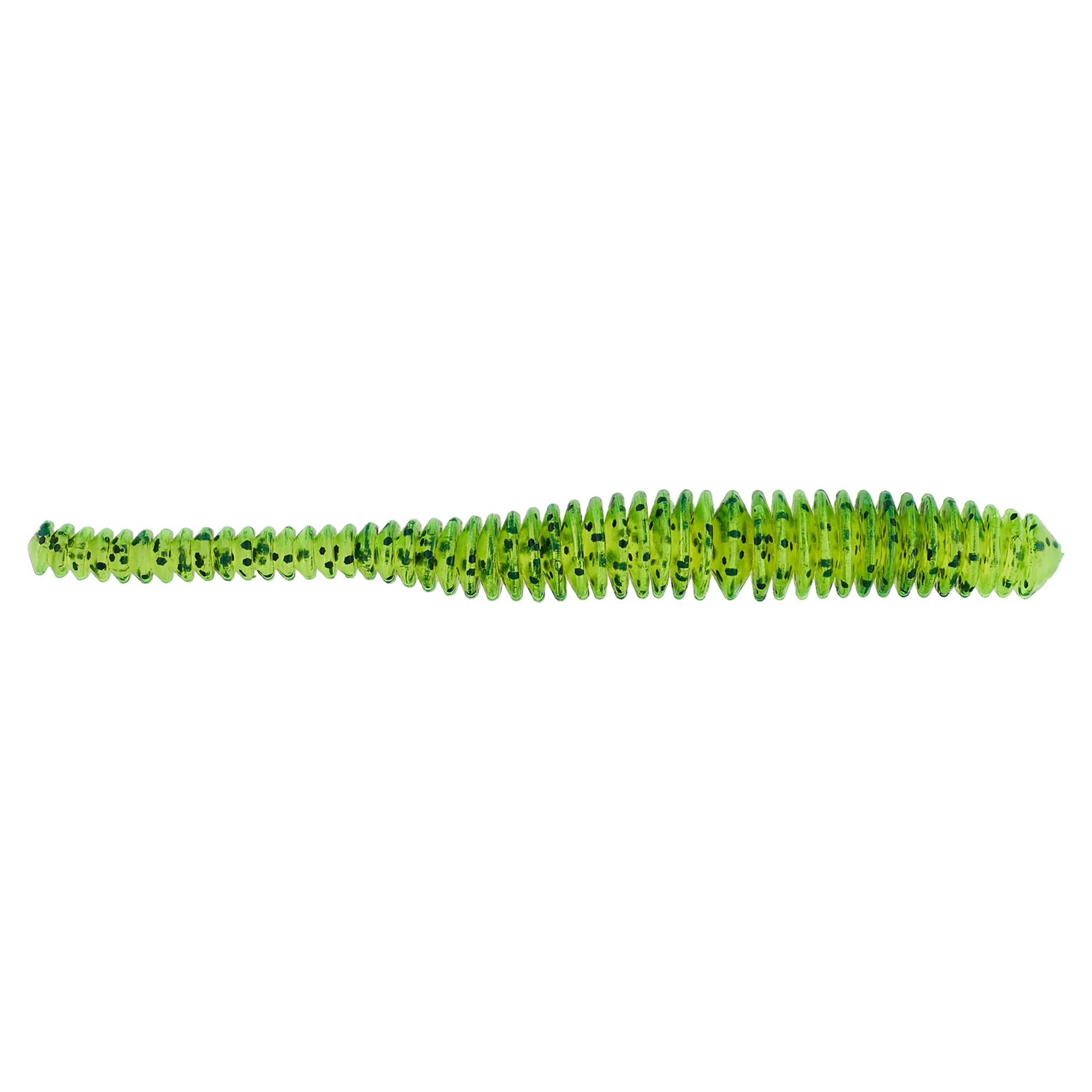
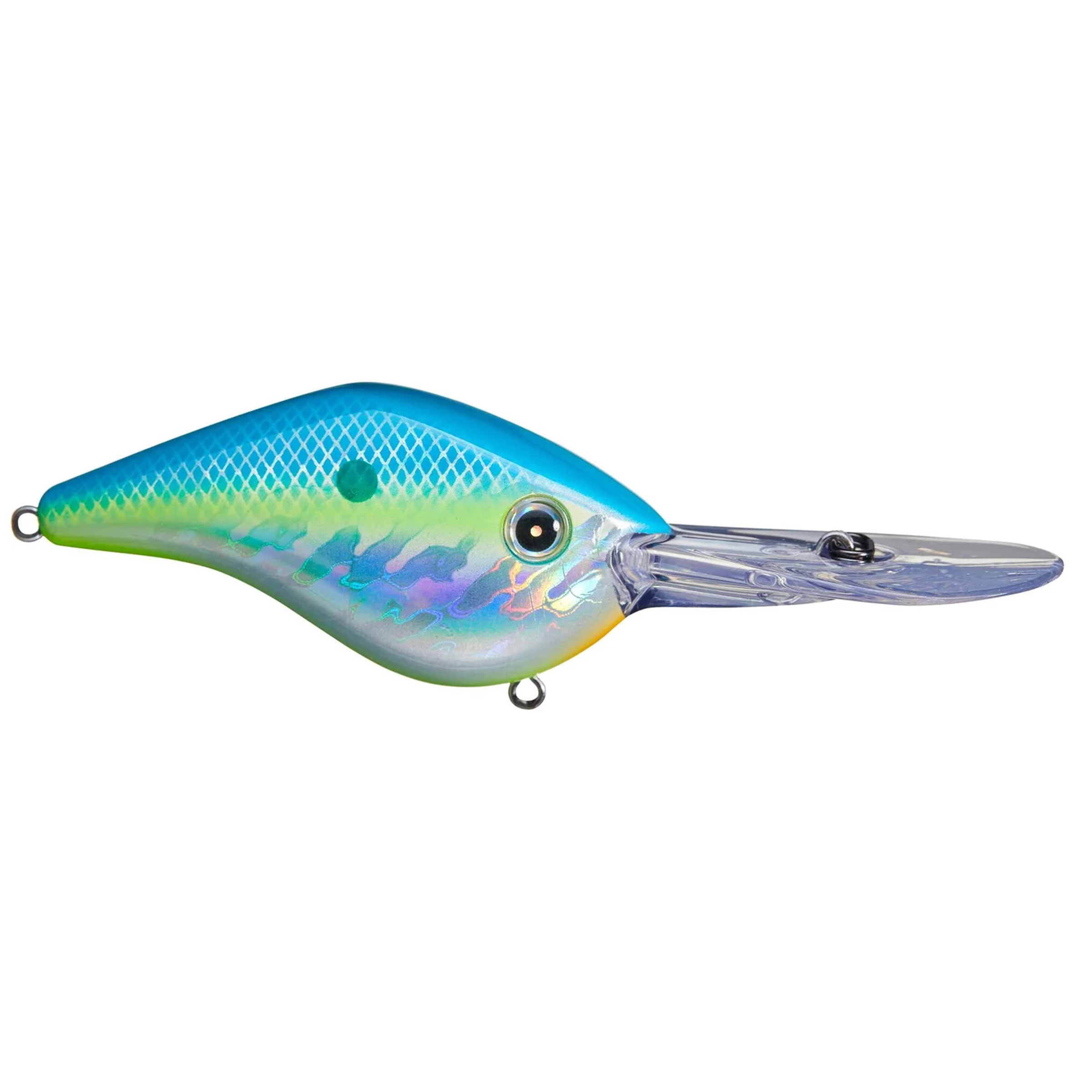
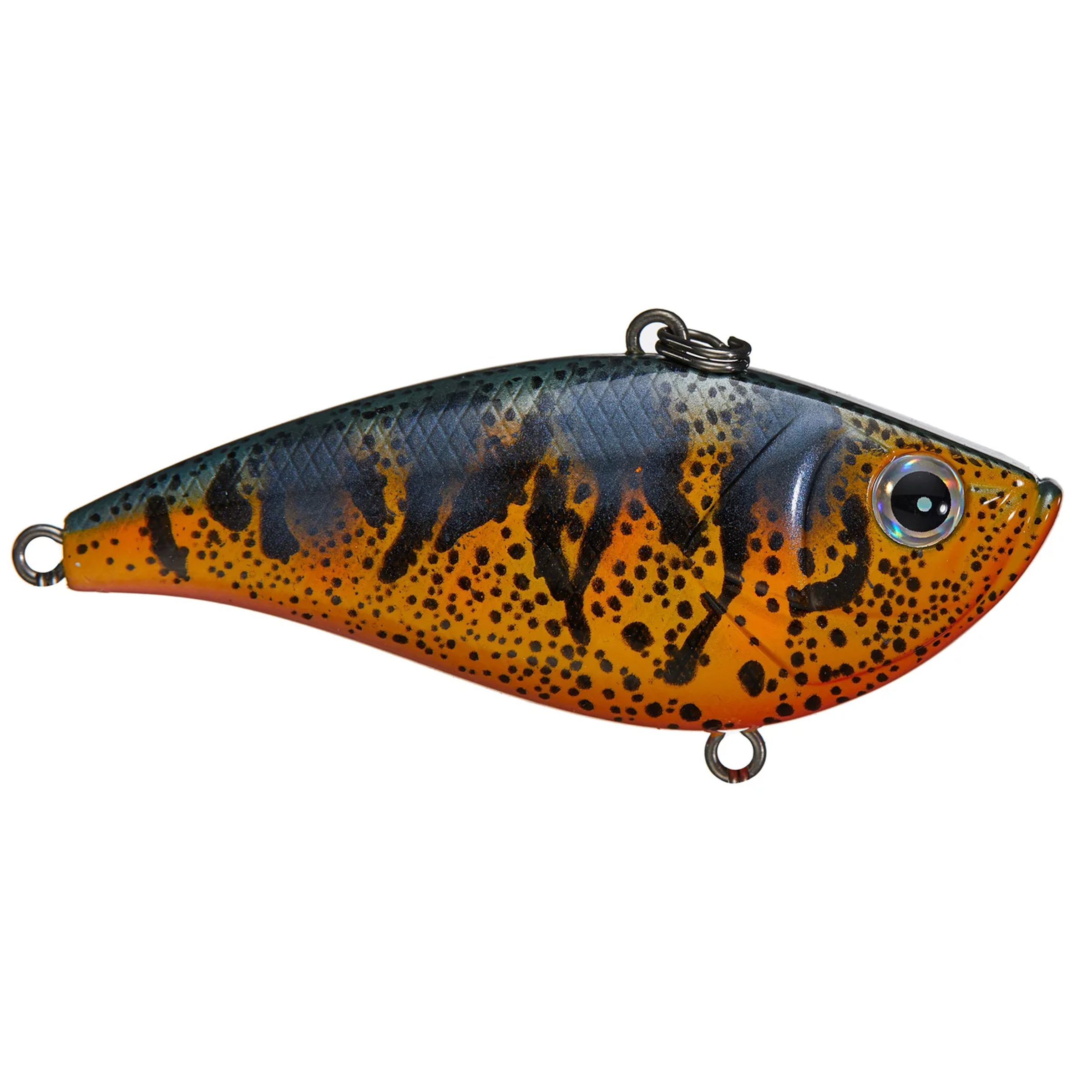
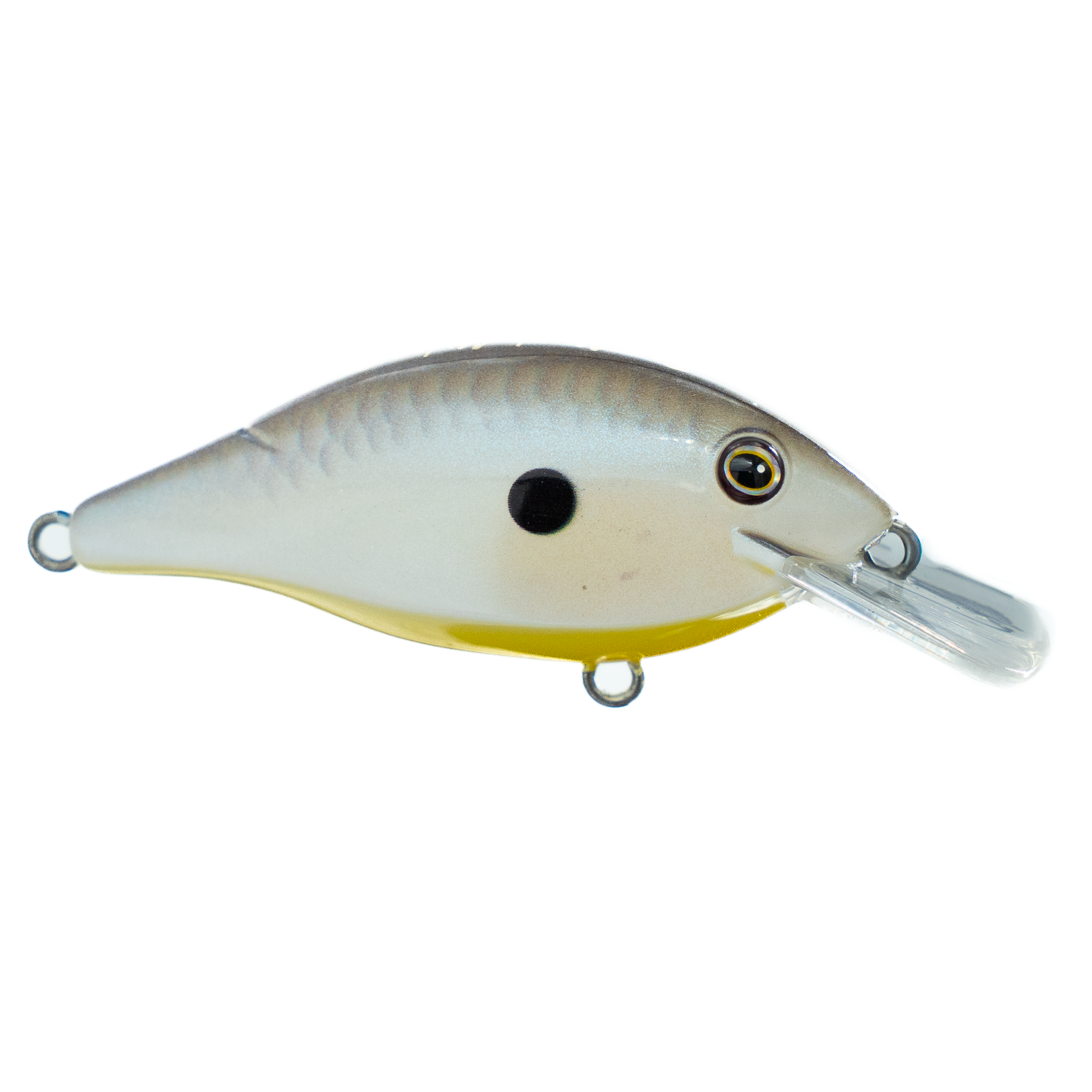
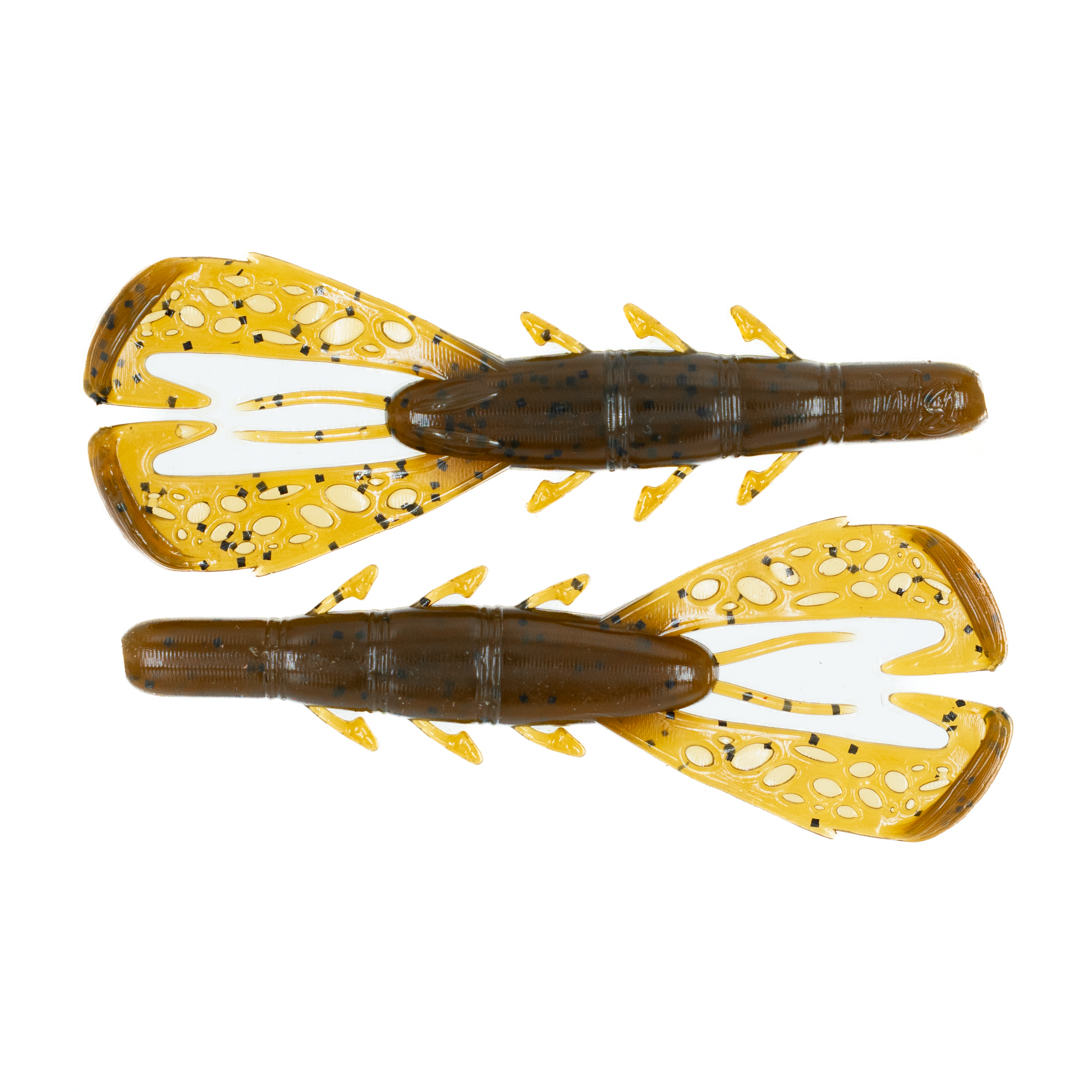
Four patterns cover the year. Each one pairs the technique with the baits we'd actually tie on.
Prespawn on the Points
March through May is the strongest window. Prespawn fish stage on points and at the entrances leading into the coves, then move up to spawn. The river arms warm at different rates and the more stained water tends to come alive first. This is the best fishing of the year and the crowds have not arrived.



Early, Late, or Not at All
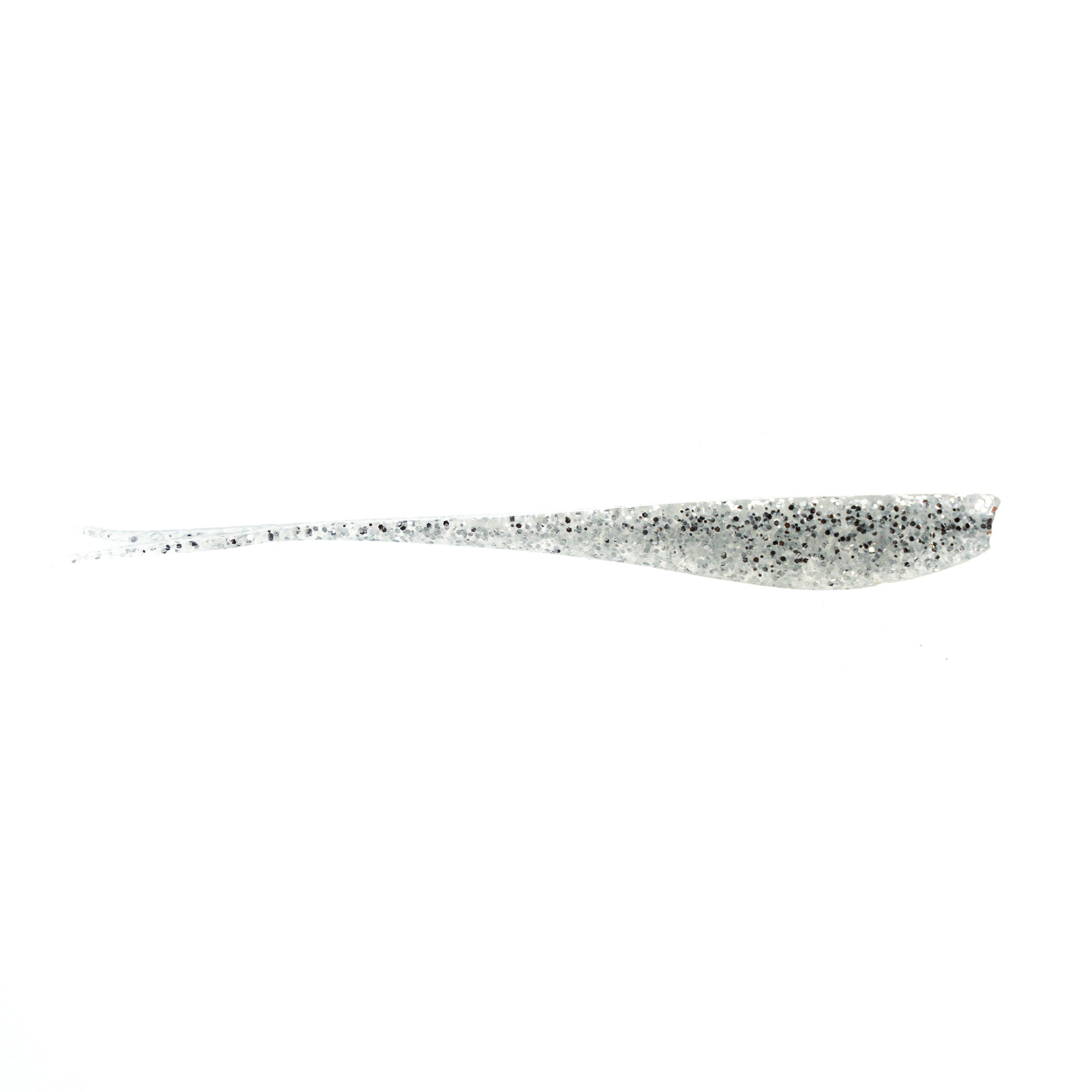
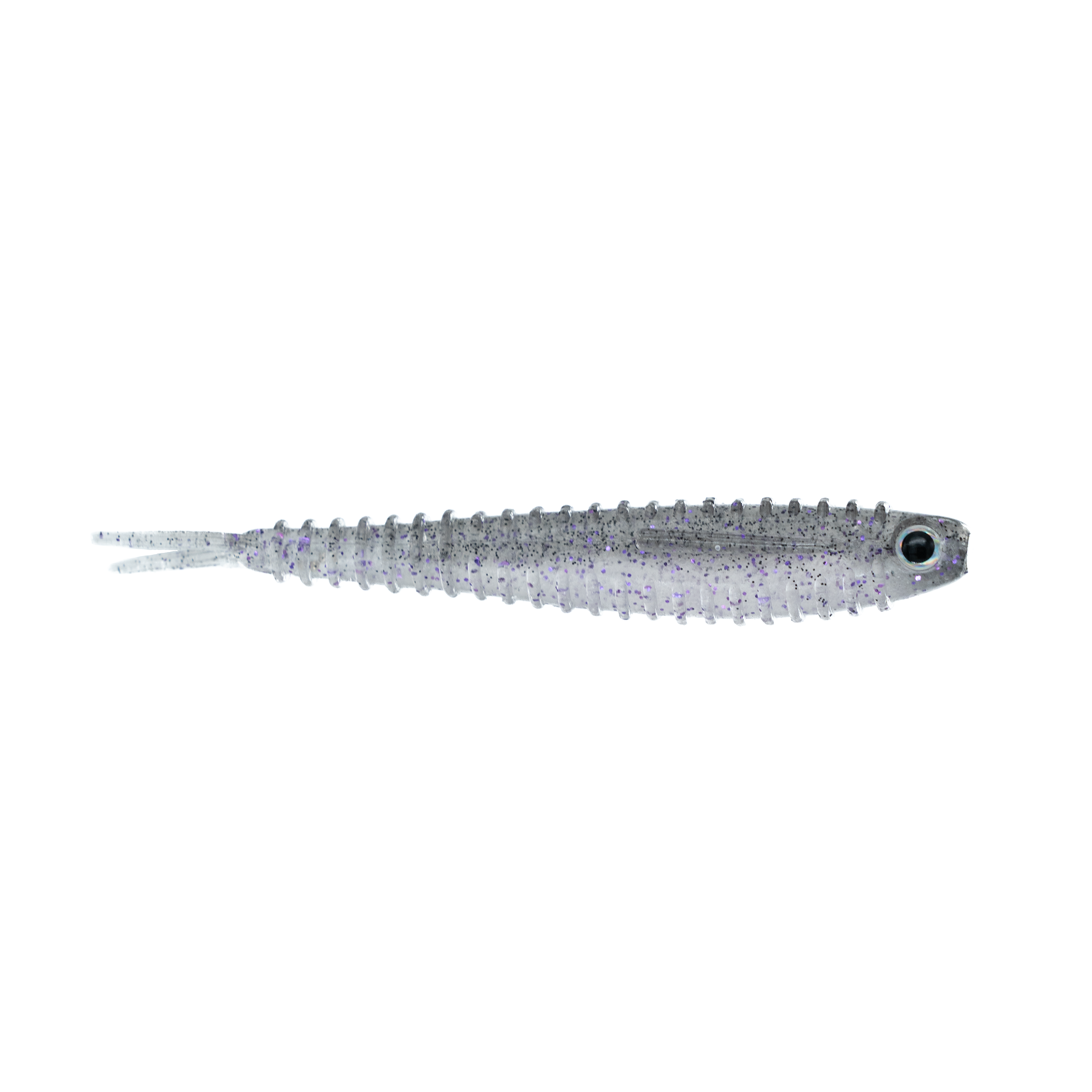
Summer is the hard season here and it is worth being honest about why: the pleasure-boat traffic from Tulsa makes daytime fishing difficult rather than merely uncomfortable. Fish move to deeper points, channel edges and rock, and the productive windows are first light, last light and after dark.

The Other Good Window
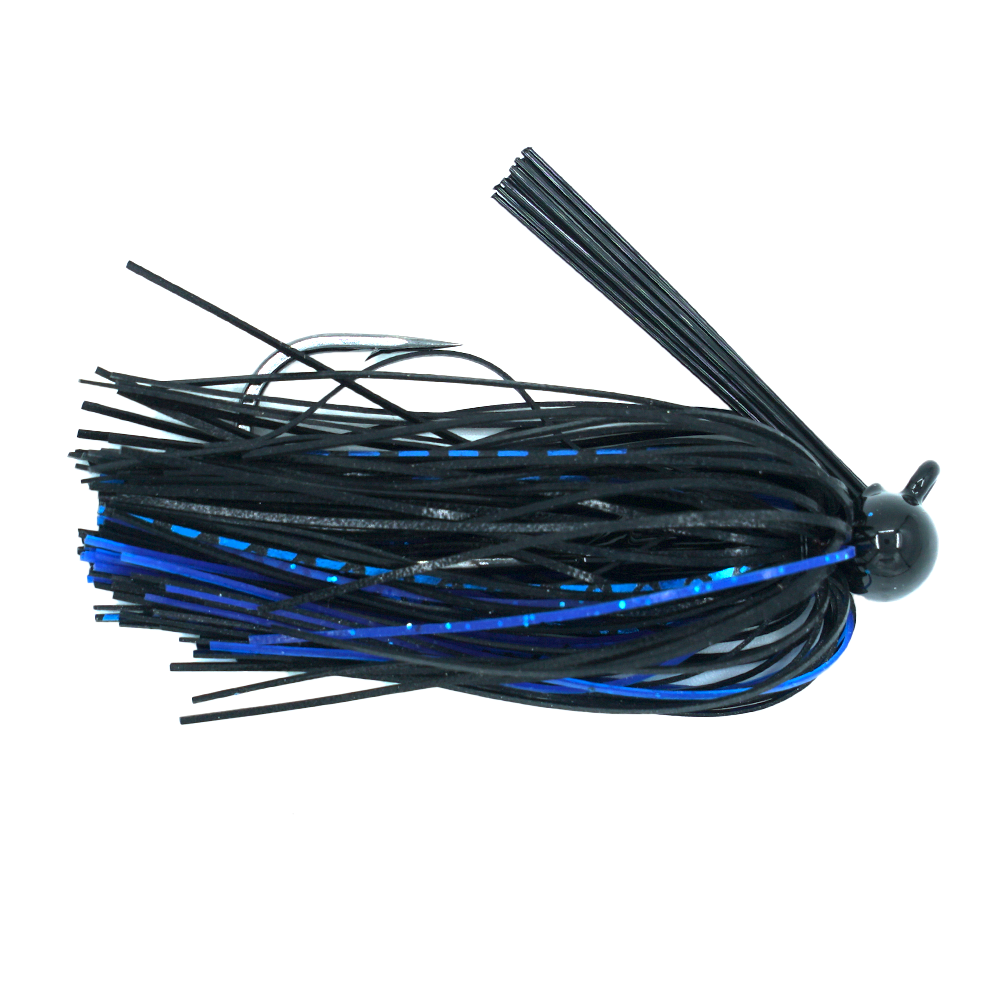
Autumn is the season local anglers name alongside spring. Cooling water gets bass active again, bait moves into the coves and the arms, and the summer traffic disappears entirely. Largemouth hold along the bottom on points and leading into coves and take moving baits well.
Deep Points, Empty Water
Winter empties the lake and pushes fish onto the deeper points, channel edges and rock. It is slow fishing with better average size, and on a lake this close to a city the solitude is worth something on its own. The spring window starts earlier than most people expect.


Keystone Lake Access
Public ramps and marinas serve the lake at multiple points, with Keystone State Park on the shoreline. Tulsa is twenty minutes east, which makes this the easiest quality bass water in Oklahoma to reach on a weekday evening.
The Points and Cove Entrances
The pattern local anglers describe first. Largemouth hold along the bottom on points and at the entrances leading into coves, and that is where the spring and autumn fishing happens. If you only learn one type of spot here, learn these.
The Cimarron and Arkansas Arms
Two rivers feeding one lake, warming and clearing at different rates and fishing differently from each other and from the main body. Worth treating as separate waters rather than as one reservoir.
The Dam and Tailwater
Deep water and hard structure at the lower end, and the tailwater below is named among Oklahoma's better striped bass water. A reliable option when the main lake is busy or the shallow bite is off.
Keystone Lake Bass Fishing FAQ
How far is Keystone Lake from Tulsa?
About twenty minutes west of downtown, at the confluence of the Cimarron and Arkansas rivers. That proximity makes it the easiest quality bass water in Oklahoma to fish on a weekday evening.
When is the best time to fish Keystone?
The cool months — spring and autumn, when bass are most active as water temperatures drop and the lake is quiet. March through May and the autumn window are both strong. Summer daytime fishing is genuinely difficult.
Why is summer so hard here?
Pleasure-boat traffic. Keystone is twenty minutes from Oklahoma's second city and it gets a significant amount of recreational attention in the warm months, which makes daytime fishing difficult rather than just unpleasant. Dawn, dusk and after dark are the answers.
How big is Keystone Lake?
Roughly 26,000 acres, formed where the Cimarron and Arkansas rivers meet west of Tulsa. It holds largemouth, smallmouth and sand bass, along with a well-regarded striped bass fishery.
Where do the bass hold?
Along the bottom on points and at the entrances leading into coves — that is the pattern local anglers describe, and it holds in both spring and autumn. Deeper points, channel edges and rock take over in summer and winter.
Are there stripers in Keystone?
Yes. Keystone and the tailwaters below its dam are named among the places to find big striped bass in Oklahoma, alongside Tenkiller's tailwater and Eufaula on the Canadian River. The striper fishery has its own following here.
What baits work best on Keystone?
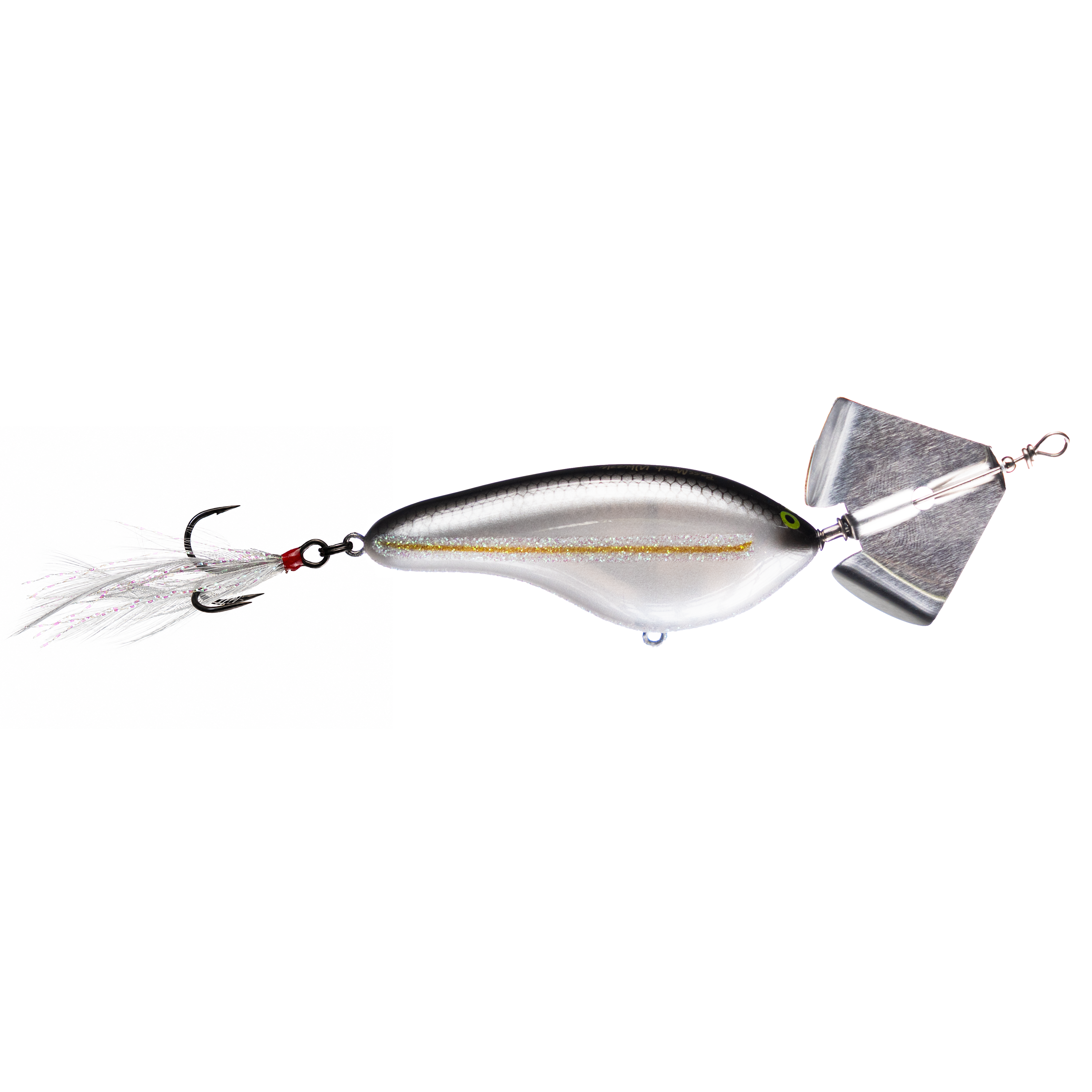
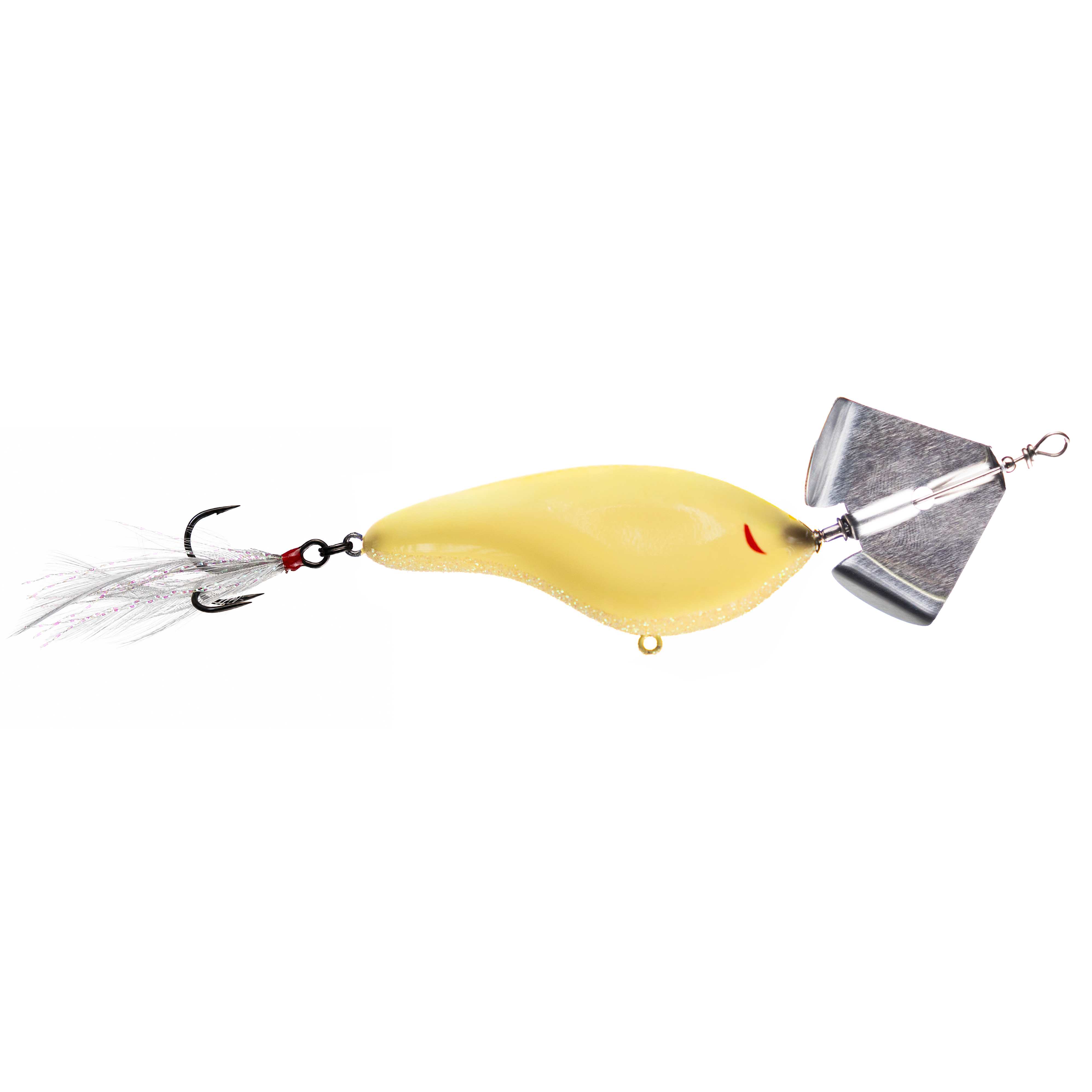
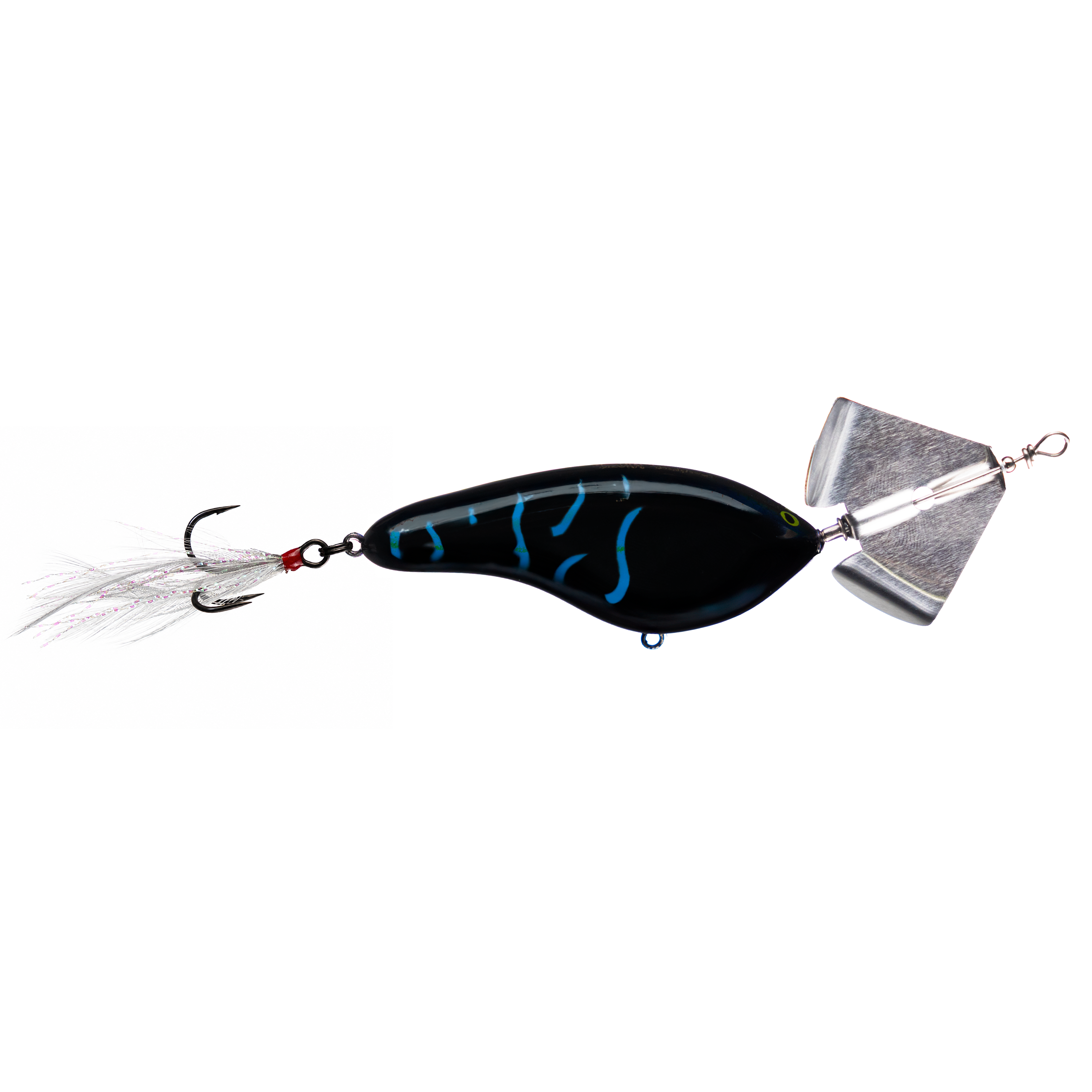
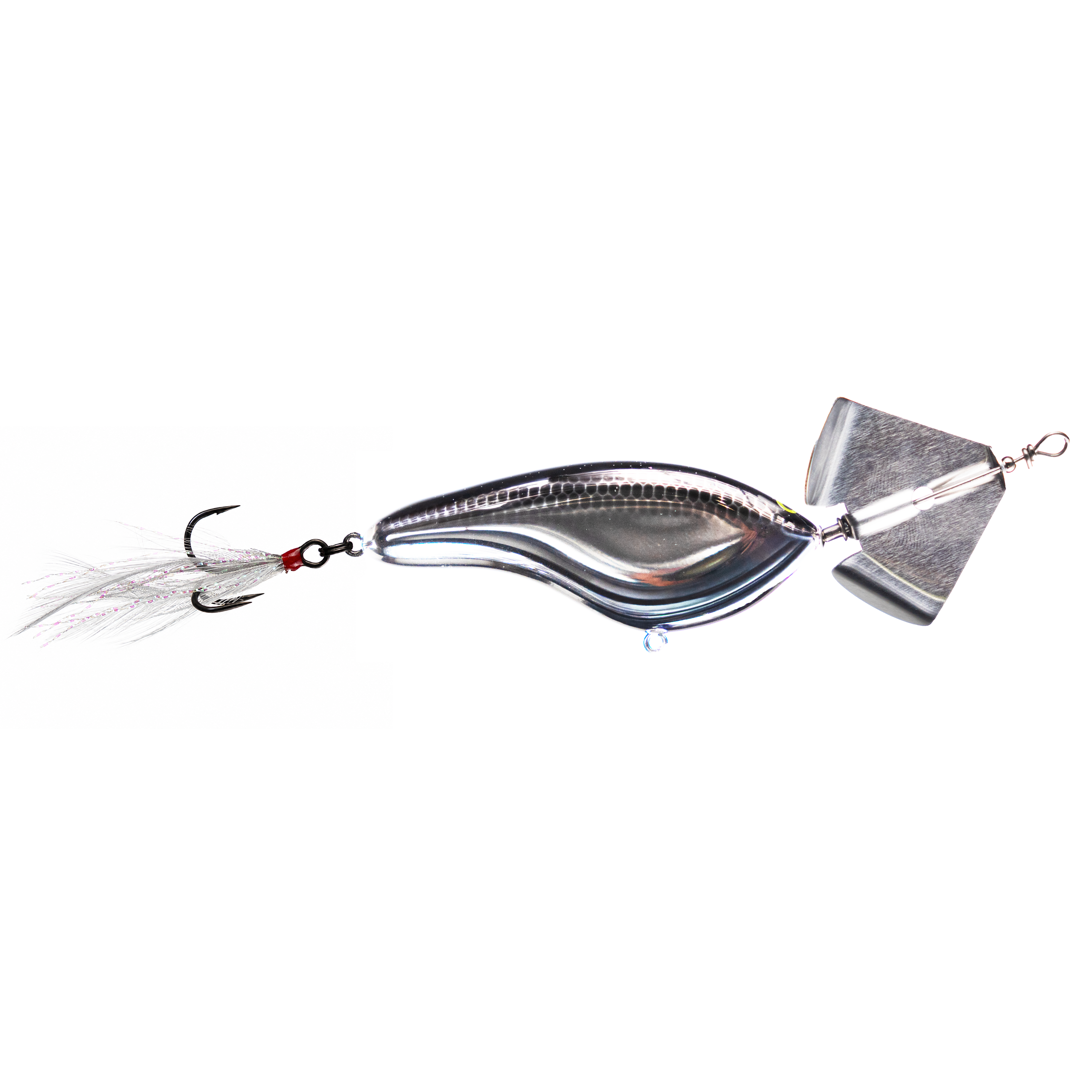
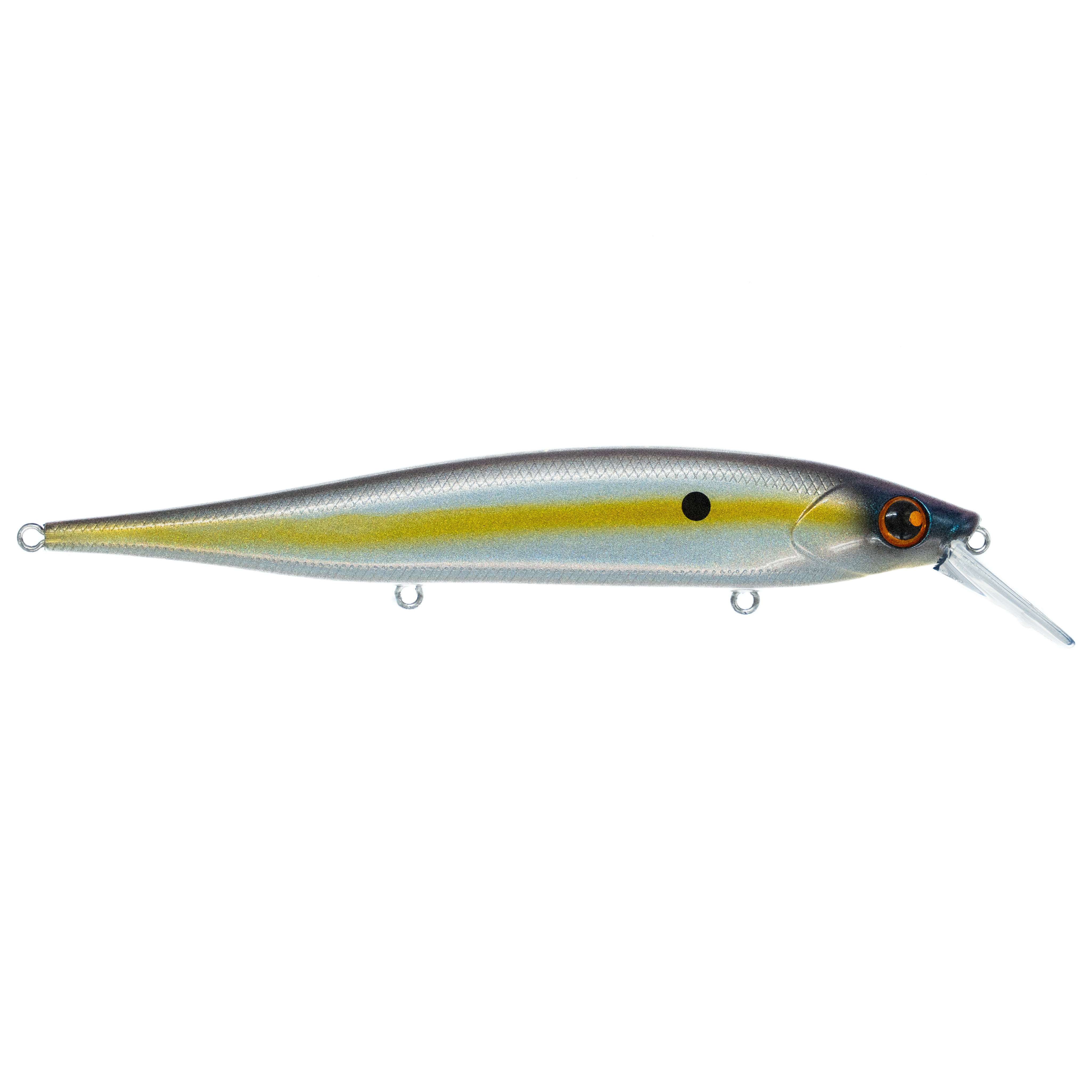
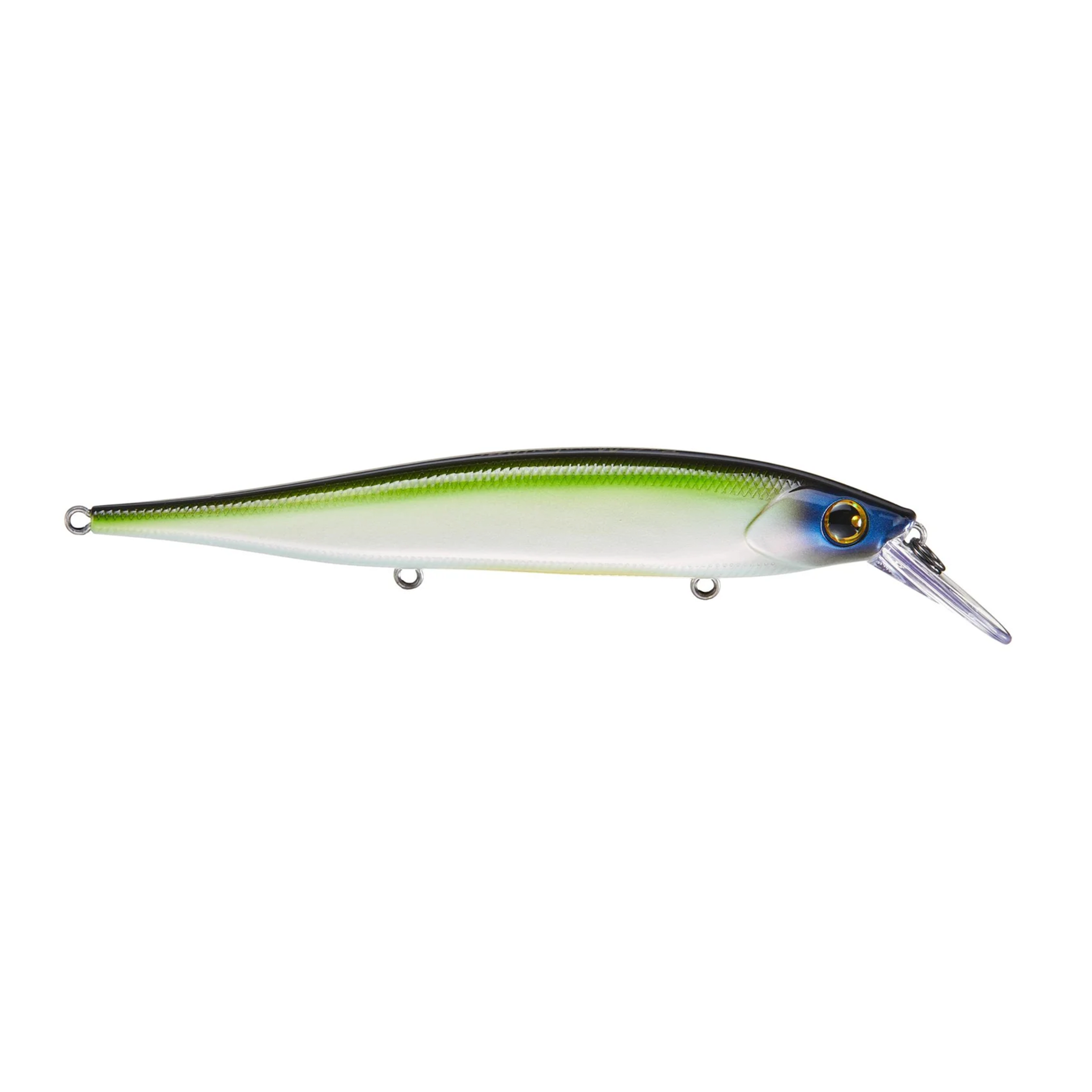
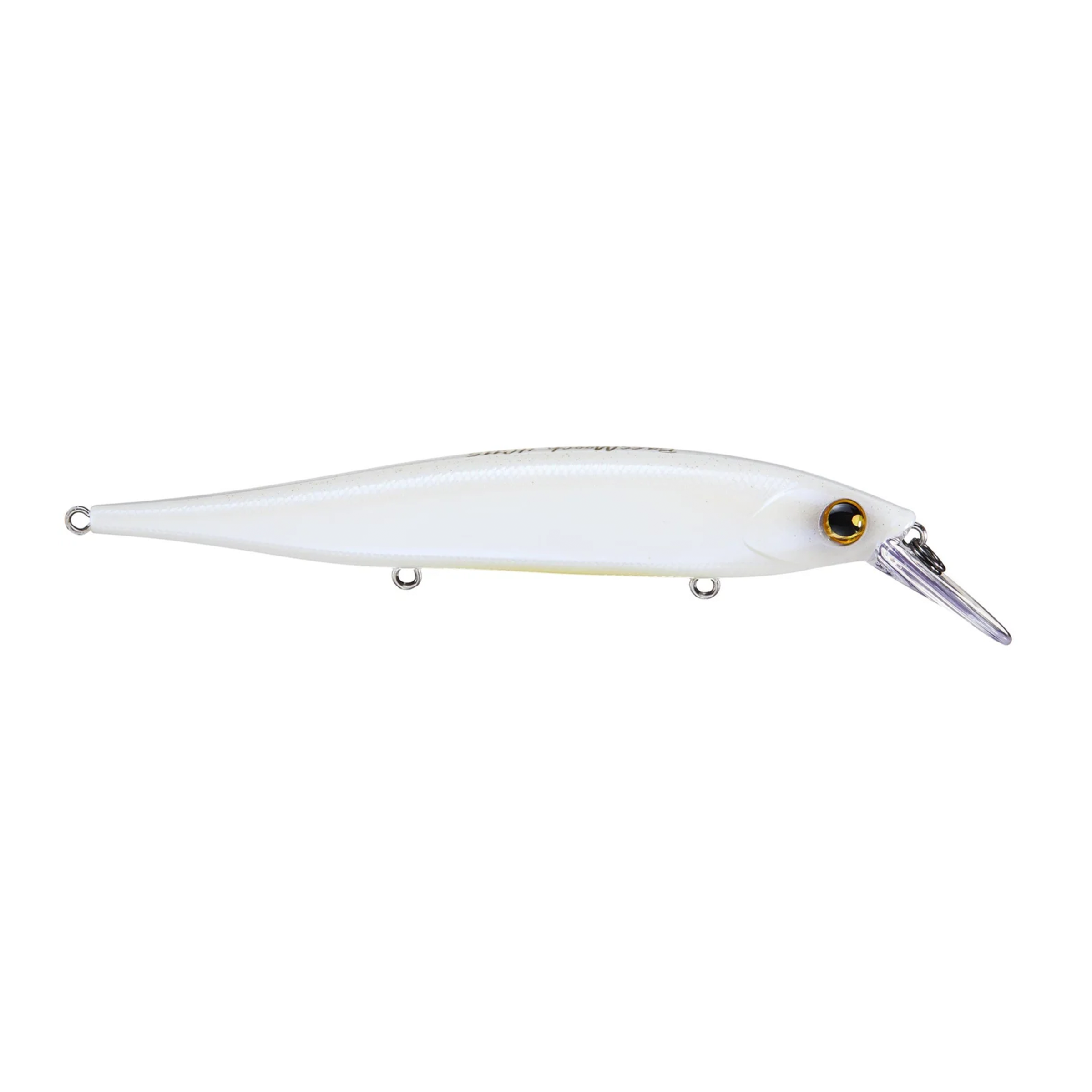
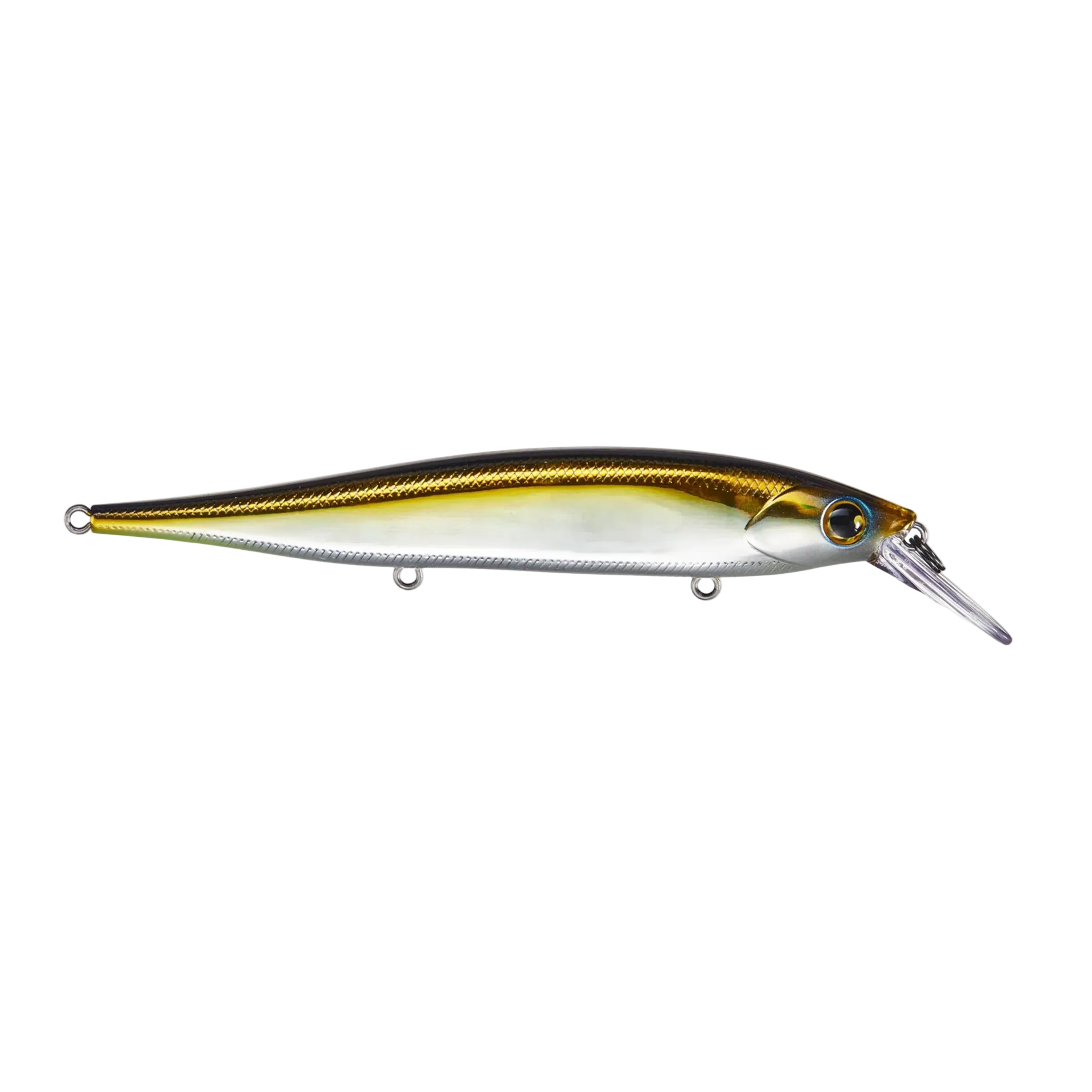
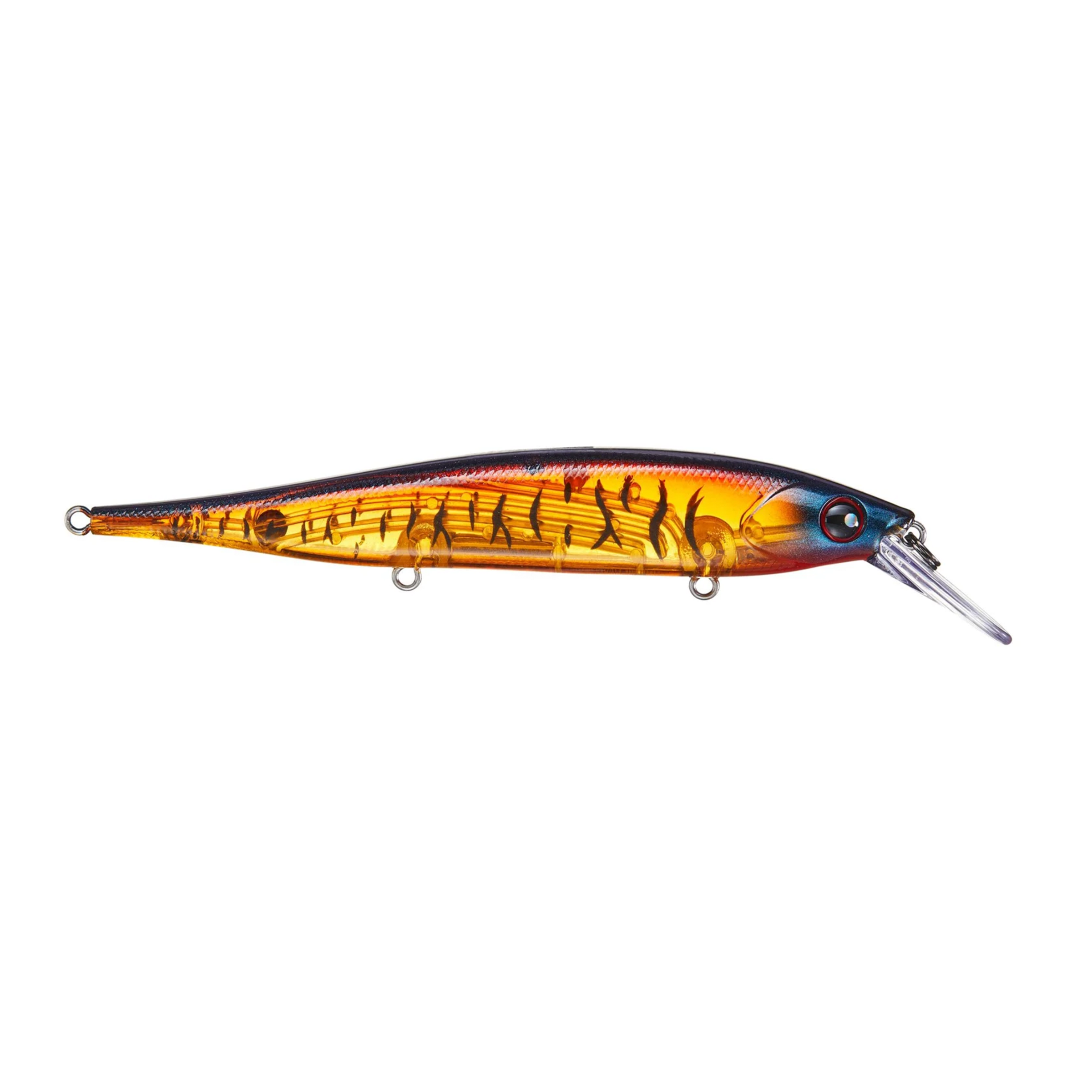
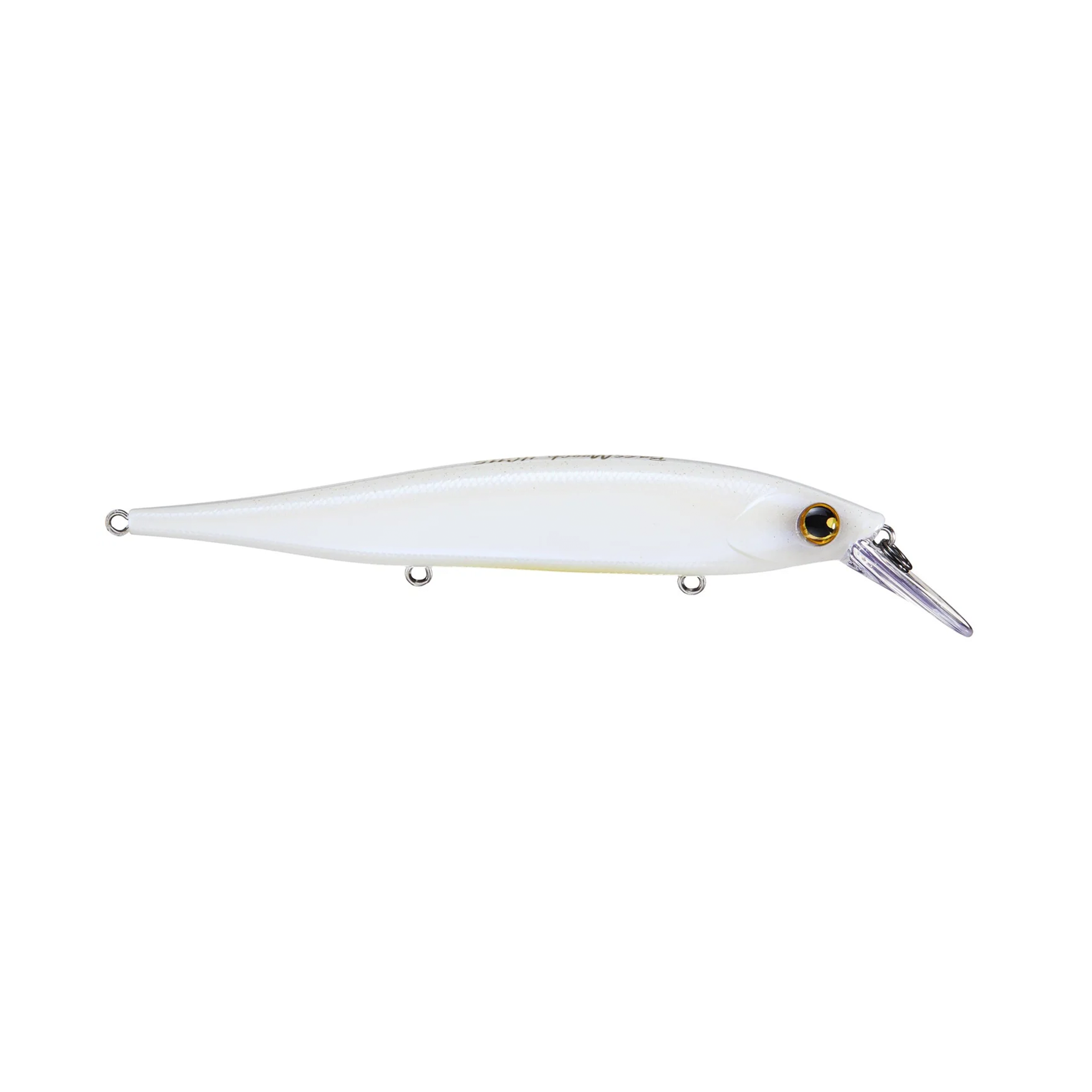
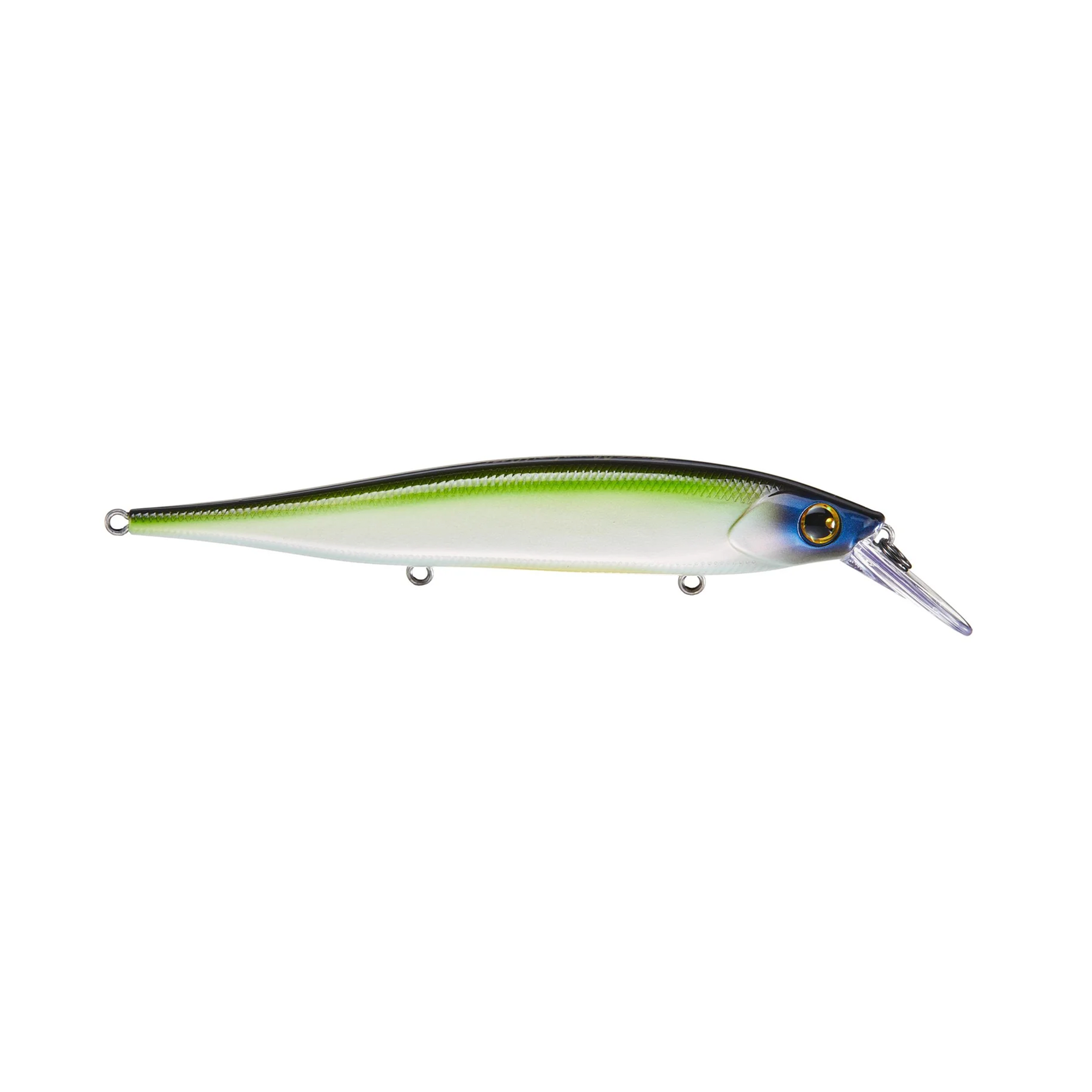
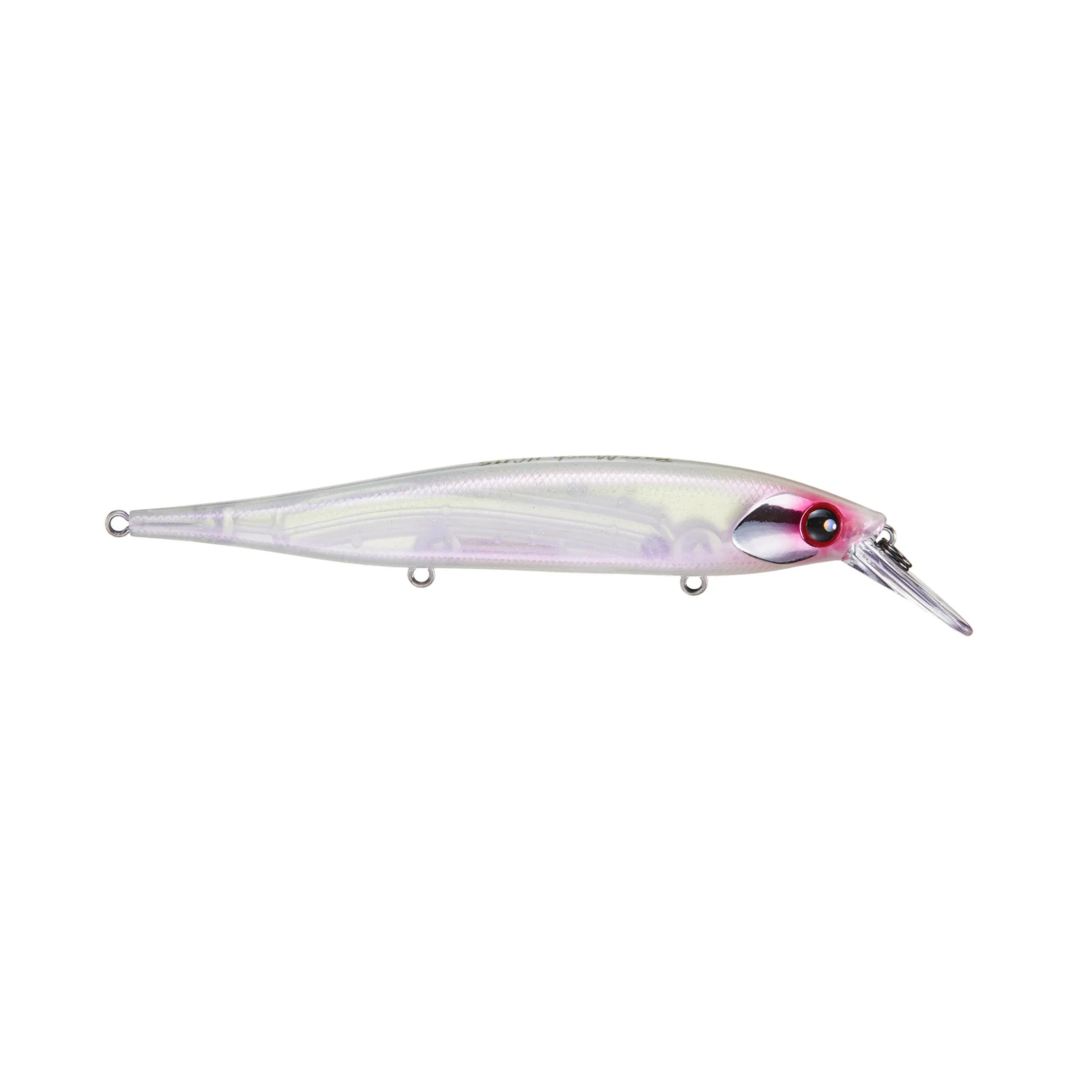
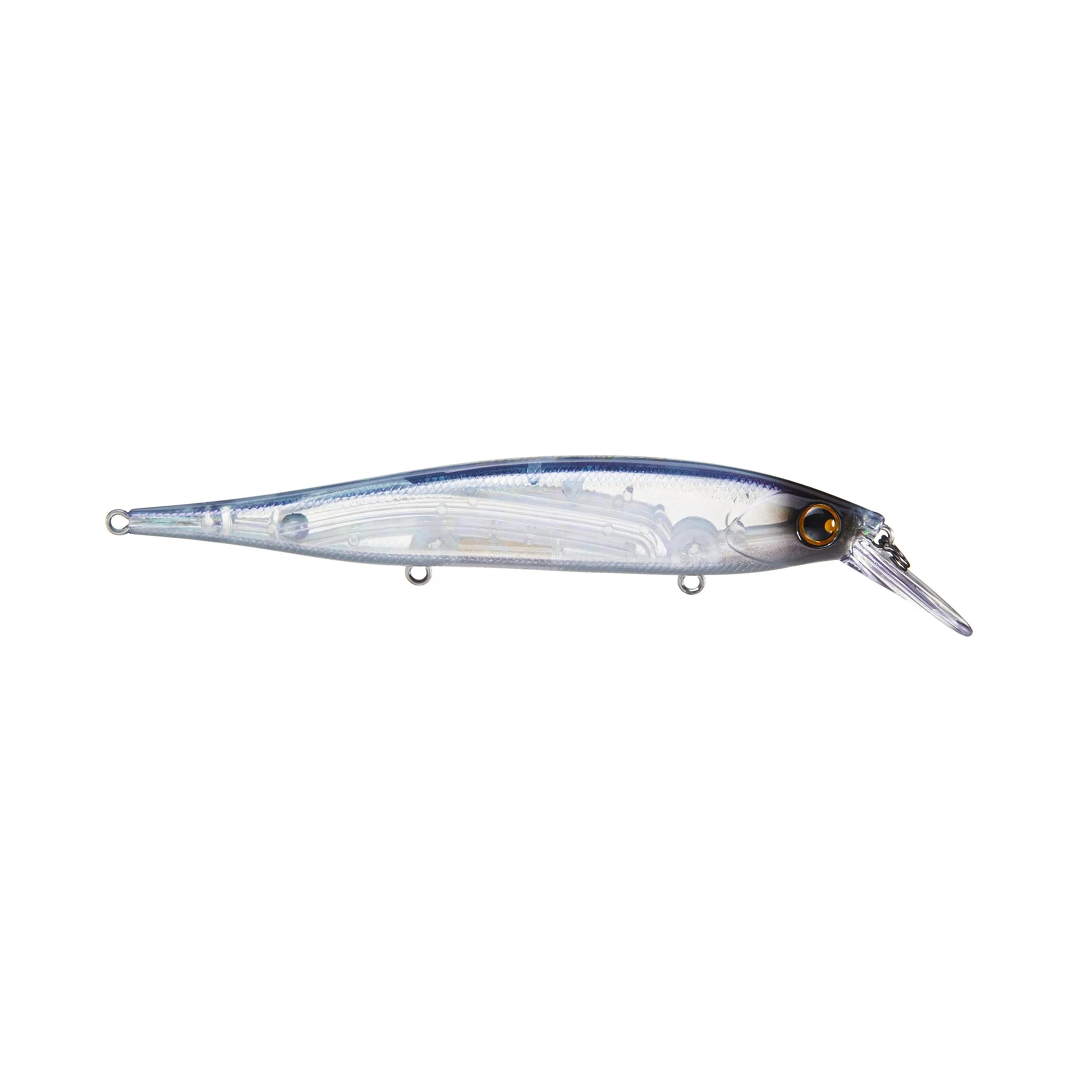
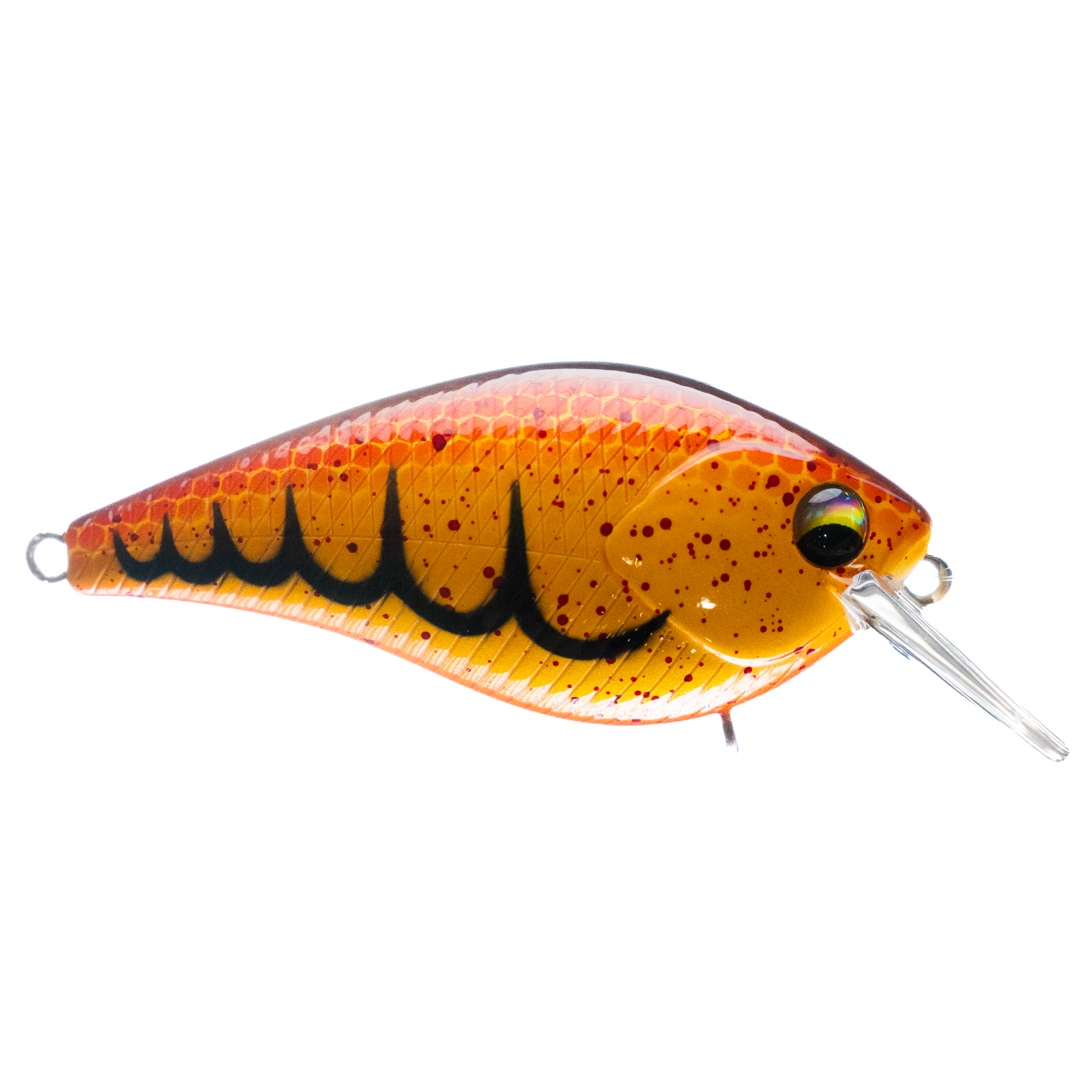
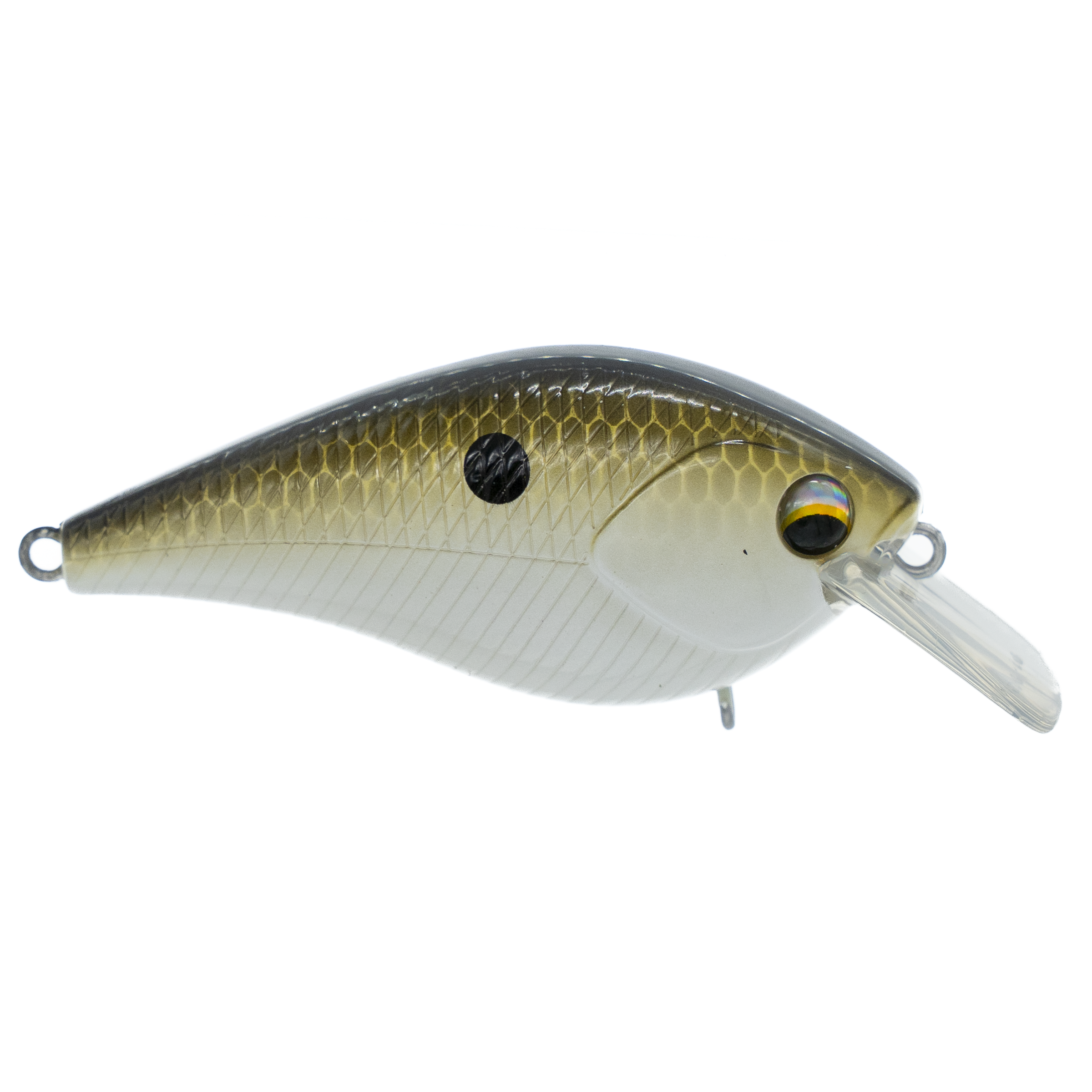
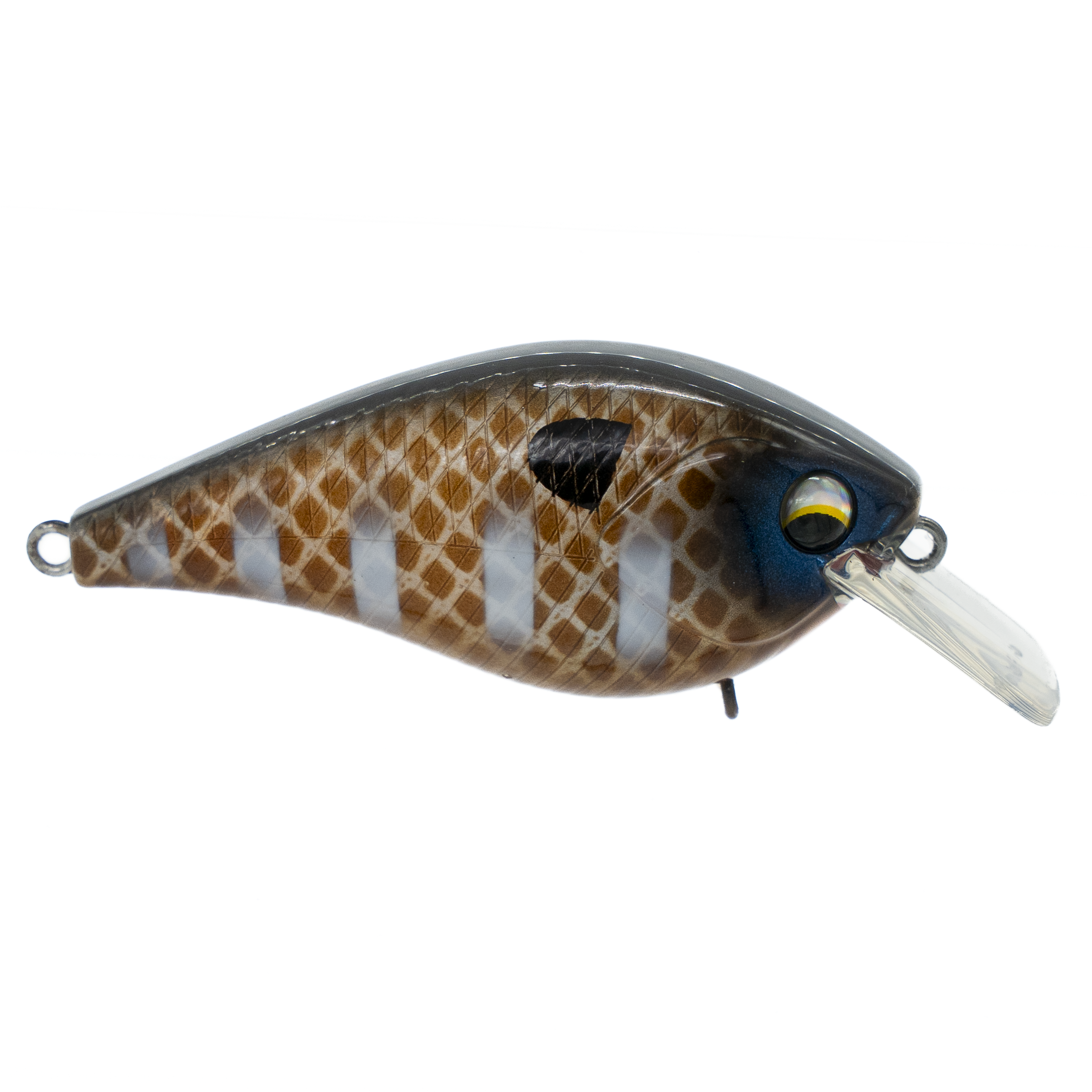
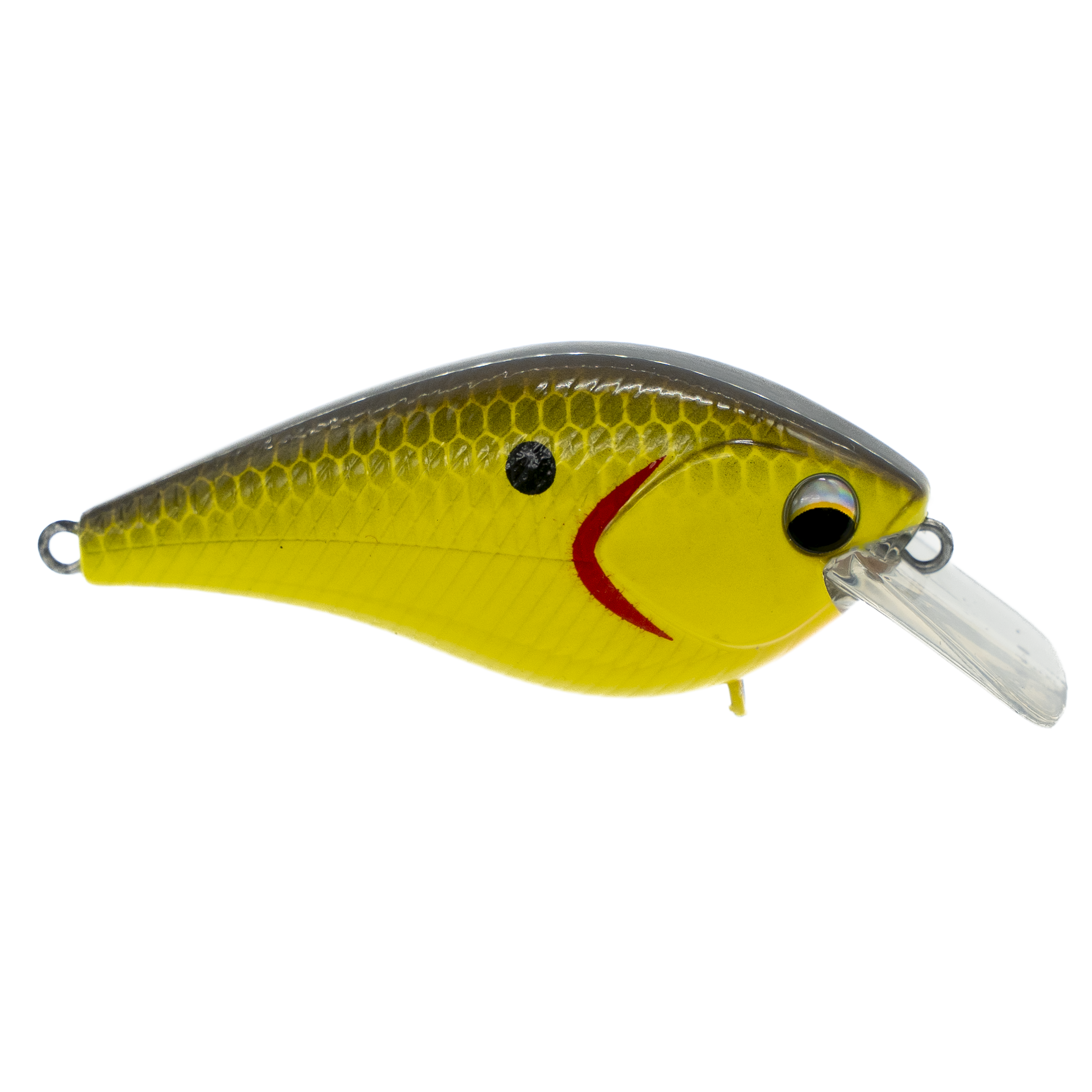
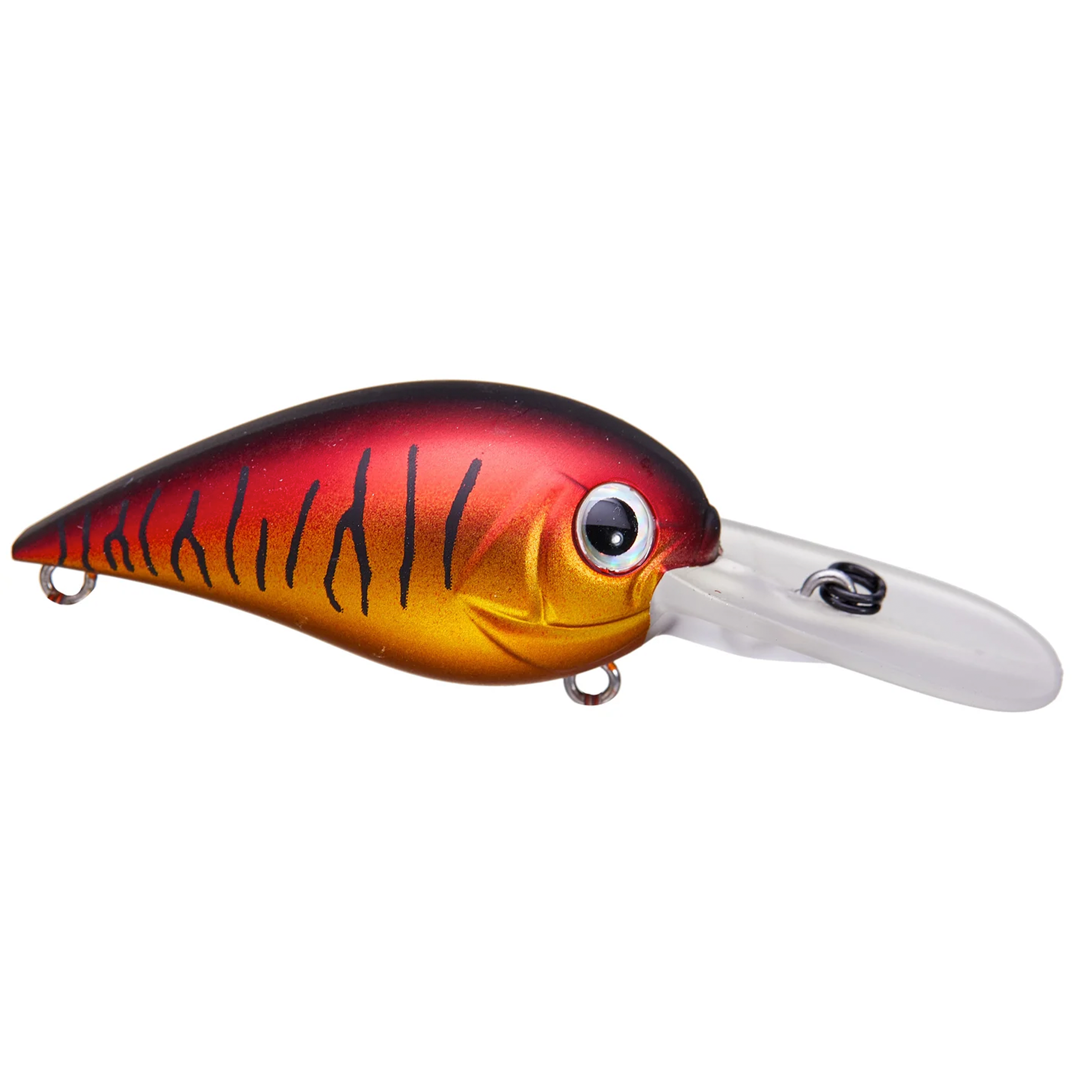
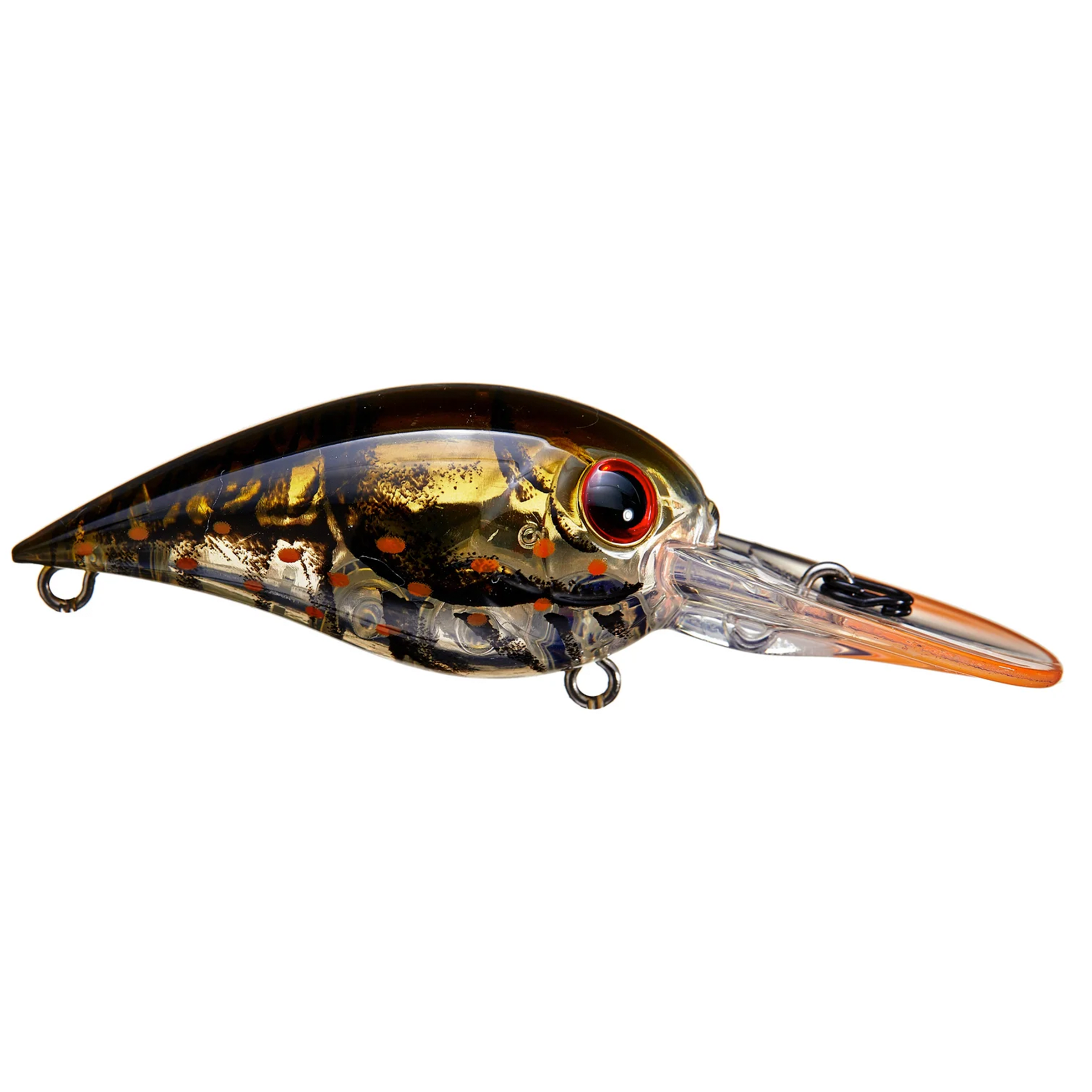
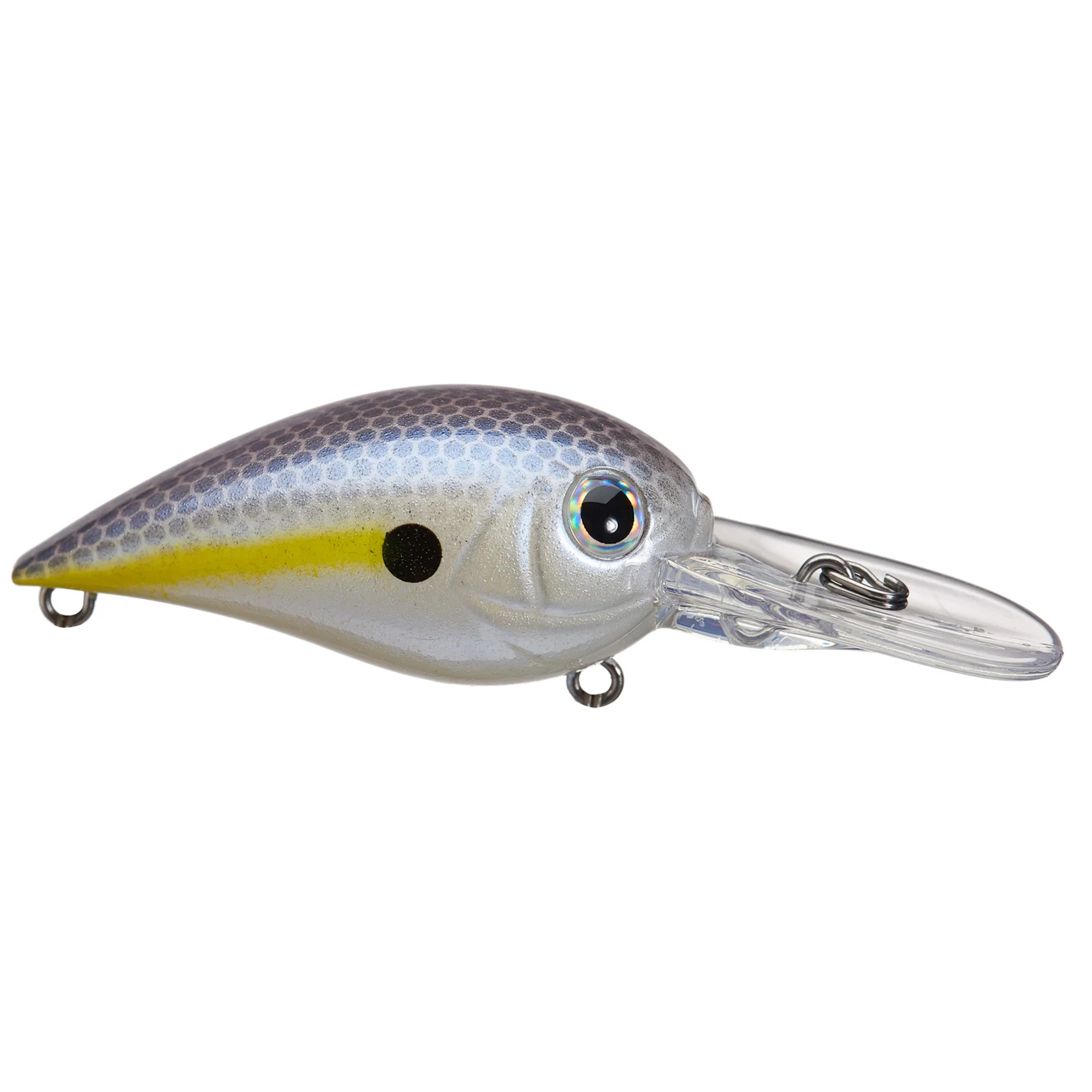
Swimbaits, jerkbaits and crankbaits on points and cove entrances in spring and autumn, jigs and Carolina rigs on deep structure in summer, and slow finesse presentations in winter. Our full bait lineup covers all four seasons.
Do I need a fishing license?
Yes, an Oklahoma fishing license from the Department of Wildlife Conservation. Check current black bass regulations before you go.
After Work, On the Points
An evening session on a metro lake means a small number of casts that have to count. Level Rods builds models that load and cast well from the first throw and stay sensitive when a bottom-hugging fish on a point picks a bait up rather than eating it.
Tournament Winning Baits & Gear
Designed, crafted and tested by anglers who fish points and structure every week. Free shipping on orders over $75.
Shop All Baits