Kerr Lake / Buggs Island Bass Fishing Guide
Kerr Lake Bass Fishing, Season by Season
Fifty thousand acres and 850 miles of shoreline straddling the Carolina–Virginia line — Kerr Lake if you're from one side, Buggs Island if you're from the other. It's a numbers fishery with a reputation for confusing good anglers in March, and the water level decides almost everything.
One Lake, Two Names, a Lot of Fish
The John H. Kerr Reservoir was completed in 1952, impounding the Roanoke River — called the Staunton once it crosses into Virginia — with the Dan River feeding the upper end. At roughly 50,000 acres and more than 850 miles of shoreline it's one of the largest reservoirs in the Southeast, and it sits directly upstream of Lake Gaston.
Set your expectations correctly and you'll enjoy it. Kerr is a numbers lake. Two to four pound largemouth are the norm, reproduction and growth rates are excellent, and Virginia's own fisheries people will tell you an eight-pounder is rare. If you want a personal best, fish somewhere else. If you want to catch bass all day, this is one of the best in the country at it.
The variable that governs everything is water level. It's a flood-control reservoir, and how high it sits determines how much cover actually exists. When it rises into the willows and sweet gums along the bank, fish push into the backs of coves and onto points and the flipping bite turns on. When it falls, that cover is gone and you're back to hard structure.
Then there's March. Kerr has a genuine reputation for making experienced anglers look foolish in early spring — bass move up and down in the water column rather than around the lake, so a stretch that gave up a heavy bag one weekend can be barren the next with nothing obvious having changed. It isn't you. It's the lake.
What It Took to Win Here
Patterns that produced at the highest level on this lake, and the baits to fish them with.
Mike Iaconelli — He Found Grass Nobody Knew Was There
Iaconelli built a career on grass — his Classic win, his FLW Tour win, his B.A.S.S. victories at Seminole and Guntersville all came out of vegetation. He arrived at Kerr with two days of practice on a lake that had never been known as a grass fishery, went looking anyway, and found healthy hydrilla in the Little Nutbush area.
Four days later he'd won on a pure grass pattern, and the lake's reputation changed with him. The lesson isn't about hydrilla specifically — it's that Kerr rewards anglers who go looking for the thing nobody has told them is there. When the Bassmaster Opens finally returned in 2023 after two decades away, nearly the entire field caught limits every day despite conditions changing daily. There are a lot of fish in here. Do something long enough and you'll get bit.


Reading the Water Level
Four patterns cover the year. Each one pairs the technique with the baits we'd actually tie on.
Rising Water, Flooded Trees
Spring is when Kerr shows you what it's got, and also when it can humiliate you. Rising water floods the willows and sweet gums along the bank, and when that happens the fish push into the backs of coves and set up on points. March is the month with a reputation — bass move up and down in the water column, hold still, or make small migrations, and the same stretch that produced a bag one weekend can be dead the next with no change in weather or level.


Creek Arms, Points and Grass
Summer spreads fish between the lower-end creek arms and the offshore structure, and hydrilla has become a real factor since the mid-2000s, particularly around Little Nutbush. Kerr is deeper than most Piedmont reservoirs — about 30 feet on average with holes to 100 — so there's genuine offshore water to work when the shallow bite dies.

Bait in the Backs
Shad push into the creek arms as the water cools and the bass follow them. The Nutbush and Island Creek arms are as good as anywhere on the lake in October and November. Kerr holds gizzard shad, threadfin, alewives and blueback herring, so bait size varies more here than on a single-forage lake — carry options.



Deep, Slow, and Yours Alone
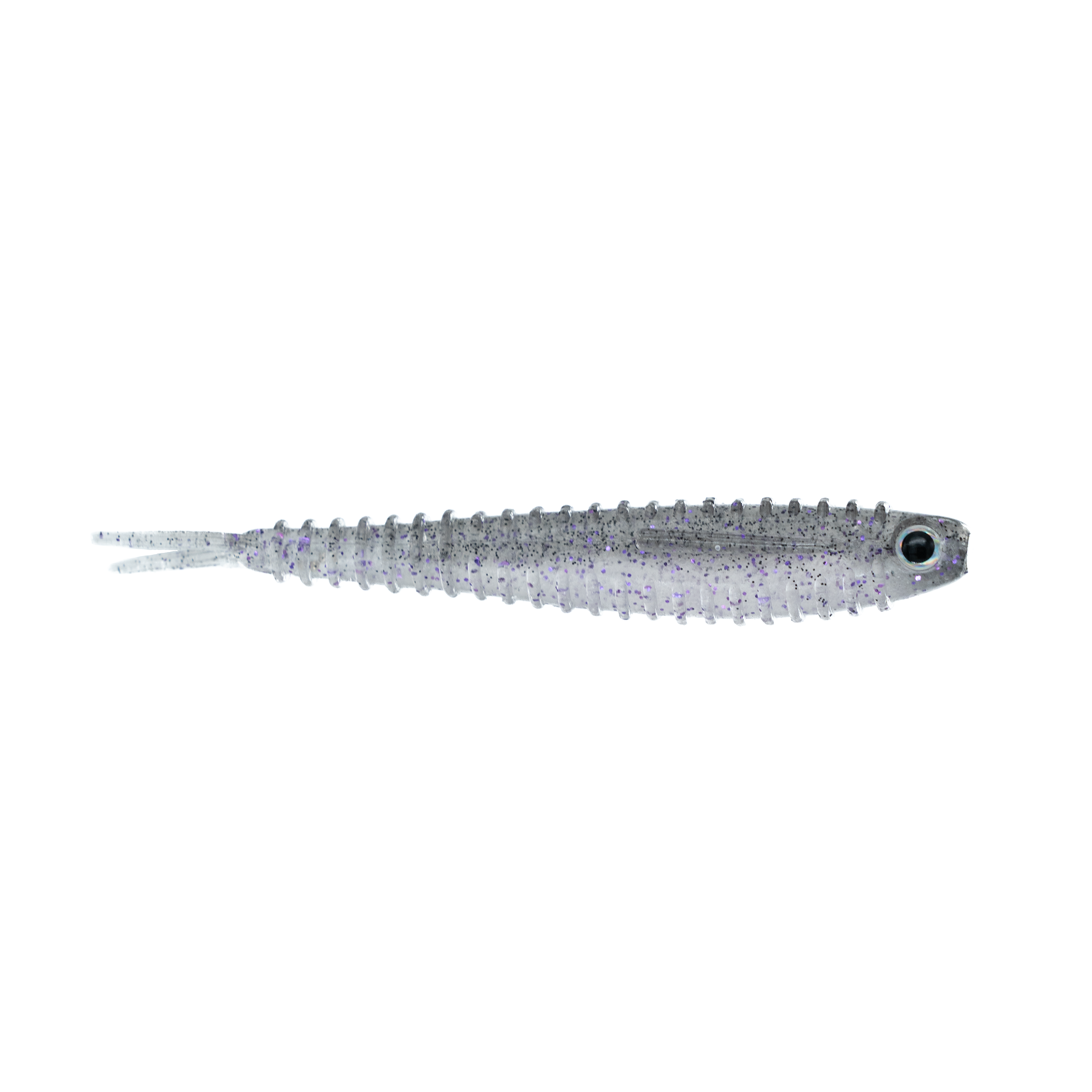
Kerr goes quiet in winter and the fish go deep. With 100 feet of water available at the lower end and an average around 30, cold-water bass have somewhere to go and they use it. Fewer bites, better average size, and almost nobody else on 850 miles of shoreline.




Kerr Lake Access
The best fishing is generally the upper end and the lower-end creek arms. Everything between is a lot of water.
Nutbush Creek Arm
A reliable creek arm on the Carolina side, and the Little Nutbush area holds the hydrilla that changed this lake's reputation. Strong in spring and again in fall.
Island Creek Arm
Another productive lower-end creek, with bait pushing well back into it as the water cools. Worth working from the mouth inward until you find fish.
Clarksville & the Upper End
Where the Dan and the Staunton come in, and where the upper-lake fishing is at its best. Occoneechee State Park near Clarksville is the usual launch for tournaments on this end.
Kerr Lake Bass Fishing FAQ
Is it Kerr Lake or Buggs Island Lake?
Both, and it depends which side of the line you're standing on. North Carolinians call it Kerr Lake, after Congressman John H. Kerr who backed its creation. Virginians call it Buggs Island Lake, after an island below the dam named for early settler Samuel Bugg. Same 50,000 acres either way.
How big are the bass in Kerr Lake?
This is a numbers fishery rather than a trophy one, and it's worth going in knowing that. Two to four pound largemouth are typical, and Virginia's fisheries agency describes bass over eight pounds as rare. What you get in exchange is exceptional reproduction and growth, and a lake where you can reliably catch fish.
Why does Kerr fish so differently week to week in March?
Because early-season bass here move vertically in the water column as much as they move around the lake. A stretch that produced a big bag one weekend can be empty the next with no change in water level or weather. If a proven spot goes quiet, the fish have most likely changed depth rather than left.
How does the water level affect fishing on Kerr?
Directly, because it determines how much cover exists. When the lake rises into the willows and sweet gum trees along the bank, fish push into the backs of coves and onto points, and flipping the flooded trees becomes the play. When it drops, that cover disappears and you're back on hard structure.
Does Kerr Lake have grass?
It does now, though it was never known for it. Hydrilla established itself in the mid-2000s, and a Stren Series event was won on a pure grass pattern out of the Little Nutbush area. Habitat work has also added planted water willow beds and artificial structure in several places.
What baits work best on Kerr Lake?
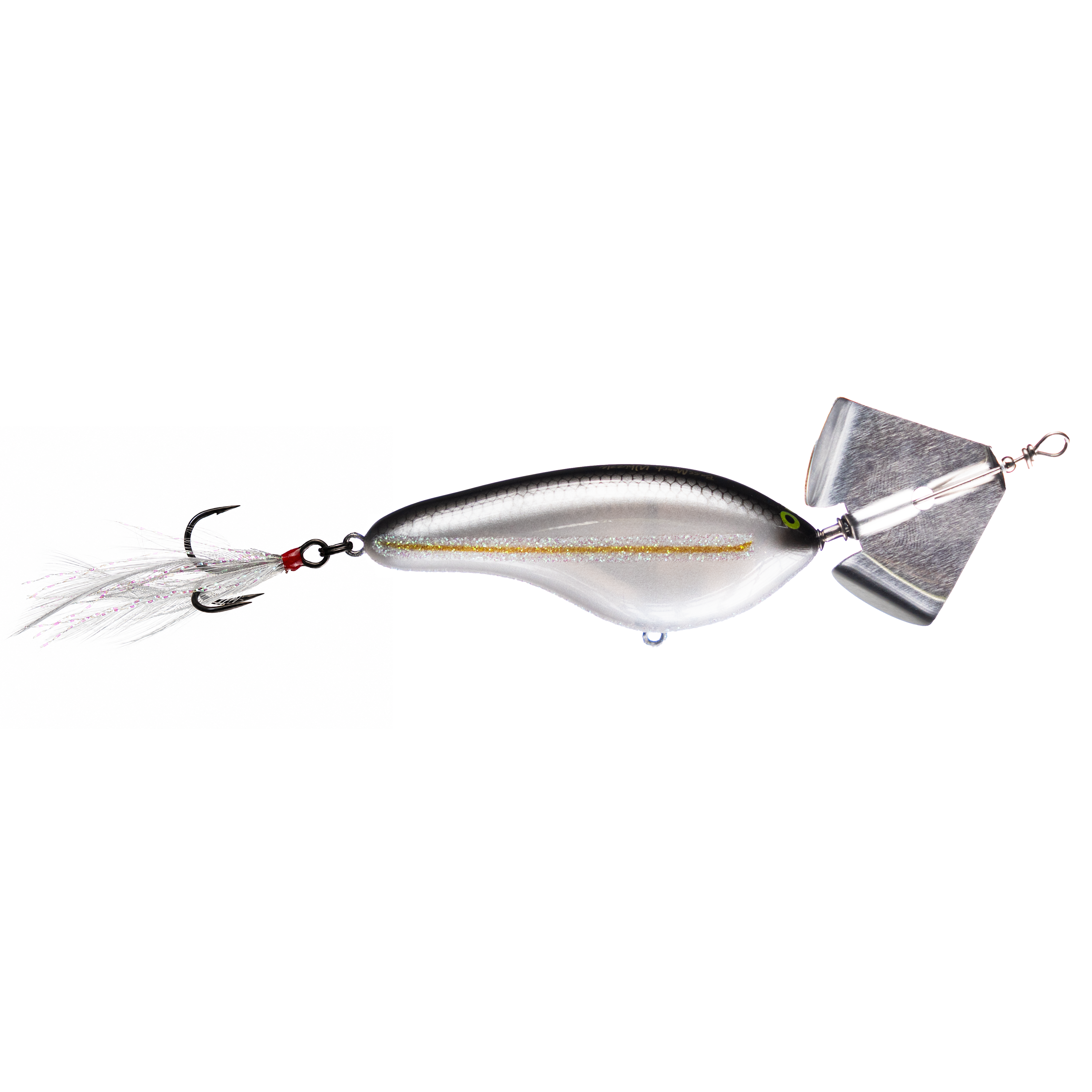
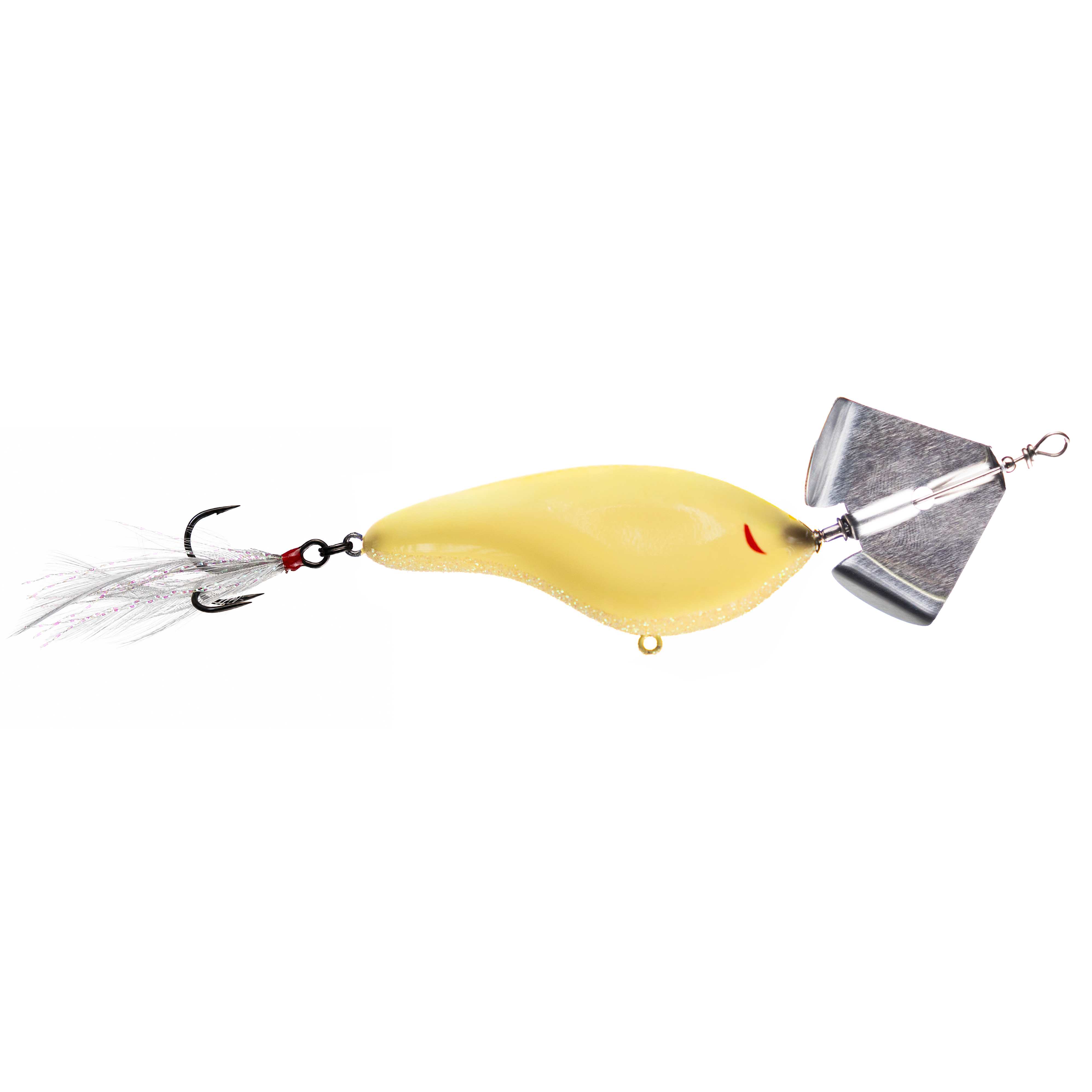
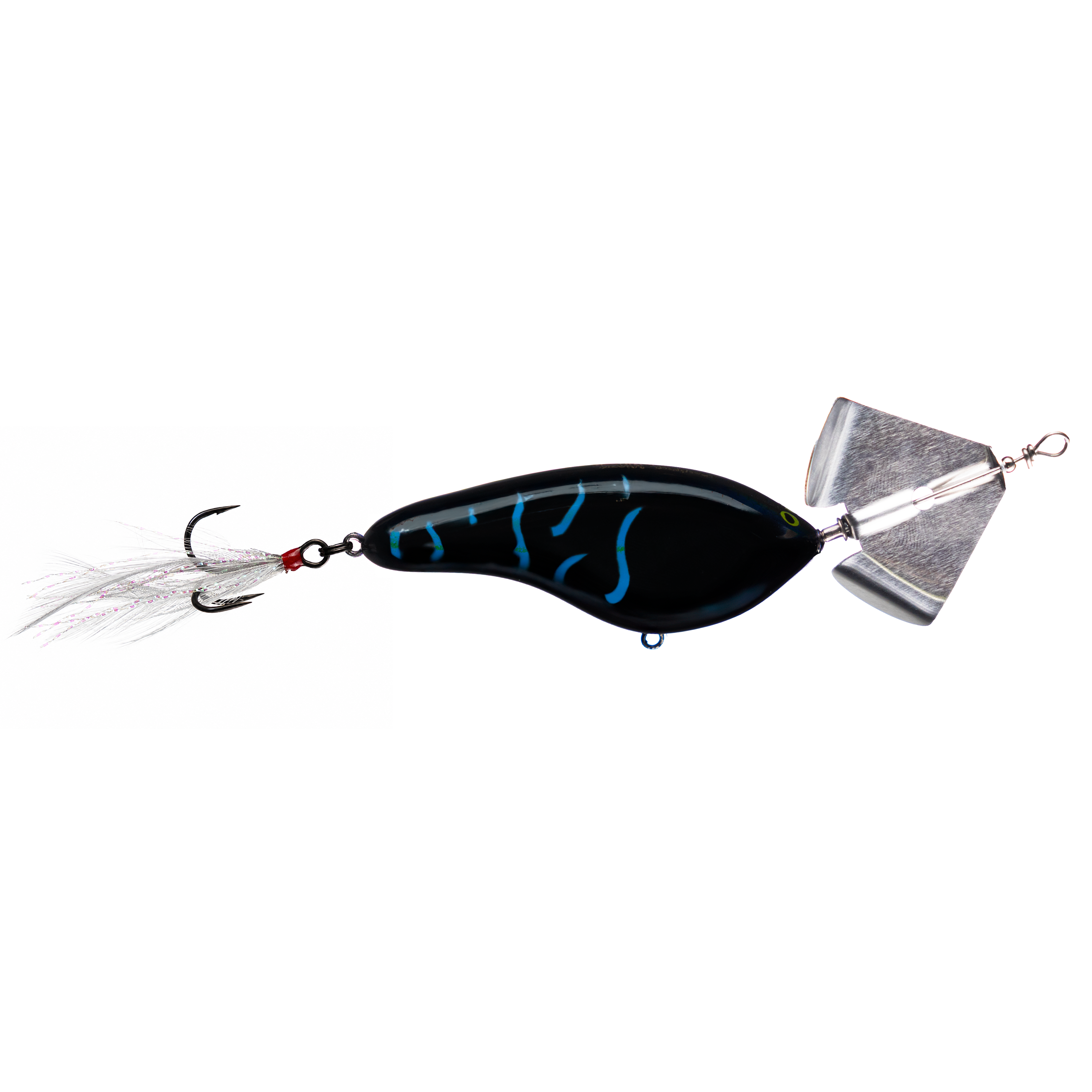
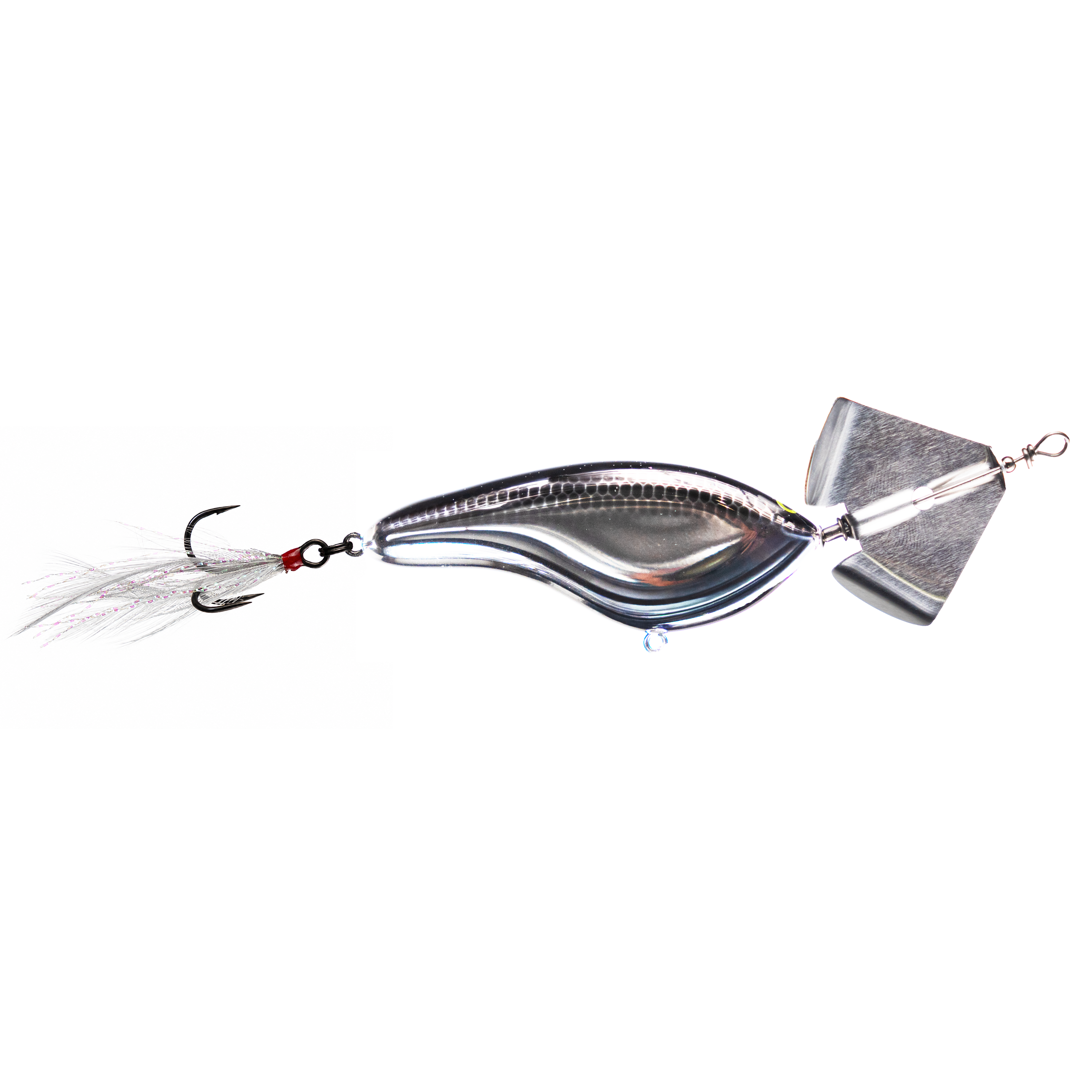
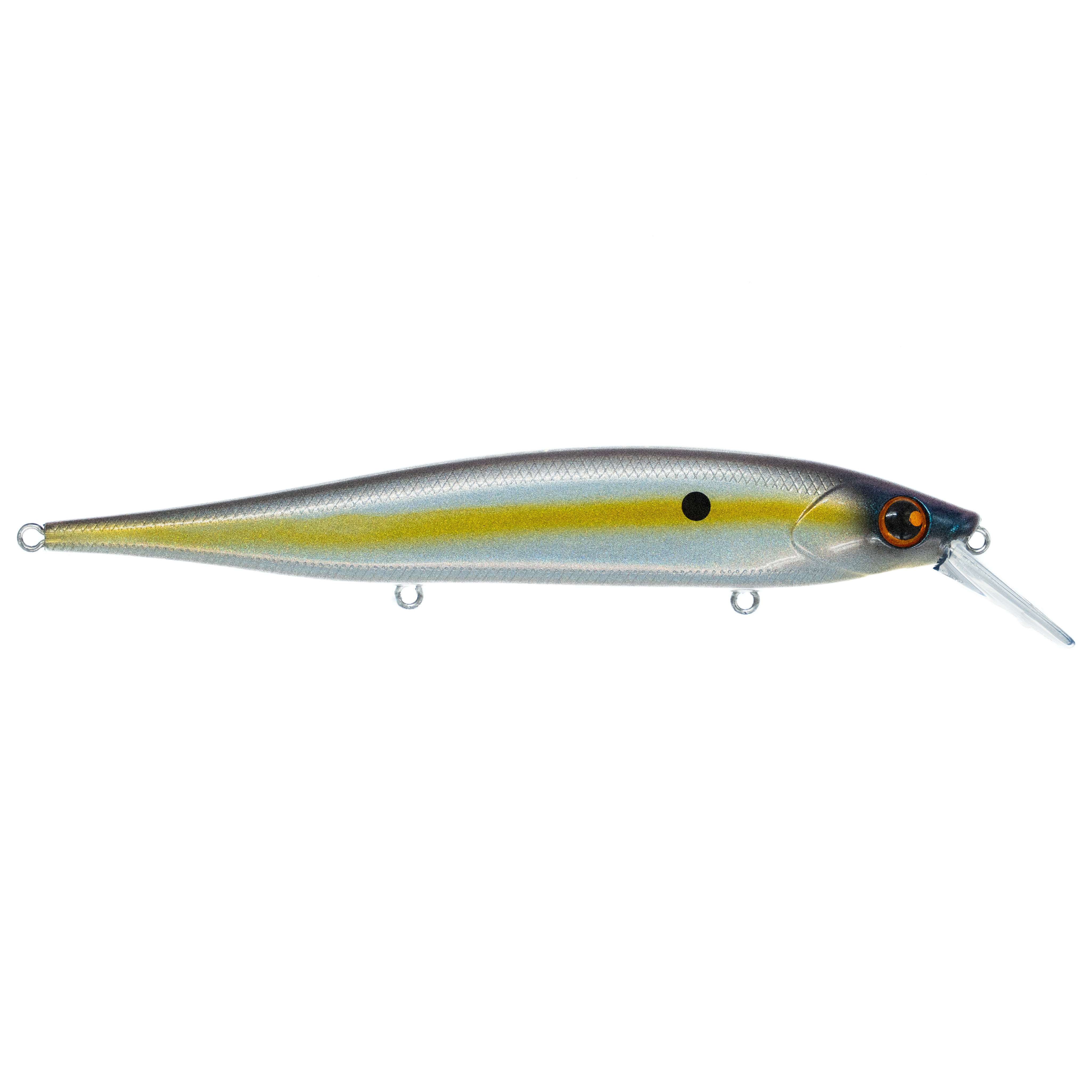
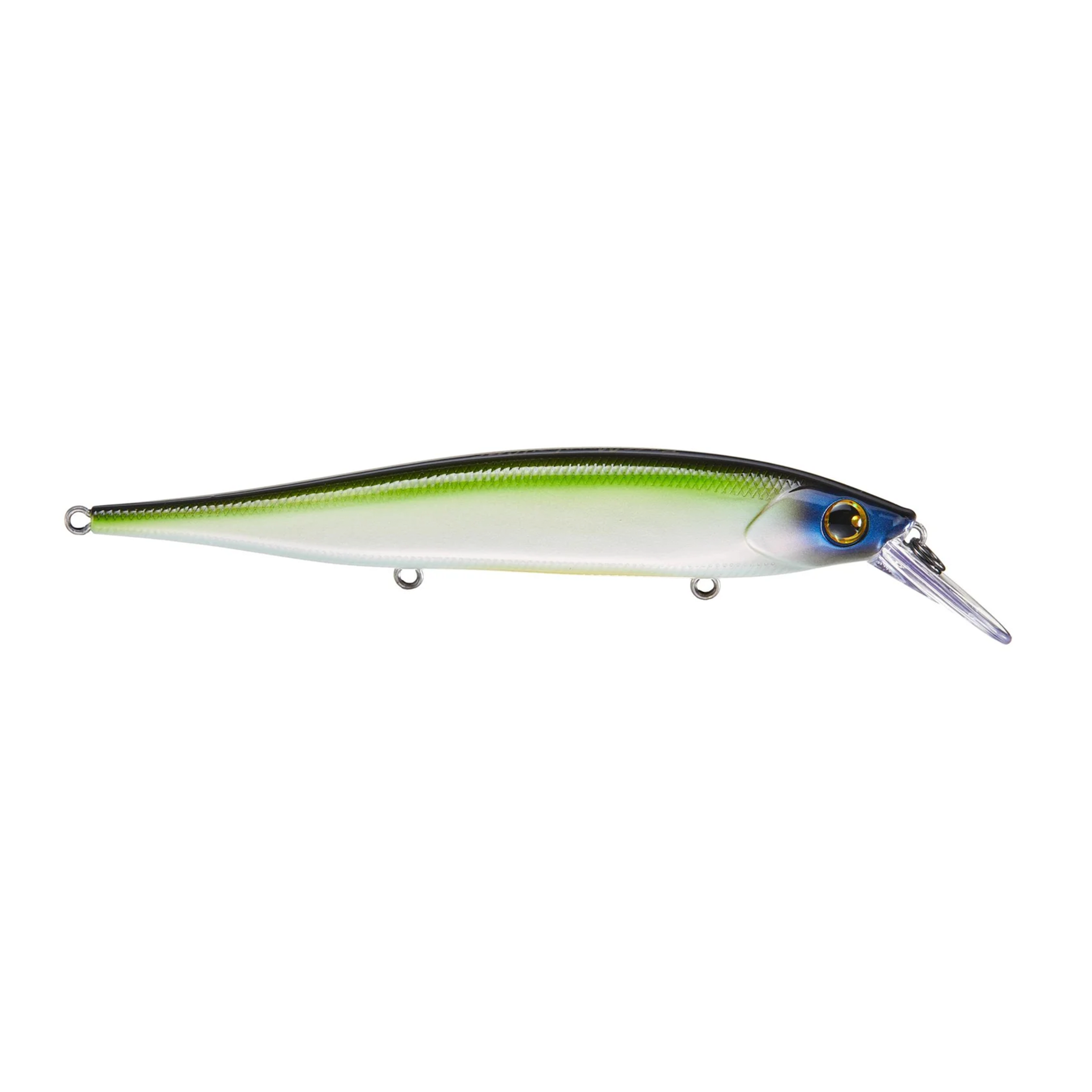
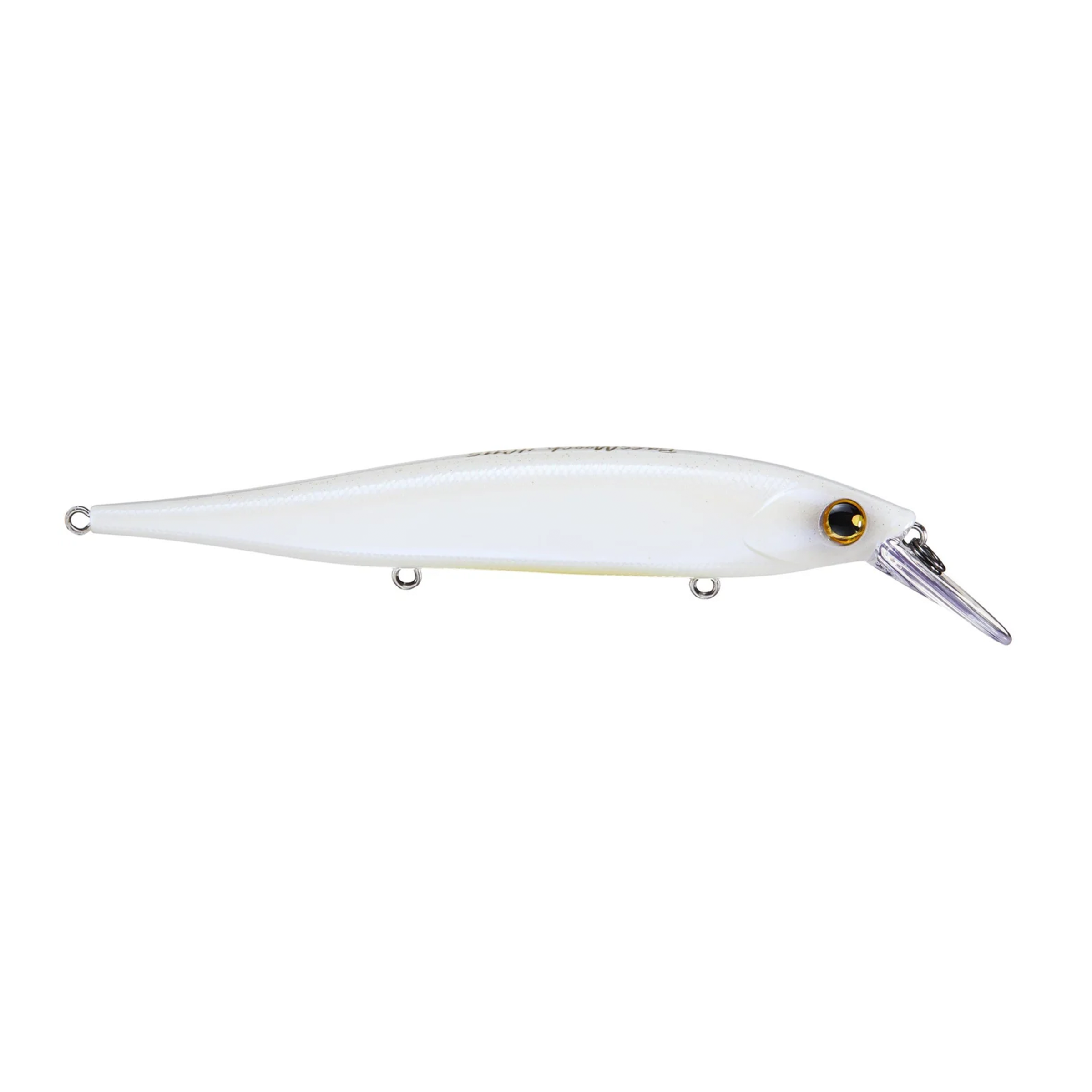
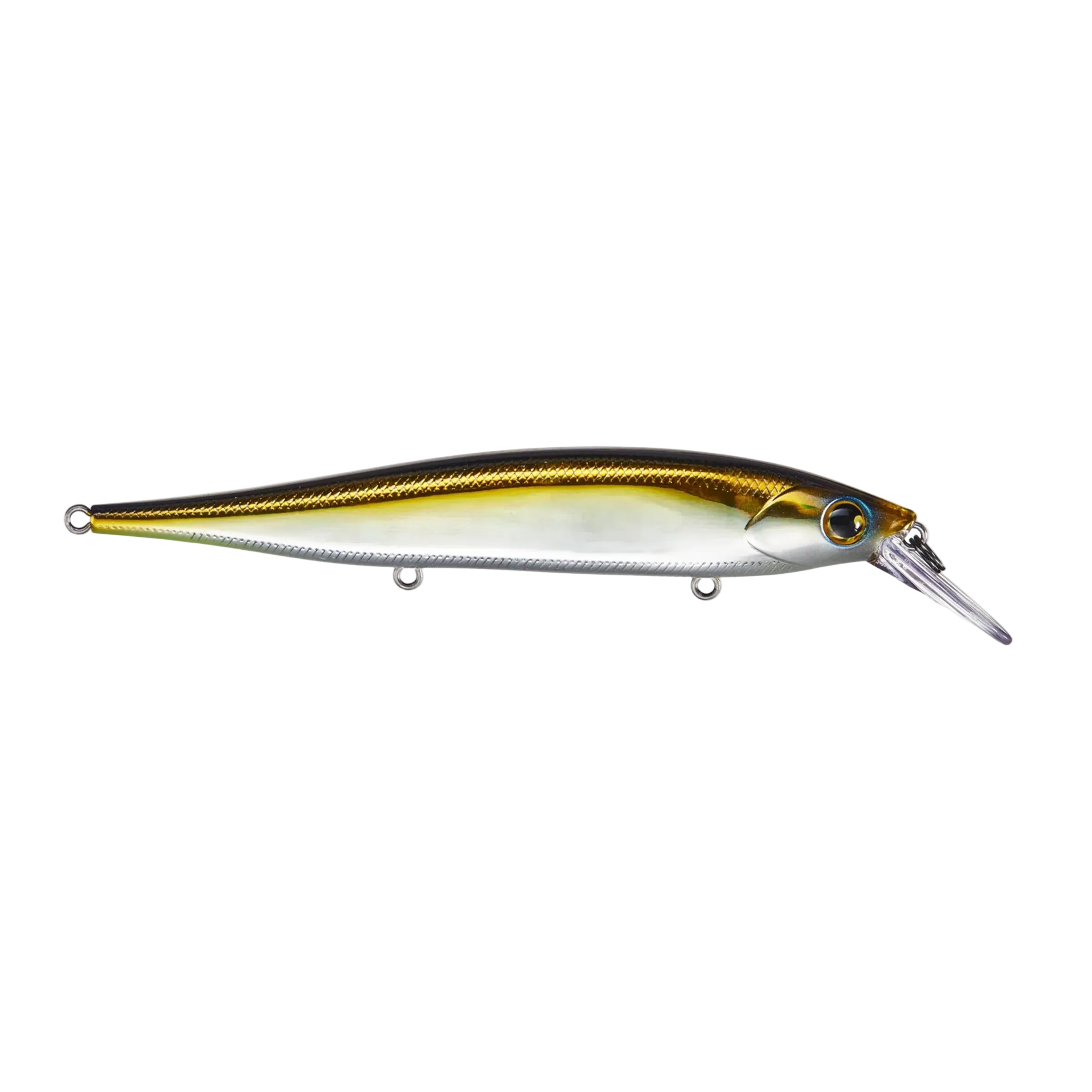
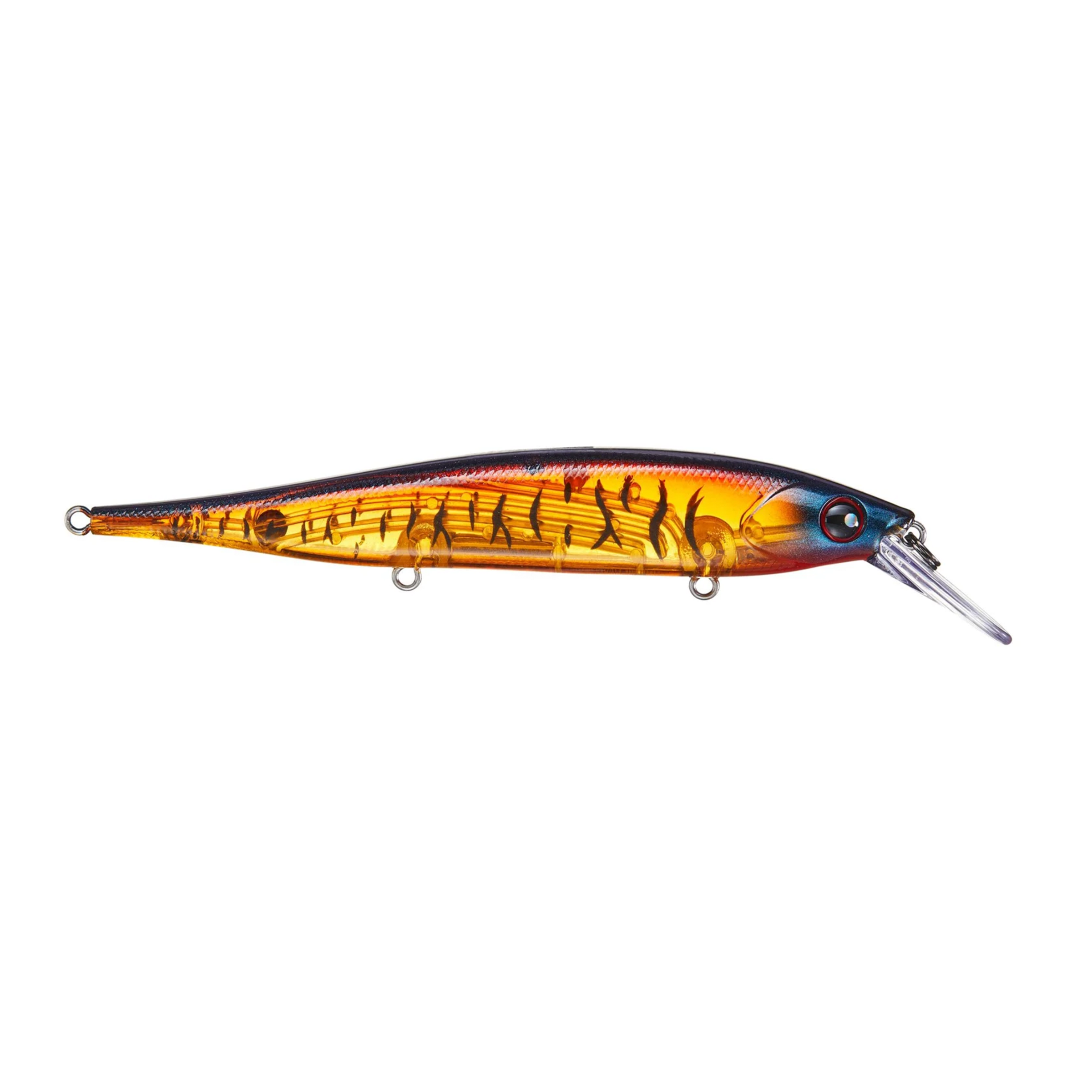
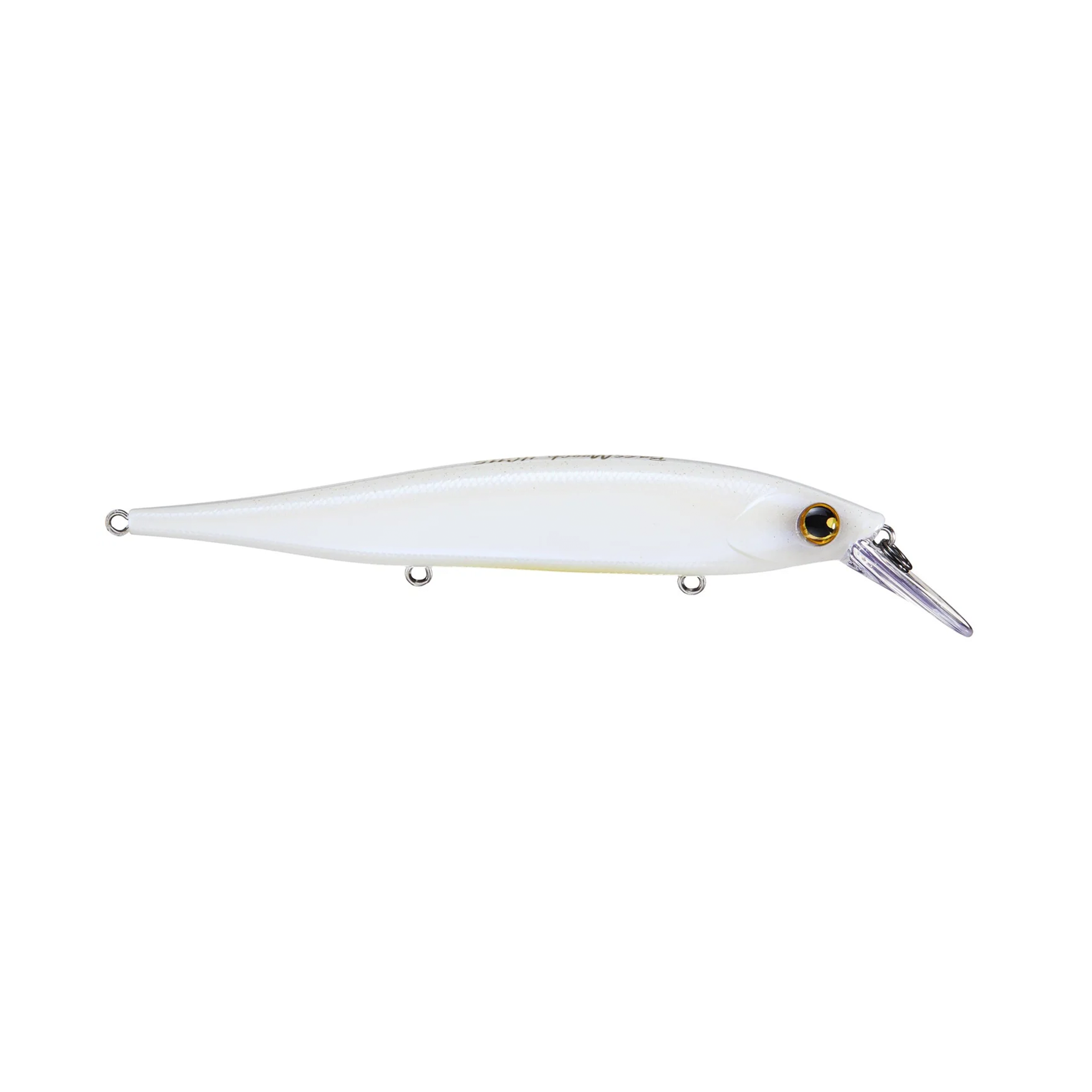
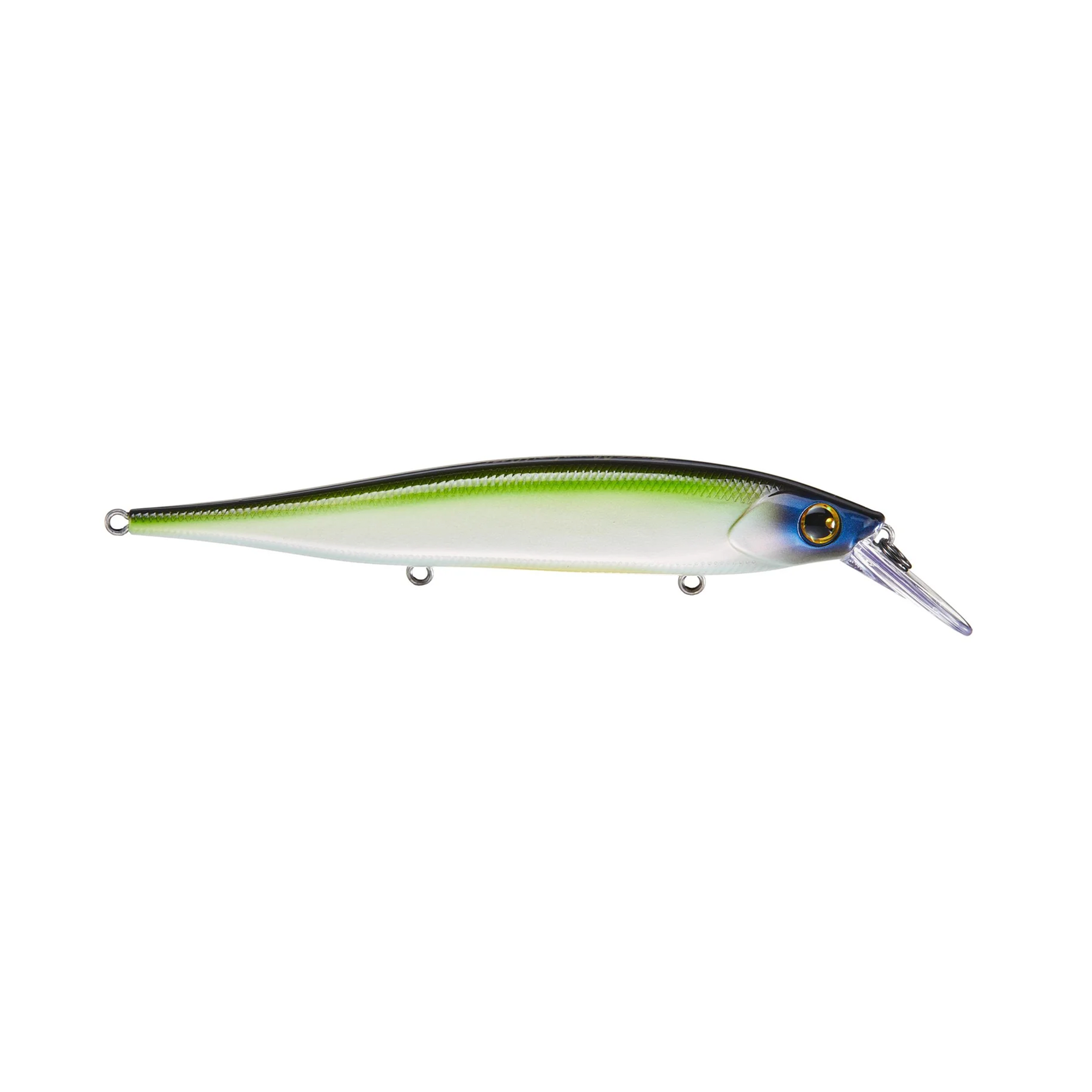
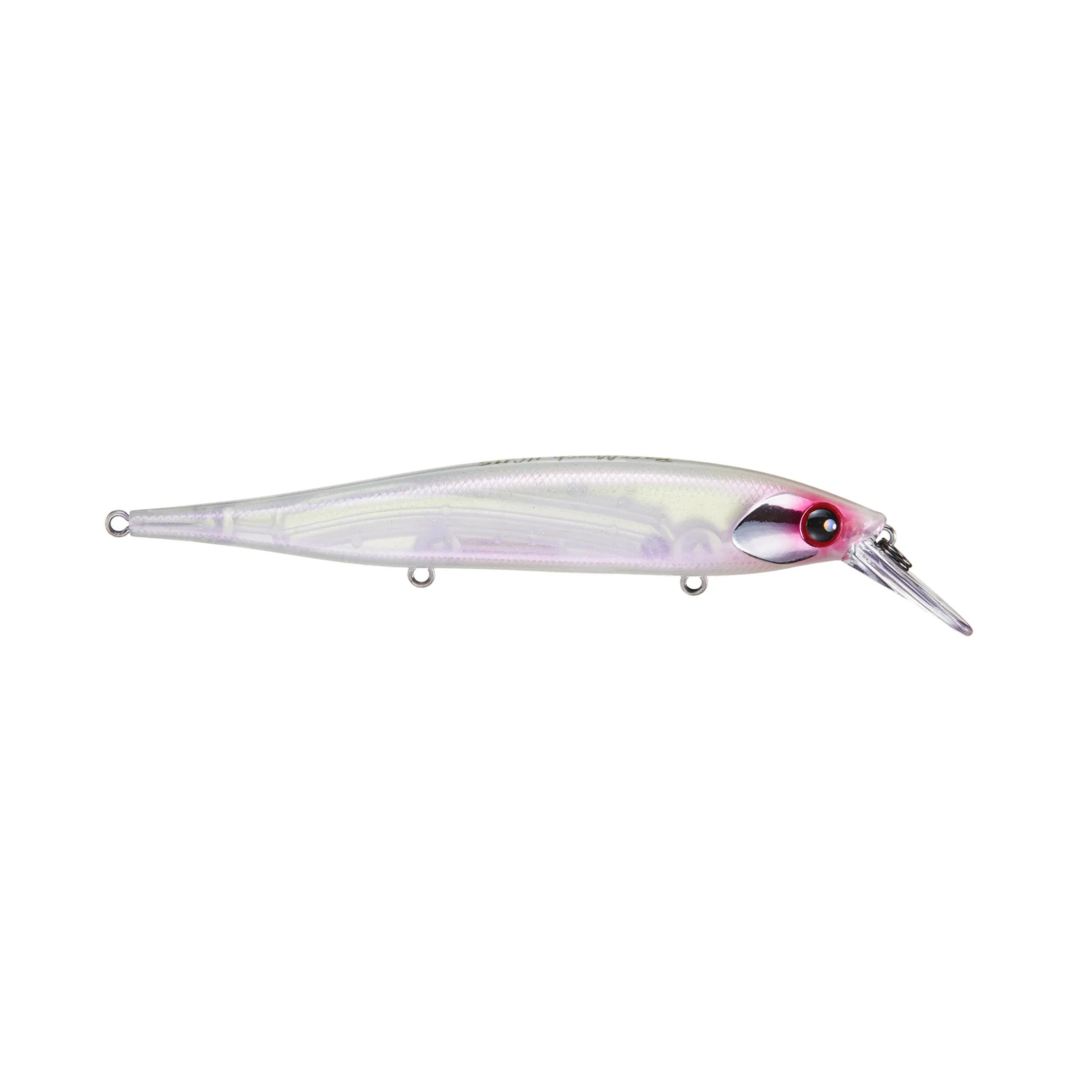
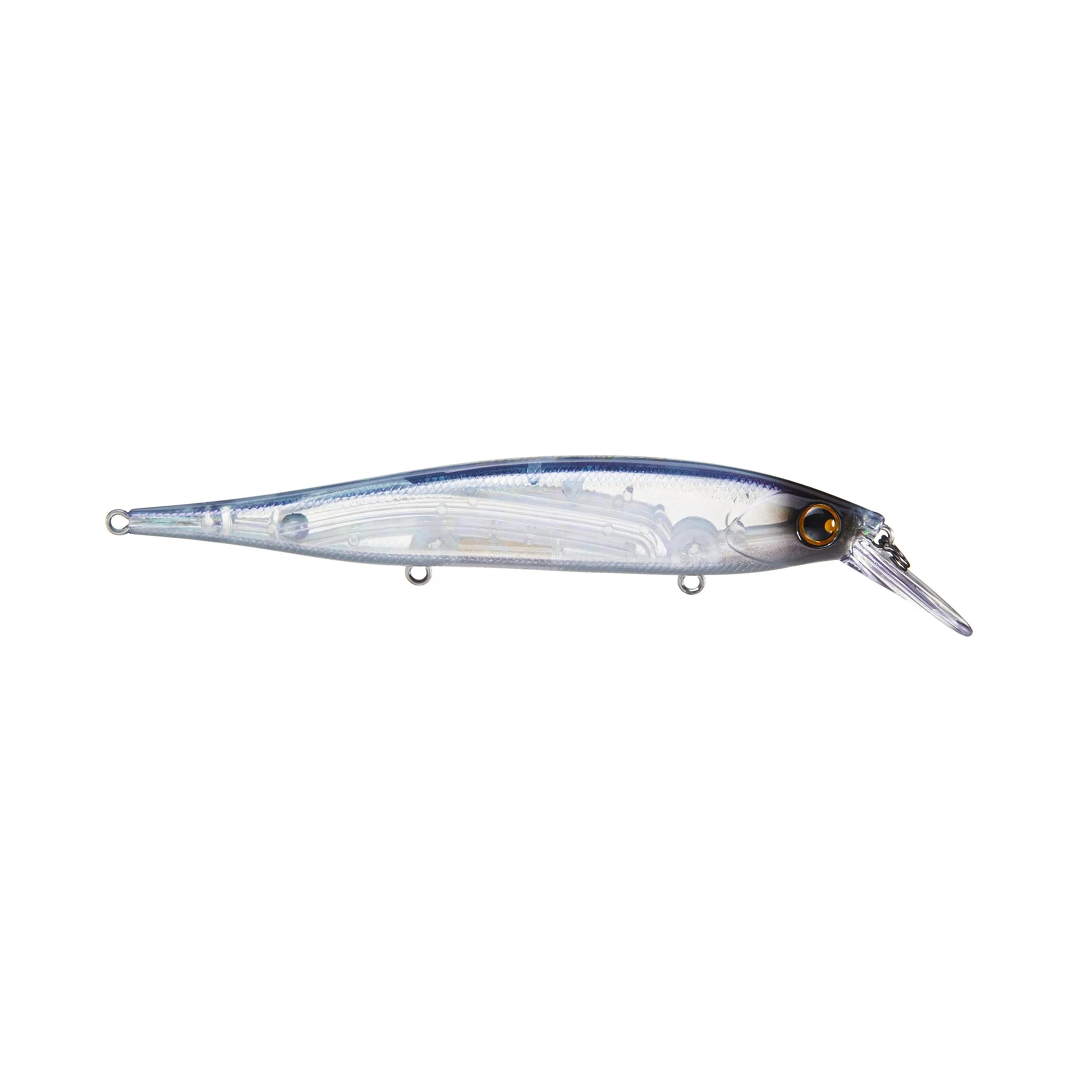
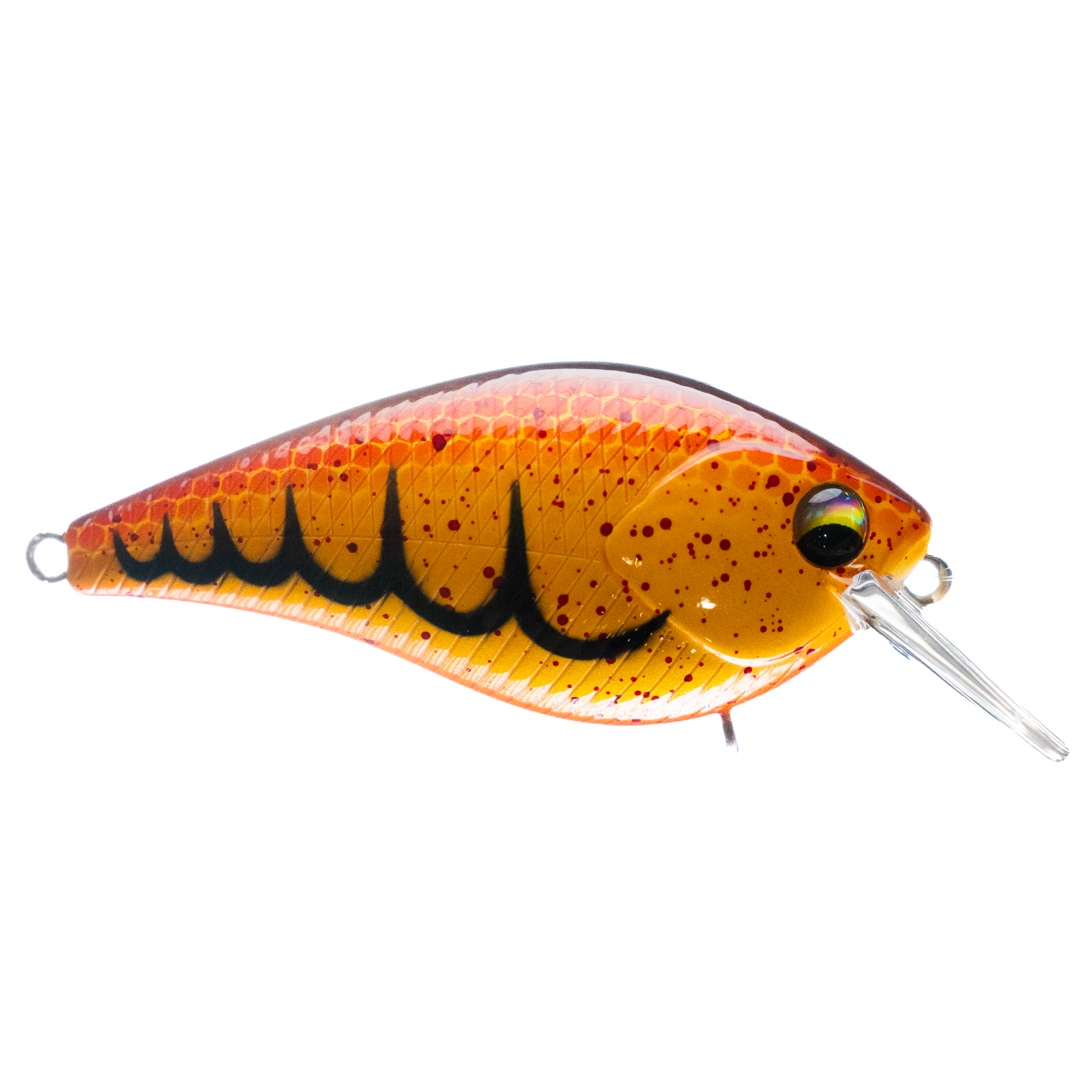
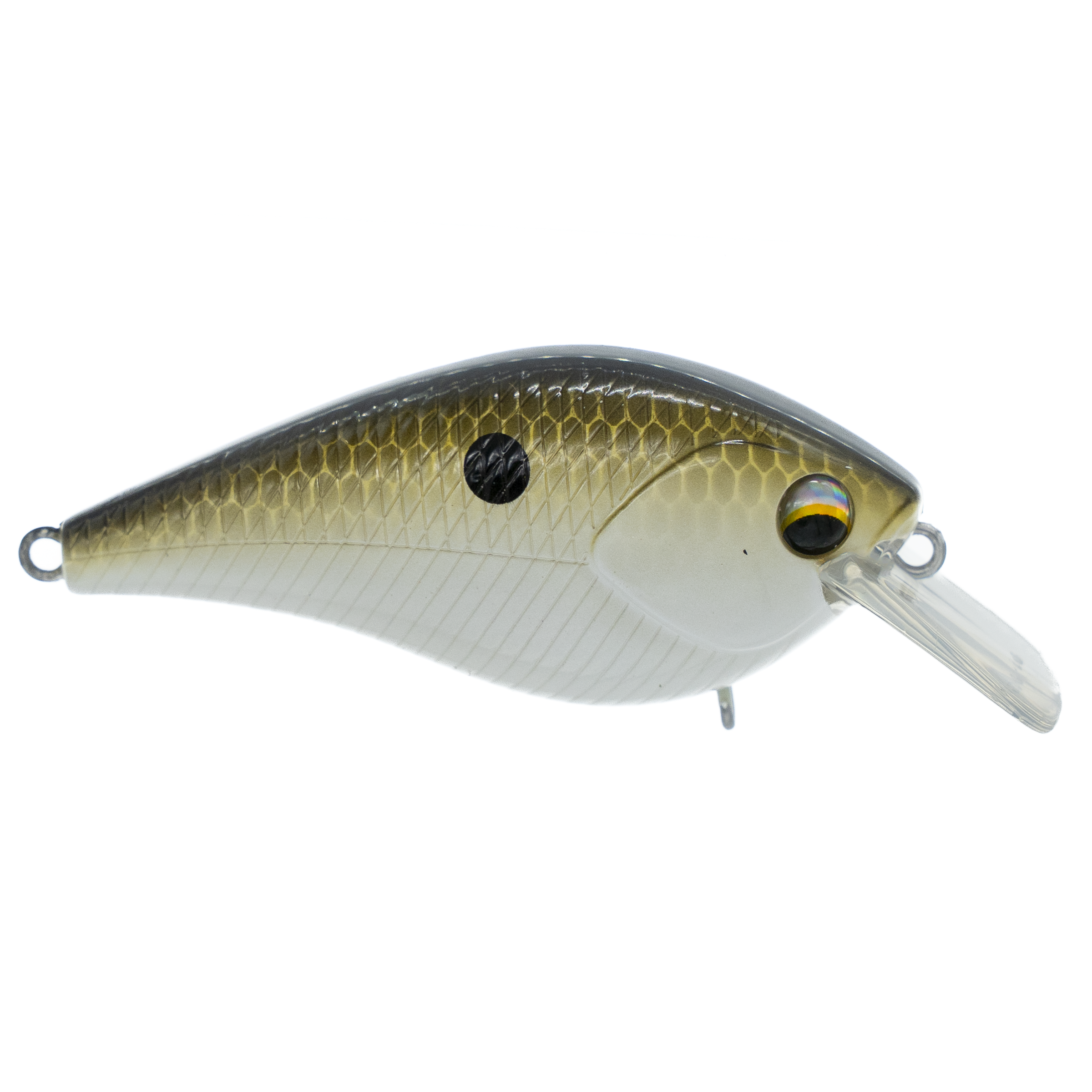
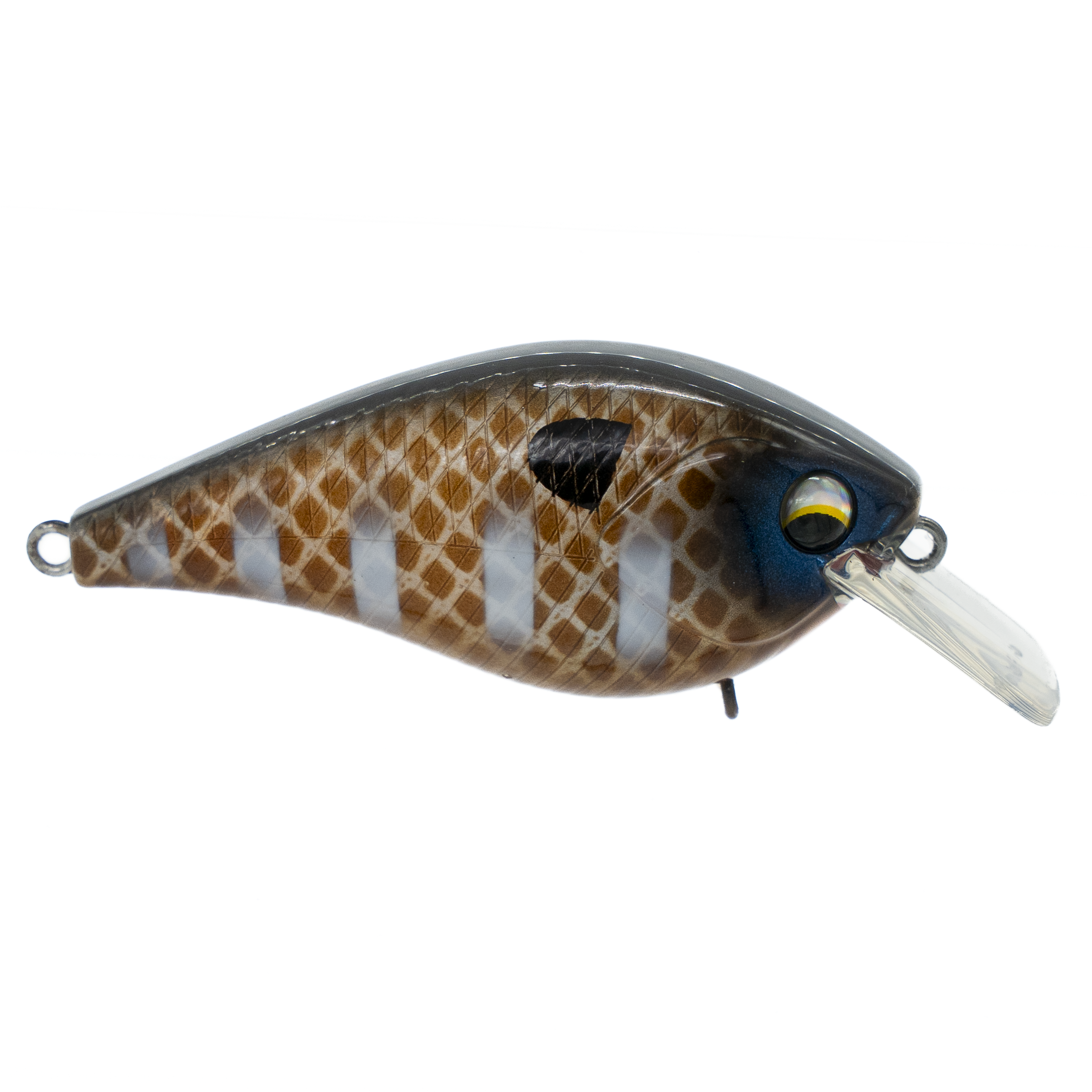
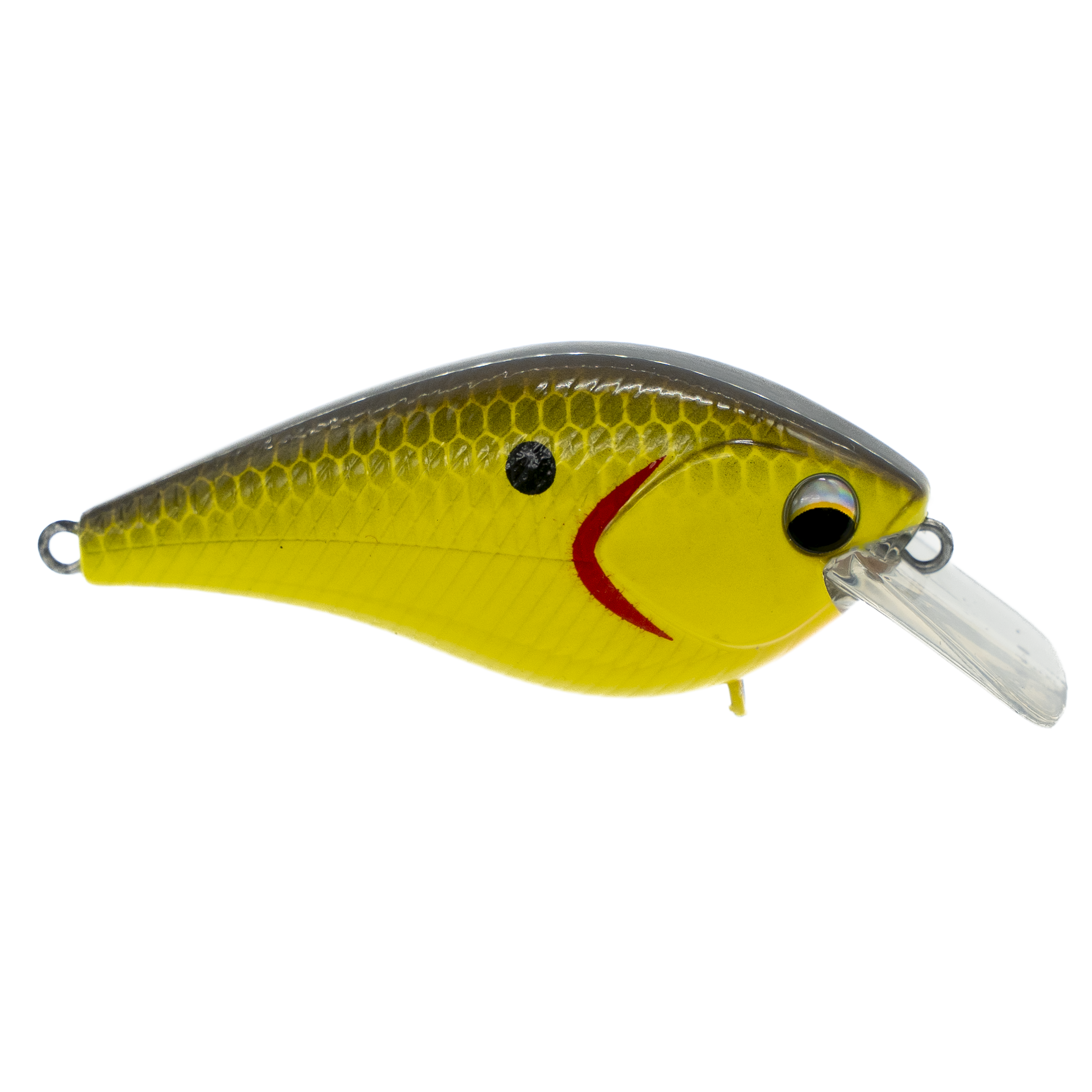
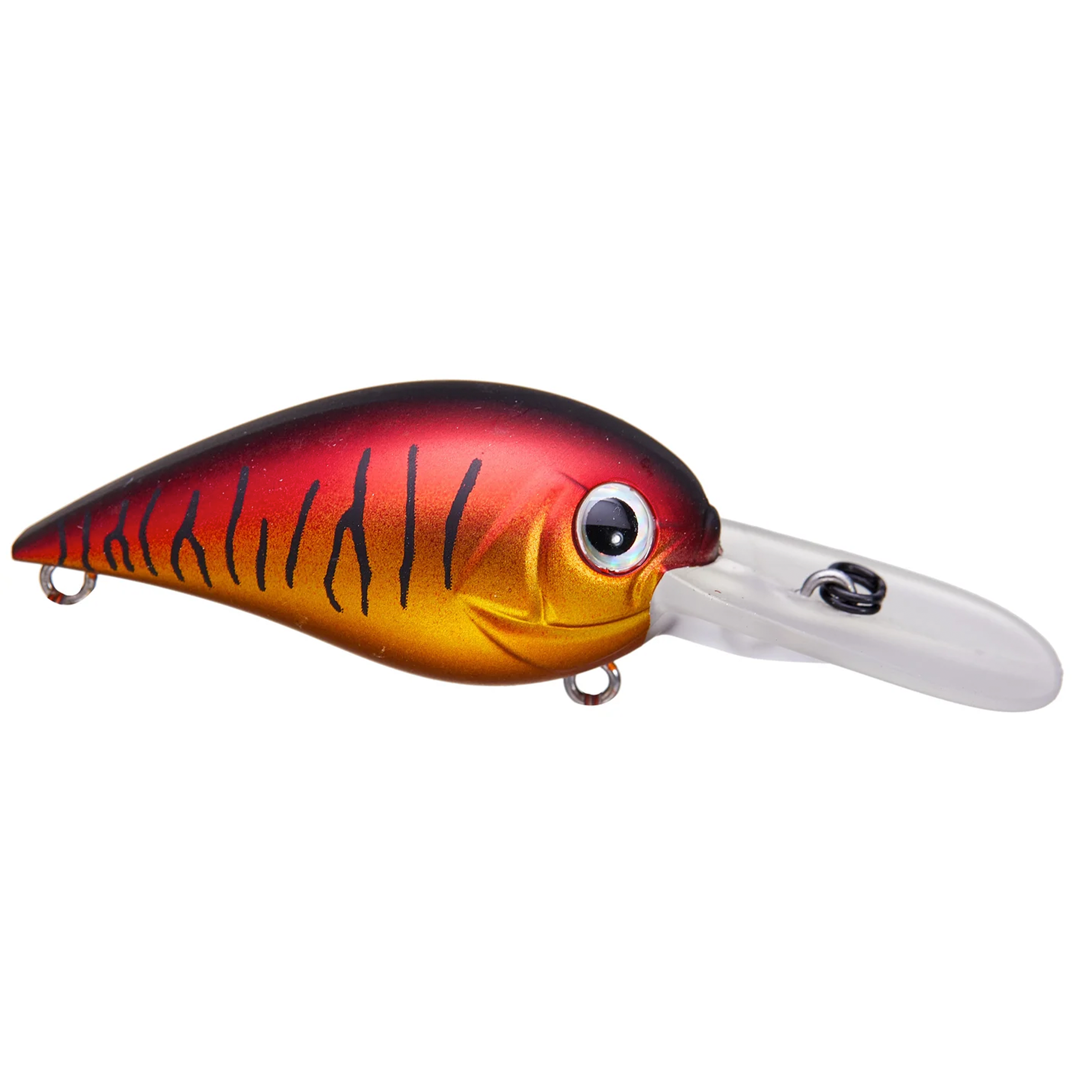
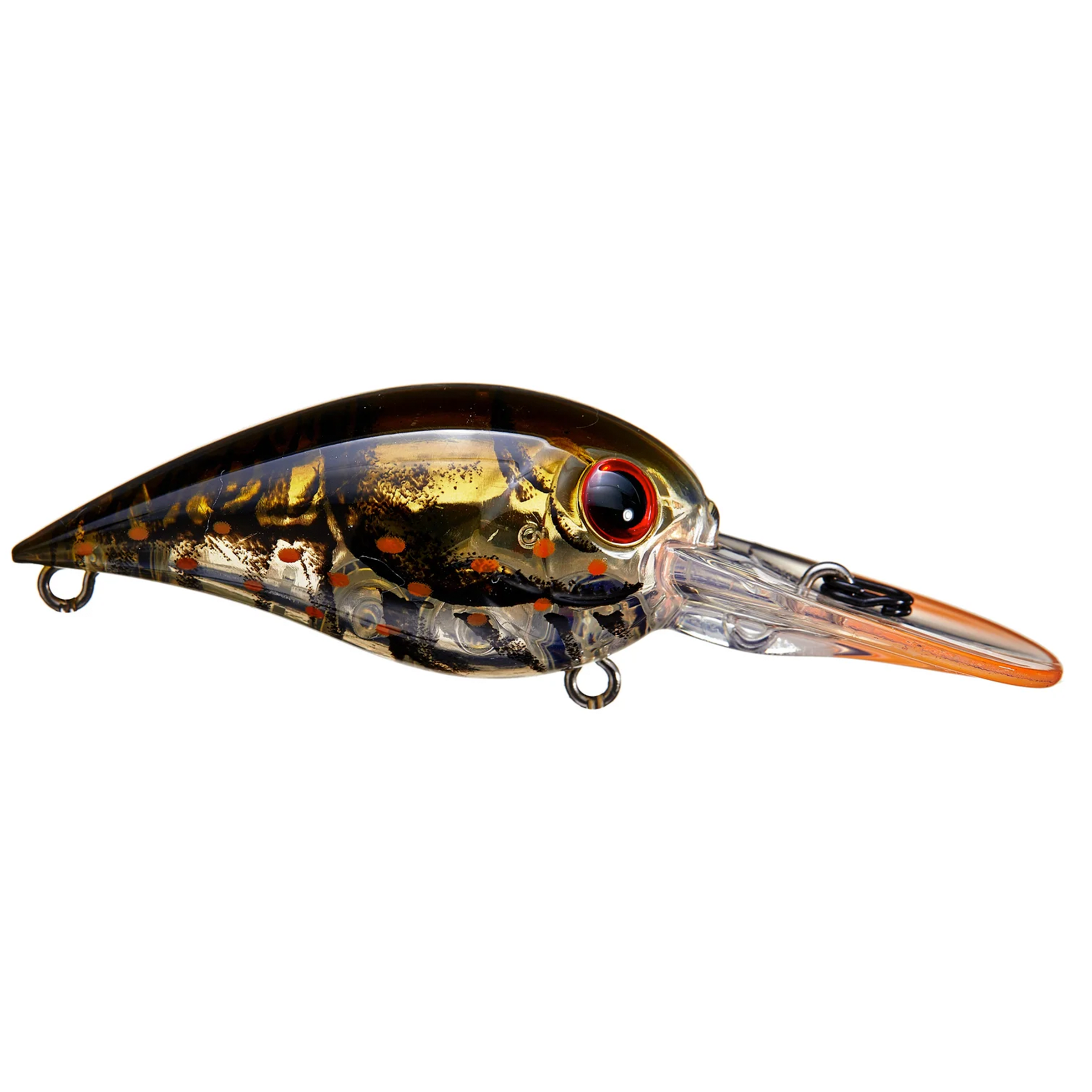
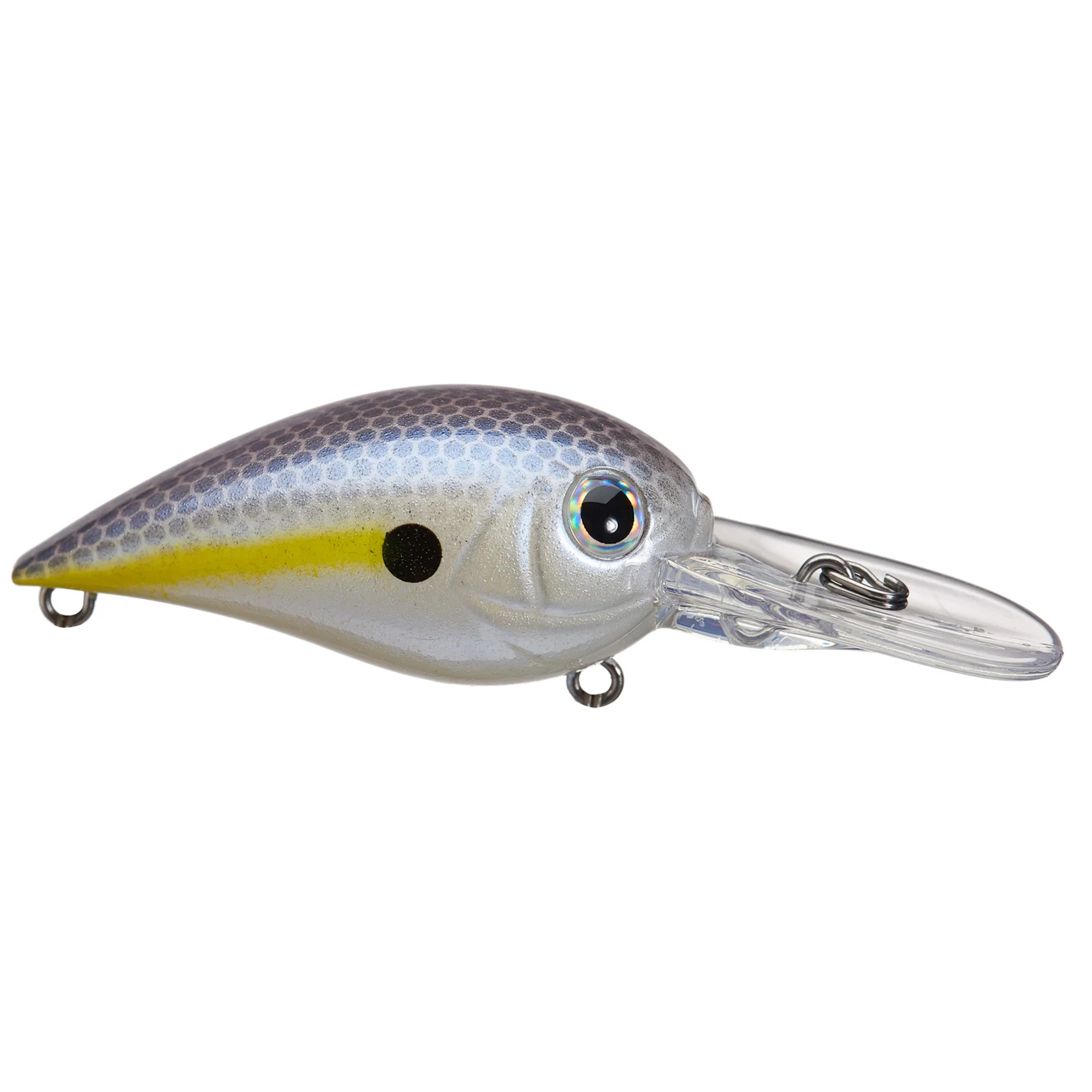
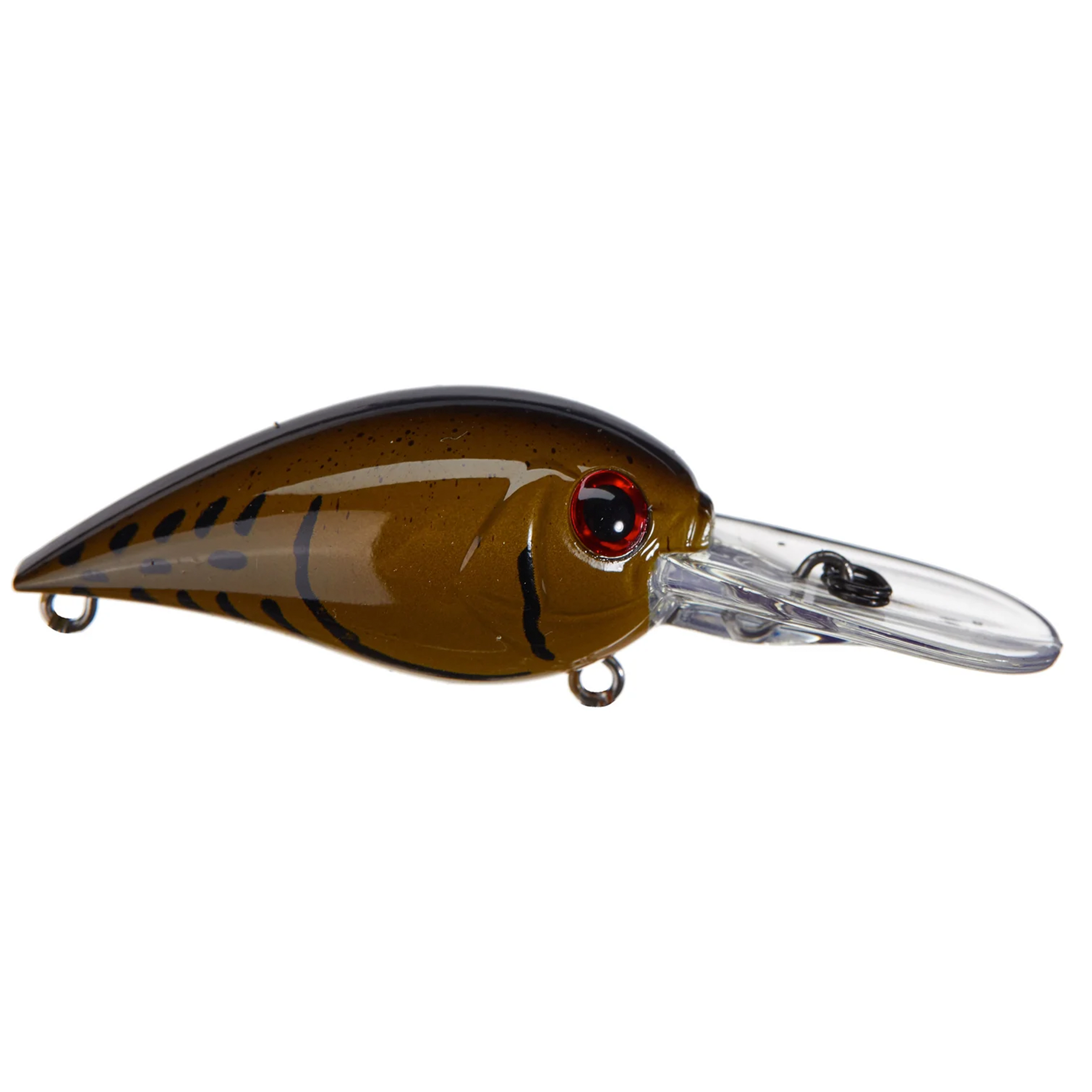
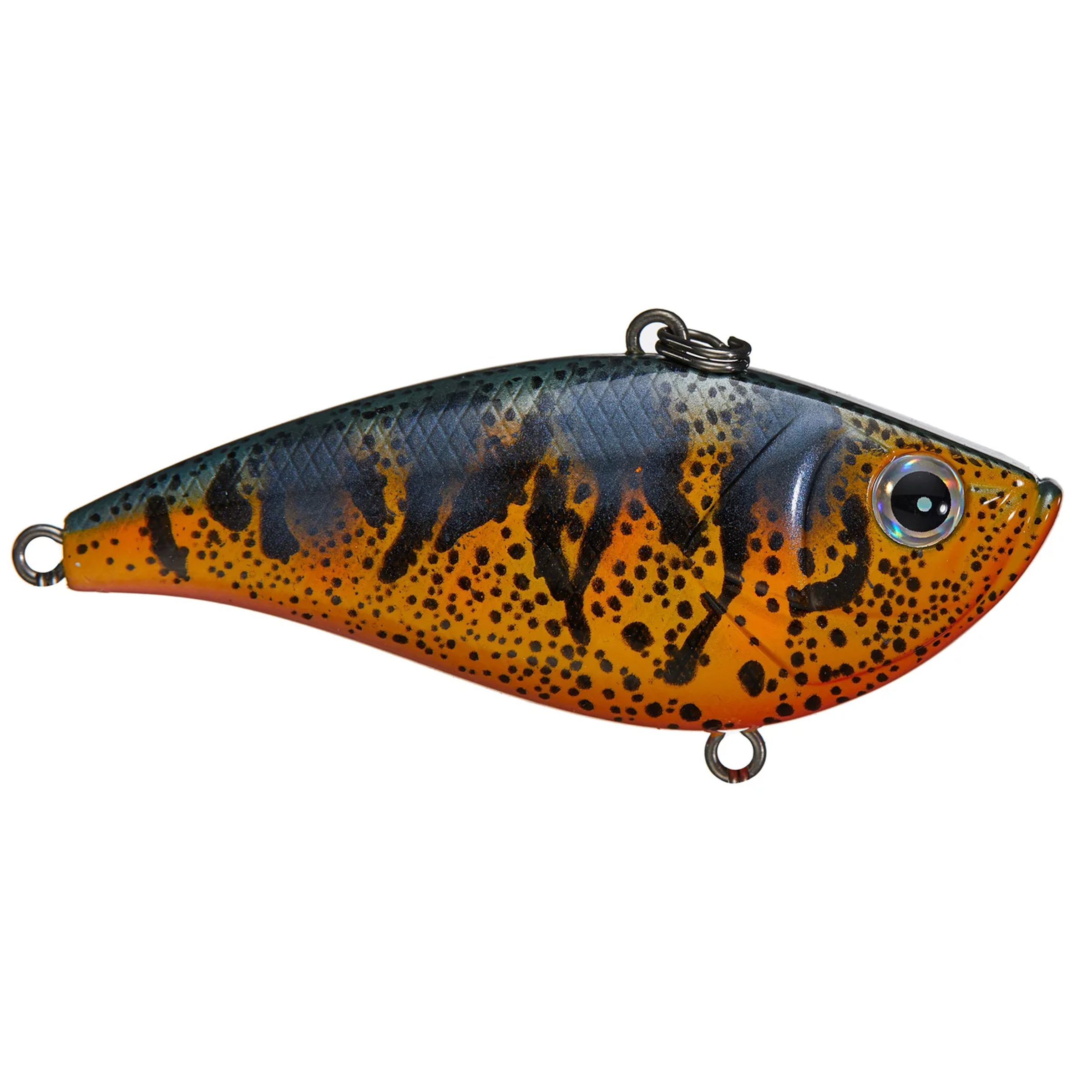
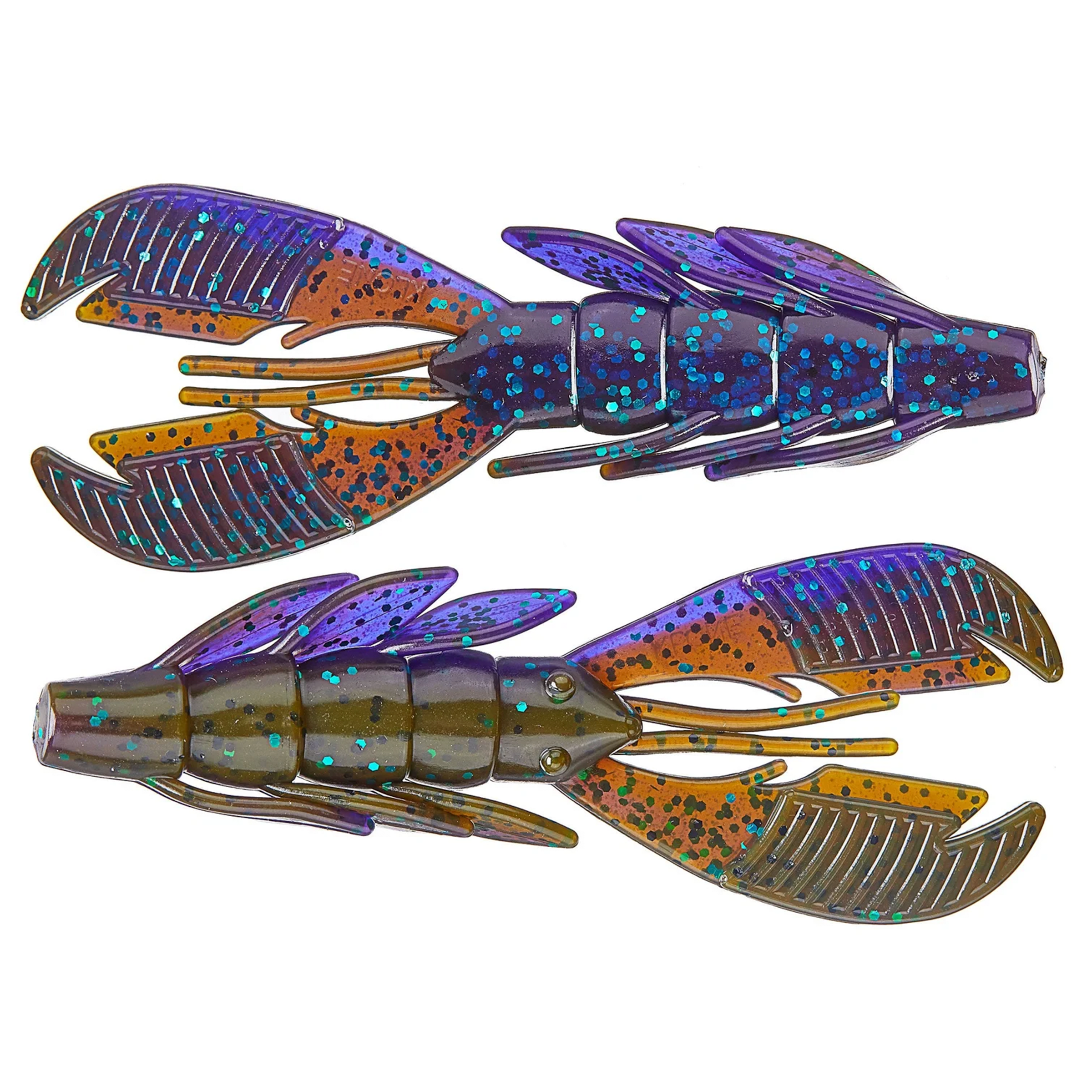
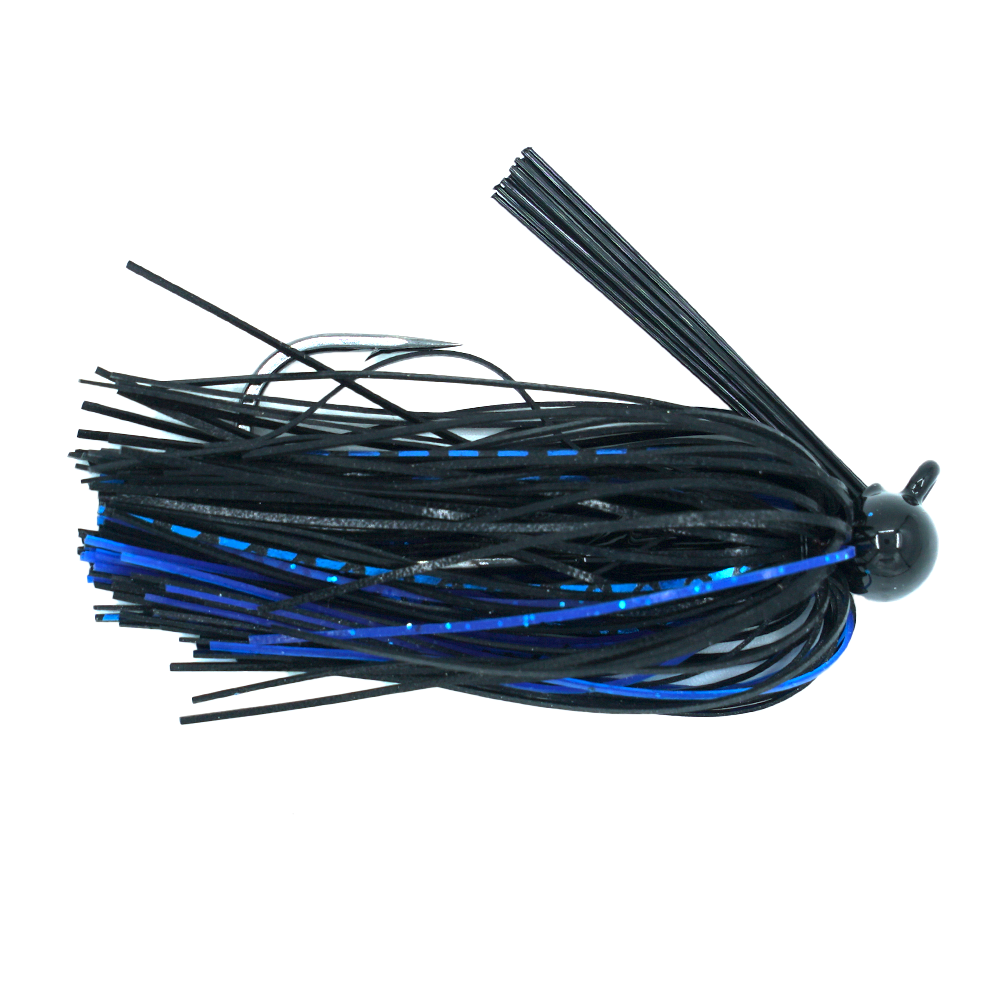
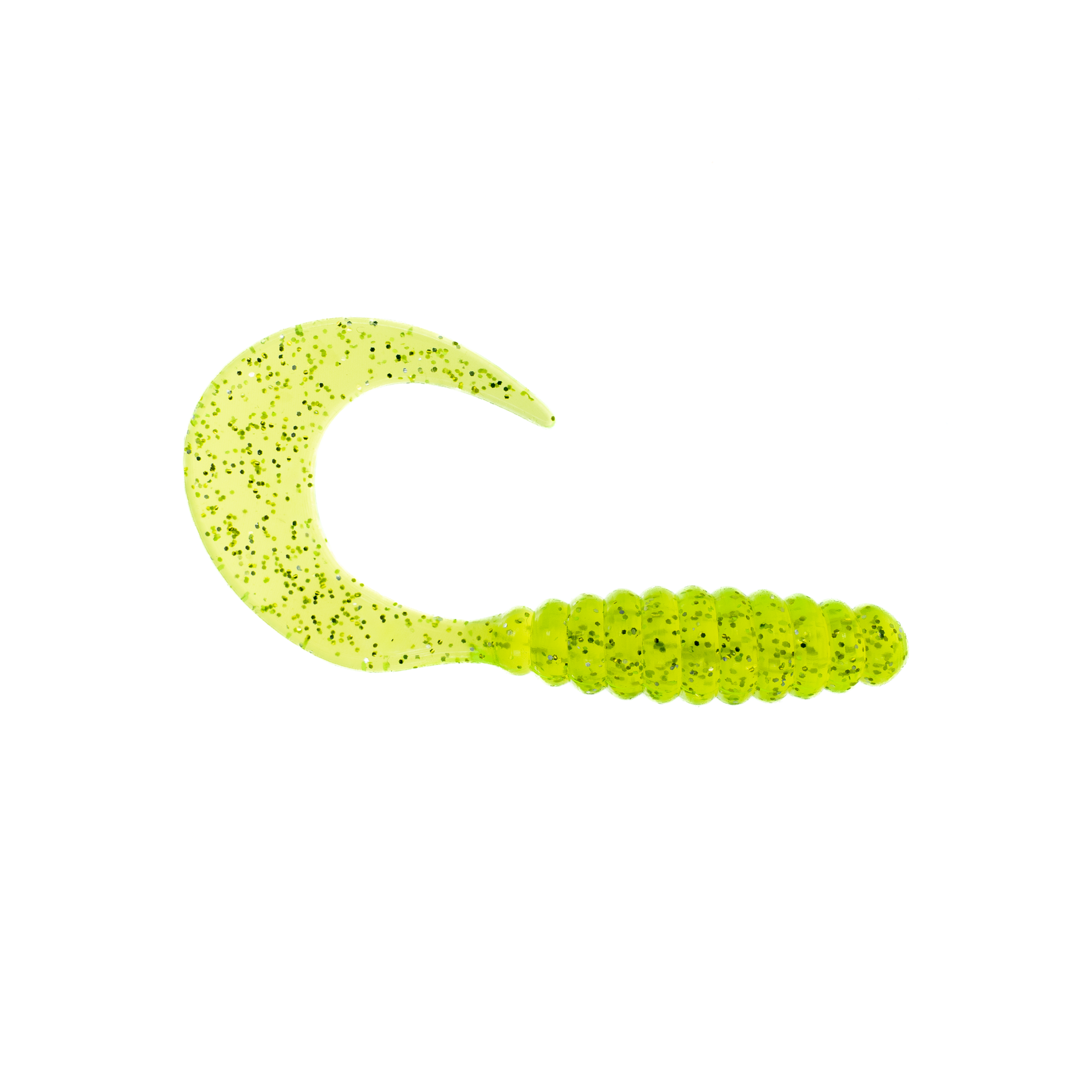
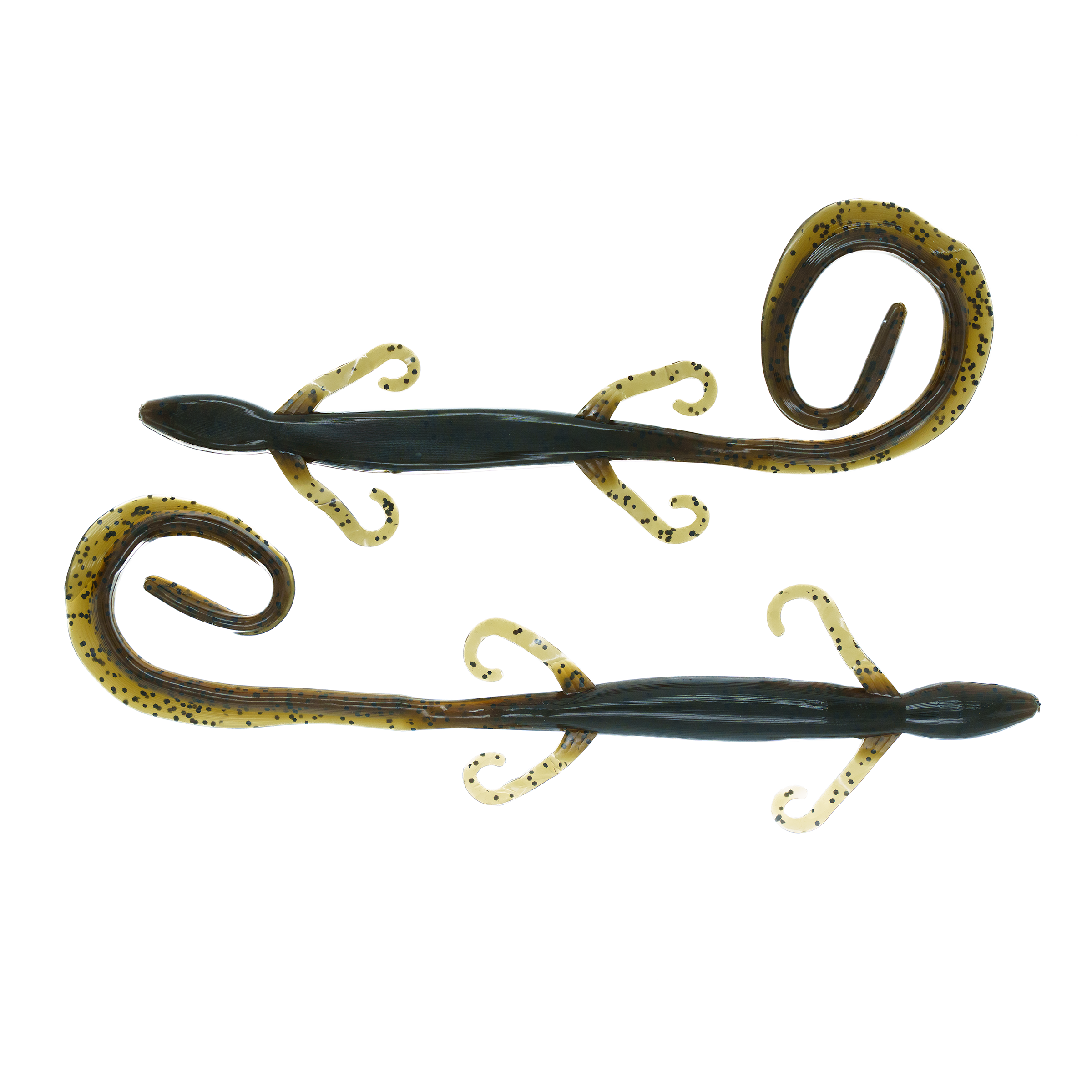
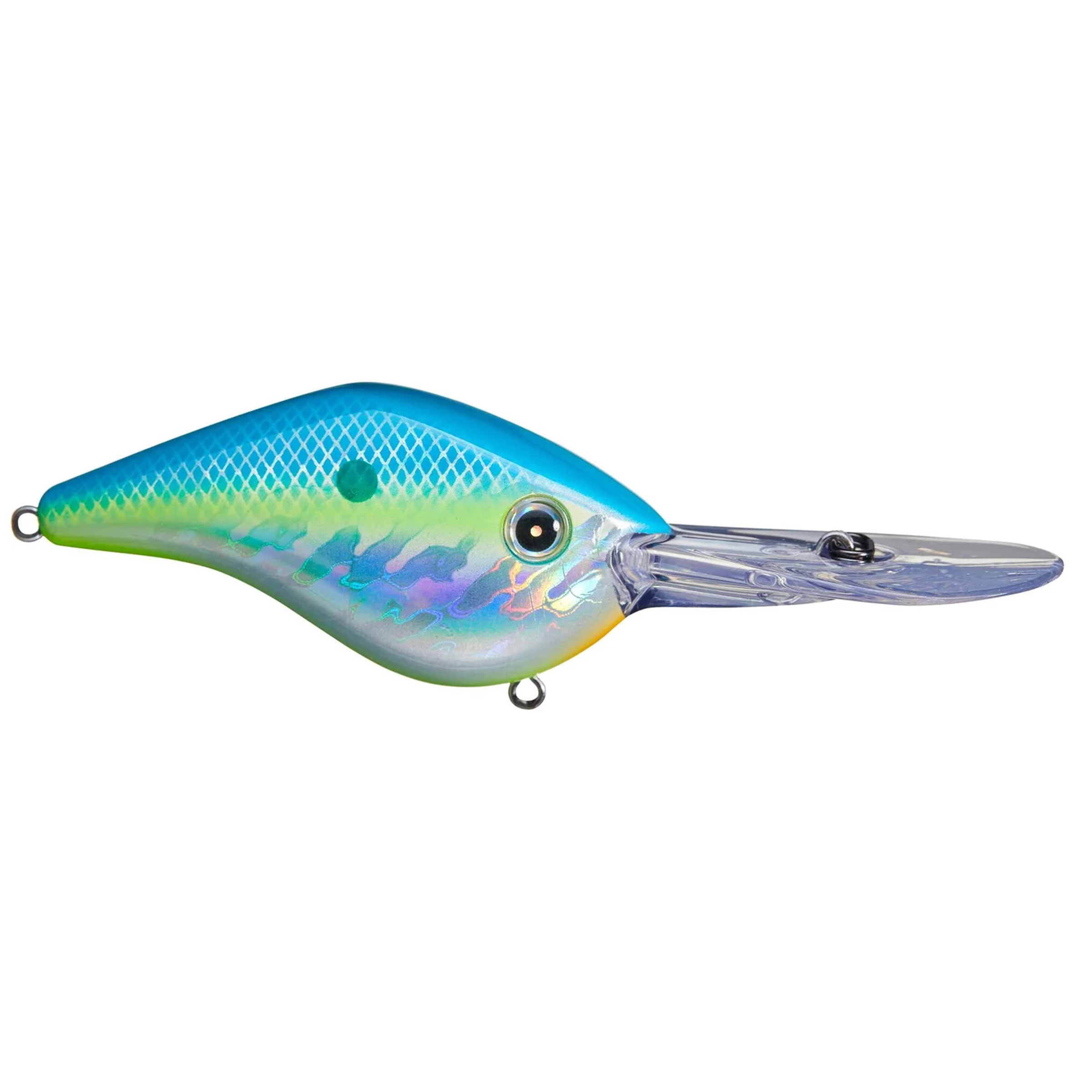
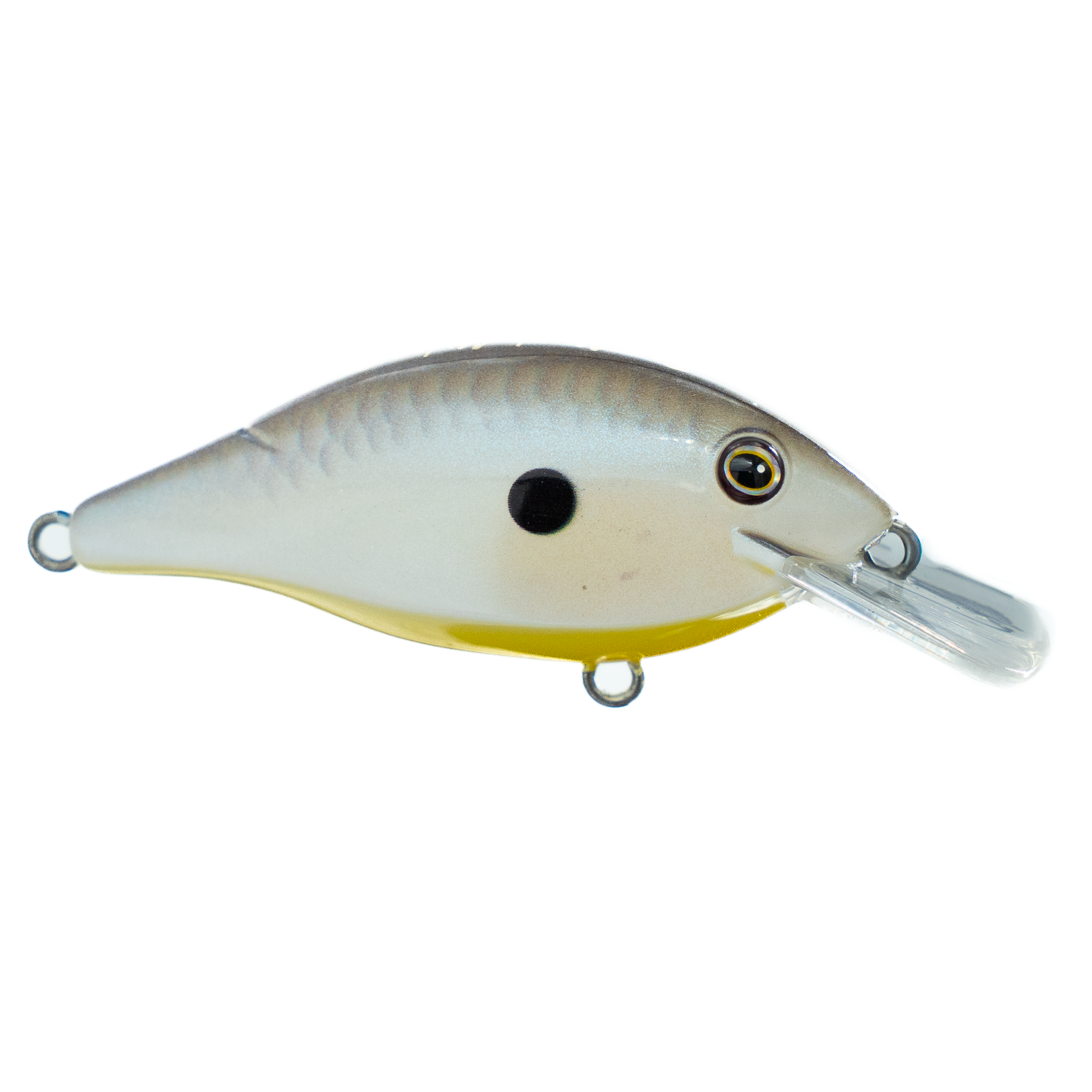
Spring is flipping flooded willows and running a squarebill or lipless on shallow cover. Summer means grass early and Carolina rigs on offshore structure through the day. Fall follows shad into the creek arms with moving baits. Winter is slow work on deep structure. Our full bait lineup covers all four.
Which state's fishing license do I need for Kerr Lake?
It straddles the North Carolina–Virginia line, so check both. The North Carolina Wildlife Resources Commission and the Virginia Department of Wildlife Resources publish current rules and any reciprocal arrangements for the reservoir. Confirm before you launch, since arrangements on border waters change.
A Lot of Casts, All Day
On a numbers lake you make thousands of casts, and the difference between a rod you enjoy and one you tolerate shows up around hour six. Level Rods builds models balanced for long days, with the sensitivity to feel a two-pounder pick up a worm on a slack line and the backbone to get it out of a flooded willow.
Tournament Winning Baits & Gear
Designed, crafted and tested by anglers who fish Carolina water every week. Free shipping on orders over $75.
Shop All Baits