Kentucky Lake Bass Fishing Guide
Kentucky Lake Bass Fishing, Season by Season
A hundred and sixty thousand acres and two thousand miles of shoreline — the largest manmade reservoir east of the Mississippi, and the lake that made summer ledge fishing famous. Kentucky Lake is enormous, and the trick is refusing to fish all of it.
Too Much Water to Fish at Once
Kentucky Lake is the lowermost of the nine TVA reservoirs that stair-step down the Tennessee River, impounded by Kentucky Dam in 1944 after the flooding of 1937 prompted the project. It covers roughly 160,000 acres with more than two thousand miles of shoreline, which makes it the largest manmade reservoir east of the Mississippi. Most of that water is in Tennessee — 108,217 acres against 52,083 in Kentucky.
It connects to Lake Barkley on the Cumberland River through a navigation canal, so in practice anglers here have close to 218,000 acres available. Three major river embayments feed it — the Duck, the Beech and the Big Sandy — along with roughly 113 tributary creeks.
Water level is a planning input rather than a detail. Full pool sits at 359 feet and winter pool at 354, and the lake reaches summer pool around the start of May. That five-foot swing puts bushes and buckbrush in the water in spring and takes them out again in autumn, and the southern end in particular becomes hard to fish below 356.
The reservoir is famous for one thing above all: summer ledge fishing. When morning water temperature hits about seventy-two degrees and holds there, the spawn is over and the bass move offshore fast. They set up on ledges in ten to fifteen feet dropping into twenty-five or thirty, with shell beds as the key ingredient — and current piles shells at the south end of any piece of structure, which is where to look first.
That reputation is also a trap. Ledges are a summer pattern, not a year-round one, and finding fish on them in spring during the spawn is genuinely difficult. The lake offers a wide variety of structure across all four seasons, and the best advice locals give is to pick one section, learn it properly, and stop trying to fish 160,000 acres.
Largemouth dominate the black bass fishery here, feeding primarily on threadfin and gizzard shad. Smallmouth and spotted bass are present but less targeted. Note the size rules: five fish in combination, with a fifteen-inch minimum on largemouth and smallmouth and no length limit on spots.
Ledges, Shell and Embayments
Four patterns cover the year. Each one pairs the technique with the baits we'd actually tie on.
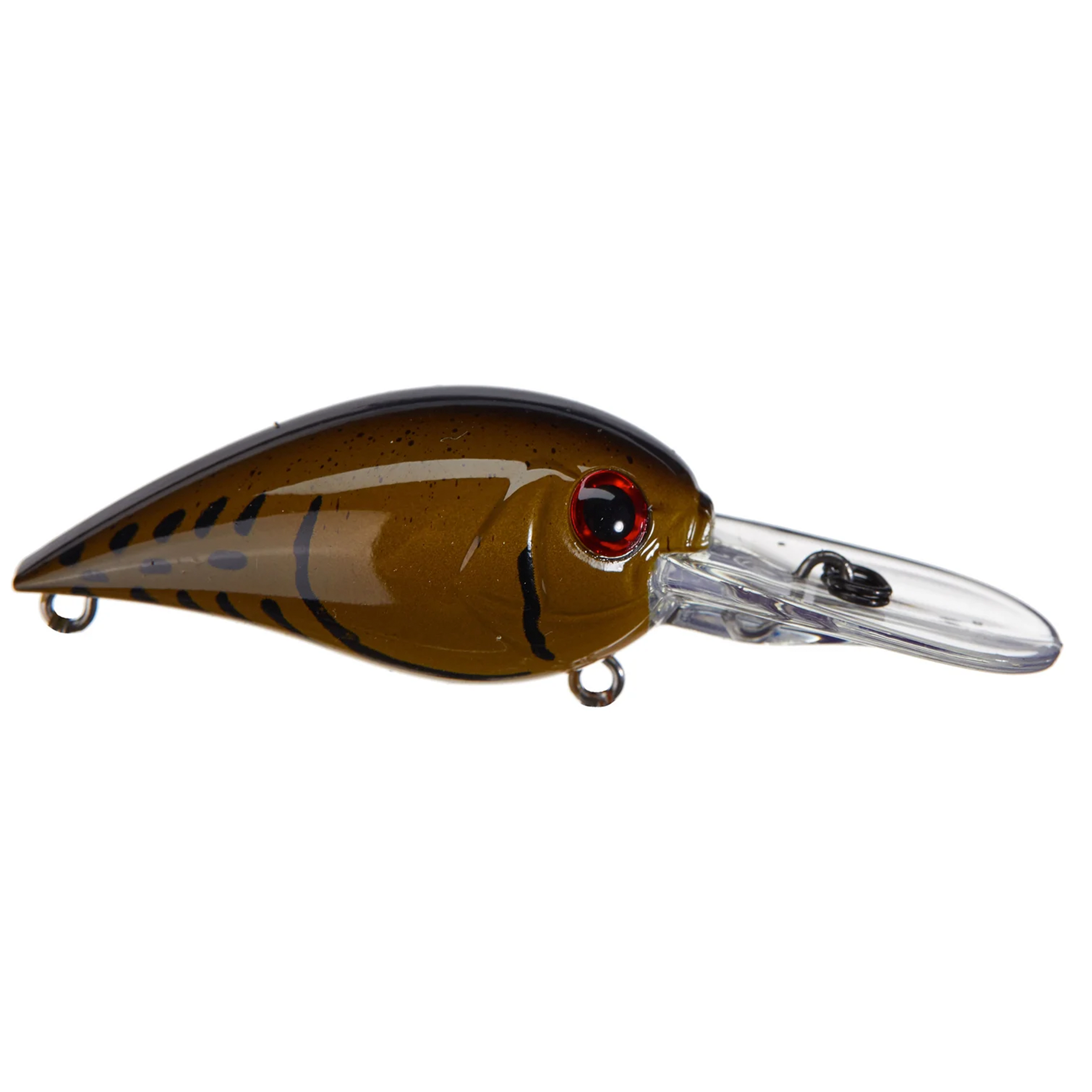
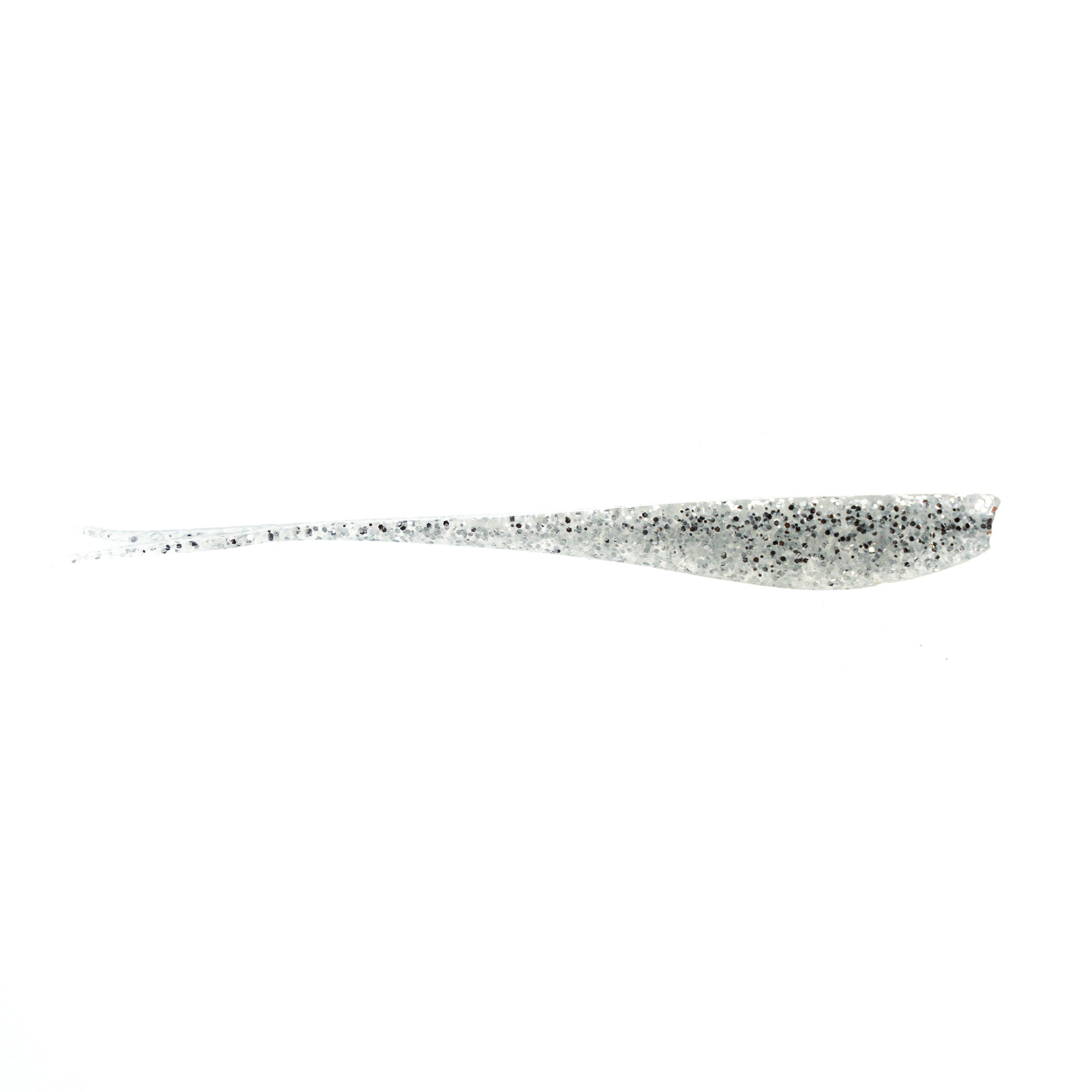
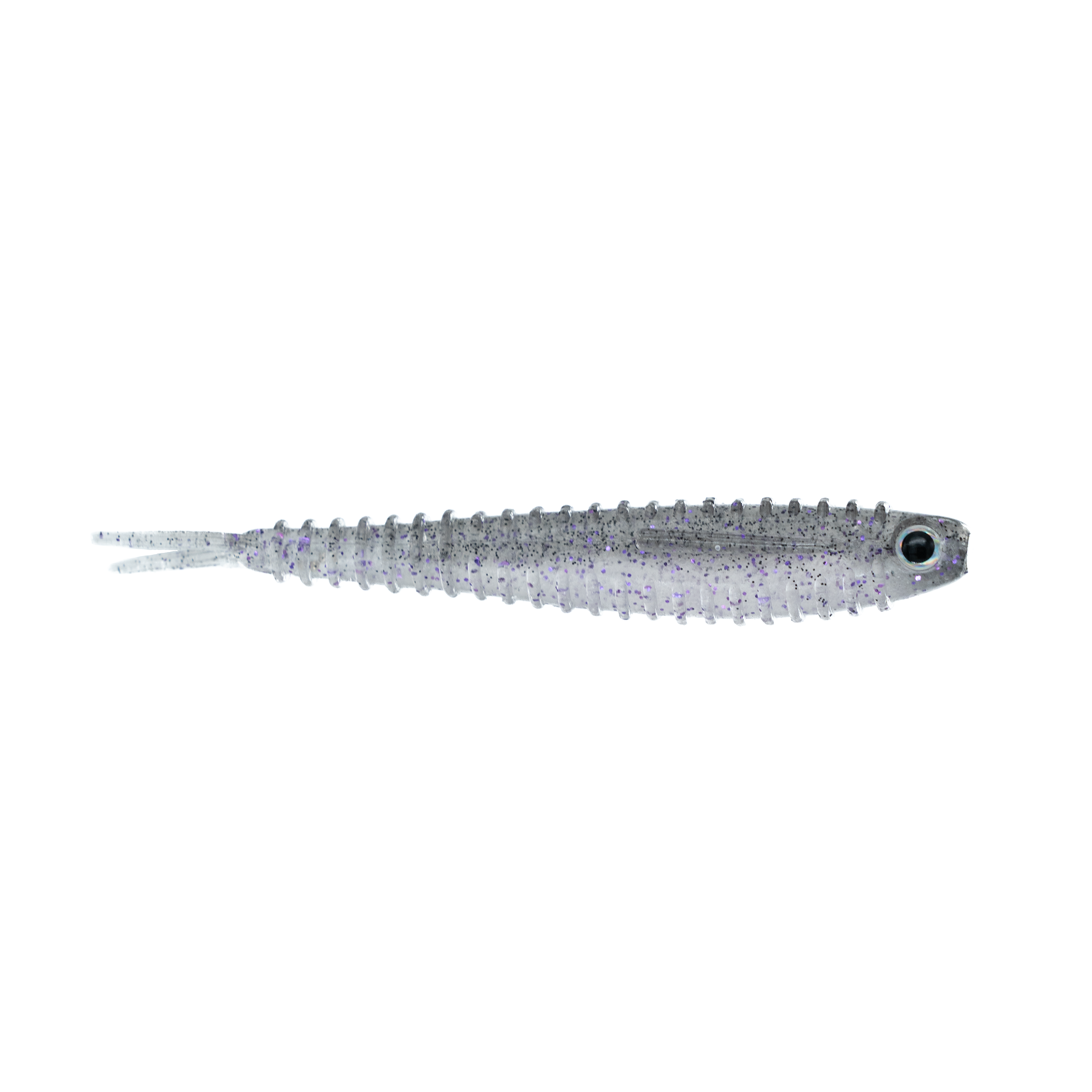
Coming Out of the Doldrums
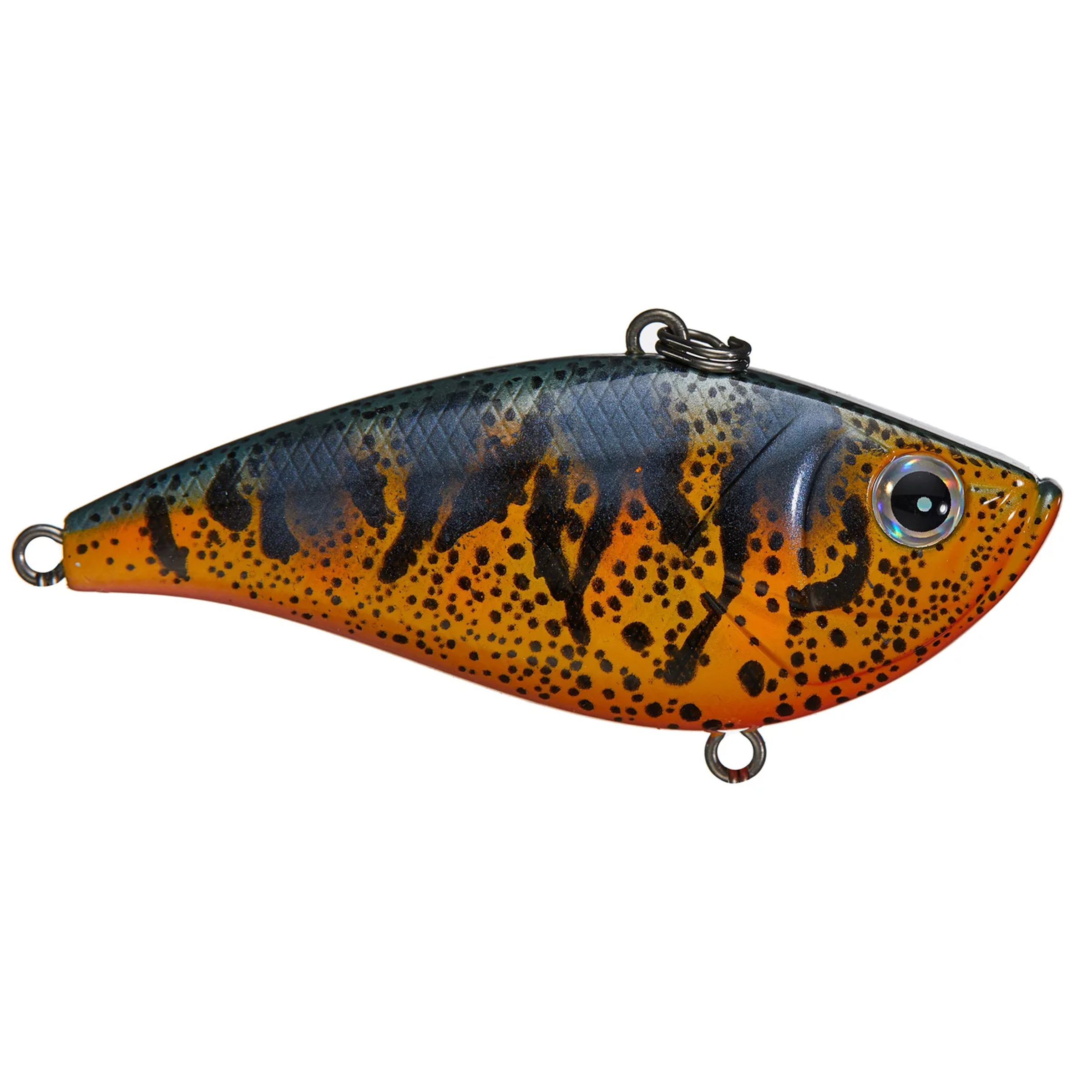
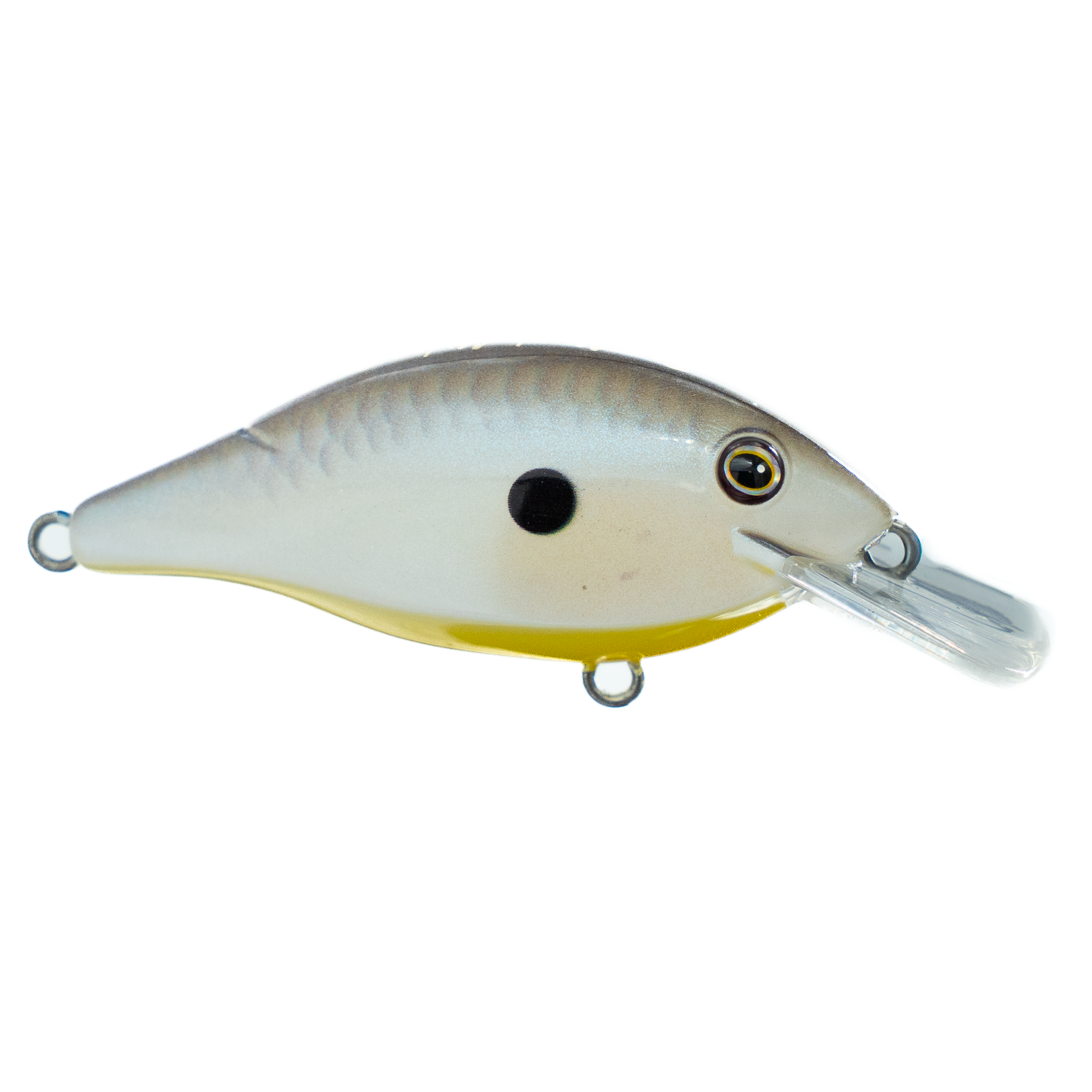
Bass start moving toward the end of February. Deep jerkbaits and swimbaits on deeper banks, points and ledges near the main river or the mouths of the bays come first, then as water approaches fifty degrees the shallow and medium crankbait bite starts on secondary points and the first points going into the bays. Warm rains and shad kills can turn it on abruptly. By full summer pool at the start of May the bushes are flooded and the fish are in them.


Ledge Season
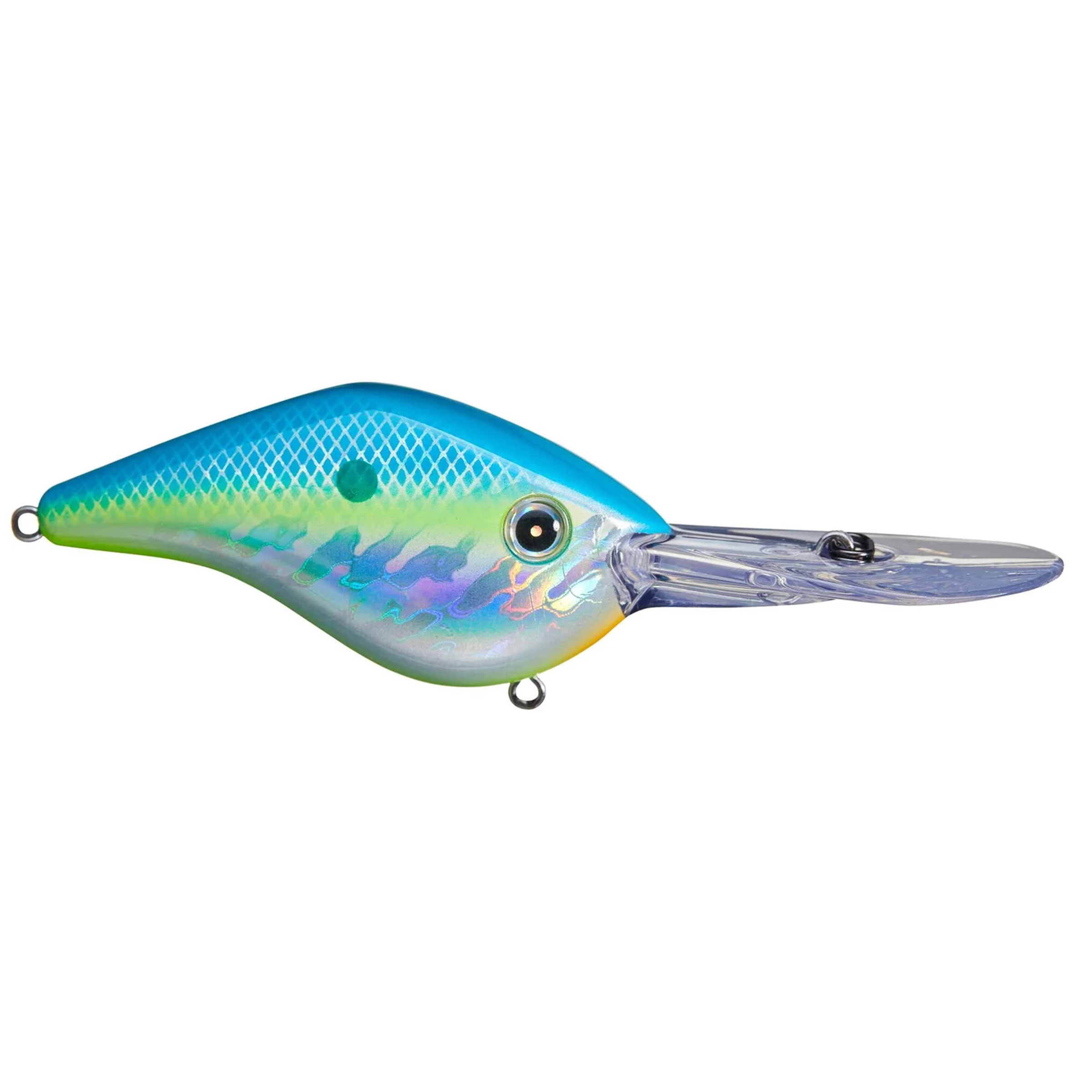
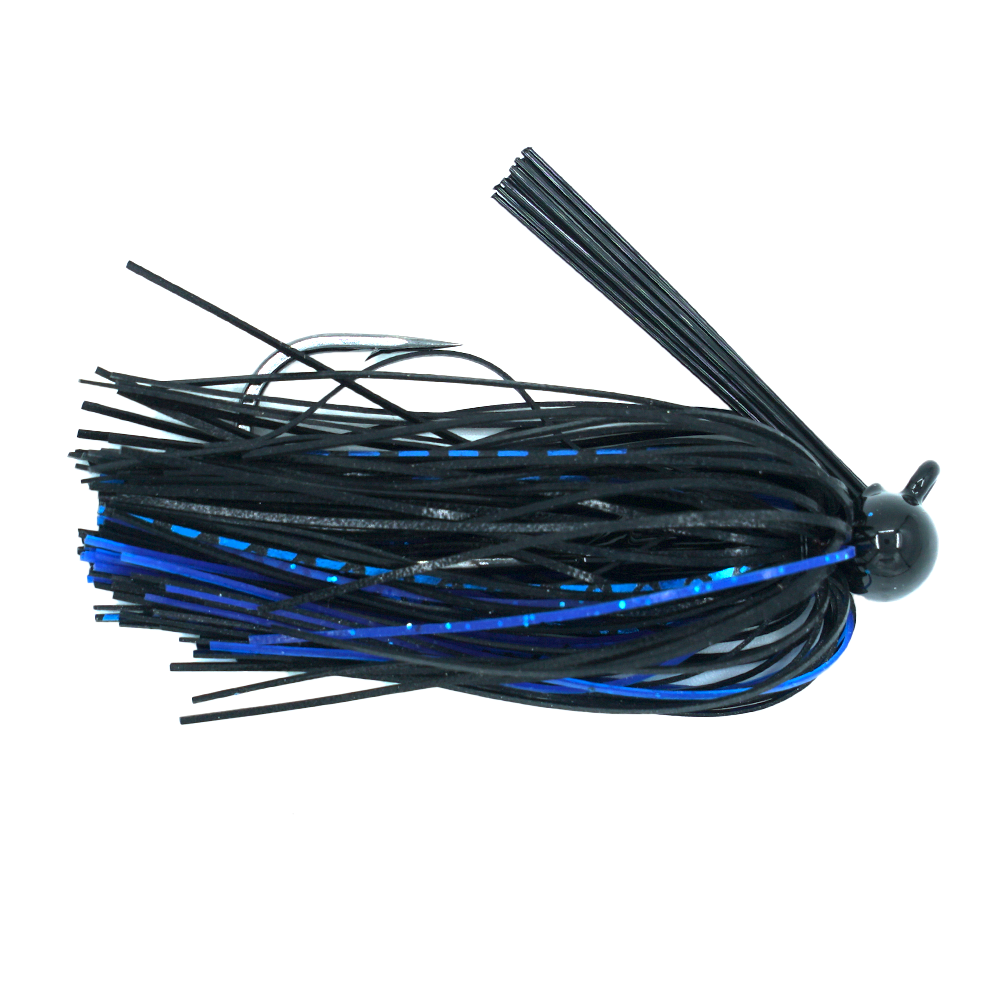
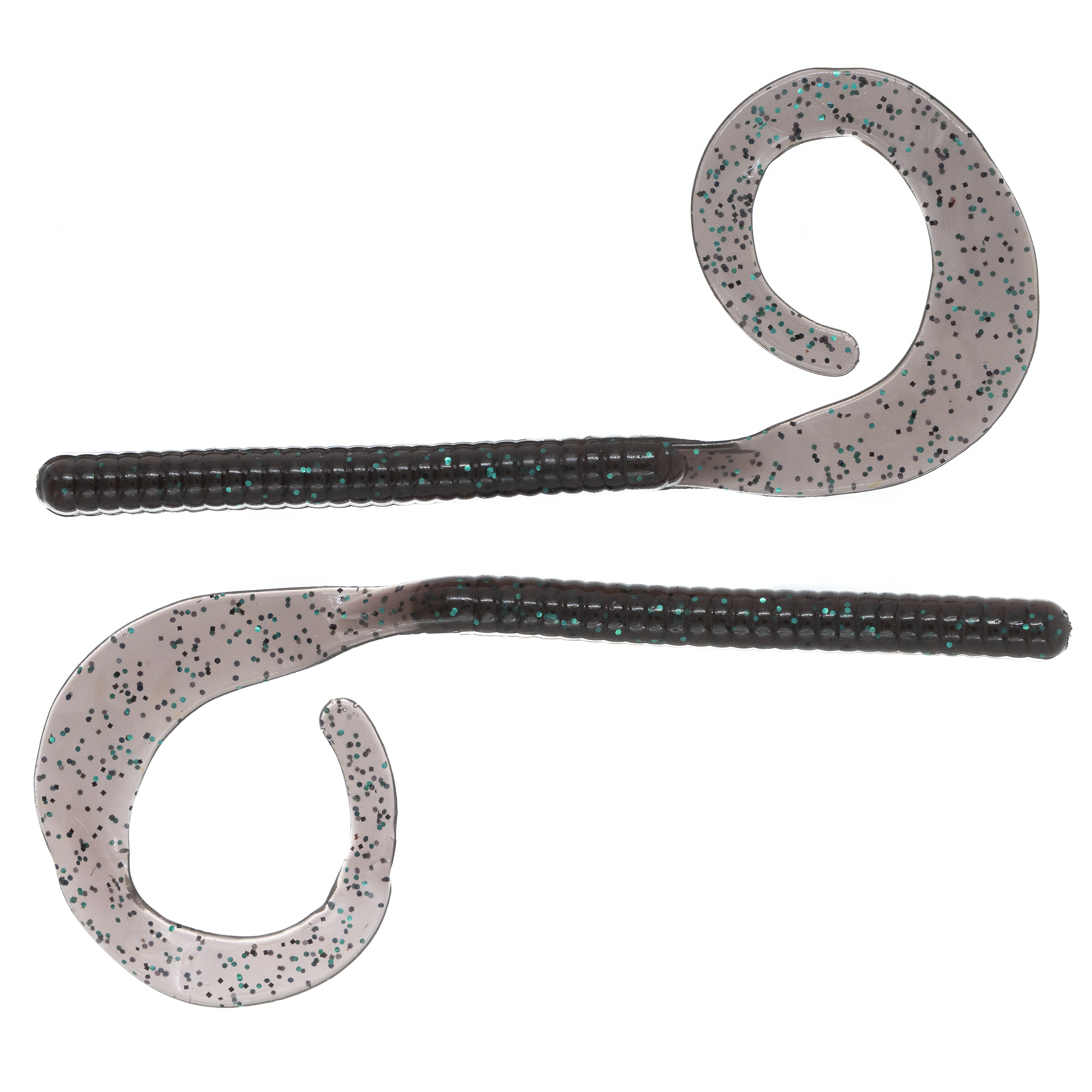
The pattern this lake is famous for. Once morning water temperature holds around seventy-two degrees the spawn ends and the bass leave the bank quickly. They stack on ledges in eight to twenty-five feet, with the best of it in ten to fifteen dropping into twenty-five or thirty. Shell beds are the key, and current from spring rains in June makes everything better. By the dry months of July and August the current slows and the fish get considerably harder to move.

Backs of the Bays
Late summer into autumn pulls fish shallow into the backs of the embayments behind the shad, and the topwater fishing that comes with it is the most fun this lake offers. As it cools further the pattern shifts to rocky shoreline and woody structure. The Duck, Beech and Big Sandy embayments are all worth a day each.
Deep and Slow
Winter pool at 354 feet pulls the water off the shallow flats and concentrates fish on the main lake. Deep jerkbaits and swimbaits on deep banks, deeper points and ledges near the main river or the mouths of the bays are the reliable pattern, and the fish school tightly enough that finding one group can make a day.


Kentucky Lake Access
Ramps and marinas are everywhere on a lake this size, from Kentucky Dam Village at the north end down through Paris Landing and the Tennessee sections. The practical advice is to pick a section — north end, the Highway 68 bridge area, or the southern river-like end — and launch into that rather than running the lake.
The North End
Around Kentucky Dam and Kuttawa. Shallow ledges, flats, roadbeds, rock islands and docks, with deep water close by for fish to drop into after a cold front. That combination makes it the best area on the lake early in the year.
The Central Section
Around the Highway 68 bridge. Shallower overall with more flats and fewer ledges, but plenty of islands and backwaters with deep water nearby, so fish can migrate easily. It fishes well year round and is a sensible place to learn the lake.
The Southern End and the Embayments
Toward Dover, the lake becomes river-like with shallow bays, buckbrush and ditches, best fished when water is high. The Duck, Beech and Big Sandy embayments are effectively separate fisheries and hold fish when the main lake is difficult.
Kentucky Lake Bass Fishing FAQ
How big is Kentucky Lake?
About 160,000 acres with more than two thousand miles of shoreline, making it the largest manmade reservoir east of the Mississippi. Most of it lies in Tennessee — 108,217 acres, against 52,083 in Kentucky. Connected to Lake Barkley by a navigation canal, the two together offer around 218,000 acres.
What is ledge fishing on Kentucky Lake?
Fishing the underwater edges of the old river and creek channels that remain after impoundment. Bass school on them after the spawn, typically in ten to fifteen feet dropping into twenty-five or thirty. Shell beds are the crucial ingredient, and they pile up along the south end of structure where current pushes them.
When does the ledge bite start?
When morning water temperature reaches about seventy-two degrees and stays there for several days. That usually ends the spawn and the fish move offshore quickly. June is generally the best month, partly because spring rains keep current flowing; July and August get harder as current slows.
Can you fish ledges year round on Kentucky Lake?
No, and that is a common misunderstanding. A number of fish live on the main lake all year, but finding them on ledges during the spring spawn is difficult. The lake offers a wide range of structure across the seasons — flooded bushes in spring, the backs of the bays in autumn, deep banks and points in winter.
What are the bass limits on Kentucky Lake?
Five fish per day in combination across largemouth, smallmouth and spotted bass, with a fifteen-inch minimum on largemouth and smallmouth and no length limit on spotted bass. Rules can differ between the Tennessee and Kentucky portions — check current regulations for the section you are fishing.
How do you approach a lake this big?
Pick one area and learn it thoroughly rather than running the whole reservoir. Find shallow cover with deep water nearby and work out the migration routes between them. Fish move with current and lake level here, sometimes only a couple of hundred yards, and knowing one section well beats knowing five sections badly.
What baits work best on Kentucky Lake?
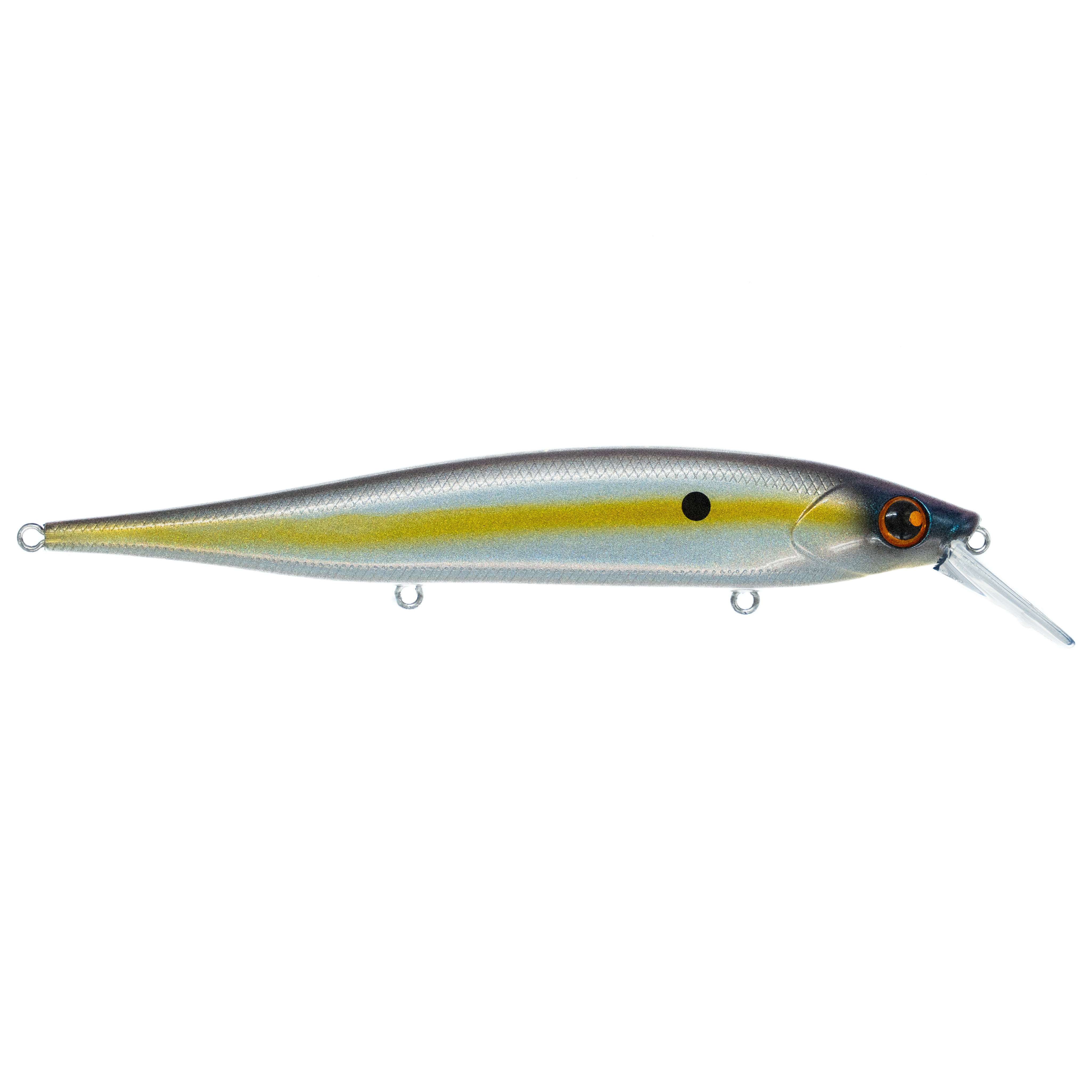
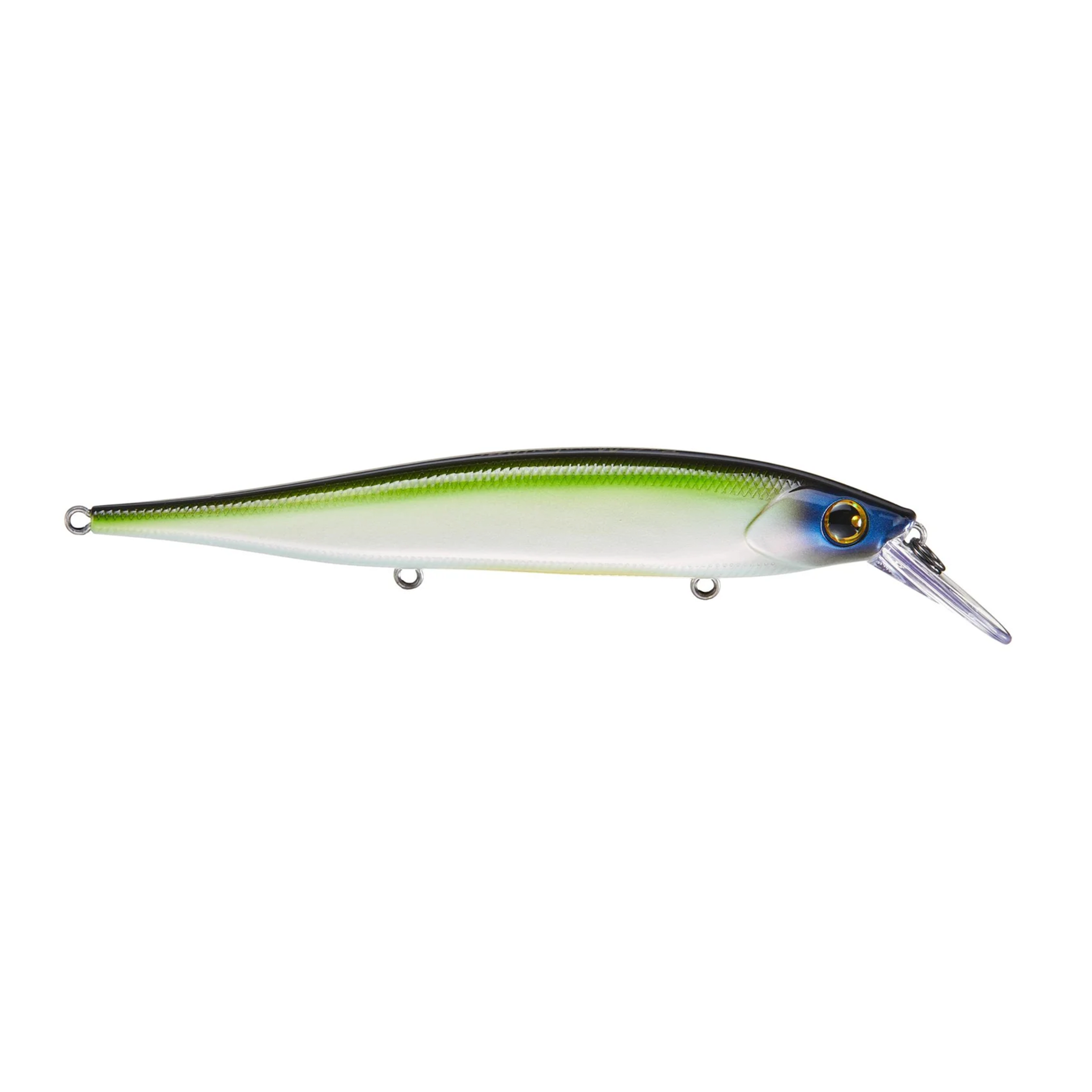
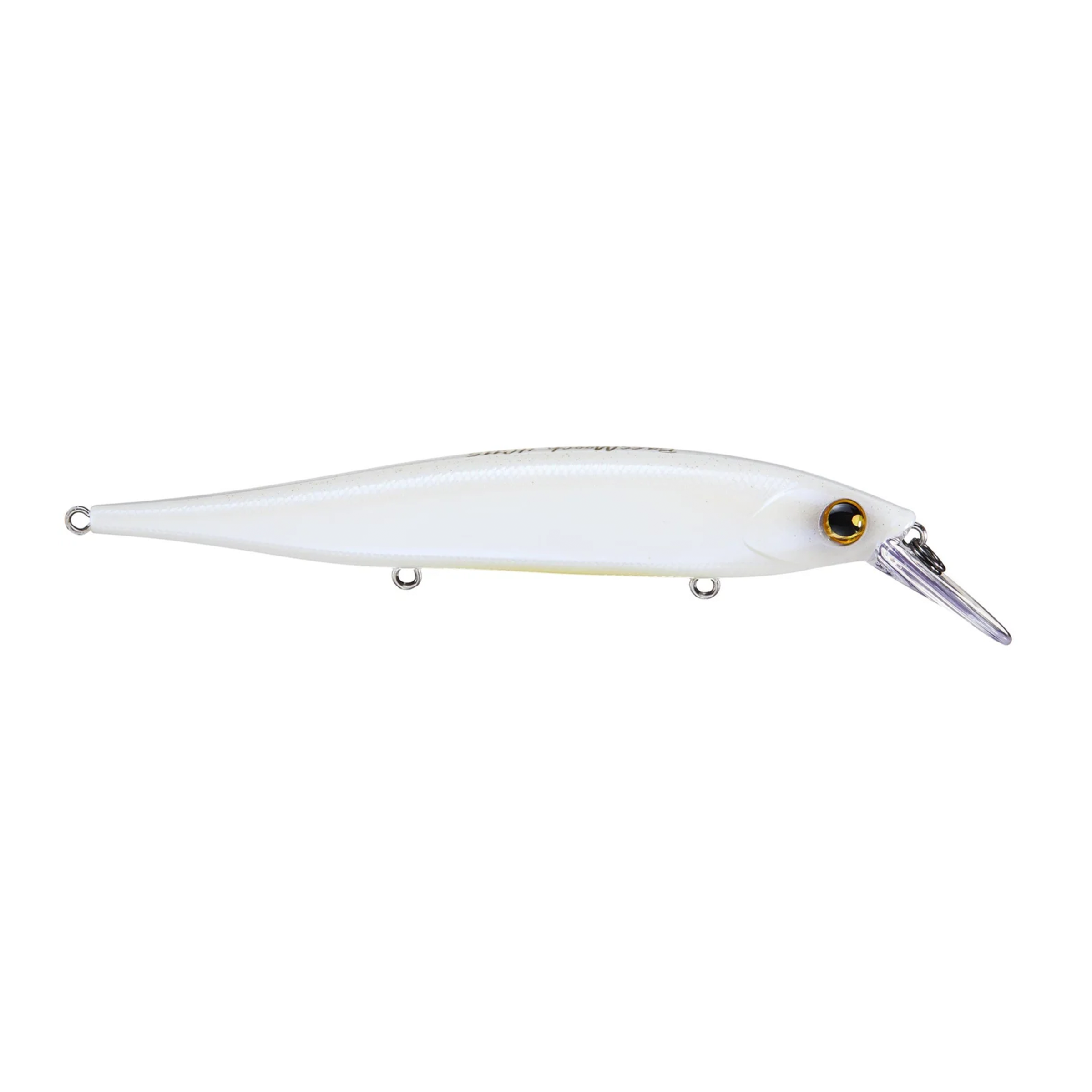
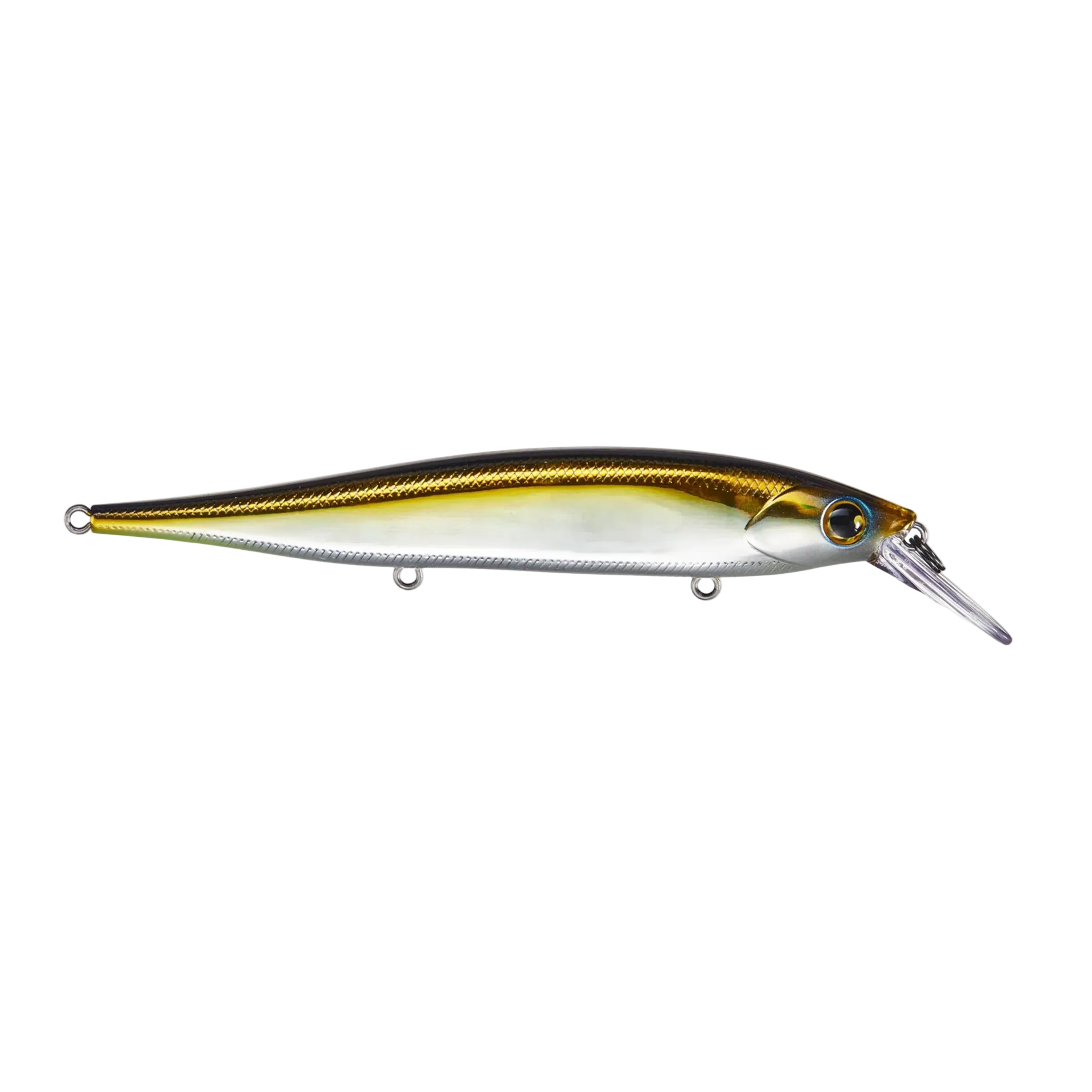
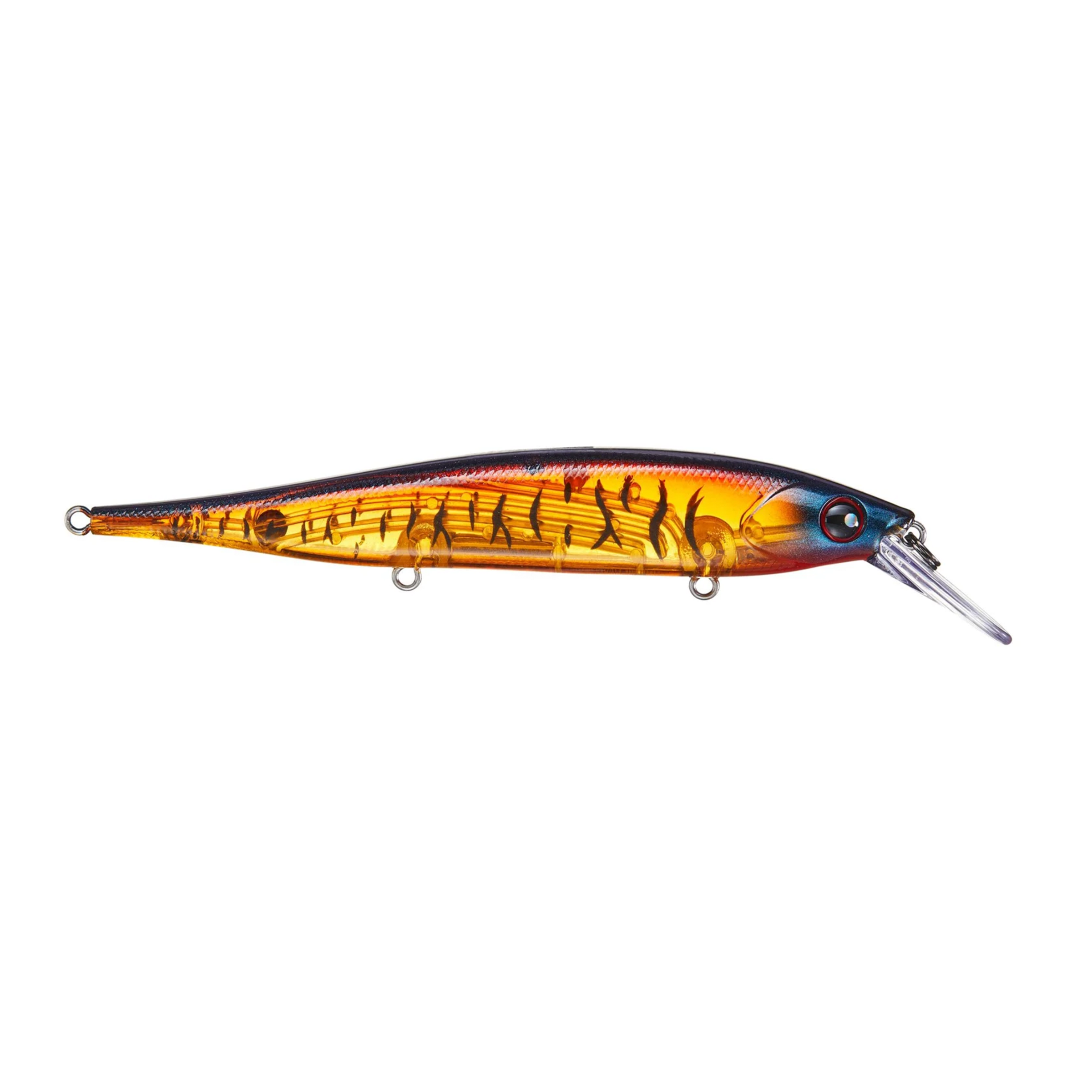
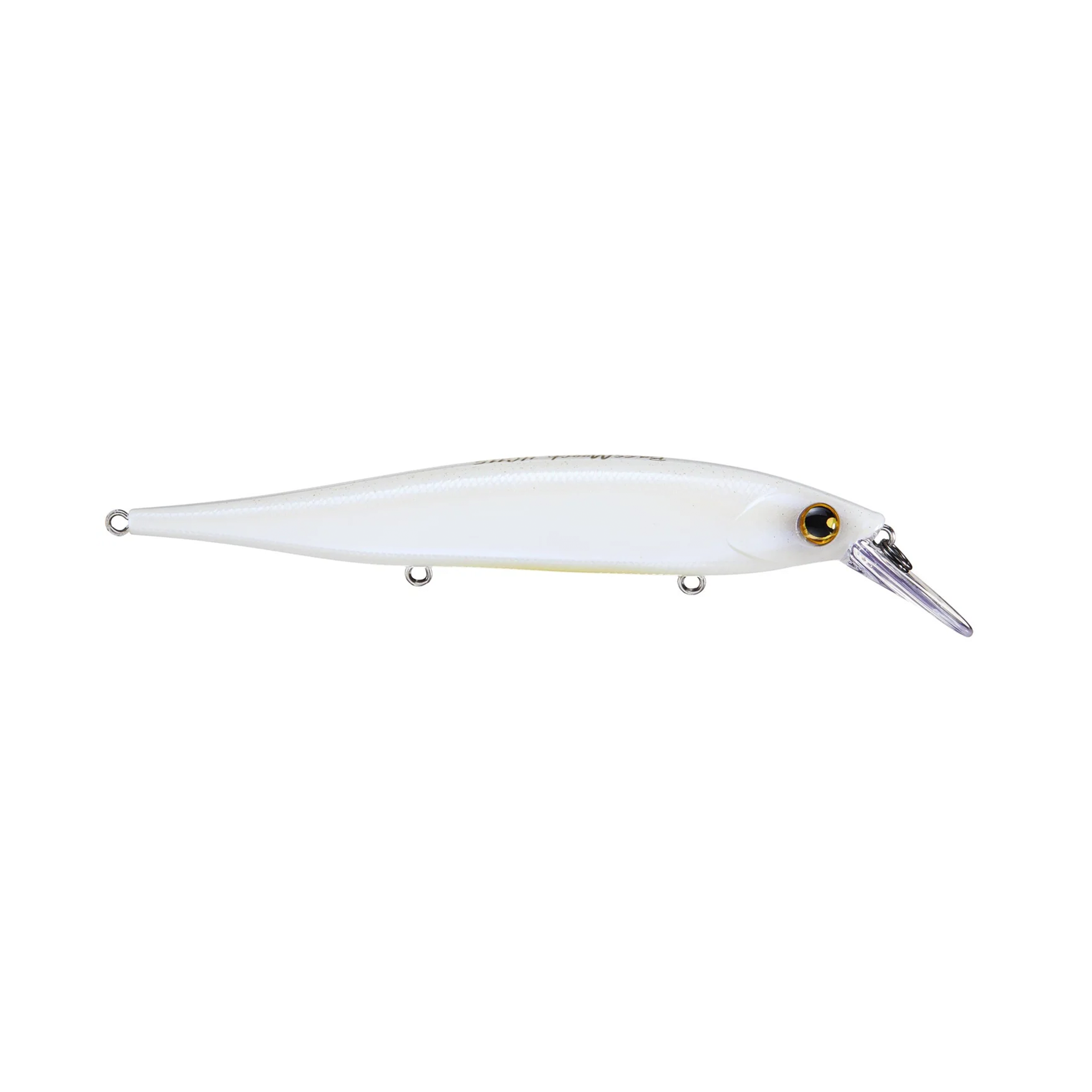
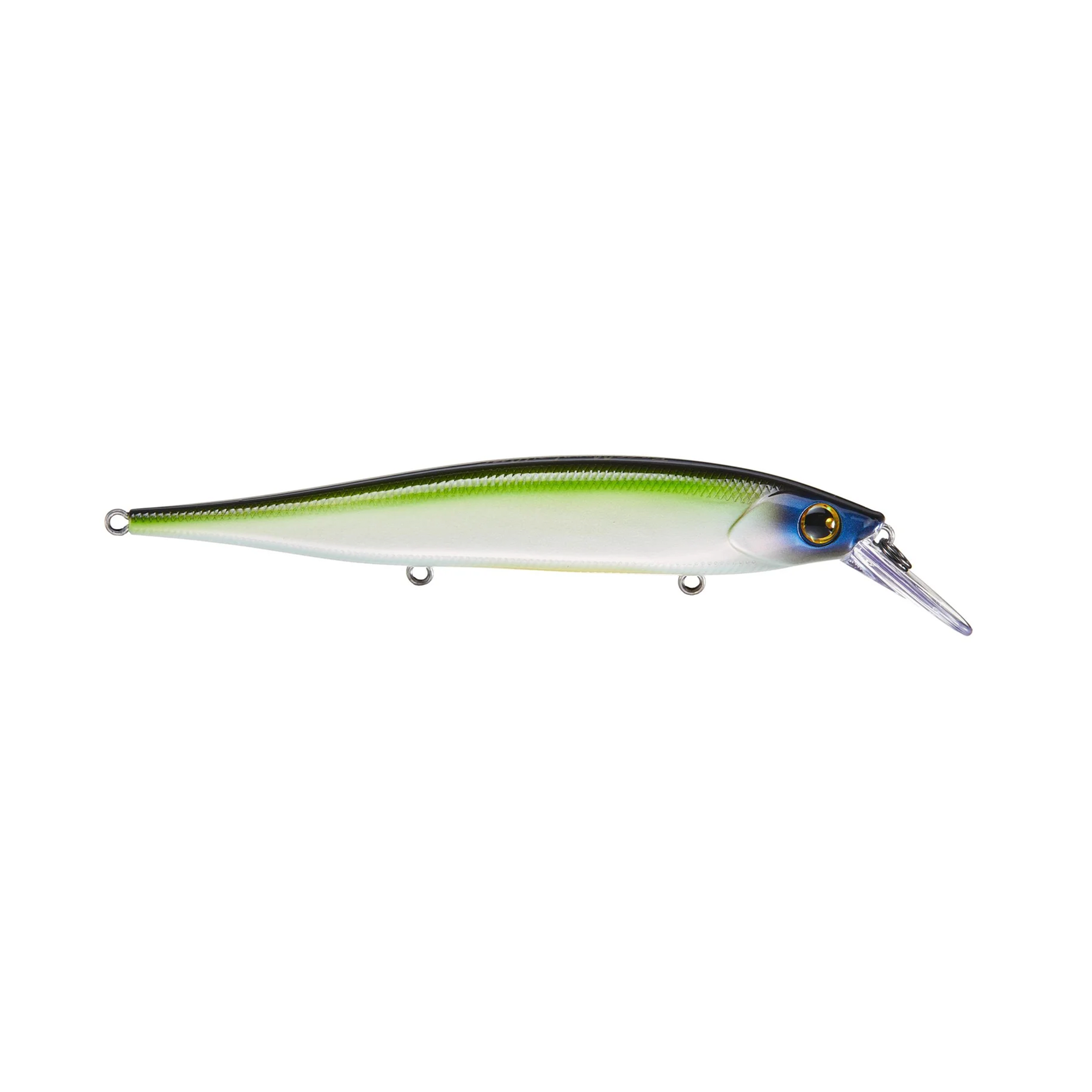
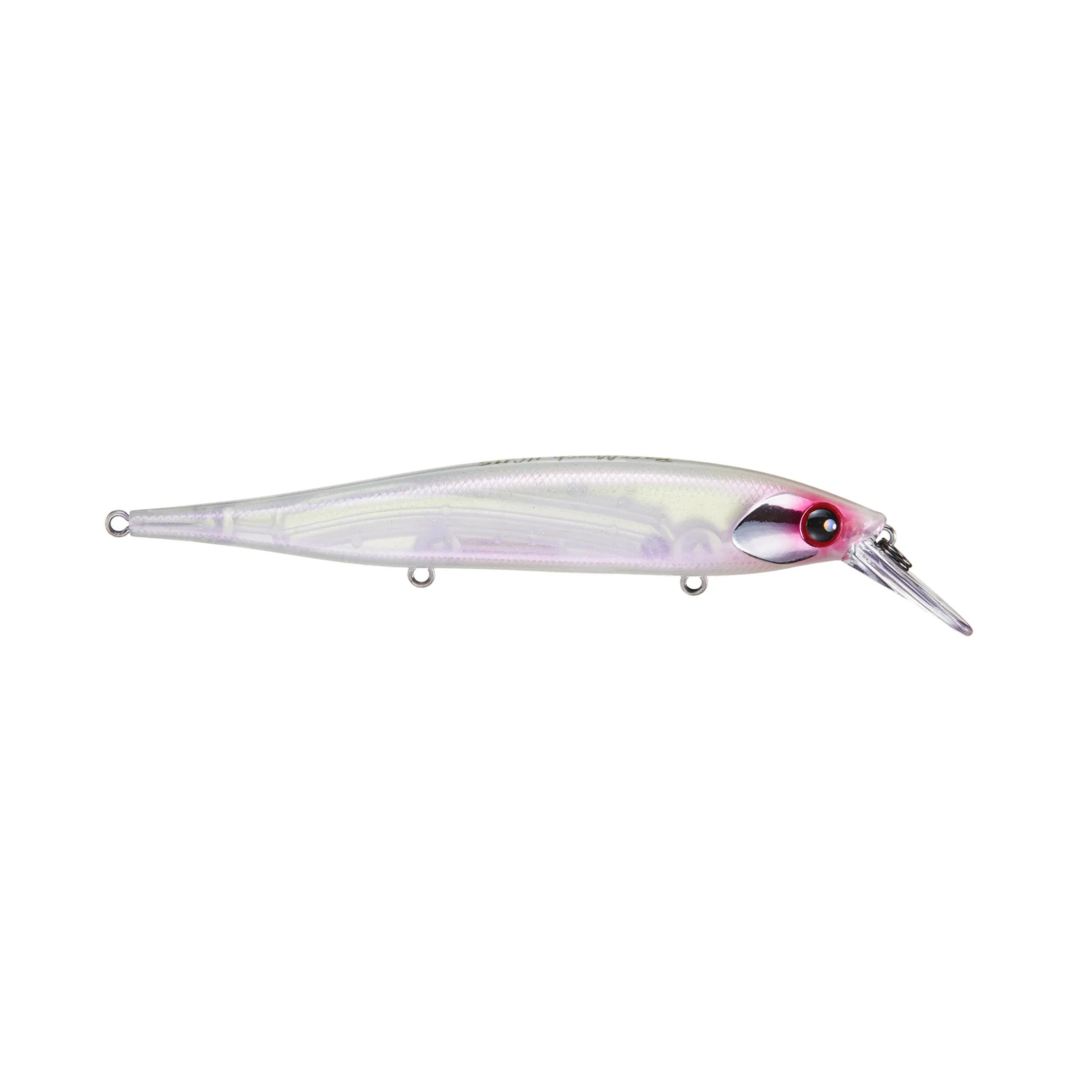
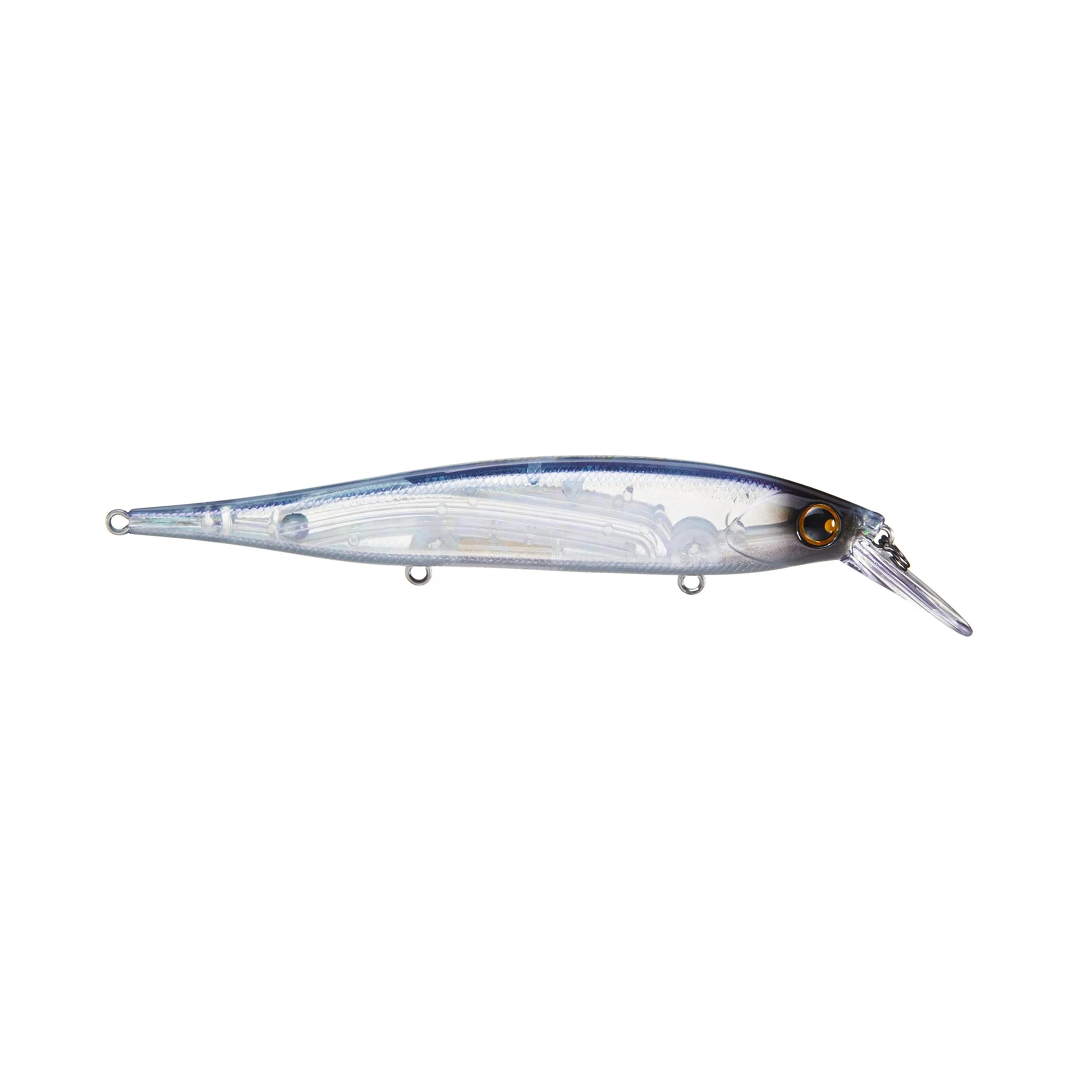
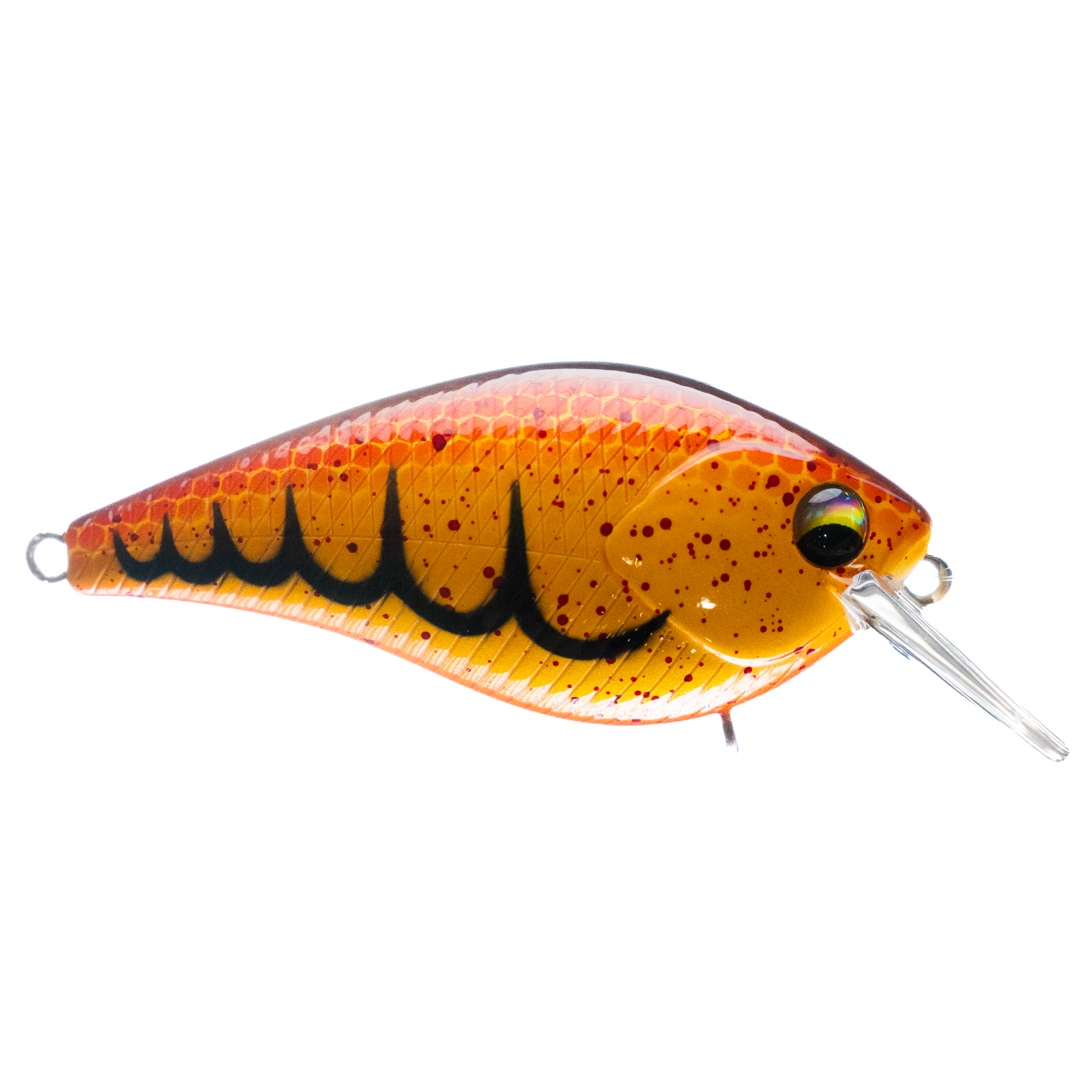
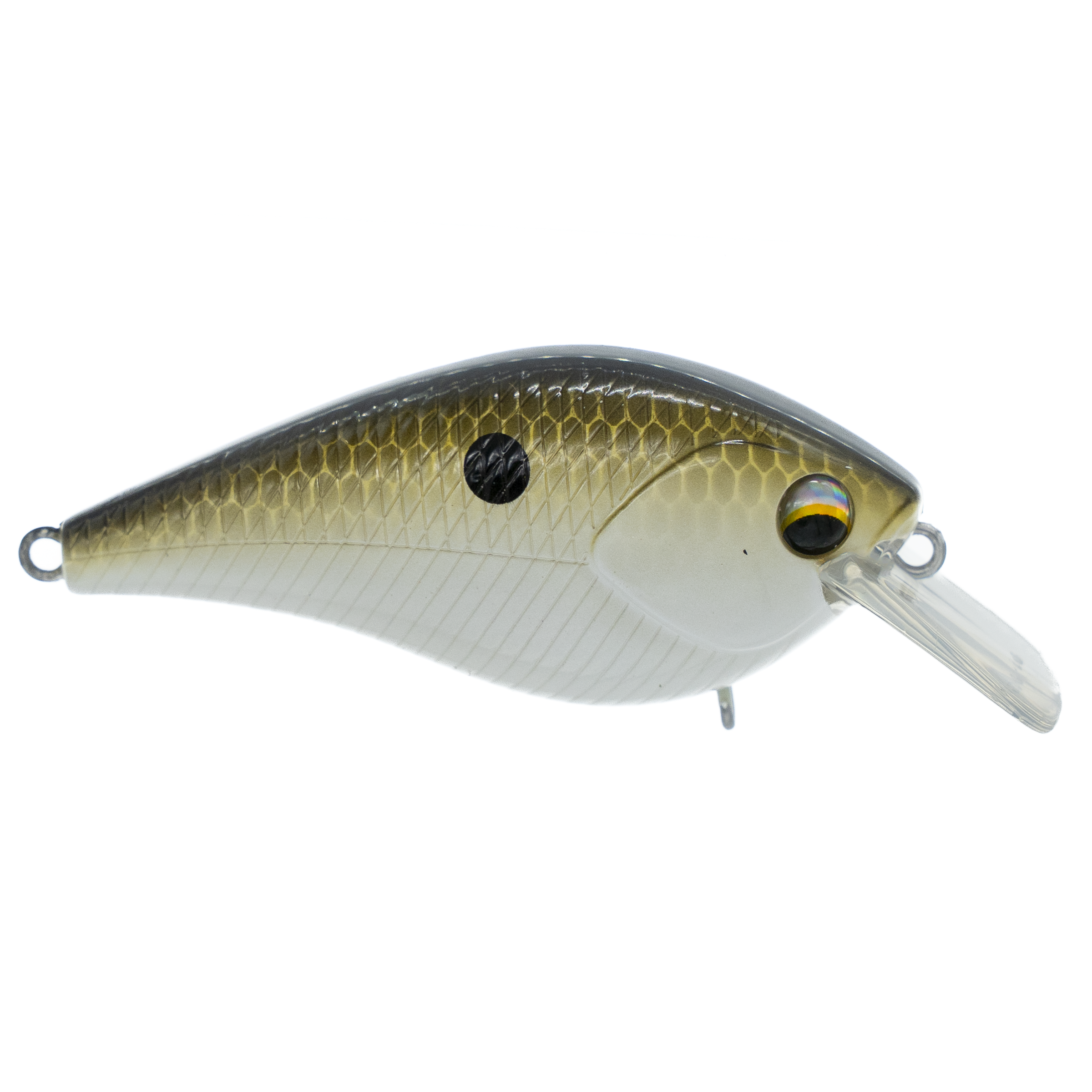
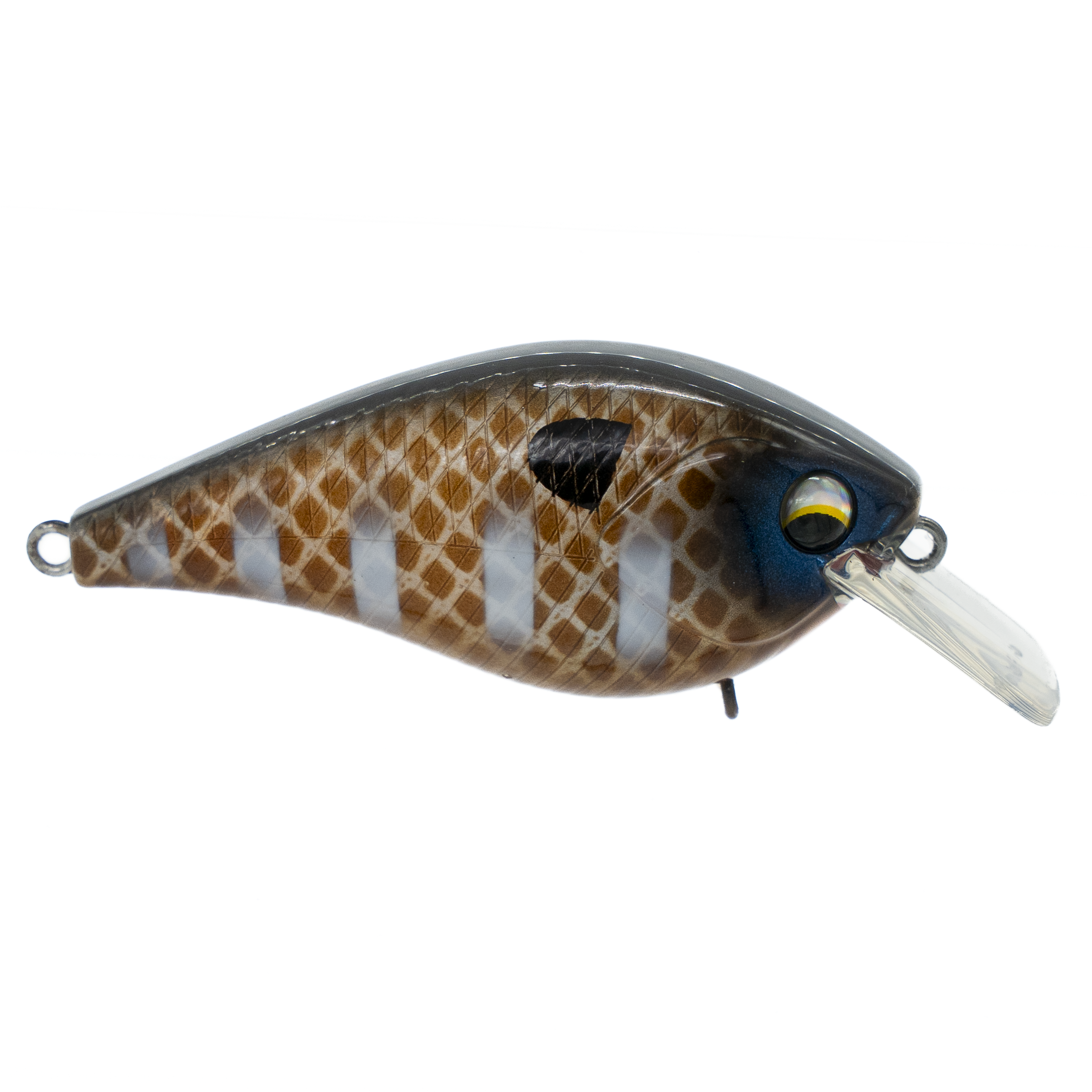
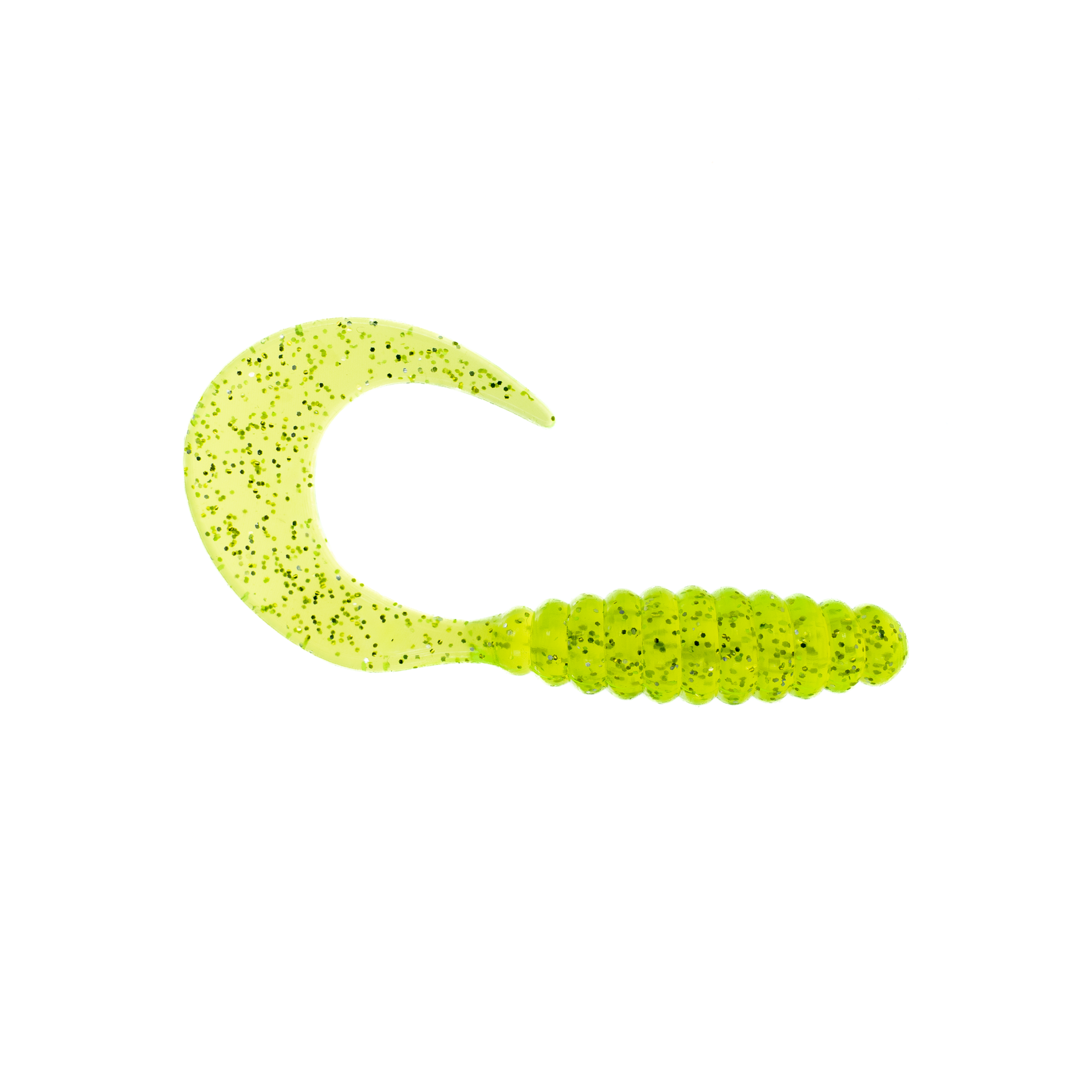
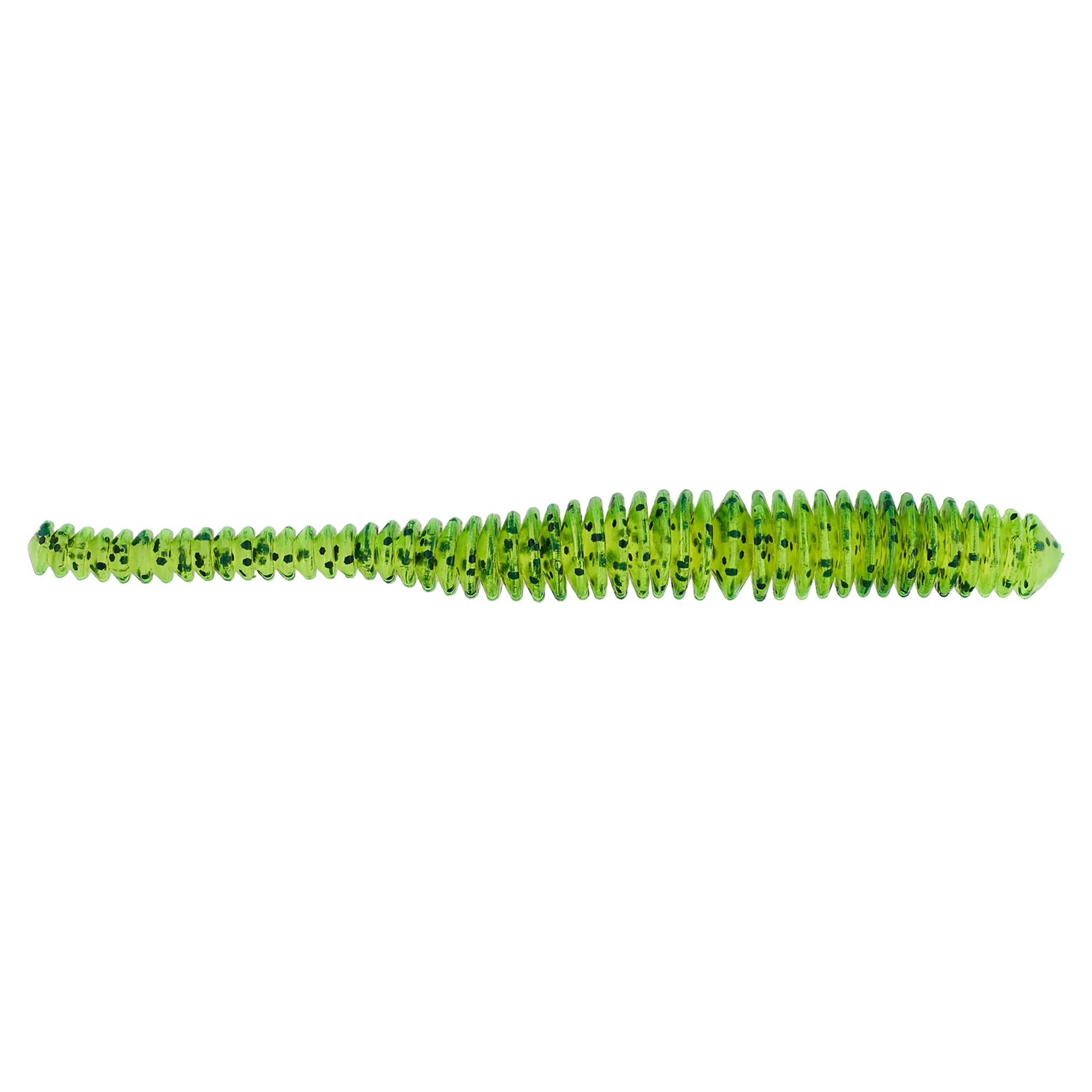
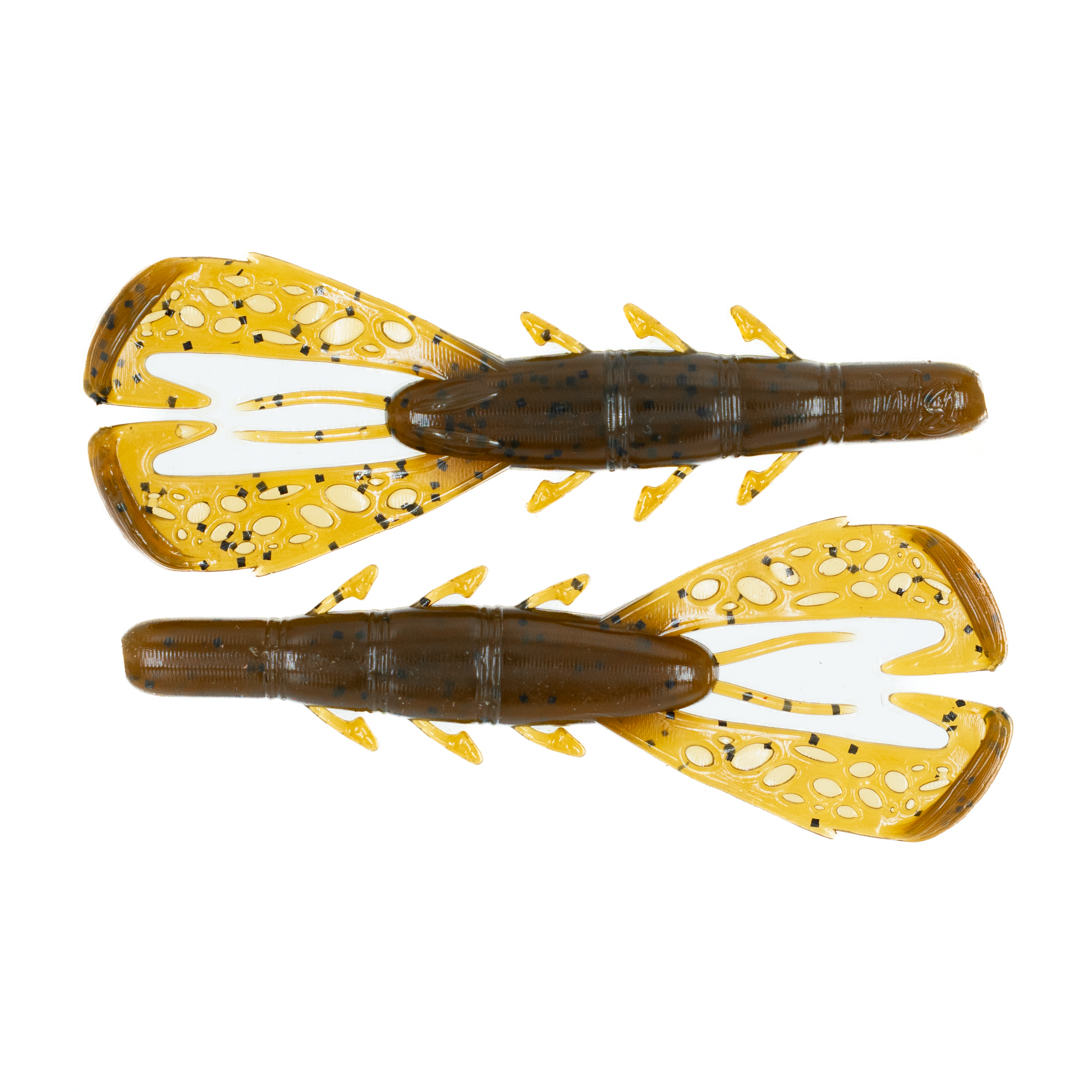
Big worms, Carolina rigs, heavy football jigs and deep crankbaits on the summer ledges. Jerkbaits and swimbaits on deep structure in cold water. Topwater in the backs of the bays in autumn. Our full bait lineup covers all four seasons.
Do I need a Tennessee or Kentucky license?
Depends where you fish. The reservoir straddles both states and each licenses its own waters, so check which side you will be on before you launch. Both are available online from the respective state agencies.
Long Casts, Heavy Sinkers
Ledge fishing is a distance game — you stay off the school and throw at it, then drive a hook at the end of thirty yards of line in twenty-five feet of water. Level Rods builds long, powerful models designed exactly for that, with enough tip to load a heavy bait and enough backbone to convert a bite at range.
Tournament Winning Baits & Gear
Designed, crafted and tested by anglers who fish offshore structure every week. Free shipping on orders over $75.
Shop All Baits