Kanawha River Bass Fishing Guide
Kanawha River Bass Fishing, Season by Season
A working river running through the middle of Charleston, with a series of locks and dams that break it into pools and concentrate fish. The Kanawha holds good smallmouth and largemouth within walking distance of the state capitol, and almost nobody targets them.
A River Through the Capital
The Kanawha River flows through Charleston and on to the Ohio, and a series of locks and dams — Winfield, Marmet and London — divide it into a chain of pools. Those structures are the single most important thing about fishing it: they create current, they create slack water, and they concentrate fish in predictable places.
The river's reputation is catfish and hybrid striped bass. It holds multiple state records, including a seventy-pound flathead taken near St. Albans, and the water below Winfield Dam is well known for exactly that kind of fishing. What gets overlooked is the black bass.
There is genuinely good bass fishing within walking distance of the state capitol. Smallmouth hold along Charleston's rock-lined riverfront and take soft jerkbaits and four-inch plastic worms, and largemouth use the slower backwaters, barge ties and creek mouths. For an angler without a boat, this is one of the more accessible quality fisheries in the region.
The water runs stained, which is a useful contrast with the rest of West Virginia. Where Summersville demands finesse and light line, the Kanawha rewards brighter, more visible baits and a more aggressive approach. If the clear-water lakes have beaten you up, this is the antidote.
Structure is what you would expect on a working river: riprap banks, lock walls, bridge piers, barge ties, wing dams, creek mouths and the current seams around all of them. There is no vegetation pattern to speak of.
Current is the variable to plan around. Flow through the dams changes with rainfall and generation, and it positions fish on the downstream side of every break. A spot that holds fish with water moving can be empty without it.
Locks, Riprap and Current Seams
Four patterns cover the year. Each one pairs the technique with the baits we'd actually tie on.
Rock and Creek Mouths
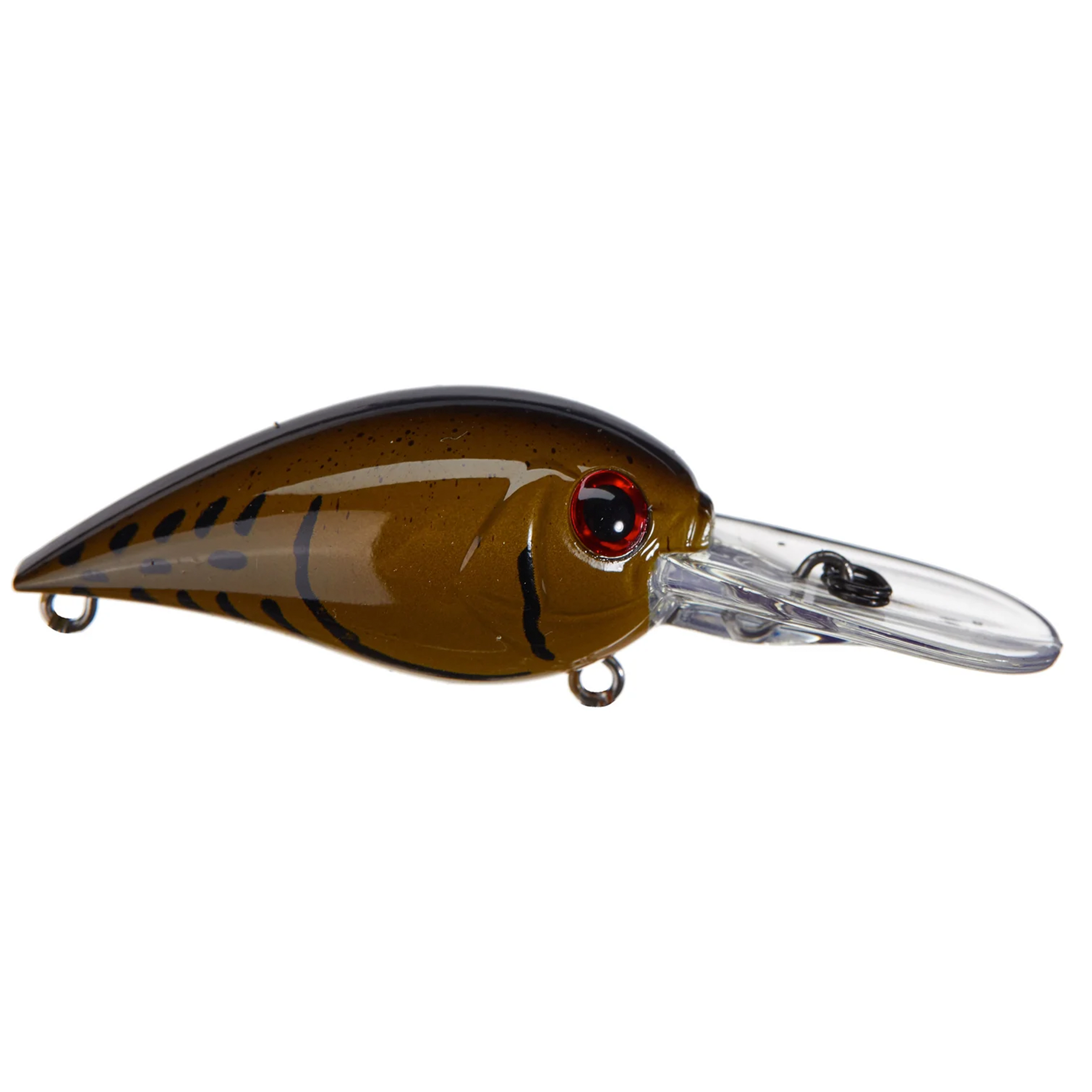
Spring warms the rock first, and riprap banks and rock-lined shoreline are the places to start. Fish move toward the creek mouths and the slower backwaters to spawn, and the transition banks between fast water and slack hold staging fish. High spring flows are the complication — check conditions before committing.


Current Breaks and Hard Structure
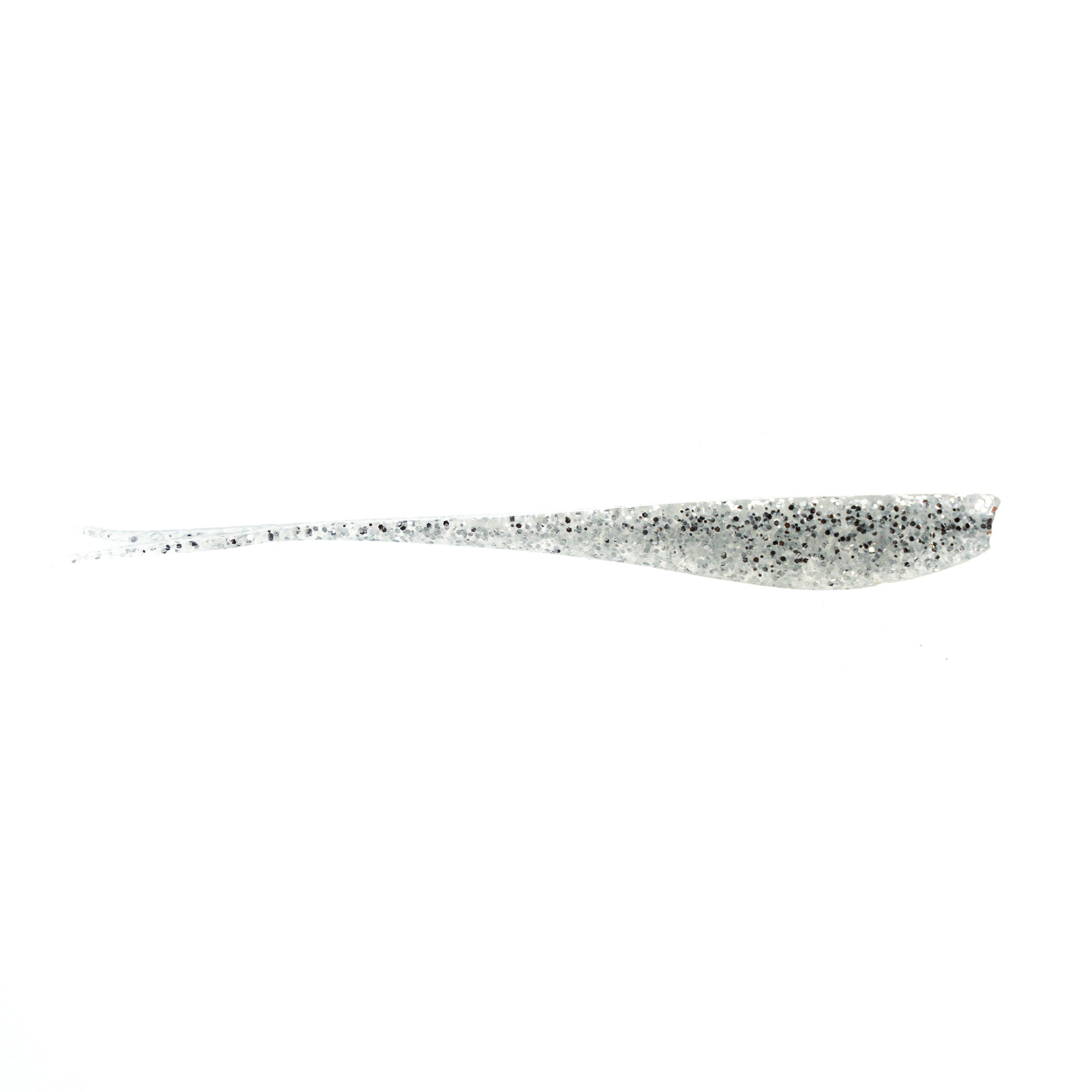
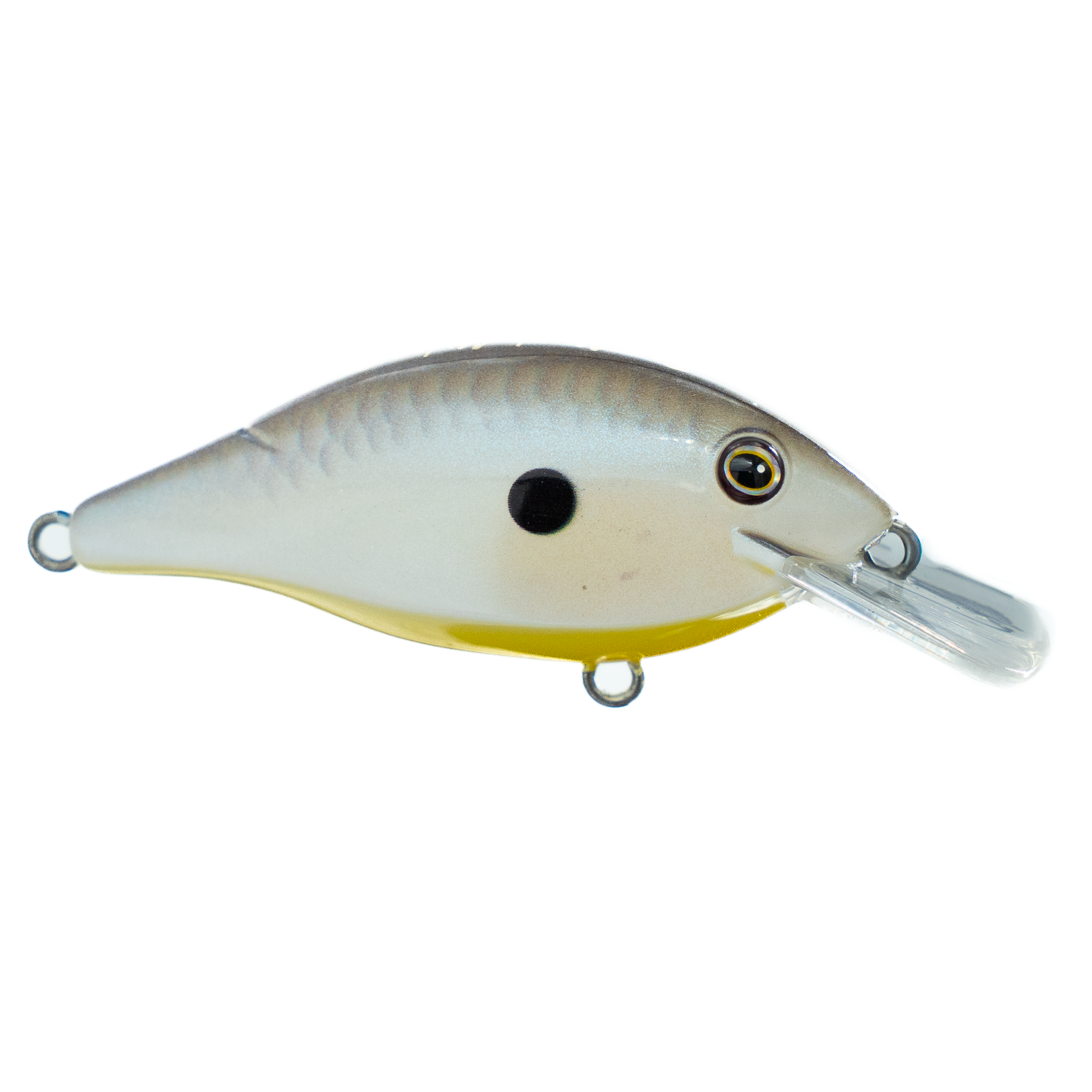
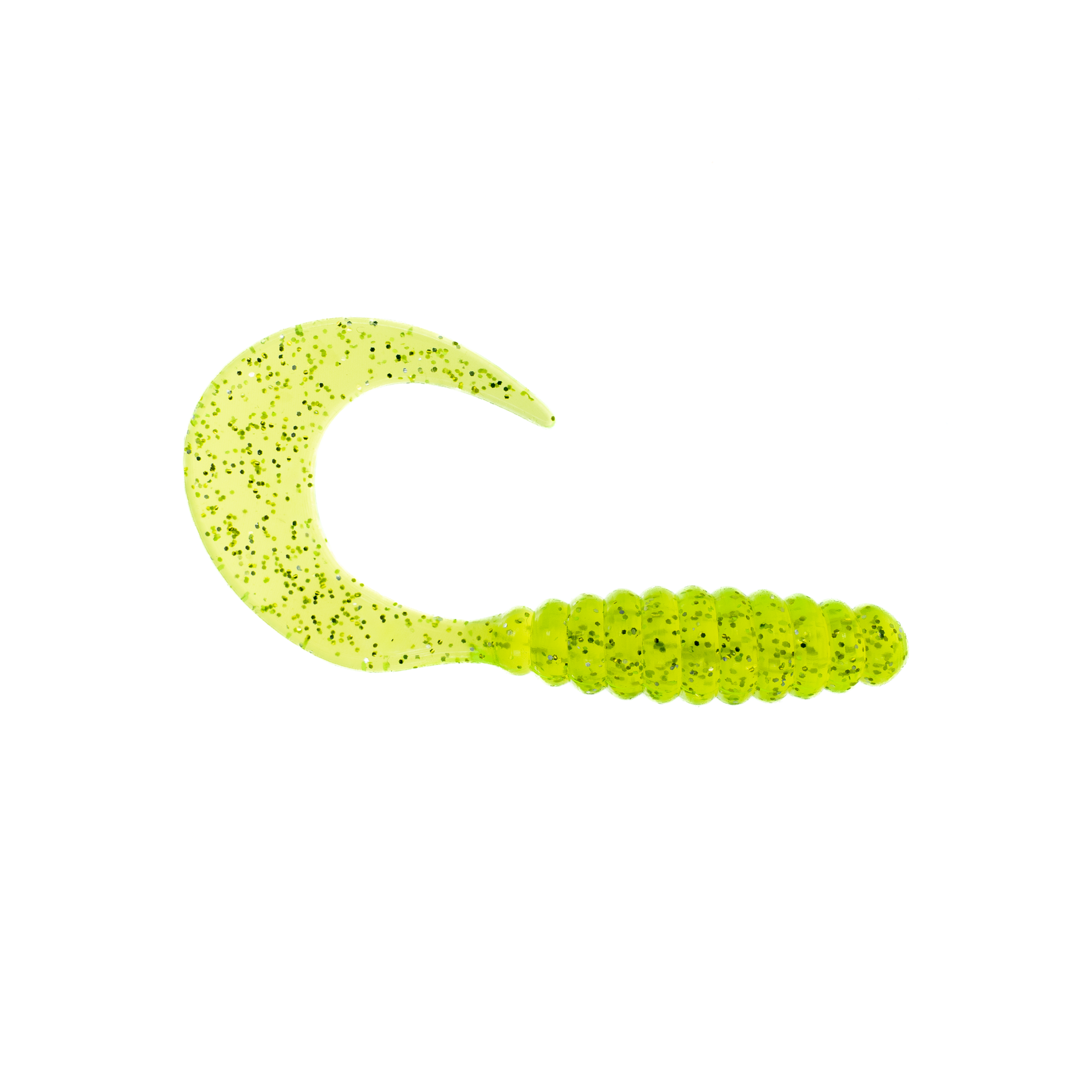
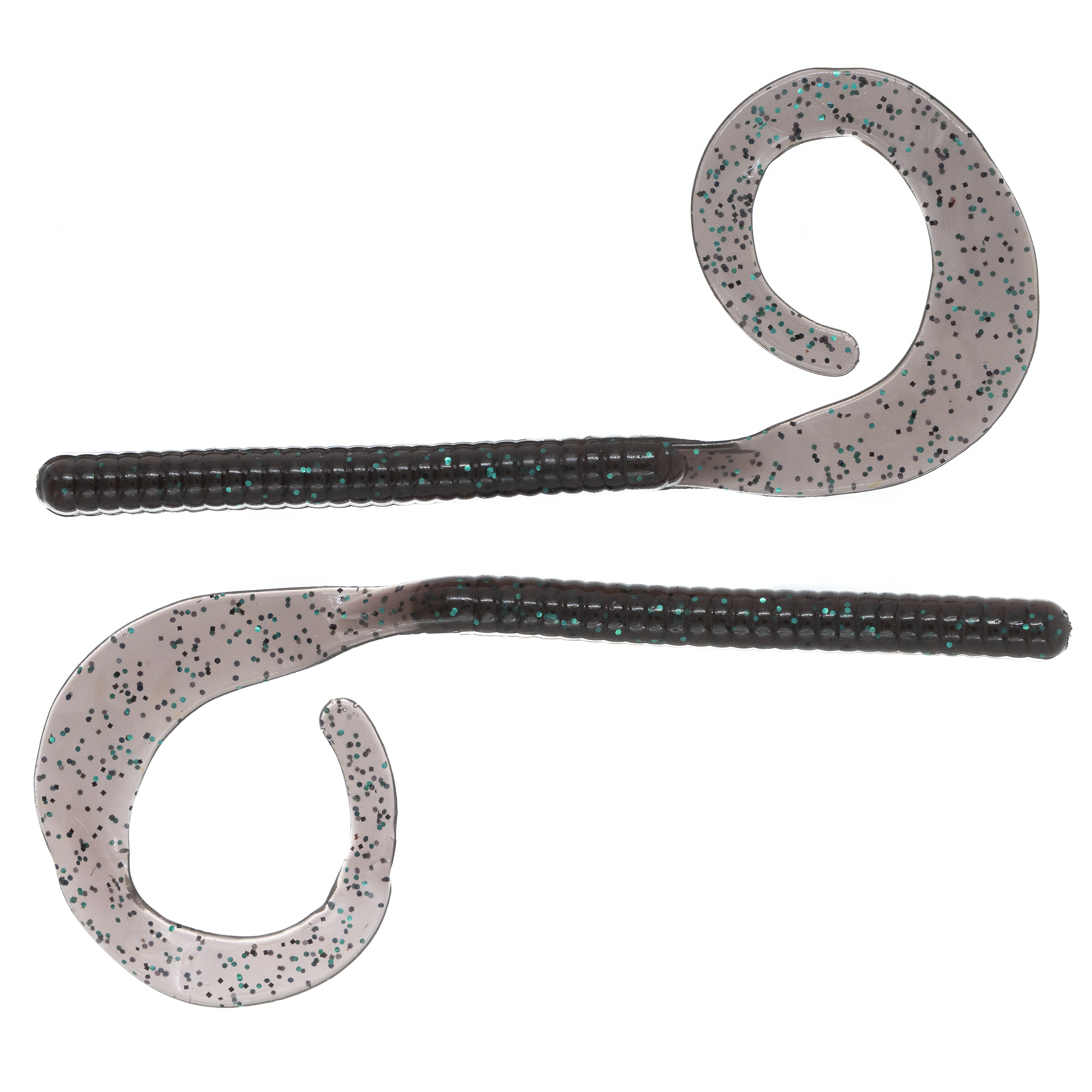
Summer concentrates fish on the hard structure and in the current. Lock walls, bridge piers, barge ties and wing dams all hold bass, and the tailwater areas below the dams are the most reliable water on the river when generation is running. Heat and humidity make early and late the comfortable windows.


Bait in the Creek Mouths
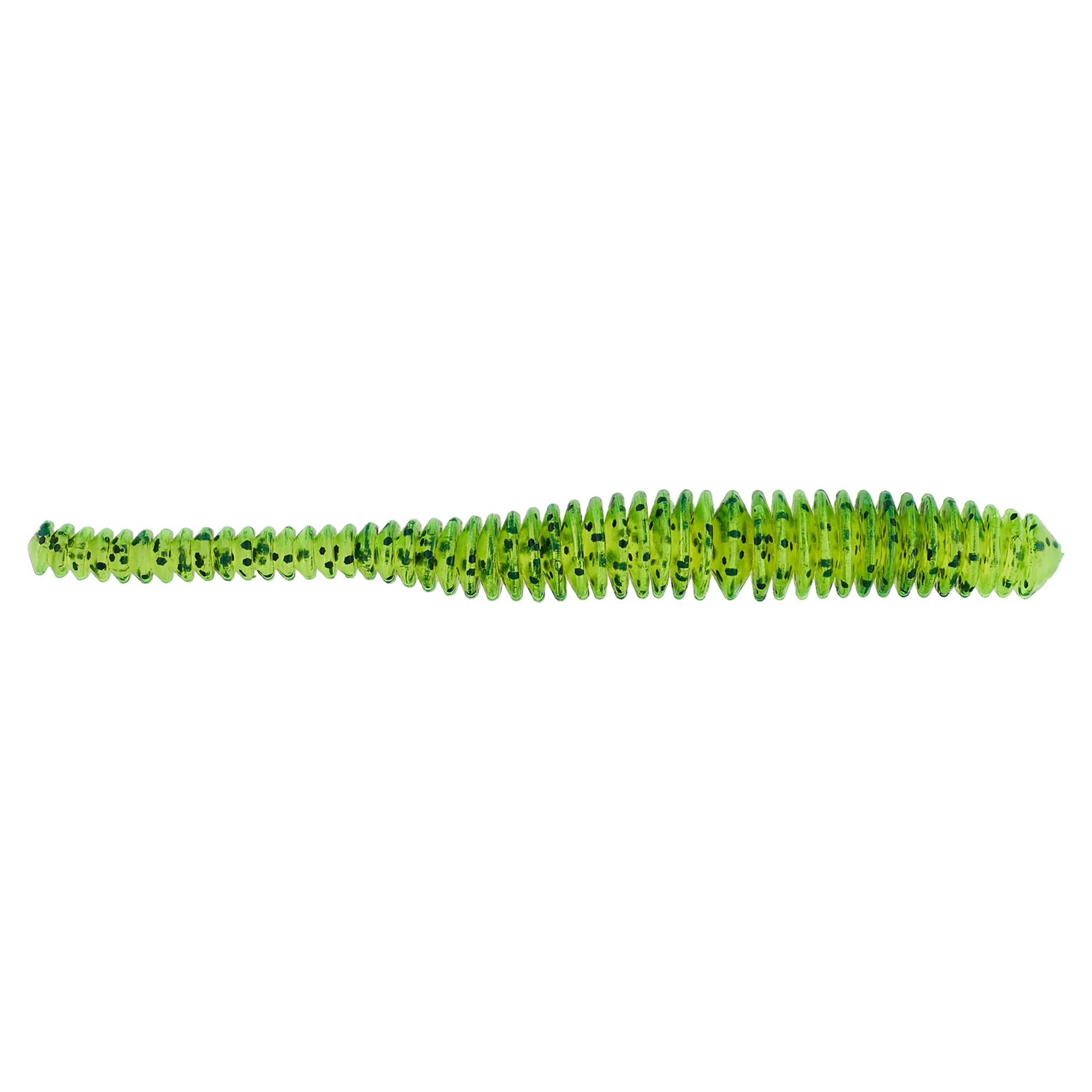
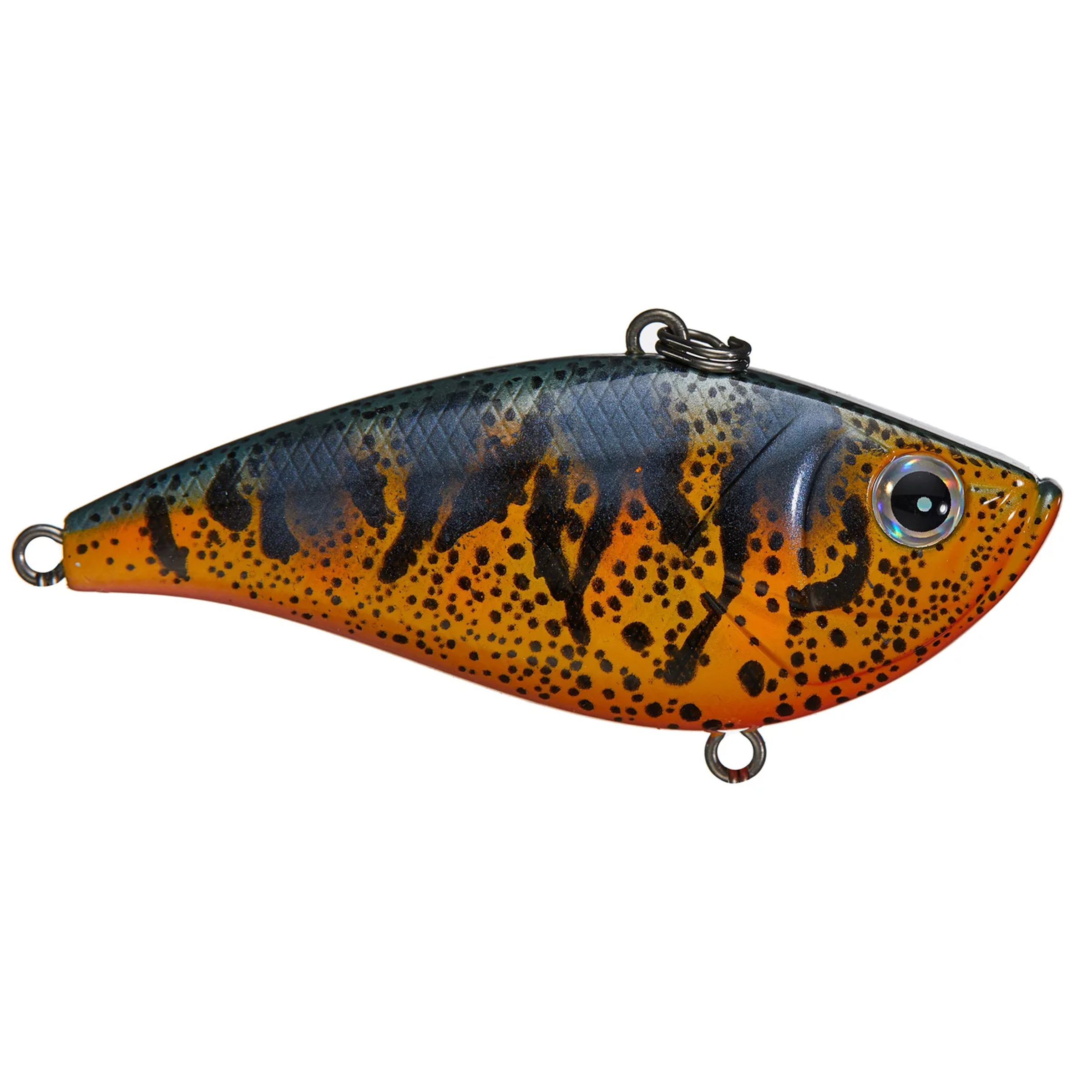
Autumn moves bait into the creek mouths and the backwaters and the bass go with it. Cooling water and stable flows make this the most comfortable and most productive stretch of the year, and the river is quiet. Both species become catchable on moving baits.
Deep Pools and Slack Water
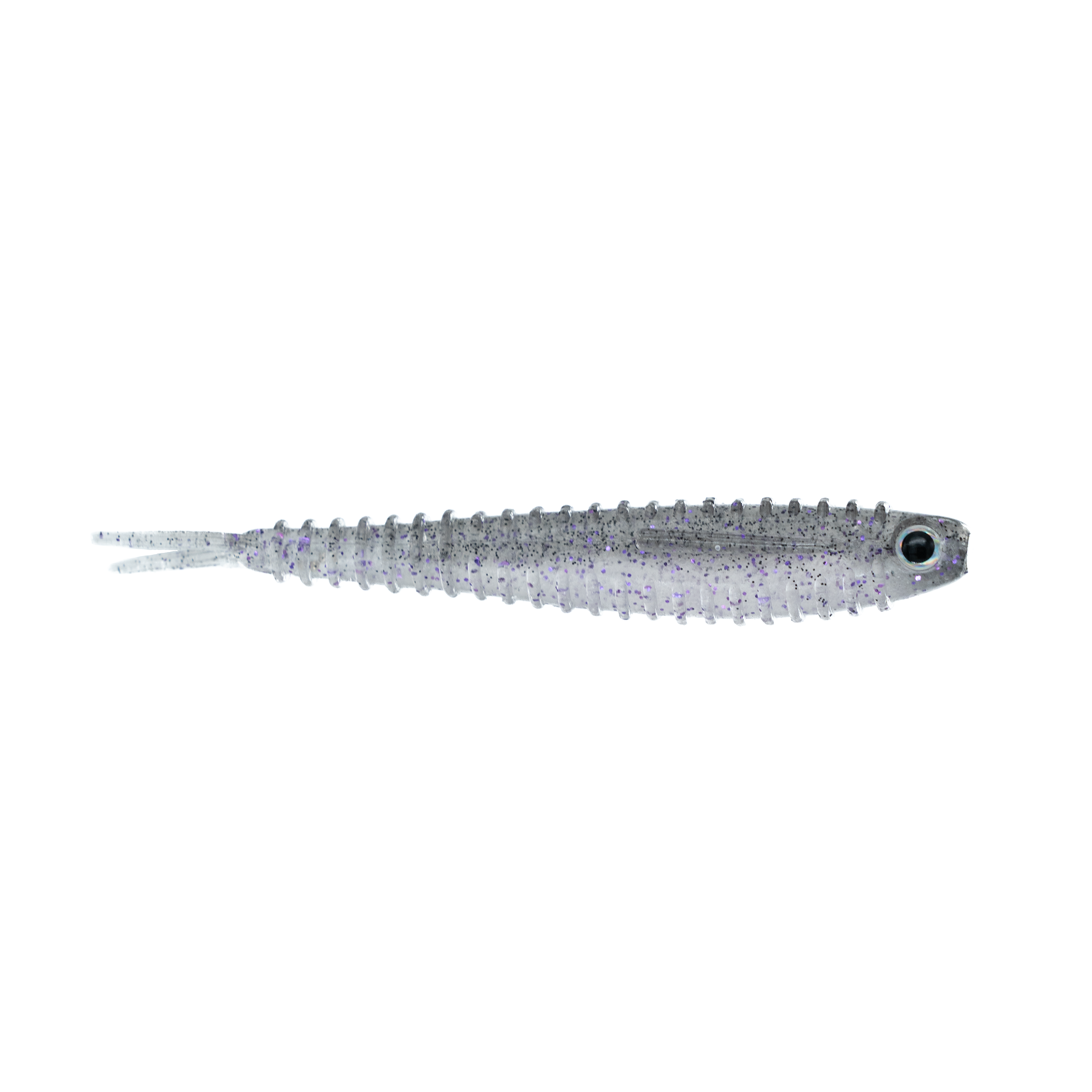
Winter pushes fish into the deeper pool water and the slack behind structure, and the tailwaters stay productive because current keeps bait moving. West Virginia winters are real, but the bank access through Charleston means you can fish a short session without a boat when conditions allow.


The Kanawha River Access
Charleston offers extensive public bank access along the riverfront, which is unusual for a fishery this good. Ramps serve the river at multiple points through the pools, and the areas below Winfield, Marmet and London dams are the recognised hot spots.
The Charleston Riverfront
Rock-lined bank running through the middle of the state capital, holding smallmouth that take soft jerkbaits and four-inch plastic worms. Genuinely good fishing you can reach on foot, which makes this the most accessible quality bass water in West Virginia.
Below Winfield Dam
The best-known fishing hole on the river and the place to be when water is moving. Current concentrates bait and everything that eats it — bass, hybrids and the catfish the river is famous for. Marmet and London dams work the same way on their pools.
Barge Ties and Bridge Piers
Working-river structure, and the closest thing the Kanawha has to a reliable largemouth pattern. Hard cover in current, holding fish year round and largely ignored by anglers focused on catfish.
The Kanawha River Bass Fishing FAQ
Is the Kanawha River good for bass?
Yes, and it is underrated because the river's reputation is catfish and hybrid striped bass. There is genuinely good smallmouth fishing along Charleston's rock-lined riverfront, and largemouth in the backwaters and around hard structure. It sees far less bass pressure than it deserves.
Can you fish the Kanawha without a boat?
Yes, and that is one of its main attractions. Charleston's riverfront offers extensive bank access to good fishing within walking distance of the state capitol. Few quality fisheries anywhere are this easy to reach on foot.
What are the locks and dams?
Winfield, Marmet and London divide the river into a chain of navigation pools. They create current, slack water and tailwater areas, and they concentrate fish predictably. The water below Winfield Dam is the best-known fishing hole on the river.
How does current affect the fishing?
It positions the fish. Bass sit on the downstream side of current breaks — lock walls, bridge piers, barge ties, wing dams — and a spot that holds fish with water moving can be empty without it. Flow changes with rainfall and generation, so check before you plan a day around one spot.
Is the water clear?
No, it runs stained, and that is a genuine advantage for an angler. Brighter and more visible baits work here, and a more aggressive approach that would spook fish on Summersville is exactly right on the Kanawha.
What else is in the river?
Catfish and hybrid striped bass, in numbers and in size. The river holds multiple state records, including a seventy-pound flathead catfish caught near St. Albans. If the bass are not cooperating, there is always something else worth casting at.
What baits work best on the Kanawha?
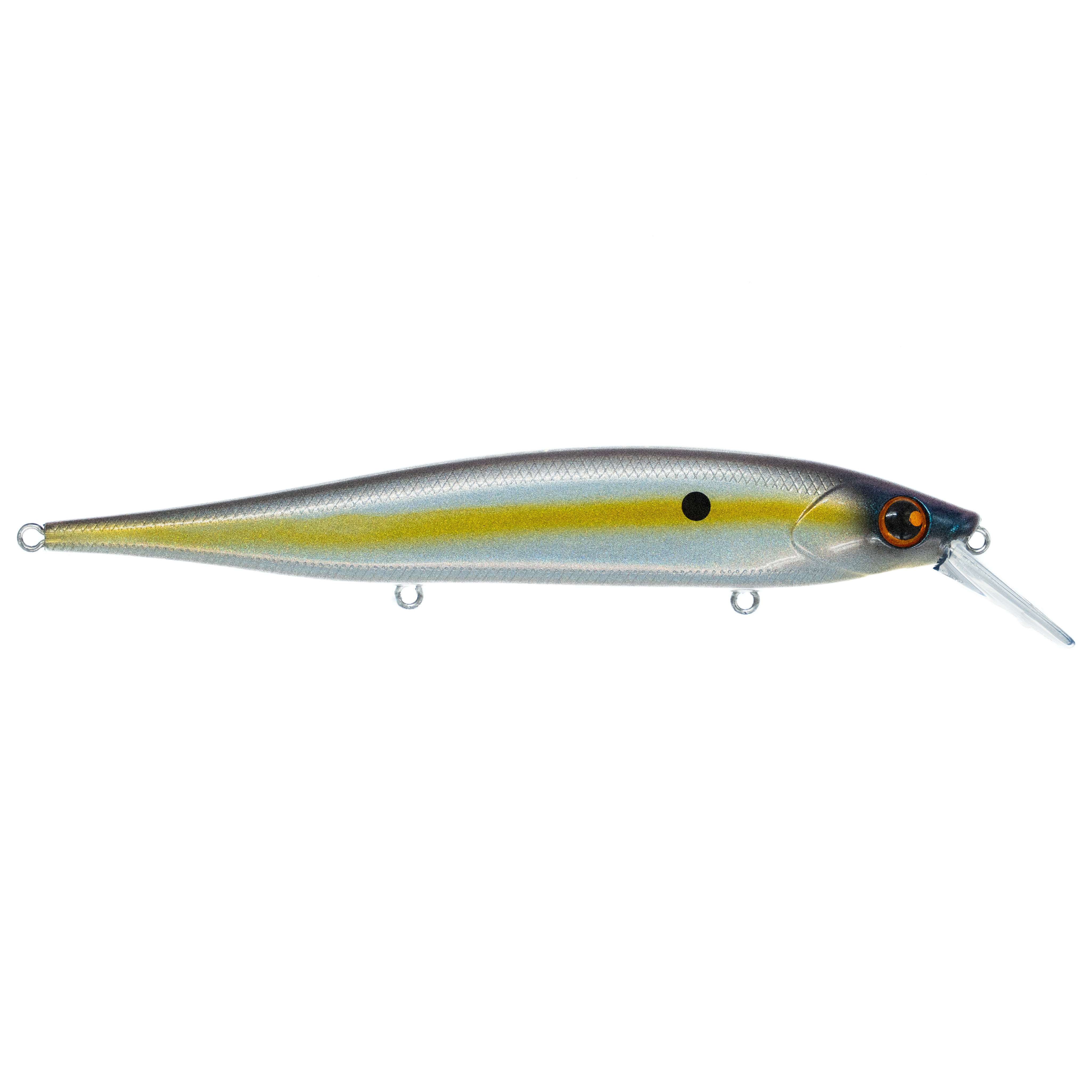
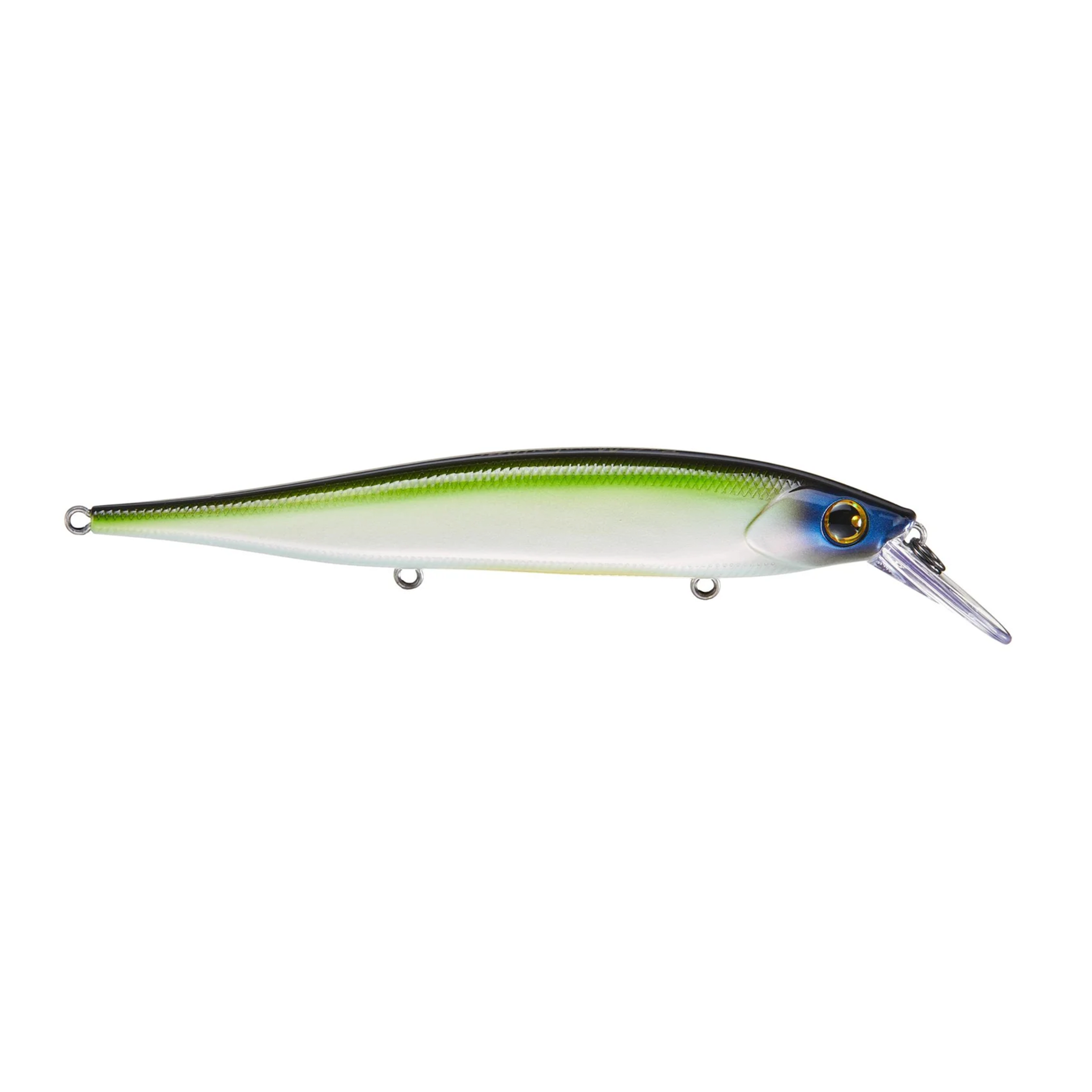
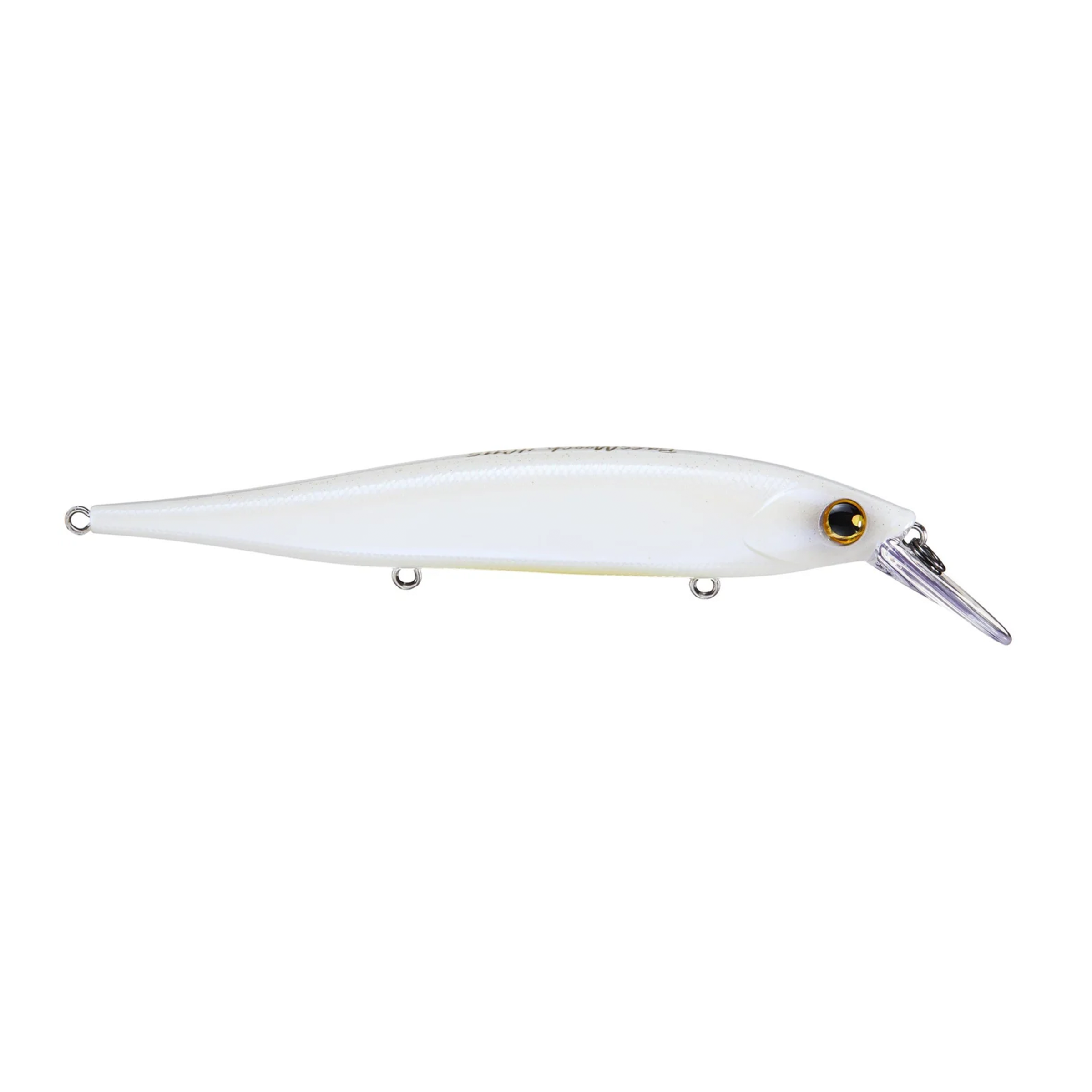
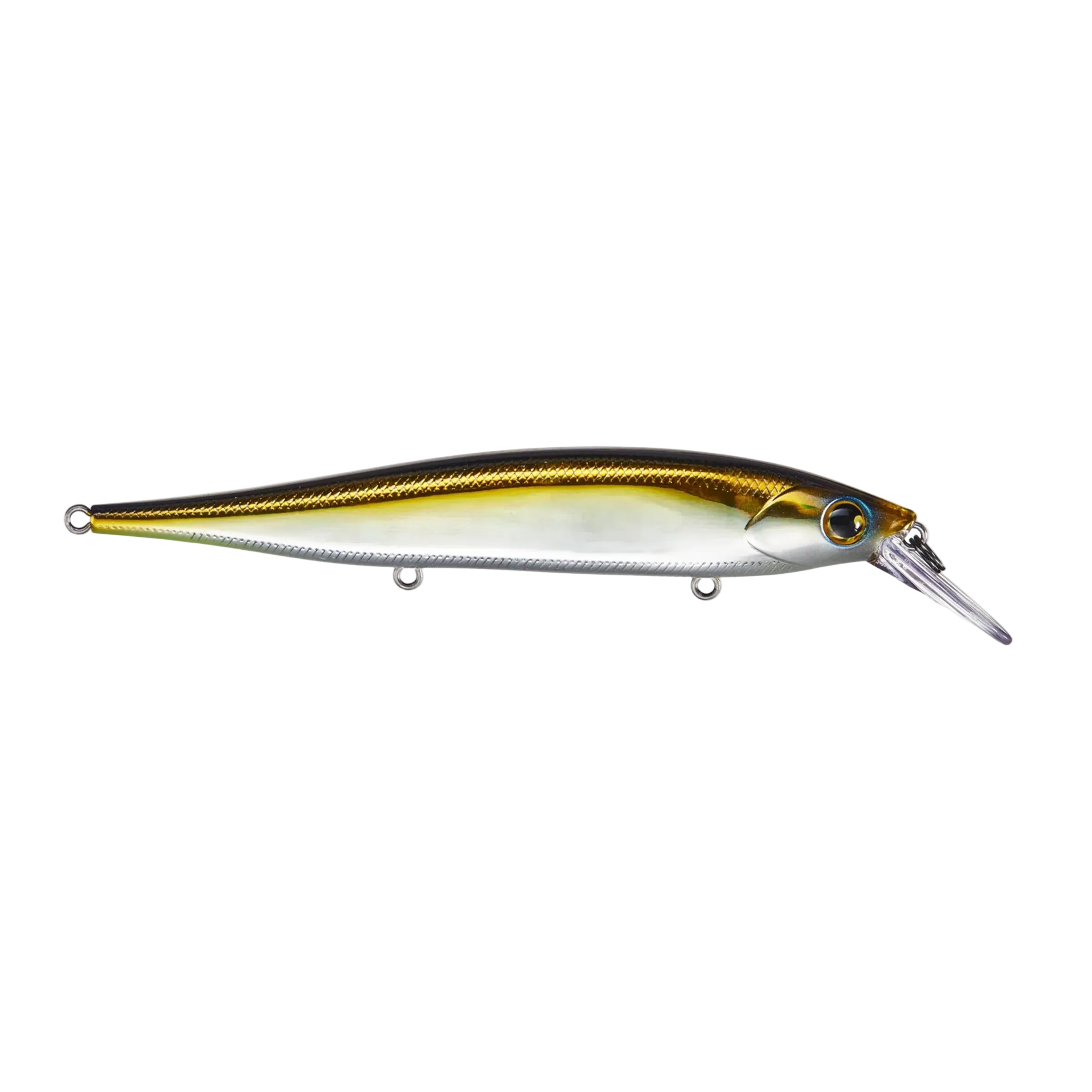
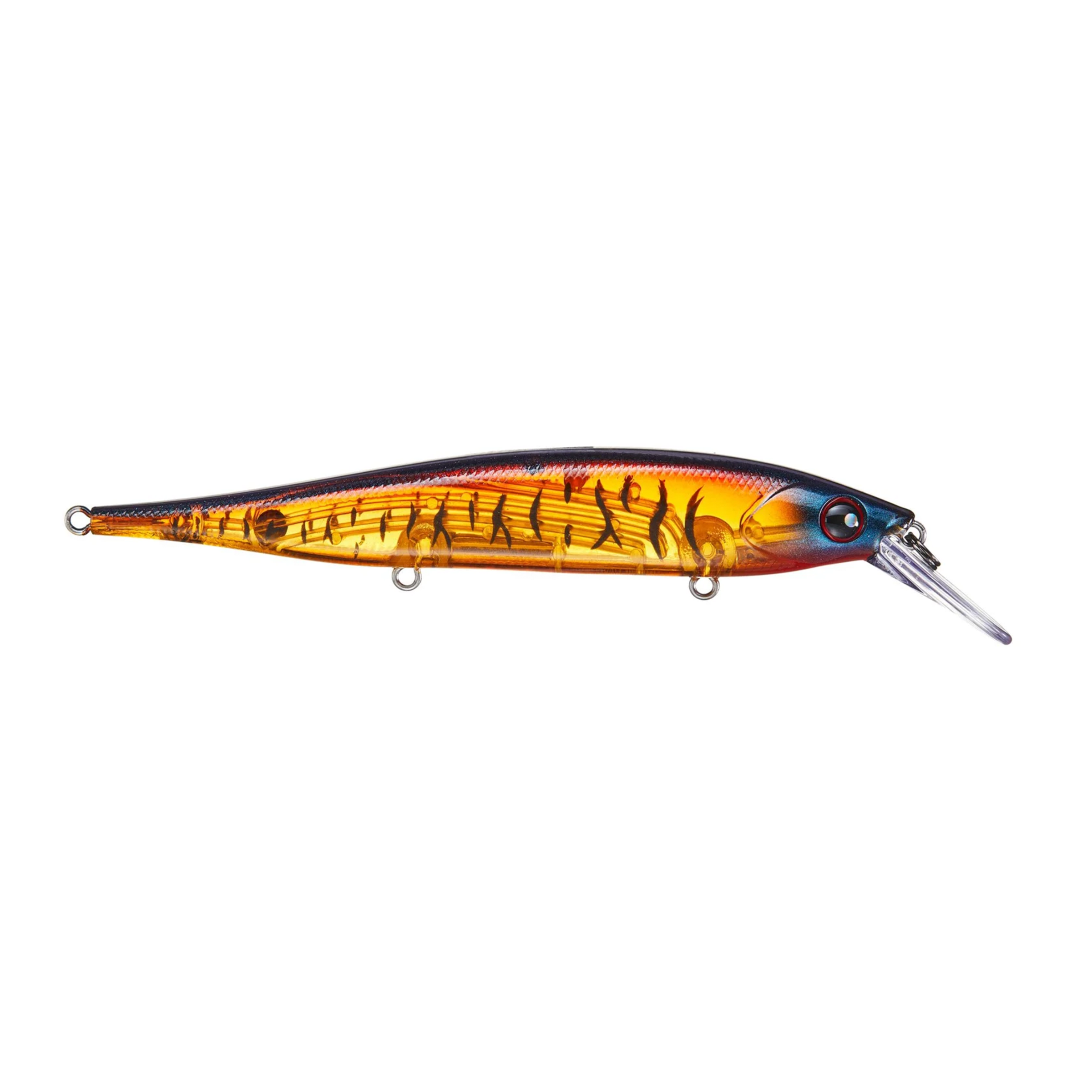
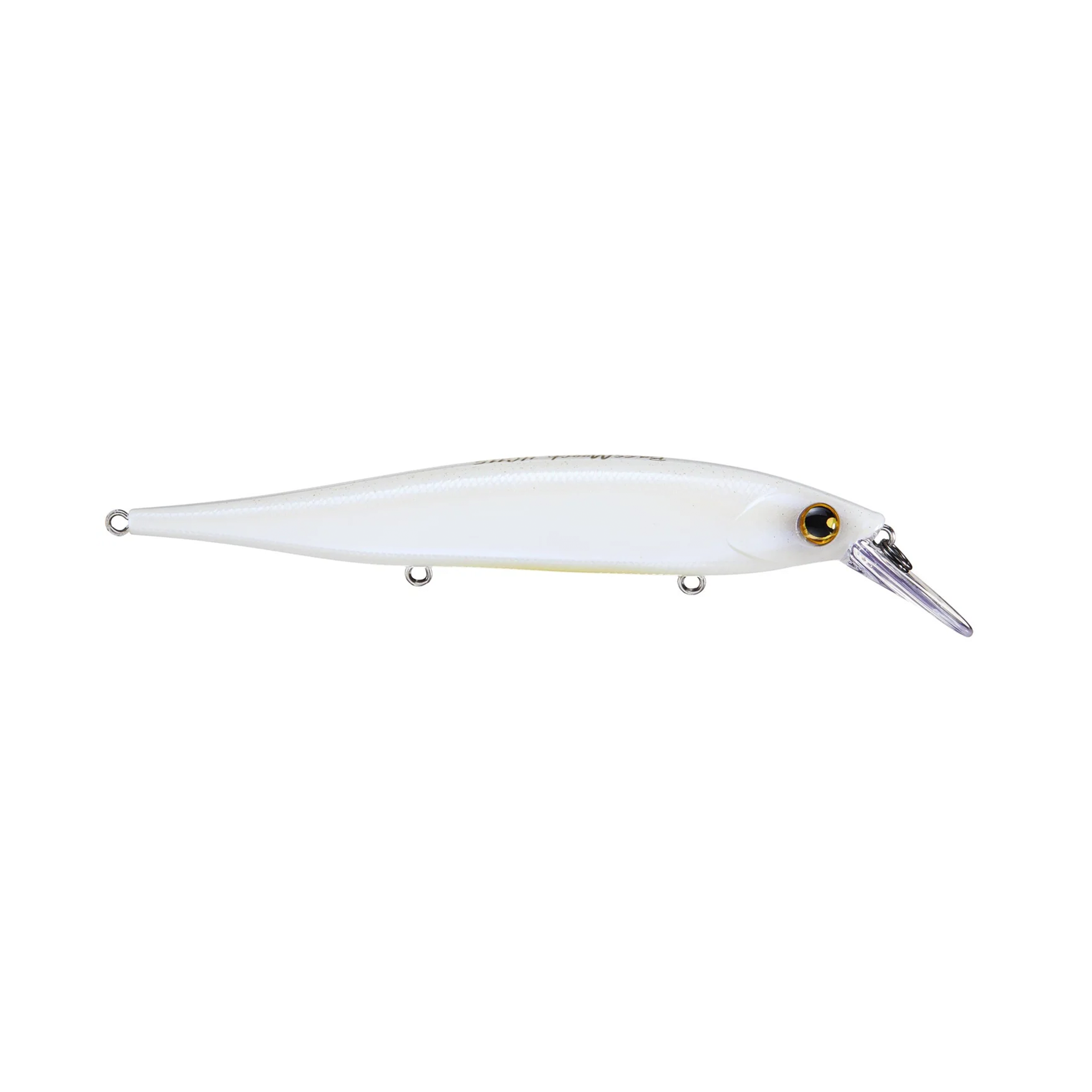
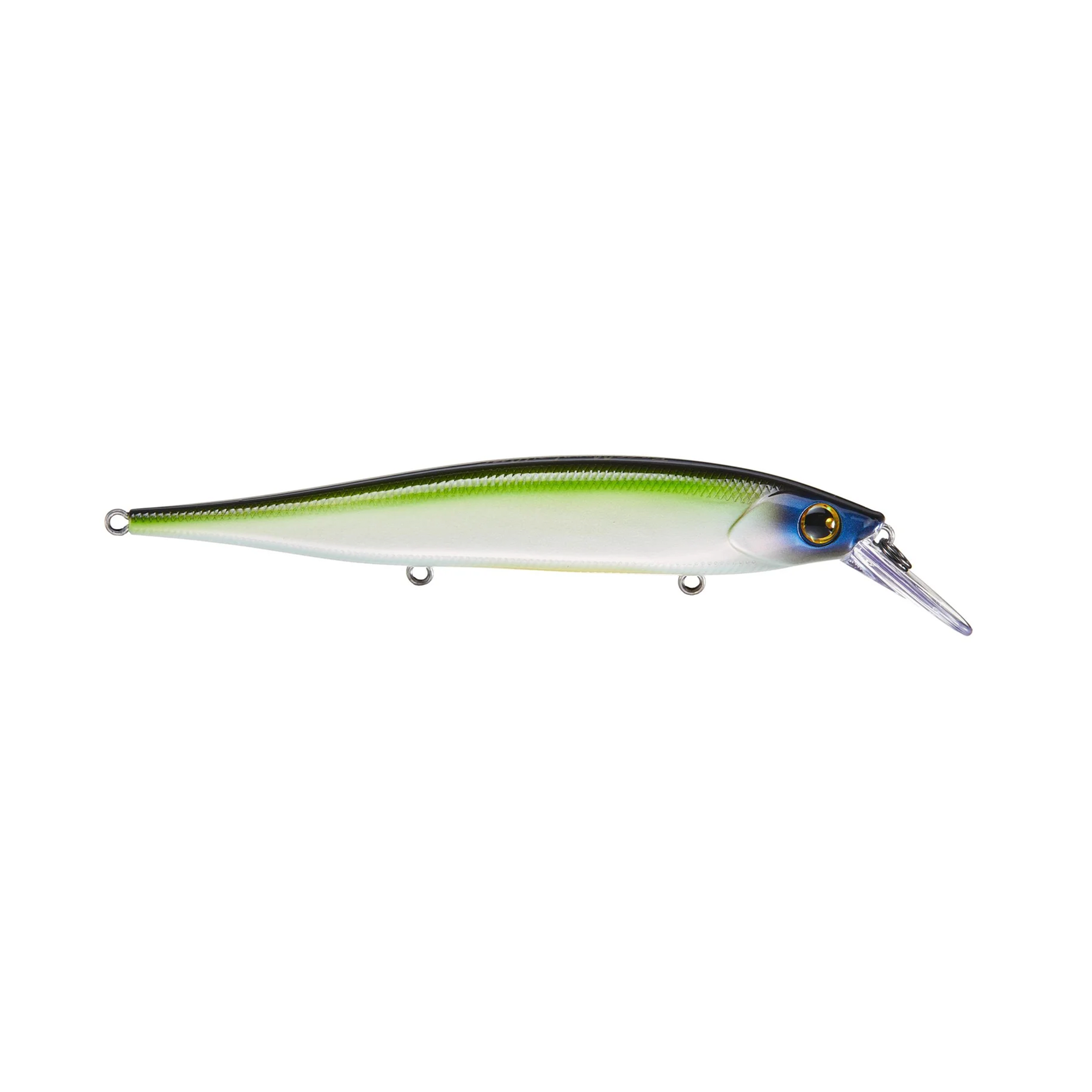
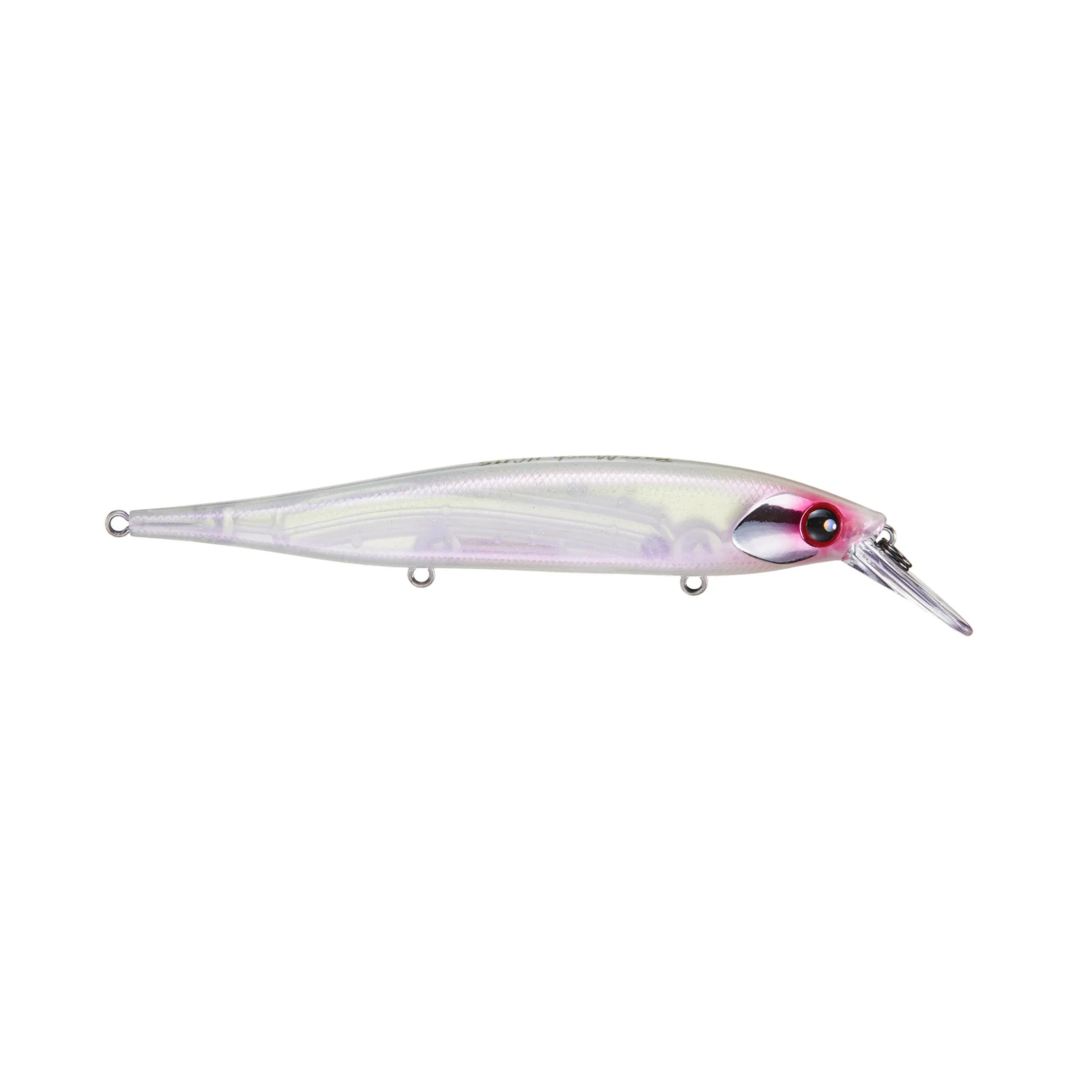
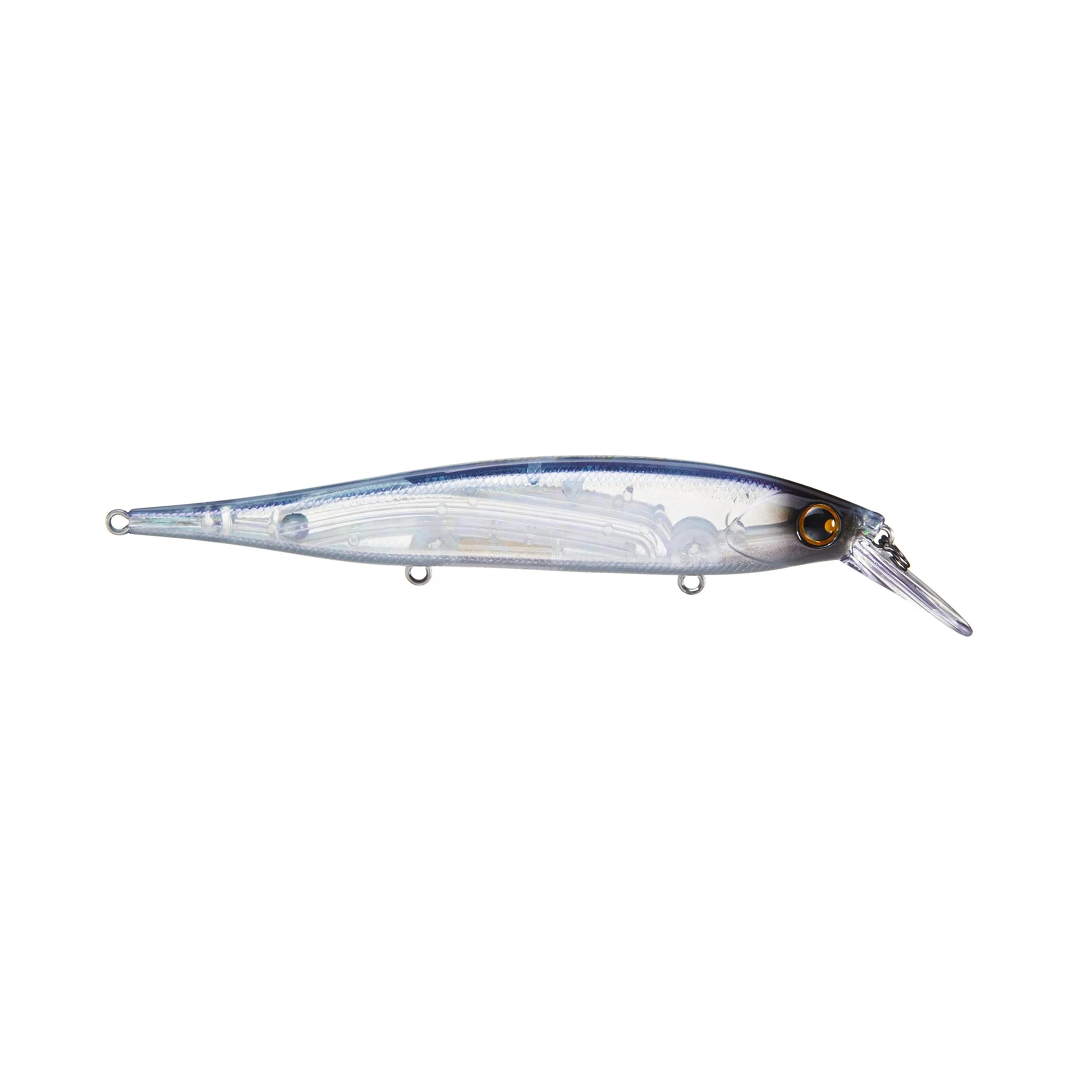
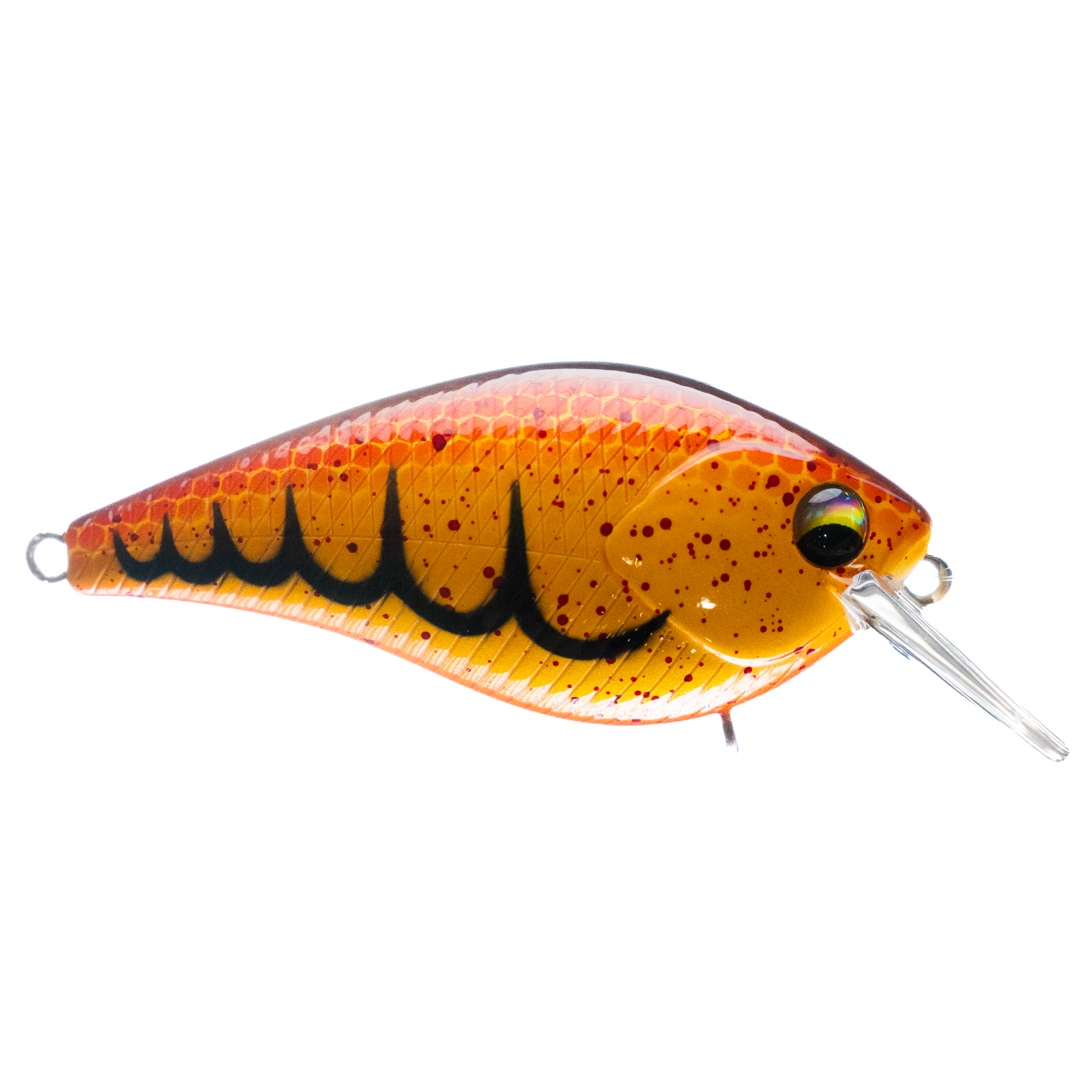
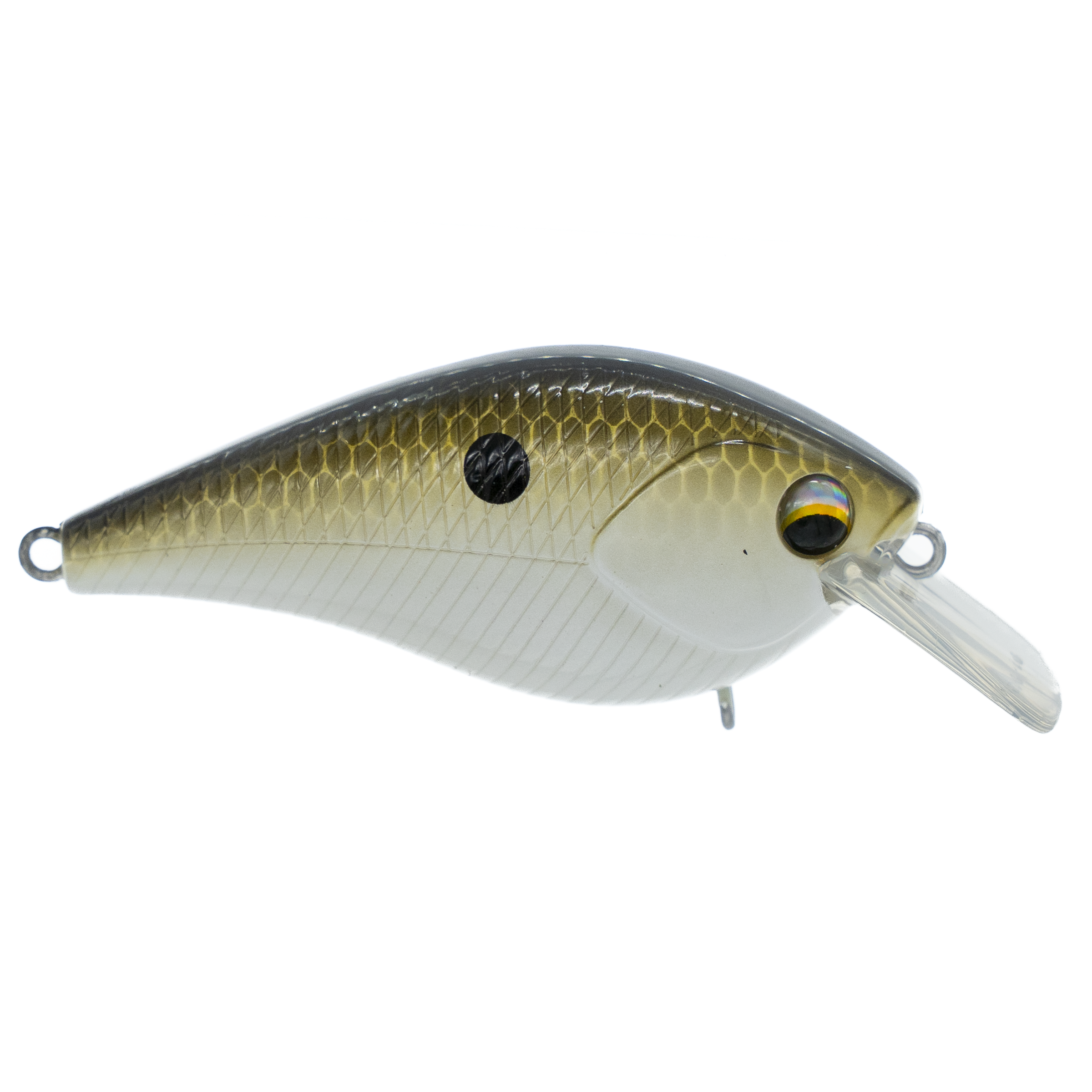
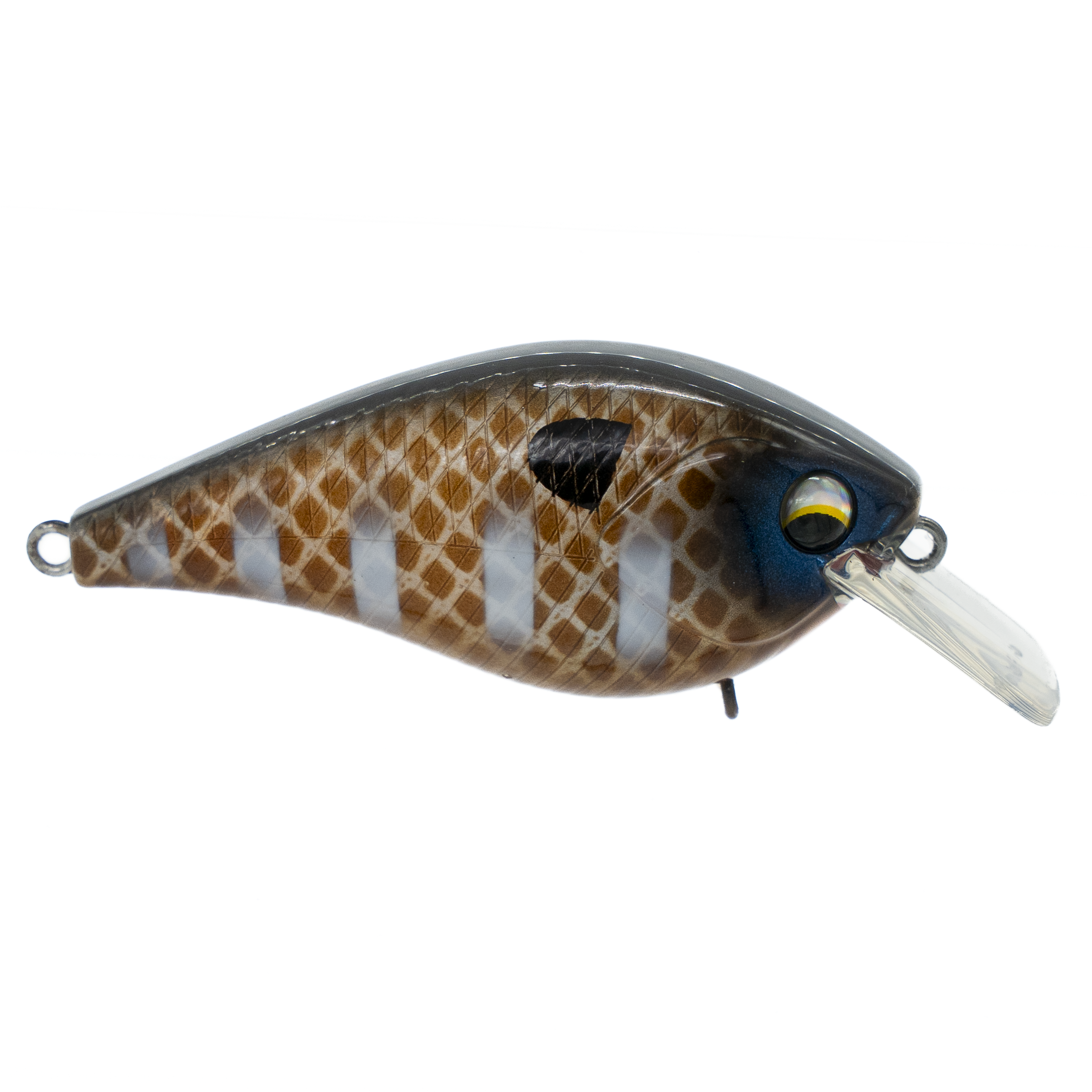
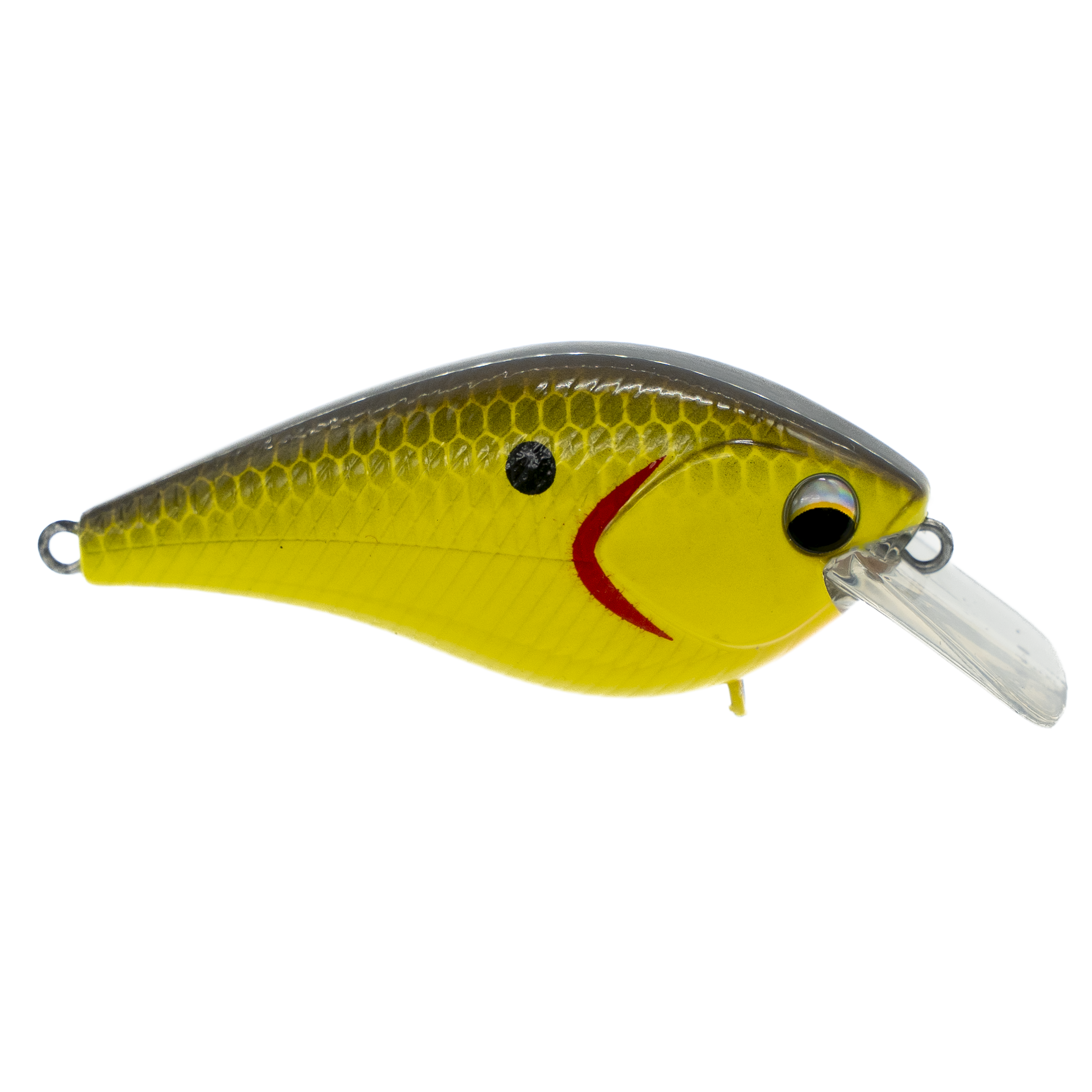
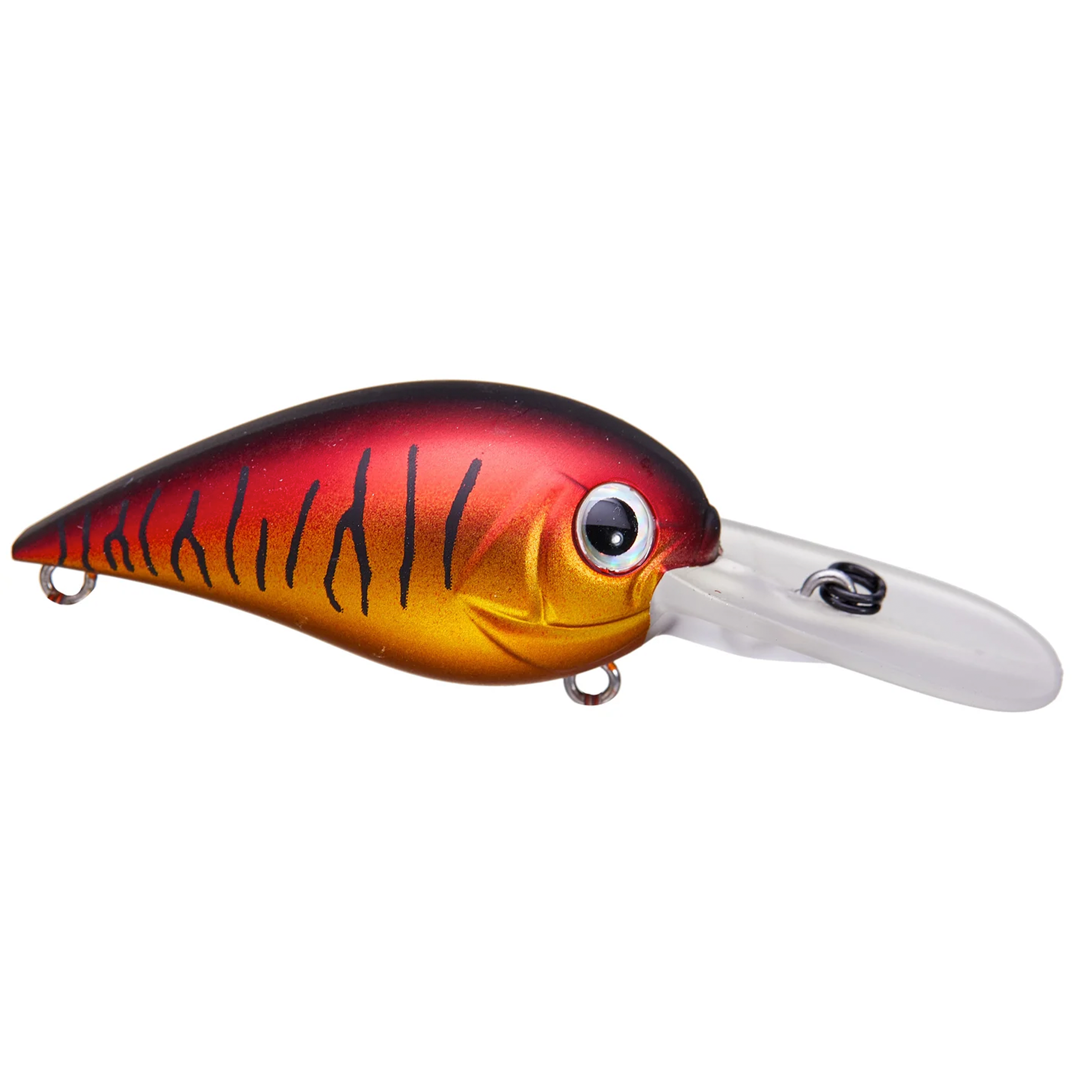
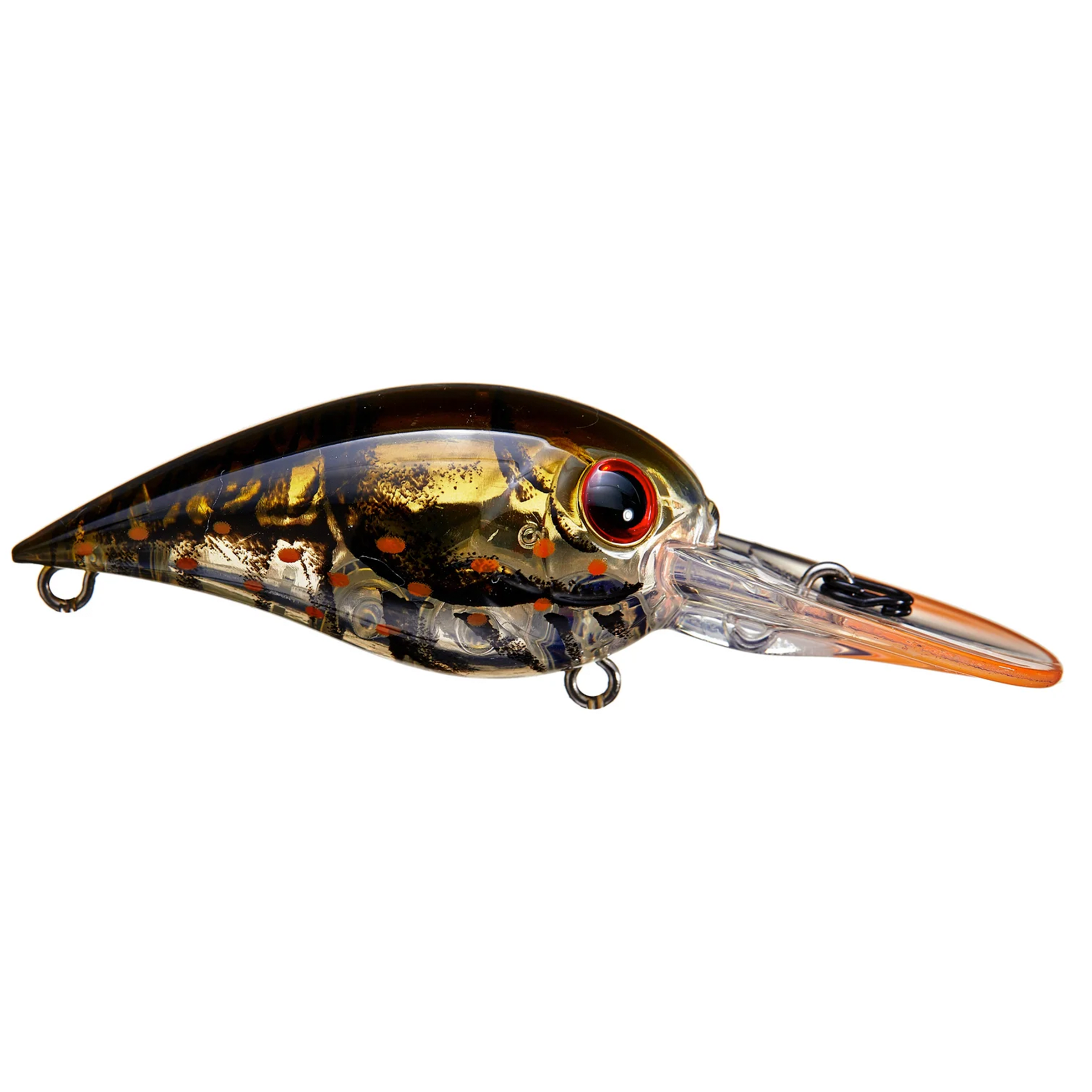
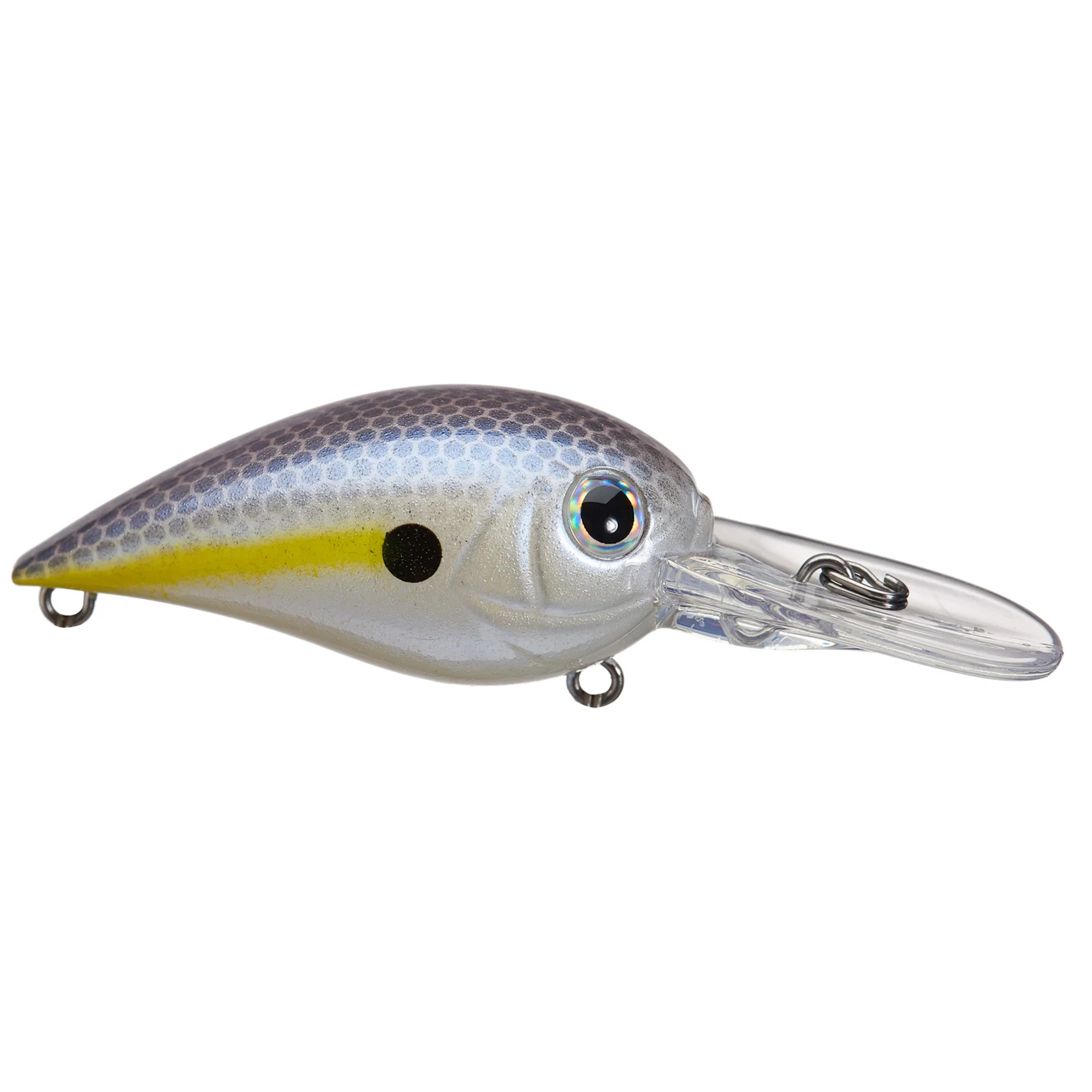
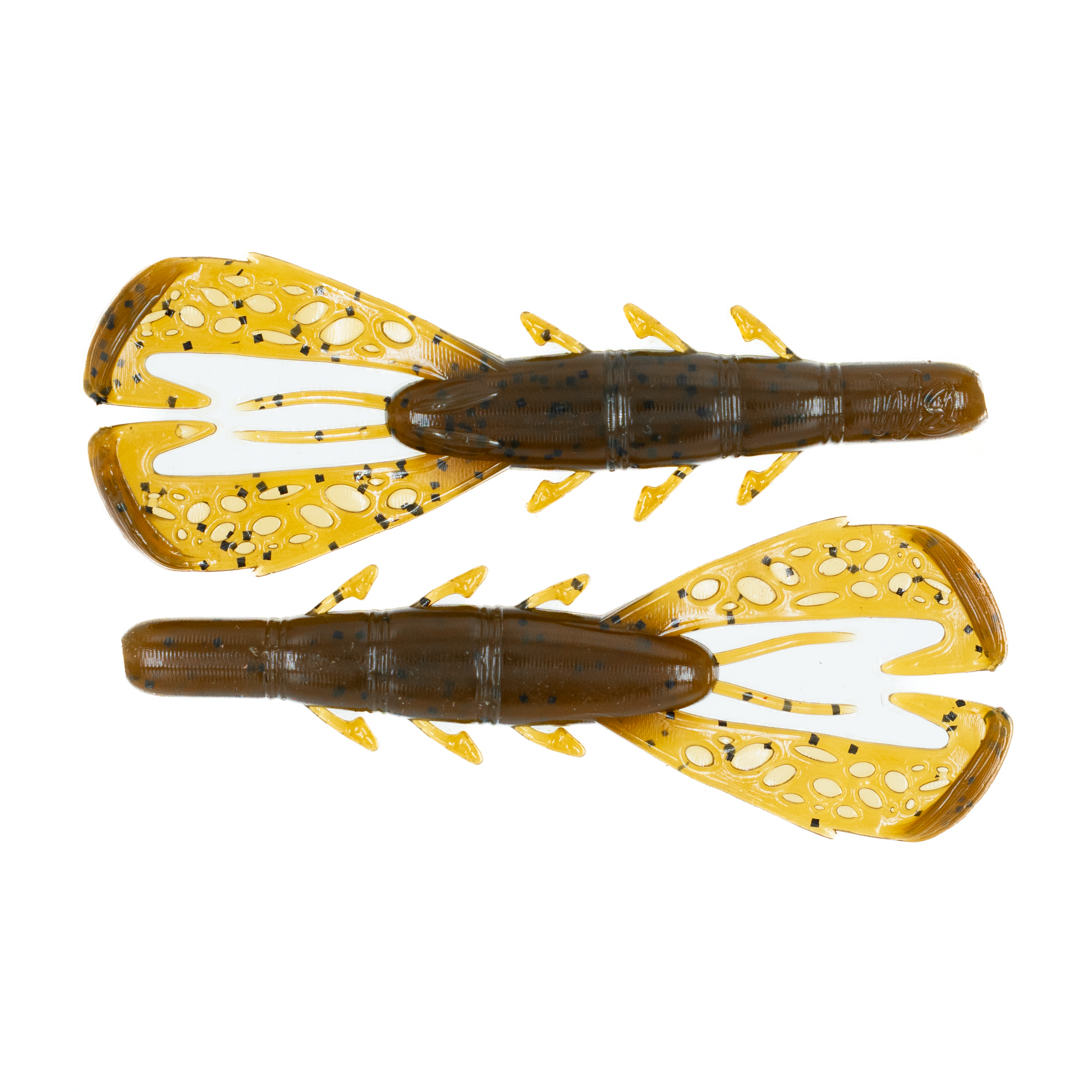
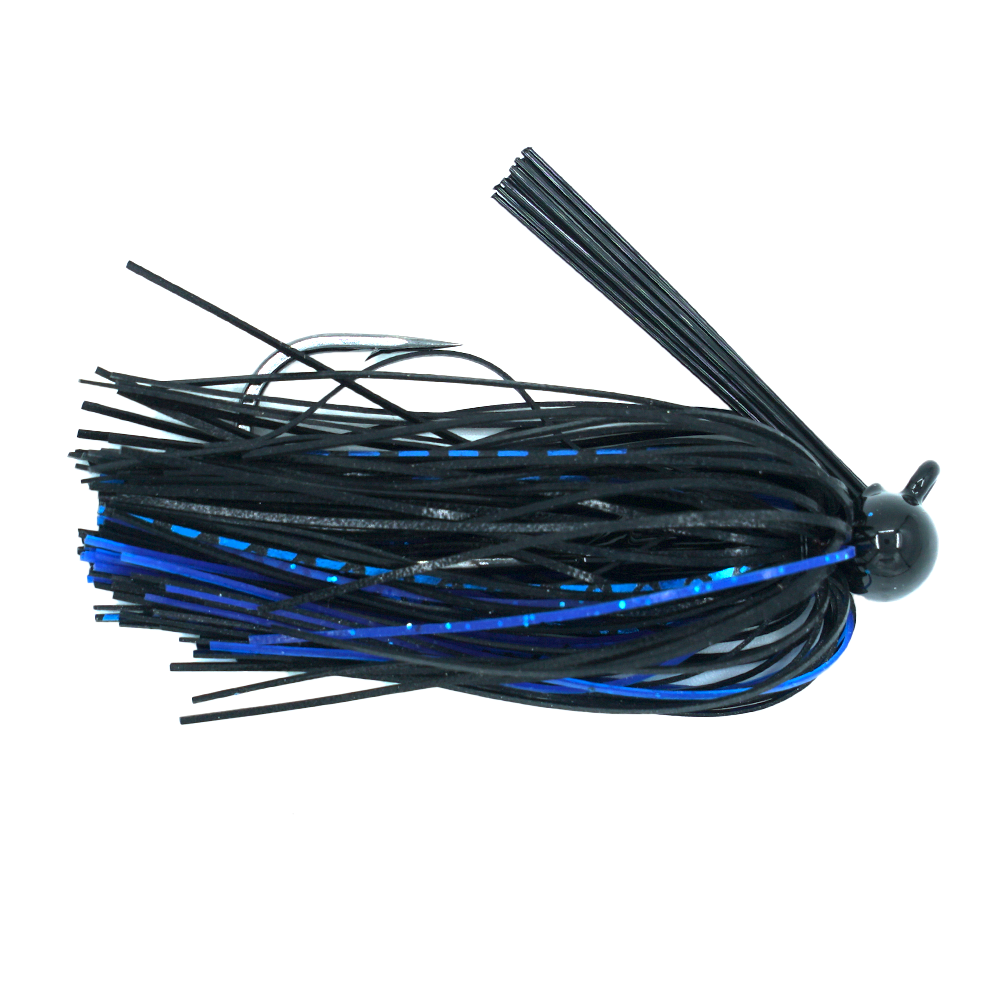
Soft jerkbaits and four-inch plastic worms for smallmouth on the rock, jigs and creature baits around barge ties and wood for largemouth, and squarebills and lipless crankbaits to cover water in autumn. Brighter colours than you would use on a clear lake. Our full bait lineup covers all four seasons.
Do I need a fishing license?
Yes, a West Virginia fishing license from the Division of Natural Resources. Check current black bass regulations before you go, as river sections can differ from statewide rules.
Current, Rock and Hard Structure
Fishing a working river means casting to rock, steel and concrete, and getting a fish away from all three before she finds a way to break you off. Level Rods builds models with the power to do that and the sensitivity to detect a bite as a bait swings through a current seam.
Tournament Winning Baits & Gear
Designed, crafted and tested by anglers who fish moving water every week. Free shipping on orders over $75.
Shop All Baits