Jordan Lake Bass Fishing Guide
Jordan Lake Bass Fishing, Season by Season
13,940 acres of flooded timber and riprap where two rivers meet southwest of Raleigh. On Jordan, the single most useful thing you can know before you launch isn't the season — it's the water level. Here's how to read it, and what to throw when you have.
Read the Water Level First
Jordan Lake sits in Chatham County southwest of Raleigh, built by the Corps of Engineers and filled in 1981 for flood control and water supply. Two rivers feed it — the Haw and the New Hope — along with Beaver, Little Beaver, Morgan and White Oak creeks. Normal pool sits at 216 feet above sea level, and that number matters more here than on most lakes.
Jordan is a timber lake. Standing timber, laydowns, flooded willows and submerged roadbeds are the primary cover, and because it's a flood control reservoir the level moves. Where the fish are living depends almost entirely on where the water is sitting on that day.
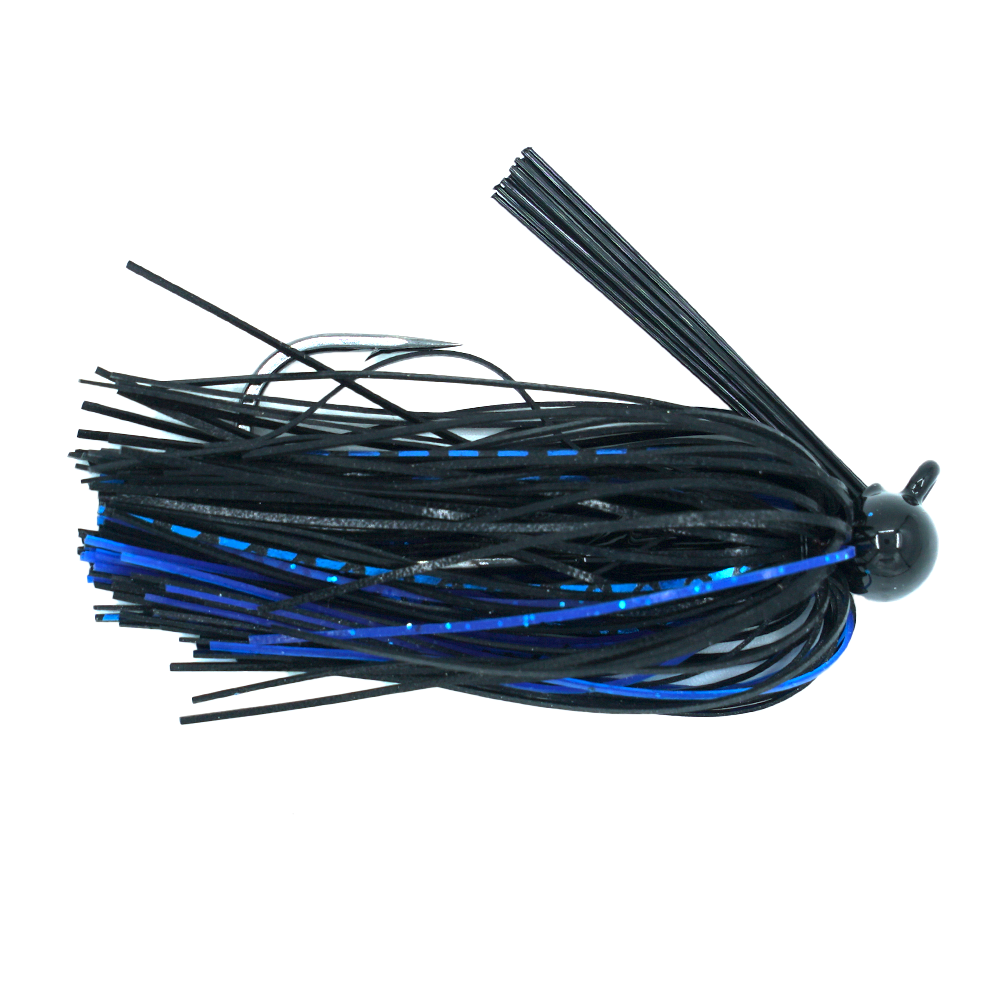
The rule of thumb local anglers work from: when the water is high, bass push back into the flooded willow bushes ringing the creeks, and you flip to them. When it drops a foot or two below normal pool, they pull out and set up on standing timber in about six feet, and you crank it. Same lake, same month, completely different day depending on that one variable.
The two arms fish differently too. The Haw River side runs relatively clear over rock, boulders and grass. The New Hope side and the creeks off it hold more timber and stain. Jordan has long been regarded as one of North Carolina's premier trophy fisheries, with February through April the window when the biggest fish come out. Bassmaster placed it ninth in the Southeast for 2026, just behind Falls.
Timber, Rock and Rising Water
Four patterns cover the year. Each one pairs the technique with the baits we'd actually tie on.
Riprap Early, Timber and Willows Later
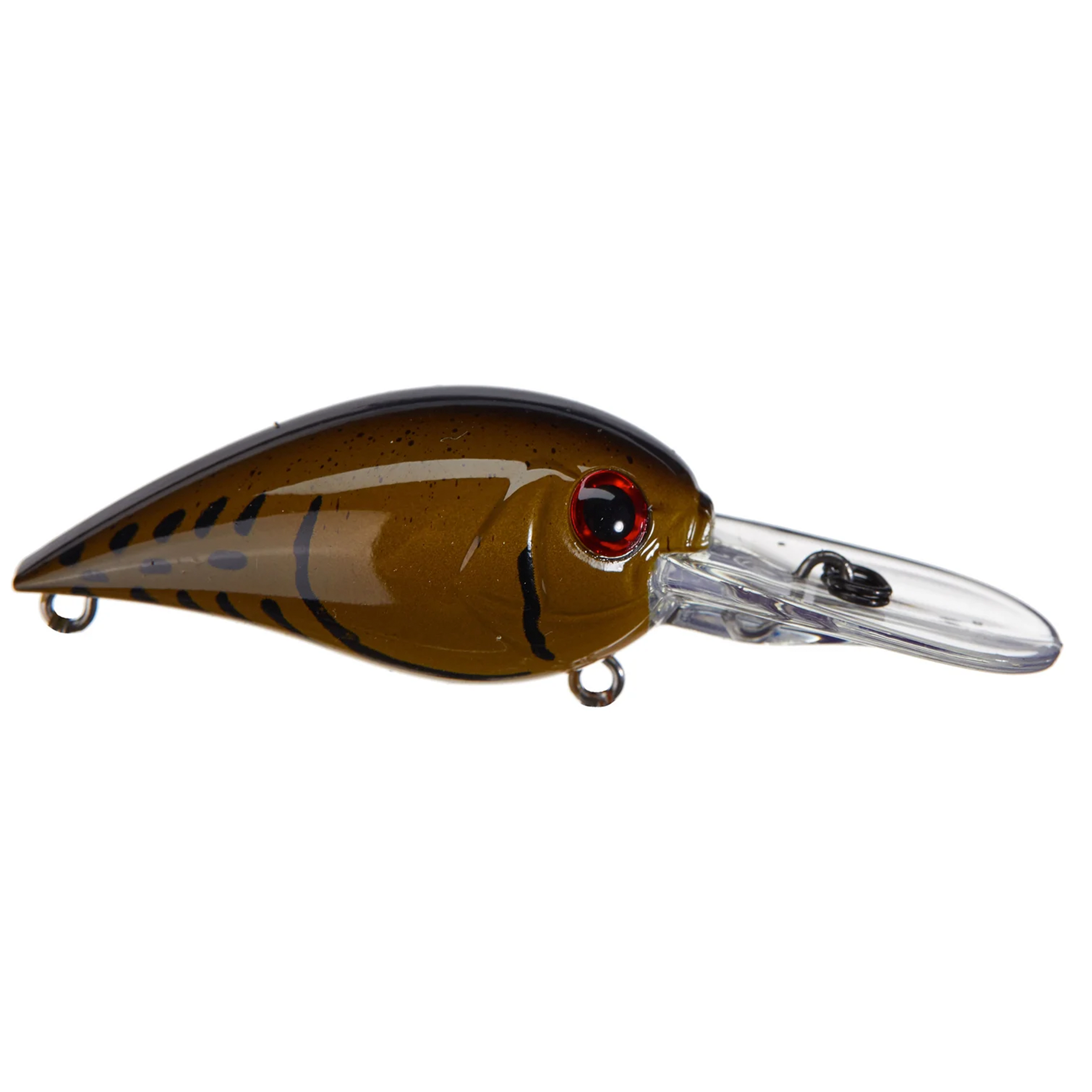
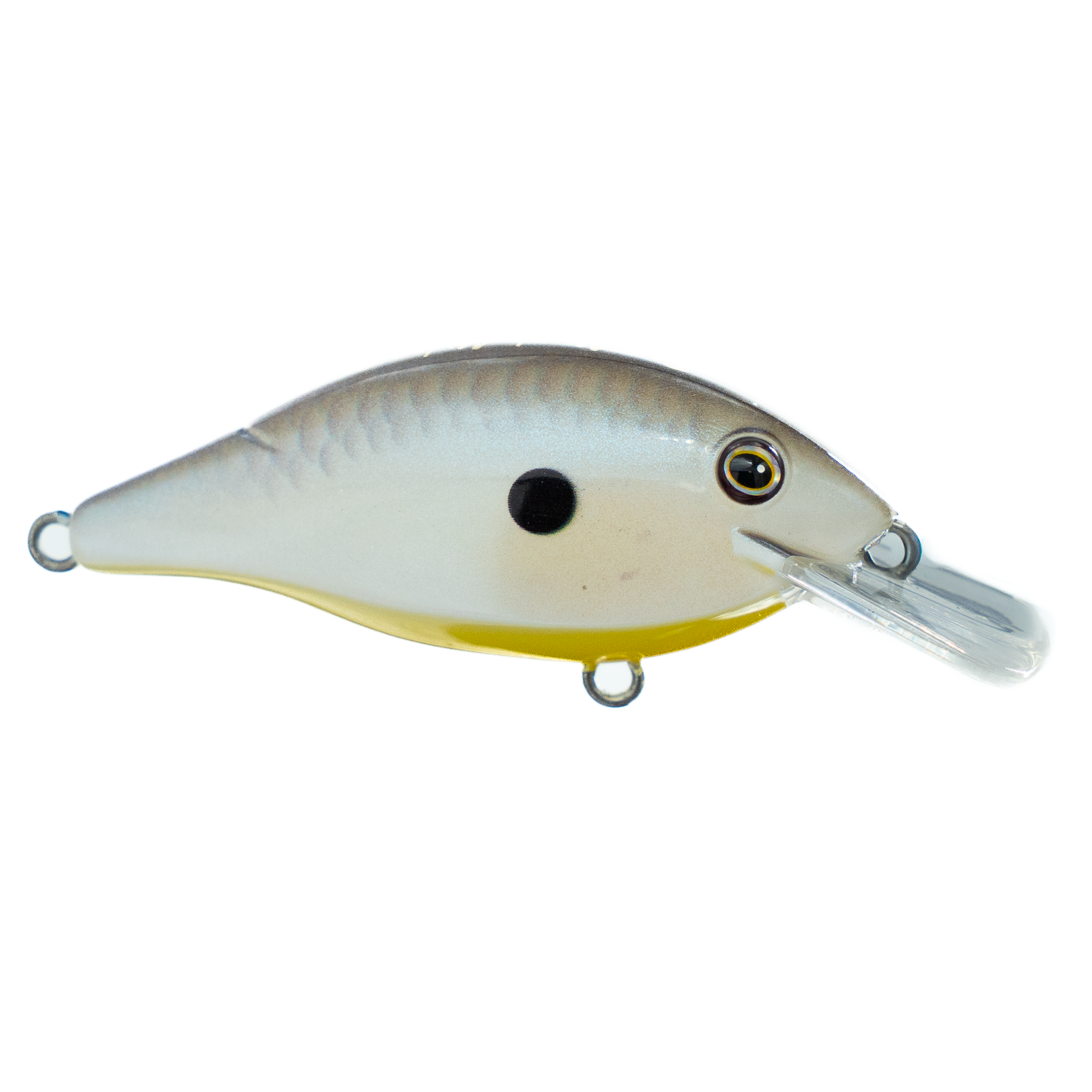
Late March into April, bass stage and then move shallow across every creek arm on the lake. The US 64 causeway is the classic starting point — three quarters of a mile of riprap that soaks up sun on cool days, warms the rock, draws baitfish and stacks bass behind them. The Ebenezer Church Bridge riprap does the same job on a smaller scale.



Submerged Timber and Bridge Pilings
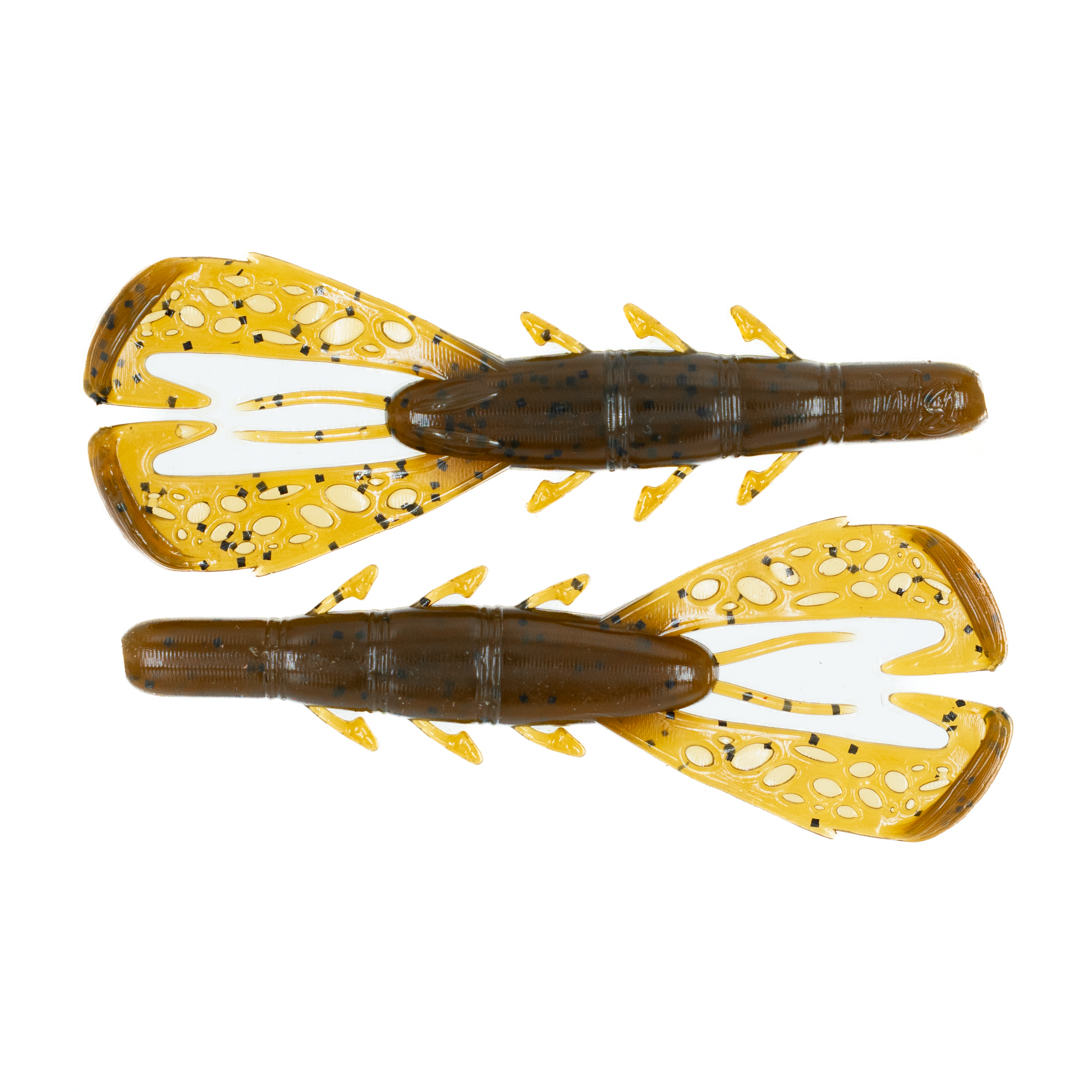
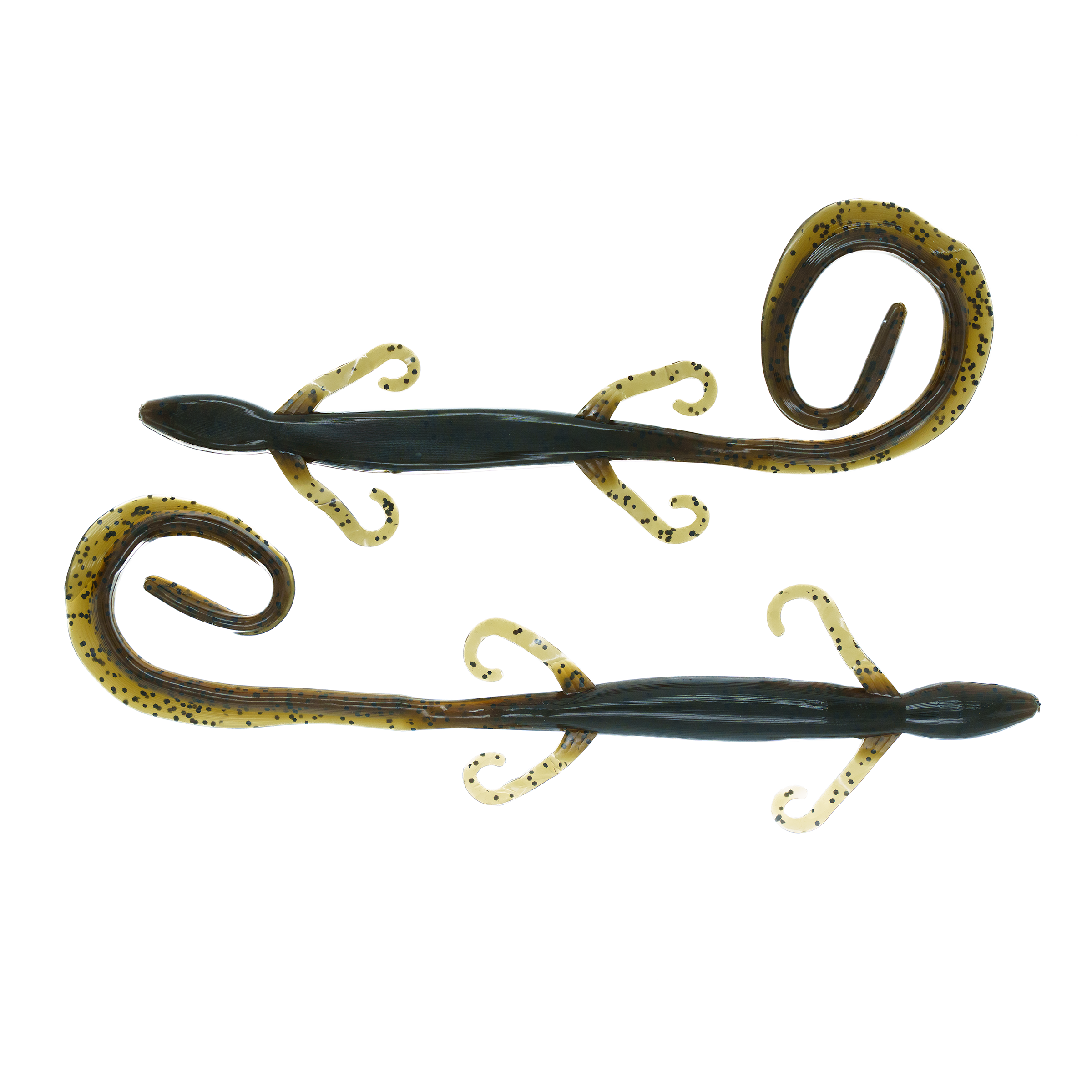
Once the spawn finishes, bass drop back to deeper structure — creek channel drops, submerged roadbeds, bridge pilings and the standing timber in the central part of the lake. Summer also brings algal blooms that cut visibility, which pushes fish tight to cover and makes precise casting matter more than long ones.


Chasing a Pattern That Won't Sit Still
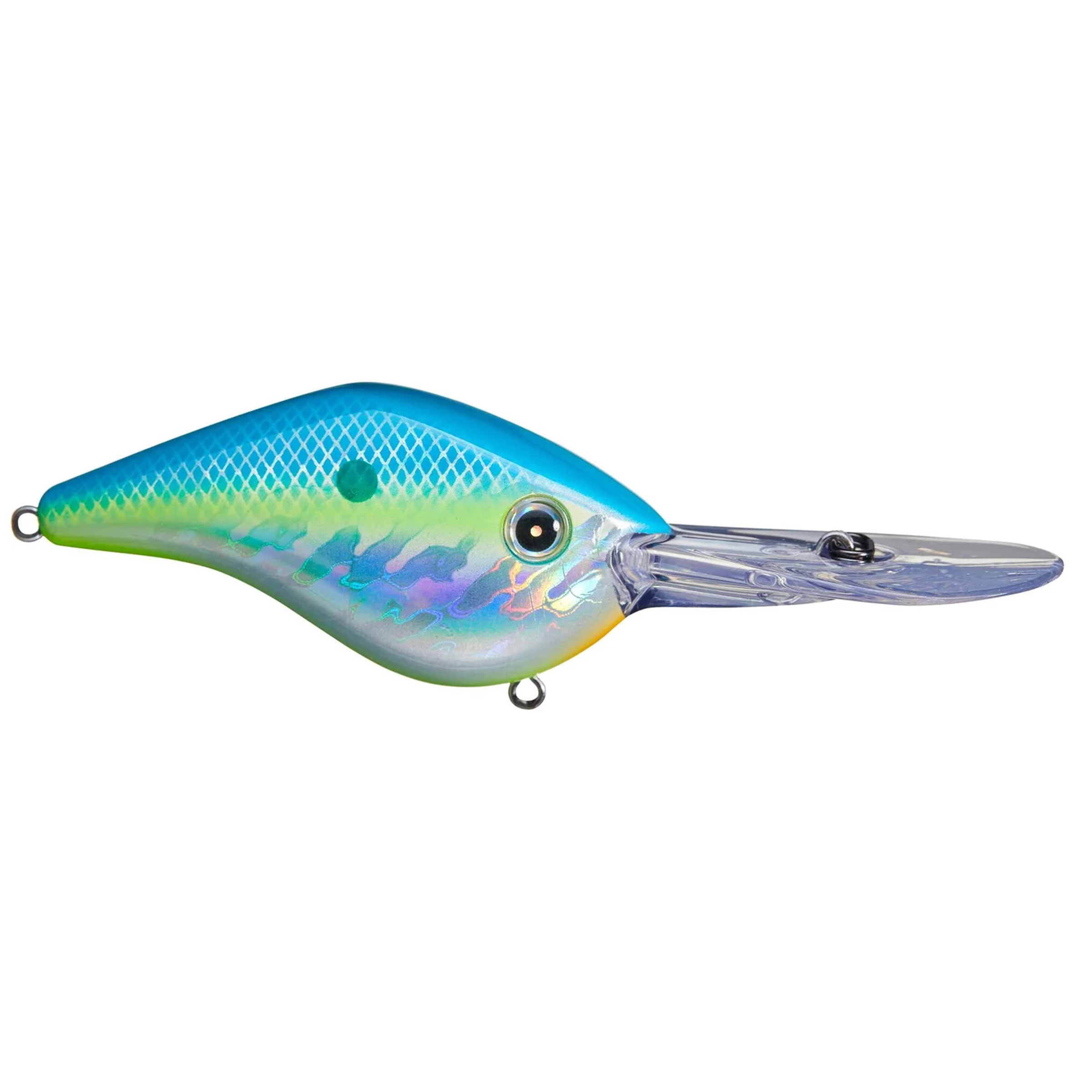
October on Jordan is the hardest month to pin down and the most rewarding when you do. Shad move, bass move, and the pattern that produced yesterday can be gone today. The creeks in the river section concentrate fish in a smaller area and let them change depth quickly as fronts roll through, which makes them the efficient place to start.



The Big Fish Window
February through April is when Jordan gives up its largest bass. Cold water concentrates fish and the biggest females feed heavily ahead of the spawn. Creek channel drops, roadbeds, standing timber and laydowns all hold quality fish, and the Haw arm's clearer water opens up presentations that don't work elsewhere on the lake.



Jordan Lake Access & Key Structure
Jordan rewards knowing a handful of specific places rather than covering the whole lake.
US 64 Causeway
Three quarters of a mile of riprap and arguably the most productive single structure on the lake. Best on cool sunny days when the rock warms and pulls baitfish tight to it.
Little Beaver Creek
A stretch of standing timber at the mouth holds pre-spawn fish, and the flooded timber in the back turns on when water levels come up in spring.
Haw River Arm
Where the Haw meets the main lake. Clearer water over rock and boulders, with grass on the shallows around the island. Flip a jig when water is high, work a moving bait when it's down.
Jordan Lake Bass Fishing FAQ
How does the water level change where I should fish on Jordan Lake?
It's the single biggest variable. High water pushes bass back into the flooded willow bushes that ring the creeks, so you flip to them. Water a foot or two below normal pool pulls them out onto standing timber in around six feet, where a crankbait works. Check the level before you decide on a plan. Normal pool is 216 feet above sea level.
What is the best structure on Jordan Lake?
The US 64 causeway riprap has a strong claim — three quarters of a mile of rock that warms in the sun, draws baitfish and holds bass behind them, especially on cool days. Beyond that, standing timber, submerged roadbeds and creek channel drops are the consistent producers.
When is the best time to catch a big bass on Jordan Lake?
February through April. Jordan has long been regarded as one of North Carolina's best trophy fisheries, and the pre-spawn window is when the largest fish are most catchable. Fewer bites, but the ones you get are bigger.
What's the difference between the Haw River arm and the rest of the lake?
The Haw arm runs relatively clear over rock, boulders and grass. The New Hope side and its creeks carry more timber and more stain. That means clear-water presentations like jerkbaits work in the Haw arm on days they'd be wasted elsewhere on the lake.
What baits work best on Jordan Lake?
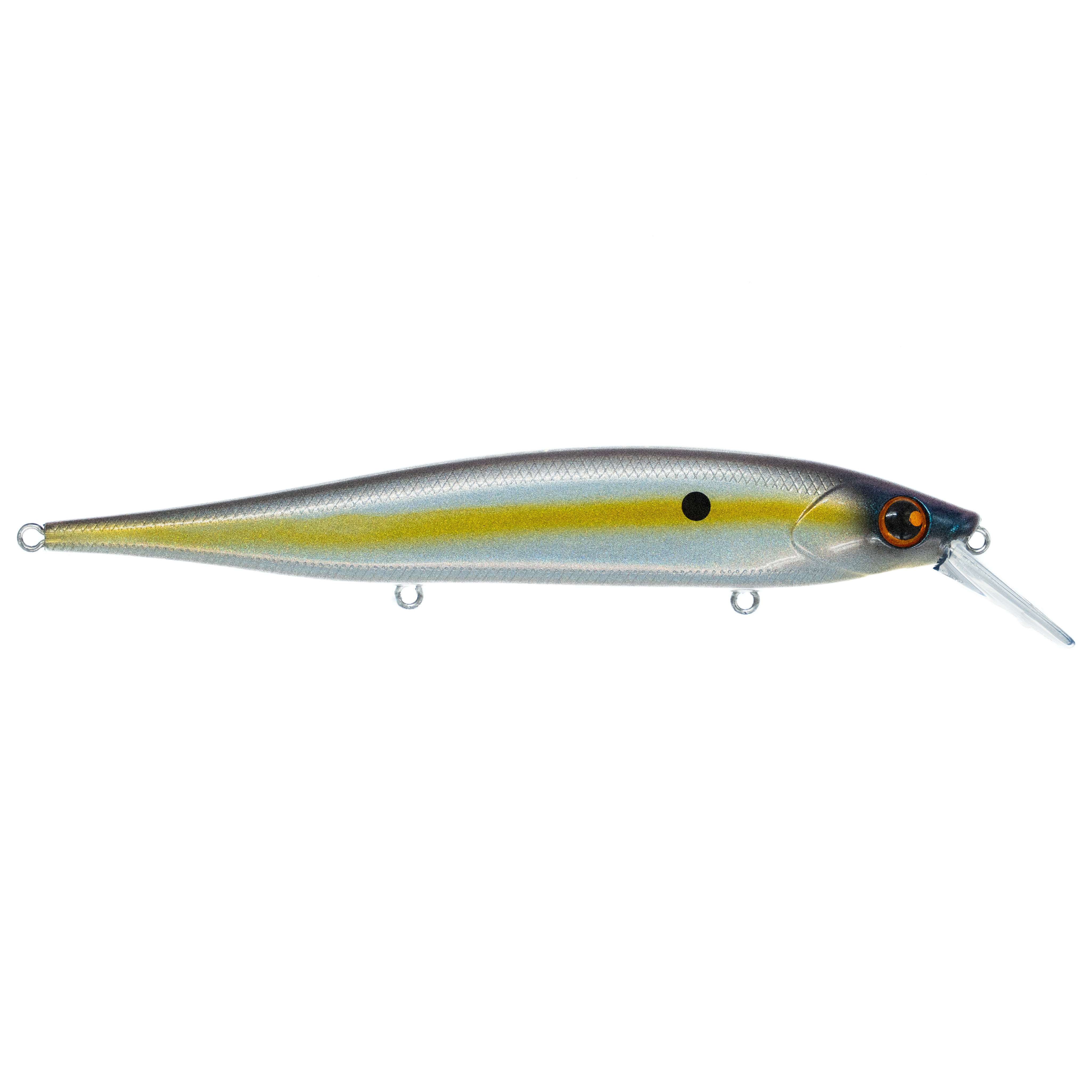
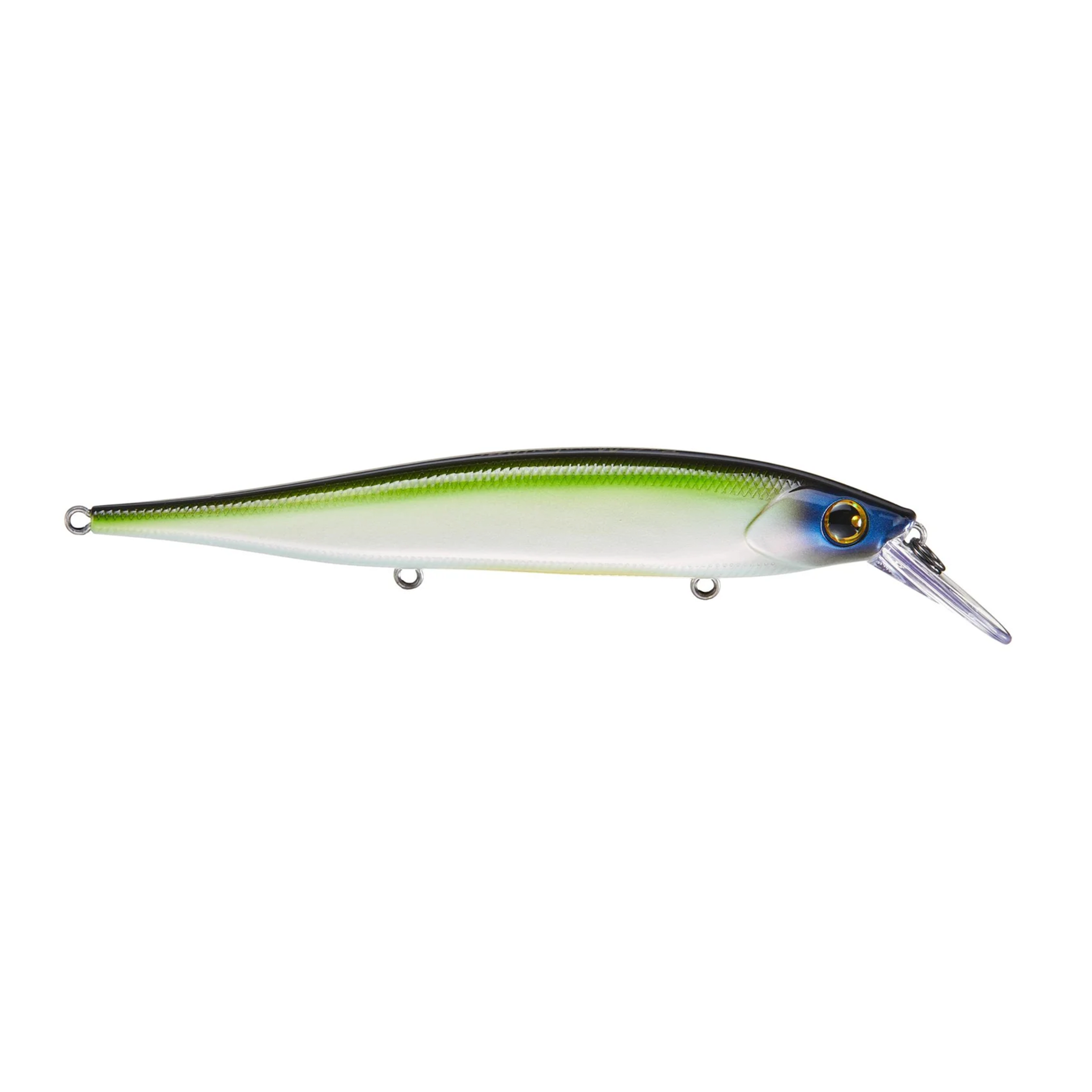
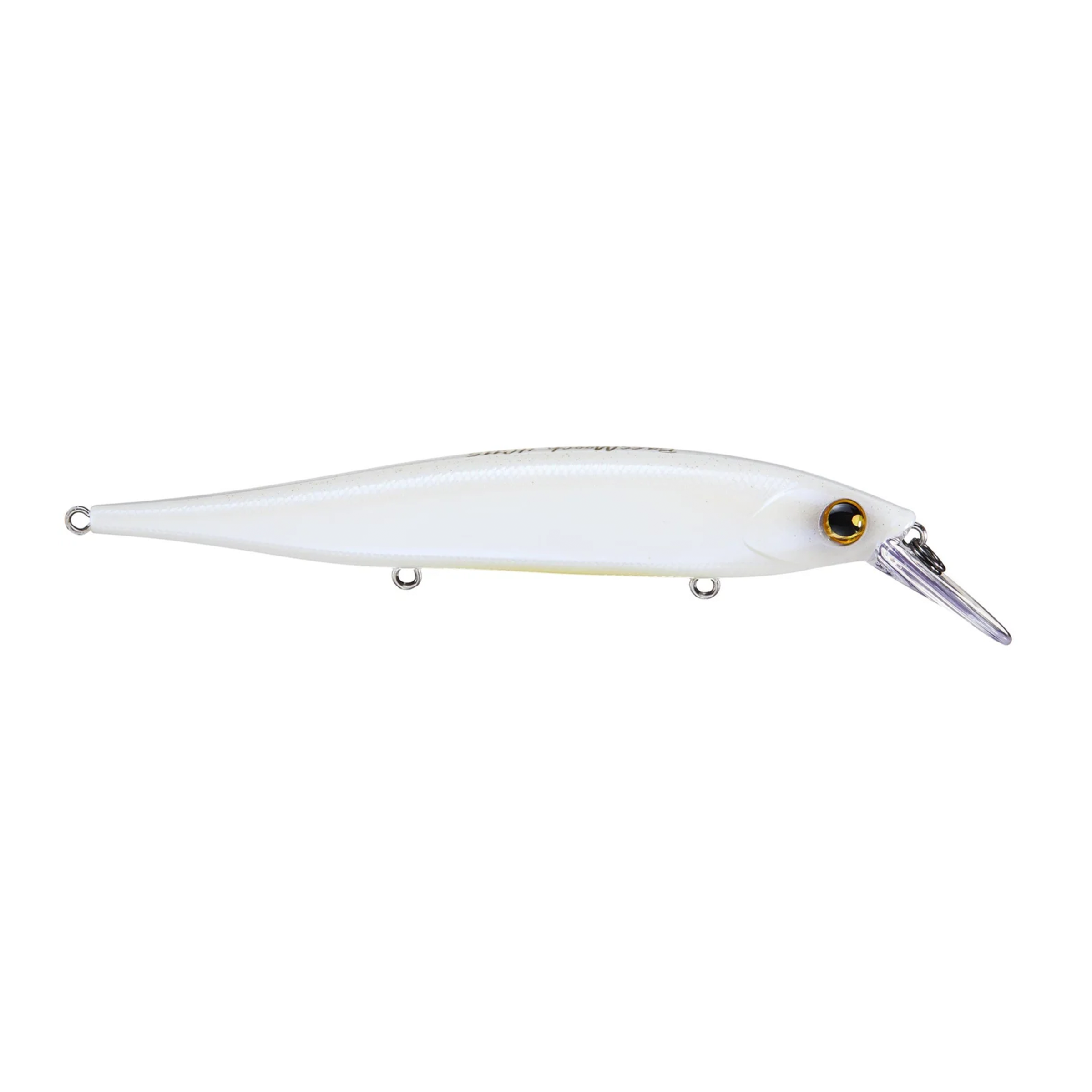
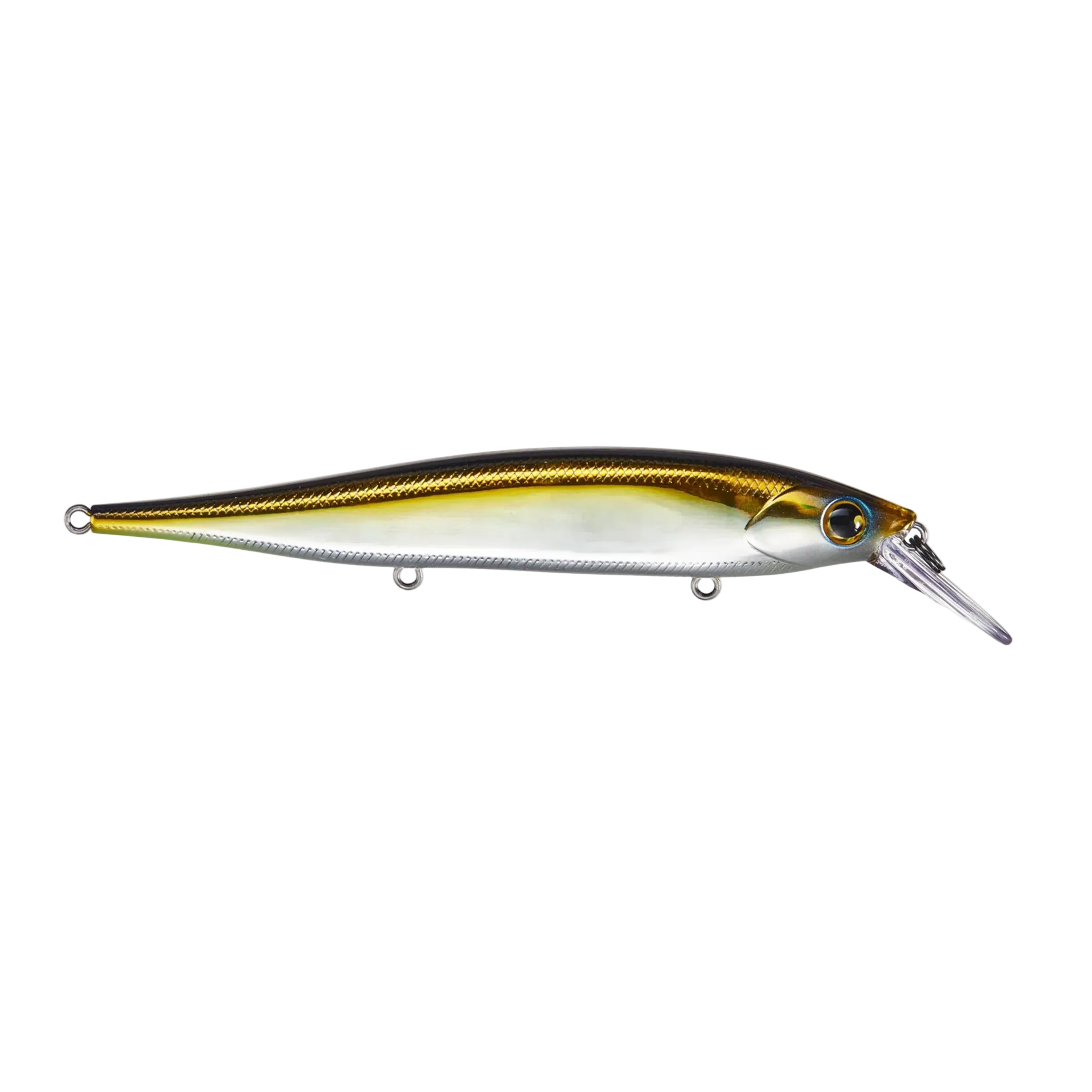
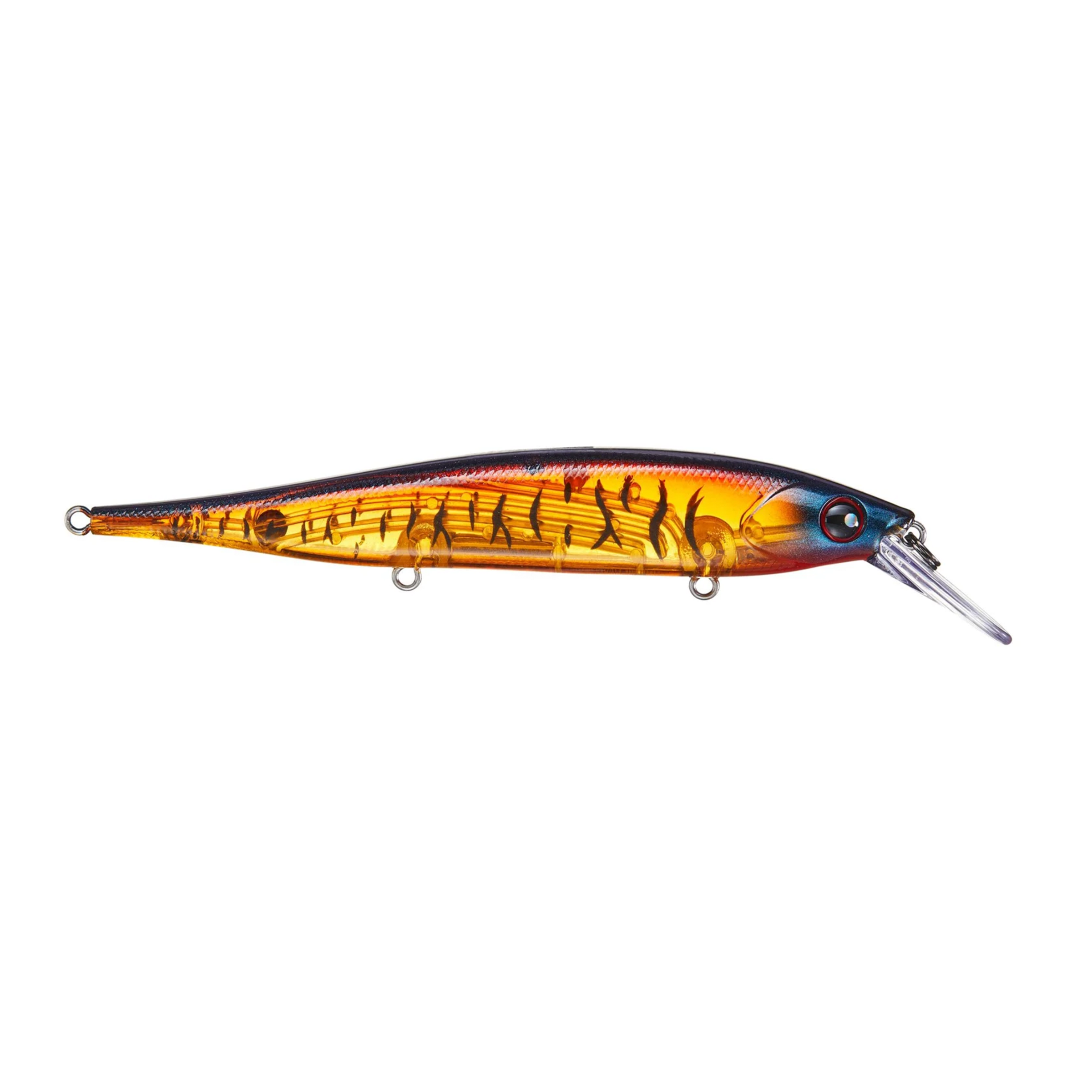
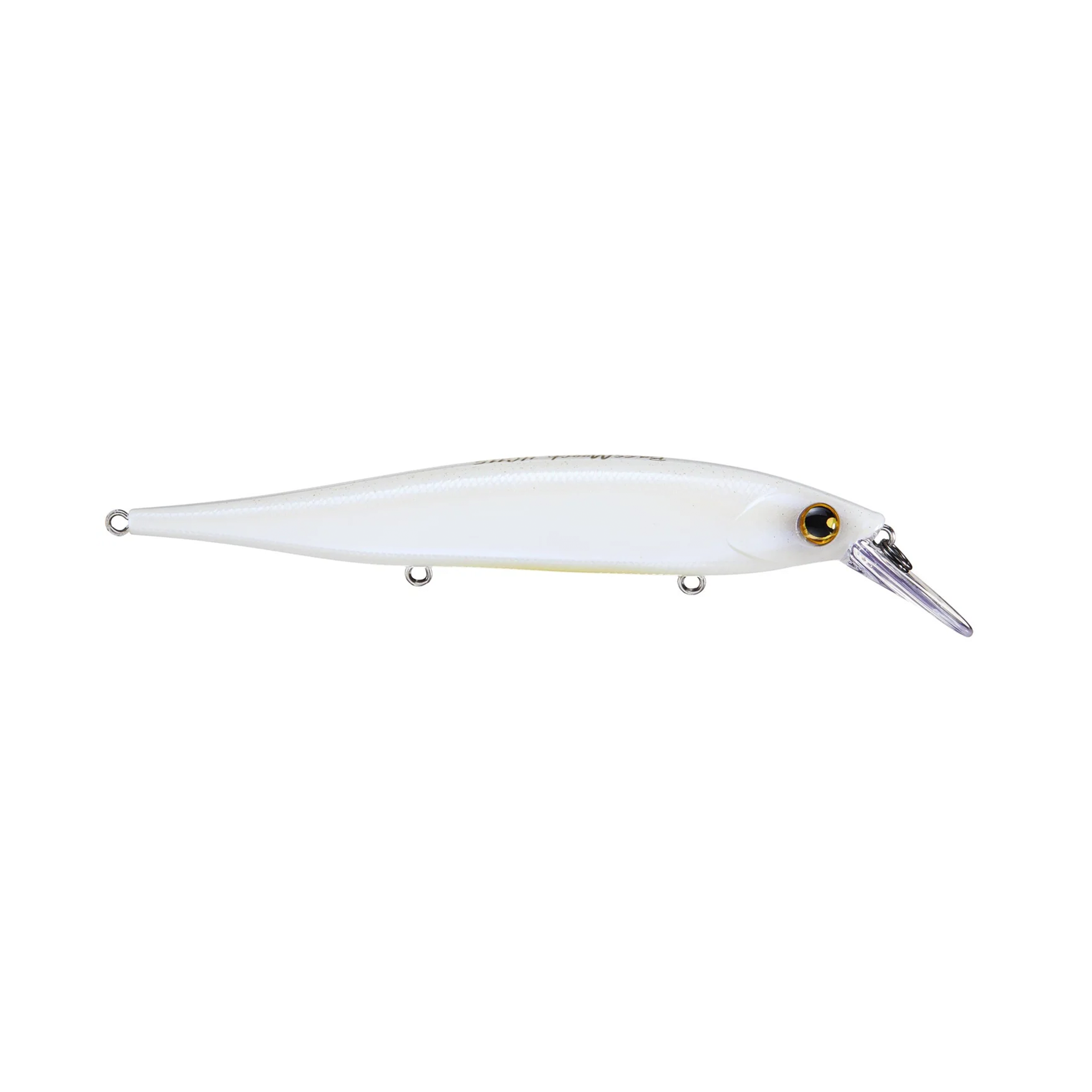
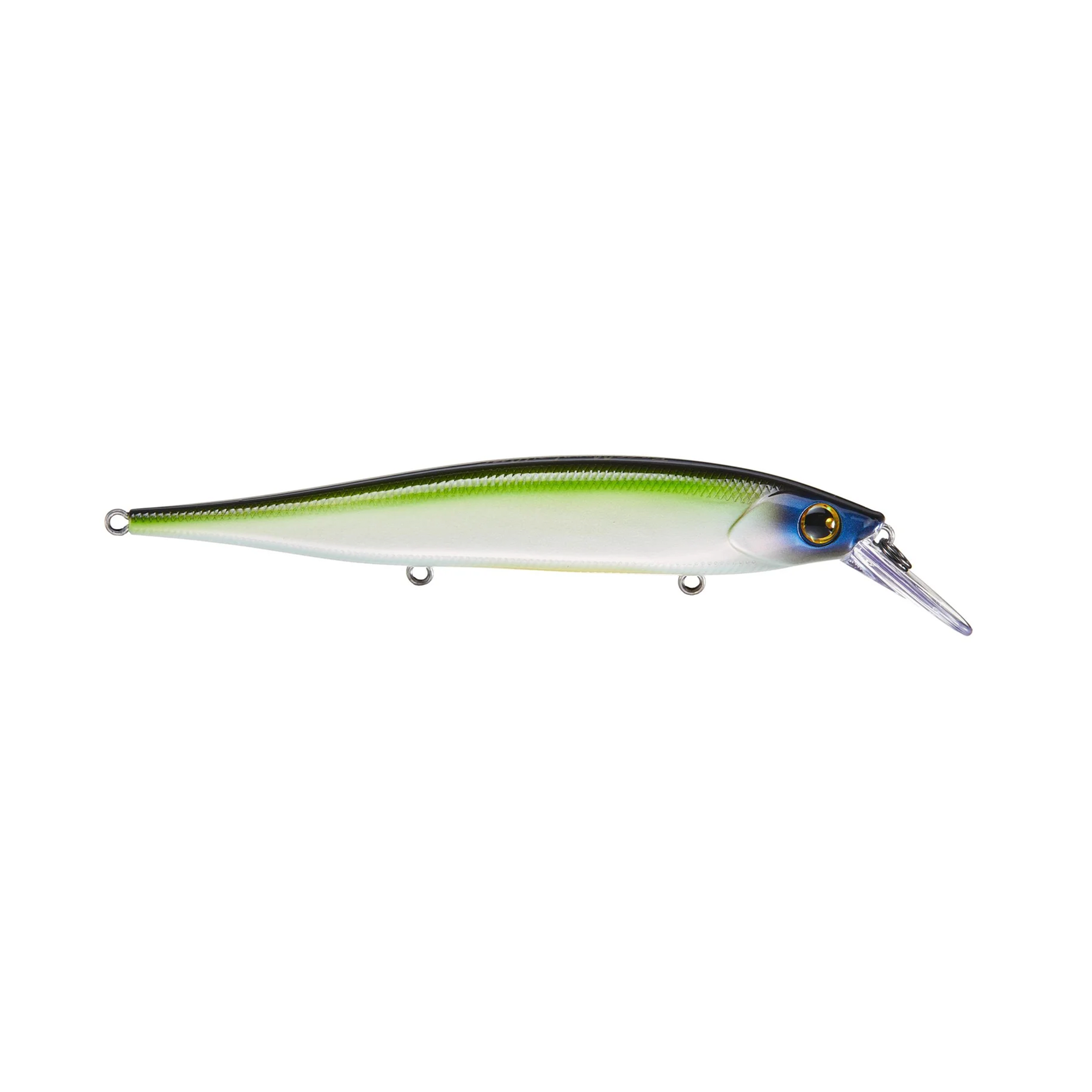
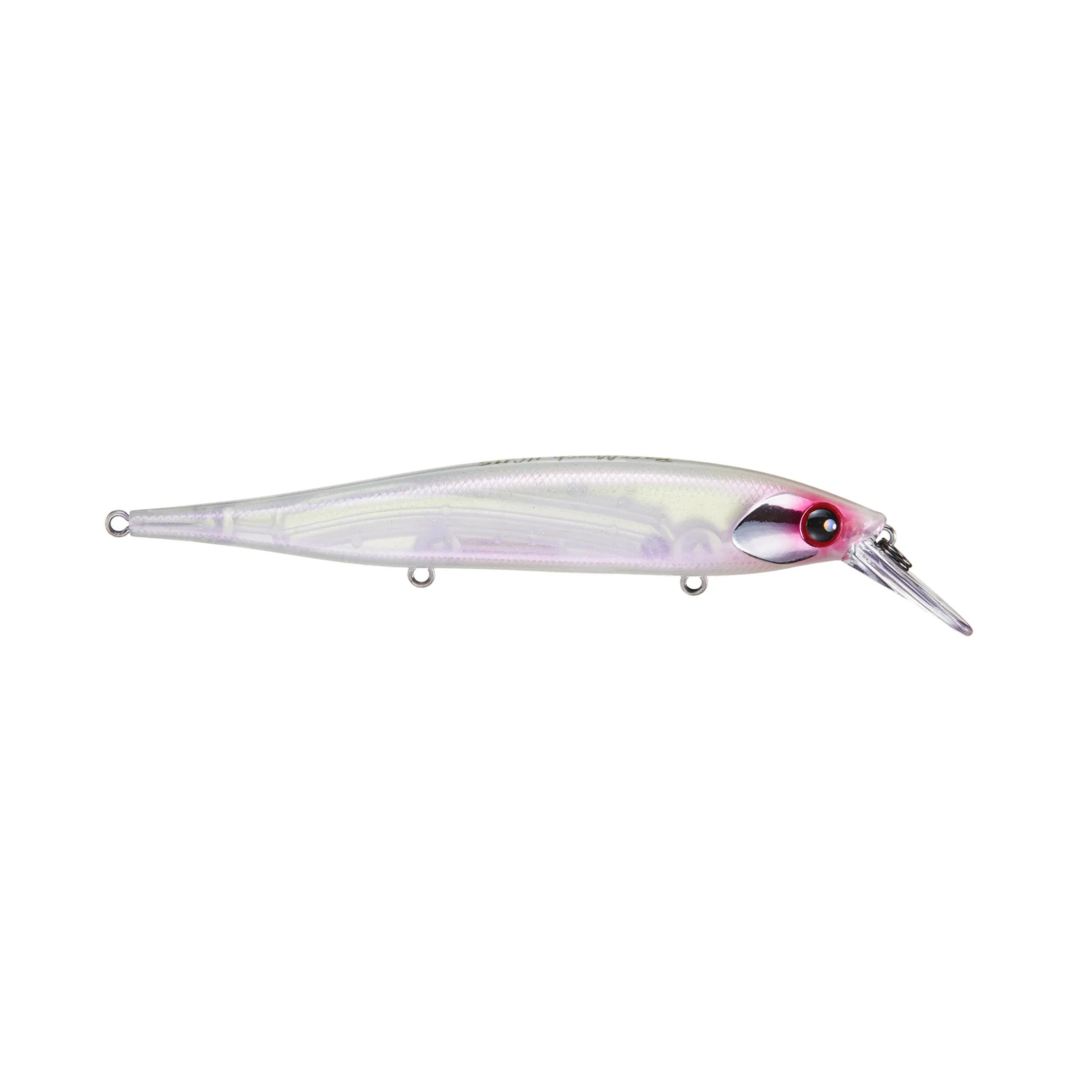
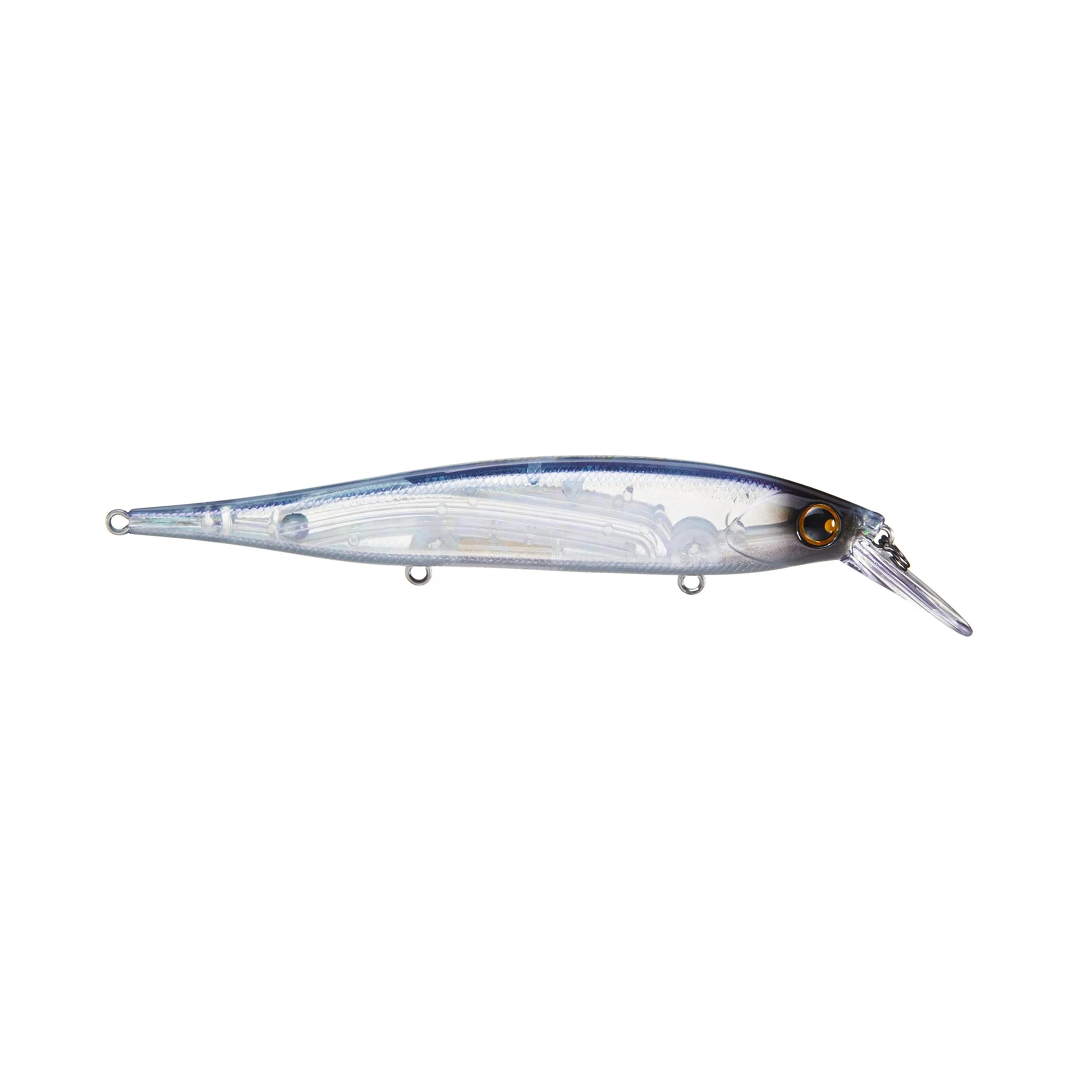
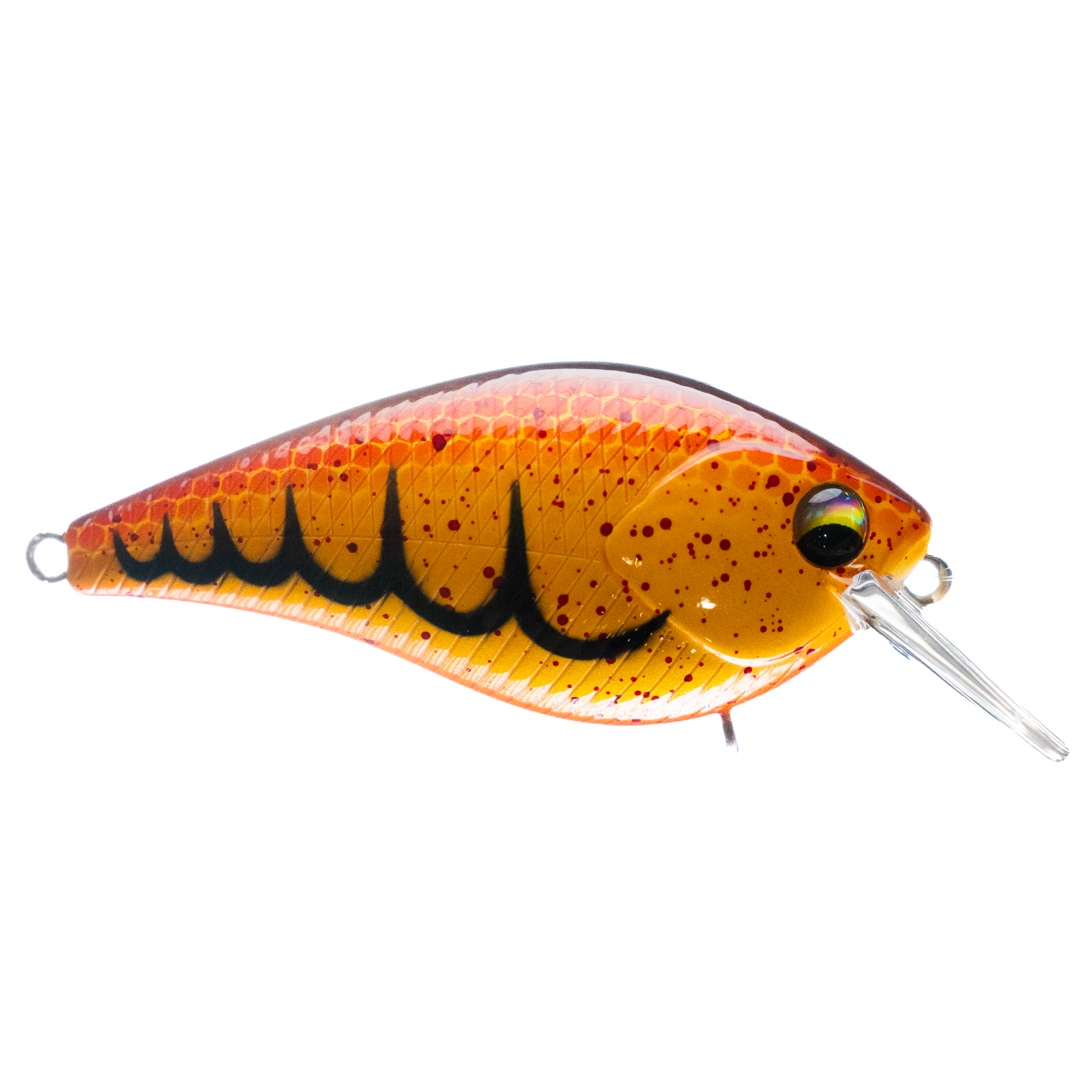
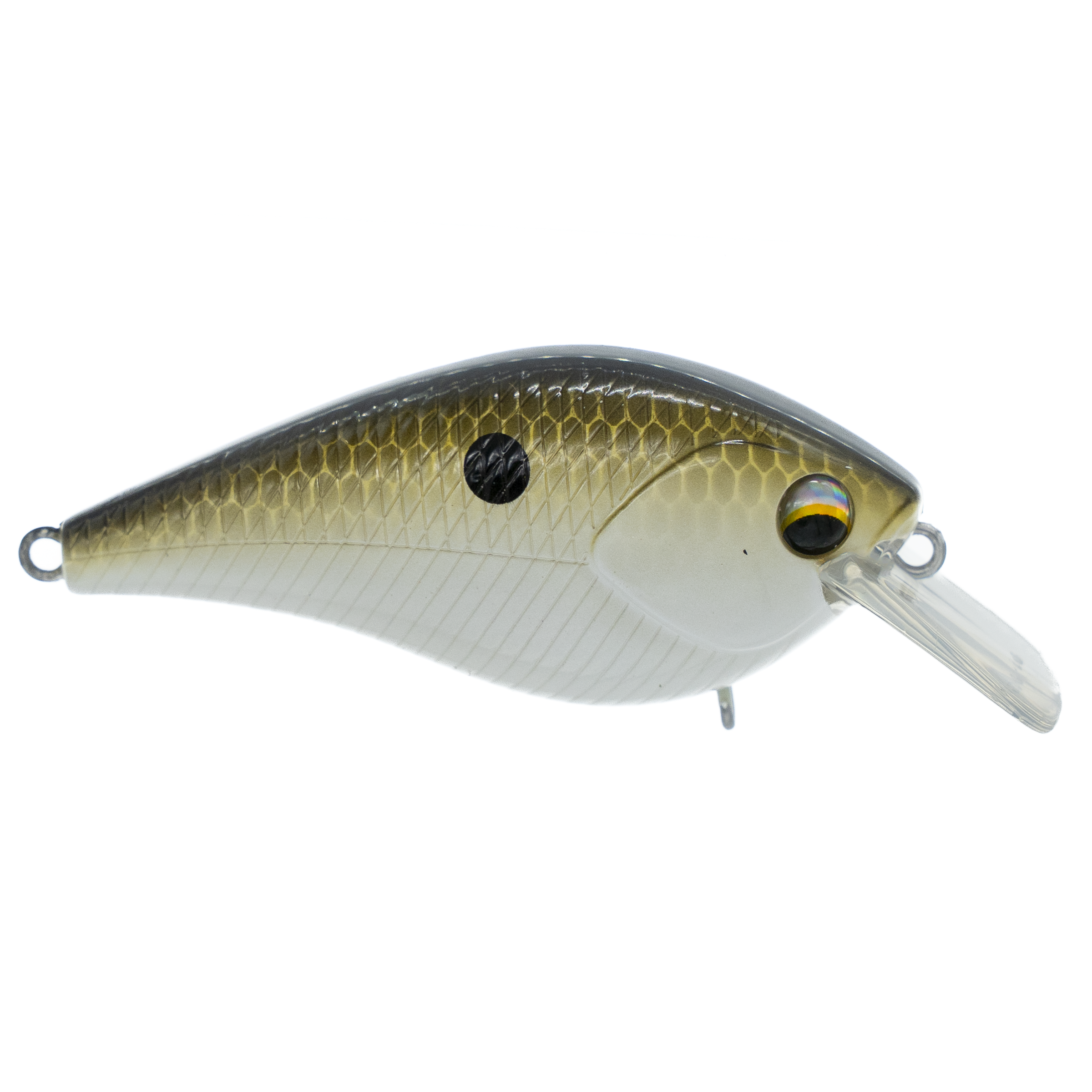
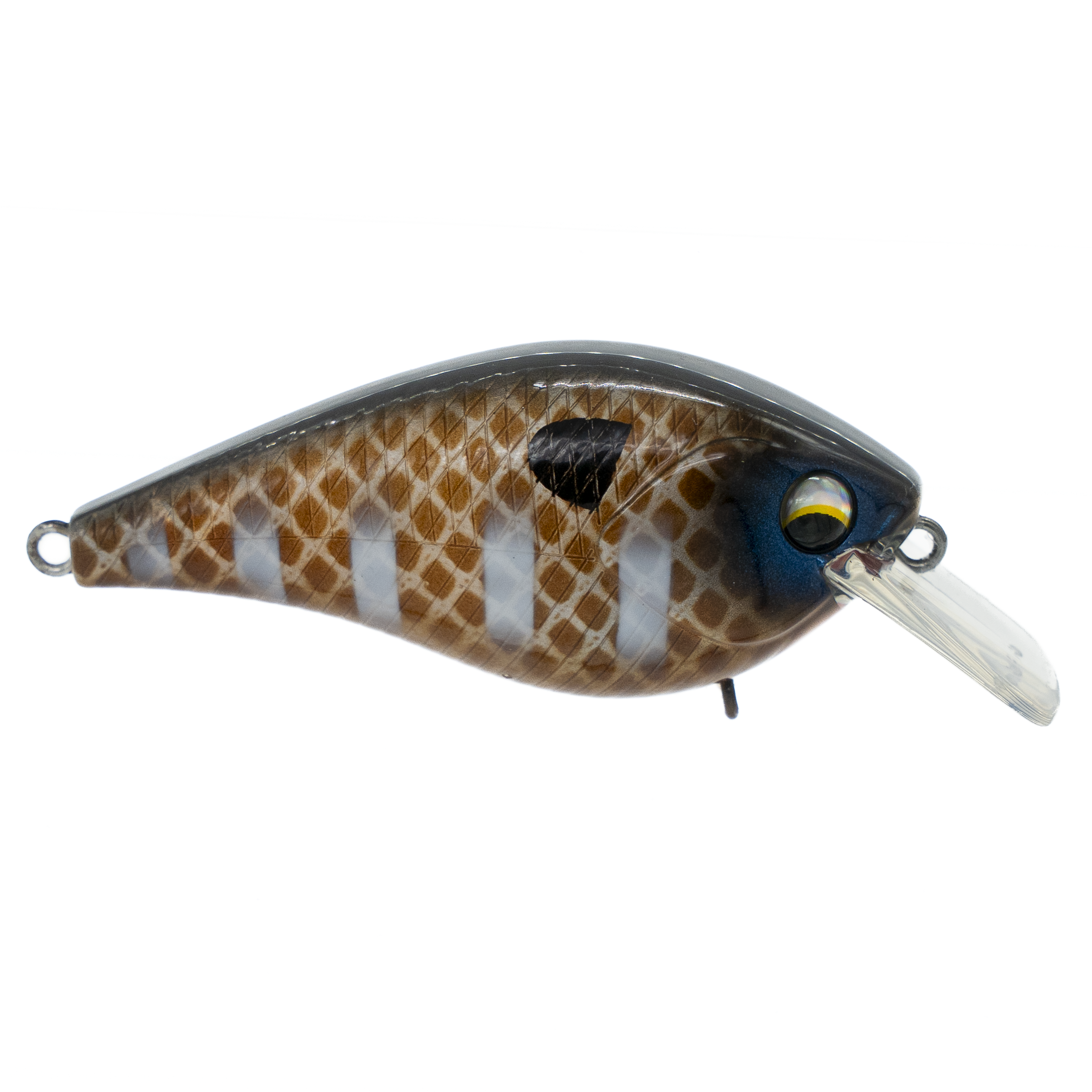
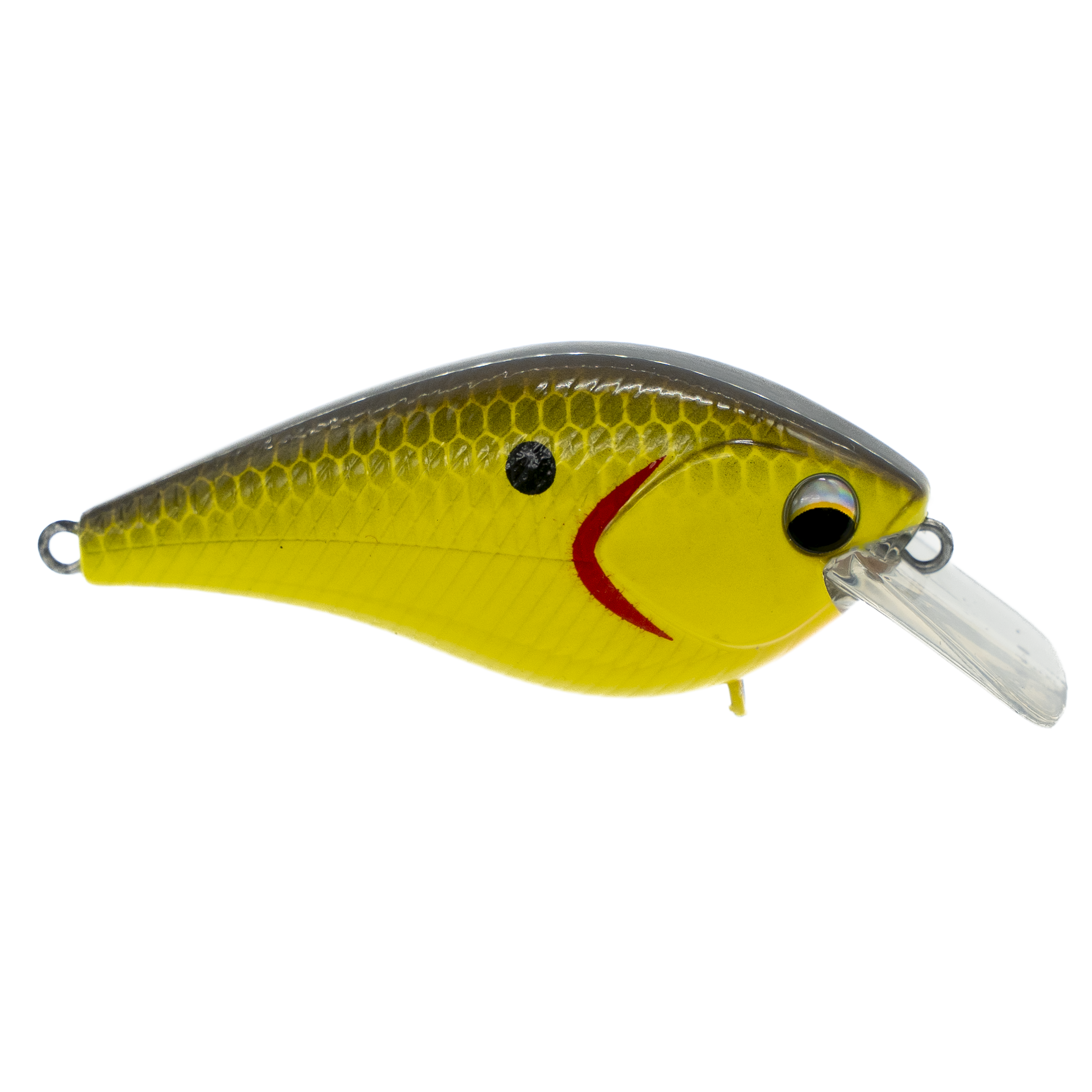
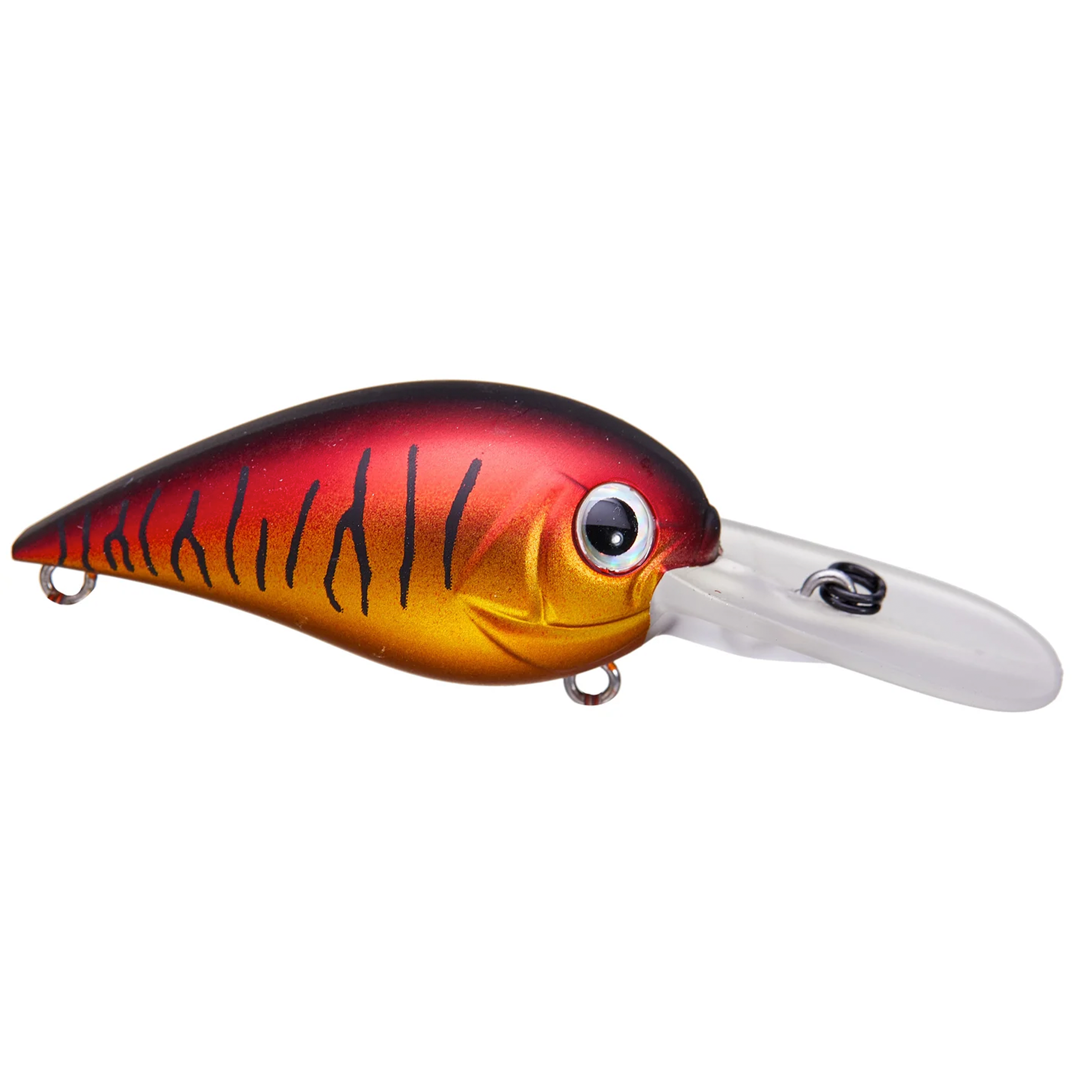
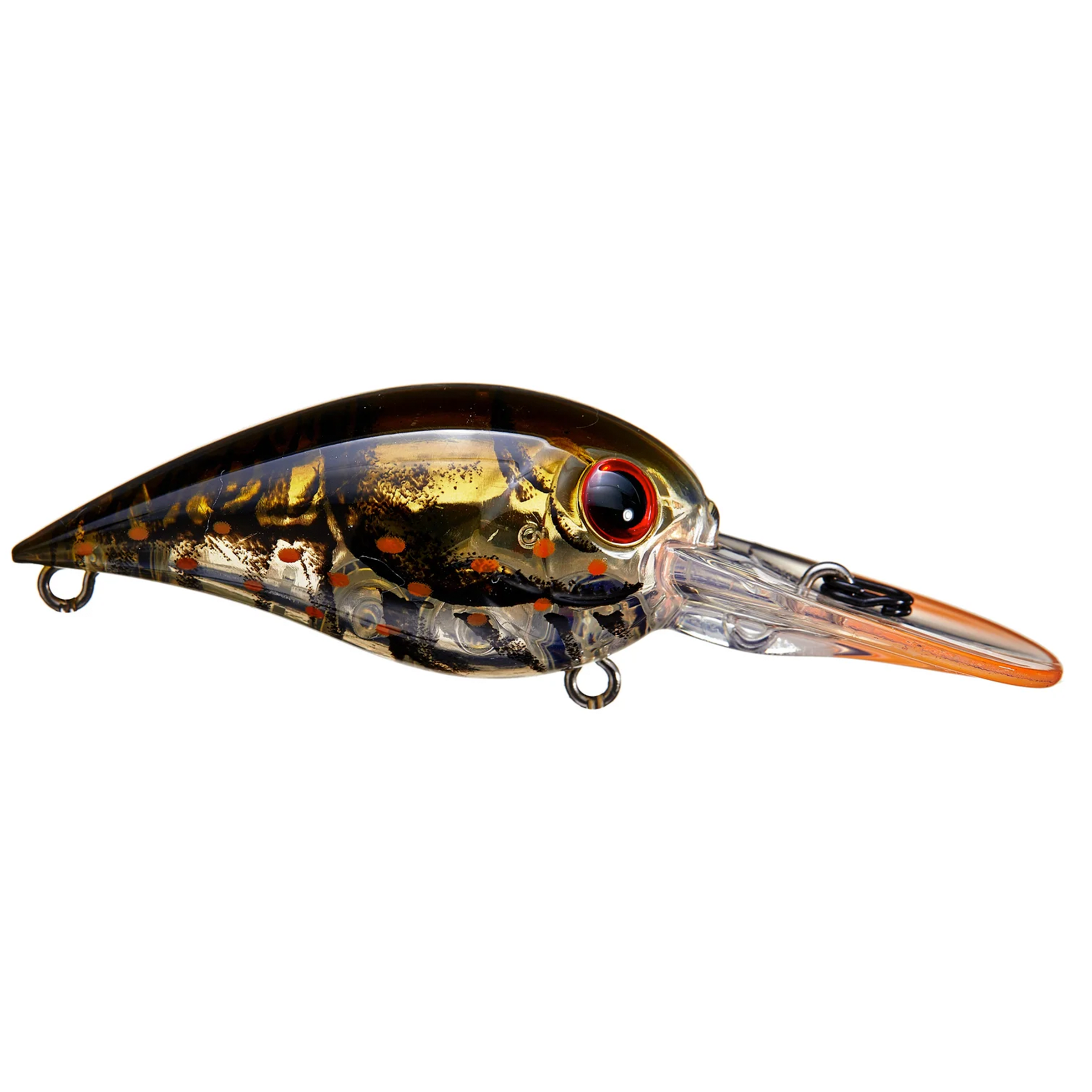
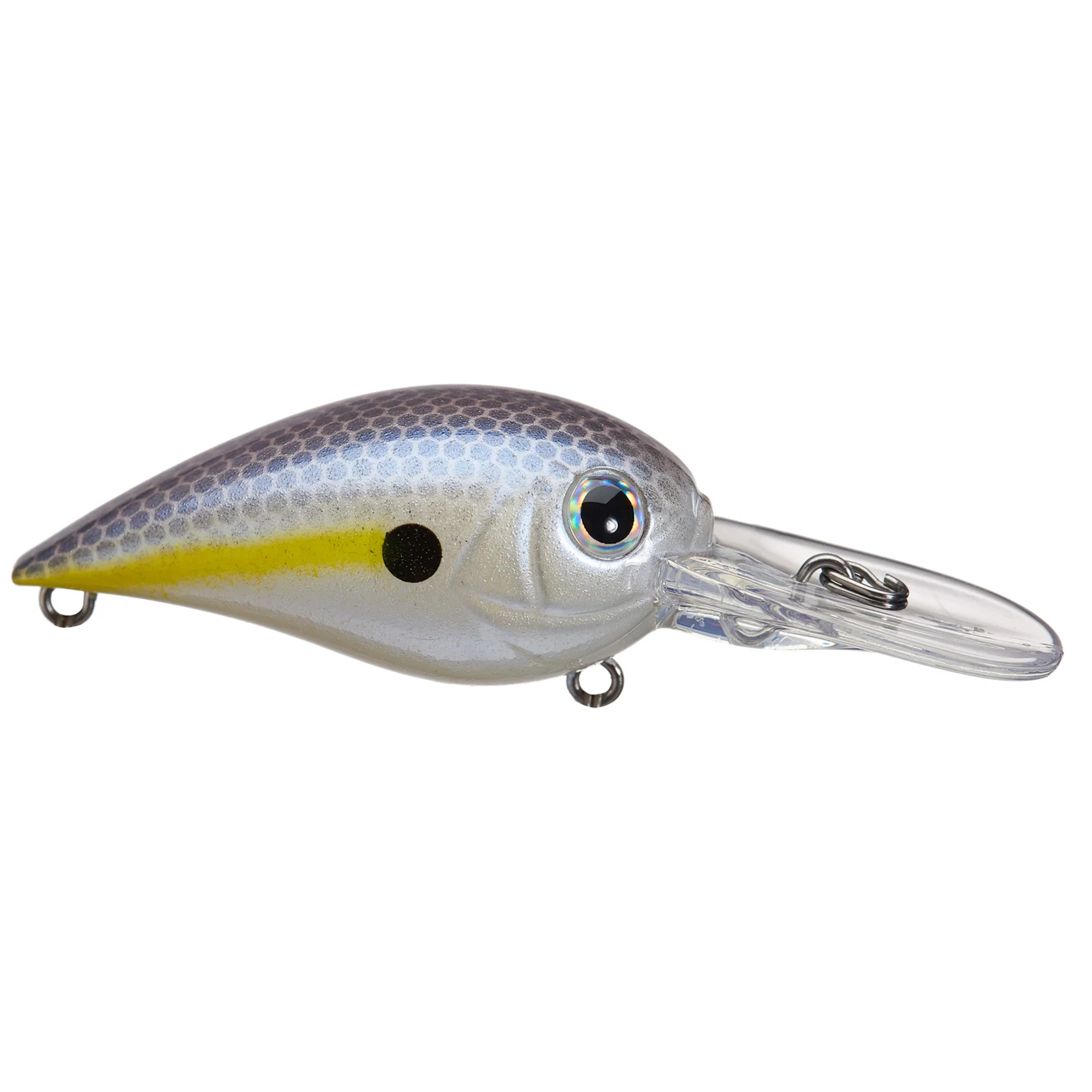
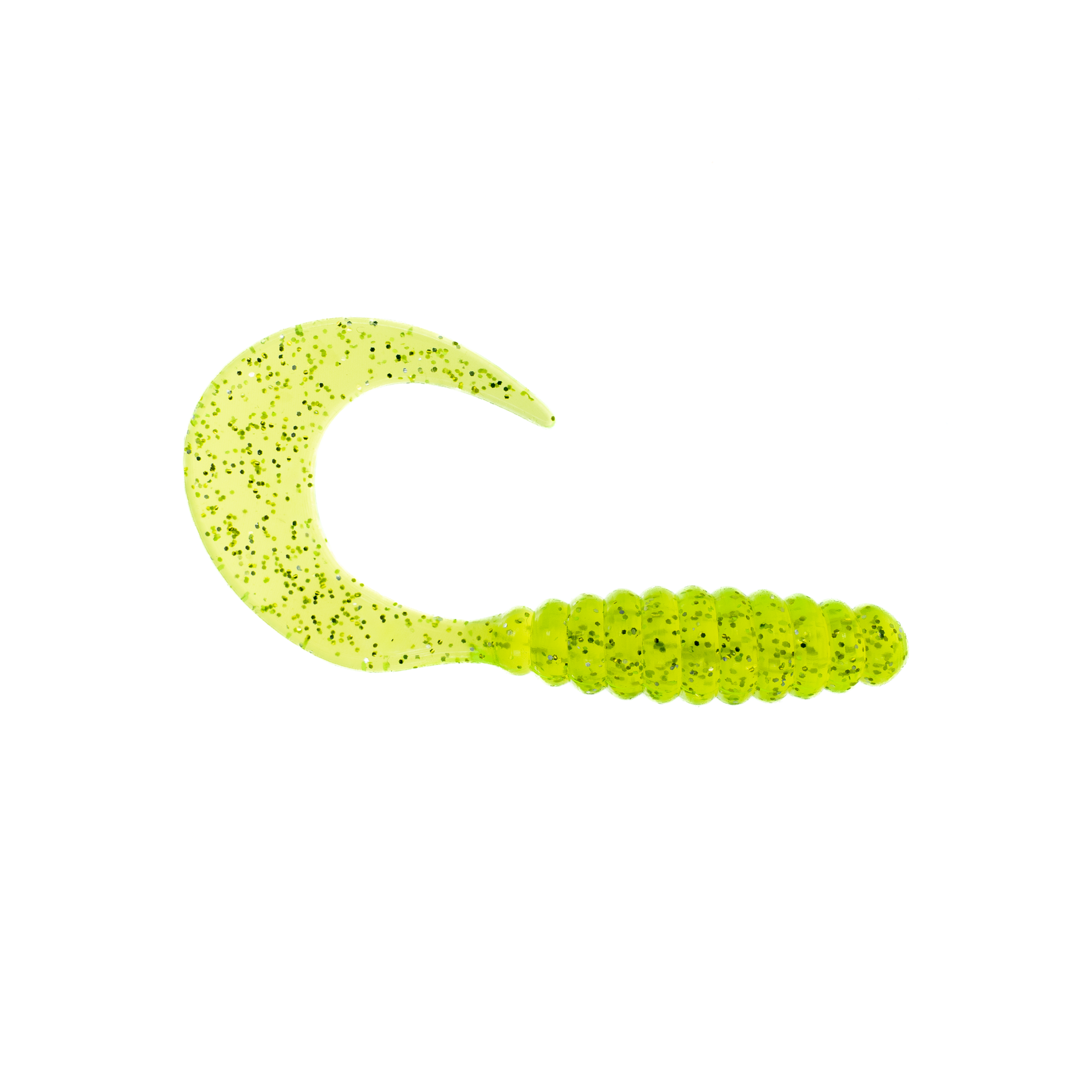
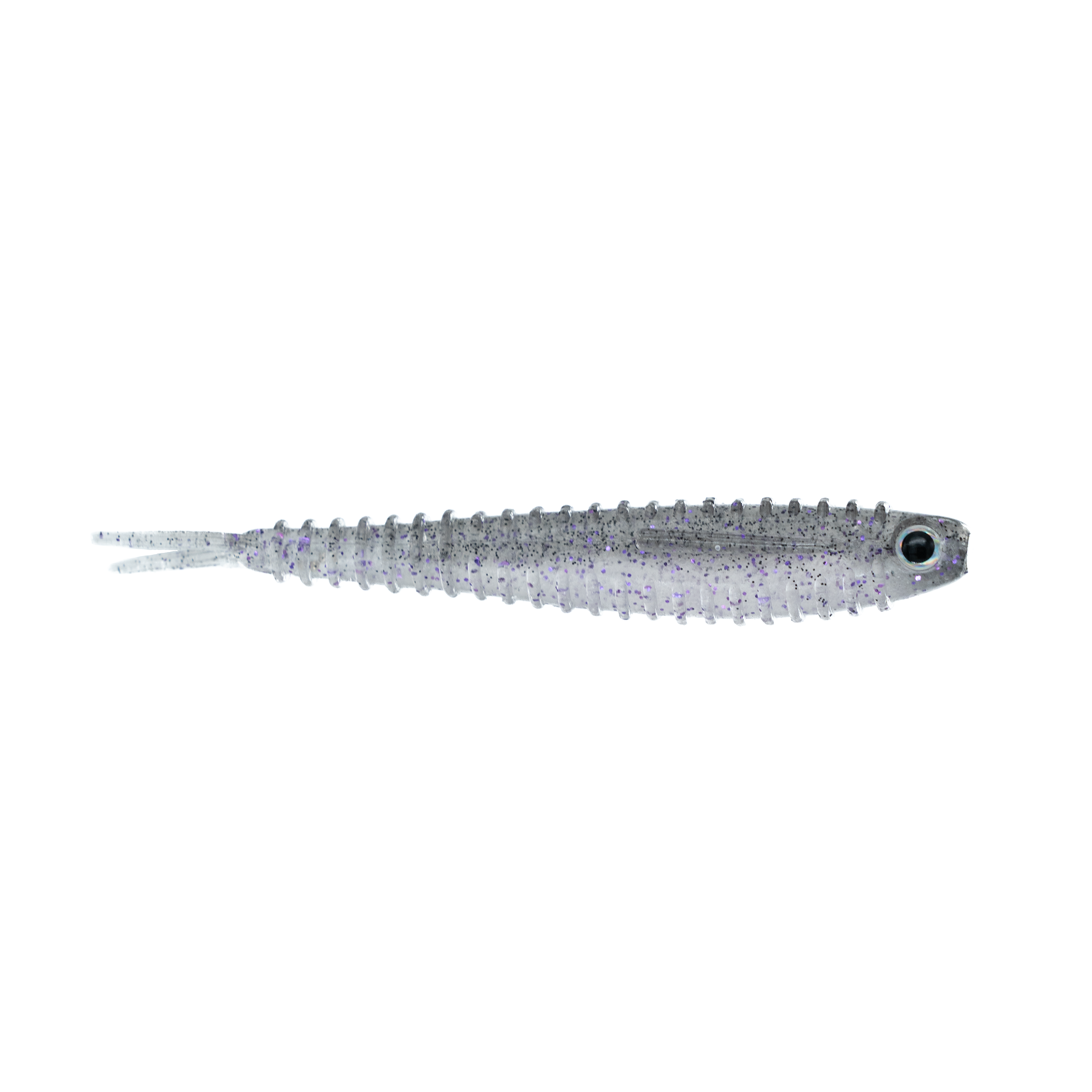
Spring is squarebills on riprap and jigs flipped into timber and willows. Summer means cranking channel edges and working Texas or Carolina rigs through submerged structure. Fall is shad-pattern moving baits in the creeks. Winter is slow presentations with jerkbaits in the clearer water. Our full bait lineup covers all four.
How big is Jordan Lake?
About 13,940 acres in Chatham County, southwest of Raleigh. It was completed by the Corps of Engineers in 1981 for flood control and water supply, and is fed by the Haw and New Hope rivers plus several creeks. Bassmaster ranked it ninth in its Southeastern division for 2026.
Do I need a fishing license for Jordan Lake?
Yes. A North Carolina fishing license is required, available through the North Carolina Wildlife Resources Commission. Note that Jordan Lake State Recreation Area also charges an entry fee at its access points. Check current size and creel limits before you go.
Backbone for Flipping Wood
Pulling a good fish out of standing timber or a flooded willow bush is a short, violent argument you need to win immediately. Level Rods builds heavy models with the power to turn a fish's head before it wraps you, and enough sensitivity to feel the difference between a limb and a bite.
Tournament Winning Baits & Gear
Designed, crafted and tested by anglers who fish Carolina water every week. Free shipping on orders over $75.
Shop All Baits