James River Bass Fishing Guide
James River Bass Fishing, Season by Season
A tidal river running from the fall line at Richmond down toward the Chesapeake, with grass beds, wood, creek mouths and a current that reverses twice a day. Virginia's wildlife department names the James below the fall line among the state's top largemouth waters, and the tide decides everything.
A River That Changes Twice a Day
The James runs across Virginia to the Chesapeake Bay, and the section that matters for largemouth begins at the fall line at Richmond and continues downriver. Virginia's Department of Wildlife Resources names the James below the fall line among the state's top largemouth fisheries, alongside the Chickahominy below Walkers Dam.
The defining feature is tide. Below the fall line the current reverses through the day, and bass reposition with it — holding on the downcurrent side of every break, moving onto flats as water floods and pulling back to the edges as it falls. A stretch that is loaded on one stage can be empty two hours later.
That makes tide tables more useful than a map here. Anglers who plan their day around stages rather than around a list of spots do dramatically better, and the most common mistake visitors make is fishing good-looking water at the wrong point in the cycle.
The cover is varied: grass beds, laydowns and wood, riprap, dock structure, and the mouths of the many tidal creeks feeding the main river. Those creek mouths are the highest-percentage water on the river, because they concentrate both current and bait.
Water runs stained to muddy for most of its length, which shapes bait choice — brighter, more visible presentations work here in a way they would not on a clear reservoir.
Practical note: this is a working river with commercial traffic and a genuine tidal range. Plan launches and takeouts around stage as well as around the fishing, particularly at the smaller ramps.
Tide, Grass and Creek Mouths
Four patterns cover the year. Each one pairs the technique with the baits we'd actually tie on.
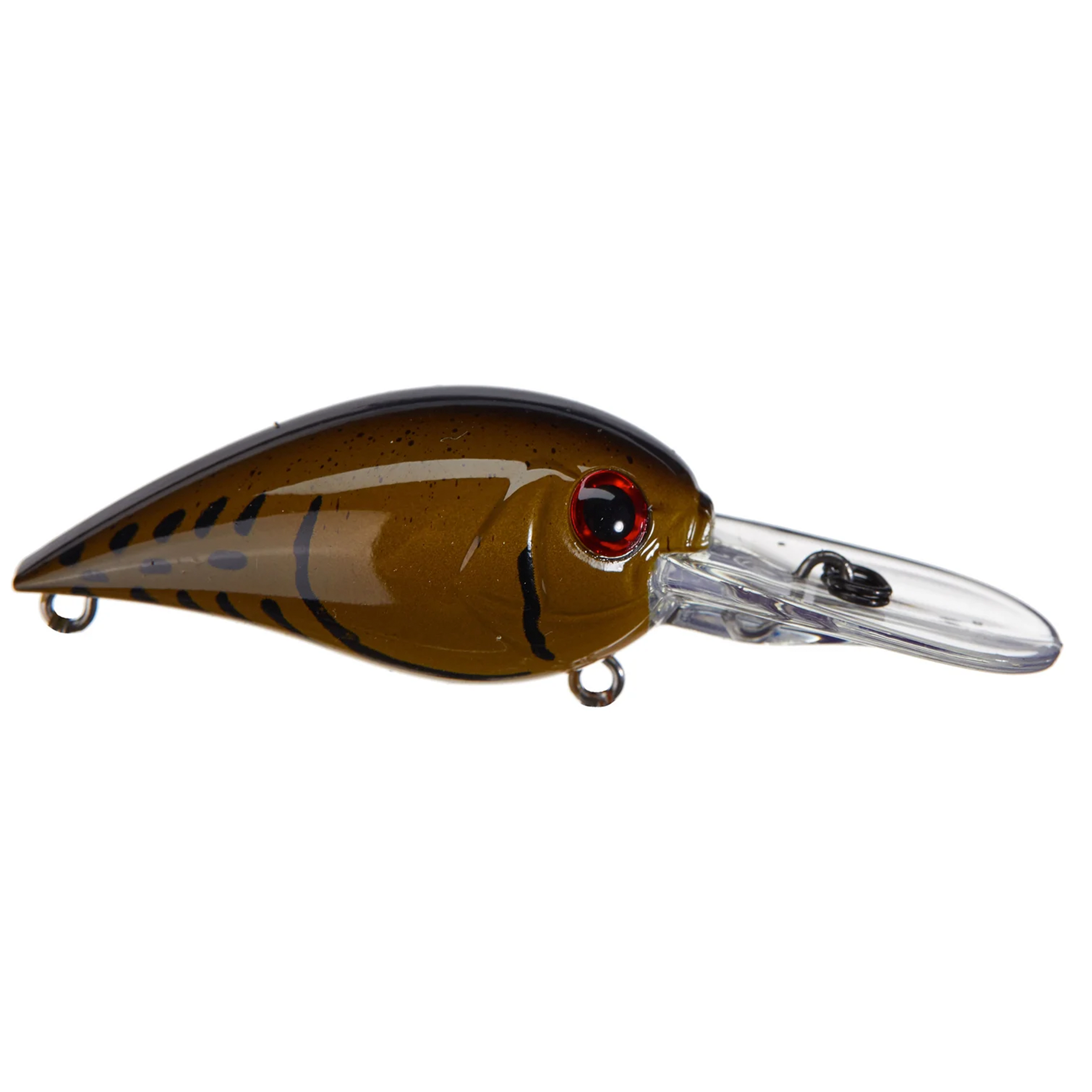
Creek Mouths and the Spawn
Spring pushes fish up into the tidal creeks and onto the shallow flats to spawn, and the creek mouths become staging areas on the way in and out. Grass begins to grow and the wood along the banks holds fish. This is the strongest season on the river and the one national events get scheduled around.


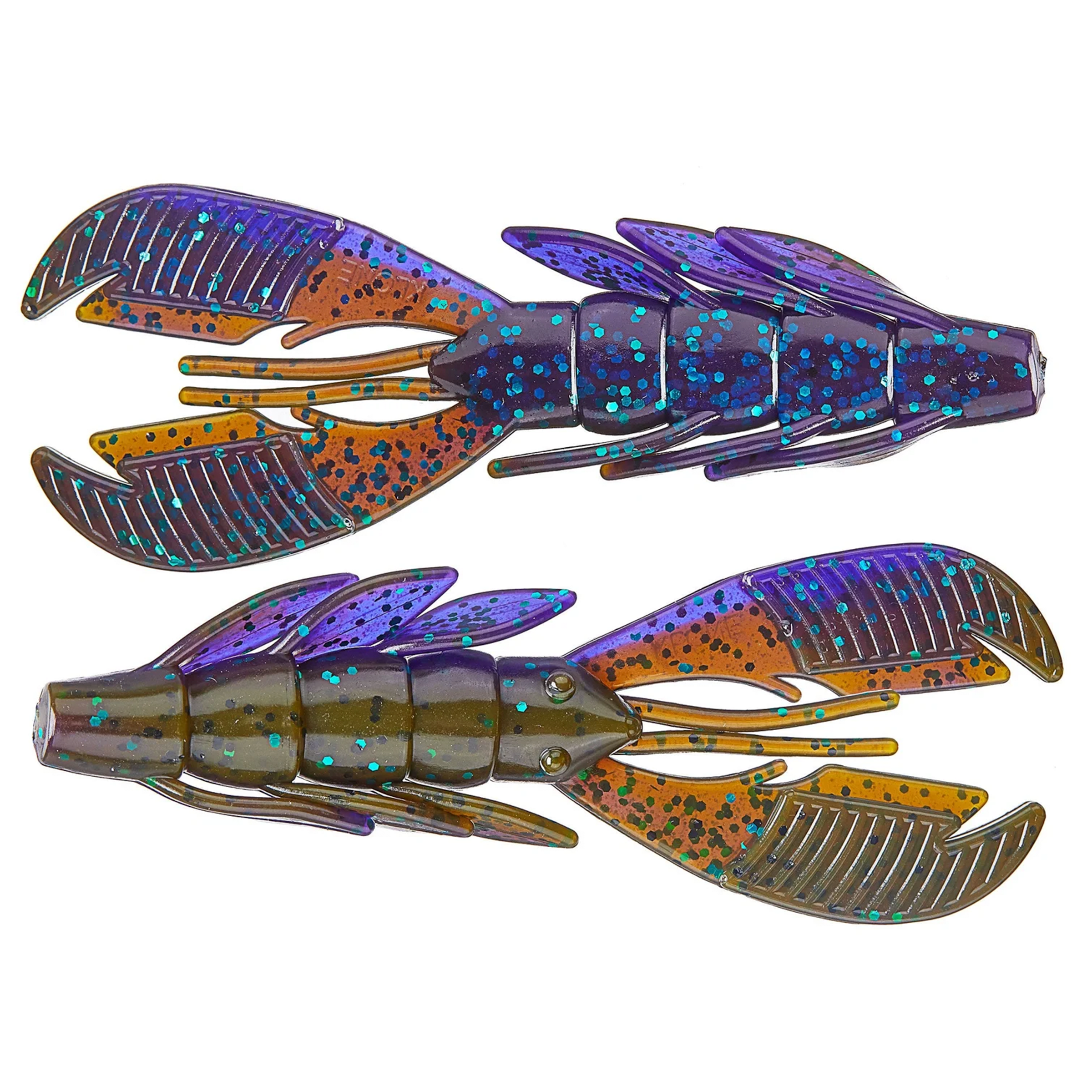
Grass, Wood and Falling Water
Summer grows the grass beds out and the fish use them heavily, along with the wood and the dock structure. Heat pushes the best fishing into the early and late windows, and the falling tide becomes the productive stage — it pulls bass off the flats and stacks them on the edges where you can reach them.

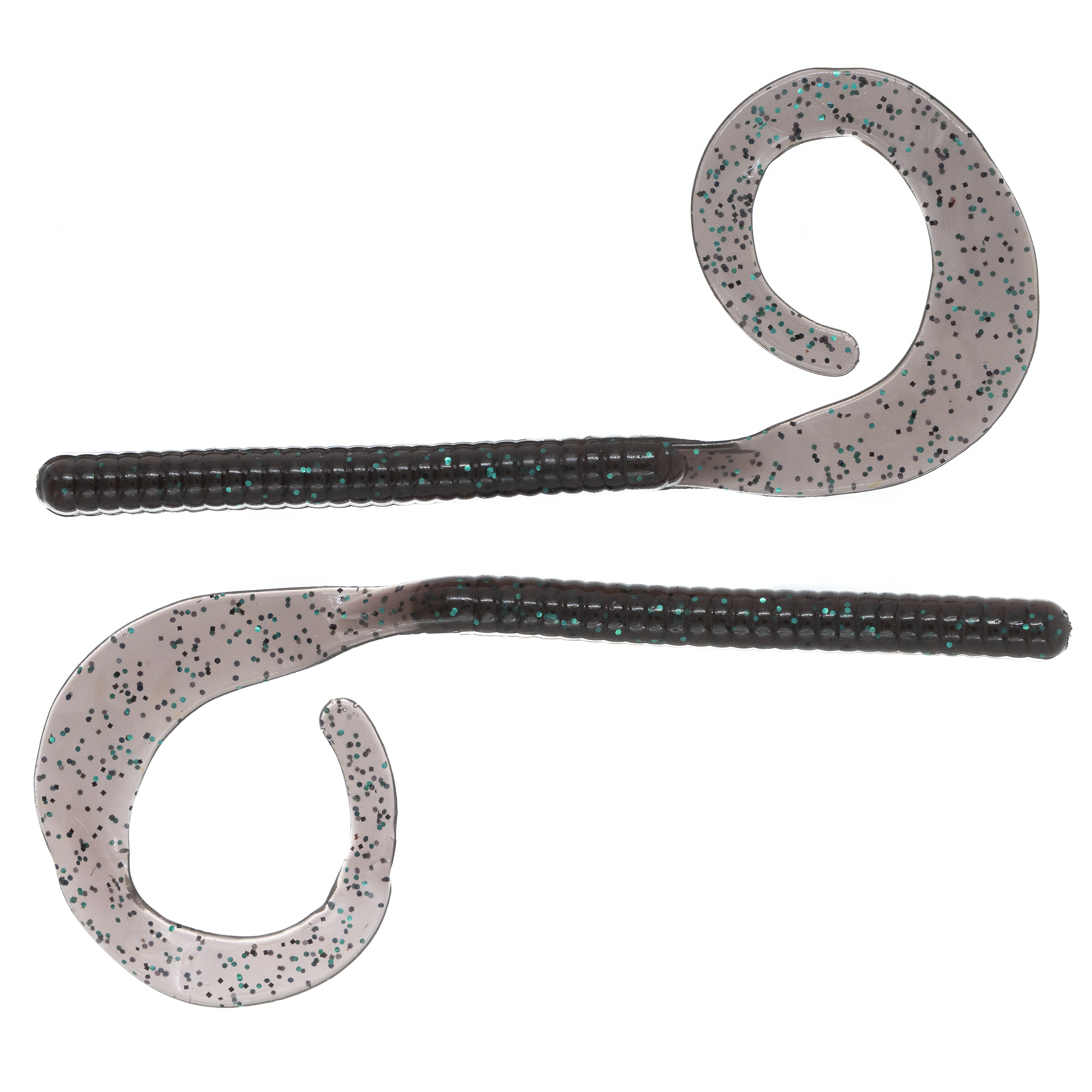

Bait, Current and Cooling Water
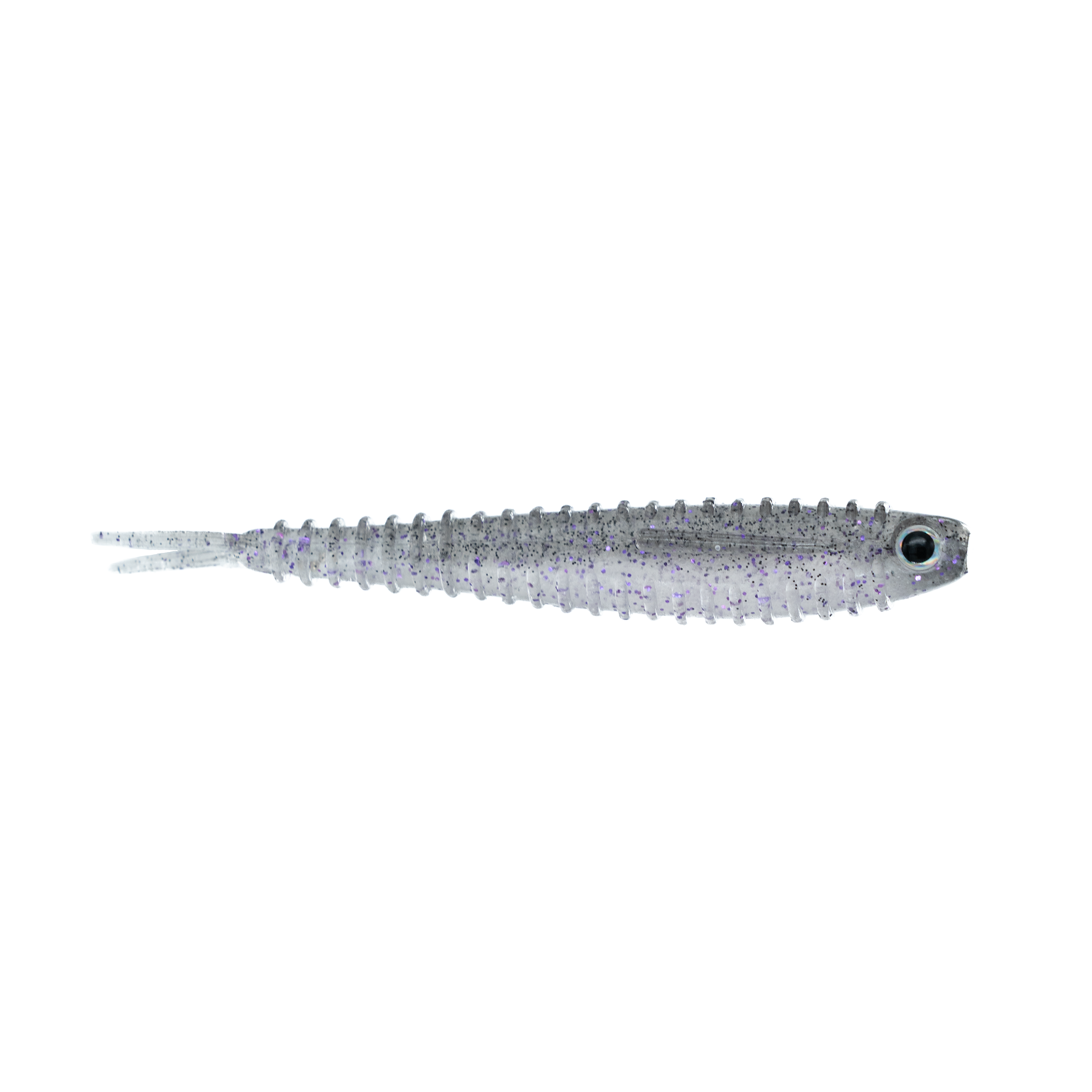
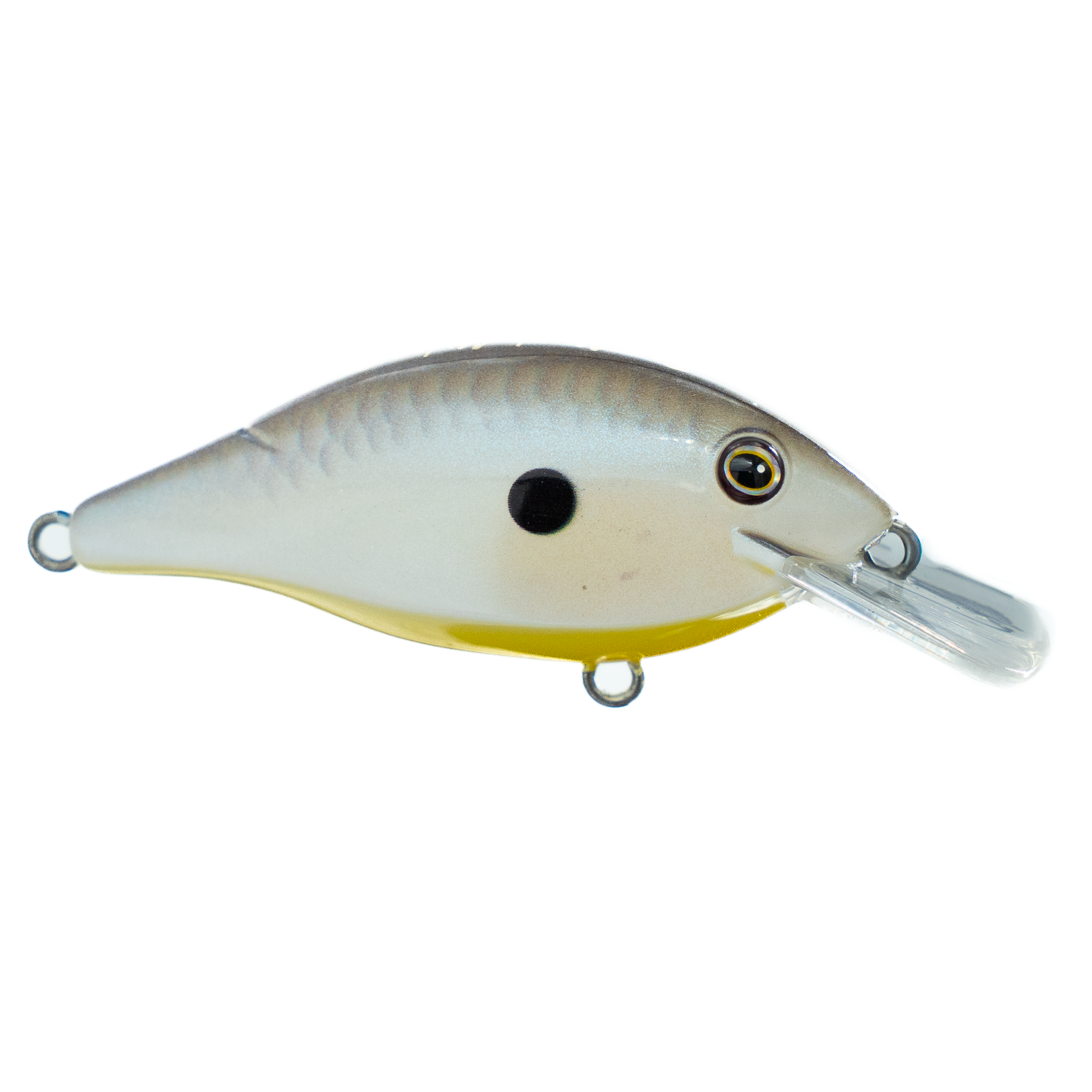
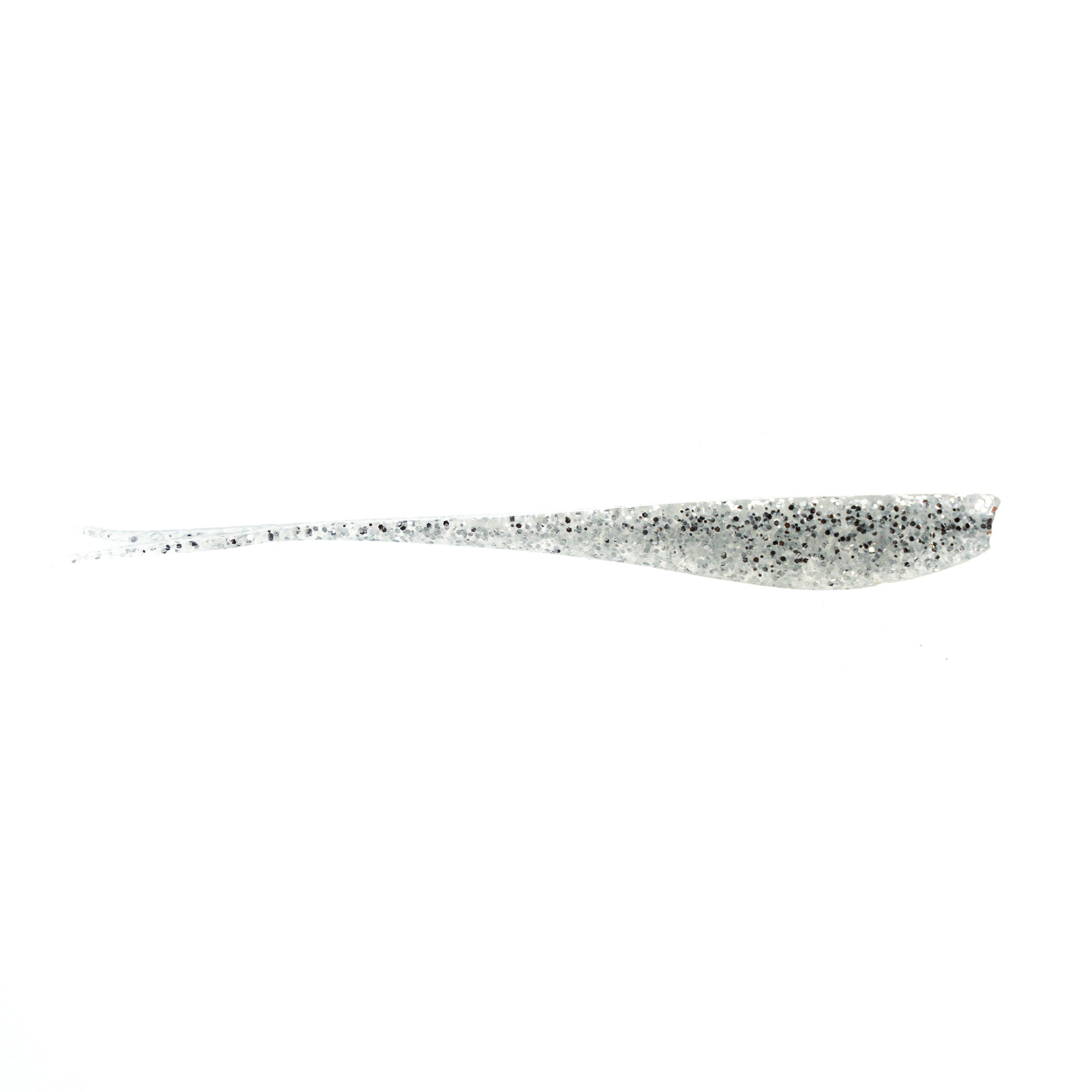
Autumn concentrates bait in the creek mouths and along the current seams, and cooling water gets the fish chasing. The river is quieter, the grass is at its best after a summer of growth, and moving baits work in a way they do not in the heat.
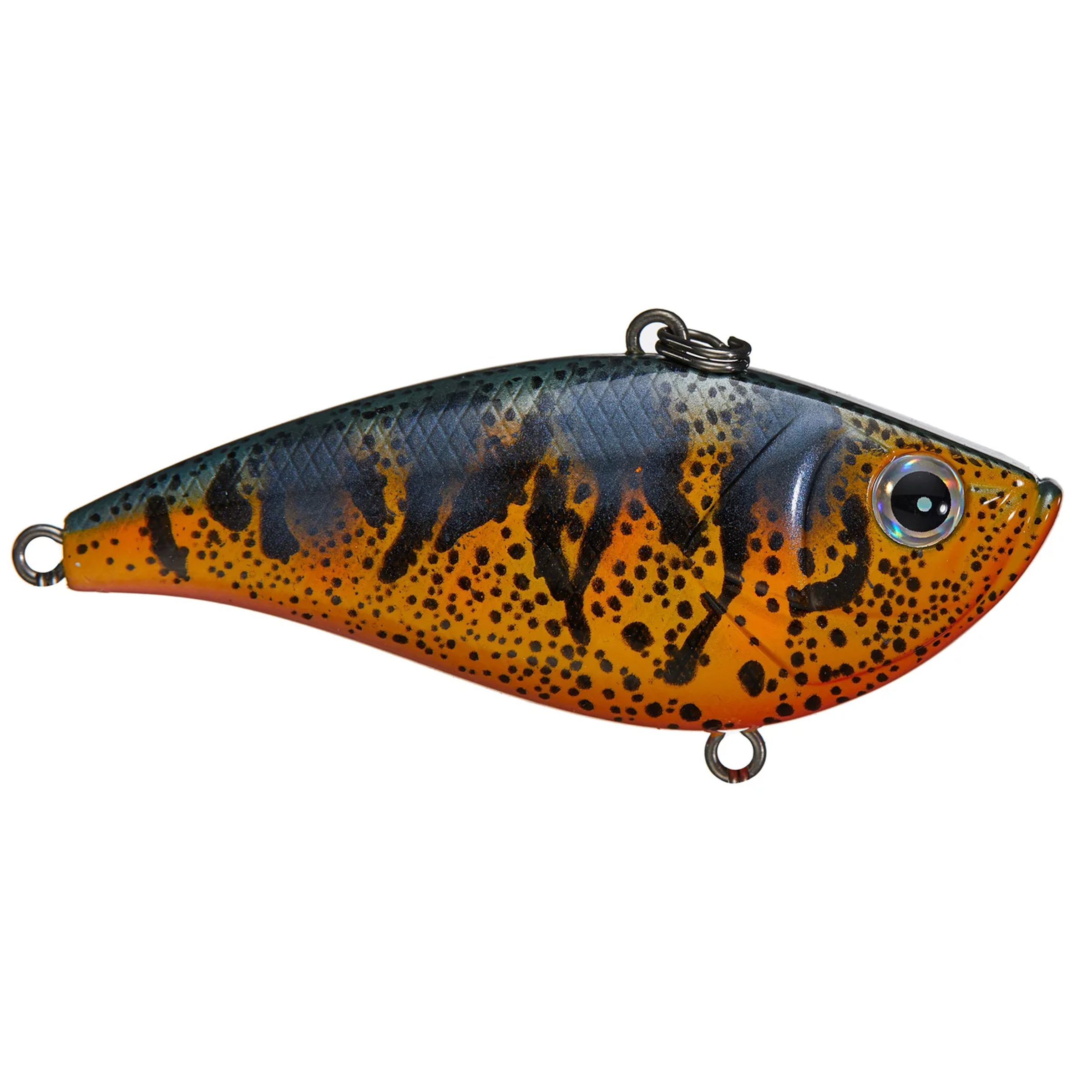
Deep Creeks and Stable Water
Winter pushes fish into the deeper tidal creeks and the holes where temperature is more stable than the shallow flats. Cold fronts hit tidal water hard, and the deeper creeks are the refuge. It is slow, limited fishing, but the fish that are catchable are usually better ones.


The James River Access
Public ramps serve the tidal river below Richmond at Osborne Landing, Deep Bottom, Dutch Gap and other points downstream. Richmond covers everything else. Check tide stage before launching — the smaller ramps can be awkward at low water.
The Tidal Creek Mouths
The highest-percentage water on the river. They concentrate current and bait, they hold staging fish in spring and autumn, and they give you somewhere to go on every stage of tide. If you learn one type of spot on the James, learn these.
The Grass Beds
Growing out through summer and holding fish heavily. Fish the edges on falling water and punch the mats when the water is up. Combined with wood and riprap, the grass gives this river more cover variety than most tidal fisheries.
The Deeper Creeks
Where fish go when a cold front hits, because deeper tidal water holds its temperature when the flats do not. The winter answer, and the reason a cold snap does not end the fishing here the way it would on a shallow lake.
The James River Bass Fishing FAQ
Where is the best bass fishing on the James River?
Below the fall line at Richmond, in the tidal section. Virginia's Department of Wildlife Resources names the James below the fall line among the state's top largemouth fisheries.
How does the tide affect fishing?
It controls everything. Current reverses through the day and bass reposition with it, holding on the downcurrent side of breaks and moving on and off the flats as water rises and falls. A spot that is loaded on one stage can be empty two hours later — plan the day around tide stages rather than around a list of waypoints.
What is the best tide stage to fish?
Falling water is generally the most productive, because it pulls fish off the shallow flats and concentrates them on the edges where you can reach them. That said, the useful skill is learning how a particular stretch fishes across the whole cycle rather than only fishing one stage.
Is the water clear?
No, it runs stained to muddy through most of the tidal section. That is an advantage — brighter and more visible baits work here, and fish are far less line-shy than they would be on a clear reservoir.
What cover should I look for?
Grass beds, laydowns and wood, riprap and dock structure, and above all the mouths of the tidal creeks. Those creek mouths concentrate current and bait and are the most reliable water on the river.
When is the best time to fish the James?
Spring, when fish push into the tidal creeks to spawn and the creek mouths hold staging fish. Autumn is the second window and arguably more pleasant. Winter is limited but the deeper creeks keep it fishable.
What baits work best on the James River?
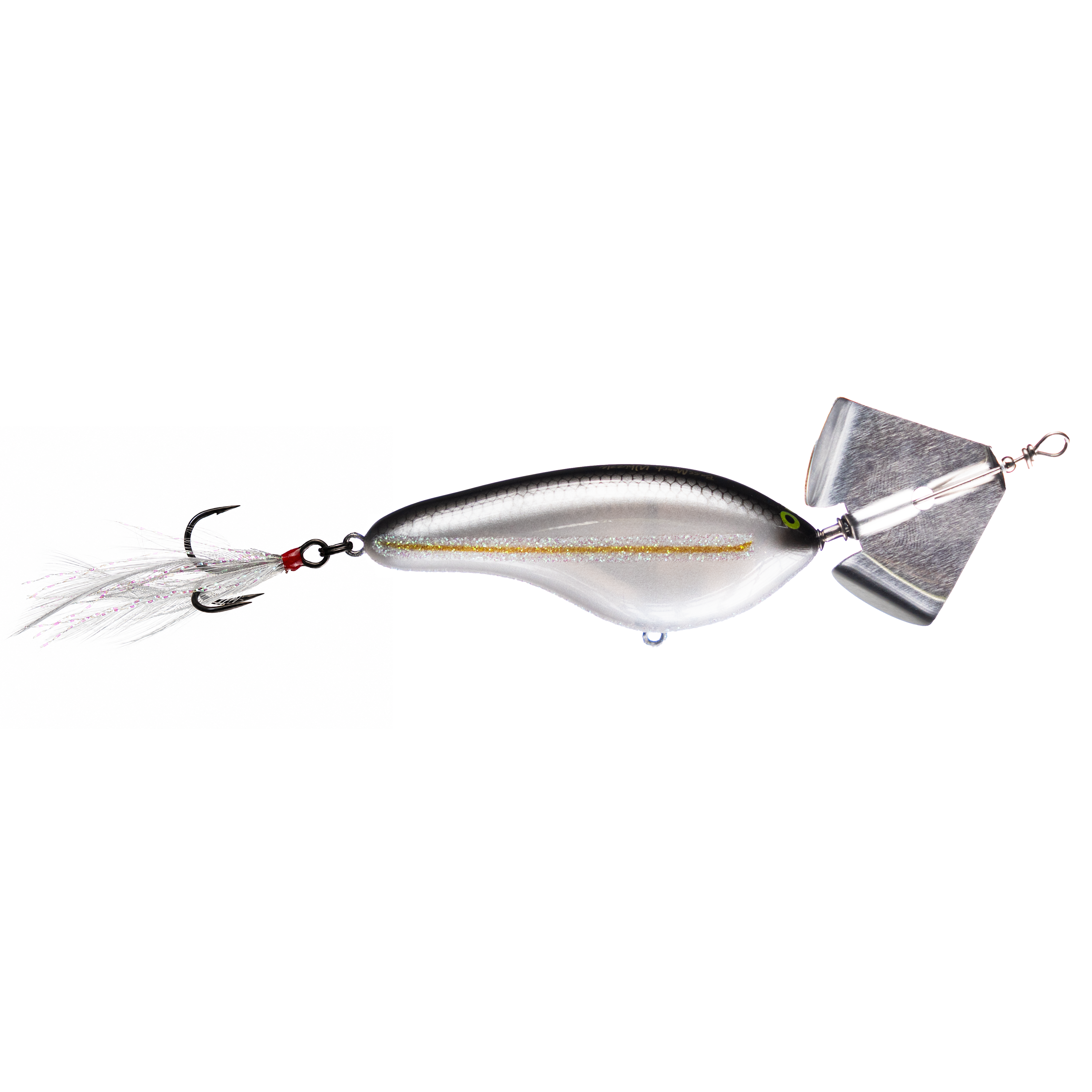
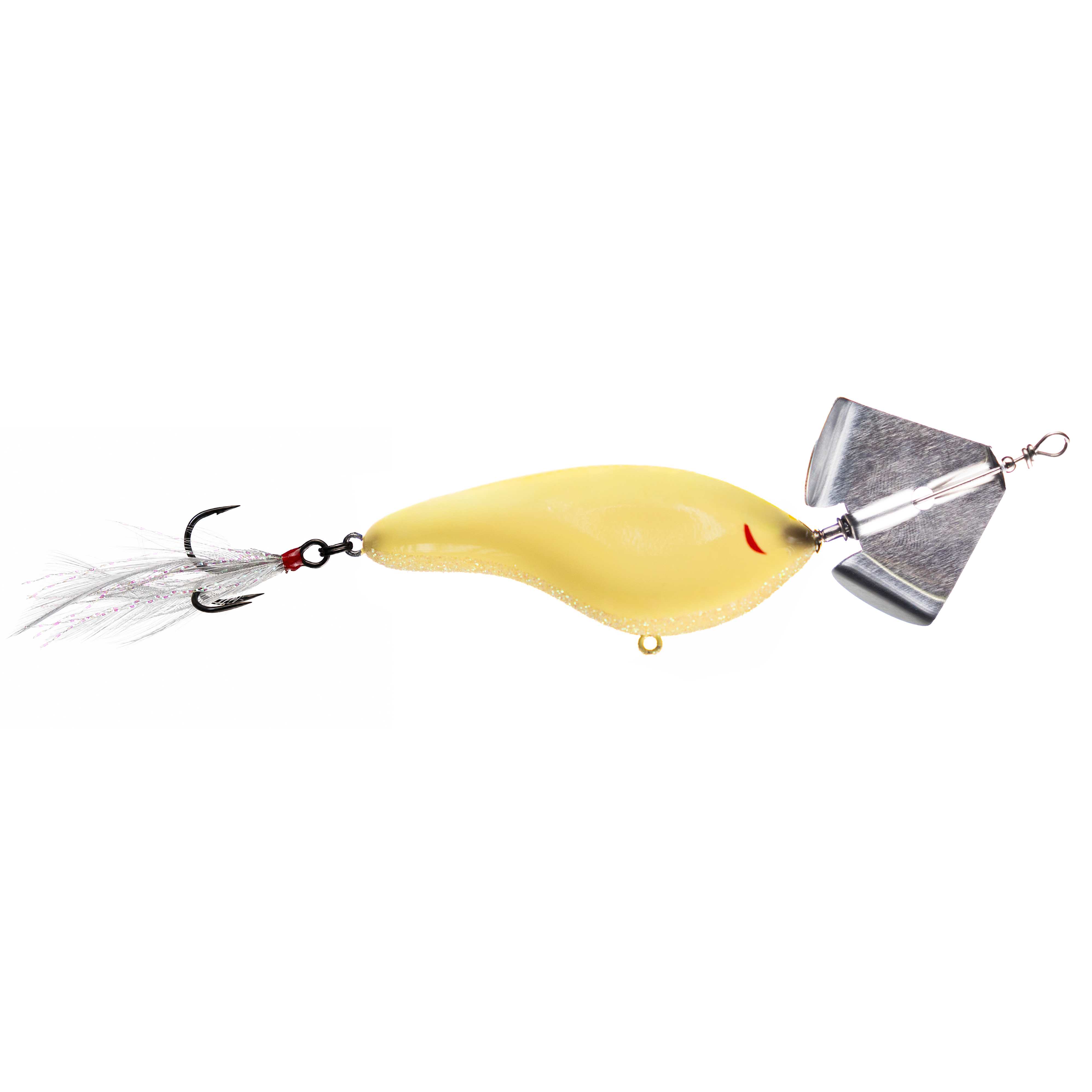
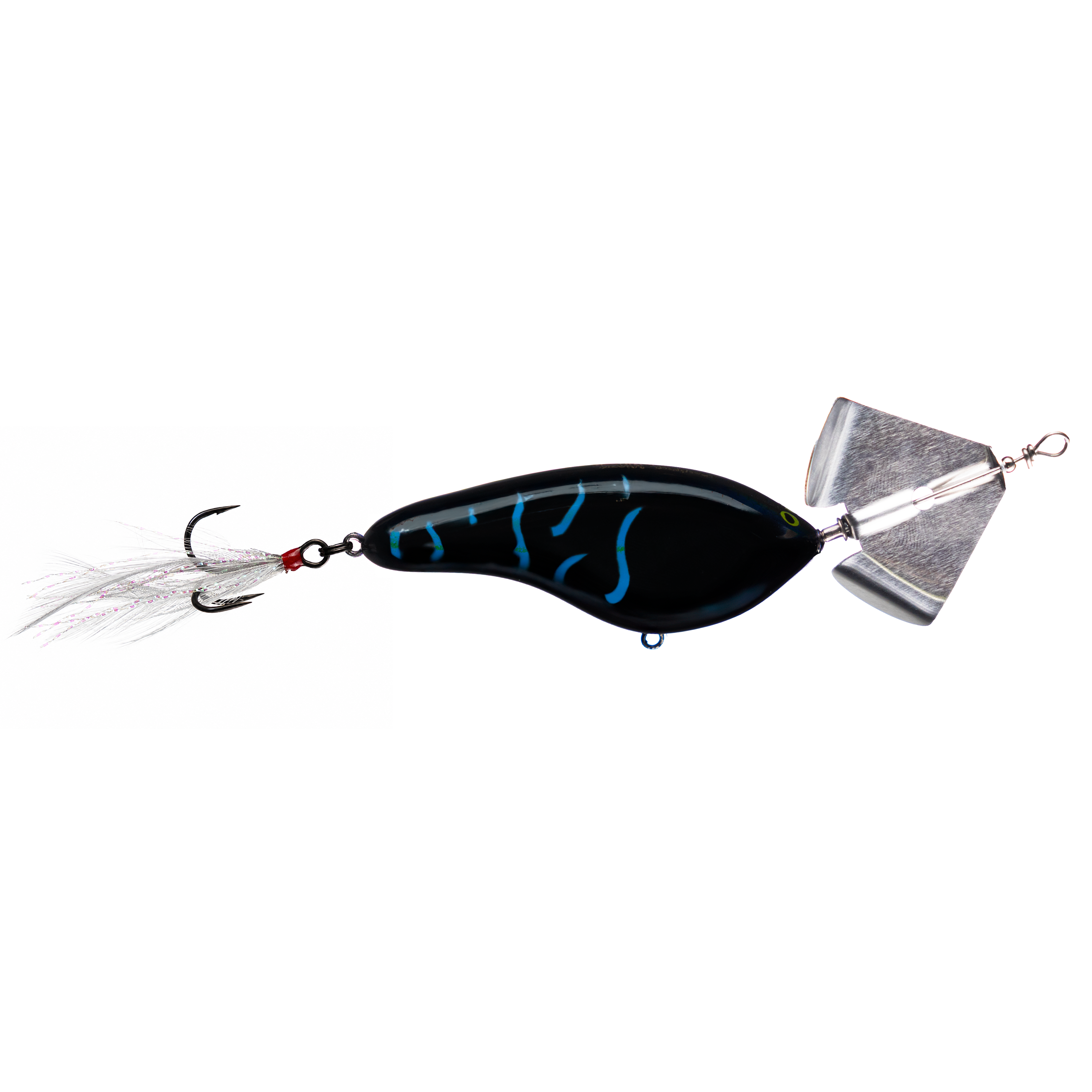
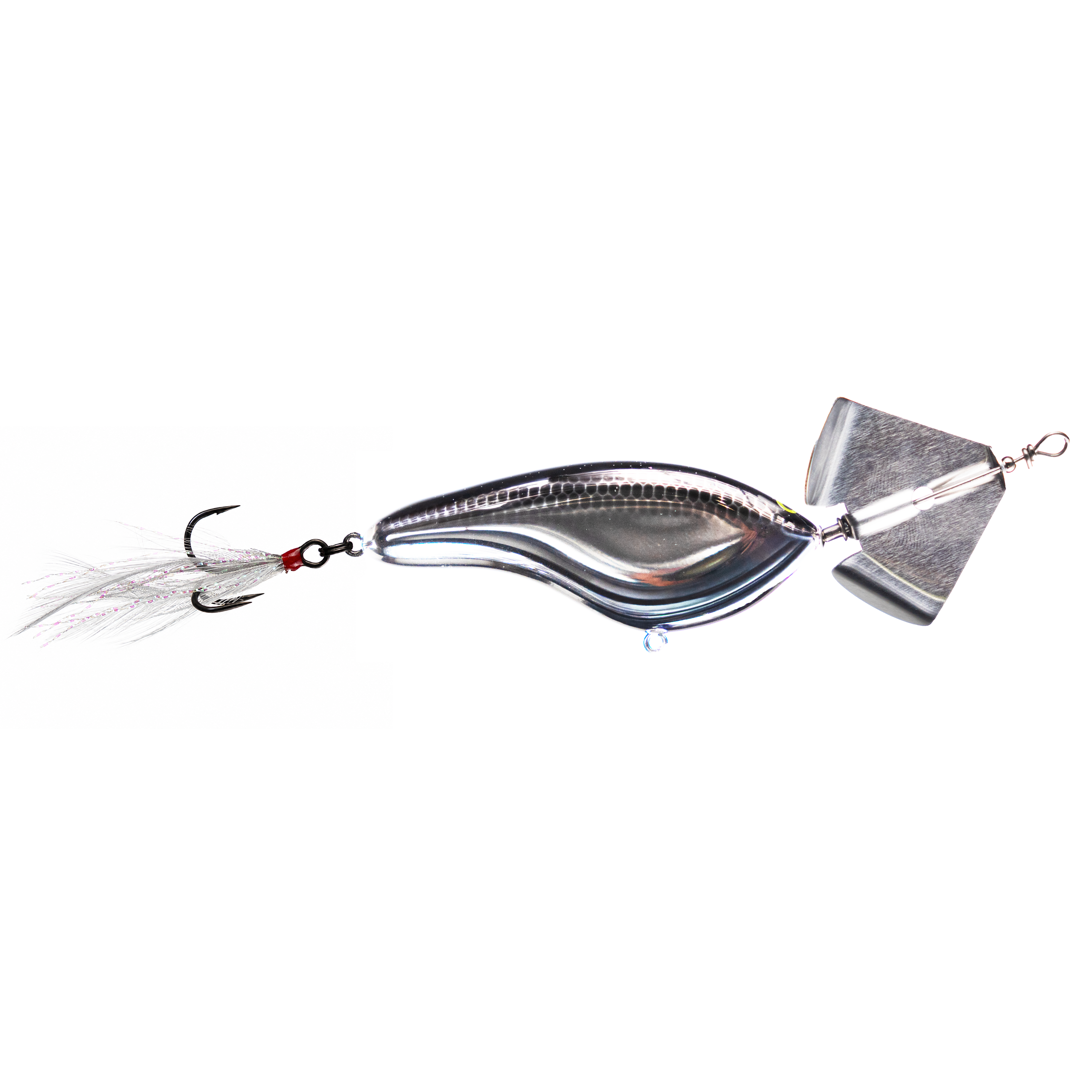
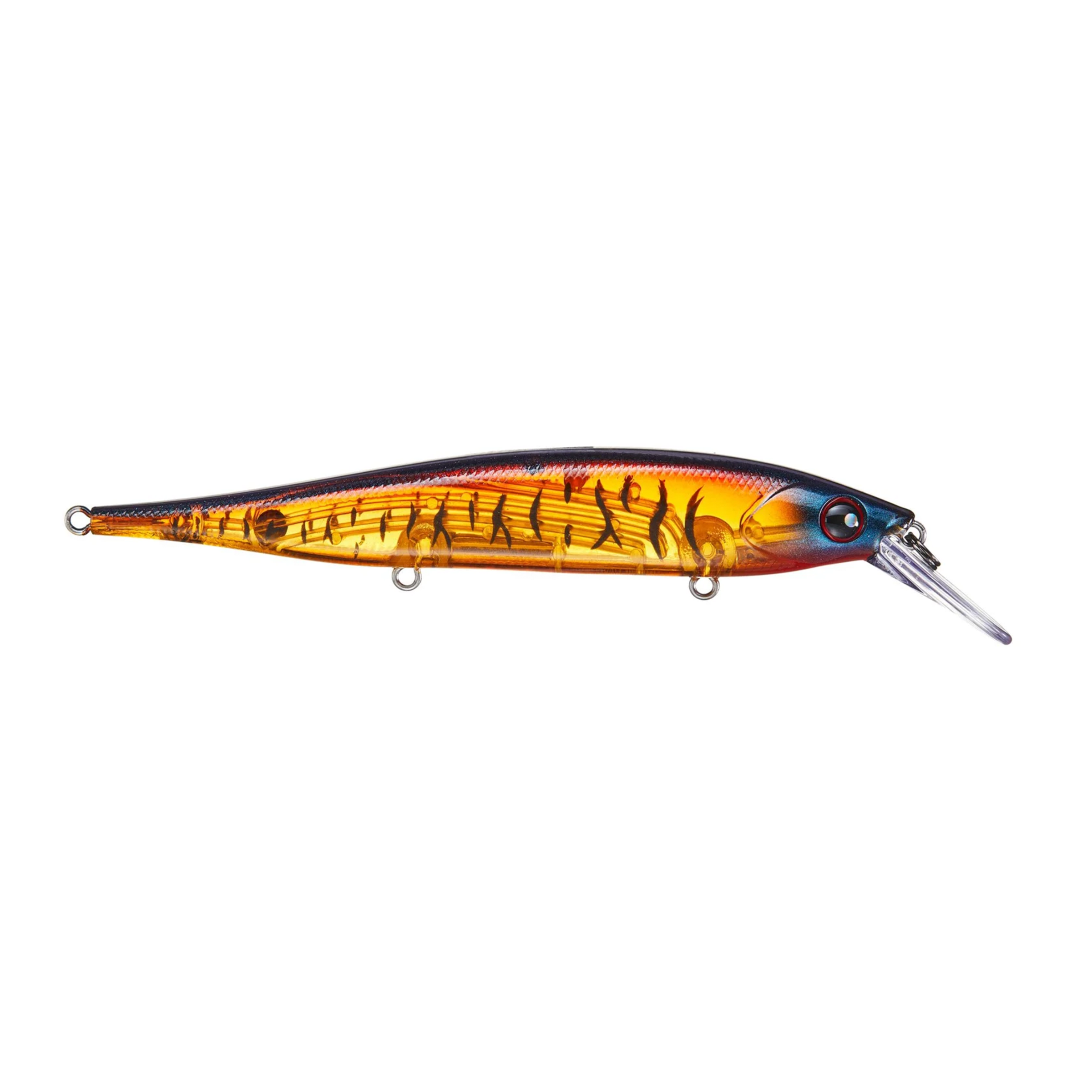
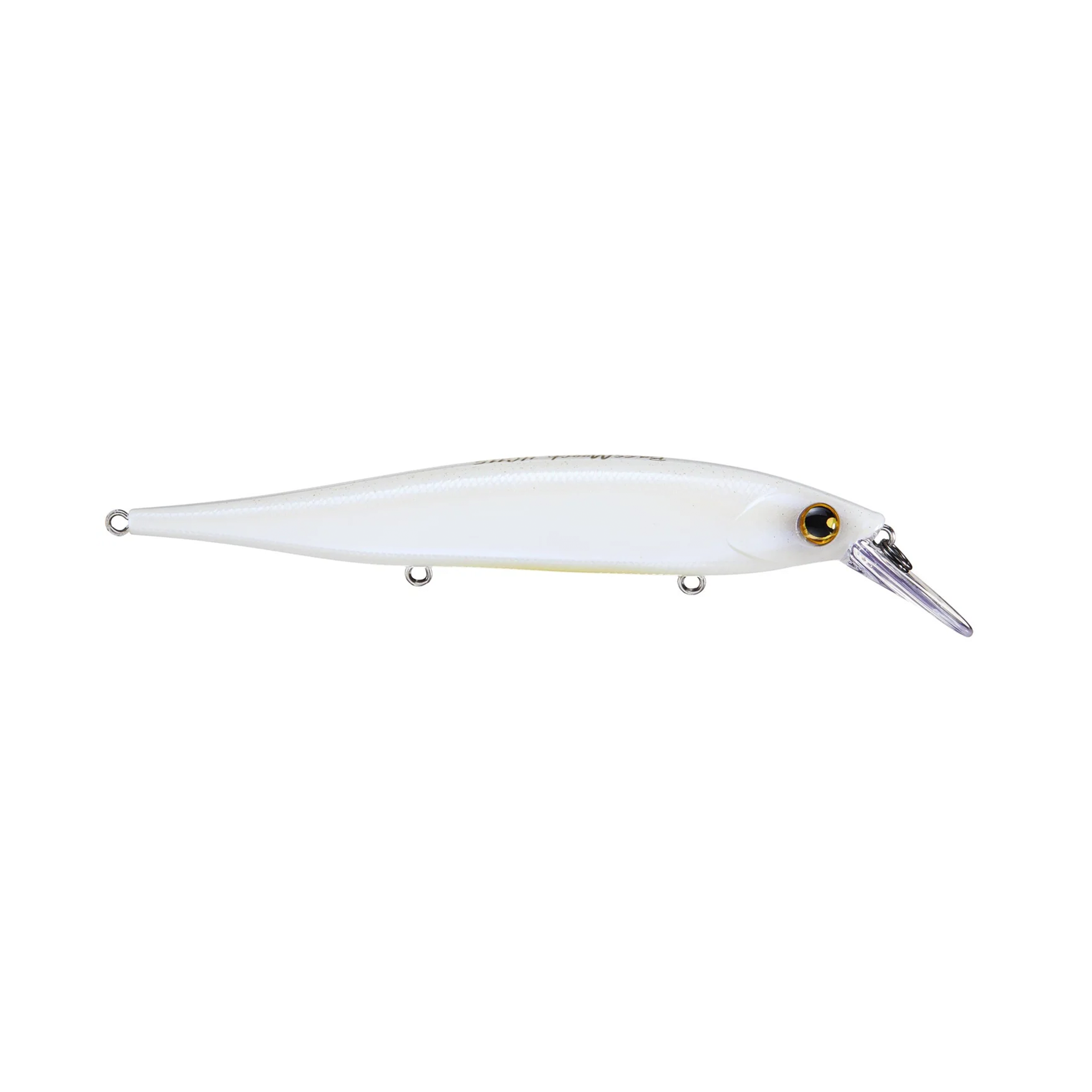
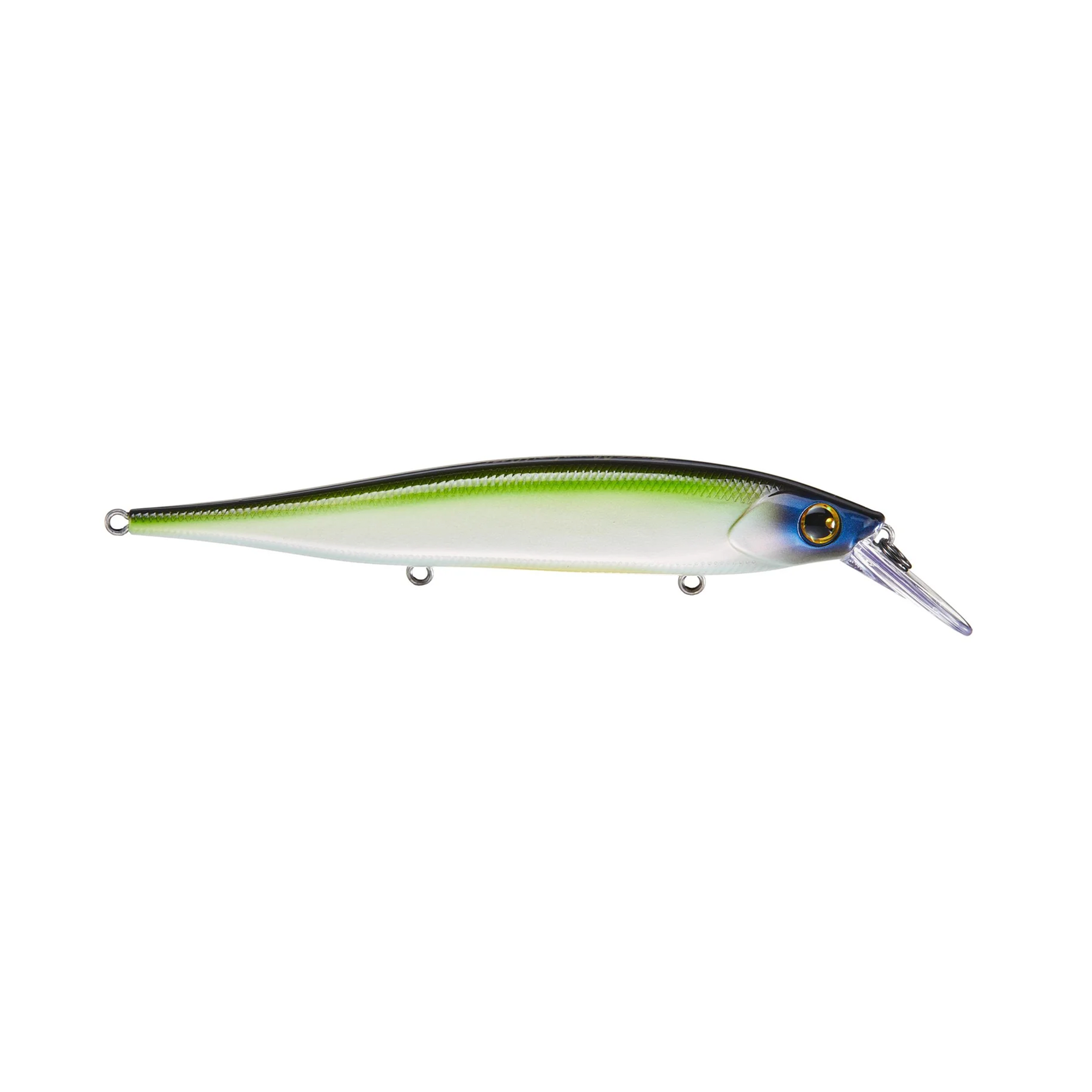
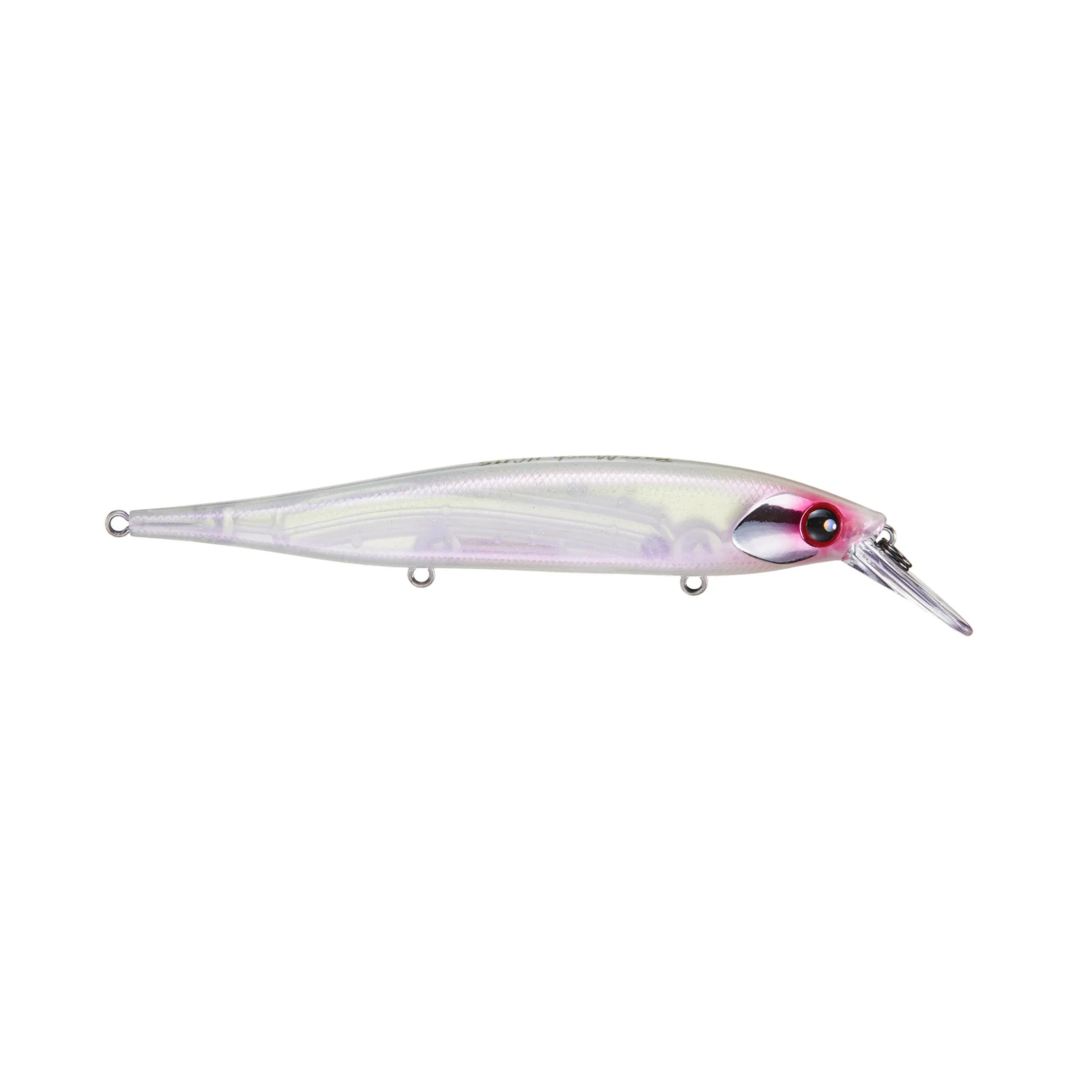
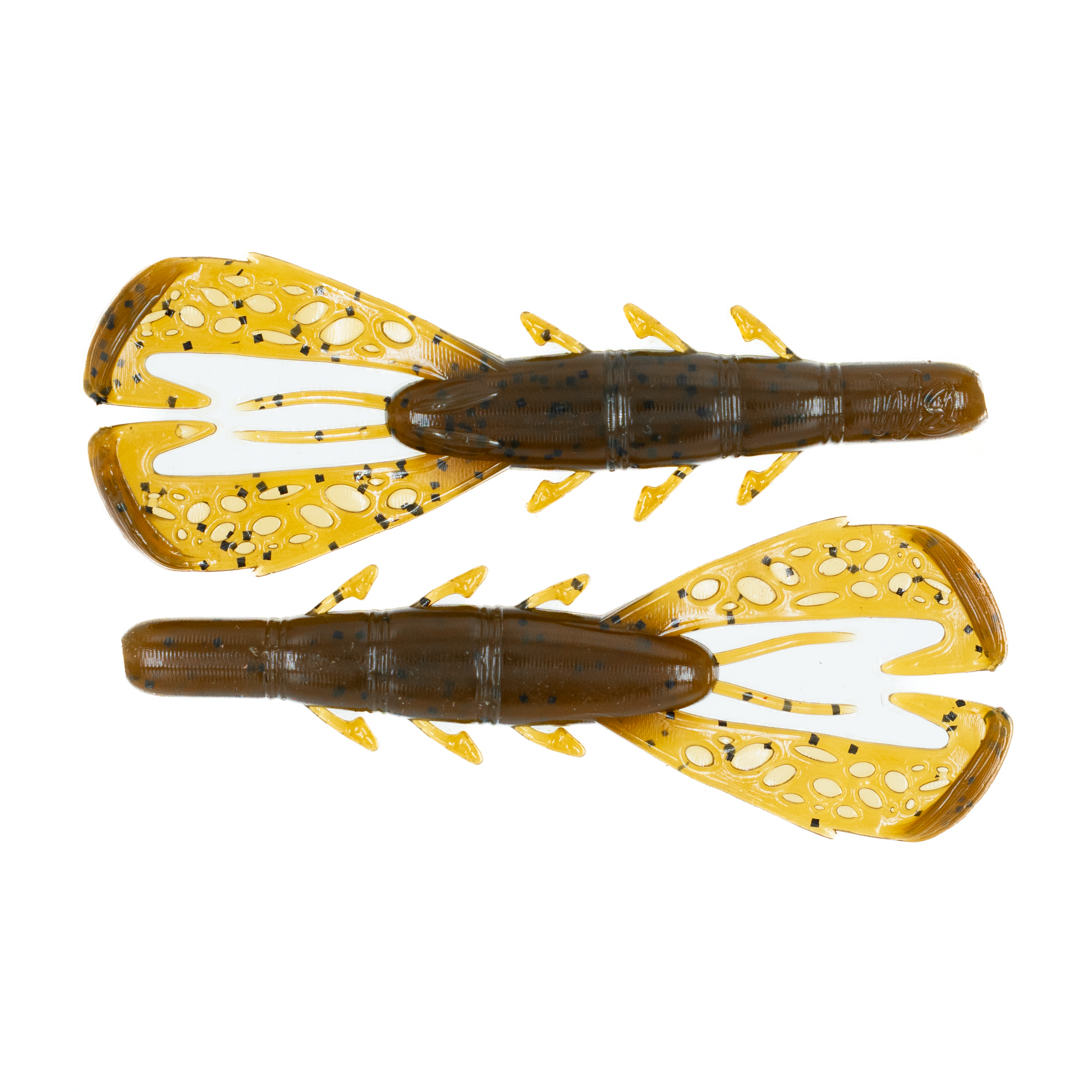
Flipping and pitching baits for wood and grass, frogs and punching gear for the summer mats, and moving baits along grass edges and creek mouths in autumn. Brighter colours than you would use on clear water. Our full bait lineup covers all four seasons.
Do I need a fishing license?
Yes, a Virginia freshwater fishing license from the Department of Wildlife Resources. Note that the lower river becomes brackish and holds saltwater species — check which licence applies to where you intend to fish.
Flipping in Moving Water
Tidal fishing means putting a bait into wood and grass with current pushing your line the whole time, then getting a fish out before she uses that current against you. Level Rods builds models with the backbone for heavy cover and the sensitivity to tell a bite from the pull of the tide.
Tournament Winning Baits & Gear
Designed, crafted and tested by anglers who fish tidal water every week. Free shipping on orders over $75.
Shop All Baits