Hillsdale Lake Bass Fishing Guide
Hillsdale Bass Fishing, Season by Season
Forty-five hundred acres south of Olathe with seventy percent of its standing timber deliberately left underwater. Hillsdale is the Kansas City metro's bass lake, which means the habitat is excellent and the fish have seen everything.
Built for Fish, Fished Hard
Hillsdale Lake covers roughly 4,500 acres in Miami County, south of Olathe and within easy reach of the Kansas City metro. It was completed in 1982, and when it was built seventy percent of the standing timber was deliberately left underwater as fish habitat.
That decision is why the lake fishes as well as it does. Submerged timber across most of the basin gives bass, crappie, walleye and bluegill permanent cover, and it means the structure here does not shift or grow over the way vegetation would.
The honest caveat is pressure. This is the closest quality bass water to a metro area of two million people, and local anglers are blunt about what that means — one long-standing jibe is that there is more fishing line in the lake than there are bass. The fish are still there. They have simply seen a great deal.
What that means practically is that the obvious timber gets fished daily, and the anglers who do well work the wood other people skip, fish the hours other people will not, or go in the seasons other people avoid.
Fifty-one miles of shoreline, a marina with rentals and fuel, and camping from primitive to full hookup make it an easy trip. The lake feels rural despite its proximity, which is a large part of its appeal.
Kansas does not close black bass season, but many reservoirs carry lake-specific length limits that differ from the statewide rule. Check the current Department of Wildlife and Parks regulations for this water before you go.
Timber, Pressure and Off Hours
Four patterns cover the year. Each one pairs the technique with the baits we'd actually tie on.
Into the Timber
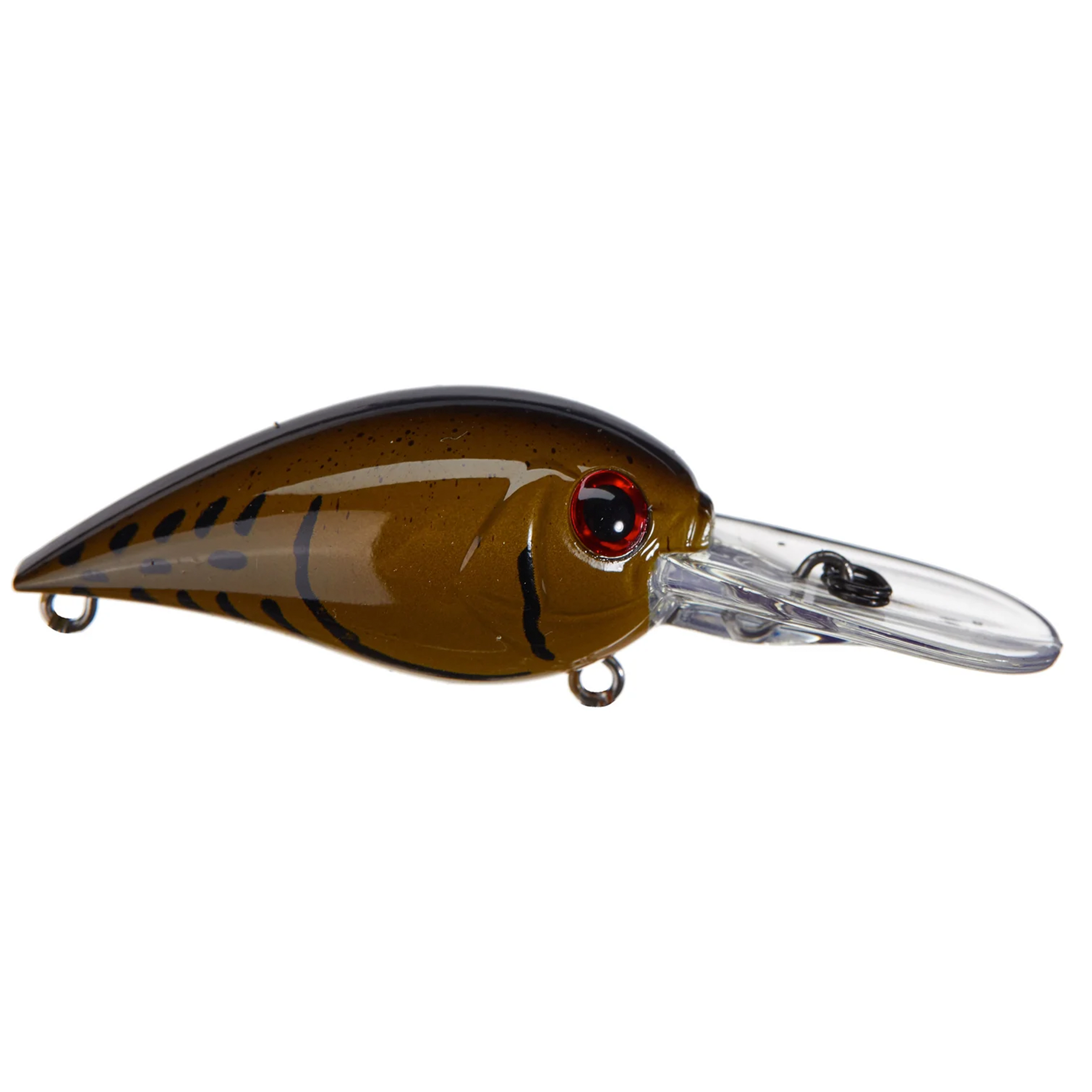
Spring moves bass into the standing timber and the shallower coves to spawn. On a lake with this much submerged wood there is no shortage of cover, and the challenge is choosing which of it to fish rather than finding any. Kansas spring is short and volatile.


Deep Wood and Early Starts
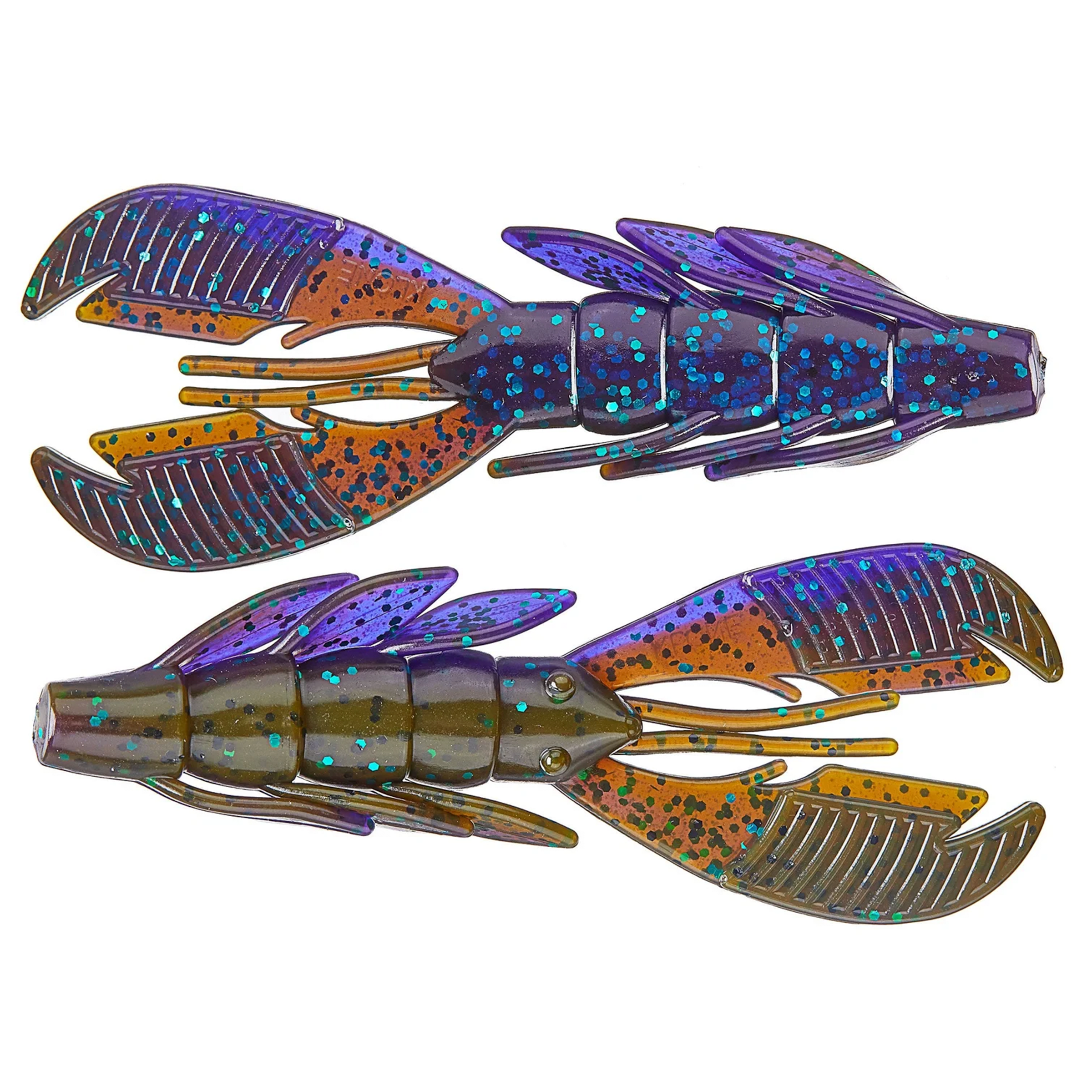
Summer pushes fish onto the deeper timber and the channel edges, and puts substantial recreational traffic on a metro lake. Early morning, late evening and midweek are meaningfully different from a Saturday afternoon, and on pressured water that difference is the whole game.
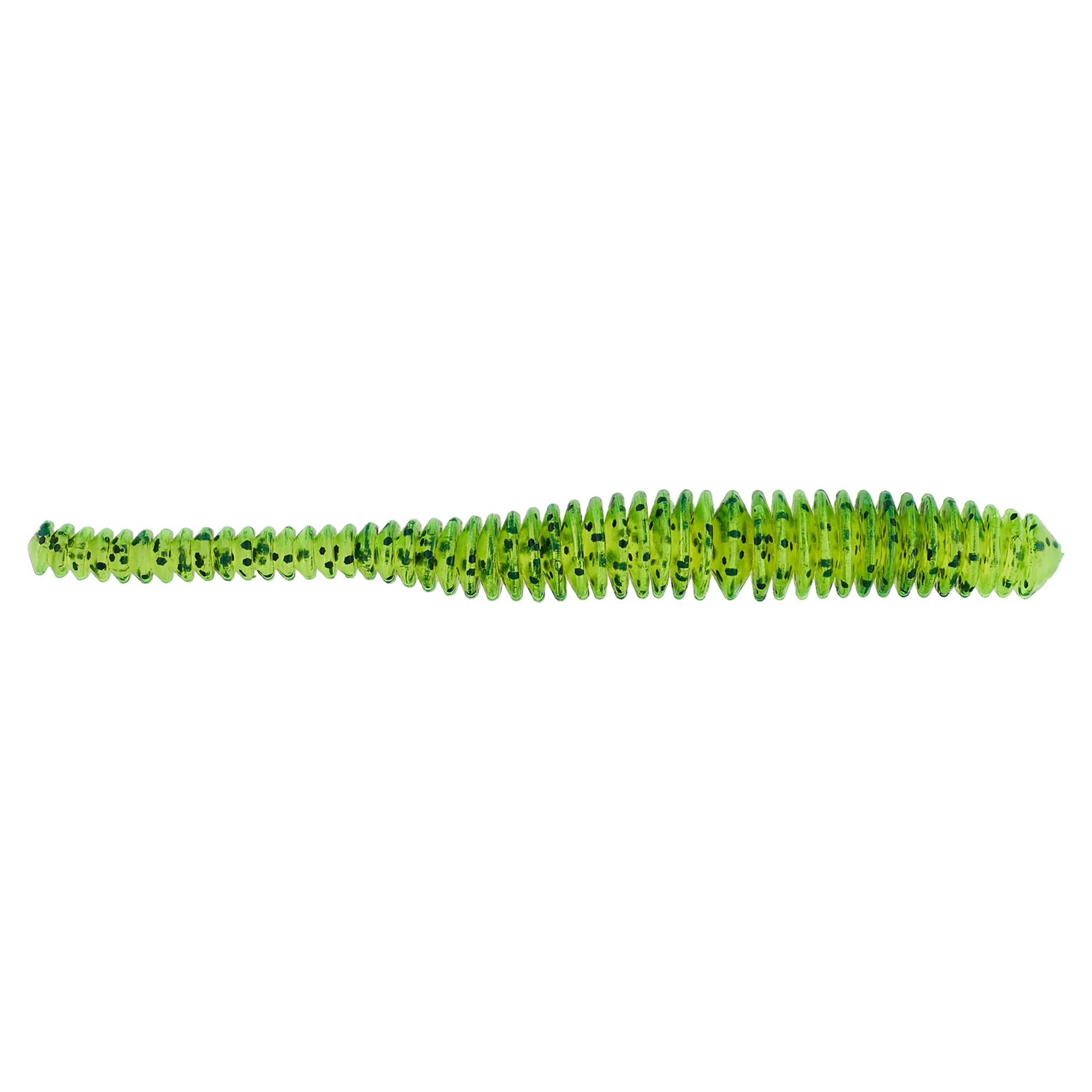

Shad and Thinner Crowds
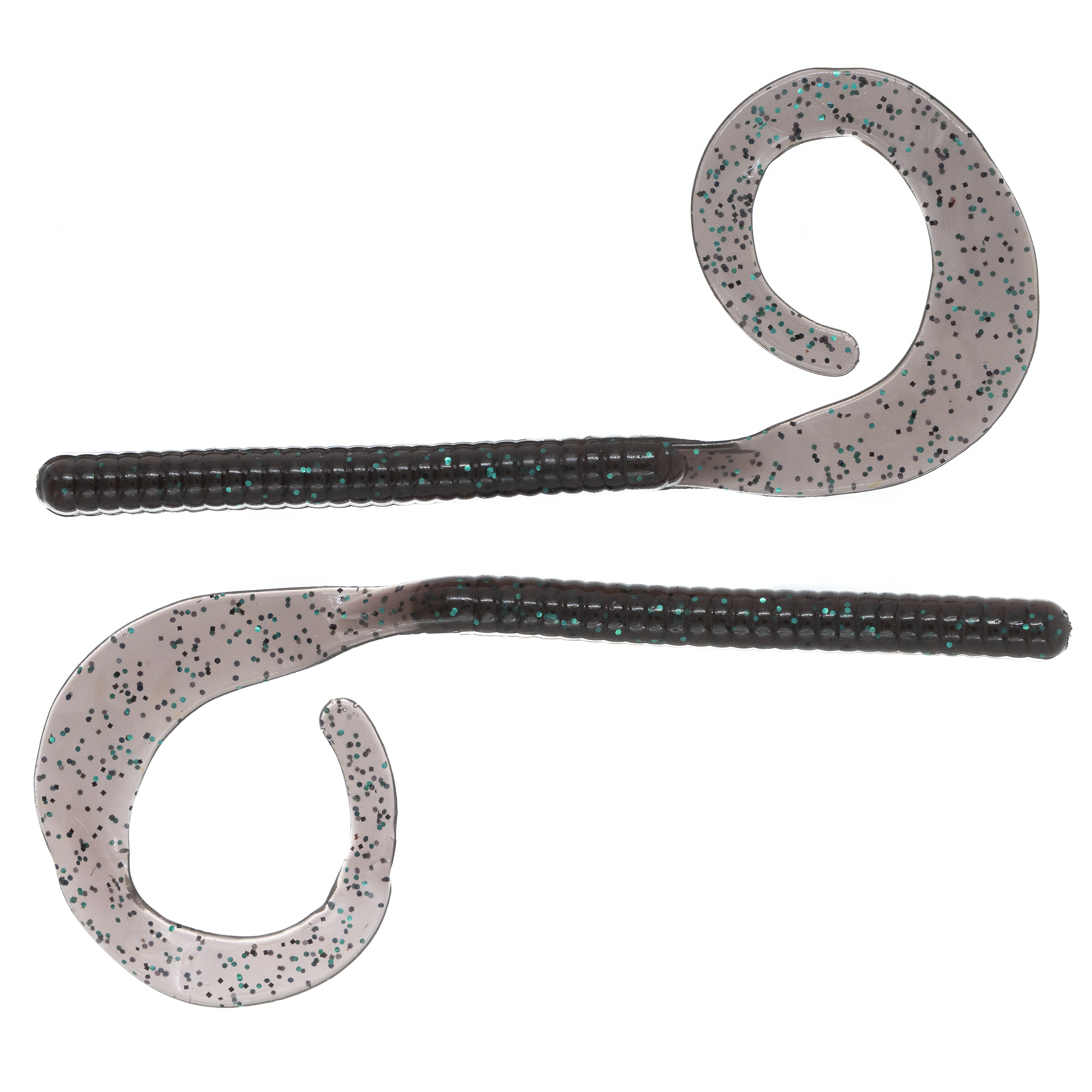
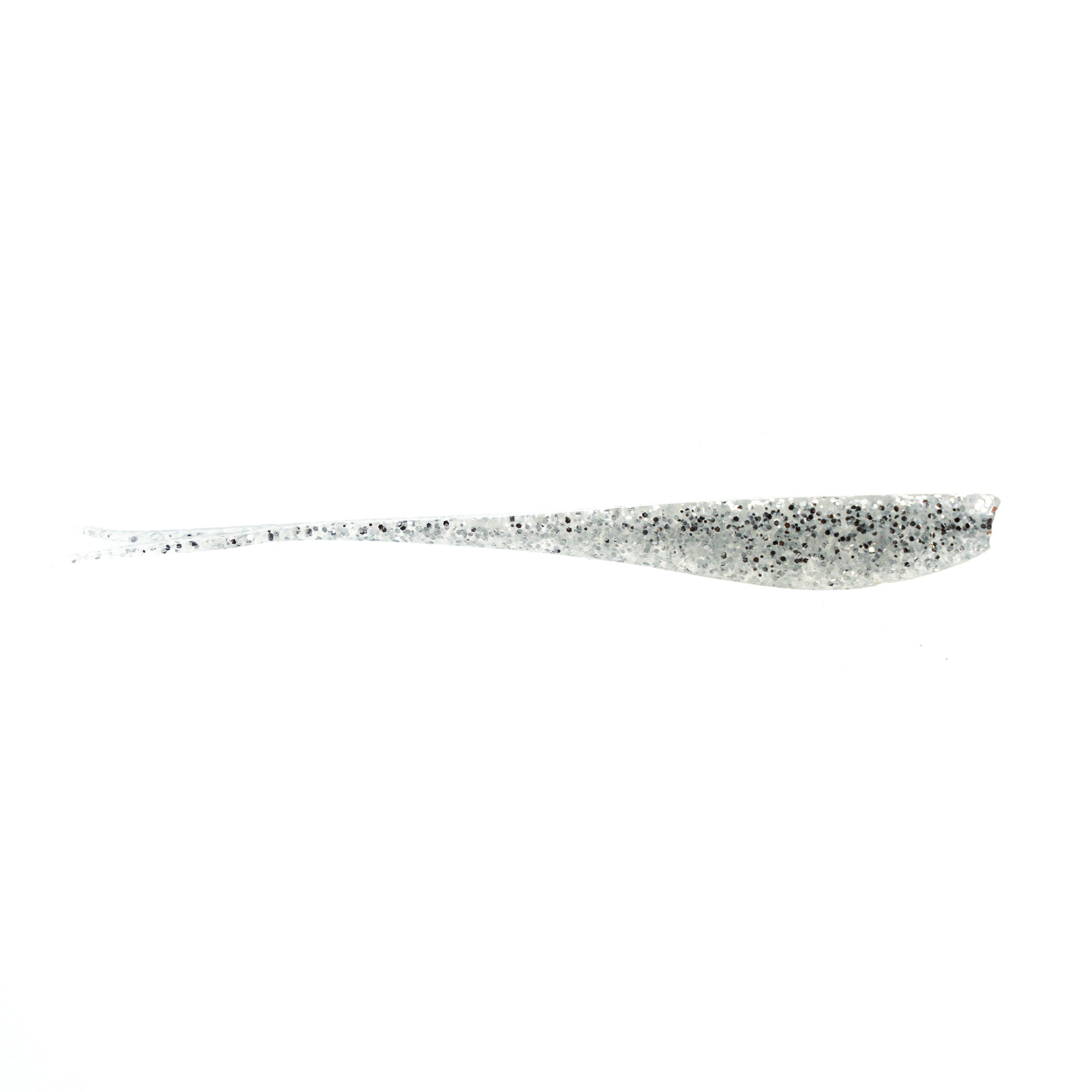
Autumn moves bait into the coves and creek arms and takes the summer traffic away. The fish become catchable on moving baits and the pressure that defines this lake for most of the year eases considerably. This is the best fishing of the year here.
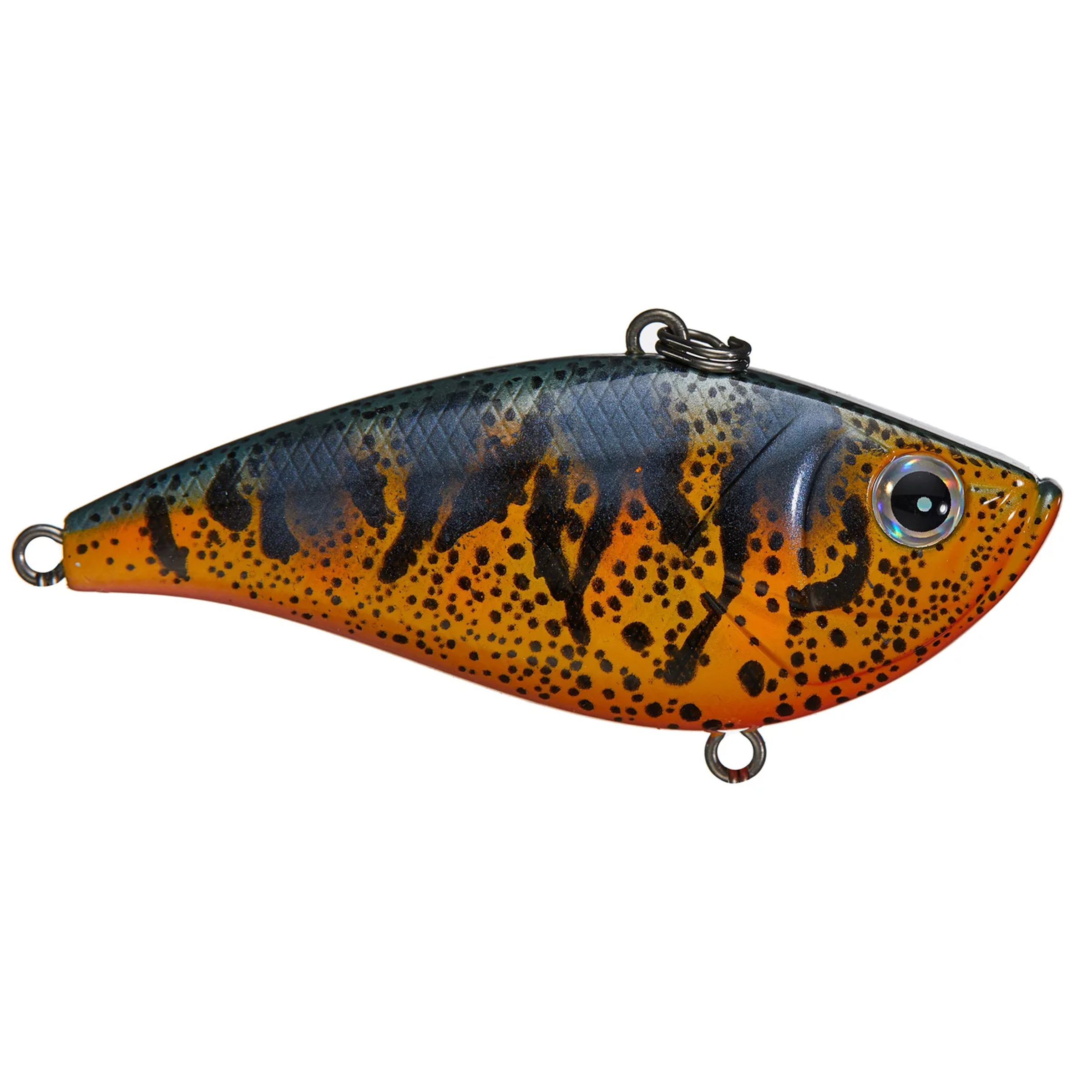
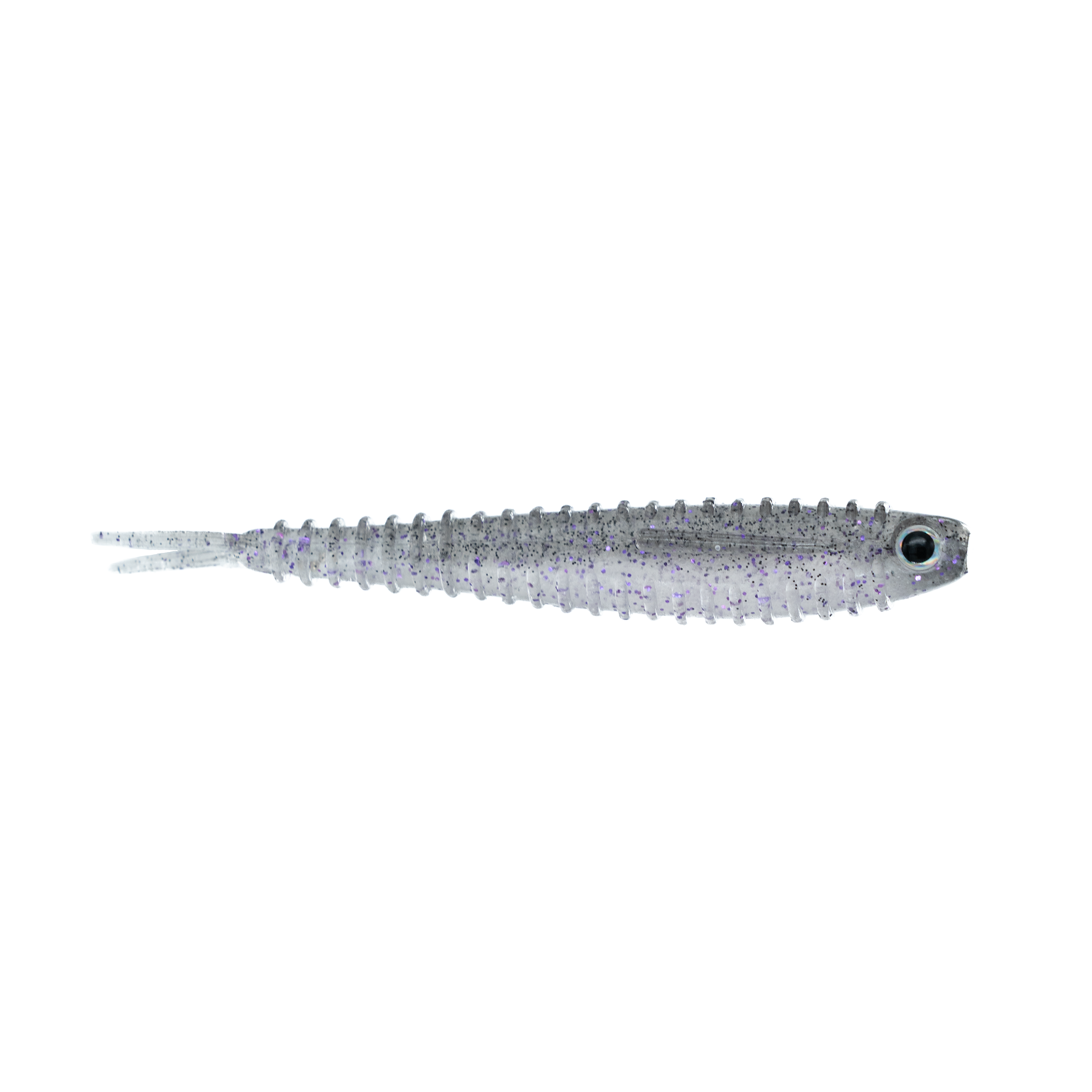

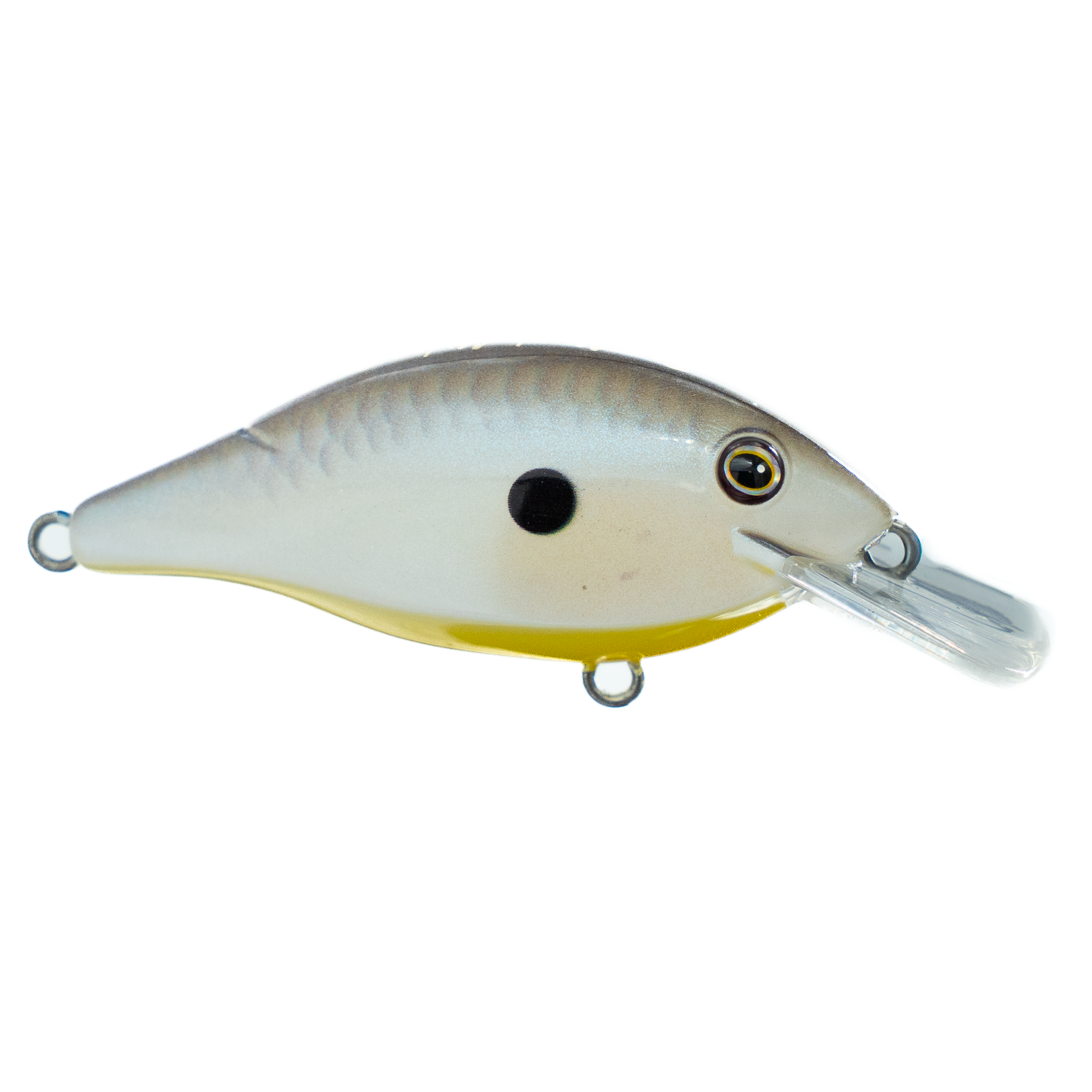
Deep Timber, Empty Lake
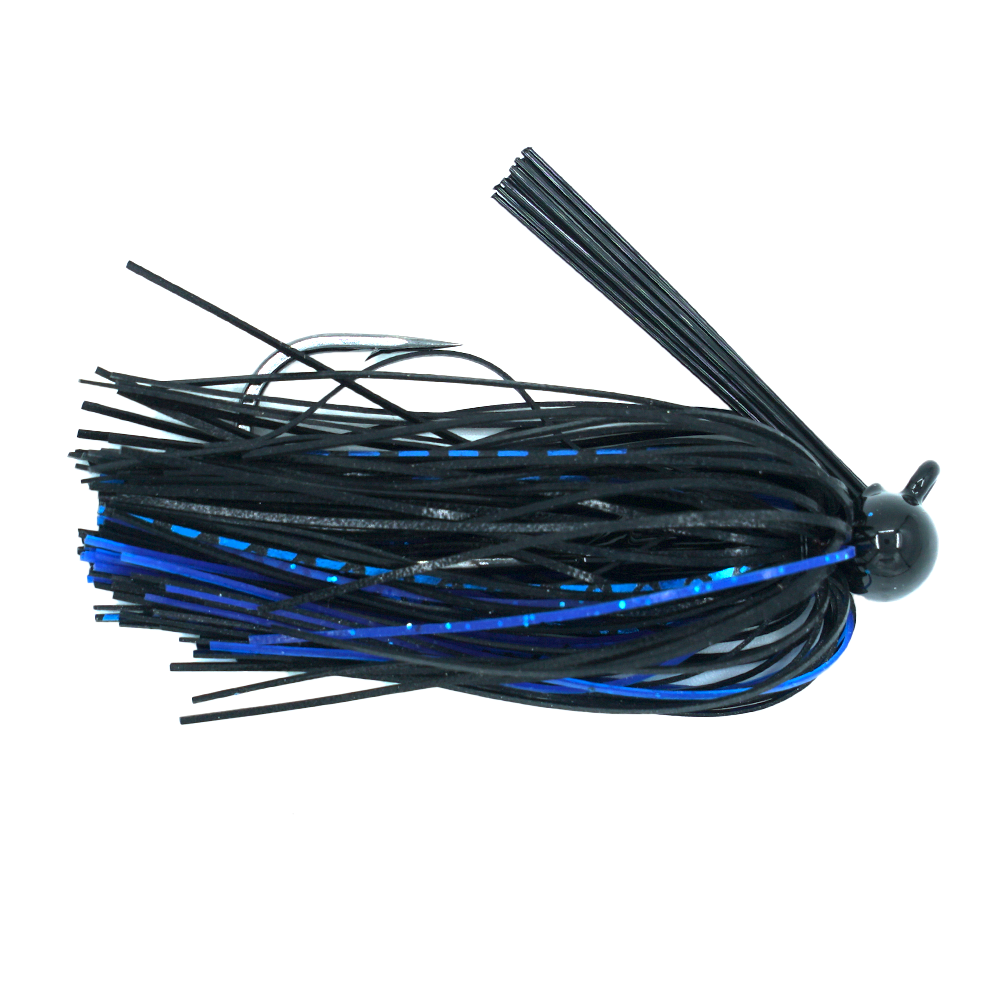
Winter empties a metro lake completely and pushes fish onto the deepest timber and channel edges. Kansas brings ice in most years so access is weather-dependent, but the fish that are catchable are better than average and nobody else is out there.


Hillsdale Lake Access
Hillsdale State Park provides public access with ramps and camping from primitive to full hookup, and Jayhawk Marina offers slip rentals, boat rentals, fuel and supplies. Olathe is just north and the Kansas City metro is within easy reach.
The Standing Timber
Seventy percent of it left underwater deliberately when the lake was built in 1982, and the reason the fishery works. Permanent cover that does not shift or grow over, holding bass, crappie, walleye and bluegill year round.
The Deep Timber and Channel Edges
Where fish go in summer heat and winter cold, and where the less-pressured fish live. Submerged trunks in deeper water take more effort to fish and see correspondingly fewer baits.
The Coves
Shallower and warming first in spring, holding bait in autumn. Also where the weekend traffic concentrates, so worth fishing early or midweek if you want them to yourself.
Hillsdale Lake Bass Fishing FAQ
Why is there so much timber in Hillsdale?
Because it was left there on purpose. When the lake was completed in 1982, seventy percent of the standing timber was deliberately kept underwater as fish habitat. That is the reason the fishery is as good as it is.
Is Hillsdale heavily fished?
Yes, and local anglers are blunt about it — one long-standing jibe is that there is more fishing line in the lake than there are bass. It is the closest quality bass water to a metro area of two million people. The fish are still there; they have simply seen a lot.
How do you fish pressured water?
Work the timber other people skip, fish the hours other people will not, and go in the seasons other people avoid. On Hillsdale the obvious wood gets fished daily, so awkward and unpleasant cover is where the fish that have not been caught this week are sitting.
How far is it from Kansas City?
South of Olathe in Miami County, comfortably within reach of the metro for an evening trip. That accessibility is both the appeal and the problem.
What else can I catch?
Walleye, catfish, crappie and bluegill are all strong, and the standing timber holds them all. If the bass are being difficult there is genuinely something else worth casting at.
When is the best time to fish it?
Autumn, when bait moves into the coves and the summer traffic disappears. Winter is the least pressured of all if you can handle the conditions and the ice allows open water.
What baits work best on Hillsdale?
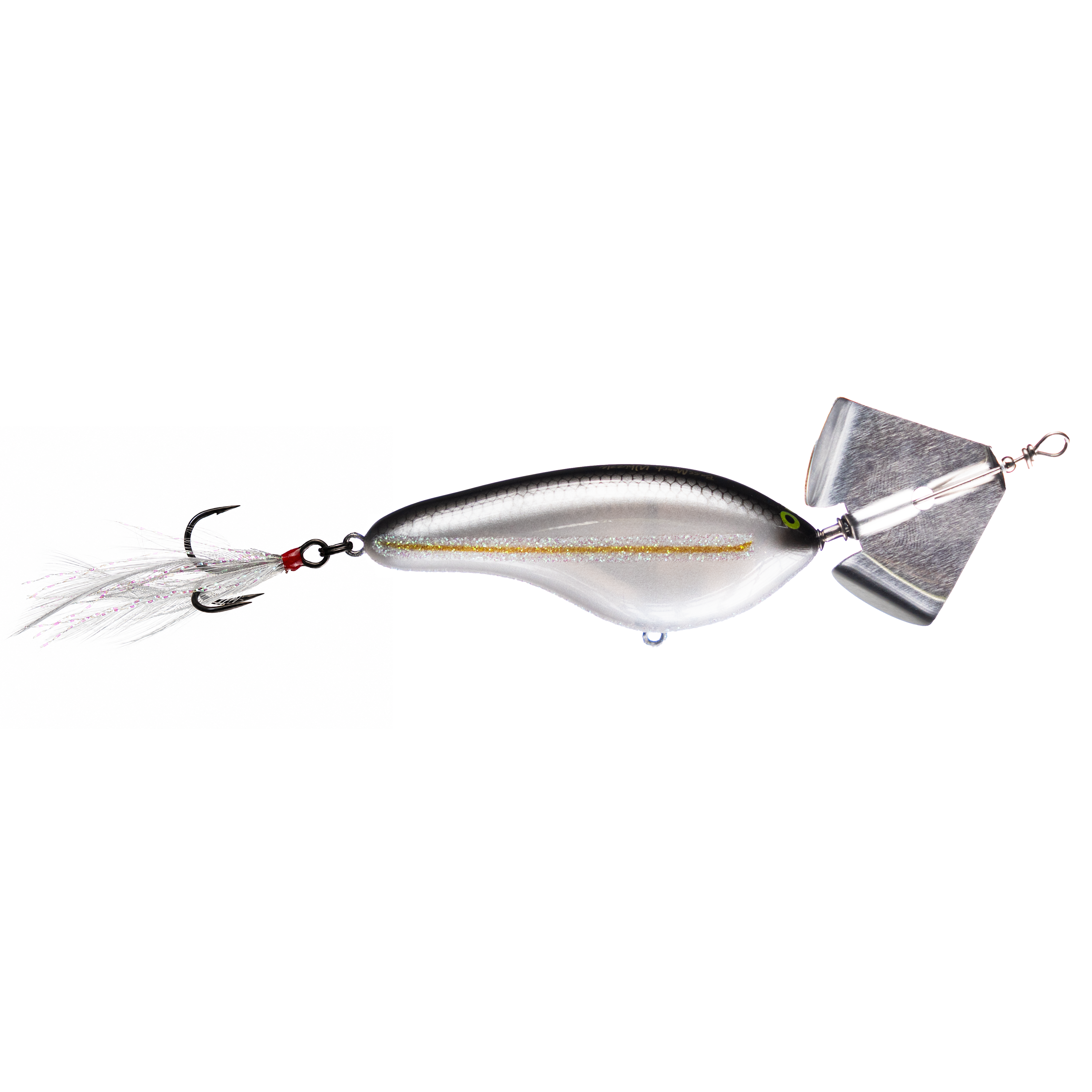
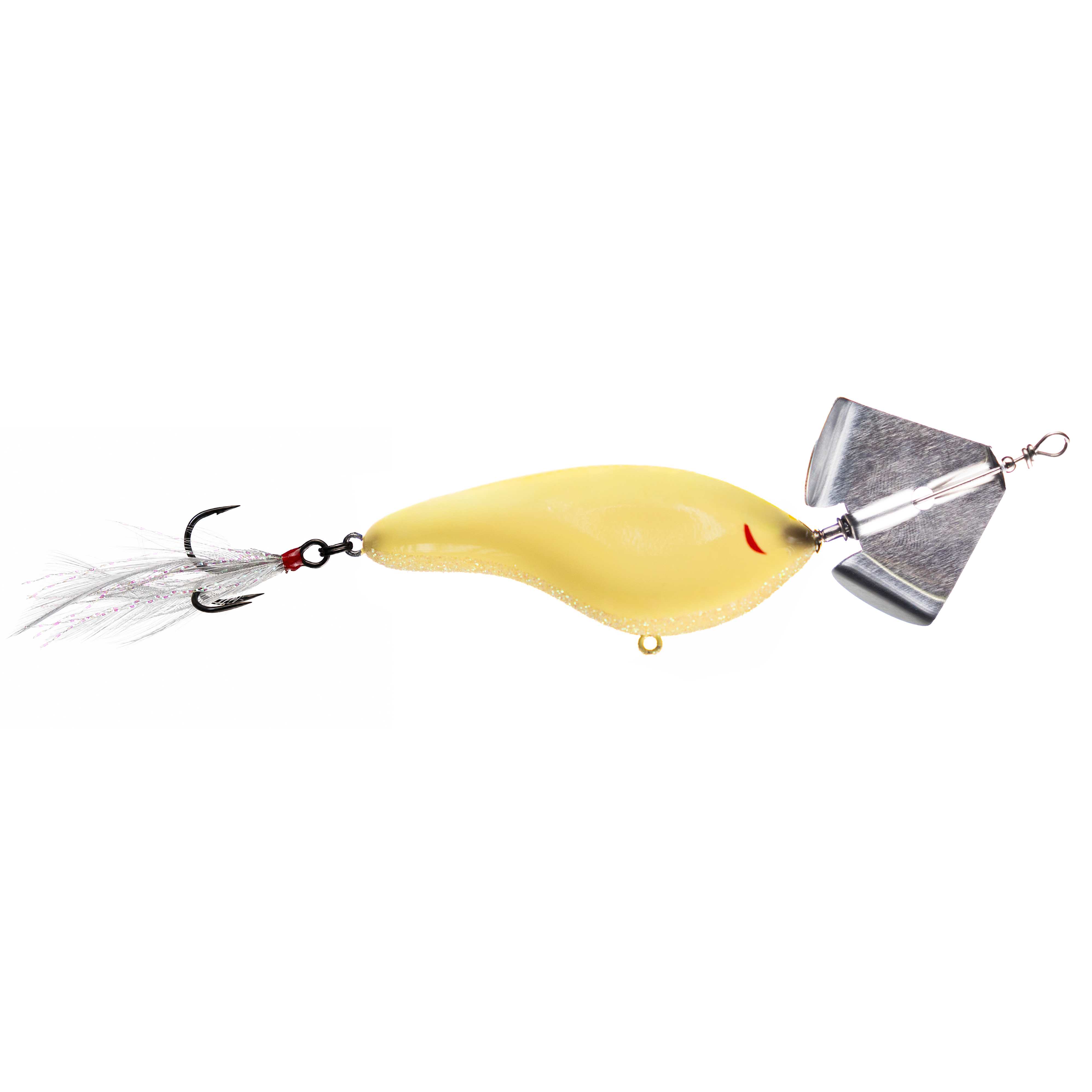
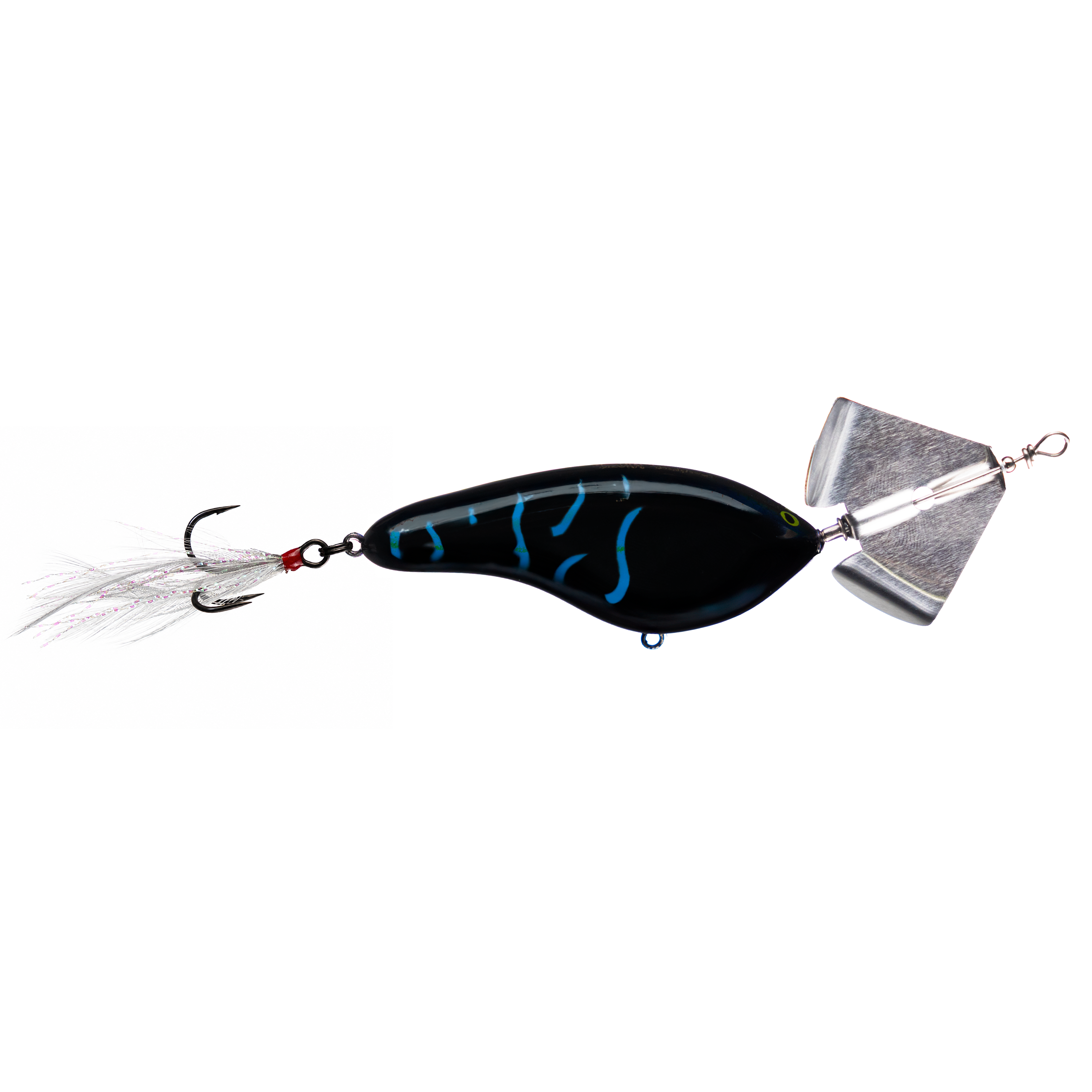
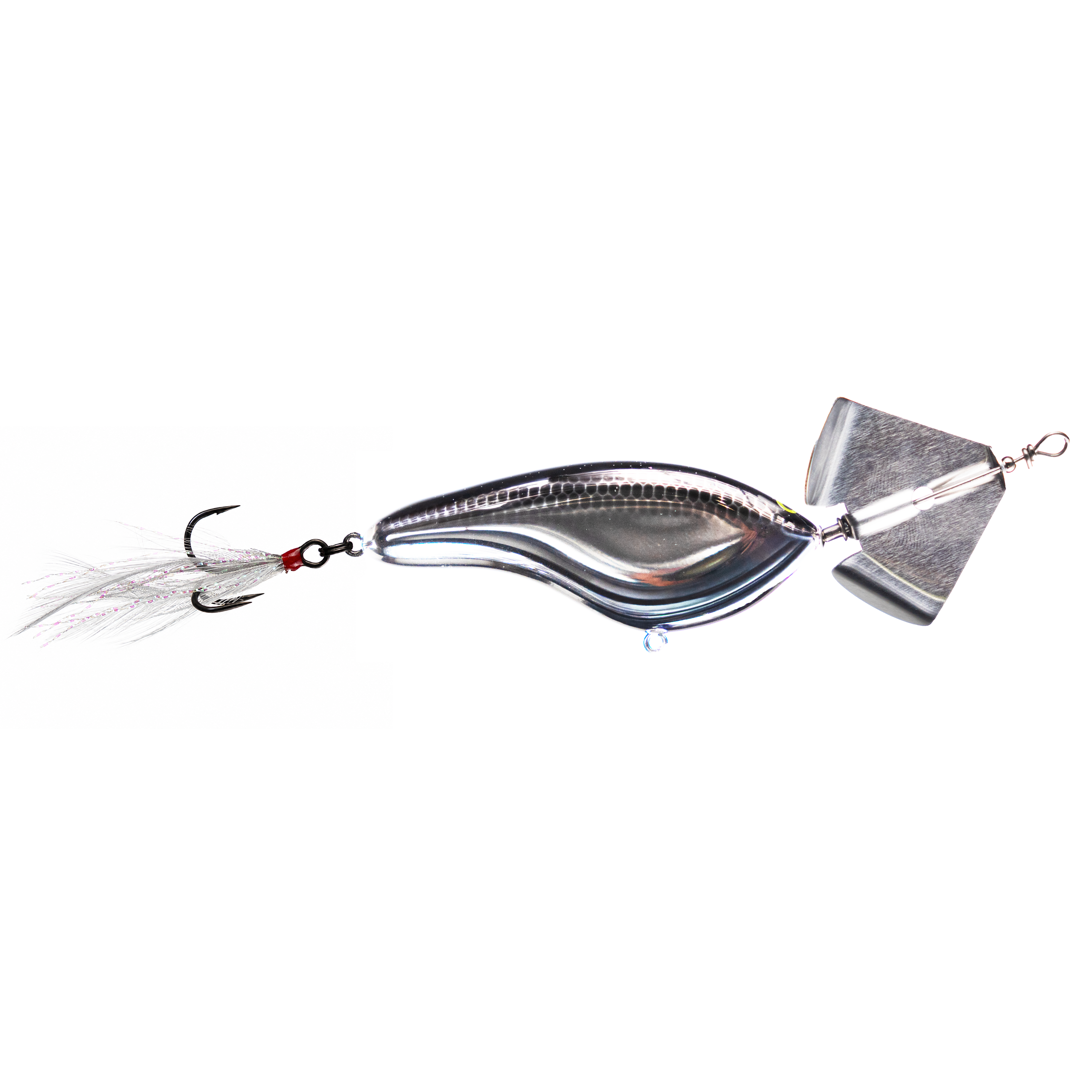
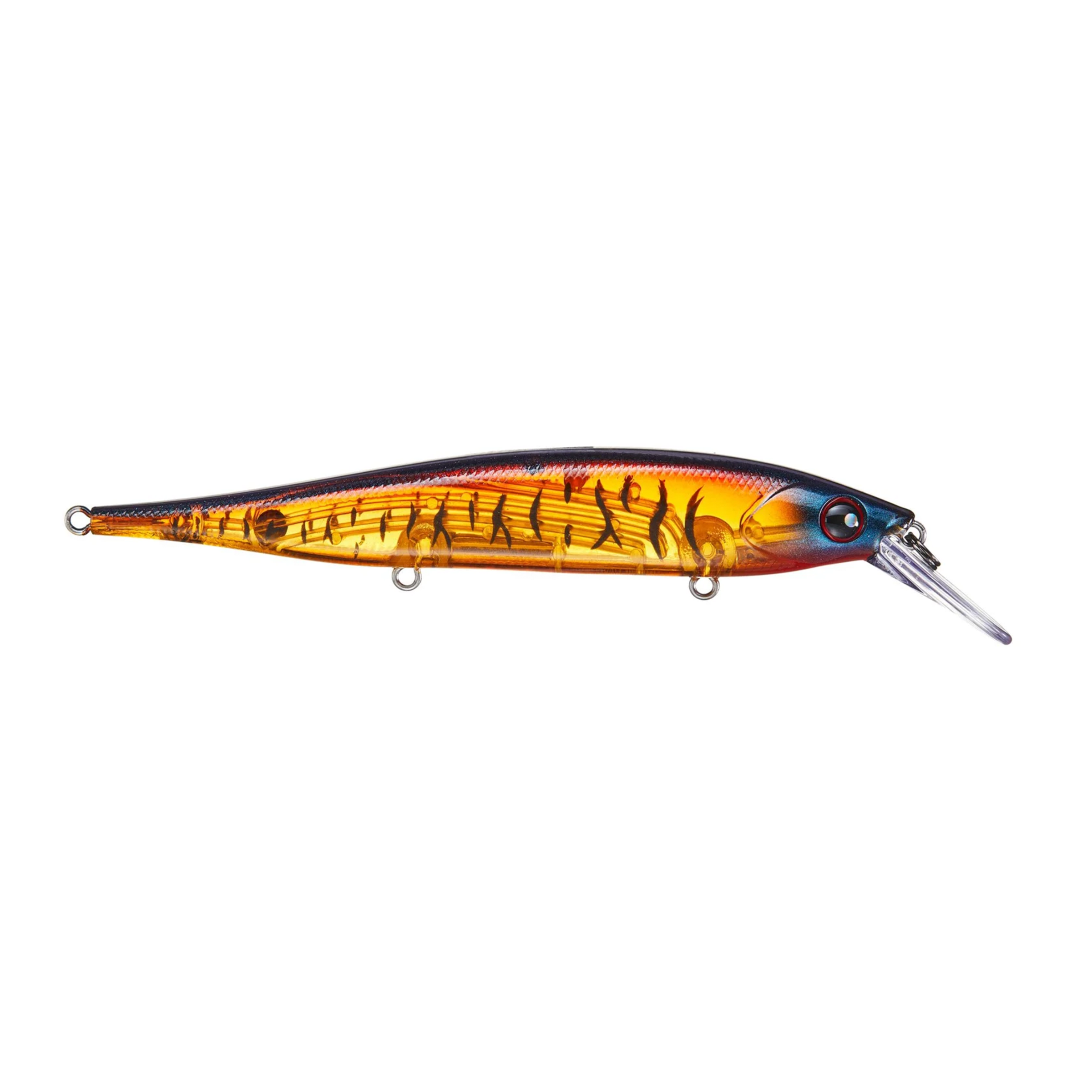
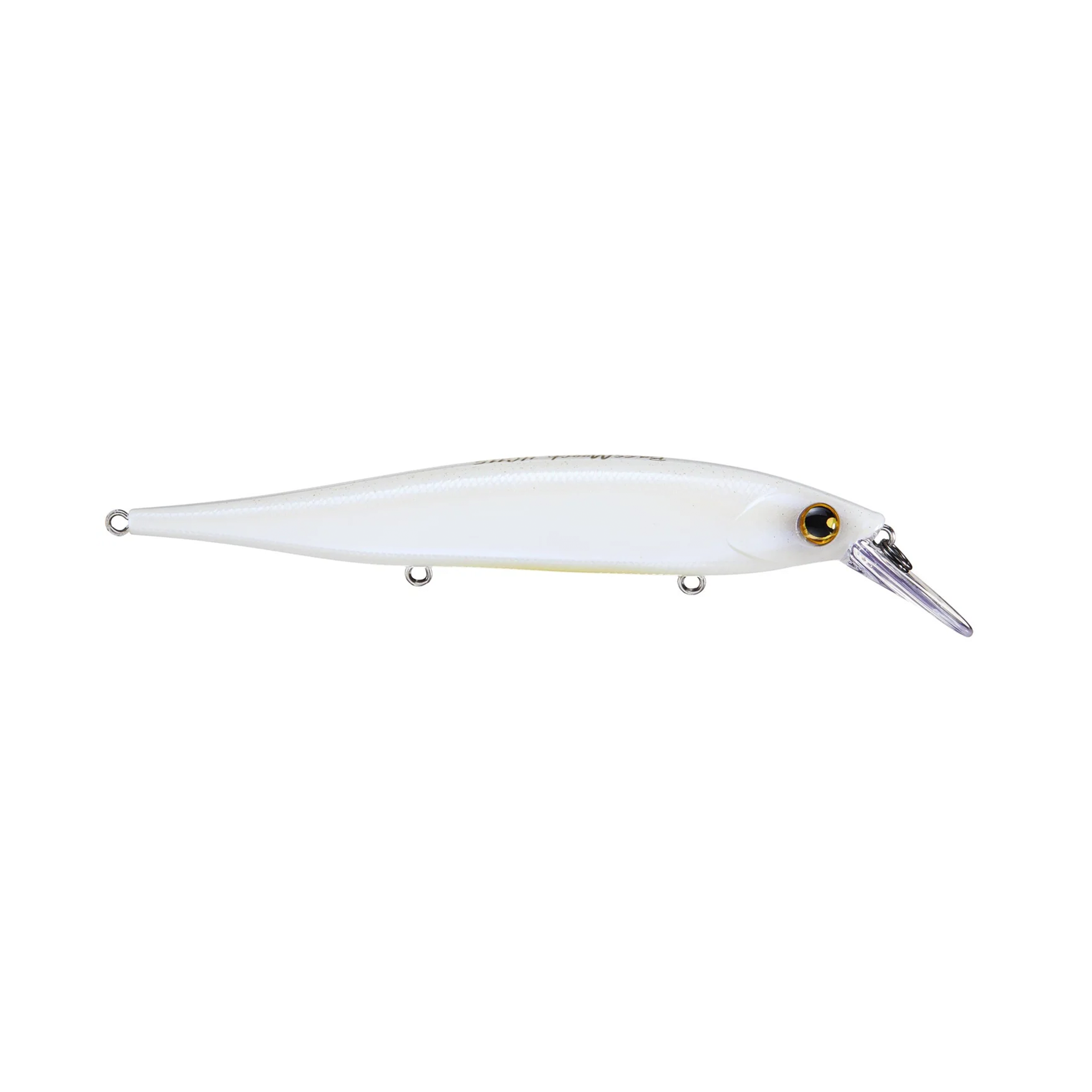
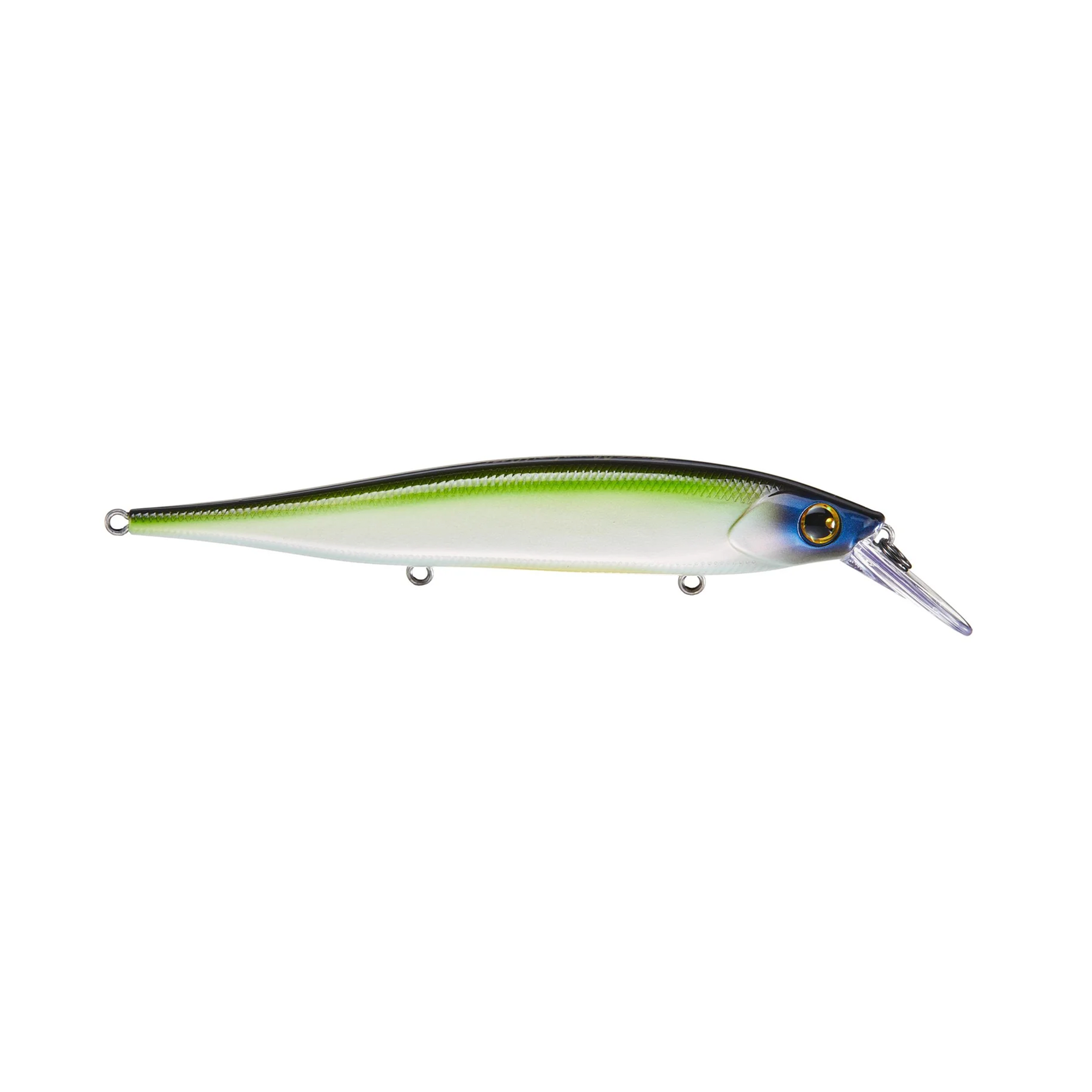
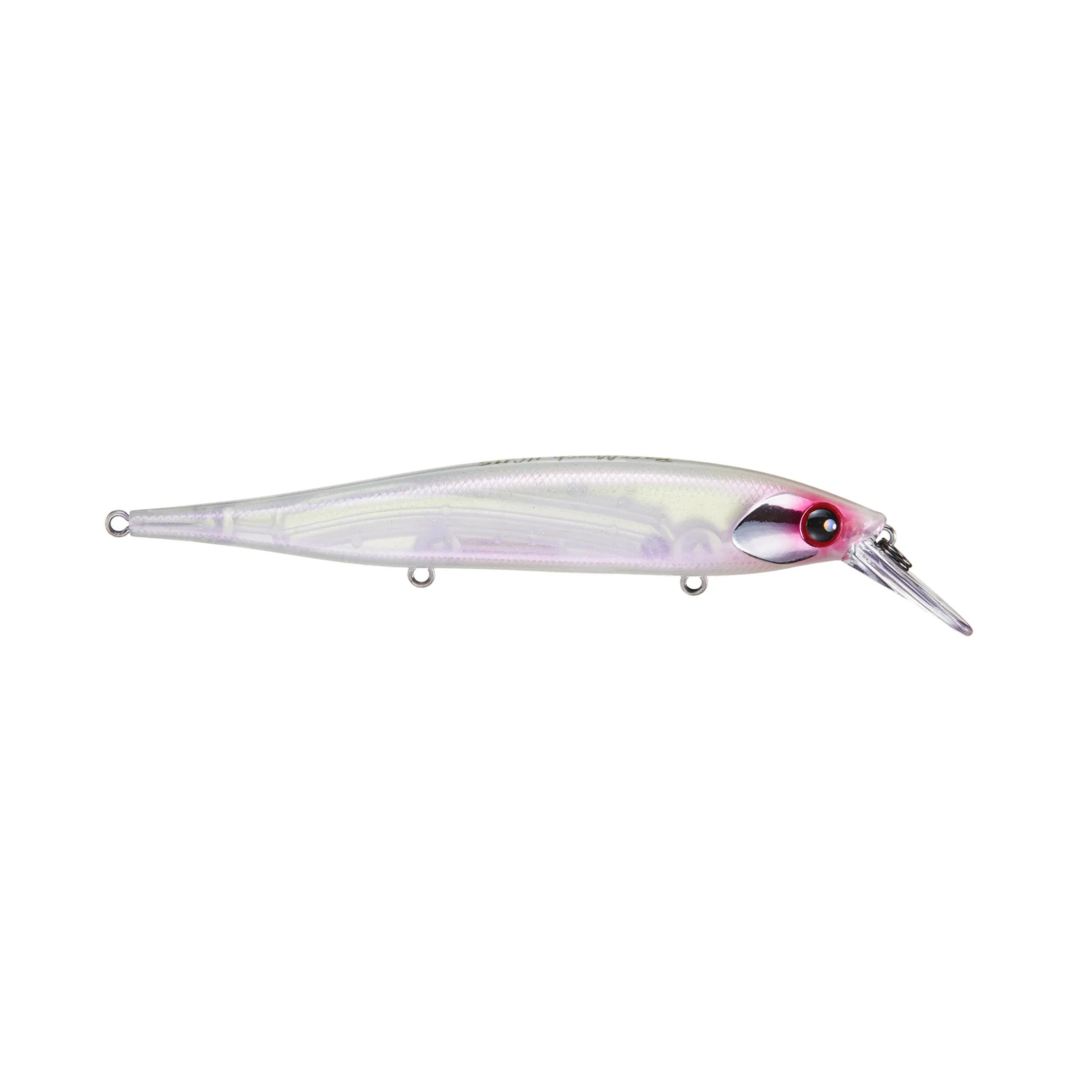
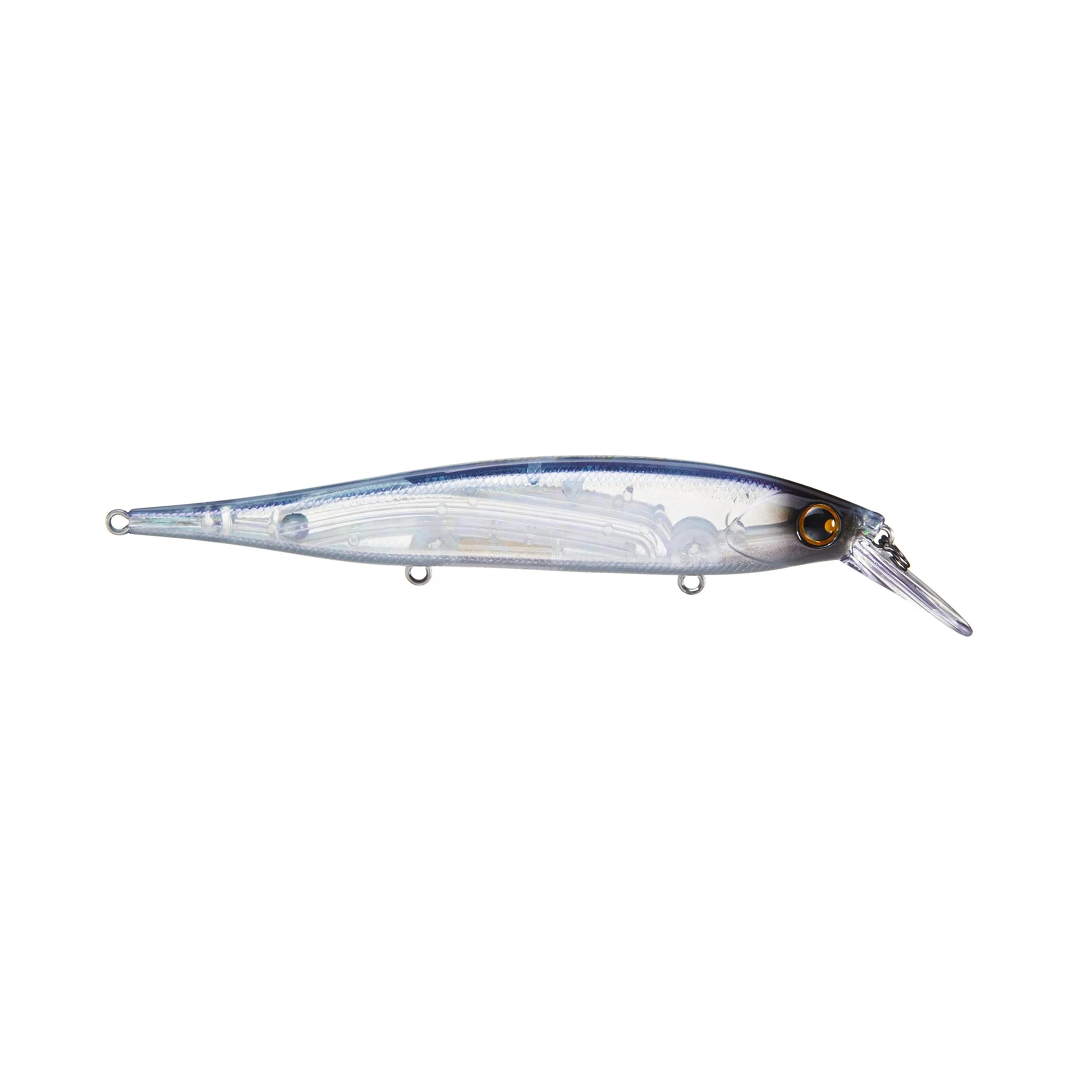
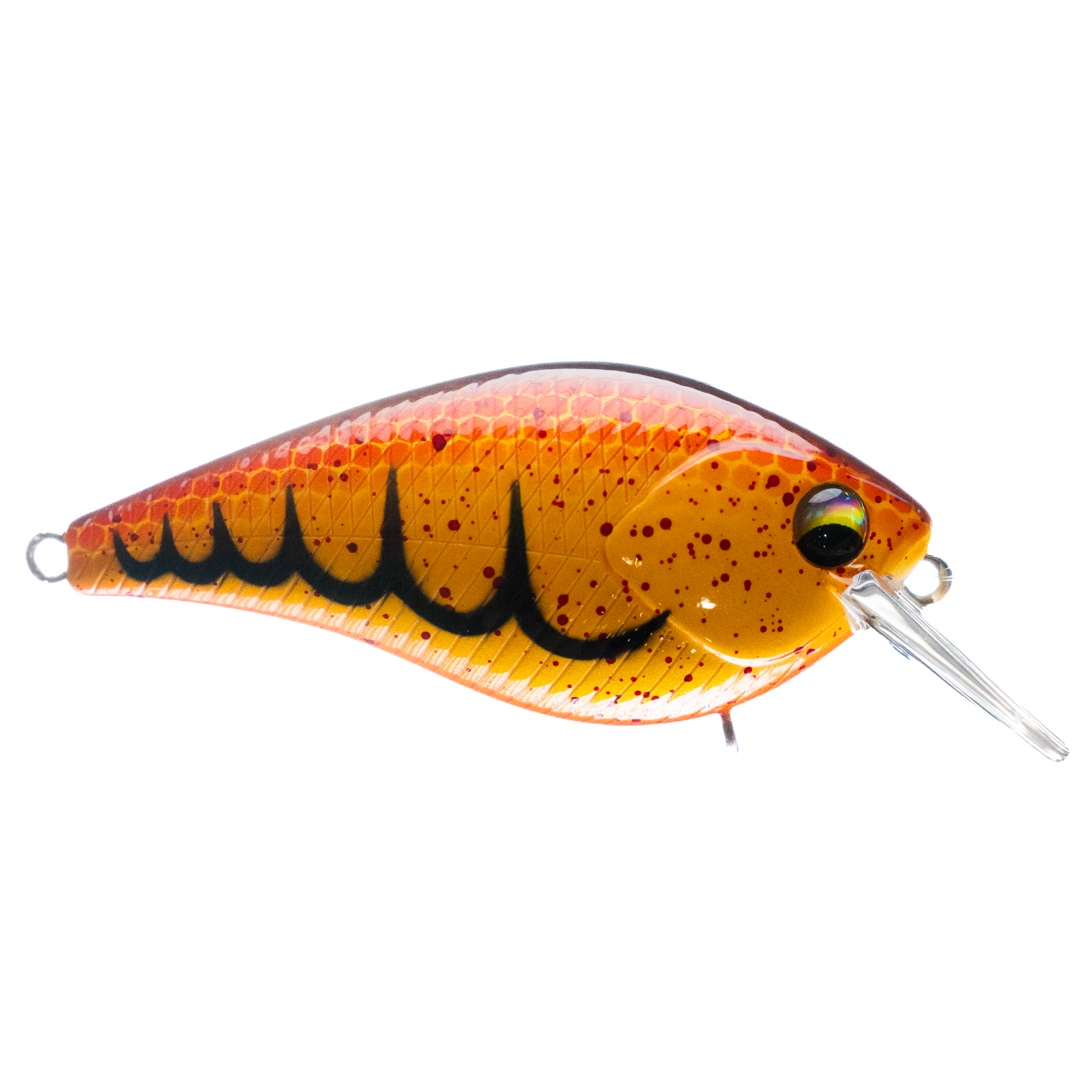
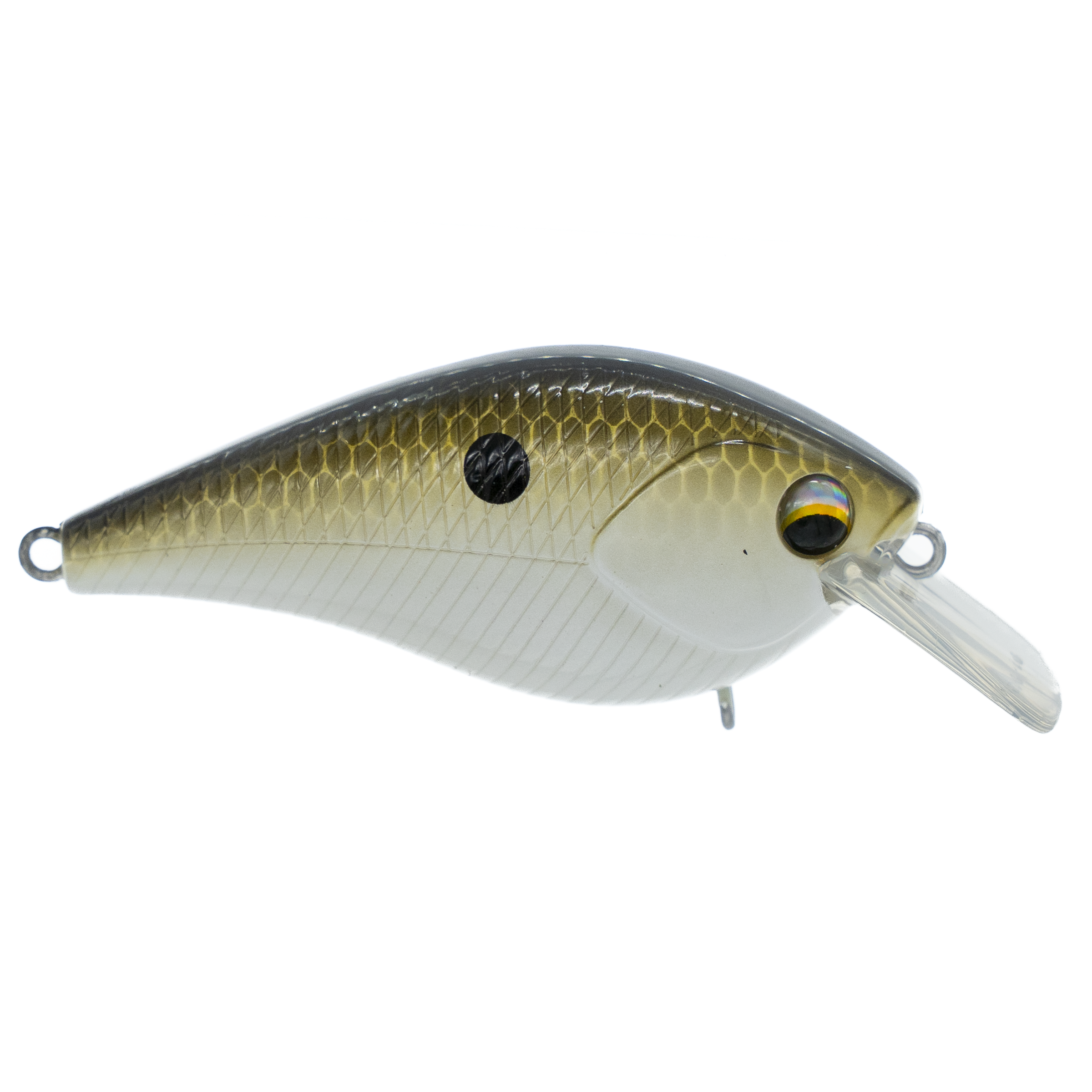
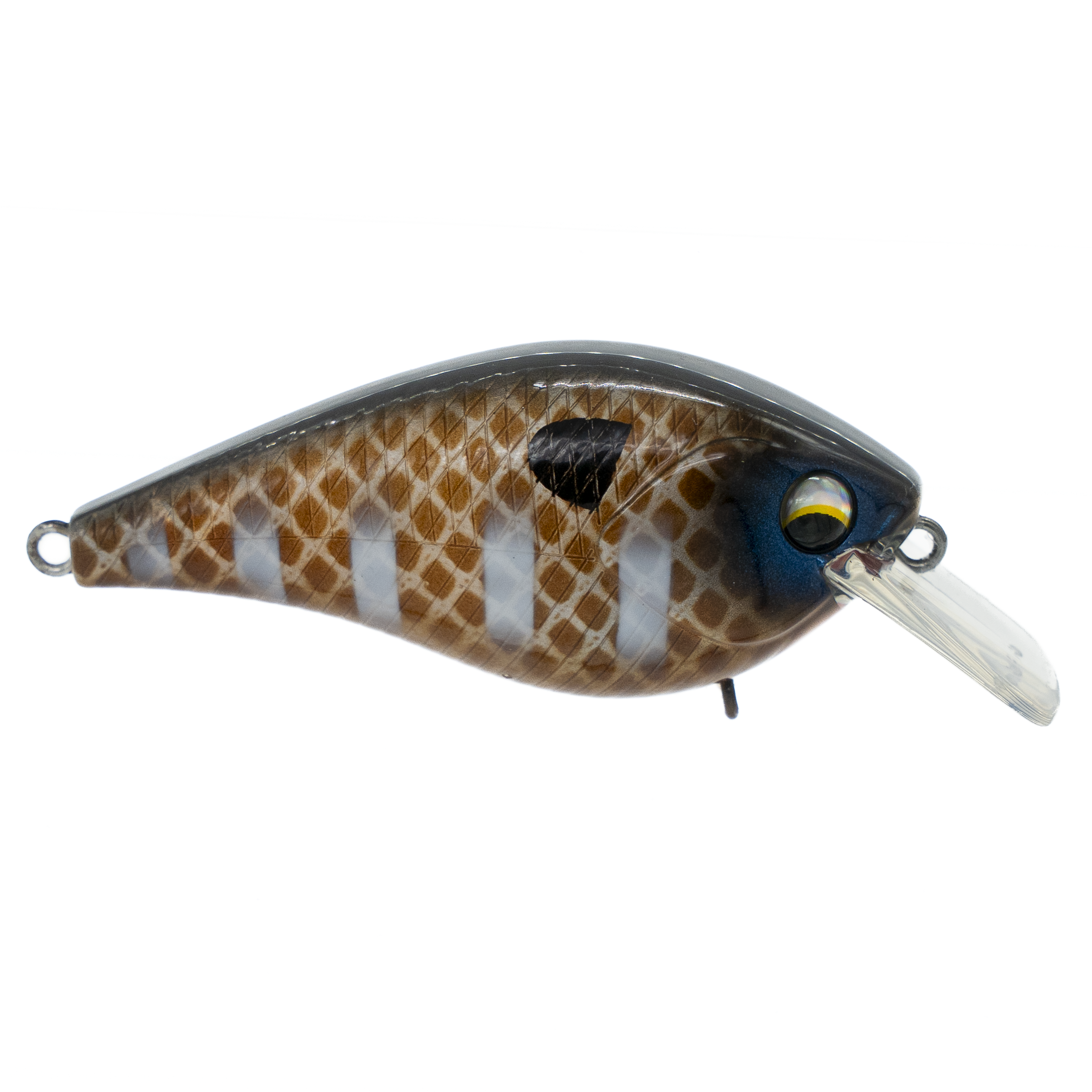
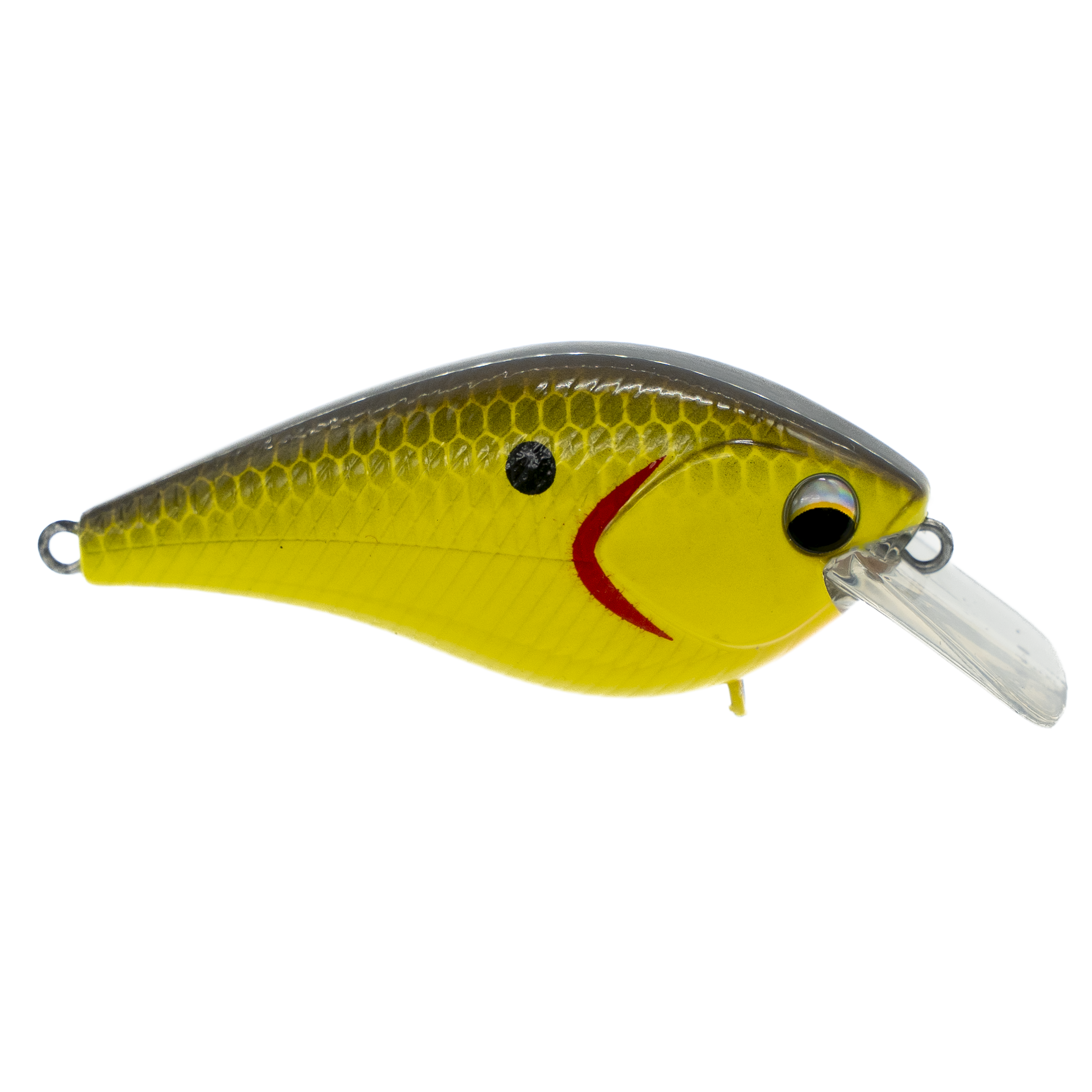
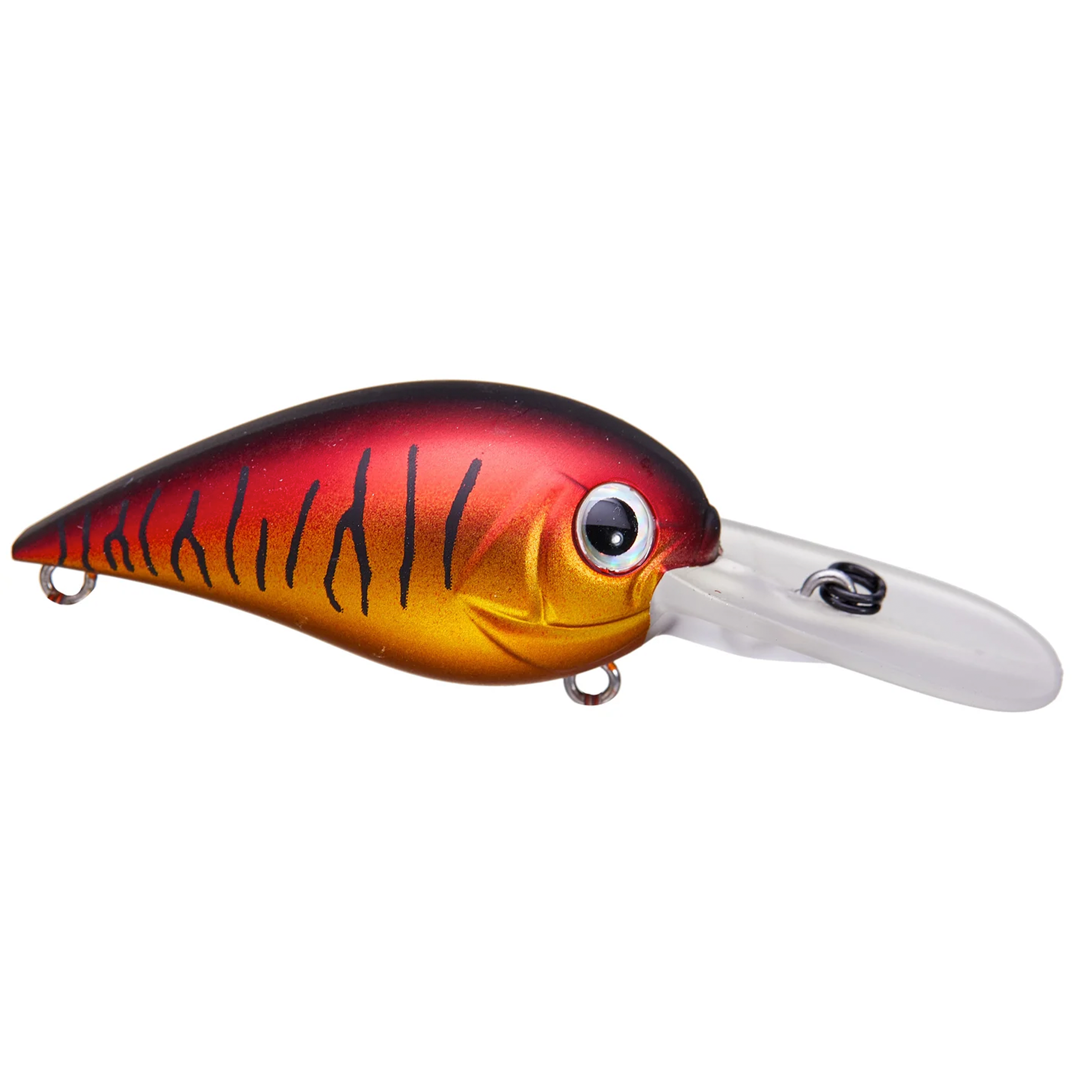
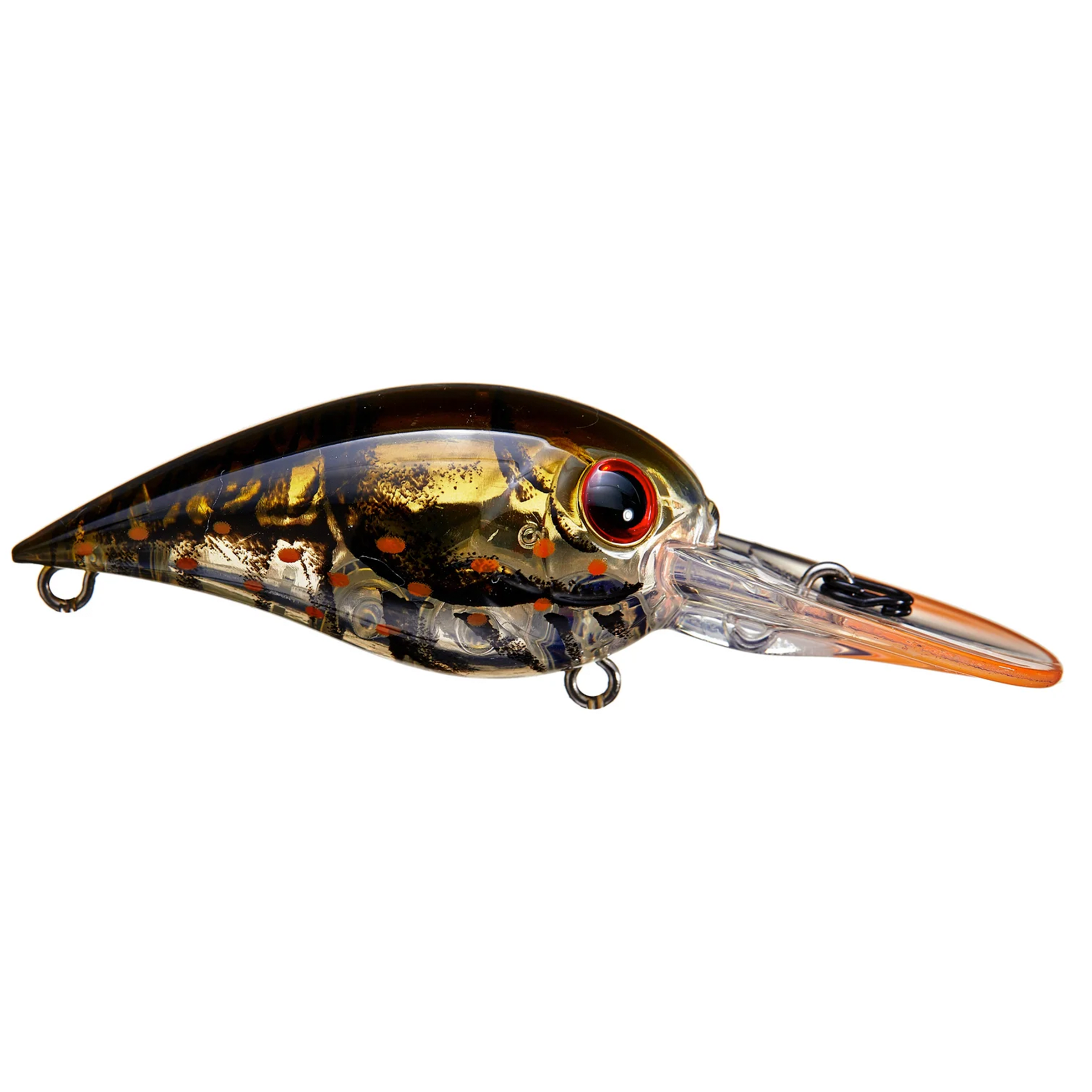
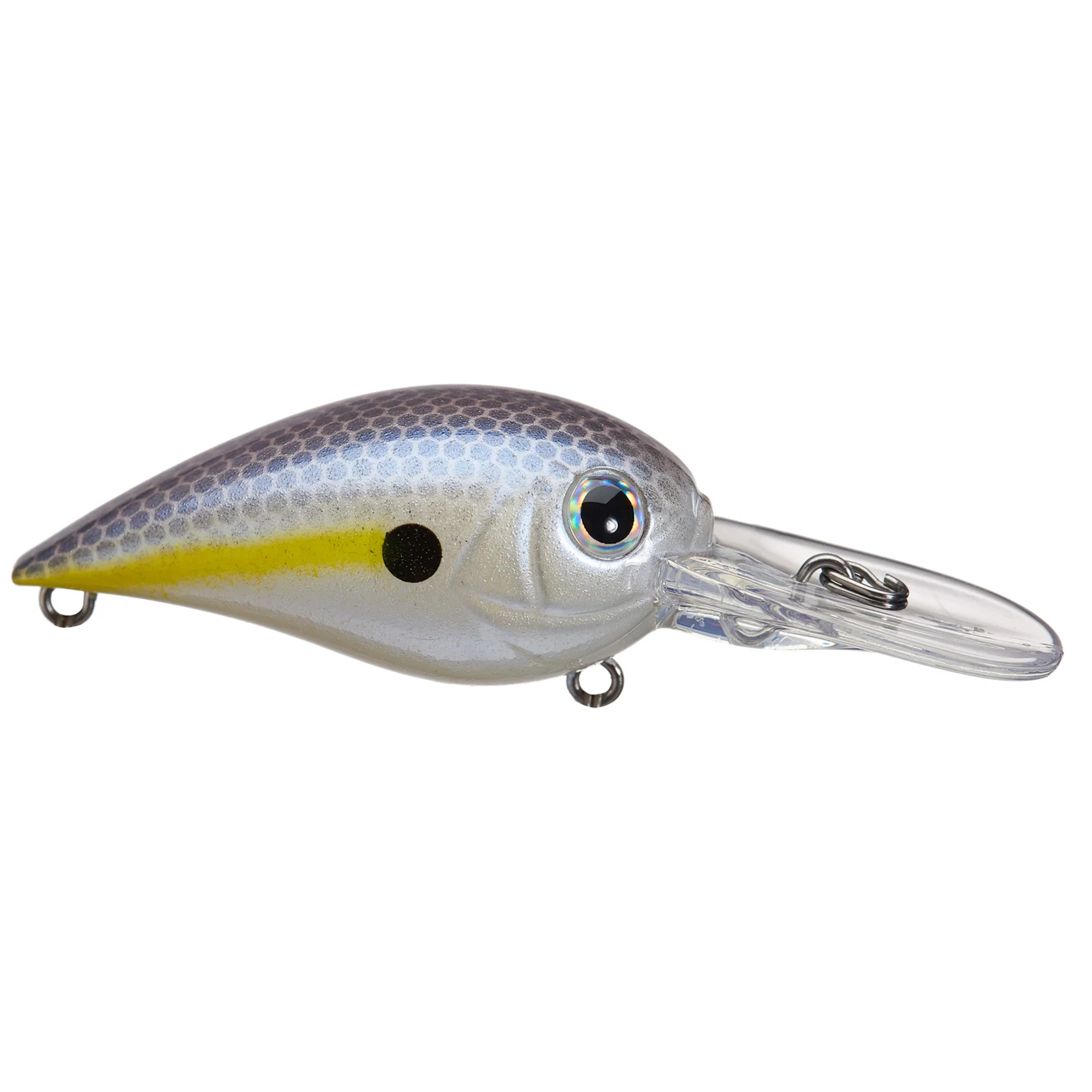
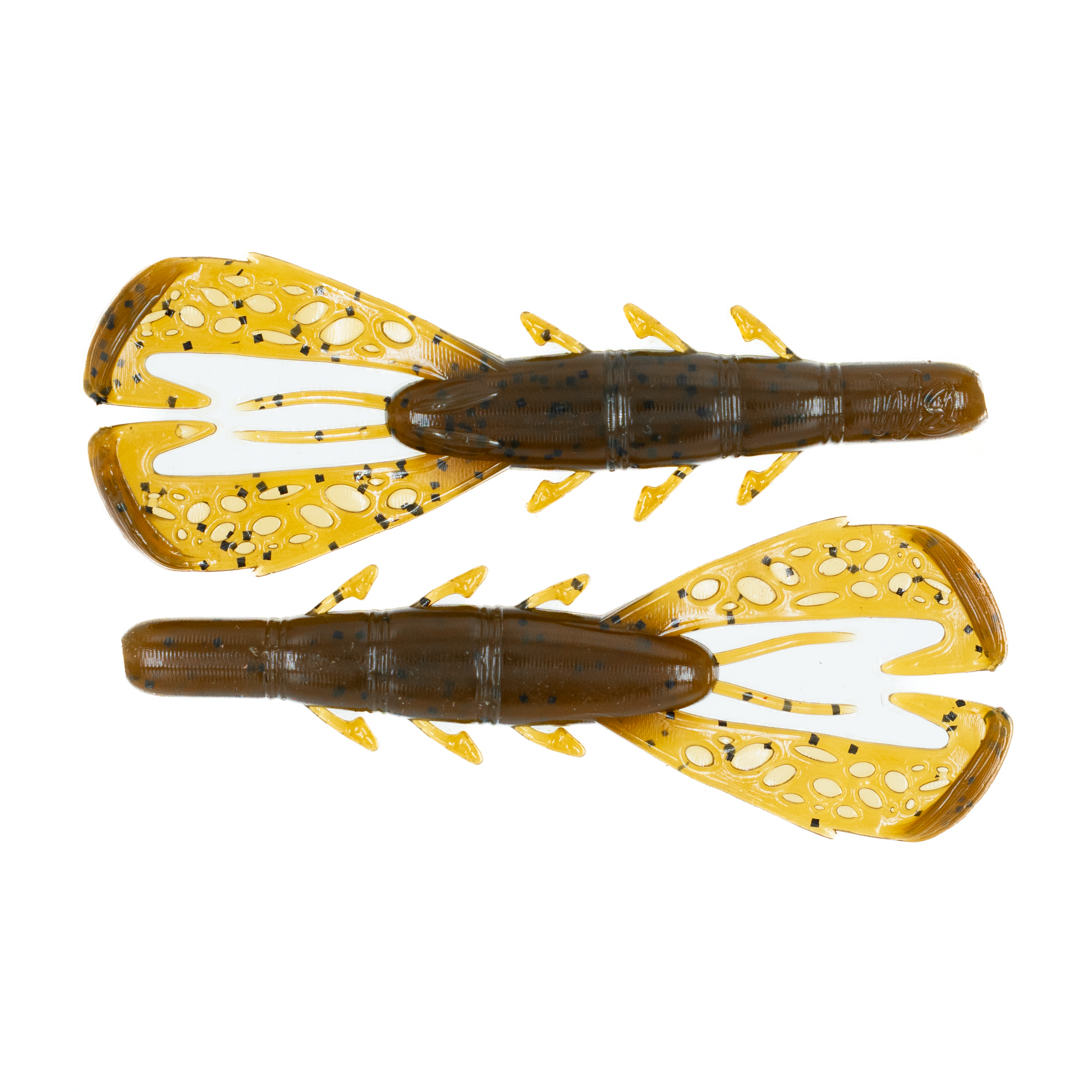
Flipping baits and jigs for the timber, moving baits behind the autumn shad, and slow soft plastics on deep wood in winter. Weedless matters — almost everything here is near submerged trees. Our full bait lineup covers all four seasons.
Do I need a fishing license?
Yes, a Kansas fishing license from the Department of Wildlife and Parks. Kansas does not close black bass season, but many reservoirs carry lake-specific length limits that differ from the statewide rule. Check the current Department of Wildlife and Parks regulations for this water before you go.
Timber, and Educated Fish
On water this heavily fished, the bass that are left are in the cover nobody wants to fish. Level Rods builds models accurate enough to put a bait into those places and strong enough to get the fish straight back out of the trunk she was sitting against.
Tournament Winning Baits & Gear
Designed, crafted and tested by anglers who fish timber every week. Free shipping on orders over $75.
Shop All Baits