High Rock Lake Bass Fishing Guide
High Rock Lake Bass Fishing, Season by Season
15,180 fertile, stained-water acres on the Yadkin River south of Lexington. High Rock doesn't reward clear-water finesse — it rewards anglers who can read dirty water and fish a lake that changes level while they're standing on it. Here's how it fishes through the year.
Dirty Water and a Moving Target
High Rock is a Yadkin River impoundment in Davidson and Rowan counties, and it is one of the most fertile reservoirs in North Carolina. That fertility is why it grows bass the way it does, and it's also why the water stays stained essentially year-round. Anglers arriving from Norman or Murray expecting to see their bait four feet down are in for a different day.
Stained water isn't a problem here, it's the premise. It pushes fish shallower and tighter to cover than they'd be on a clear lake, it makes them less line-shy, and it puts a premium on baits that move water or throw flash. Vibration and silhouette matter more than realism.
The second thing to understand is the water level. High Rock sits in a chain of Yadkin River reservoirs, and levels can swing noticeably over the course of a single day depending on generation upstream and down. Fish reposition when that happens, sometimes dramatically. Practical consequence: watch your bridge clearances and pay attention to whether water is moving, because a rock or laydown that was dead at 8 a.m. can hold a bass at noon.
High Rock earned national attention when it hosted the Bassmaster Classic in the 1990s, and it still draws heavy tournament traffic. Bassmaster ranked it 19th in its Southeastern division for 2026, and the wider Yadkin–Pee Dee chain — Tuckertown, Badin and Tillery — is producing alongside it.
What It Took to Win Here
Patterns that produced at the highest level on this lake, and the baits to fish them with.
Mark Davis — When the Water Muddied, He Went Deep
High Rock has hosted the Bassmaster Classic three times — 1994, 1995 and 1998 — and the 1995 edition is the one worth studying. Davis became the first angler ever to win the Classic and Angler of the Year in the same season.
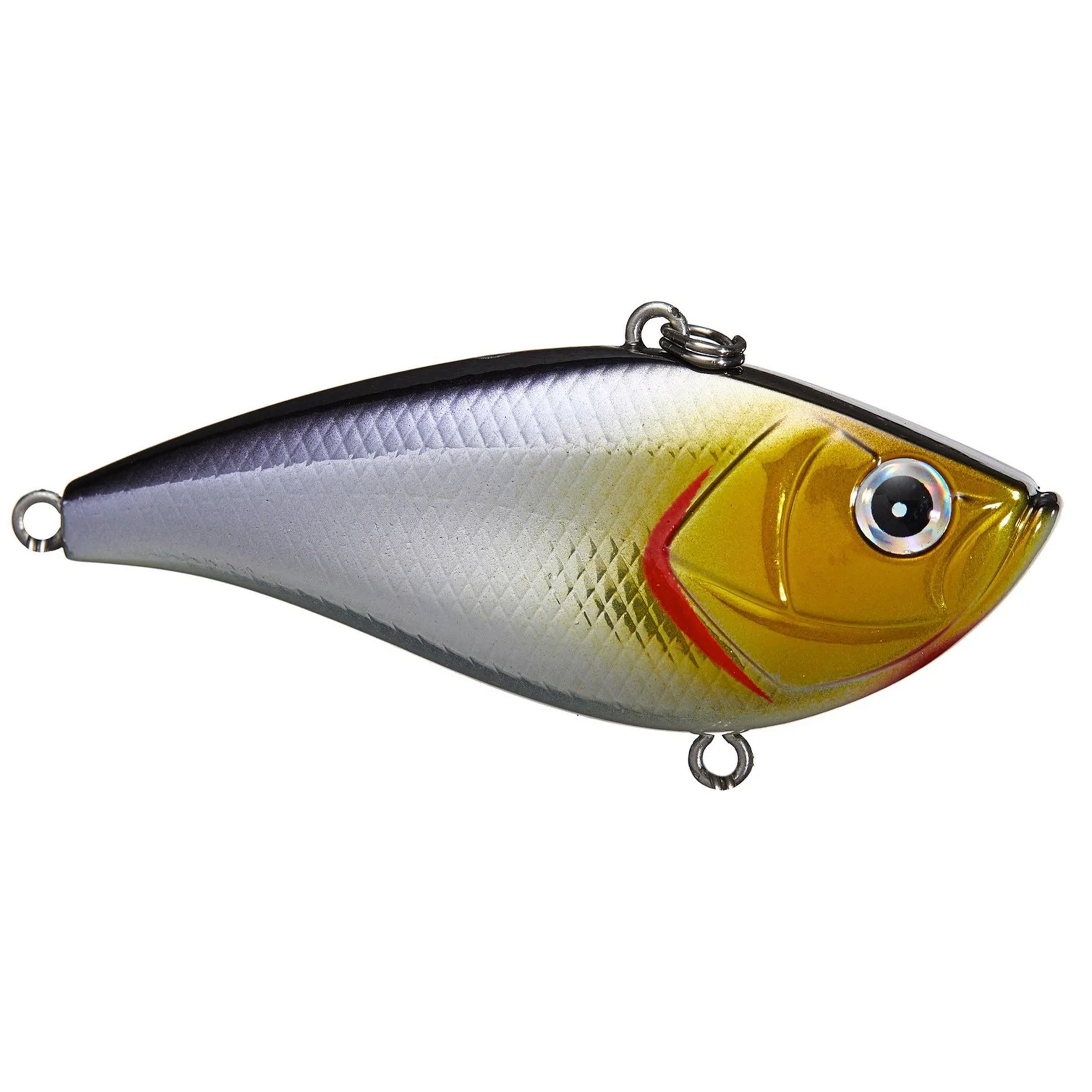
He started on topwater along shallow wooded shorelines. On day two, spectator boat traffic muddied the water and killed it. Rather than grind, he ran to a set of deep brushpiles he'd found in practice and never caught a fish on. He worked them for forty-five minutes without a bite before switching to a heavy one-ounce spinnerbait, letting it sink to the bottom and slow-rolling it through the brush.
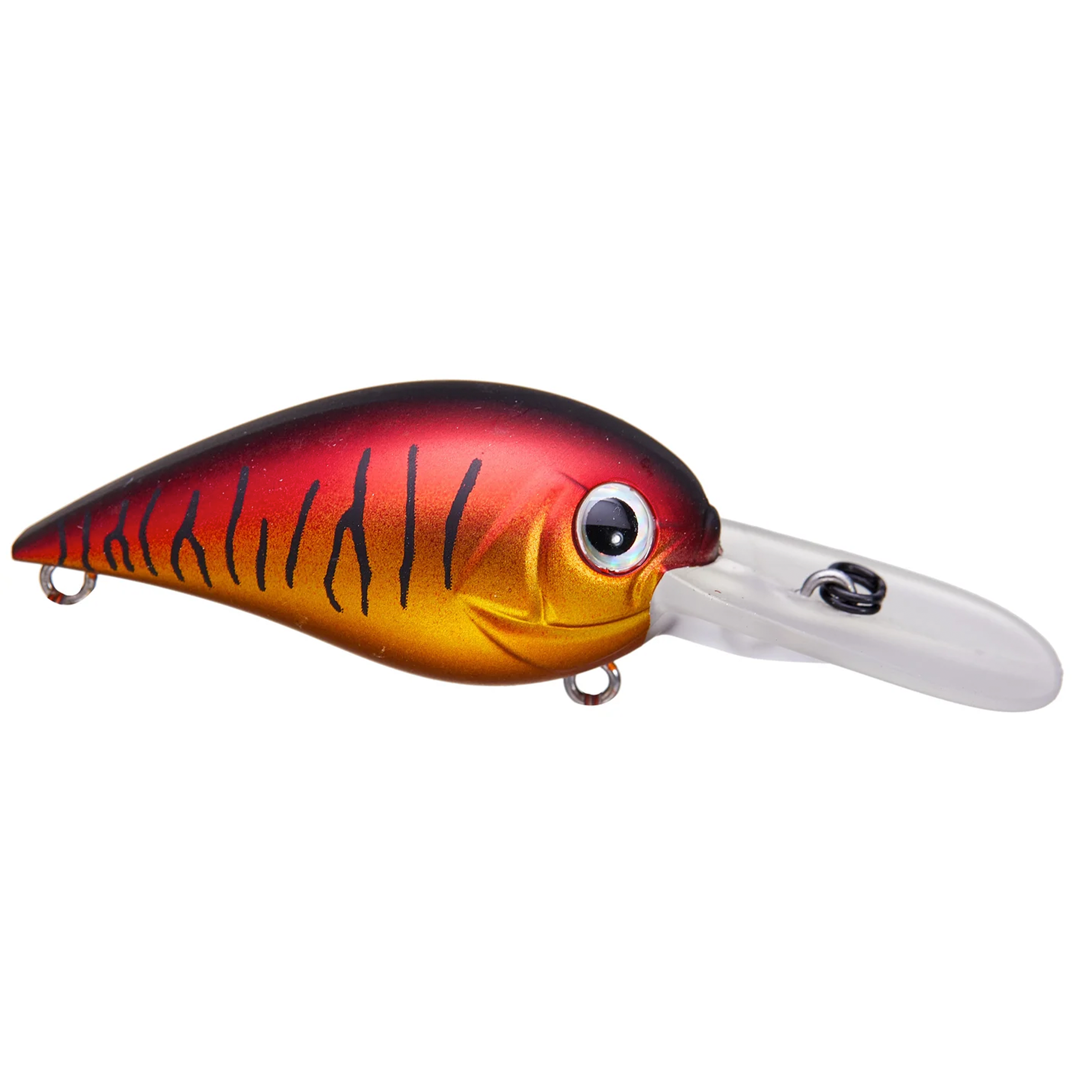
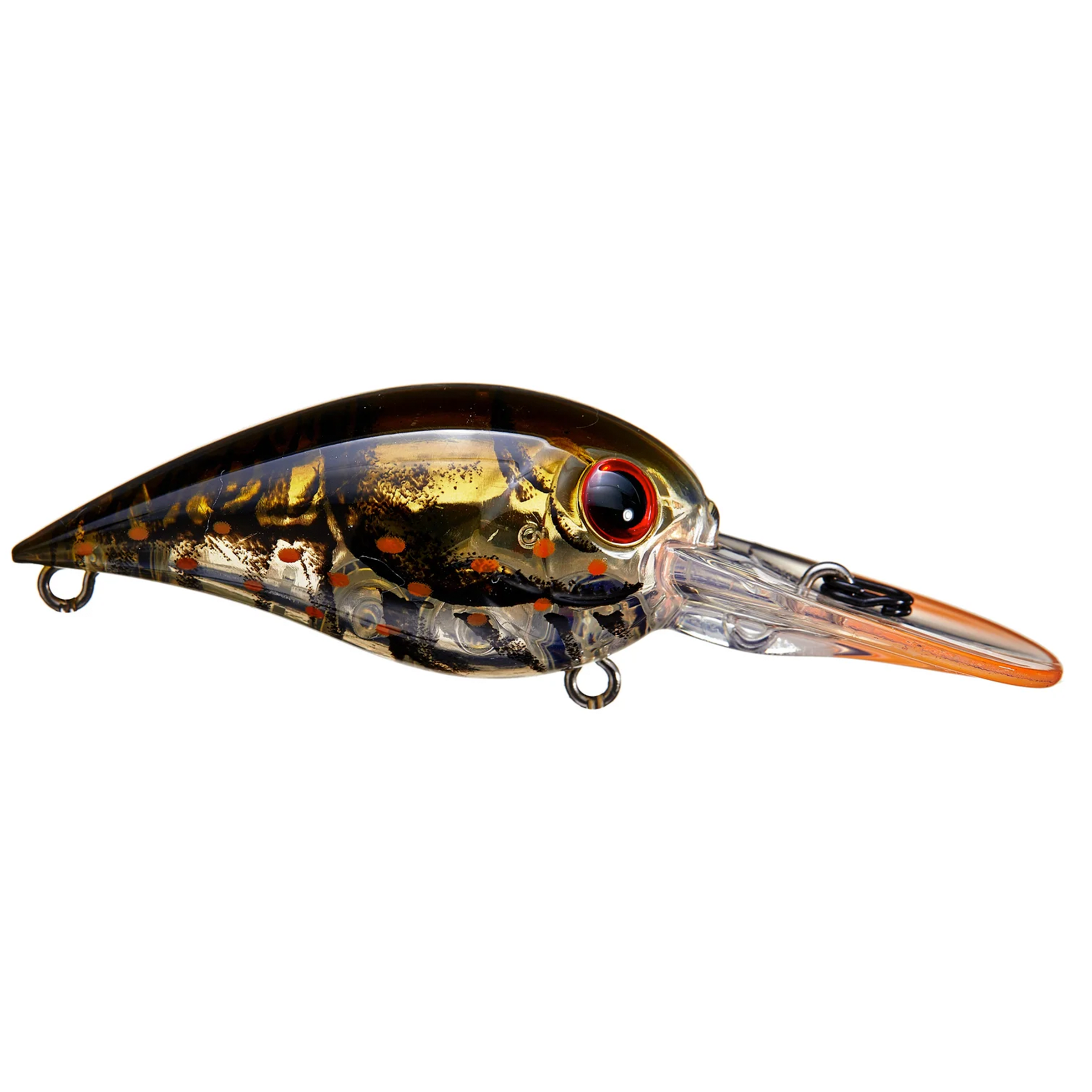
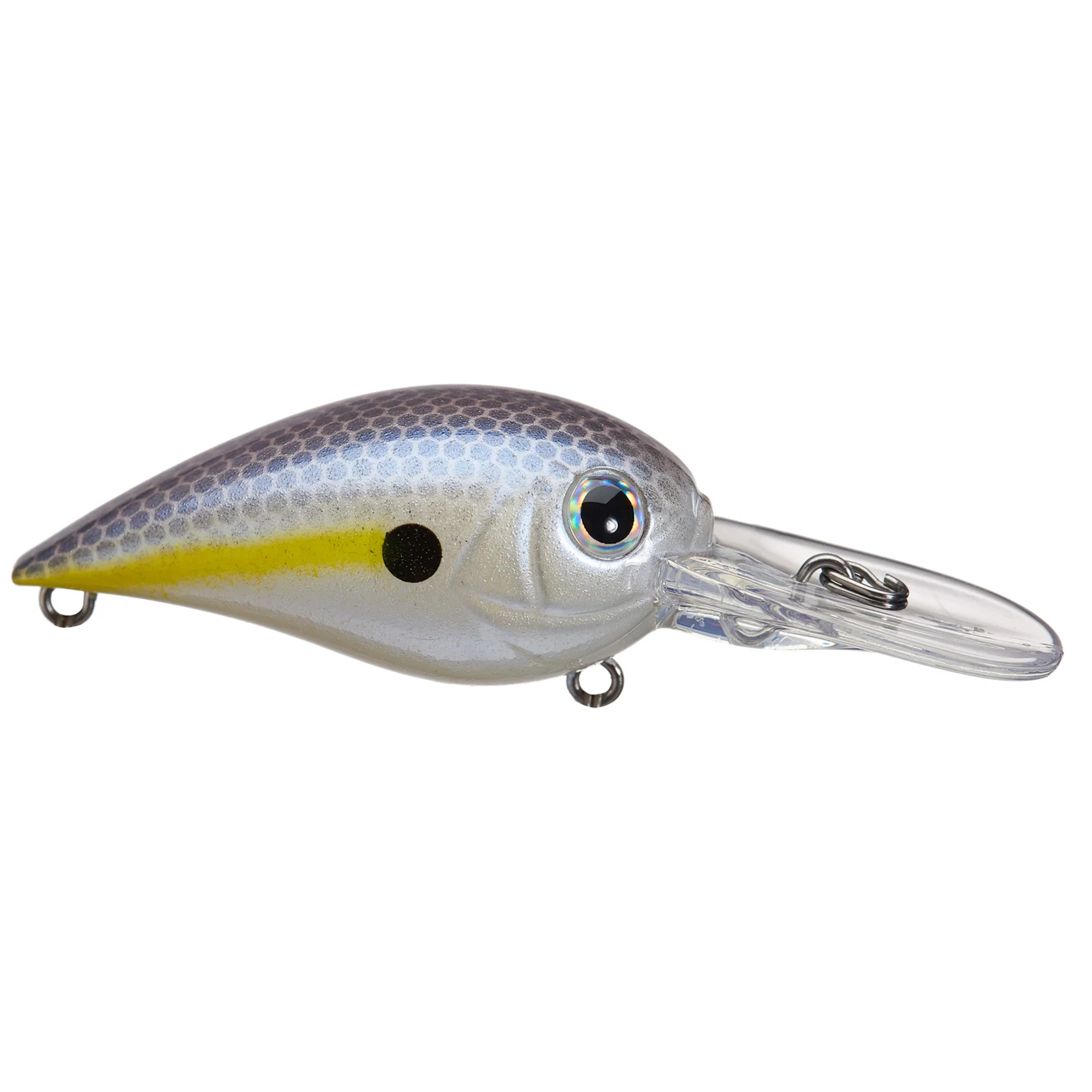
The trigger was the part worth stealing. When he felt the bait about to hang in a limb, he'd speed up to rip it free, then stop dead and let it fall. A five-pounder ate it on the drop. He caught close to twenty pounds that day doing it, and a deep-diving crankbait covered the rest. On a lake this stained, the fall after a deflection is the bite — not the retrieve.

Reading Stained Water, Month by Month
Four patterns cover the year. Each one pairs the technique with the baits we'd actually tie on.
Shallow, Dirty, and Full of Cover
Stained water warms fast, and High Rock's bass get shallow earlier than you might expect. Look for them in four to twelve feet around anything solid — laydowns, flooded timber, seawalls, riprap and the lake's endless dock lines. The upper creeks colour up first after rain, but they also warm first.




Early Topwater, Then Offshore
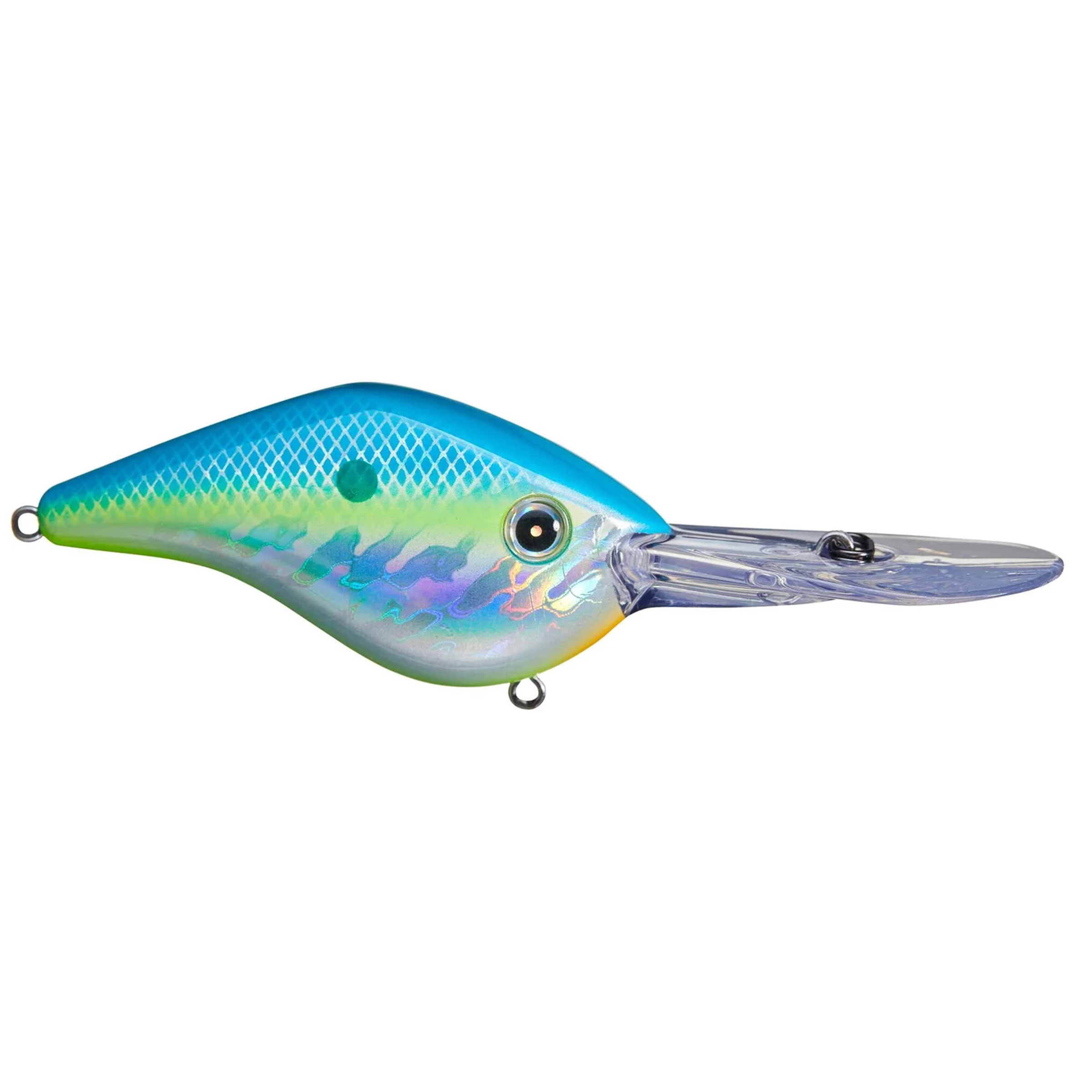
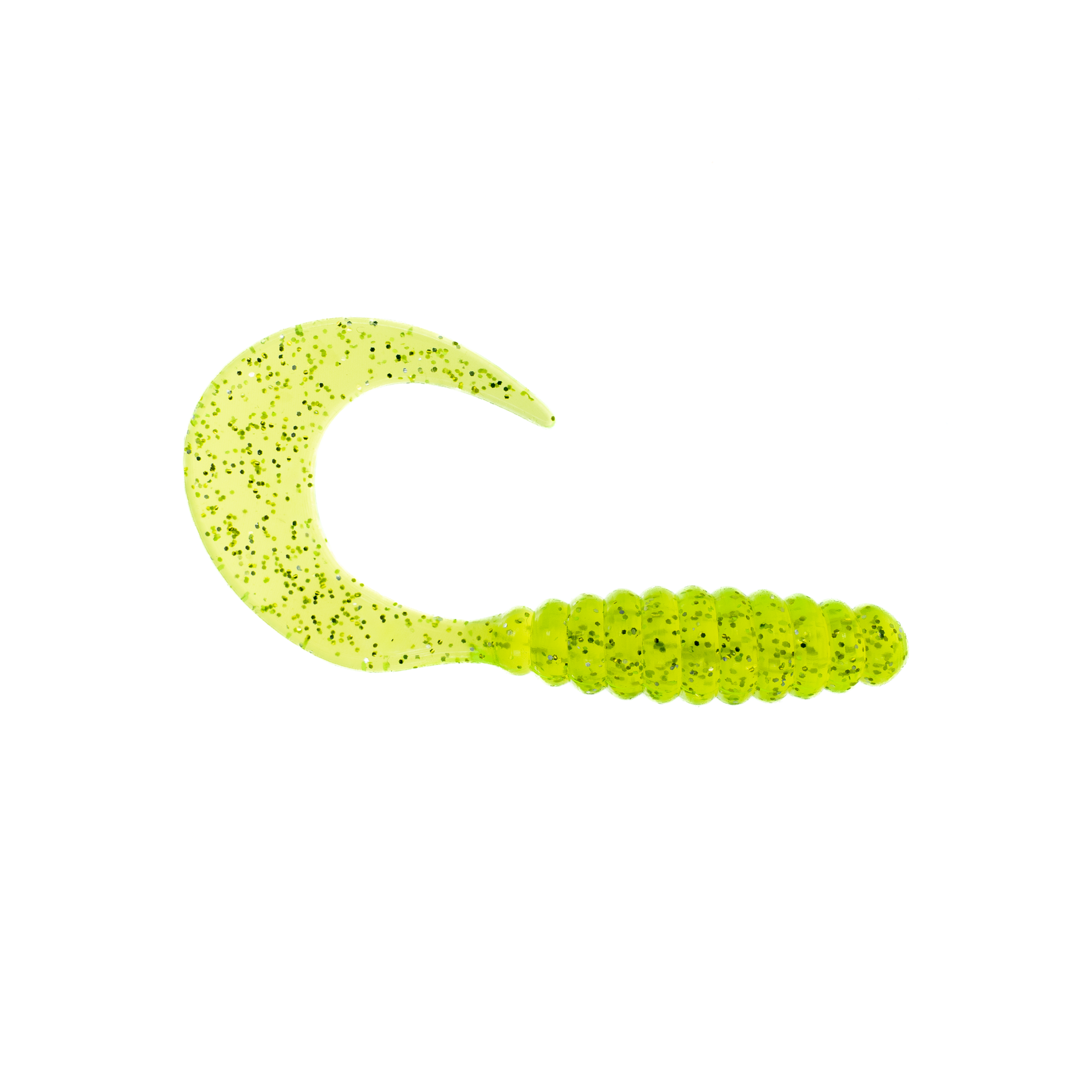
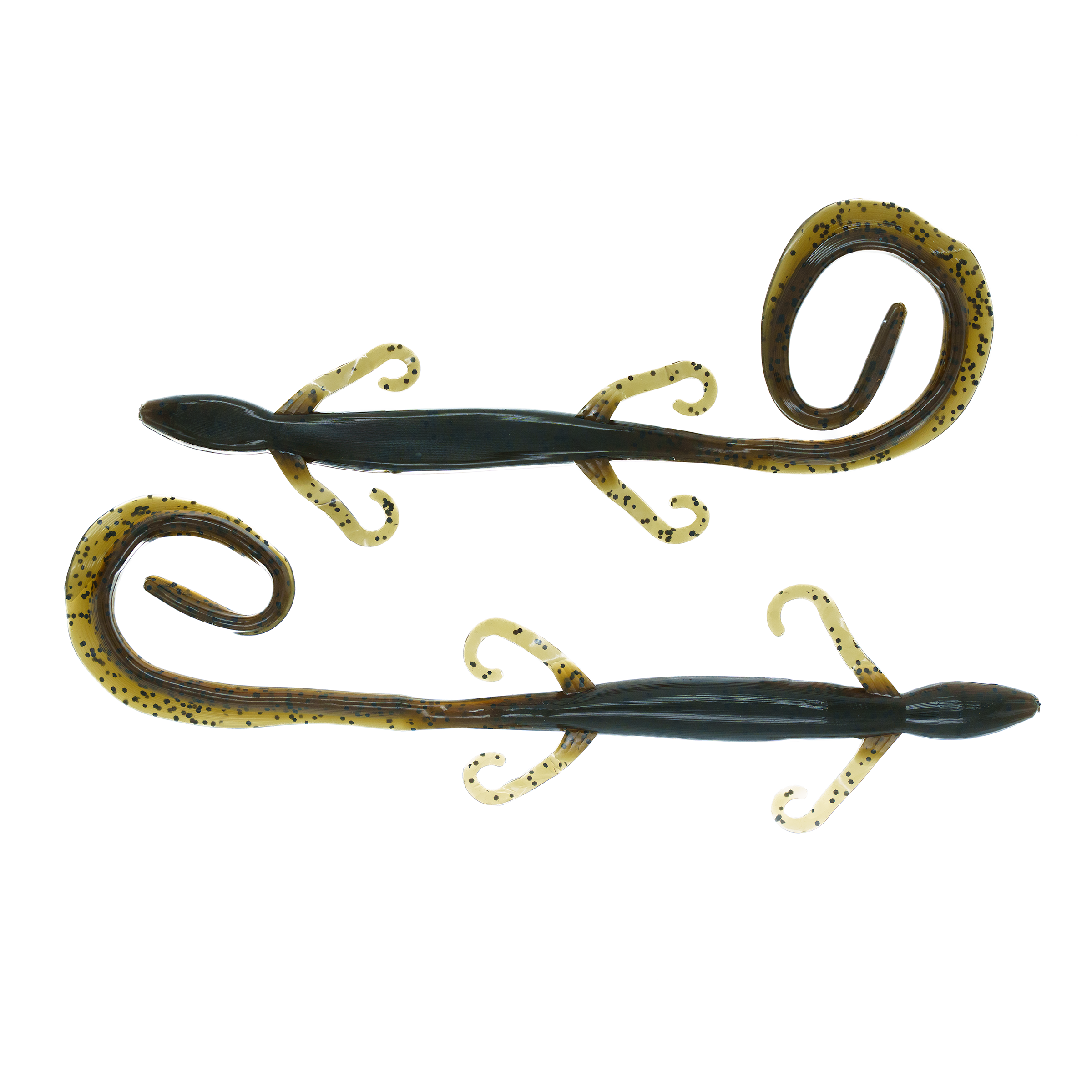
Summer splits the day in two. First light is genuine topwater time over shallow flats and around docks. Once the sun gets up, the better fish pull out to creek channels, ledges, humps and drop-offs. Current from upstream generation can turn an offshore spot on quickly — when water starts moving, the fish on those structures set up and feed.


Shad Move Back Into the Creeks
As the water cools, shad push into the creek arms and the bass go with them. High Rock's creeks — Abbotts, Crane and the rest — become the whole lake in October and November. The stain works in your favour now, because fish will commit to a bait in shallow, dirty water that they'd inspect and refuse somewhere clear.



Fewer Bites, Better Ones
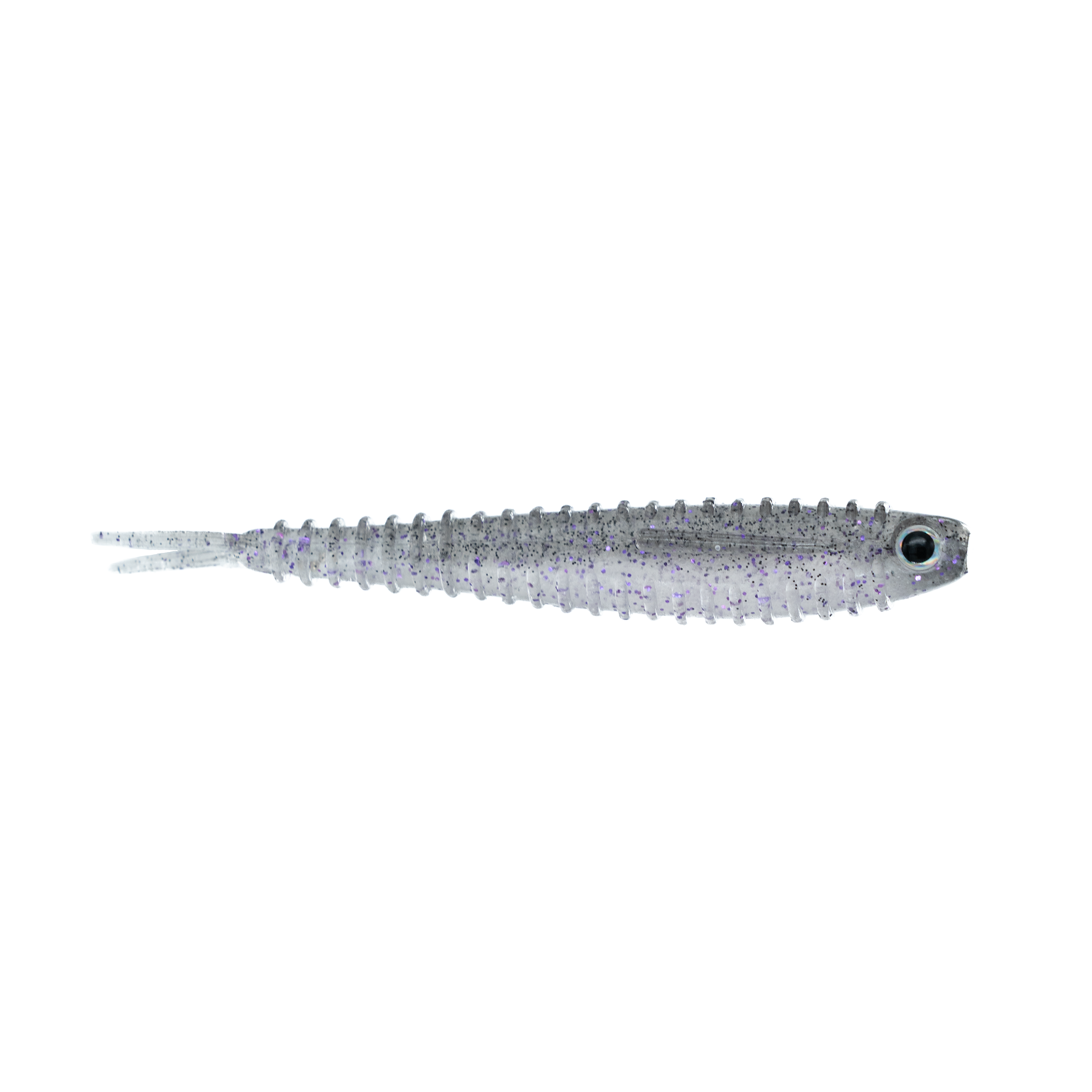
Winter thins the crowd on High Rock and thins the bites too, but the fish that eat tend to be quality. Bass pull to steeper structure and channel-adjacent cover. The stain that helped you in fall now works against you a little, so slow down and give them time to find the bait. Local tournaments in December have been won with heavy sacks, so the fish are catchable if you're patient.



Three Areas Worth Knowing
High Rock has 365 miles of shoreline and a lot of it looks the same. These are useful places to orient yourself.
Abbotts Creek
One of the major creek arms and a reliable fall target when shad move back. Humps and rock veins inside the creek hold largemouth and white bass.
Crane Creek
The mouth and the nearby river channel humps draw fish moving between the main lake and the creek, particularly as seasons transition.
The Upper River End
The Yadkin end of the lake muddies first after rain and feels the current changes most directly. Worth it when generation has fish positioned and feeding.
High Rock Lake Bass Fishing FAQ
Why is High Rock Lake always stained?
It's a fertile Yadkin River impoundment, and river inflow keeps colour in the water essentially year-round. That fertility is a large part of why the lake grows quality bass. Plan for stained conditions rather than treating them as a bad day.
Do water levels really change during the day on High Rock?
Yes. High Rock sits in a chain of Yadkin River reservoirs and levels can move noticeably within a single day. Check bridge clearances before you run under something, and pay attention to whether water is moving, because current repositions fish and often turns structure on.
What baits work best in stained water?
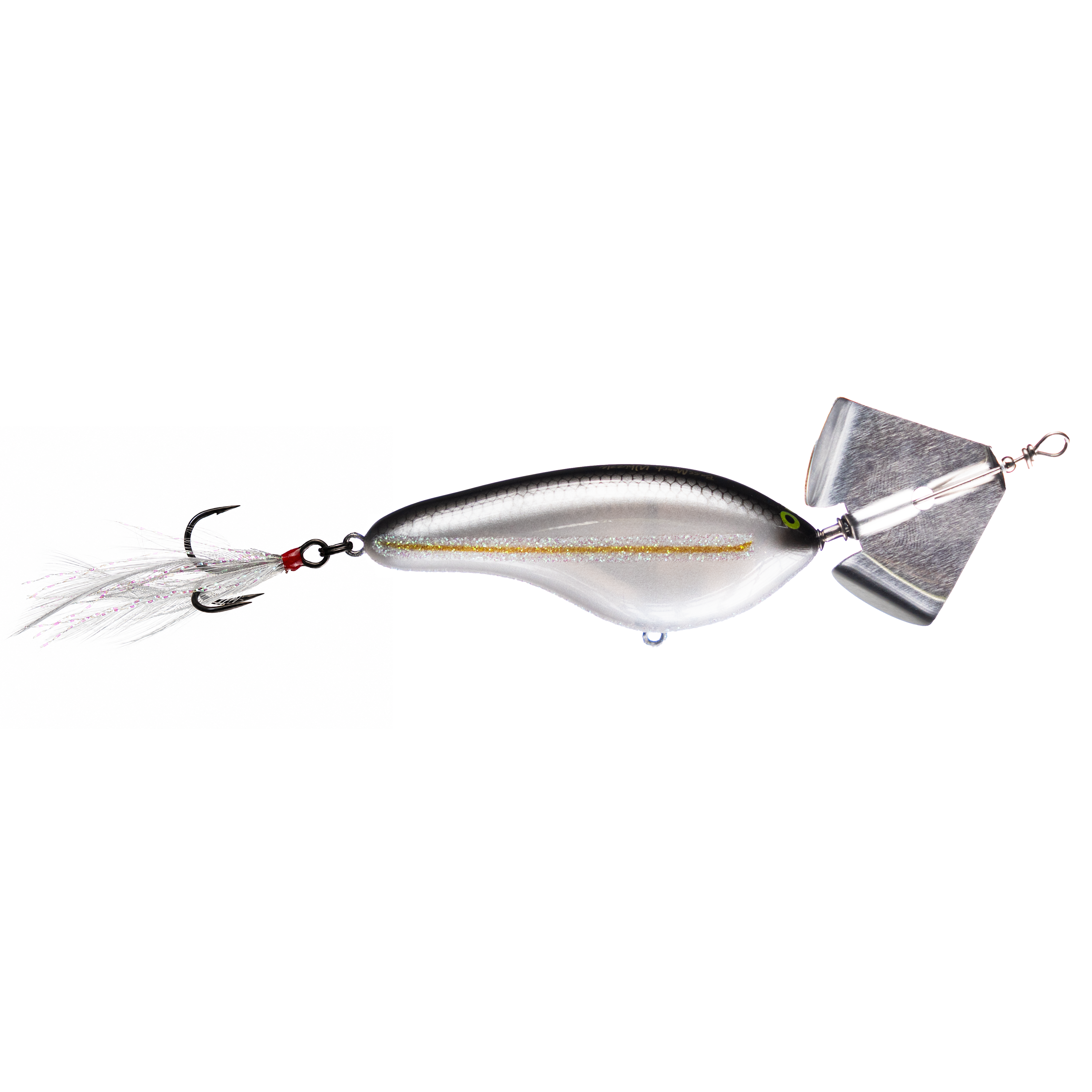
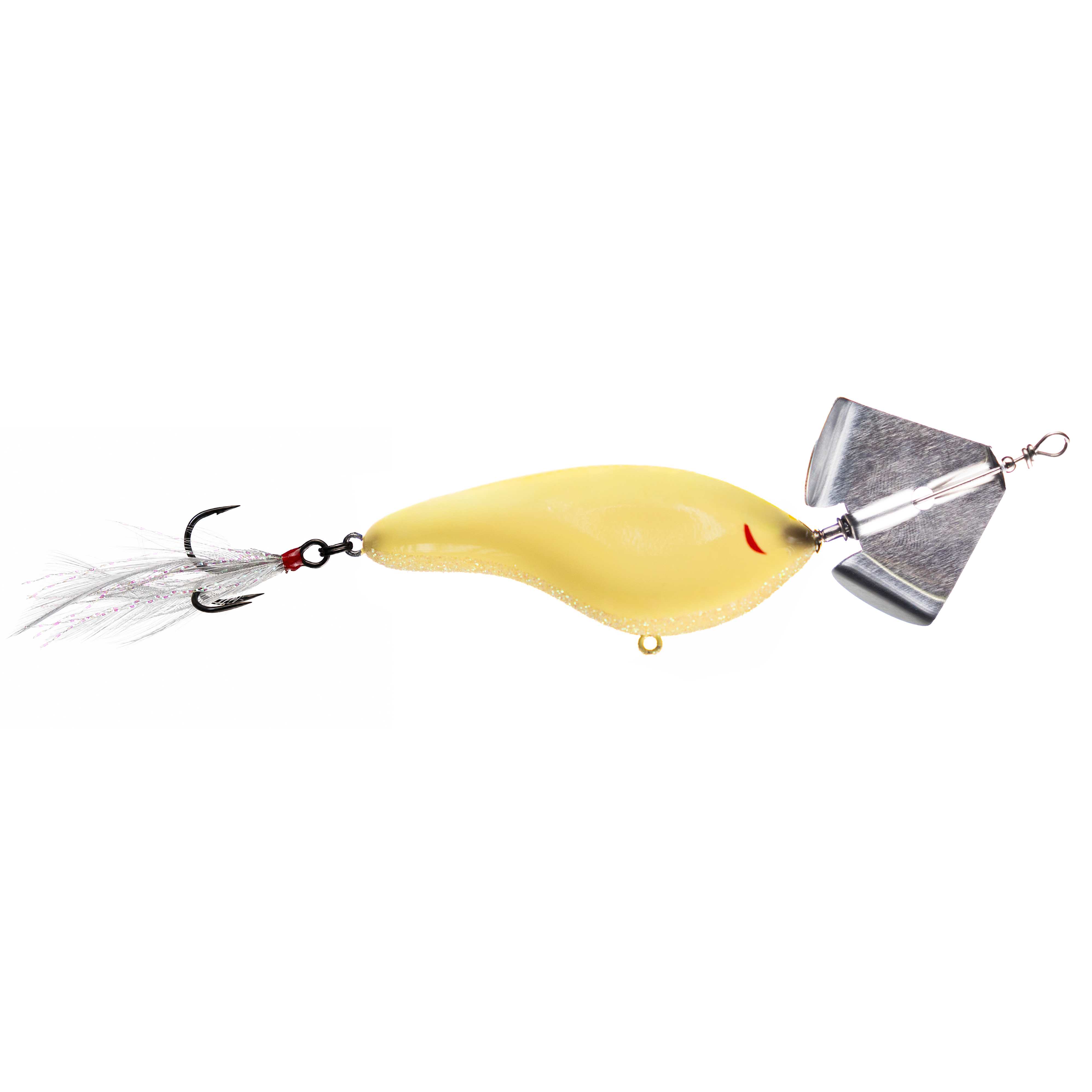
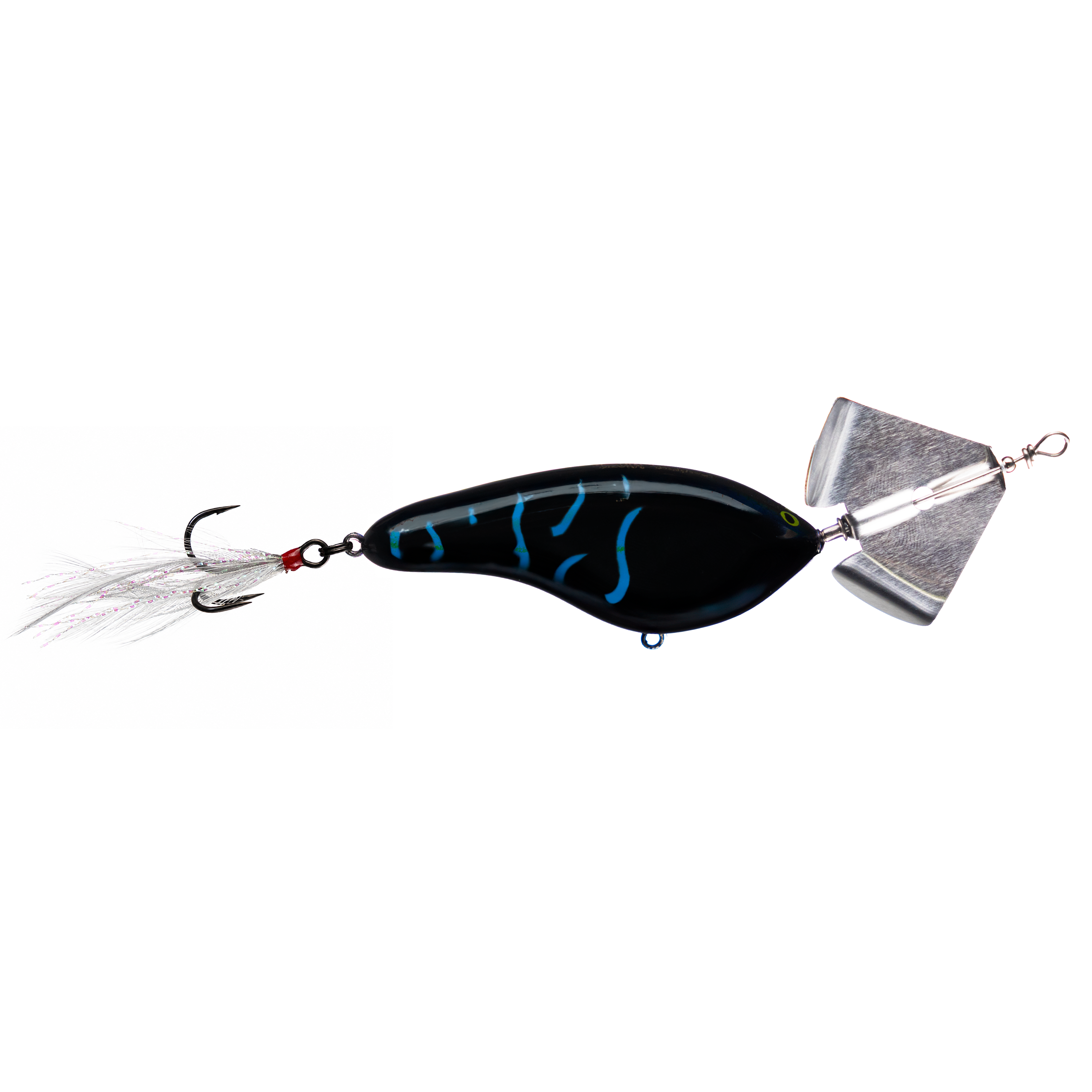
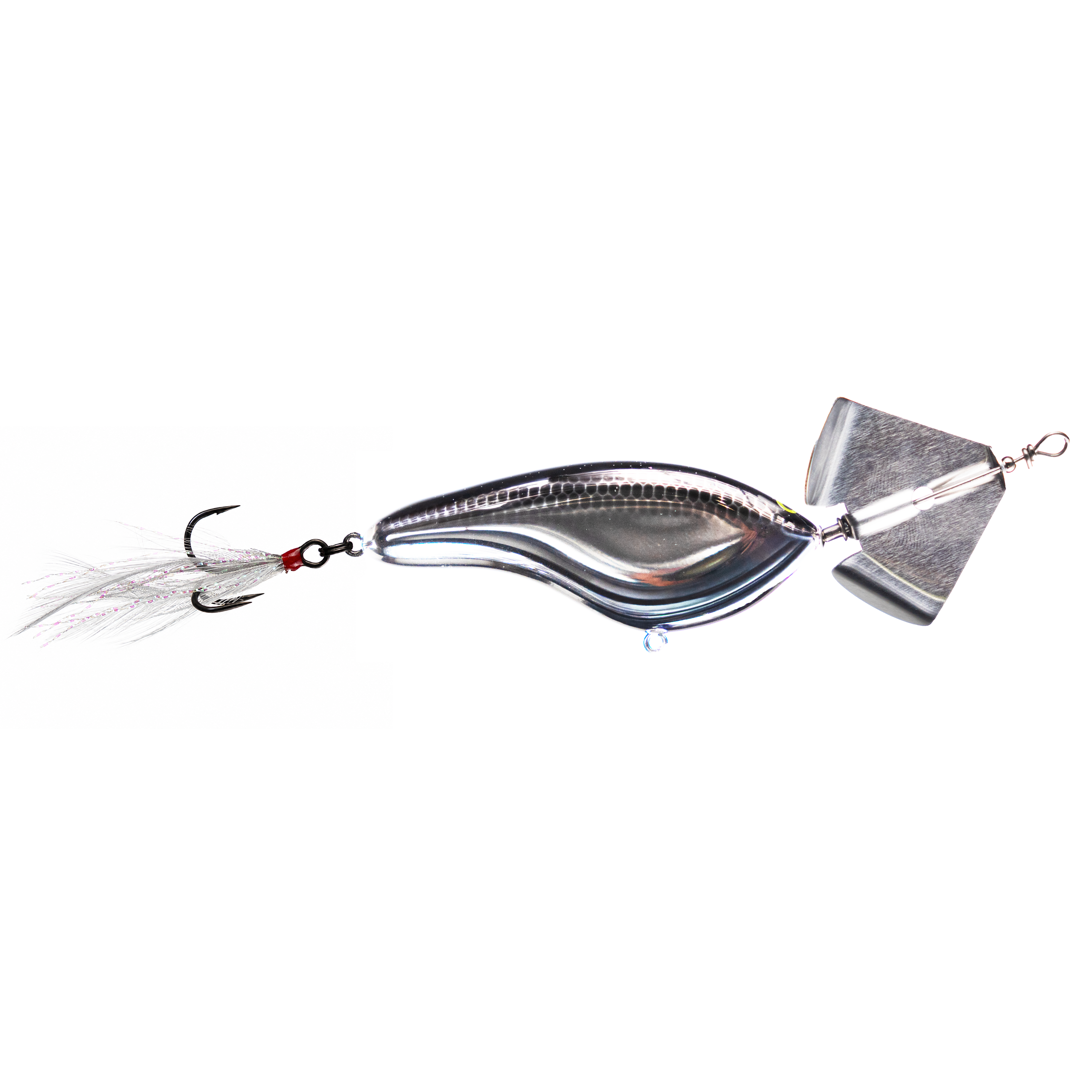
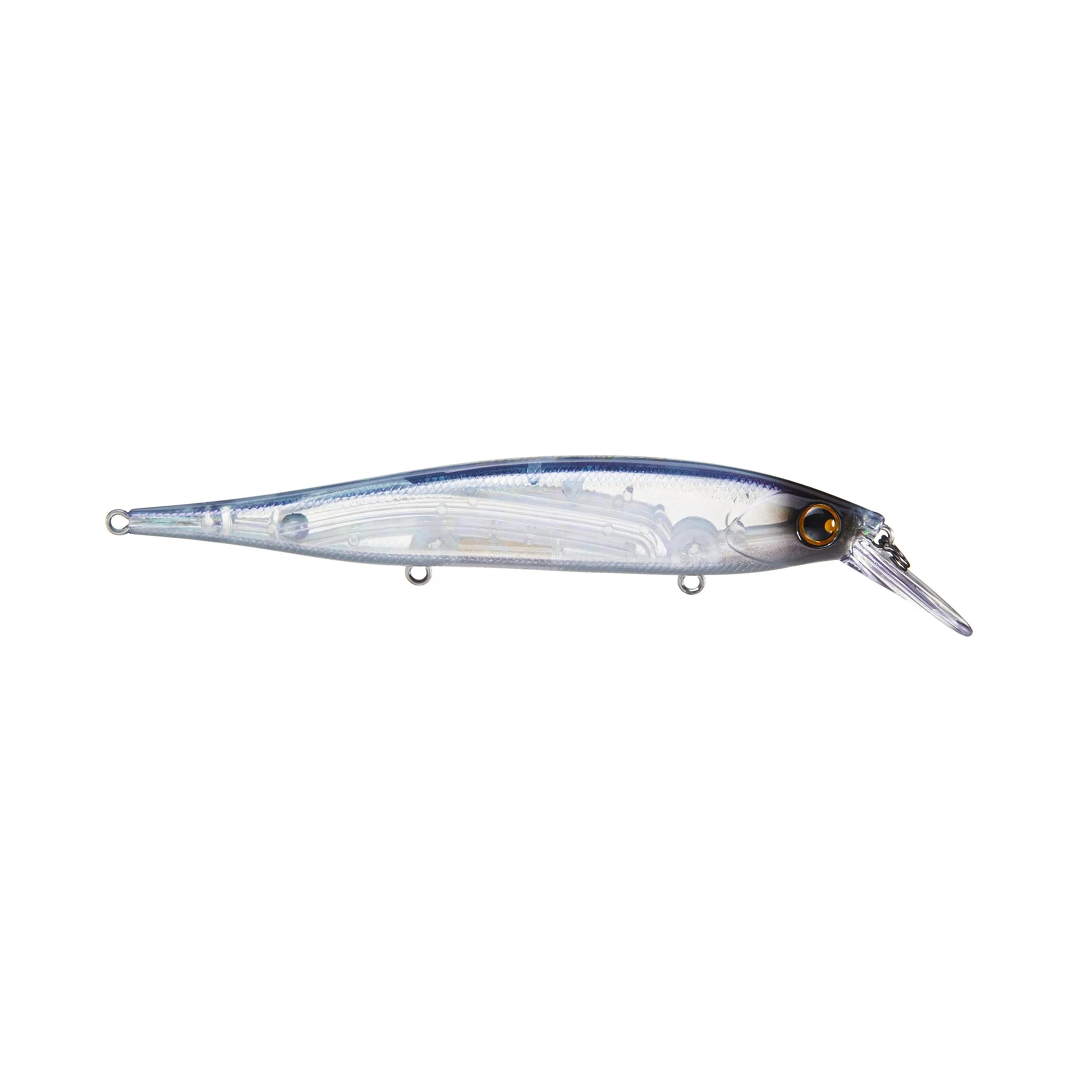
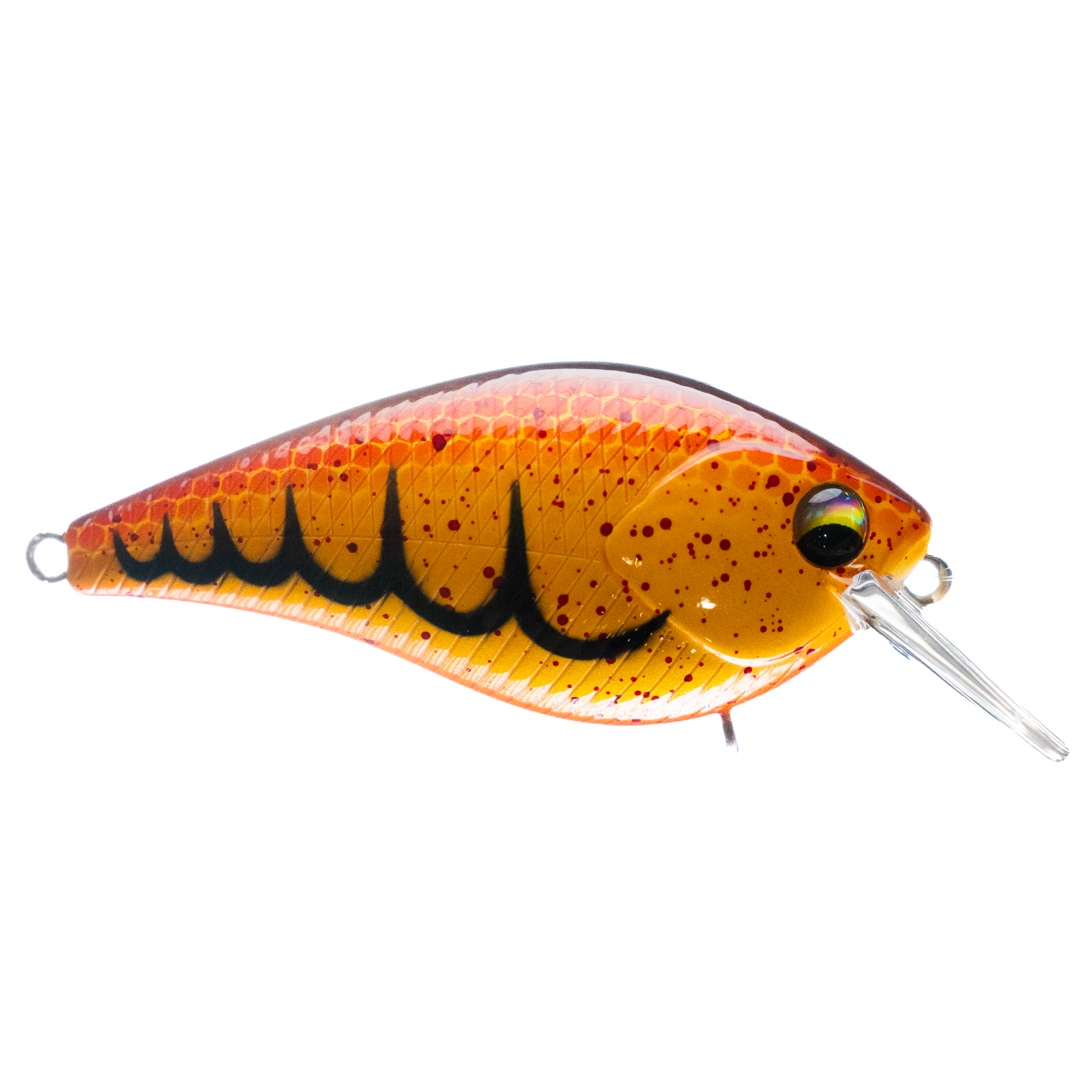
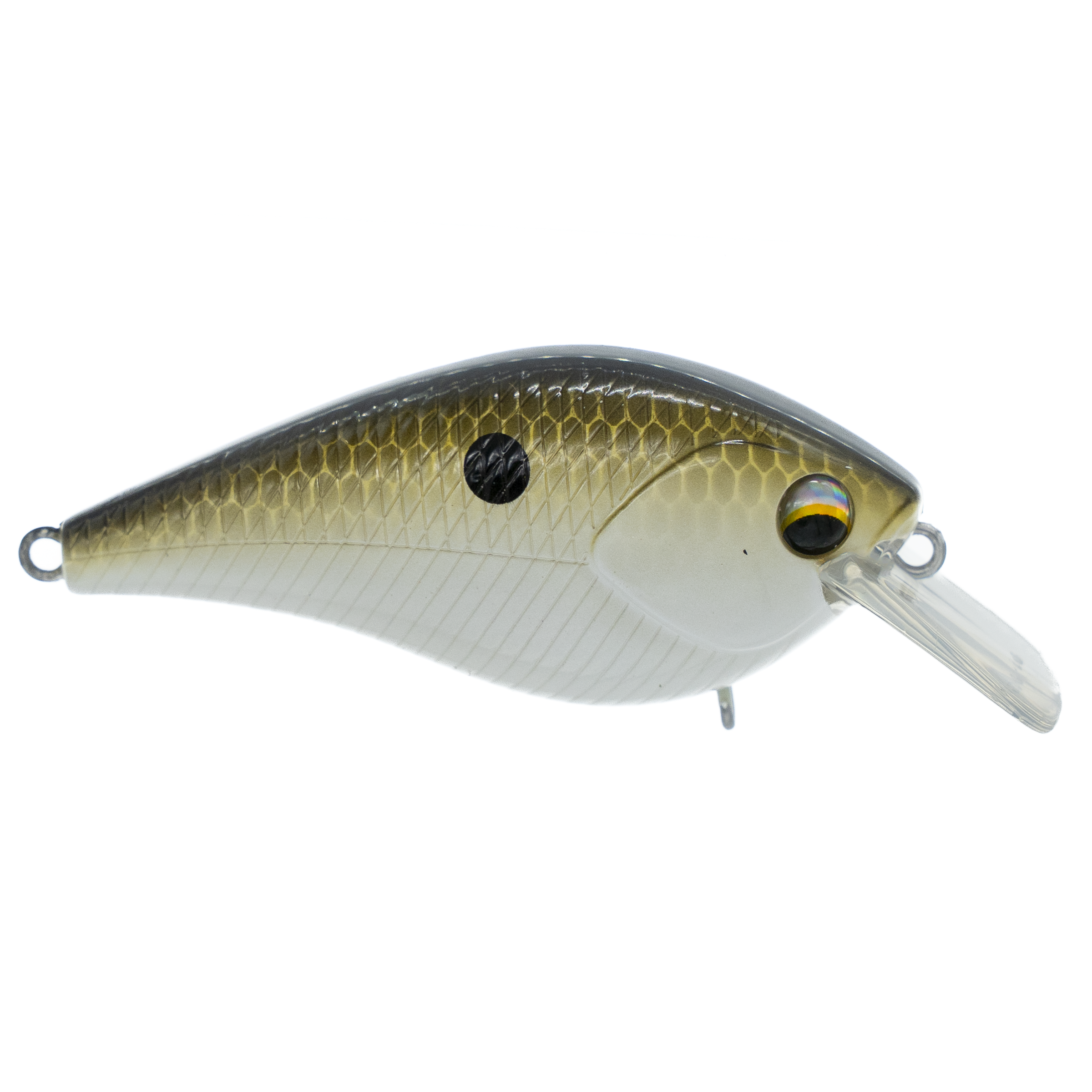
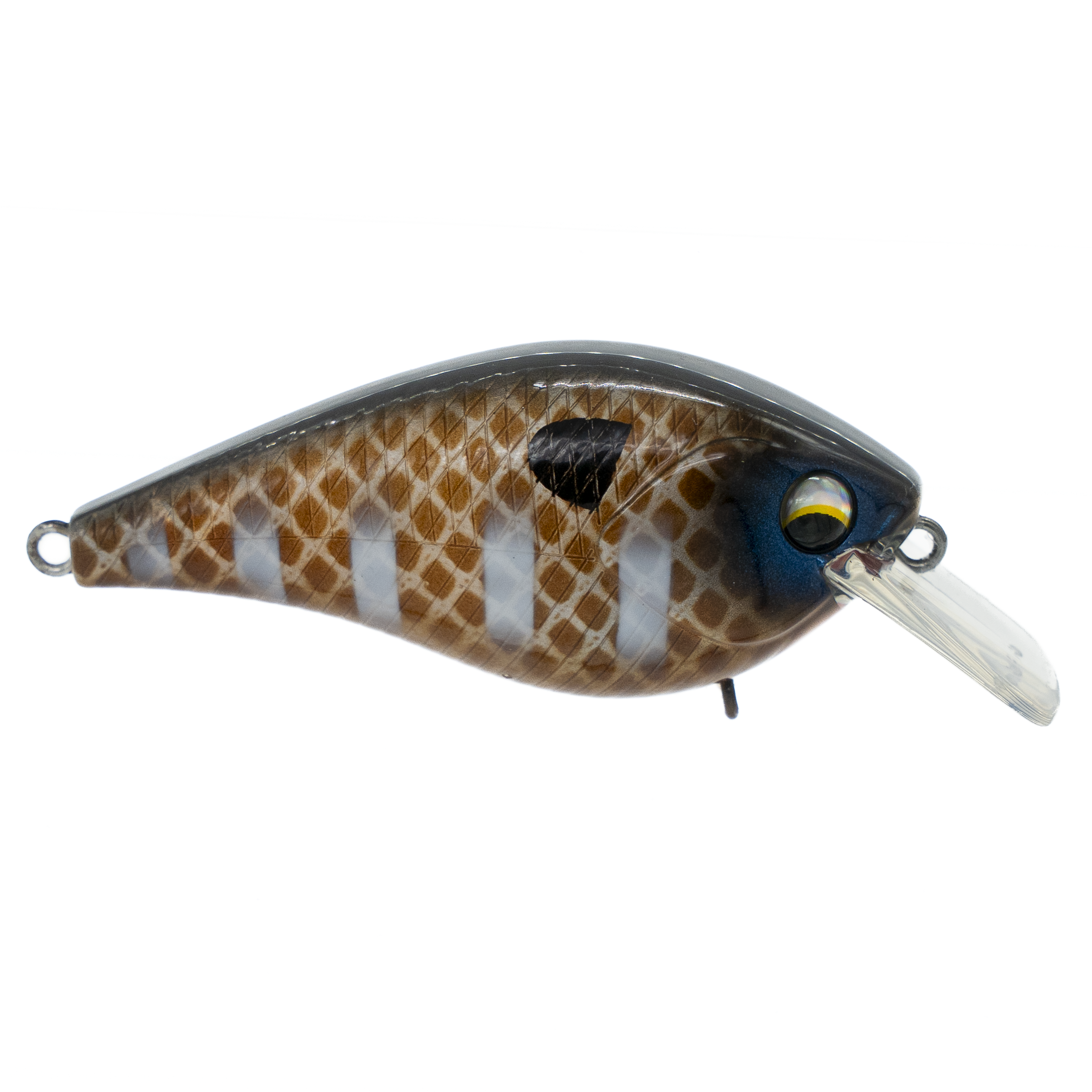
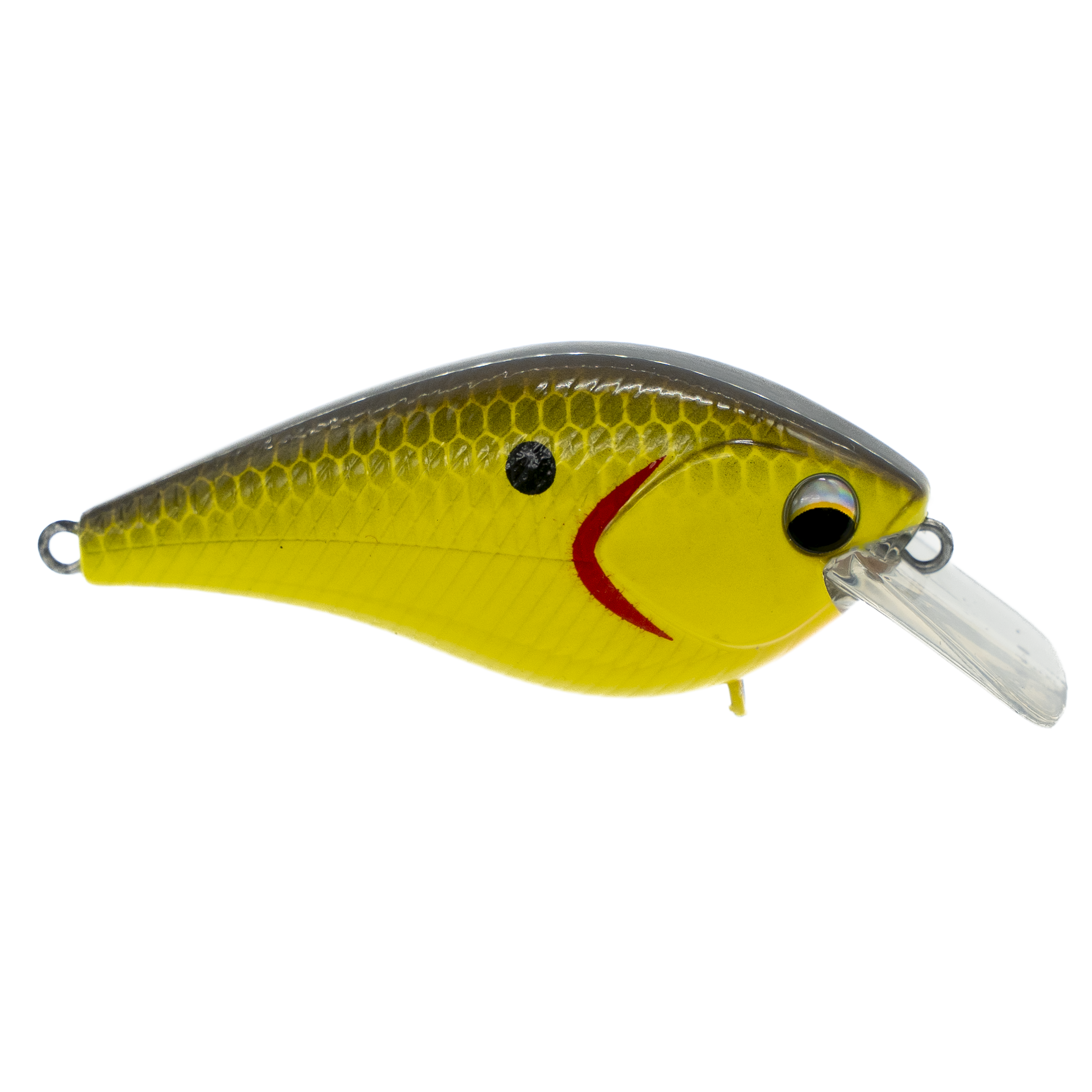
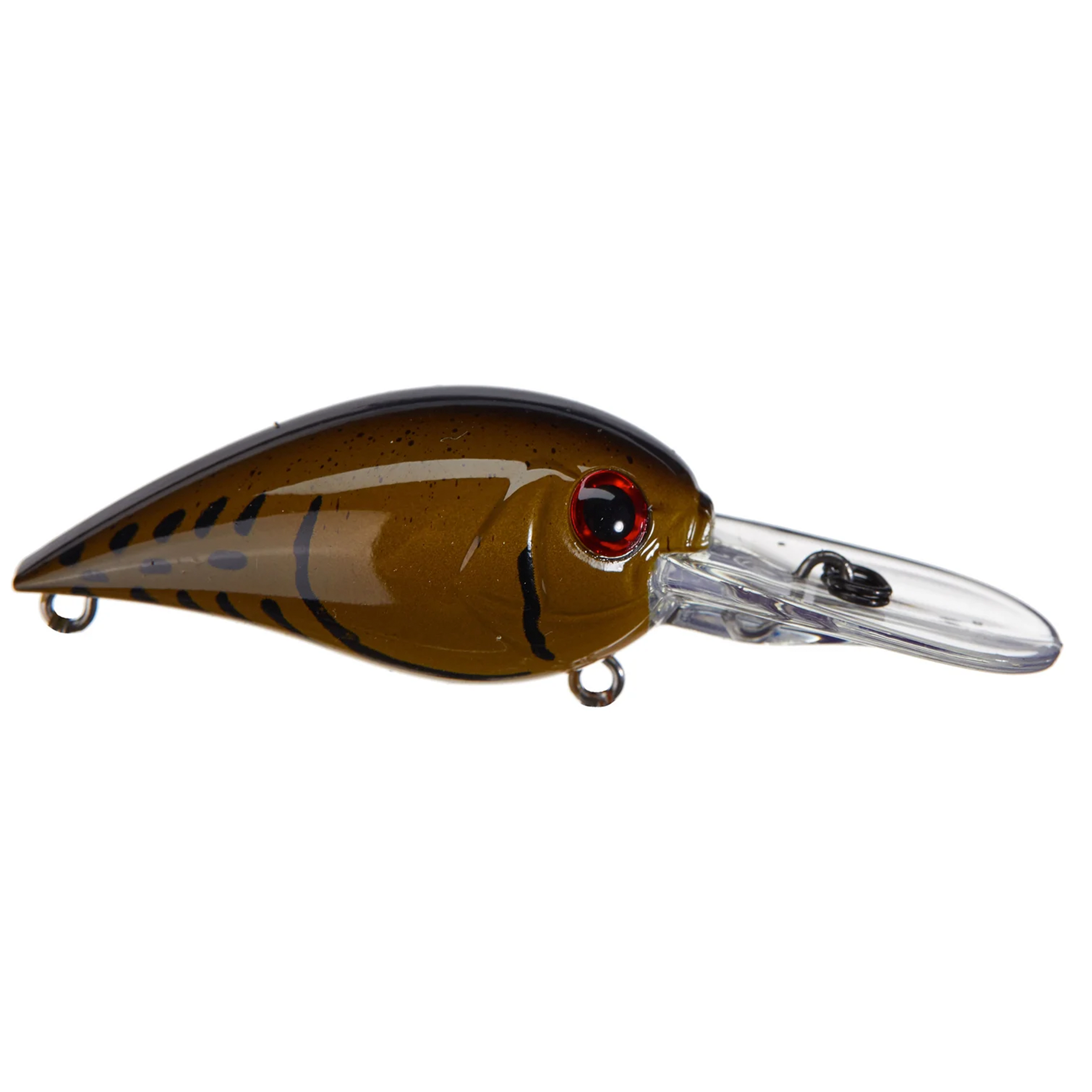
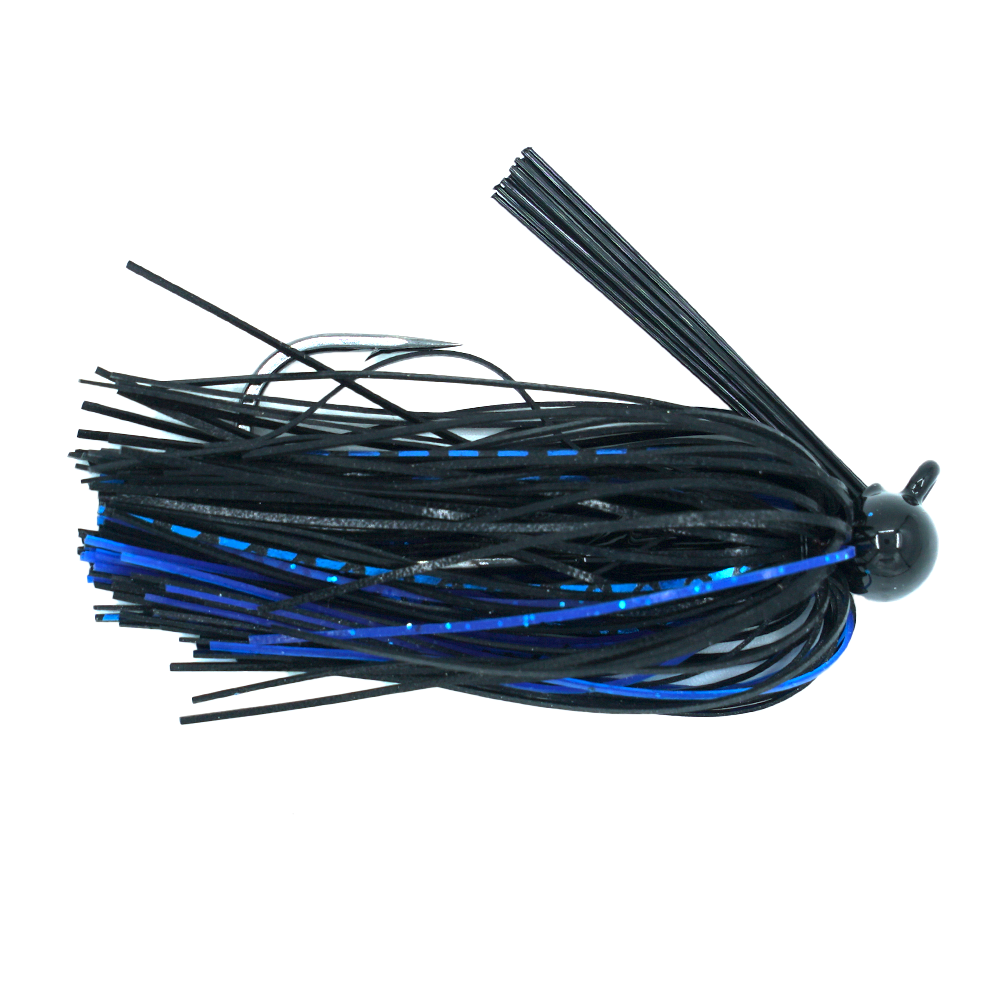
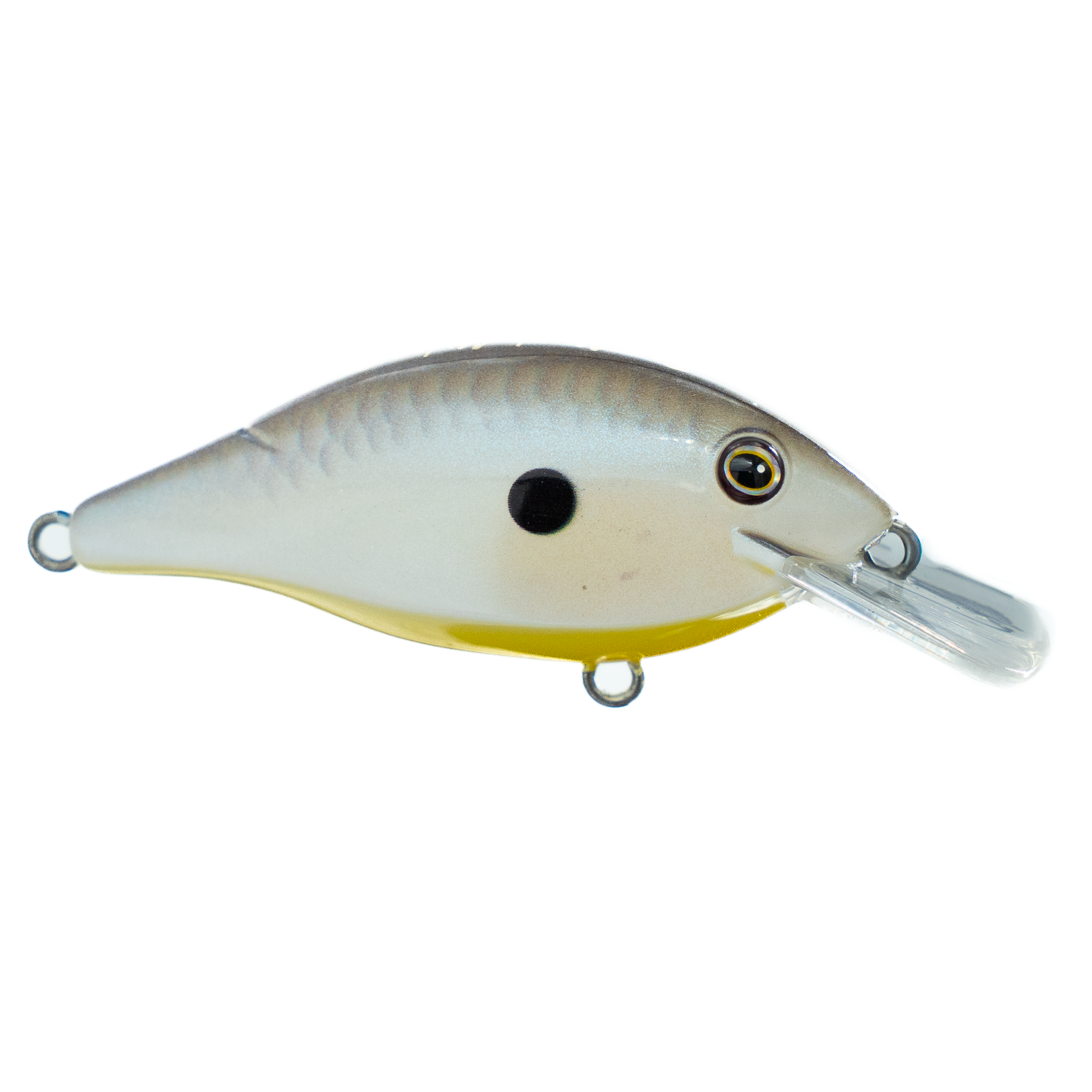
Anything that moves water or throws flash. Squarebill crankbaits deflecting off cover, lipless crankbaits worked through open water, bladed baits, and dark or high-contrast jigs all work because fish are hunting by vibration and silhouette more than sight. Subtlety is rarely the answer here. Our full bait lineup covers the range.
When did High Rock Lake host the Bassmaster Classic?
The 1990s, which is when the lake first drew serious national attention. It still hosts heavy tournament traffic today across national, regional and local trails.
How big is High Rock Lake?
About 15,180 acres with roughly 365 miles of shoreline, on the Yadkin River south of Lexington in Davidson and Rowan counties. Bassmaster ranked it 19th in its Southeastern division for 2026.
What's the best time of year to fish High Rock?
Spring and fall are the strongest windows. Stained water warms early, so the spring shallow bite starts sooner than on clear lakes, and fall brings shad and bass together in the creek arms. Summer produces at first light and offshore midday, and winter gives up fewer but better fish.
Do I need a fishing license for High Rock Lake?
Yes. A North Carolina fishing license is required, available through the North Carolina Wildlife Resources Commission, including short-term options. Check current size and creel limits before you go.
Built for Contact Fishing
Cranking a squarebill through laydowns and pitching a jig into flooded timber are hard on gear and hard on your hands. Level Rods builds models with the backbone to pull a fish out of wood and enough tip to keep a treble hook pinned when it's ricocheting off cover.
Tournament Winning Baits & Gear
Designed, crafted and tested by anglers who fish Carolina water every week. Free shipping on orders over $75.
Shop All Baits