Headwaters Lake Bass Fishing Guide
Headwaters Lake Bass Fishing, Season by Season
Ten thousand acres of flooded pasture in Indian River County that did not exist a decade ago. Biologists shaped the bottom with heavy equipment before they let the water in, stocked roughly a million bass, and built what may be the most deliberately engineered trophy fishery in the country.
A Lake Built On Purpose
Headwaters Lake — also called Fellsmere Reservoir, and grouped with Egan Lake as the Fellsmere Water Management Area — is a 10,036-acre manmade lake in Indian River County, sitting adjacent to Stick Marsh and Farm 13. Water levels are managed by the St. Johns River Water Management District, and the reservoir exists primarily for stormwater storage and to reduce harmful freshwater discharges into the Indian River Lagoon.
The fishery is the side effect, and it was not an accident. Before flooding, FWC and SJRWMD spent roughly two years running heavy equipment across thousands of acres of former farmland and cattle pasture, sculpting the marsh bottom into channels, pits, sinkholes, ridges and submerged structure. Very little outside material went in. Then they flooded it and stocked close to a million Florida bass alongside bluegill, redear sunfish and crappie.
What that leaves you with is a lake that fishes nothing like a natural Florida lake. Depths run roughly four to ten feet across most of it with holes down to about thirty, and the structure is geometric rather than organic — straight ditches, old farm channels, defined edges. Thousands of acres of submerged hydrilla have filled in since, along with emergent cattails and spatterdock pads.
The regulations are the thing to understand before you tow the boat. All largemouth bass in the Fellsmere Water Management Area are catch and release only — no possession, no holding fish in a livewell. Anglers using natural bait longer than three inches are required to use non-offset circle hooks. Other species are under statewide rules. These are FWC trophy-management rules and they are enforced.
Expect numbers as well as size. A good day here can produce forty bass, most of them in the one-and-a-half to three-pound range, with a genuine shot at something over eight. The lake record sits above fifteen pounds, which is remarkable for water this young.
Ditches, Hydrilla and Engineered Edges
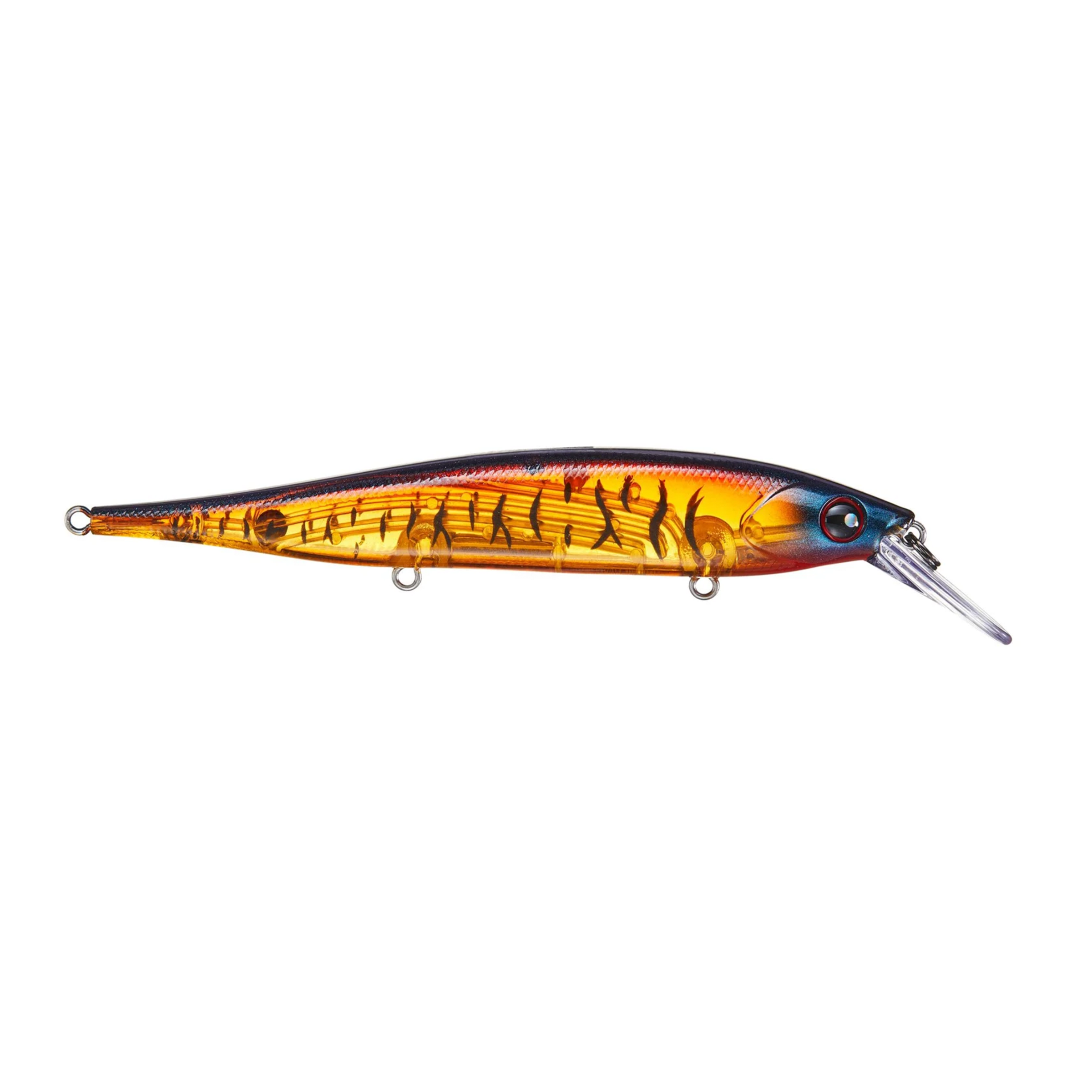
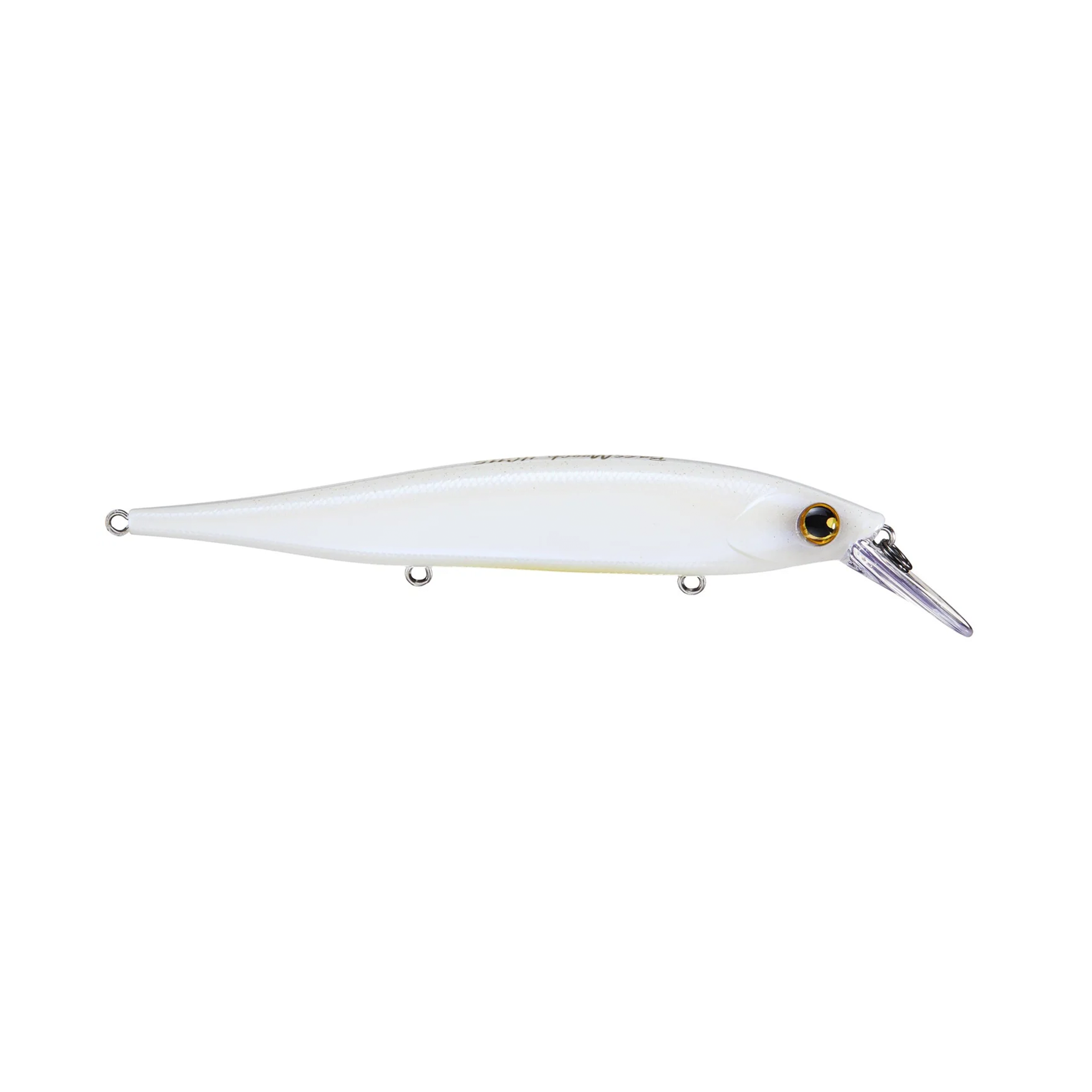
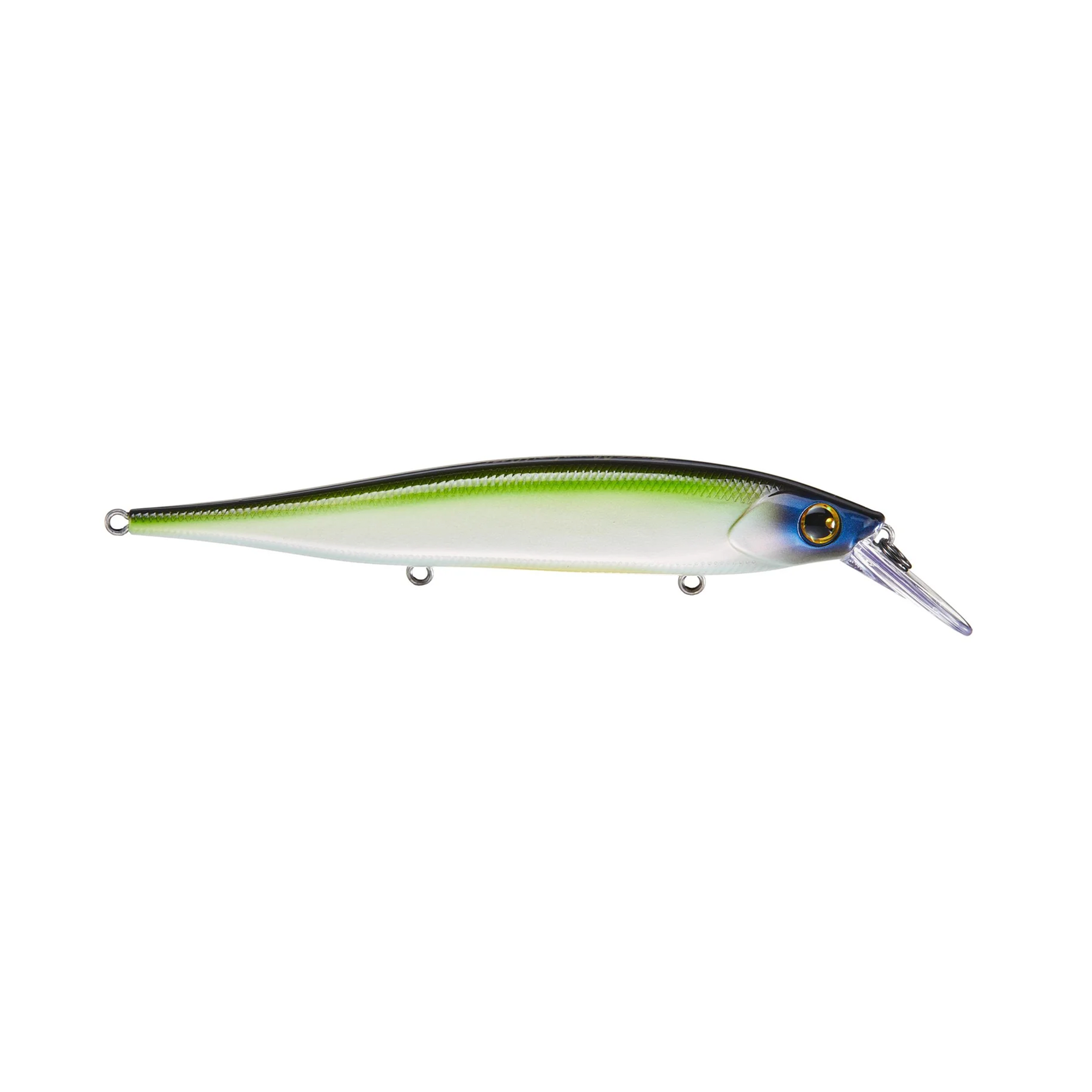
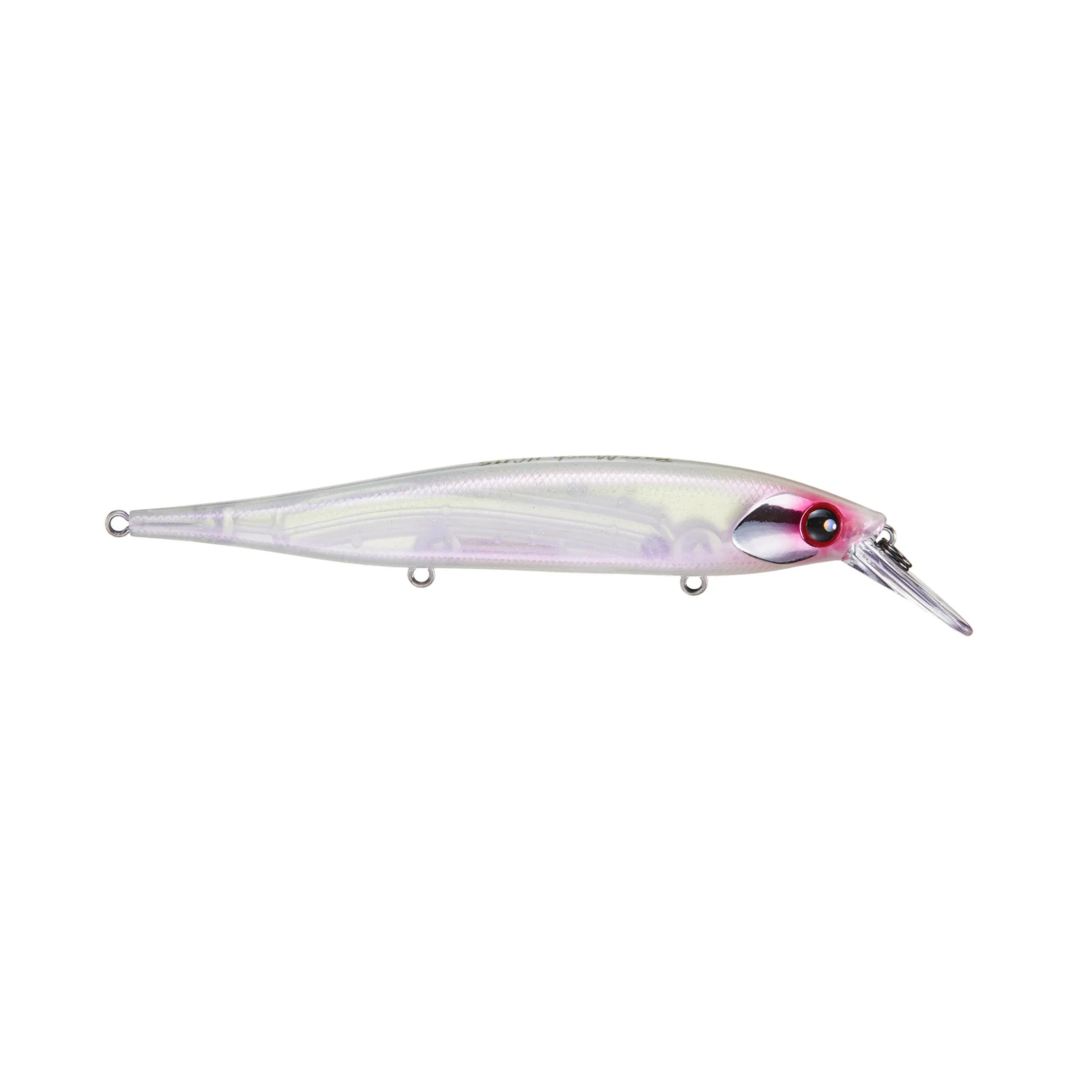
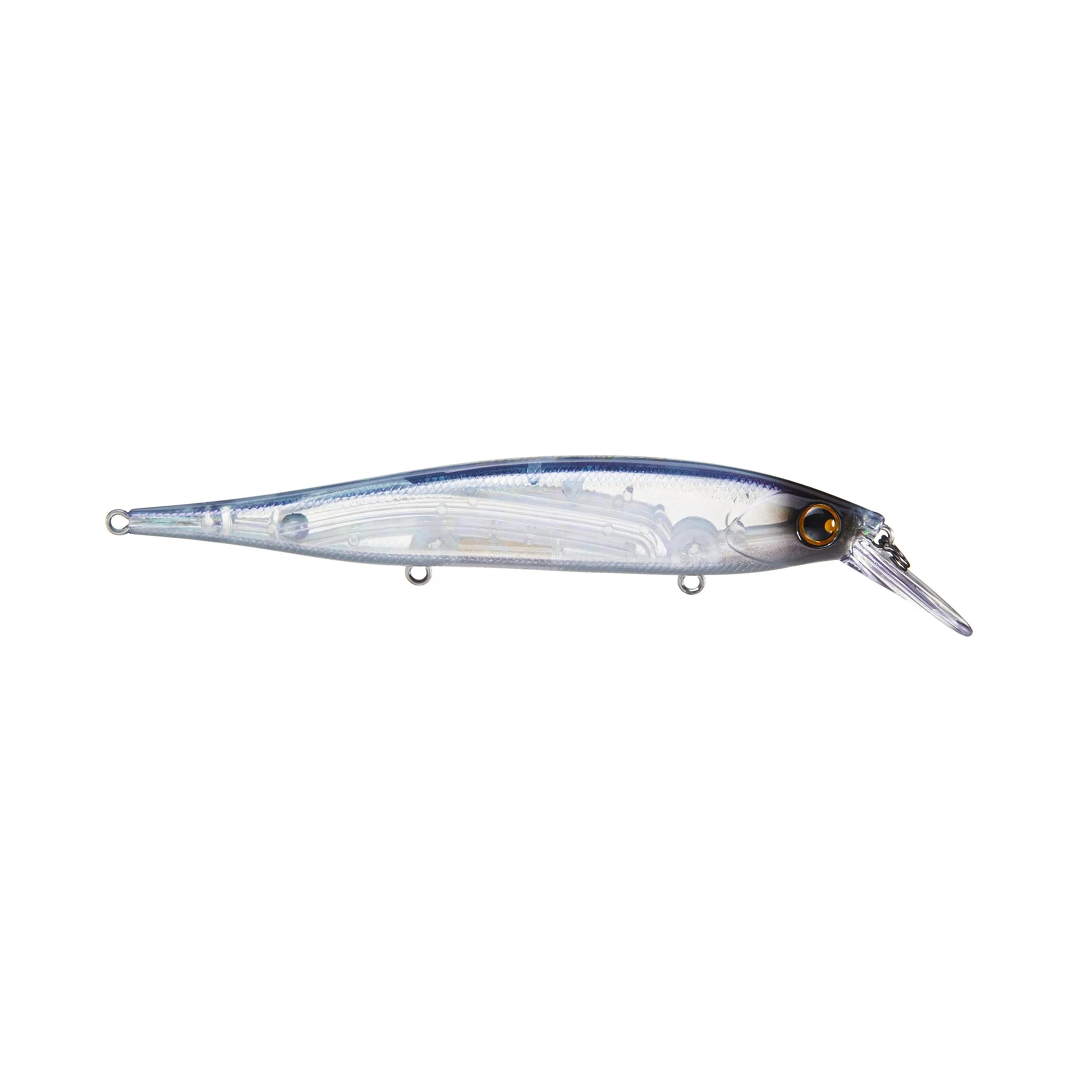
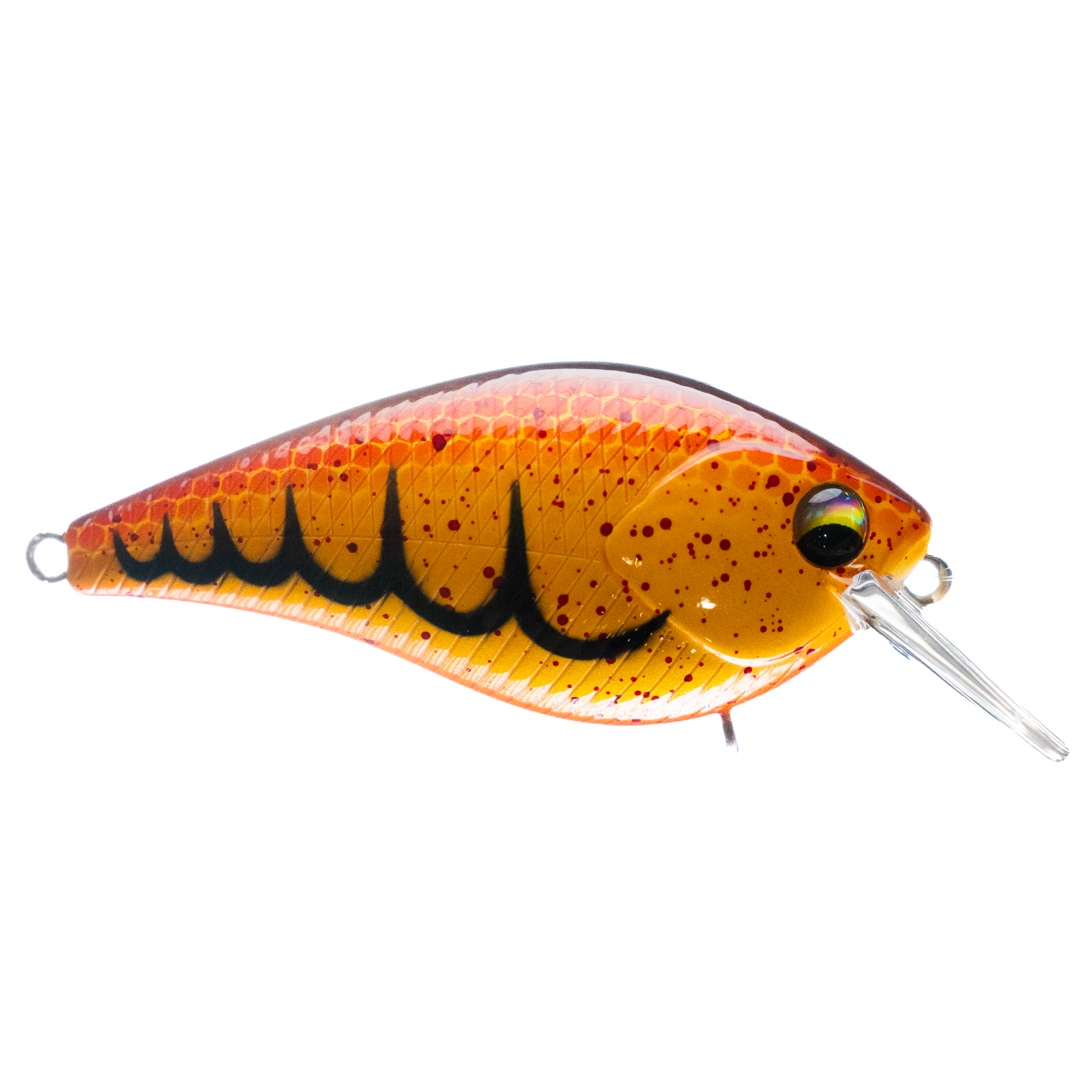
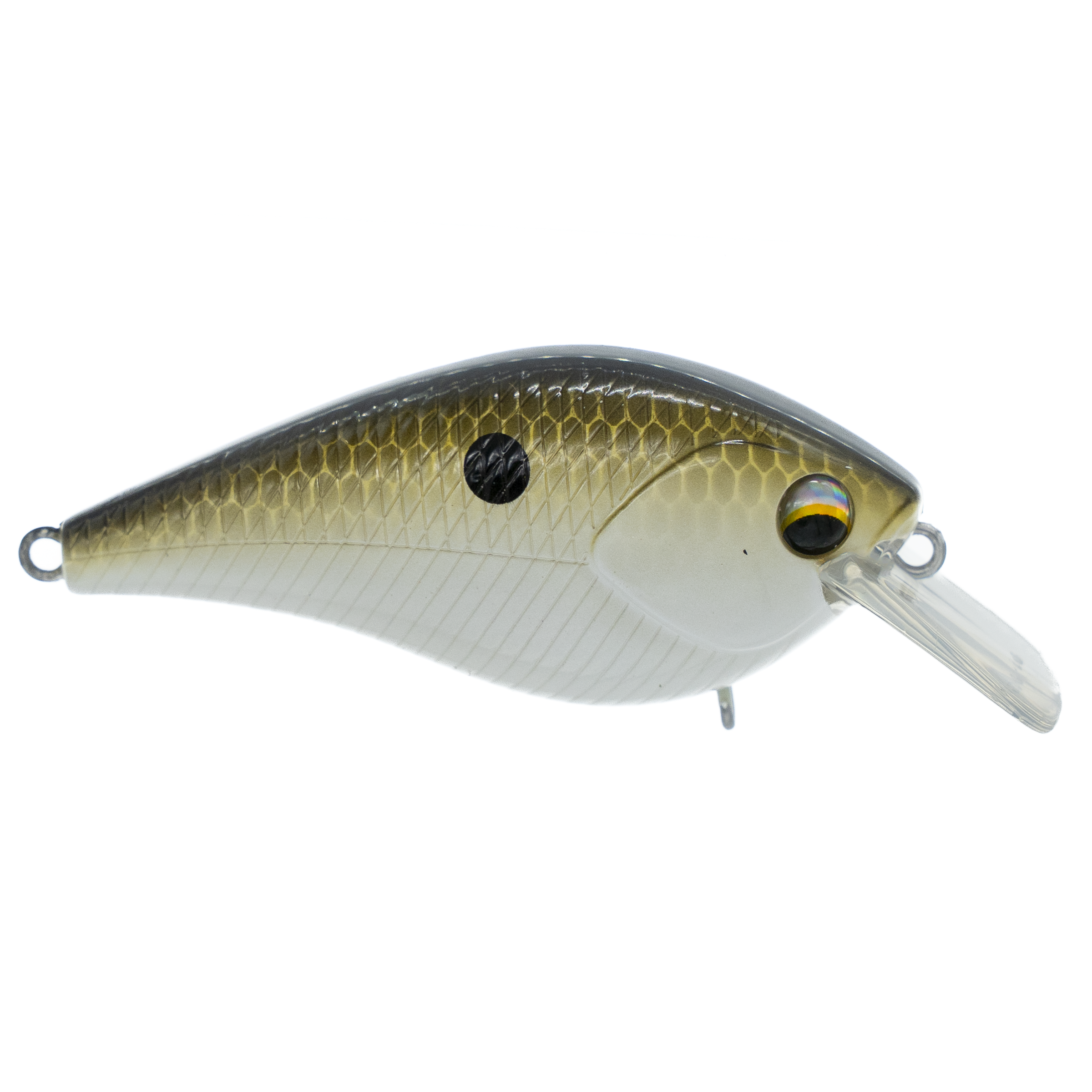
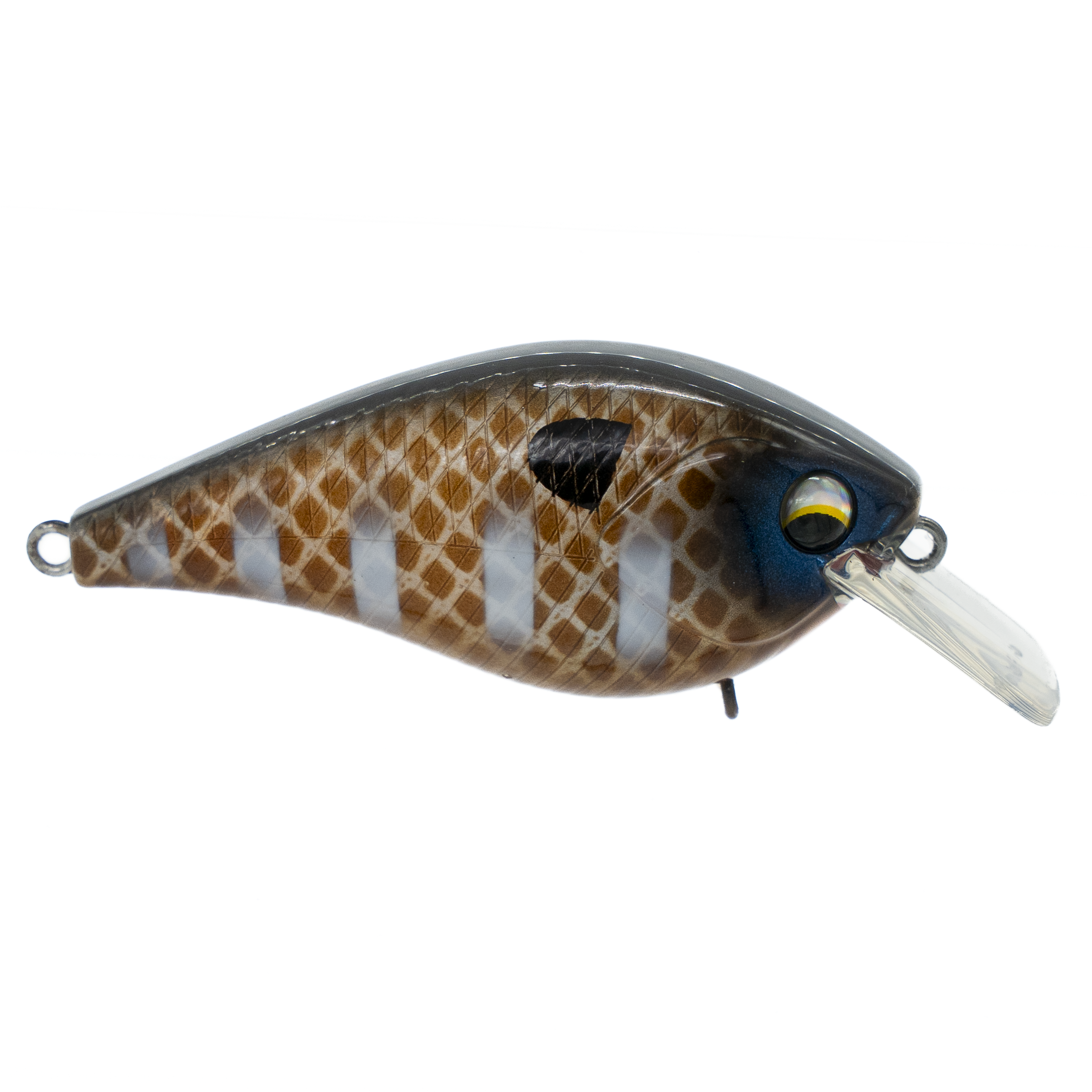
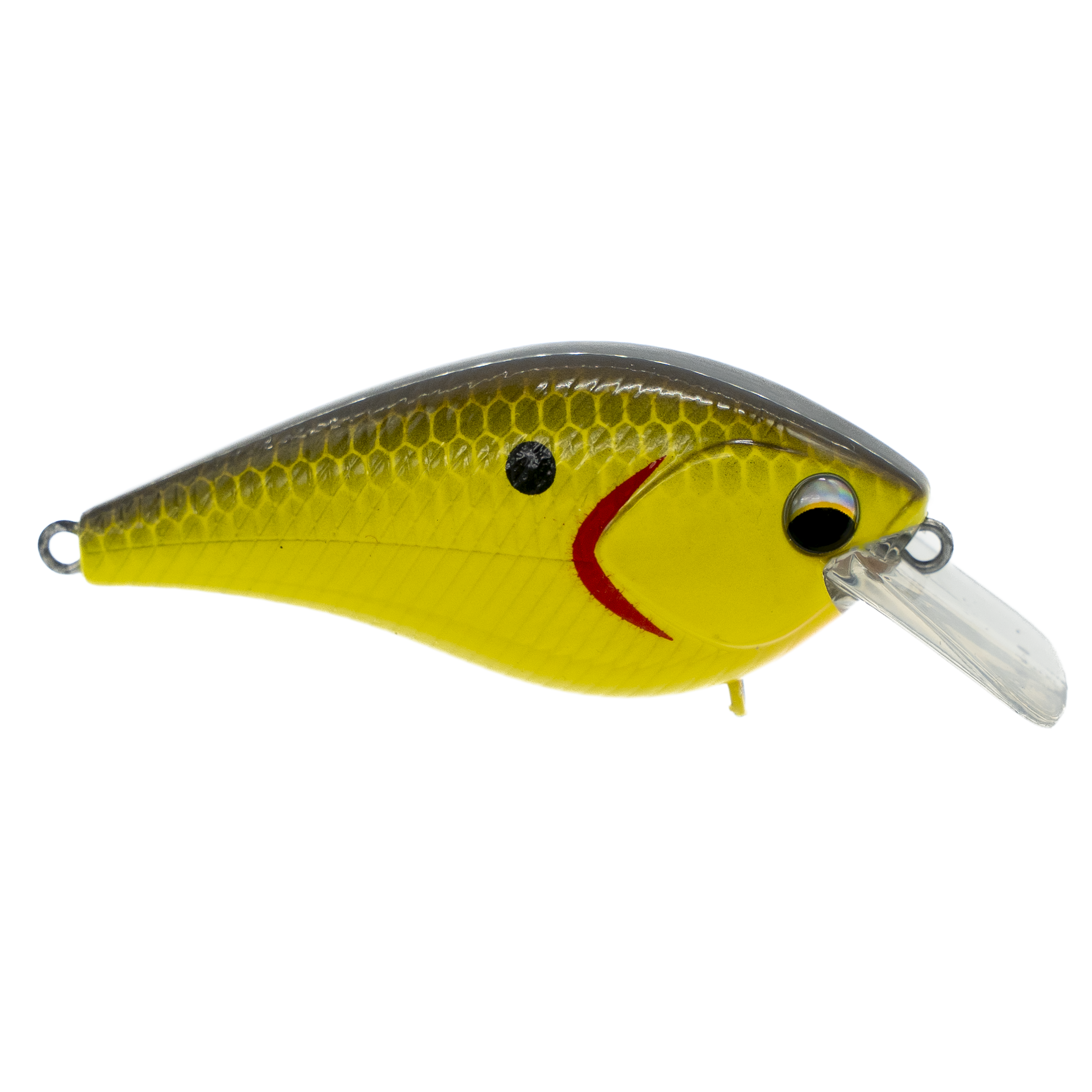
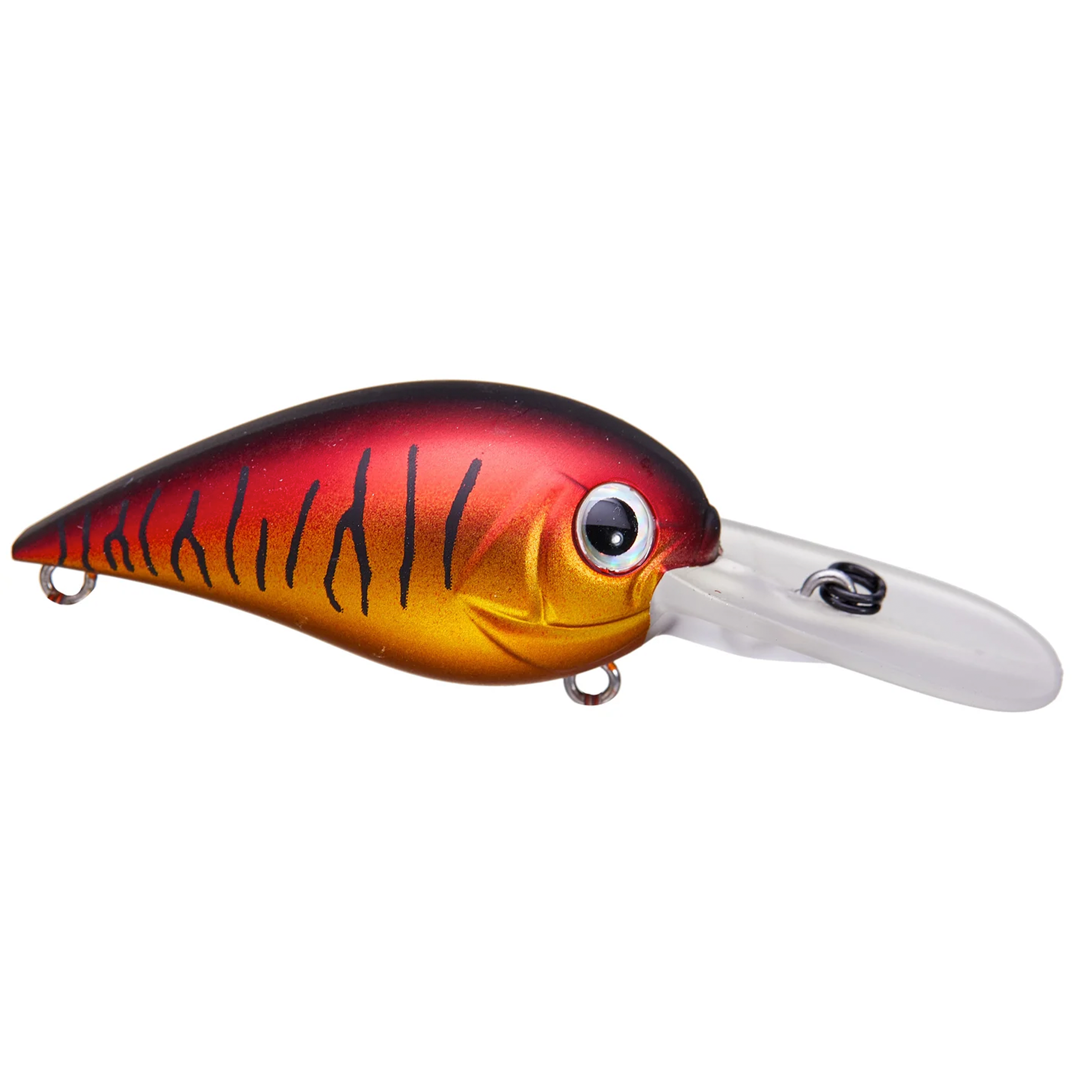
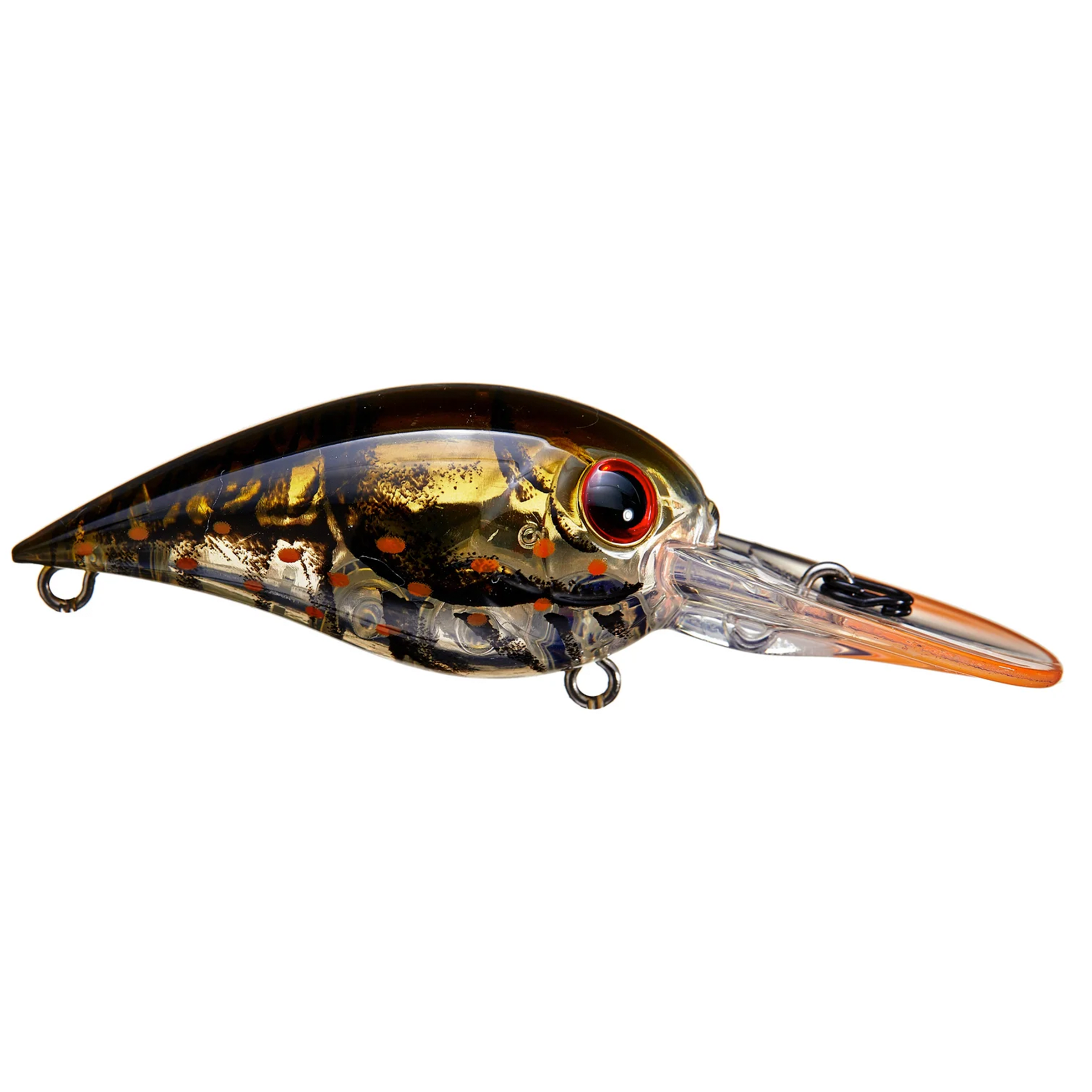
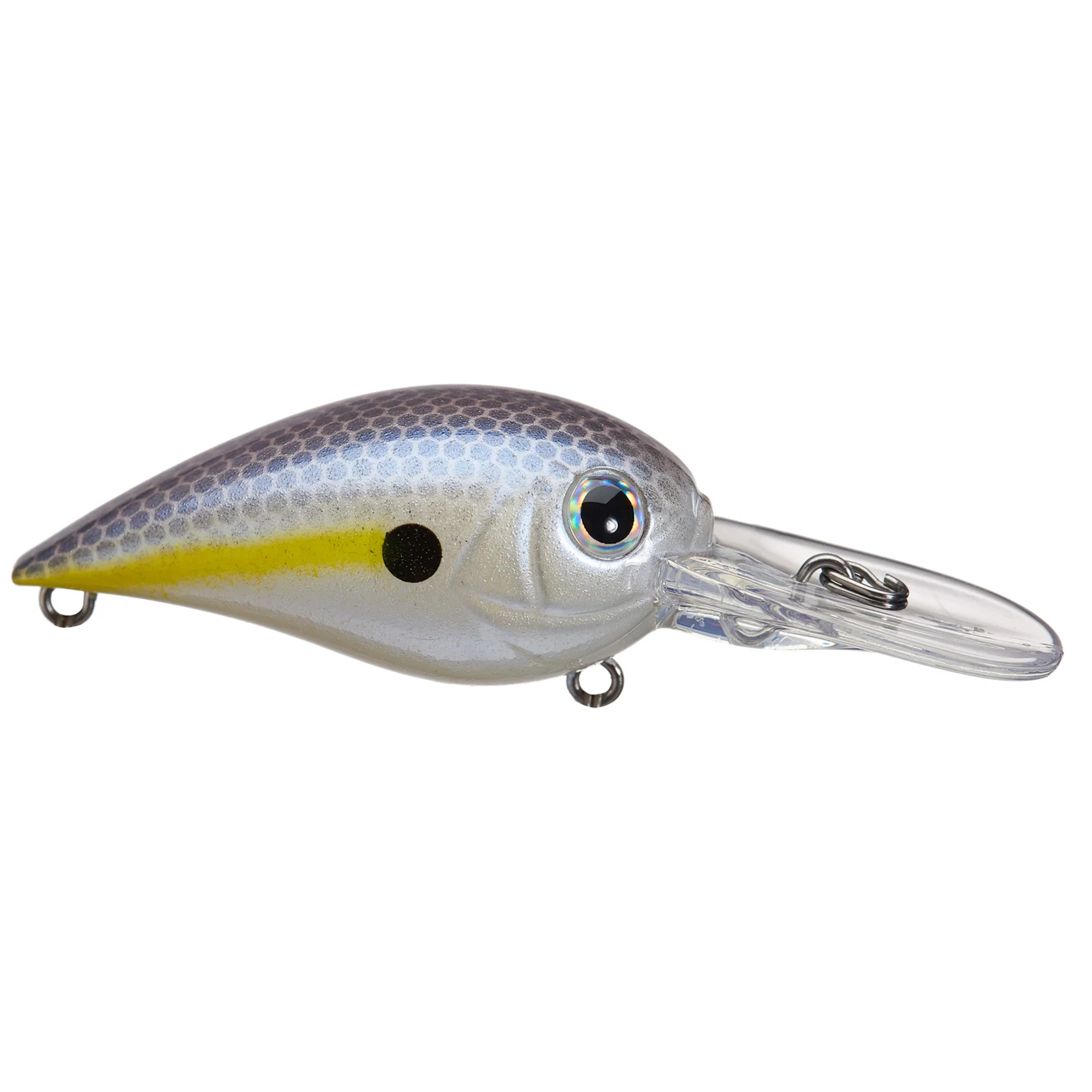
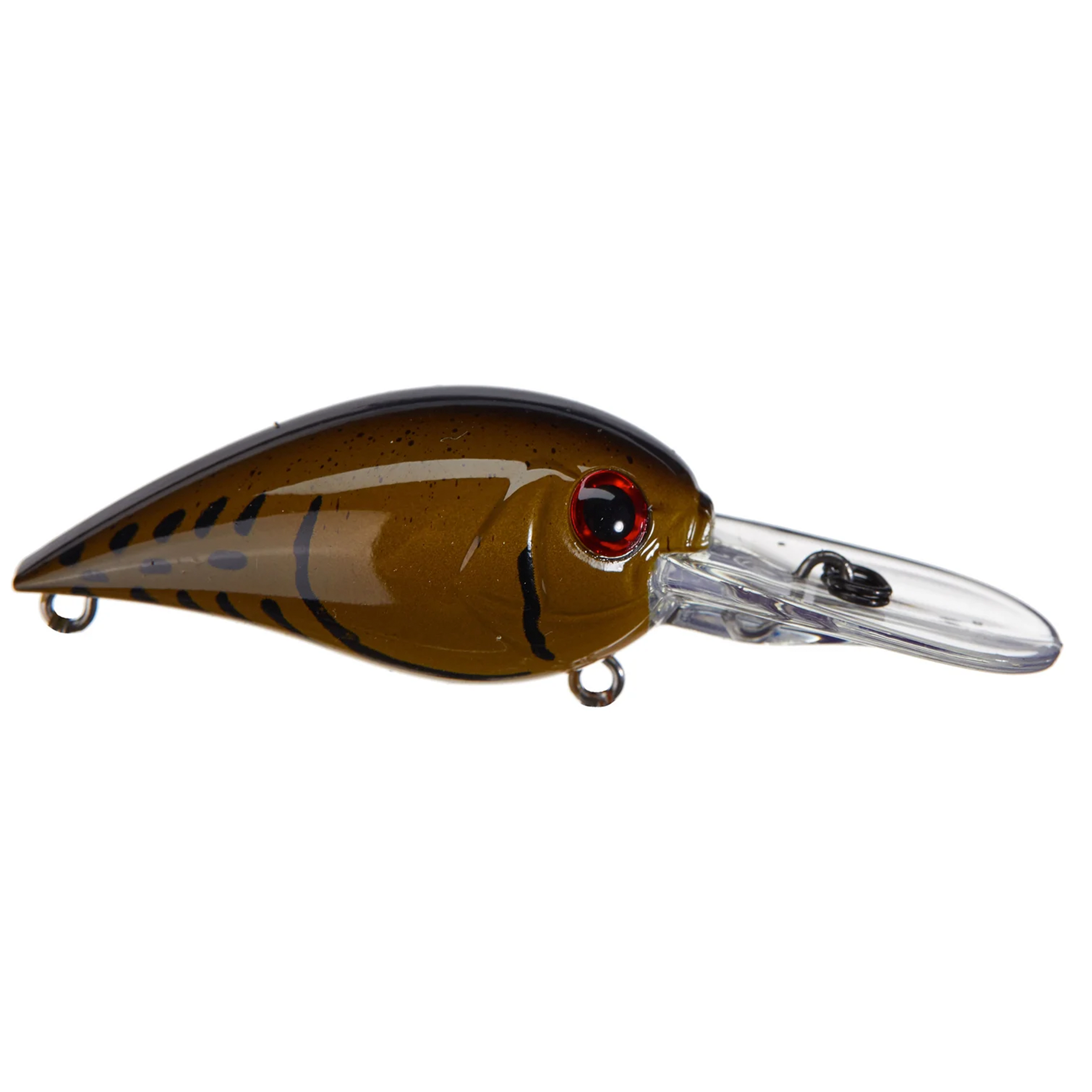
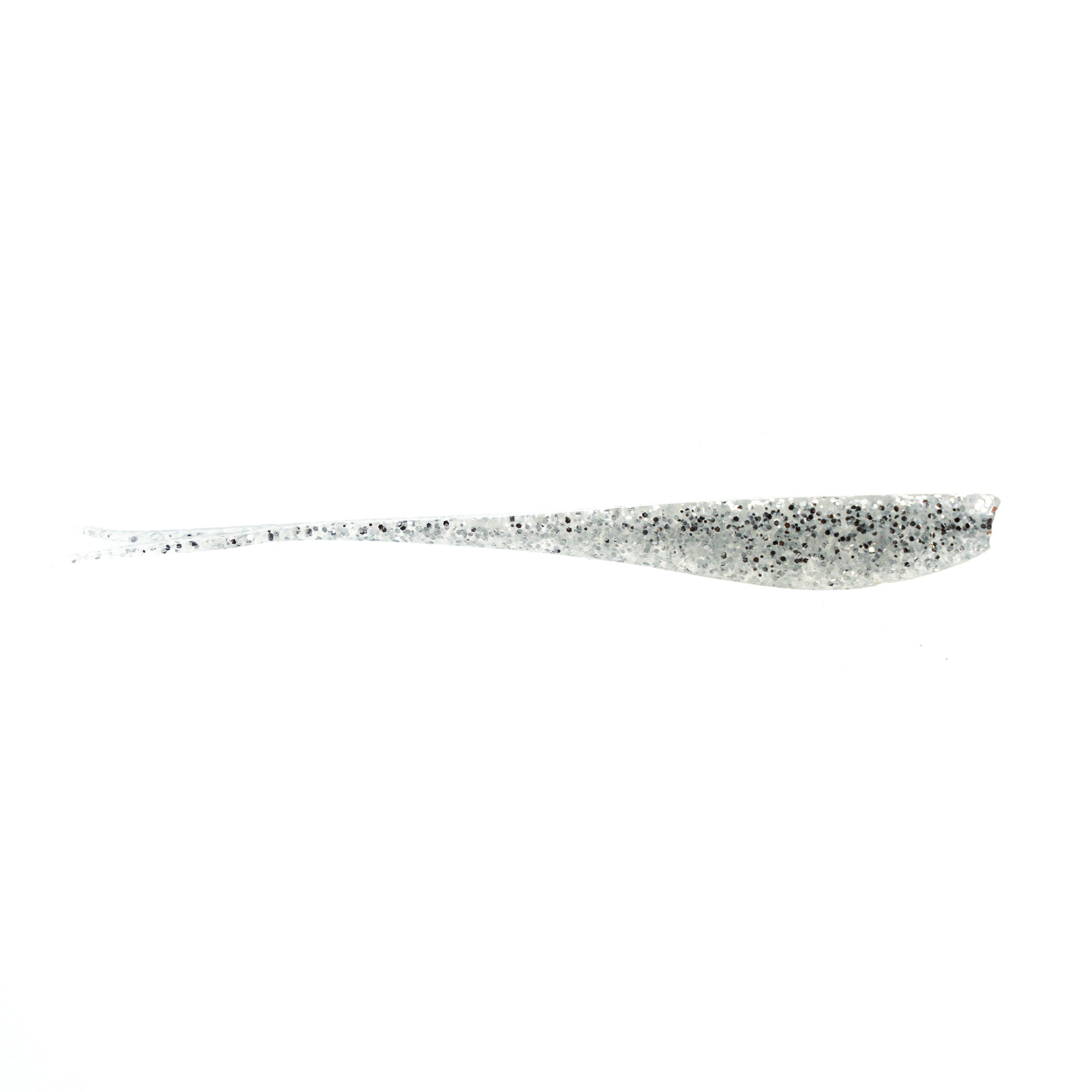
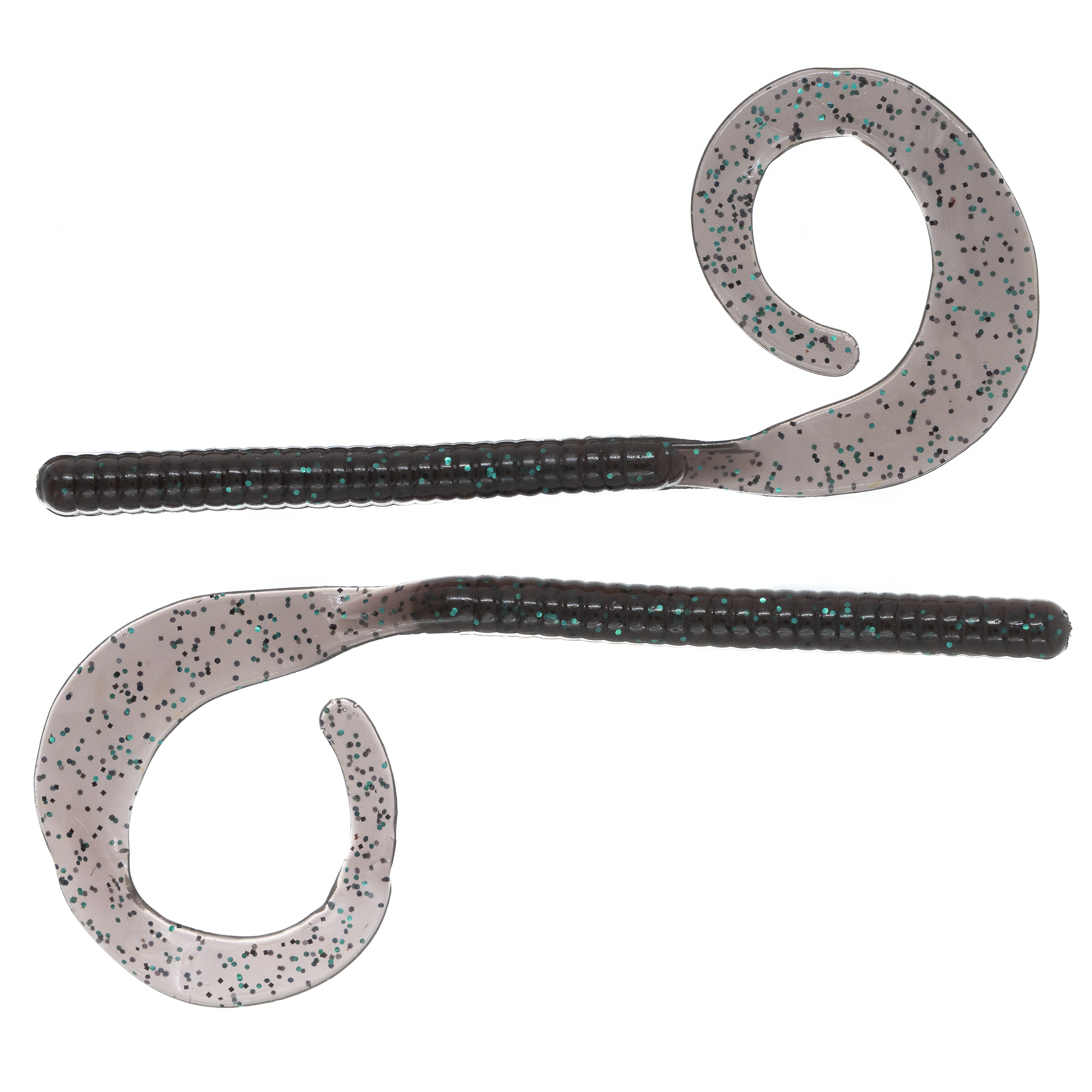
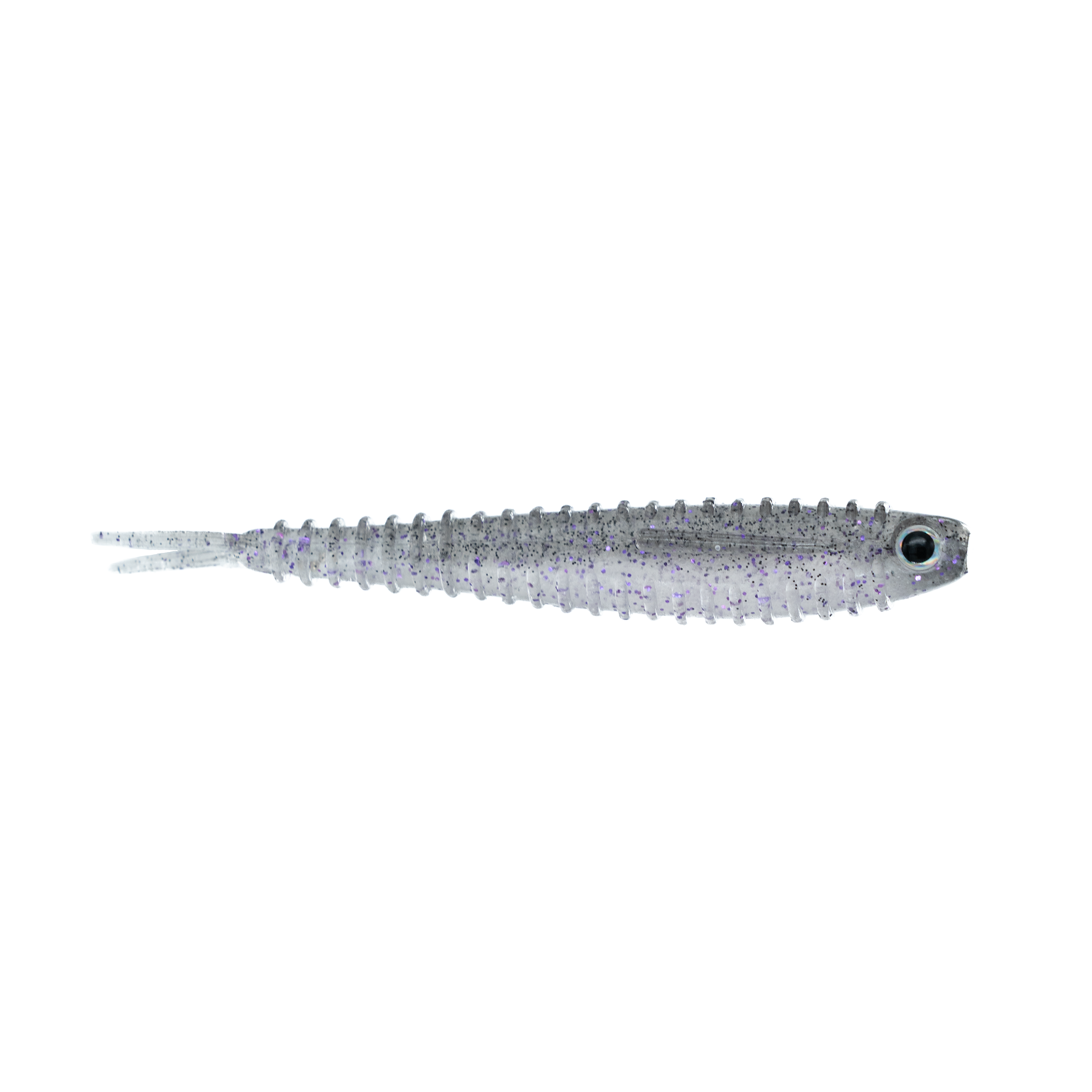
Four patterns cover the year. Each one pairs the technique with the baits we'd actually tie on.
The Best Weeks of the Year
March and April are the peak, and the reason is the bottom. The sculpted ridges and hard edges give bass exactly the spawning substrate they want, and the fish use it predictably. Water temperature and daylight bring them up onto the shallower shaped areas, and the fishing gets easy in a way it rarely does anywhere else.


Topwater Early, Hydrilla All Day
Summer here is a vegetation game. The submerged hydrilla is extensive enough that most of the lake is fishable only with something weedless, and the emergent cattails and pads give the bass shade to sit under through the heat. The early window is best, and Florida afternoon storms are a genuine consideration on open water this size with only one ramp.



Following the Structure
As the water cools the fish reposition along the built structure rather than scattering the way they do on a natural lake. The old farm channels, the ditches and the ridge edges hold them, and because those features are straight and defined, they are much easier to fish systematically than a natural grass line would be.
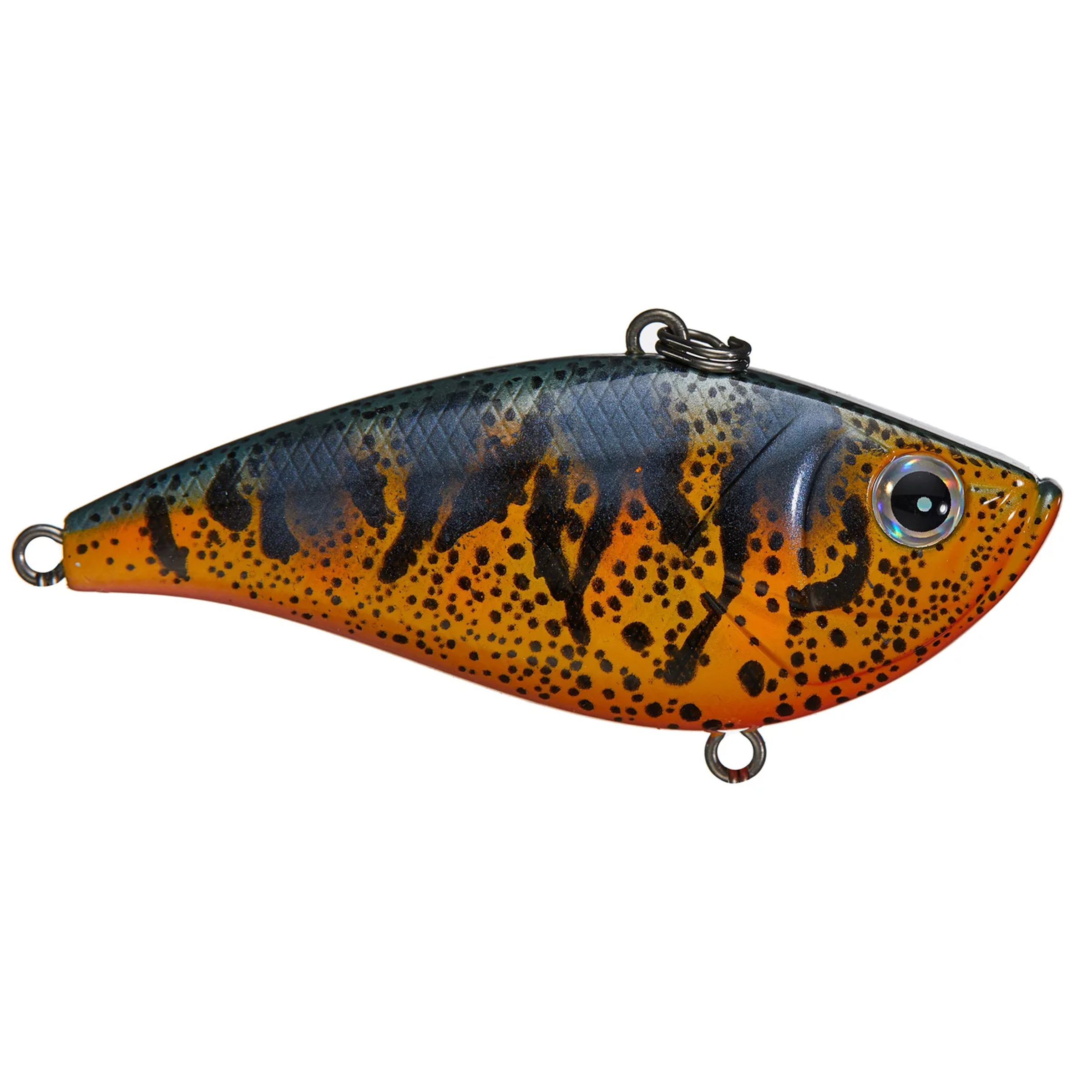
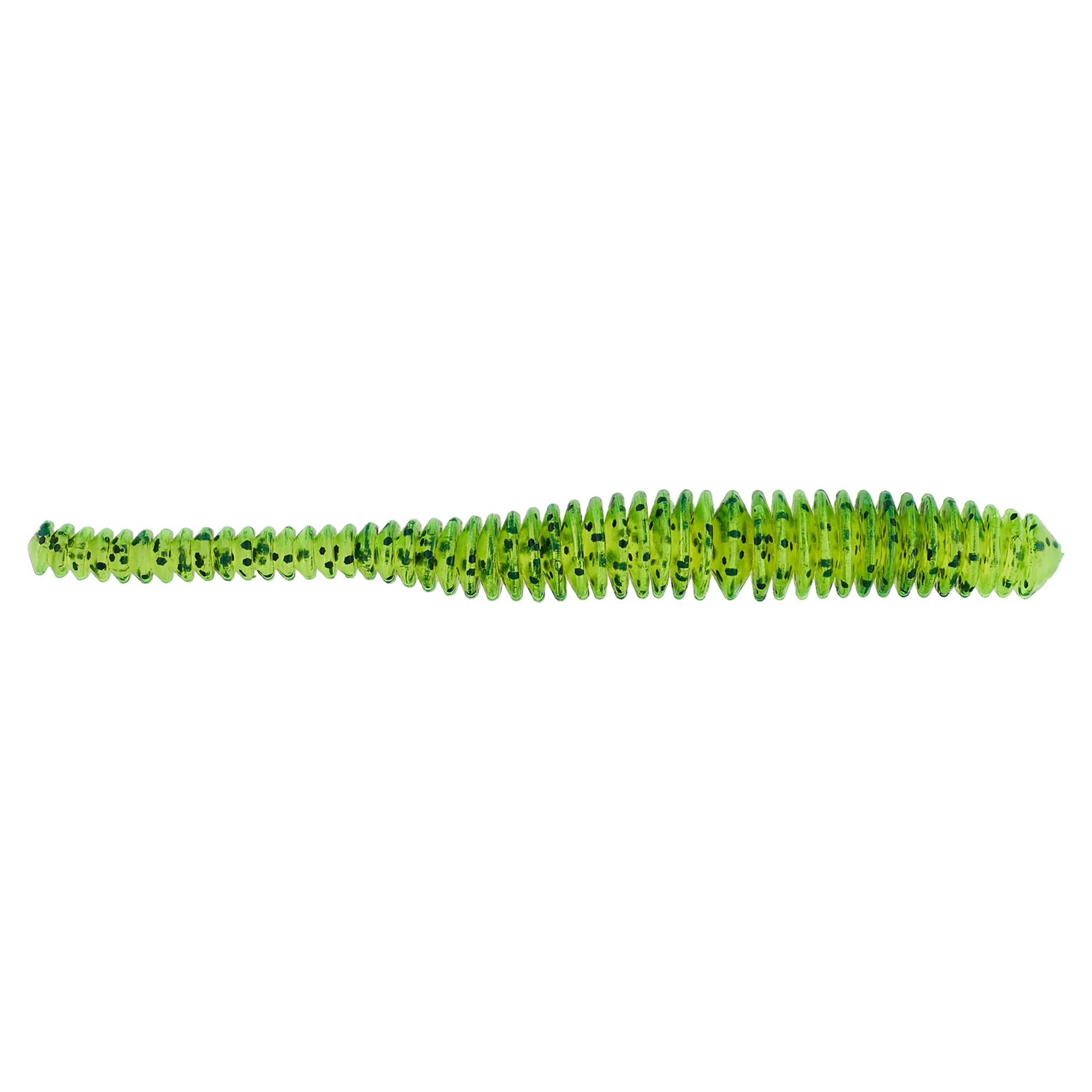
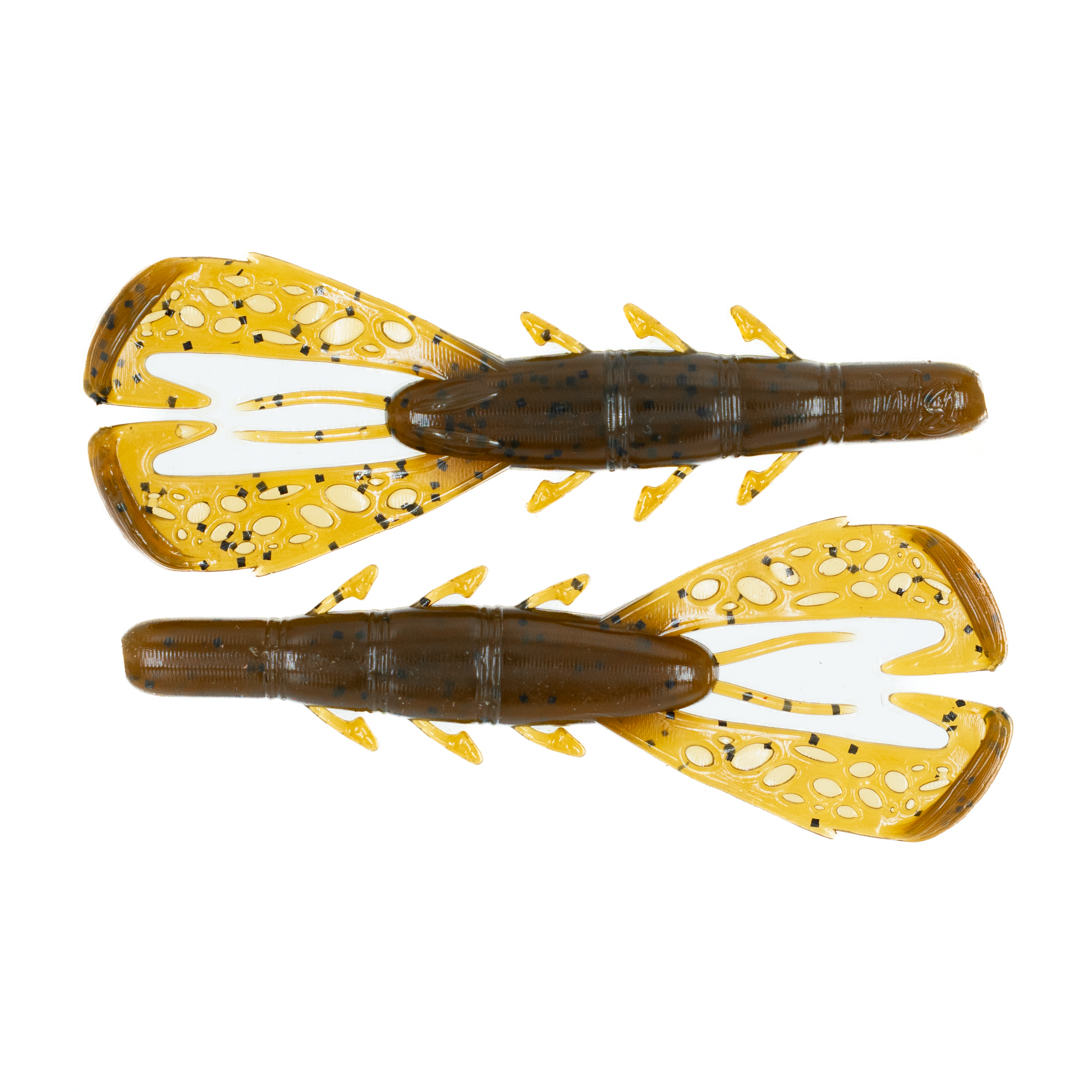
Cooler Water, Bigger Average
Winter on this lake is comfortable fishing and the average size climbs. Prespawn females start staging on the deeper structure near the shaped spawning areas from late in the year, and the crowds are thinner than in spring. Cold fronts move fish off the shallow structure and onto the adjacent deeper edges, which on a lake built like this one are never far away.


Headwaters Lake Access
There is one public ramp. The Headwaters Boat Ramp is off Fellsmere Grade Road, less than ten miles west of Fellsmere and reachable from I-95, with parking for roughly 44 trailers and restroom facilities. There are no other amenities on site — bring everything you need.
The Headwaters Ramp and Boat Basin
The only public access point for boats entering Headwaters Lake, managed by the St. Johns River Water Management District. Idle-speed and no-wake rules apply in the basin and the access canals, and the lake has a 25 mph limit in controlled areas. Come with a full tank and a plan; there is no fuel out here.
The Ditches and Old Farm Channels
The signature feature of this lake and the reason it fishes the way it does. Straight, defined cuts left over from the property's farming history and from the excavation work, holding fish along their edges through most of the year. Learn a few of them properly and you have a milk run that works season after season.
Egan Lake
A navigation channel at the southwest corner of Headwaters gives direct access to Egan Lake — open water, herbaceous marsh and wet prairie, under the same Fellsmere Water Management Area regulations. It sees less traffic than Headwaters and is worth the run when the main lake is crowded or rough.
Headwaters Lake Bass Fishing FAQ
Can you keep bass at Headwaters Lake?
No. All largemouth bass in the Fellsmere Water Management Area, which covers both Headwaters and Egan lakes, are catch and release only. Possession is prohibited and you cannot hold fish in a livewell. Other freshwater species such as bluegill, crappie and redear sunfish are under Florida's statewide regulations.
Are circle hooks required at Headwaters Lake?
Yes, when fishing natural bait longer than three inches. FWC requires non-offset circle hooks in that situation to reduce injury to fish that are all going back. Artificial lures are unaffected by the rule.
How deep is Headwaters Lake?
Roughly four to ten feet across most of it, with some deeper holes reaching around thirty. The bottom contours are manmade — ridges, channels, pits and sinkholes shaped by heavy equipment before the reservoir was flooded, specifically to create fish-holding structure.
What is the difference between Headwaters Lake, Fellsmere Reservoir and Lake Egan?
Headwaters Lake and Fellsmere Reservoir are the same water. Egan Lake is a separate, connected water body reached through a navigation channel at the southwest corner. Together they make up the Fellsmere Water Management Area, and the same FWC bass regulations apply across both.
When is the best time to fish Headwaters Lake?
March and April, during the spawn, are the strongest weeks — warmer water and longer days have the fish active and using the shaped spawning structure. Winter produces a bigger average size with fewer people on the water. It fishes year round.
How big do the bass get at Headwaters?
The lake record is over fifteen pounds. Day to day, average fish run about one and a half to three pounds, and a good day can produce forty or more with a realistic chance at something over eight. That is unusual for a fishery this young, and it is the direct result of the habitat work and the catch-and-release rules.
What baits work best at Headwaters Lake?
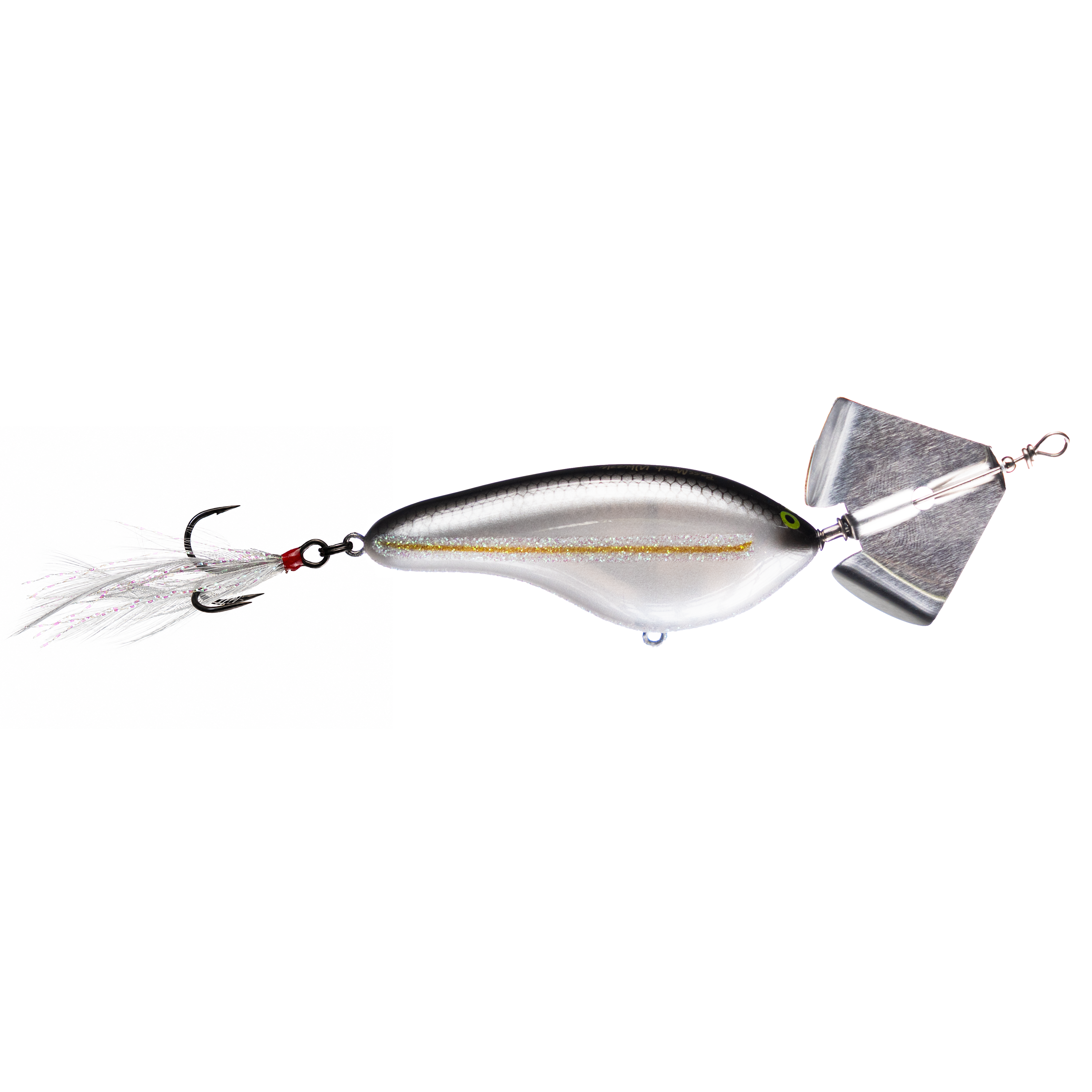
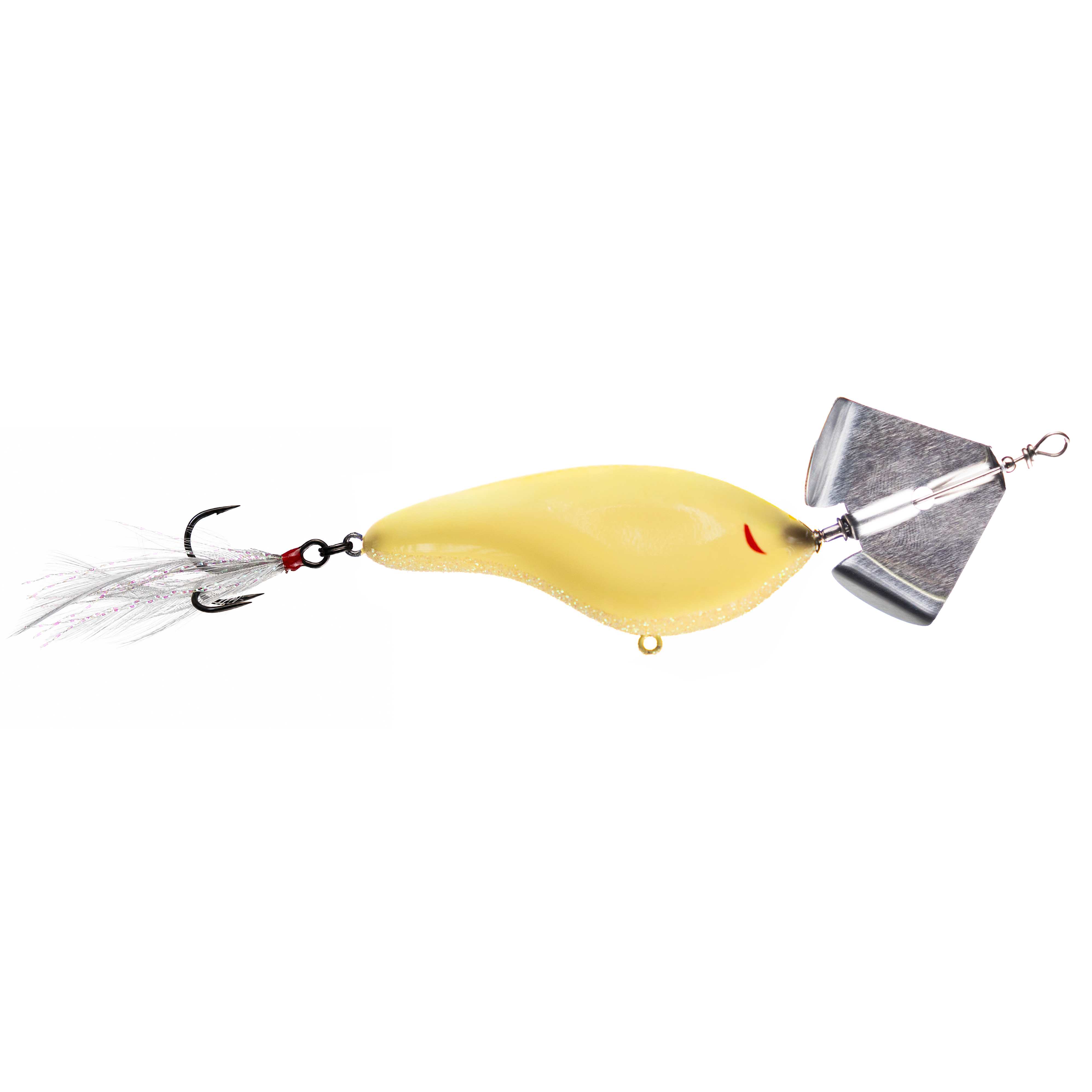
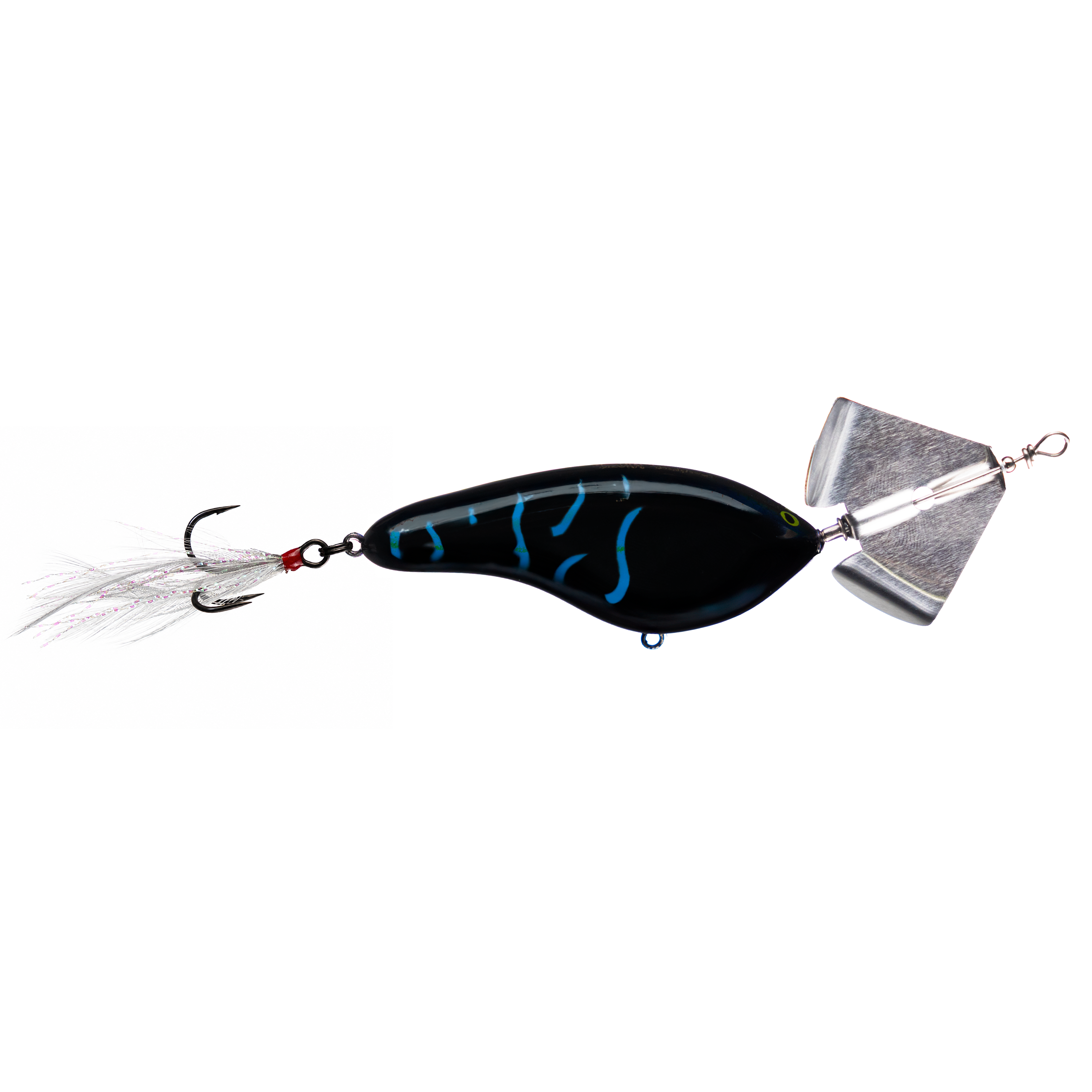
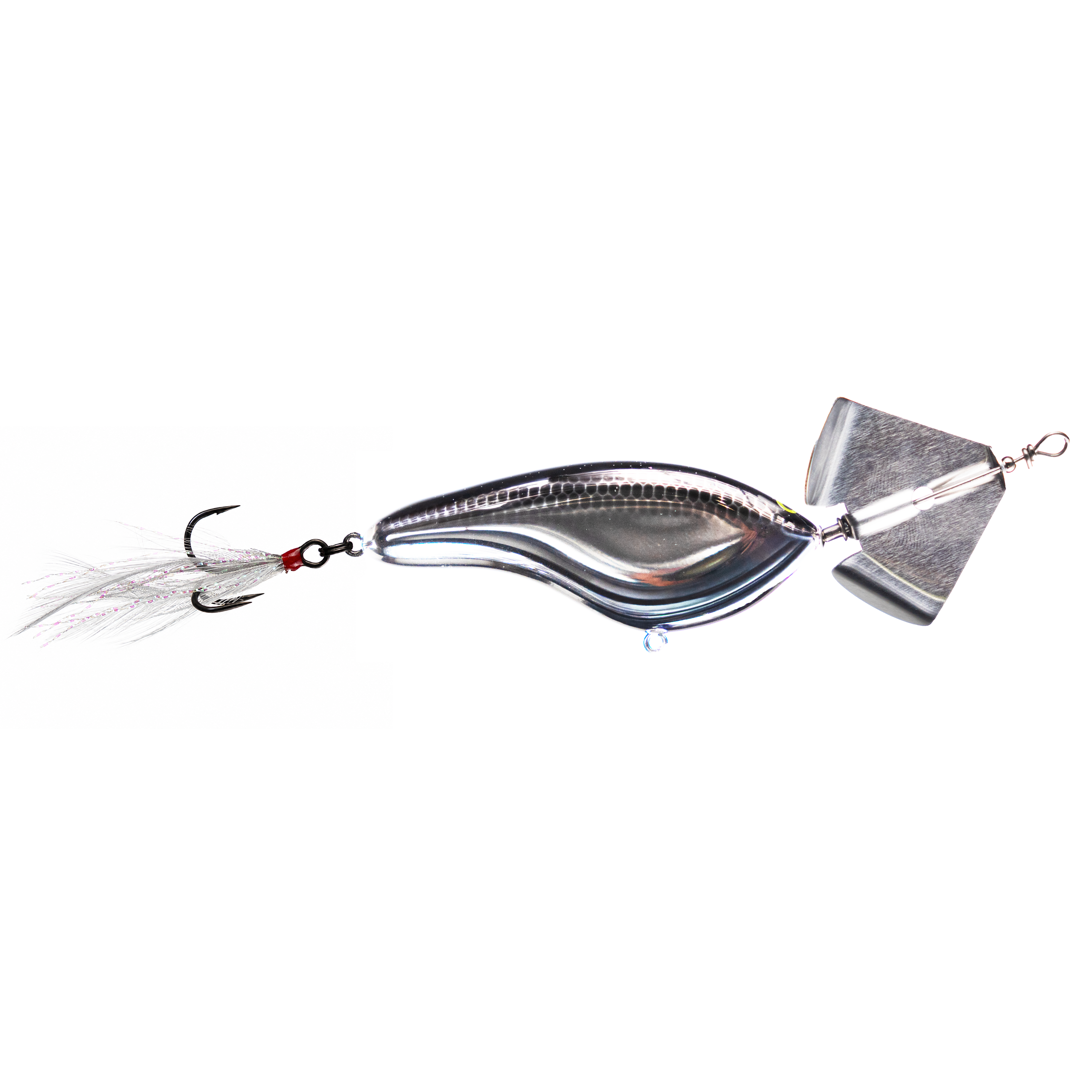
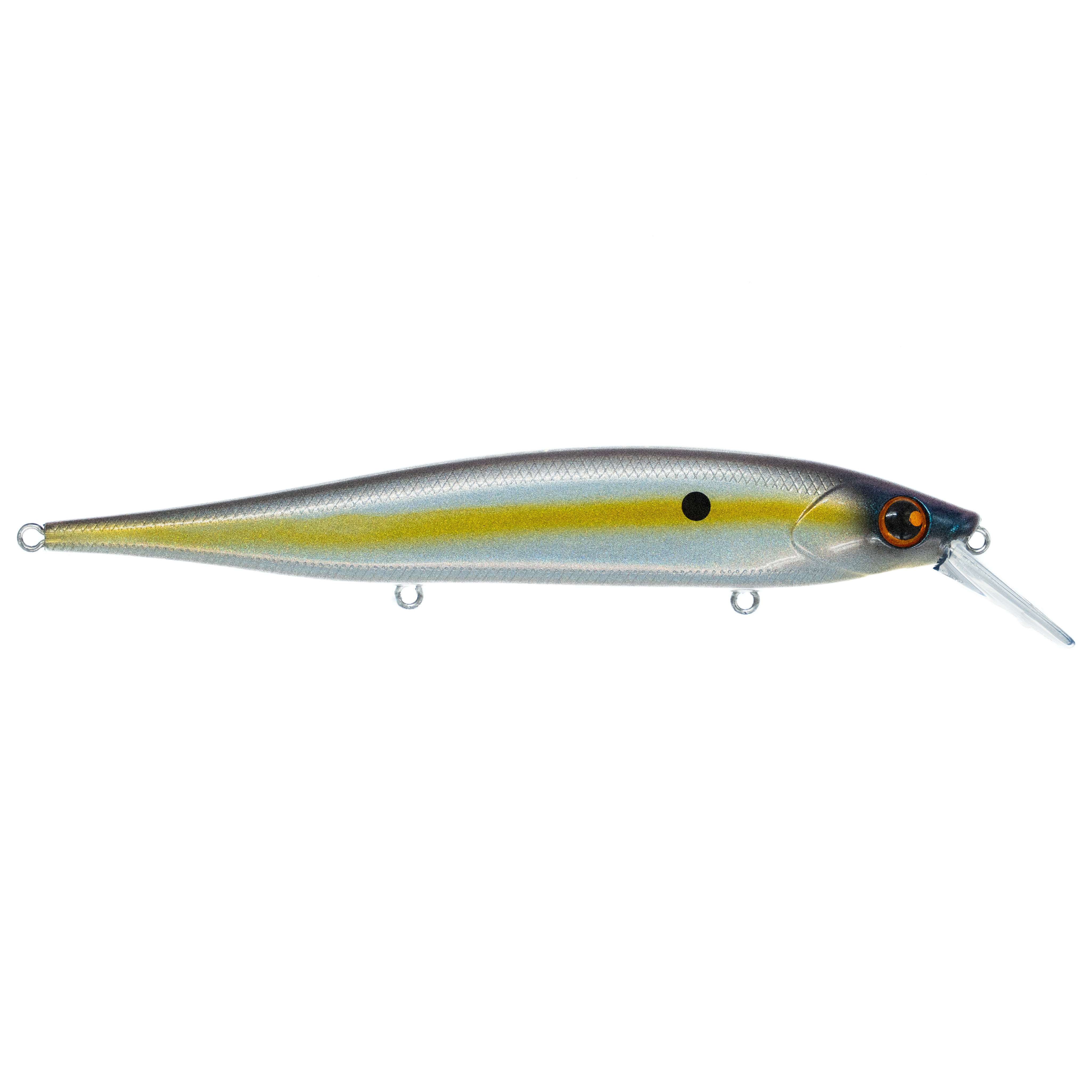
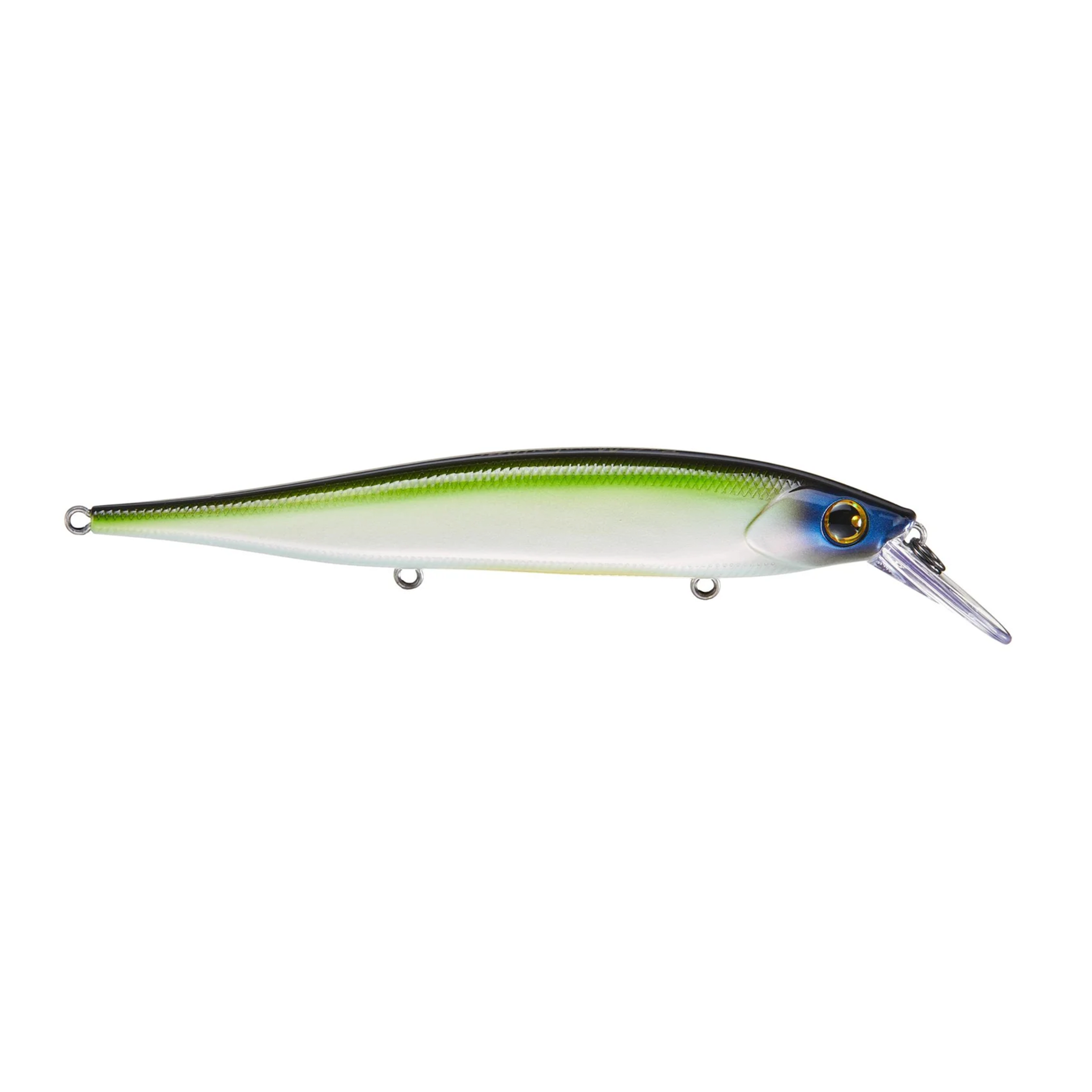
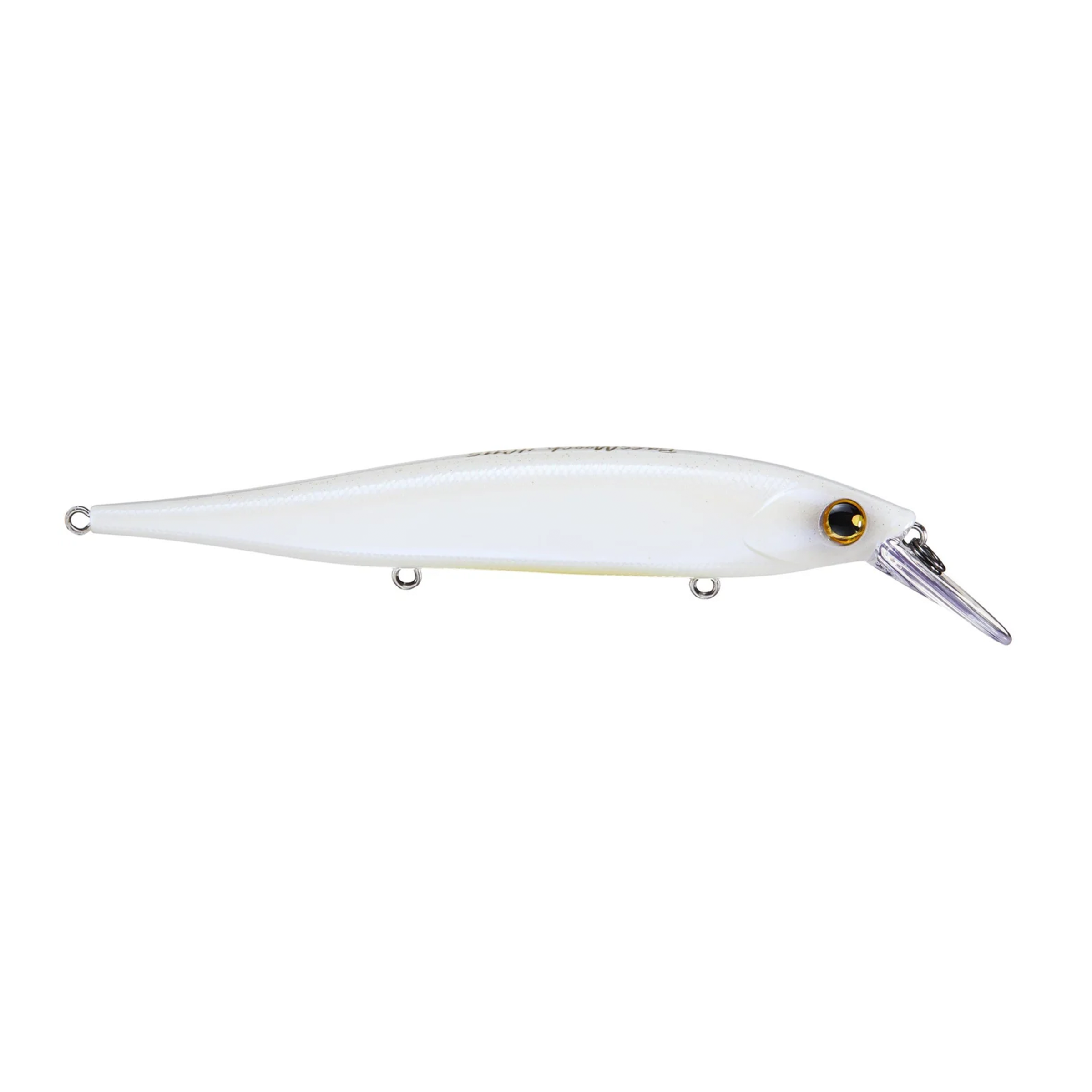
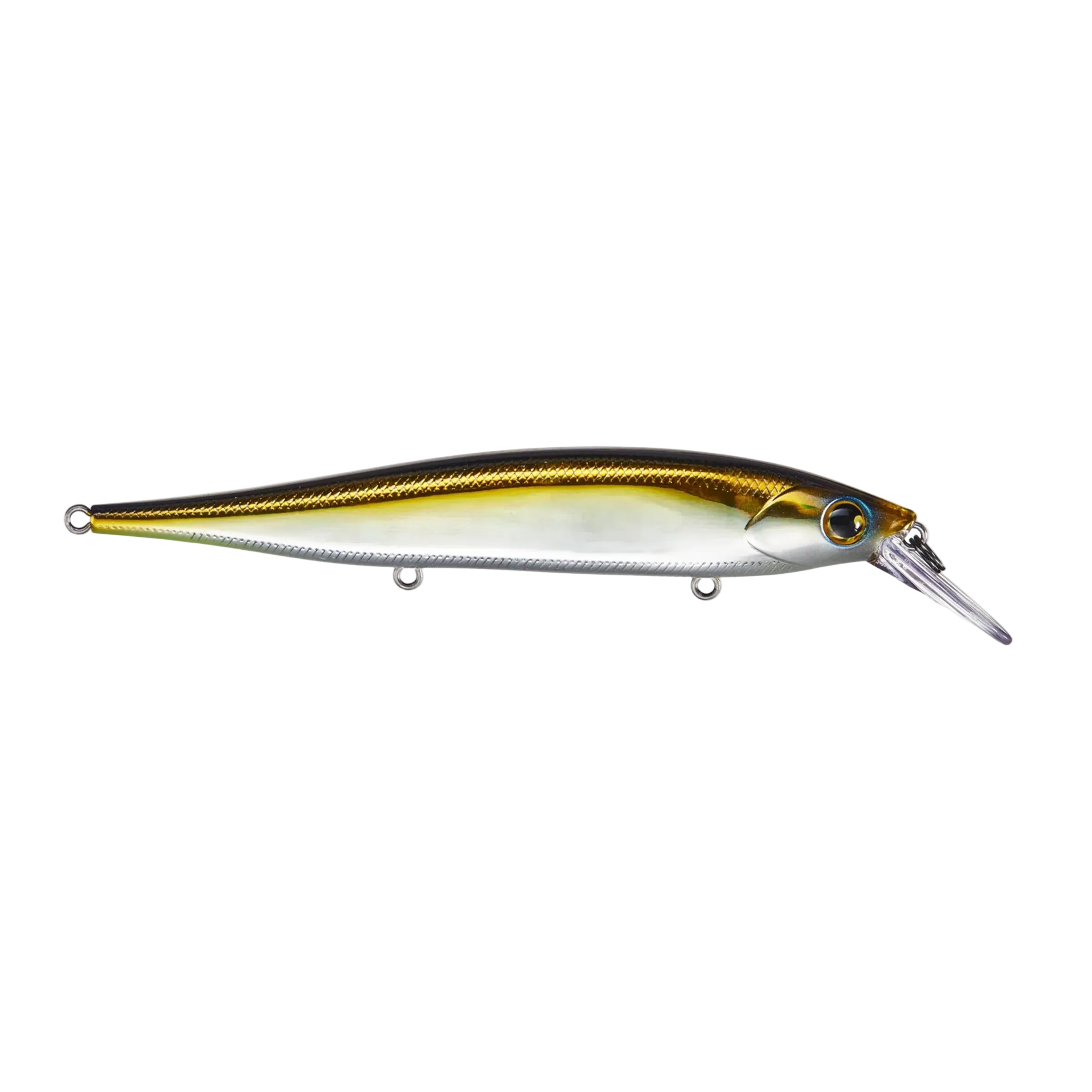
With this much submerged vegetation, weedless is the rule. Topwater lures and weedless soft plastic jerkbaits and stickbaits are the most productive presentations across the year, with swim jigs and soft plastics along the ditch edges. Our full bait lineup covers all four seasons.
Do I need a fishing license?
Yes. A Florida freshwater fishing license is required for anglers 16 and older through the Florida Fish and Wildlife Conservation Commission. Because this is an actively managed trophy project, check current Fellsmere Water Management Area rules on myfwc.com before you go — they differ from statewide regulations and have been revised before.
Weedless, All Day
Fishing thousands of acres of submerged hydrilla means throwing weedless presentations from first light to last and setting the hook through a wall of grass. Level Rods builds models with the backbone to move a fish out of it immediately and the sensitivity to know the difference between a strand of hydrilla and a bite.
Tournament Winning Baits & Gear
Designed, crafted and tested by anglers who fish heavy vegetation every week. Free shipping on orders over $75.
Shop All Baits