Grenada Lake Bass Fishing Guide
Grenada Lake Bass Fishing, Season by Season
Thirty-five thousand acres of flooded timber and creek channels in north Mississippi, world famous for three-pound crappie and quietly excellent for bass. Grenada has two river arms, well-defined roadbeds and a midday bite that keeps producing when other lakes shut down.
A Crappie Lake That Grows Bass
Grenada Lake is a US Army Corps of Engineers flood-control reservoir in north Mississippi, roughly midway between Jackson and Memphis, covering around 35,000 acres. It is fed by two rivers — the Skuna and the Yalobusha — which give it two distinct arms that meet in the middle of the lake.
Its worldwide reputation is crappie. Grenada is the lake people mean when they talk about three-pound slabs, and the spring crappie spawn draws anglers from across the country. What gets lost in that is a genuinely good bass fishery that sees a fraction of the pressure the crappie population does.
The habitat is what you would expect from a flood-control reservoir built over farmland and forest: dead trees and stumps dominating the bottom, submerged creek channels, flooded shallow cover of bushes, stumps and grass, and well-defined roadbeds from the roads that existed before the water. Deeper timber and brush along channels and sloughs hold fish through the heat.
Water levels fluctuate substantially through the year, which is normal for a Corps flood-control project and is the single most important variable to check before a trip. What is a productive shallow flat in May can be dry ground in September.
One characteristic sets Grenada apart from most southern lakes: the bite holds up through the middle of the day. Most lakes give you a morning and an evening window; Grenada produces consistently even when the sun is high, which makes a day trip here considerably more useful than on a lake where you are fishing two hours out of ten.
Practical note on wind — the water up around the dam gets rough quickly when it blows, the same as Sardis. The arms give you somewhere to go.
Timber, Roadbeds and Two Arms
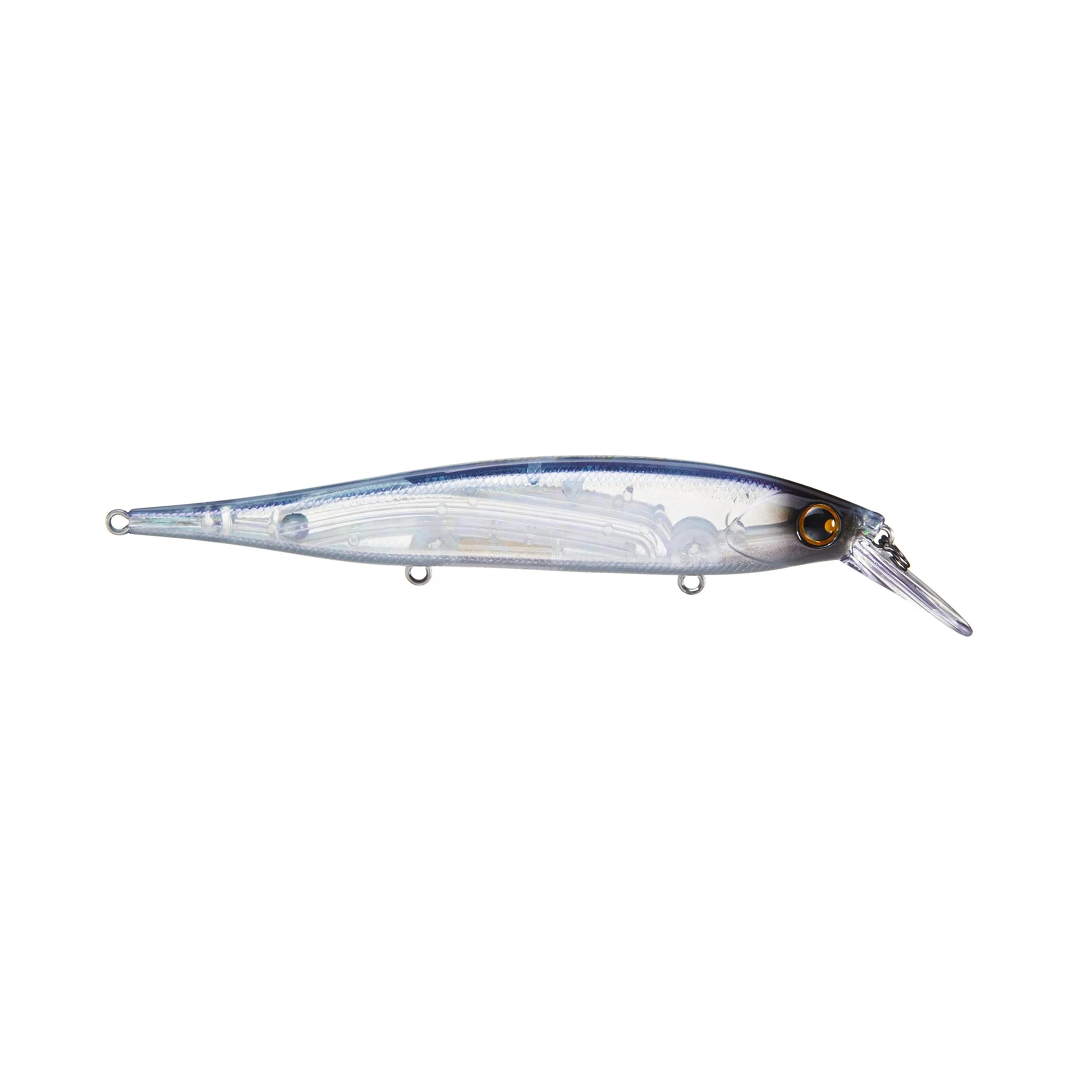
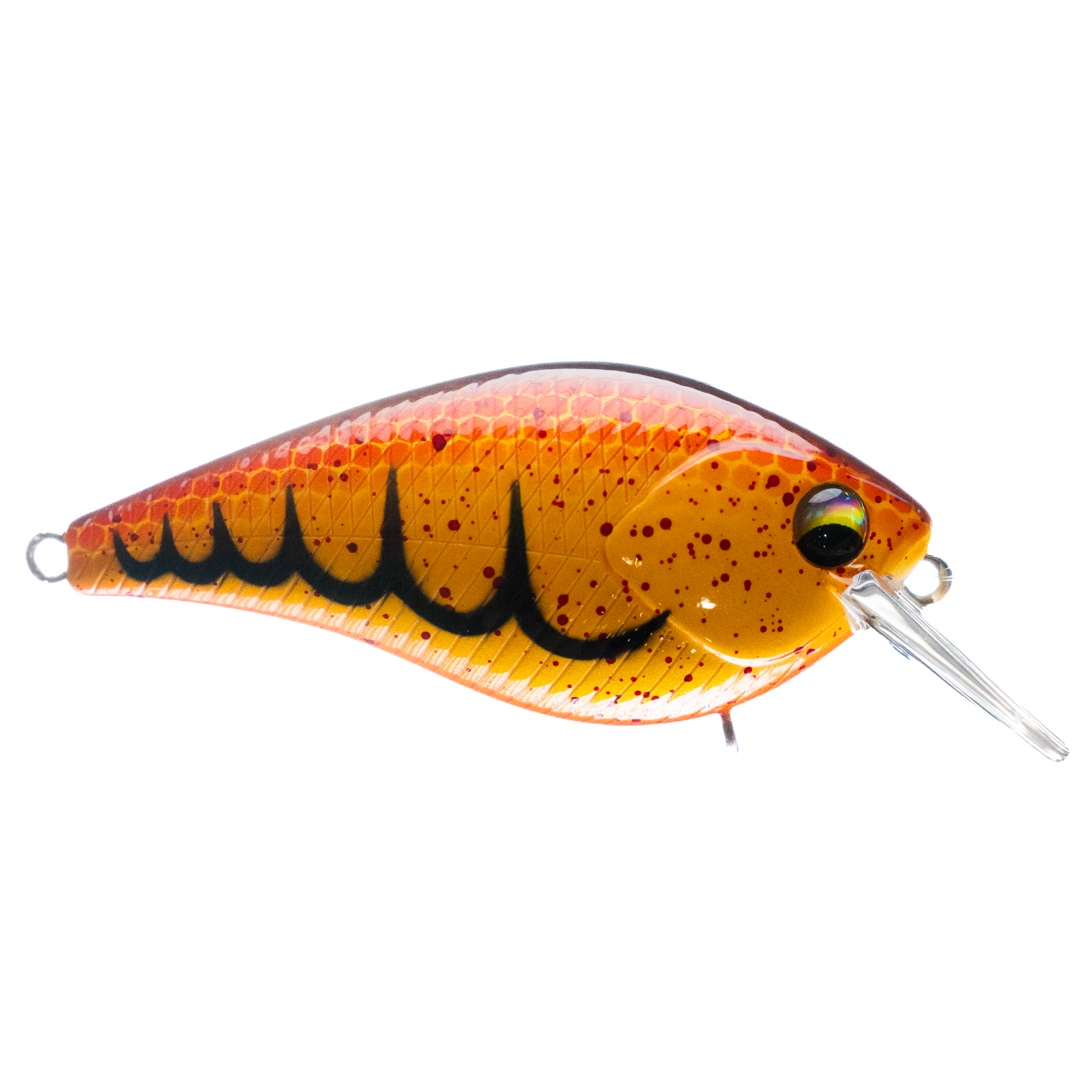
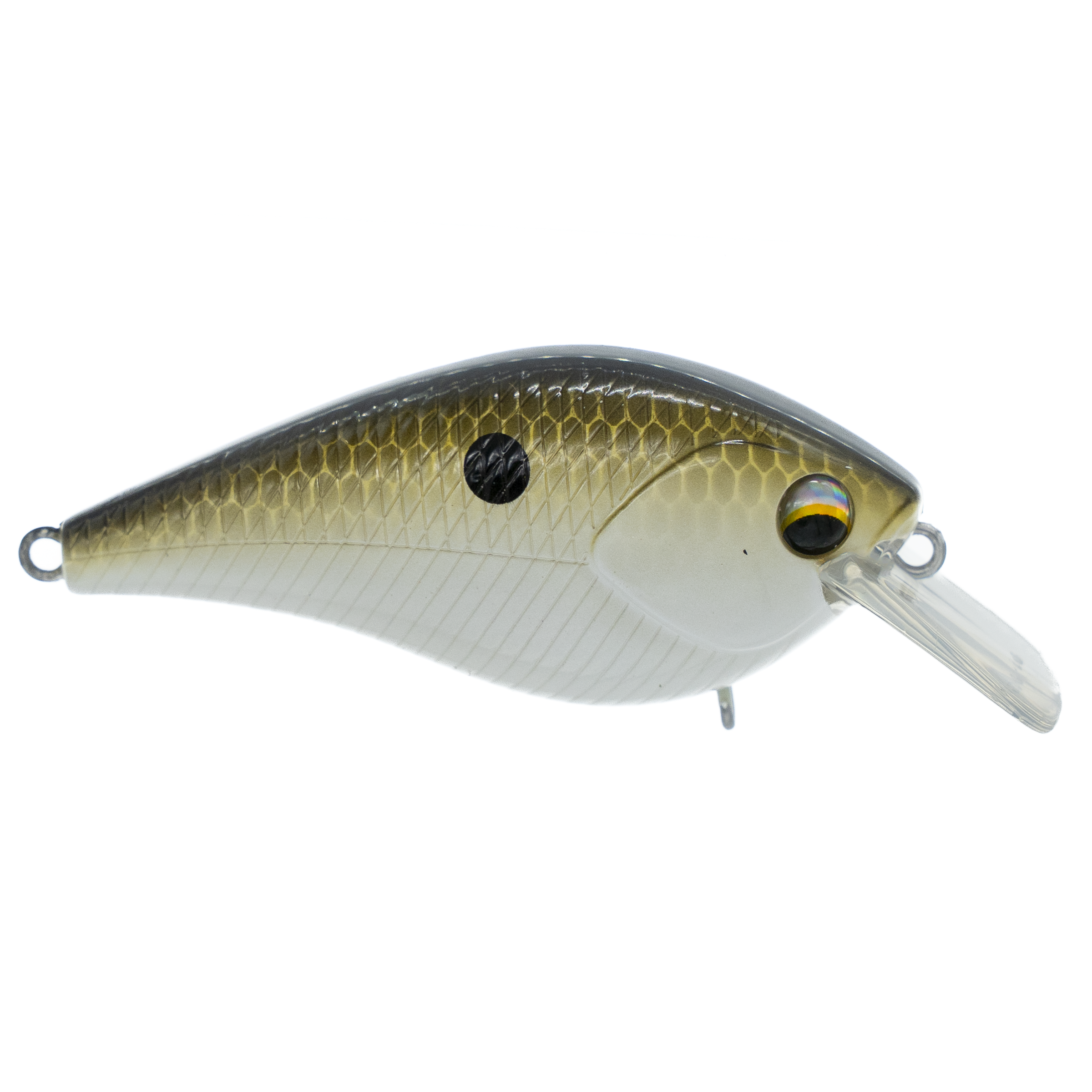
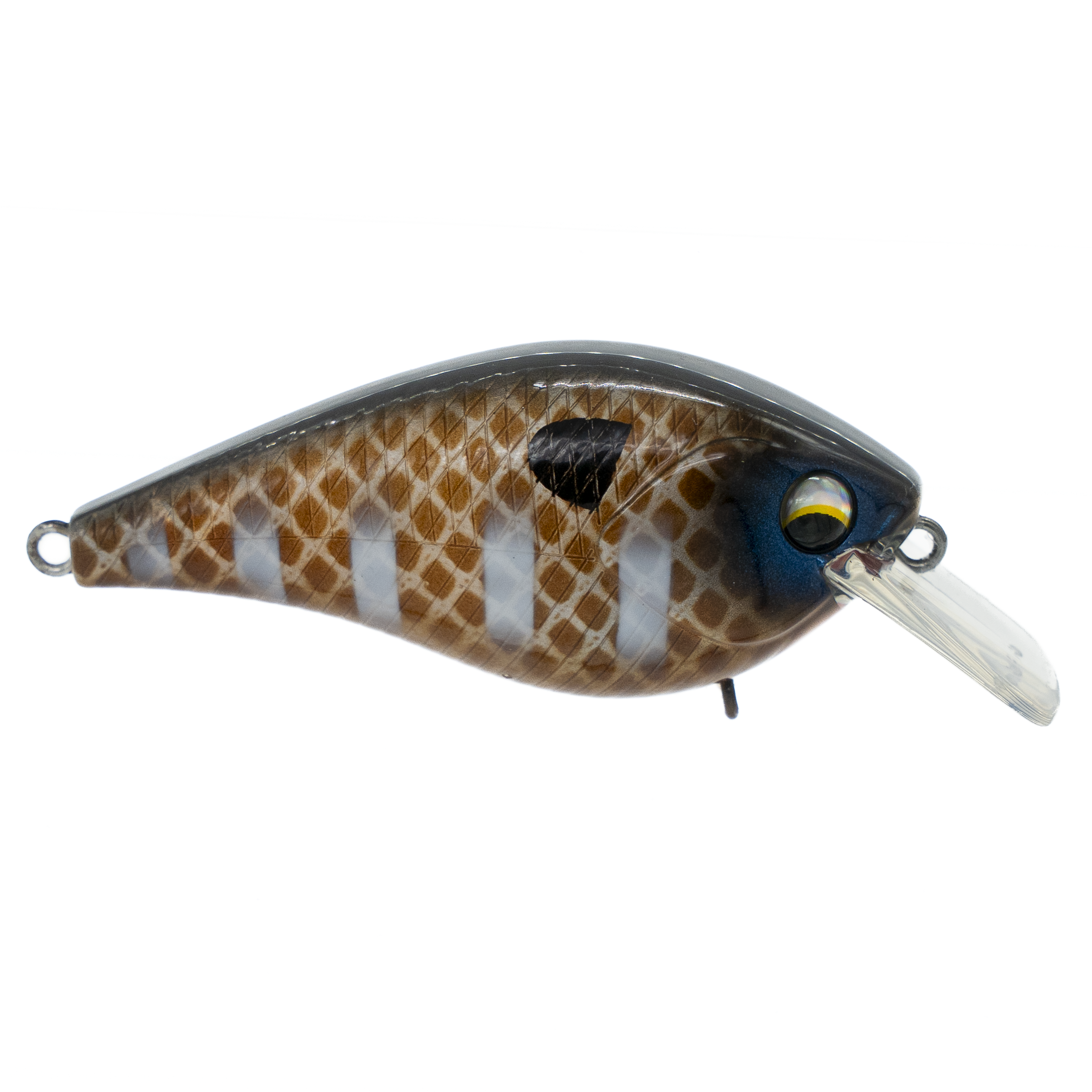
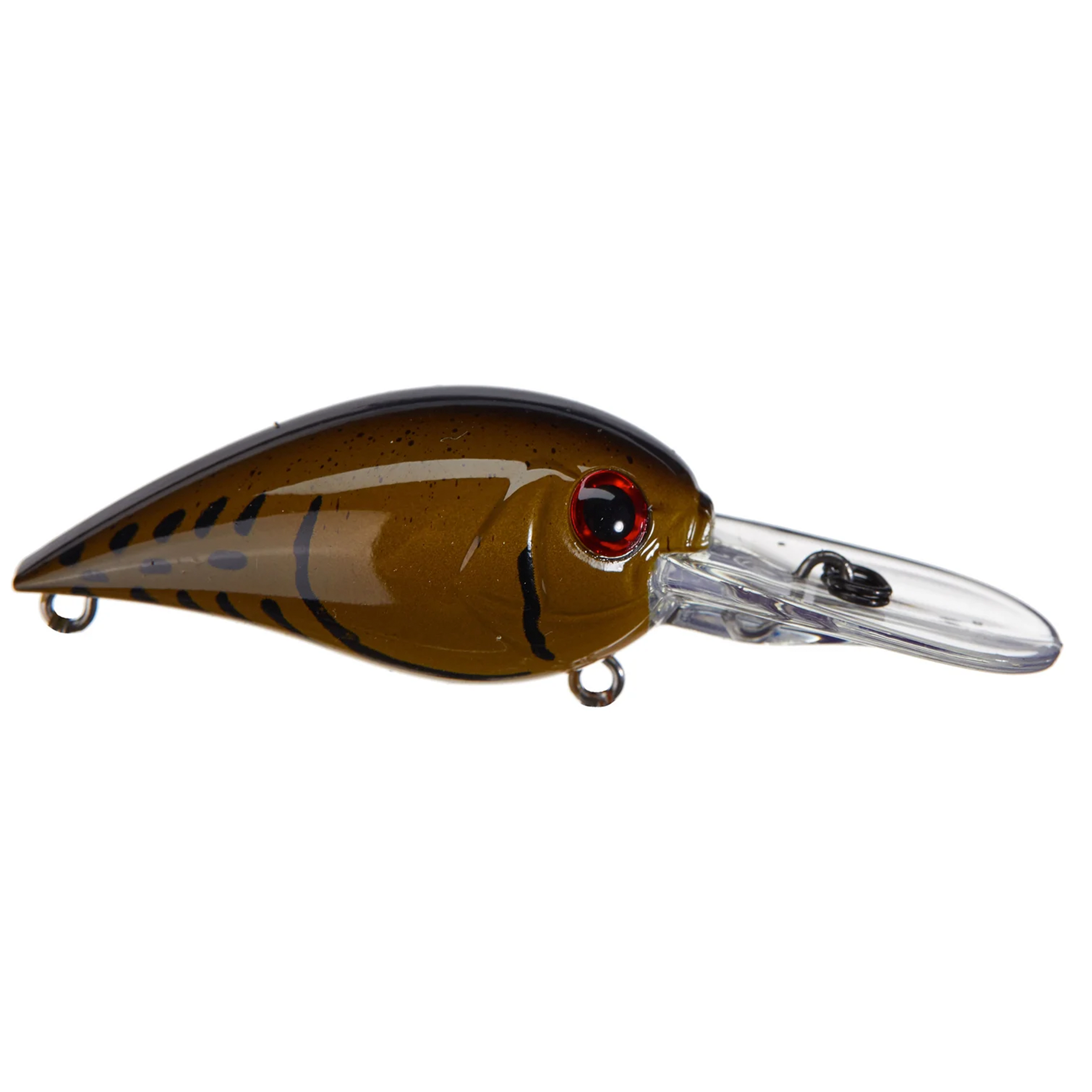
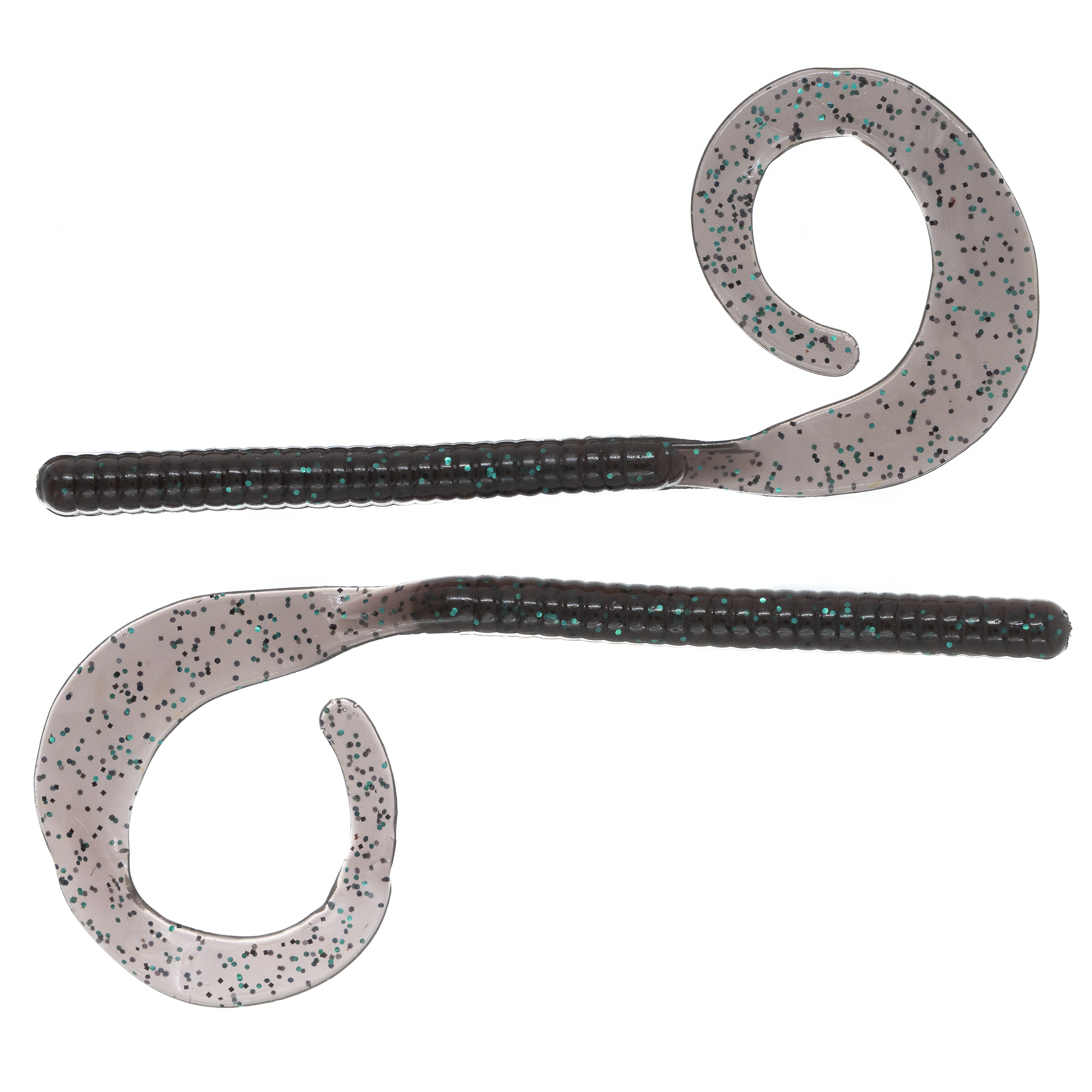
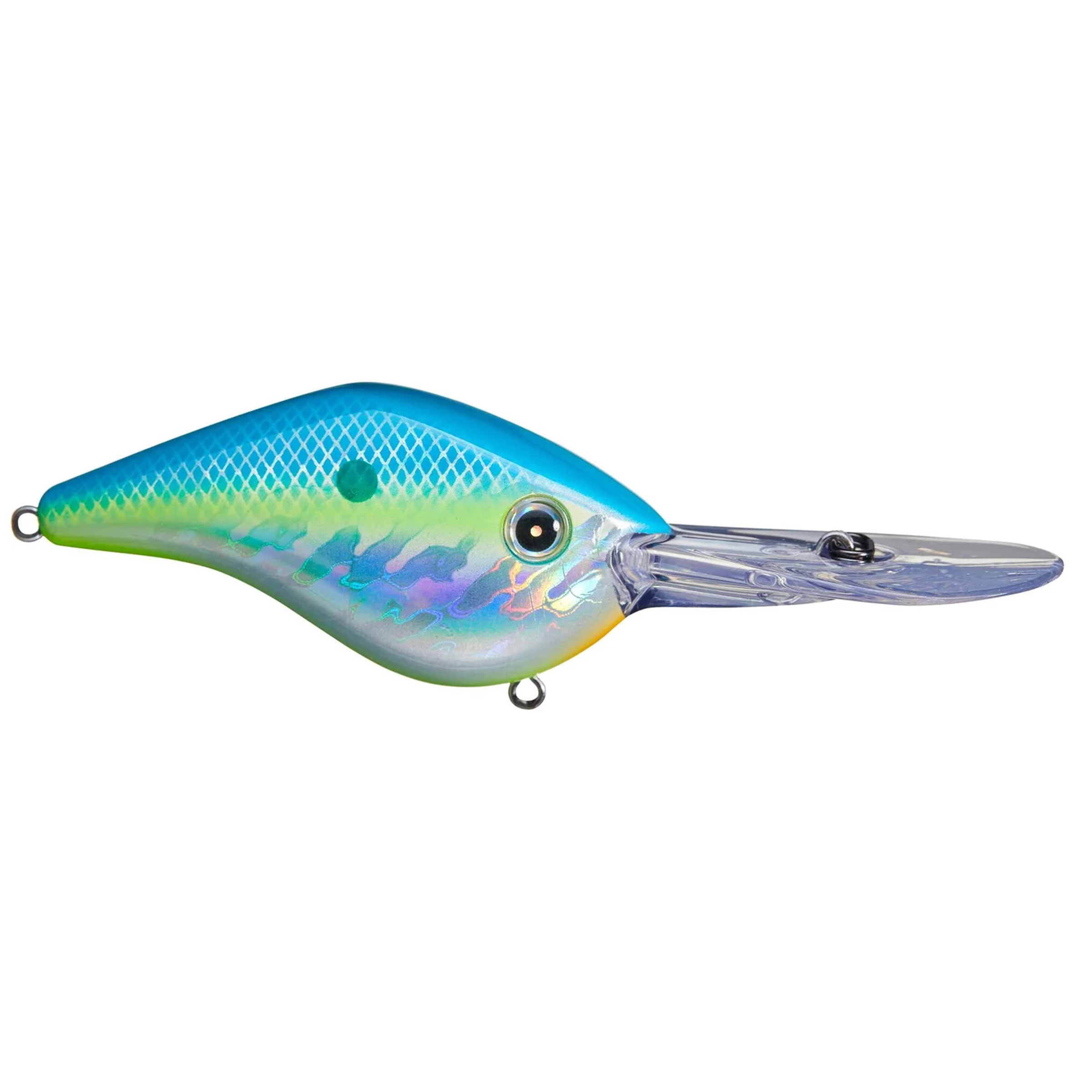
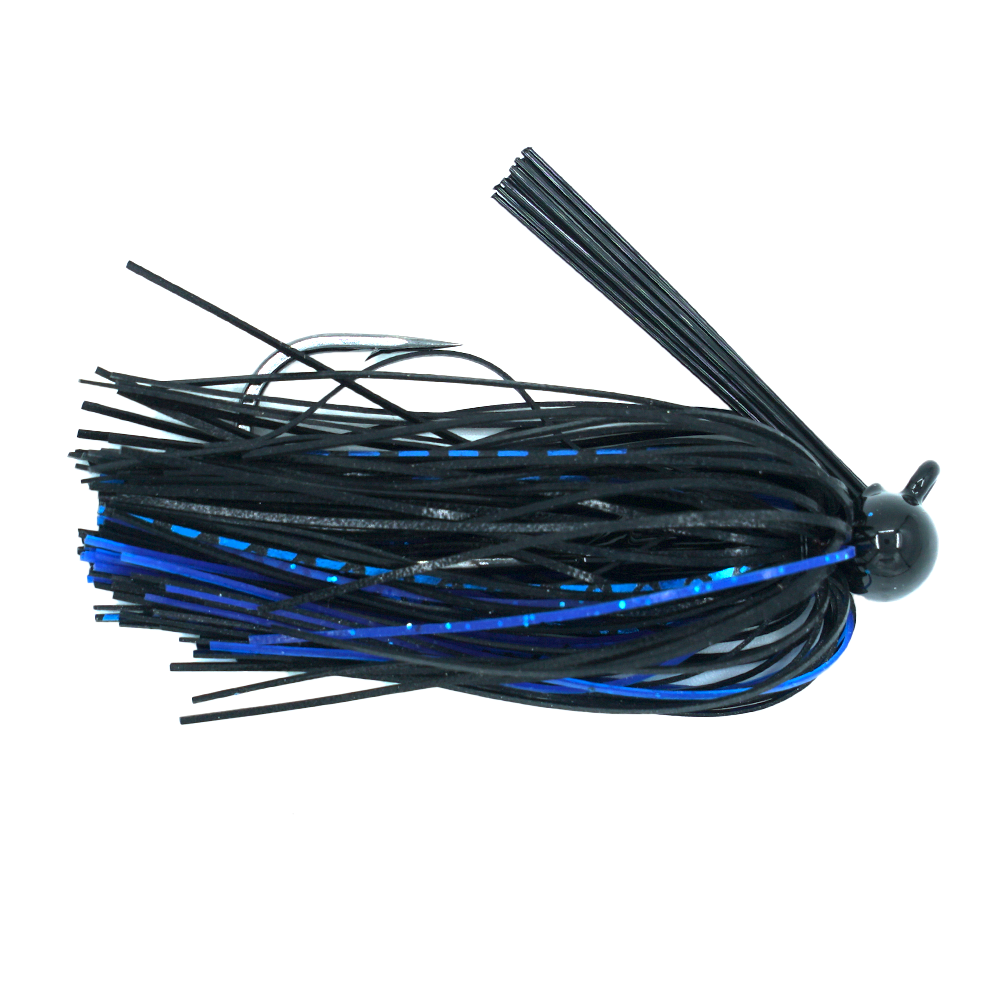
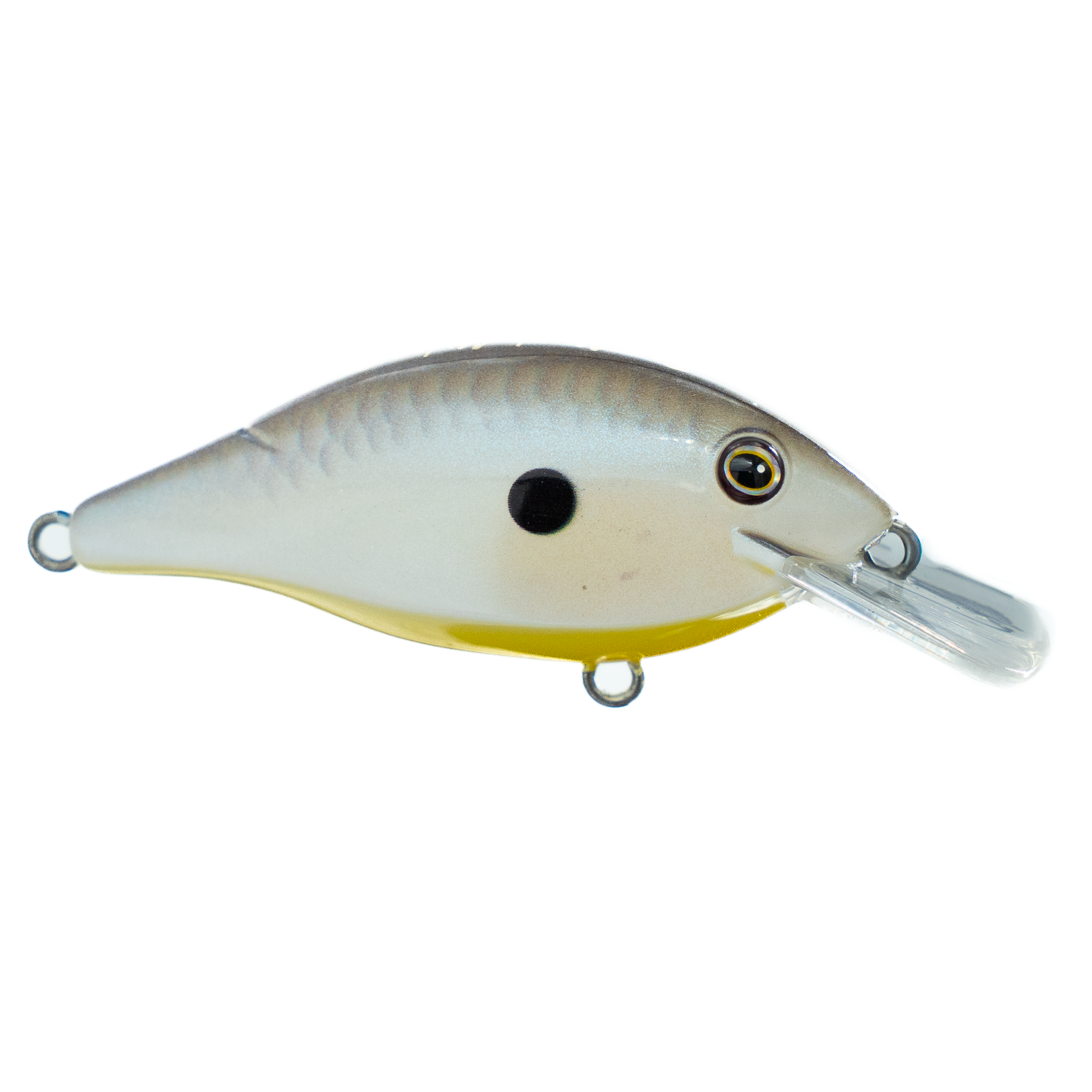
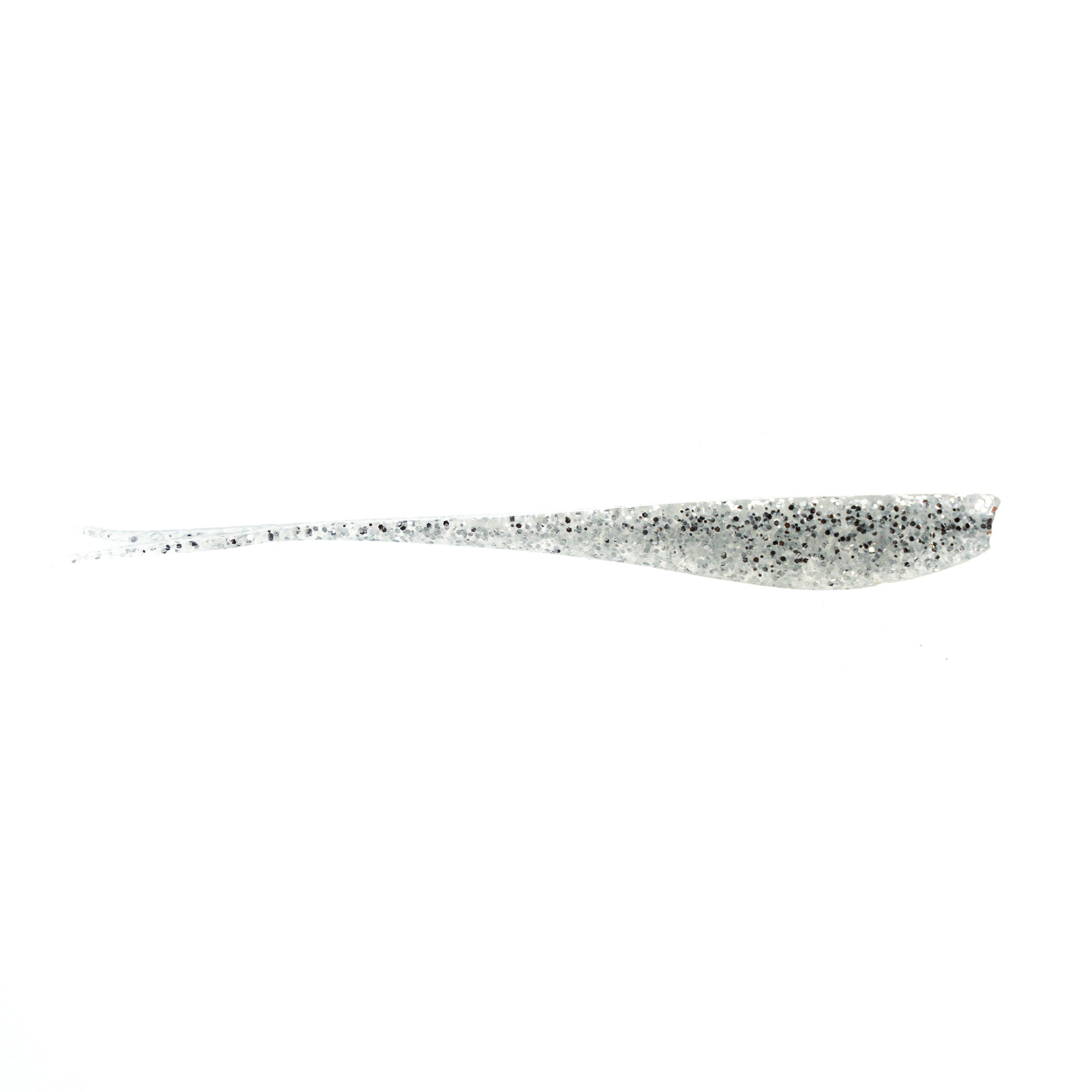
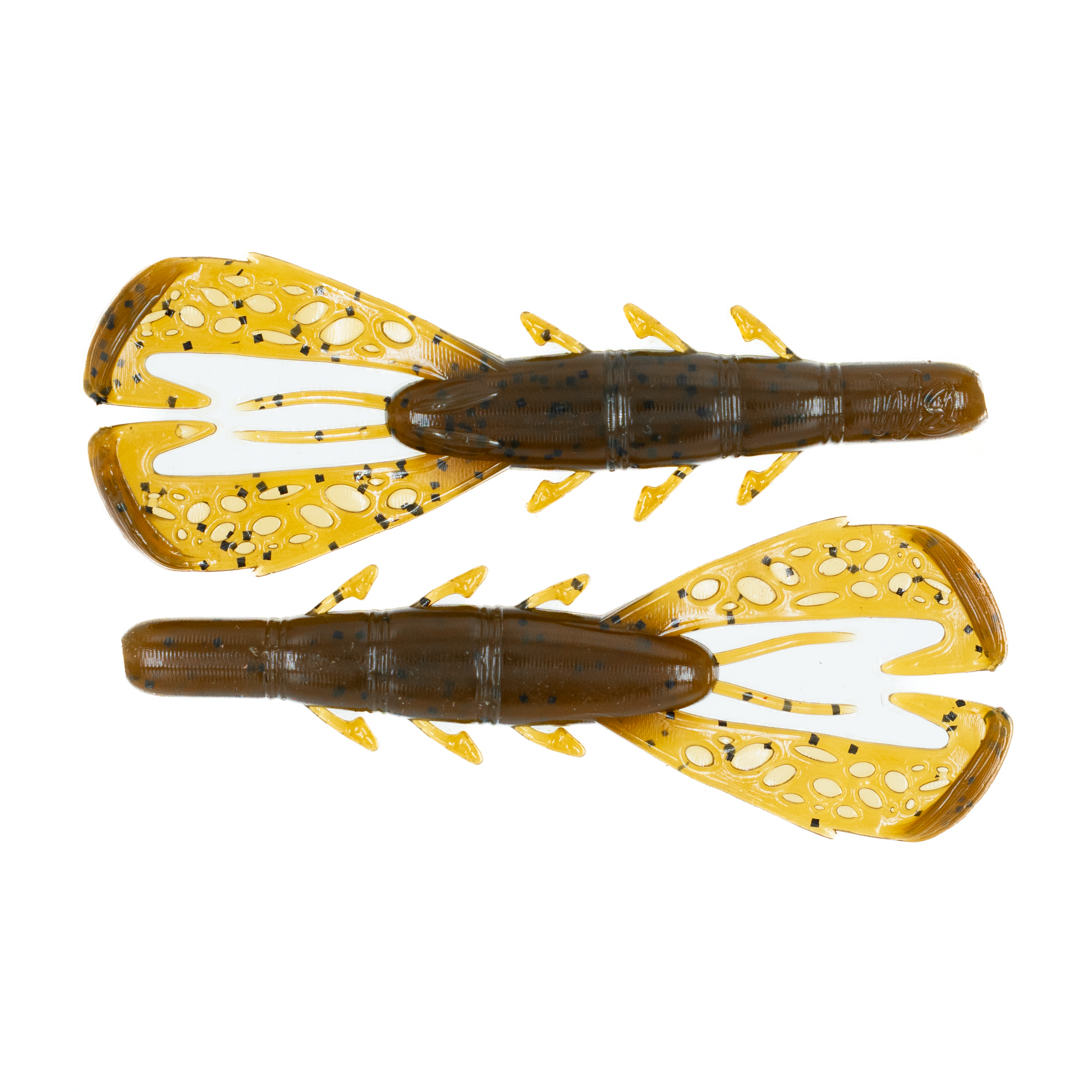
Four patterns cover the year. Each one pairs the technique with the baits we'd actually tie on.
Shallow Cover as the Water Comes Up
Spring brings rising water and fish into the shallow cover — bushes, stumps and grass in the backs of the arms and along the shoreline. Bass move closer to the bank to feed and spawn, and the transition zones where shallow flats drop into deeper water are the highest-percentage areas. It is also peak crappie season, so expect company.




Deep Timber and Brush
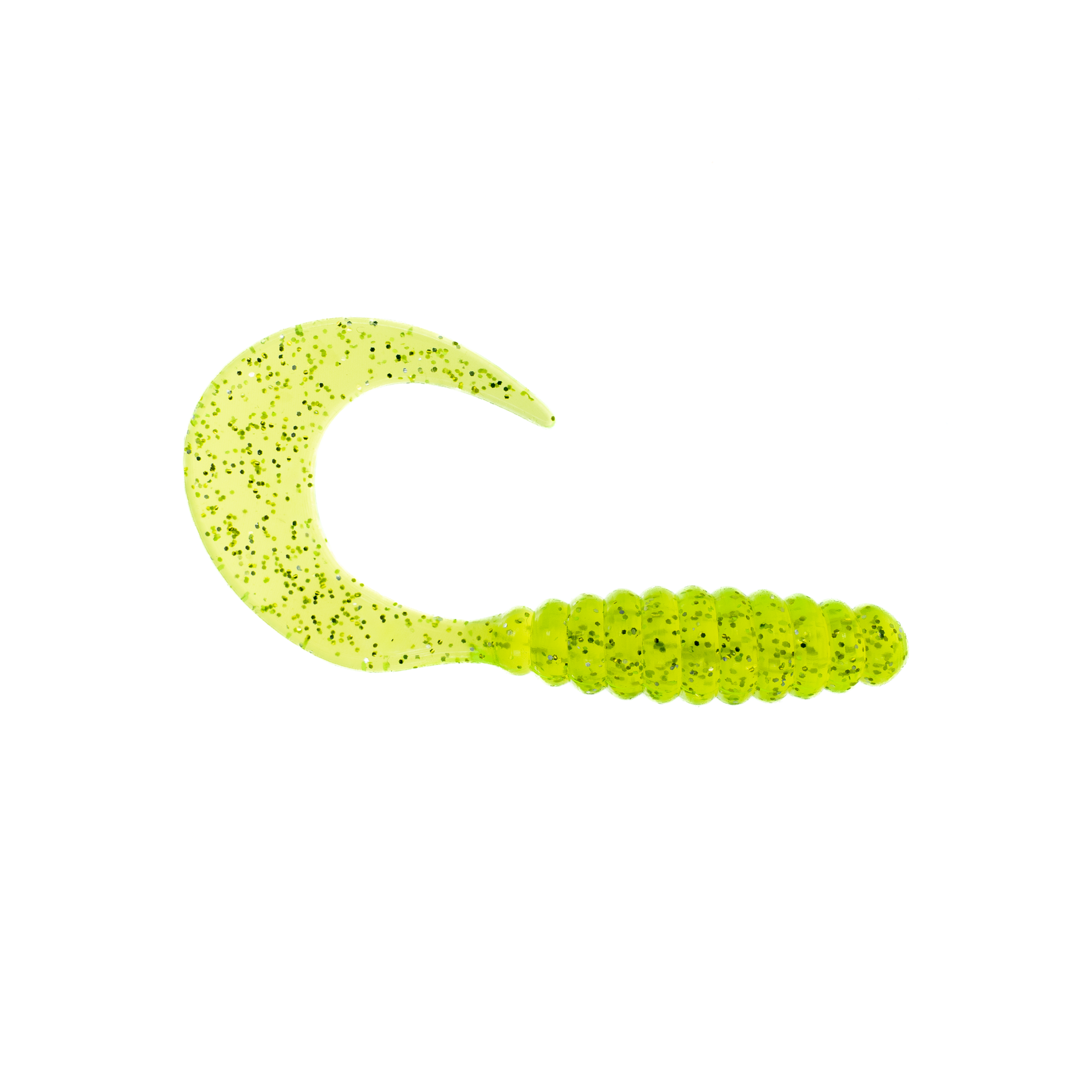
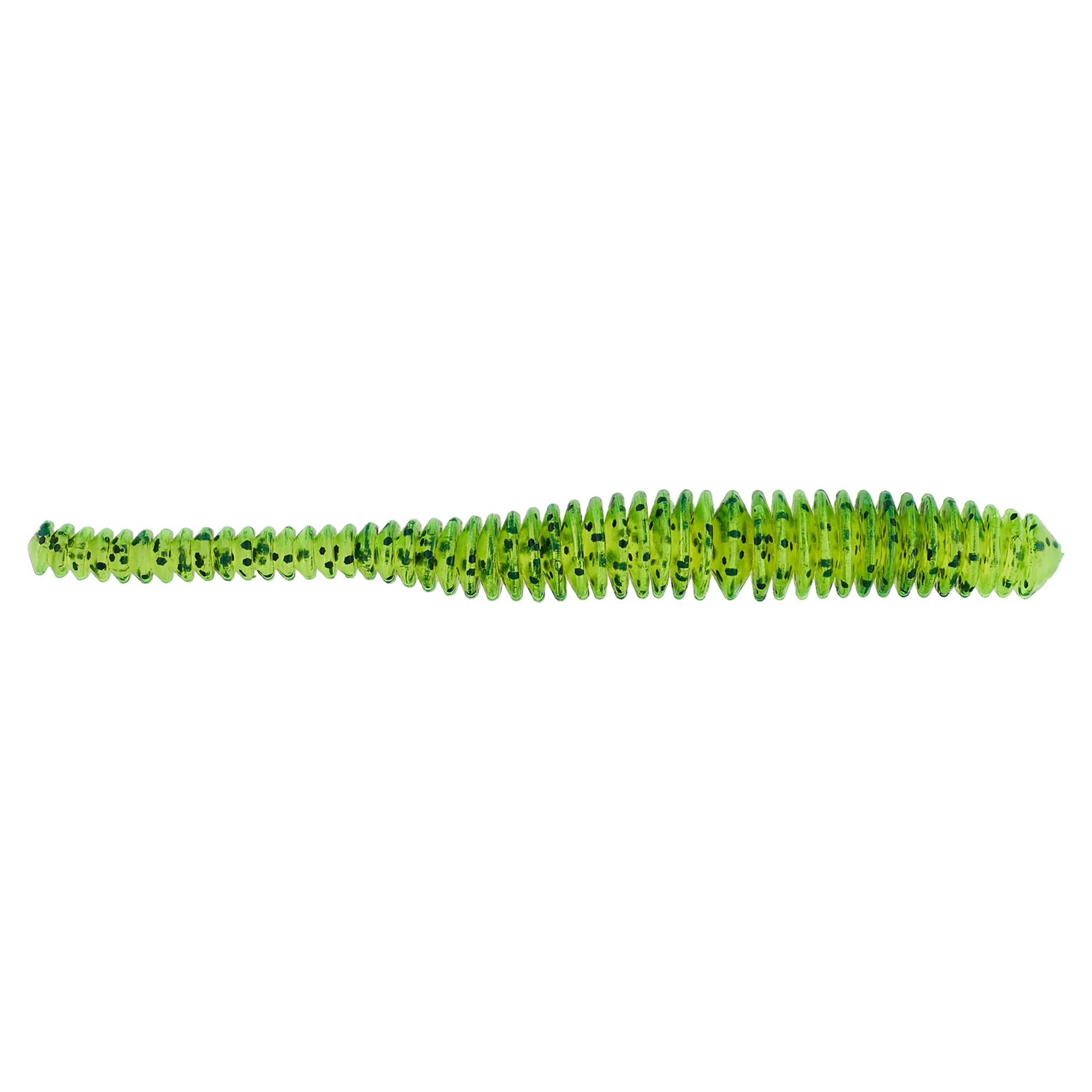
Summer sends fish to the large timber and brush piles along the channels and sloughs, which are the best places to be in hot weather. The Skuna and Yalobusha arms each have their own character and their own channel systems. Unusually for the south, the midday bite here stays consistent rather than dying off.
Back to the Bank
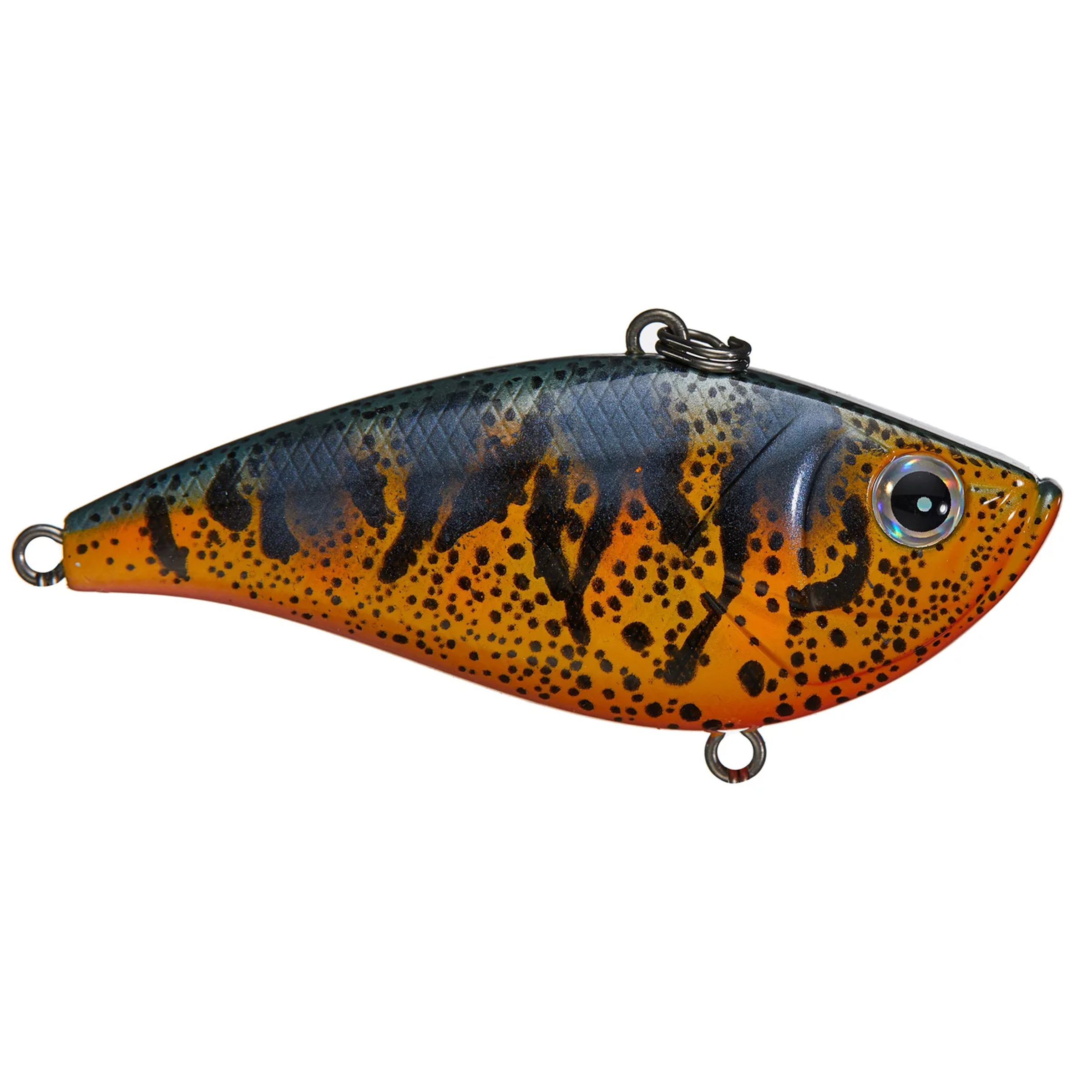
Autumn brings fish shallow again as the water cools and bait moves. Spinnerbaits and plastic worms around the shoreline cover produce the same way they do in spring, and the crowds have gone home. The small fork east of Browns Cemetery, Yeager Creek and the feeder stream on the north shore east of the main ramp are all worth a look.
Cypress, Islands and Cooler Water
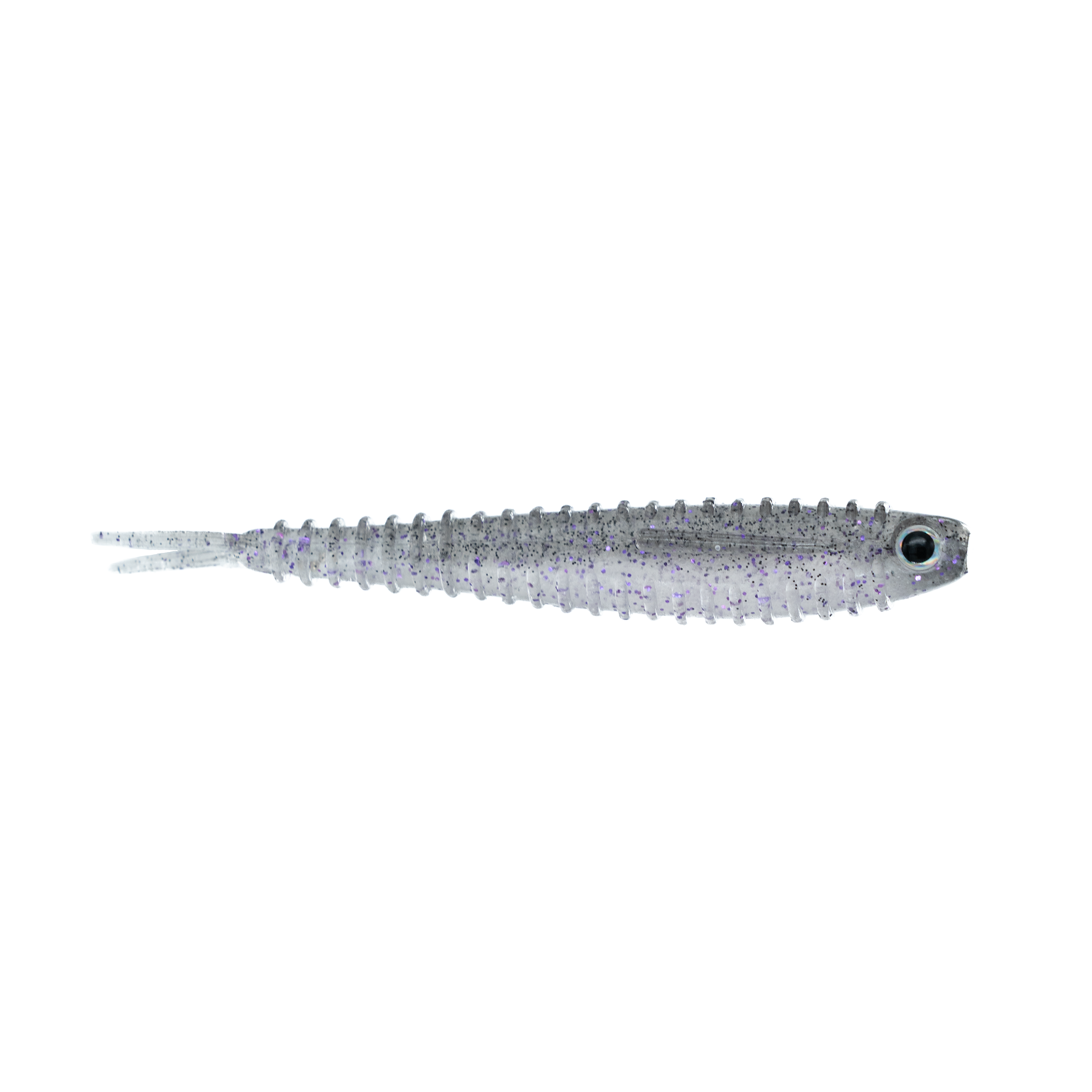
Winter concentrates fish around the deeper structure — sunken islands, cypress, the deeper timber and the channel bends. Water levels are typically at their lowest for the year, which compresses the fishery and makes the remaining cover disproportionately valuable. The lake is empty apart from a few crappie anglers.

Grenada Lake Access
The Corps of Engineers maintains several ramps around the lake, with a cluster up by the dam and others at the backs of the two river arms where the highways cross. Campgrounds and picnic areas surround the water. The town of Grenada covers everything else.
The Skuna and Yalobusha Arms
Two rivers, two arms, two fisheries. They each have their own channel systems and their own character, and they give you somewhere protected to go when the main lake and the dam area get rough — which they do quickly in wind.
The Roadbeds
Grenada has some genuinely well-defined roadbeds left from before the impoundment, and they are the best structure on the lake. Hard bottom on a lake otherwise dominated by soft mud and timber, holding fish year round and easy to locate with electronics.
Cedar Point and the Dam End
Cedar Point near the south end of the dam is the classic drop-off to fish when the shallow bite is off. Deeper water, defined structure, and the fallback that makes a day salvageable when conditions are wrong everywhere else.
Grenada Lake Bass Fishing FAQ
Is Grenada Lake good for bass?
Yes, and it is underrated because the crappie fishing is world famous. Grenada produces genuinely big bass alongside its three-pound crappie, and the bass see far less pressure. Flooded timber, creek channels and shallow flats create ideal conditions.
How big is Grenada Lake?
Around 35,000 acres, in north Mississippi roughly midway between Jackson and Memphis. It is a Corps of Engineers flood-control reservoir fed by the Skuna and Yalobusha rivers.
Does the water level change?
Substantially, and it is the first thing to check before a trip. Grenada is a flood-control project, so levels are managed for that purpose rather than for fishing. A productive shallow flat in spring can be dry ground later in the year.
Can you catch bass in the middle of the day?
On Grenada, yes — unusually so. Most southern lakes give you a morning and an evening window, but the bite here holds up consistently even when the sun is high. That makes a day trip more productive than on lakes where you are effectively fishing two hours.
What are the roadbeds?
Roads that existed before the reservoir was impounded and are now submerged. They give hard bottom and defined edges on a lake dominated by mud and timber, and they hold fish year round. Grenada has several well-defined ones and they are worth finding on electronics.
Where should I start on Grenada?
The transition zones where shallow water drops into deep, around submerged timber and creek channels. Cedar Point near the south end of the dam is a reliable deeper option. The Skuna and Yalobusha arms both fish well and offer shelter when the main lake is rough.
What baits work best on Grenada Lake?
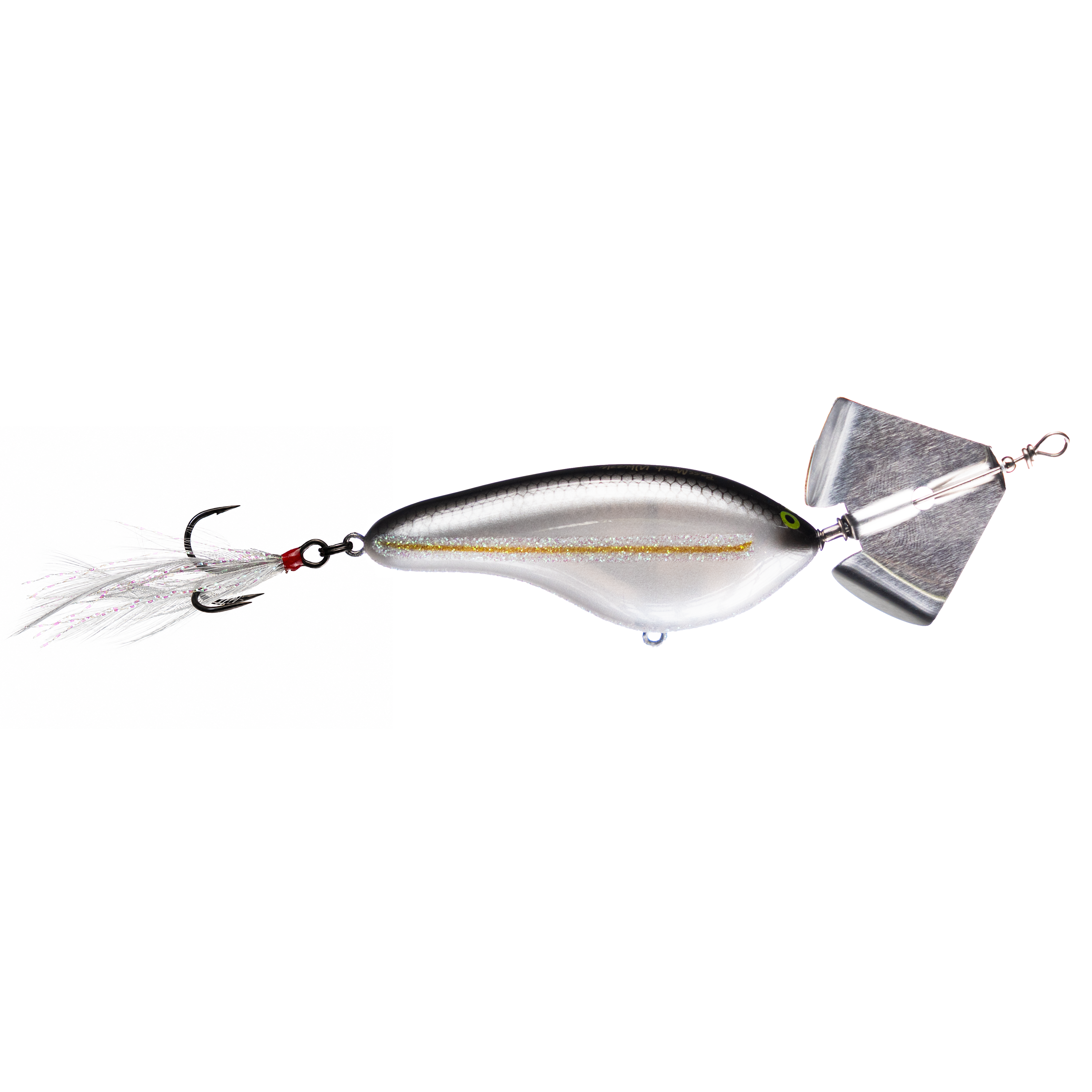
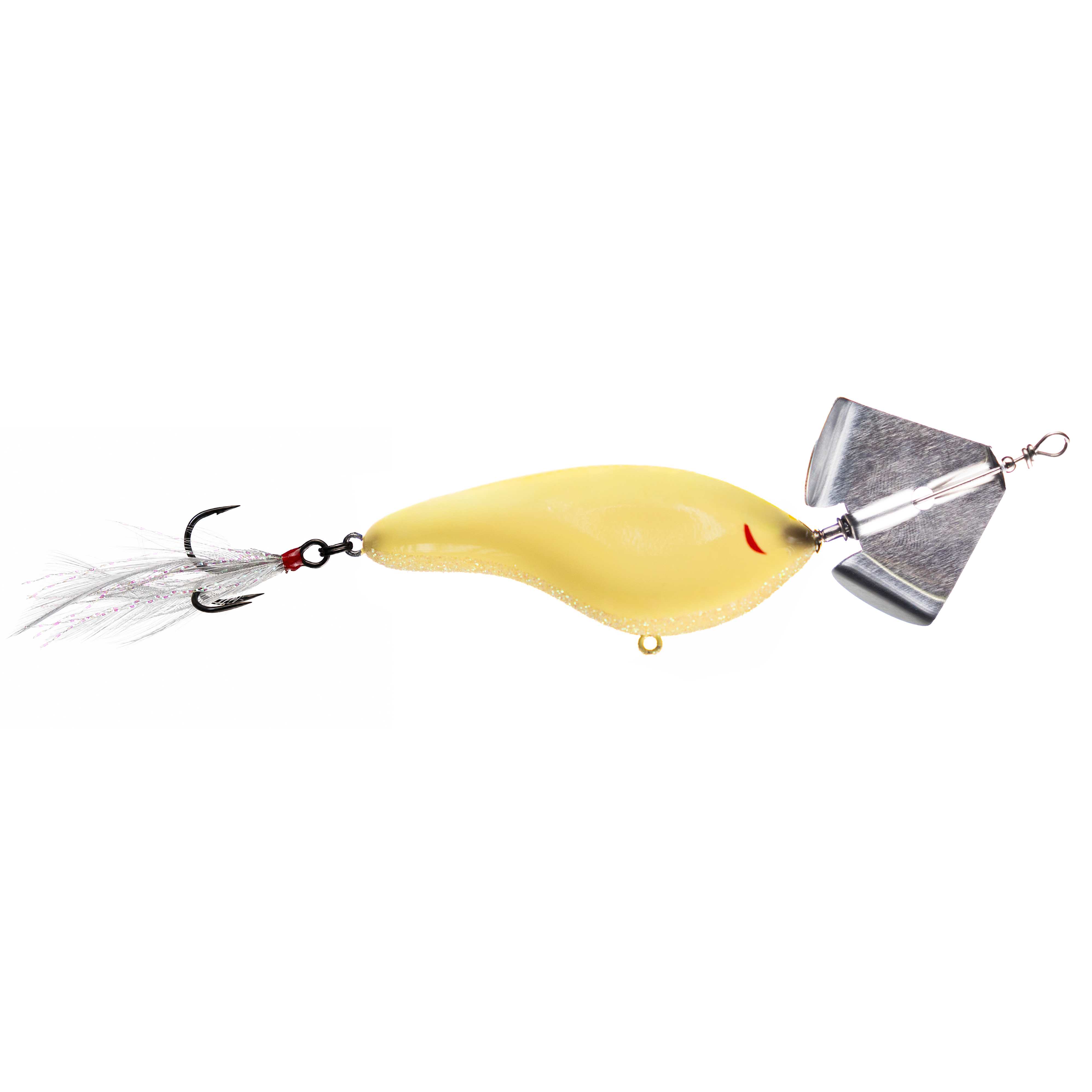
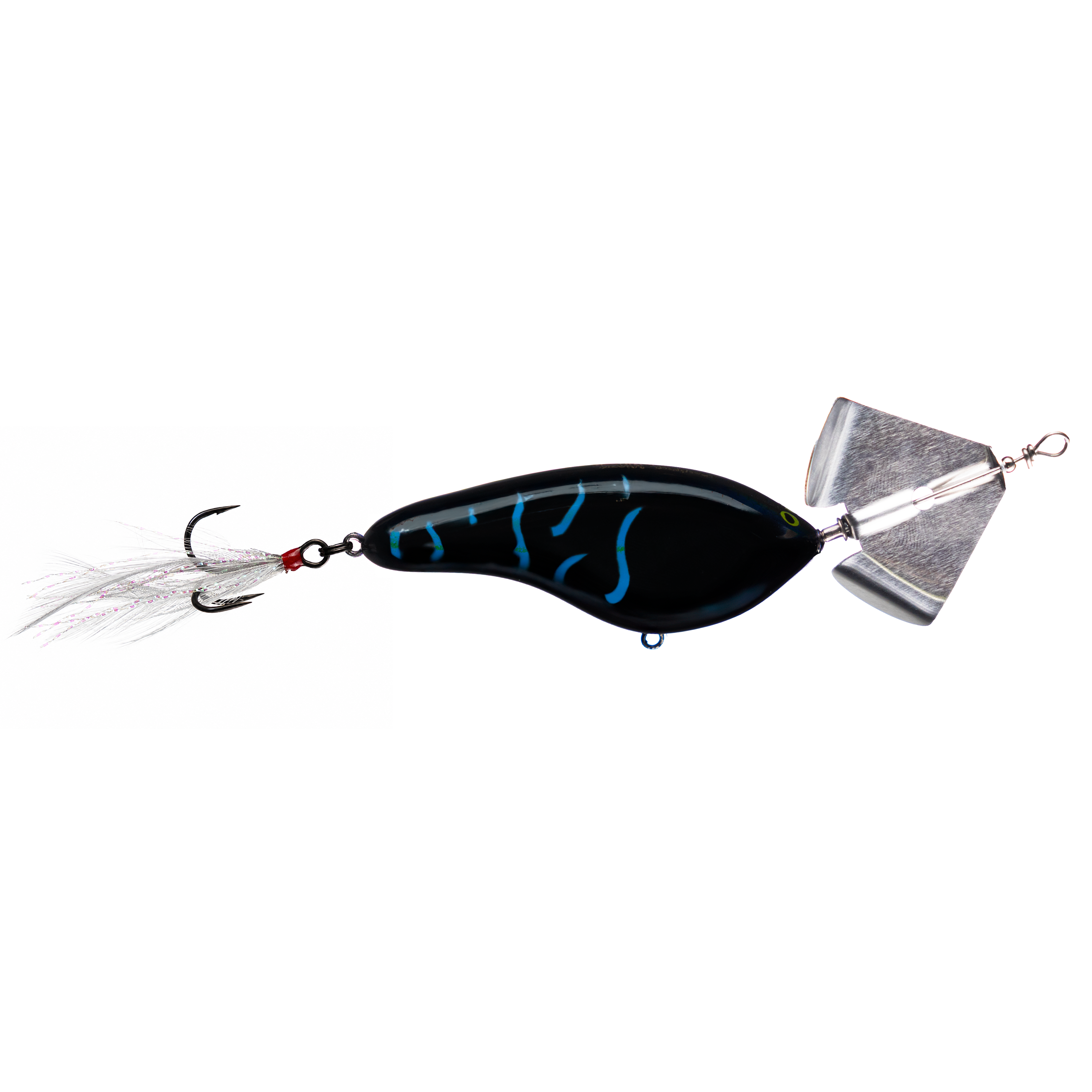
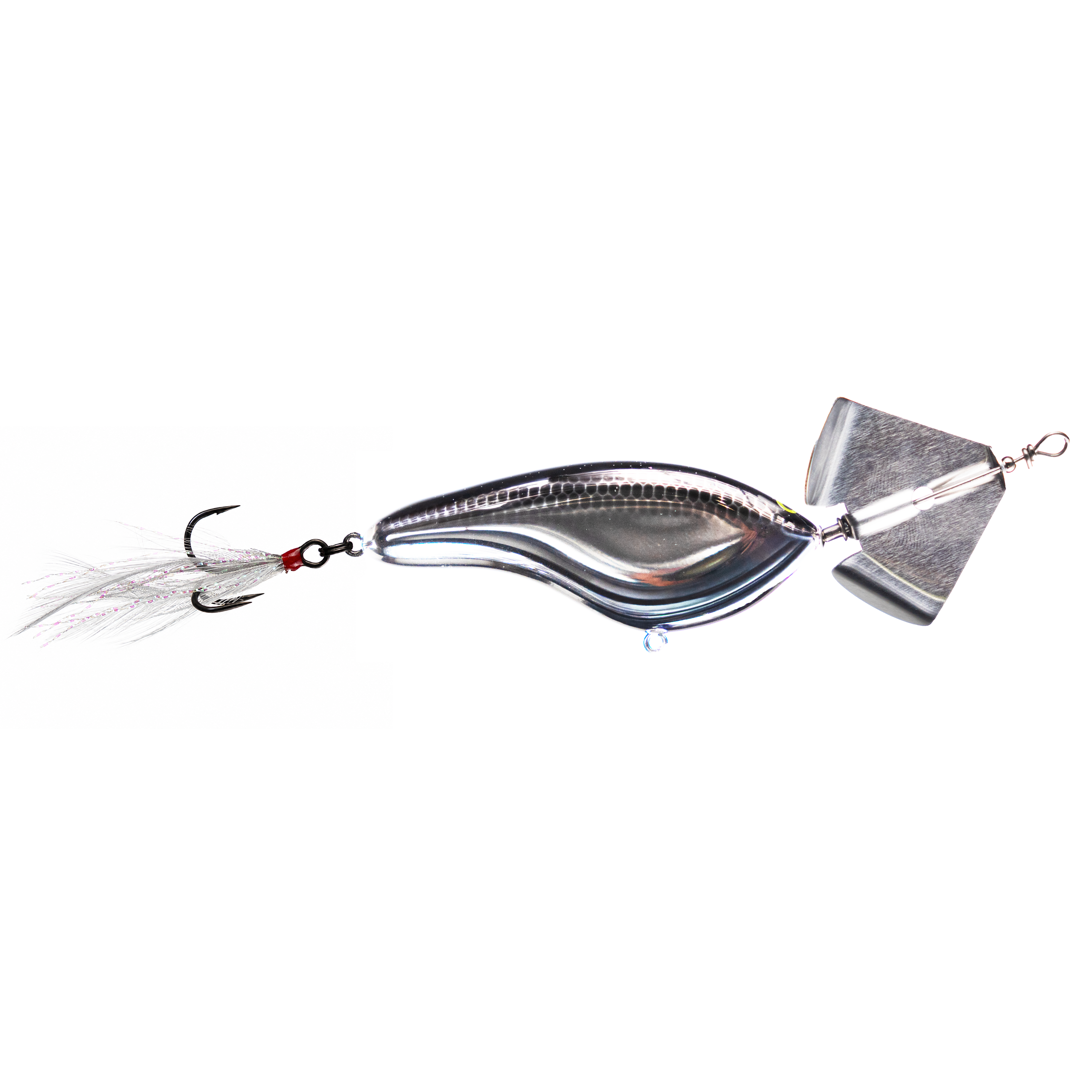
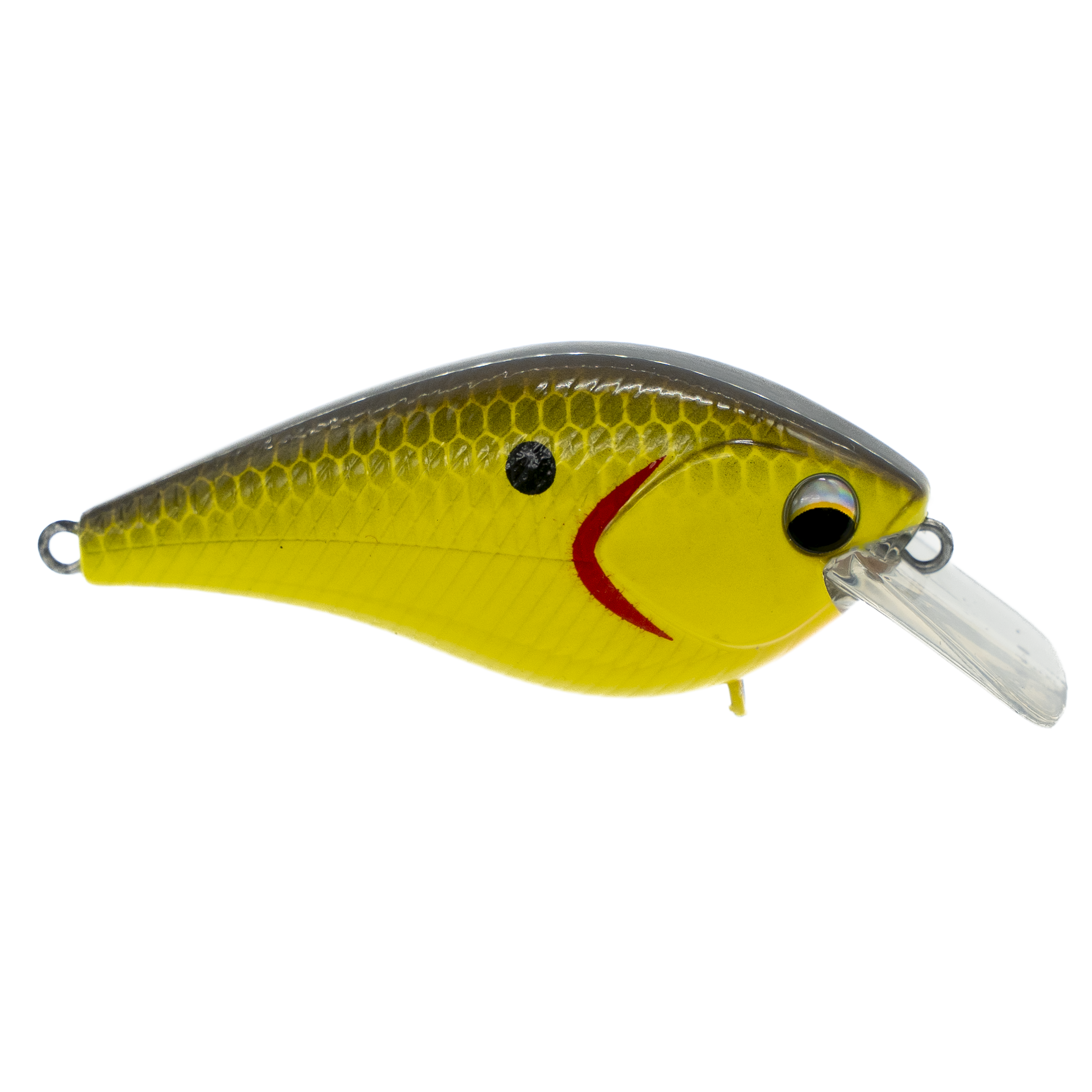
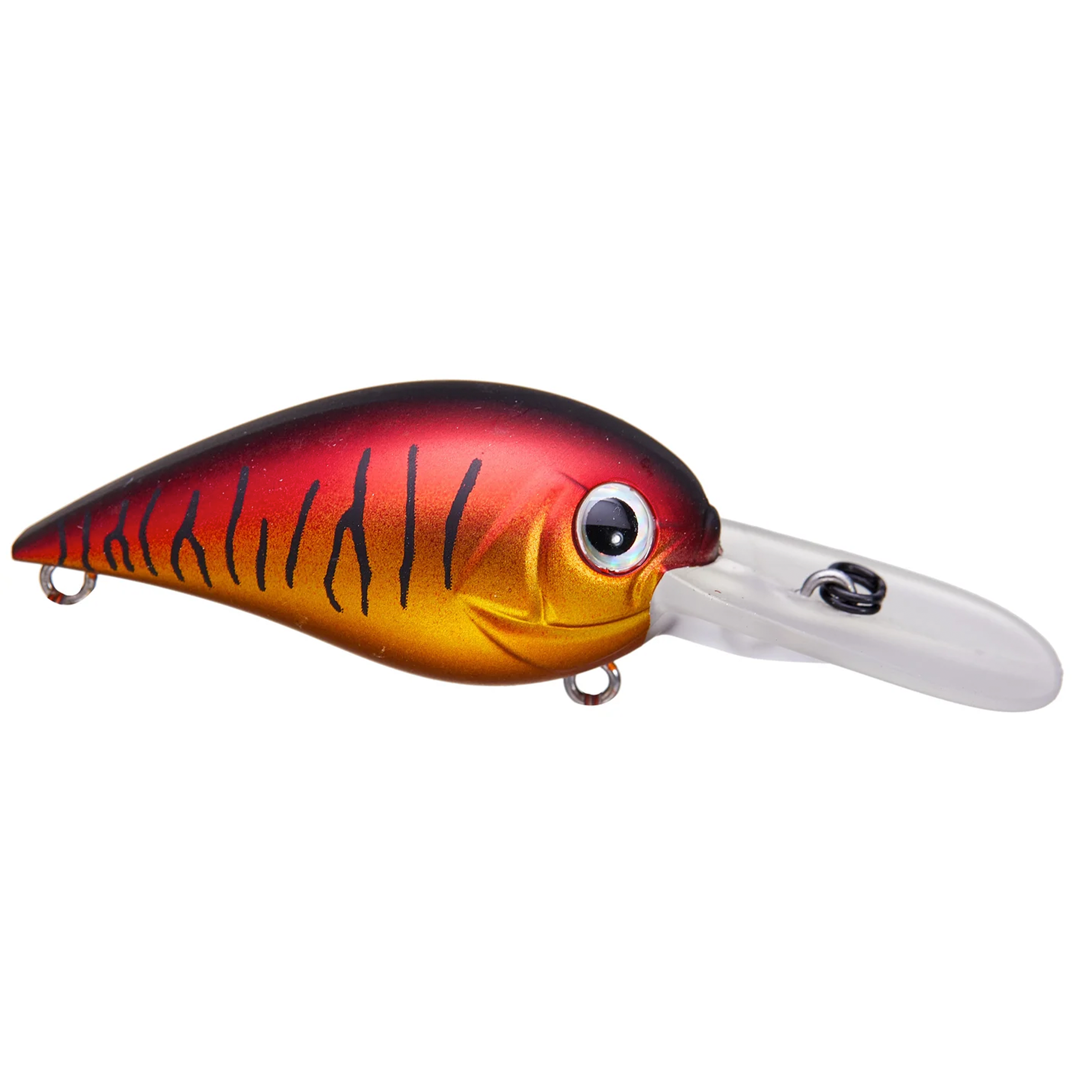
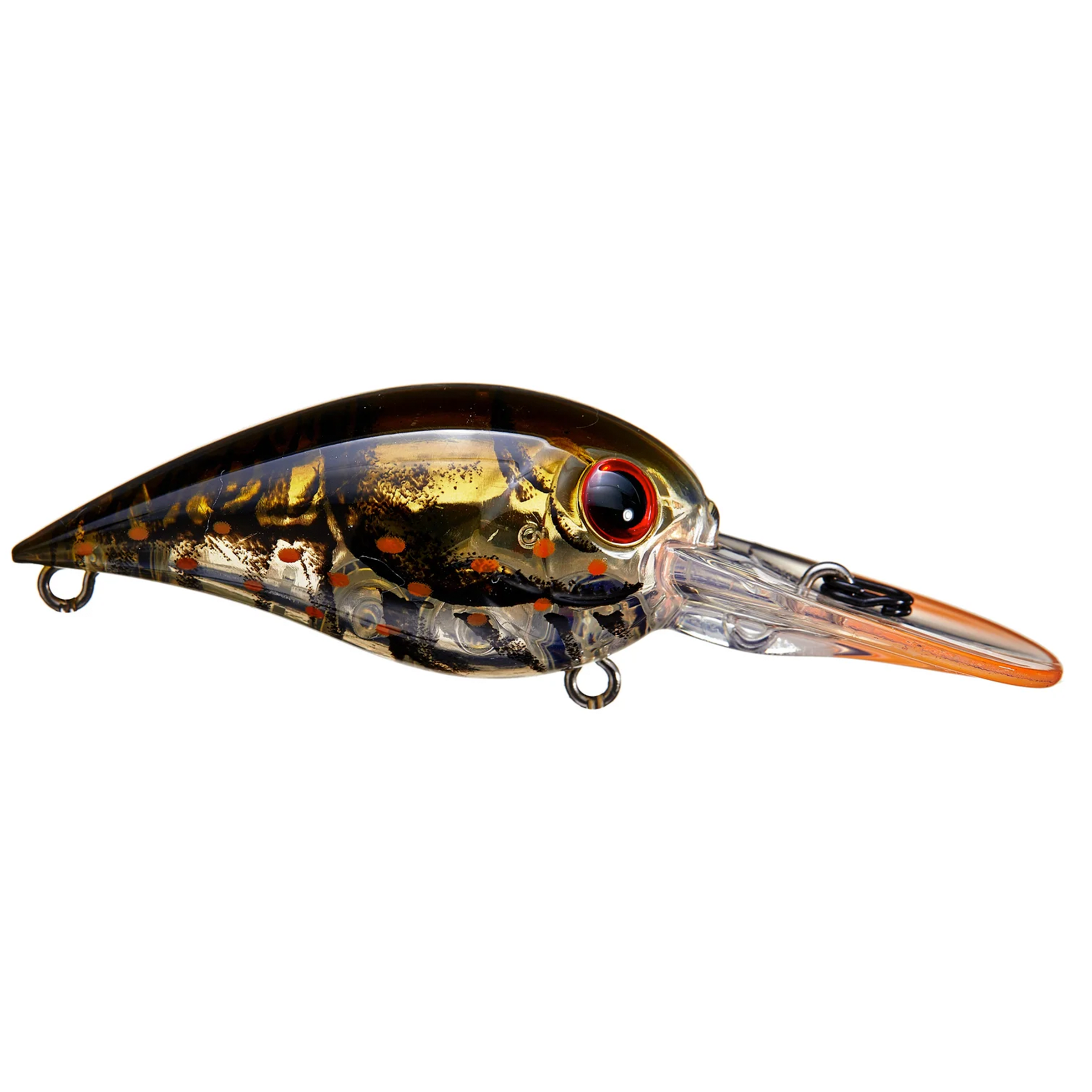
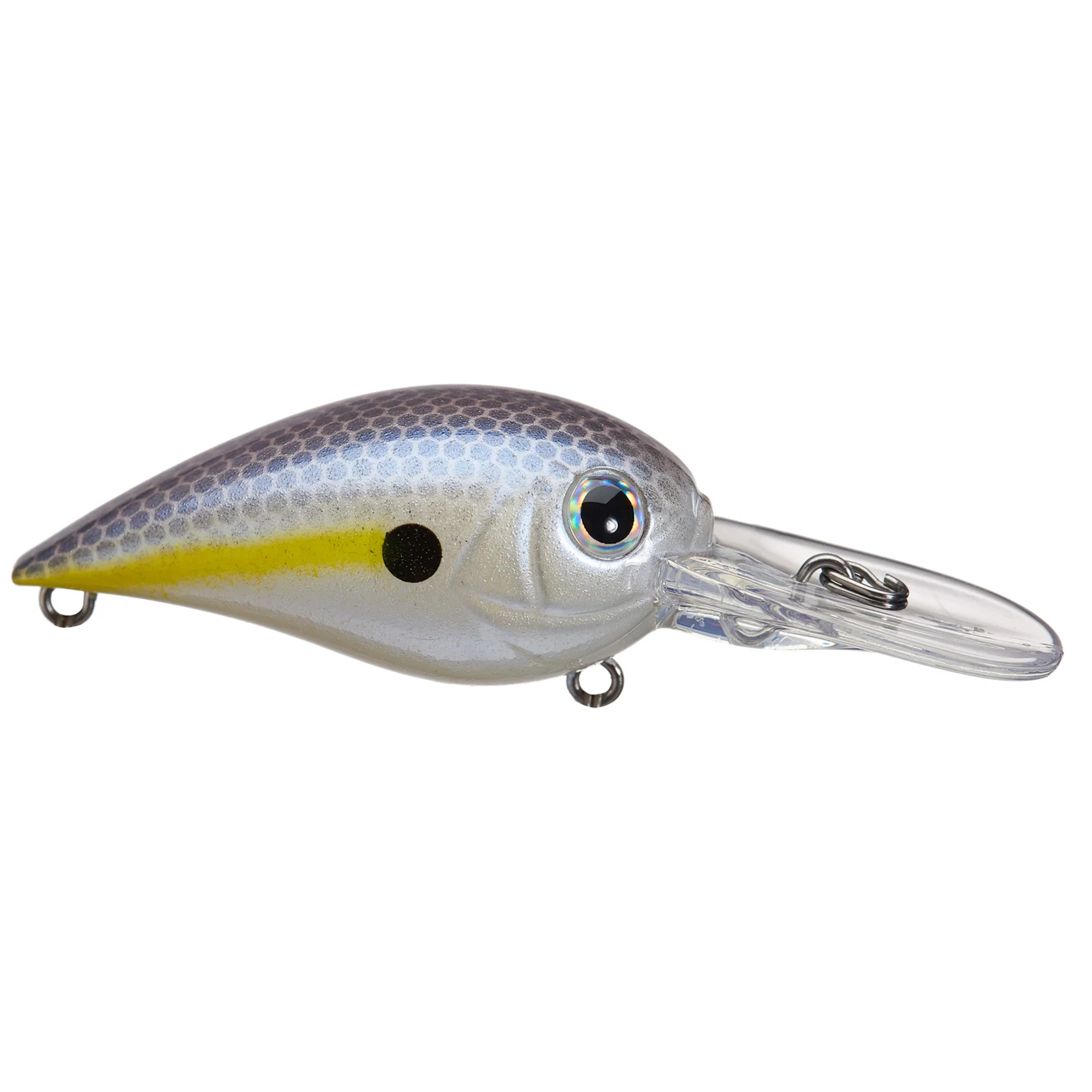
Deep-diving crankbaits, jigs and soft plastics along the submerged creek channels, standing timber, points and humps. Spinnerbaits and plastic worms in spring and autumn when fish are shallow. Our full bait lineup covers all four seasons.
Do I need a fishing license?
Yes, a Mississippi fishing license from the Department of Wildlife, Fisheries and Parks. Check current black bass regulations for the lake before you go.
Timber, and Plenty of It
A lake whose bottom is dead trees and stumps costs you tackle and tests hooksets. Level Rods builds models with the backbone to pull a fish clear of wood immediately and the sensitivity to tell a bite from the hundredth limb of the morning.
Tournament Winning Baits & Gear
Designed, crafted and tested by anglers who fish flooded timber every week. Free shipping on orders over $75.
Shop All Baits