
Greers Ferry Lake Bass Fishing Guide
Greers Ferry Bass Fishing, Season by Season
Thirty-one thousand acres of crystal-clear water in the Ozark foothills near Heber Springs, deep and cool enough for smallmouth and productive enough that Bassmaster reckons the next Arkansas state record largemouth will probably come from it.
Clear, Cool and Underrated
Greers Ferry Lake sits in the foothills of the Ozark Mountains in north-central Arkansas near Heber Springs, covering roughly 31,500 acres. It is clear, deep and cool, and it holds a diverse bass population — largemouth, smallmouth and hybrid striped bass all do well here.
The claim worth knowing is Bassmaster's: there are good odds that the next Arkansas state record largemouth will come from Greers Ferry. That is a striking thing to say about a clear Ozark reservoir, where the conventional expectation is smallmouth and spots rather than trophy largemouth.
The deep cool water is what makes the smallmouth fishing good, and it is one of the better smallmouth options in a state that has several. The hybrid striper fishery is genuinely world class — the current world record hybrid, 27 pounds 5 ounces, came out of this lake in 1997.
The structure is highland reservoir throughout: steep rock, bluffs, gravel and chunk rock points, ledges, creek arms and deep channels. The key areas, according to local guidance, are the transition zones where shallow water meets deep, and bass congregate on them to feed in spring and autumn.
Clarity sets the terms, as it does on Ouachita, Bull Shoals and Beaver. Lighter line, natural colours, longer casts and more attention to depth than the stained lakes elsewhere in Arkansas require. Bright flat days push everything deeper and make the shallow fishing hard.
The tailwater below the dam is stocked with trout annually and the Little Red River below it is a well-known fishery in its own right, which gives the area a second string.
Transitions, Ledges and Clear Water
Four patterns cover the year. Each one pairs the technique with the baits we'd actually tie on.
Transition Zones
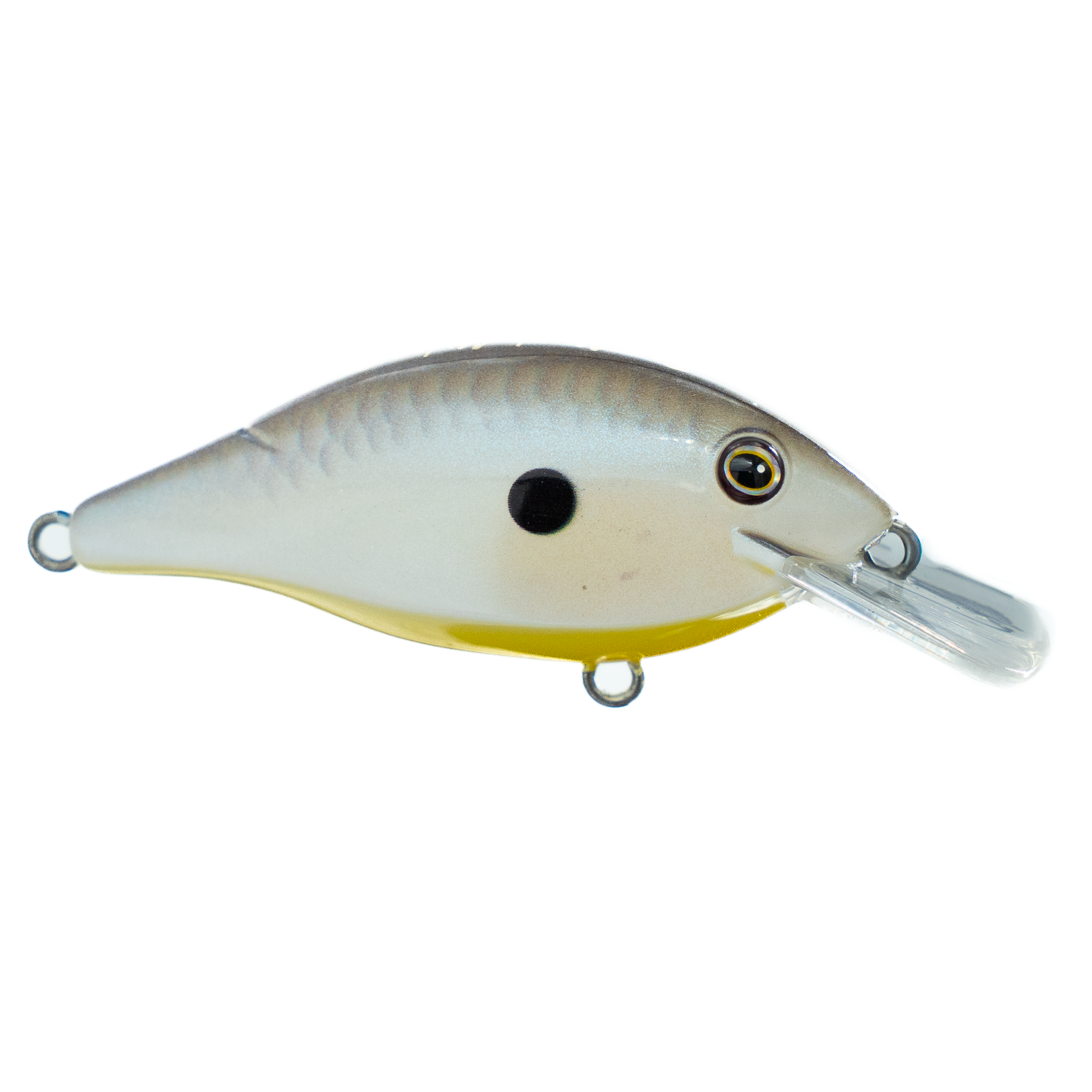
Spring brings bass onto the transition areas where shallow water meets deep, which is the pattern local guidance points to first. Largemouth move into the creek arms and coves to spawn while smallmouth take the gravel and chunk rock. Cool deep water means the spring here runs later than in southern Arkansas.



Deep and Technical
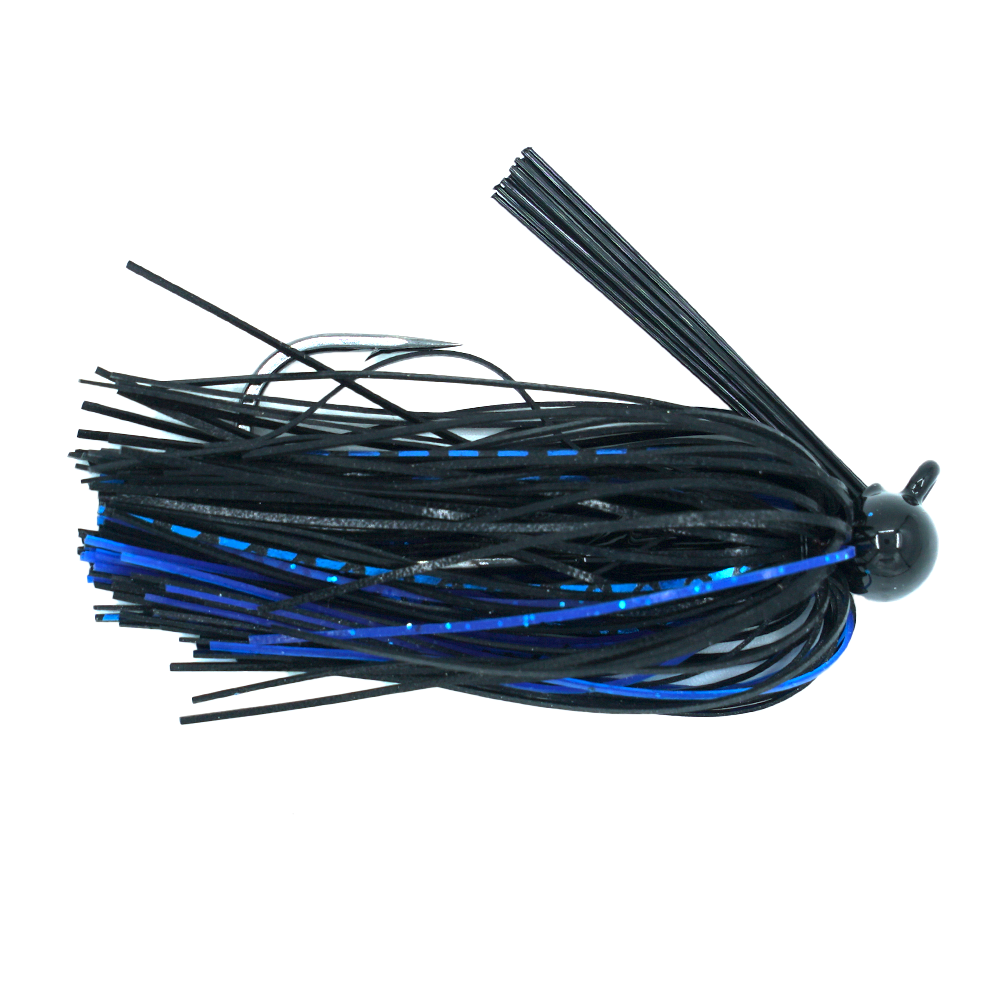
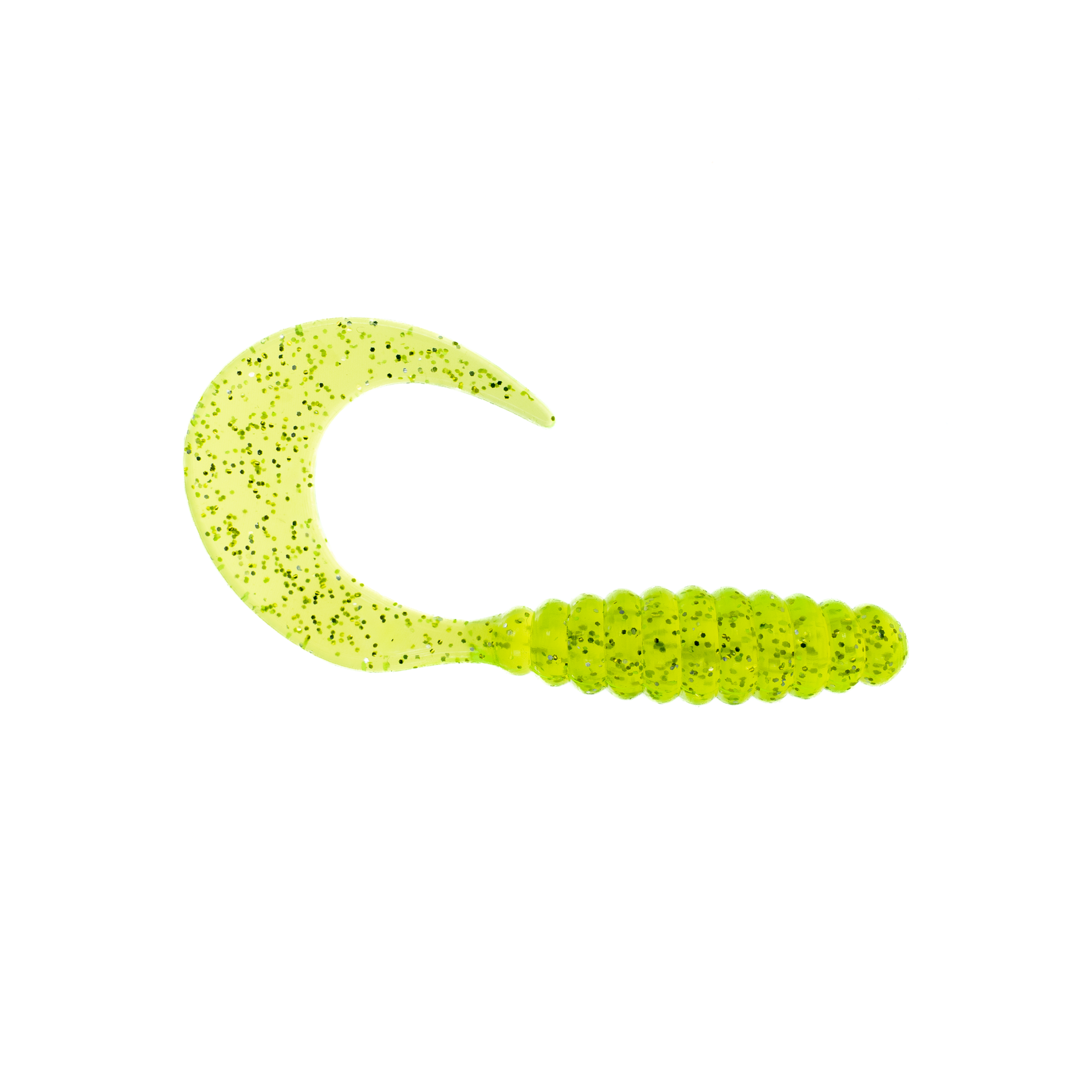
Summer pushes fish onto the ledges, bluff ends and deep structure, and bright clear conditions make anything shallow difficult. Recreational traffic is heavy on a lake this attractive. Early, late and deep are the three answers, and the hybrid stripers become the most active thing in the lake.


Back to the Transitions
Autumn brings bass back onto the transition zones to feed ahead of winter, and it is the second of the two windows local anglers name. Cooling water, active fish and the summer traffic gone make it the most productive time to be here.

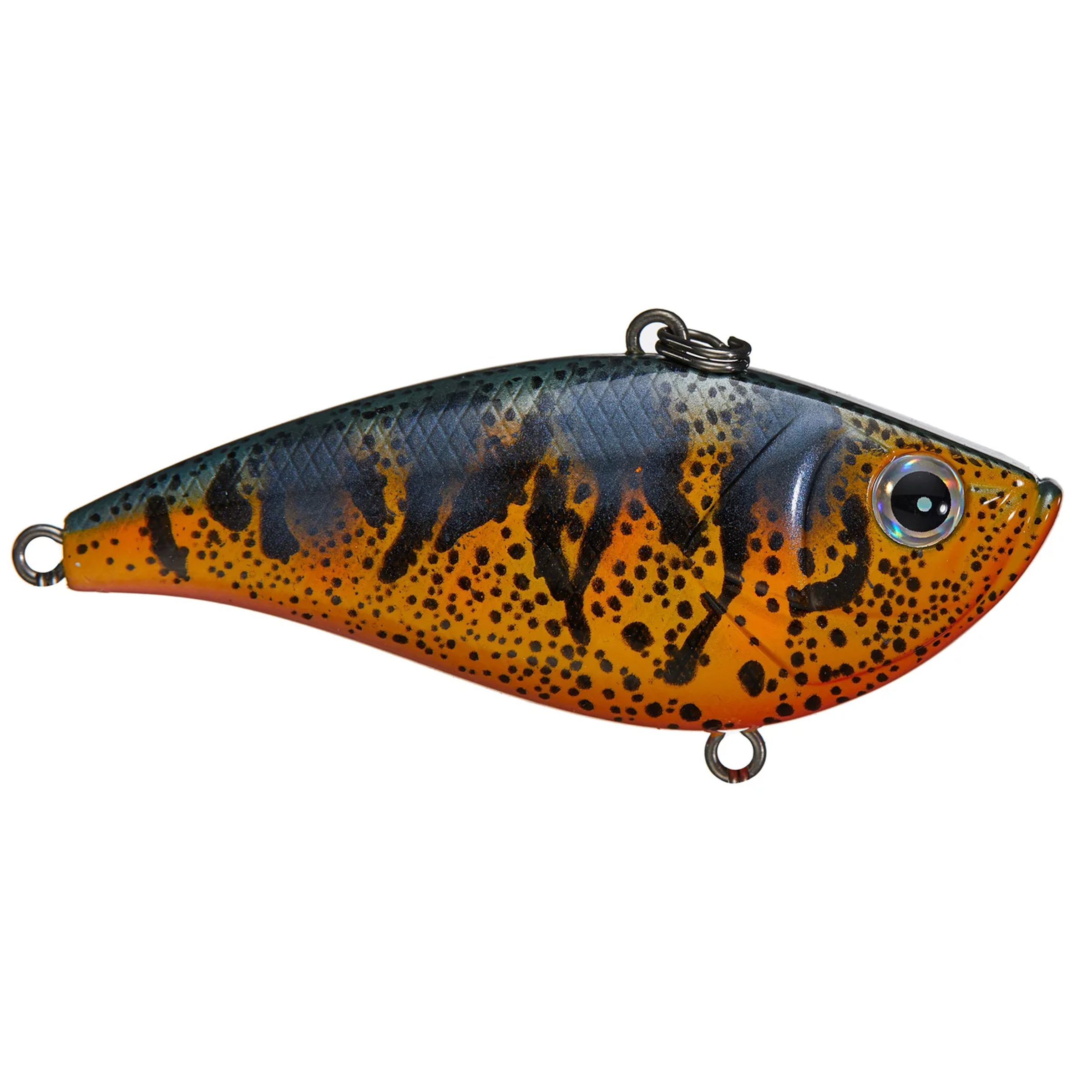
Deep Rock, Best Average Size
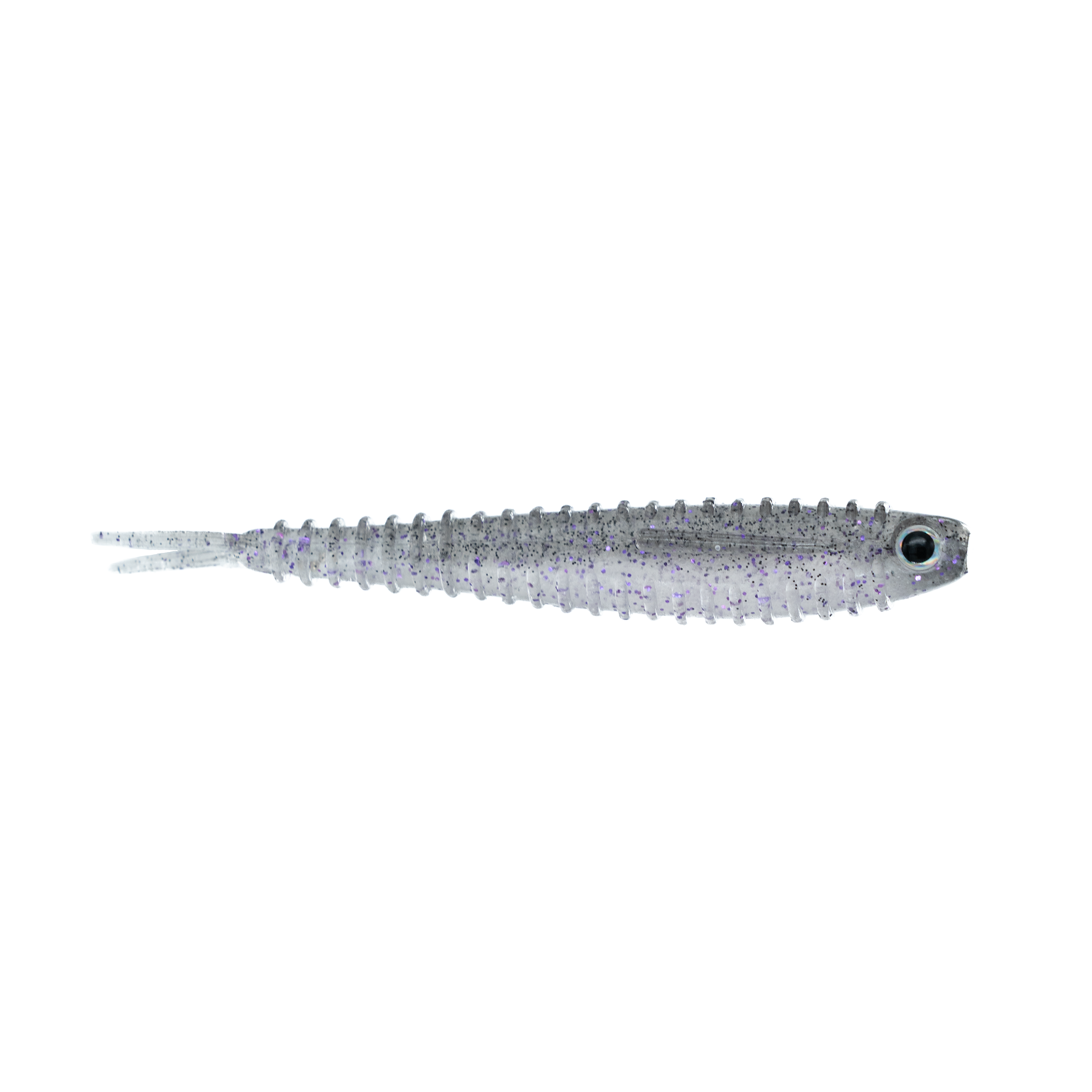
Winter concentrates fish on the deepest rock, ledges and bluff ends, and the clarity makes them findable. Ozark winters are genuine and the lake is empty. If Bassmaster's prediction about the next state record largemouth proves right, cold water is a likely time for it.
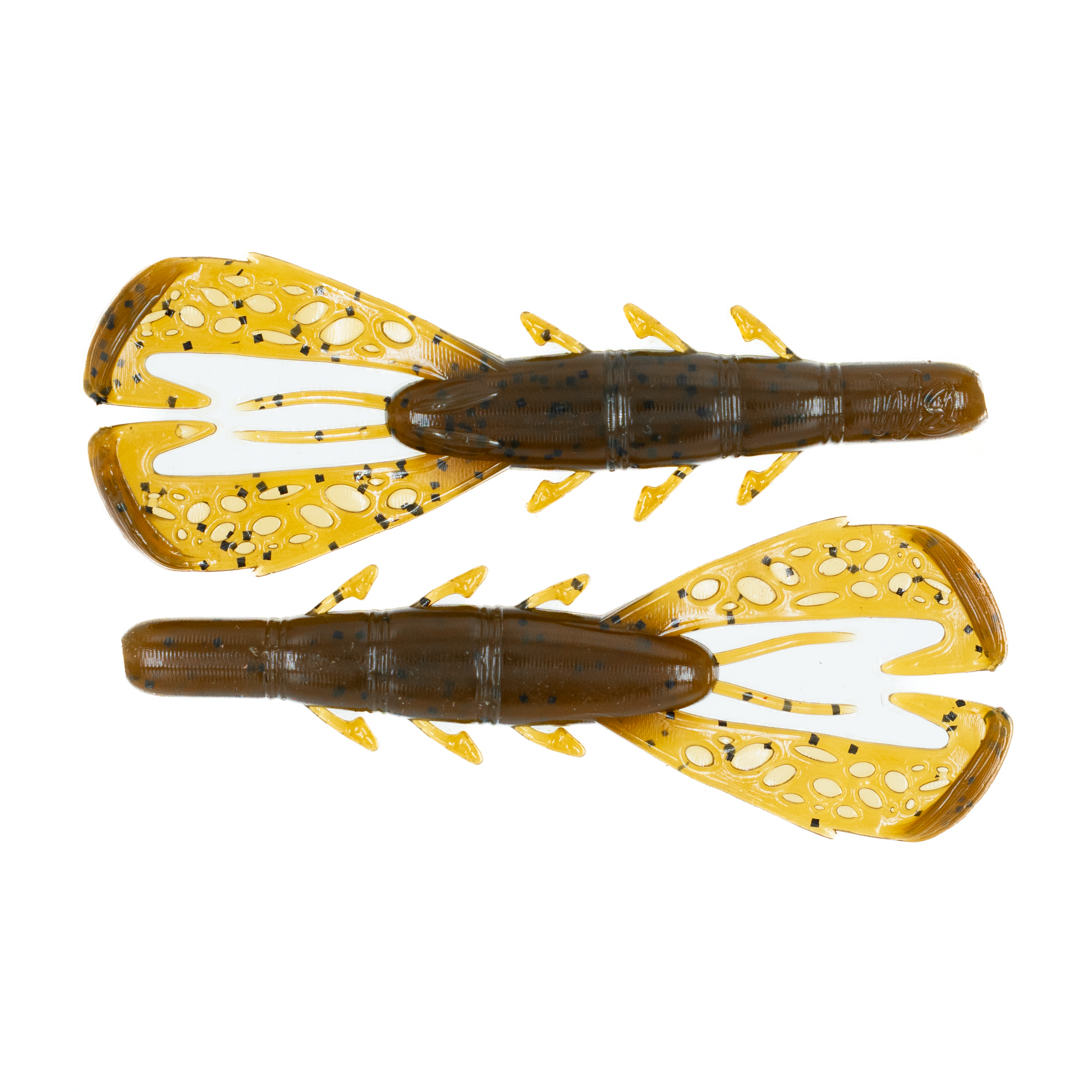

Greers Ferry Lake Access
Corps of Engineers ramps, marinas and recreation areas serve the lake throughout, with Heber Springs the main town. The Little Red River tailwater below the dam has its own access and its own trout fishery.
The Transition Zones
Where shallow water meets deep, particularly around points and creek mouths. The pattern local guidance names first, and the areas bass congregate on to feed in both spring and autumn. If you learn one thing about this lake, learn these.
The Ledges and Bluff Ends
Deep structure holding fish through summer and winter. Steep rock lets fish move vertically without travelling, which is what keeps them catchable through heat and cold on a lake this clear.
The Creek Arms
Where the largemouth spawn and where bait ends up in autumn. More sheltered and slightly more coloured than the main lake, and the answer when bright flat conditions make the open water difficult.
Greers Ferry Lake Bass Fishing FAQ
Could the next Arkansas state record largemouth come from Greers Ferry?
Bassmaster has said there are good odds of exactly that. It is a striking claim for a clear Ozark reservoir, where the usual expectation is smallmouth and spots rather than trophy largemouth, and it is the main reason to take this lake seriously as big-fish water.
How big is Greers Ferry Lake?
Roughly 31,500 acres in the Ozark foothills of north-central Arkansas near Heber Springs. It is clear, deep and cool, which shapes both the species mix and how you fish it.
Is Greers Ferry good for smallmouth?
Yes. The deep cool water suits them and it is one of the better smallmouth options in Arkansas. Largemouth and hybrid striped bass round out a genuinely diverse bass population.
What is the world record hybrid striped bass?
A 27-pound 5-ounce fish caught at Greers Ferry in 1997, and it still stands. The hybrid fishery here is world class and is a legitimate reason to visit in its own right.
Where should I start on Greers Ferry?
The transition zones where shallow water meets deep, particularly around points and creek mouths. Bass congregate on them to feed in spring and autumn, and they are the most consistently productive water on the lake.
How does the clear water change things?
Lighter line, natural colours, longer casts and much more attention to depth. Bright flat days push everything deeper and make the shallow fishing hard, so early, late and deeper become the answers rather than fishing harder.
What baits work best on Greers Ferry?
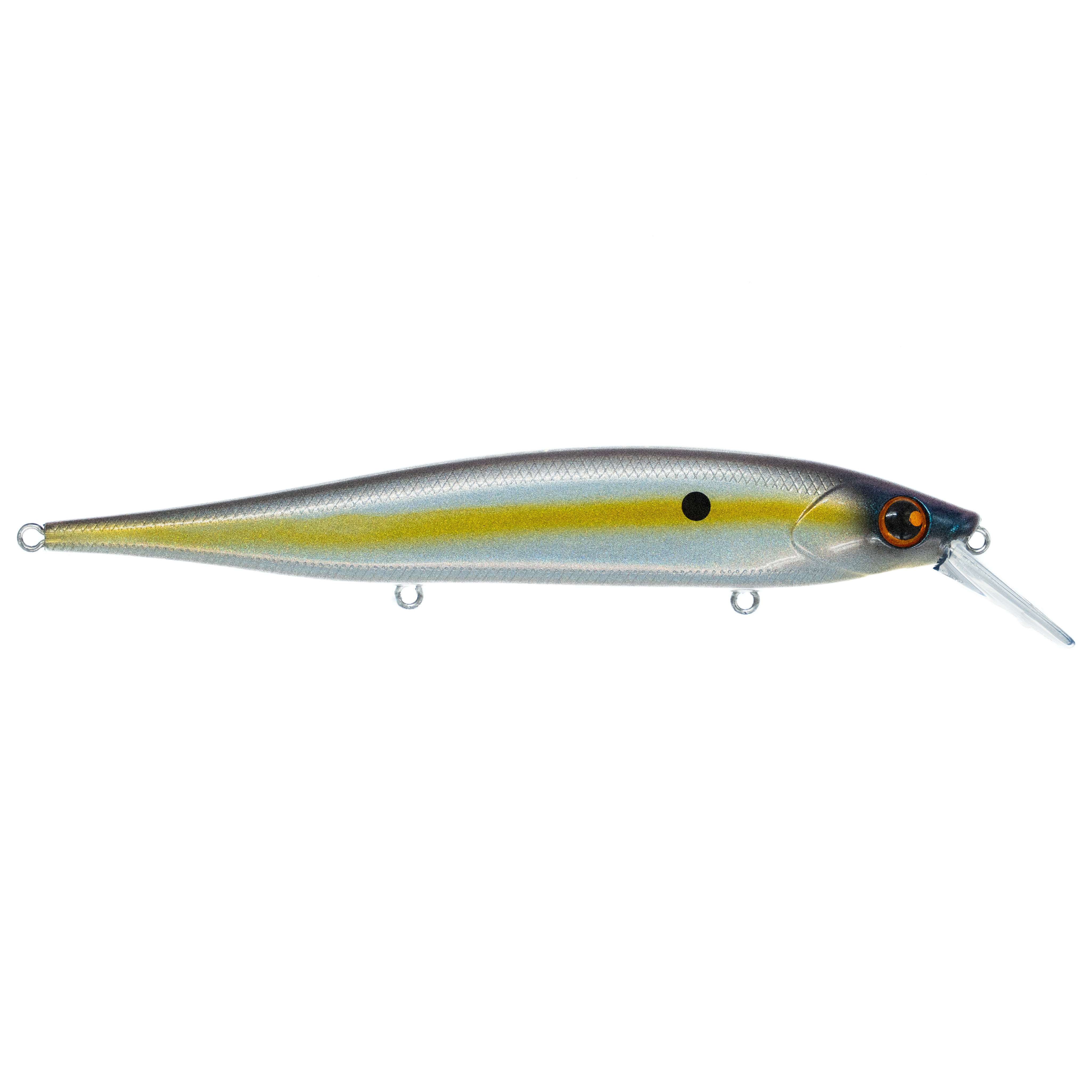
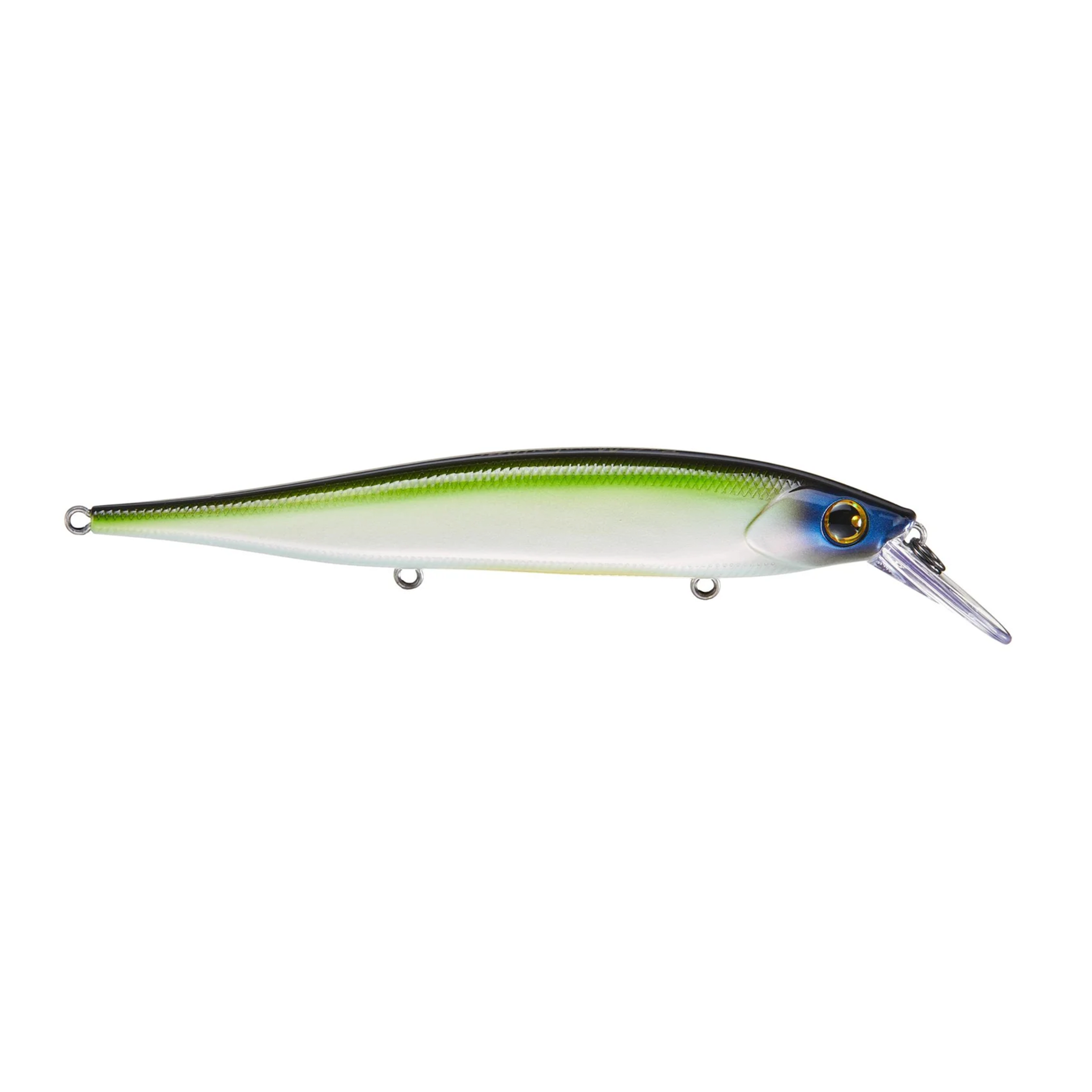
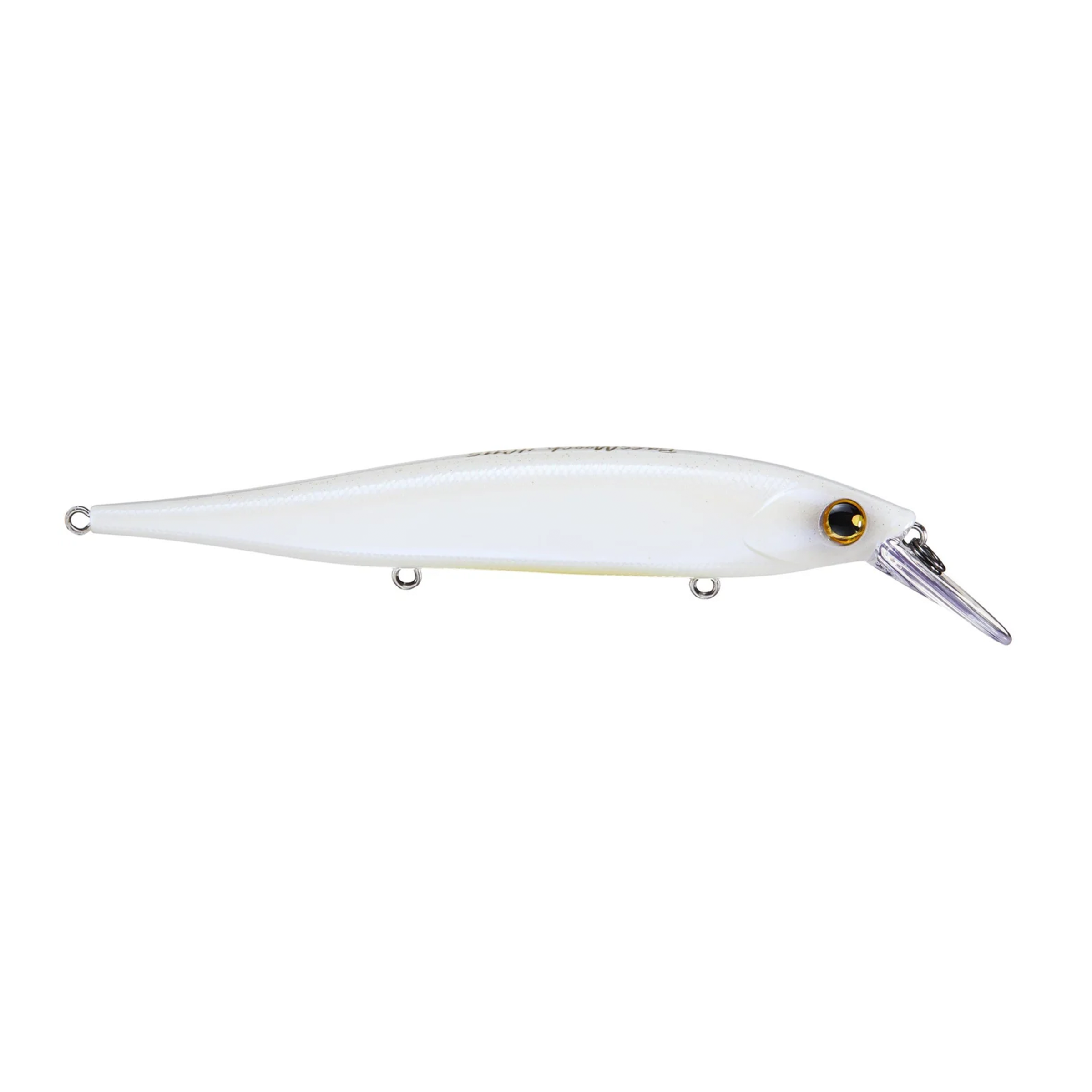
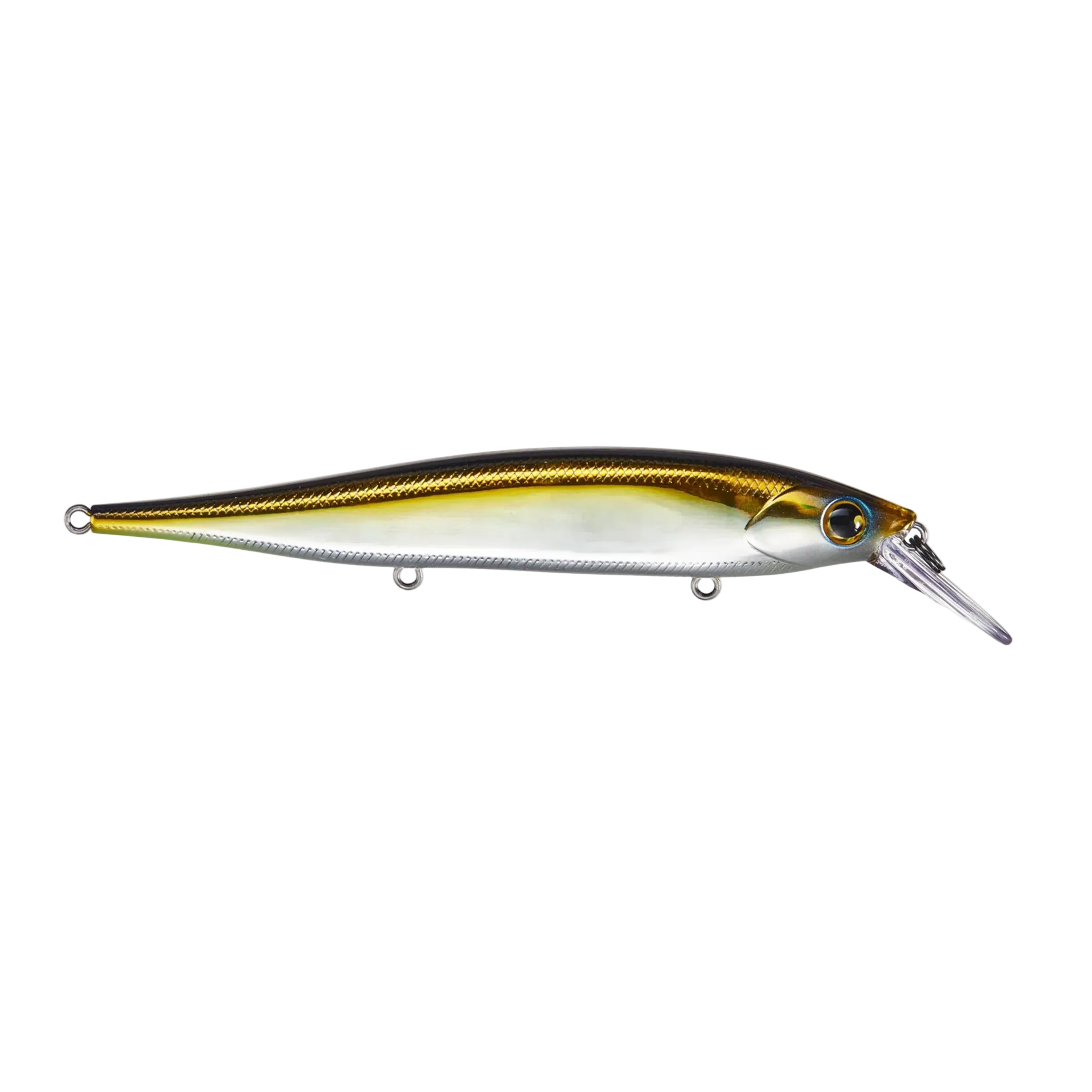
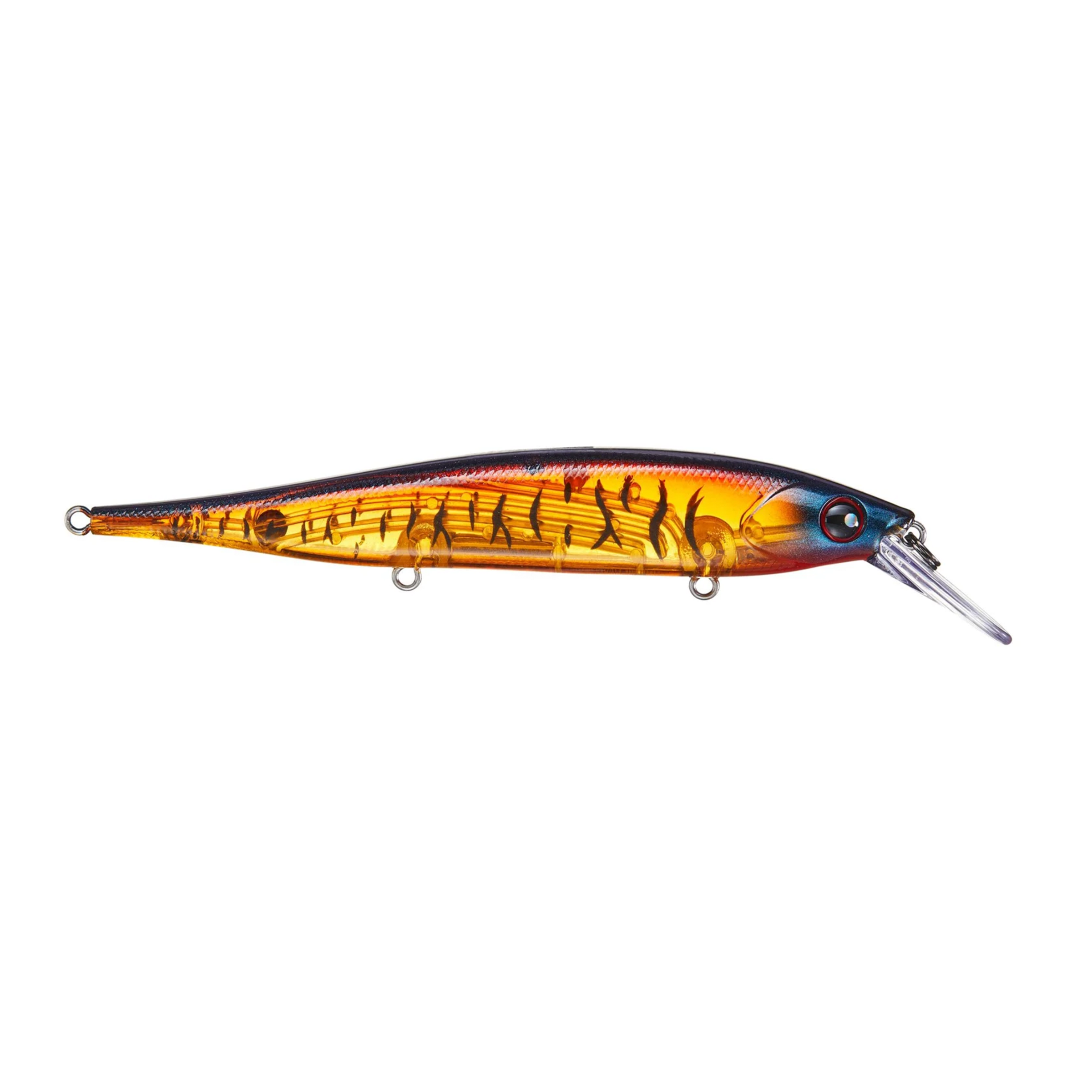
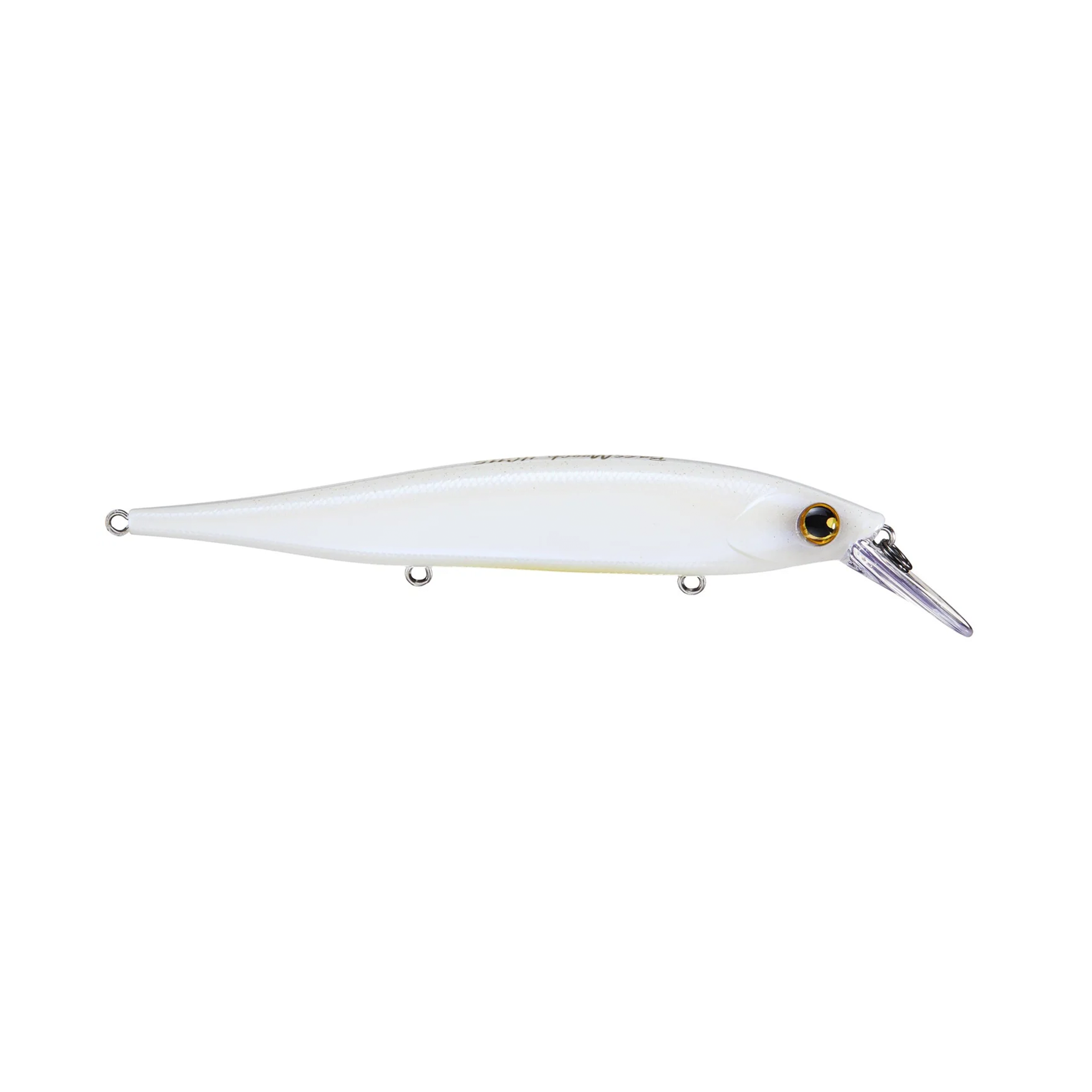
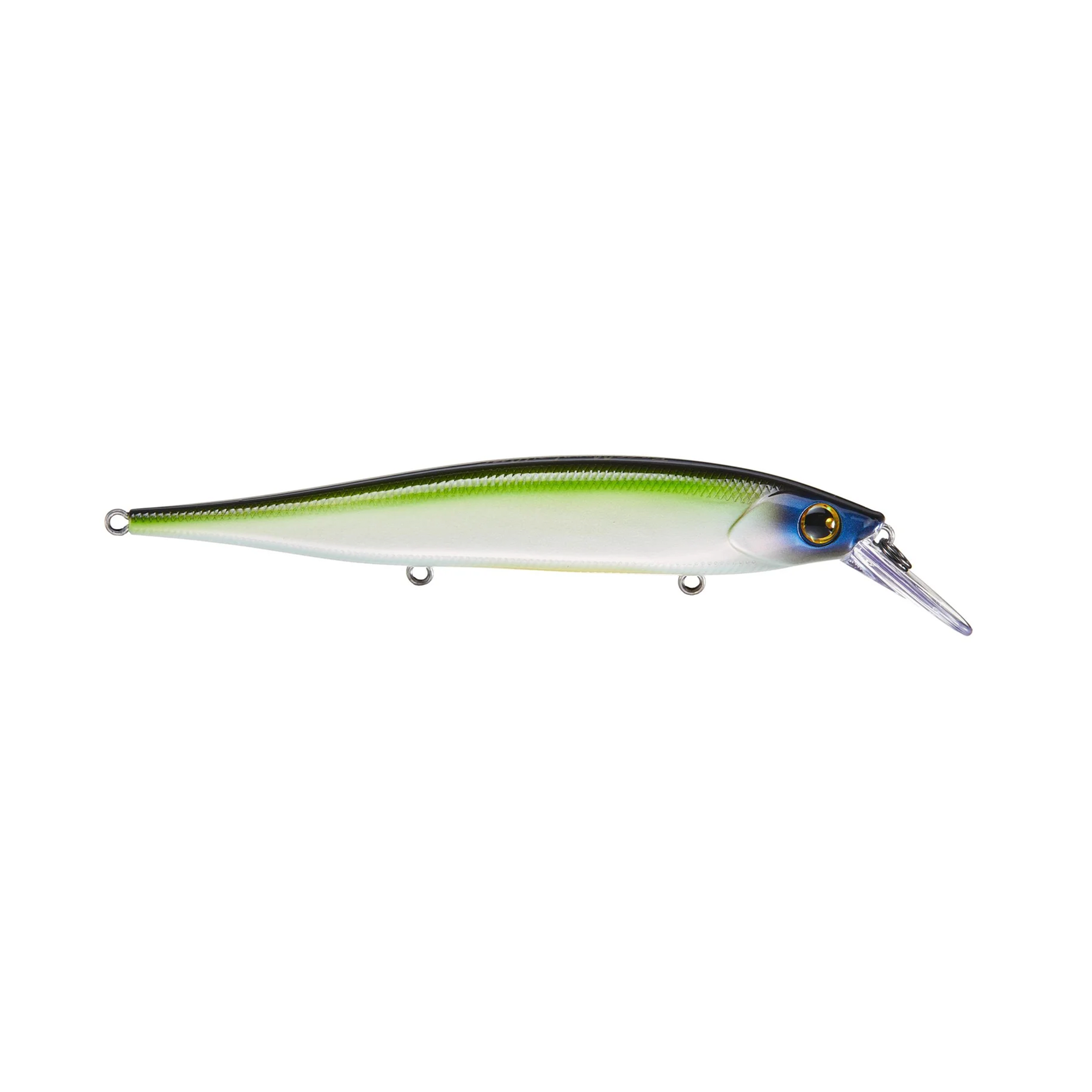
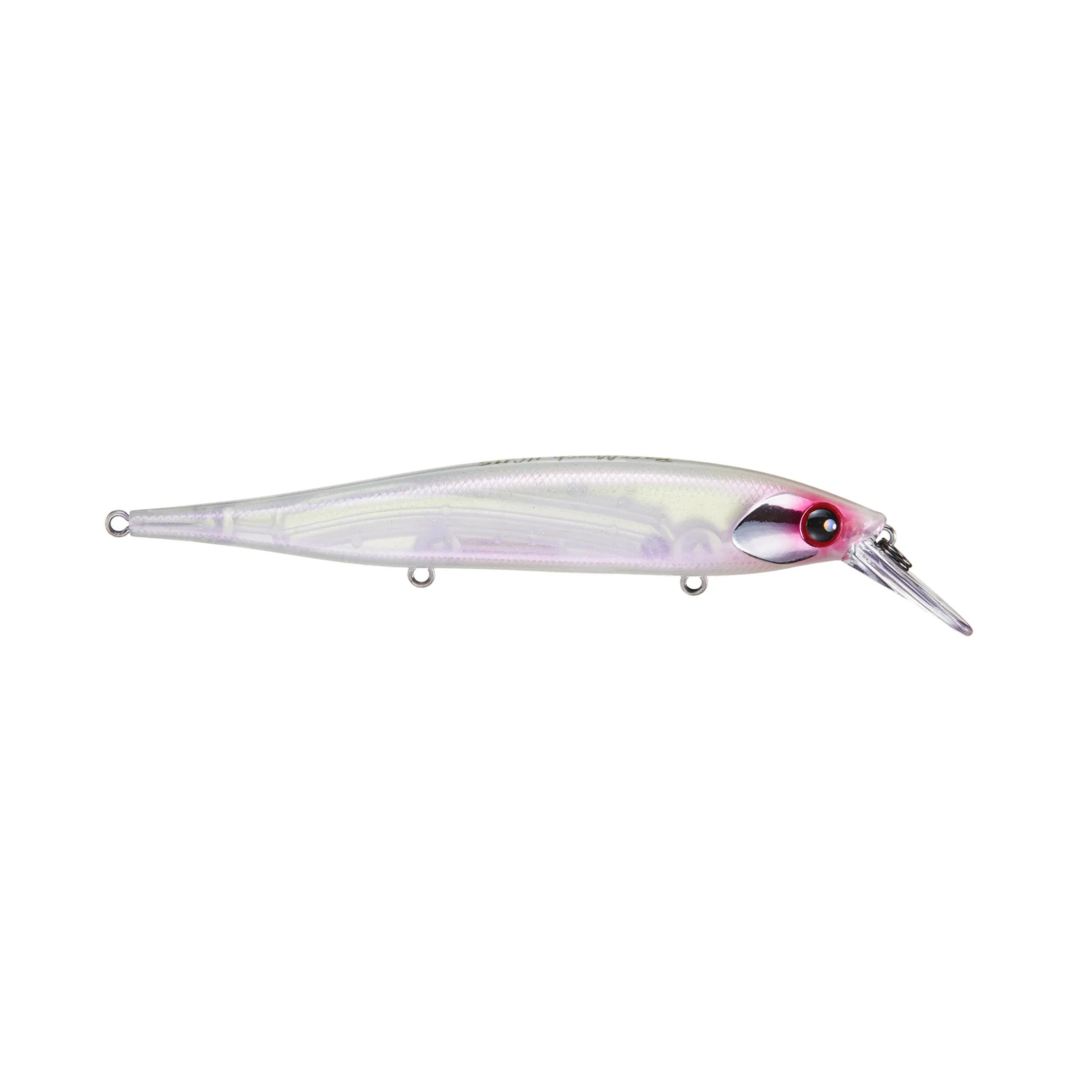
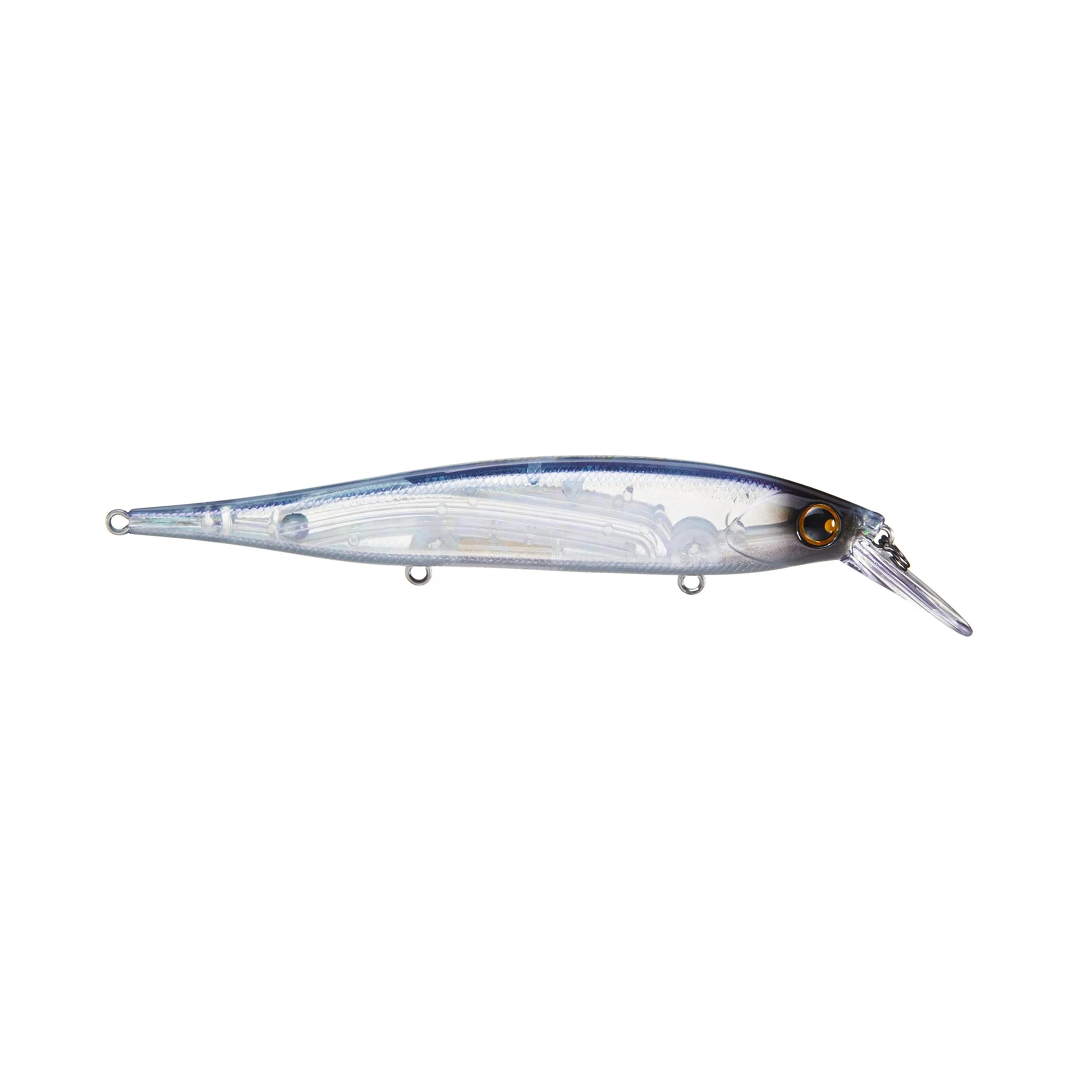
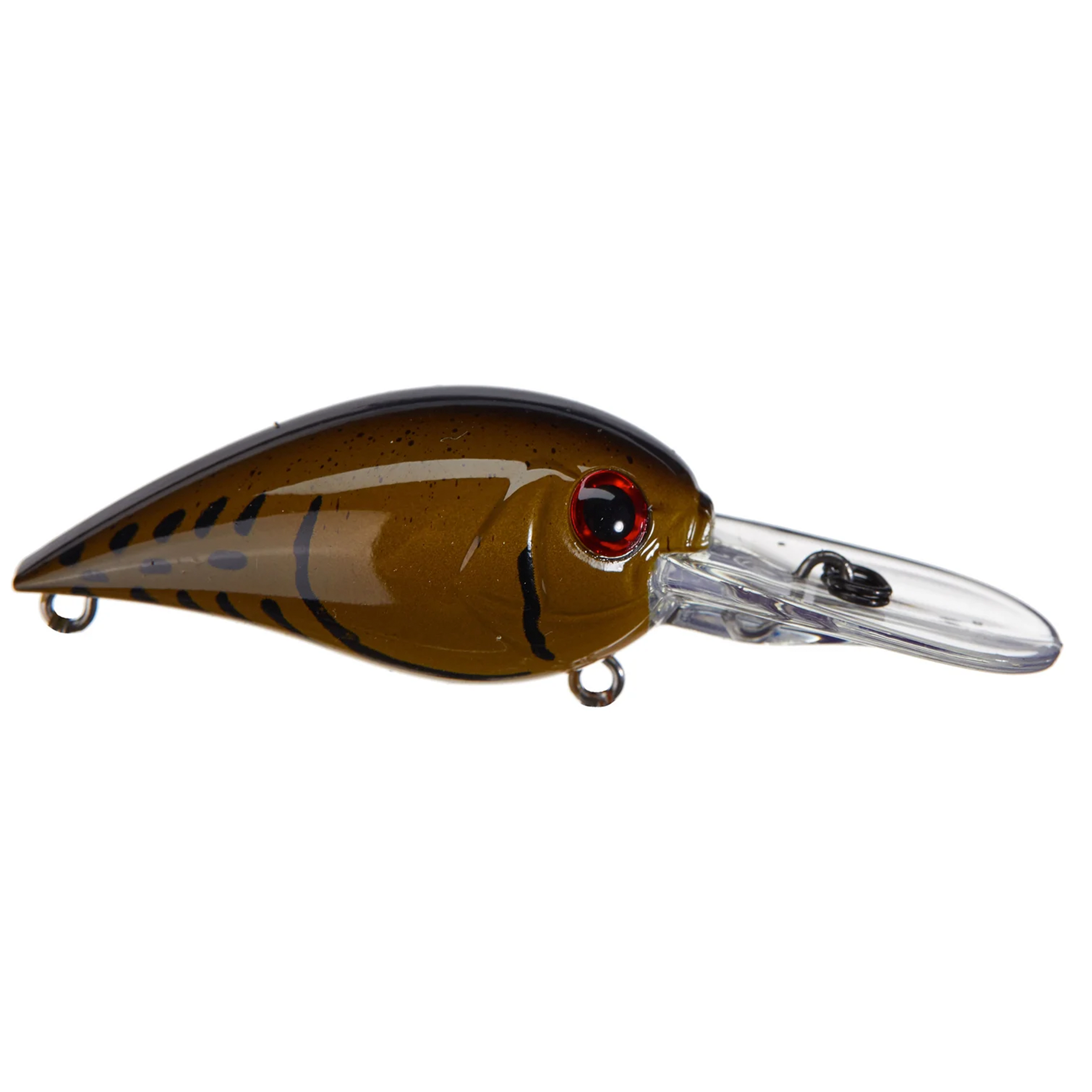
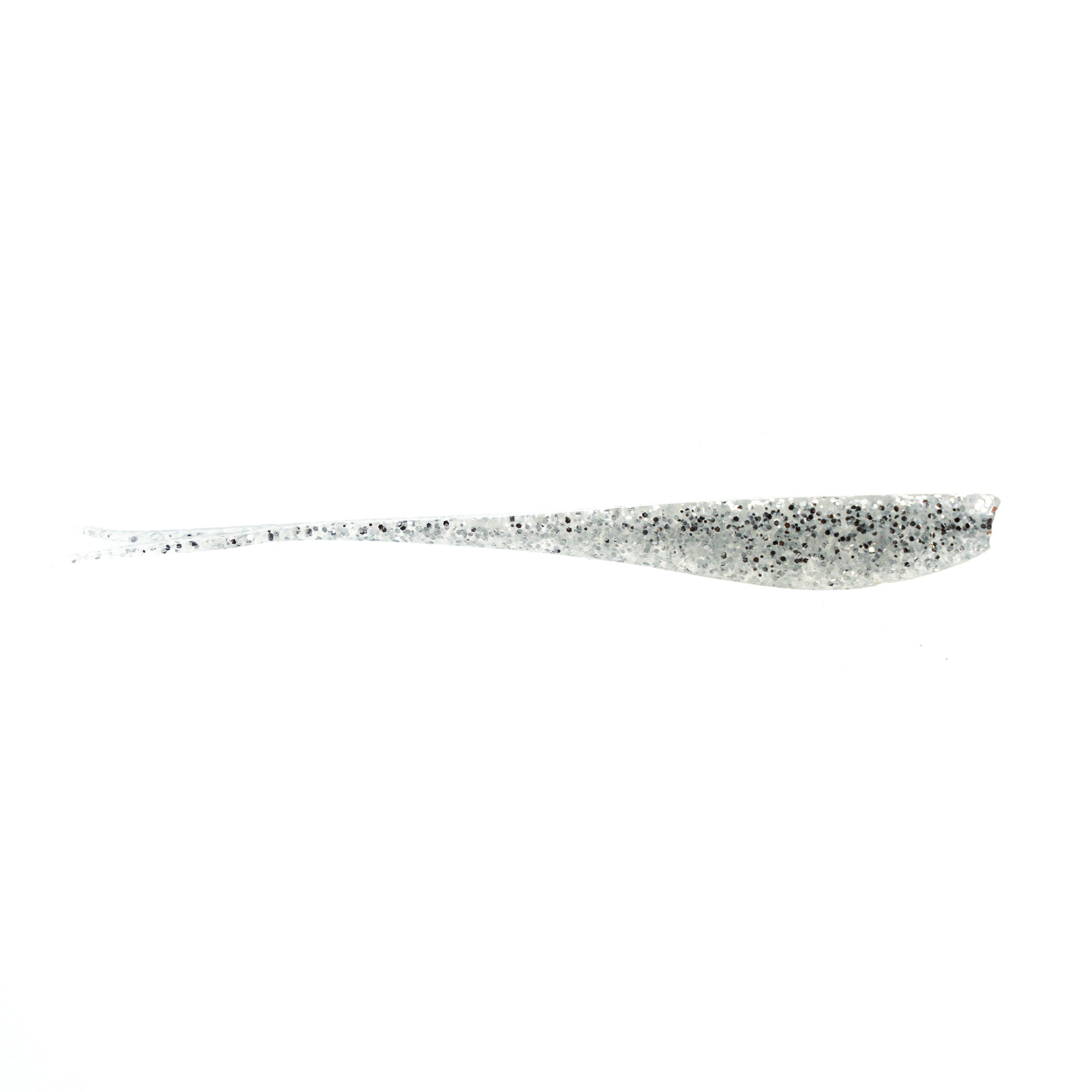
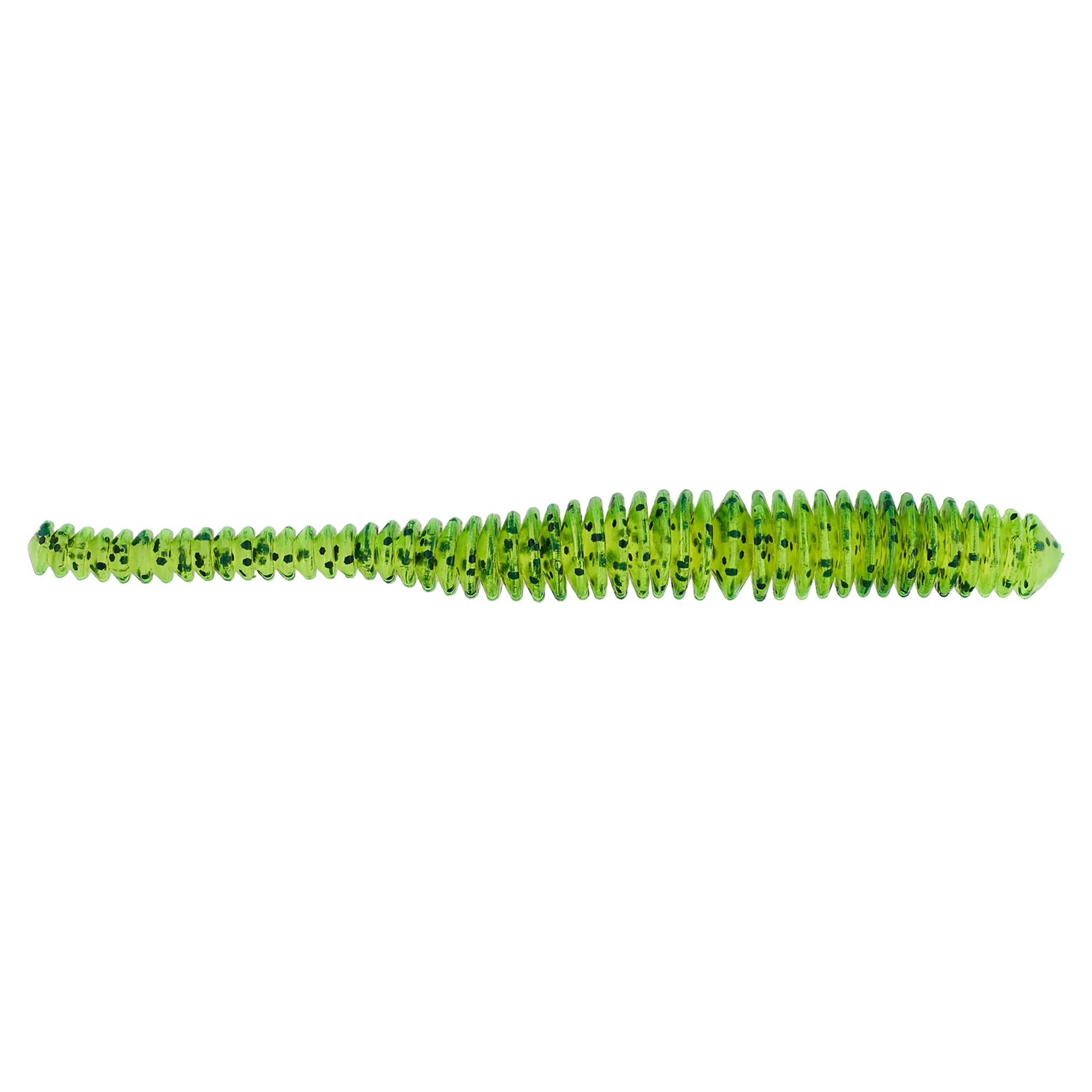
Suspending jerkbaits and finesse plastics on the rock and transitions, drop shots and small worms on the ledges in summer, and moving baits on the transitions in autumn. Our full bait lineup covers all four seasons.
Do I need a fishing license?
Yes, an Arkansas fishing license from the Game and Fish Commission. A separate trout permit applies if you fish the stocked Little Red River tailwater below the dam.
Subtle Bites, Deep Rock
Cold clear water produces bites you barely register, at depths where the line does most of the talking. Level Rods builds models sensitive enough to feel what is happening thirty feet down and forgiving enough to keep light line intact when a good smallmouth decides to leave.
Tournament Winning Baits & Gear
Designed, crafted and tested by anglers who fish clear water every week. Free shipping on orders over $75.
Shop All Baits