
Green River Lake Bass Fishing Guide
Green River Bass Fishing, Season by Season
Eight thousand acres in central Kentucky near Campbellsville, with flooded timber, rocky points and a smallmouth population the state singles out. Green River Lake gets a fraction of the pressure the western reservoirs do, and the river below the dam is a fishery in its own right.
Timber, Rock and Less Pressure
Green River Lake is a Corps of Engineers reservoir on the Green River near Campbellsville in central Kentucky, covering roughly 8,200 acres. It sits well away from the crowds that Kentucky Lake and Barkley draw in the west and Taylorsville draws from Louisville, and that shows on the water.
The state fisheries department lists it among the best waters in Kentucky for a shot at a smallmouth of a lifetime in late winter and early spring, alongside Kentucky Lake, Barkley, Cumberland, Laurel River, Dale Hollow and Fishtrap. It also names it among the lakes offering excellent early spring largemouth fishing. Being on both lists is unusual.
The habitat mixes flooded timber and brush with rocky points and shoreline. That combination is what supports both species — largemouth in the wood and the creek arms, smallmouth on the rock. Creek channels run back through the arms and provide the routes between them.
Water levels fluctuate as they do on any Corps flood-control project, and it is worth checking before a trip, though the swings are less dramatic than on some of the Mississippi and west Texas projects covered elsewhere on this site.
The tailwater deserves separate mention. Below the dam, the Green River runs down through Mammoth Cave National Park with abundant access, and the stretch from the tailwater to the dam at Rochester is regarded as the best bass section of the river. If you like moving water, it is worth building a trip around.
The lake also draws heavy crappie pressure, which like everywhere else on this site means the bass see less attention than they deserve.
Wood, Rock and a River Below
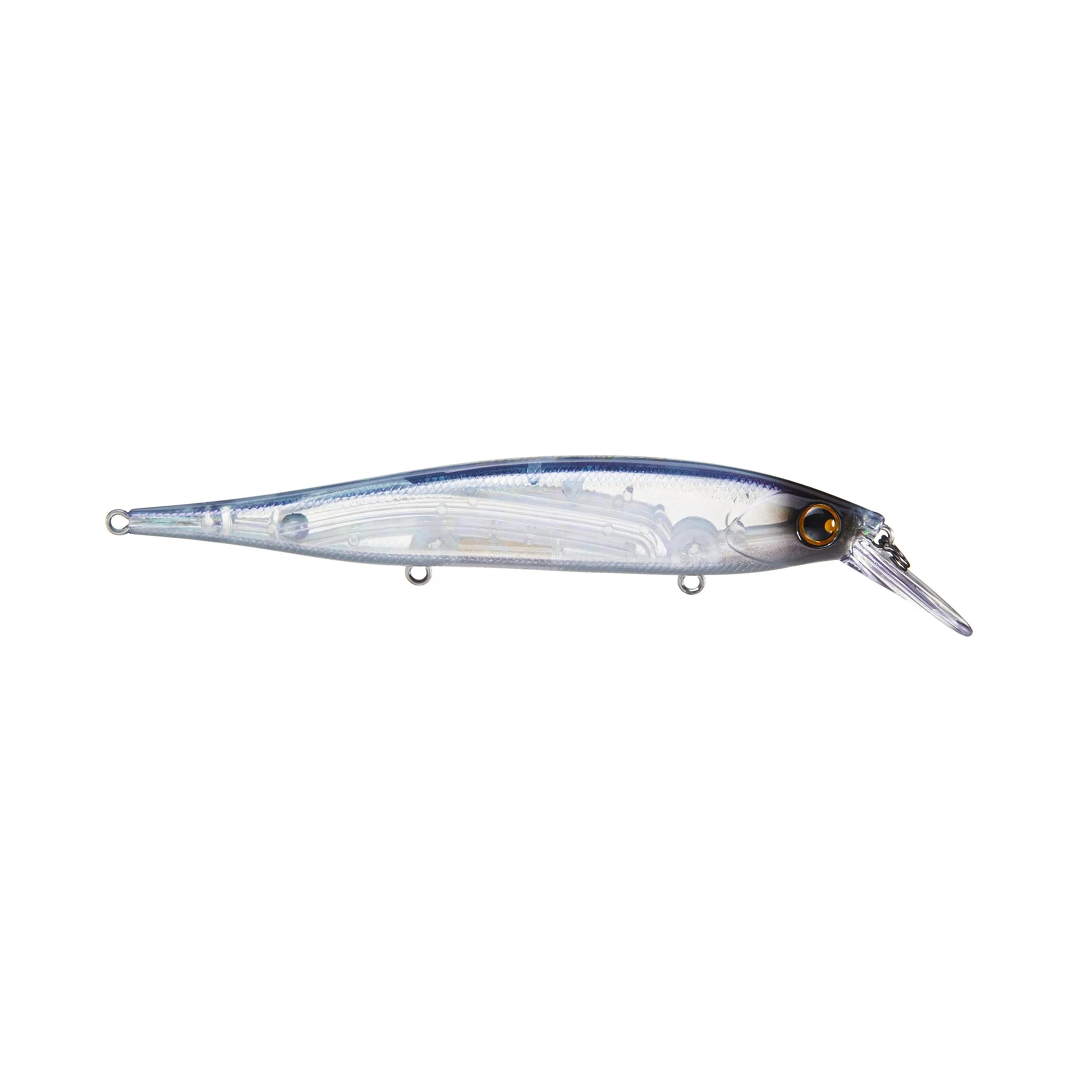
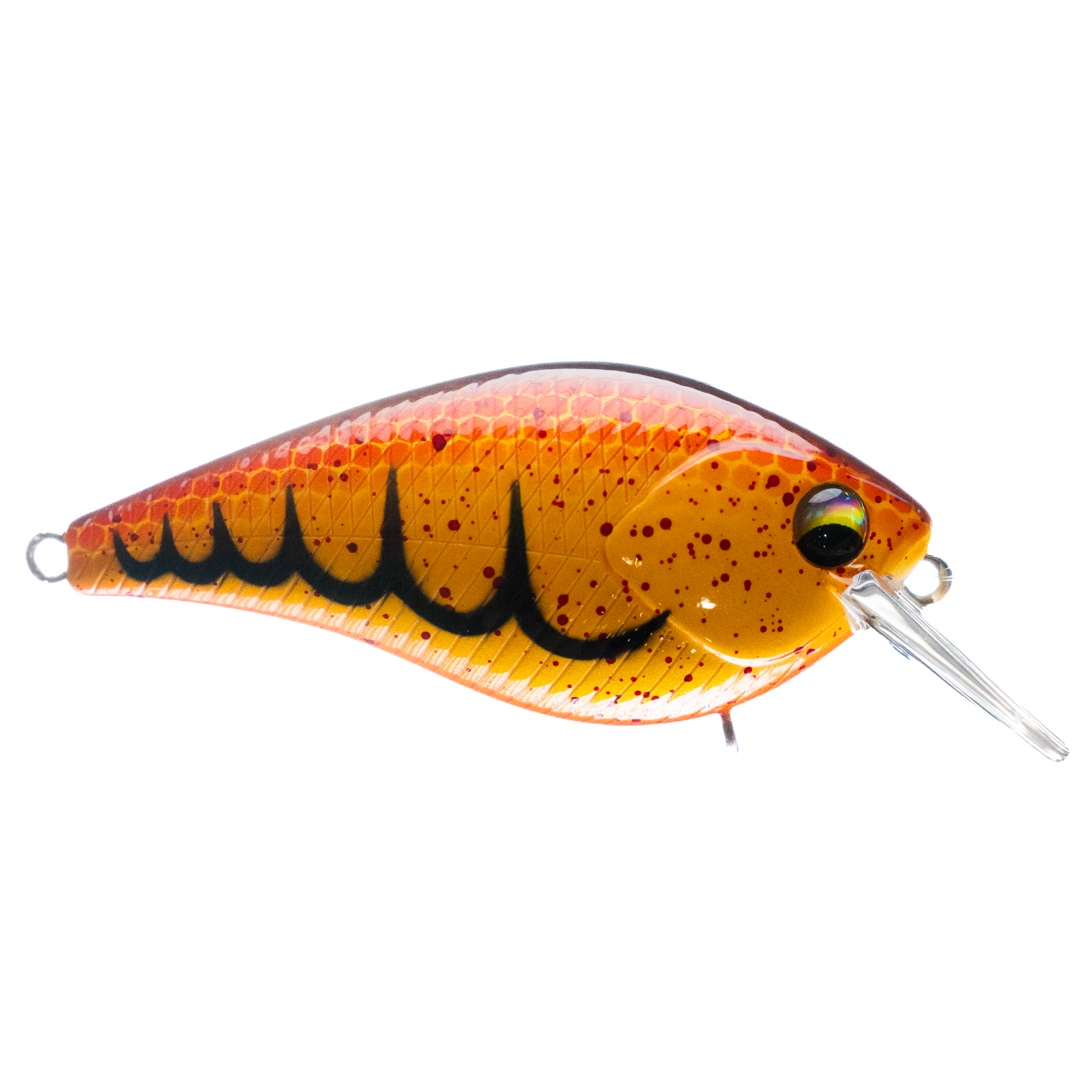
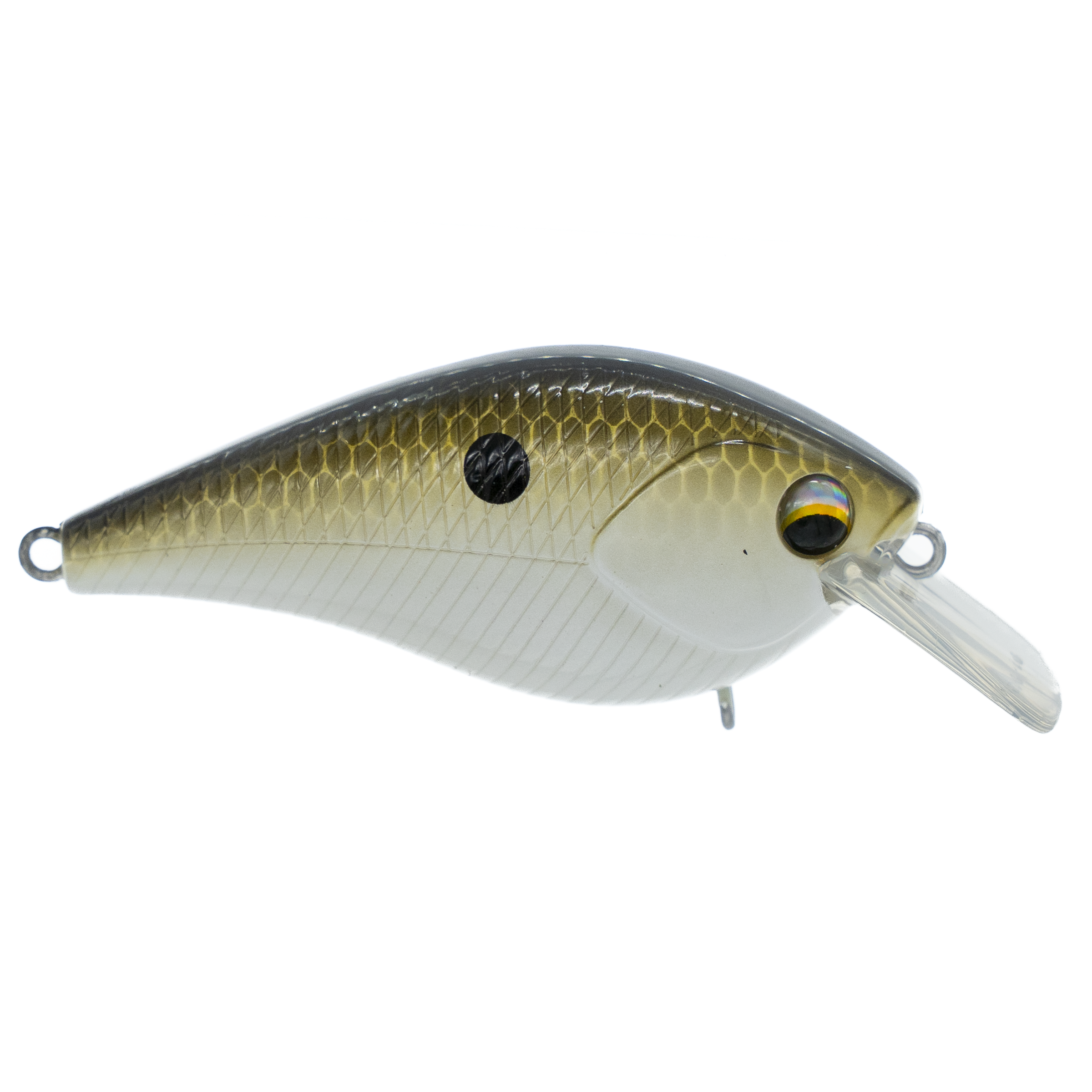
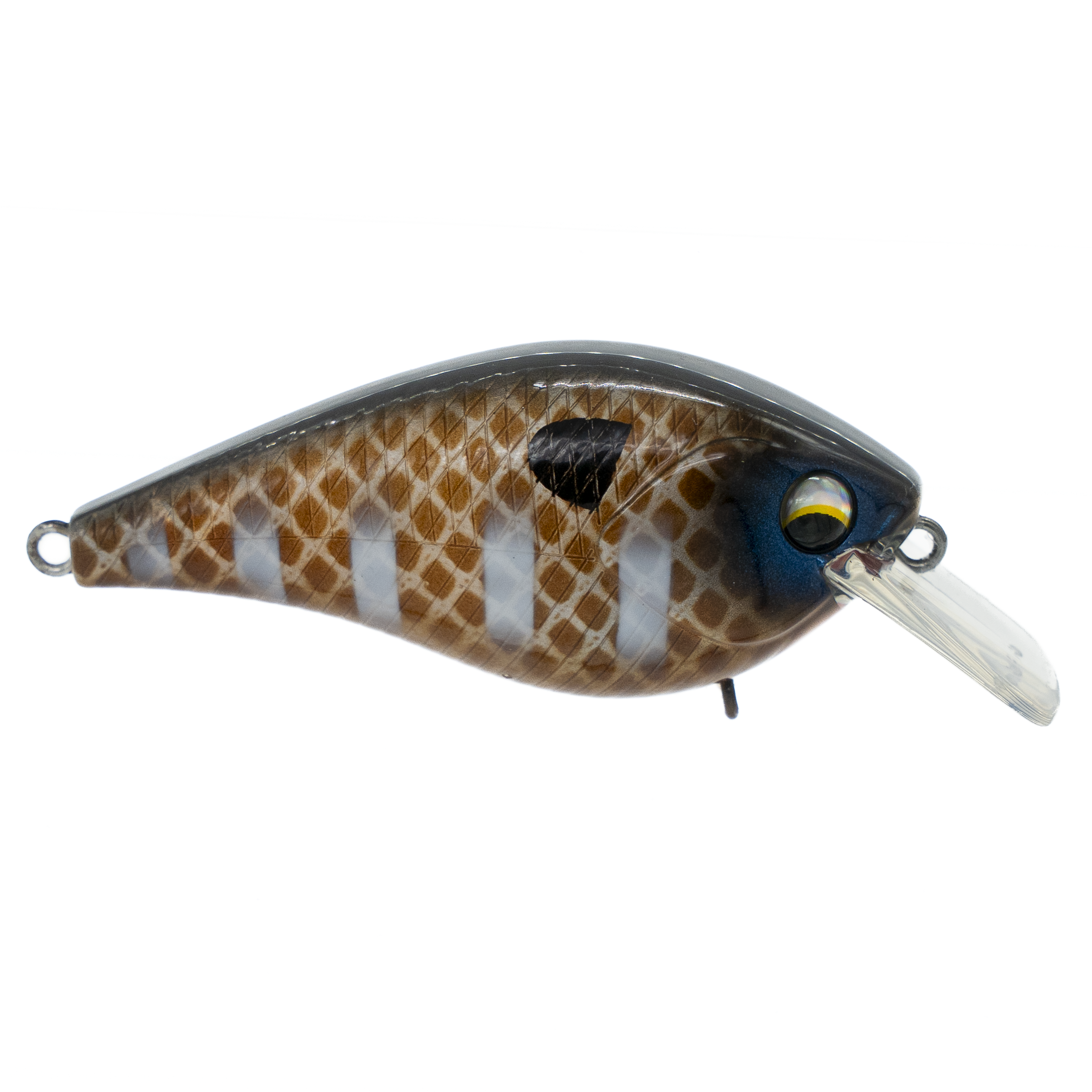
Four patterns cover the year. Each one pairs the technique with the baits we'd actually tie on.
Two Species, Two Patterns
Late winter into early spring is the smallmouth window the state points anglers toward, and early spring is also when the largemouth fishing is at its best. They want different water. Smallmouth stage on rocky points and transitions; largemouth push into the timber and the backs of the creek arms.


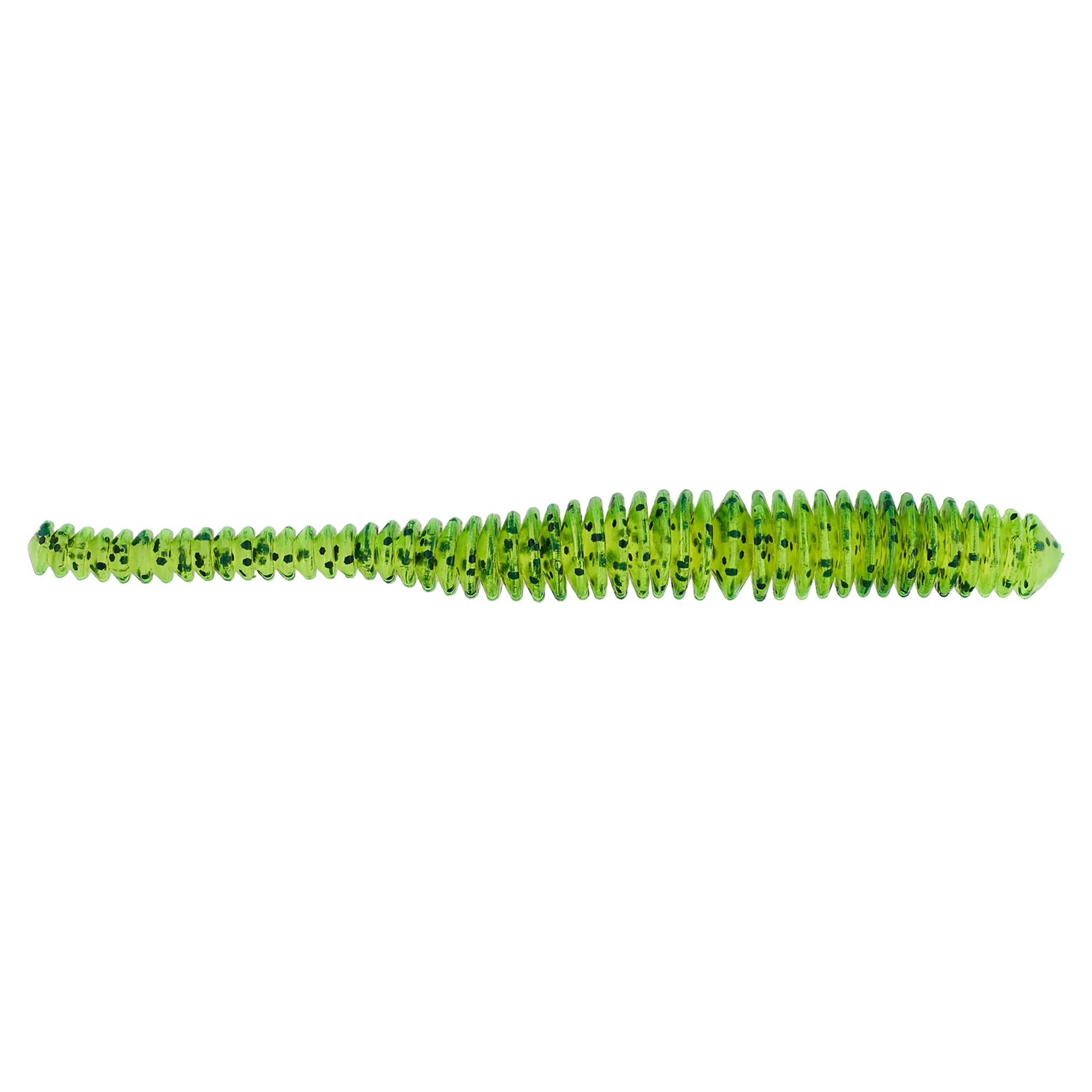

Deep Wood and Rock
Summer moves both species to the deeper structure — timber along the channel edges for largemouth, deeper rock and points for smallmouth. Recreational traffic is lighter here than on the metro or western lakes, but the heat still compresses the best fishing into the early and late windows.
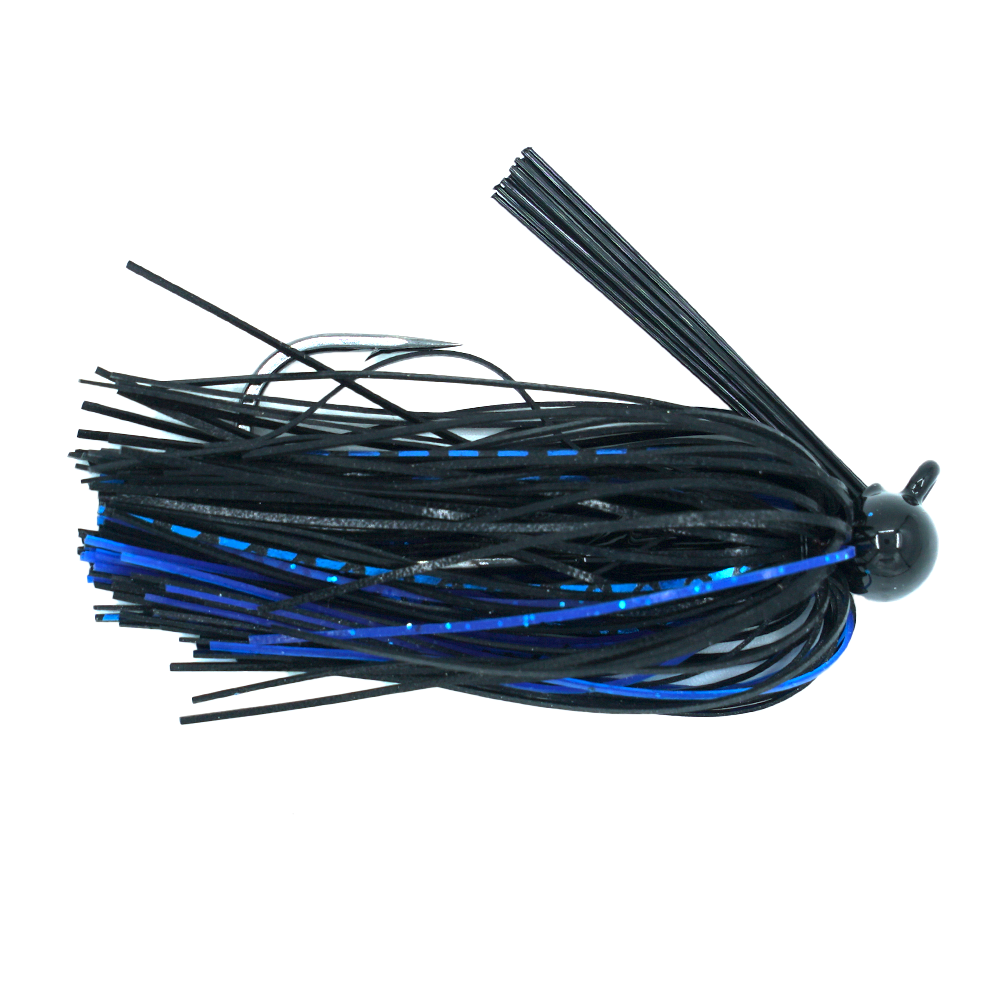
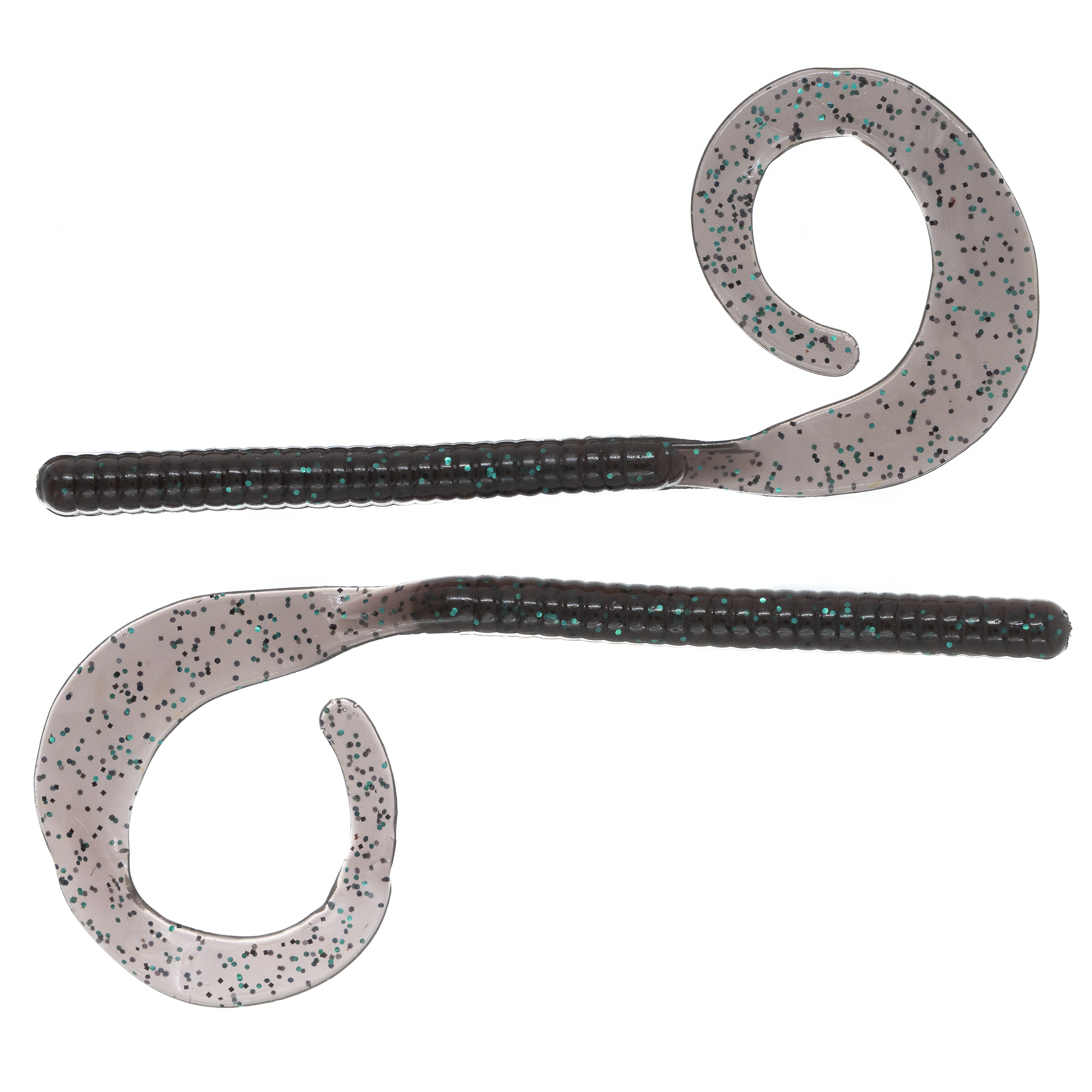
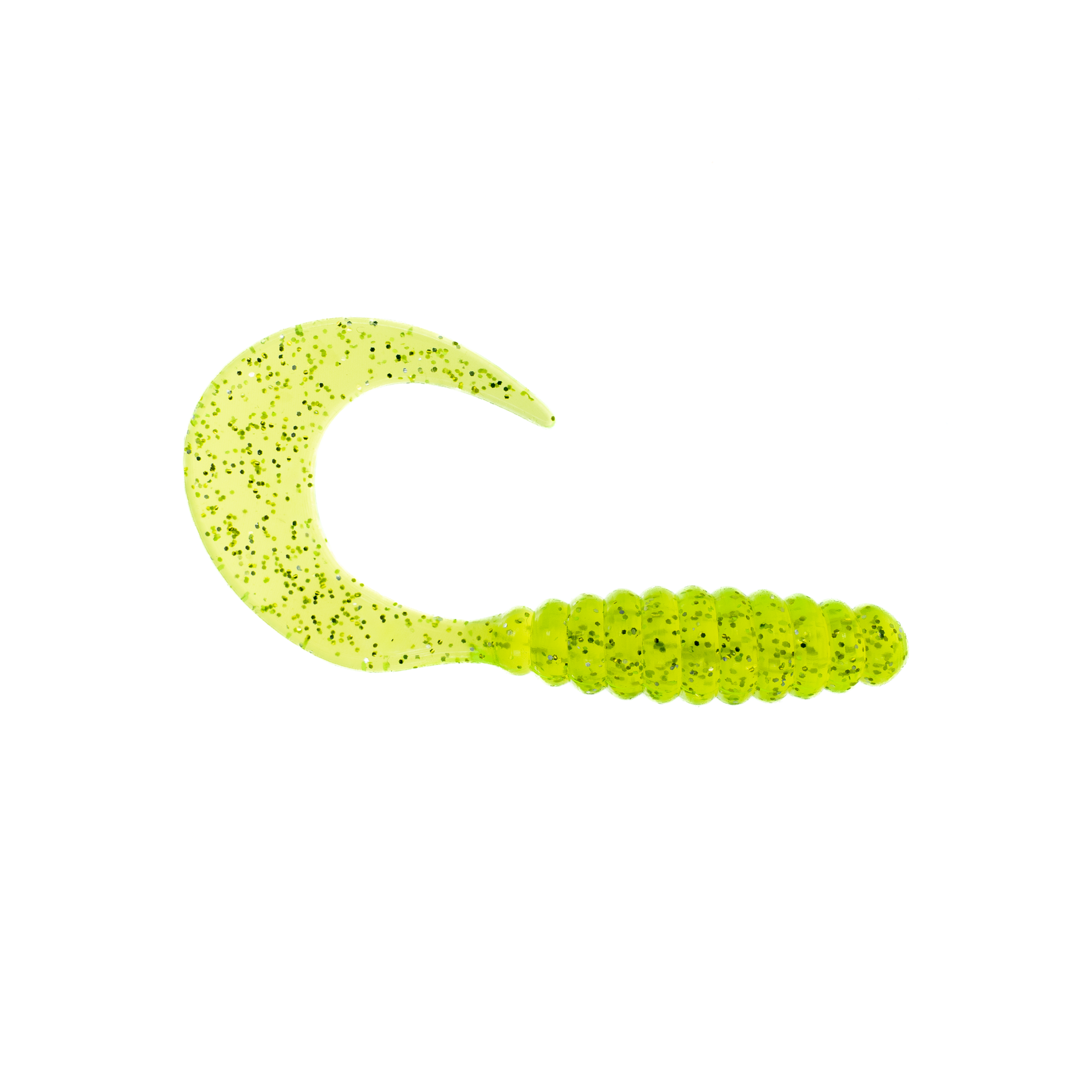

Bait Up the Arms
Autumn pulls the shad into the creek arms and both species follow. Cooling water and light pressure make this the easiest fishing of the year here, and the timber that requires patience in summer becomes something you can fish quickly with moving baits.


Into the Smallmouth Window
Winter concentrates fish on the deep timber and the main-lake rock, and it runs directly into the late-winter smallmouth window that puts this lake on the state's list. Cold water fishing here is slow but the average size is good and you will have the place to yourself.

Green River Lake Access
Corps of Engineers ramps and campgrounds serve the lake, along with a marina and Green River Lake State Park. Campbellsville is the nearest town. The tailwater below the dam has its own access points running down toward Mammoth Cave National Park.
The Rocky Points
Where the smallmouth are, and the reason the state lists this lake for a shot at a trophy in late winter and early spring. Main-lake points and chunk-rock banks, worked with clear-water presentations.
The Timber in the Creek Arms
Flooded wood and brush filling the arms, holding largemouth through the year and producing the early spring bite. Different water and different technique from the rock — and on a lake this size, both are reachable in a single trip.
The Tailwater and the Green River
Below the dam the river runs down through Mammoth Cave National Park with abundant access, and the section from the tailwater to Rochester is the best bass water on the river. A genuinely different fishery from the lake and worth a day of its own.
Green River Lake Bass Fishing FAQ
Is Green River Lake good for smallmouth?
Yes. Kentucky's fisheries department lists it among the best waters in the state for a shot at a smallmouth of a lifetime in late winter and early spring, alongside Kentucky Lake, Barkley, Cumberland, Laurel River, Dale Hollow and Fishtrap.
How big is Green River Lake?
Around 8,200 acres on the Green River near Campbellsville in central Kentucky. Small compared with the western reservoirs, but large enough to hold two distinct fisheries — timber for largemouth and rock for smallmouth.
Is it heavily fished?
Less than most Kentucky bass water. It is well away from Louisville and from the Kentucky Lake and Barkley crowds. It does draw crappie pressure, which as usual means the bass get overlooked.
What about the river below the dam?
The Green River below the tailwater is a genuinely good bass fishery in its own right. It flows through Mammoth Cave National Park with abundant access, and the best section runs from the Green River Lake tailwater down to the dam at Rochester.
When is the best time to fish it?
Early spring for both species — largemouth push shallow and the late winter into early spring window is when the biggest smallmouth are catchable. Autumn is the easiest fishing of the year with light pressure and aggressive fish.
Can I fish for both largemouth and smallmouth in a day?
Realistically, yes. The lake is small enough that running between the timber in the creek arms and the rocky main-lake points is not a major undertaking, and the two patterns are genuinely different.
What baits work best on Green River Lake?
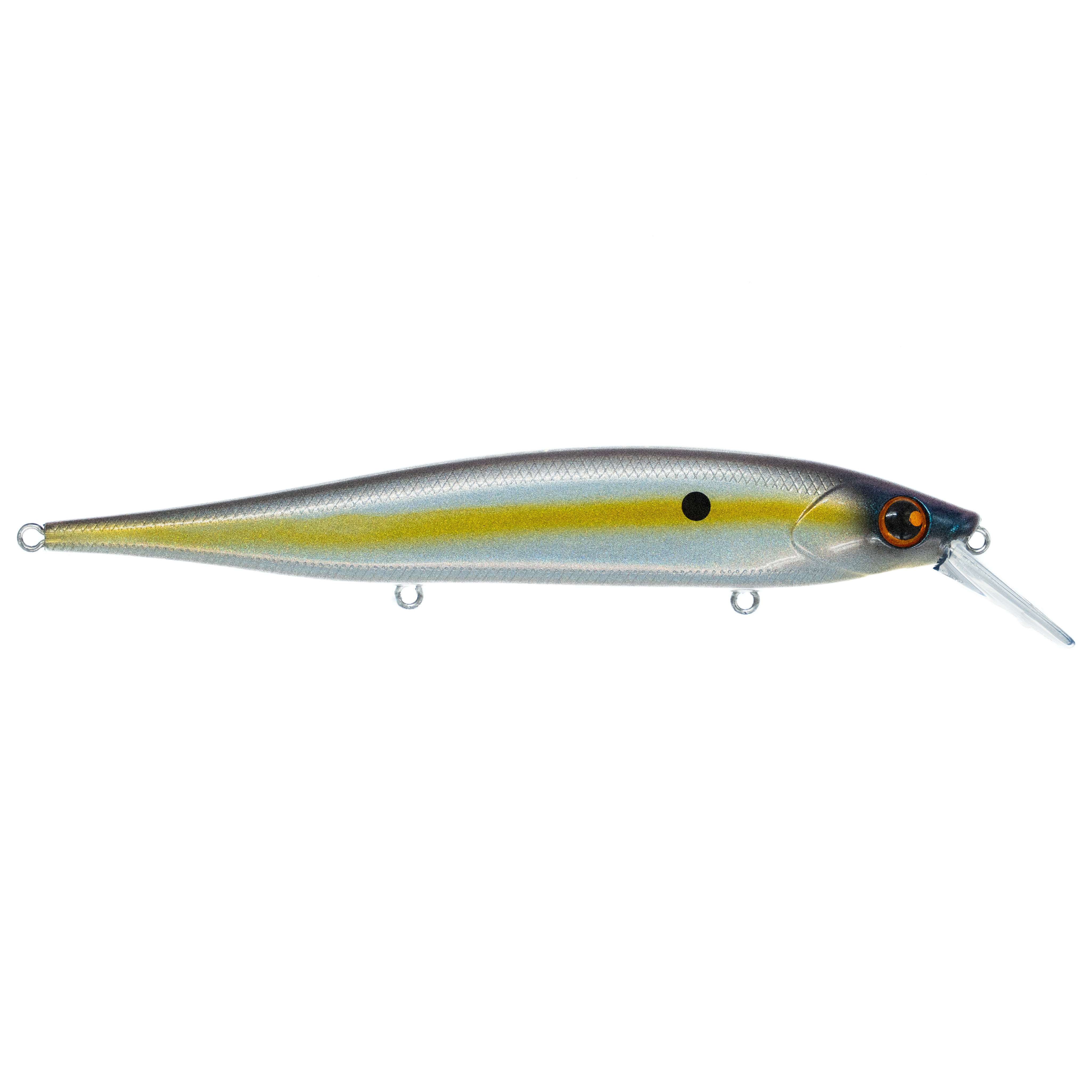
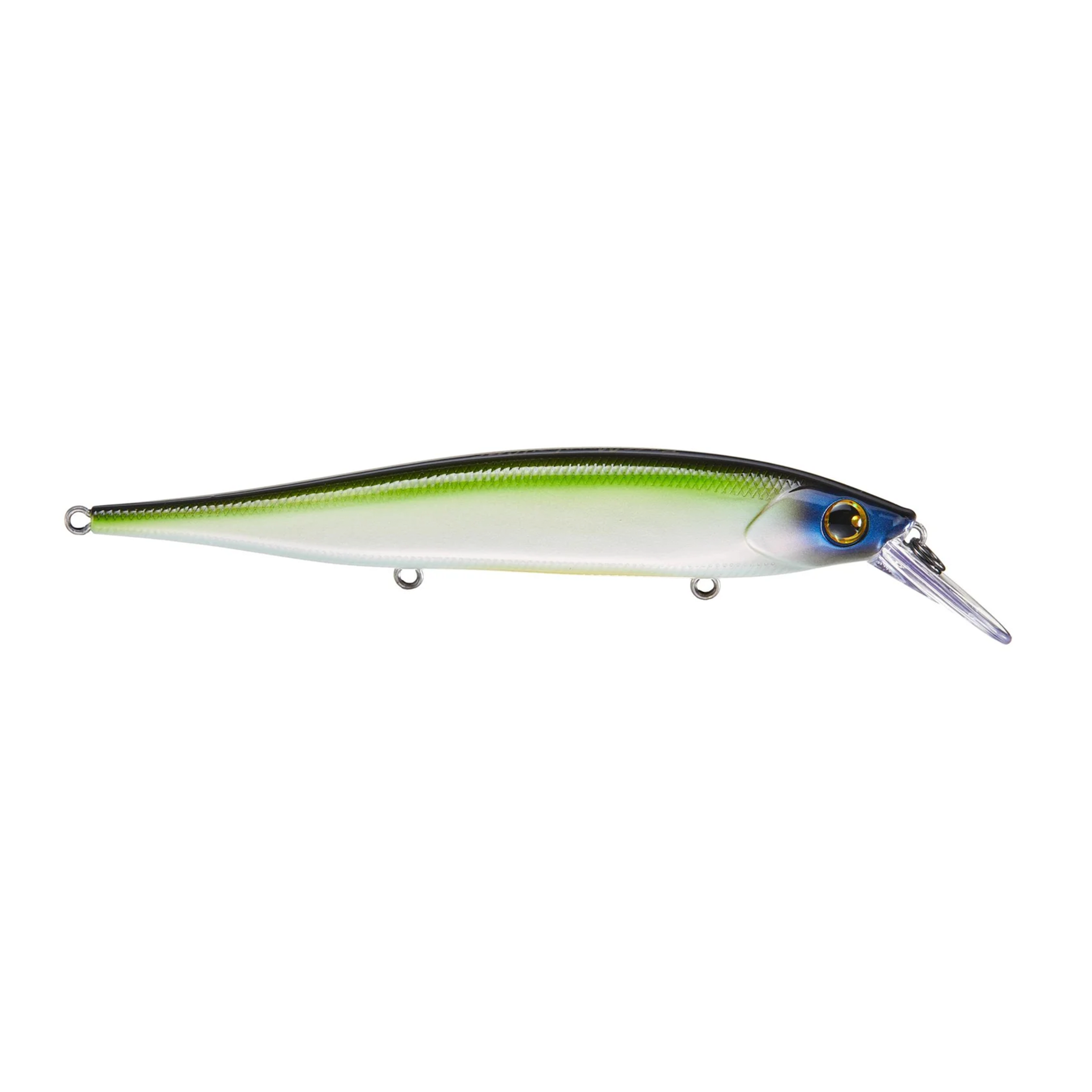
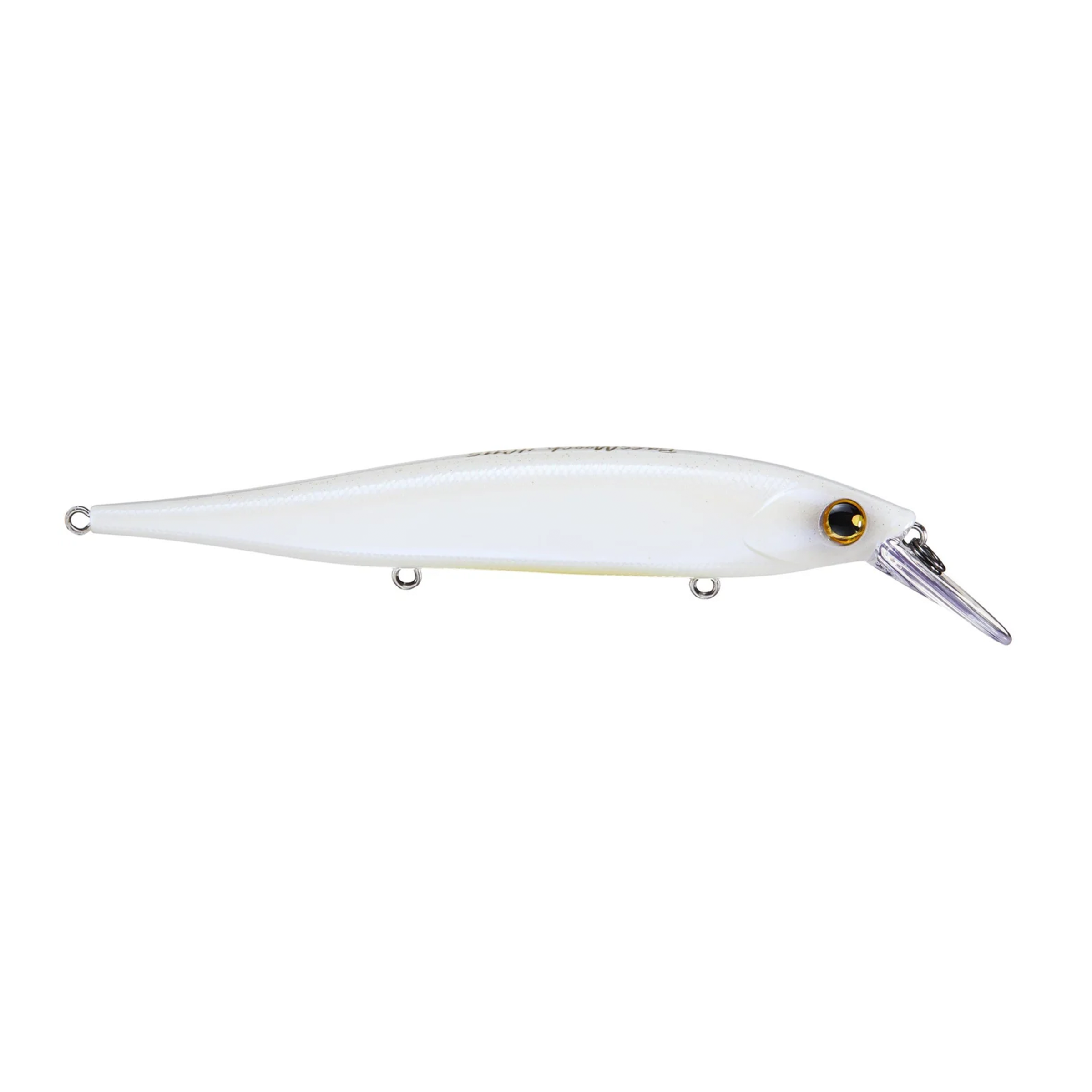
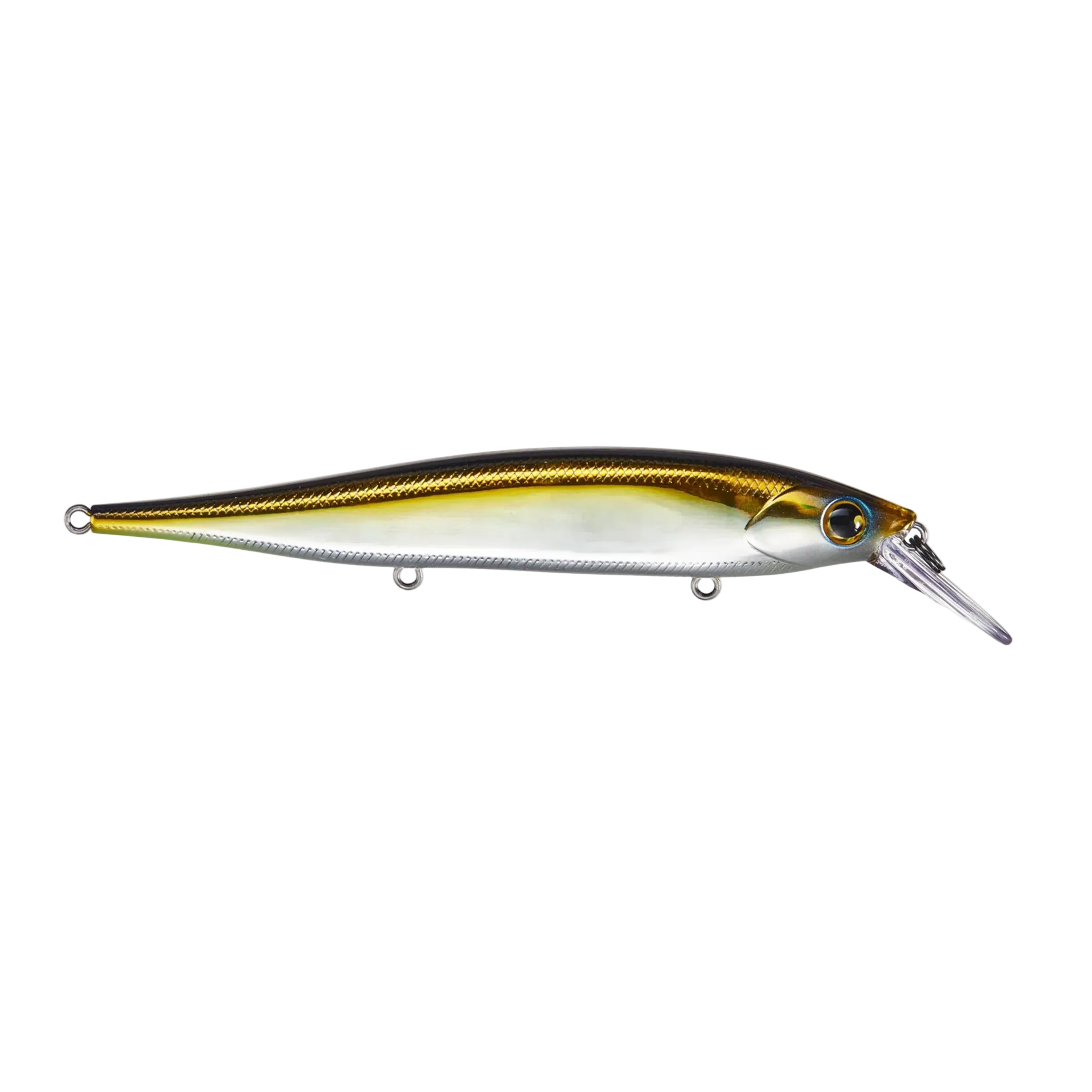
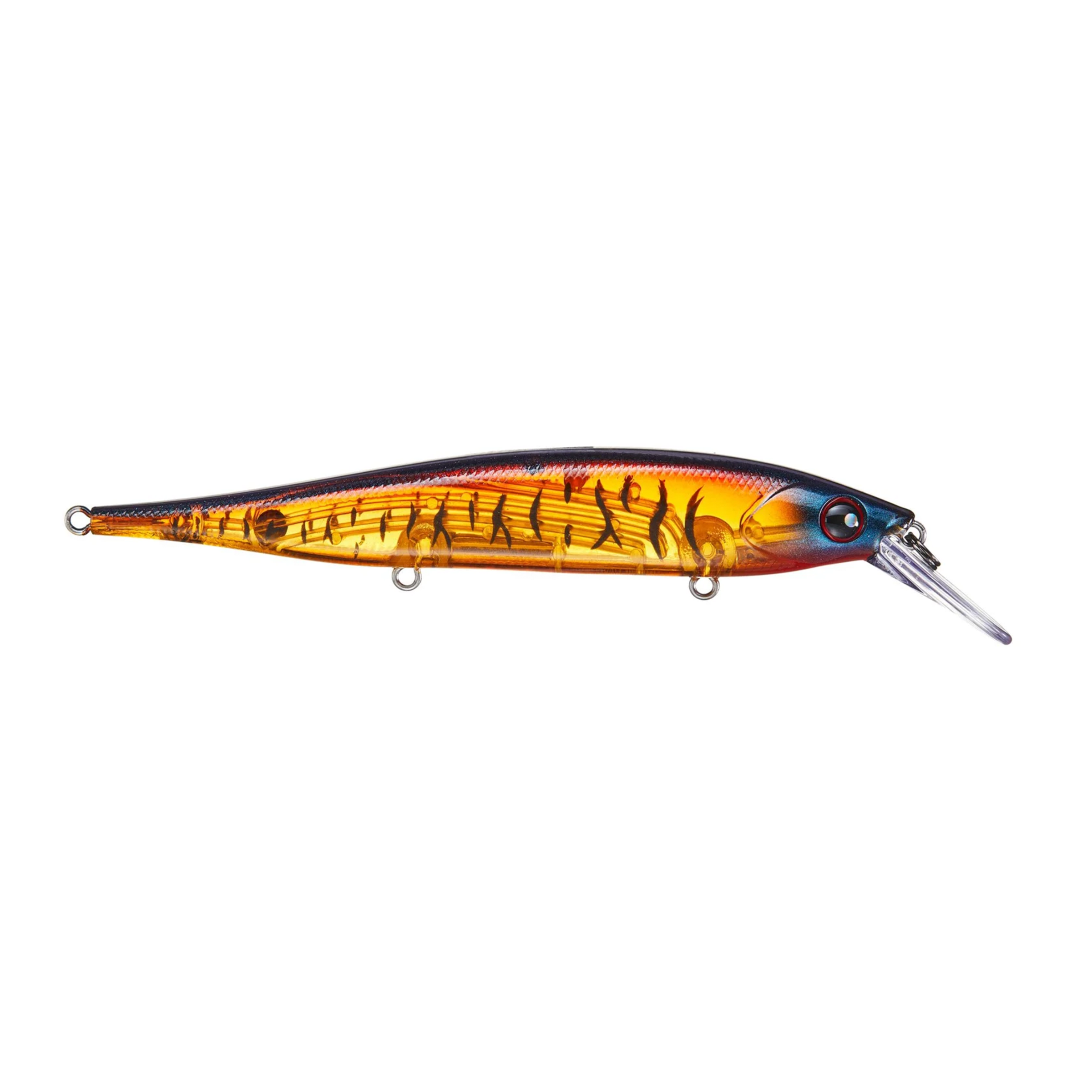
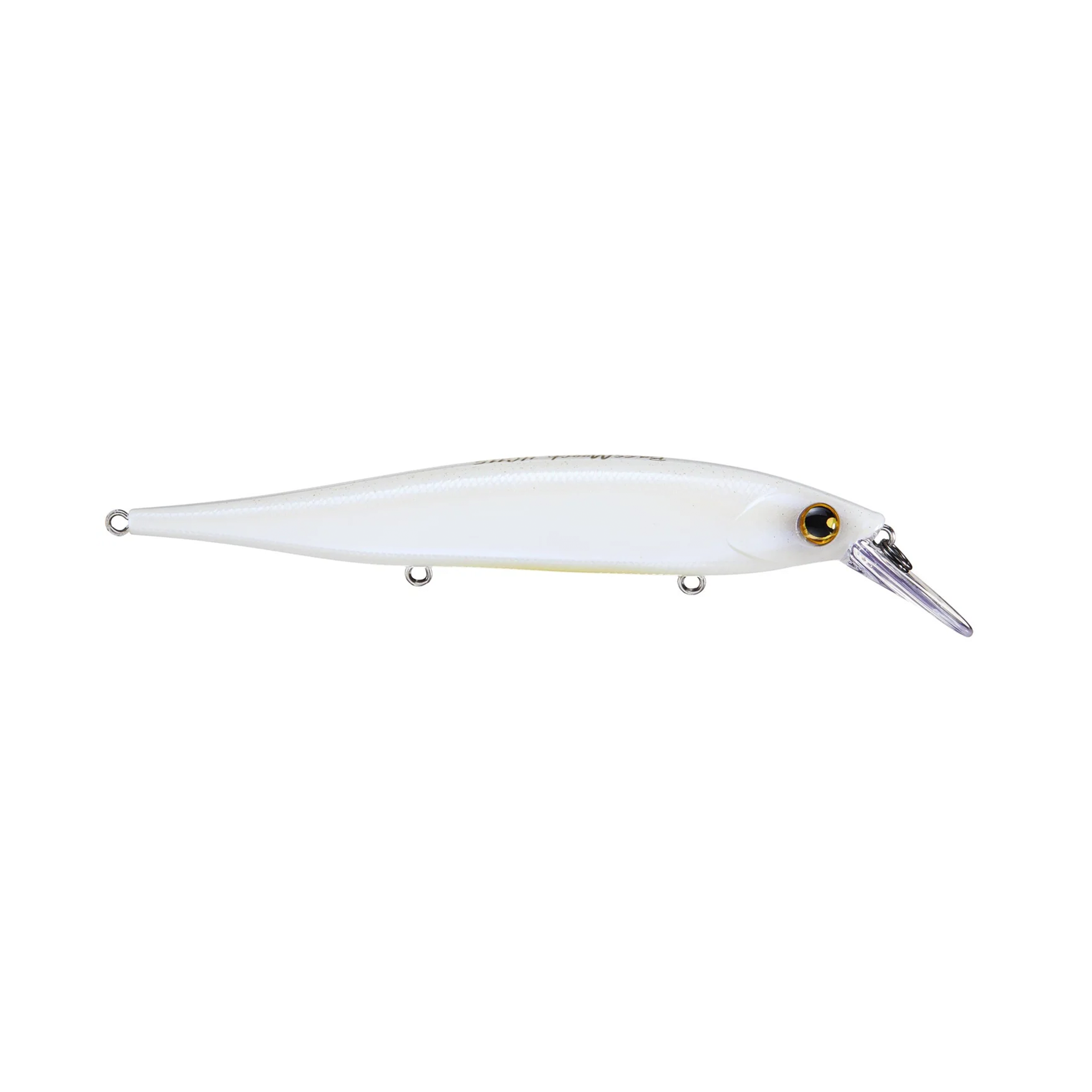
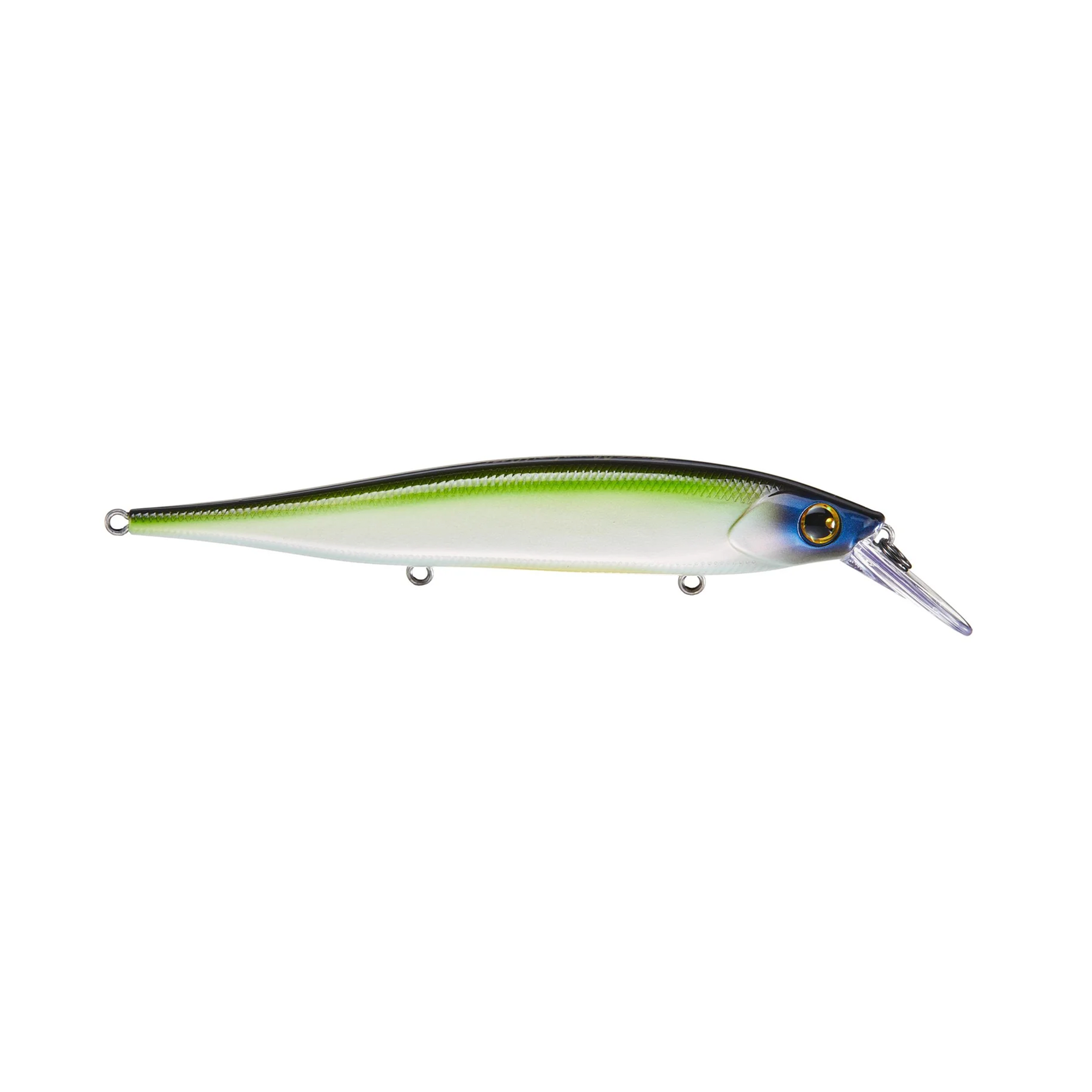
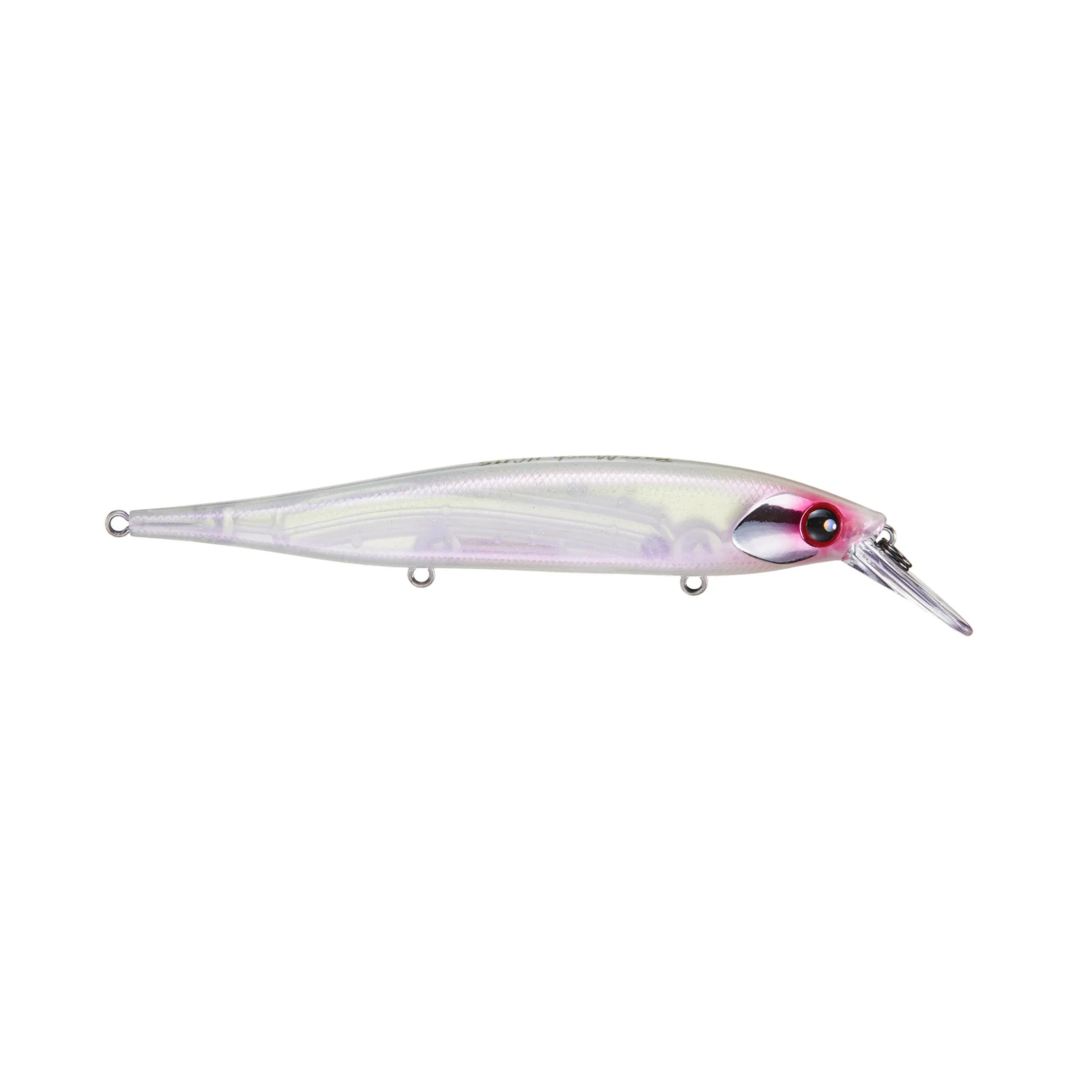
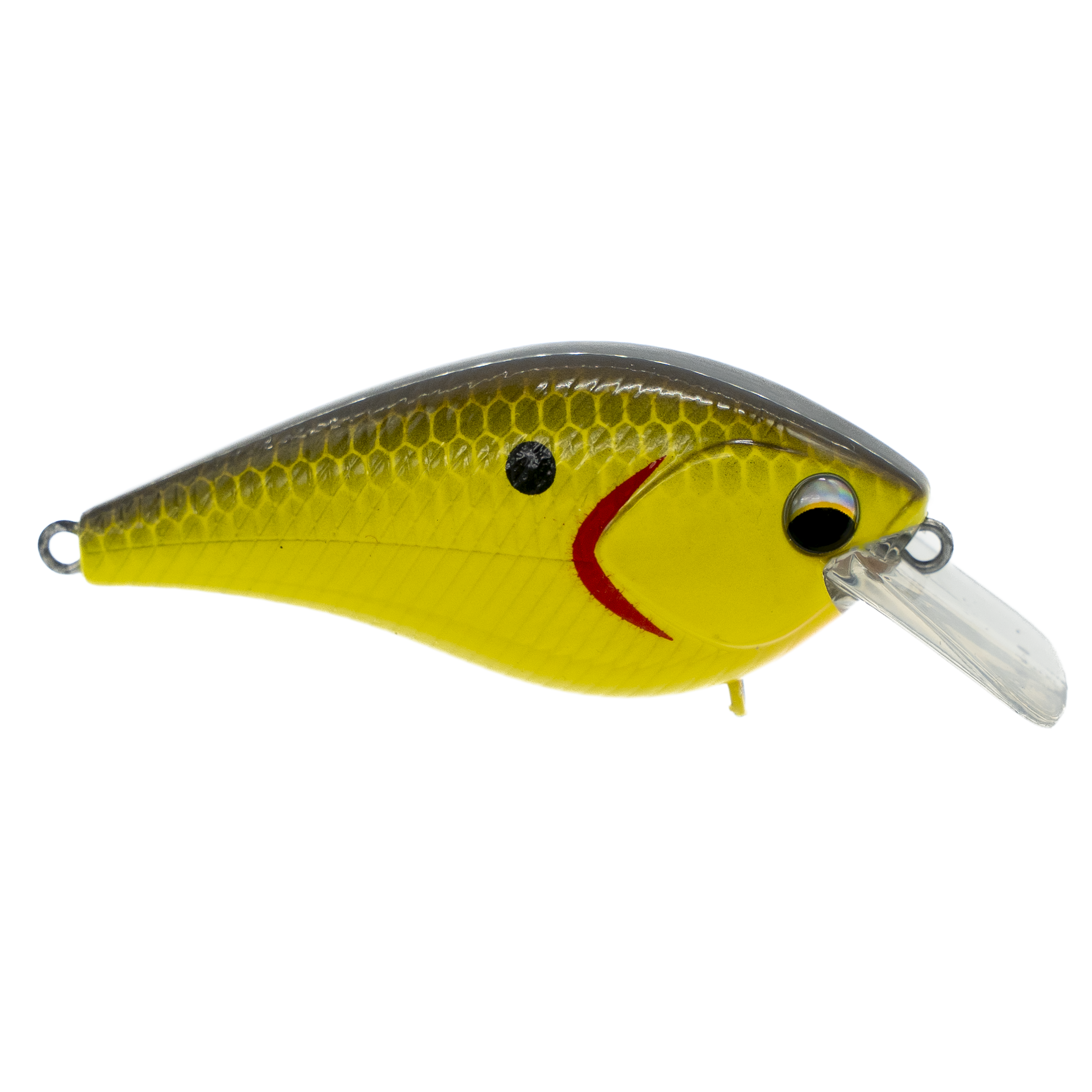
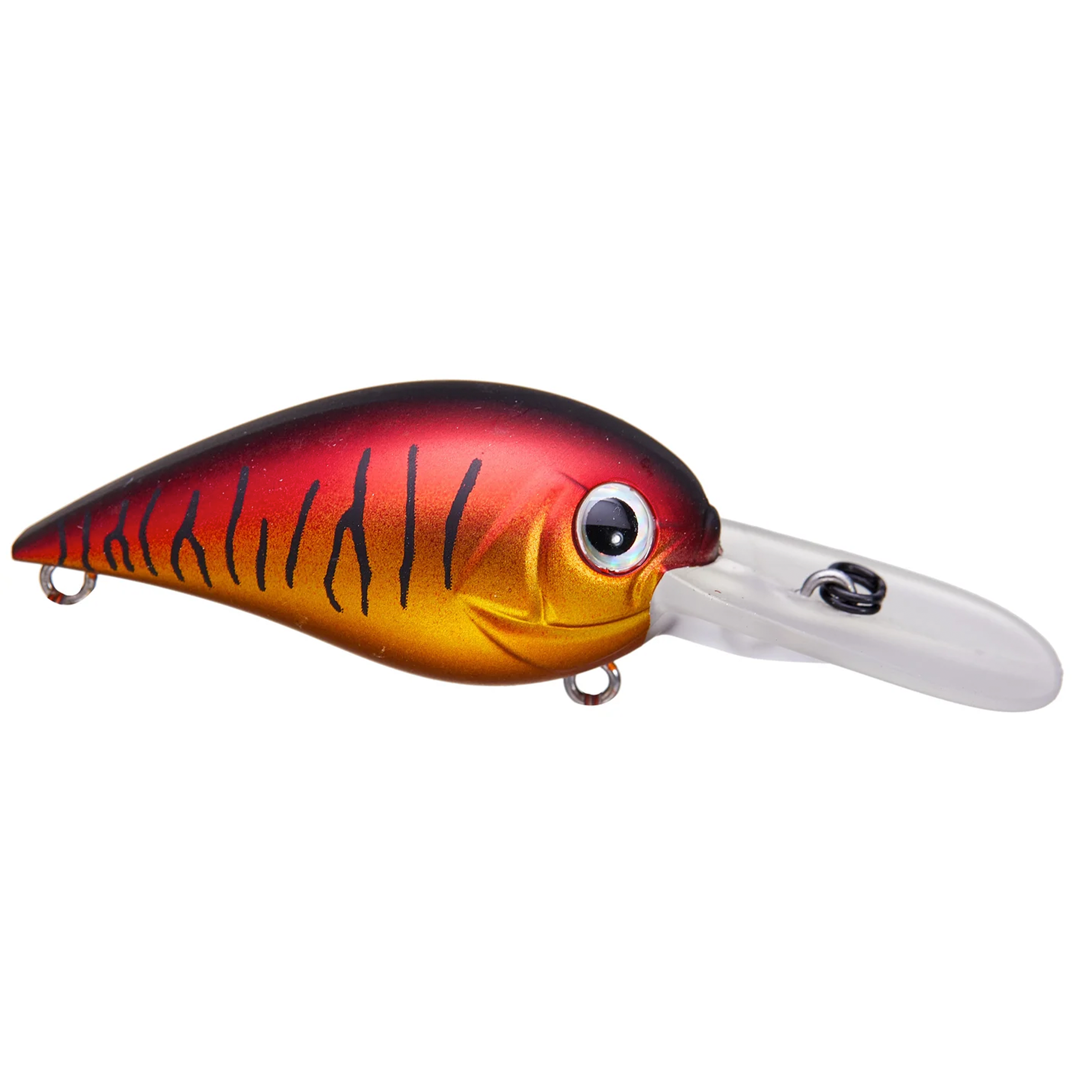
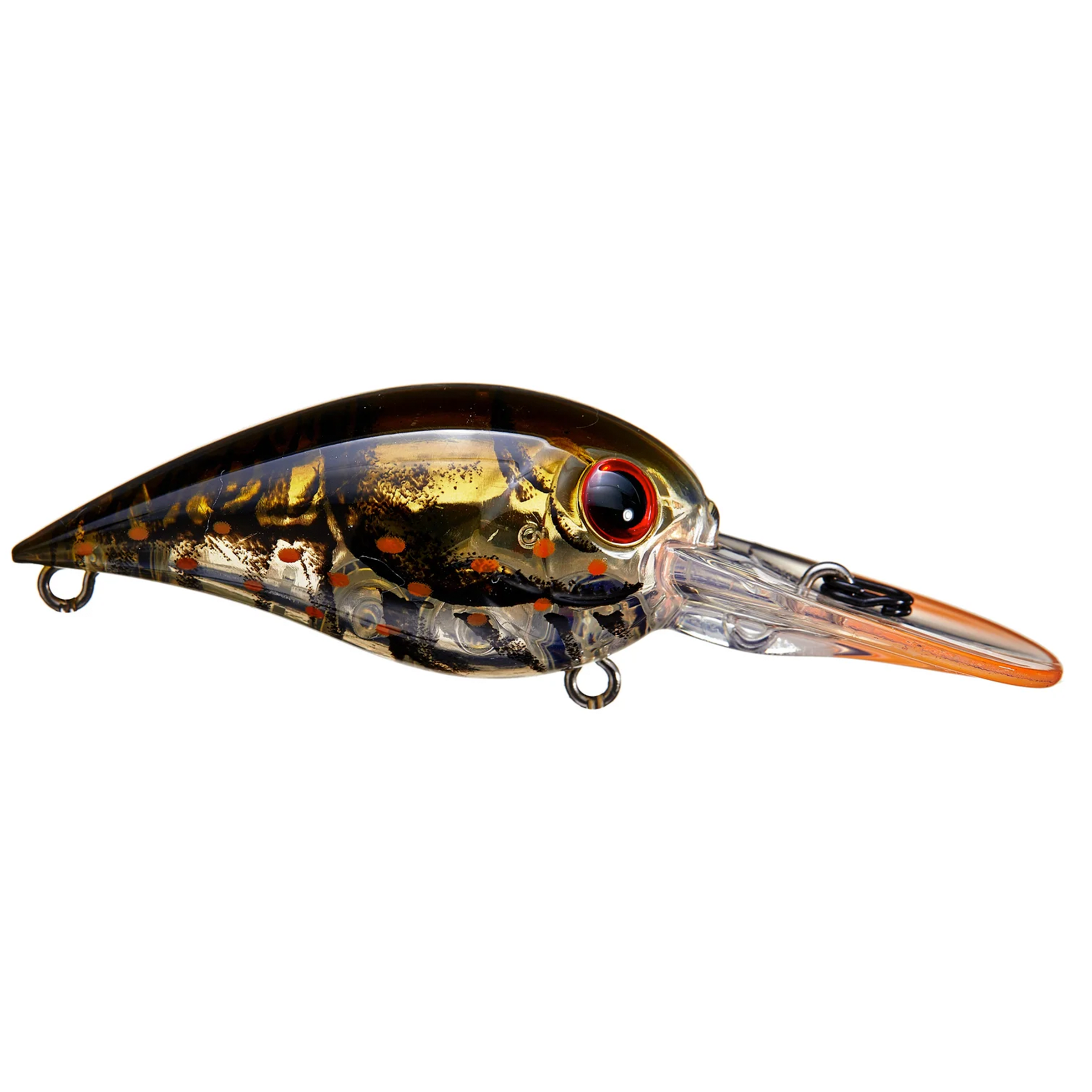
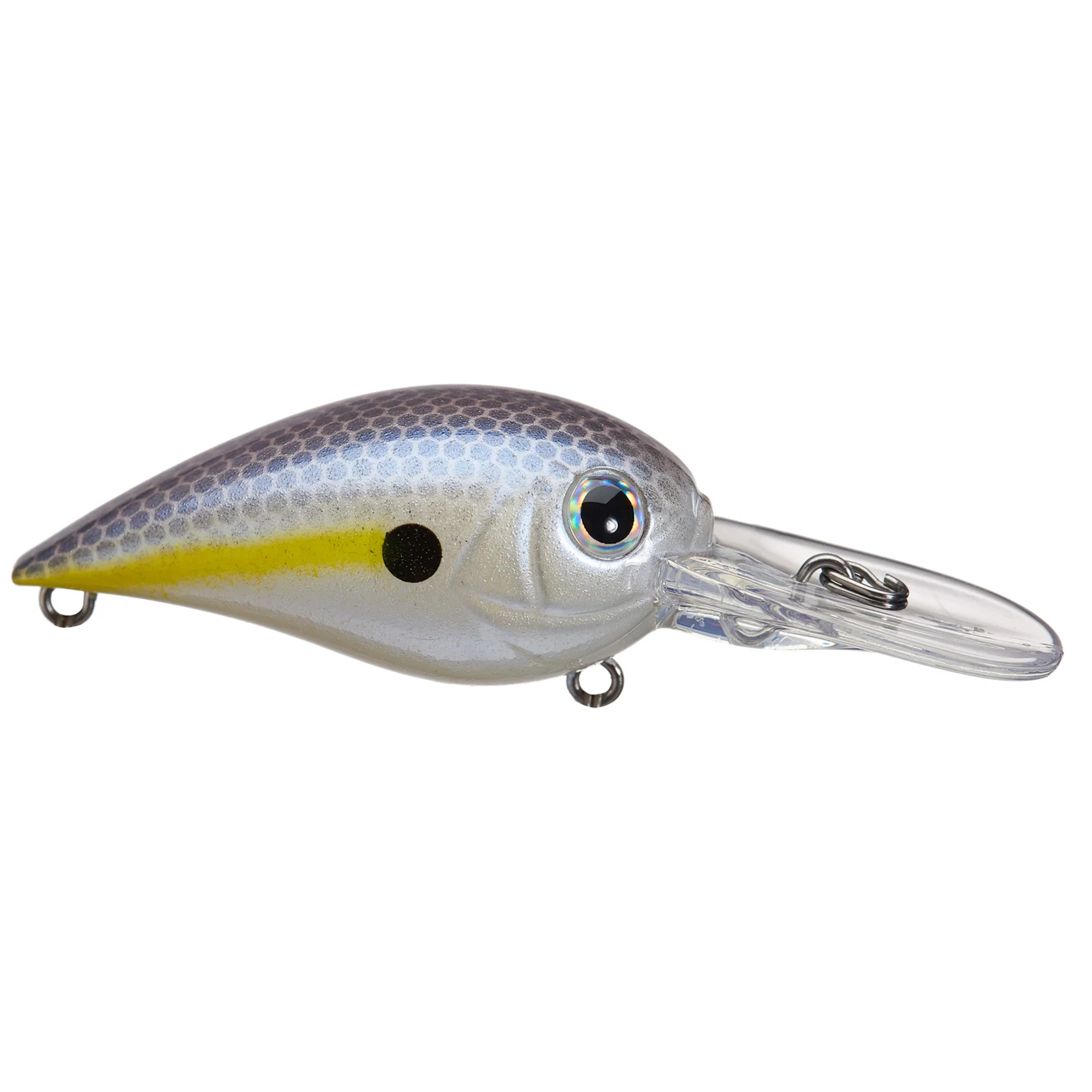
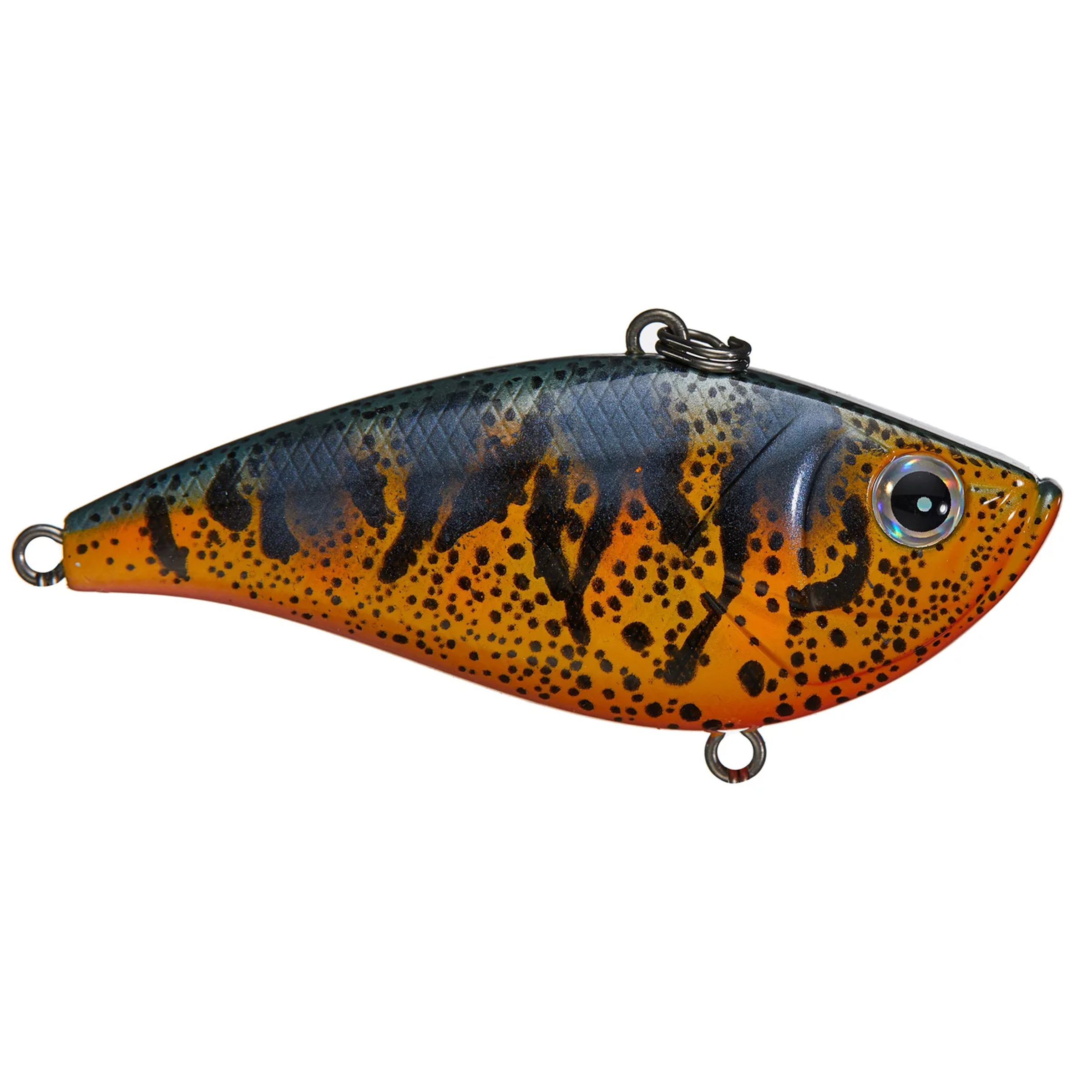
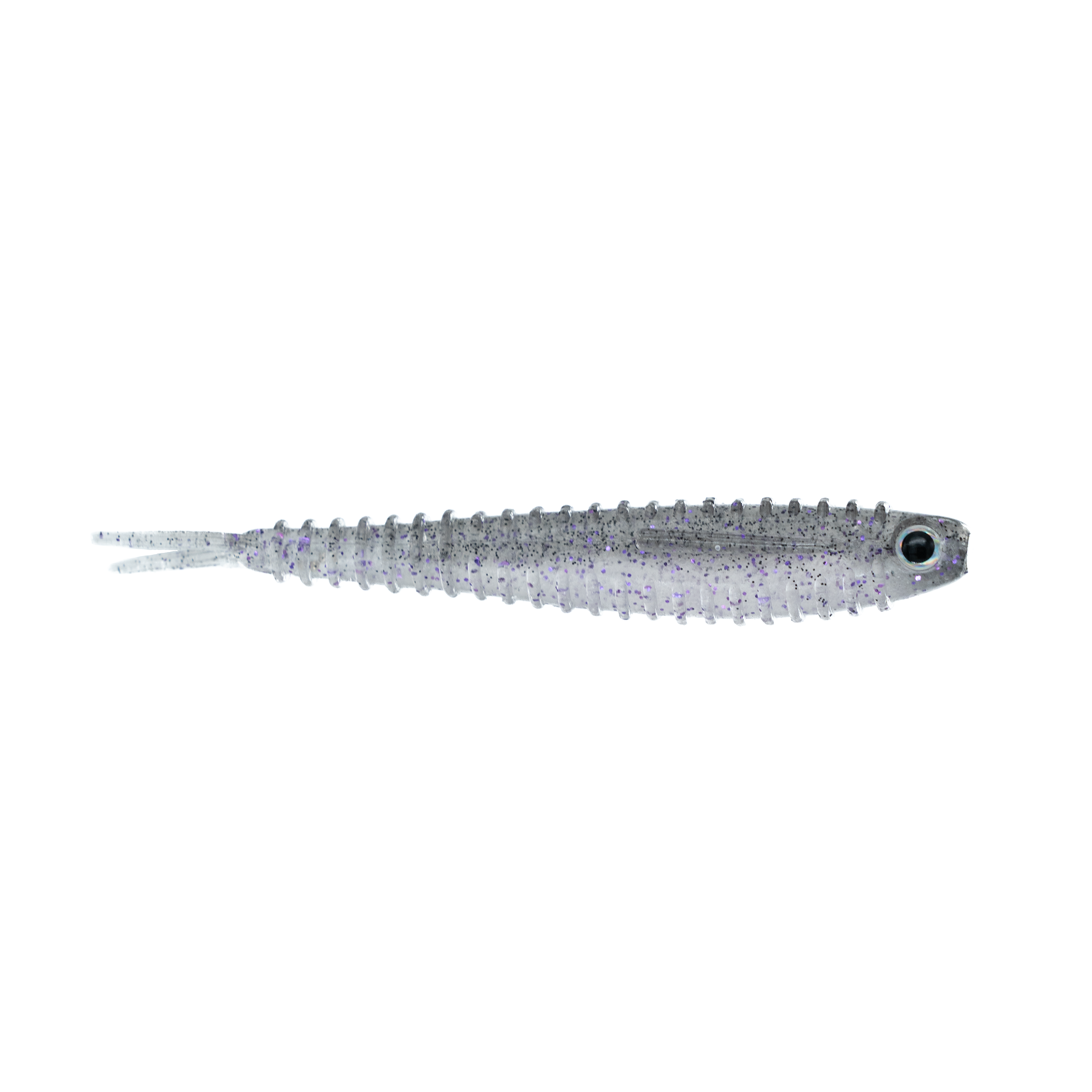
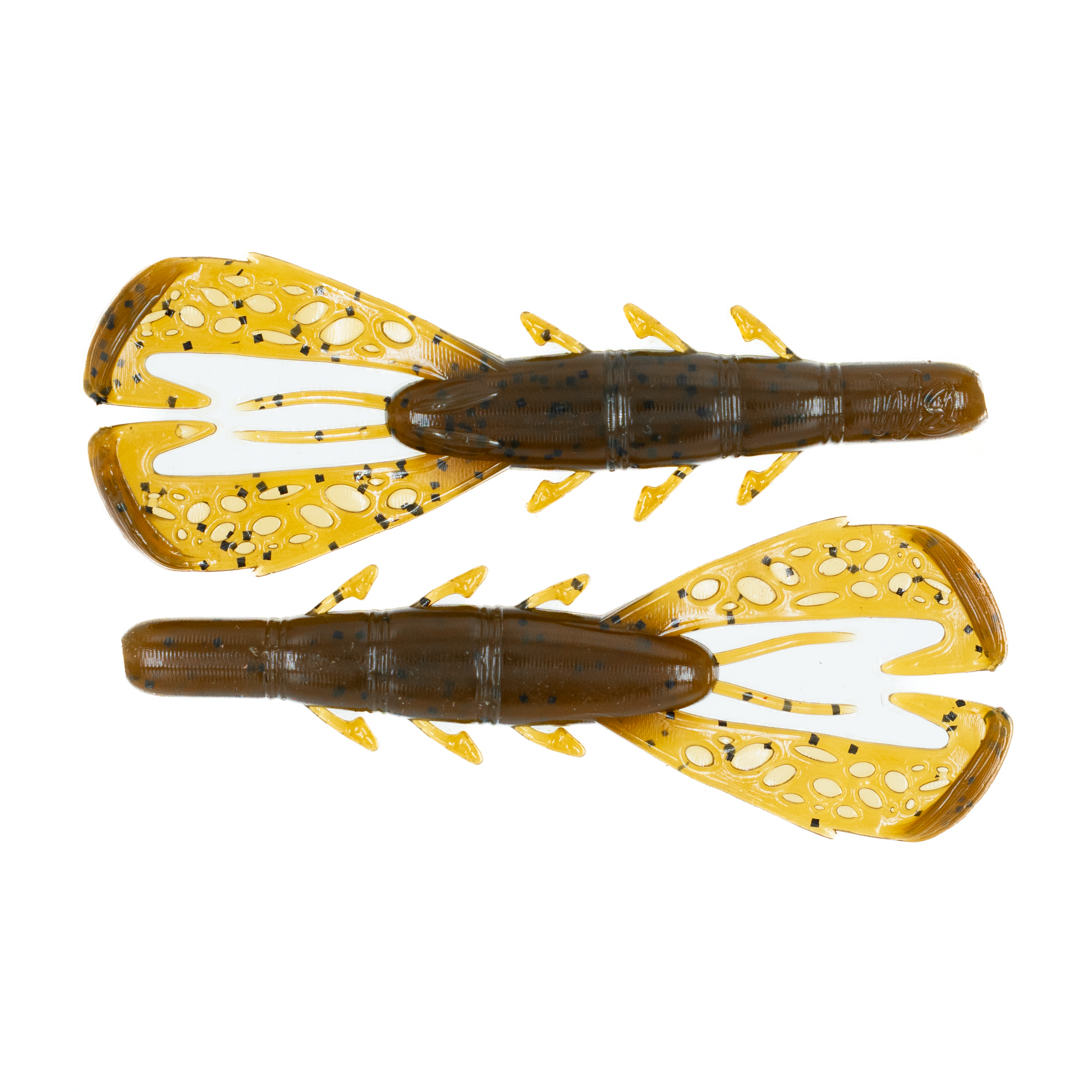
Suspending jerkbaits and finesse plastics on the rock for smallmouth, jigs and Texas rigs in the timber for largemouth, and moving baits behind autumn bait. Our full bait lineup covers all four seasons.
Do I need a fishing license?
Yes, a Kentucky fishing license from the Department of Fish and Wildlife Resources. Check current black bass regulations before you go.
Rock and Wood
A lake that asks for a finesse jerkbait on a rocky point in the morning and a jig in standing timber in the afternoon needs two rods that do not compromise each other. Level Rods builds across that span, with the sensitivity for clear-water smallmouth and the backbone for largemouth in wood.
Tournament Winning Baits & Gear
Designed, crafted and tested by anglers who fish mixed cover every week. Free shipping on orders over $75.
Shop All Baits