Grand Lake Bass Fishing Guide
Grand Lake Bass Fishing, Season by Season
Forty-six thousand acres of the Neosho River in northeast Oklahoma, ringed with docks and fed by two rivers that fish nothing like the main lake. Grand has hosted the Bassmaster Classic twice, and the second one was decided by a man who saved a spot for three days and then went to it.
Two Rivers and a Great Many Docks
Grand Lake O' the Cherokees covers roughly 46,500 acres in northeast Oklahoma, impounding the Neosho River in the corner of the state where the Ozarks begin. It is the best-known bass lake in Oklahoma and the one the sport's biggest event came to twice, in 2013 and again in 2016.
The lake divides into three fisheries. The lower end, toward Pensacola Dam, holds the biggest population of quality fish and the heaviest dock development. The Neosho River arm runs up the middle. And the Elk River enters from Missouri at the northern end, carrying the clearest water on the system.
Docks are the primary cover and there are thousands of them. Beyond that: rock banks, chunk rock and gravel, laydowns, brush, creek and pocket mouths, and standing timber in places up the arms. Aquatic vegetation is limited.
The rivers matter more than most visitors expect. When water is moving, the Neosho and Elk arms fish like rivers rather than reservoir arms, and they carry different clarity from the main lake — the Elk noticeably clearer. Flood events change them, depositing wood and reshaping flats, and that is not a footnote here. The 2016 Classic was won on wood that December floods had piled onto an Elk River flat.
One local condition worth knowing: Grand can go dead flat and calm, and when it does the shallow fish get genuinely skittish. Wind is your friend on this lake, and its absence is the thing that made the first two days of that Classic so difficult for the entire field.
Largemouth are the headline, with spotted bass common and smallmouth present on the rockier water. White bass run the rivers in spring in numbers.
What It Took to Win Here
Patterns that produced at the highest level on this water, and the baits to fish them with.
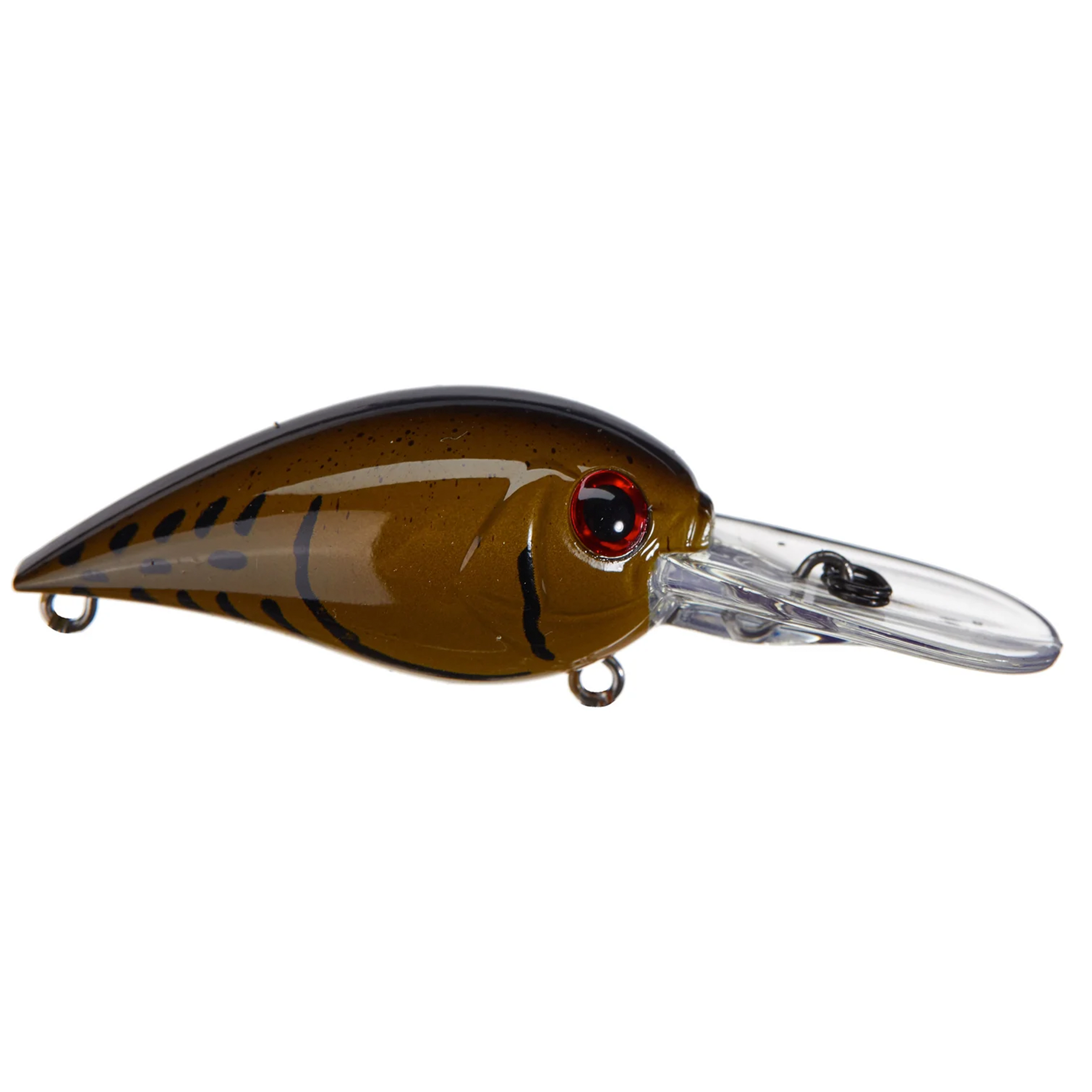
Edwin Evers — Fifteen Minutes in Practice, Saved for Three Days
Evers spent a total of fifteen minutes fishing the Elk River during practice. In that quarter of an hour he caught a seven-pounder and shook off two more good fish. Then he left, and did not go back for three days.
The first two days went badly. He fished shallow rocks with a crankbait on day one for four fish and 13-12, watching a pattern that had been strong in practice fall apart as the water warmed. Day two was what he called damage control — a long run up the Neosho River with a spinnerbait and a flipping stick for 17-8, which was enough to put him third and no more.
Sunday he was more than six pounds behind Jason Christie, the local favourite who had led from the front. That is when Evers finally went back to the Elk. Floods the previous December had deposited logs and wood across a wide flat where the river narrows coming out of Missouri, and the Elk was carrying the clearest water on the whole system.
He weighed 29 pounds 3 ounces — the biggest bag of the tournament by a distance, a record final-day swing of 16-4, and a ten-pound winning margin over a man who had looked uncatchable on Saturday night.


Docks, River Arms and Wind
Four patterns cover the year. Each one pairs the technique with the baits we'd actually tie on.
Staging Pockets and Creek Mouths
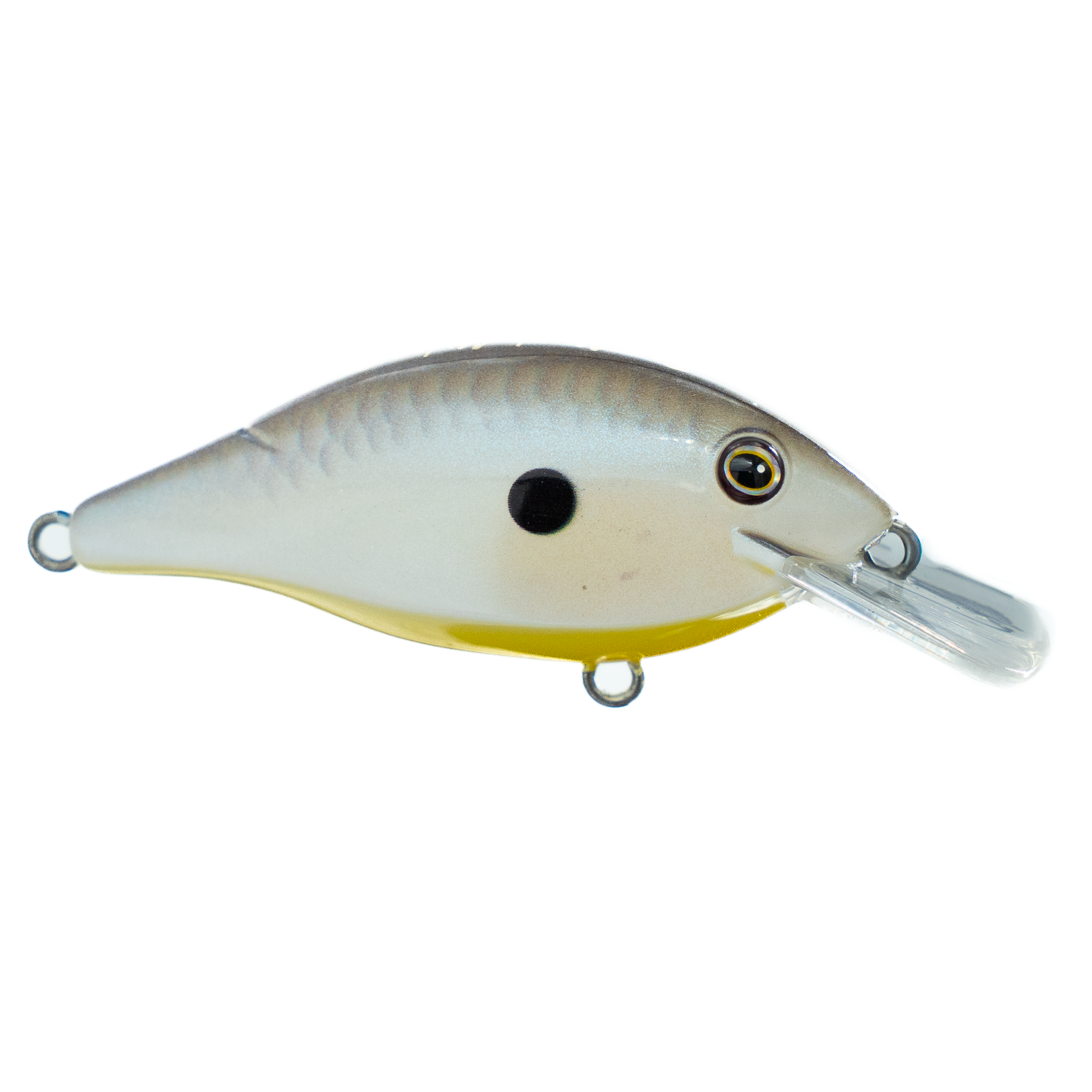
Spring is the season the Classic came for, twice. Prespawn fish stage in pockets and creeks through the mid-lake region in one to six feet, then move up. The river arms warm at their own rate and the Elk runs clearest. Wind matters enormously — on flat calm days the shallow fish get skittish and hard to approach.

Docks, Shade and Deep Rock
Summer moves fish onto the deeper docks, rock and channel edges, and puts substantial recreational traffic on a lake this popular. The early and late windows carry most of the productive fishing, and the docks become shade as much as cover.



Bait Into the Creeks and Arms
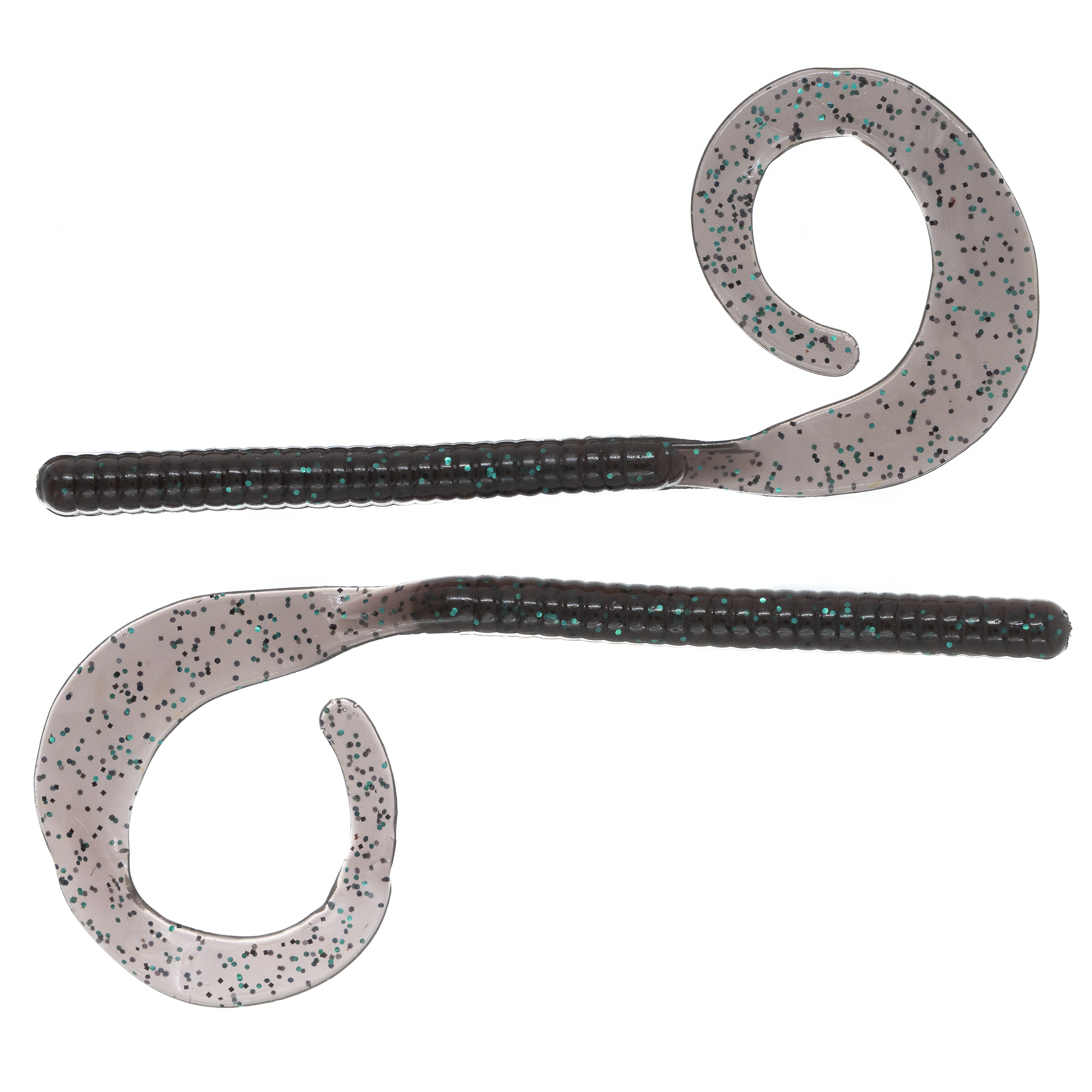
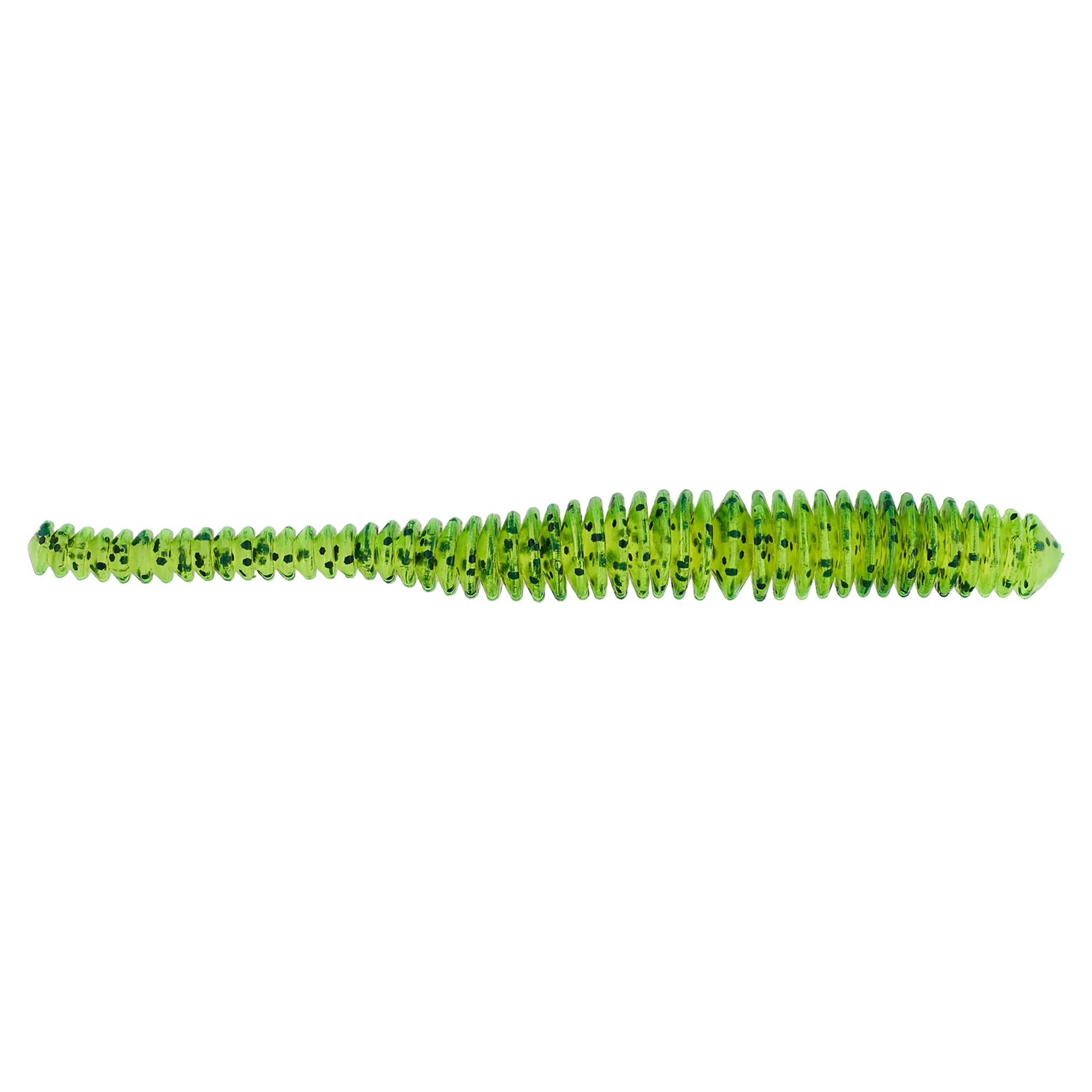
Autumn pulls shad into the creeks and up the river arms, and the bass follow. Cooling water, aggressive fish and the summer traffic gone make this the best all-round fishing of the year on Grand, and the moving-bait window that spring only partly offers.
Deep Docks and Clear Water
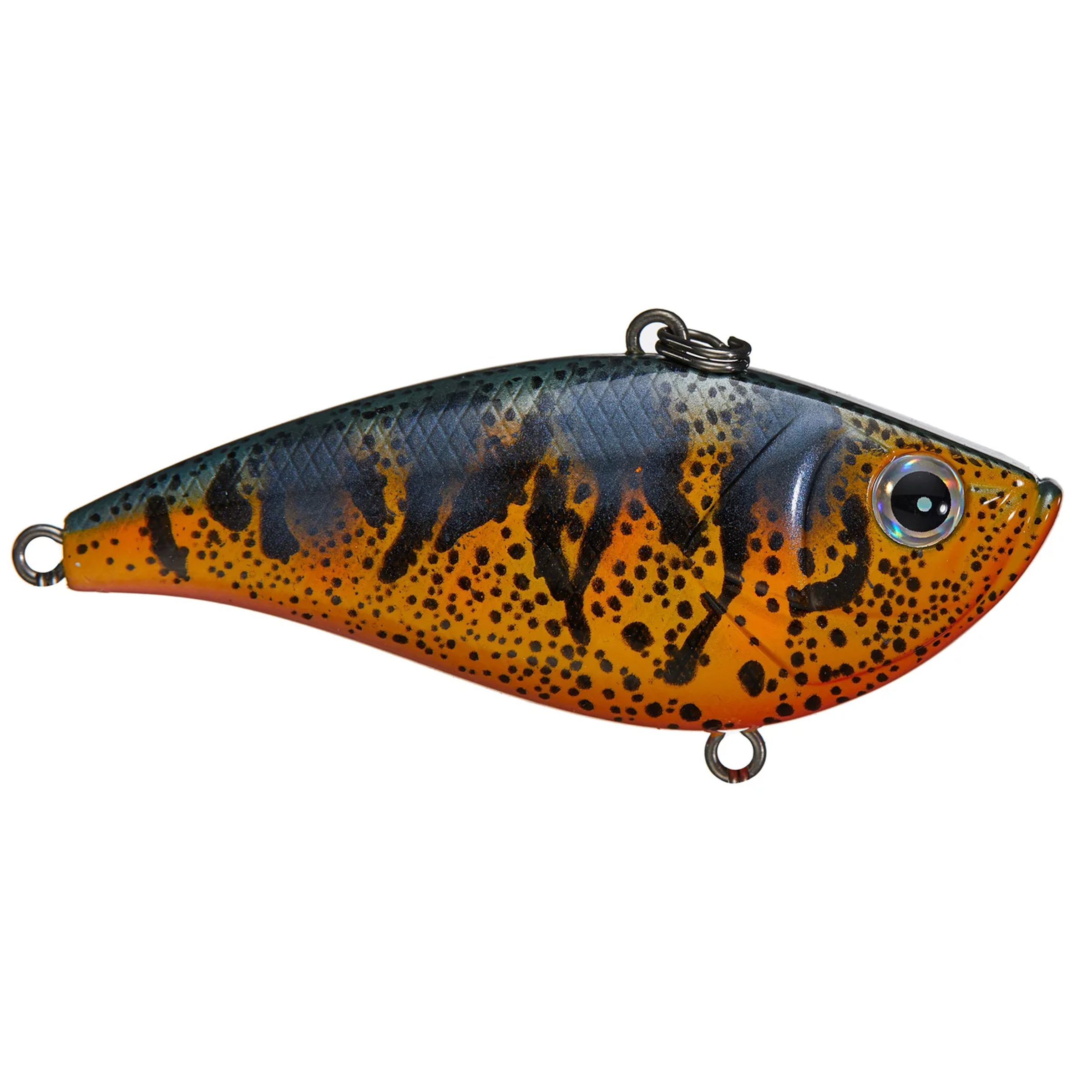
Winter concentrates fish on the deeper docks, rock and channel edges, and the lake empties. The Elk arm's clearer water makes fish locatable there when the main lake is difficult. It is slow, cold fishing that produces the best average size of the year and runs straight into the prespawn window.


Grand Lake Access
Public and marina ramps ring the lake, with concentrations around Grove, Ketchum, Disney and Langley near Pensacola Dam. Tulsa is about an hour and a half away. The Elk and Neosho arms have their own access points at the northern end.
The Lower End Docks
Toward Pensacola Dam, where the biggest population of quality fish lives and where dock development is heaviest. The area a lot of pros would choose if conditions allowed, and the most reliable water on the lake across the seasons.
The Elk River Arm
Entering from Missouri at the north end and carrying the clearest water on the Grand system. Flood events deposit wood along its flats, and that wood is exactly what decided the 2016 Classic. Worth checking whenever the main lake is dirty or difficult.
The Neosho Arm
The main river arm running up the middle, fishing more like a river than a reservoir when water is moving. The place a Classic winner went for damage control on a bad day, with a spinnerbait and a flipping stick.
Grand Lake Bass Fishing FAQ
Has Grand Lake hosted the Bassmaster Classic?
Twice — in 2013 and 2016. The 2016 event was won by Oklahoma's Edwin Evers with 60 pounds 7 ounces, including a 29-3 final-day bag that produced a record 16-4 swing and a ten-pound winning margin.
How was the 2016 Classic won?
On an Elk River flat where December floods had deposited logs and wood. Evers had fished it for fifteen minutes in practice, caught a seven-pounder, and then stayed away for three days until he was more than six pounds behind and had nothing to lose.
How big is Grand Lake?
About 46,500 acres in northeast Oklahoma, impounding the Neosho River behind Pensacola Dam. It is the best-known bass lake in the state and roughly an hour and a half from Tulsa.
Why does wind matter on Grand Lake?
Because the shallow fish get skittish without it. When the lake goes flat calm the bass in one to six feet become genuinely difficult to approach, which is what made the first two days of the 2016 Classic so tough for the whole field. Fish the windblown banks when you have the choice.
What is the difference between the Elk and Neosho arms?
The Elk enters from Missouri at the north end and carries the clearest water on the system. The Neosho is the main river arm running up the middle and fishes more like a river when water is moving. Both are worth running to when the main lake is dirty or difficult.
What is the main cover on Grand Lake?
Docks, in thousands, plus rock banks, chunk rock and gravel, laydowns, brush and the creek and pocket mouths. Aquatic vegetation is limited. Skipping docks is a core skill here.
What baits work best on Grand Lake?
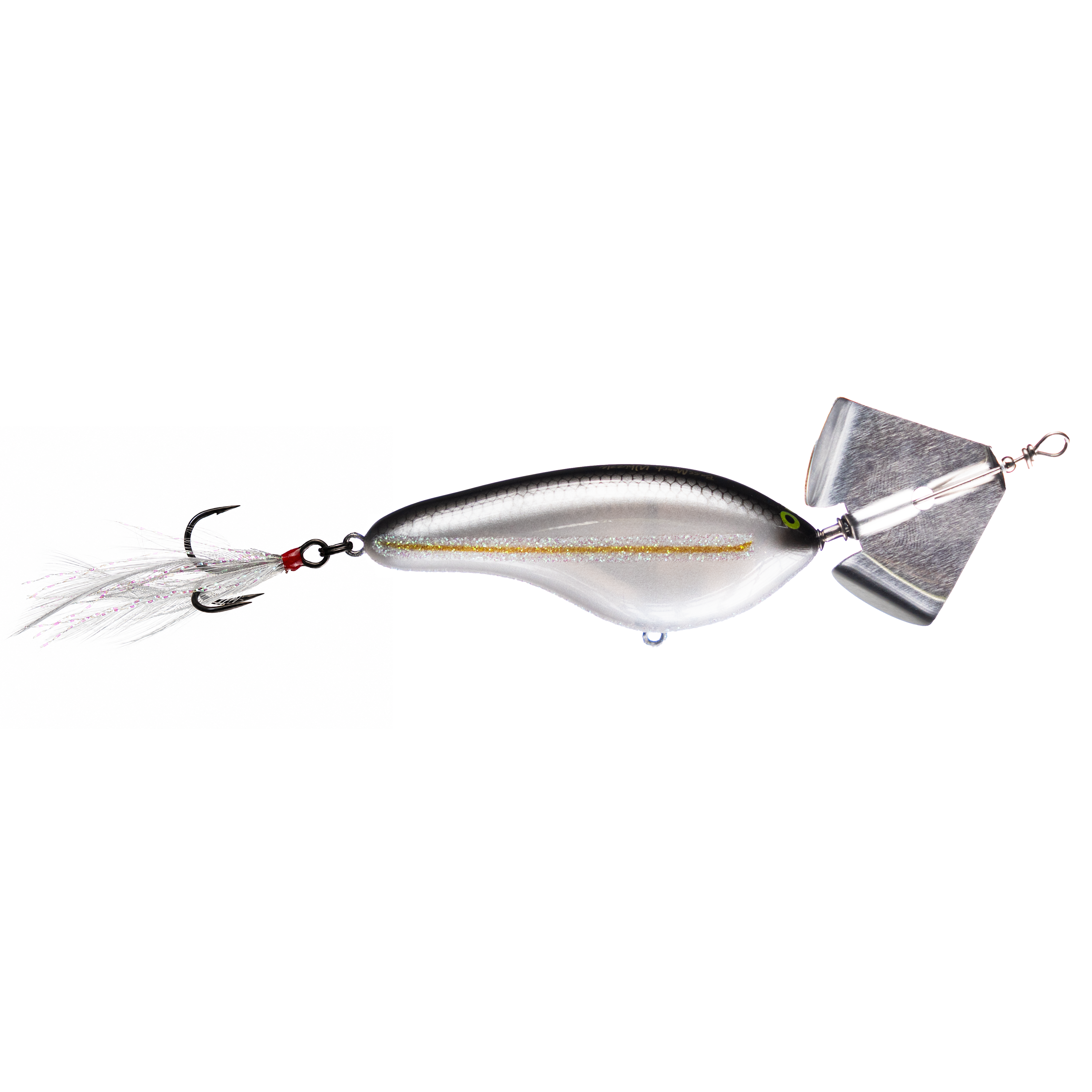
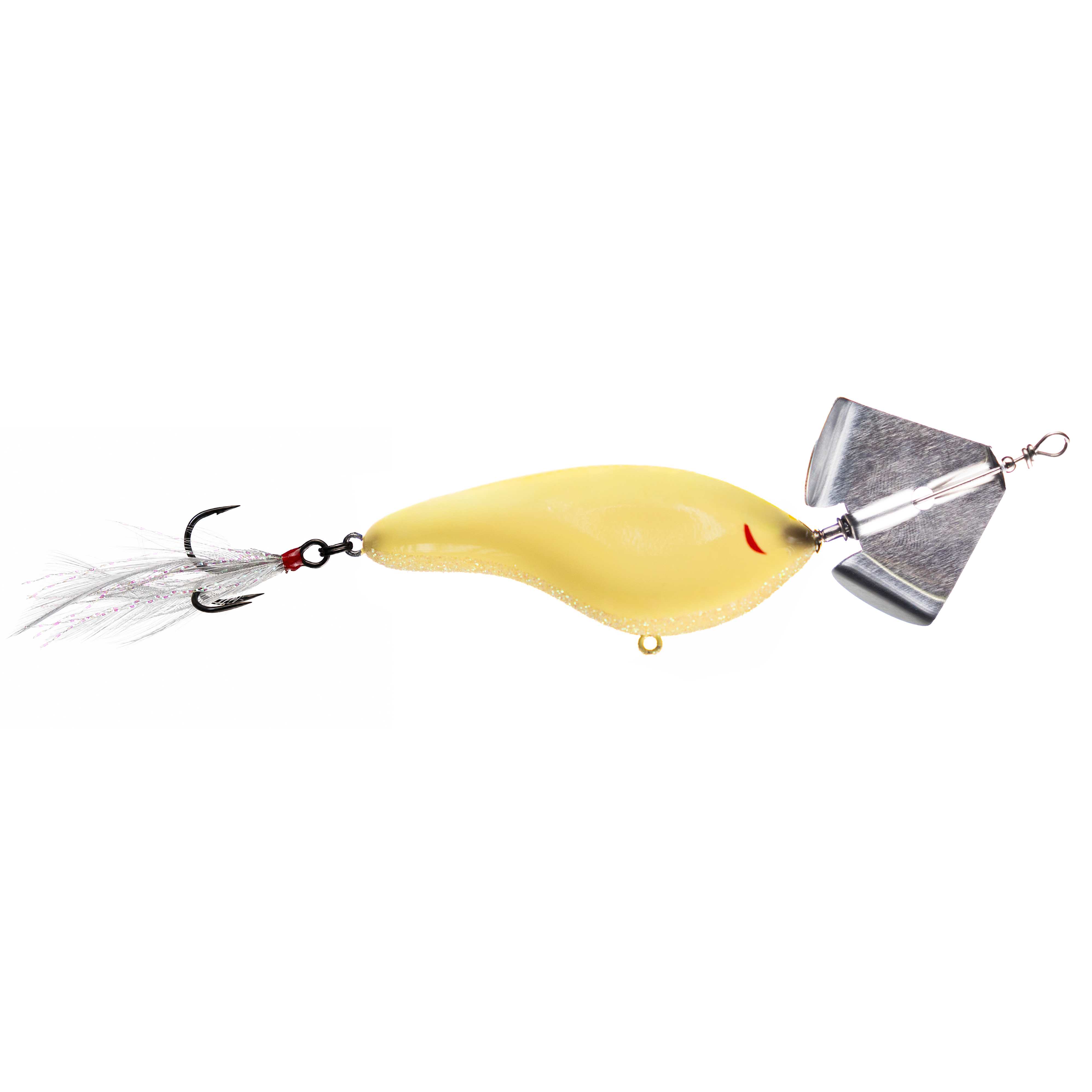
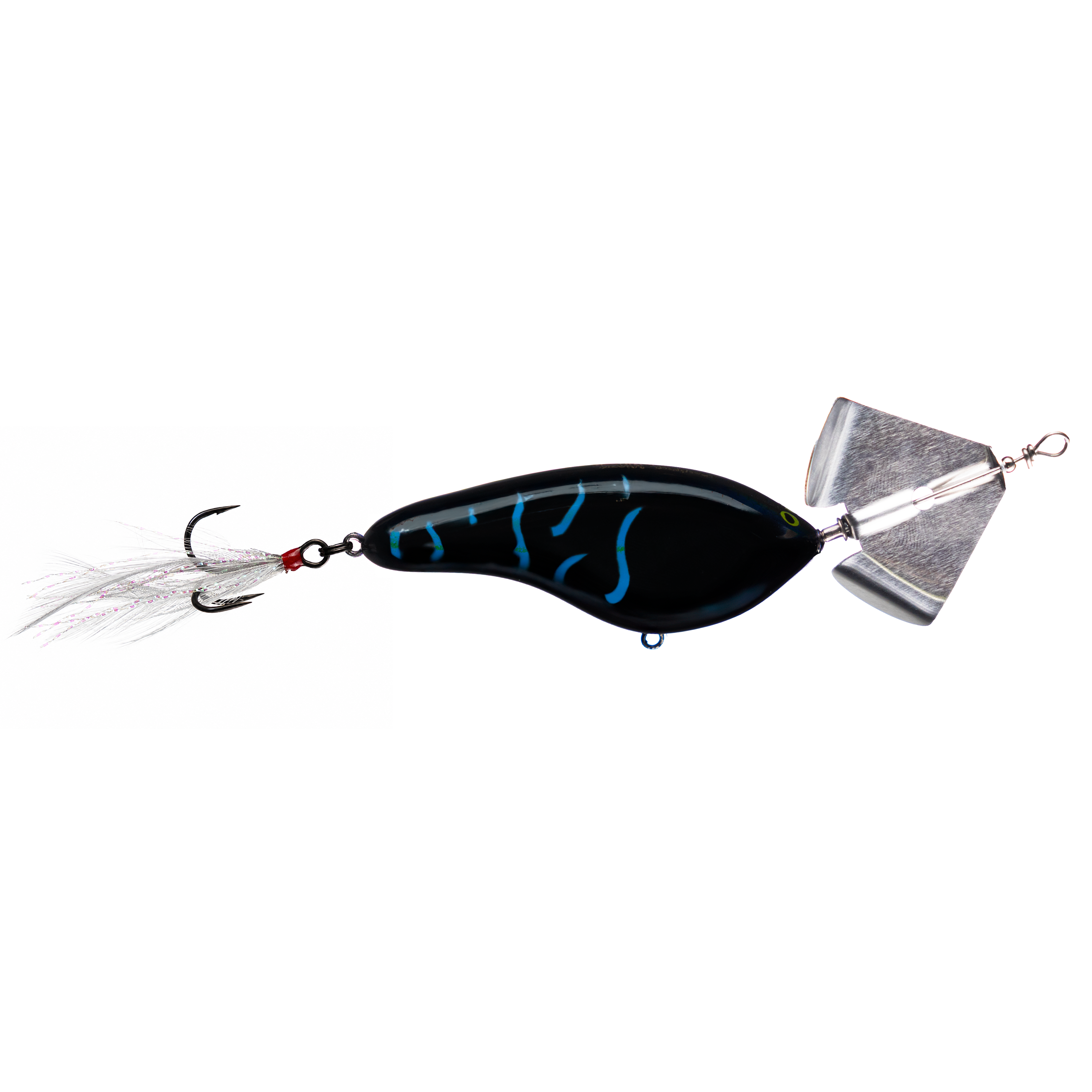
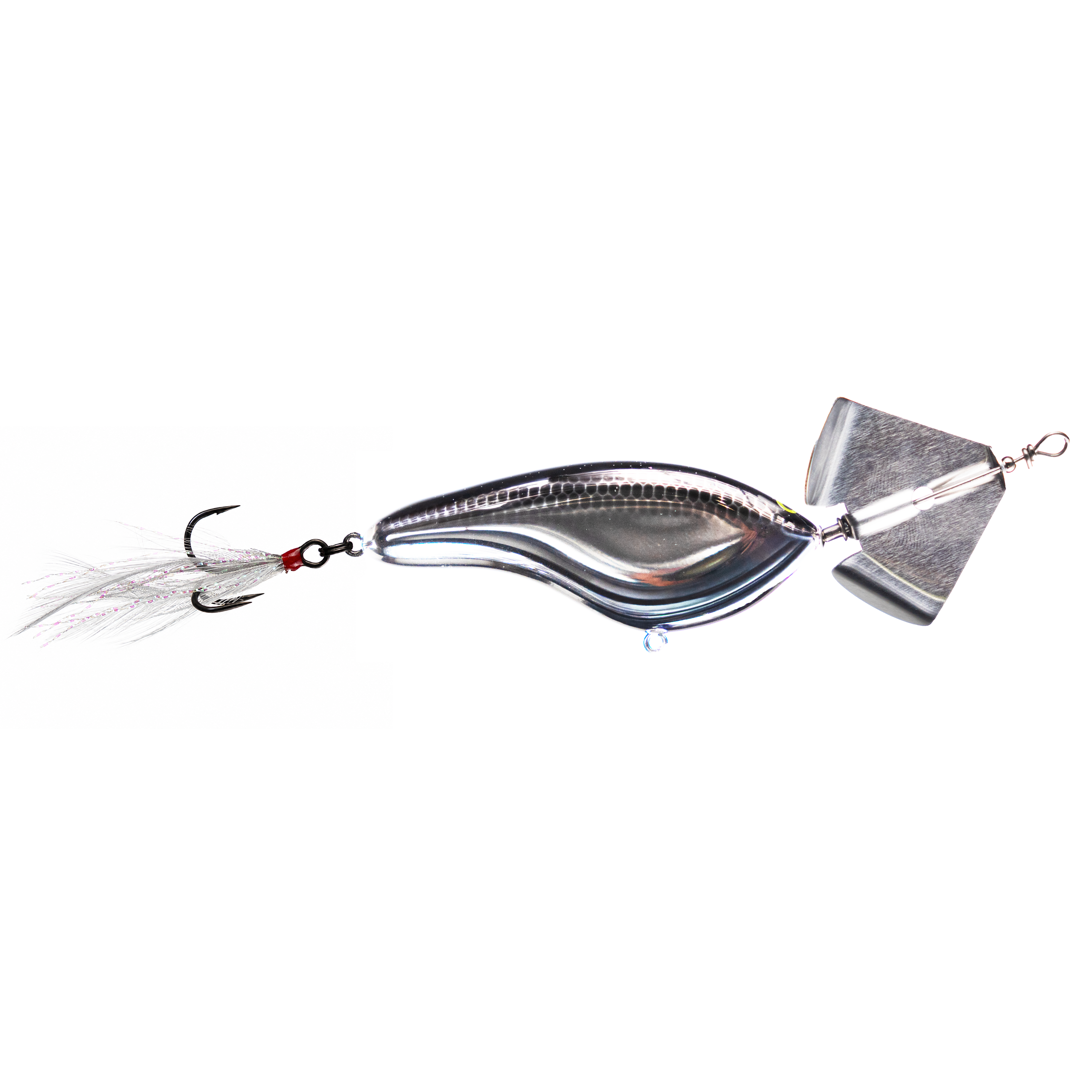
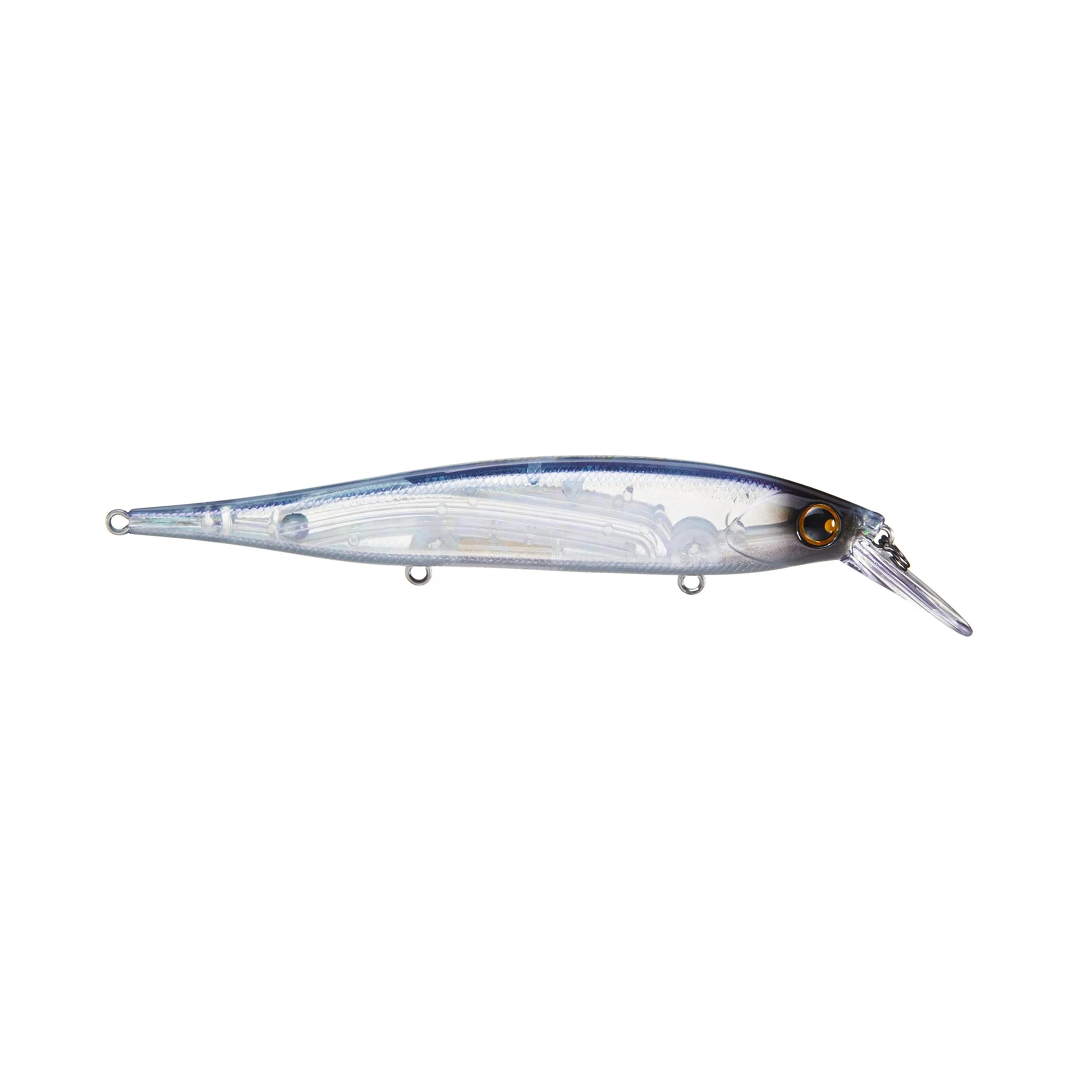
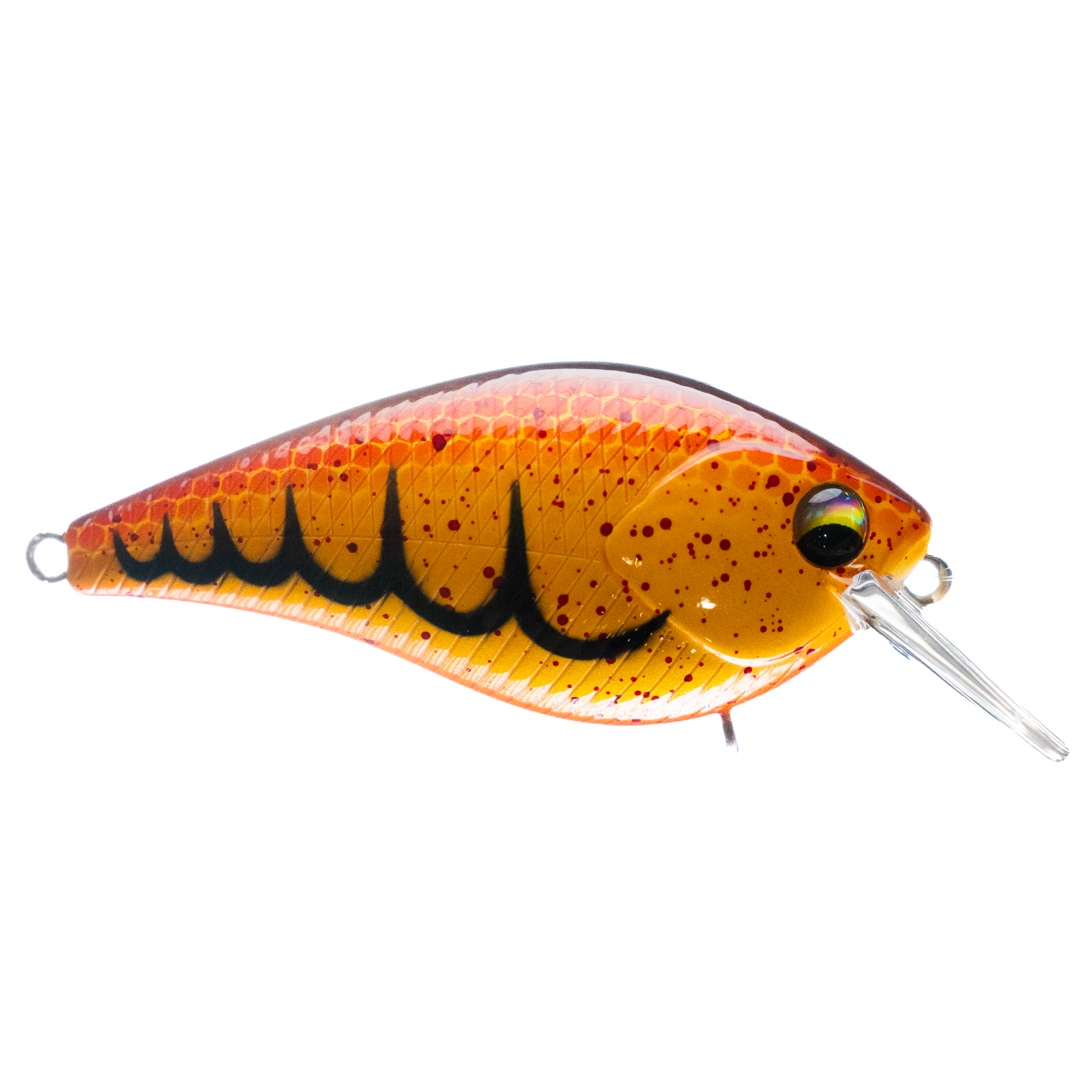
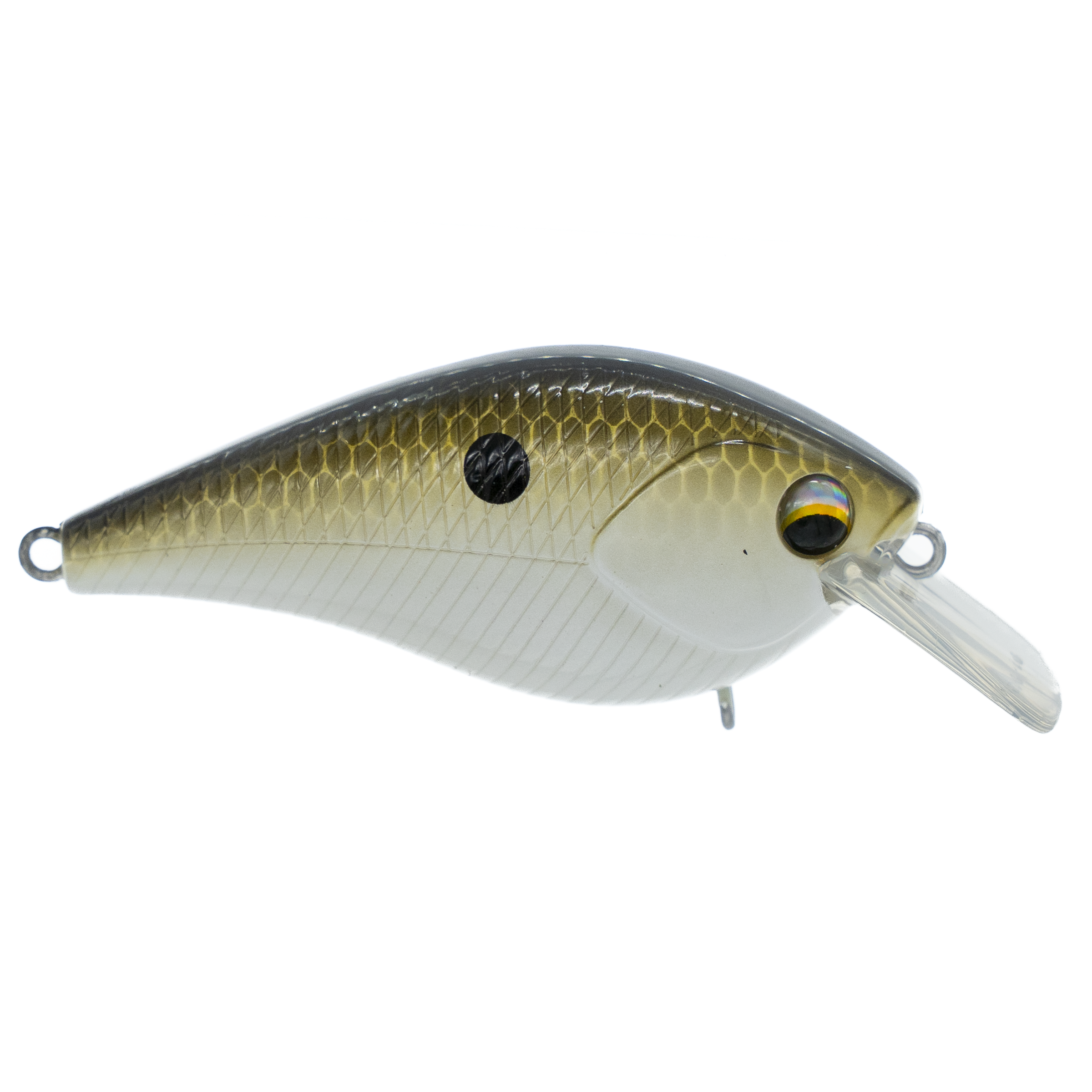
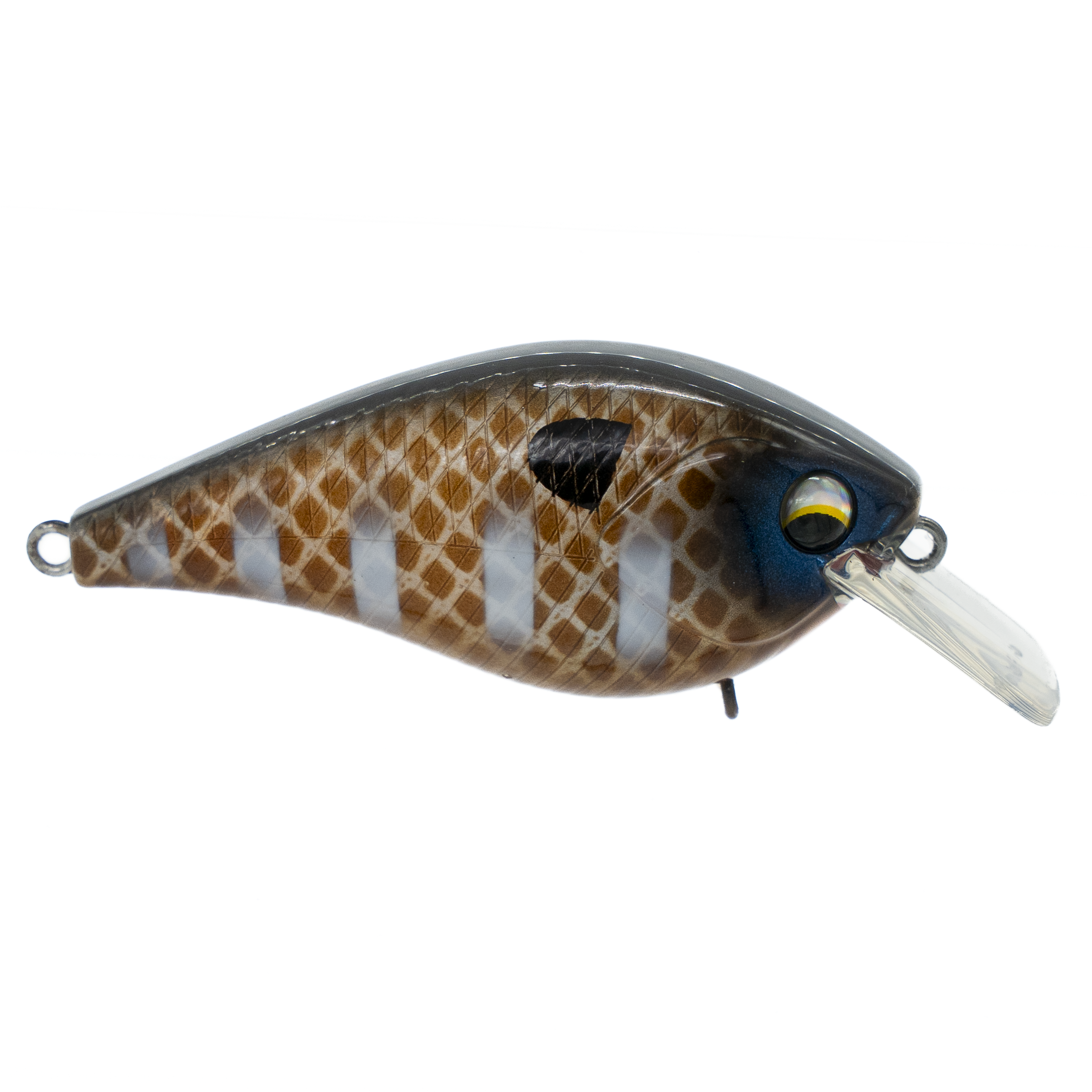
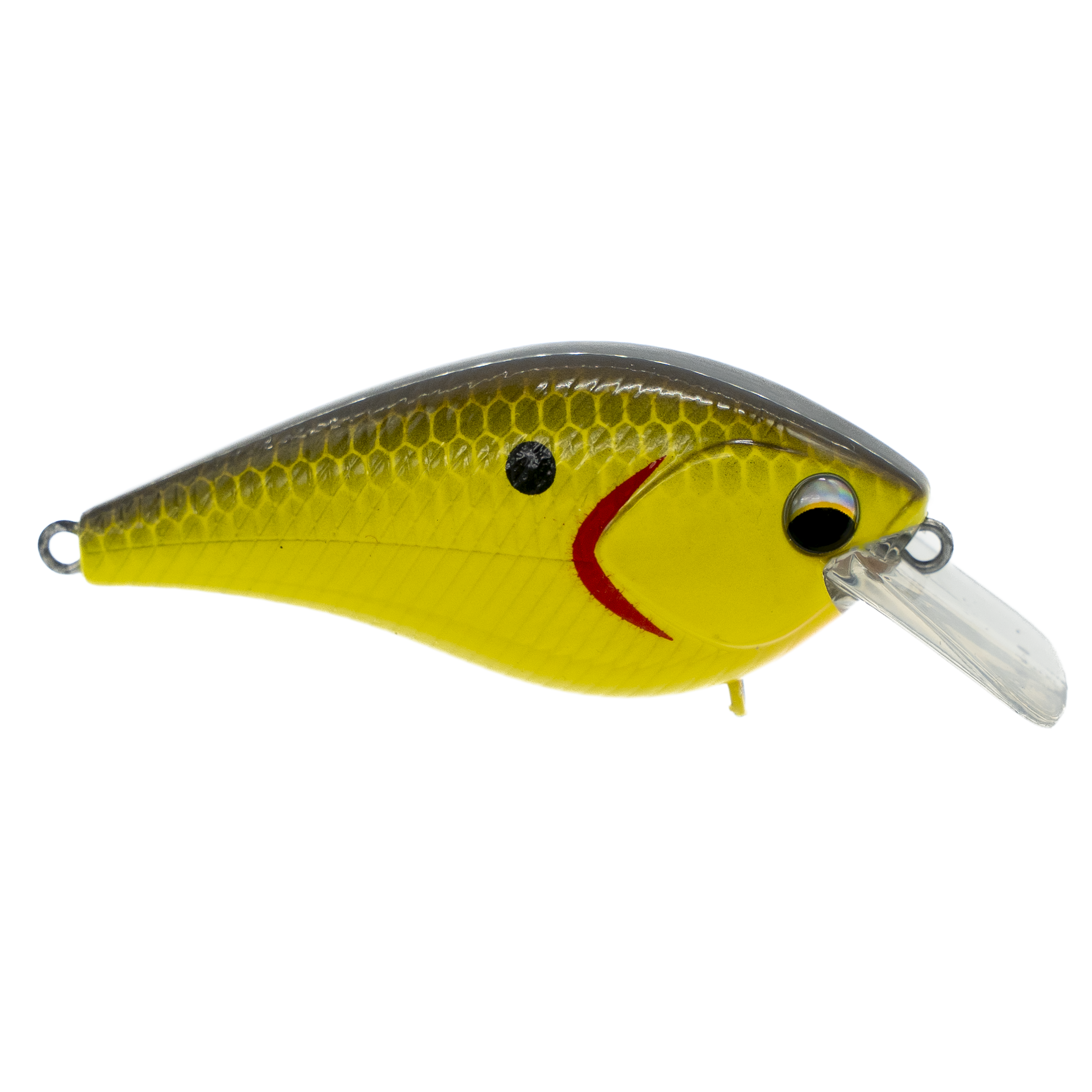
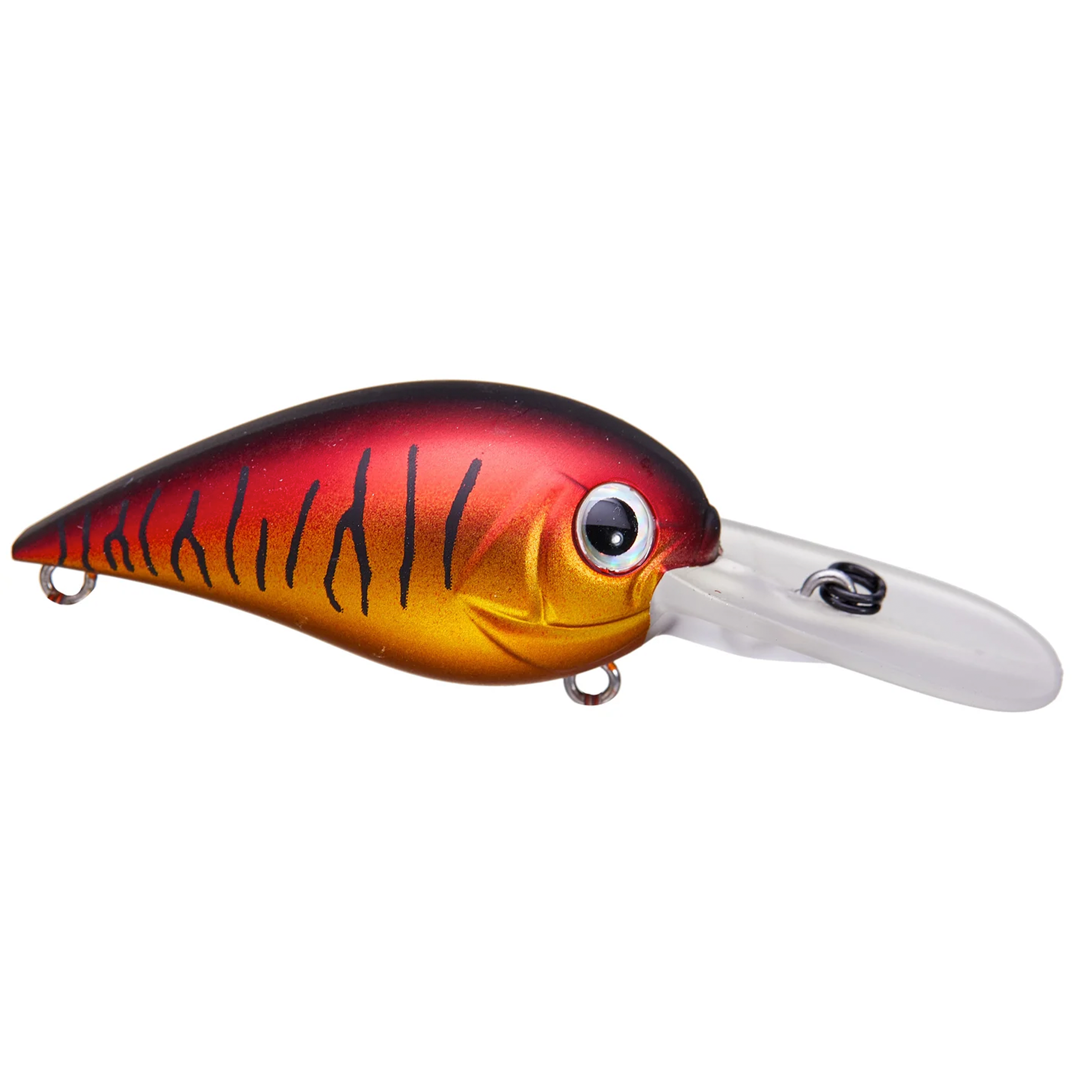
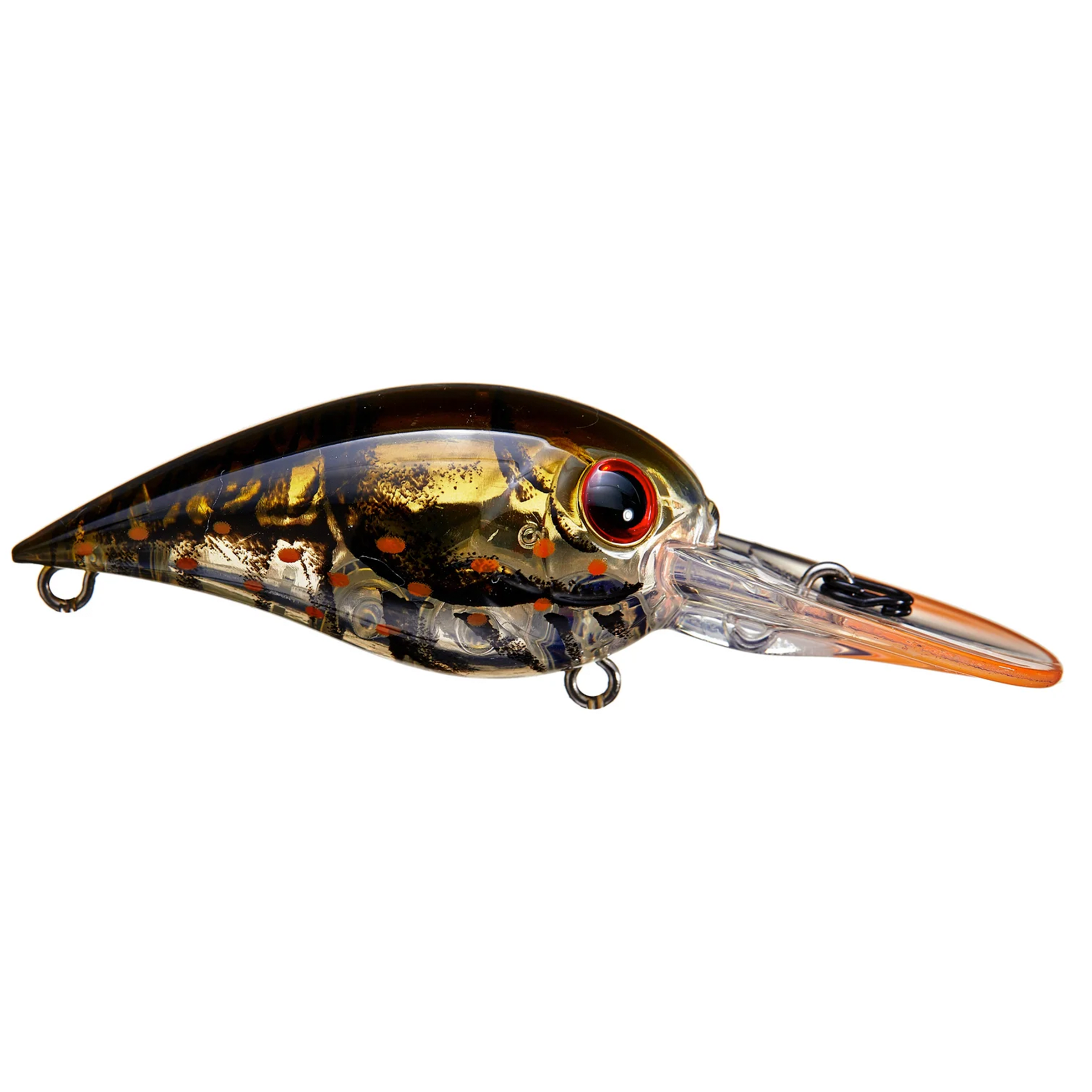
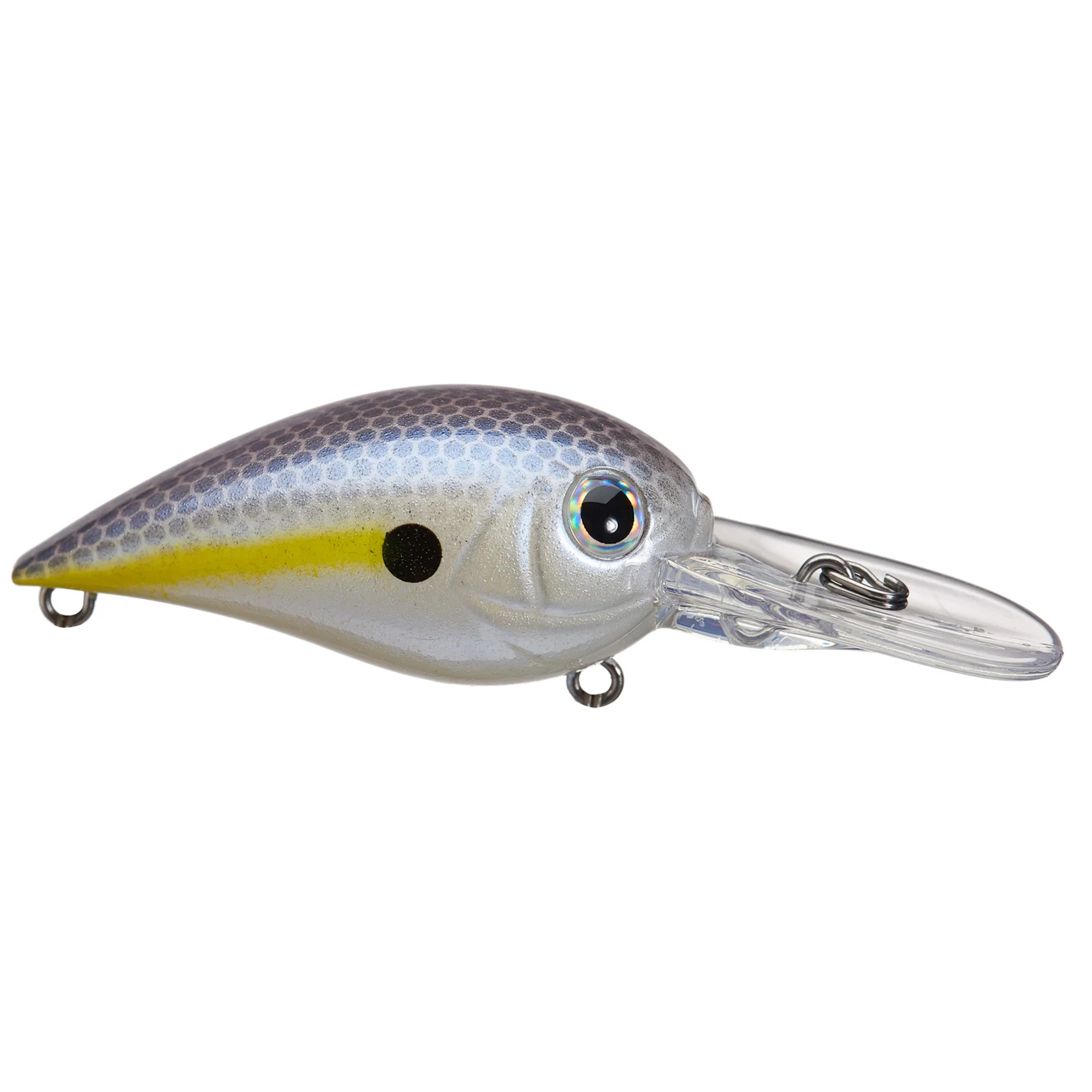
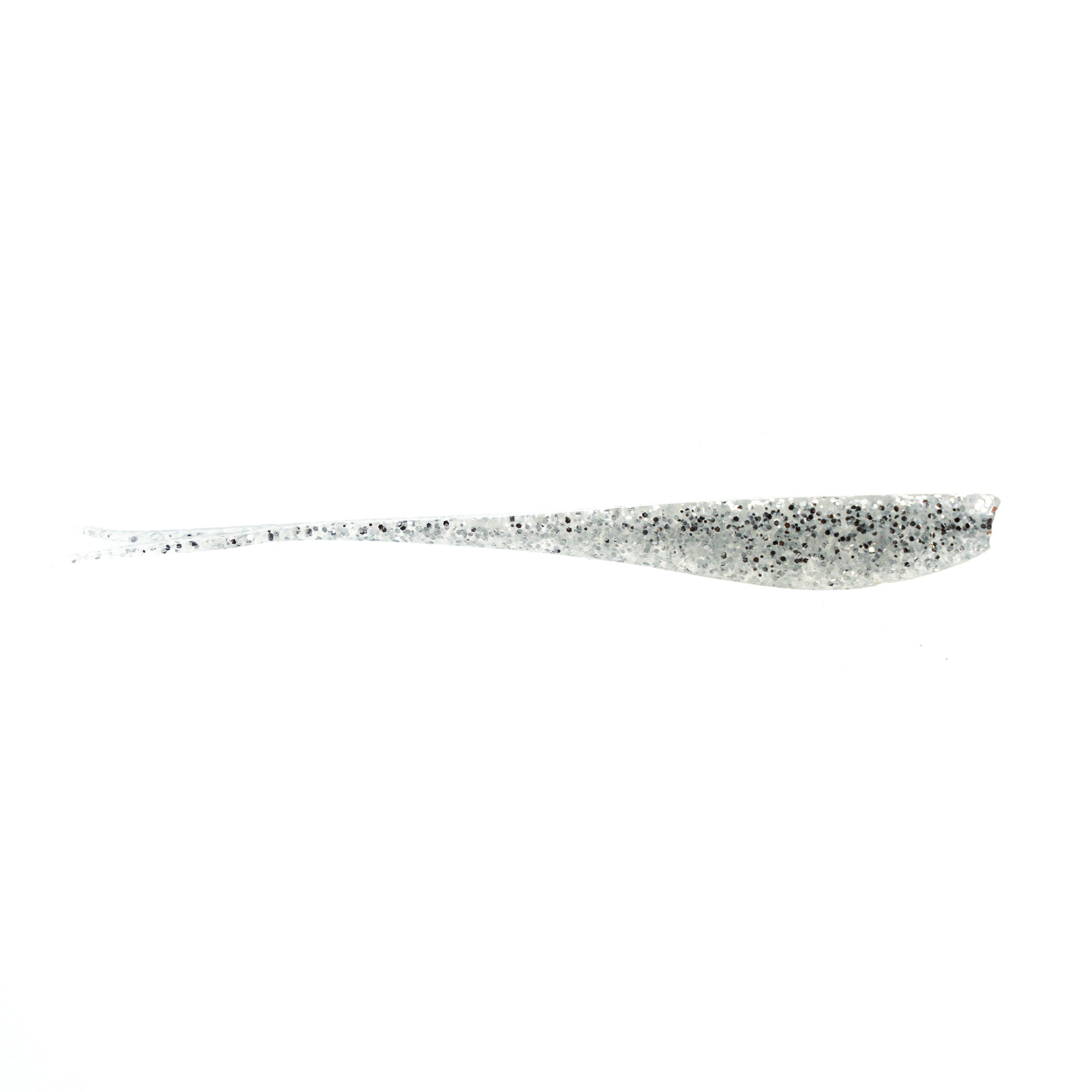
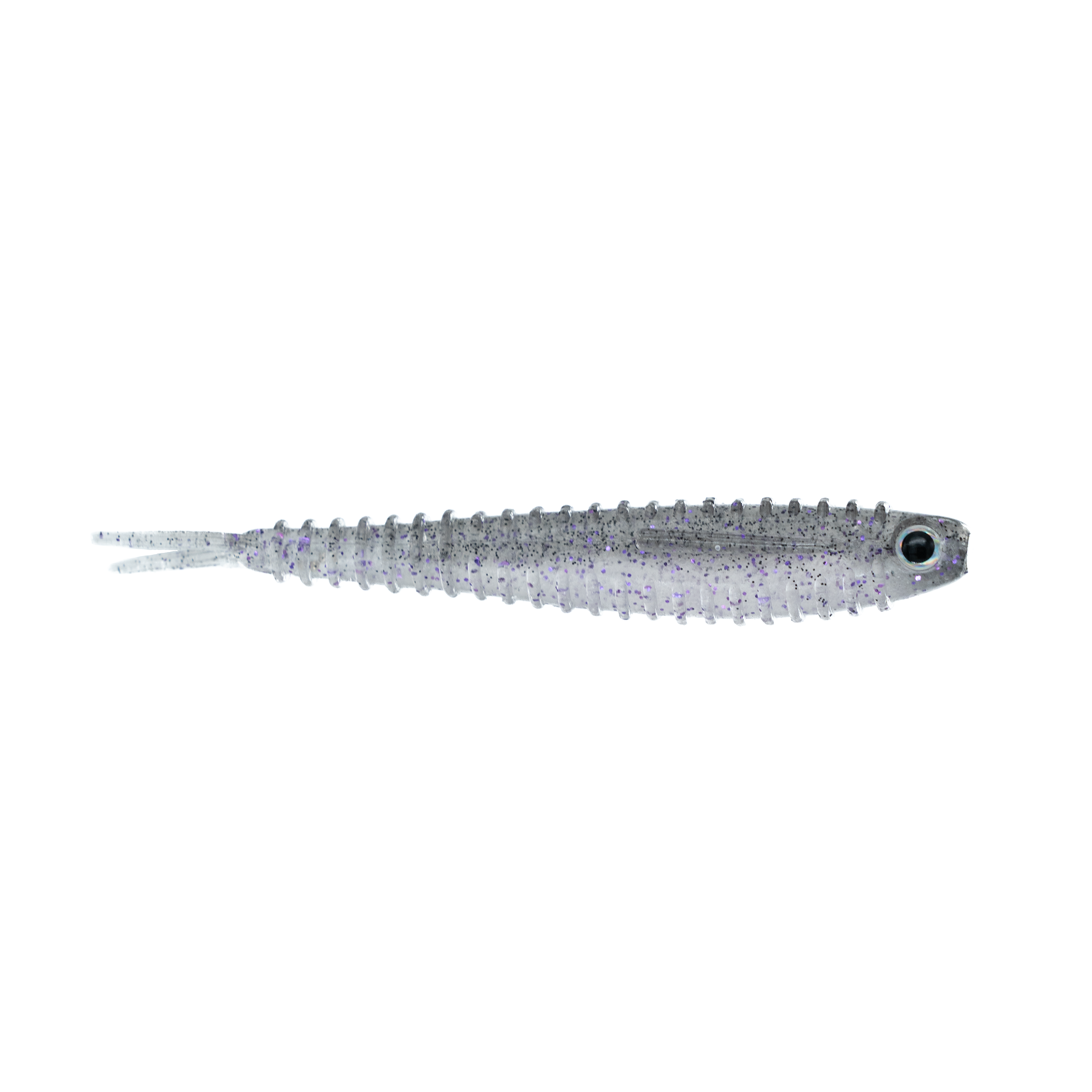
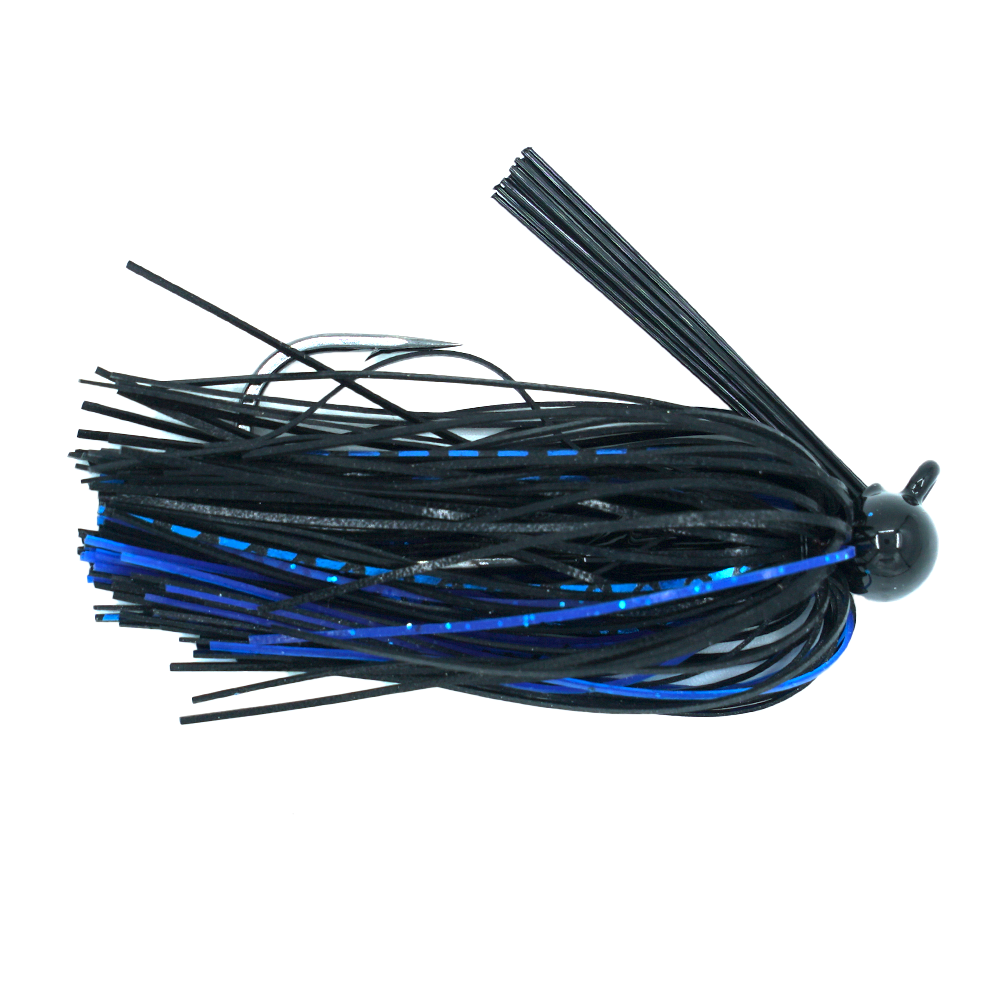
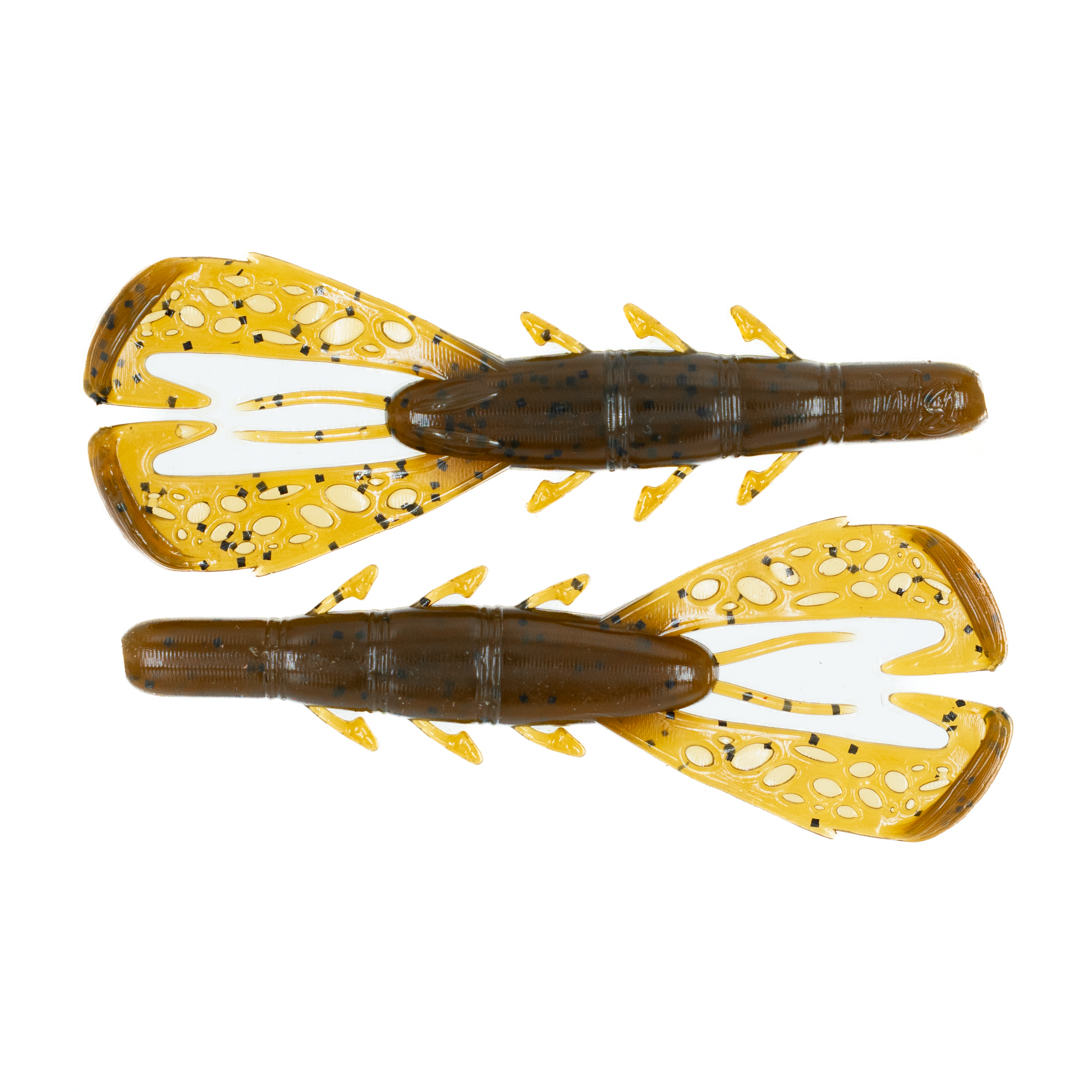
Spinnerbaits and squarebills in the spring staging pockets, skipping baits for docks year round, moving baits behind the autumn shad, and jigs and finesse plastics on deep docks and rock in winter. Our full bait lineup covers all four seasons.
Do I need a fishing license?
Yes, an Oklahoma fishing license from the Department of Wildlife Conservation. Check current black bass regulations before you go.
Docks, Rock and Flood Wood
A Classic was won here on a flat covered in logs the river had dumped there. Getting a bait into that kind of cover and a good fish back out of it is a power problem. Level Rods builds heavy models for wood and docks, and finesse models for the clear water up the Elk when the shallow bite dies.
Tournament Winning Baits & Gear
Designed, crafted and tested by anglers who fish docks and wood every week. Free shipping on orders over $75.
Shop All Baits