Fort Gibson Lake Bass Fishing Guide
Fort Gibson Bass Fishing, Season by Season
Twenty thousand acres of the Grand River in eastern Oklahoma, shallower than its neighbours and full of standing timber in the creek arms. Fort Gibson produces solid bass fishing year round and doubles as one of the state's best crappie lakes when they will not cooperate.
Shallow Water and Standing Timber
Fort Gibson Lake impounds the Grand River in eastern Oklahoma, covering close to 20,000 acres. It sits in the same corner of the state as Grand Lake and Tenkiller, and it is noticeably shallower than either — a characteristic that shapes how it fishes across every season.
Standing timber in the creek arms is the defining cover and the most consistent fish-holding structure on the lake. Beyond that there are brush piles, laydowns, points, rock and the old Grand River channel running through the middle.
It has a mixed reputation, and both halves are probably true. Some describe it as flying under the radar; others note that it carries considerable fishing pressure compared with most Oklahoma lakes. The likely reconciliation is seasonal — it draws heavy traffic during the crappie and white bass runs and rather less the rest of the year.
The bass fishing is described as solid and consistent rather than spectacular, producing across all four seasons rather than concentrating into two windows the way Eufaula or Keystone do. For an angler who wants a reliable day out rather than a trophy hunt, that consistency is the selling point.
It is also one of Oklahoma's best crappie lakes, which gives you an honest fallback. If the bass are not cooperating, you can switch targets without moving the boat — the standing timber that holds one holds the other.
The rivers and creeks above the lake are famous for the white bass run from late March through April, when they concentrate in numbers that draw anglers from across the state.
Timber, Arms and Shallow Water
Four patterns cover the year. Each one pairs the technique with the baits we'd actually tie on.
Timber and the Creek Arms
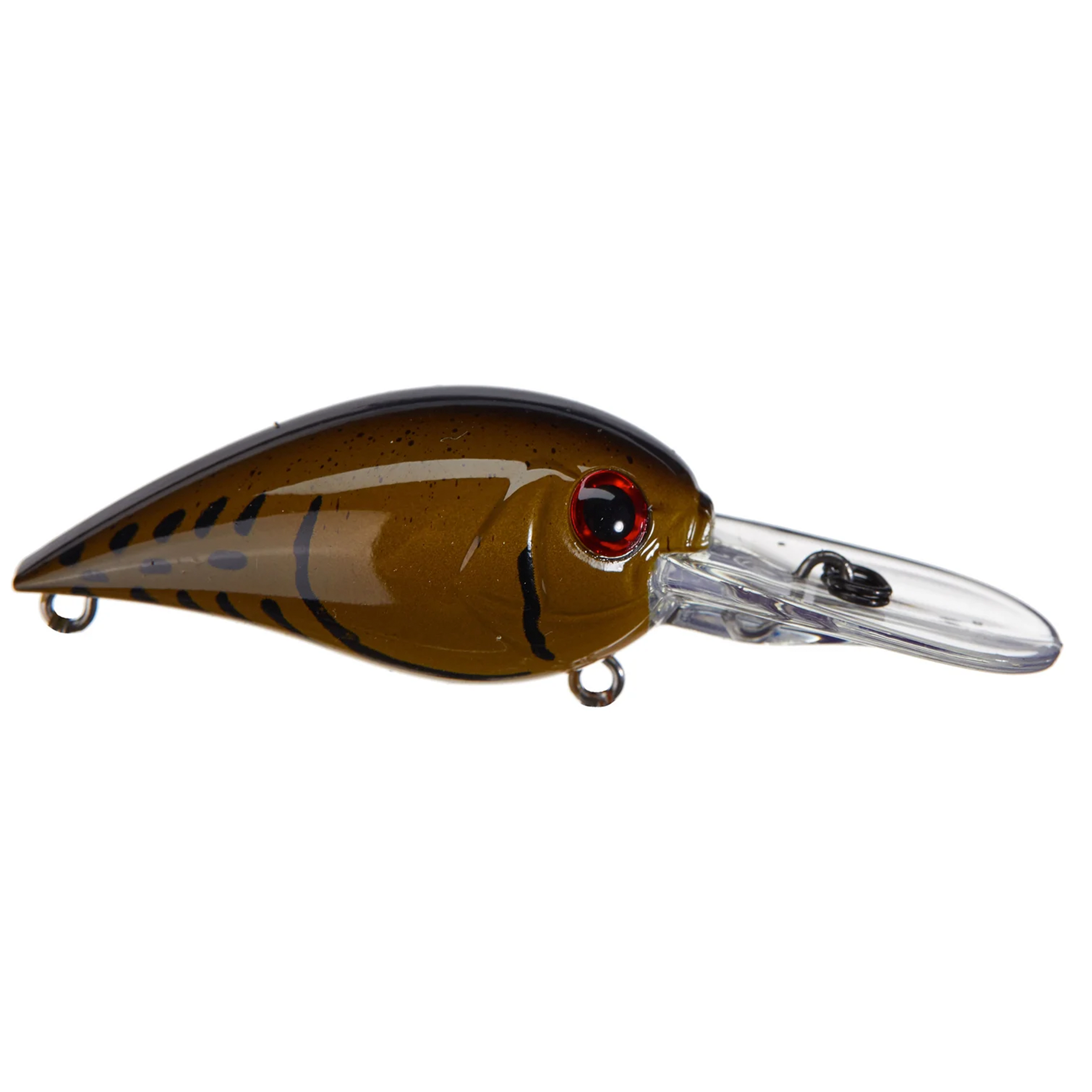
Spring moves fish into the timber-filled creek arms and the shallow cover to spawn. Being a shallower lake, Fort Gibson warms quickly and the spring pattern arrives sooner than on the deeper reservoirs nearby. This is also when the white bass run brings crowds to the rivers and creeks above the lake.


Timber, Brush and Low Light
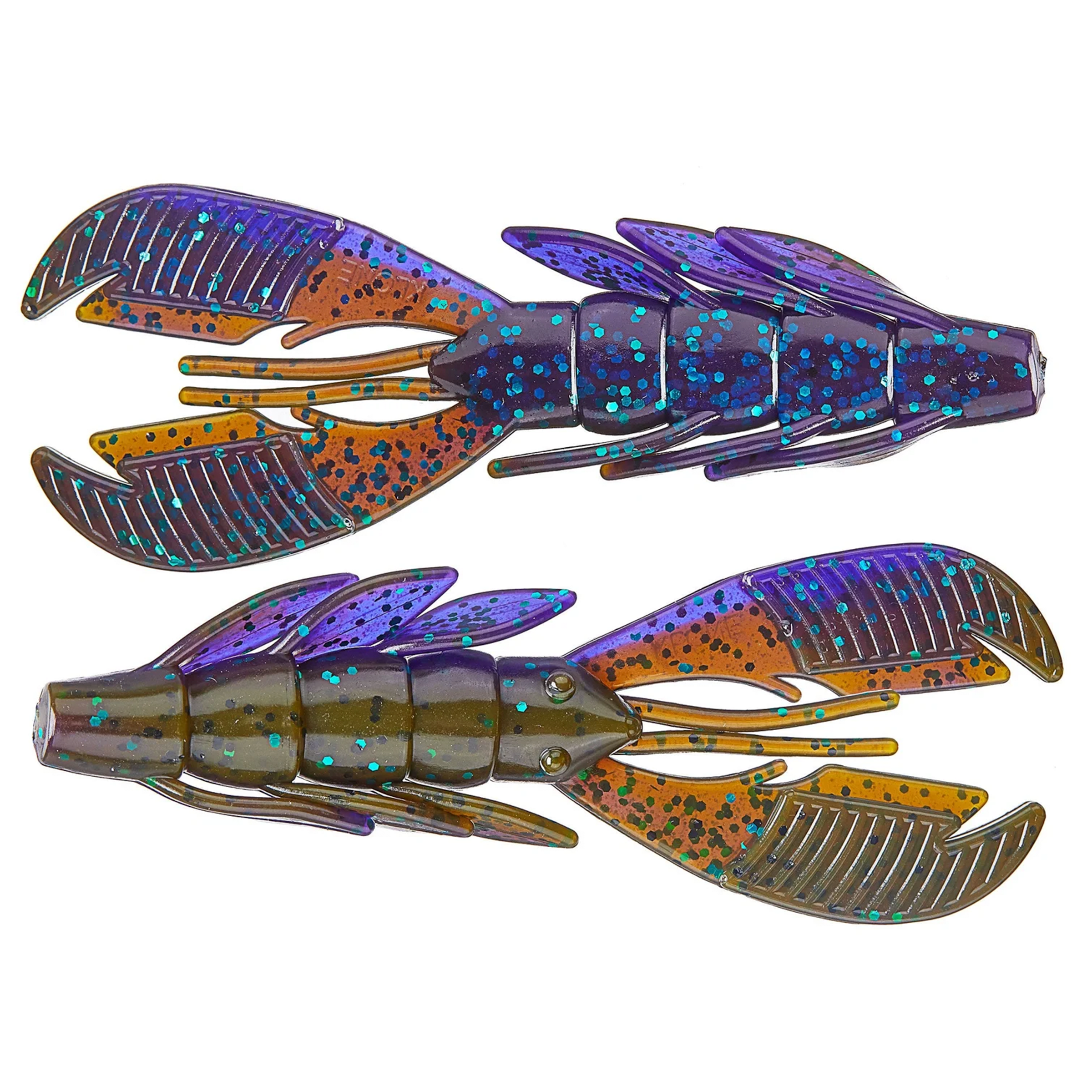
Summer on a shallow lake means heat moves through the water column quickly and the fish use the timber and brush for shade as much as ambush. Early and late are the productive windows. The deeper channel edges and the brush along them hold fish through the middle of the day.

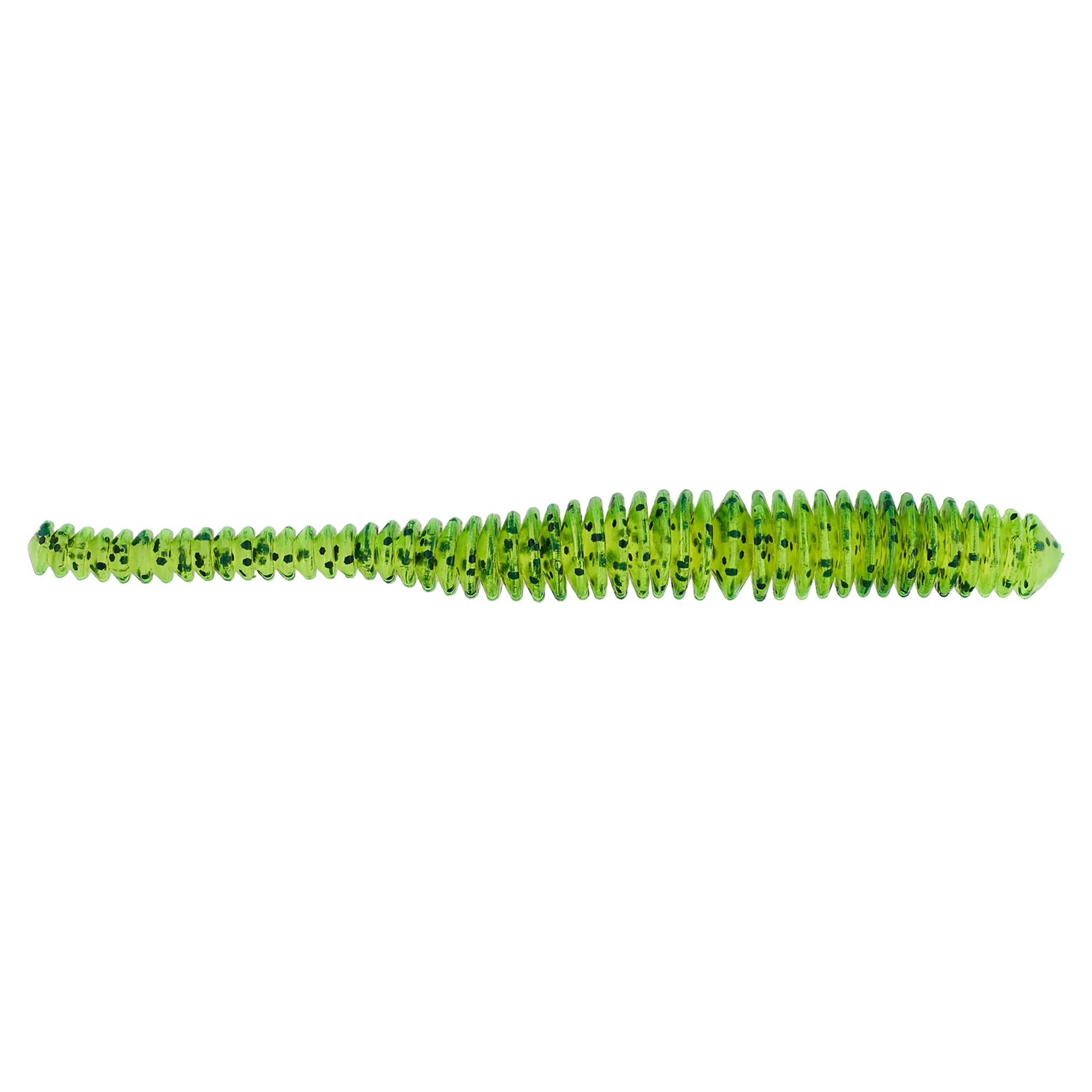

Bait Back Into the Arms
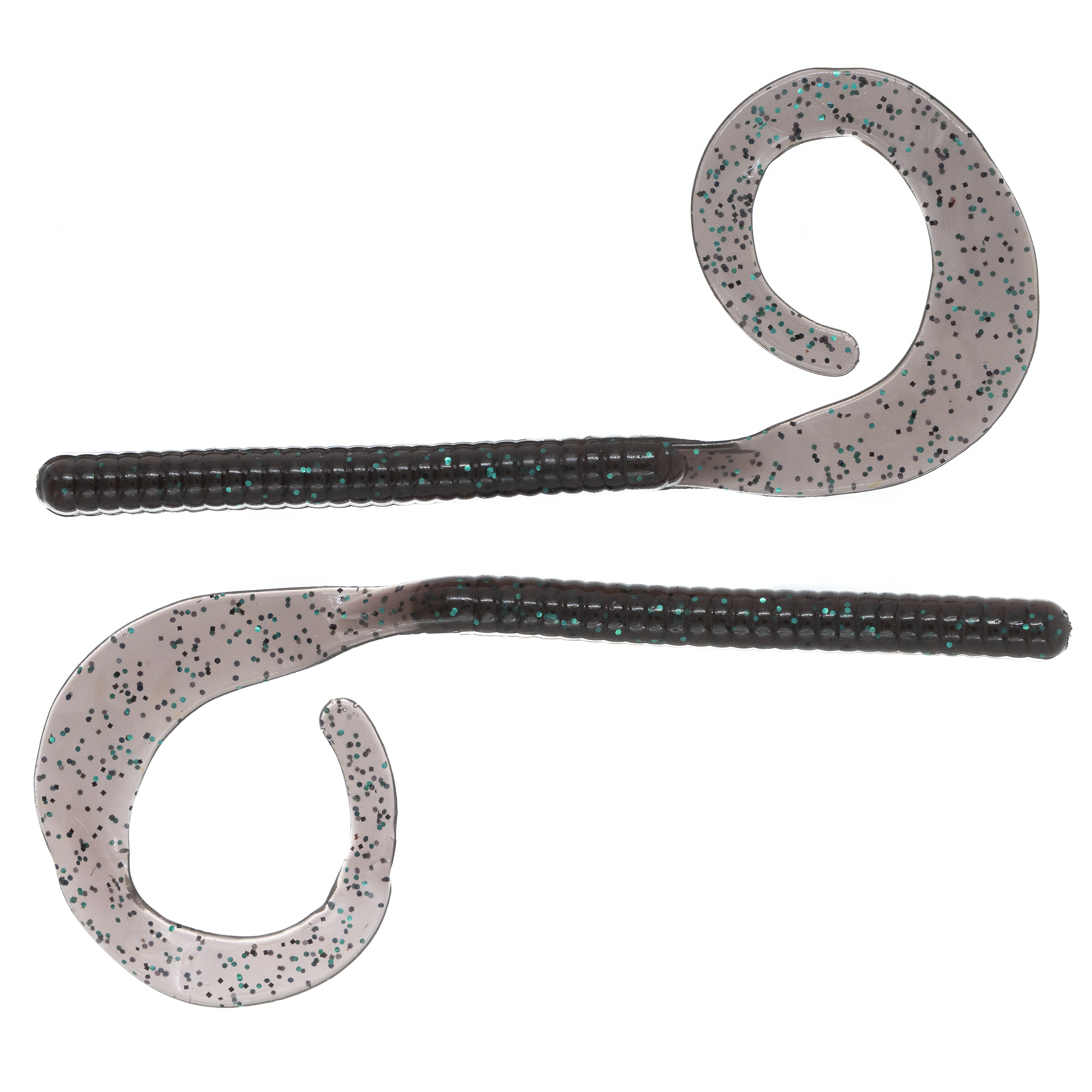
Autumn moves bait into the creek arms and the fish with it, and the crappie crowds have thinned. Cooling water on a shallow lake happens fast, which means the autumn pattern arrives earlier here than on the deeper reservoirs nearby.
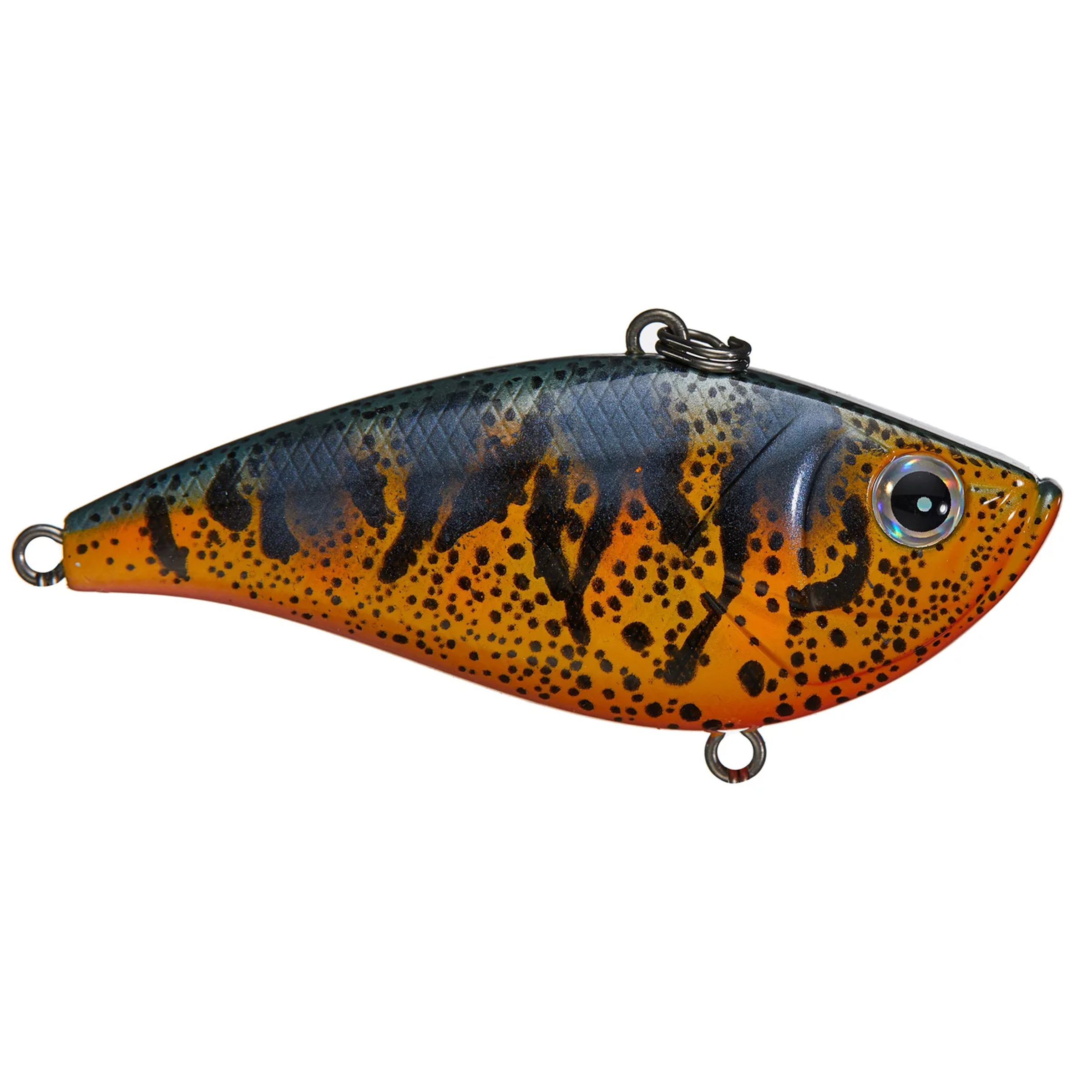
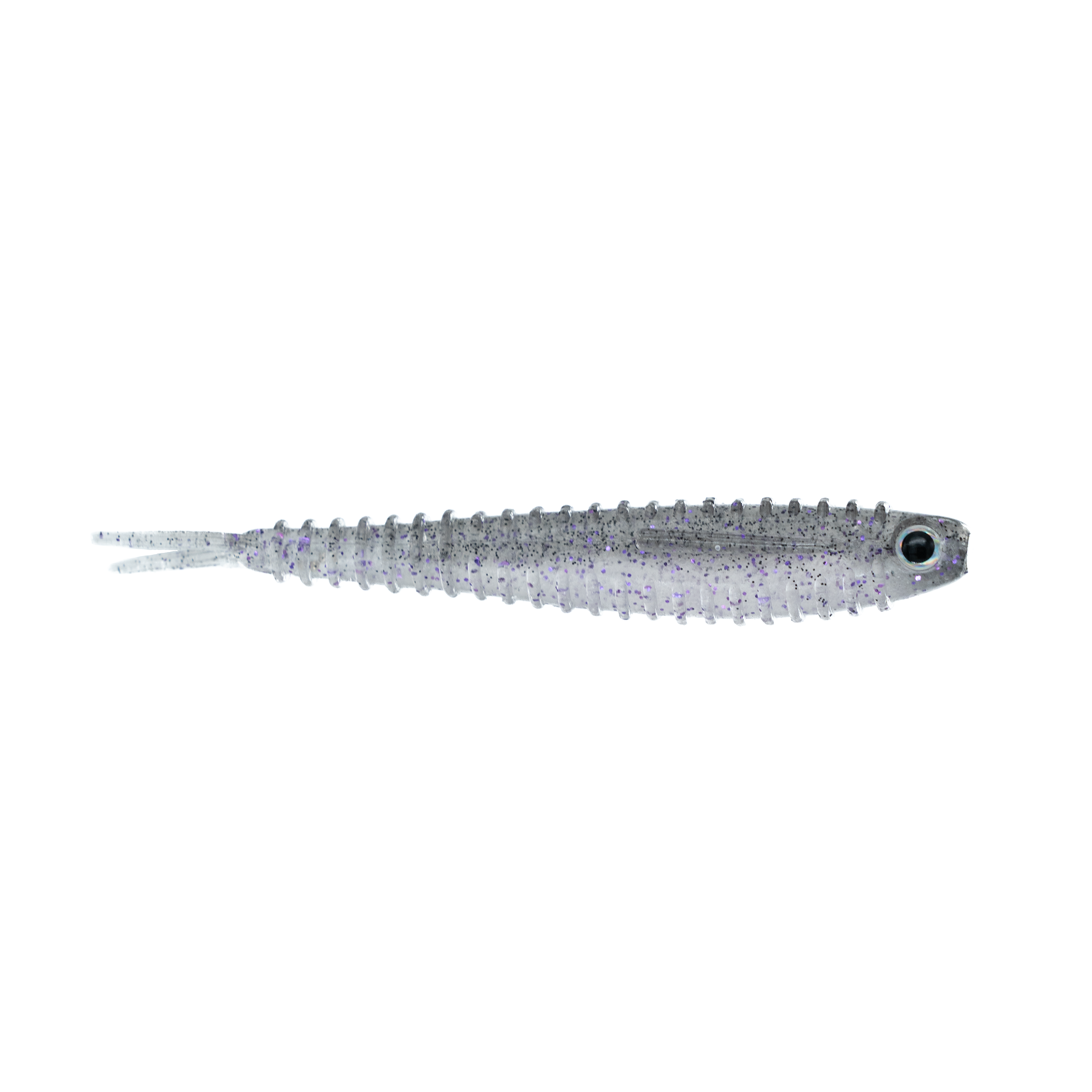
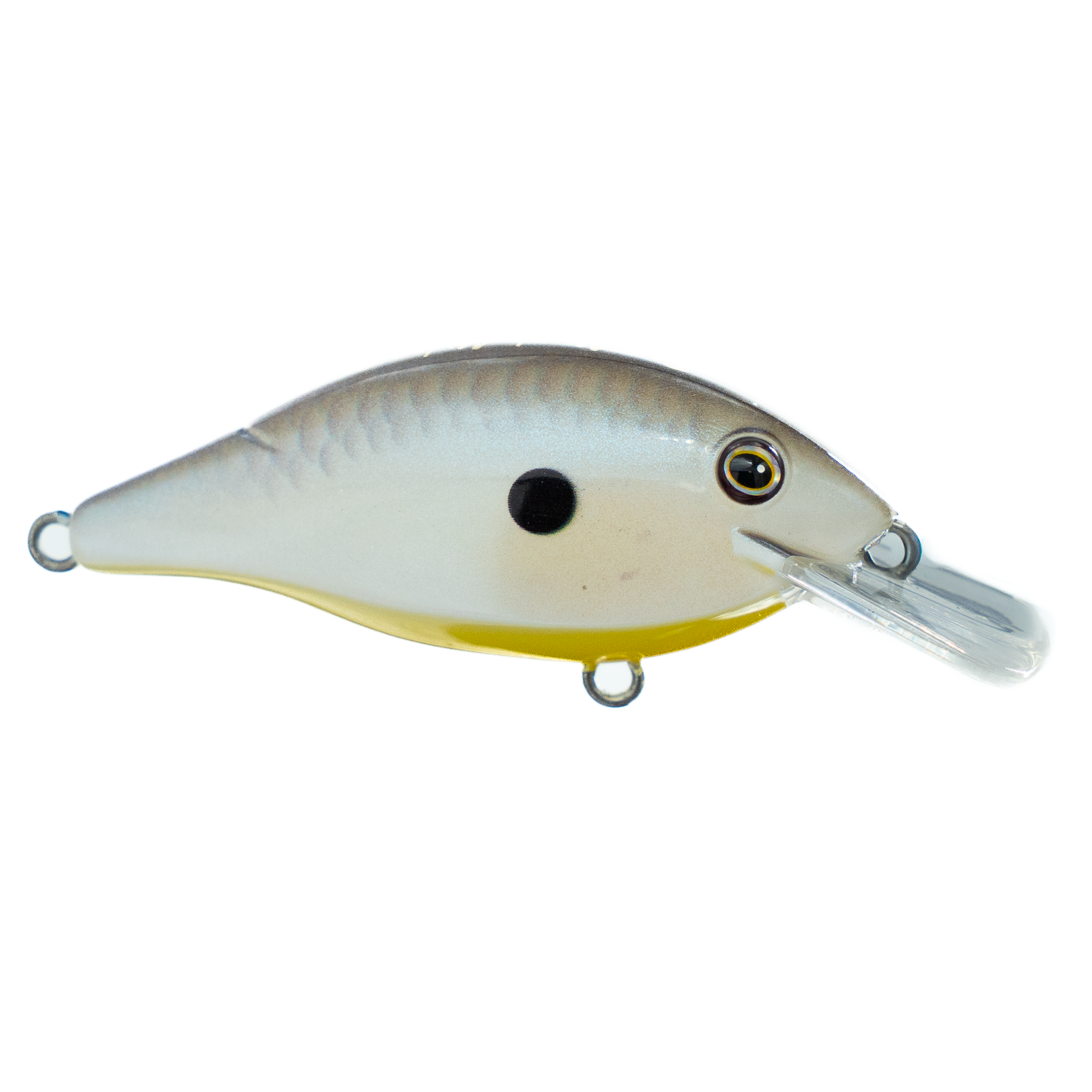
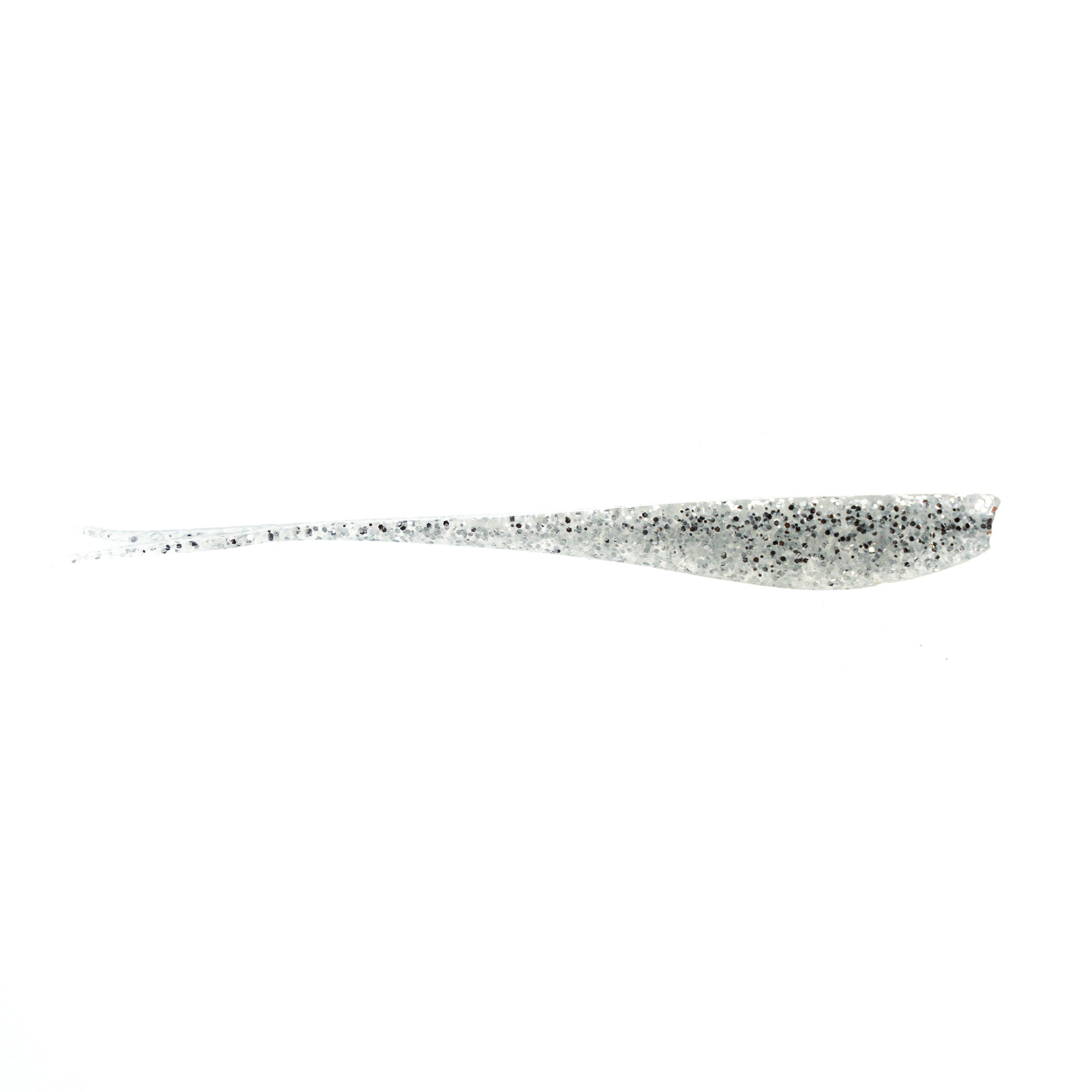
Deeper Timber and Channel Edges
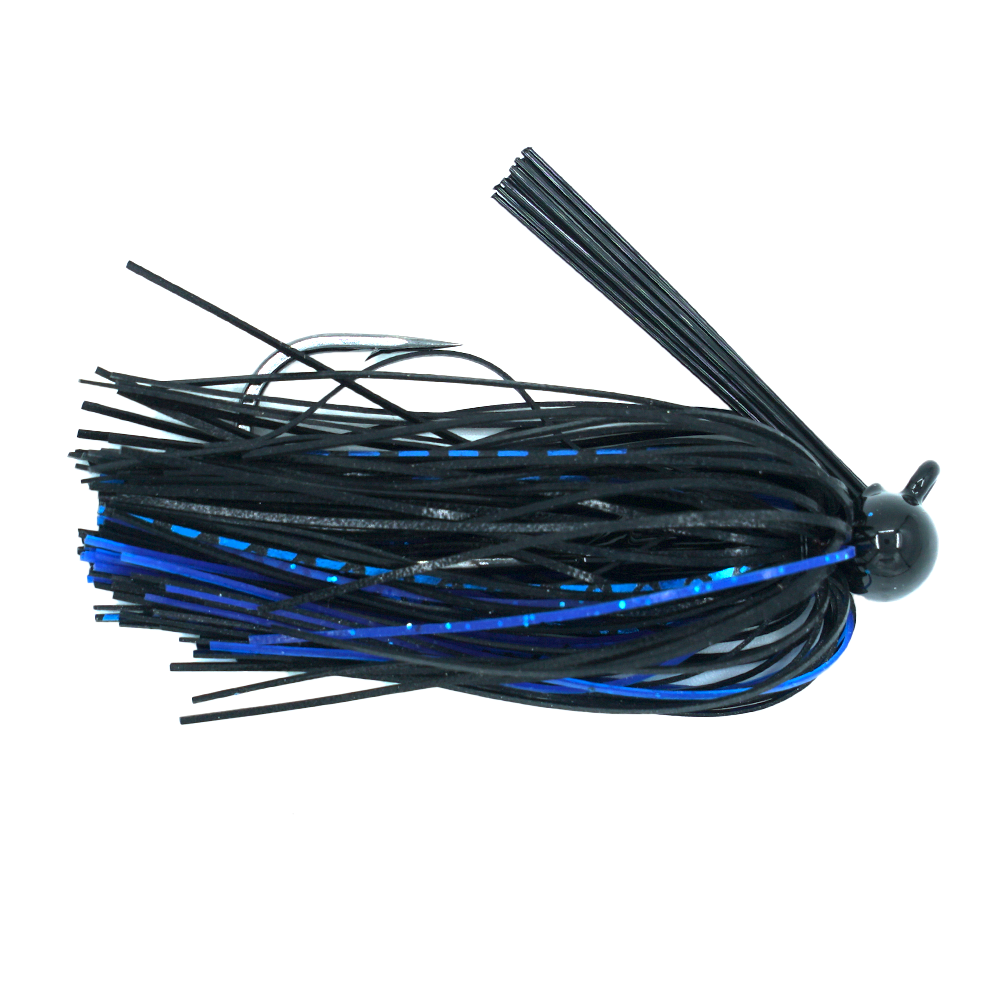
Winter concentrates fish on the deeper timber and the old Grand River channel. On a shallow lake there is less deep water to search, which makes the fish easier to locate than on Tenkiller or Broken Bow. Slow and cold, but consistent, which is this lake's character in every season.
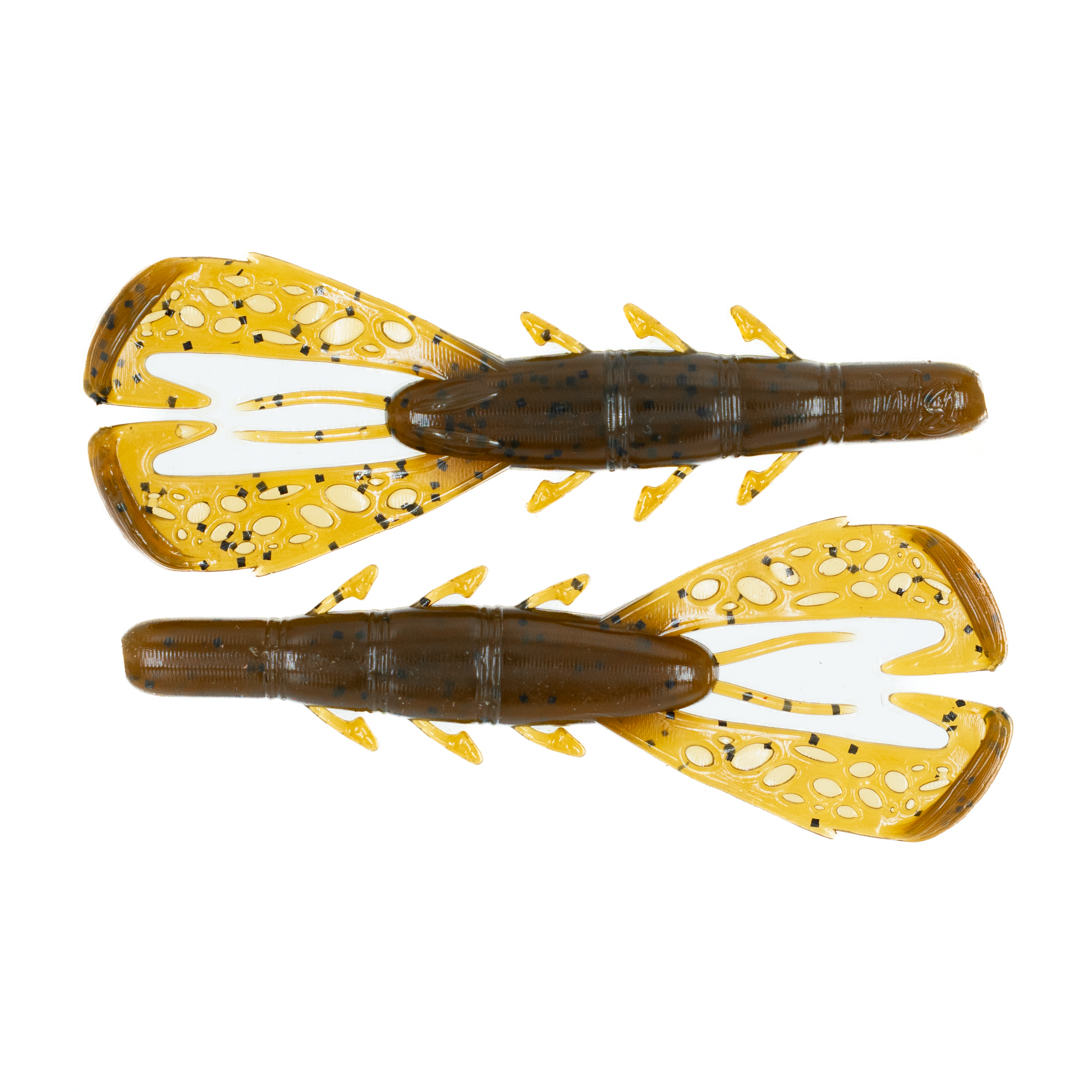


Fort Gibson Lake Access
Corps of Engineers ramps and recreation areas serve the lake, along with Sequoyah Bay and Fort Gibson state parks. Wagoner and Hulbert are the nearest towns, and Tulsa is under an hour away.
The Standing Timber
In the creek arms, and the most consistent fish-holding cover on the lake. It produces year round, which is what gives Fort Gibson its reputation for consistency. It also holds the crappie, which is the useful fallback.
The Creek Arms
Where the timber is and where the spring and autumn fishing happens. Shallower and quicker to warm and cool than the main body, which means the seasonal patterns arrive here earlier than on the deeper lakes nearby.
The Grand River Channel
Deep water running through the middle with brush and timber along its edges. Where fish go in summer heat and winter cold. On a shallow lake, the channel is disproportionately important because there is so little other depth.
Fort Gibson Lake Bass Fishing FAQ
Is Fort Gibson good for bass?
Yes — solid and consistent rather than spectacular. It produces across all four seasons rather than concentrating into two windows, which makes it reliable for a day out even if it is not the state's trophy destination.
How big is Fort Gibson Lake?
Close to 20,000 acres on the Grand River in eastern Oklahoma. It is noticeably shallower than nearby Grand Lake and Tenkiller, and that shallowness shapes how it fishes in every season.
Is it heavily fished?
Accounts differ, and both are probably right depending on the season. It draws considerable traffic during the crappie and white bass runs and rather less the rest of the year. Outside those runs it is quieter than its reputation suggests.
What is the main cover?
Standing timber in the creek arms, plus brush piles, laydowns, points and rock. The timber is the most consistent fish-holding structure on the lake and it produces year round.
Can I fish for something else if the bass are off?
Yes, and that is a genuine advantage here. Fort Gibson is one of Oklahoma's best crappie lakes and the same standing timber holds both species, so you can switch targets without moving the boat. The white bass run in the rivers above the lake from late March through April is famous.
How does the shallow water affect the fishing?
It speeds everything up. The lake warms and cools faster than the deeper reservoirs nearby, so spring and autumn patterns arrive earlier here. It also means shade matters more than depth in summer, and a warm winter spell moves fish shallow quickly.
What baits work best on Fort Gibson?
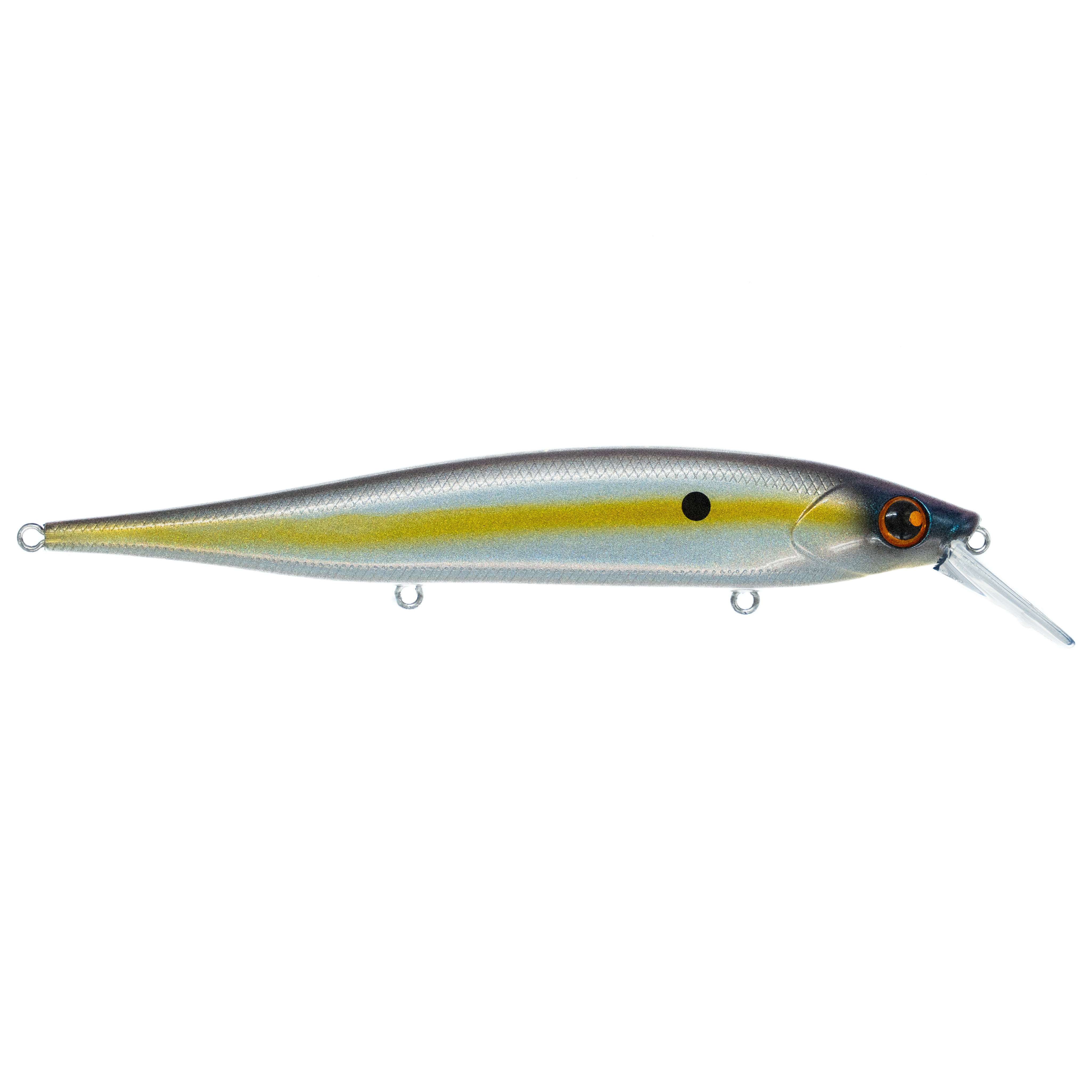
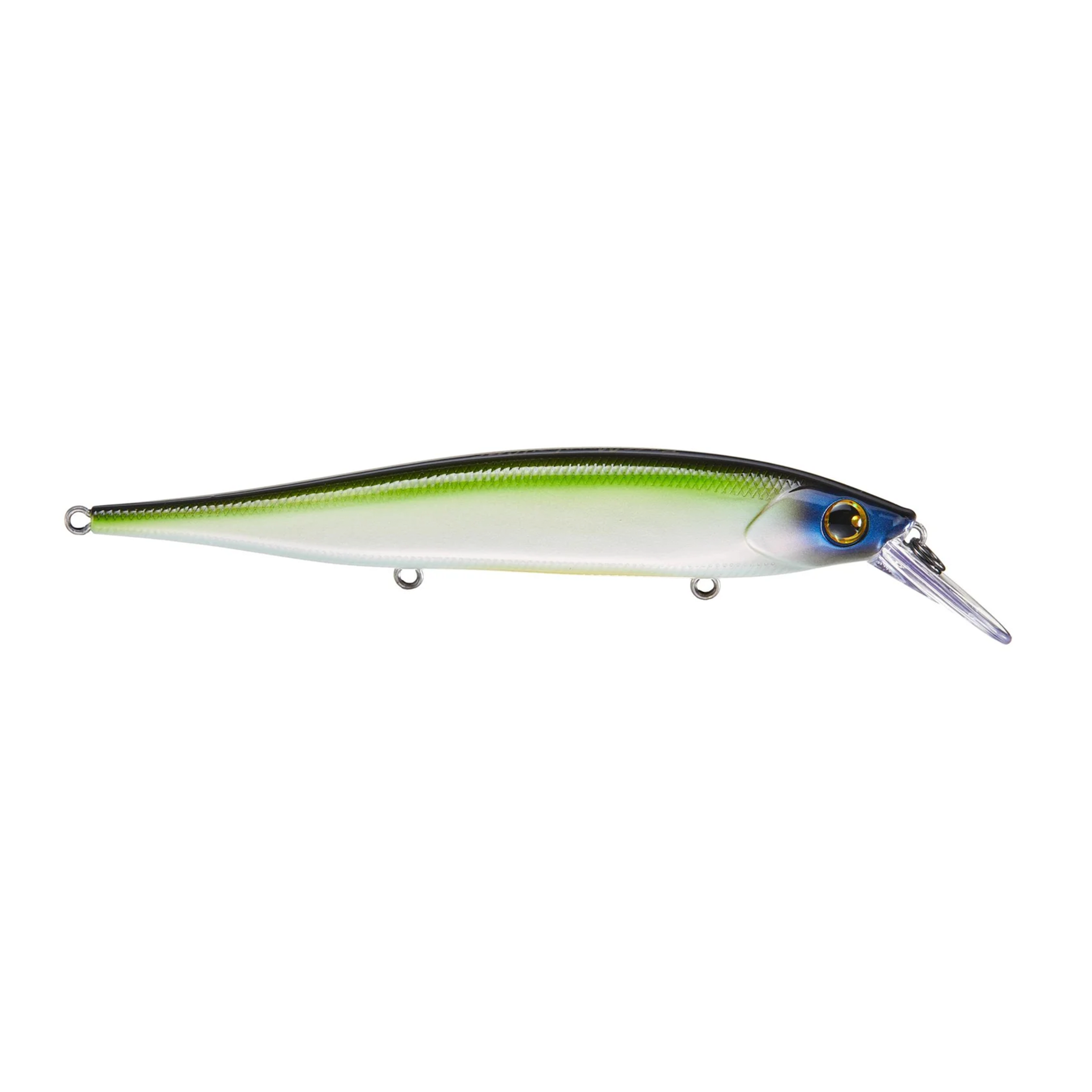
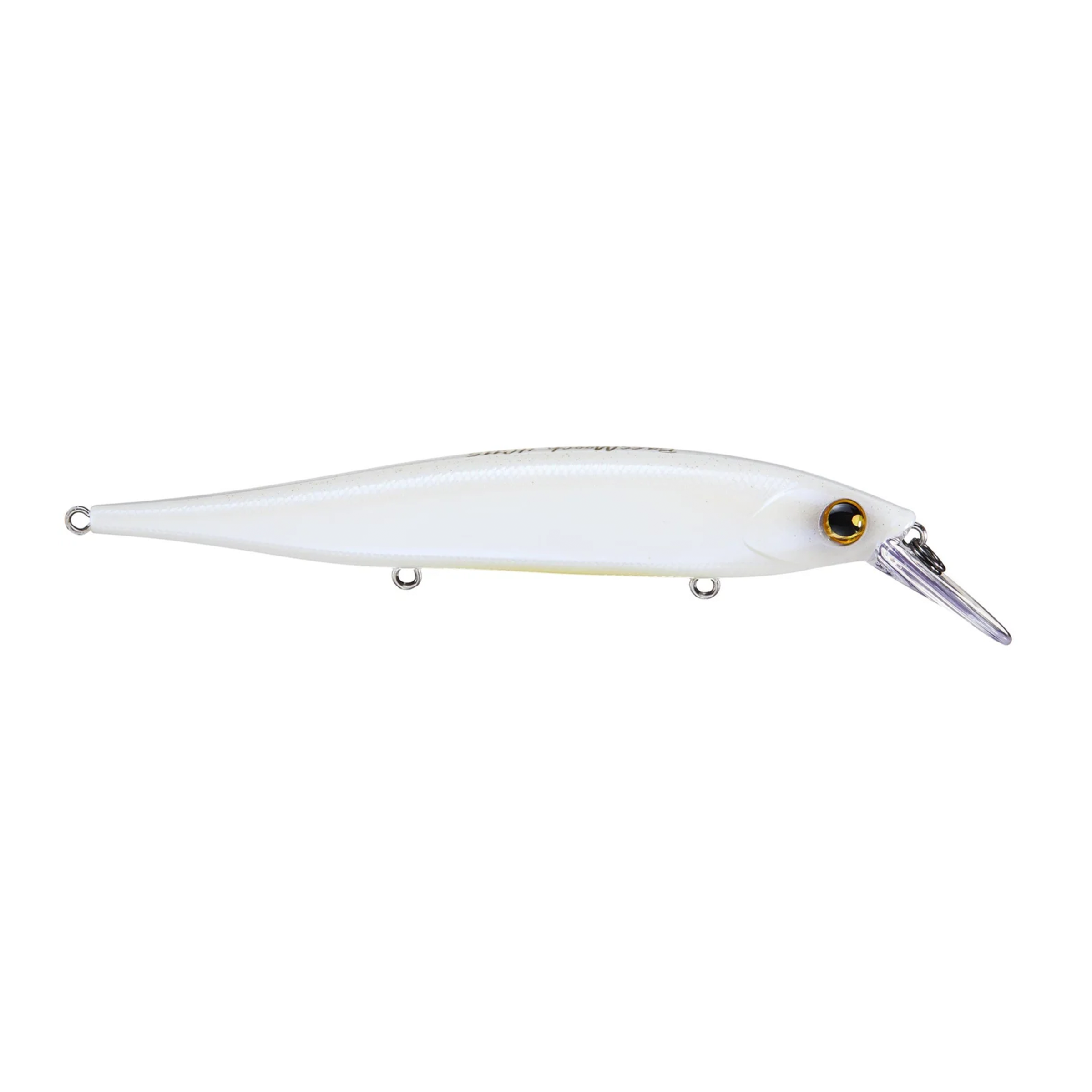
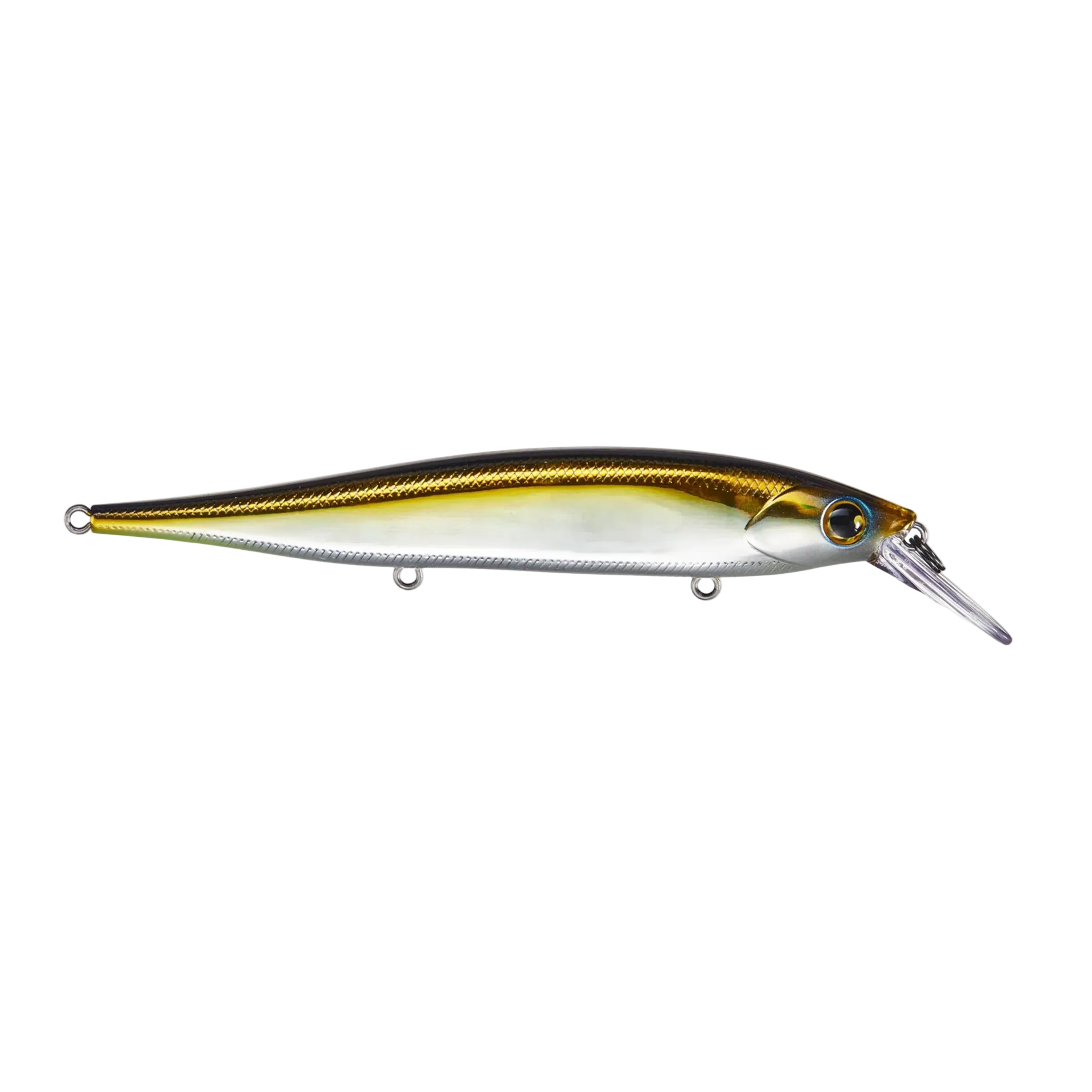
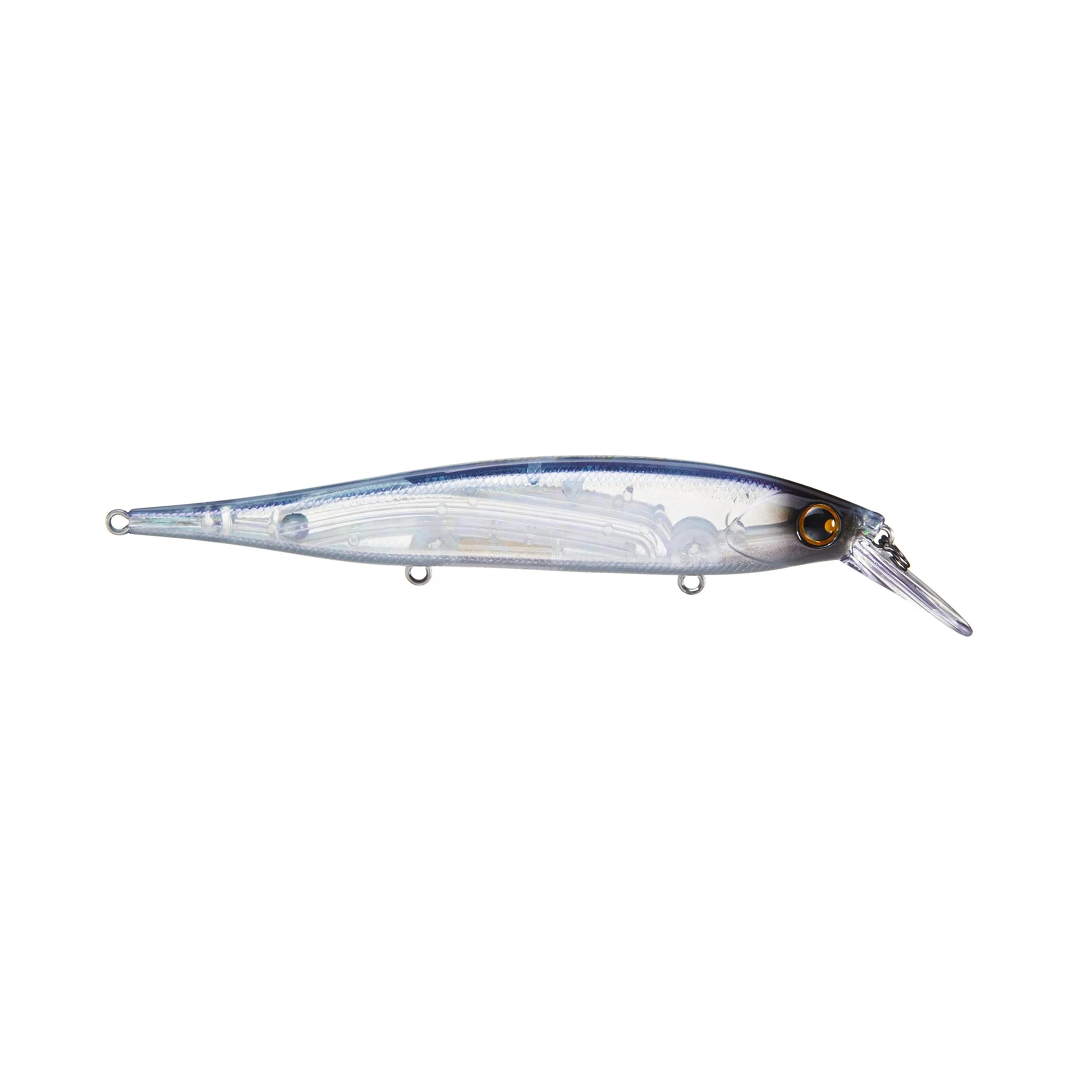
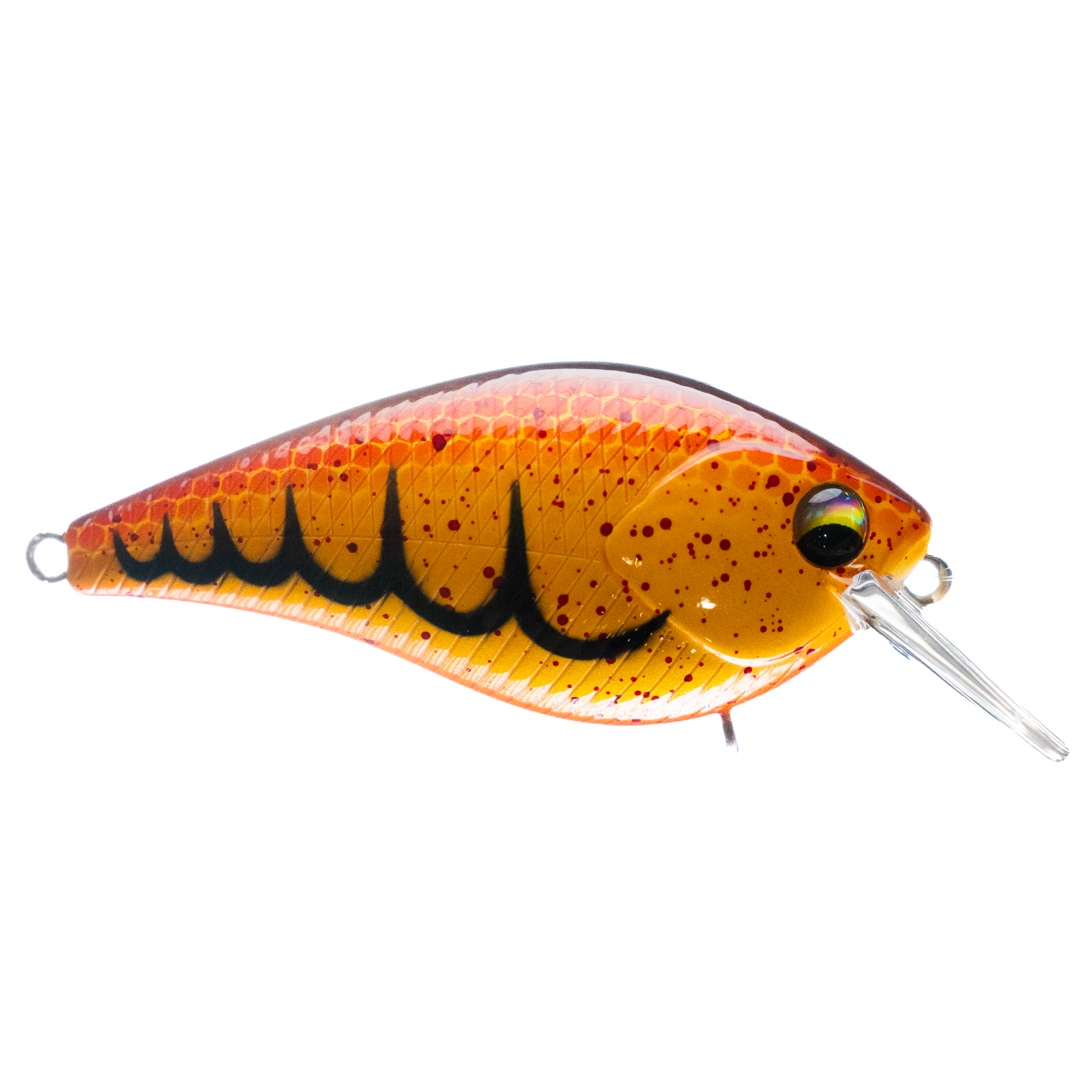
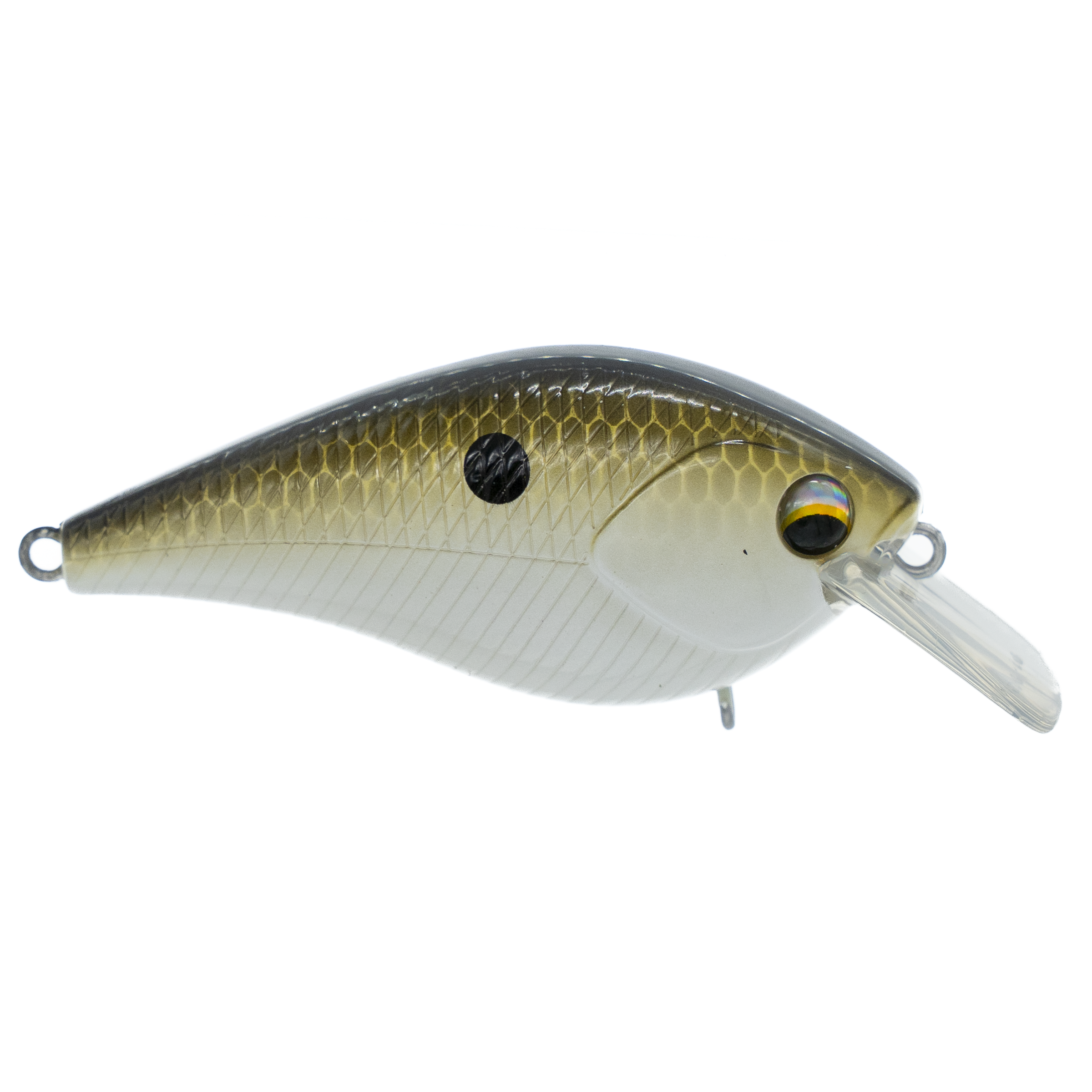
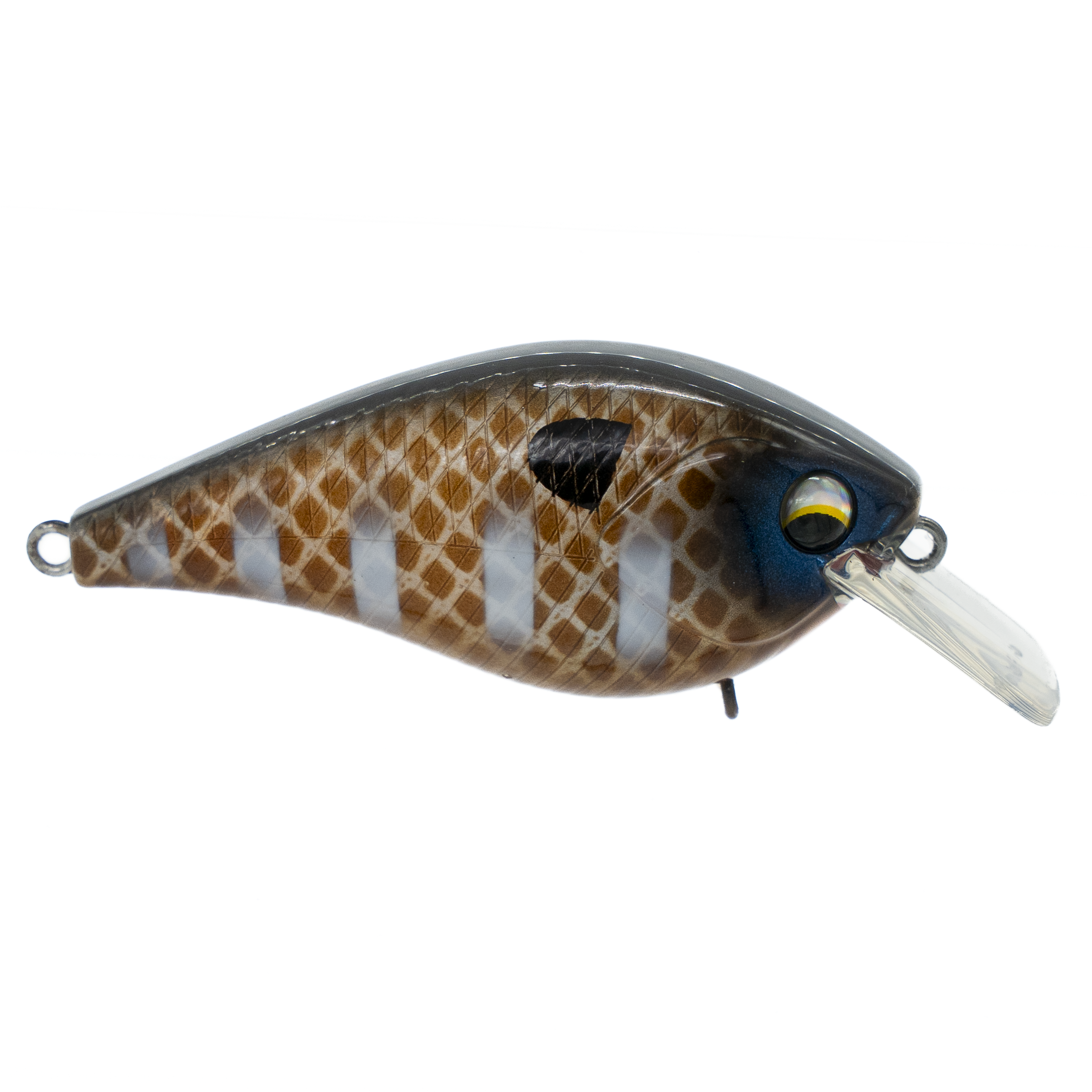
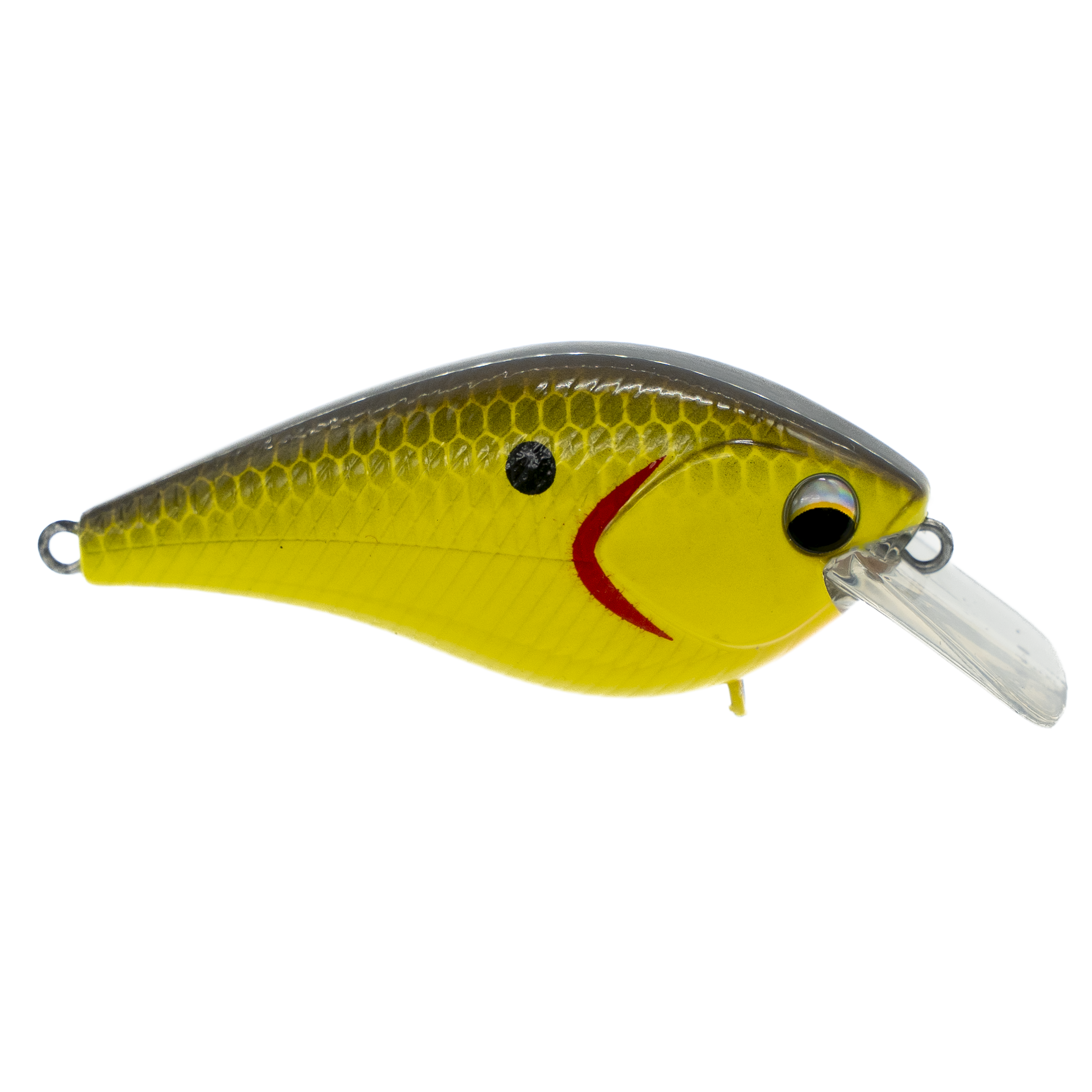
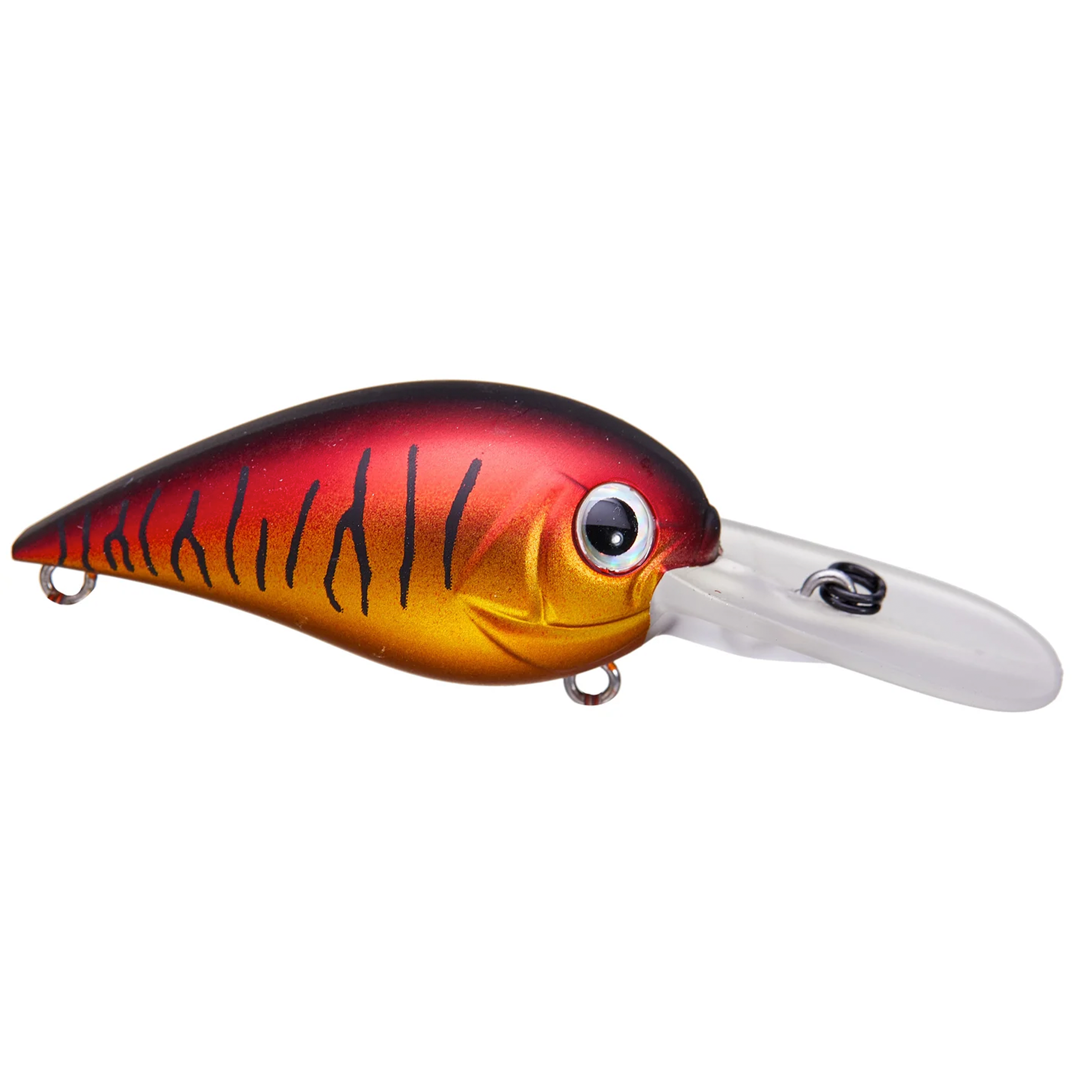
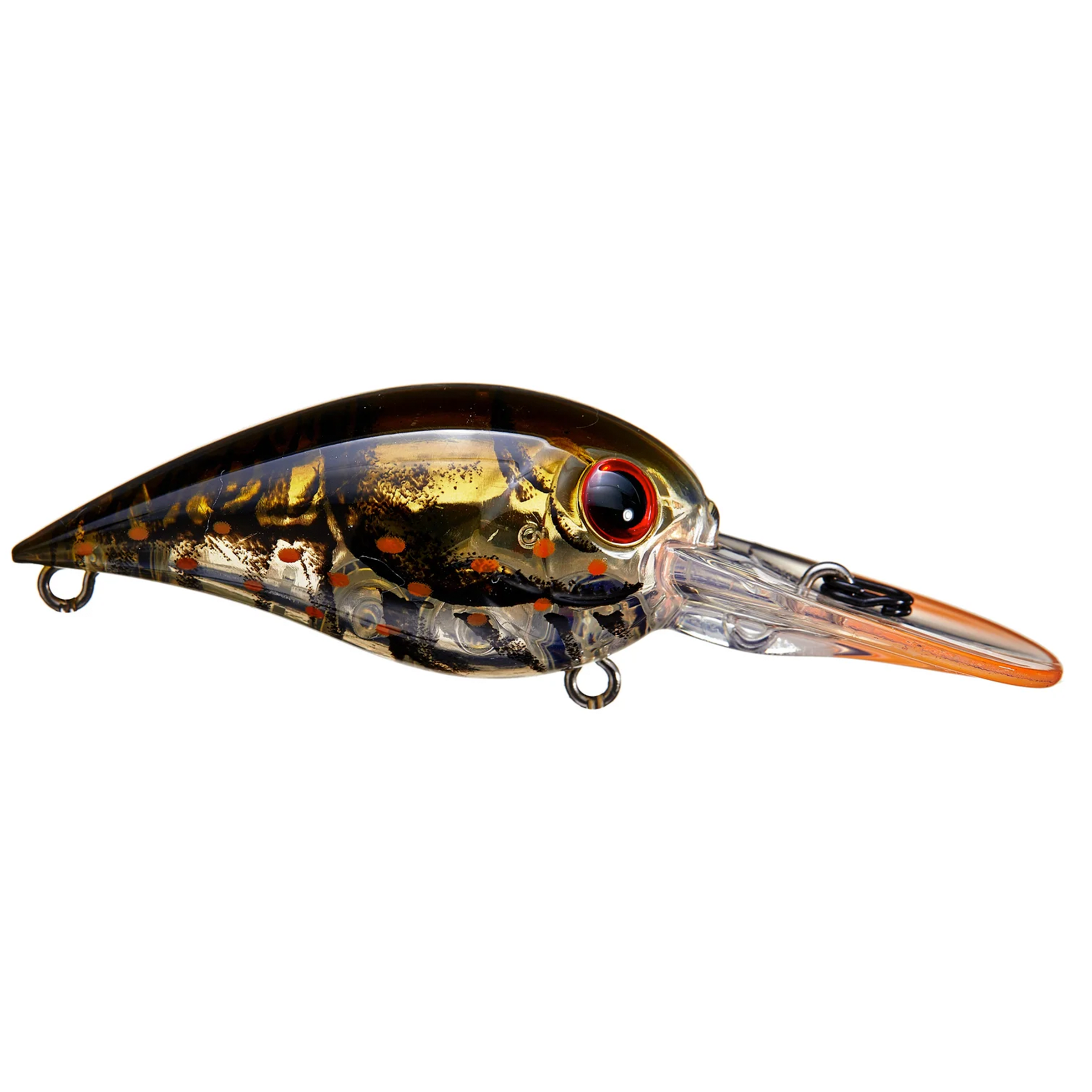
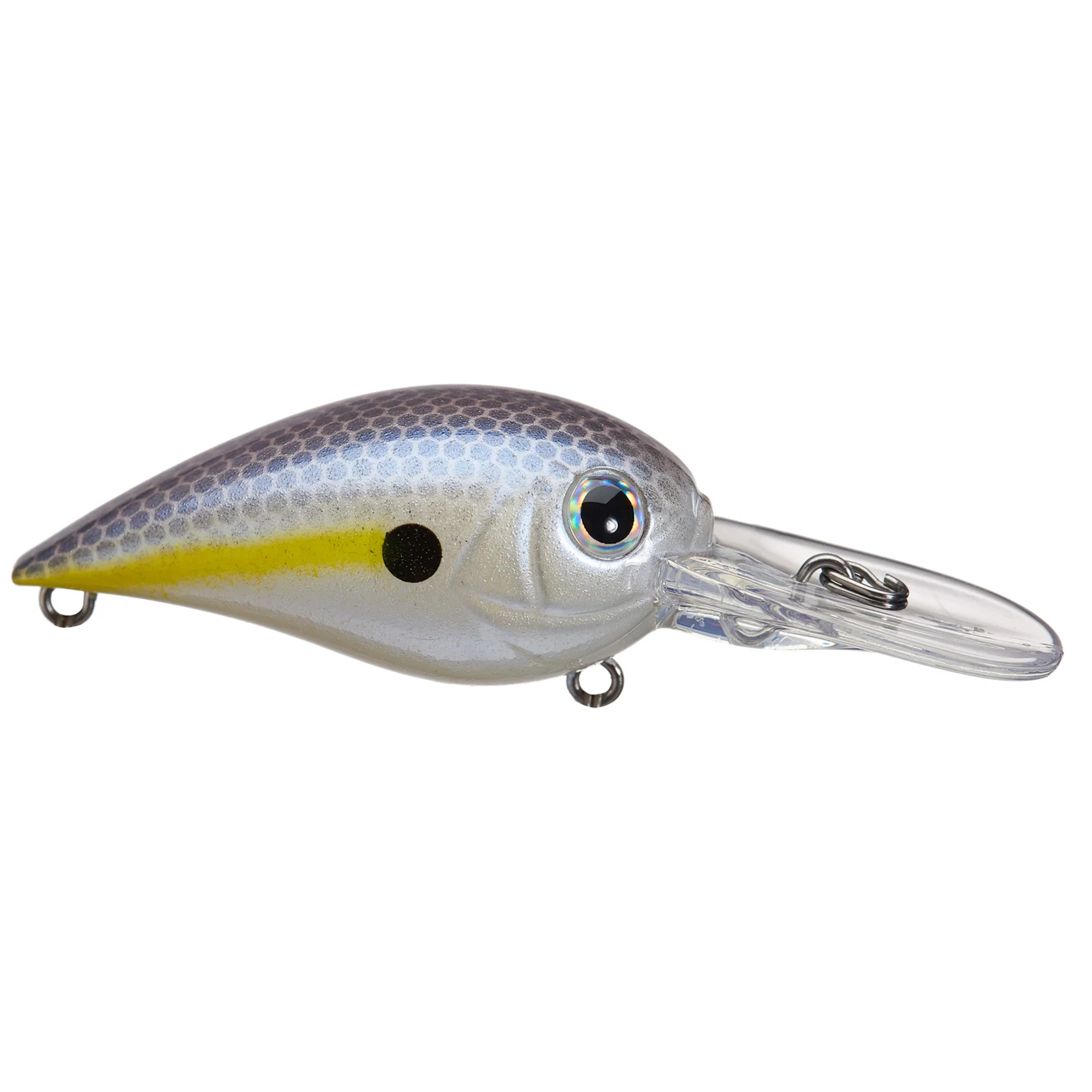
Spinnerbaits and squarebills to locate fish through the timber, jigs and Texas rigs to work it properly, and moving baits behind the autumn bait. Weedless matters — almost everything here is near wood. Our full bait lineup covers all four seasons.
Do I need a fishing license?
Yes, an Oklahoma fishing license from the Department of Wildlife Conservation. Check current black bass regulations before you go.
Timber, Year Round
A lake whose defining cover is standing wood asks the same thing of a rod in every season: accuracy to place a bait beside a trunk, and enough backbone to get the fish out before she wraps it. Level Rods builds models that do both without wearing you out over a long day.
Tournament Winning Baits & Gear
Designed, crafted and tested by anglers who fish flooded timber every week. Free shipping on orders over $75.
Shop All Baits