Falcon Lake Bass Fishing Guide
Falcon Lake Bass Fishing, Season by Season
Seventy-eight thousand acres of the Rio Grande on the south Texas border, and a lake with one of the great big-bass histories in America. Falcon's fish are still there. Whether you can launch a boat to reach them is the question worth asking first.
Great Fishing, If You Can Get To It
International Falcon Reservoir sits on the Rio Grande in Zapata and Starr counties in south Texas, impounded in 1954 for conservation, irrigation, power, flood control and recreation. At normal level it covers about 78,300 acres and reaches 110 feet deep, and at full conservation pool it would cover around 87,000.
That qualifier matters more here than on any other page on this site. During drought and extreme drawdown, Falcon has covered as little as roughly 23,000 acres — less than a third of its normal surface area. South Texas reservoirs including Falcon, Amistad, Choke Canyon, Medina and Canyon have all run severely low in recent years.
The honest position, and the one local anglers take, is that low water does not mean bad fishing. The fish are still there, concentrated into less water. The problem is access: when levels drop, ramps close, and getting a boat onto the lake becomes the limiting factor rather than finding bass.
So the single most important thing to do before planning a Falcon trip is to check current lake level and ramp status. Not the fishing reports — the ramps.
When it is fishable, this is a genuinely great bass lake. Largemouth grow large and aggressive in the long south Texas warm-water season, the spawn starts earlier here than anywhere else in the state, and the flooded brush that comes with a rising lake is exceptional cover. Falcon's reputation was built on enormous tournament weights during high-water years.
Other species have suffered. Striped bass have effectively disappeared, and crappie and white bass populations were sharply reduced by a combination of pressure and low water. Catfish remain excellent — channel, blue and yellow.
Brush, Rock and the Earliest Spawn in Texas
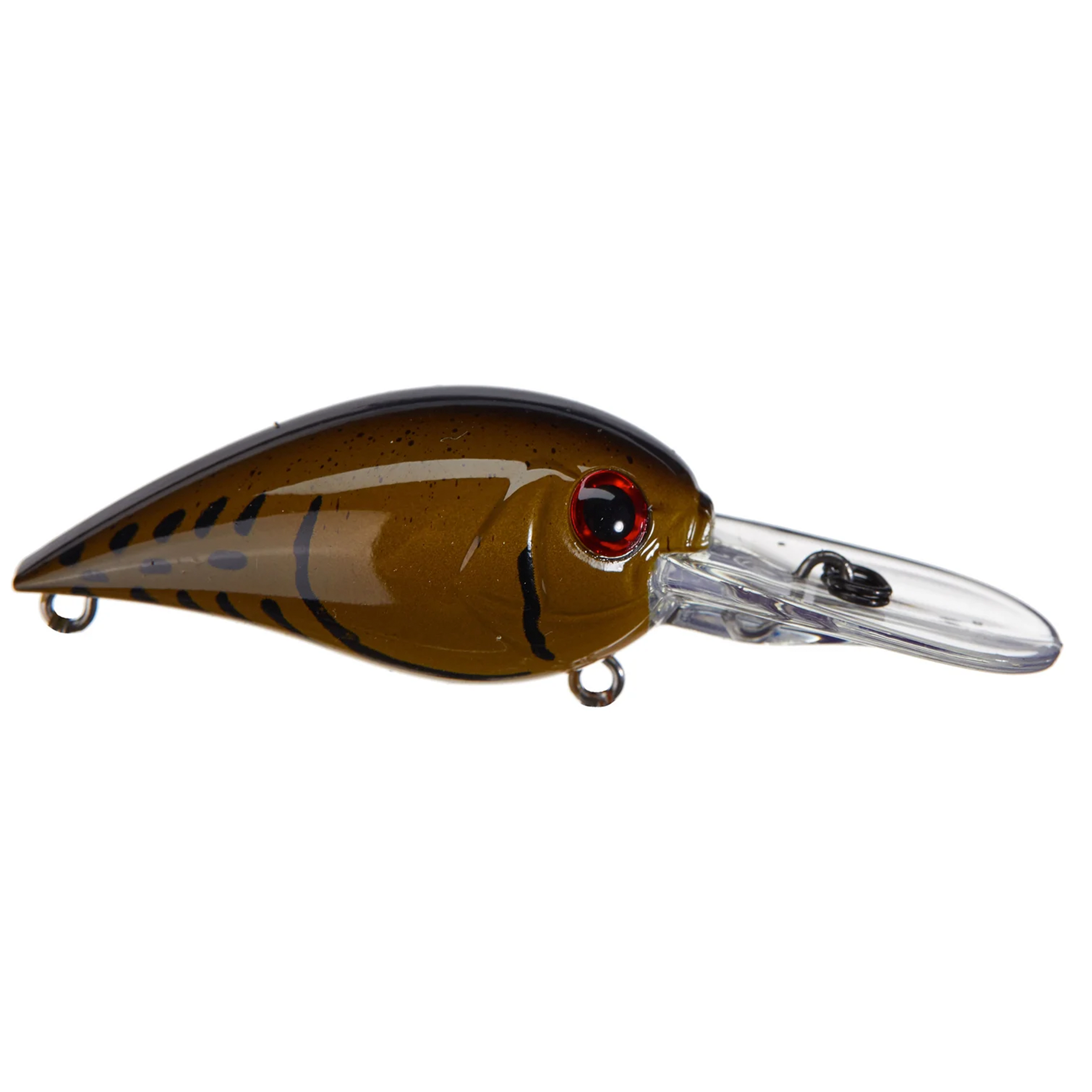
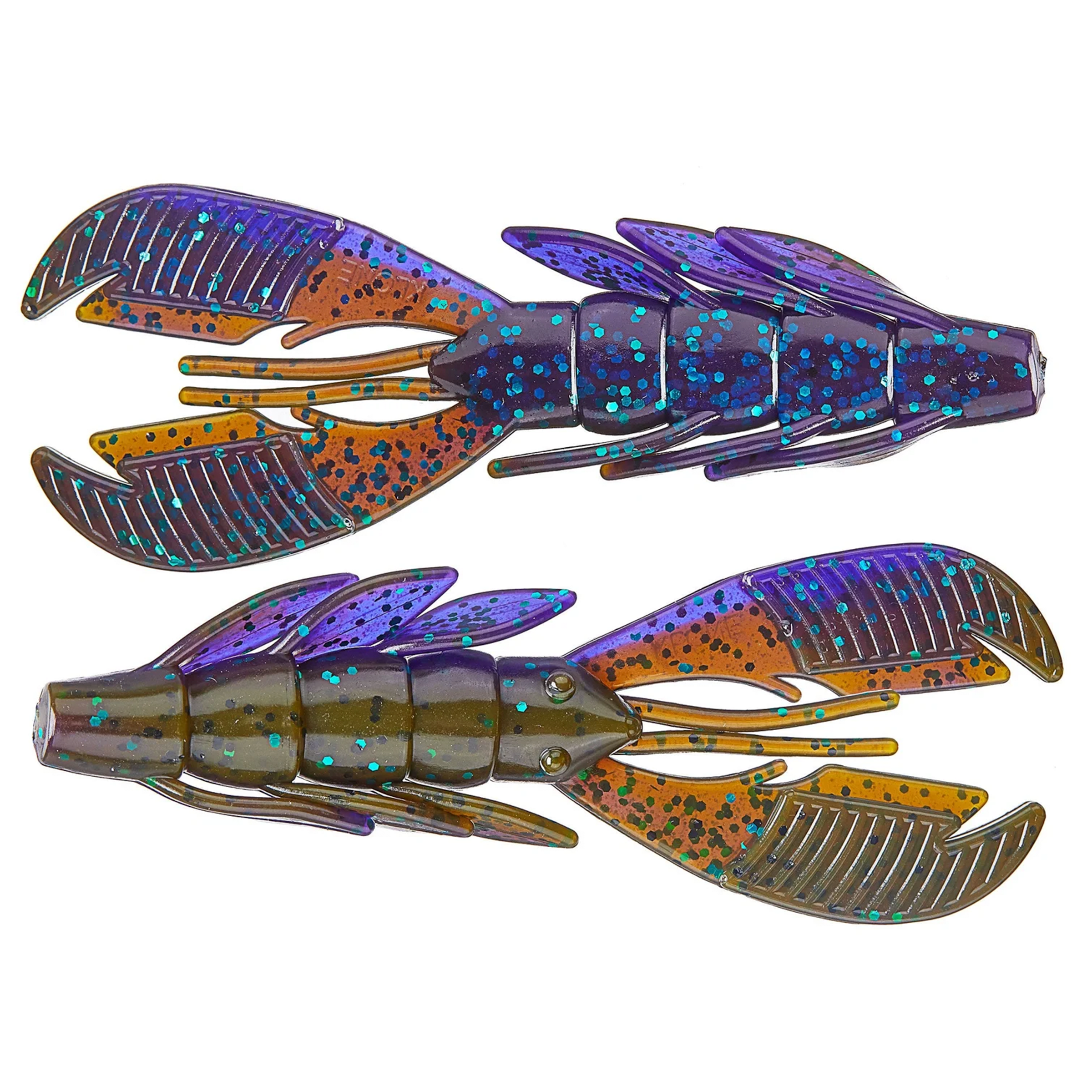
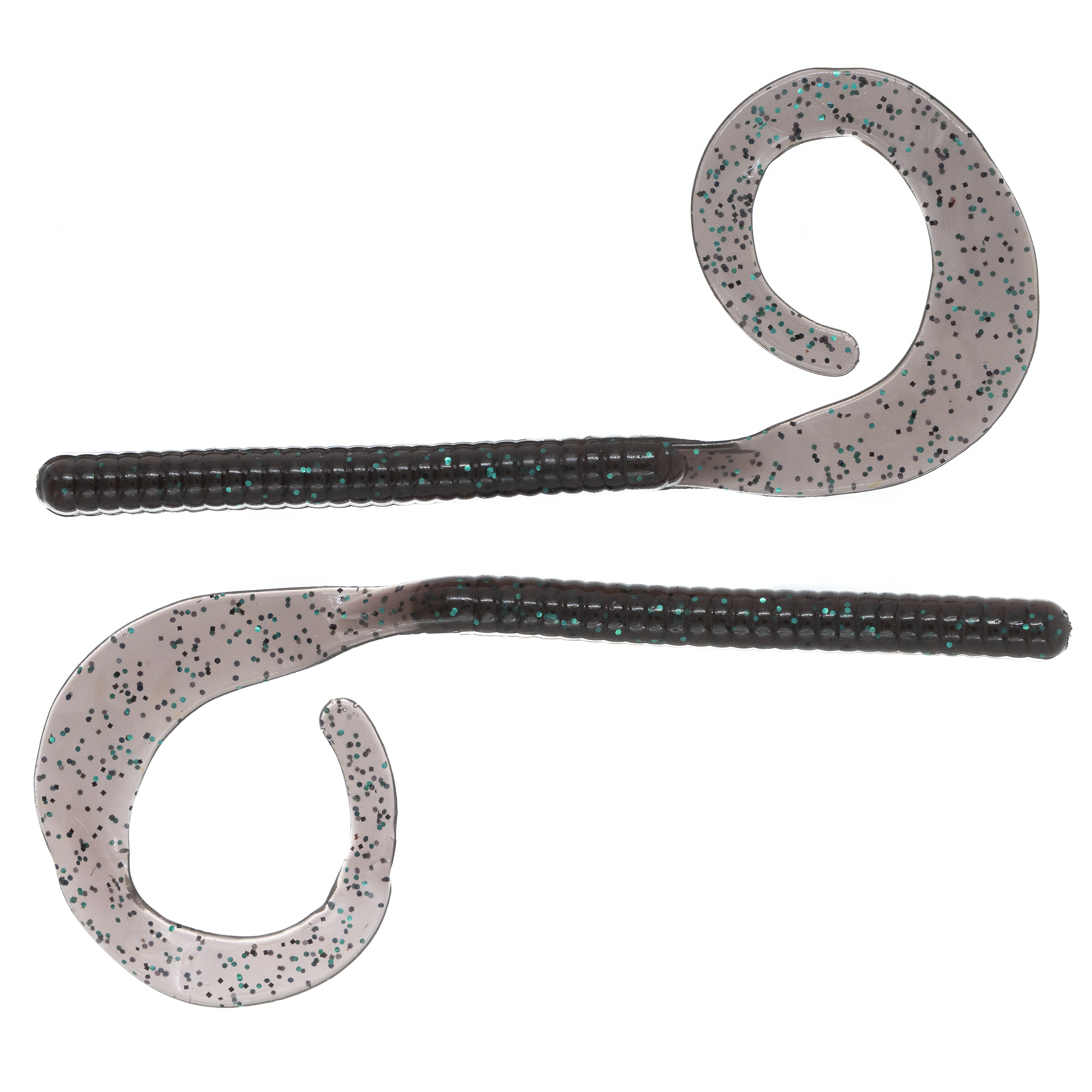
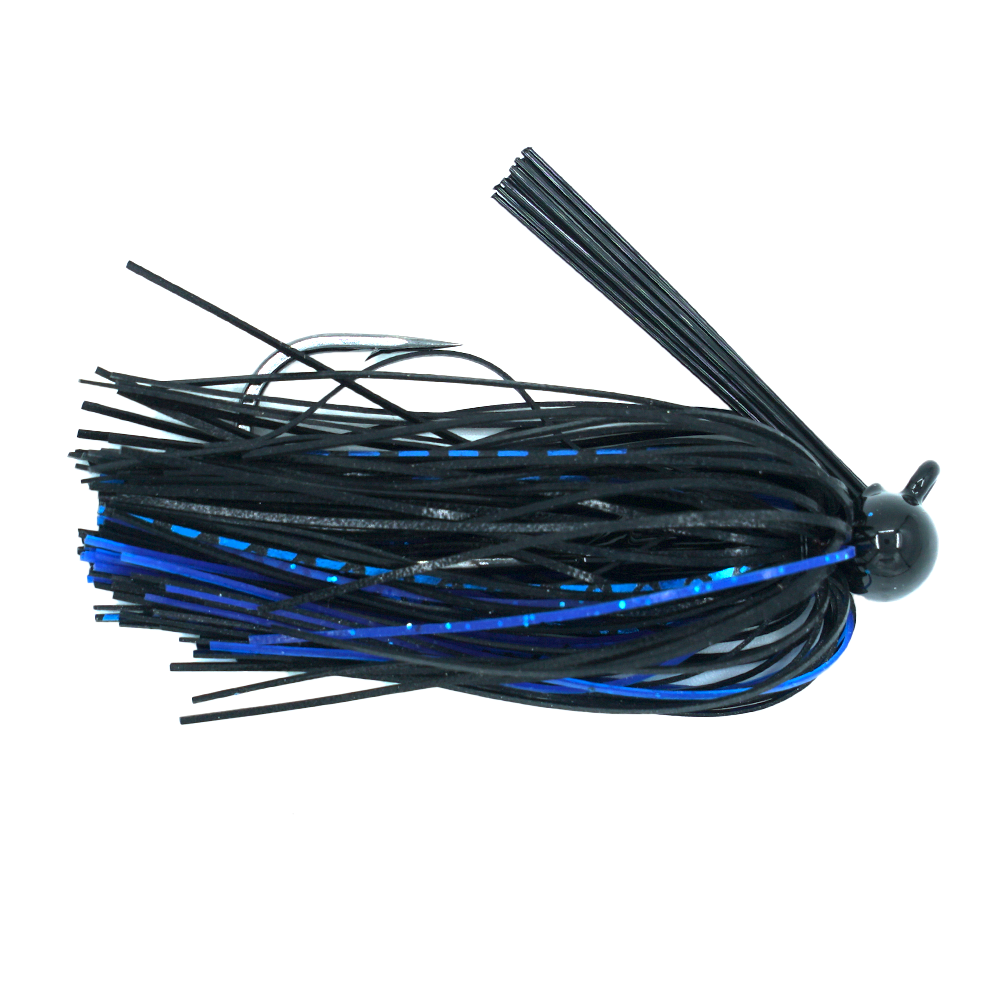
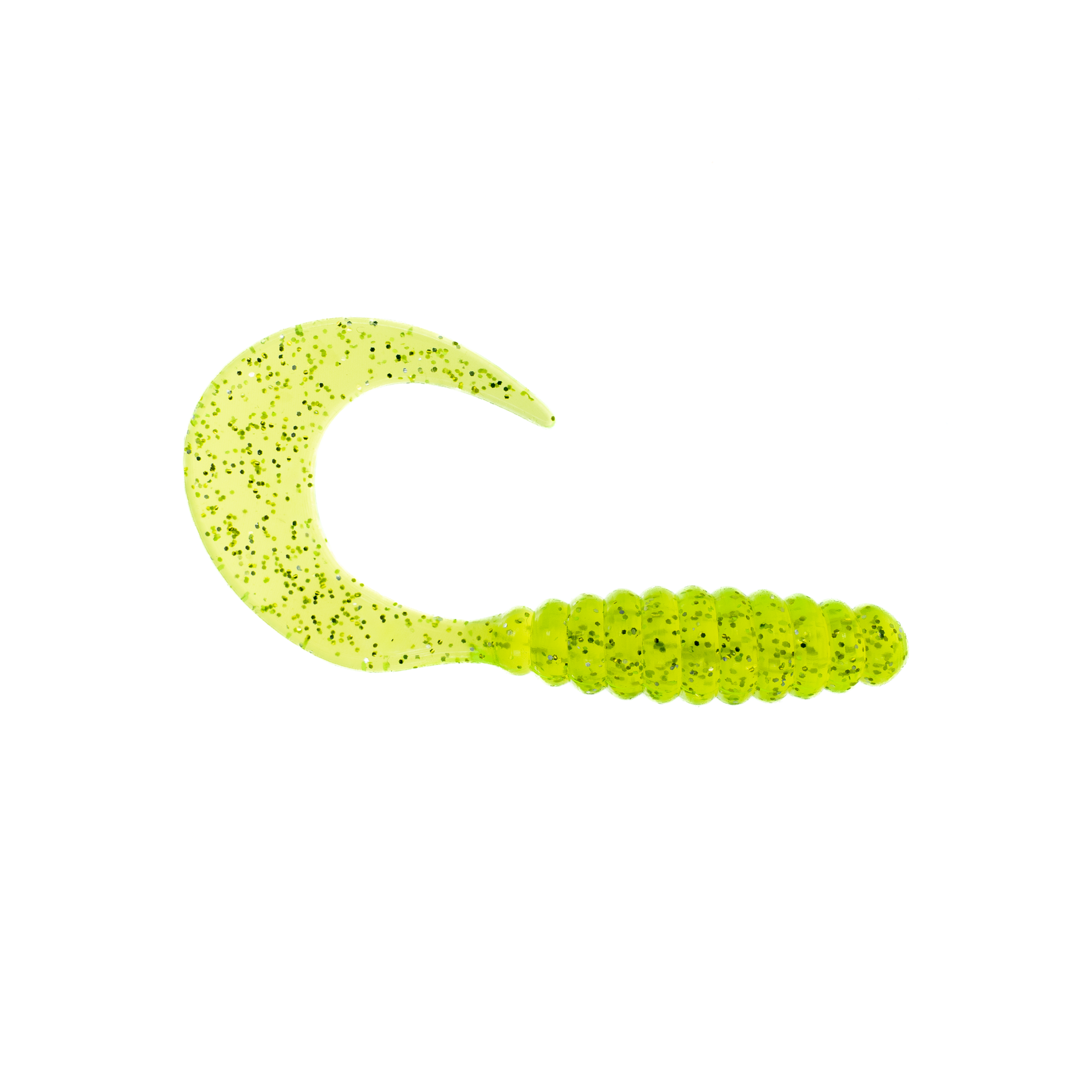
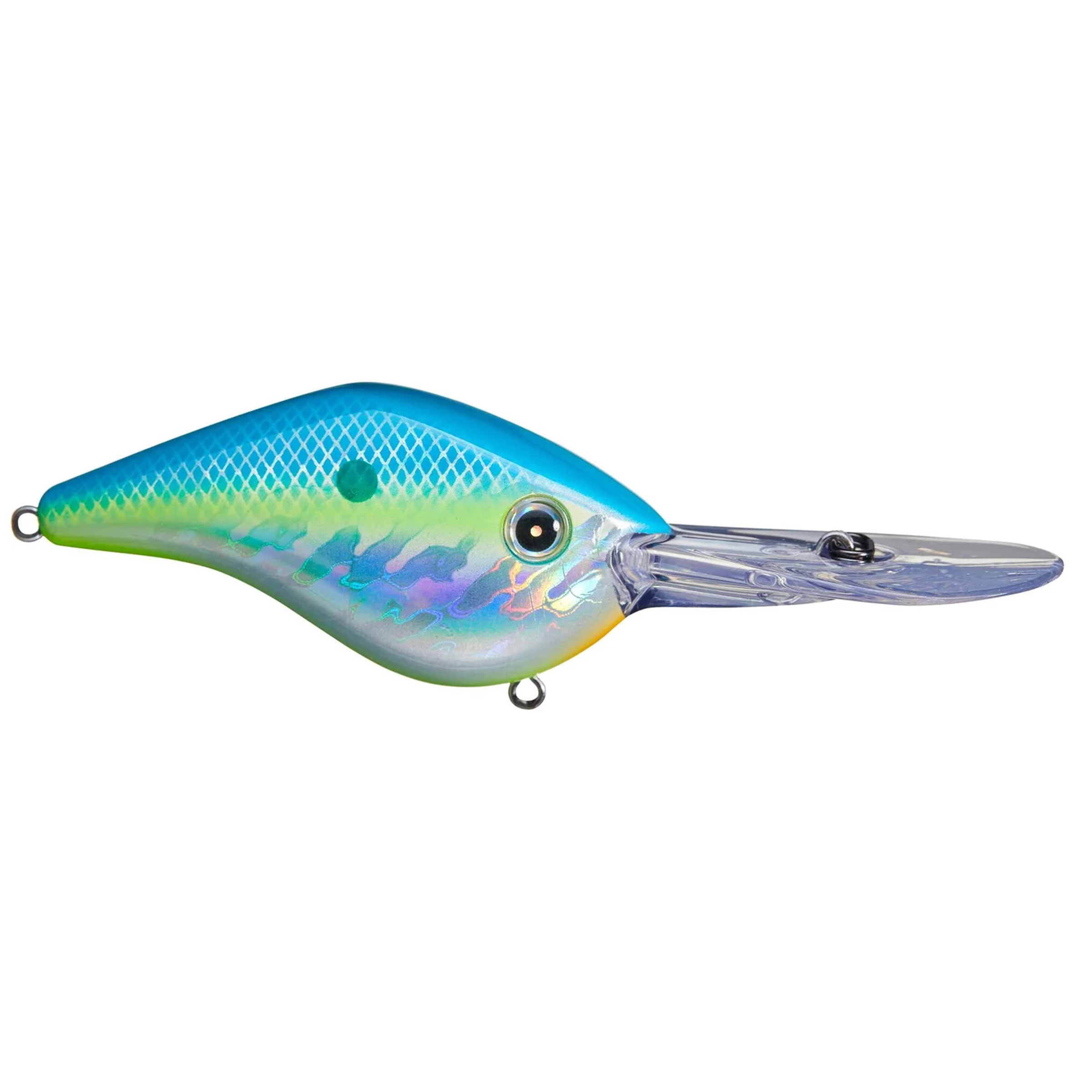
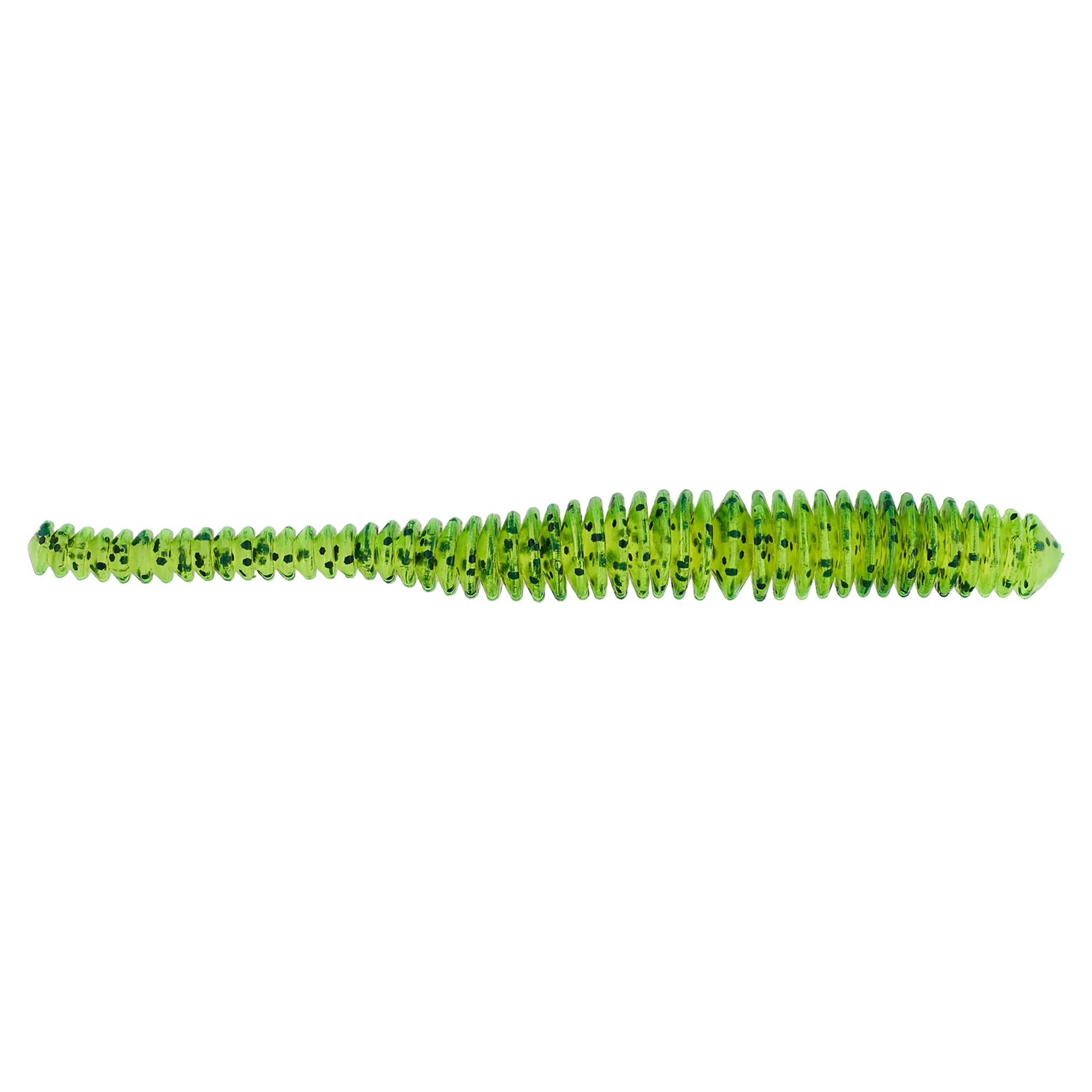
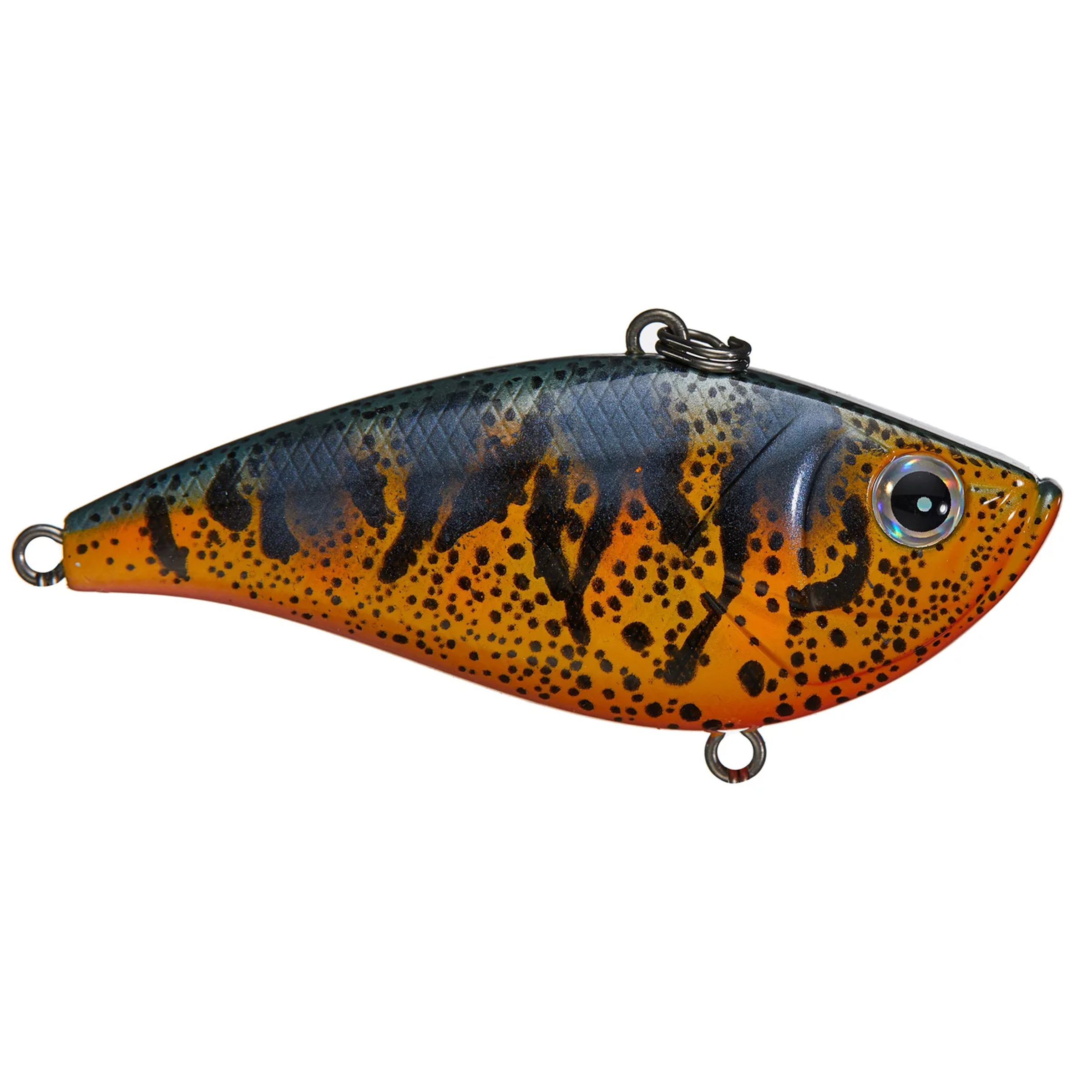
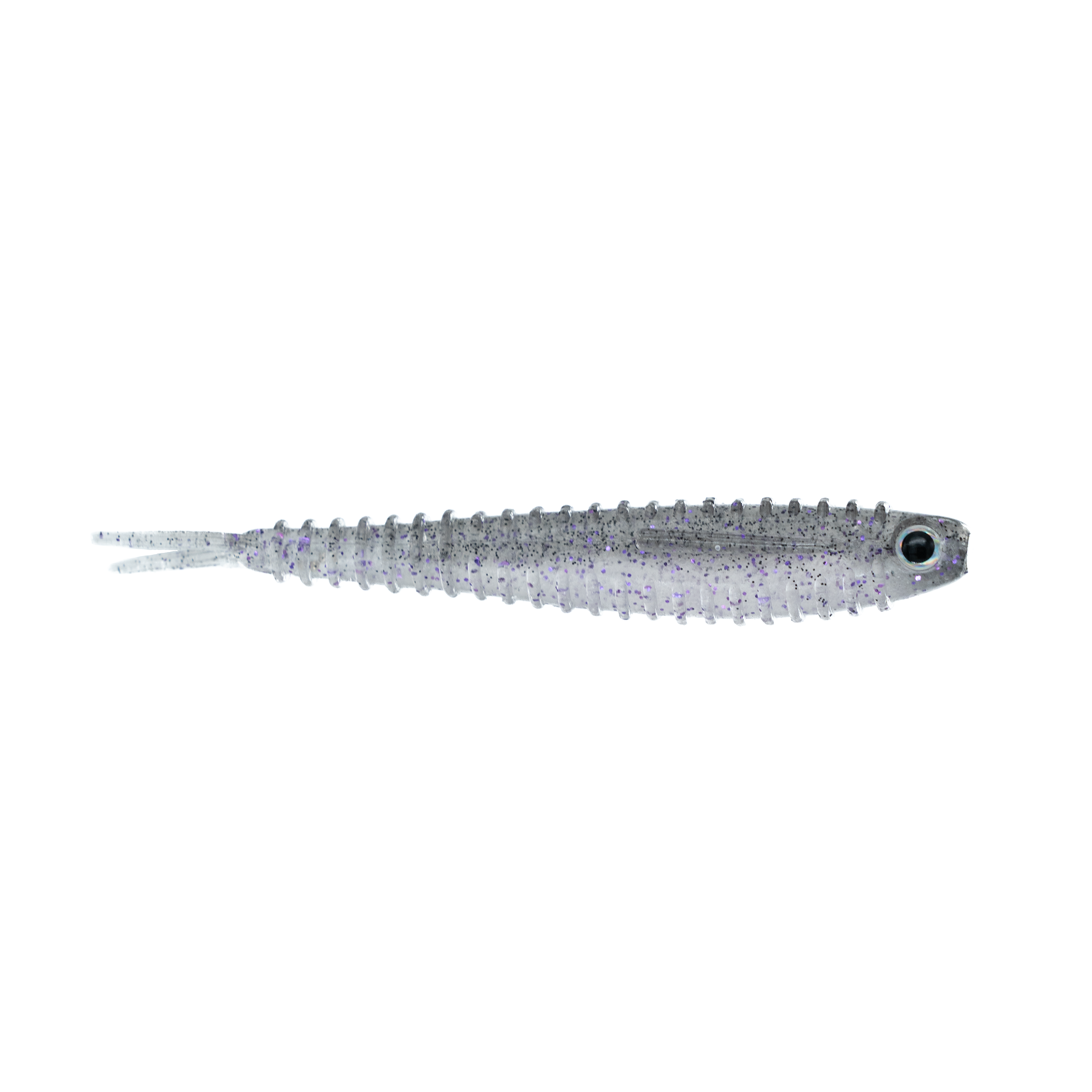
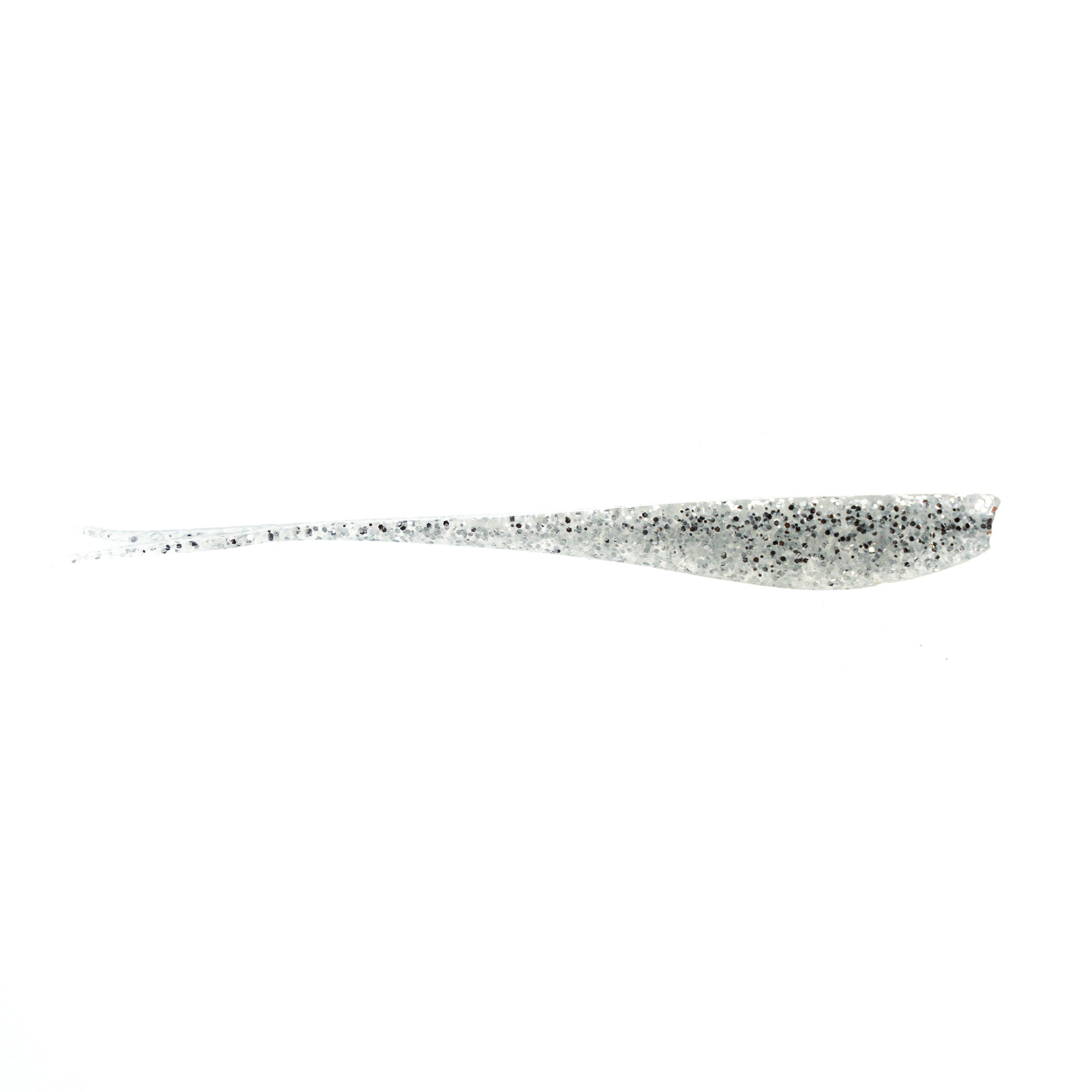
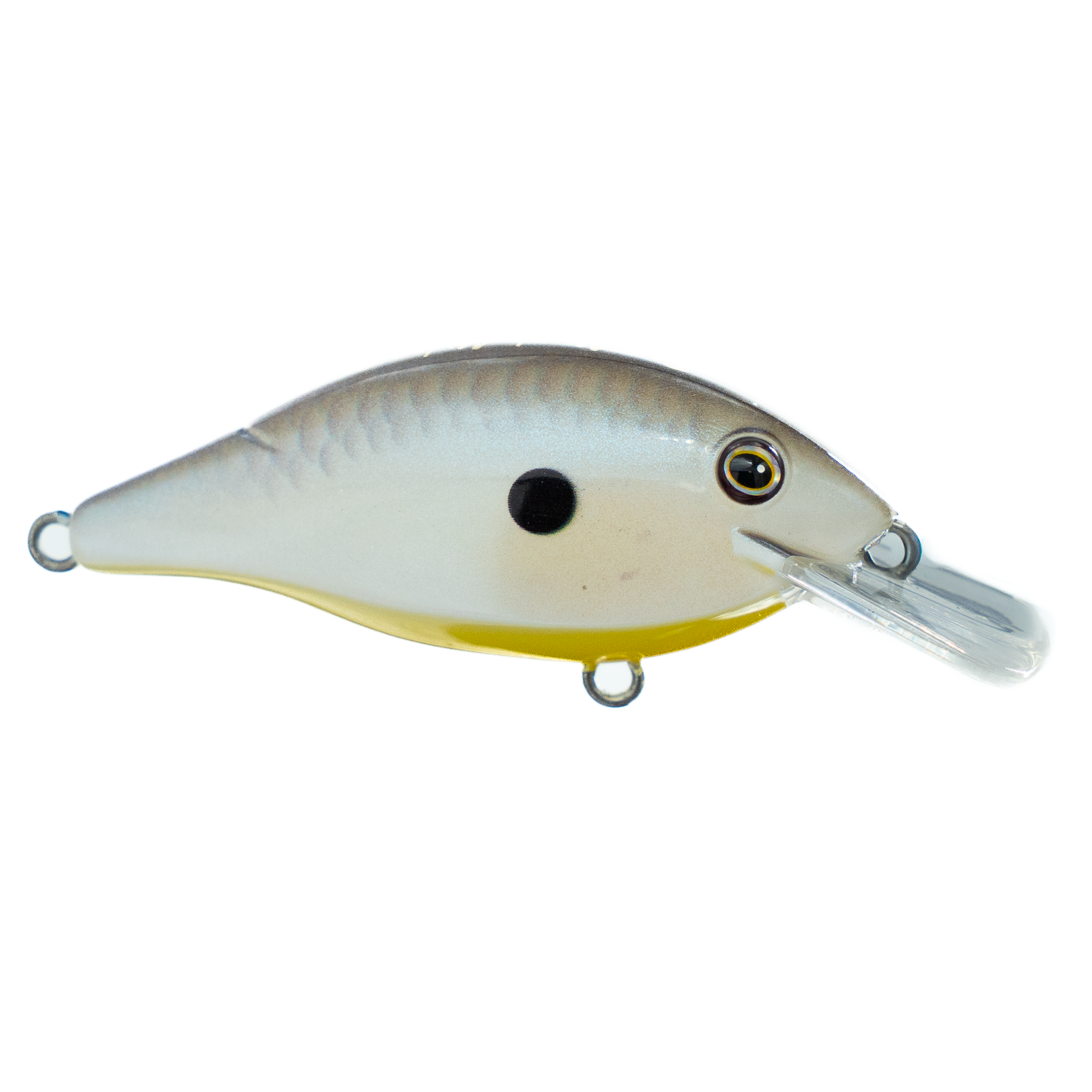
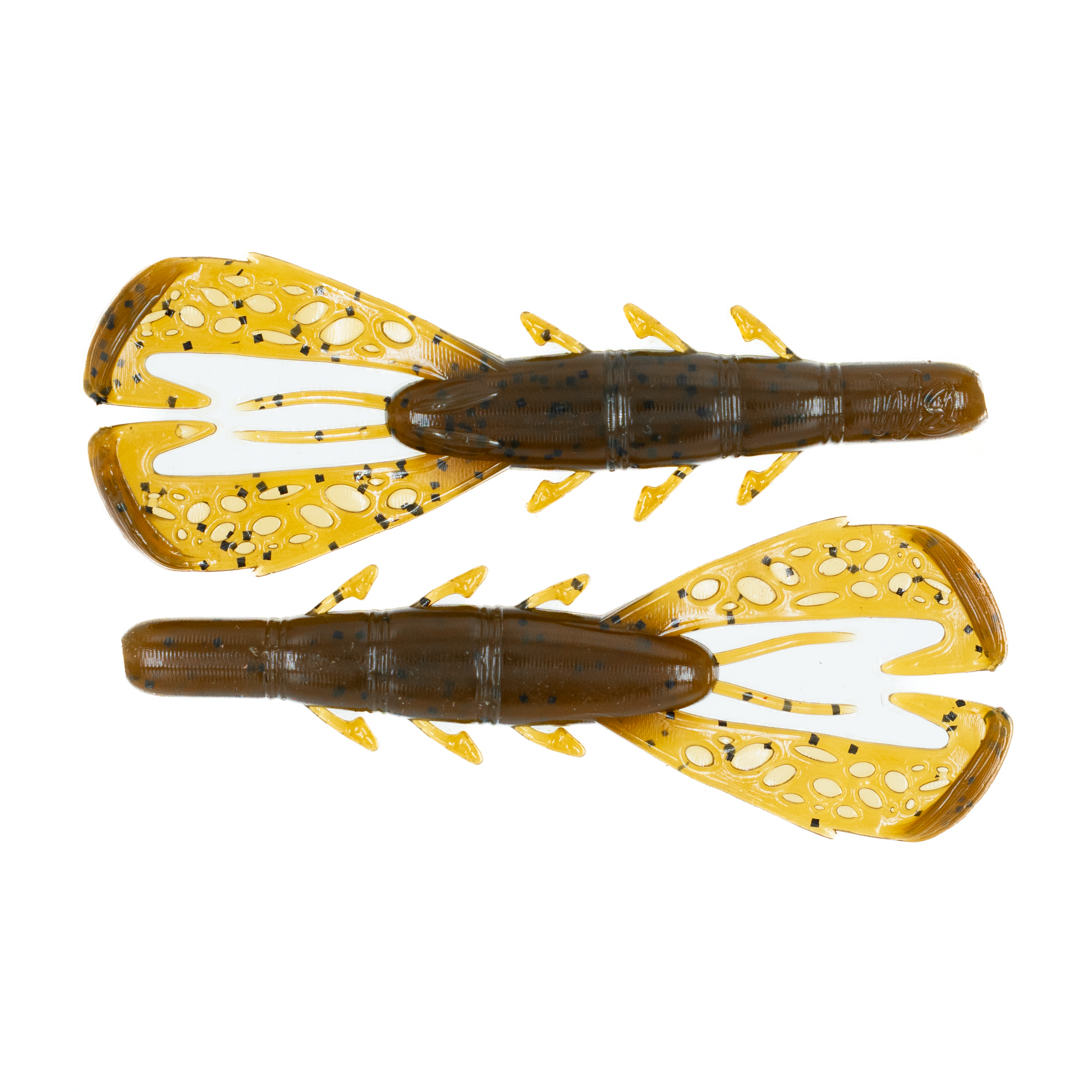
Four patterns cover the year. Each one pairs the technique with the baits we'd actually tie on.
Texas Spawns Here First
If you want a jump on the Texas spawn, this is where to get it. The long south Texas warm-water season starts the spawn earlier than anywhere else in the state, with prespawn activity often underway in January and spawning through February and March. Fish move onto the flooded brush and the shallower flats.


Deep Rock and Very Early Starts
South Texas summer heat is extreme and the fishing compresses into first light and after dark. Fish move to deeper structure — rock, points, the old Rio Grande channel and whatever brush sits in deeper water. Water clarity is usually good, which pushes them deeper still.

Cooling Down, Moving Up
Autumn brings temperatures back to something reasonable and the fish move up onto the brush and points behind the bait. This is the second-best fishing window of the year here and considerably more comfortable than spring's competition or summer's heat.

Prespawn Starts Early
Winter here barely qualifies as one by the standards of the rest of this site. Prespawn staging can begin in December and January, and the big-fish window opens well before it does anywhere else in Texas. Cold fronts move fish but the water does not stay cold for long.
Falcon Lake Access
Ramp availability depends entirely on current lake level and is the practical constraint on fishing Falcon. Falcon State Park near Roma provides the main public access when water permits. Check current levels and ramp status before towing a boat this far south.
The Flooded Brush
When water is up, the brush that grows in the exposed basin during low years becomes the best cover on the lake. This is the classic Falcon pattern and the reason high-water years here produce legendary tournament weights.
The Rio Grande Channel
The old river channel running the length of the reservoir, holding the deepest water and giving fish somewhere to go in heat and cold. The reliable structure when the shallow cover is out of the water.
The Rocky Points and Ledges
South Texas rock, holding fish through summer and winter. Less glamorous than the brush but far more dependable across the water-level cycle, since rock does not disappear when the lake drops.
Falcon Lake Bass Fishing FAQ
Can you fish Falcon Lake right now?
Check the lake level and ramp status before anything else. Falcon covers about 78,300 acres at normal level but has been as low as roughly 23,000 acres during drought, and when it drops, ramps close. The fish are still there in low water — access is the constraint, not the fishing.
Is the fishing bad when the water is low?
Not necessarily. Local anglers are consistent on this point: low levels concentrate fish into less water and the fishing can be excellent. The issue is getting a boat onto the lake. Falcon, Amistad, Choke Canyon, Medina and Canyon have all faced the same problem.
How big is Falcon Lake?
About 78,300 acres at normal level with a maximum depth of 110 feet, and around 87,000 acres at full conservation pool. It sits on the Rio Grande in Zapata and Starr counties on the Texas–Mexico border, impounded in 1954.
When do bass spawn on Falcon Lake?
Earlier than anywhere else in Texas. The long south Texas warm-water season means prespawn activity often starts in January with spawning through February and March. If you want to get a jump on the Texas spawn, this is the lake for it.
What happened to the striped bass?
They are effectively gone. A combination of commercial netting pressure and summer fish kills during low-oxygen periods wiped out the striper fishery years ago. Crappie and white bass populations were also sharply reduced. Catfish — channel, blue and yellow — remain excellent.
What makes Falcon's big-fish reputation?
Long warm-water growing seasons, Florida-strain genetics and the flooded brush that appears when the lake rises after a low period. High-water years on Falcon have produced some of the heaviest tournament weights in Texas history.
What baits work best on Falcon Lake?
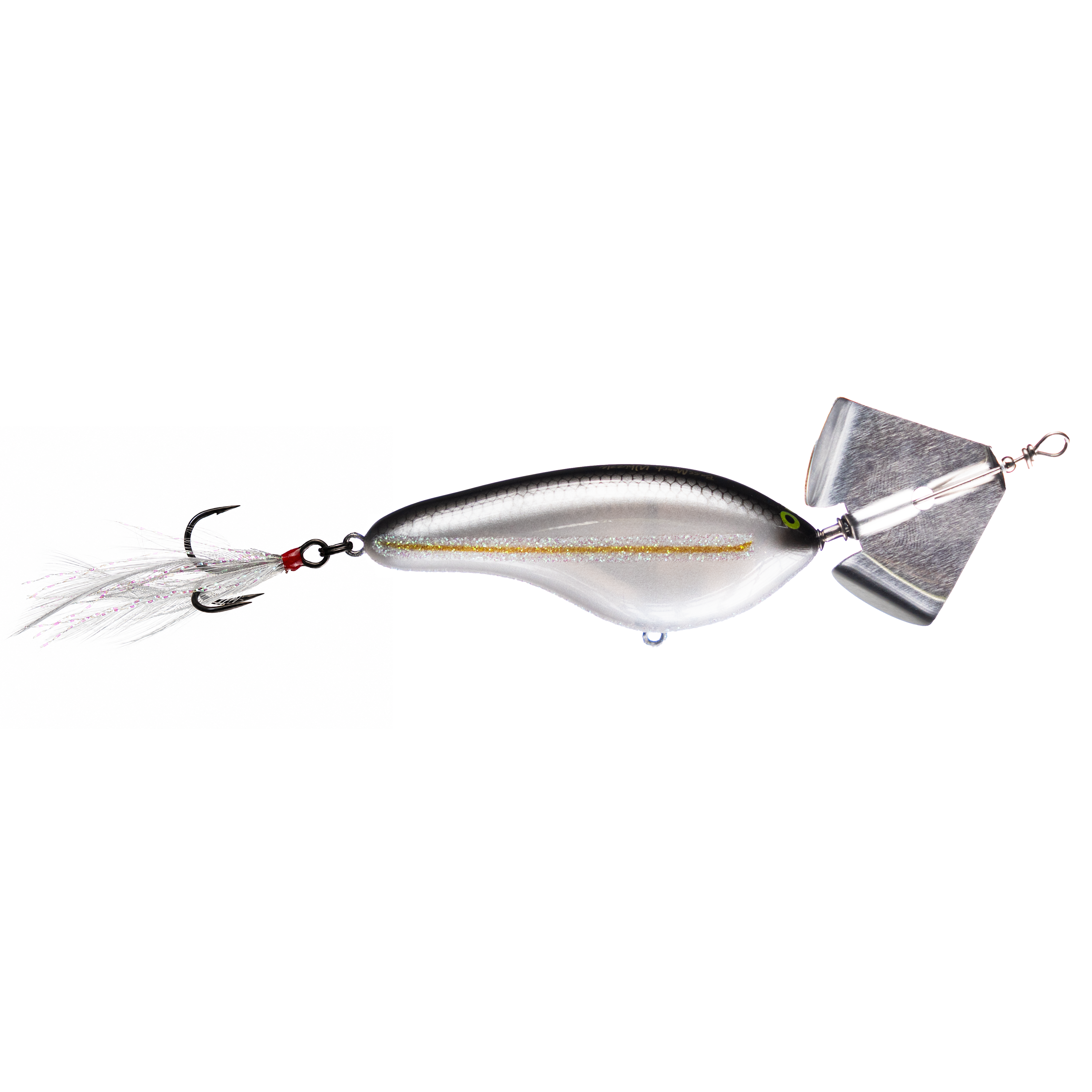
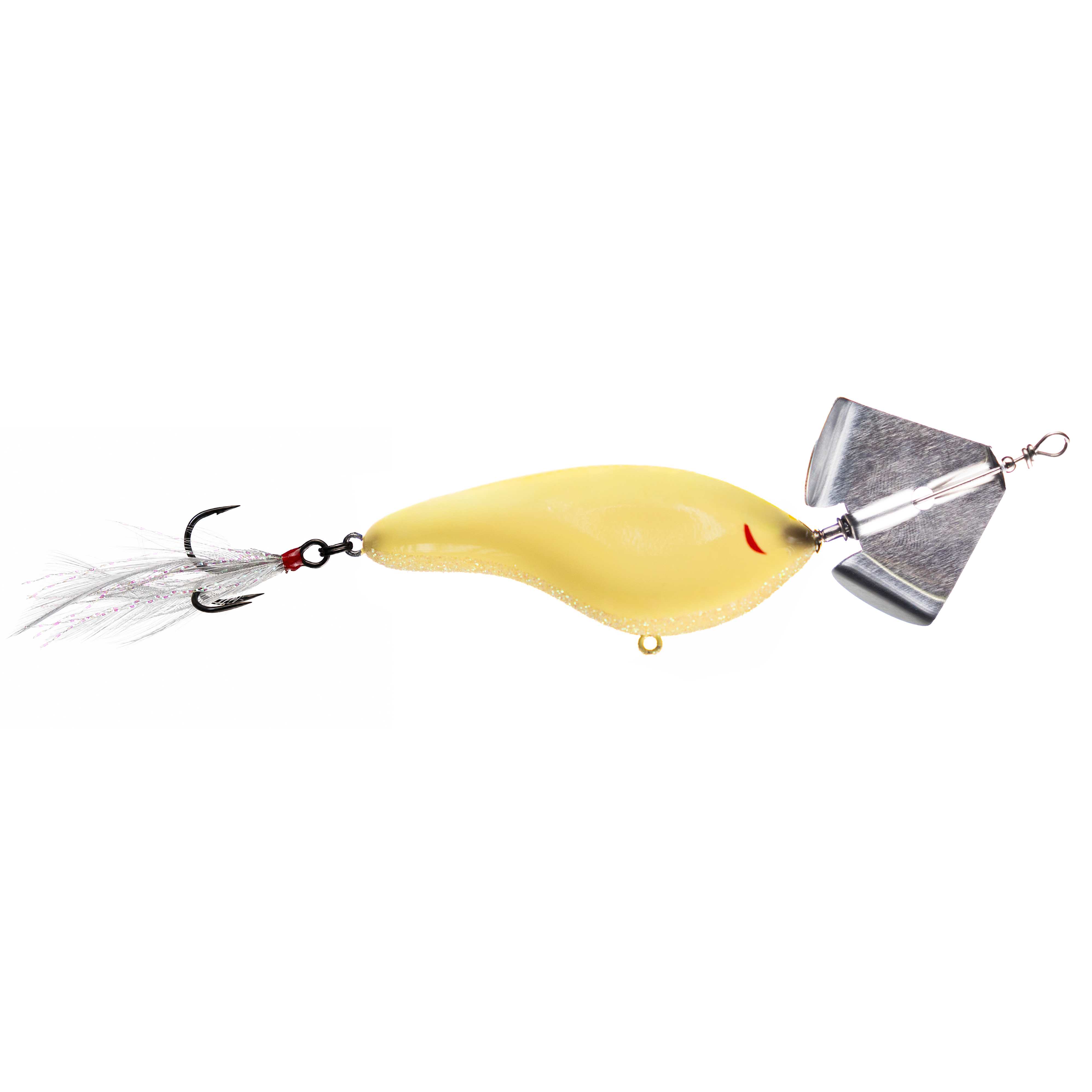
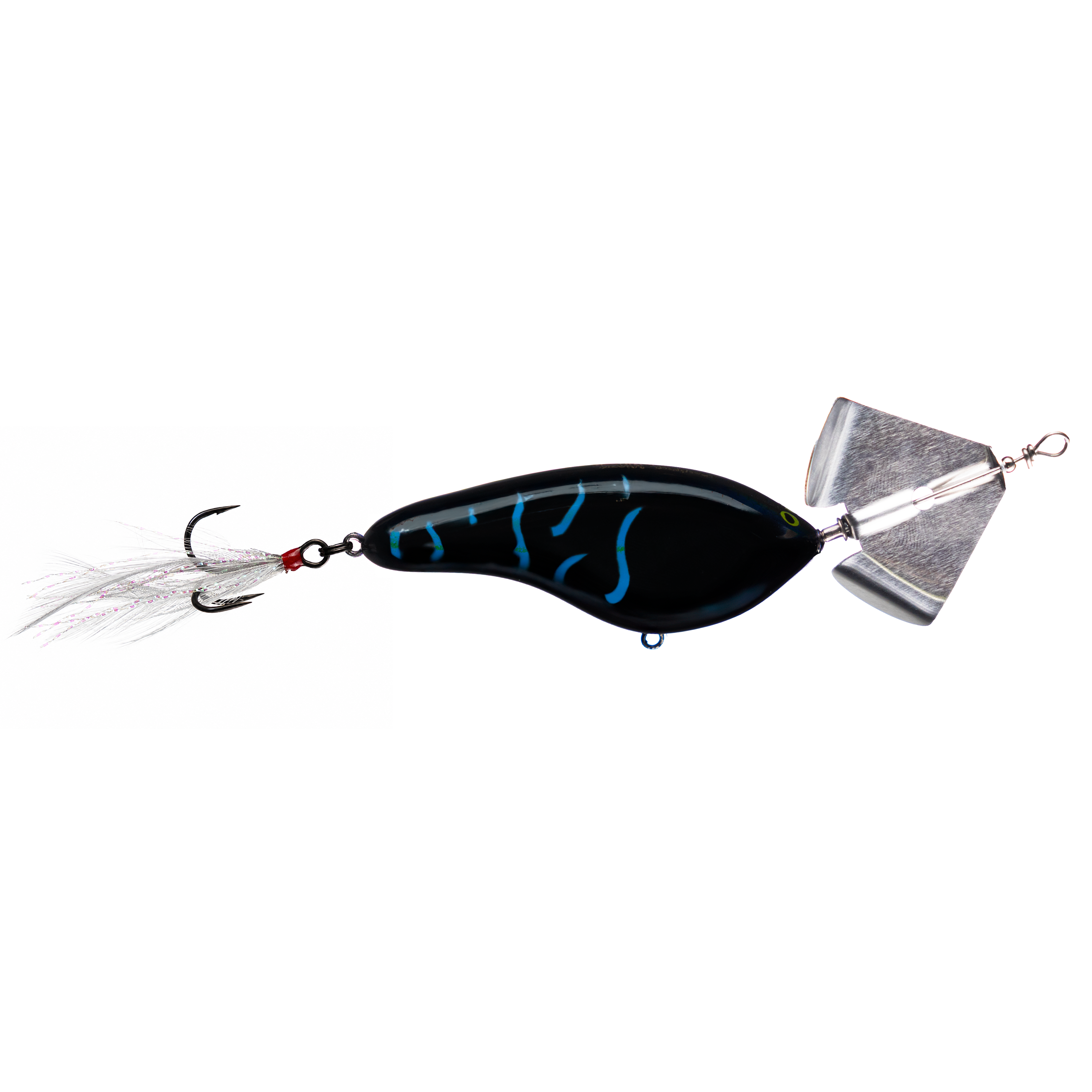
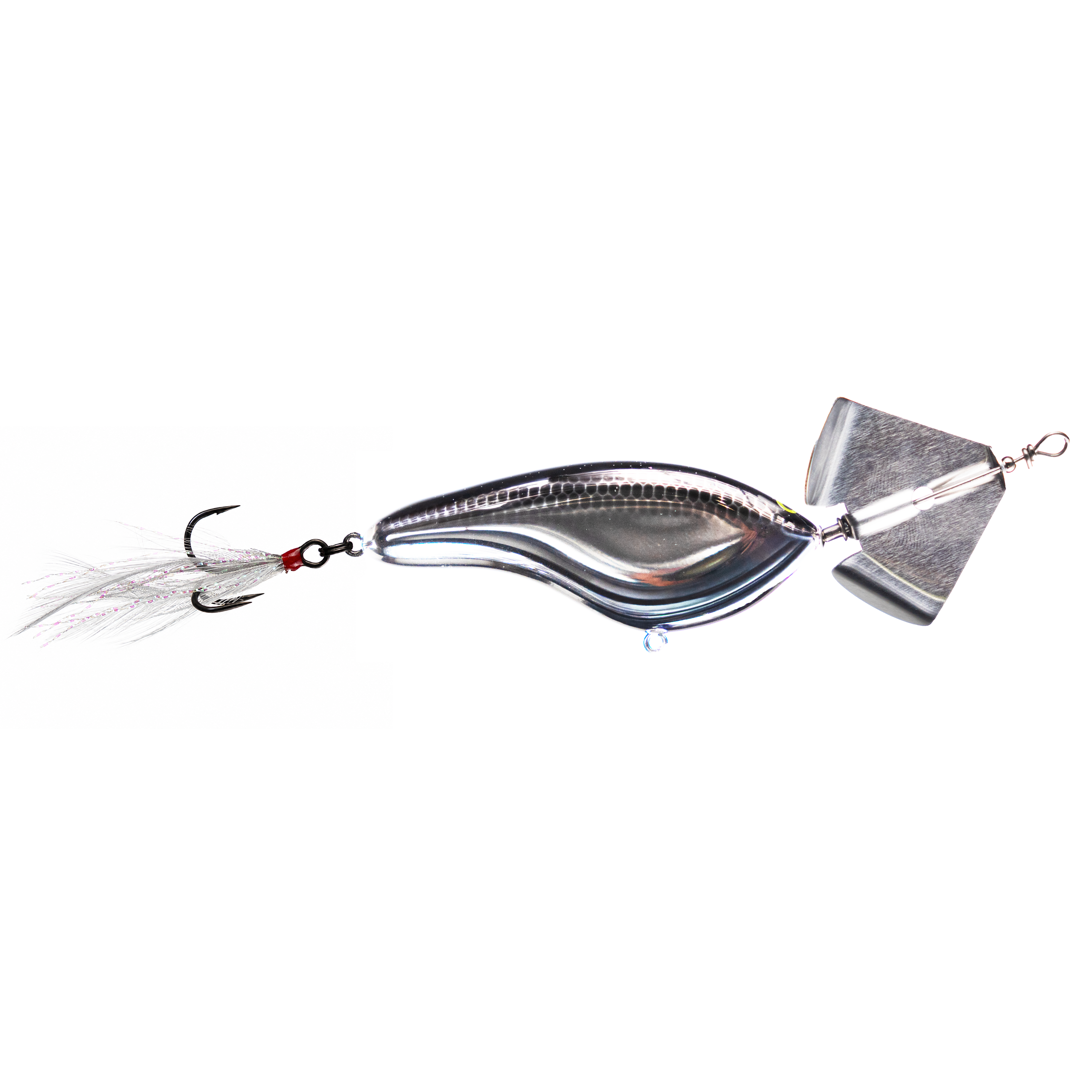
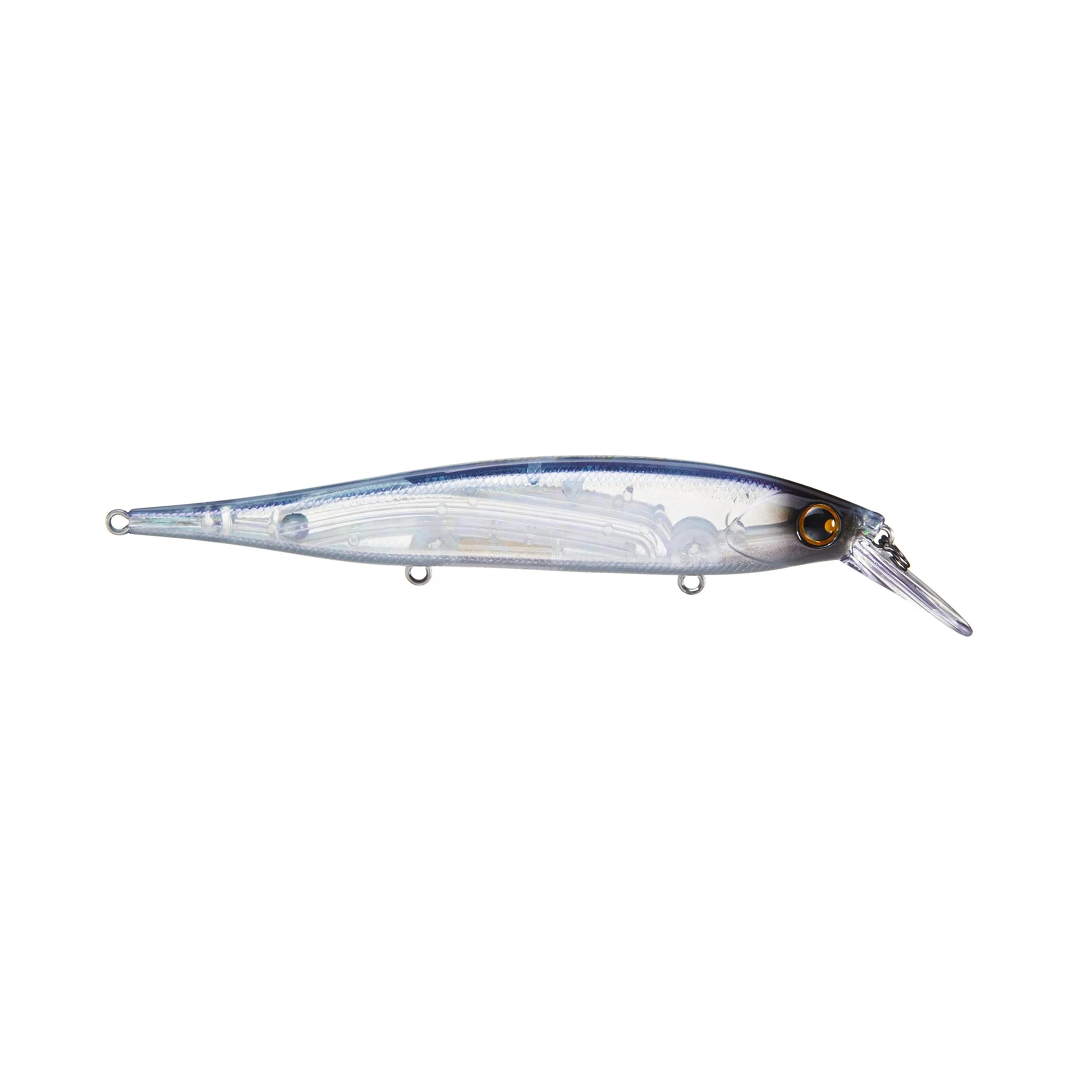
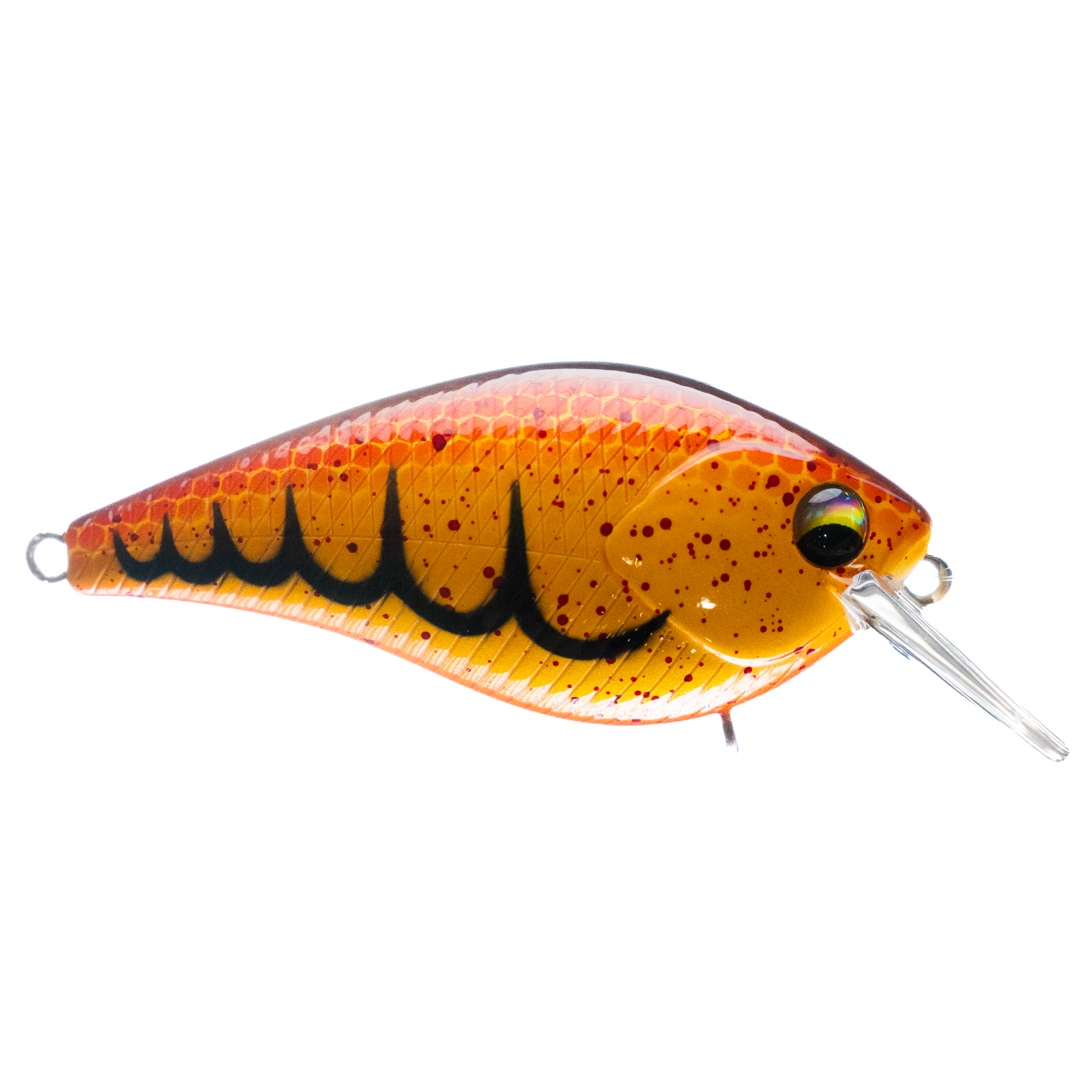
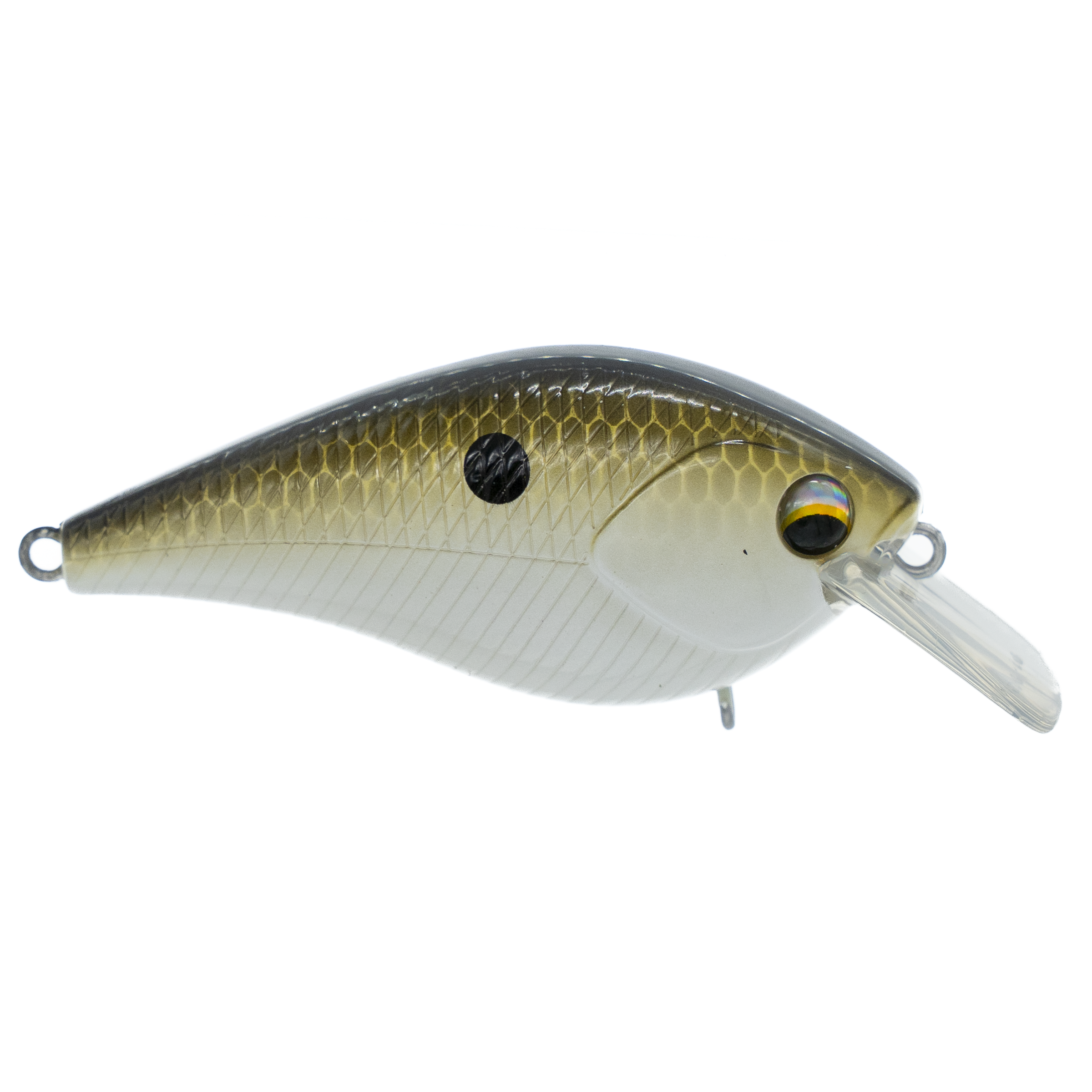
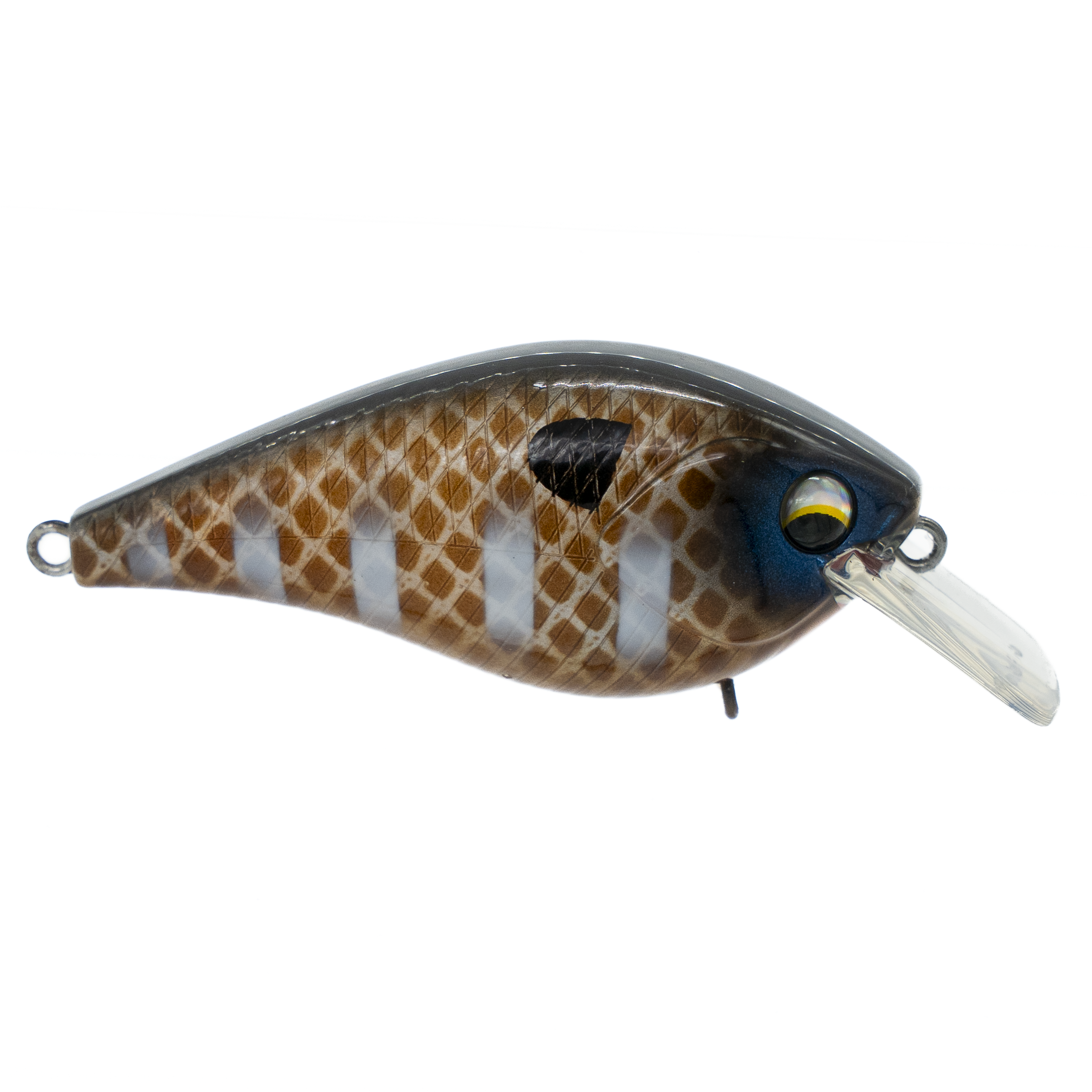
Texas-rigged plastics and creature baits through brush, bladed and swimming jigs where there is room, football jigs and Carolina rigs on deep rock in summer, and moving baits in autumn. Our full bait lineup covers all four seasons.
Do I need a fishing license?
Yes, a Texas fishing license with a freshwater endorsement from Texas Parks and Wildlife. Falcon is an international reservoir shared with Mexico — fish the US side unless you have made the appropriate arrangements, and be aware of the border context when planning.
Brush, and Big South Texas Fish
Pulling an eight-pounder out of flooded brush in three feet of water is a short, violent argument. Level Rods builds heavy models with the backbone to win it in the first second, because on this lake the second second usually belongs to the fish.
Tournament Winning Baits & Gear
Designed, crafted and tested by anglers who fish heavy cover every week. Free shipping on orders over $75.
Shop All Baits