
El Dorado Lake Bass Fishing Guide
El Dorado Bass Fishing, Season by Season
Eight thousand acres east of Wichita with ninety-eight miles of shoreline, rocky points, standing timber and one of the largest state parks in Kansas wrapped around it. El Dorado is the name that comes up most often when Kansas anglers argue about the state's best bass lake.
Kansas's Most Argued-Over Lake
El Dorado Lake covers roughly 8,000 acres in Butler County, east of Wichita, with about ninety-eight miles of shoreline. The surrounding state park is among the largest in Kansas, which means public access is genuinely good rather than a formality.
It appears on essentially every list of the state's best bass water, and among Kansas anglers who argue about such things it is usually one of the first three names mentioned. Largemouth, smallmouth and spotted bass are all present.
The habitat is rocky points and shoreline, standing timber, brush, riprap and creek arms, with the old channel running through. There is limited vegetation compared with the southern lakes covered on this site, so structure and hard cover do the work that grass does elsewhere.
Wind is a real consideration and it applies to every Kansas reservoir. These are open prairie lakes with long fetch and very little shelter, and a breezy afternoon can put half the water out of reach. It also concentrates bait and fish on the windblown banks, so learning to use it rather than hide from it is most of the skill here.
The lake is stocked with rainbow trout through the winter, which gives it a second season and draws a different crowd. That has no bearing on the bass but it does mean the ramps see traffic year round.
Kansas does not close black bass season, but many reservoirs carry lake-specific length limits that differ from the statewide rule. Check the current Department of Wildlife and Parks regulations for this water before you go.
Rock, Timber and Wind
Four patterns cover the year. Each one pairs the technique with the baits we'd actually tie on.
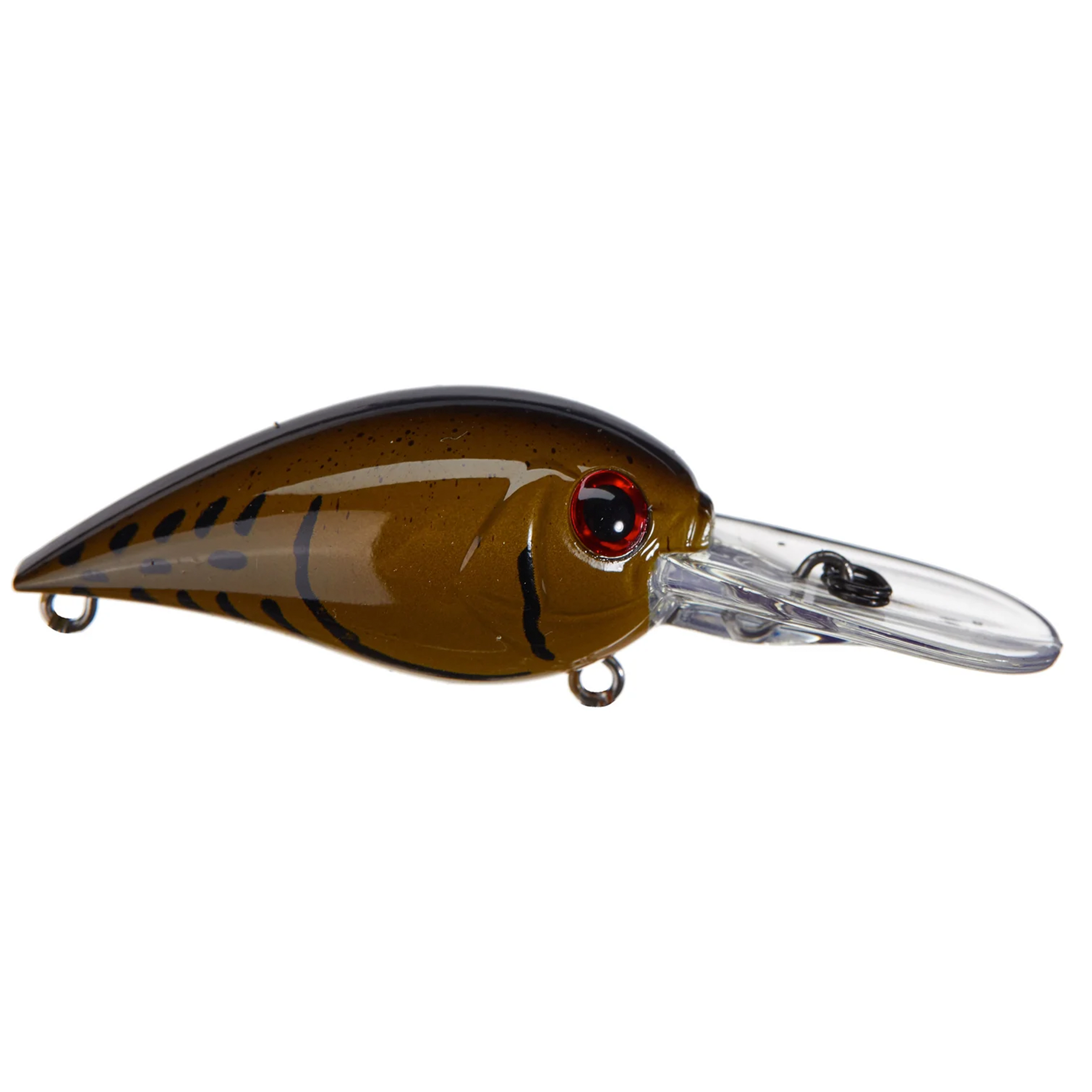
Rock Warms First
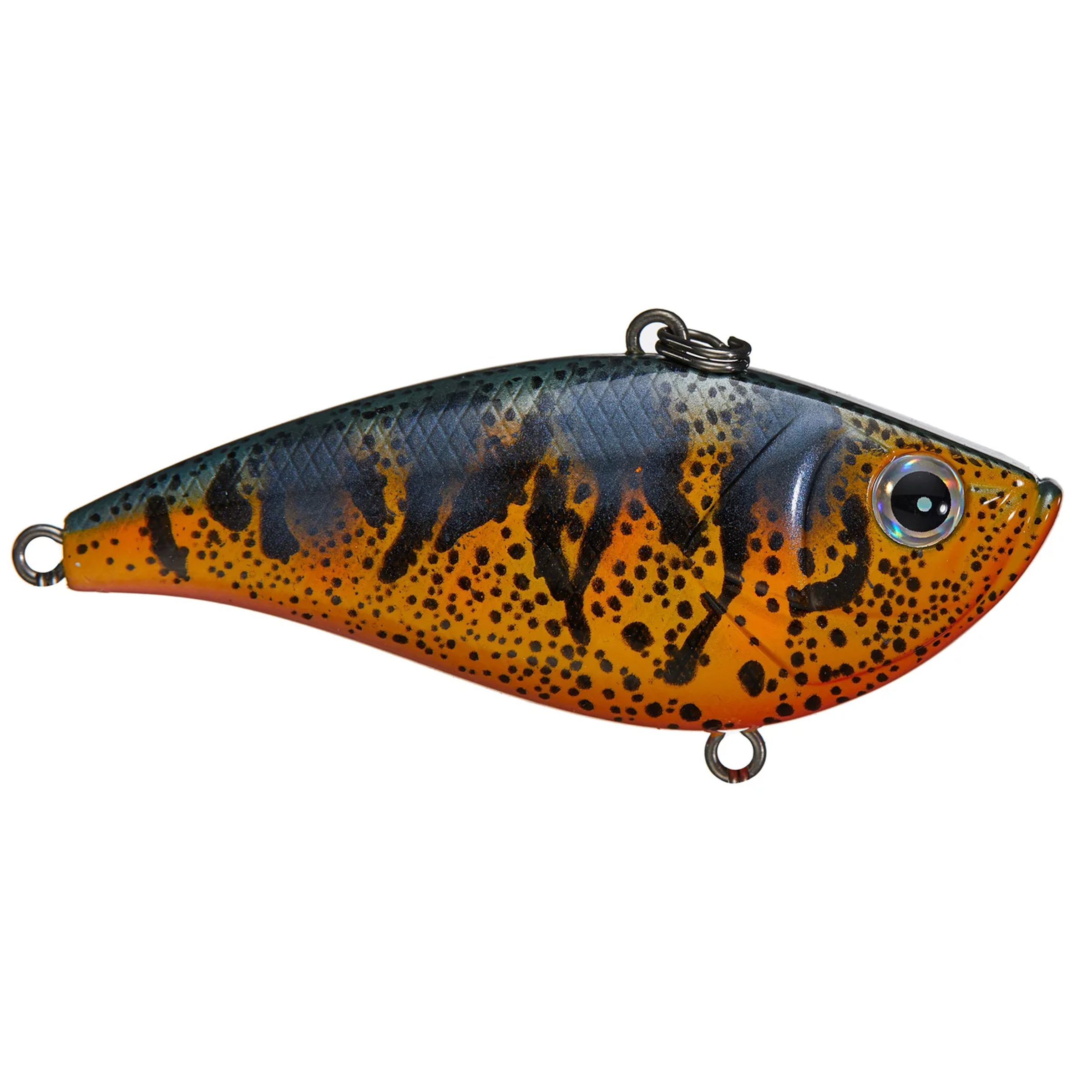
Spring warms the rocky banks and the shallower creek arms first, and all three bass species move up onto them. Kansas spring is short and volatile — a warm week can put fish shallow and a cold front can pull them straight back out again. Watch water temperature rather than dates.


Timber, Depth and Early Starts
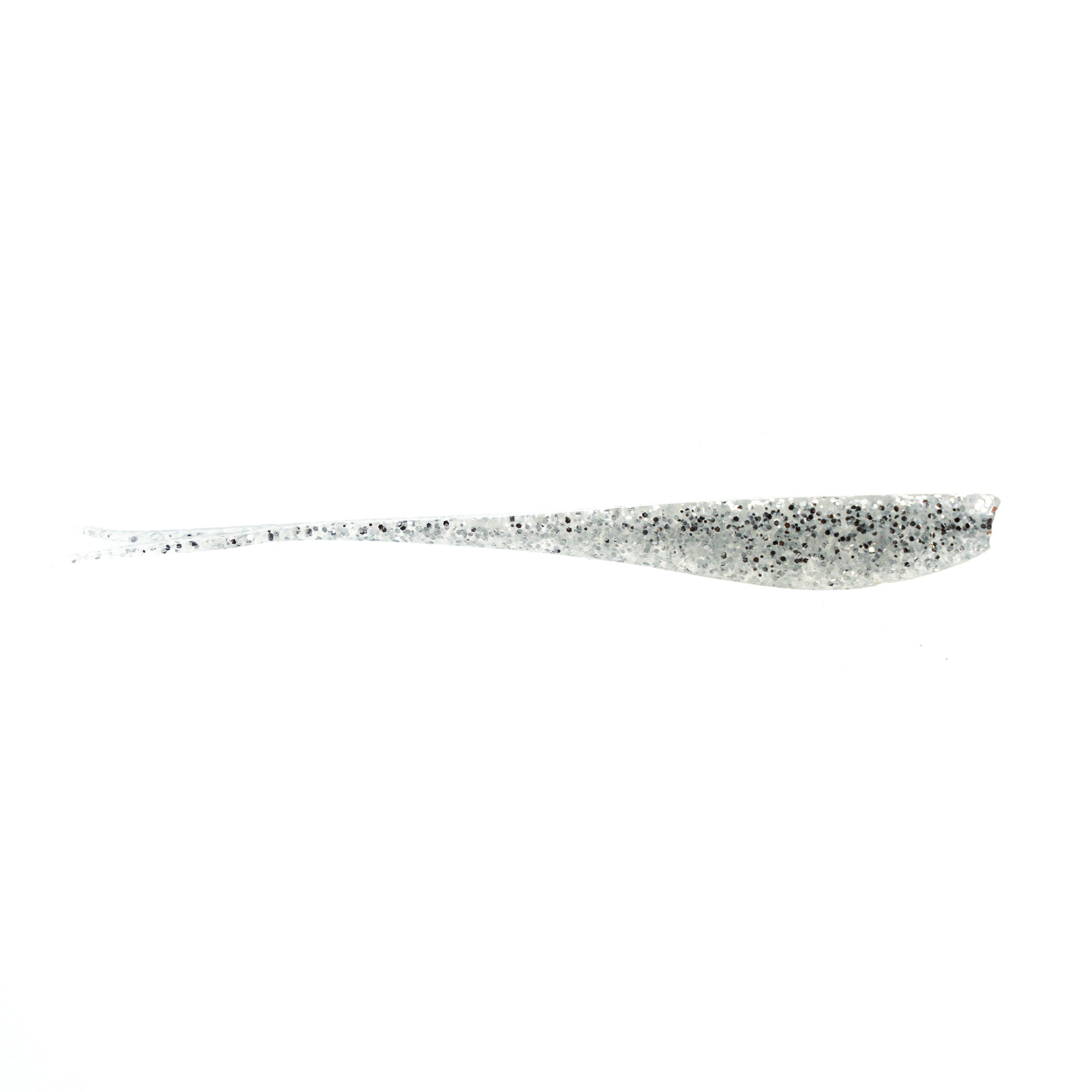
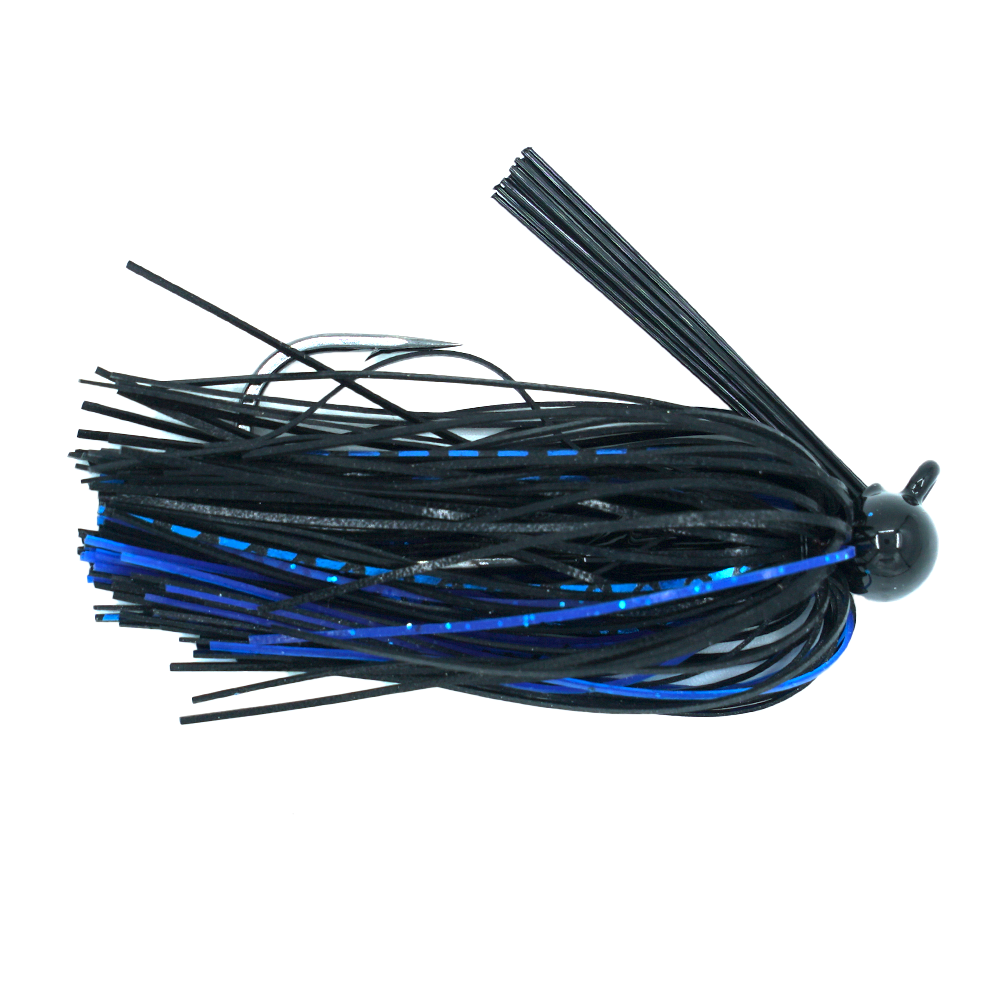
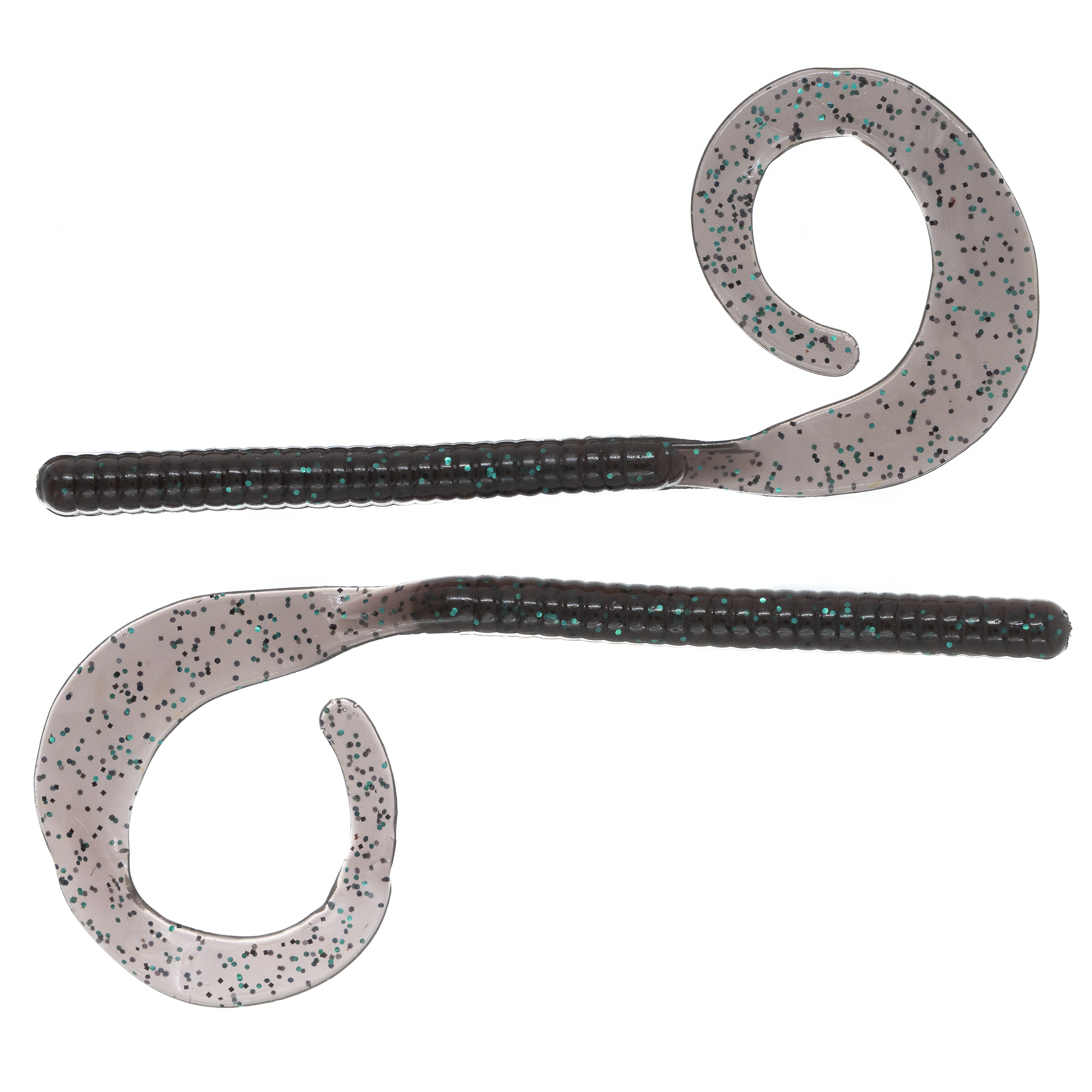
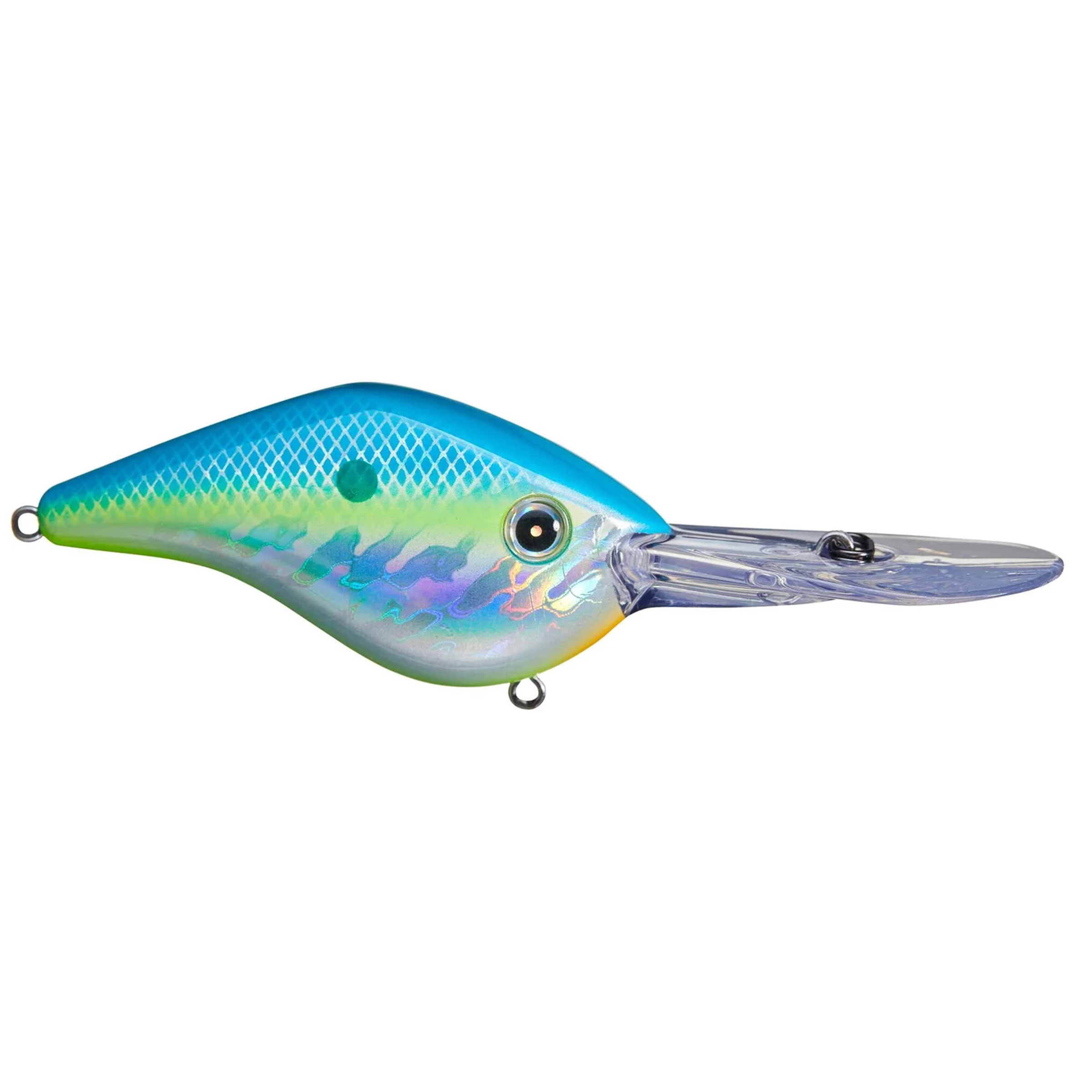
Summer moves fish onto the standing timber, the deeper rock and the channel edges. Kansas heat is serious and the lake carries recreational traffic from Wichita through the warm months, which pushes the productive fishing into the early and late windows.
Shad Into the Arms
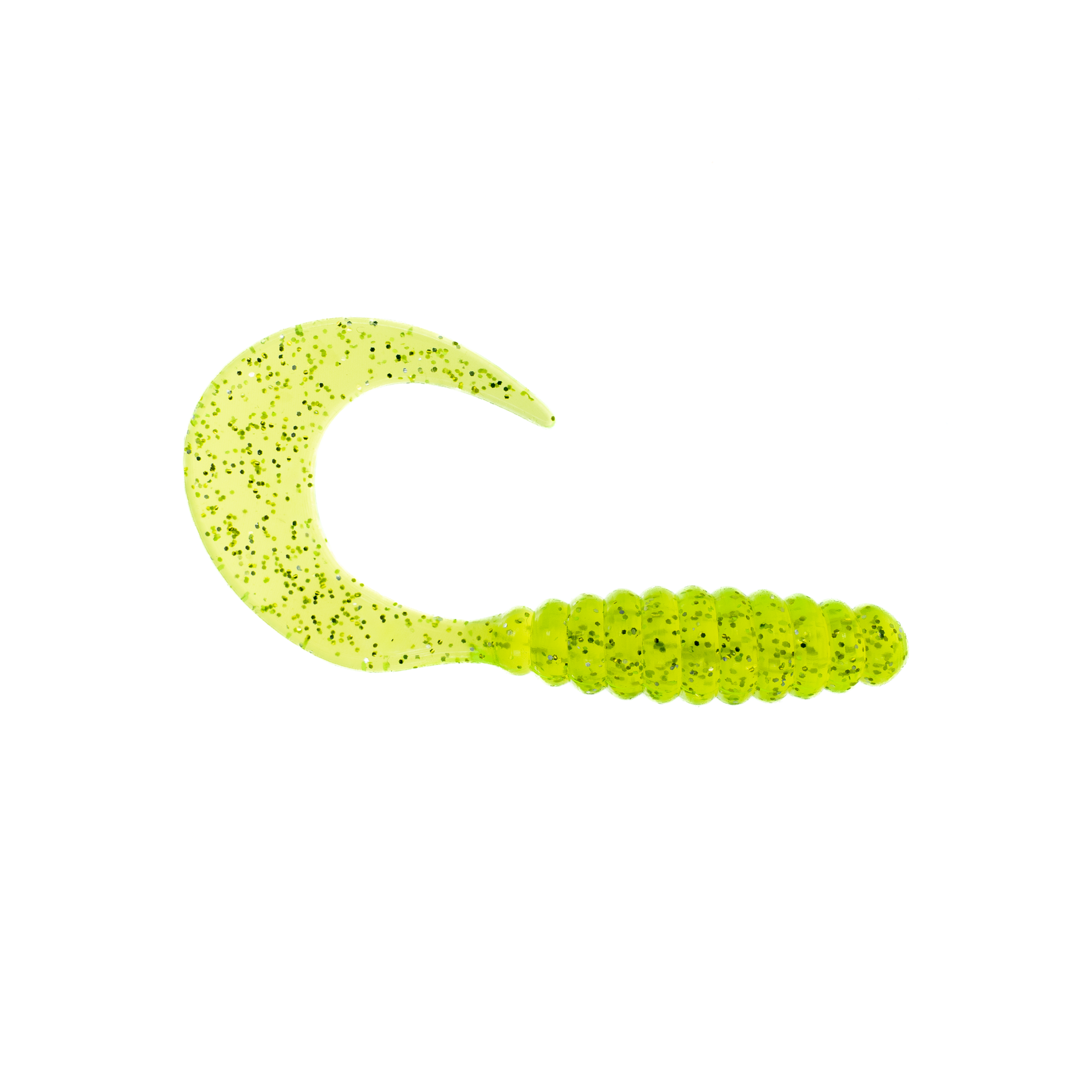
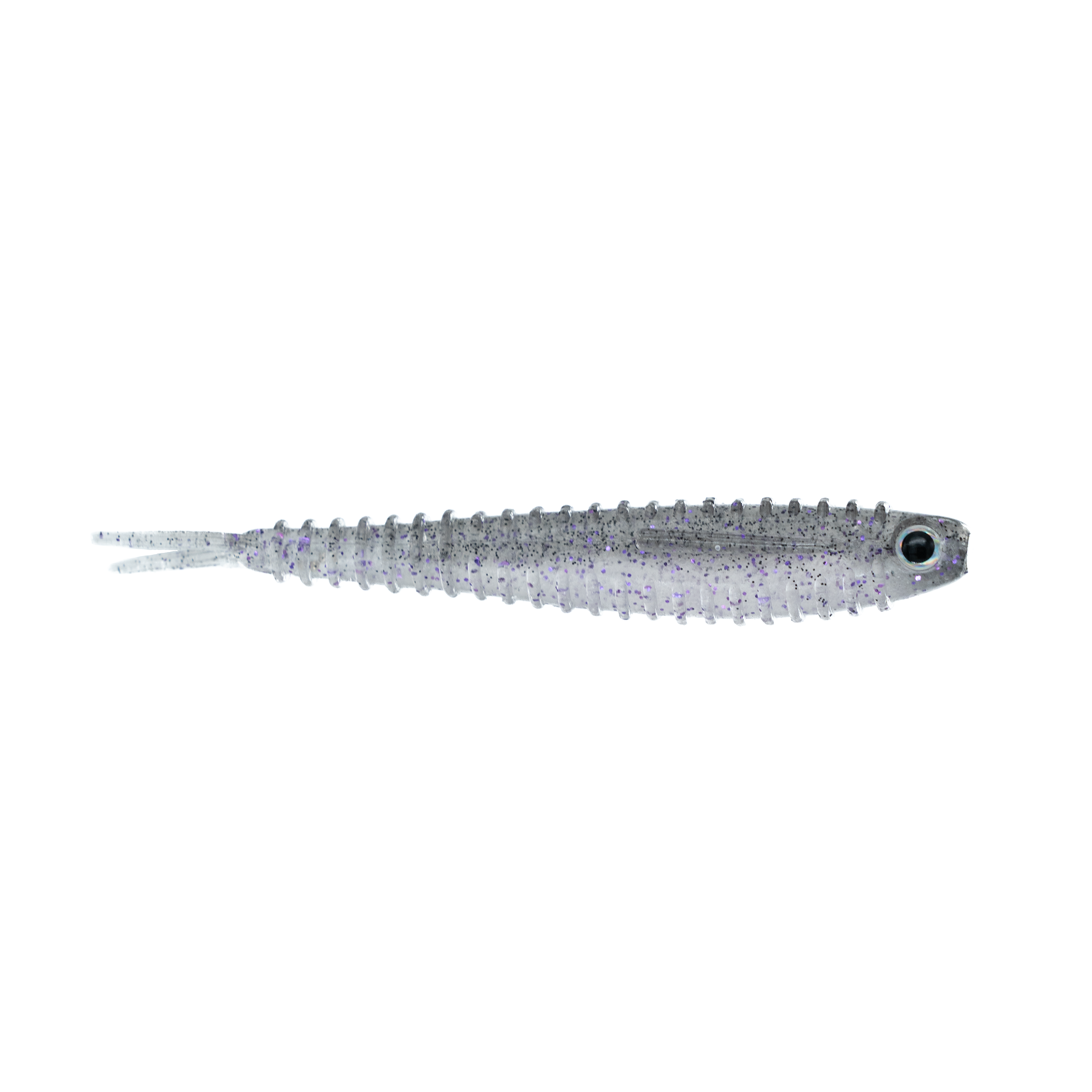
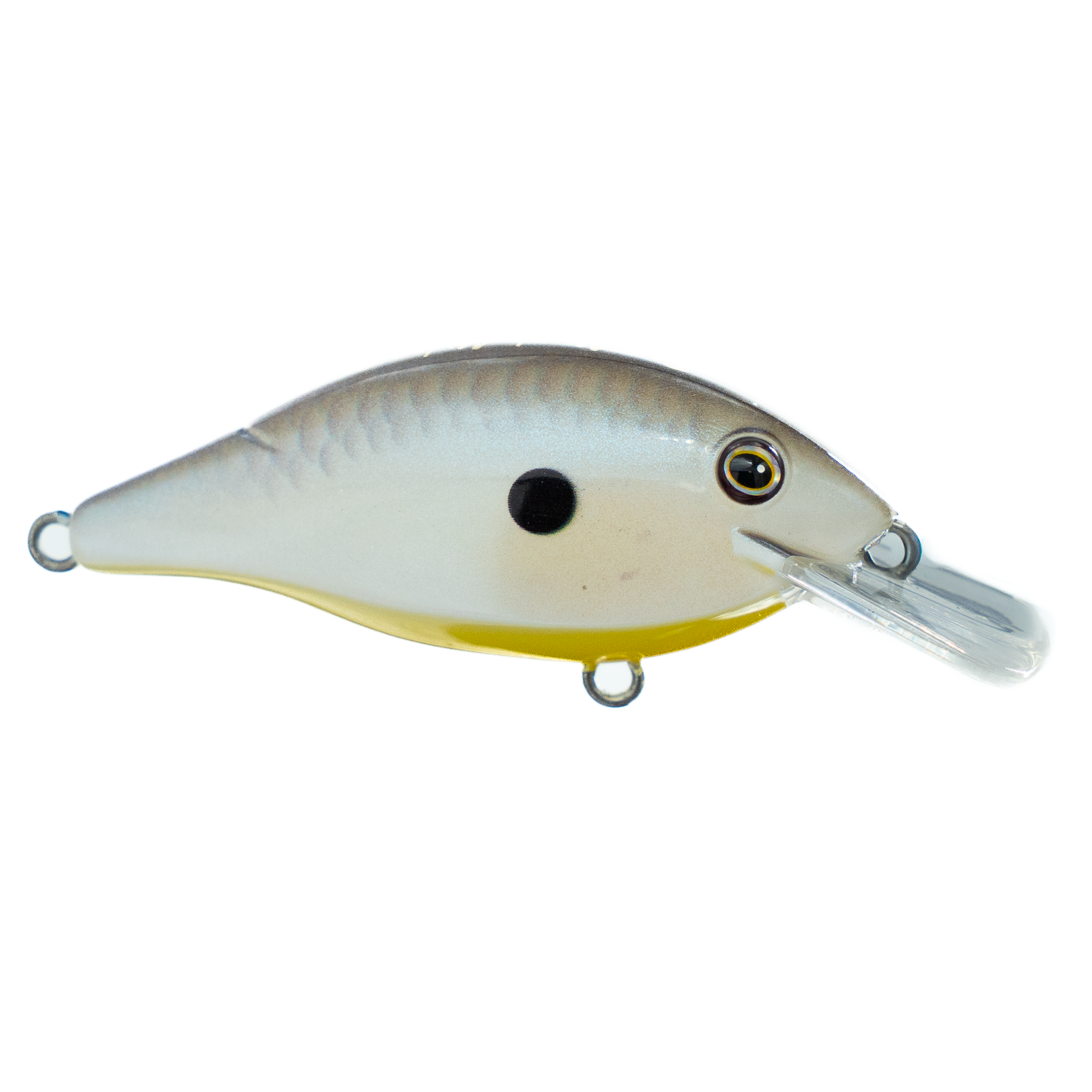
Autumn moves shad into the creek arms and the bass follow, and the summer crowds go home. This is the most forgiving fishing of the year on the lake and the season where covering water with moving baits actually pays.
Deep Structure, Slow Baits
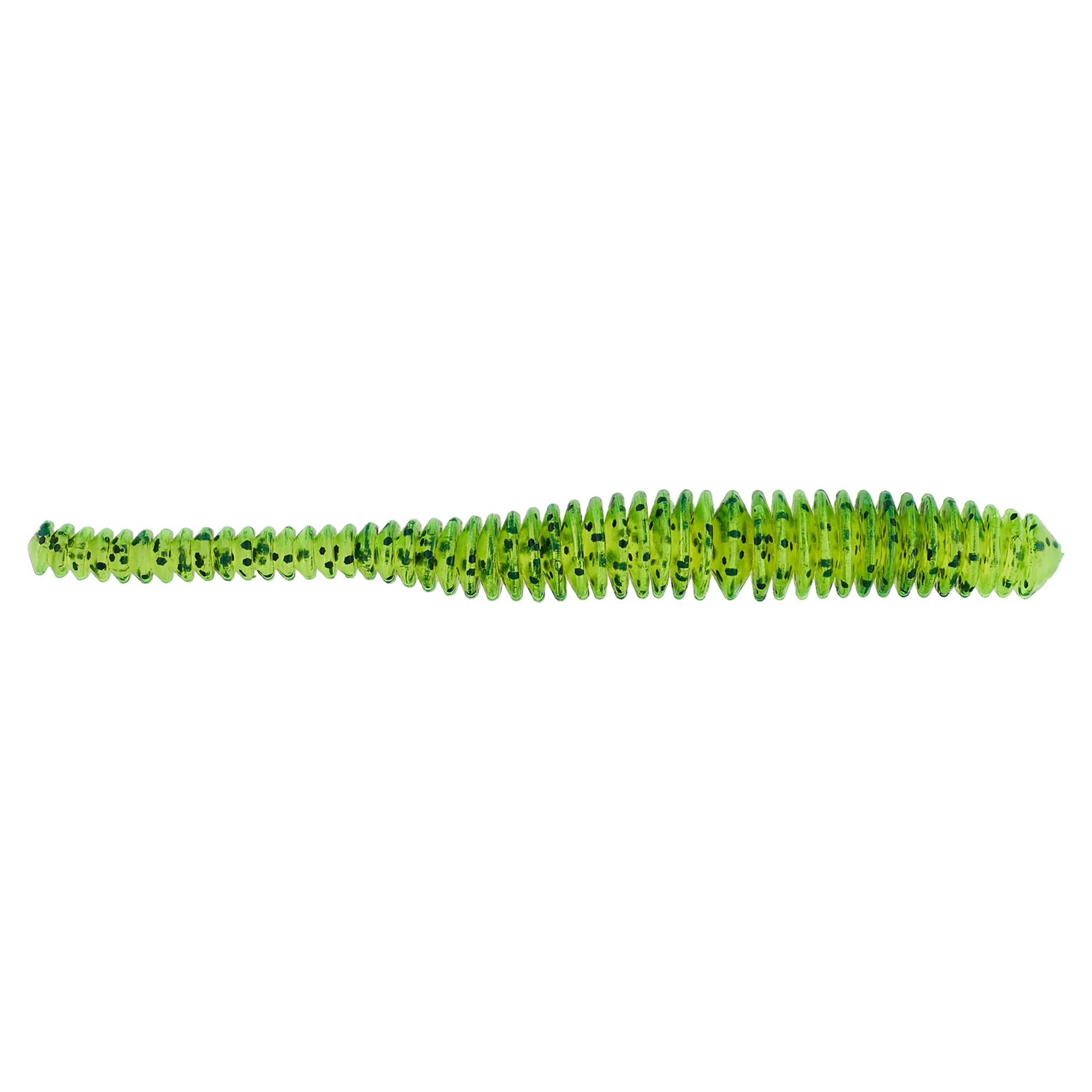
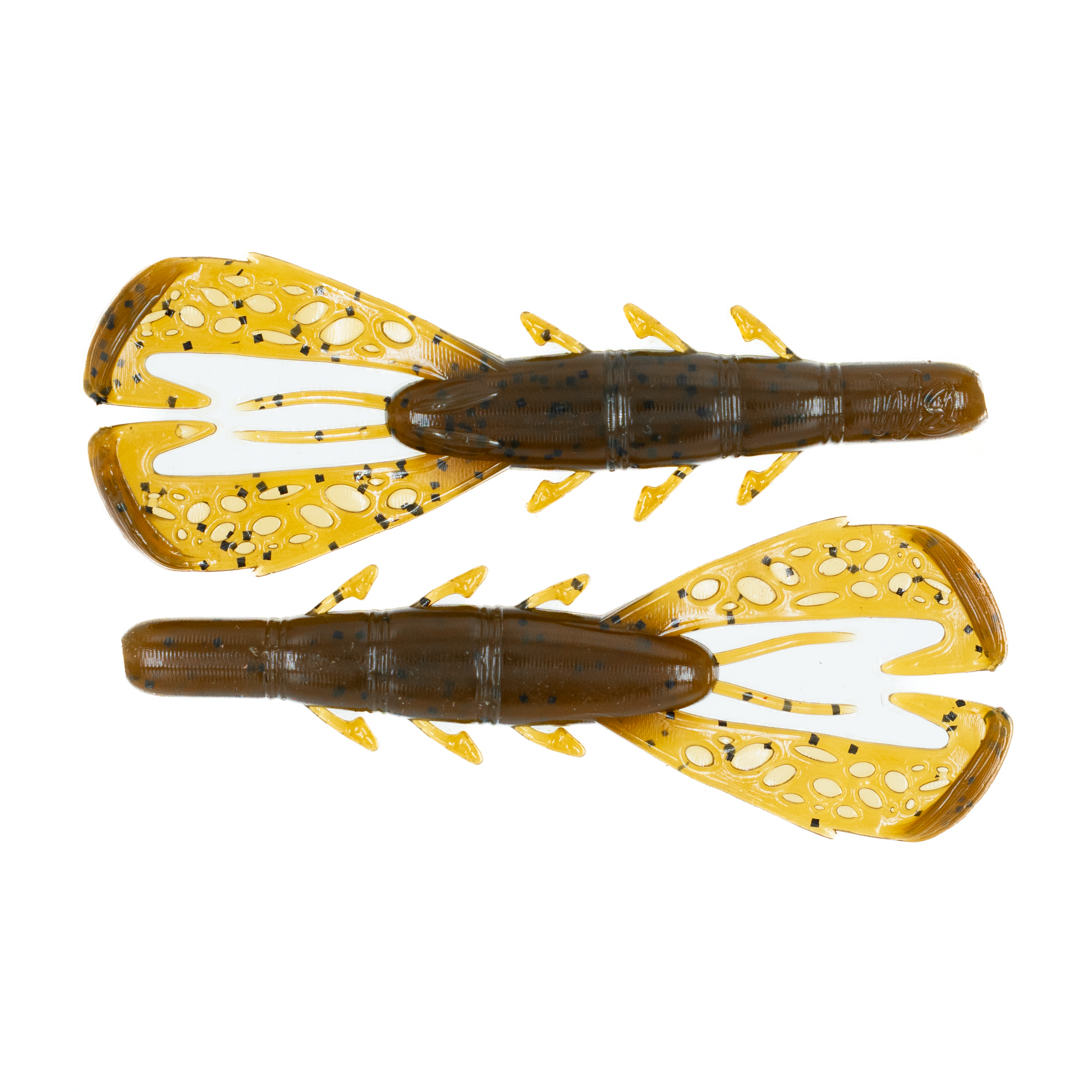
Winter concentrates fish on the deepest rock, timber and channel edges. Kansas winters bring ice in most years, so open-water fishing is weather-dependent. The average size holds up when you can get out, and the trout stocking means the ramps are still being used.


El Dorado Lake Access
El Dorado State Park provides extensive public access with multiple ramps and campgrounds across ninety-eight miles of shoreline. Wichita is about half an hour west, which makes this the most accessible quality bass water in south-central Kansas.
The Rocky Points
Where the smallmouth and spotted bass hold, and the structure that warms first in spring. Fish the windblown side — on a prairie lake the wind decides which points are worth your time on any given day.
The Standing Timber
Submerged wood holding fish through summer heat and winter cold. The structure that does the work grass does on southern lakes, and where the better largemouth spend the difficult months.
The Creek Arms
Shallower and warming first in spring, holding bait in autumn. Sheltered water when the main lake is blown out, which on a Kansas reservoir is a genuinely useful thing to have.
El Dorado Lake Bass Fishing FAQ
Is El Dorado the best bass lake in Kansas?
It is one of the two or three names that always come up. It appears on essentially every list of the state's best bass water and holds largemouth, smallmouth and spotted bass across 8,000 acres with ninety-eight miles of shoreline.
How far is it from Wichita?
About half an hour east, in Butler County. That proximity makes it the most accessible quality bass water in south-central Kansas, and it means summer weekend traffic is real.
How much does wind matter?
A great deal, and it applies to every Kansas reservoir. These are open prairie lakes with long fetch and little shelter. Wind can put half the lake out of reach, but it also concentrates bait on the windblown banks — learning to use it rather than avoid it is most of the skill.
What kind of cover is there?
Rocky points and shoreline, standing timber, brush, riprap and creek arms, with the old channel running through. Limited vegetation compared with southern lakes, so hard structure does the work grass does elsewhere.
When is the best time to fish it?
Autumn, when shad move into the creek arms and the summer traffic has gone. Spring is strong but short and volatile — Kansas weather swings hard and fish move with it.
Is there trout fishing here?
Yes. The lake is stocked with rainbow trout through the winter, which gives it a second season and keeps the ramps busy in cold weather. It has no bearing on the bass fishing beyond the company.
What baits work best on El Dorado?
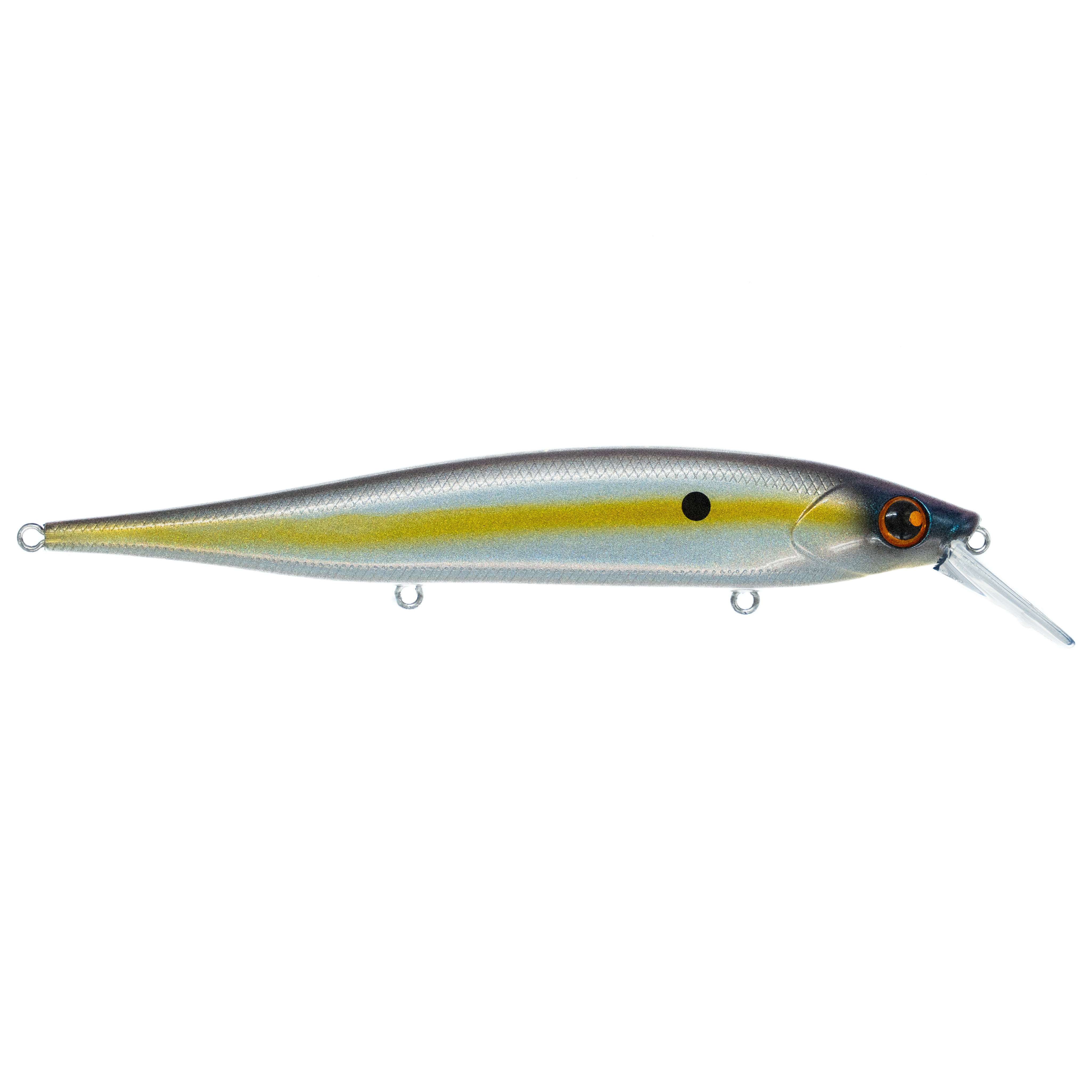
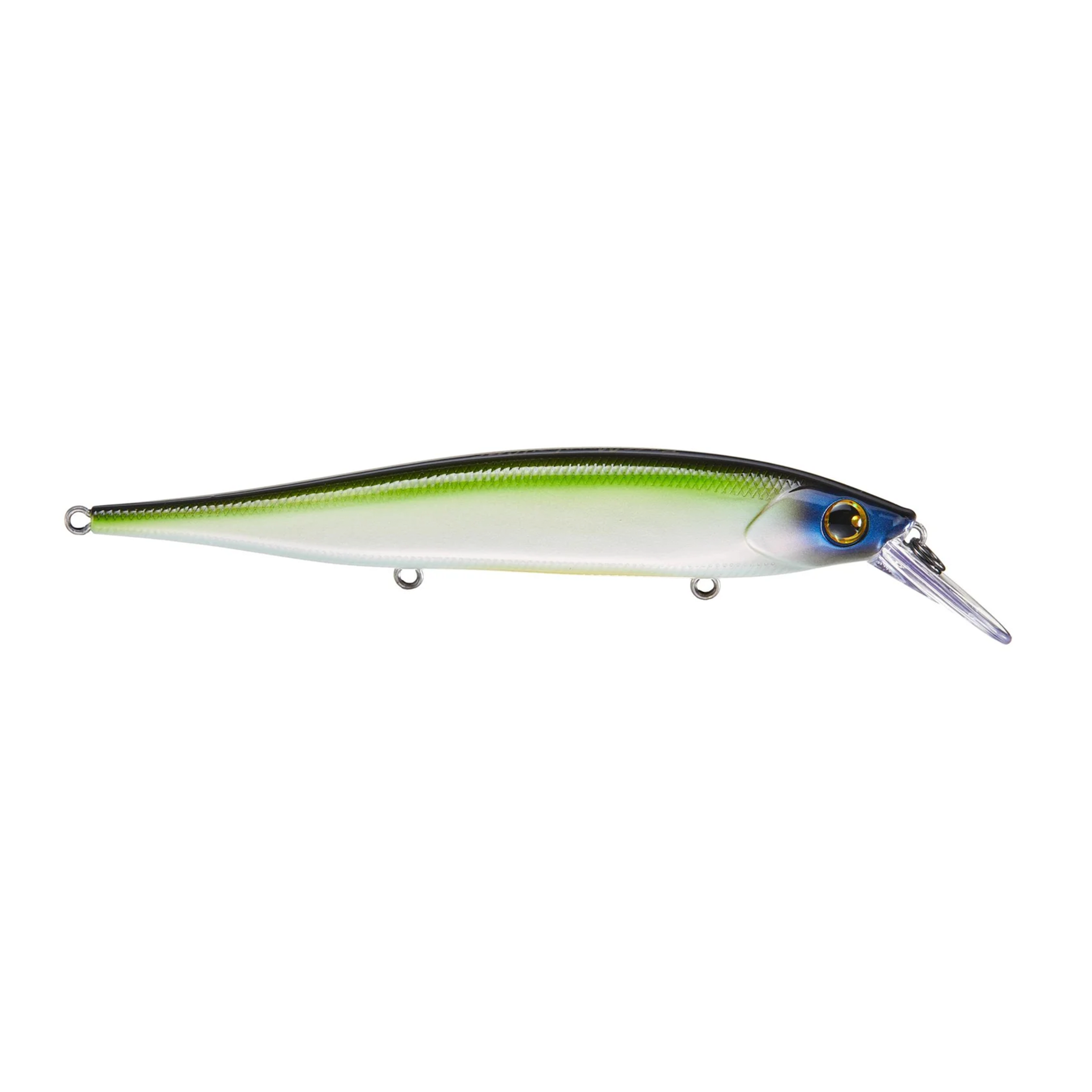
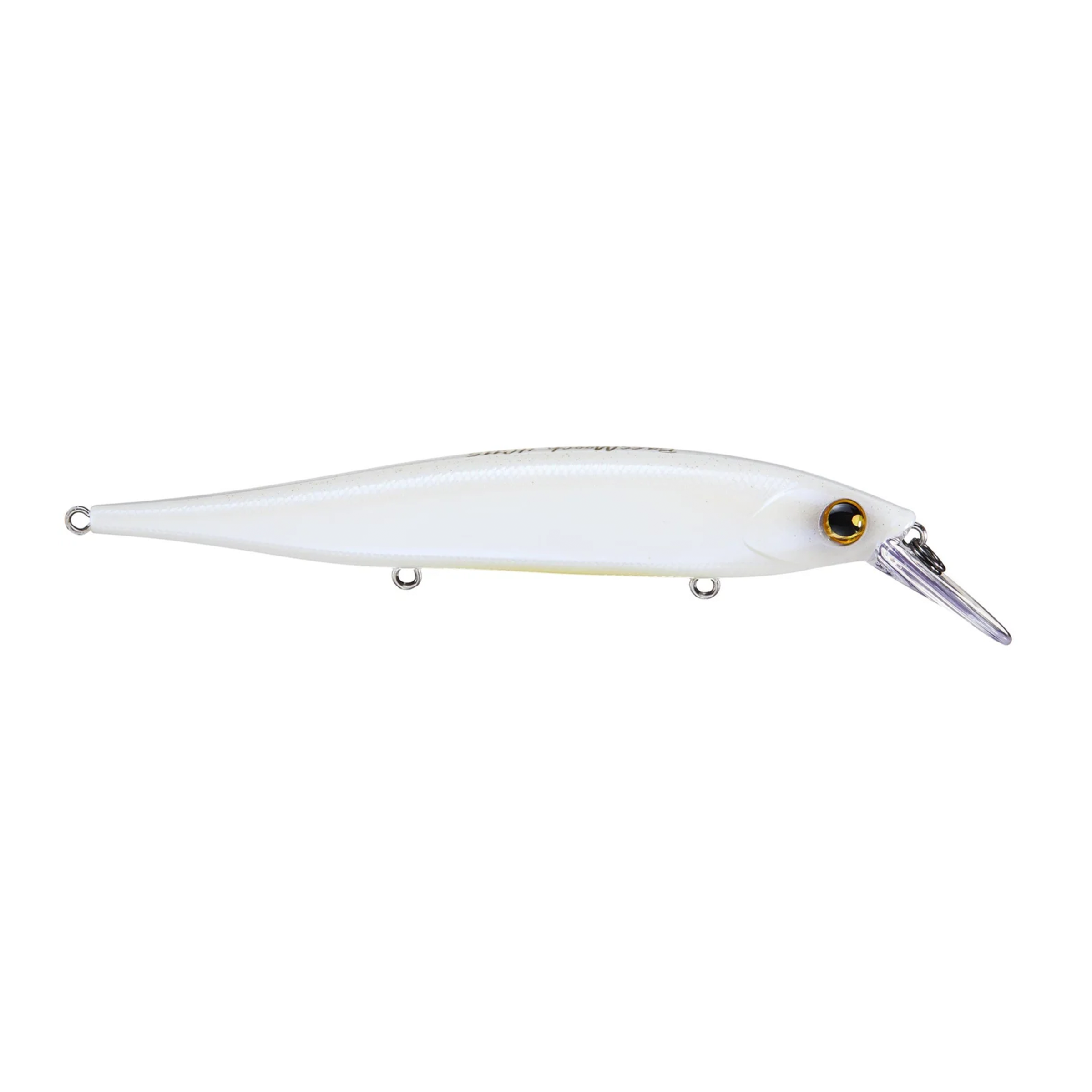
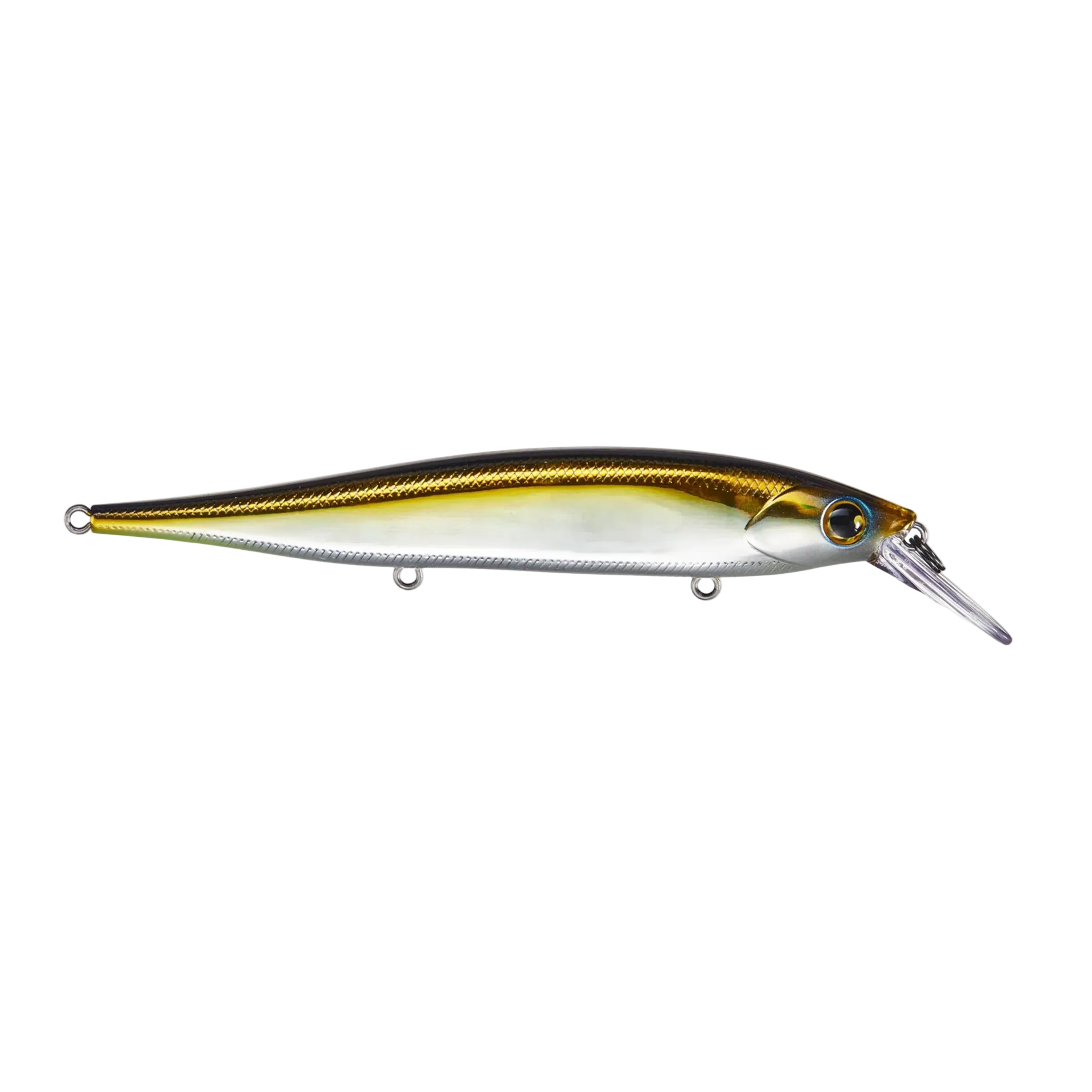
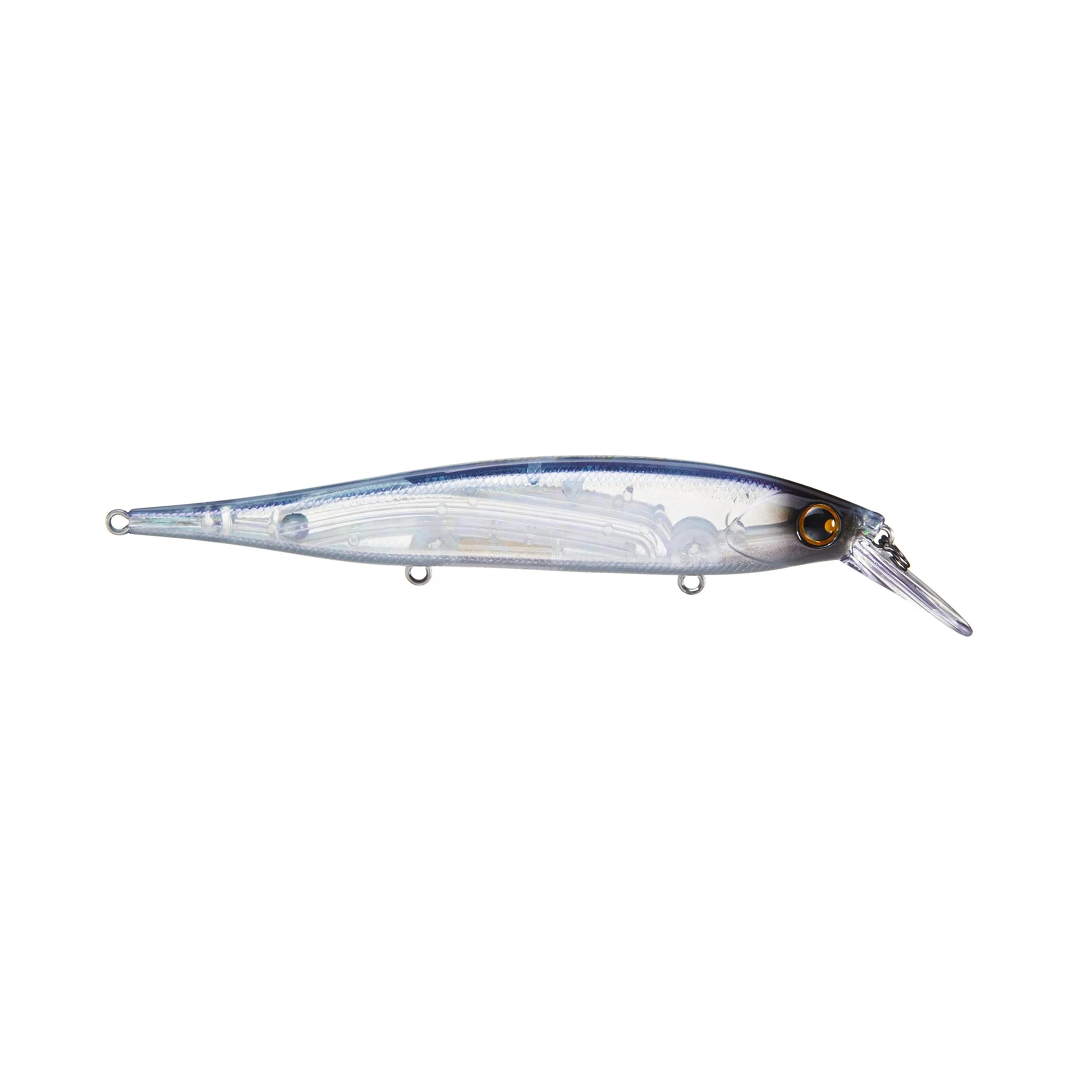
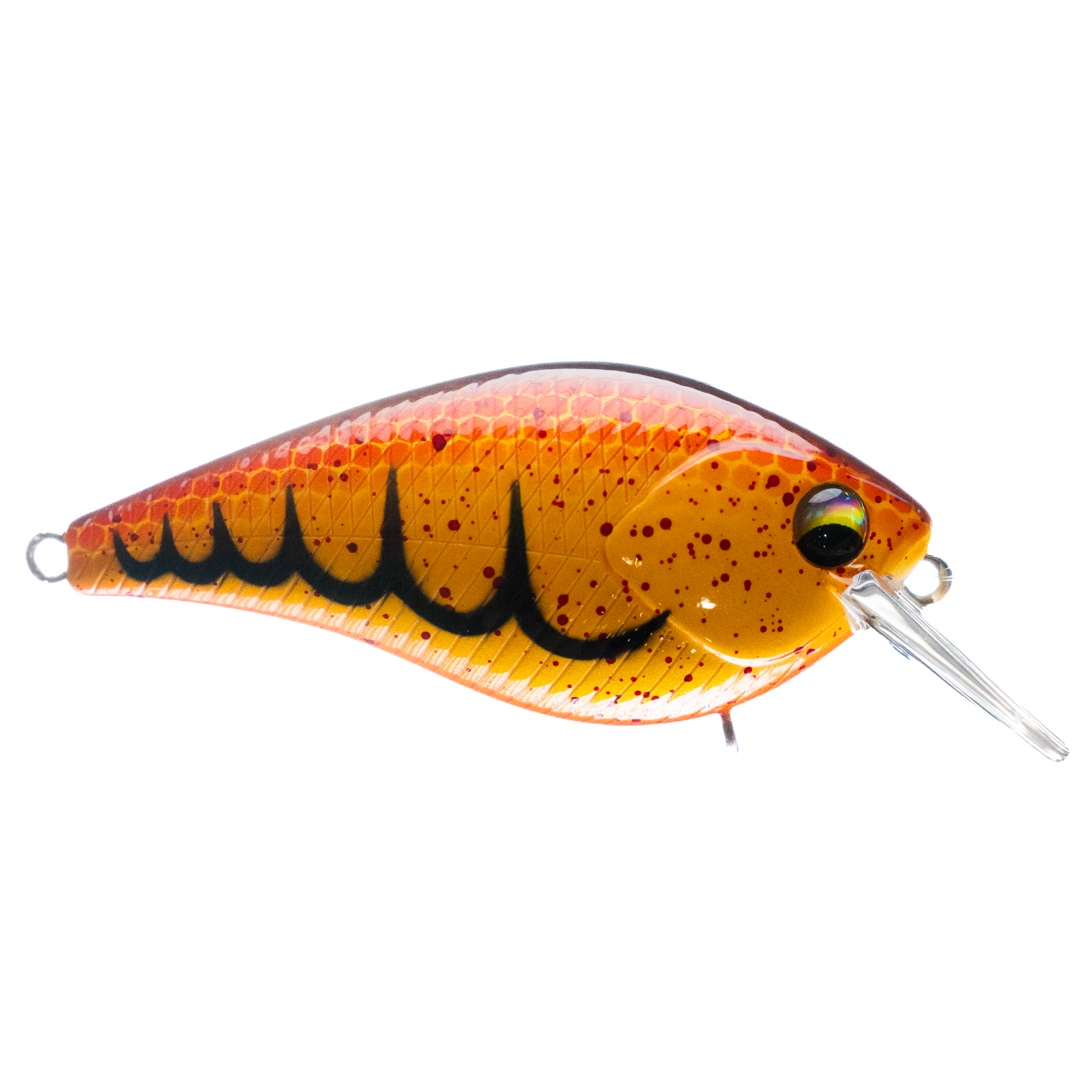
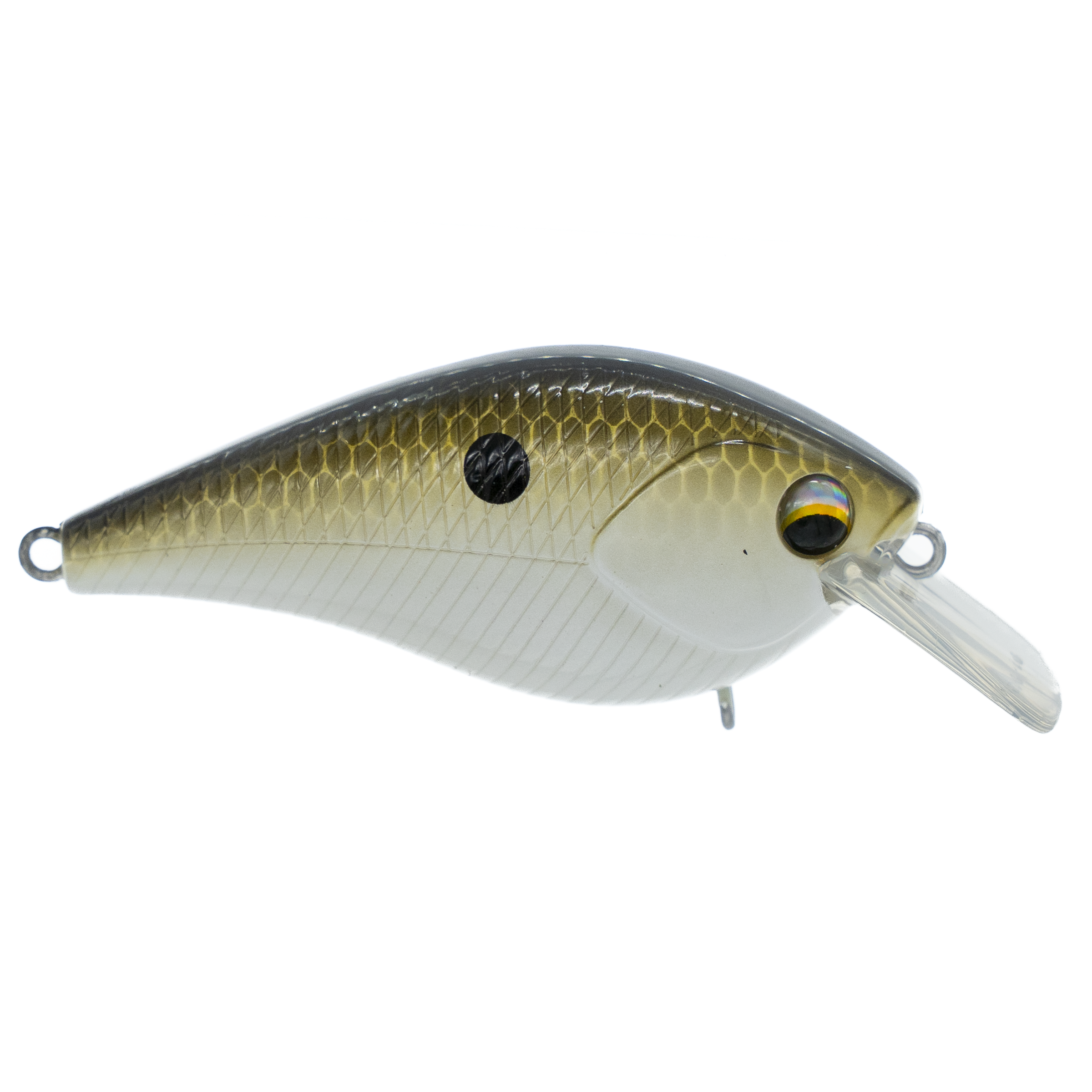
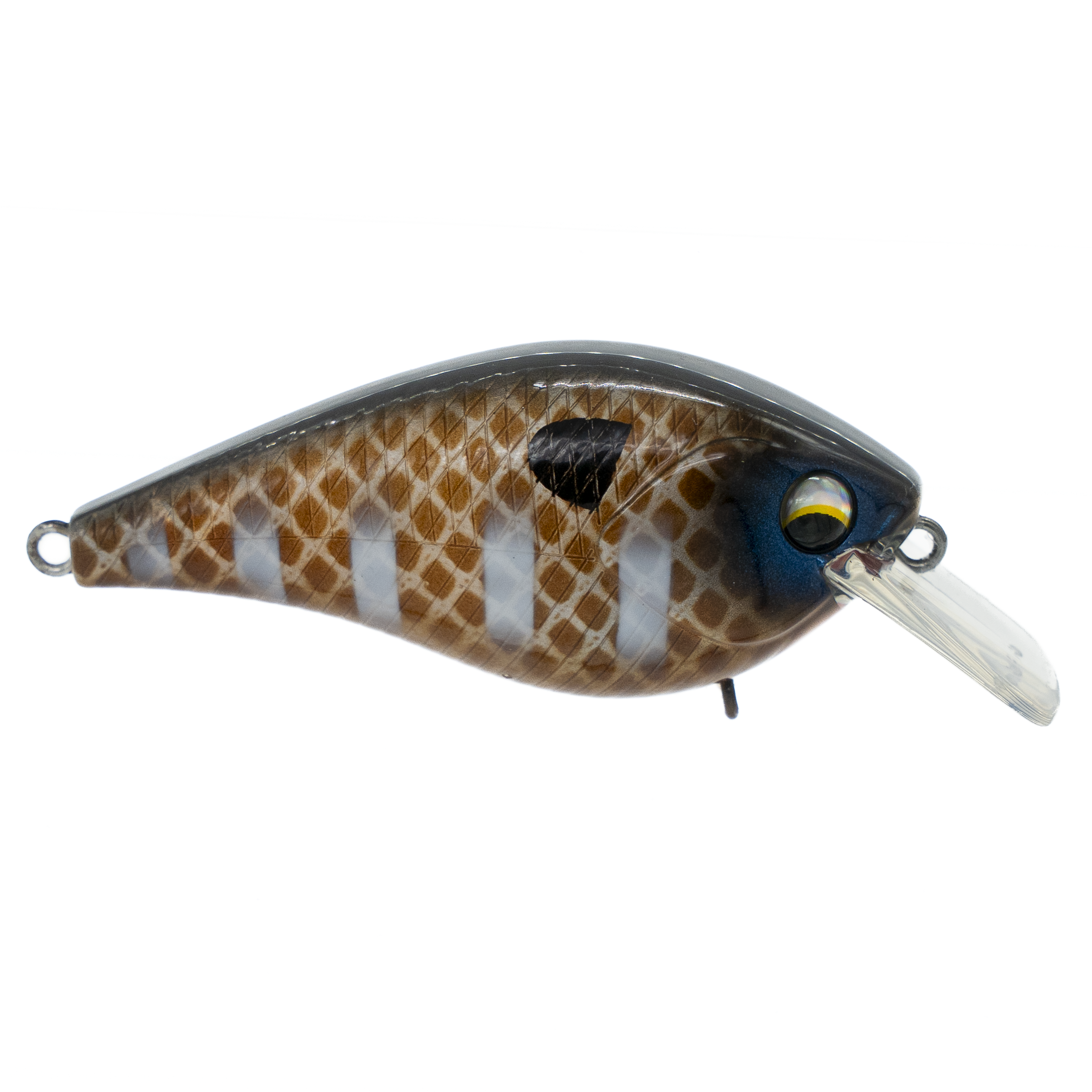
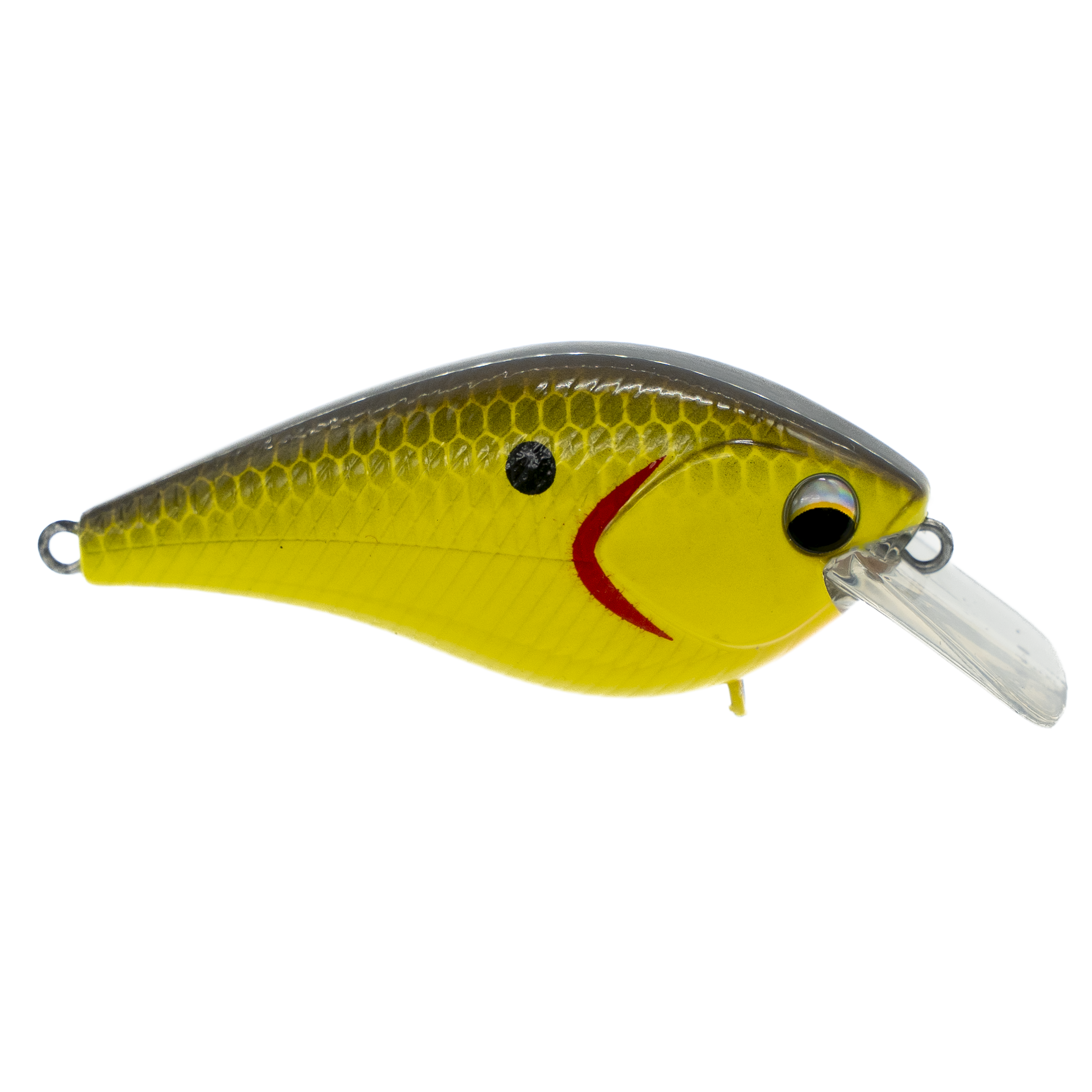
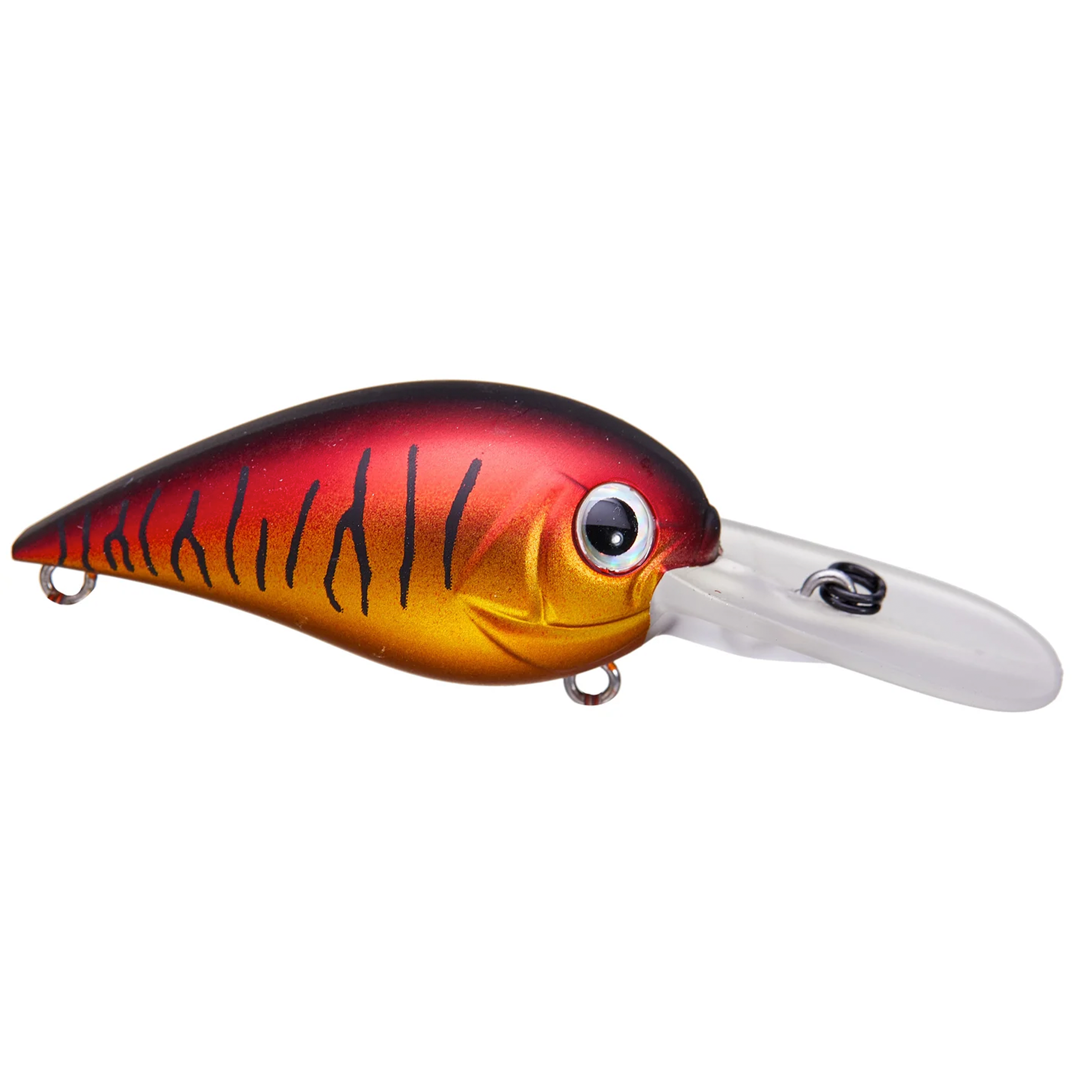
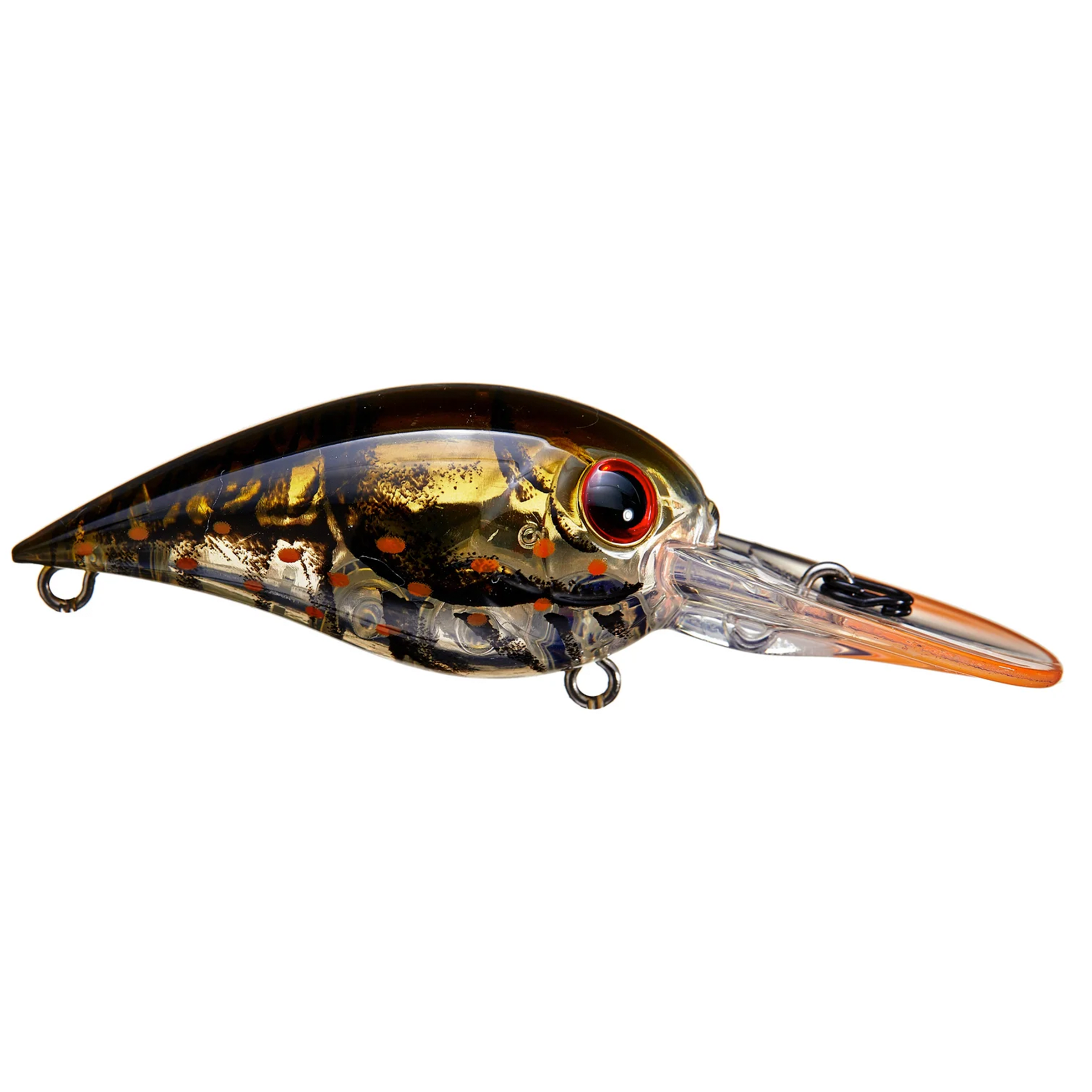
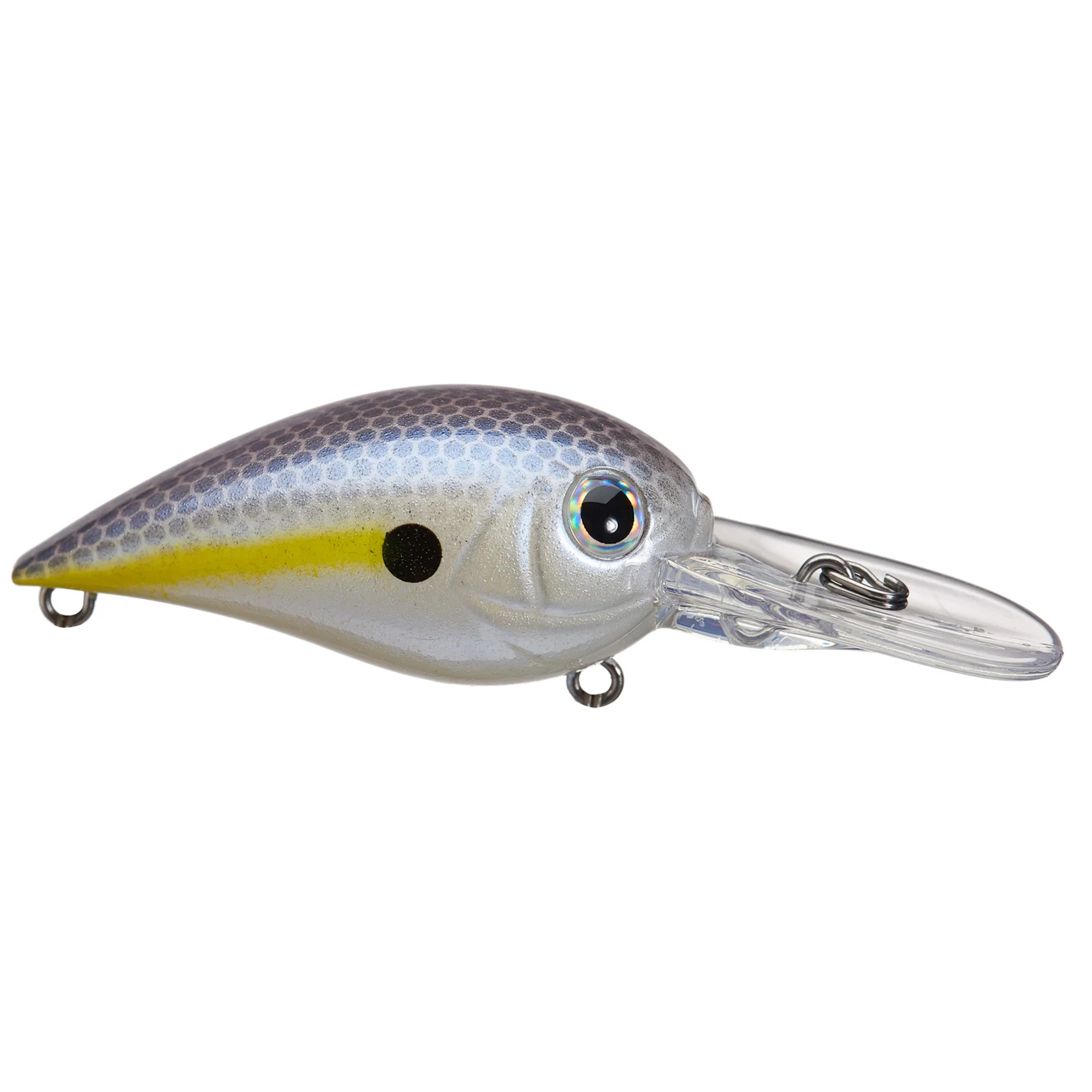
Moving baits on rock in spring and autumn, jigs and Texas rigs in the timber through summer, and slow soft plastics on deep structure in winter. Match baitfish colours when the shad are moving. Our full bait lineup covers all four seasons.
Do I need a fishing license?
Yes, a Kansas fishing license from the Department of Wildlife and Parks. Kansas does not close black bass season, but many reservoirs carry lake-specific length limits that differ from the statewide rule. Check the current Department of Wildlife and Parks regulations for this water before you go.
Rock, Timber and Wind
Fishing a prairie reservoir means casting into wind most days and pulling fish out of timber the rest. Level Rods builds models that load properly into a headwind and have the backbone to move a good fish away from submerged wood.
Tournament Winning Baits & Gear
Designed, crafted and tested by anglers who fish open water every week. Free shipping on orders over $75.
Shop All Baits