Delaware River Bass Fishing Guide
Delaware River Bass Fishing, Season by Season
The border between New Jersey and Pennsylvania, and some of the best smallmouth fishing in either state. The Delaware gets better the further upriver you go, and thanks to a reciprocal licence agreement anglers from both states fish it on equal terms.
A Border River Both States Share
The Delaware forms New Jersey's western border with Pennsylvania and continues north to form part of the New York and Pennsylvania line. It is a large, free-flowing river with some of the best smallmouth fishing available in any of the three states.
A reciprocal licence agreement means anglers from either state can fish the shared water on equal terms — a Pennsylvania or New Jersey licence is valid on the NJ–PA stretch whether you are in a boat or on either shore, and a Pennsylvania or New York licence covers the NY–PA stretch. That is unusual and it removes a real friction from fishing a border river.
Smallmouth are abundant as far downriver as Trenton, which marks the lower reach of the non-tidal river. But the consistent advice from anglers who fish it is that the further upriver you go, the better the fishing gets — and the better the scenery. Along the upper stretches in Warren and Sussex counties, long sections feel genuinely like wilderness.
The structure is classic river: riffles dropping into pools, boulder fields, ledges, current seams and eddies. Rocks and fallen trees along the banks hold fish, and reading water matters far more than electronics ever will.
Summer is the ideal time. Smallmouth come off their beds and spread across the riffles and runs, flows drop enough for wading, and the river opens up for floating between access points.
Flow is the controlling variable as on every river. Check conditions before planning a float, and pay attention to the current — local guidance is that bass are more active when the water is moving.
Riffles, Pools and Current
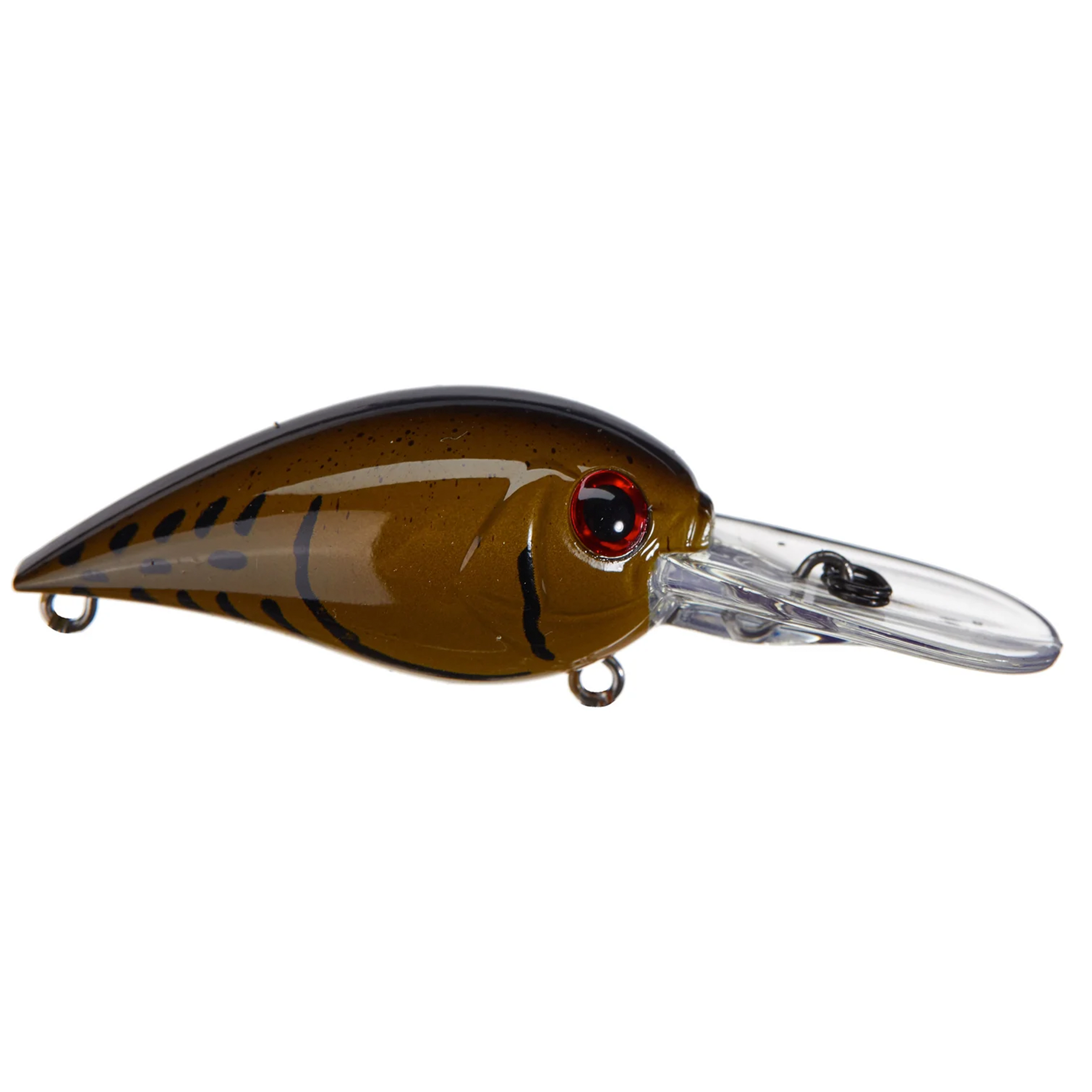
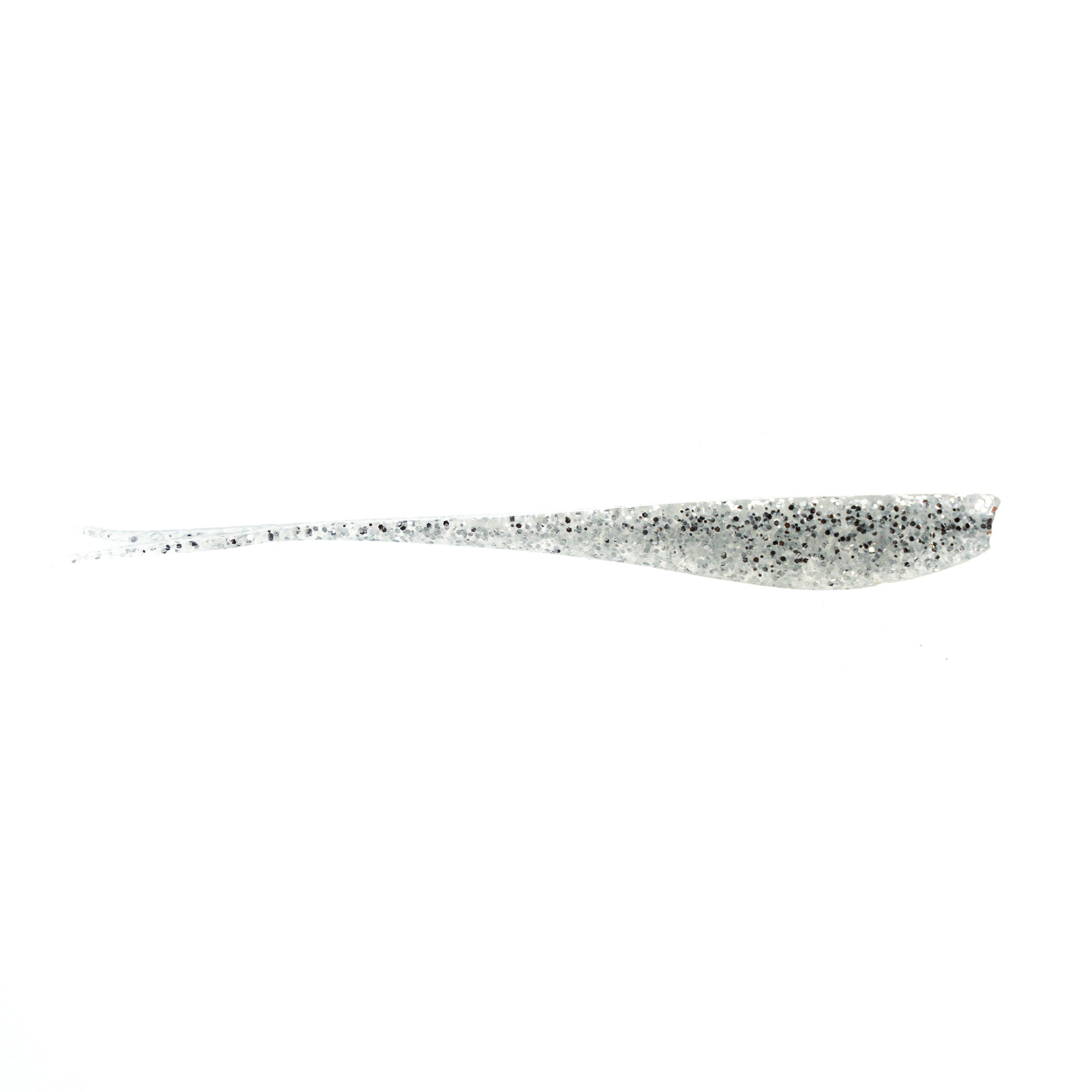
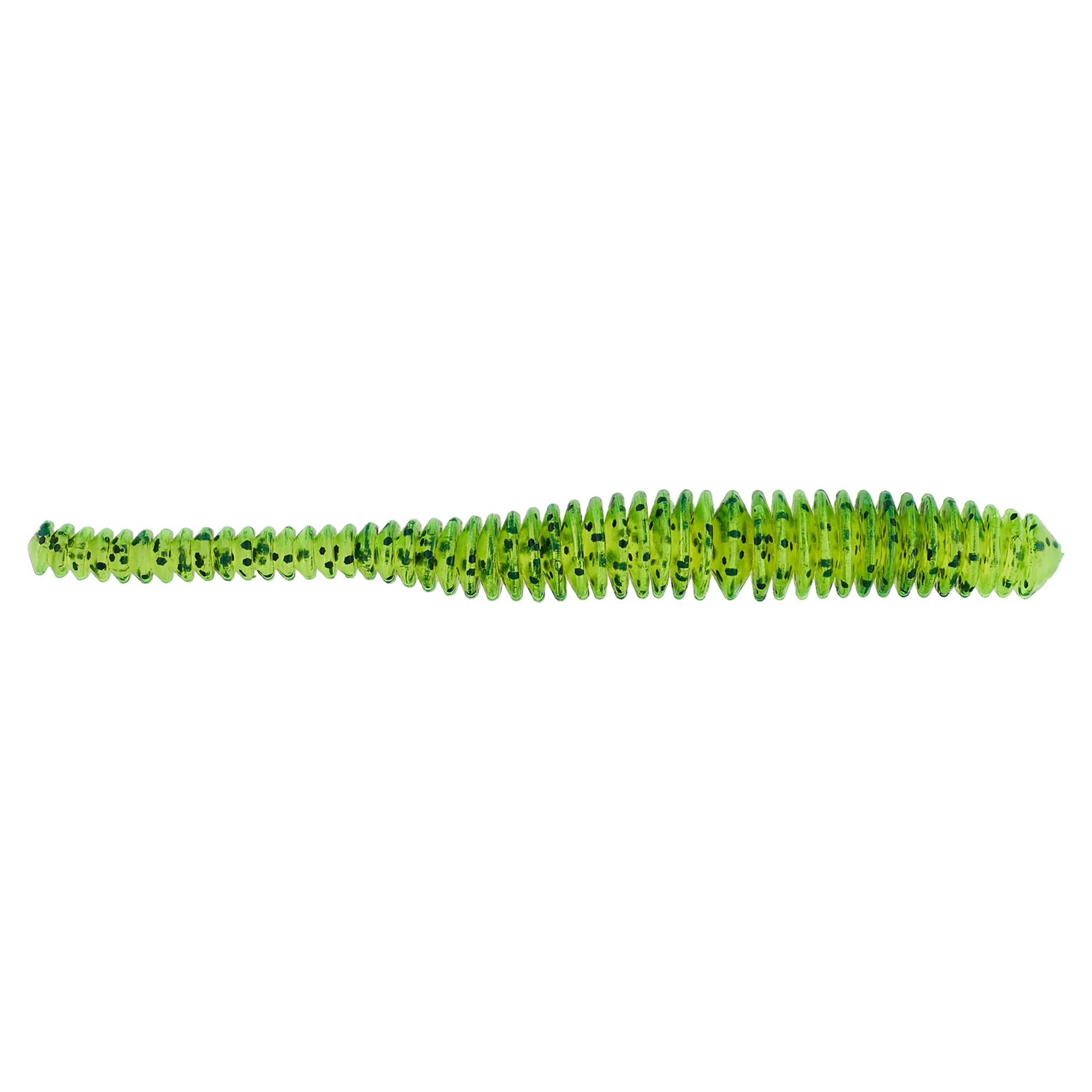
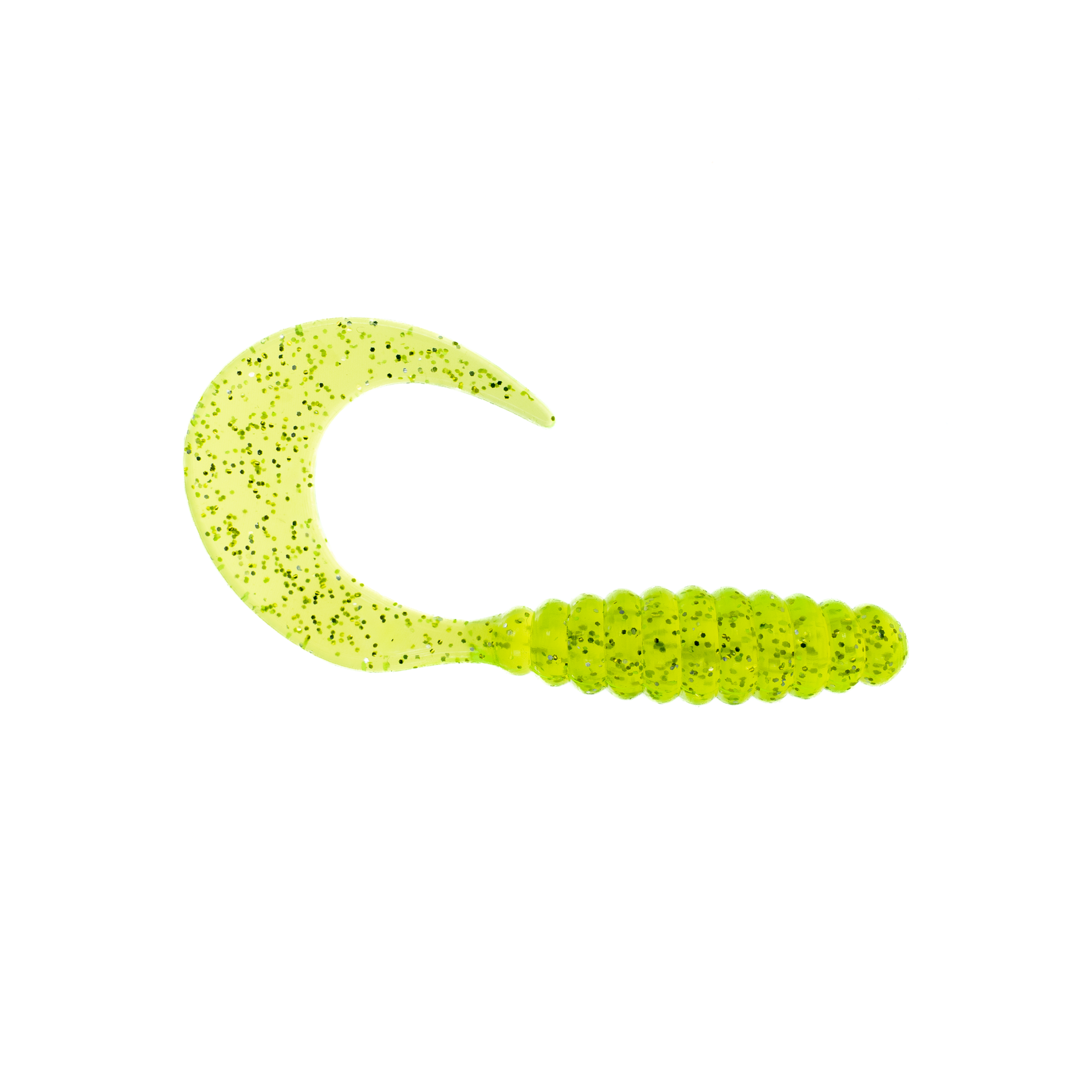
Four patterns cover the year. Each one pairs the technique with the baits we'd actually tie on.
High Water and Waiting
Spring brings the highest and least predictable flows of the year, which makes long stretches unfishable and genuinely unsafe. Smallmouth move out of the deep wintering pools onto adjacent flats and slower runs as water warms, but the river is not really open yet.

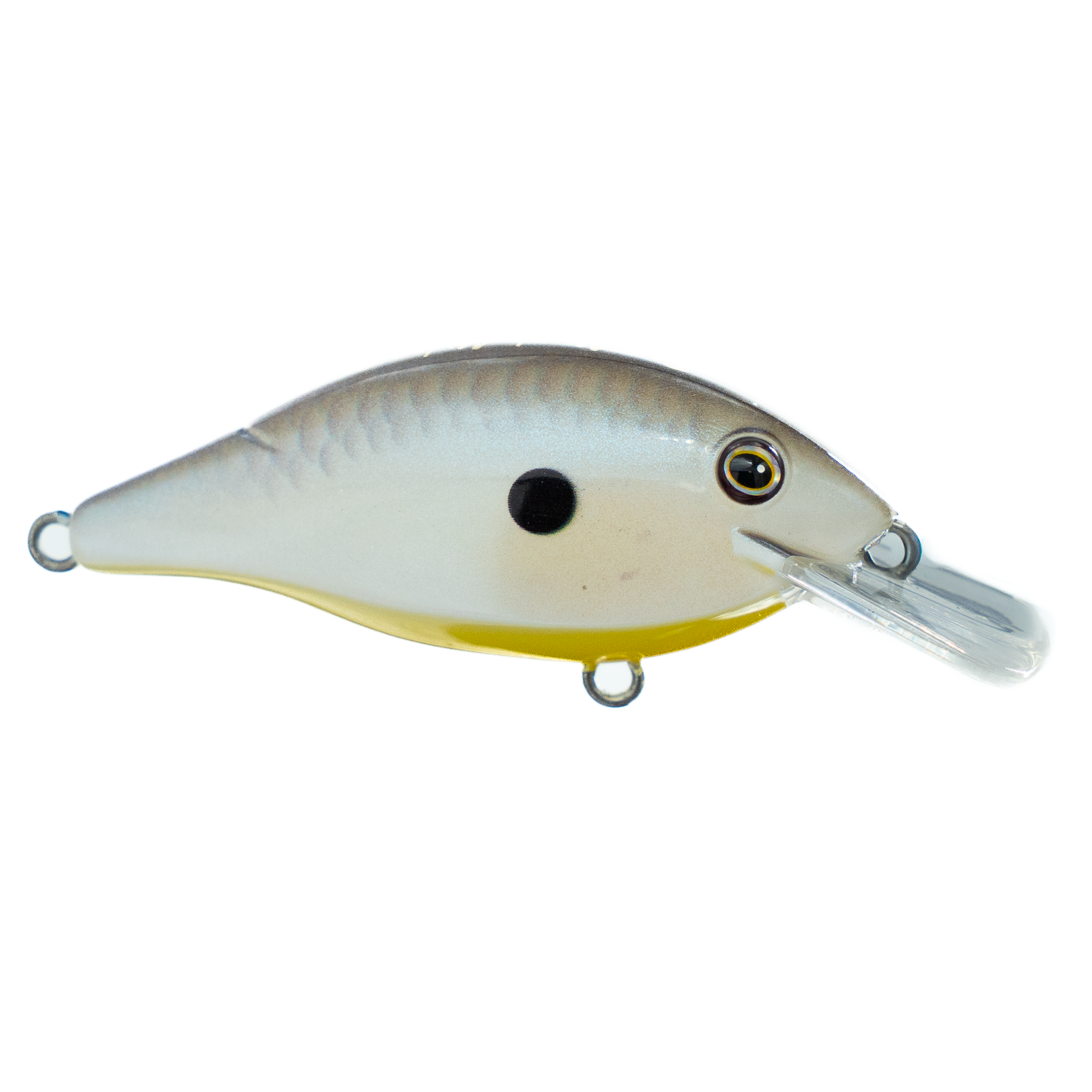
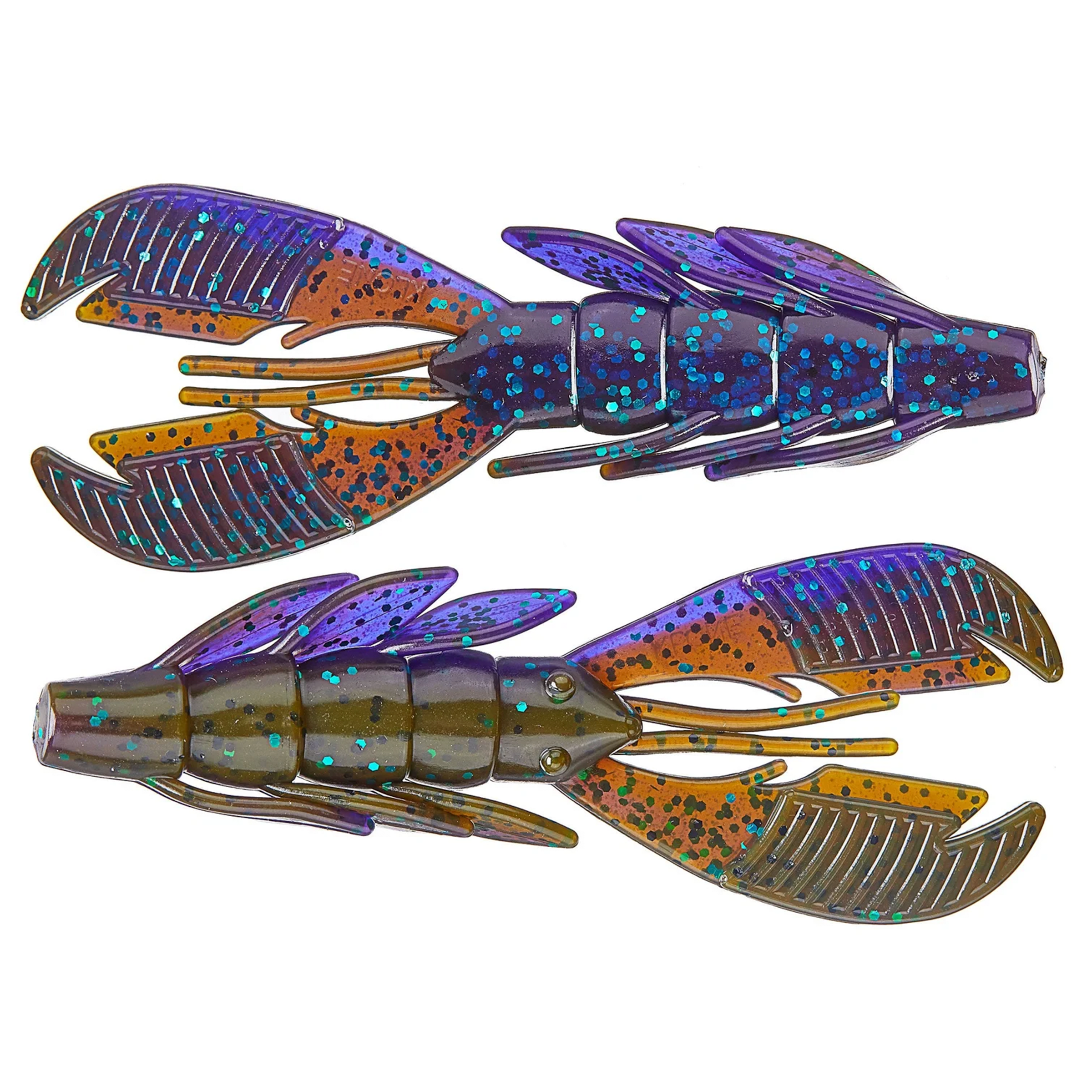
The Ideal Season
Summer is when the Delaware is at its best. Smallmouth come off their beds and spread across riffles, runs and boulder fields, flows drop enough to wade, and the upper stretches in Warren and Sussex counties become genuinely spectacular water to spend a day on.

Aggressive Fish, Stable Flows
Autumn brings stable flows and hard-feeding smallmouth. The fish will chase, which makes this the season to cover water rather than pick at individual rocks, and the river valley in October is worth being on for its own sake.
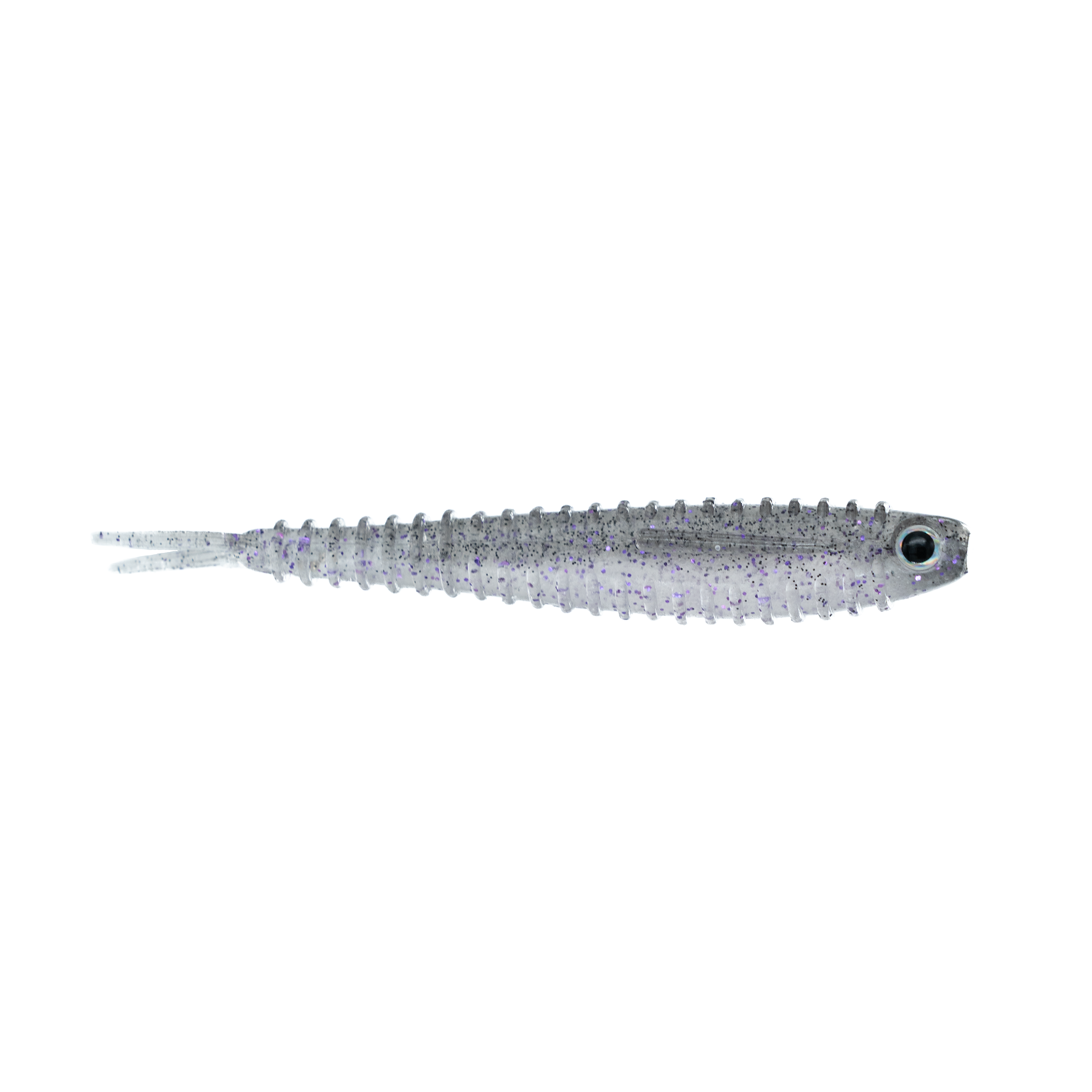

Deep Pools, Short Sessions
Winter concentrates smallmouth in the deepest pools and slowest water and they stay put. Cold and high water limit access, and the fishing becomes a short-session proposition. It is possible to catch bass here at any time of year, but winter asks for patience.


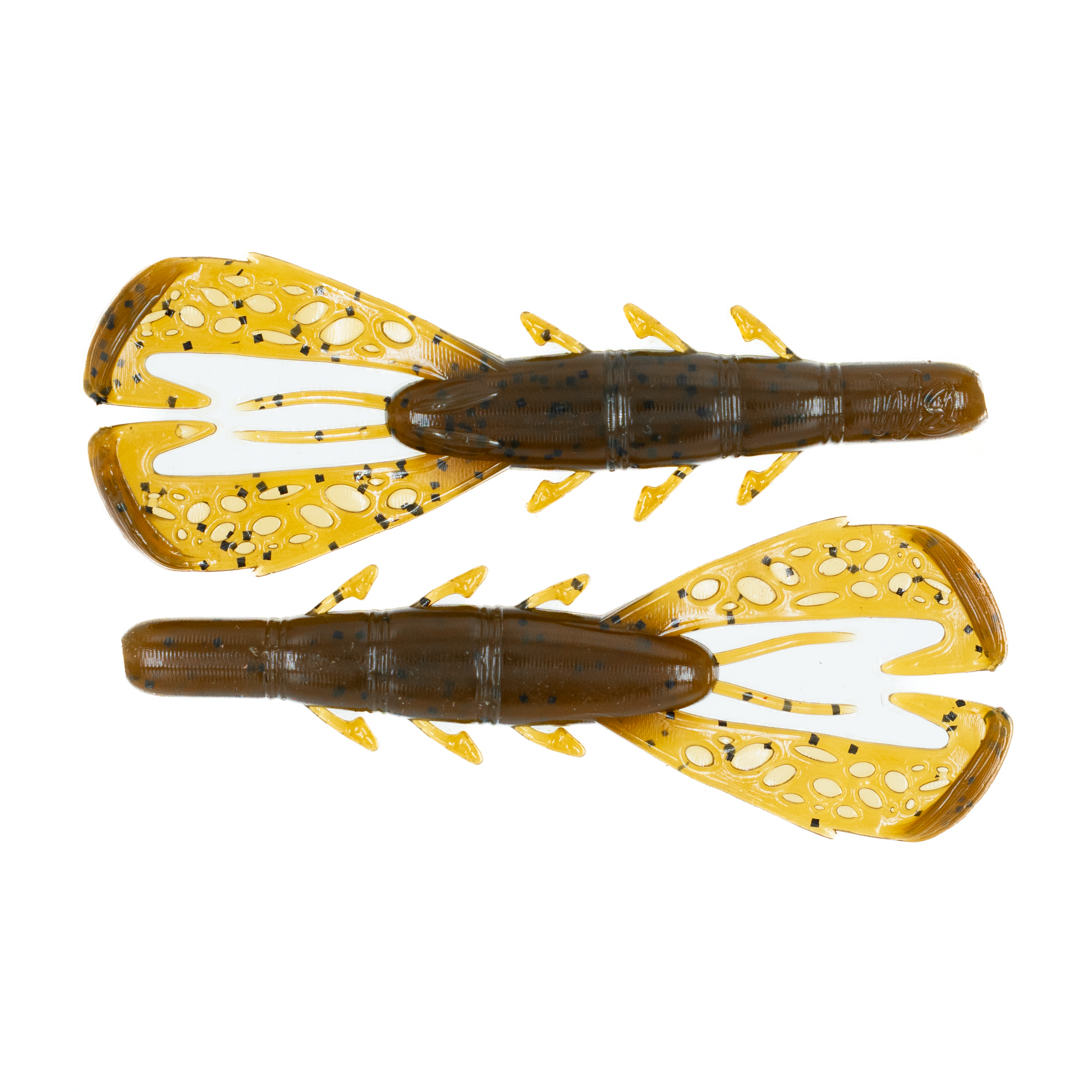

The Delaware River Access
Public access points serve the river throughout, with the upper stretches in Warren and Sussex counties offering the best fishing and the most remote character. The reciprocal licence agreement means a New Jersey or Pennsylvania licence works on the shared water.
The Upper River
Warren and Sussex counties, where long stretches feel like genuine wilderness and the fishing is at its best. The consistent advice is that the further upriver you go the better it gets, and this is where that pays off.
The Riffles and Boulder Fields
Classic smallmouth structure through the middle river, wadeable at summer flows. Current breaks holding fish on their downstream side, and where the topwater fishing happens in low light.
The Pools
Deeper water below the riffles, holding fish through winter and through the hottest part of summer days. Where to go when the shallow water is bright or the flow is wrong.
The Delaware River Bass Fishing FAQ
Do I need a New Jersey or Pennsylvania licence?
Either works on the shared water. A reciprocal agreement means a Pennsylvania or New Jersey licence is valid on the NJ–PA stretch whether you fish from a boat or from either shore, and a Pennsylvania or New York licence covers the NY–PA stretch. That is unusually convenient for a border river.
Where is the best fishing?
Upriver. Smallmouth are abundant as far down as Trenton, which marks the lower reach of the non-tidal river, but the consistent advice is that the further upriver you go the better the fishing gets. Warren and Sussex counties are the sweet spot.
When is the best time to fish it?
Summer. Smallmouth come off their beds, flows drop enough for wading, and the river opens up. Autumn is the other strong window with stable flows and aggressive fish. It is possible to catch bass here at any time of year.
Do I need a boat?
No. Much of the river is wadeable at summer flows and that is how a great many anglers fish it. Floating between access points covers water that wading cannot.
How does current affect it?
Local guidance is direct — bass are more active when the water is moving. Fish hold on the downstream side of boulders, ledges and current breaks, and reading which ones hold fish at which flow is the whole skill.
What should I use for bait?
Live crayfish and nightcrawlers are documented local producers, and crawfish imitations do the same job. Beyond that, finesse plastics through the seams and topwater over riffles in low light.
Is it scenic?
Genuinely. The upper stretches in Warren and Sussex counties feel like wilderness despite being an hour from major population centres, and that setting is a real part of why people fish it.
What baits work best on the Delaware?
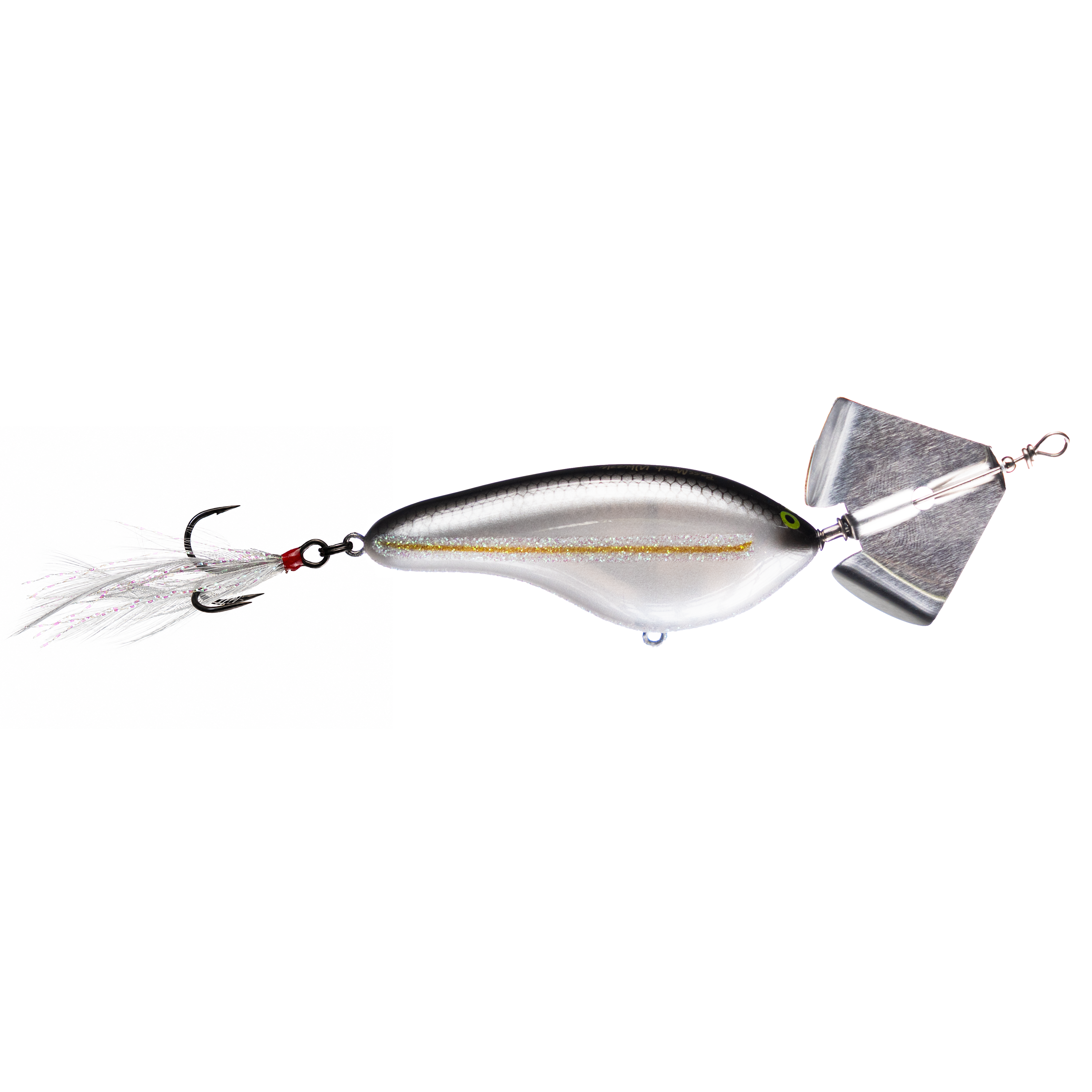
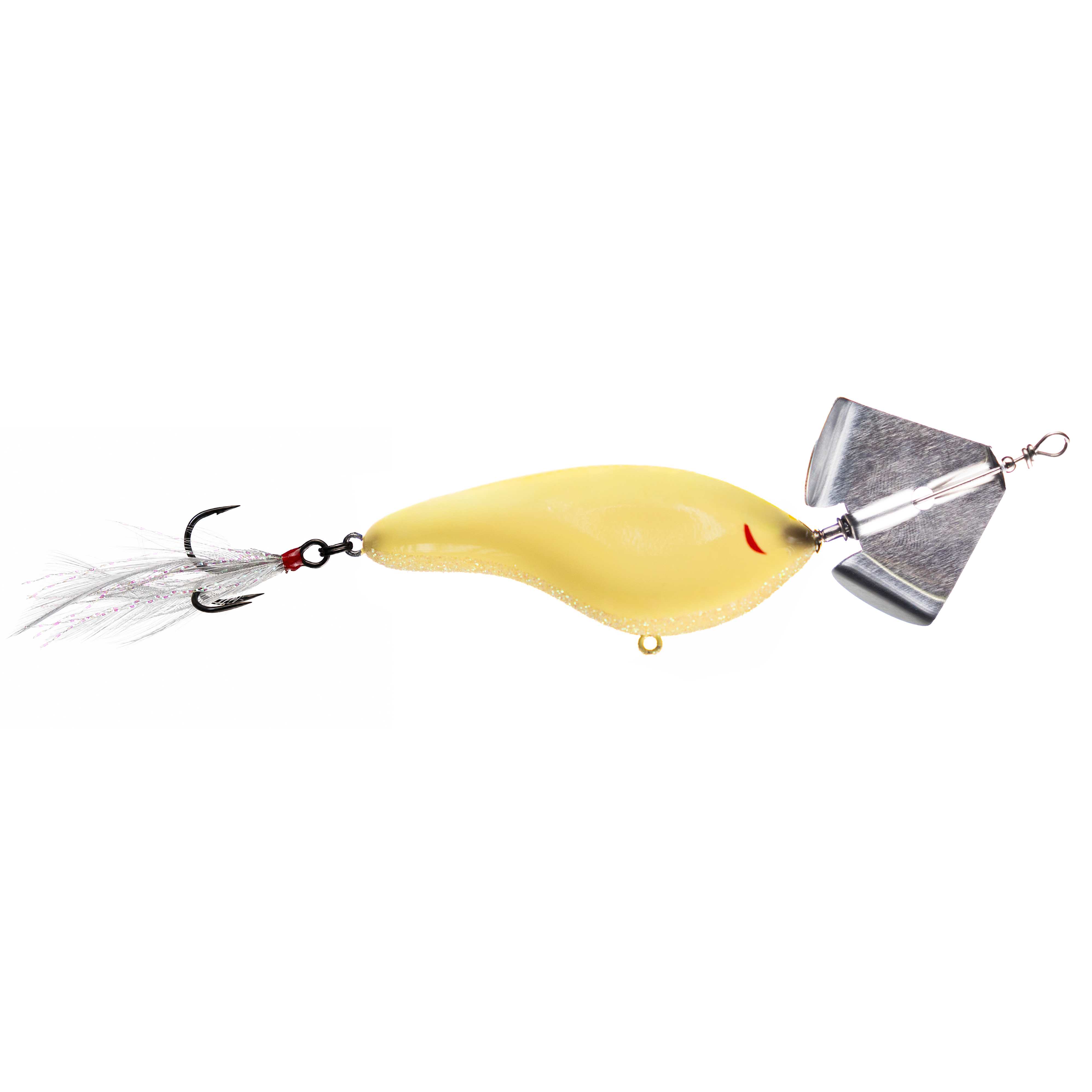
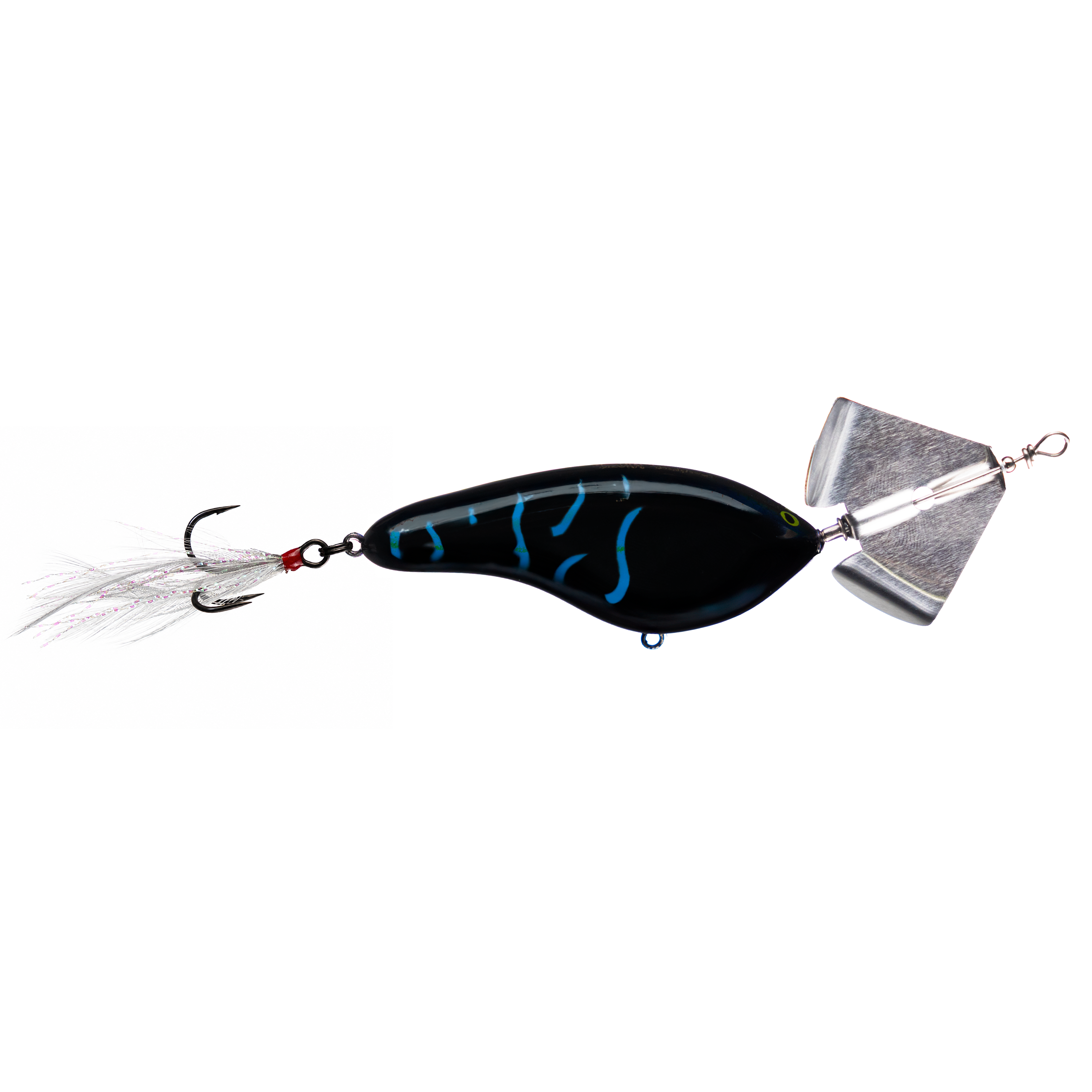
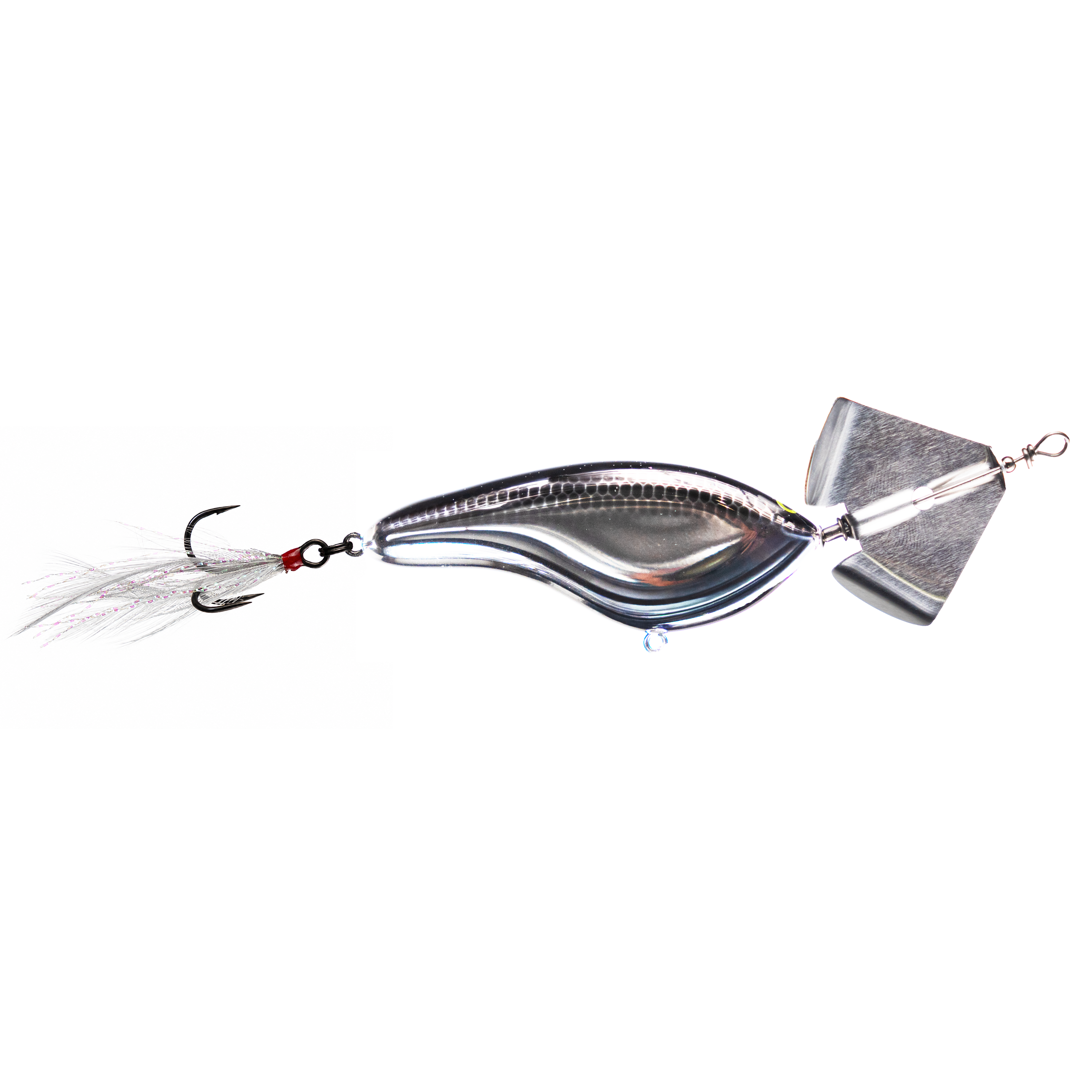
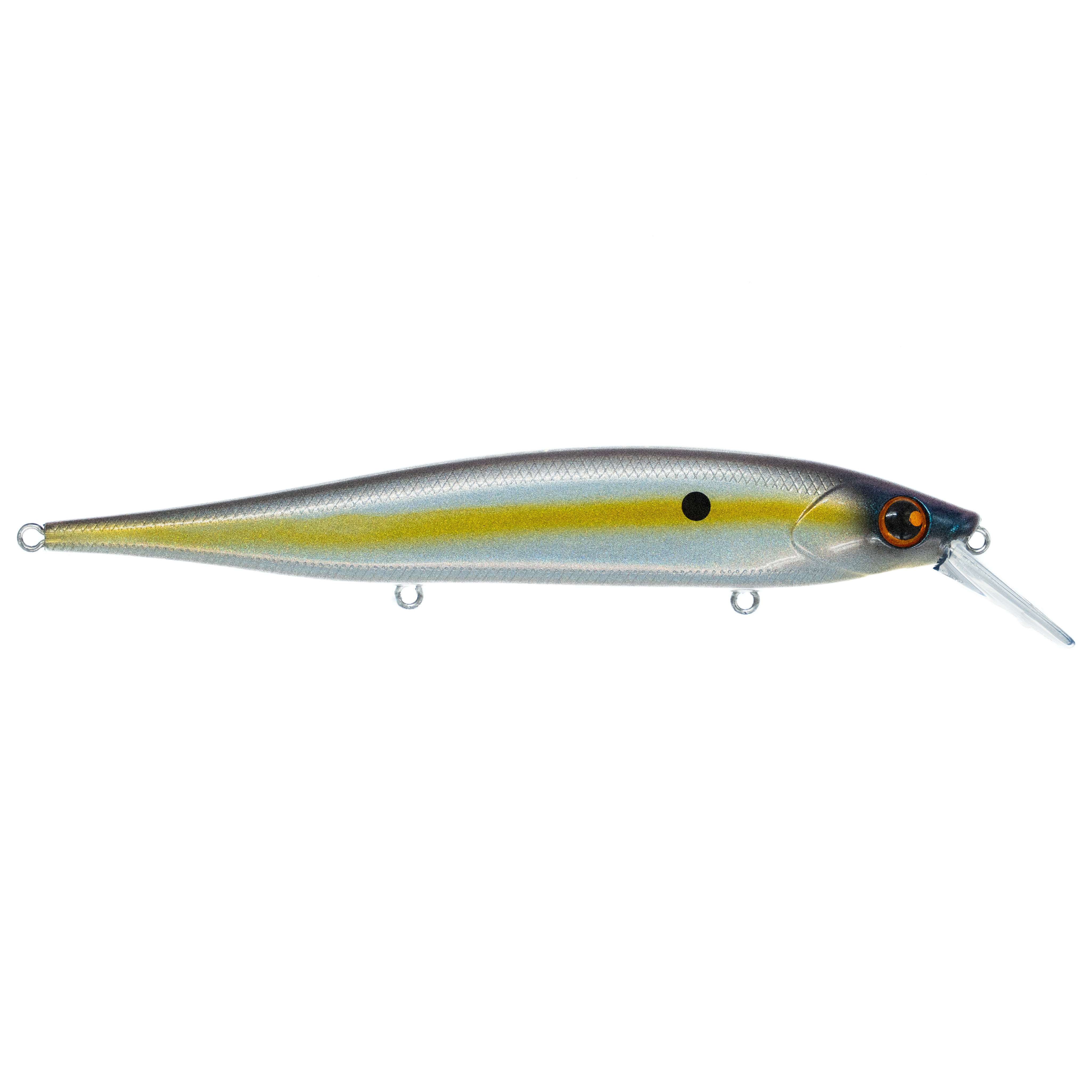
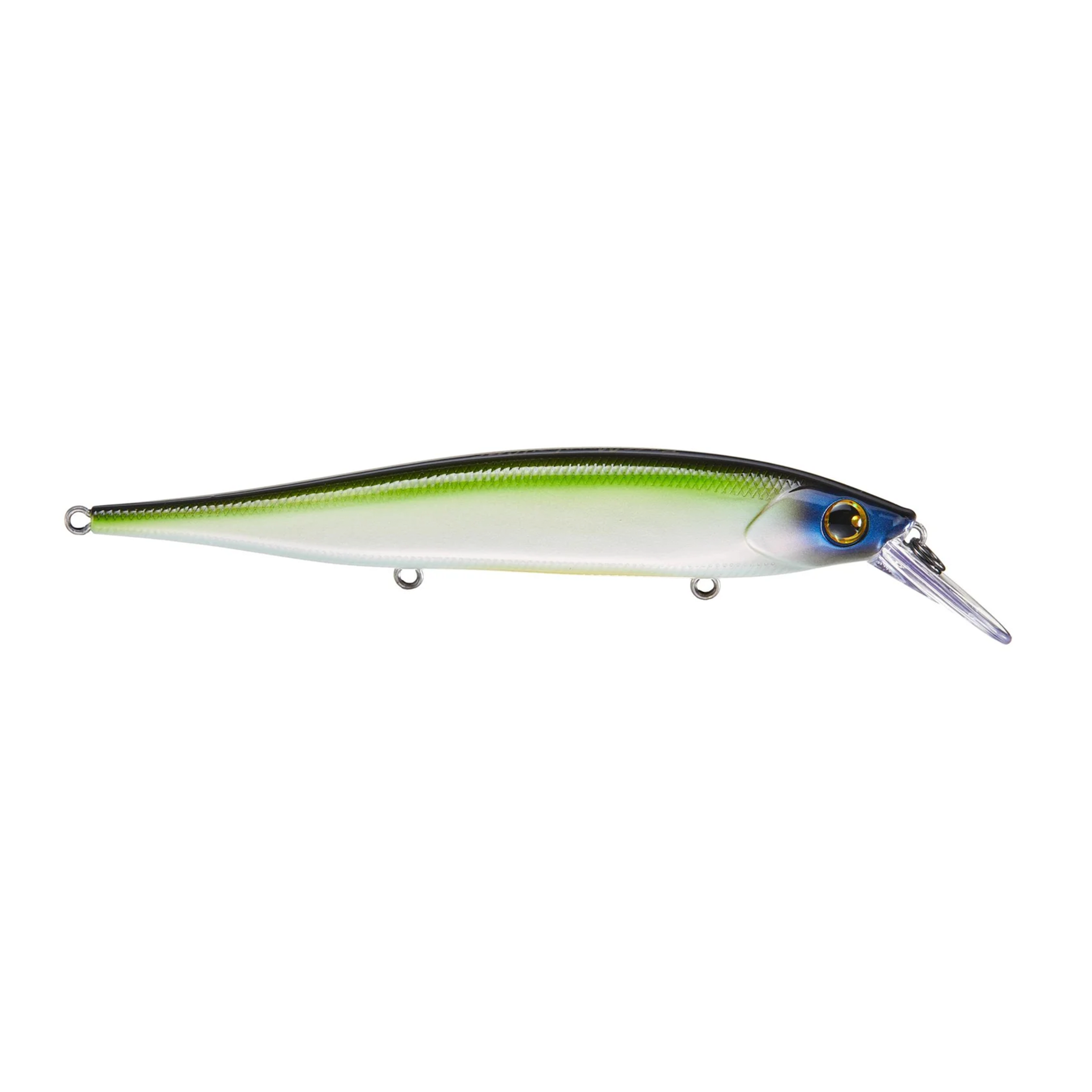
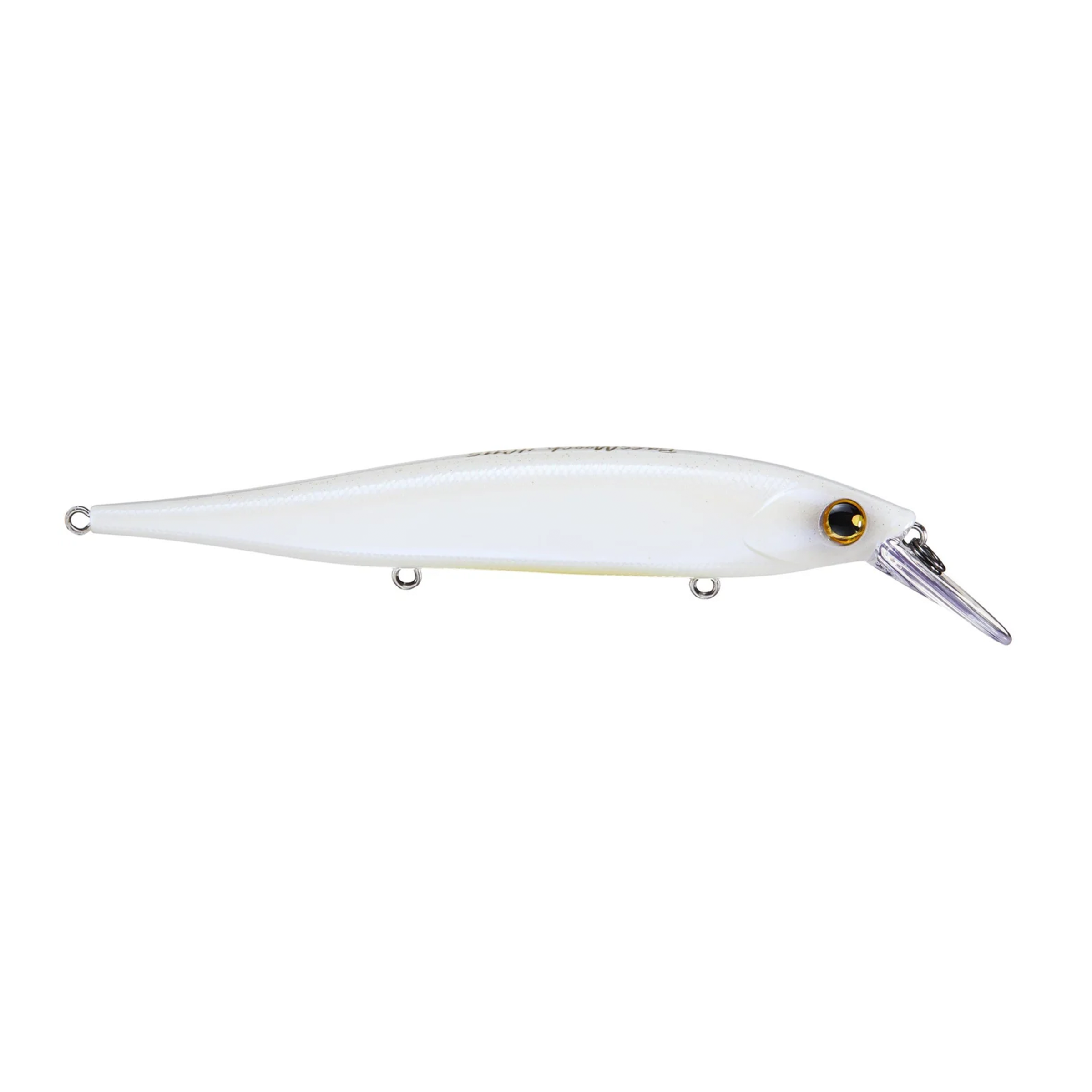
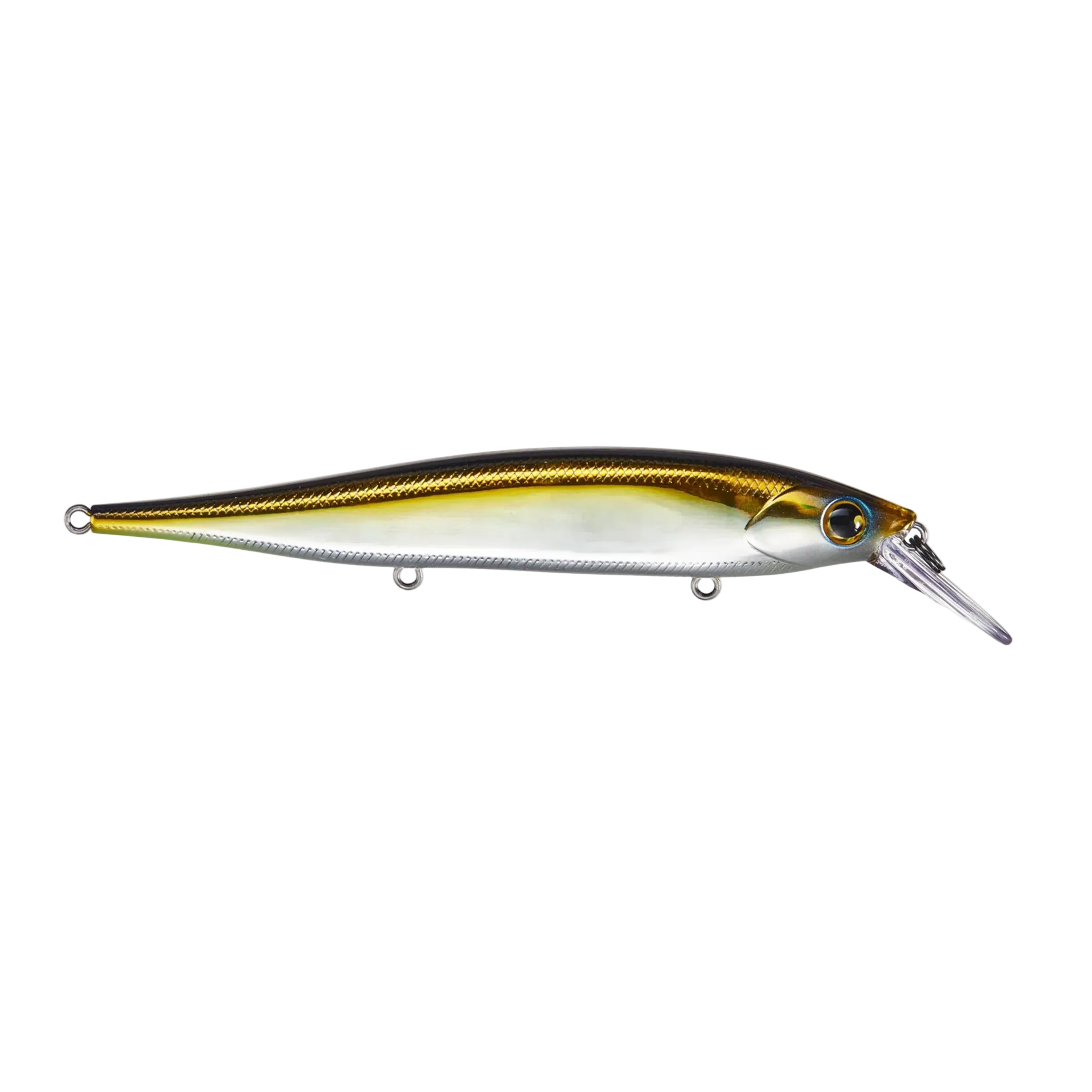
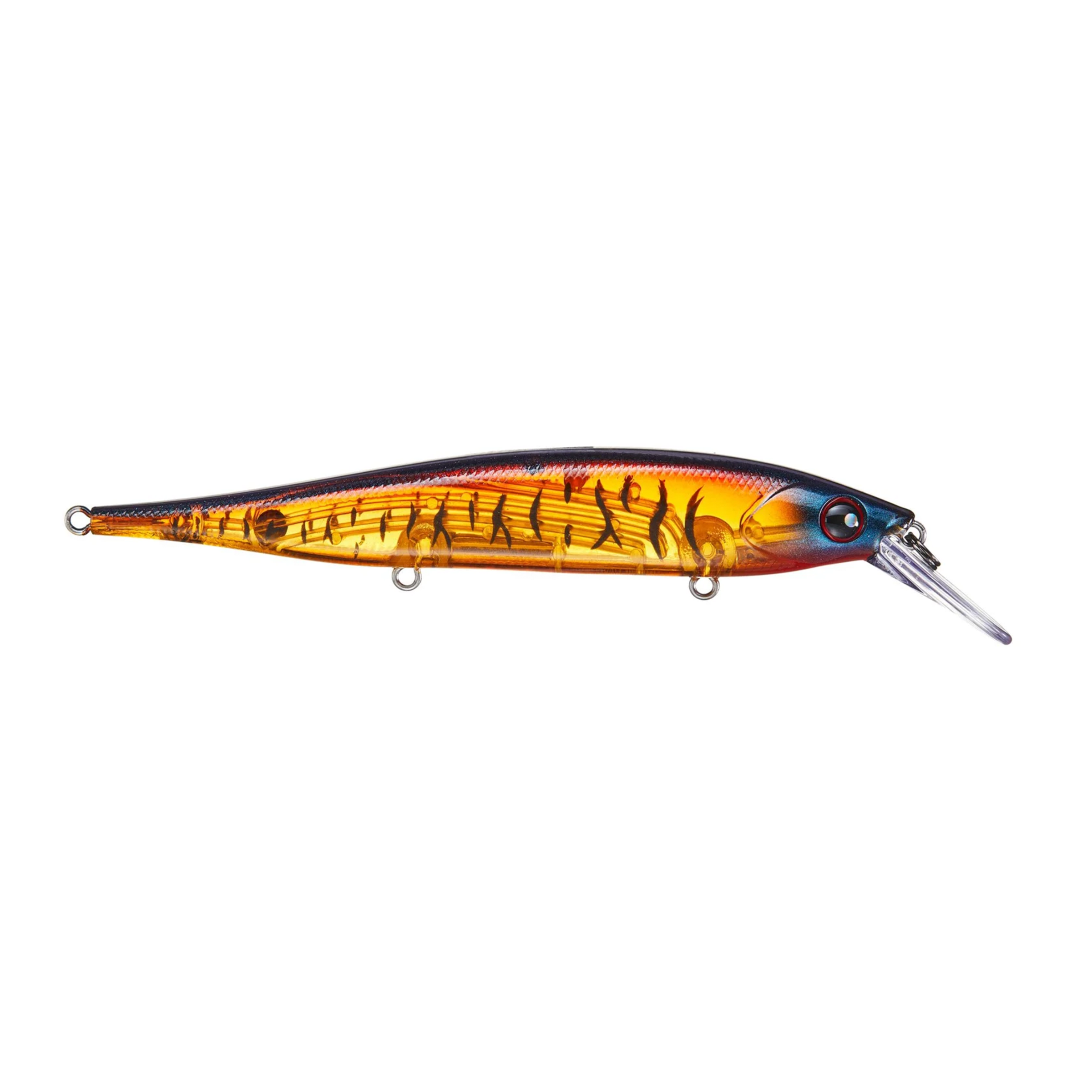
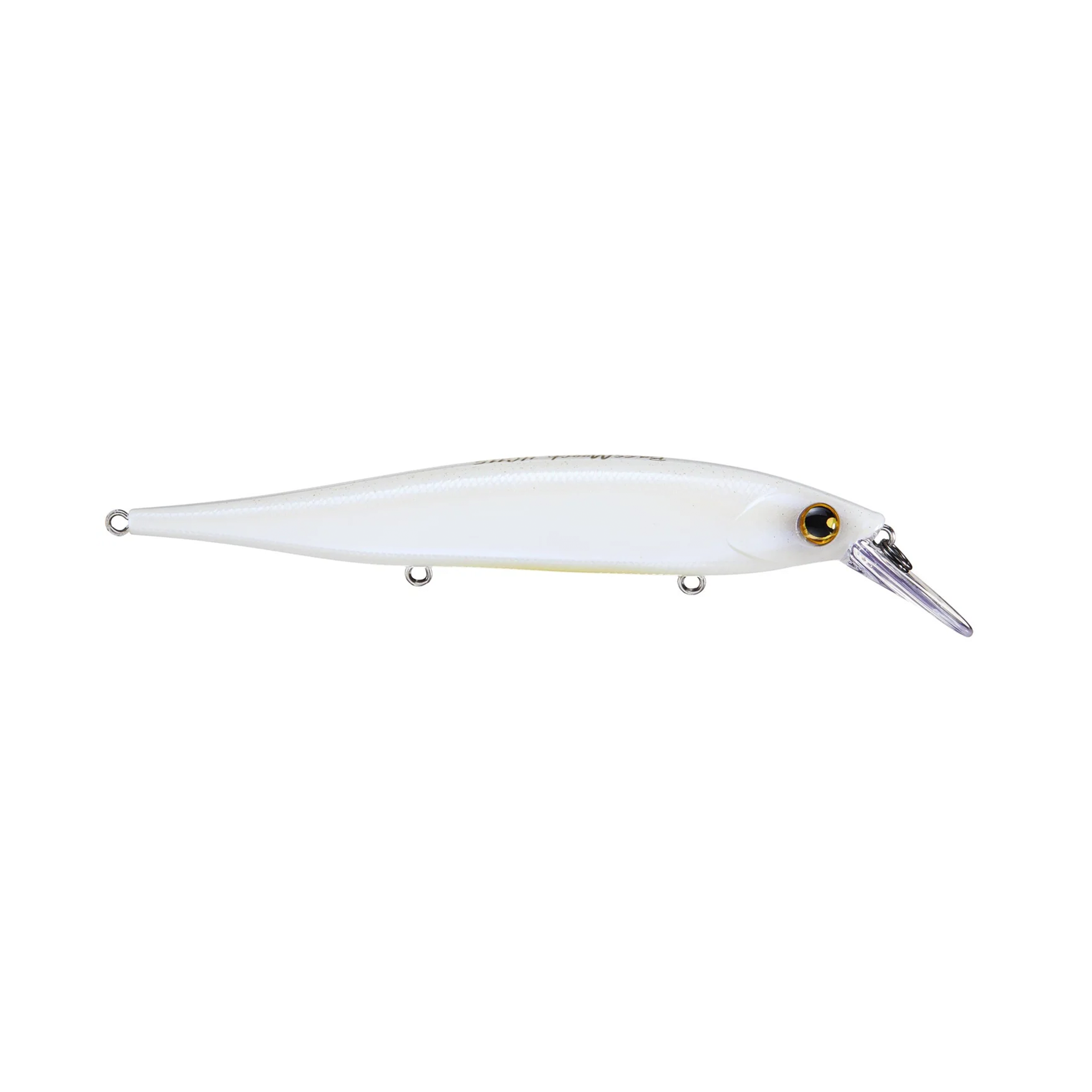
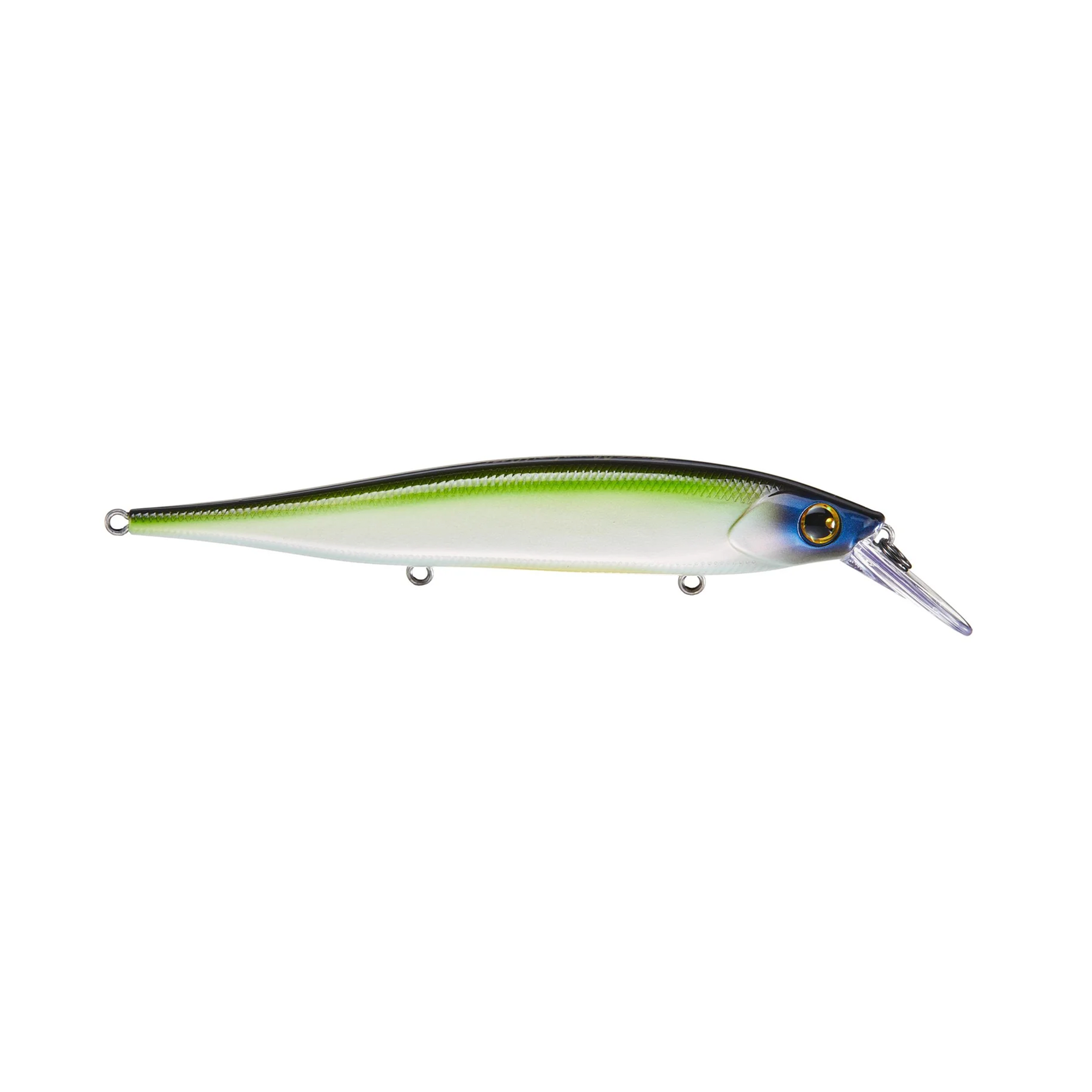
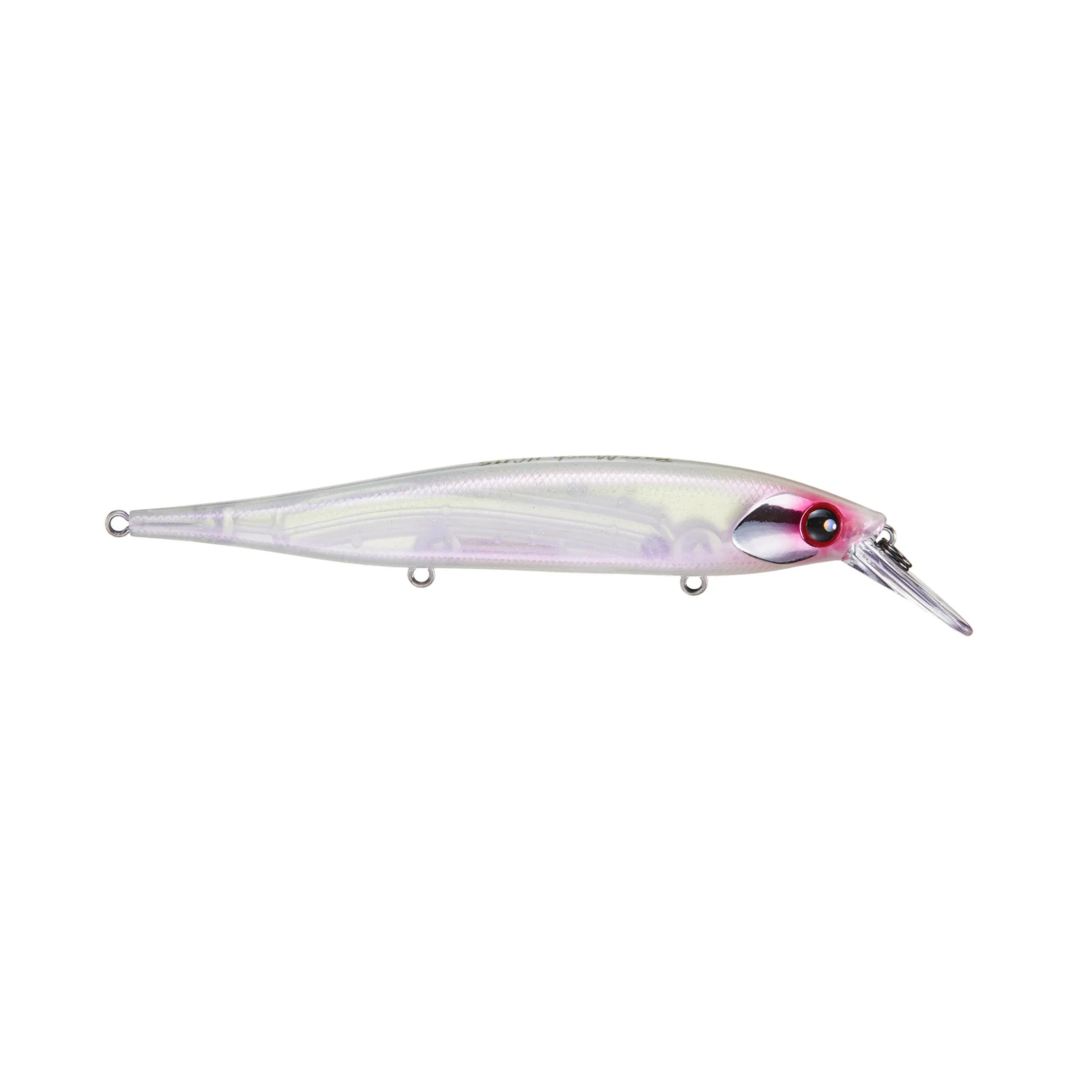
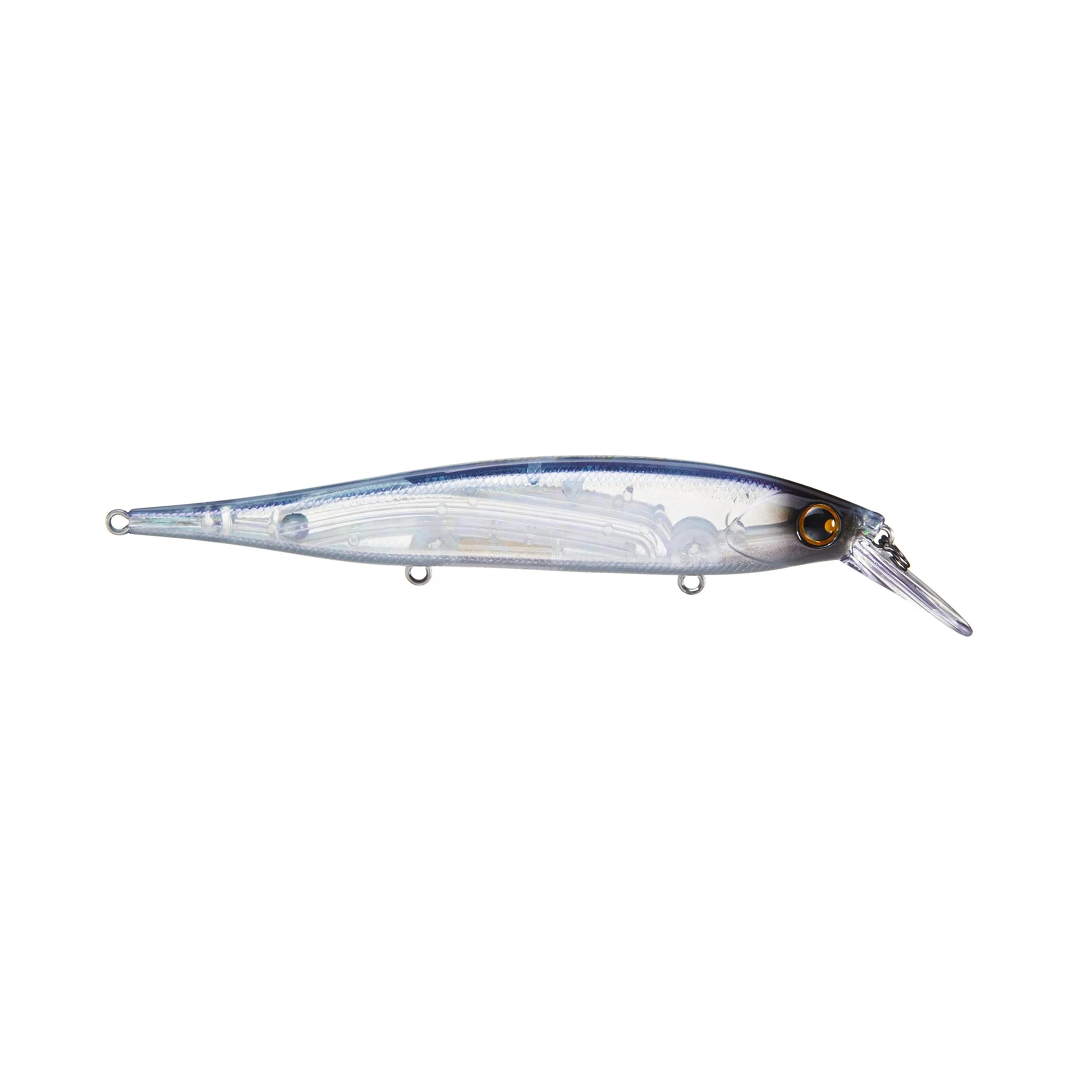
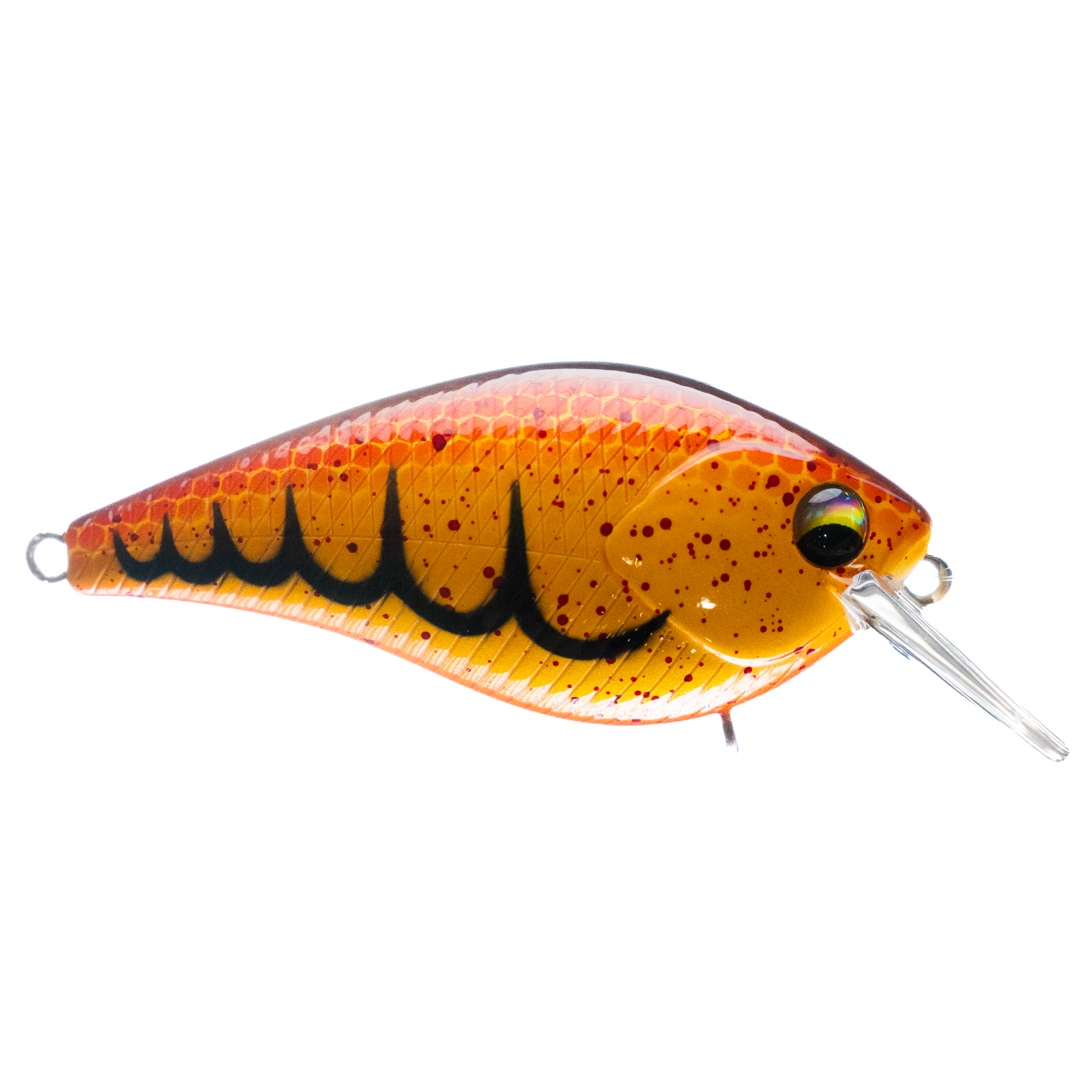
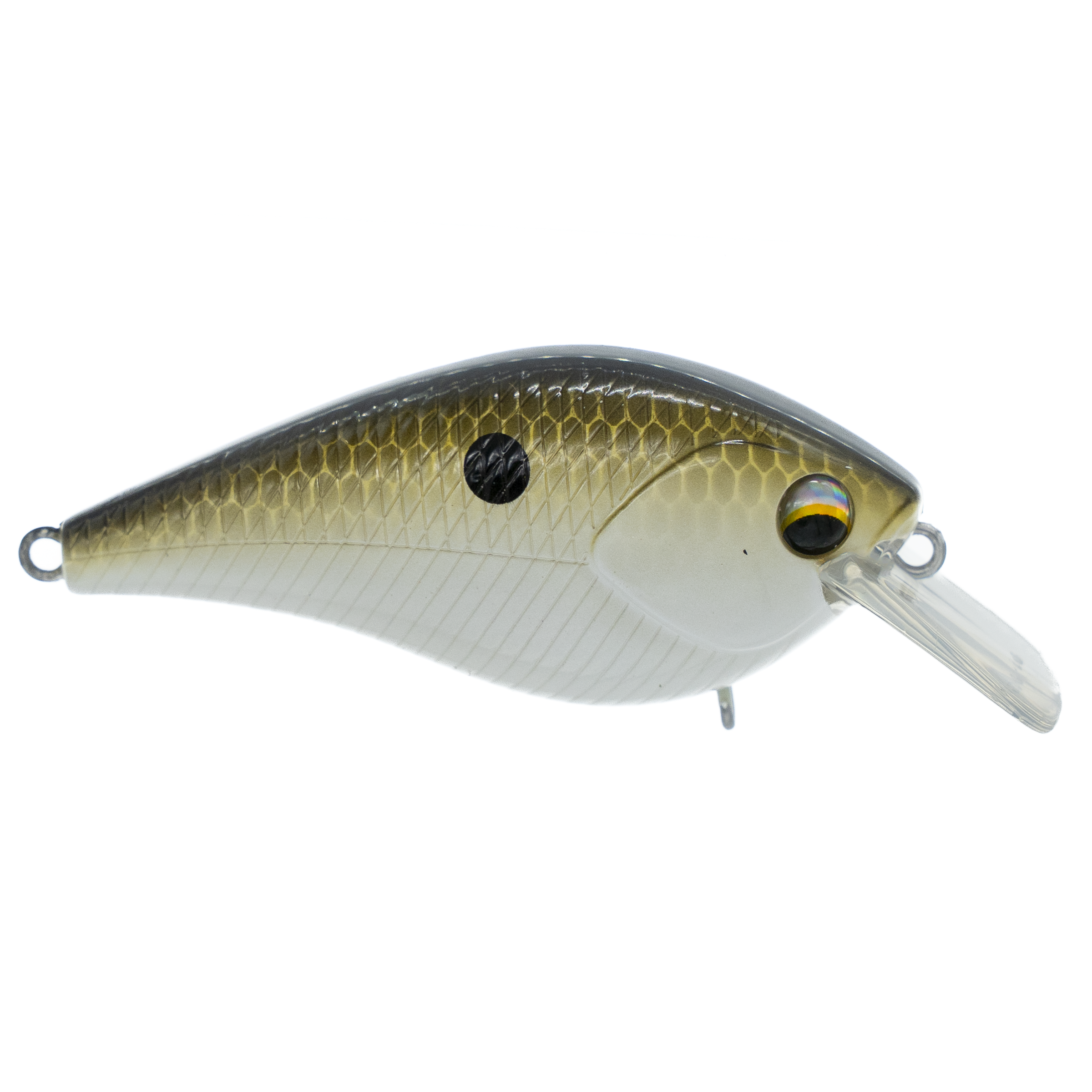
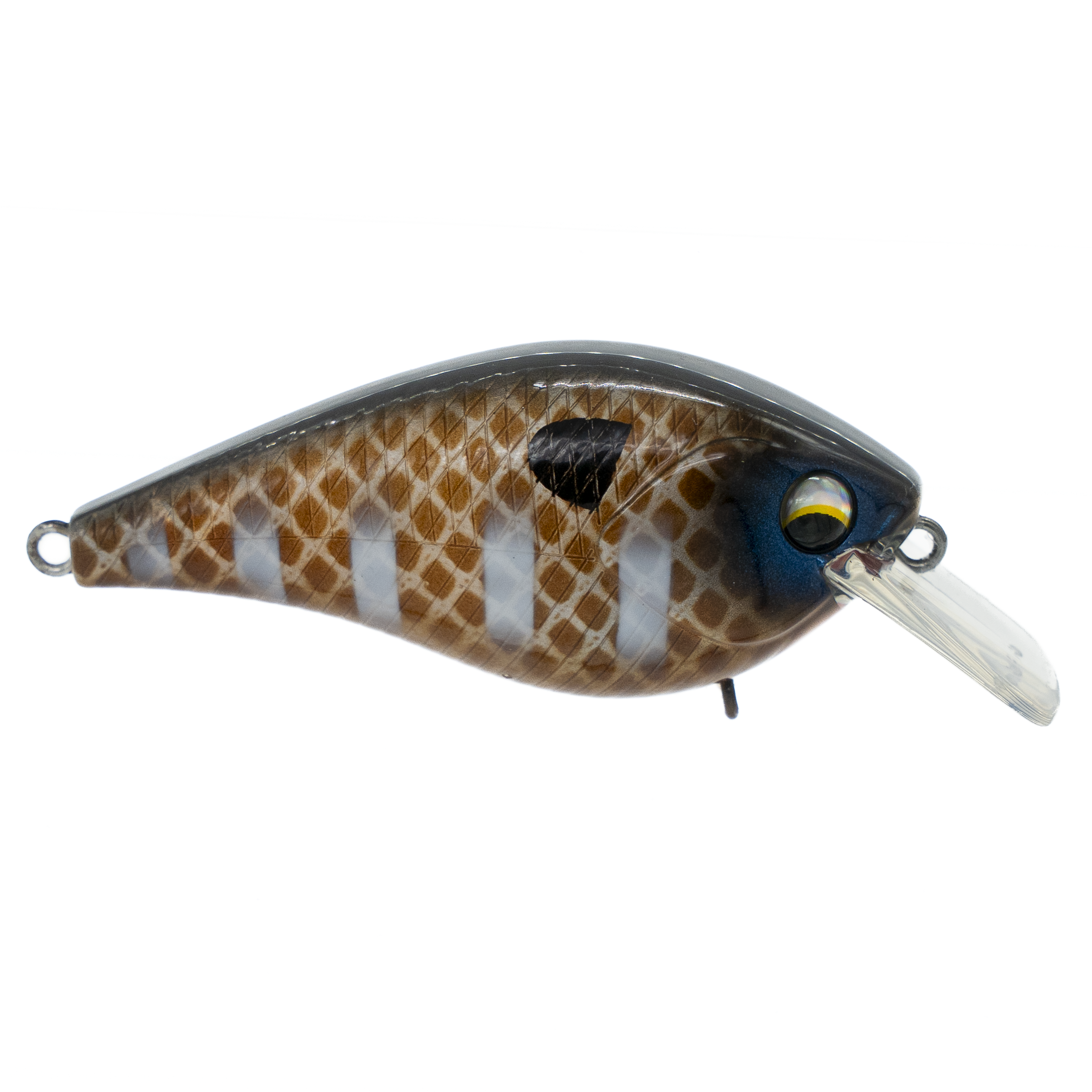
Crawfish imitations on the bottom, finesse plastics drifted through seams, topwater over riffles in low light, and a jerkbait in cold water. Natural colours and baits that behave like something drifting in current. Our full bait lineup covers all four seasons.
Drifting Seams, Two States
River smallmouth fishing means putting a bait into a current break from thirty feet and feeling it through. Level Rods builds models sensitive enough to tell a boulder from a bite in moving water and forgiving enough to hold a fish using the current against you.
Tournament Winning Baits & Gear
Designed, crafted and tested by anglers who fish moving water every week. Free shipping on orders over $75.
Shop All Baits