
Dale Hollow Lake Bass Fishing Guide
Dale Hollow Bass Fishing, Season by Season
Twenty-eight thousand acres of clear, bluff-lined highland reservoir on the Tennessee–Kentucky line, with no shoreline houses and no private docks. Dale Hollow produced the world record smallmouth in 1955 and six of the ten biggest ever caught anywhere. Seventy years on, the record still stands.
The Smallmouth Capital of the World
Dale Hollow was created in 1943 when the US Army Corps of Engineers completed a dam on the Obey River near Celina, Tennessee, close to its junction with the Cumberland. It covers 27,700 acres with 620 miles of shoreline across Clay, Pickett, Overton and Fentress counties in Tennessee and Clinton and Cumberland counties in Kentucky.
It is a highland reservoir and it looks like one: deep, exceptionally clear water, steep wooded hillsides, bluff banks and scattered islands. The Corps has kept it deliberately undeveloped — no private docks, no shoreline houses — which is why it looks the way it does and why it consistently appears on lists of the most beautiful lakes in the country.
The claim to fame is smallmouth. David Hayes was trolling a crankbait through two weed beds in the summer of 1955 when he hooked an 11-pound 15-ounce fish that has been the world record ever since. Six of the ten biggest smallmouth ever recorded came out of this lake. More trophy smallmouth have been taken here than from any other body of water anywhere.
The ingredients are straightforward once you see them together: clear water, an enormous amount of irregular rock — bluffs, chunk rock, gravel, rocky points, red and tan clay — a high-protein forage base of shad and crawfish, and a southern growing season. The upper riverine sections carry current and more stained water; the lower end is clear. Both hold fish.
The regulations are why you rarely see a national tournament here, and they are worth knowing before you travel. Smallmouth are under a 16 to 21 inch protected slot with a two-fish daily limit, of which one may be under sixteen inches and one over twenty-one. Largemouth carry a fifteen-inch minimum. Black bass overall are five per day in combination with no more than two smallmouth. Because the lake straddles the state line, check which licence you need.
Largemouth and spotted bass are genuinely good here too and get overlooked. Spots over five pounds turn up every year, and a March event on this lake was won with better than twenty-two pounds of largemouth.
The Fish That Made This Lake Famous
The catch that built the reputation, and the baits to fish the water that produced it.
David Hayes — Seventy Years, and Nobody Has Beaten It
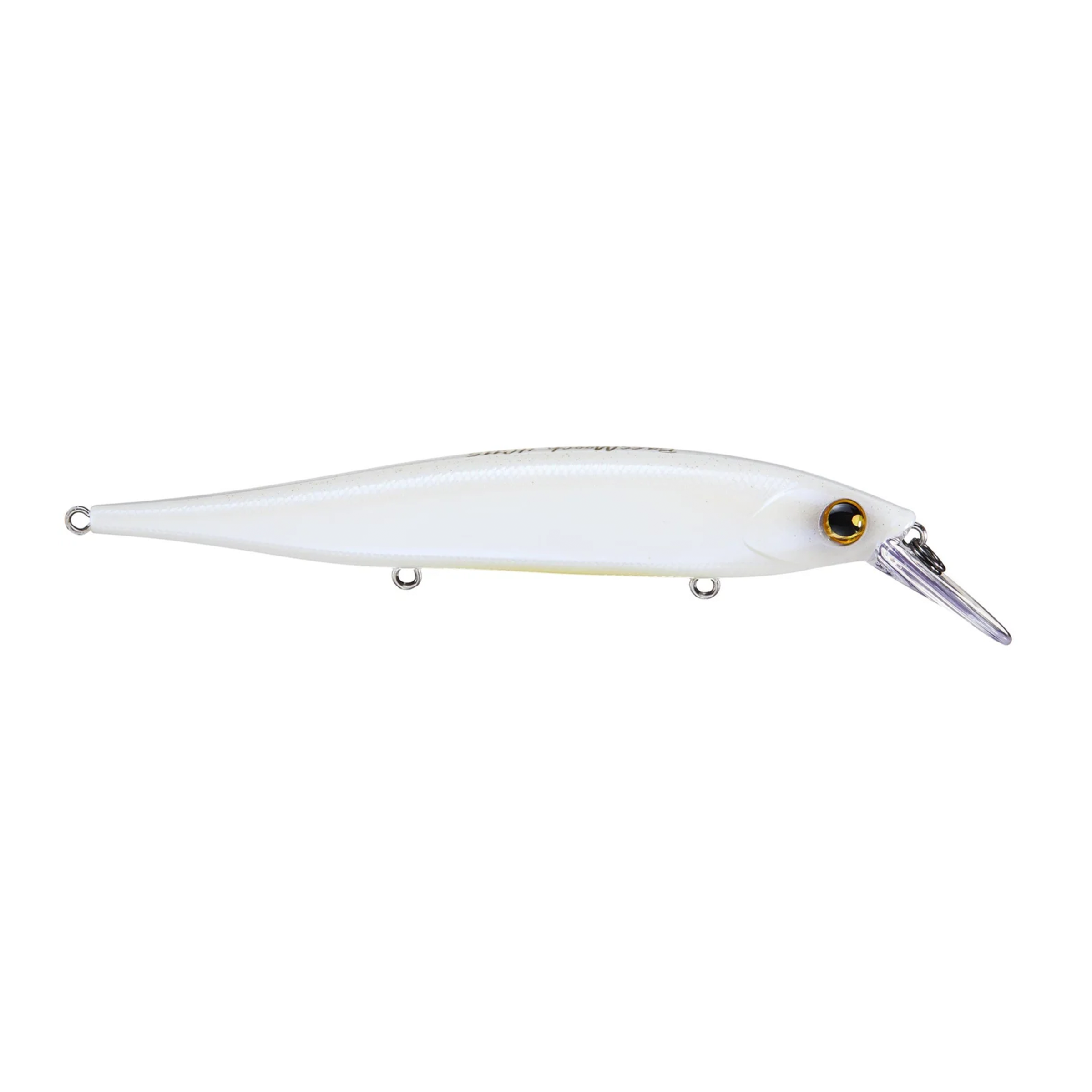
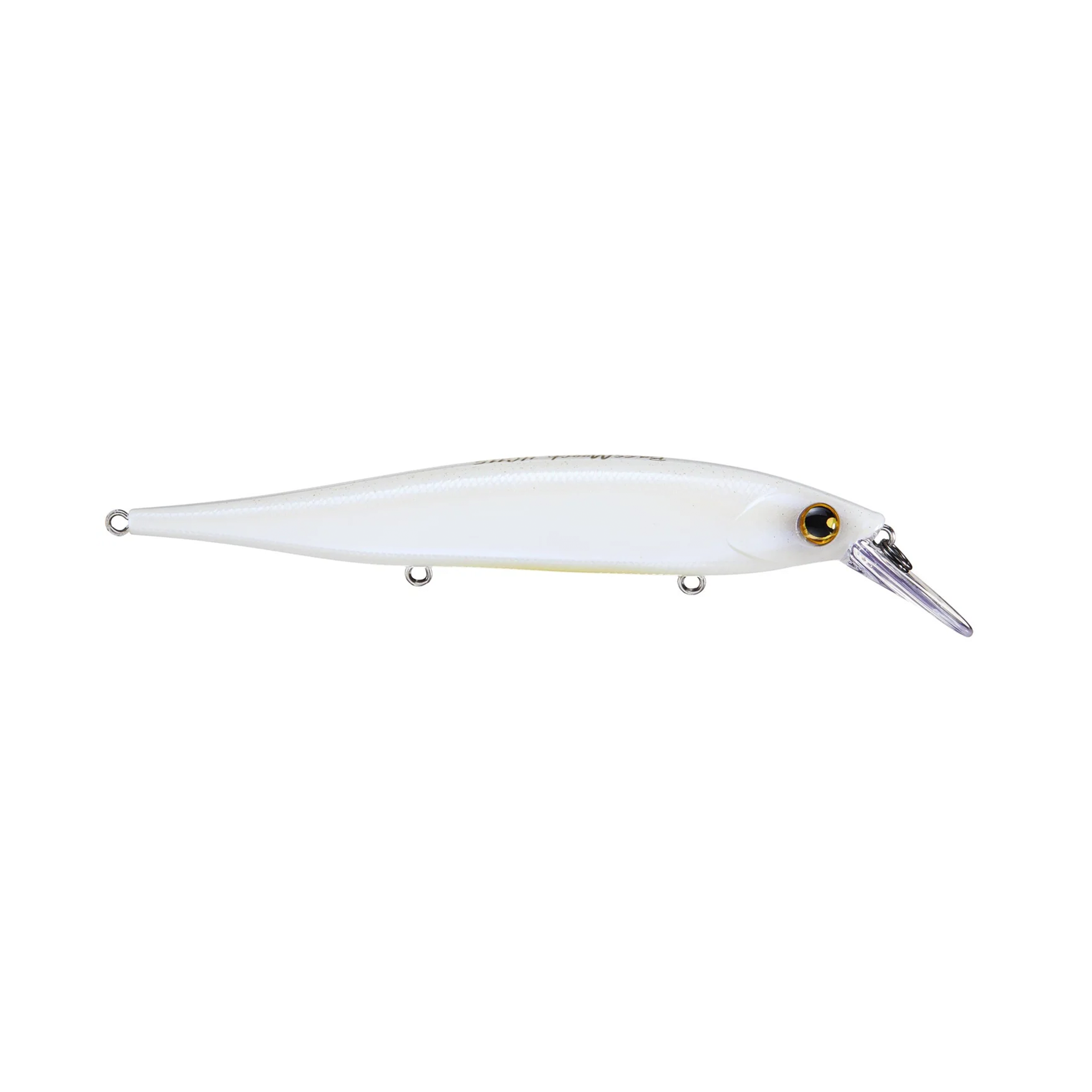
Hayes was an experienced smallmouth angler out with his family for a few hours. He trolled a pearl-coloured crankbait through two weed beds, felt a heavy pull and initially thought he had snagged bottom. Then it moved. He got the fish to the boat, netted it, took it to a marina and put it on certified scales: eleven pounds fifteen ounces.
The record was challenged years later when an affidavit surfaced accusing him of tampering with the fish. An investigation concluded he had done everything legally and the record stood. It has stood ever since — more than seventy years, which in a sport where records fall regularly is close to unbelievable.
The wider record is arguably more impressive than the single fish. Six of the ten biggest smallmouth ever caught anywhere in the world came out of Dale Hollow, and more trophy smallmouth have come from this lake than any other water on earth.
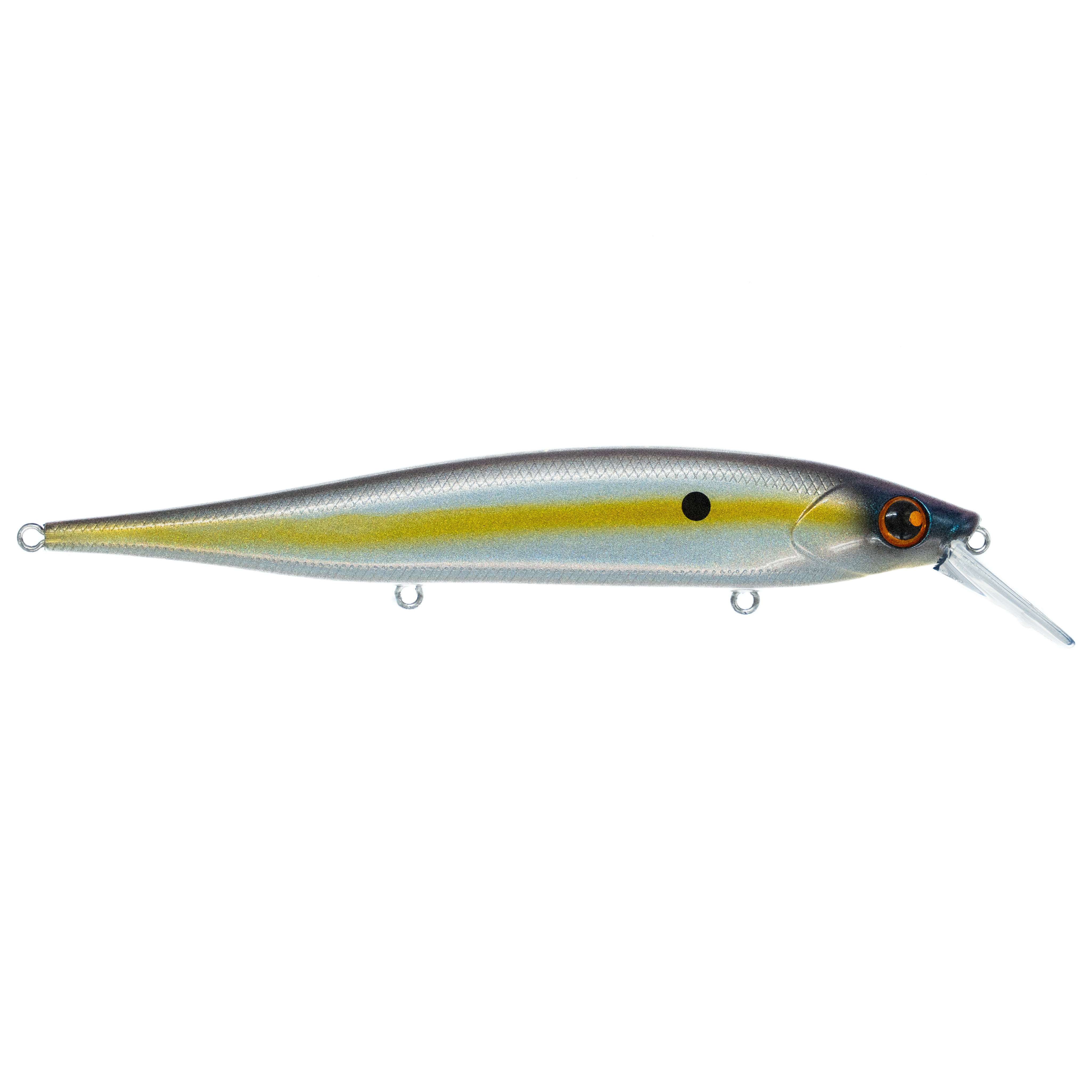
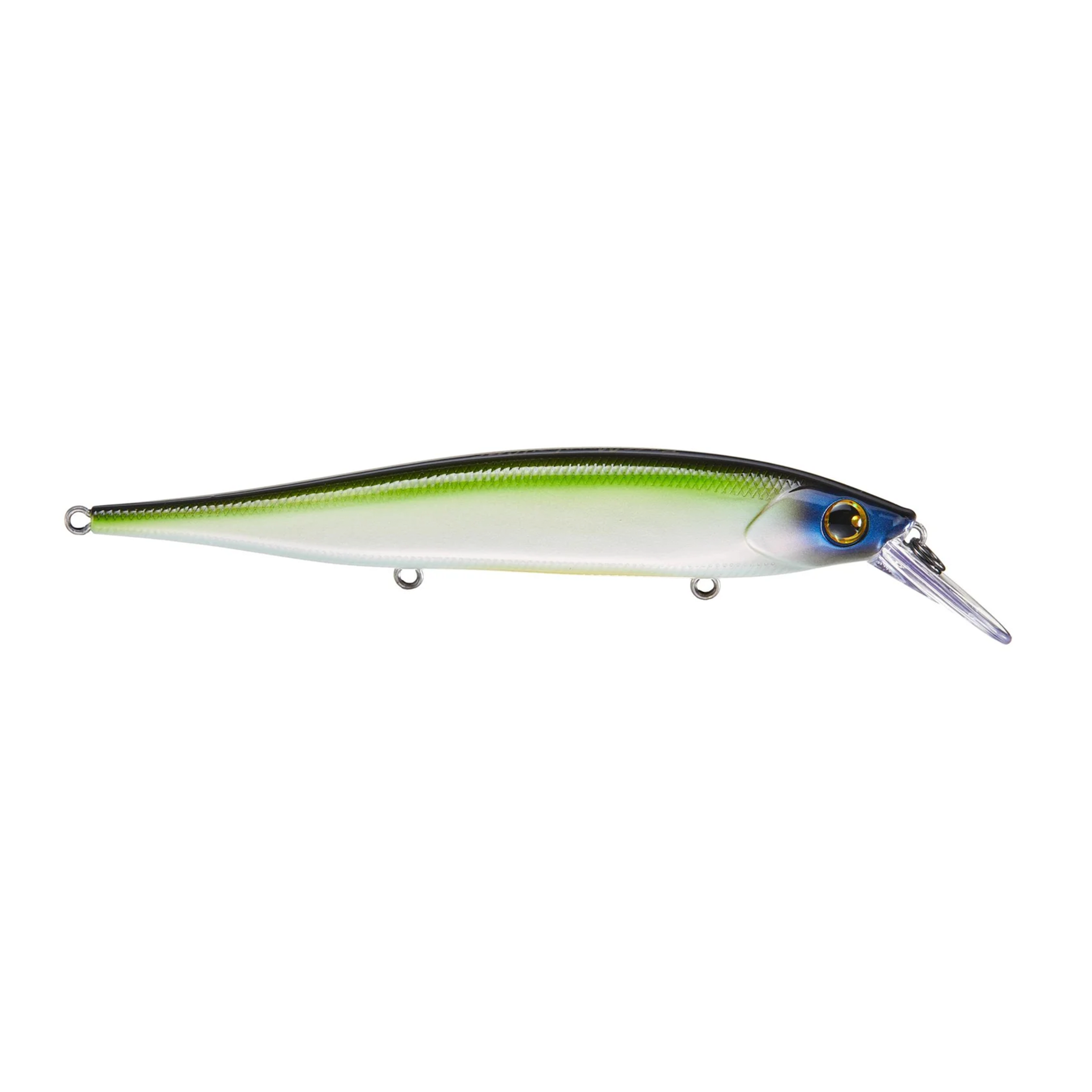
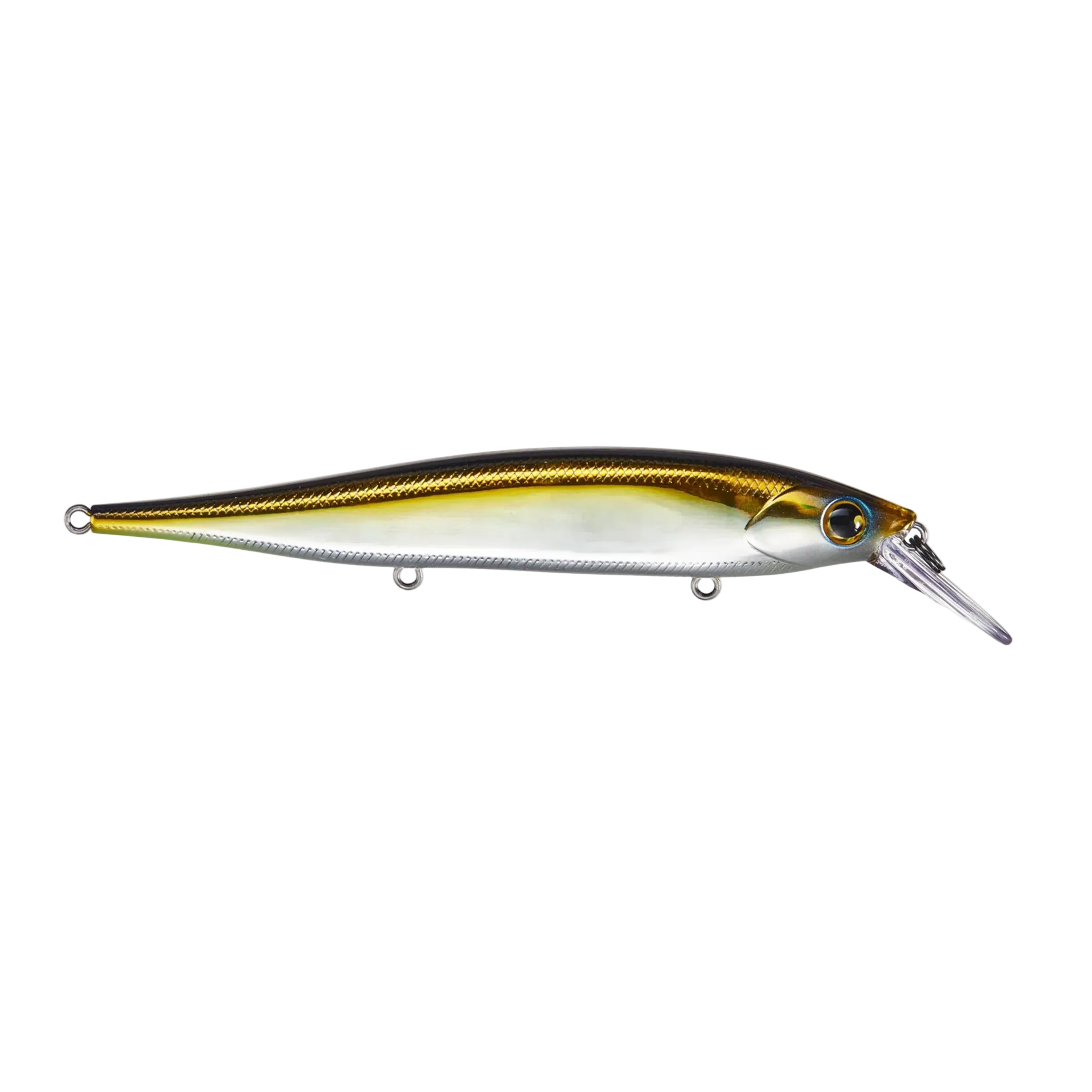
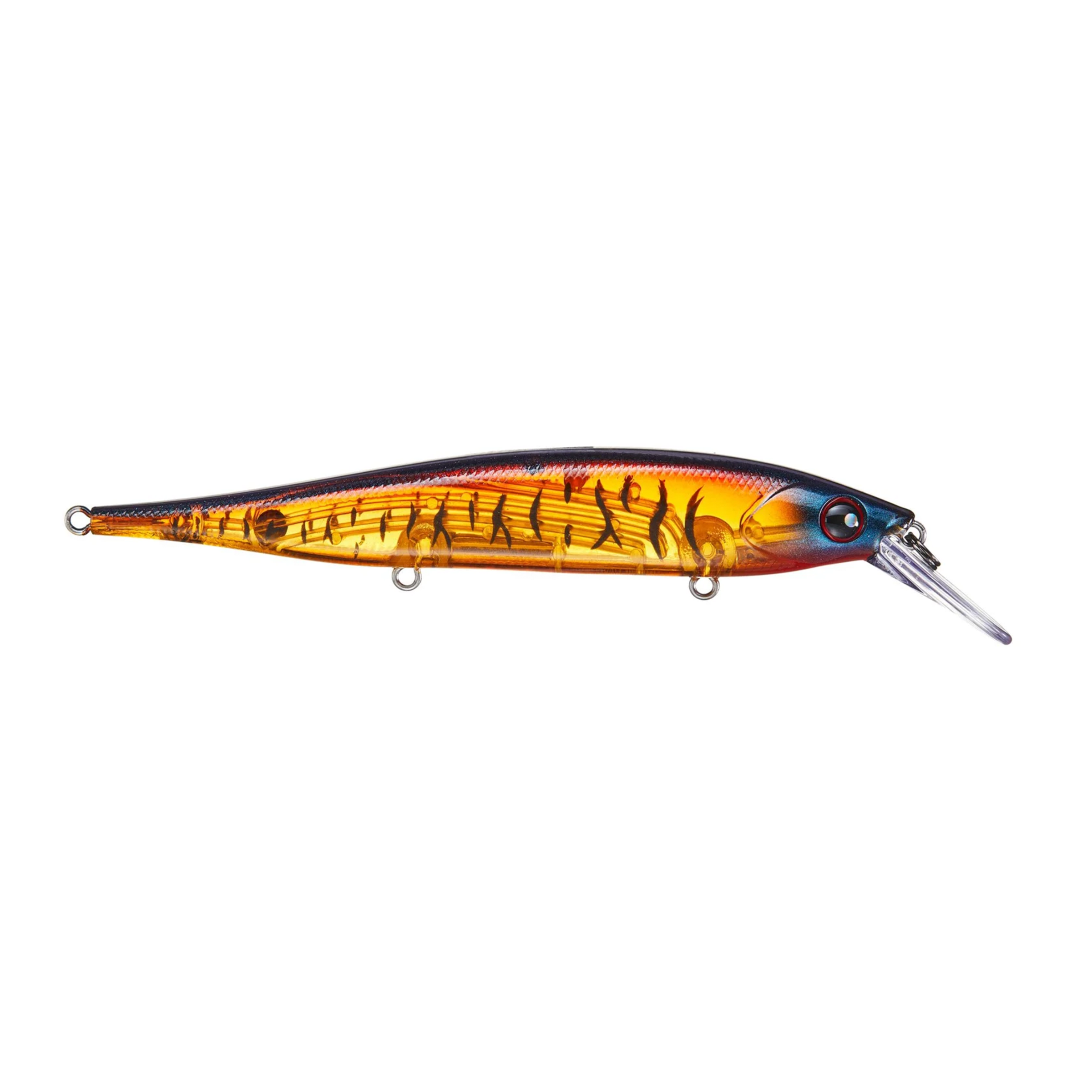
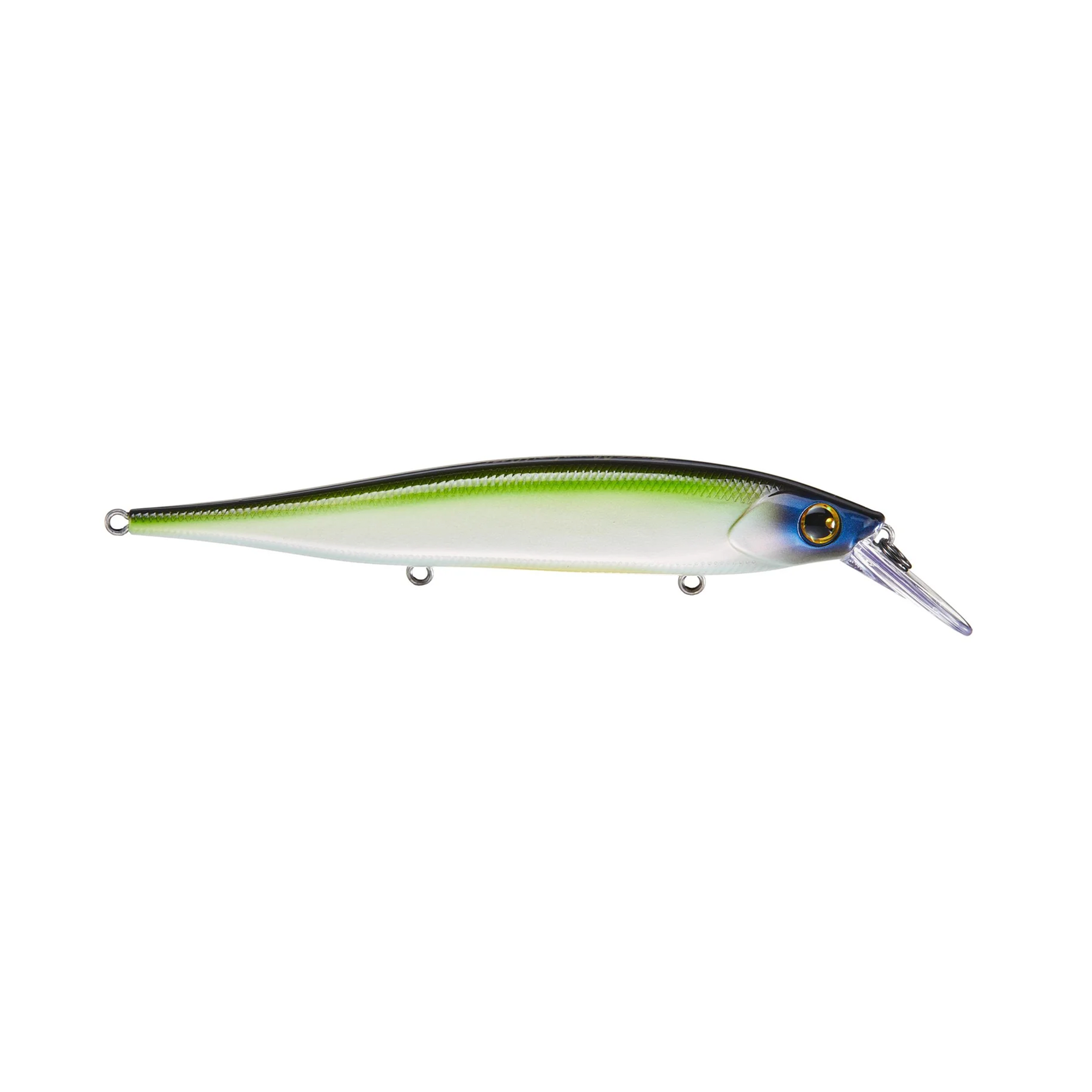
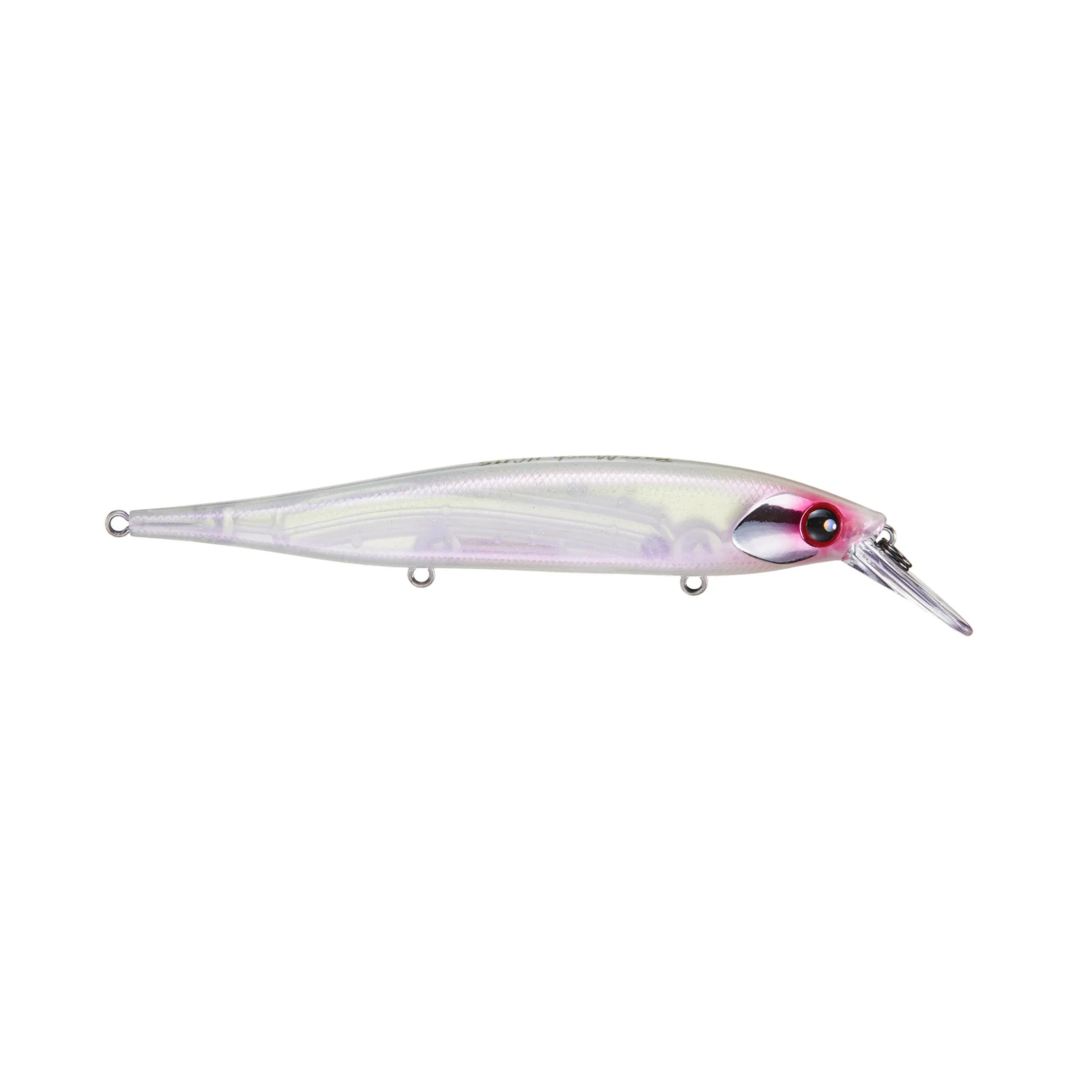
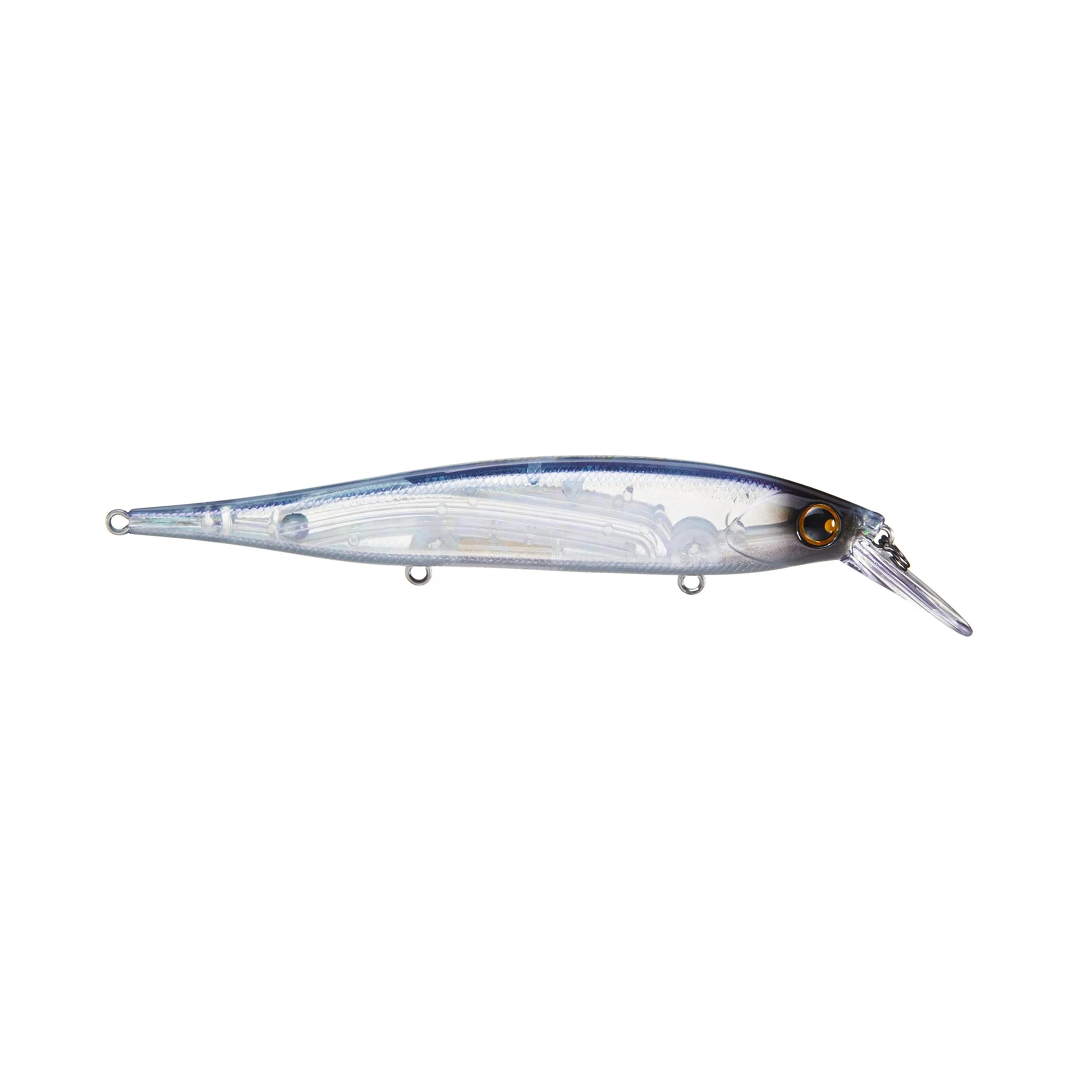
For anyone fishing it now: the modern approach for the biggest fish is to target roughly thirty-five feet on the main lake, and to work a jerkbait off main-lake points on calm days where big smallmouth suspend. On choppier days move in closer. Spring and autumn are the prime windows.

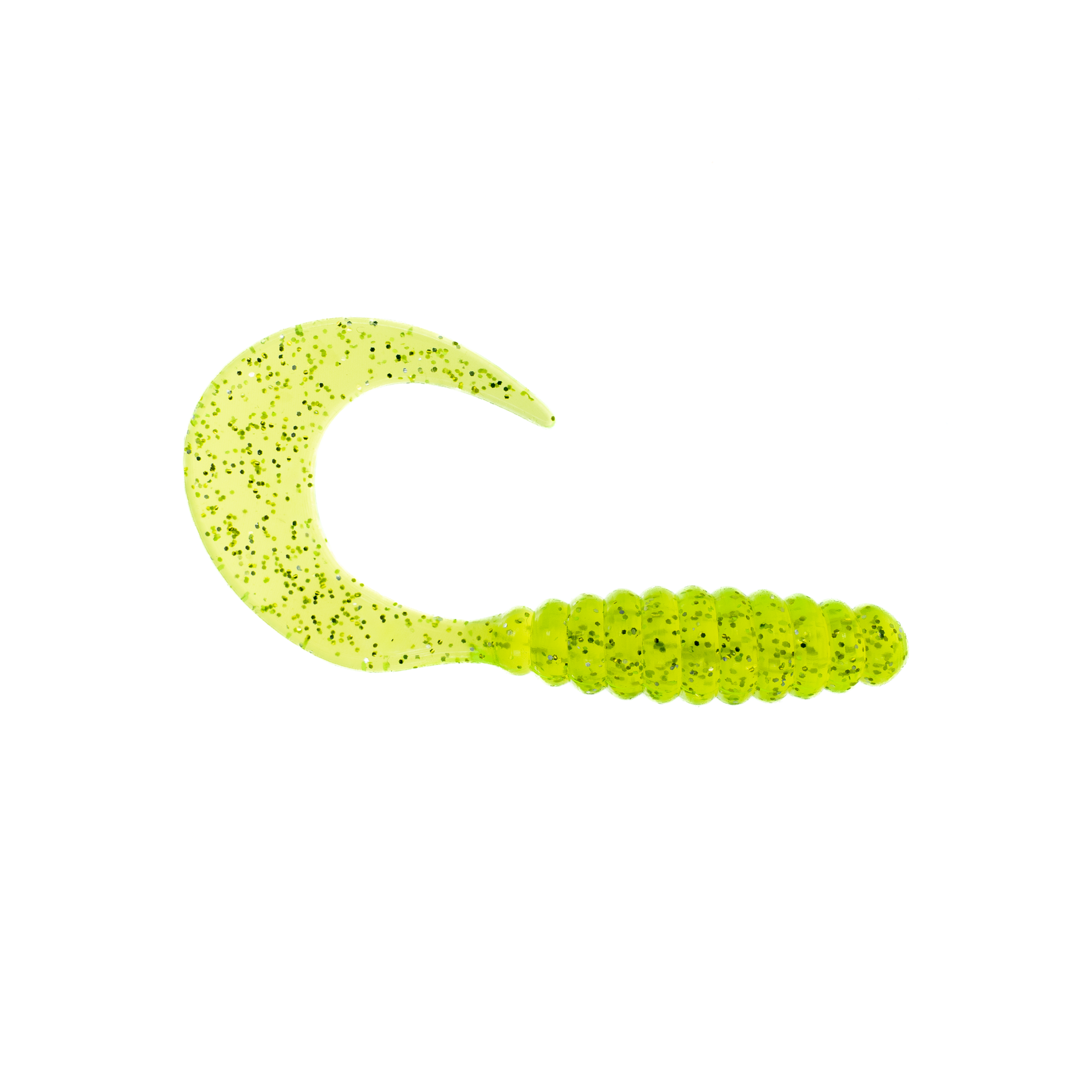

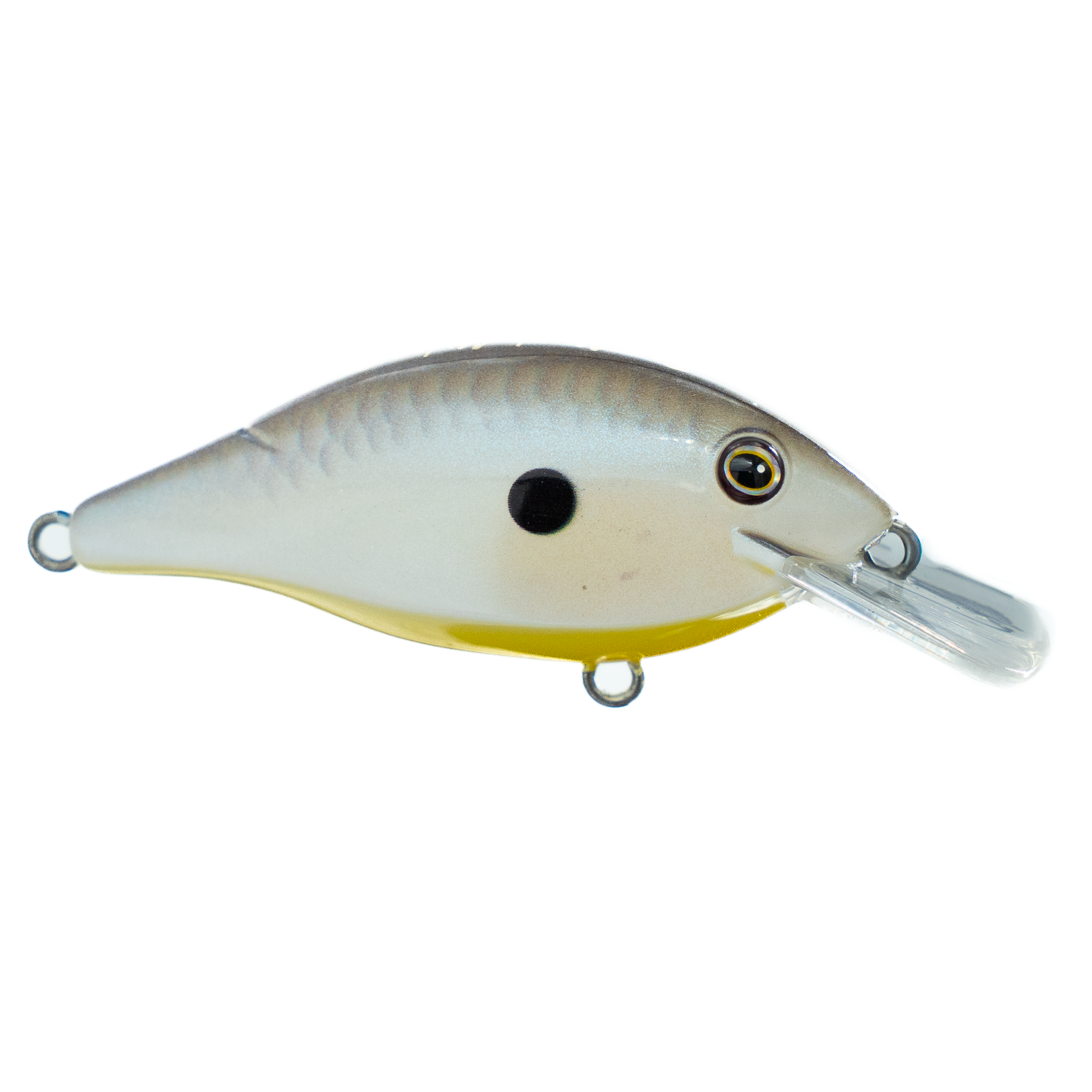
Bluffs, Rock and Clear Water
Four patterns cover the year. Each one pairs the technique with the baits we'd actually tie on.
Prime Time for Brown Fish
March and April are the strongest smallmouth months of the year. Prespawn fish move up onto rocky points, gravel and chunk rock, and the jerkbait bite off main-lake points on calm days is the classic Dale Hollow presentation — big fish suspend there and come a long way to eat. Largemouth push into the upper riverine sections and the backs of the creeks at the same time.
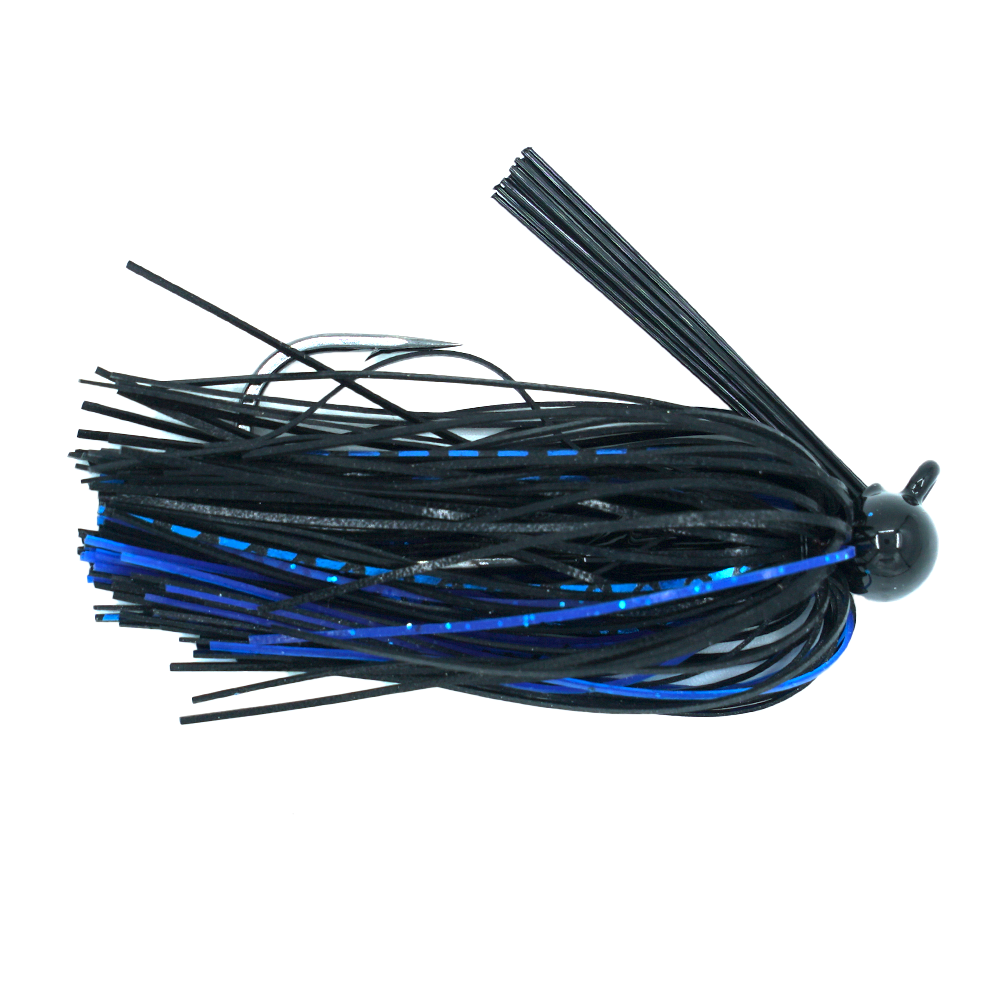

Early, Late, and Deep
Summer pushes the smallmouth down and makes the middle of the day difficult. The fishing is best early in the morning, after dark, or deep — the bigger fish hold around thirty-five feet on the main lake. Water clarity that helps in spring works against you under bright sun.

The Other Prime Window
October and November match spring for big smallmouth. Cooling water brings fish back up onto the rock and they feed hard ahead of winter. The lake is quieter than in summer — the houseboat and vacation traffic has gone — and the scenery on this reservoir in autumn is a reason to go on its own.
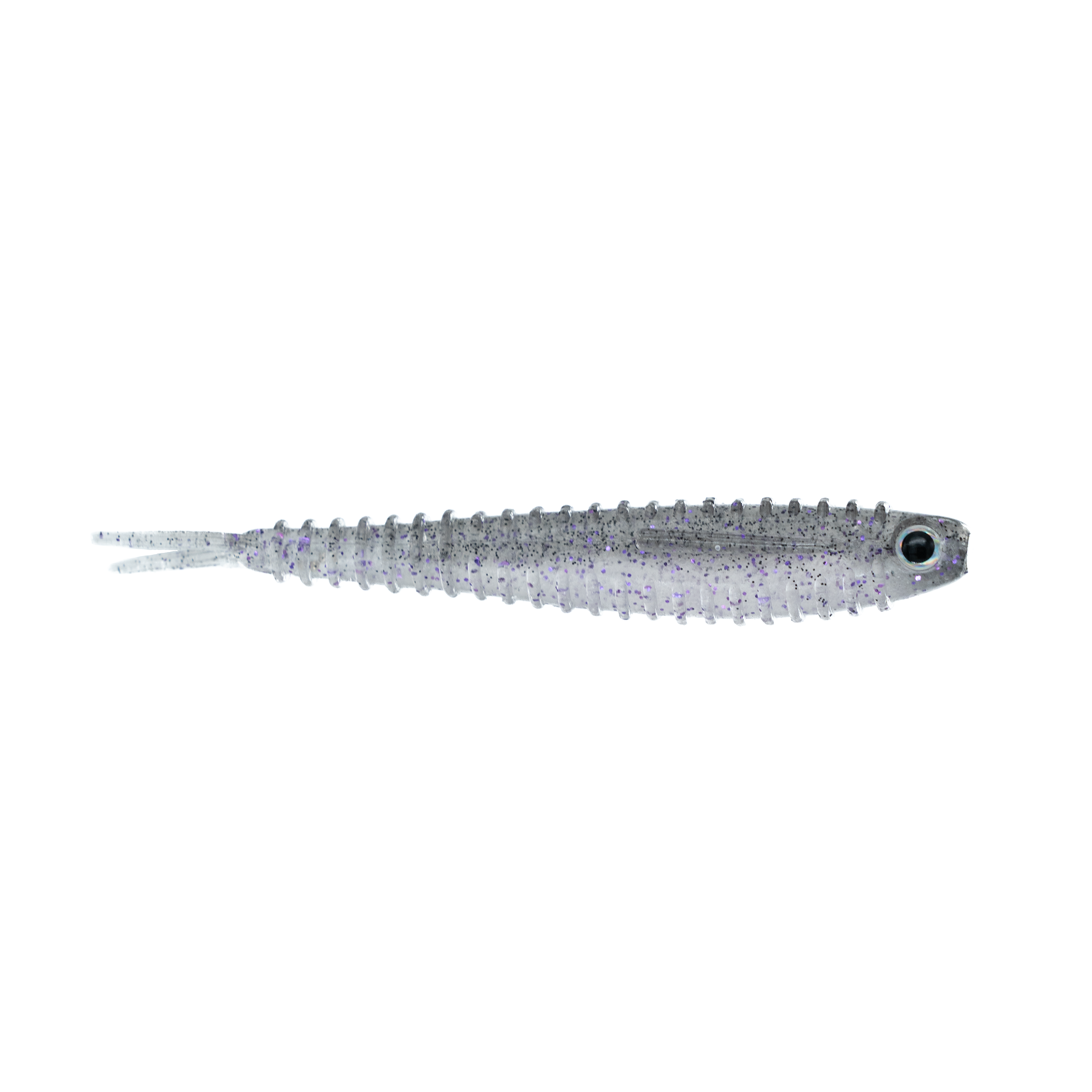

Float-and-Fly Country
Winter on a clear highland reservoir is surprisingly productive, and it is when the local specialty comes out. Smallmouth suspend over deep water and the traditional answer across this region is a small hair jig fished ten feet or more beneath a float. Largemouth hold deep on the main lake as well — one March event here was won with better than twenty-two pounds of them on a vertical presentation.

Dale Hollow Lake Access
Fourteen marinas serve the lake across both the Tennessee and Kentucky sides, along with Corps of Engineers campgrounds and public ramps. Celina, Byrdstown and Cookeville are the nearest towns. Over 24,000 acres of public land surround the water.
The Main-Lake Points
Where the big smallmouth suspend, and where the jerkbait pattern that defines this lake works best. Calm days are the days to fish them — in clear water on a flat surface, big fish will come off the bottom a long way. Target around thirty-five feet for the biggest fish.
The Bluff Banks
Steep rock walls dropping into deep water, giving fish the whole water column within a cast of the bank. Reliable when conditions are difficult, and the defining feature of a highland reservoir. Work them vertically in summer and winter.
The Upper Riverine Sections
Where the Obey comes in, carrying current and more stained water. This is largemouth water, and it is where to go when the clear lower end gets tough. Also the section that fishes most conventionally if the clear-water finesse game is not your thing.
Dale Hollow Lake Bass Fishing FAQ
What is the world record smallmouth bass?
An 11-pound 15-ounce fish caught by David Hayes at Dale Hollow in the summer of 1955, trolling a crankbait. It has stood as the world record for more than seventy years. A later challenge alleging tampering was investigated and dismissed, and the record was upheld.
Why is Dale Hollow so good for smallmouth?
Deep clear water, an enormous variety of rock structure — bluffs, chunk rock, gravel, rocky points and clay — a high-protein forage base of shad and crawfish, and a long southern growing season. Add good genetics and the result is six of the ten biggest smallmouth ever recorded.
What is the slot limit at Dale Hollow?
Smallmouth between sixteen and twenty-one inches are protected and must be released. The daily limit is two smallmouth, of which one may be under sixteen inches and one over twenty-one. Largemouth carry a fifteen-inch minimum, and black bass overall are five per day in combination with no more than two smallmouth.
Why aren't there national tournaments at Dale Hollow?
Largely because of that slot limit, which prevents anglers from possessing smallmouth between sixteen and twenty-one inches. It makes conventional weigh-in formats awkward, so the lake has been left off most national schedules despite its quality.
When is the best time to fish Dale Hollow?
March and April, and October and November, are the prime windows for big smallmouth. Summer fishing is best early, after dark or deep. Winter is more productive than people expect, and it is when the float-and-fly technique comes into its own.
Is Dale Hollow only for smallmouth?
No, though that is the reputation. Largemouth and spotted bass are both good and both overlooked — spots over five pounds are caught every year, and largemouth congregate in the upper riverine sections and the backs of creeks. The lake also holds one of the larger walleye populations in the South, plus trout and muskie.
What baits work best at Dale Hollow?
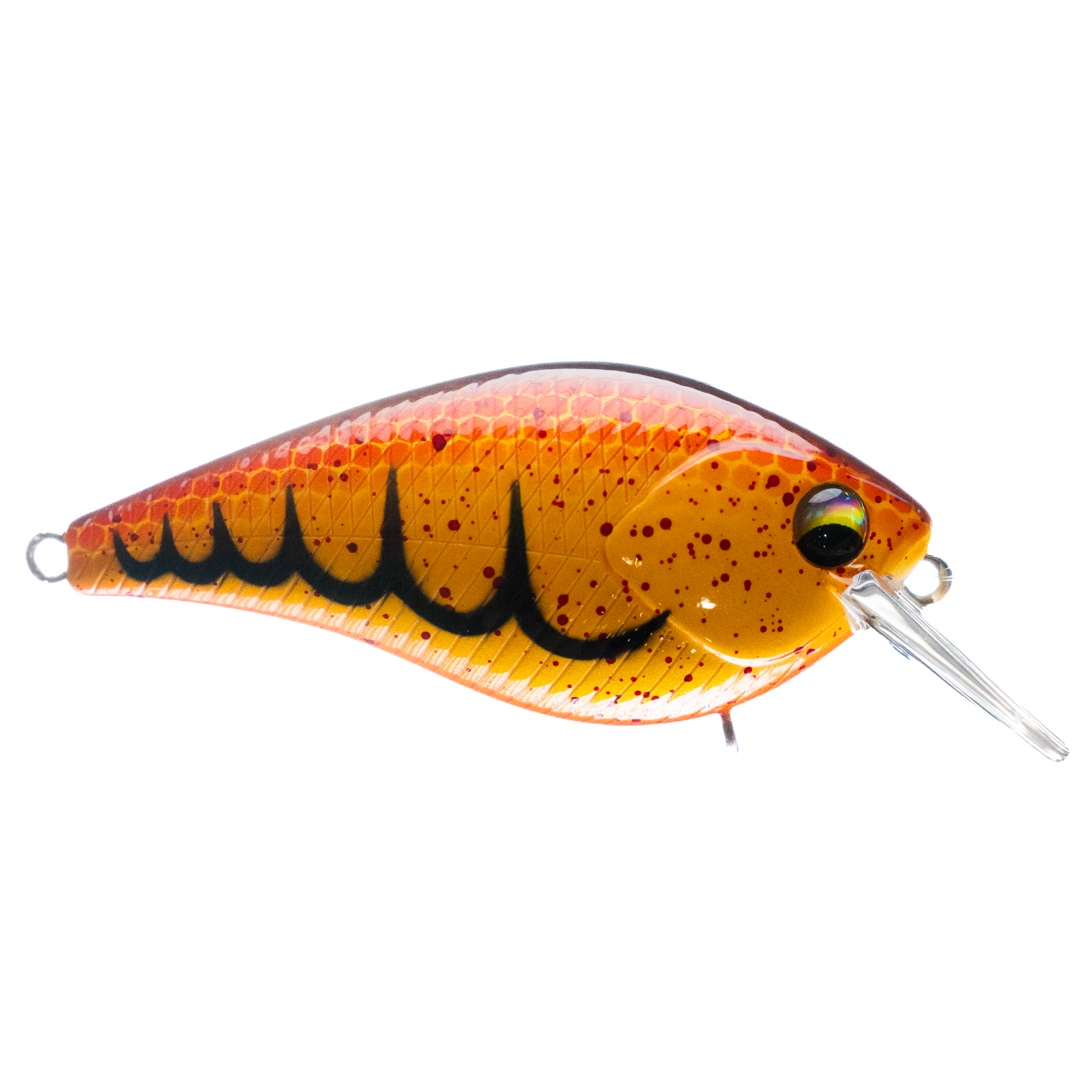
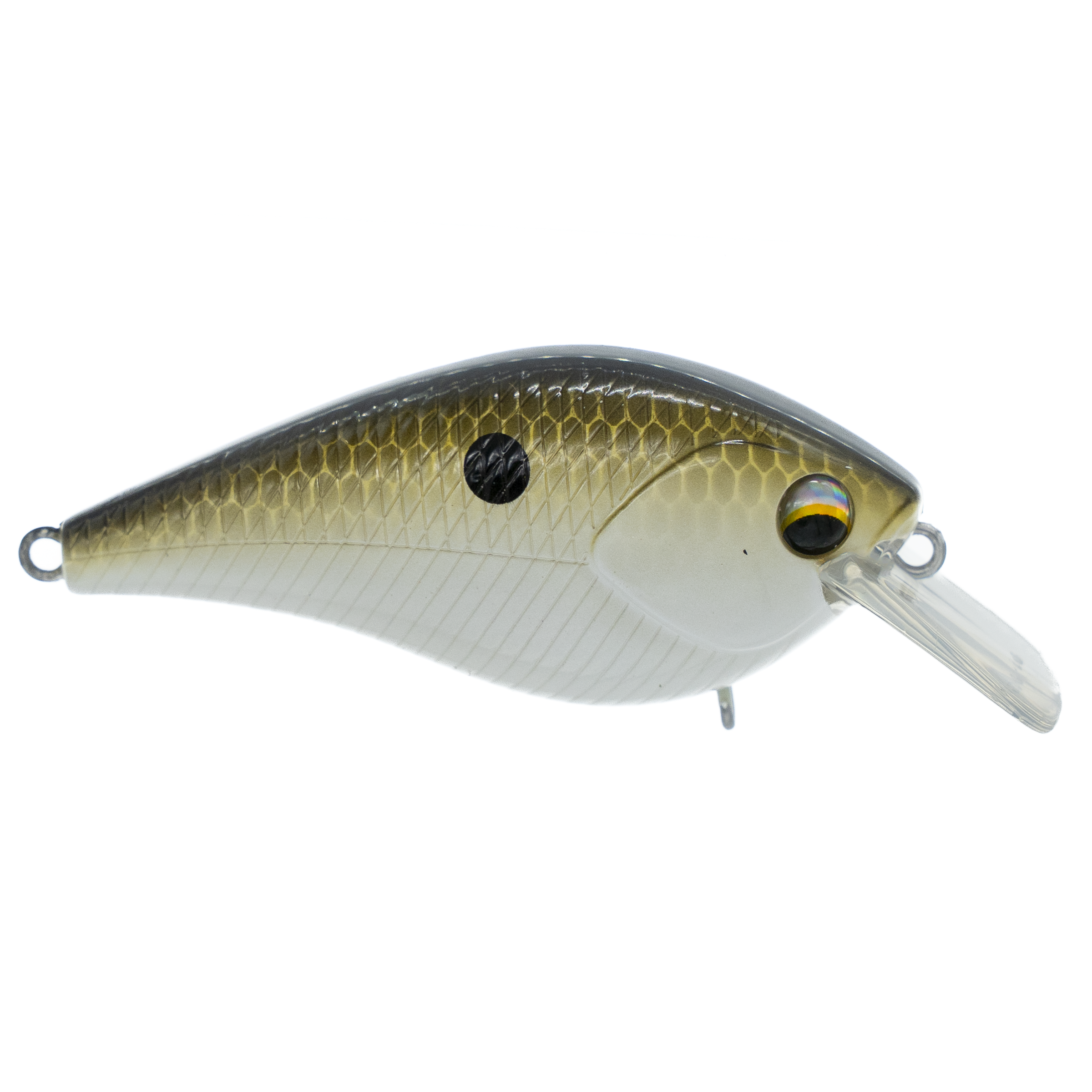
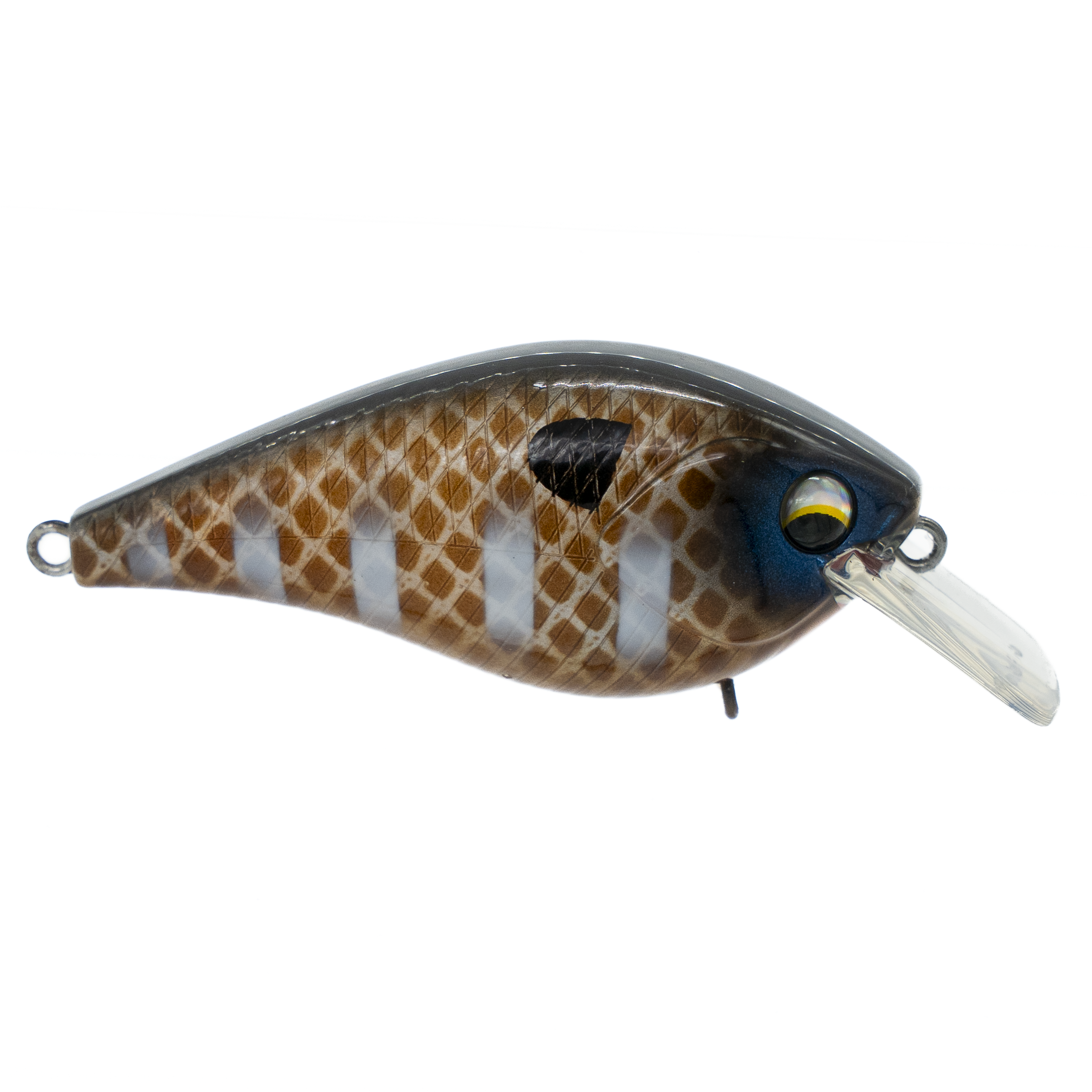
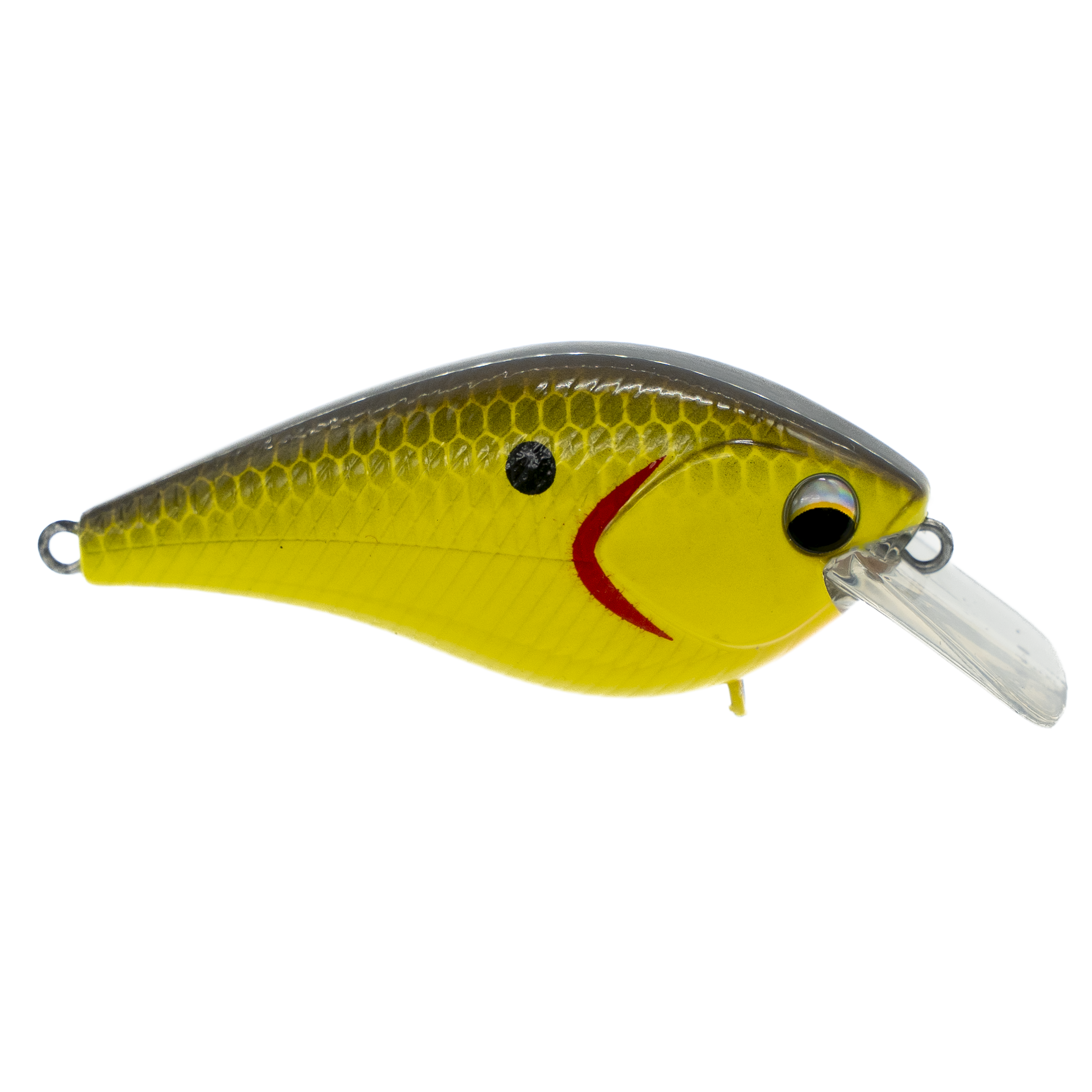
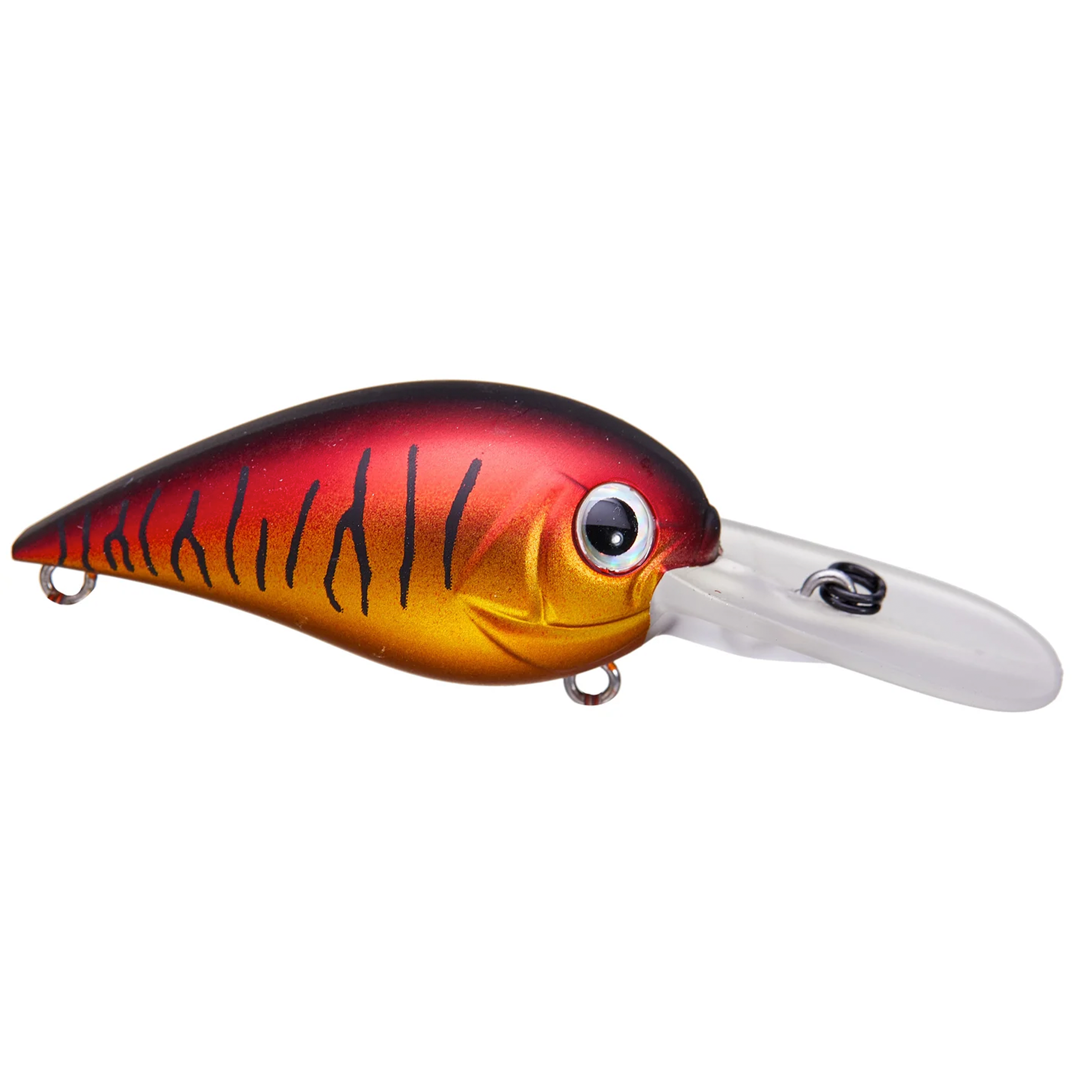
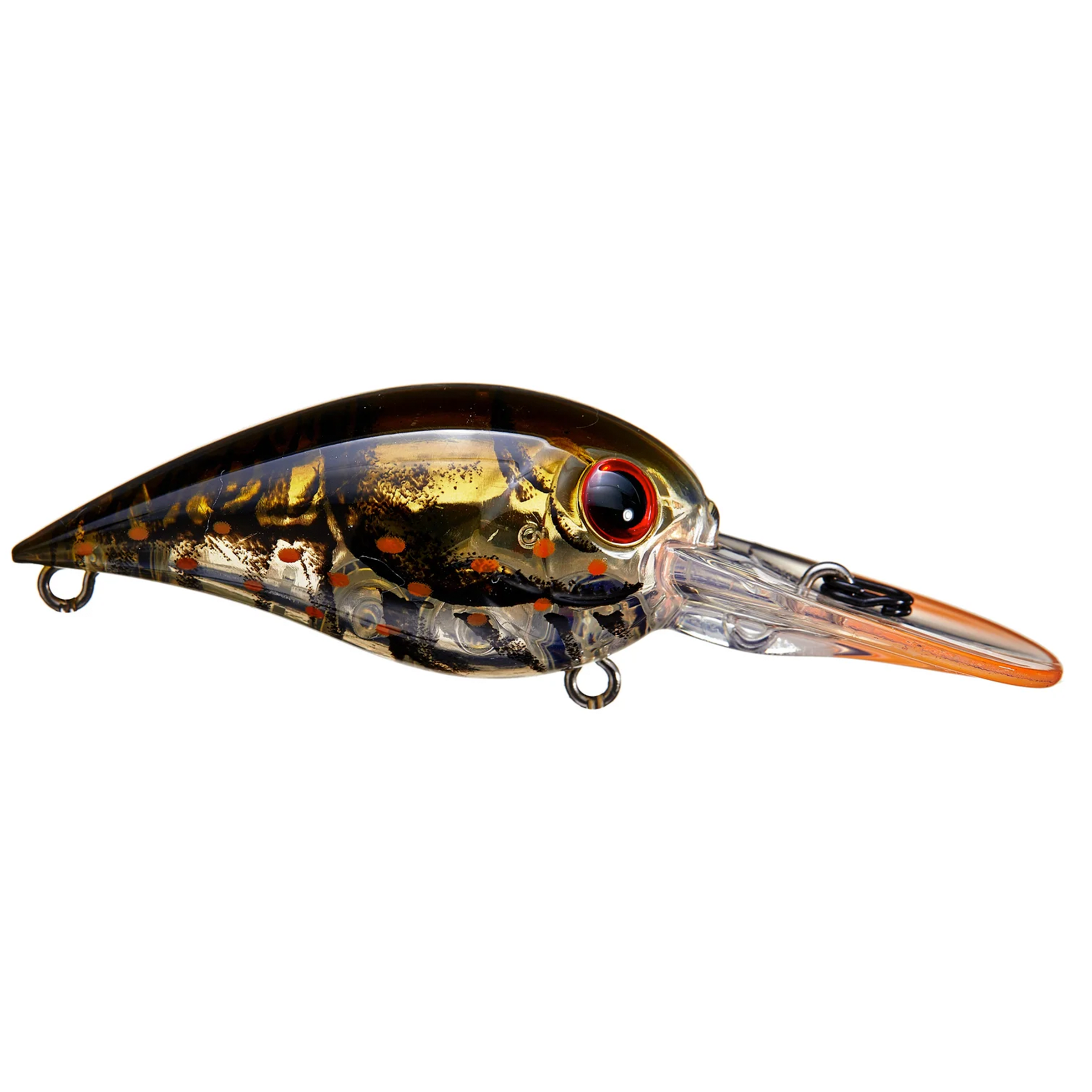
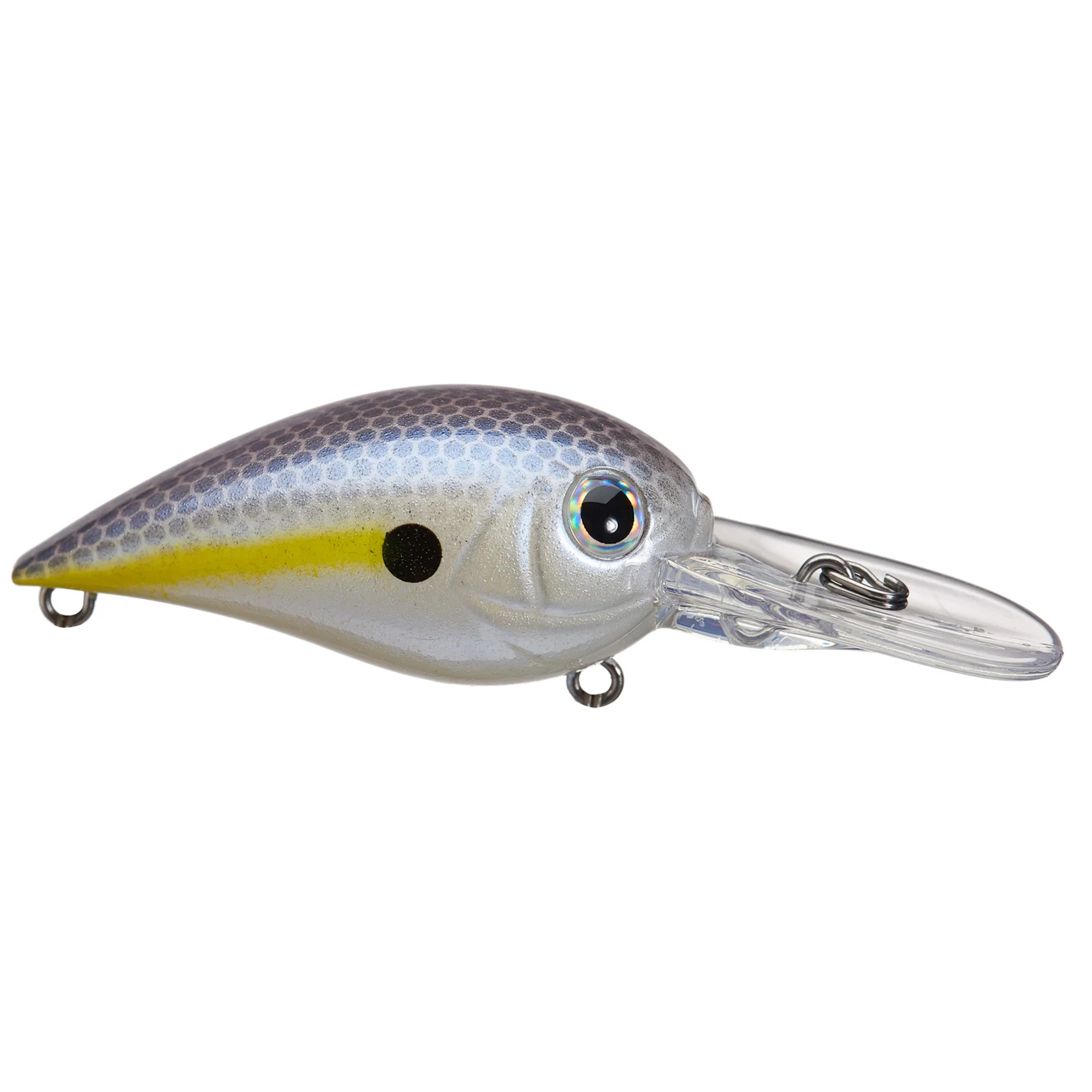
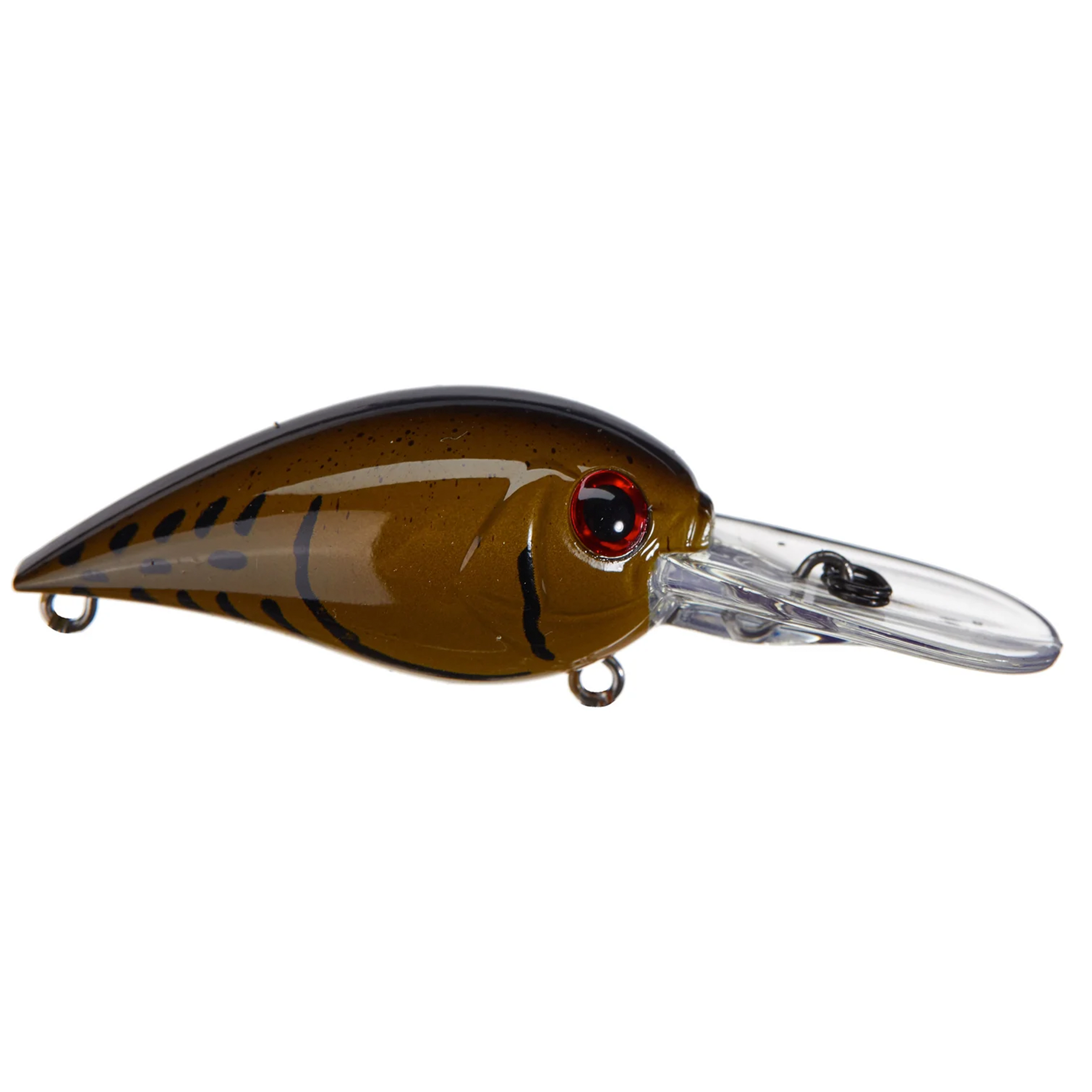
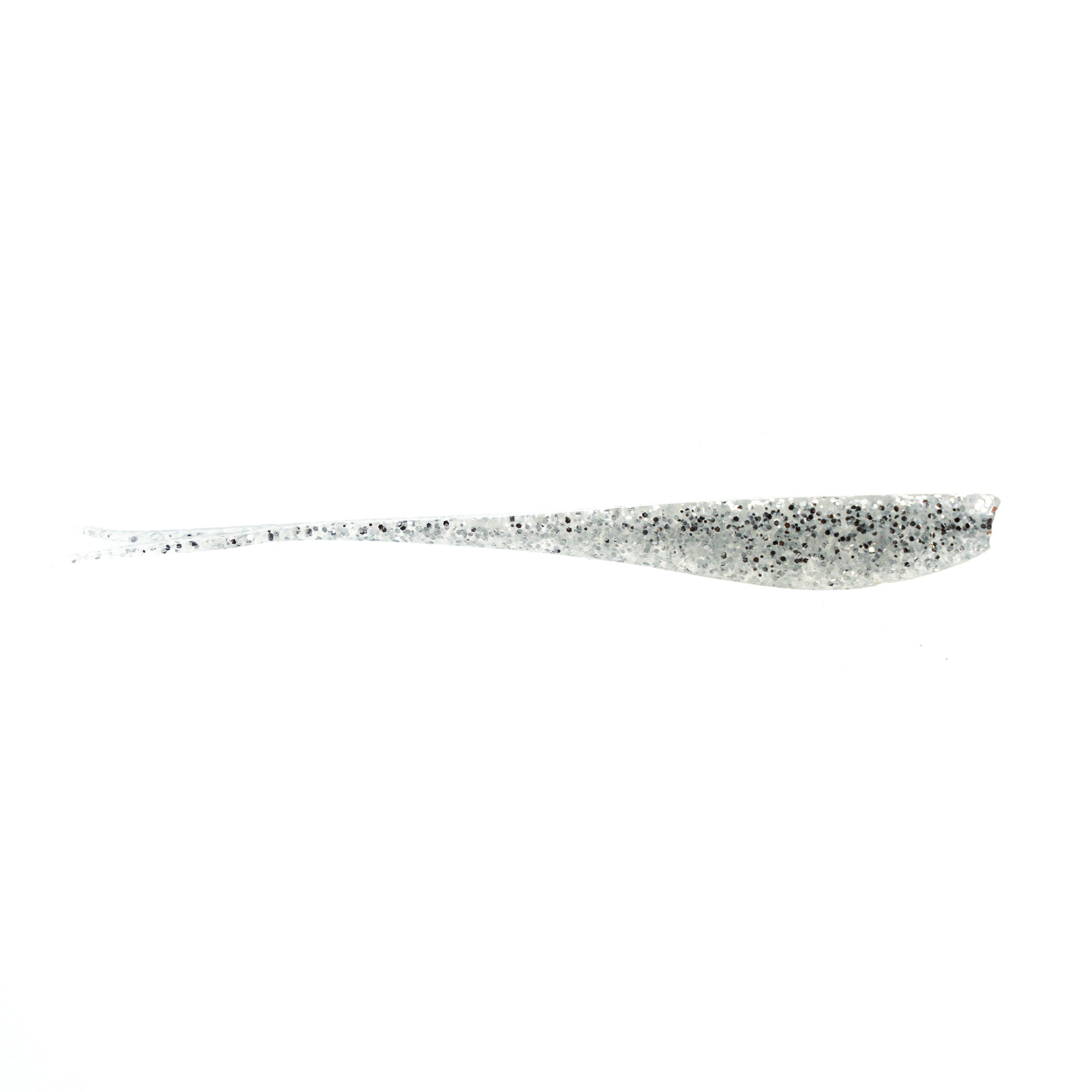
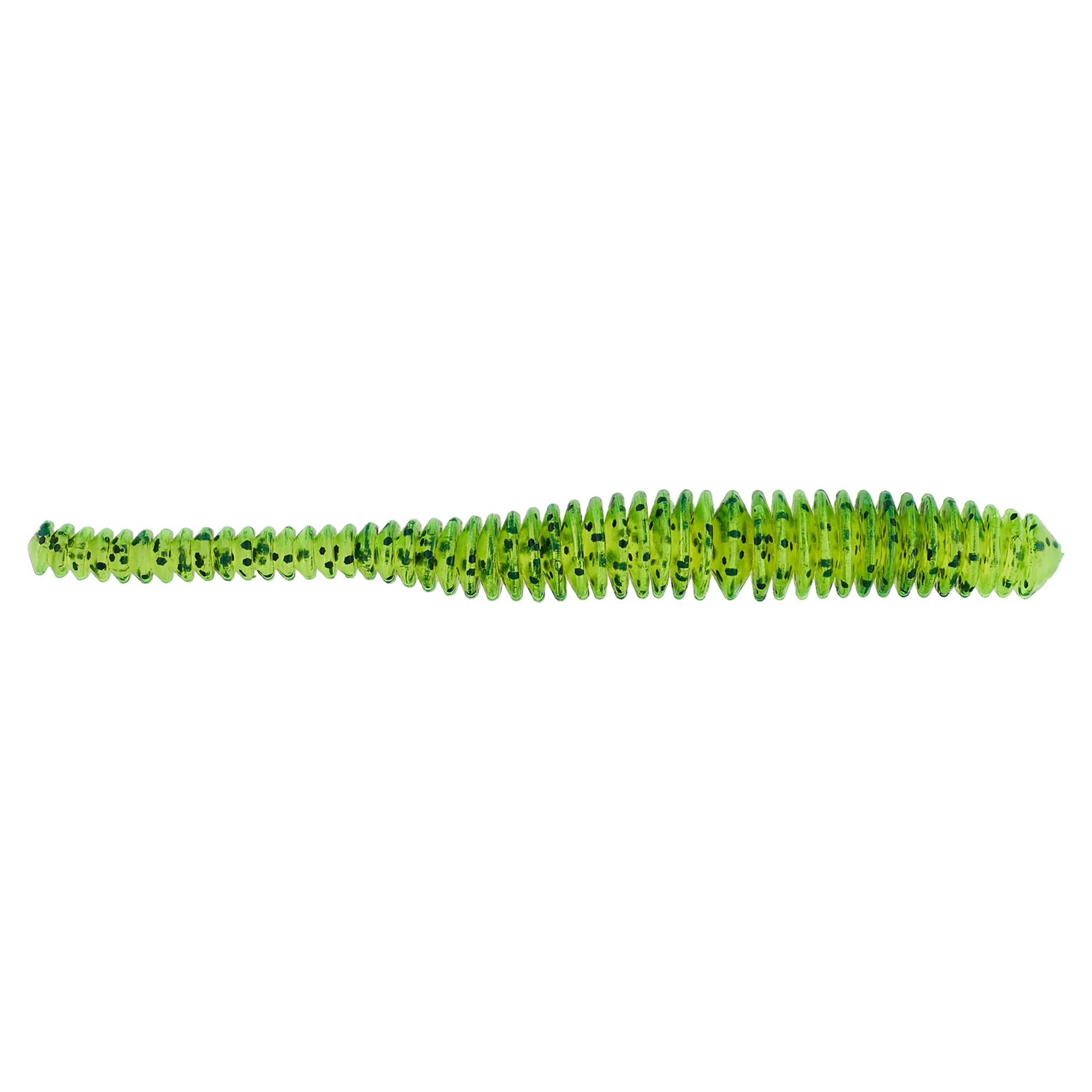
A suspending jerkbait off main-lake points is the signature presentation. Finesse plastics on deep structure through summer, moving baits on rock in autumn, and small suspended presentations in winter. Clear water means natural colours and light line more often than not. Our full bait lineup covers all four seasons.
Do I need a Tennessee or Kentucky license?
Depends which side of the line you fish. The lake lies mostly in Tennessee but extends into Clinton and Cumberland counties in Kentucky, and both states license their own waters. Check before you launch.
Clear Water, Light Line
Deep clear water means finesse presentations, light line and long casts, and a fish that pulls harder for its size than anything else swimming. Level Rods builds spinning and finesse models with the forgiveness to protect light line against a smallmouth's first run and the sensitivity to detect a bite thirty feet down.
Tournament Winning Baits & Gear
Designed, crafted and tested by anglers who fish clear water every week. Free shipping on orders over $75.
Shop All Baits