
Connecticut River Bass Fishing Guide
Connecticut River Bass Fishing, Season by Season
Four hundred and ten miles of river through four states, tidal for the last sixty and holding smallmouth in the rocky upper reaches and largemouth in the lower coves. The Connecticut is the longest river in New England and the most varied bass water in the region.
One River, Four States
The Connecticut River runs more than four hundred miles from near the Canadian border to Long Island Sound, forming the Vermont and New Hampshire boundary before crossing Massachusetts and Connecticut. It is the longest river in New England and it offers genuinely different bass fishing at every stage of that journey.
The lower sixty miles or so are tidal, and that section below Hartford is largemouth water — coves, backwaters, grass, wood and dock structure, with current reversing through the day and repositioning fish the way it does on any tidal river.
Above the tidal reach the river becomes a series of impoundments and free-flowing stretches through Massachusetts and up into Vermont and New Hampshire. Those upper sections hold smallmouth on rock, ledges and current breaks alongside largemouth in the slower coves and backwaters.
That variety is the point of fishing it. Within a few hours' drive you can fish tidal largemouth in the coves, impoundment bass in the Massachusetts stretches, or river smallmouth in the northern reaches, and the techniques barely overlap.
The complication is regulatory. Four states means four sets of rules and four licensing regimes, and several of them restrict harvest during the spawn. Check what applies to the specific stretch you intend to fish rather than assuming one answer covers the river. New England states set their own black bass season dates and several restrict harvest during the spawn. Check the current state regulations for this water before you go.
Tides, Coves and Four Hundred Miles
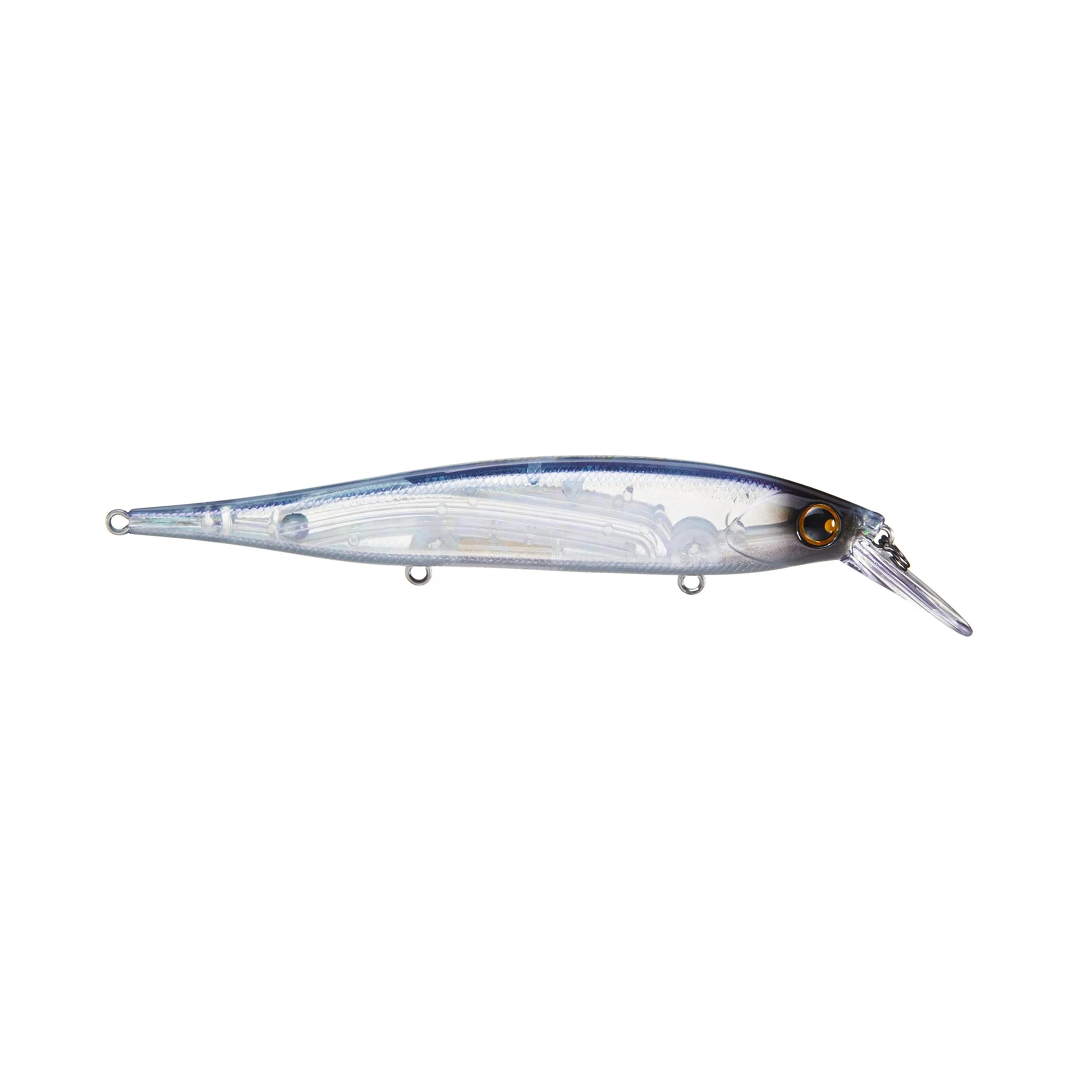
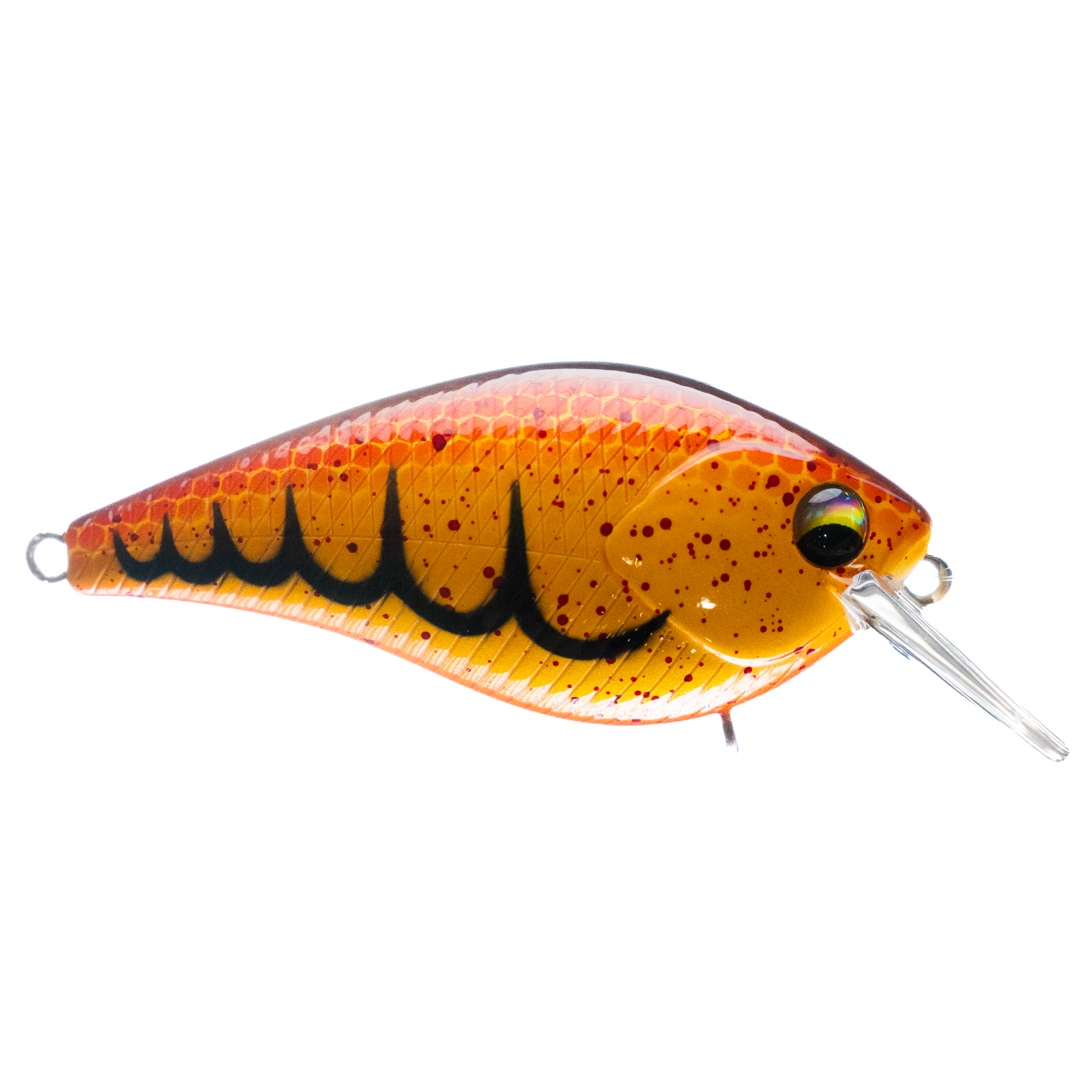
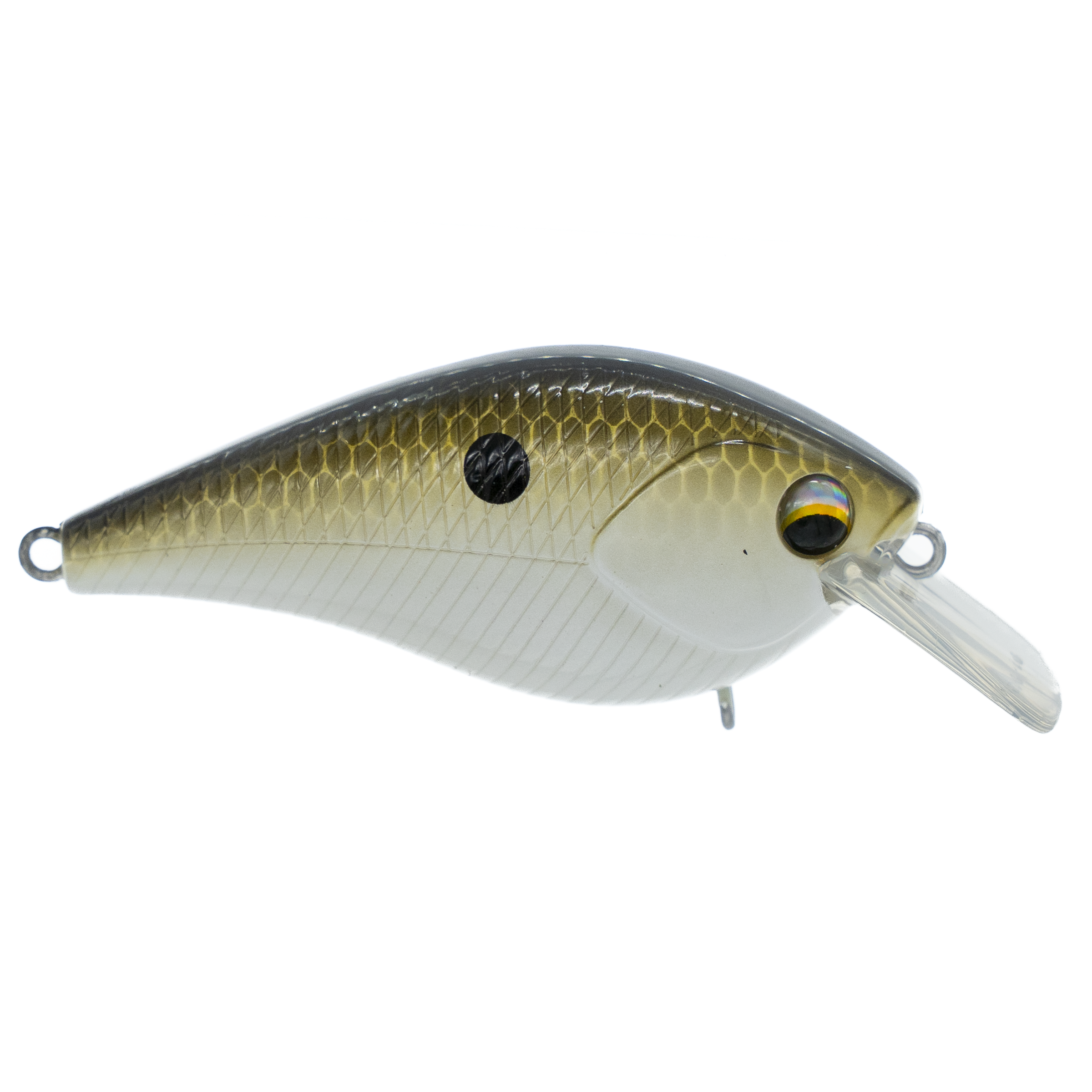
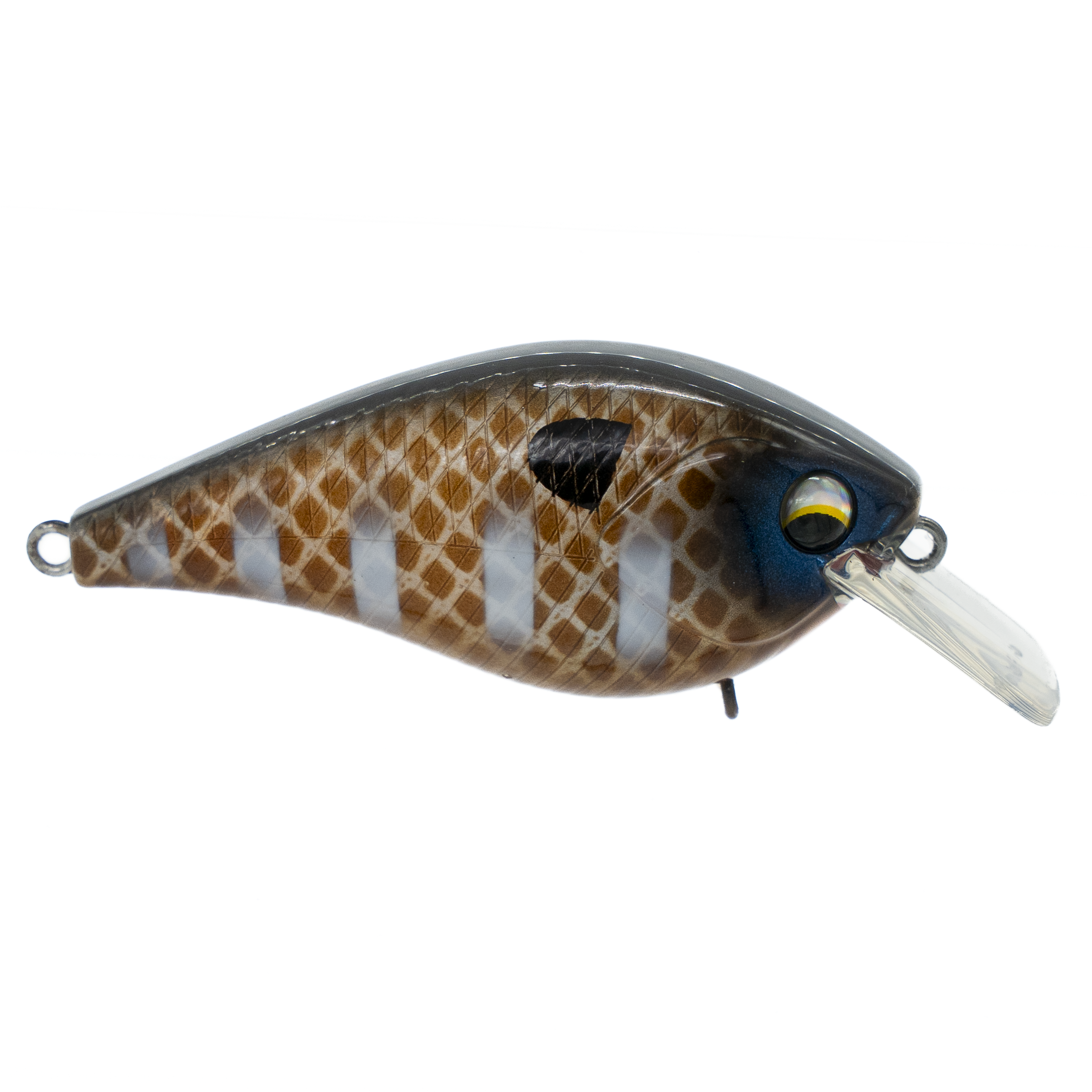
Four patterns cover the year. Each one pairs the technique with the baits we'd actually tie on.
Coves, Backwaters and Warming Water
Spring pushes largemouth into the tidal coves and backwaters to spawn, and smallmouth onto rock and gravel in the upper river. The lower river warms first. High spring flows in the northern sections can make them unfishable for weeks, so the tidal end is the reliable early option.




Tidal Grass and Upstream Rock
Summer grows the grass in the tidal coves and the largemouth use it heavily, while upstream the smallmouth spread across riffles, ledges and current breaks at lower flows. Falling tide is the productive stage on the lower river, pulling fish out of flooded cover onto reachable edges.

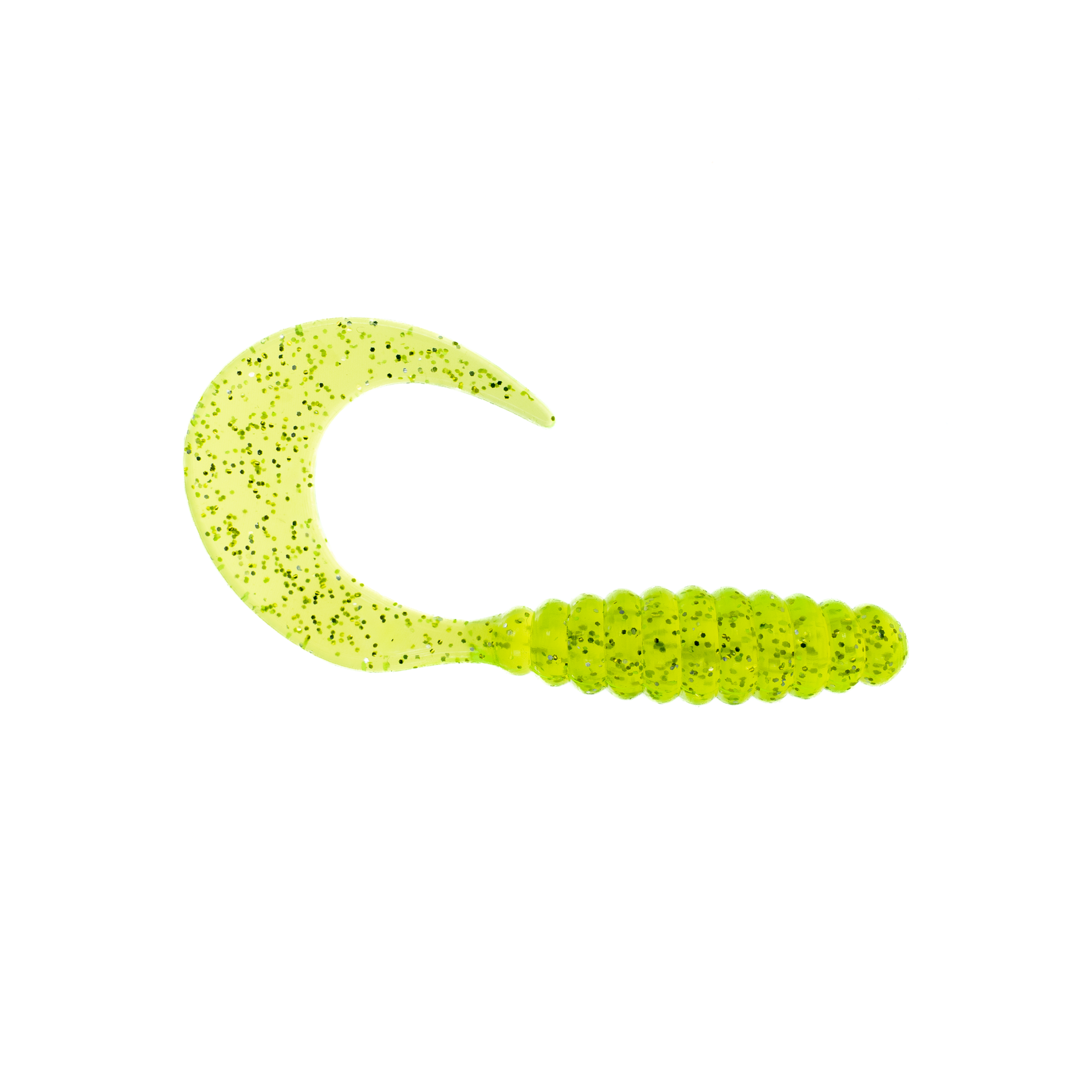
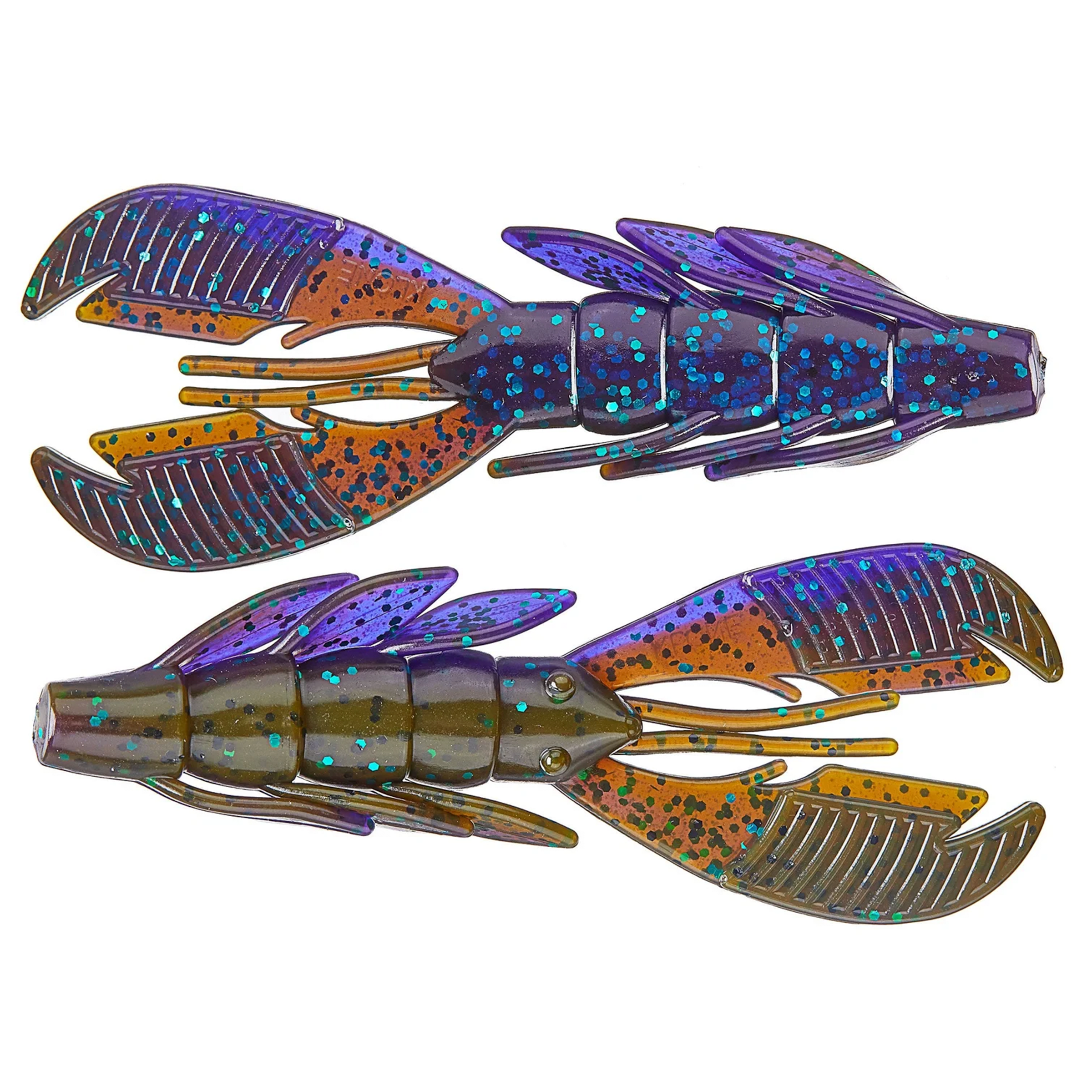
Bait, Current and Colour
Autumn concentrates bait in the tidal creek mouths and along the upstream seams, and both species feed hard. The river valley in October is one of the better reasons to fish New England, and the summer traffic has gone from the lower reaches.
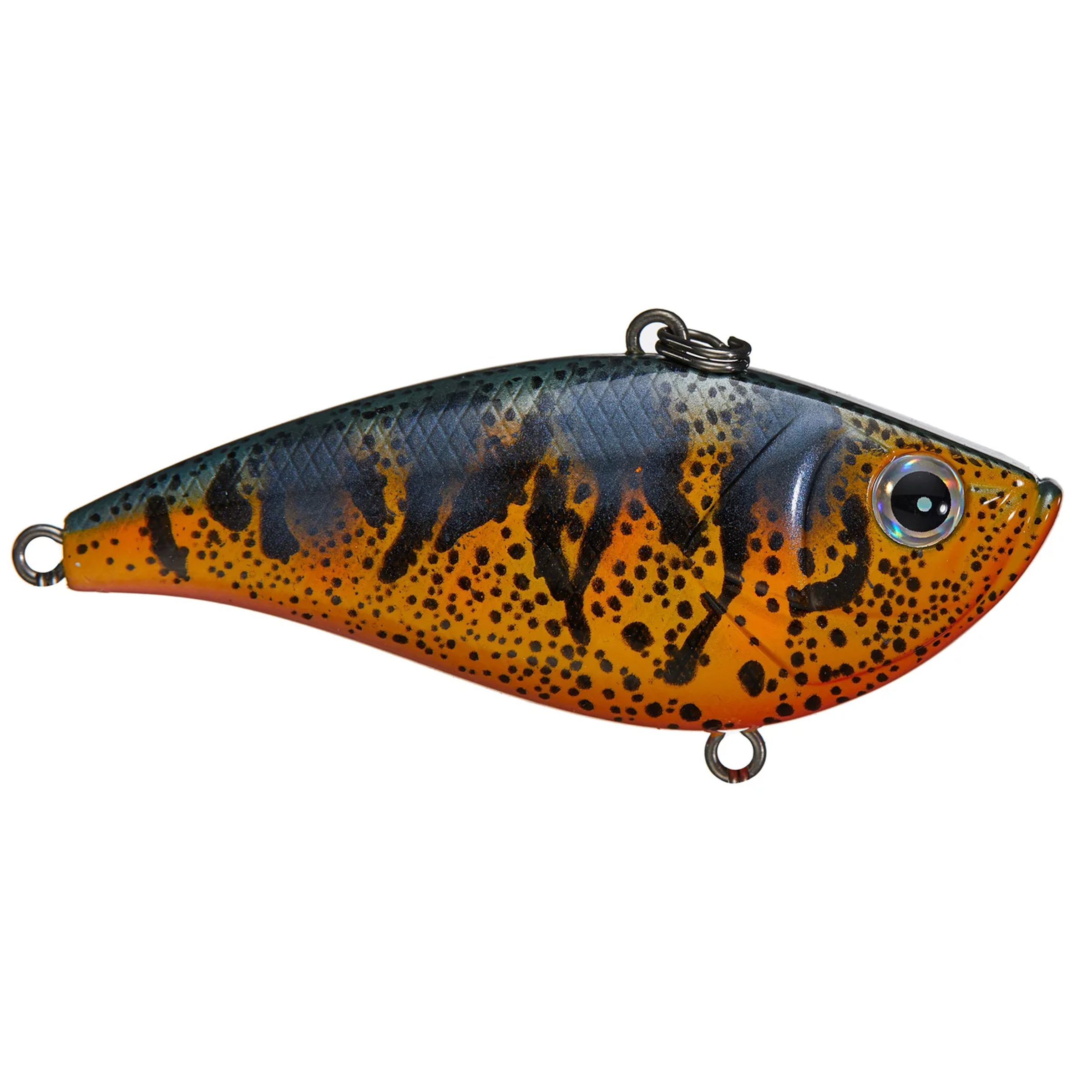

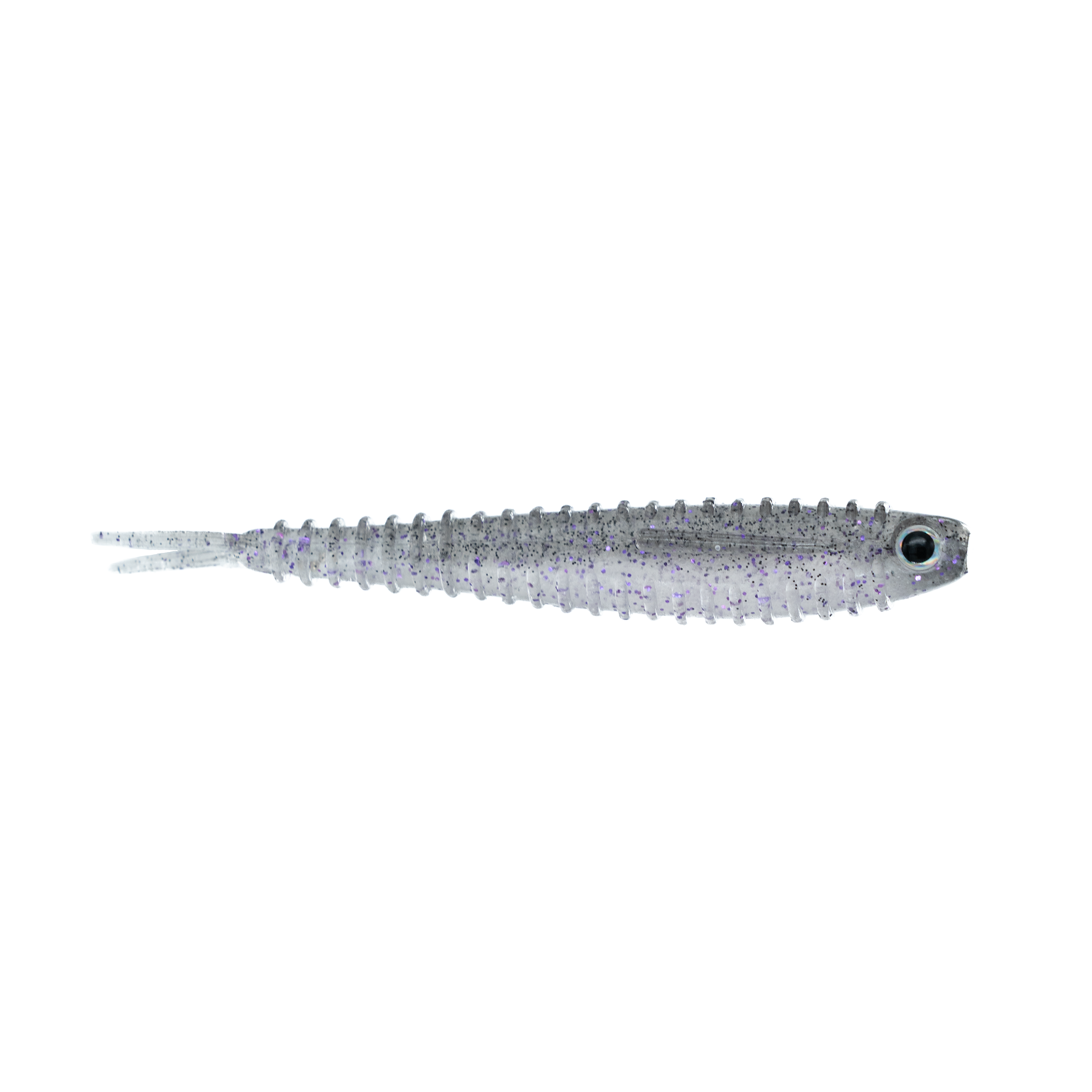
Deep Tidal Water
Winter concentrates tidal fish in the deeper creeks and holes where temperature is more stable than the flats, and closes the northern river almost entirely. New England cold limits the season sharply, and the lower tidal reach is the only realistic option in most years.



The Connecticut River Access
Public access is extensive across all four states, with the tidal section below Hartford well served by launches at Haddam, Essex and Old Saybrook. Upstream, access points serve the Massachusetts impoundments and the Vermont and New Hampshire reaches. Licensing differs by state.
The Tidal Coves
Below Hartford, where the river is tidal for roughly sixty miles. Grass, wood, backwaters and dock structure holding largemouth, with current reversing through the day. The most reliable section early and late in the season.
The Massachusetts Impoundments
Where the river slows behind dams through the Pioneer Valley. Mixed largemouth and smallmouth water with more conventional lake structure, and a good middle ground between the tidal end and the northern river.
The Upper River
Vermont and New Hampshire reaches, running rockier and faster. Smallmouth on ledges, riffles and current breaks — classic river fishing, at its best in low summer flows.
The Connecticut River Bass Fishing FAQ
How long is the Connecticut River?
More than four hundred miles, from near the Canadian border to Long Island Sound. It forms the Vermont and New Hampshire boundary, then crosses Massachusetts and Connecticut. It is the longest river in New England.
Where is it tidal?
The lower sixty miles or so, below Hartford down to Long Island Sound. That section holds largemouth in coves, backwaters, grass and dock structure, with current reversing through the day.
Smallmouth or largemouth?
Both, depending where you fish. The tidal lower river is largemouth water. The upper reaches through Vermont and New Hampshire are rockier and faster and hold smallmouth. The Massachusetts impoundments in between hold a mix.
Do I need multiple licenses?
Potentially. Four states means four sets of rules and four licensing regimes. Some boundary-water agreements exist but they vary. Check what applies to the specific stretch you intend to fish before you go.
What is the best section for a first visit?
The tidal section below Hartford if you want largemouth and reliable access, or the Massachusetts impoundments for a mix. The northern river is excellent in low summer flows but can be unfishable in spring.
How does the tide affect fishing?
The way it does on any tidal river — current reverses, fish reposition to the downcurrent side of breaks, and falling water pulls them out of flooded cover onto reachable edges. Plan around tide stages rather than a list of spots.
What baits work best on the Connecticut River?
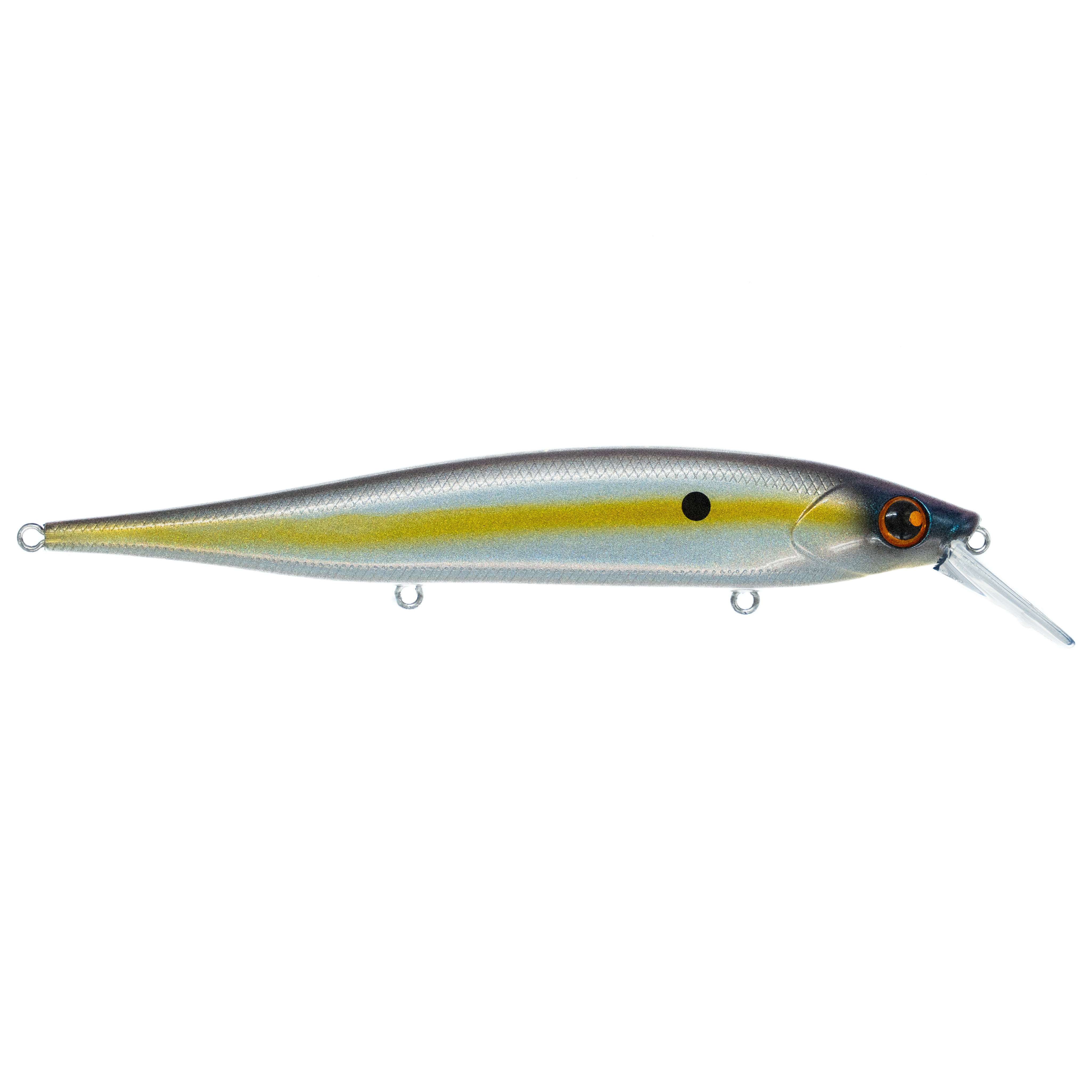
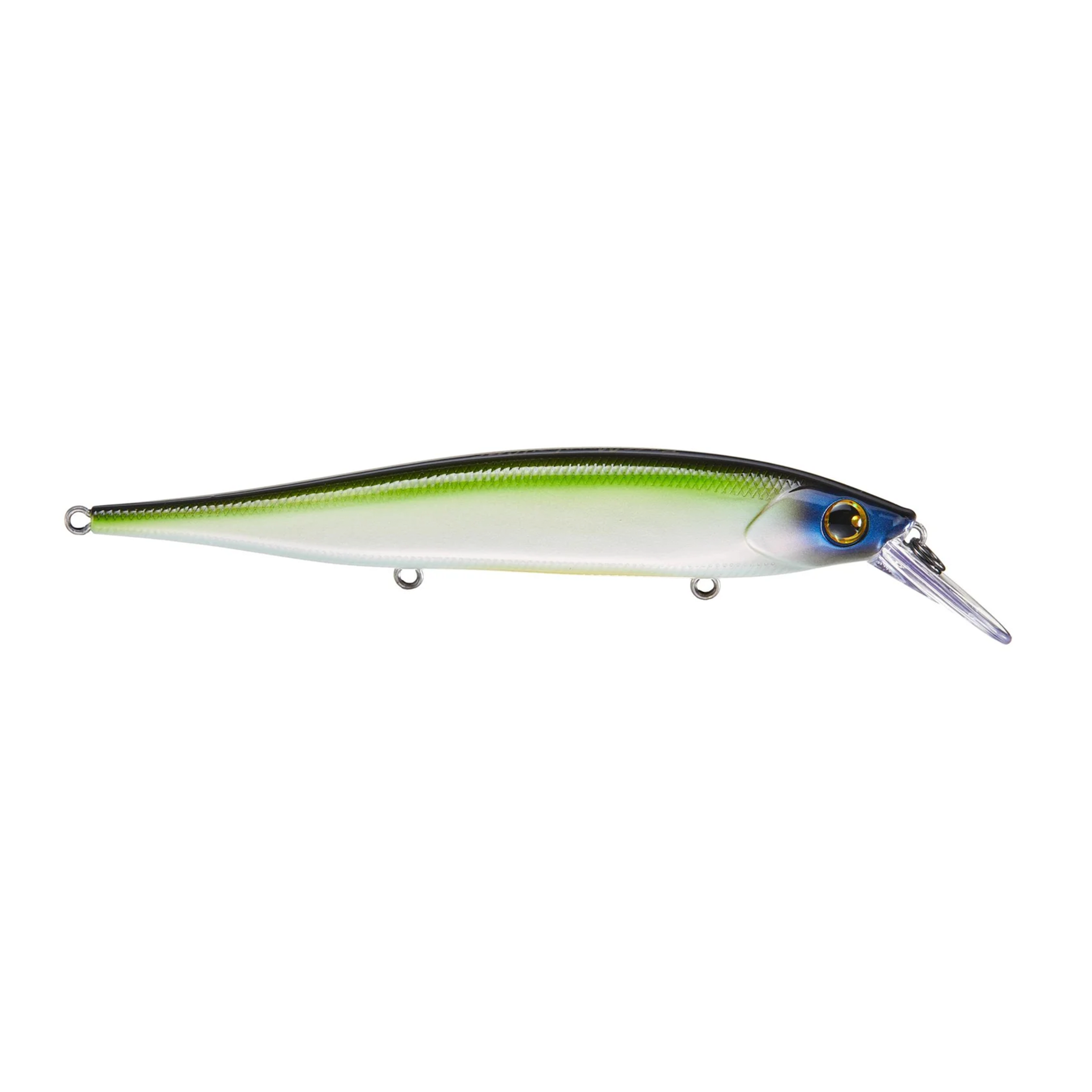
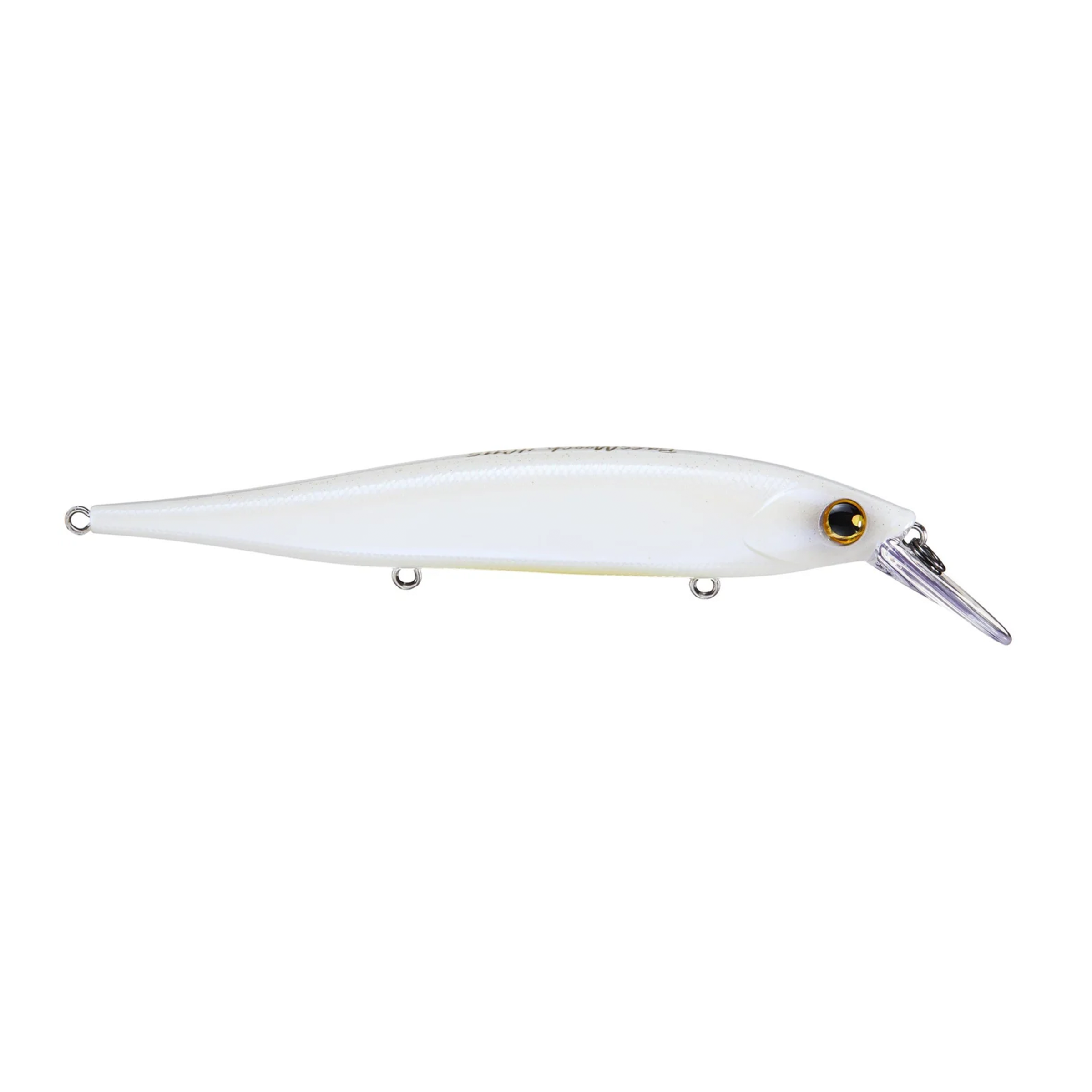
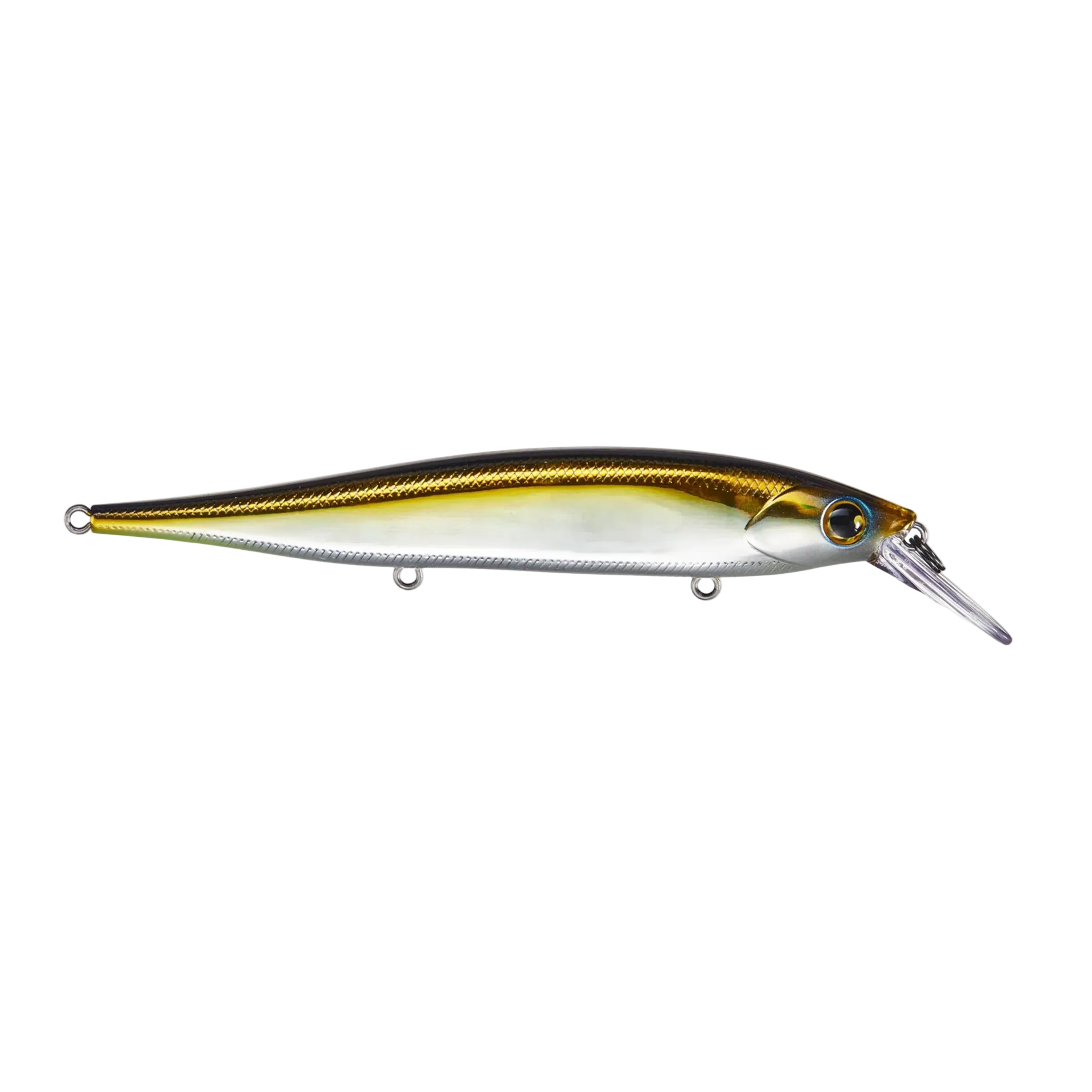
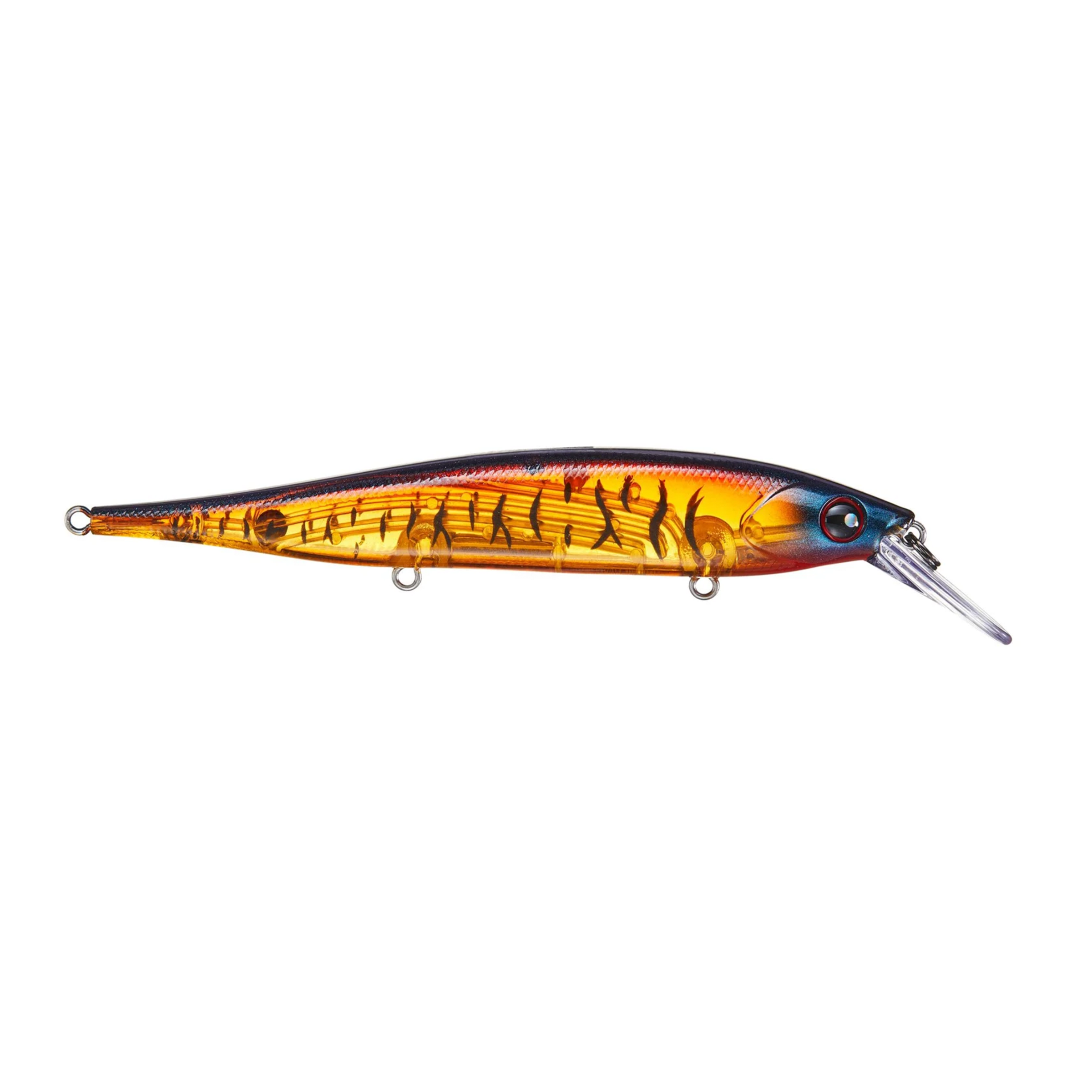
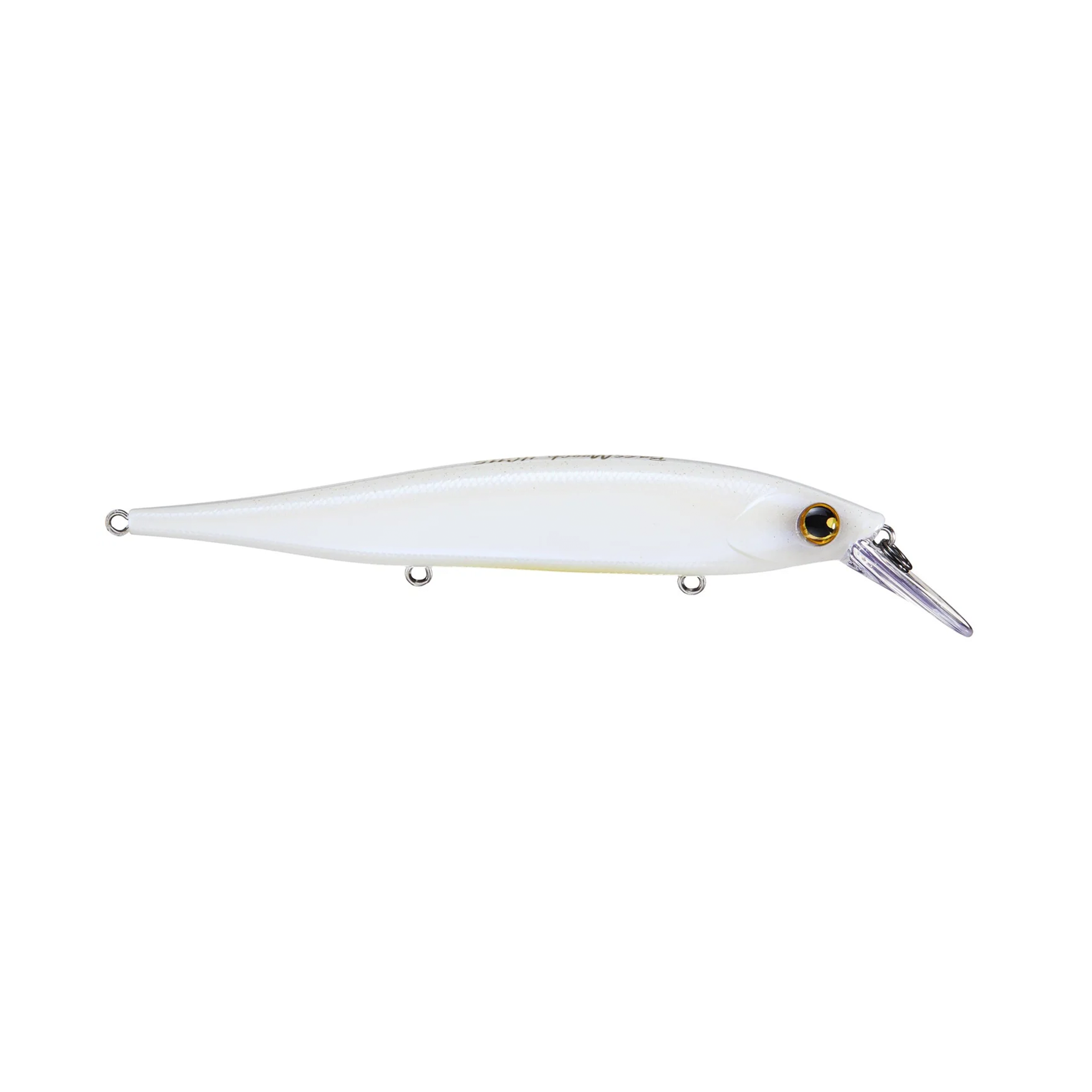
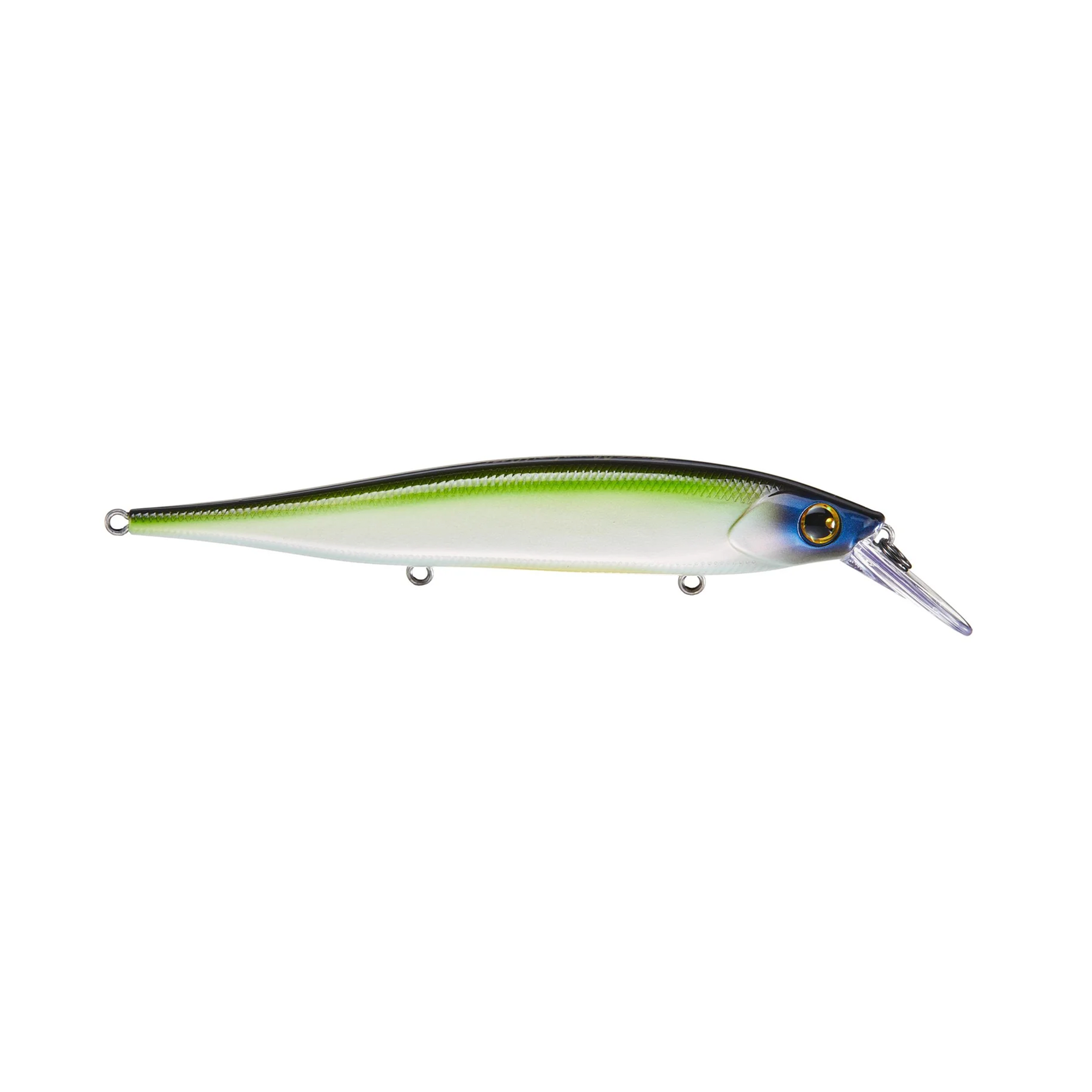
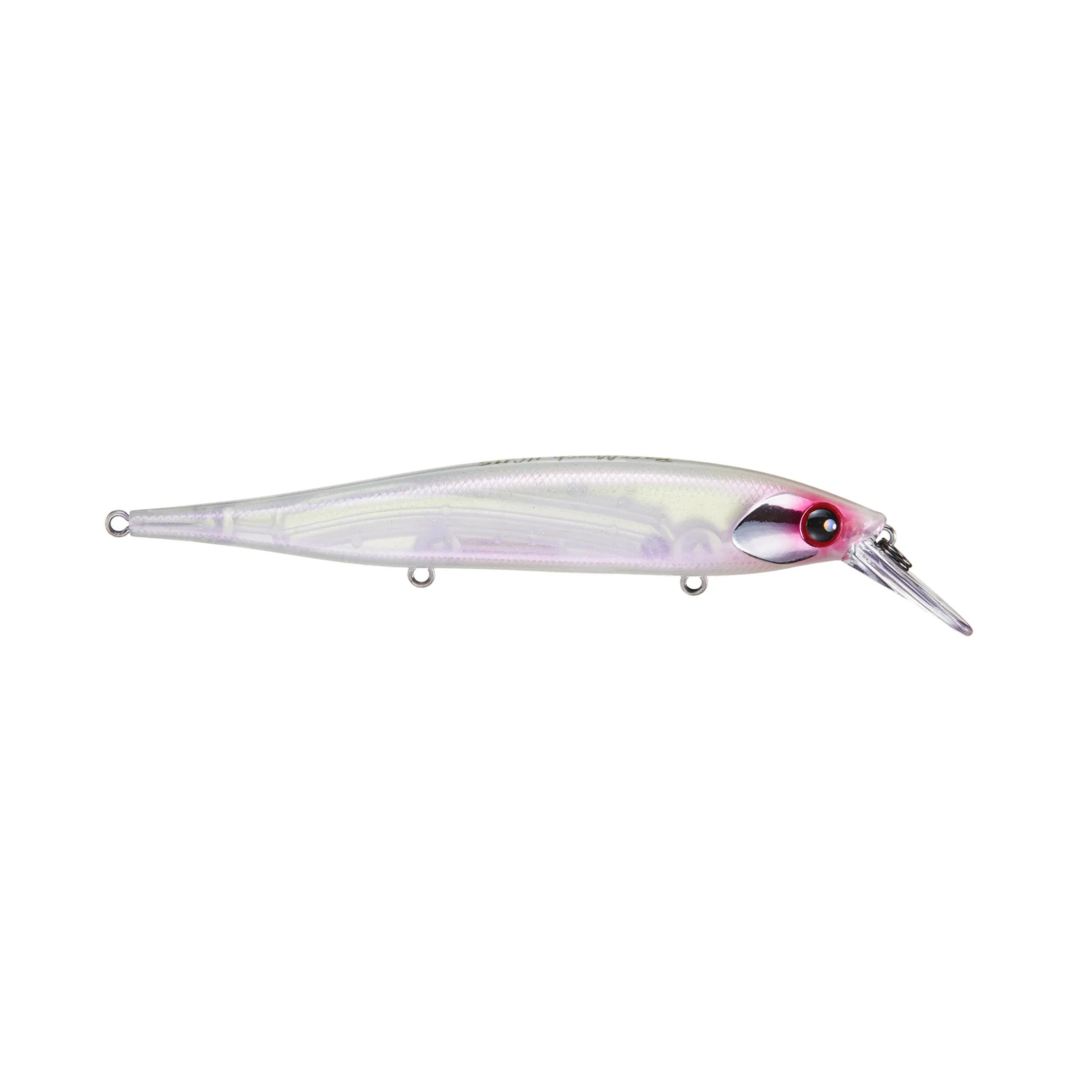
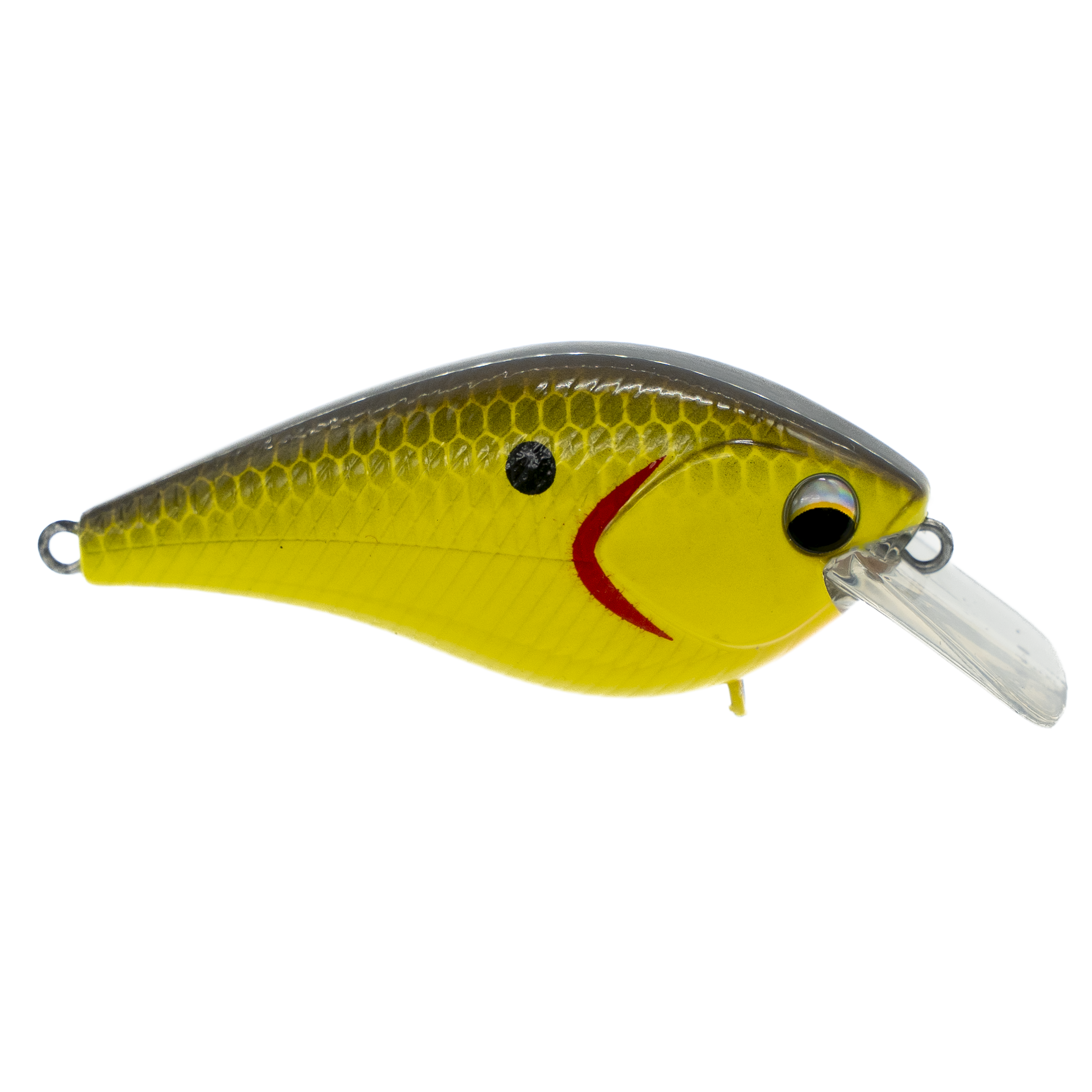
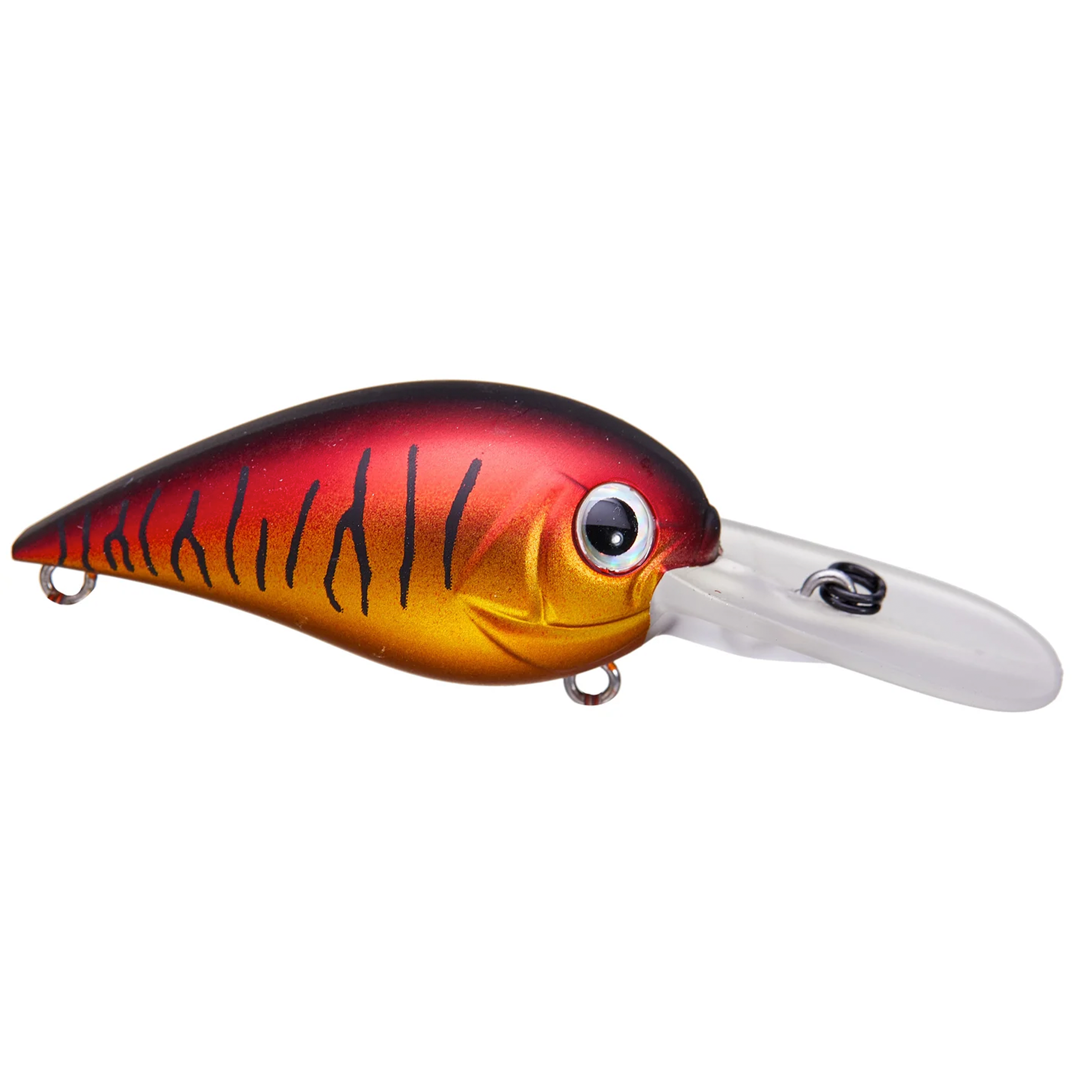
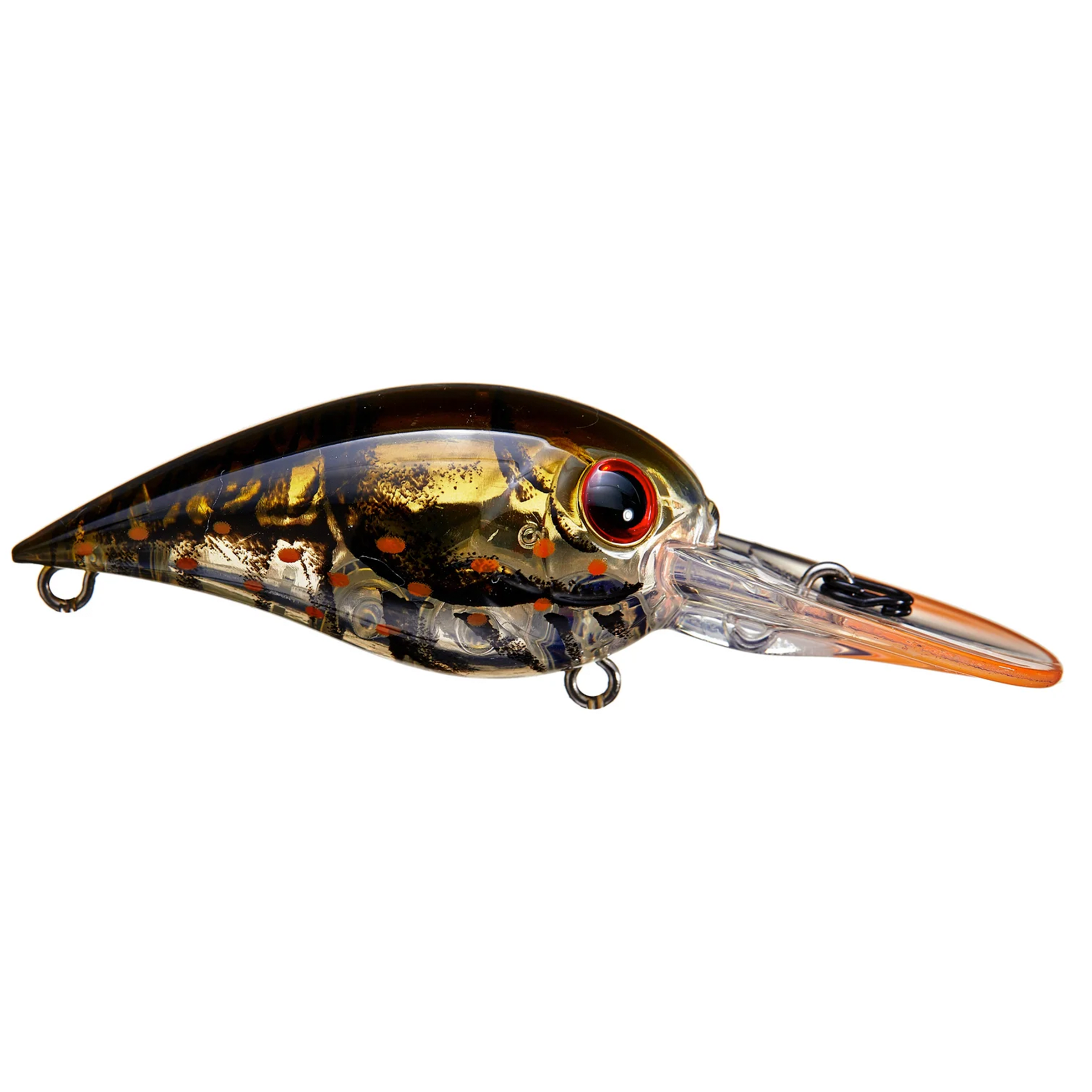
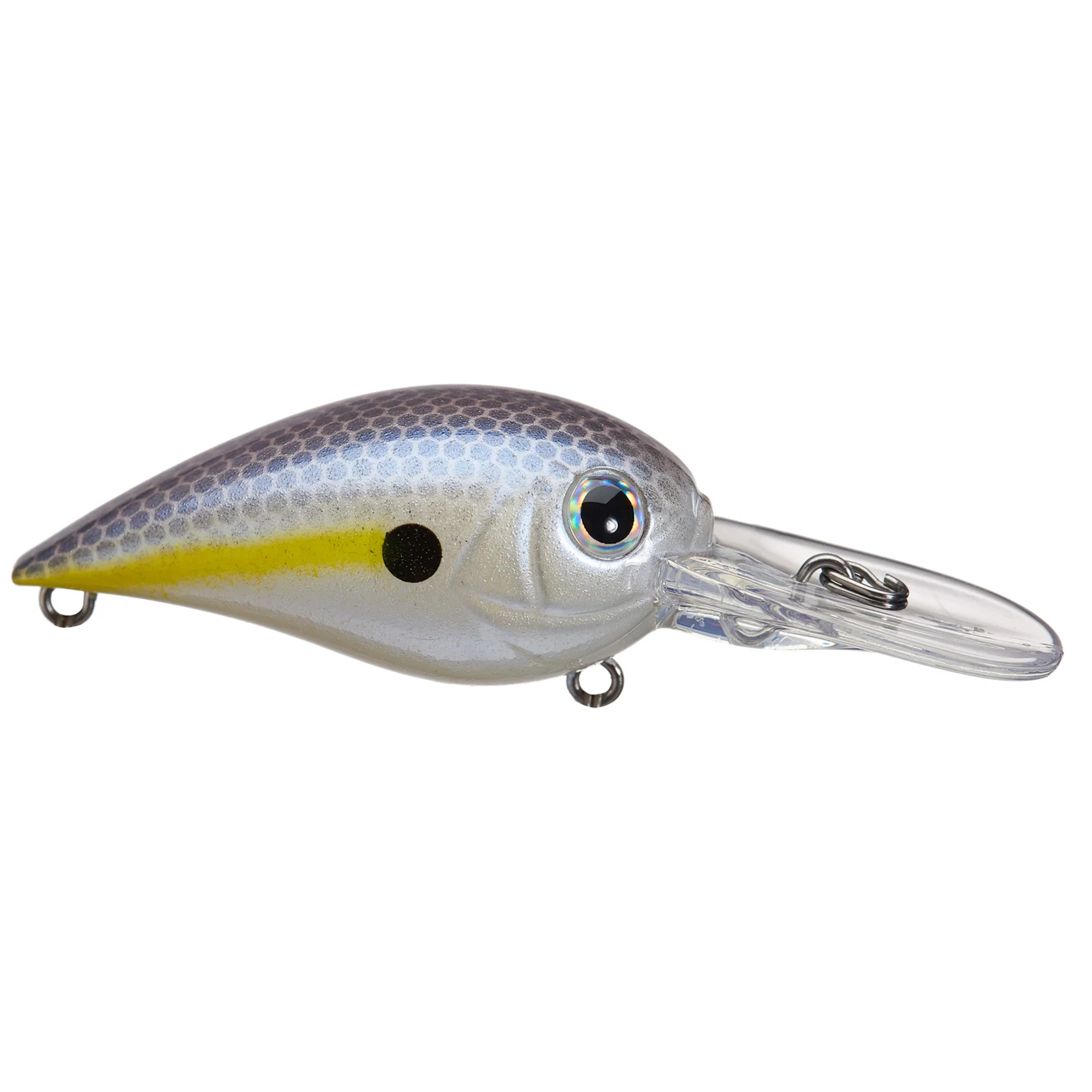
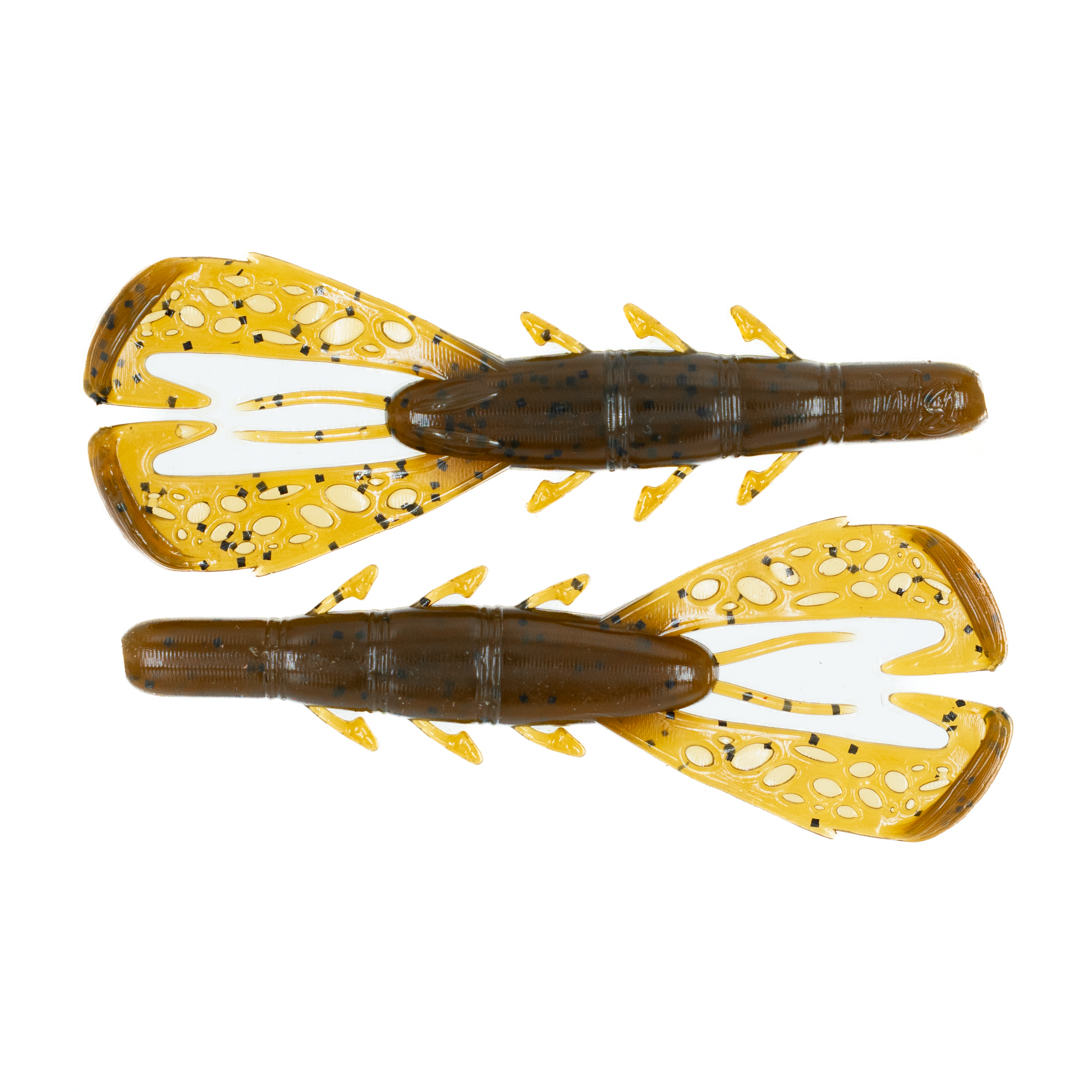
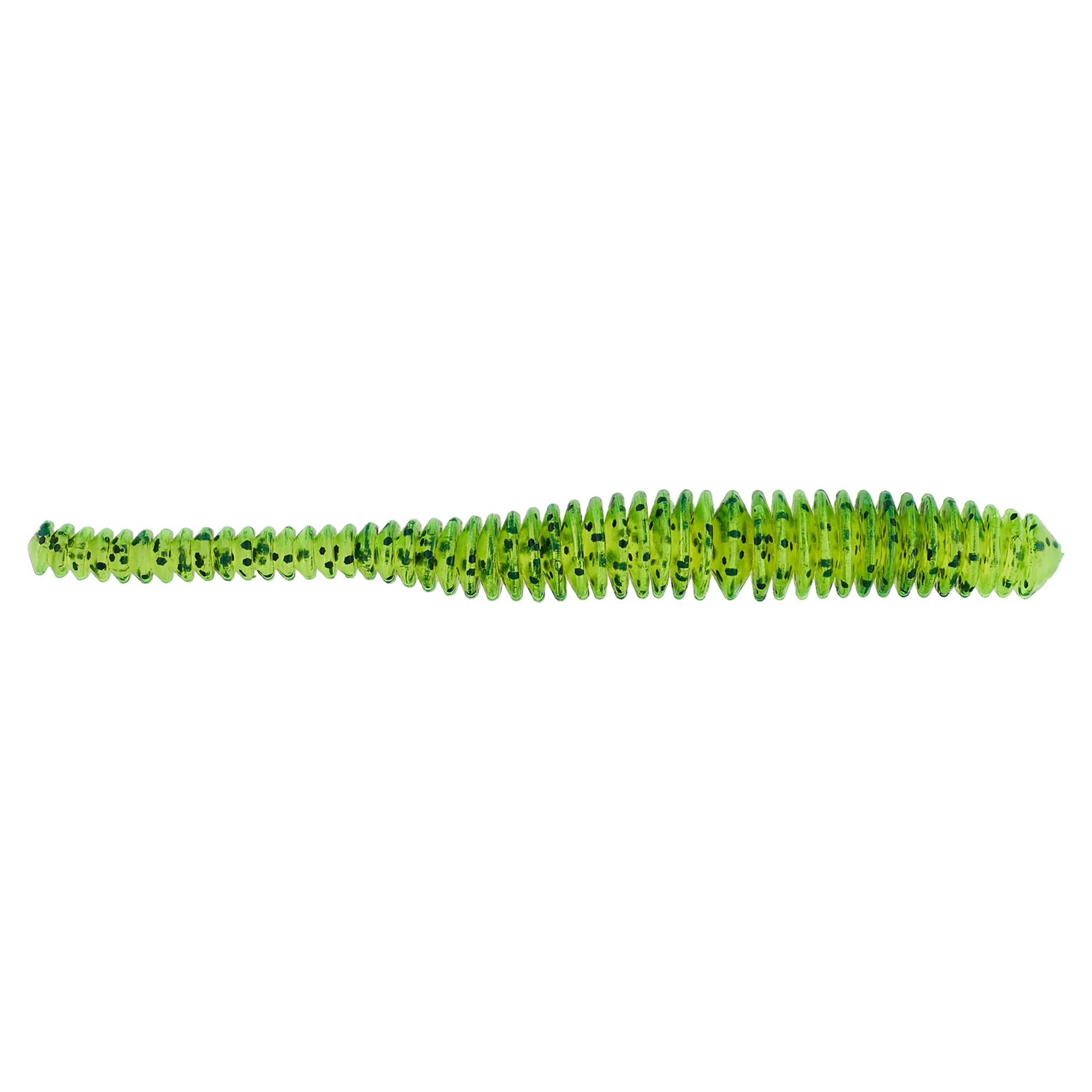
Flipping and punching baits in the tidal grass, moving baits in the coves and creek mouths, and finesse presentations plus jerkbaits on the upstream rock. The river asks for two different tackle boxes depending which end you fish. Our full bait lineup covers both.
Are there other species?
Yes, and notably striped bass run well up the tidal section, which is a genuine bonus if the largemouth are not cooperating. Trout, salmon and shad all feature in the upper river.
Four Hundred Miles, Two Tackle Boxes
A river that asks for a flipping stick in tidal grass and a finesse spinning rod on upstream ledges is really several fisheries sharing a name. Level Rods builds across that span so one trip north or south is covered properly.
Tournament Winning Baits & Gear
Designed, crafted and tested by anglers who fish moving water every week. Free shipping on orders over $75.
Shop All Baits