
Claytor Lake Bass Fishing Guide
Claytor Bass Fishing, Season by Season
Four and a half thousand acres of the New River stretched twenty-one miles across Pulaski County, cool, clear and rocky. Claytor is a smallmouth lake first, and the invasive bass now living in it are ones the state wants you to keep.
Mountain Water on the New River
Claytor Lake is a 4,475-acre impoundment of the New River, stretching about twenty-one miles northeastward across the Pulaski County countryside in western Virginia. It is mountain water — cool, clear and rock-dominated — and it fishes accordingly.
Smallmouth come first here. The cool water that suits them slows largemouth growth, and while the lake record largemouth stands at 14 pounds 6 ounces, largemouth generally hold second place. Striped bass are third, holding toward the dam in summer and then ranging across the lake chasing alewife later in the year.
The structure is rock: bluff banks, chunk rock, gravel points and steep shoreline dropping into deep water, with the old New River channel running through. There is limited vegetation. Peak Creek forms a narrow arm of the impoundment and is worth exploring in its own right.
One regulation matters more than any other here. Non-native Alabama bass have been present in Claytor since 2021, as they have in Philpott Lake. There is no limit on them and anglers are actively encouraged to keep every one they catch, because they compete with and hybridise with the native smallmouth the lake is known for. Keeping them is the conservation-minded choice.
The lake also holds a strong catfish population — both flathead and channel cats are native to the New River and abundant here — and the clean water makes them popular table fare, which draws its own set of anglers.
Claytor Lake State Park sits on the shoreline and makes access and lodging straightforward, and the lake is a comfortable size to learn properly in a few trips.
Rock, Bluffs and Cool Water
Four patterns cover the year. Each one pairs the technique with the baits we'd actually tie on.
Smallmouth on the Rock
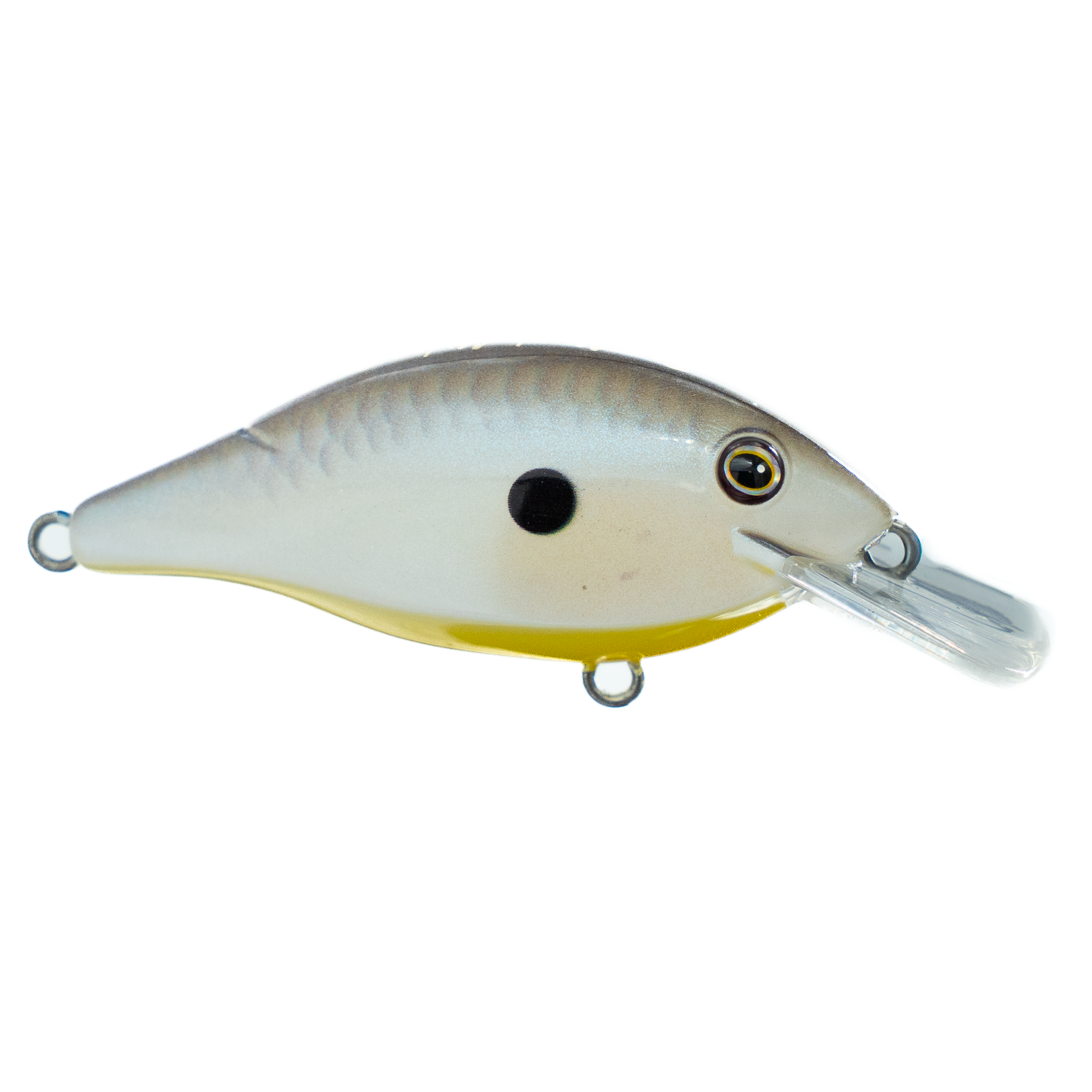
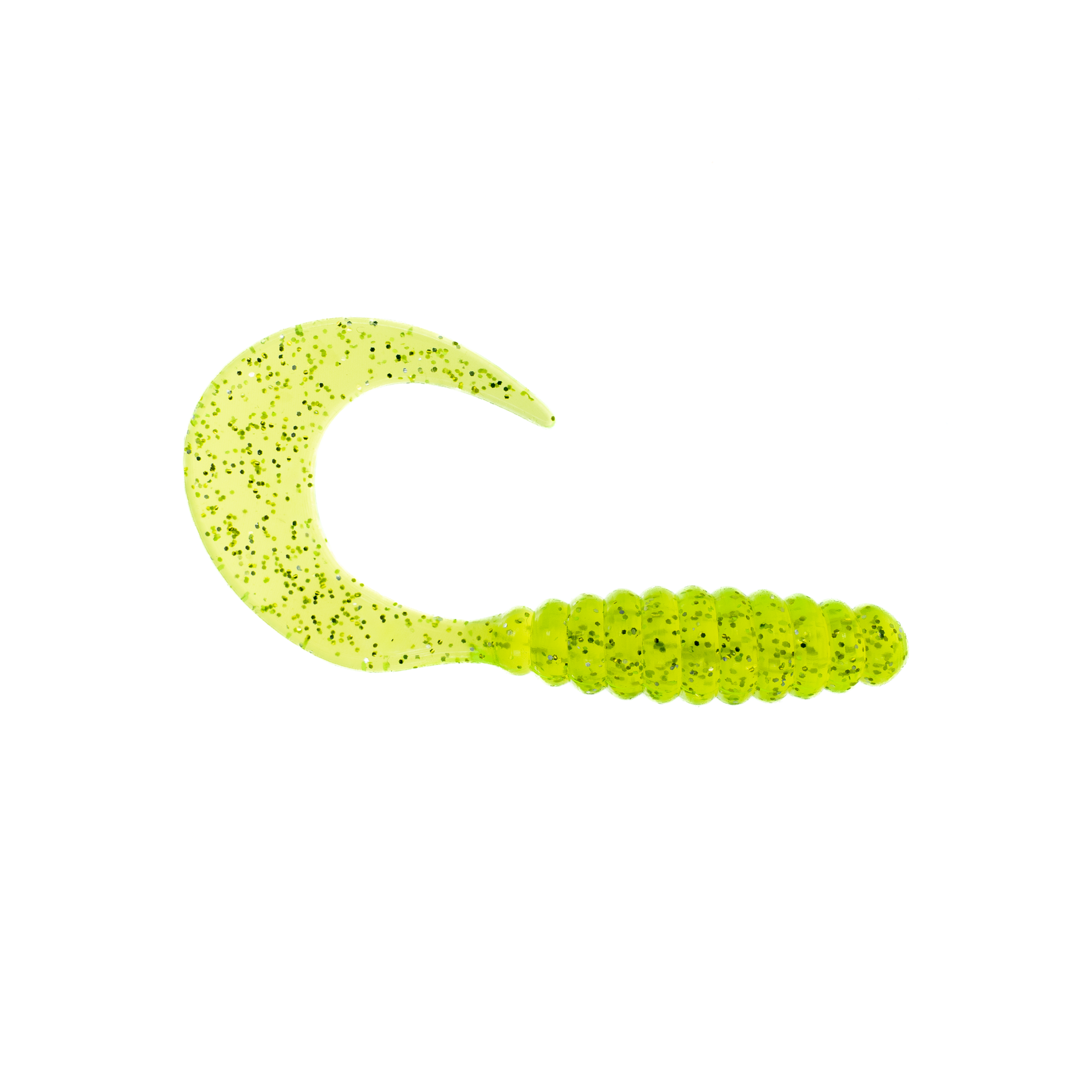
Spring is the strongest season and it happens on rock. Smallmouth move onto gravel and chunk-rock banks and points to spawn, and the transitions between rock types are the areas that hold them. Largemouth push into Peak Creek and the few shallower coves. Cool mountain water means the spring here runs later than eastern Virginia.


Deep Rock and Early Light
Summer moves fish deeper onto the rock and the bluff ends, where they can hold at the depth they want without travelling. Recreational traffic builds on a lake with a state park on it. Early morning and evening are the shallow windows; the rest of the day is a depth problem.


The Other Good Window
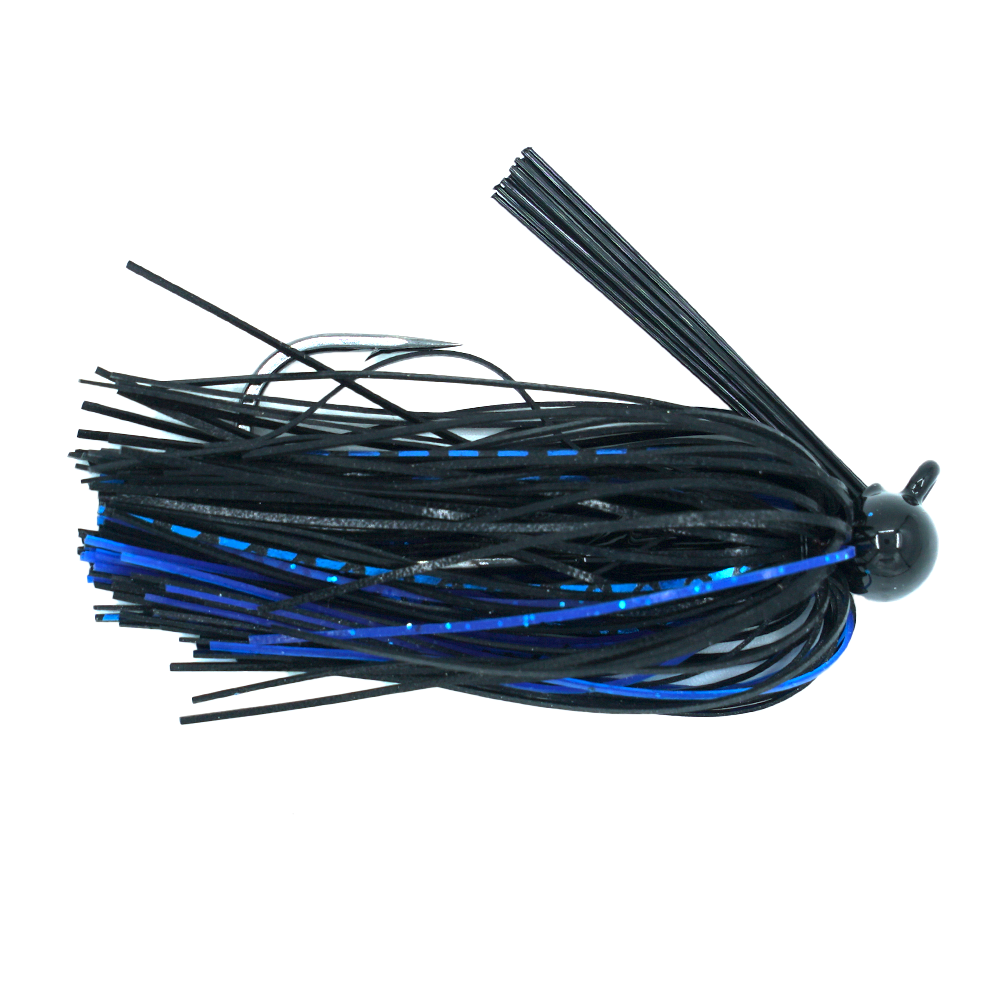
Autumn brings smallmouth back onto the shallower rock and the stripers range the lake chasing alewife, which gives the game away when they push bait up. Cooling water and light traffic make this the second strong season and arguably the most pleasant.

Deep, Clear and Slow
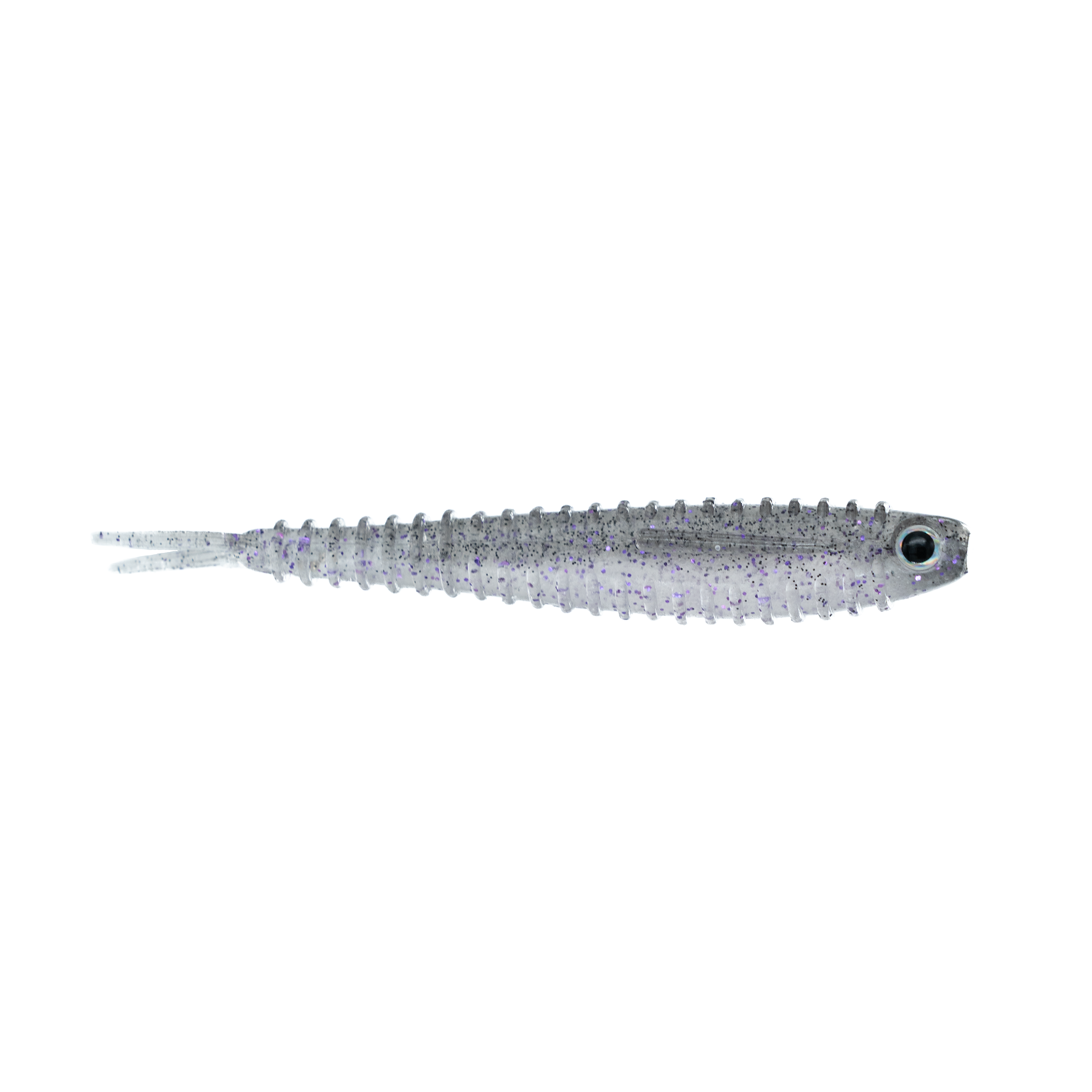
Winter concentrates fish on the deepest rock and the bluff ends, where clear water makes them locatable. Mountain winters in this part of Virginia are genuine and access can be affected, so pick your days. It is slow fishing with good average size and nobody else on the water.

Claytor Lake Access
Claytor Lake State Park provides the main public access with ramps, camping and lodging on the shoreline. Additional public ramps and marinas serve the lake, and Pulaski and Radford are the nearest towns.
The Rocky Banks and Bluffs
Where the smallmouth live. Chunk rock, gravel points and steep bluff banks dropping into deep water, letting fish move vertically without travelling. Learn a handful properly and they produce across the seasons.
Peak Creek
A narrow arm of the impoundment with its own character, and the best largemouth water on the lake. More sheltered and more stained than the main body, and worth exploring when the clear main lake is difficult.
The Old New River Channel
Running the length of the impoundment and giving fish deep water within reach of everything. Channel edges and the points that touch them hold fish in summer and winter alike.
Claytor Lake Bass Fishing FAQ
Is Claytor Lake better for smallmouth or largemouth?
Smallmouth, clearly. The cool mountain water suits them and slows largemouth growth. Largemouth hold second place, though the lake record stands at 14 pounds 6 ounces, and Peak Creek is the best area for them.
What are Alabama bass and why should I keep them?
Non-native bass that have been present in Claytor since 2021, as they have in Philpott Lake. They compete with and hybridise with native smallmouth. There is no limit on them and anglers are encouraged to keep every one they catch — on this lake, harvesting is the conservation-minded choice.
How big is Claytor Lake?
About 4,475 acres, stretching roughly twenty-one miles northeastward across Pulaski County in western Virginia. It impounds the New River, which also has its own guide on this site for the free-flowing sections downstream in West Virginia.
What is Peak Creek?
A narrow arm of the impoundment, more sheltered and more stained than the main lake, and the best largemouth water Claytor has. A useful alternative when clear conditions on the main body make the fishing difficult.
Are there stripers in Claytor?
Yes, and they are the third species here after smallmouth and largemouth. In summer they hold toward the dam; later in the year they range the whole lake chasing alewife. Surface activity on this lake is often stripers rather than bass.
When is the best time to fish Claytor?
Spring for smallmouth on the rock, and autumn as the second window. Cool mountain water means the spring runs later here than in eastern Virginia. Winter is slow but the average size is good and you will have it to yourself.
What baits work best on Claytor Lake?
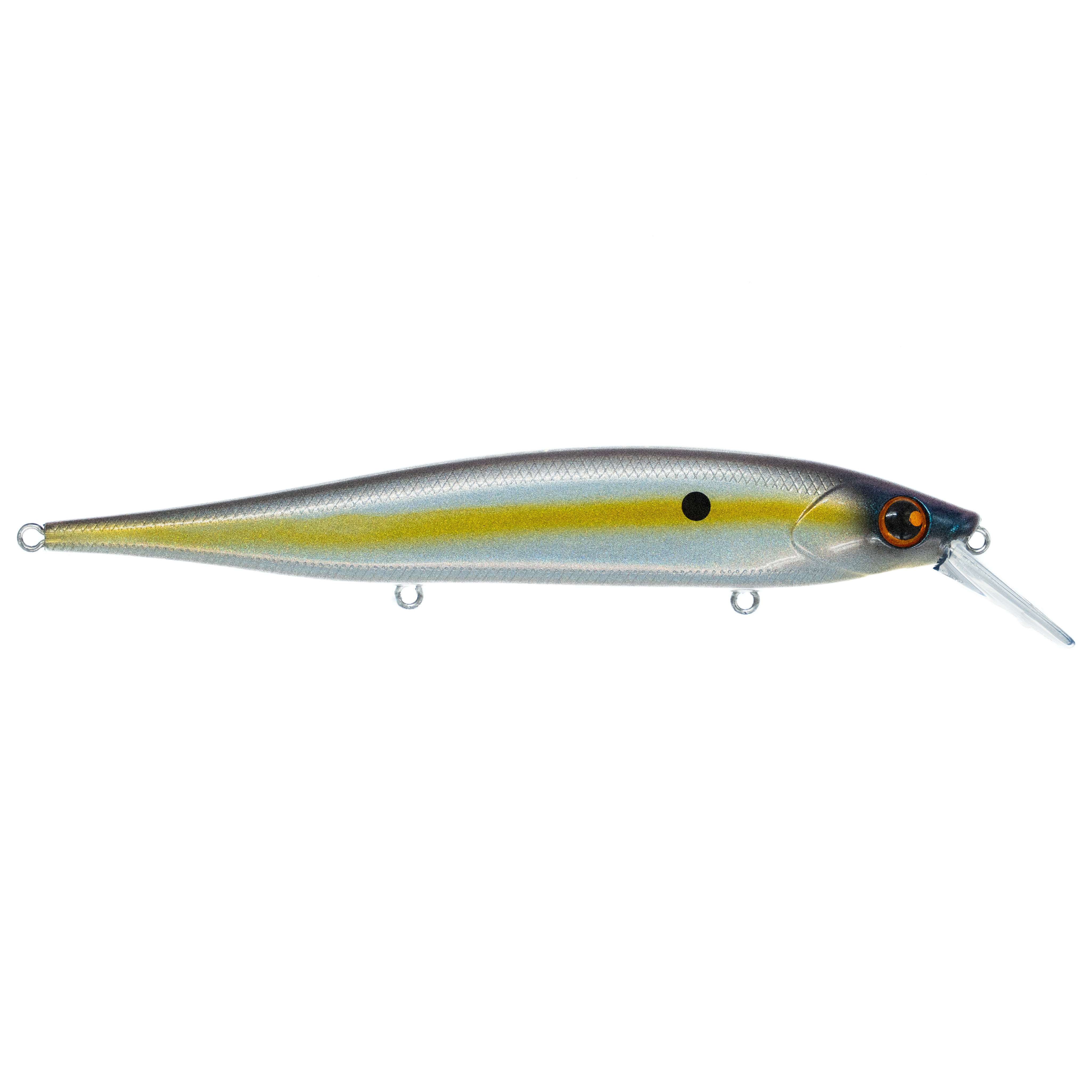
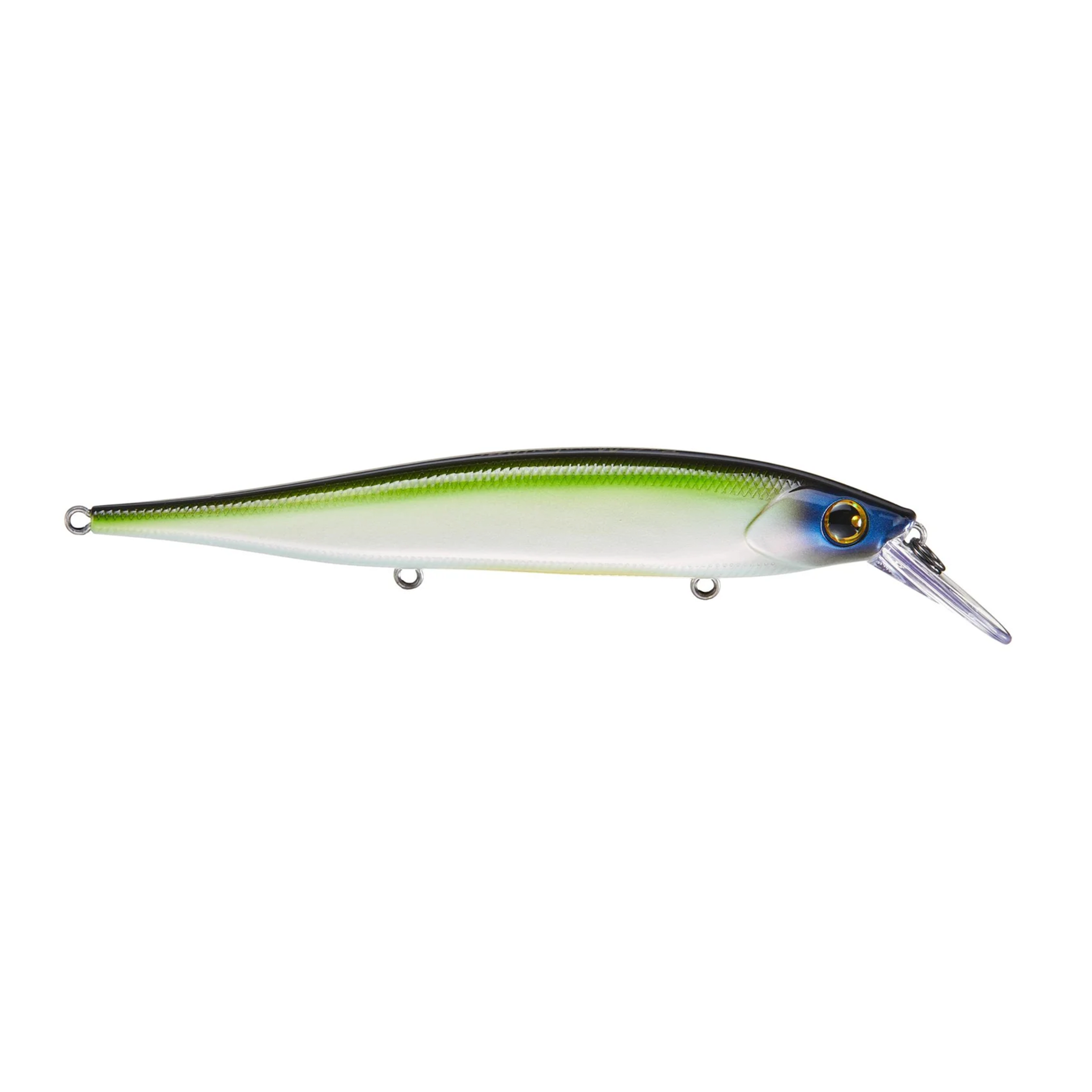
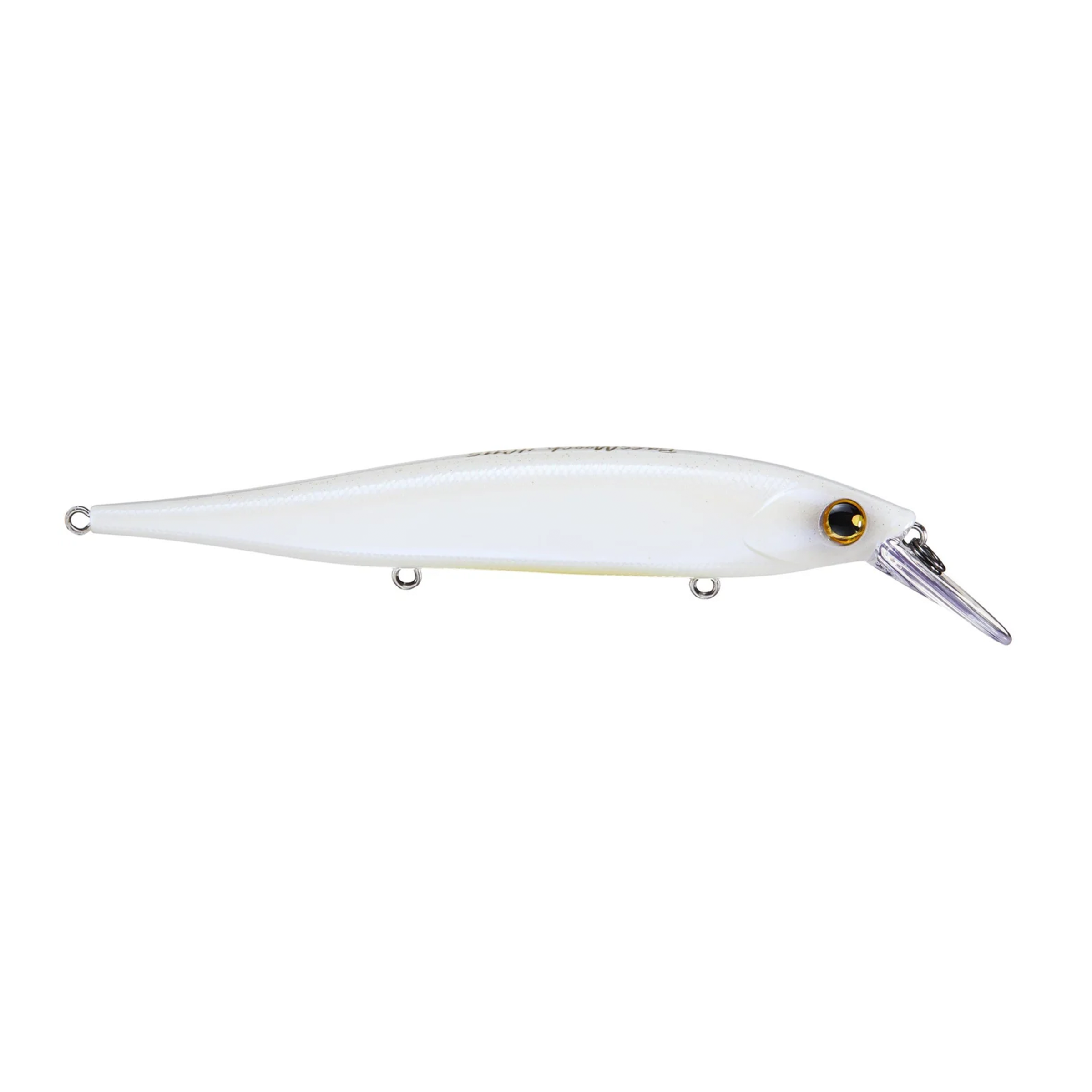
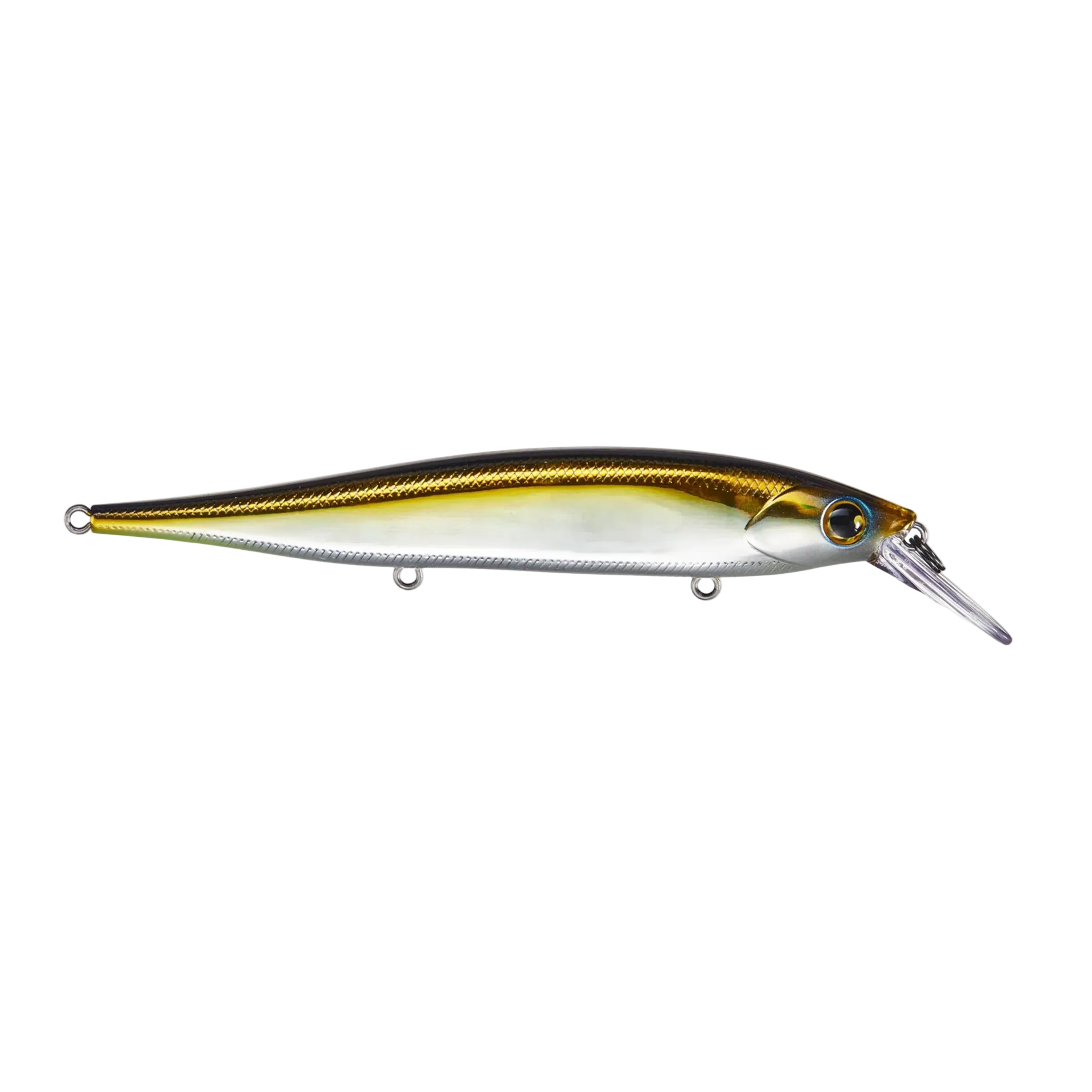
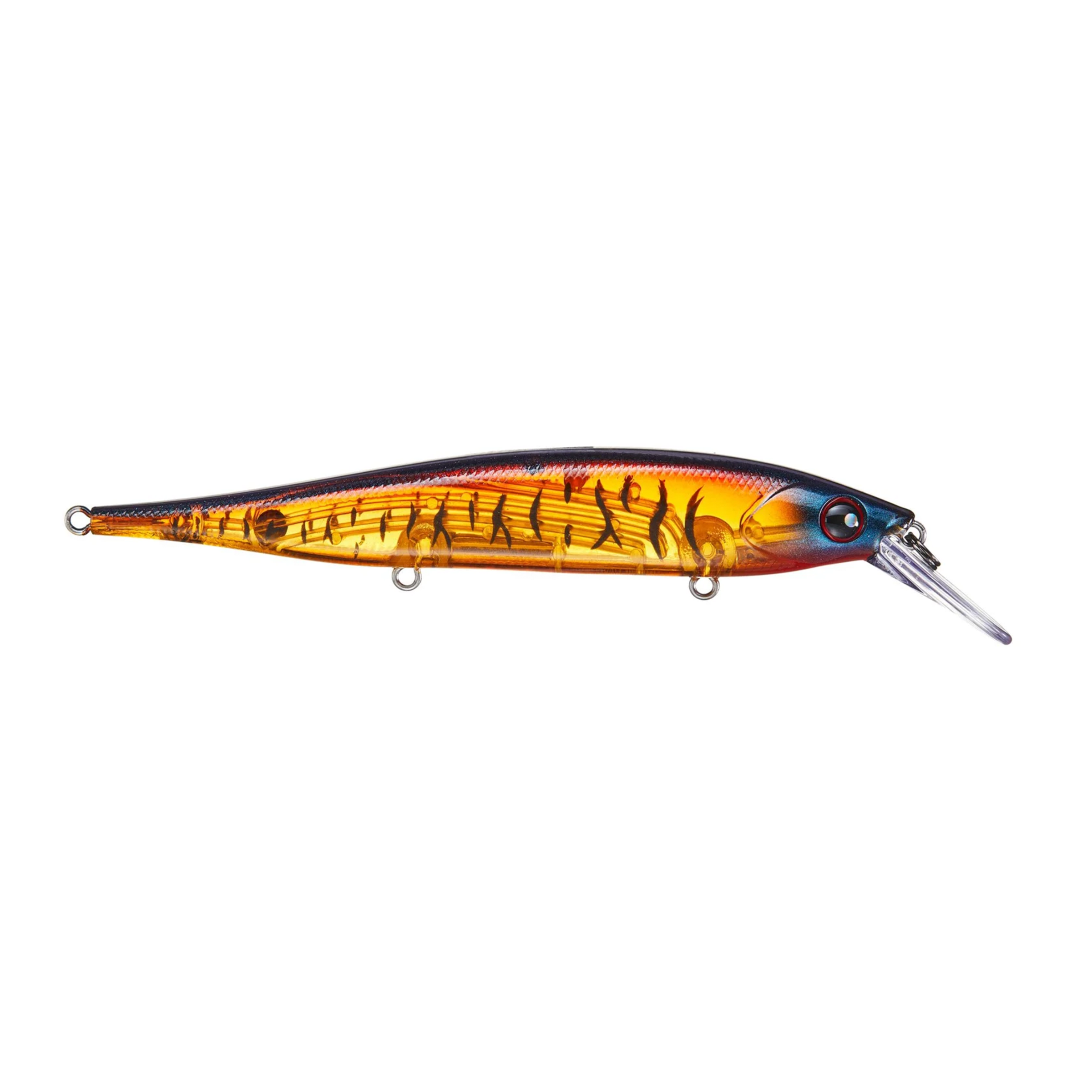
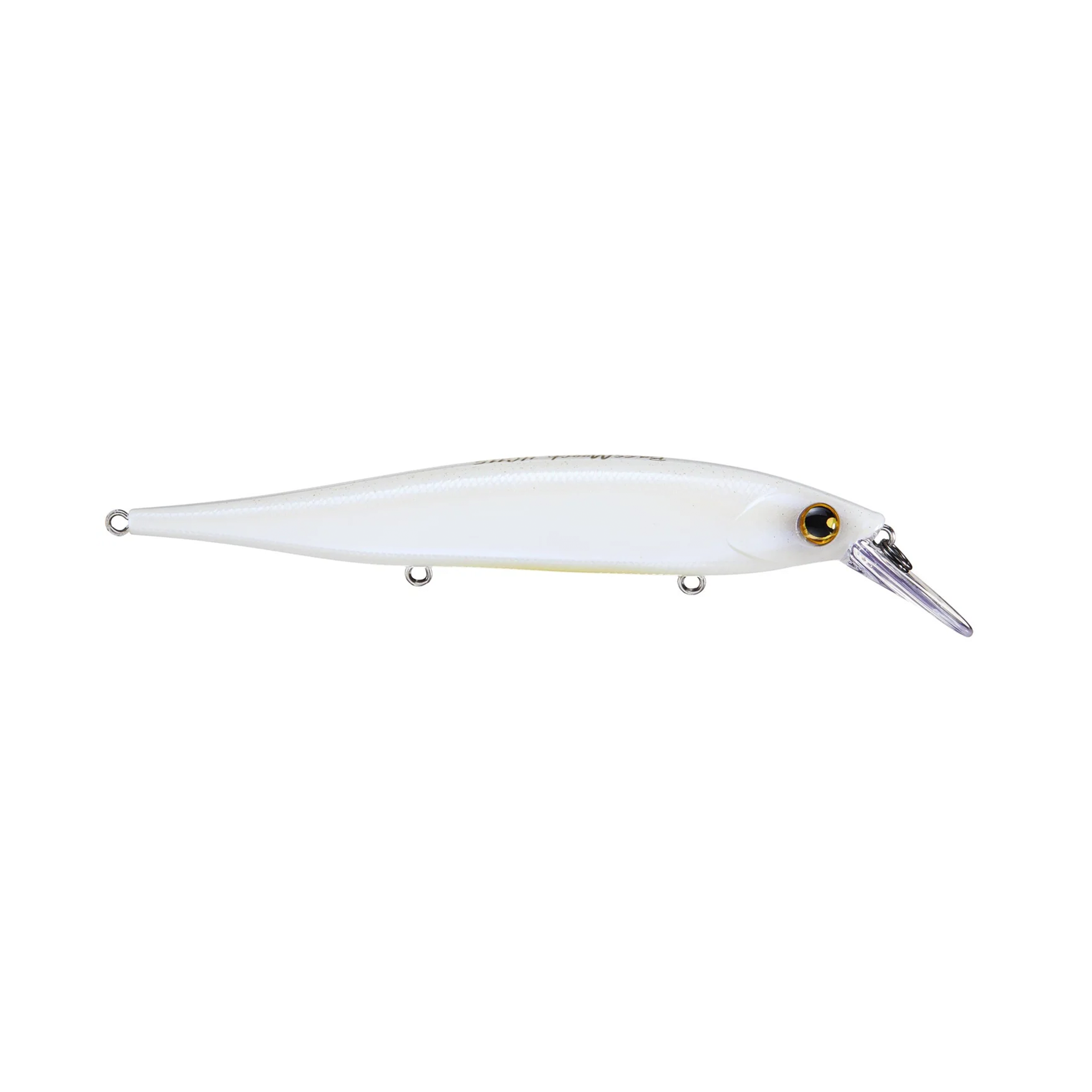
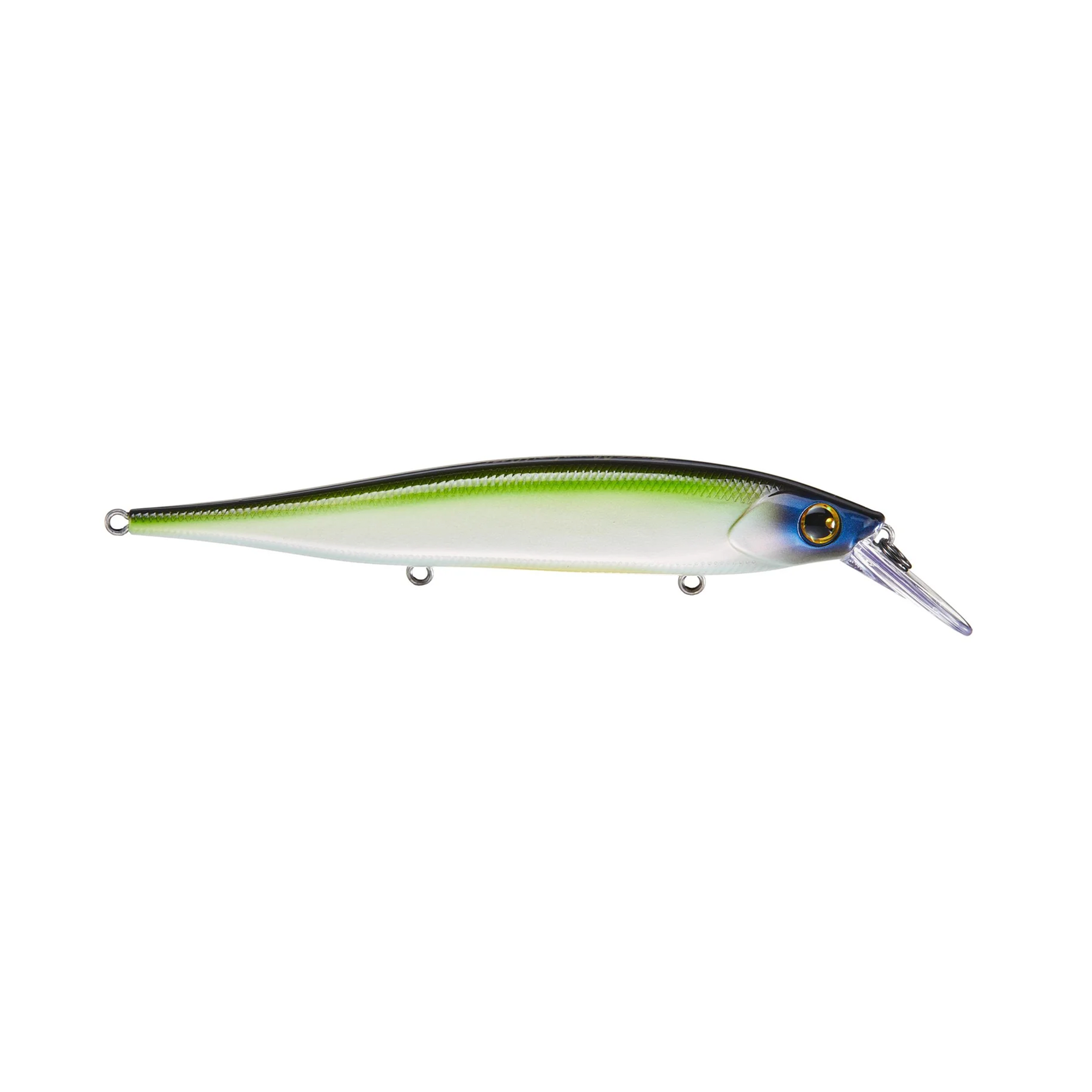
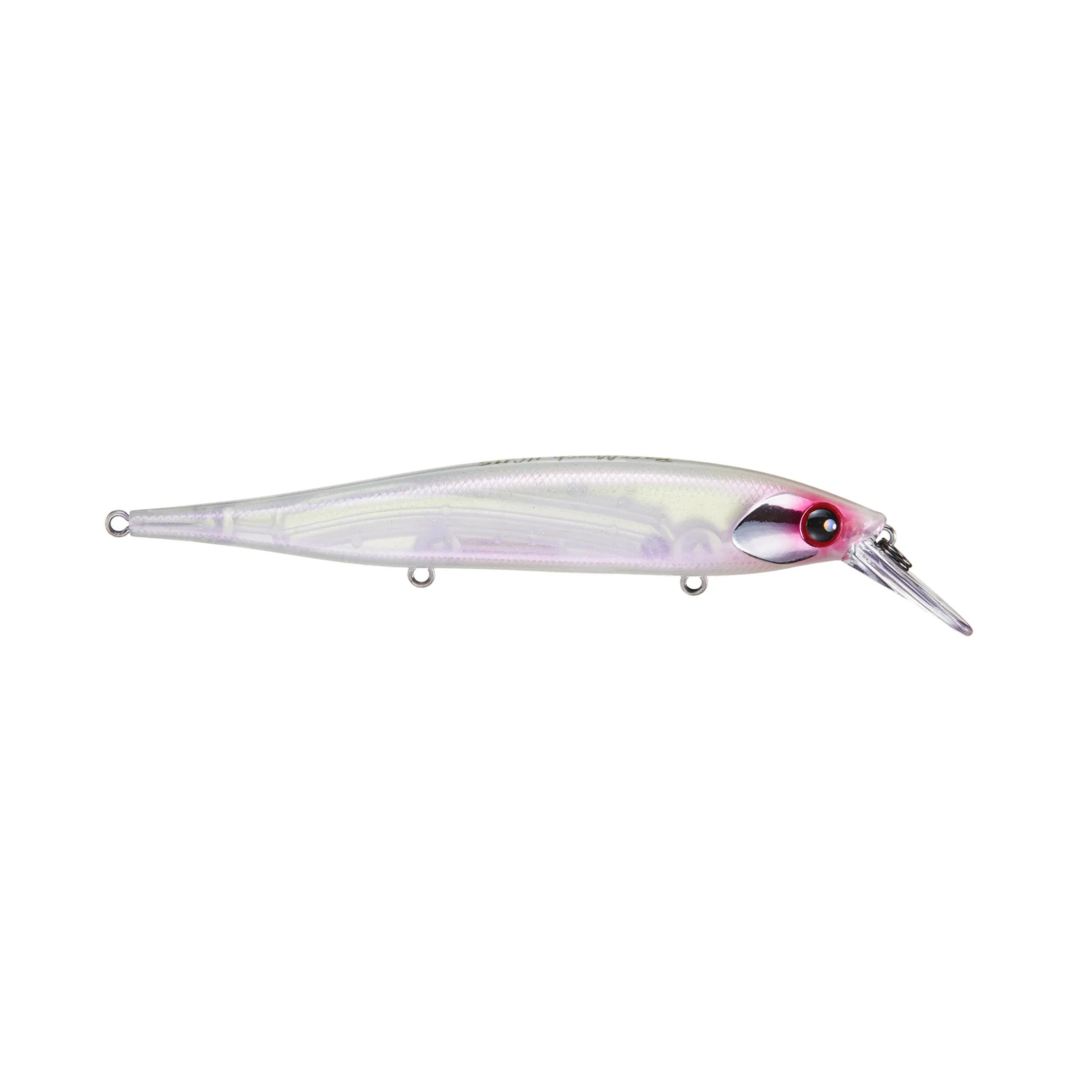
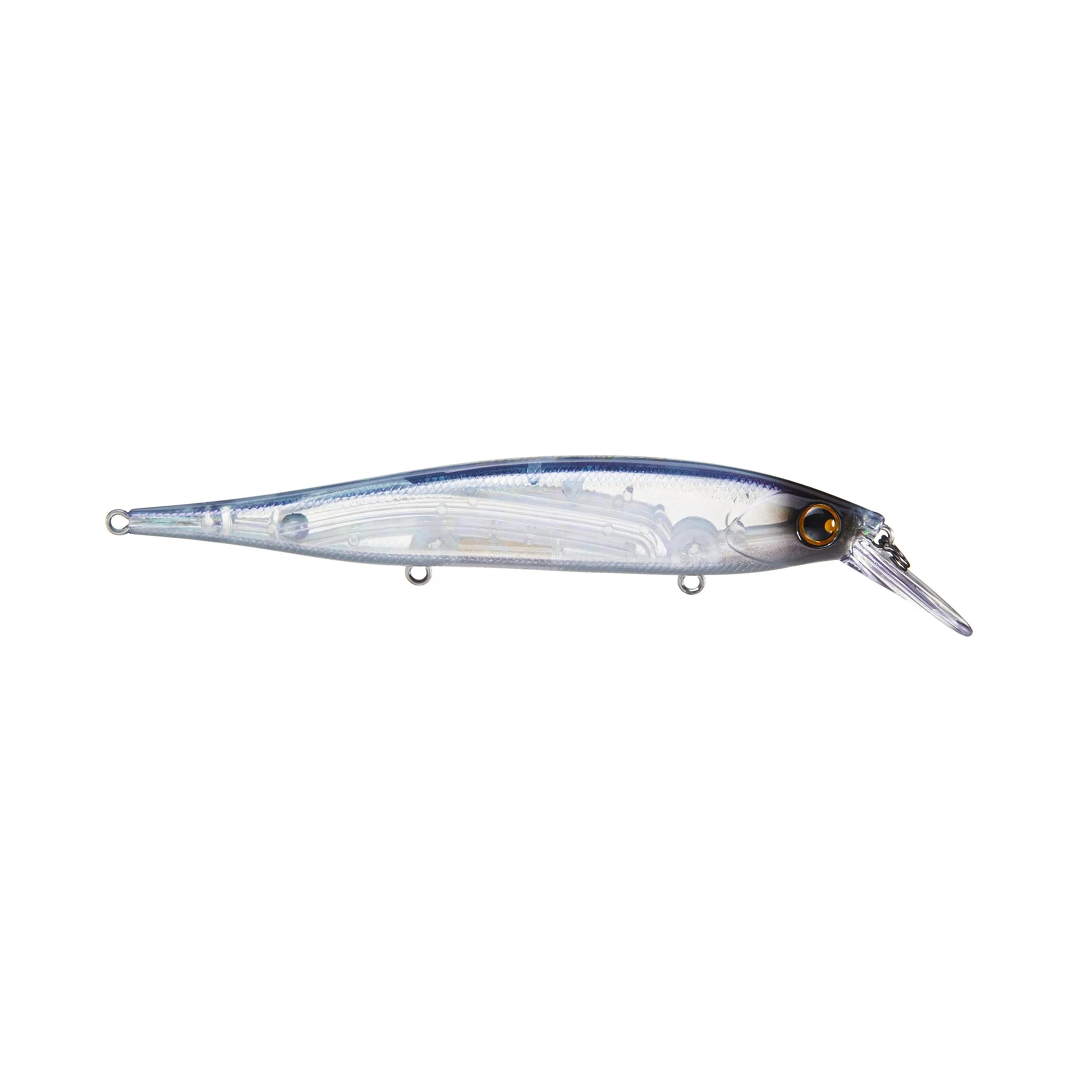
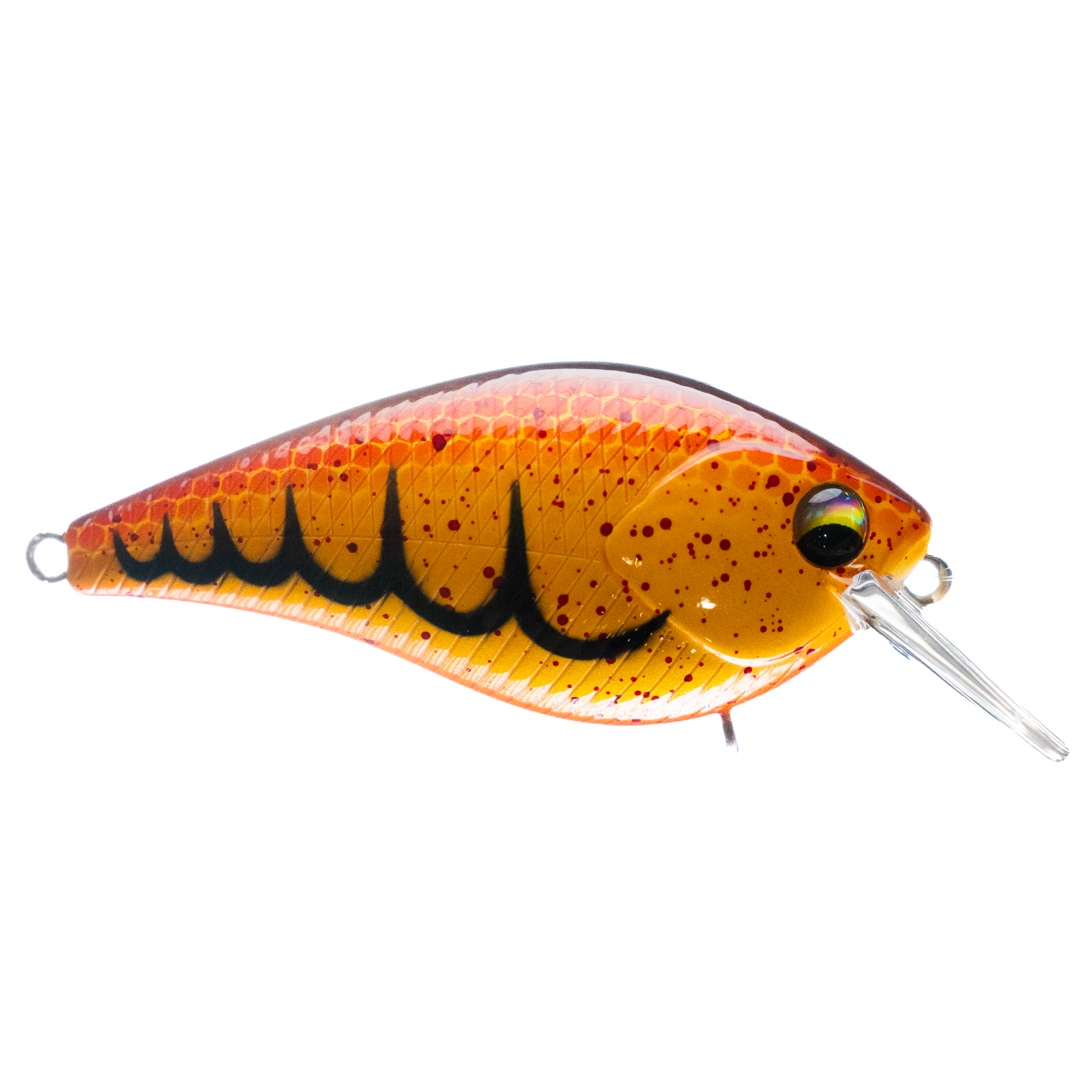
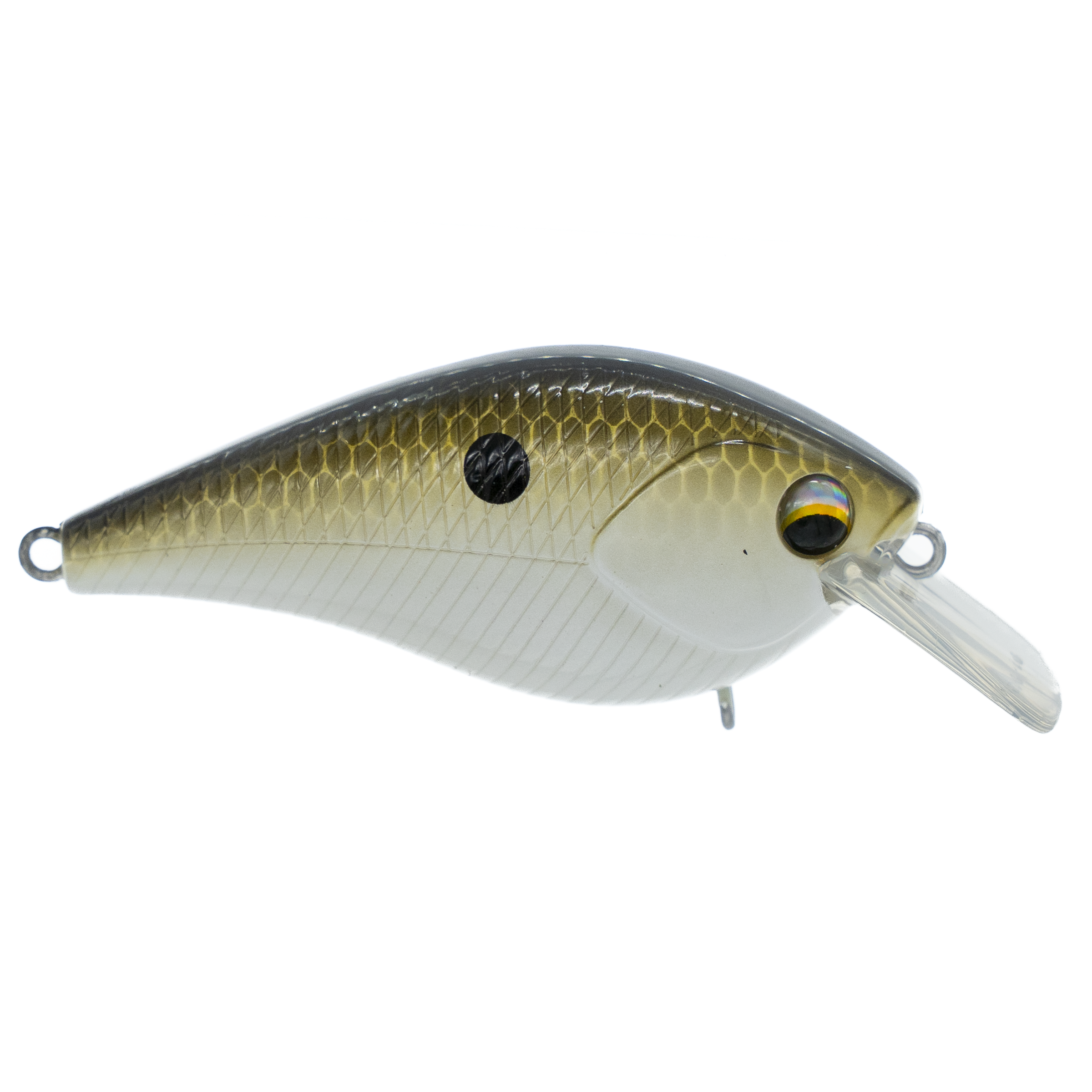
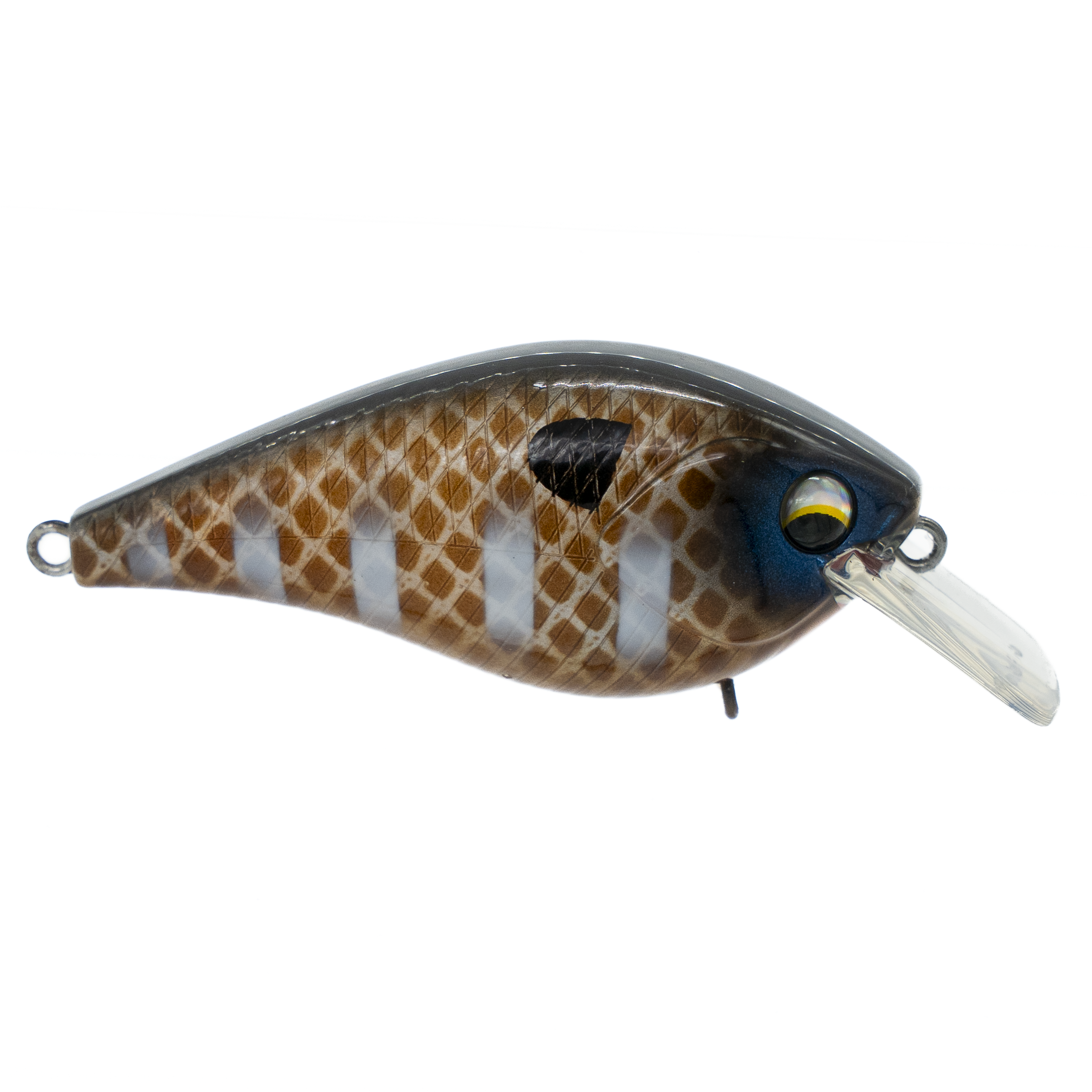
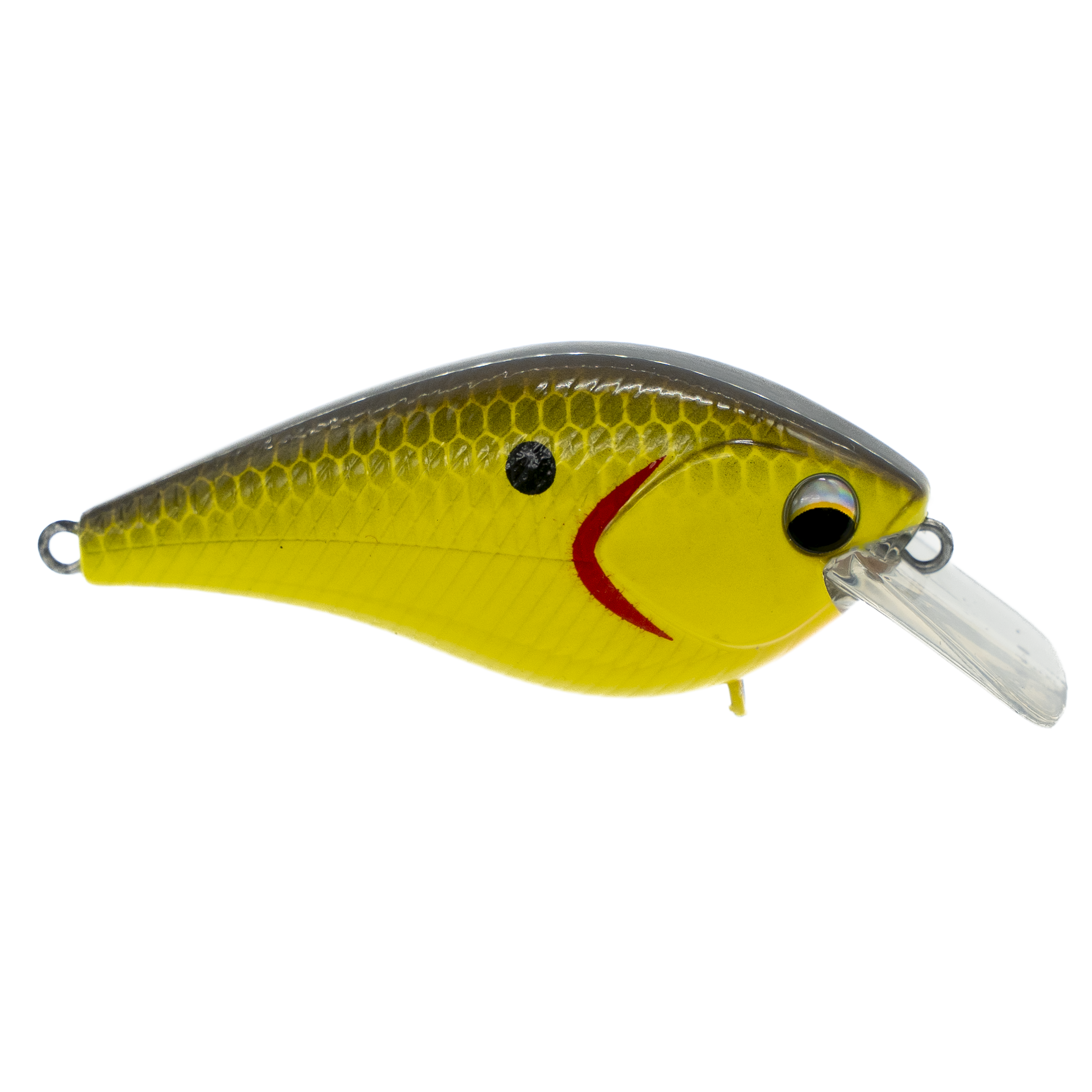
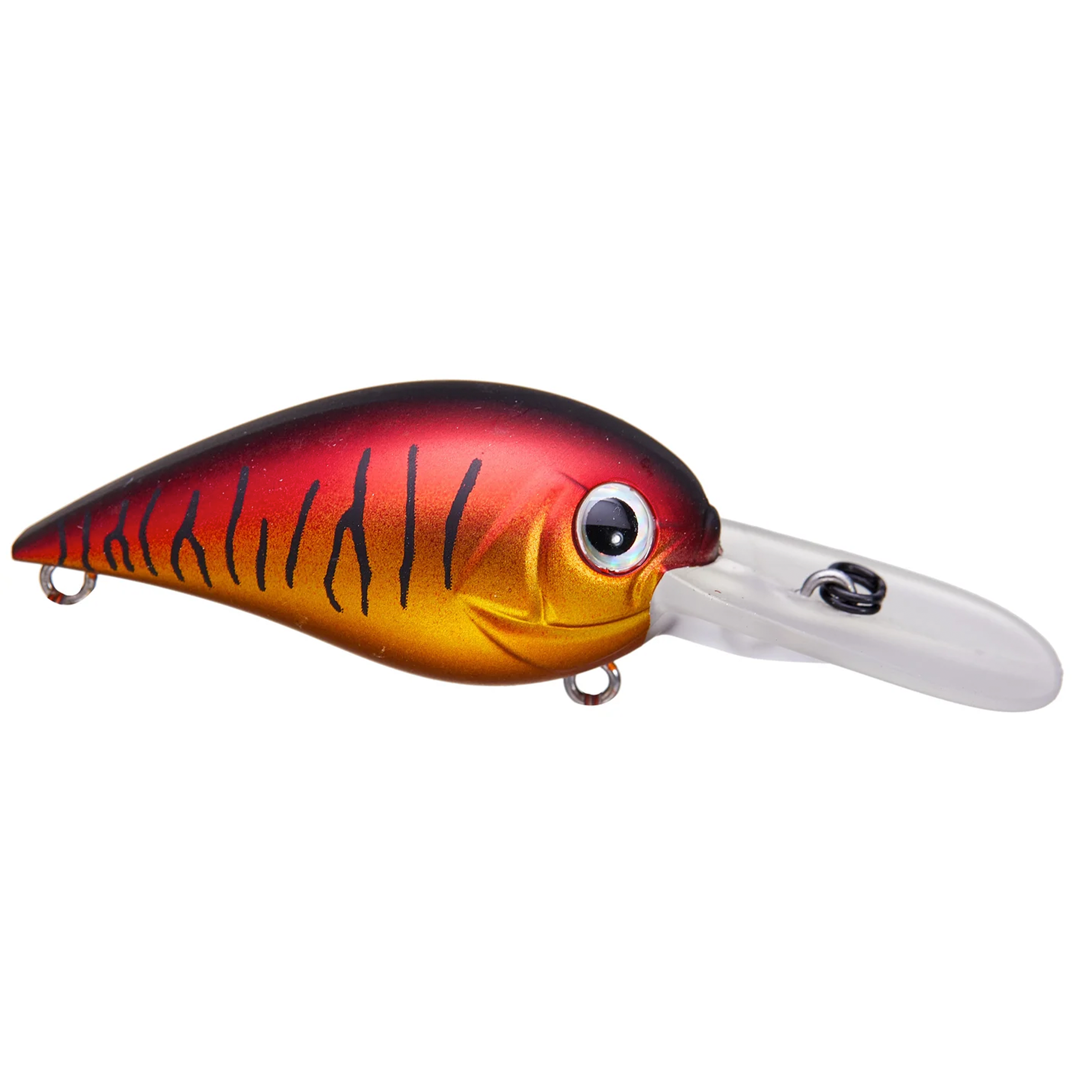
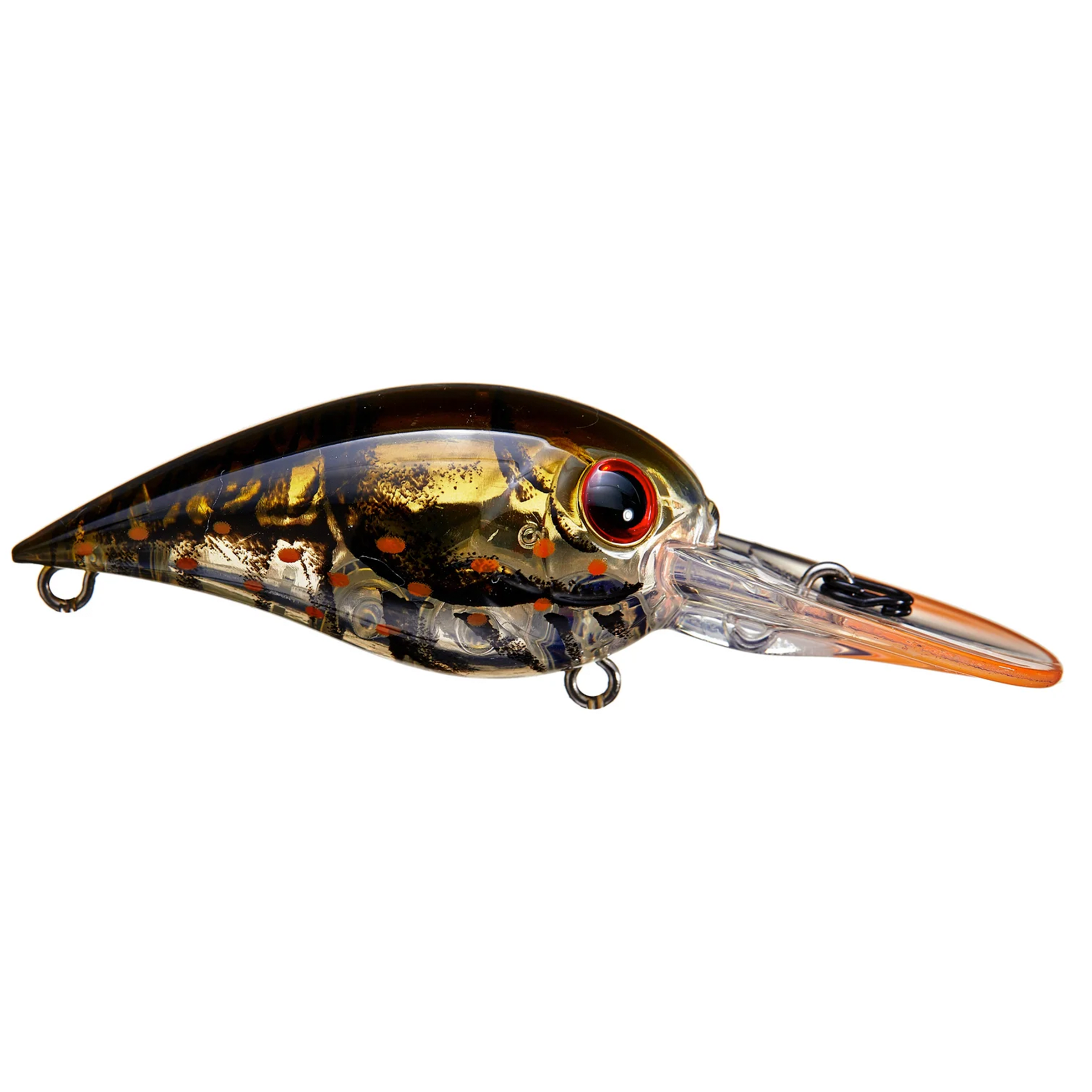
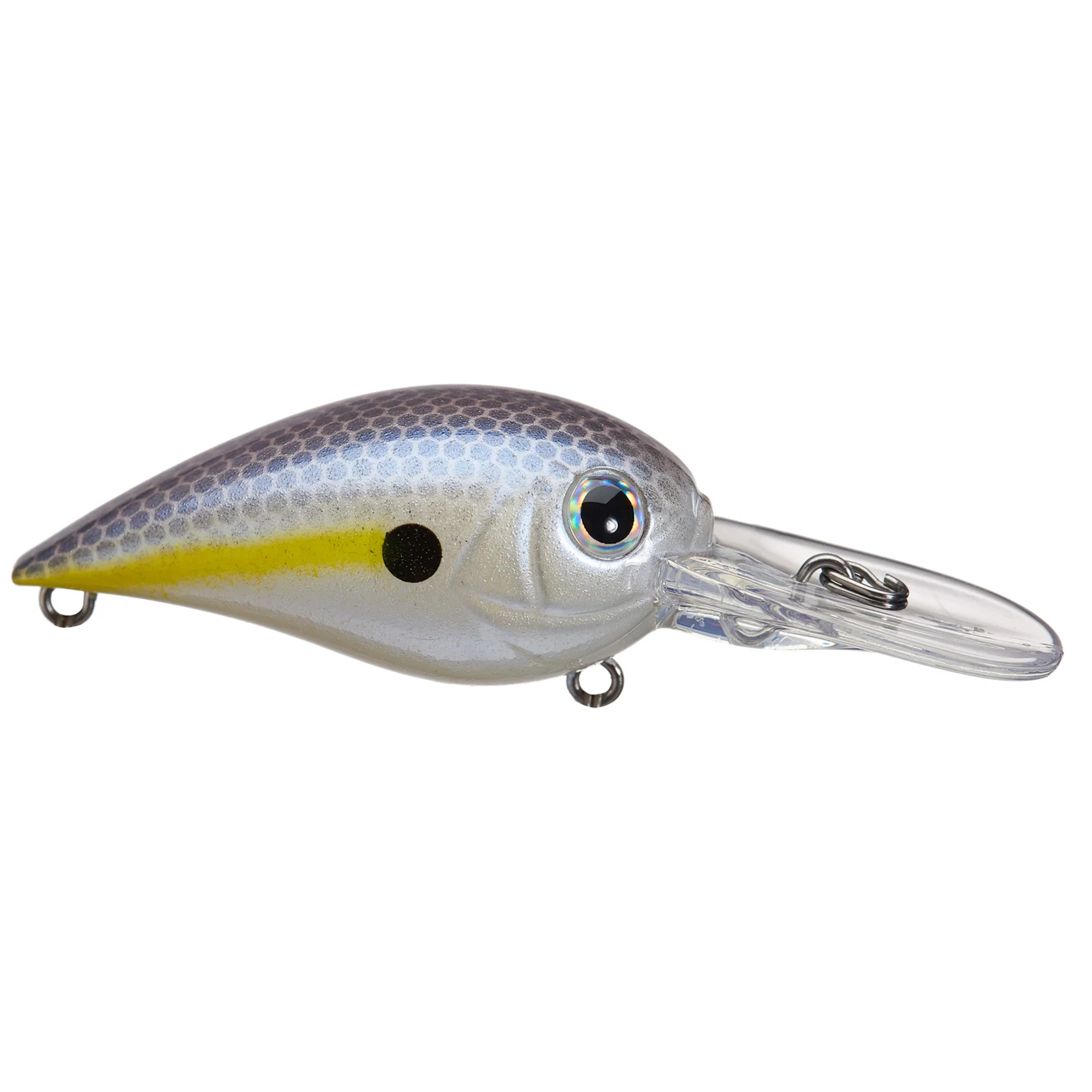
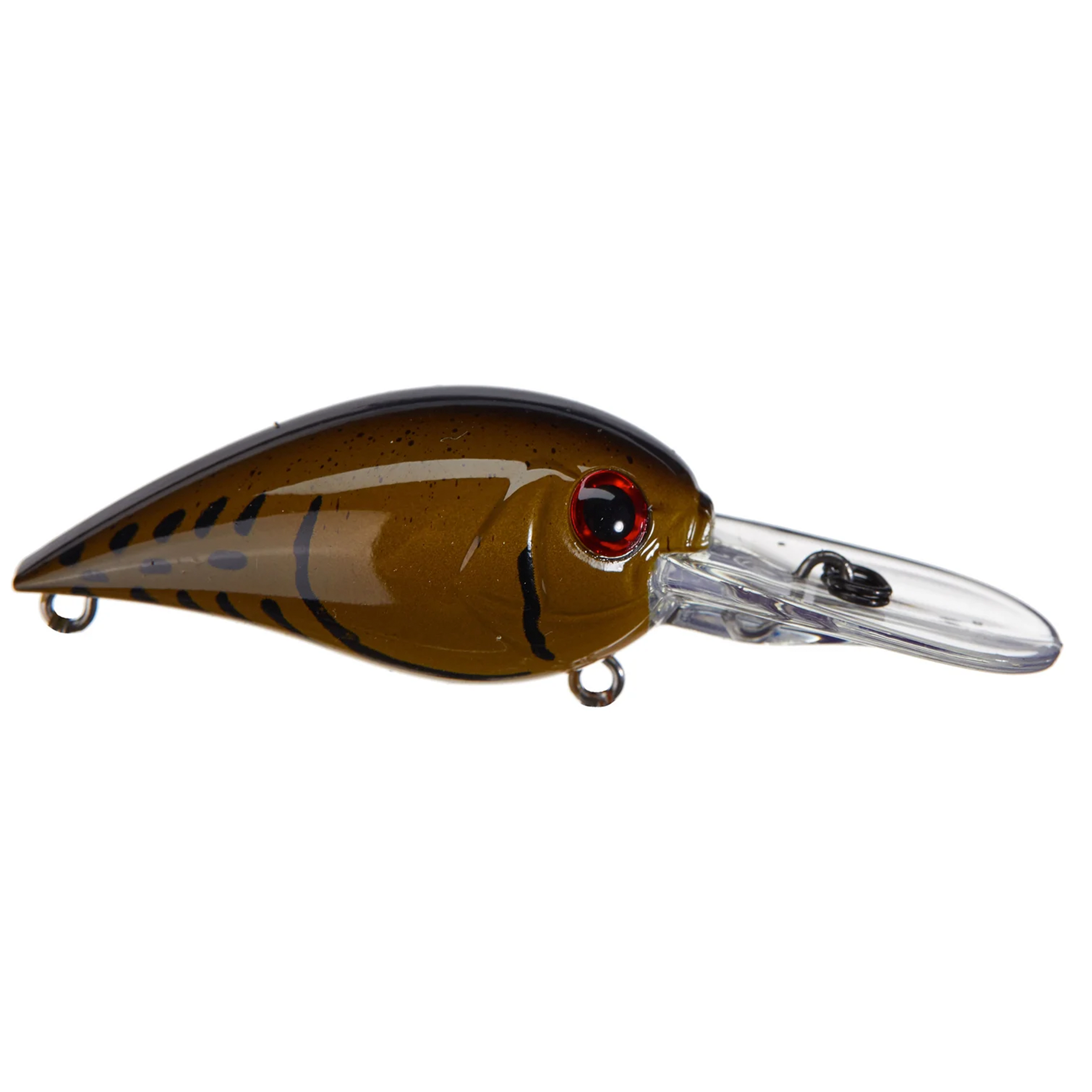
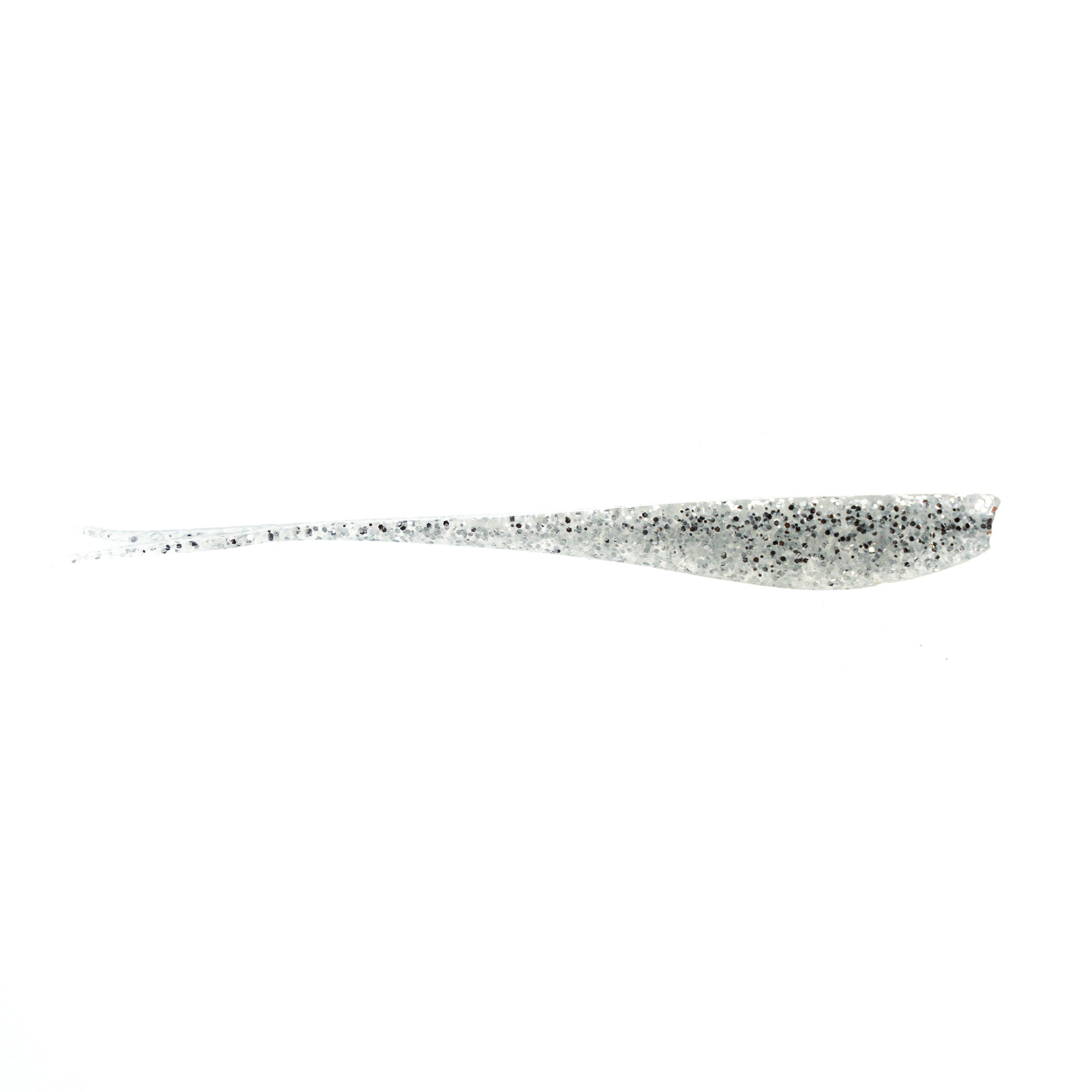
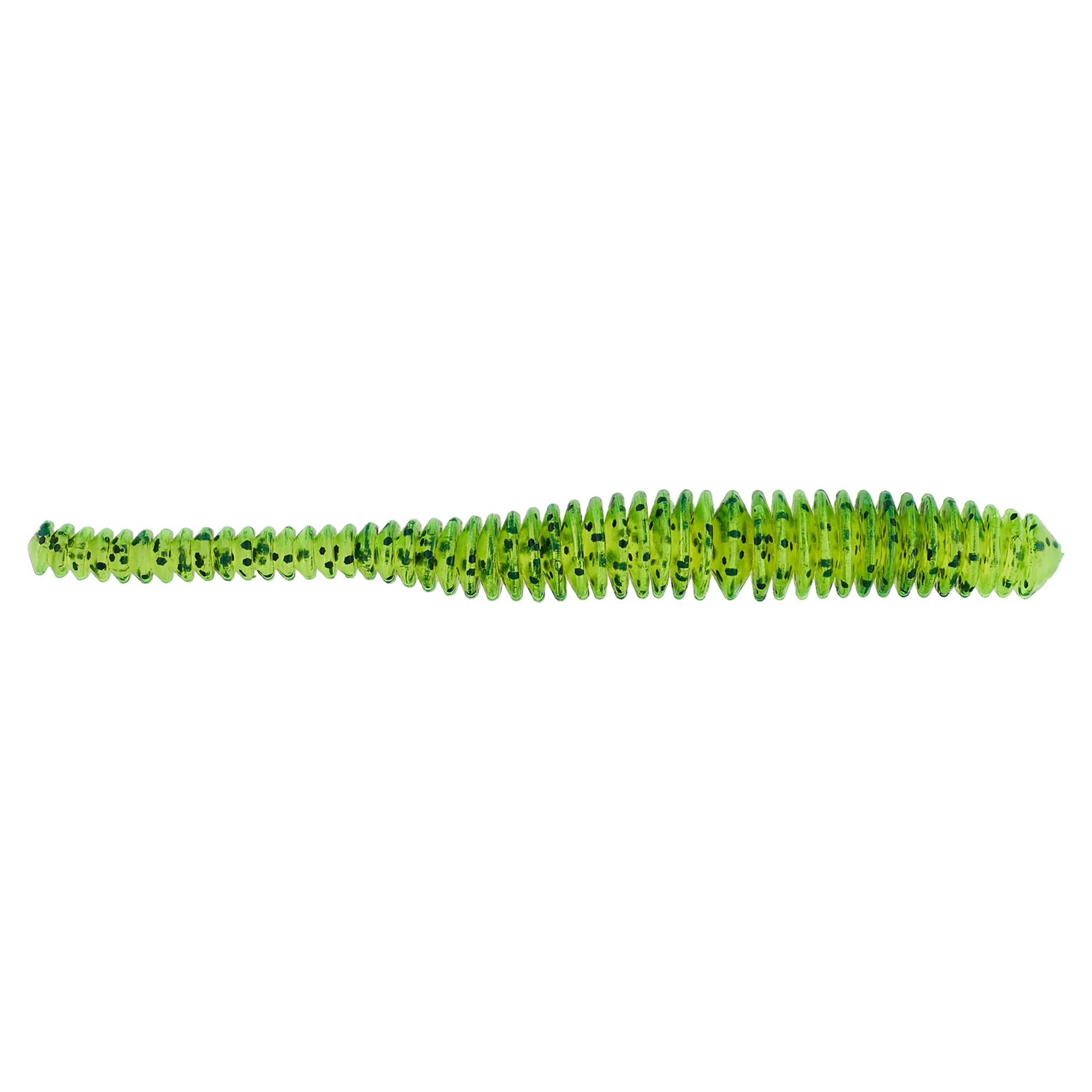
Suspending jerkbaits and finesse plastics on the rock, drop shots and small worms at depth in summer, and moving baits on rocky banks in autumn. Clear cool water rewards natural colours and light line. Our full bait lineup covers all four seasons.
Do I need a fishing license?
Yes, a Virginia freshwater fishing license from the Department of Wildlife Resources. Check current black bass regulations before you go, and note the Alabama bass rules differ from those for native species.
Clear Water, Light Line
Cool clear mountain water means finesse presentations, light line and long casts, then holding a smallmouth that fights well above her weight. Level Rods builds spinning models with the forgiveness to protect light line through the first run and the sensitivity to detect a bite on deep rock.
Tournament Winning Baits & Gear
Designed, crafted and tested by anglers who fish clear water every week. Free shipping on orders over $75.
Shop All Baits