
Clarks Hill Lake Bass Fishing Guide
Clarks Hill Bass Fishing, Season by Season
Seventy-one thousand acres and 1,200 miles of shoreline on the Savannah River above Augusta — Georgia's largest lake, and the only herring fishery in the region with serious grass. That combination means summer bass here eat crawfish as readily as baitfish, which is not true of its neighbours.
The Lake That Was Rebuilt Twice
Clarks Hill was completed in the early 1950s near where the Little River joins the Savannah, upstream of Augusta. At 71,000 acres with 1,200 miles of shoreline it's the largest lake in Georgia and among the largest man-made lakes east of the Mississippi — and, unusually for water this size in the Southeast, it remains fairly undeveloped.
For its first three decades it was an ageing reservoir with thinning cover and unremarkable bass. Tournaments were won with ten to twelve pound limits. Then blueback herring arrived, and largemouth turned into open-water fish that grew fast and heavy; twenty-pound limits replaced twelve-pound ones. Then hydrilla exploded, going from a handful of pockets to more than three thousand acres in a single year, and for a stretch it was hard to find water under eight feet that wasn't thick with it. The fish moved shallow again.
That second change is what makes this page different from the ones on Murray, Hartwell and Lanier. Those are herring lakes where you chase roaming bait across structure. Clarks Hill is a herring lake with grass, and grass holds crawfish. Local reports through summer describe largemouth sitting off the sides of grassy points in twelve to eighteen feet feeding heavily on craws — a pattern that simply isn't available on the others.
The practical challenge is scale. Seventy-one thousand acres split between a Little River arm and a Savannah River arm is too much water to explore, and the winter fishing happens in creek channels well off the bank. Pick an arm, get on a pattern, and repeat it.
Herring, Grass and Crawfish
Four patterns cover the year. Each one pairs the technique with the baits we'd actually tie on.
Flats, Blowdowns, Then the Herring Spawn
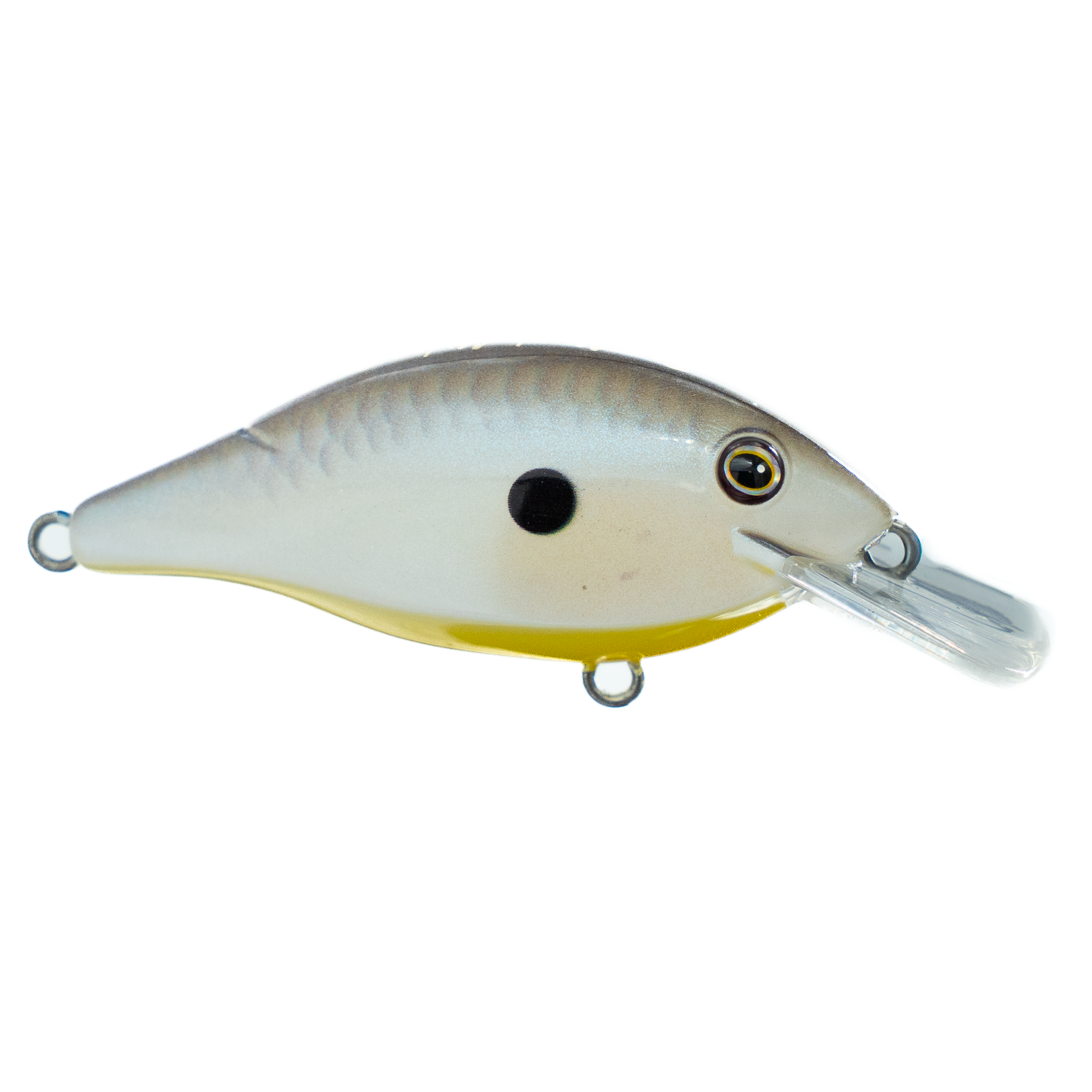
February gets fish onto shallow flats on warm sunny days, and the blowdowns in the long narrow coves off Little River hold them as they move up. Then the herring spawn arrives and rewrites the month — bass push onto sandy points, gravel and hard structure like seawalls to feed on spawning bait, and the fishing gets very good very quickly.



Grassy Points and Crawfish
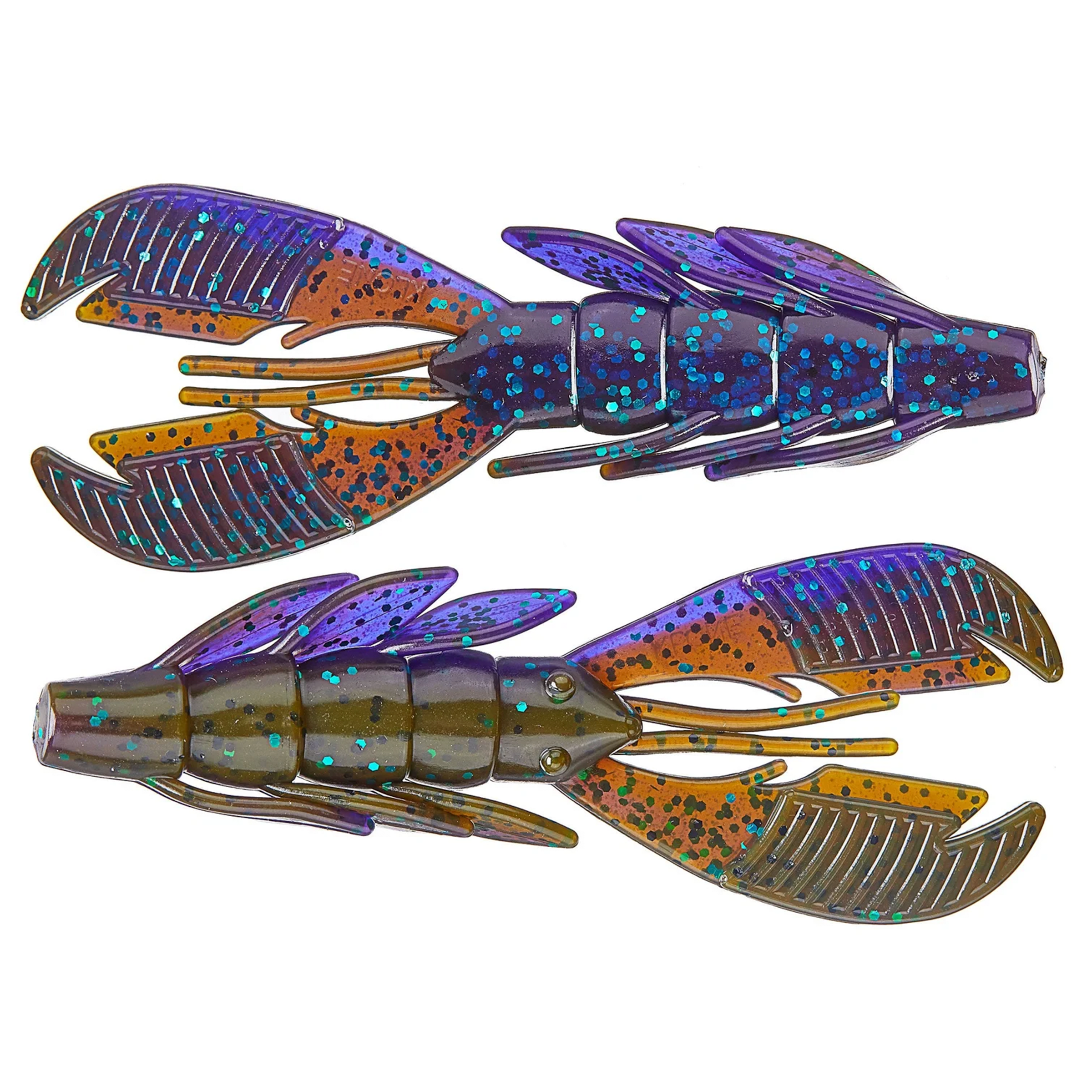
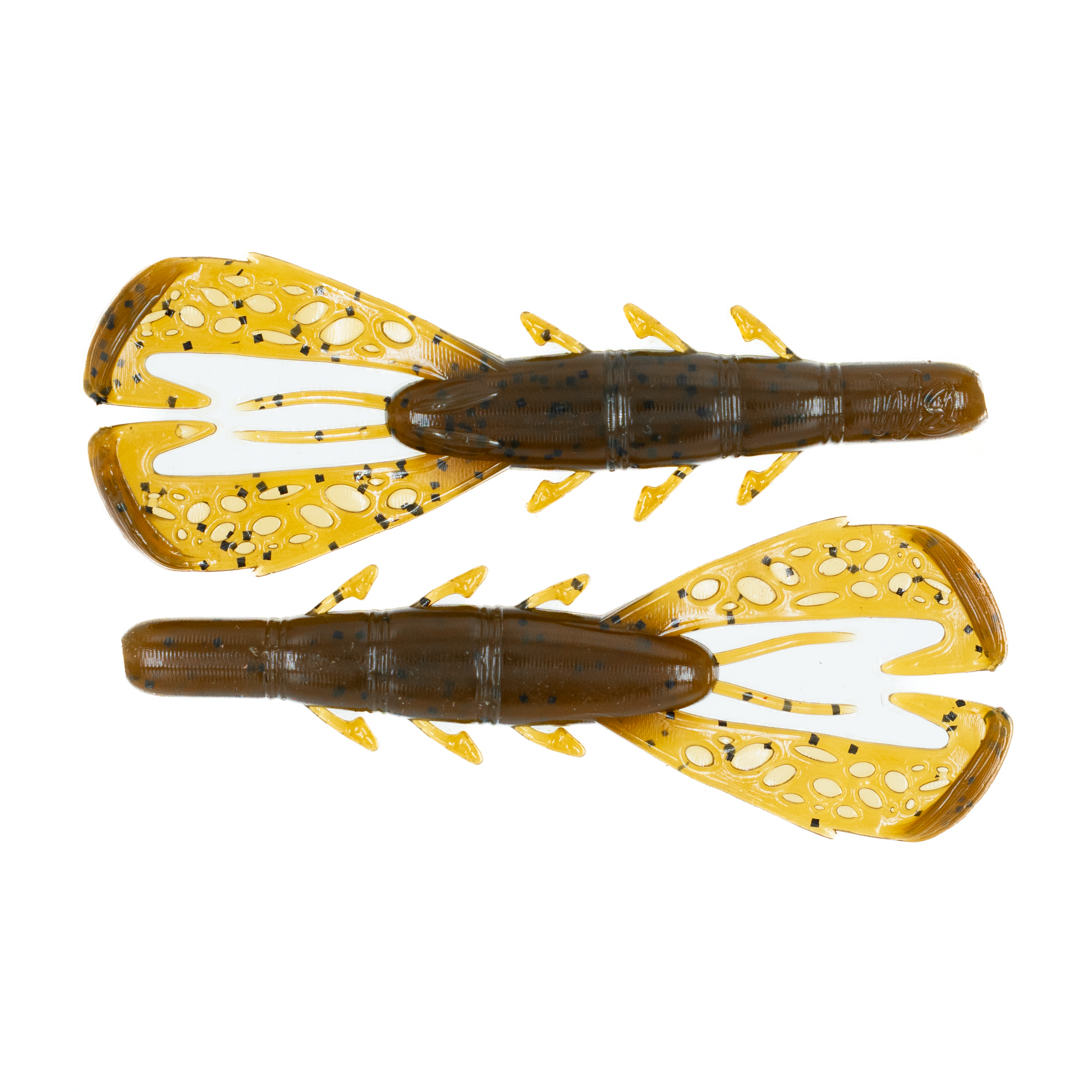
This is where Clarks Hill separates itself from the other herring lakes. Bass hold off the sides of grassy points in 12 to 18 feet and feed heavily on crawfish living in the hydrilla — not just on baitfish. Others suspend in 15 to 25 feet around deeper docks, brush and offshore cover. Both patterns run at the same time.



Schooling on the Big Flats
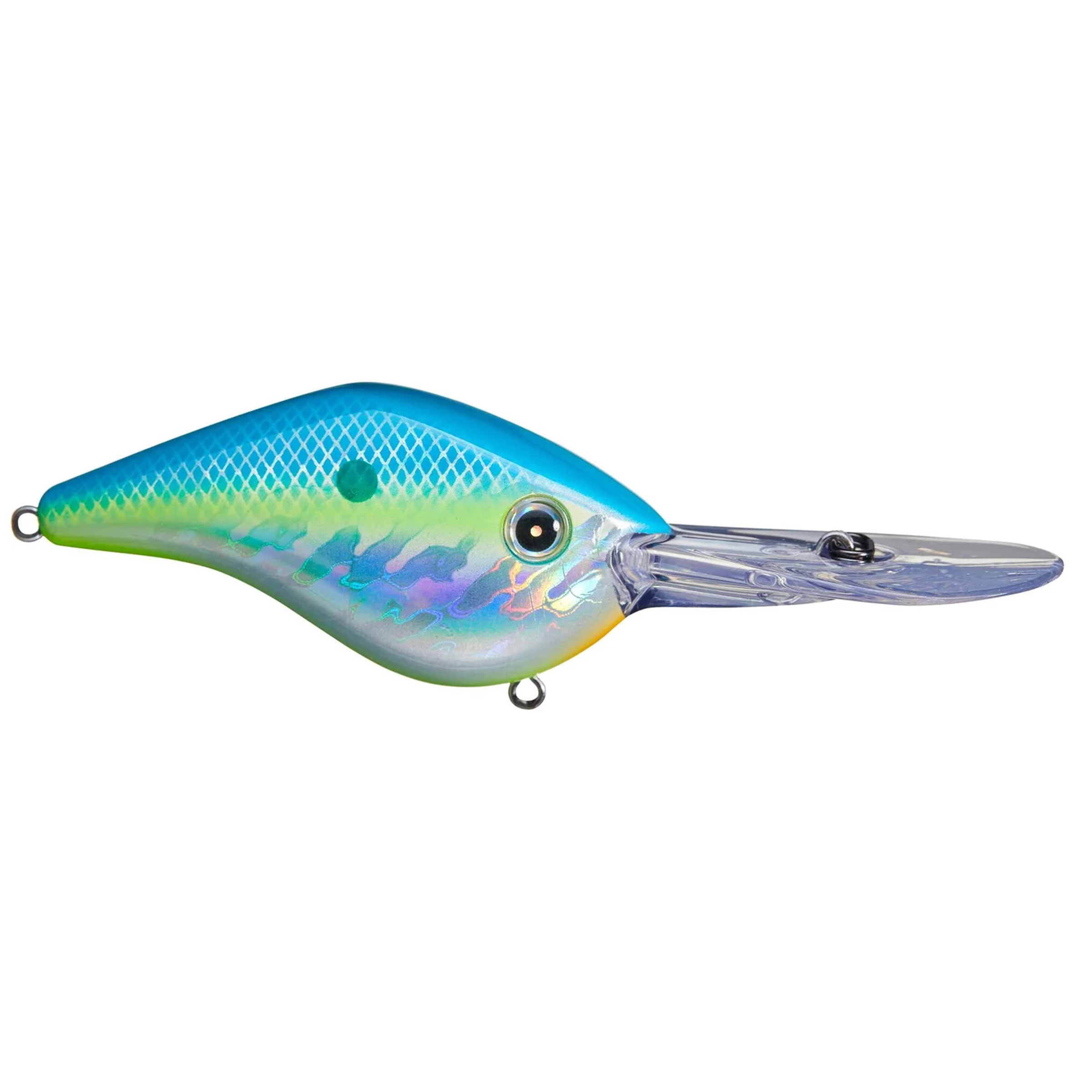
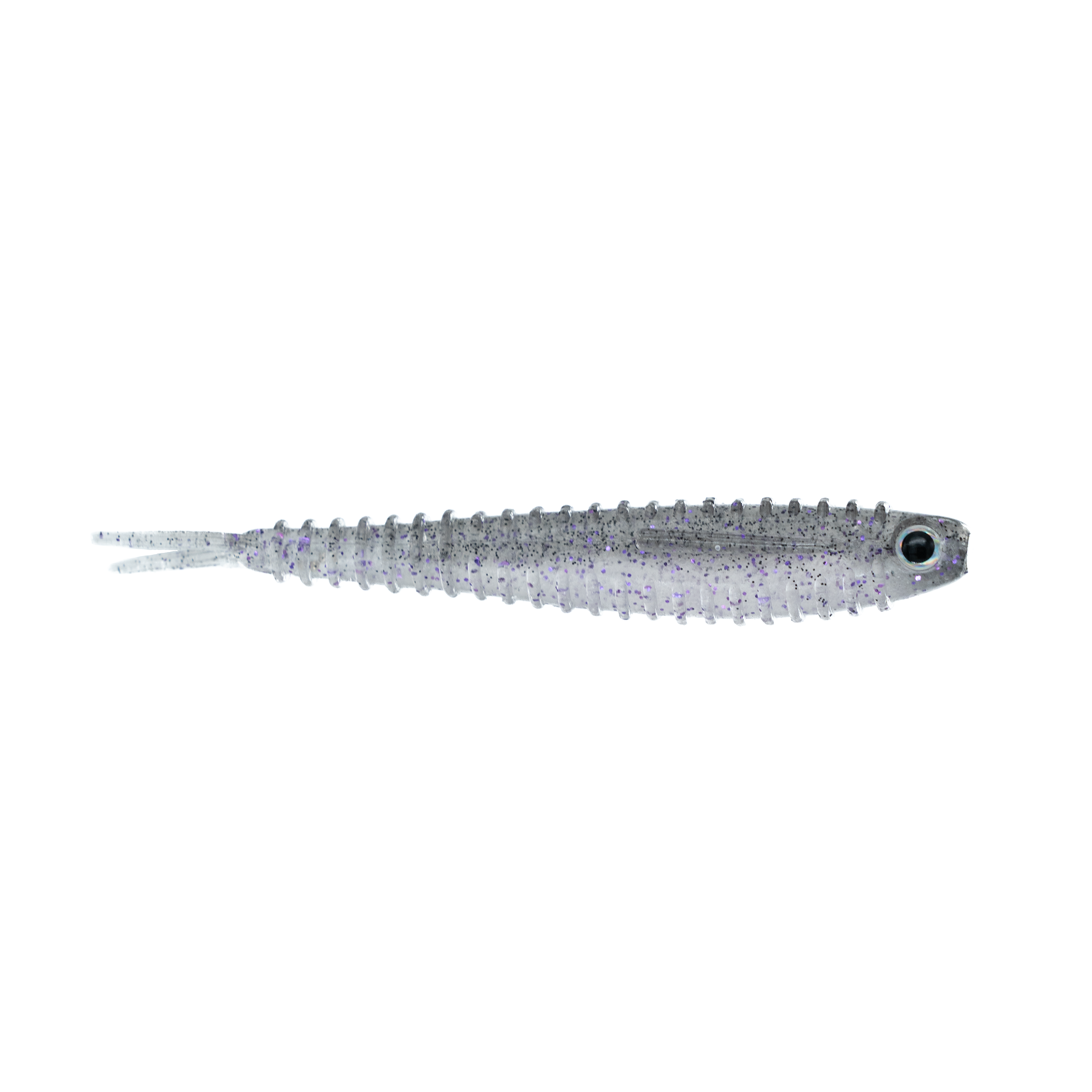
Autumn is when 71,000 acres feels enormous and rewarding at once. Largemouth chase shad and herring across the big flats, and the best topwater action comes with a light breeze rather than a slick calm. Fish schooling on the surface can pop up anywhere, so keep a rod rigged.



Off the Bank Entirely
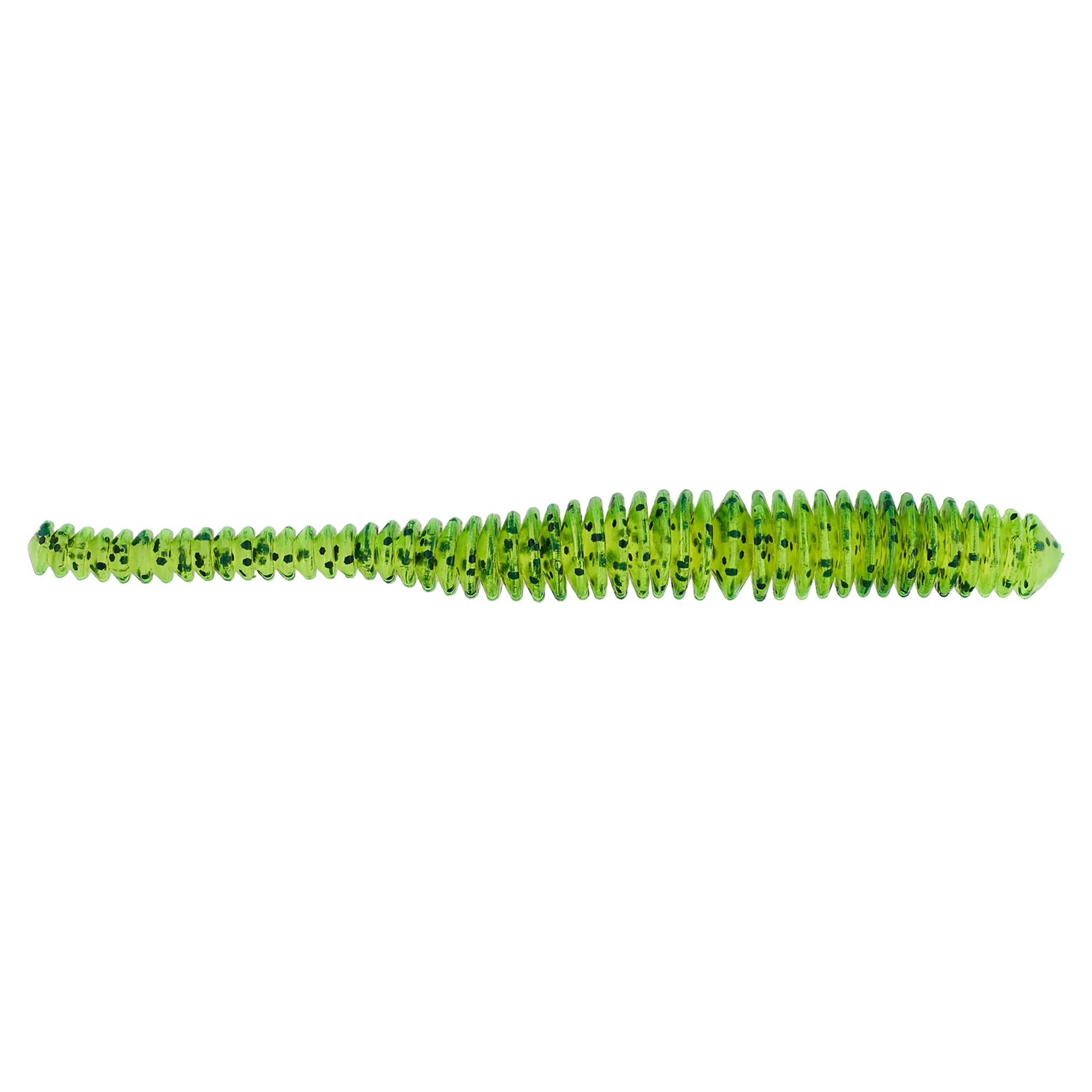
Winter is the season Clarks Hill anglers stop fishing the shoreline. Largemouth gather in the creek channels and hold there, away from the banks, in tight groups. It's not a numbers season, but the fish are findable if you're willing to fish structure you can't see.



Clarks Hill Access
Two river arms and 1,200 miles of shoreline. Commit to one end and learn it properly.
Little River Arm
Lloyds, Rousseau and Grays creeks all hold good largemouth populations, and the long narrow coves off the main arm are full of blowdowns that produce from February onward.
Savannah River Arm
Murray and Soap creeks are the equivalents on this side. Where Keg Creek and the Georgia Little River meet the Savannah, underwater points draw both bass and stripers.
Bussey Point
The big point separating Little River from the Savannah, and a natural place to orient yourself on a lake this size. Coves either side of it fish well through the pre-spawn.
Clarks Hill Bass Fishing FAQ
Is it Clarks Hill or Lake Thurmond?
Both. Georgia anglers call it Clarks Hill Lake; South Carolina knows it as J. Strom Thurmond Lake, its official name. It was built between 1950 and 1952 near the confluence of the Little River and the Savannah, upstream of Augusta, and covers roughly 71,000 acres with 1,200 miles of shoreline — the largest lake in Georgia.
How did Clarks Hill become a good bass lake?
It was transformed twice. Built in 1950, by the 1980s it was an ageing reservoir with little cover and modest bass, and tournaments were being won with ten to twelve pound limits. Blueback herring were introduced, largemouth turned into open-water fish and grew fast and fat, and twenty-pound limits became common. Then hydrilla exploded — from a few pockets to over 3,000 acres in a single year — and the fish moved shallower again.
How is Clarks Hill different from Lanier, Murray or Hartwell?
It's the only one of the four with serious grass. Those lakes are herring fisheries where you chase roaming bait over structure. Clarks Hill has that too, but it also has hydrilla holding crawfish, which means summer bass sit off grassy points in 12 to 18 feet eating craws as well as baitfish. That's a pattern you can't run on the others.
Should I target largemouth or spotted bass on Clarks Hill?
Largemouth. Spotted bass are prominent here as they are on any herring fishery in the region, but largemouth are what wins on this lake and what the local fishing revolves around. There's also a strong stocked striped and hybrid population if you want a change.
Where should I start on a lake this size?
Pick an arm. The Little River arm holds good largemouth populations in Lloyds, Rousseau and Grays creeks. On the Savannah River arm, Murray and Soap creeks are the equivalents. Bussey Point, the big point between the two rivers, is a natural dividing line. Seventy-one thousand acres is too much water to wander.
What baits work best on Clarks Hill?
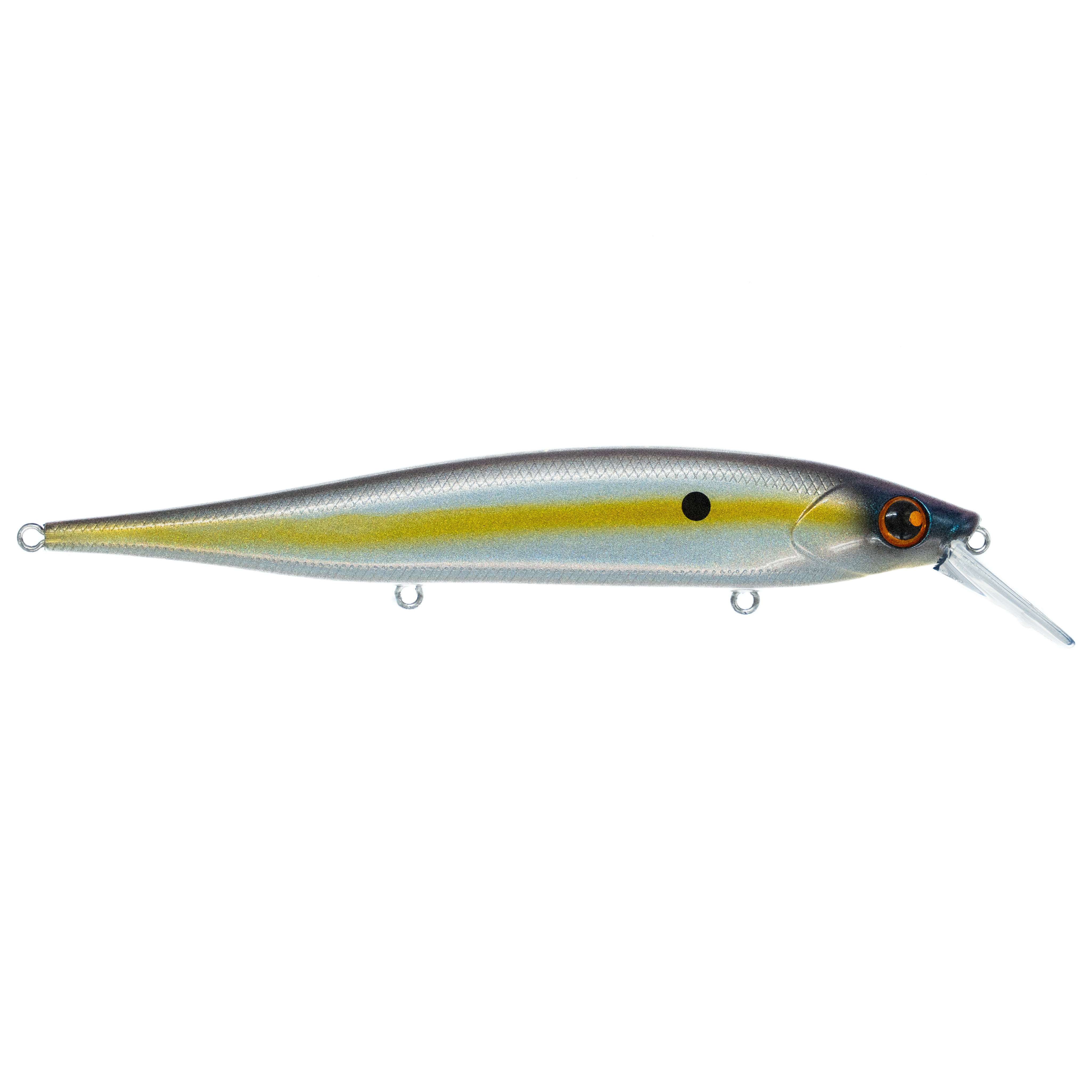
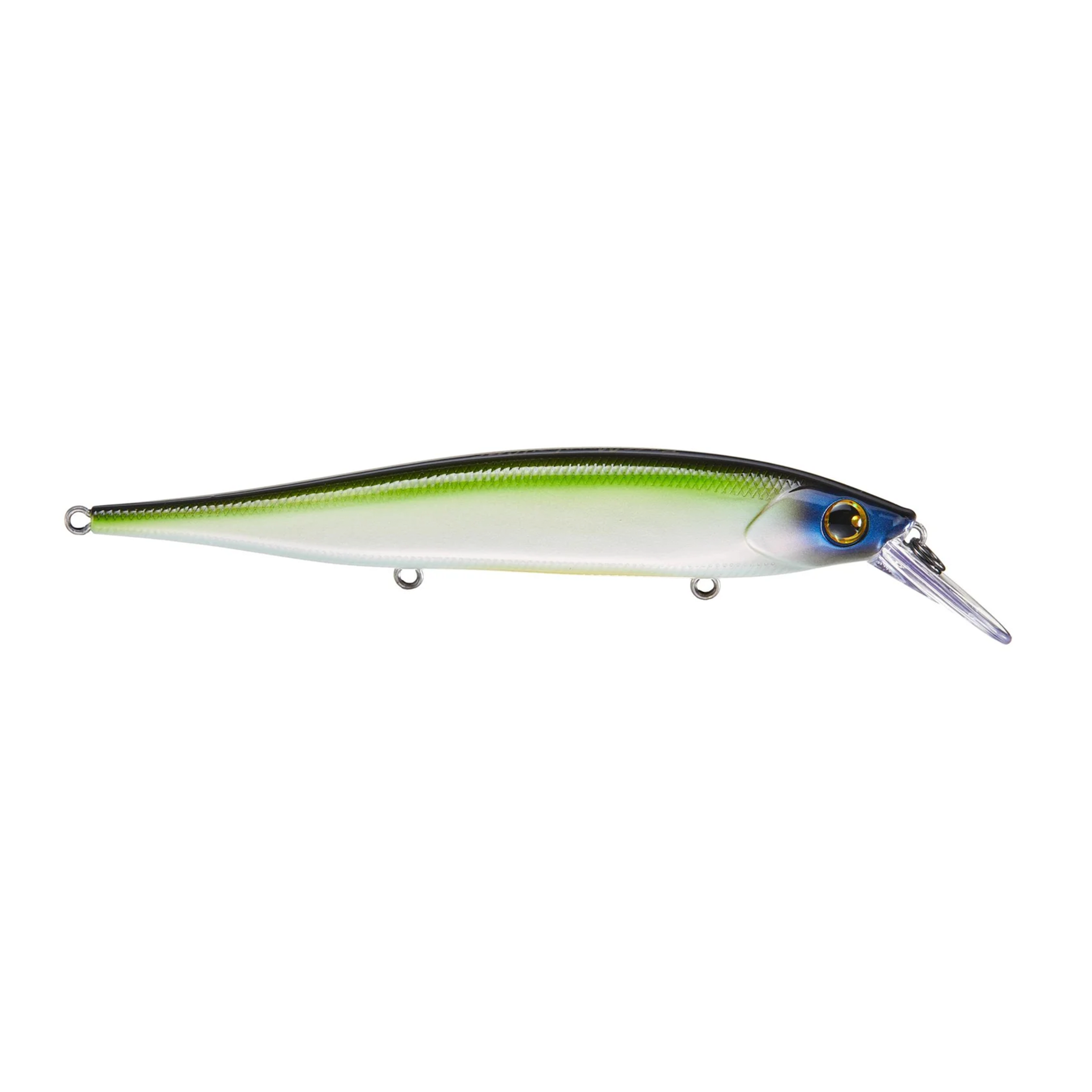
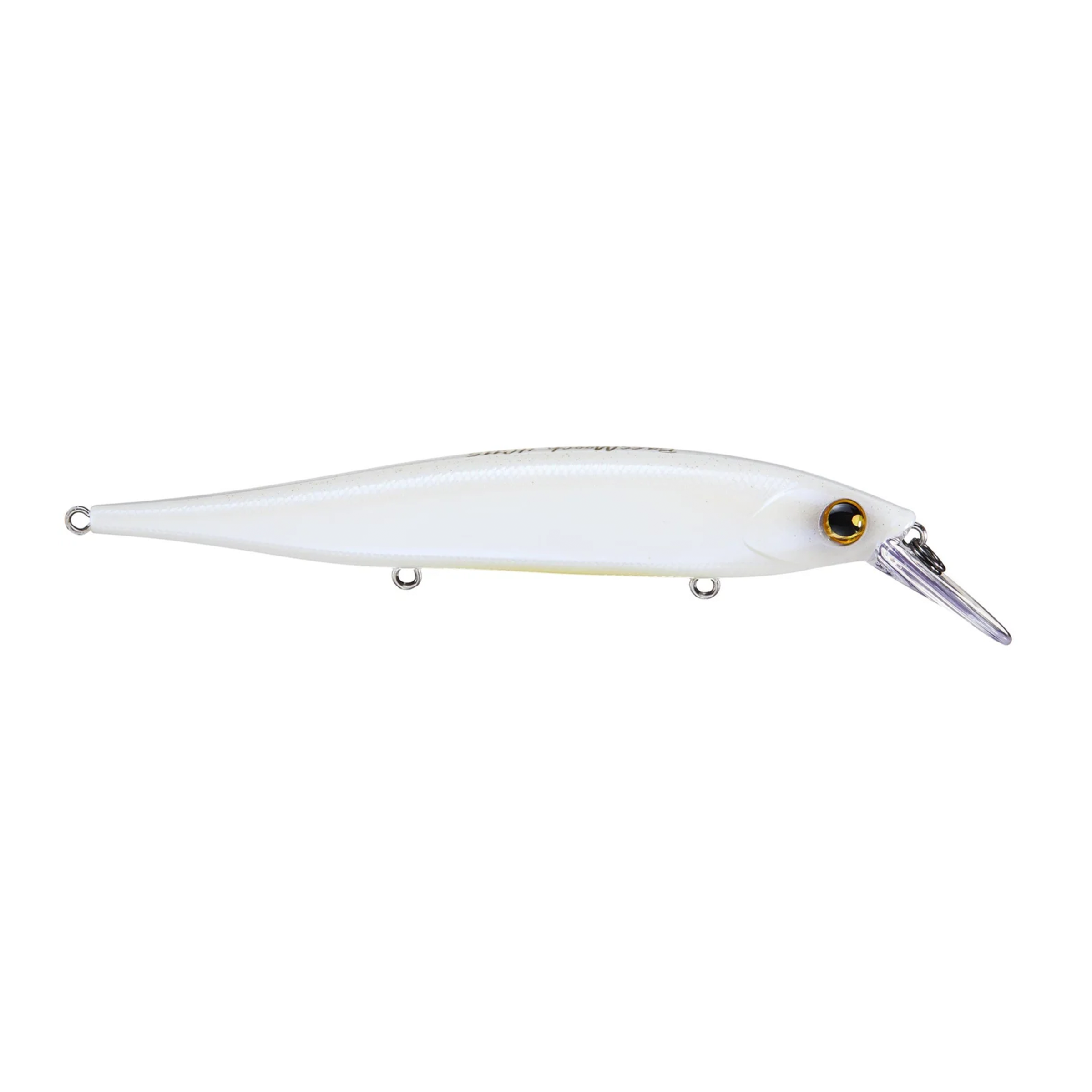
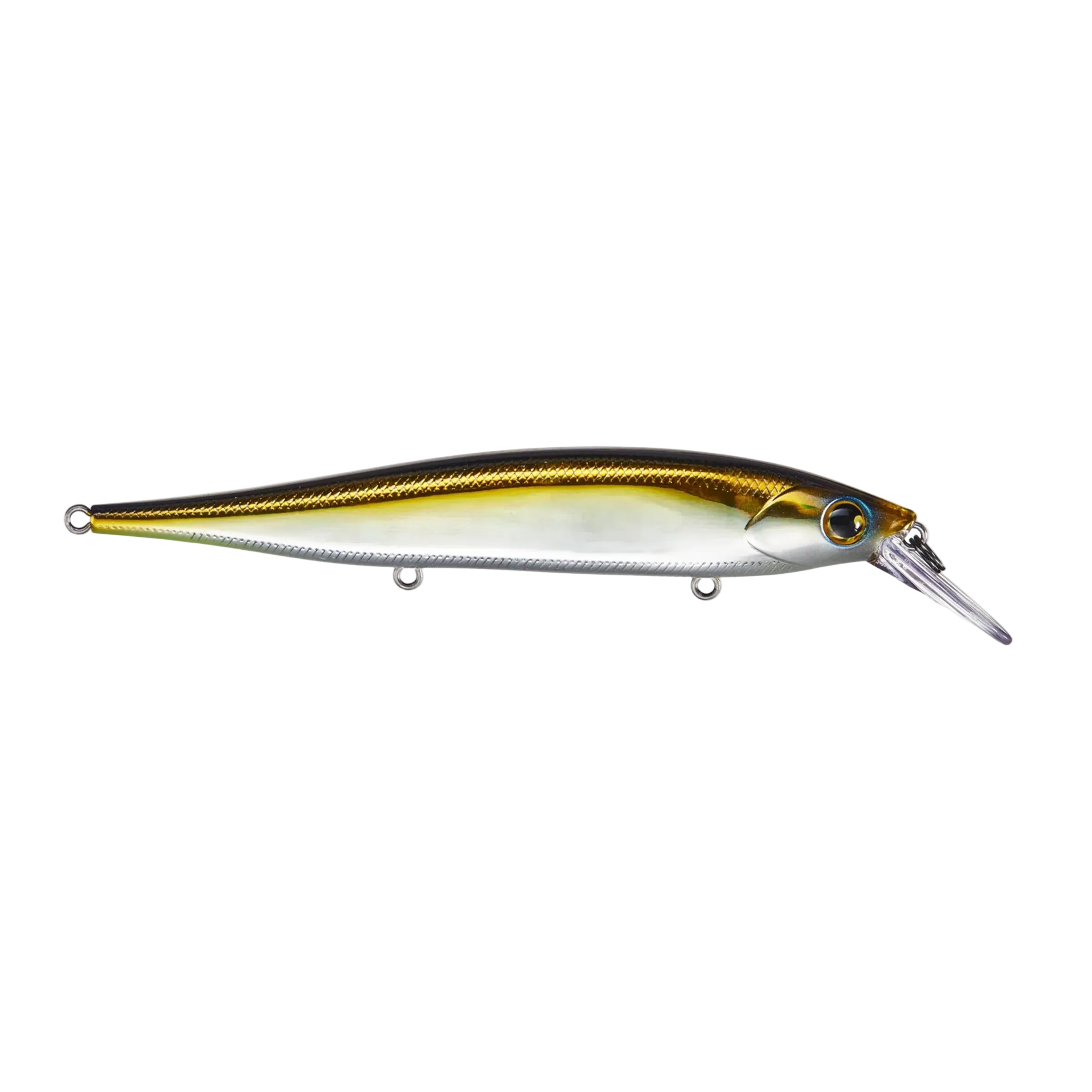
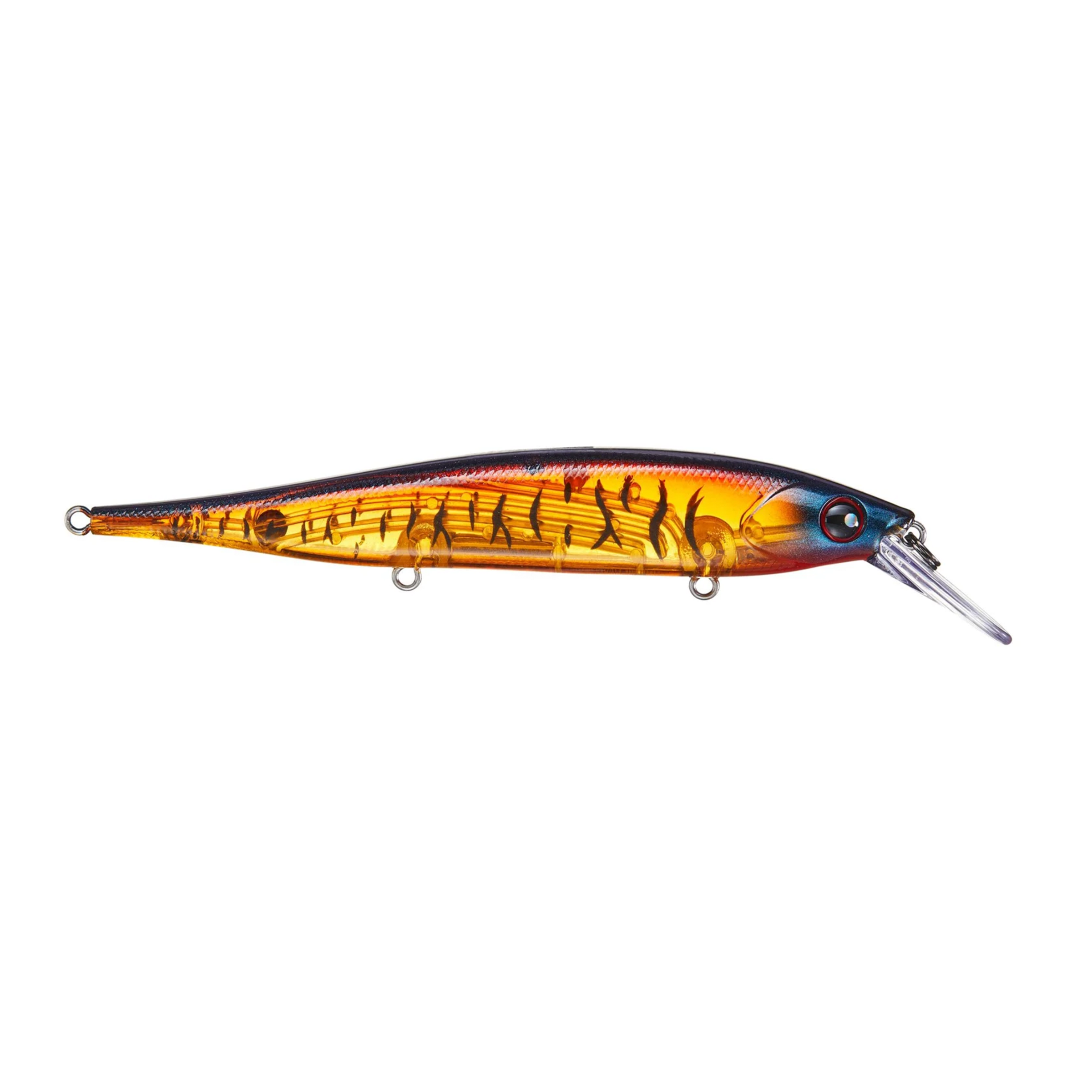
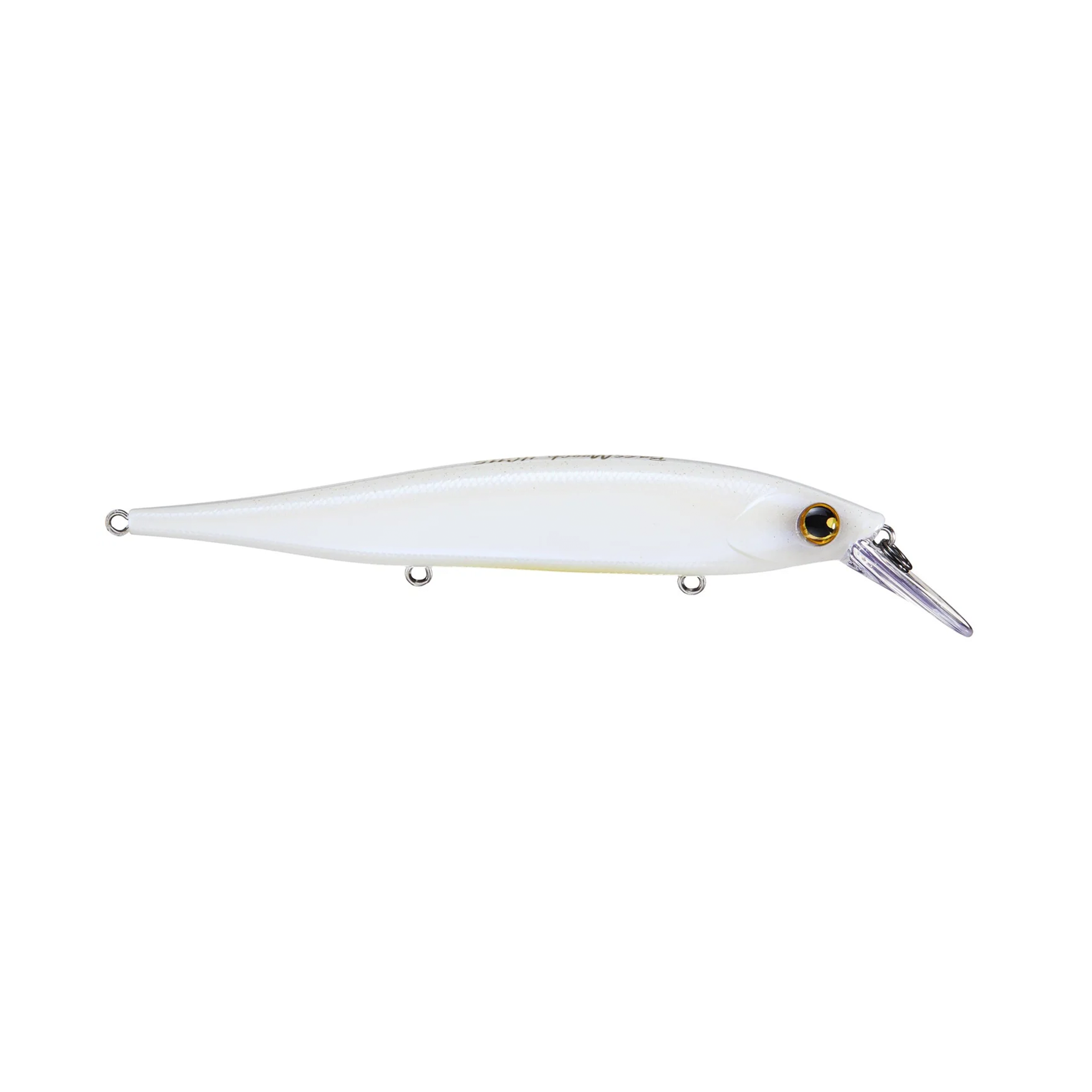
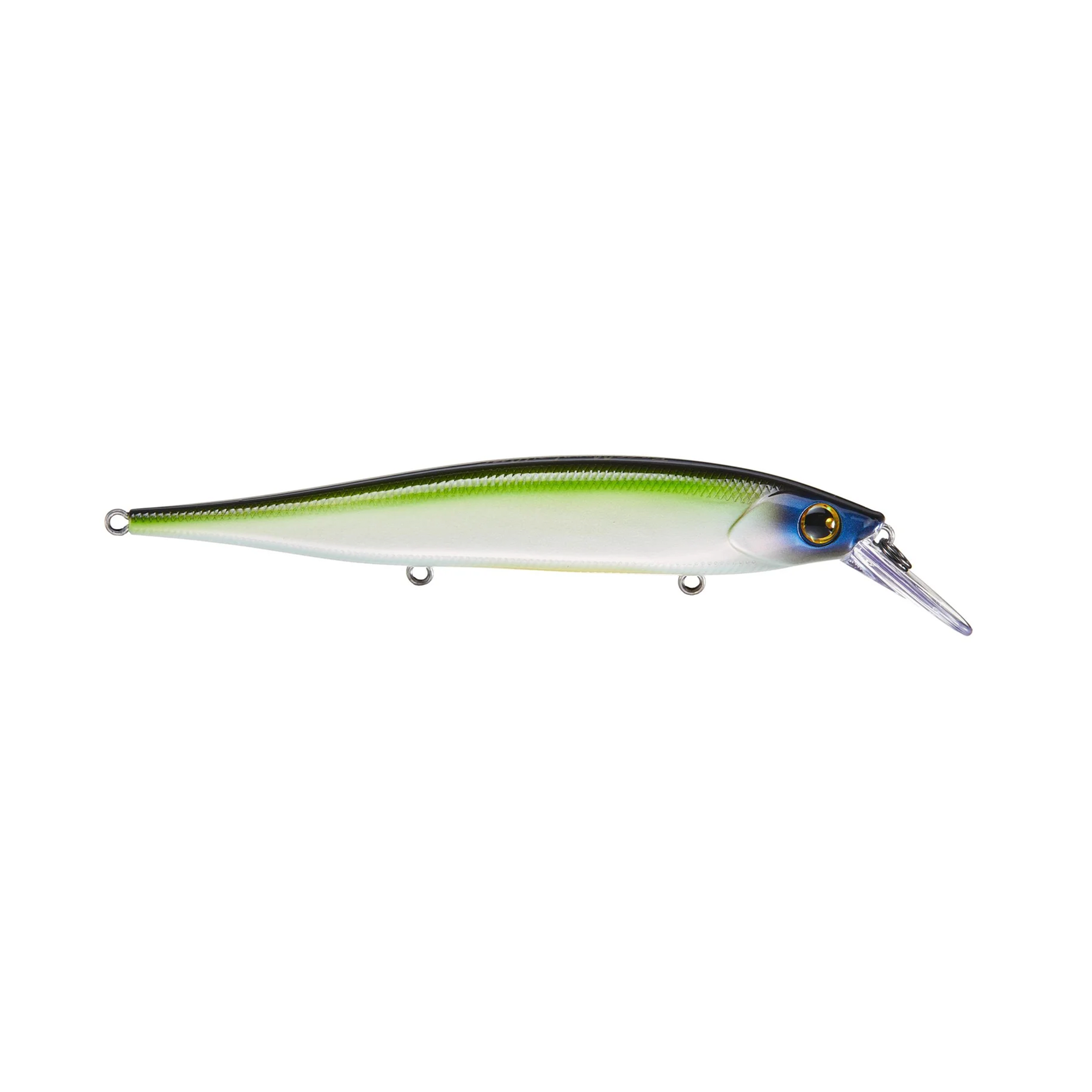
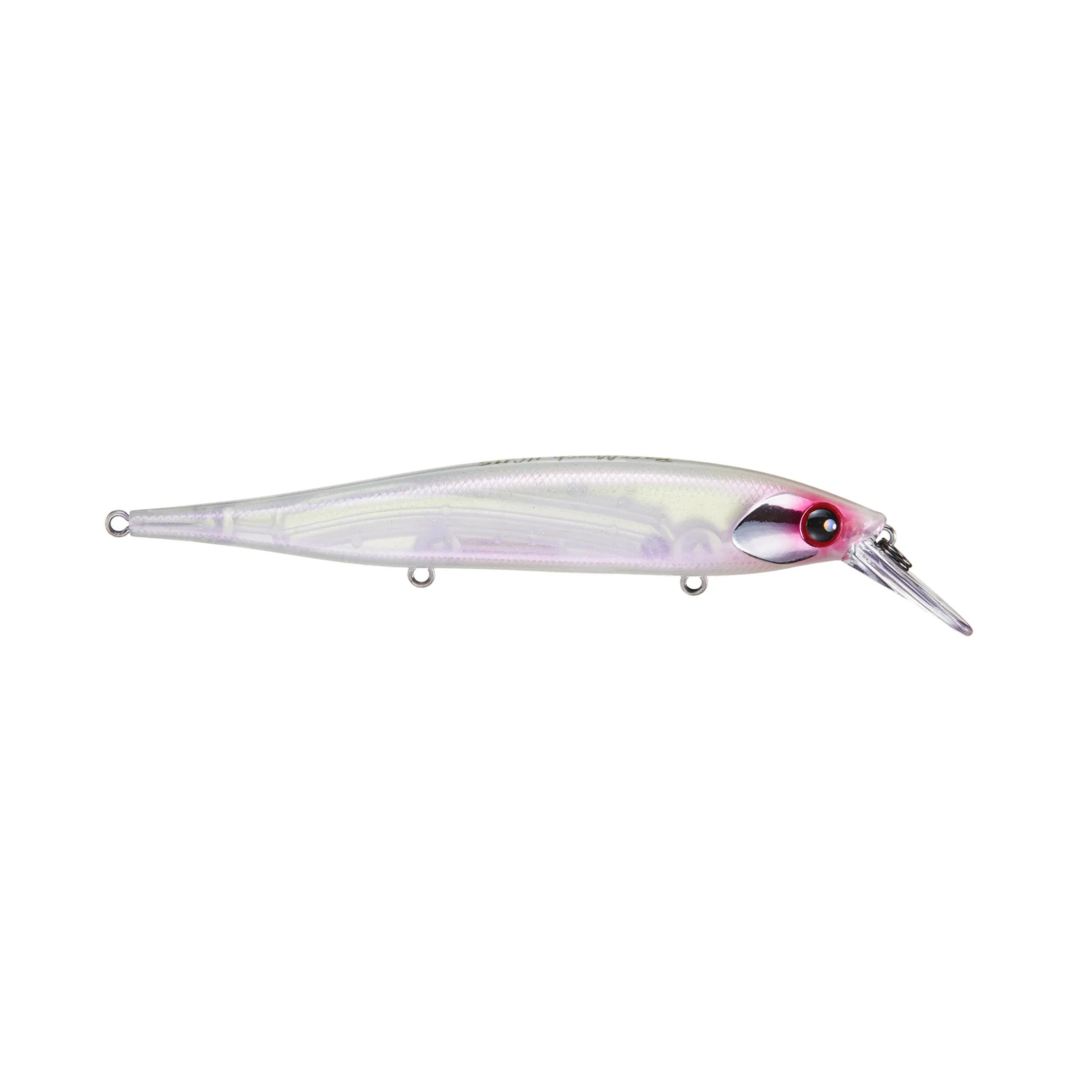
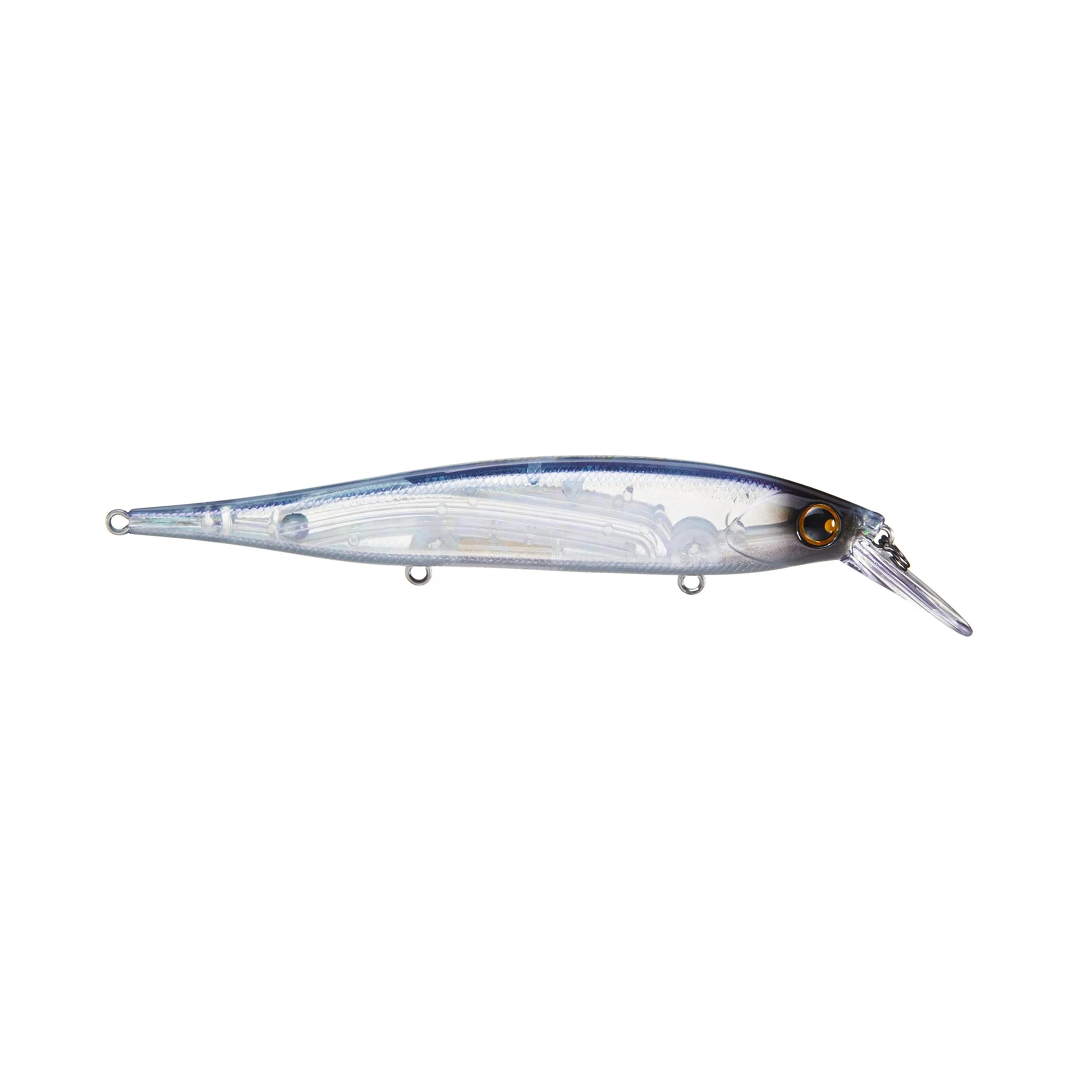
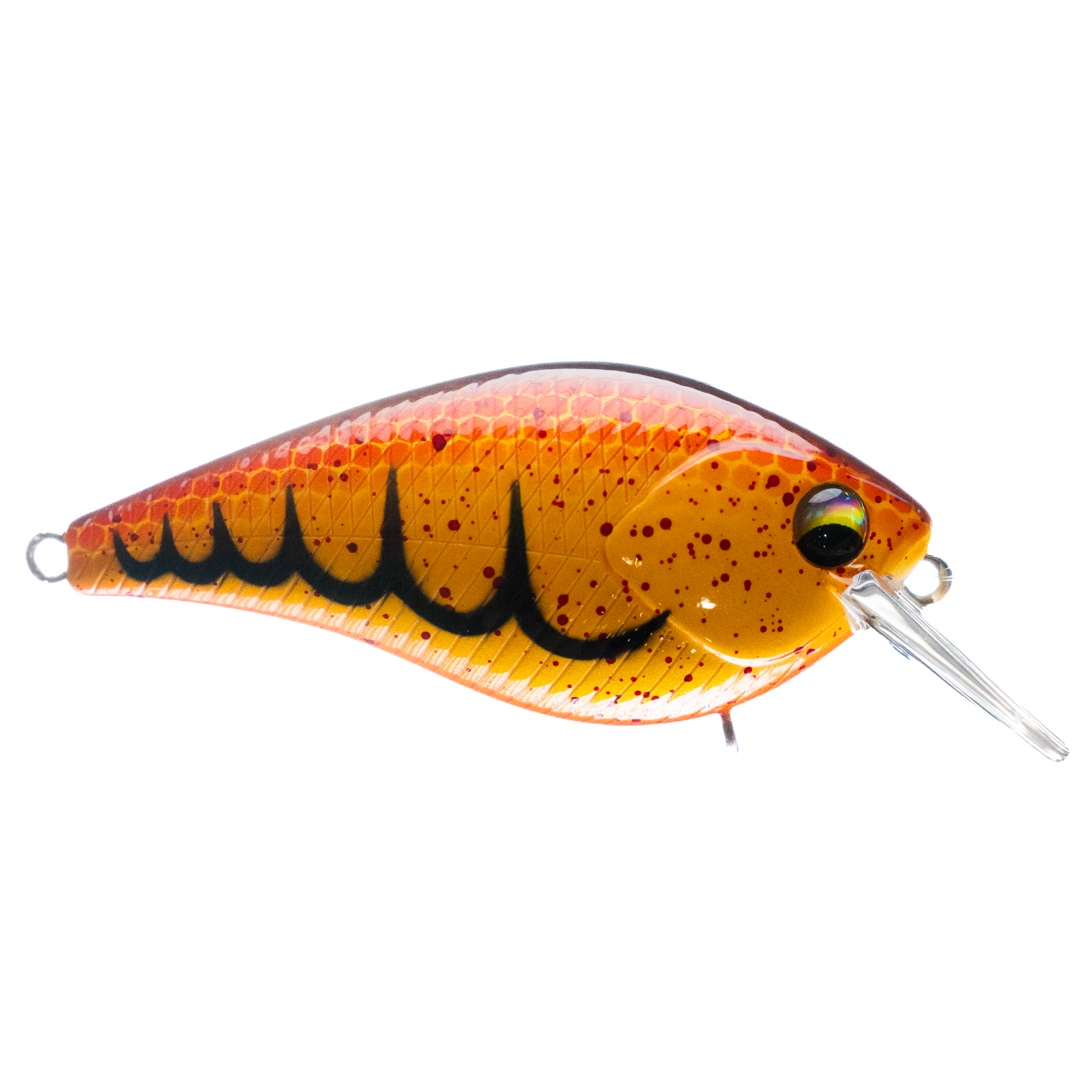
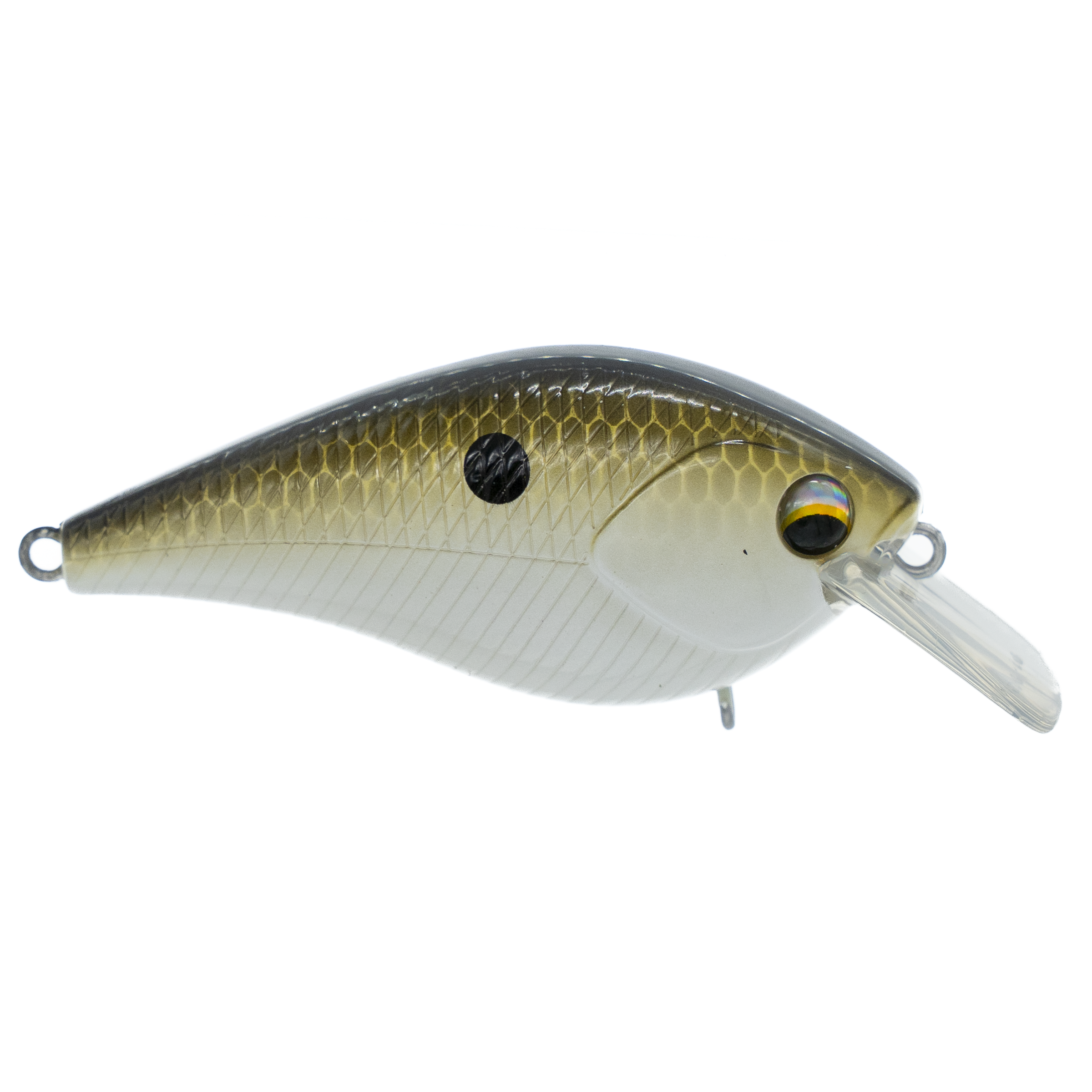
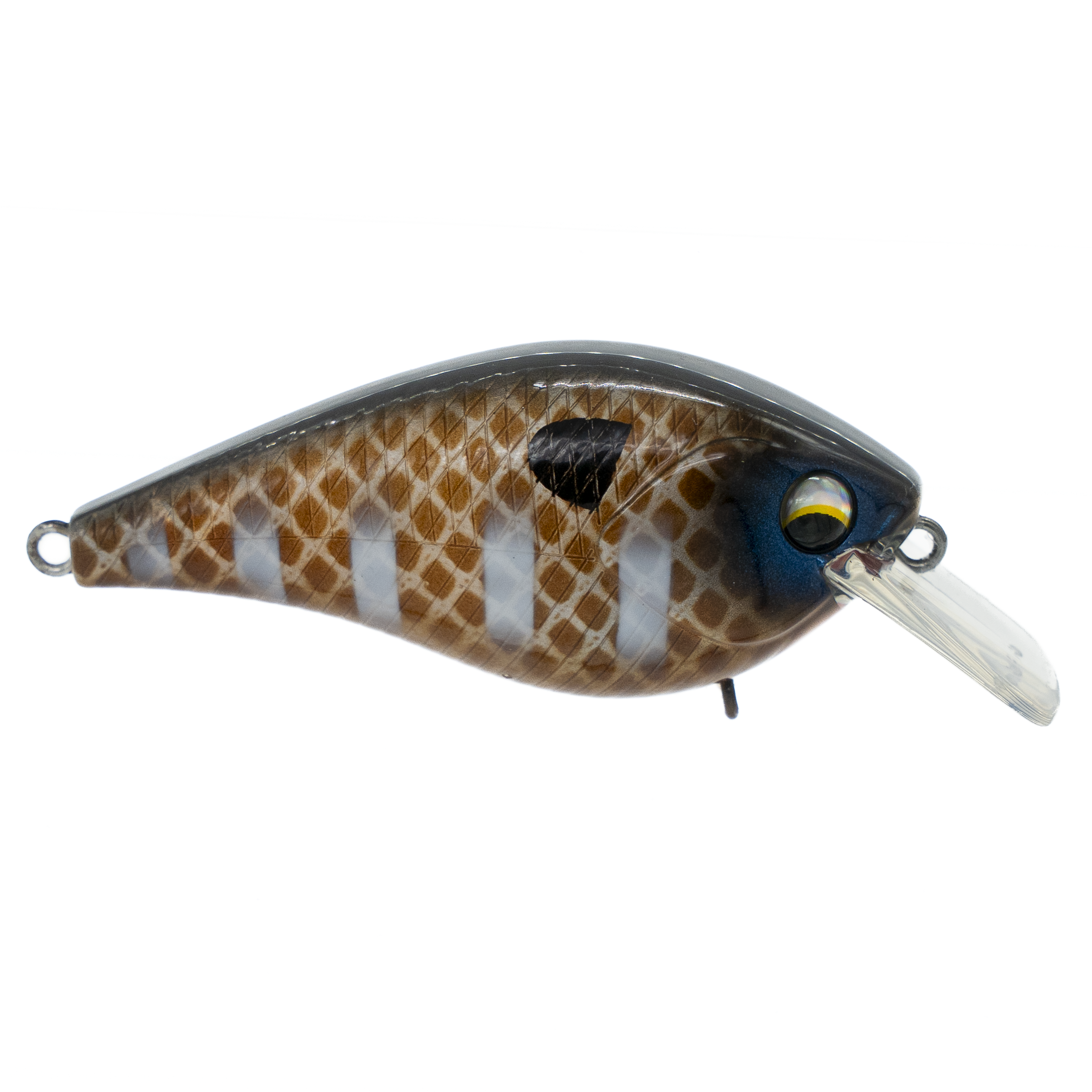
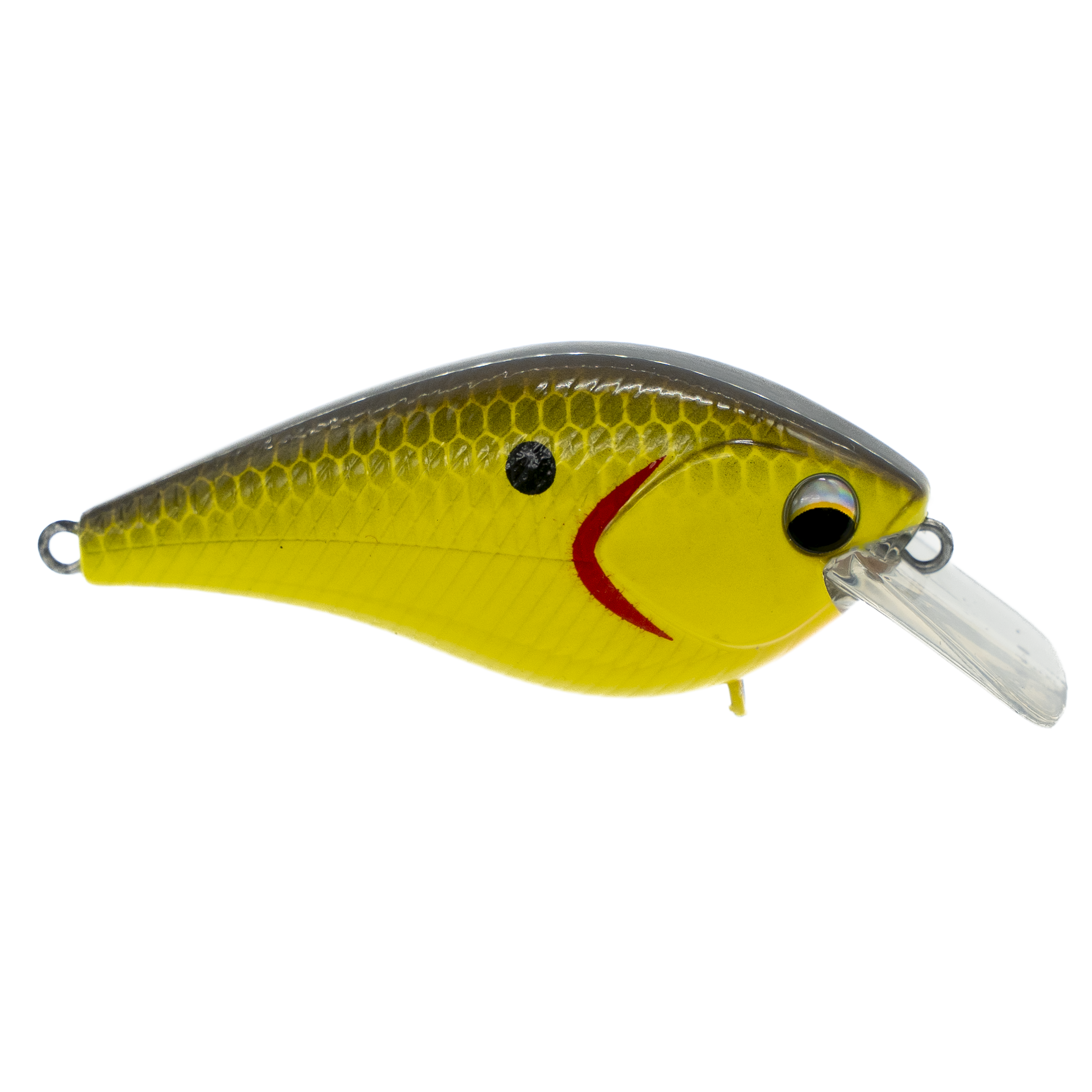
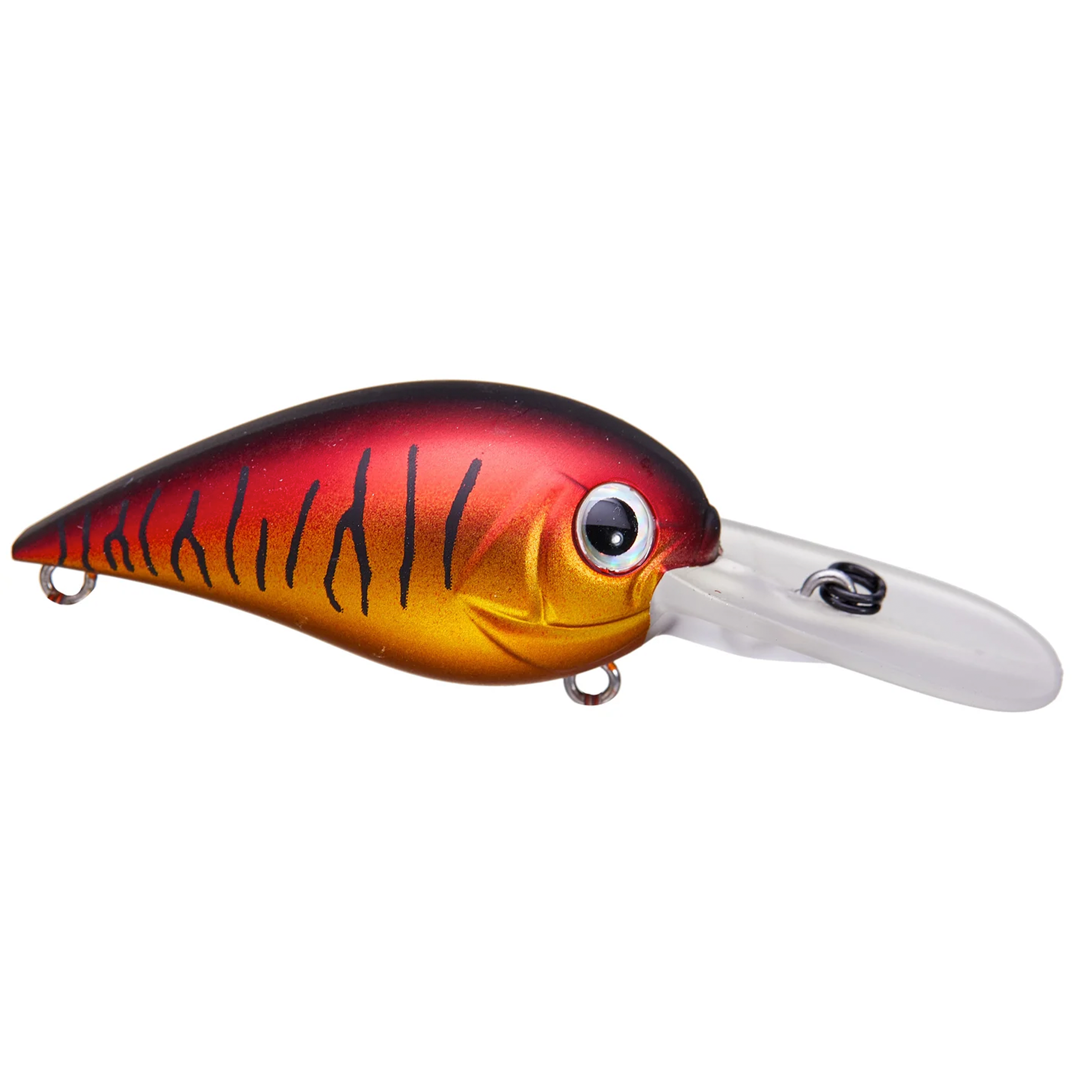
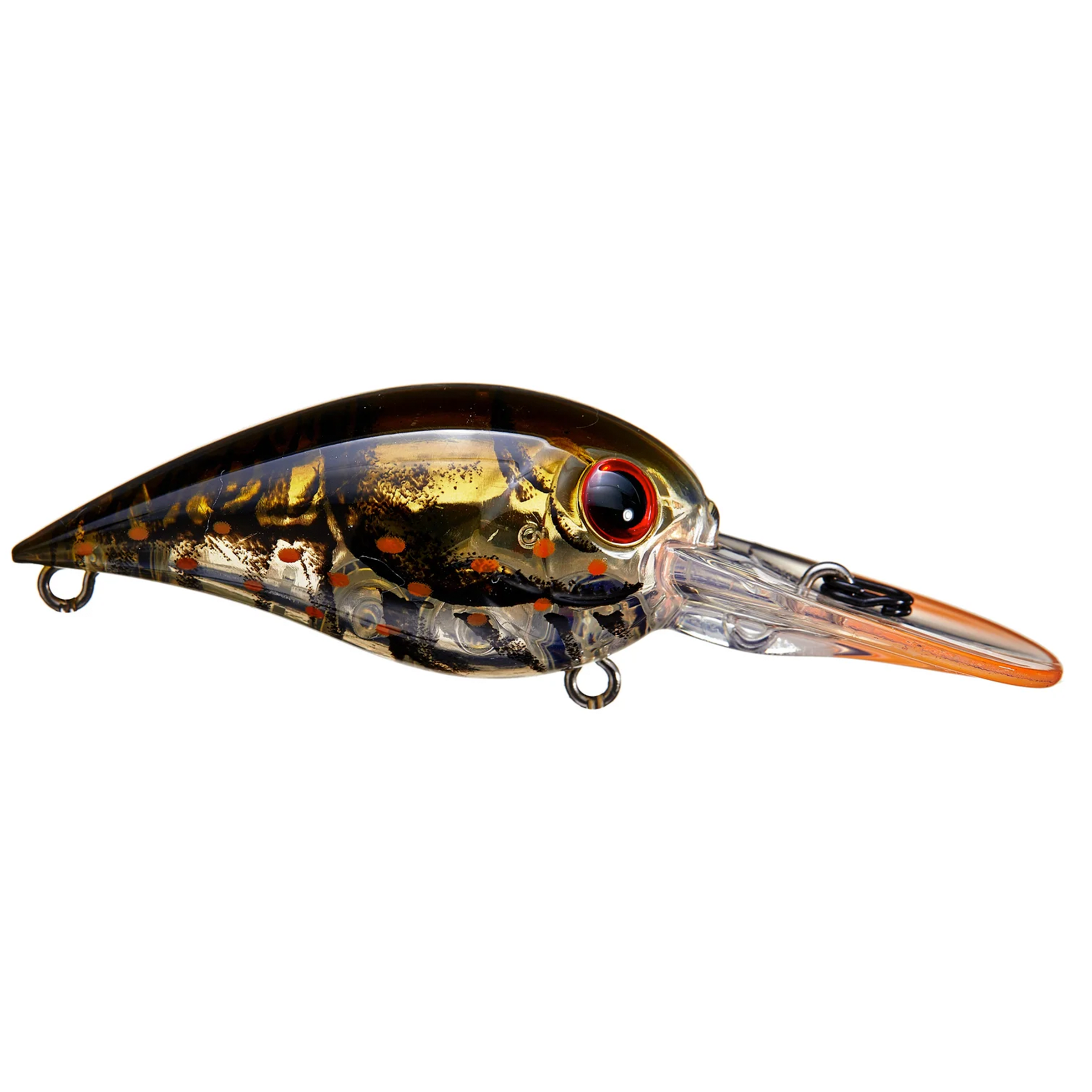
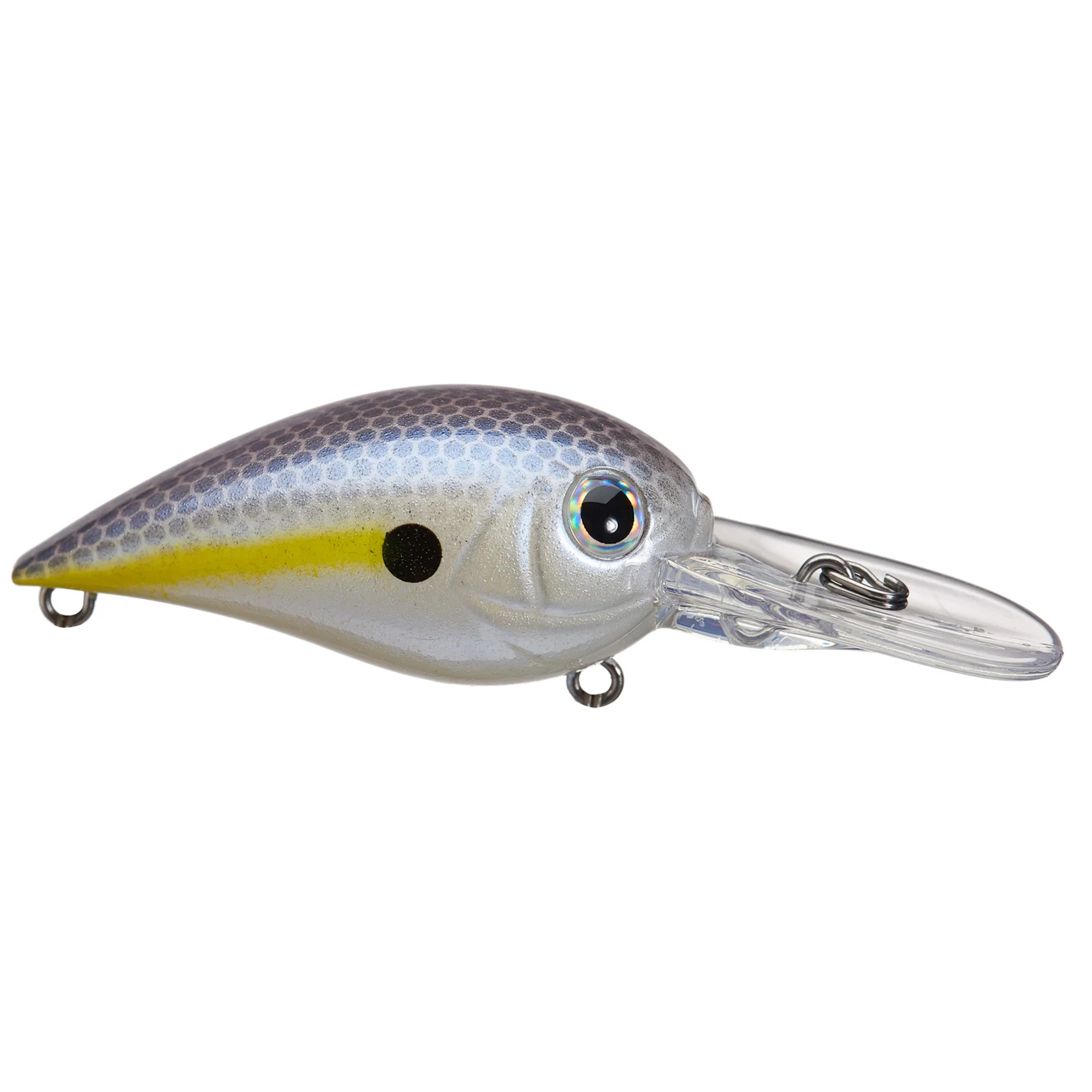
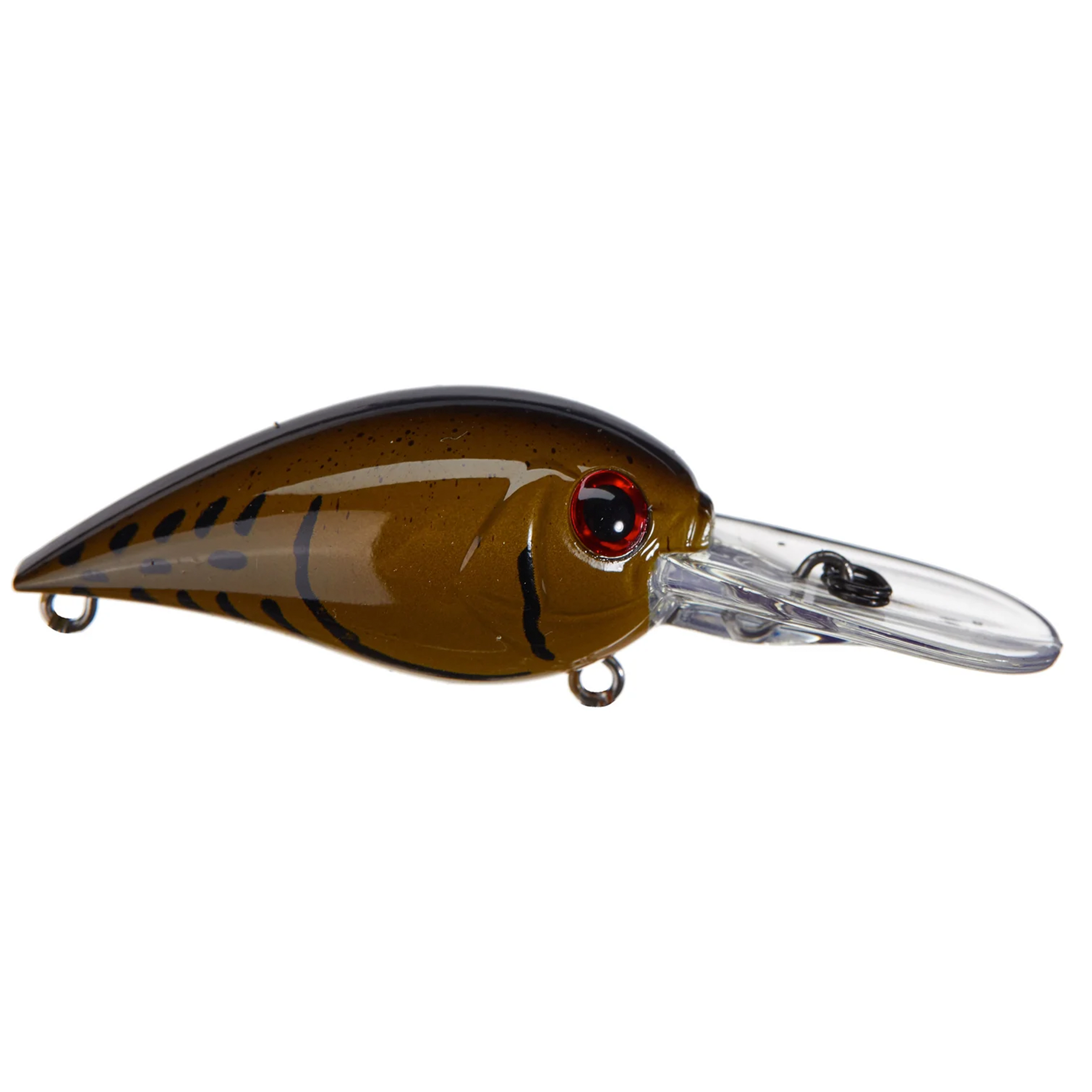
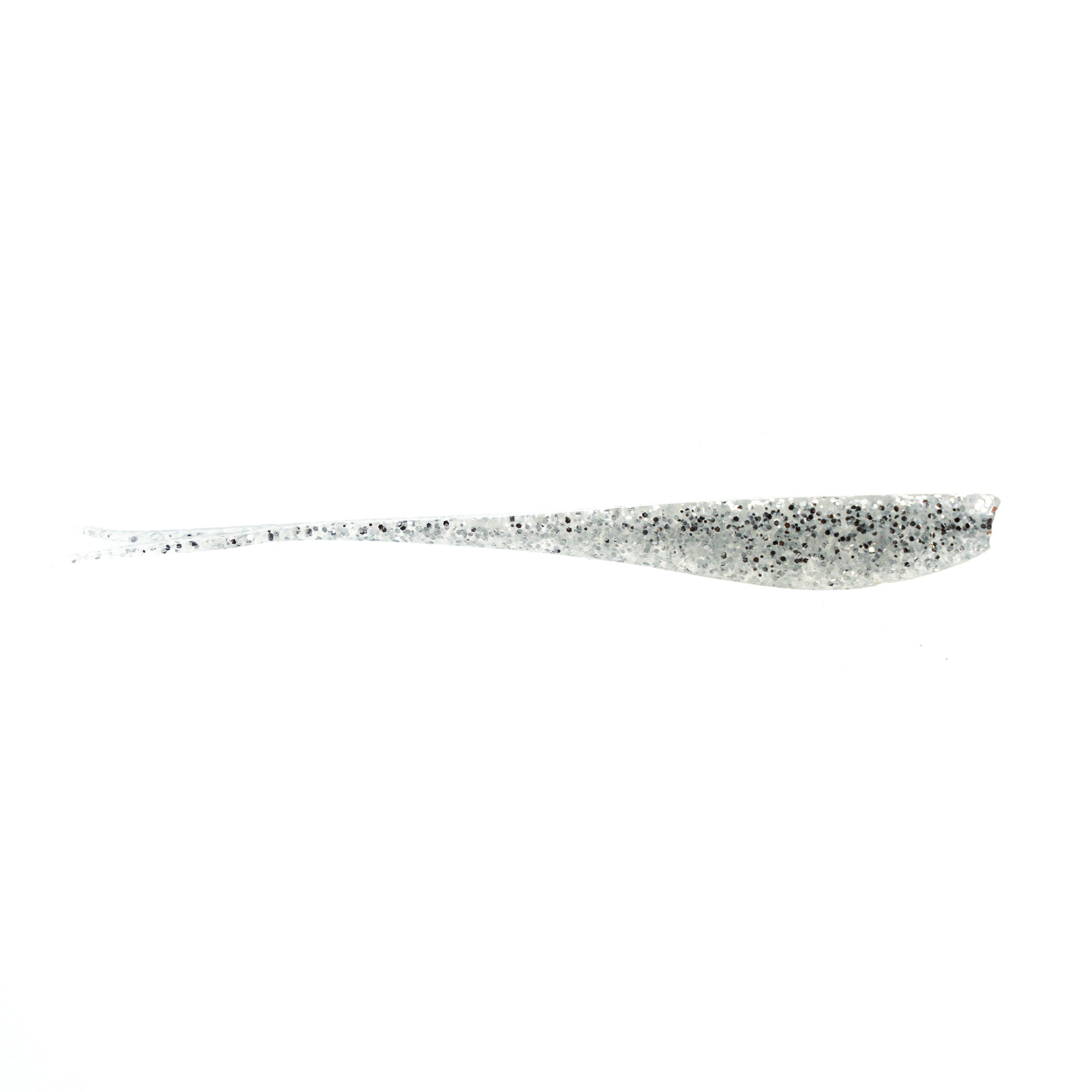
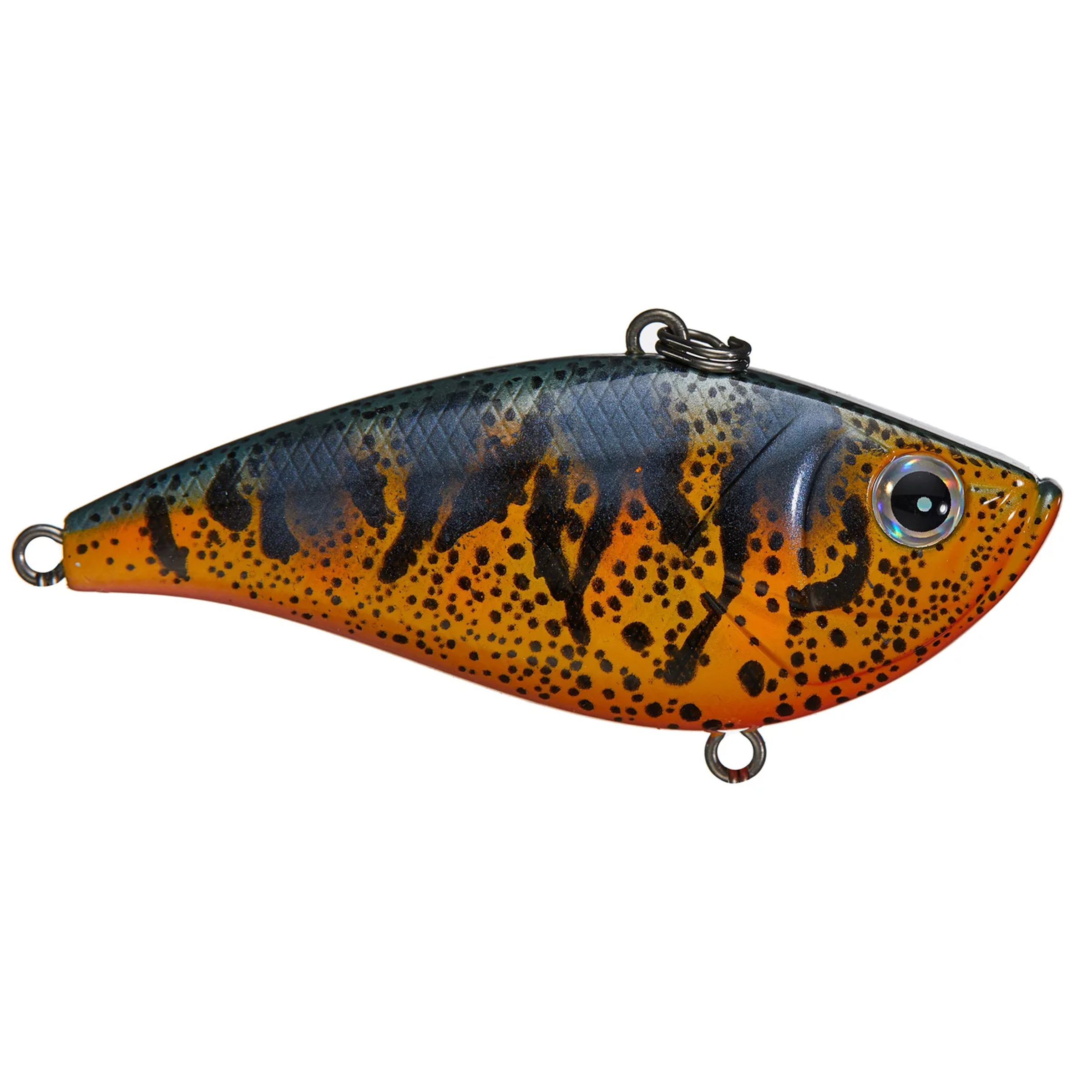
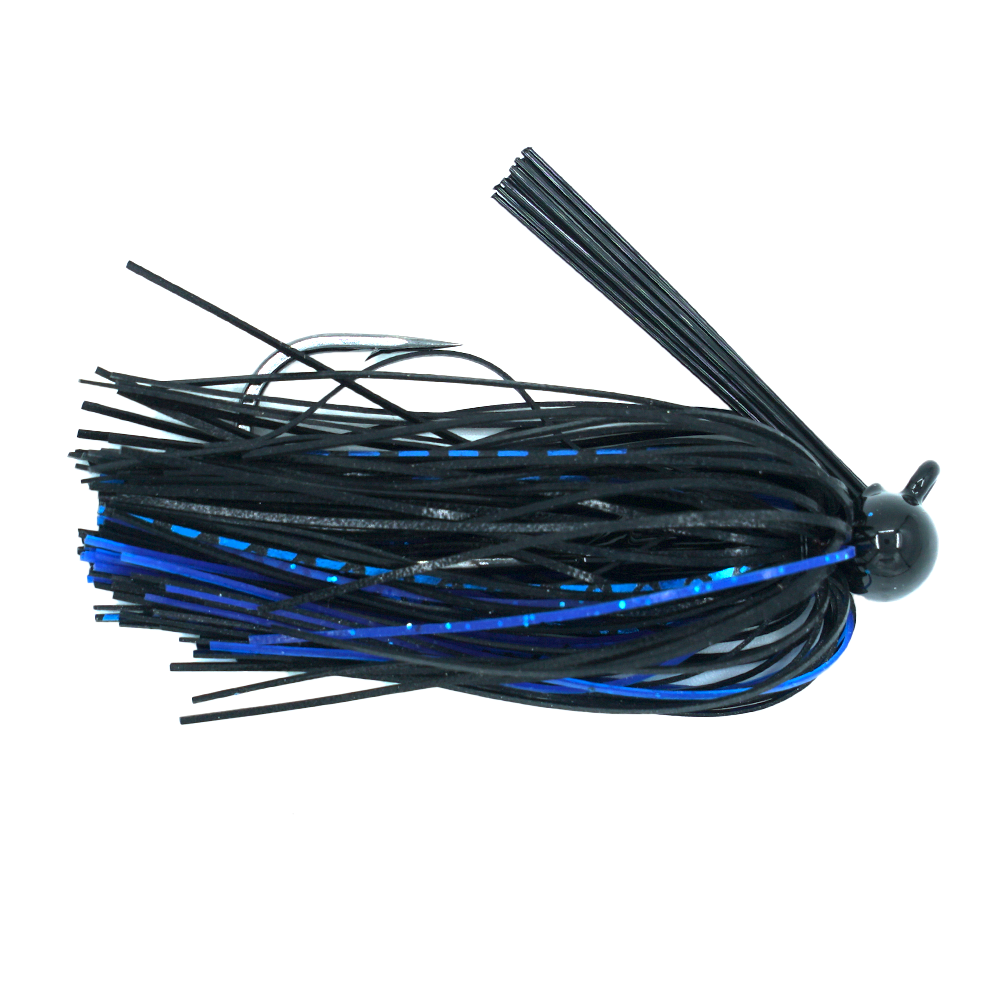
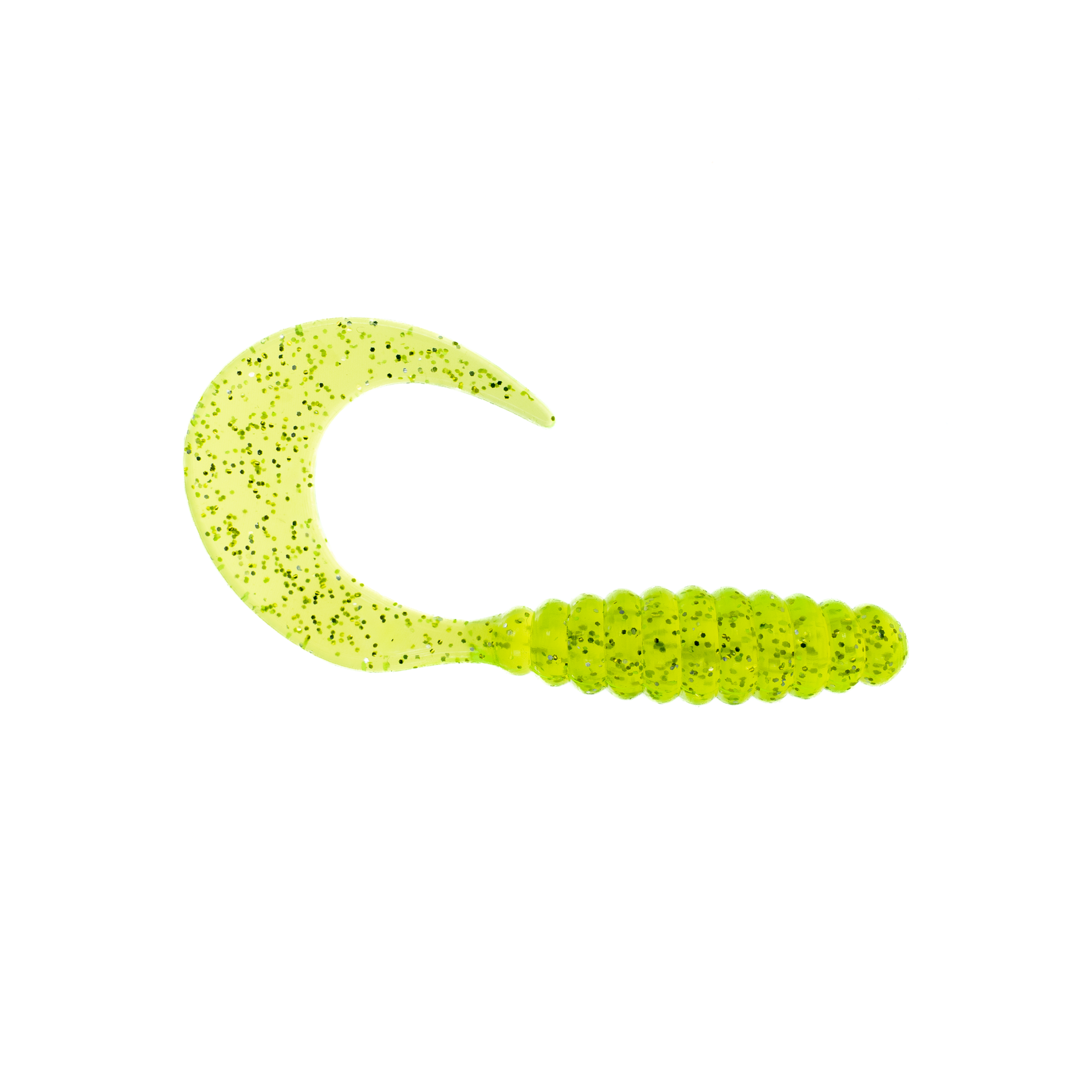
Spring is shallow crankbaits on flats and jigs in blowdowns, then fast erratic baits on hard points once the herring spawn. Summer is a football jig with a craw trailer on grassy points, plus soft jerkbaits around deep docks. Fall is moving baits on schooling fish. Winter is vertical work in creek channels. Our full bait lineup covers all four.
Which state's fishing license do I need for Clarks Hill?
It straddles the Georgia–South Carolina line, with about 400 of its 1,200 shoreline miles in Georgia. Check current rules with both the Georgia Department of Natural Resources and the South Carolina Department of Natural Resources, including any reciprocal arrangement for the reservoir, before you launch.
Two Games, Two Rods
Dragging a football jig through hydrilla on a grassy point and working a soft jerkbait for suspended herring fish ask opposite things of a rod — one wants power and a slow tip, the other wants a fast action and a light payload. Level Rods builds both, and on this lake you'll want both in the boat on the same day.
Tournament Winning Baits & Gear
Designed, crafted and tested by anglers who fish Savannah River water every week. Free shipping on orders over $75.
Shop All Baits