Chautauqua Lake Bass Fishing Guide
Chautauqua Bass Fishing, Season by Season
Seventeen miles of western New York lake split into two basins by a narrows — a shallow weedy south end full of largemouth and a deeper north end that holds smallmouth. Chautauqua is two fisheries joined in the middle, and most anglers only fish one of them.
Two Basins, Two Fisheries
Chautauqua Lake runs about seventeen miles through the southwest corner of New York, near Jamestown and within easy reach of Buffalo and Erie, Pennsylvania. It is divided by a narrows into two basins that function as separate fisheries.
The southern basin is shallow and weedy, with extensive aquatic vegetation, and it is largemouth water. The northern basin runs deeper and clearer and holds the smallmouth. Most anglers pick an end according to which species they want, and a great many never fish the other.
New York's DEC lists Chautauqua among the state's better smallmouth waters alongside the St. Lawrence, Erie, Champlain, Cayuga and Oneida, and Bassmaster has placed it on its top 25 Northeastern list. That is strong company for a lake this size.
The vegetation in the south basin is the defining feature and it is dense — weed management is an ongoing local issue. For an angler that density is an advantage: it holds fish, it creates edges and lanes, and it rewards the frog and flipping game that a lot of northern lakes cannot offer.
Season dates apply as statewide: harvest runs 15 June to 30 November, with pre-season catch-and-release rules varying by water. Check the current DEC regulations before planning a spring trip.
It is a genuinely underrated lake, and part of the reason is location — the far southwest corner of New York is a long way from the state's population centres, which keeps pressure lower than the quality of the fishing would suggest.
Weeds, Narrows and Two Ends
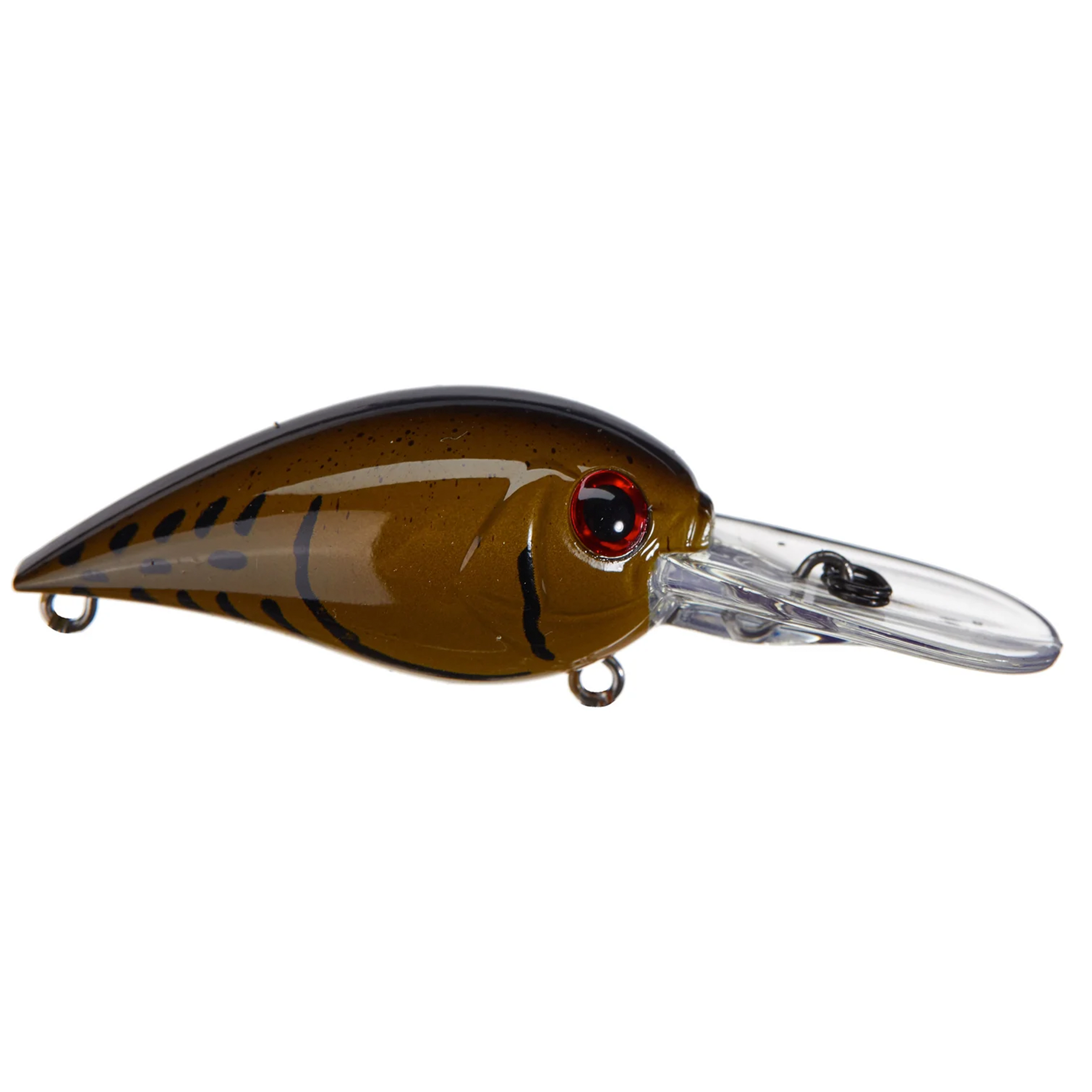
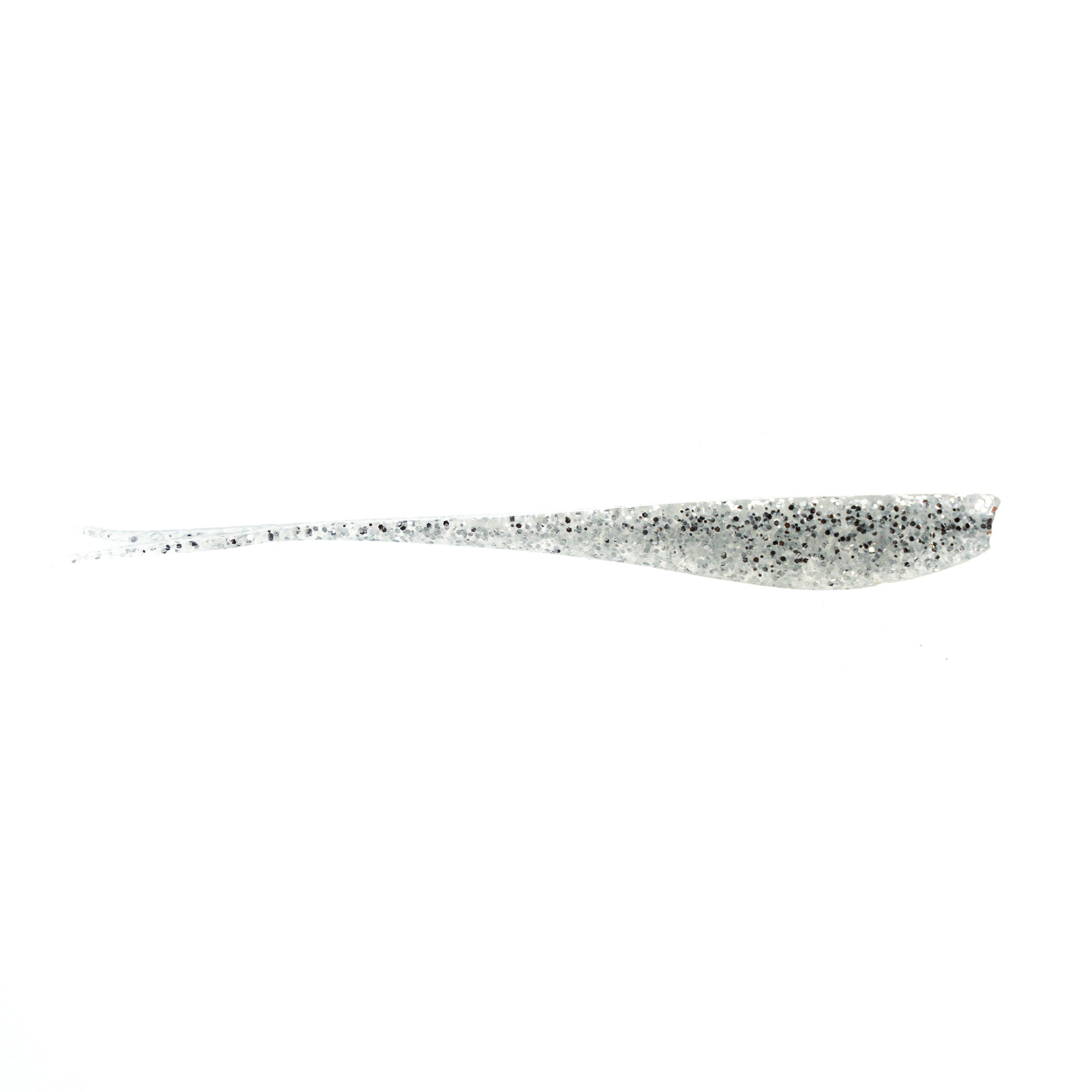
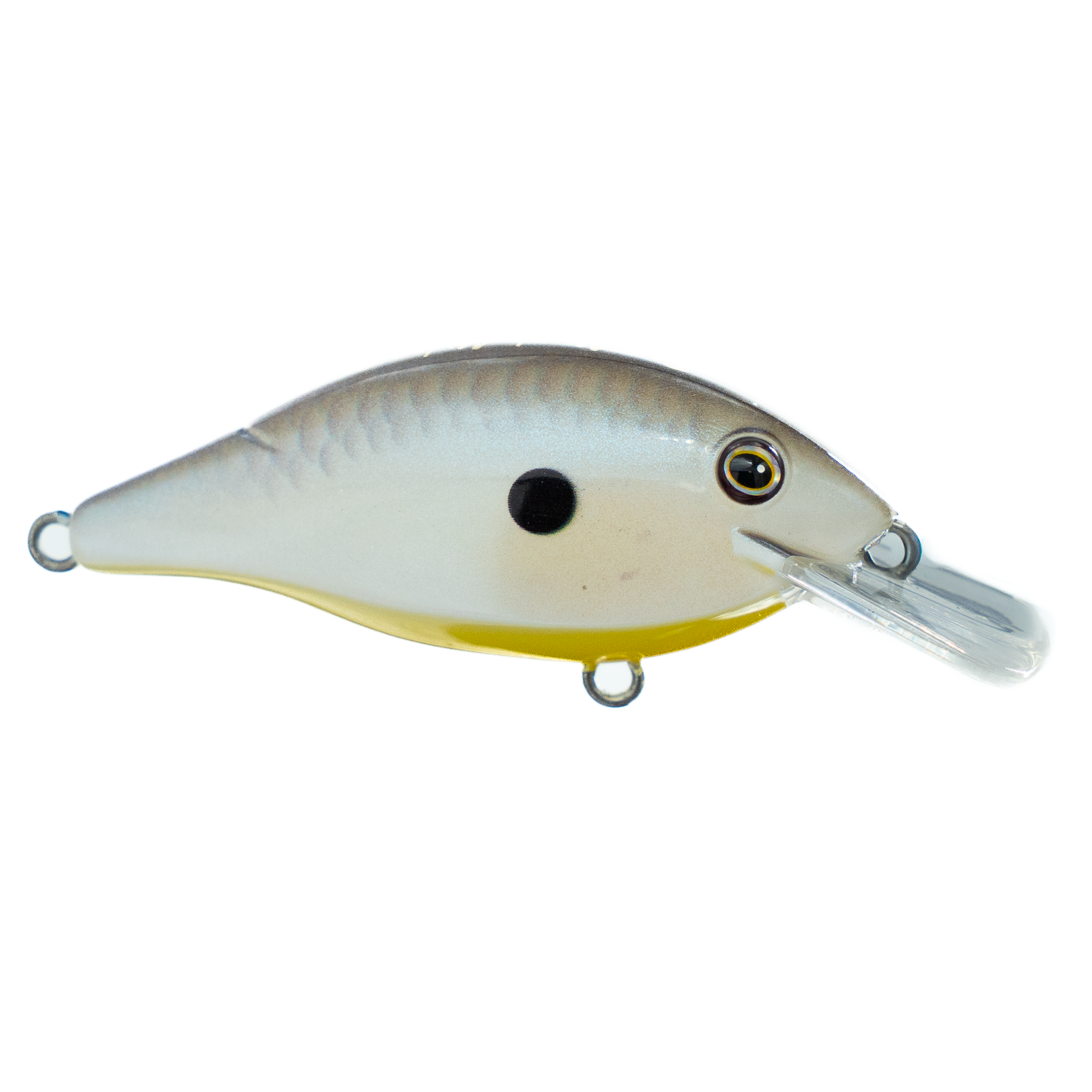
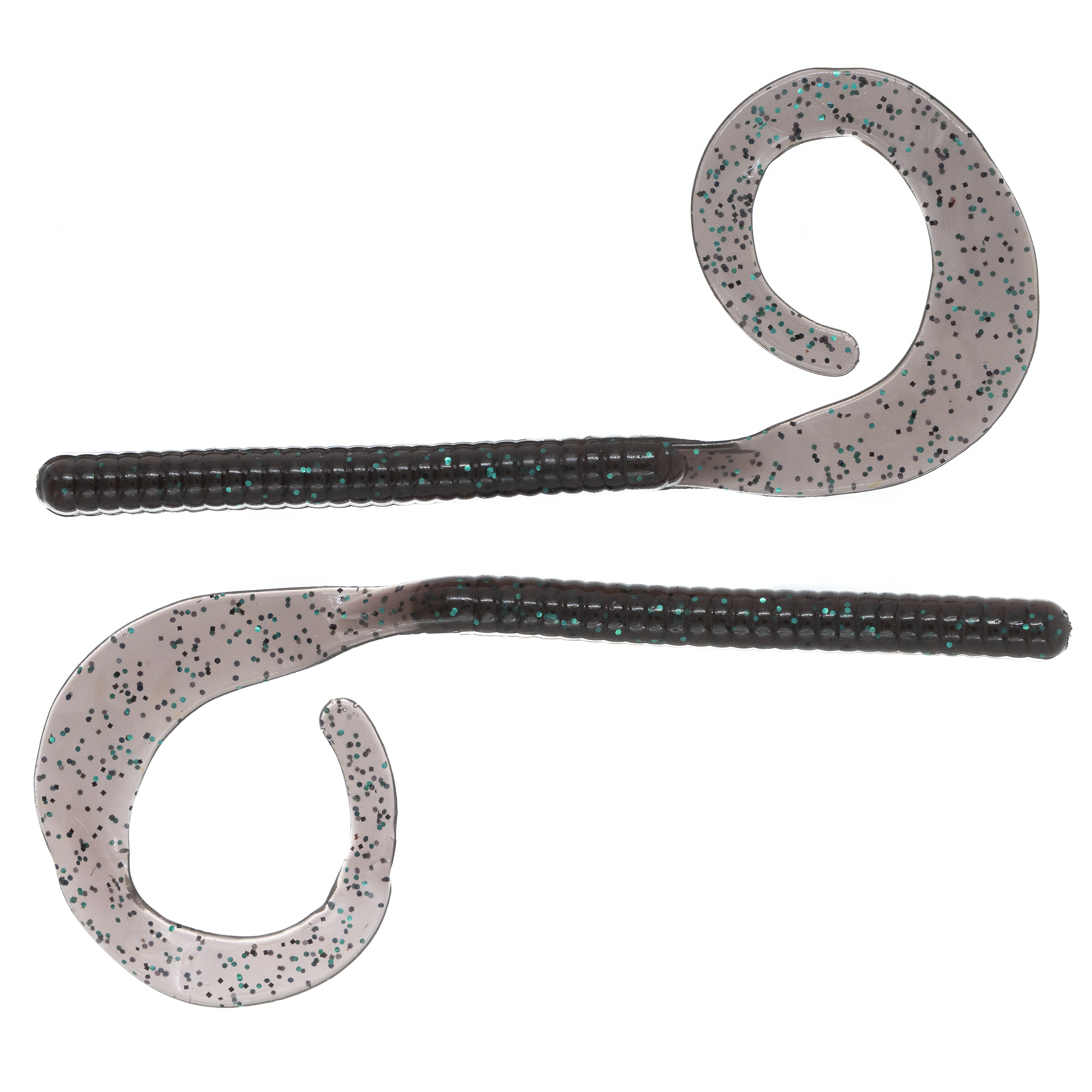
Four patterns cover the year, within New York's 15 June to 30 November season. Each card pairs the technique with the baits we'd actually tie on.
Shallow at Both Ends
The harvest season opens 15 June, with pre-season catch-and-release rules varying — check what applies. When open, early-season fish are shallow at both ends: largemouth in the developing south-basin weeds and around shoreline cover, smallmouth on the north basin's rock and gravel near spawning areas.




Dense Weeds and Deeper Rock
Summer thickens the south basin vegetation considerably, and that density is what makes this lake worth the drive. Frogs, punching and flipping all come into play in a way they do not on most northern waters. The north basin smallmouth move onto deeper rock and structure.

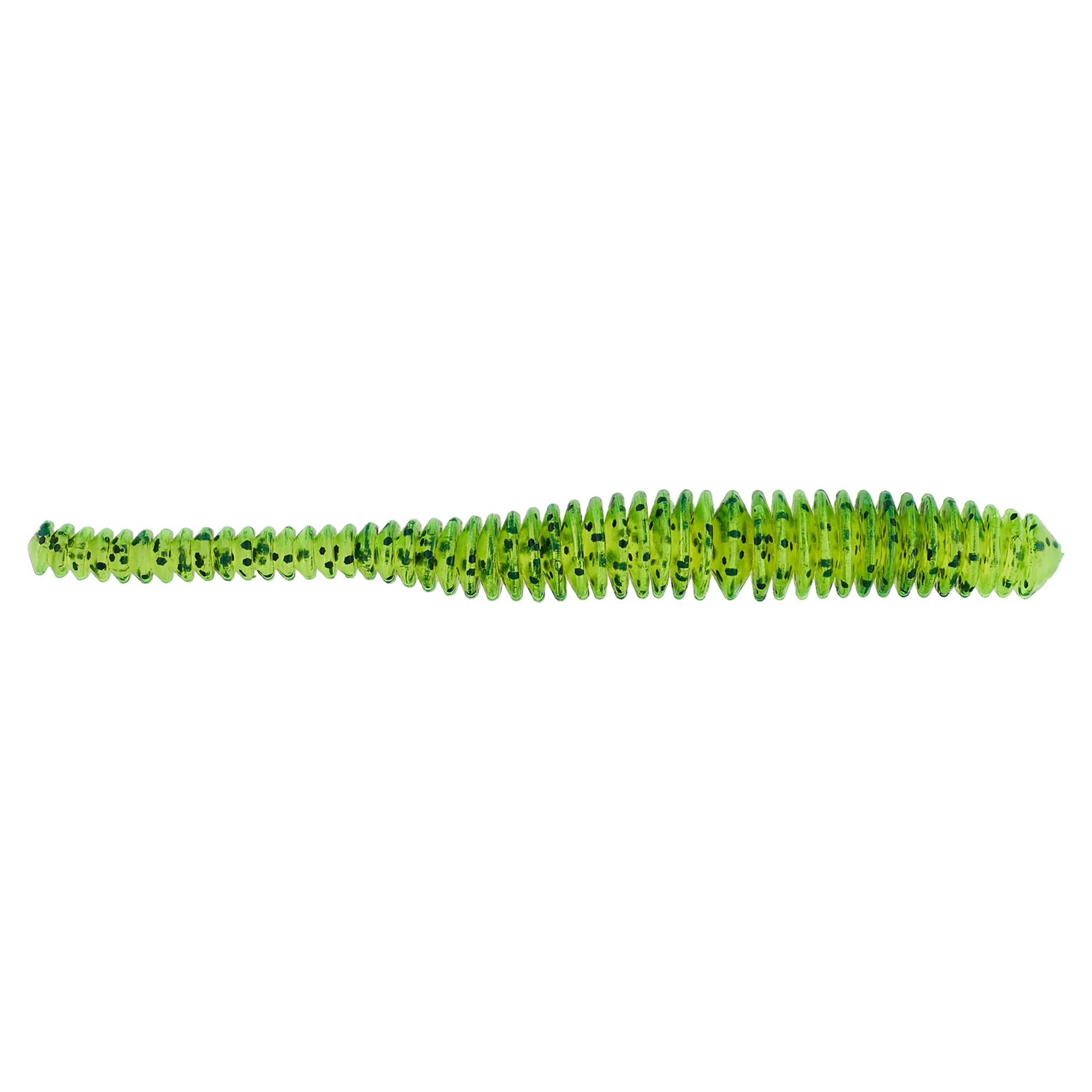
Both Basins Feeding
Autumn cools the water fast in western New York and both populations feed hard. The south basin weeds begin to break down, which pulls largemouth onto the edges and into the open pockets, and the north basin smallmouth group on structure. The season runs to 30 November.
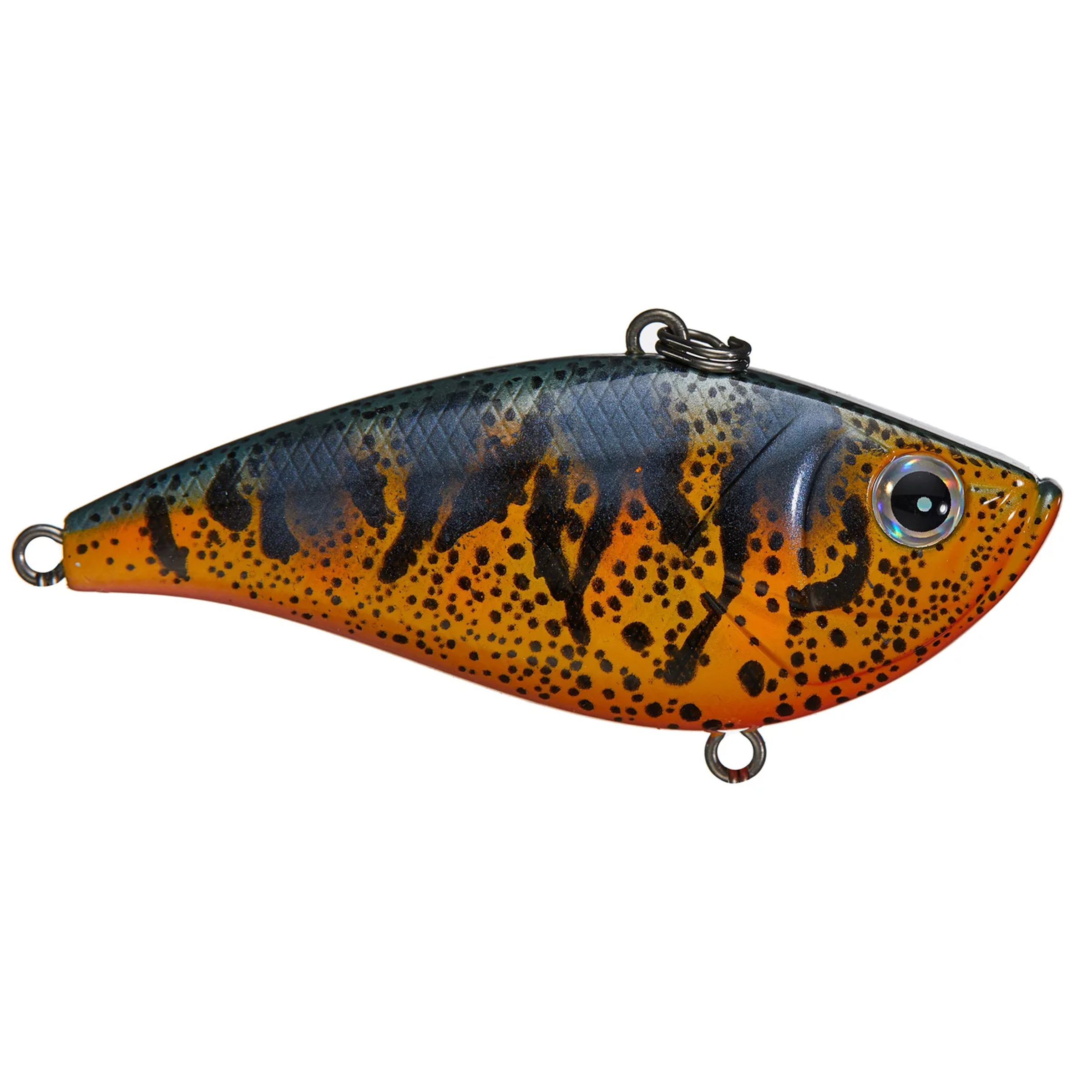
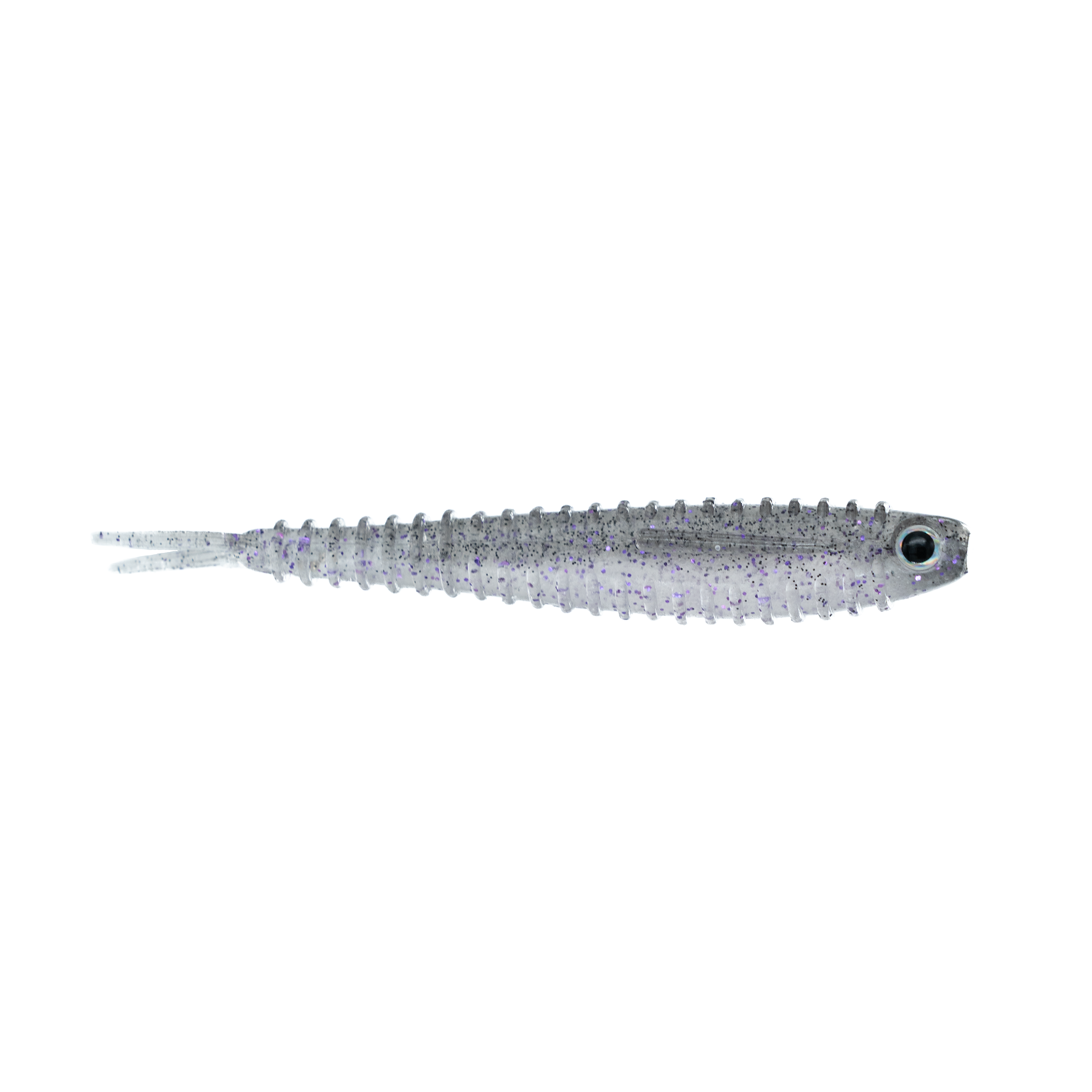

Closed
The season closes 30 November and southwestern New York gets a serious winter — this is lake-effect snow country. There is no open black bass season and the lake freezes. Trips have to be planned inside the June to November window.


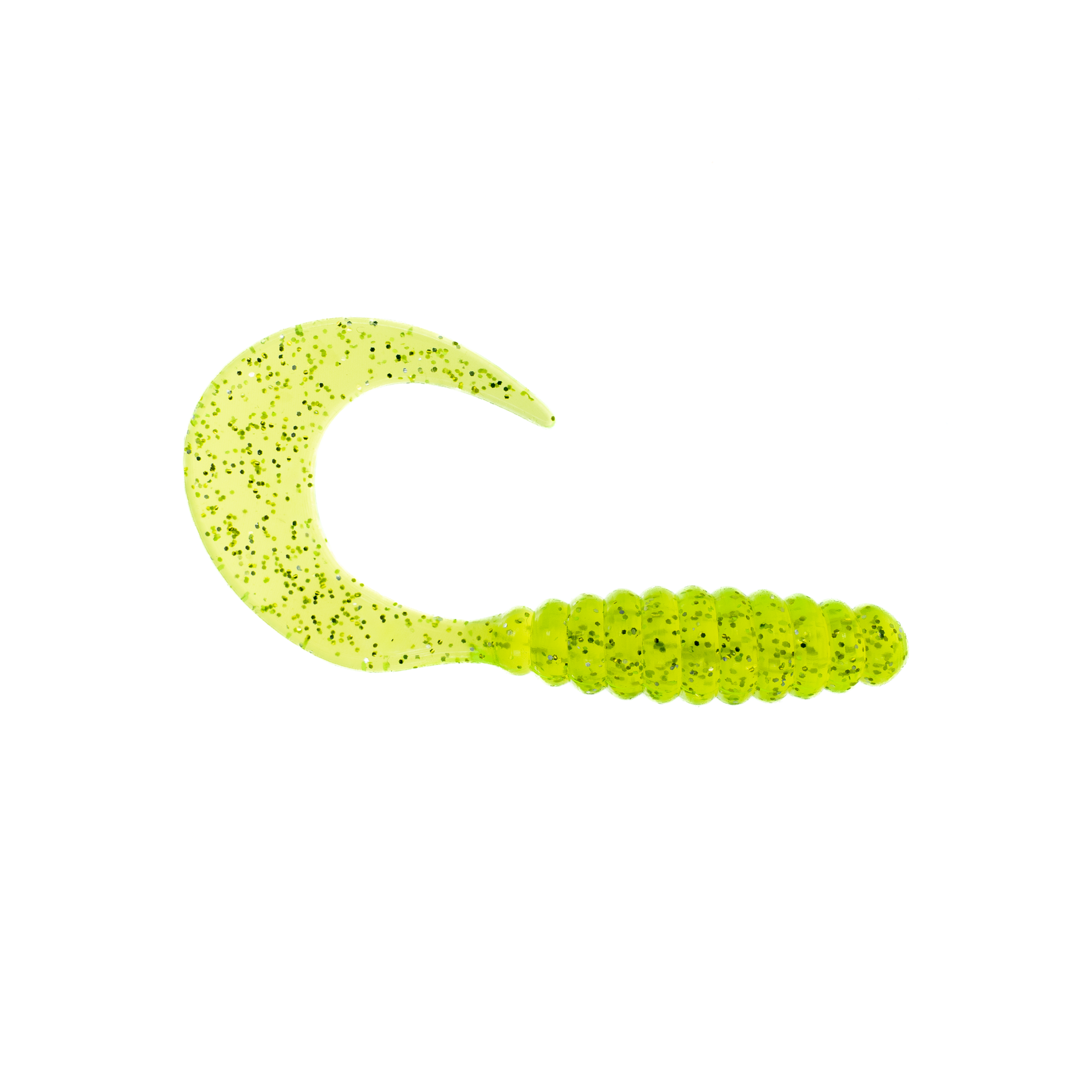
Chautauqua Lake Access
Public ramps serve both basins, with access at Jamestown and Bemus Point among others. The lake sits in the far southwest corner of New York, within reach of Buffalo and of Erie, Pennsylvania.
The South Basin Weeds
Shallow, densely vegetated largemouth water, and the reason to bring a frog rod to a New York lake. Weed mats, edges and lanes holding fish through the summer, with a density most northern lakes cannot match.
The North Basin Rock
Deeper, clearer smallmouth water and a genuinely different fishery from the south end. Rock and structure holding fish through summer and autumn, and where the lake earns its place on the state's smallmouth list.
The Narrows
Where the two basins meet, concentrating fish moving between them and worth checking whichever end you are fishing. A natural pinch point on a lake otherwise defined by its two halves.
Chautauqua Lake Bass Fishing FAQ
Why does Chautauqua have two basins?
A narrows divides the lake into a shallow, weedy southern basin and a deeper, clearer northern one. They function as separate fisheries — largemouth in the south, smallmouth in the north — and most anglers fish one end or the other rather than both.
Is Chautauqua good for smallmouth?
Yes. New York's DEC lists it among the state's better smallmouth waters alongside the St. Lawrence, Erie, Champlain, Cayuga and Oneida, and Bassmaster has placed it on its top 25 Northeastern list. The north basin is where they are.
How dense is the vegetation?
Dense enough that weed management is an ongoing local issue. For an angler that is an advantage — it holds fish and creates edges and lanes, and it supports a frog and flipping game that most northern lakes cannot offer.
Where is Chautauqua Lake?
The far southwest corner of New York near Jamestown, within reach of Buffalo and of Erie, Pennsylvania. That distance from the state's population centres is part of why pressure is lower than the fishing quality would suggest.
Which end should I fish?
Depends on the species. South basin for largemouth in heavy vegetation, north basin for smallmouth on rock. They are seventeen miles apart, so it is generally better to commit to one for the day than to split your time.
When is bass season?
New York's black bass harvest season runs 15 June to 30 November. Rules on catch-and-release before the opener vary by water — check current DEC regulations for Chautauqua before planning a spring trip.
What baits work best on Chautauqua?
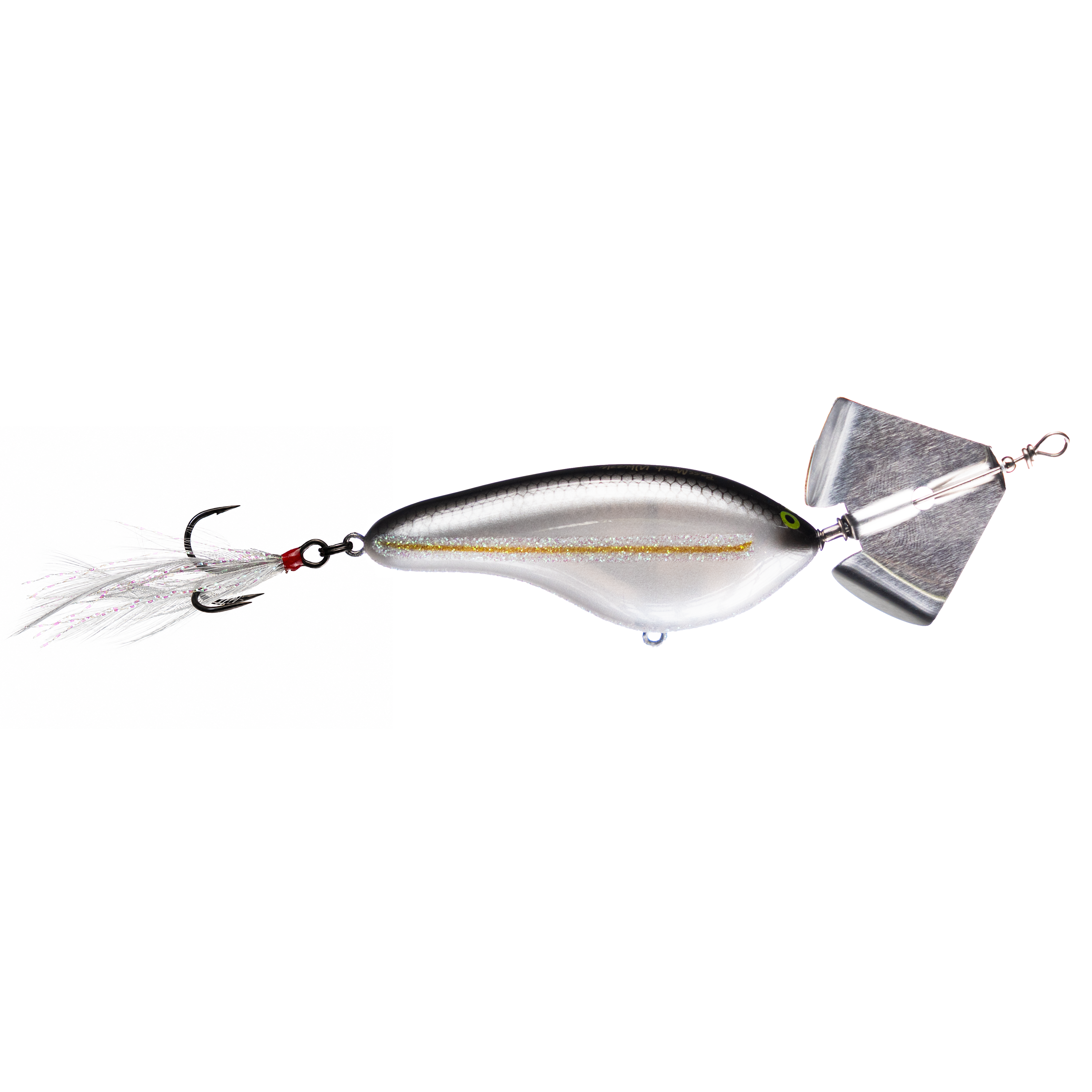
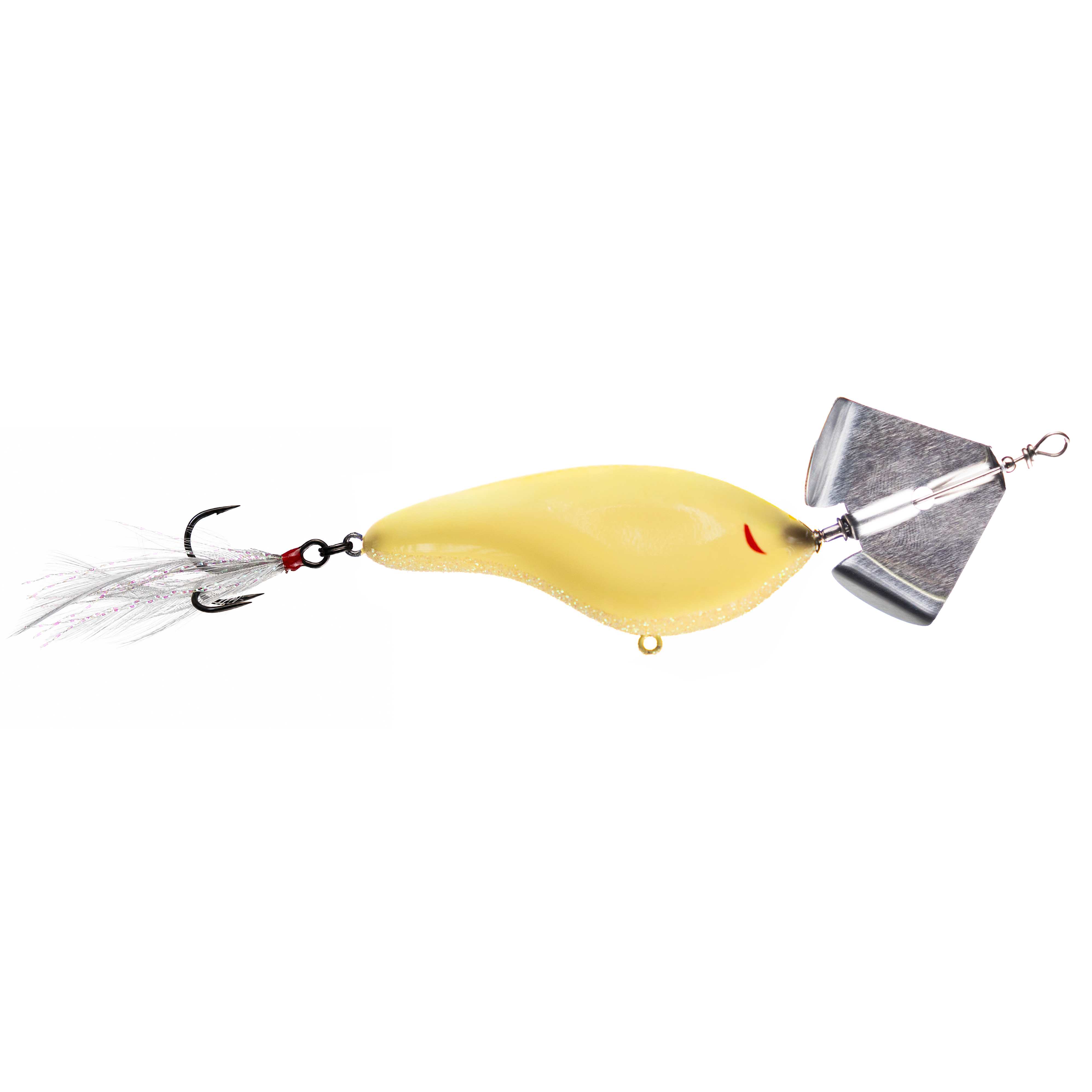
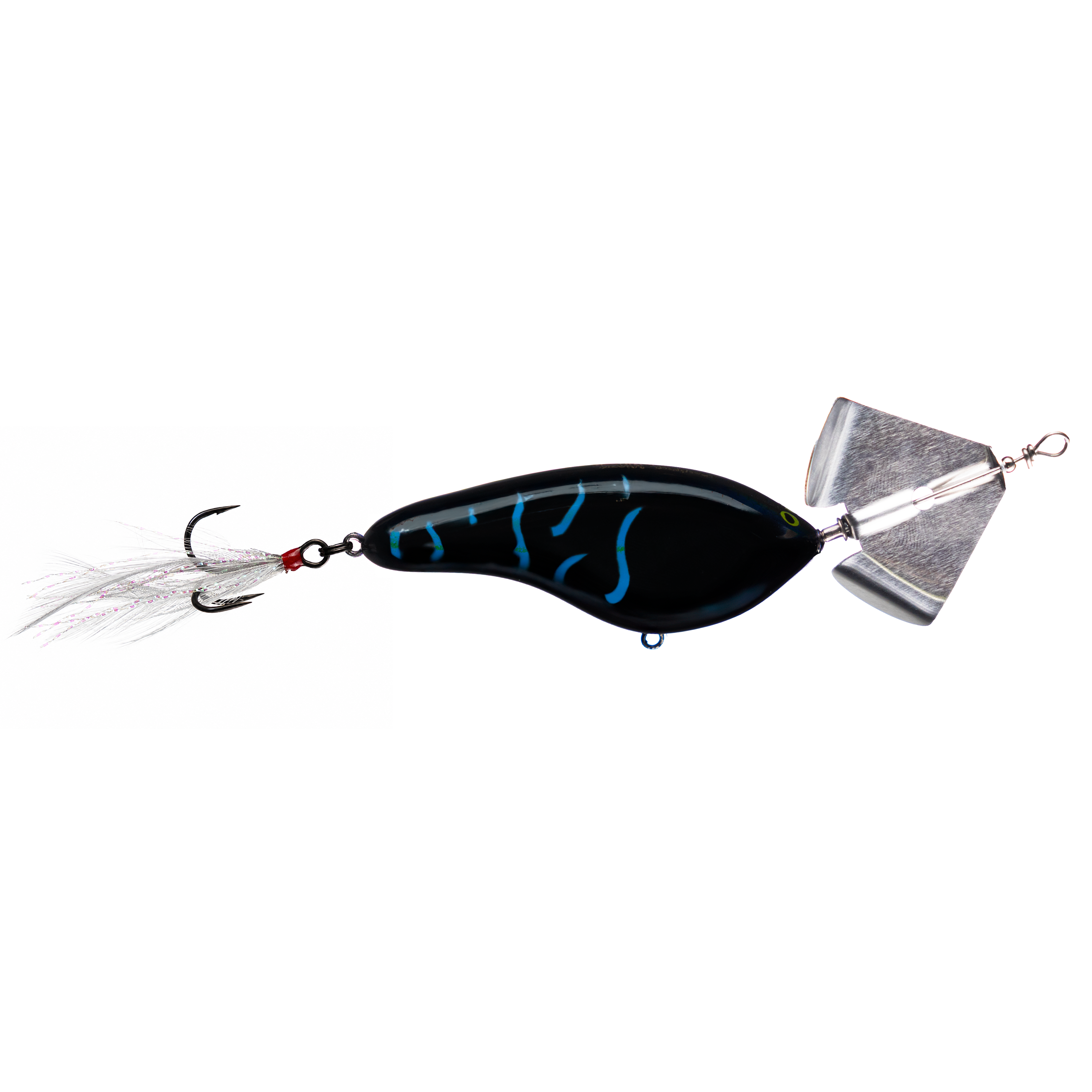
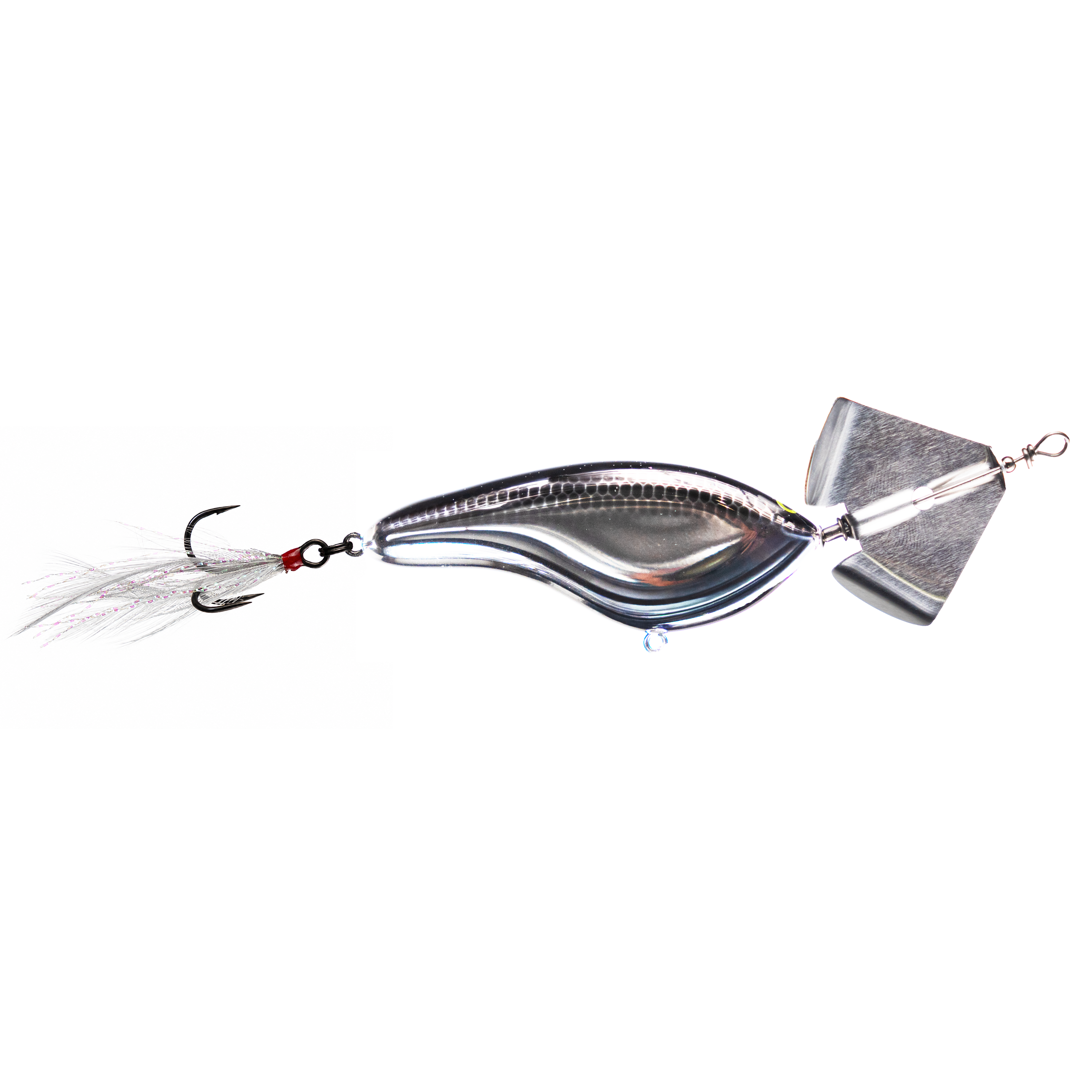
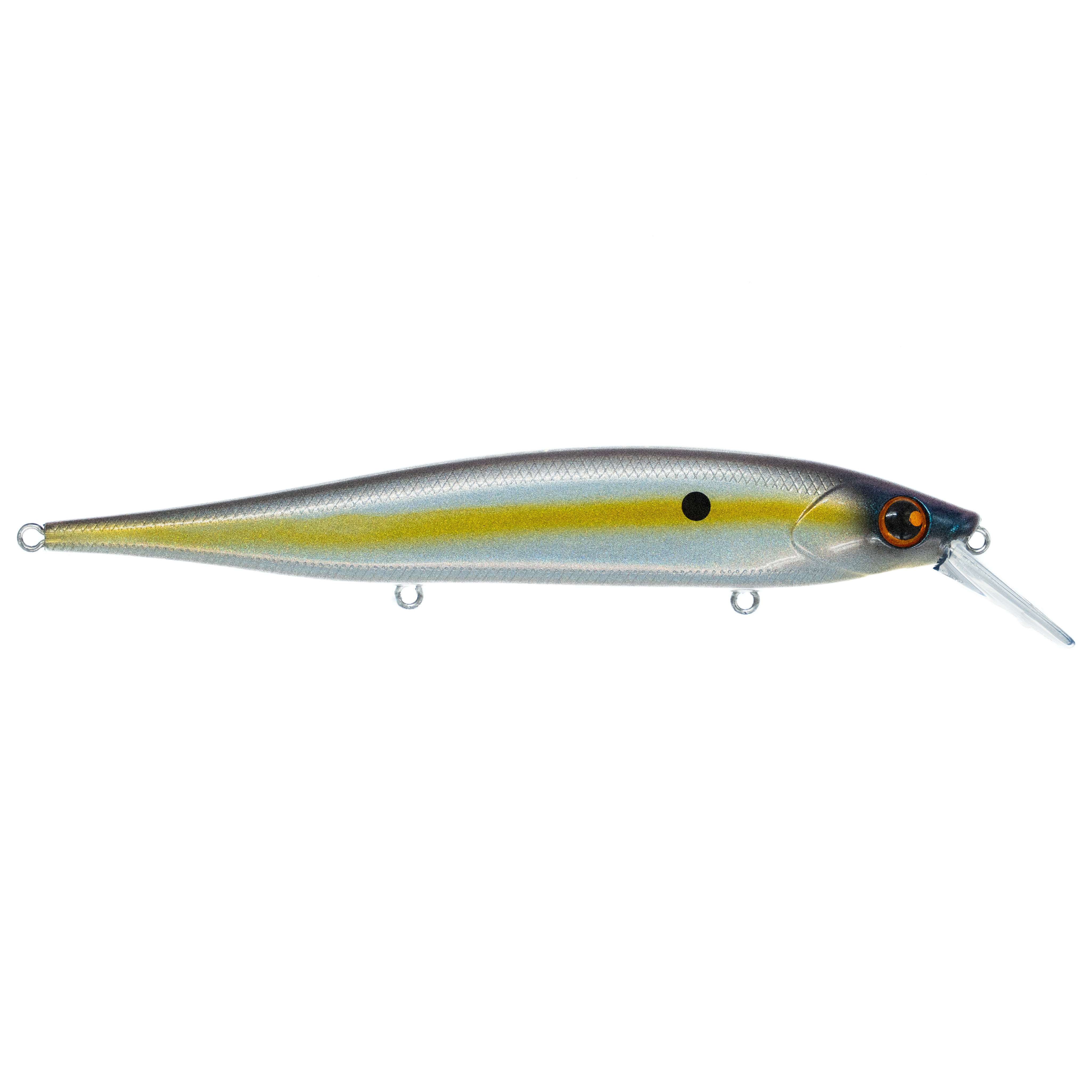
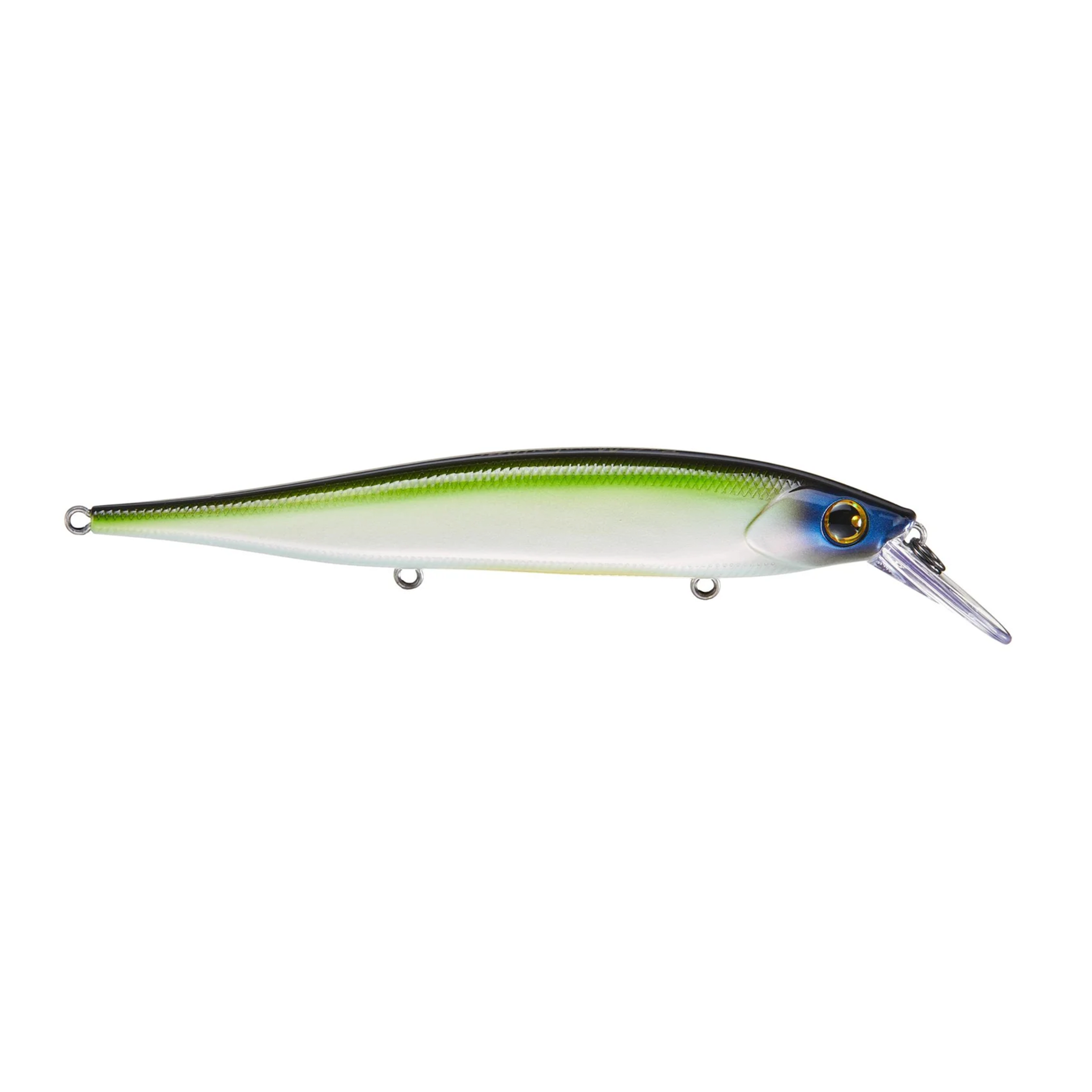
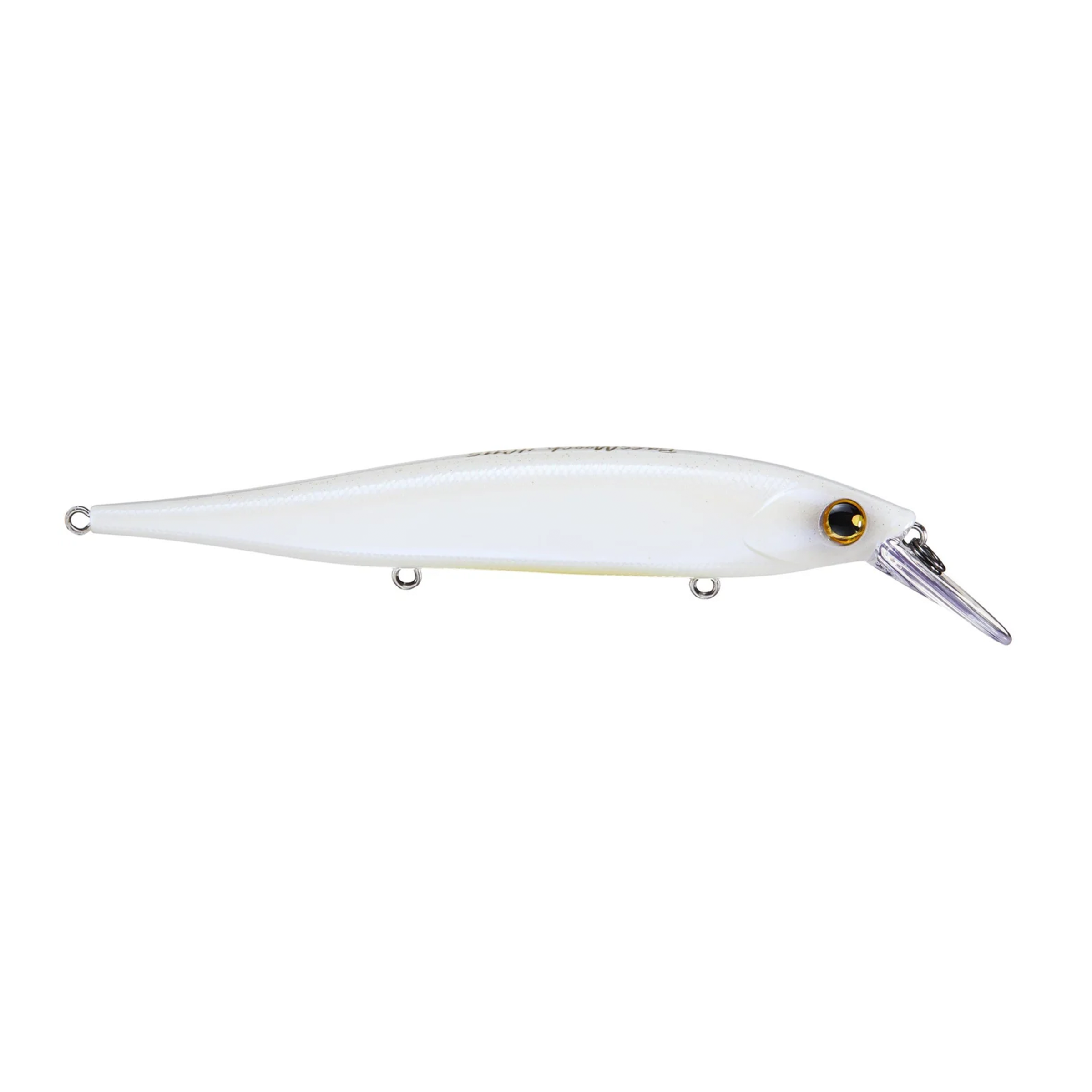
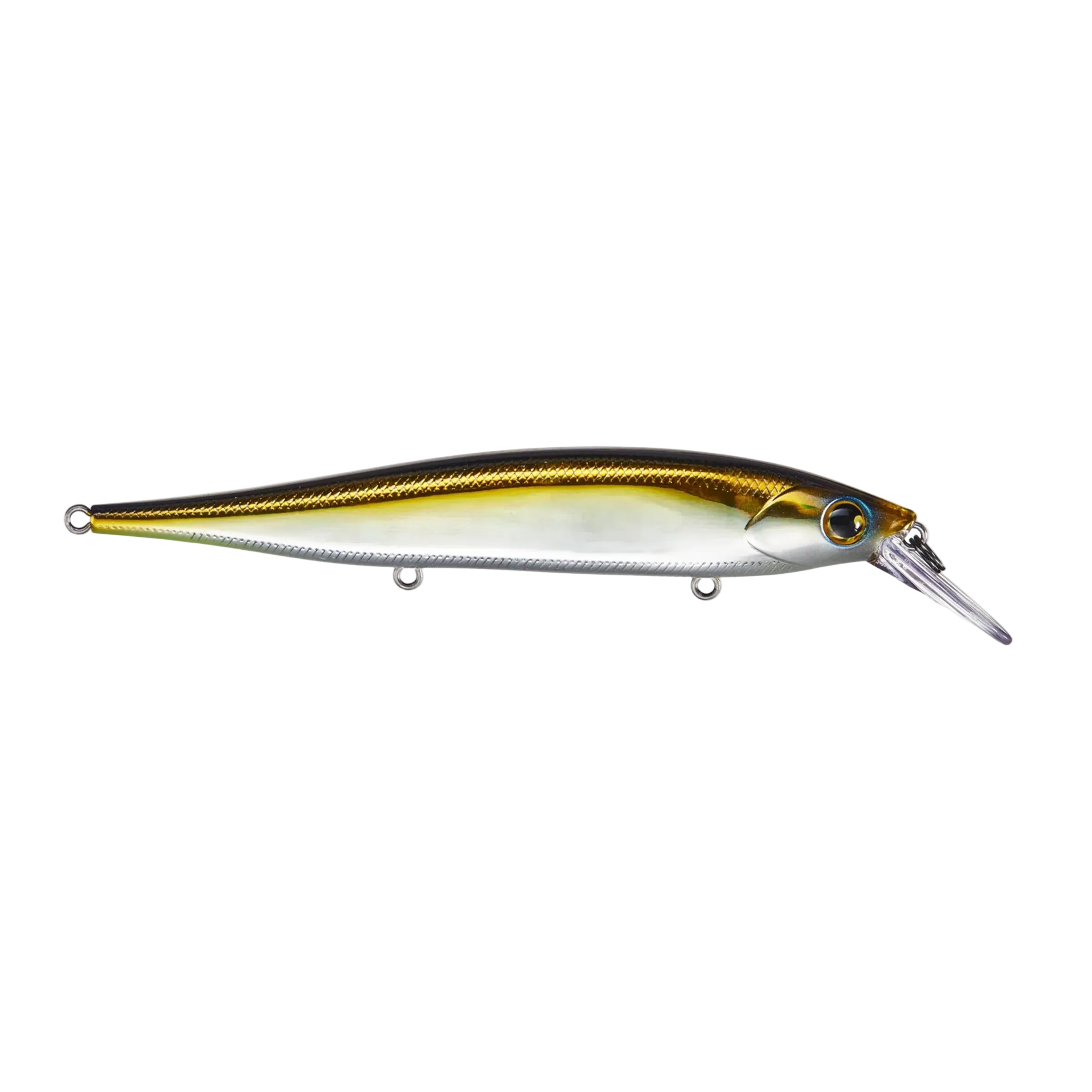
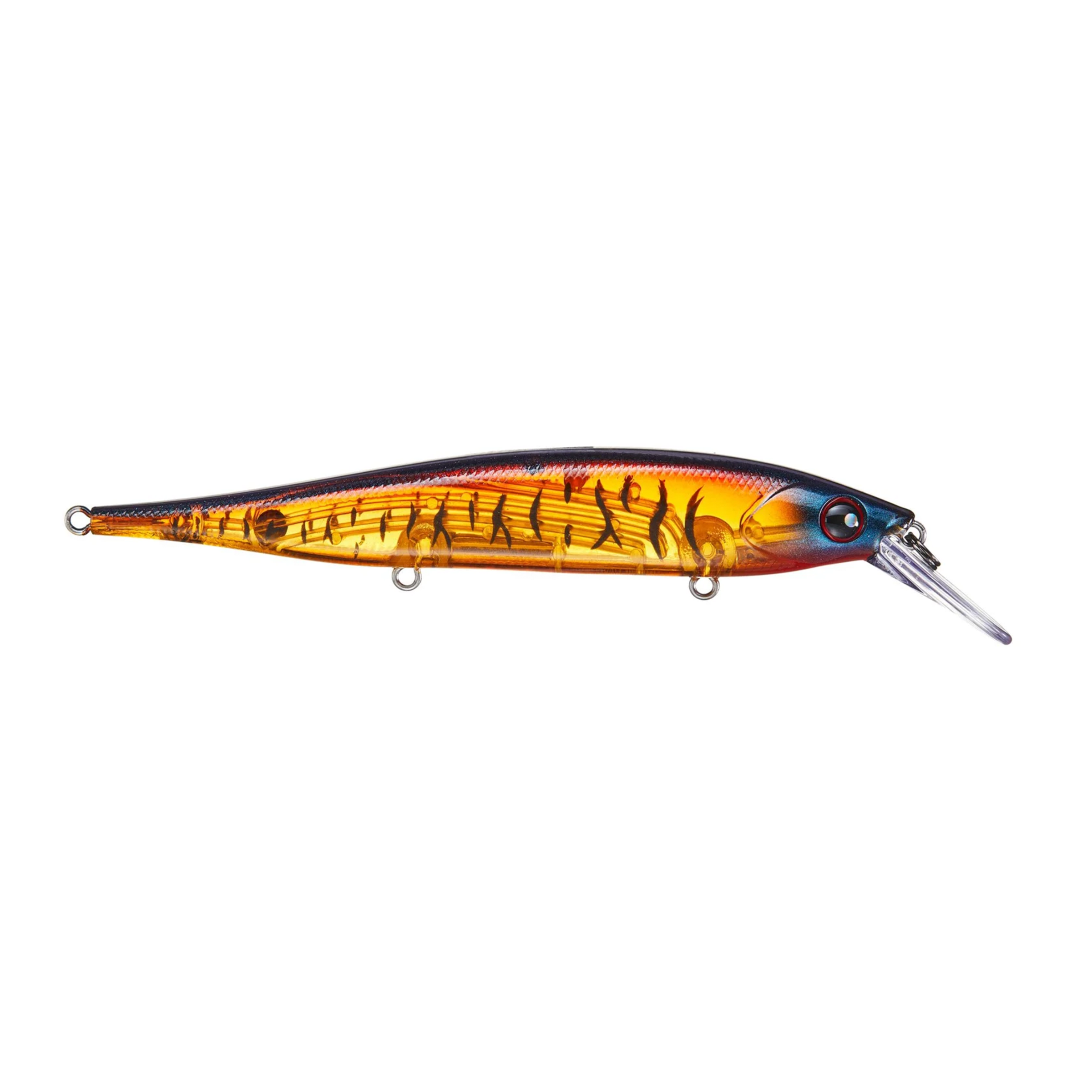
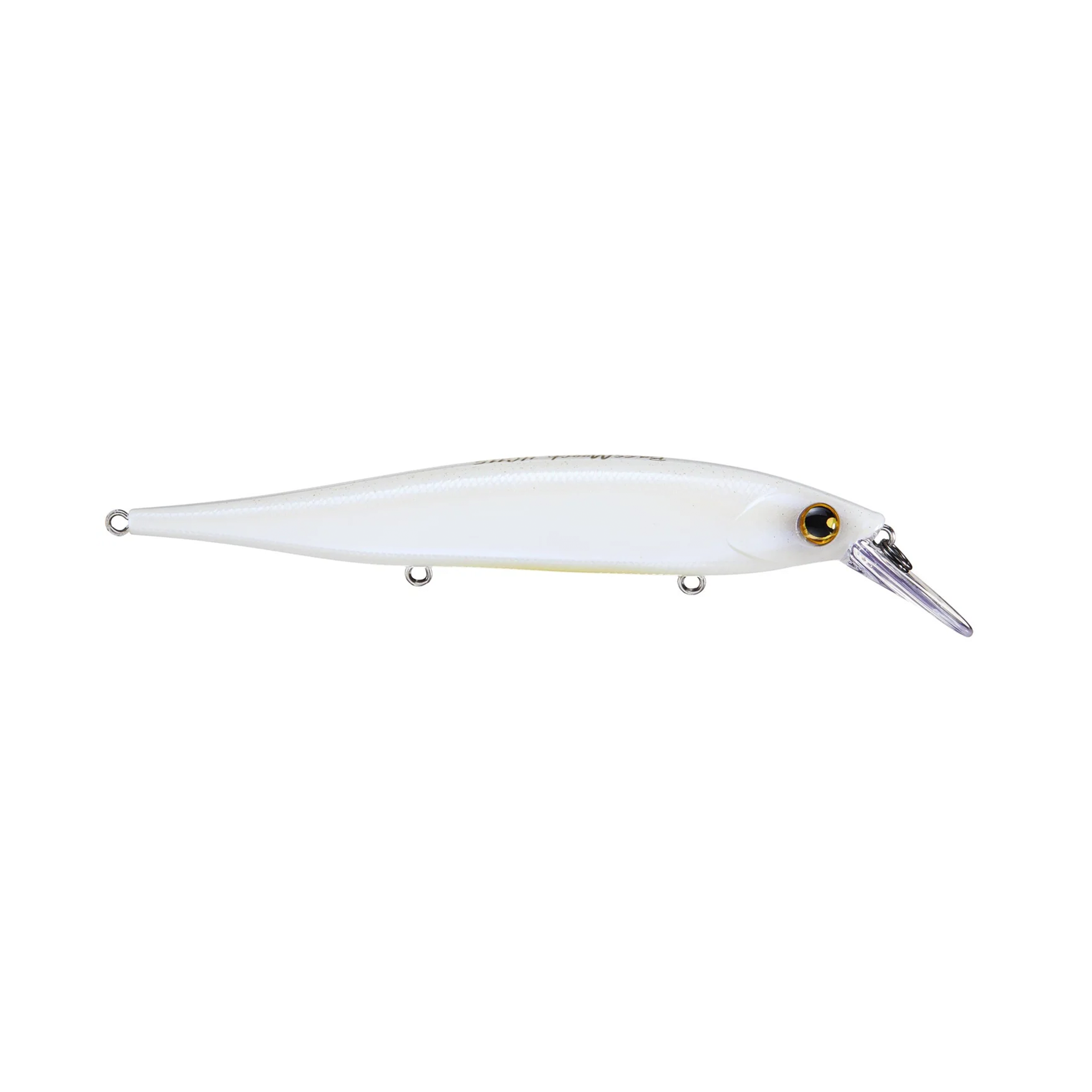
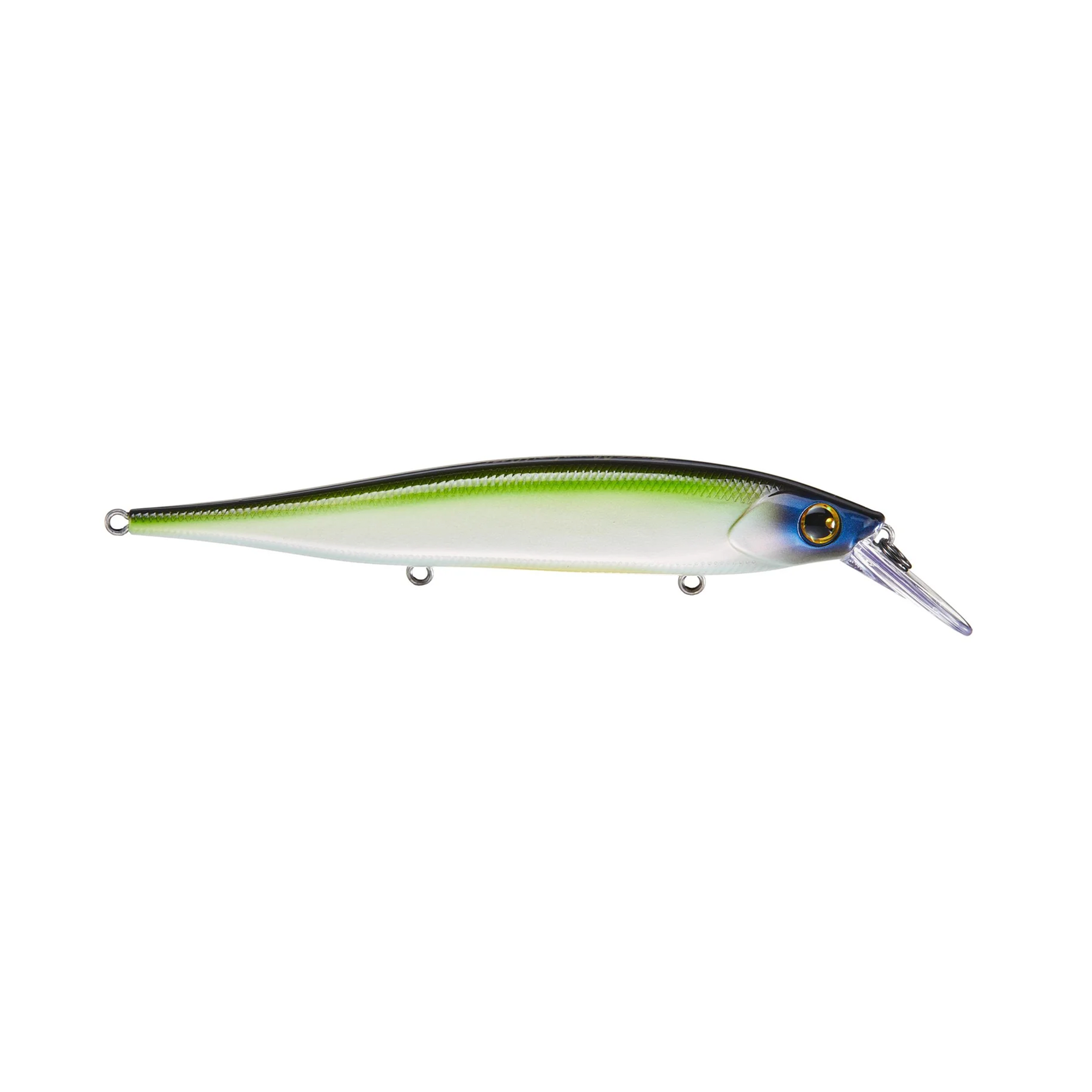
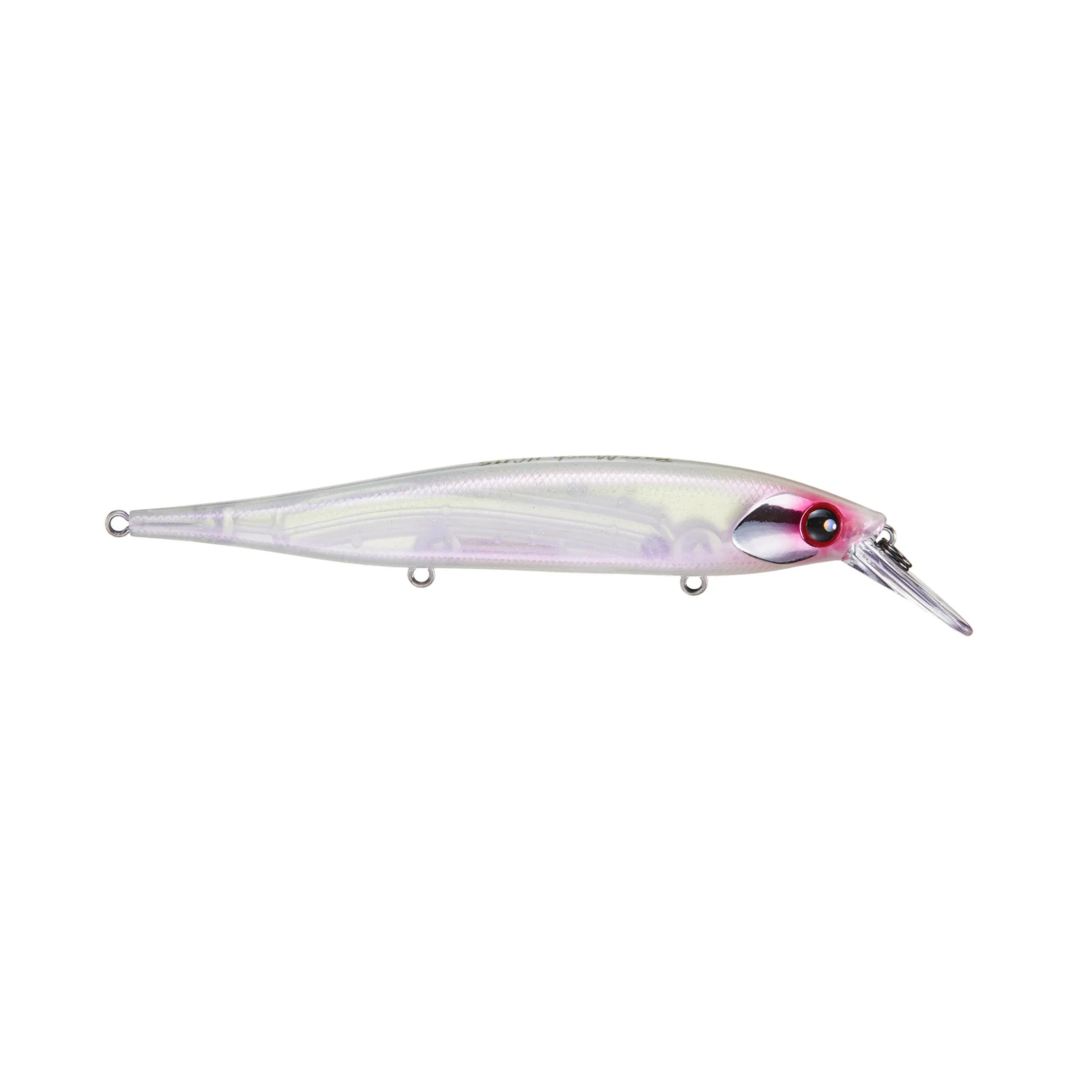
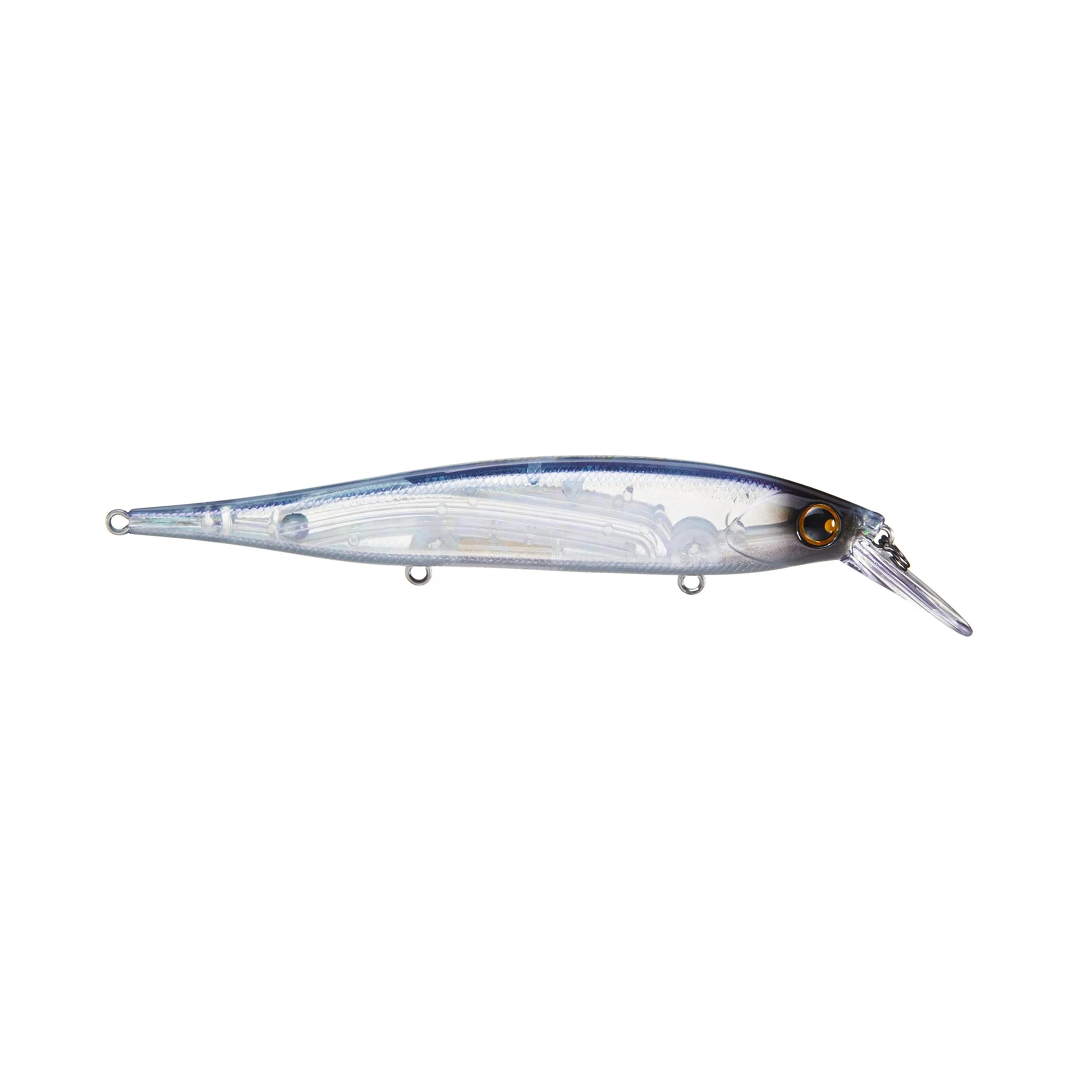
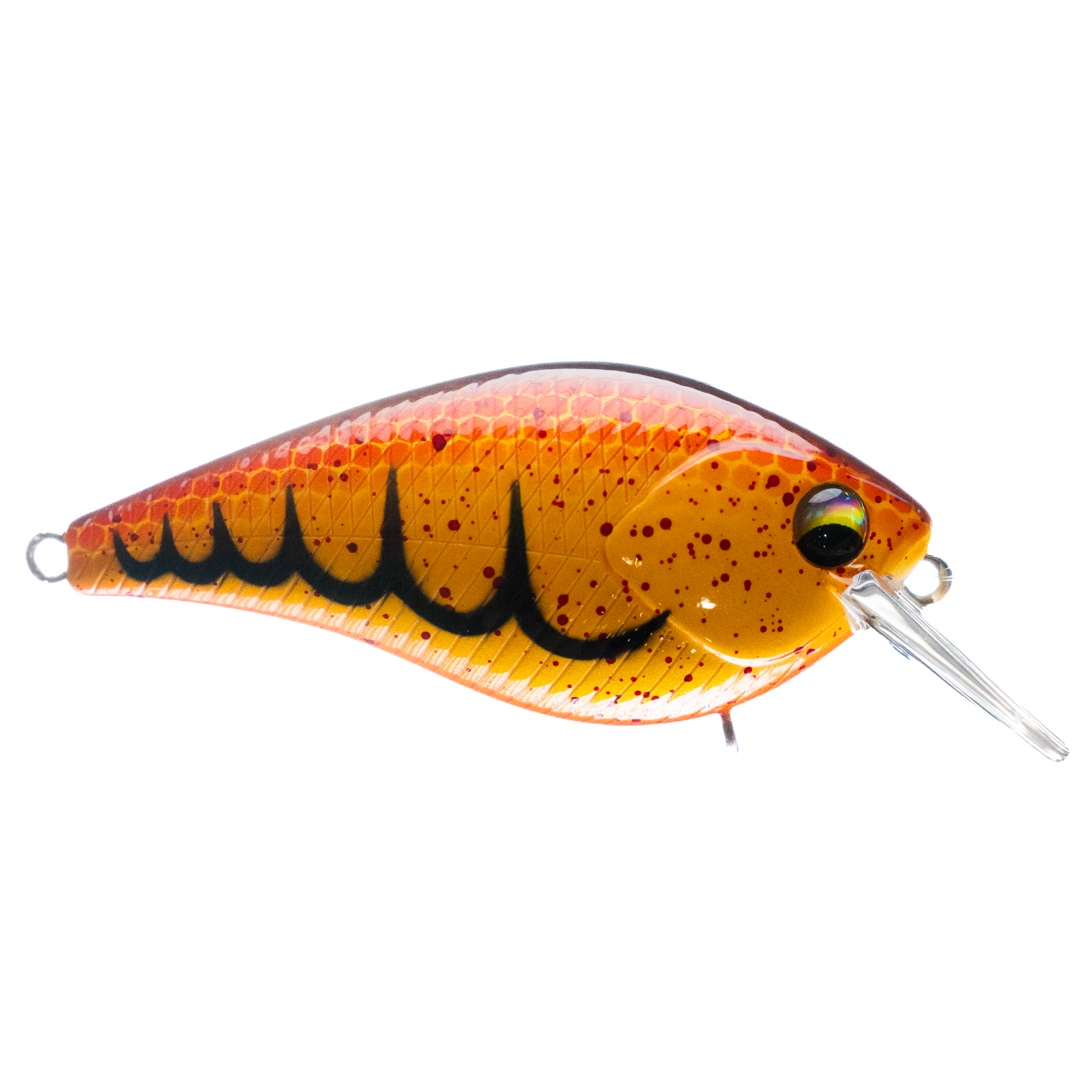
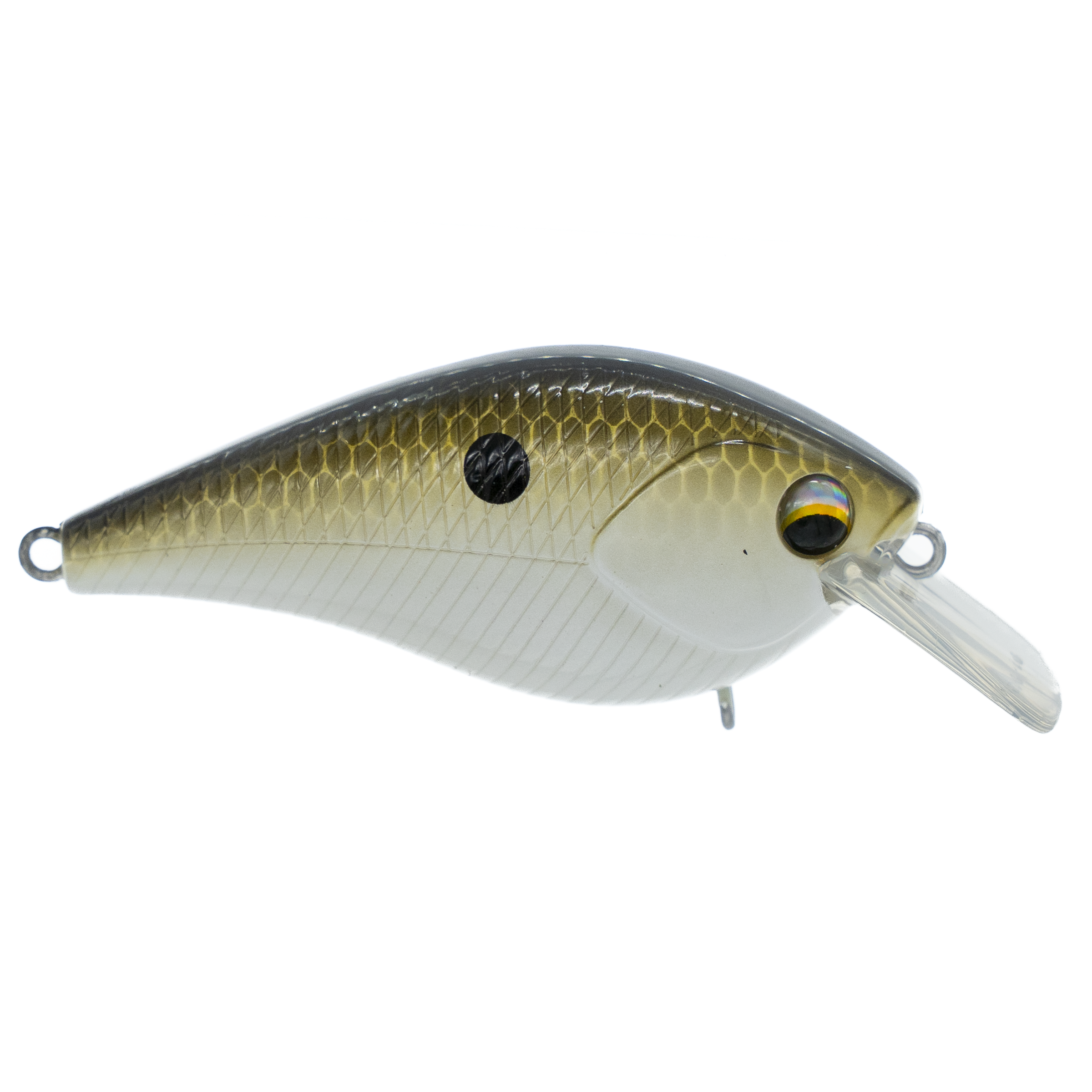
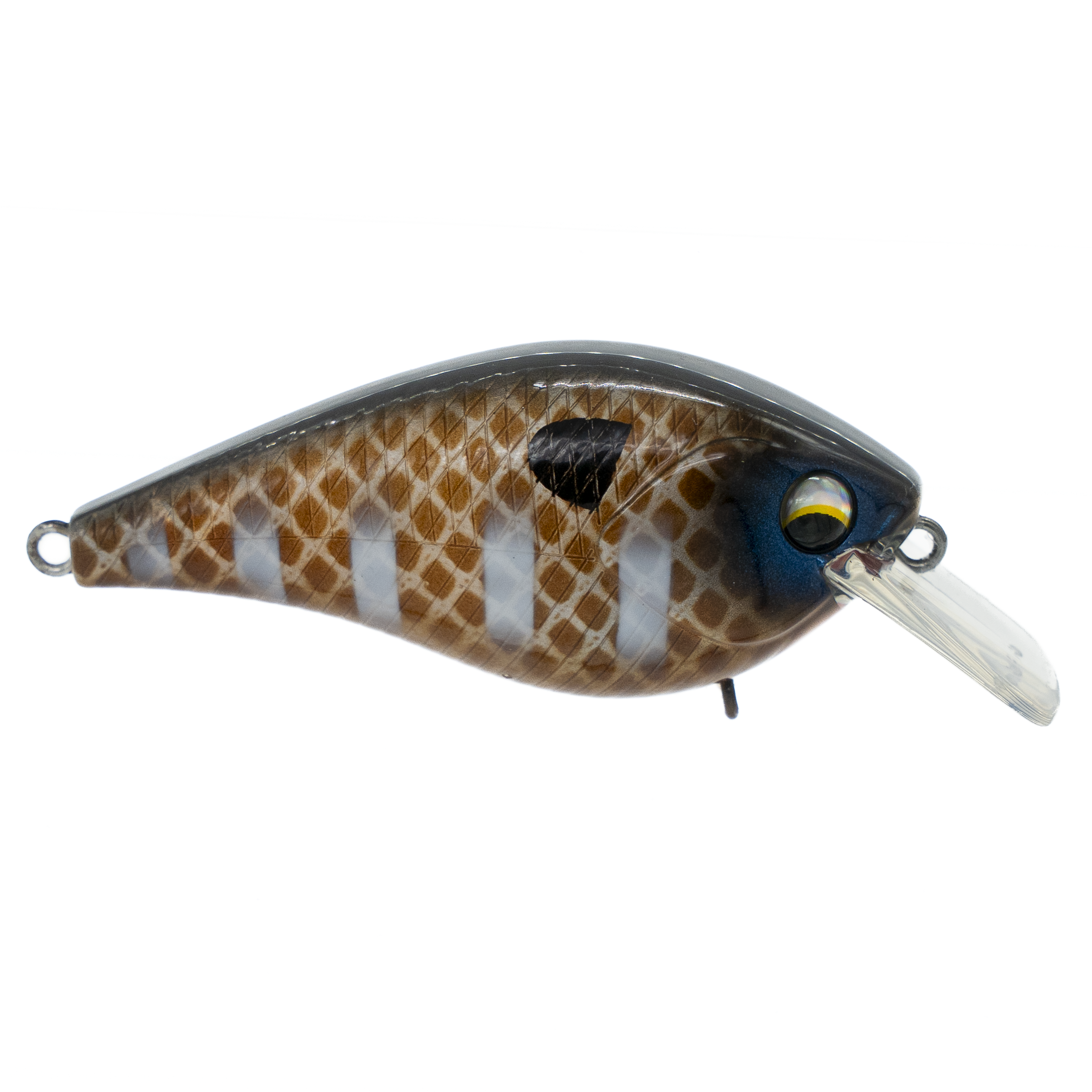
Frogs and punching gear for the south basin weeds, bladed jigs and swim jigs along the edges and lanes, and finesse presentations plus jerkbaits on the north basin rock. Our full bait lineup covers both ends.
Do I need a fishing license?
Yes, a New York fishing license from the Department of Environmental Conservation. Note the season dates — they differ from most of the states covered on this site.
Frogs at One End, Finesse at the Other
A lake that asks for a frog rod in the south basin and a spinning rod on north-end rock is really two lakes. Level Rods builds heavy models with the power to drive a frog hook through matted weed and finesse models for clear-water smallmouth, so one trip covers both.
Tournament Winning Baits & Gear
Designed, crafted and tested by anglers who fish weeds and rock every week. Free shipping on orders over $75.
Shop All Baits