Cedar Bluff Lake Bass Fishing Guide
Cedar Bluff Bass Fishing, Season by Season
Western Kansas timber water in the Smoky Hill River valley, quieter than anything else in the state and still holding fish when its neighbours have gone. Cedar Bluff is the sleeper on this list, and the timber in it is the reason.
The One Still Holding Strong
Cedar Bluff Lake sits on the Smoky Hill River in western Kansas, a long way from the state's population centres and correspondingly quiet. It is a reservoir that anglers who know the western Kansas waters speak about with real affection.
The reason is timber. Local anglers who fished the western reservoirs in their prime describe Cedar Bluff's timber in the same breath as Big Hill's, and say the lake is still holding strong while several of its neighbours have not. It has produced a lot of big fish over the years and continues to.
That neighbour comparison is worth taking seriously as a warning as well as a compliment. Drought has been severe in western Kansas, and reservoirs including Webster, Kirwin and Keith Sebelius have suffered badly — anglers describe the water in them as effectively gone. Cedar Bluff has held up better, but water level is the first thing to check before towing a boat this far west.
The habitat is submerged timber, rock, points and the old river channel, in a high-plains landscape with very little shelter. Wind is a serious factor, more so here than on the eastern Kansas lakes, because there is nothing at all to break it.
Fishing pressure is genuinely low. This is several hours from Wichita and Kansas City, and the trade for that drive is water that has not been picked over.
Kansas does not close black bass season, but many reservoirs carry lake-specific length limits that differ from the statewide rule. Check the current Department of Wildlife and Parks regulations for this water before you go.
Timber, Rock and Open Country
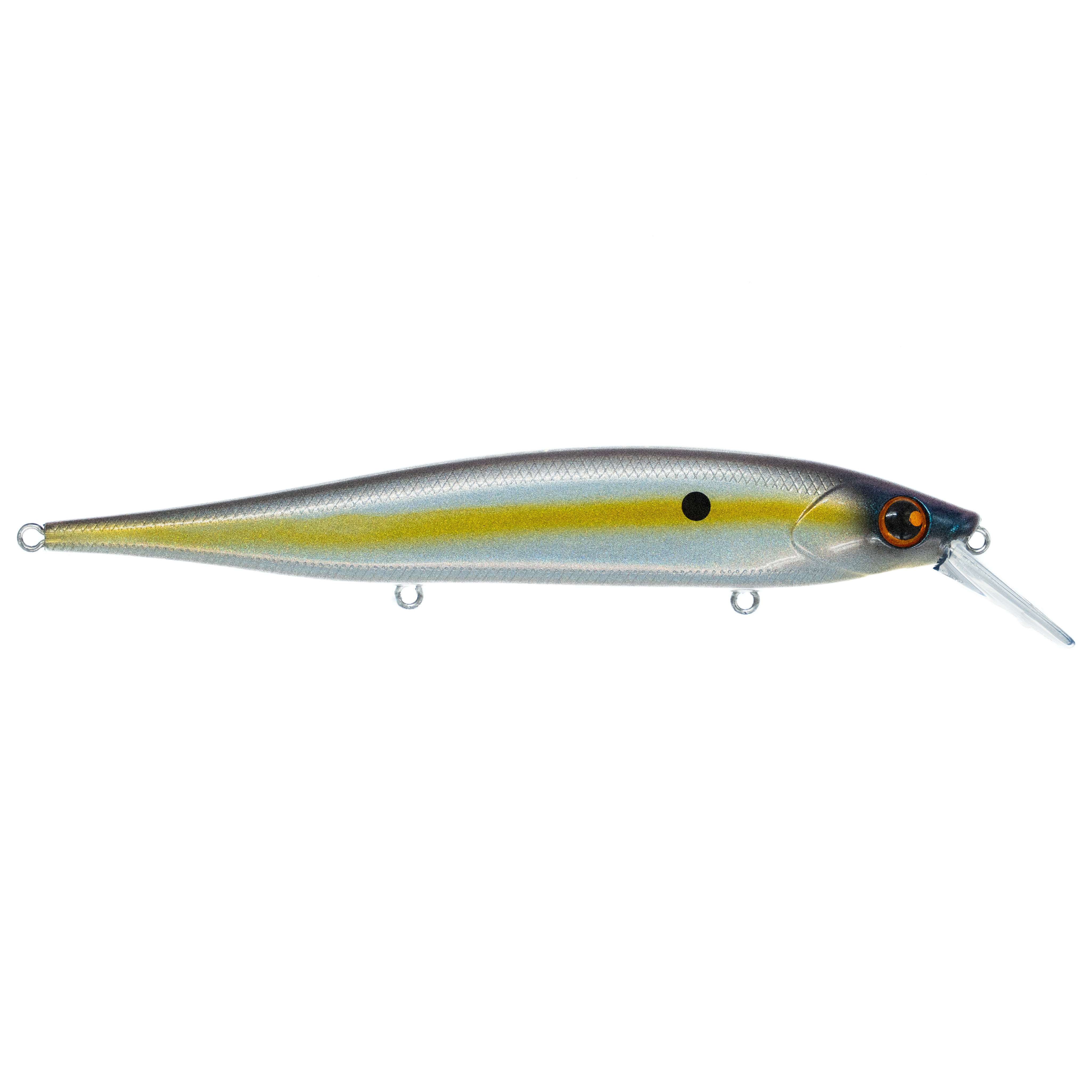
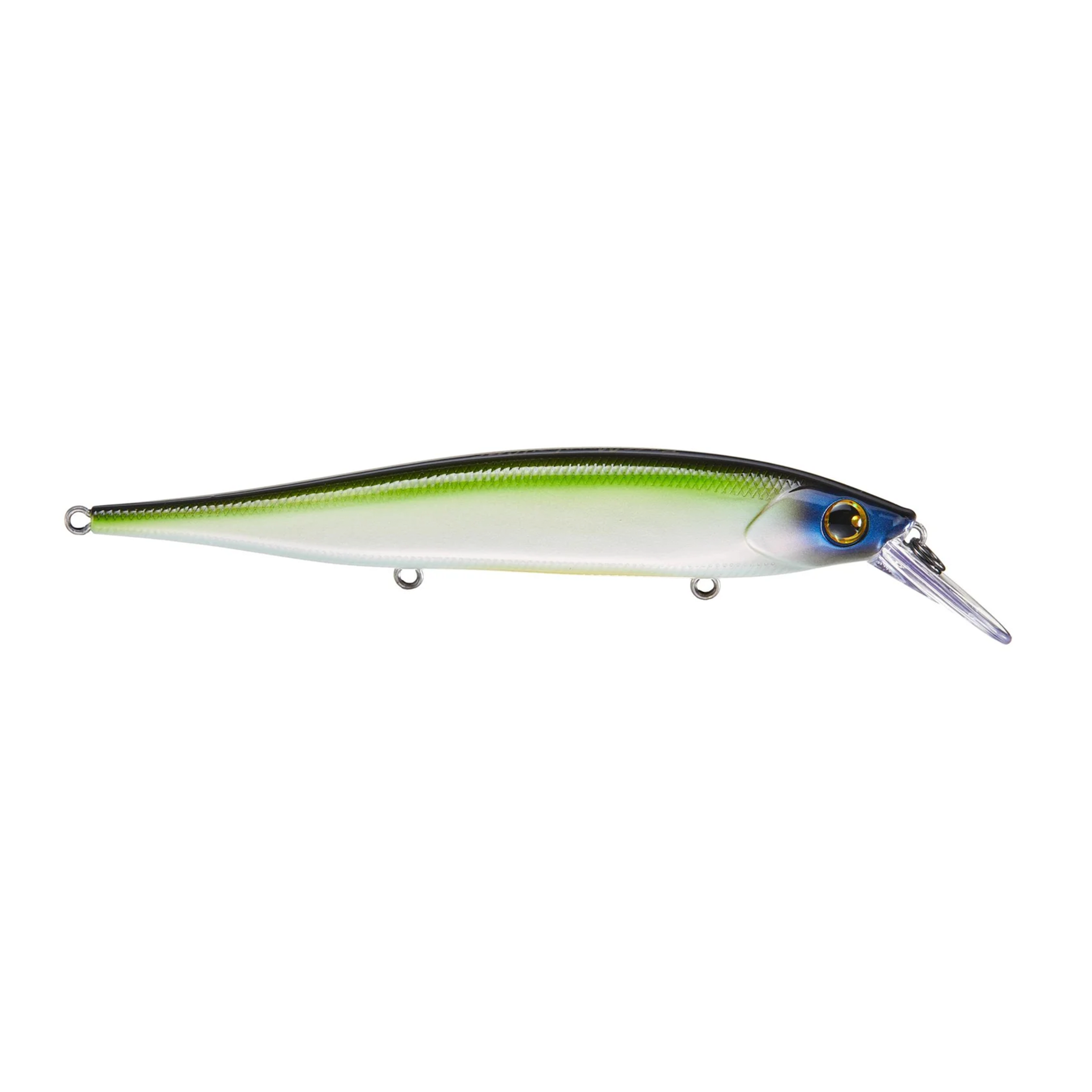
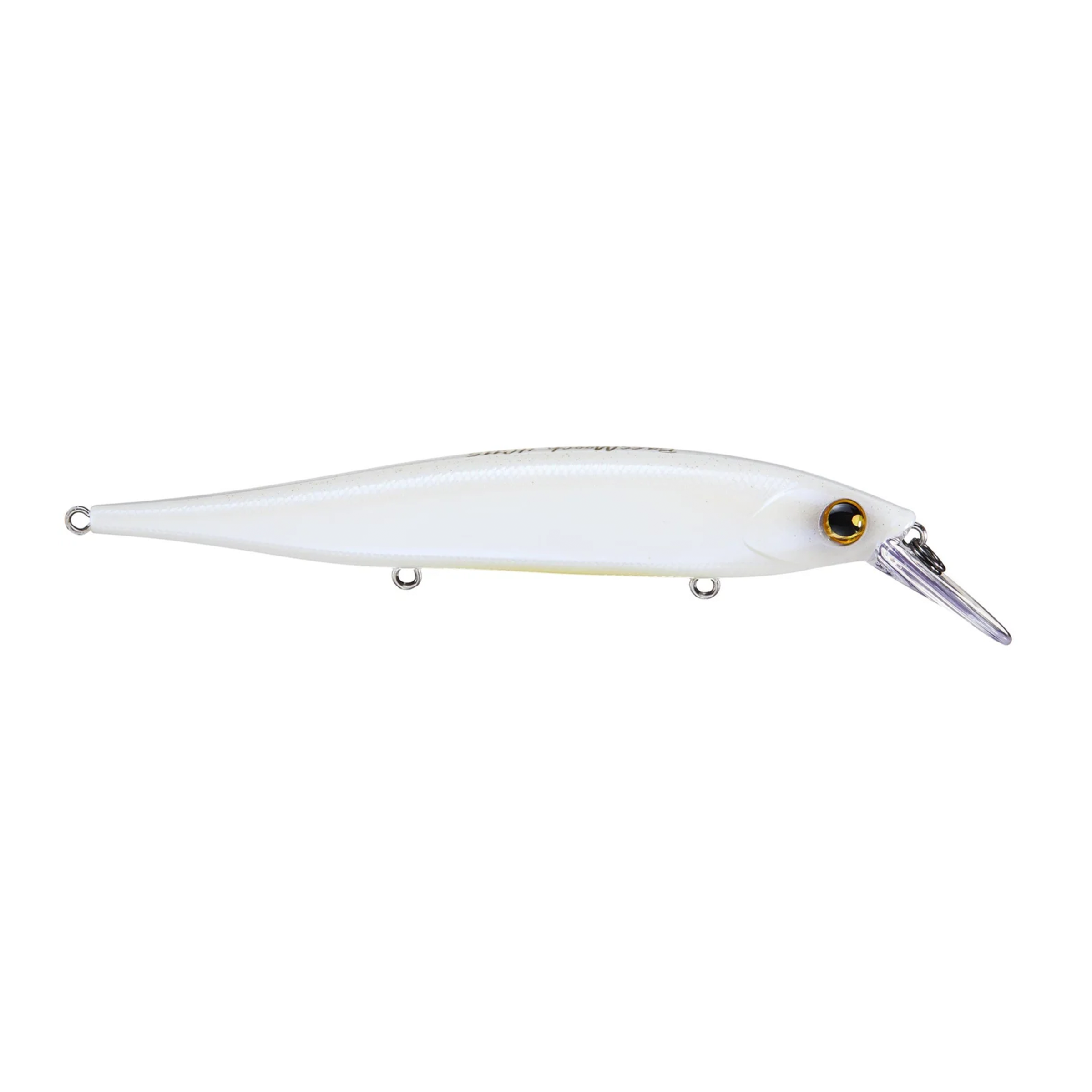
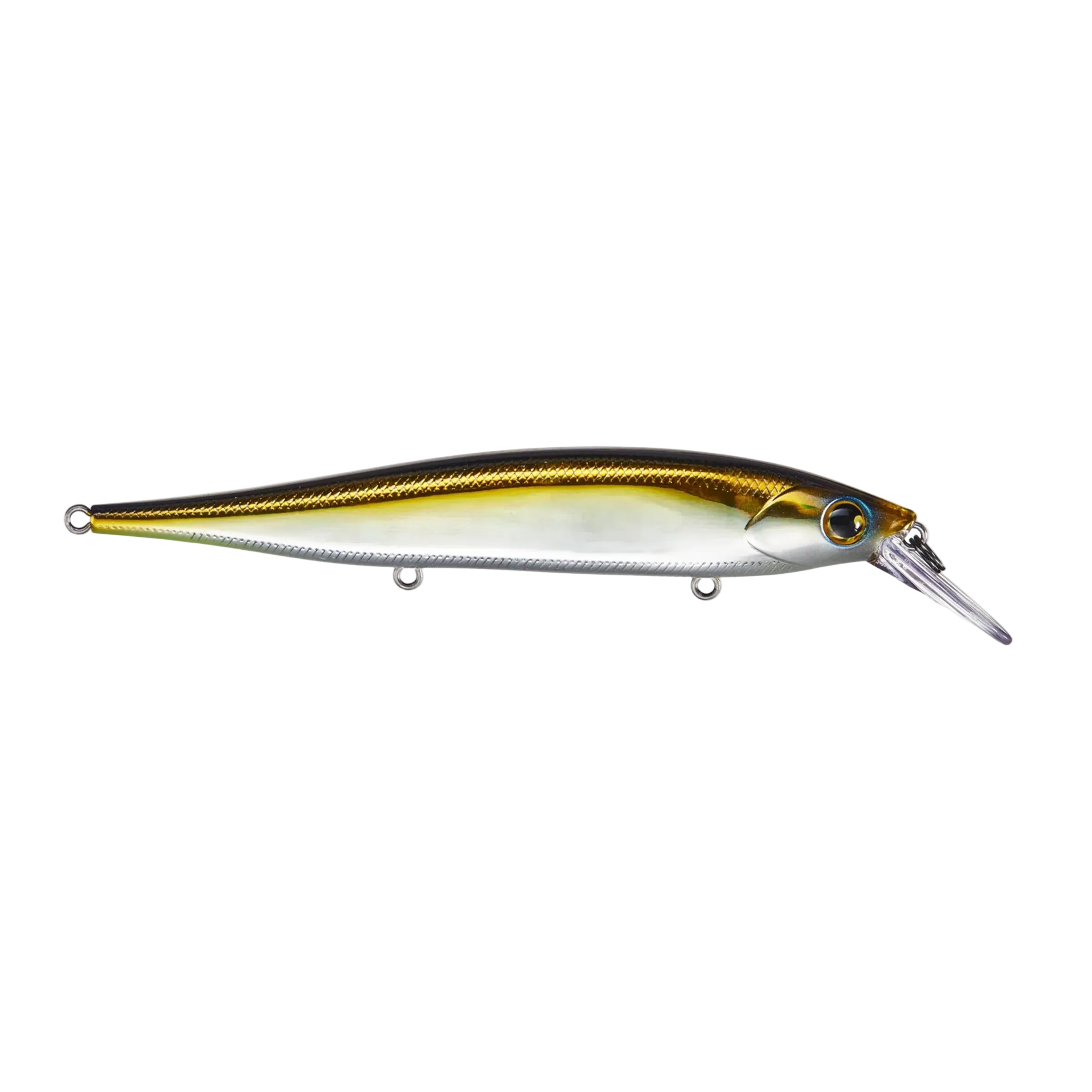
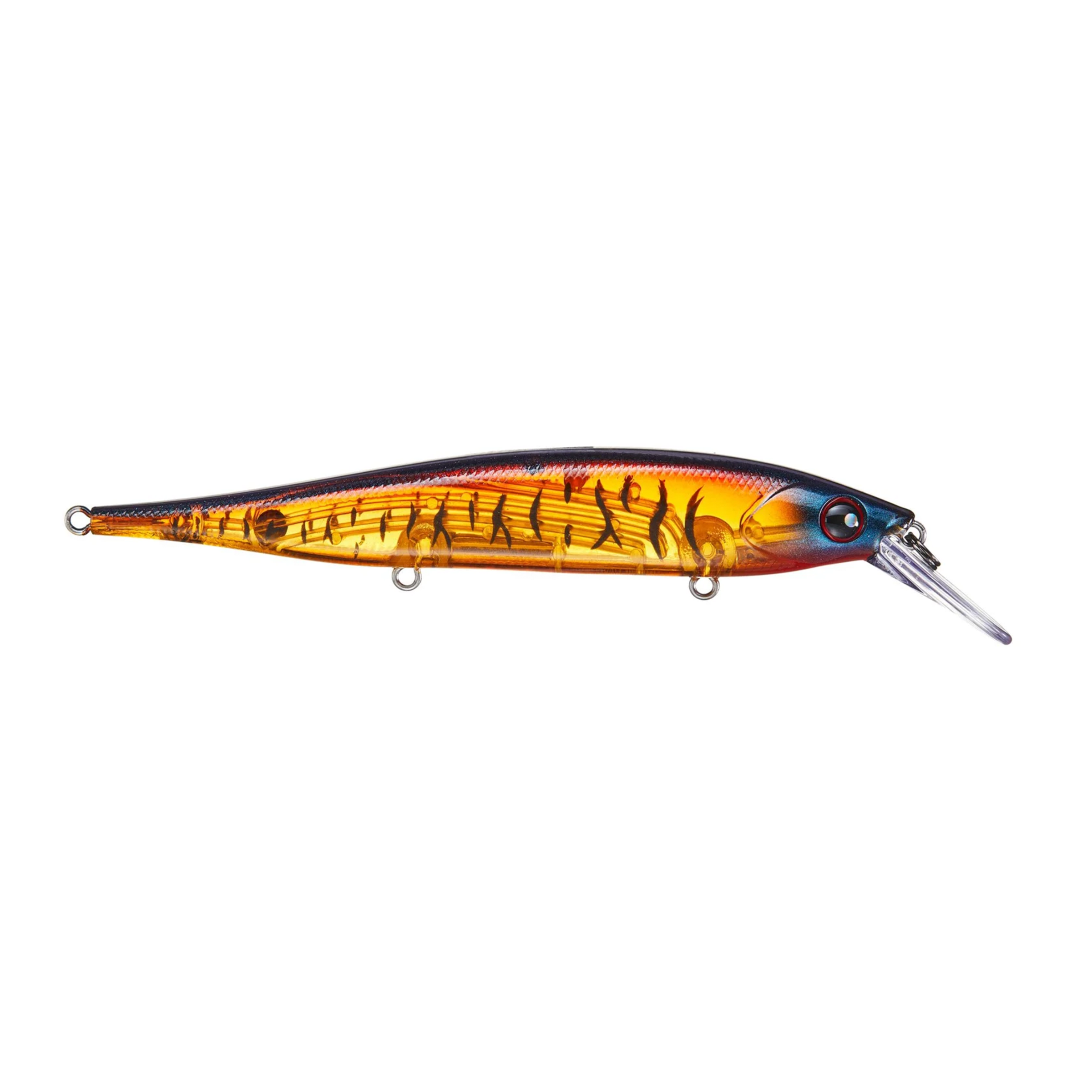
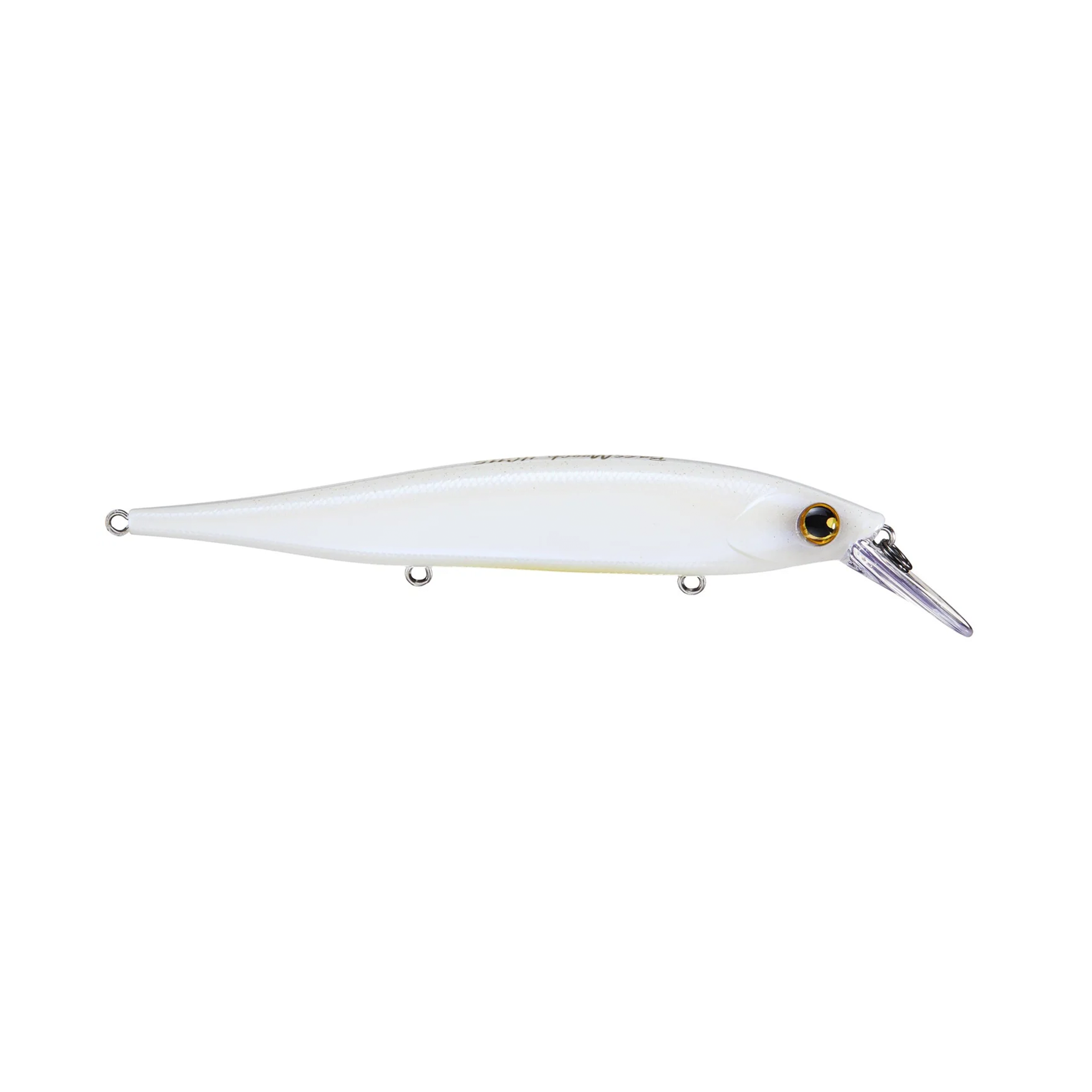
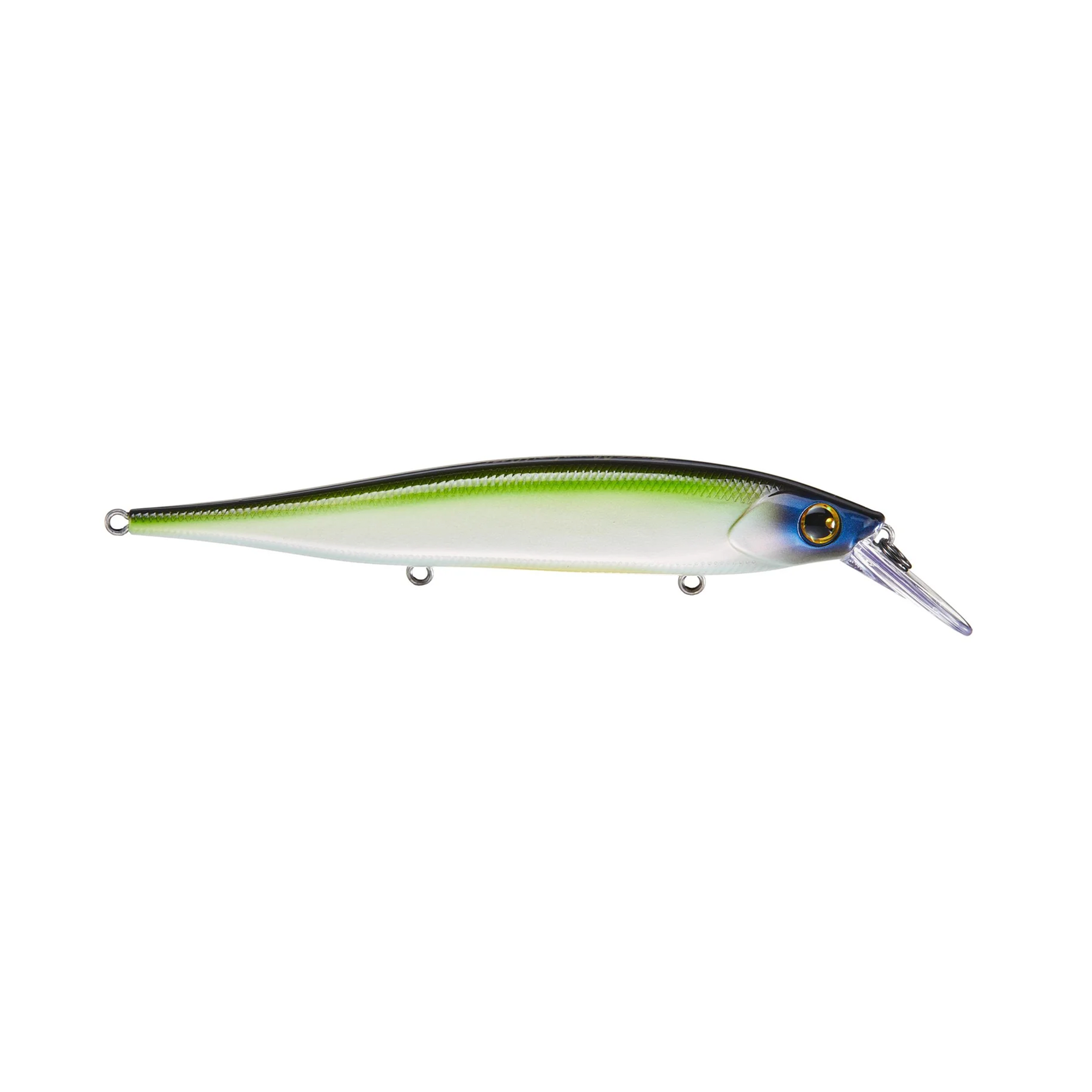
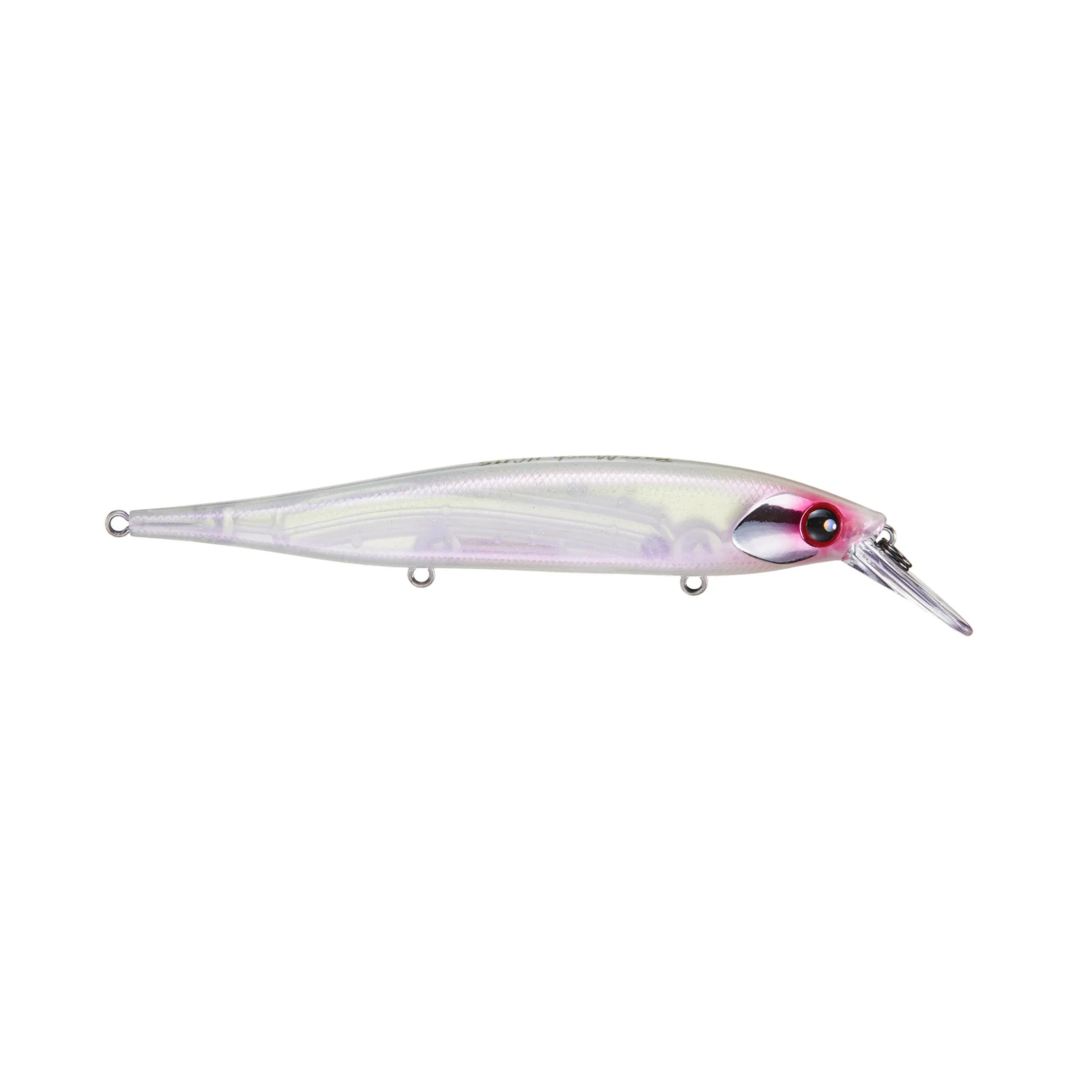
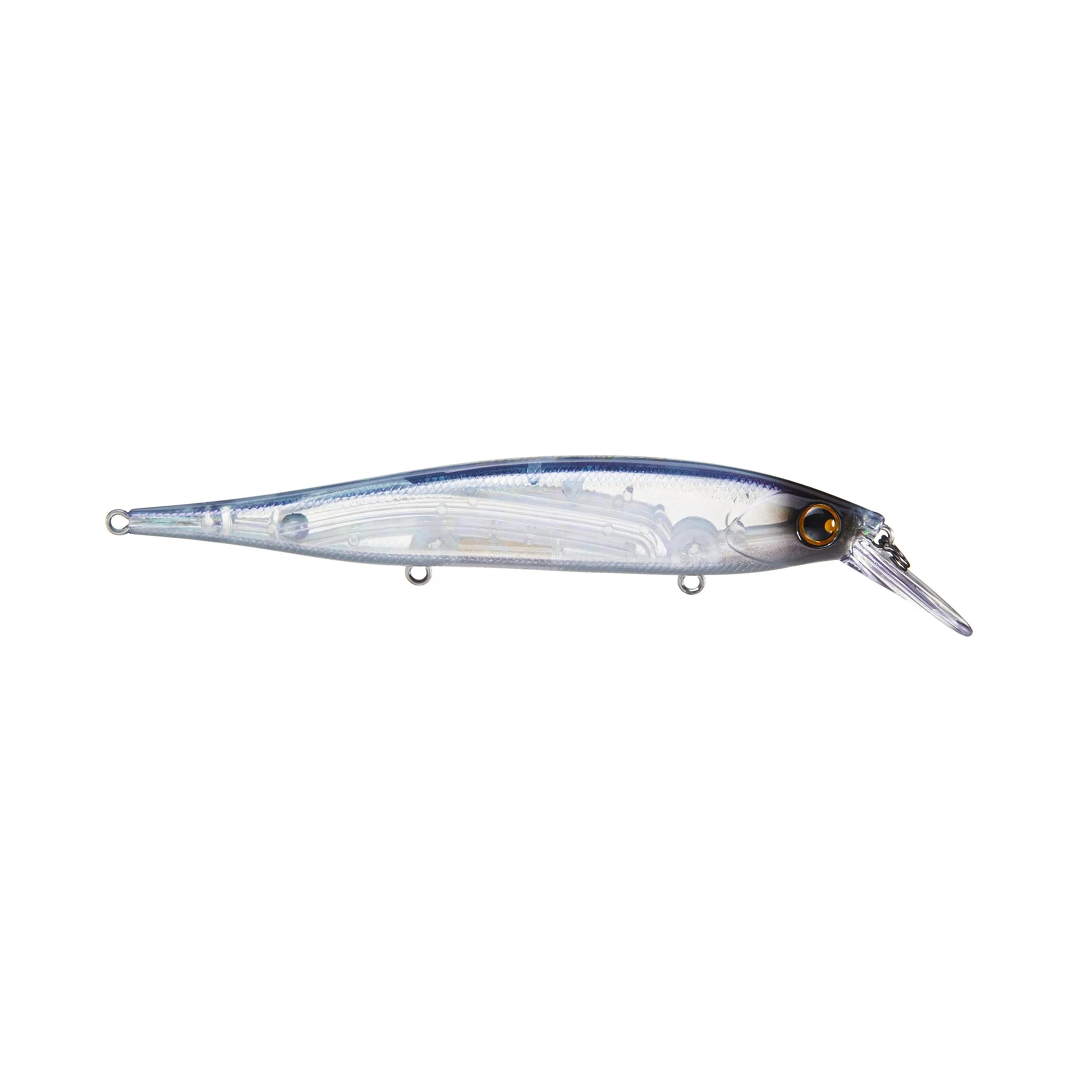
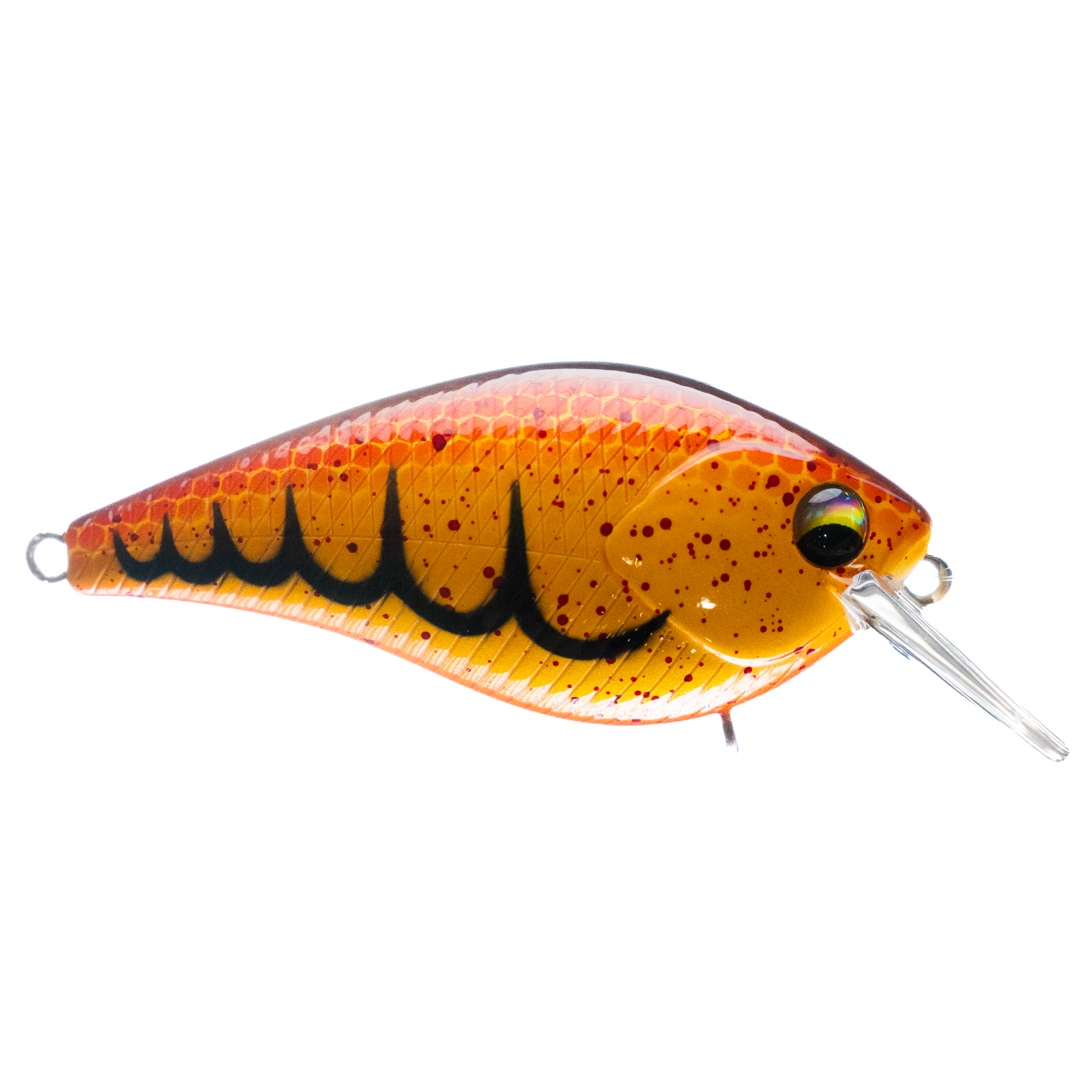
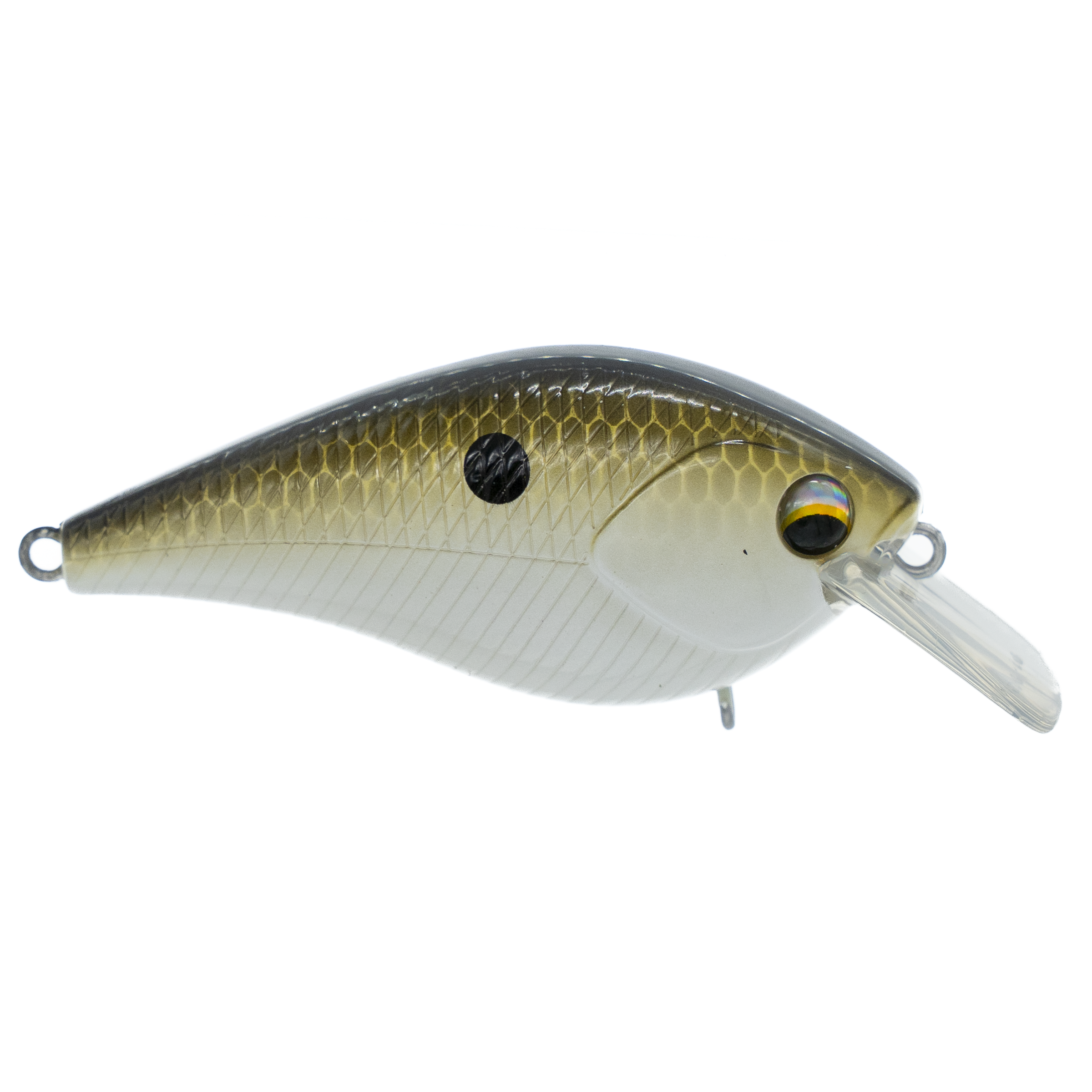
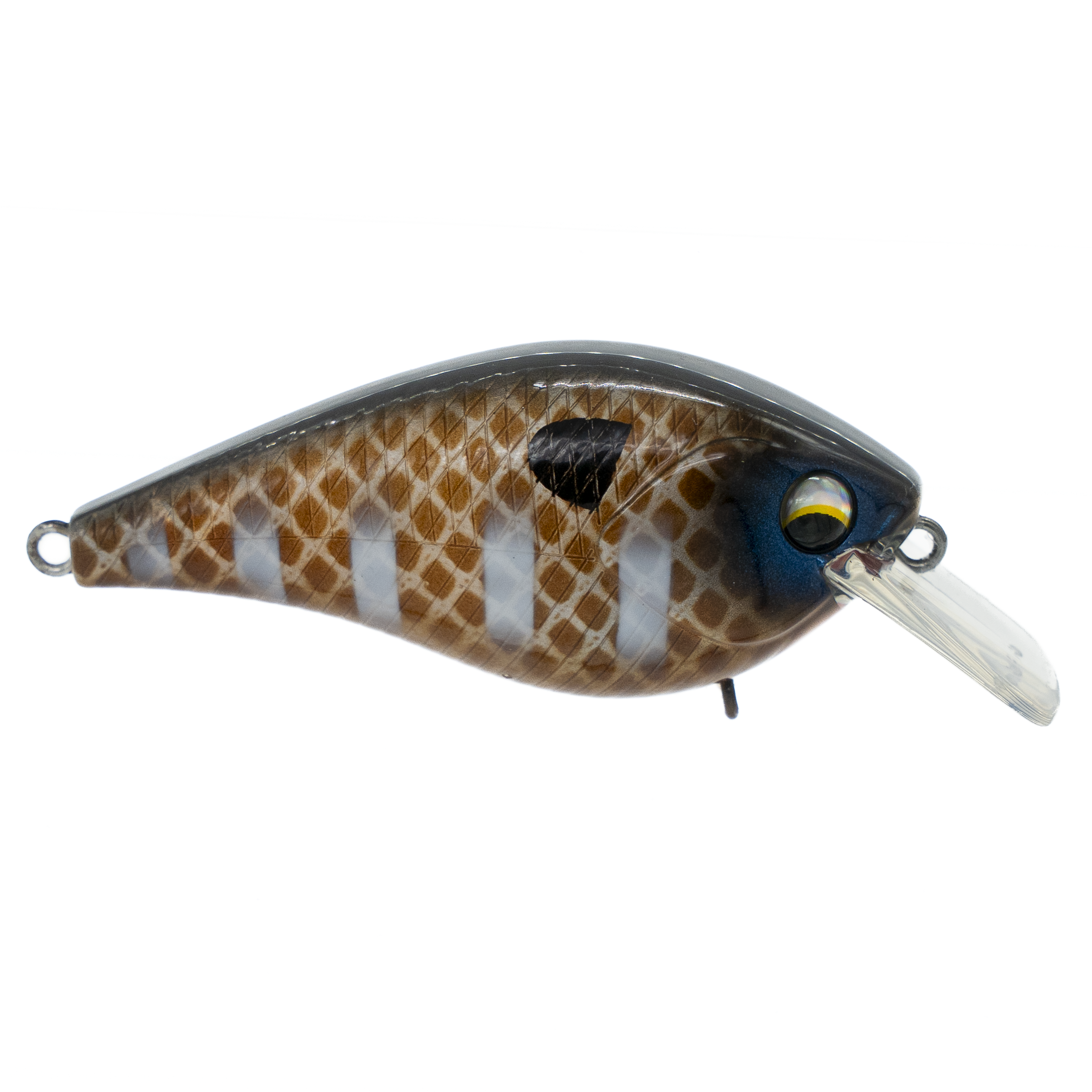
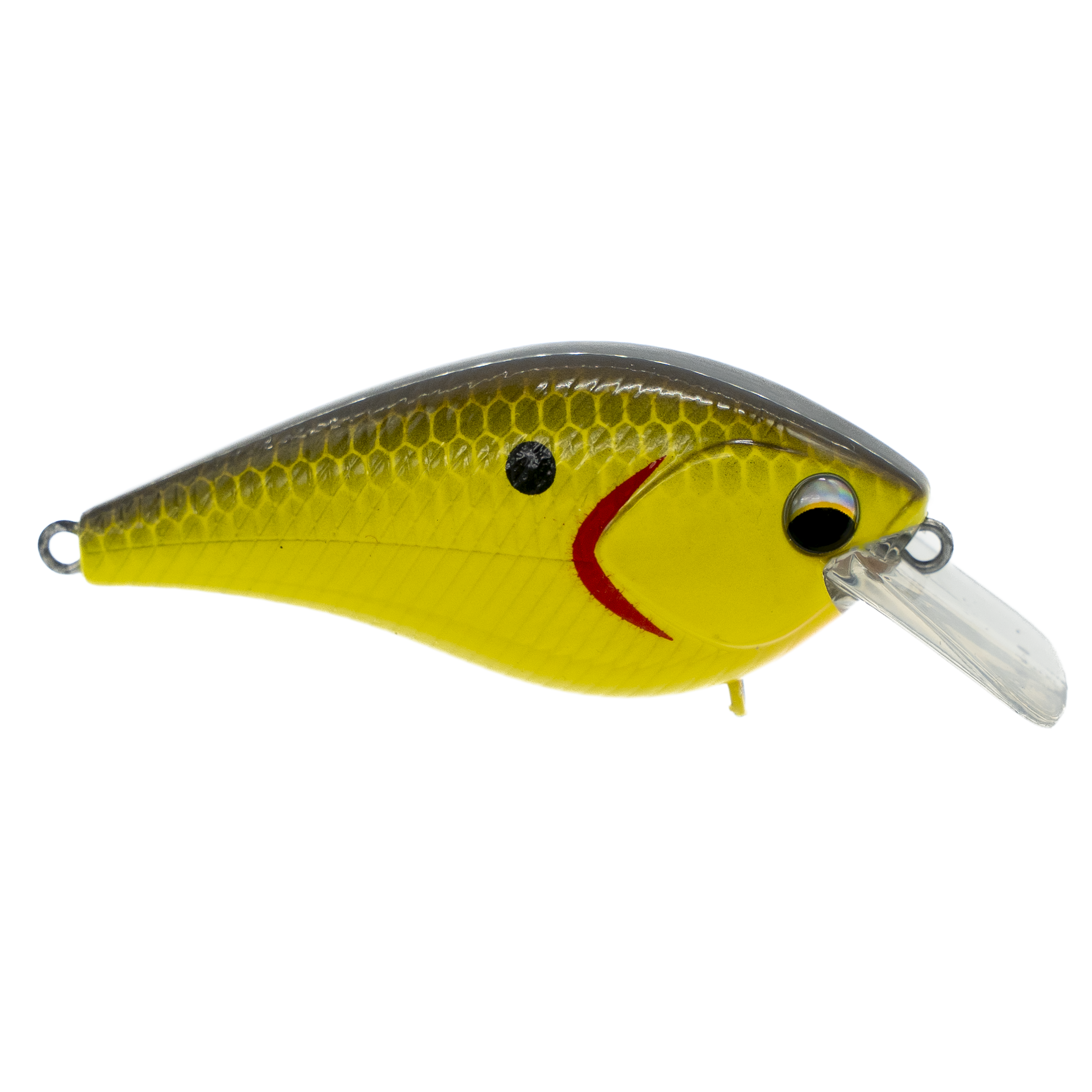
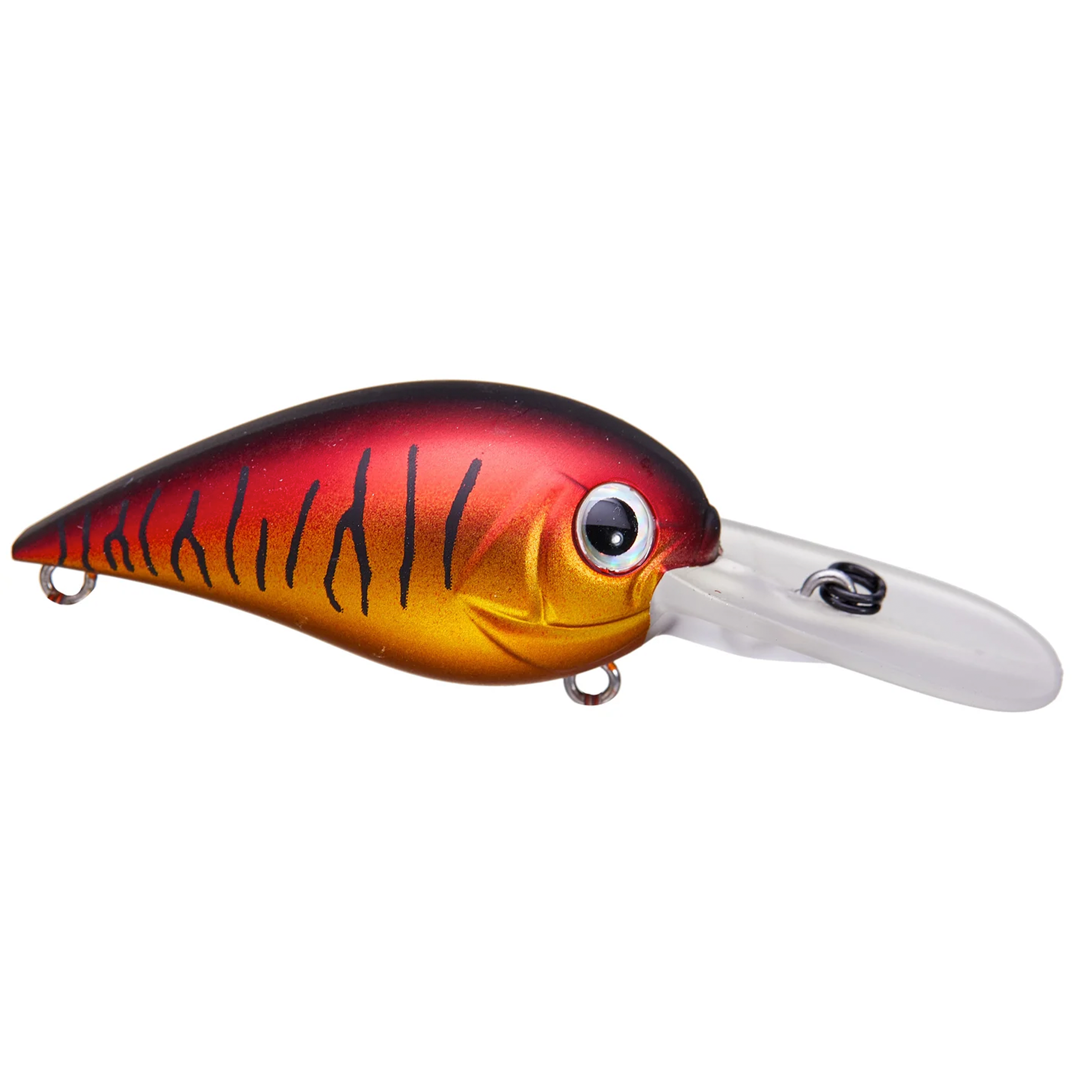
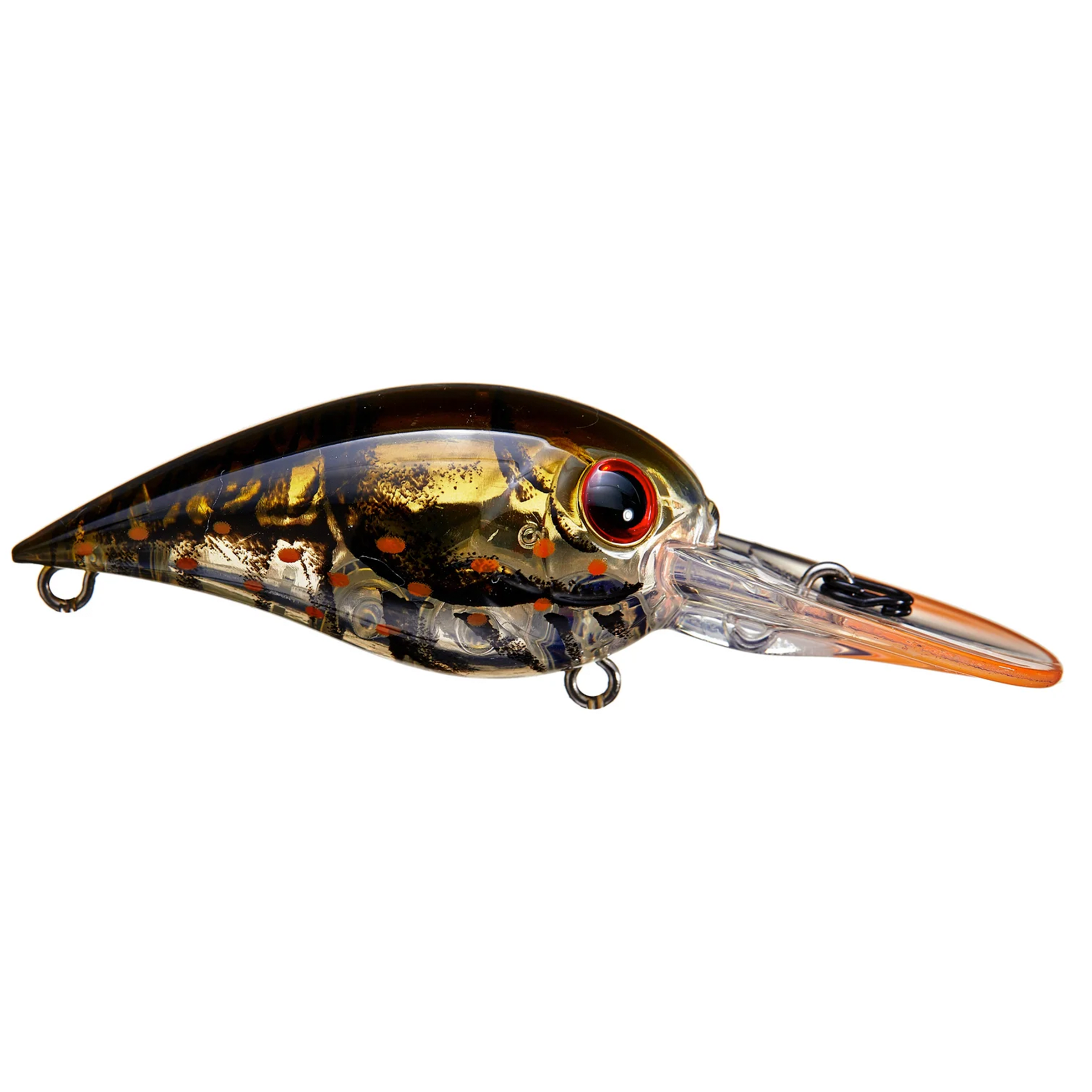
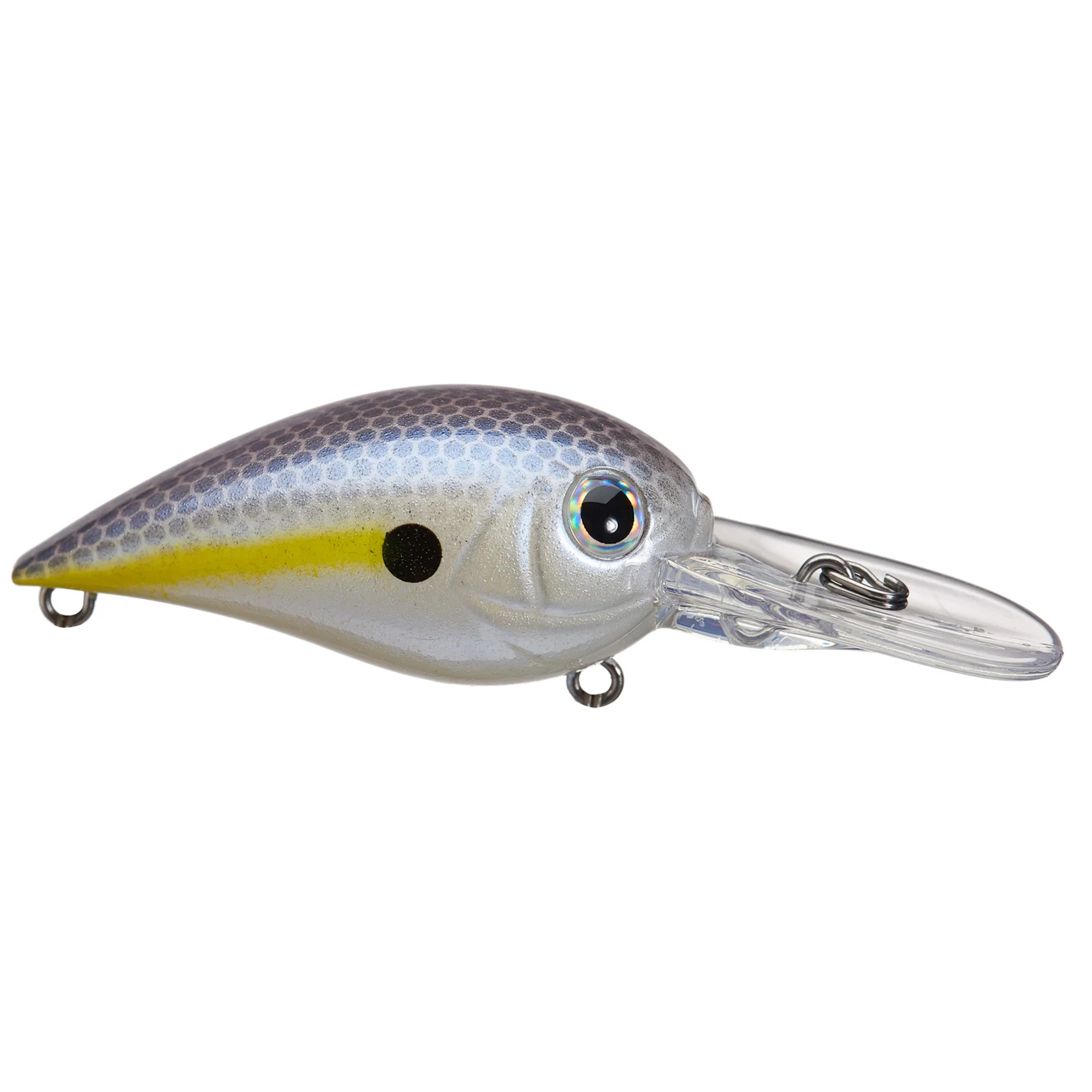
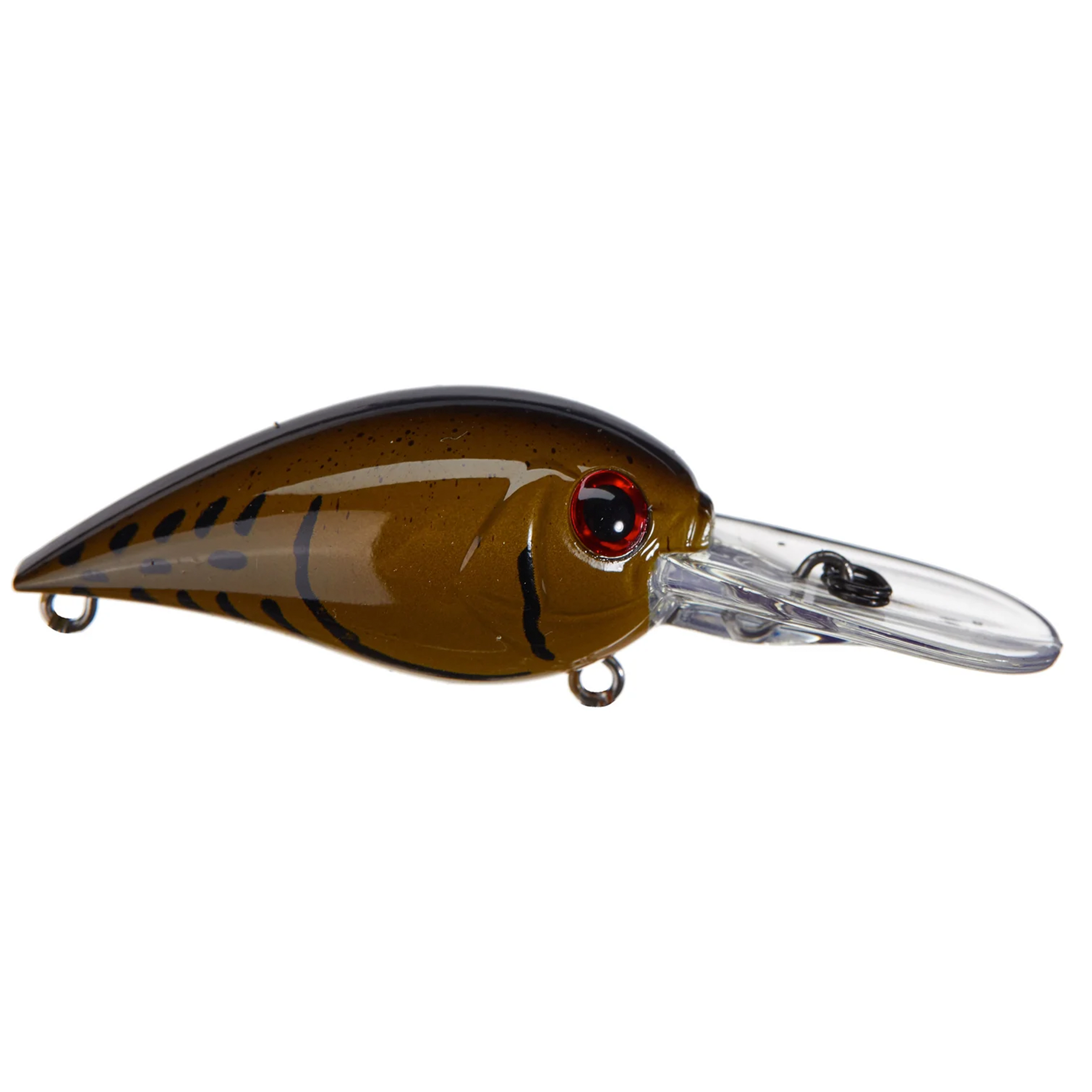
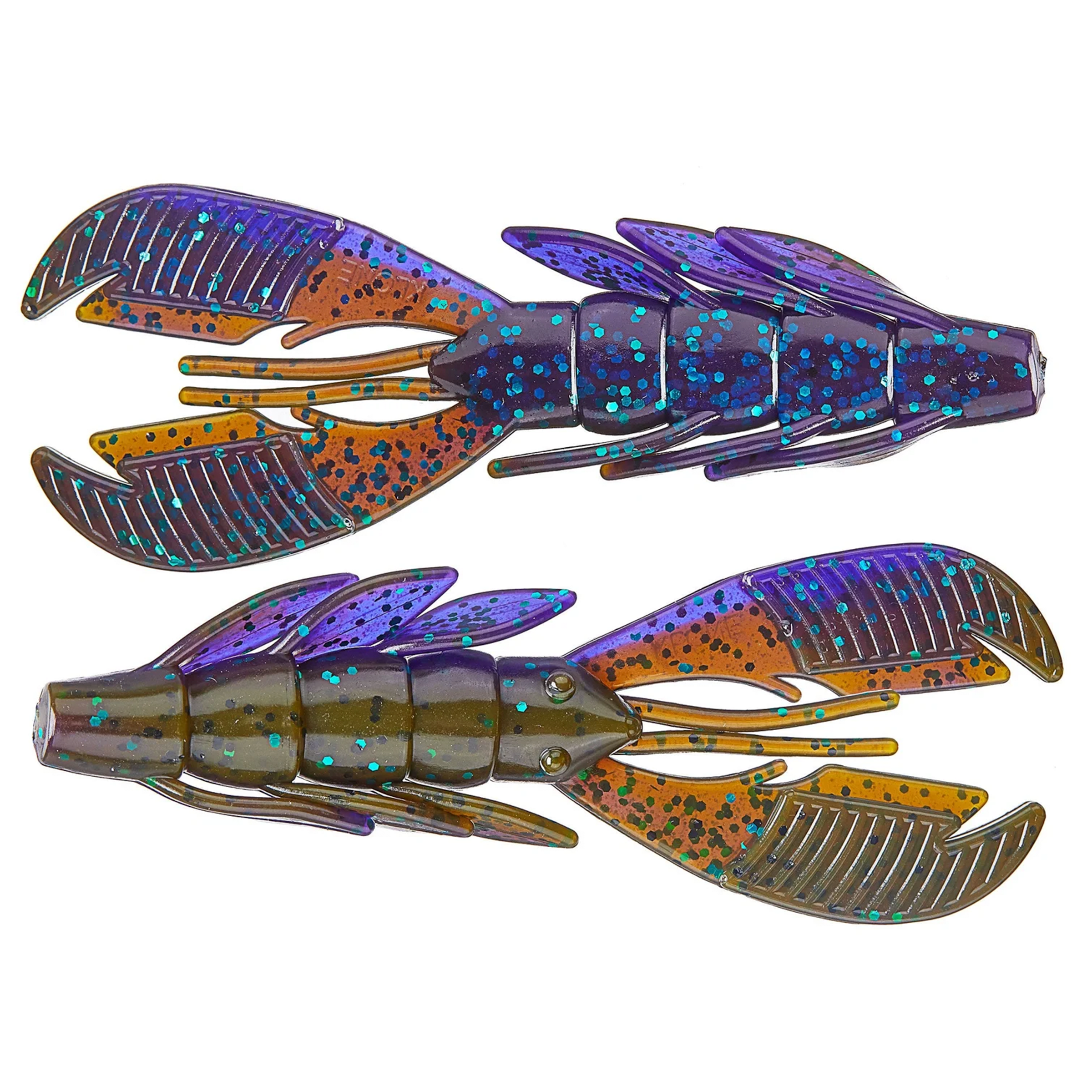
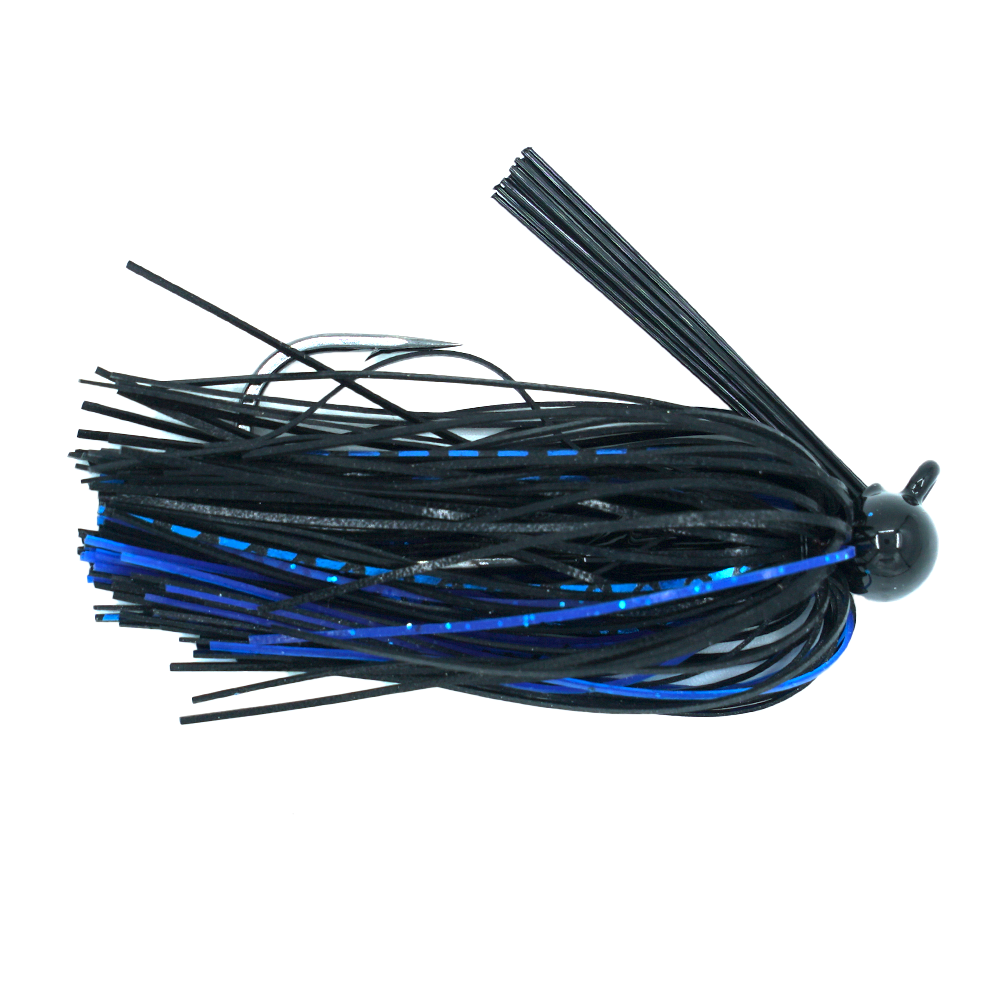
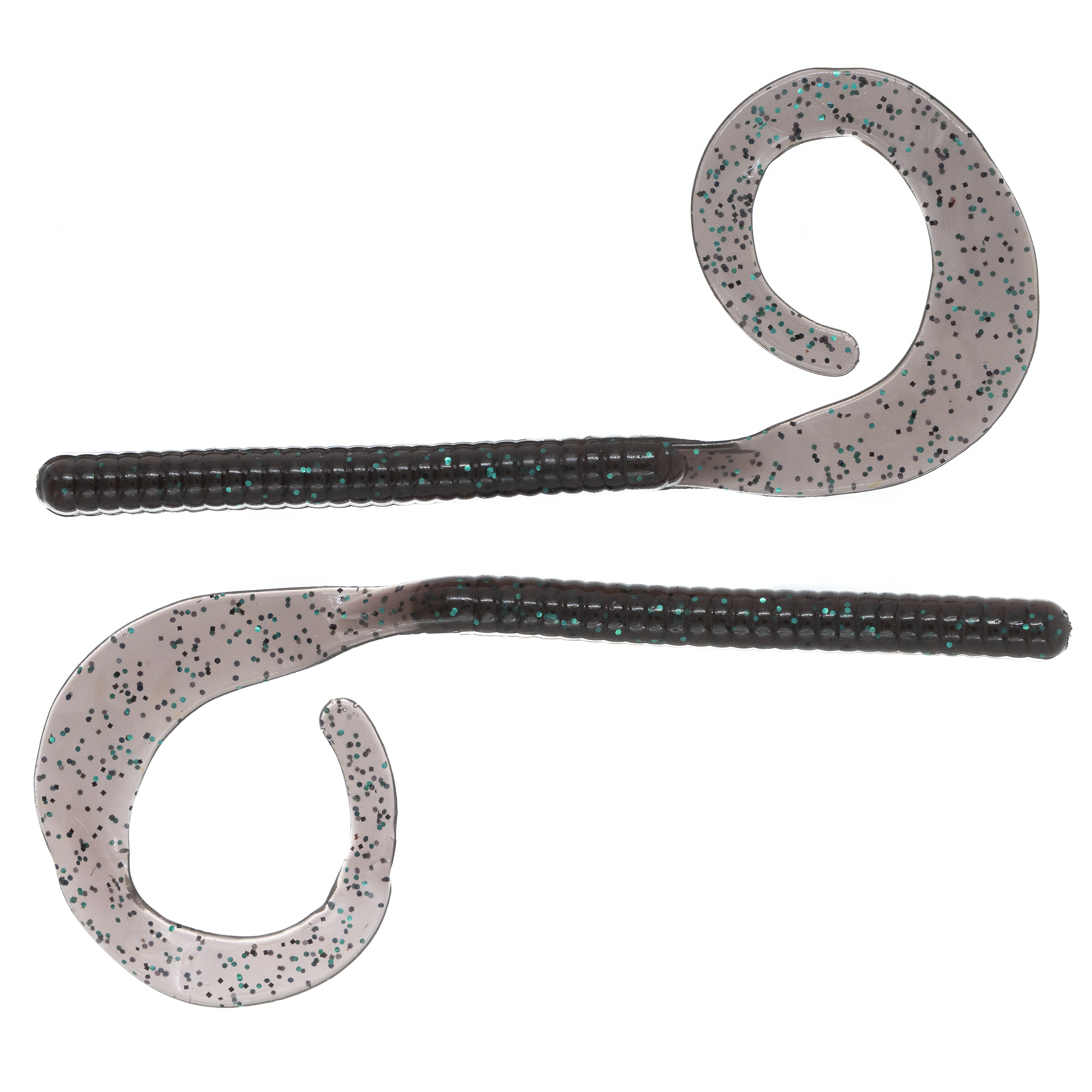
Four patterns cover the year. Each one pairs the technique with the baits we'd actually tie on.
Timber and Warming Rock
Spring warms the rock and the shallower timber first, and the fish move up with it. Western Kansas spring is volatile and windy, and on a lake with no shelter the wind decides where you can fish more than the fish do.


Deep Timber and Low Light
Summer moves fish onto the deeper timber, rock and channel edges. High-plains heat is severe and the low-light windows carry the productive fishing. The compensation is that you will likely have the lake to yourself even in July.
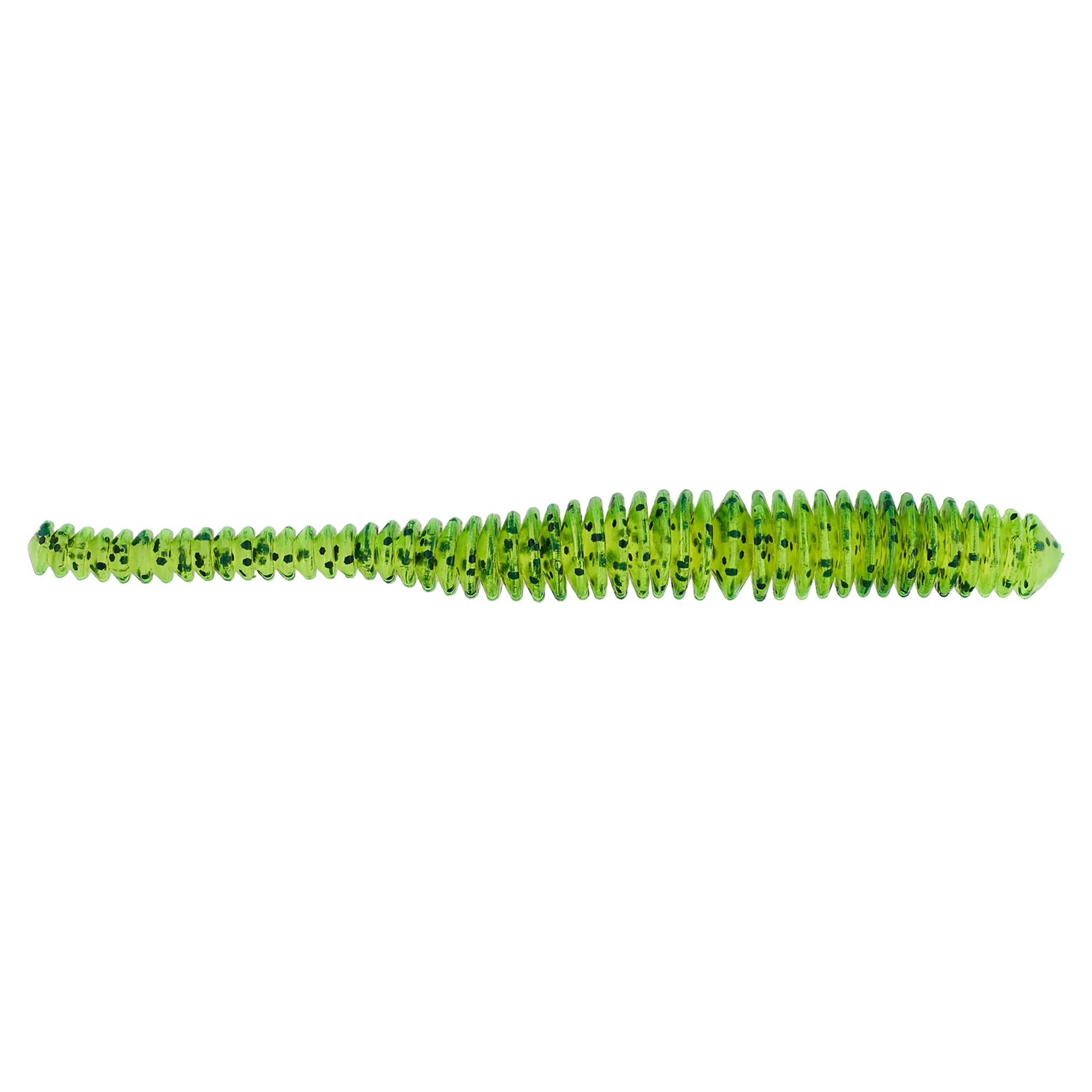
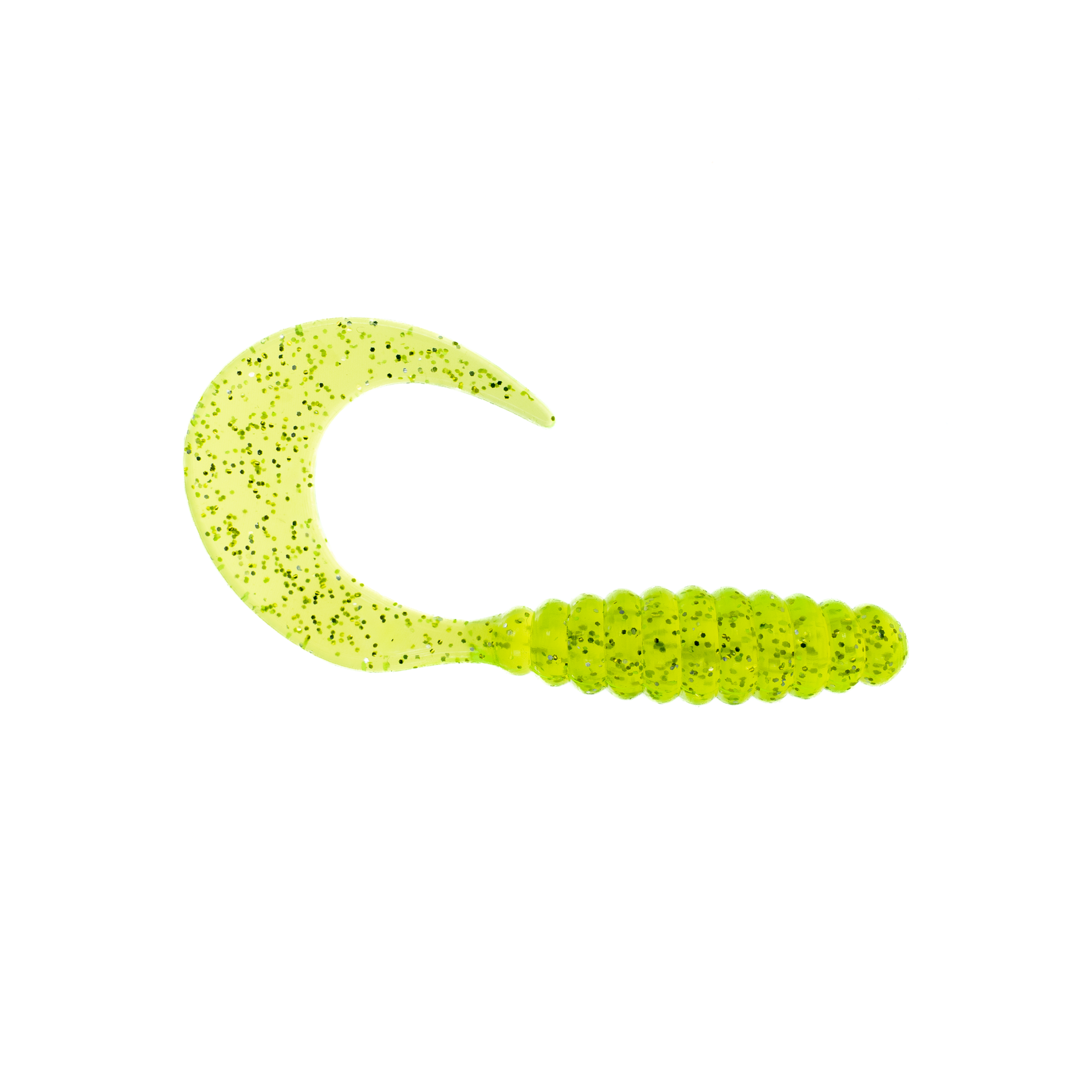

Bait and Empty Water
Autumn moves bait toward the arms and the timber edges, and the fish feed hard. Western Kansas in October is comfortable and empty, and the fishing is as forgiving as it gets on this lake.
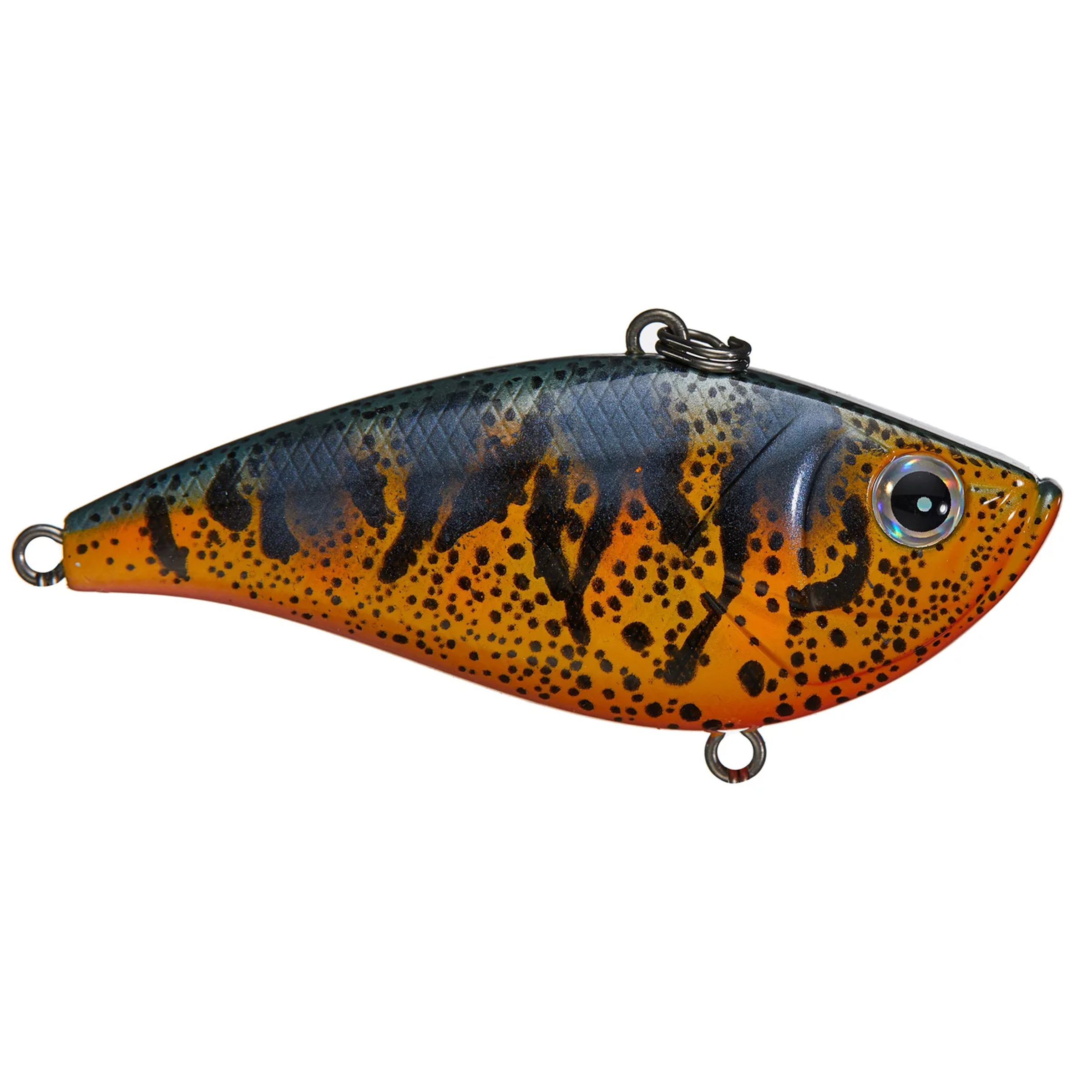
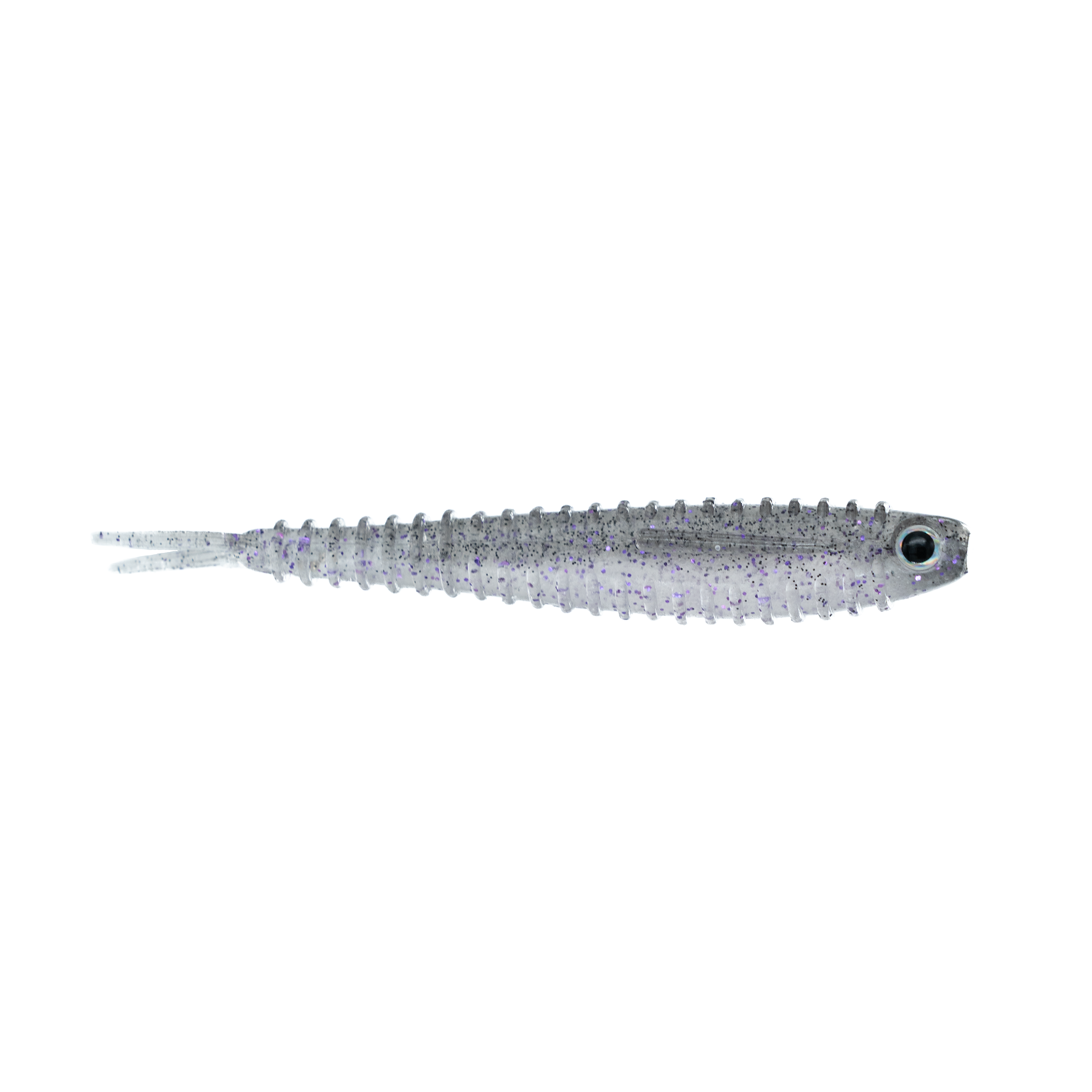
Deep Wood, Nobody Around
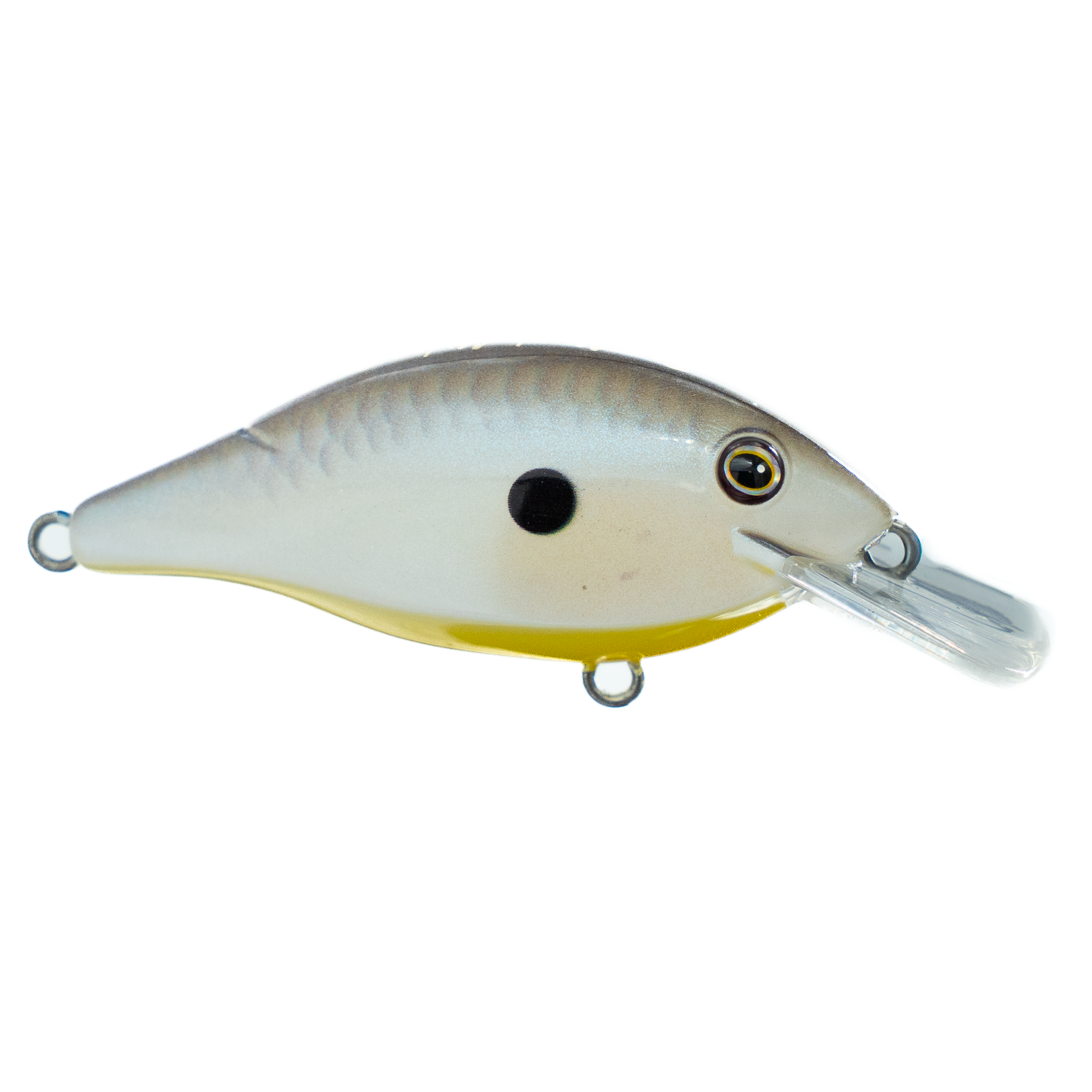
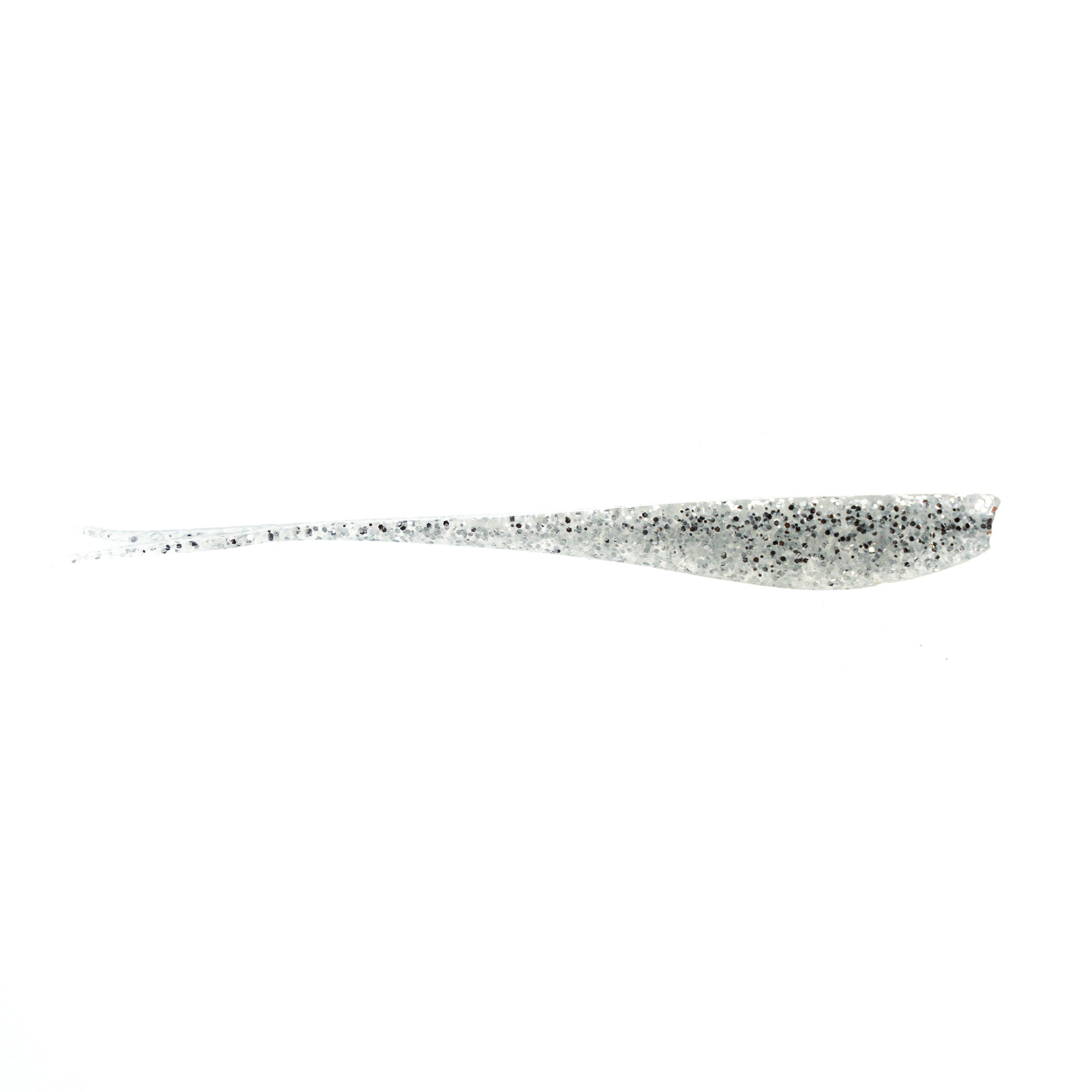
Winter concentrates fish on the deepest timber and channel edges, and western Kansas empties completely. Ice is likely in most years so open-water access depends on the weather, and the drive out here in January is a commitment.


Cedar Bluff Lake Access
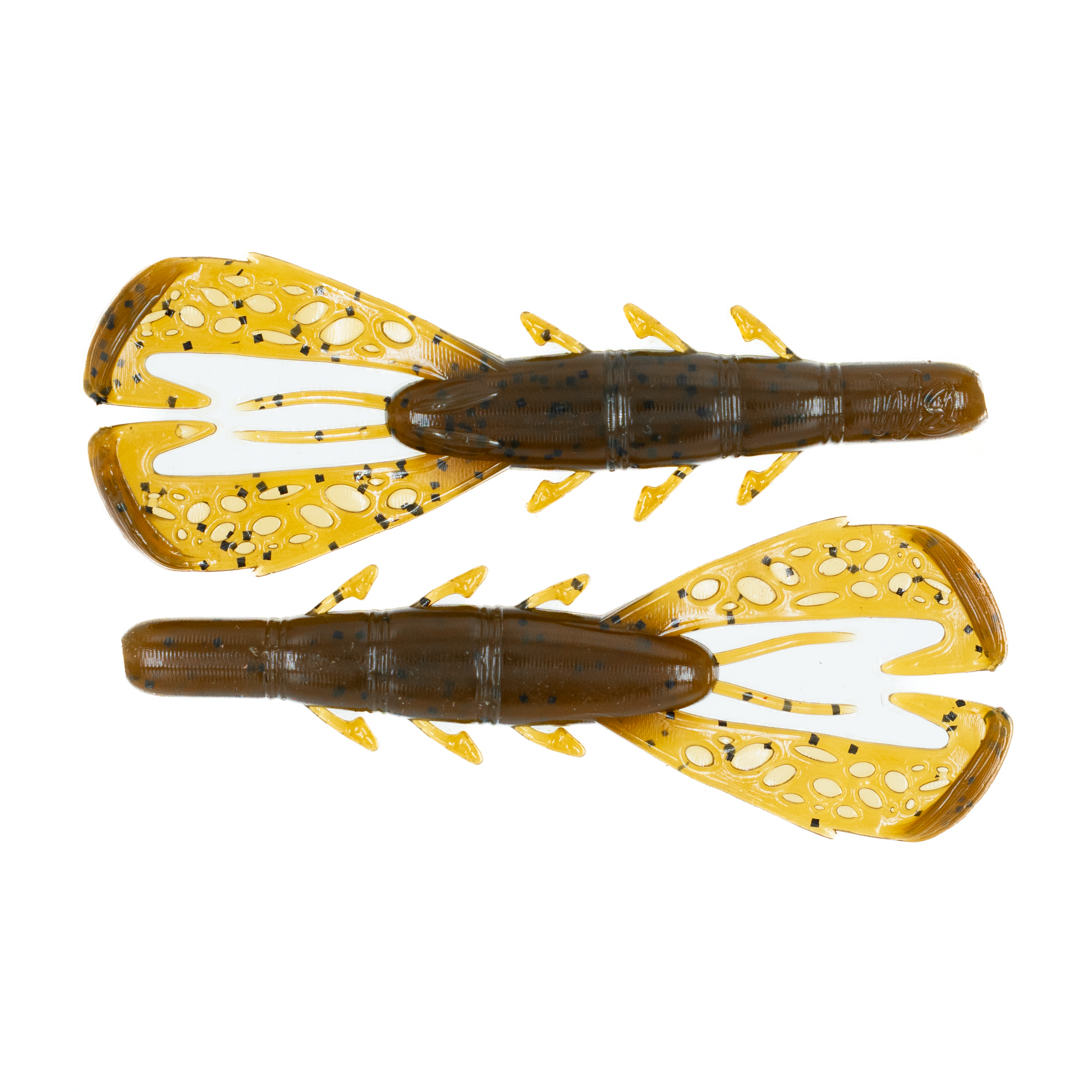
Cedar Bluff State Park provides public access with ramps and camping on the Smoky Hill River in western Kansas. Facilities are limited compared with the eastern reservoirs, and this is a long drive from either Wichita or Kansas City — check water levels before making it.
The Standing Timber
The reason to fish here. Anglers who know the western Kansas reservoirs describe this timber in the same breath as Big Hill's, and it has produced a lot of big fish. Permanent cover in a state where most lakes offer rock and little else.
The Rocky Banks and Points
Warming first in spring and holding fish year round, and the alternative when the timber is not producing. On open high-plains water, the wind decides which of them you can actually fish.
The Smoky Hill Channel
The old river channel running through, with timber along its edges. Where fish go in heat and cold, and the most reliable structure when water levels are down.
Cedar Bluff Lake Bass Fishing FAQ
Is Cedar Bluff worth the drive?
Anglers who fished the western Kansas reservoirs in their prime say it is the one still holding strong, and describe its timber in the same breath as Big Hill's. It has produced a lot of big fish and it sees very little pressure. The drive is real, though.
What happened to the other western Kansas lakes?
Drought. Reservoirs including Webster, Kirwin and Keith Sebelius have suffered badly, with anglers describing the water in them as effectively gone. Cedar Bluff has held up better, but that history is exactly why you should check current levels before towing a boat out there.
How windy is it?
More than the eastern Kansas lakes, because there is nothing at all to break it. High-plains country with no shelter means wind decides where you fish on most days. Know which banks give you a lee before you launch.
What kind of cover is there?
Submerged timber above all, plus rock, points and the old Smoky Hill channel. The timber is what anglers talk about and what makes the fishery.
Is it crowded?
No. It is several hours from Wichita and Kansas City, and the trade for that drive is water that has not been picked over. On a summer weekday you may have it to yourself.
When is the best time to fish it?
Autumn, when the weather is comfortable, the fish are feeding and the country is empty. Spring is productive but windy and volatile. Check water levels whichever season you pick.
What baits work best on Cedar Bluff?
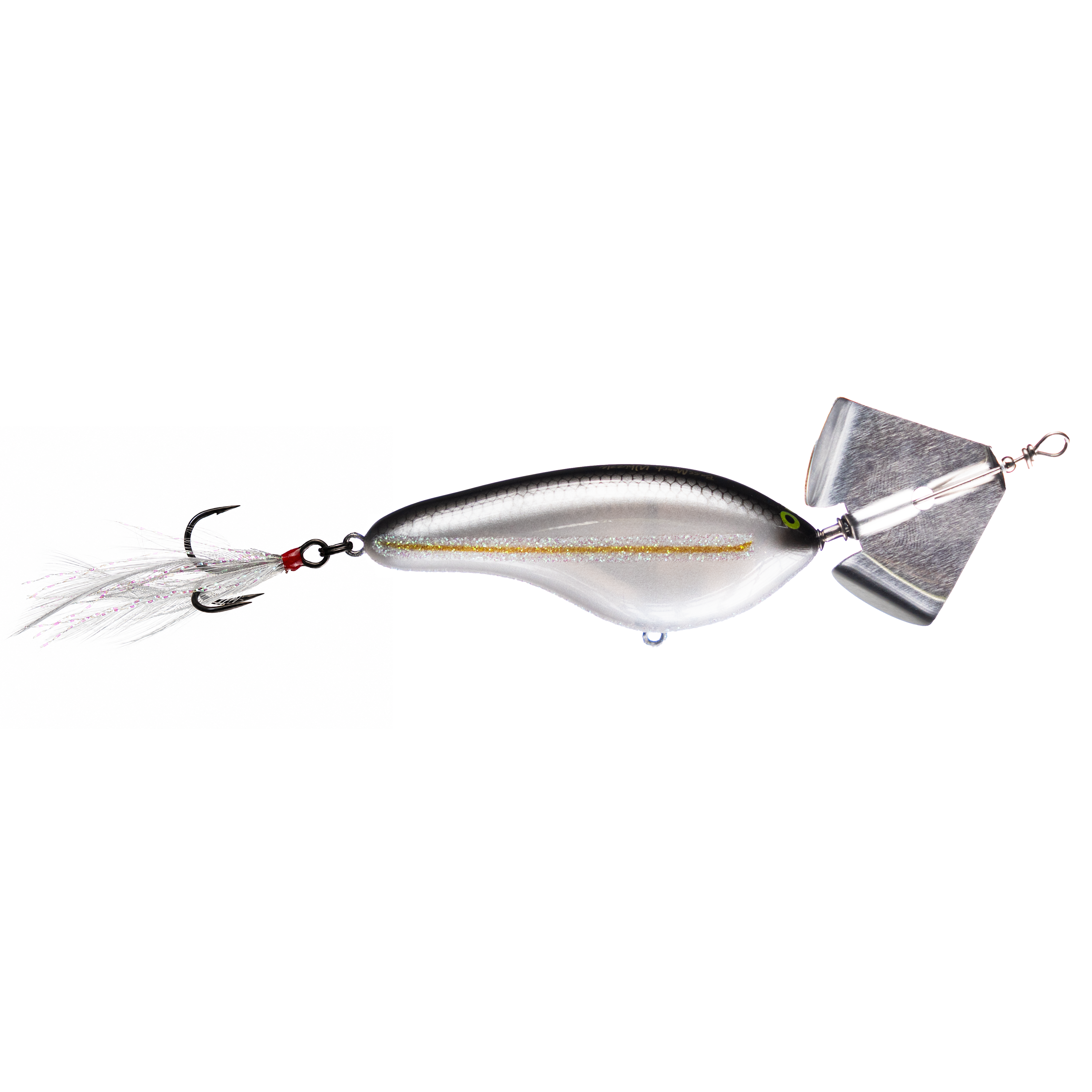
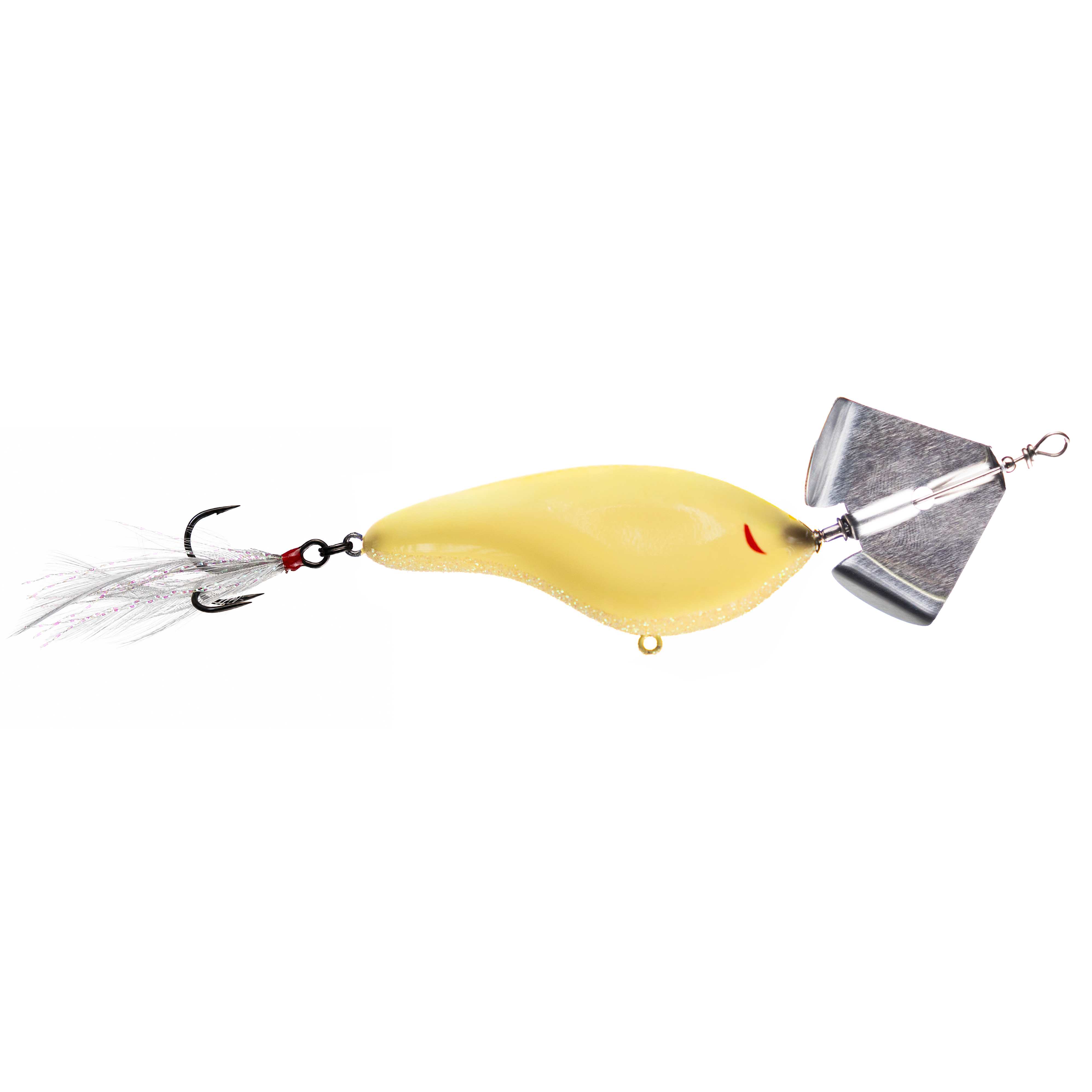
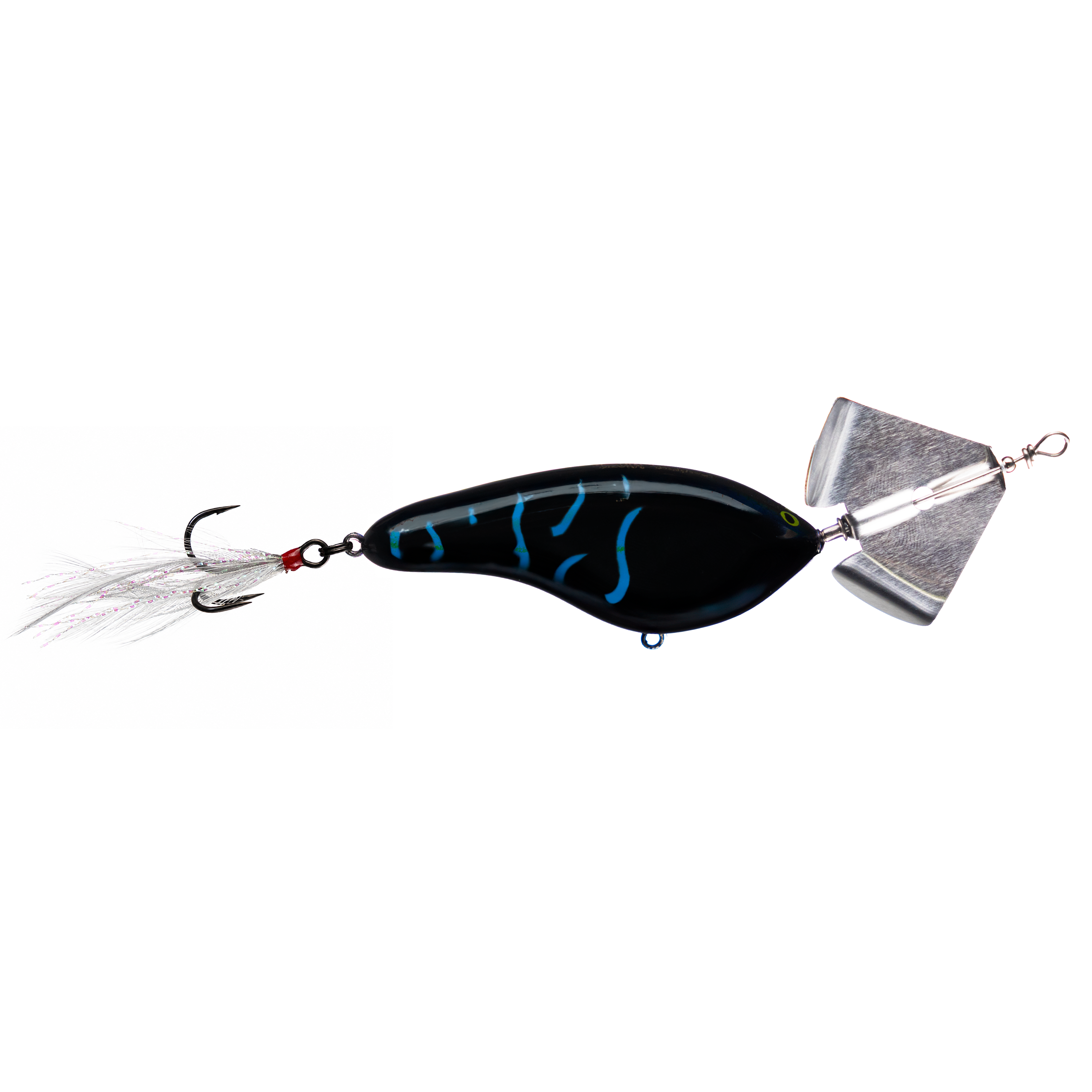
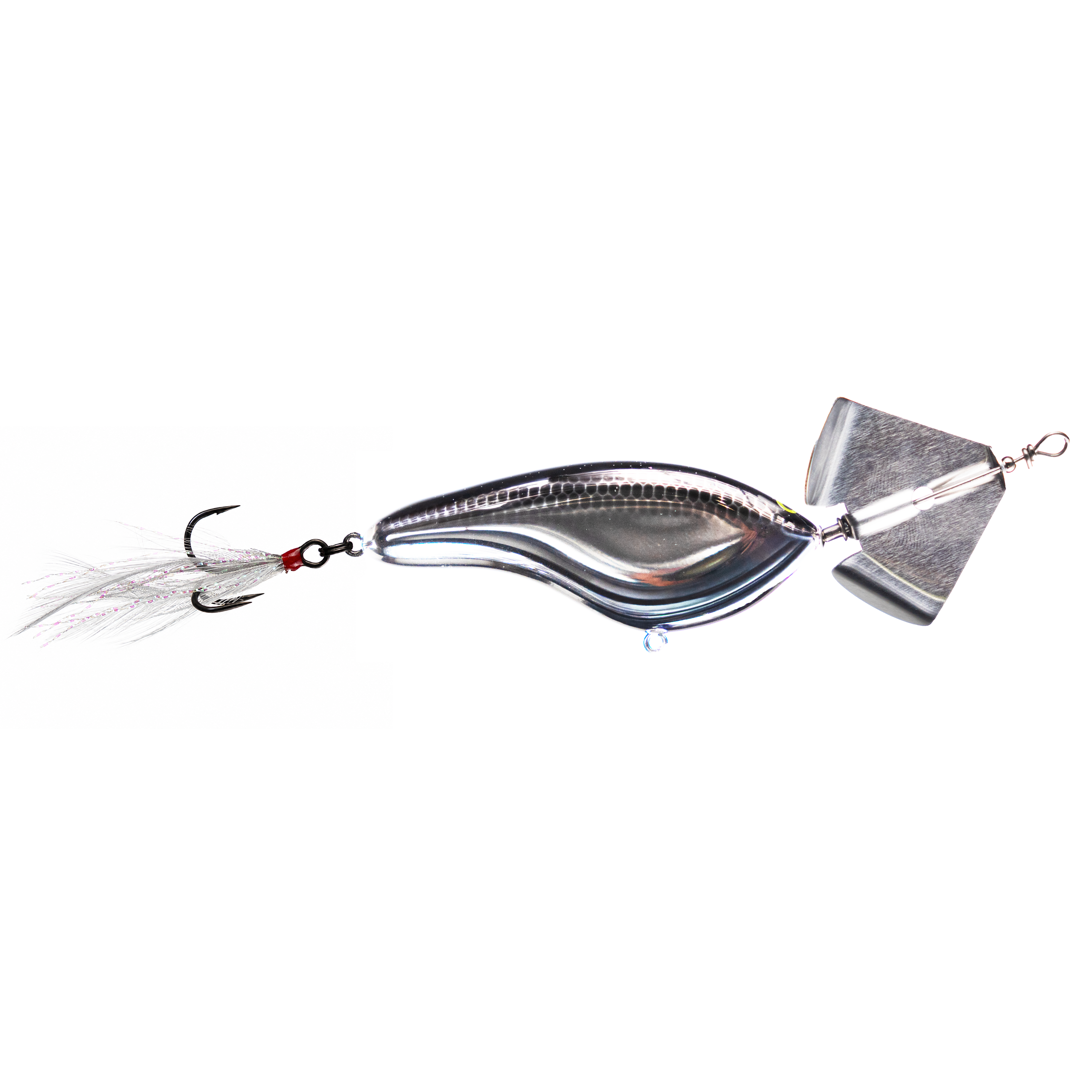
Flipping baits and jigs for the timber, moving baits on rock and timber edges in autumn, and slow soft plastics on deep wood in winter. Our full bait lineup covers all four seasons.
Do I need a fishing license?
Yes, a Kansas fishing license from the Department of Wildlife and Parks. Kansas does not close black bass season, but many reservoirs carry lake-specific length limits that differ from the statewide rule. Check the current Department of Wildlife and Parks regulations for this water before you go.
Timber, a Long Way Out
A three-hour drive to fish standing timber means the tackle you brought is the tackle you have. Level Rods builds models with the backbone to pull a good fish out of submerged wood and the durability to make the trip worth it.
Tournament Winning Baits & Gear
Designed, crafted and tested by anglers who fish flooded timber every week. Free shipping on orders over $75.
Shop All Baits