Cayuga Lake Bass Fishing Guide
Cayuga Bass Fishing, Season by Season
Thirty-eight miles of Finger Lake with grass flats at one end, four hundred feet of water in the middle and both bass species throughout. Cayuga has hosted three Elites and produced three completely different winning patterns — which tells you most of what you need to know about it.
A Finger Lake with Grass Flats
Cayuga is one of the Finger Lakes, thirty-eight miles long and three and a half wide, with a maximum depth of 435 feet. Submerged grass and bottom structure rim the lake and support both largemouth and smallmouth in quantity, while trout live offshore in the deep water.
The north end is what most bass anglers come for. Expansive grass flats in roughly eight to eleven feet dominate that end, and they have decided multiple national tournaments. The south end runs deeper and clearer and holds a different game entirely, with sight-fishing opportunities and docks holding groups of largemouth.
What makes Cayuga interesting is how many ways it can be won. Three Elite events here produced three distinct winning approaches: a deep jig worked on the outside grass edge, a shallow grass pattern in one small area on the north end, and a winner who ran three simultaneous patterns across the whole lake. If you arrive with one idea, you may be right — but you may equally be a day behind.
The quality is well documented. A state championship tournament in June 2024 saw eight of thirty-six teams top forty pounds over two days, with the winners weighing 49.49. The biggest largemouth went 8.05 and the biggest smallmouth 7.21. Cayuga also held the New York state record smallmouth until the St. Lawrence beat it by eight ounces in 2024.
Water colour matters here in a way it does not on the clearer Finger Lakes. Anglers have found two-toned green pumpkin and chartreuse plastics suited to the stain at the north end, which is a useful hint about how the two ends of this lake differ.
Season dates apply as they do statewide: New York's black bass harvest season runs 15 June to 30 November, with catch-and-release permitted beforehand on many waters. Check the current DEC rules for this lake before you go.
What It Took to Win Here
Patterns that produced at the highest level on this water, and the baits to fish them with.
Jamie Hartman — One Little Area of Grass, Learned Over Four Days
Hartman found a place on the south end during practice that was, in his words, loaded with them. That is where he started on Day 1. The fish were not there.
He left with about fourteen pounds and ran back up to one small area of grass he had found at the north end. He stayed on it for the rest of the week, and his weights went up every single day — not because the area got better, but because he kept learning it.
That is the part worth copying. He worked out which parts of that one grass area he needed to fish and which parts he could ignore entirely, and by Sunday he knew it well enough to catch 22-4 and jump from fourth place into the win with 80-13.
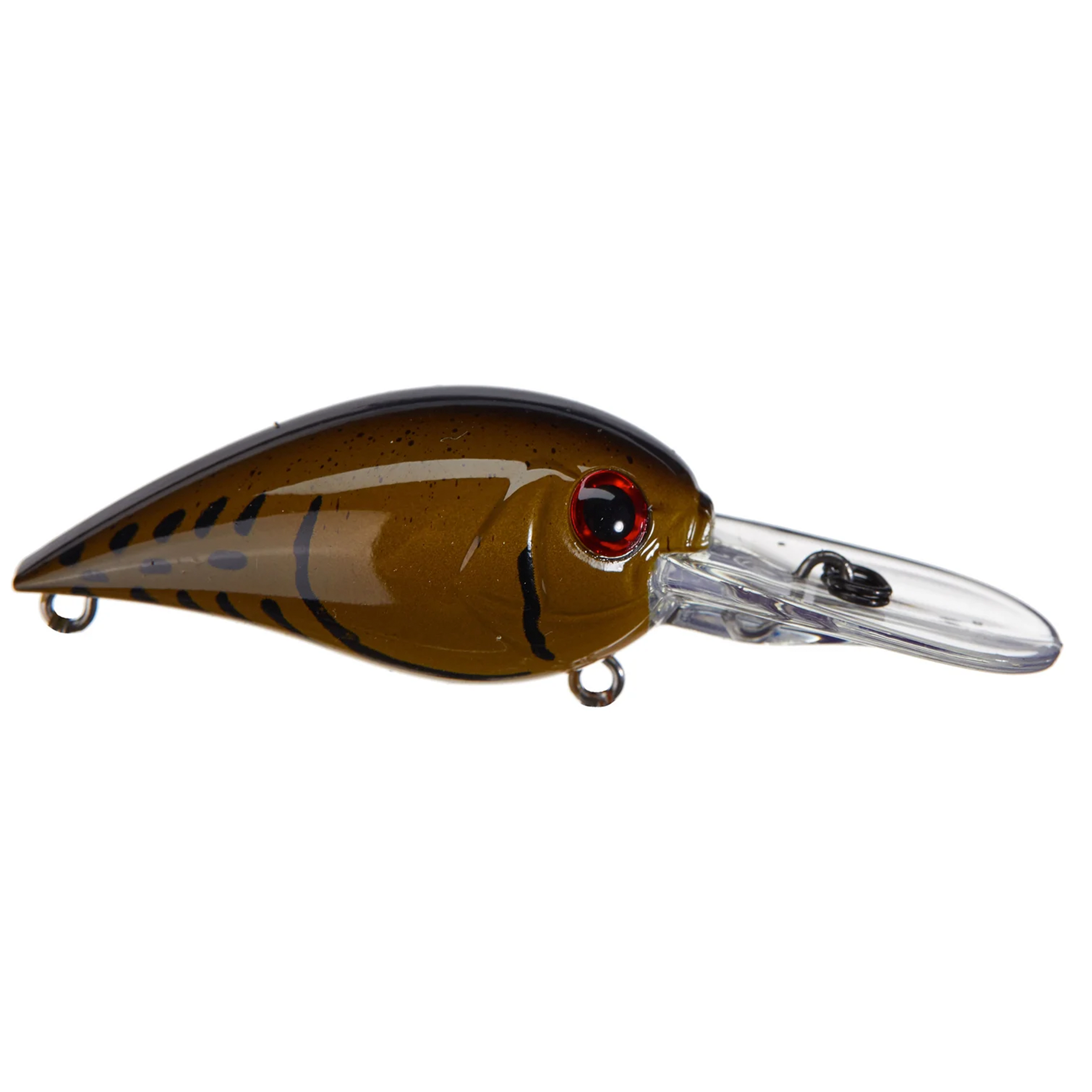
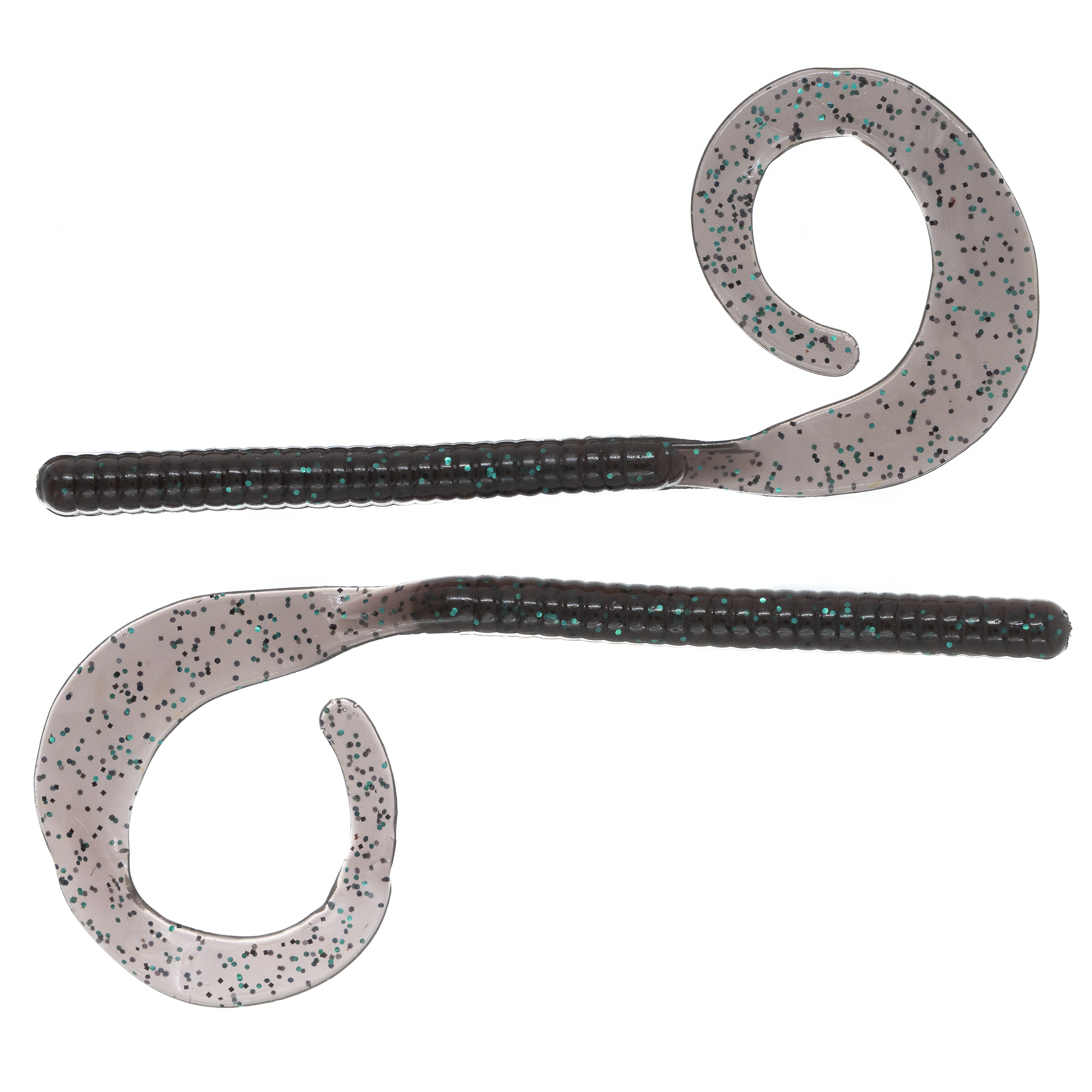
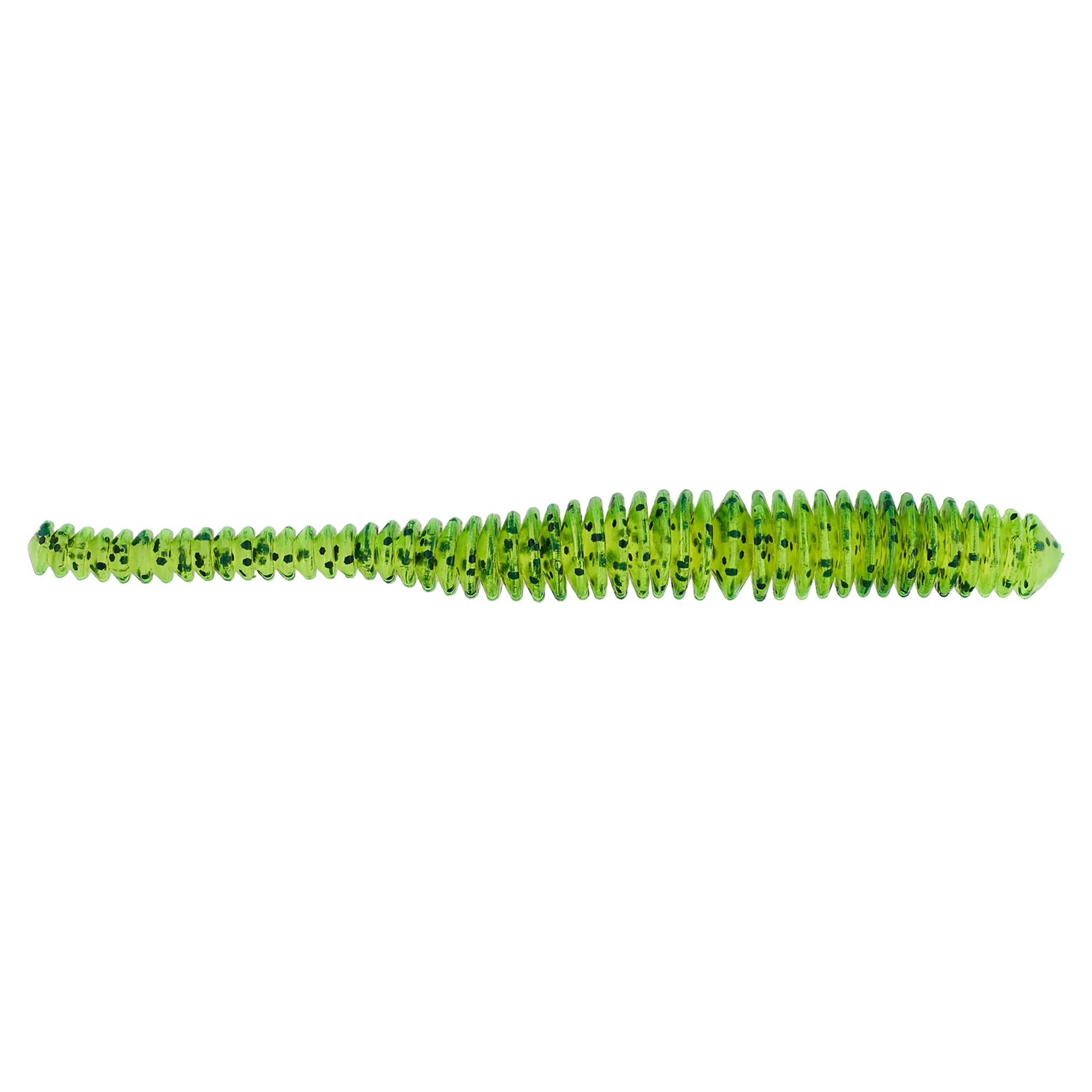
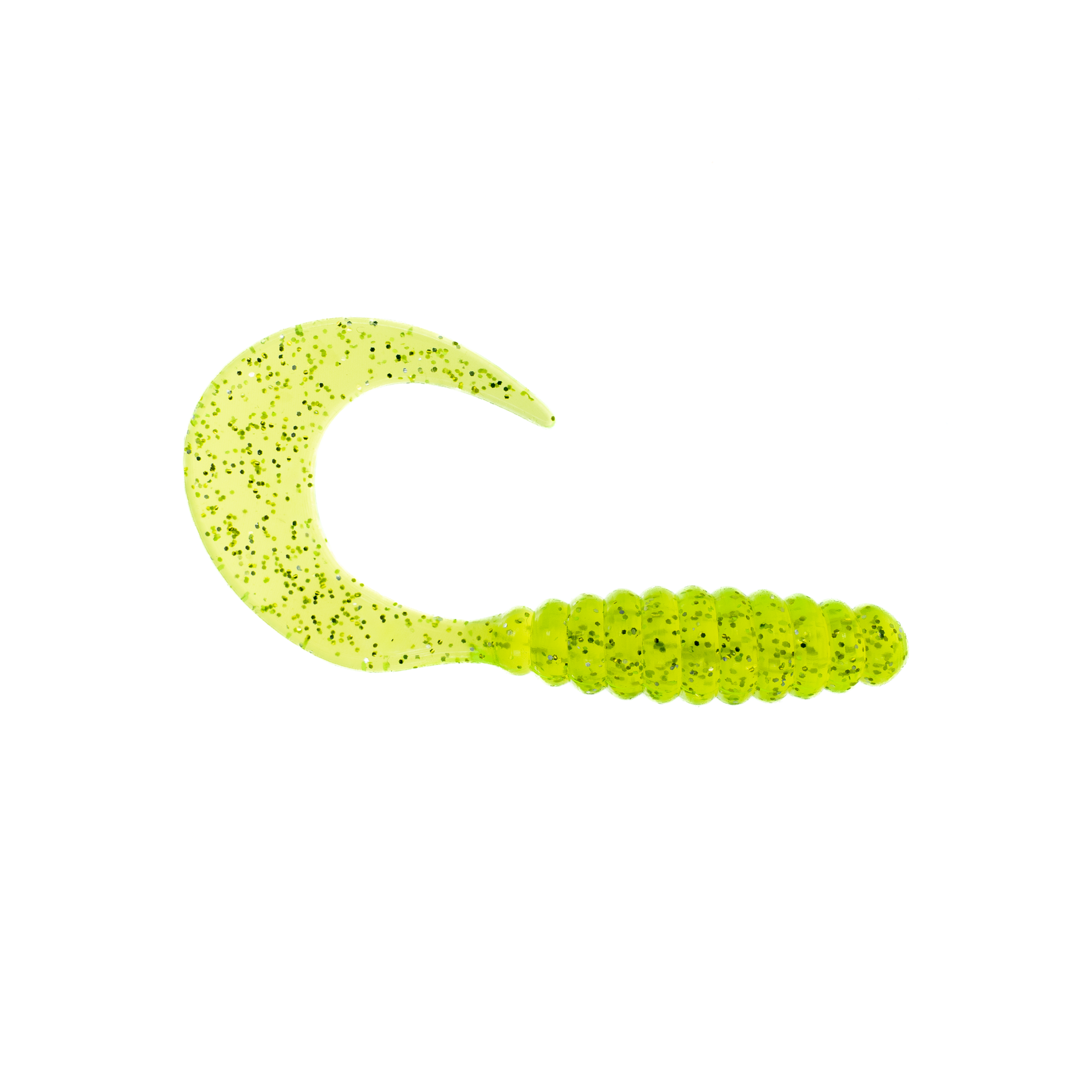
He was fishing his home state, and the crowd knew it. The detail he credited beyond location was colour — a two-toned worm, green pumpkin on one side and chartreuse on the other, with the tail dyed chartreuse to add more, which he felt matched the water colour at the north end exactly.



Grass Flats, Deep Edges and Two Ends
Four patterns cover the year, within New York's 15 June to 30 November season. Each card pairs the technique with the baits we'd actually tie on.
Check the Rules, Then Fish Shallow
New York's harvest season does not open until 15 June, though catch-and-release is permitted on many waters beforehand — check the current rules for Cayuga specifically. When it is open to you, spring fish are shallow: largemouth in the developing grass and around docks, smallmouth on gravel and rock at the deeper south end where sight fishing becomes possible in clear water.


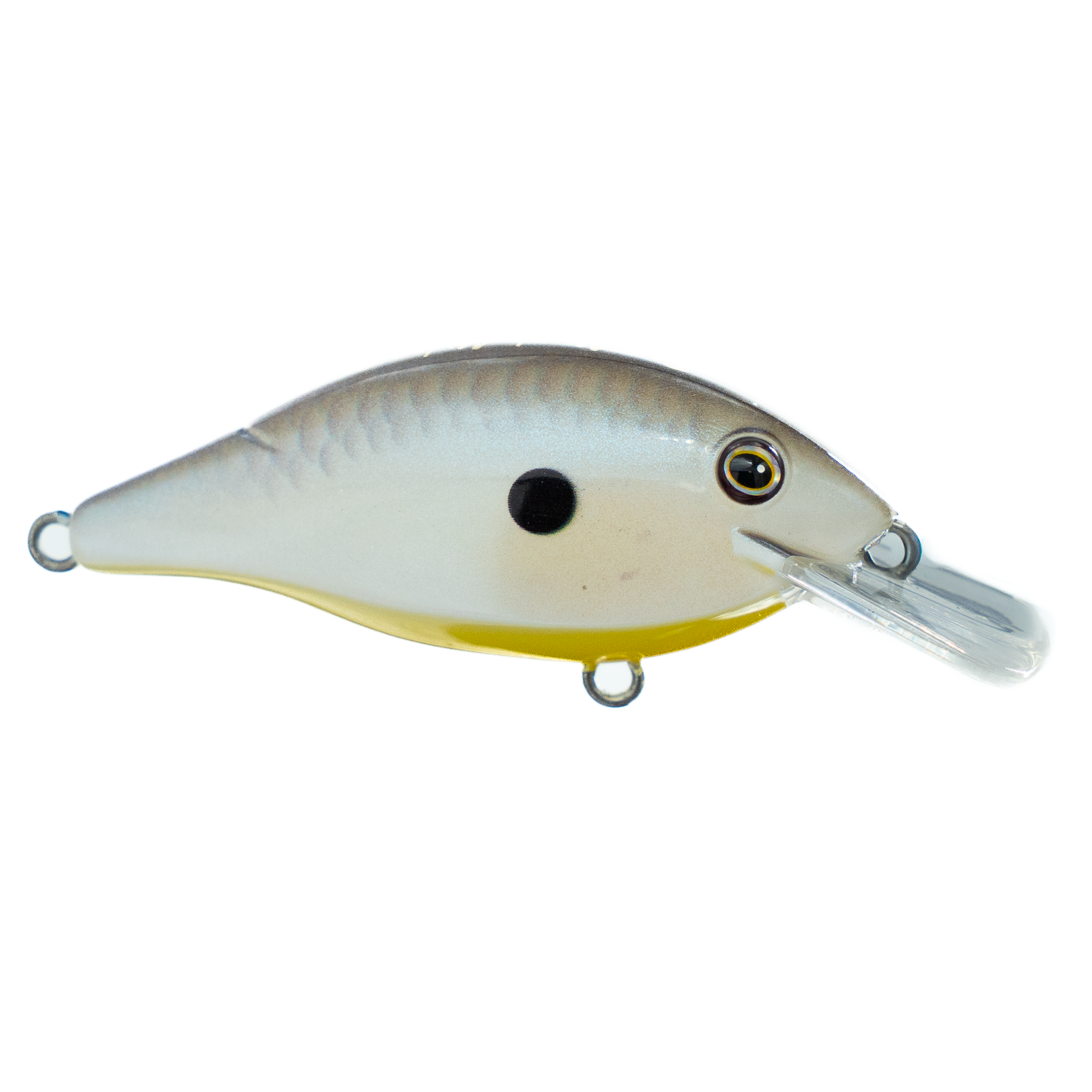
Grass, Deep and Shallow
Summer is when Cayuga's grass game is at its best and when every Elite here has been held. Fish are on a patternable summer routine, and the expansive north-end flats in eight to eleven feet hold both species. The outside grass edge in deeper water is the other half — one Elite was won by starting deep on that edge when everyone else went shallow.
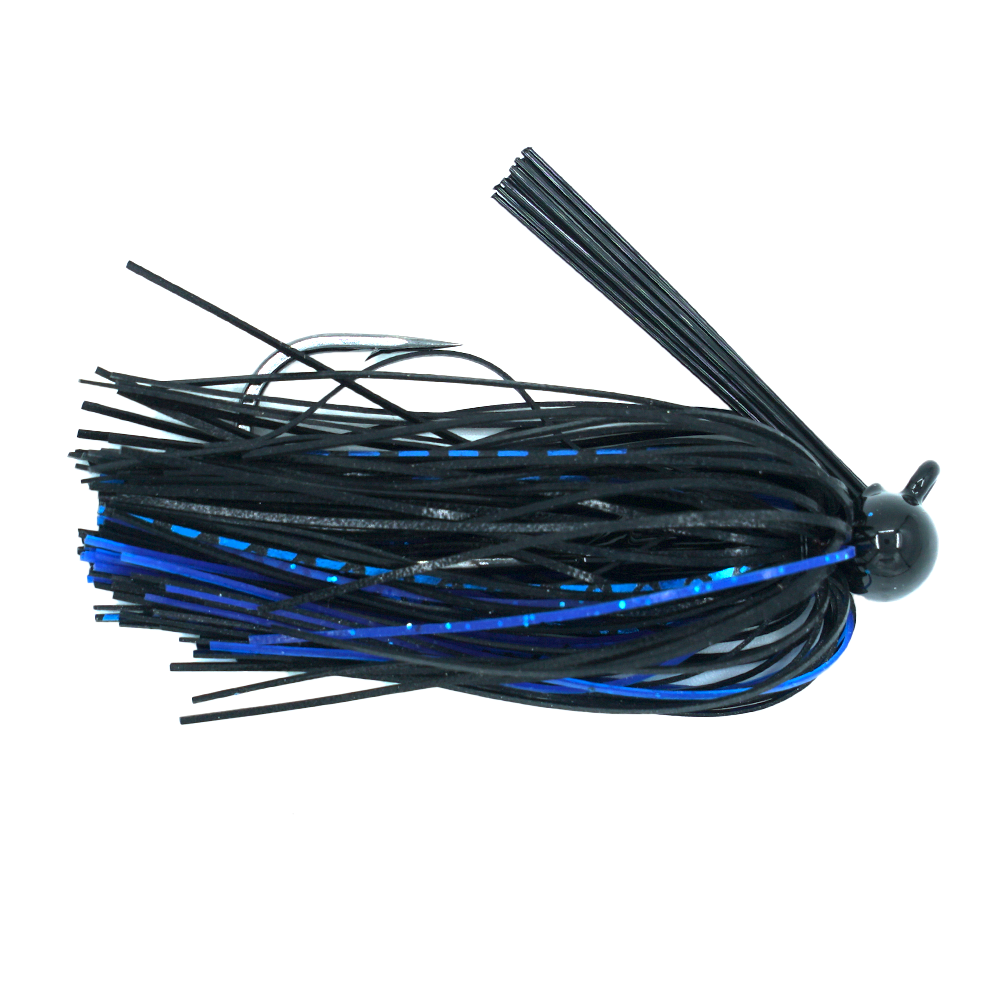
Grass Edges and Feeding Fish
Autumn cools the water and the fish feed hard along the grass edges and around the remaining cover. Both species become catchable on moving baits, and the tournament traffic has gone. The season runs to 30 November, and the last weeks are quiet and productive.
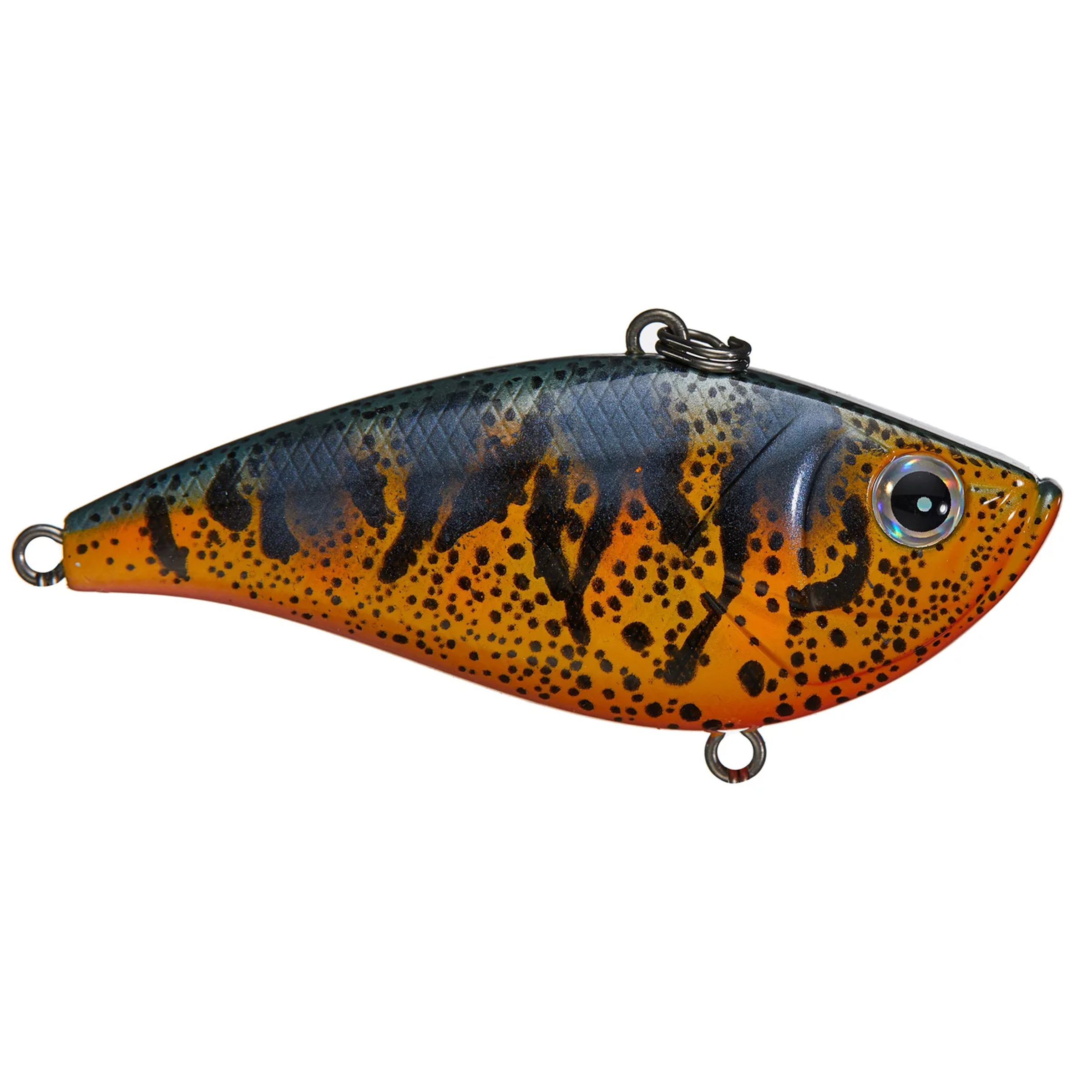
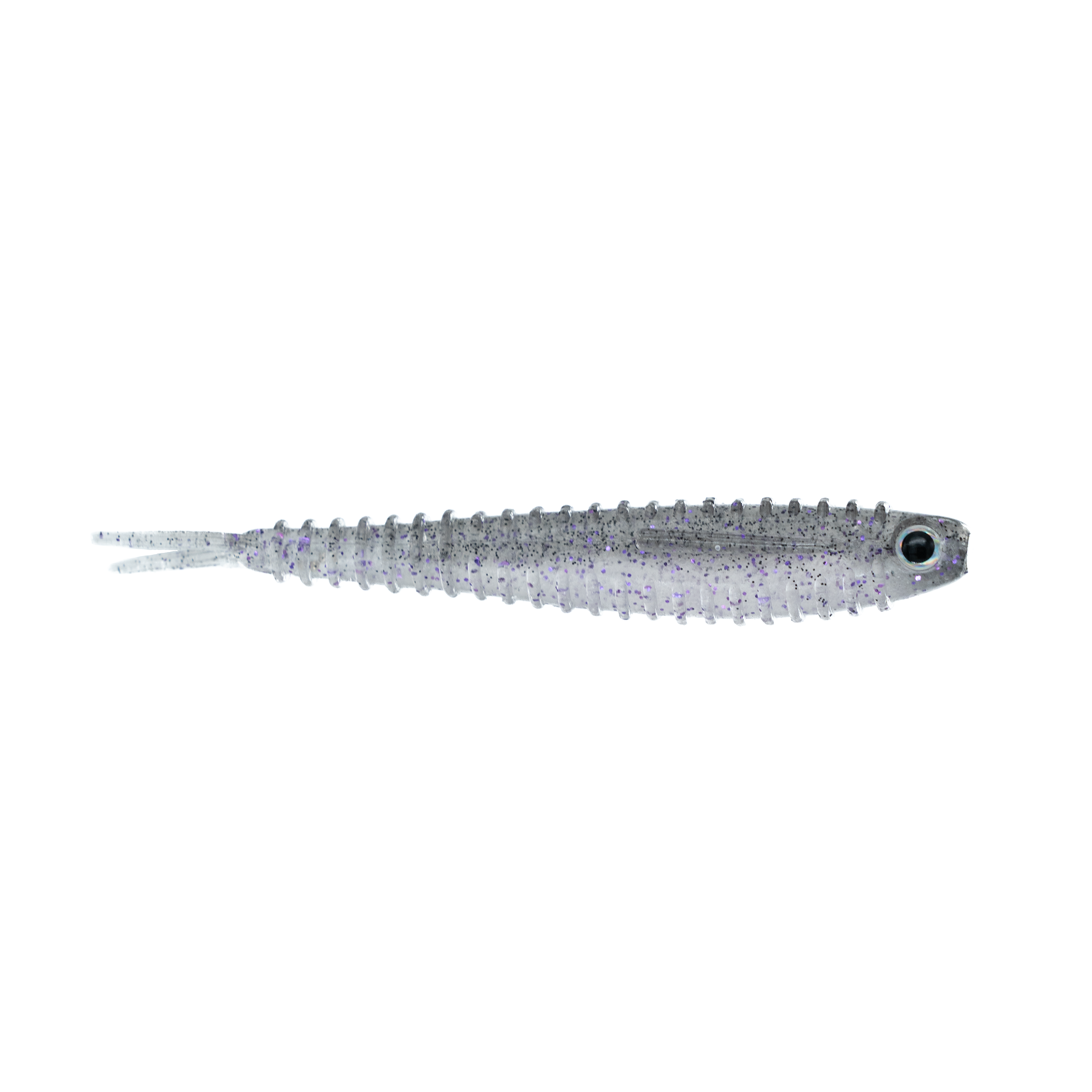
Closed
The season closes 30 November and Finger Lakes winter follows. Cayuga is deep enough that it does not fully freeze, but there is no open black bass season and the practical fishing stops. Plan trips inside the June to November window.

Cayuga Lake Access
Public ramps serve the lake at both ends, with Union Springs the usual tournament base at the north end and access at Ithaca to the south. Cayuga sits in the heart of the Finger Lakes, with Syracuse and Rochester both within reach.
The North End Grass Flats
Expansive submerged grass in roughly eight to eleven feet, and where multiple Elites have been decided. Look for clean spots and holes in the grass to pitch into rather than fishing the middle of the beds. More stained than the south end.
The Outside Grass Edge
The deeper margin where the grass stops. A previous Elite was won here on a heavy jig fished fast, with every bite coming on the initial drop. Overlooked by anglers who assume the shallow flats are the whole story.
The South End Docks and Clear Water
Deeper and clearer, offering genuine sight-fishing opportunities and dock structure that holds groups of largemouth together. A different lake from the north end and worth a day of its own.
Cayuga Lake Bass Fishing FAQ
How big is Cayuga Lake?
Thirty-eight miles long and about three and a half wide, with a maximum depth of 435 feet. It is one of the Finger Lakes, and the submerged grass and bottom structure around its rim support both largemouth and smallmouth.
Where is the best bass fishing on Cayuga?
The north end grass flats in roughly eight to eleven feet are what most anglers come for, and multiple national tournaments have been decided on them. The south end is deeper and clearer with sight-fishing and dock patterns — genuinely a different fishery.
How was the 2019 Elite won?
On one small area of grass at the north end. The winner abandoned the south-end spot he had found in practice after a poor first day, moved north, and stayed on that single area all week, learning which parts of it to fish and which to ignore. His weights improved every day.
How many ways can Cayuga be won?
At least three, which is unusual. Elite events here have been taken on a deep jig worked on the outside grass edge, on shallow grass in one small north-end area, and by an angler running three separate patterns simultaneously across the lake.
Does colour matter here?
More than on the clearer Finger Lakes. The north end carries stain, and a winning angler credited a two-toned worm — green pumpkin on one side, chartreuse on the other, with the tail dyed chartreuse — as matching the water colour exactly.
How big do the bass get?
A state championship in June 2024 saw eight of thirty-six teams top forty pounds over two days, with the winners at 49.49. The biggest largemouth weighed 8.05 and the biggest smallmouth 7.21. Cayuga held the New York state record smallmouth until 2024.
What baits work best on Cayuga?
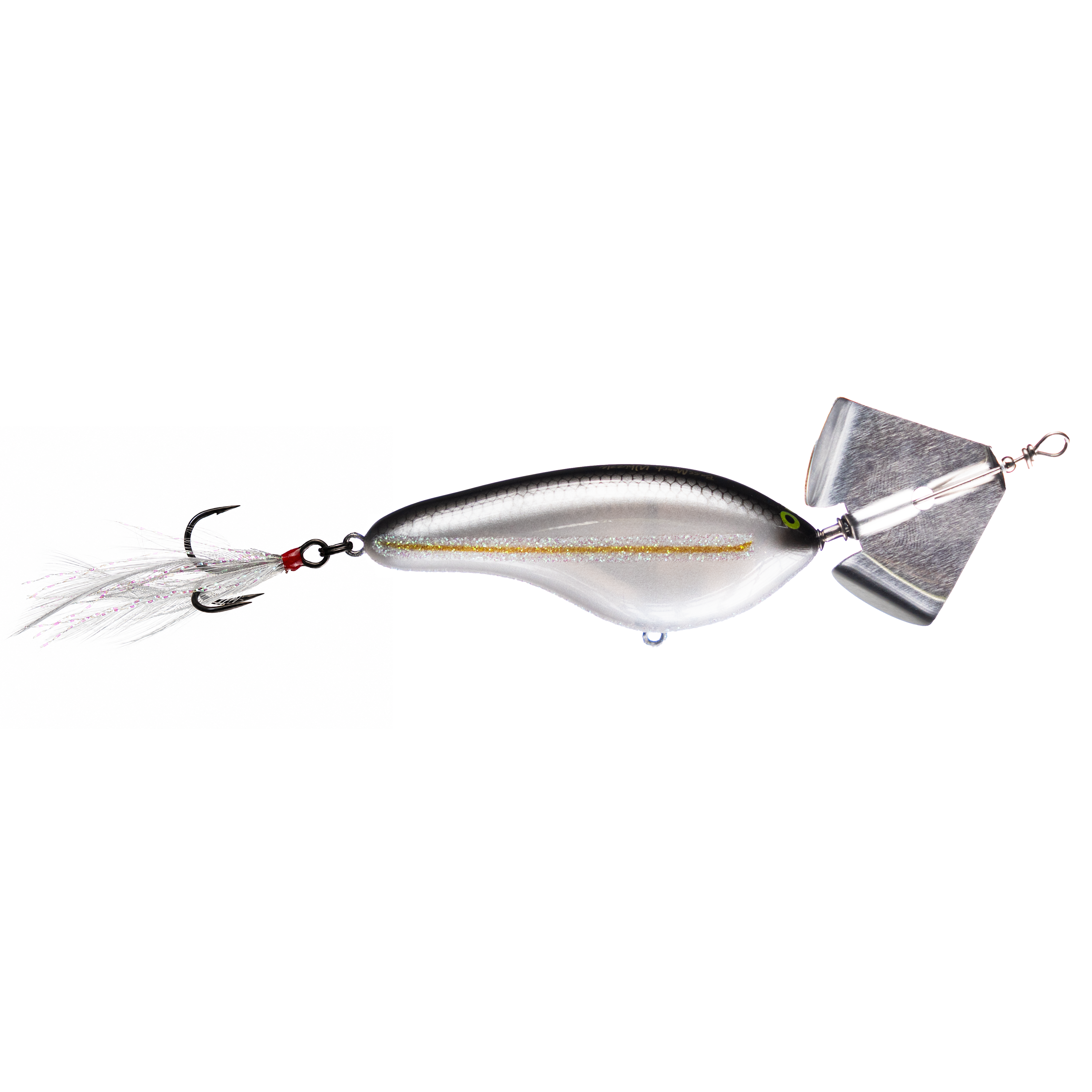
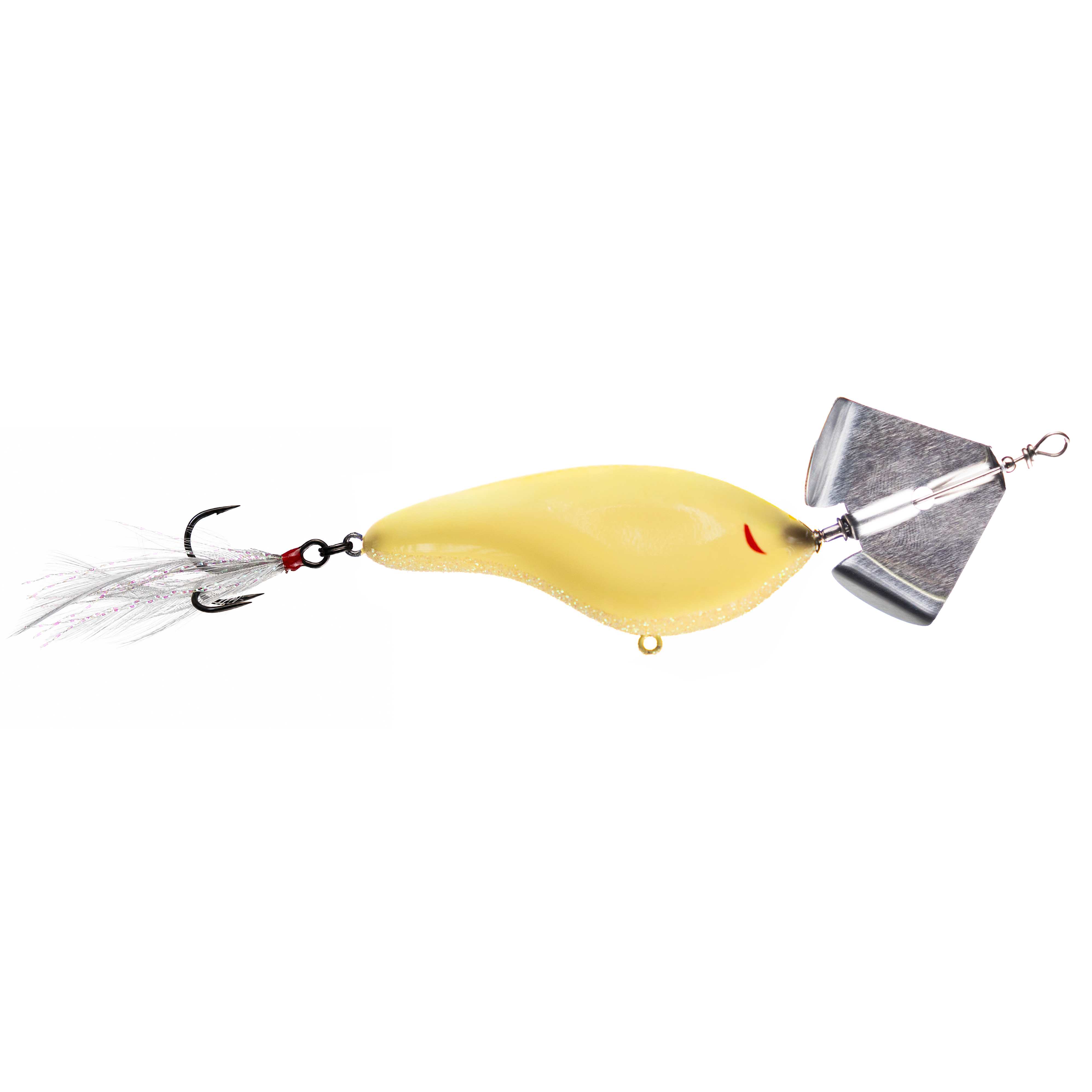
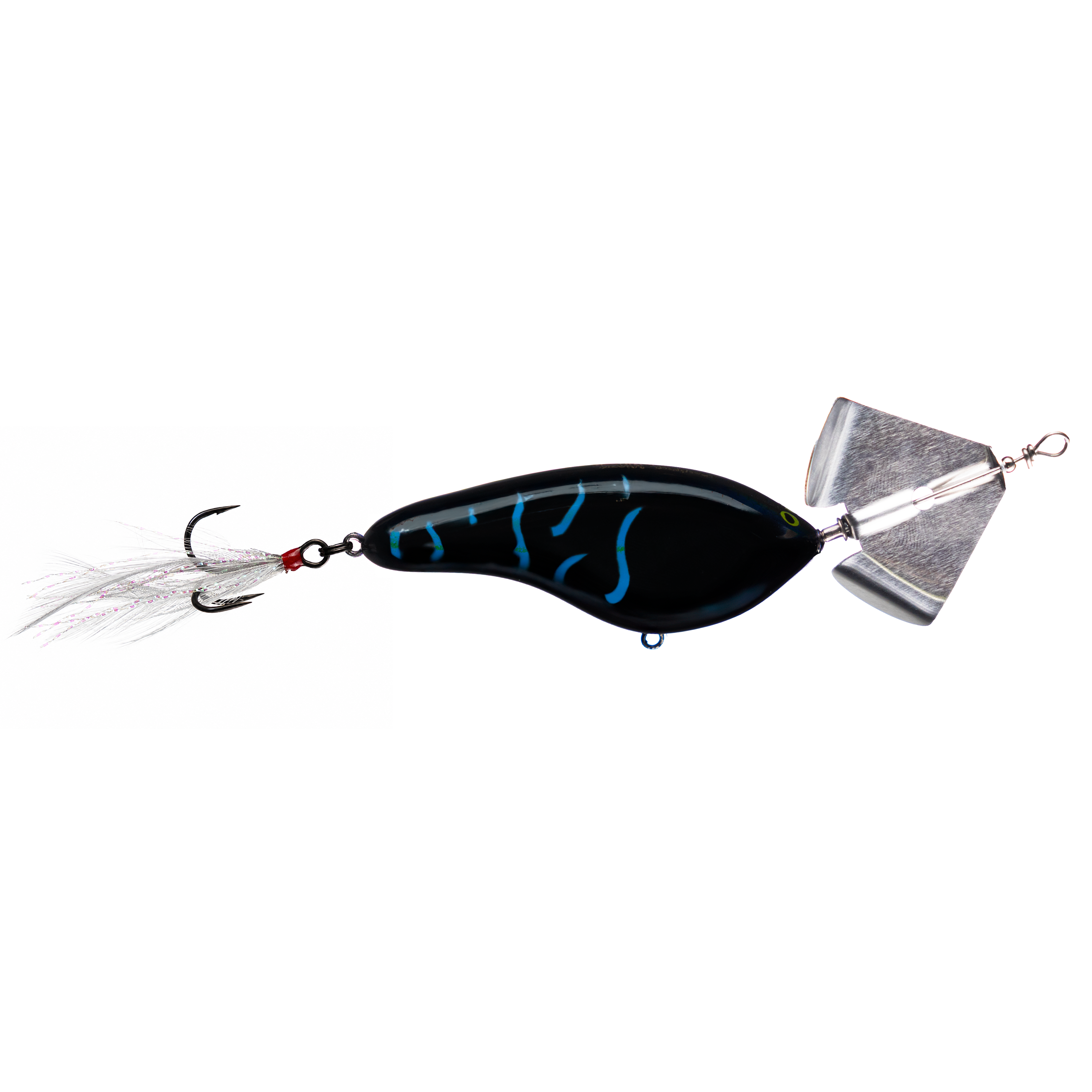
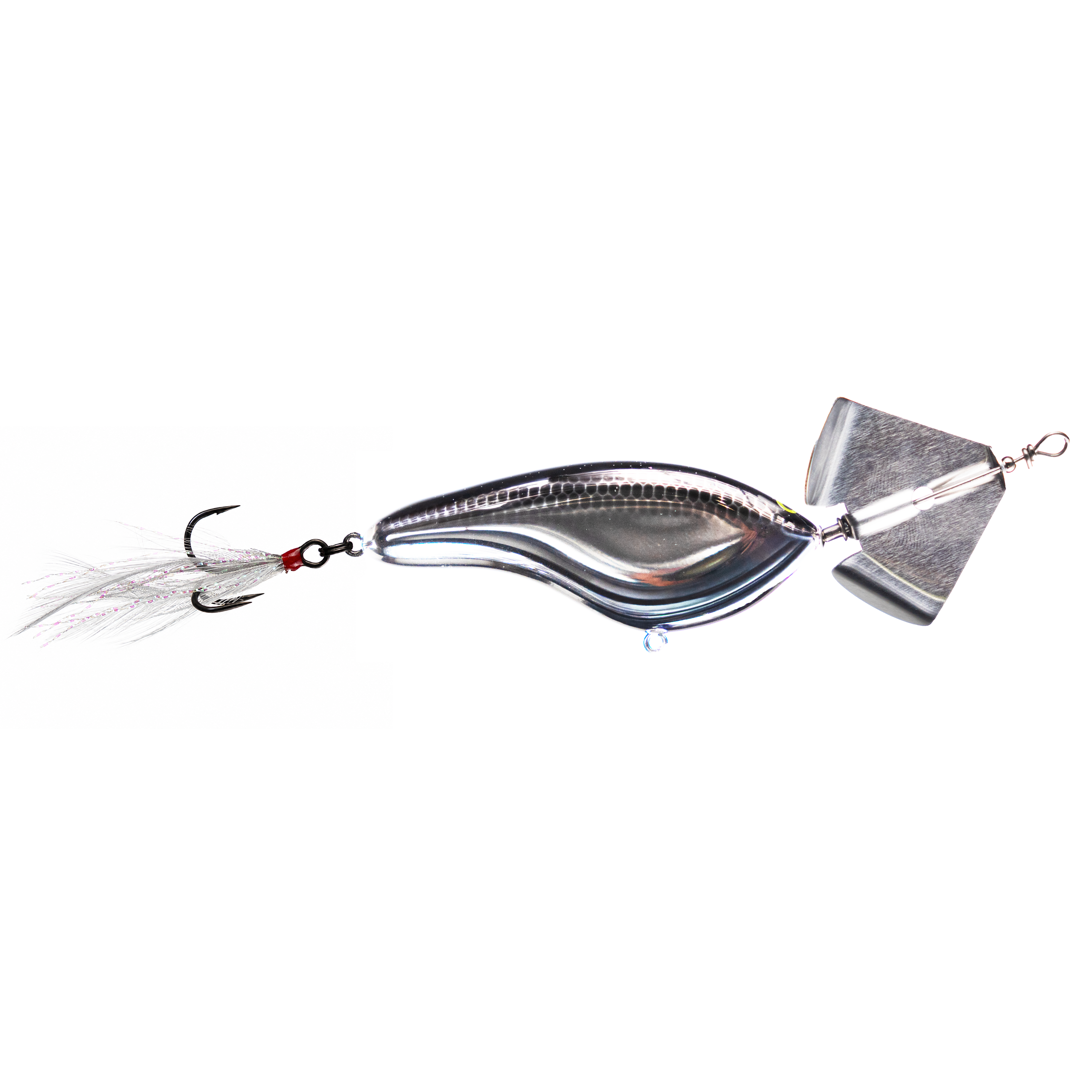
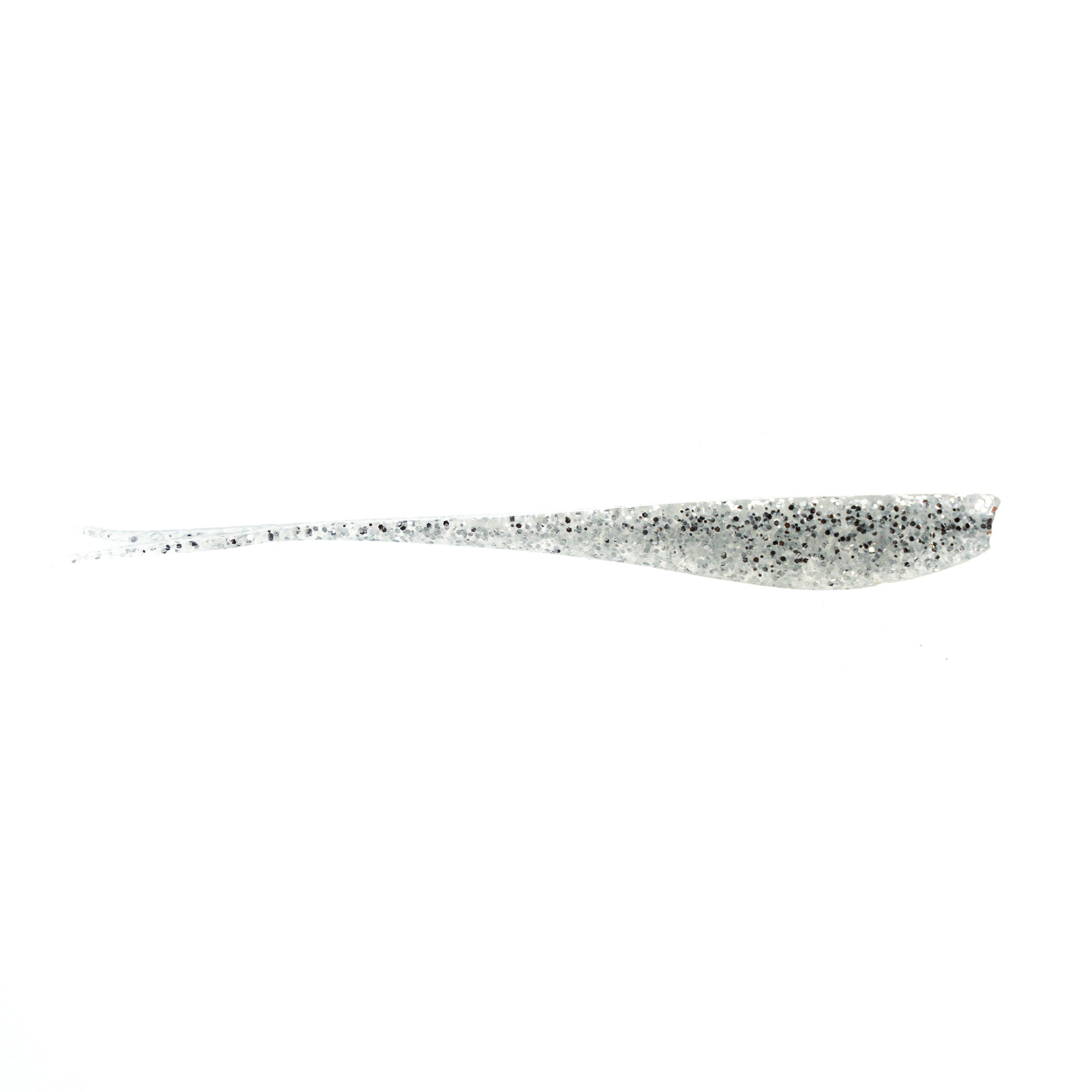
Flipping and pitching baits into holes in the grass, a heavy jig on the outside grass edge, and moving baits along the edges in autumn. Match plastic colour to the water stain at the end you are fishing. Our full bait lineup covers all of it.
When is bass season?
New York's black bass harvest season runs 15 June to 30 November. Catch-and-release fishing before the opener is permitted on many New York waters — check the current DEC regulations for Cayuga before planning a spring trip.
Pitching Holes in Grass
Winning on this lake has meant learning one grass area well enough to know which parts to fish, then pitching accurately into holes in it all day. Level Rods builds models with the accuracy for that and the backbone to pull a good fish out of submerged grass in eleven feet.
Tournament Winning Baits & Gear
Designed, crafted and tested by anglers who fish grass every week. Free shipping on orders over $75.
Shop All Baits