Cave Run Lake Bass Fishing Guide
Cave Run Bass Fishing, Season by Season
Eight thousand acres of flooded timber inside the Daniel Boone National Forest in eastern Kentucky, famous nationally for musky and quietly good for bass. Cave Run is undeveloped, wooded to the waterline, and almost nobody fishes it for largemouth.
Musky Water That Also Grows Bass
Cave Run Lake is a Corps of Engineers reservoir on the Licking River in eastern Kentucky, covering roughly 8,270 acres almost entirely within the Daniel Boone National Forest. That setting is unusual and it matters: the shoreline is largely undeveloped and wooded to the waterline, which makes it one of the more attractive lakes on this site and keeps the character of the water intact.
Its national reputation is musky. Cave Run is routinely described as the musky capital of the south, and that fishery draws specialists from across the region. As with Enid in Mississippi and Grenada's crappie fame, the consequence for bass anglers is straightforward: the largemouth here see very little targeted pressure.
The habitat is flooded timber and brush through the creek arms and the coves, with standing wood, laydowns and stump flats providing cover, and rocky points and shoreline on the main lake. Creek channels run back through the arms giving fish routes between deep and shallow.
Largemouth are the main black bass here, with smallmouth, spotted bass, crappie and white bass alongside them. It is not a trophy largemouth factory in the way Stonewall Jackson is in West Virginia, but it produces good fish consistently and the anglers who know it well do very well on it.
Water level moves with Corps flood-control operations, and the lake sits in steep wooded country so rainfall runs off quickly. Check levels and recent weather before travelling.
One thing to plan for: this is a quiet, remote-feeling lake with limited services around it. Morehead is the nearest town of any size. Bring what you need rather than expecting to buy it at the ramp.
Flooded Wood, Coves and Quiet Water
Four patterns cover the year. Each one pairs the technique with the baits we'd actually tie on.
Into the Timber
Spring pushes largemouth into the flooded timber and the backs of the coves to spawn, and the creek arms warm first. Rising water floods shoreline wood and brush and the fish move up with it. This is the most productive season and the one where the timber pays for the tackle it costs.


Deep Wood and Shade
Summer moves fish onto the deeper timber along the channel edges and into the shade the standing wood provides. The lake is quiet even in summer thanks to its remoteness and the national forest setting, though the musky anglers are out. Early and late are the best windows.


Bait, Timber and Colour
Autumn moves bait into the creek arms and the bass follow, and the Daniel Boone National Forest around the lake turns. It is the most enjoyable time to be here by some distance, and the fish are aggressive enough to chase moving baits through the wood.
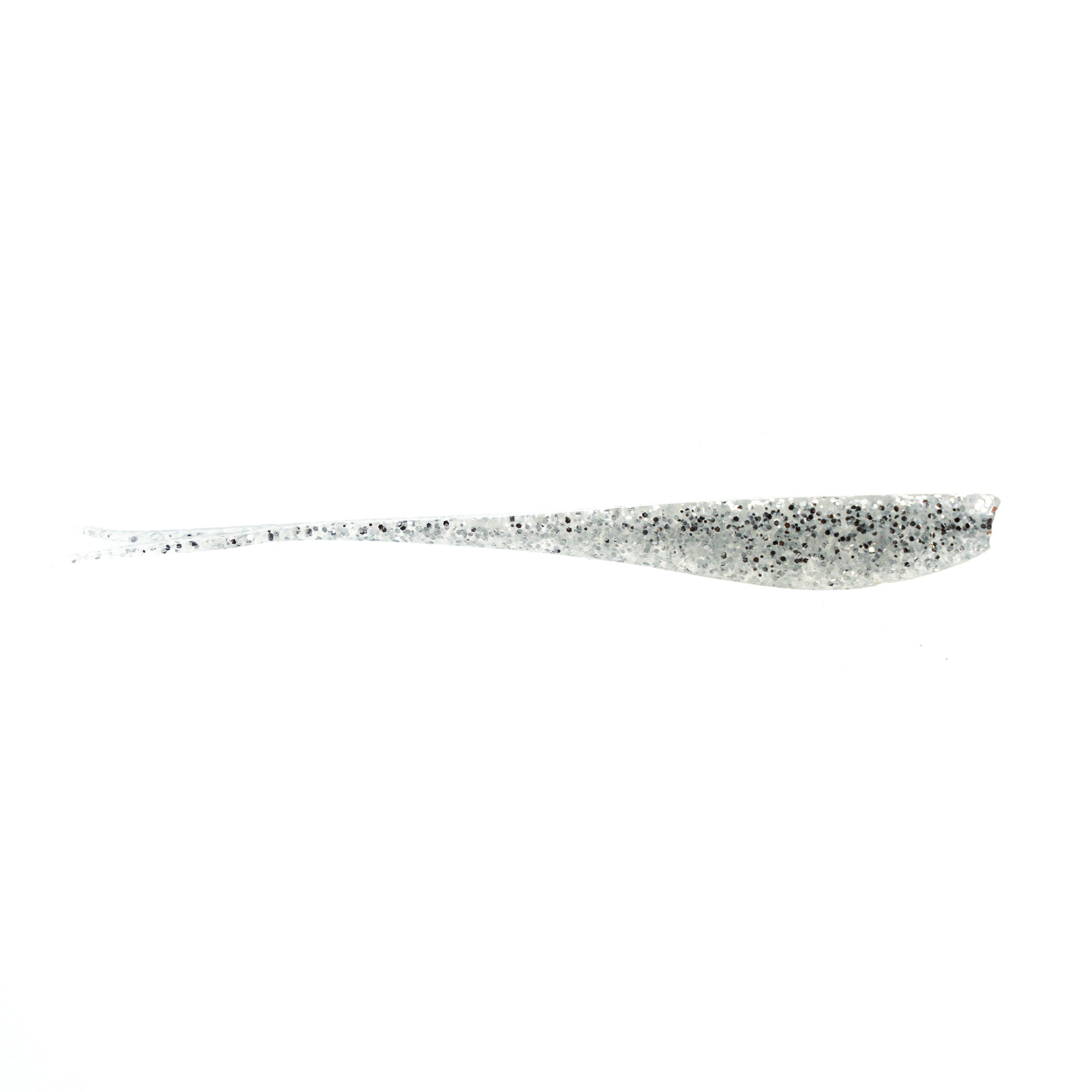
Deep Timber and Empty Ramps
Winter concentrates fish on the deepest timber and the old Licking River channel, and the lake empties completely. Eastern Kentucky winters are genuine and access can be affected by weather in the hills, so pick your days. The fish that are catchable tend to be the better ones.
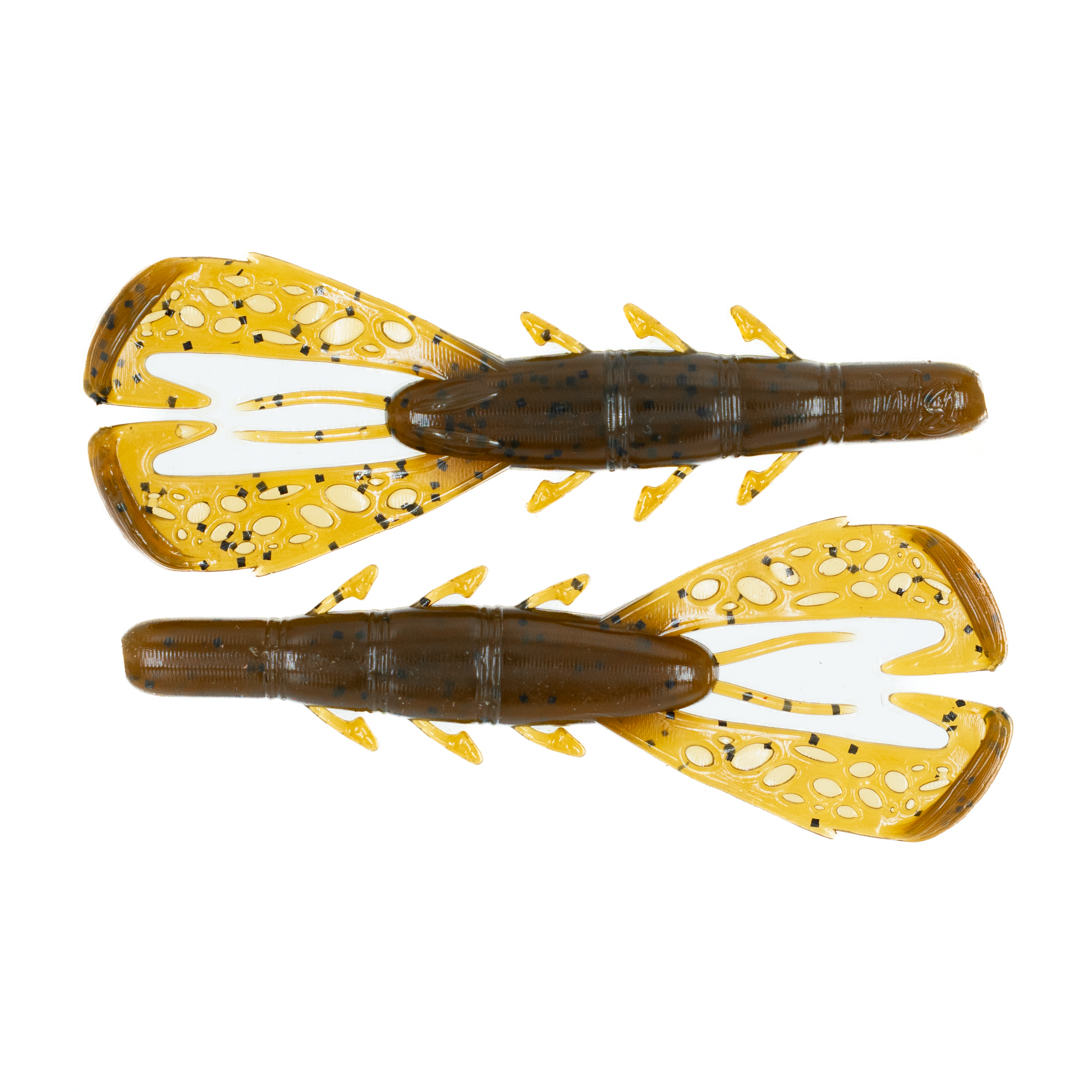


Cave Run Lake Access
Corps of Engineers ramps and campgrounds serve the lake within the Daniel Boone National Forest, with marinas at Scott Creek and Longbow. Morehead is the nearest town of any size. Services around the lake are limited, so plan accordingly.
The Flooded Timber
Standing wood, laydowns and stump flats through the creek arms and coves. The primary cover on this lake and where the spring fishing happens. Costs tackle, produces fish, and sees far less bass pressure than it should.
The Creek Arms
Running back into the national forest, sheltered and warming first in spring. Where bait ends up in autumn and where most of the productive water is. Also the prettiest fishing on the lake by a distance.
The Main-Lake Points and Rock
Rocky points and shoreline on the main body, holding fish through summer and winter and giving the smallmouth and spotted bass somewhere to live. The reliable structure when the timber is not producing.
Cave Run Lake Bass Fishing FAQ
Is Cave Run Lake good for bass?
Yes, and it is overlooked. The lake's national reputation is musky — it is often called the musky capital of the south — which means the largemouth get very little targeted attention. It produces good fish consistently rather than giants.
How big is Cave Run Lake?
Around 8,270 acres on the Licking River in eastern Kentucky, sitting almost entirely within the Daniel Boone National Forest. The shoreline is largely undeveloped and wooded to the waterline.
What is Cave Run famous for?
Musky. It is one of the best musky fisheries in the southern United States and draws specialists from across the region. Bass, crappie and white bass are all present and all considerably less pressured as a result.
What kind of cover is in the lake?
Flooded timber and brush through the creek arms and coves — standing wood, laydowns and stump flats — plus rocky points and shoreline on the main lake. Creek channels run back through the arms connecting the two.
When is the best time to fish it?
Spring, when largemouth push into the flooded timber and the backs of the coves. Autumn is the second window and the most pleasant, with bait moving into the arms and the national forest at its best.
Is there much around the lake?
Not much, and that is part of the appeal. It sits inside the Daniel Boone National Forest with limited services, and Morehead is the nearest town of any size. Bring what you need rather than expecting to buy it at the ramp.
What baits work best on Cave Run?
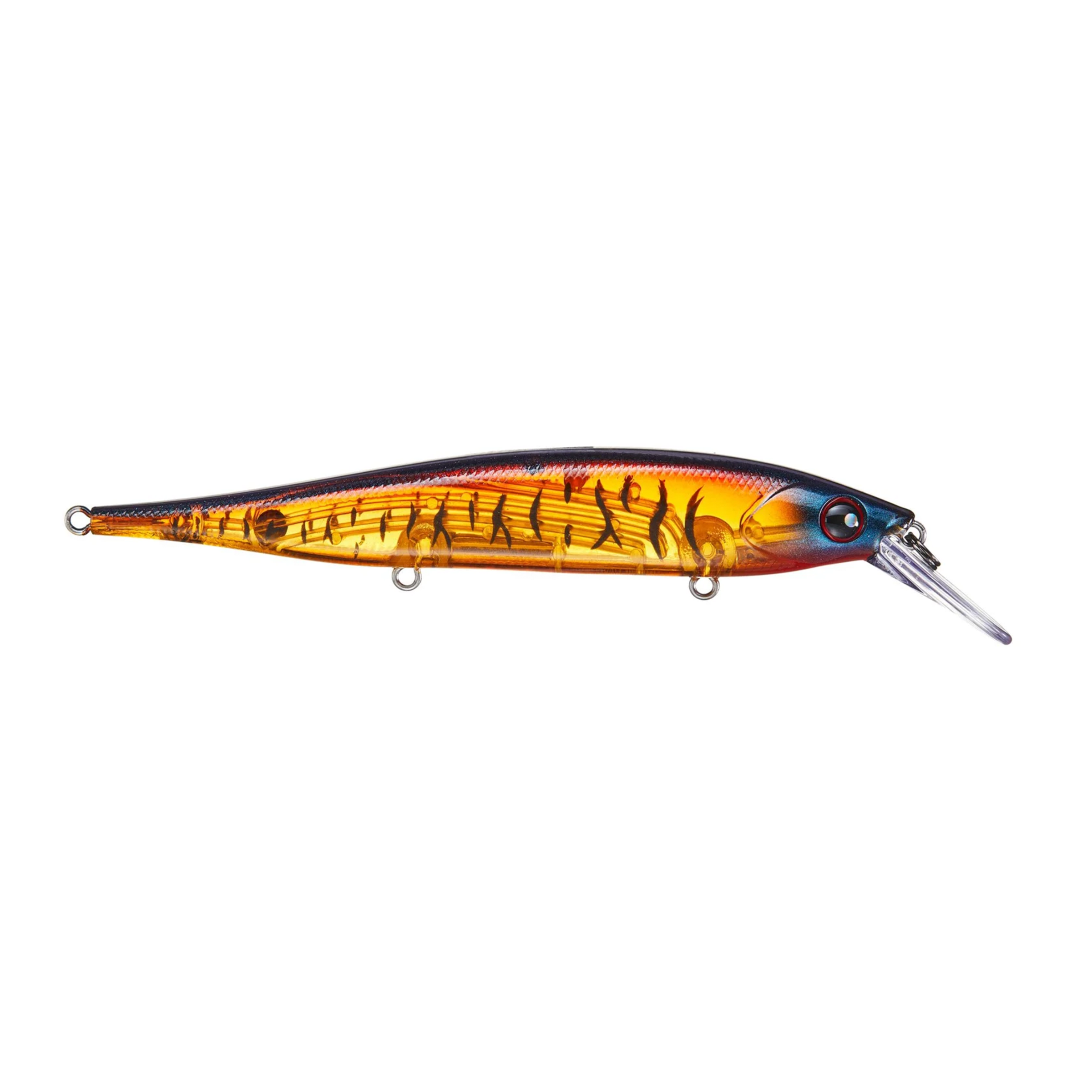
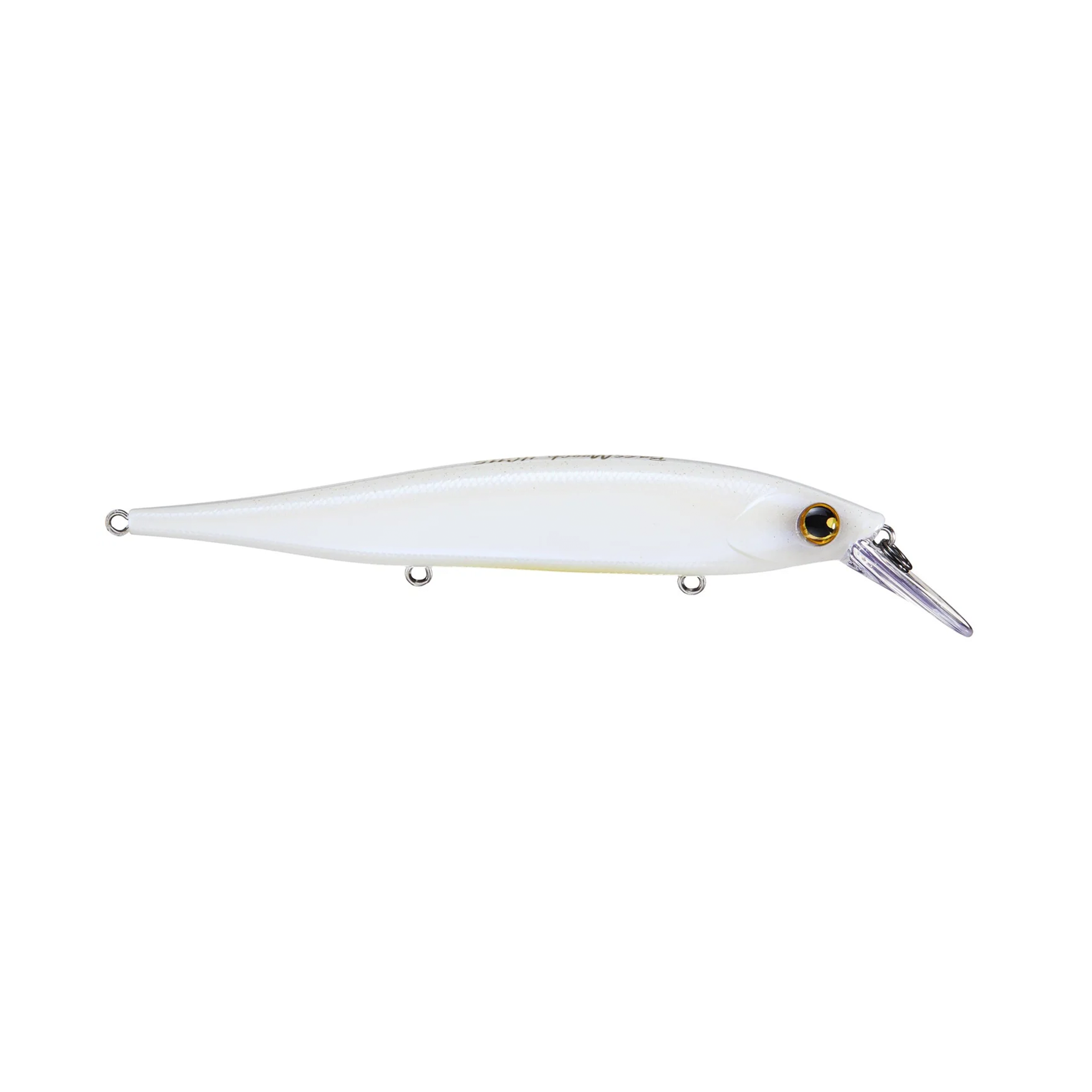
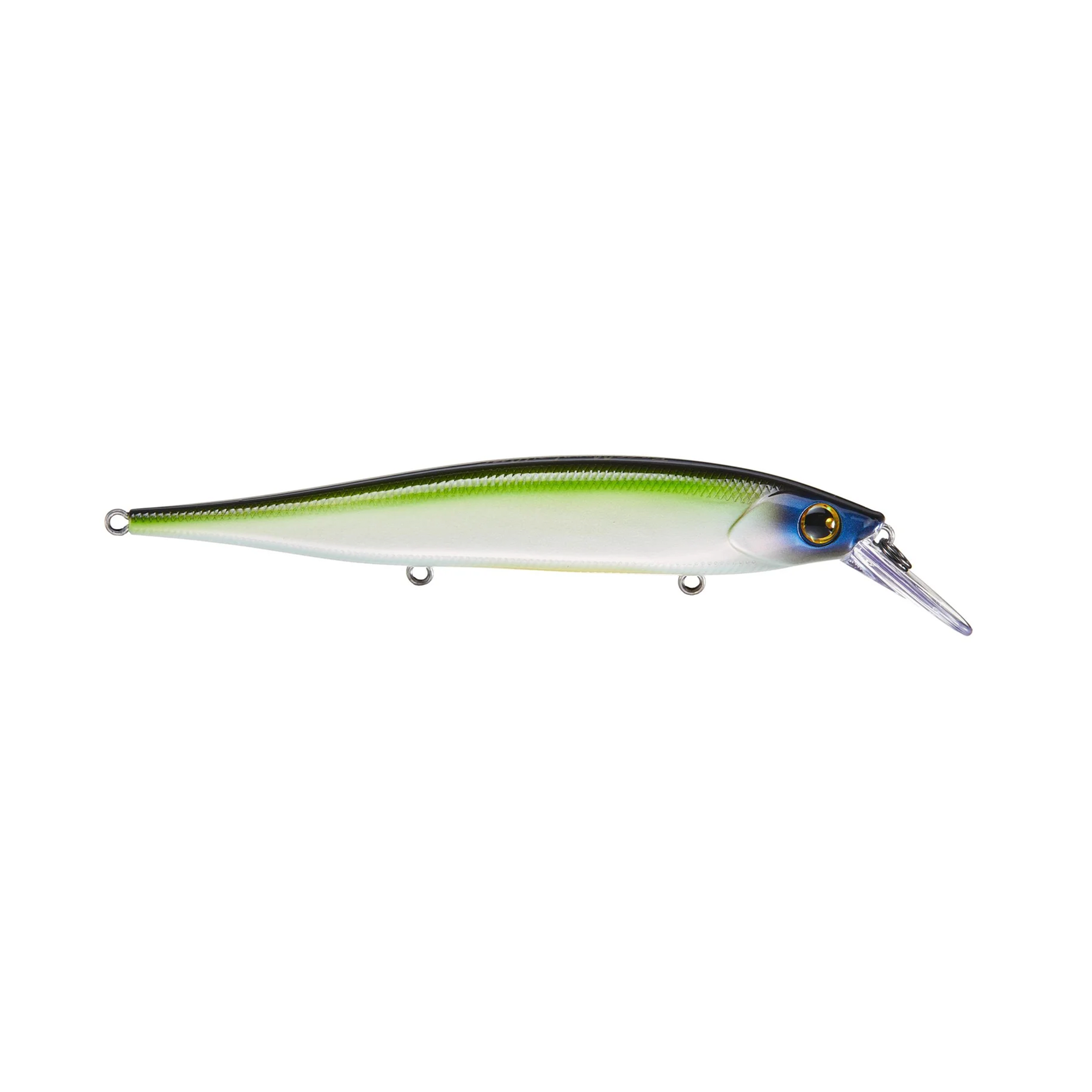
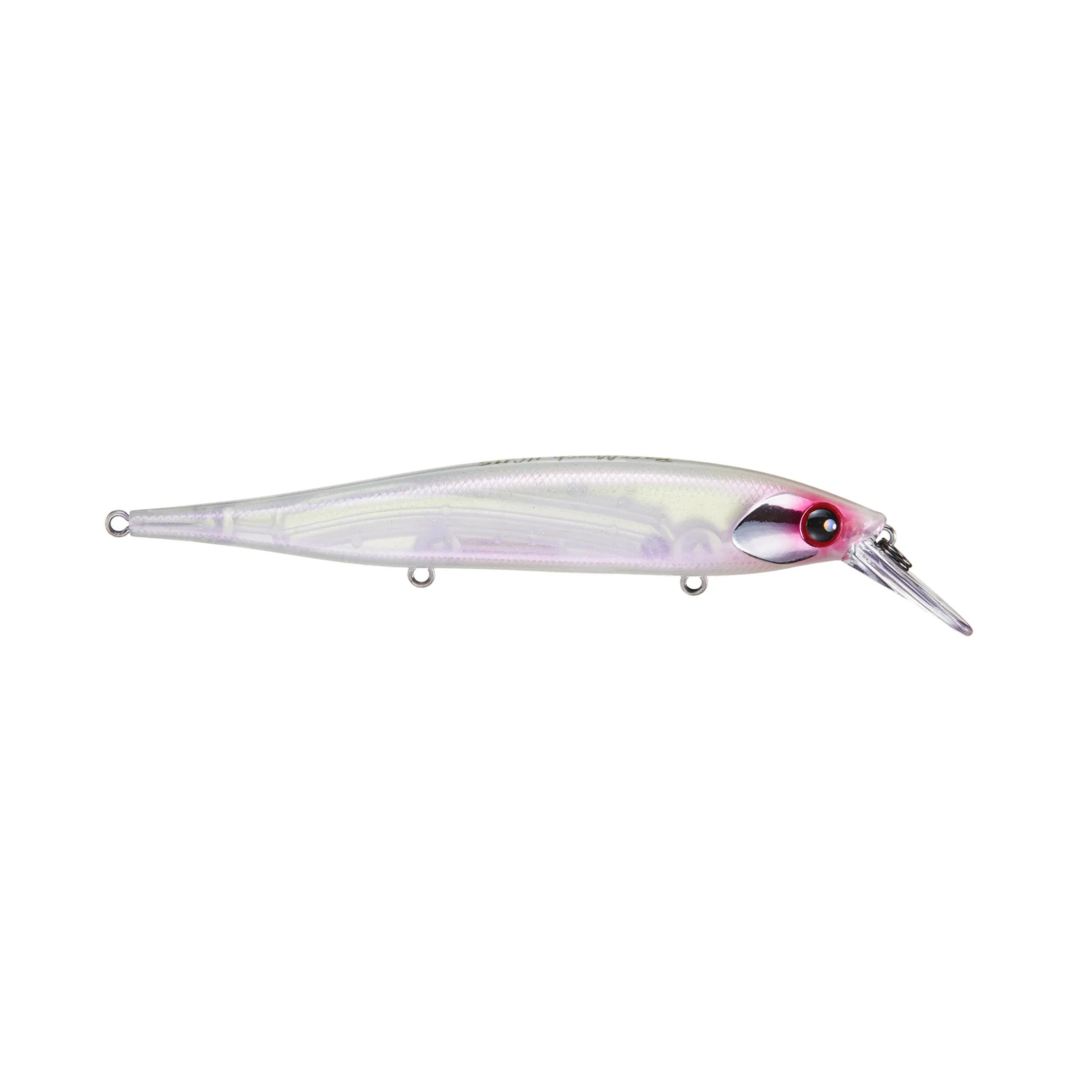
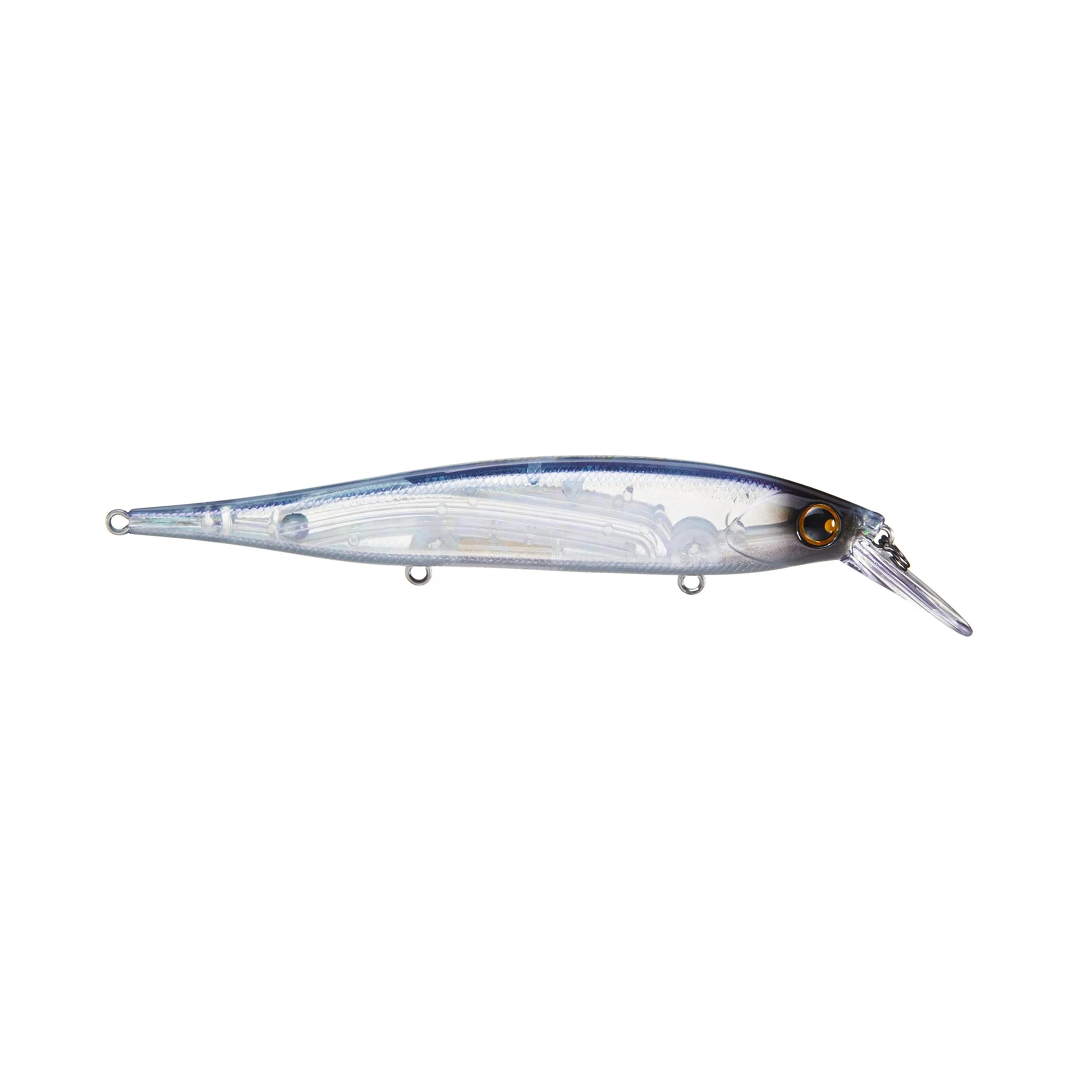
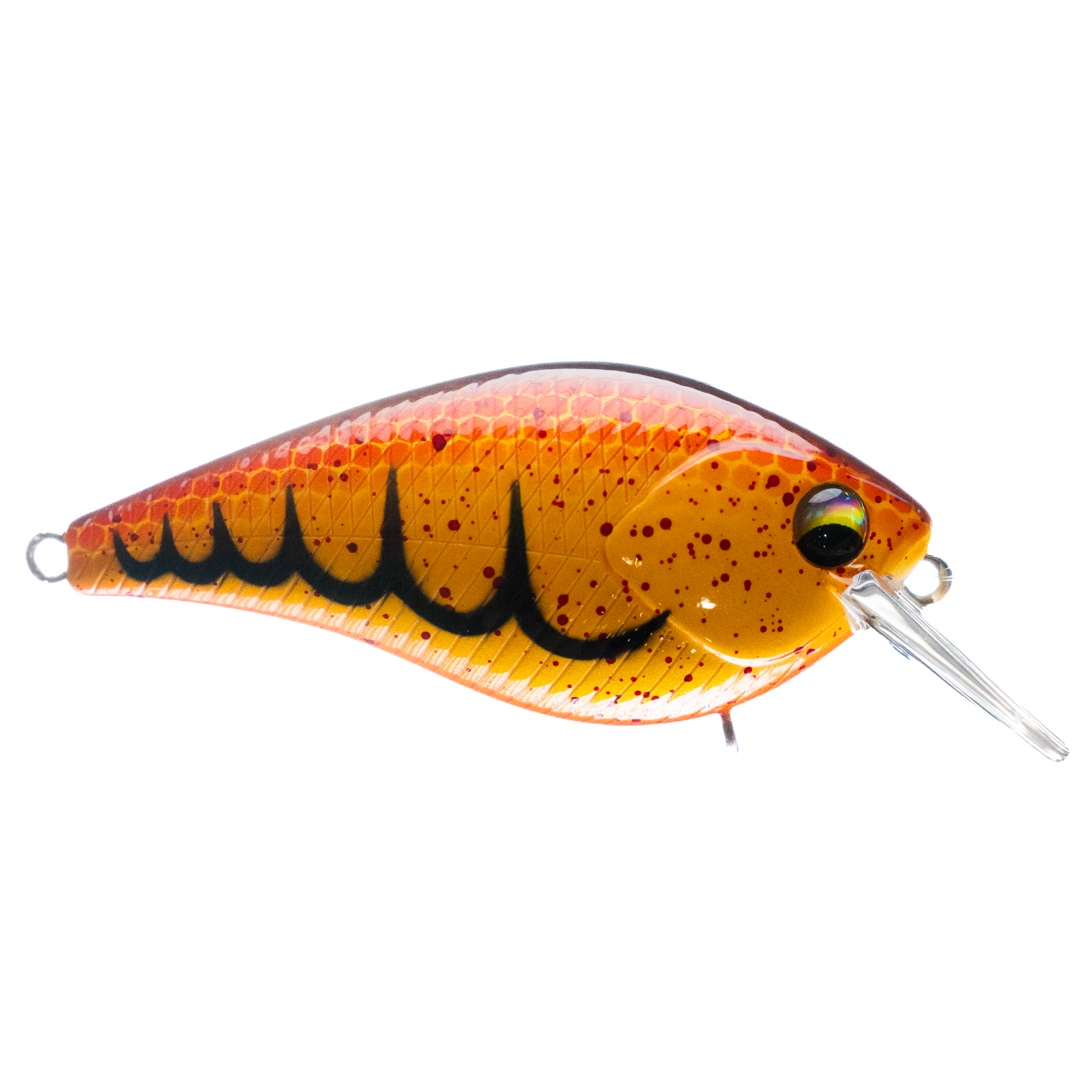
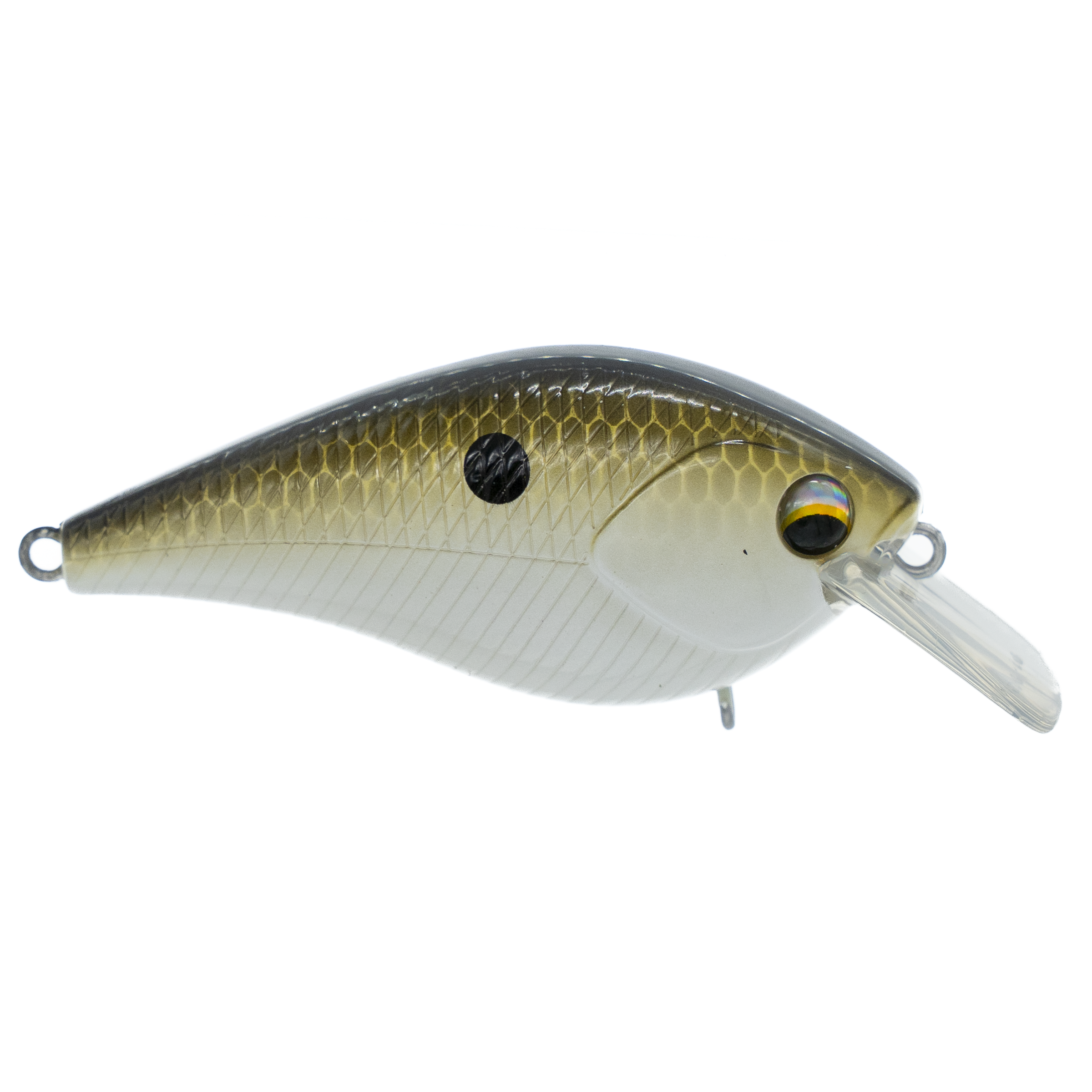
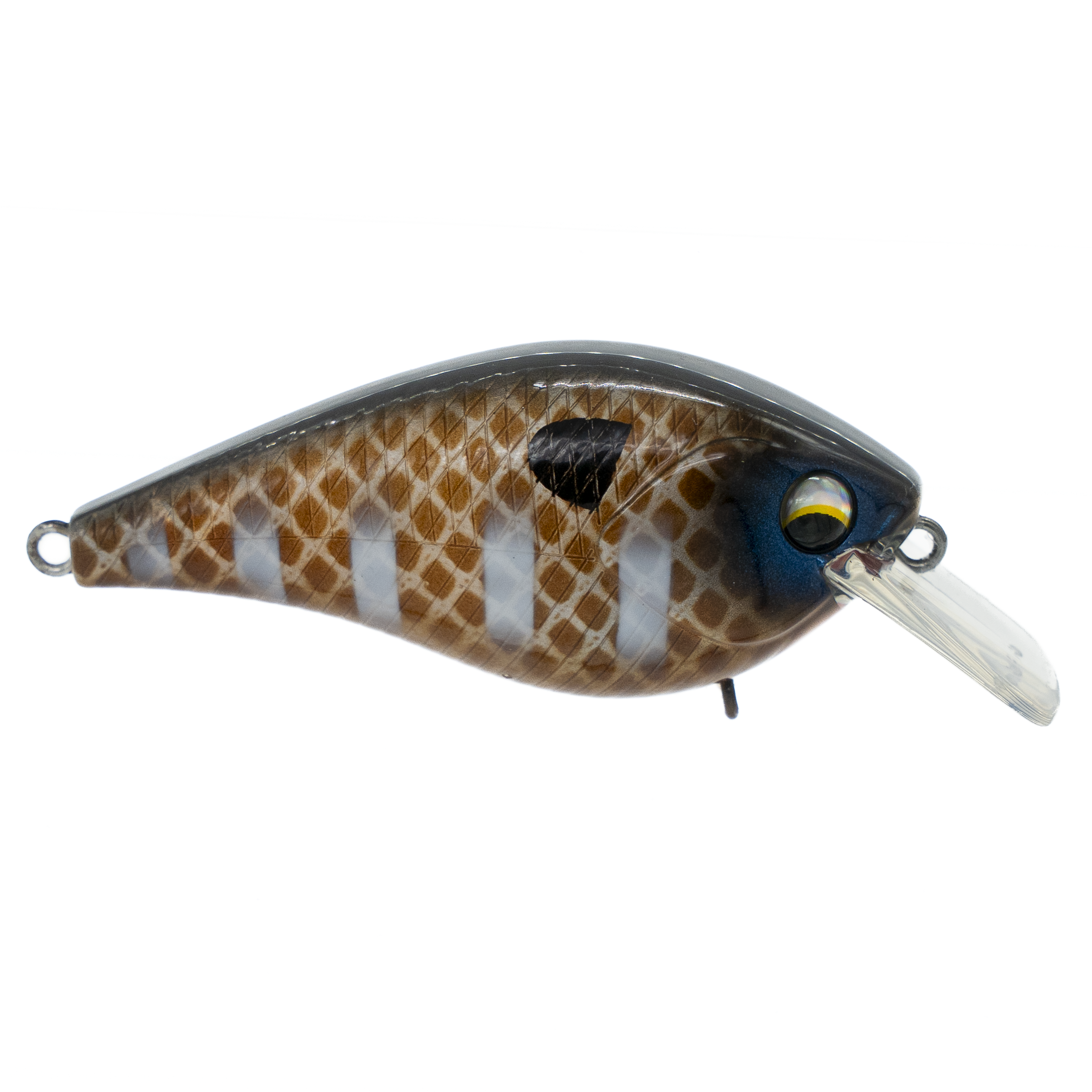
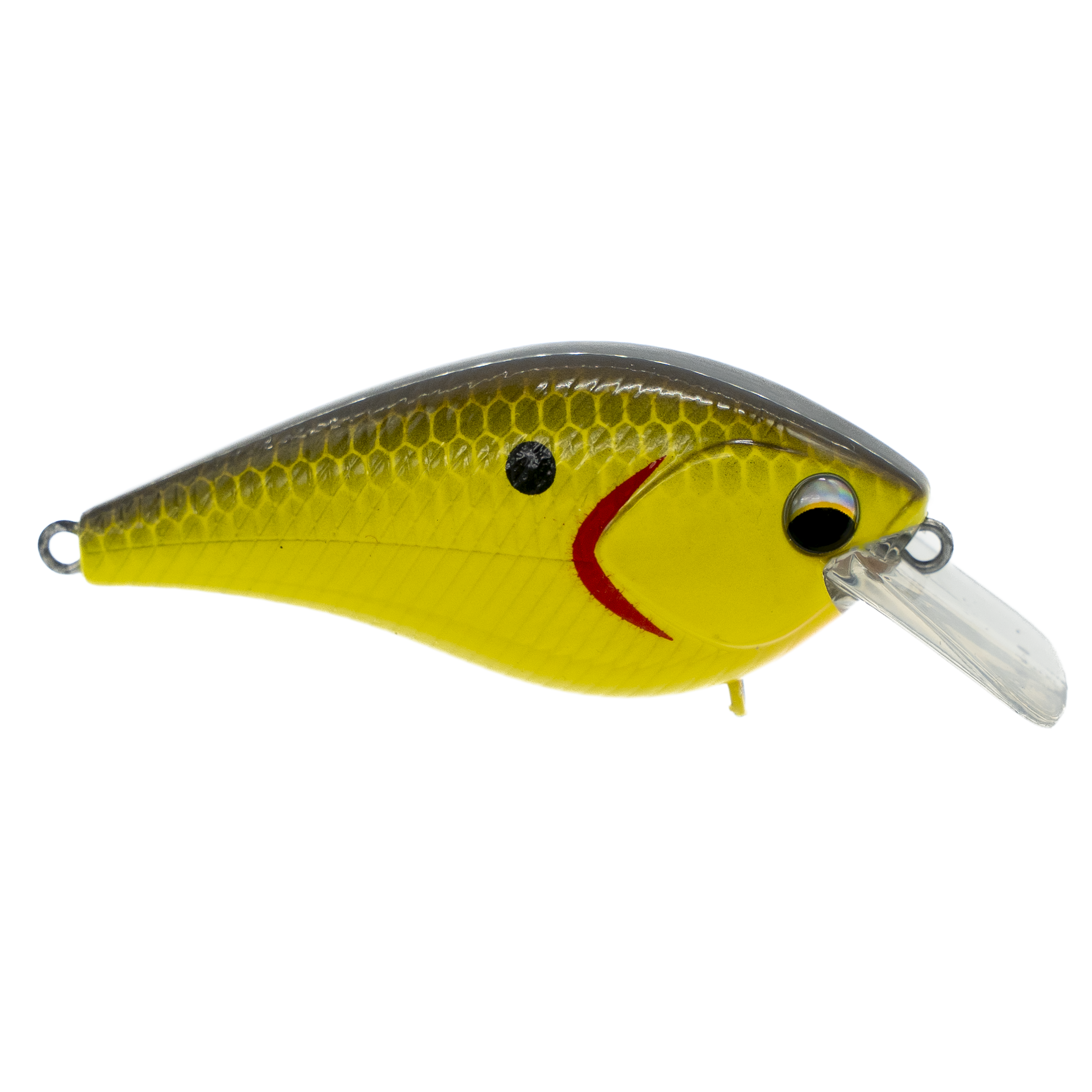
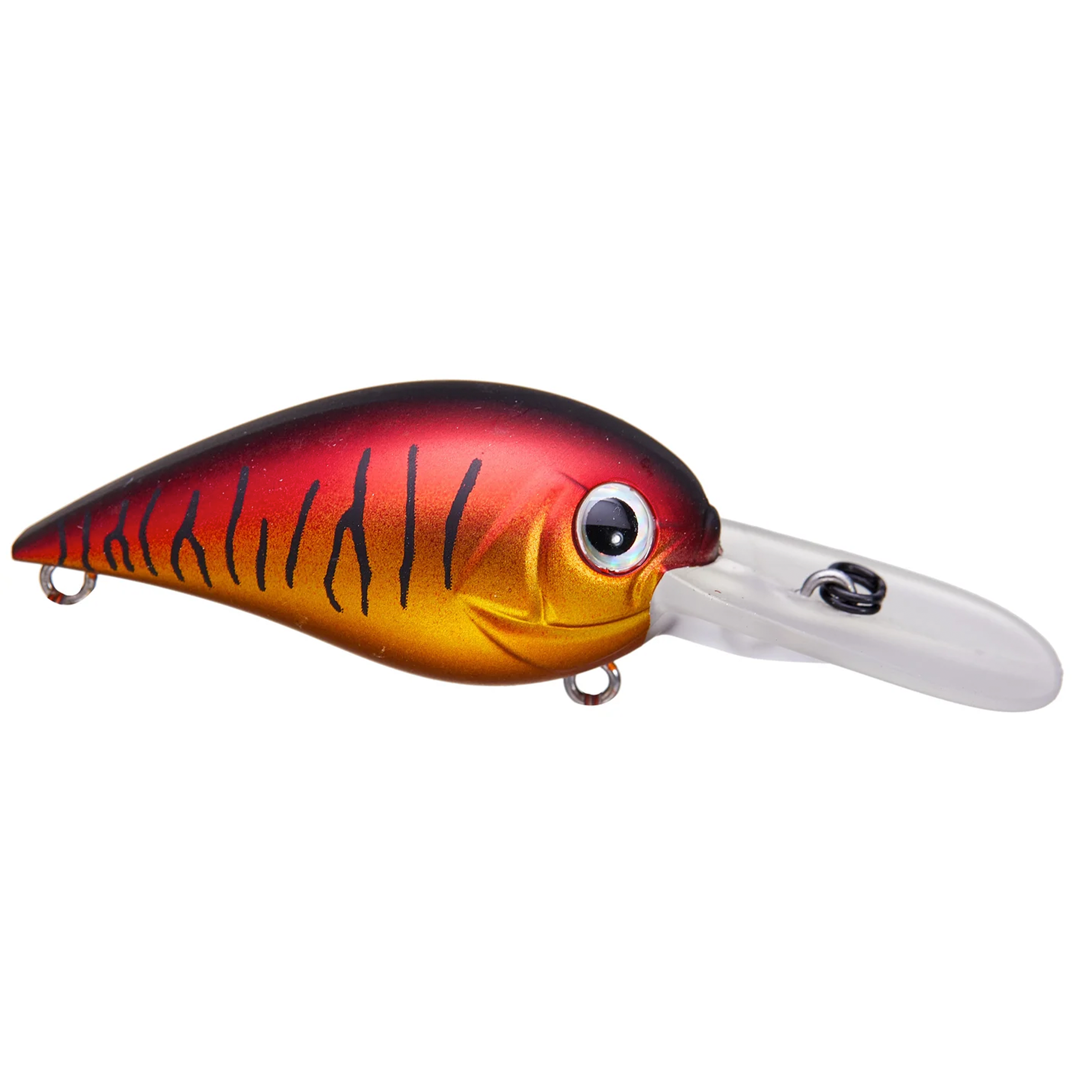
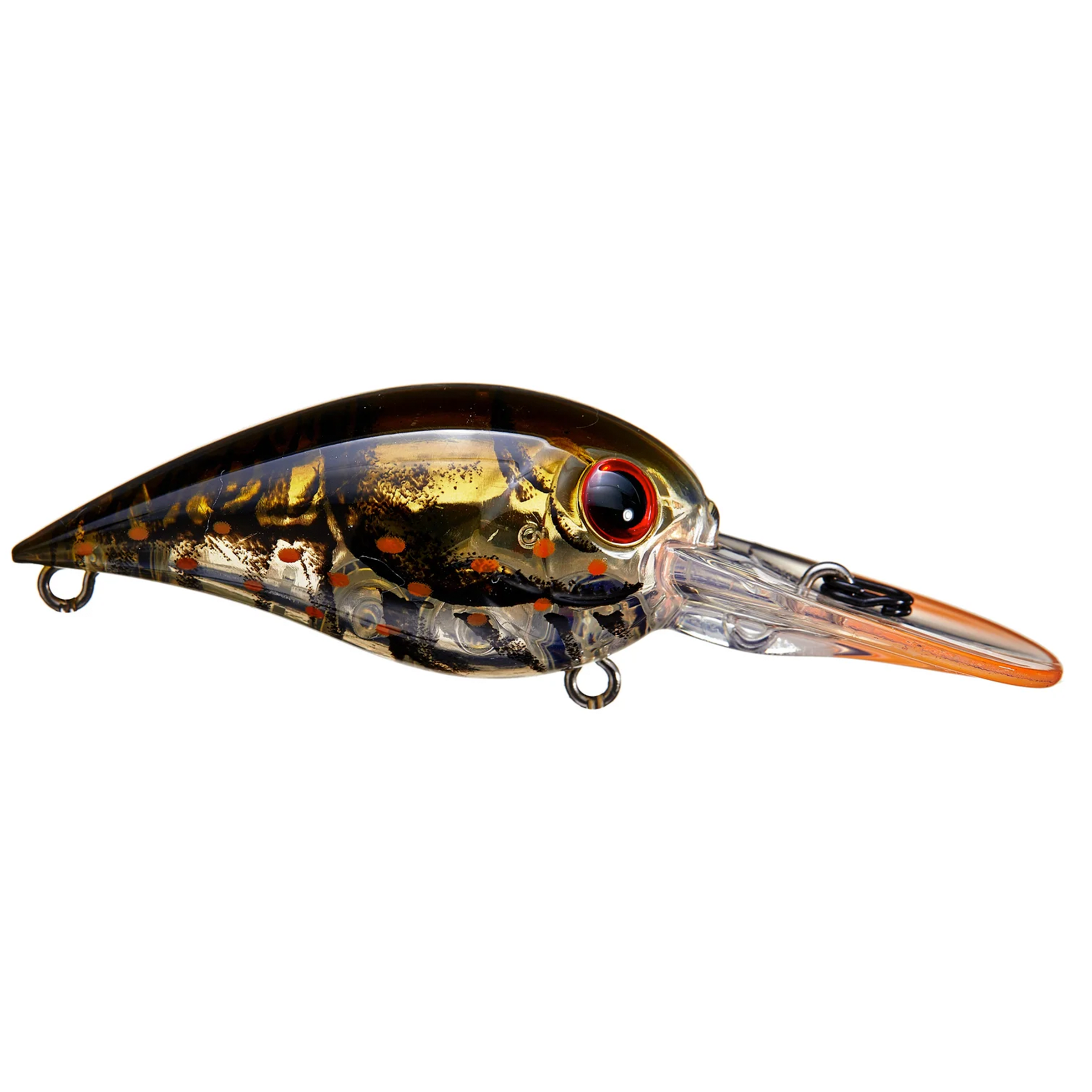
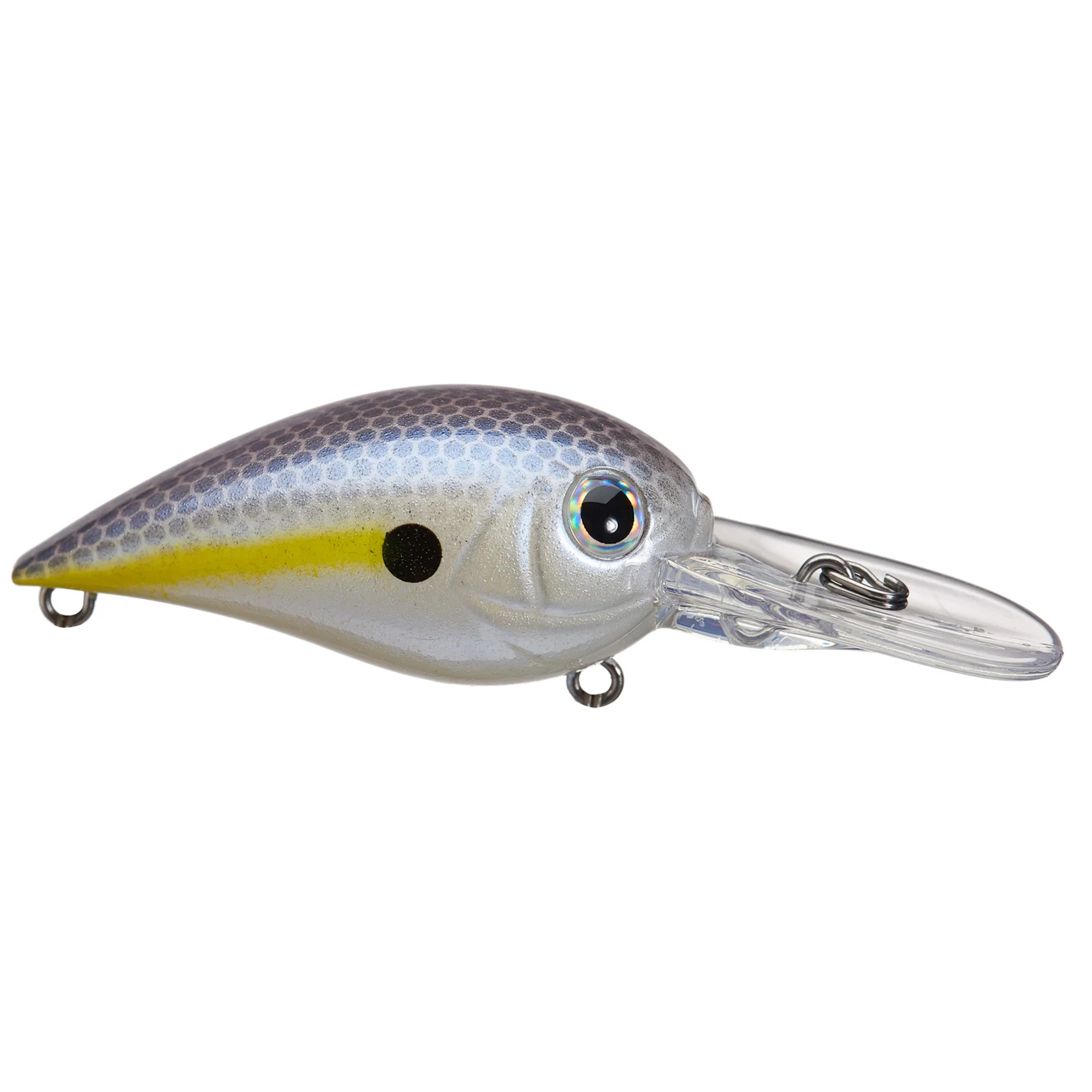
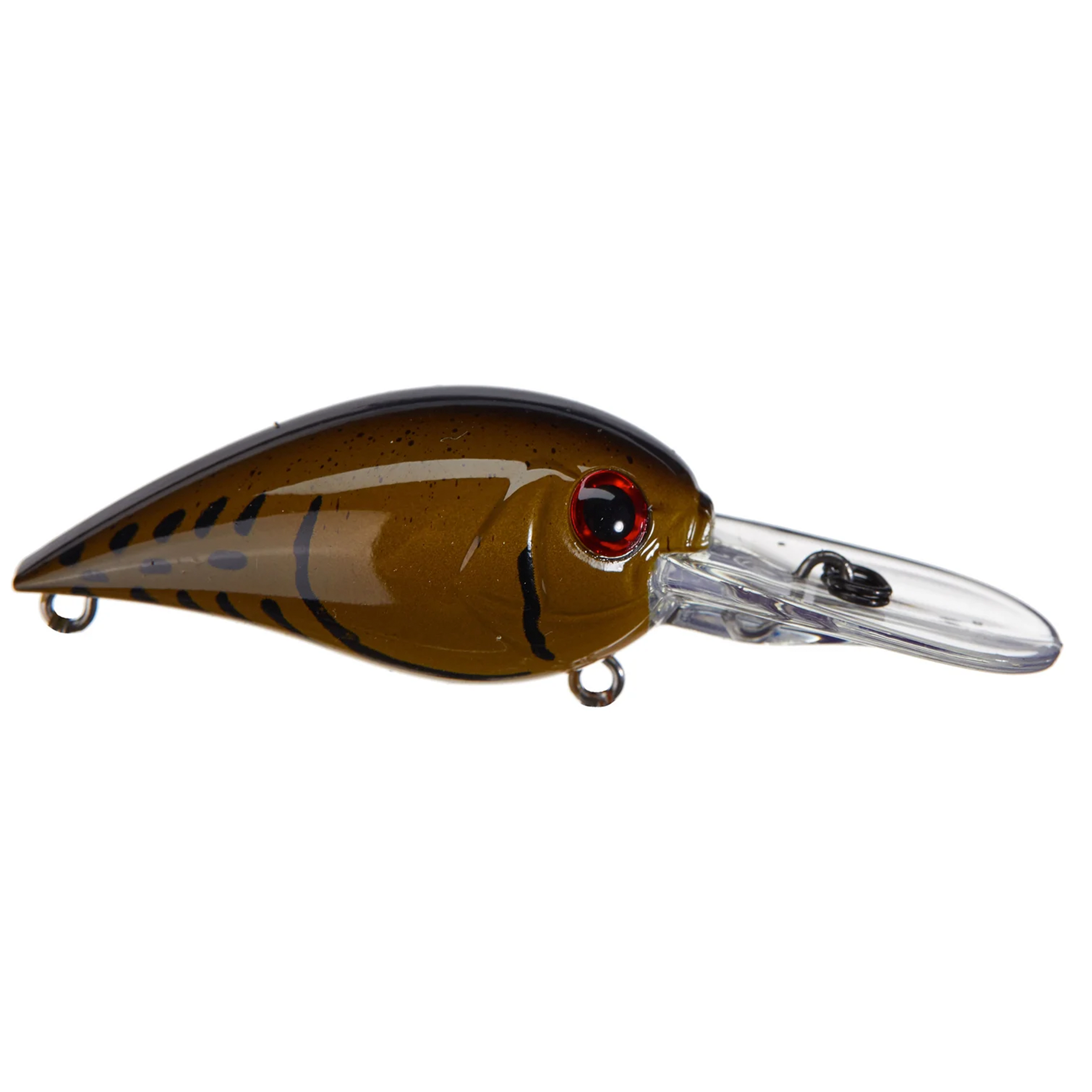
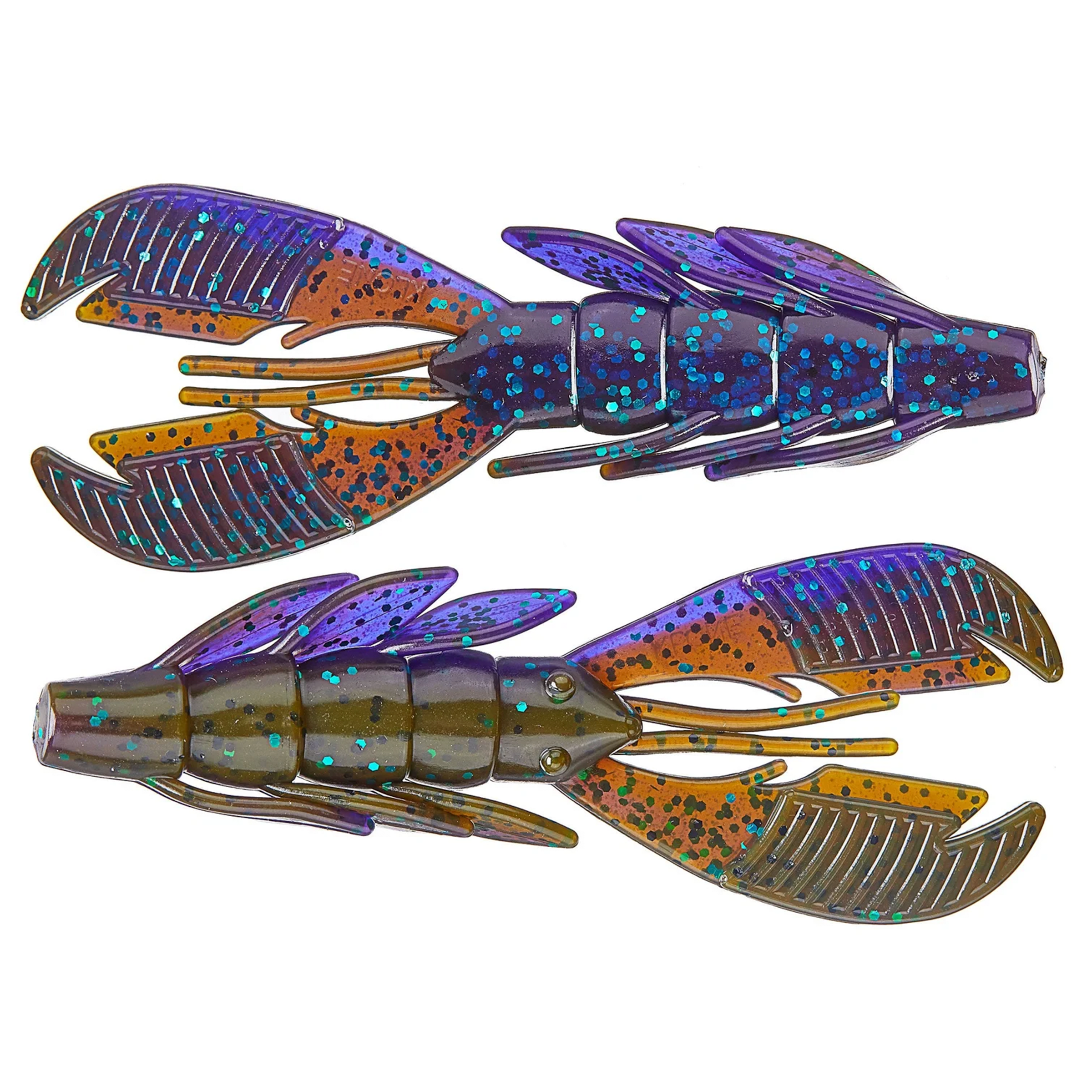
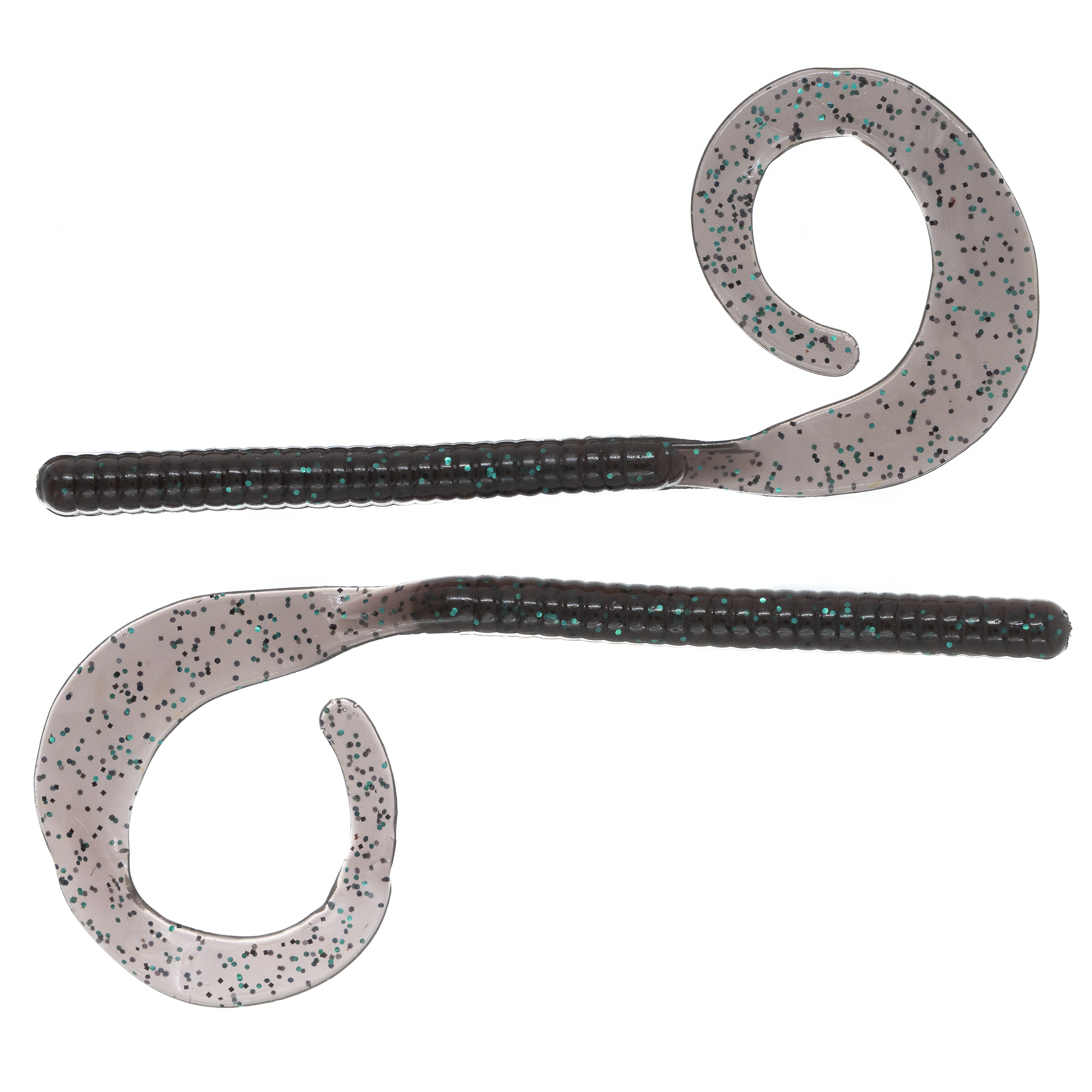
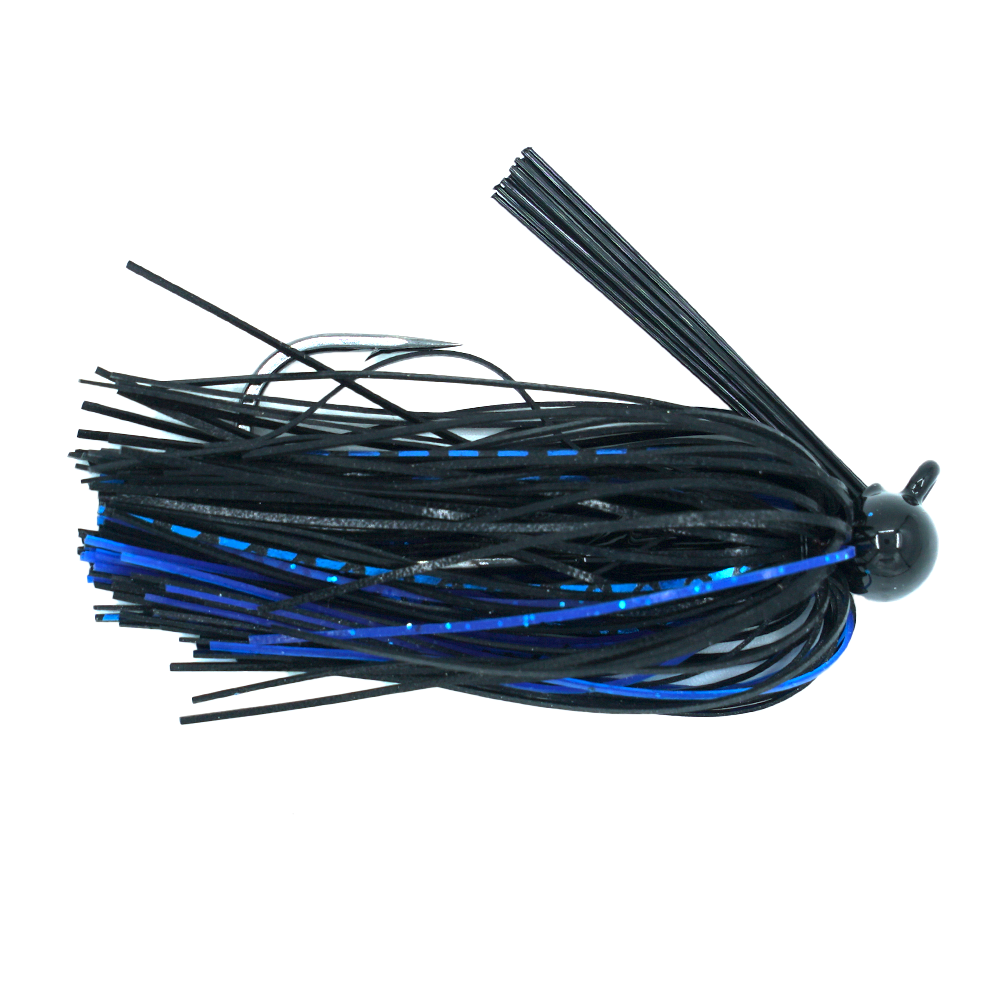
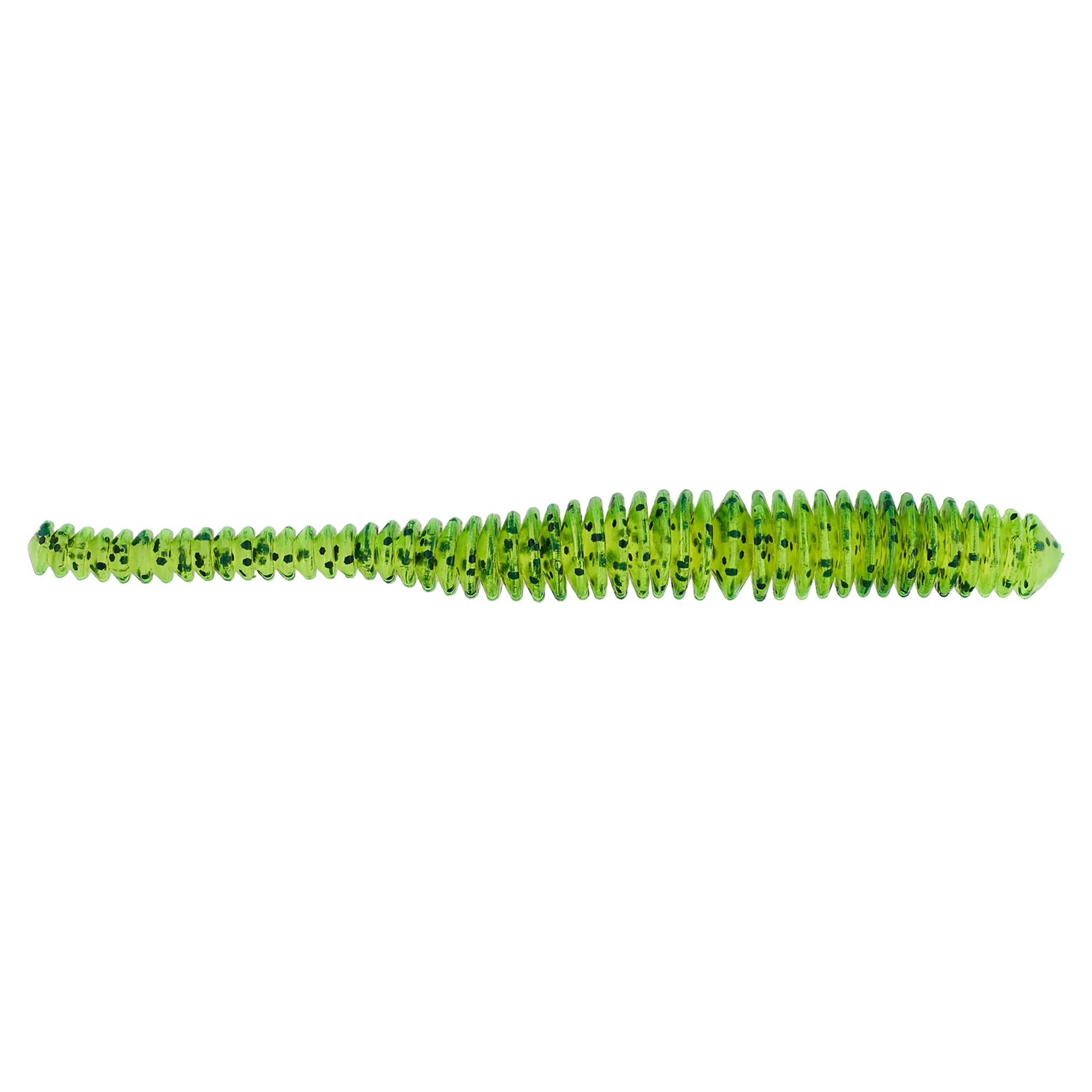
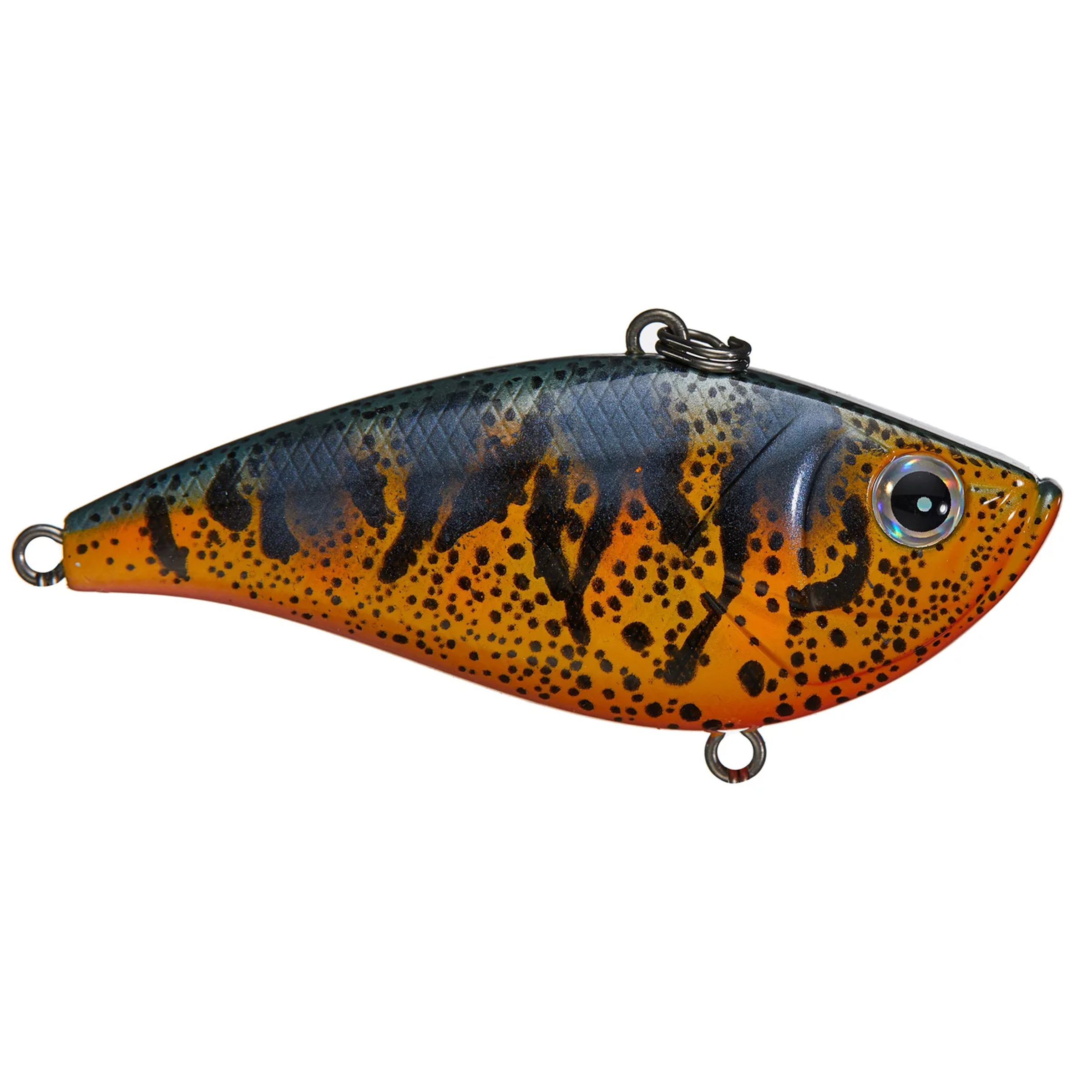
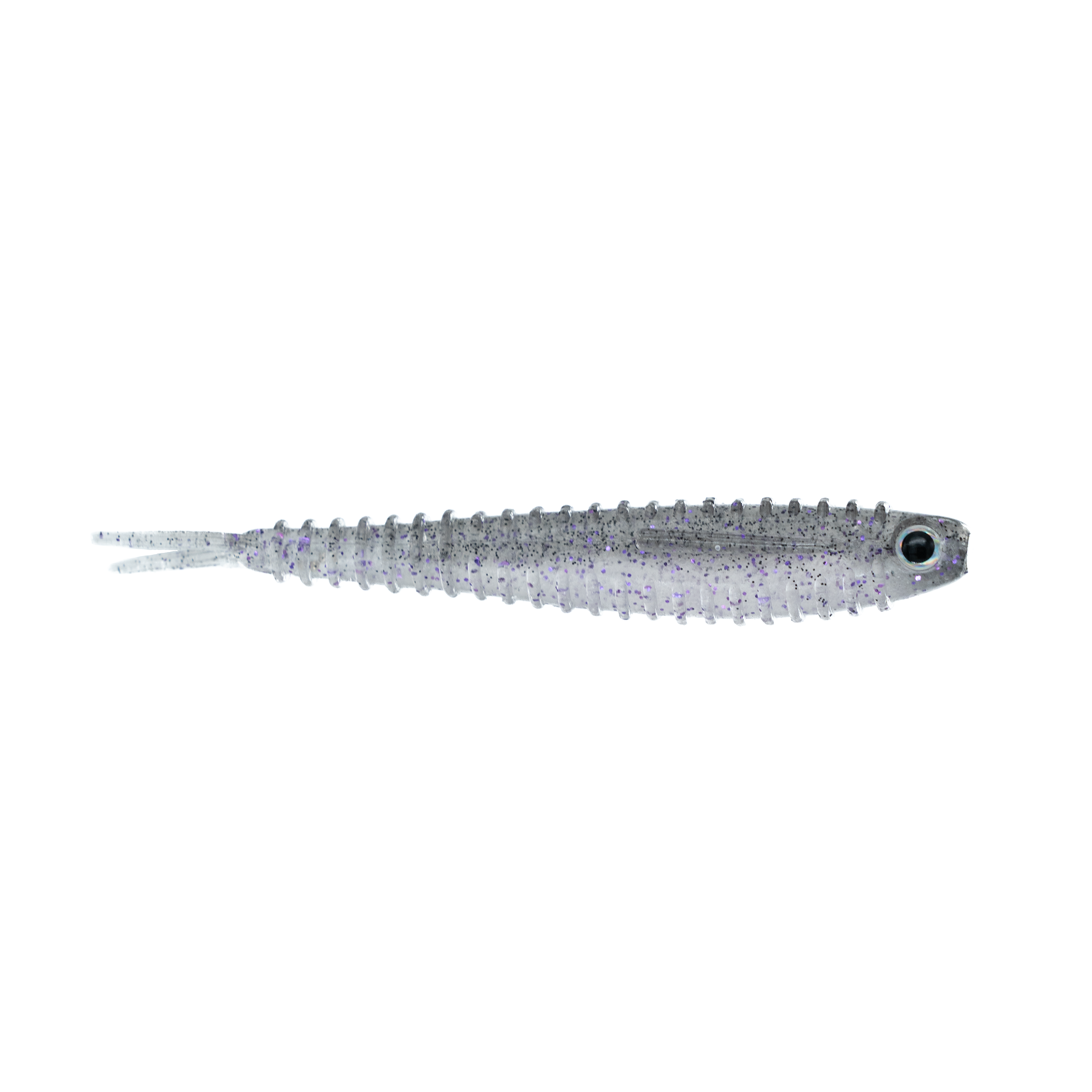
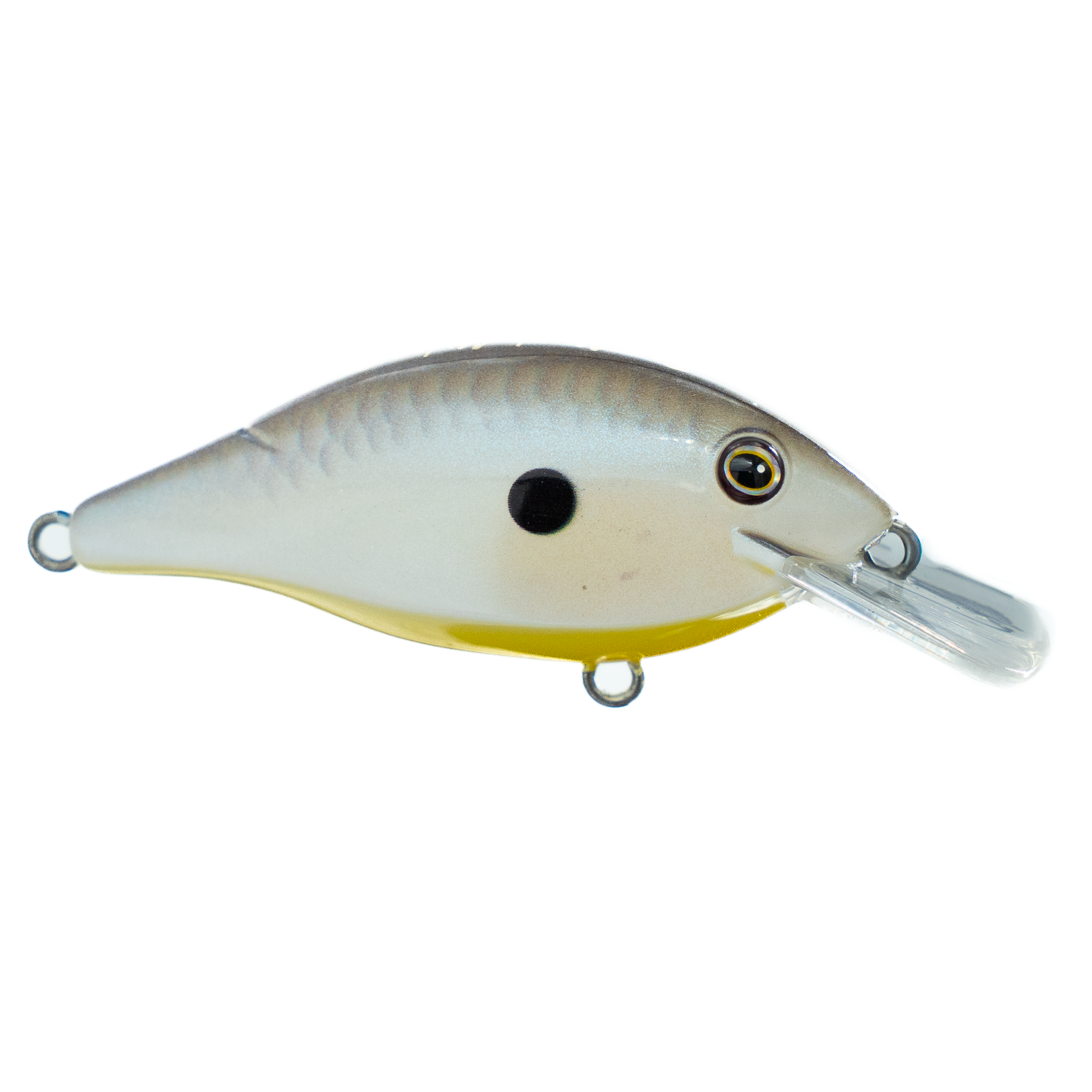
Weedless soft plastics and jigs pitched to timber, spinnerbaits and squarebills to locate fish through the wood, moving baits behind autumn bait, and slow vertical presentations on deep timber in winter. Our full bait lineup covers all four seasons.
Do I need a fishing license?
Yes, a Kentucky fishing license from the Department of Fish and Wildlife Resources. Check current black bass regulations before you go, and note that musky carry their own size and creel rules if you plan to target them.
Timber, and Nobody Else
Fishing standing wood all day costs jigs and tests hooksets, and on a lake this quiet there is no one else's boat to tell you where the fish are. Level Rods builds models with the sensitivity to work that out for yourself and the power to get a fish clear of the trunk she is wrapped around.
Tournament Winning Baits & Gear
Designed, crafted and tested by anglers who fish flooded timber every week. Free shipping on orders over $75.
Shop All Baits