Caney Lake Bass Fishing Guide
Caney Lake Bass Fishing, Season by Season
Five thousand acres in Jackson Parish that hold the Louisiana state record for largemouth, redear, crappie, yellow bass and bluegill. Caney is small, clear, easy to run and easy to fish. What it is not is a numbers lake — you come here for one bite.
A Small Lake with a Very Large Record Book
Caney Creek Reservoir — Caney Lake to everyone who fishes it — covers about 5,000 acres in Jackson Parish between Jonesboro and Chatham in north-central Louisiana. It is small by the standards of most pages on this site, and it holds more state records than any other water in Louisiana.
The largemouth record is the headline: 15.97 pounds, caught by Greg Wiggins in February 1994. Six of the ten biggest bass ever caught in Louisiana have come out of this one lake. The state record redear sunfish came from here too, at 2.87 pounds in 1998, along with record-book crappie, yellow bass and bluegill.
Bassmaster has ranked it repeatedly, and it reached the national top ten in 2026 on the strength of tournament weights and the number of ten-pound-plus bass coming out of it. In the Central Division rankings it has sat as high as fourth.
The lake itself is straightforward. There is only a little water deeper than fifteen feet, it is protected from the weather, and it is easy to run. The giants will take all the traditional bass lures you already own — this is not a technical fishery requiring specialist gear.
What it is not is a numbers lake, and that needs saying clearly. Do not expect to catch bass off and on all day. Anglers who come here are hunting one fish, and the shad and sunfish populations plus the growth in aquatic vegetation over recent years mean a realistic shot at something in the six to nine pound range with genuine ten-plus potential.
Spring is the season, and early morning along the shoreline is the classic window. It is also a well-regarded night fishing lake in the warmer months.
Five State Records from One Small Lake
What this lake has produced, and the baits to fish the water that produced it.
Six of the Ten Biggest Bass in Louisiana History
Greg Wiggins caught a 15.97-pound largemouth here in February 1994 and set a Louisiana state record that still stands. That fish is the headline, but it is not the whole story — six of the ten biggest bass ever caught in this state have come from Caney Lake.
The record book does not stop at bass. Jerry Smelley took the state record redear sunfish out of here in August 1998 at 2.87 pounds, and the lake has also produced record-book crappie, yellow bass and bluegill. Five species, one 5,000-acre reservoir.
Bassmaster has ranked it among the best bass lakes in the country for years running, reaching the national top ten in 2026 and sitting as high as fourth in the Central Division. The rankings cite both tournament weights and the sheer number of ten-pound-plus fish coming out.
The practical read for a visiting angler is simple. This is not technical water — there is little depth beyond fifteen feet and the big fish take conventional lures. It is small, protected and easy to run. What it demands is patience, because you are fishing for a single bite rather than a day's action.


Grass, Shorelines and One Bite
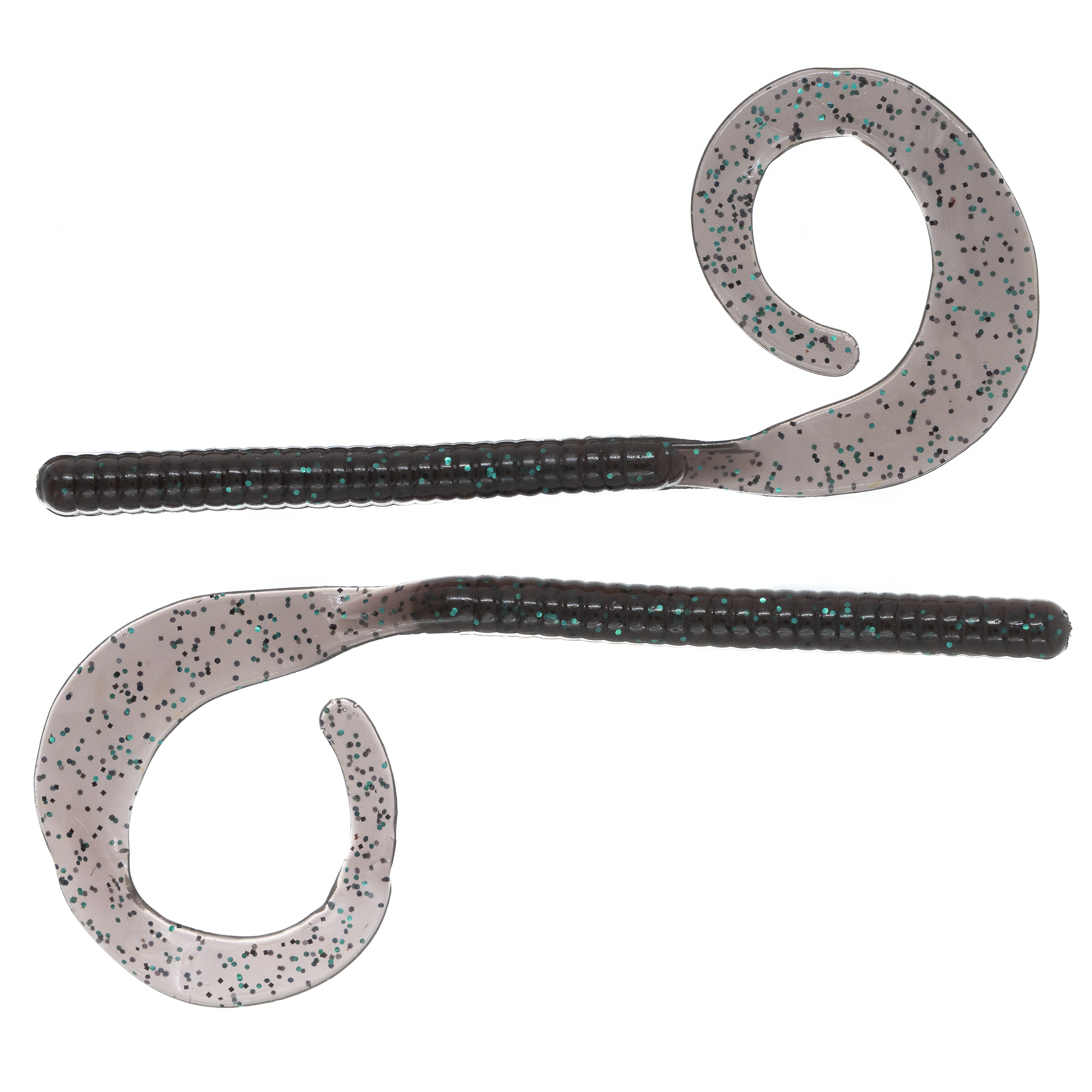
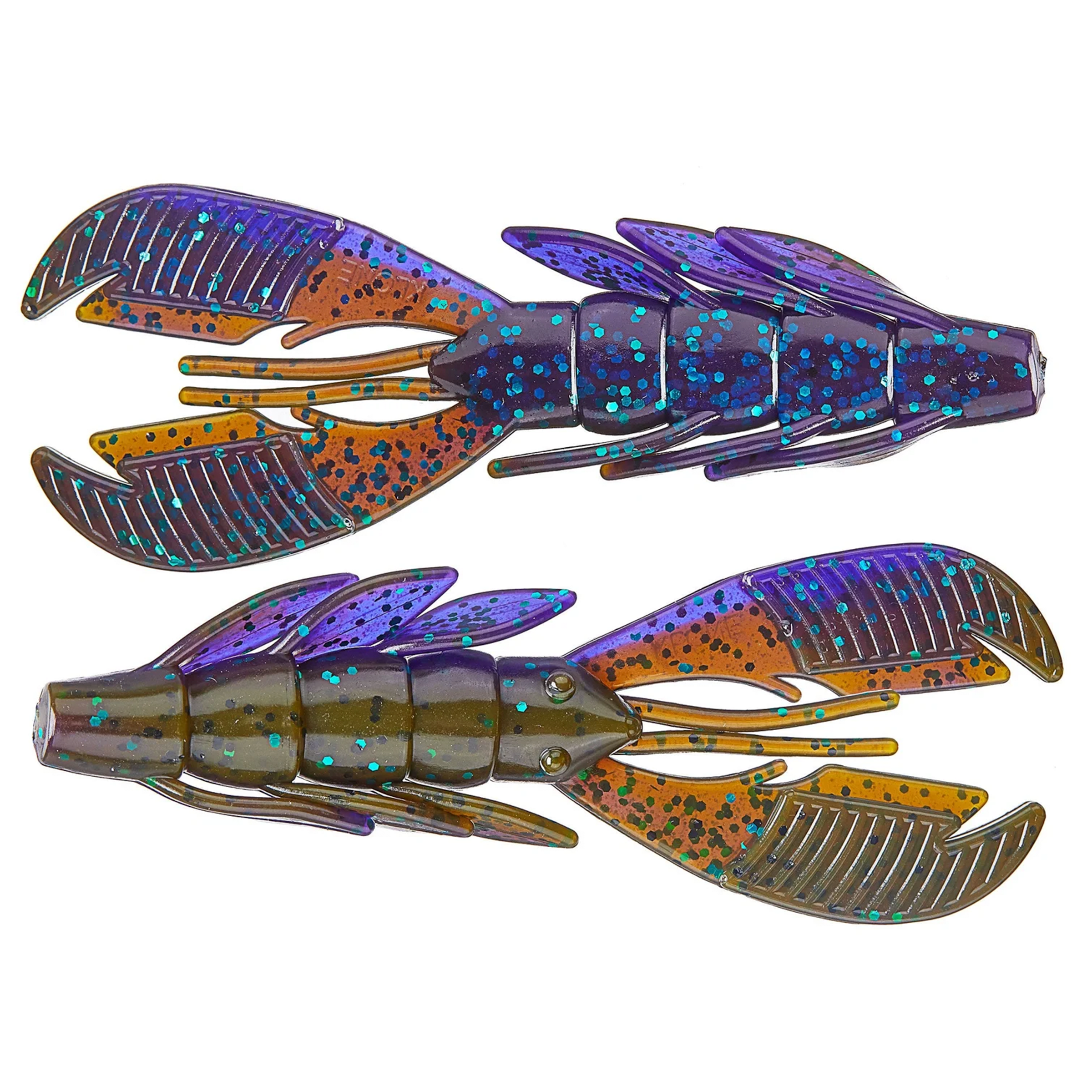
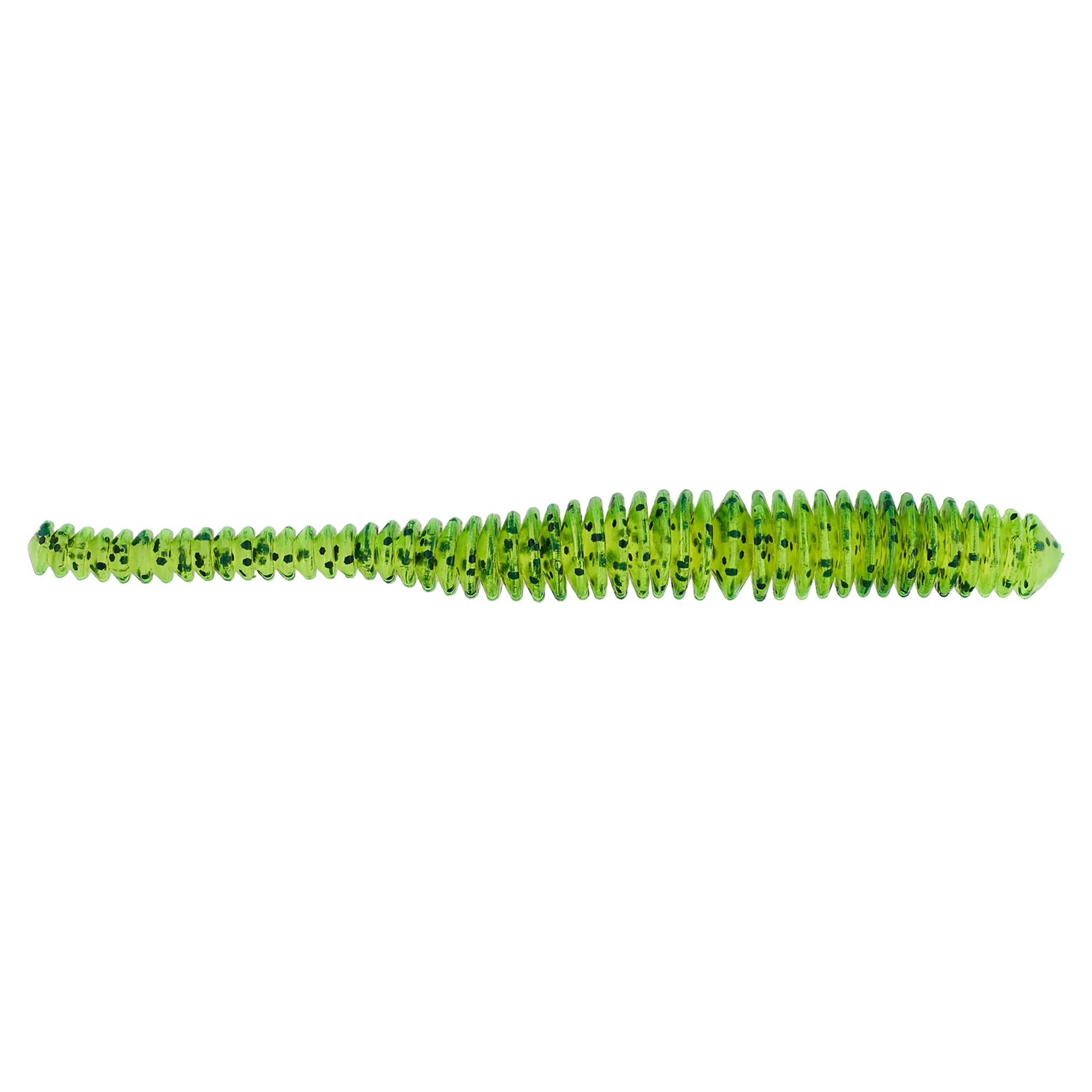
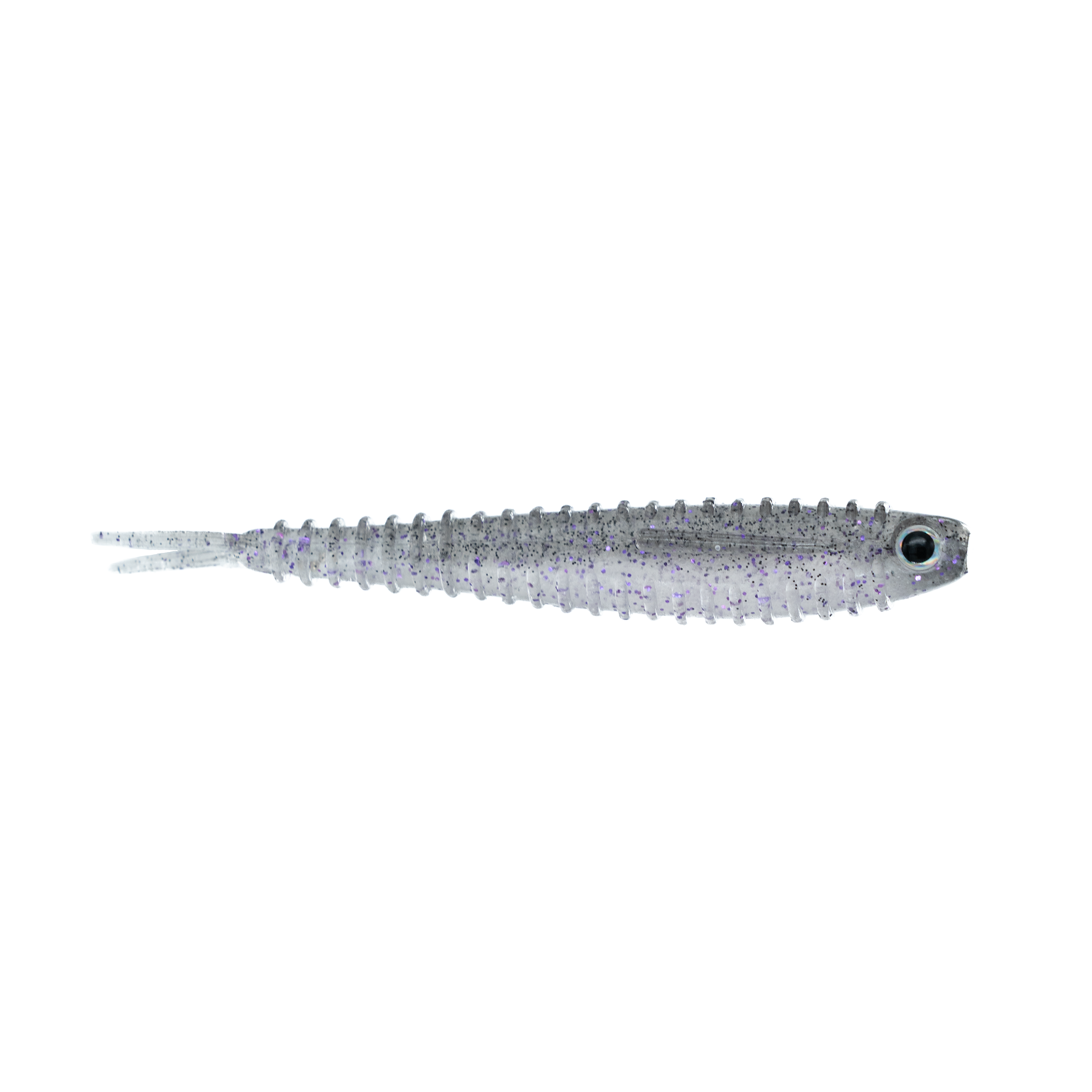
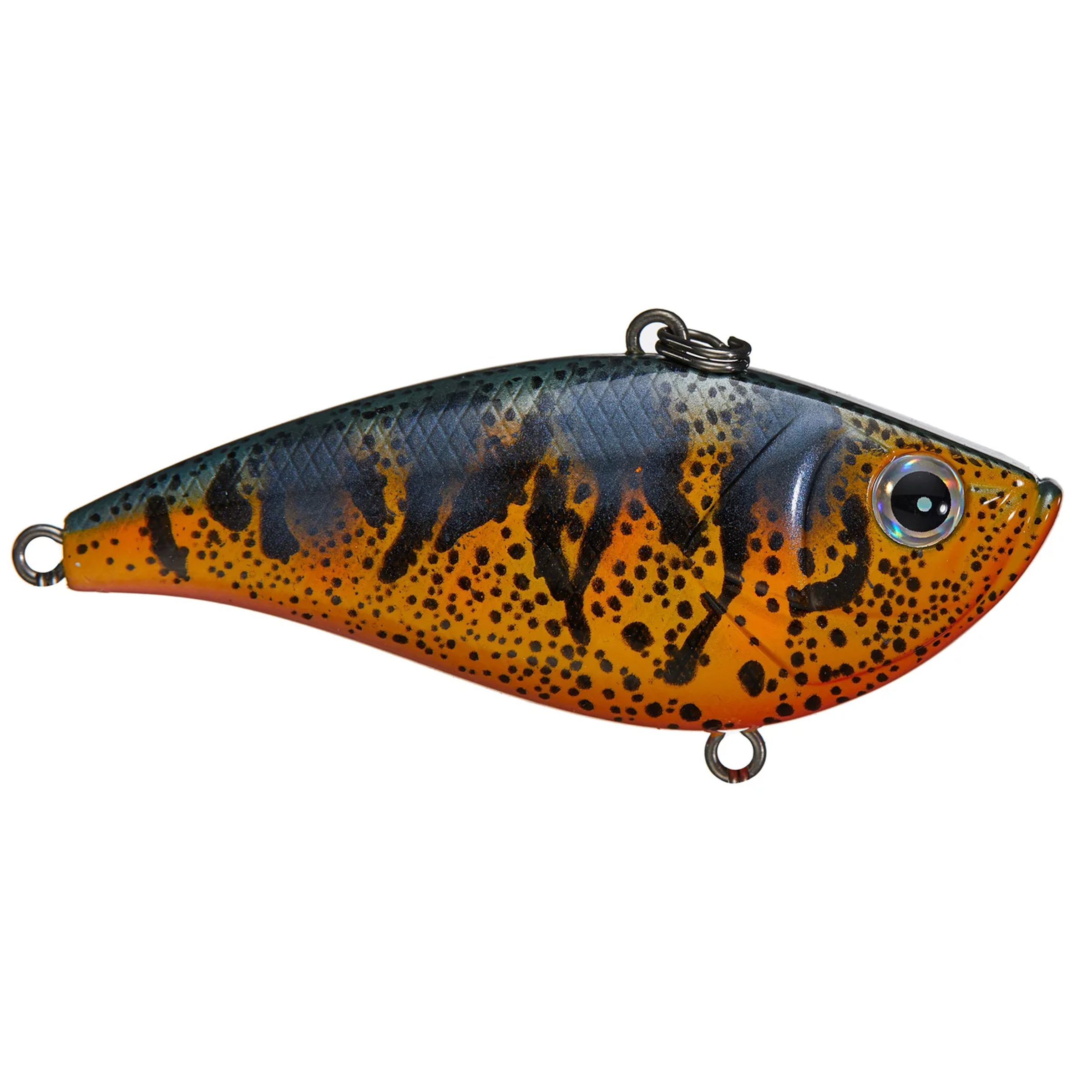
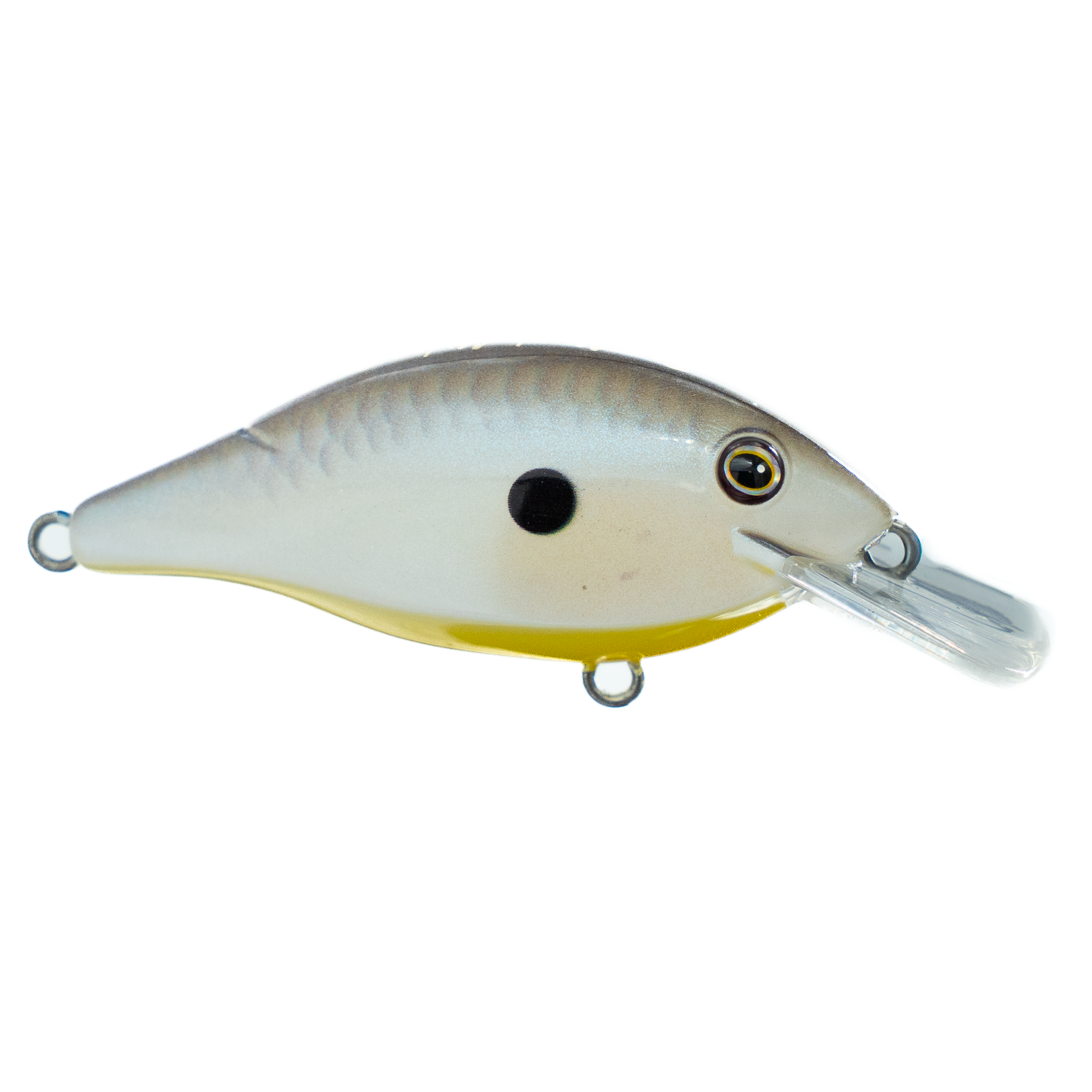
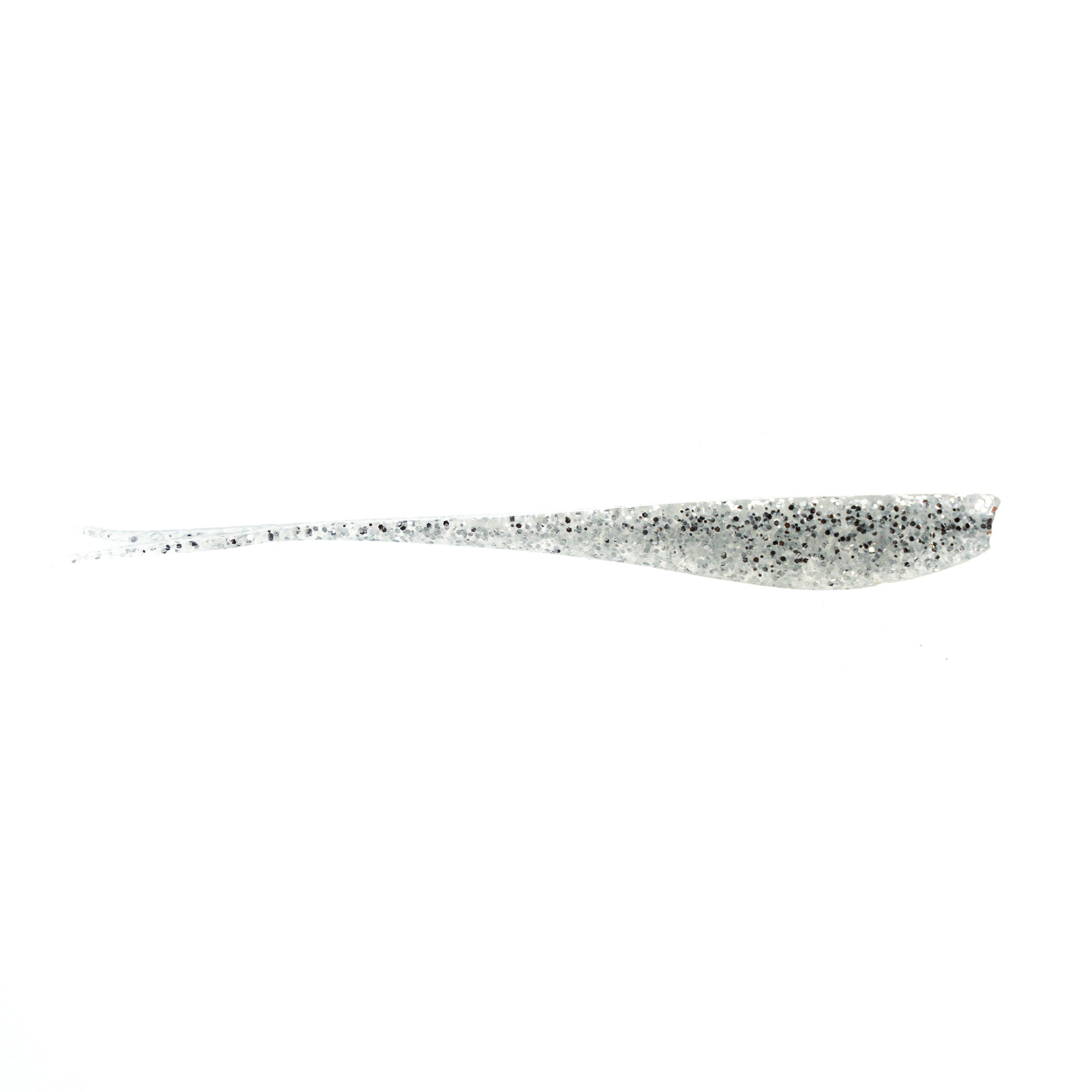
Four patterns cover the year. Each one pairs the technique with the baits we'd actually tie on.
The Trophy Window
Spring is the season and February is when the state record came. Big prespawn and spawning females move onto the shallower water and the vegetation, and the early morning shoreline bite is the classic Caney pattern. On a lake with little water beyond fifteen feet, they do not have far to come.
Vegetation, Depth and Darkness
Summer pushes fish into the vegetation and onto whatever depth the lake offers, and Louisiana heat compresses the useful hours. Caney has a strong reputation for night fishing in the warm months, which is the sensible answer to fishing a small clear lake in July.


Shad, Sunfish and Cooling Water
Autumn cools the water and the shad and sunfish populations that have built up in recent years become the whole story. Bass feed hard ahead of winter and become catchable on moving baits, which is a relief on a lake that usually asks for patience.

Straight Into February
Winter runs directly into the window that produced the state record. Cold water concentrates the big fish and they become catchable in a way they are not in summer heat. It is slow, and it is the season serious big-fish anglers plan around rather than avoid.


Caney Lake Access
Jimmie Davis State Park at the southern end of the lake provides the main access, with multiple boat ramps and marinas around the reservoir. Jonesboro and Chatham are the nearest towns, in north-central Louisiana's Jackson Parish.
The Shoreline
The classic Caney pattern is early morning along the bank, and it is where a great many of the lake's biggest fish have come from. On a reservoir with little water deeper than fifteen feet, the shoreline is never far from everything else.
The Vegetation
Aquatic vegetation has grown substantially in recent years alongside the shad and sunfish populations, and that combination is why the lake keeps producing. Work the grass edges and the pockets inside it rather than the middle of the beds.
The Deeper Water
There is not much of it — only a little of the lake exceeds fifteen feet — which makes what there is disproportionately valuable in summer heat and cold winter weather. Easy to find and worth learning properly.
Caney Lake Bass Fishing FAQ
What is the Louisiana state record largemouth?
A 15.97-pound bass caught by Greg Wiggins at Caney Lake in February 1994. It still stands, and six of the ten biggest bass ever caught in Louisiana have come from this same 5,000-acre lake.
How many state records has Caney Lake produced?
Five species. The largemouth record, the redear sunfish record at 2.87 pounds from 1998, plus record-book crappie, yellow bass and bluegill. That is remarkable for a lake this size.
Is Caney a numbers lake?
No, and it is worth being clear about that. You should not expect to catch bass off and on all day. Anglers come here hunting a single big fish, with a realistic shot at six to nine pounds and genuine ten-plus potential.
How deep is Caney Lake?
Not very — there is only a little water deeper than fifteen feet. That makes it easy to fish and easy to learn, and it means the big fish are never far from the shoreline where most of them are caught.
Do I need special tackle?
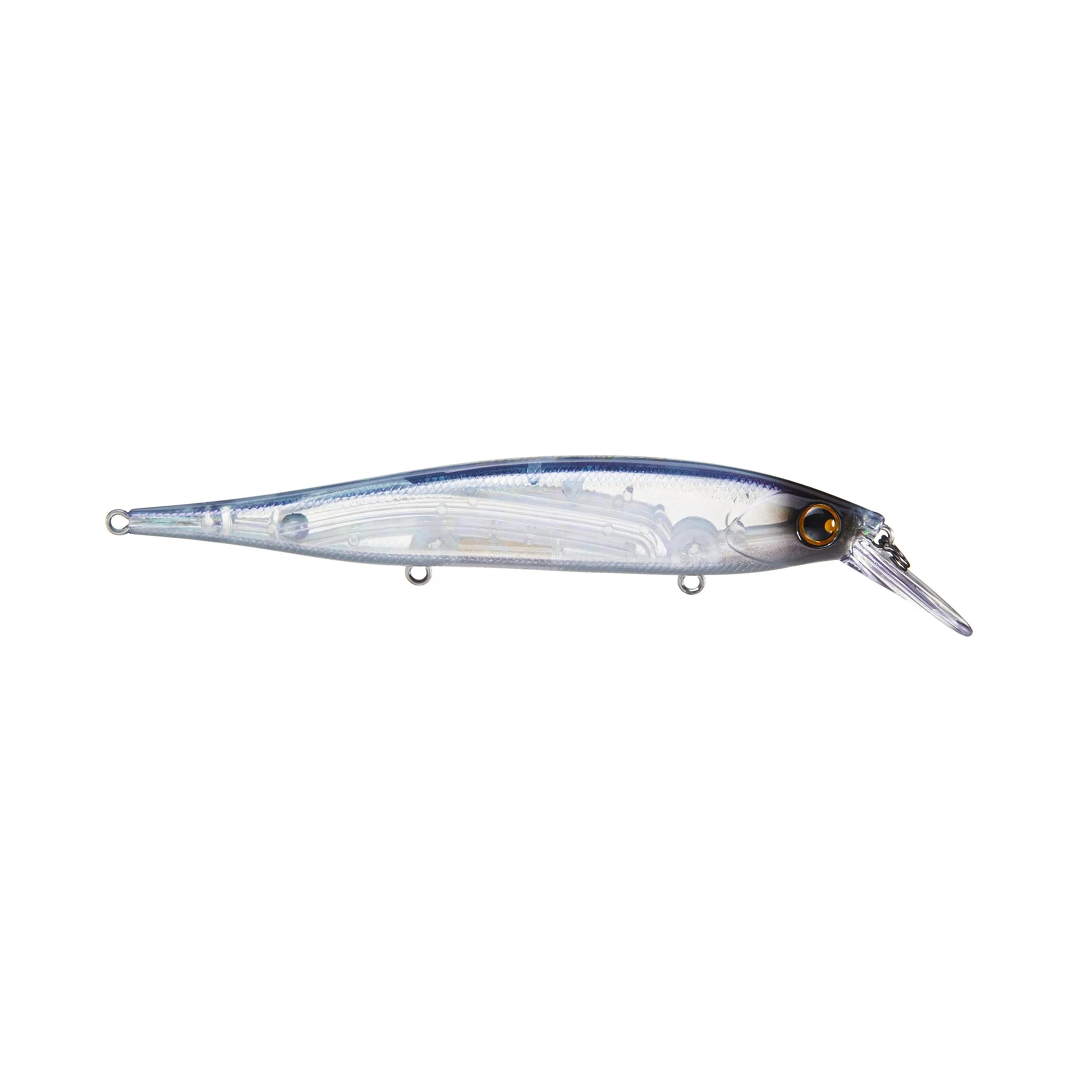
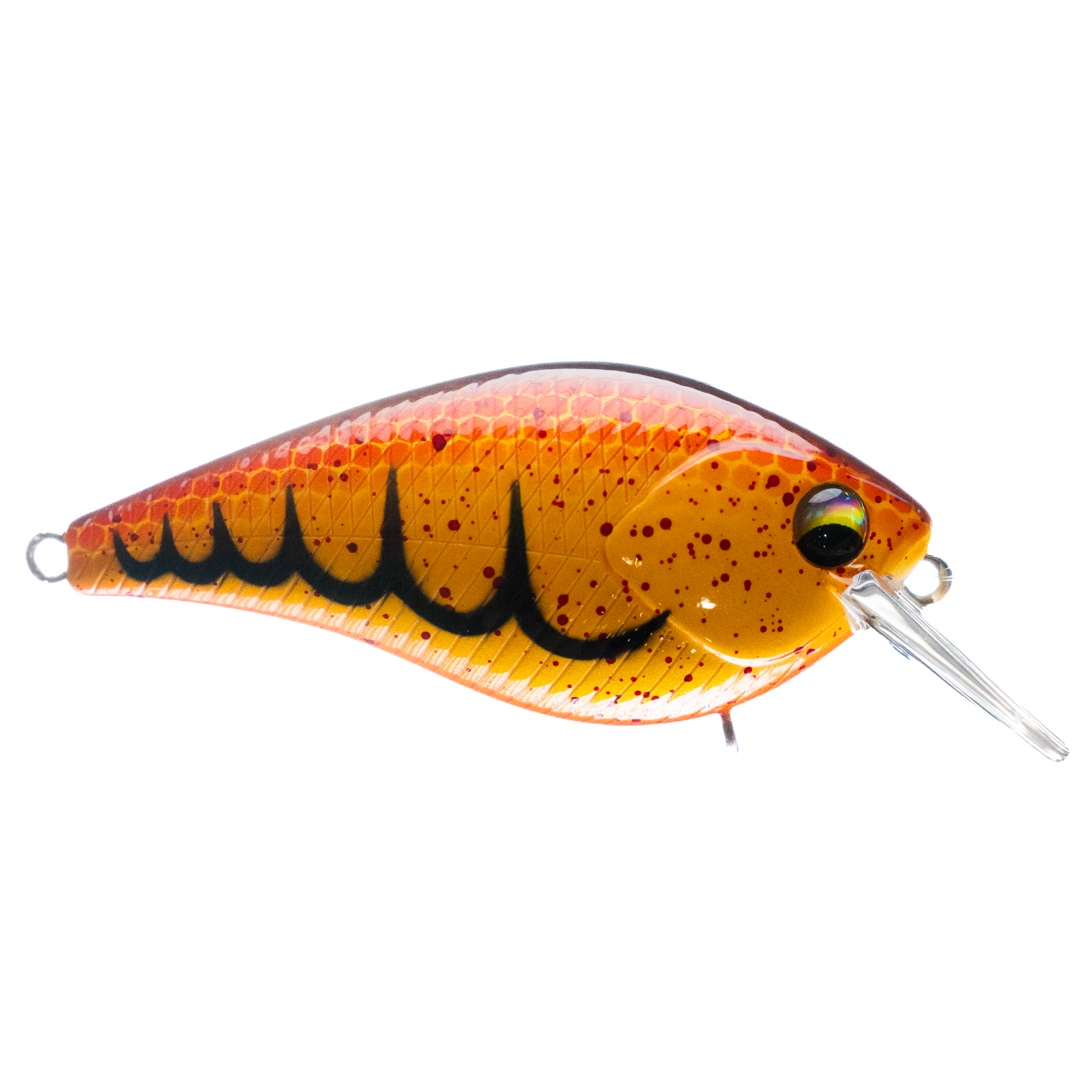
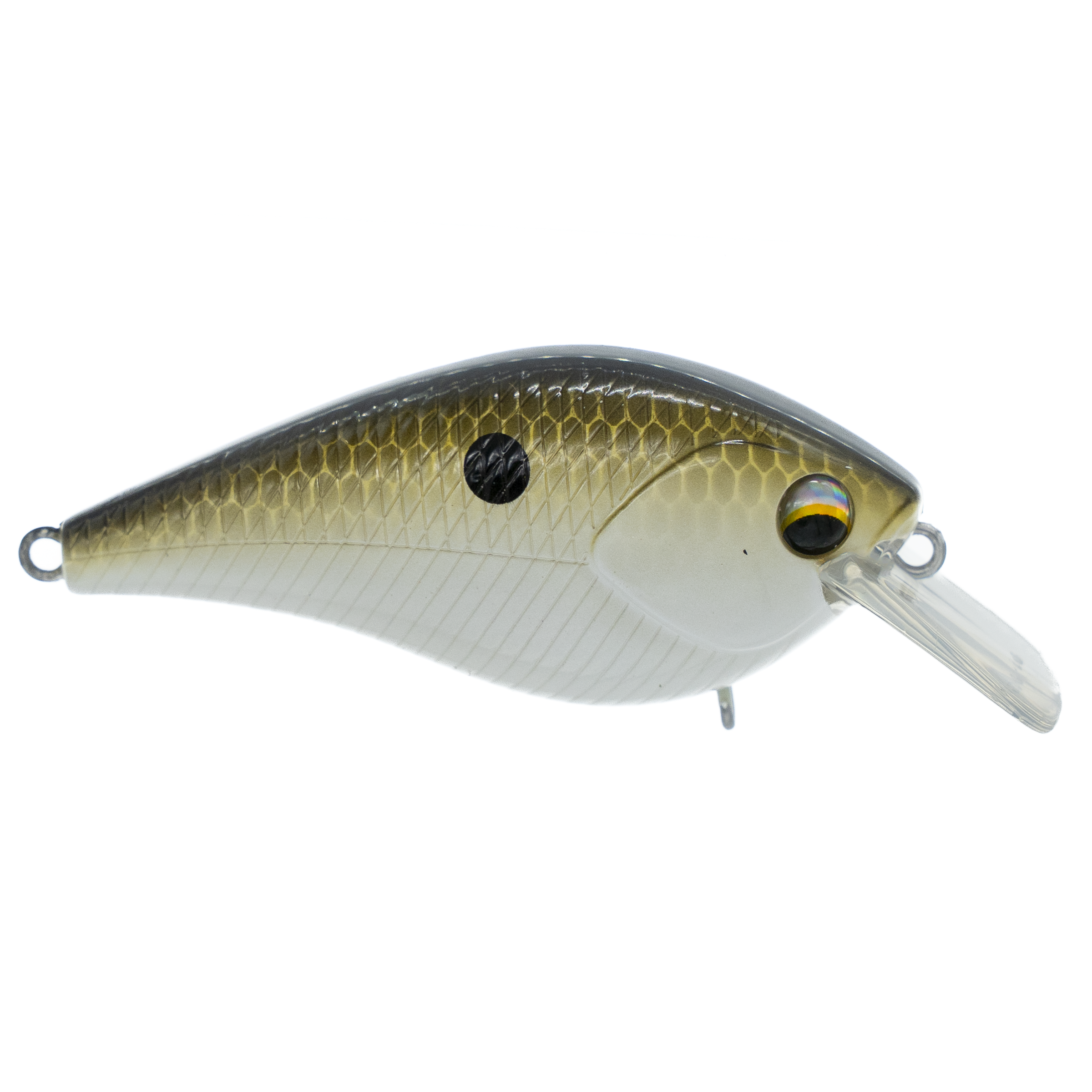
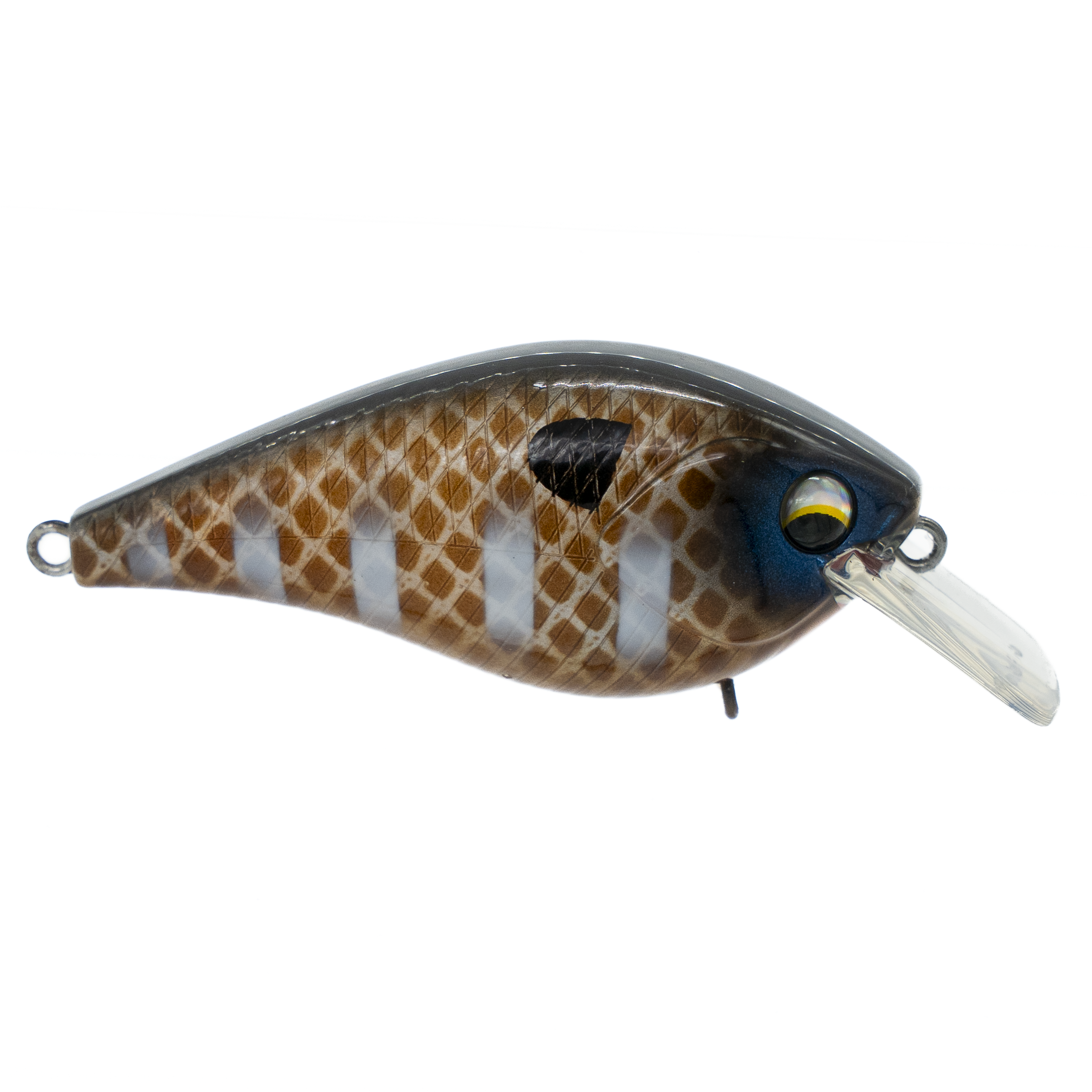
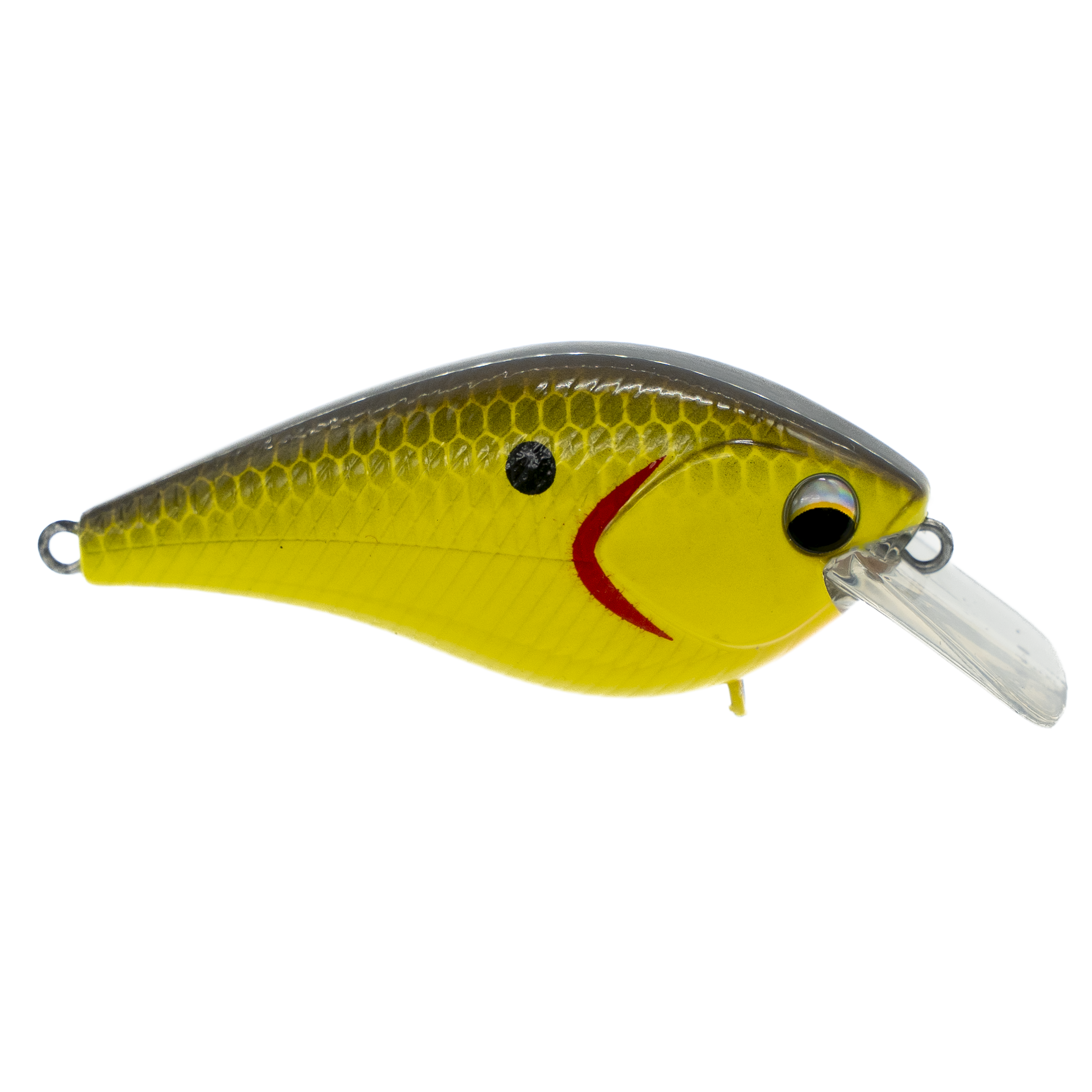
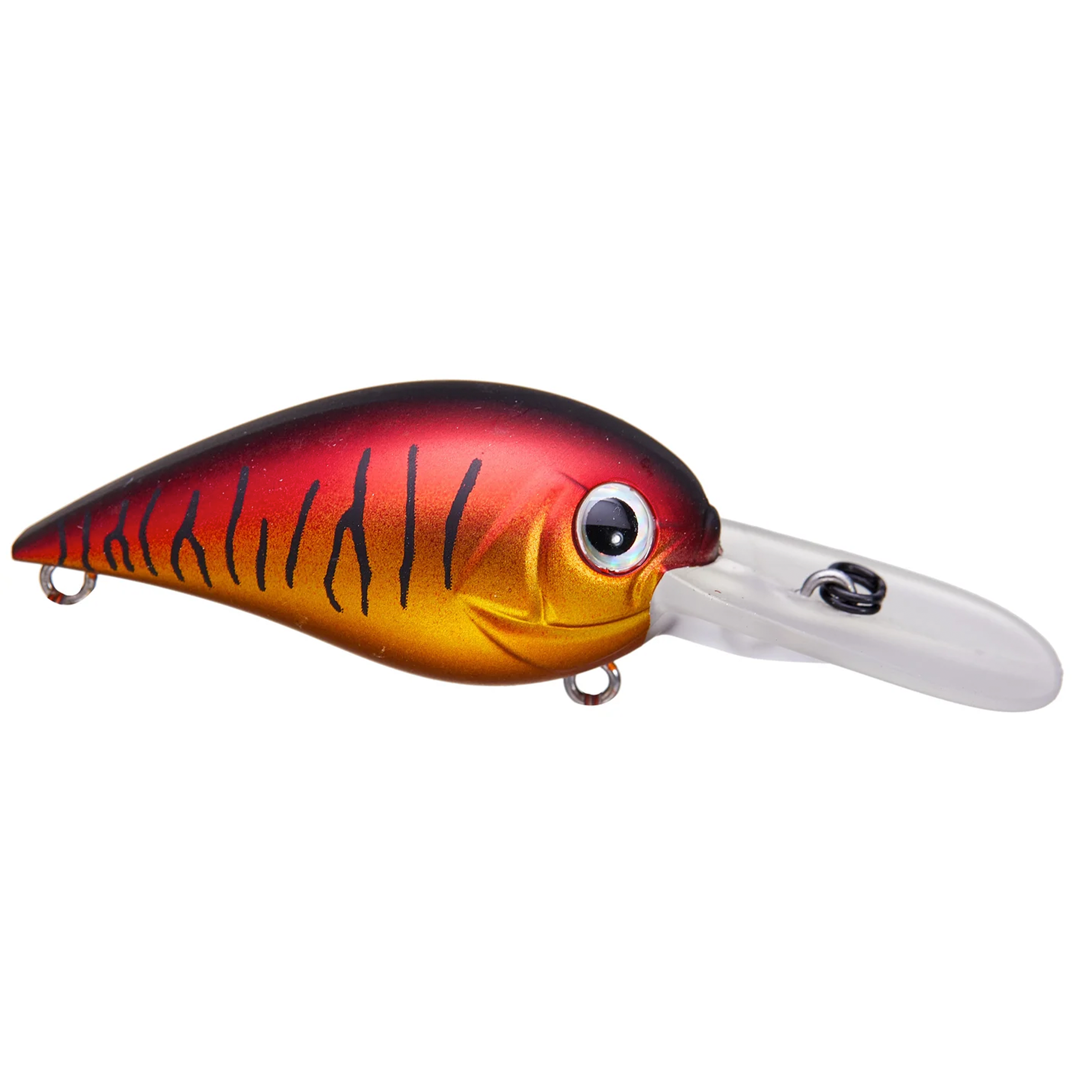
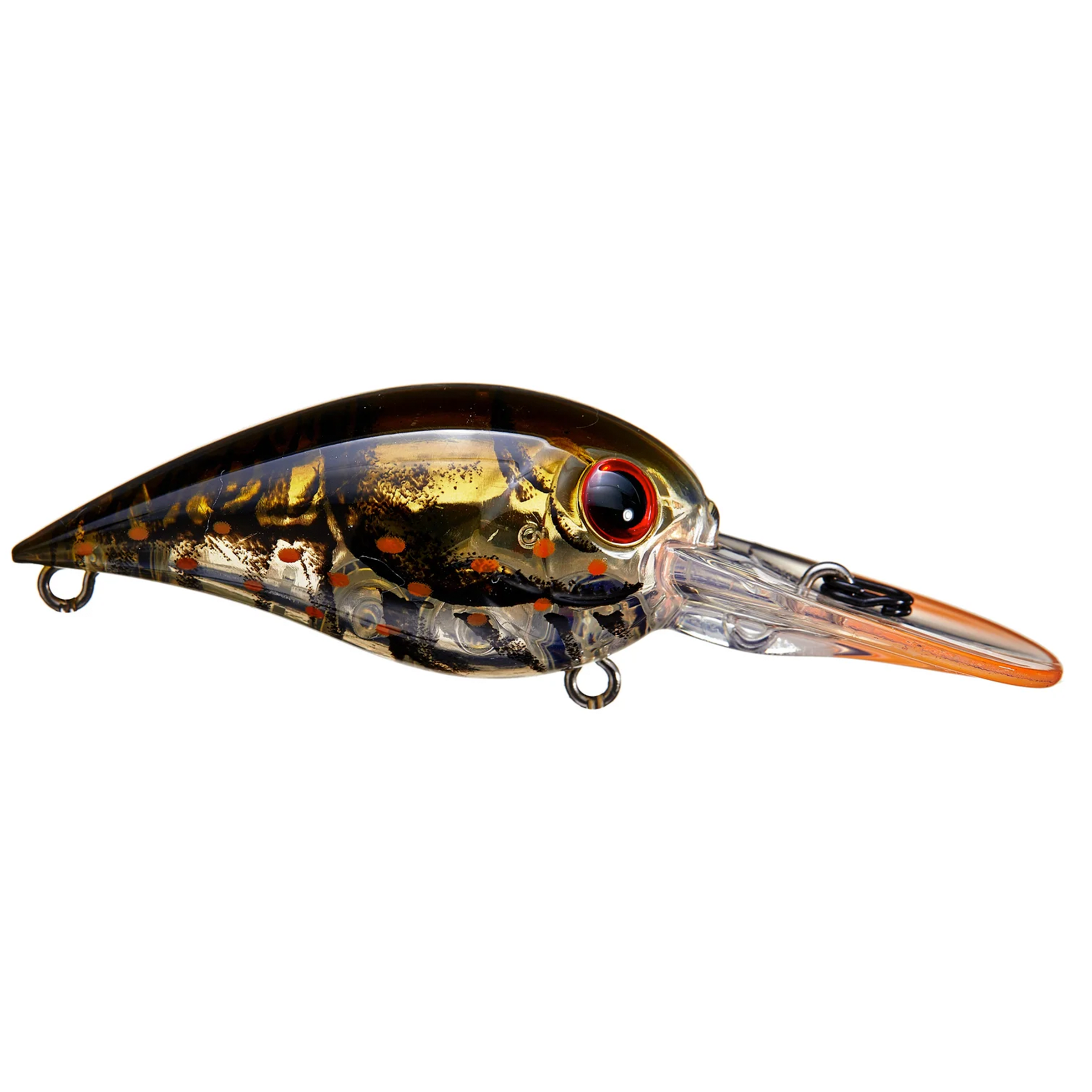
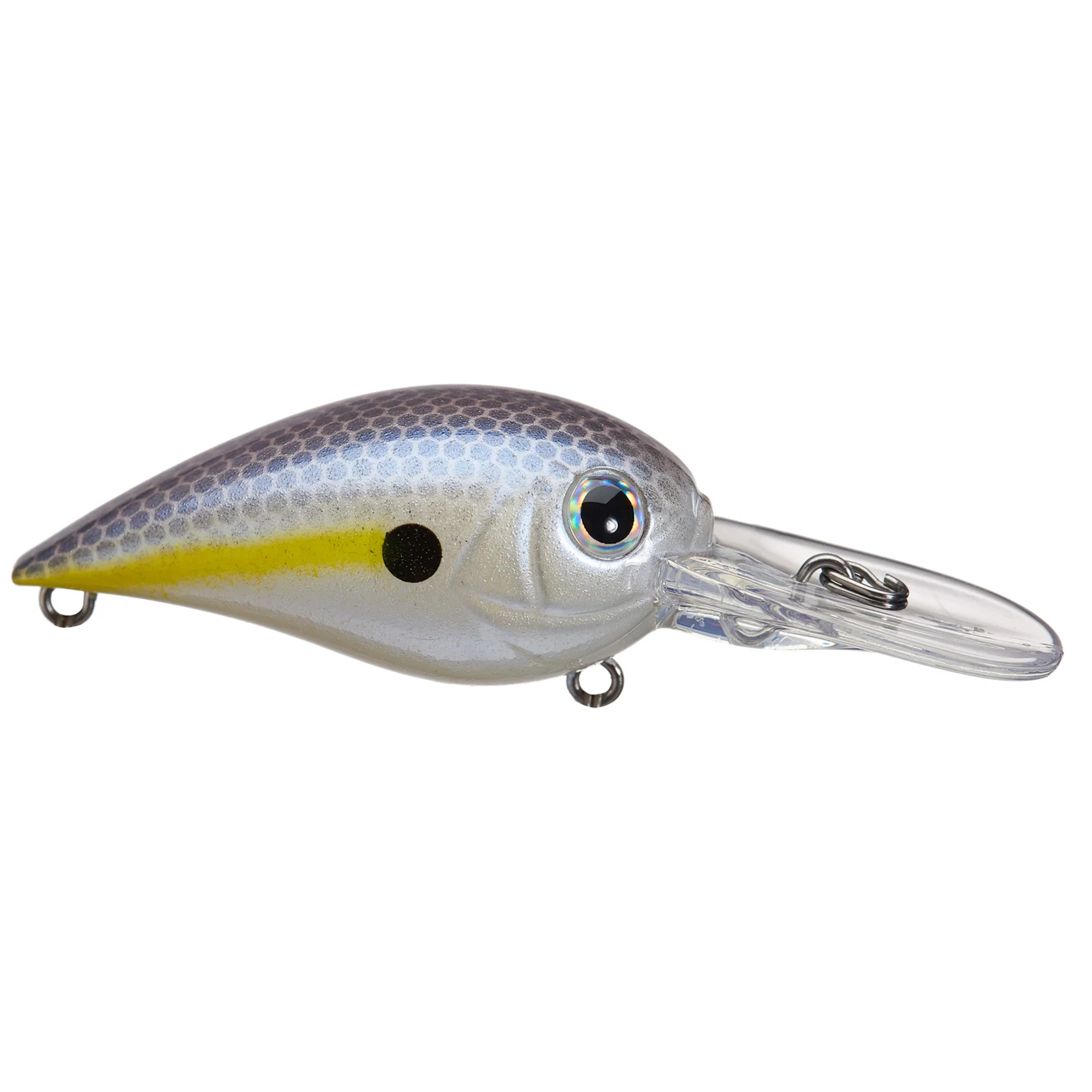
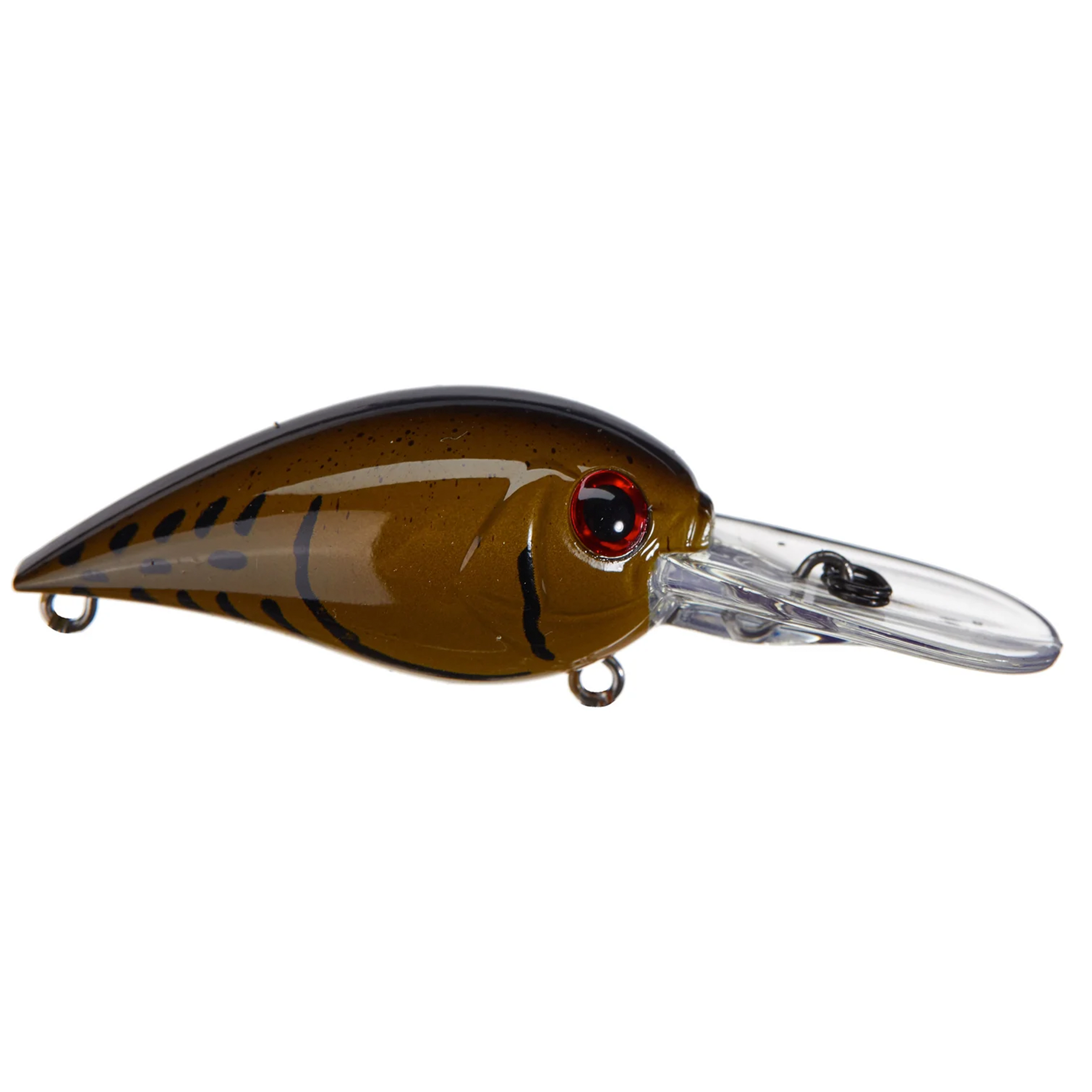
No. The giants here will take all the traditional bass lures you already own. Squarebill crankbaits, jigs and soft plastics with a slow presentation are the local recommendation. This is not a technical fishery.
When is the best time to fish Caney?
Spring, and February in particular — that is when the state record came and when the big fish are most catchable. Early morning along the shoreline is the classic window. It is also a well-regarded night fishing lake in the warmer months.
What baits work best on Caney Lake?
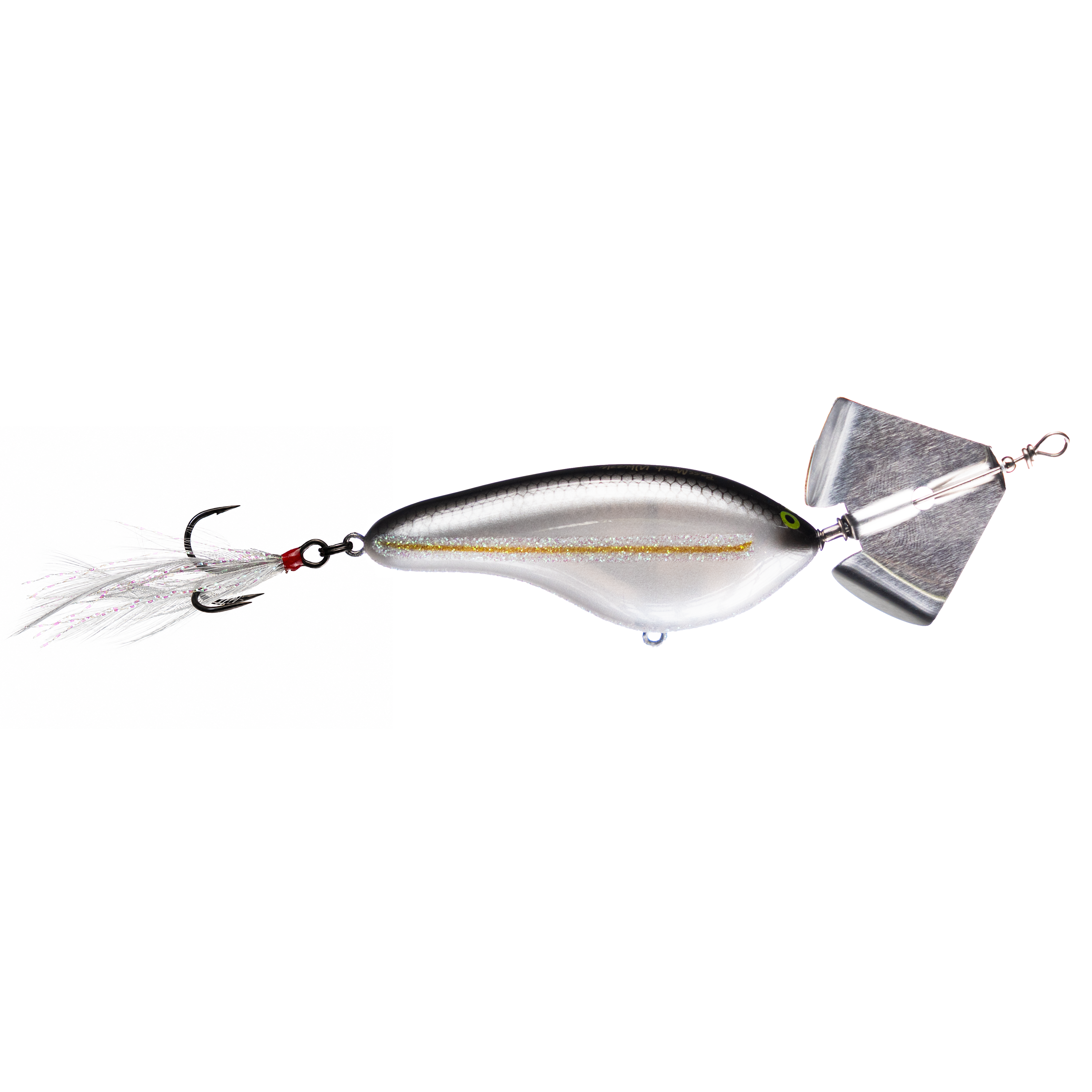
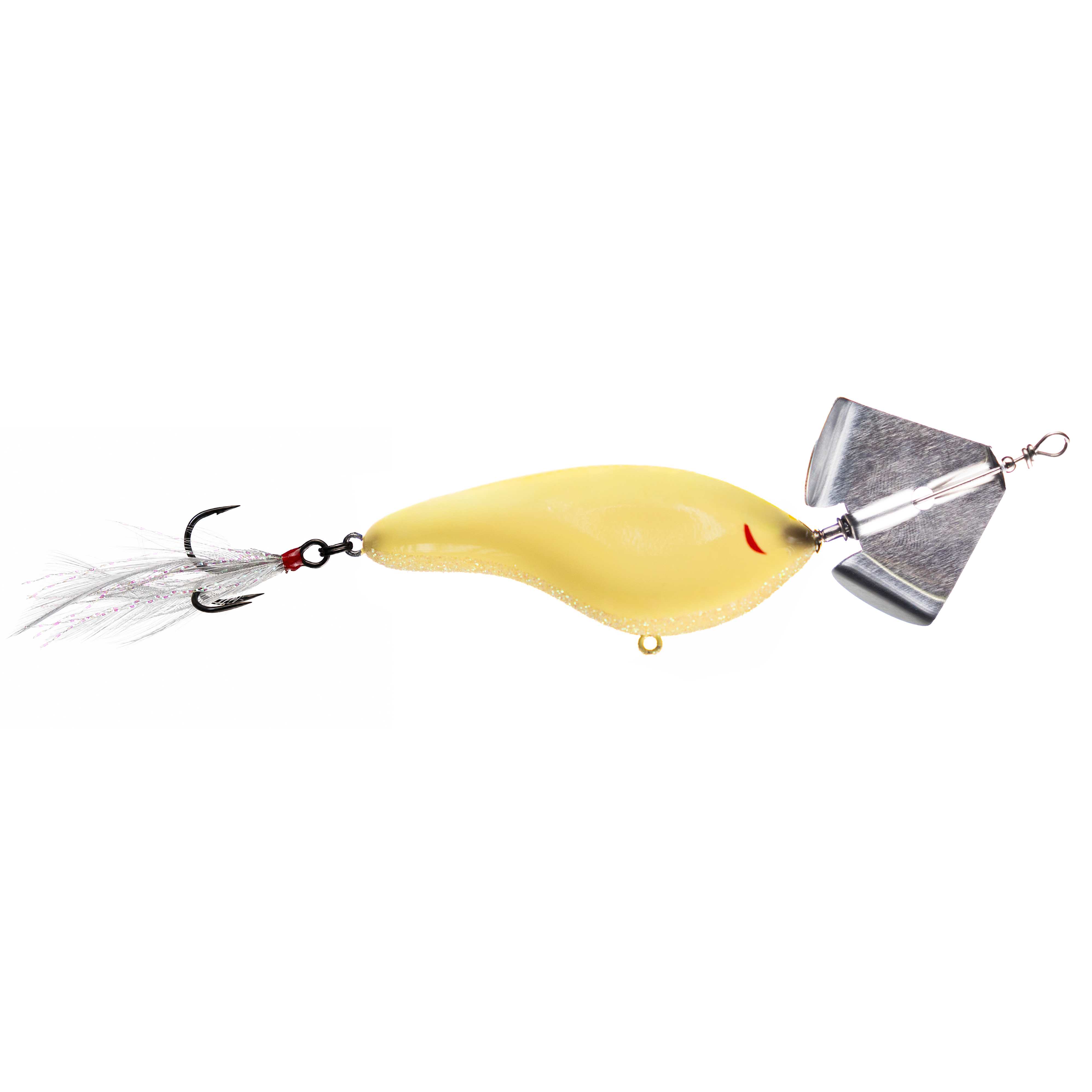
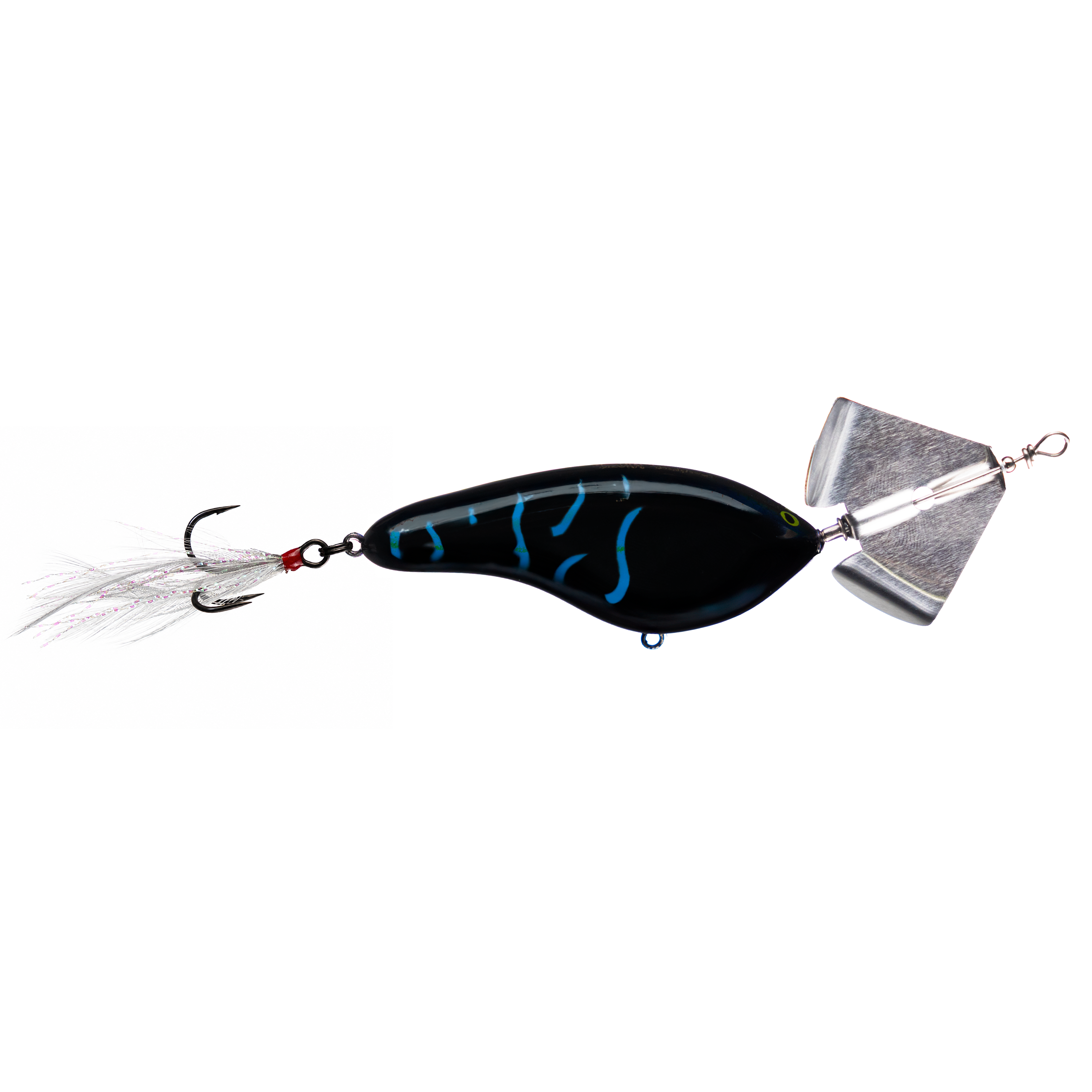
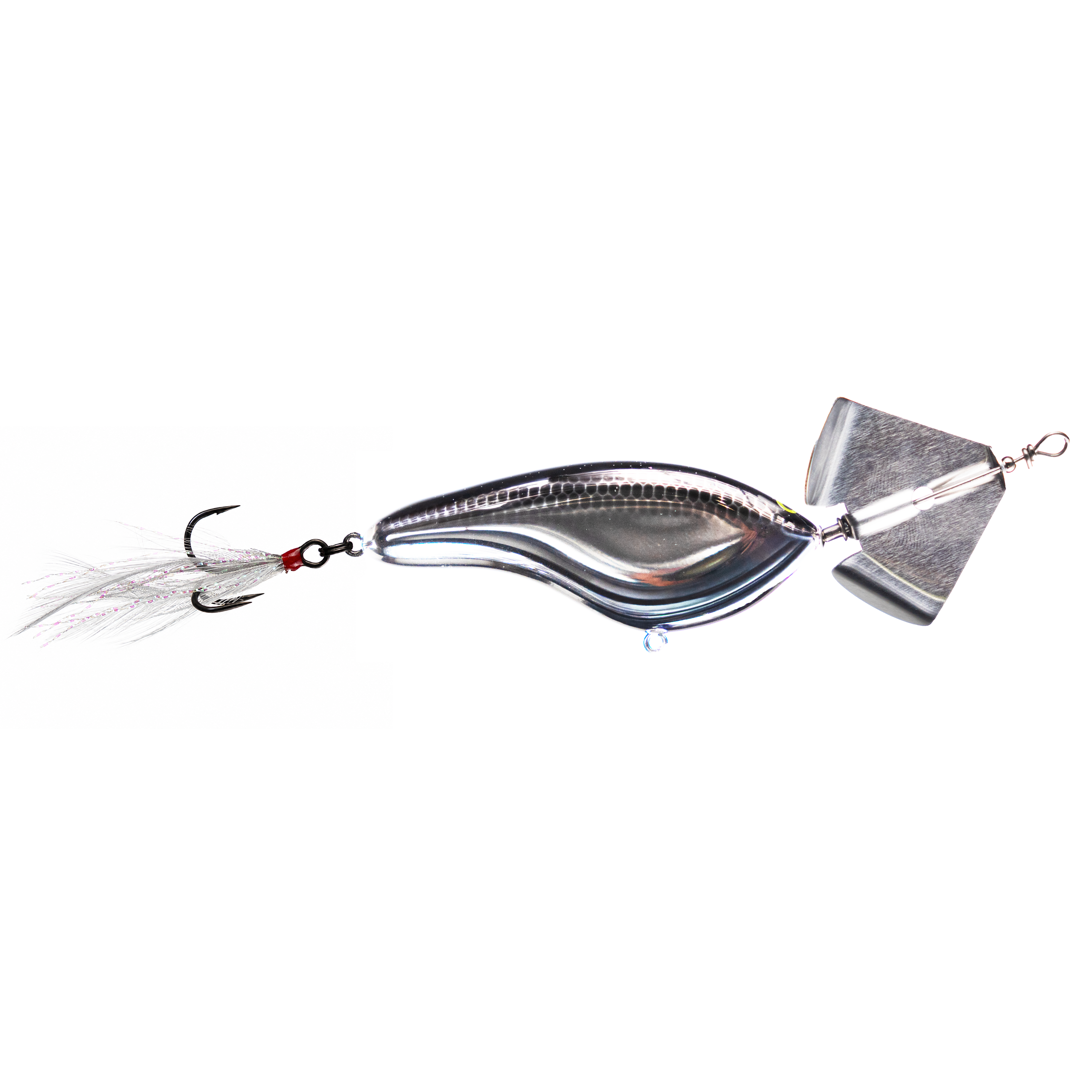
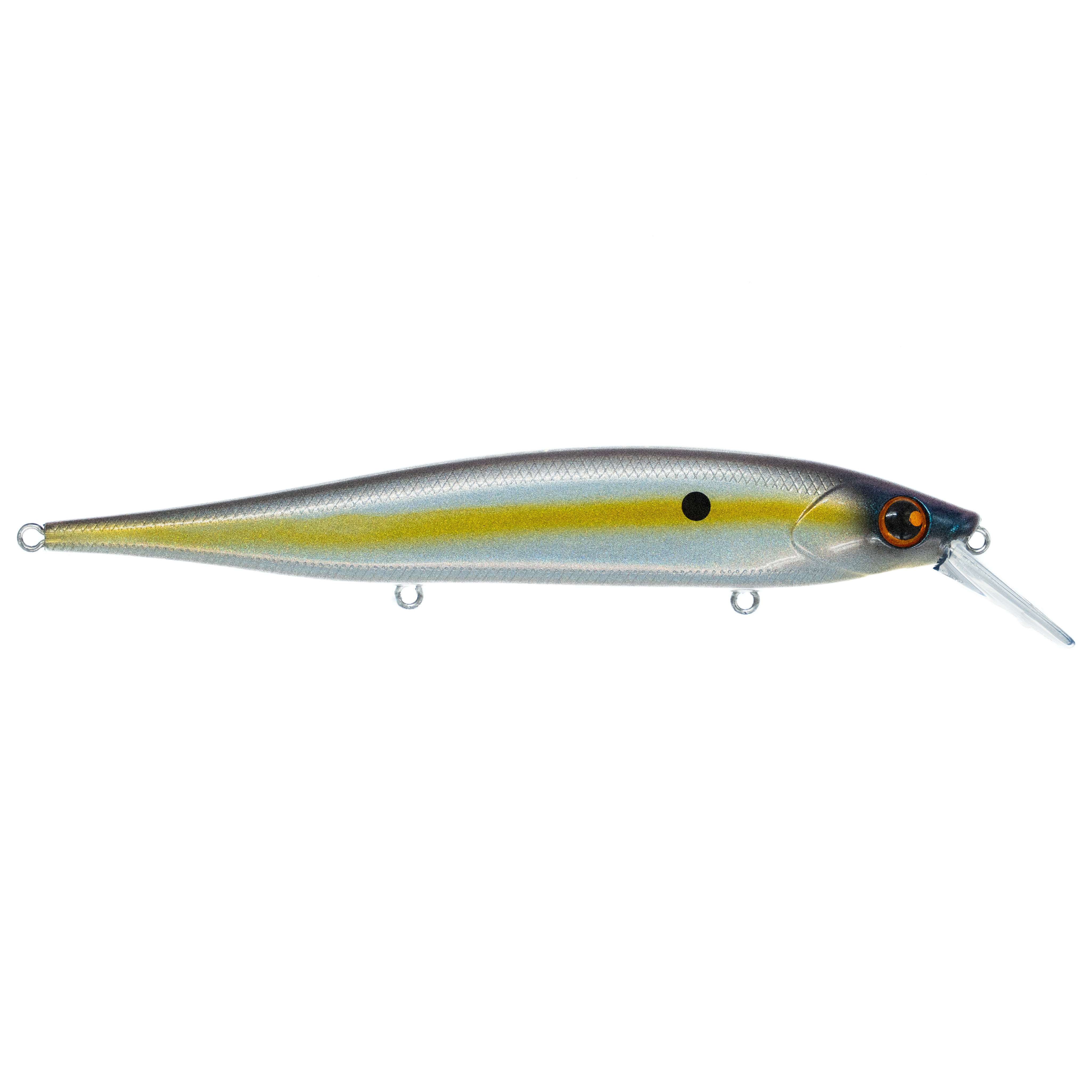
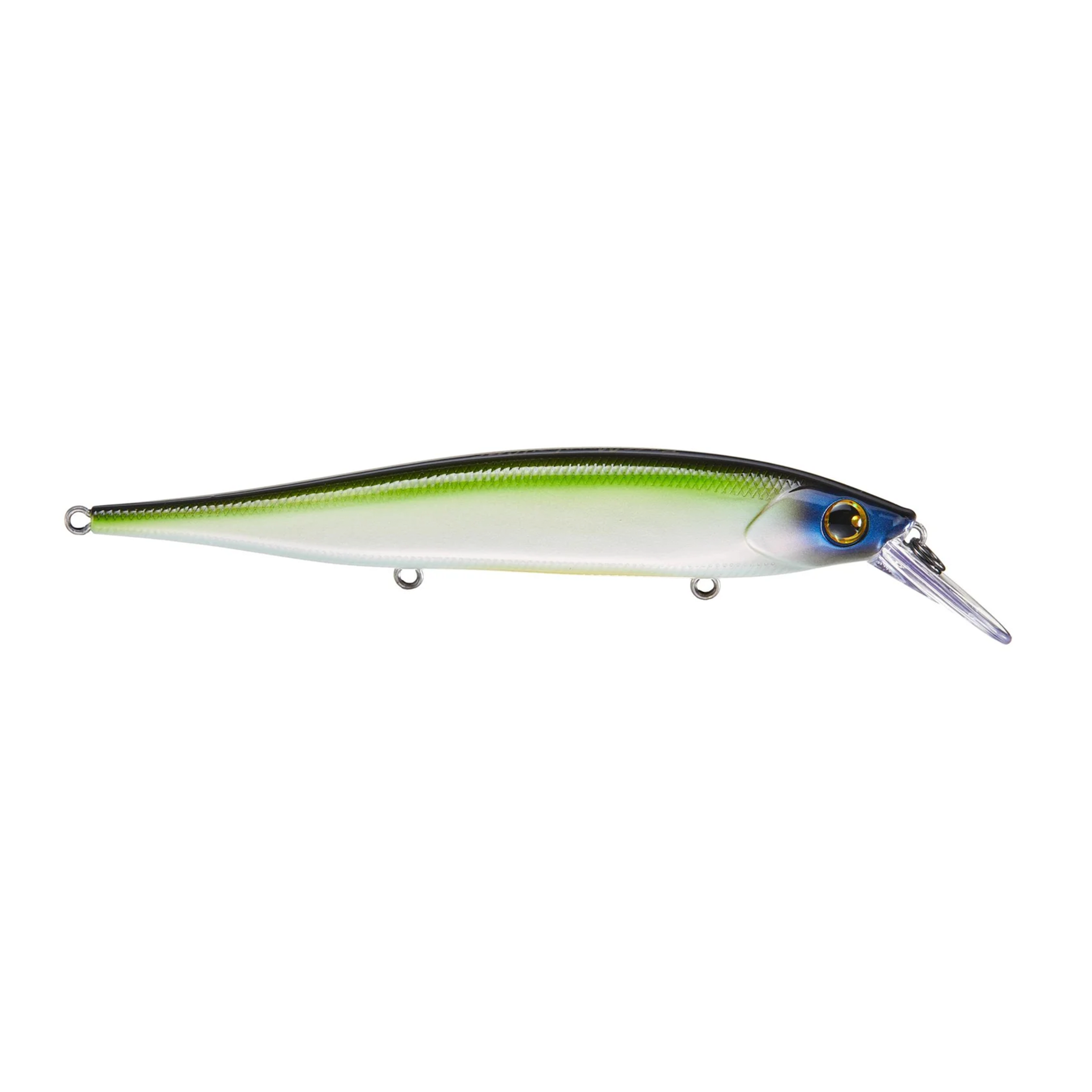
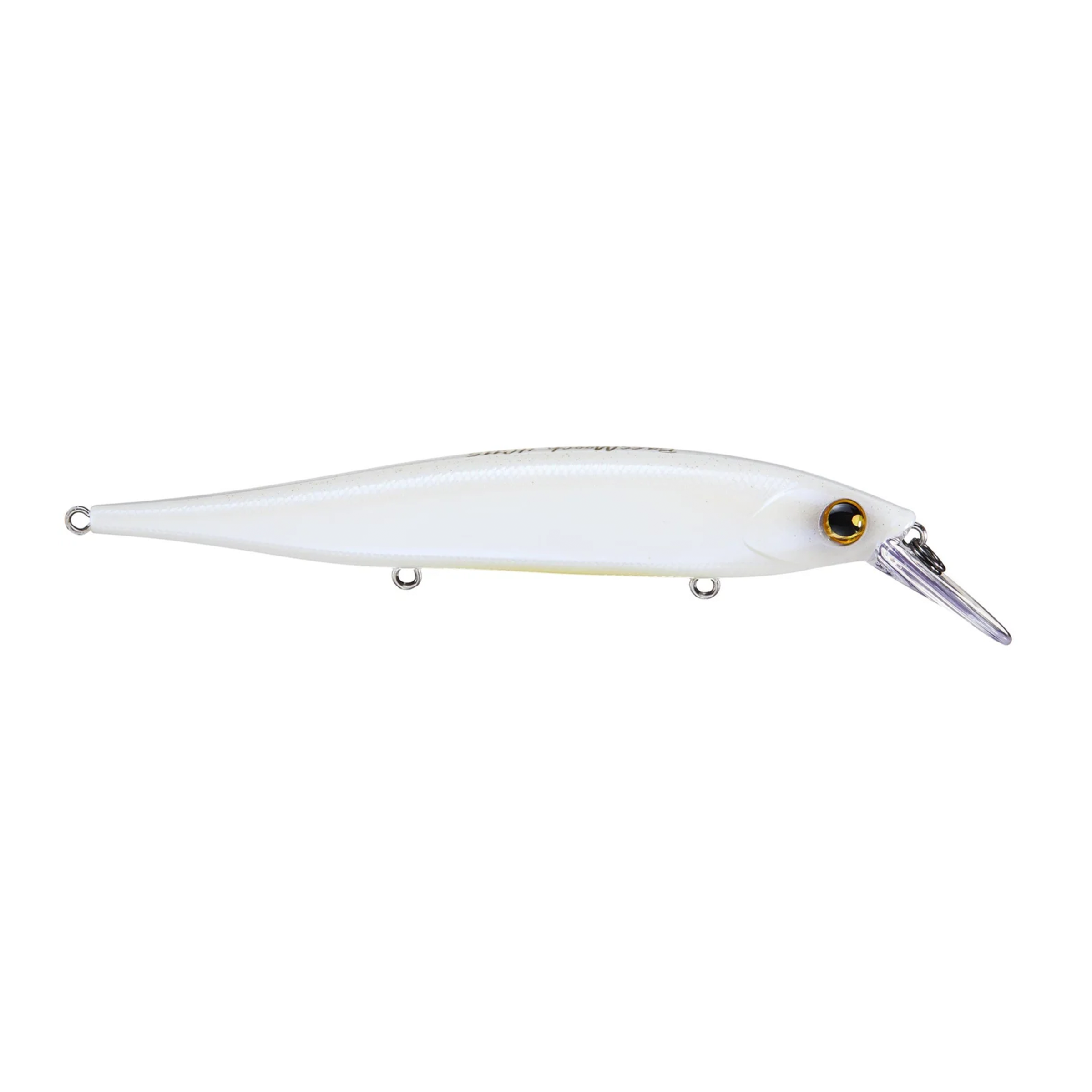
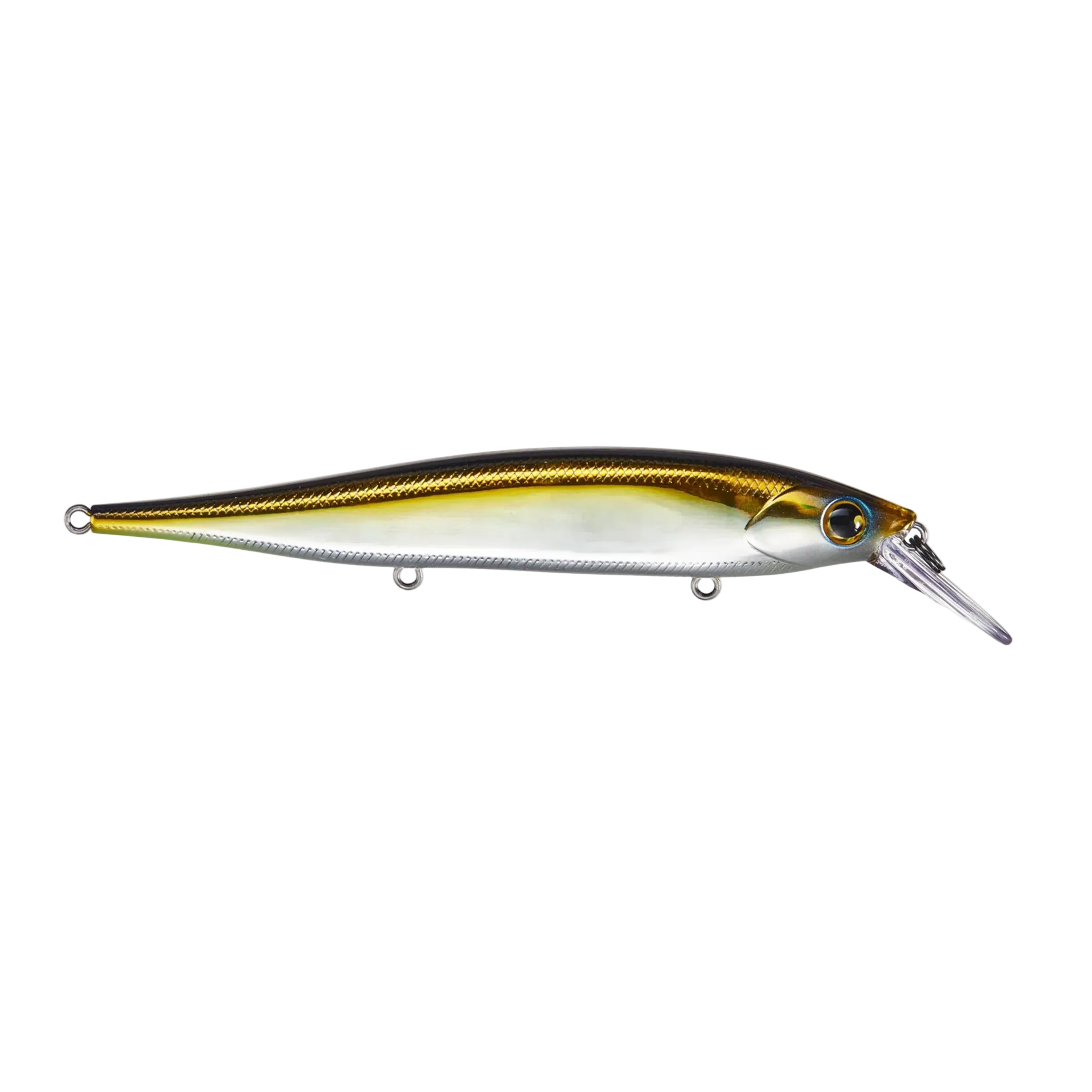
Squarebill crankbaits, jigs and soft plastics fished slowly, worked along the shoreline and through the vegetation. Nothing exotic — the fish here are big rather than difficult. Our full bait lineup covers all four seasons.
Do I need a fishing license?
Yes, a Louisiana fishing license from the Department of Wildlife and Fisheries. Check current black bass regulations for the lake before you go, as trophy waters sometimes carry their own rules.
One Bite, Fifteen Pounds
A lake where you might get three bites in a day and one of them weighs double figures does not forgive tackle failure. Level Rods builds models with the power to land the biggest bass in Louisiana and the sensitivity to detect her picking a jig up rather than eating it.
Tournament Winning Baits & Gear
Designed, crafted and tested by anglers who hunt big fish every week. Free shipping on orders over $75.
Shop All Baits