
Candlewood Lake Bass Fishing Guide
Candlewood Bass Fishing, Season by Season
Five and a half thousand acres in western Connecticut, eighty-five feet deep, built over a submerged town and fed by an enormous alewife population. Candlewood is a hundred years old and still produces like a young reservoir.
A Century-Old Lake That Fishes Young
Candlewood Lake covers about 5,420 acres in Fairfield and Litchfield counties, making it Connecticut's largest lake. It reaches eighty-five feet with an average depth around thirty, and it sits close enough to New York City that it draws weekend traffic from well outside the state.
It was built in the 1920s by flooding a valley, and the town that went under the water is still down there. That submerged infrastructure — foundations, roadbeds, walls — plus rocky points, submerged vegetation and drop-offs gives the lake more structure than its size suggests.
Bassmaster's assessment is that despite being nearly a hundred years old, Candlewood produces quality largemouth and smallmouth like a young, burgeoning reservoir. The reason is forage: the bass here grow fat on a substantial alewife population.
Both species are genuinely good and neither dominates. Local guidance is that you can catch fish here almost any way you want — flip, drop-shot, crankbait or swimbait — and on a lake covering more than eight square miles there is water where each of those works.
Spring is the season most local anglers pick, with bass moving shallow before the spawn as water temperature climbs into the fifties. Seven-pound largemouth and five-pound smallmouth come out with some regularity in that window.
Connecticut sets its own season dates and this lake may carry water-specific bass regulations. New England states set their own black bass season dates and several restrict harvest during the spawn. Check the current state regulations for this water before you go.
What It Took to Win Here
Patterns that produced at the highest level on this water, and the baits to fish them with.
Twenty-Eight Teams Over Twenty Pounds
The annual mid-April team tournament here is the clearest picture anyone has of what Candlewood produces, because it happens at the same time every year and it draws a big field.
The 2026 edition had sixty-nine teams fishing a six-bass limit. Twenty-eight of them weighed more than twenty pounds. The winning team had 29.47, the biggest largemouth went 6.07 and the biggest smallmouth 6.58 — on a lake that is nearly a century old and an hour from a major metropolitan area.
The timing is the transferable part. Mid-April on Candlewood is the prespawn, with water temperatures climbing toward the fifty-to-sixty degree range that local anglers point to as the trigger. Bass move shallower and both species become catchable in the same areas.
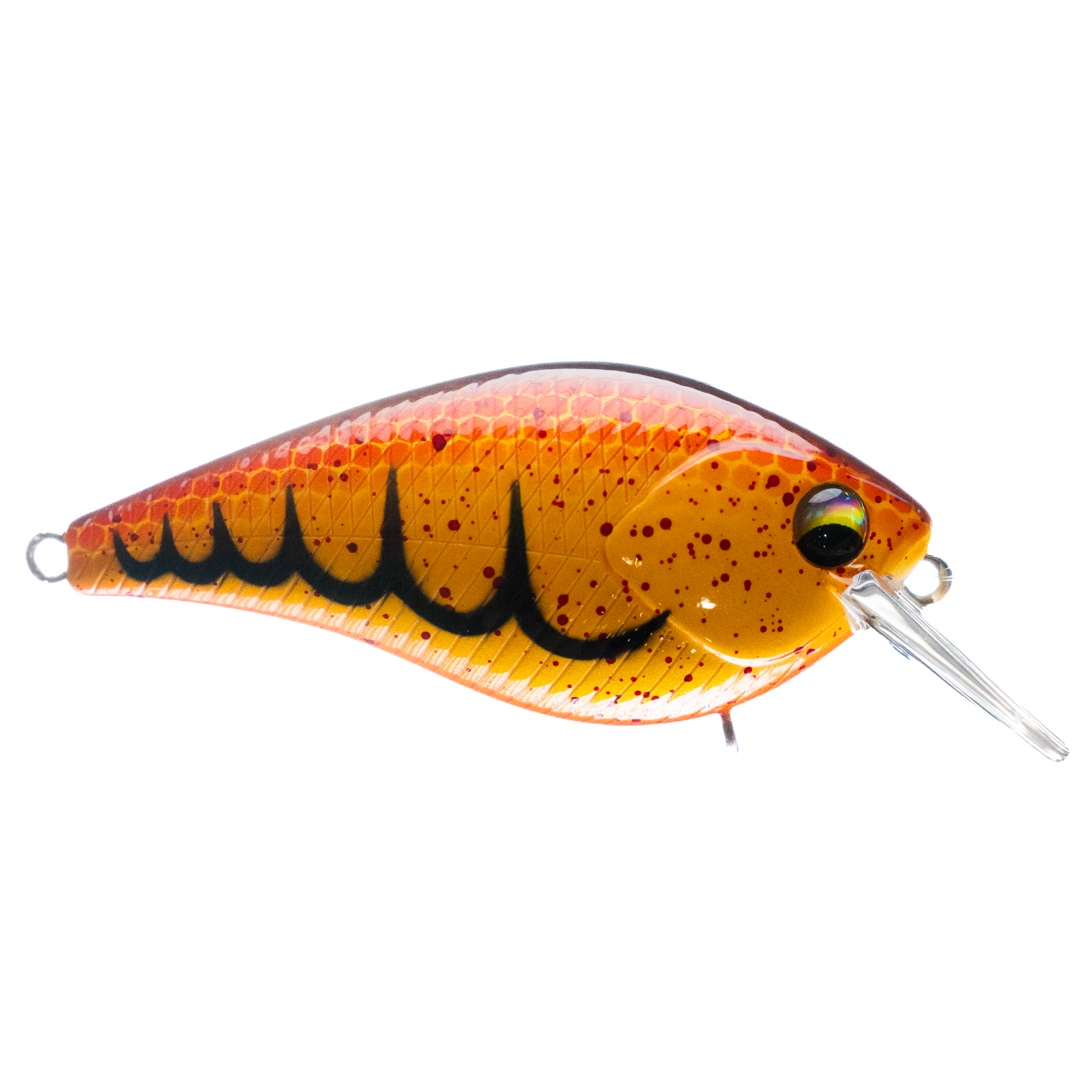
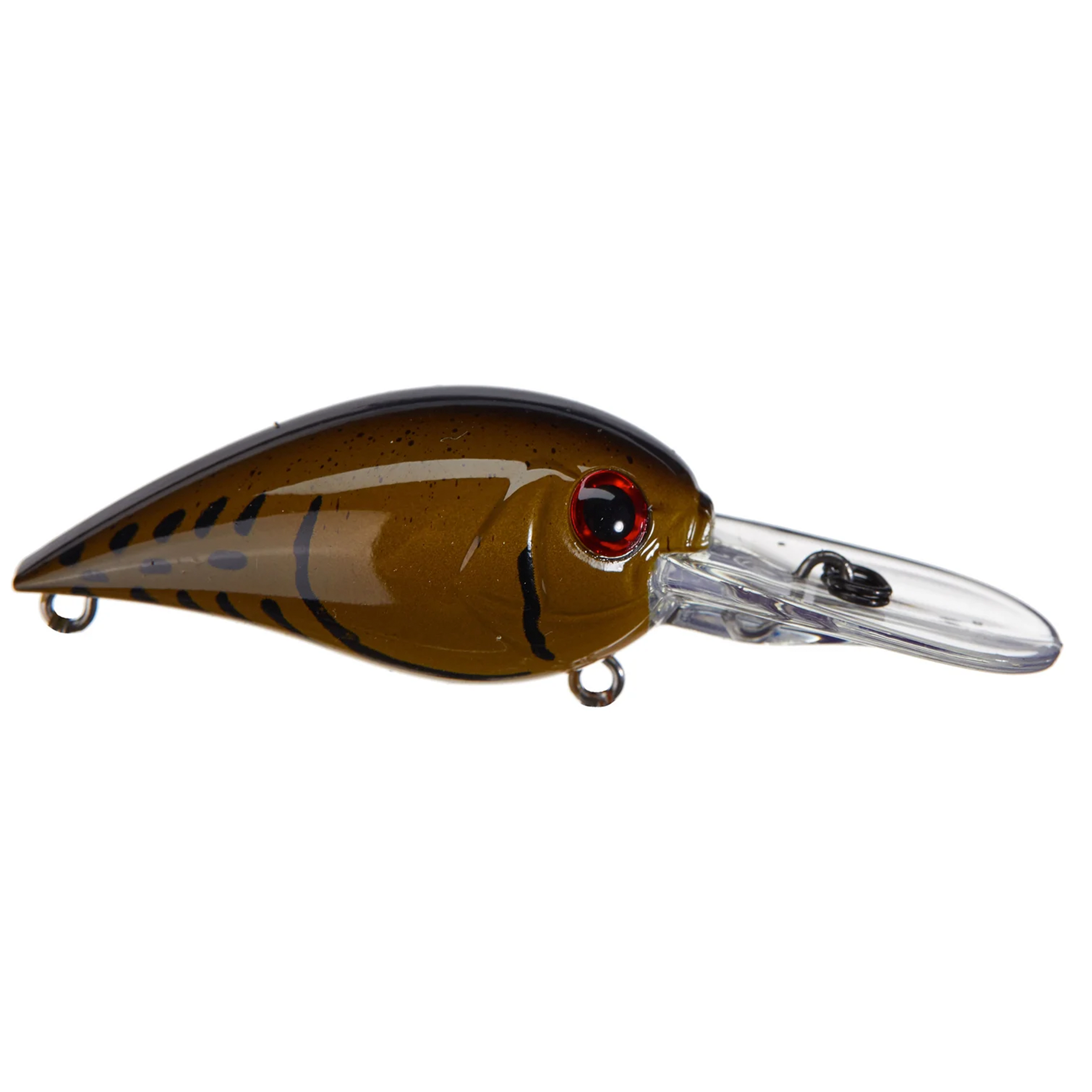
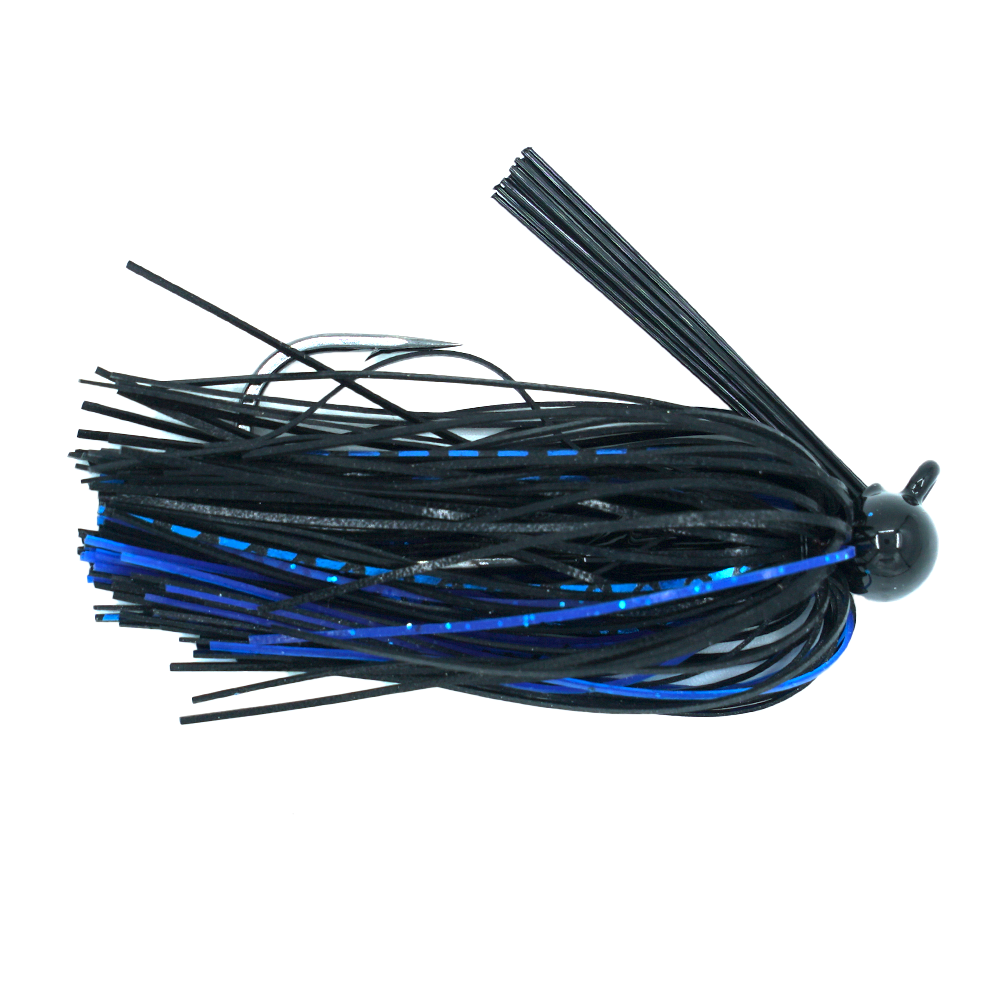
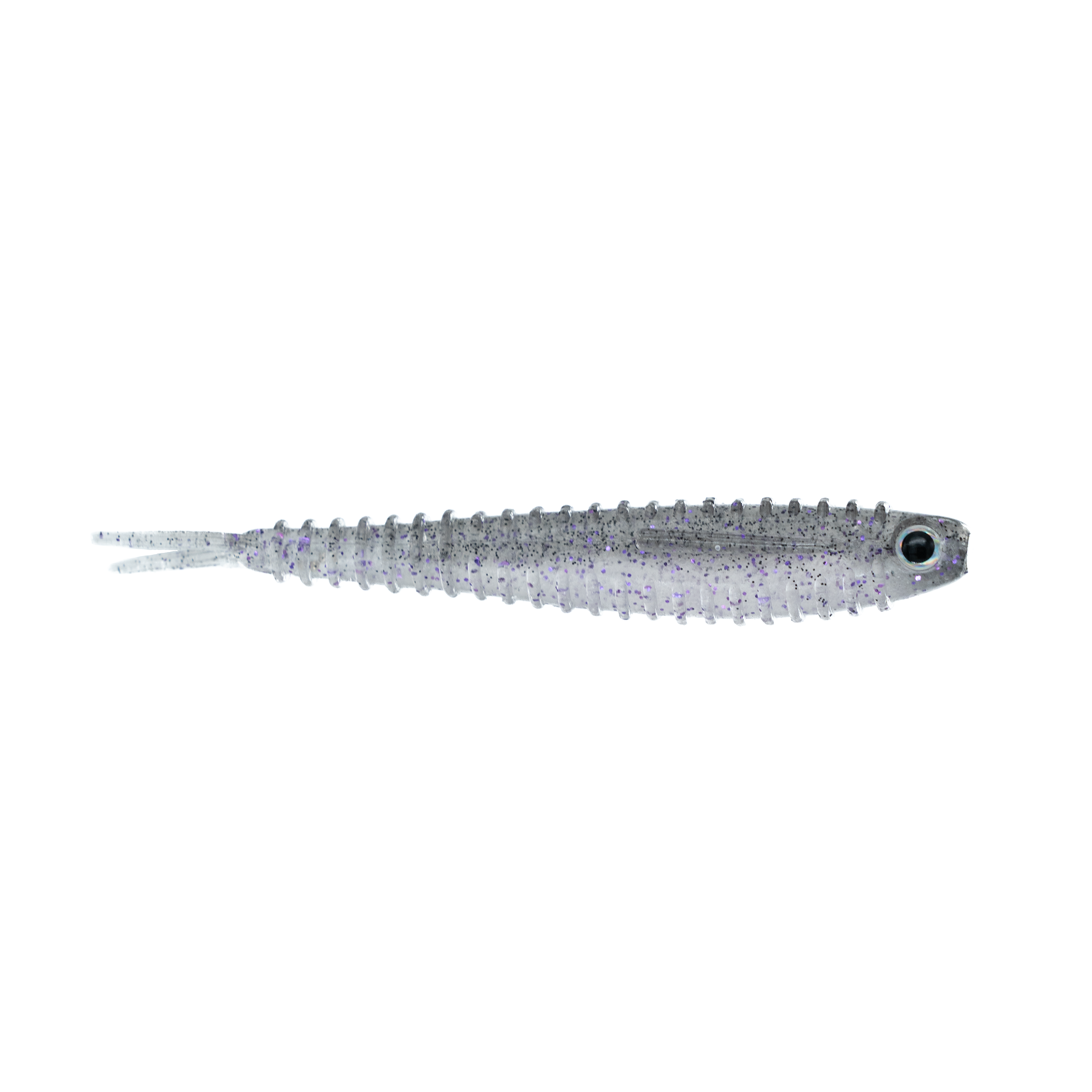
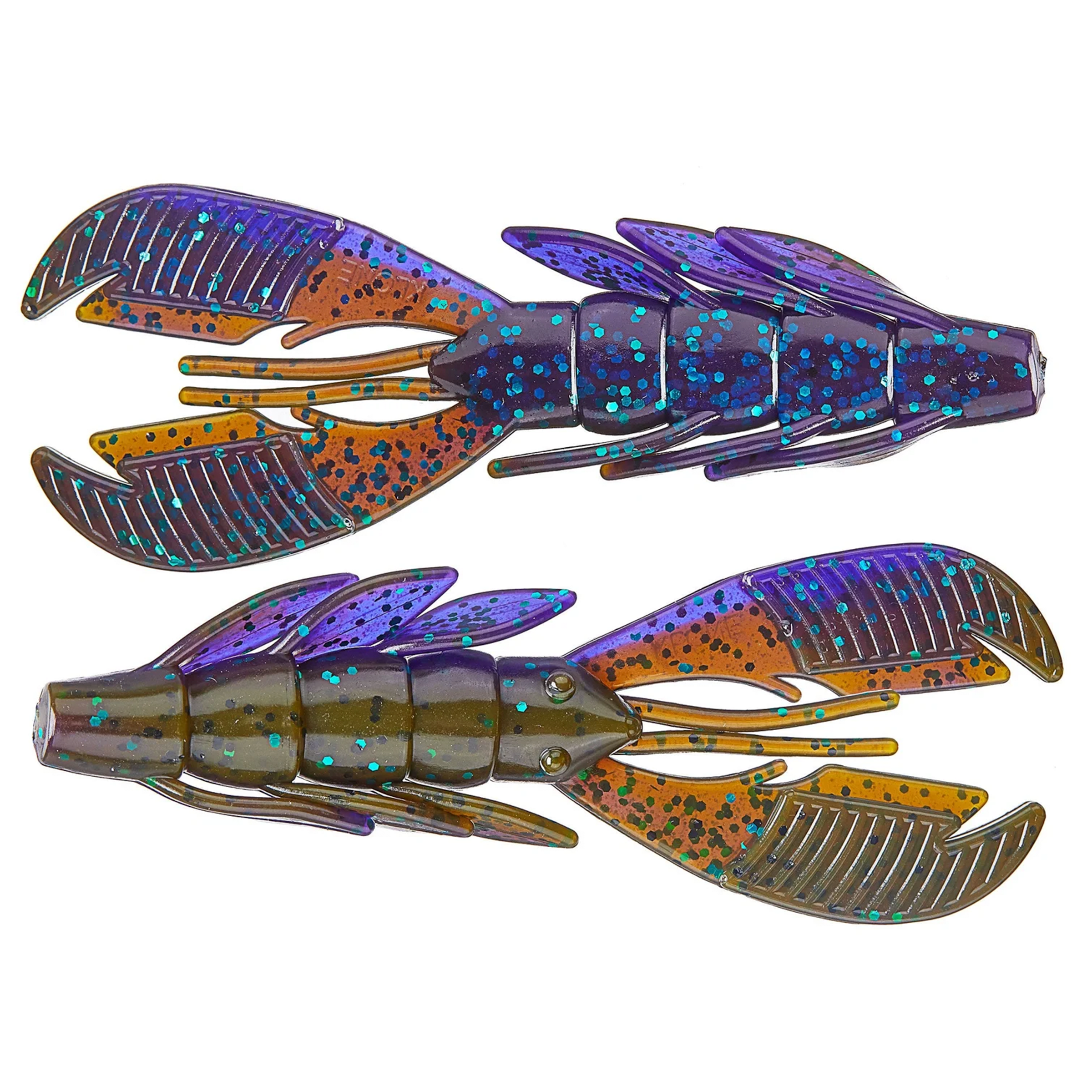
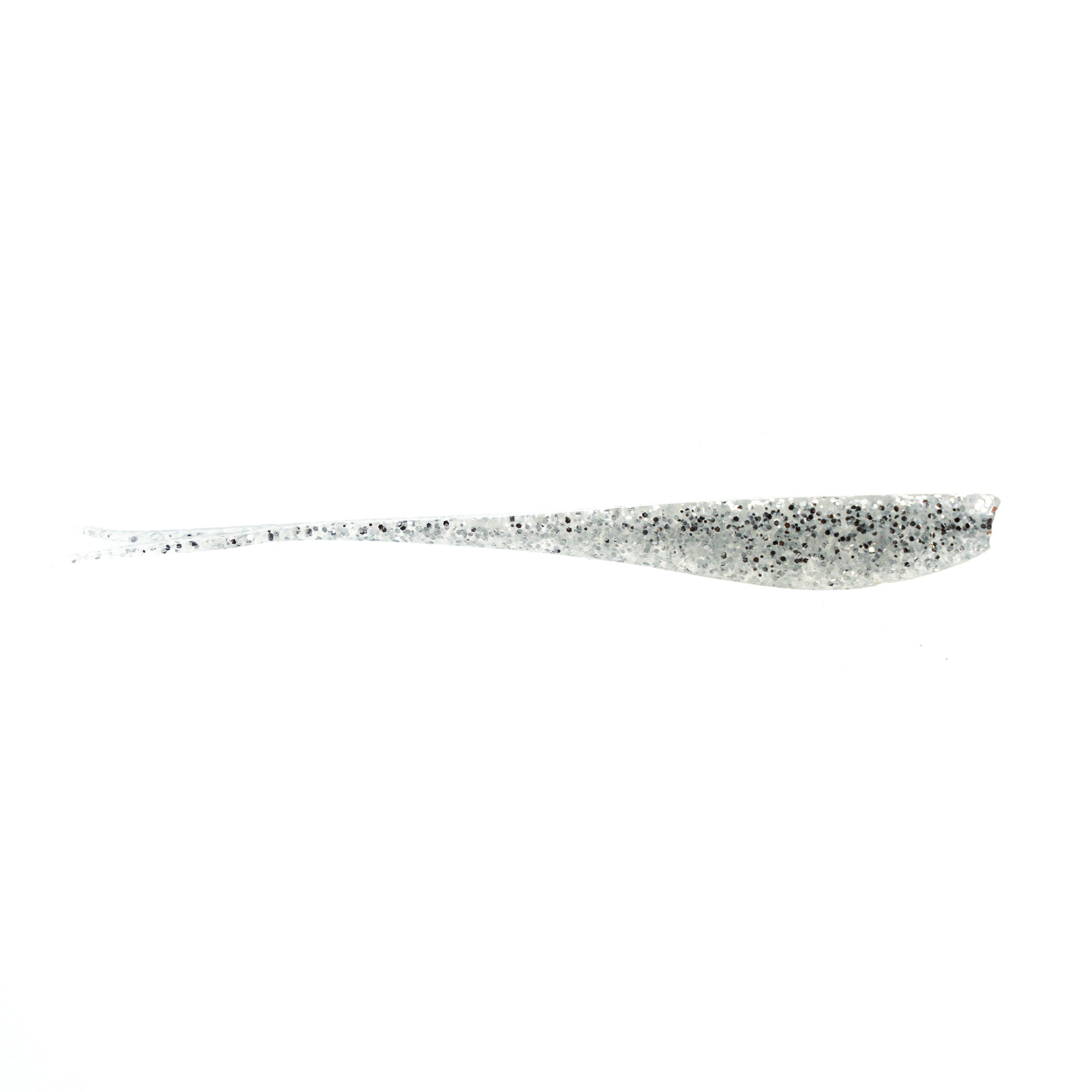
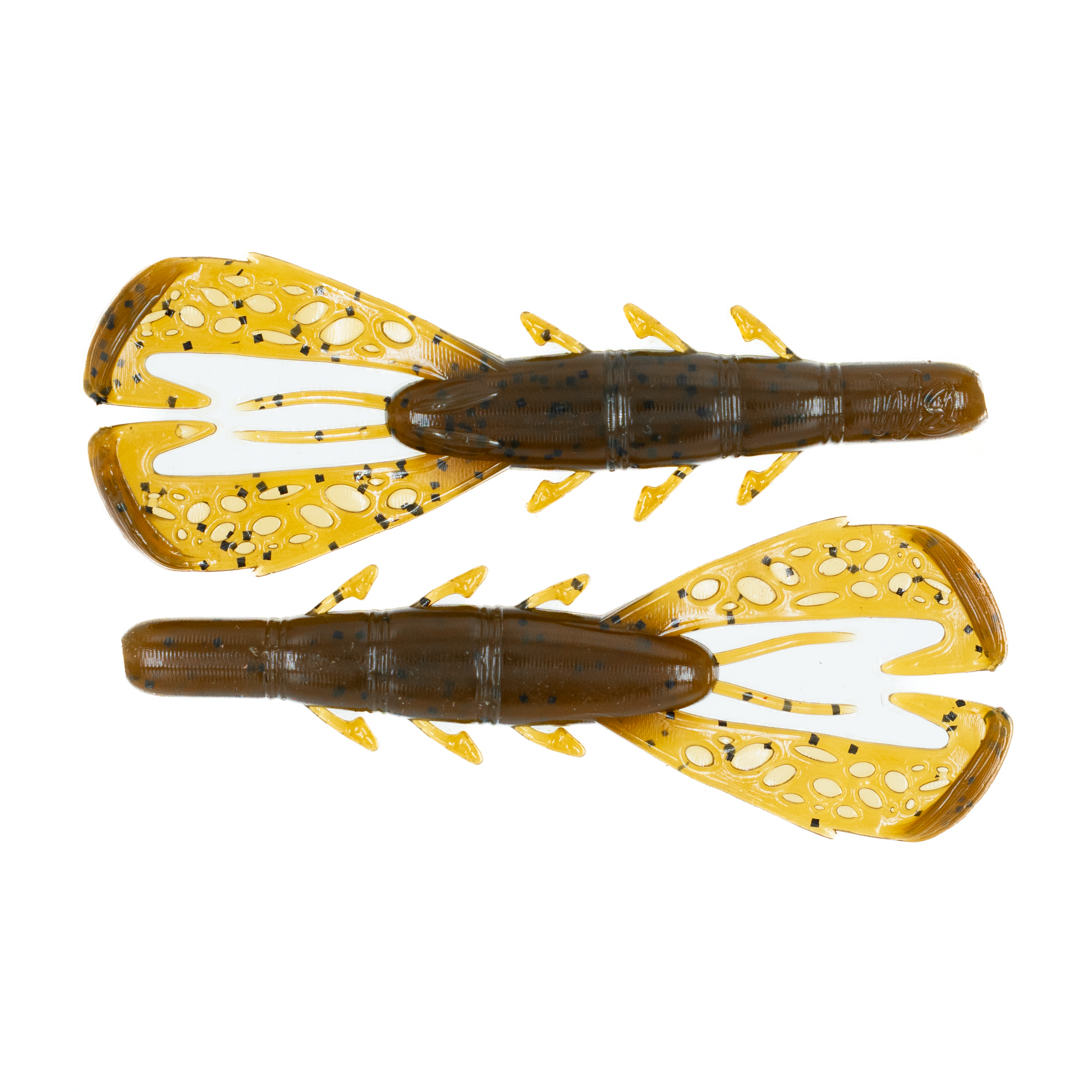
The local prespawn approach is specific and worth copying: a small black hair jig between an eighth and a quarter ounce, a swimbait, or a crayfish imitation. Nothing exotic, fished on clear water where the fish can see it coming.

Structure, Depth and Clear Water
Four patterns cover the year. Each one pairs the technique with the baits we'd actually tie on.
The Window Everyone Picks
Spring is the favourite season here and the trigger is water temperature — between fifty and sixty degrees, bass move shallower ahead of the spawn and both species become catchable in the same water. Seven-pound largemouth and five-pound smallmouth come out with some regularity in this window, and the big April team event is scheduled into it.
Down Into the Submerged Town
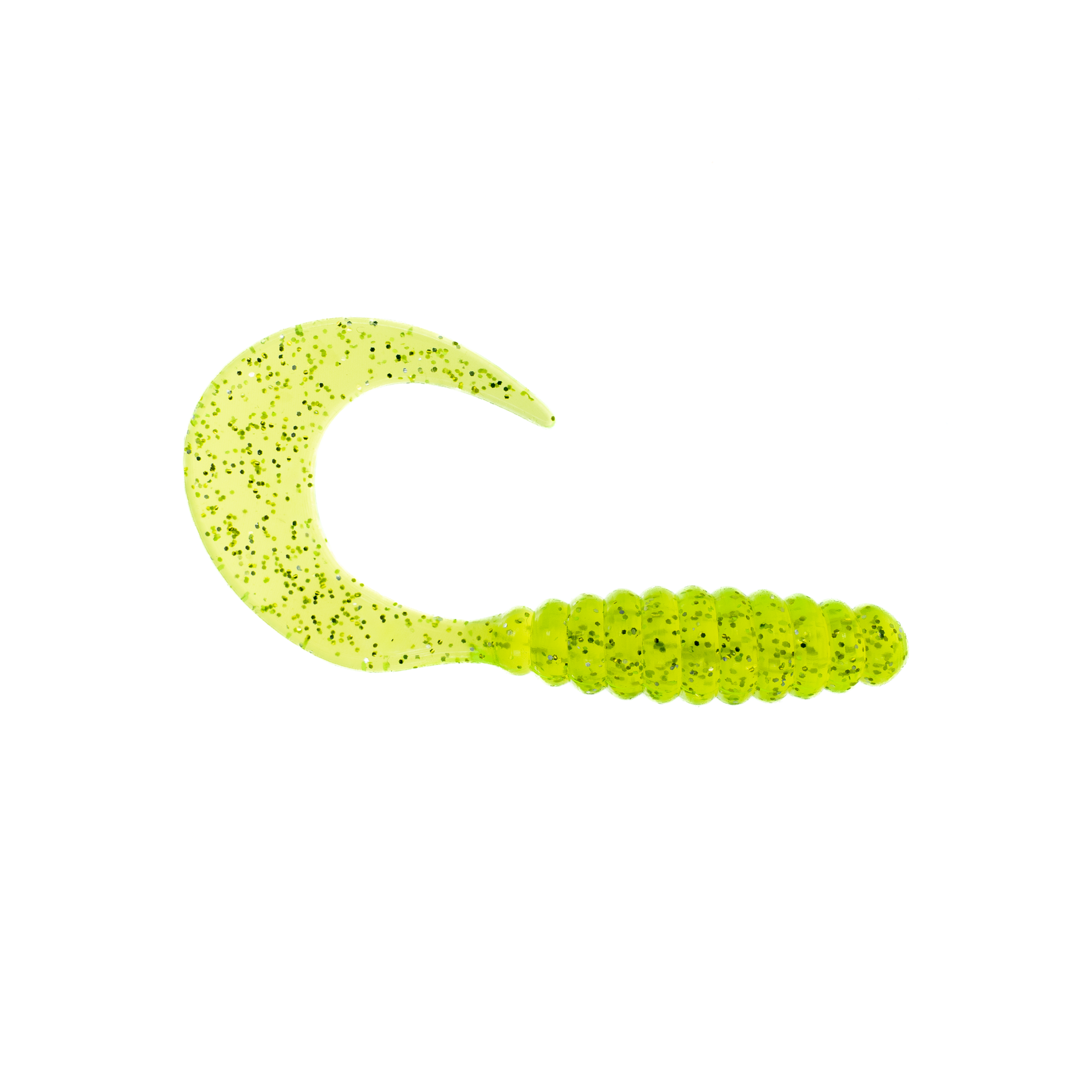
Summer pushes bass deeper, and this is where the flooded valley pays off. Foundations, roadbeds, walls and rock all hold fish at depth, alongside the natural drop-offs and points. Heavy recreational traffic from June through August makes early and late the practical windows.


Shallow Again, and Quiet
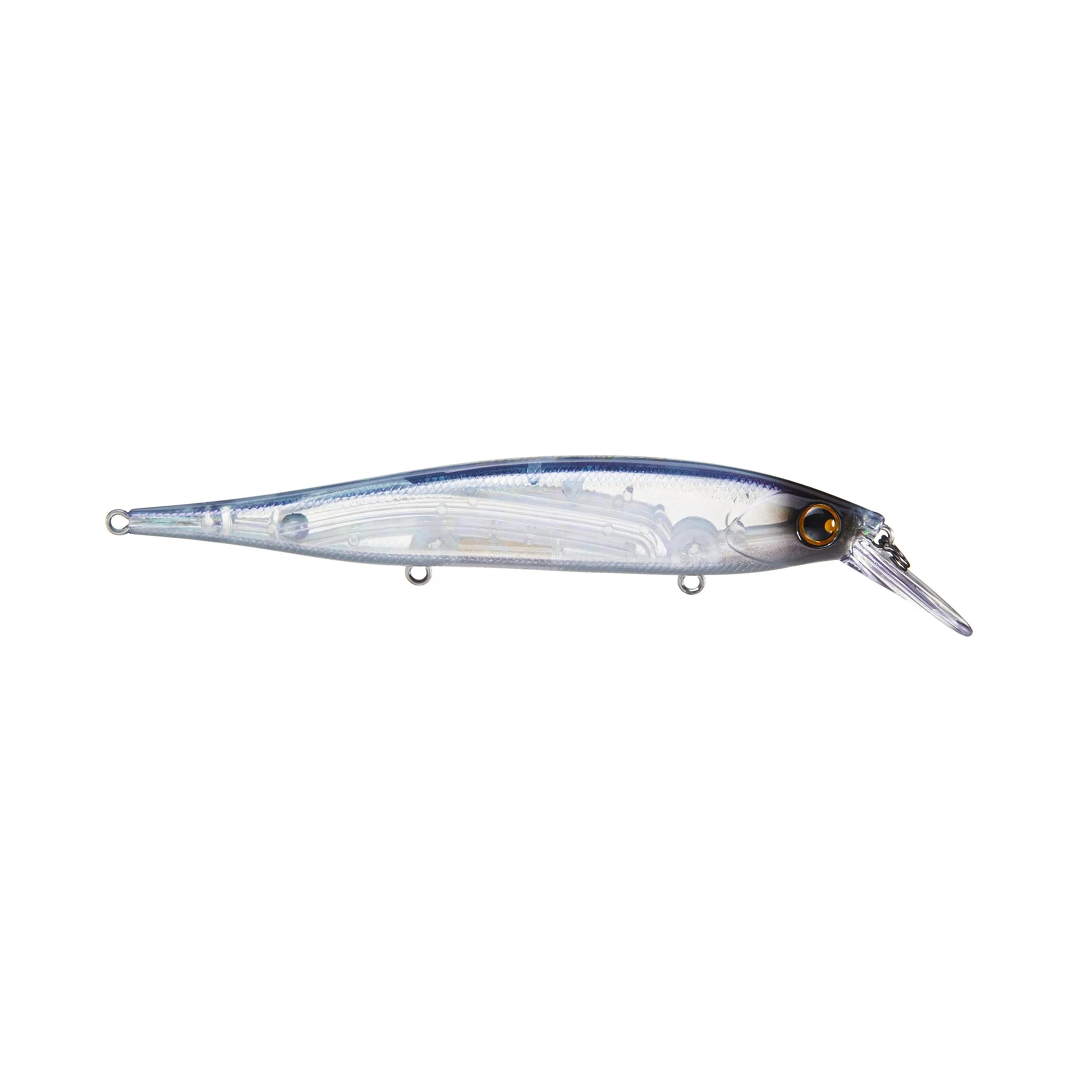
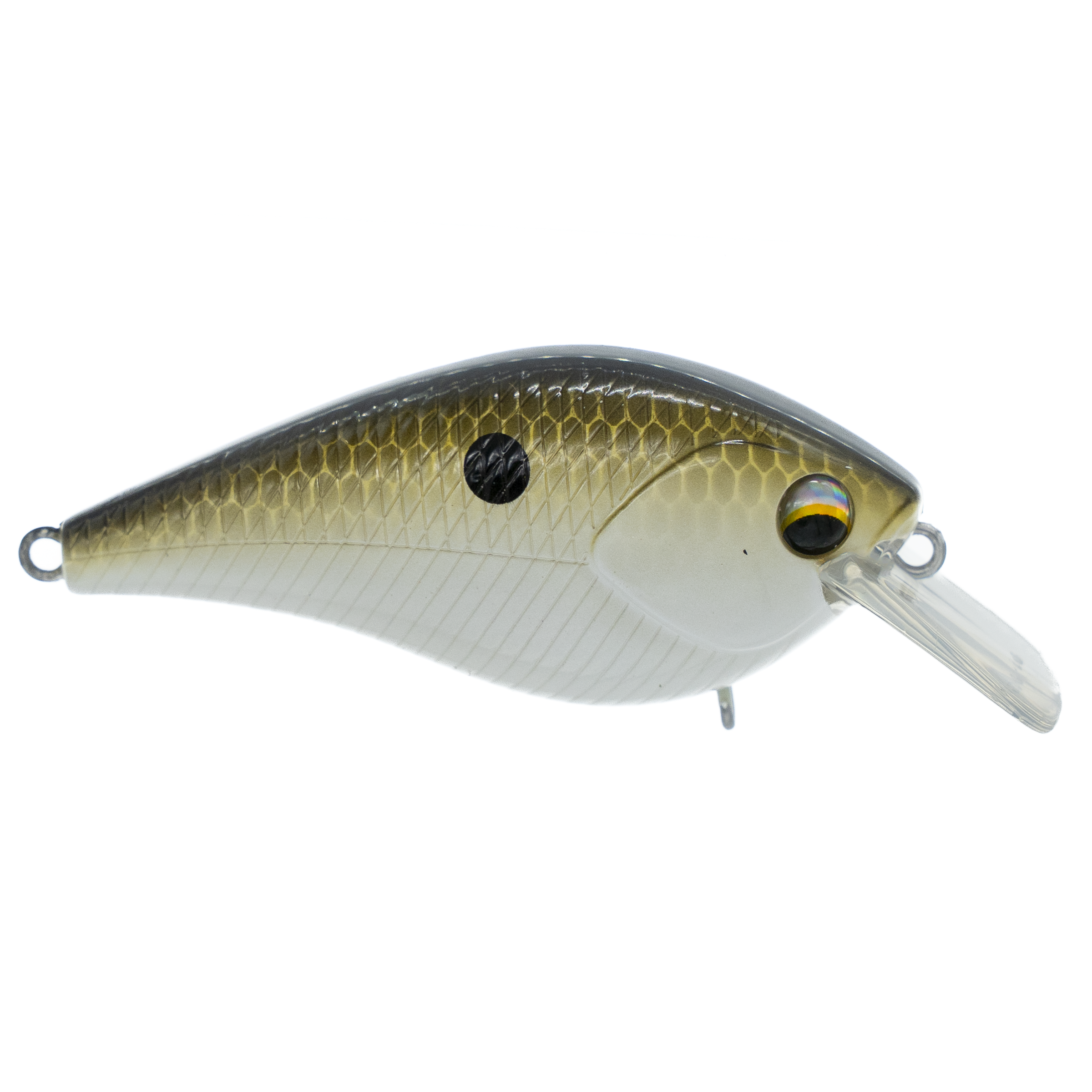
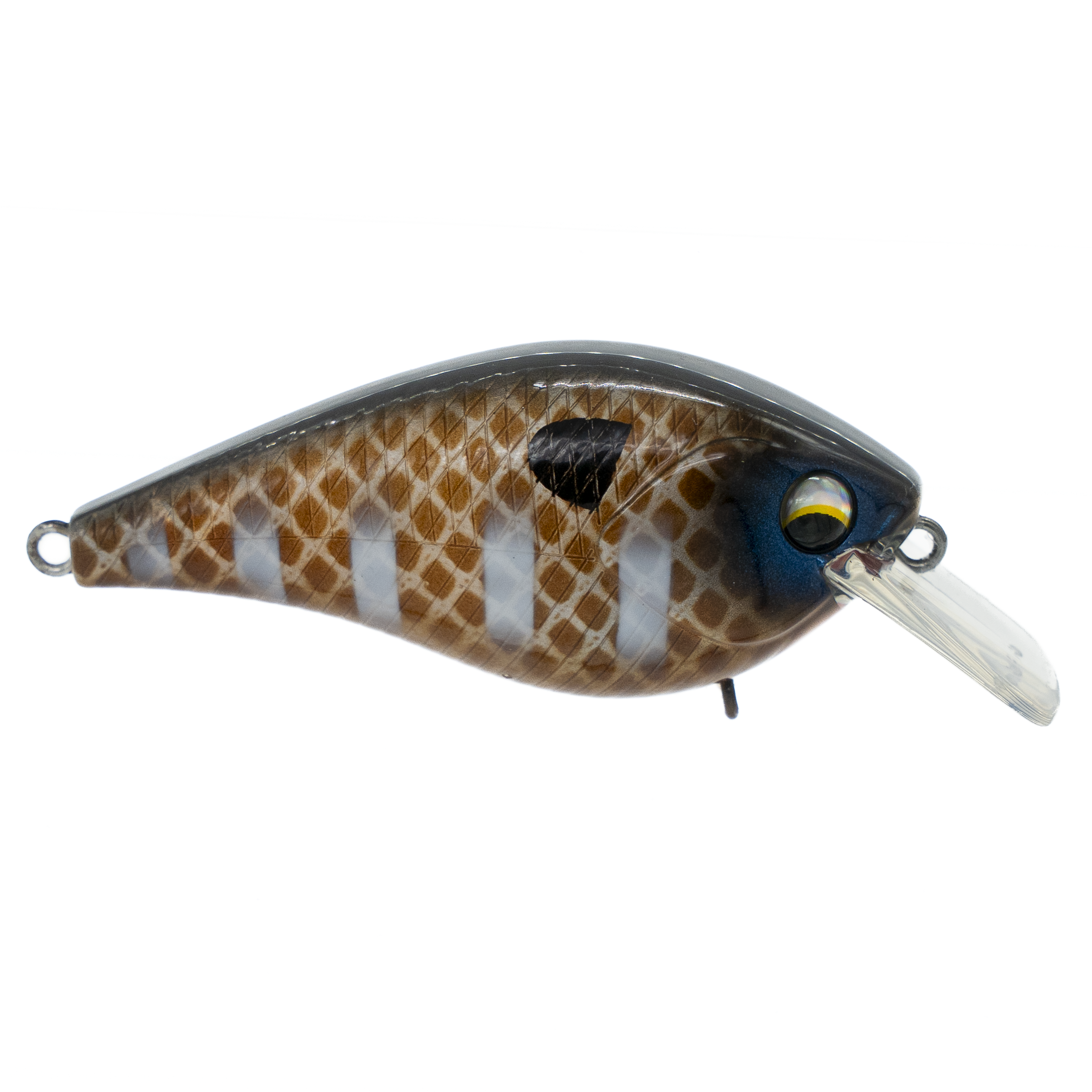
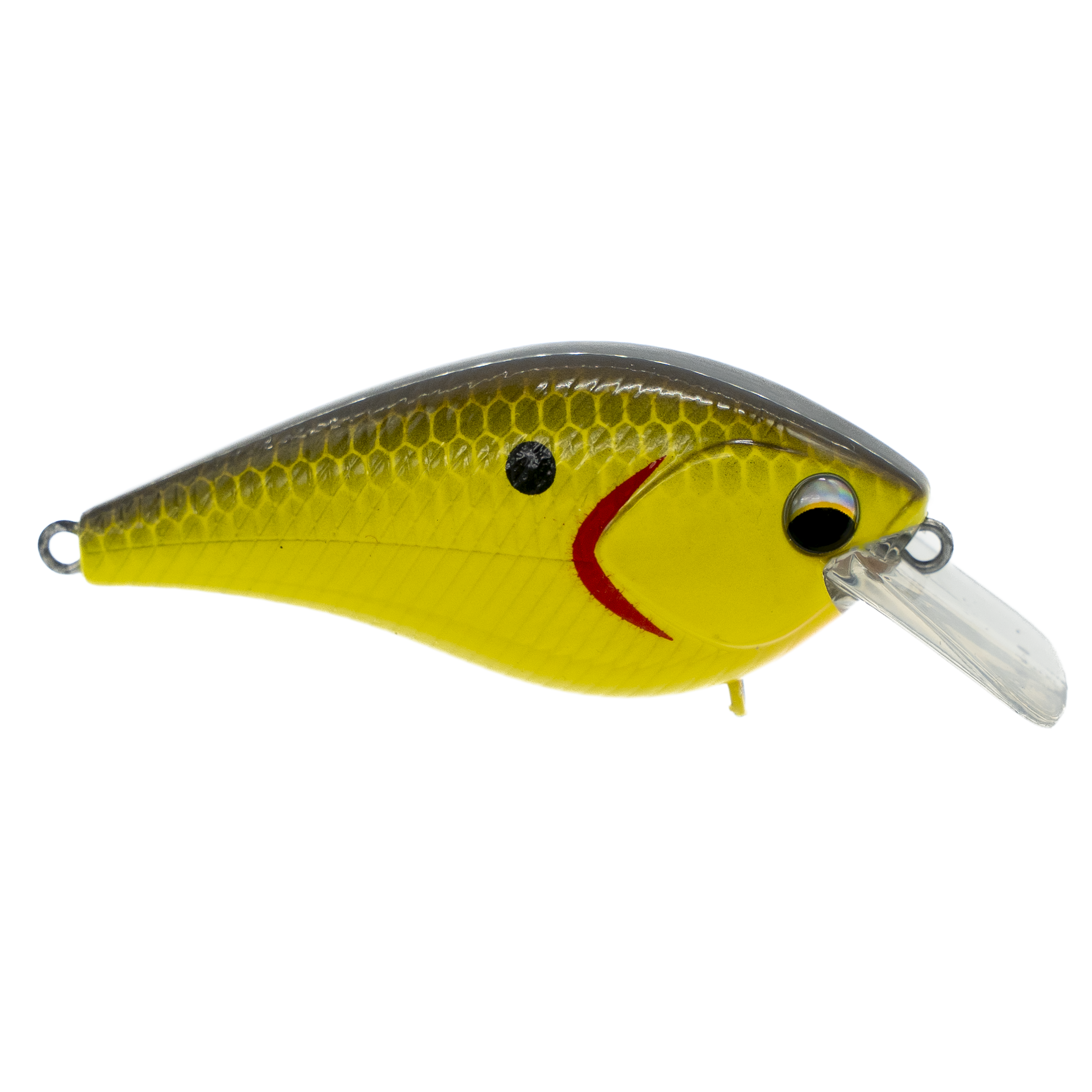
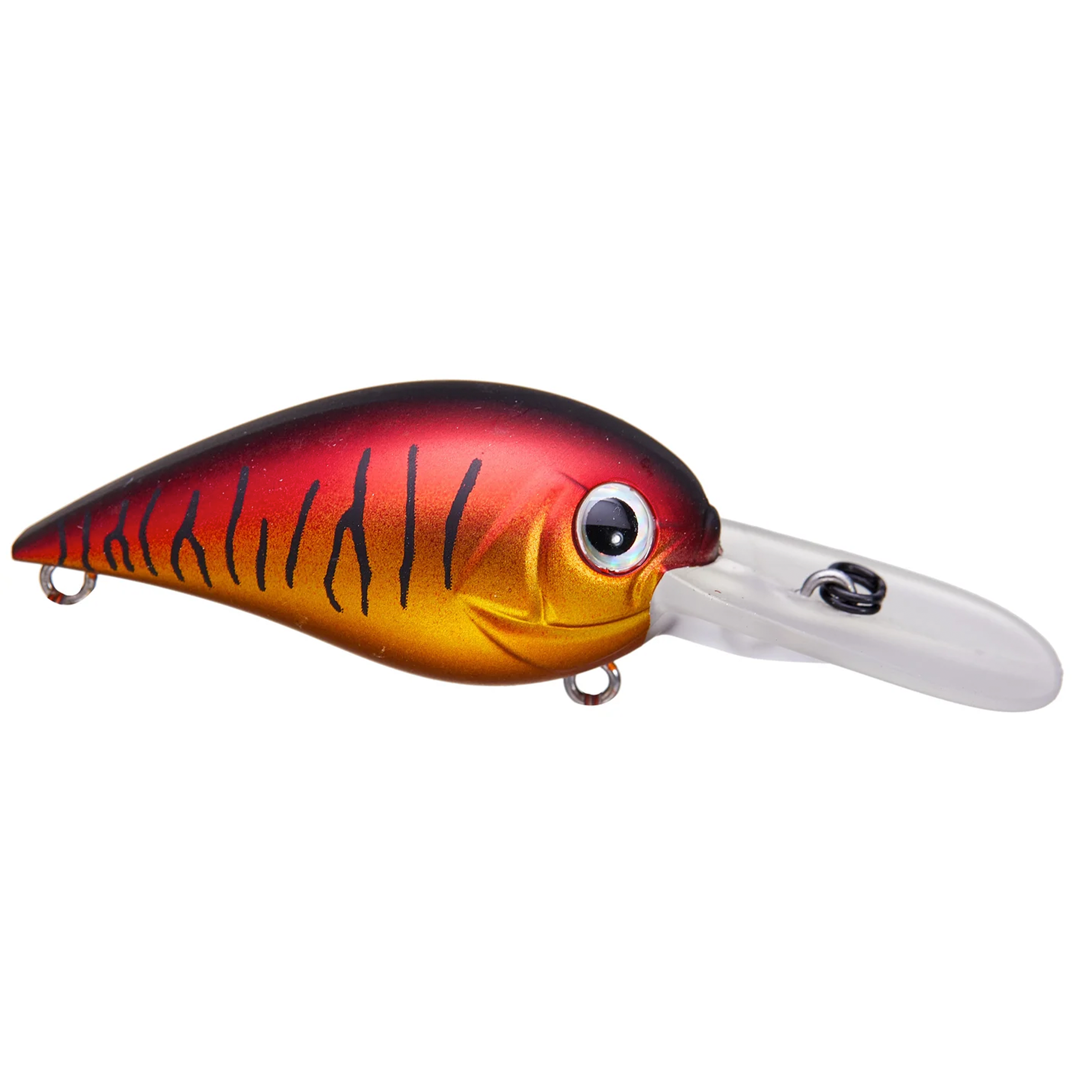
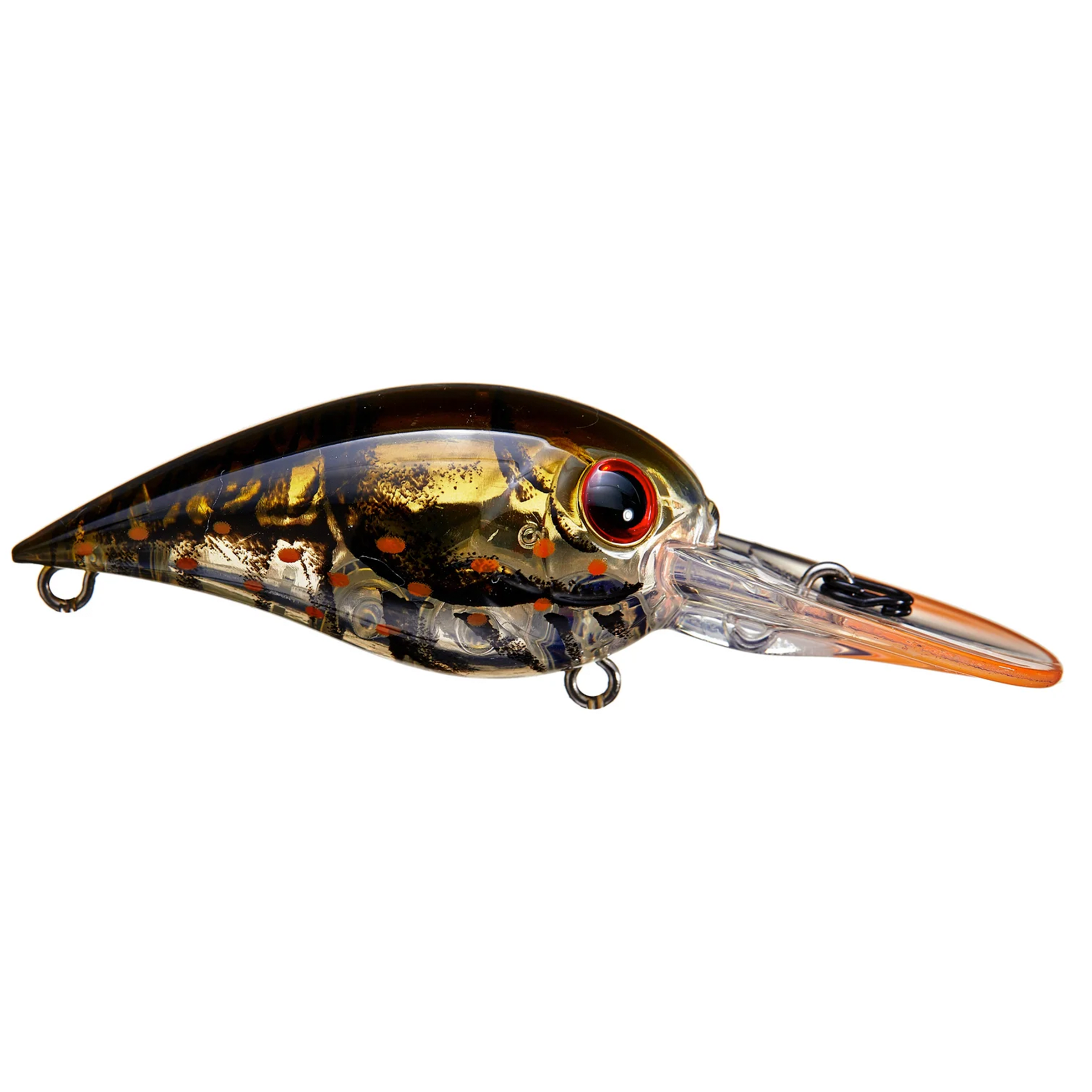
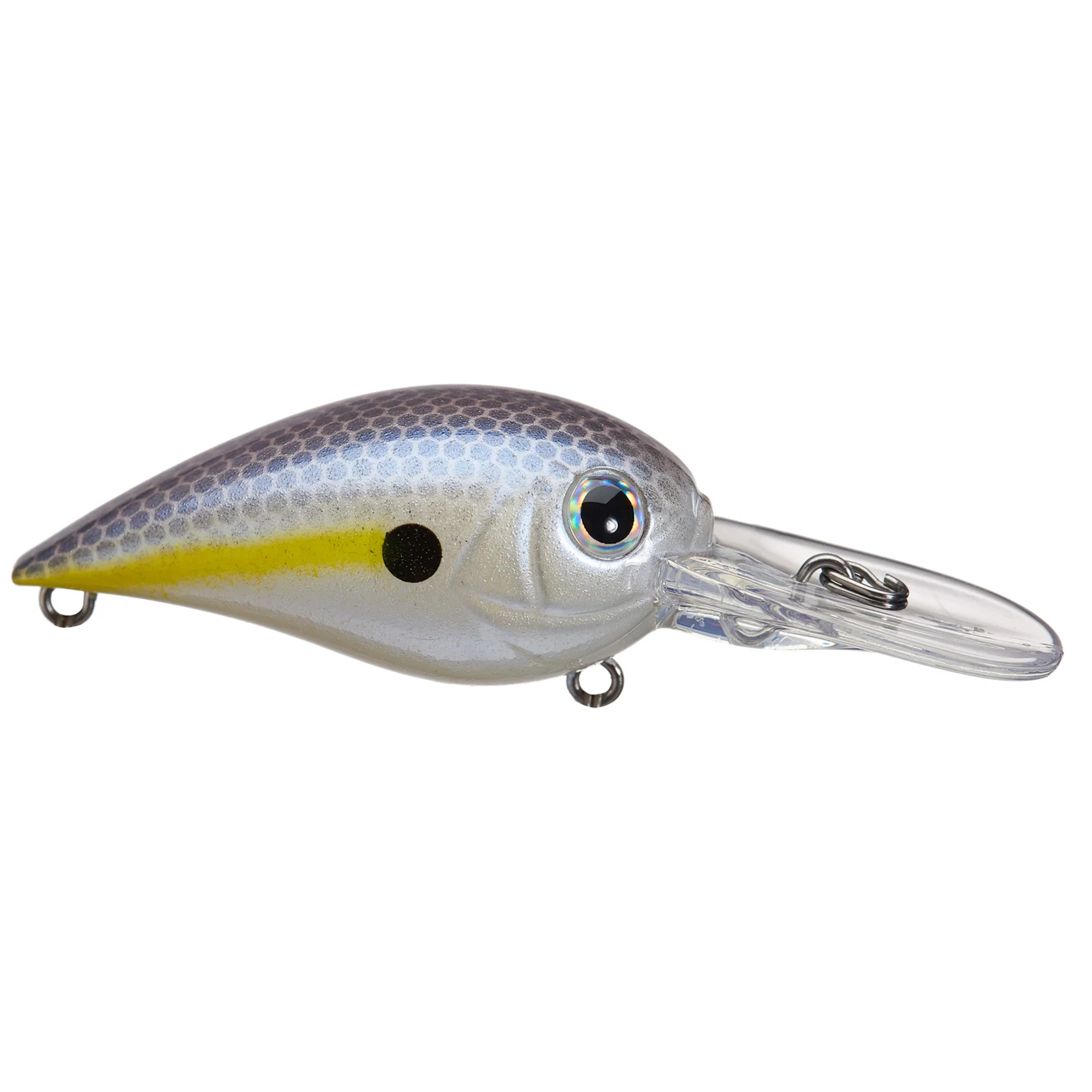
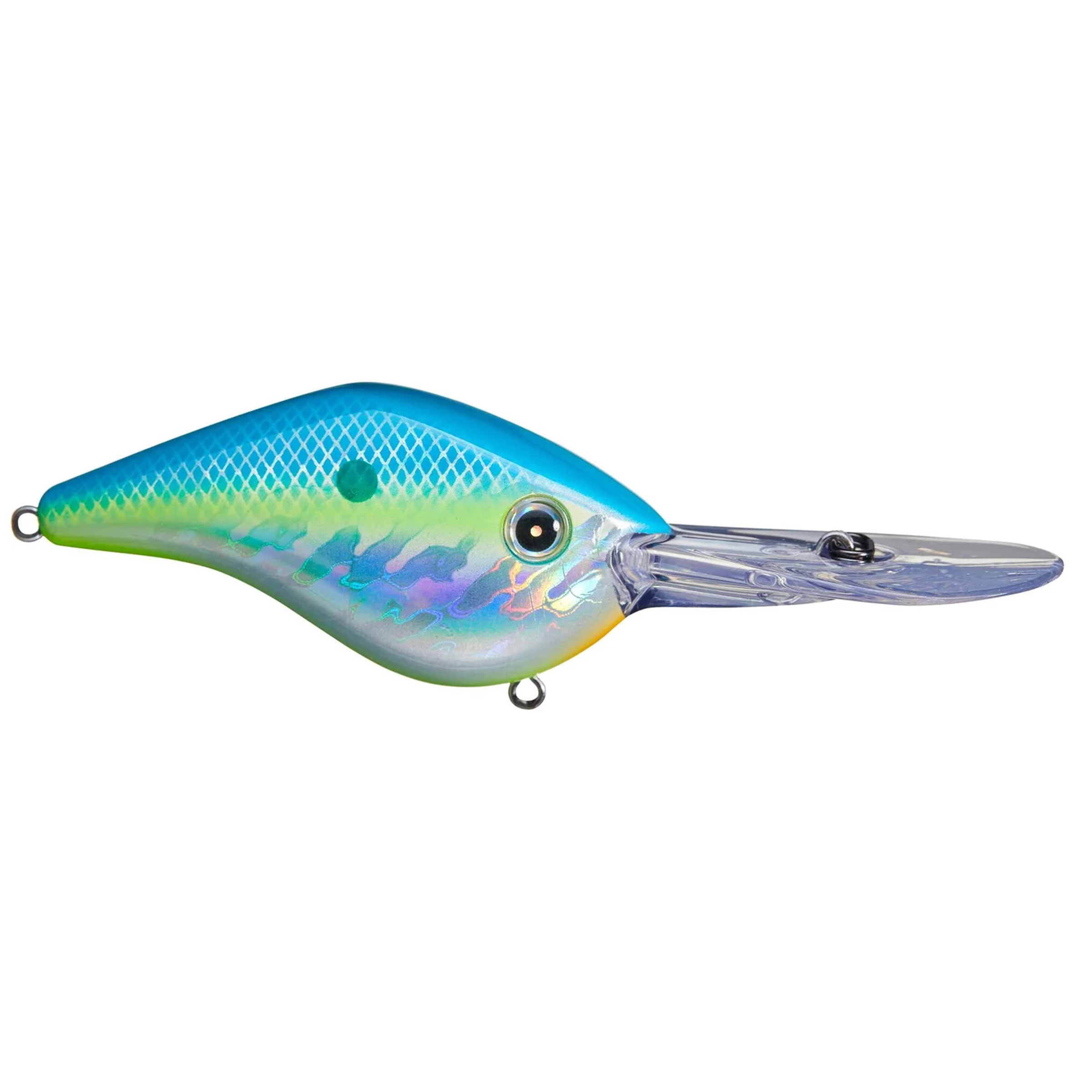
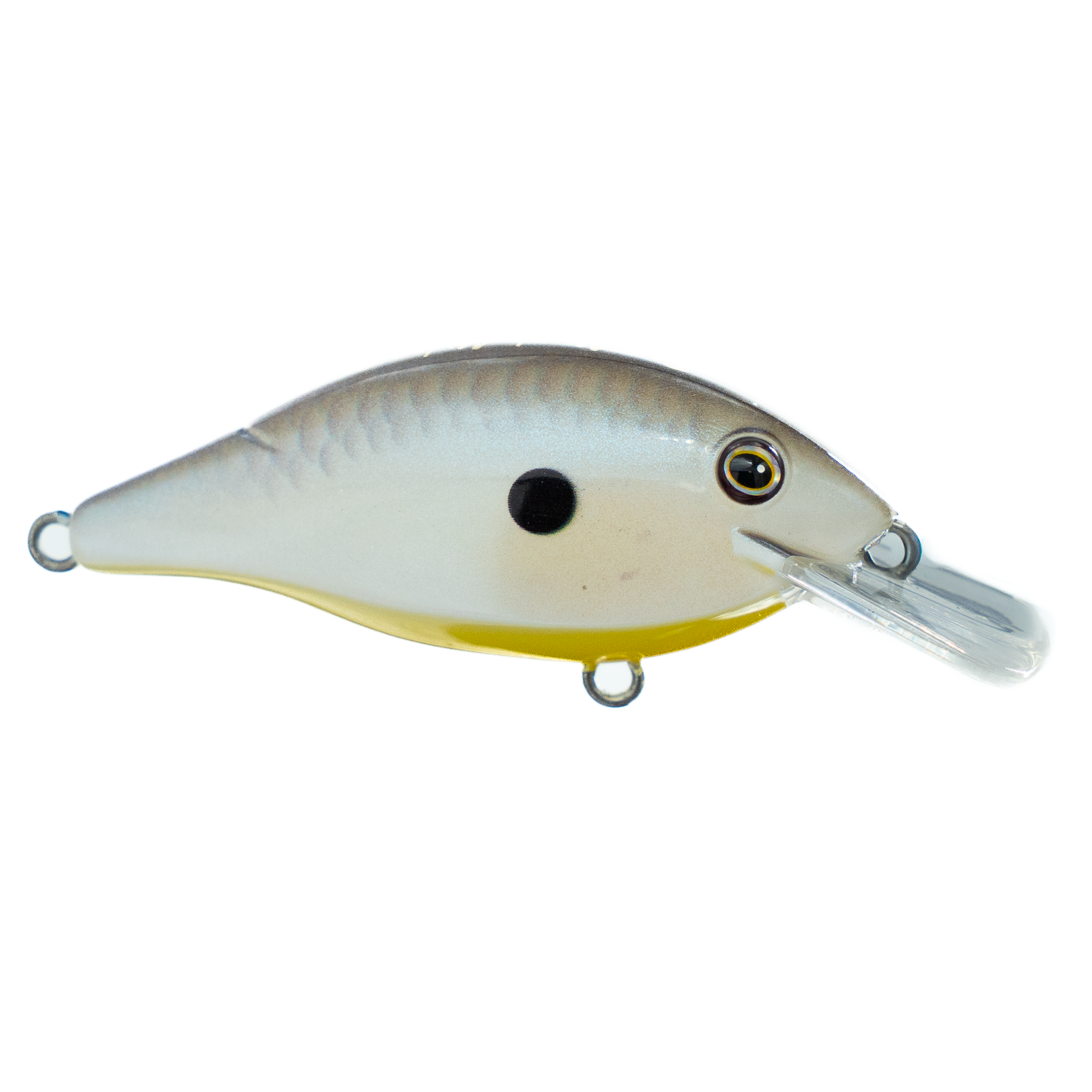
Autumn brings fish back shallow and the summer crowds disappear. Docks become productive again, and diving crankbaits in a perch pattern imitate one of the lake's primary forage species. This is the second strong window and the more comfortable of the two.

Deep, Clear and Empty
Winter concentrates fish on the deepest structure and clears the lake of everyone else. New England winter limits access and the fishing is weather-dependent, but the average size holds up and the water is as clear as it gets all year.

Candlewood Lake Access
State boat launches serve the lake at Squantz Pond and Lattins Cove, with additional town access for residents. Danbury and New Milford are the nearest towns. Expect substantial summer recreational traffic on a lake this close to the New York metro area.
The Submerged Structure
Foundations, roadbeds and walls from the town flooded in the 1920s, plus natural rock and drop-offs. Summer holding water and the reason a lake this size fishes bigger than its acreage.
The Rocky Points
Where the smallmouth are, and the prespawn staging areas that make April the season local anglers pick. Clear water means approaching quietly and casting further than feels natural.
The Docks and Shallow Cover
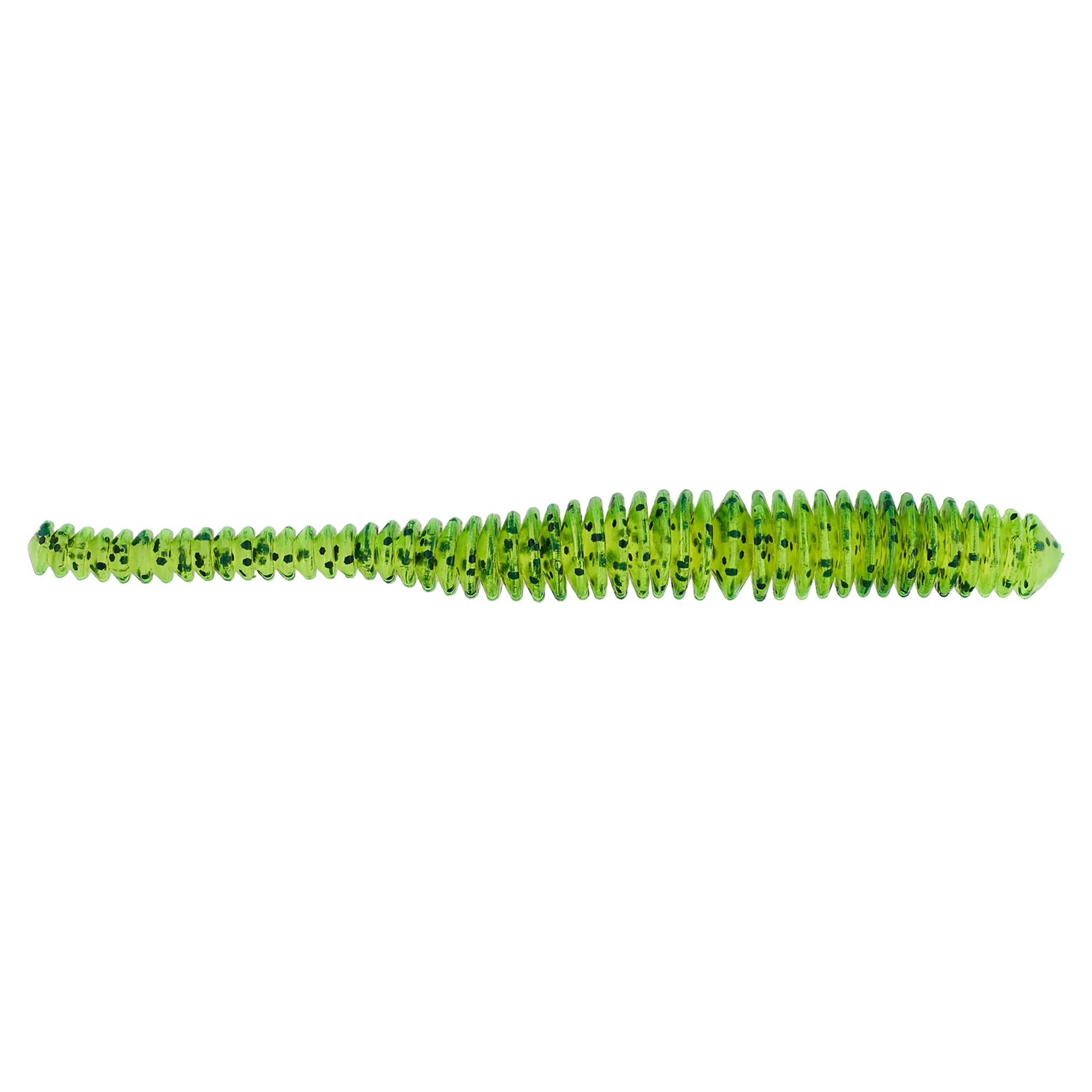
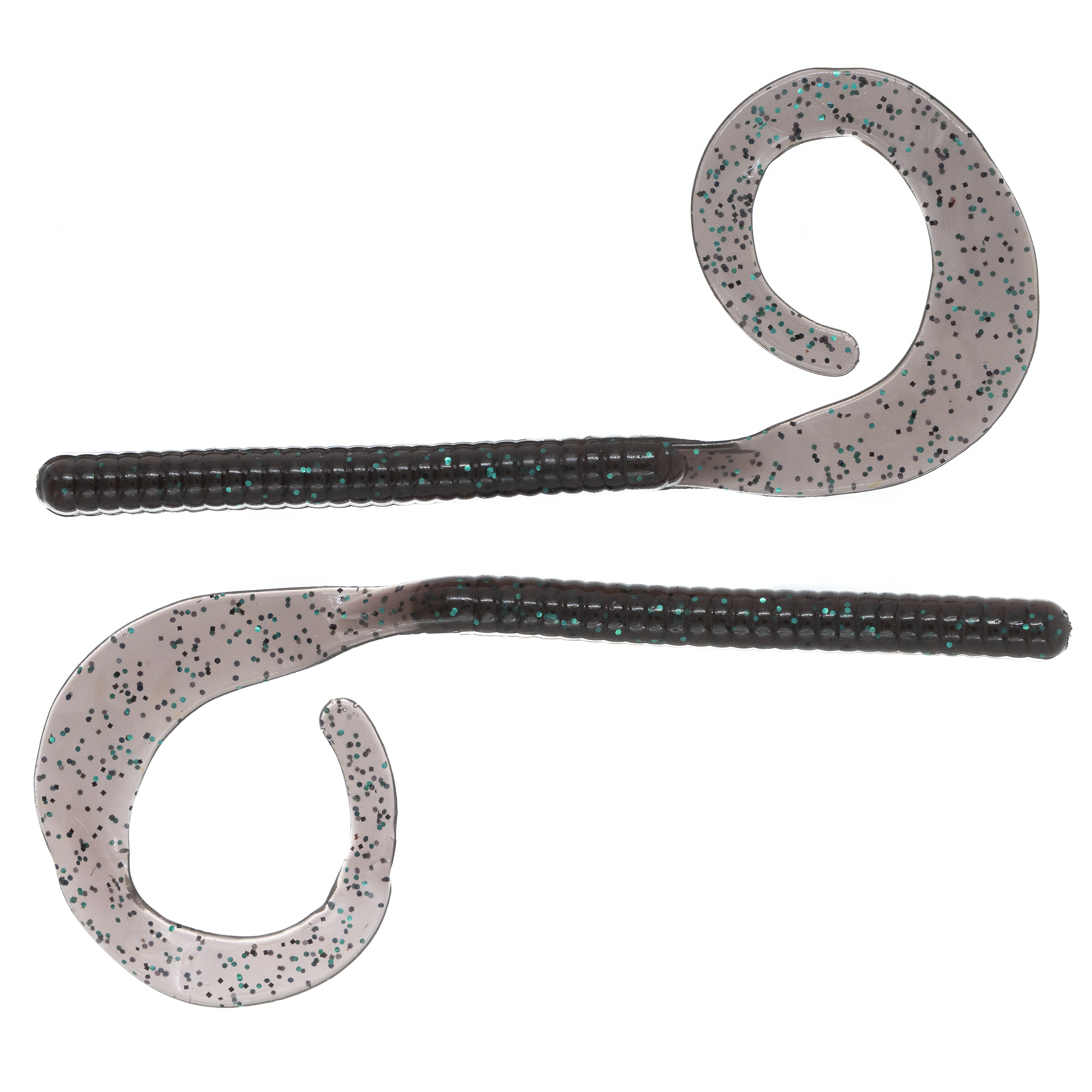
Autumn water, worked with long soft plastic worms. Also where the largemouth hold through summer afternoons in the submerged vegetation.
Candlewood Lake Bass Fishing FAQ
How big is Candlewood Lake?
About 5,420 acres, which makes it Connecticut's largest lake. It reaches eighty-five feet deep with an average around thirty, spanning Fairfield and Litchfield counties in the western part of the state.
Is there really a town under the lake?
Yes. Candlewood was created in the 1920s by flooding a valley, and the submerged foundations, roadbeds and walls are still down there. That man-made structure is a real part of why the lake fishes as well as it does, particularly in summer.
What do the bass eat here?
Alewives, primarily, and they grow fat on them. Bassmaster credits the substantial alewife population as the reason a nearly hundred-year-old lake still produces like a young reservoir. Perch are the other significant forage, which is why perch-pattern crankbaits work in autumn.
When is the best time to fish Candlewood?
Spring, once water temperature reaches the fifty to sixty degree range and bass move shallow before spawning. Seven-pound largemouth and five-pound smallmouth are realistic in that window. Autumn is the second, and quieter.
What does it take to compete here?
The annual mid-April team event gives a good benchmark: in 2026, sixty-nine teams fished a six-bass limit, twenty-eight weighed over twenty pounds, and the winners had 29.47. The biggest largemouth was 6.07 and the biggest smallmouth 6.58.
Smallmouth or largemouth?
Both, genuinely, and neither dominates. Local guidance is that you can fish almost any way you like here and find water where it works — flipping, drop-shotting, cranking or swimbaits all have their place on a lake covering eight square miles.
What baits work best on Candlewood?
Small hair jigs, swimbaits and crayfish imitations in the prespawn, finesse presentations on deep structure in summer, and long soft plastic worms plus perch-pattern diving crankbaits in autumn. Our full bait lineup covers all four seasons.
Do I need a fishing license?
Yes, a Connecticut fishing license for anyone sixteen and over, from CT DEEP. New England states set their own black bass season dates and several restrict harvest during the spawn. Check the current state regulations for this water before you go.
Clear Water, Deep Structure
A lake with eighty-five feet of clear water over a submerged town asks for finesse presentations at depth and long casts on light line in the shallows. Level Rods builds spinning models with the sensitivity for the first and the forgiveness for the second.
Tournament Winning Baits & Gear
Designed, crafted and tested by anglers who fish clear water every week. Free shipping on orders over $75.
Shop All Baits