Caddo Lake Bass Fishing Guide
Caddo Lake Bass Fishing, Season by Season
Twenty-five thousand acres of bald cypress swamp on the Texas–Louisiana line, threaded with marked boat roads because without them you will not find your way out. Caddo is the only large natural lake in Texas and it fishes like nowhere else in the state.
A Swamp, Not a Reservoir
Caddo Lake straddles the Texas–Louisiana border on Cypress Bayou, northeast of Marshall, Texas. It covers roughly 25,400 acres and it is the only large natural lake in Texas — everything else on this page was built by a dam. Caddo formed naturally, was later modified by a dam that raised and stabilised its level, but its character is entirely different from a reservoir.
What that means in practice is bald cypress. Thousands of acres of it, draped in Spanish moss, growing out of shallow water across most of the lake. Between the trees are sloughs, ponds, bayous and channels, with lily pads, duckweed, American lotus and submerged vegetation filling in.
The navigation situation is not a joke and locals will tell you so before you ask. Caddo is a maze. Marked boat roads run through it and they are the only reliable way to move around — leaving them without local knowledge or good GPS is how people end up spending the night in a swamp. Fish the roads and the water beside them until you learn it.
The fishing is shallow, and it is cover fishing. Depths run mostly under ten feet with plenty of two-to-four-foot water, and the pattern is placing a bait beside a cypress knee, into a pad field, or under a mat of duckweed. There is very little conventional structure to speak of — no ledges, no deep points.
The bass here are largemouth and they run to good size without producing the giants that Fork or Ivie do. What Caddo offers instead is a genuinely different experience, in scenery that is unlike anywhere else in Texas, on water that sees a fraction of the pressure of the big-name reservoirs.
It crosses a state line, so check which licence you need for the water you intend to fish.
Cypress, Pads and Boat Roads
Four patterns cover the year. Each one pairs the technique with the baits we'd actually tie on.
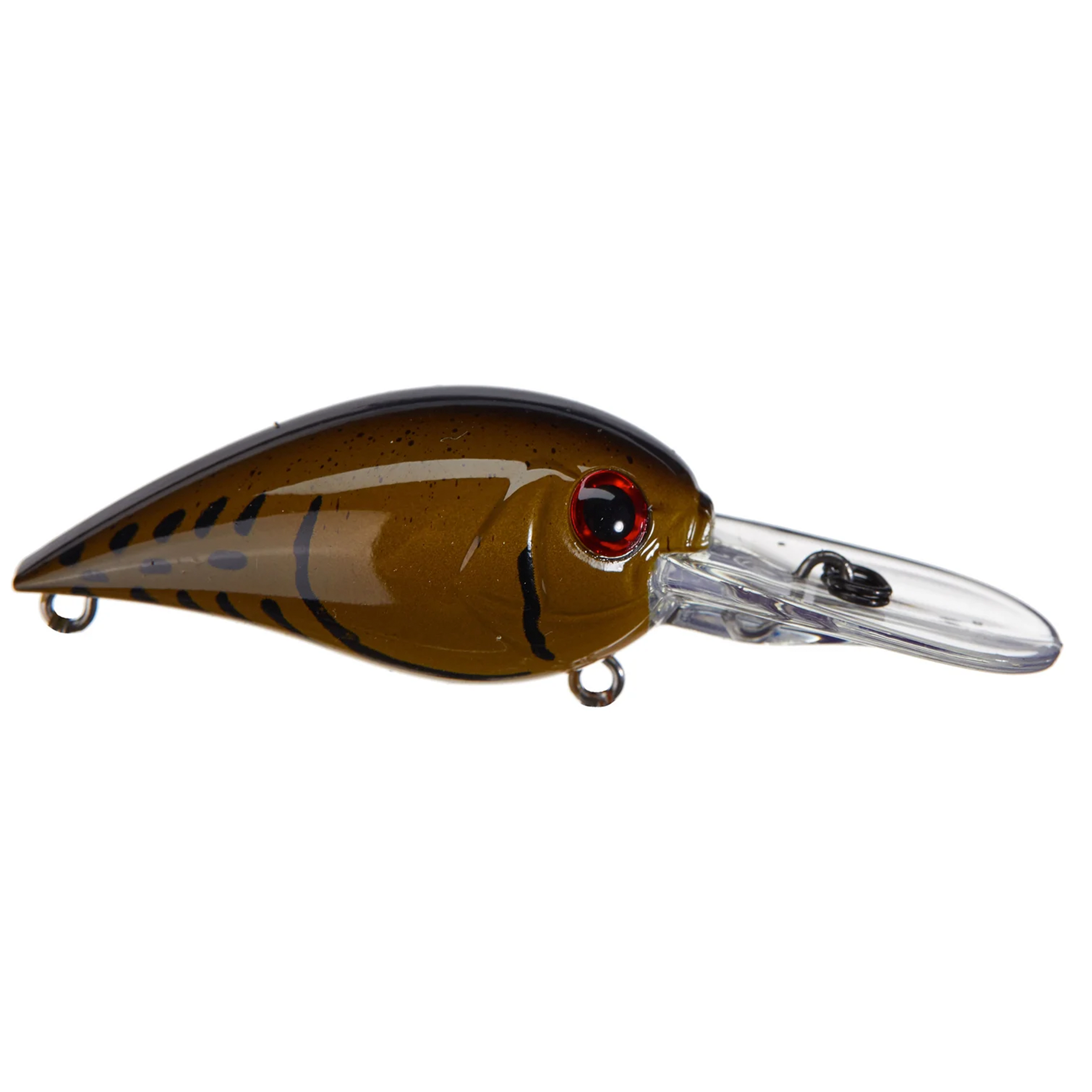
Cypress Knees and Spawning Pockets
Spring is the best fishing of the year and it happens tight to cover. Fish move into the shallow pockets, the backs of the sloughs and the water around the cypress to spawn. Southern latitude means it starts early — March is usually the heart of it, with prespawn activity from February.



Under the Mats
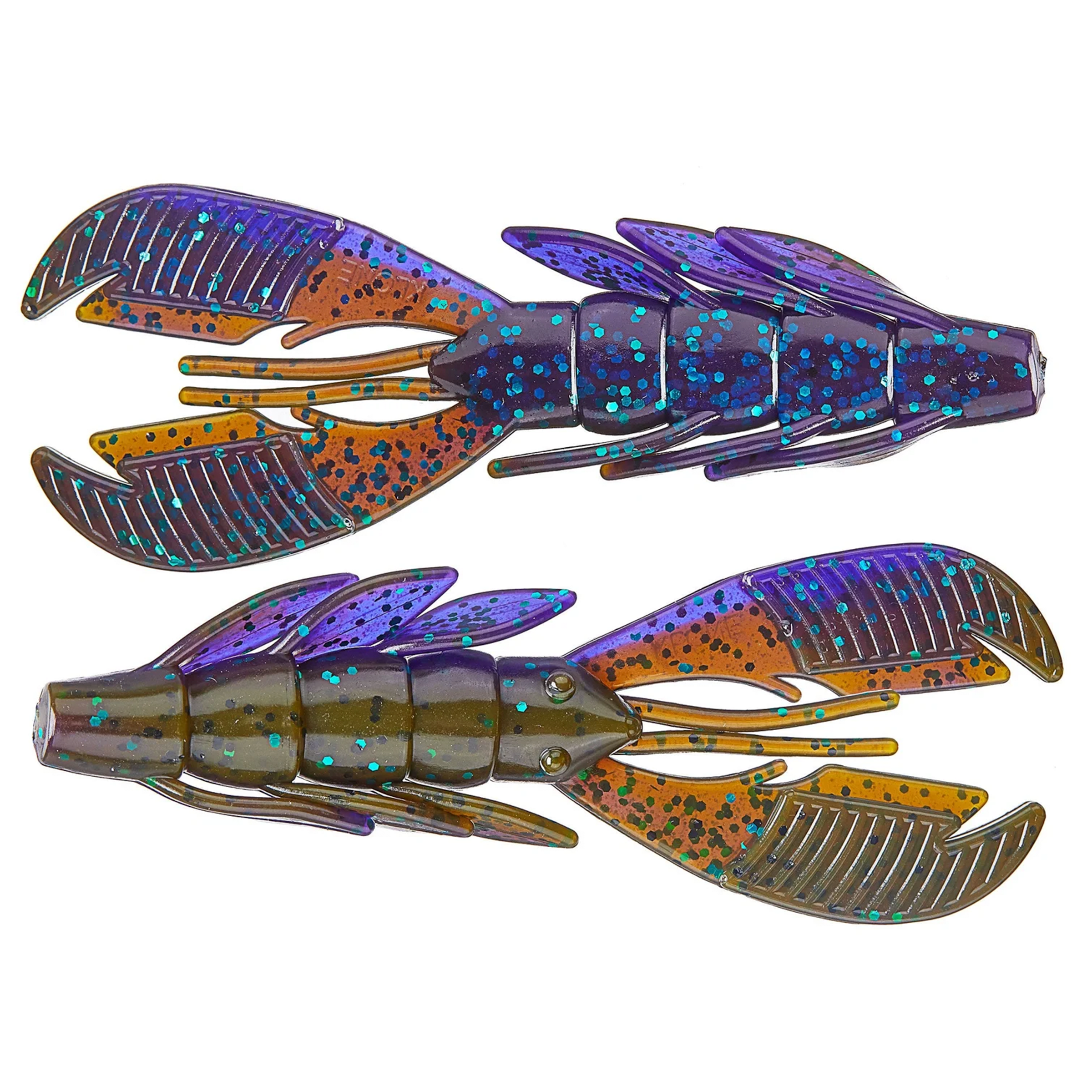
Summer in an East Texas swamp is hot, humid and buggy, and the fish go under whatever provides shade. Duckweed and vegetation mats, thick pad fields and the shade of the cypress are the productive cover, and the bite is a low-light and heavy-cover proposition.


Cooling Water and Open Pockets
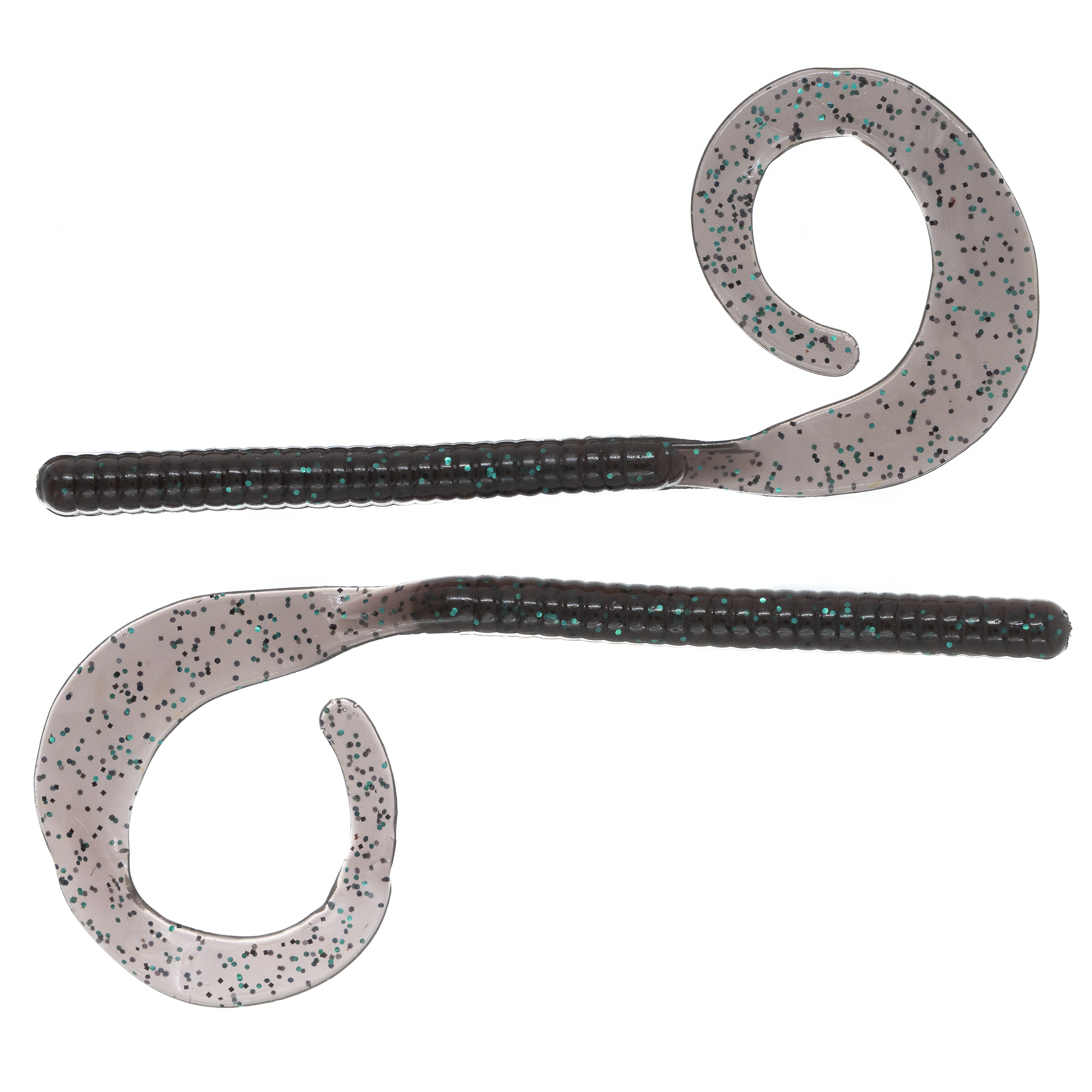
Autumn brings the fish out of the heavy cover and into the open pockets and channel edges as the water cools. Bait concentrates, the mats begin to break down, and the fishing becomes considerably more forgiving than the summer punching game. It is also the most pleasant season to be out here.

Deeper Channels and Slow Baits
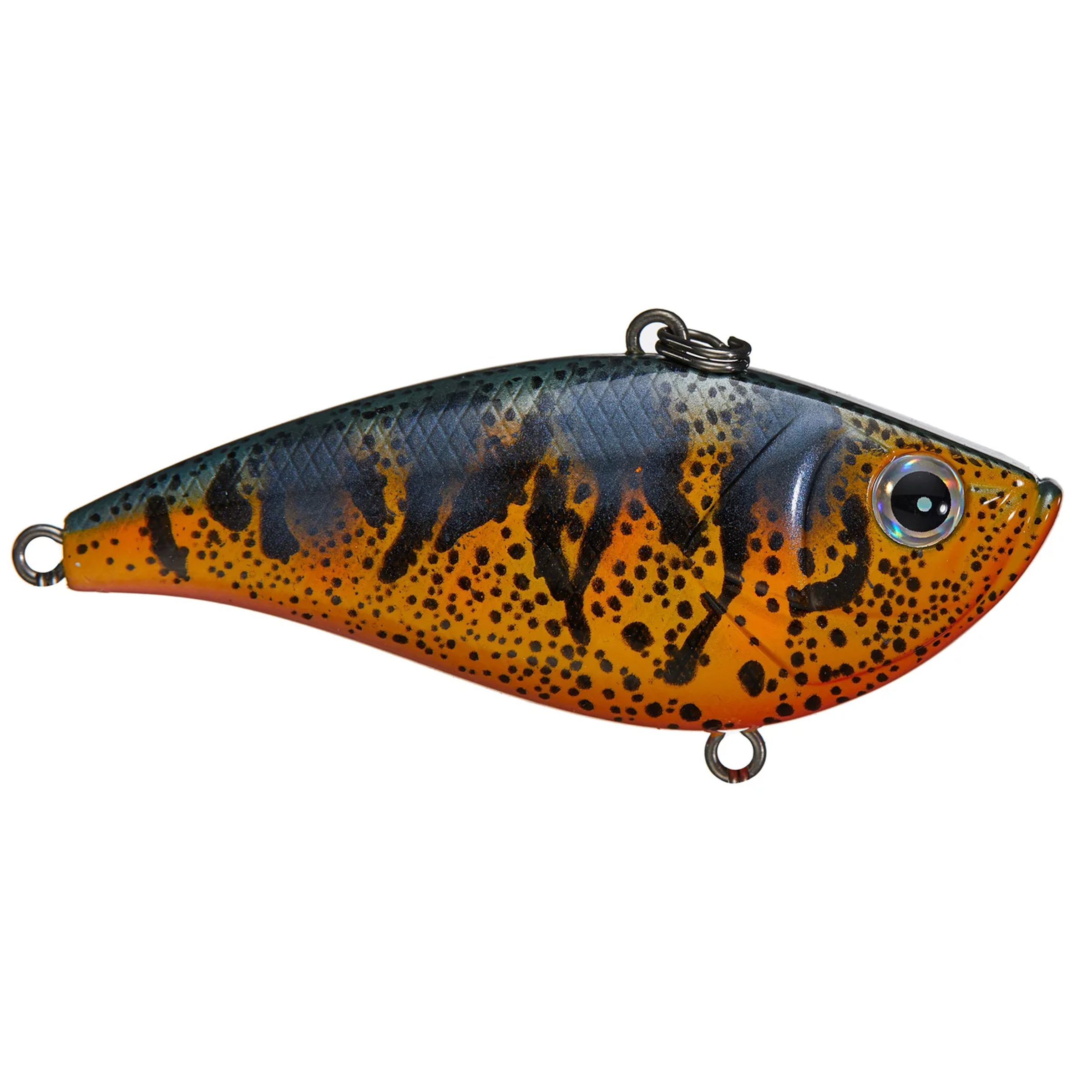
Winter concentrates the fish in the deeper channels, the bayou runs and the water beside the boat roads, since there is nowhere else deep for them to go. It is slow fishing but the average size improves, and the lake is empty. Cold fronts have a pronounced effect on water this shallow.


Caddo Lake Access
Caddo Lake State Park near Karnack provides ramps, camping and cabins on the Texas side, and there are additional public ramps and private landings around the lake including on the Louisiana shore. Marshall and Jefferson are the nearest Texas towns.
The Boat Roads
Marked channels threading through the cypress, and the only reliable way to navigate. They are also fishing water in their own right — the deeper channel beside a road holds fish in winter and gives bass a route between areas year round. Learn them before you explore.
The Cypress Flats
Thousands of acres of bald cypress in shallow water. The signature Caddo habitat and the primary spring pattern, fished by pitching to individual trees and knees. There is more of it than you can fish in a lifetime, which is part of the appeal.
The Pad Fields and Sloughs
Lily pads, American lotus and duckweed mats filling the shallower ponds and sloughs. Topwater water at first light in summer, punching water once the sun is up, and where the spawn happens in the sheltered backs.
Caddo Lake Bass Fishing FAQ
Is Caddo Lake natural?
Yes, and it is the only large natural lake in Texas. It formed naturally on Cypress Bayou and was later modified by a dam that raised and stabilised the level, but it is not a reservoir and it does not fish like one — there are no ledges, no deep points and no conventional impoundment structure.
Is it easy to get lost on Caddo Lake?
Yes, genuinely. It is a maze of cypress, sloughs, ponds and bayous, and marked boat roads exist precisely because navigating without them is difficult. Stay on the roads until you know the water, carry good GPS, and treat local advice seriously.
How big is Caddo Lake?
About 25,400 acres straddling the Texas–Louisiana border northeast of Marshall, Texas. Depths run mostly under ten feet with a great deal of two-to-four-foot water.
Do I need a Texas or Louisiana license?
Depends which side you fish. Both states license their own waters. Check before you launch, particularly since the state line runs through the middle of the fishable water rather than around it.
Does Caddo produce big bass?
It produces good largemouth without being a trophy factory in the Fork or O.H. Ivie sense. What it offers instead is a completely different kind of fishing, remarkable scenery, and a fraction of the pressure the big-name Texas reservoirs carry.
When is the best time to fish Caddo Lake?
Spring, with March the heart of it and prespawn activity from February. Autumn is the second window and the most comfortable. Summer is hot and humid and turns into a punching game; winter is slow but produces better average fish on empty water.
What baits work best on Caddo Lake?
Weedless everything. Flipping baits and creature baits for cypress and mats, topwater frogs and toads over pads in summer, spinnerbaits and squarebills through the trees in autumn, and jigs in the channels in winter. Our full bait lineup covers all four seasons.
Is there anywhere to stay?
Caddo Lake State Park near Karnack has camping and cabins, and there are private lodges and landings around the lake. Jefferson and Marshall are the nearest Texas towns for anything else.
Accuracy, in Tight Quarters
Fishing cypress means putting a bait beside a trunk from fifteen feet, over and over, and then keeping a good fish out of the knees she is sitting in. Level Rods builds models with the accuracy for the first part and the immediate power for the second.
Tournament Winning Baits & Gear
Designed, crafted and tested by anglers who fish heavy cover every week. Free shipping on orders over $75.
Shop All Baits