
Bull Shoals Lake Bass Fishing Guide
Bull Shoals Bass Fishing, Season by Season
Forty-five thousand acres of clear White River water on the Arkansas and Missouri line, with steep bluffs, deep rock and a reputation for largemouth bigger than a highland lake ought to grow. Five to ten pounders are not rare on Bull Shoals, and a twelve has been boated.
A Highland Lake That Grows Largemouth
Bull Shoals Lake impounds the White River across the Arkansas and Missouri state line, covering roughly 45,000 acres. It is a classic Ozark highland reservoir — clear, deep, steep-sided, with bluff walls, chunk rock, gravel points and long timbered creek arms.
What makes it unusual is the largemouth. Highland reservoirs typically favour smallmouth and spots, and Bull Shoals has plenty of both. But five to ten pound largemouth are described as not rare here, and a twelve-pounder has been boated — numbers that belong on a shallow southern lake rather than a clear Ozark one.
The lake fishes on a clarity and depth gradient much like Cumberland in Kentucky. The main lake and lower end run clearest and hold the smallmouth and spots; the creek arms and upper end carry more colour and more largemouth. Deciding which species you are after is the first decision, not the last.
Spring is the season most associated with it. A national double-header held here and on neighbouring Norfork was decided entirely by spawning bass, with water temperatures moving from the high fifties into the low seventies across the event and a full moon enhancing the spawn. That is the window.
Water level fluctuates as it does on any Corps flood-control project, and the White River tailwater below the dam is one of the better trout fisheries in the country, which draws its own set of visitors.
It crosses a state line, so check which licence you need for the water you intend to fish. Ranked twenty-fourth in Bassmaster's Central Division.
Bluffs, Creek Arms and the Spawn
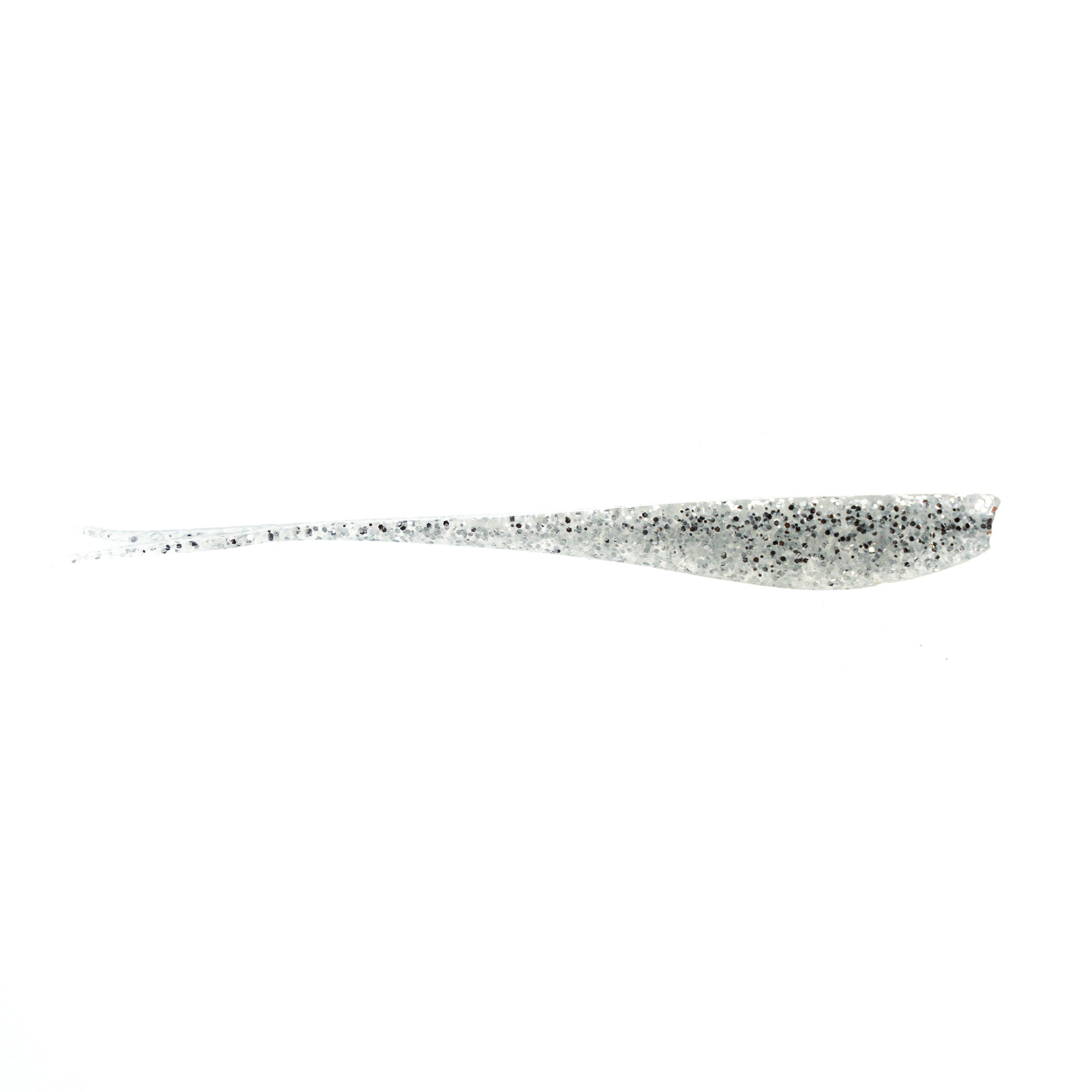
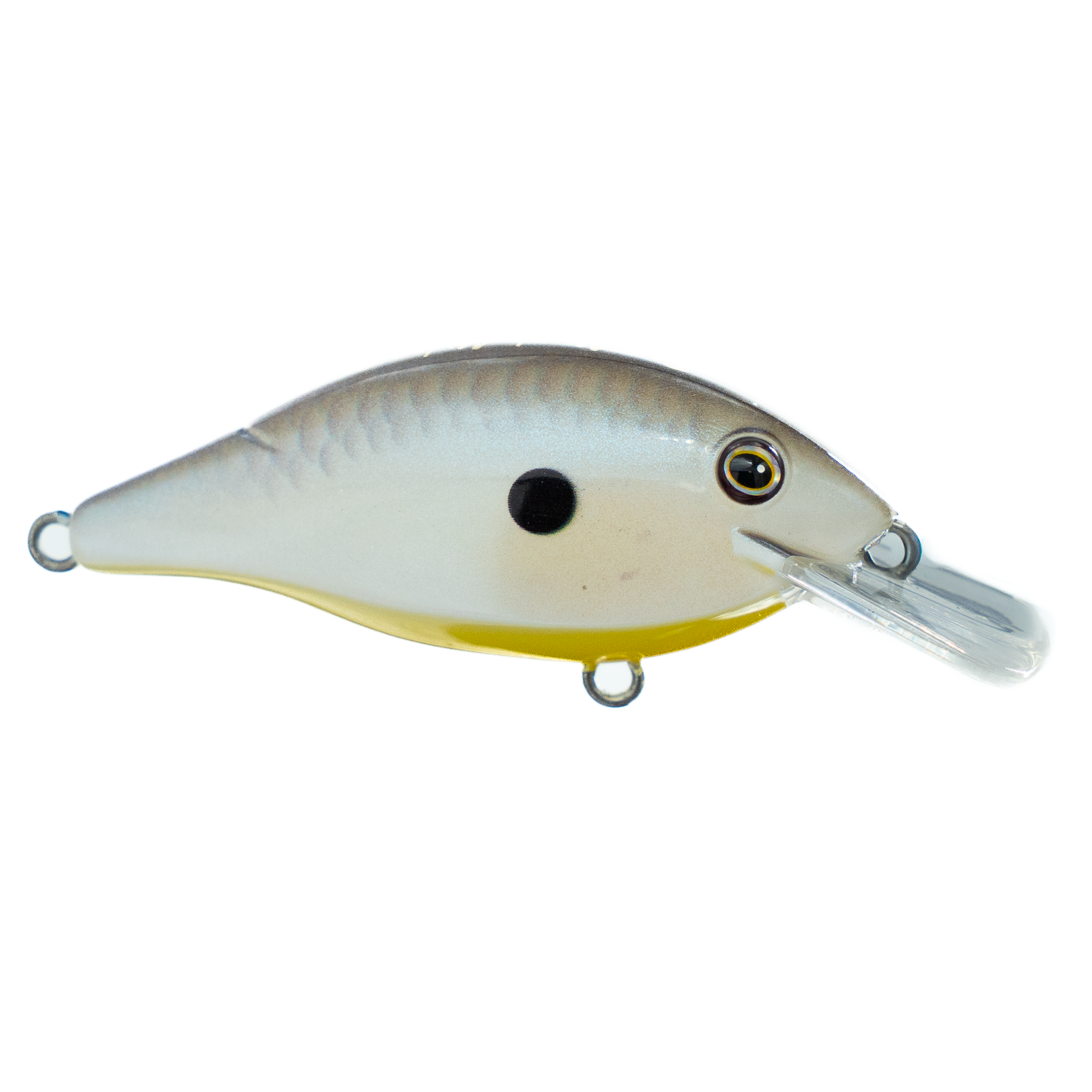
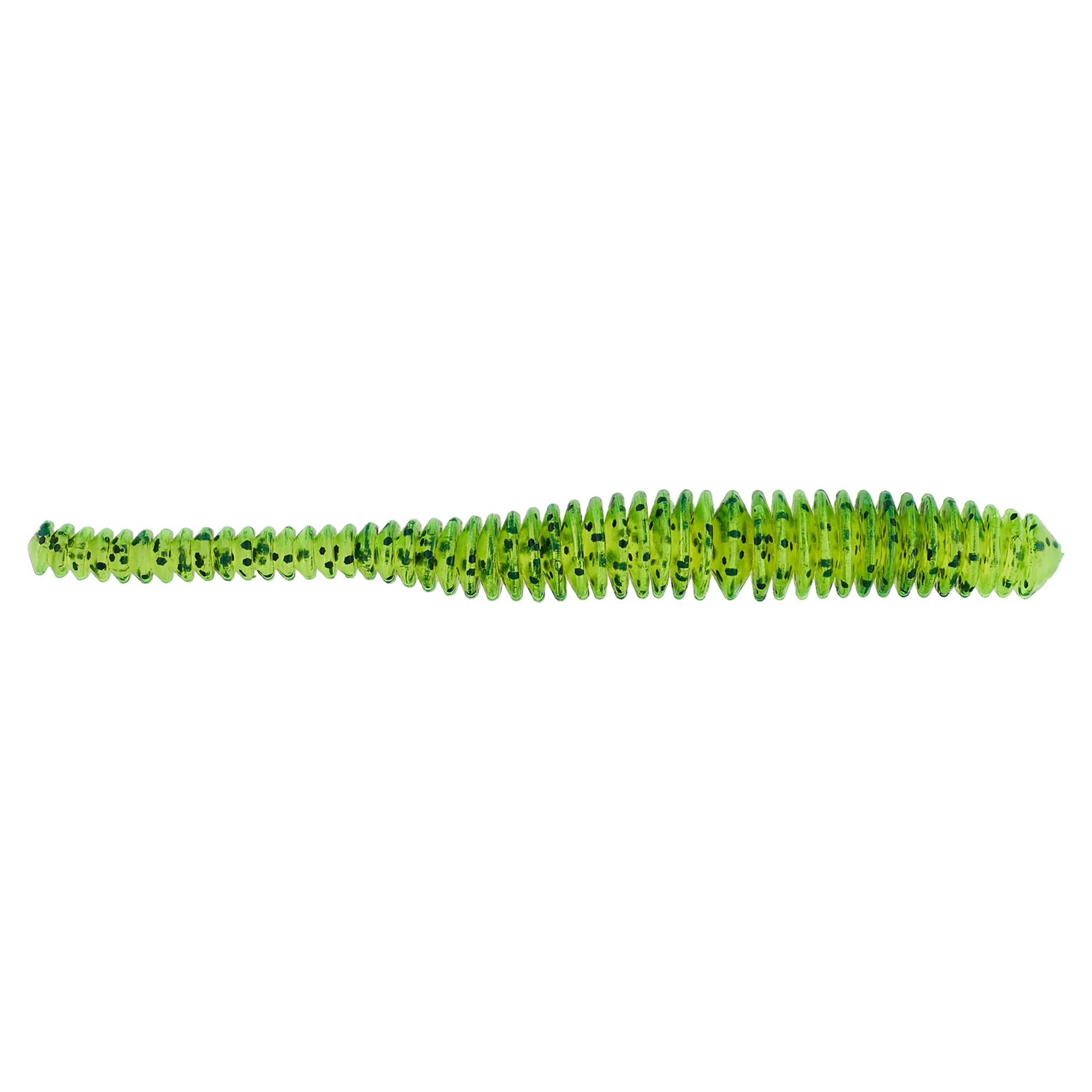
Four patterns cover the year. Each one pairs the technique with the baits we'd actually tie on.
The Season Everything Happens
Spring is Bull Shoals at its best and the window national events get scheduled into. Water moving from the high fifties into the low seventies puts the whole lake on the spawn, and a full moon during that stretch concentrates it further. Largemouth push into the creek arms and coves; smallmouth take the gravel and chunk rock.



Bluff Ends and Depth
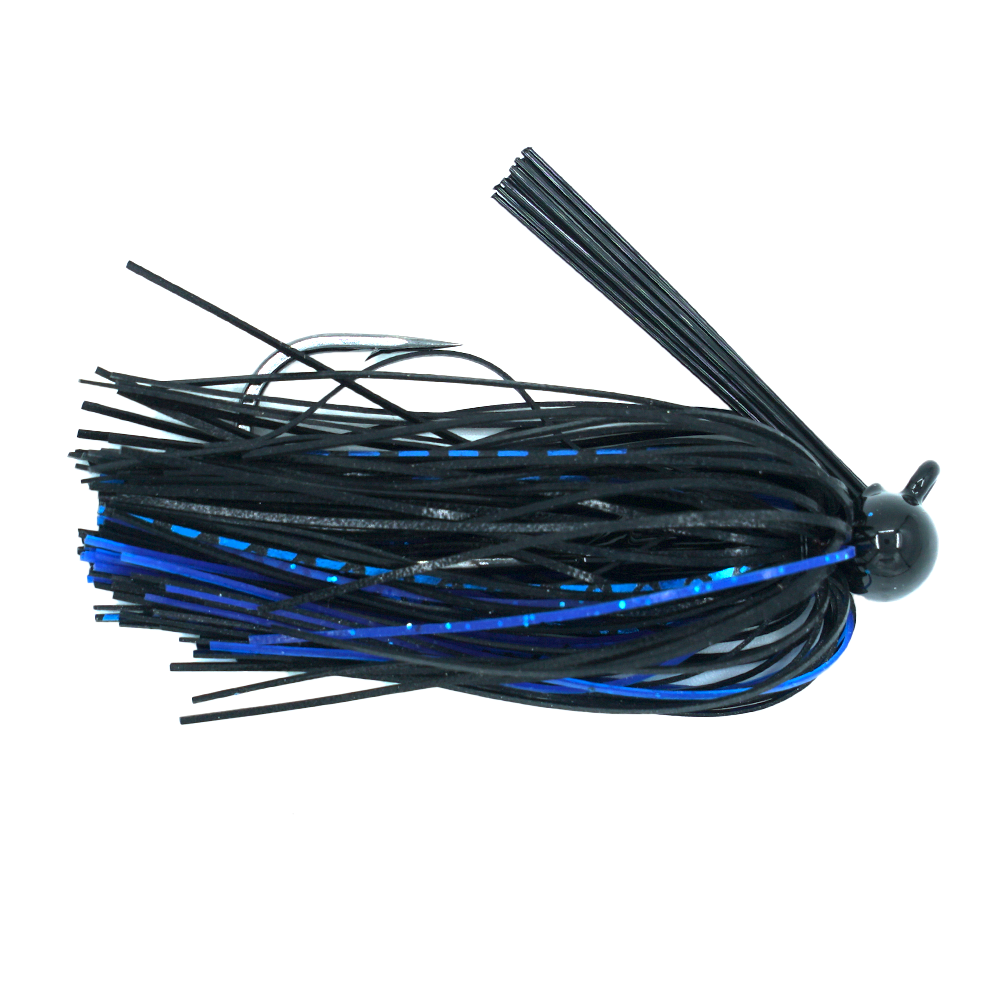
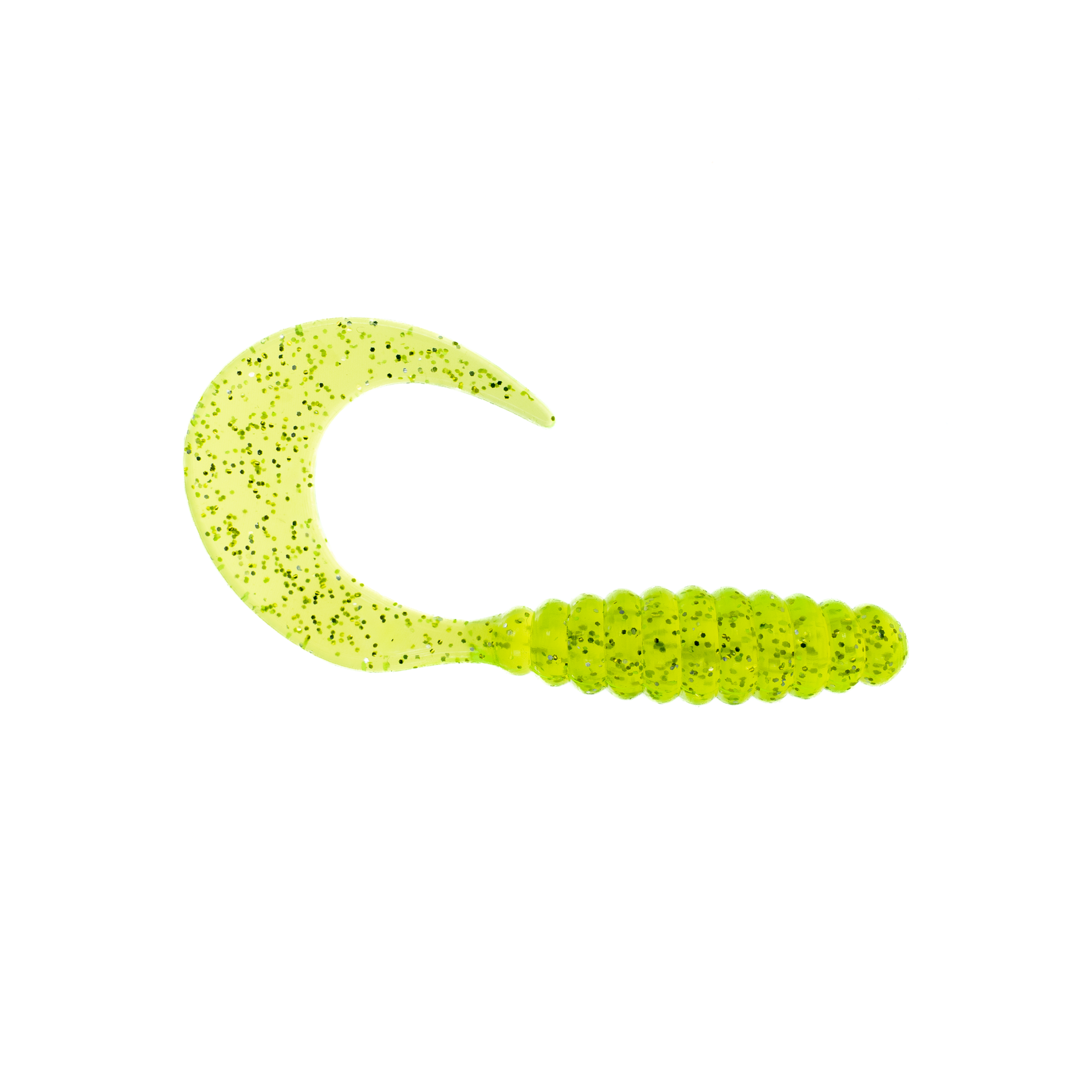
Summer sends fish deep on a lake that offers plenty of it. Bluff walls give fish the whole water column within a cast, which makes them efficient places to work out the day's depth. Clear water and bright conditions make the shallow fishing difficult, and the recreational traffic builds.



Bait Up the Arms
Autumn pulls bait into the creek arms and the fish follow, bringing them back onto the shallower rock and into water you can fish quickly. Cooling water, an emptying lake and the Ozarks turning make this the most pleasant season here by some margin.

Deep Rock and Big Fish
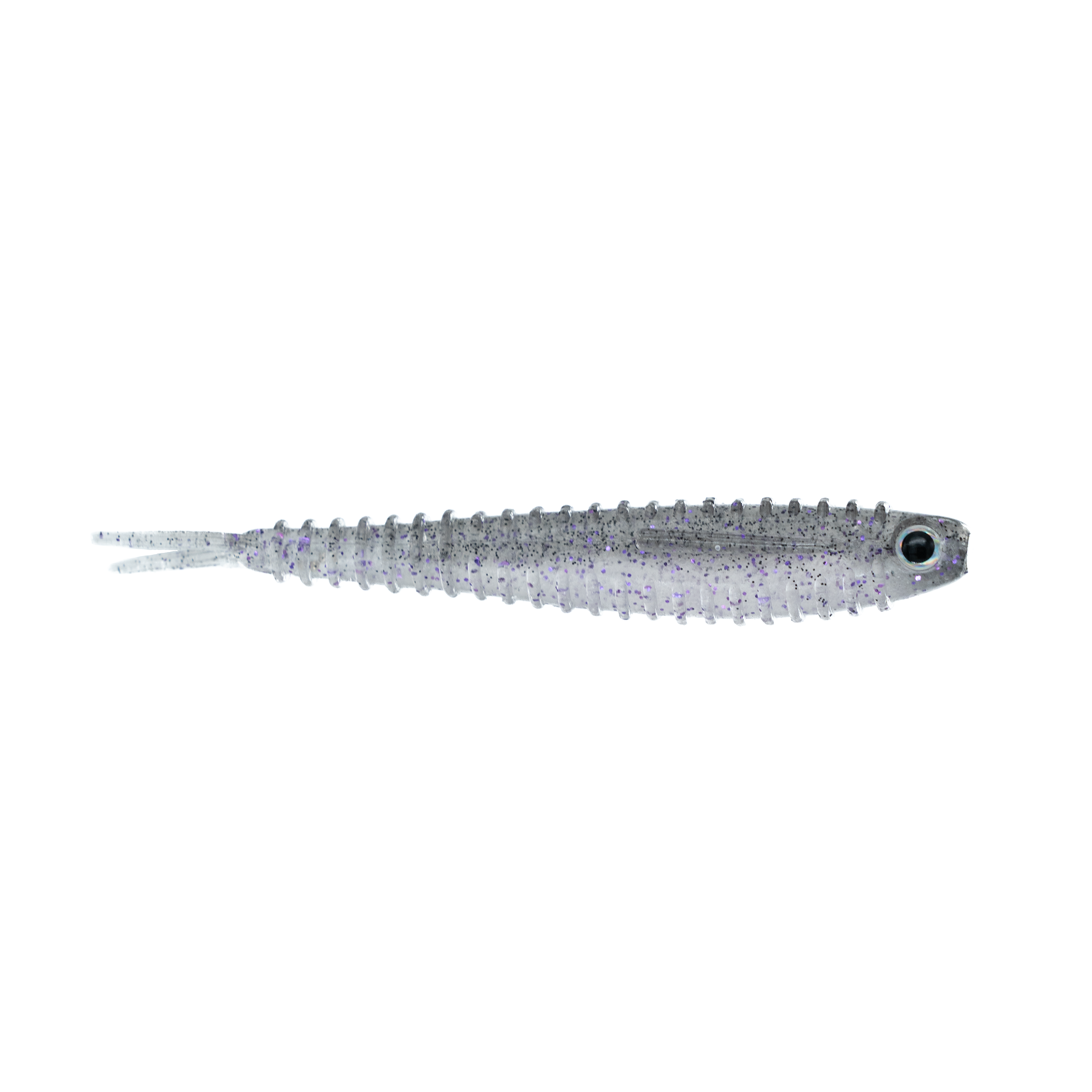
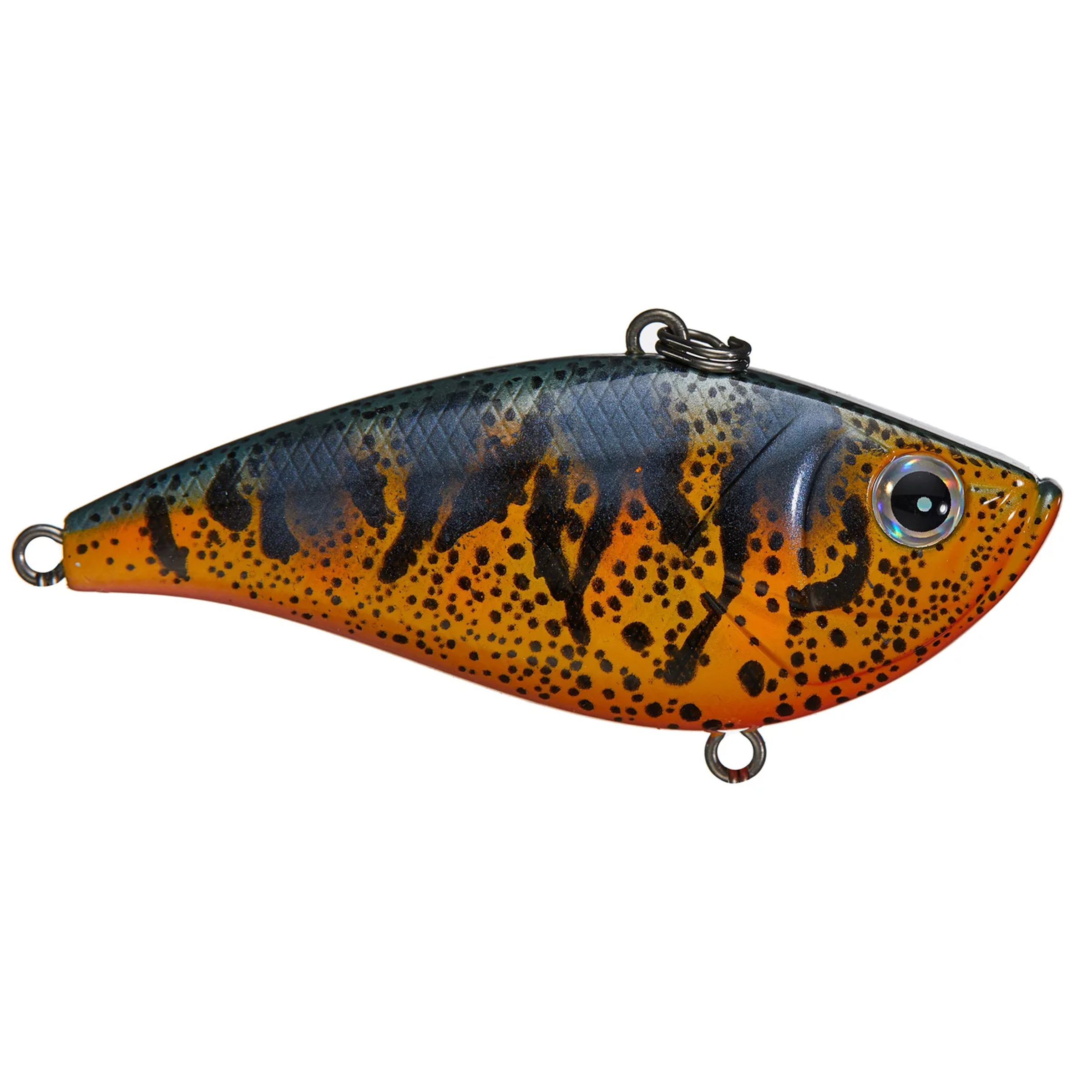
Winter concentrates fish on the deepest rock and the bluff ends, where clear water makes them locatable. Ozark winters are real and the lake is empty, but the average size is the best of the year and this is when several of the lake's better largemouth have come out.

Bull Shoals Lake Access
Corps of Engineers ramps, marinas and state parks serve both the Arkansas and Missouri shorelines. Mountain Home and Bull Shoals are the Arkansas towns; the Missouri side has its own access. Check which state's licence you need before launching.
The Bluff Banks
Steep rock dropping into deep water, giving fish the whole water column within a cast. Productive through summer heat and winter cold, and the defining structure of a highland reservoir. Learn a handful and they produce year after year.
The Creek Arms
Long timbered arms running back from the main lake, carrying more colour and holding the largemouth. Warmer in spring, full of bait in autumn, and the answer when the clear main lake gets difficult.
The Gravel and Chunk Rock Points
Where the smallmouth spawn and hold. Main-lake points and the transitions between rock types are the highest-percentage smallmouth water on the lake, and they fish best in spring and autumn.
Bull Shoals Lake Bass Fishing FAQ
How big is Bull Shoals Lake?
Roughly 45,000 acres impounding the White River across the Arkansas and Missouri state line. It is a classic Ozark highland reservoir — clear, deep and steep-sided, with bluff walls and long timbered creek arms.
Does Bull Shoals produce big largemouth?
Yes, and unusually so for a clear highland lake. Five to ten pound largemouth are described as not rare here and a twelve-pounder has been boated. Smallmouth and spotted bass are both present too.
Do I need an Arkansas or Missouri license?
Depends where you fish. The lake straddles the state line and each state licenses its own waters. Check before you launch, particularly if you plan to move between the two sides.
When is the best time to fish Bull Shoals?
Spring, and specifically the stretch when water moves from the high fifties into the low seventies. A national event held here was decided entirely by spawning bass across exactly that range, with a full moon enhancing it. Autumn is the second window.
Where do the largemouth and smallmouth live?
Largemouth favour the creek arms and the upper end where there is more colour; smallmouth and spots hold on the clear main-lake rock, gravel points and bluffs. Deciding which you are fishing for should come before deciding where to launch.
What about the tailwater?
The White River below Bull Shoals Dam is one of the better trout fisheries in the country and receives annual stockings. Worth knowing if you want a change of pace, and it draws its own set of visitors to the area.
What baits work best on Bull Shoals?
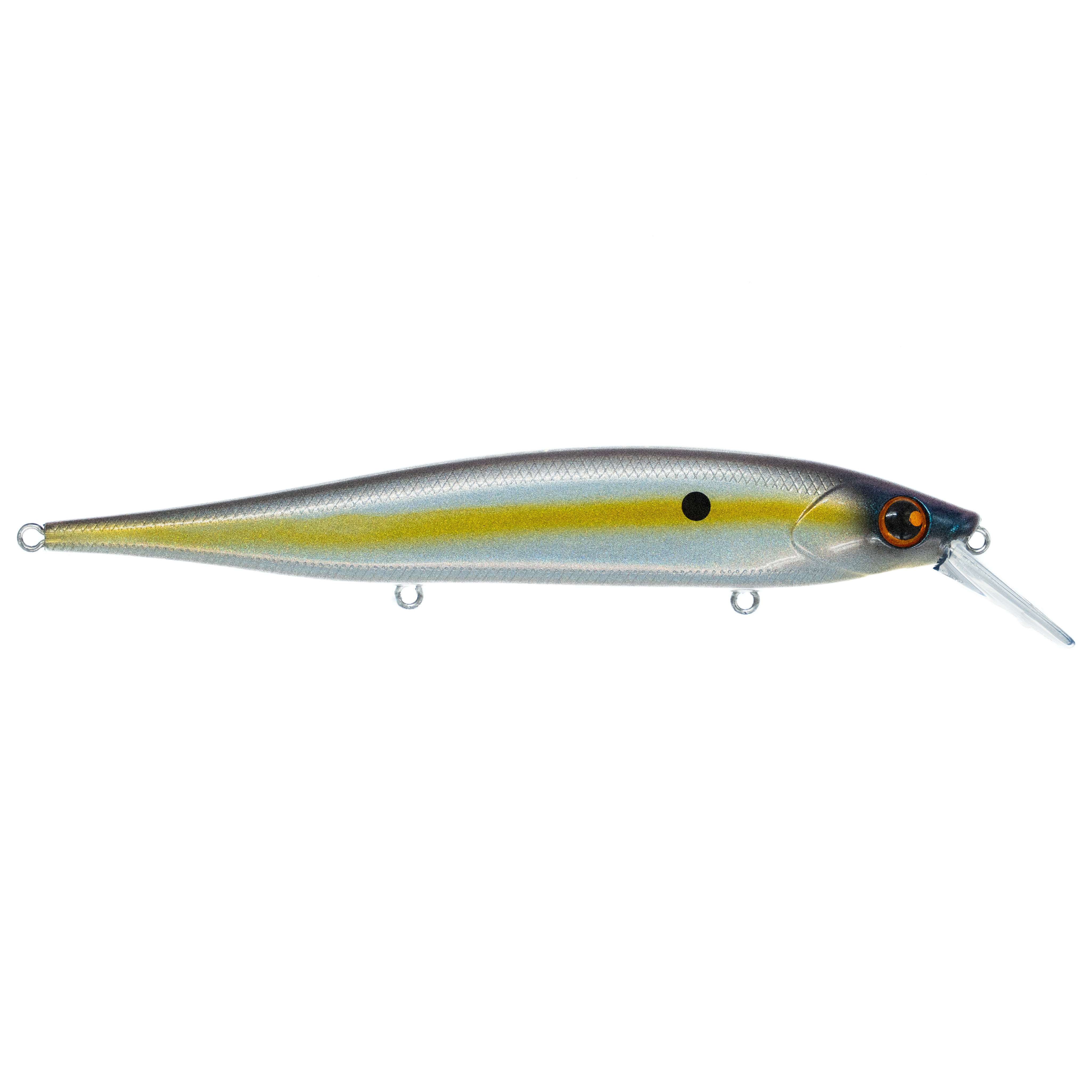
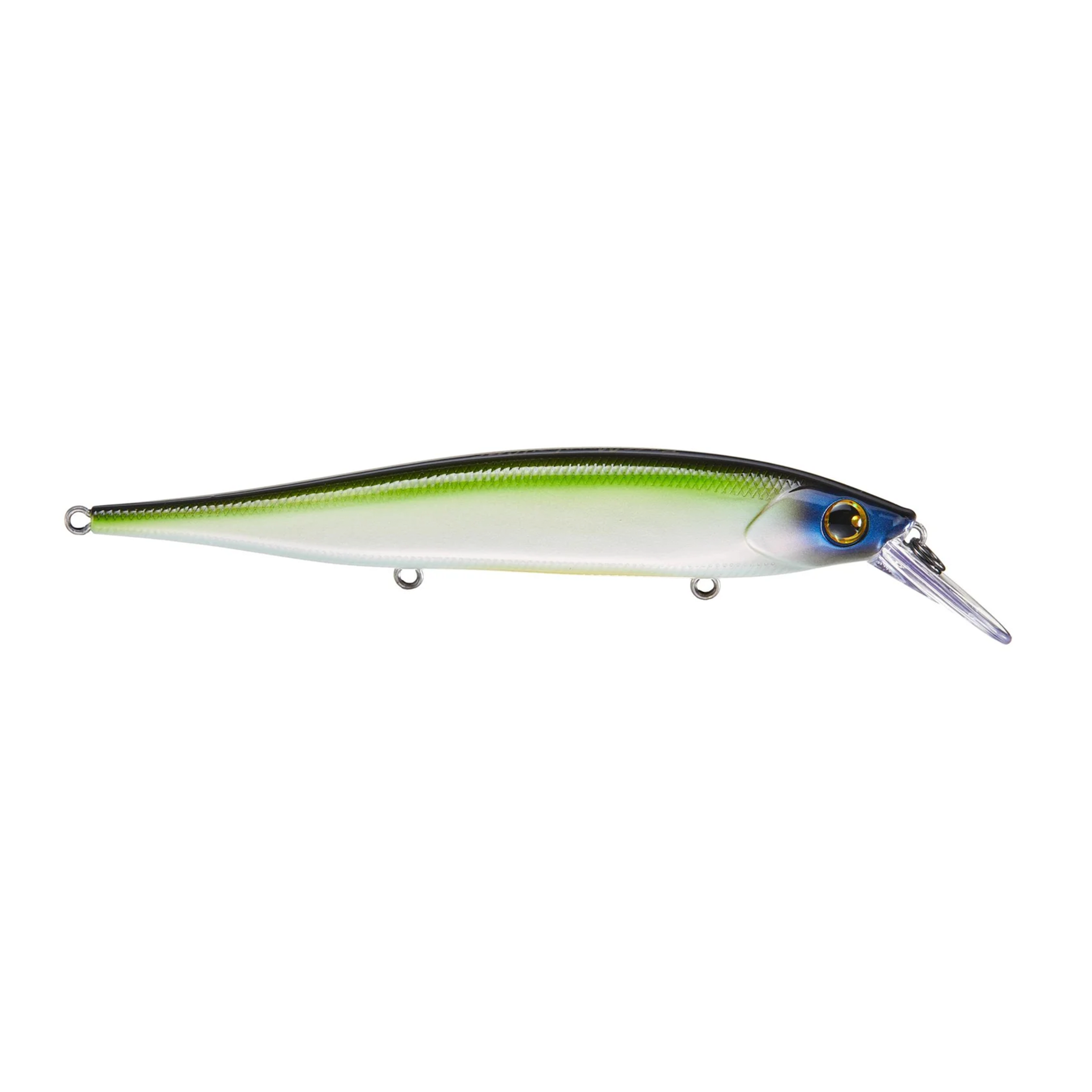
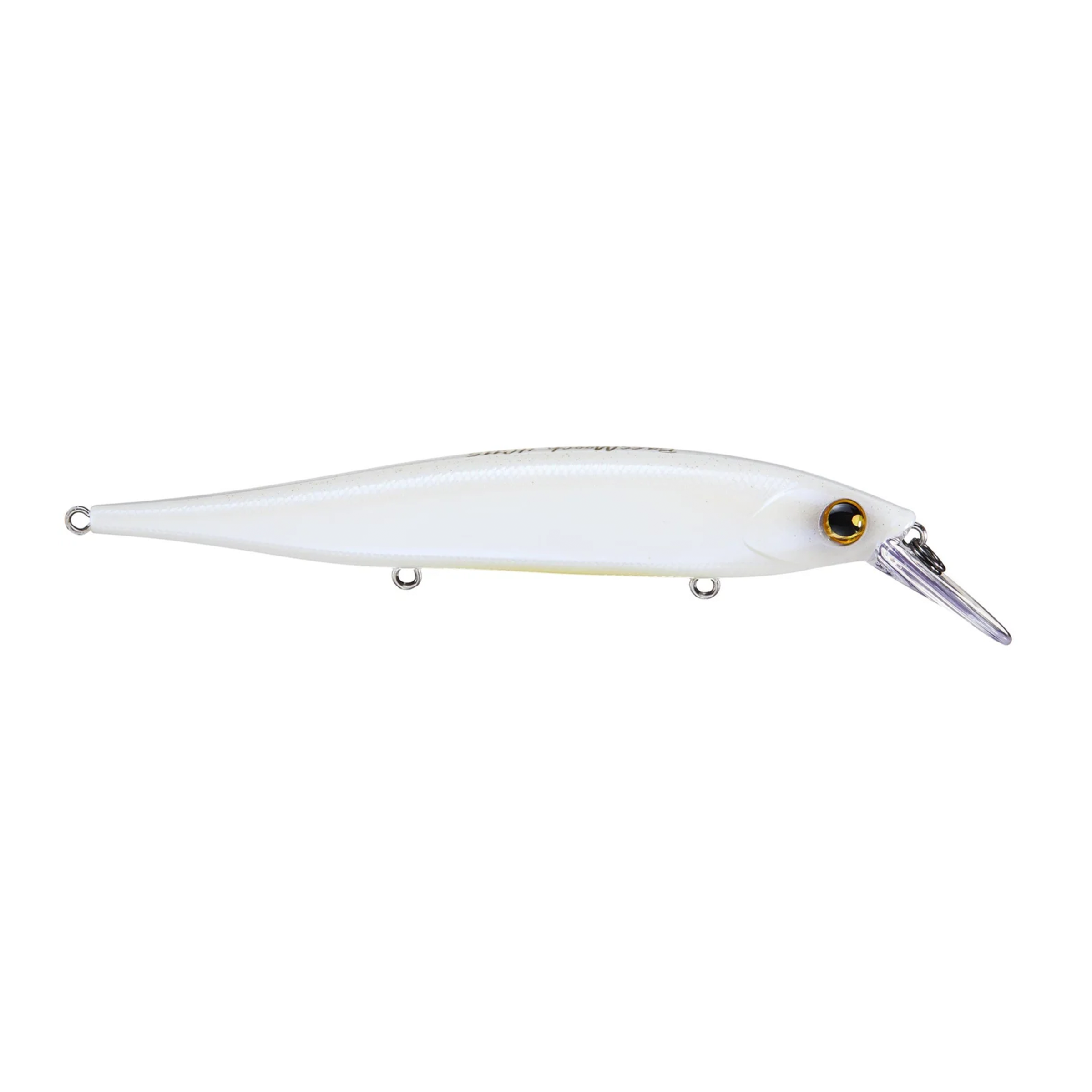
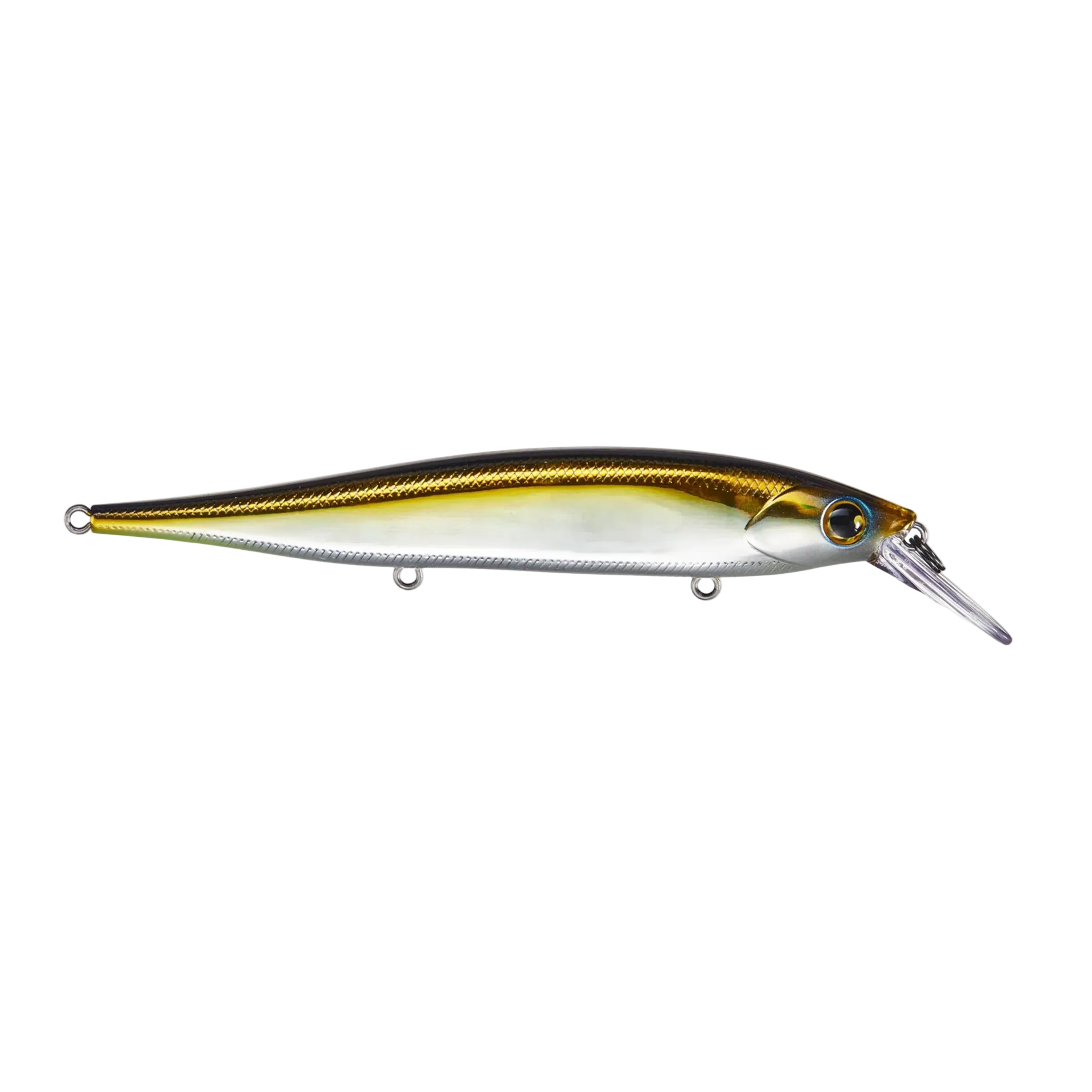
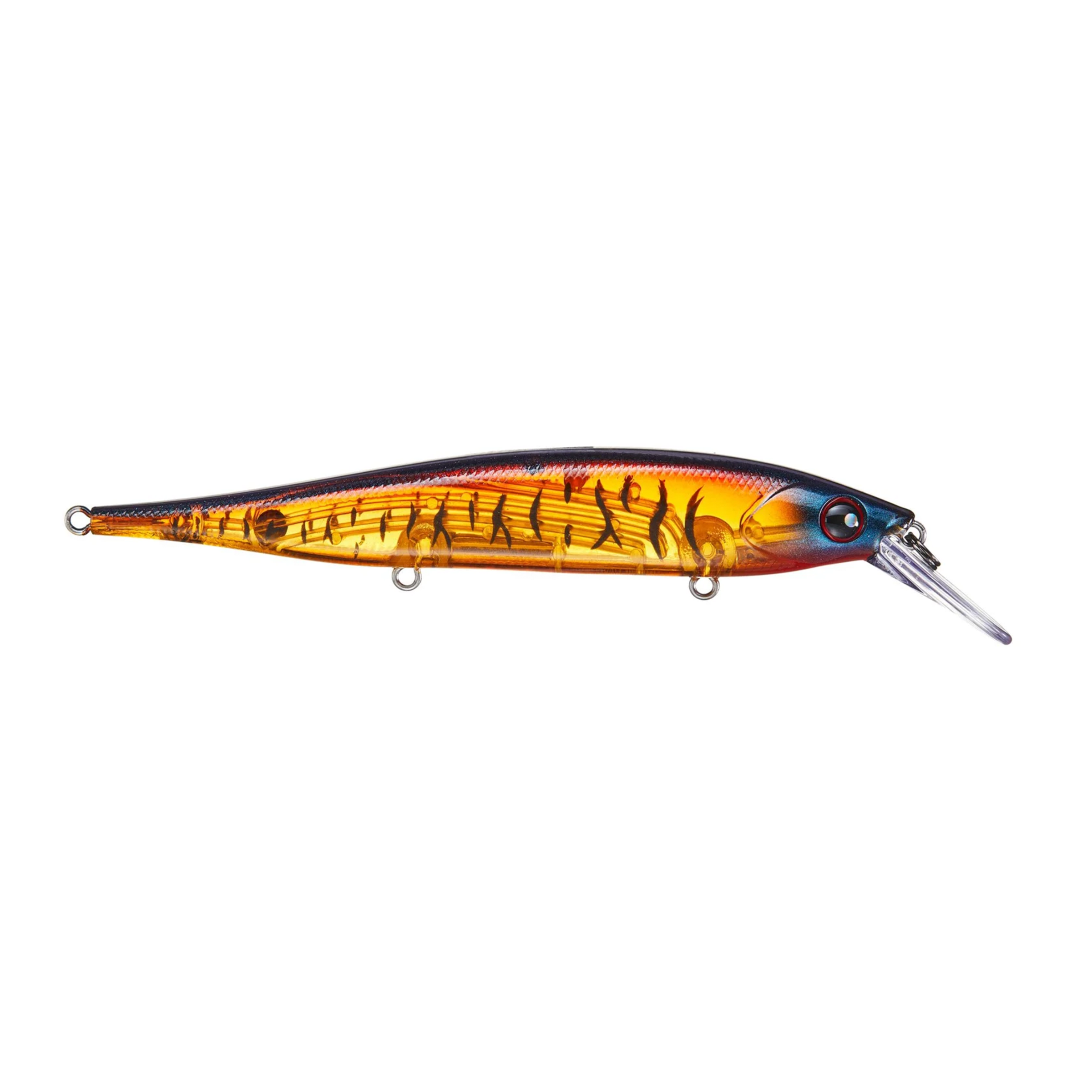
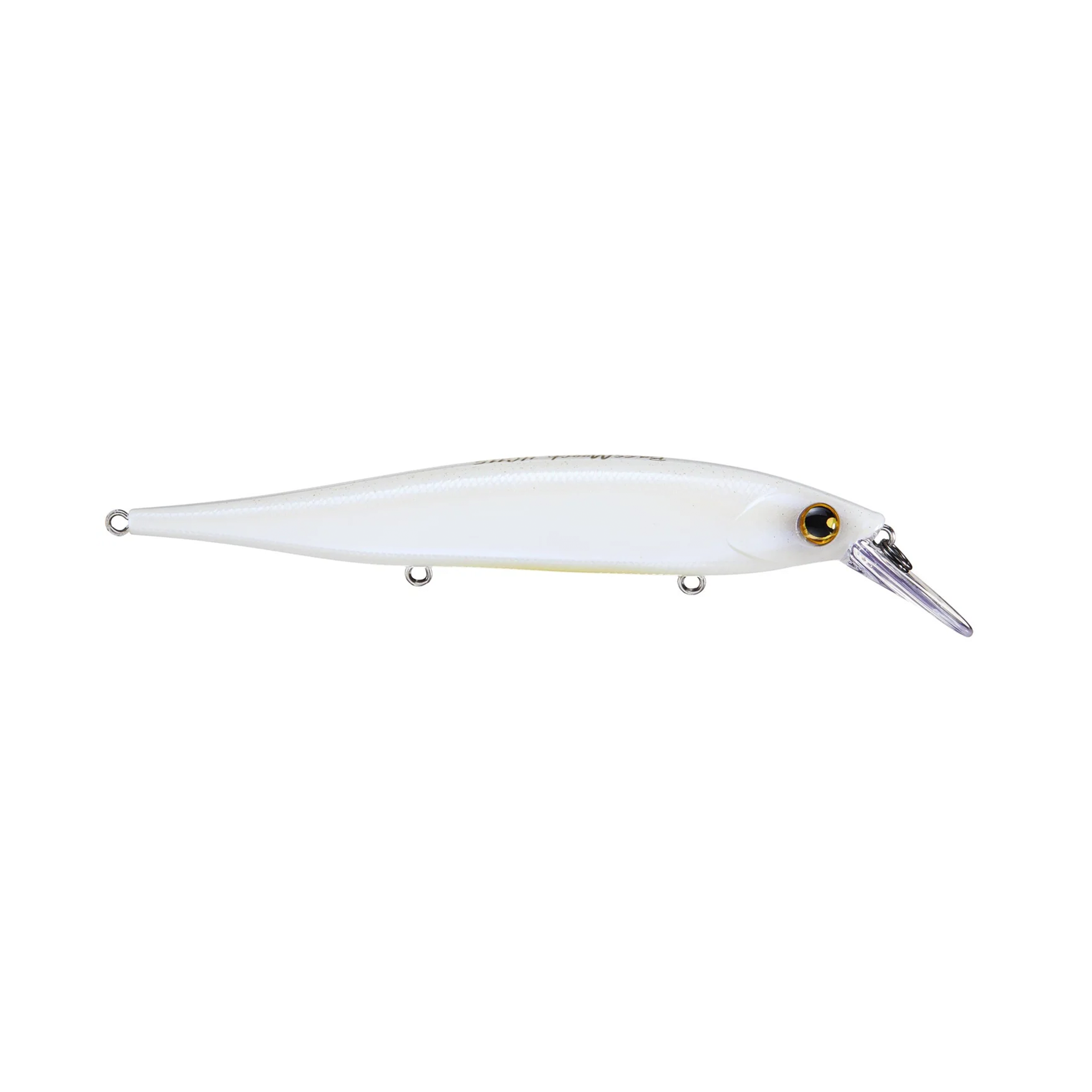
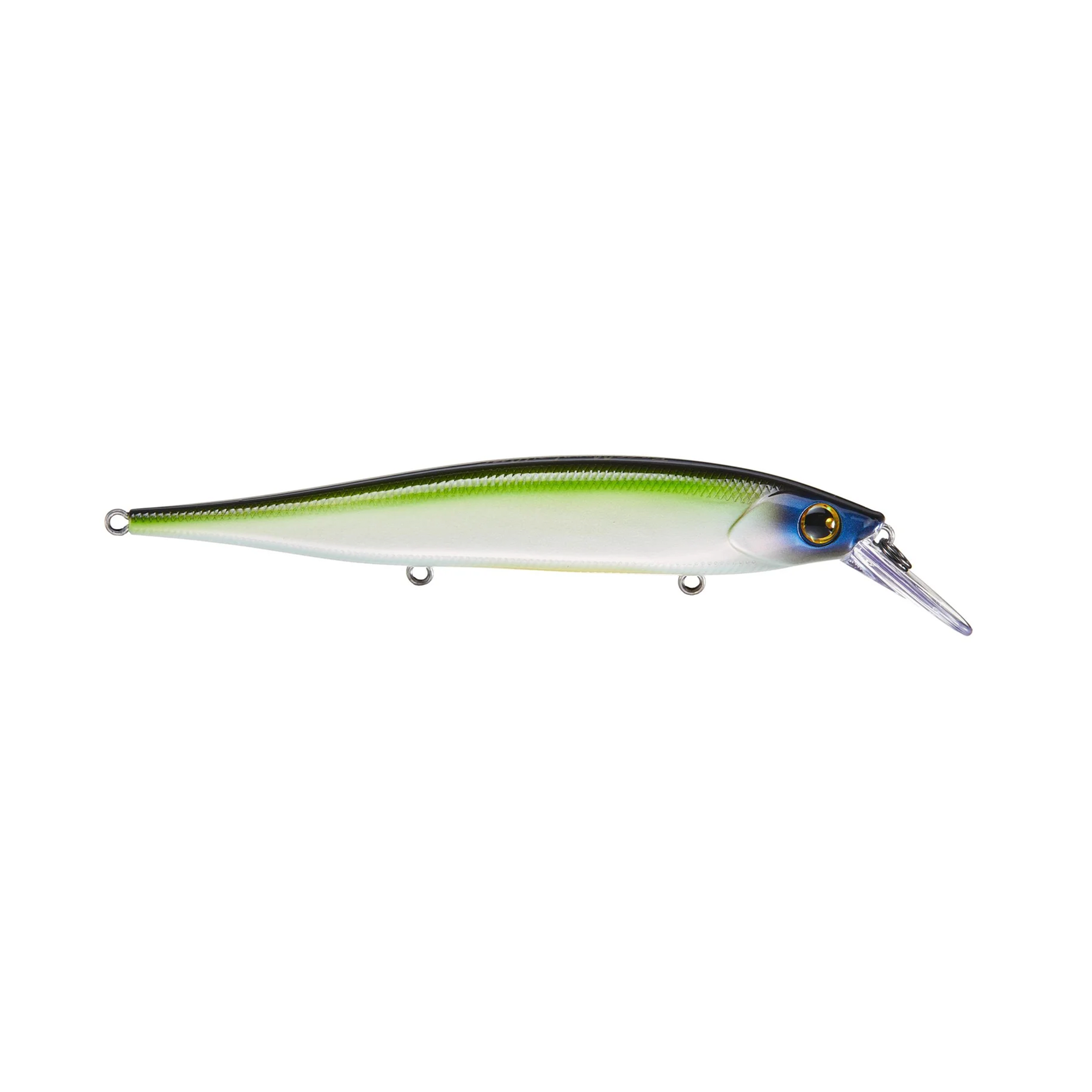
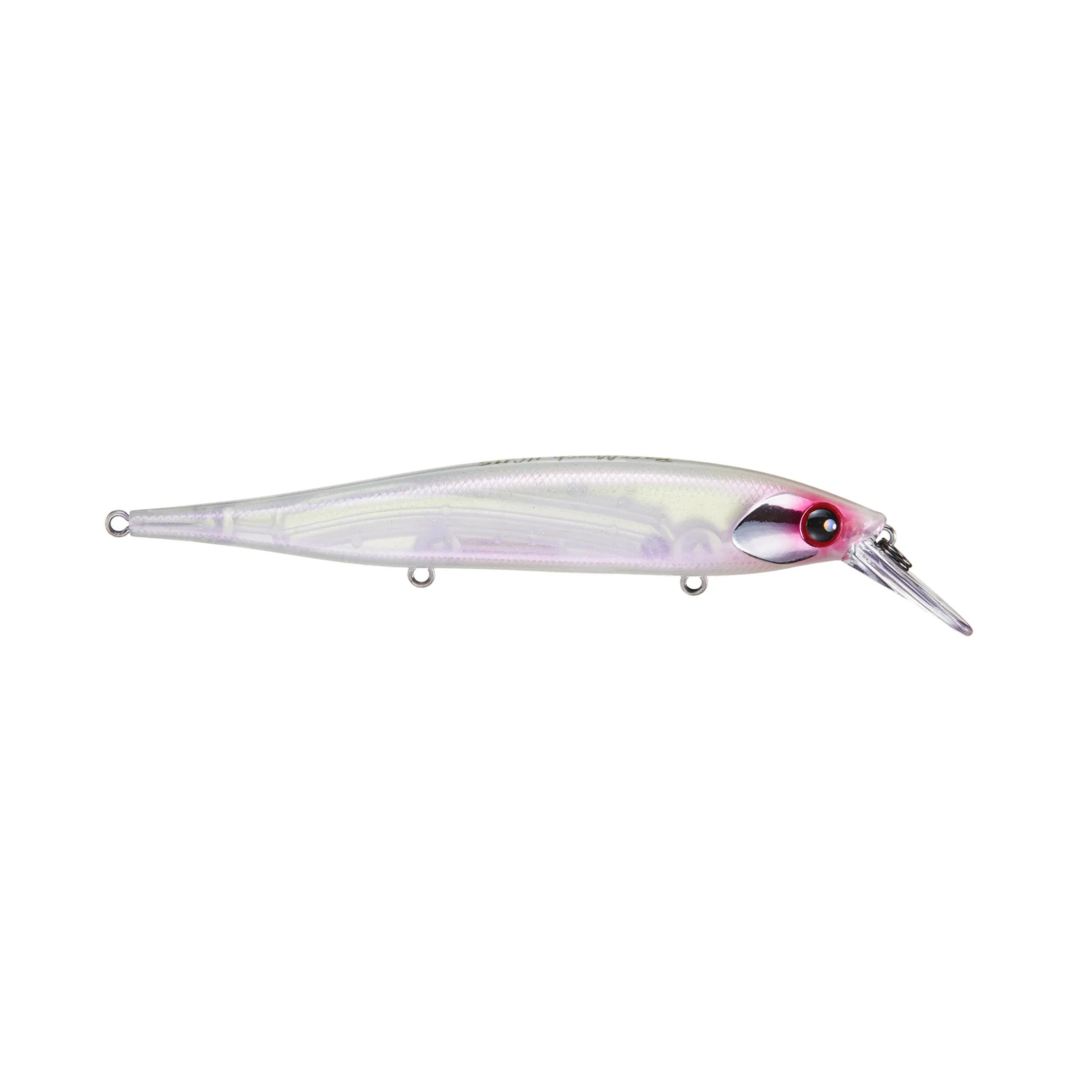
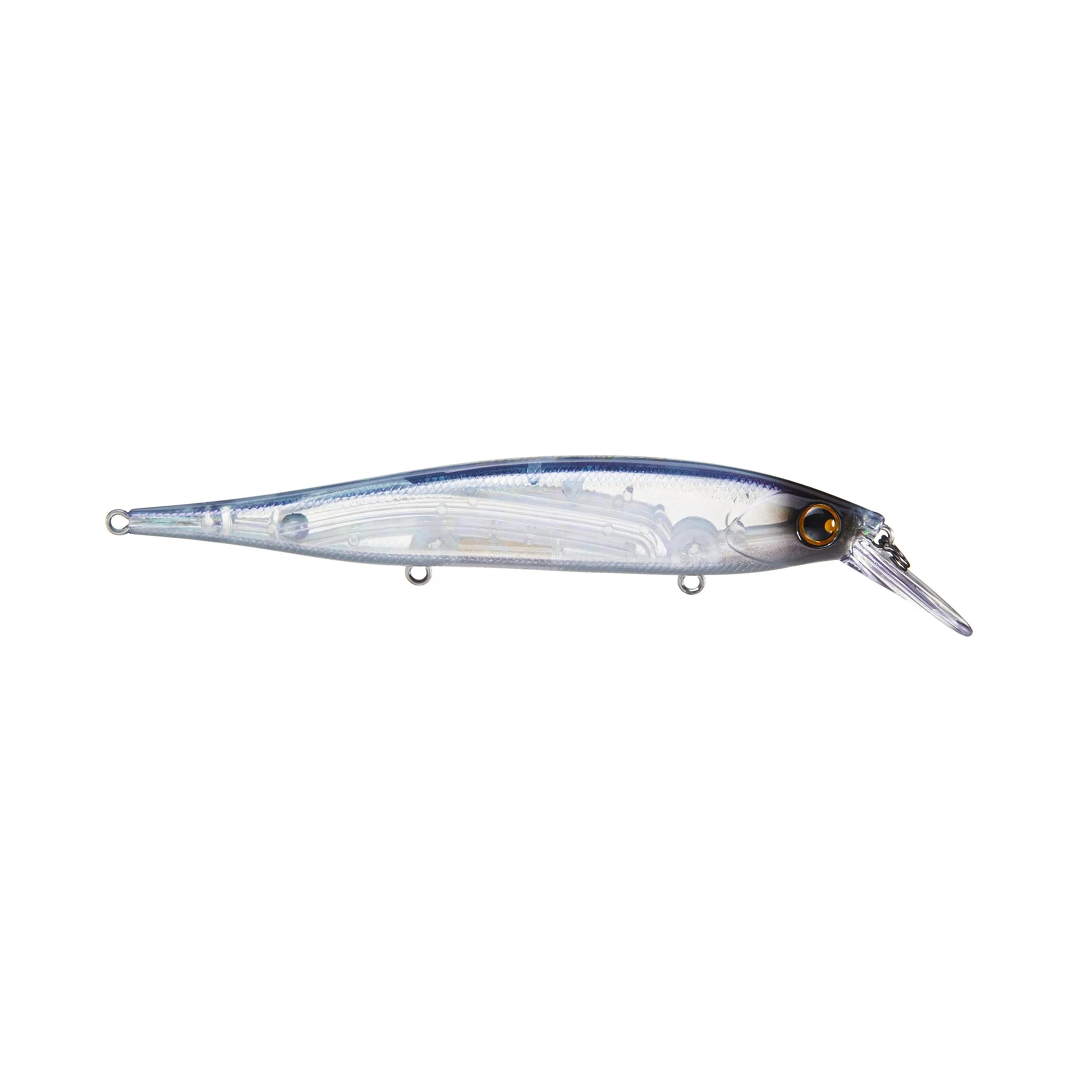
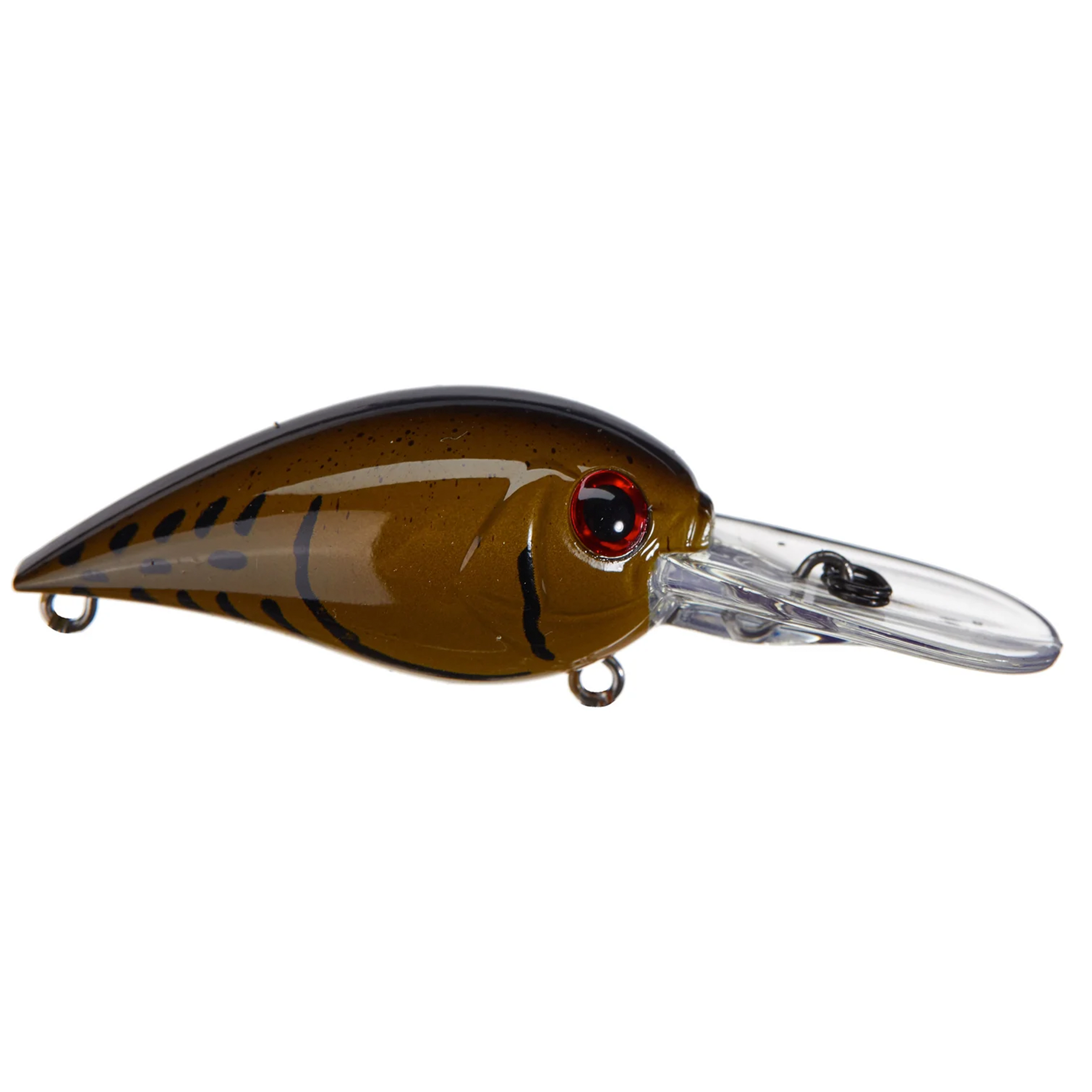
Suspending jerkbaits and finesse plastics on the clear rock, soft plastics in the creek arms for largemouth, and moving baits behind the autumn bait. Clear water rewards natural colours and lighter line. Our full bait lineup covers all four seasons.
Is Norfork Lake nearby?
Yes, next door, and the two are frequently fished together — a national event was held as a double-header across both. Norfork is smaller and similar in character, and it also crosses into Missouri.
Rock, Depth and Big Largemouth
A clear highland lake that grows ten-pound largemouth asks for finesse tackle that can still handle a heavy fish. Level Rods builds models with the sensitivity for deep clear water and enough backbone that a twelve-pounder on light line is a fight you can win.
Tournament Winning Baits & Gear
Designed, crafted and tested by anglers who fish highland reservoirs every week. Free shipping on orders over $75.
Shop All Baits