Broken Bow Lake Bass Fishing Guide
Broken Bow Bass Fishing, Season by Season
Fourteen thousand acres of clear water in the Ouachita Mountains of southeast Oklahoma, and the state's best bet for both a trophy largemouth and a serious smallmouth. Broken Bow appears all over Oklahoma's top-twenty biggest bass list, and it is the most scenic water in the state.
Clear, Rocky and Full of Big Fish
Broken Bow Lake sits in the Ouachita Mountains of southeast Oklahoma, covering roughly 14,000 acres. It is one of the state's larger reservoirs and by some distance its clearest, which shapes everything about how it fishes.
The big-fish record is what sets it apart. Look at a list of the twenty biggest largemouth ever caught in Oklahoma and Broken Bow appears repeatedly. It does not just produce big fish occasionally — it produces a lot of them, which for a clear mountain reservoir is unusual.
The smallmouth are the other half of the story. Broken Bow is widely regarded as Oklahoma's best smallmouth lake, and the fish grow to genuinely impressive sizes. Clear water over rock in mountain country is exactly what they want. Spotted bass are present too.
The structure is rock and depth. Rocky points, bluff banks, chunk rock, ledges and steep shoreline dropping into deep water, with varying depths and underwater structure giving fish plenty of options. Vegetation is limited; standing timber exists in places.
Clarity is the thing to plan around. Clear water means fish that see you, longer casts, lighter line and more natural presentations than the timber lakes further north in the state require. On bright flat days the fishing gets genuinely difficult, and early, late and deep become the answers.
The setting is worth mentioning on its own terms. Broken Bow is the most scenic bass water in Oklahoma, sitting in mountain country with Beavers Bend State Park on its shore, and it draws substantial tourism through the warm months.
Rock, Bluffs and Clarity
Four patterns cover the year. Each one pairs the technique with the baits we'd actually tie on.
Rock, and the Best Weeks of the Year
April through June is the prime window here for both species. Smallmouth move onto rocky points, gravel and chunk rock to spawn while largemouth use the pockets, the shallower rock and what wood exists. Clear water means they can be shallow and still be spooky, so approach matters as much as bait choice.


Deep and Difficult
Summer pushes fish deep and makes bright days hard, which is the trade for water this clear. The productive fishing compresses into first light, last light and depth, and the tourist traffic on a lake this scenic is substantial through the warm months.

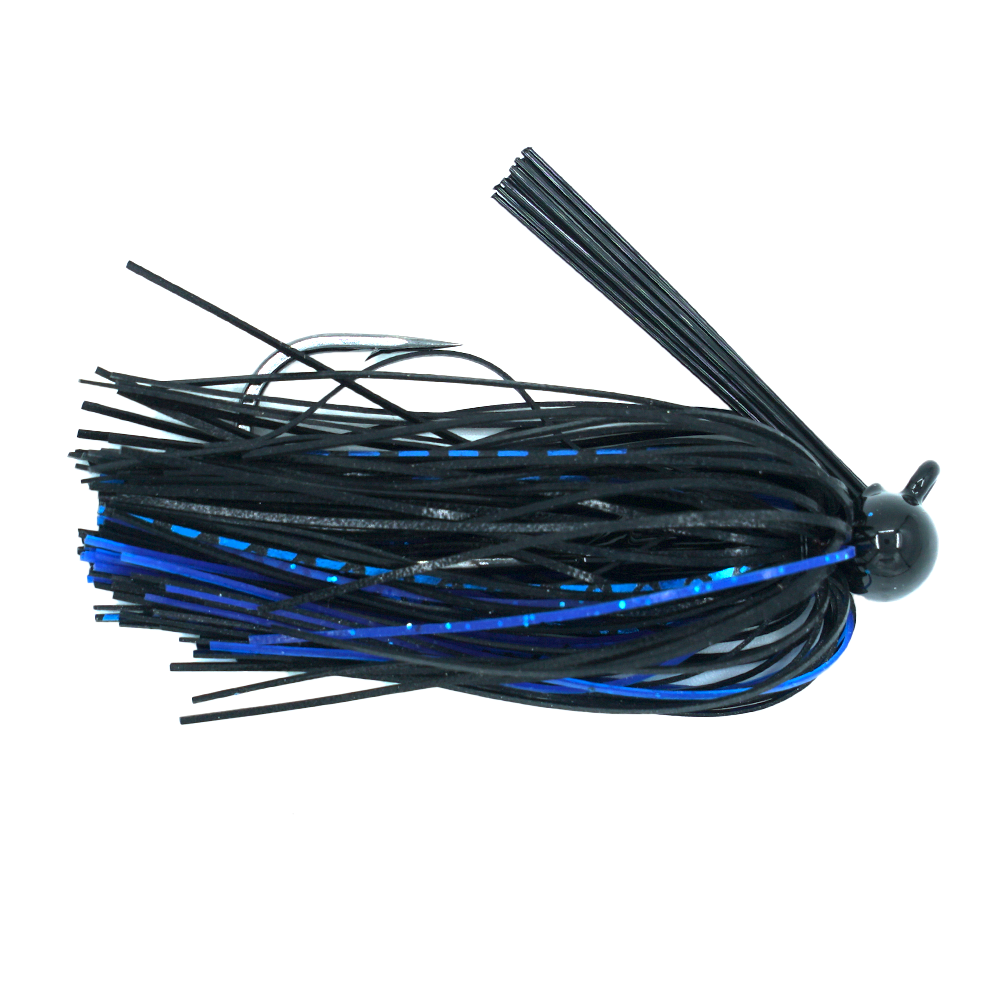
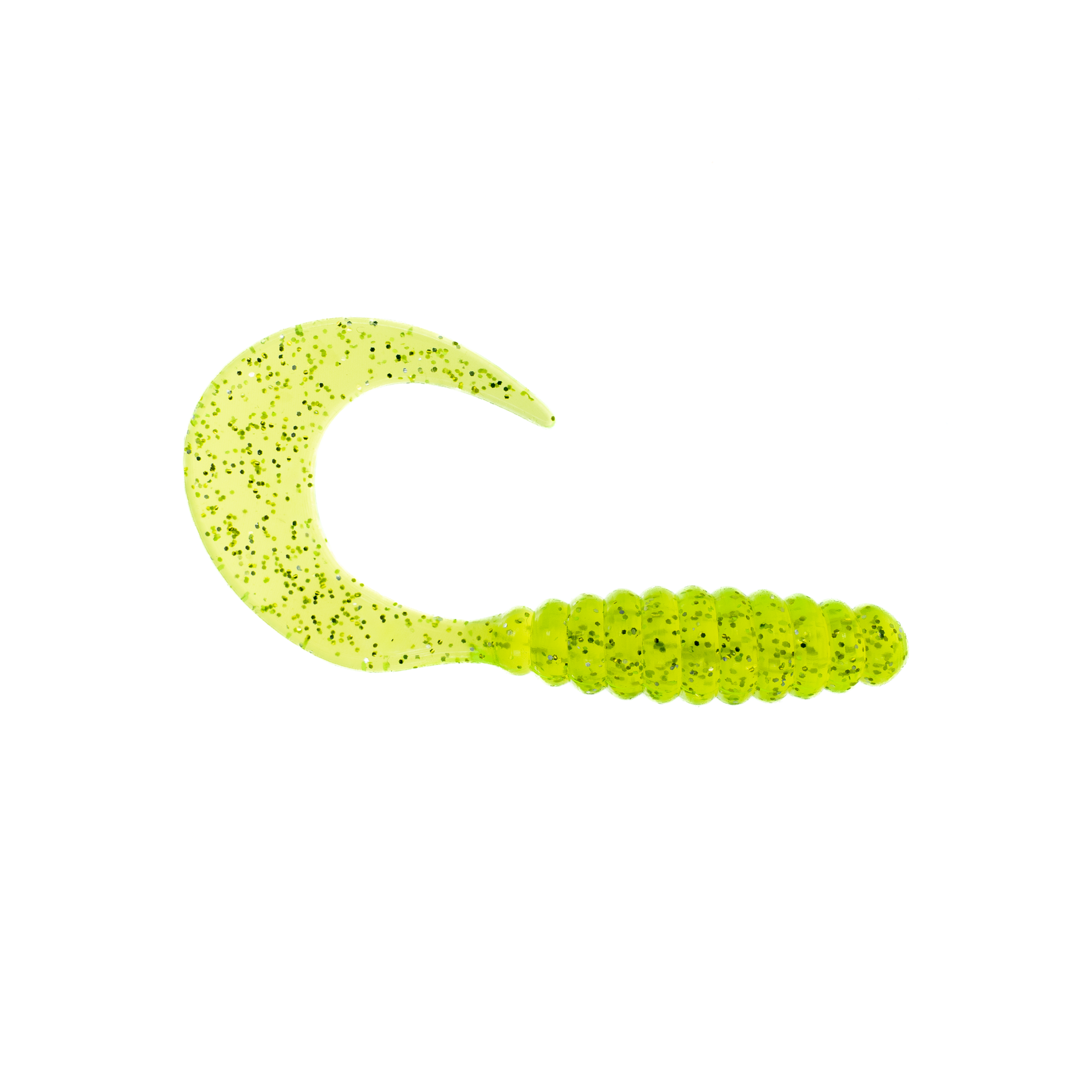

October, and the Second Window
October is the other strong month. Cooling water brings both species back onto the shallower rock and the fish feed hard ahead of winter. The summer tourism has gone, the mountains around the lake turn, and the fishing is as aggressive as it gets on clear water.
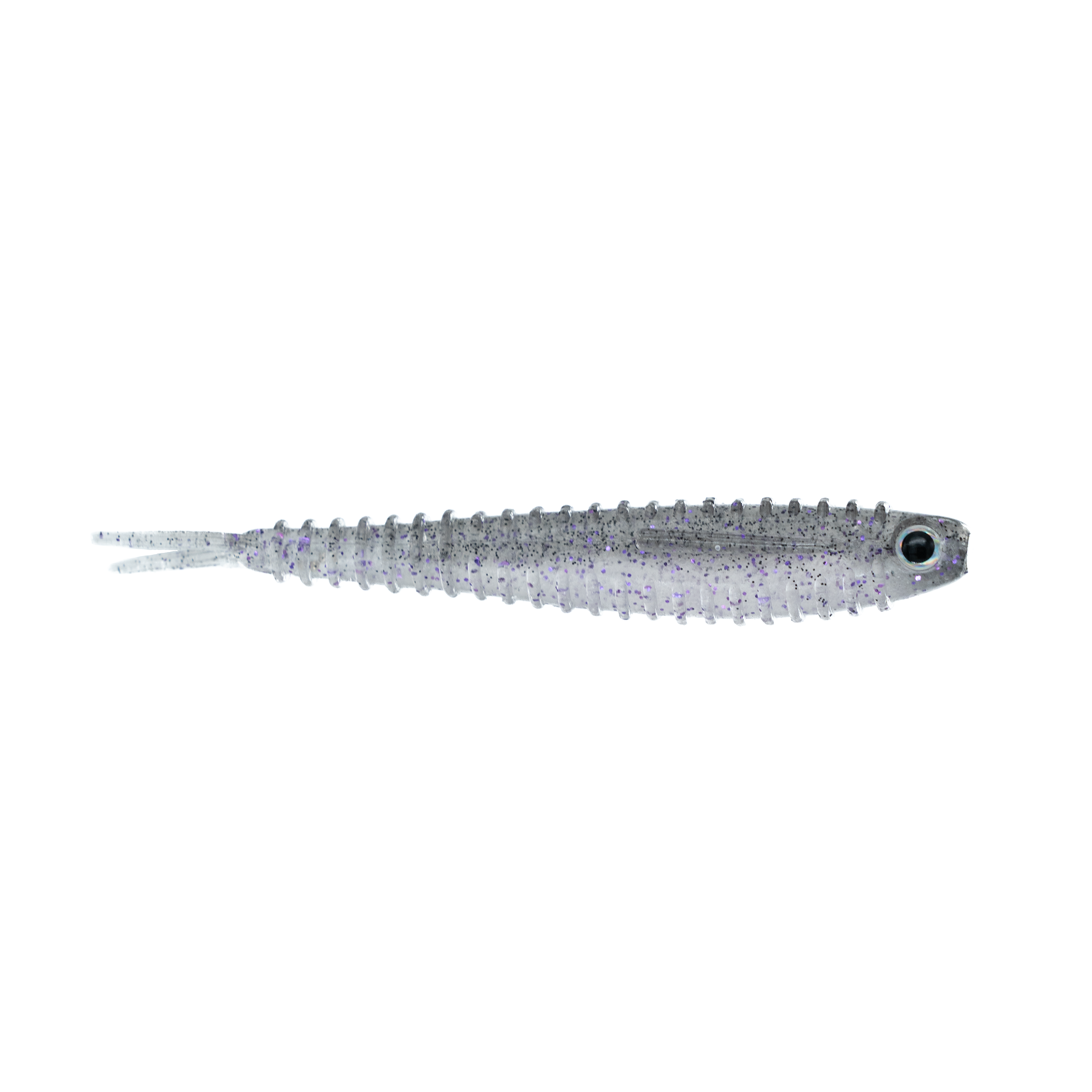

Clear, Cold and Big
Winter concentrates fish on the deepest rock and the bluff ends, and the clarity makes them locatable in a way they are not on stained water. It is slow and it is cold, but the average size is the best of the year and this is when several of Oklahoma's biggest bass have come out.
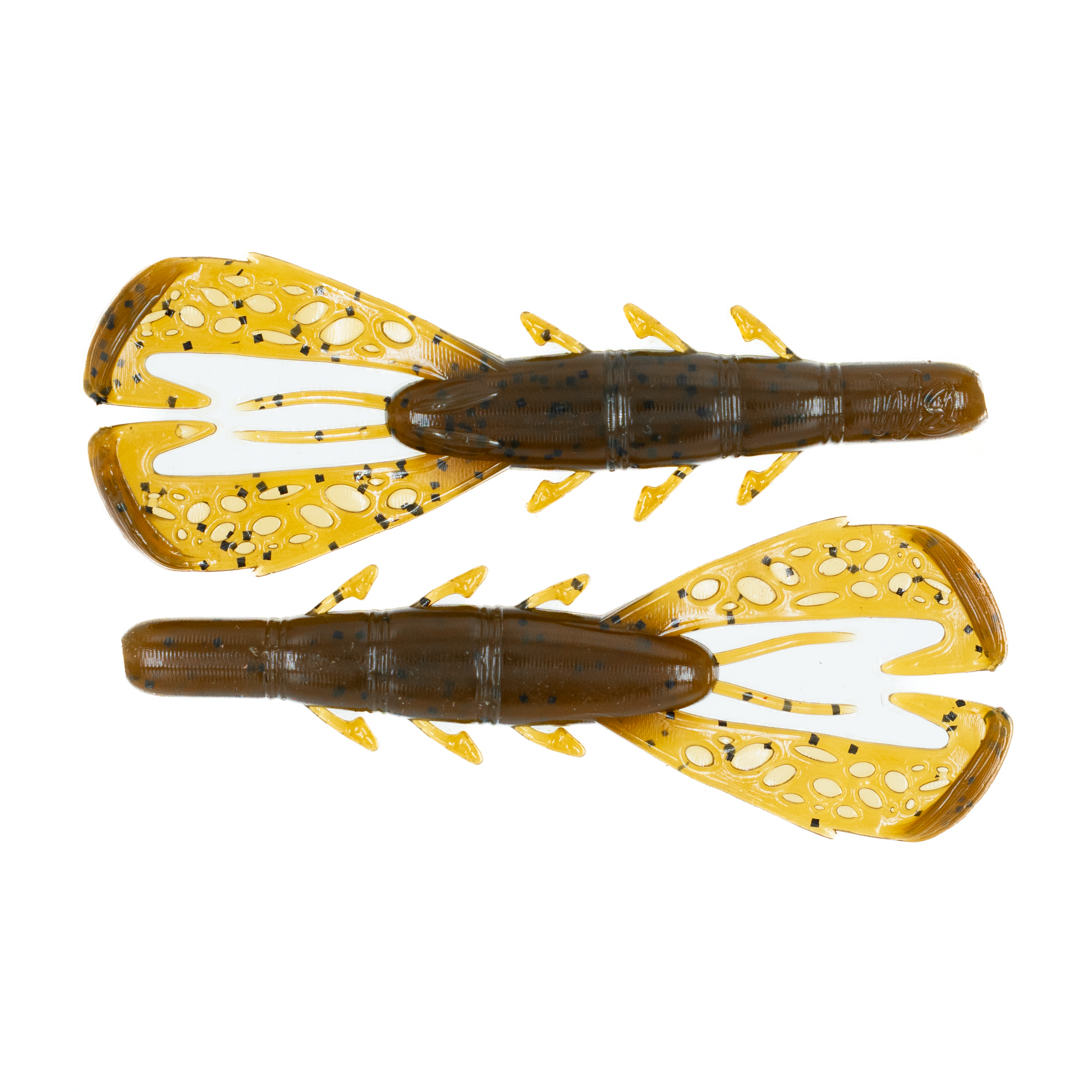
Broken Bow Lake Access
Beavers Bend State Park sits on the lake with ramps and lodging, and additional public ramps serve the reservoir. Broken Bow and Hochatown are the local towns, and the area carries substantial tourist accommodation.
The Rocky Points and Bluffs
Where the smallmouth live and where the clear-water game is played. Steep rock dropping into deep water lets fish move vertically without travelling, which makes bluff ends productive through summer heat and winter cold alike.
The Pockets and Coves
Shallower, more sheltered water where the largemouth spawn and where the big-fish potential this lake is known for gets realised. Look for the pockets with wood or brush in them — on a lake this rock-dominated, cover is disproportionately valuable.
The Deep Ledges
Structure at depth holding fish through the difficult summer months. Requires electronics and patience, and it is where a lot of the quality fish spend the hottest weeks. The answer when bright flat conditions have shut the shallow water down.
Broken Bow Lake Bass Fishing FAQ
Is Broken Bow good for big bass?
Yes, and it is Oklahoma's best bet. Look at the state's list of the twenty biggest largemouth ever caught and Broken Bow appears repeatedly — it produces not just big fish but a lot of them, which is unusual for a clear mountain reservoir.
Is Broken Bow the best smallmouth lake in Oklahoma?
It is widely regarded as exactly that, and the smallmouth grow to impressive sizes here. Clear water over rock in mountain country is ideal habitat for them. Tenkiller and Skiatook are the other names for lake-strain smallmouth in the state.
How big is Broken Bow Lake?
Around 14,000 acres in the Ouachita Mountains of southeast Oklahoma. It is one of the state's larger reservoirs and considerably its clearest.
How does the clear water change how you fish?
Longer casts, lighter line, more natural colours and a quieter approach. Fish here see you. On bright flat days the shallow fishing becomes genuinely difficult and the answers are early, late and deep rather than harder.
When is the best time to fish Broken Bow?
April through June is the prime window for both largemouth and smallmouth. October is the second. Winter is slow but produces the best average size, and several of the state's biggest bass have come out in cold water.
Is it crowded?
Through the warm months, yes — this is the most scenic lake in Oklahoma with Beavers Bend State Park on it and substantial tourism around Hochatown. The fishing traffic is manageable; the recreational traffic in summer is not. Autumn and winter are quiet.
What baits work best on Broken Bow?
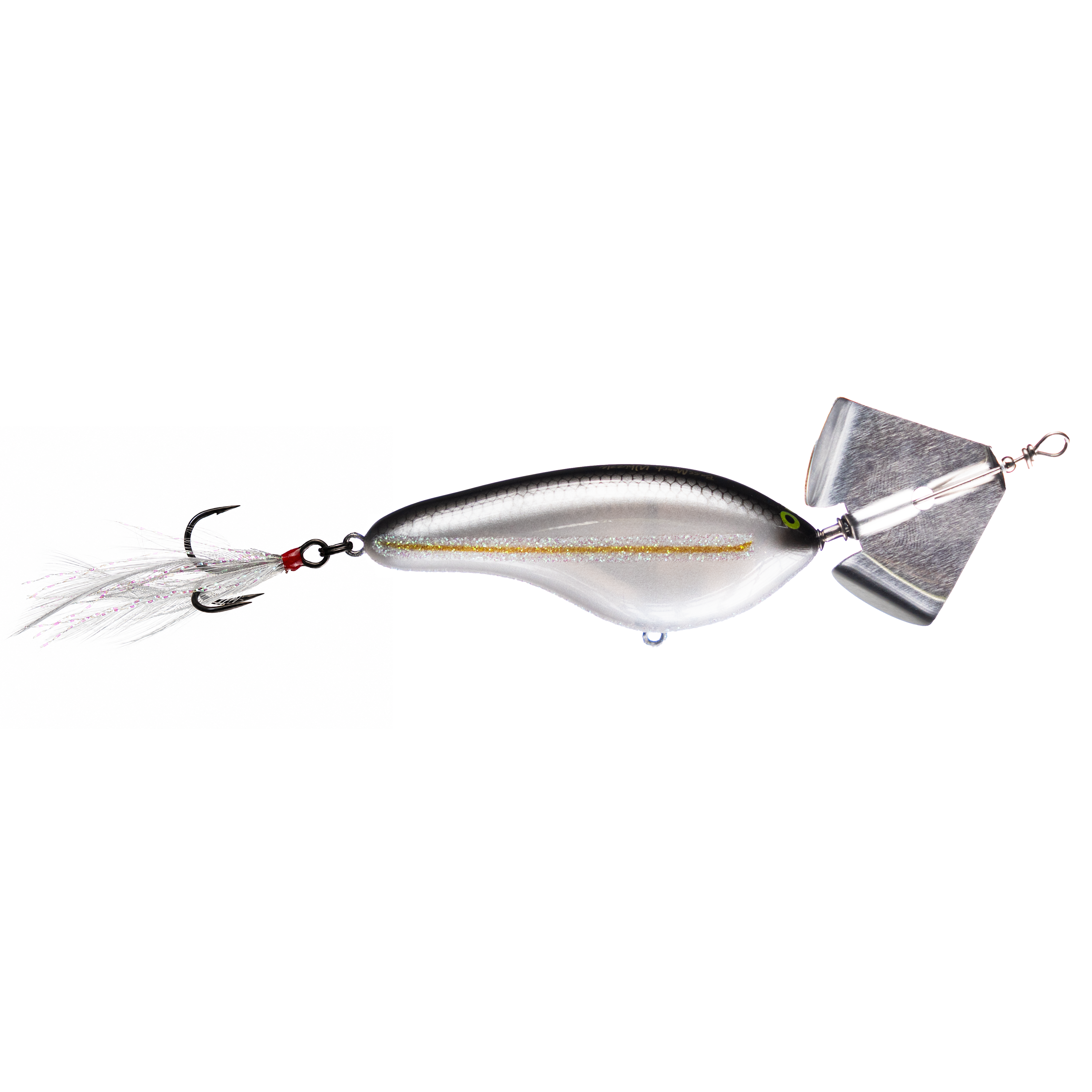
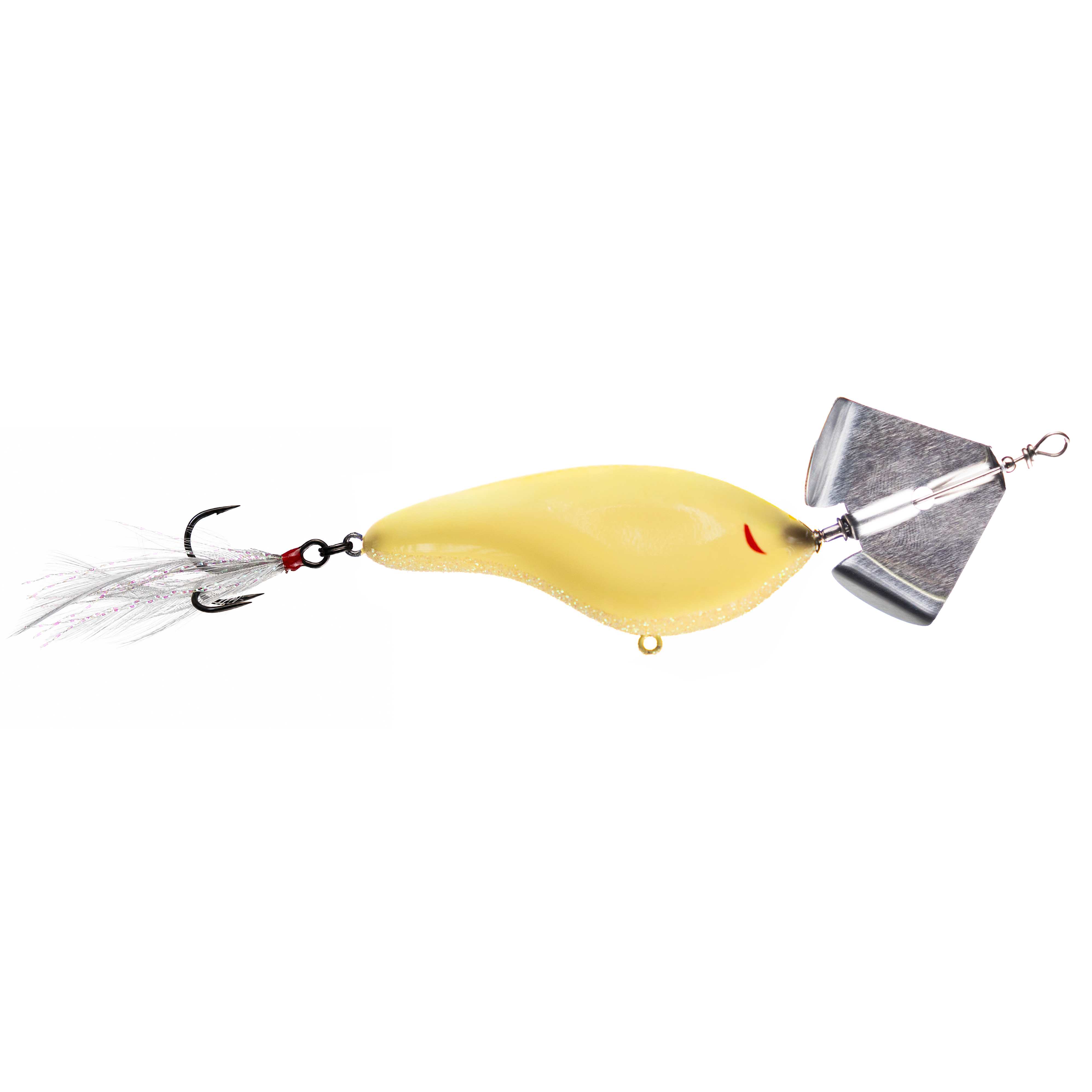
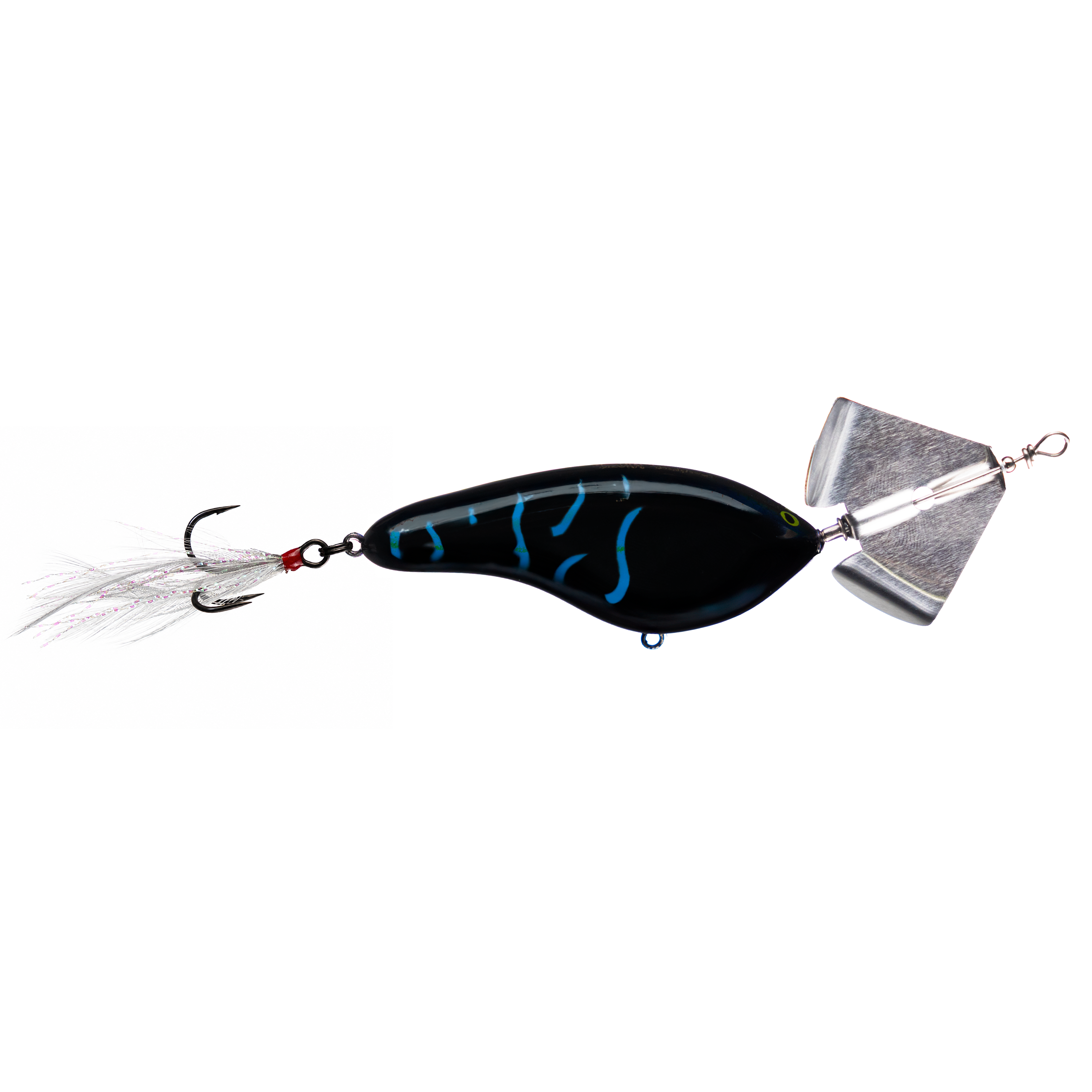
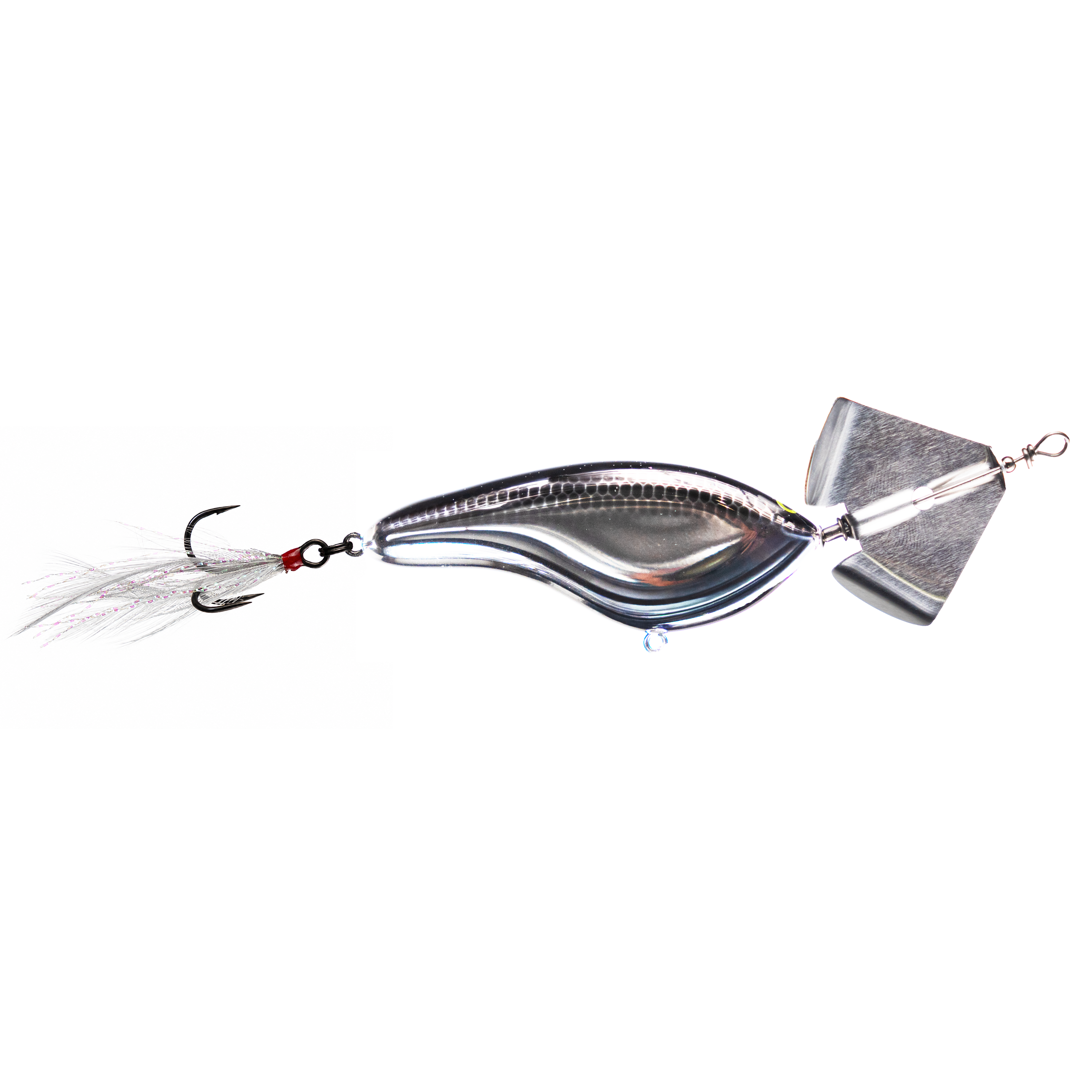
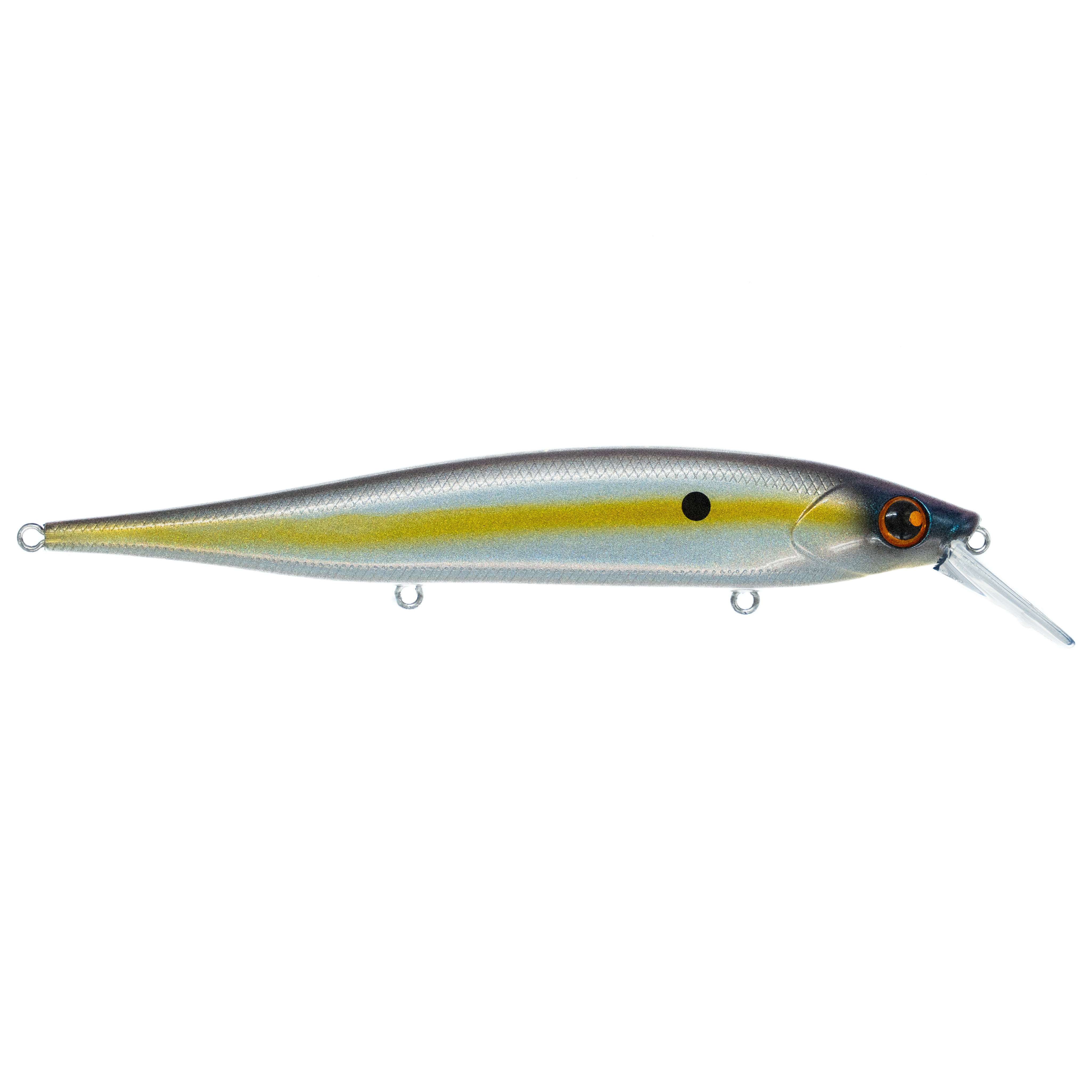
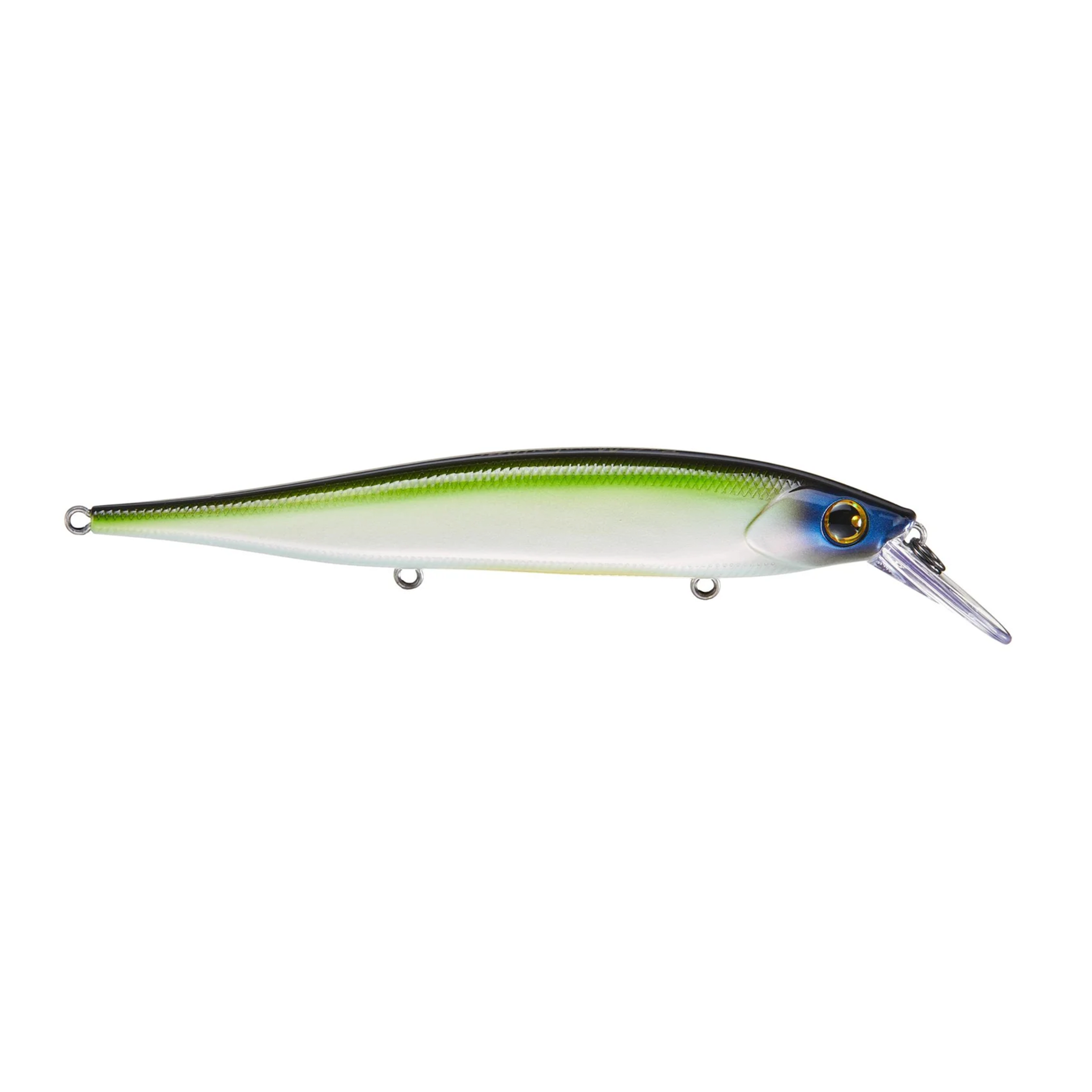
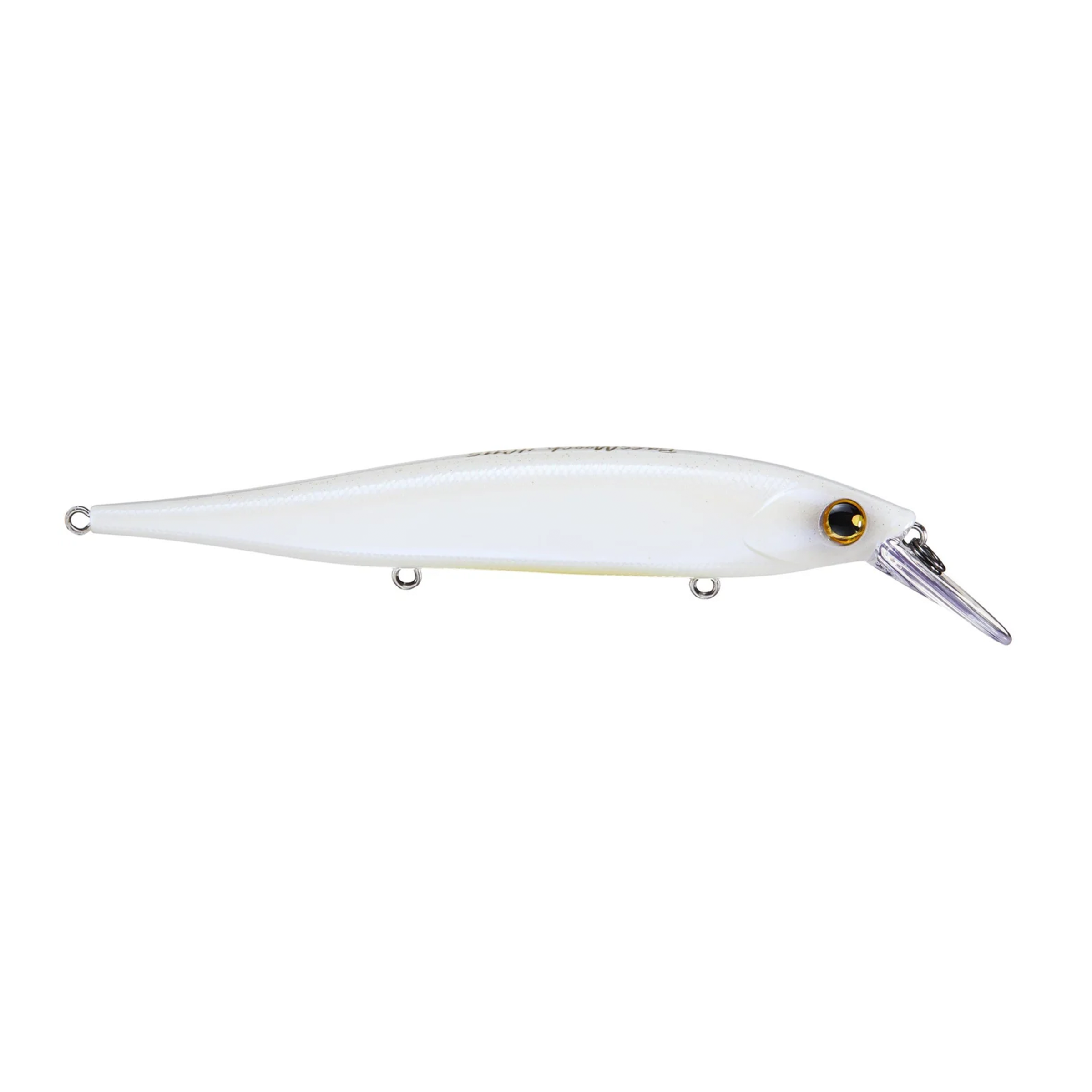
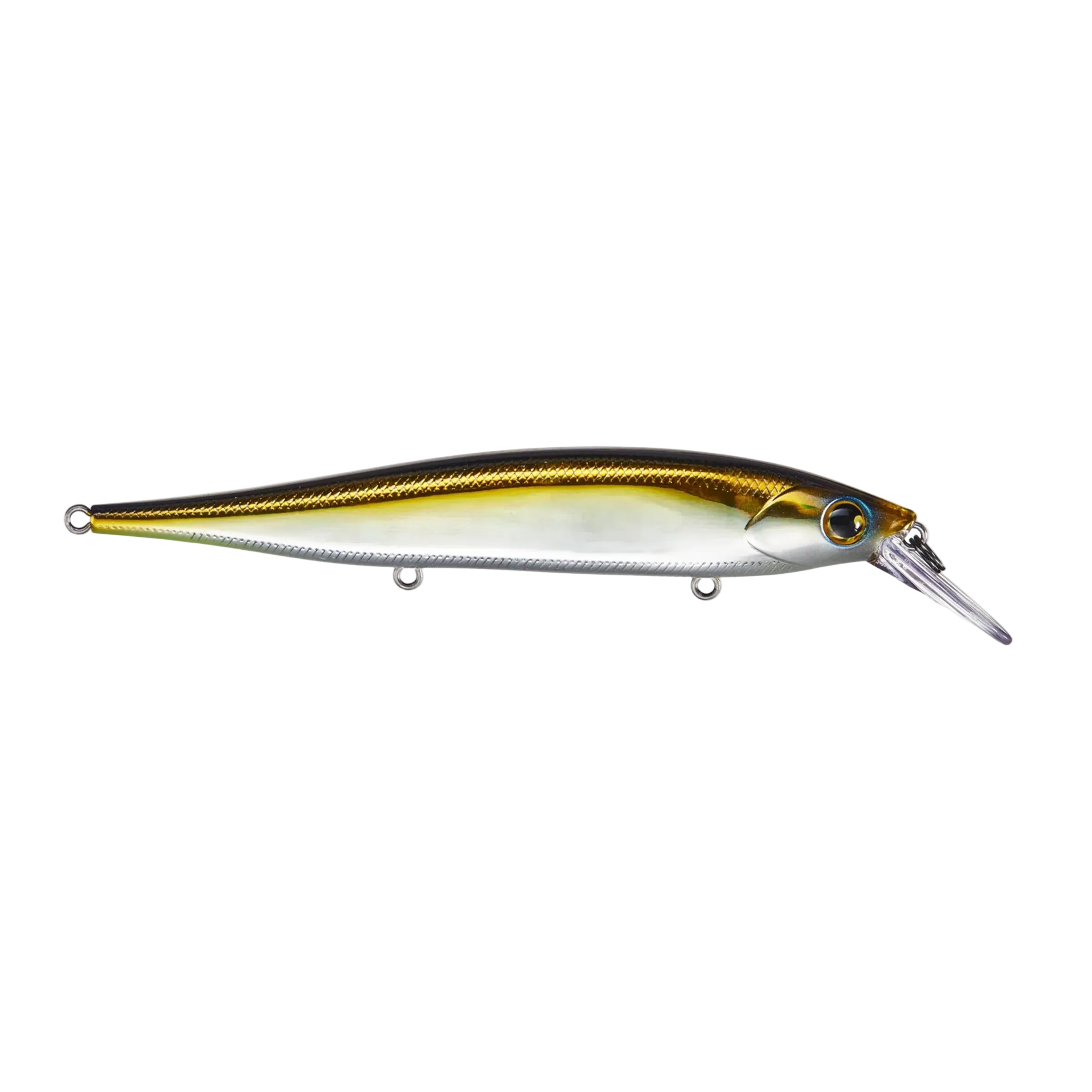
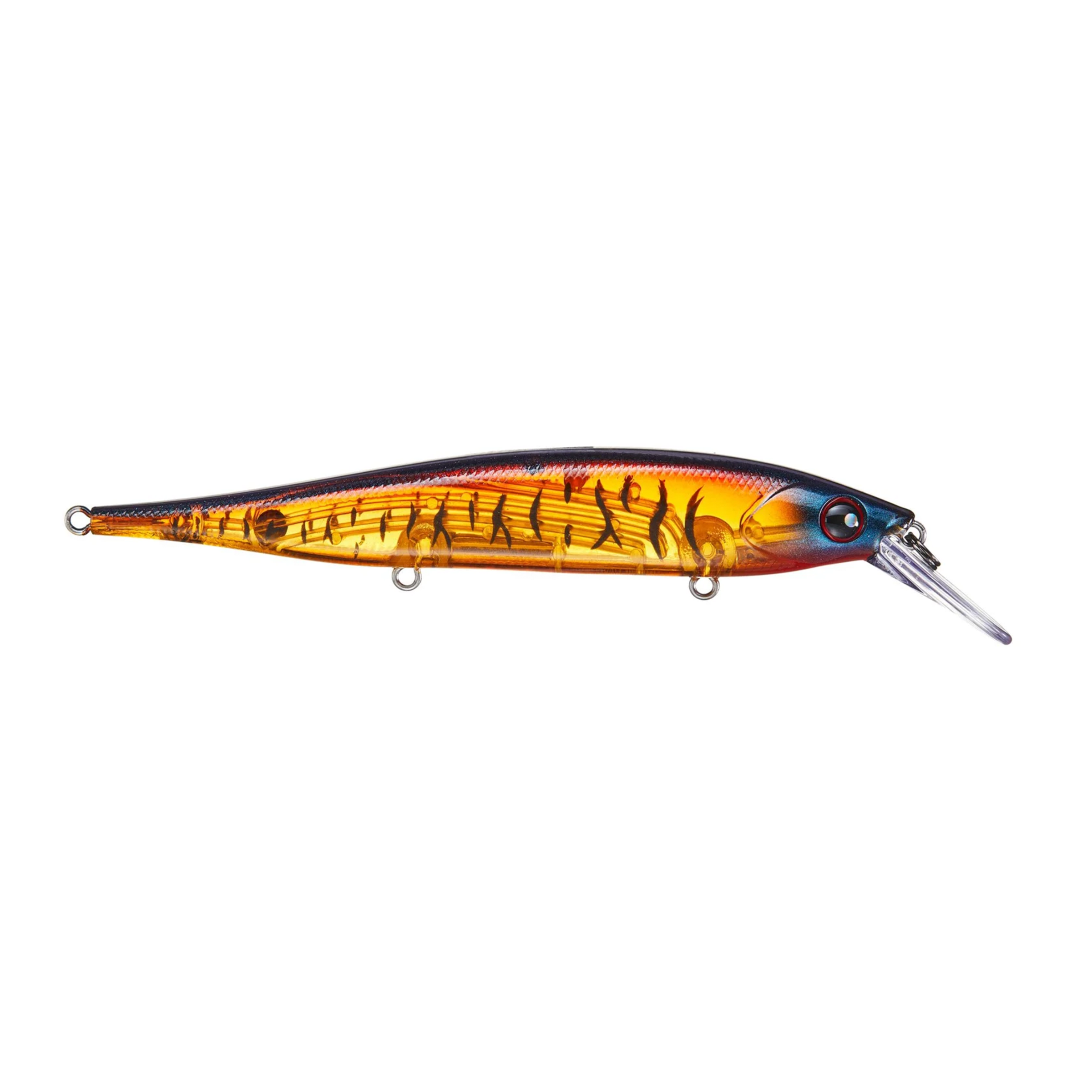
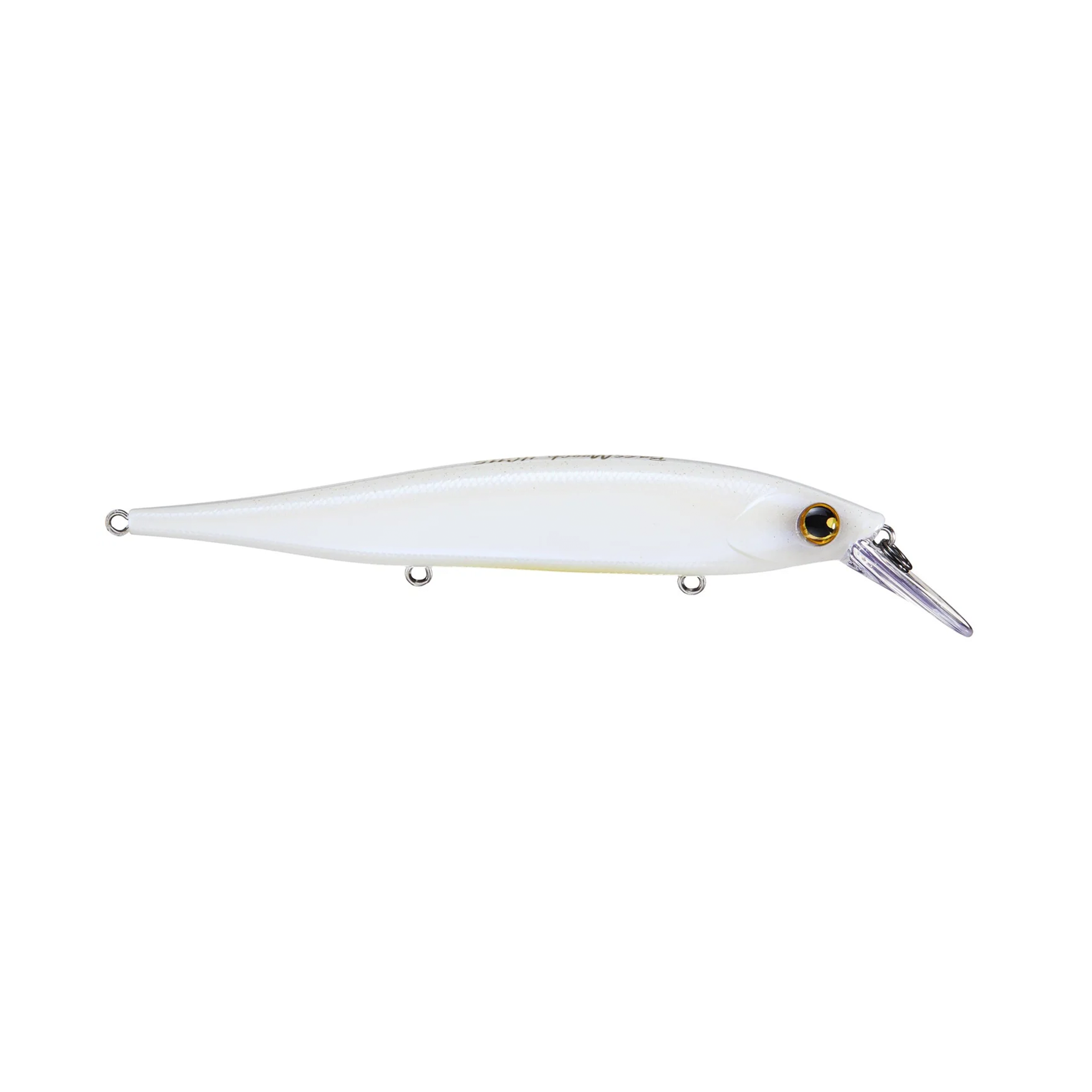
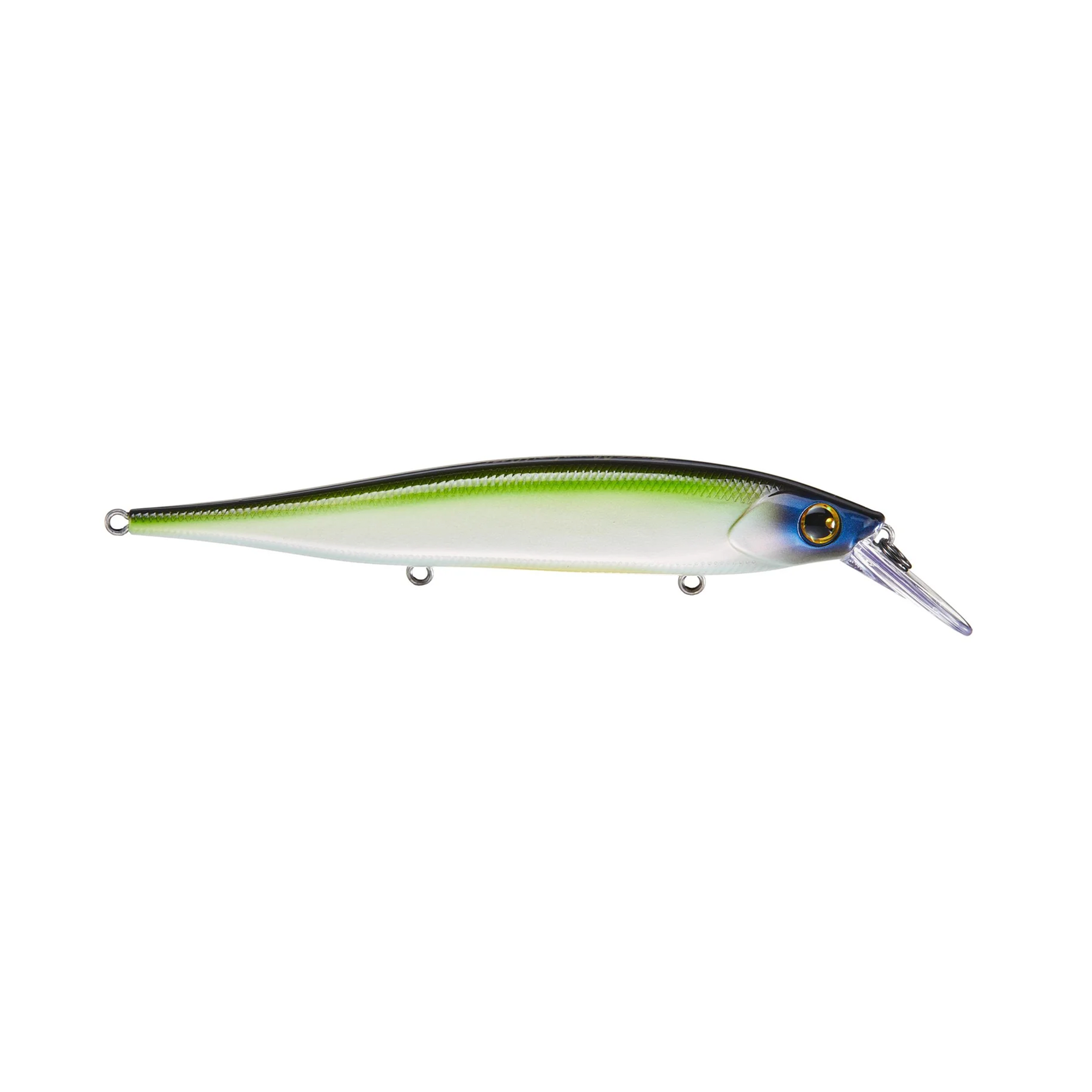
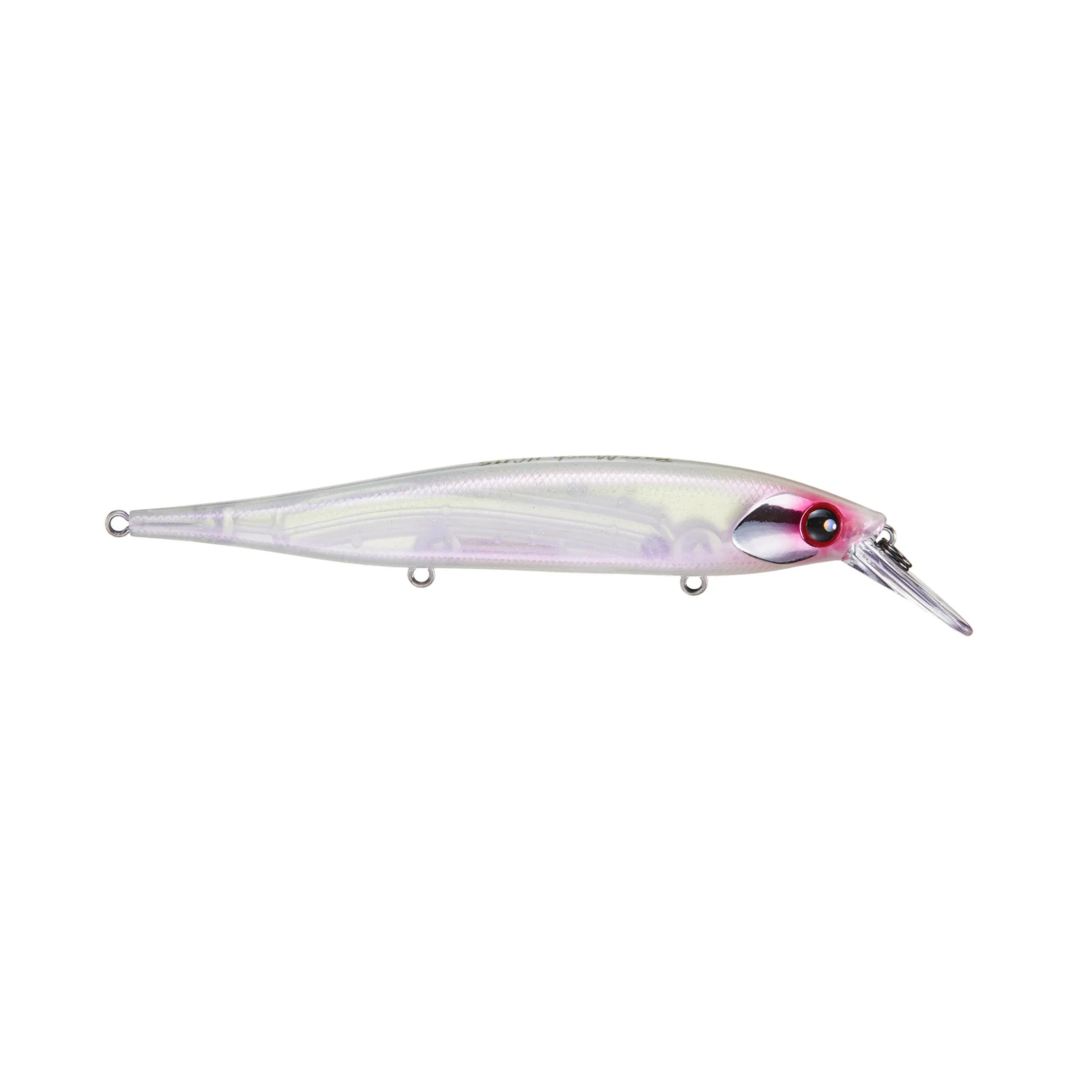
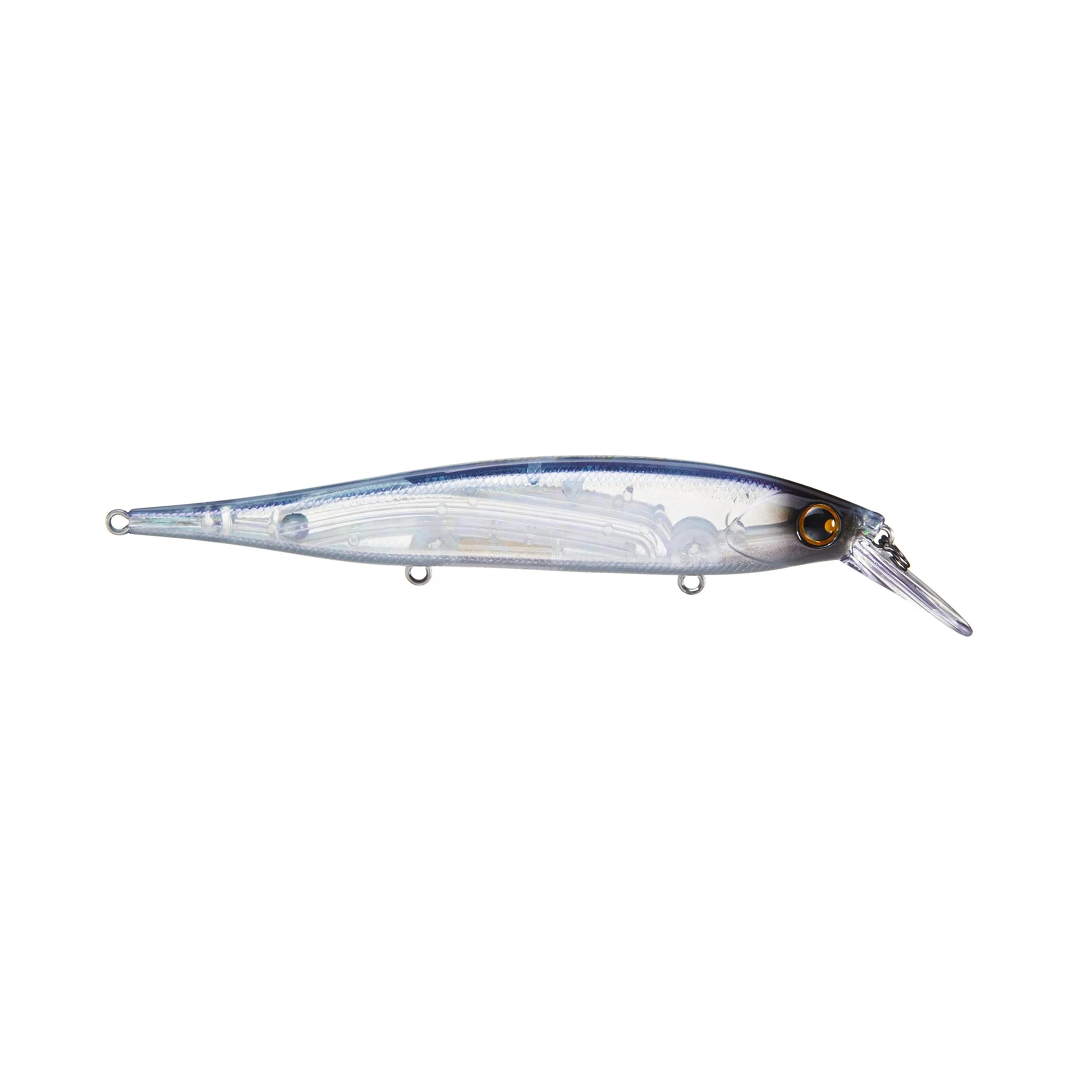
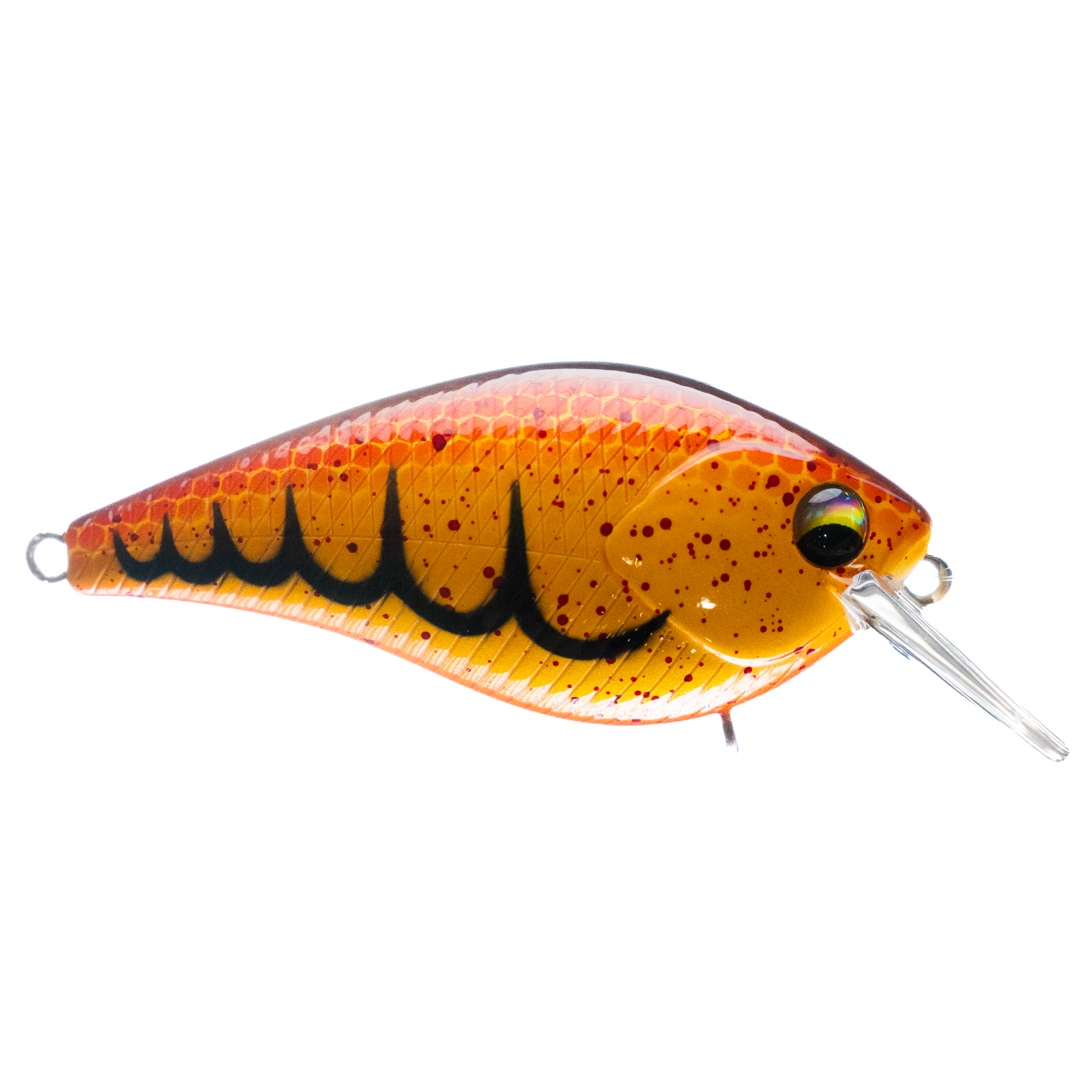
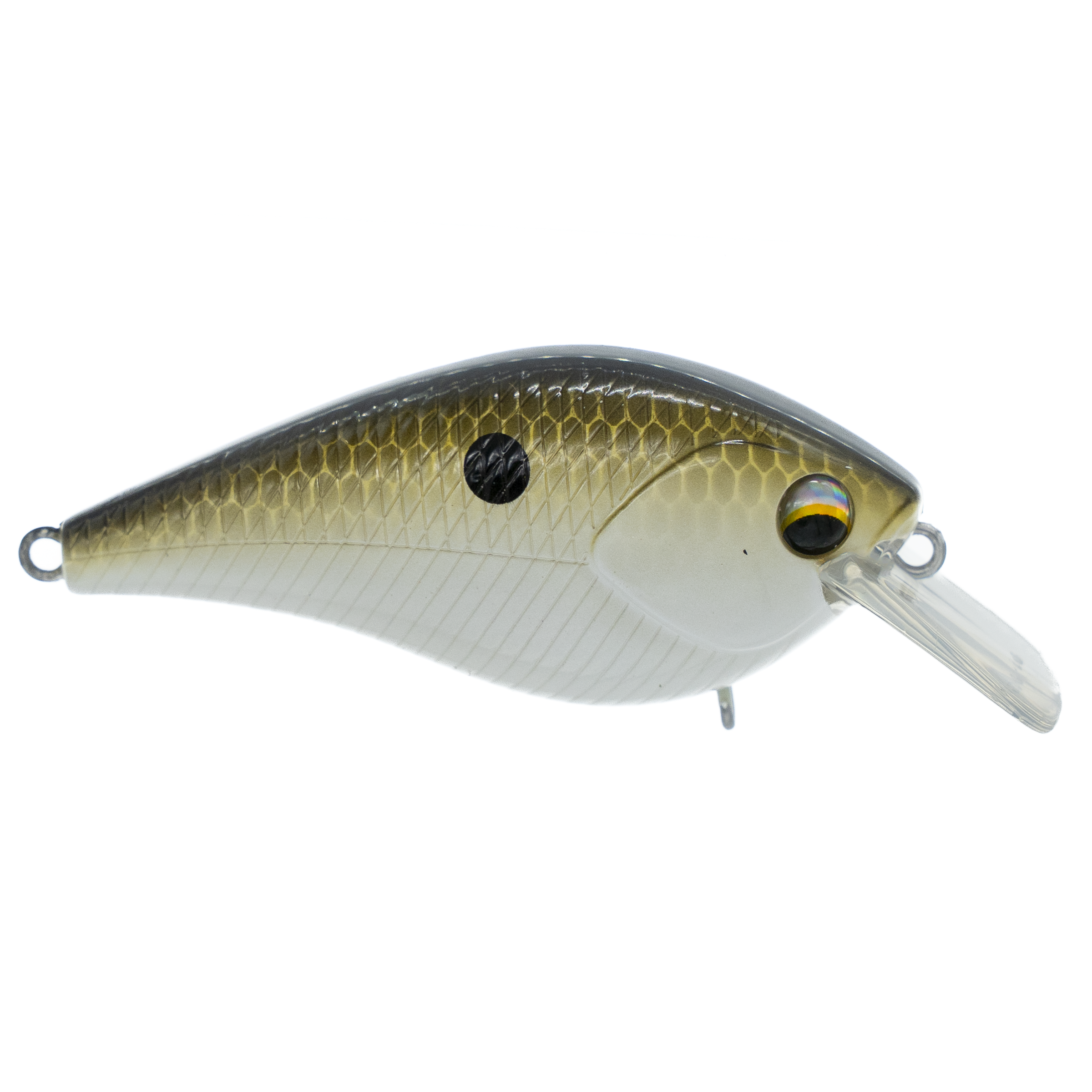
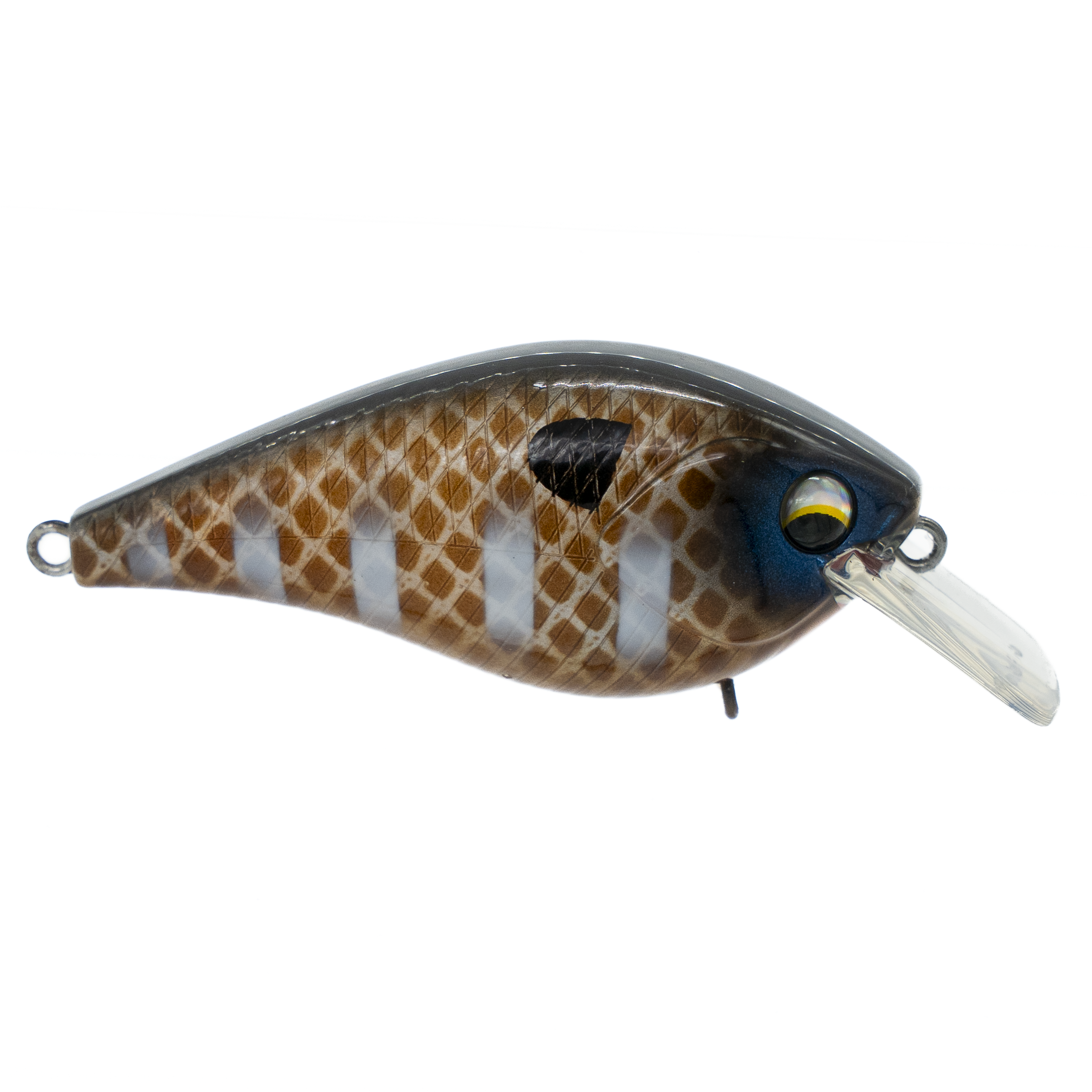
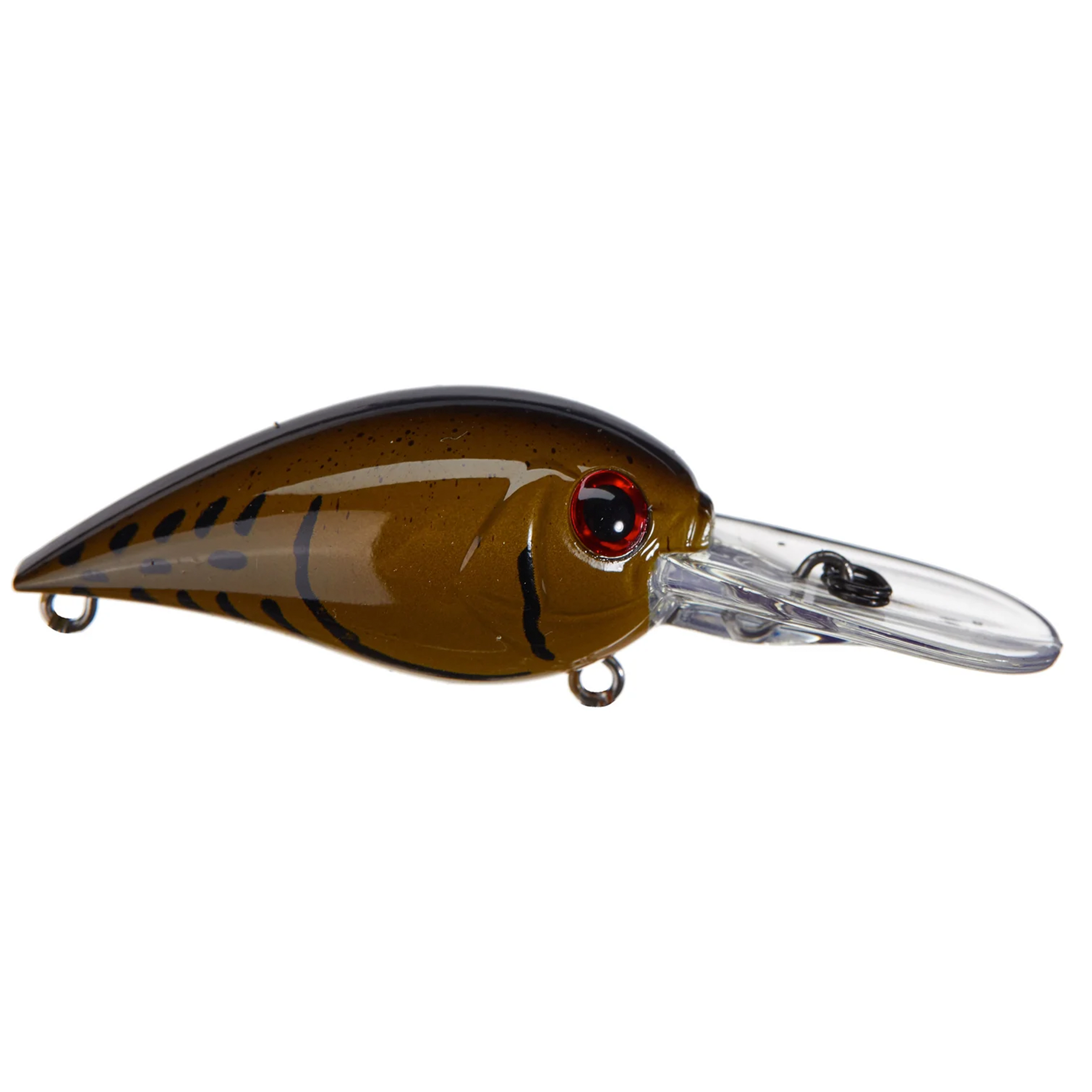
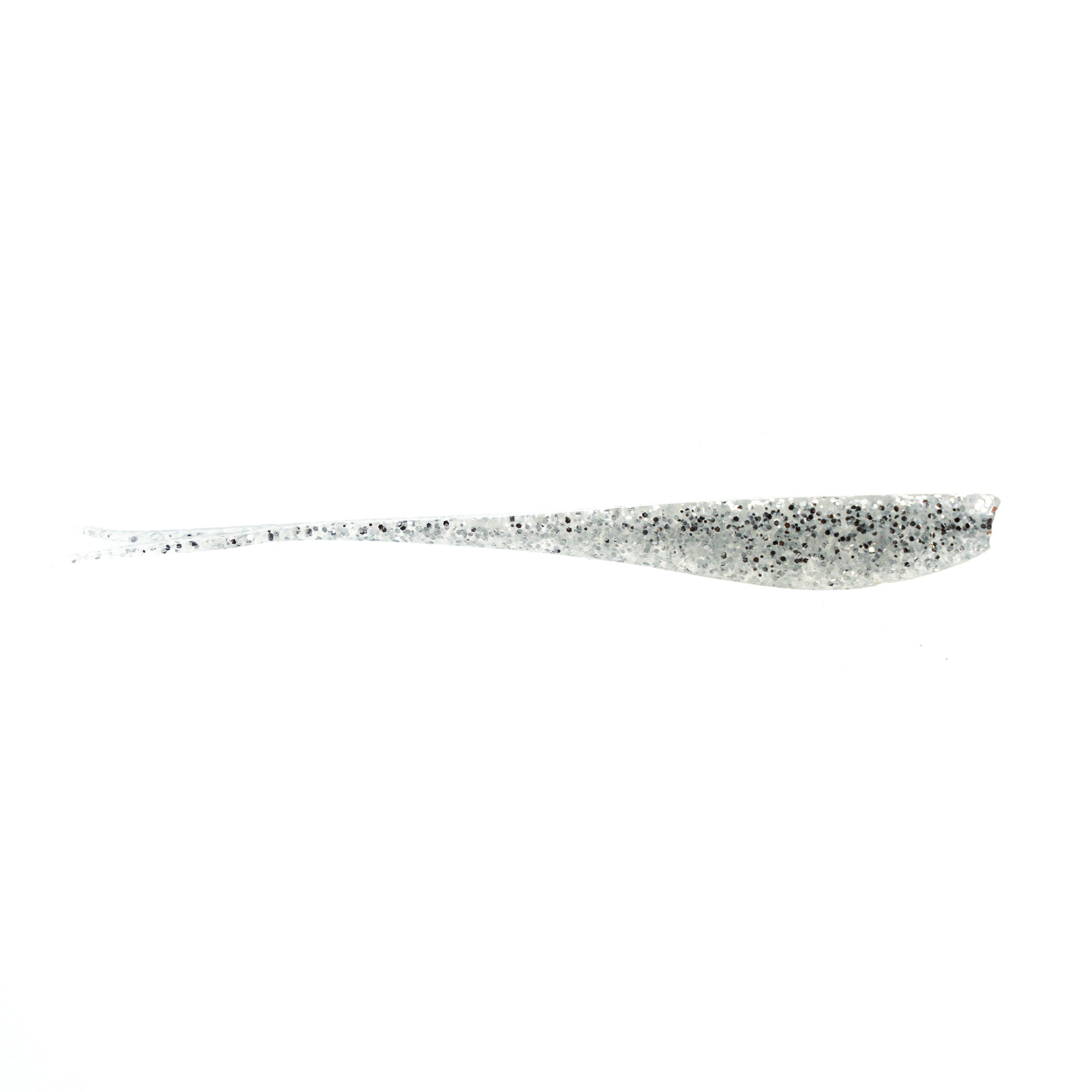
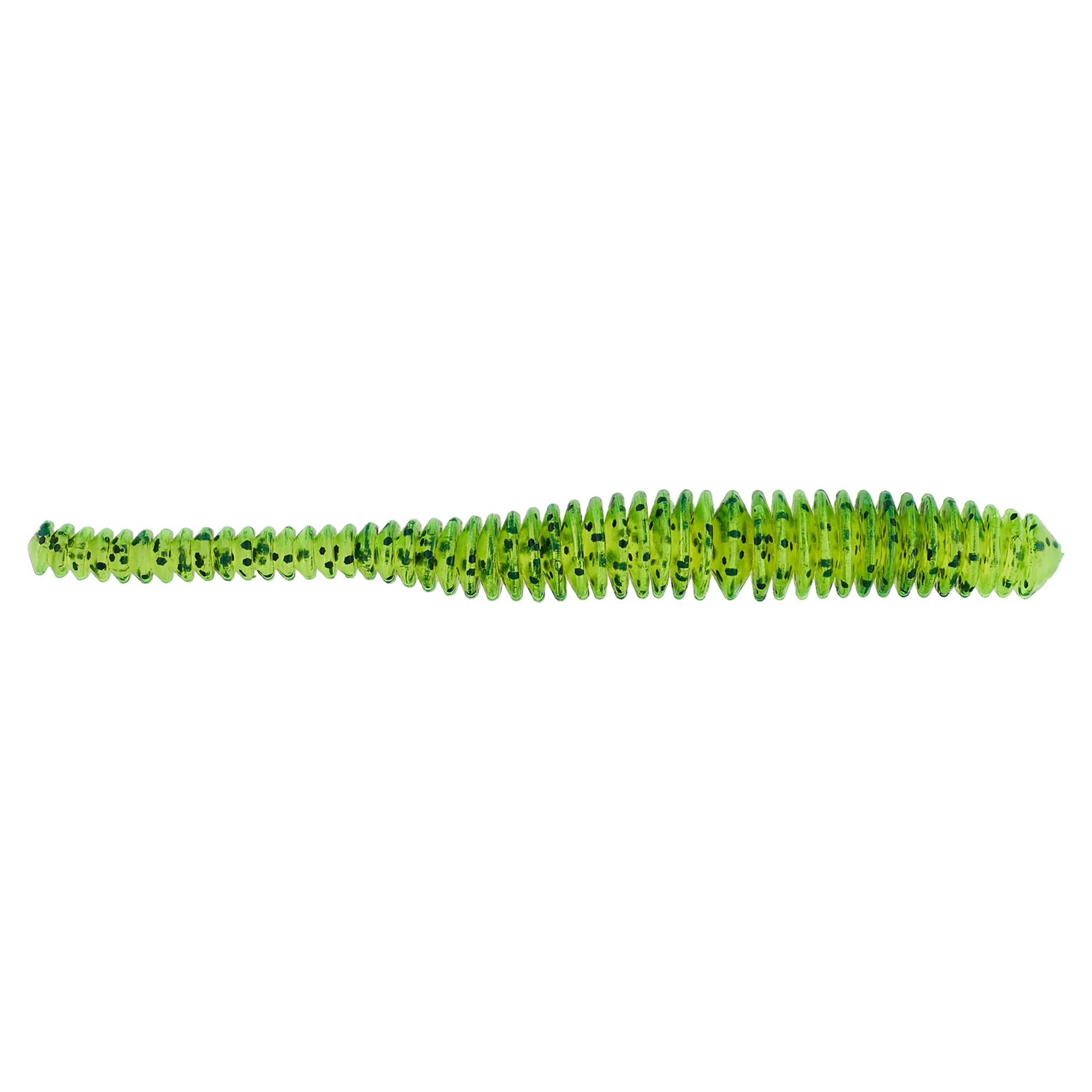
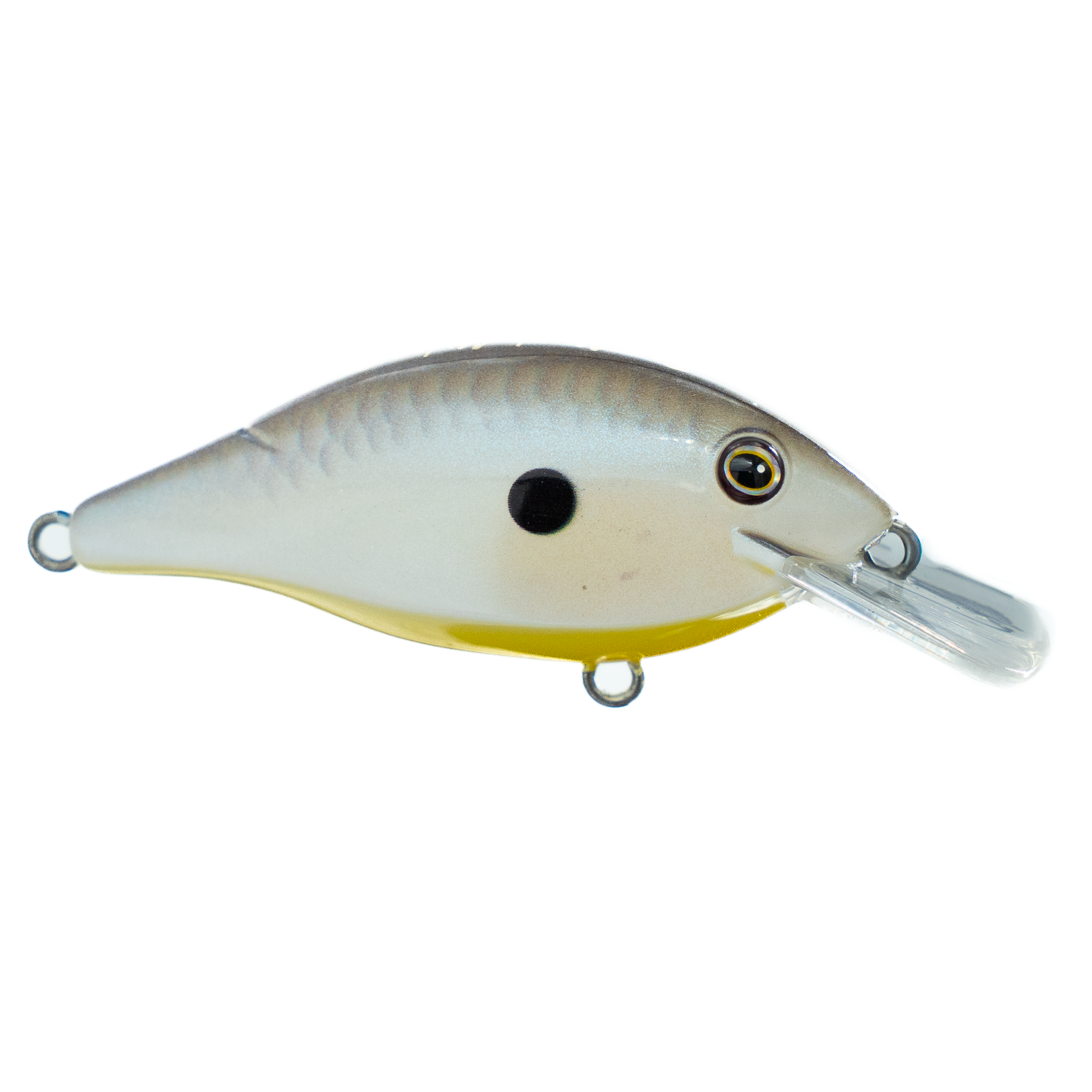
Suspending jerkbaits and finesse plastics on the rock, drop shots and small worms at depth in summer, and moving baits on rocky banks in October. Clear water rewards natural colours and light line. Our full bait lineup covers all four seasons.
Do I need a fishing license?
Yes, an Oklahoma fishing license from the Department of Wildlife Conservation. Check current black bass regulations before you go.
Light Line, Big Fish
Clear water demands finesse presentations and light line, and this lake holds bass big enough to punish both. Level Rods builds spinning models with the forgiveness to protect light line against a heavy fish's first run and the sensitivity to detect a bite on deep rock.
Tournament Winning Baits & Gear
Designed, crafted and tested by anglers who fish clear water every week. Free shipping on orders over $75.
Shop All Baits