Atchafalaya Basin Bass Fishing Guide
Atchafalaya Bass Fishing, Season by Season
The largest river swamp in the United States — a maze of bayous, cuts, canals and cypress running down the middle of Louisiana. The Atchafalaya is not a lake and does not fish like one, and every angler who has spent a day in it says the same thing: do it once.
Not a Lake, a Swamp
The Atchafalaya Basin is the largest river swamp in the United States, a vast network of bayous, canals, cuts, lakes and flooded cypress running down the middle of Louisiana. Henderson Lake is the best-known access point and the part most visiting anglers see, but the Basin as a whole is far larger than any single named water on it.
It is not a reservoir and it should not be approached like one. There are no ledges, no points, no dam and no predictable structure. What there is instead is cover — cypress trees and knees, willows, grass, hyacinth mats, laydowns, canal banks and the spoil banks alongside them — and current, which moves through the whole system and changes everything.
Water level is the controlling variable and it is not subtle. The Basin floods and falls with the Atchafalaya River, and that determines which cuts are navigable, where the fish are, and whether the water is fishable at all. Rising water pushes bass back into the flooded timber; falling water pulls them out onto the canal banks and the edges. Local anglers plan entirely around it.
Navigation deserves a serious warning. This is a maze, and people get lost in it. The bayous look alike, the cuts change with water level, and there is a great deal of it. Carry GPS, tell someone where you are going, and stay on known routes until you have learned a section.
What you get in return is a fishery unlike anything else in the country and a genuine wilderness experience within an hour of Baton Rouge and Lafayette. Bass, sac-a-lait, bream and catfish are all abundant, and the scenery is the reason a lot of people come.
One practical note: pick a launch and a section rather than trying to see the Basin. Nobody fishes all of it.
Cypress, Current and Water Level
Four patterns cover the year. Each one pairs the technique with the baits we'd actually tie on.
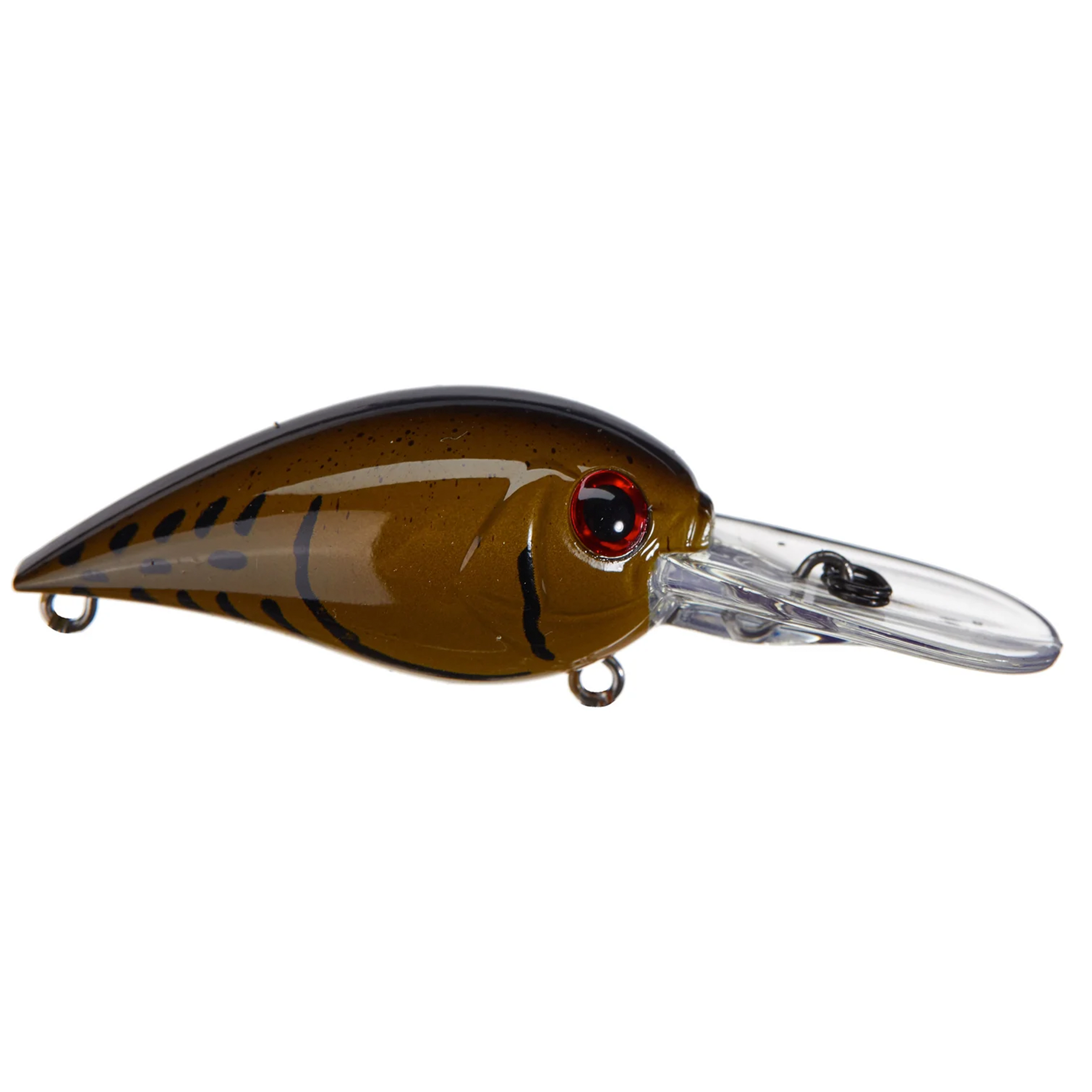
High Water and Flooded Timber
Spring is high-water season on the Atchafalaya, and rising river levels push water back into the flooded cypress and willows. The bass go with it, spawning in the backs of the cuts and around the trees. It is also the hardest time to navigate, because the water covers landmarks and opens routes that are not there in autumn.


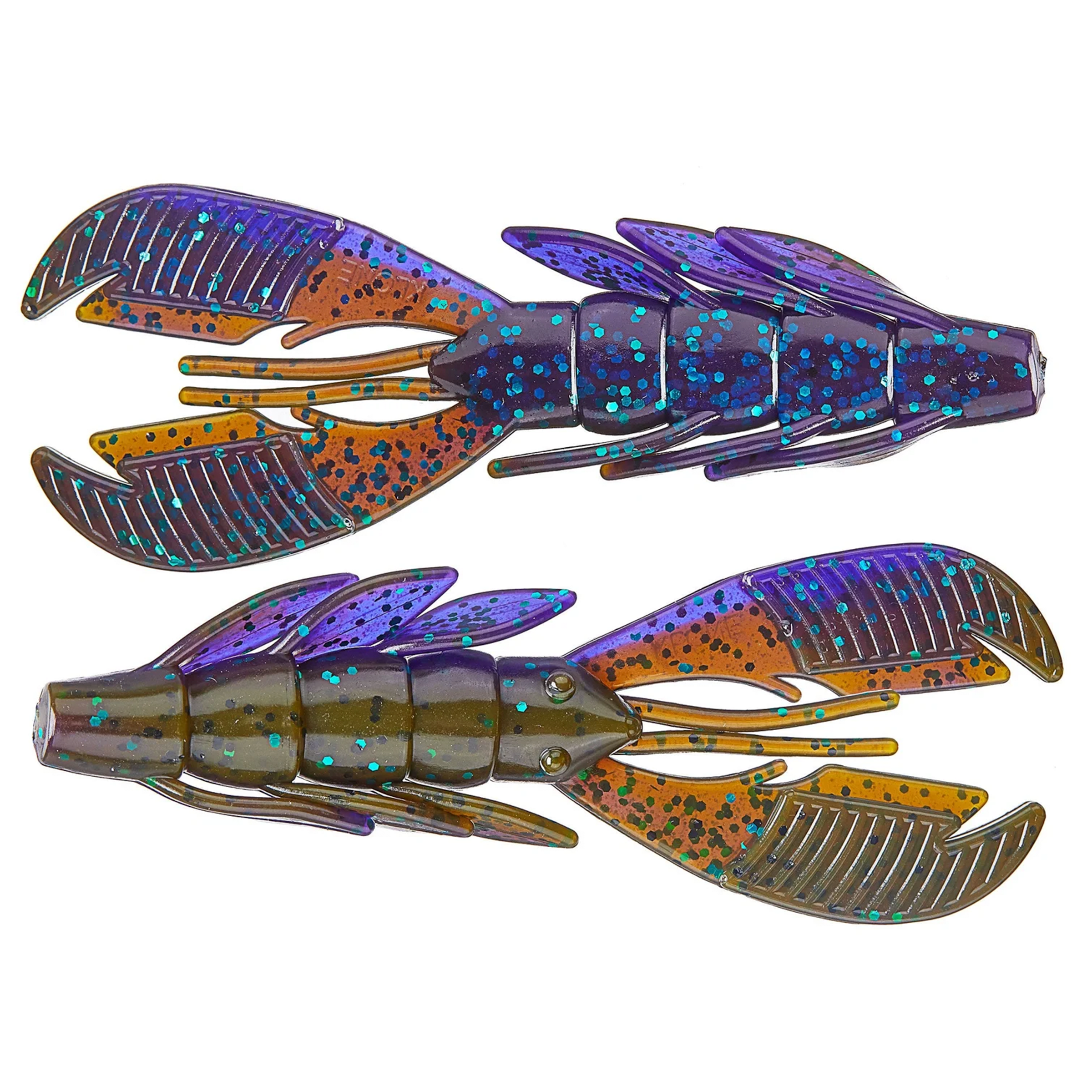

Mats, Shade and Moving Water
Summer brings hyacinth and vegetation mats and serious Louisiana heat. Fish hold under the mats and in the cypress shade, and current becomes the thing to look for — anywhere water is moving through a cut or around a point, bait and bass concentrate.

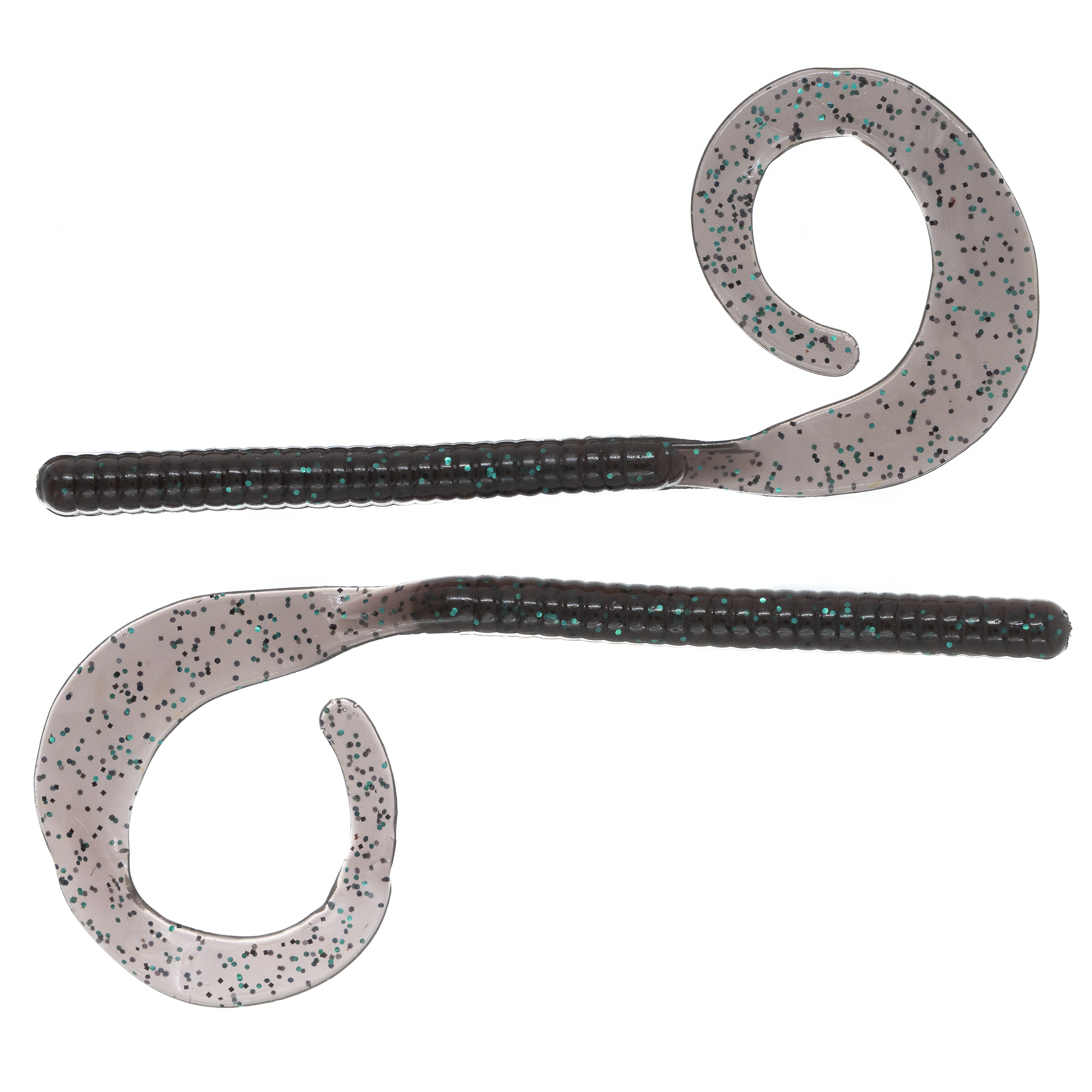
Falling Water, Concentrated Fish
Autumn generally brings the water down, and falling levels are the best thing that happens to this fishery. Fish pull off the flooded timber and concentrate on the canal banks, the cuts and the outside edges where you can actually reach them. Cooler weather makes the whole experience more pleasant too.

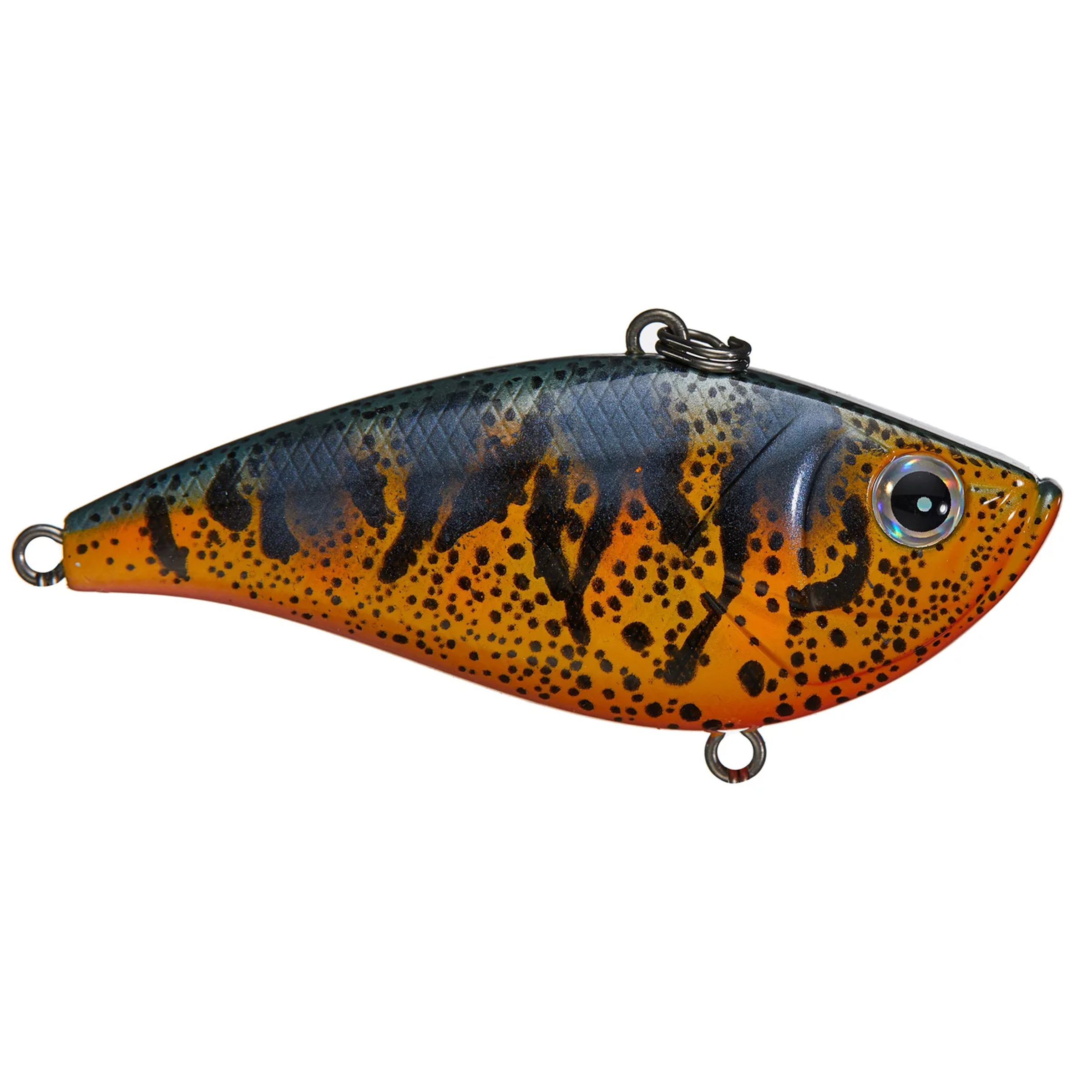
Deeper Cuts and Slow Baits
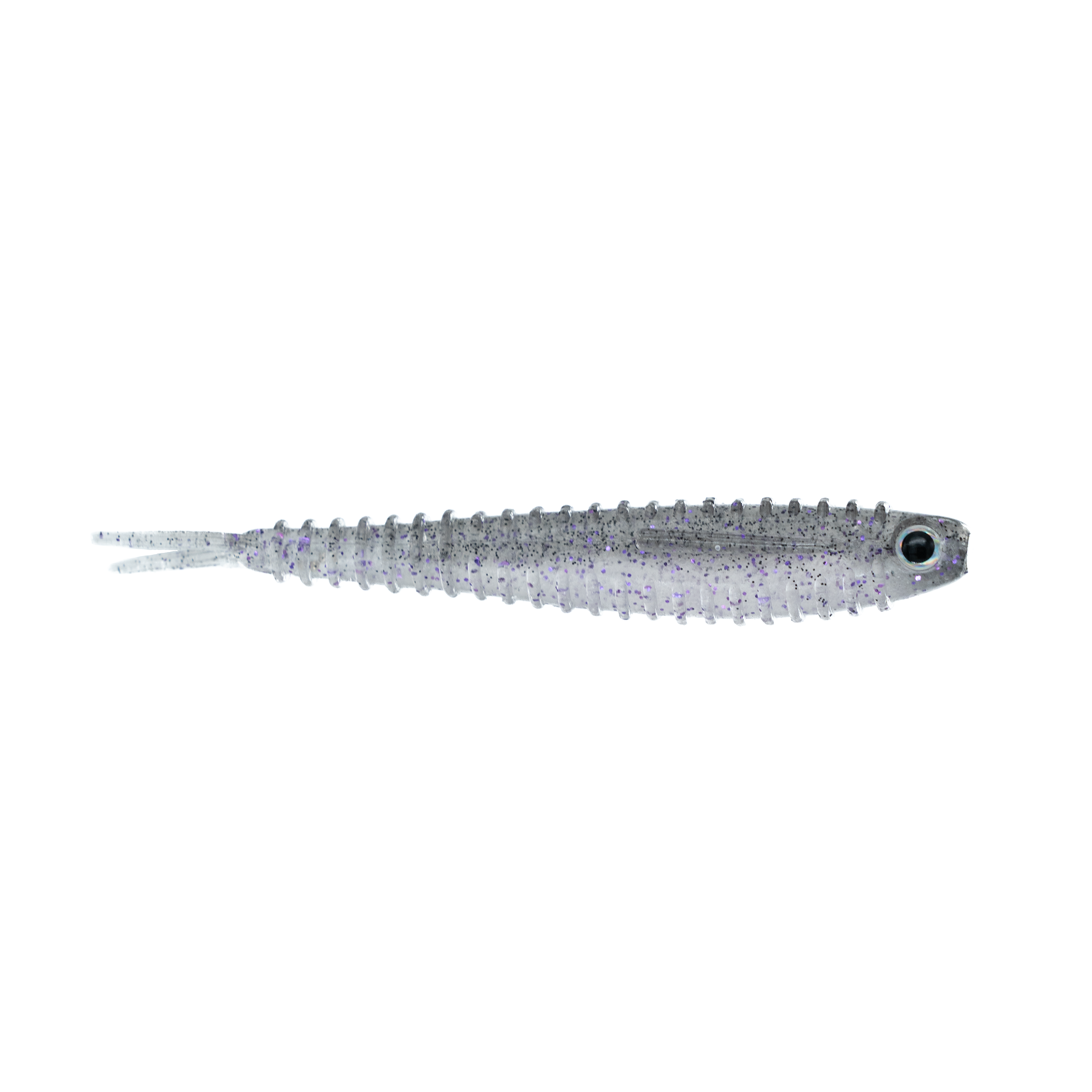
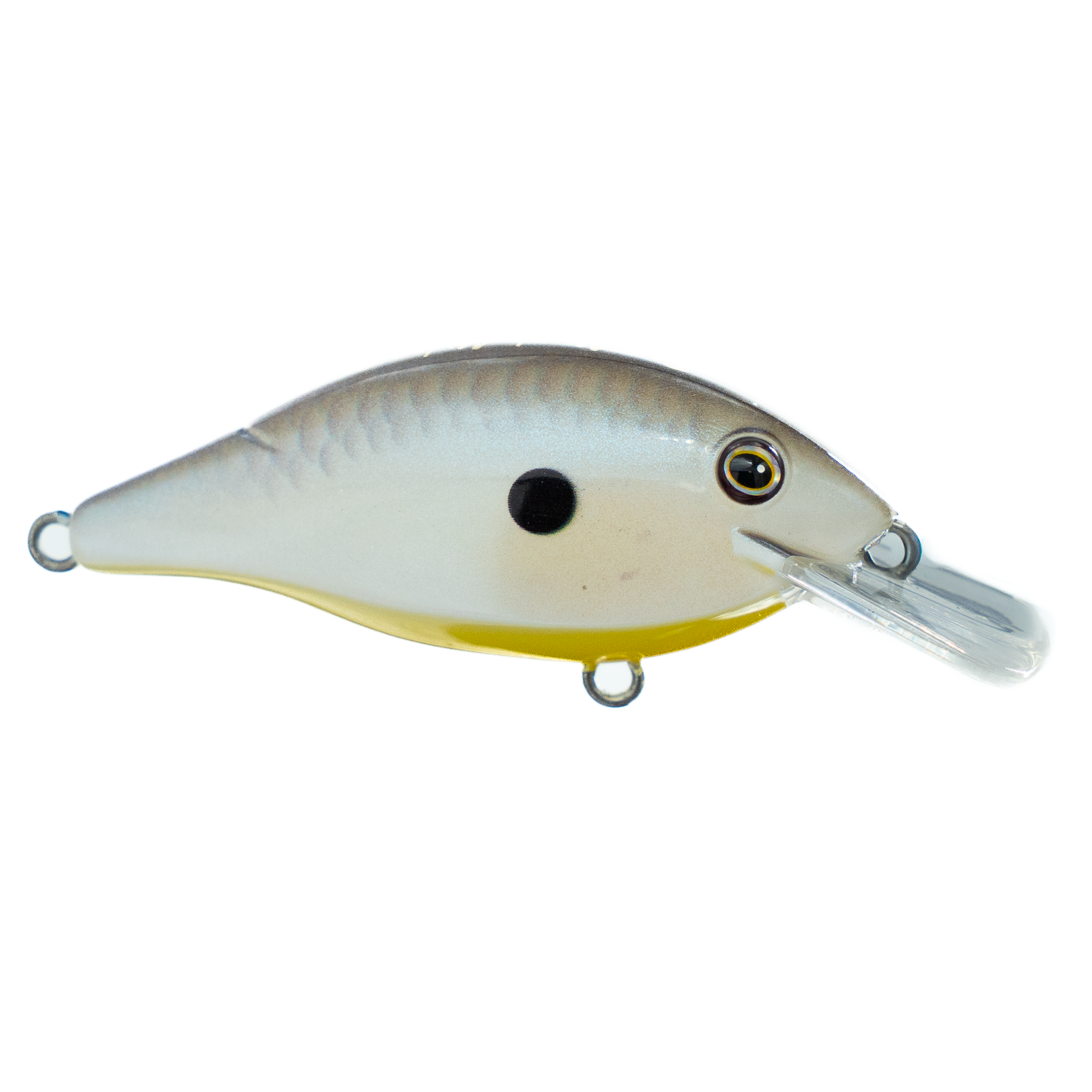
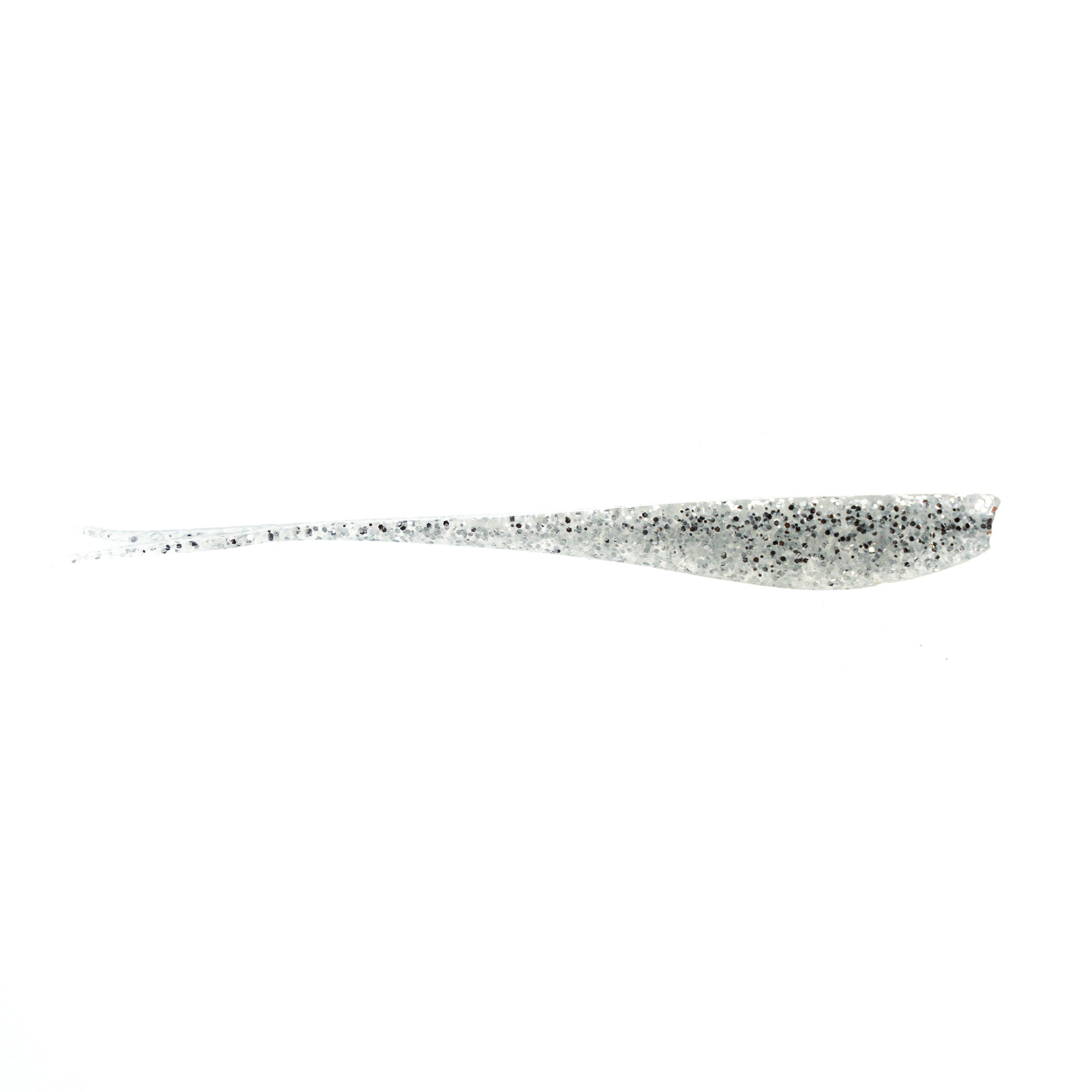
Winter concentrates fish in the deeper canals, the cuts and the borrow pits, since there is nowhere else deep for them to go. Cold fronts have a pronounced effect on shallow swamp water. The upside is that the productive area shrinks to something you can fish properly.


The Atchafalaya Basin Access
Henderson is the best-known access point and the easiest introduction, with launches and landings along the levee. Additional ramps serve the Basin from Butte La Rose, Bayou Sorrel, Catahoula and elsewhere. Baton Rouge and Lafayette are both close.
Henderson Lake
The most accessible part of the Basin and where most visiting anglers start. Open water alongside cypress and cuts, with launches close by. A sensible introduction before you go further in.
The Cypress and Willow Flats
The signature Atchafalaya cover. Pitching cypress knees and willow bases is accuracy fishing rather than water covering, and on high water it is where the fish go. There is more of it than anyone could fish.
The Canals and Cuts
Man-made and natural channels threading the Basin, with spoil banks alongside them. They carry current, they hold fish on falling water, and they are the winter refuge. They are also the safest way to navigate, which matters here.
The Atchafalaya Basin Bass Fishing FAQ
What is the Atchafalaya Basin?
The largest river swamp in the United States — a vast maze of bayous, canals, cuts, lakes and flooded cypress running down the middle of Louisiana. Henderson Lake is the best-known access point but the Basin as a whole is far larger.
Is it easy to get lost?
Yes, genuinely. The bayous look alike, the cuts change with water level, and there is an enormous amount of it. Carry GPS, tell someone your plan, and stay on known routes until you have learned a section properly.
How does water level affect fishing?
It controls everything. The Basin floods and falls with the Atchafalaya River, which determines which cuts are navigable and where the fish are. Rising water pushes bass back into flooded timber; falling water pulls them onto the canal banks and edges where you can reach them.
When is the best time to fish the Basin?
Autumn, when falling water concentrates the fish on reachable cover and the weather is comfortable. Spring is productive but high water makes navigation harder. Summer is hot and becomes a mat-punching game.
Where should I start?
Henderson. It is the most accessible part of the Basin, has launches close by, and offers open water alongside the cypress and cuts. Learn a section there before going further in.
What cover is there?
Cypress trees and knees, willows, grass, hyacinth mats, laydowns, canal banks and spoil banks. No ledges, no points, no conventional reservoir structure. It is entirely a cover and current fishery.
What baits work best in the Atchafalaya?
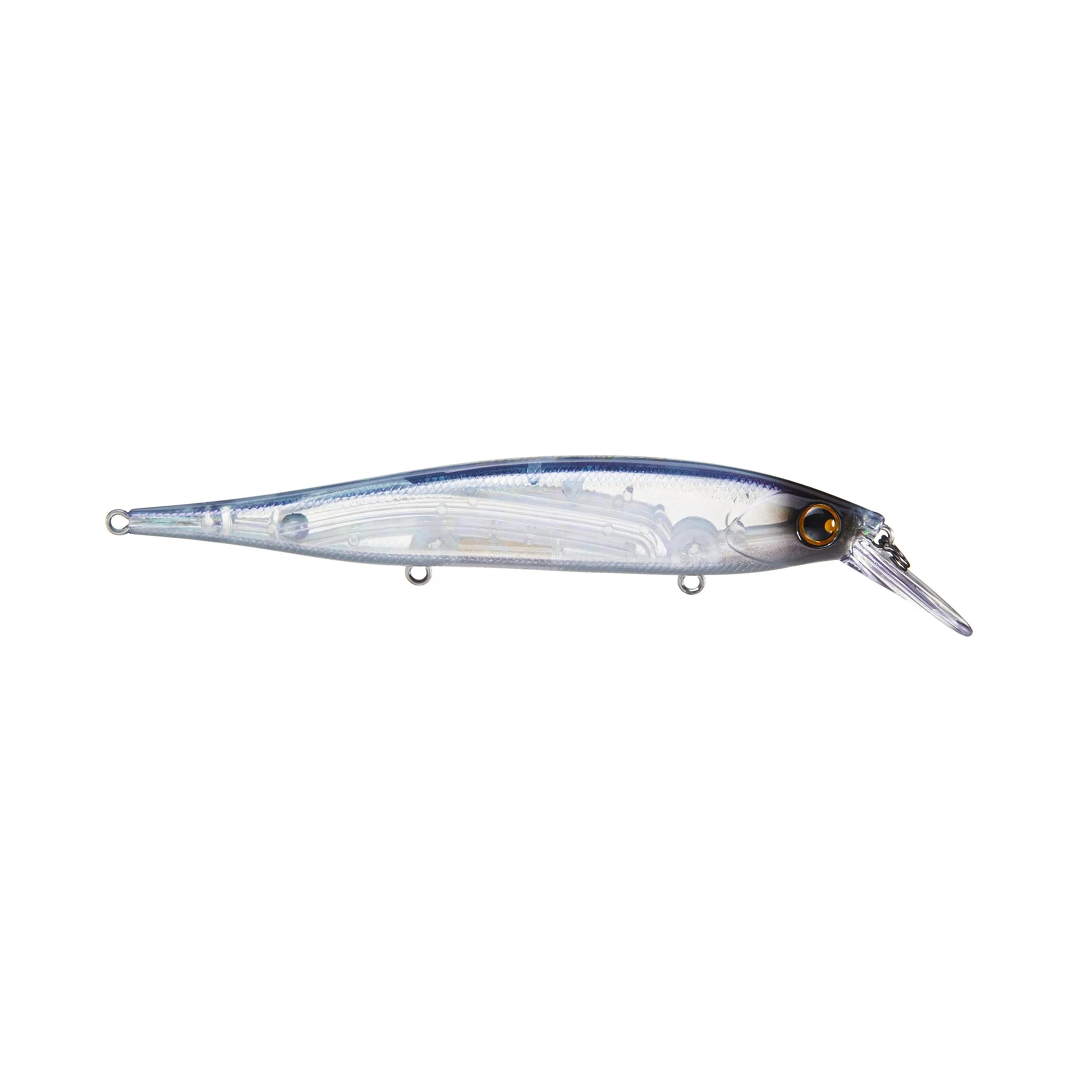
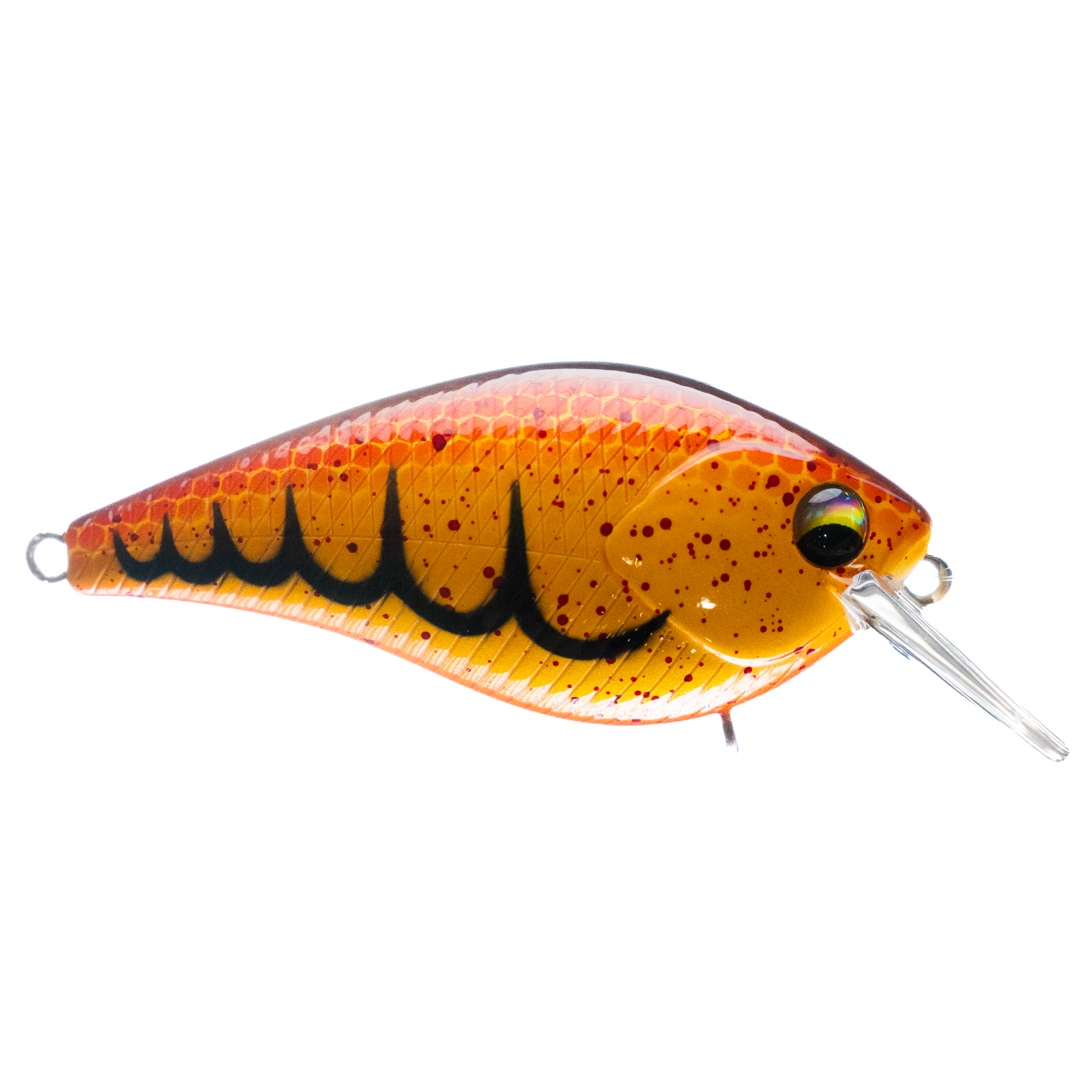
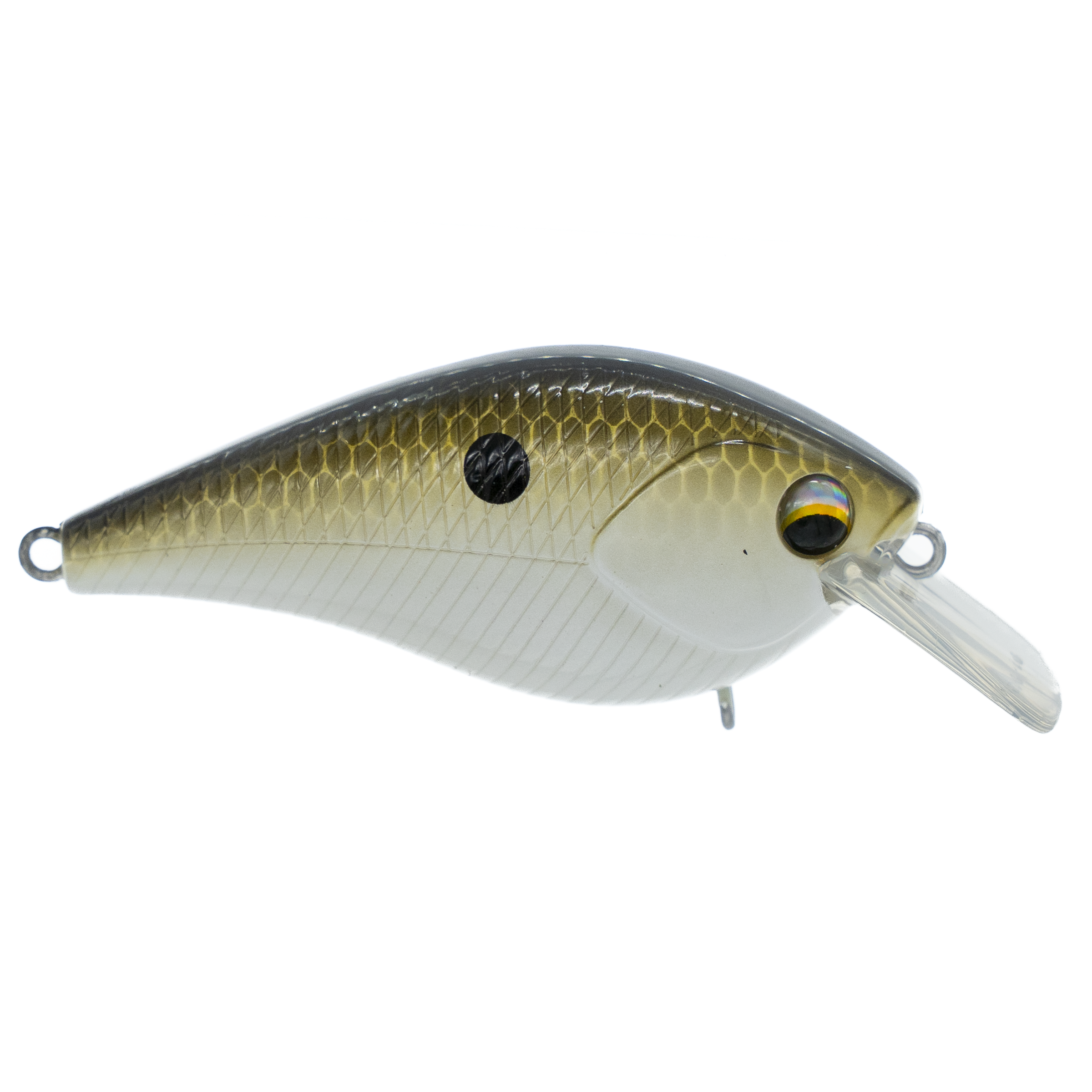
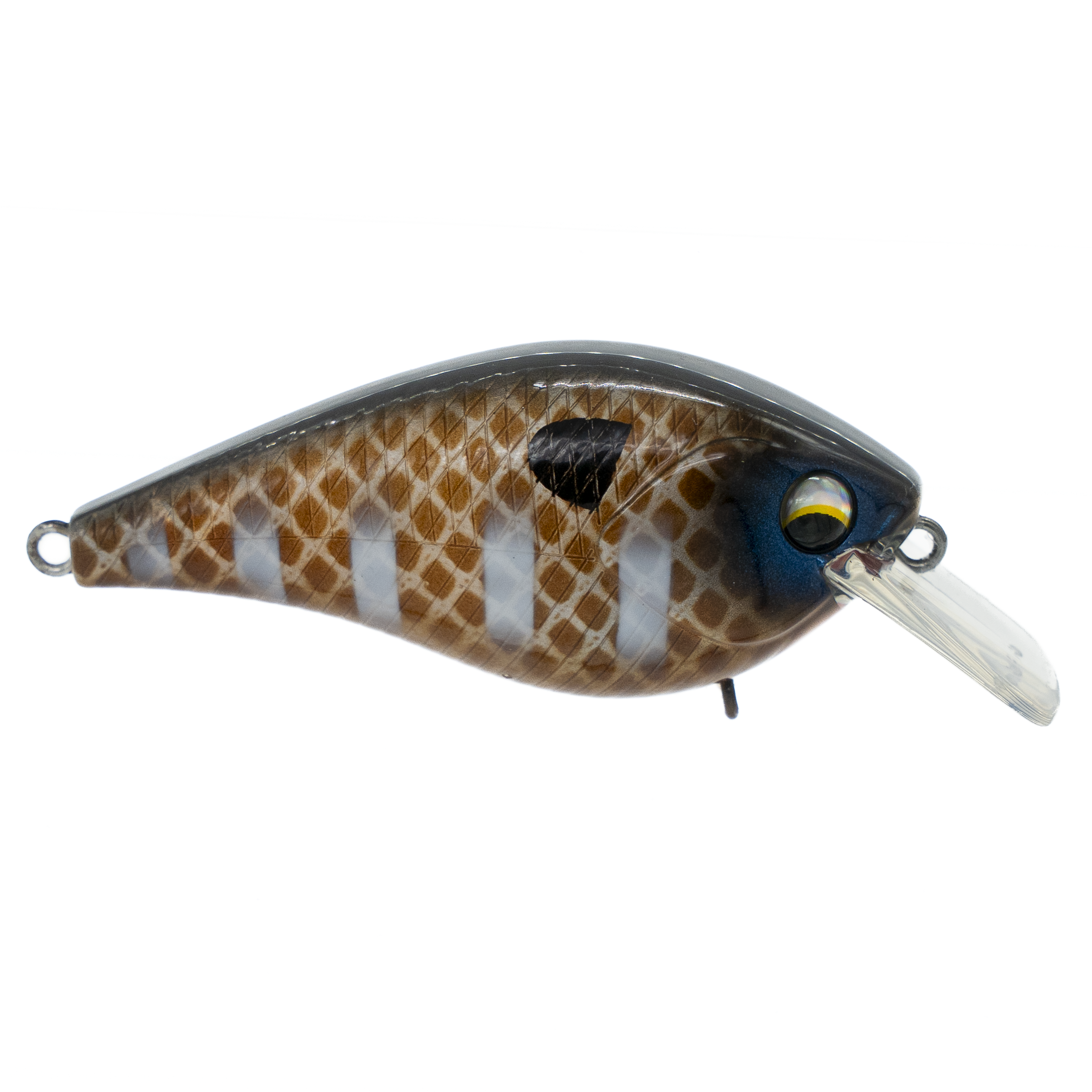
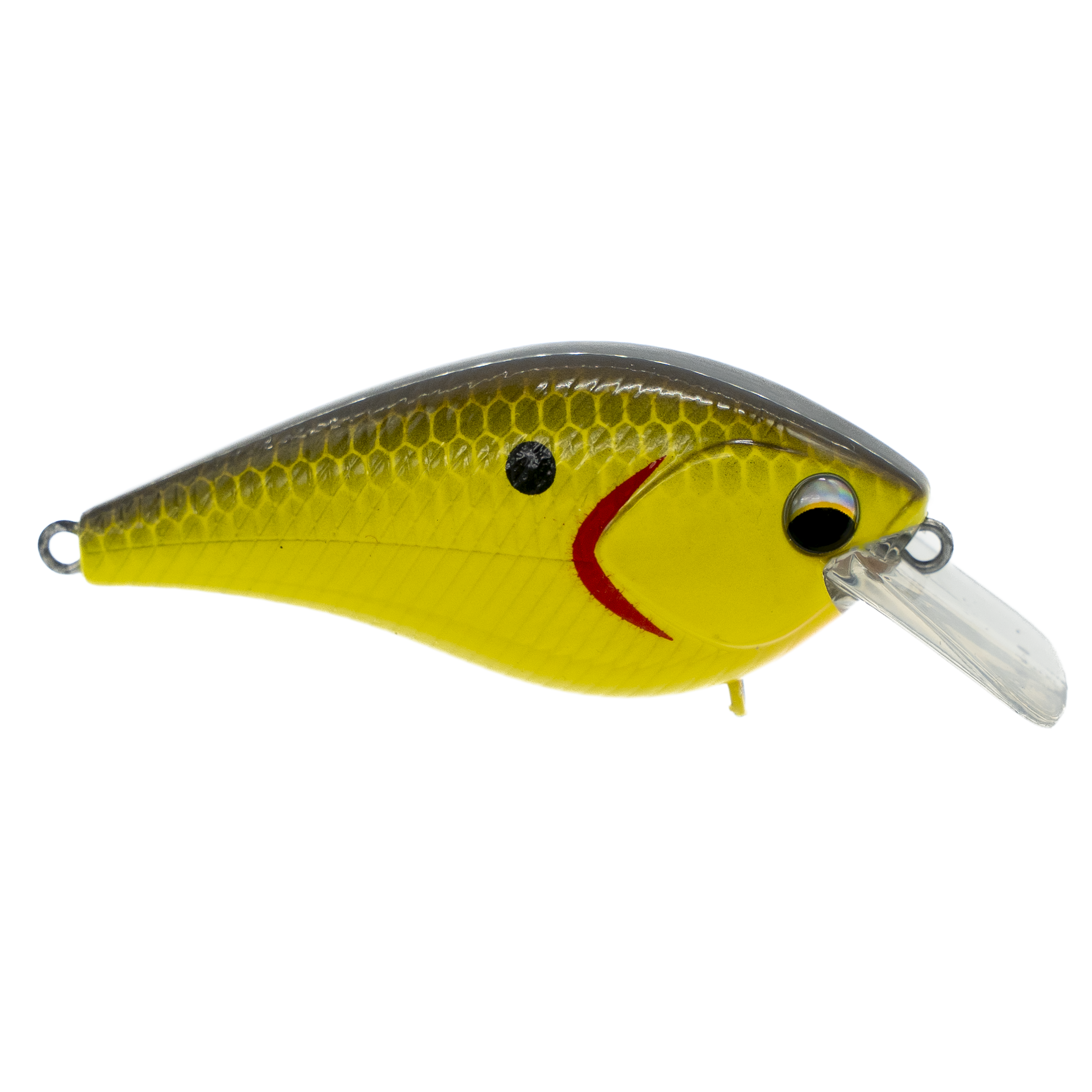
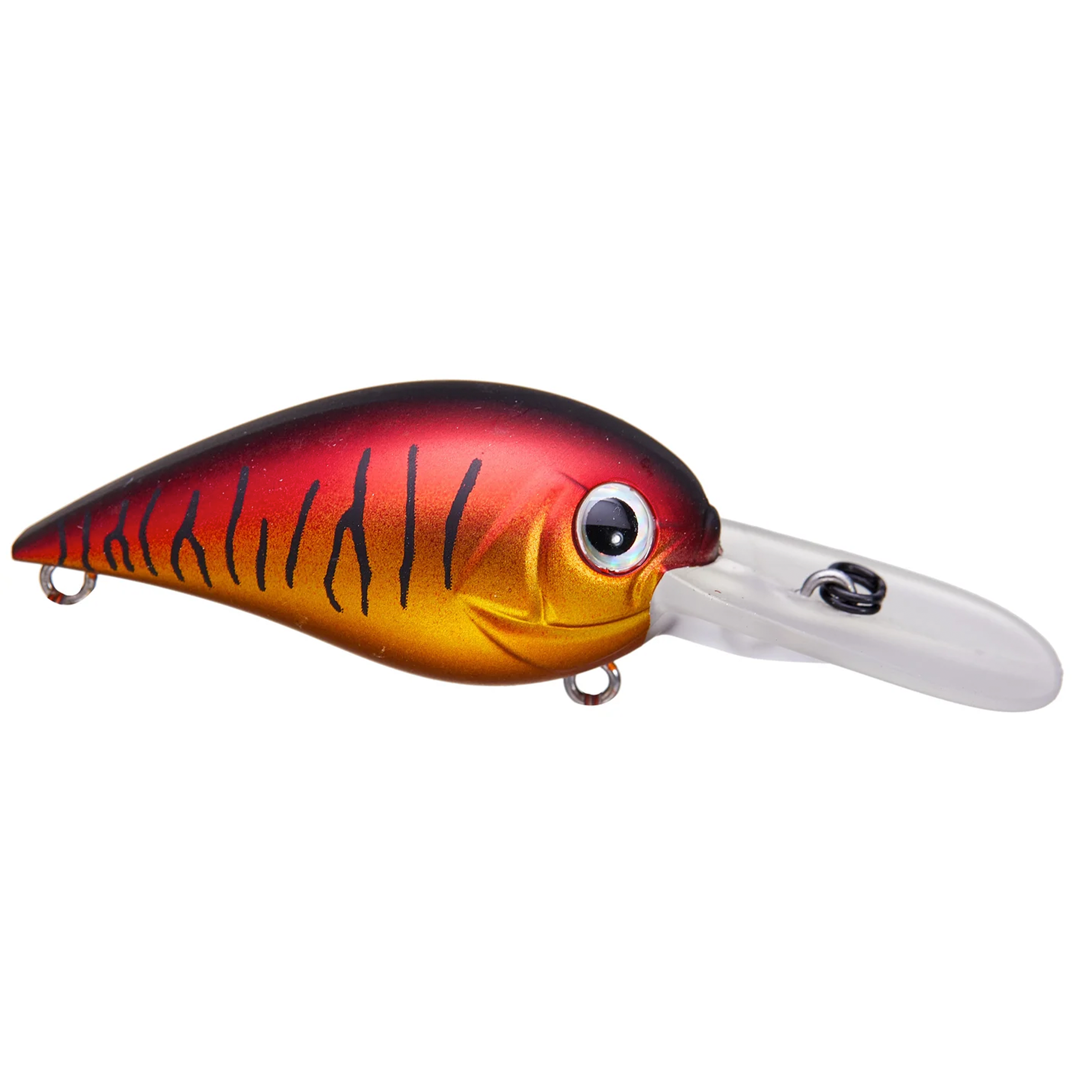
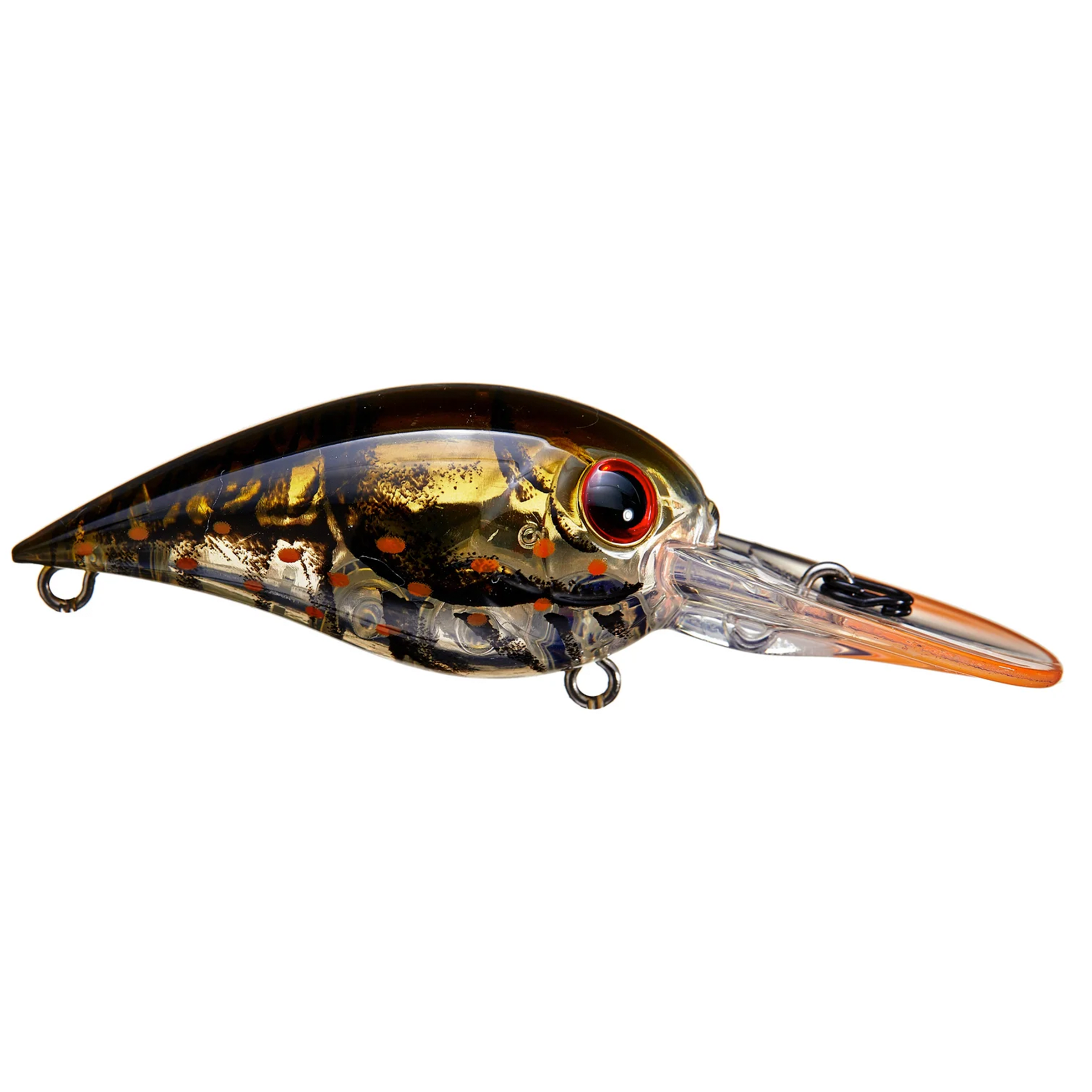
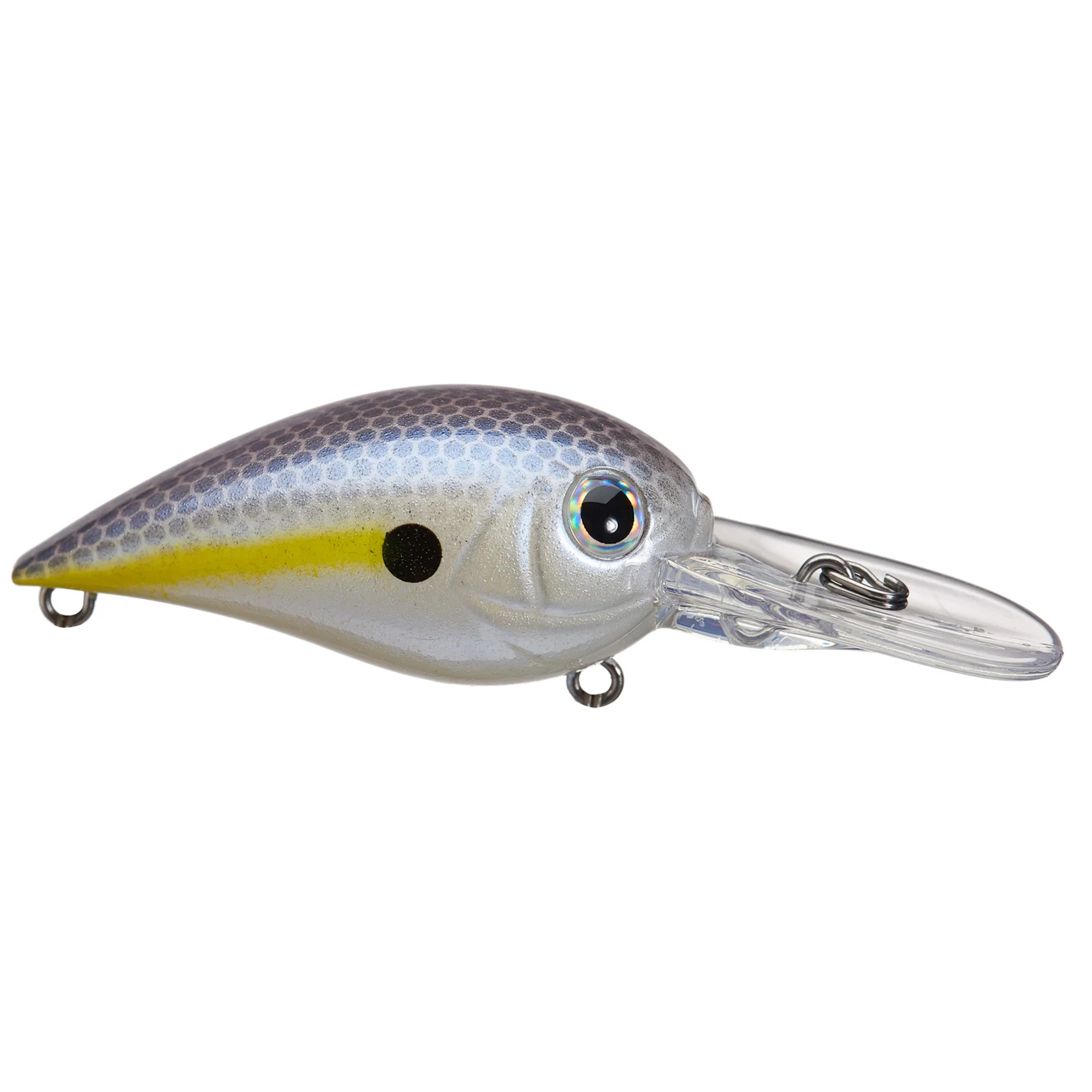
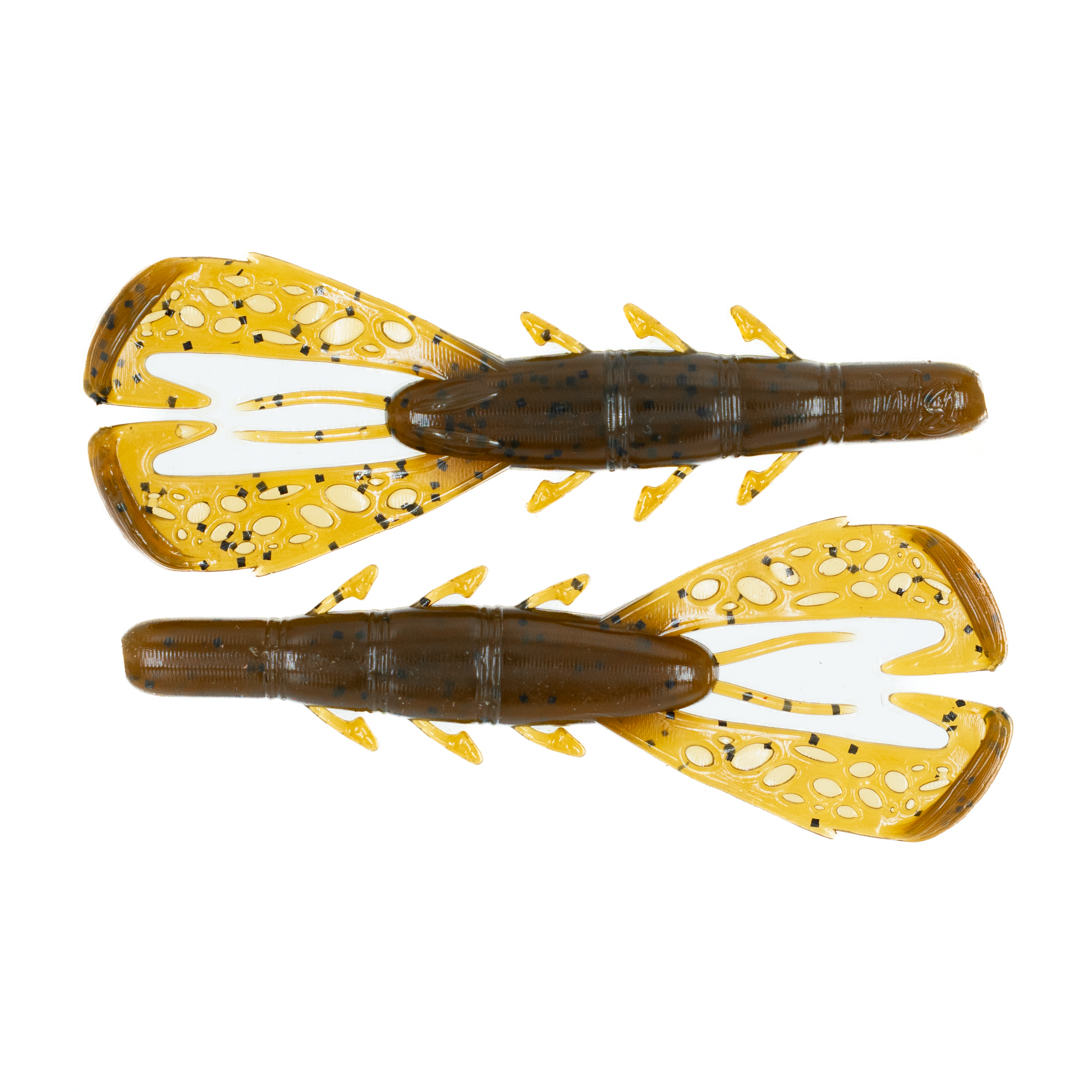
Weedless everything. Flipping baits and creature baits for cypress and mats, frogs and toads over the vegetation at first light, spinnerbaits and squarebills through the trees on falling water, and jigs in the deeper cuts in winter. Our full bait lineup covers all four seasons.
Do I need a fishing license?
Yes, a Louisiana fishing license from the Department of Wildlife and Fisheries. Check current black bass regulations before you go.
Cypress, and Nowhere to Take Her
Hooking a good fish beside a cypress knee in three feet of water gives you no room and no second chance. Level Rods builds heavy models with the accuracy to place a bait tight to the trunk and the power to turn a fish before she gets back into the roots she came out of.
Tournament Winning Baits & Gear
Designed, crafted and tested by anglers who fish heavy cover every week. Free shipping on orders over $75.
Shop All Baits