
Allegheny River Bass Fishing Guide
Allegheny Bass Fishing, Season by Season
Three hundred and twenty-five miles of riffles, pools and boulder runs through western Pennsylvania, holding smallmouth in numbers and almost nobody writing about it. The Allegheny is the Susquehanna's western counterpart and it sees a fraction of the attention.
The Susquehanna's Western Twin
The Allegheny rises in northern Pennsylvania, loops through New York and returns south to Pittsburgh, where it joins the Monongahela to form the Ohio. Along the way it offers 325 miles of the same kind of fishing that made the Susquehanna famous — riffles, pools, boulder runs, ledges and current seams, full of smallmouth.
The difference is attention. The Susquehanna is one of the best-known smallmouth rivers in the country and gets written about accordingly. The Allegheny holds smallmouth in comparable numbers and gets a fraction of the coverage, which for an angler is entirely good news.
Structure is river structure: rock, ledges, boulder fields, eddies, riffles dropping into pools, and grass in the slower water. Smallmouth hold where current does the work for them. Reading water is the whole skill, and electronics matter very little.
The upper river is smaller and more intimate; the lower reaches toward Pittsburgh are wider and carry lock-and-dam pools that fish differently, more like slack water than free-flowing river. Both hold fish and they reward different approaches.
Flow controls access and safety as it does on any river. Summer flows make wading practical across much of the upper and middle river; spring high water makes long stretches unfishable. Check the gauge before you plan a float.
Pennsylvania's spring no-harvest period applies, with fishing in or near spawning beds prohibited during it. Note also that trout regulations on parts of the Allegheny differ from bass rules and change with the trout season, so read the current summary for the stretch you intend to fish.
Riffles, Pools and Current
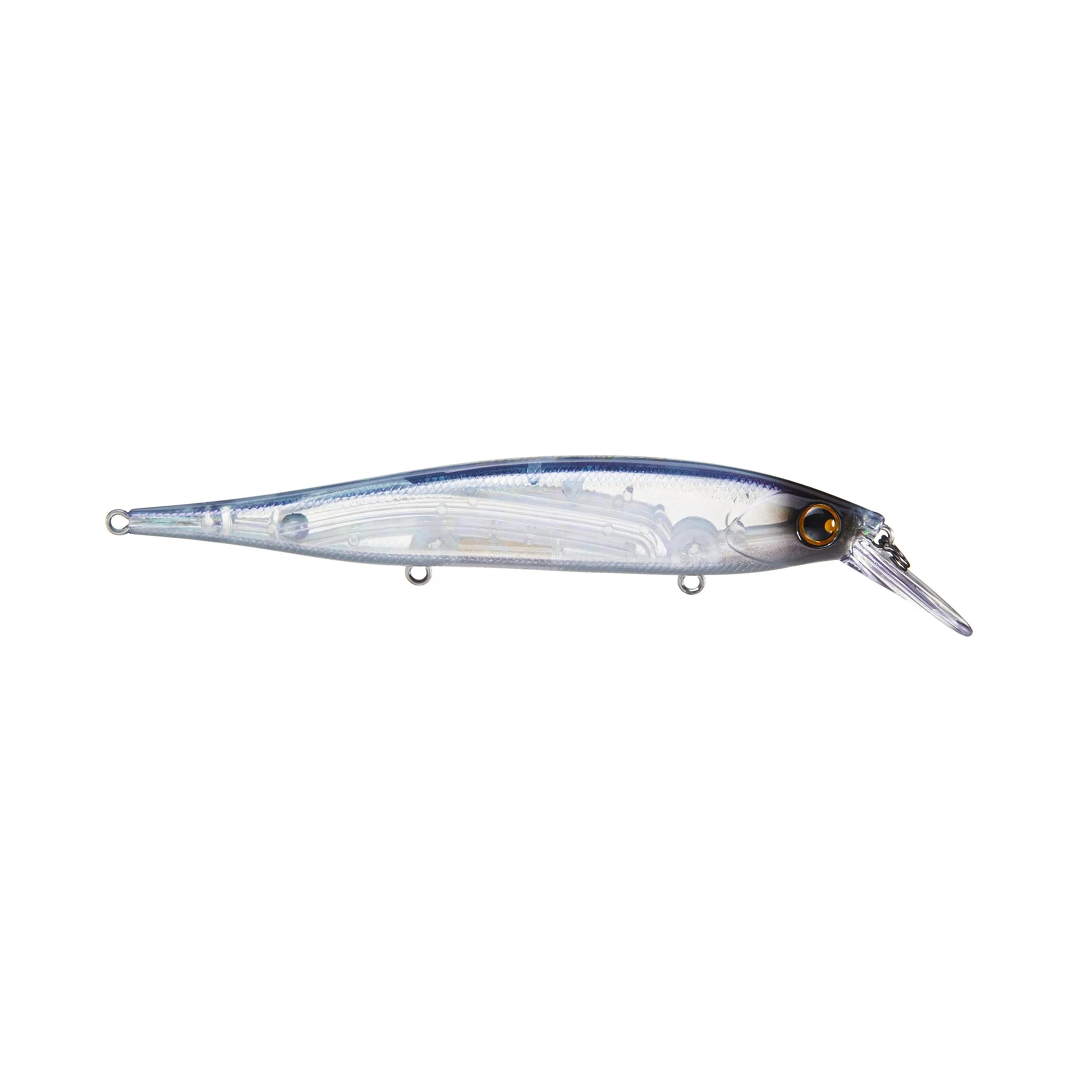
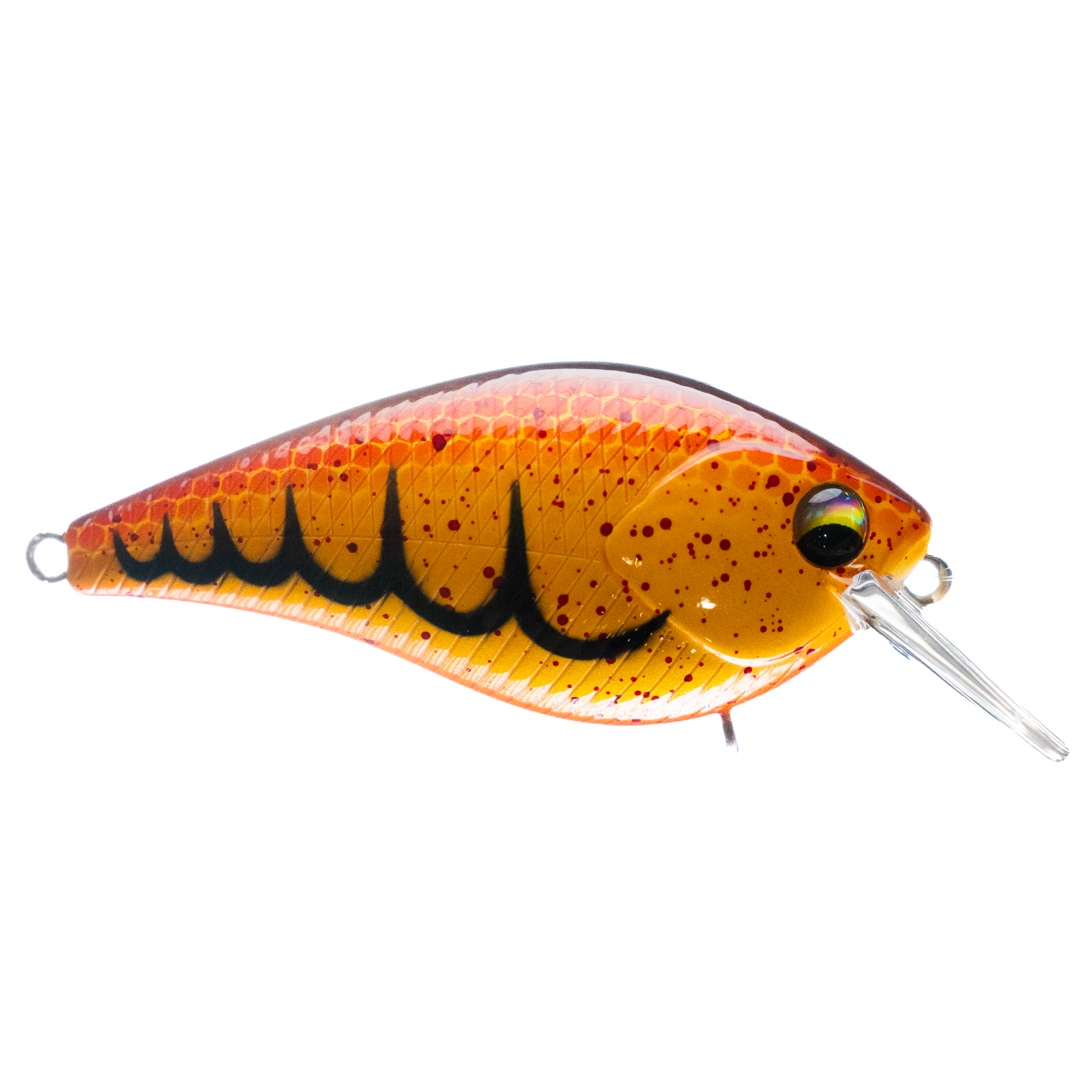
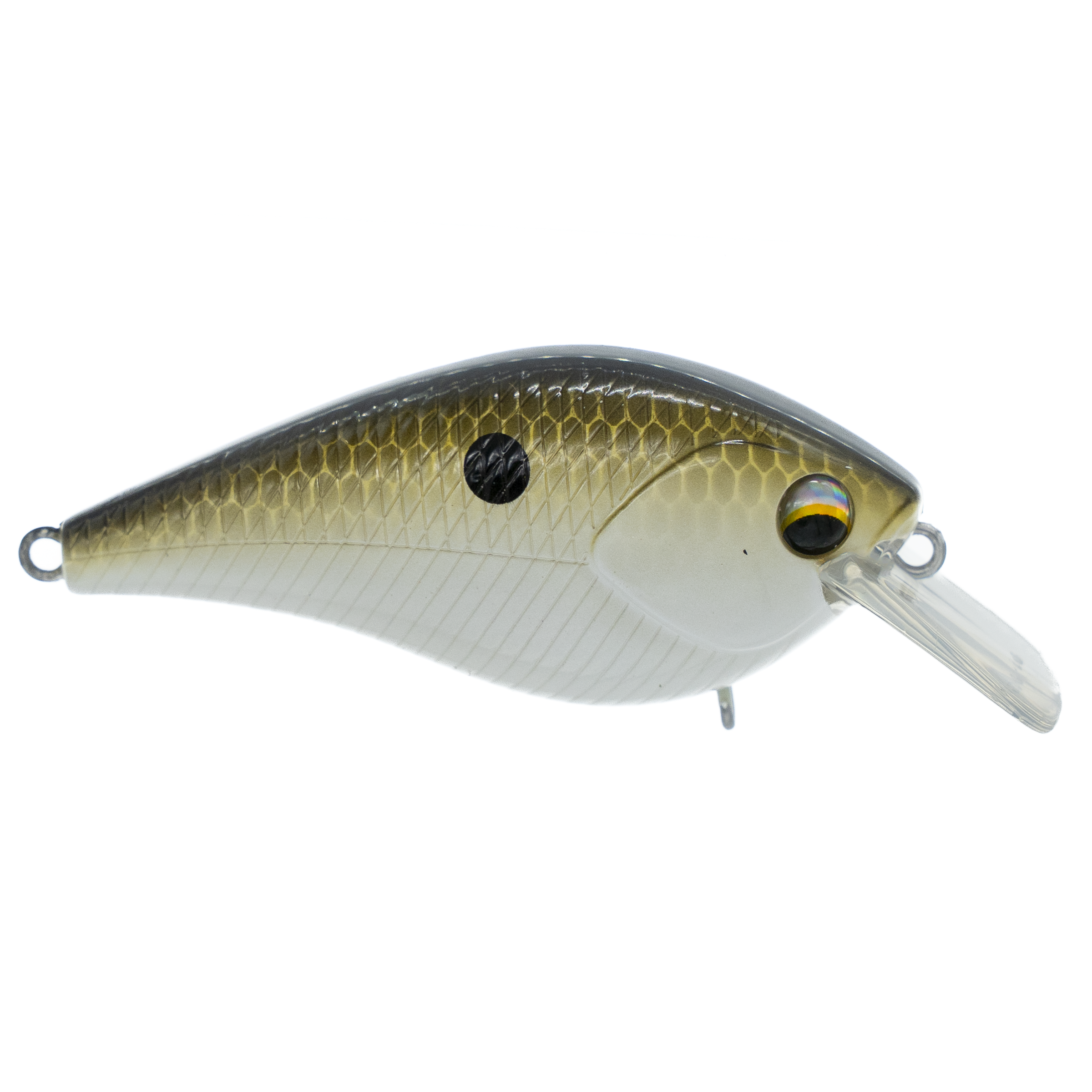
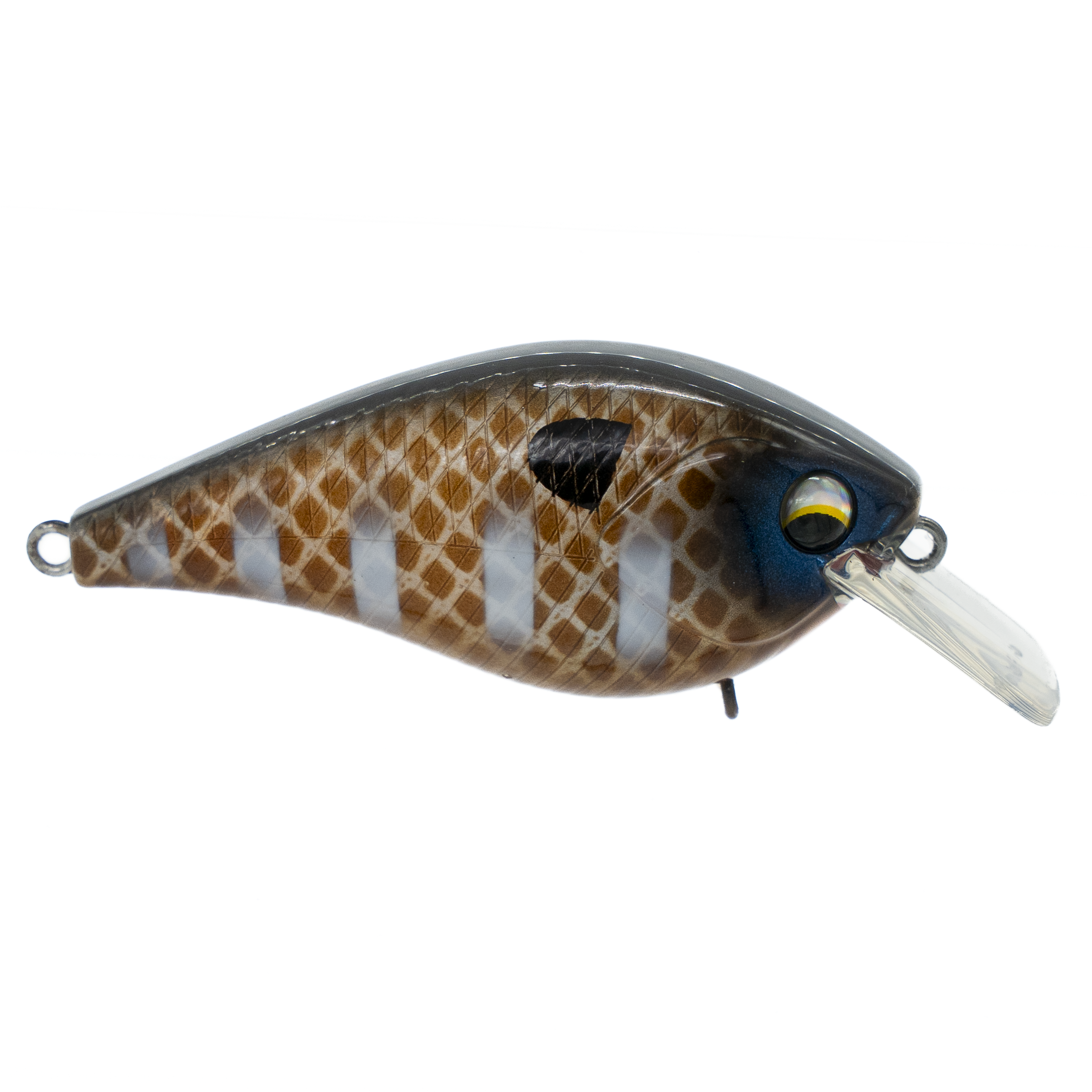
Four patterns cover the year, under Pennsylvania's spring no-harvest rules. Each card pairs the technique with the baits we'd actually tie on.
High Water and No Harvest
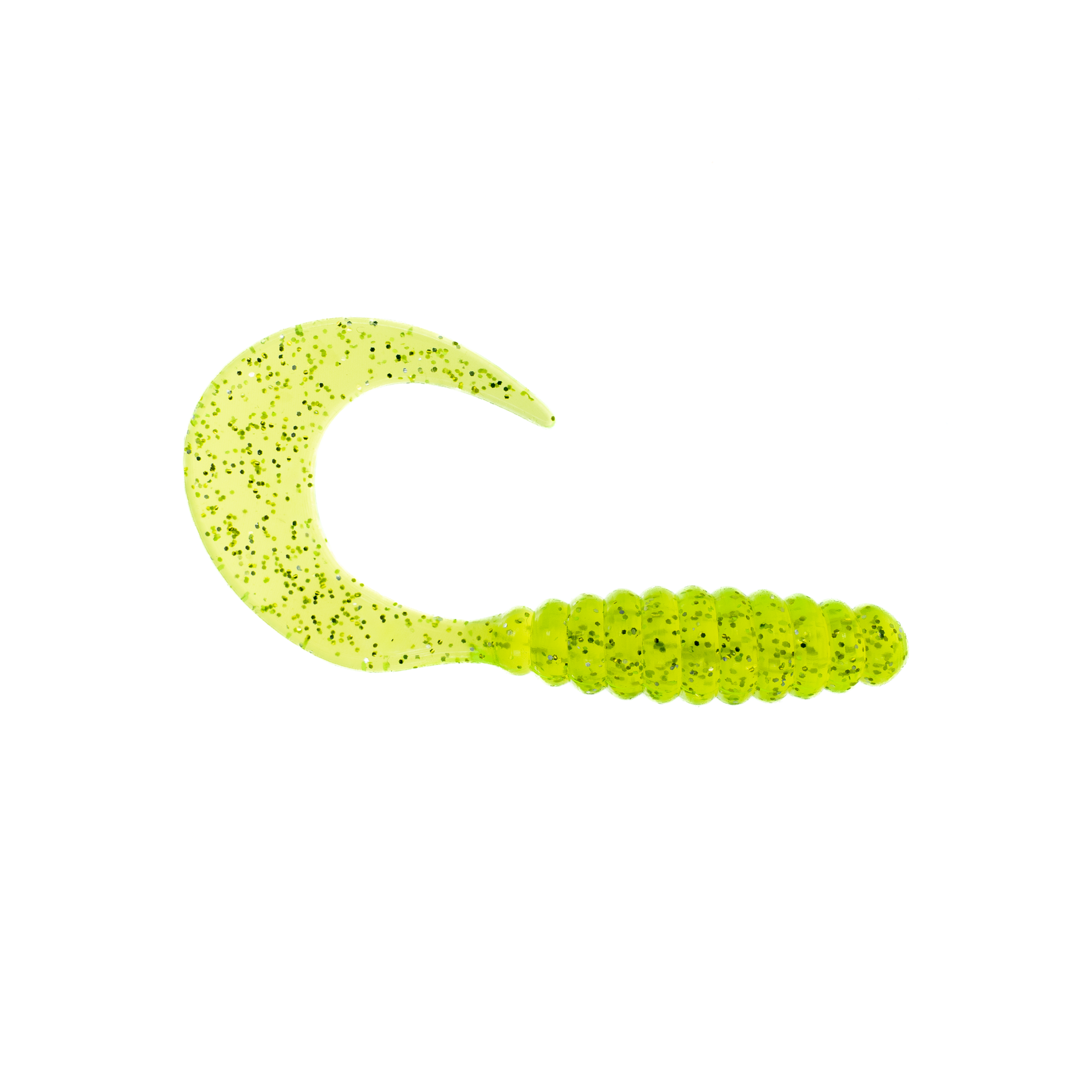
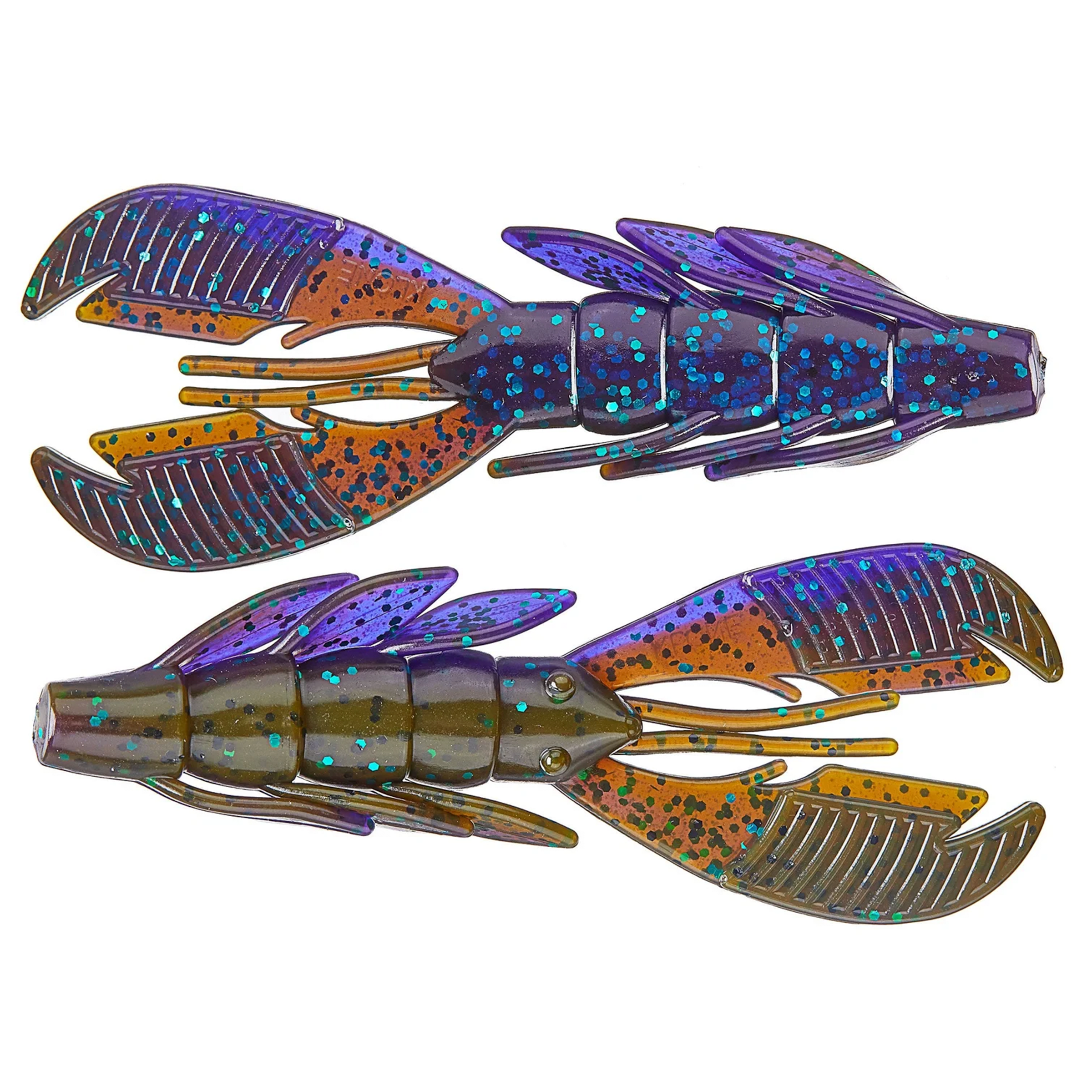
Spring brings the highest and most variable flows of the year, coinciding with Pennsylvania's no-harvest window. Smallmouth move out of the deep wintering pools onto adjacent flats and slower runs as water warms. Fishing in or near spawning beds is prohibited during the no-harvest period.

Wading and Low Light
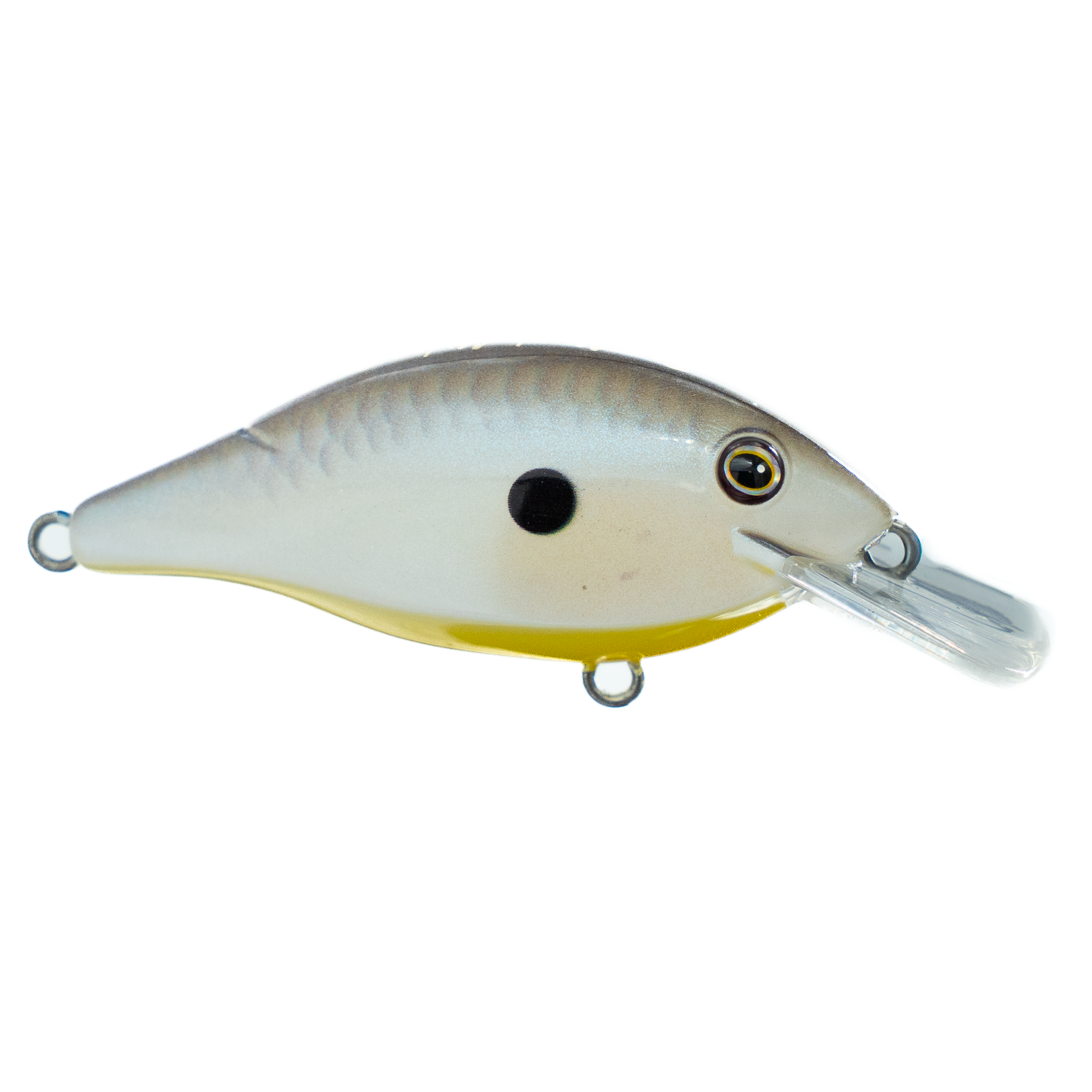
Summer flows drop and open the upper and middle river for wading, which is how most people fish it. Smallmouth spread across riffles, runs and boulder fields, and topwater in the low-light windows is as good as this river gets. The lock-and-dam pools lower down fish more like slack water.

The Best Window
Autumn is prime on the Allegheny. Cooling water has the smallmouth feeding hard, flows are typically stable, and western Pennsylvania in October is worth the drive on its own. The fish will chase, which makes this the season to cover water.

Deep Pools, Slow Everything
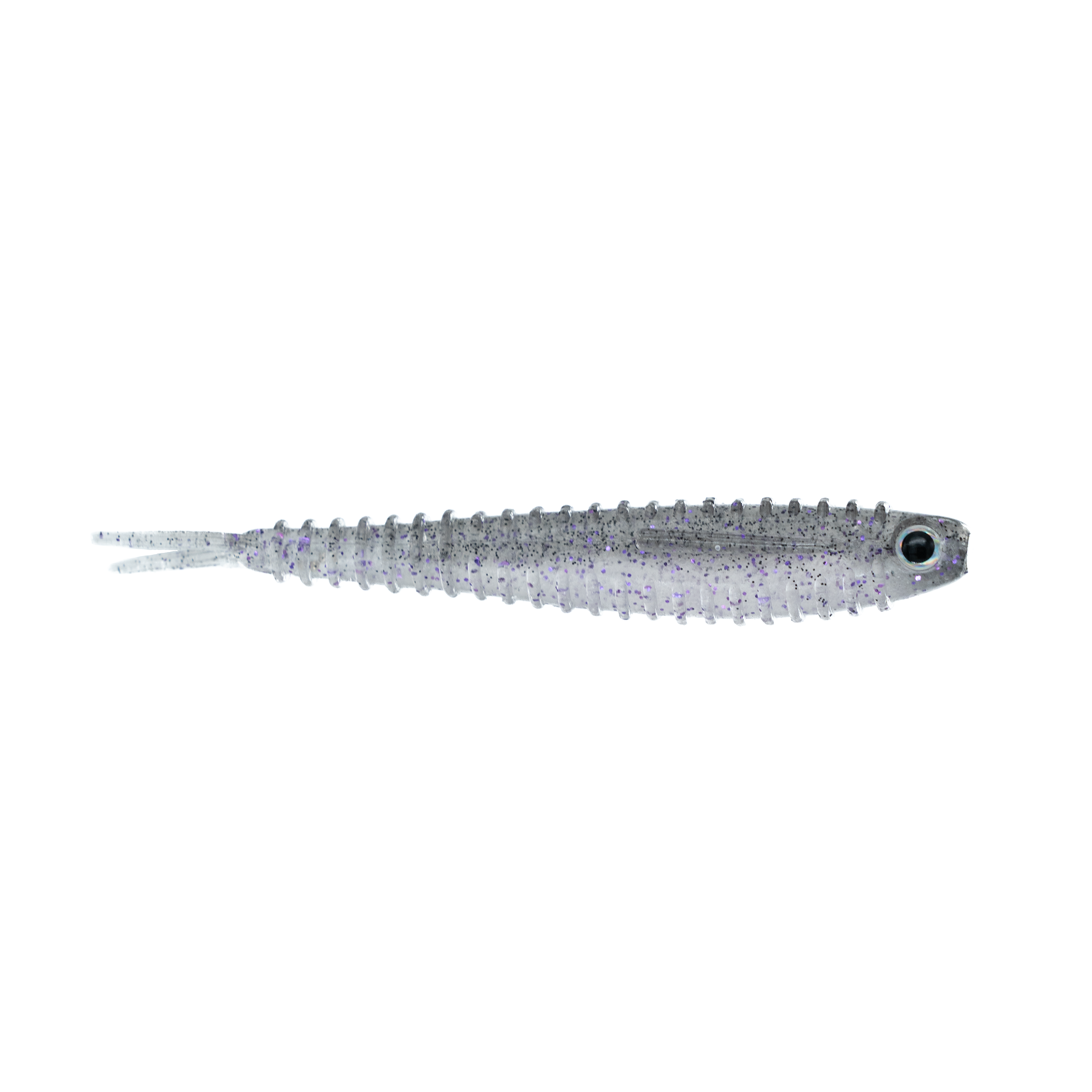
Winter concentrates smallmouth into the deepest pools and slowest water and they stay put. Cold and high water limit access and the fishing is a short-session proposition, but the fish that are catchable tend to be better ones. The lock-and-dam pools lower down hold fish more predictably than the free-flowing sections.



The Allegheny River Access
Public access points serve the river throughout western Pennsylvania, from the upper reaches near Warren down through Franklin, Kittanning and on toward Pittsburgh. Much of the upper and middle river is wadeable at summer flows, with float trips between access points the other standard approach.
The Upper River
Smaller, more intimate water above the lock-and-dam sections, with riffles, pools and boulder runs. Wadeable at summer flows and the most classic river smallmouth fishing on the Allegheny.
The Boulder Runs and Ledges
Current breaks scattered through the middle river, each holding fish on the downstream side. Reading which ones hold fish at which flow is the skill that separates anglers here.
The Lower Pools
Toward Pittsburgh the river carries lock-and-dam pools that fish more like slack water than free-flowing river. Different approach, more predictable in winter, and accessible from a major metropolitan area.
The Allegheny River Bass Fishing FAQ
Is the Allegheny as good as the Susquehanna?
For smallmouth it is comparable water — riffles, pools, boulder runs and ledges over 325 miles. The difference is attention rather than quality. The Susquehanna is far better known and correspondingly busier.
Can you wade the Allegheny?
Much of the upper and middle river, yes, at summer flows. That is how a great many anglers fish it. Float trips between access points cover water that wading cannot, and the lower reaches near Pittsburgh are boat water.
How do the lock-and-dam pools fish?
More like slack water than free-flowing river. They hold fish more predictably in winter and require a different approach from the riffle-and-pool sections upstream. Both are worth knowing.
What are the season rules?
Pennsylvania does not fully close bass season but enforces a spring no-harvest period while bass spawn, during which fishing in or near spawning beds is prohibited. Note that trout regulations on parts of the Allegheny differ and change with the trout season — read the current summary for your stretch.
When is the best time to fish it?
Autumn. Cooling water has the smallmouth feeding hard, flows are usually stable, and the fish will chase moving baits. Summer wading in low flows is the other strong option.
How does flow affect things?
It decides where and whether you fish. Spring high water makes long stretches unfishable and unsafe; summer flows make wading practical and concentrate fish into runs and pools. Check the gauge first.
What baits work best on the Allegheny?
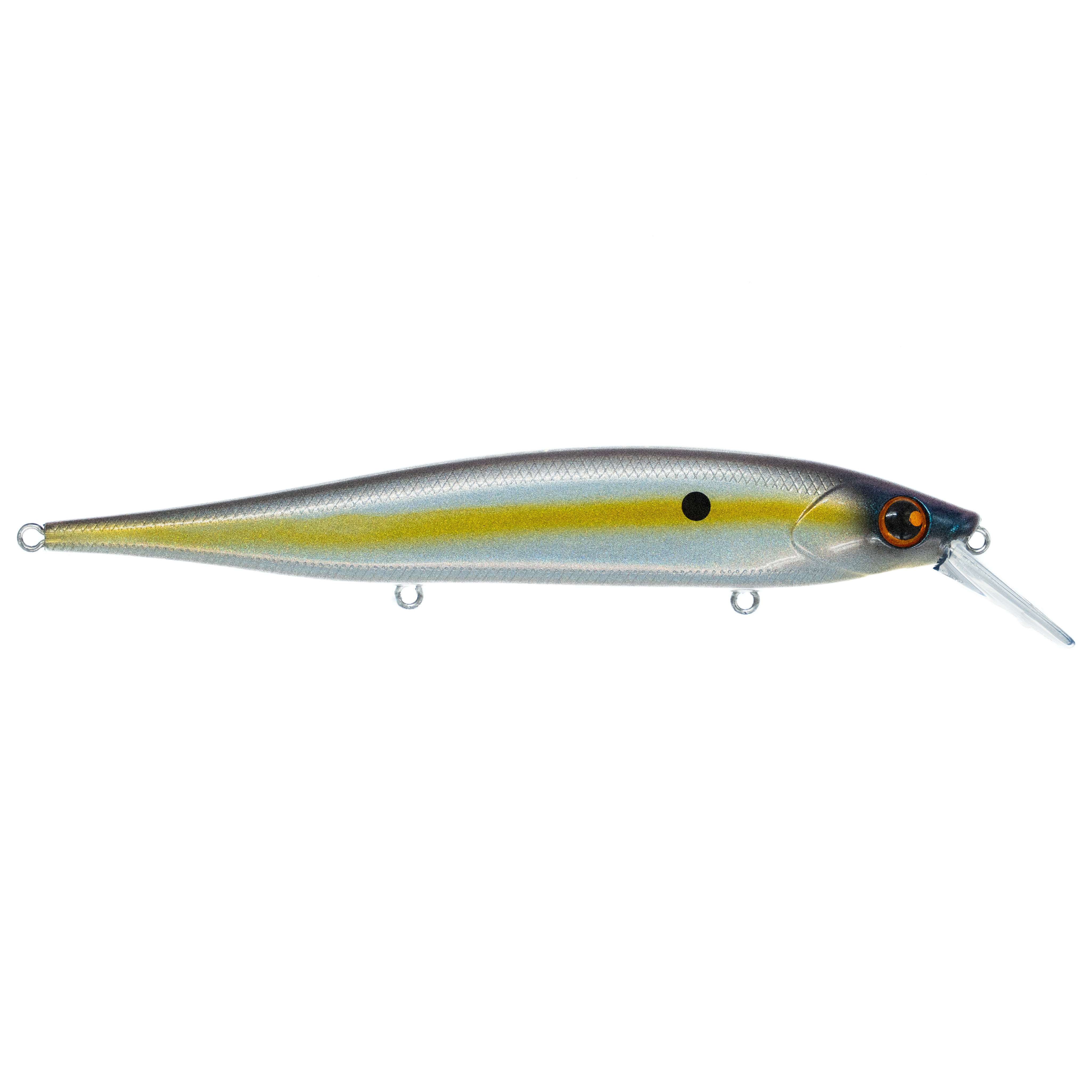
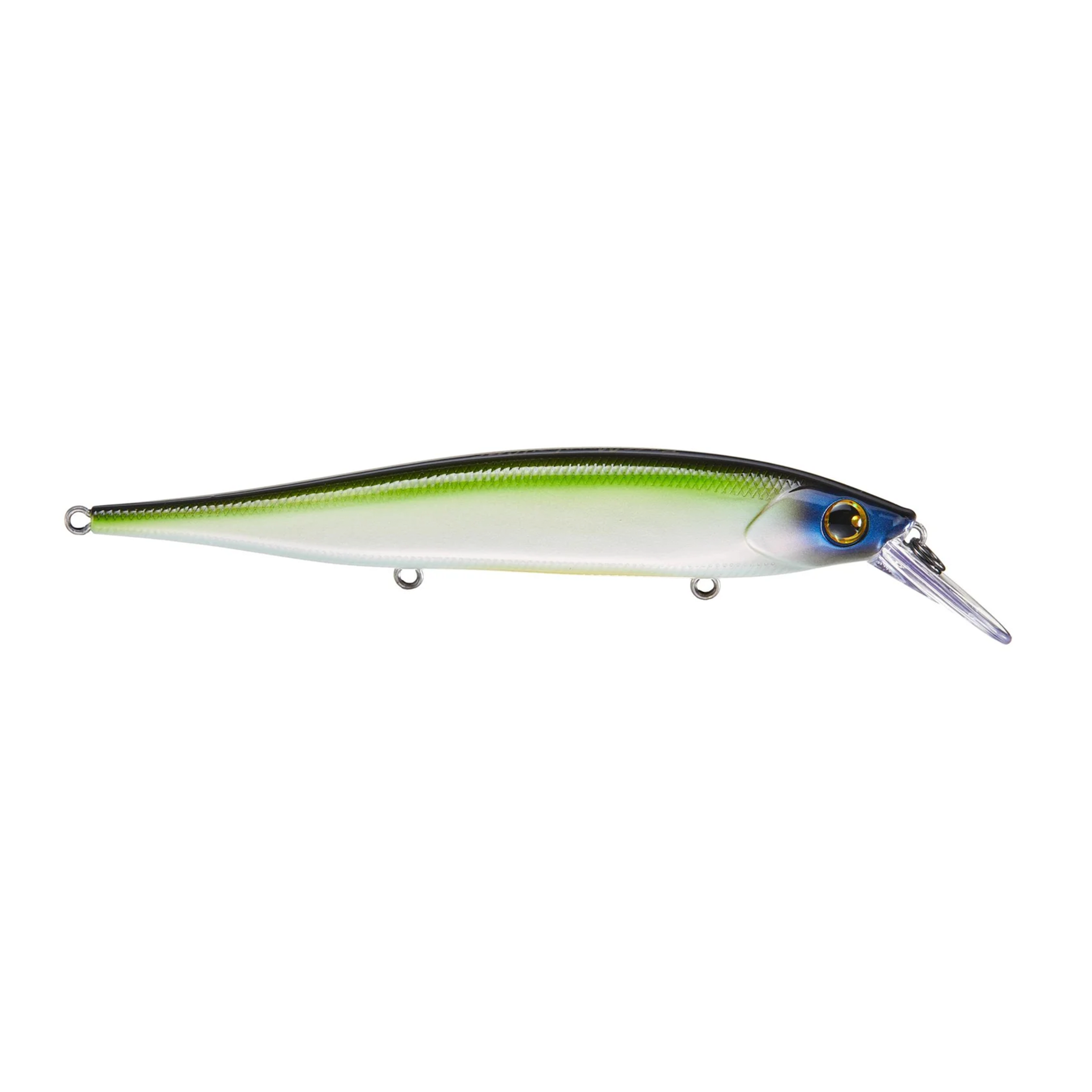
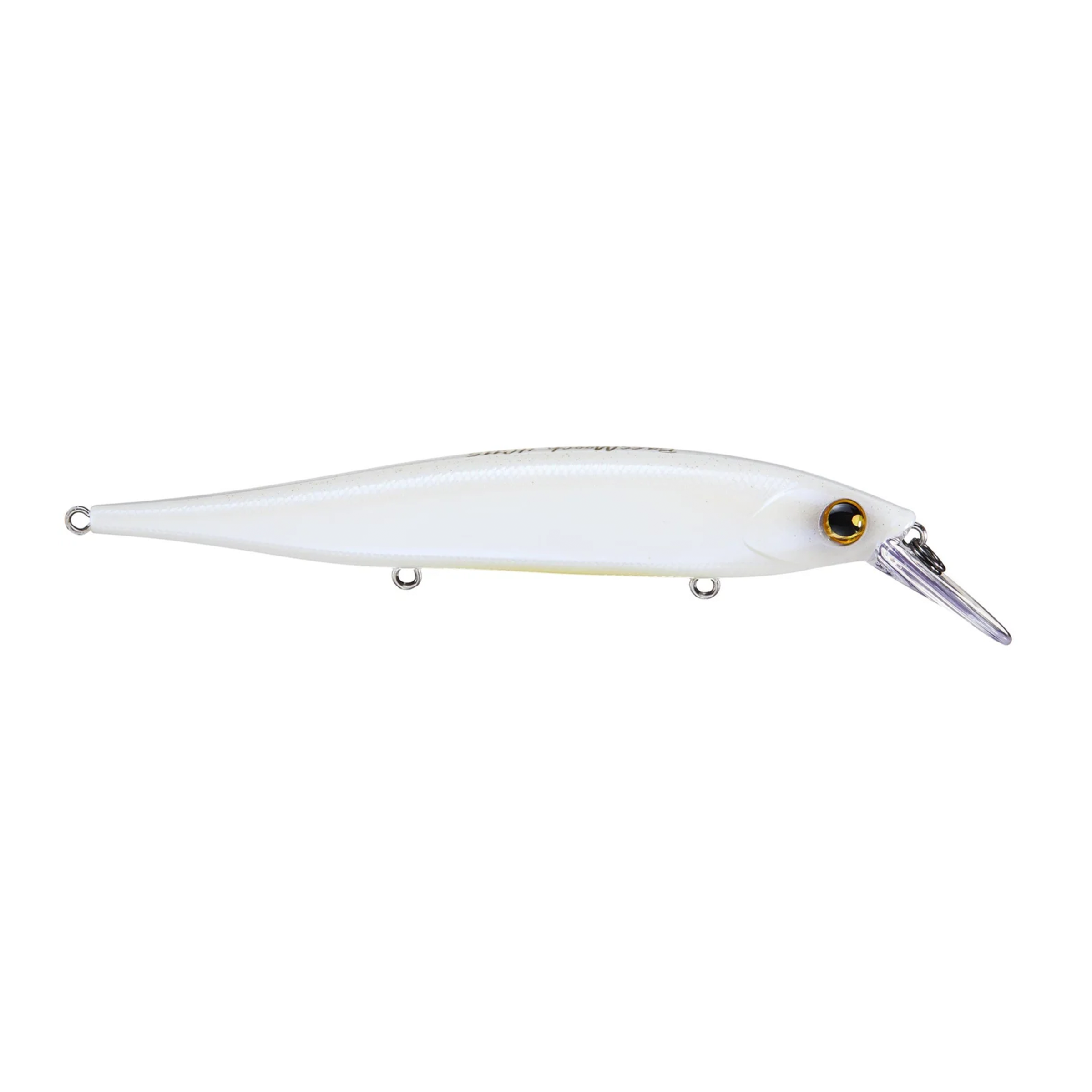
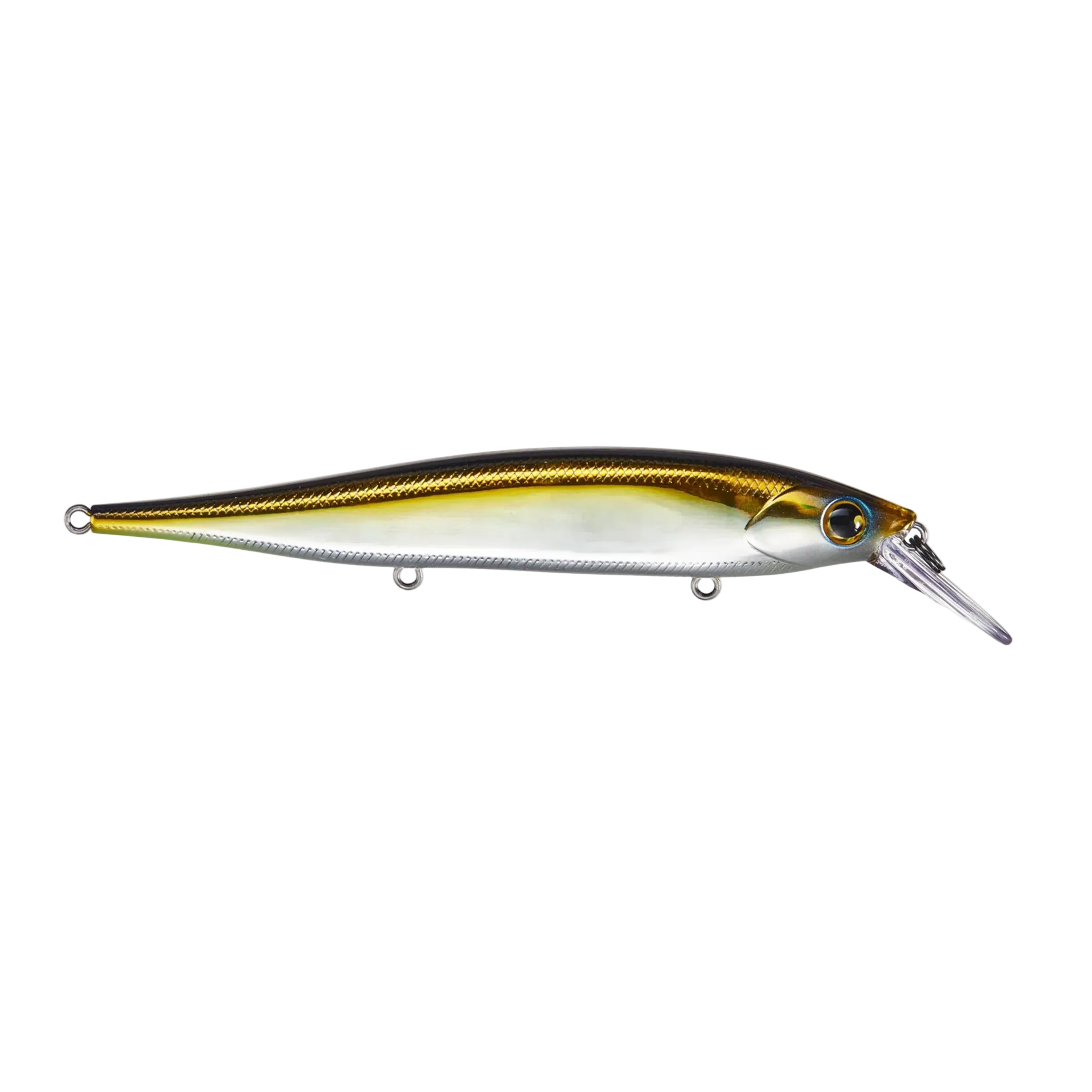
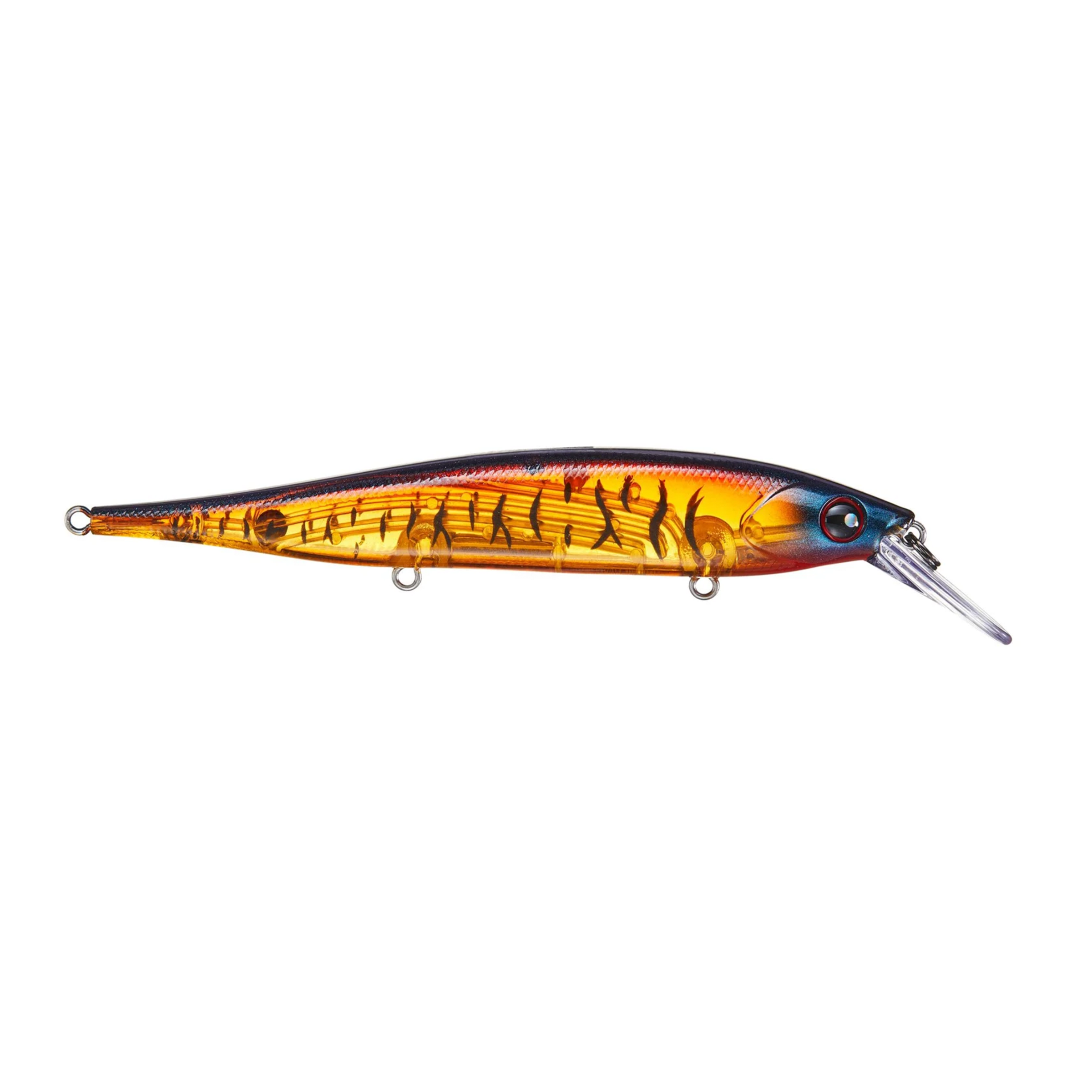
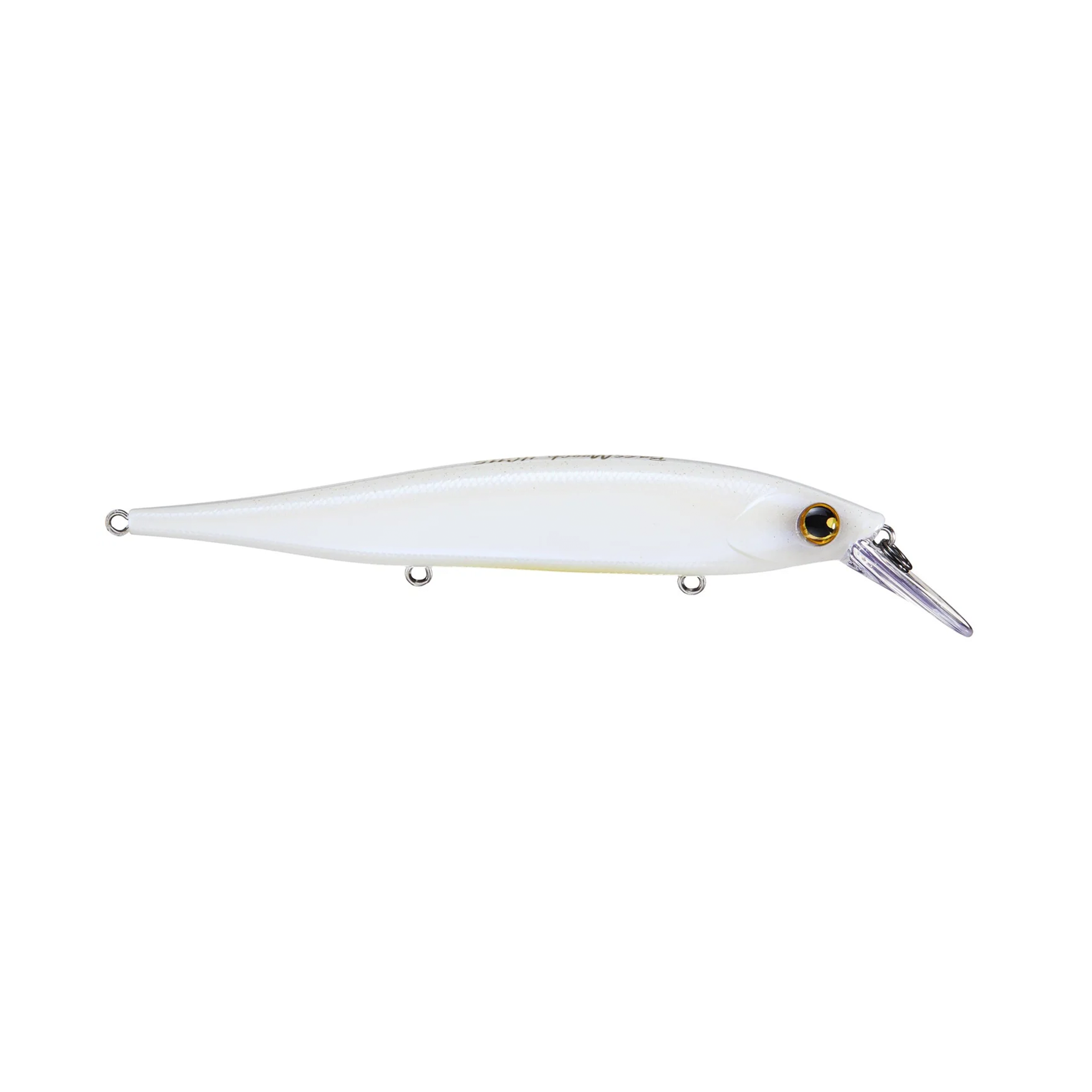
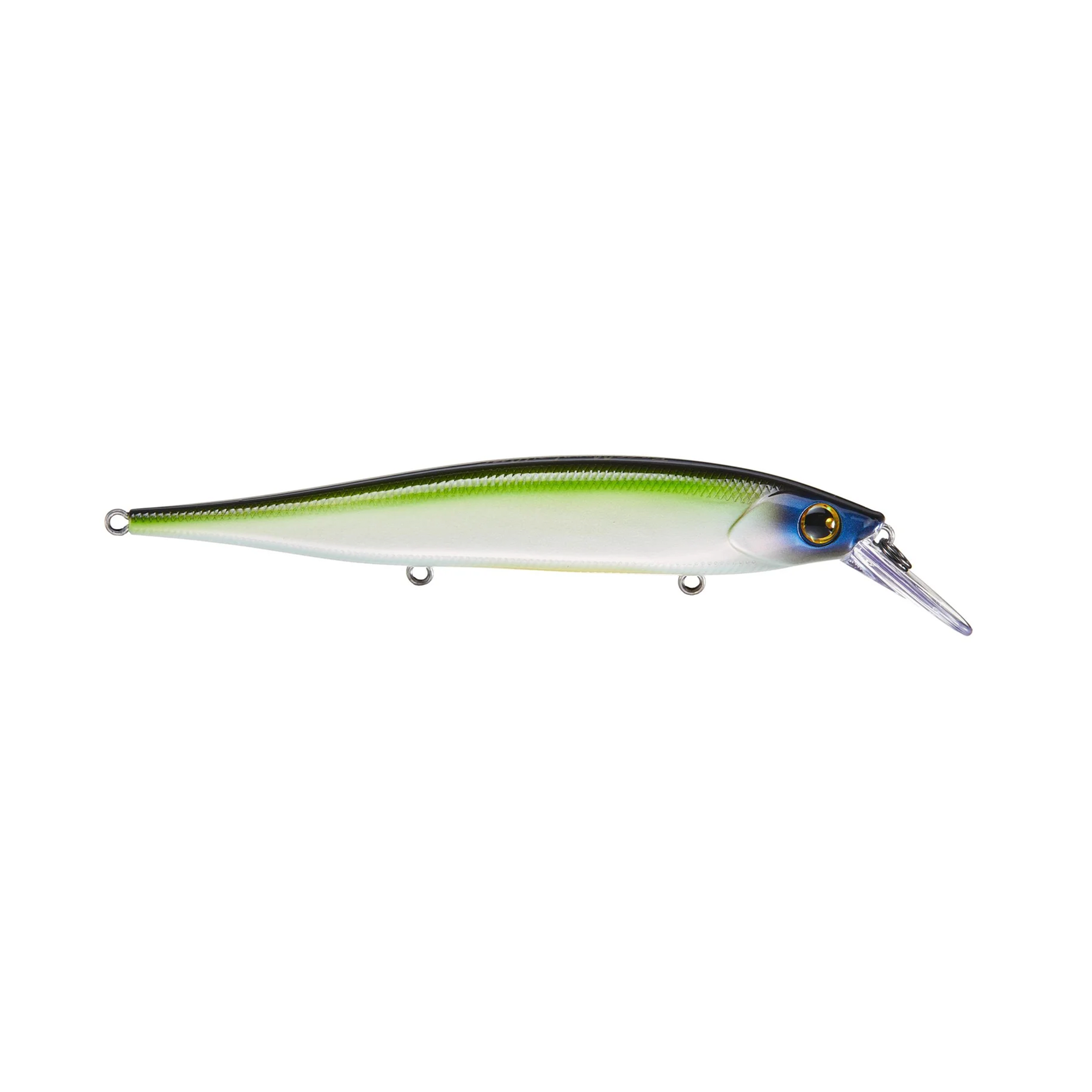
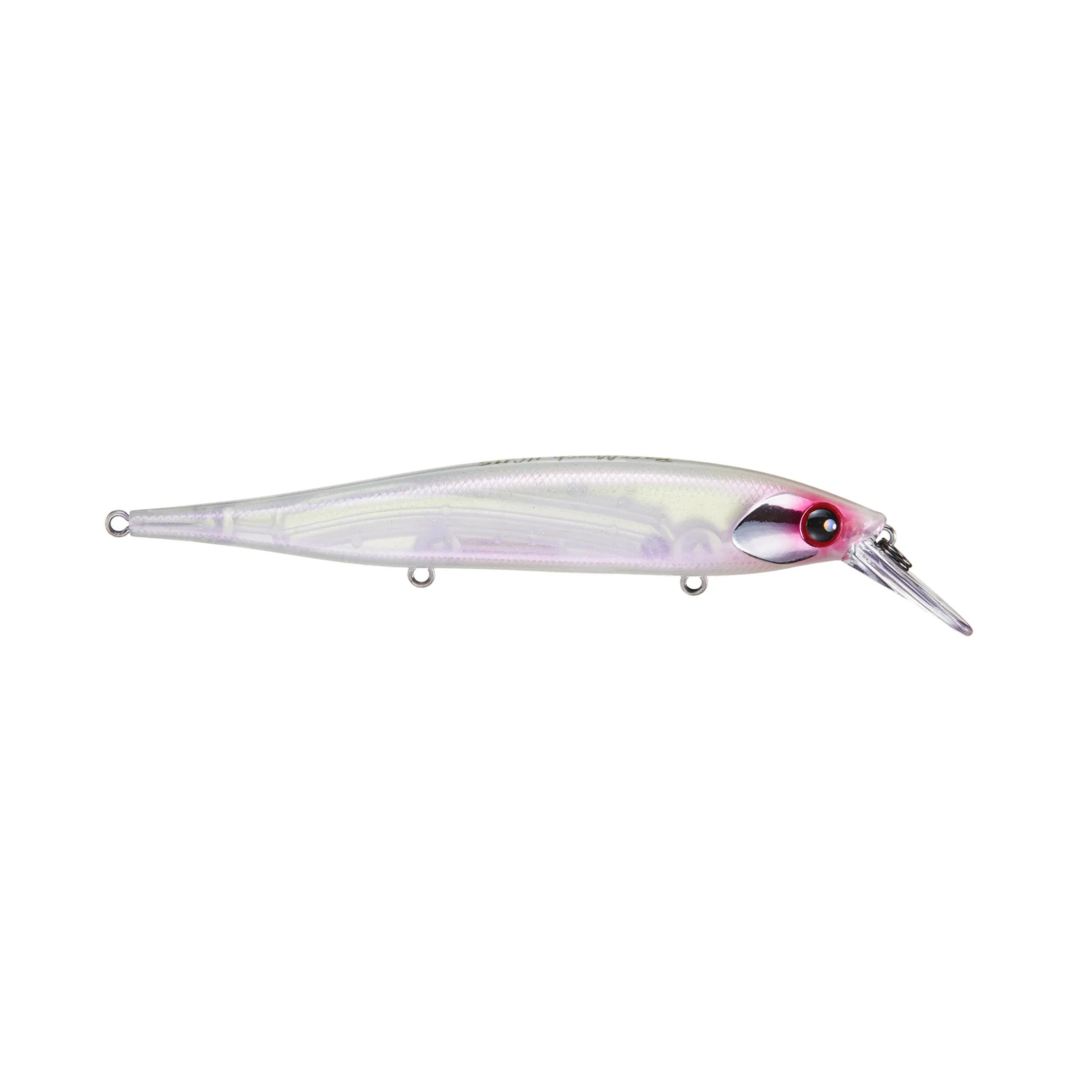
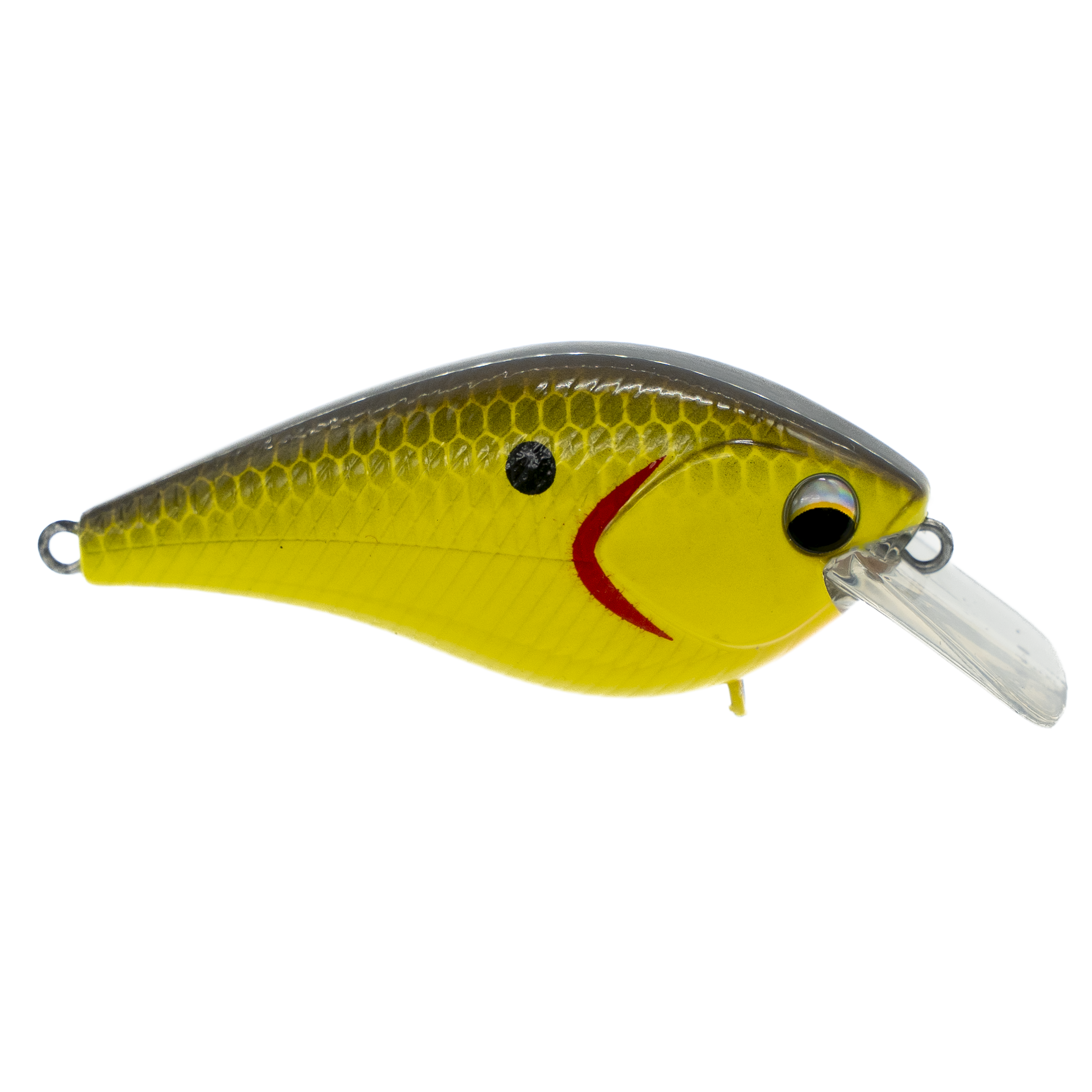
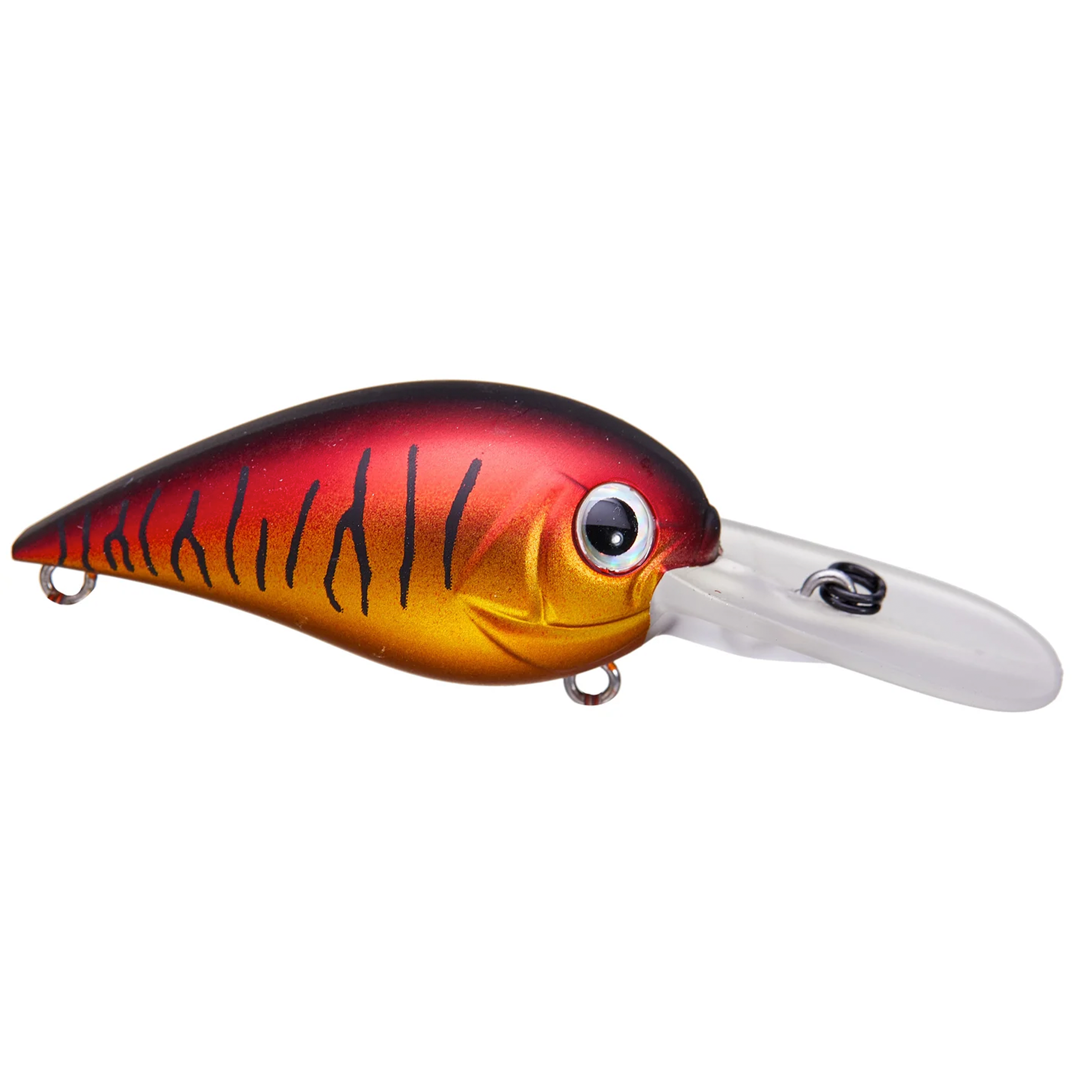
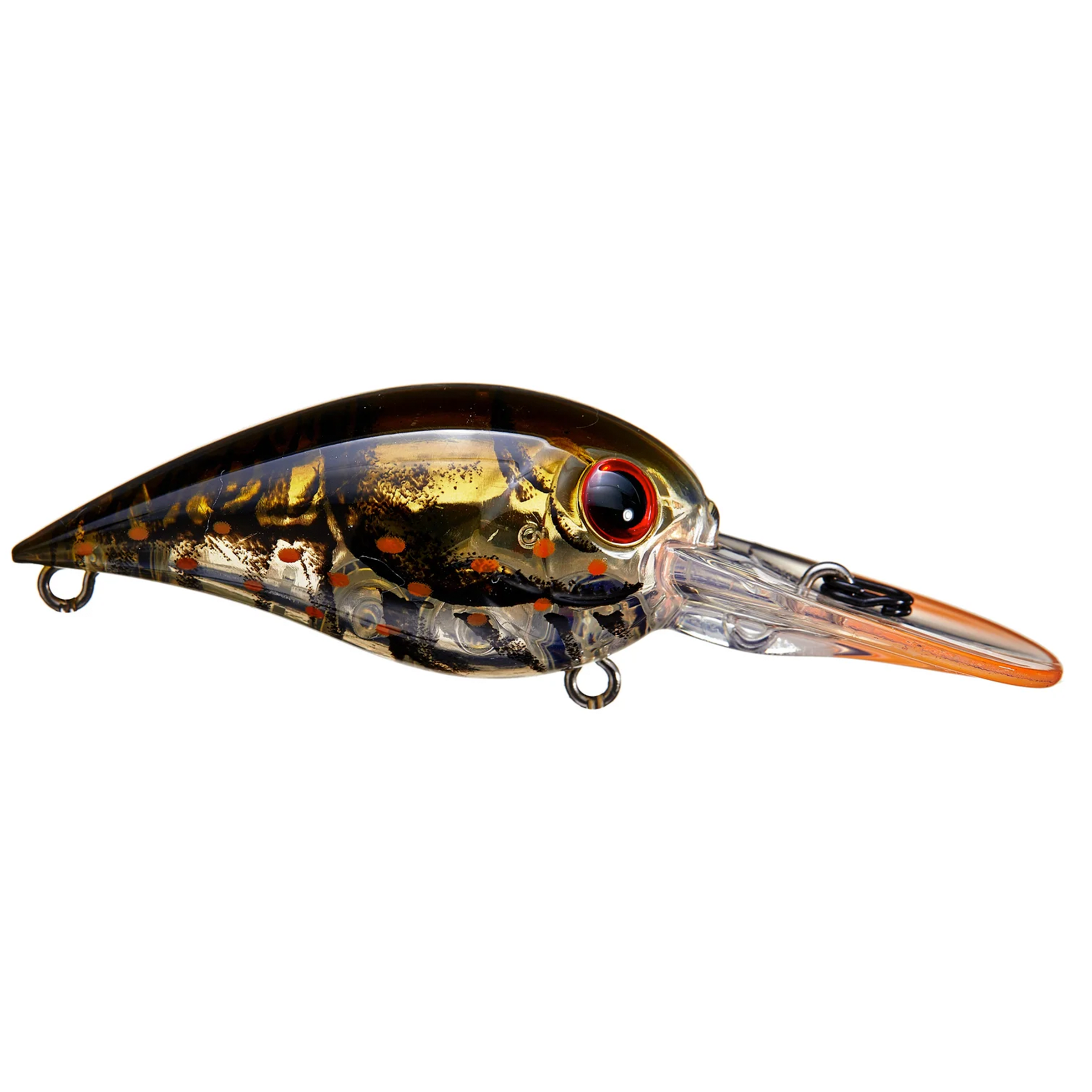
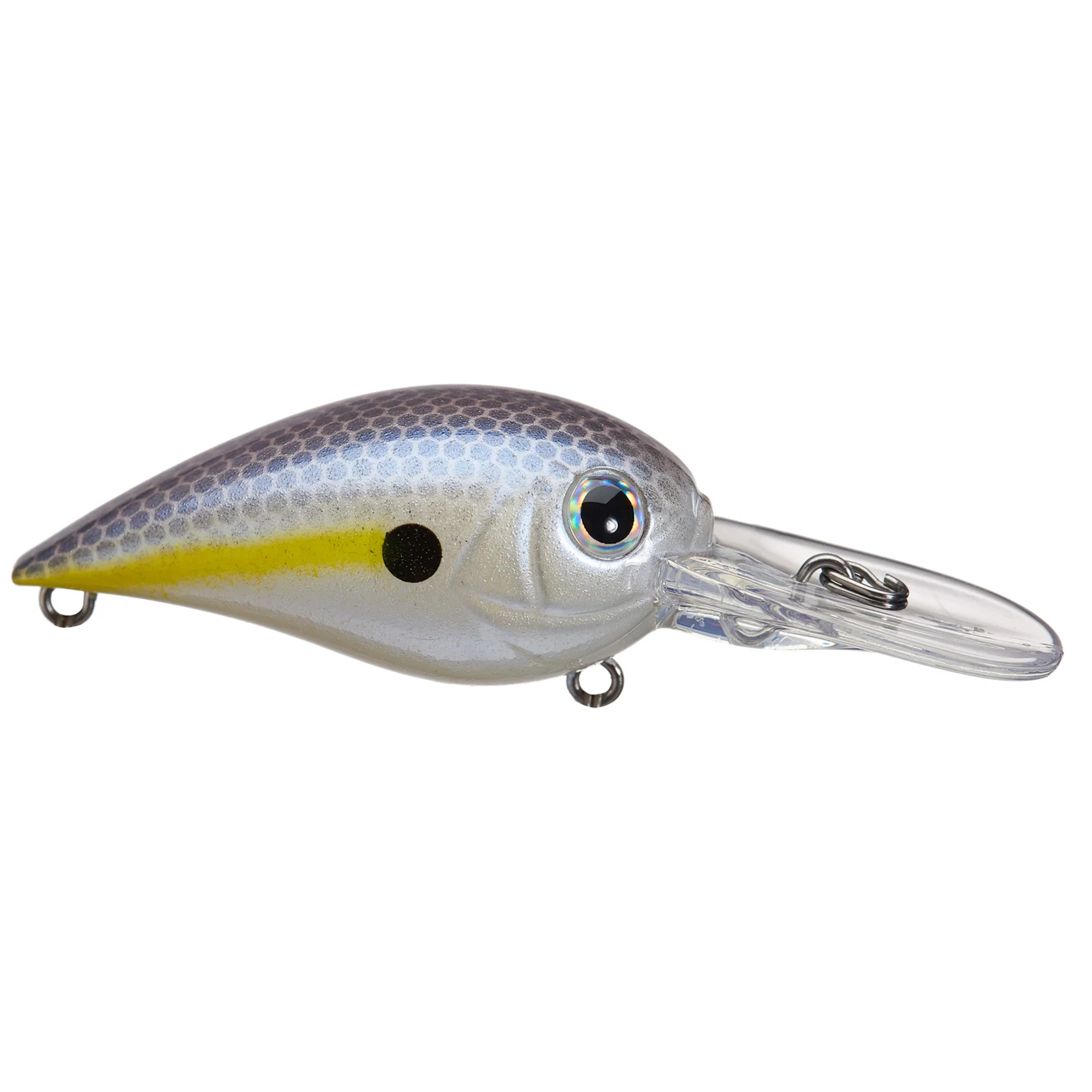
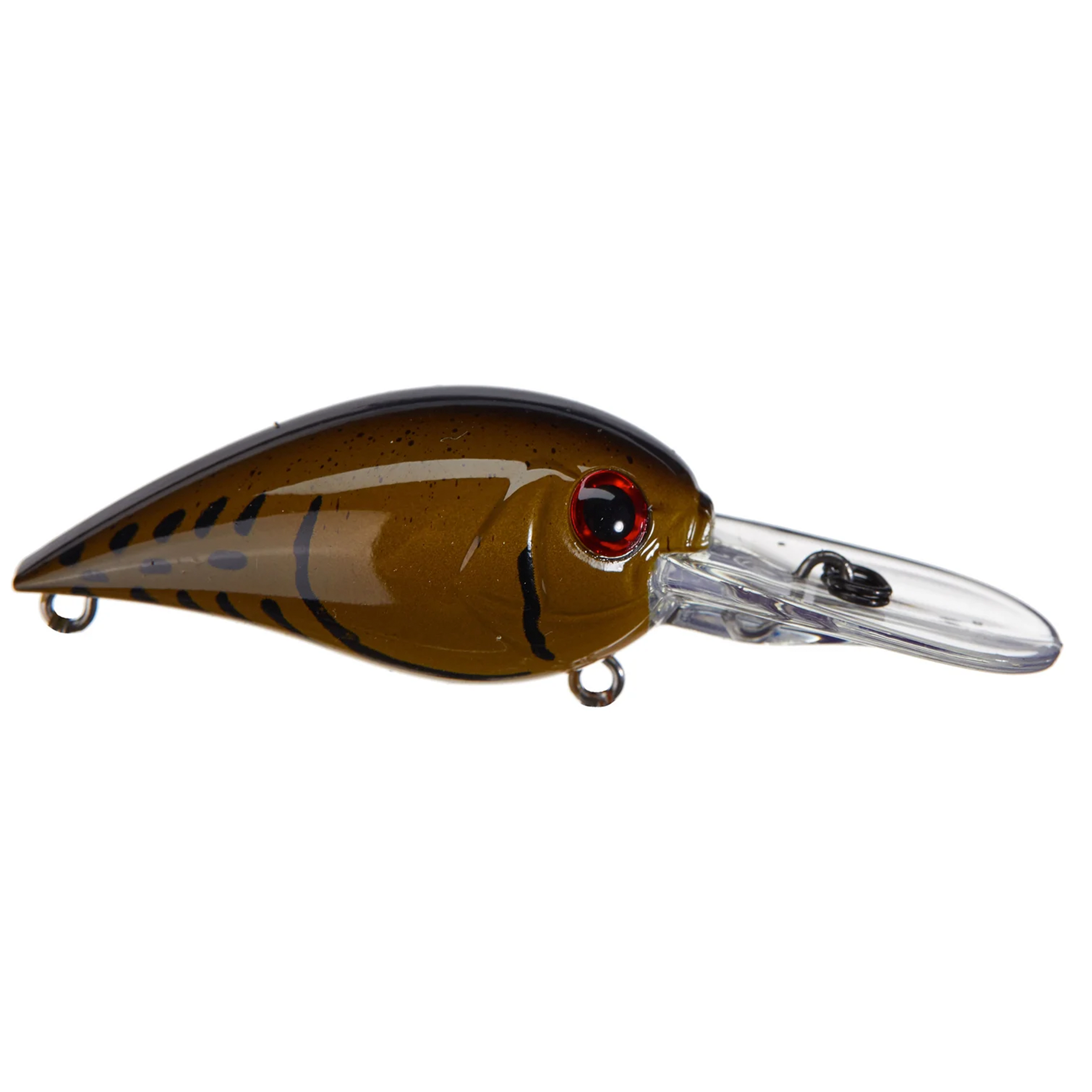
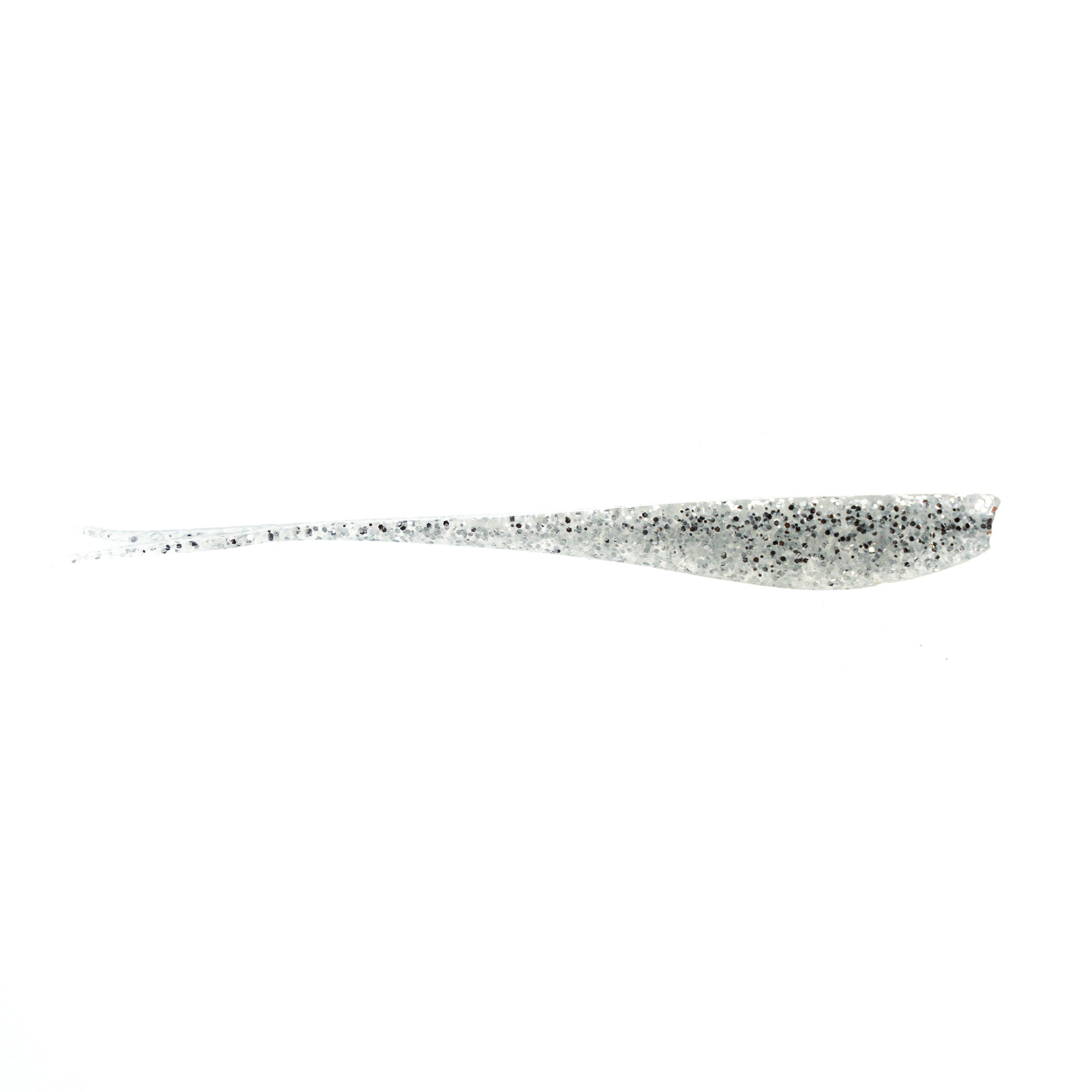
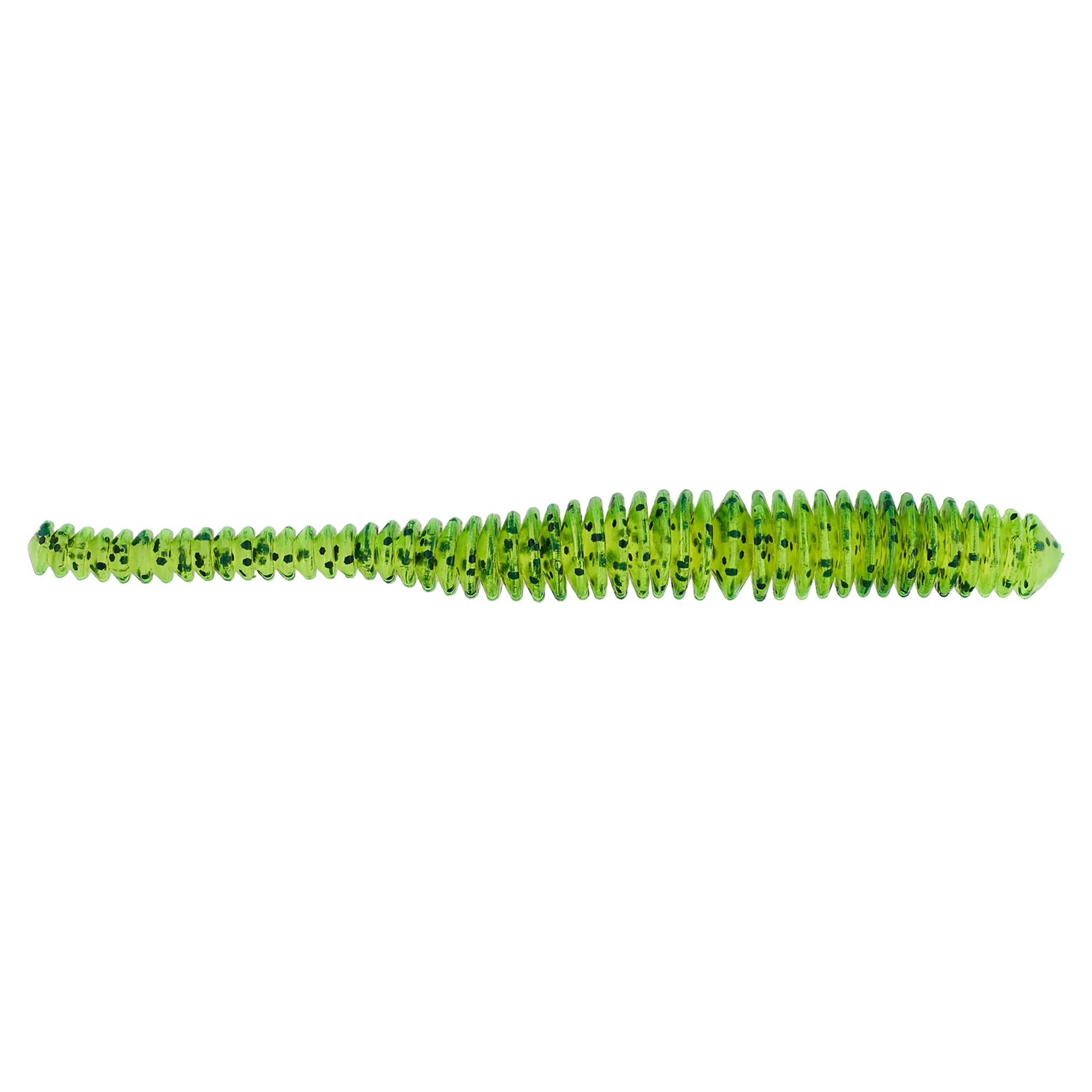
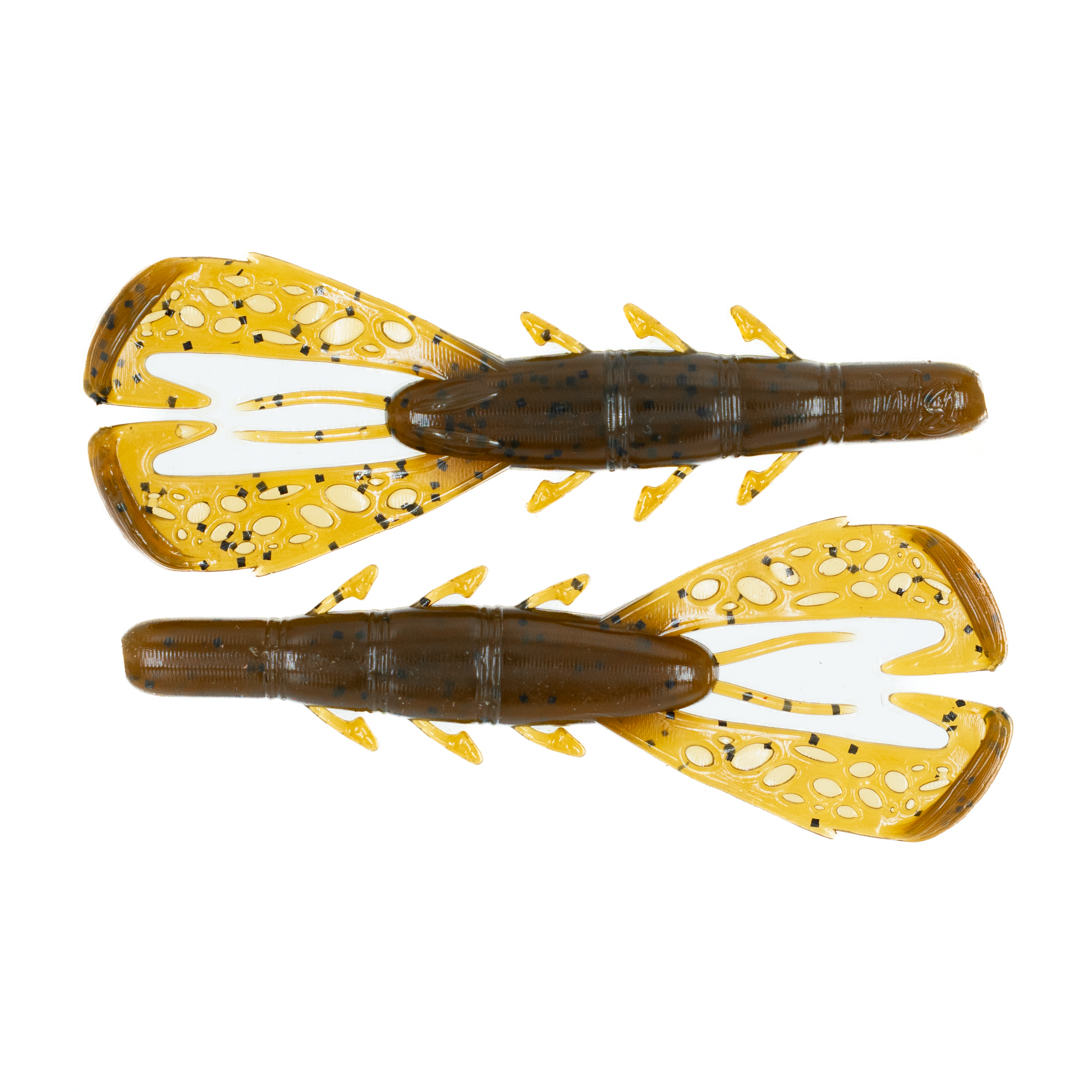
Crawfish imitations on the bottom, finesse plastics through the seams, topwater over riffles in low light, and a jerkbait in cold water. Natural colours and baits that behave like something drifting. Our full bait lineup covers all four seasons.
Do I need a fishing license?
Yes, a Pennsylvania fishing license from the Fish and Boat Commission. The river also passes through New York on its upper loop, so check which state you are in if you fish the northern reaches.
Drifting Seams, All Day
River smallmouth fishing means putting a bait into a current seam from thirty feet and feeling what happens as it comes through. Level Rods builds models sensitive enough to tell a boulder from a bite in moving water and forgiving enough to hold a fish that uses the current against you.
Tournament Winning Baits & Gear
Designed, crafted and tested by anglers who fish moving water every week. Free shipping on orders over $75.
Shop All Baits