Albemarle Sound Bass Fishing Guide
Albemarle Sound Bass Fishing, Season by Season
Fifty-five miles of shallow brackish sound fed by five rivers, and the highest-ranked bass water in North Carolina. Albemarle isn't a lake and doesn't fish like one — here the first question isn't where the cover is, it's where the fresh water is.
Five Rivers and a Moving Line of Salt
Albemarle Sound stretches roughly 55 miles across northeastern North Carolina, fed by the Pasquotank, Roanoke, Chowan, North and Alligator rivers. Bassmaster ranked the system sixth in the Southeast for 2026 — the best bass water in the state by their reckoning, and it isn't a reservoir at all.
It's brackish, and that is the whole story. Salinity rises and falls with wind, tide and rainfall, and largemouth move up and down the river arms to stay in water they can tolerate. A river that fished well last month can be too salty this week; a heavy rain can open up water that had been dead. Before you decide where to fish here, you work out where the fresh water currently is.
The cover is southern and shallow: cypress trees standing in tannic water, laydowns, stumps, blowdowns and dock lines. What it isn't is reliable. At the 2026 Elite event, anglers reported catching bass off all of it without any one structure type producing consistently — which makes this a place that rewards covering water and staying honest about what's actually happening.
One practical warning. Fifty-five miles of shallow open water builds a nasty short chop when the wind gets up, and crossing the Sound is a genuine decision, not a formality. Pros at the Elite gave up fishing hours to make sure they got back. Plan your day around the forecast.
What It Took to Win Here
Patterns that produced at the highest level on this water, and the baits to fish them with.
Jason Christie — One Dock
Christie ran across the Sound to the Chowan River every day, chosen by most of the top finishers for its lower salinity and the subtle current largemouth prefer. He fished cypress trees, laydowns, stumps and docks, and nothing held up — he didn't even catch a limit on day two.
Then after day three he found one dock. A single current-swept dock that produced 28 pounds over the final two days and carried him to the win. He called it the best dock he had ever fished, and what made it was the current: every time he pulled up, baitfish were jumping out of the water around it.
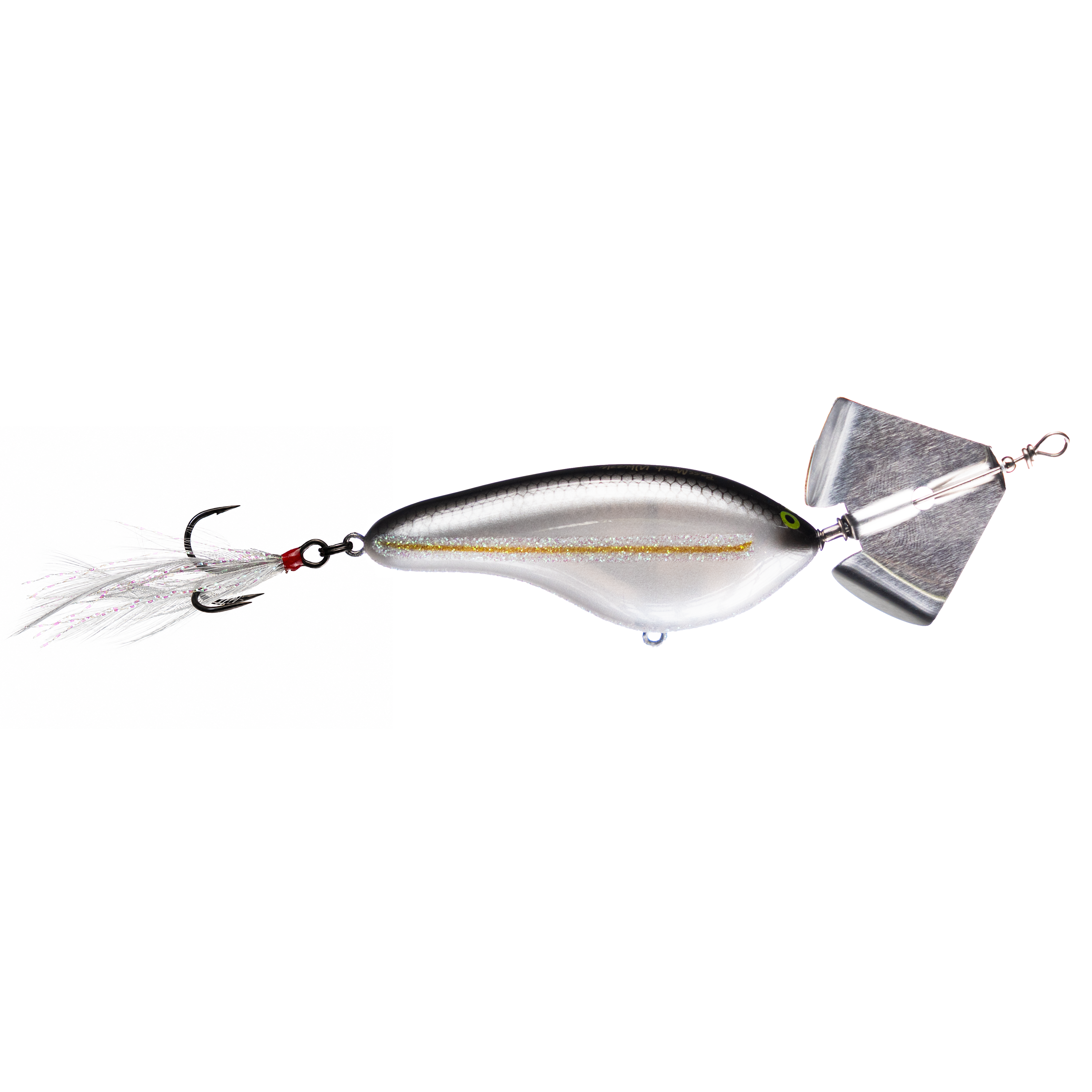
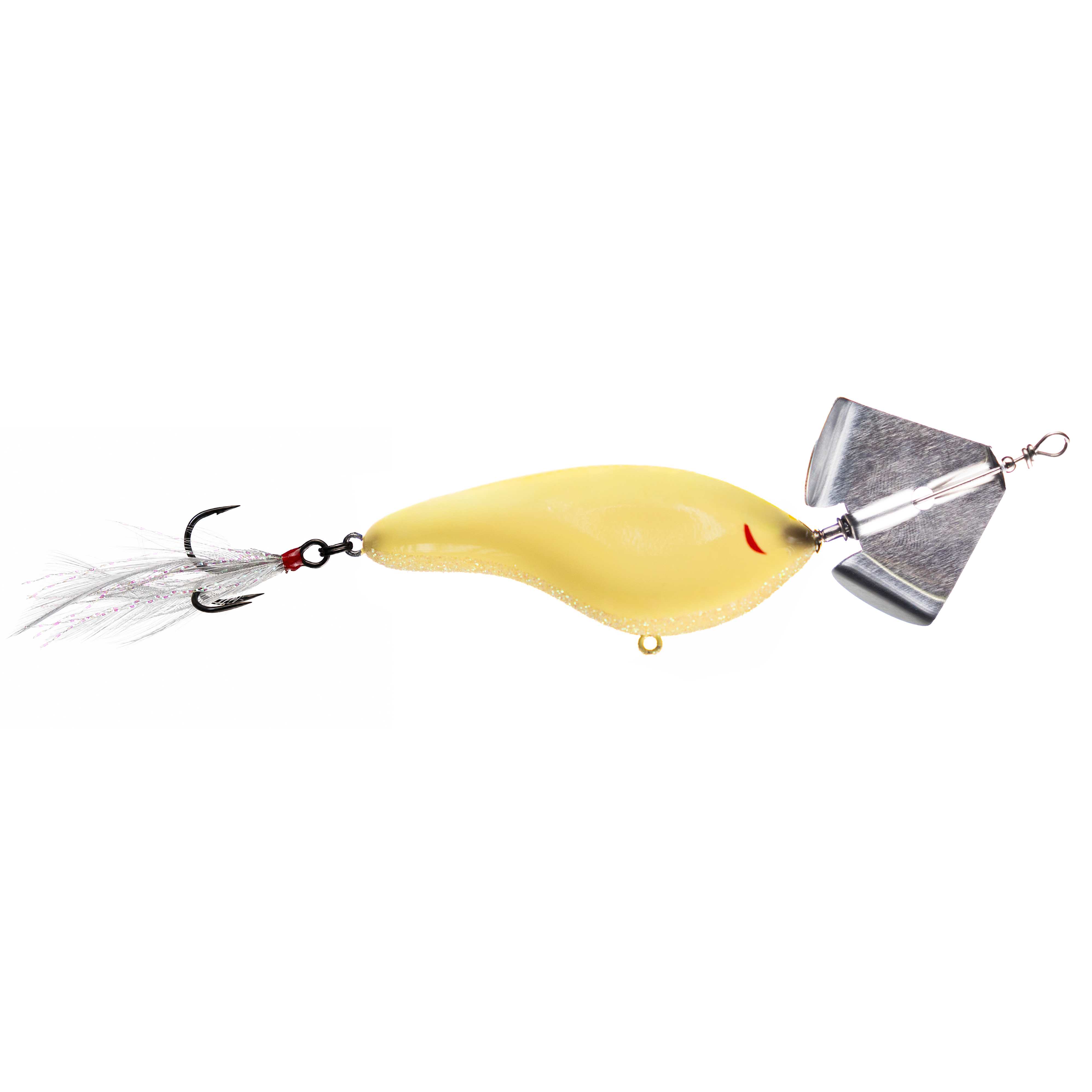
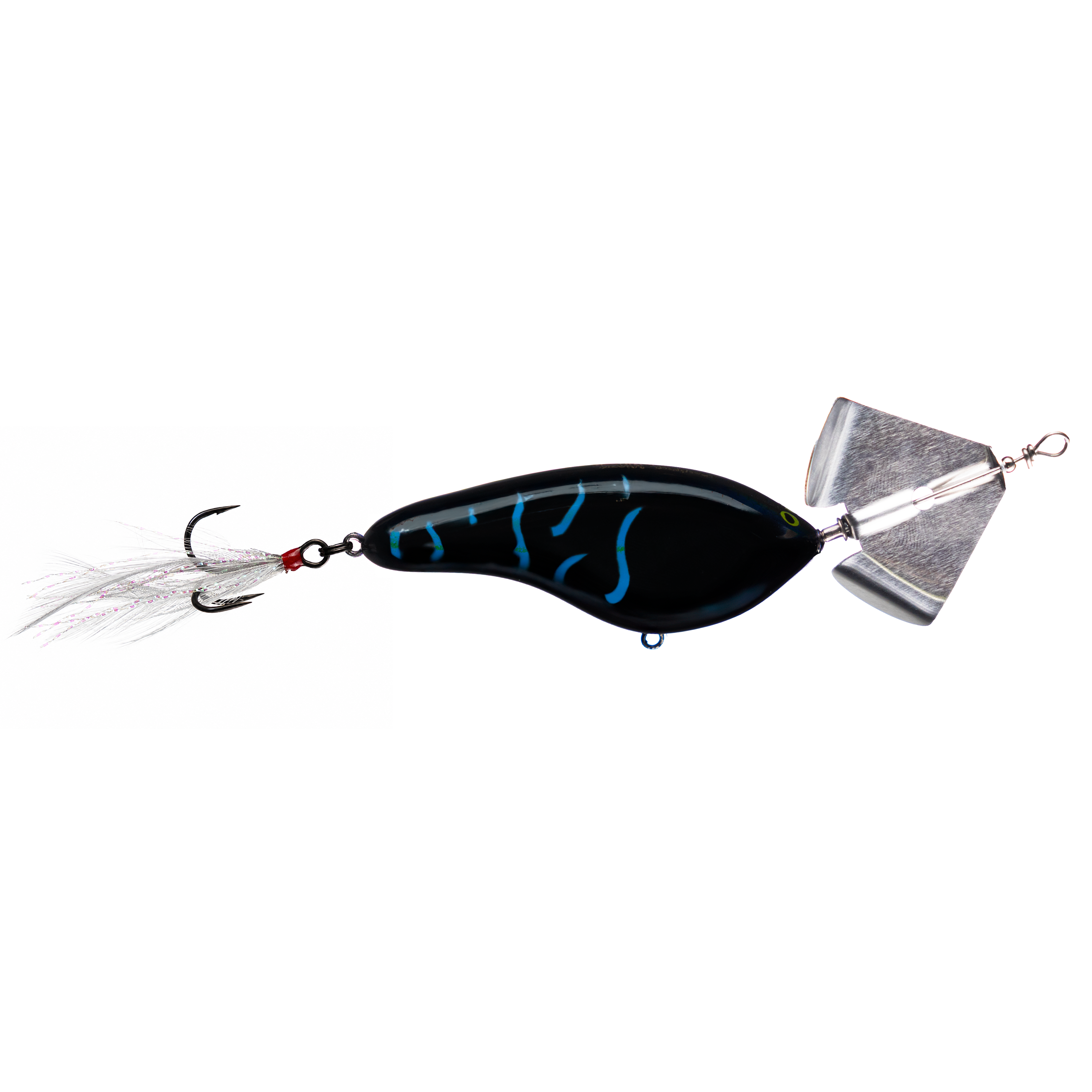
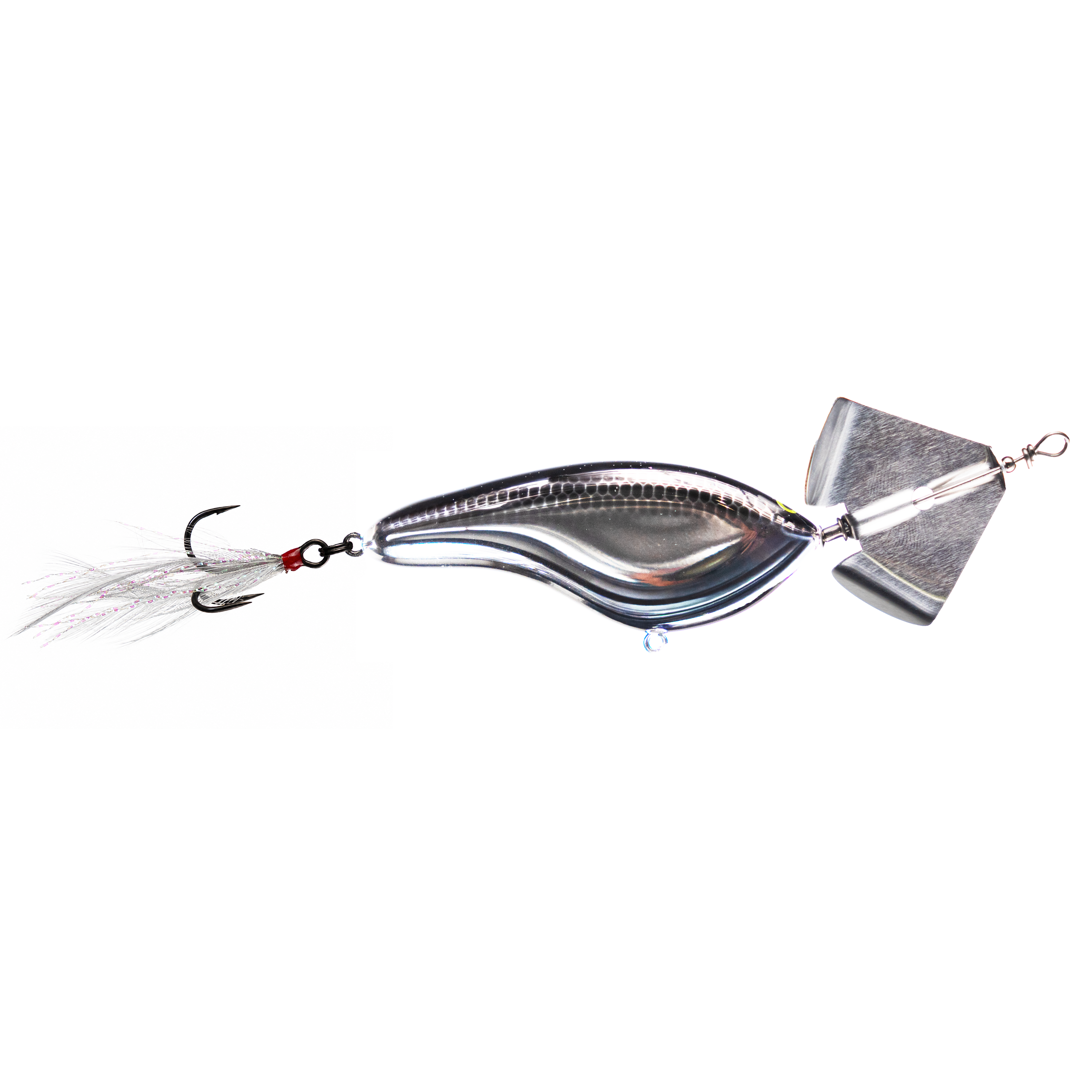
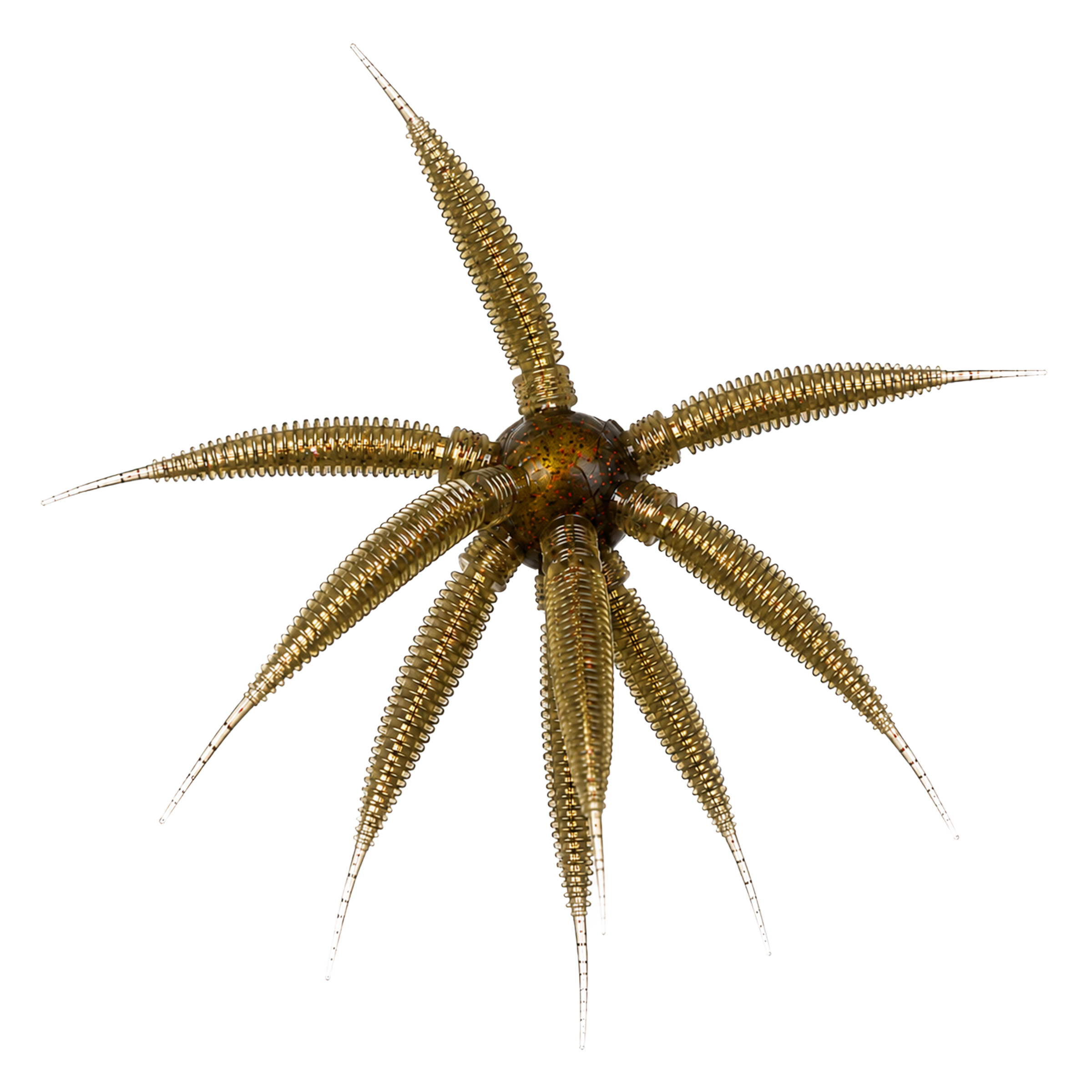
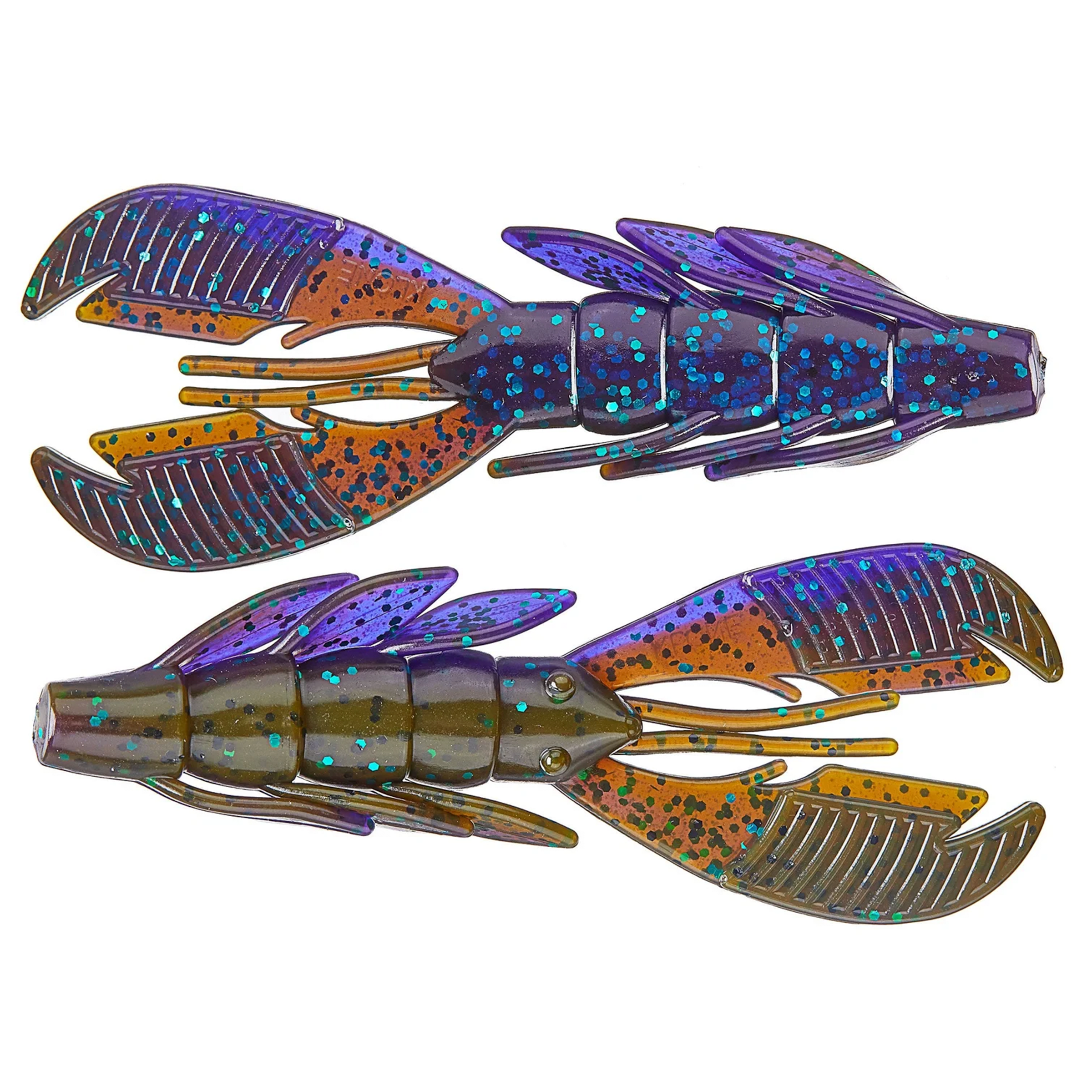
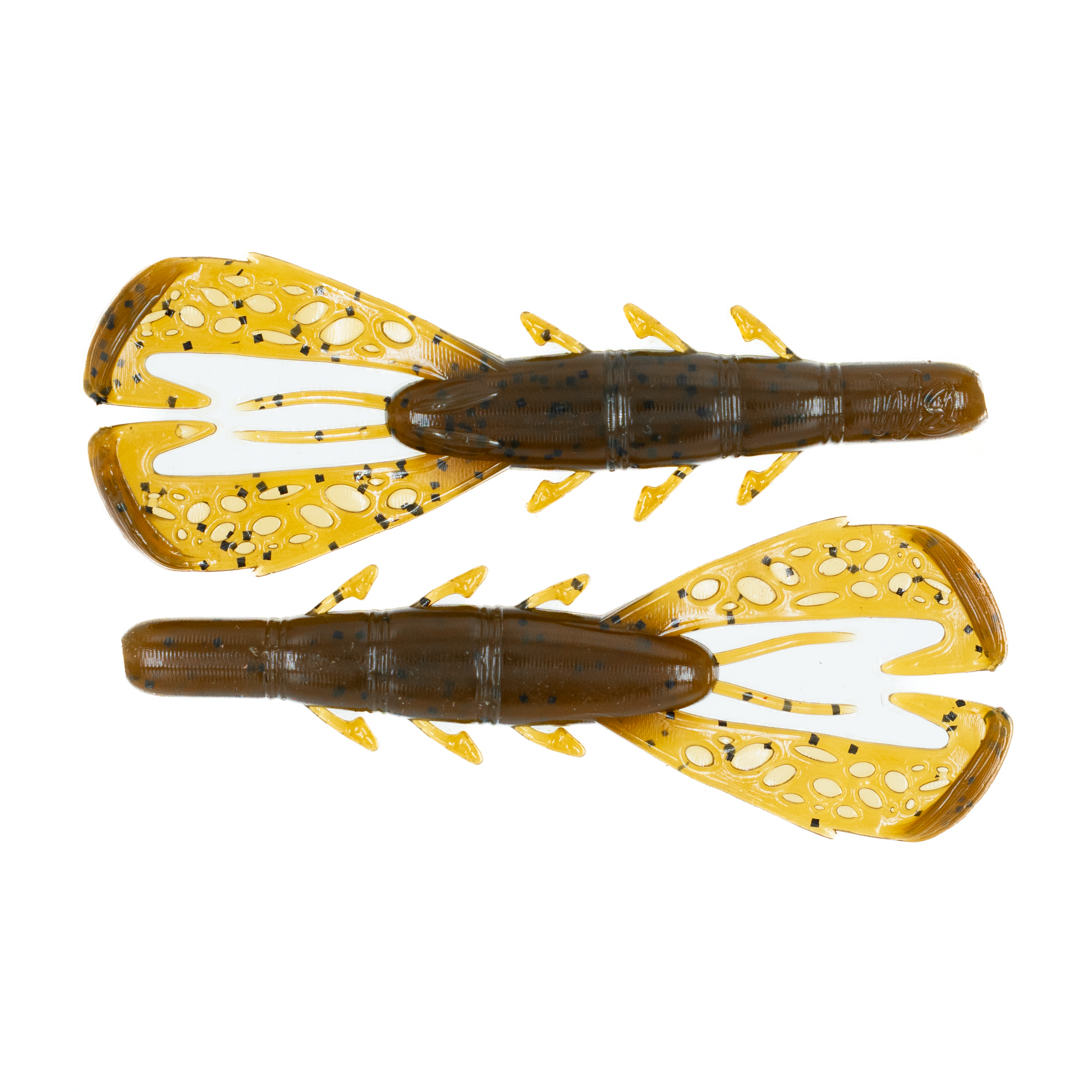
The bait was an urchin-style lure, and the rig is the part worth copying — a double frog hook with a drop-shot weight on a split ring, which keeps the hooks riding upright and the whole thing weedless around dock posts and wood. He also flipped a soft plastic bug with a tungsten weight. The win was his tenth B.A.S.S. title, putting him alongside VanDam, Clunn, Brauer, Nixon and Roland Martin.


Following the Fresh Water
Four patterns cover the year. Each one pairs the technique with the baits we'd actually tie on.
Cypress, Stumps and the Spawn
Spring is when the Albemarle system gives up its best fishing. Bass move onto shallow cover across all five river arms — cypress trees, laydowns, stumps and blowdowns — and the water freshens as spring rain pushes salt back toward the ocean. The Chowan and the Roanoke warm and clear ahead of the rest.


Docks, Current and Salinity
Summer pushes salt further up the sound, and bass respond by moving into the fresher upper reaches of the rivers. Current becomes the thing to look for — a dock or a point with water moving past it will hold bait, and bait holds bass. Grass and pads develop in the backwaters and hold fish through the heat.


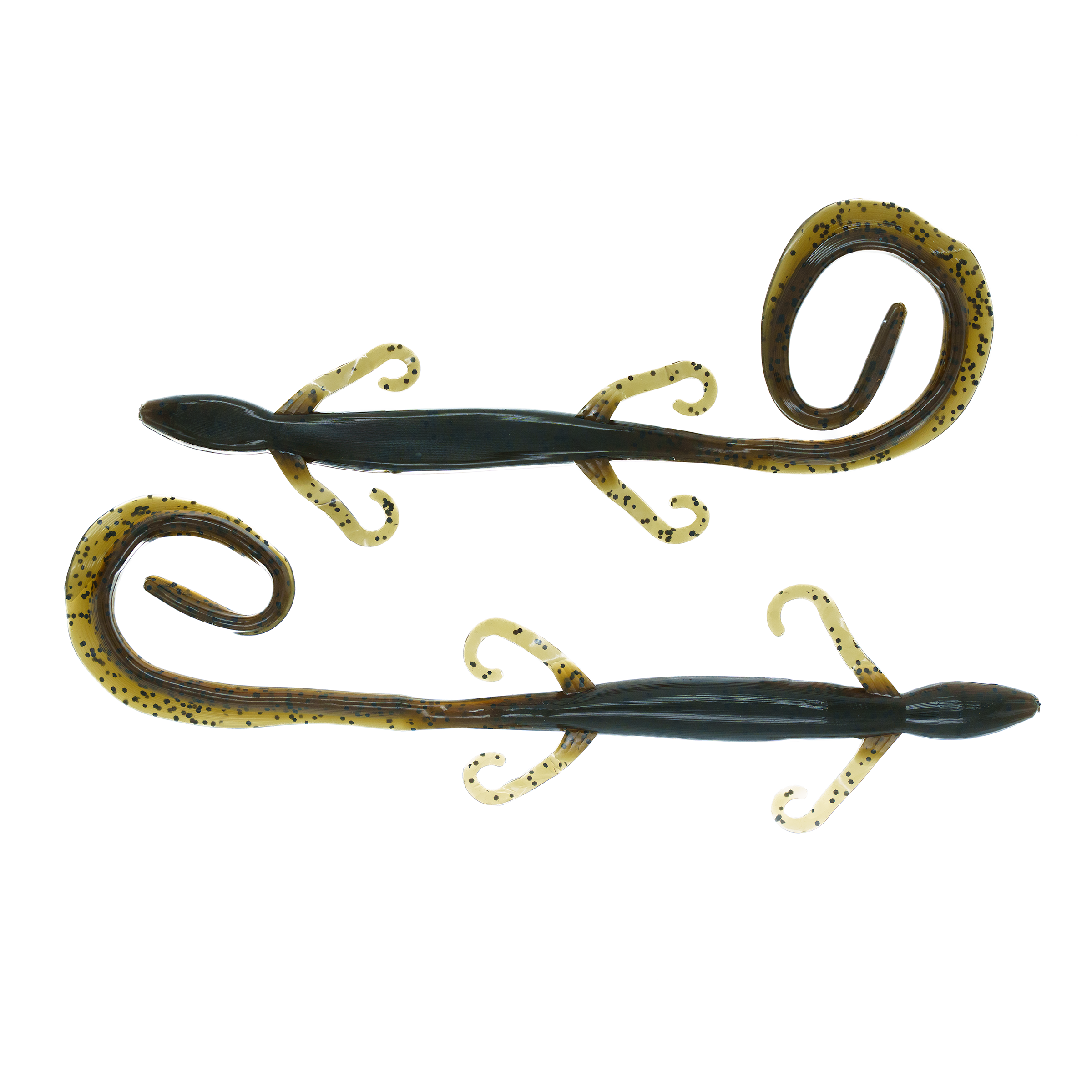
Bait Moves, Wind Decides
Cooling water and autumn rain freshen the system and bass spread back out through the rivers, following shad. Fall is also when the Sound turns dangerous — 55 miles of open, shallow water builds a short, steep chop in a hurry, and the wind decides where you can fish more than the fish do.
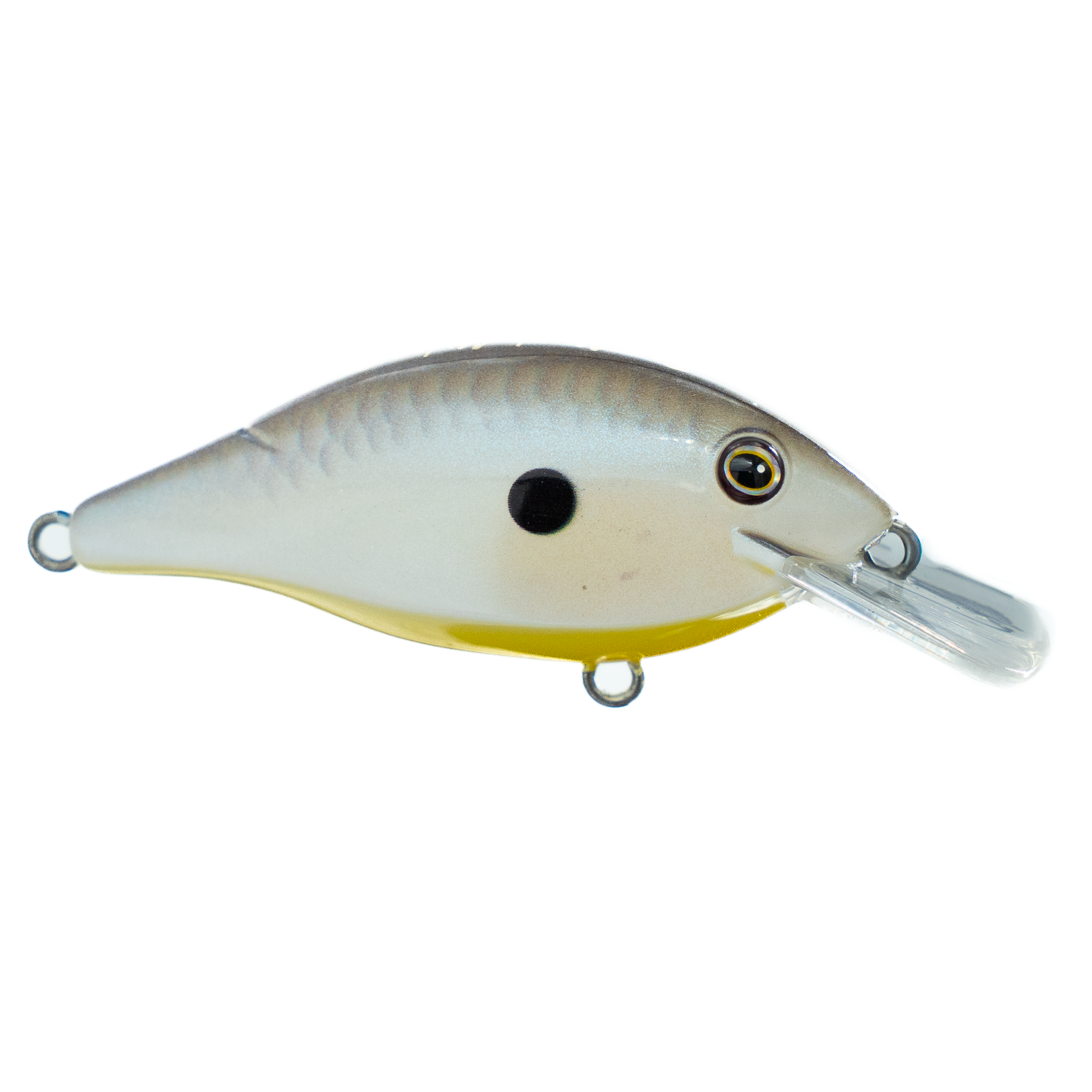

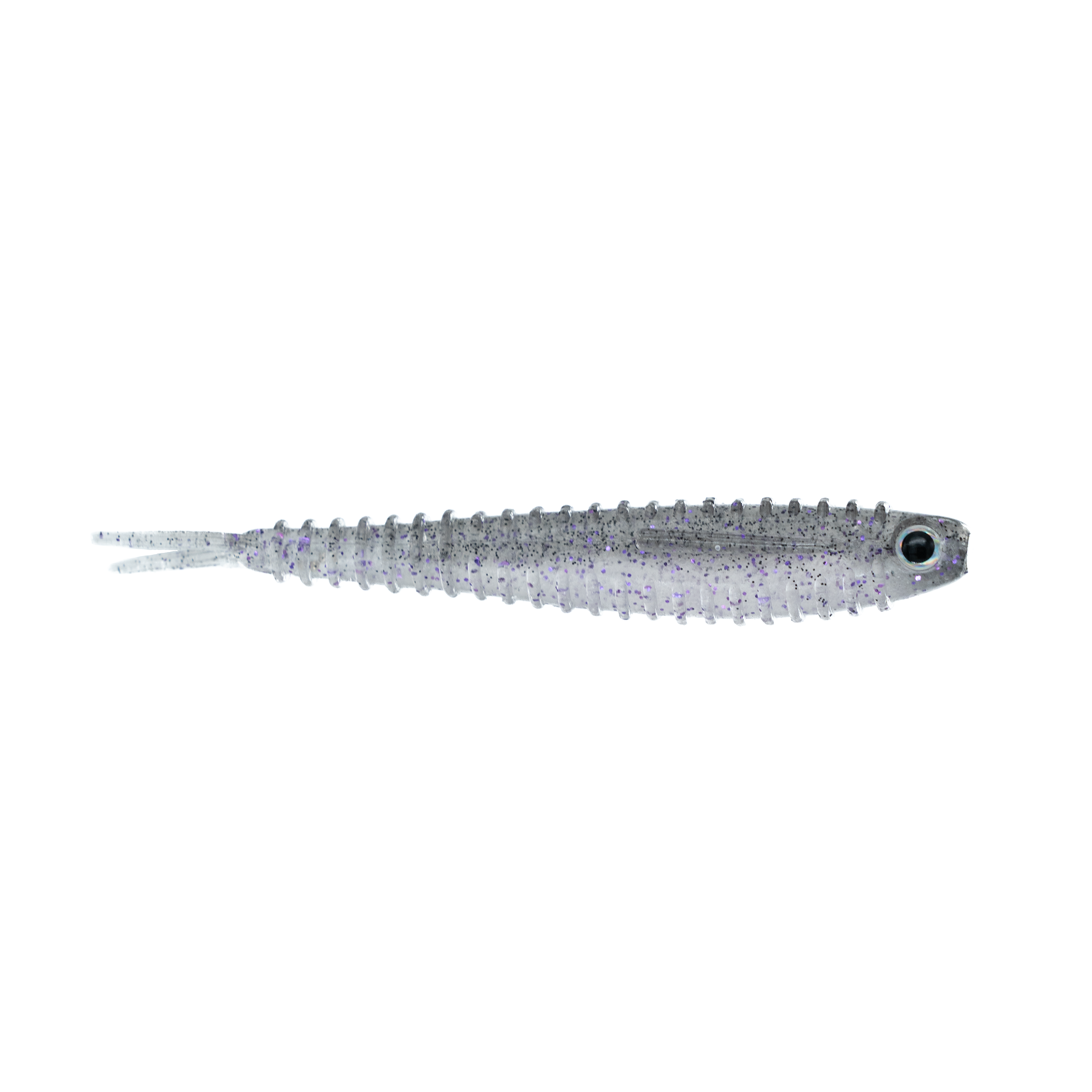


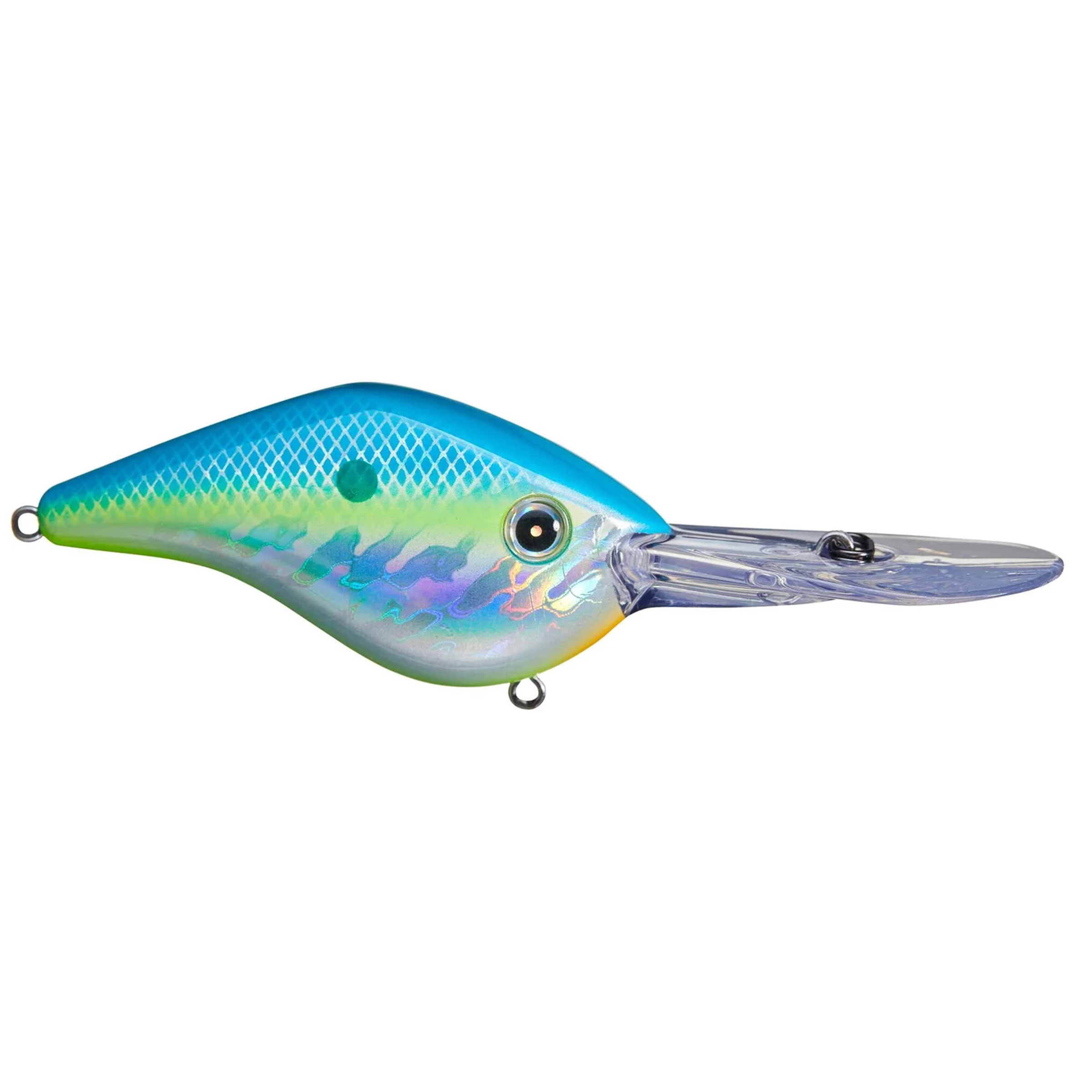
Up the Rivers, Slow and Fresh
Winter concentrates bass in the freshest water in the system, well up the river arms and away from the Sound. They hold tight to wood on channel-adjacent banks and move very little. This is the season the locals have to themselves — and the fish that eat tend to be the better ones.



Albemarle Sound Access
Pick a river and commit to it. Crossing the Sound to change your mind costs more than it's worth.
Chowan River
The one with the best reputation, and where the 2026 Elite was won. Lower salinity and enough current to position fish on cypress, wood and docks.
Roanoke River
The other classic choice, running west from the Sound. Fresh water, heavy wood cover, and a fishery that holds up when the Chowan gets pressured.
Pasquotank River & Elizabeth City
The most convenient access and where tournaments launch. Fishable in its own right, though the better water is often a long run across open sound.
Albemarle Sound Bass Fishing FAQ
Is Albemarle Sound saltwater or freshwater?
Brackish, and it changes constantly. Albemarle is a 55-mile sound fed by five primary rivers — the Pasquotank, Roanoke, Chowan, North and Alligator. Salinity rises and falls with wind, tide and rainfall, and largemouth push up the rivers into fresher water when salt moves in. Reading where the fresh water is on a given week is most of the job here.
Which river should I fish on Albemarle Sound?
The Chowan has the strongest reputation, and it was where the 2026 Bassmaster Elite was decided — anglers favoured it for lower salinity and the subtle current largemouth prefer. The Roanoke is the other classic choice. The Pasquotank out of Elizabeth City is the most convenient, but the better fishing is often a long run away.
How dangerous is running Albemarle Sound?
Take it seriously. Fifty-five miles of shallow open water builds a short, steep chop very quickly, and pros at the Elite event lost hours to rough crossings and planned their days around getting back safely. Check the forecast, respect the wind, and be honest about your boat.
What cover holds bass in the Albemarle system?
Cypress trees, laydowns, stumps, blowdowns and docks. The catch is that none of it holds fish consistently — the winner of the 2026 Elite reported catching them off all of it without any one structure type proving reliable, until he found a single current-swept dock. Cover water, and when something produces, work it out.
What baits work best on Albemarle Sound?
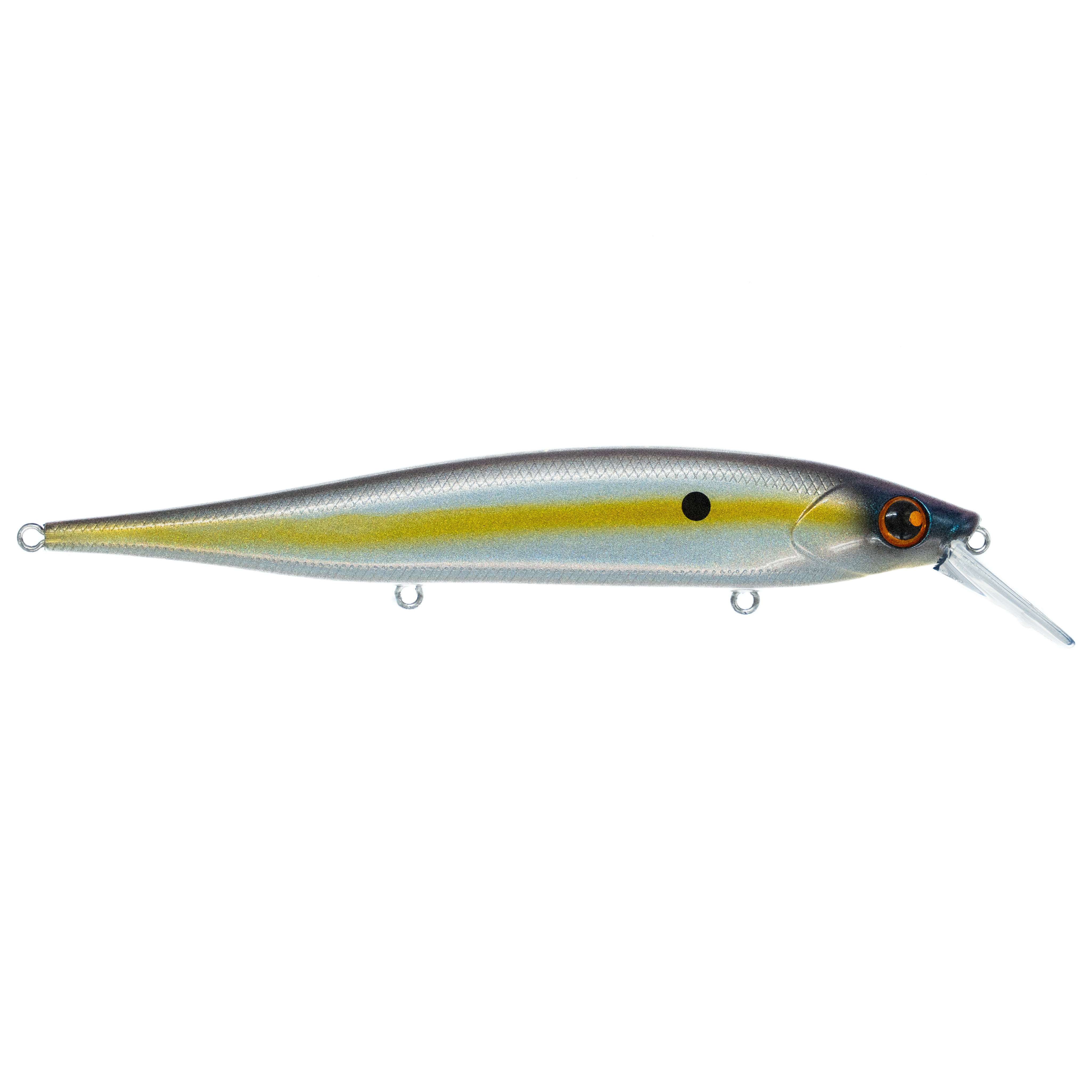
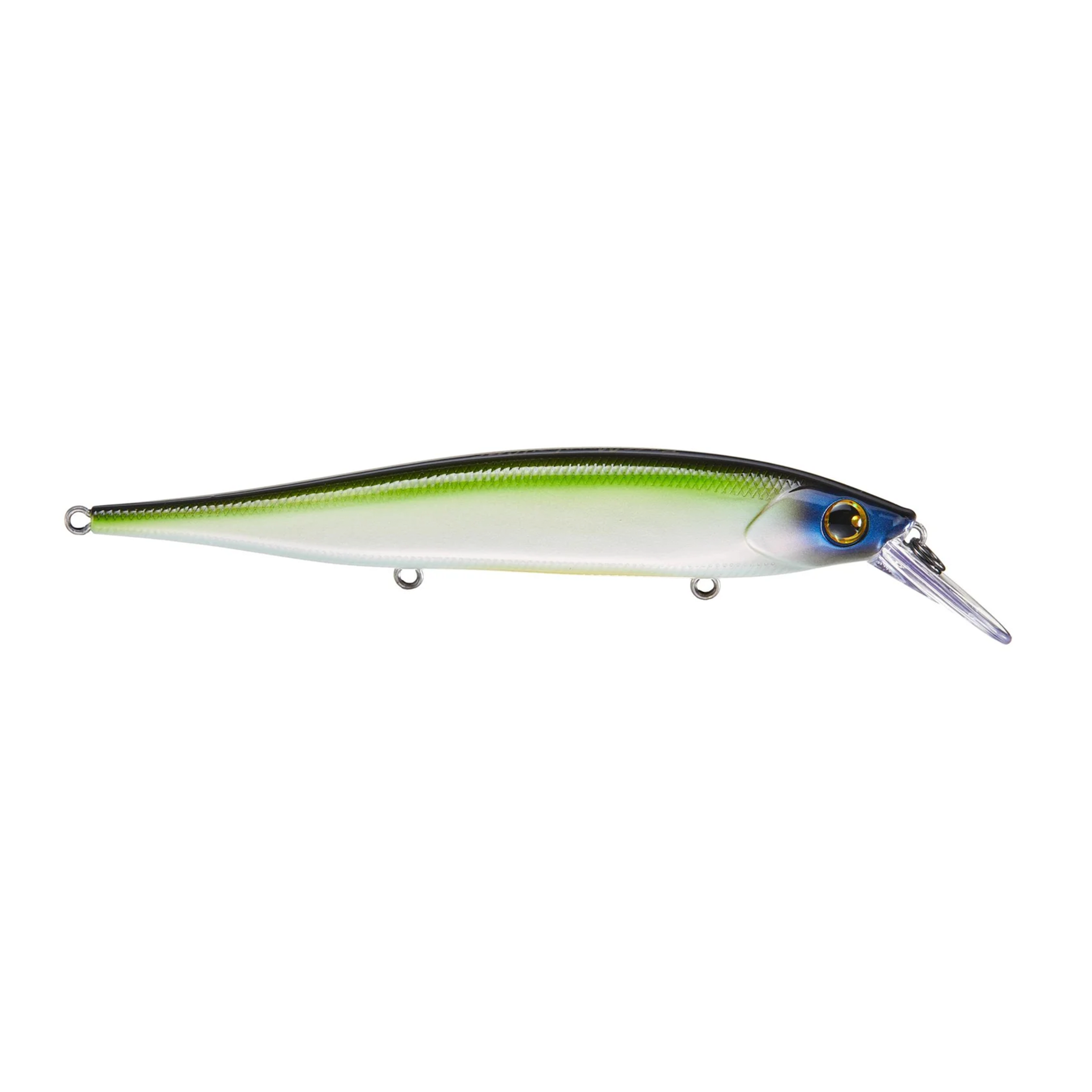
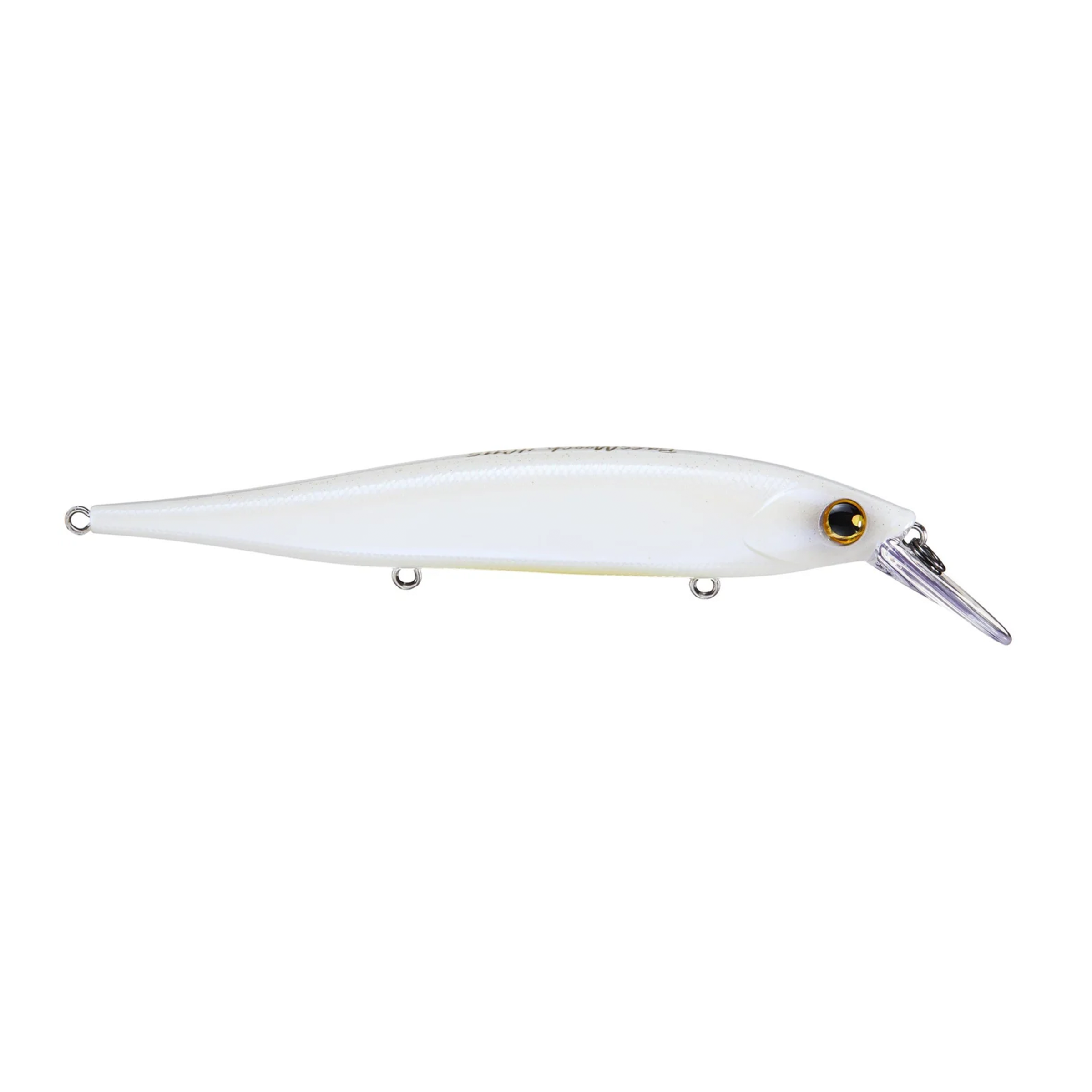
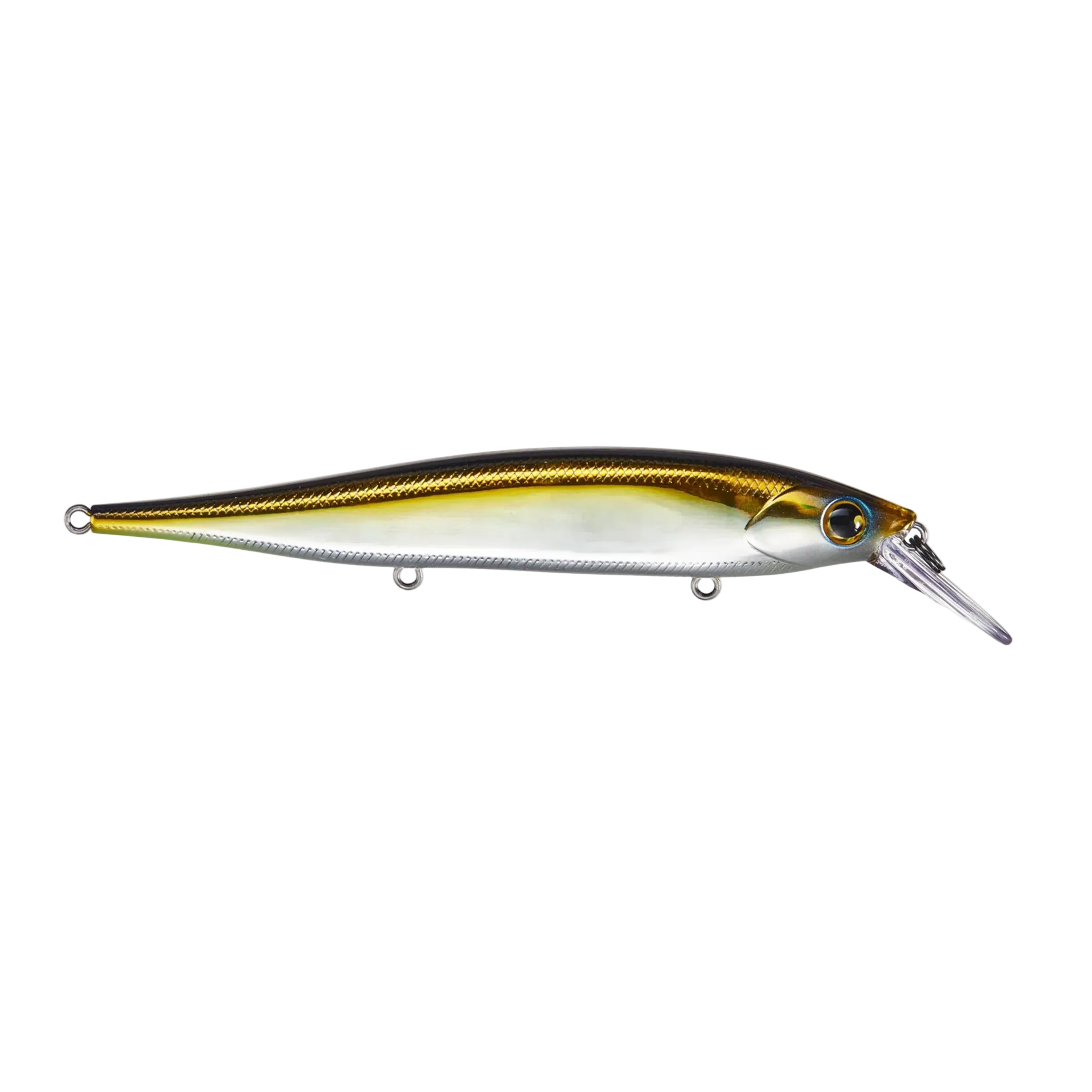
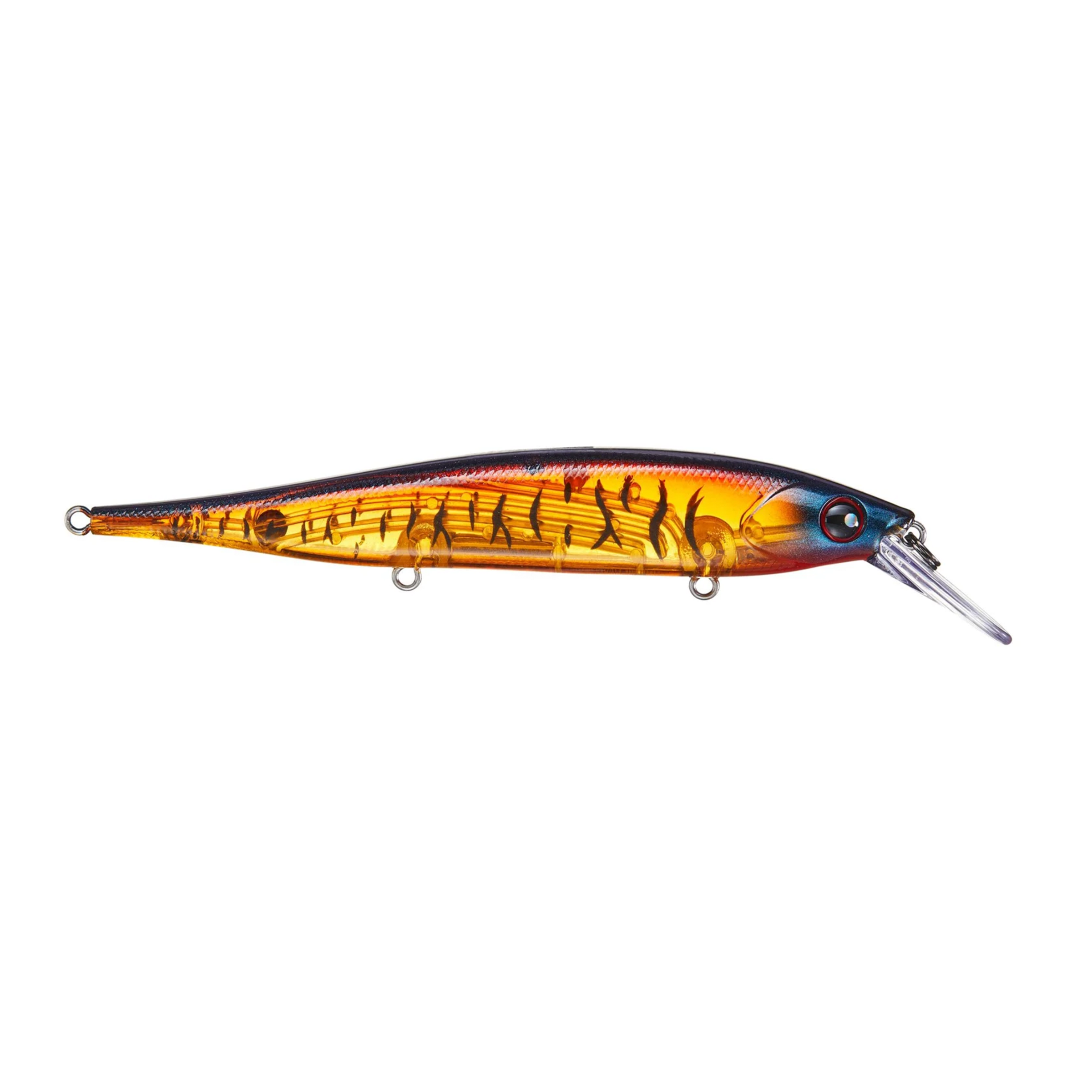
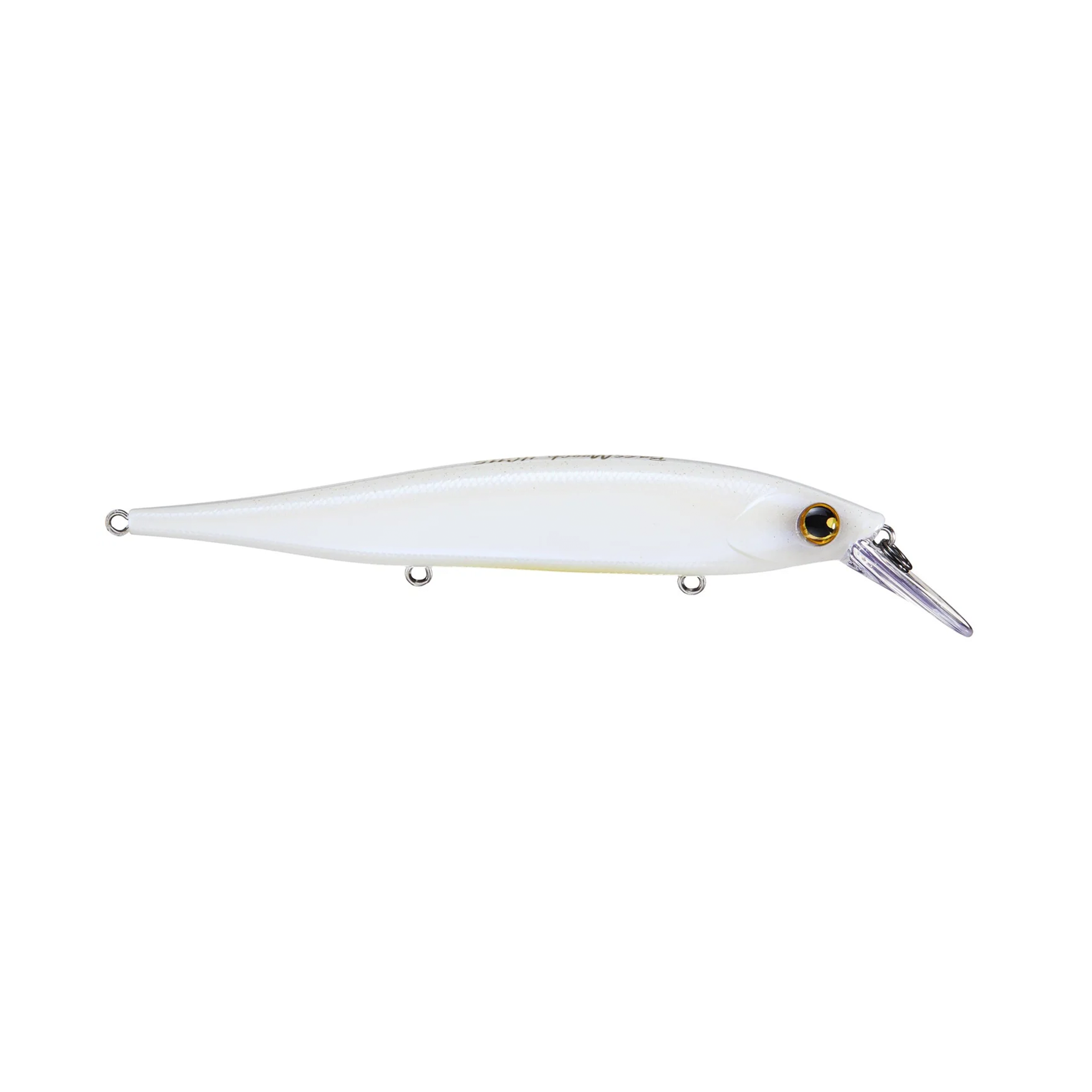
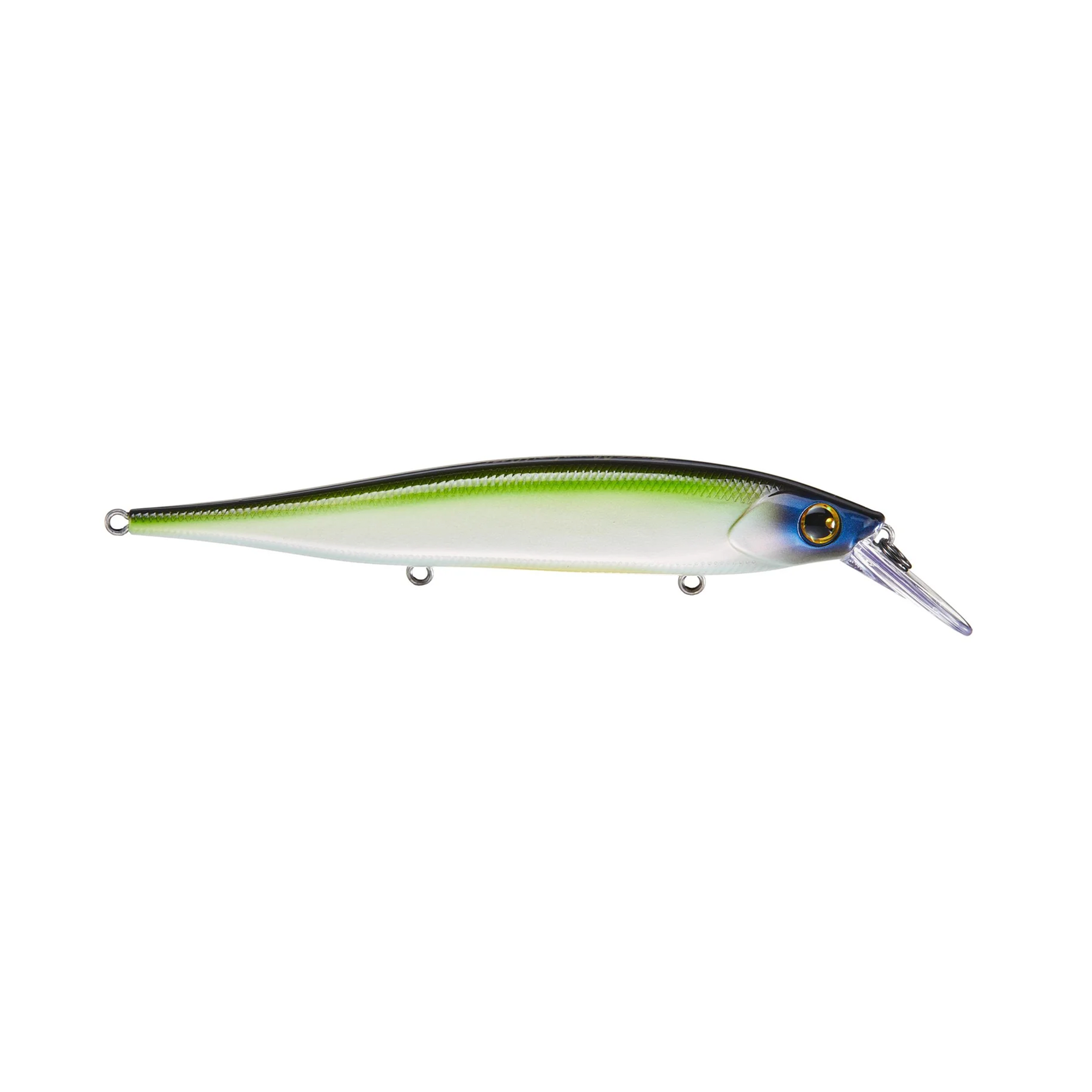
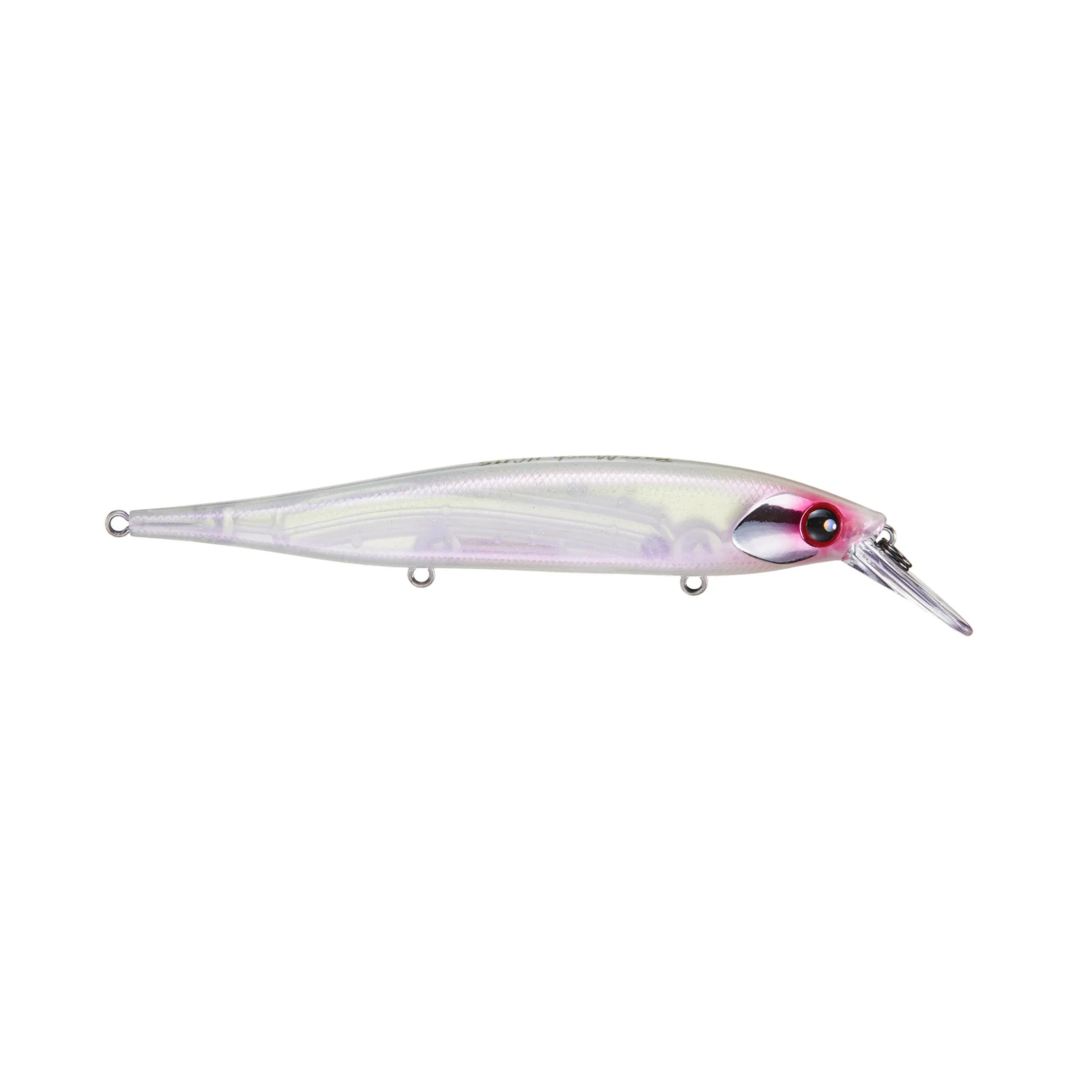
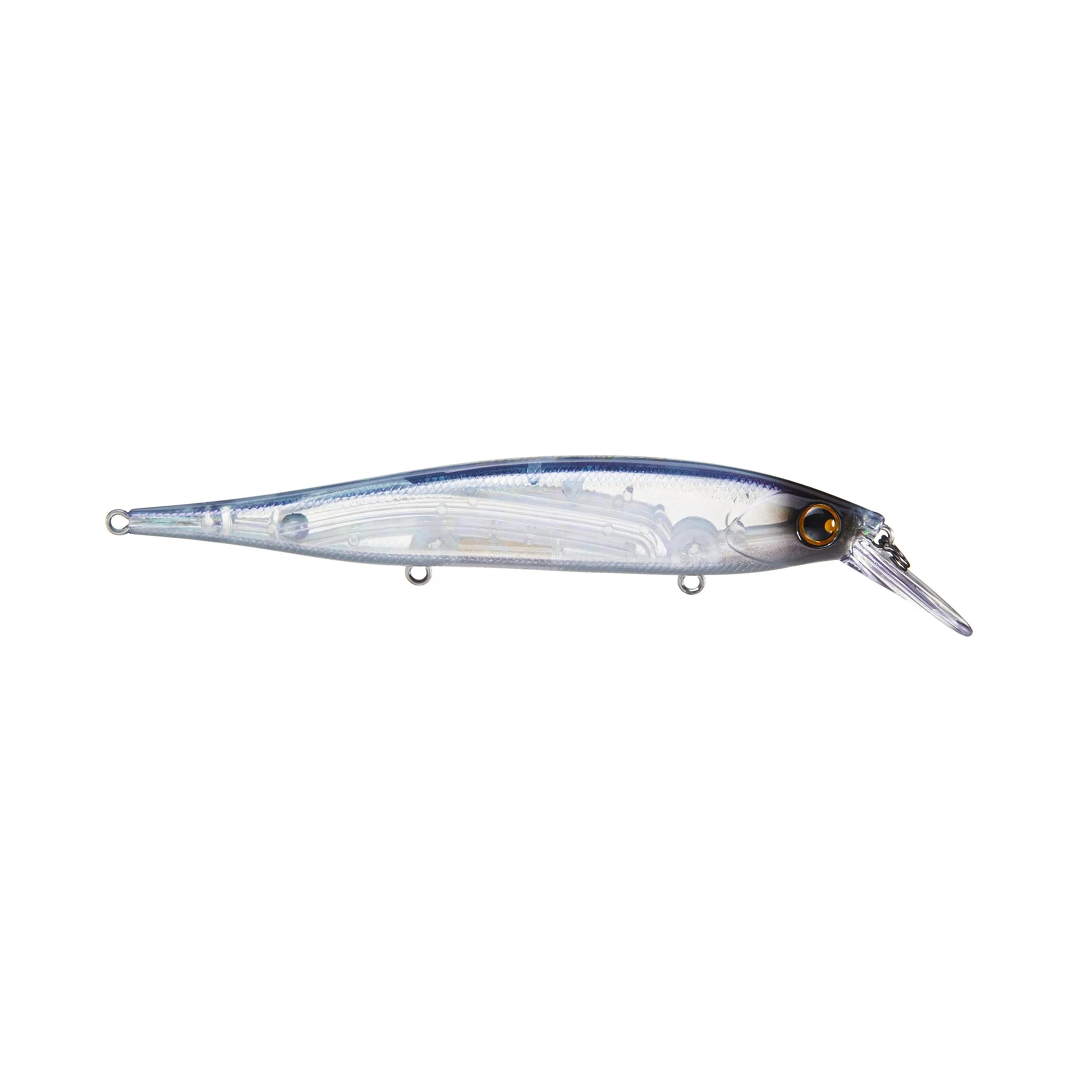
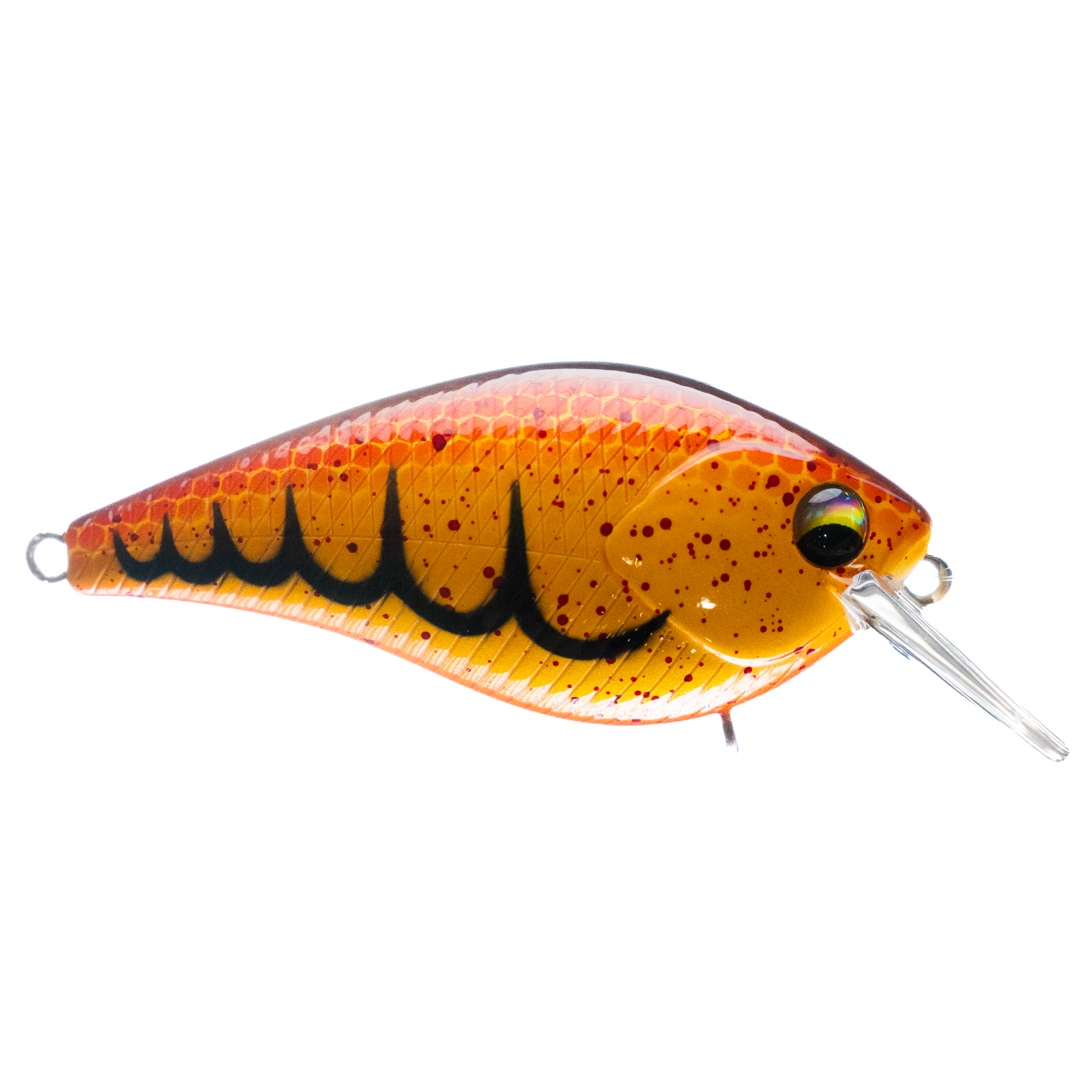
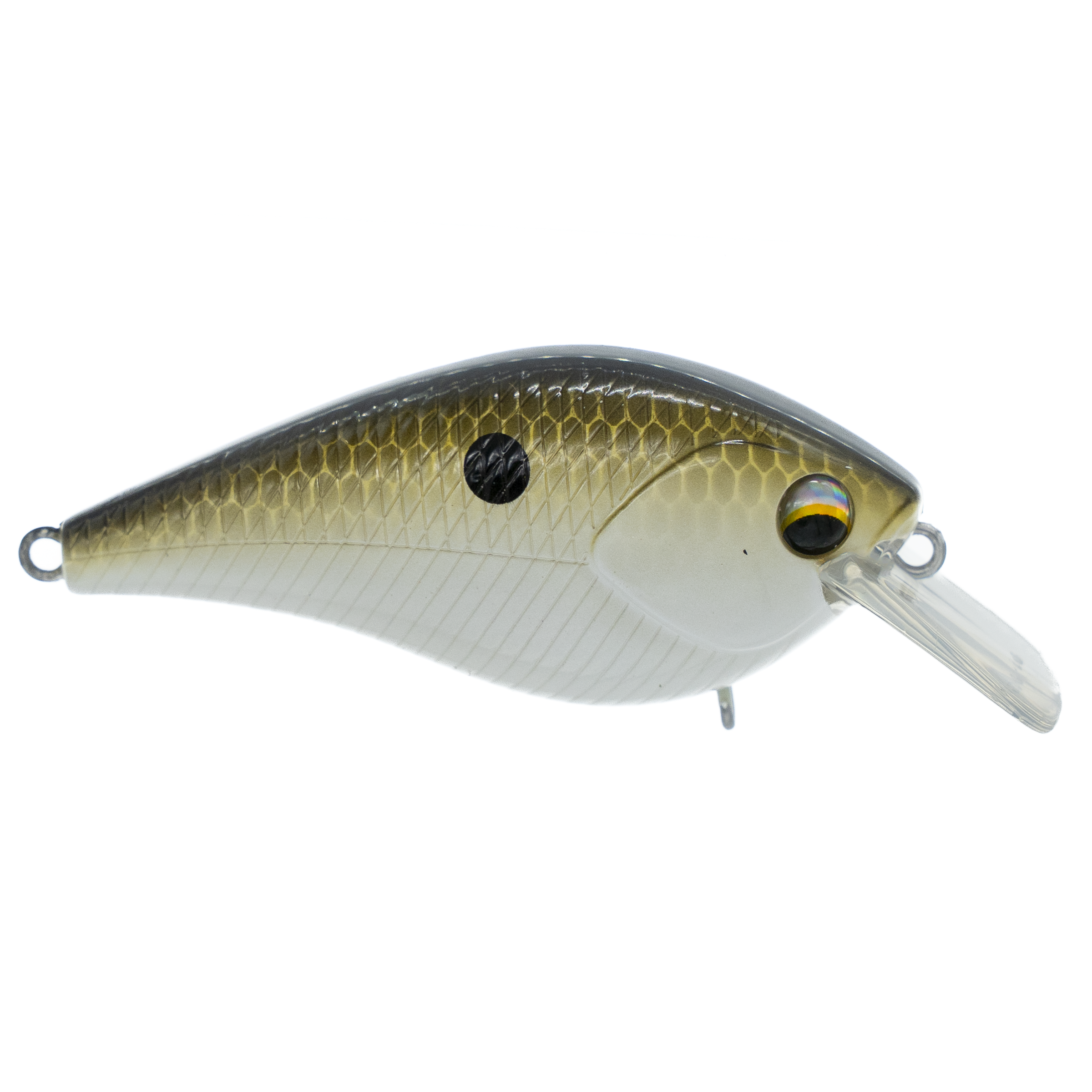
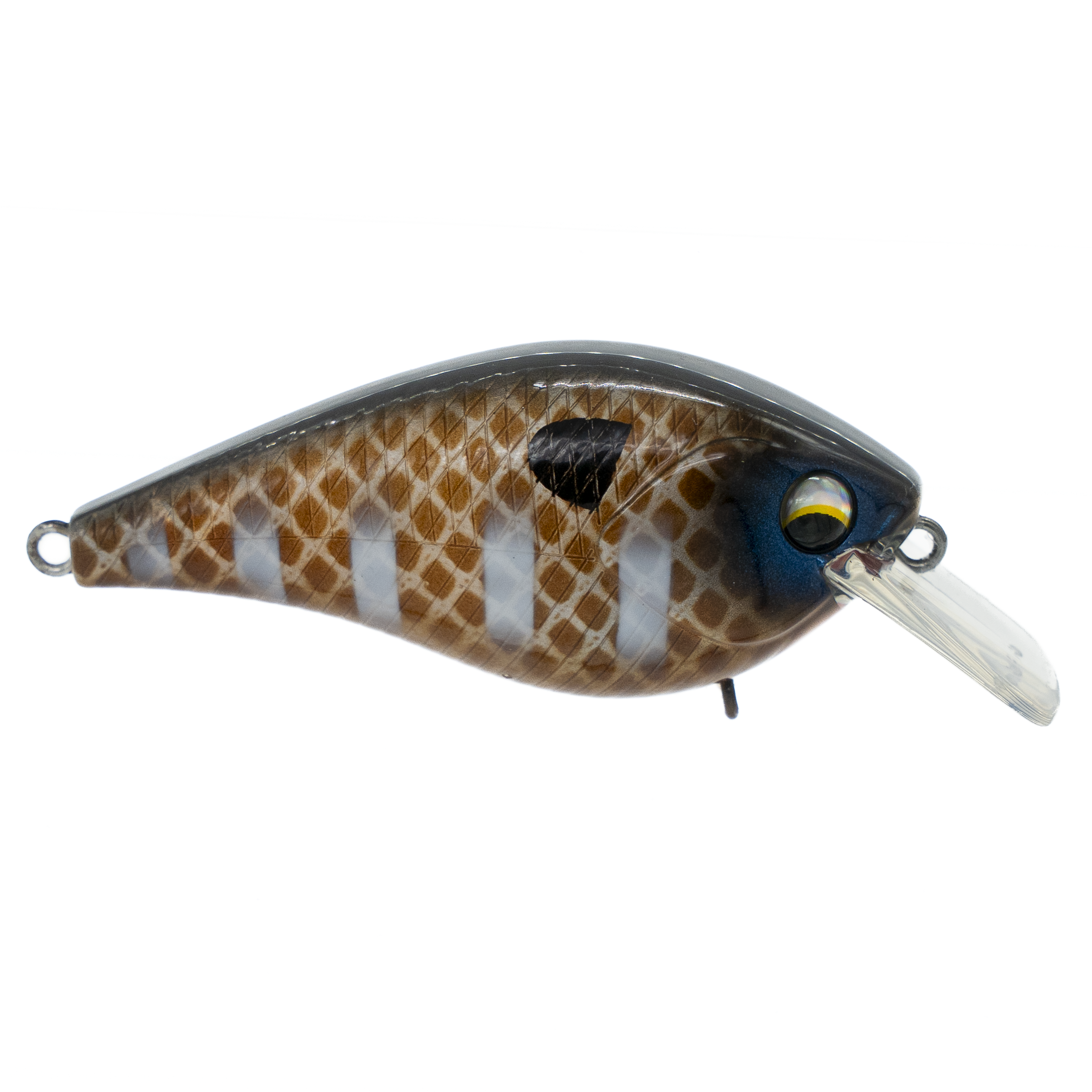
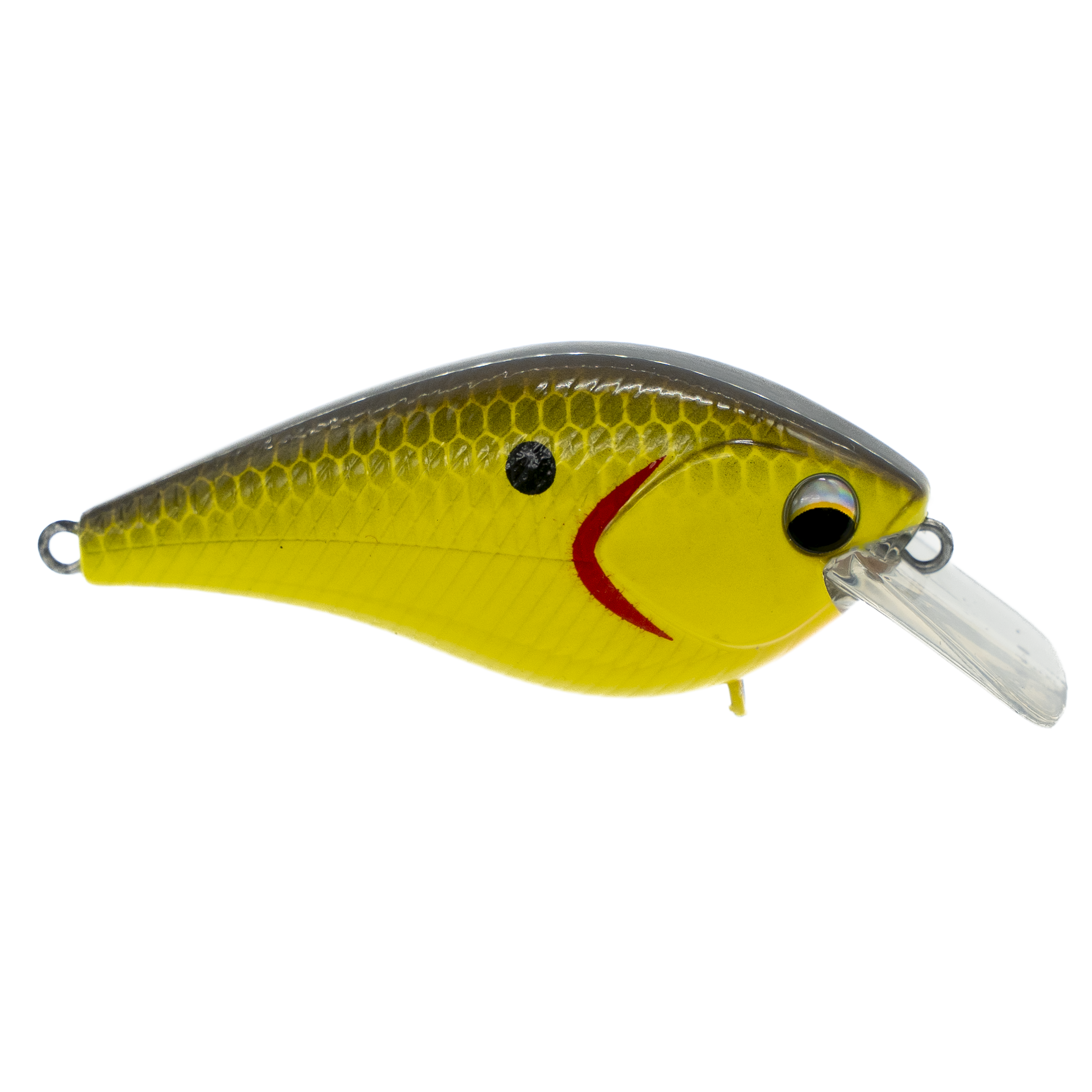
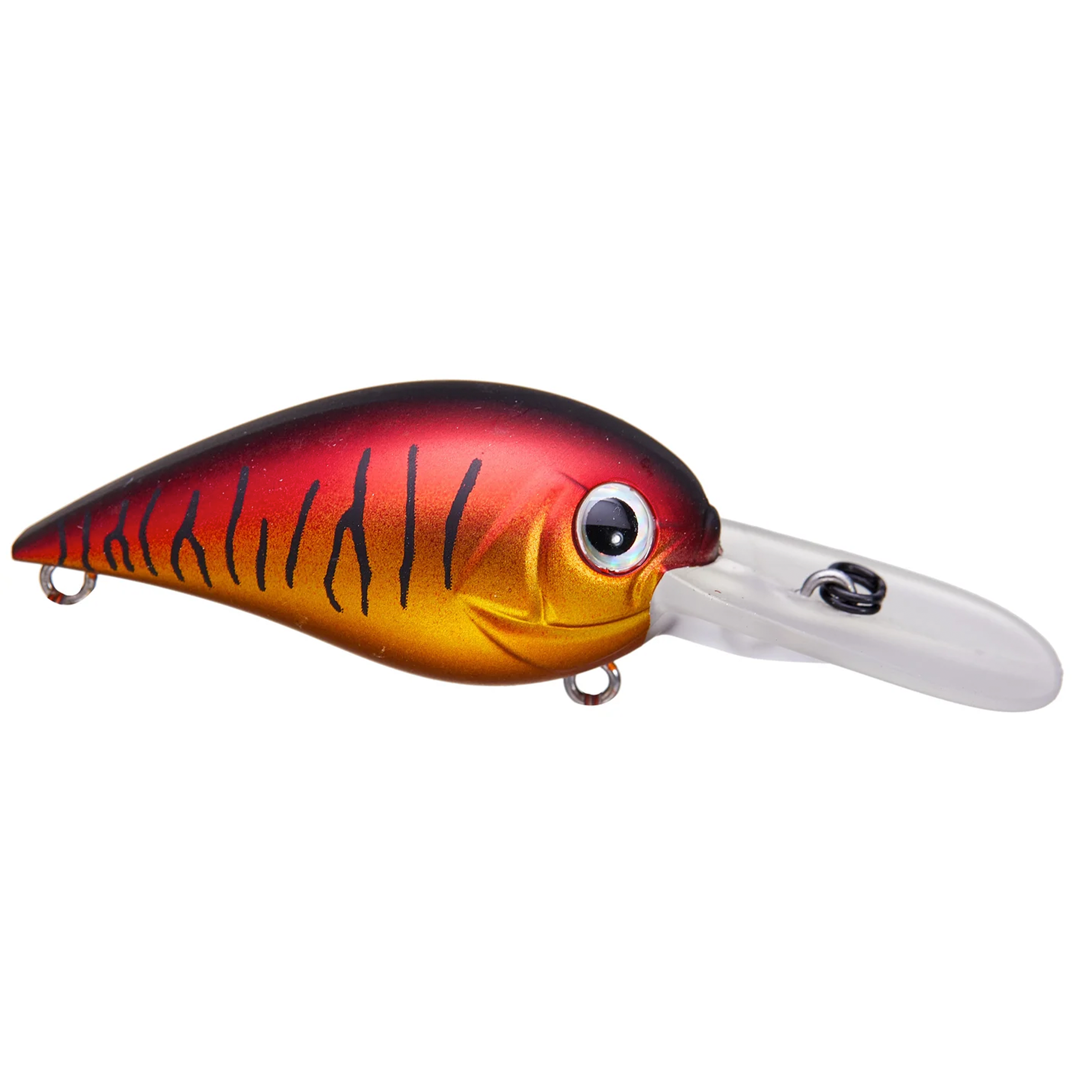
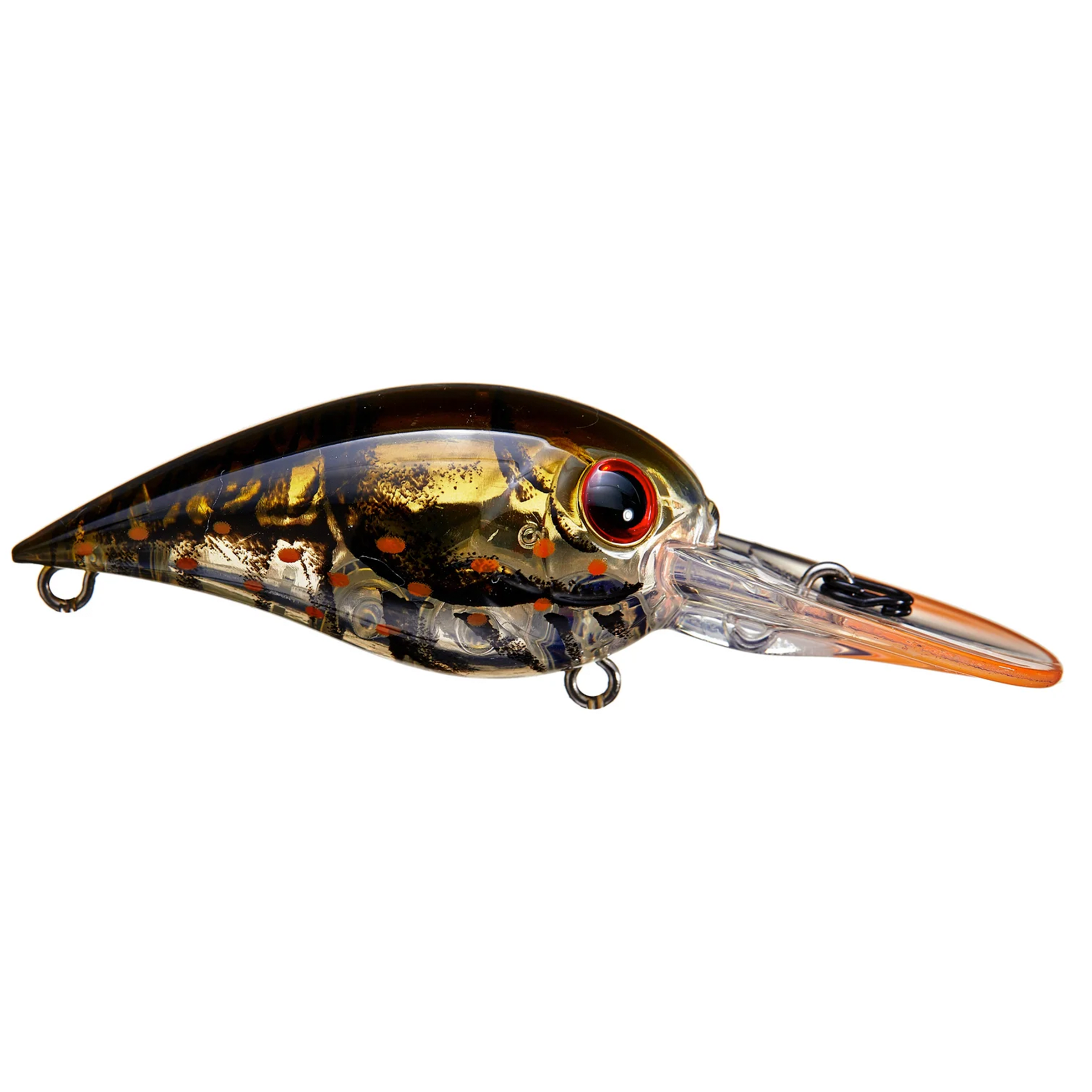
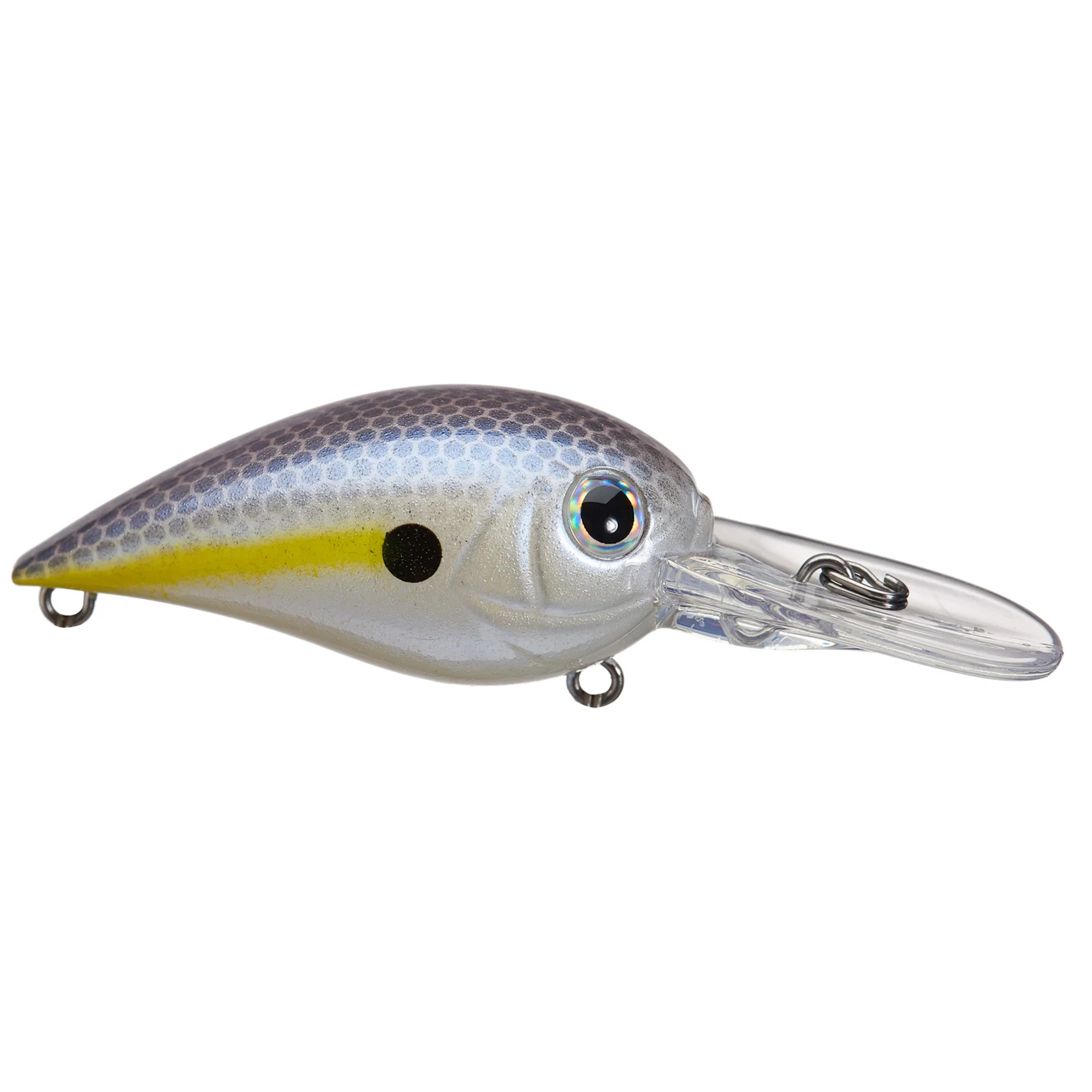
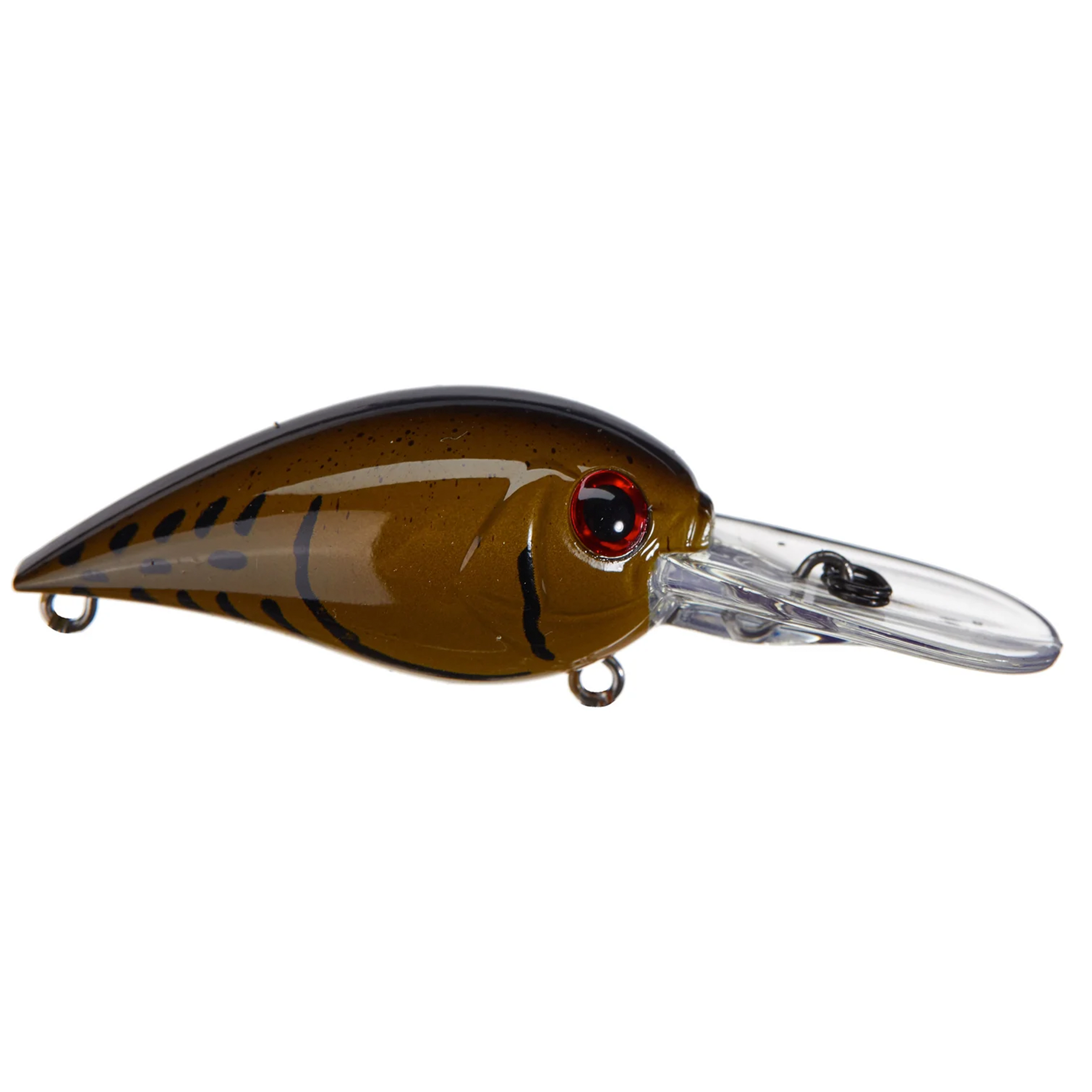
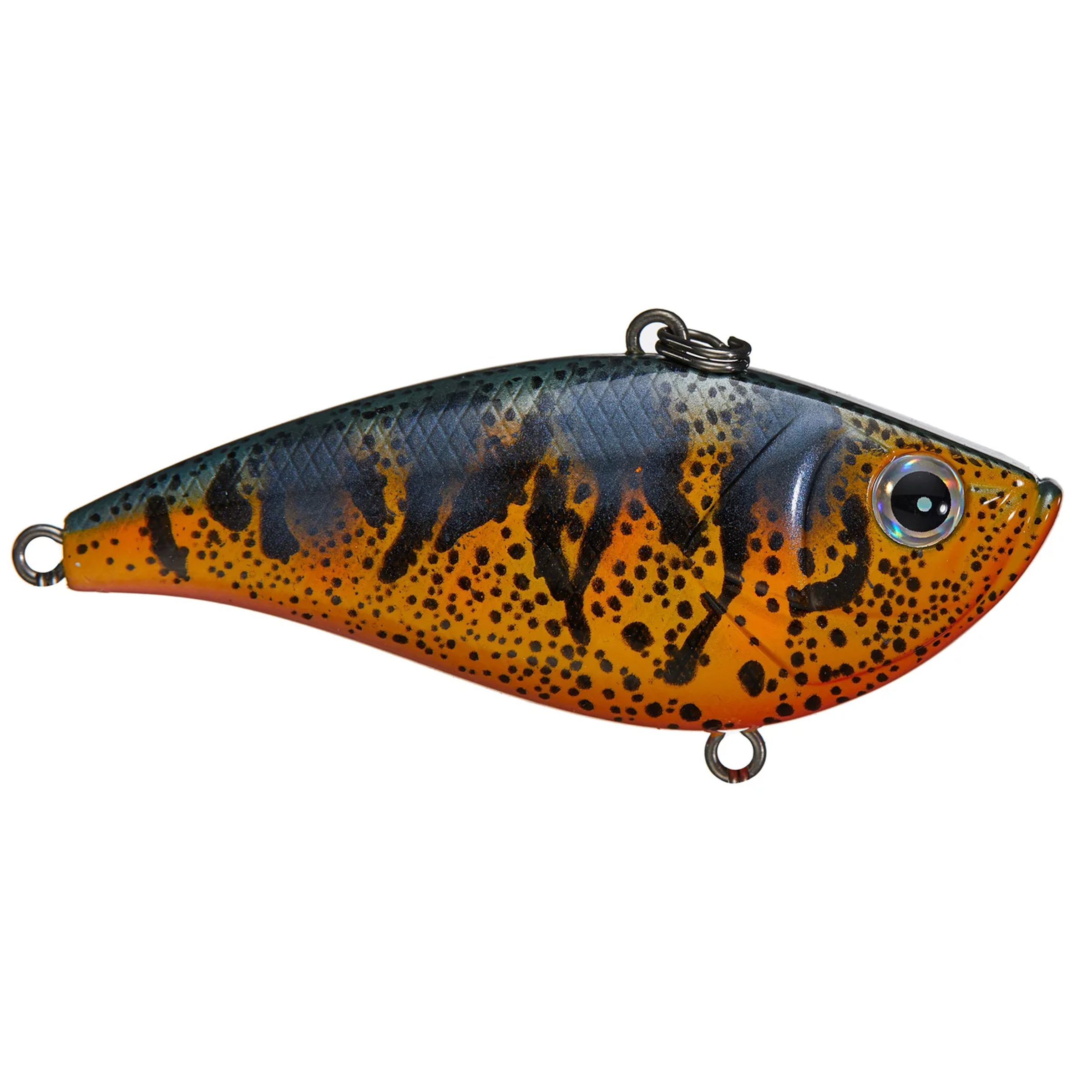
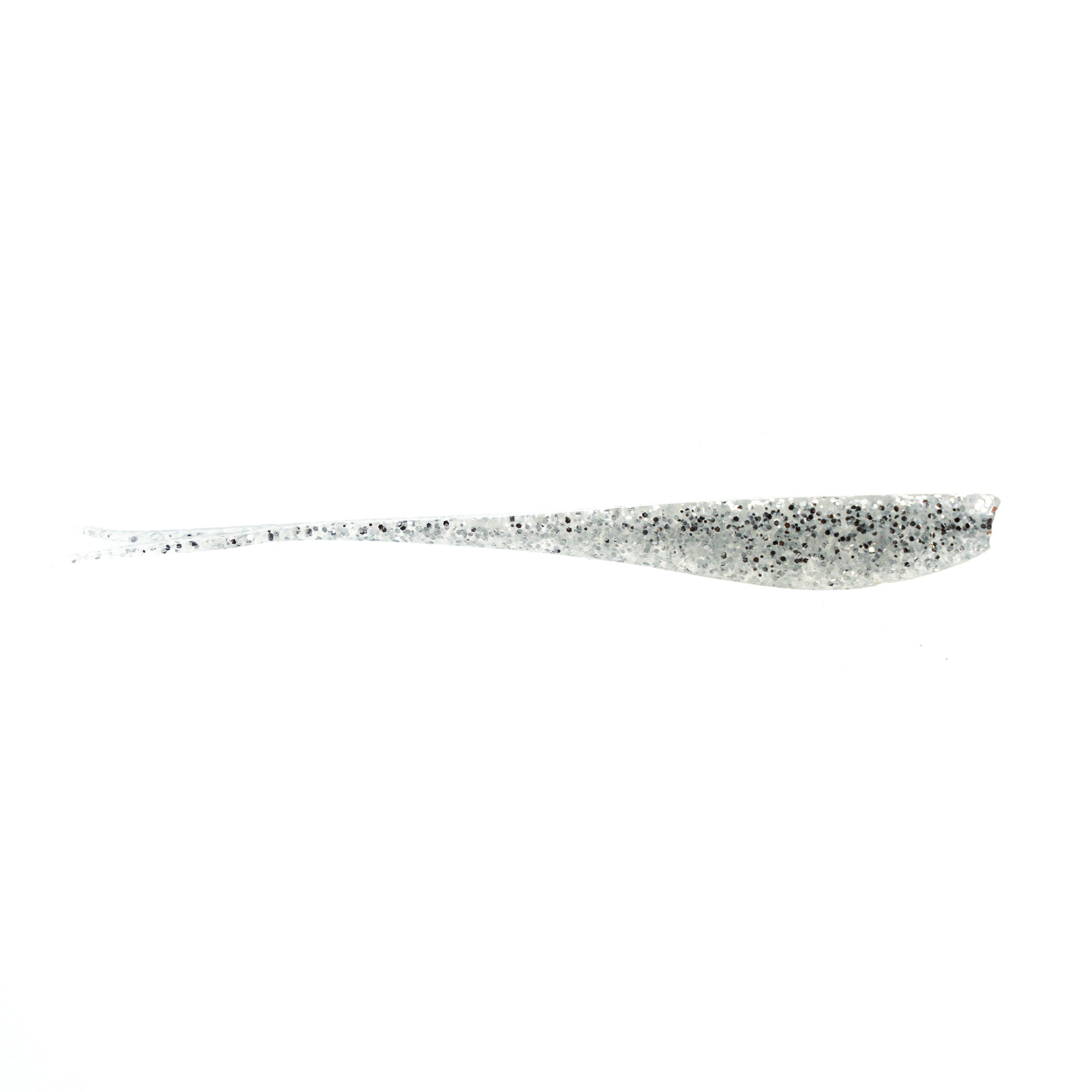
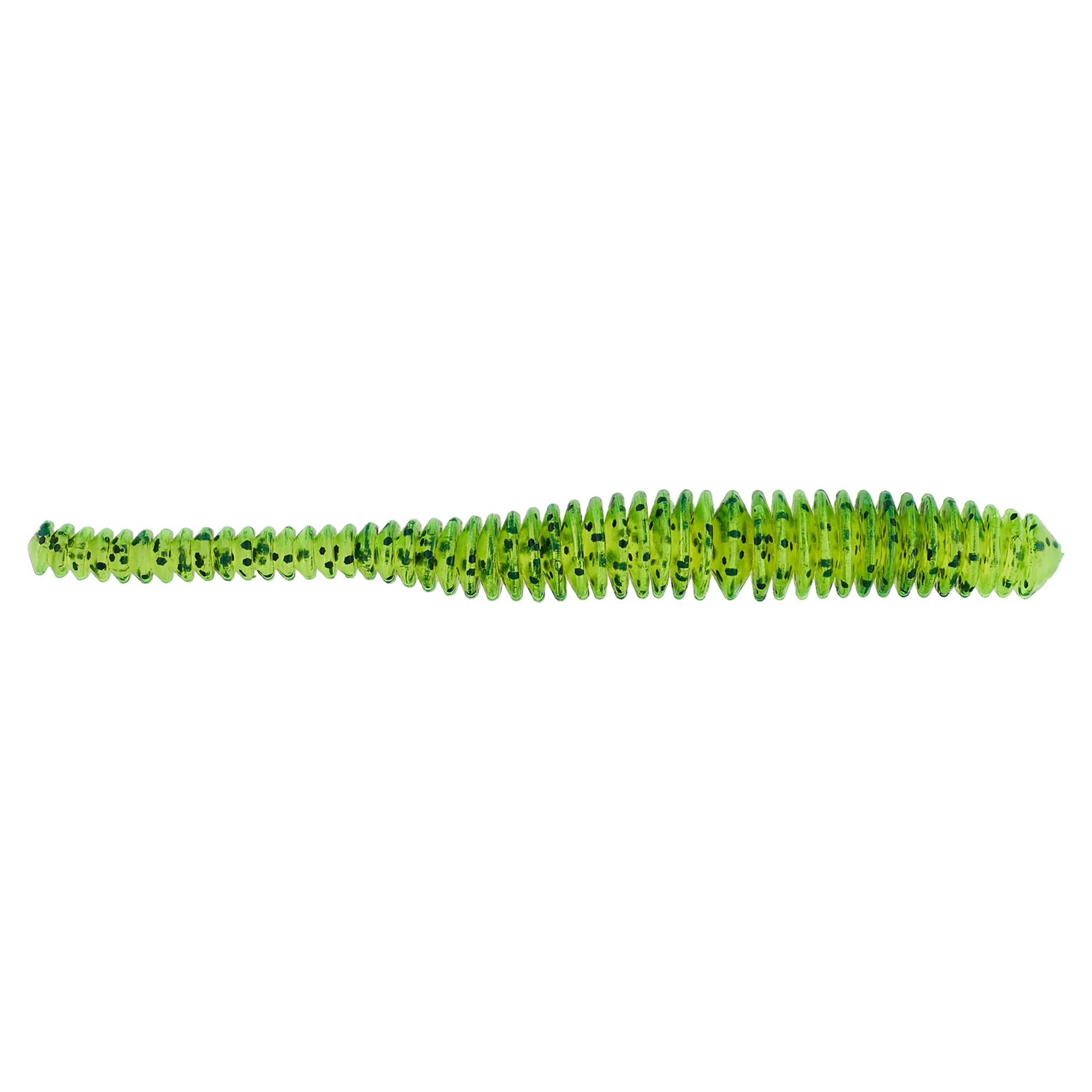
Spring is flipping and pitching to wood, with a lipless to cover shallow flats. Summer means skipping compact baits under docks sitting in current, and toads over the pads. Fall follows shad with moving baits. Winter is slow work on wood well up the rivers. Our full bait lineup covers all four.
How big is the Albemarle Sound fishery?
The sound itself runs about 55 miles, and the fishery includes the Pasquotank, Roanoke, Chowan, North and Alligator rivers feeding it. Bassmaster ranked the system sixth in its Southeastern division for 2026, the highest of any North Carolina water.
Do I need a fishing license for Albemarle Sound?
Yes, and check carefully which one. Albemarle is designated joint or coastal water in places, which can affect licence requirements. The North Carolina Wildlife Resources Commission and the Division of Marine Fisheries both publish current rules — confirm before you launch.
Wood, Salt and Long Runs
Flipping cypress all day and then pounding across open sound is hard on tackle. Level Rods builds heavy models with the backbone to turn a fish out of a laydown, and they're built to take the beating that comes with fishing water like this.
Tournament Winning Baits & Gear
Designed, crafted and tested by anglers who fish Carolina water every week. Free shipping on orders over $75.
Shop All Baits