Alabama River Bass Fishing Guide
the Alabama River Bass Fishing, Season by Season
The Coosa and the Tallapoosa meet six miles north of Montgomery and become the Alabama River, which runs 318 miles southwest to the Tombigbee. Three run-of-the-river reservoirs sit along it, and the upper section grows some of the biggest spotted bass in the state.
A River That Never Stopped Being a River
The Alabama River begins where the Coosa and the Tallapoosa converge just north of Montgomery, then meanders 318 miles southwest to meet the Tombigbee. Dams slow it in three places, forming run-of-the-river reservoirs — Jones Bluff, Millers Ferry and Claiborne — but each of those is essentially the old river channel with the water backed up in it. It never stops behaving like a river.
Jones Bluff is officially R. E. Bob Woodruff Lake, formed by the Robert F. Henry Dam. Almost nobody calls it that. Local anglers simply say the Alabama River, and that is the water most of them mean.
This upper section, along with the lower ends of both the Coosa and the Tallapoosa, is known for giant spotted bass that hold on the edge of current. That is the defining pattern here: find where flow meets a break — a bar, a point, a piece of structure — and the spots will be sitting on the seam. Largemouth do something different, growing fat in the quiet sloughs and flooded creeks away from the main channel.
Downstream, Millers Ferry — the William Bill Dannelly Reservoir — runs 105 miles with excellent largemouth fishing and a serious crappie reputation. Below that, Claiborne stretches 60 miles and stays mostly within its original banks.
Current Breaks and Quiet Sloughs
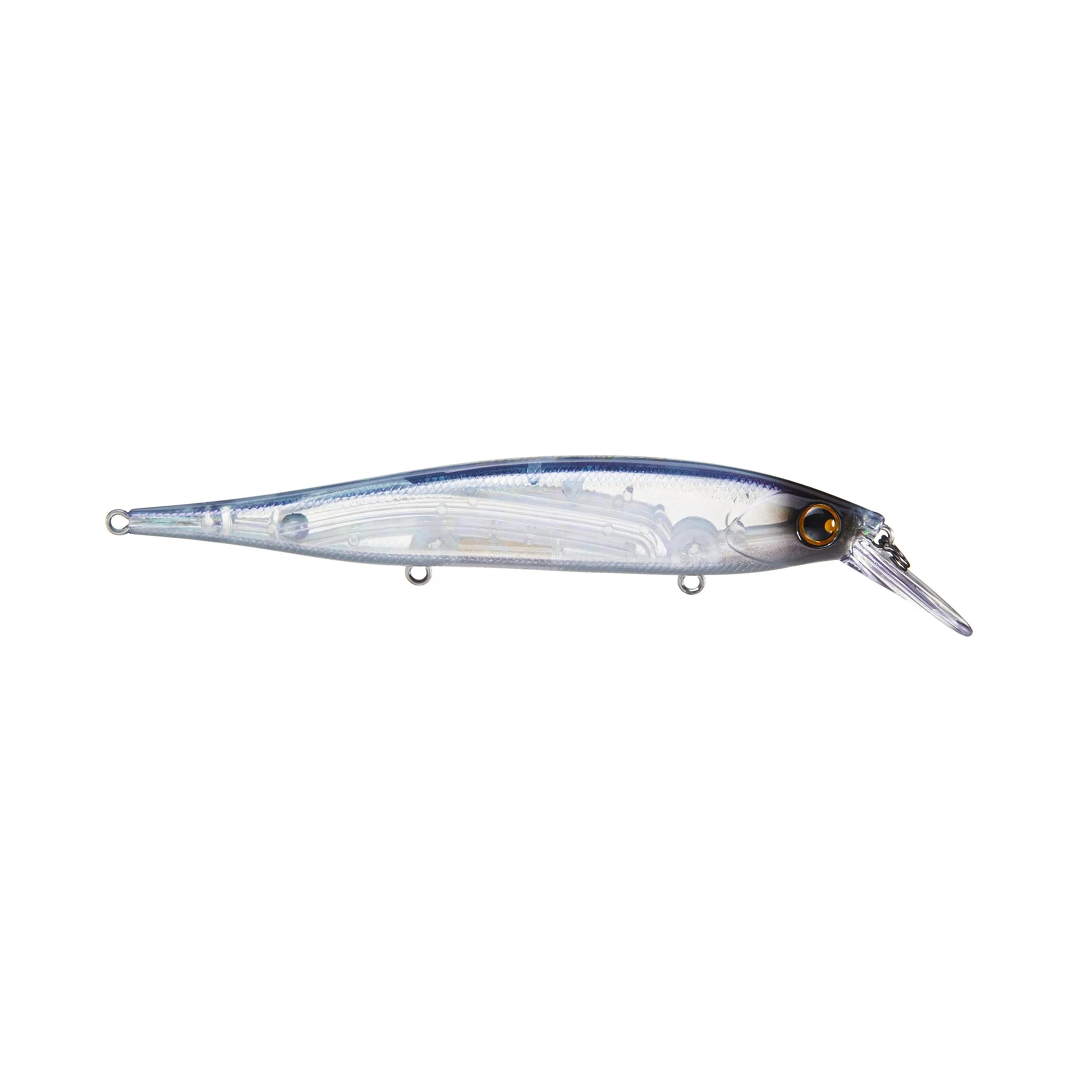
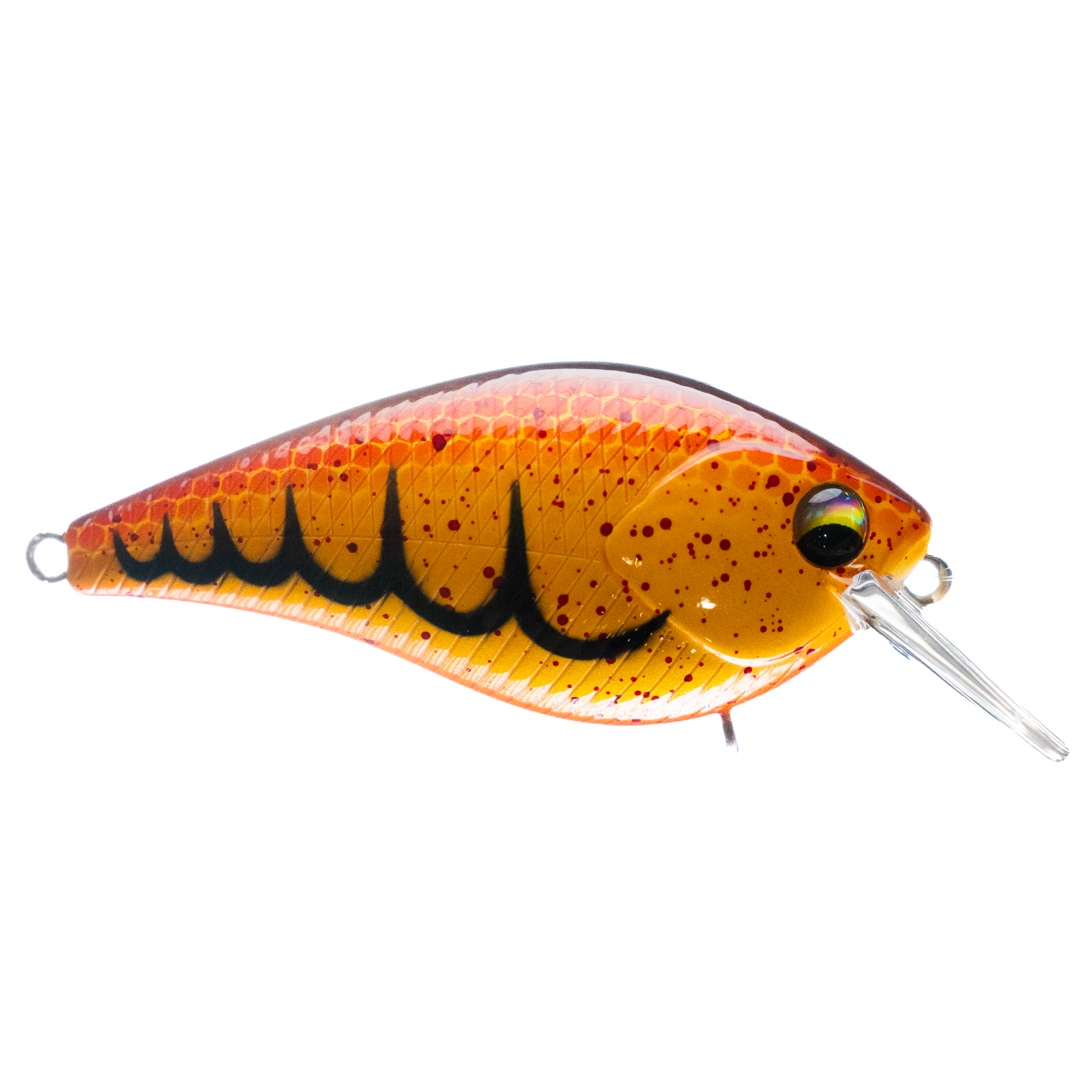
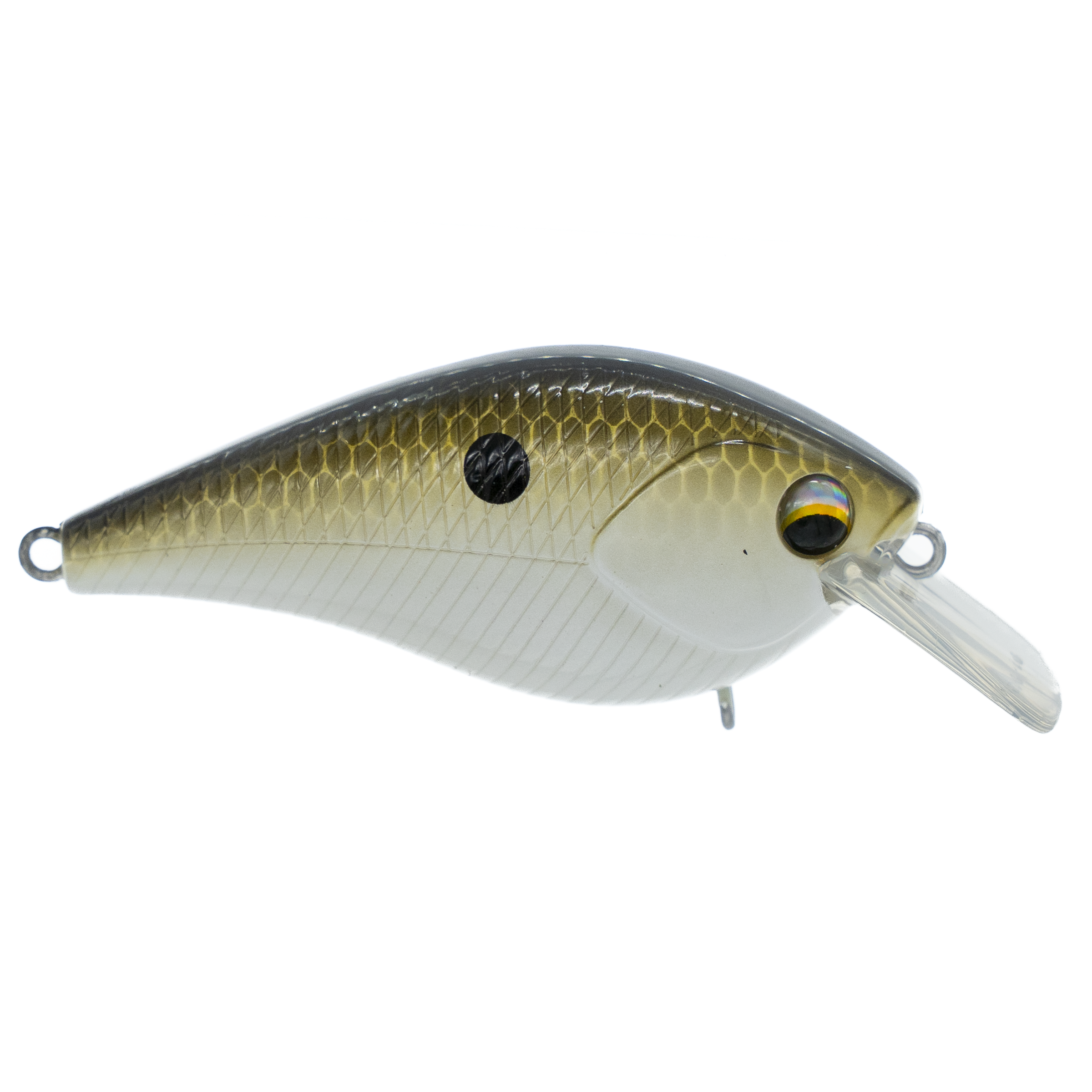
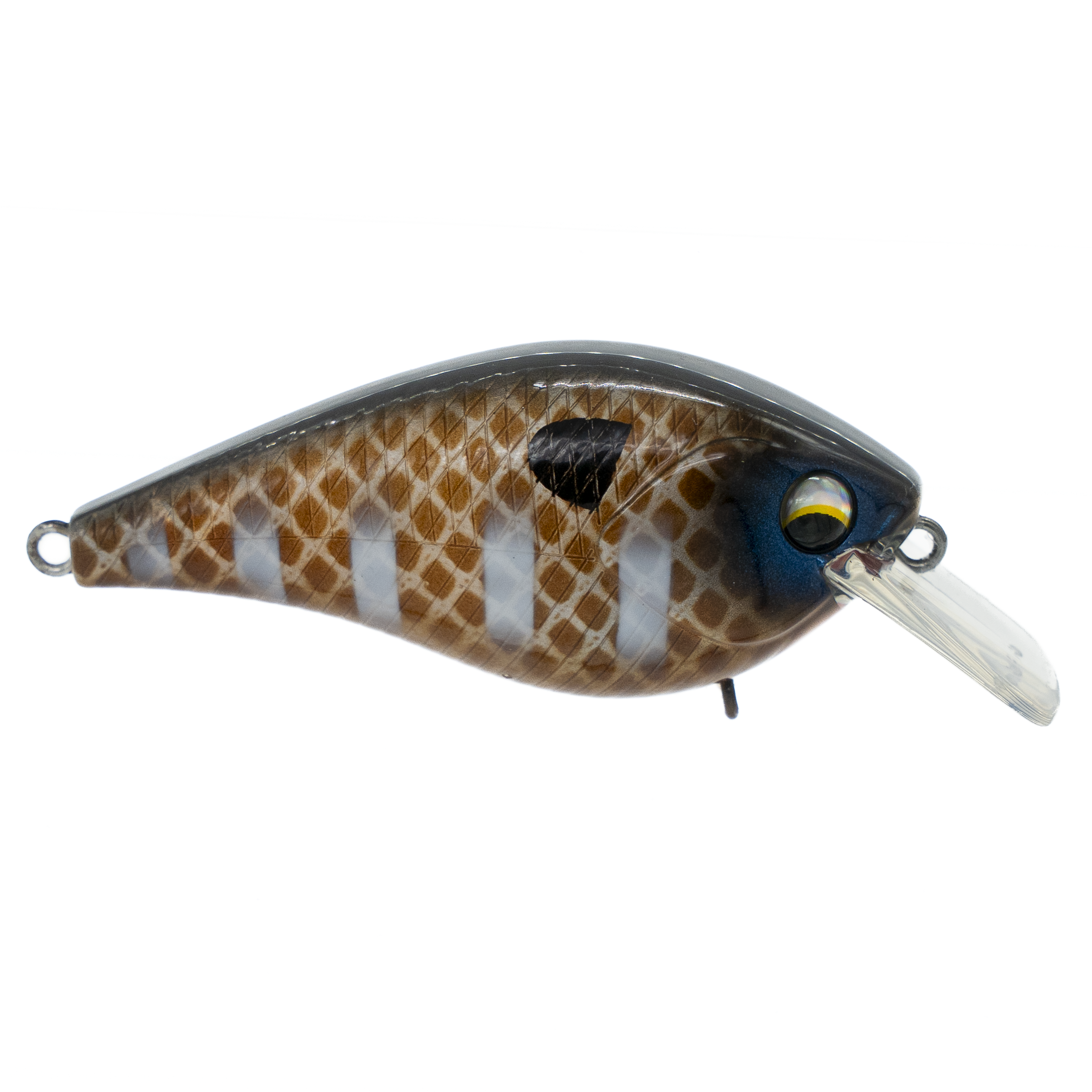
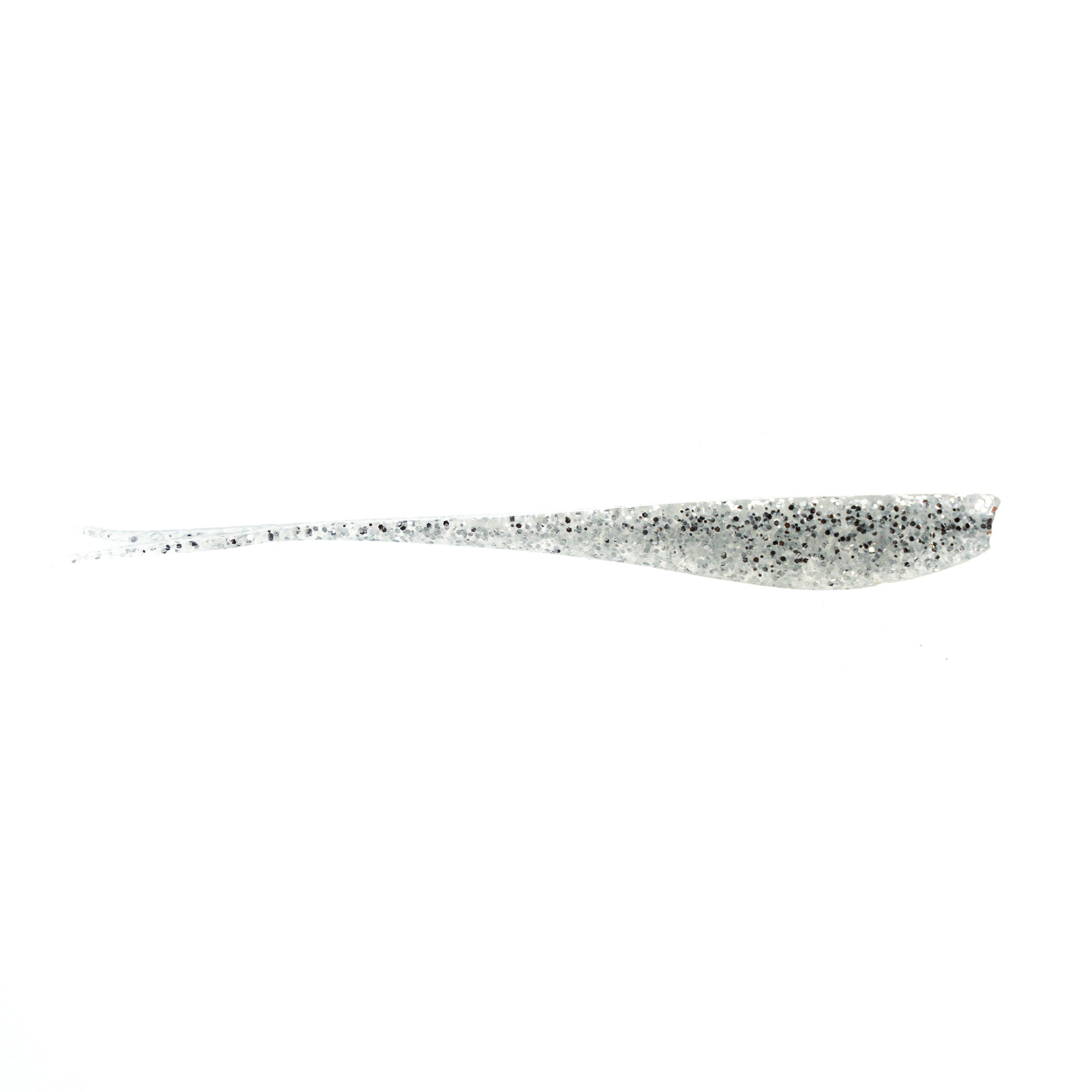
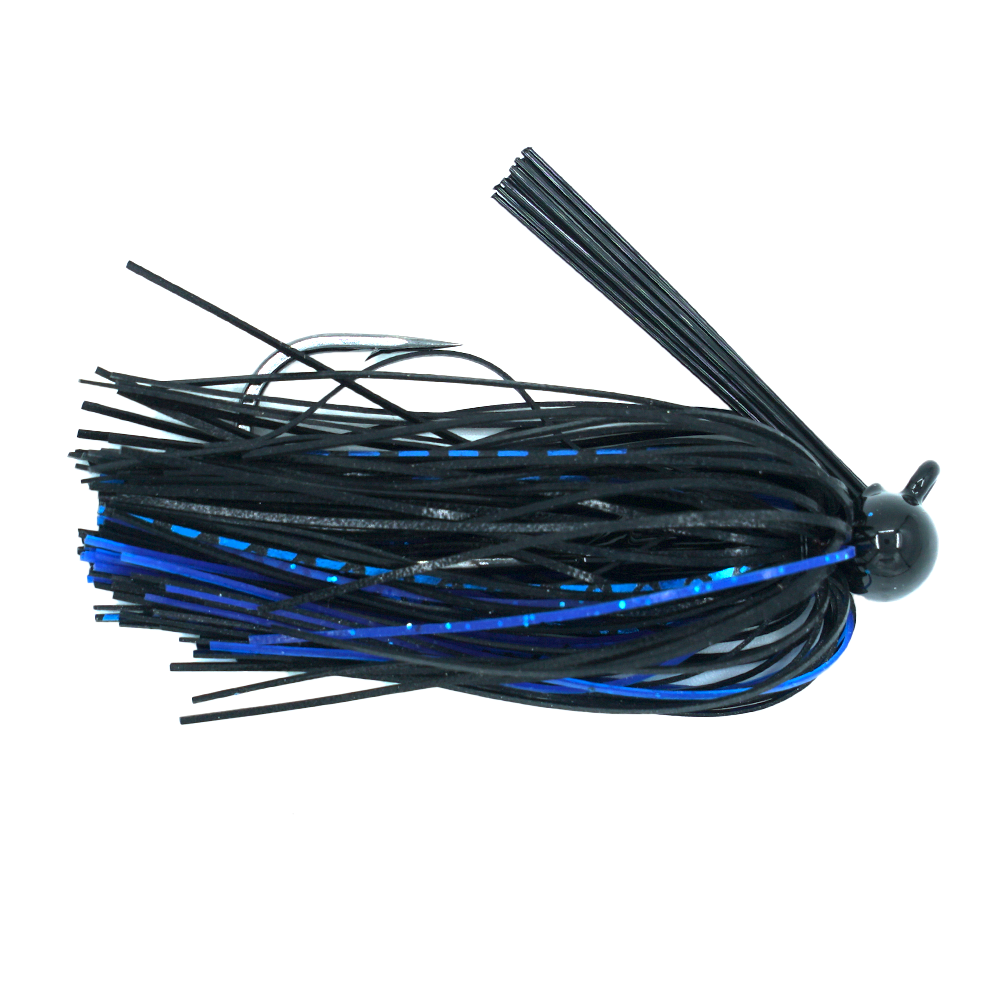
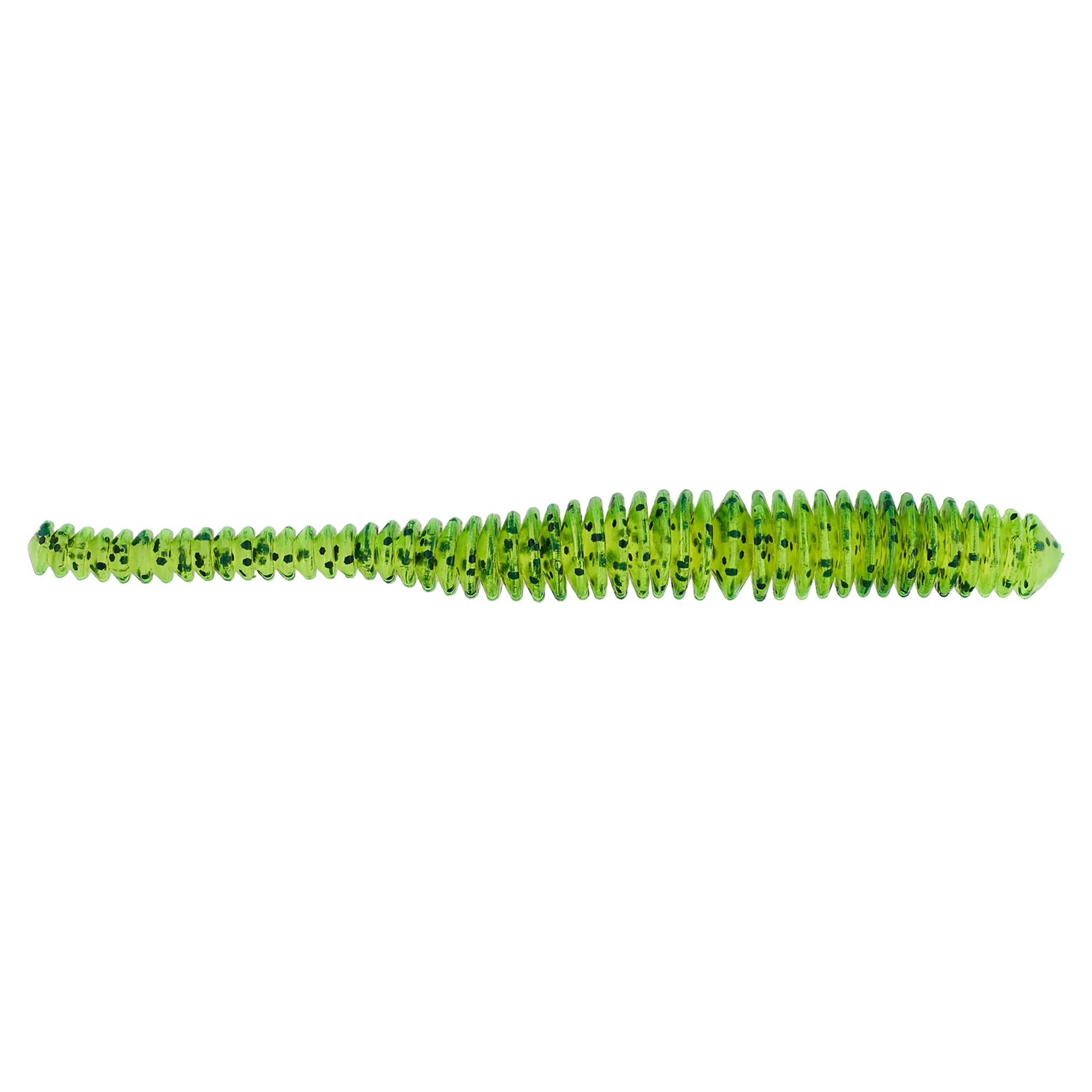
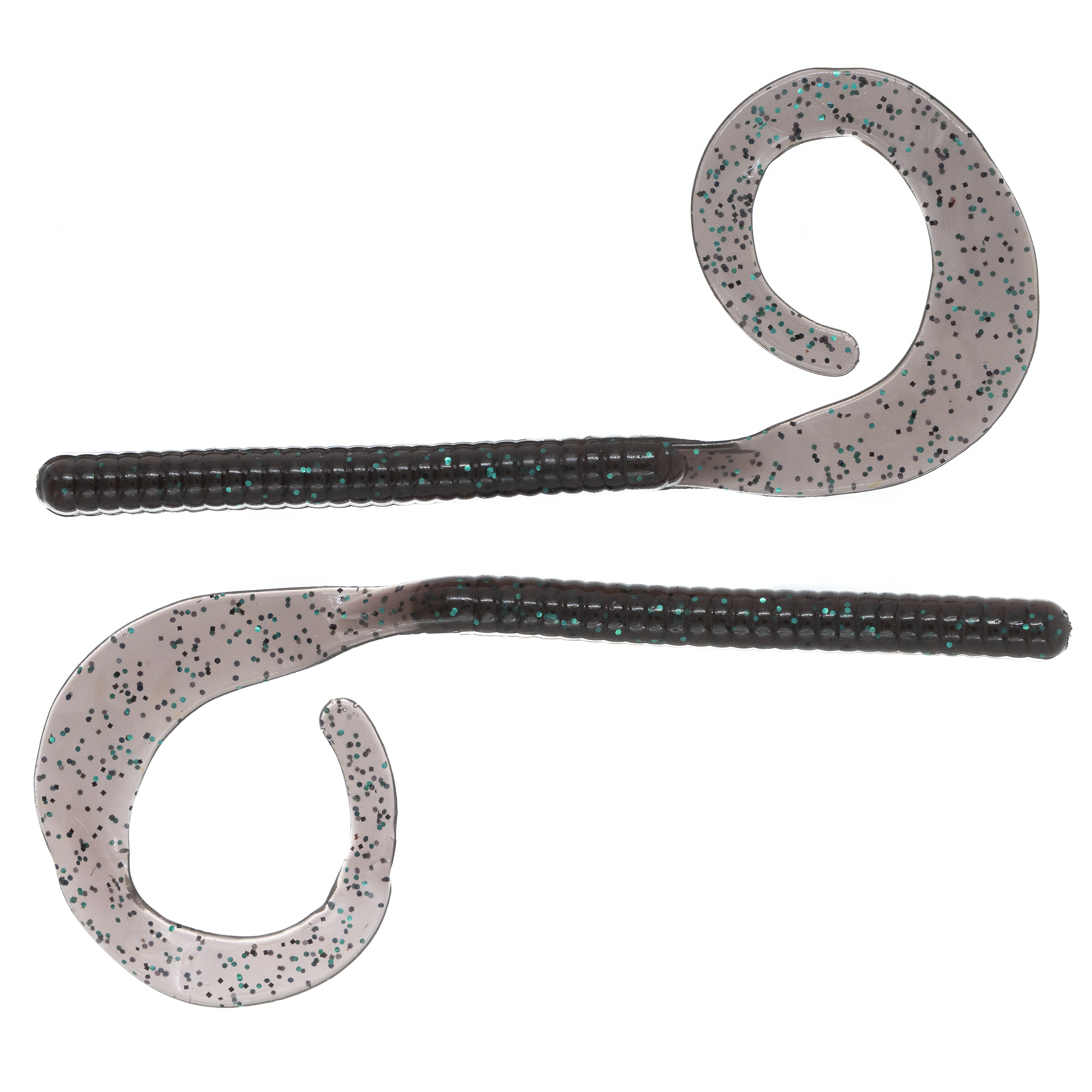
Four patterns cover the year. Each one pairs the technique with the baits we'd actually tie on.
The Current Does the Sorting
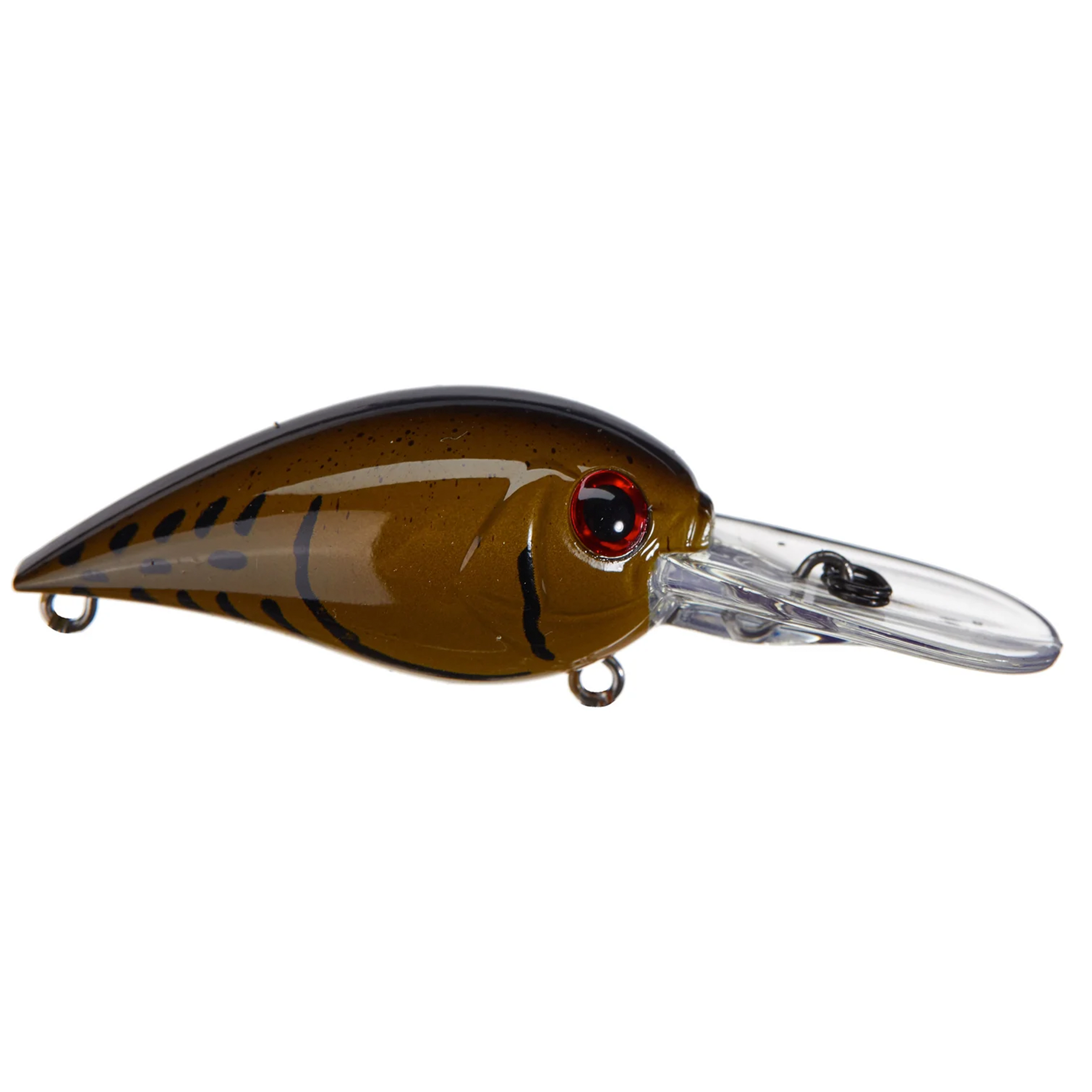
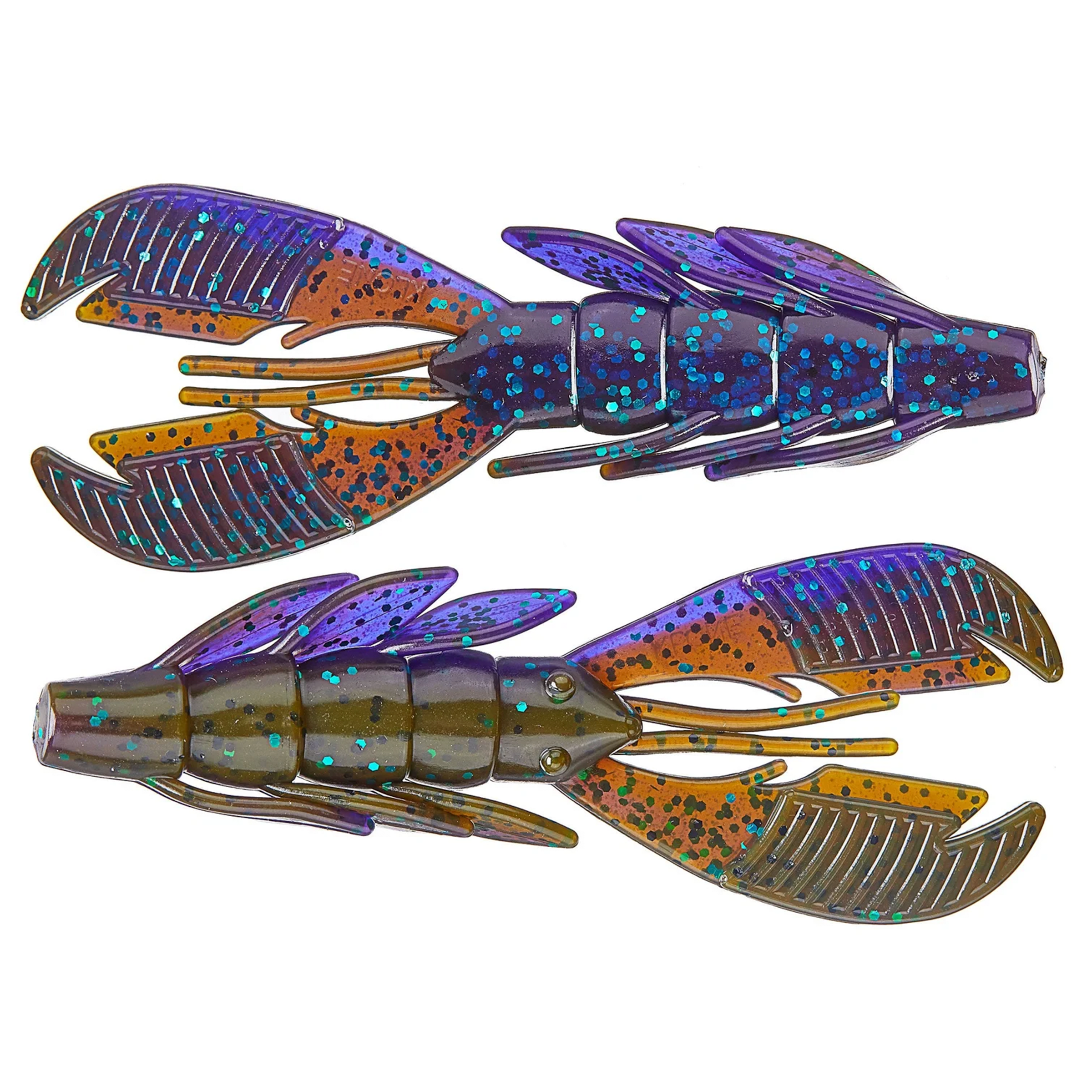
Spring brings flow, and flow is how this system organises itself. Spotted bass set up on the edges of current on the main river, holding on bars, points and any structure that breaks the push. Largemouth work into the sloughs and flooded creeks off the channel where the water is quieter and warmer.




Largemouth Go Shallow When It Gets Hot
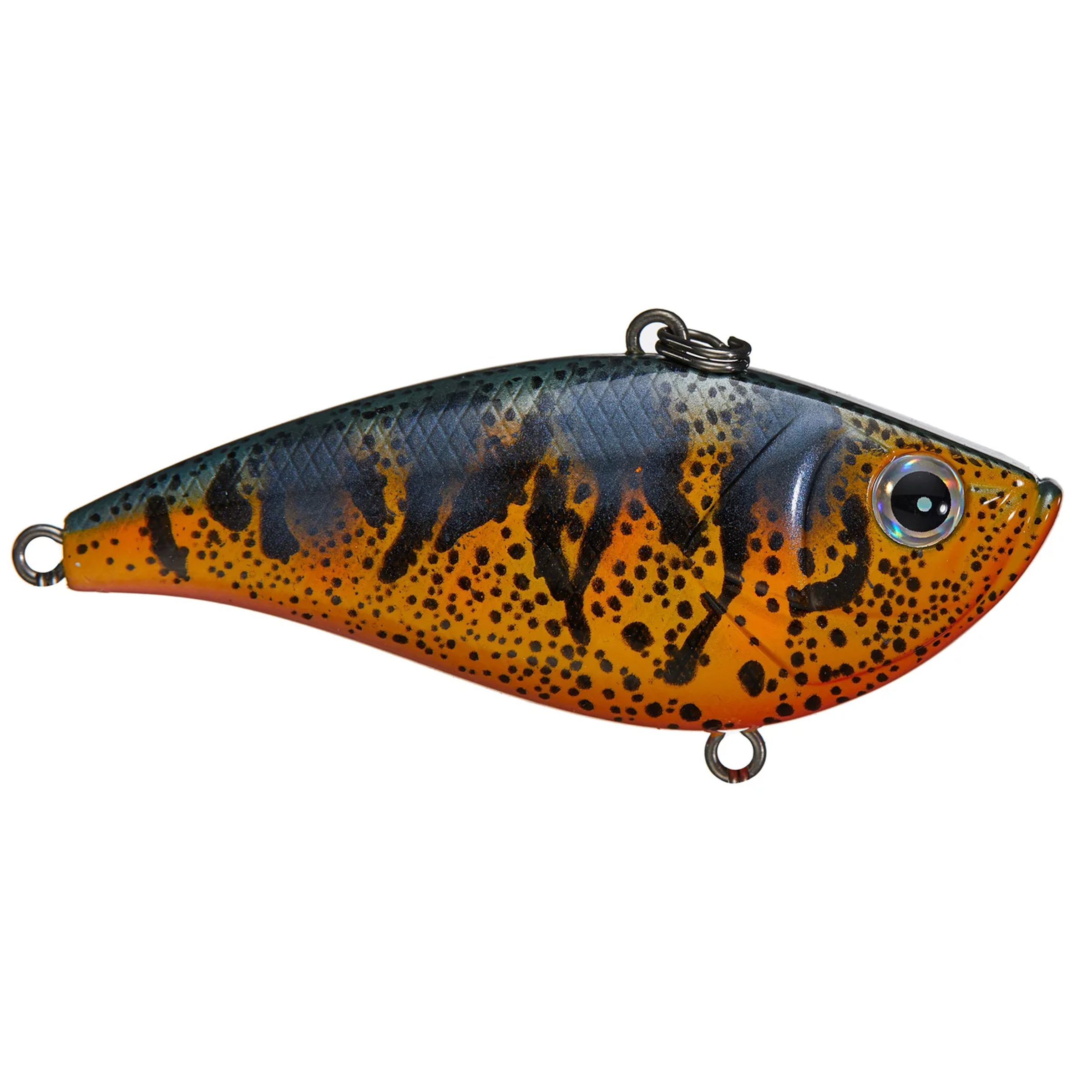
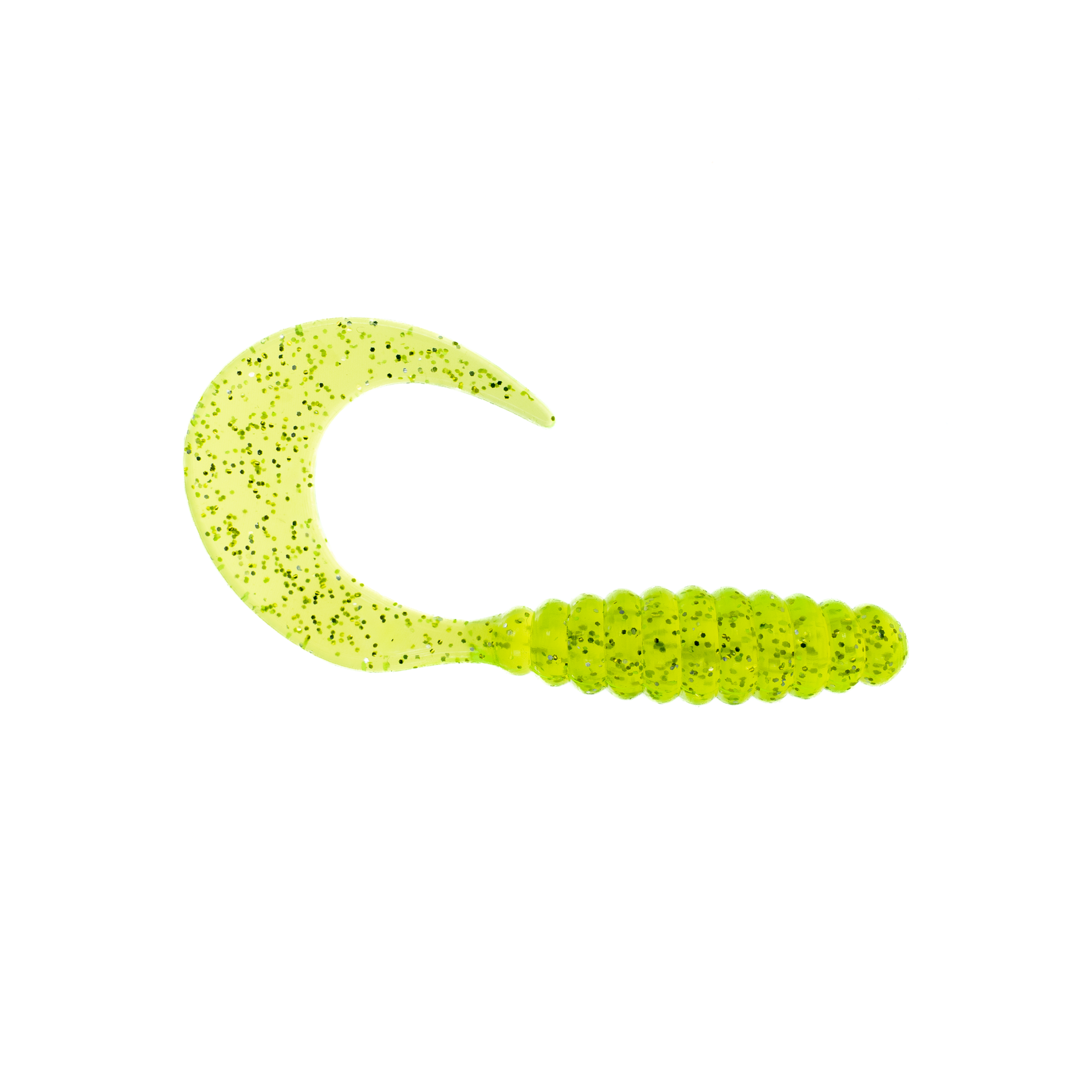
This is the counterintuitive part, and it catches out most visiting anglers. When water temperatures reach the low 90s late in the day, Alabama River largemouth go shallow rather than deep. The shad go shallow too. The likeliest explanation is that slow summer current and low oxygen out in the main channel push everything toward the banks.




Bait Moves, Current Keeps Working
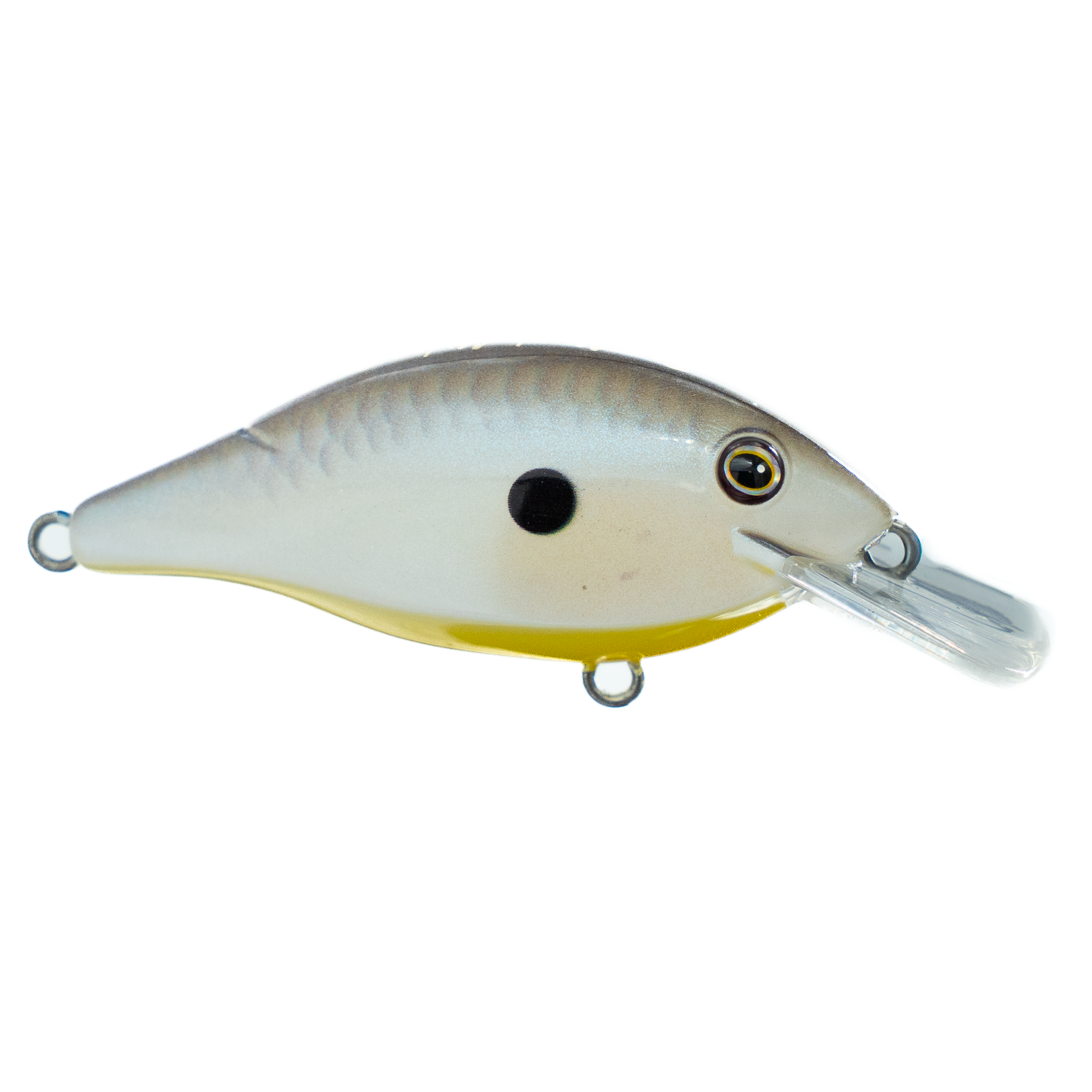
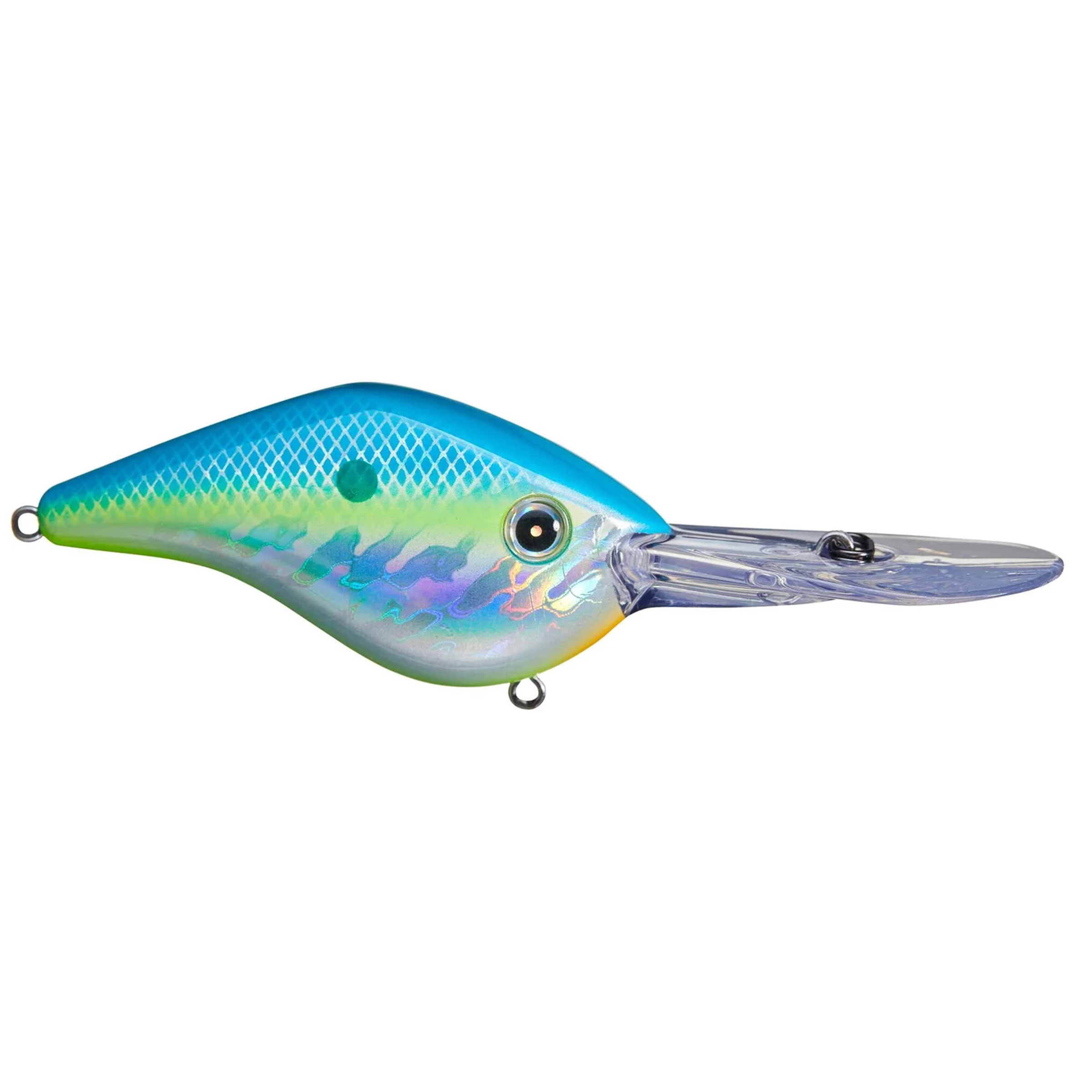
Autumn cools the system and gets shad moving, and on a river where current never really stops, the fish stay positioned in predictable places. Creek mouths, current seams and the transitions between channel and slough all produce.



Slow Water, Slow Presentation
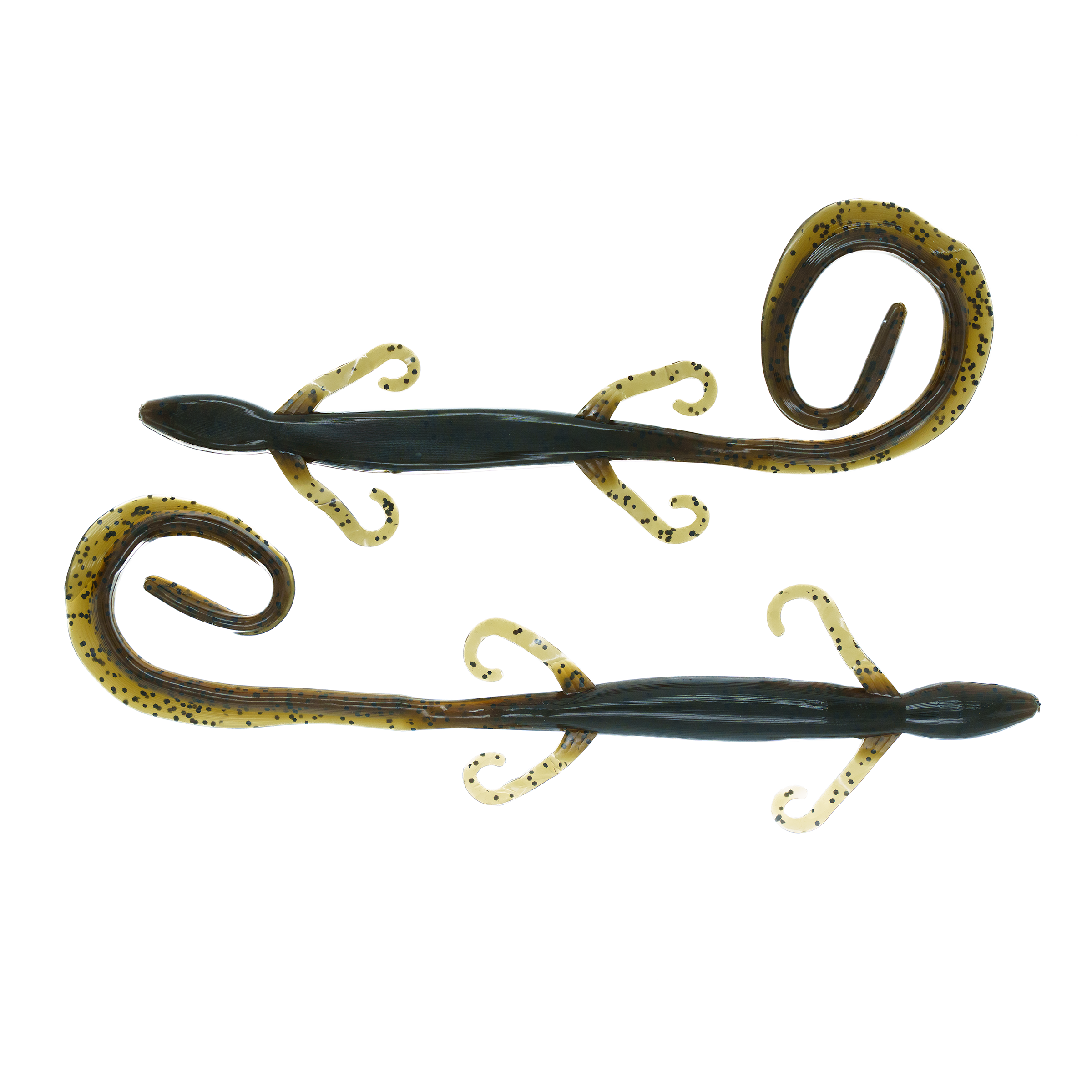
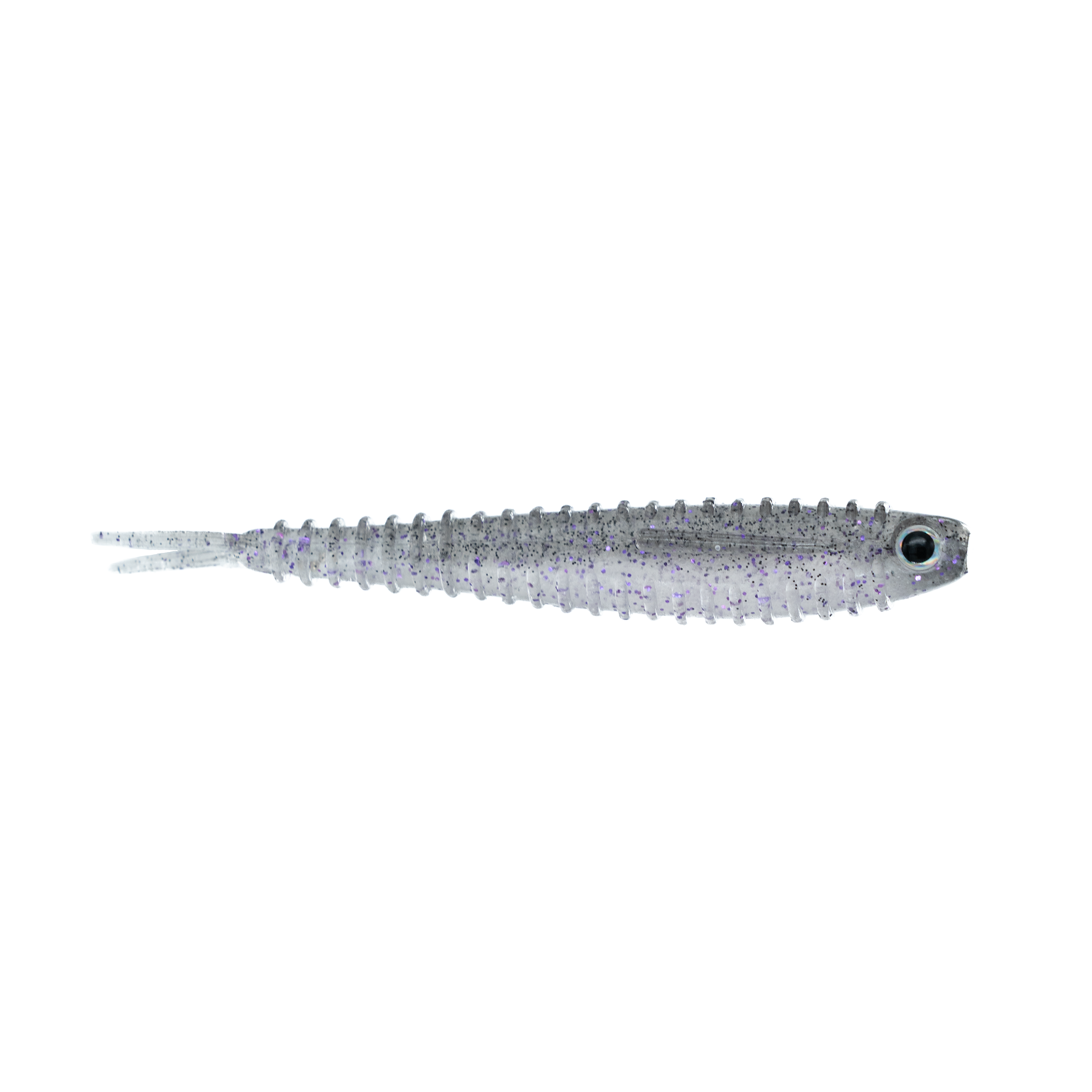
Winter concentrates fish in the deeper holes and on structure adjacent to the channel, and the run-of-the-river character means flow keeps positioning them even in cold water. It is a quiet season on a system that never gets crowded to begin with.


the Alabama River Access
Jones Bluff has ramps at Benton, Cooters Pond, Gunter Hill, Holy Ground Battlefield Park, Powder Magazine, Prairie Creek and Swift Creek. Crommelin Landing and Fort Toulouse serve the lower Coosa.
Jones Bluff (R. E. Bob Woodruff Lake)
What locals mean when they say the Alabama River. The upper section grows huge spotted bass on main-river current breaks, and the lower end has quiet sloughs and flooded creeks full of largemouth.
Calawasse, Pintlala & Crescent Lake
The shallow creeks off Jones Bluff that produce largemouth when summer heat drives them — and the shad — out of the main channel and up against the bank.
Millers Ferry (Dannelly Reservoir)
One hundred and five miles of excellent largemouth water downstream, and one of the better crappie fisheries in the state if you want a change of pace.
the Alabama River Bass Fishing FAQ
Where does the Alabama River start?
At the confluence of the Coosa and Tallapoosa rivers, about six miles north of Montgomery. From there it runs 318 miles southwest to join the Tombigbee. Three Corps of Engineers dams form run-of-the-river reservoirs along it: Jones Bluff, Millers Ferry and Claiborne.
What is Jones Bluff?
Officially R. E. Bob Woodruff Lake, formed by the Robert F. Henry Dam. Local anglers almost universally call it the Alabama River instead, and when someone around Montgomery says they are fishing the river, this is usually the water they mean.
Why do largemouth go shallow in summer here?
It seems backwards but it is consistent. When water temperatures reach the low 90s late in the day, largemouth push shallow rather than deep — and the shad go with them. The likeliest explanation is that slow summer current and low oxygen in the main channel drive everything toward the banks.
Where are the big spotted bass on the Alabama River?
On the edge of current in the upper section, and in the lower ends of both the Coosa and the Tallapoosa where they feed in. Look for bars, points and structure that break the flow, and fish the seam. This stretch has a genuine reputation for giant spots.
What is the difference between Jones Bluff, Millers Ferry and Claiborne?
Jones Bluff is the upper reservoir and the one with the big spotted bass reputation. Millers Ferry, officially the William Bill Dannelly Reservoir, runs 105 miles with excellent largemouth and abundant crappie. Claiborne is 60 miles and stays mostly within its original riverbanks.
What baits work best on the Alabama River?
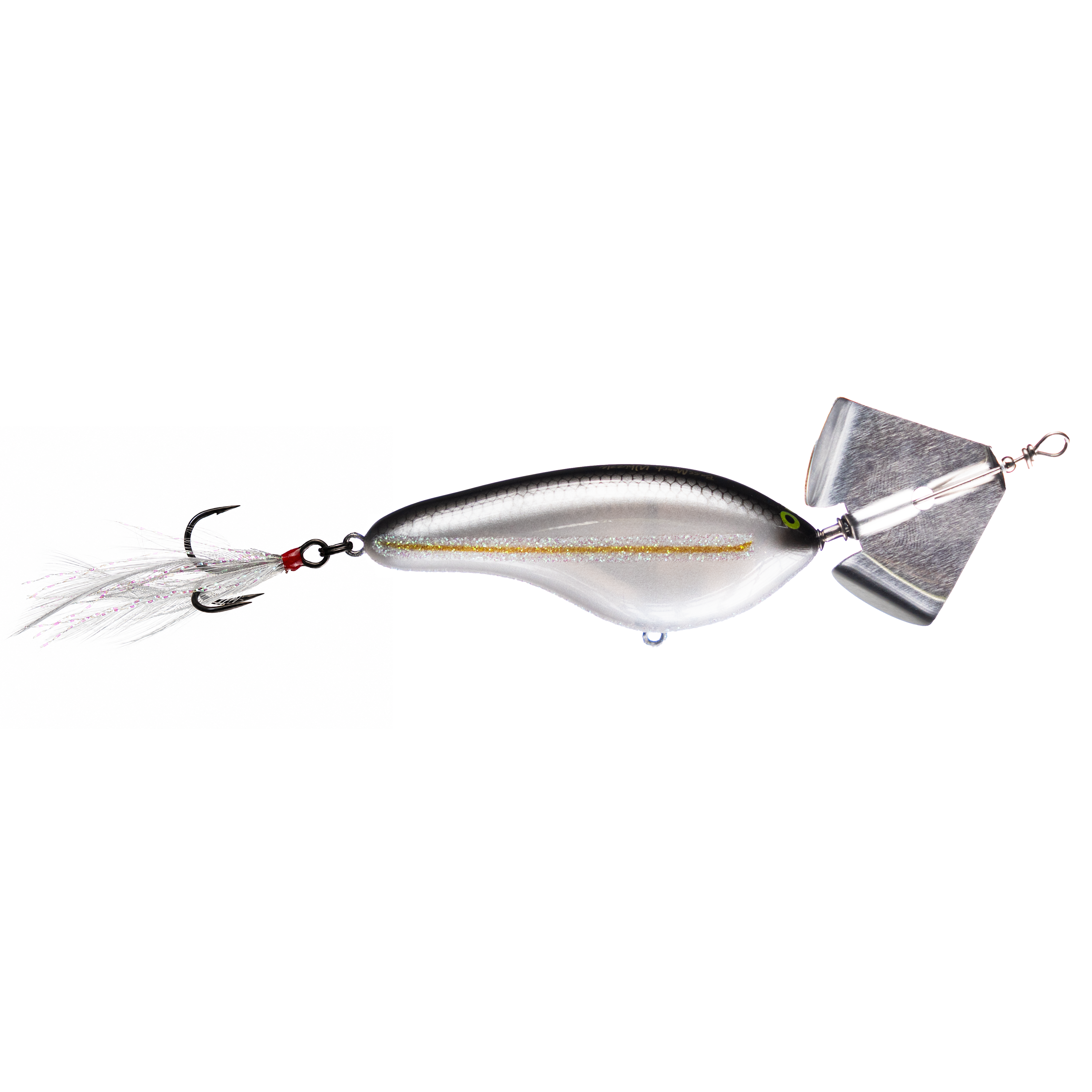
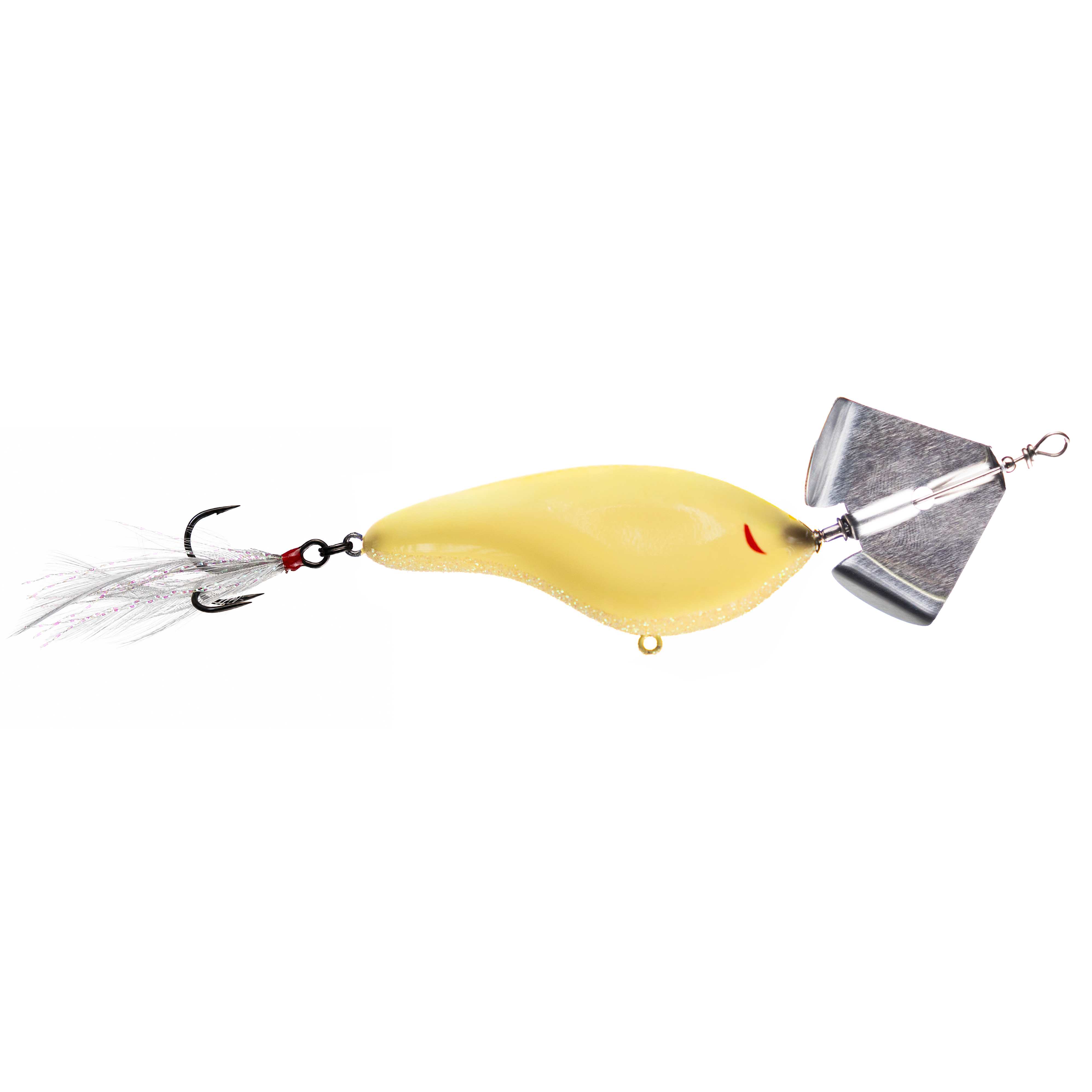
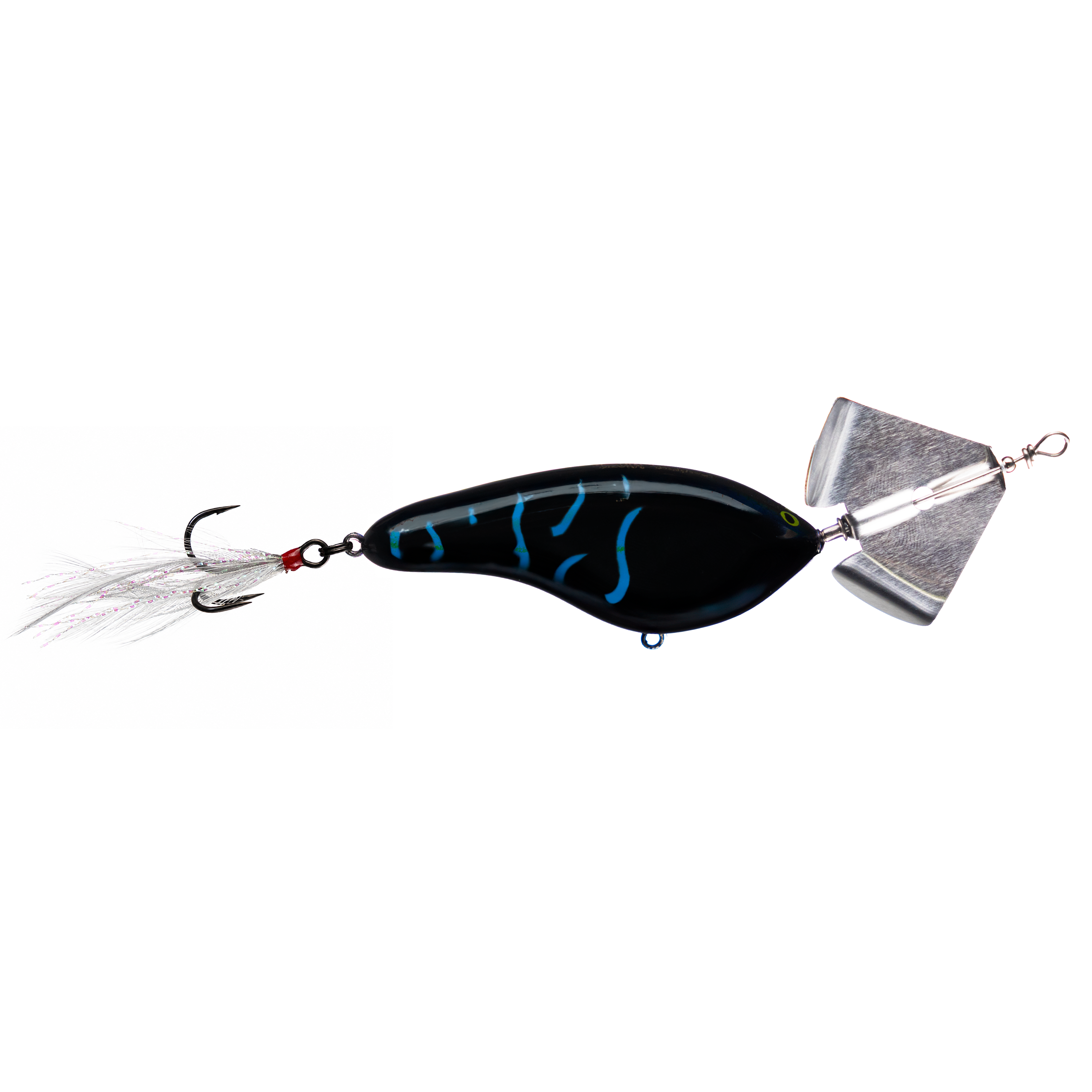
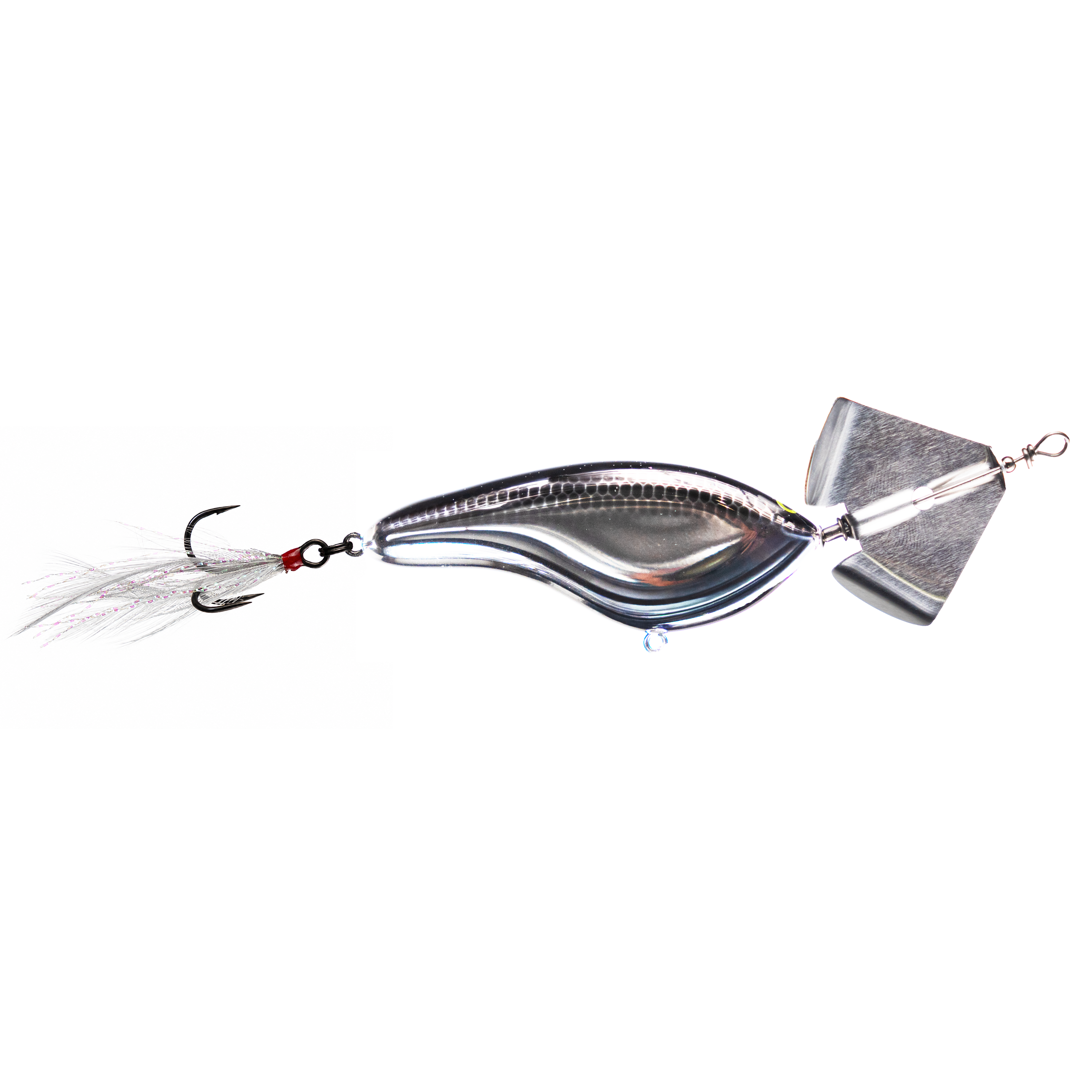
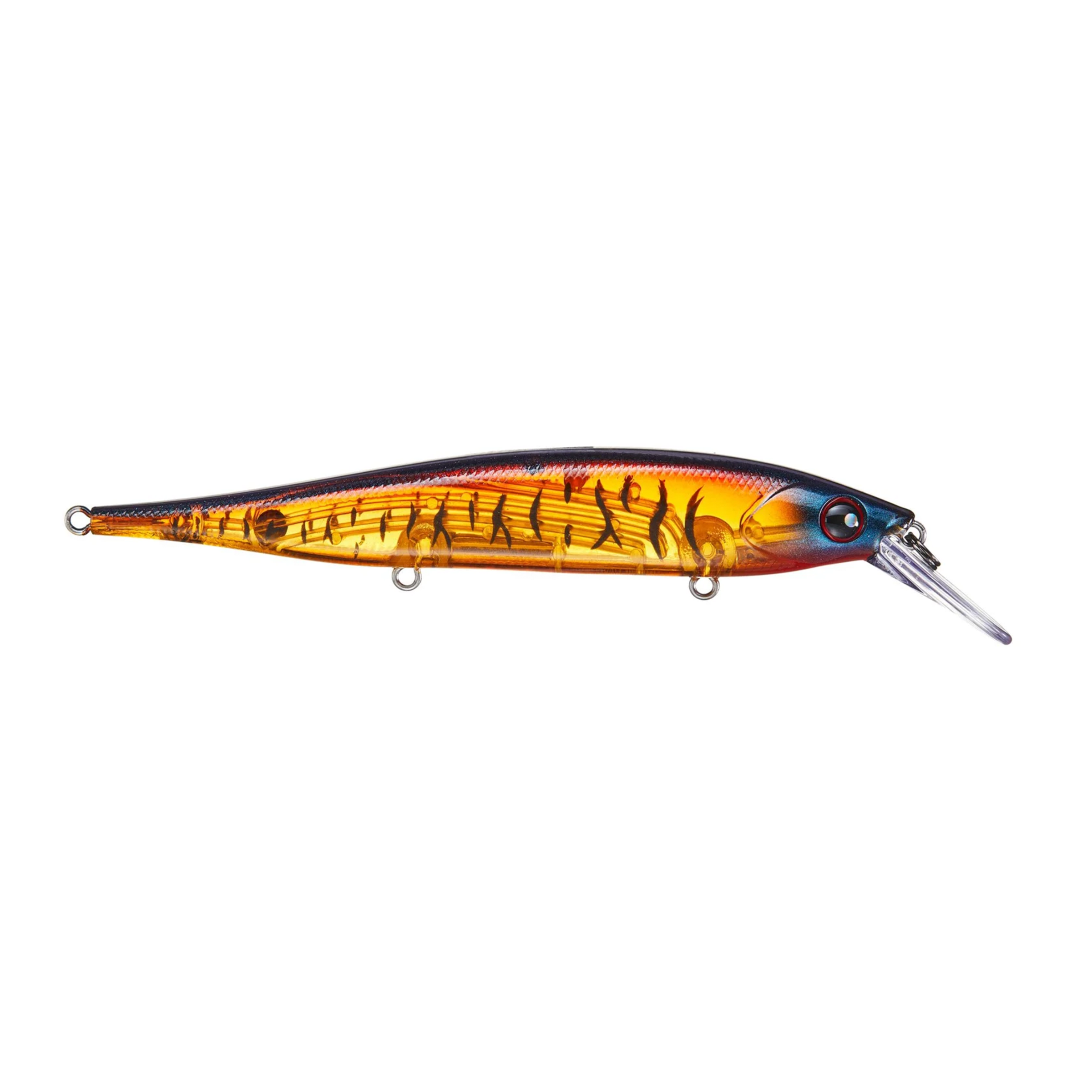
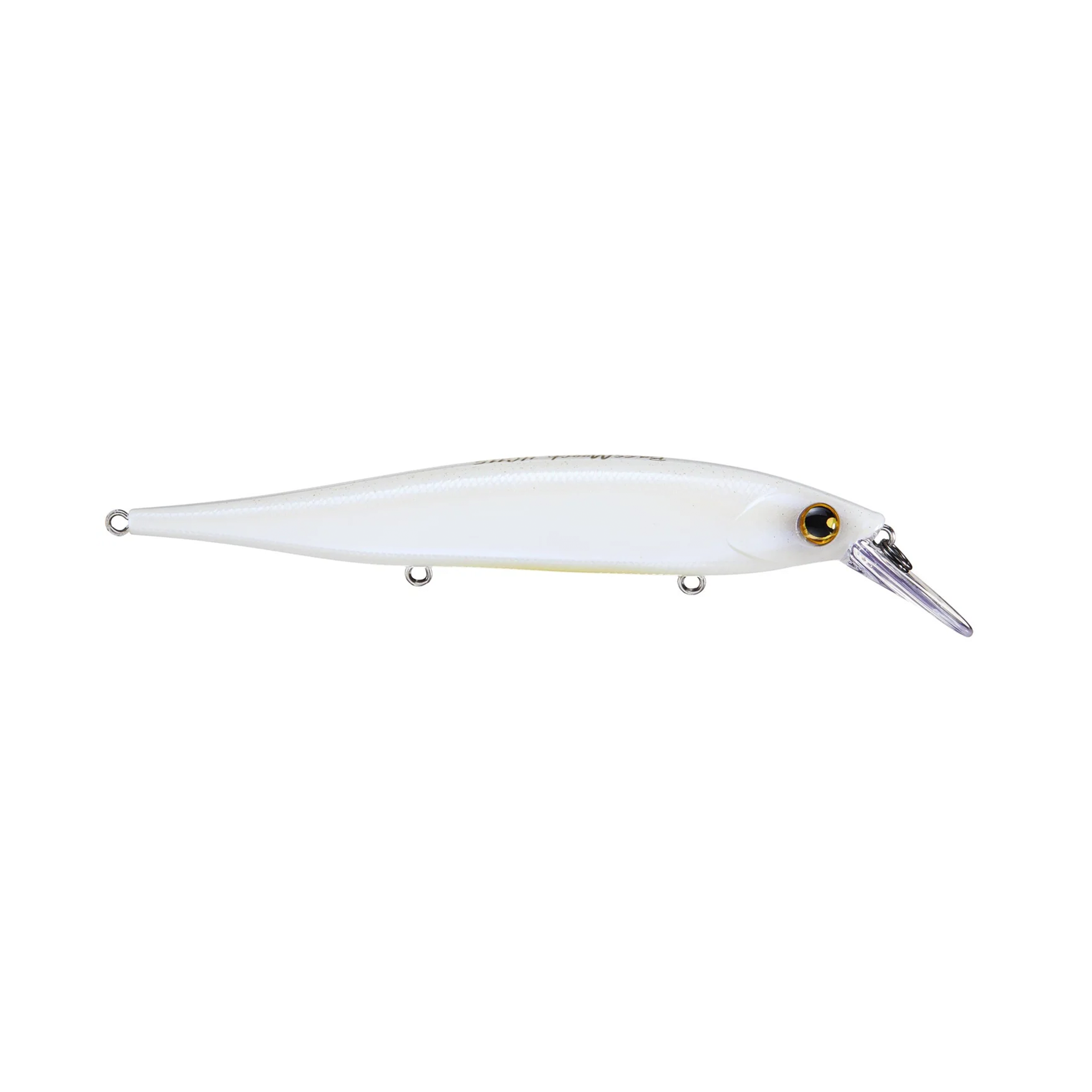
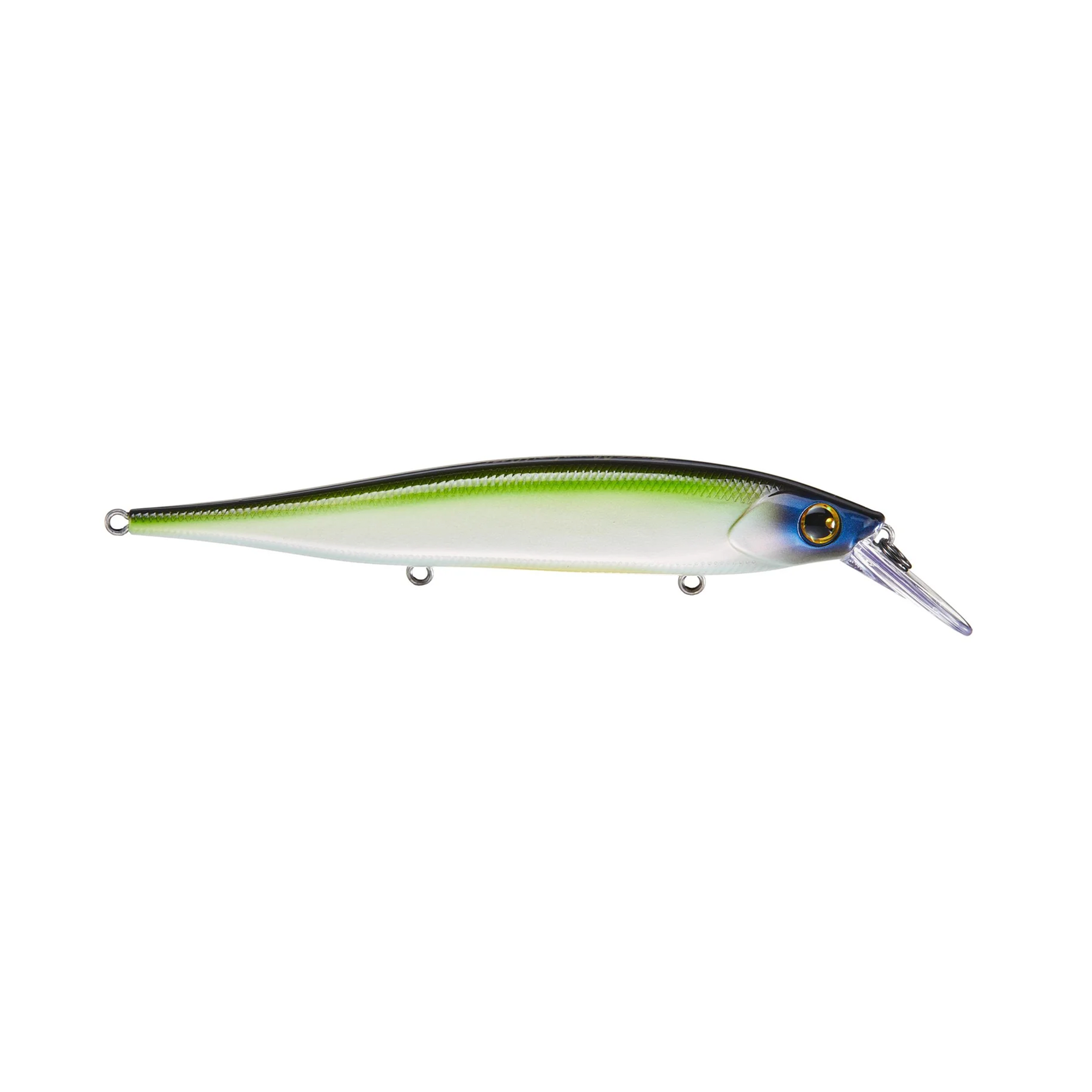
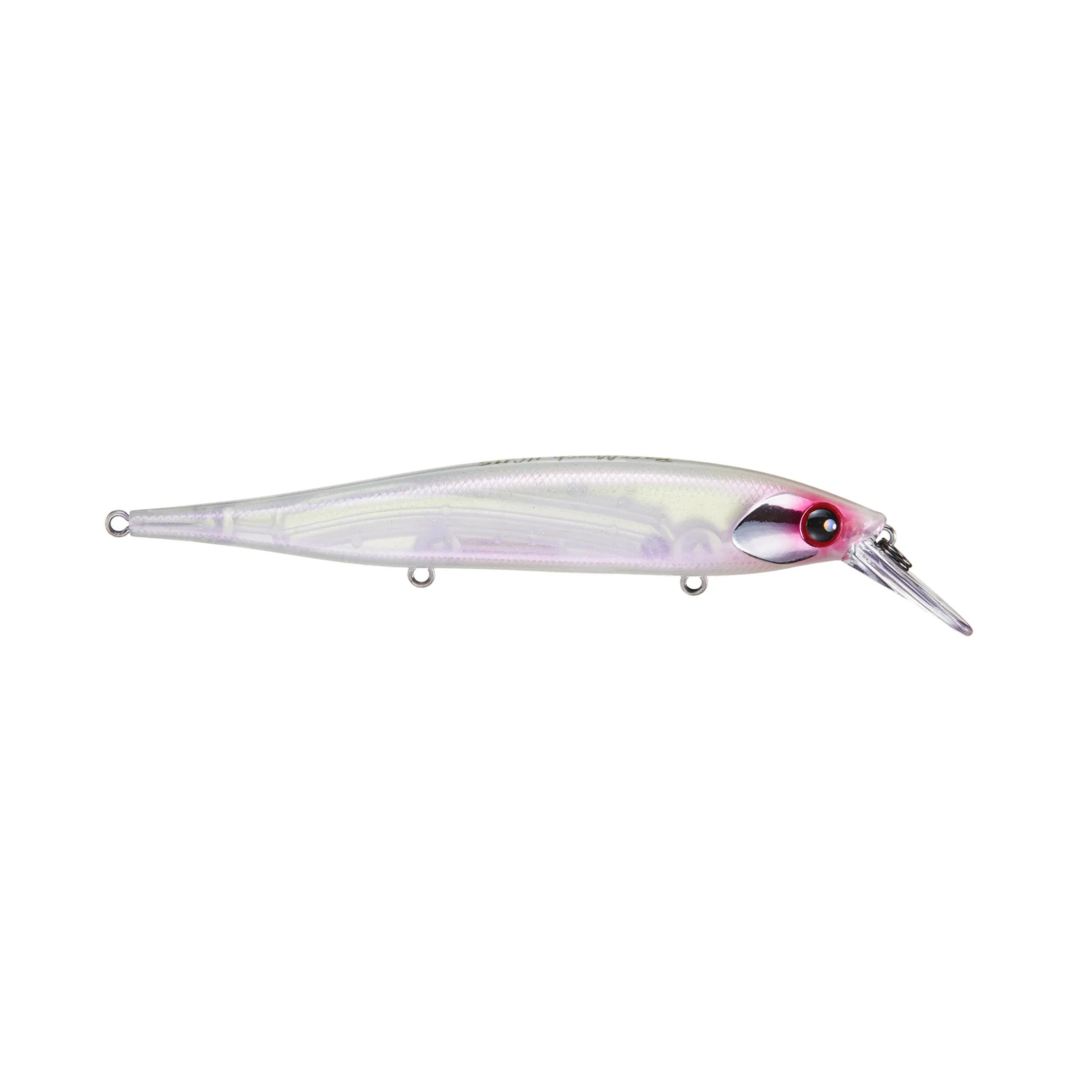
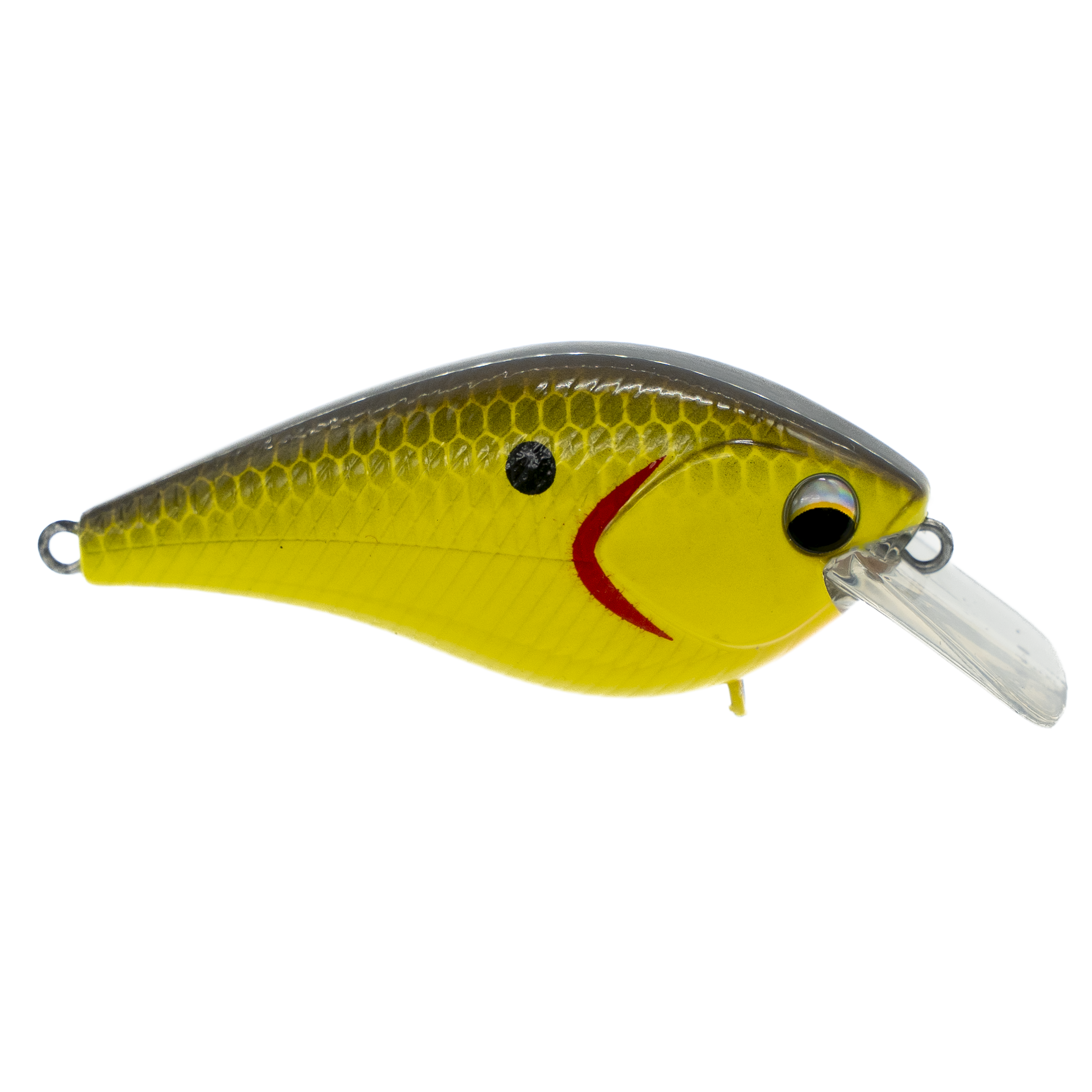
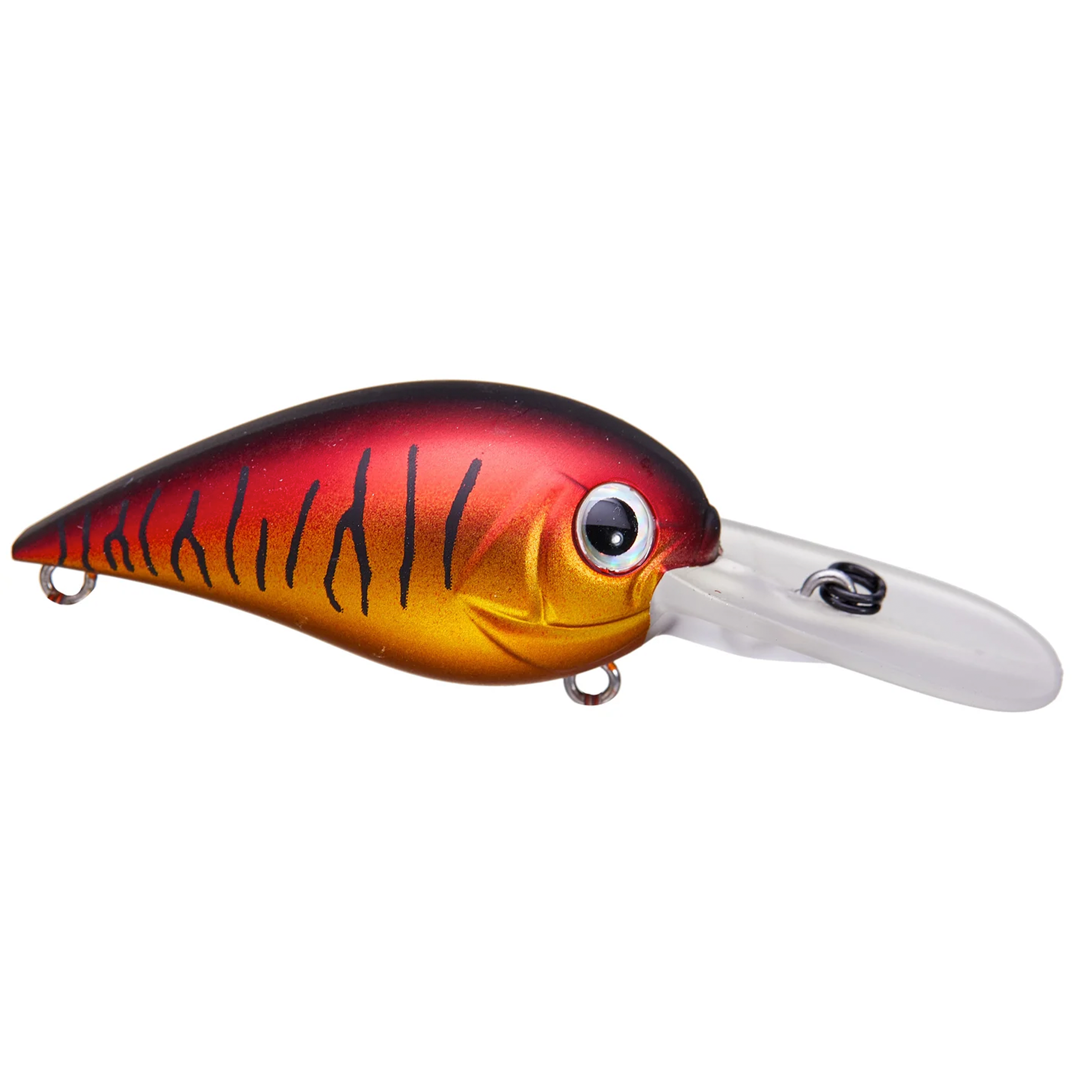
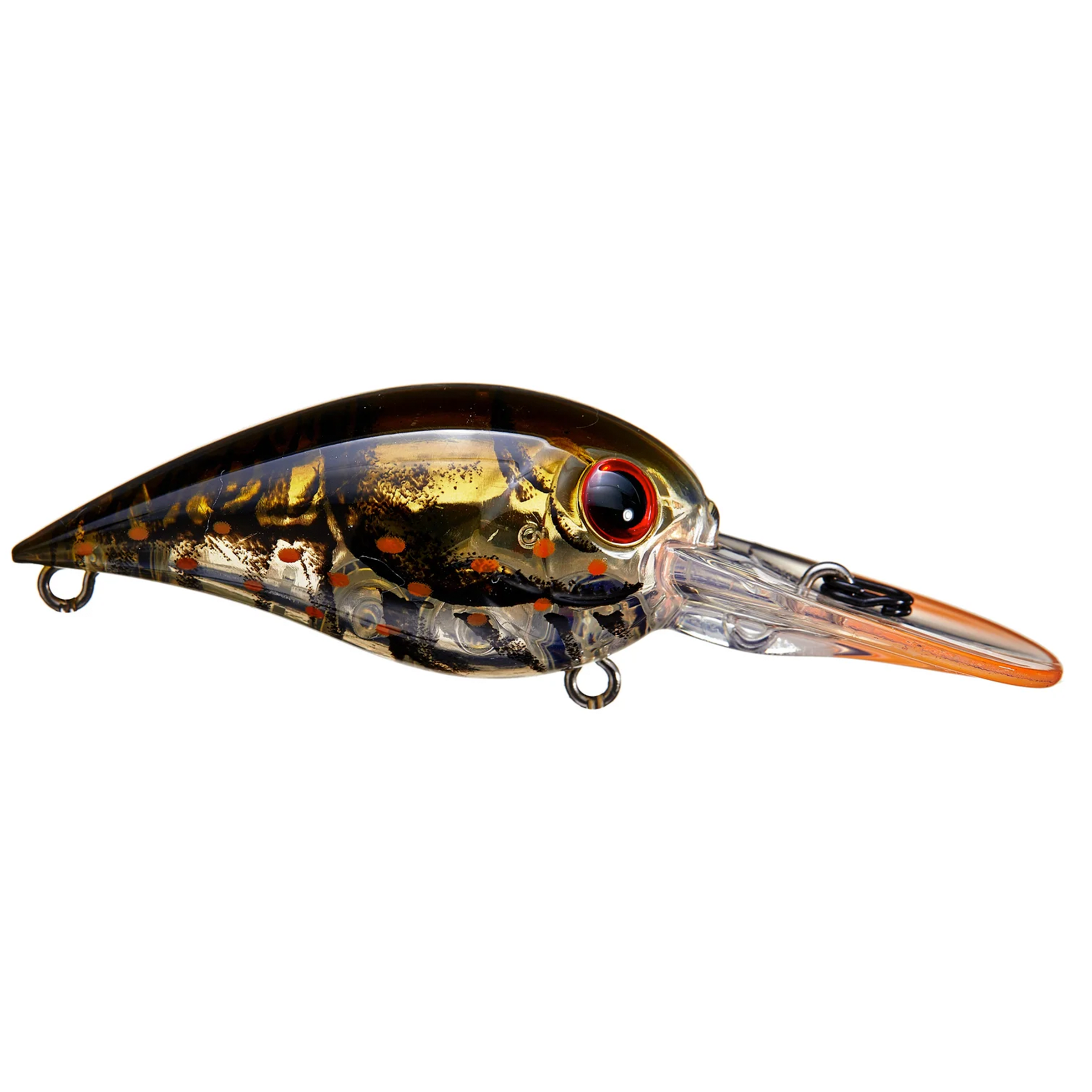
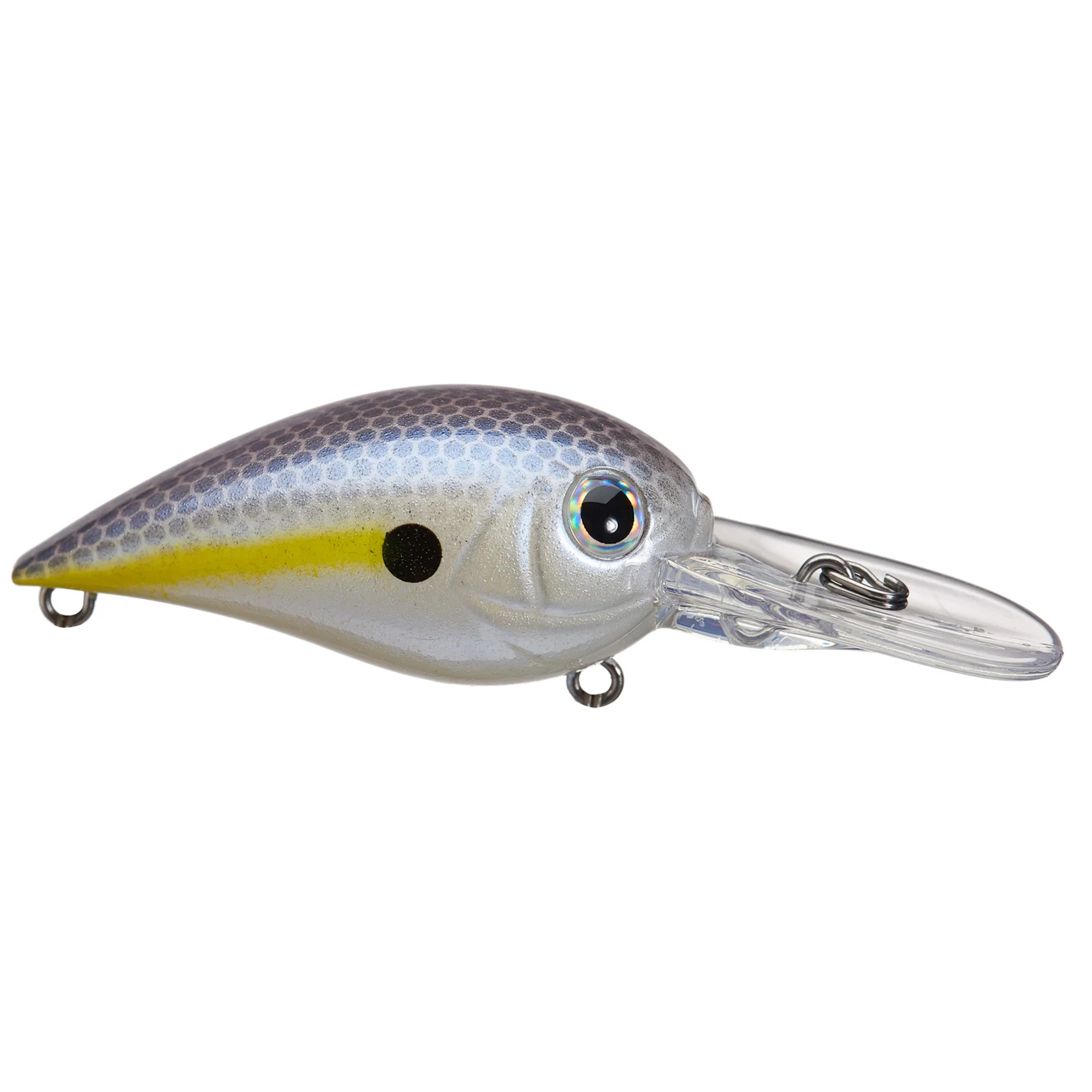
Spring is contact baits on current breaks for spots and flipping the sloughs for largemouth. Summer is topwater early then shallow creek fishing in the heat. Fall follows shad along seams. Winter is slow presentations near the channel. Our full bait lineup covers all four.
Do I need a fishing license for the Alabama River?
Yes. An Alabama fishing license is required, available through the Alabama Department of Conservation and Natural Resources. Check current size and creel limits before you go.
Reading Moving Water
Fishing a current seam means feeling the difference between your bait swinging in the flow and a spotted bass eating it on the drop. Level Rods builds models sensitive enough to tell those apart and strong enough to move a fish out of the break before the river takes it downstream of you.
Tournament Winning Baits & Gear
Designed, crafted and tested by anglers who fish moving water every week. Free shipping on orders over $75.
Shop All Baits